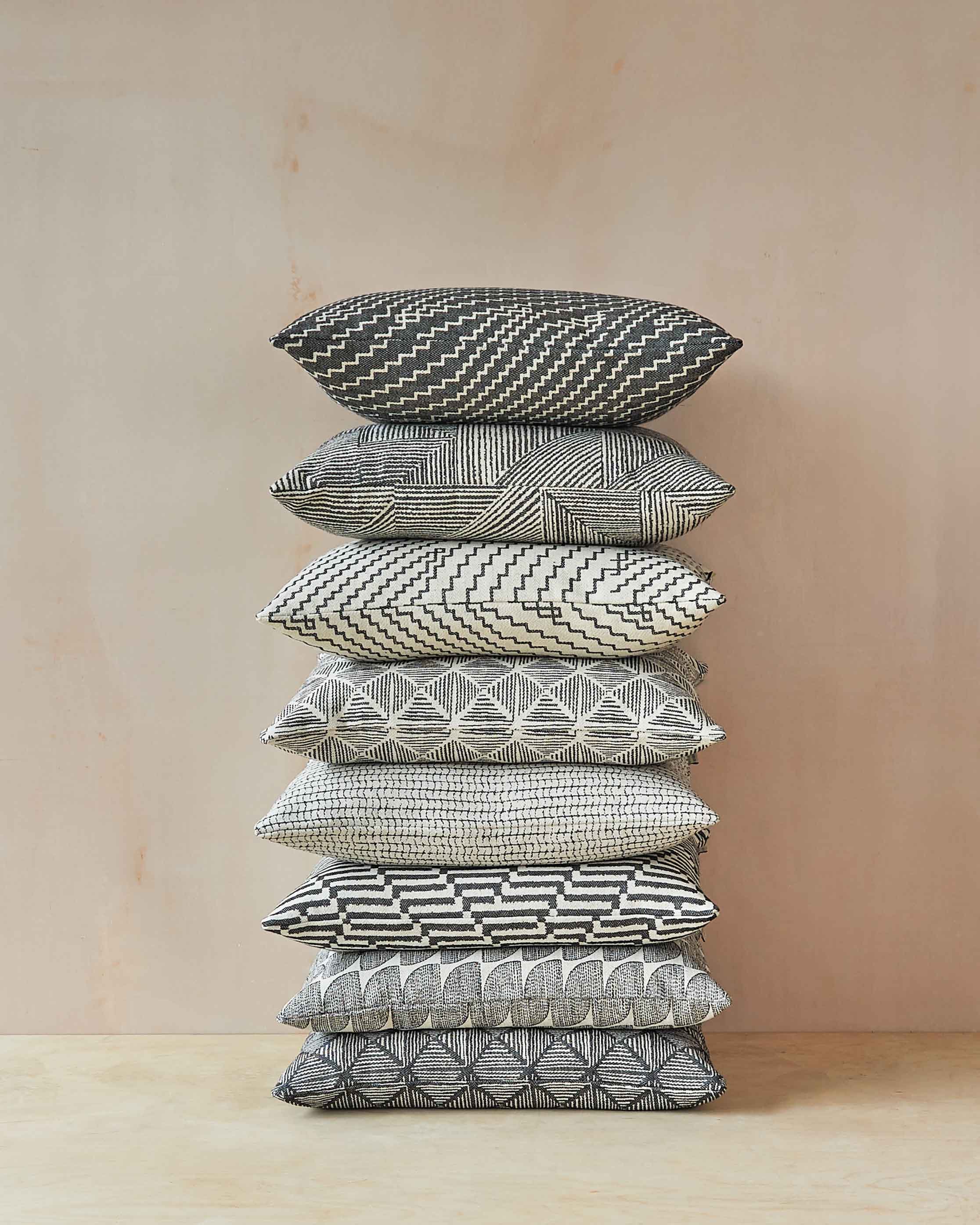
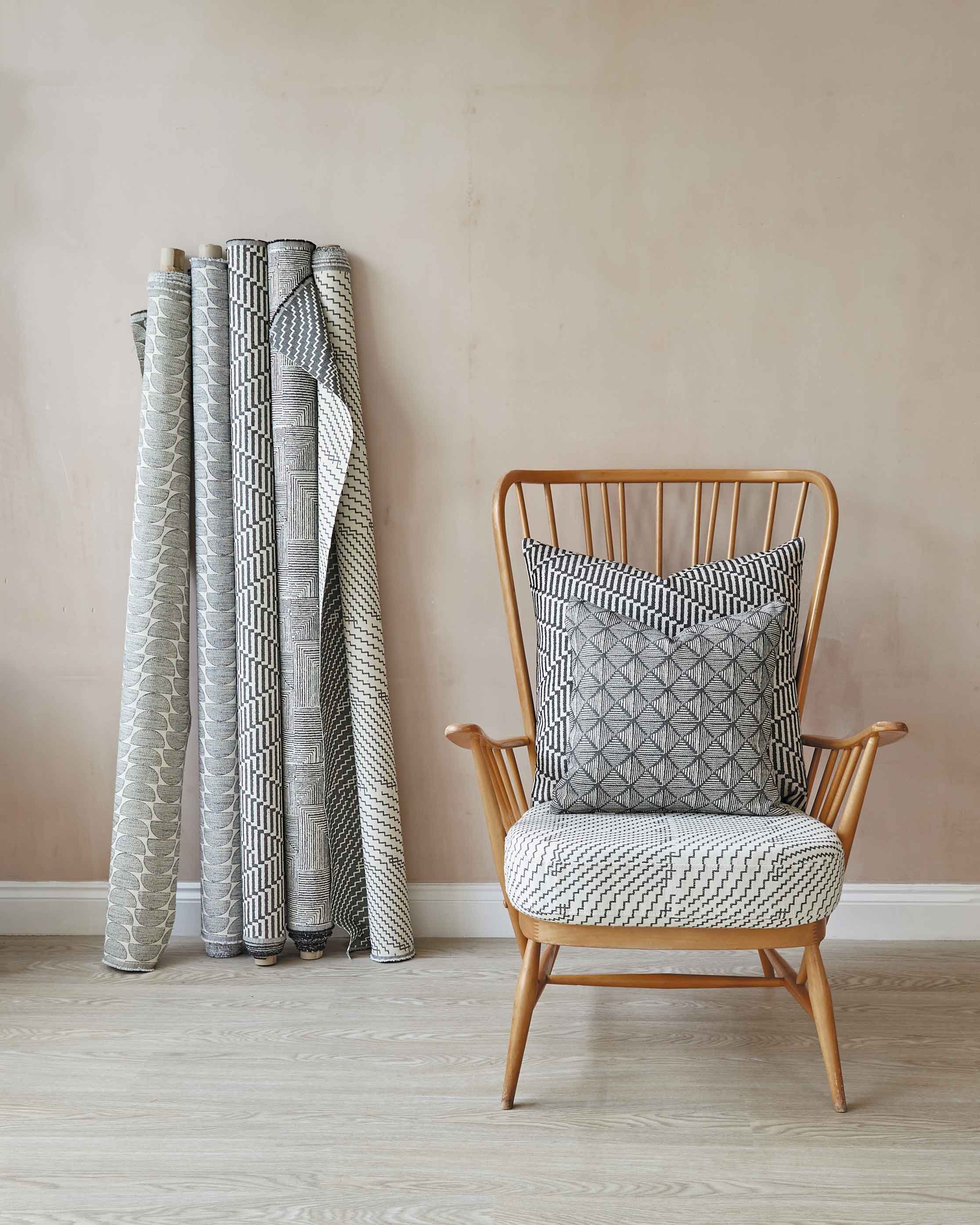
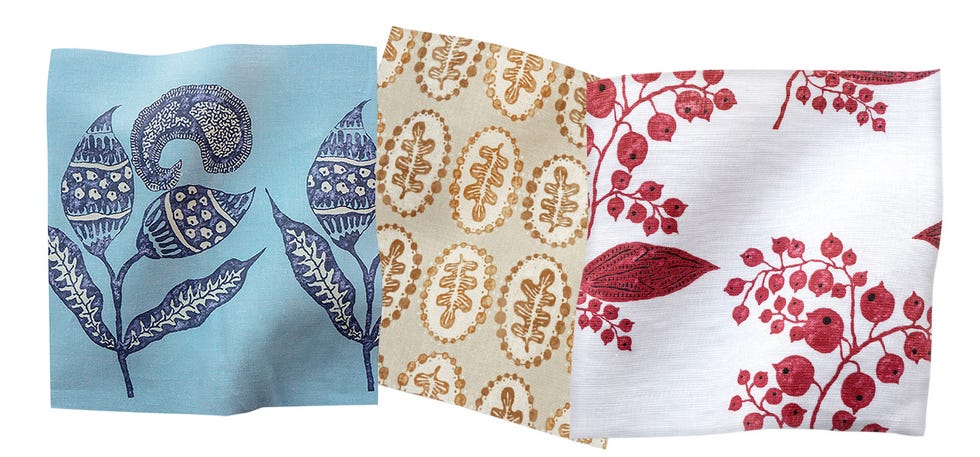
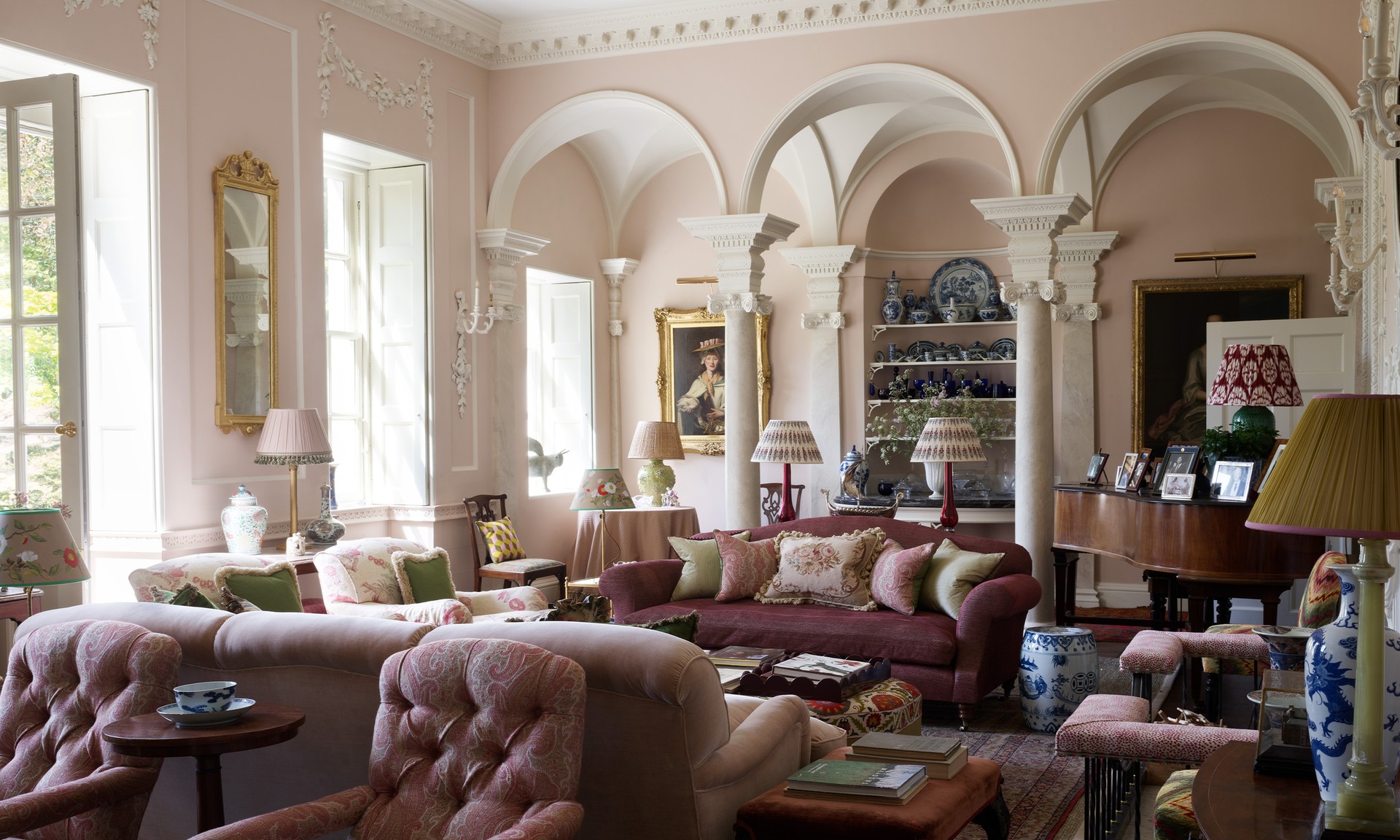
Q&A: Unison's Founders on Marimekko, Design, and the Future of Fabric
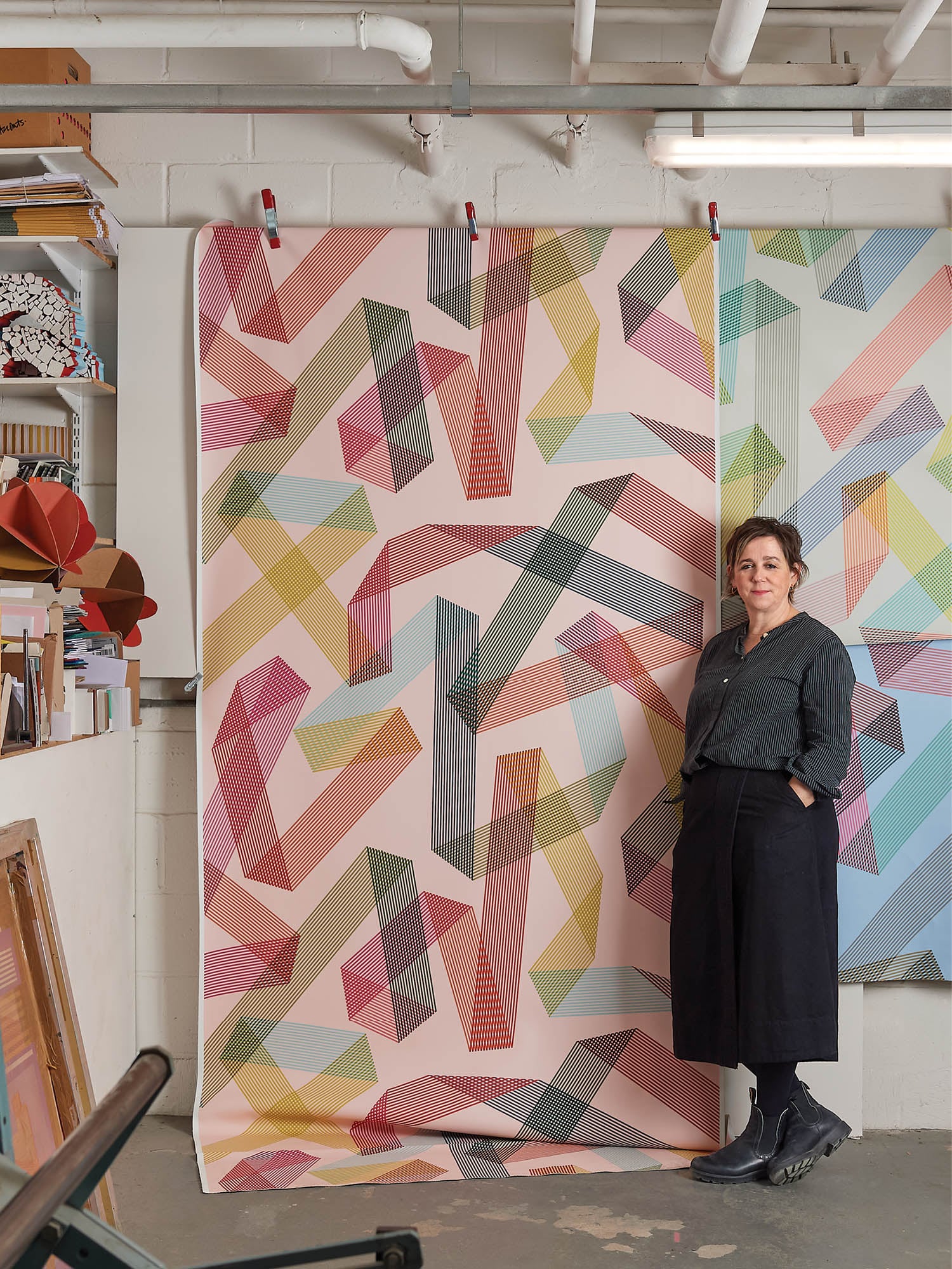
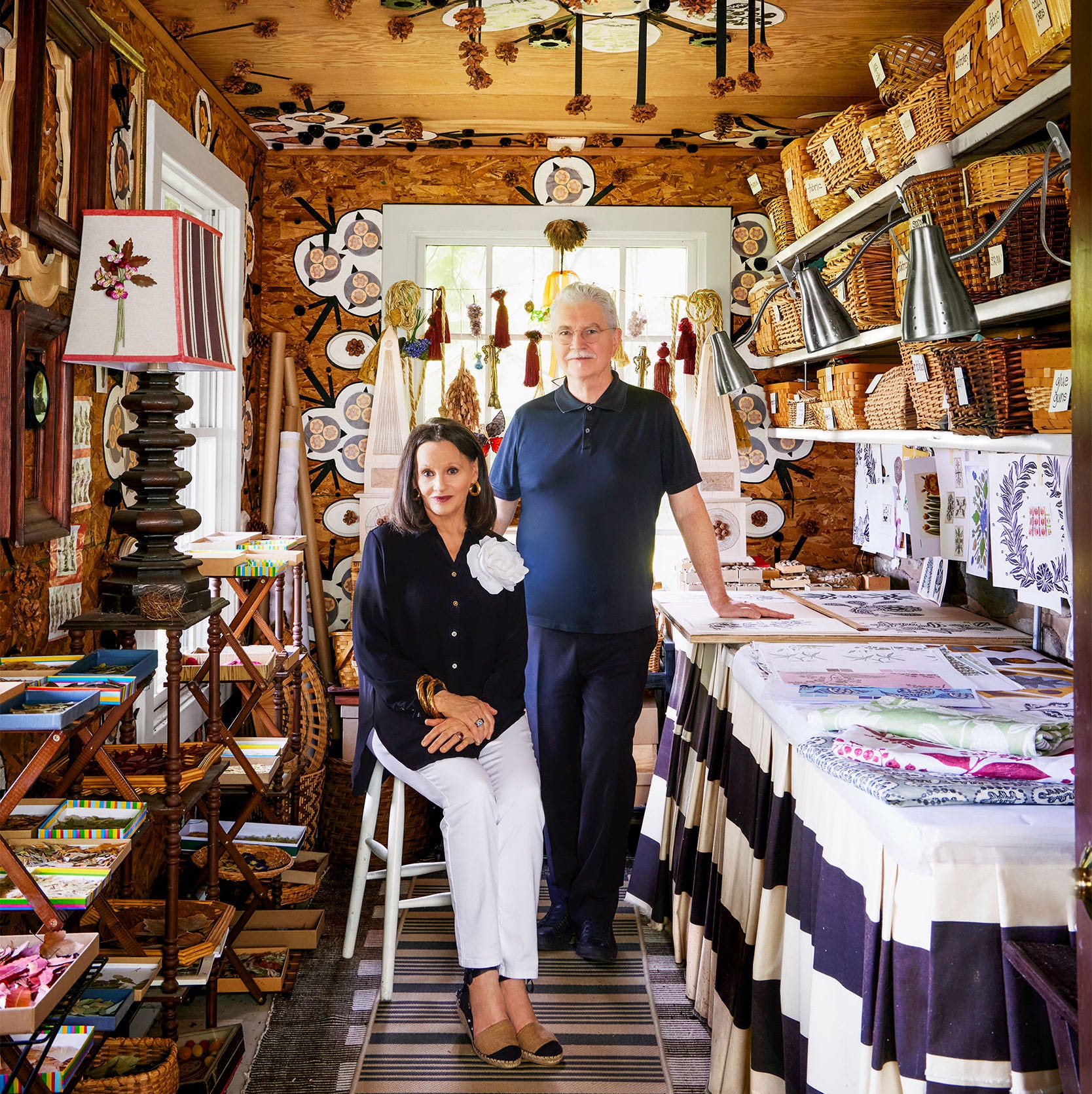
This article features an interview with Alicia Rosauer and Robert Segal, the founders of Unison, a Chicago-based design and home-furnishings shop. Both founders have a deep connection to Marimekko, the legendary Finnish design firm. Alicia's interest in Marimekko began in her childhood when her parents purchased Marimekko bedding for her and her sister's room. Robert, whose parents founded Crate and Barrel, was exposed to Marimekko from birth, as his parents were early importers of the fabric, and his grandmother would convert Marimekko fabric by the yard into ready-made items like throw pillows and pot holders.
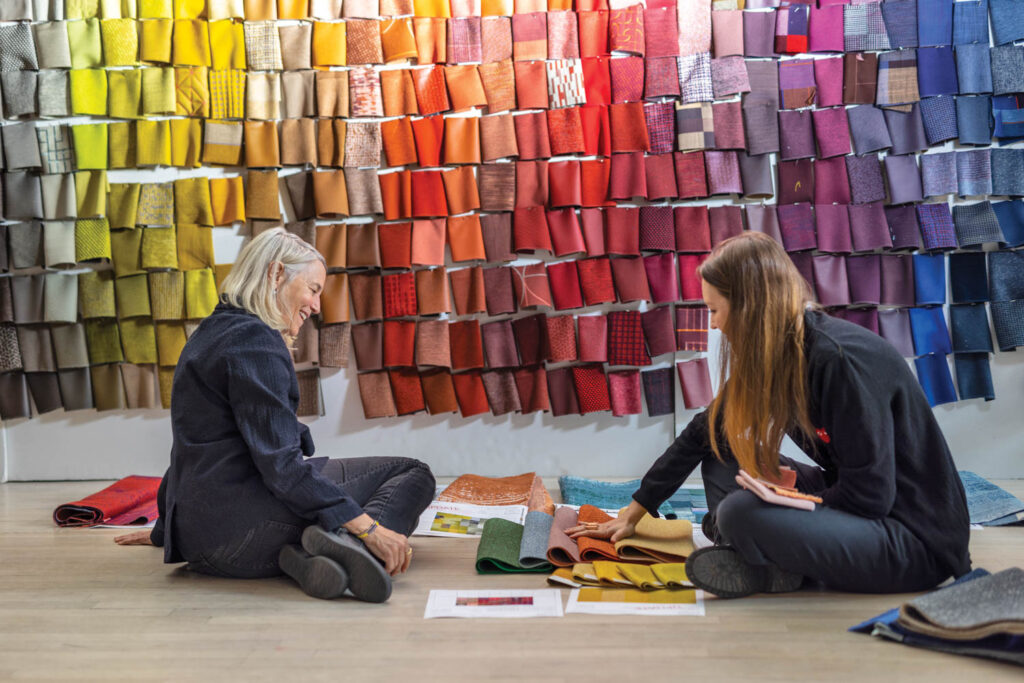
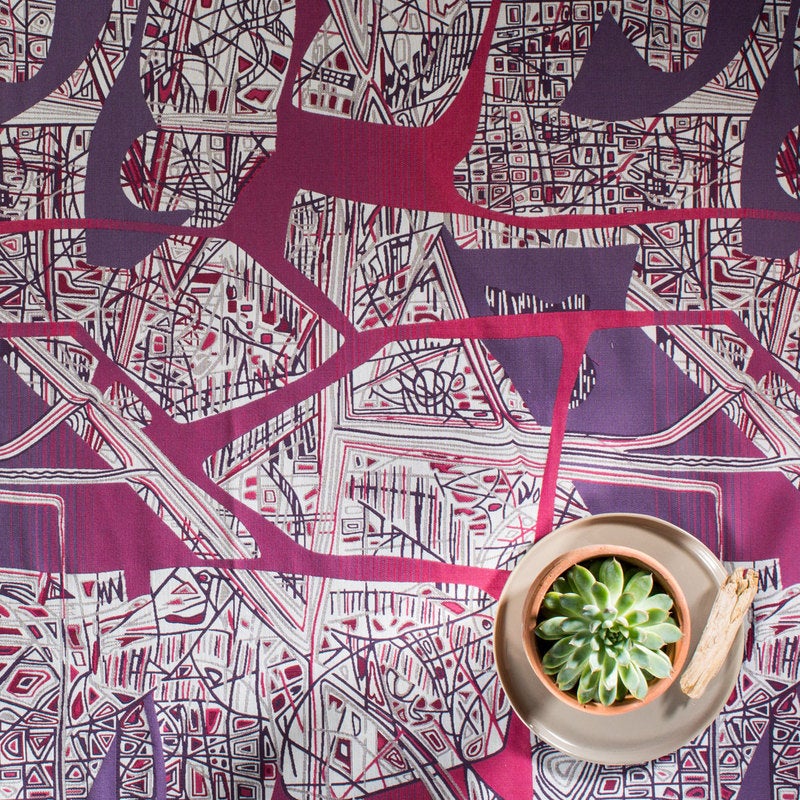
The interview delves into their early experiences with Marimekko and their careers at the company. Robert worked as a junior designer, creating prints for apparel, then bag designs, men's shirts, and eventually fabric for the interior department. Alicia initially focused on photo, marketing, and styling, assisting with photoshoots. Over their five years at Marimekko, they collaborated on several projects, including patterns for women's apparel and interior fabrics. They highlight the significant impact Marimekko's design philosophy had on them, particularly its embrace of large-scale, non-repeatable patterns and its meticulous attention to color. Marimekko's extensive color library, with thousands of formulas and high-quality dyes, allowed for precise color reproduction, a critical aspect of their design.
After their time at Marimekko, Alicia and Robert founded Unison, driven by their own clear product ideas that didn't align with Marimekko's direction or their junior status at the time. They explain how Unison balances well-known, familiar patterns like stripes and buffalo checks with more organic, all-over designs, often juxtaposing them to create a harmonious look. They emphasize the importance of usability in their designs, noting that not every product needs to be an art piece. The interview also touches on the practical limitations of running a smaller company, such as not owning their factories, which affects the number of colors they can use in patterns due to minimum yardage requirements.
The conversation also explores their sourcing strategies, including attending trade shows, monitoring design blogs, and increasingly, being approached by designers. They value patience in their seasonal cycles, understanding that opportunities can resurface. A key aspect of Unison's initial strategy was a commitment to "made in America" production, influenced by companies like American Apparel. This allowed for lower minimum order requirements and better quality control compared to international manufacturing options. The founders discuss the evolution of manufacturing, noting that while much of Marimekko's printing and fabric production remains in Finland, some ready-made goods are produced in other countries to manage costs.
Looking ahead, they foresee a significant expansion in digital printing, which aligns with the demand for personalized and on-demand products, especially with the rise of platforms like Etsy. They reflect on a past family discussion where the idea that people no longer cared about fabric was prevalent, contrasting it with the current trend of individuals and smaller producers creating and selling fabric by the yard through digital printing. This shift represents a significant return of interest in fabric as a raw material for creative endeavors.
#UnisonHome #Marimekko #FabricDesign #HomeFurnishings #DesignPhilosophy #TextileIndustry #DigitalPrinting #MadeInAmerica #InteriorDesign #Entrepreneurship #UnisonHome #Marimekko #FabricDesign #HomeFurnishings #DesignPhilosophy #TextileIndustry #DigitalPrinting #MadeInAmerica #InteriorDesign #Entrepreneurship
0 comment in total
 No comments yet
You may also like
Suzanne Tick: 2023 Interior Design Hall of Fame Inductee

Let’s Talk Pattern Design With Shadé Akanbi
15 highlights from Heimtextil: spot the textile trends for 2025


HGTV’s Monica Pedersen talks design from World Market Center | Fashion | Life
Knowing the Ropes Explores the Textile Through a New Lens

Nifemi Ogunro talks design and family

Q&A with eco-dyed textile designer Joanne O'Rourke

Seen at Interwoven May 2024

Creative Voices: In Conversation With Artist Sophie Smallhorn

RISD profs' tool allows anyone to create custom woven fabrics online

Fabric & Feel: Interview with Margate designer Beatrice Larkin
A conversation with design visionary Naoto Fukasawa


How a Simple Fabric Pattern Uplifted a Post-War Finland

BekaertDeslee Showroom Innovation Textiles: A Look into Design, Sustainability & More

How a Social Media Follow Grew Into an IRL Fabric Collaboration Between Two Design Legends
2 Interiors Designers Talk Style, Inspiration & The Concept Of ‘Future Heritage’

Margrethe Odgaard

A Cool Furniture Designer Talks Style, Inspiration & More
Meet Josniel Fiallo | President
Designers Talk ’tops