
How a Simple Fabric Pattern Uplifted a Post-War Finland
After World War II, Finland, a small nation severely impacted by three wars and territorial losses to the Soviet Union, faced immense physical and financial devastation. In this post-war landscape, the country sought to rebuild its economy by promoting local industries. Amidst this effort, a textile company named Marimekko emerged, playing a pivotal role in boosting the national economy, instilling pride, and creating a globally recognized design.
Founded by Armi Ratia and her husband Viljo, Marimekko originated from Printex, a textile and oilcloth company. Ratia observed that most fabric orders were for household items like draperies and tablecloths. This insight inspired her to expand the product line to include vibrant, contemporary prints suitable for clothing. In 1951, Ratia recruited Finnish artists and textile designers, such as Maija Isola and Vuokko Nurmesniemi, renowned for their abstract and brightly colored patterns. The first Marimekko fashion show in Helsinki, showcasing these innovative designs, was a resounding success, leading to the opening of the first retail store the following year.
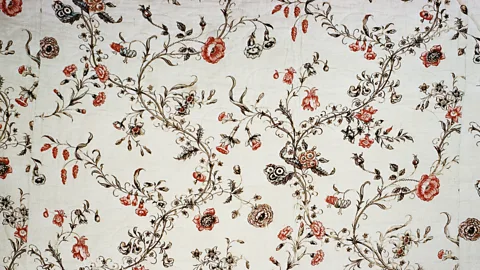
Marimekko fabrics were sold by the yard, with bolts branded with the designer's name and country of origin. Ratia continued to commission designers for clothing lines, which evolved into a more free-form and comfortable style, departing from the structured dresses prevalent in the 1950s. This new aesthetic was seen as a mood-lifting response to the war's aftermath. Among these designs, Maija Isola's Unikko ('poppy') pattern, introduced in 1964, became the most iconic. Isola reportedly created Unikko as a playful defiance against Ratia's initial aversion to floral prints. Isola, known for drawing inspiration from nature, often created her prints by projecting natural elements onto screens and adding hand-painted details. She designed over 500 prints for Marimekko, many of which have been re-released. Unikko, initially available in red, pink, and black, expanded into various colorways and was applied to a wide range of products, from sheets to shower curtains.
Marimekko quickly gained international recognition. In 1957, Giorgio Armani invited Ratia to sell her clothes in an Italian department store, introducing the brand to a global audience. Architect Ben Thompson brought Marimekko to the U.S., selling clothing and housewares through his popular Design Research stores. A significant turning point occurred in 1960 when Jacqueline Kennedy appeared on the cover of Sports Illustrated wearing a Marimekko dress she purchased at Design Research, reportedly buying six more. This exposure propelled Marimekko to widespread success in the U.S., leading to the opening of retail stores worldwide.
Despite global momentum and features in prominent magazines like Life, Elle, and Vogue, Marimekko faced internal struggles and high production costs. Following Ratia's death in 1979, the company encountered significant challenges. The collapse of the Soviet Union in the 1980s triggered a financial crisis in Finland, impacting Marimekko, which had benefited from special trade agreements with the U.S.S.R. The company was acquired by a conglomerate, but its troubles persisted, pushing it to the brink of bankruptcy. In 1991, ad executive Kirsti Paakkanen took over, revitalizing Marimekko by engaging younger designers and repositioning the brand. This led to partnerships with companies like Crate & Barrel, H&M, Converse, and Manolo Blahnik, reintroducing the prints to a new generation. Marimekko products were also featured on television shows like "Sex and the City." Paakkanen later handed over a revitalized company to Mika Ihamuotila in 2008.
In 2010, Marimekko opened a flagship store in New York City, and by 2014, it operated over 125 stores and licensed retailers globally. The brand debuted its collections at Tokyo Fashion Week in 2012 and launched Marimekko Village, a social network appealing to the Pinterest community. Marimekko has solidified Finland's reputation as a design-savvy culture, alongside other renowned Finnish companies like Artek and Iittala. The brand continues to support and promote Finnish artists, acting as a cultural ambassador with a mission to enhance the quality of living. In celebration of Unikko's 50th birthday, Marimekko released new product lines with fresh color combinations, demonstrating the pattern's enduring appeal and contemporary relevance. Unikko remains one of the world's most recognizable patterns, connecting people to its origins and Finland's design heritage.
#Marimekko #FinnishDesign #TextileDesign #PostWarFinland #MaijaIsola #UnikkoPattern #FashionHistory #DesignResearch #CulturalPhenomenon #Marimekko #FinnishDesign #TextileDesign #PostWarFinland #MaijaIsola #UnikkoPattern #FashionHistory #DesignResearch #CulturalPhenomenon
0 comment in total
 No comments yet
You may also like
100 Years of Finnish Design

Inside the fascinating history of bouclé (and why it’s revival isn’t over yet)

I Traveled to Finland to Find the Next "It" Decor | domino

Mahalaxmi Fabric Mills scaling up new heights using Stovec technology
Knowing the Ropes Explores the Textile Through a New Lens

Color Play: Finnish-American Rug Weaving by Wynne Mattila

Woven Inspiration recovers the gilded age

This Textile Brand Is Blurring the Lines Between Runways and Interiors
The floral fabric that was banned

Nordic Knots Creates Modernist Rugs Inspired by Scandinavian Heritage

Europe's secret dyeing formula

The last NZ company weaving our wool

Mara Nelson’s Cover Girls: Upholstery made to last

These 3 Retro Fabric Techniques Are Making A Killer Comeback

Fluff Stuff

5 design tips to steal from Finland, the happiest country in the world - interior design tricks to beat the winter blues
When Hollywood Needs a Historically Accurate Outfit That Looks Just Right, It Turns to Rabbit Goody
There’s No IKEA in This Textile Designer’s Stockholm House, Just Classic Swedish Patterns


The Insider: Japanese, Scandinavian Design Influence Gut Reno of Heights Prewar
tokyo fiber '09 senseware' exhibition at milan design week