1/16
The new elegance of cities. The evolution of inclusive design
The quality of life in cities significantly impacts human lifespan, with differences potentially spanning two decades, according to the WHO. The World Health Organization's 2001 International Qualifications Framework for Health (ICF) highlights that most individuals will experience some form of temporary disability due to factors like illness, age, or pregnancy. This perspective reframes disability not as a minority issue, but as a universal human experience. This shift underscores the importance of inclusive urbanism, barrier-free design, and universal access, moving beyond basic 'accessibility' discussions to widespread implementation, particularly in the US, Canada, and Europe. This article explores the progression of inclusive design, its philosophical underpinnings, and its current status in Ukraine.
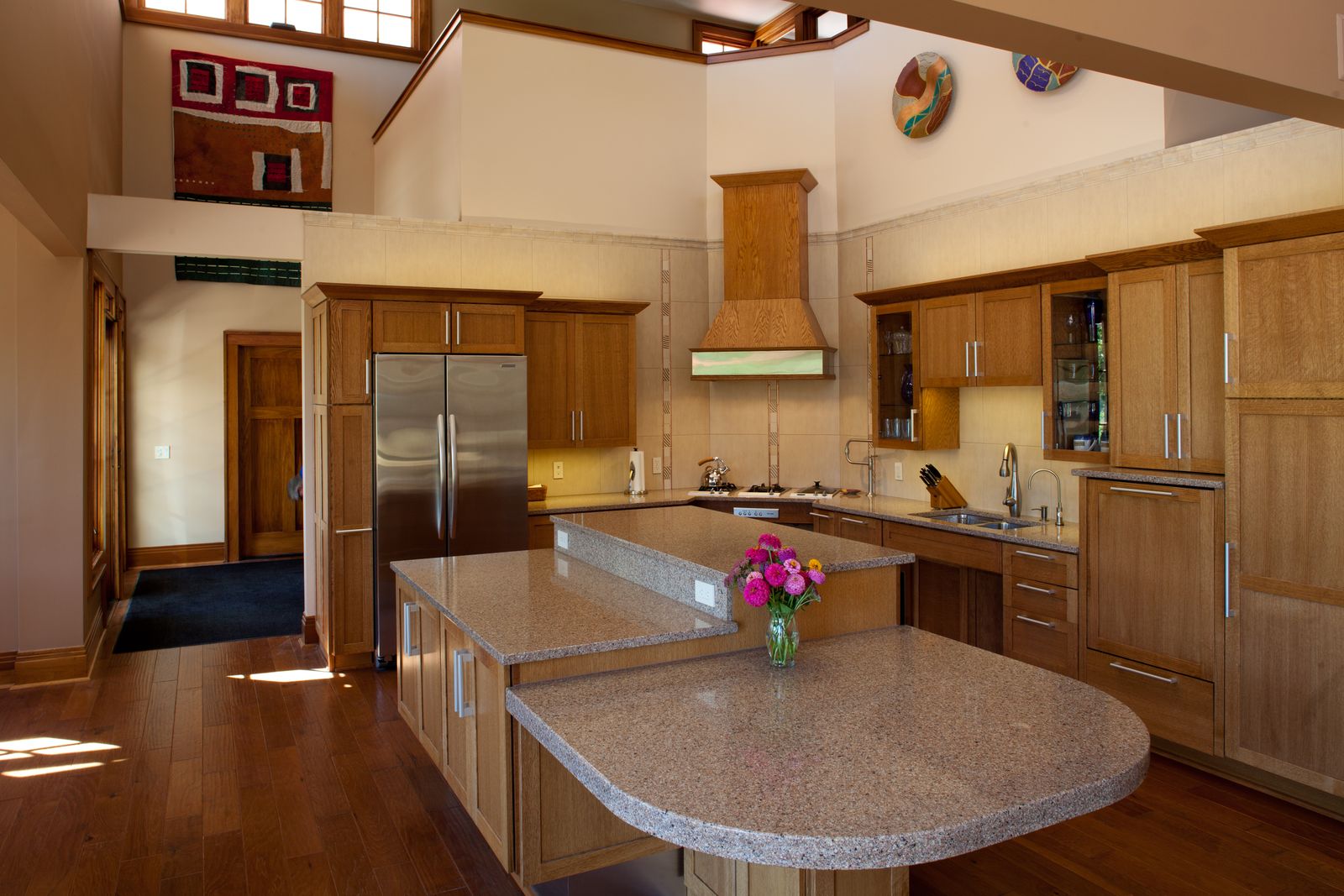
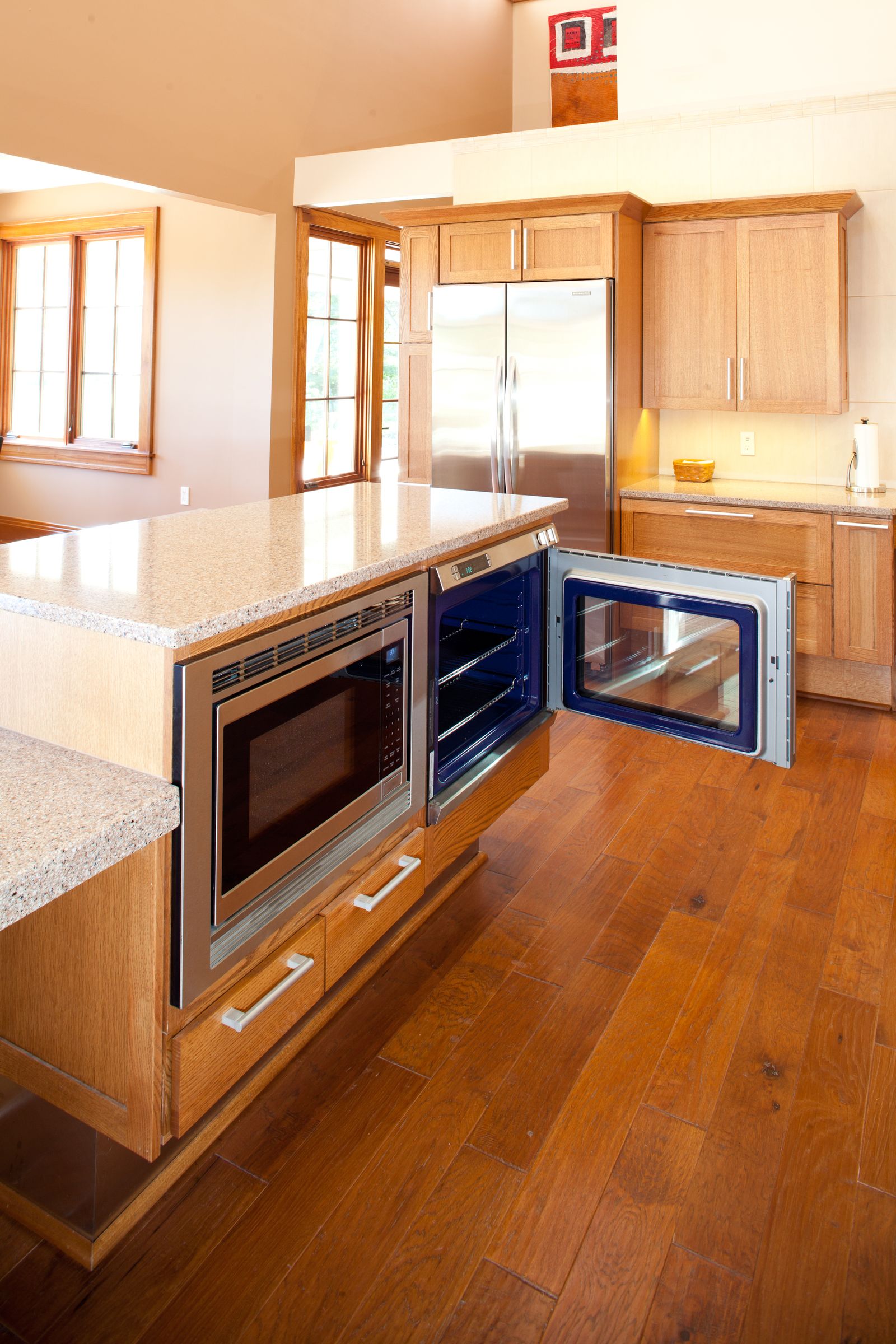
In the United States, the Americans with Disabilities Act (ADA) Standards for Accessible Design, established in 1991, marked a significant legal framework. While violations persist, the American legal system effectively enforces these standards through litigation. This has solidified inclusive design as a civil rights concept, a result of hard-won battles against initial resistance from state and corporate entities. Pioneering figures like industrial designer Patricia Moore faced resistance in advocating for design solutions that accommodated diverse needs, illustrating the historical struggle. An early example of adaptive architecture is Frank Lloyd Wright's Laurent House (1952), designed for a wheelchair-bound World War II veteran. Wright incorporated features like gentle ramps, wide doorways, and ergonomically placed fixtures, demonstrating that adaptive design can coexist with aesthetic appeal. Today, the Laurent House serves as a museum, a testament to this principle. While private, adapted mansions are now common, the urban environment required a more widespread fight. Activist Ed Roberts, partially paralyzed by polio, spearheaded the movement for accessible urban environments. His persistence led to the conversion of a university ward for his accommodation and, subsequently, the formation of the 'Rolling Quads' – a group that used radical methods, including smashing curbs, to advocate for accessibility. This activism, alongside broader civil reforms of the 1960s and 70s, culminated in the signing of the ADA in 1990.
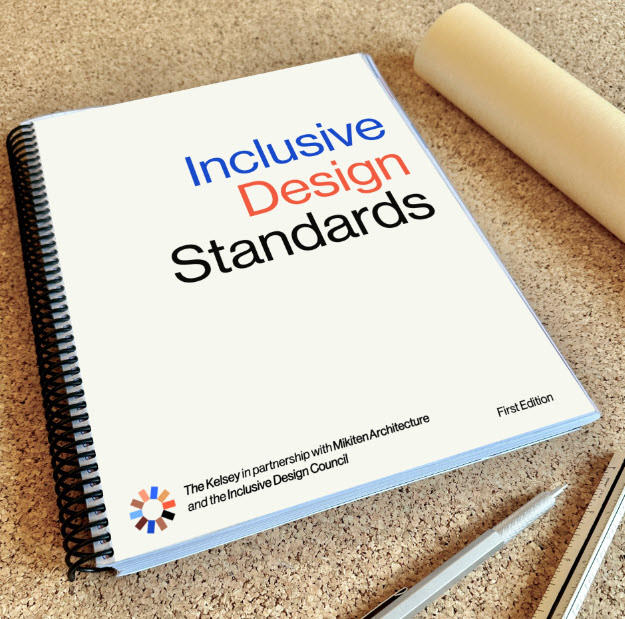
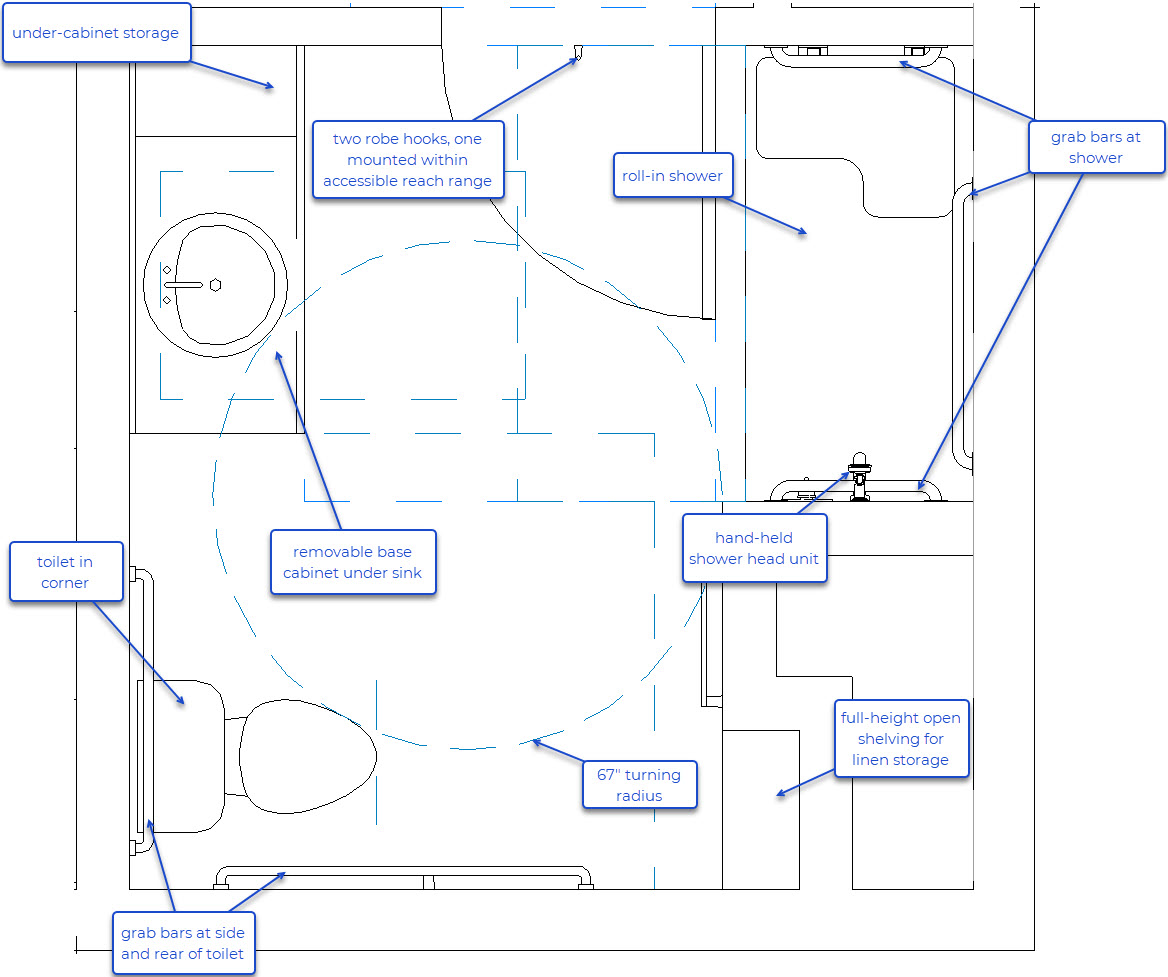
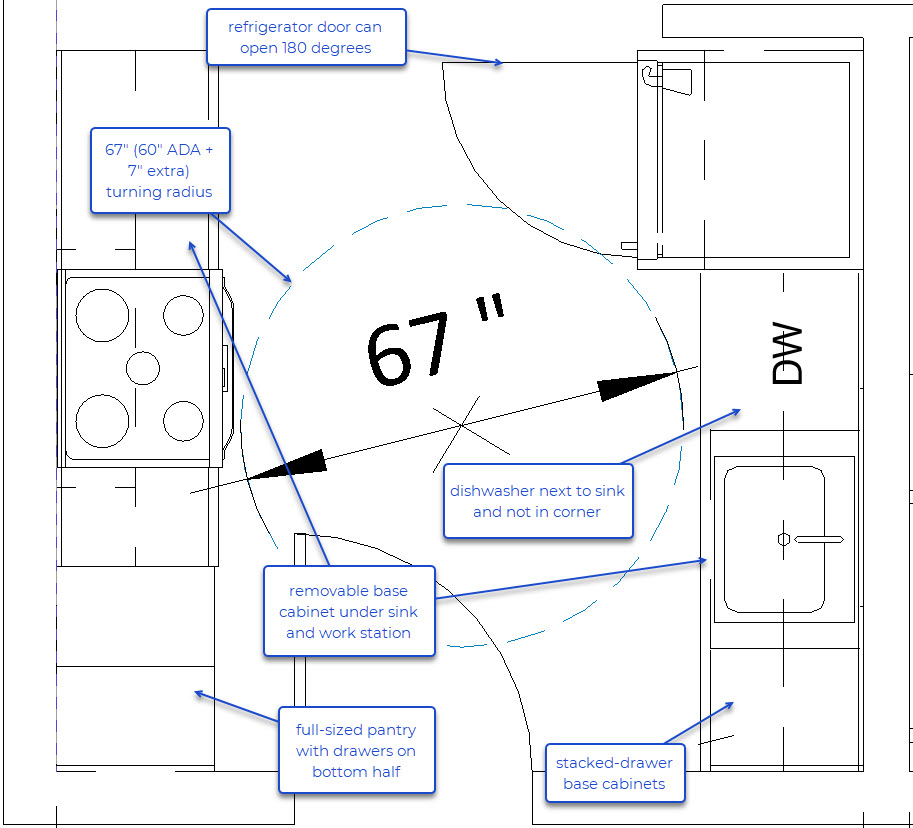
Ronald Mace, an architect and industrial designer also affected by polio, was another pivotal figure. He developed the first US building accessibility code in 1973 and coined the term 'universal design.' This concept goes beyond minimum accessibility, aiming for aesthetically pleasing and comfortable environments usable by everyone, regardless of age, ability, or status. Mace formulated seven principles of universal design: equitable use, flexibility in use, simple and intuitive use, perceptible information, tolerance for error, low physical effort, and appropriate size and space for approach and use. These principles were applied in the reconstruction of the World Trade Center site, including the 9/11 Memorial, where subtle slopes replaced stairs, and monument details were made visible to individuals of varying heights and mobilities. The Ed Roberts Campus in Berkeley, a world model for accessibility, exemplifies universal design principles, featuring acoustic landmarks, high-contrast decor, textured floors, remote-controlled elevators, and a spiral ramp. The building also prioritizes natural materials and advanced air filtration for those with environmental sensitivities. Terms like 'universal design' (US), 'inclusive design' (UK, Central Europe), and 'design for all' (Nordic countries) are largely synonymous, reflecting a global movement towards accommodating diverse needs in infrastructure and public spaces.
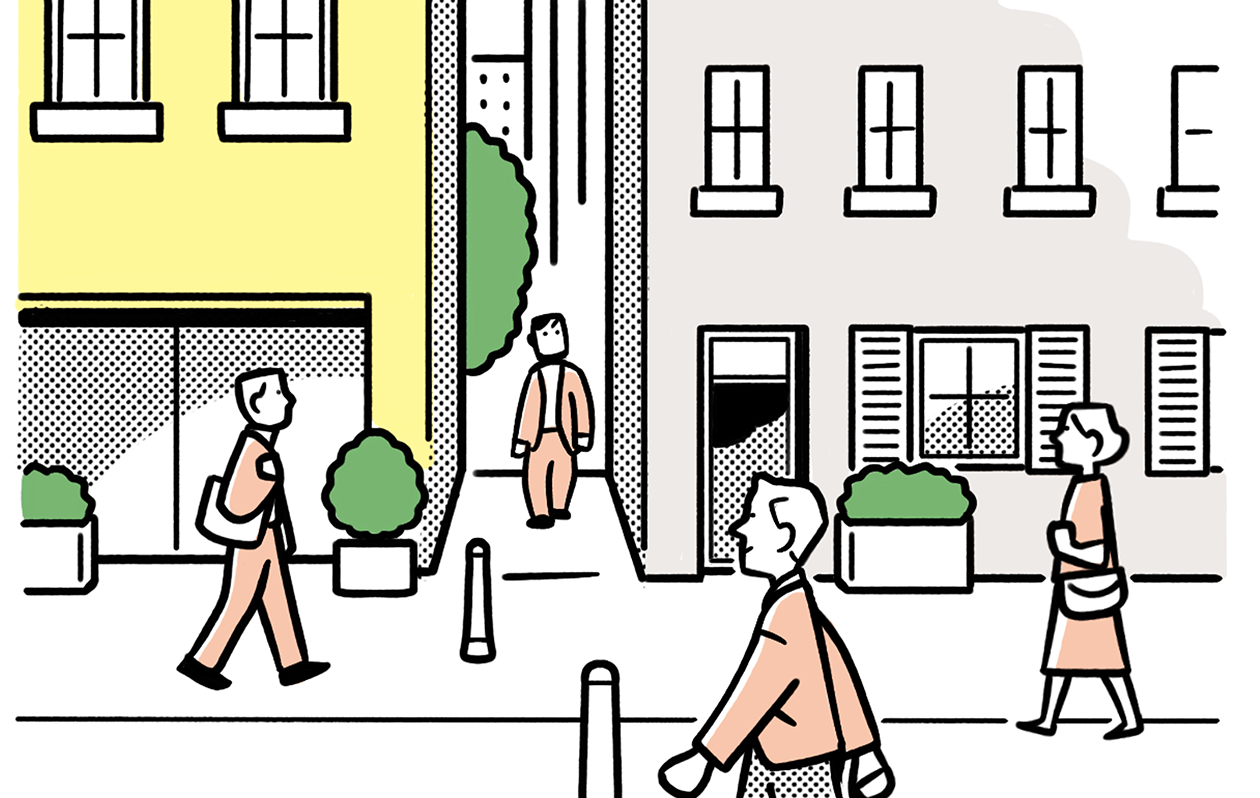
'Design to the Edges' is a more recent term that emphasizes designing for extreme user parameters to achieve versatility. Originating from a mid-20th century US Air Force study that found only a small percentage of pilots fit 'average' anthropometric data, this approach advocates for adjustable designs that cater to the broadest possible range of users. This principle leads to innovations like adjustable car seats and multifunctional urban elements. In contrast, Ukraine's progress in inclusive design lags despite ratifying the UN Convention on the Rights of Persons with Disabilities in 2009. Accessibility is often addressed reactively and inadequately. Examples include the delayed adaptation of parliamentary premises for a wheelchair-bound MP and instances of poor hospital design. Ukrainian cities grapple with fundamental issues like pedestrian mobility, with traffic light timings often prioritizing vehicular flow over pedestrian needs, particularly for those with reduced mobility. The lingering effects of Soviet-era neglect have fostered a 'learned helplessness' among many disabled individuals, who remain largely confined to their homes. However, individual initiatives, such as landscape designer Yuliya Polyanska's inclusive flowerbed project, offer glimpses of progress and advocate for sensory gardens. The challenges include lack of funding, absence of governmental programs, and vandalism. The broader implication of these struggles is that true inclusiveness is not about an accumulation of ramps but a fundamental rethinking of environmental design. In the digital age, inclusivity extends to corporate practices and UX design, benefiting a wide range of users beyond those with disabilities. Despite some famous architects still failing to implement inclusive designs, the pursuit of universal design continues. Ultimately, inclusive design represents a new elegance for cities, reflecting a humane and thoughtful approach to urban planning that offers comfort and dignity to all, often in subtle and harmonious ways.
#inclusiveDesign #universalDesign #urbanism #accessibility #disabilityRights #barrierFree #architecture #urbanPlanning #socialEquality #inclusiveDesign #universalDesign #urbanism #accessibility #disabilityRights #barrierFree #architecture #urbanPlanning #socialEquality
0 comment in total
 No comments yet
You may also like
Disability-Forward Design Across Multiple Cities
Architect Sam Klopper talks accessible design that doesn’t feel “clinical or differentiated”

Peek At These Homes That Embody Modern Urban Living

Same old, same old. How the hipster aesthetic is taking over the world


Ten principles for designing vibrant and liveable mixed-use spaces
Universal Design: Why Americans Need Home Design That Welcomes Everyone

Berkeley Talks transcript: Bess Williamson on the history of disability and design
Why You Hate Contemporary Architecture

Case Studies in Community-Centered Living: Innovative Residential Design

The Next Frontier in Urban Design Will Send You Undeground

They Turned a 1960s Dentist’s Office Into a Home With a Giant Oculus


7 innovative ideas in architectural design

Universal Design: The Essential Tool for Intergenerational Communities
Designing with Empathy: Architecture for Social Equity
7 Awe-Inspiring Modern Libraries That Bend the Genre
These 20 Architectural Styles Were Once Popular But Suddenly Disappeared

17 Essential Architectural Styles Everyone Should Know
Are fleeting architectural fads marring SLO?


Architectural design to meet the needs of our time

Want a Better Society? Try Better Buildings. (Published 2024)