Want a Better Society? Try Better Buildings. (Published 2024)
The author reflects on the architectural movement of Brutalism, advocating for its core values of community and egalitarianism in contrast to modern urban development's obsession with luxury and individualistic design. The narrative begins with a personal anecdote about the author's desire for apartment living, stemming from a childhood spent in a communal flat in Leningrad. This early experience fostered an appreciation for collective living, despite the cramped and dilapidated conditions of his family's building. He contrasts this with his current suburban life and idealizes a Brutalist apartment building, the Foxhall, in Washington D.C., imagining a vibrant, communal existence within its walls.
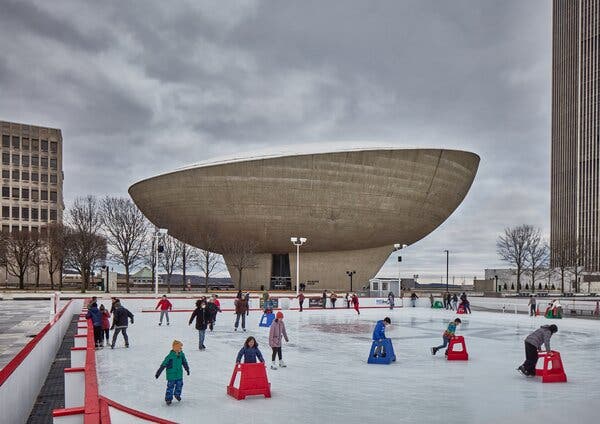
The article traces the origins of Brutalism to post-World War II efforts to rebuild society, emphasizing its goal of fostering community through architecture. The movement, often misunderstood due to its name, utilized inexpensive concrete to create large, functional buildings designed for collective living. The author cites The Egg in Albany, N.Y., as a sublime example of Brutalist aspiration, representing a more hopeful and audacious societal vision than the present. He argues that Brutalism is about values, not just aesthetics, highlighting how his Leningrad upbringing instilled these values, which he recognized more fully after moving to the United States.
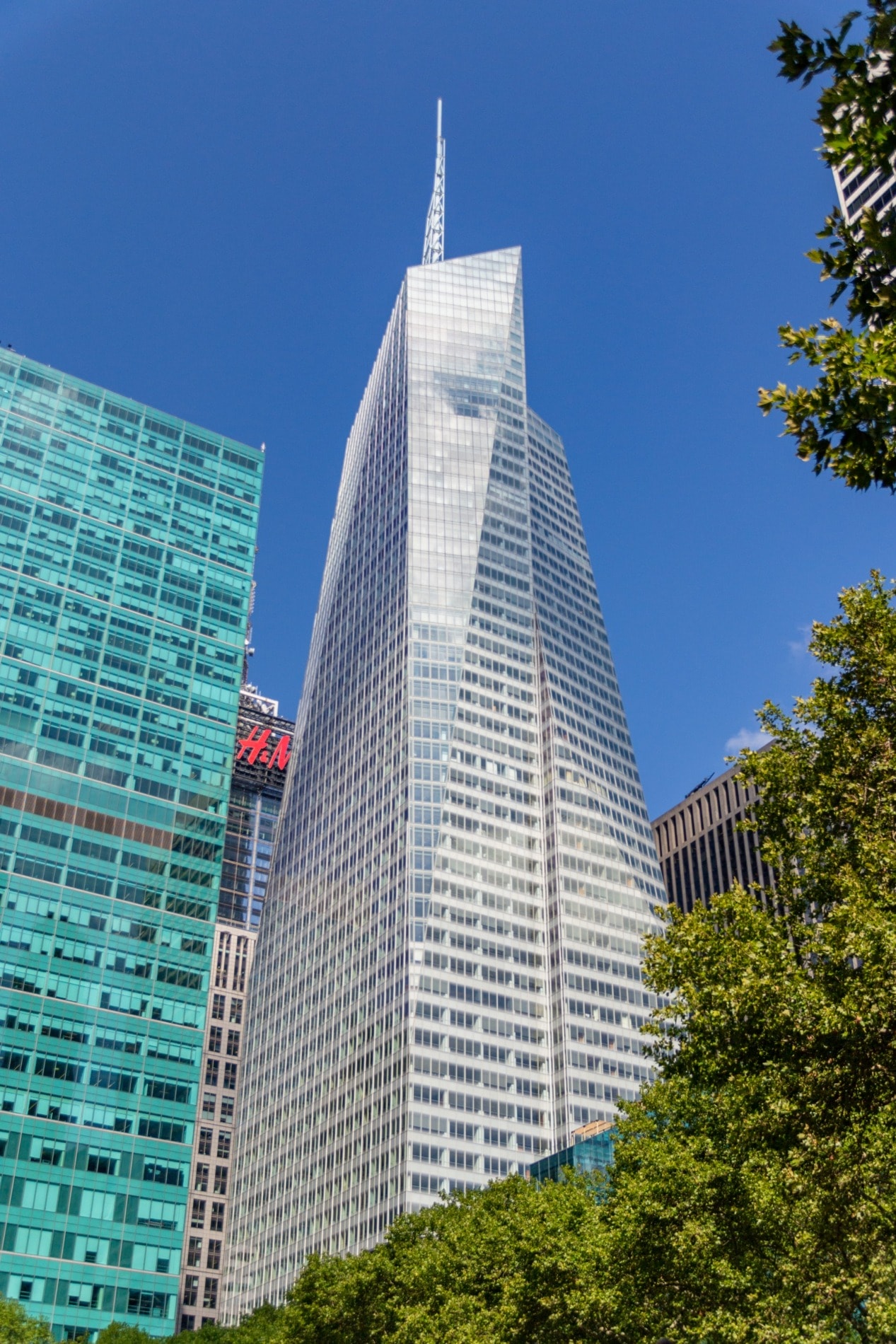
Upon arriving in the U.S. in 1989, the author observed a societal shift towards inwardness, private pleasures, and an increasing fear of others, marked by empty streets and barren lawns in the suburbs. This contrasted sharply with his earlier experiences of bustling communal life. As he moved to New York in 2002, he witnessed a building boom characterized by an "inexhaustible obsession with luxury," epitomized by developments like Hudson Yards. He views these modern luxury constructions as bland and isolating, lacking the community-building ethos he admires.
The discussion then shifts to the reception of Brutalism in Washington, D.C., noting that the style was initially embraced for its unornamented practicality, aligning with visions of an egalitarian society under Presidents Kennedy and Johnson. However, this acceptance has waned, with Brutalist structures now facing indifference or hostility, and many are in disrepair or targeted for demolition. The author laments the modern cynicism and willingness to dismantle both buildings and institutions, attributing it to a collective inability to agree on shared realities.
Despite the challenges and the prevailing negative perception of Brutalism, particularly from older generations, the author expresses a belief that its core values remain relevant. He acknowledges that a grand Brutalist revival is unlikely but asserts that the essence of Brutalism lies in fostering connection and compassion, rather than in concrete structures alone. He concludes that one can embrace a "Brutalist" ethos anywhere, without the need for specific architectural forms, by prioritizing community and empathy for others.
#Brutalism #Architecture #UrbanPlanning #CommunityLiving #SocietalValues #ModernDesign #ArchitecturalHistory #PublicSpace #SocialCommentary #Brutalism #Architecture #UrbanPlanning #CommunityLiving #SocietalValues #ModernDesign #ArchitecturalHistory #PublicSpace #SocialCommentary
0 comment in total
 No comments yet
You may also like
Building Change: World Green Infrastructure Congress 2024
We need more flexible housing for 21st-century lives
Rammed Earth Fits Into Urban Architecture’s Sustainable Future
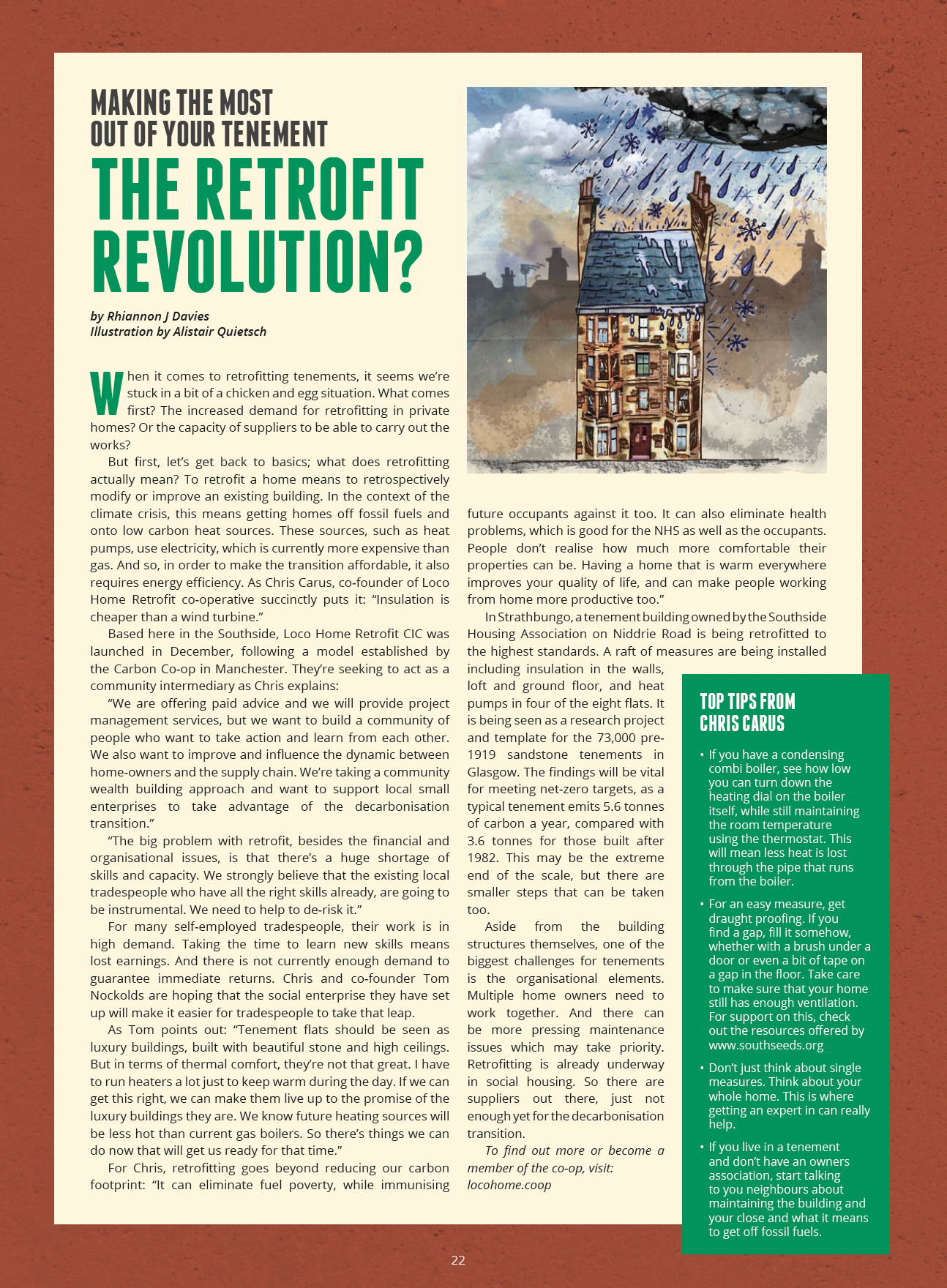
The Retrofit Revolution: Making the Most Out of Your Tenement
Sustainable Buildings: Pioneering a Green Revolution in Urban Design

5 renovation projects that will add value to your home in 2024

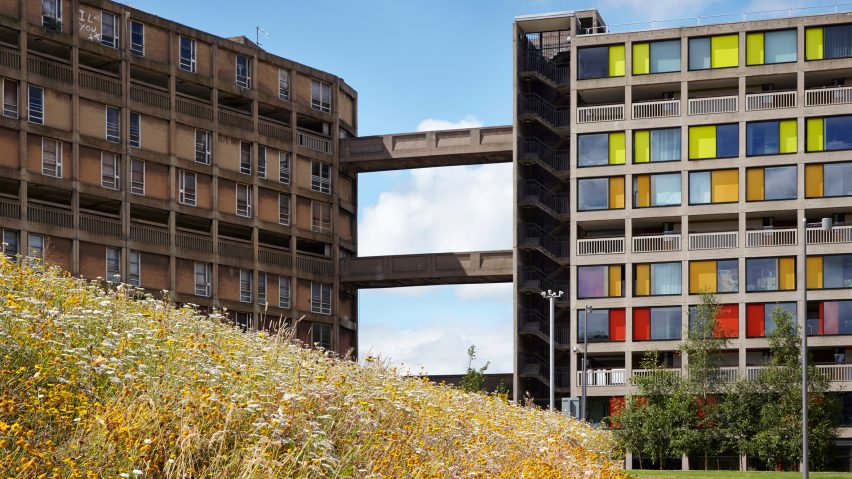
"'Housing for dirty people' is back and I welcome it"
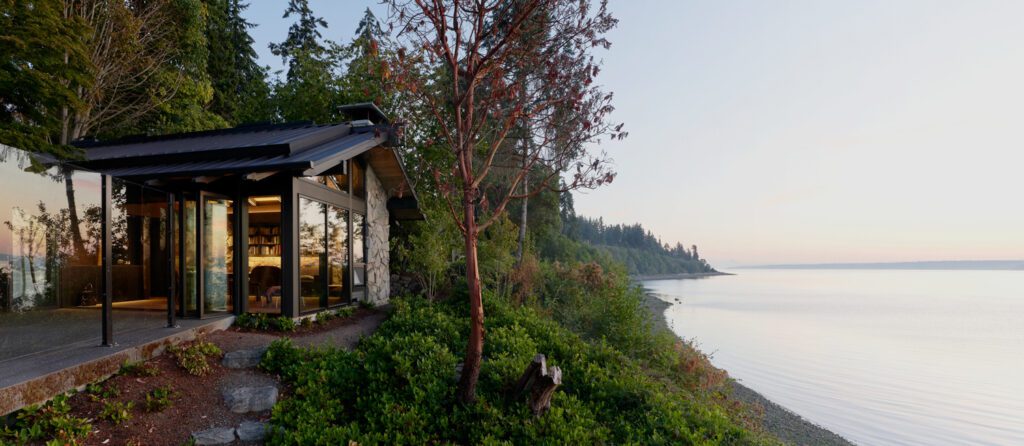
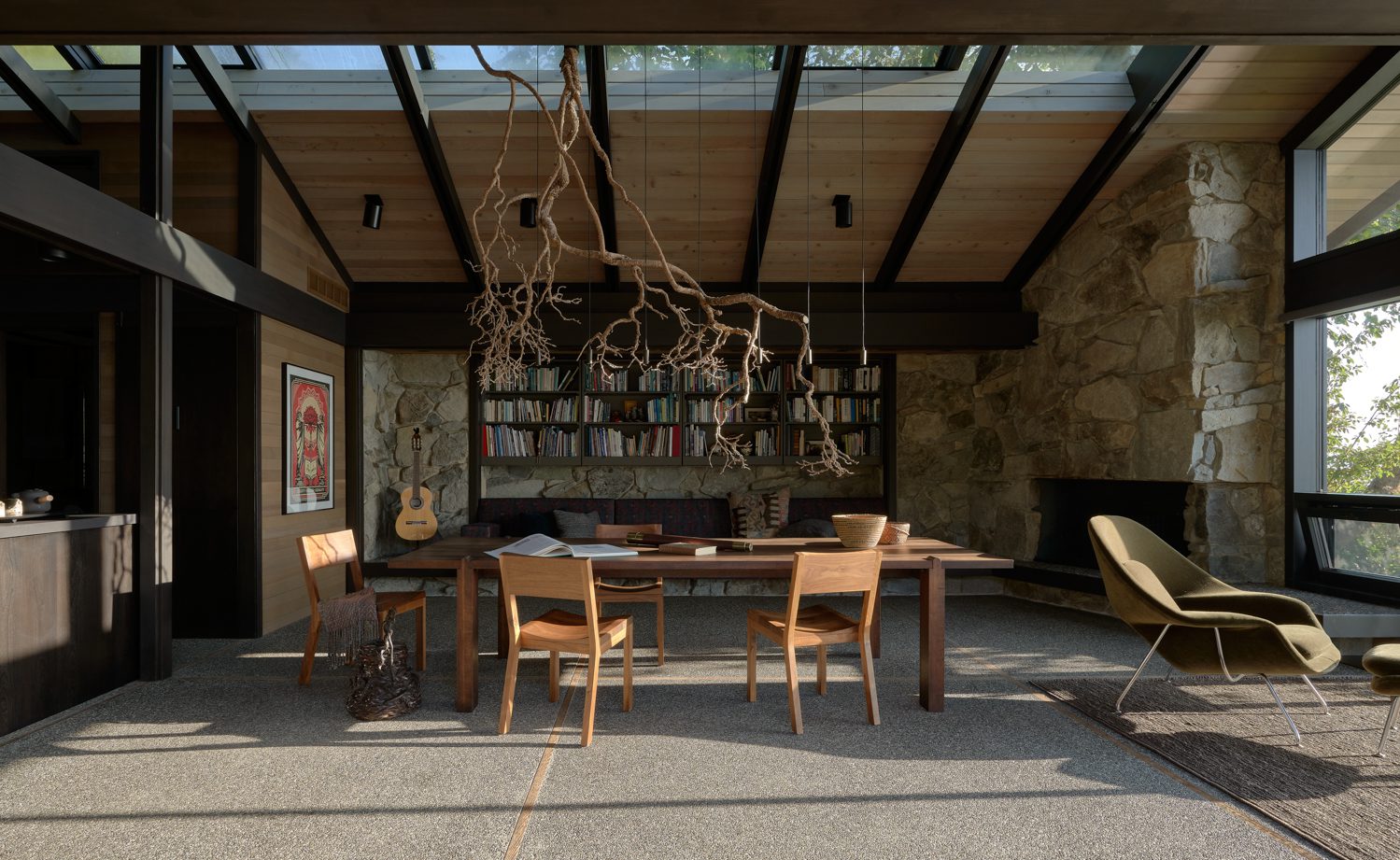
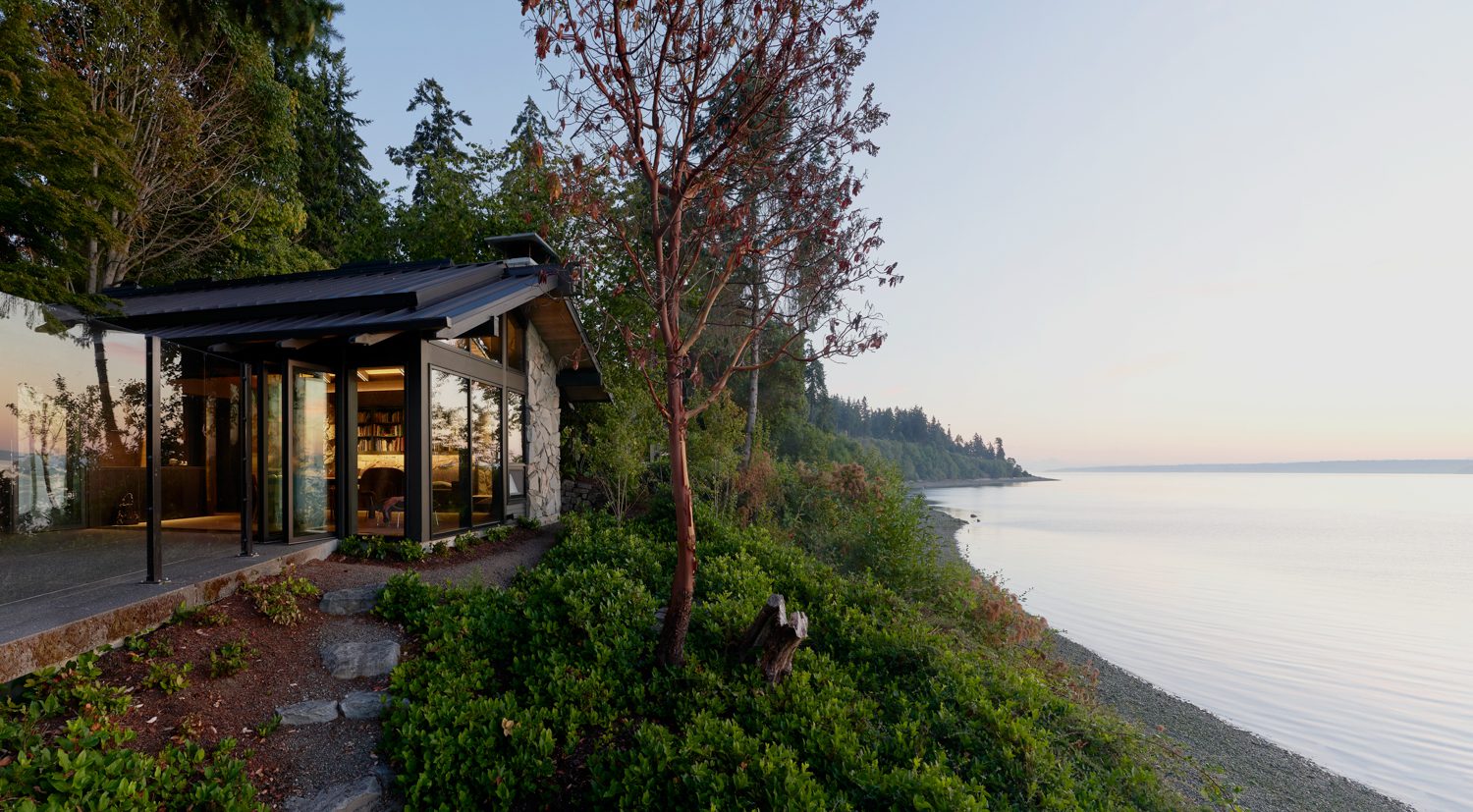
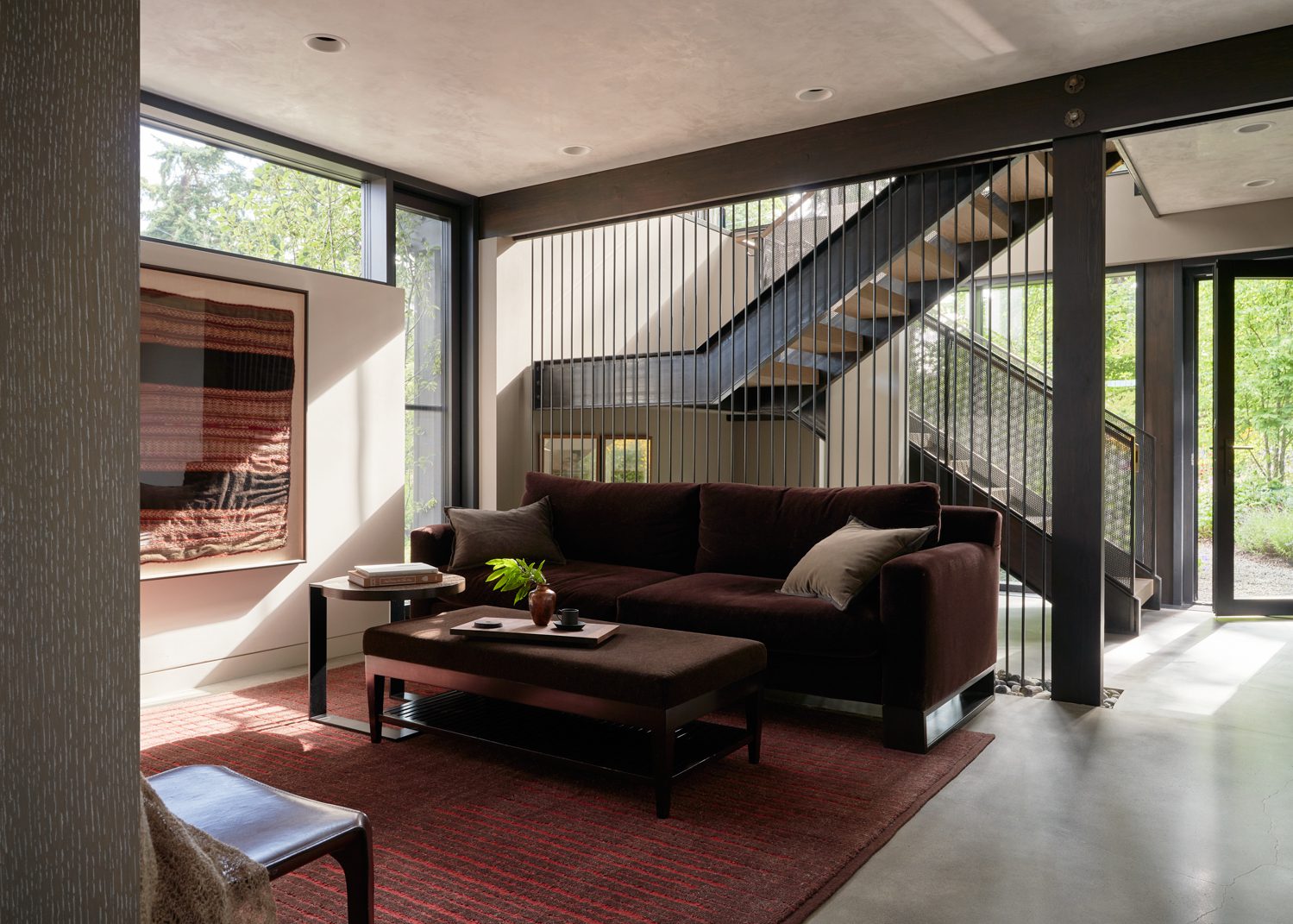
The Miller Hull Partnership Designs a Sustainable Home Overlooking Puget Sound

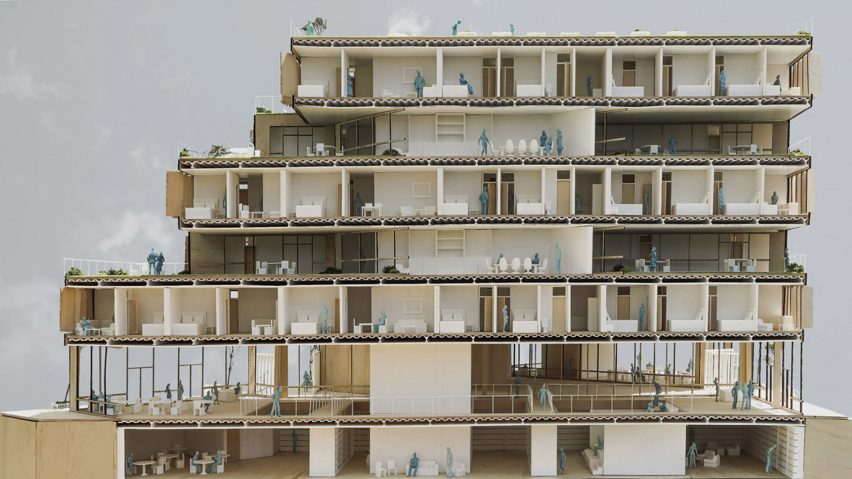
Ten architecture projects by students at the City College of New York

Championing Chief Architects
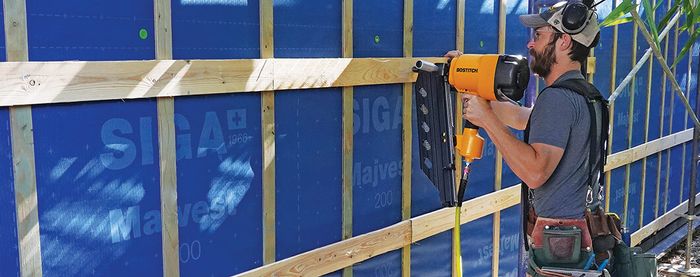
A Retrofit for the Future

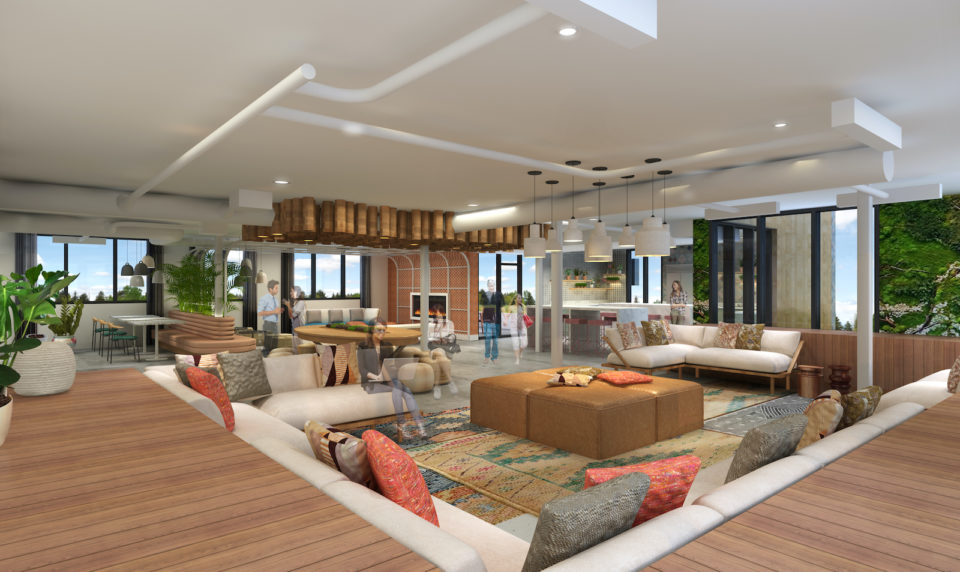
10 New Trends in Multifamily Housing Design

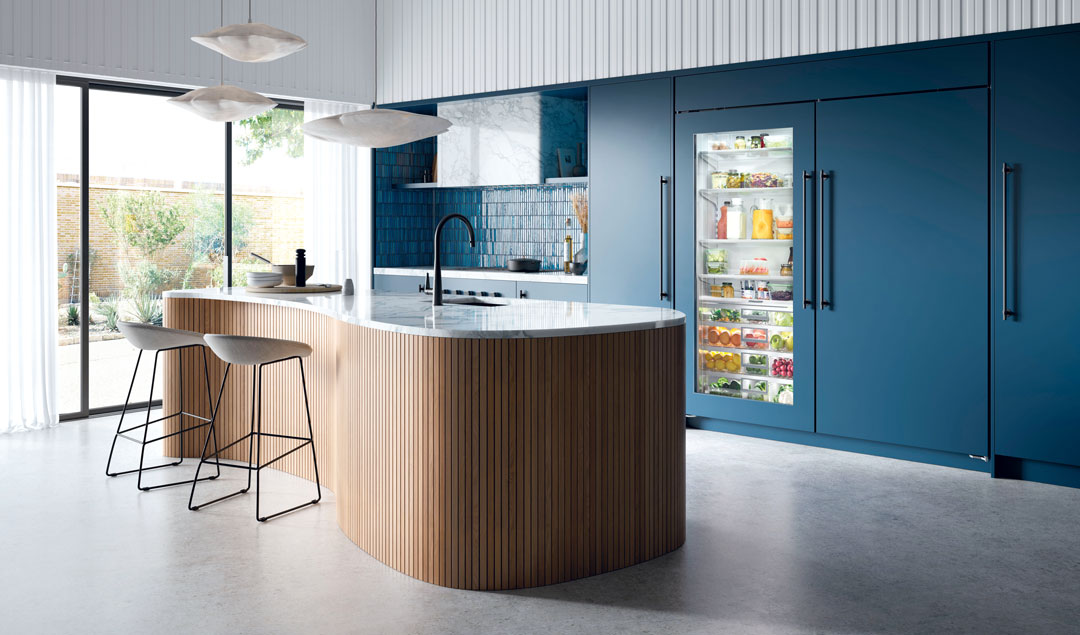
Reflecting on Remodeling Choices in 2025

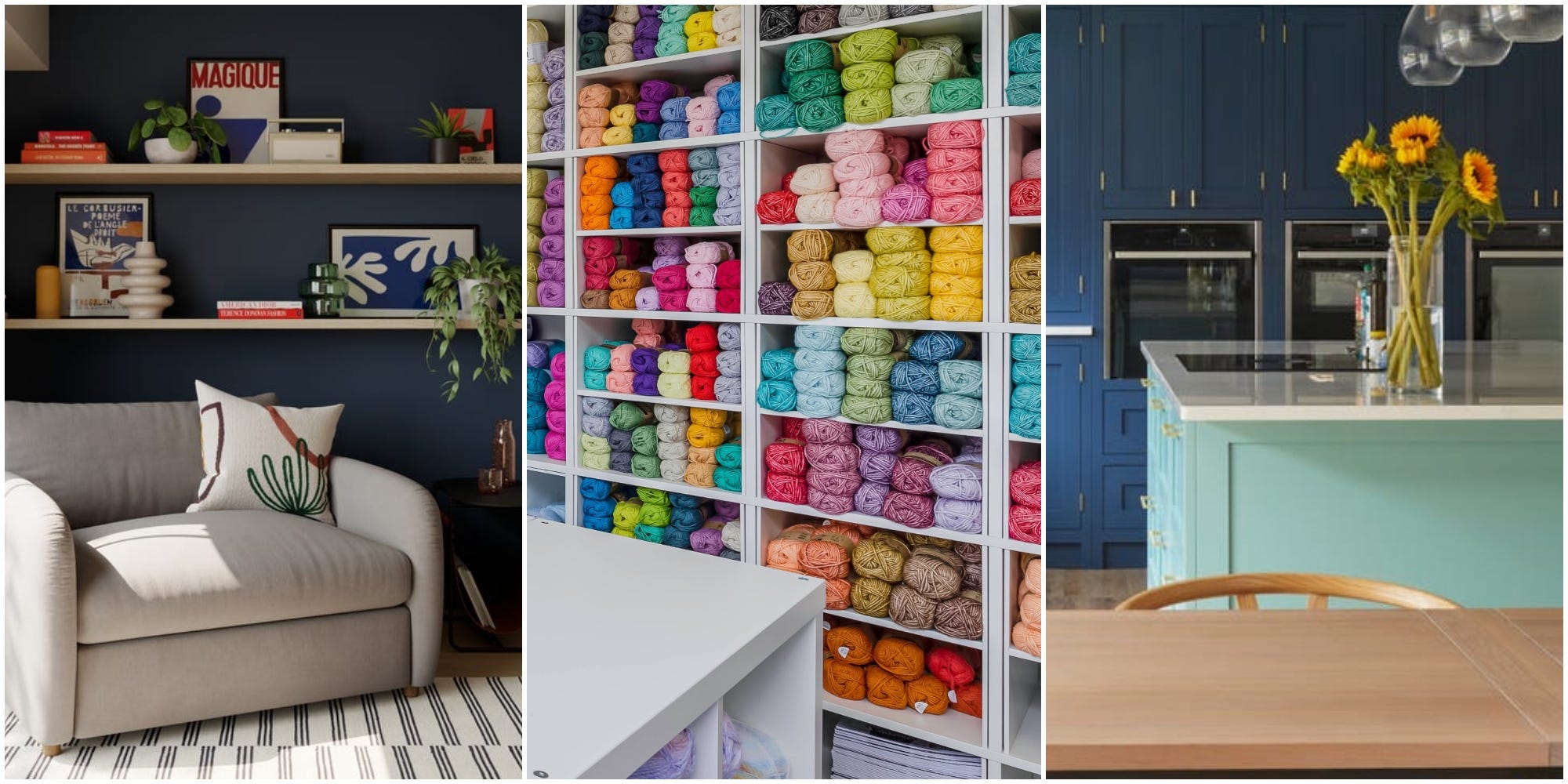
Renovate | Build

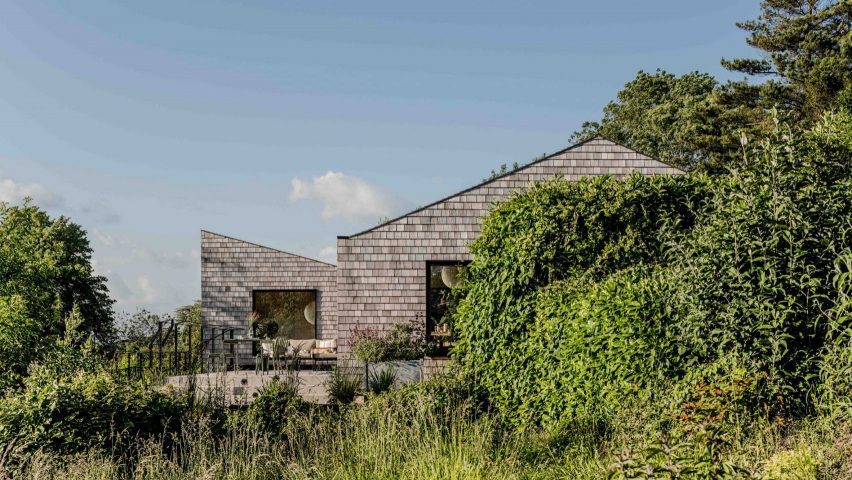
"That kitchen counter and backsplash are literally bonkers" says commenter
The ins and outs of the new Houston Ballet Center for Dance from architectMarshall Strabala

We need more flexible housing for 21st-century lives

8 Remarkable Buildings That Use Trees as a Design Element

Case Studies in Community-Centered Living: Innovative Residential Design

8 Sustainable Home Improvements You Can Make In 2025