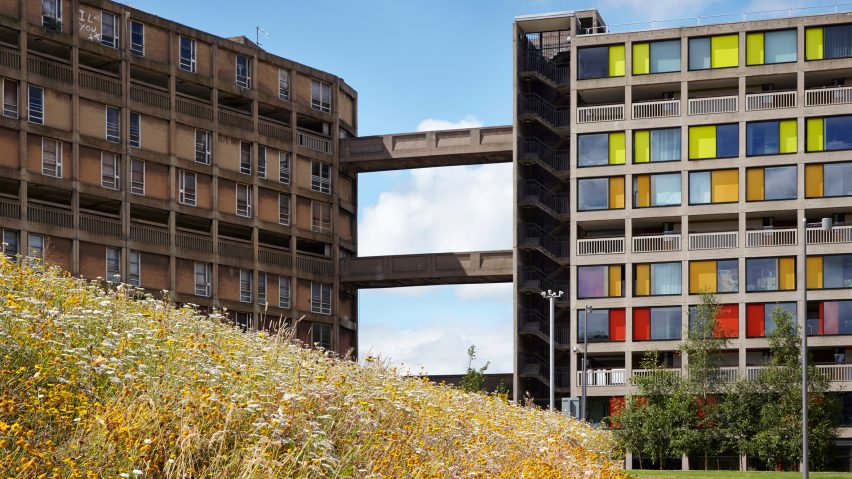
"'Housing for dirty people' is back and I welcome it"
Deck-access housing, often criticized and associated with urban blight in the UK, is experiencing a resurgence, driven by a new generation of architects. This typology, famously dubbed "streets in the sky," was once a prevalent feature in 1960s social housing projects, designed to separate pedestrians from vehicular traffic. However, it quickly garnered a negative reputation, becoming synonymous with anti-social behavior and even urban dystopia in popular culture. This negative perception was so deeply entrenched that some deck-access schemes were demolished shortly after their completion, and influential figures, such as former RIBA president Lancelot Keay, disparaged it as "housing for dirty people." Insurers, mortgage lenders, and urban planners continue to approach deck-access homes with caution, often advising against their implementation.
Despite this historical prejudice, the article highlights that many of the UK's finest modernist housing examples, including Park Hill and Dawson Heights, utilize deck access. Hundreds of thousands of residents continue to live in such schemes, using elevated walkways daily without incident and often enjoying the arrangement. The author notes that the narrative surrounding deck-access housing often lacks nuance, particularly after high-profile structural failures in prefab designs during the 1980s and Alice Coleman's influential 1985 report, "Utopia on Trial," which linked these designs to social unrest.
After a 30-year decline, the typology is making a comeback, with leading architectural firms like Haworth Tompkins, Apparata, and RCKa championing its revival. This renewed interest is explored in "The Deck Access Housing Design Guide," co-authored by Rory Olcayto and Andrew Beharrell, with a foreword by Owen Hatherley. The book chronicles the evolution of this housing type, presents contemporary British and European case studies, and offers practical design guidance.
Surprisingly, the resurgence was catalyzed by former London Mayor Boris Johnson's 2009 draft of the London Housing Design Guide. This guide advocated for dual-aspect homes and identified deck access as a viable method to achieve this, emphasizing the importance of an appropriate vernacular. Most of the architects involved in this revival, including Stirling Prize-winners and finalists, were too young to have practiced during the "peak deck" era of the 1960s and 70s. These architects, influenced by the public-spirited modernism of their predecessors, embraced the mayor's challenge, developing a style known as the New London Vernacular (NLV).
NLV is characterized as an anti-iconic housing style that emerged in the wake of the 2008 financial crisis. It was conceived as a de-risked strategy for developers, being easier to cost, design, build, and sell, and more effective at providing accurate land values than the icon-driven regeneration projects of previous decades. While the London Housing Design Guide did not explicitly mandate brick, it heavily stressed "context," which in London often translates to brick. The guide also called for "tenure-blind" housing with inviting entrances and spacious balconies, as defined in a 2012 report by David Birkbeck and Julian Hart for Urban Design London.
Unlike its post-war implementation, which focused on separating pedestrians and cars, contemporary deck-access housing aims to provide high-density dual-aspect homes with individual front doors. While British examples might appear more conservative than their continental counterparts, a closer examination reveals a diverse range of approaches. Examples include Henley Halebrown's playful designs, Matthew Lloyd Architects' blending of new homes with historic estates, and Haworth Tompkins' brick facades for the Silchester Estate. Other notable projects include Murray Grove, Apparata's A House for Artists, and various retrofits of existing structures like Park Hill and former barracks. The article concludes by asserting that the return of deck-access housing, offering dual-aspect homes with cross-ventilation, ample daylight, and enhanced identity through individual front doors, is a positive development, especially given its ability to achieve approximately 300 homes per hectare. While currently favored by urban affordable housing providers, growing planning requirements for dual-aspect flats and advancements in factory-built housing suggest a broader adoption of this typology in the future.
#DeckAccessHousing #SocialHousing #UrbanPlanning #ArchitecturalRevival #NewLondonVernacular #ModernistArchitecture #HousingDesign #UKArchitecture #ArchitecturalOpinion #DeckAccessHousing #SocialHousing #UrbanPlanning #ArchitecturalRevival #NewLondonVernacular #ModernistArchitecture #HousingDesign #UKArchitecture #ArchitecturalOpinion
 No comments yet
Wall-to-Wall Carpet Is Back (and We’re Not Mad About It!)

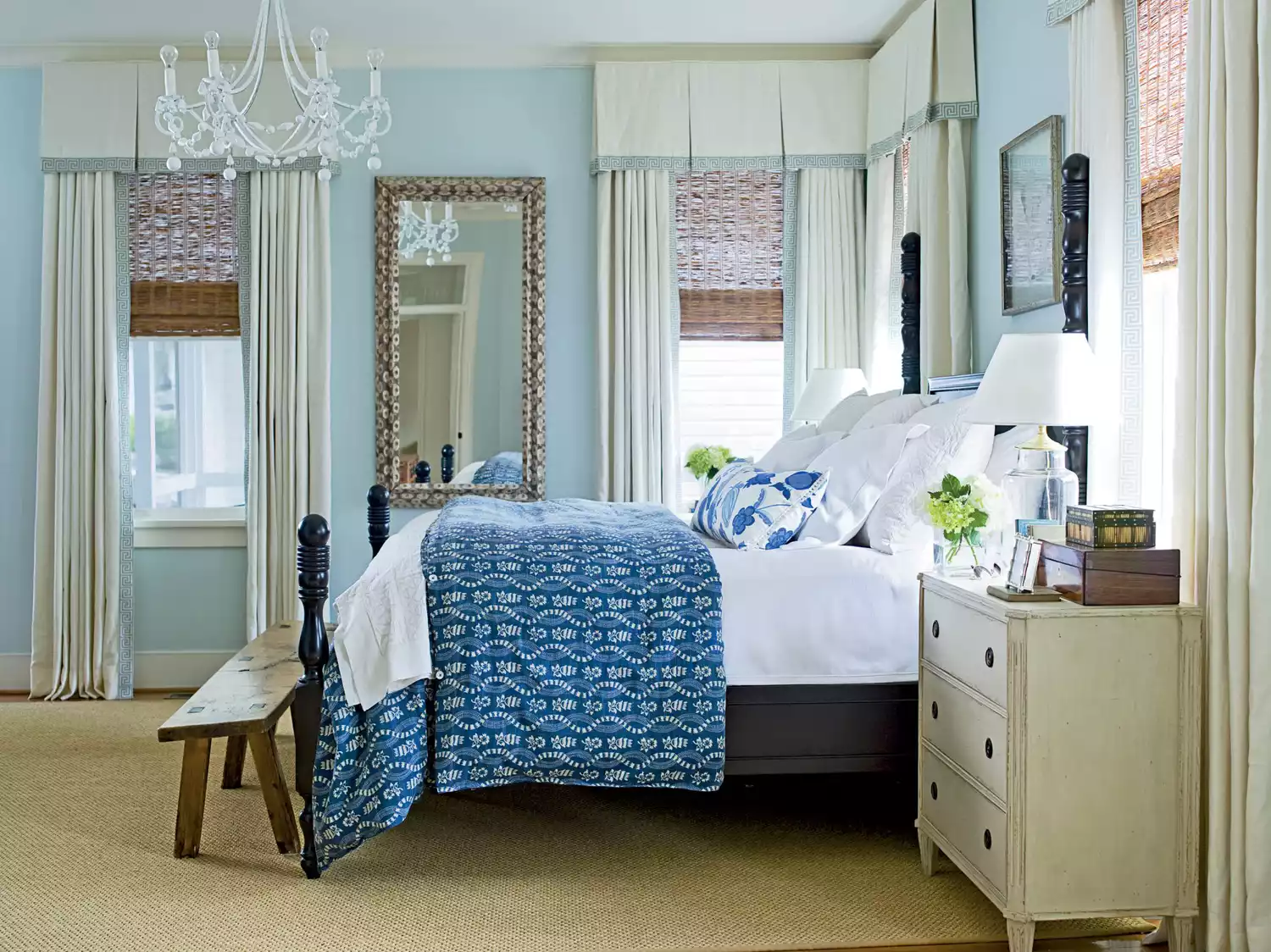
This Dramatic Window Treatment Is Making A Comeback—And We Couldn't Be More Thrilled
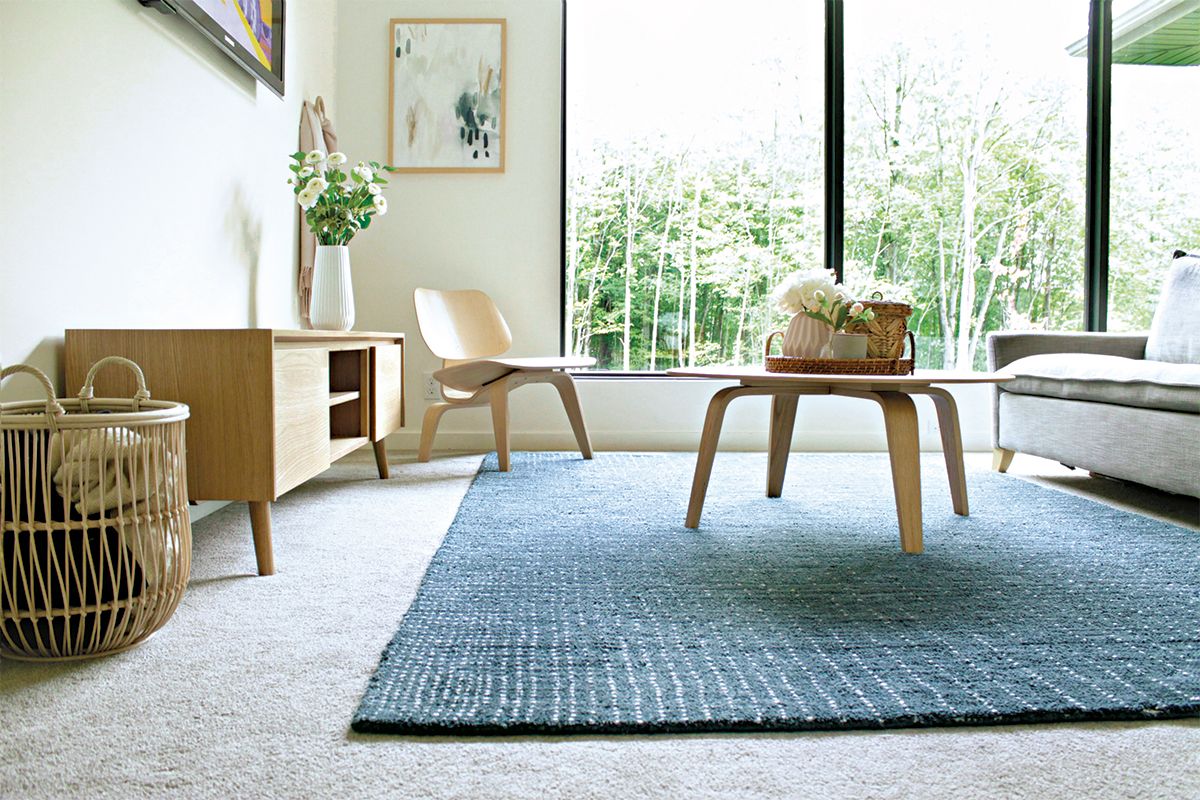
Comfy carpet, once dismissed as out-of-date, is back in vogue

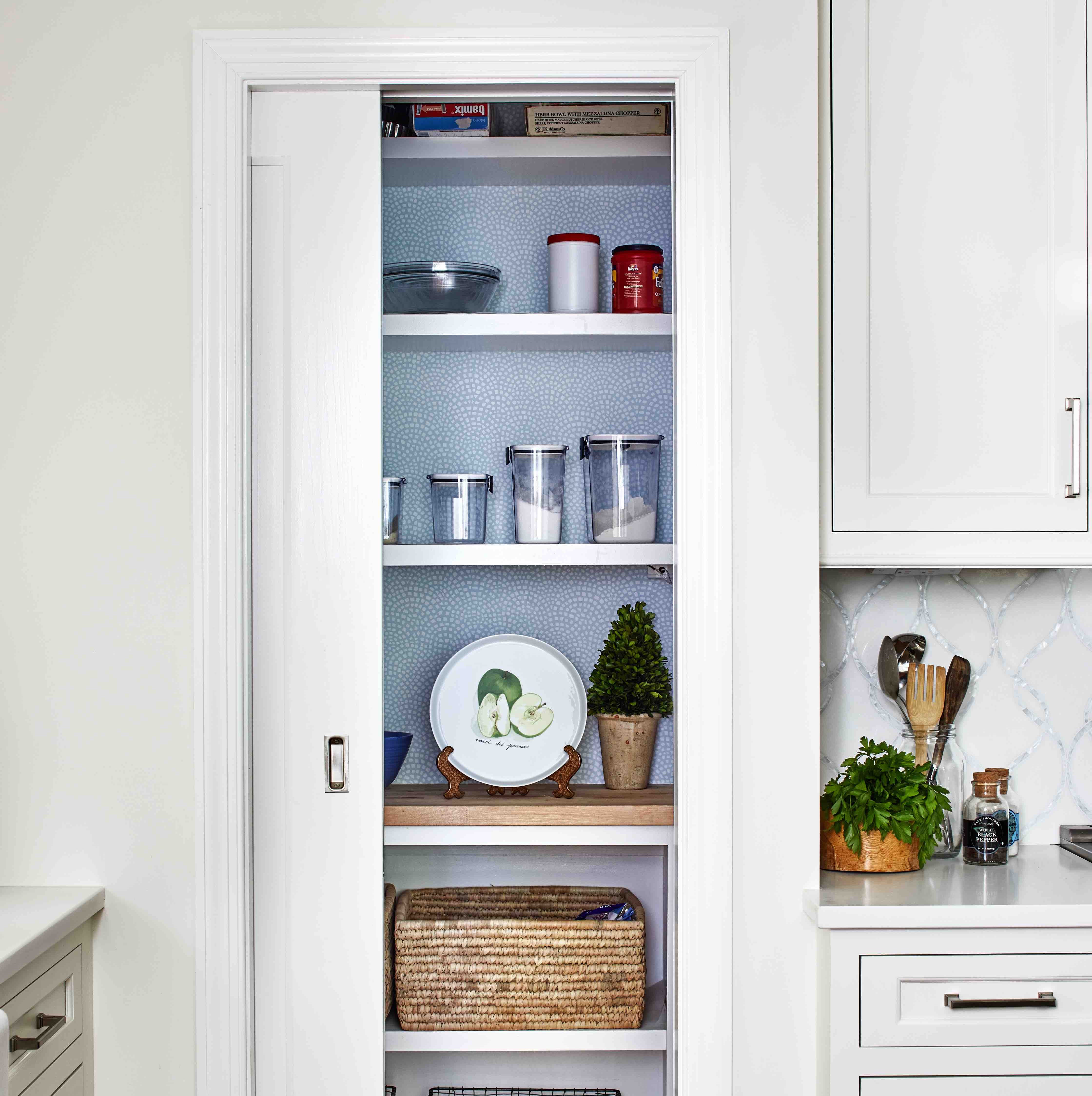
Designers Say This Vintage Home Feature Is Back


Forget the Open Concept: It's Time to Bring Back Rooms

Crazy Times Demand a Sanity Shed