1/6
Loft Insulation
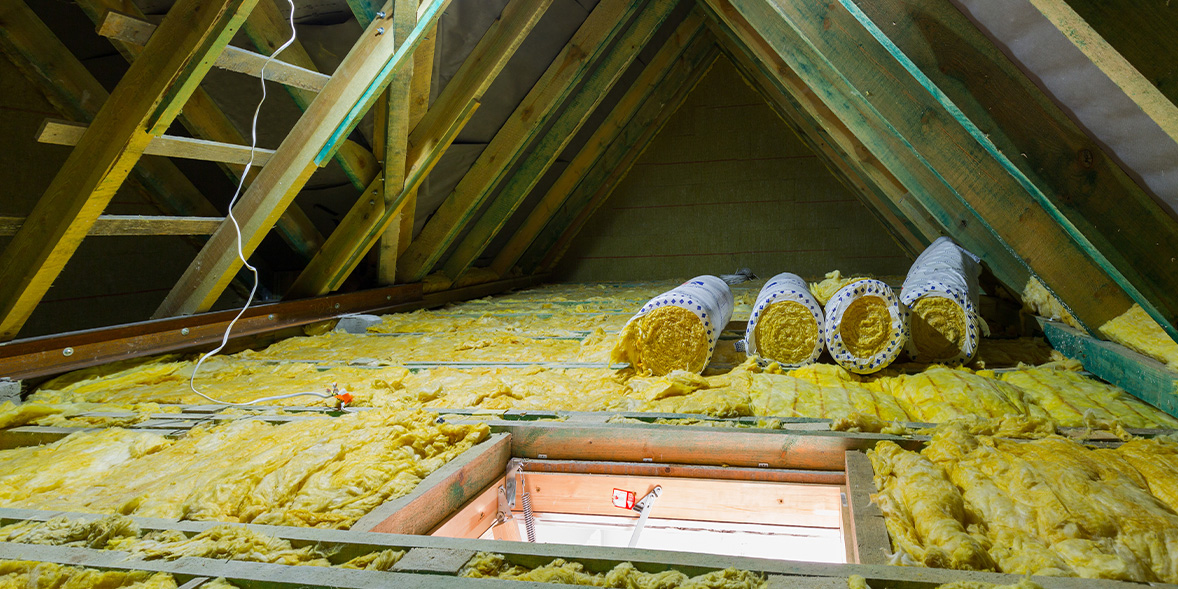
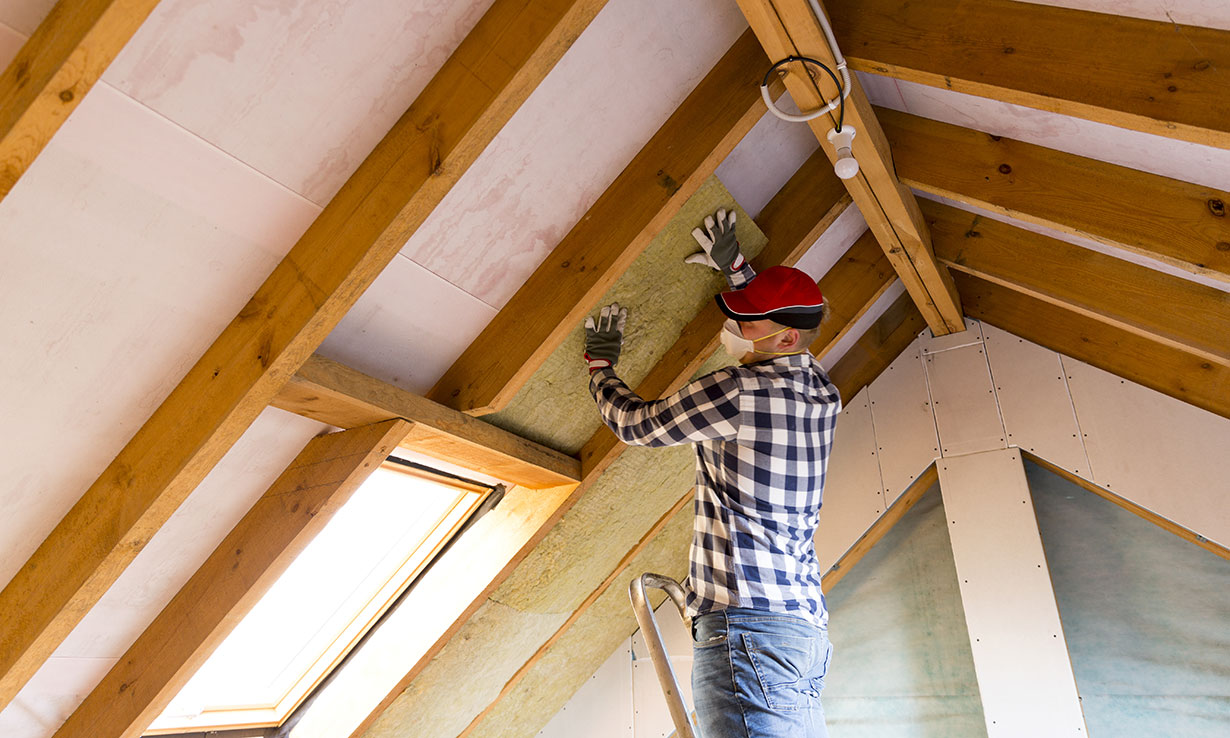
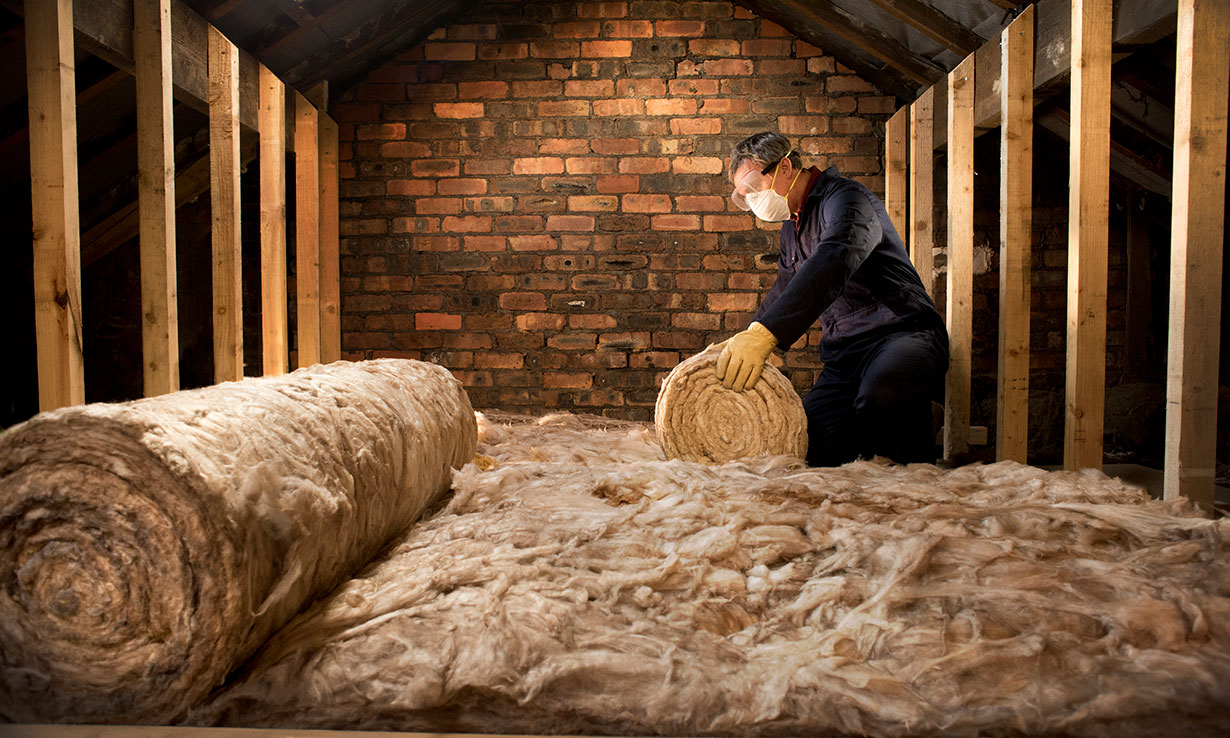
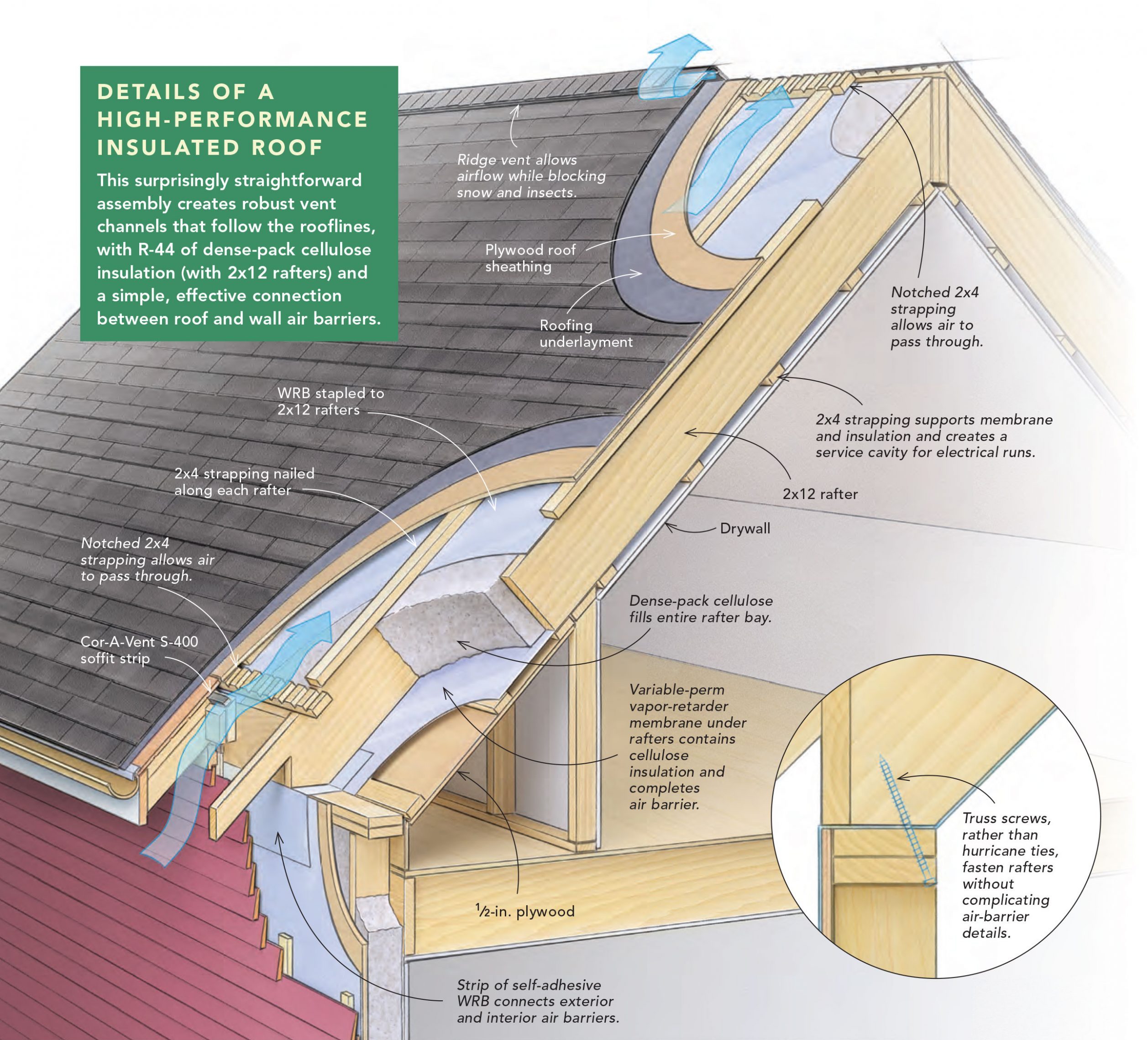
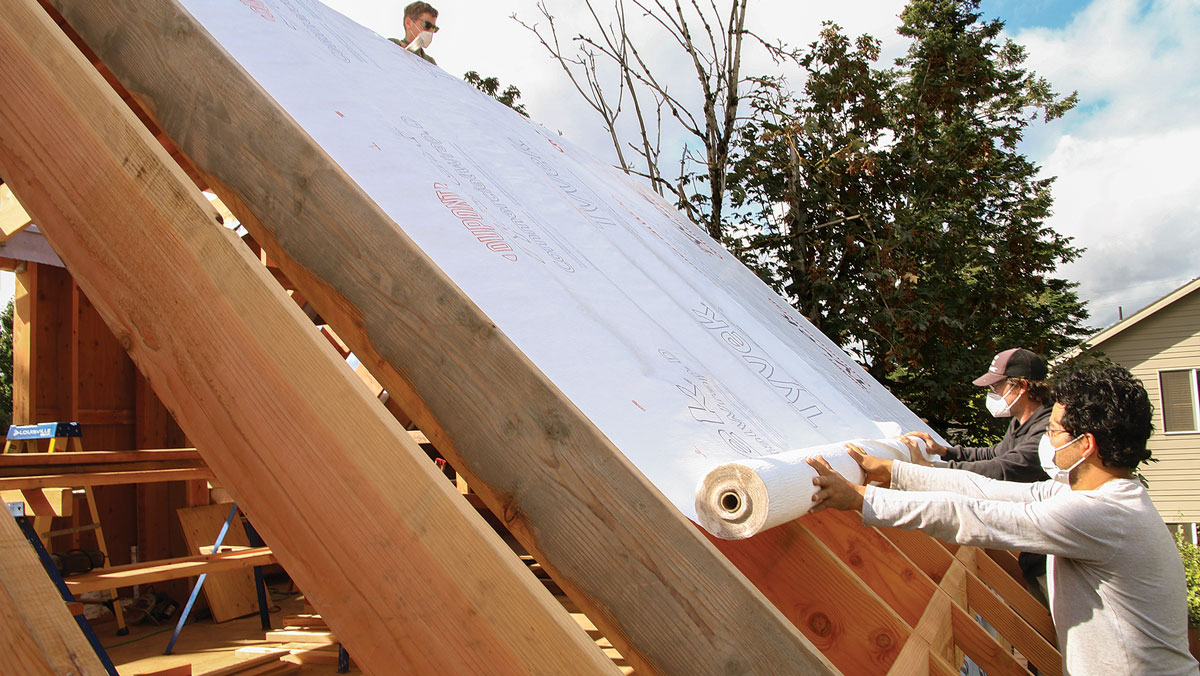
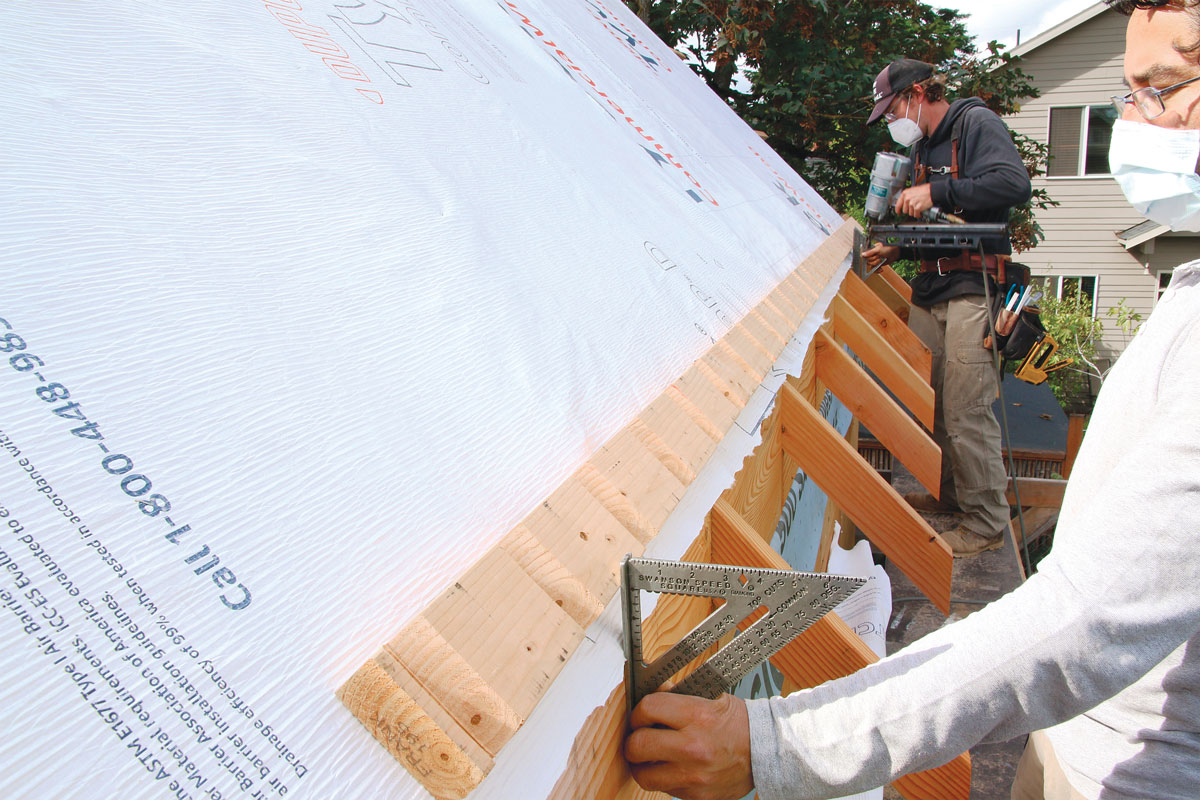
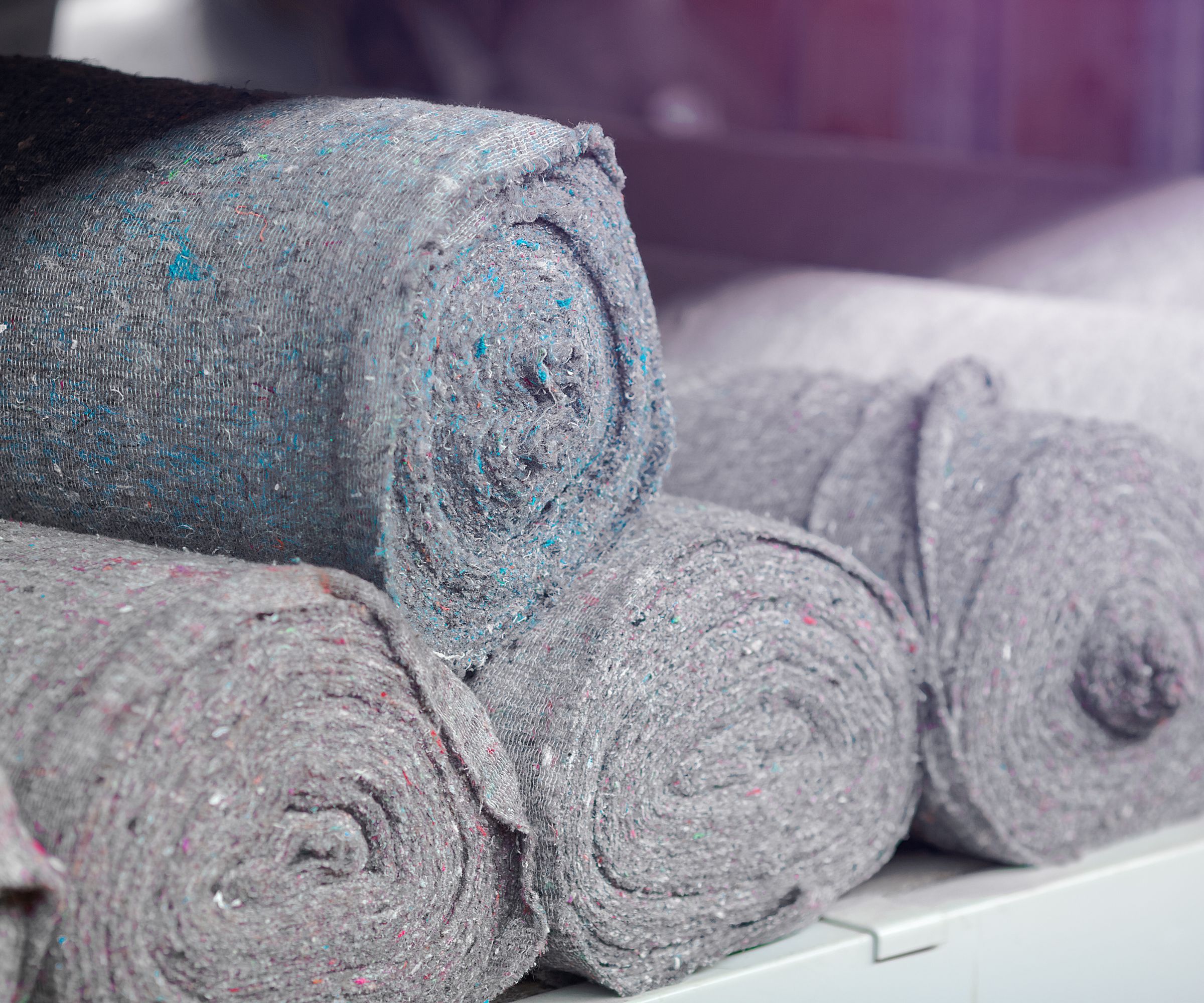
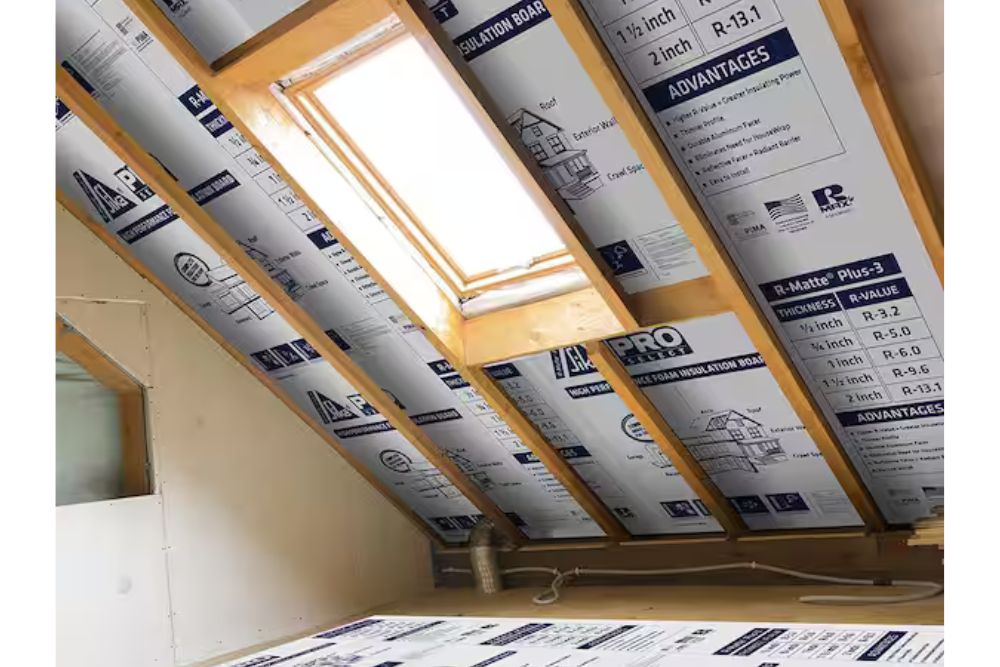
This article explores the benefits and considerations of loft insulation as a means to improve a property's energy efficiency and internal comfort. Loft insulation functions by trapping heat within the property, thereby preventing its escape through the roof. This mechanism leads to a more stable indoor temperature throughout the year and significantly contributes to reducing energy consumption and, consequently, lower energy bills. The available insulation solutions encompass a diverse range of materials, including roll-out insulation crafted from mineral wools and foil-based options, designed to cater to various specific needs and loft configurations. Choosing the appropriate type and thickness of insulation is critical for achieving optimal thermal performance.
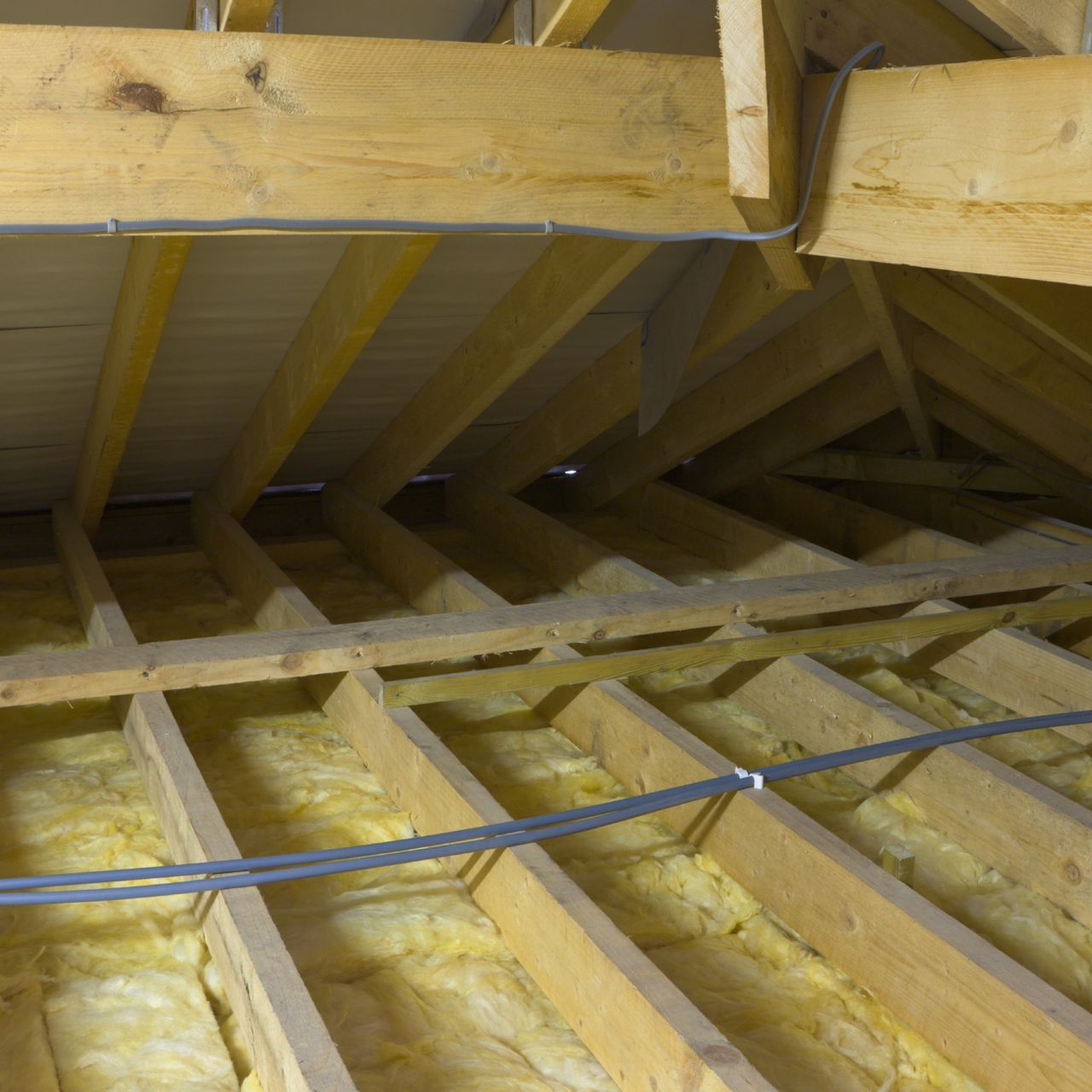
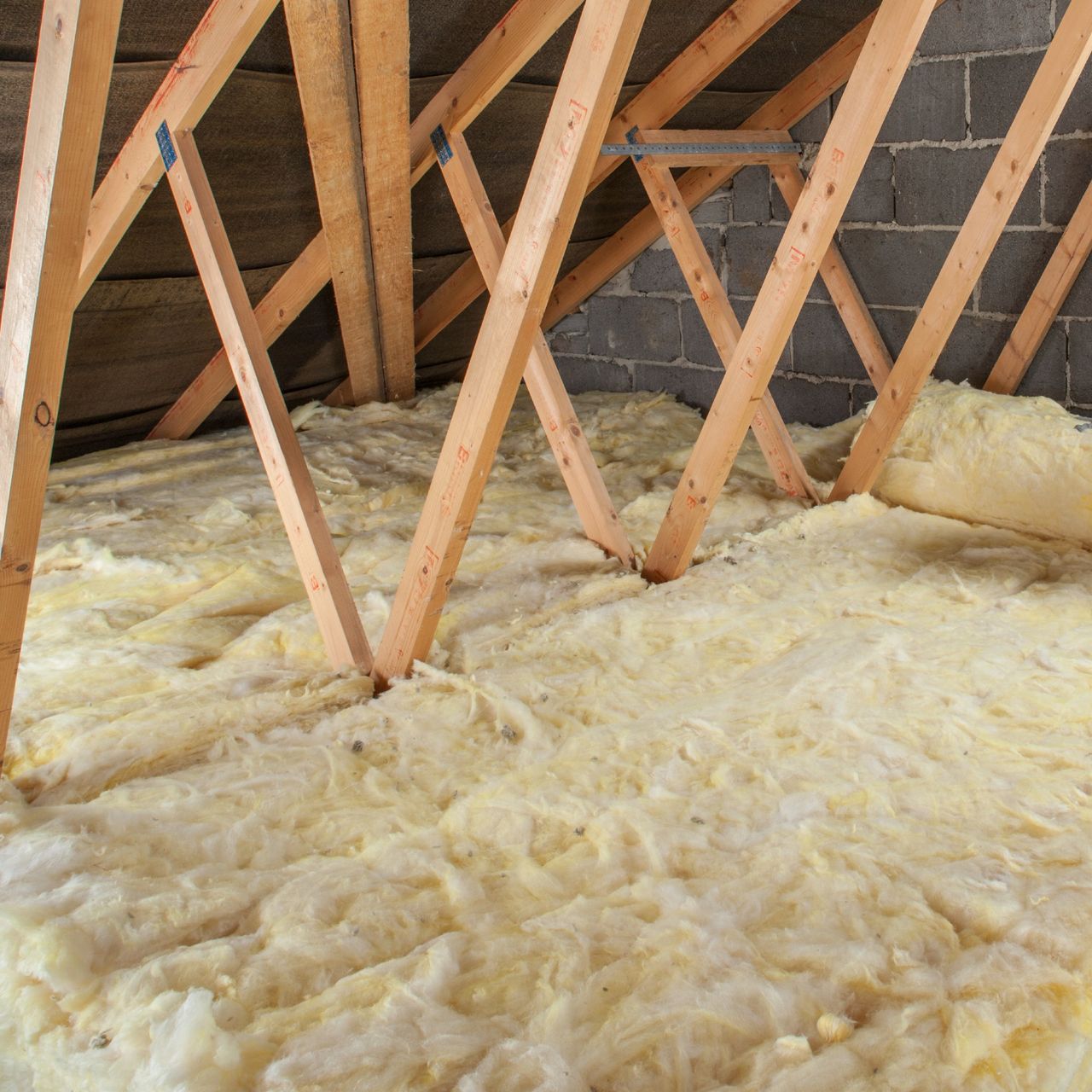
Key considerations for implementing loft insulation include understanding current building regulations, which recommend a minimum depth of 270mm for mineral or glass wool insulation. Exceeding this guideline can lead to further energy savings. The effectiveness of loft insulation stems from its ability to create a barrier that restricts airflow and heat transfer, effectively sealing the living space from external temperature fluctuations. In addition to the primary insulation materials, various accessories are available to facilitate proper installation and maintain the functionality of the loft space. These accessories include loft legs, which create a raised platform to protect the insulation and allow for continued storage, and loft boards, which provide a stable surface for walking and storage without compressing the insulation.
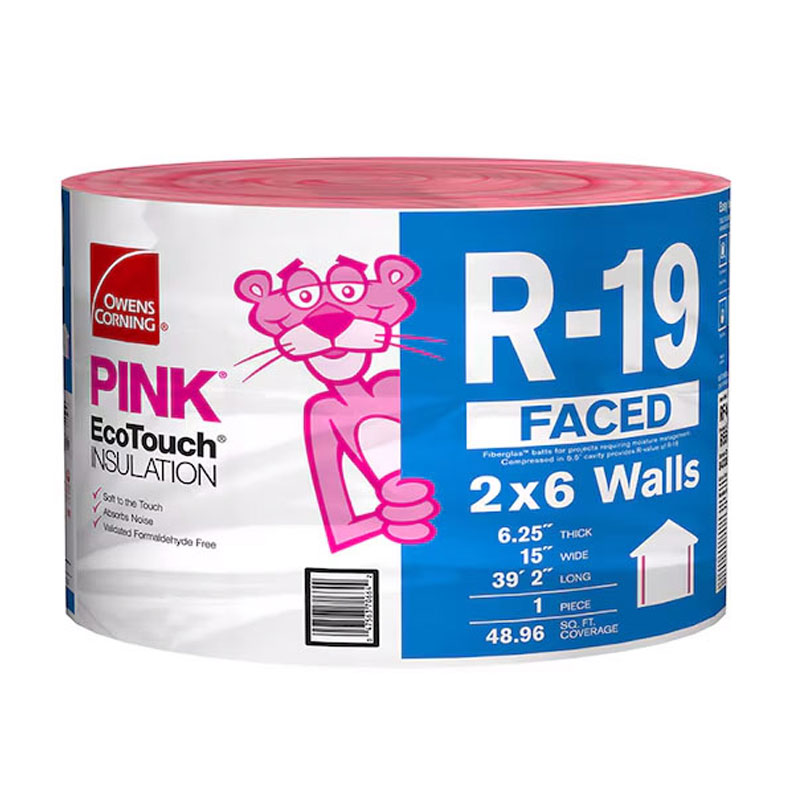
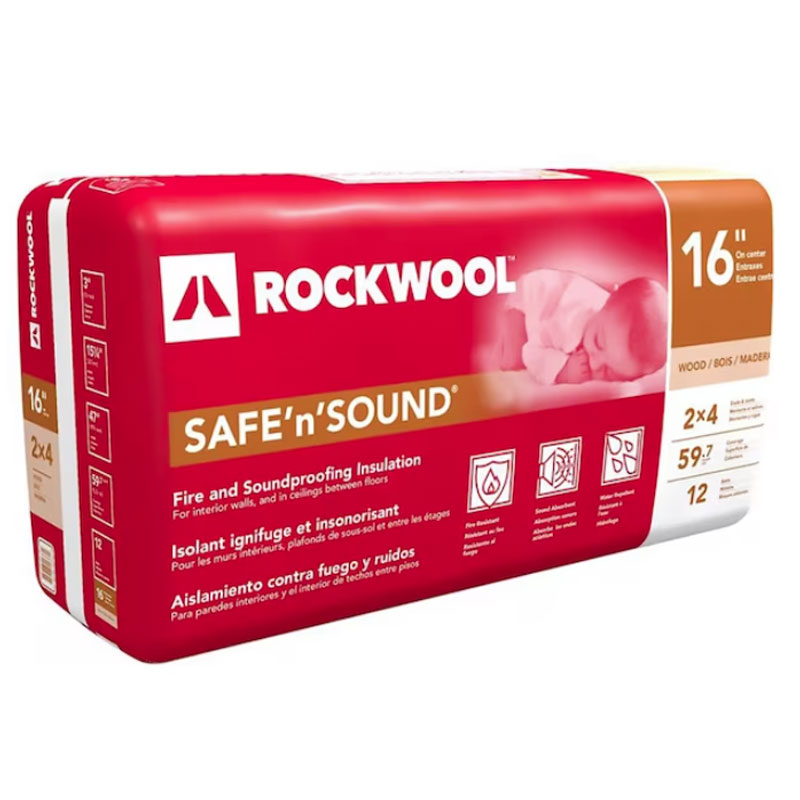
The article also provides an overview of various loft insulation products, detailing their specifications such as thickness, material, brand, length, and width. Examples of available insulation types include breathable insulation, foil insulation, multifoil insulation, and reflective insulation, each offering distinct properties suited for different applications. Specific product examples mention Knauf mineral wool rolls in various thicknesses, Rockwool thermal insulation, ThermaWrap general-purpose foil wrap, Airtec multi-purpose foil and polyethylene insulation, and YBS SuperQuilt and ThermaQuilt multifoil insulation rolls. These products are available from various manufacturers and come in different dimensions to accommodate diverse loft sizes and requirements.
Furthermore, the article addresses practical aspects such as the quantity of insulation needed, advising readers to measure existing insulation thickness as a starting point. It also highlights supplementary items like Loftleg Loft Lids for downlight protection and Loftleg Loft Light LED battery-powered lights, ensuring safety and usability of the insulated loft space. The importance of proper installation methods is subtly emphasized through the mention of accessories like raised floor legs, which are essential for maintaining the insulation's effectiveness while allowing access and storage. Ultimately, investing in loft insulation is presented as a strategic decision for homeowners looking to achieve a more energy-efficient and comfortable living environment while also benefiting from reduced utility costs.
#LoftInsulation #EnergyEfficiency #HomeComfort #BuildingMaterials #DIYHomeImprovement #SustainableLiving #HeatRetention #InsulationTypes #HomeMaintenance #LoftInsulation #EnergyEfficiency #HomeComfort #BuildingMaterials #DIYHomeImprovement #SustainableLiving #HeatRetention #InsulationTypes #HomeMaintenance
0 comment in total
 No comments yet
You may also like

How to insulate a loft
Home insulation materials


6 types of attic insulation and how to pick one for your home


Dear PoP – crawl space insulation

How to insulate a loft or roof
9 basement insulation ideas

Peace & warmth: How thermal roof Insulation improves wellbeing
After Researching Over 20 Options for Exterior Walls Insulation, There is One Clear Winner
This is how to get your roof and loft insulation right so that your home stays warm and energy efficient all winter long
Should I Vent a Roof Insulated With Spray Foam?


Should you insulate a basement ceiling? Expert advice for a comfortable home
Podcast Episode 182: Greedy Dormers, Cathedral-Ceiling Insulation, and Gutters for EPDM Roofs

Insulate Your Basement, Part 3

The best floor insulation options for your home, explained

5 ways to insulate a wall to lower your energy bills and block out noise – and which ones are a mistake to DIY
Roof and ceiling systems with versatile application
A New Take on Insulating a Roof
An Easy Way To Build a Well-Insulated House

6 areas of your home you should never insulate – and why it's a hazard that can do more harm than good
Upgrading a foam-insulated roof