1/4
Building with High Thermal Mass in a Hot, Humid Climate
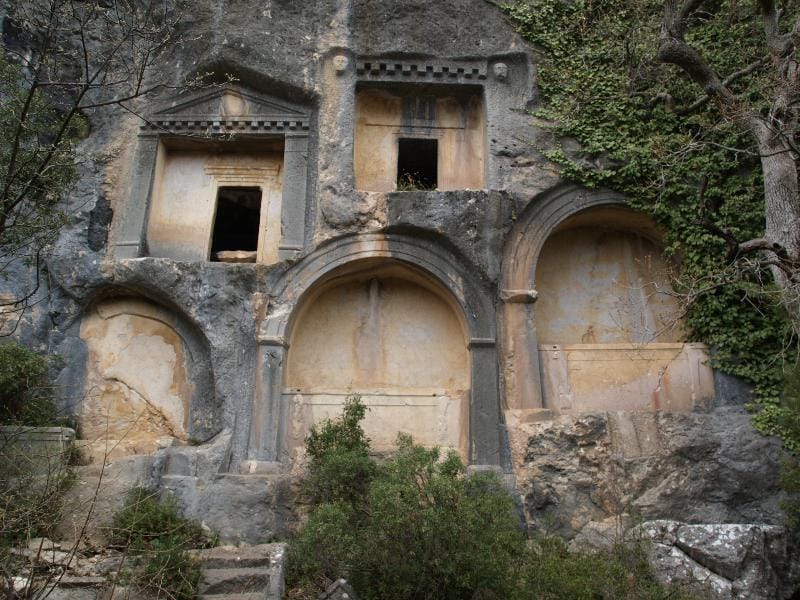
This article explores the efficacy of high thermal mass construction as an alternative or supplementary cooling technique to traditional insulation and air conditioning in hot and humid climates, specifically focusing on Texas. The author's interest in this approach was piqued during travels to ancient Roman ruins in Turkey and the historic city of Ping Yao in China, where thick stone walls provided natural cooling despite extreme summer heat and humidity. These observations highlighted the principle of thermal mass damping large diurnal temperature swings, a technique also successfully applied in rammed-earth walls in areas like Santa Fe.
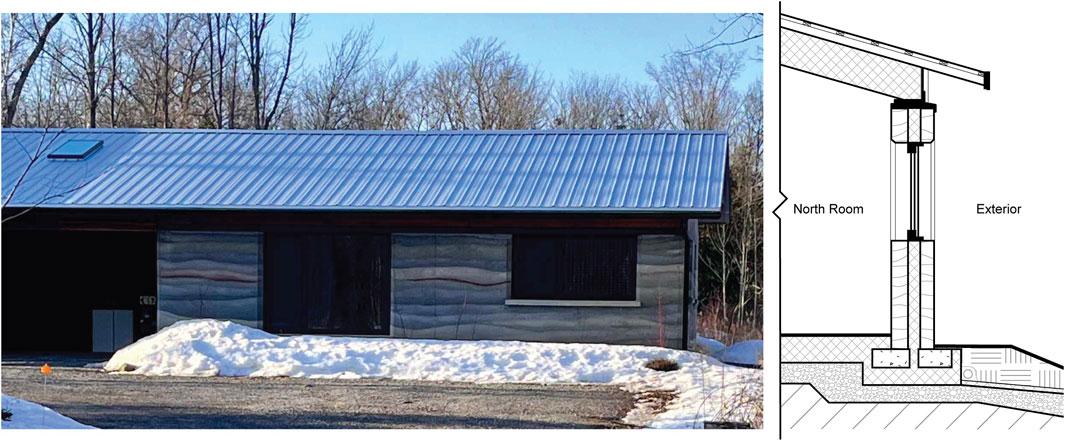
The article recounts an experience with a government office building in Houston, where thick concrete walls, initially intended for blast protection, unexpectedly offered significant thermal advantages even before air conditioning was activated. This led the author to question the prevailing reliance on insulation and air conditioning for cooling in Texas. An opportunity to further investigate this came through a project for Wiss, Janney, Elstner Associates (WJE), a firm known for its concrete expertise, for their one-story Austin office building. The collaboration allowed for a thorough exploration and analysis of high thermal mass concrete walls.
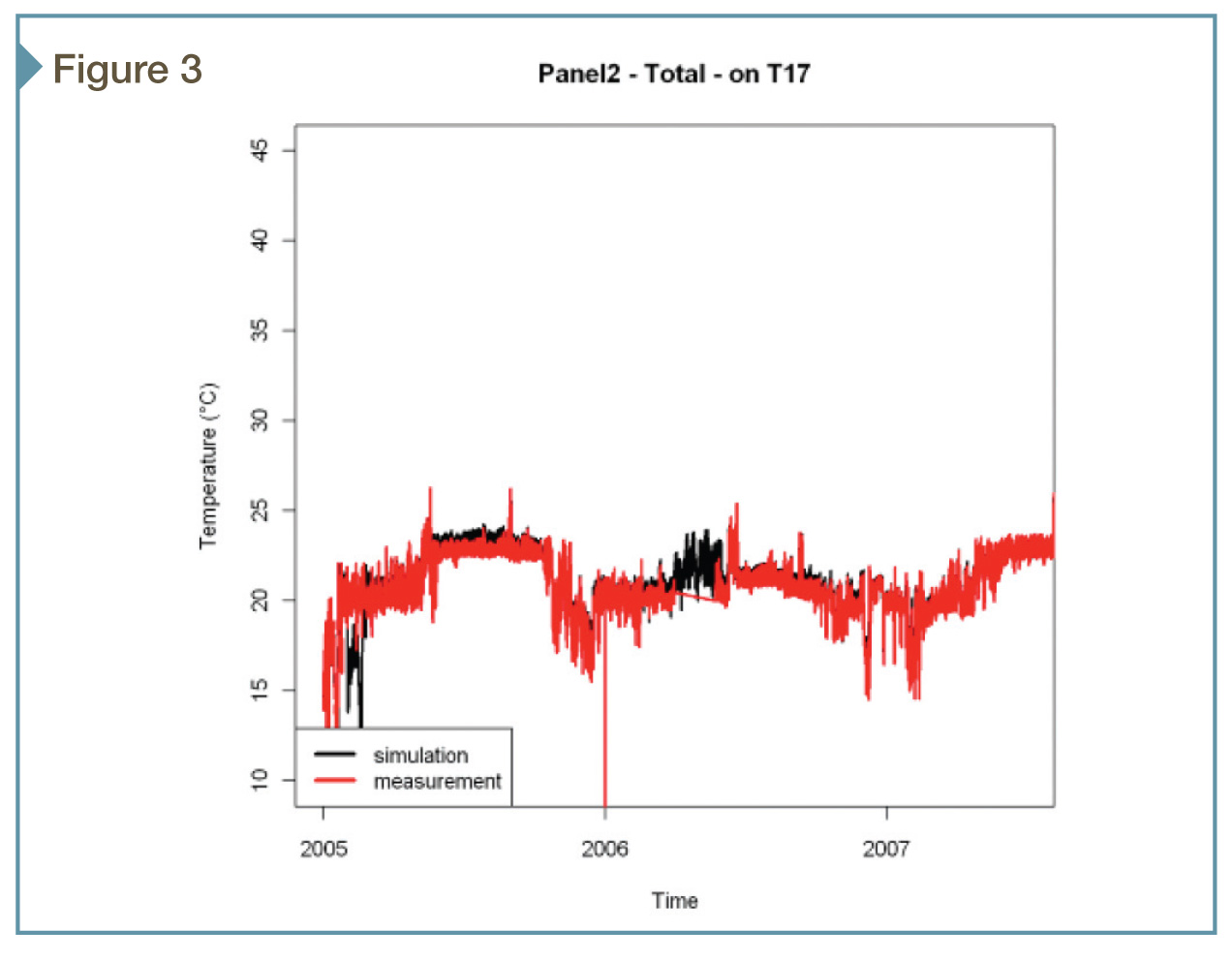
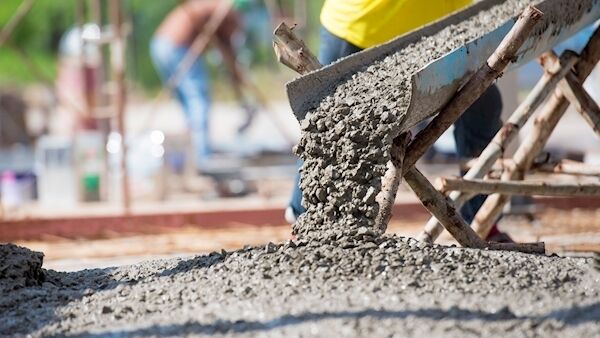
WJE’s engineers utilized a WUFI model to simulate temperature movement through the thick concrete walls over various times of the day and year, assessing both thermal benefits and potential condensation risks due to dew point. This analysis ultimately convinced both the engineers and the architects of the viability of the approach. The project was designed with a budget comparable to a stud wall building with brick or stone veneer, leading to the use of unreinforced concrete walls, functioning as pure compression structures. The absence of rebar and the simplicity of rectangular formwork significantly reduced labor costs, making the construction affordable. The resulting concrete forms were noted for their aesthetic quality, resembling structures like Stonehenge.
The building serves as an experimental case study. Even with external temperatures nearing 100 degrees Fahrenheit, the interior remained surprisingly cool before the air conditioning system was activated, demonstrating the immediate thermal benefits of high thermal mass construction. The article concludes by emphasizing the potential of this method as a sustainable and economical cooling solution, particularly in climates characterized by intense heat and humidity.
#ThermalMass #HotHumidClimate #SustainableDesign #ConcreteConstruction #BuildingScience #EnergyEfficiency #PassiveCooling #Architecture #ClimateResponsiveDesign #ThermalMass #HotHumidClimate #SustainableDesign #ConcreteConstruction #BuildingScience #EnergyEfficiency #PassiveCooling #Architecture #ClimateResponsiveDesign
0 comment in total
 No comments yet
You may also like

Podcast 428: Why Radiant Heat?, Proper Construction Sequencing, and Waterproofing Mansard Windows


The pros and cons of permanent formwork systems for single dwelling wall construction
Rammed Earth: Creating a 500-Year House
Indoor Hot Tub Installations, In Detail

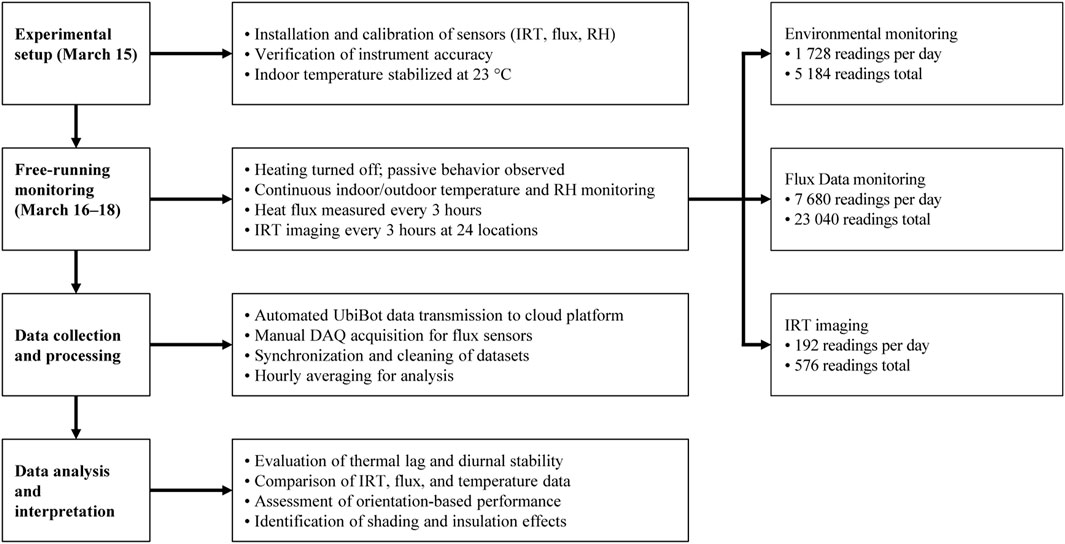
Field-based thermal performance analysis of a cement-stabilized, core-insulated rammed earth house in a cold climate
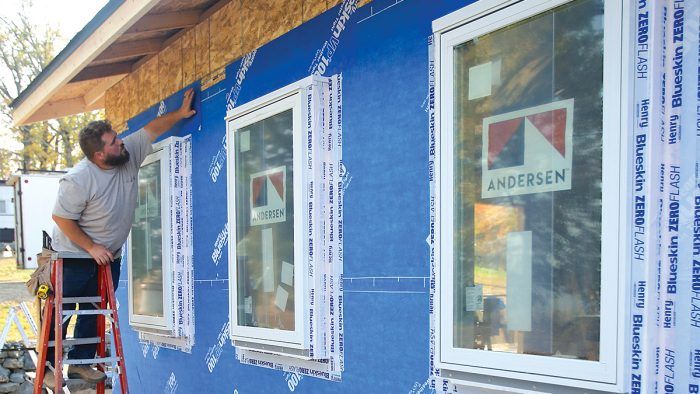
Build a "Perfect Wall" on a Budget for Affordable High-Performance
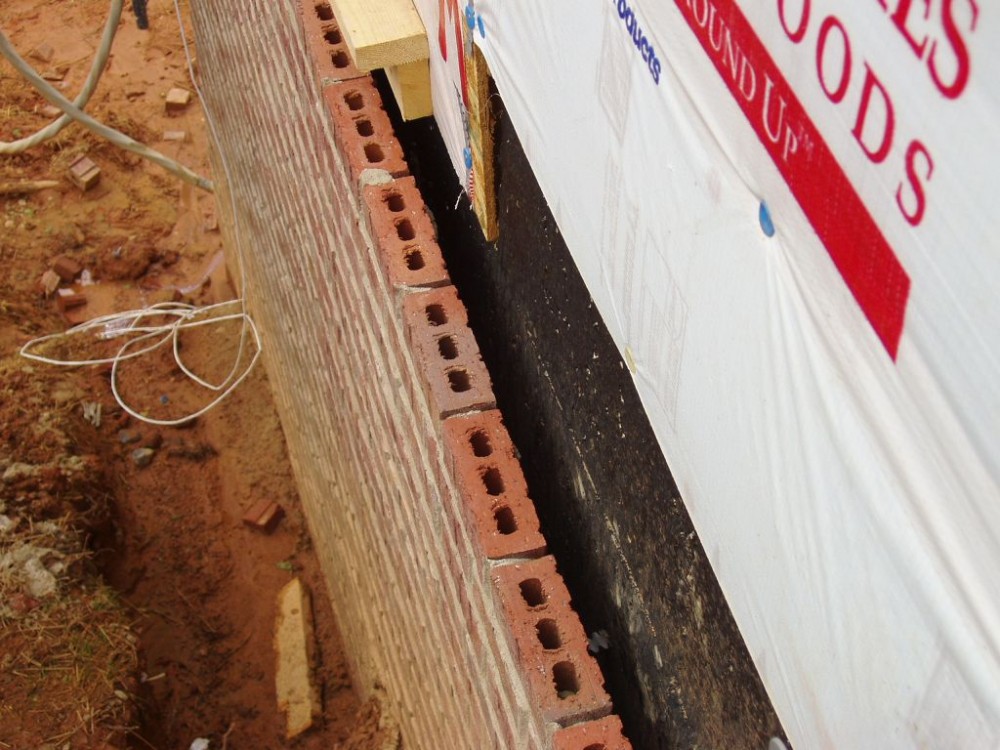
Brick Cladding: Helping keep moisture out
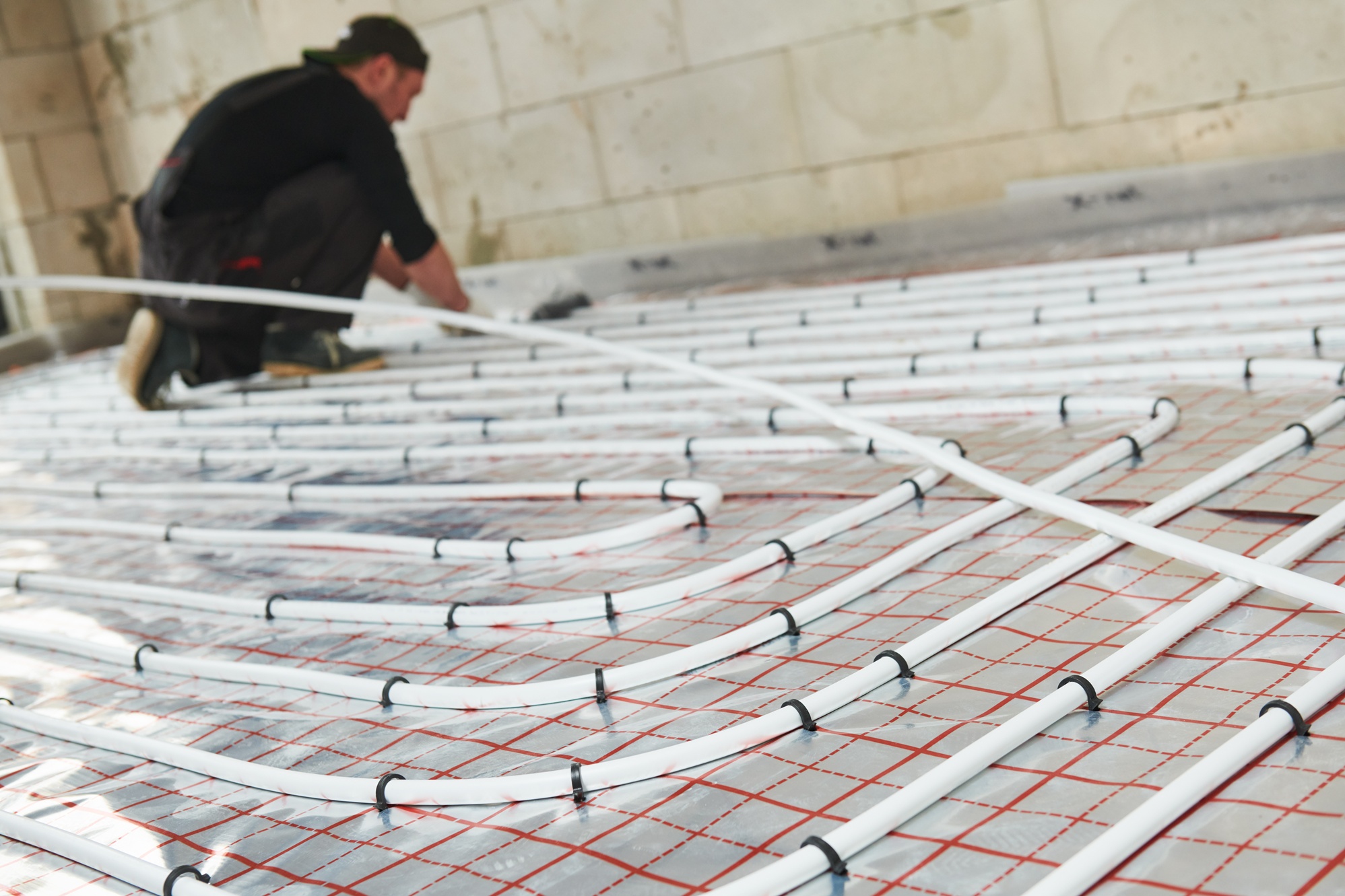
How Radiant Heat Can Transform Your Home for the Better With Barron Heating, AC, Electrical & Plumbing

Investigating EIFS Performance Across Climates: Exterior insulation and finishing systems studied in long-term test

Why buildings fail: damp can become dangerous
Vintage view: How old stone and brick walls can benefit from lime render


How to 'warm up' cold walls and 'protect' your home from condensation and mould growth

How to design for extreme temperatures
Rainwater Harvesting System Integrated With Sensors for Attic Temperature Reduction
Climate responsive lessons from an architectural and ethnographic study of Hijazi traditional dwellings in Jeddah, Saudi Arabia
Passive Design Strategies for Energy Efficient Buildings in the Arabian Desert
How bio-inspired solutions have influenced the built environment design in hot and humid climates
Reimagining Air Conditioning: Traditional Cooling Methods for the Future

Avoid insulating these spots as it can cause damp and mould
Why new homes can be damp – and what we can do about it