1/15
Podcast 428: Why Radiant Heat?, Proper Construction Sequencing, and Waterproofing Mansard Windows
The Fine Homebuilding Podcast, featuring Kiley Jacques, Ian Schwandt, and Patrick McCombe, addresses several common construction and home improvement queries from listeners in its 428th episode. The podcast begins by acknowledging listener feedback on various topics. Walter offers a practical tip for simplifying water filter changes by opening a faucet after shutting off the main water supply but before attempting to remove the filter, which he found makes the process considerably easier. Derek emphasizes the concept of opportunity costs in owner-built home projects, noting that the financial value of a homeowner's labor is often underestimated. He illustrates this by calculating that even though an owner-builder might feel they saved money, when their labor is valued at market rates, the project's true cost can align closely with its appraised value, highlighting that "sweat equity" is rarely free. Craig provides a shoutout for Green Glue, a product recognized for its effectiveness in soundproofing, referencing a review by Matt Risinger.
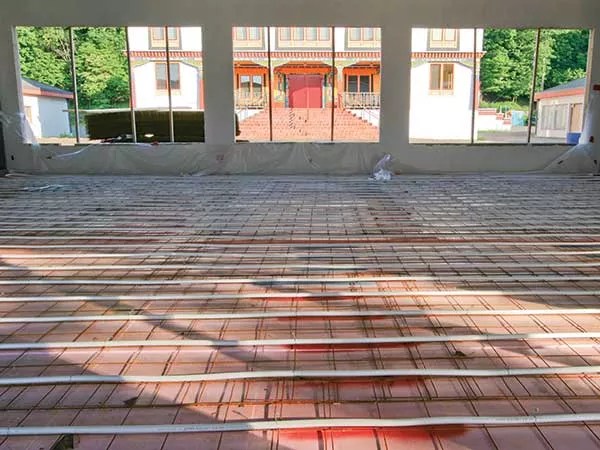
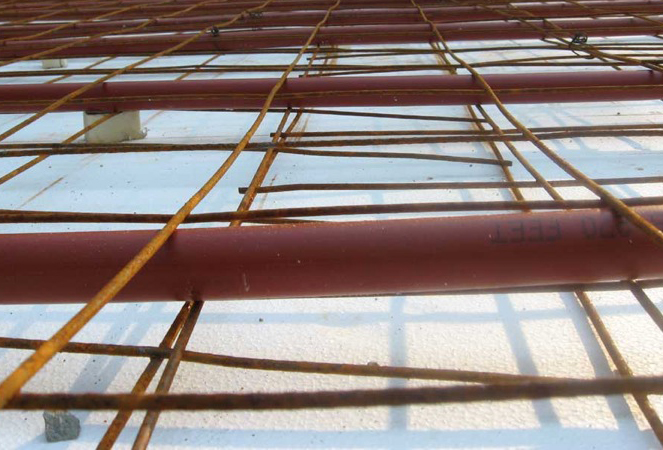
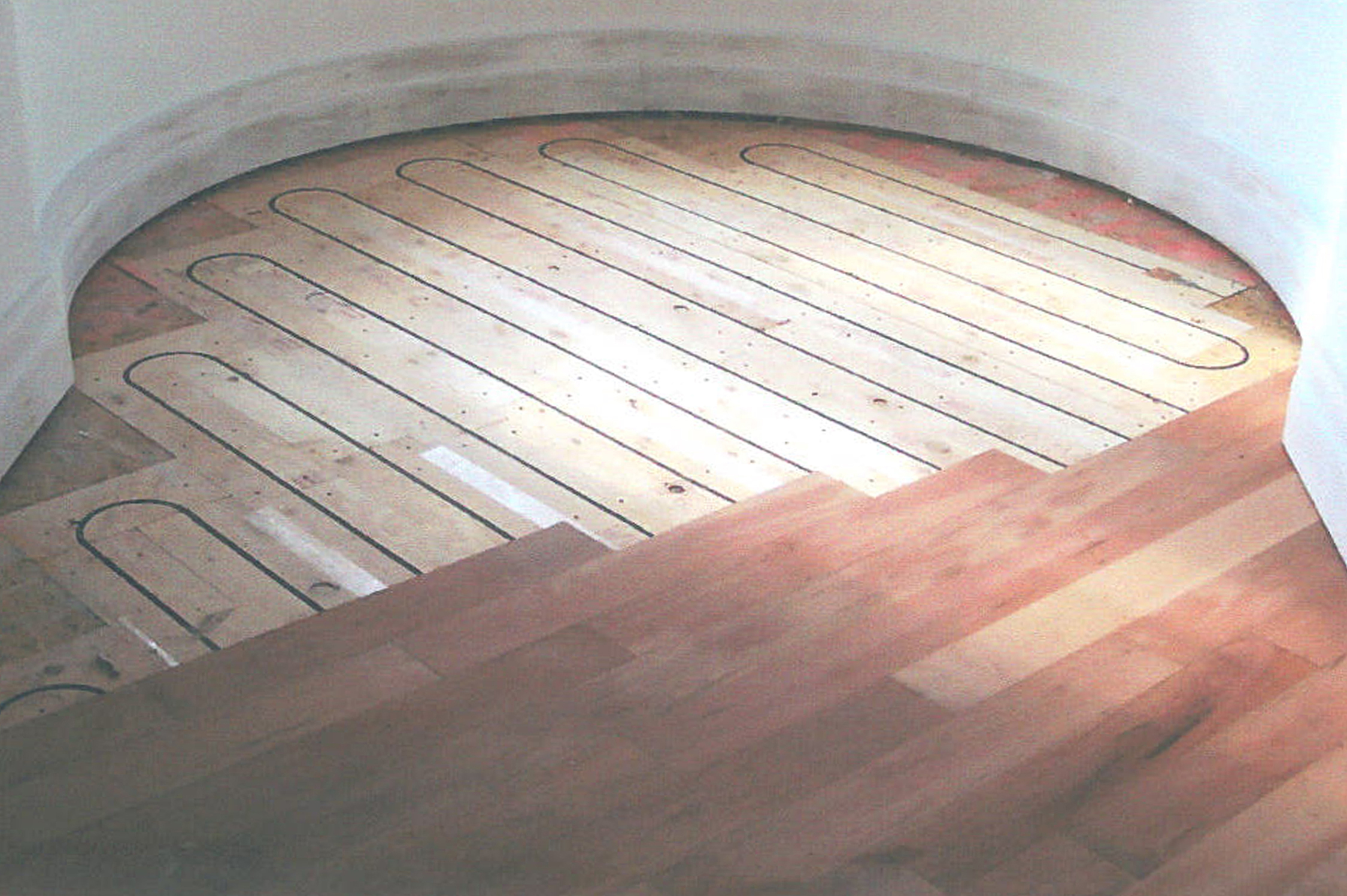
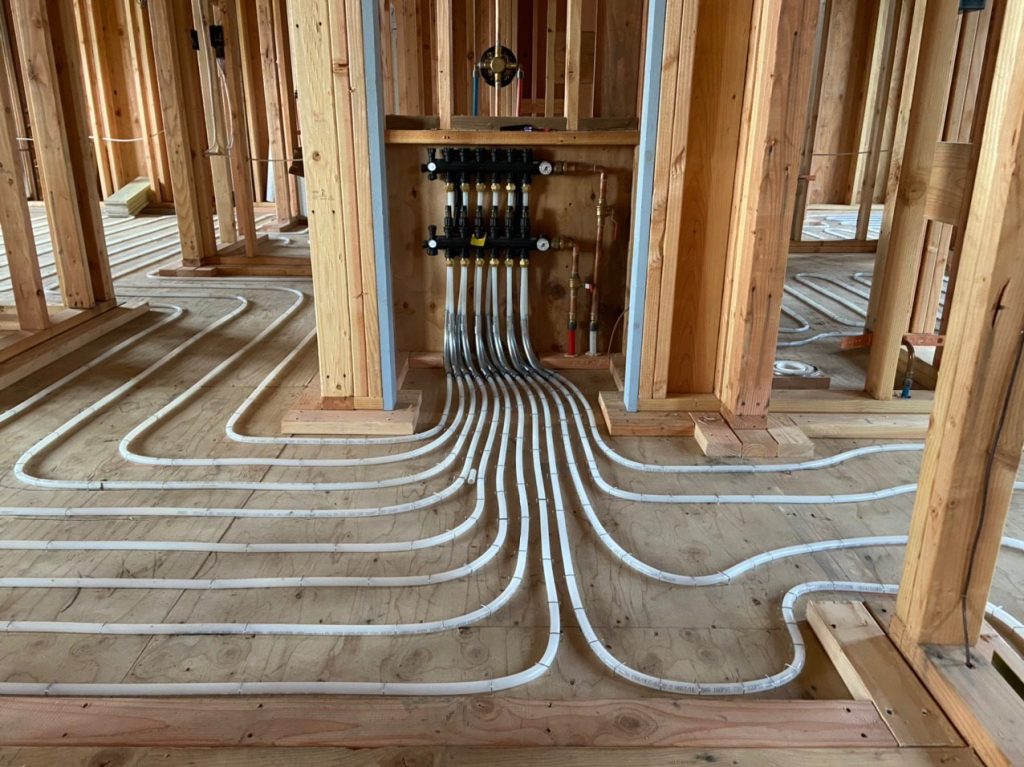
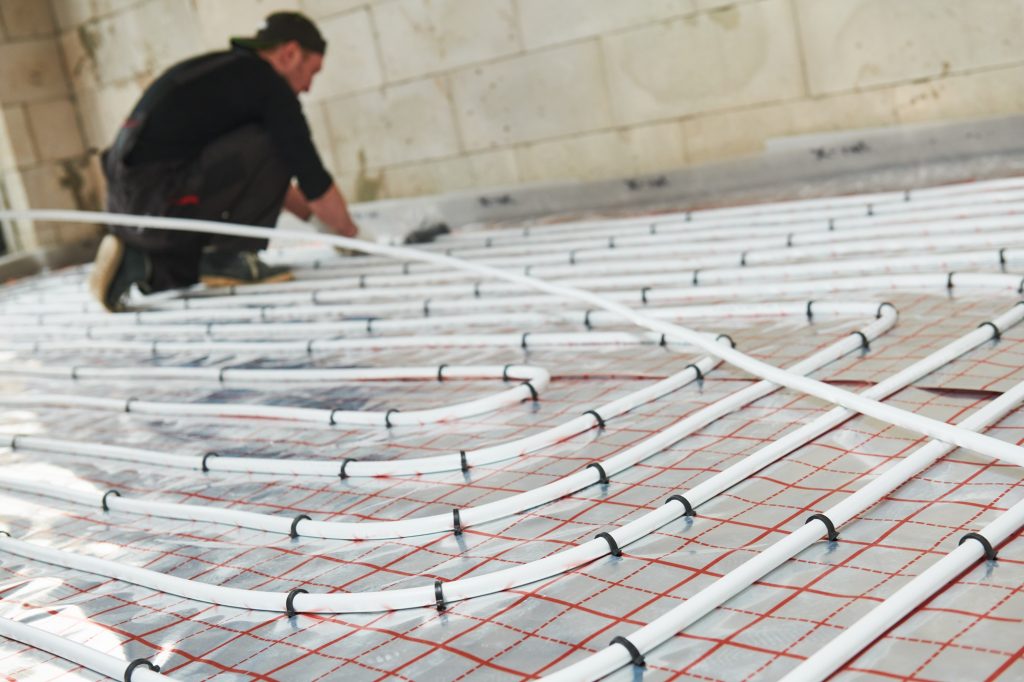
The podcast then transitions to listener questions. Dack inquires about Ian's decision to install hydronic radiant floor heating in his new home, particularly given its Passive House design and previous discussions that seemed to favor mini-splits. Dack also seeks clarification on whether the radiant system or the mini-split serves as the primary heating source in Ian's setup, expressing his own preference for hydronic radiant heat for his upcoming build in a similar climate zone. Jerry raises a question about managing construction schedules when unexpected delays or trade unavailability disrupt the typical sequence of work. He describes scenarios where deviations, such as installing cabinets earlier to expedite countertop measurements, can occur and asks for strategies to maintain project momentum despite these challenges. Jerry also provides insight into black exterior trim trends in southeastern Michigan, noting the use of metal trim pieces and custom-bent metal profiles as alternatives to traditional materials, and suggests considering the expansion and contraction of dark aluminum trim during installation.
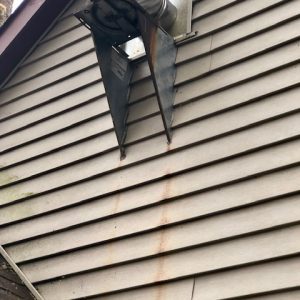
Matt from Baltimore describes a peculiar phenomenon observed in approximately 100-year-old houses: a significant hump in the second-story floor directly above the exterior wall where a room extends over a porch. He notes that the exterior siding shows no signs of movement, suggesting the issue is either historical settlement or original construction. He seeks explanations for this observation to better advise clients, as opening up the floors has not yet been undertaken. Kenneth from Acton, Ontario, presents a comprehensive set of questions related to his 1970s mansard-roof bungalow. He describes issues with basement dampness during heavy rains and seeks advice on waterproofing and insulating the mostly unfinished basement to make it livable, including radon mitigation. He also asks for strategies to insulate and air seal the walls behind the mansard roof, which acts as an attic space, proposing the use of polyiso/EPS board and addressing the challenges of taping joints in a confined area, while expressing a dislike for spray foam. Finally, Kenneth requests the best methods for capping and flashing deep window bucks, considering alternatives to aluminum for aesthetic and acoustic reasons, and inquires if installing a black eavestrough at the top of the mansard would be a suitable solution to prevent dripping. The podcast concludes with a listener asking for recommended builders to follow on social media, listing several Instagram accounts of prominent builders and construction professionals.
#RadiantHeat #ConstructionSequencing #Waterproofing #MansardWindows #HomeImprovement #BuildingScience #RenovationChallenges #OwnerBuilderCosts #InsulationTechniques #RadiantHeat #ConstructionSequencing #Waterproofing #MansardWindows #HomeImprovement #BuildingScience #RenovationChallenges #OwnerBuilderCosts #InsulationTechniques
0 comment in total
 No comments yet
You may also like
Podcast 469: Blue Goo on Framing, Painting Open Soffits, and Whole-House Dehumidifiers
Podcast 209: Exterior Caulk, Tub Drains, and Adding Insulation to Leaky Walls

Hydronic radiant wall heating, still the greatest trade secret in the U.S.


Radiant Floors and Ceilings Make Geothermal Even Better
Podcast Episode 182: Greedy Dormers, Cathedral-Ceiling Insulation, and Gutters for EPDM Roofs
Radiant Heating
Flood proof skirting boards provide room heating
Rainwater Harvesting System Integrated With Sensors for Attic Temperature Reduction
Podcast 193: Understanding Permeability, Insulating Behind Fiberboard Sheathing, and Building a Patio Door
Radiant Floor Heating: Can One Floor Heat Two Stories?
How Radiant Heat Can Transform Your Home for the Better With Barron Heating, AC, Electrical & Plumbing

6 areas of your home you should never insulate – and why it's a hazard that can do more harm than good

All About Outdoor Radiant Heating Systems
Radiant heat can be used indoors or outside
Radiant Barriers

JORIS LAARMAN’S HEAT WAVE RADIATOR
Podcast 563: Caulking Old Siding, Tearing Into Leaky Walls, and HVAC in Unconditioned Attics
Building with High Thermal Mass in a Hot, Humid Climate
Castrads Helps Solve the Biggest Problem With New York City Radiators

The Best Interior Design Podcasts