1/13
Investigating EIFS Performance Across Climates: Exterior insulation and finishing systems studied in long-term test
The Oak Ridge National Laboratory (ORNL), sponsored by the EIFS Industry Members Association (EIMA), conducted an extensive study between January 2005 and June 2007 to evaluate the moisture and temperature management properties of various exterior insulation and finishing system (EIFS) configurations. This research also compared EIFS performance with other claddings like stucco, brick, and cementitious paneling in a hot and humid climate (Hollywood, South Carolina, a mixed, coastal Zone 3 climate). The initial phases (Phase I and II) utilized a specially designed test facility allowing for easy wall panel changes and controlled interior conditions. Building orientation and panel placement were based on historical weather patterns.
Phase I, lasting 15 months, involved 15 exterior cladding configurations exposed to similar weather conditions. Phase II, from May 2006 to June 2007, introduced simulated building envelope defects to assess cladding performance against water penetration, considering factors like wall orientation, water-resistive barriers (WRBs), and different cladding systems. The findings from these initial phases indicated that EIFS effectively controlled temperature and moisture within the wall system, outperforming other claddings. Specifically, an EIFS system with drainage, a liquid-applied WRB, and 100 mm (4 inches) of expanded polystyrene (EPS) insulation board demonstrated superior performance. EIFS with drainage maintained acceptable moisture levels, even with varying outdoor conditions, when appropriate interior vapor retarders were used. In contrast, brick and stucco tended to accumulate and retain moisture longer. The study also highlighted that EIFS with a liquid-applied WRB readily dispersed moisture from simulated leaks, and that vertical ribbons of adhesive provided effective drainage.
Phase III of the ORNL trials focused on extrapolating these findings across all U.S. climatic regions (Zones 1-8) using computer simulations, as live data collection across all zones was not practical. Program manager Andre Desjarlais at ORNL led this phase. The simulation involved creating virtual panels, validated against real-world counterparts, and placing them in eight virtual climate zones representing different U.S. cities. These virtual panels were exposed to three simulated years of humidity fluctuations and weather conditions, with hygrothermal measurements (temperature, relative humidity, heat flux, moisture content) collected. The WUFI software tool, known for its accurate calculation of coupled heat and moisture transfer in building components, was used for these simulations.
Four wall systems were selected for the virtual study: EIFS Panel 2 (P2), EIFS Panel 5 (P5), EIFS Panel 11 (P11), and brick Panel 14 (P14), each with specific material compositions. The eight IECC climate zones modeled included Miami, Austin, Atlanta, Baltimore, Chicago, Minneapolis, Fargo, and Fairbanks. Before the full simulation, the model was validated by emulating eight panels from Phases I and II using real weather station data from Charleston, South Carolina. The validation confirmed good agreement between the WUFI model and the field data, allowing researchers to confidently predict heat and moisture performance.
The final simulation performed a hygrothermal WUFI analysis for three years, evaluating each wall system with and without a vapor retarder, and with and without water penetration. The results indicated that EIFS configurations P2 and P11 offered the best energy efficiency, followed by EIFS P5 and Brick P14, particularly in colder climates. The addition of leaks and vapor retarders had minimal impact on energy performance but significantly affected moisture performance. Panels without leakage and without a vapor retarder generally performed acceptably across all climate zones. However, in warmer zones, adding a vapor retarder increased sheathing moisture content, and combined with leakage, could lead to moisture levels exceeding the 80 percent RH threshold, potentially compromising durability. In colder zones, the impact of a vapor retarder was less severe.
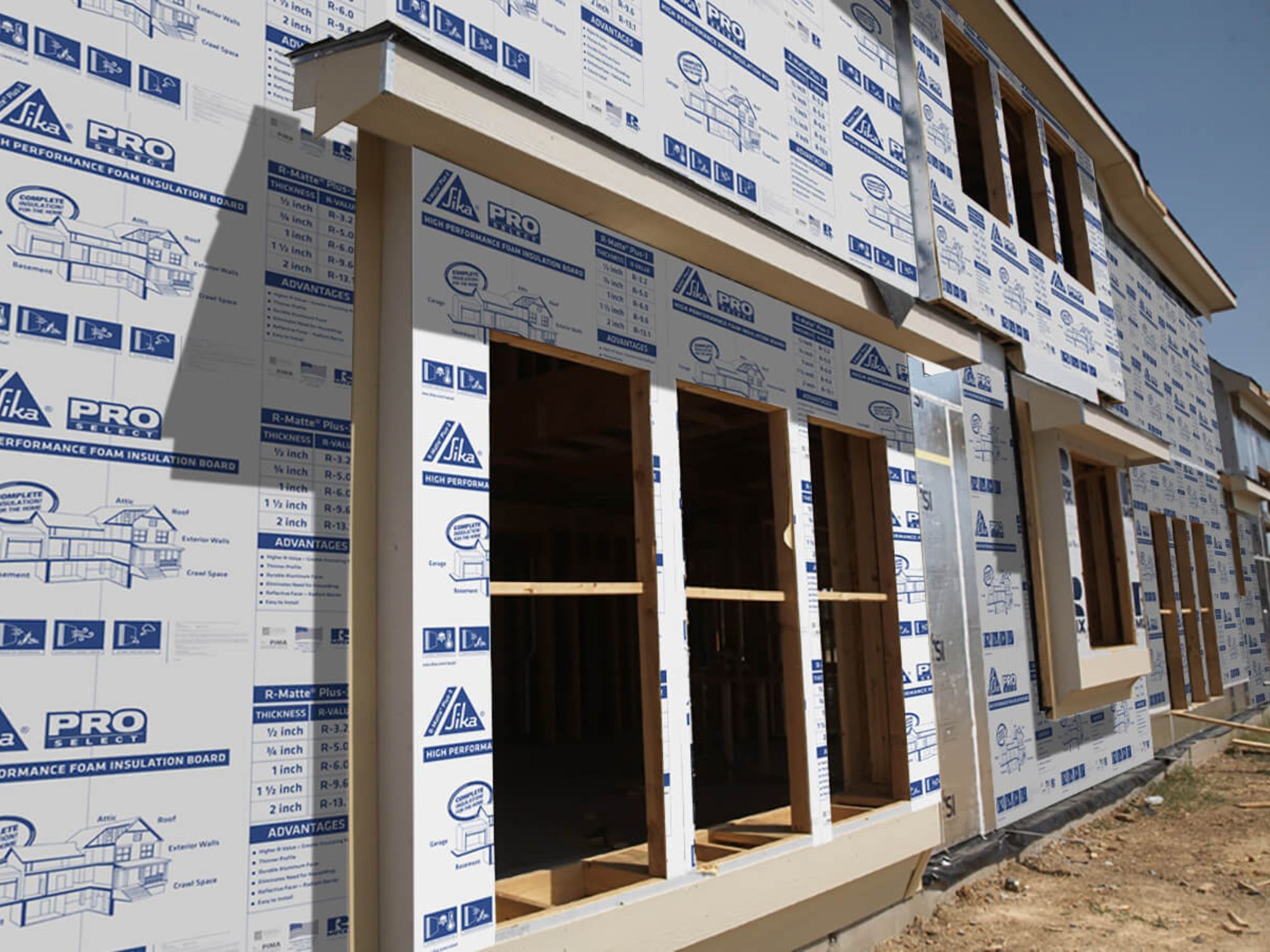
Overall, the EIFS configurations consistently outperformed the brick wall system across all climate zones for the measured criteria, with EIFS Panel 5 demonstrating the best overall performance. The study reinforces the view that modern EIFS, with improved moisture management, is a highly effective system. This research, while focused on newly constructed walls and their thermal and moisture performance, provides valuable insights for design and construction professionals, especially in light of continuous insulation building envelope requirements in codes like the 2012 IECC and ASHRAE 90-1.
#EIFSPerformance #BuildingCladdings #MoistureManagement #ThermalPerformance #ClimateZones #ConstructionMaterials #EnergyEfficiency #BuildingScience #WUFIAnalysis #EIFSPerformance #BuildingCladdings #MoistureManagement #ThermalPerformance #ClimateZones #ConstructionMaterials #EnergyEfficiency #BuildingScience #WUFIAnalysis
0 comment in total
 No comments yet
You may also like
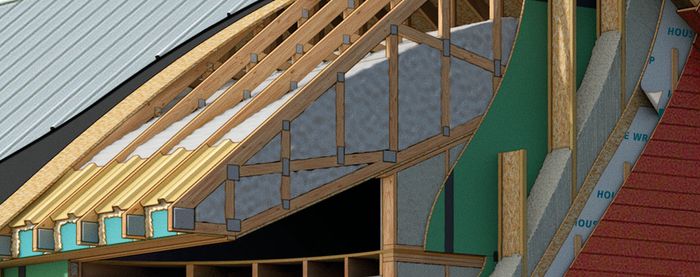
An Easy Way To Build a Well-Insulated House

6 areas of your home you should never insulate – and why it's a hazard that can do more harm than good

The First Passive, Phius-Certified Industrial Building in the U.S.
It's a wrap: External wall insulation for your home

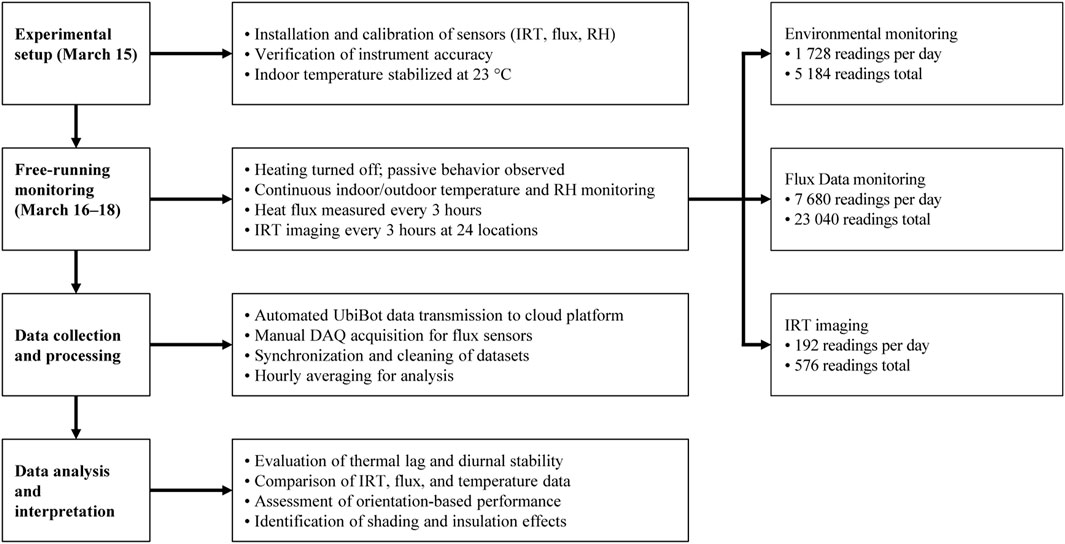
Field-based thermal performance analysis of a cement-stabilized, core-insulated rammed earth house in a cold climate
Cold-Climate Attic Air-Sealing
Benefits of Building with ICFs

Avoid insulating these spots as it can cause damp and mould
After Researching Over 20 Options for Exterior Walls Insulation, There is One Clear Winner

How to insulate your period house
How to Use Spray Foam to Meet New Energy Codes in Warm Climates
What to Consider When Choosing Insulation

Lego-like product saving energy in construction

9 basement insulation ideas

The pros and cons of permanent formwork systems for single dwelling wall construction
A New Take on Insulating a Roof
The best floor insulation options for your home, explained
Relative comparison of the benefits of wall envelope insulation materials in the South African energy zones, subject to the new national building energy efficiency standards
Home insulation materials

Making the Case for Spray Foam as a Continuous Solution