Ice Dams, Can Lights, Wet Walls, and Water Damage
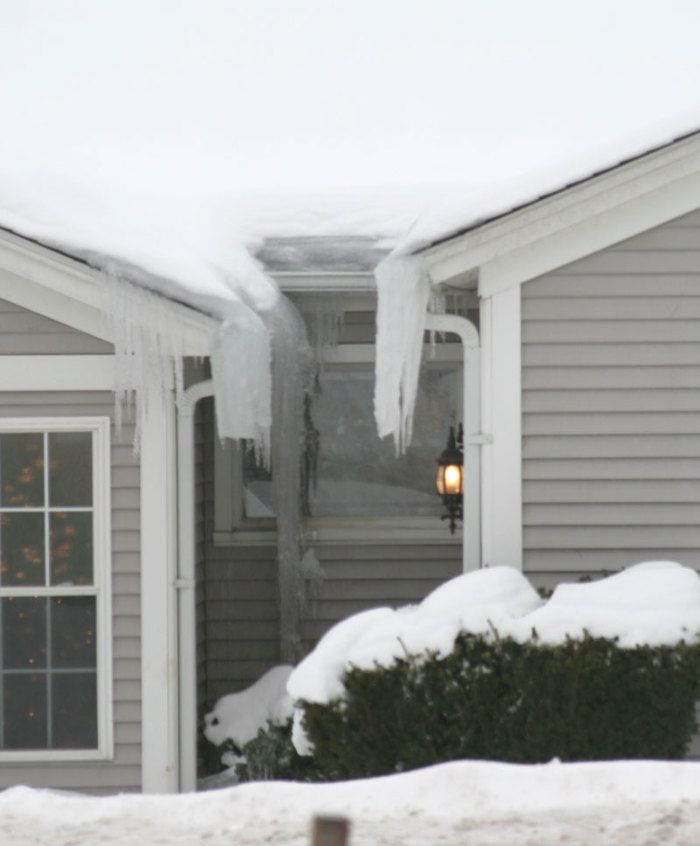
This article discusses the causes and solutions for ice dams, a common problem in snowy regions. Ice dams occur when heat escapes from a building's interior into the attic, warming the underside of the roof and melting snow. The melted water then runs down the roof until it reaches a colder section, typically over the unheated eaves, where it refreezes, forming a dam. This dam causes water to back up under shingles and leak into the house, often leading to significant water damage. Many mistakenly attribute these leaks to faulty roofing rather than underlying issues with air sealing and insulation.
The author references a Building Science Fundamentals class, taught by experts Joe Lstiburek and John Straube of Building Science Corporation, which highlighted that ice dams can still be a problem even with well-insulated roofs in areas with heavy snow. This is because snow itself acts as an excellent insulator, with an R-value of approximately 0.5 to 1 per inch. When a roof is insulated from below, and then covered by a thick layer of snow, the roof deck becomes sandwiched between two insulating layers. This can cause the roof deck temperature to rise above freezing, even if the outdoor air temperature is well below freezing, leading to snowmelt and subsequent ice dam formation. For instance, with an R-18 insulated roof and 24 inches of snow (effectively adding another R-18 of insulation), the roof deck might stabilize at around 35°F, creating conditions conducive to melting.
The primary solutions to ice dams are proper insulation and air sealing, especially in areas with moderate snow accumulation. In regions with heavy snowfall, these measures must be combined with effective roof ventilation. Ventilation helps maintain a cold roof deck, preventing snow from melting prematurely. The article also touches upon various perspectives from experts and commenters, including the idea of sealing off all ventilation and insulating the underside of the roof with spray foam as an alternative in situations where adequate ventilation is not feasible. The discussion also explores the concept of "diminishing returns" in insulation, suggesting that while more insulation generally improves performance, the additional benefit per inch decreases past a certain R-value, such as R-50. However, some argue that the cost-effectiveness of adding more insulation, particularly after initial air sealing and preparation, makes higher R-values worthwhile due to improved comfort and ice dam prevention.
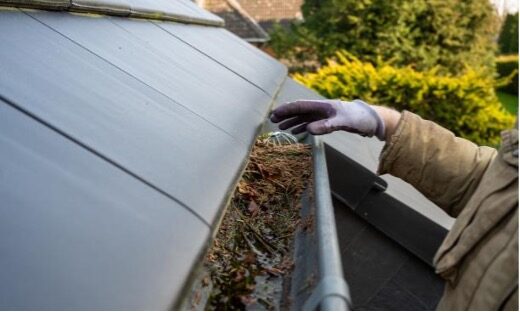
Practical advice from readers includes using metal roofs, which allow snow to slide off before ice dams form, and maintaining clean gutters to ensure proper water drainage. Some commenters also highlight specific areas of concern like skylights and dryer vents on roofs, which can become localized heat sources or ventilation obstructions contributing to ice damming. The article implicitly suggests that while temporary solutions like roof raking can alleviate symptoms, addressing the root causes through comprehensive insulation, air sealing, and ventilation strategies is crucial for long-term prevention of ice dams and associated water damage.
#IceDams #RoofInsulation #AirSealing #RoofVentilation #WaterDamage #BuildingScience #SnowRemoval #HomeMaintenance #EnergyEfficiency #IceDams #RoofInsulation #AirSealing #RoofVentilation #WaterDamage #BuildingScience #SnowRemoval #HomeMaintenance #EnergyEfficiency
0 comment in total
 No comments yet
You may also like
How Can Architecture Combat Flooding? 9 Practical Solutions


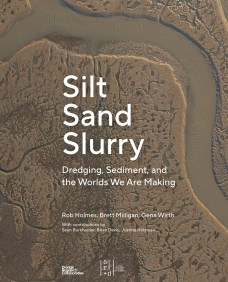
Book Review: The Sediment Must Flow

Living with water: four buildings that will withstand flooding

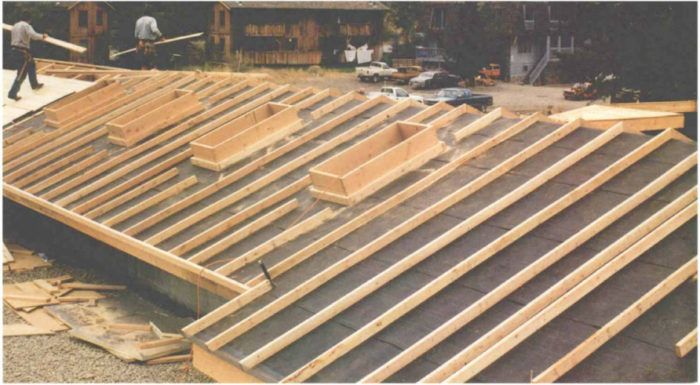
Framing a Cold Roof
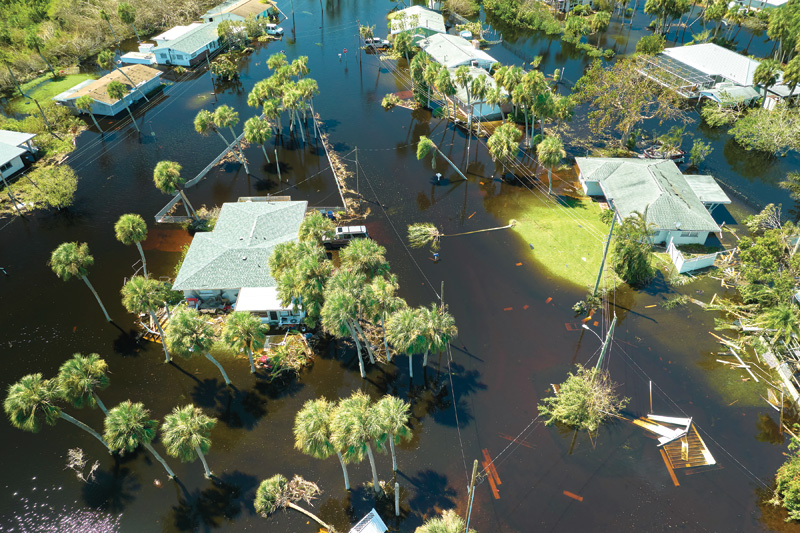
Hurricanes and flooding: Advancing building strategies for resilience

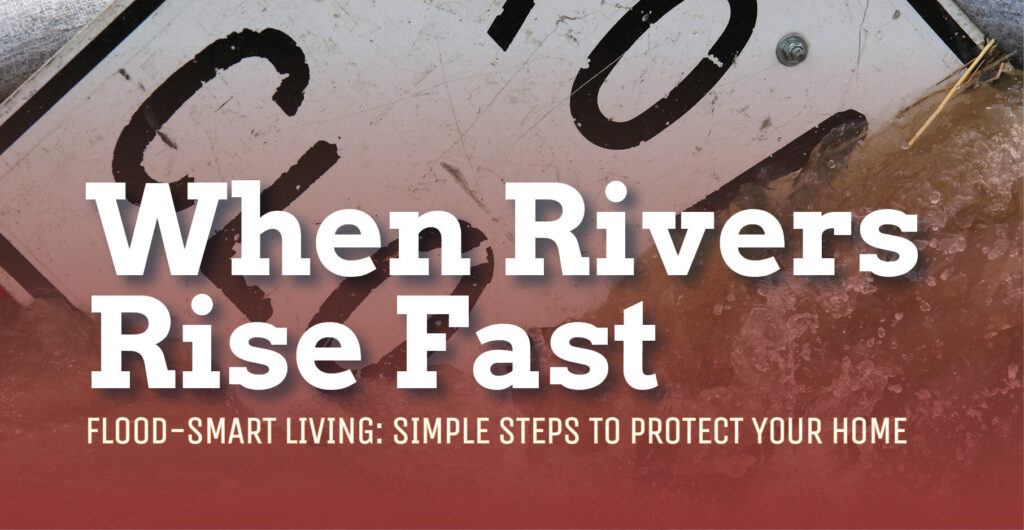
When Rivers Rise Fast – Flood-Smart Living: Simple Steps to Protect your Home
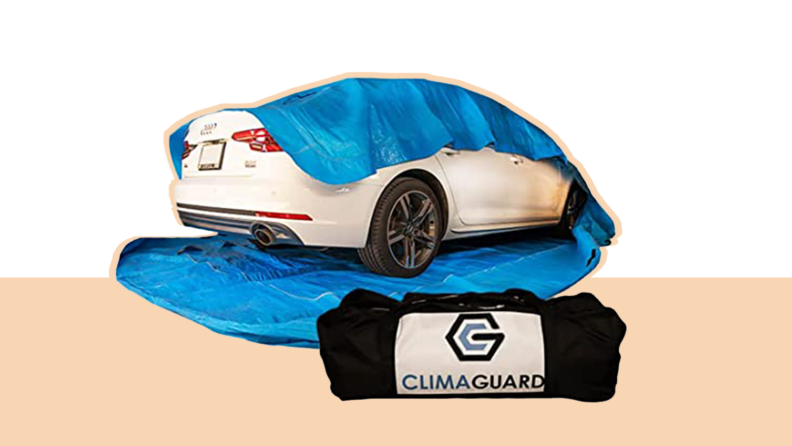
4 ways to prevent flood damage to your car during a storm


Podcast 209: Exterior Caulk, Tub Drains, and Adding Insulation to Leaky Walls

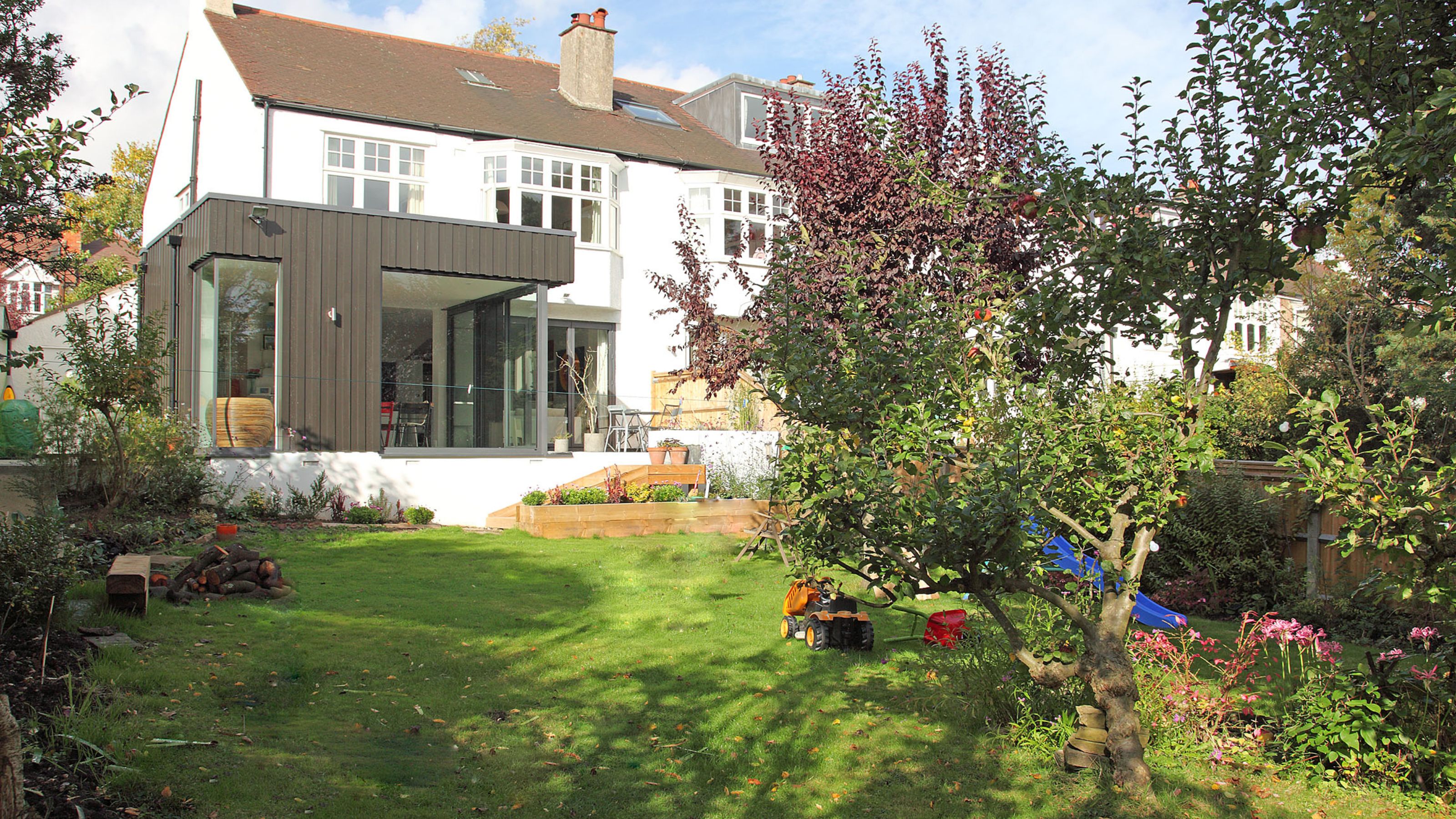
Floodproofing a house — 12 things experts say you can do

Deluge defence: smart solutions for when the rain comes

5 reasons why floating development is set to take the world by storm

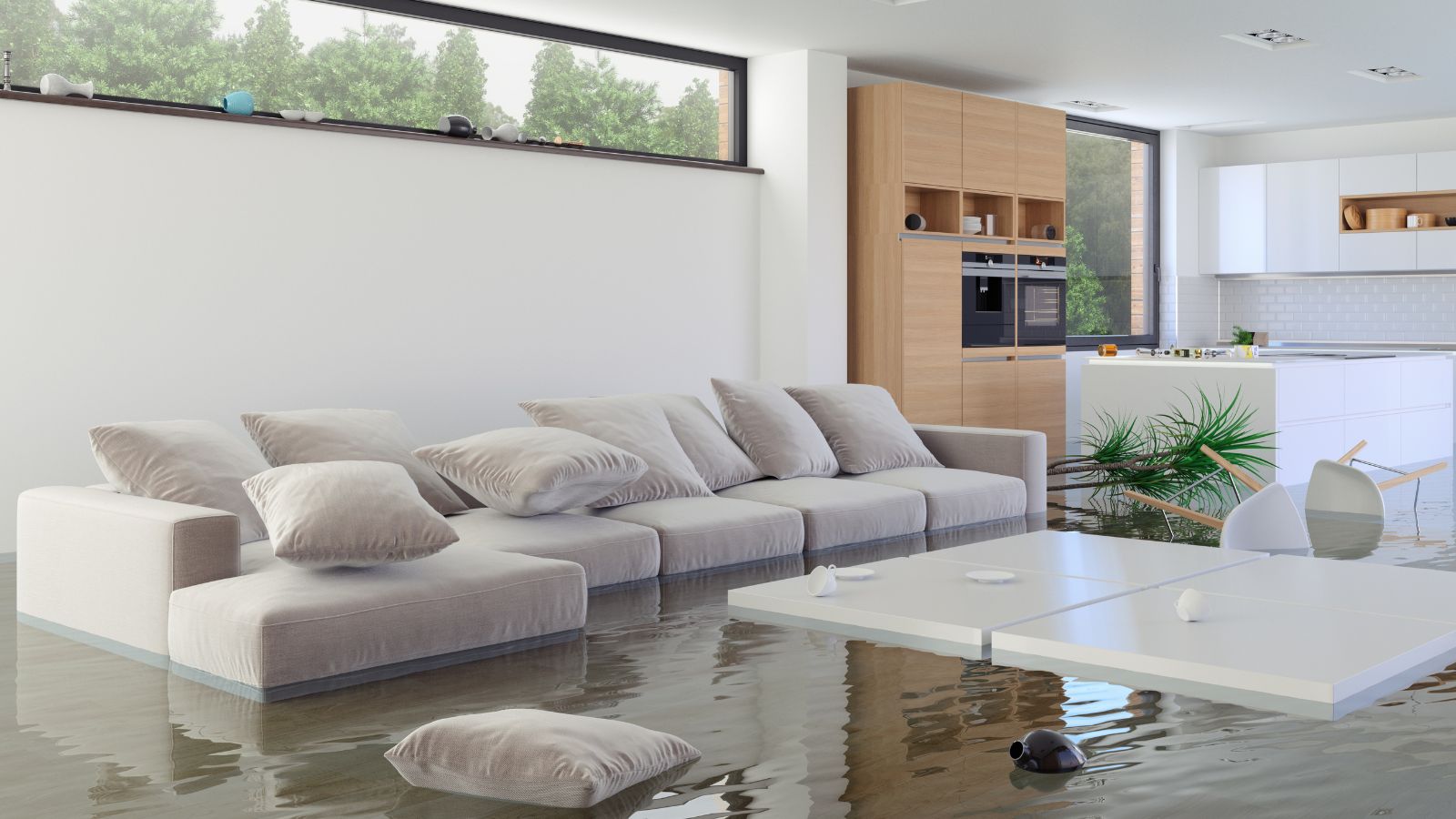
Ways to protect your home from flooding – safeguard your space from storms

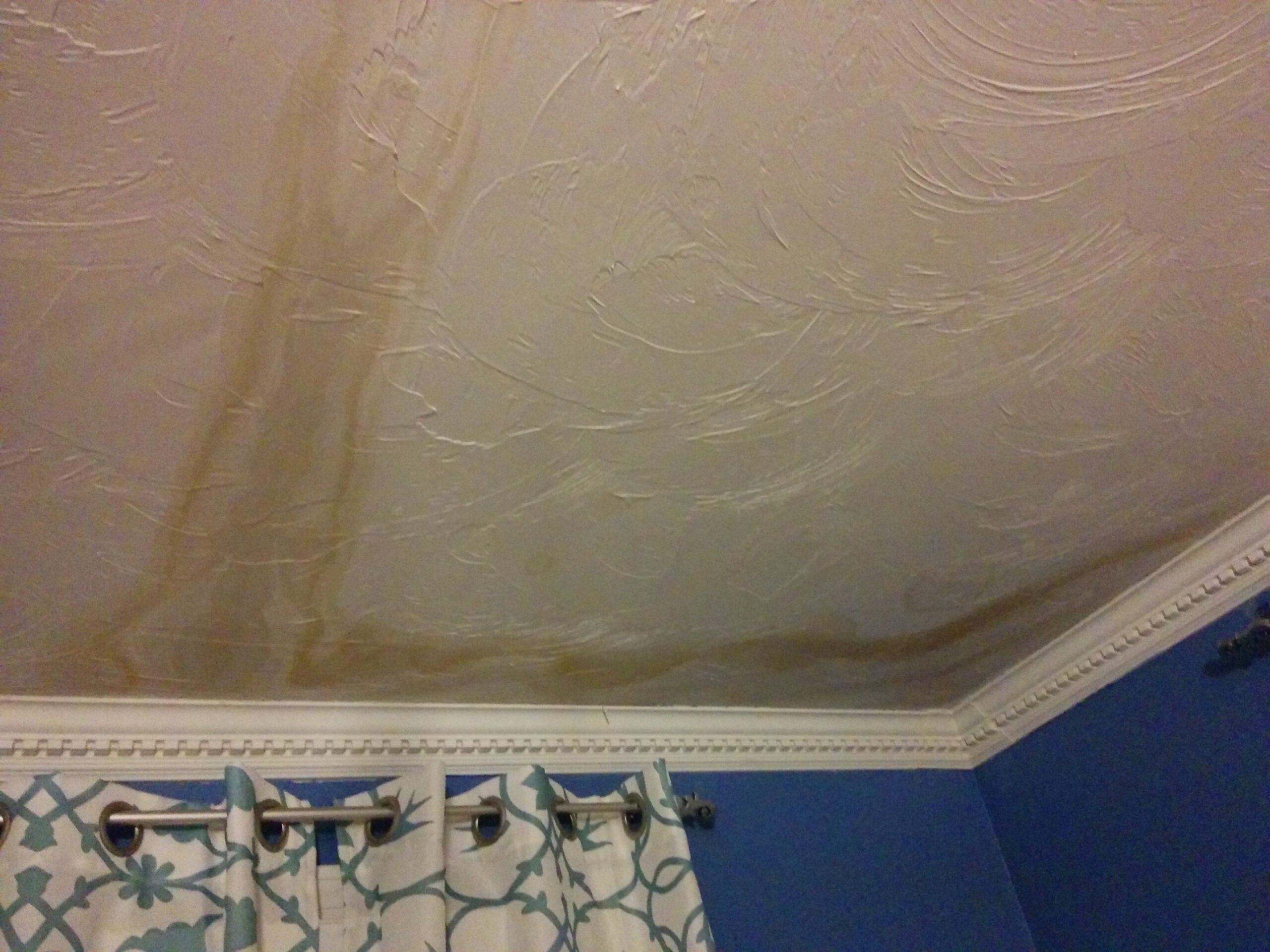
How to fix wet walls, mold, and other damage caused by winter

Getting Along With Stucco: Sometimes it just needs space
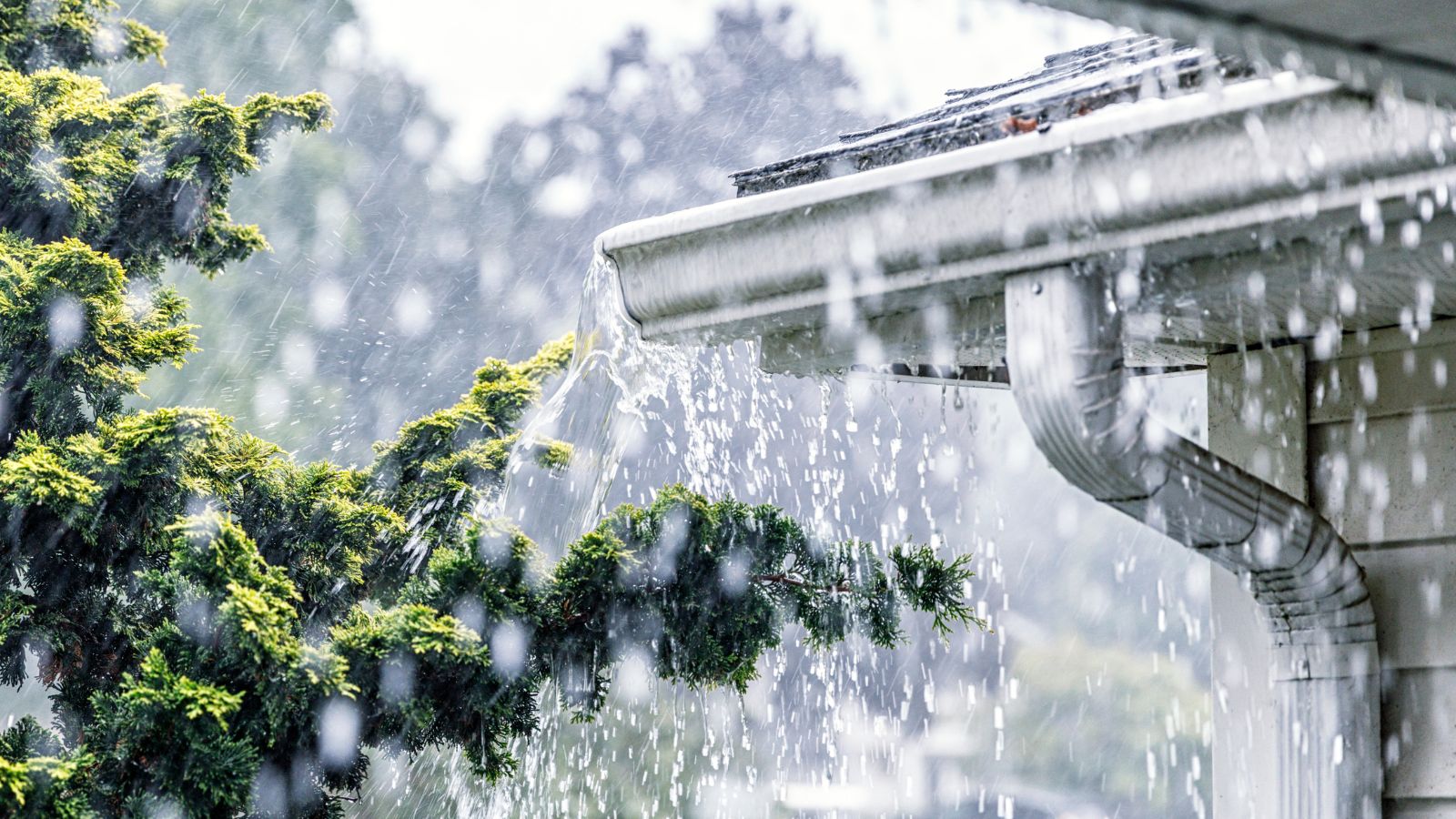
6 ways to future-proof your home against extreme weather – your home (and wallet) will thank you
Don't ruin your patio! 7 steps experts say you must take before the first frost

Outdoor shade and screens ride the storms out

The BEST Ways to Protect Your Home From Water Damage, According to Experts

Waterproof Your Windows with Liquid Flashing
Why You Shouldn't Buy a House That Was Built in the Rain