1/5
5 reasons why floating development is set to take the world by storm
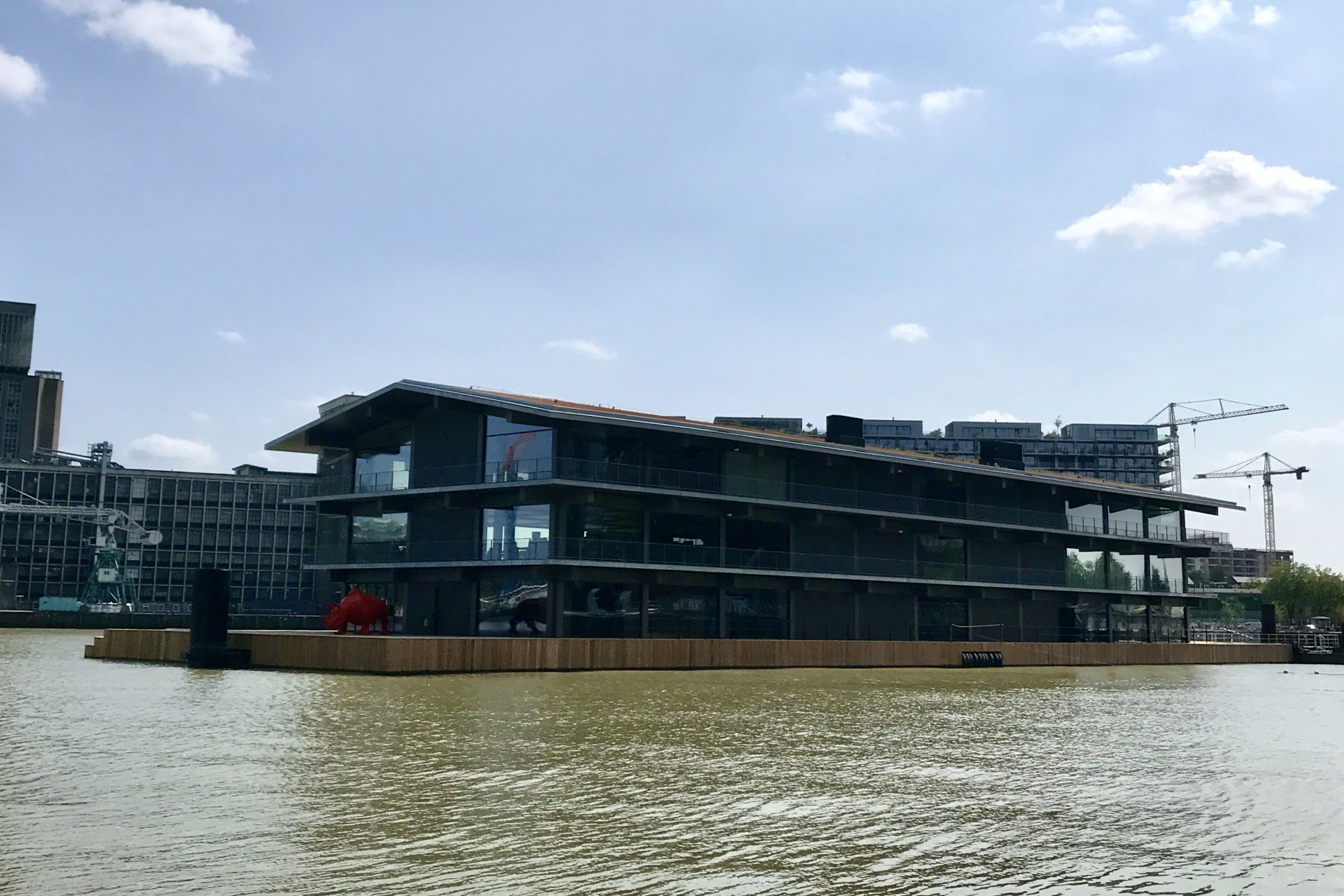
The concept of floating metropolises, once a staple of science fiction, is rapidly becoming a reality, with the first floating cities emerging in Busan, South Korea, and the Maldives. This development is gaining momentum as a crucial adaptation strategy to address intensifying climate impacts, particularly rising sea levels, which pose an existential threat to low-lying regions. The Intergovernmental Panel on Climate Change (IPCC) acknowledged floating urban development in a recent report, highlighting cities like Rotterdam, Netherlands, for their expanding floating housing markets and innovative floating structures, such as the world's largest floating office and a floating pavilion. These initiatives demonstrate how floating development can not only help vulnerable communities adapt to climate change but also support energy and food production, alleviate urban overcrowding, and contribute to environmental protection.
Floating infrastructure is designed to rise with water levels, offering a resilient solution to the accelerating sea level rise predicted by the IPCC—potentially a meter higher by 2100. This is especially critical for the half of the global population residing within 100 km of coastlines. The Netherlands, a country largely below sea level and prone to flooding, has embraced water as an ally, pioneering floating communities, farms, and solar technology. The Dutch research initiative "Floating Future," a coalition of over 30 stakeholders, creates floating demonstration islands to advance knowledge in floating construction, aiming to export this expertise to other low-lying delta regions worldwide.
Floating development also addresses the growing problem of urban overcrowding and the unsustainable practice of land reclamation. With cities projected to lack sufficient space for the world's population by 2050, traditional land reclamation methods, which heavily rely on sand extraction, are becoming environmentally problematic. Sand, the most extracted resource globally, is primarily used for construction, and its industrial-scale extraction severely threatens freshwater ecosystems and degrades water quality. Floating structures offer an eco-friendly alternative by creating living spaces on water, potentially incorporating green spaces and enhancing water quality through nature-based solutions like floating gardens and wetlands that provide habitats for aquatic life.
Furthermore, floating agriculture, gardening, and farms offer much-needed space for food production. The traditional practice of floating agriculture in Bangladesh, dating back to the 1600s, utilizes water hyacinths to create soil-free growing bases, serving as an effective climate adaptation strategy against flooding that decimates agricultural yields. Similarly, Rotterdam hosts the world's first floating dairy farm, a scalable project producing dairy products and organic fertilizer. Companies like "Floating Future" are developing 'food islands' that employ hydroponics, expanding food production capabilities globally. Floating development can also harness renewable energy sources. Floating solar photovoltaic panels and wind turbines on water bodies provide solutions to the land-intensive nature of conventional solar farms and the need for remote sites for wind energy. The Rivierenland Water Authority in the Netherlands is actively researching floating solar systems, although long-term environmental impacts require continued monitoring.
Finally, floating infrastructure can be affordable, making climate adaptation accessible to more communities. NestAbide, an architectural firm in India, is developing cost-effective, flood-resilient amphibious homes with buoyant foundations, aiming to provide economical housing options in flood-prone regions like Kerala and advocating for supportive legal frameworks. Other innovative companies include Flinch Floating Homes, which provides prefabricated, flood-protected homes for Filipino families, and Nets23D in South Africa, which recycles fishing nets into modular structures for resilient and affordable floating infrastructure. These examples highlight floating development as an exciting and sustainable opportunity to rethink urban planning and construction, offering brave and sustainable structures on water that integrate the best practices from land-based development.
#FloatingDevelopment #ClimateAdaptation #UrbanResilience #SeaLevelRise #SustainableArchitecture #FoodSecurity #RenewableEnergy #EcoFriendlySolutions #WaterManagement #FloatingDevelopment #ClimateAdaptation #UrbanResilience #SeaLevelRise #SustainableArchitecture #FoodSecurity #RenewableEnergy #EcoFriendlySolutions #WaterManagement
 No comments yet
5 DIY trends experts predict will be big in 2025

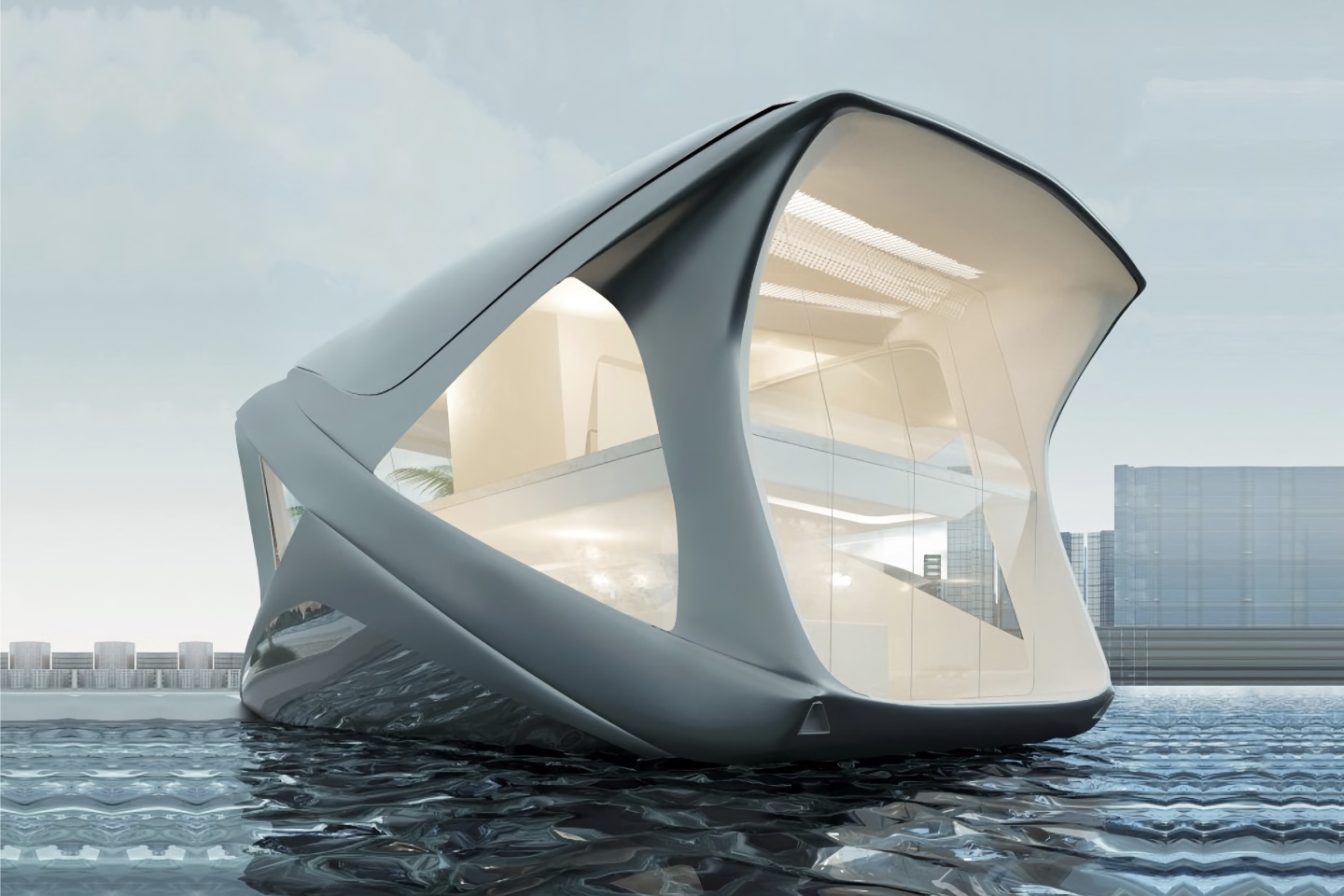
Floating Architecture that are the sustainable solution we need to survive the rising sea level crises!

GCC Ceramic Tiles Market Grows with Rising Construction Demand

The Future Of Finance Is Already Here, And It’s Rewiring The Enterprise

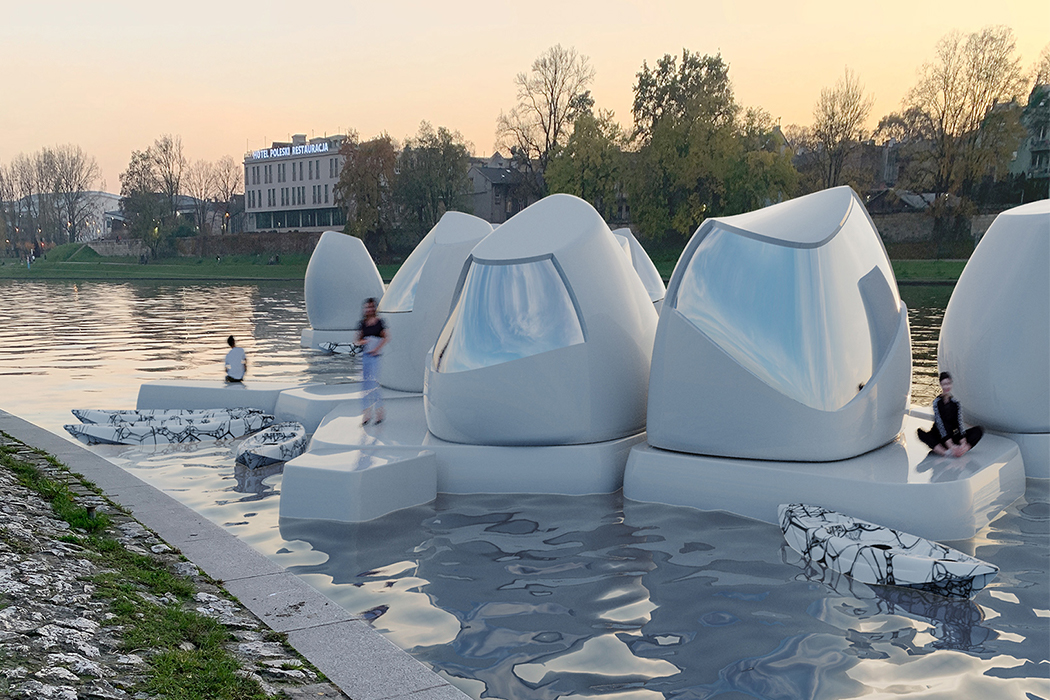
Floating office pods are the future of a truly flexible lifestyle and remote work!