1/4
6 ways to future-proof your home against extreme weather – your home (and wallet) will thank you
In an era where extreme weather events are becoming more frequent and widespread, homeowners face increasing risks from flooding, storms, and fires. Historically confined to specific regions, these threats now impact areas previously considered safe, making it essential for homeowners to proactively safeguard their properties. This guide outlines six crucial steps to future-proof a home against the impacts of climate change, drawing on insights from home construction and assessment experts.
The first step involves understanding the specific risks a home faces. While residents in areas like Miami or California are often aware of their vulnerability to floods, tropical storms, or forest fires, homeowners in newly affected regions may need to assess emerging threats. Online tools such as ClimateCheck and research from First Street can provide detailed, localized risk assessments, projecting potential extreme weather events over the next 30 years based on zip code or street address. This information helps homeowners prioritize necessary improvements.
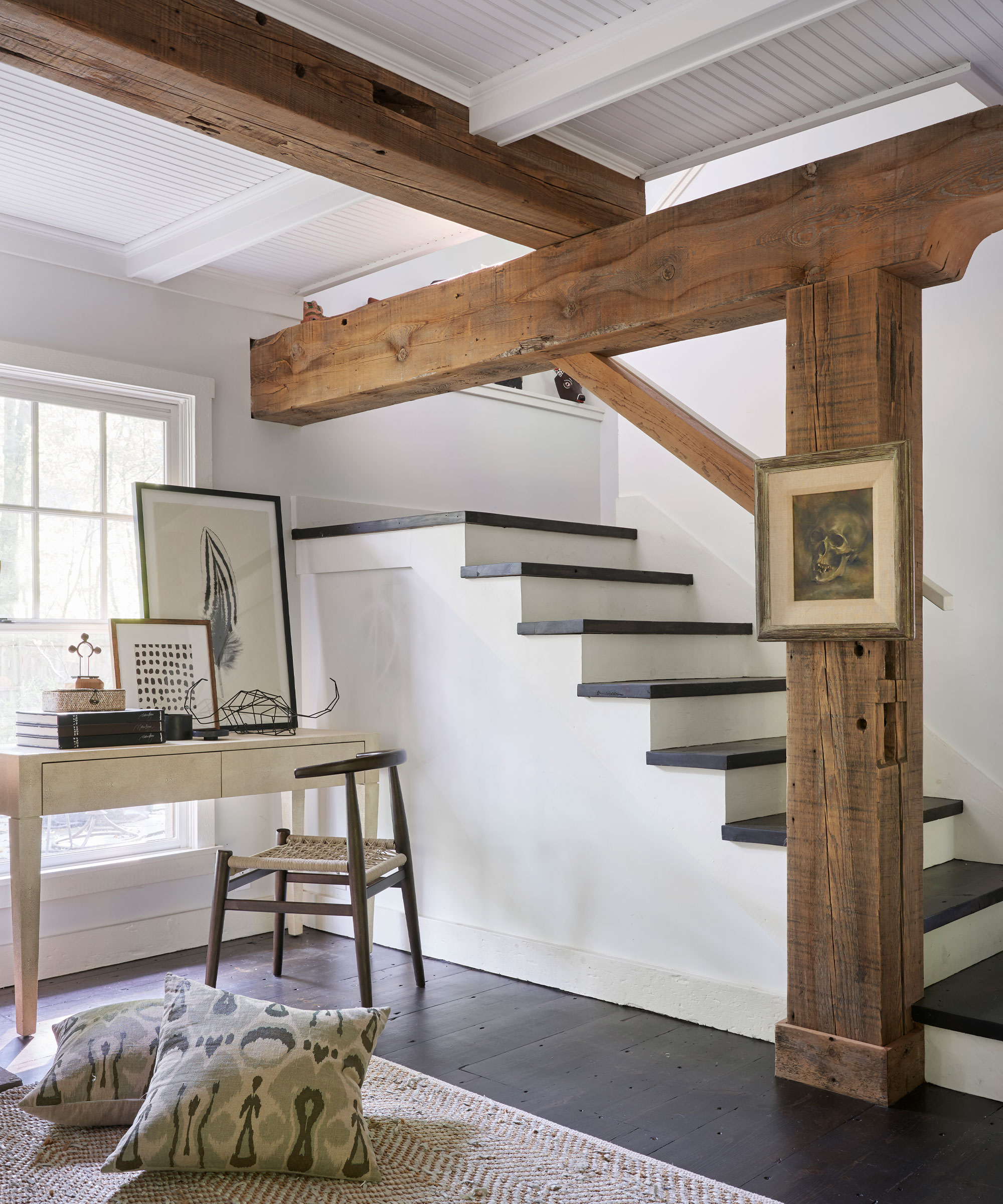
Once risks are identified, the next step is to evaluate the home's structural integrity. Hafsa Burt, Lead Architect at hb+a Architects, recommends engaging a structural engineer to assess the seismic tolerance and resistance to lateral loads, such as wind. If the home’s current structure is found lacking, engineers can suggest improvements like adding a shear wall or strengthening existing walls, which are generally feasible fixes.
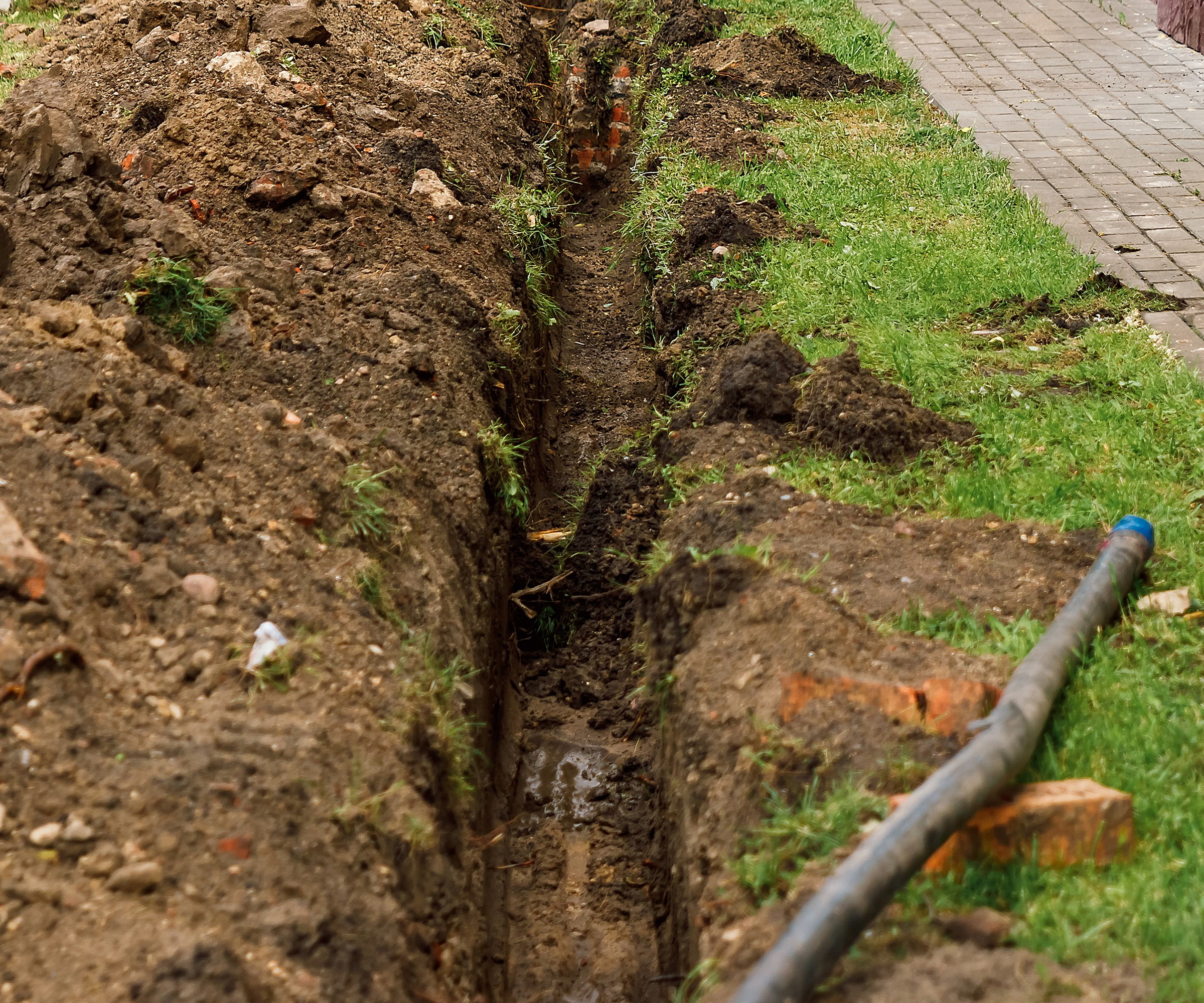
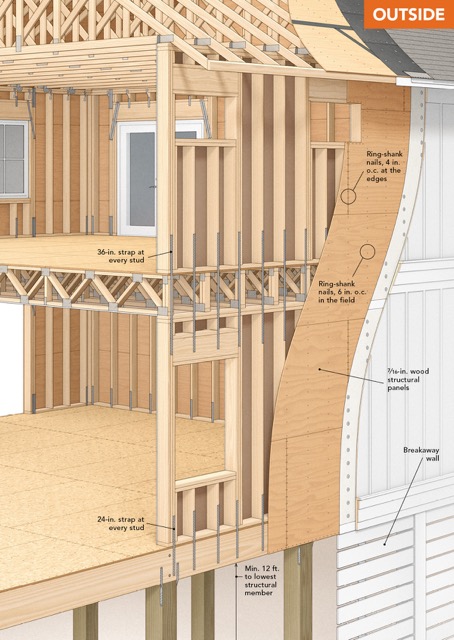
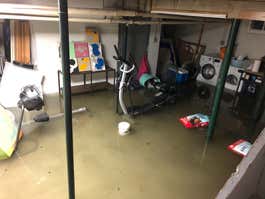
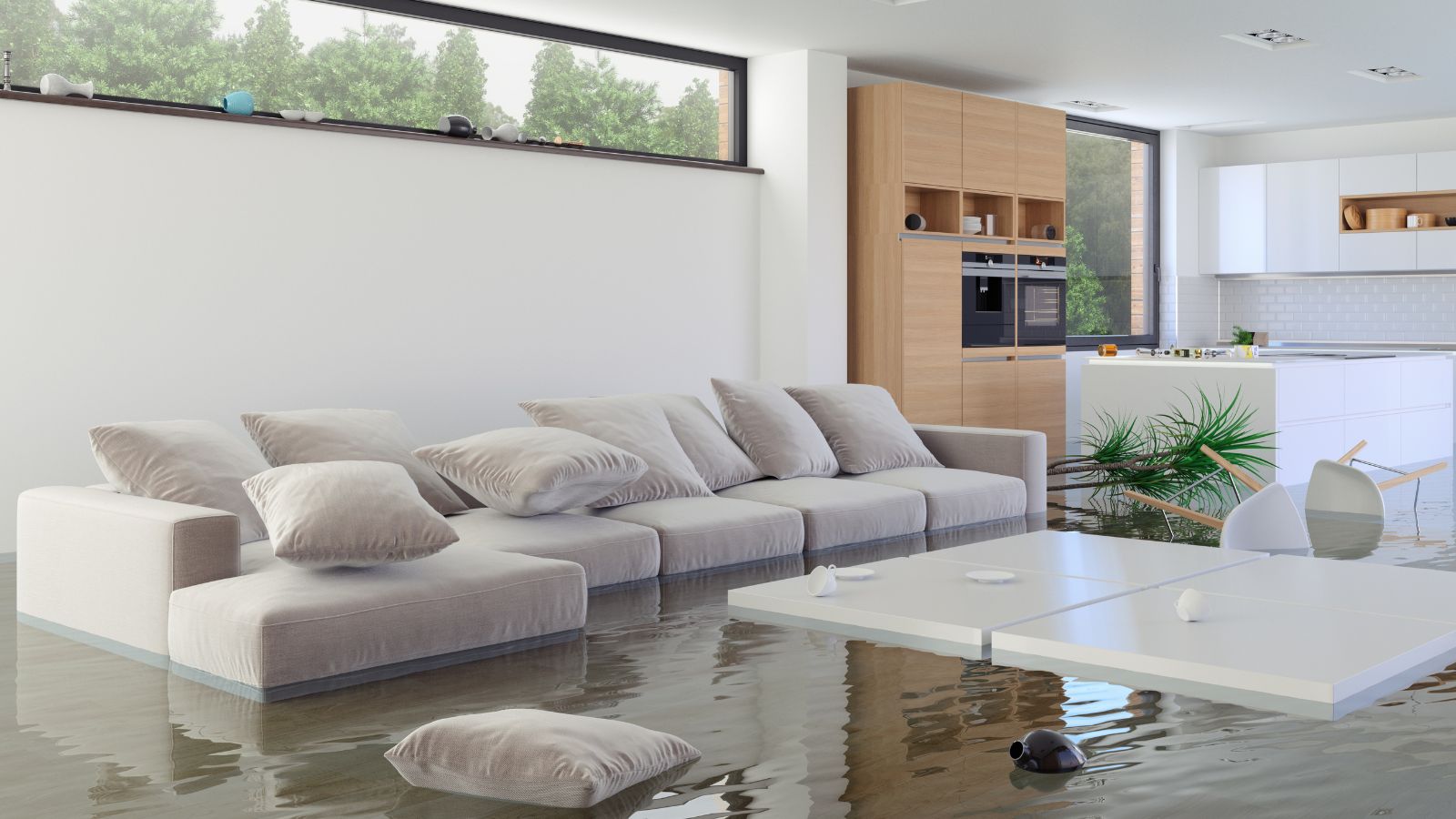
Addressing flood risks is paramount due to their widespread and catastrophic potential. An inch of floodwater can cause up to $25,000 in damages. The article distinguishes between wet and dry floodproofing. Dry floodproofing involves creating physical barriers, from sandbags to more advanced flood barrier products. Wet floodproofing, suitable for elevated homes or new constructions, allows a designated empty space beneath the home to flood, protecting the main structure. Elevating an existing home is a costly and extensive project, prompting a consideration of relocation for homes in high-risk, slab-on-grade areas.
Protecting against fire damage involves two main strategies: creating buffer zones between buildings to prevent fire spread and upgrading structural materials. For single-family homes, upgrading to fire-retardant-treated wood framing, Type X (Fire Resistant) Gypsum Board for drywall, and noncombustible exterior materials are recommended for long-term protection. Mike Powell, a professional engineer, also advises installing modern sprinkler systems indoors for an additional layer of safety.
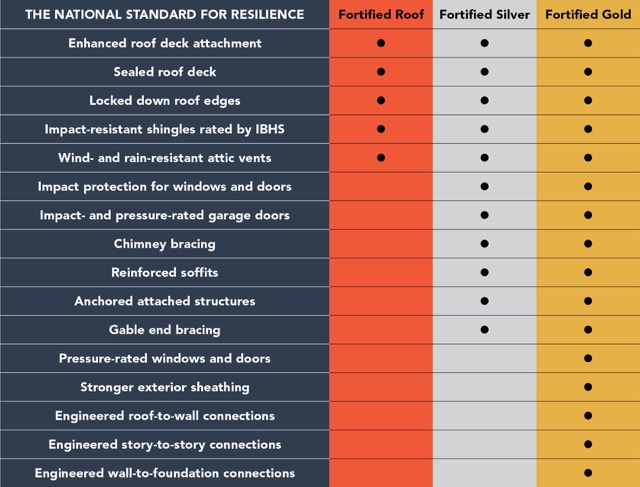
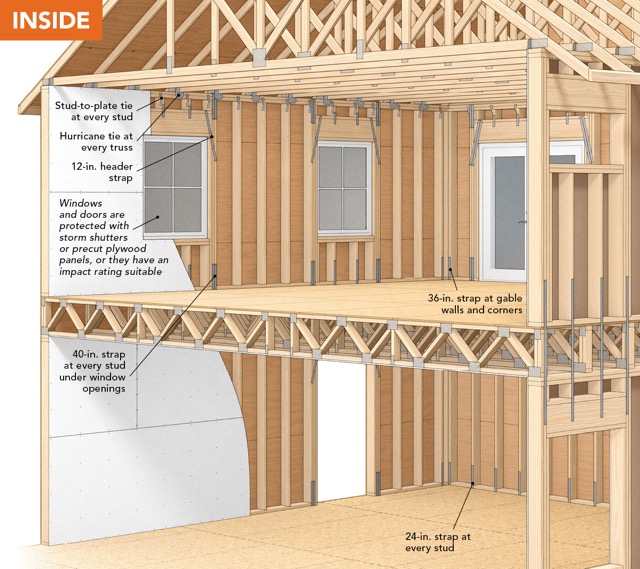
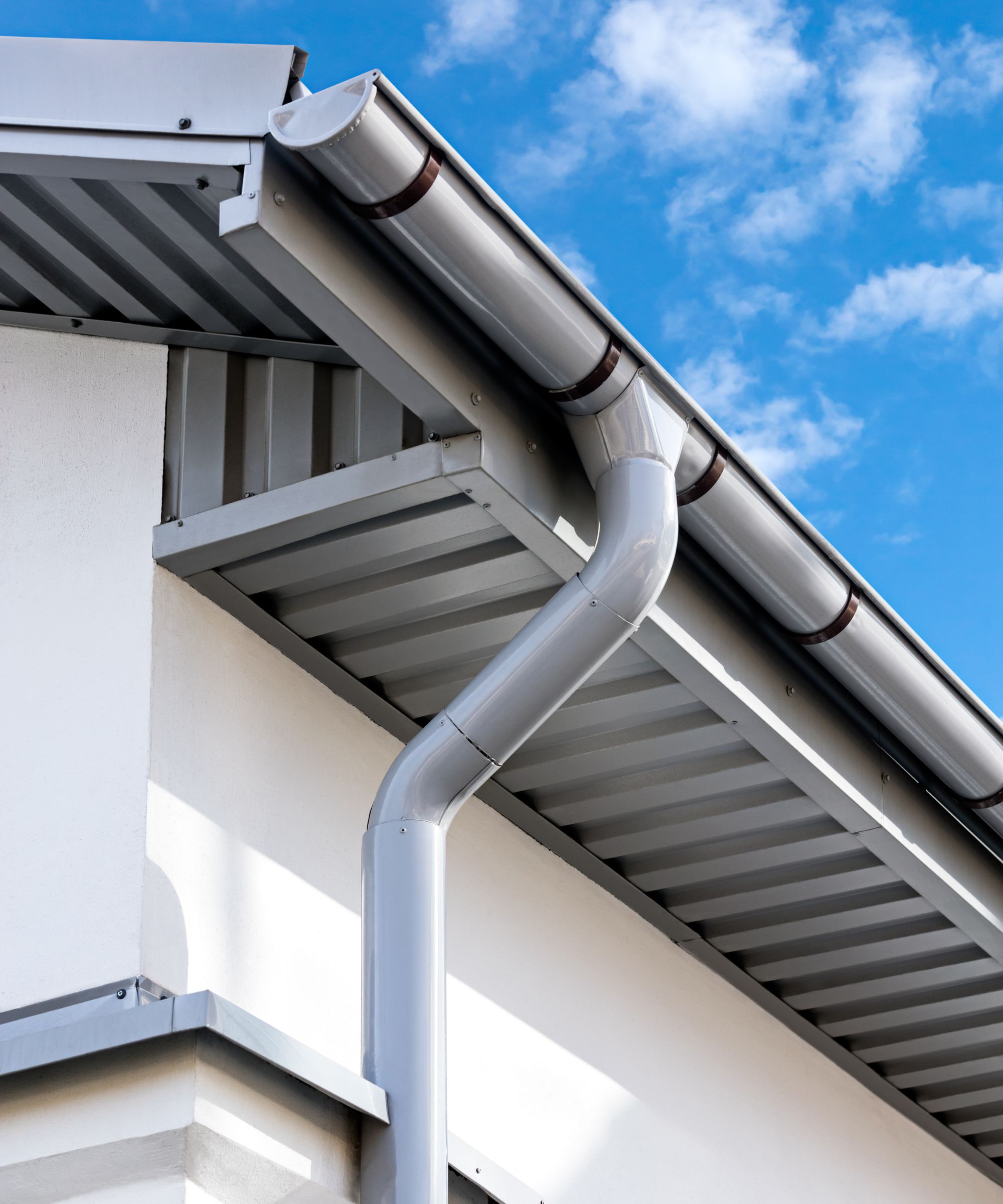
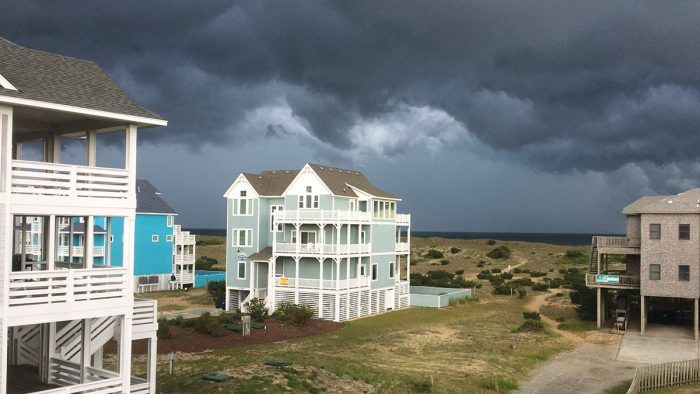
Fortifying a home against strong winds requires focusing on the roofing system and openings. Powell emphasizes securing roofs with hurricane ties and high-wind-rated materials, alongside reinforcing windows and doors against airborne debris. Metal roofing is highlighted as a superior, though more expensive, option for hurricane-proofing.
Finally, the dangers of extreme heat, increasingly affecting diverse regions, must be addressed. While air conditioning is a common solution, Hafsa Burt points out its environmental impact and unreliability. Alternatives include upgrading to windows with a lower Solar Heat Gain Coefficient (SHGC) to keep interiors cooler, installing heat pumps for both cooling and heating, or using cost-effective ceiling fans. Mike Powell suggests high-grade insulation, reflective roofing, energy-efficient windows, and strategic landscaping (like shade-providing trees) to reduce heat absorption. However, caution is advised when planting mature trees near properties also at risk of fire damage.
Home insurance coverage for extreme weather varies, with most standard policies not covering floods or earthquakes, necessitating separate policies. Fire damage coverage can be complex, often with exclusions or separate deductibles in prone areas. Wind and storm damage are generally covered, but homeowners must understand their deductibles. The cost of future-proofing ranges from a few hundred dollars for sandbags to tens or hundreds of thousands for major structural changes like home elevation or seismic retrofitting. While expensive, these investments are crucial to prevent even greater financial losses and damage in the face of increasingly severe weather events.
#HomeProtection #ExtremeWeather #ClimateChangeAdaptation #Floodproofing #FireSafety #WindResistance #HomeMaintenance #StructuralIntegrity #EnergyEfficiency #HomeProtection #ExtremeWeather #ClimateChangeAdaptation #Floodproofing #FireSafety #WindResistance #HomeMaintenance #StructuralIntegrity #EnergyEfficiency
0 comment in total
 No comments yet
You may also like
Ways to protect your home from flooding – safeguard your space from storms
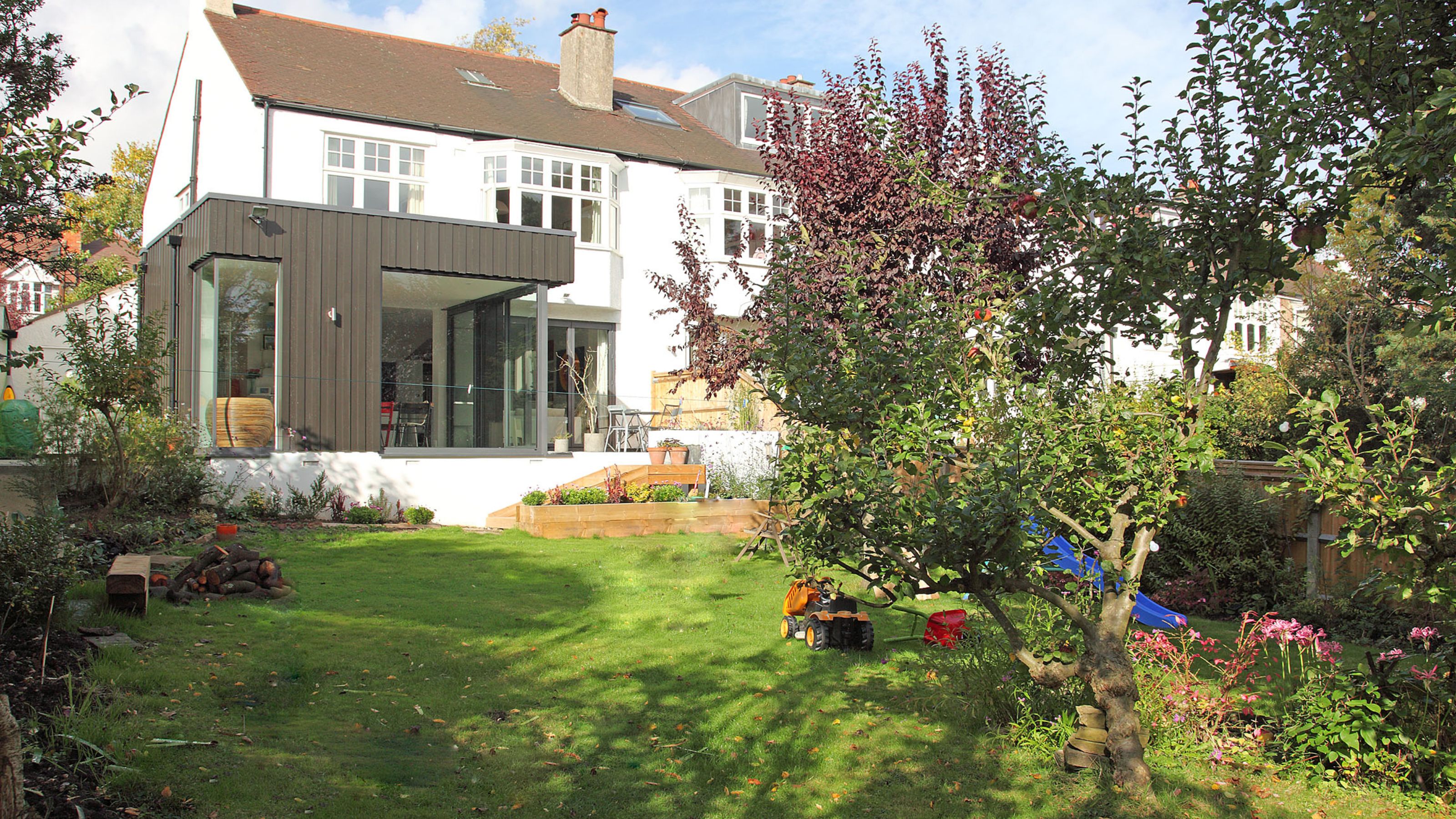
Floodproofing a house — 12 things experts say you can do

Beat the heat: 7 DIY natural ways to summer-proof your house | Lifestyle News

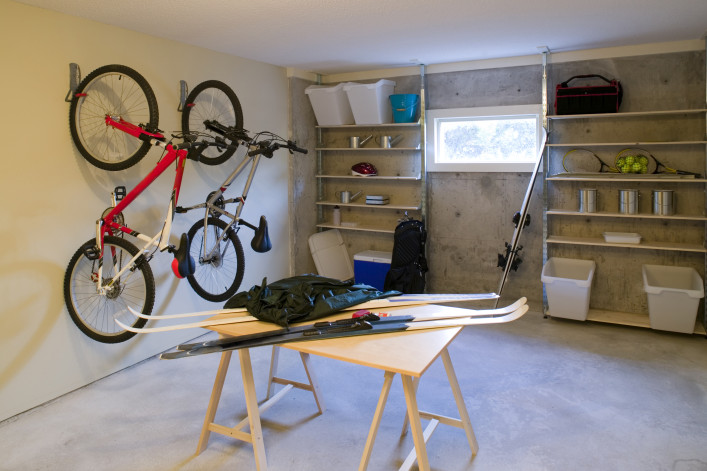
6 waterproof storage solutions to protect your stuff from flood damage
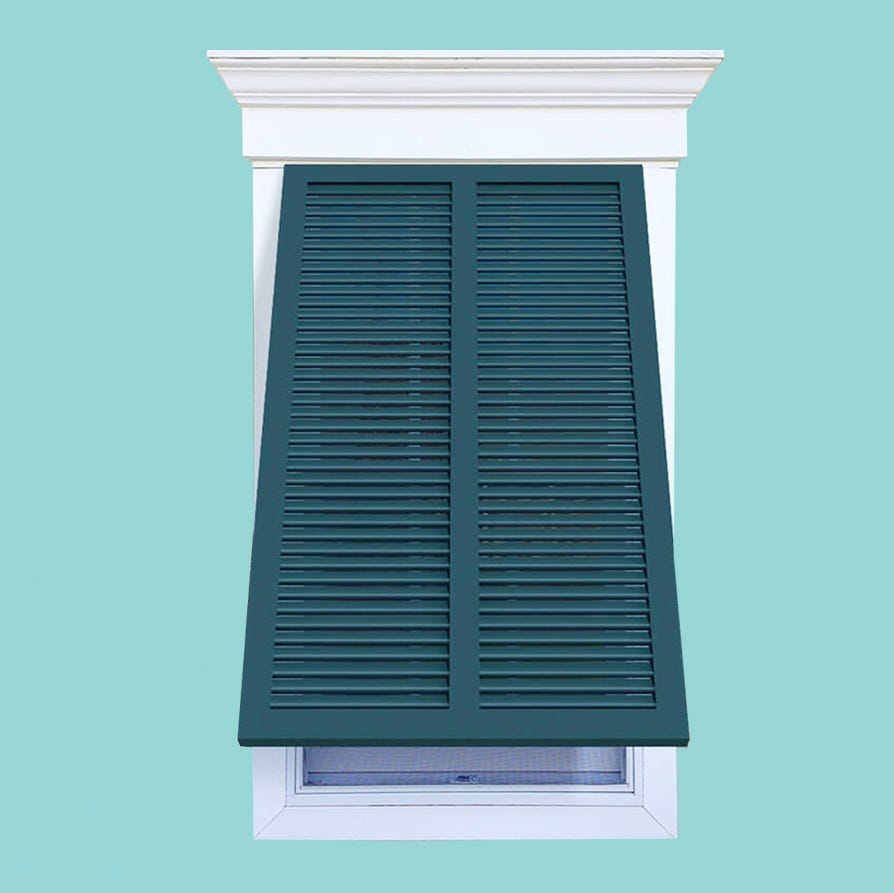
6 Best Hurricane Shutters to Protect Your Home During Storm Season

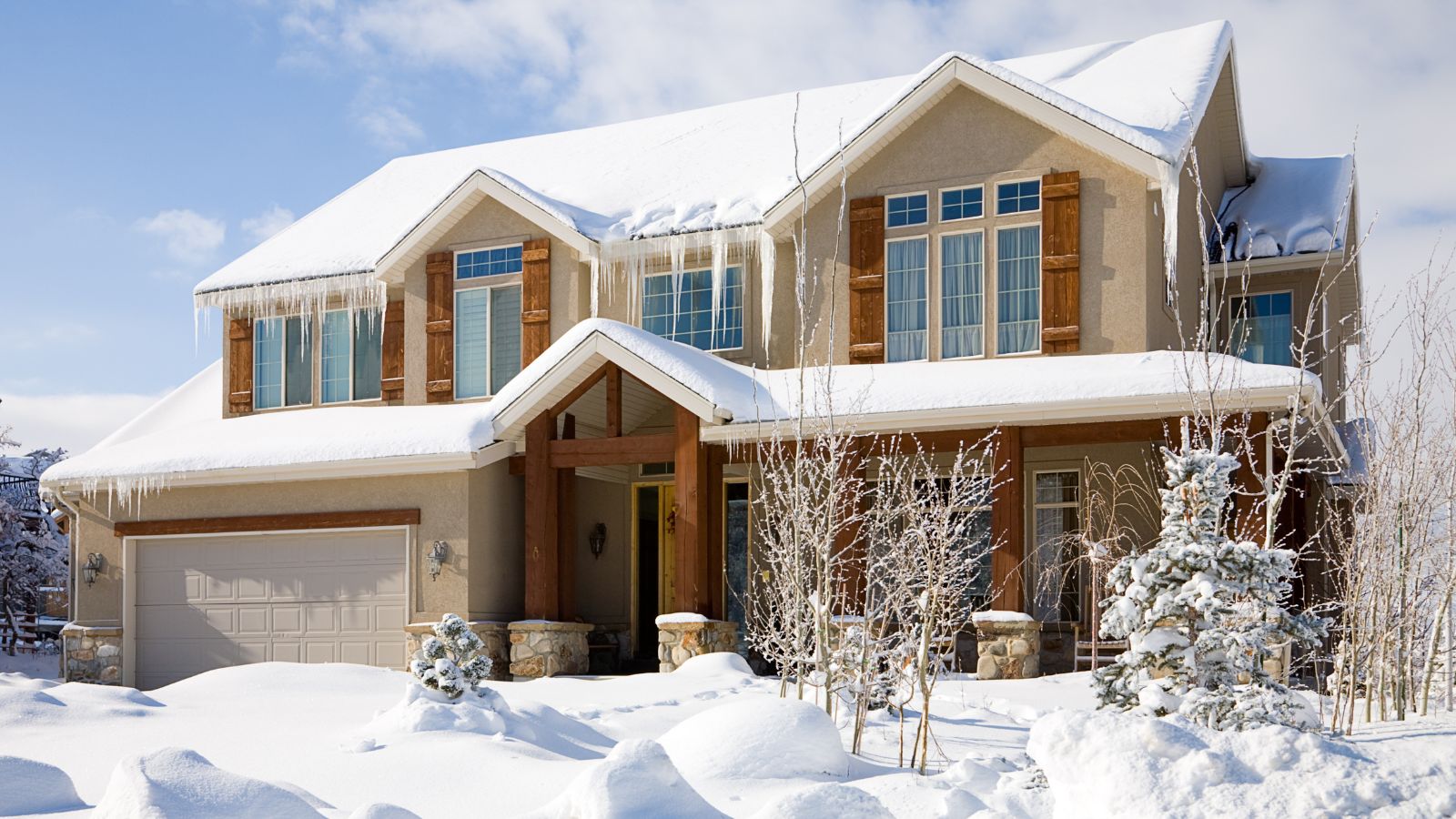
Turn Your Entry Into a Warm, Storm-Ready ‘Entry Shield’ With These 5 Hacks

How to Weatherize Your Home | Reviews by Wirecutter
Worried about your basement flooding? Install these temporary measures before heavy rainfall
Hurricane-Proof Construction with the Fortified Home Standard

Four ways to storm-proof your home for hurricane season

How to Winterize Your House And Save Yourself Thousands in Repairs Later

How to weatherproof a pergola – 6 solutions to get the most out of your outdoor space all year round
Tag: climate


Everything I Did to Flood-Proof My Old House | Reviews by Wirecutter

When Rivers Rise Fast – Flood-Smart Living: Simple Steps to Protect your Home
The 8 Must-Have Products to Winterize Your Home

The BEST Ways to Protect Your Home From Water Damage, According to Experts

7 ways to flood-proof your home during Thailand’s storm season
How to draft proof your kitchen, cook in comfort and reduce your energy bills
Advice for weatherproofing your NYC apartment or brownstone against leaks and flooding