Advice for weatherproofing your NYC apartment or brownstone against leaks and flooding
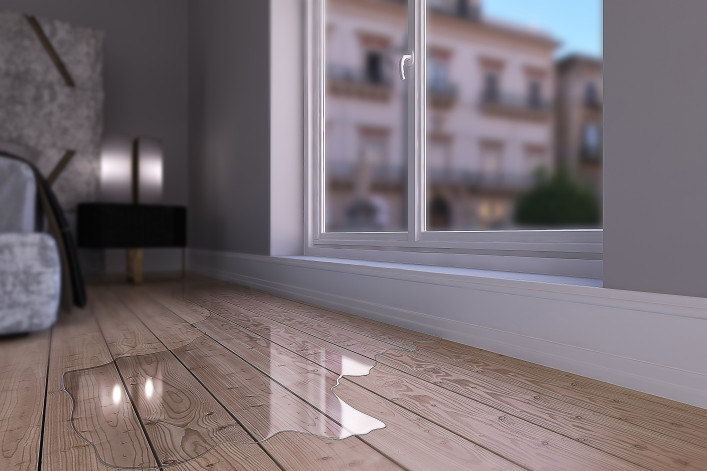
With climate change leading to more intense and frequent storms, New Yorkers in apartments, brownstones, and townhouses are increasingly vulnerable to leaks and flooding. This article offers comprehensive advice on how to weatherproof properties in NYC, emphasizing preventive maintenance and specific strategies for different areas of a building.
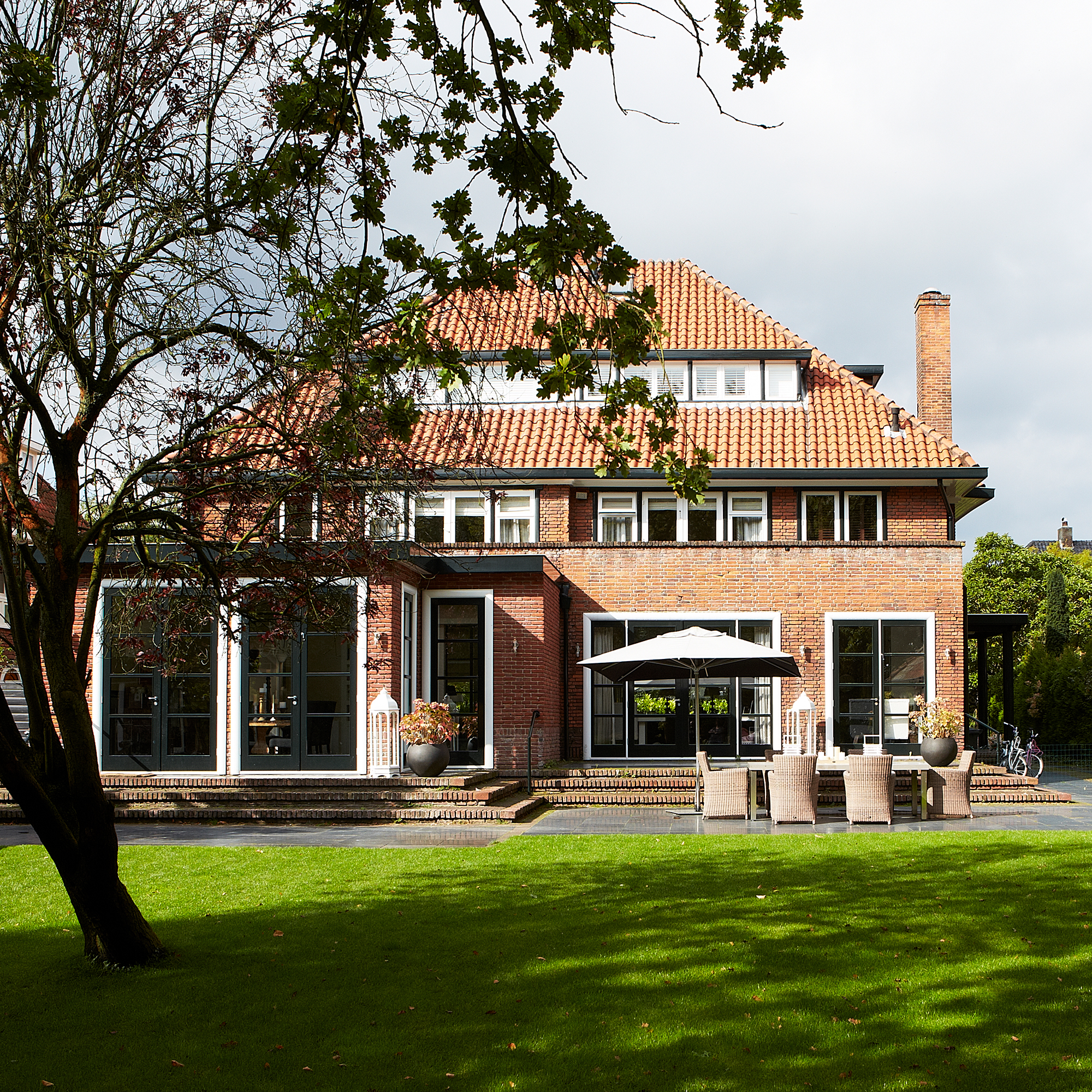
The exterior of a building, including the roof, facade, windows, doors, terraces, balconies, and chimneys, is where most leaks originate. For apartment dwellers, especially those in co-ops or condos, the building board is typically responsible for exterior repairs and upgrades, influenced by regulations like Local Law 11, which mandates frequent facade inspections. However, even if not directly responsible, residents should monitor their landlord or board's approach to storm damage, as their belongings are at risk. For brownstone and townhouse owners, the responsibility for weatherproofing rests entirely with them. If planning a major renovation, collaborating with an engineer to implement barriers exceeding current code requirements is advisable.
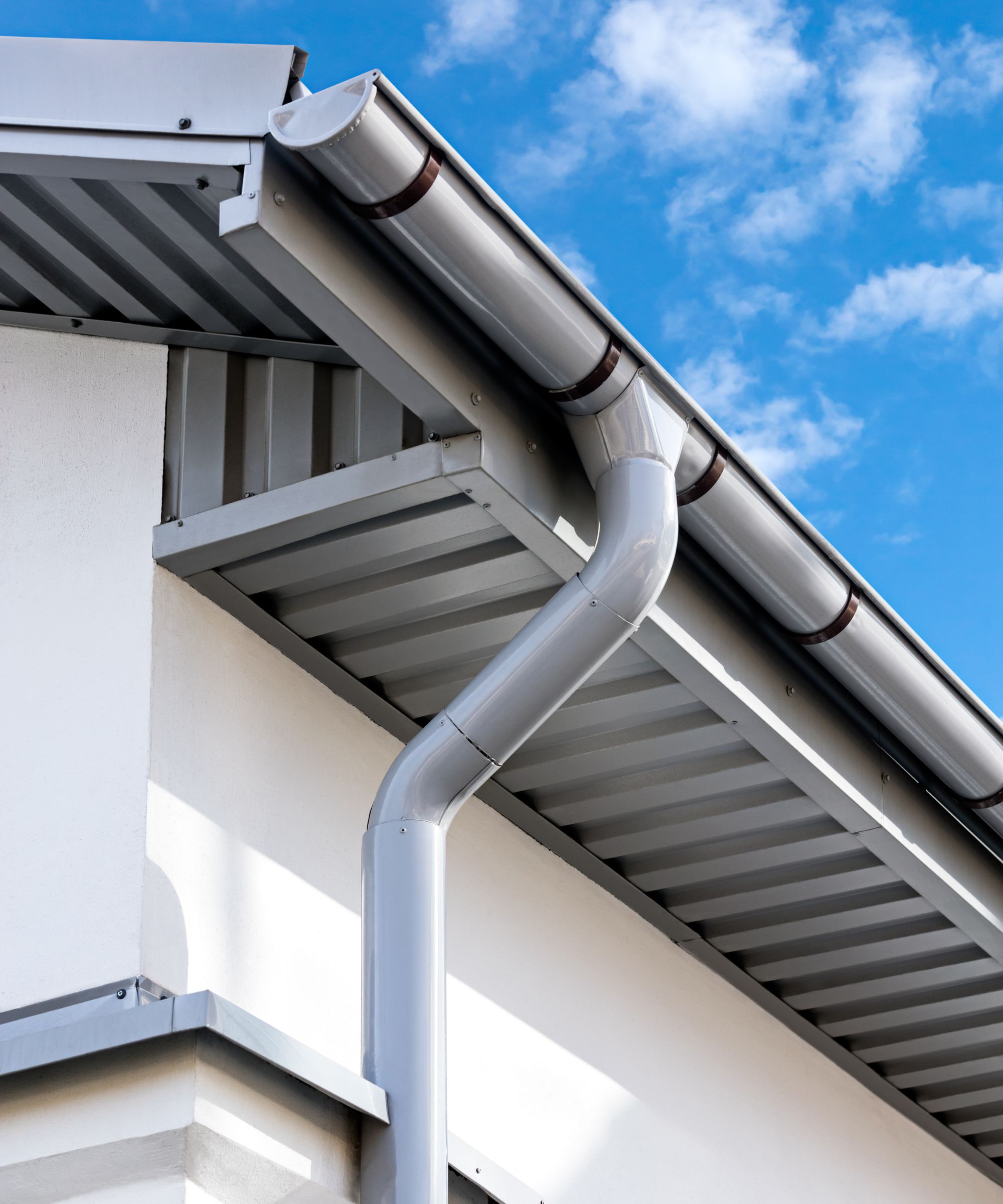
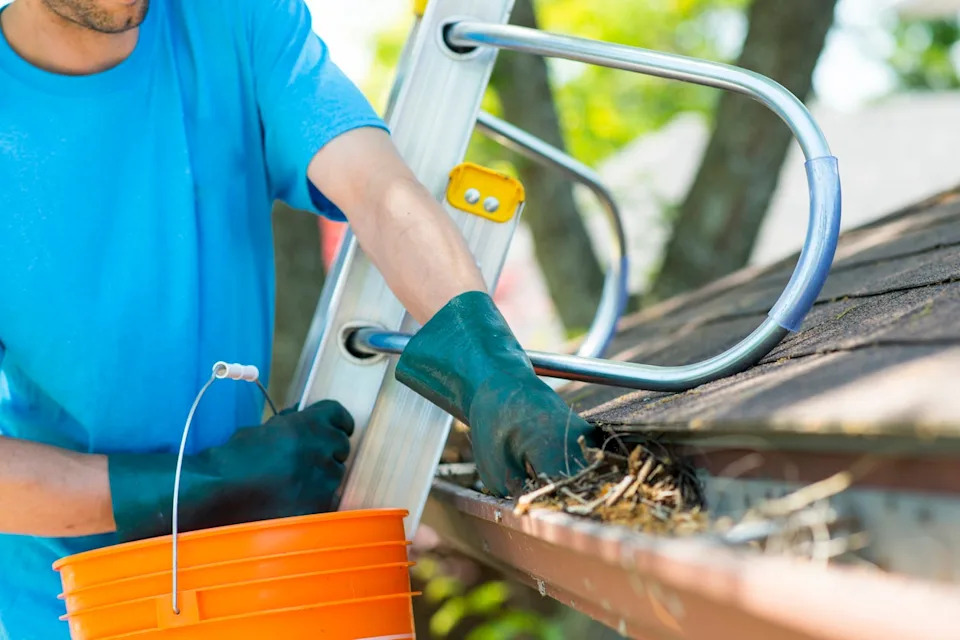
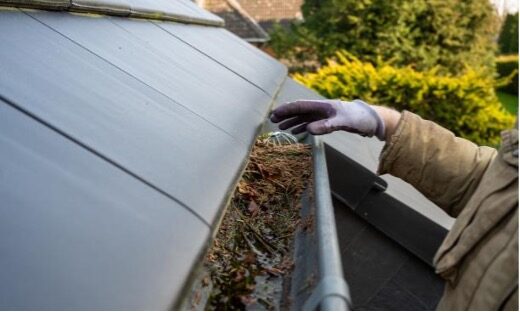
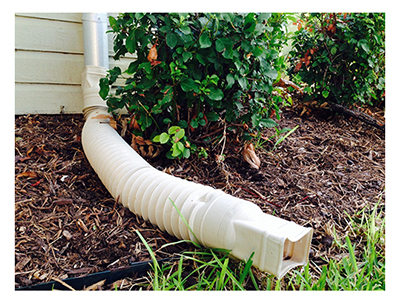
Securing the roof is the first line of defense against heavy rainfall. Residents with roof access should regularly inspect for cracks or openings, particularly around the parapet and flashing. Caution is advised when installing decking or gardens to avoid damaging the roof's protective membrane. All drains must be clear and unobstructed, with water flowing freely without pooling or gurgling. Frequent inspection and cleaning of gutters, especially in the fall, are crucial to prevent overflow that could damage terraces and seep under doors. During windy conditions, all freestanding items on roofs or terraces should be secured or brought inside to prevent them from becoming projectiles.
Terraces and balconies are common flood points. Similar to roofs, their drains need to be kept clear of debris, such as leaves. For ground-level apartments or terrace doors, using flood barriers like Quick Dam Flood Barriers can prevent water intrusion. These reusable, water-absorbing bags become heavy when wet, forming a protective seal, and shrink back as they dry, offering a practical alternative to heavy sandbags.
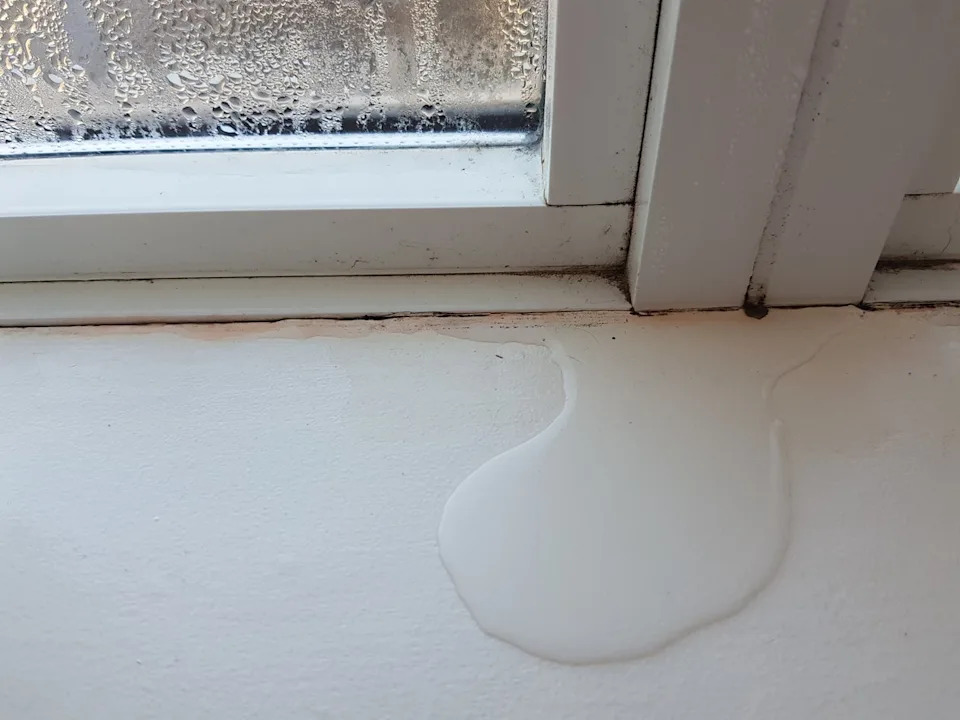
Window seals are another critical area for potential leaks. Older, single-pane windows are particularly vulnerable to gaps around frames or cracks in the glass, especially in cold weather, which can lead to breakage. While replacing caulking and paint can offer some protection against normal rain, upgrading to newer, double- or triple-pane windows designed to withstand extreme weather is often necessary. These modern windows have vacuum seals to prevent air and rain infiltration, but their seals can fail due to poor installation, age, or temperature fluctuations. It is recommended to have a window company test the seals and perform necessary repairs, including re-caulking, adding weatherstripping, or replacing hardware. In some cases, replacing older windows with sturdier "skyscraper" glass might be considered. Any window replacements in co-ops, condos, or historic buildings require board or Landmarks Preservation Agency approval. Locking all exterior windows when a storm is forecast or when away can provide an extra layer of protection by creating a tighter seal.
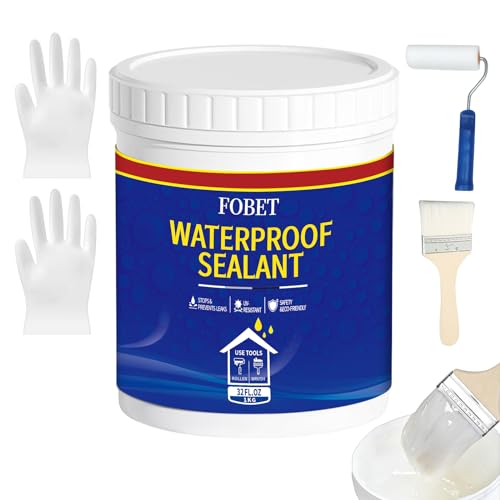
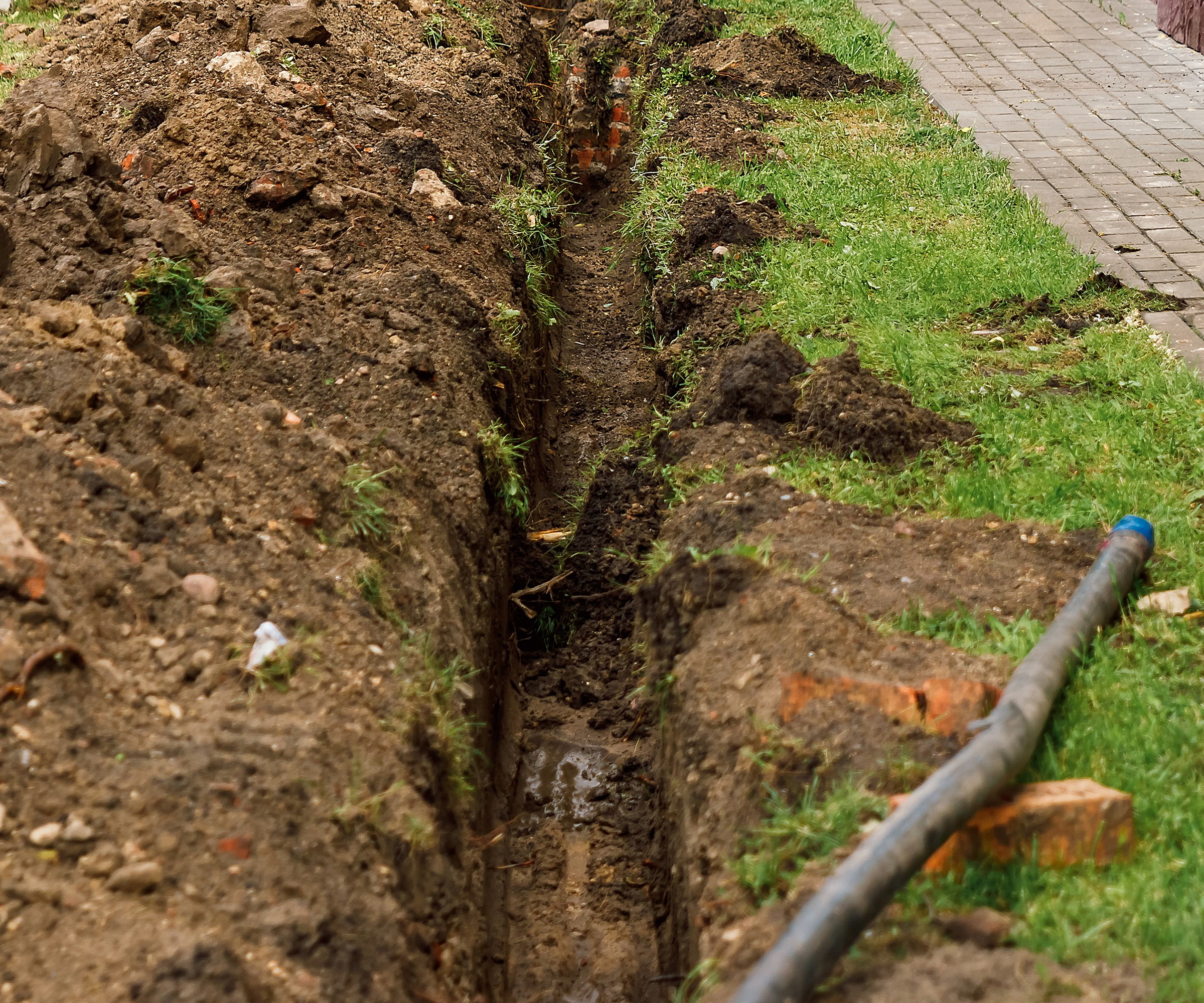
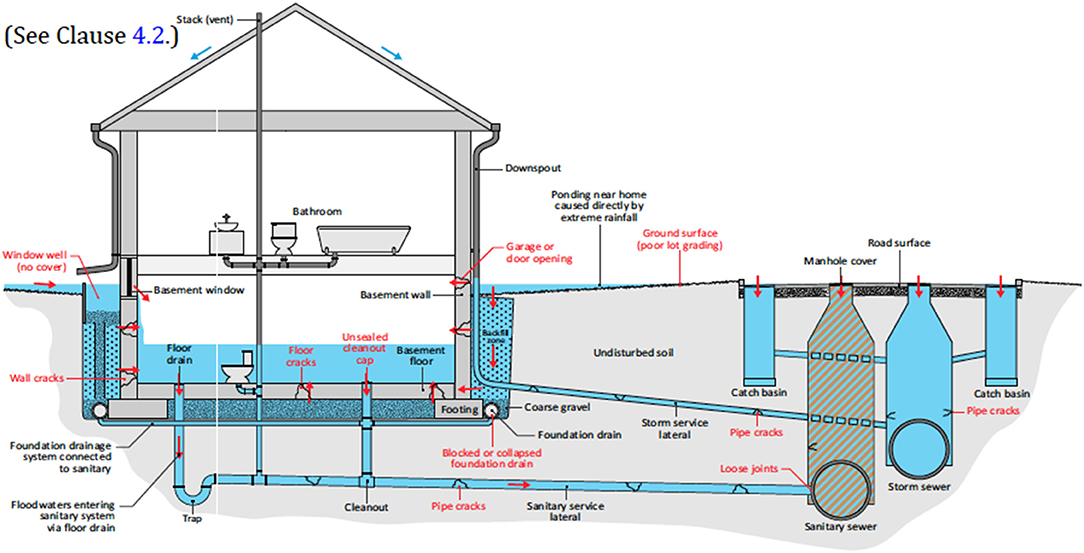
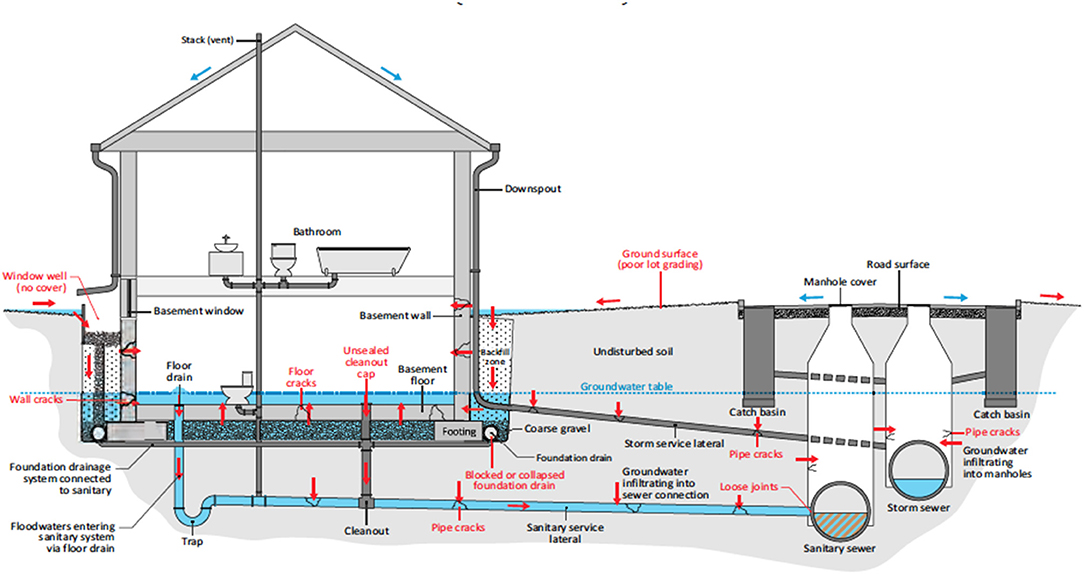
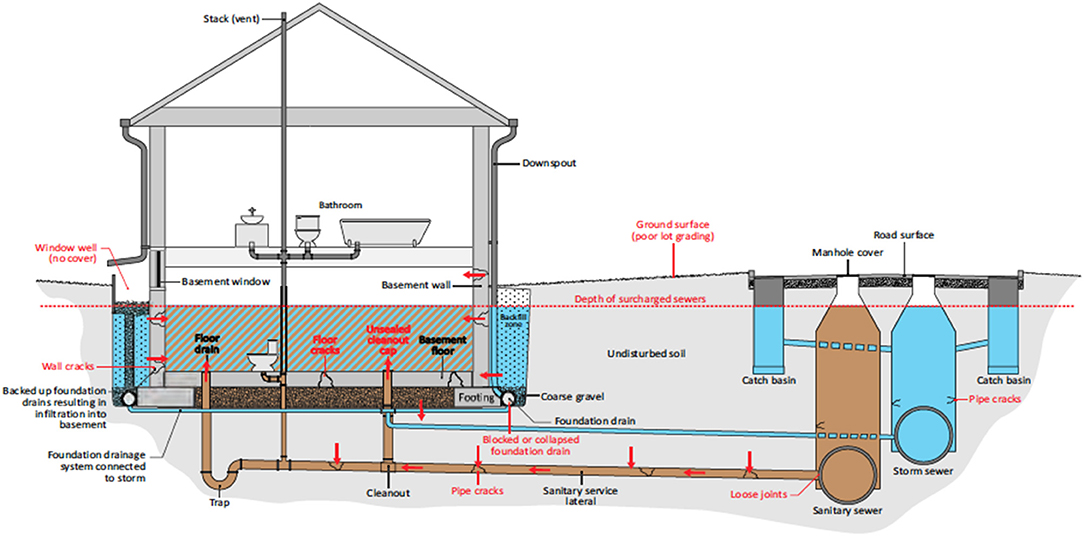
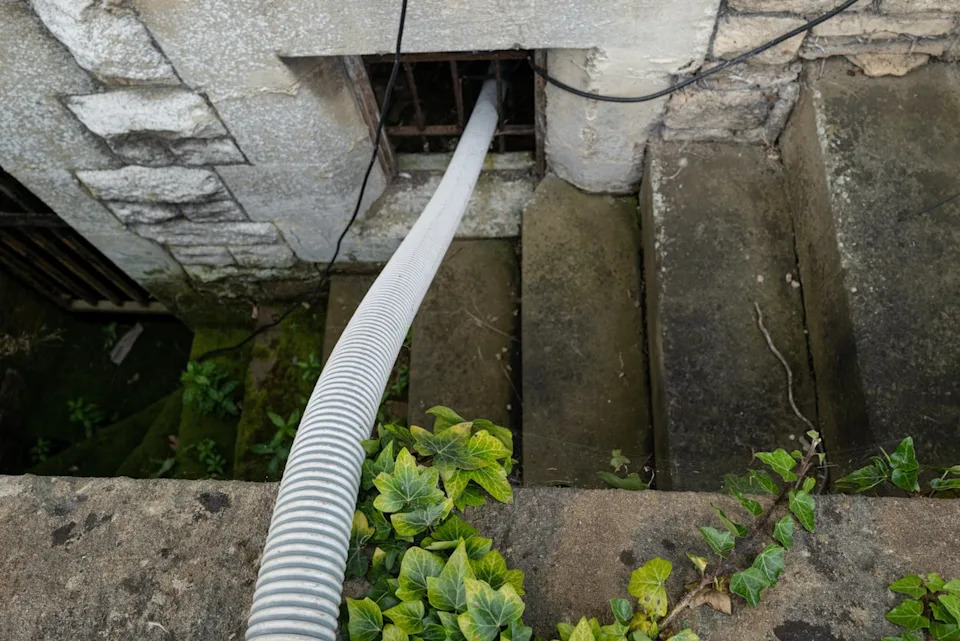
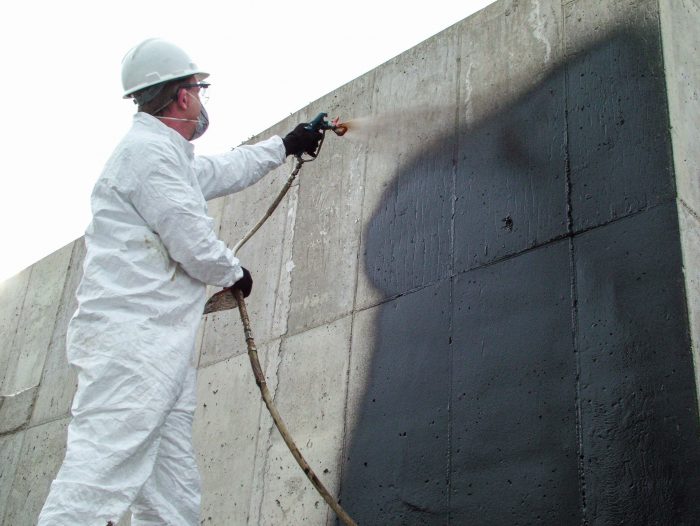
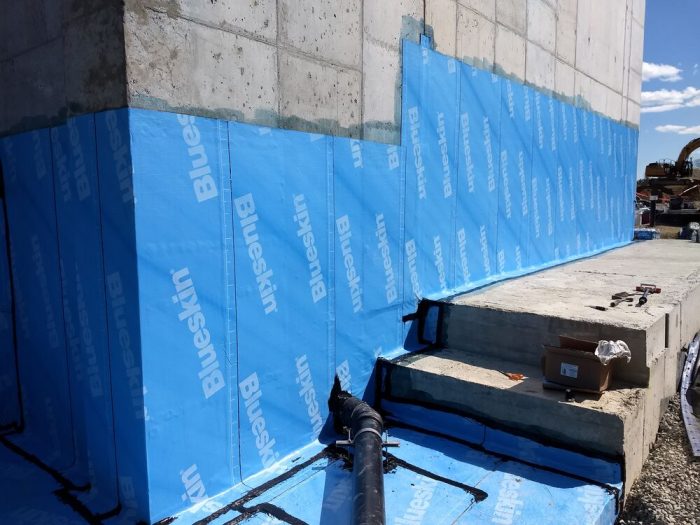
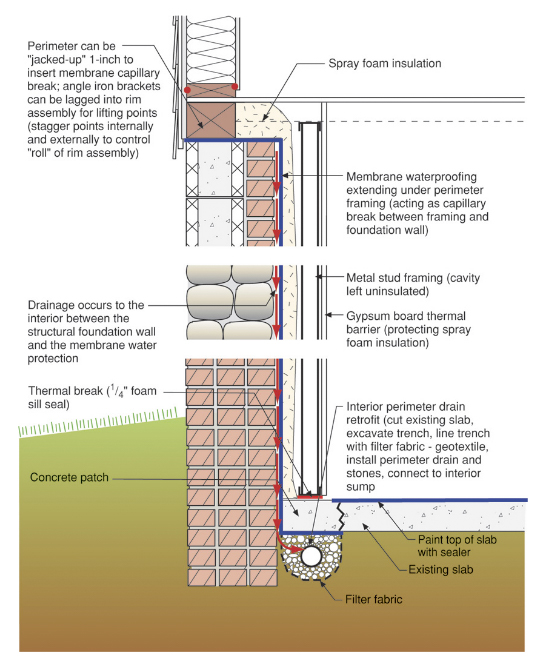
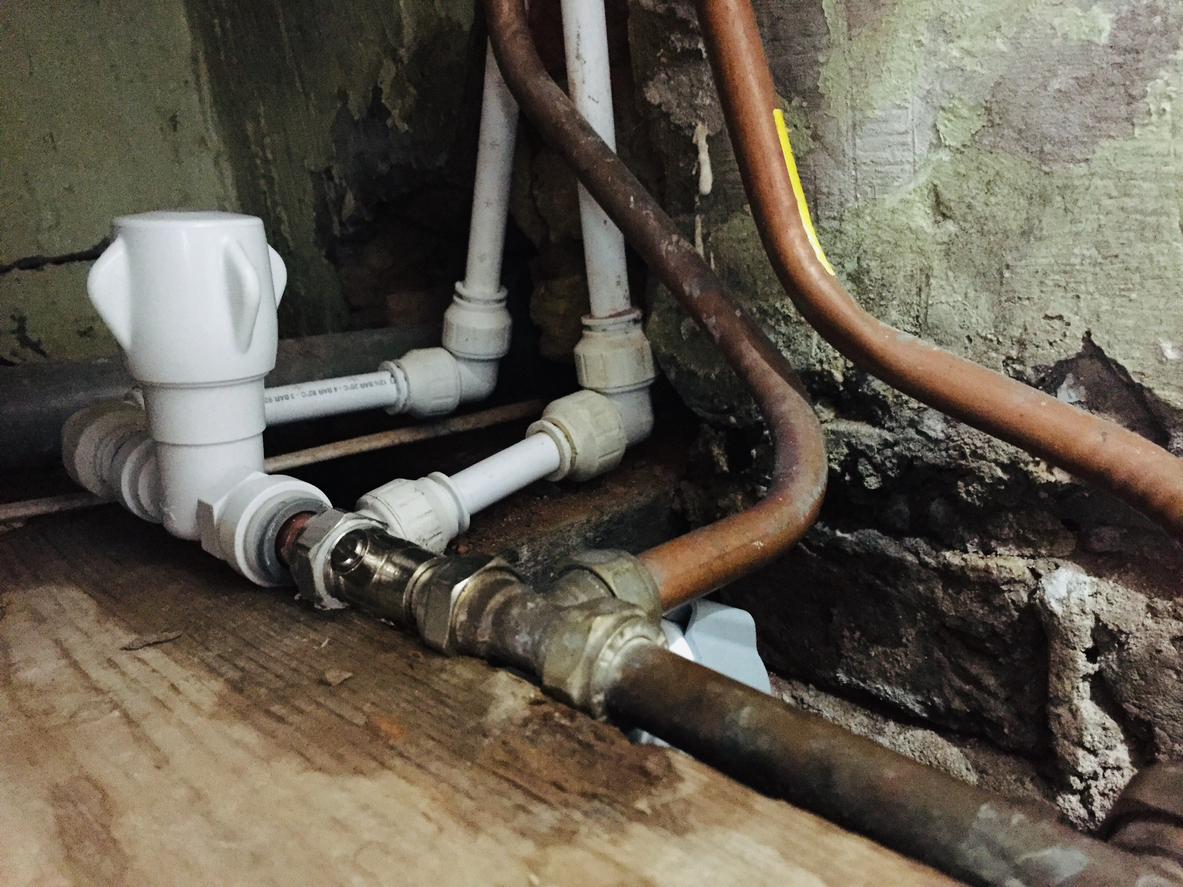
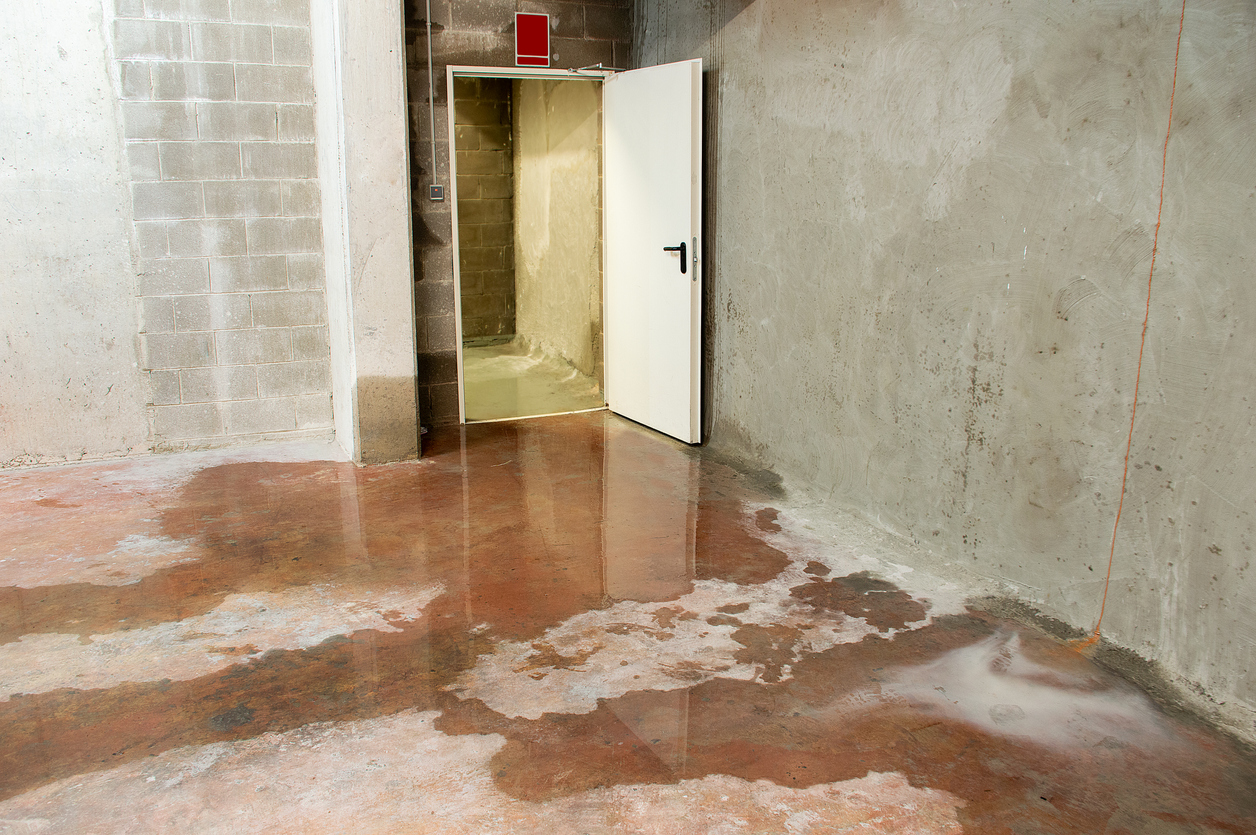
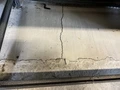
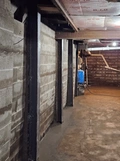
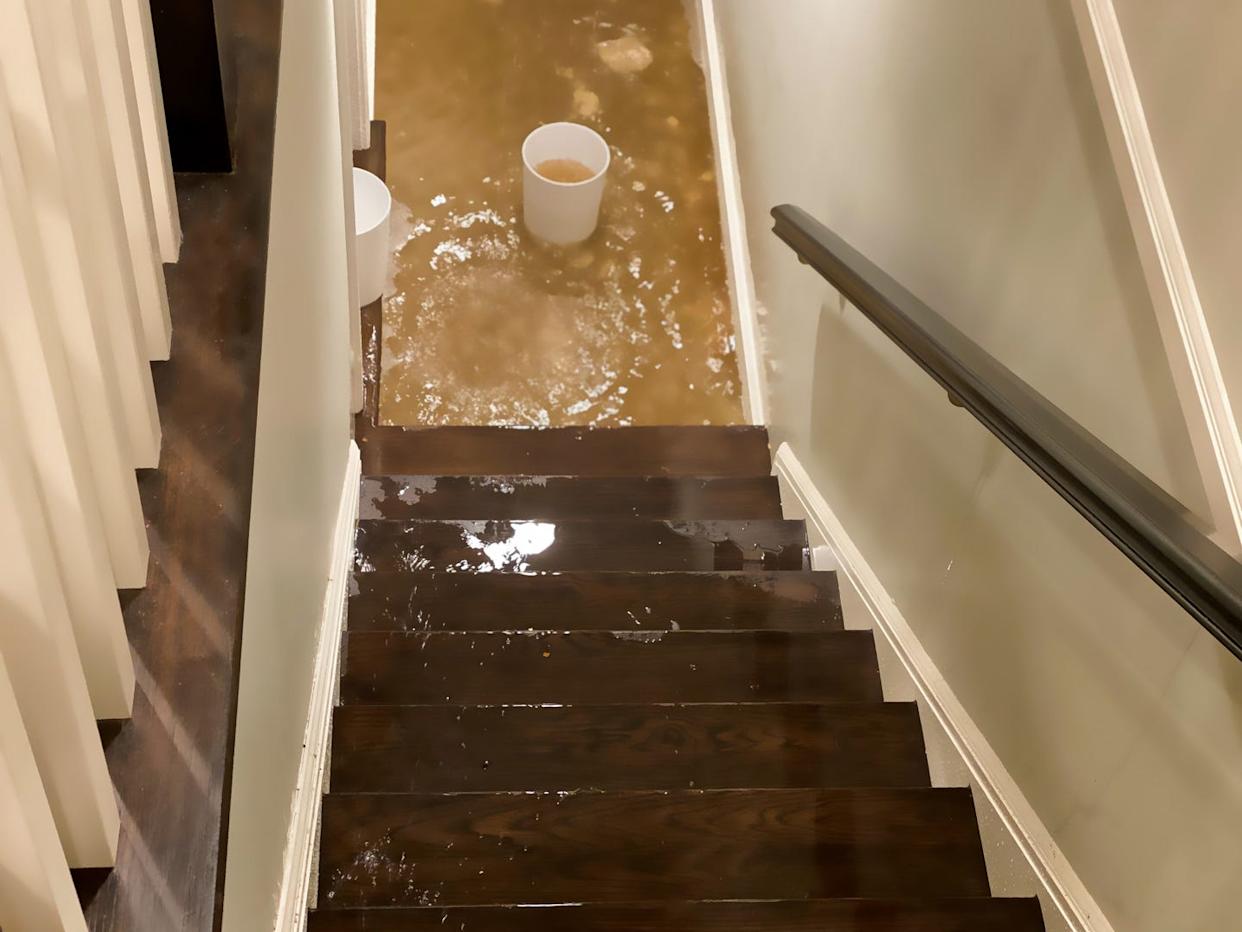
Basements are highly susceptible to flooding. If moisture is a persistent issue, identifying the source—whether through exterior walls or from below—is the first step. Solutions range from filling cracks with hydraulic cement or caulking around windows to sealing bare masonry walls with waterproof paint and applying an external waterproof membrane. More severe issues may require a foundation specialist. Ensuring the drainage system is adequate is essential, potentially involving the installation of a dry well to accumulate excess water, a trench around the interior perimeter, or a French drain with a perforated pipe to redirect water. Sump pumps, though historically less common in NYC, are becoming more vital. Existing sump pumps should be regularly checked for functionality by ensuring the power is on, the circuit breaker is not tripped, and the floater mechanism activates the pump. Annual professional servicing is recommended, as sump pumps typically last about ten years. For basements prone to moisture, continuous use of a sufficiently powerful dehumidifier with a direct run-off hose to a sump pump or French drain is advised. Elevating items like washer and dryer machines on pedestals can also mitigate damage in case of flooding.
During townhouse renovations, additional waterproofing measures can be integrated. Architects might suggest floating floors with a space for water accumulation beneath, paired with a drainage system. Dricore subflooring can offer protection against minor leaks, and waterproof flooring materials like luxury vinyl sheets or porcelain tiles can be installed. Anti-microbial options can help prevent mold and mildew. For those with a substantial budget and a desire for maximum protection, advanced materials and applications can be used. For example, some high-end townhouses have incorporated more substantial waterproof membranes with lead-coated copper and a fold-over “drip method” on roofs, along with double-drainage systems and sturdy steel-encased windows. While these measures come at a higher cost, they can offer significant long-term protection against increasingly severe weather events.
#Weatherproofing #NYCRealEstate #HomeMaintenance #FloodPrevention #Renovation #Brownstone #ApartmentLiving #ClimateChangeAdaptation #BuildingSafety #Weatherproofing #NYCRealEstate #HomeMaintenance #FloodPrevention #Renovation #Brownstone #ApartmentLiving #ClimateChangeAdaptation #BuildingSafety
0 comment in total
 No comments yet
You may also like
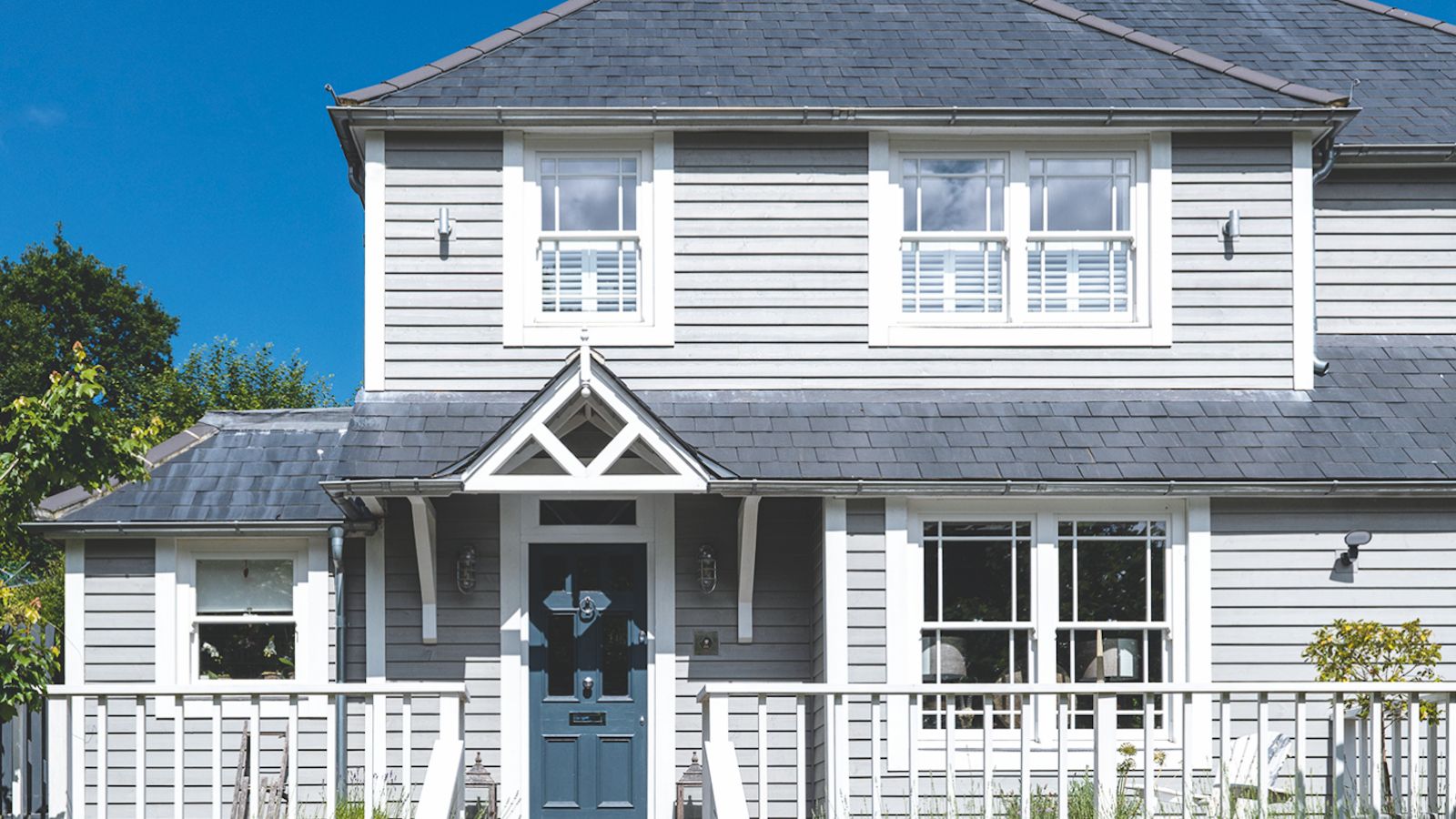
12 exterior areas of your home that are prone to leaks in rainy season – and how to prevent moisture getting inside

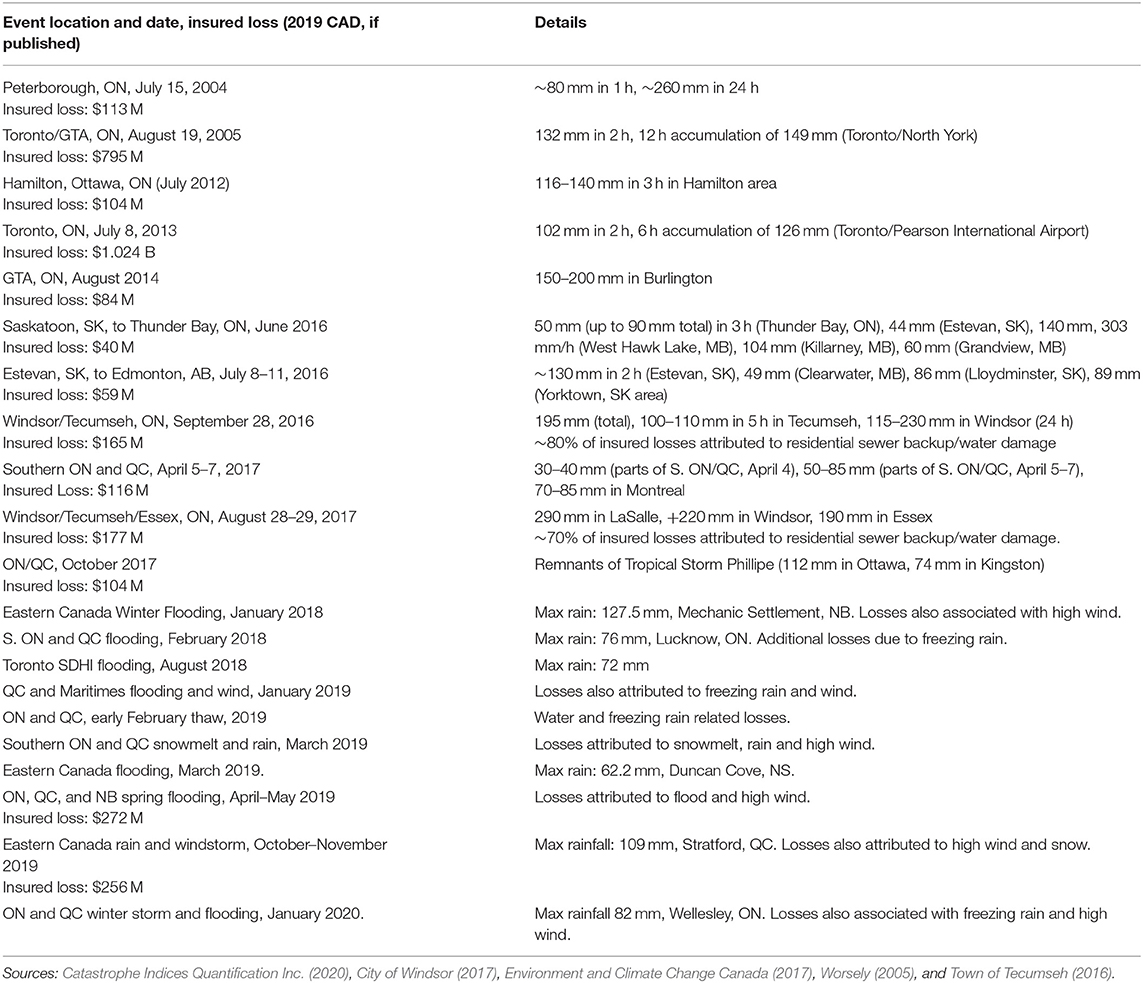
Reducing Urban Flood Risk Through Building- and Lot-Scale Flood Mitigation Approaches: Challenges and Opportunities
Everything I Did to Flood-Proof My Old House | Reviews by Wirecutter
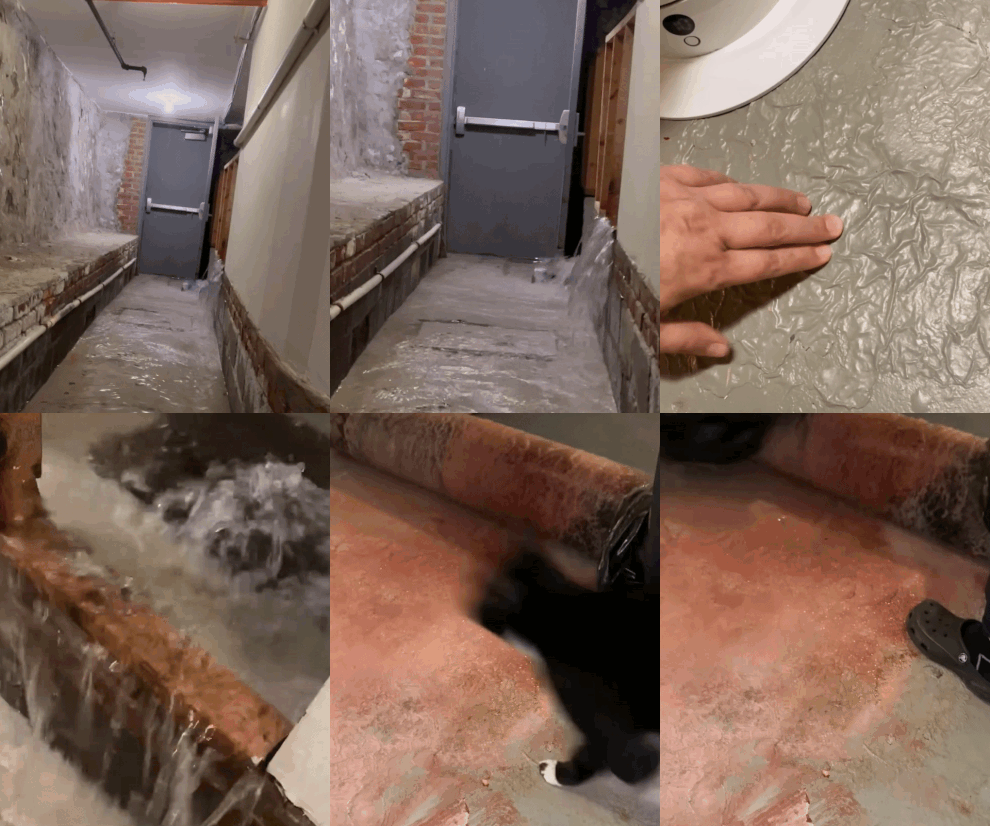
When Your Dream Apartment Keeps Flooding
Floodproofing a house — 12 things experts say you can do

How to waterproof a basement – 5 steps from experts to safeguard this space
Kuffa: Simple, inexpensive solutions to a wet basement
7 ways to flood-proof your home during Thailand’s storm season

How Can Architecture Combat Flooding? 9 Practical Solutions


Need help with soundproofing your NYC apartment? Here’s Brick’s best advice
Solved! Here's What to Do About Water Leaking Into the Basement After Heavy Rain
Solved! Why Is Water Seeping Through My Basement Floor?

6 waterproof storage solutions to protect your stuff from flood damage
Worried about your basement flooding? Install these temporary measures before heavy rainfall
Dampproofing and Waterproofing for Foundation Walls

Highlander Waterproofing and Foundation Repair - Tribune-Review
Ways to protect your home from flooding – safeguard your space from storms
Hurricanes and flooding: Advancing building strategies for resilience
When Rivers Rise Fast – Flood-Smart Living: Simple Steps to Protect your Home
So Your Basement Is Severely Flooded. Now What?