1/4
Living with water: four buildings that will withstand flooding
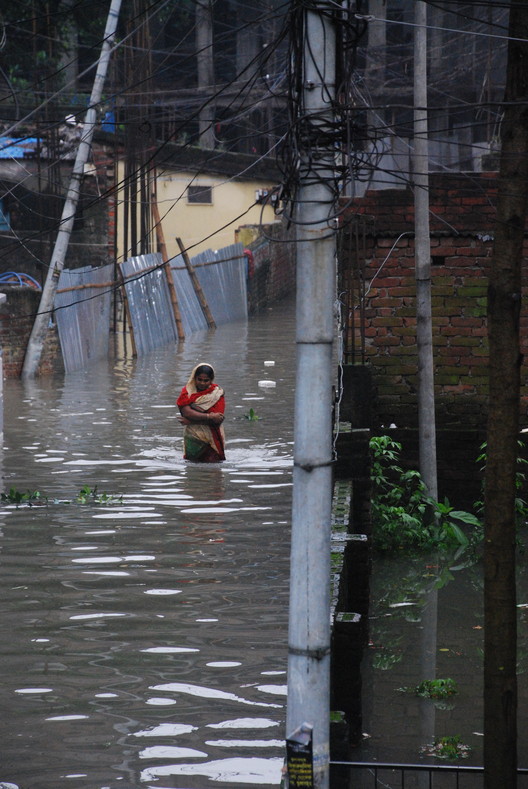
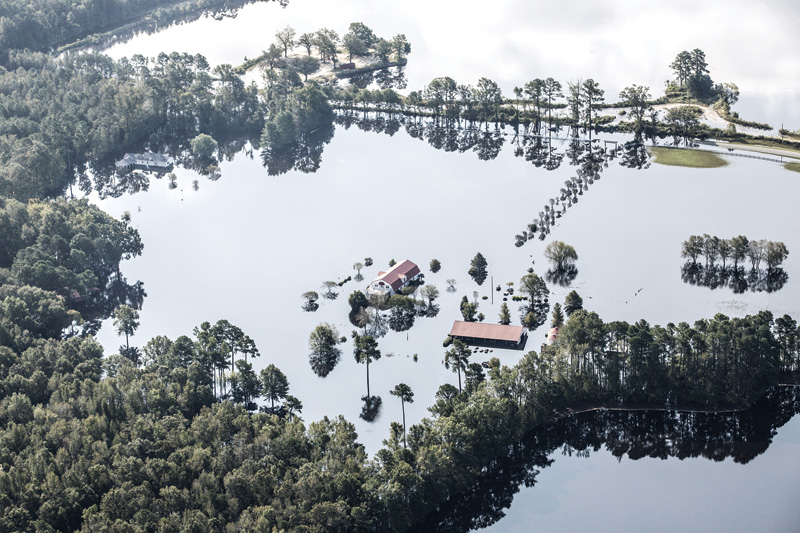
Flooding is an inherent aspect of human existence, a fact accentuated by contemporary climate change and the continued development on flood plains. This reality necessitates a paradigm shift in how communities interact with water, moving from resistance to adaptation. Nations like the Netherlands, with over half its landmass below sea level, offer a wealth of knowledge in coexisting with water through innovative building techniques. Adapting to this new reality involves a multi-faceted approach, including enhanced water system management, judicious land use planning, and the implementation of flood-resilient architectural designs. This article explores four distinct building strategies that facilitate living harmoniously with water, focusing on both new constructions and the retrofitting of existing structures.
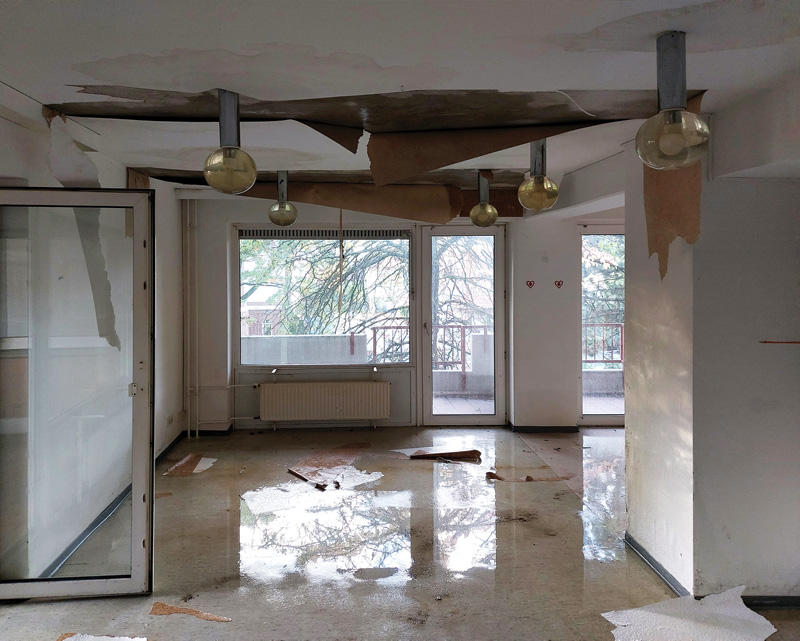
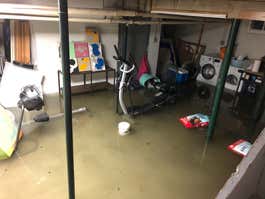
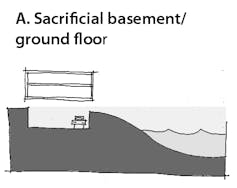
One approach involves the concept of "sacrificial ground floors," particularly suited for areas with low to medium flood probability. This design elevates residential areas to the first floor, while the ground floor or basement is intentionally designed to accommodate floodwaters. This lower level can serve as storage or a car park during dry periods, with the understanding that its contents must be moved to higher ground when flooding is anticipated. This method prioritizes the protection of living spaces while acknowledging the temporary inundation of secondary areas.
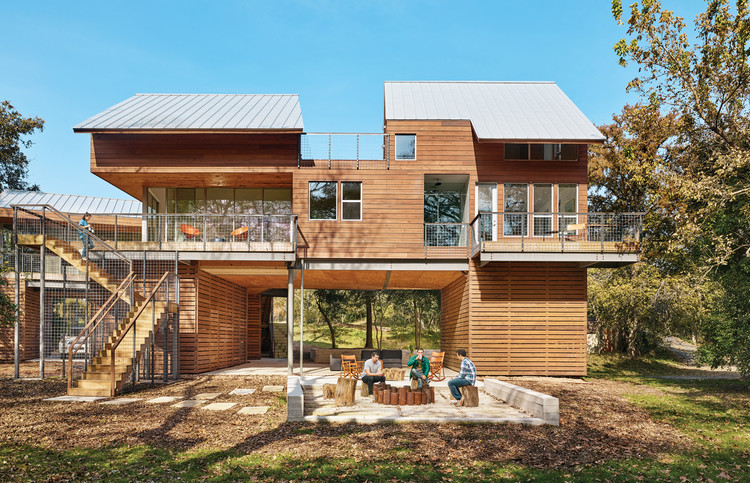
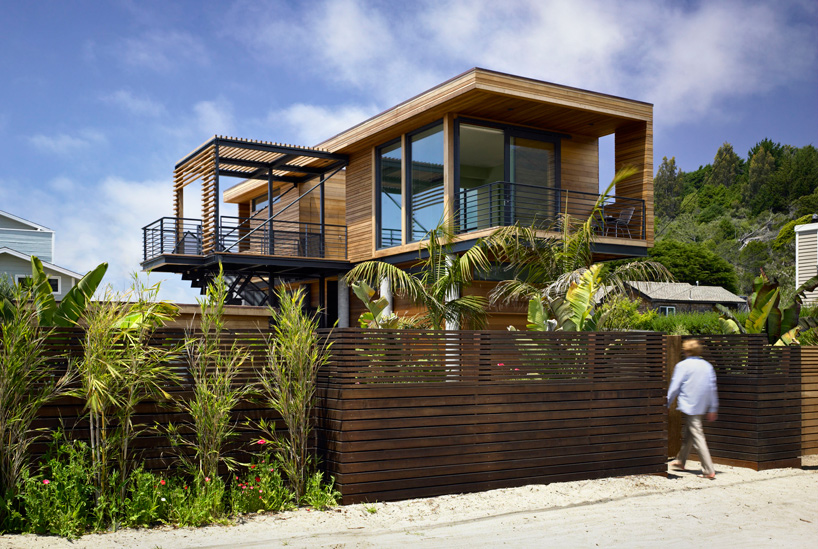
For regions with high flood probability, especially coastal zones, building on stilts offers a robust solution. This involves elevating the entire structure above the anticipated flood levels, a practice common in the Netherlands. While effective against rising waters, stilt structures require additional protective measures, such as breakwaters, to shield the stilts from debris carried by floodwaters. However, this design presents challenges in urban environments, including difficulties in managing the space beneath the stilts, which can lead to security concerns due to lack of surveillance and effective utilization. Furthermore, integrating stilt buildings into urban landscapes often necessitates the construction of ramps, lifts, and elevated walkways, adding complexity to urban planning.
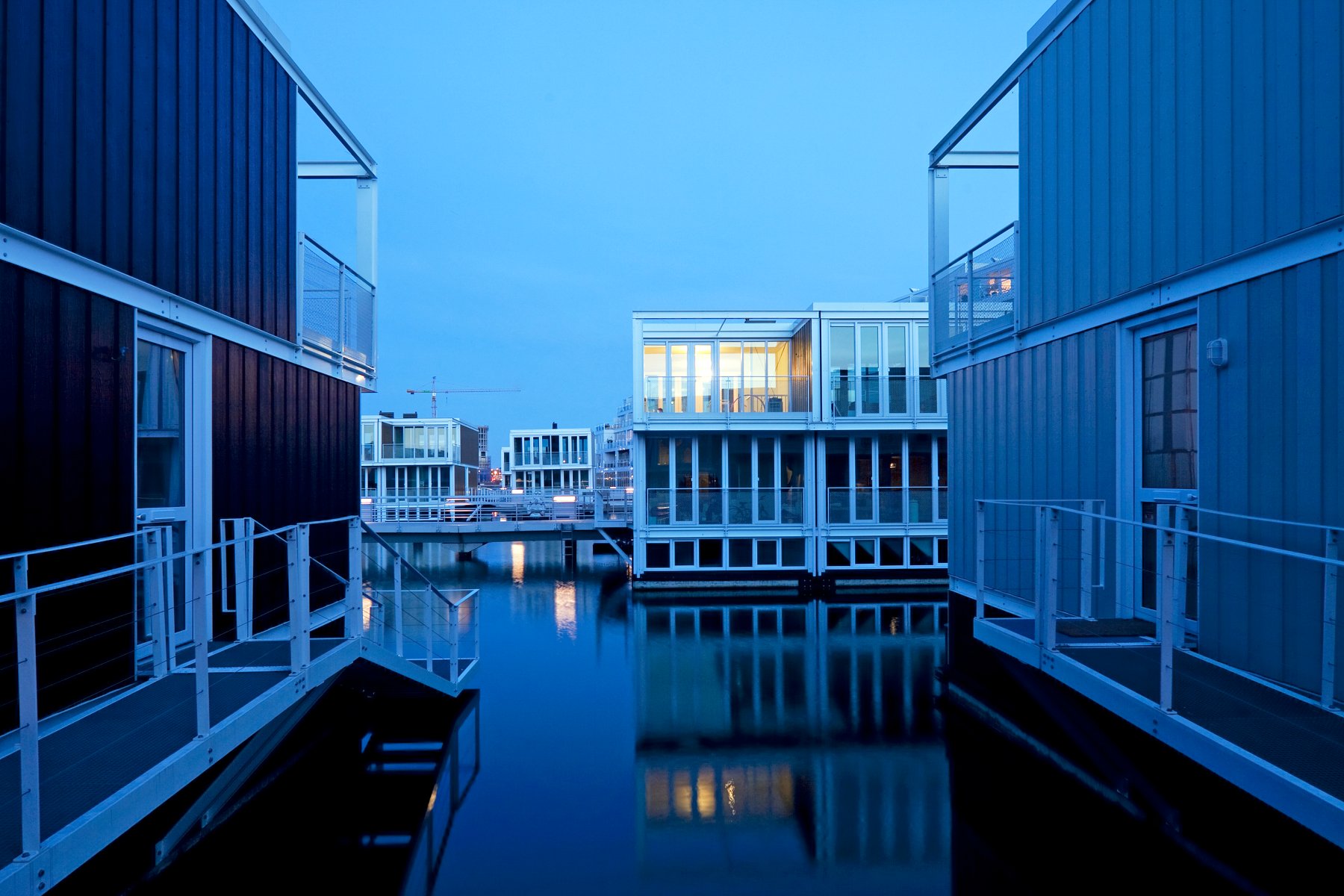
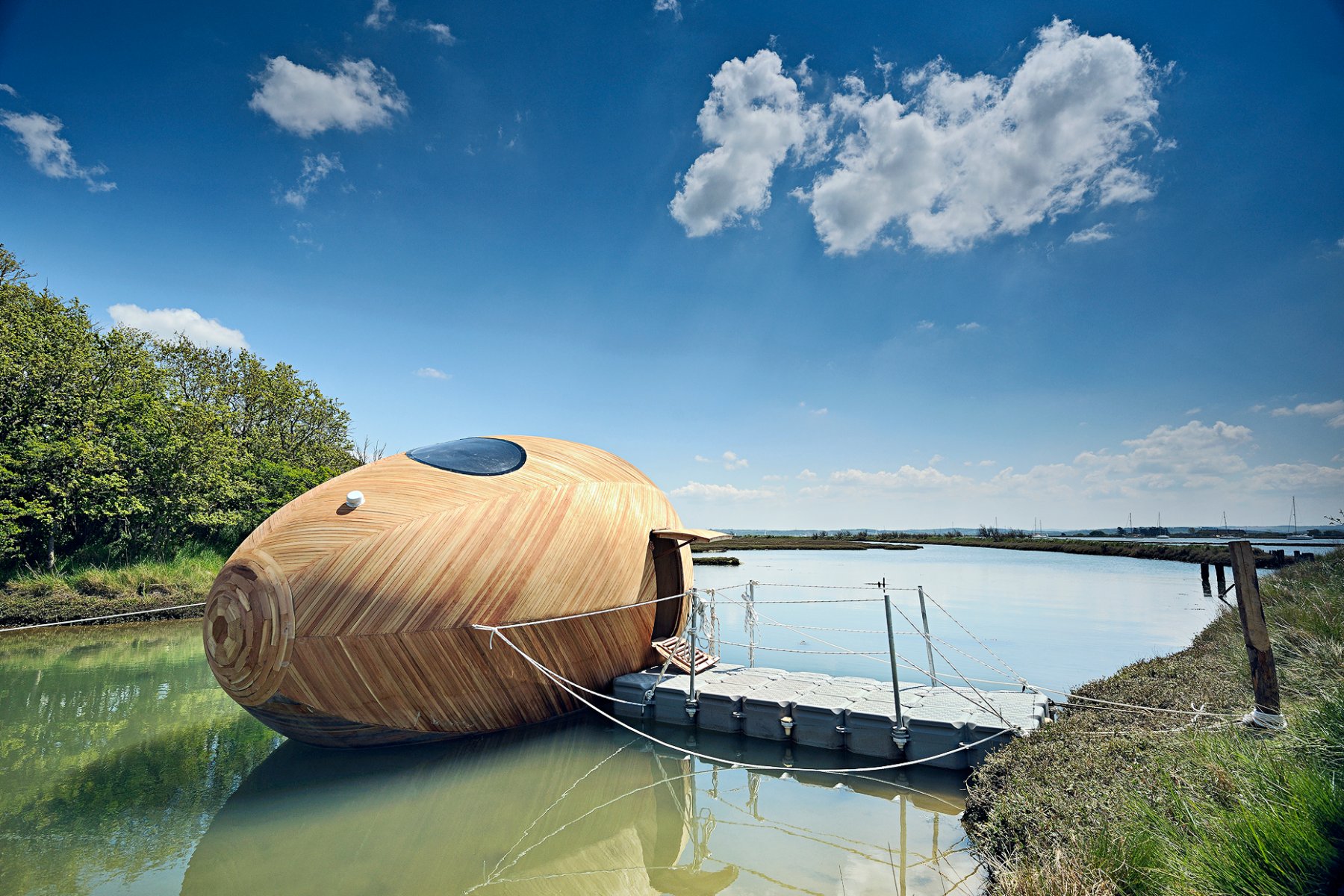
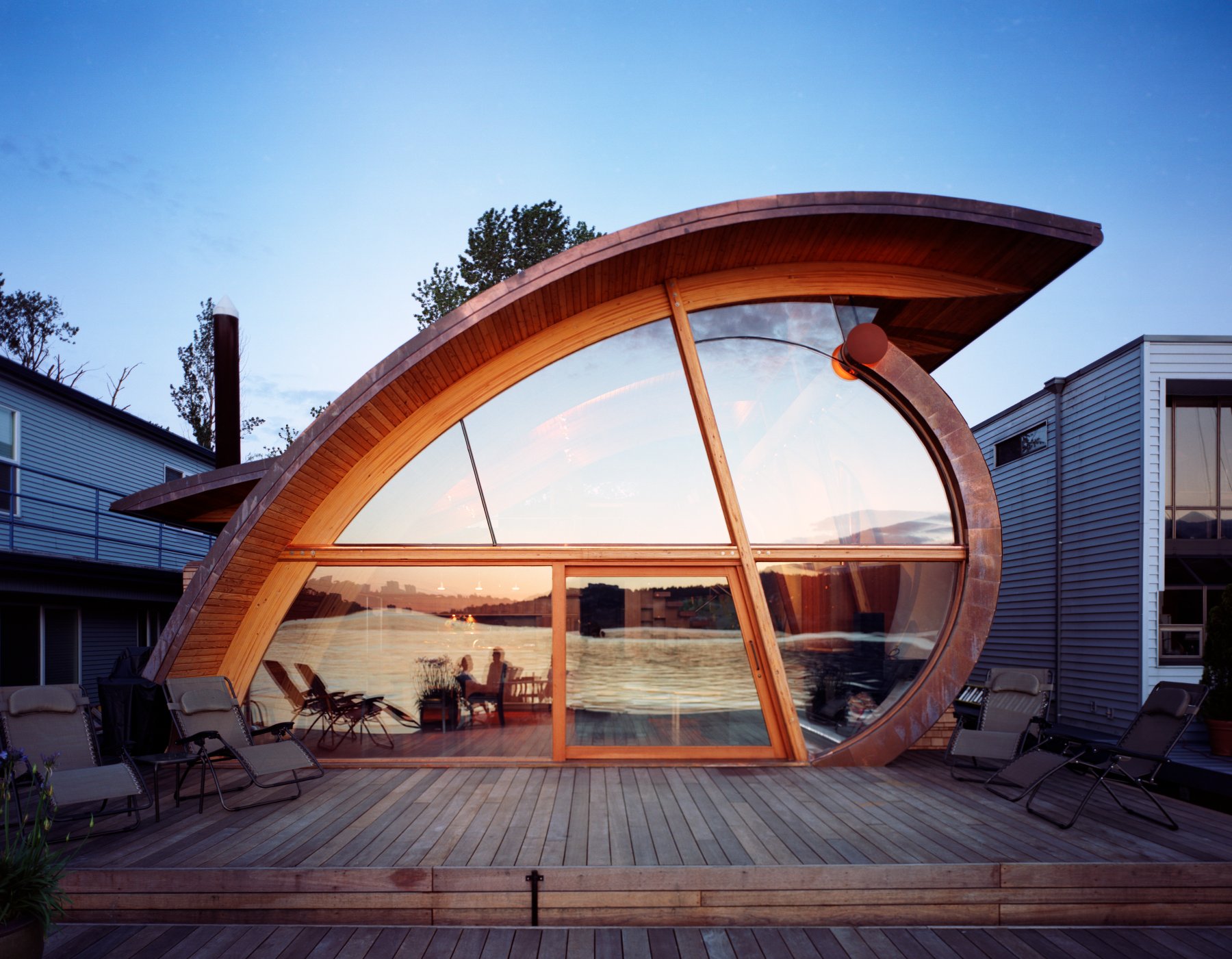
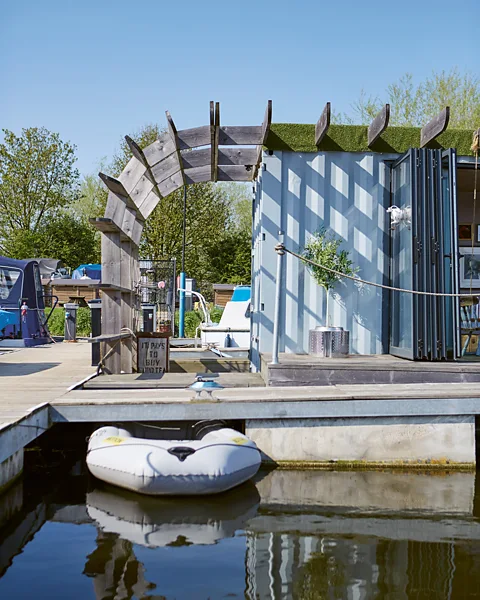
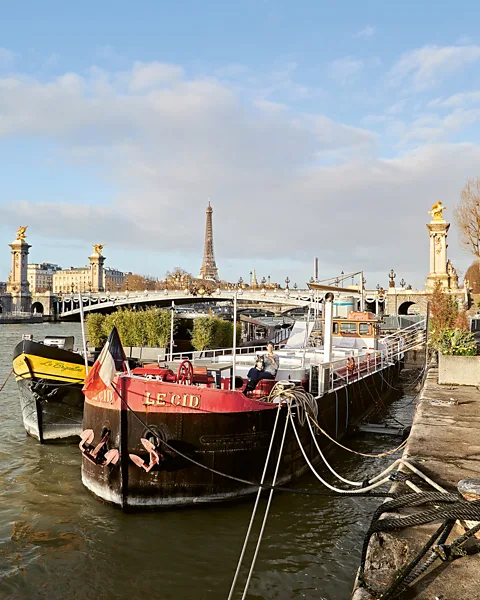
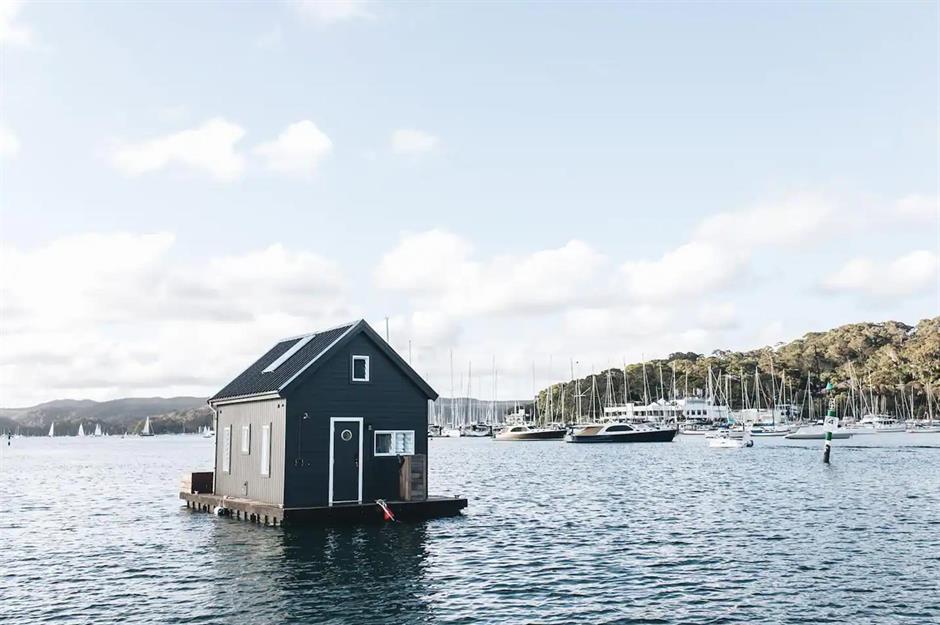
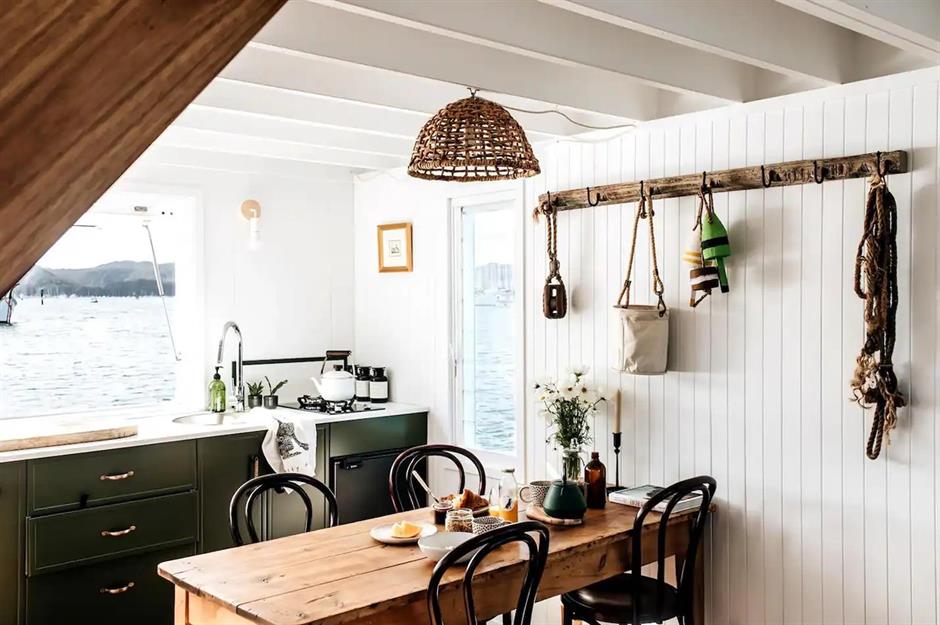
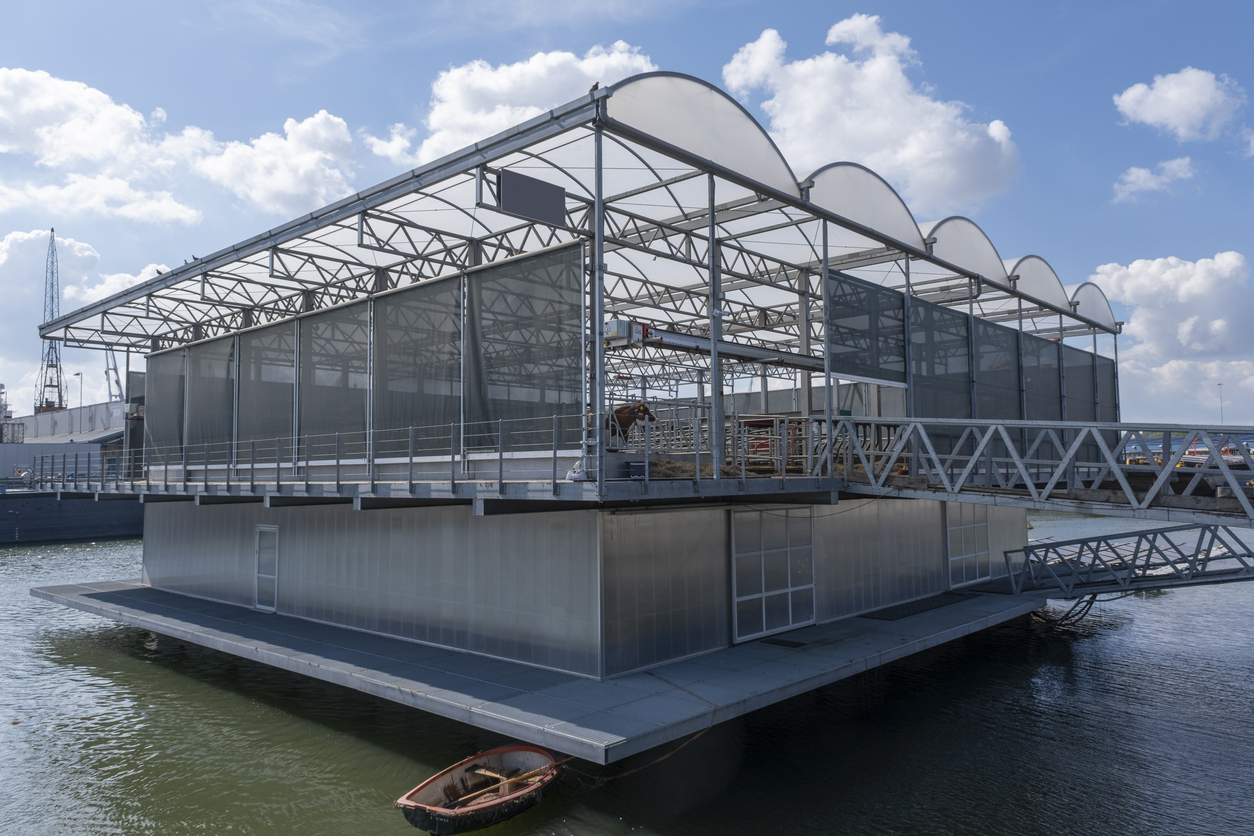
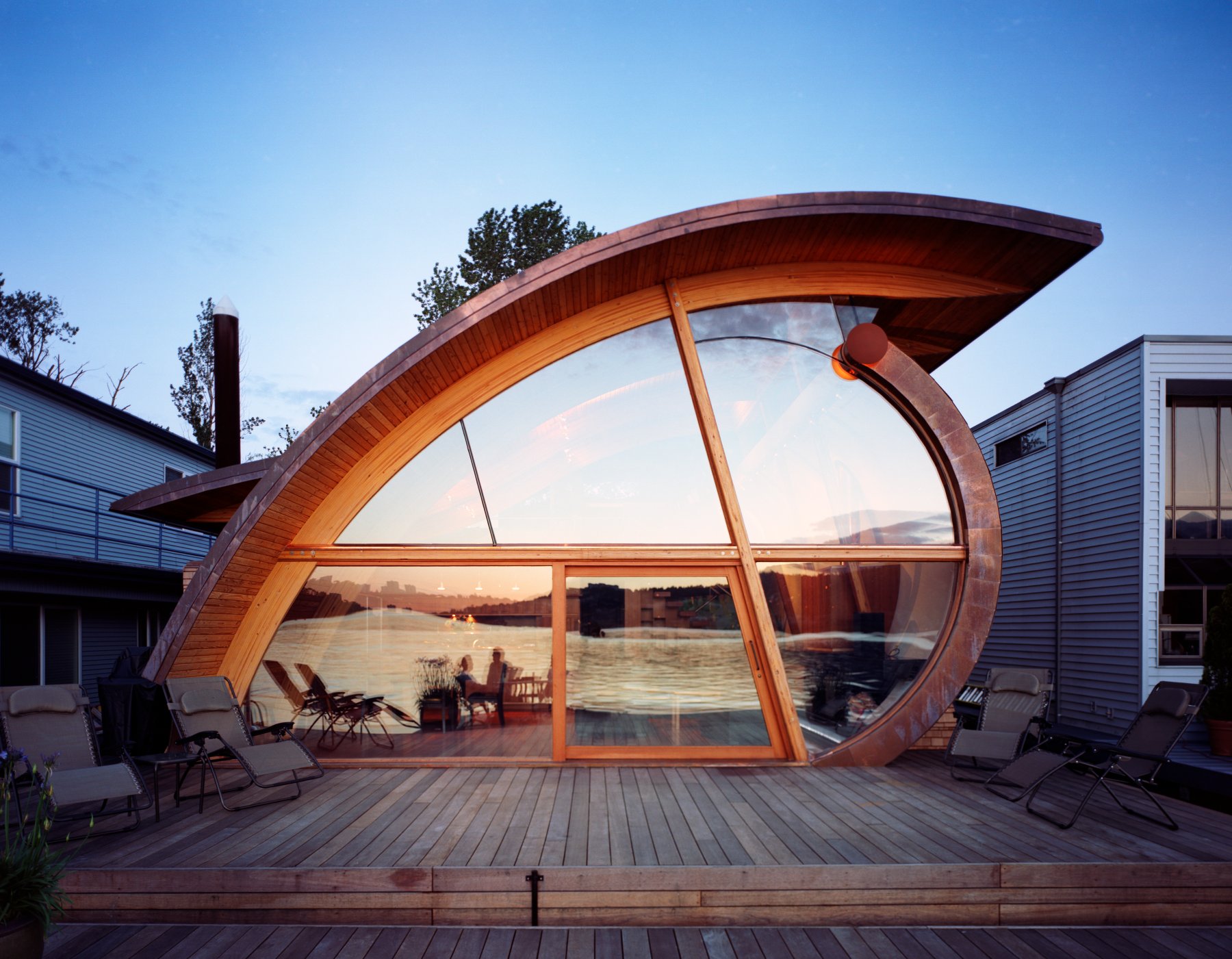
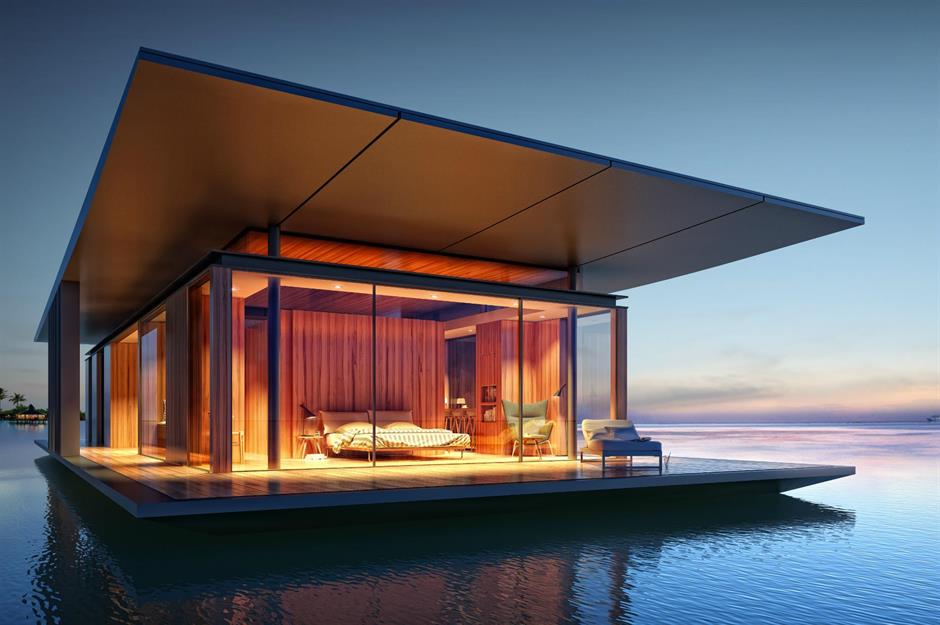
Floating buildings represent another innovative strategy, particularly suitable for direct integration with water bodies. These structures are built upon specialized polystyrene slabs encased in concrete, allowing them to rise with increasing water levels, typically up to five and a half meters. This method, extensively tested in the Netherlands and even applied to structures like floating greenhouses, obviates the need for land reclamation and is highly effective in high-risk flood areas. Smaller, two-story floating buildings, often connected to floating piers, maintain essential services through waterproof and flexible pipework that accommodates vertical movement.
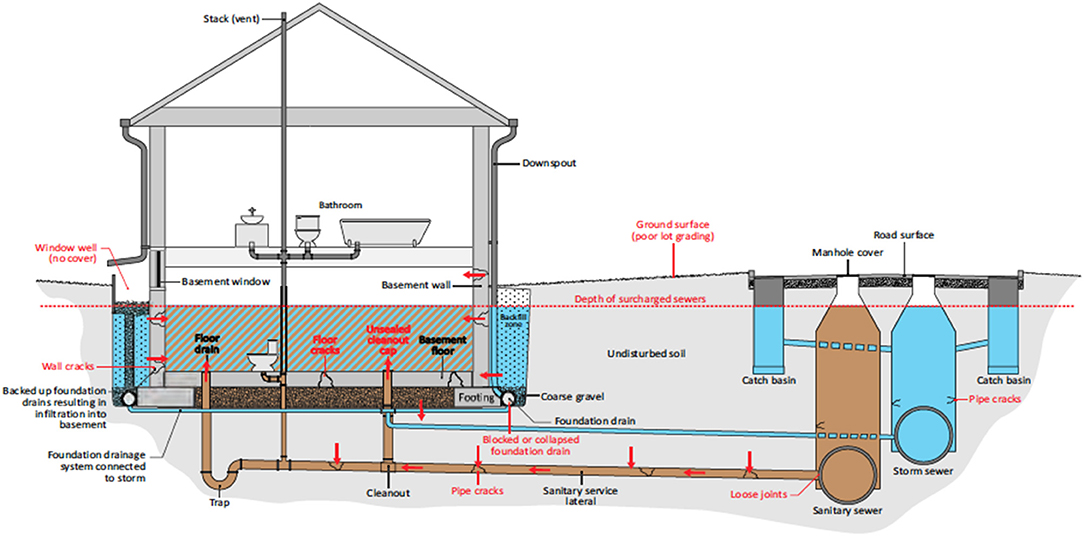
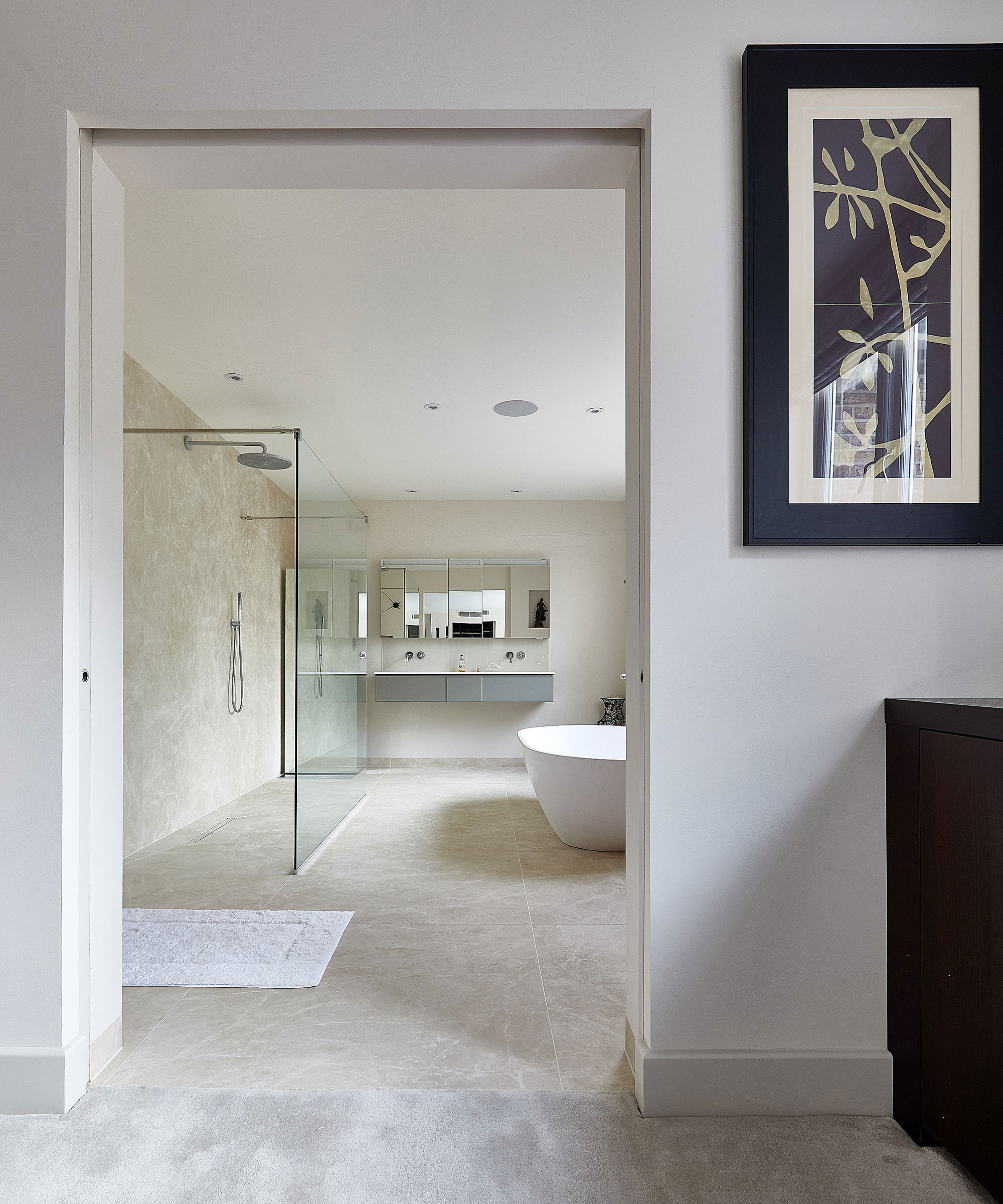
Finally, "wet-proofing" involves enhancing the resilience of both new and existing structures to minimize damage during flooding. This entails using water-resistant materials for floors, such as concrete or tiles, and reinforcing walls and fixtures. Crucially, electrical controls, cables, and appliances are installed above typical flood levels, usually exceeding one meter from the ground, in all potentially affected areas. By incorporating these measures, properties can be designed to withstand inundation with only minimal damage. The unpredictability of flooding underscores the importance of implementing these flood-proofing strategies in current building practices. Proactive foresight and planning can lead to the development of flood-resistant buildings that support mitigation efforts and contribute to the long-term adaptation of cities to a changing climate.
#FloodResilientDesign #WaterManagement #SustainableArchitecture #ClimateAdaptation #BuildingTechniques #UrbanPlanning #DutchInnovation #EnvironmentalDesign #ArchitecturalSolutions #FloodResilientDesign #WaterManagement #SustainableArchitecture #ClimateAdaptation #BuildingTechniques #UrbanPlanning #DutchInnovation #EnvironmentalDesign #ArchitecturalSolutions
0 comment in total
 No comments yet
You may also like
How Can Architecture Combat Flooding? 9 Practical Solutions

Floodproofing a house — 12 things experts say you can do

Eight floating homes around the world

Floating Architecture that are the sustainable solution we need to survive the rising sea level crises!

Hurricanes and flooding: Advancing building strategies for resilience
When Rivers Rise Fast – Flood-Smart Living: Simple Steps to Protect your Home
6 waterproof storage solutions to protect your stuff from flood damage
Let’s Architect! Resiliency in architectures
7 Floating Homes That Will Make You Want To Live on Water

How to Prepare if You Live or Work in a Floodplain
11 fabulous floating homes that you’ve never seen before | loveproperty.com

7 ways to flood-proof your home during Thailand’s storm season

Deluge defence: smart solutions for when the rain comes

Reducing Urban Flood Risk Through Building- and Lot-Scale Flood Mitigation Approaches: Challenges and Opportunities
5 reasons why floating development is set to take the world by storm

Hurricane-Proof Construction with the Fortified Home Standard

flood proof house by studio peek ancona
Ways to protect your home from flooding – safeguard your space from storms

Everything I Did to Flood-Proof My Old House | Reviews by Wirecutter
Advice for weatherproofing your NYC apartment or brownstone against leaks and flooding