1/17
Mixing patterns and prints in interior design – a 12-step masterclass
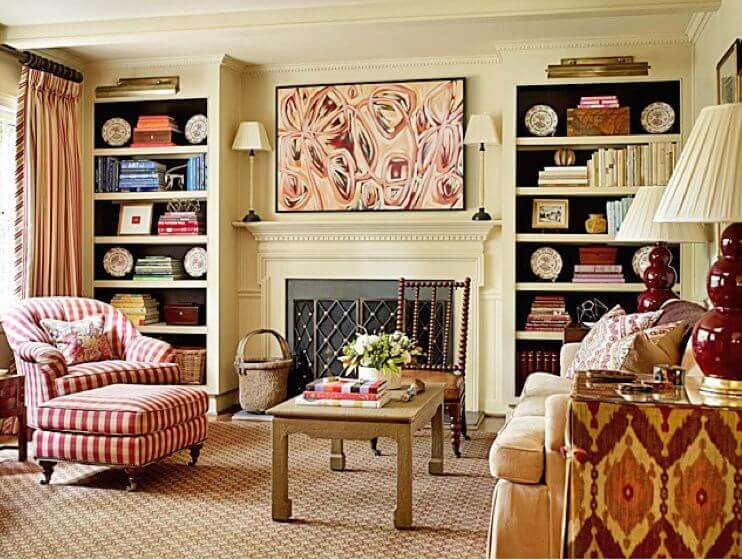
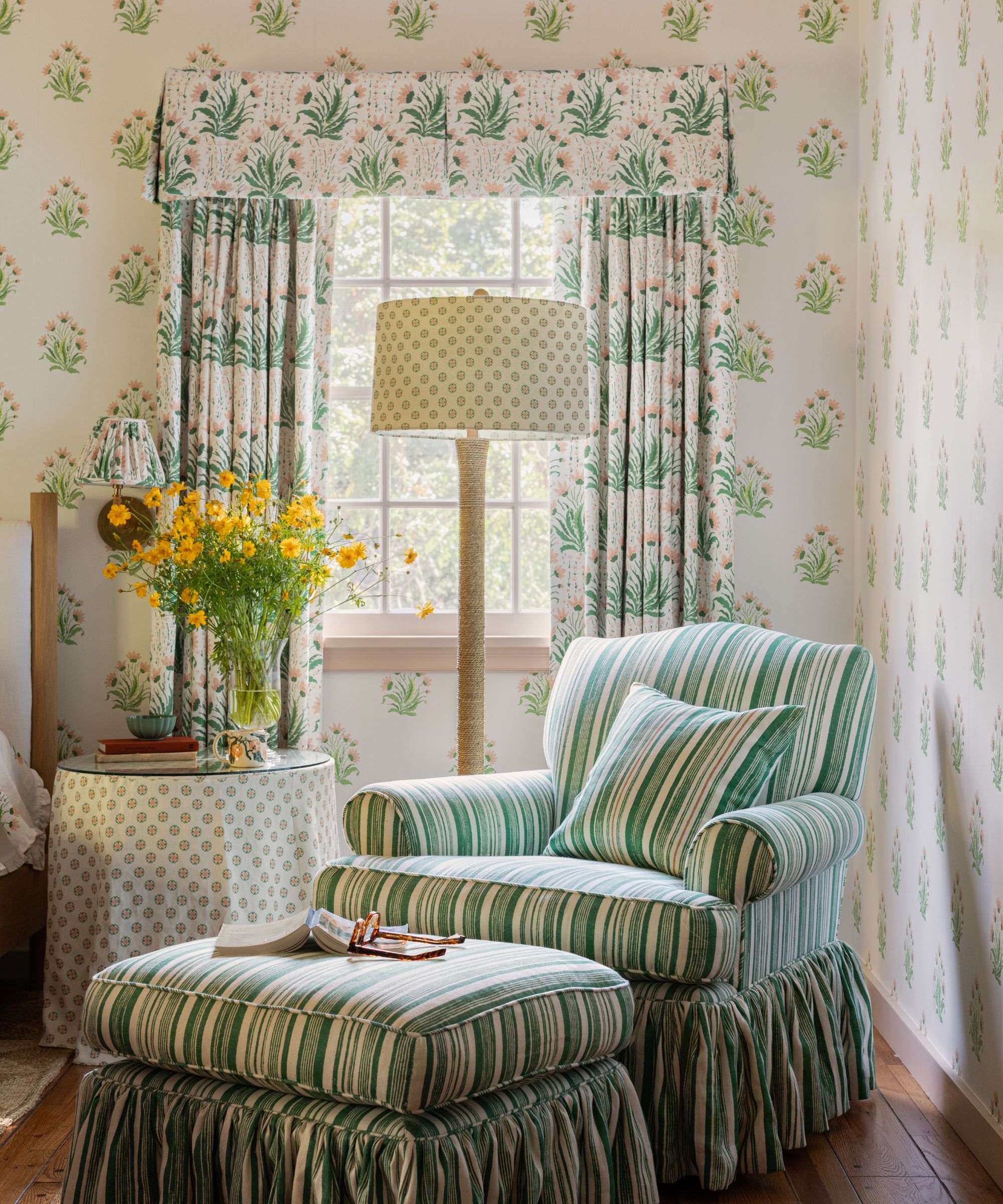
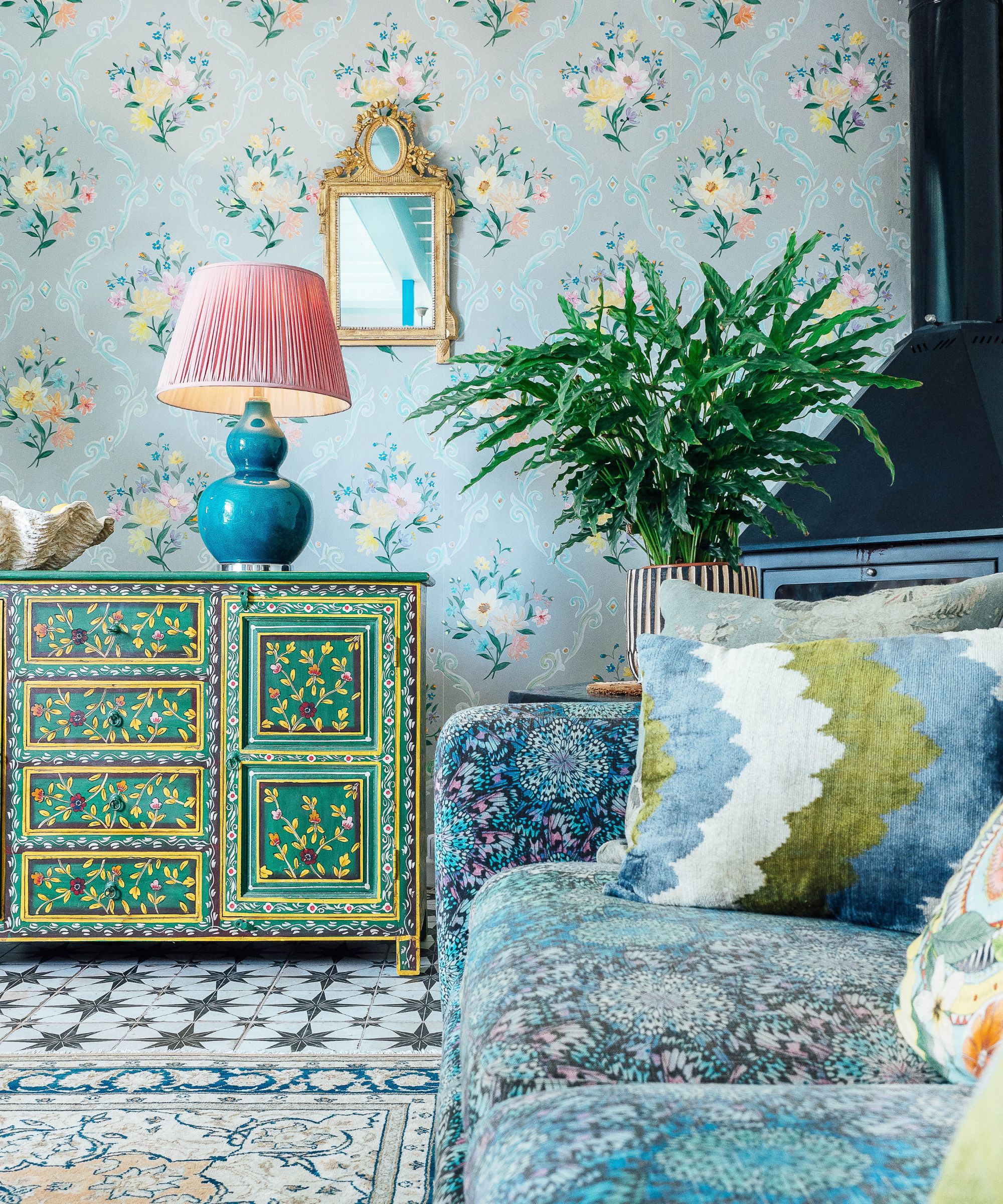
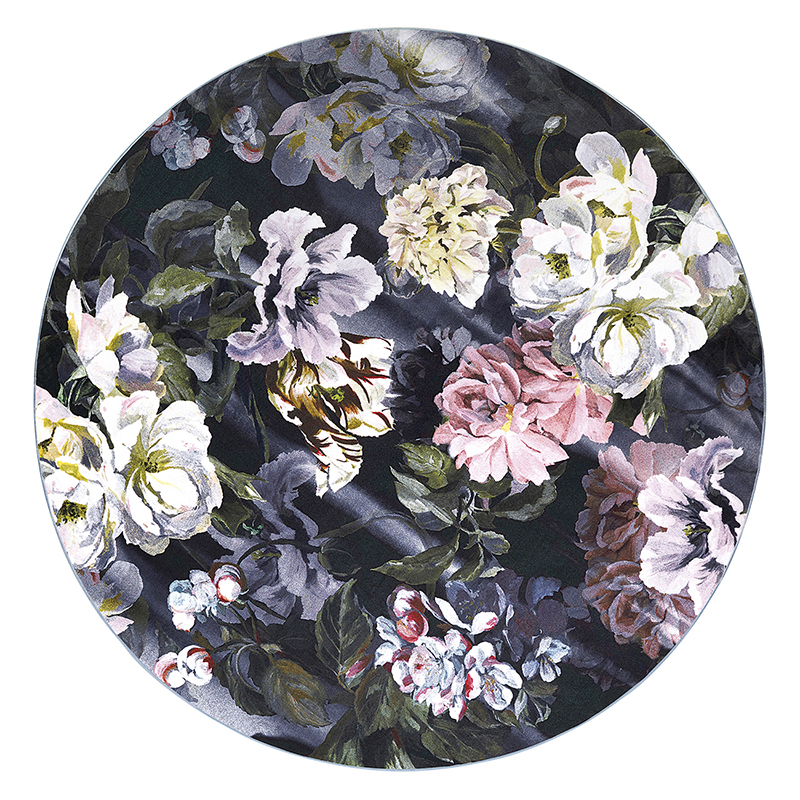
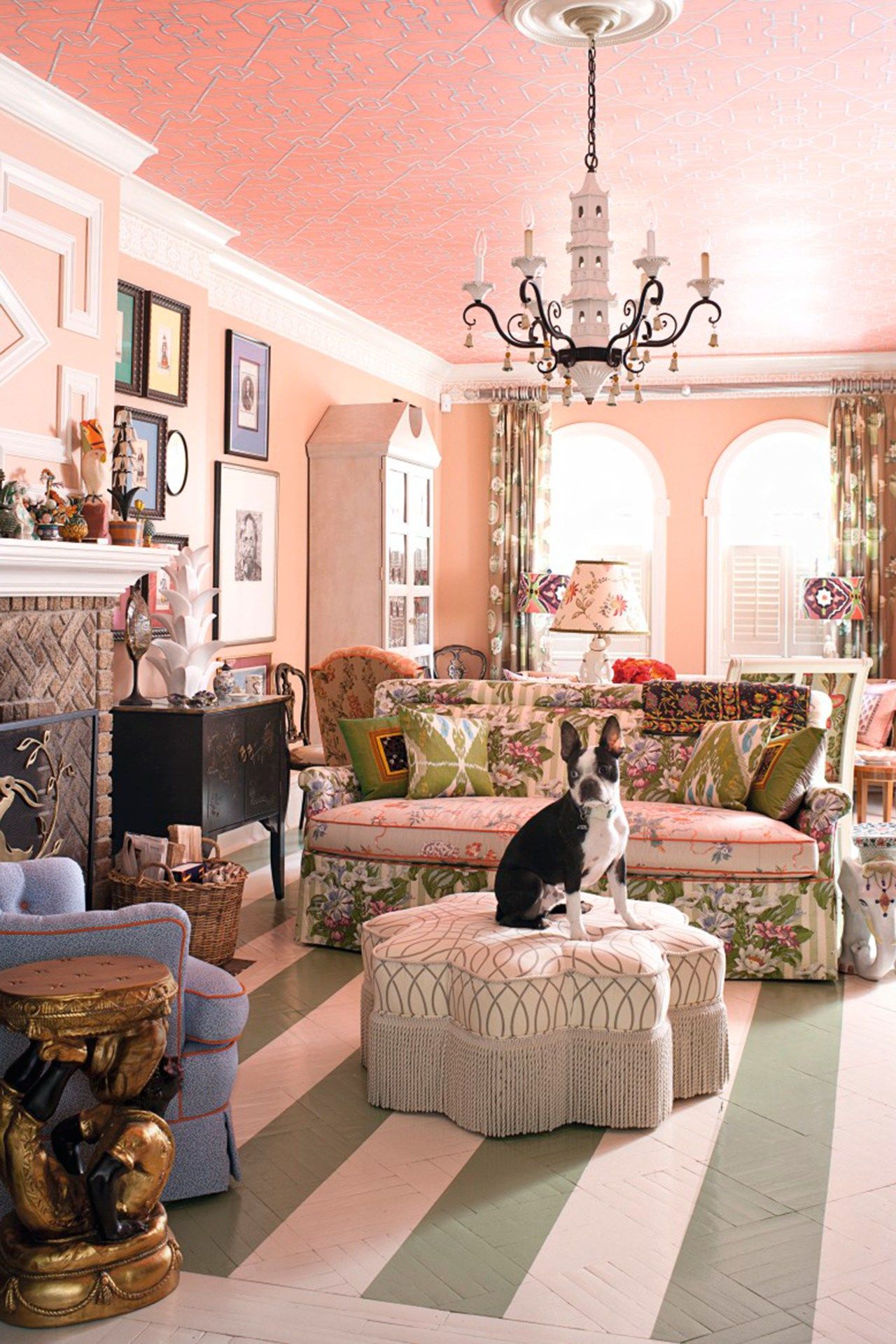
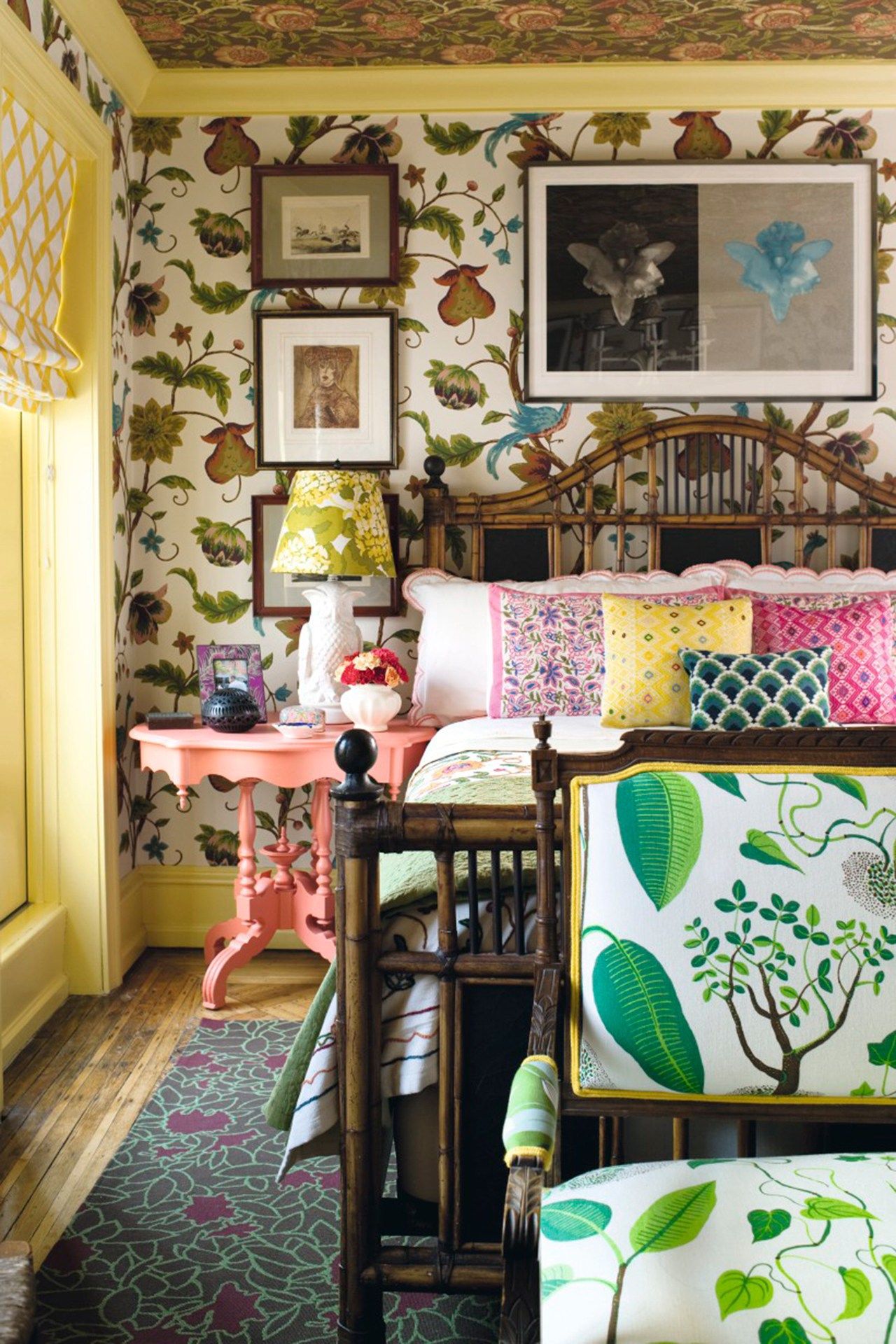
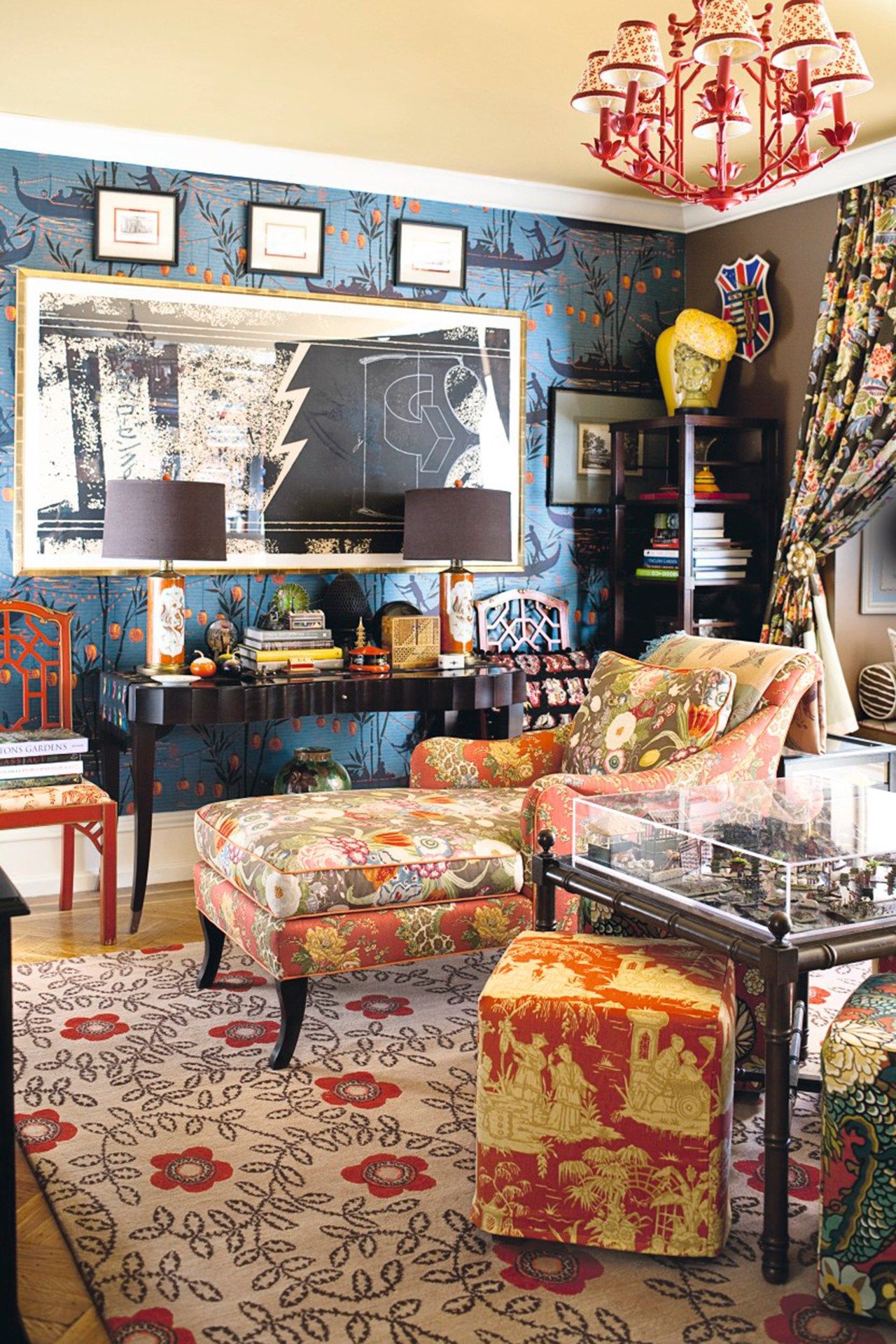
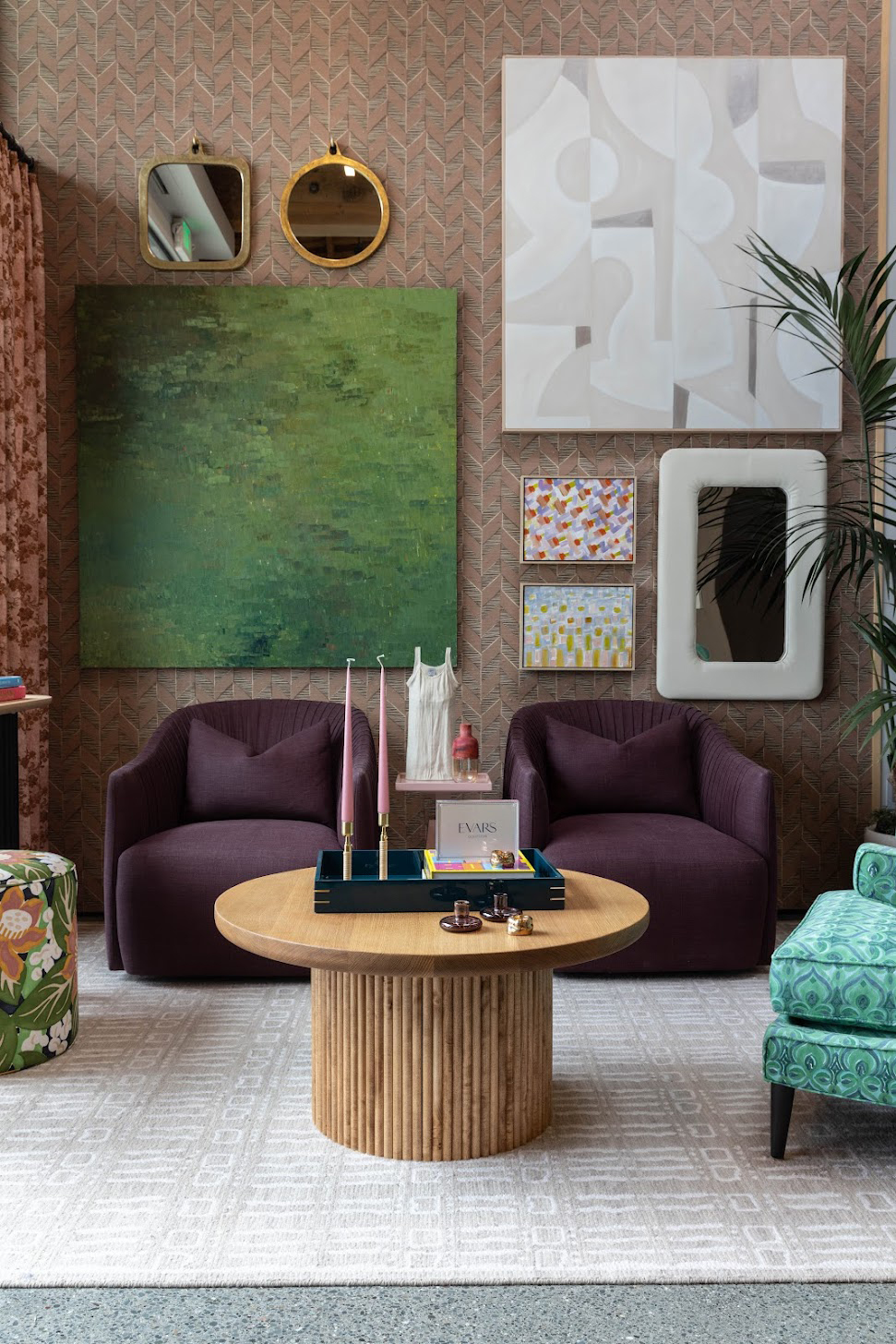
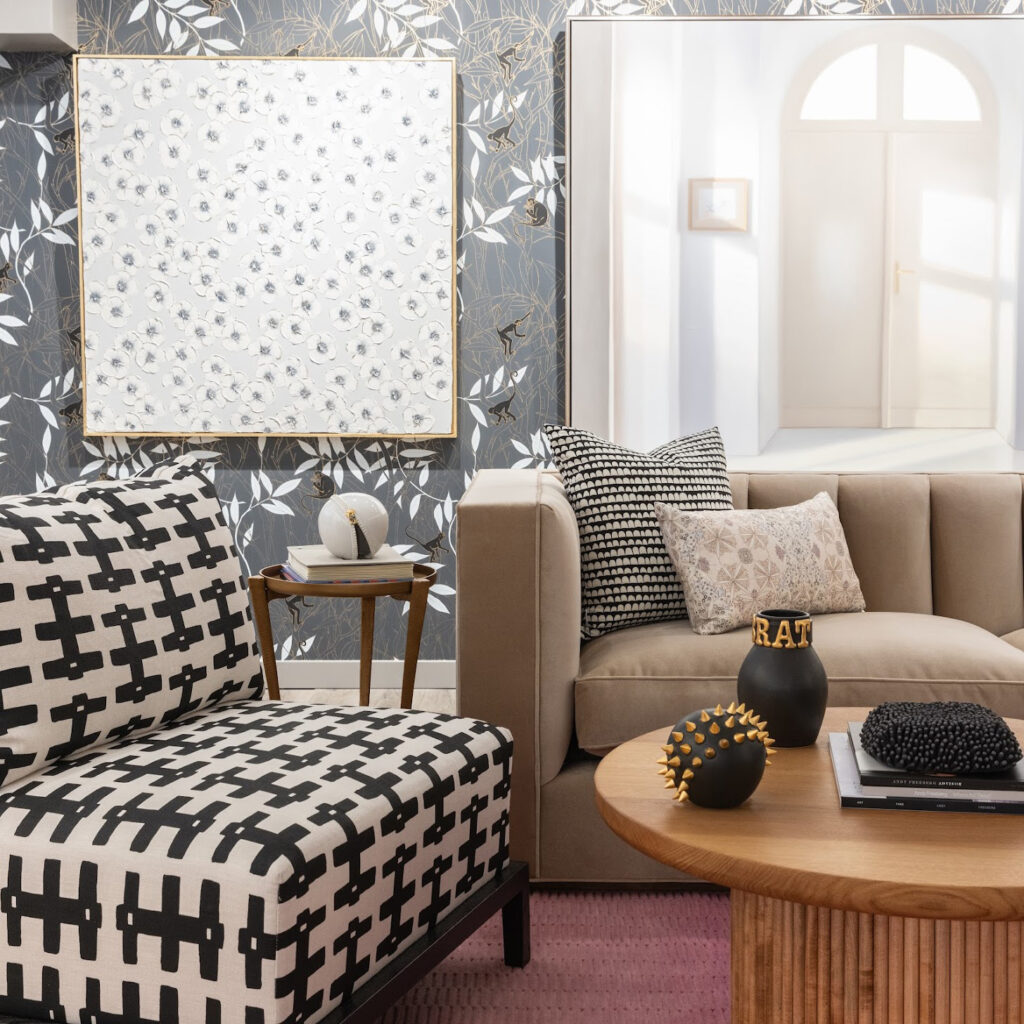
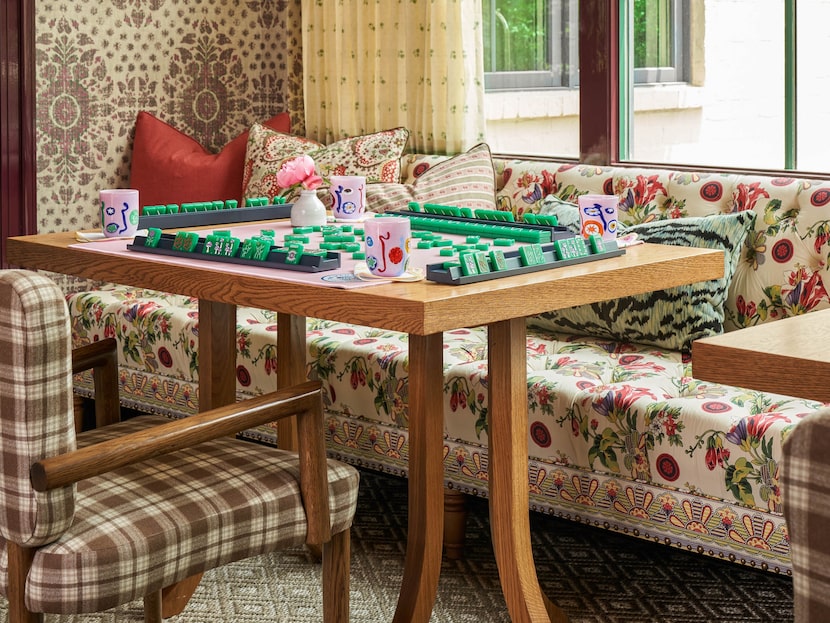
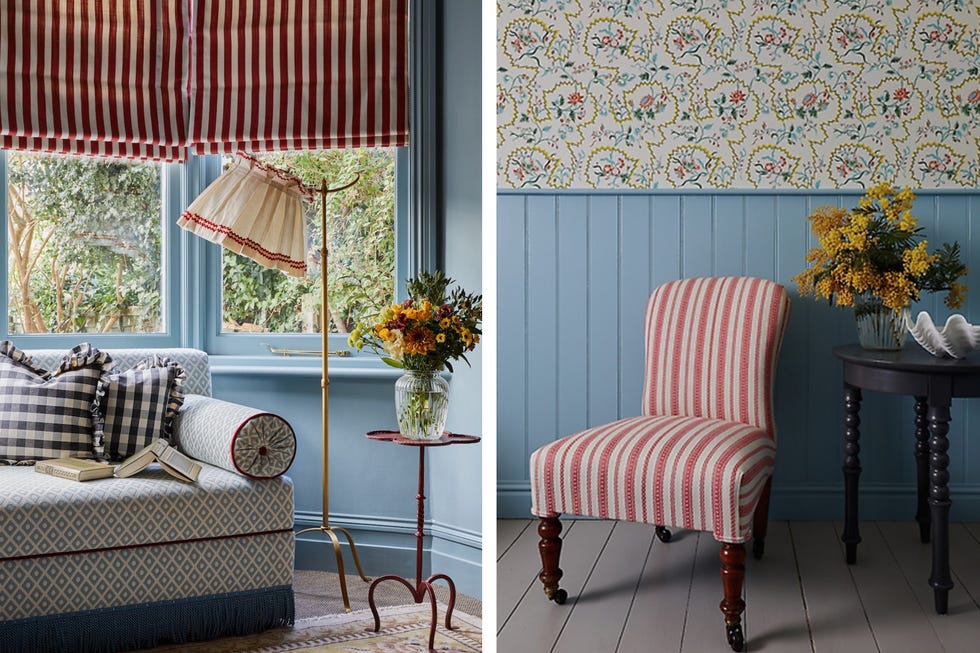
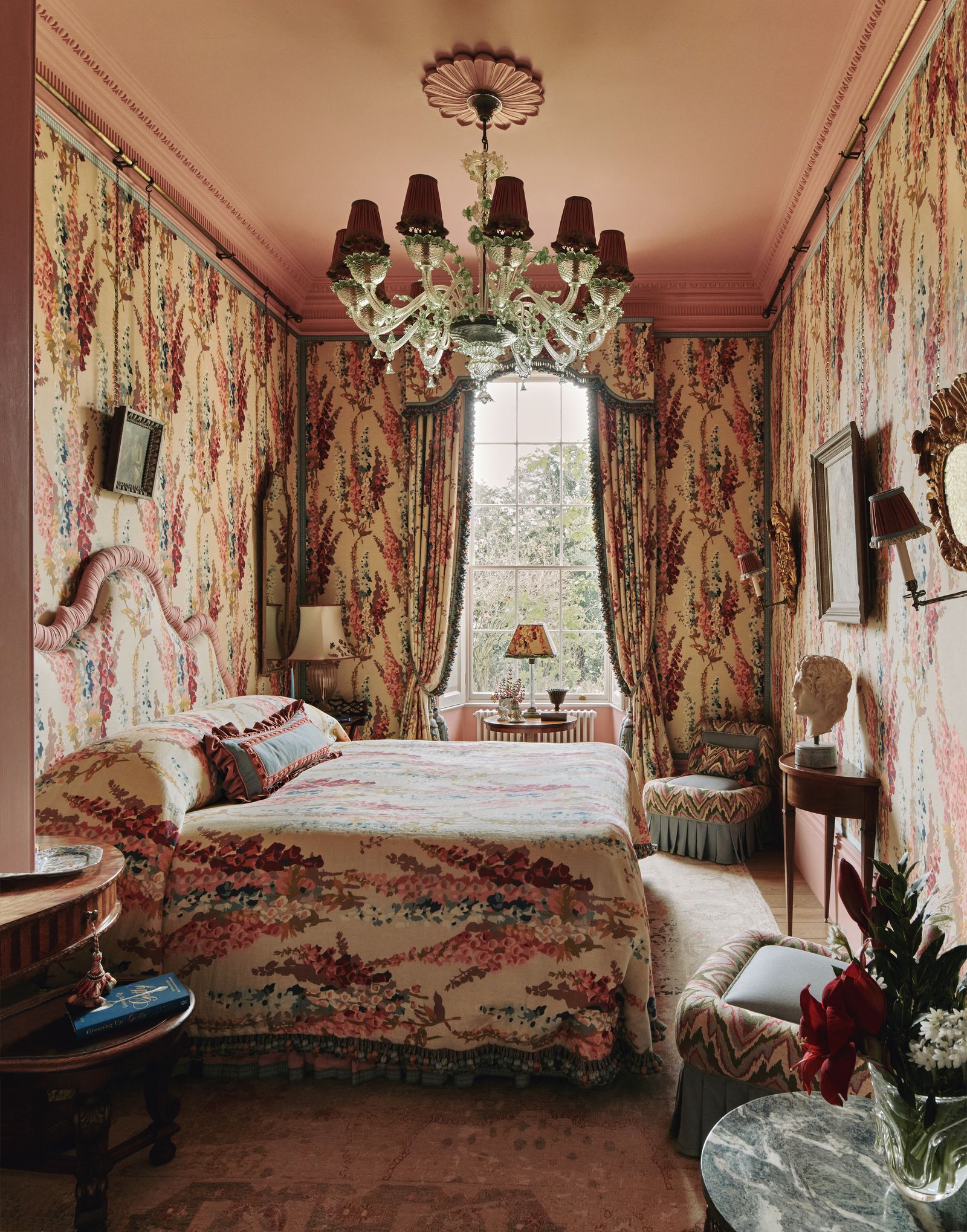
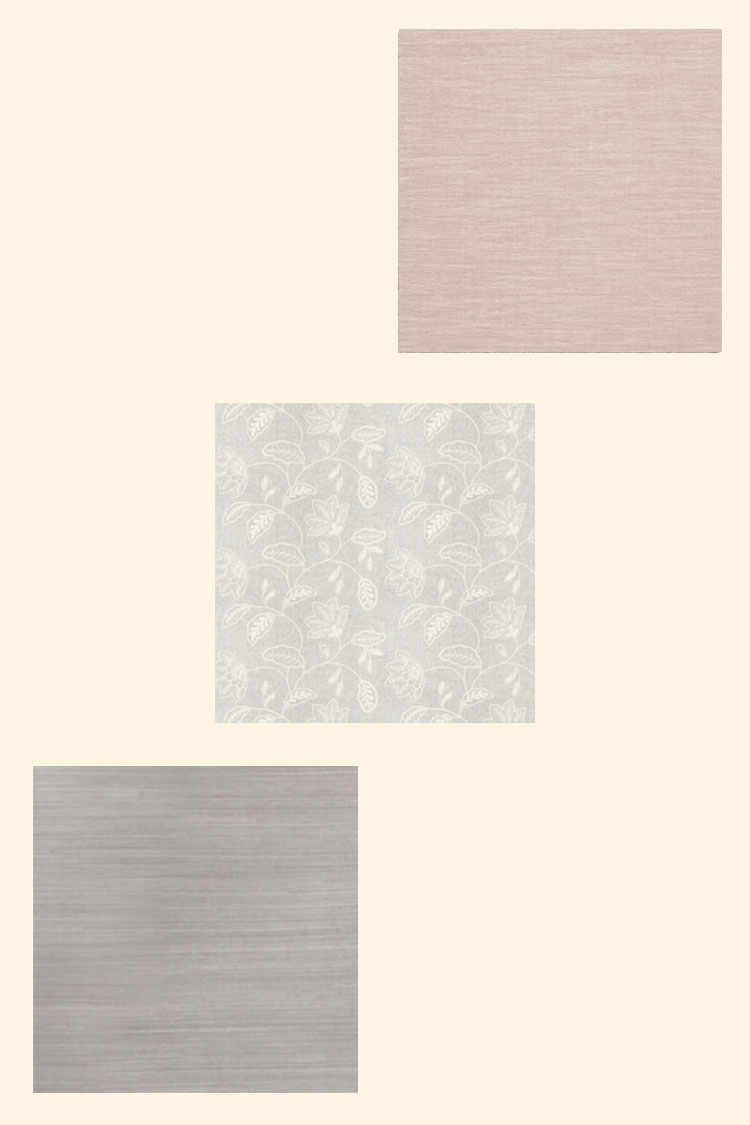
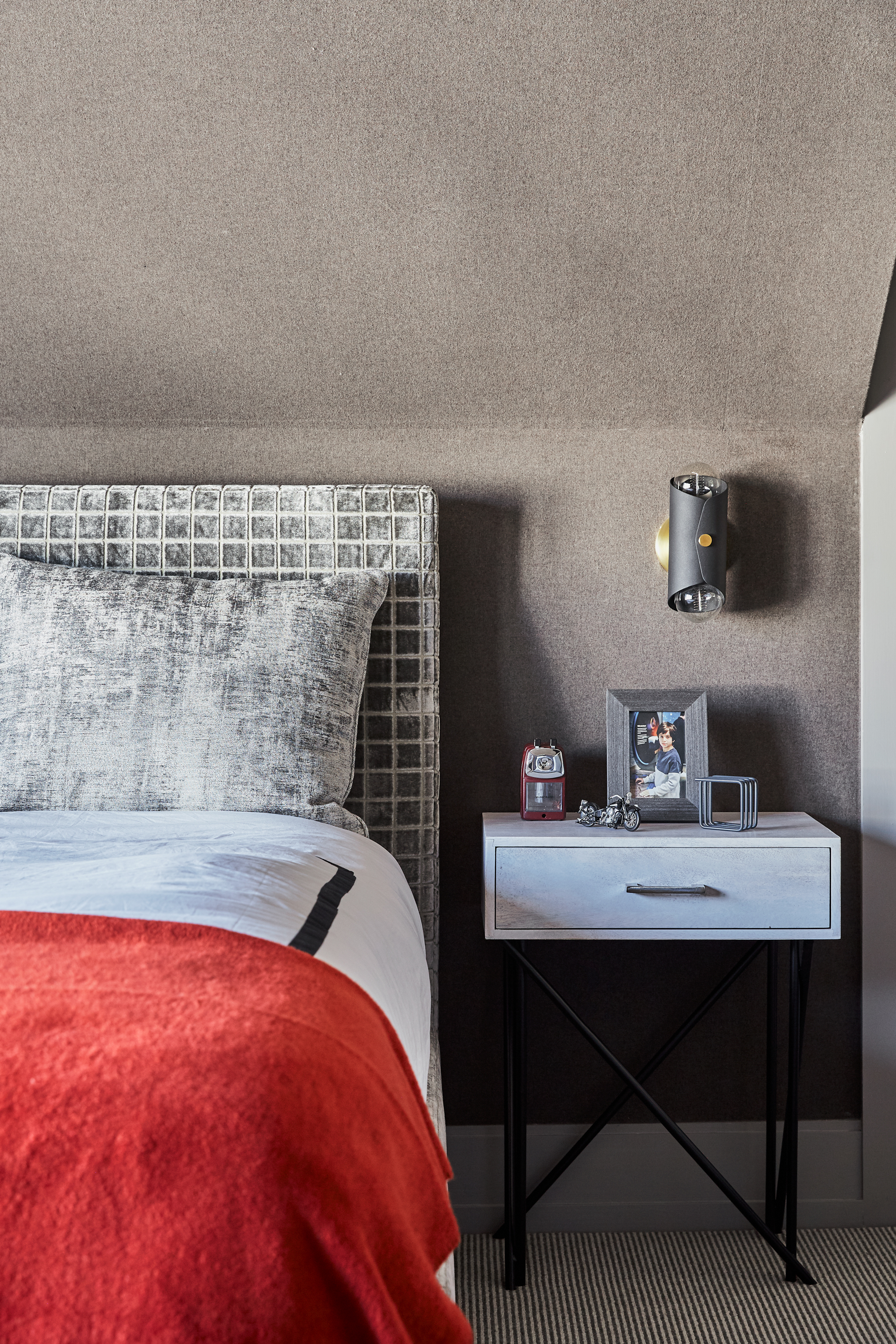
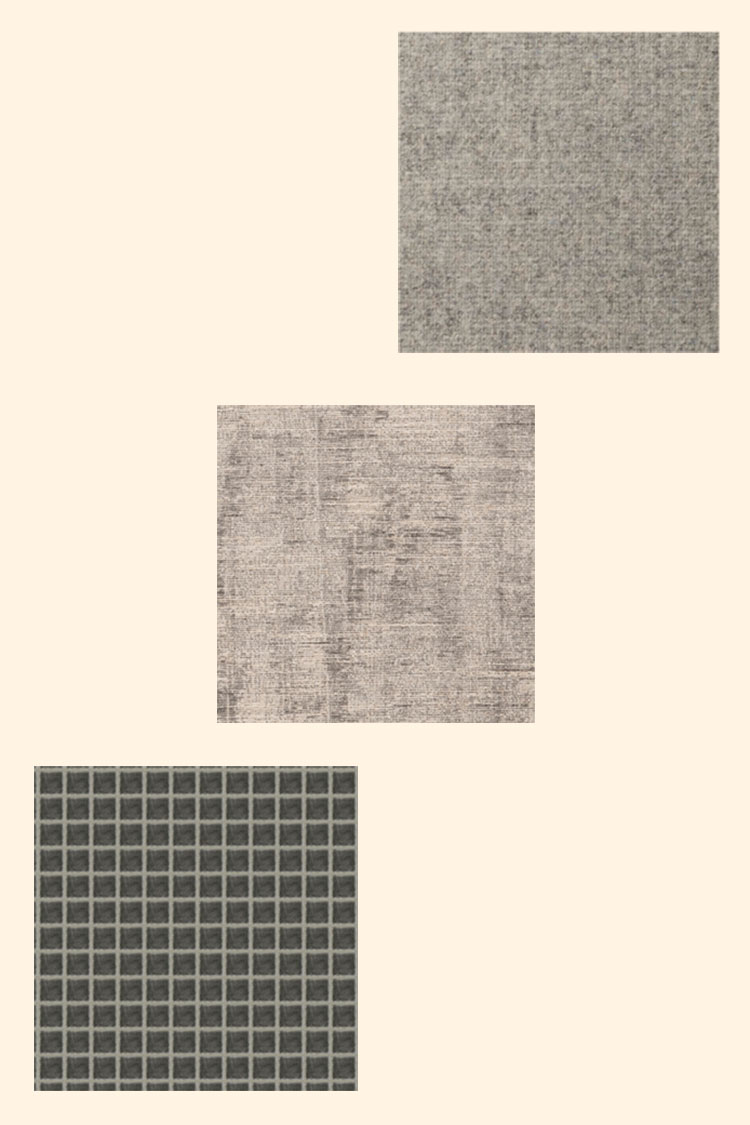
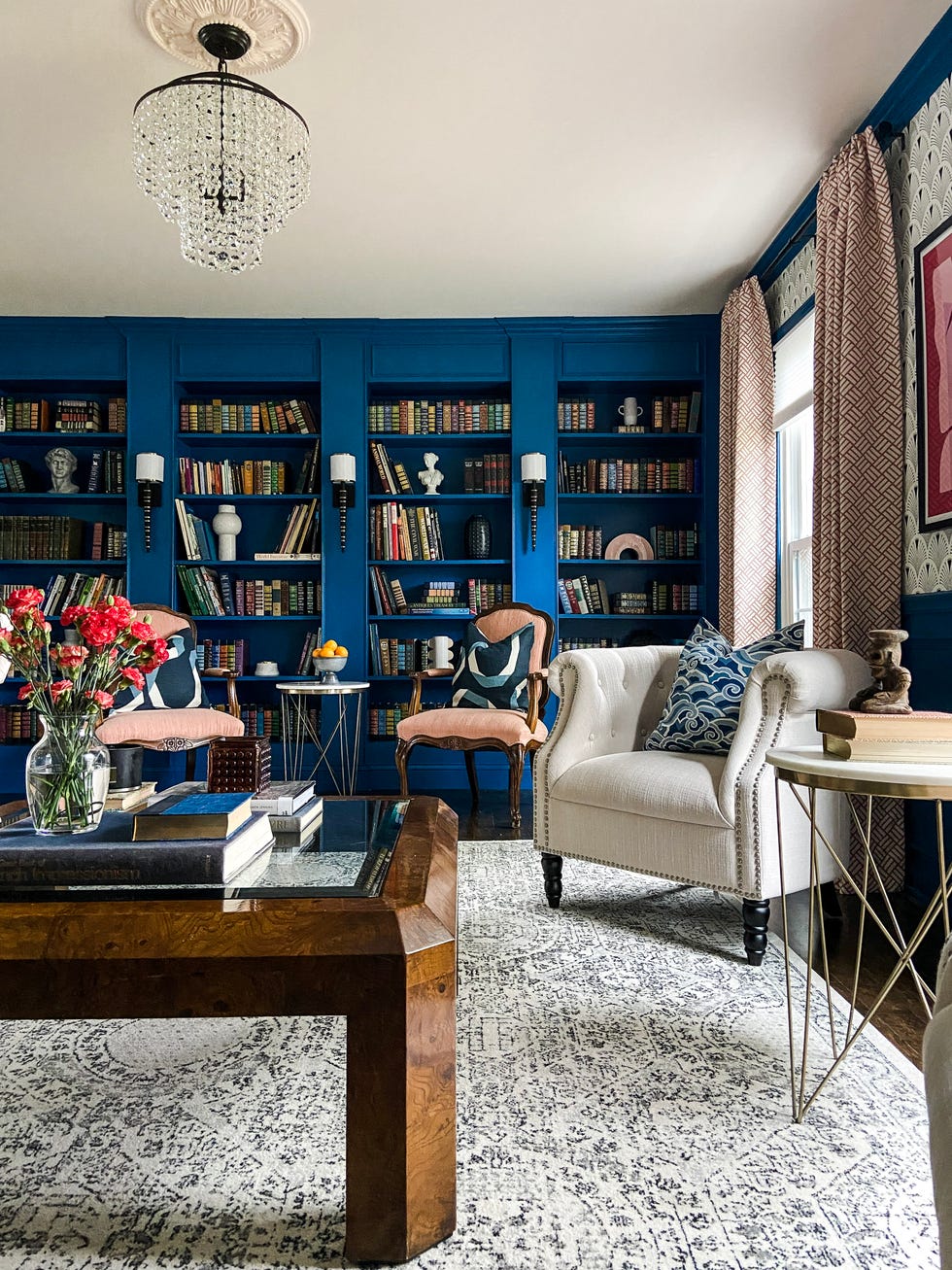
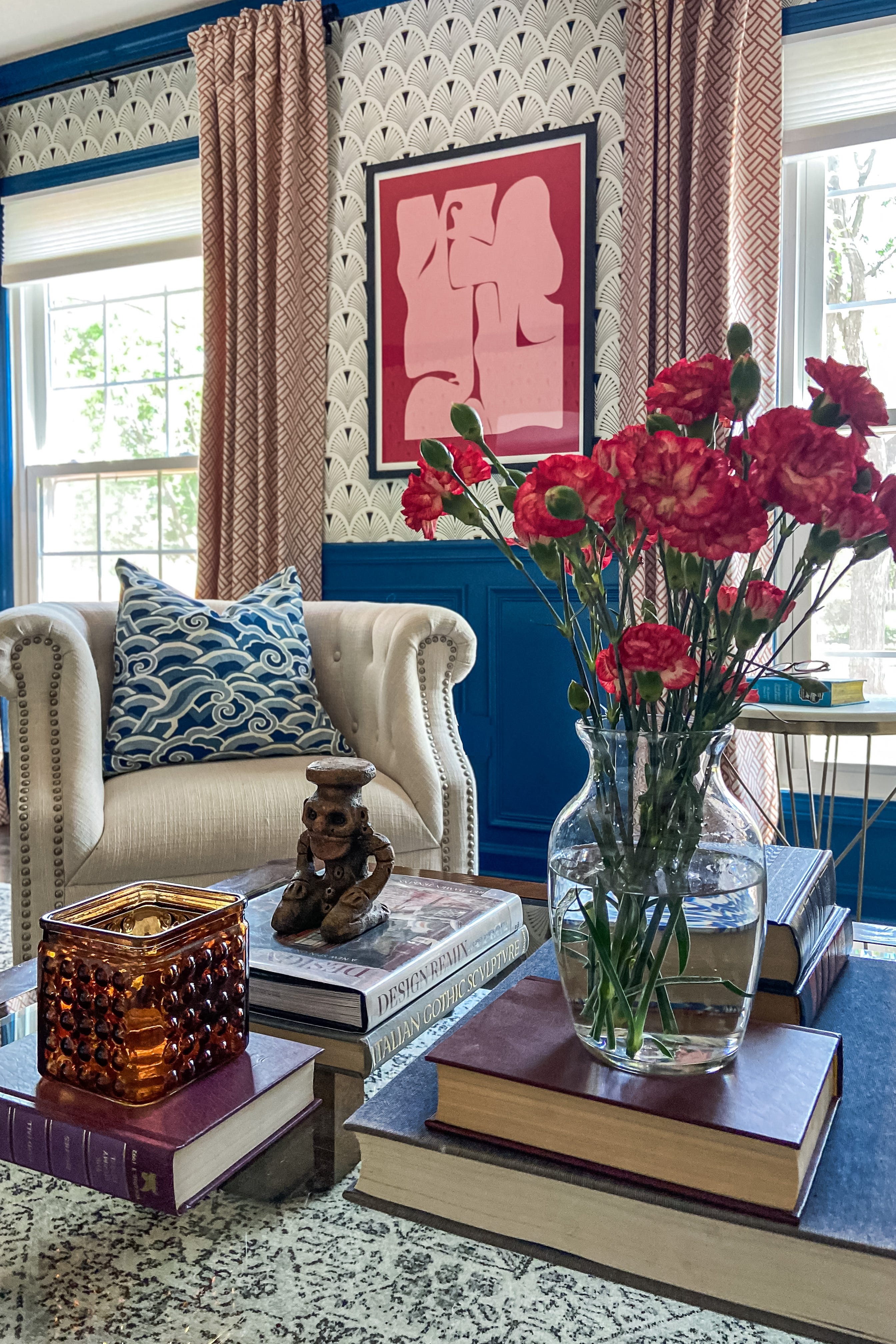
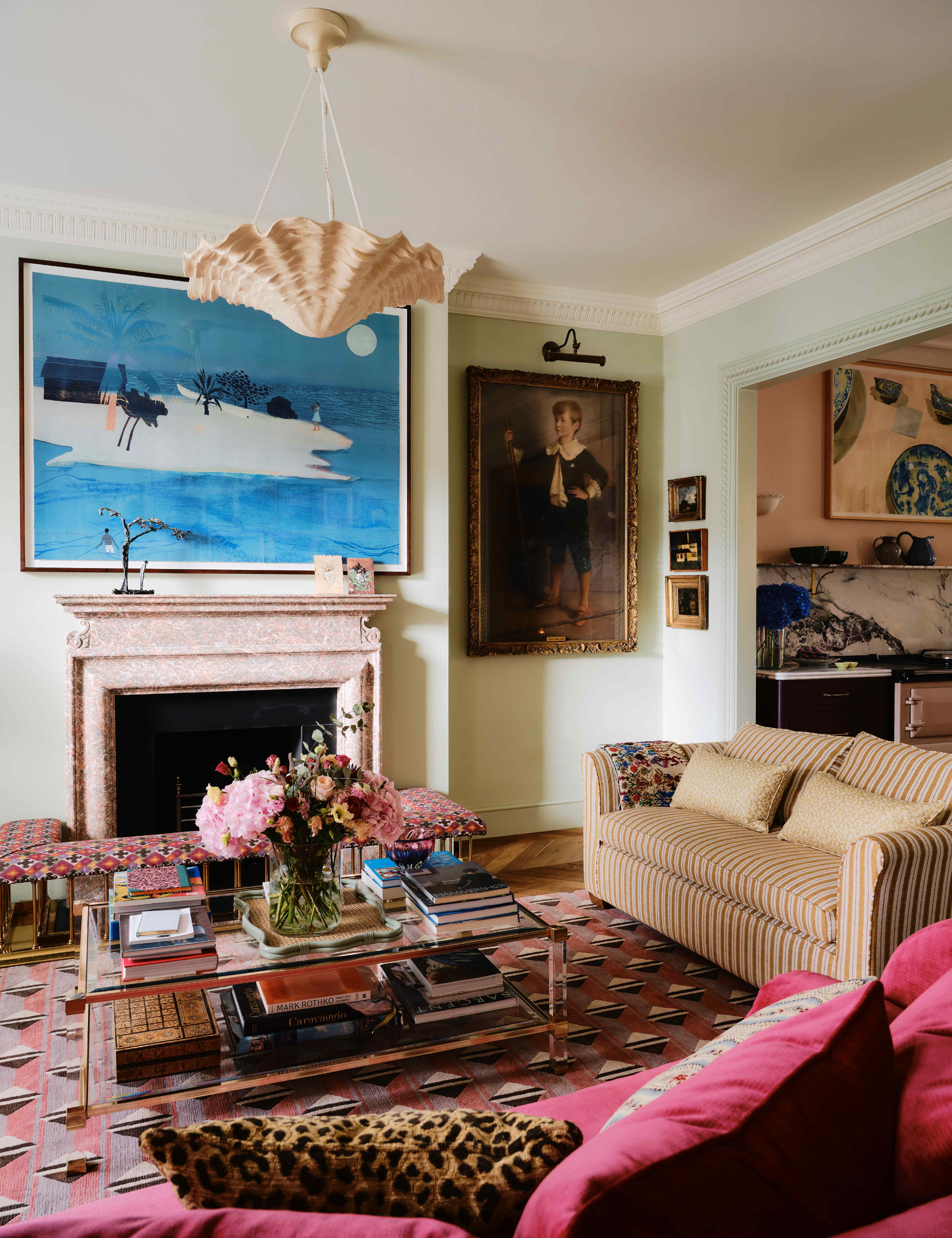
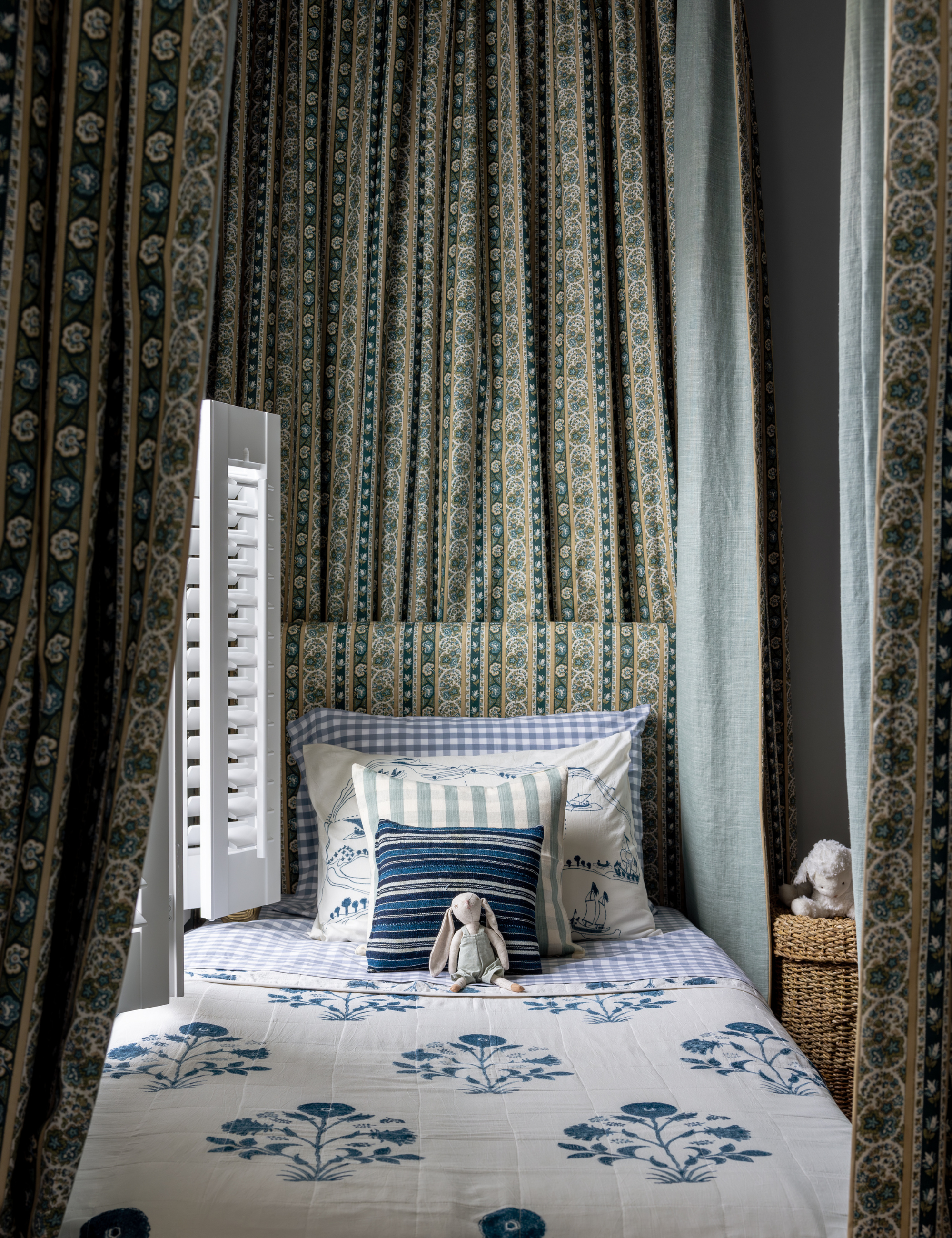
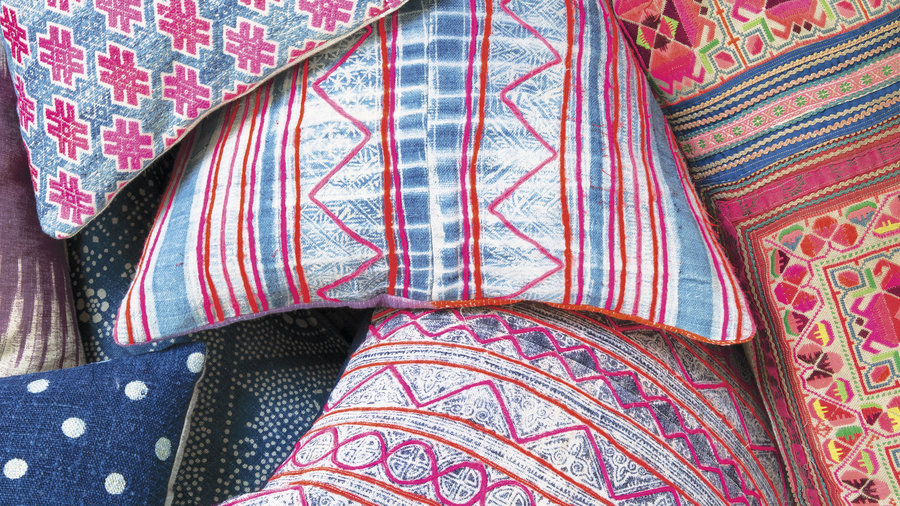
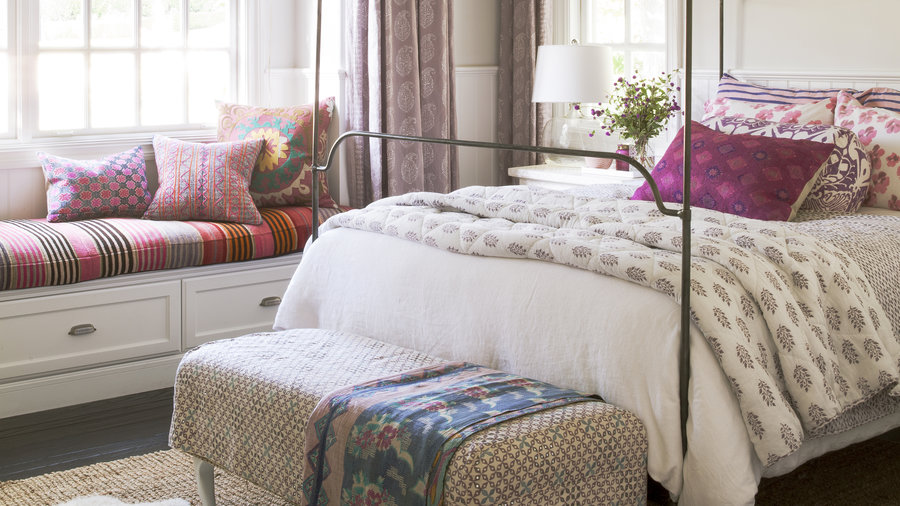
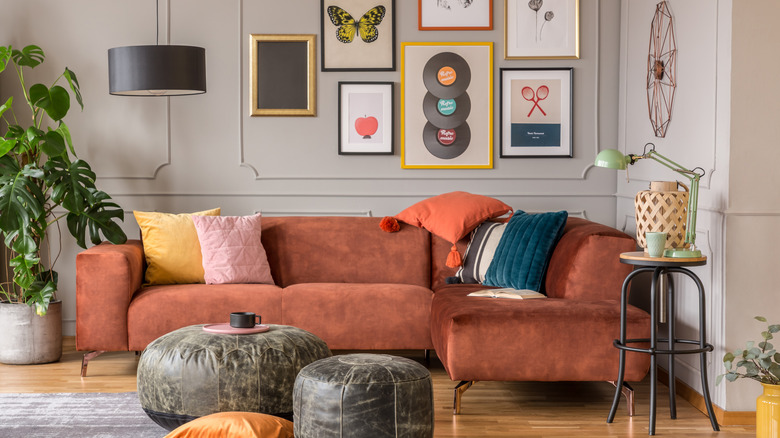
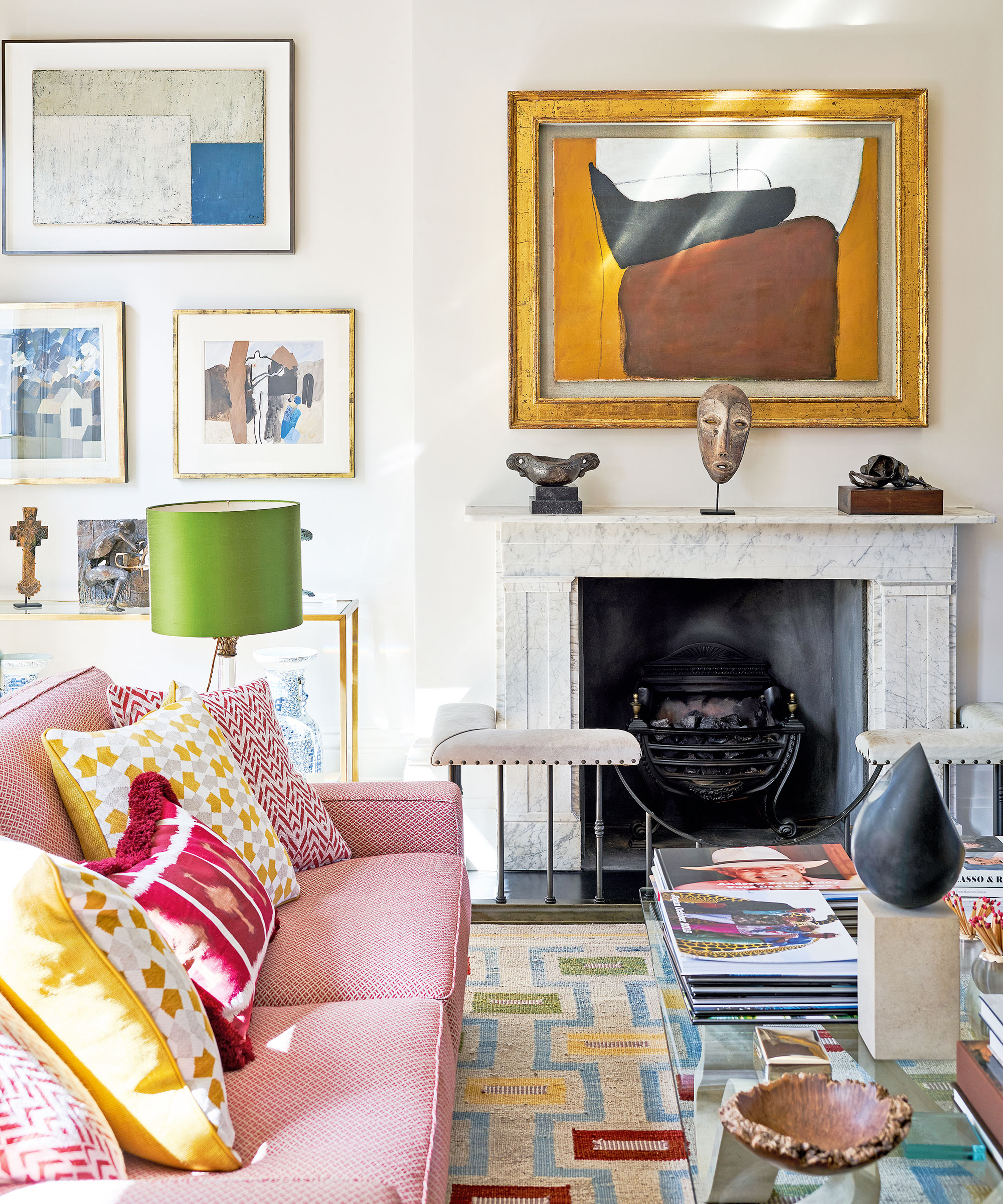
This article provides a comprehensive 12-step masterclass on effectively mixing patterns and prints in interior design, drawing insights from renowned interior designers Penny Morrison, Charlotte Gaisford, and Sophie Ashby. The core philosophy emphasizes that while there are no strict rules, a thoughtful approach is crucial to creating balanced and aesthetically pleasing spaces. Sophie Ashby introduces the concept of 'happy clashing,' suggesting a mix of various pattern types like florals, stripes, and abstract designs, similar to curating an art collection. A key principle is to allow patterns space to breathe; for instance, pairing a floral headboard with plain cushions or using a plain trim to highlight a patterned upholstery fabric. This restraint ensures that patterns are appreciated rather than overwhelming the space.
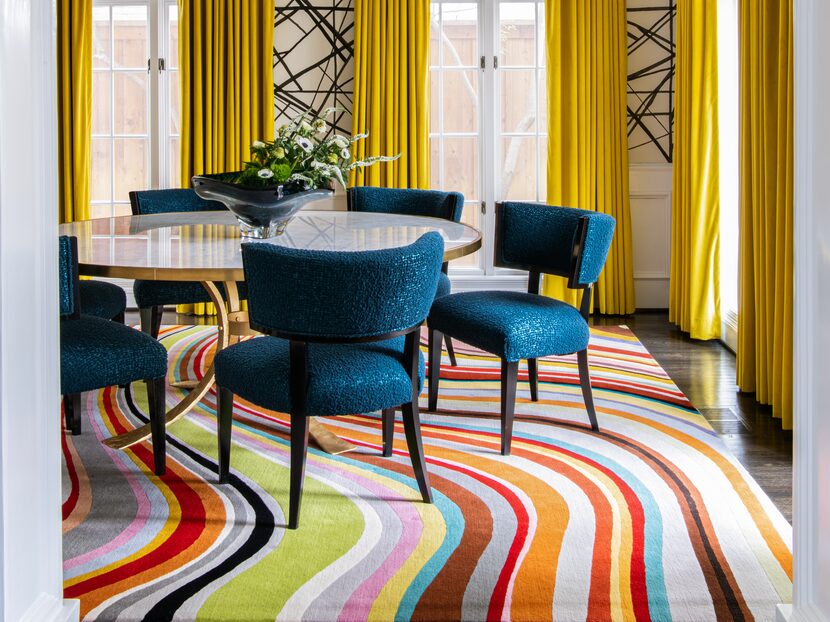
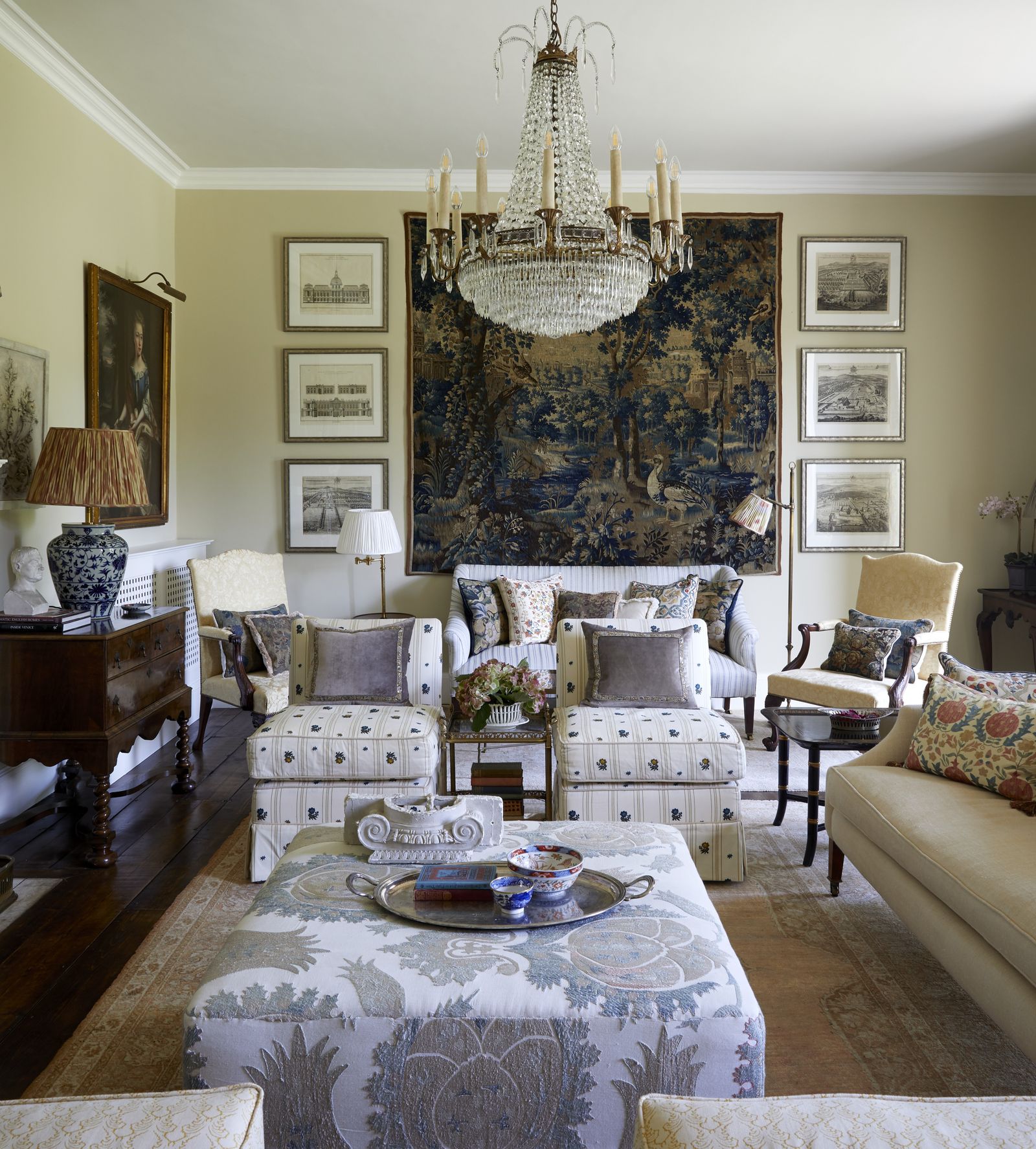
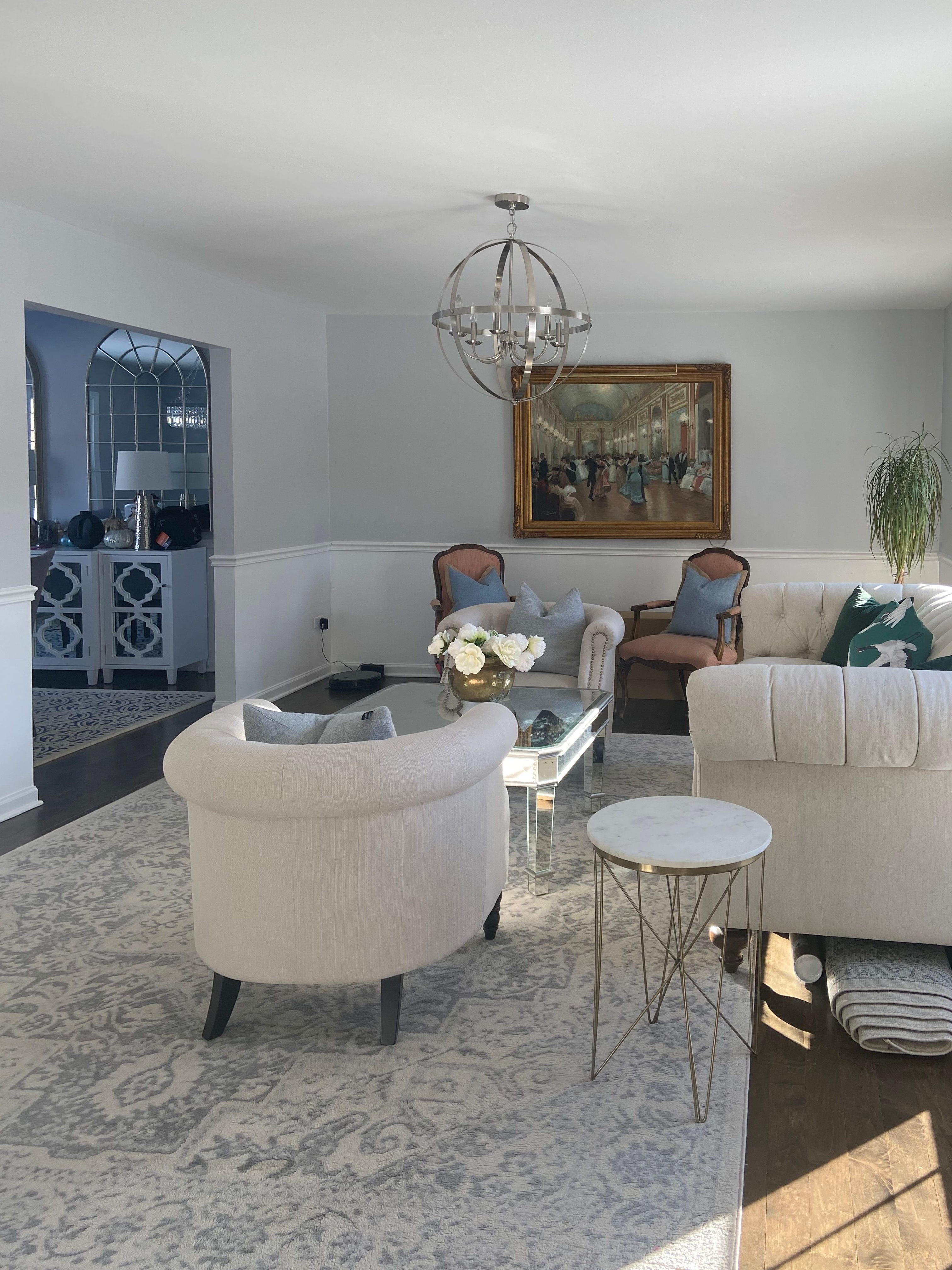
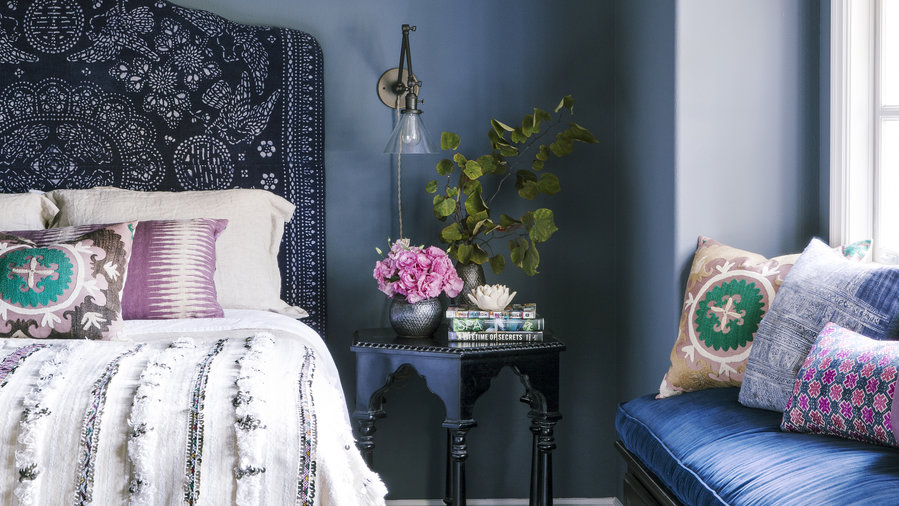
The masterclass suggests starting the design scheme with a rug, as finding suitable rugs can be challenging. A large, patterned rug can effectively anchor a room and define its aesthetic, with recommendations for placement and material choices. Penny Morrison highlights the importance of balancing patterns to avoid overpowering a space, especially with multiple windows, suggesting patterns be placed on key furniture pieces like sofas or chairs instead. The article advises starting with a 'showstopper' fabric, often for curtains or a headboard, before selecting paint colors, as fabric choices are more restrictive. Subsequently, designers should find complementary fabrics for other soft furnishings to create a cohesive yet varied look.
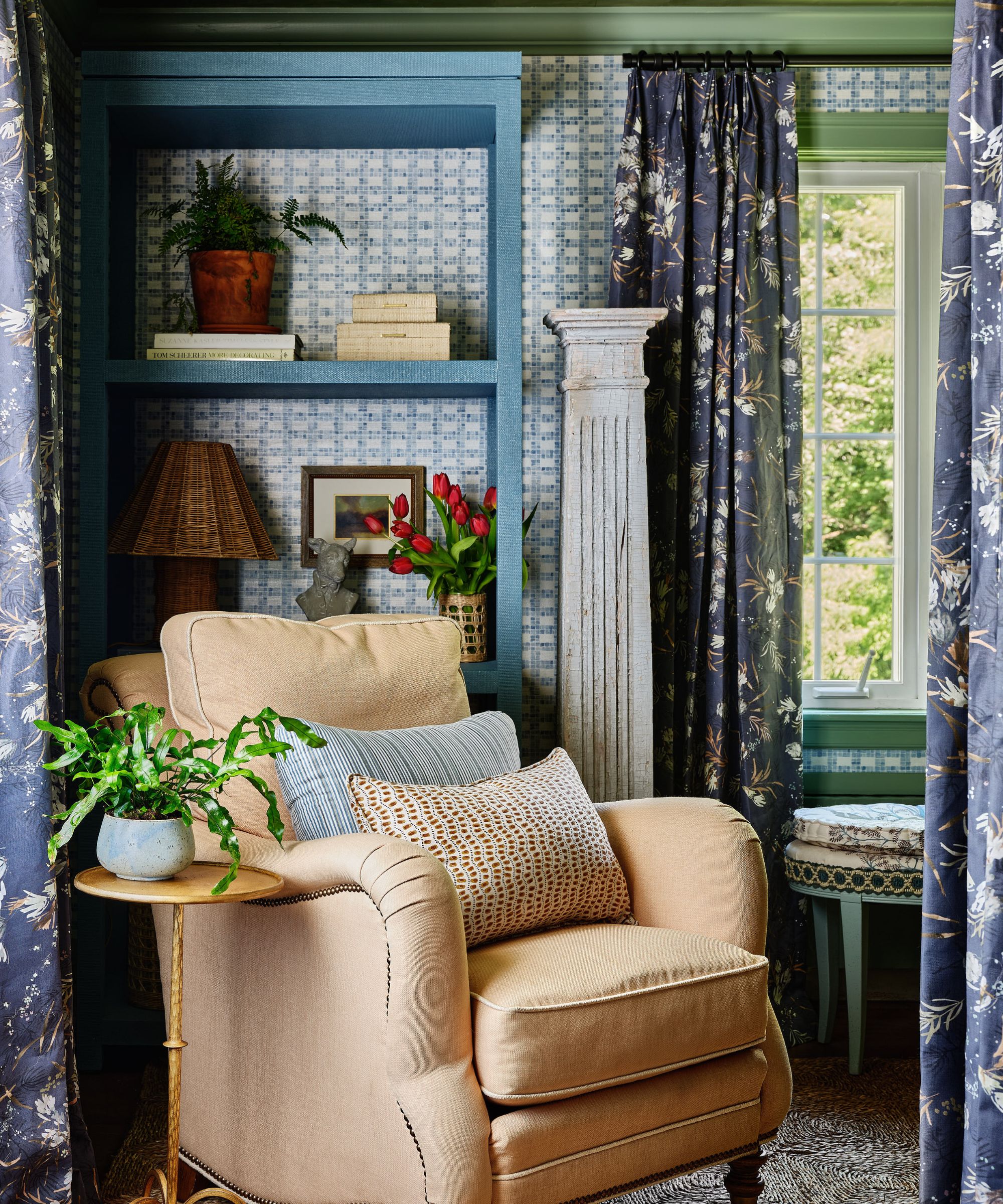
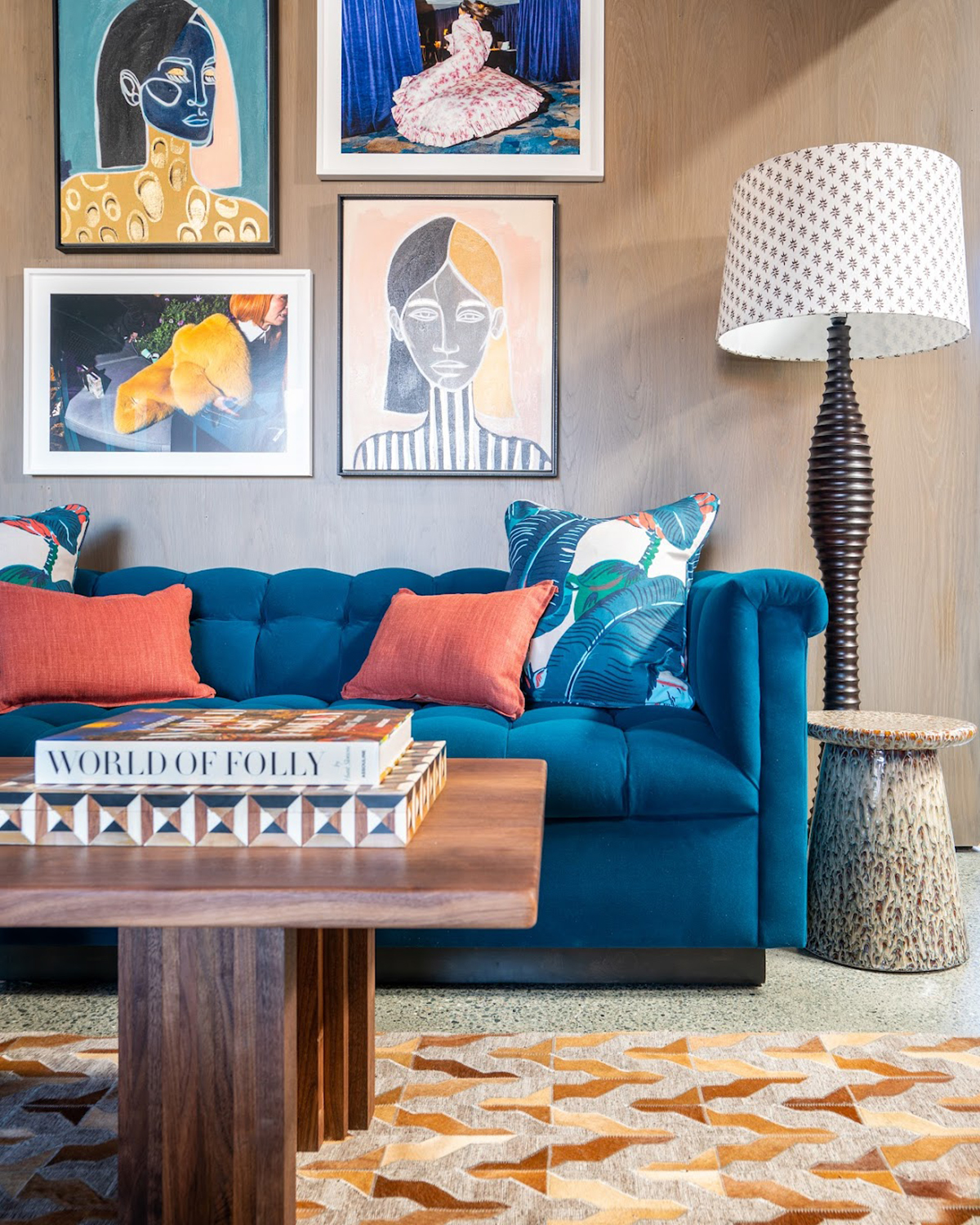
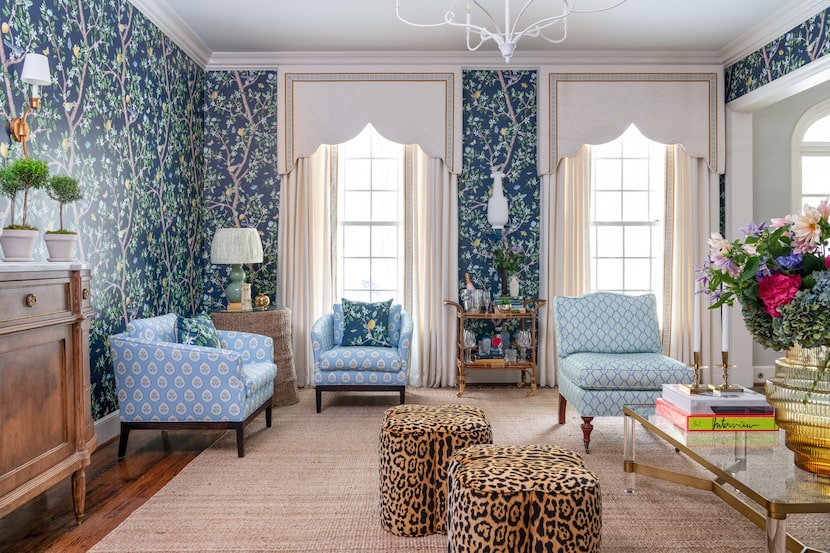
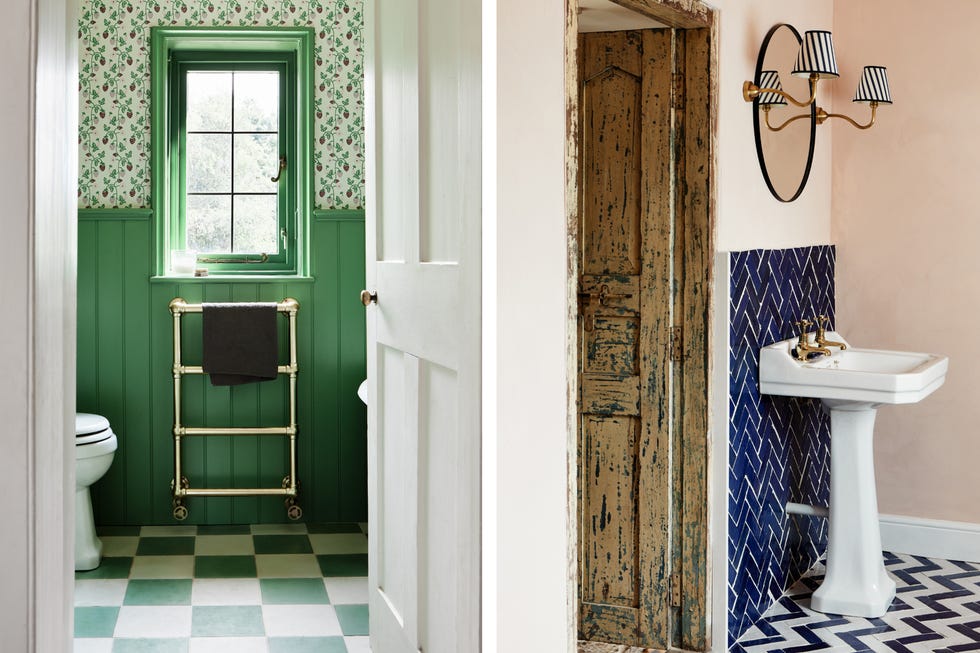
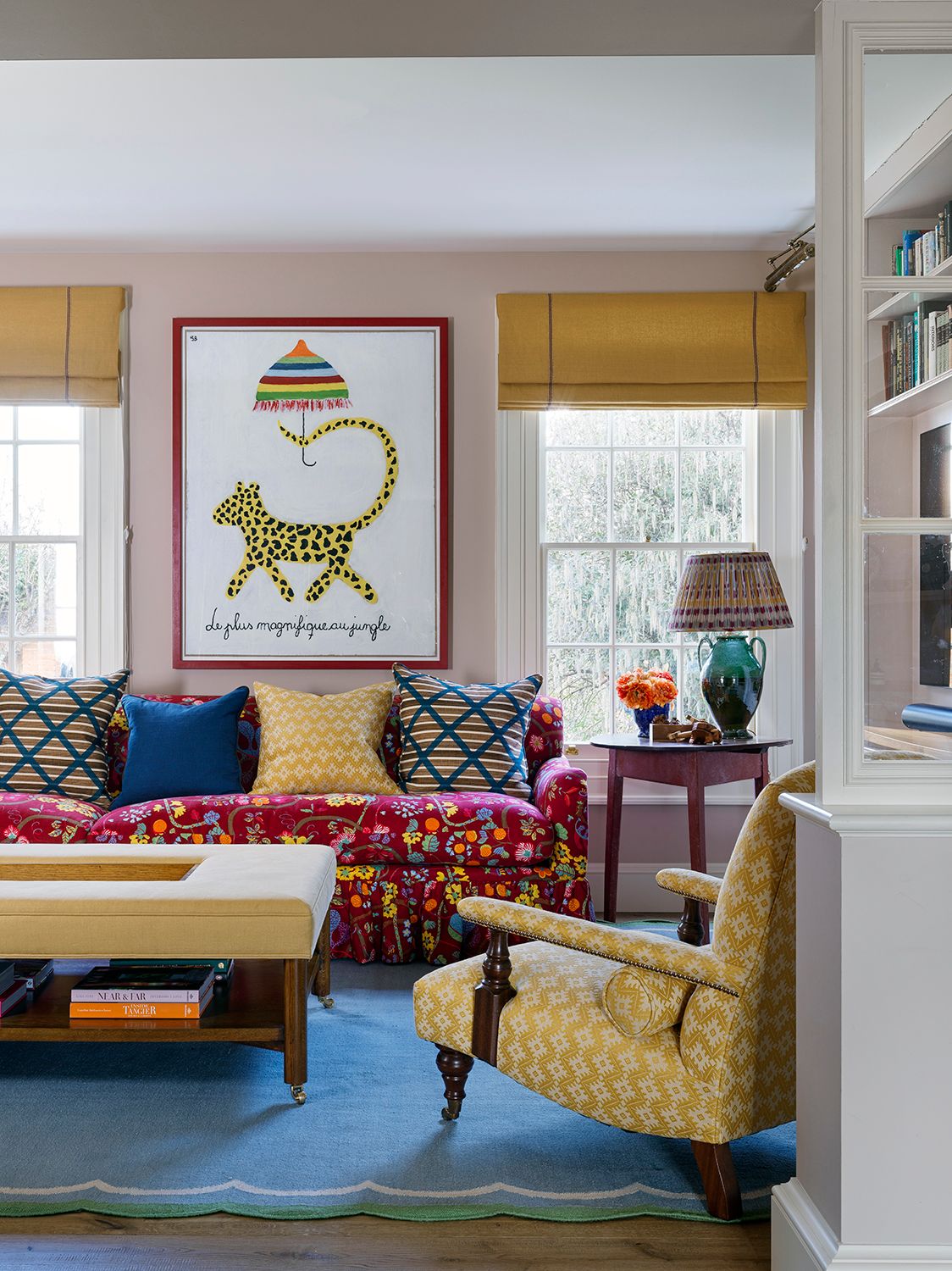
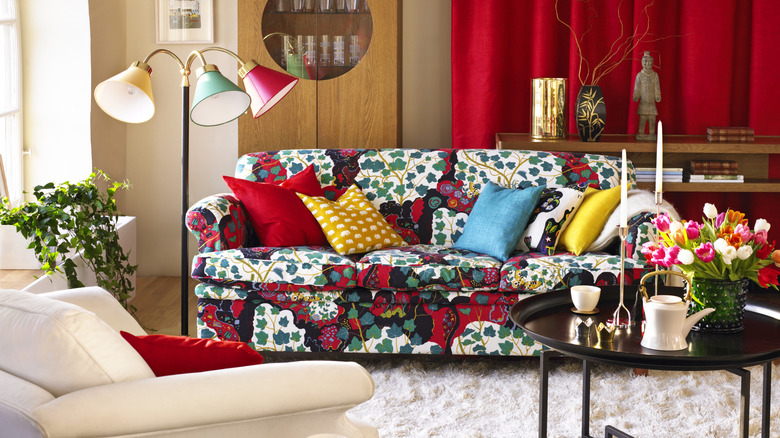
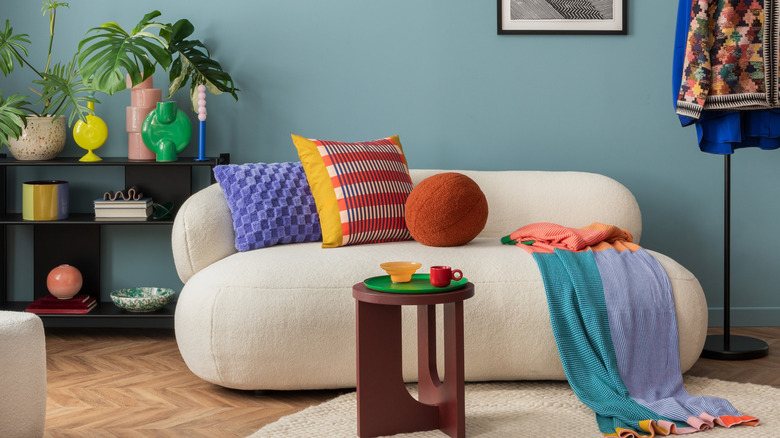
A crucial aspect discussed is keeping the color palette simple, typically two or three main colors, to maintain harmony despite the diversity of patterns. However, Sophie Ashby offers a more adventurous perspective, suggesting the use of at least five colors, grounded by neutrals, with one fabric tying all colors together. The scale of patterns is also emphasized, with a recommendation to mix large, medium, and small scales to prevent designs from clashing. Charlotte Gaisford offers a memorable method for pattern selection: choose one to three colors, use only one large-scale showstopper fabric, select medium or small-scale complementary patterns, and include patterns that evoke stripes and spots without necessarily being literal representations.
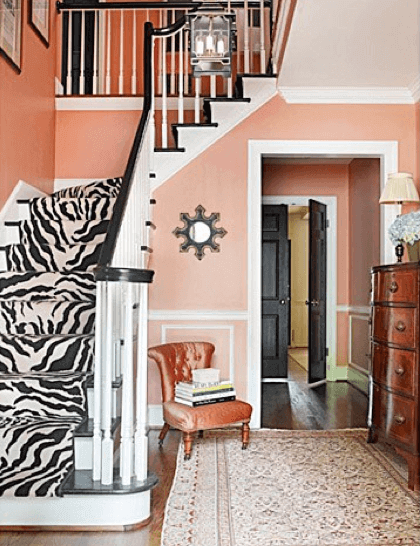
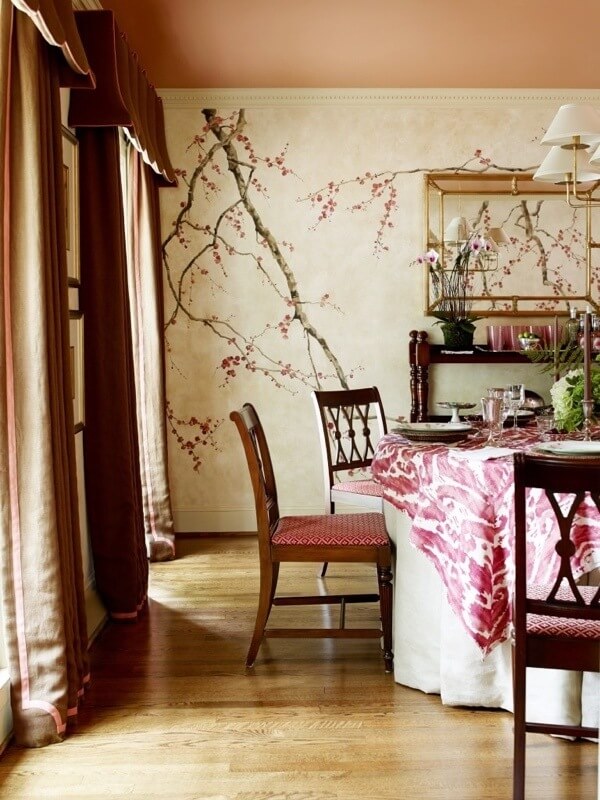
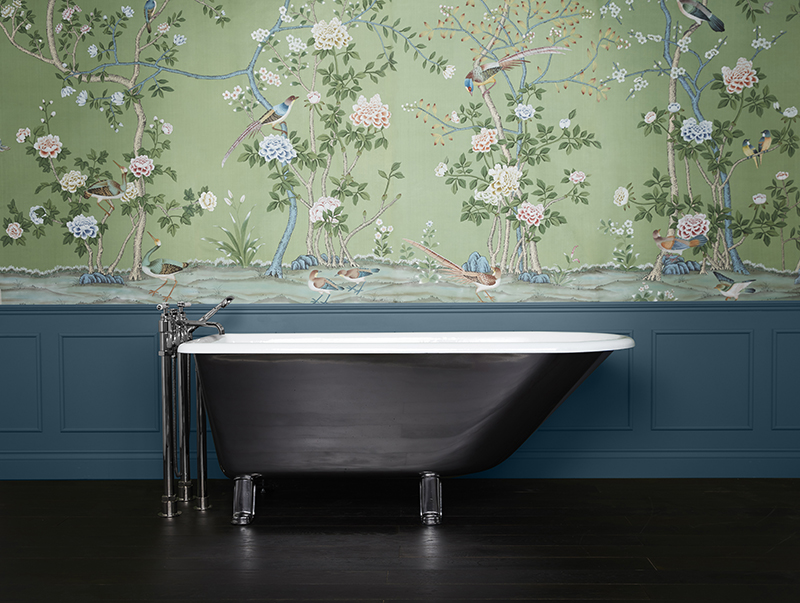
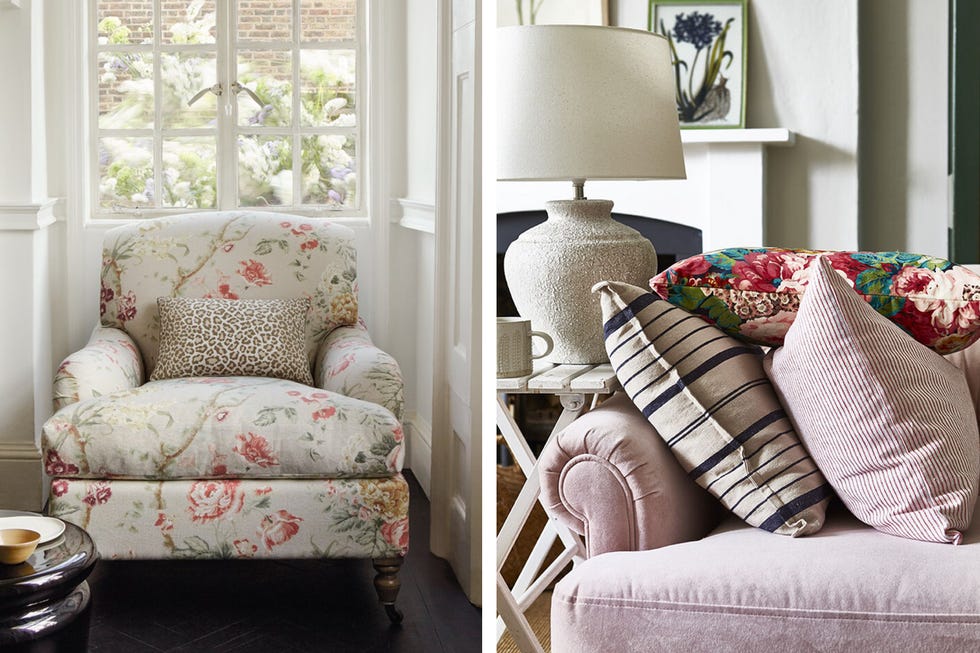
The article also encourages a slow and enjoyable process of layering and mixing patterns, viewing each room as a unique experience. It advises against trying to match elements from outside the room, promoting an individualistic approach. The integration of vintage fabrics is explored as a means of adding interest and contemporary style, with practical tips for using delicate vintage textiles as artwork or tabletop elements. Finally, the principle of mixing opposites for impact and balance is presented, such as pairing a large-scale floral with a tiny floral or geometric pattern. Practical examples are provided for applying these principles in living rooms, bedrooms, and hallways, demonstrating how color, scale, and selective placement contribute to a successful and visually engaging interior. From creating dramatic effects with contrasting colors to using limited palettes for subtle sophistication, the advice caters to various design preferences, culminating in spaces that are both dynamic and inviting.
#InteriorDesign #PatternMixing #HomeDecor #FabricSelection #ColorPalette #RoomStyling #DesignTips #VintageFabrics #SophieAshby #InteriorDesign #PatternMixing #HomeDecor #FabricSelection #ColorPalette #RoomStyling #DesignTips #VintageFabrics #SophieAshby
0 comment in total
 No comments yet
You may also like
The ONLY Advice You Need to Mix Patterns Like a Pro!

The 8 Dos and Don’ts of Mixing Patterns in Your Home
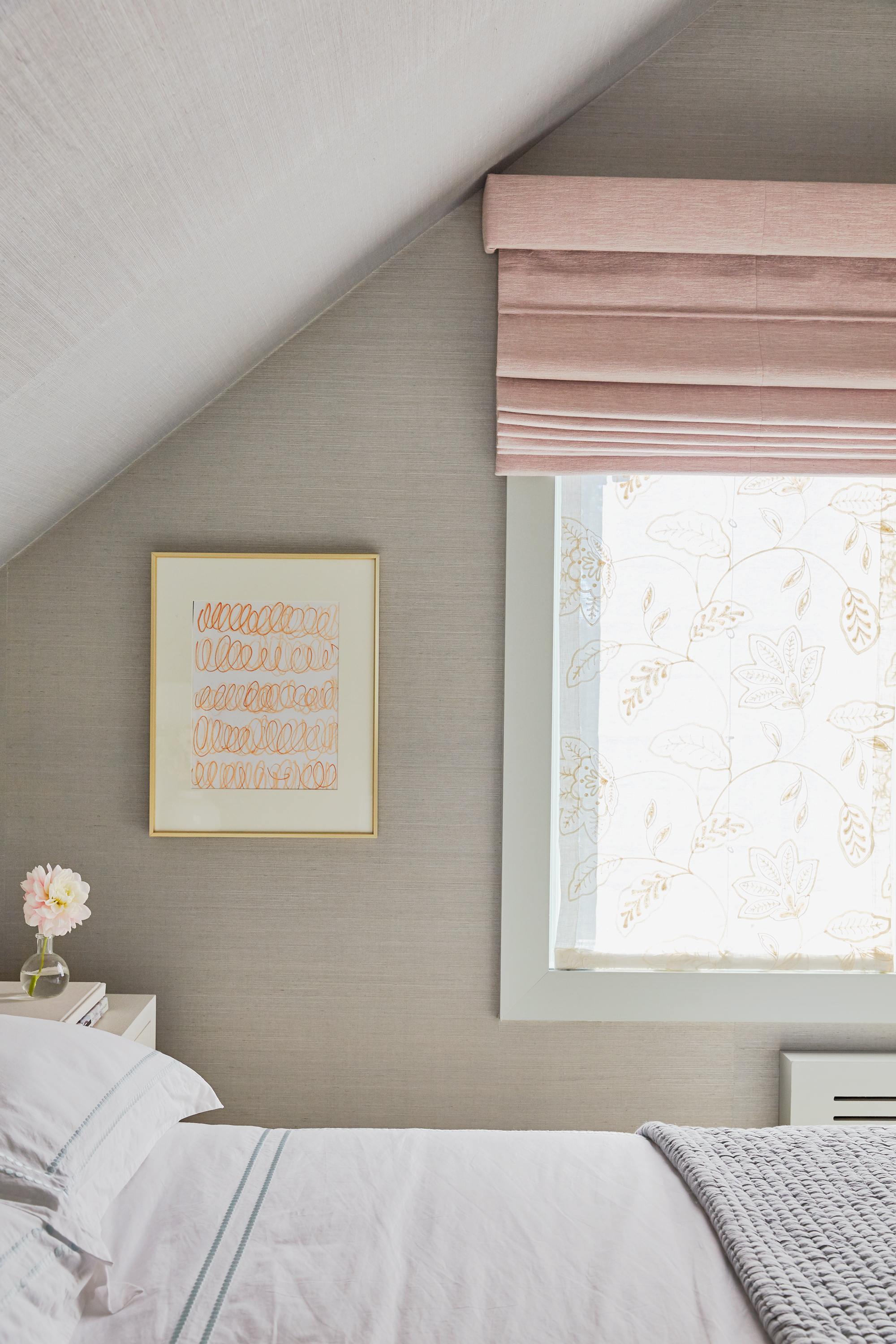
How One Designer Layers Prints and Textures to Lush Effect


Mixing, Matching and Getting It Right
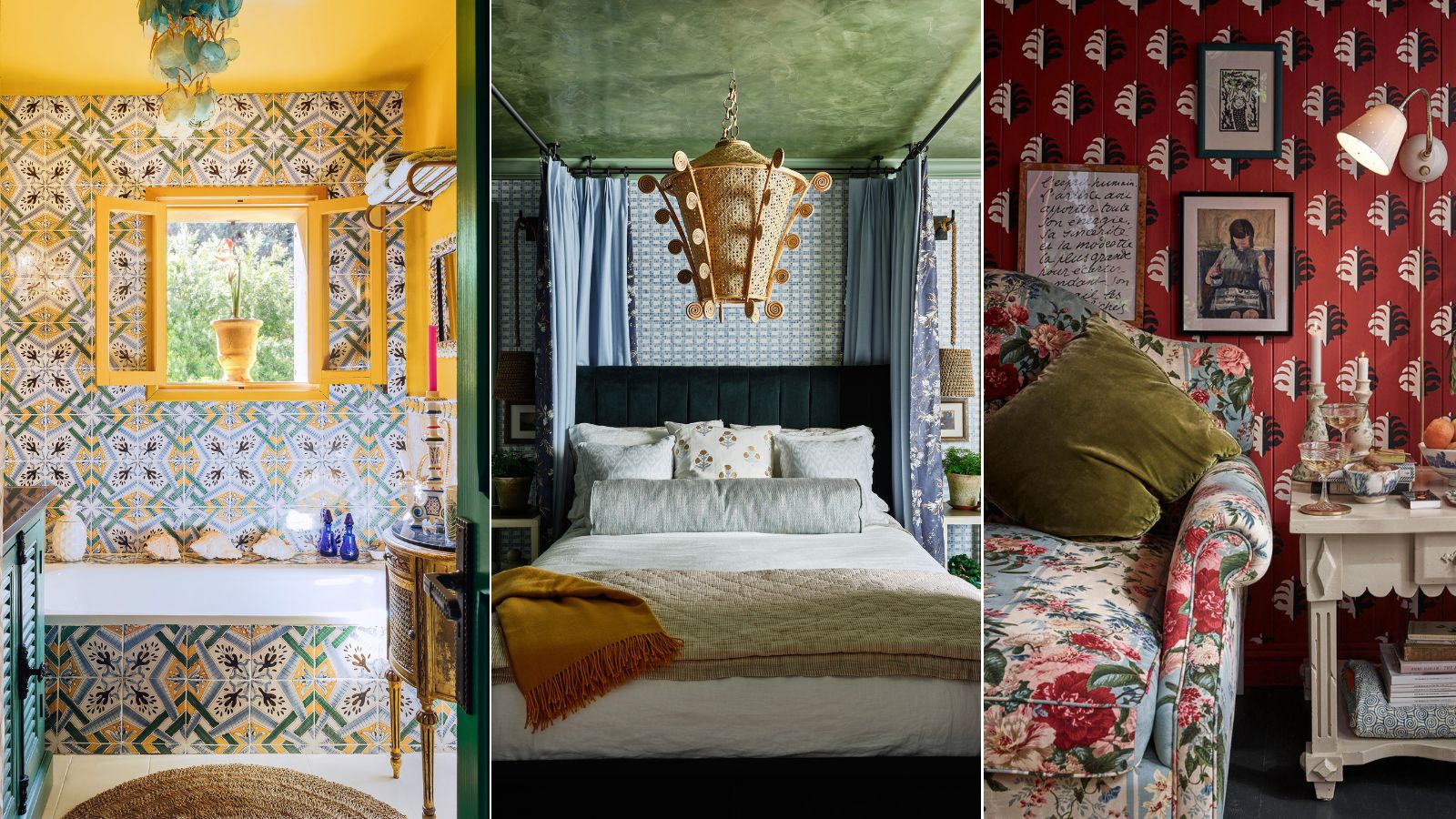
Pattern clashing is the tricky trend we are loving – 10 rules designers always follow to ensure it works
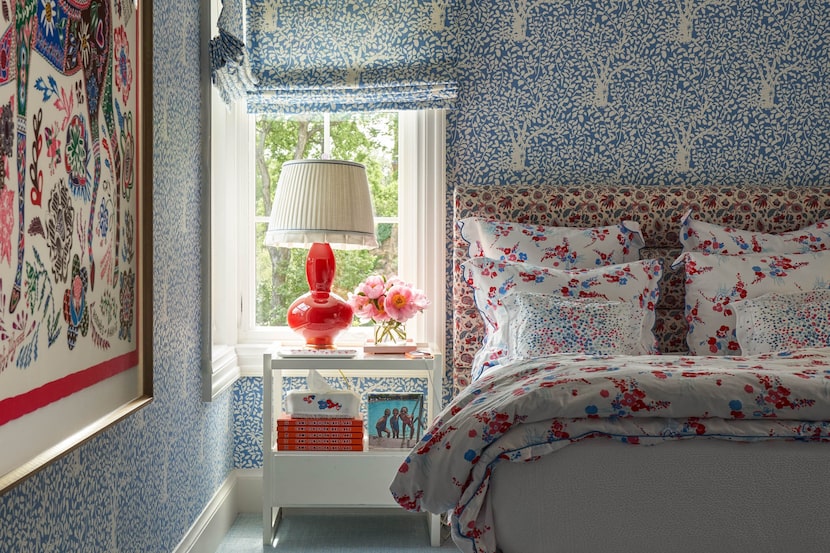
Pattern play: These 15 rooms by Dallas designers will inspire mixing and matching
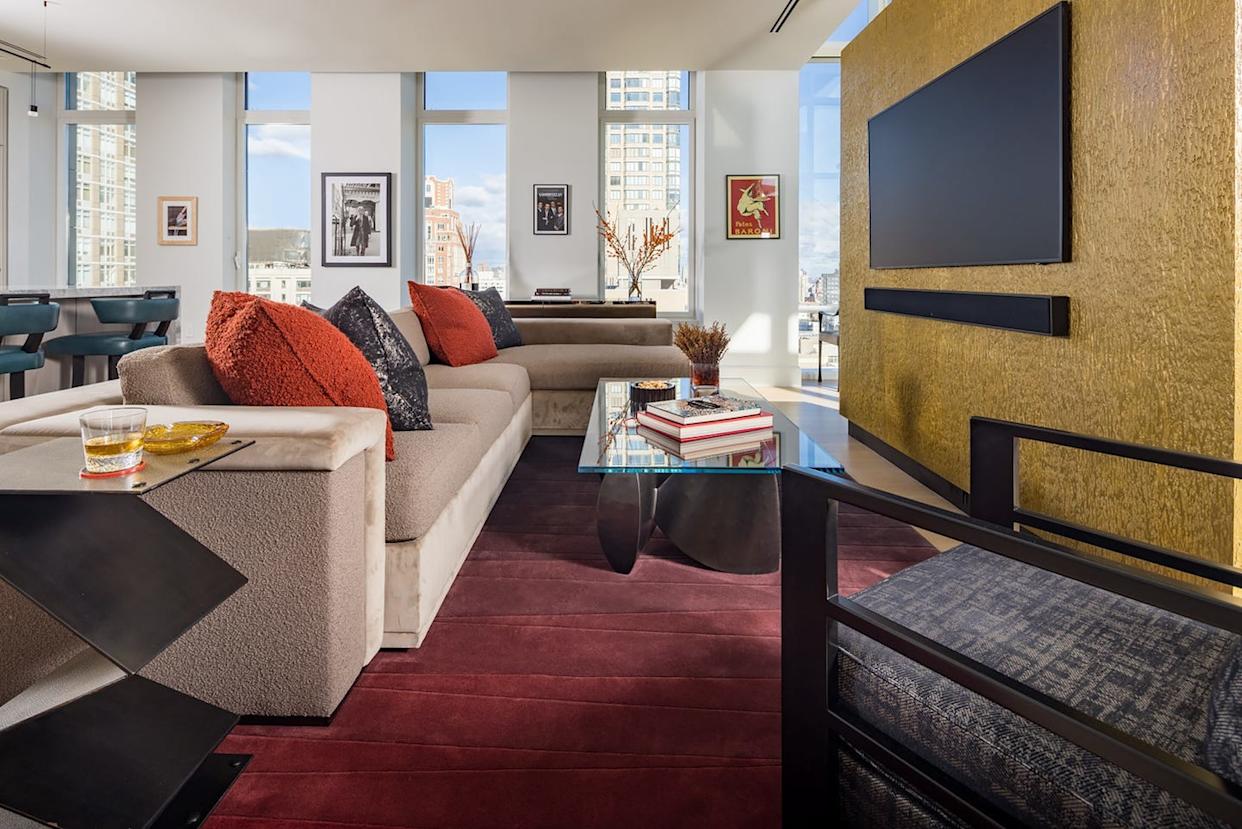
Designers Say You Might Be Mixing Textures in Your Home All Wrong

How to Combine Colors and Textures in Interior Decor

How to combine colour, pattern and texture without making a complete mess of things
Interior Design Tips: The Dos and Don’ts of Layering
Inside a Home Library That Features More Than 300 Patterns

9 Ways to Decorate with Patterns
7 Golden Rules for Mixing and Matching Patterns That Designers Swear By

How to use clashing patterns in your home, according to design experts
Why Designers Always Start, But Never End, With Layering – 10 Ways They Build Depth Into Every Room
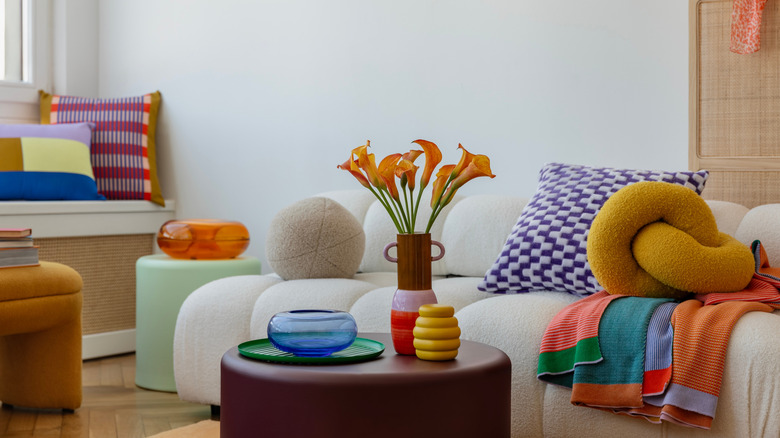
The 2025 Interior Design Fabric Trend That's A Maximalist's Dream

A masterclass in mixing pattern
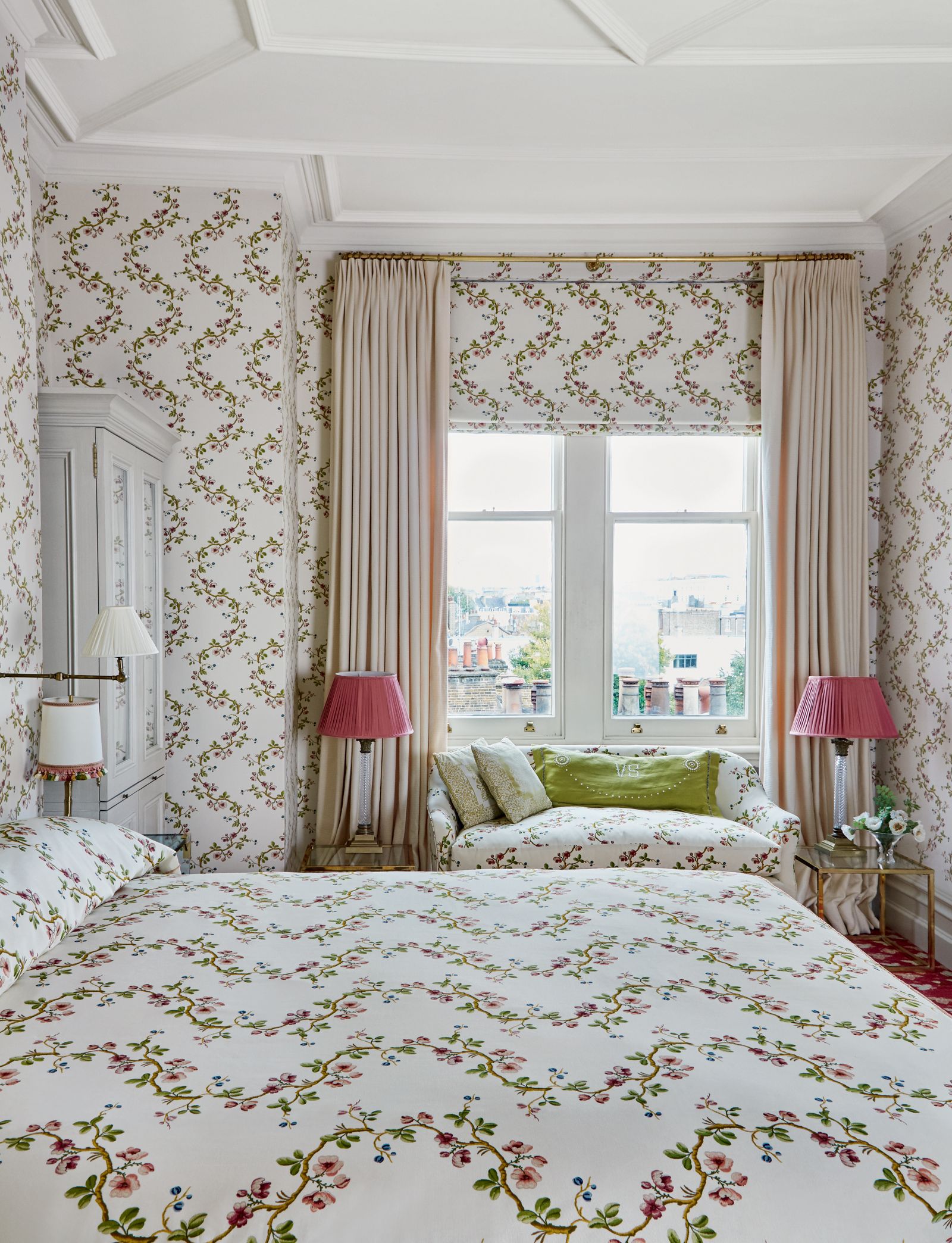
The return of the matchy matchy pattern look, and how to do it right

13 ways repetition in interior design can be used to create calmingly sophisticated rooms

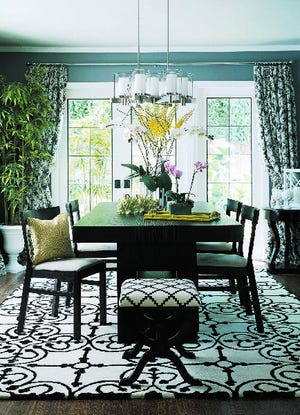
Choose contrasting color schemes for a more powerful effect