1/4
The 2025 Interior Design Fabric Trend That's A Maximalist's Dream
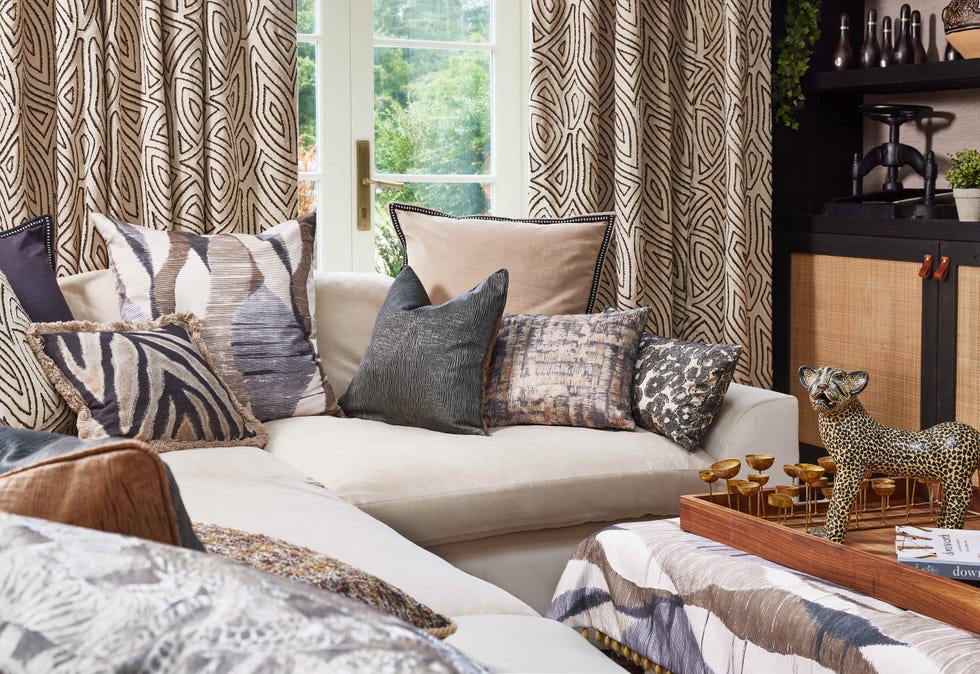
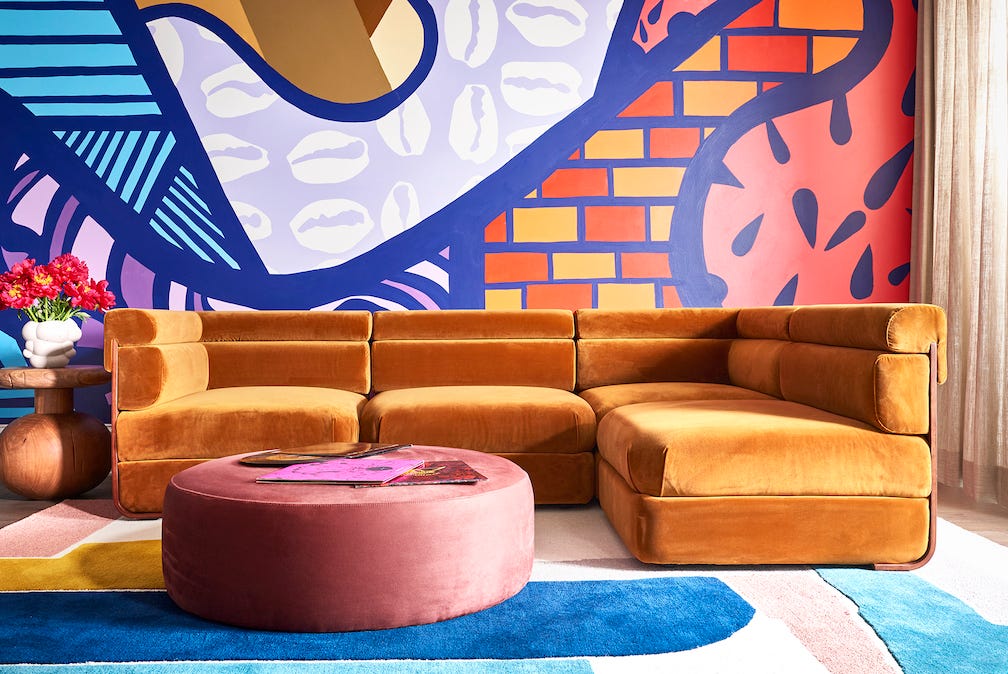
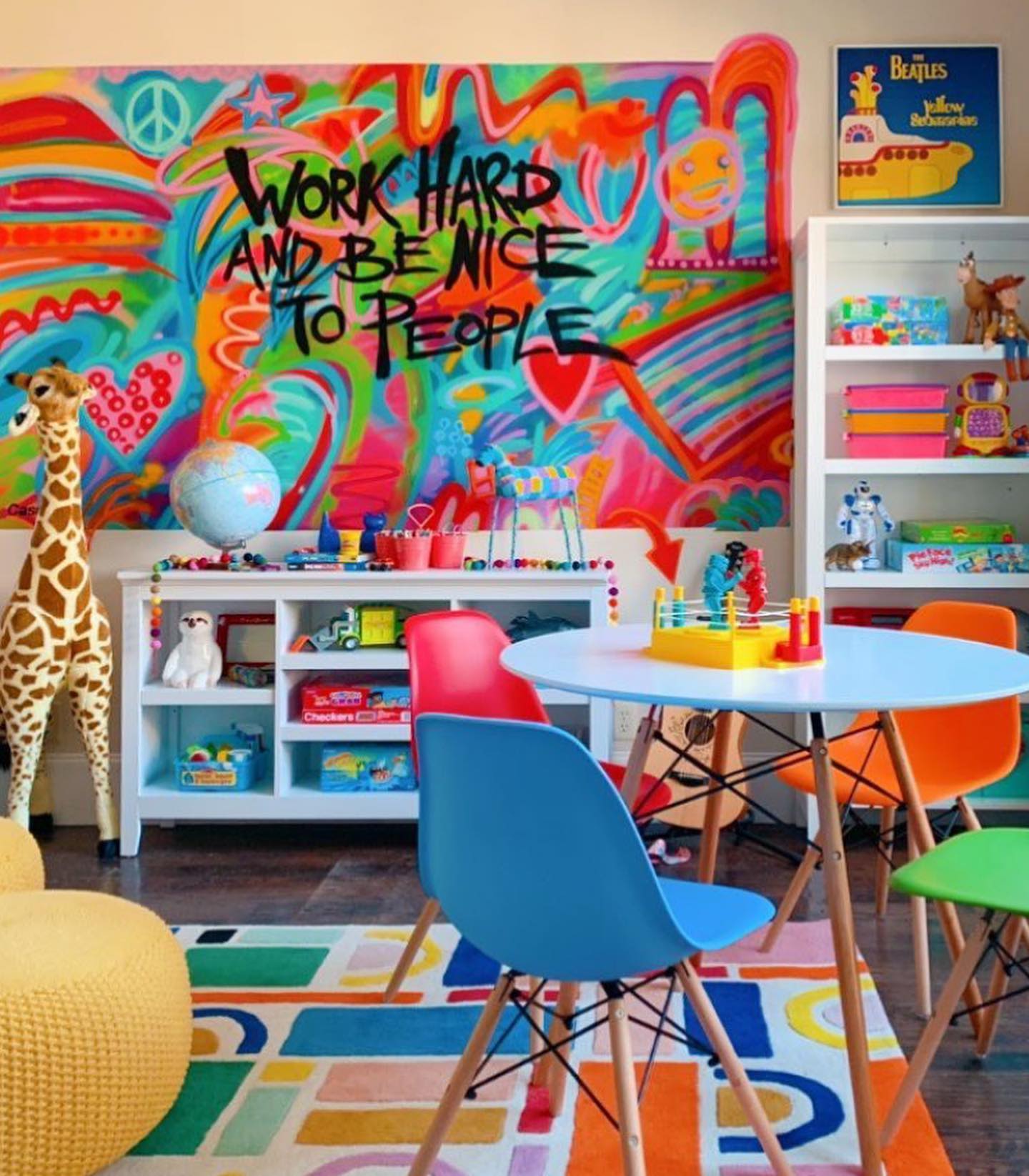
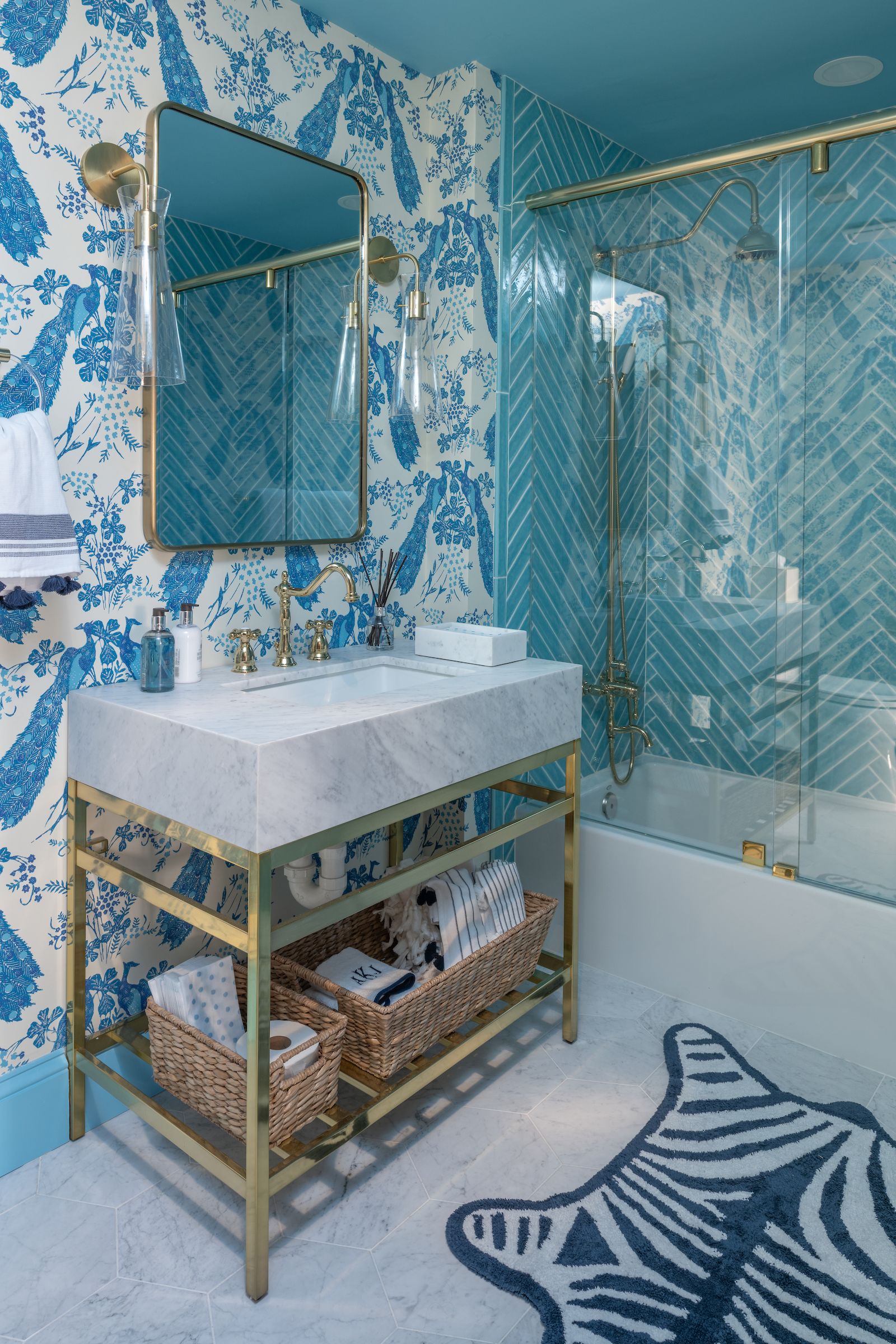
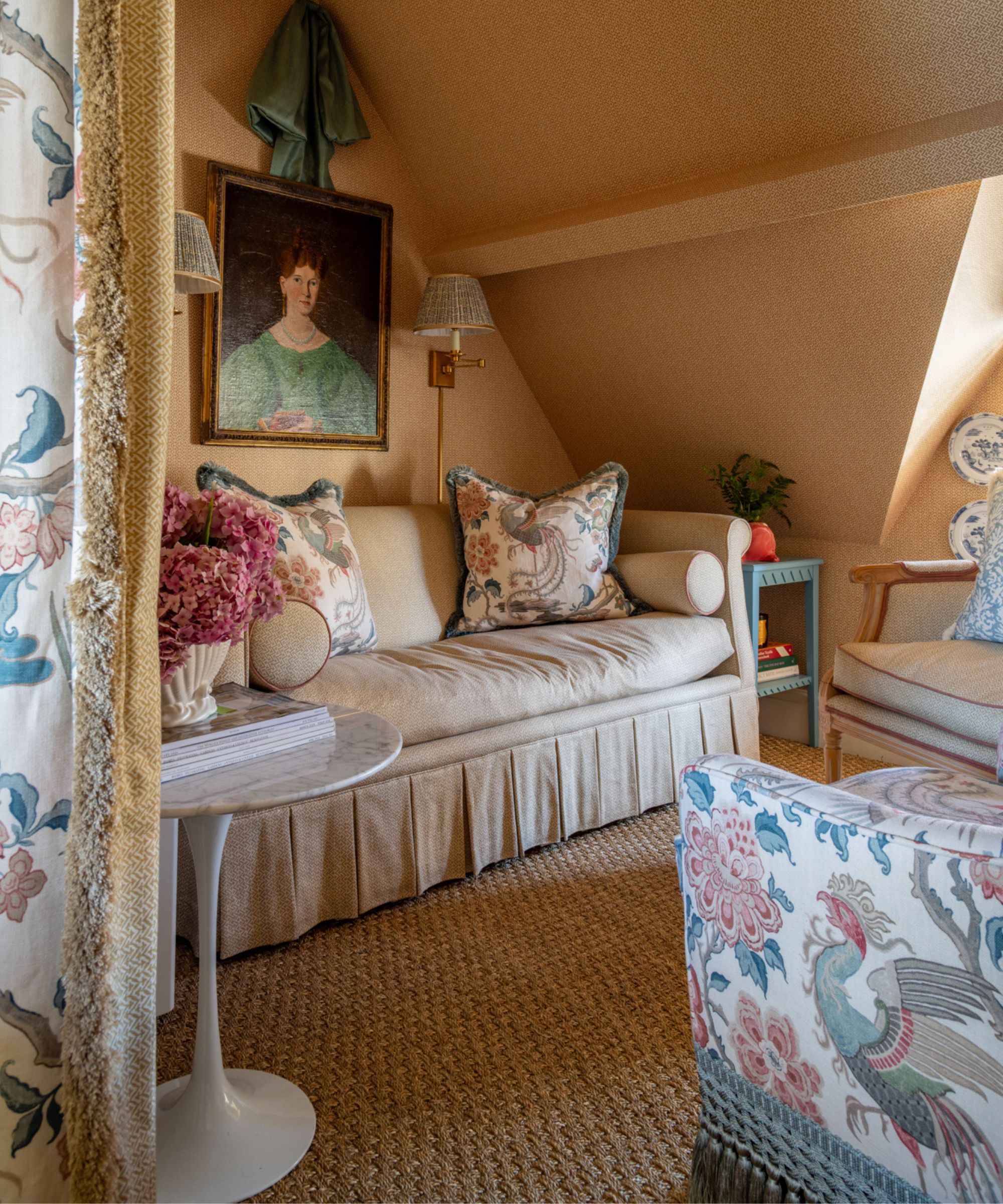
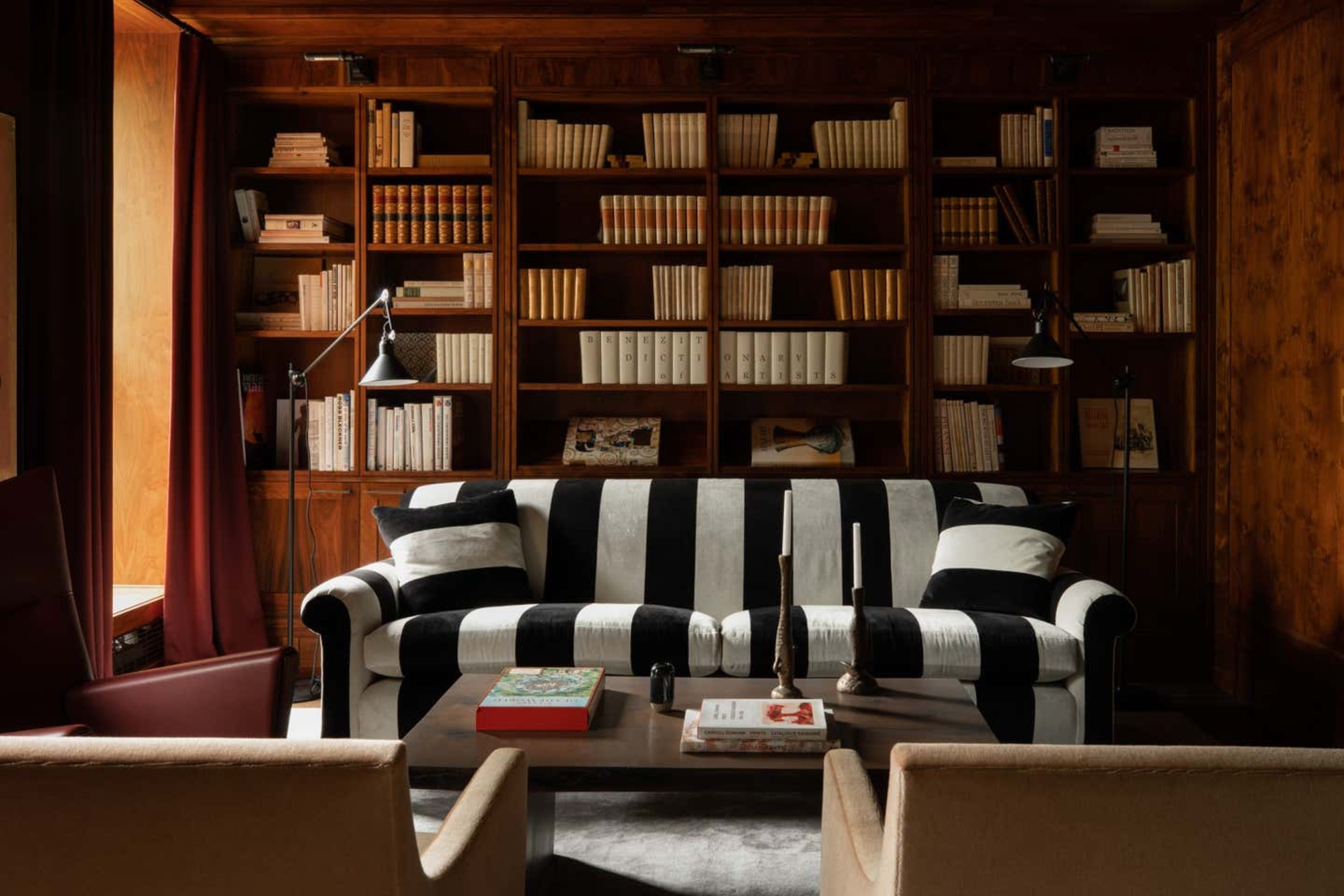
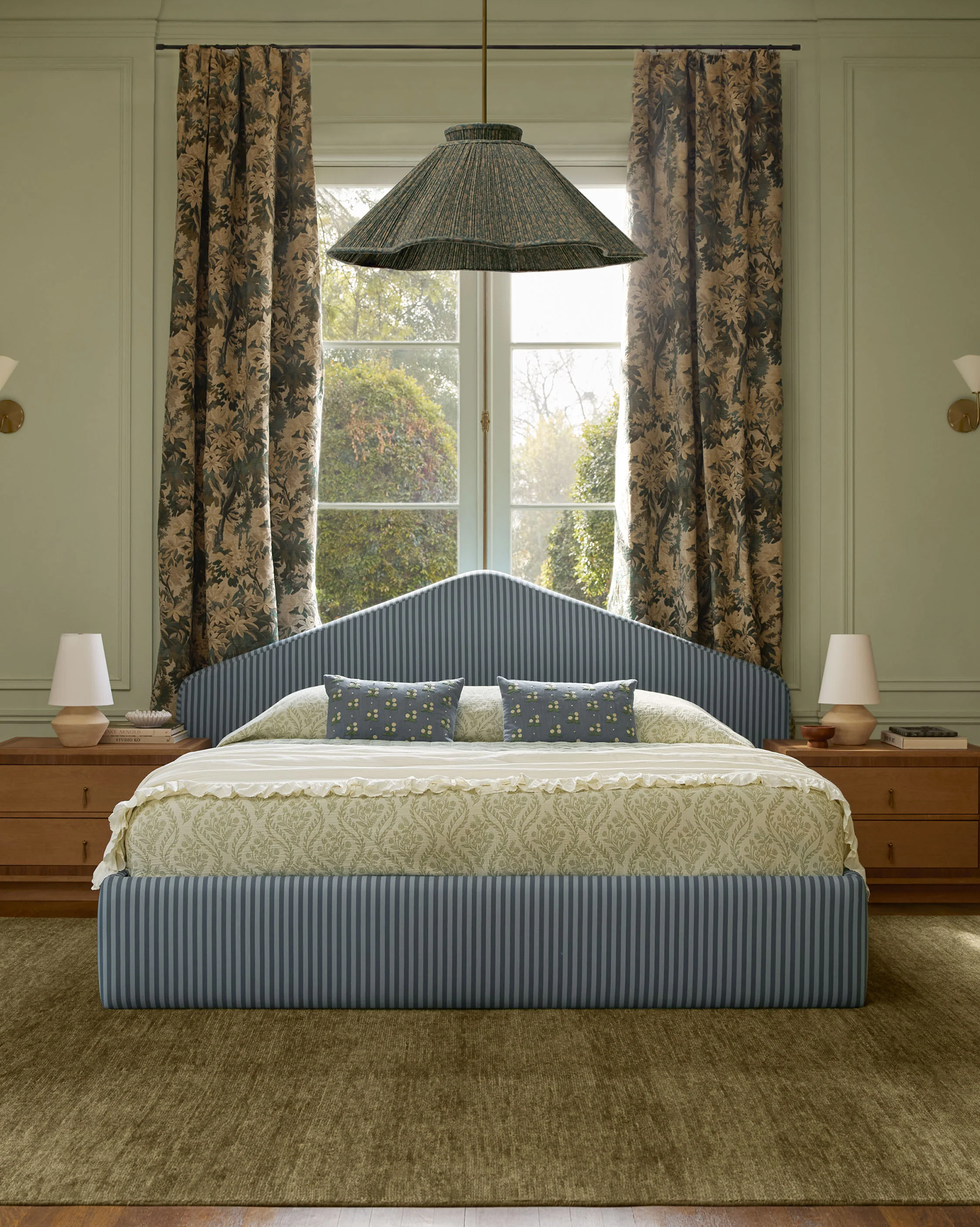
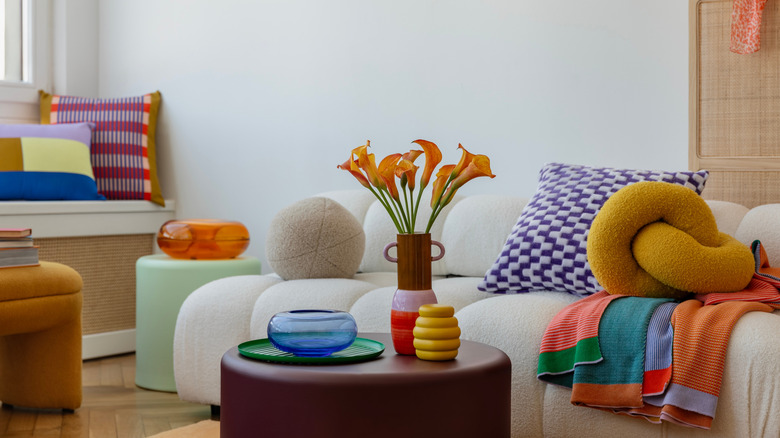
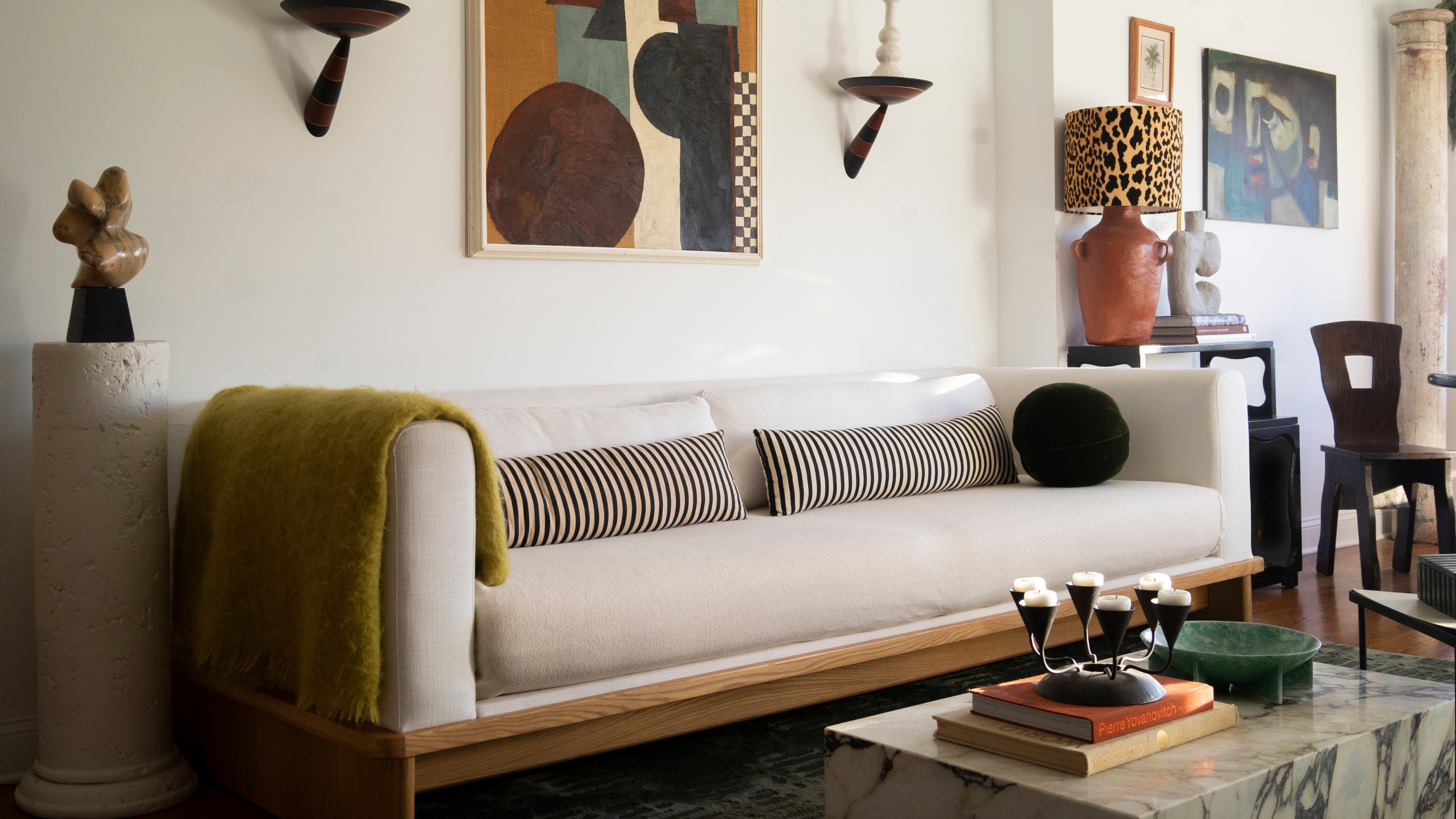
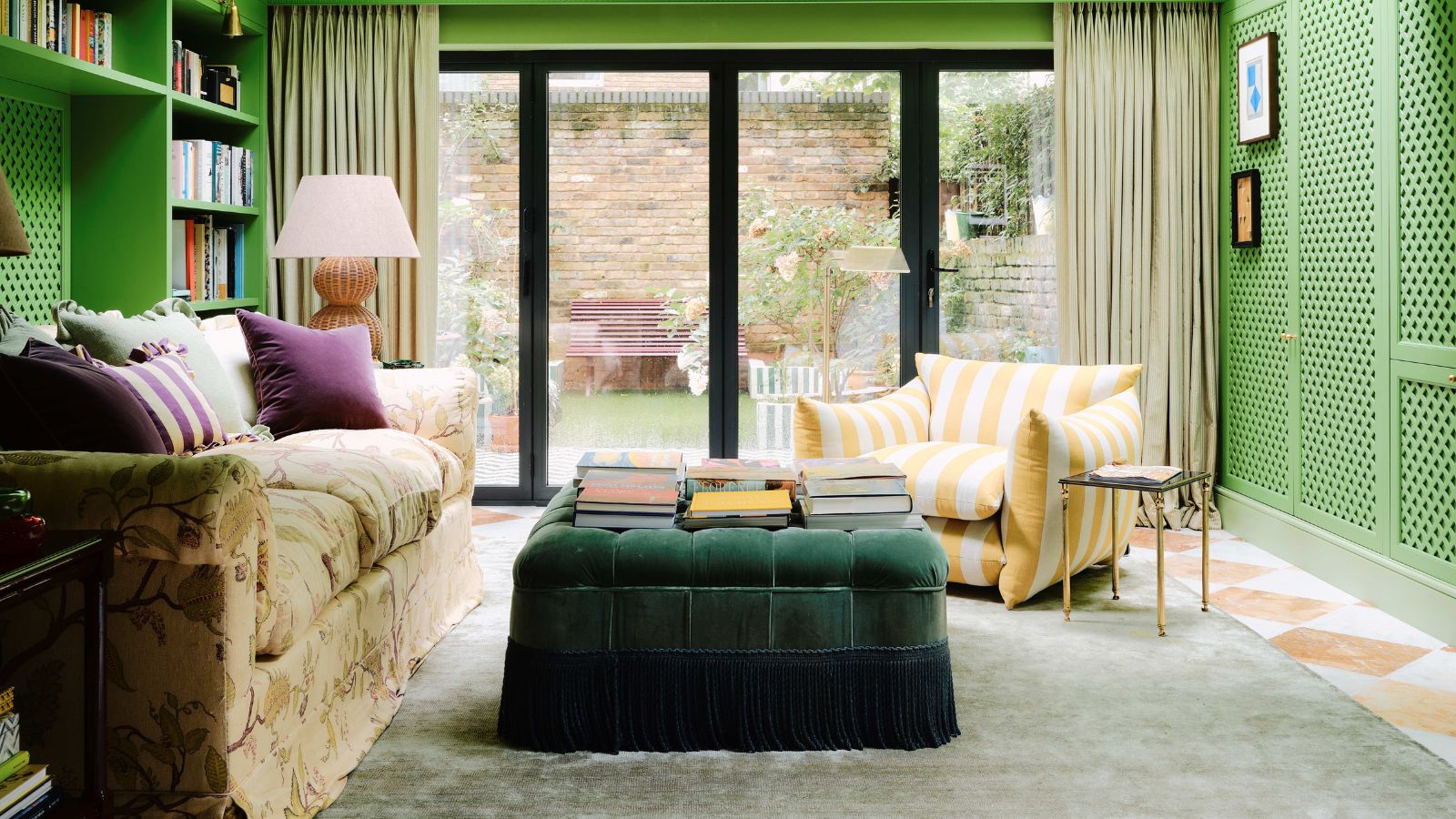
The 2025 interior design fabric trend emphasizes mixing and layering bold, dynamic fabrics, which aligns perfectly with the maximalist aesthetic. This approach focuses on personality, storytelling, and an amalgamation of styles, offering a way to inject energy and character into home design. While maximalist design generally has few rigid rules, achieving a successful layered fabric look requires balance. The goal is to create a sense of harmony that makes the space appear intentional rather than chaotic.
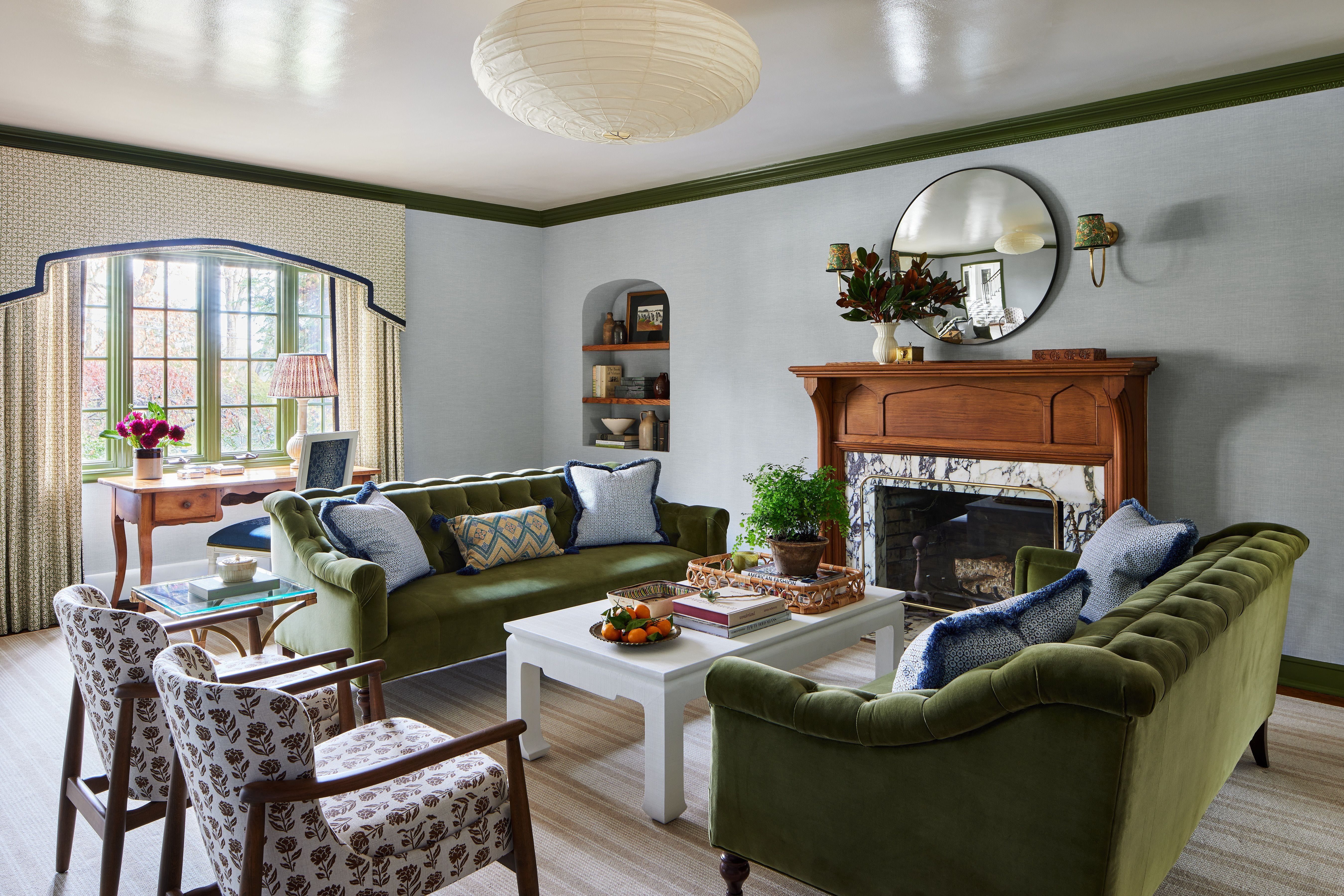
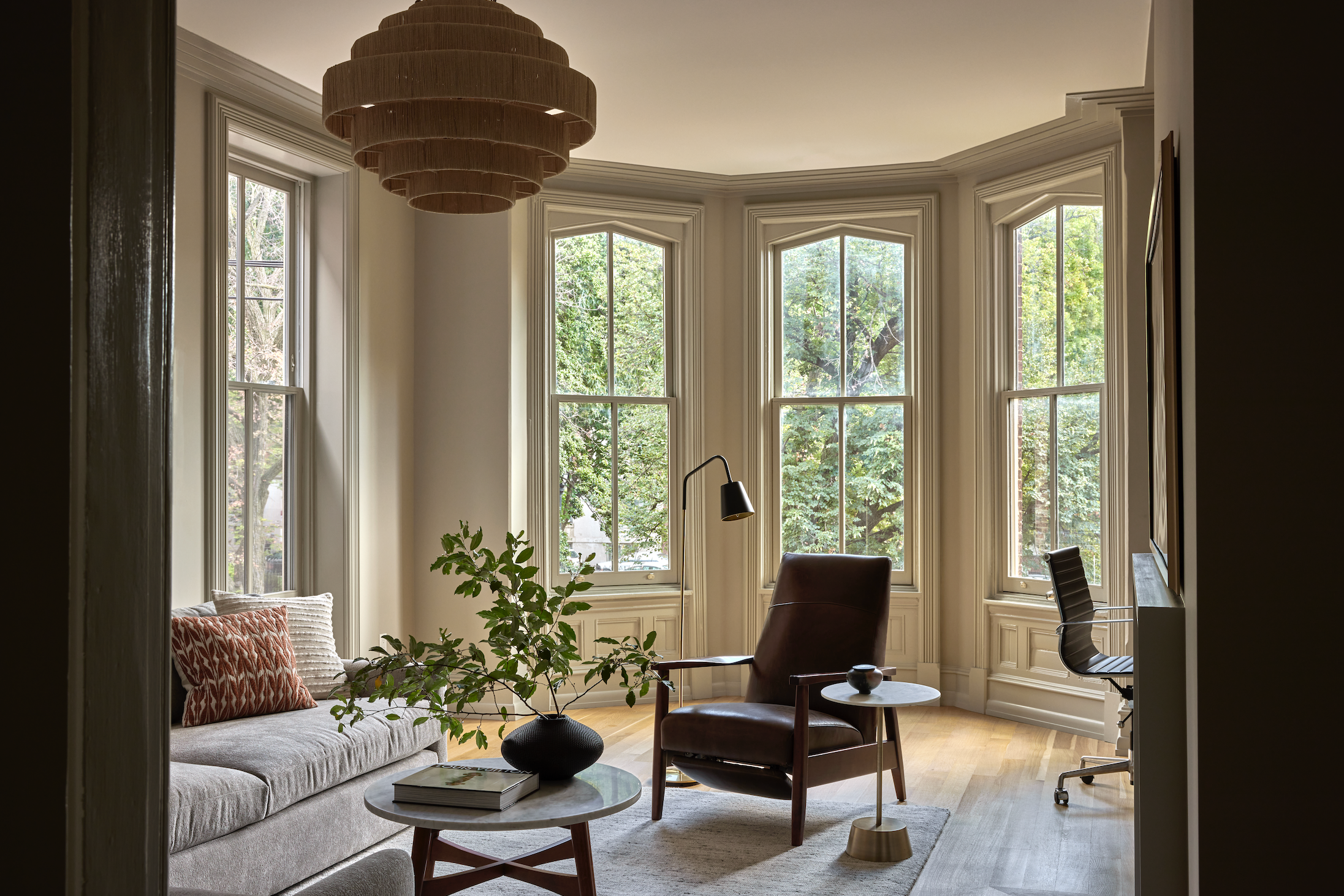
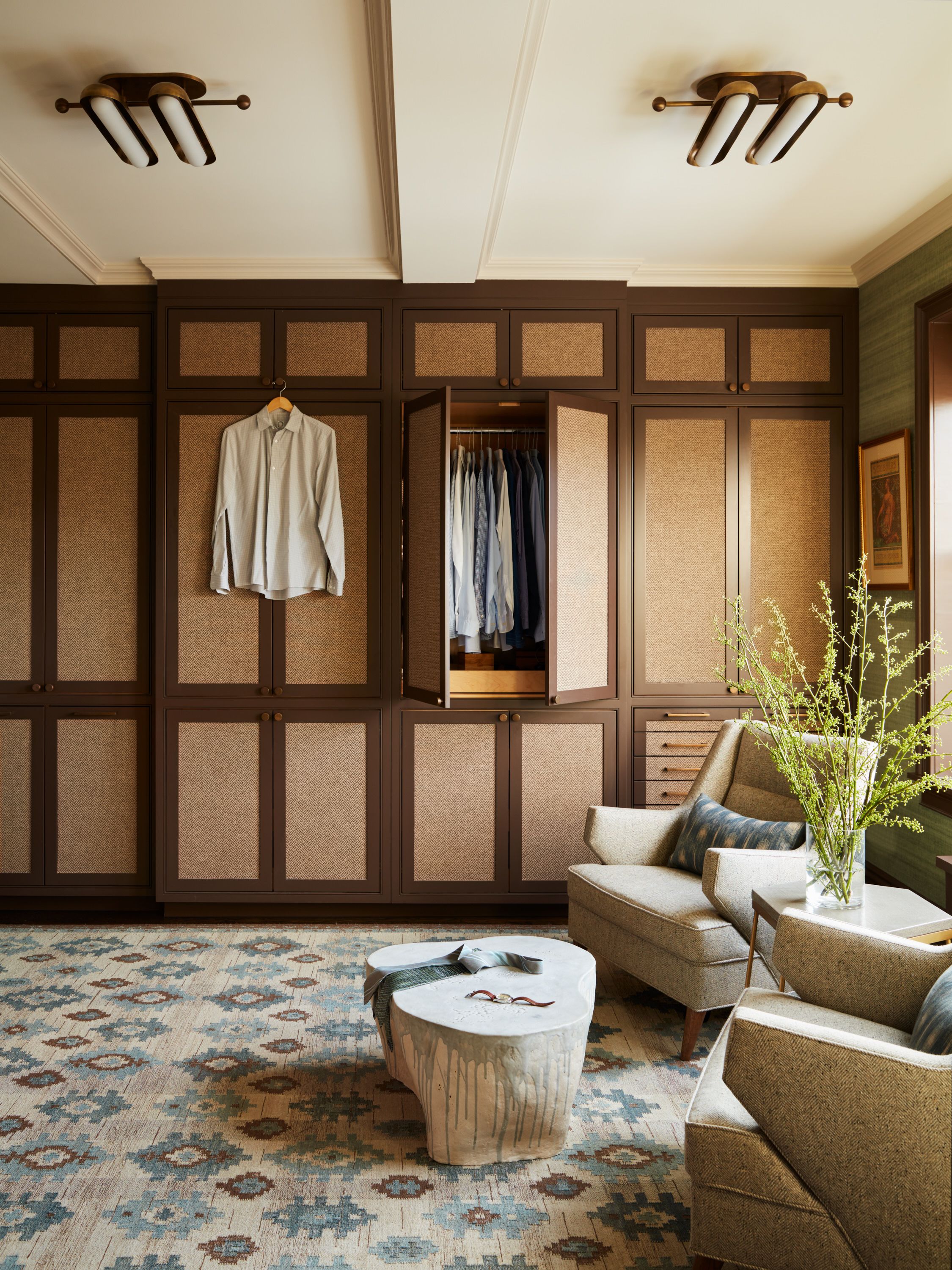
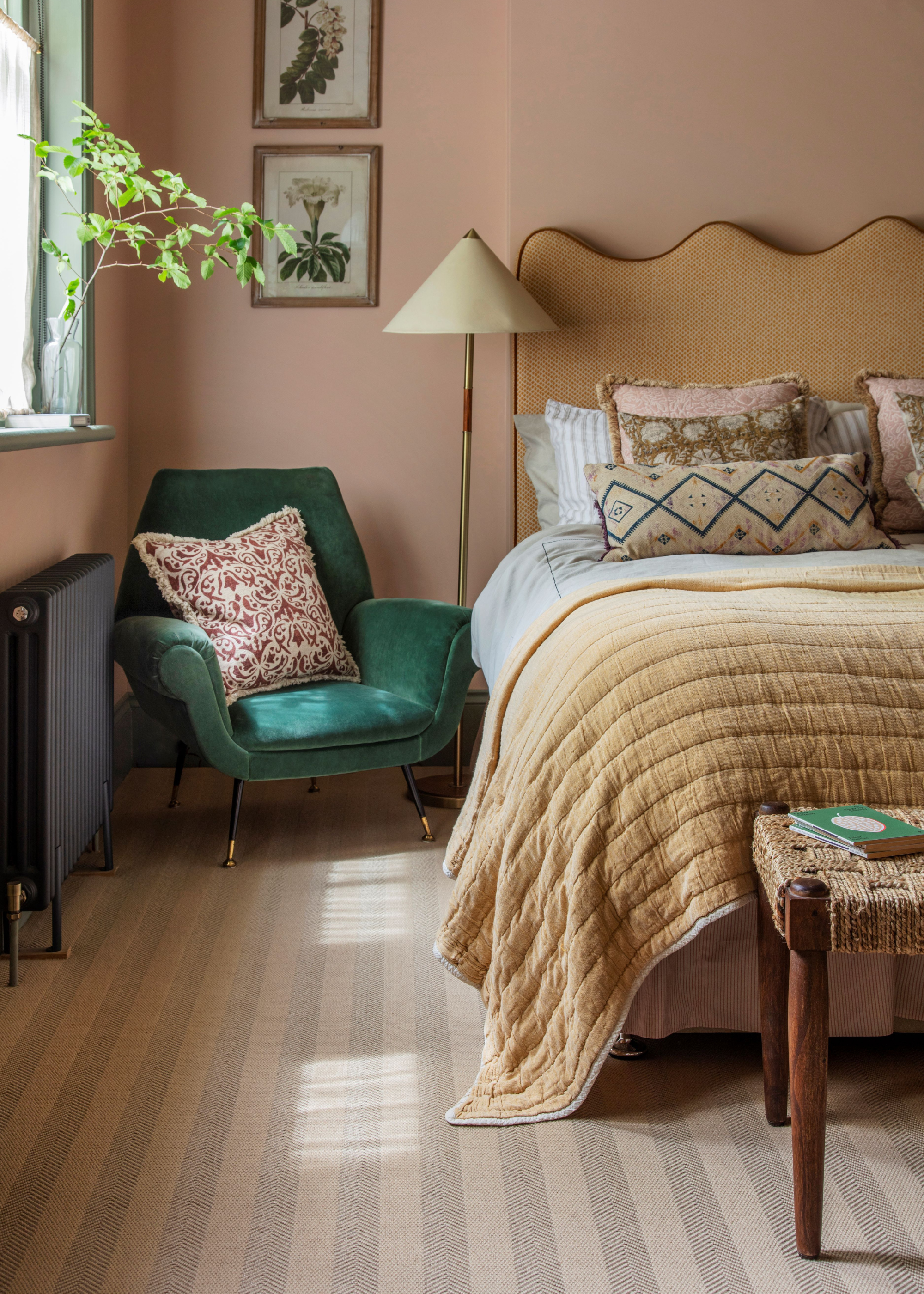
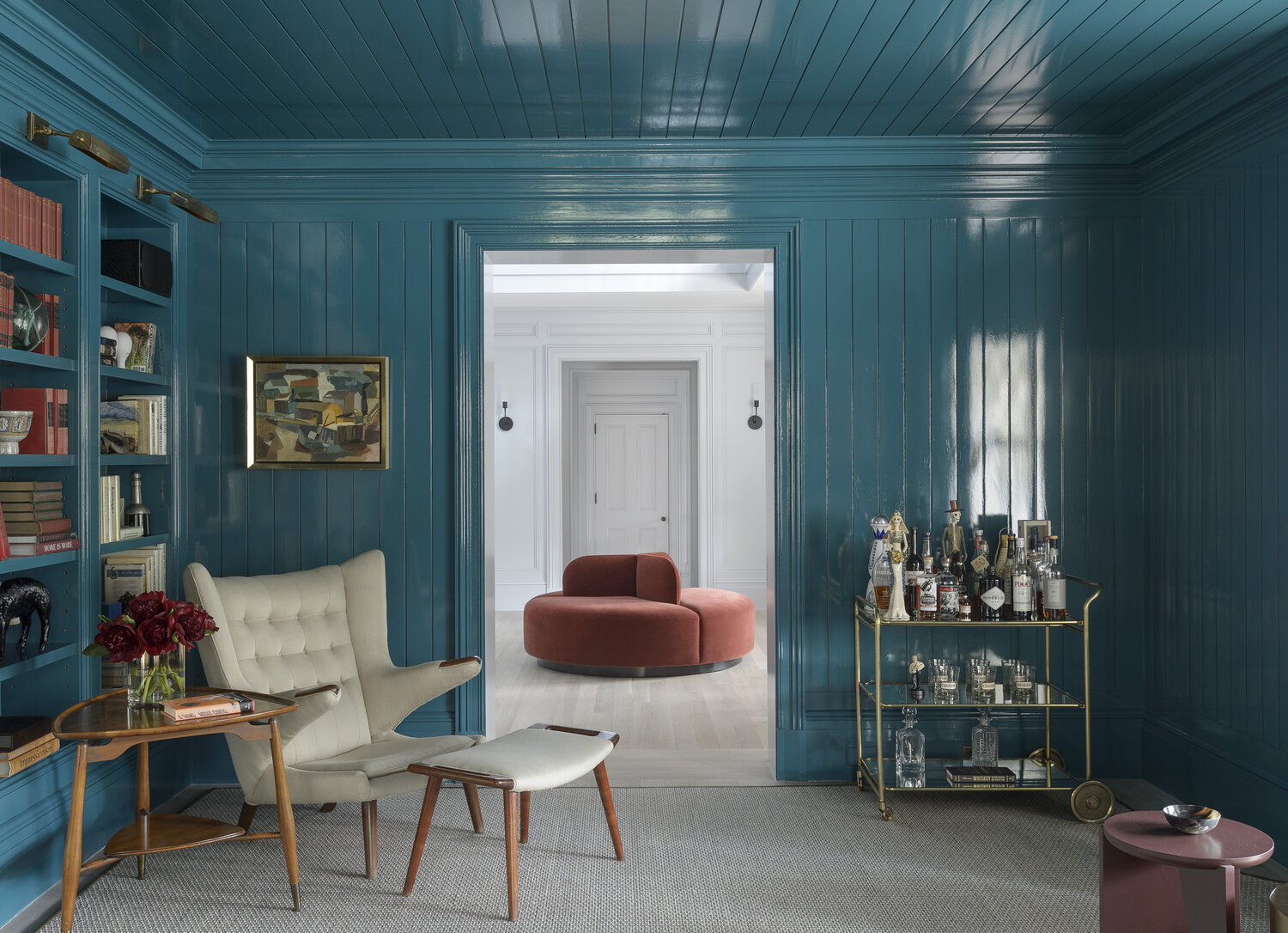
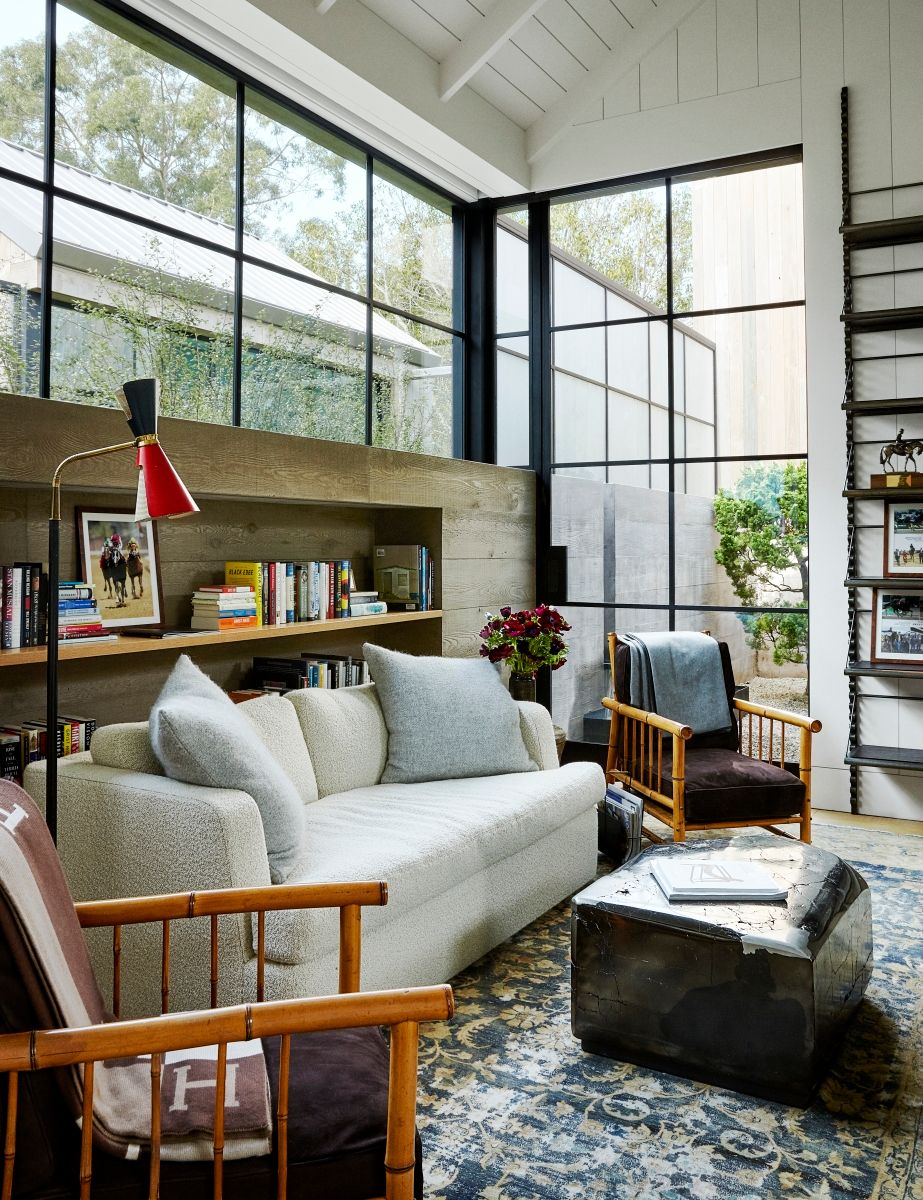
To achieve this balance, it's crucial to consider the existing architectural elements of a room. For instance, if a living room features a herringbone wood floor, repeating this pattern in textiles can create cohesion. Similarly, wood wainscotting might inspire incorporating warm-toned brown or gold colors into the fabric choices. When mixing patterns, designers should analyze each fabric's design, color, and texture, and then assess how these elements interact. A useful strategy is to select a central theme or a 'hero piece,' such as a rug or couch, to guide the curation of layered fabrics.
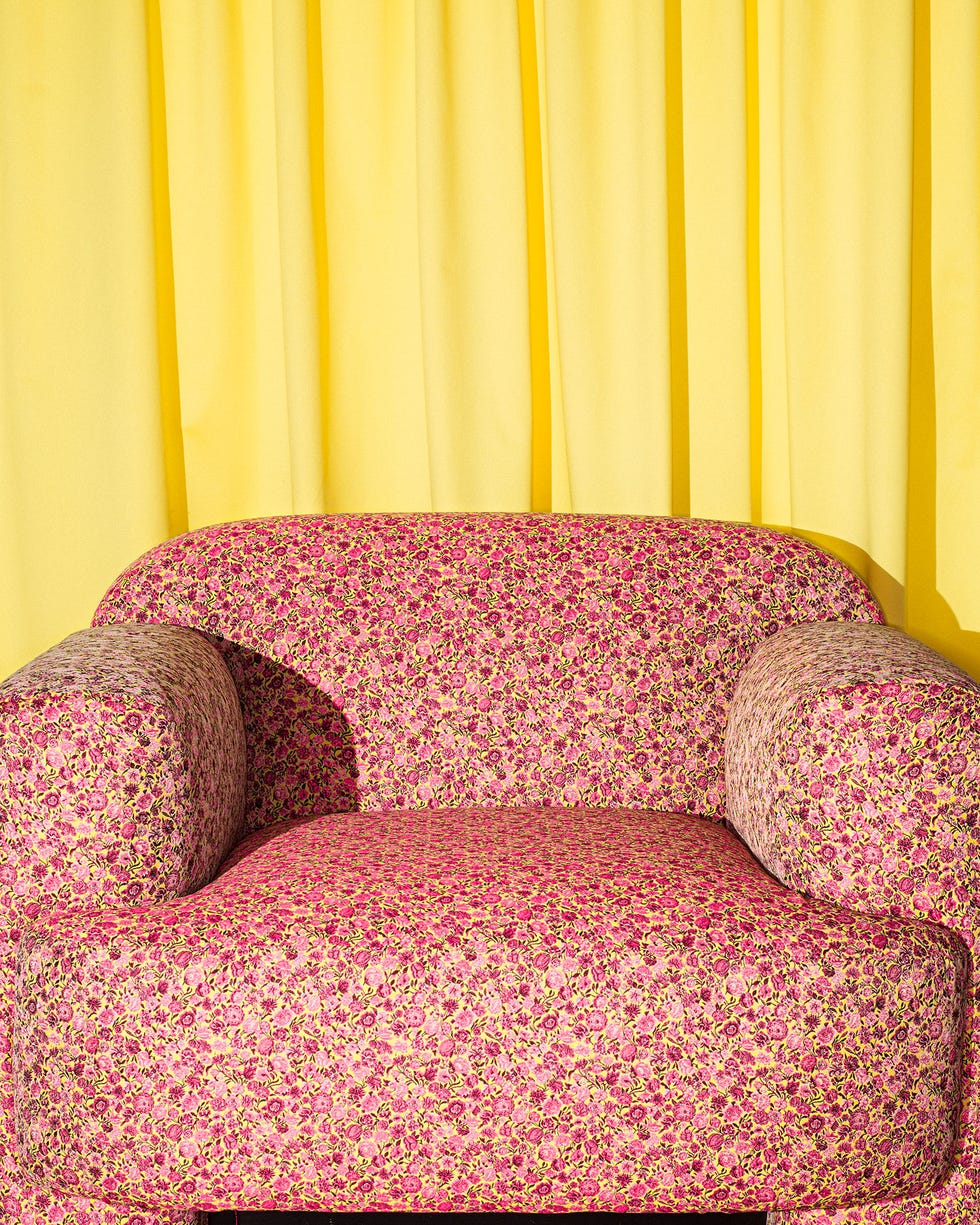
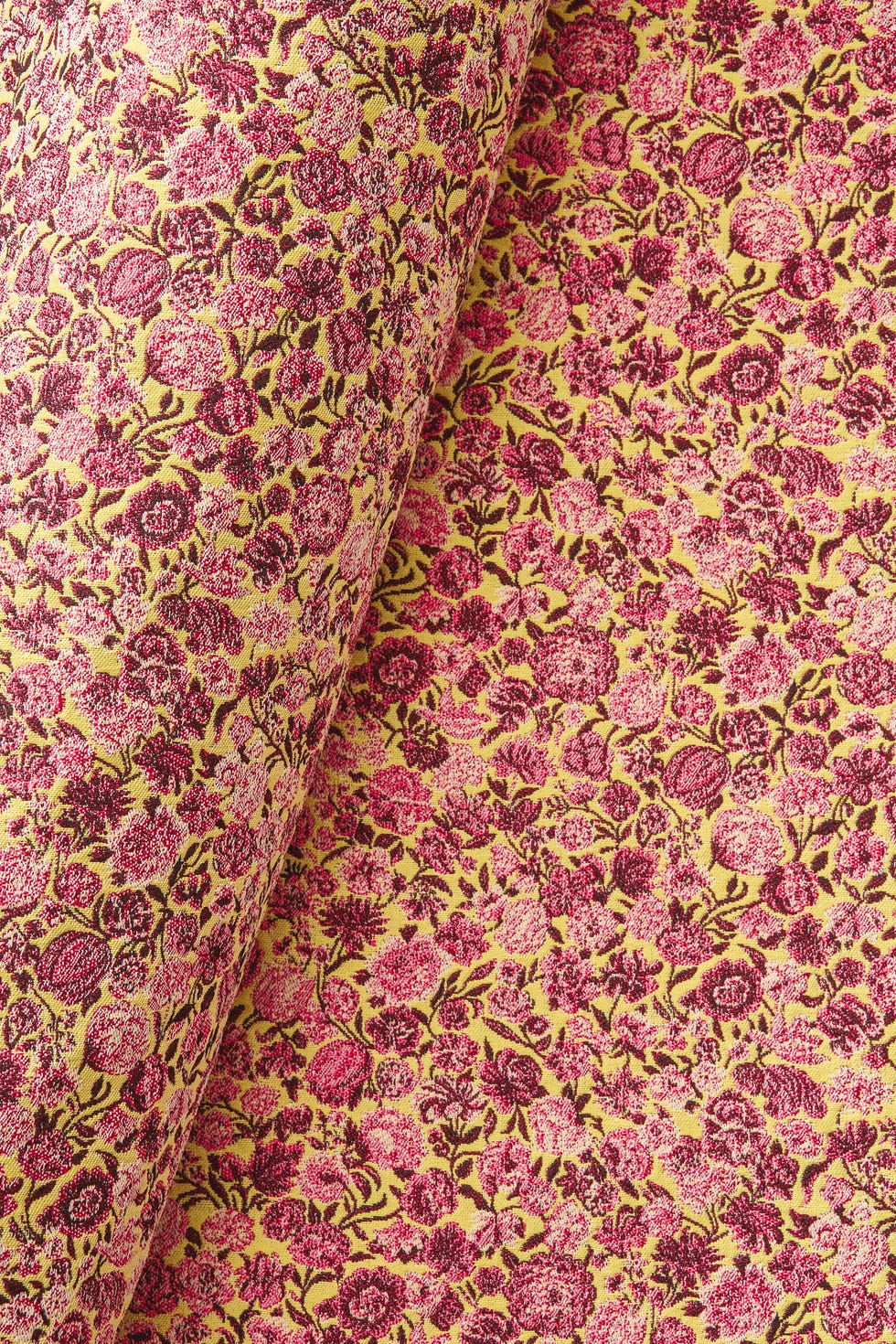
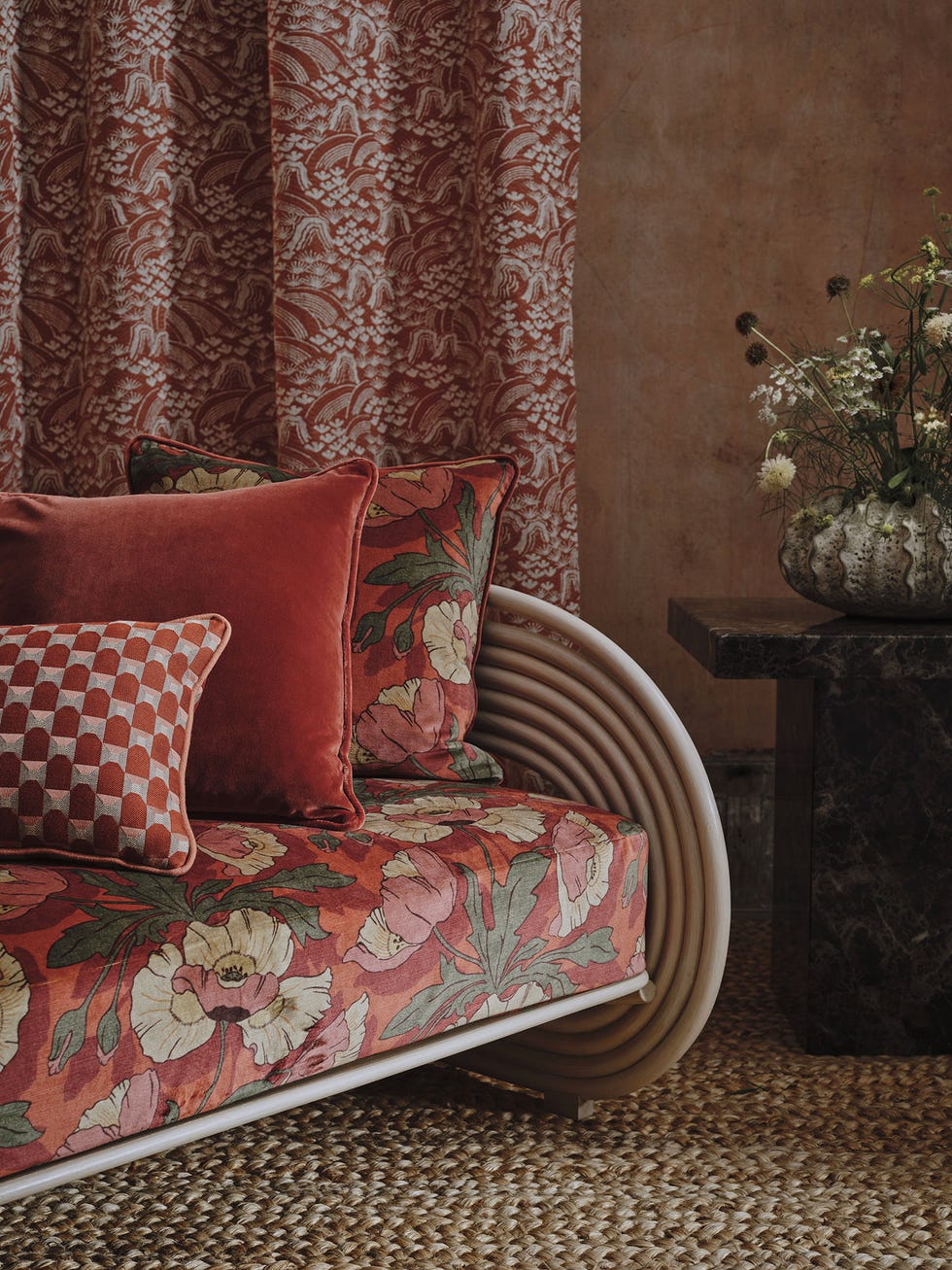
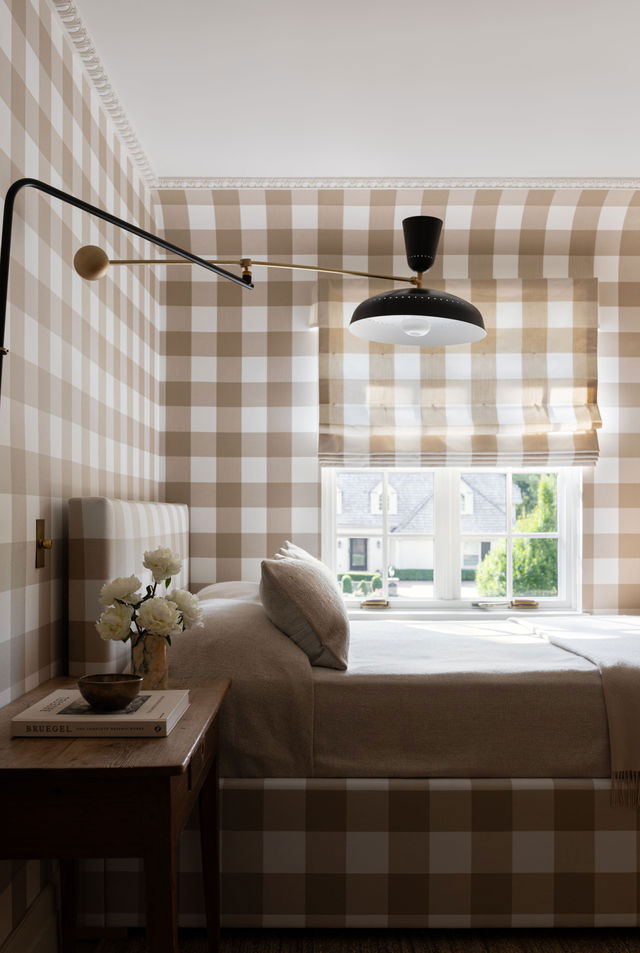
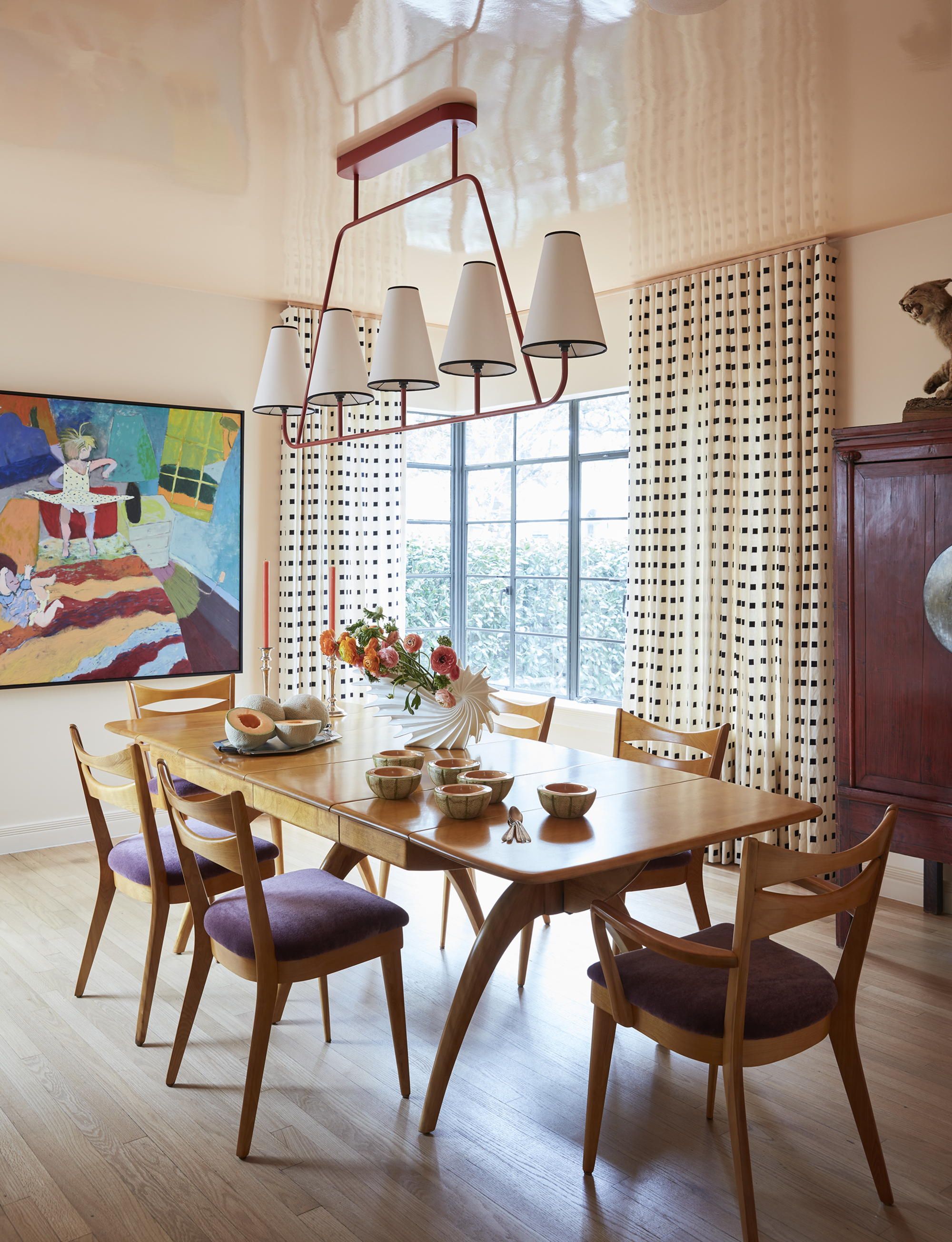
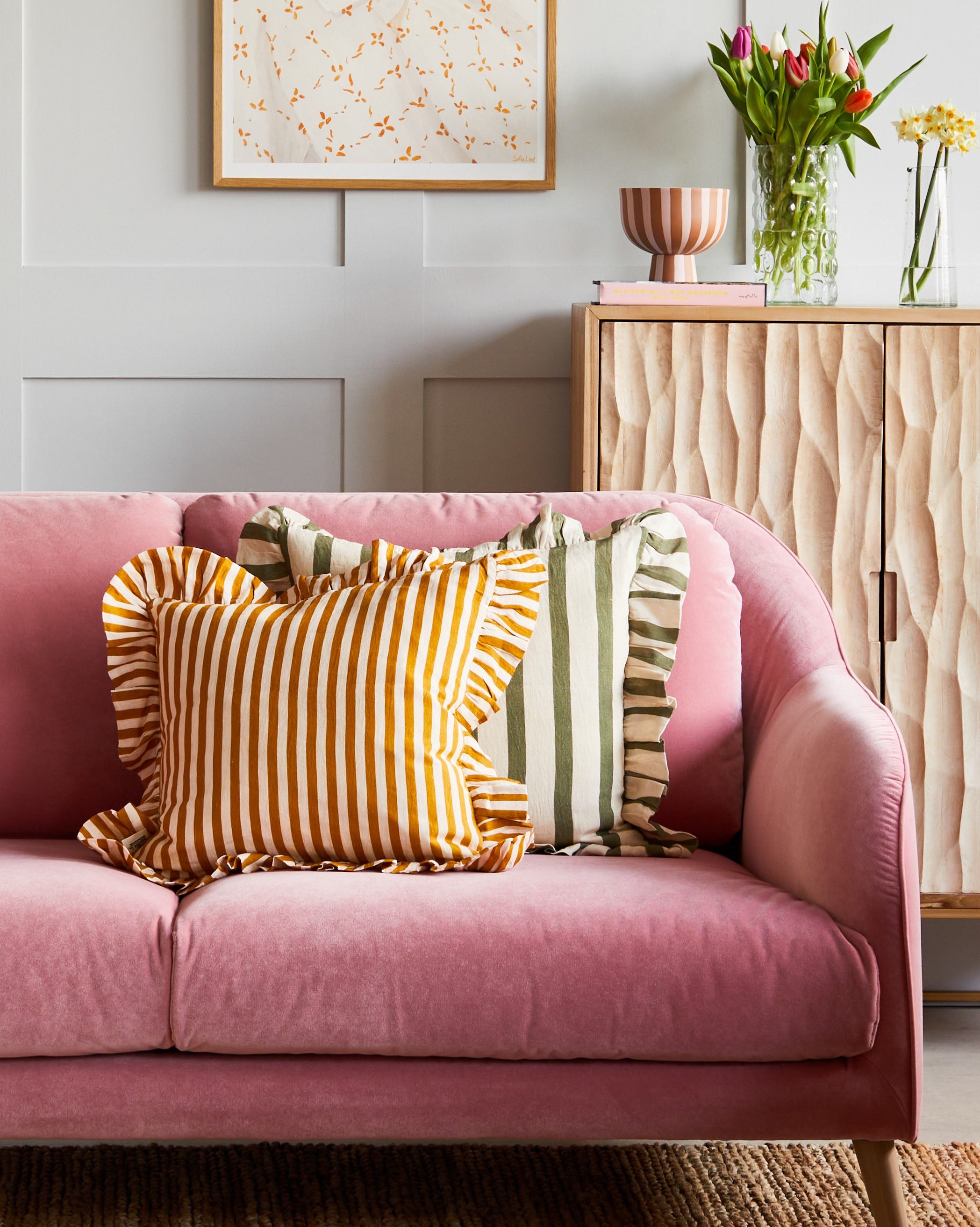
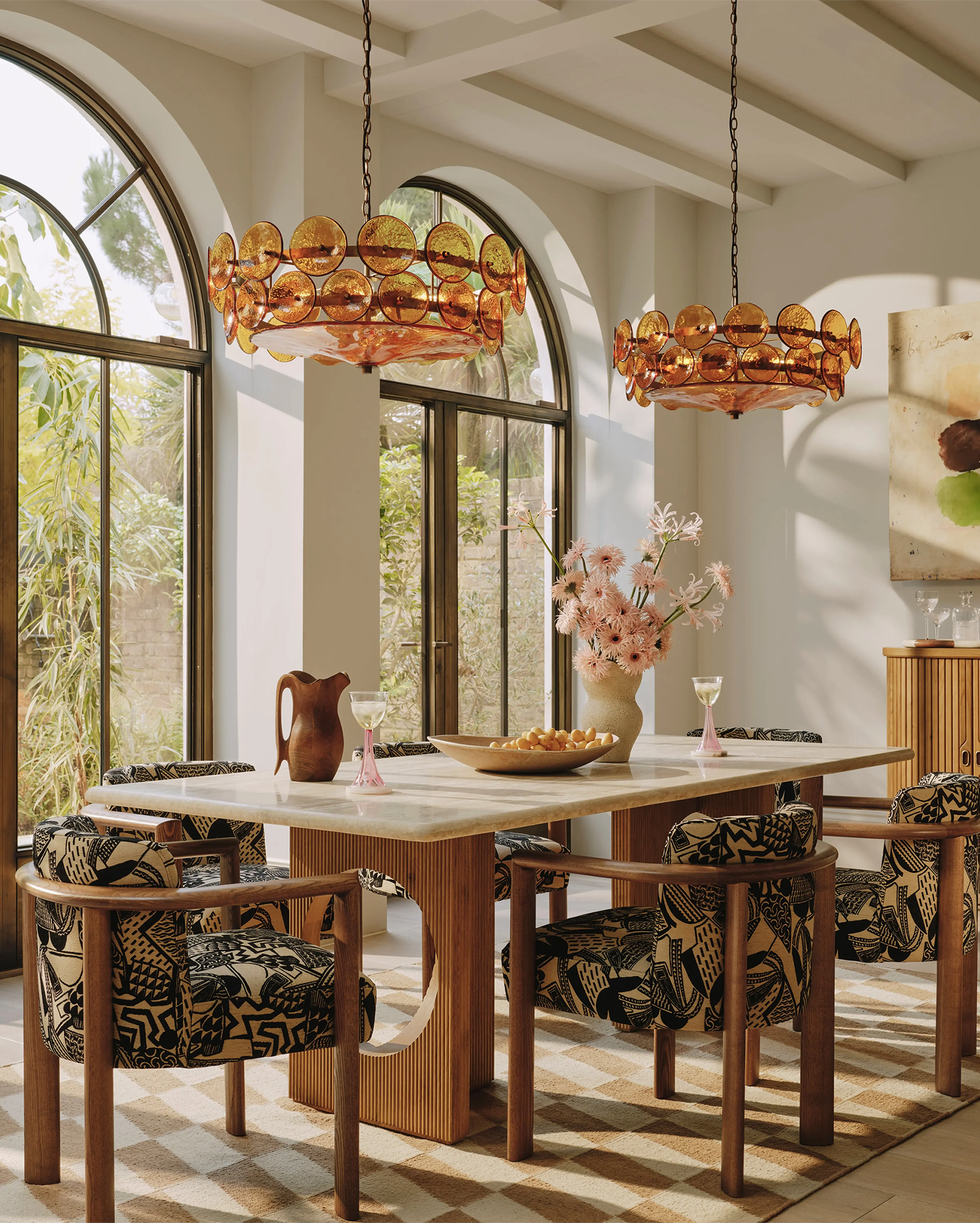
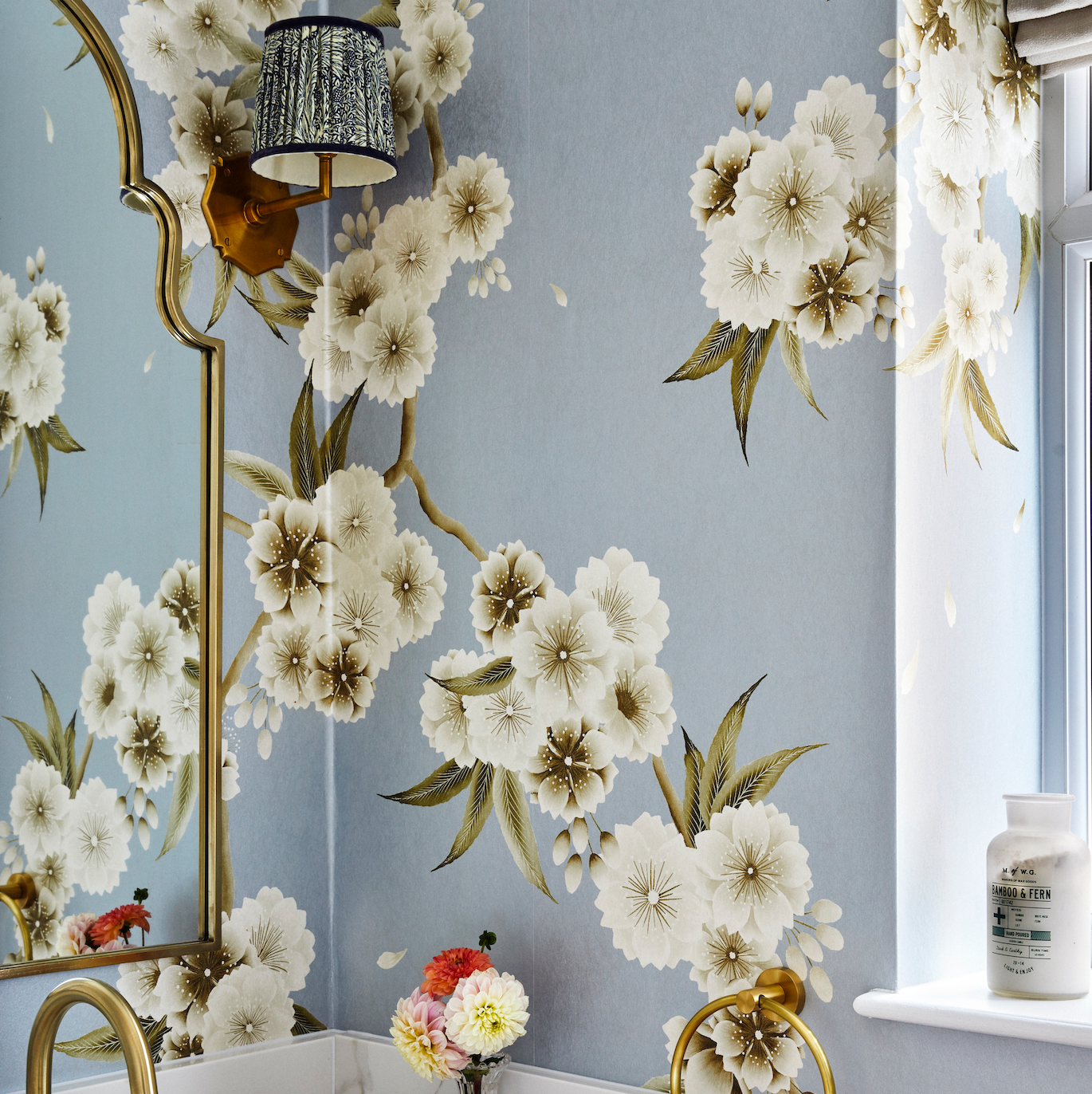
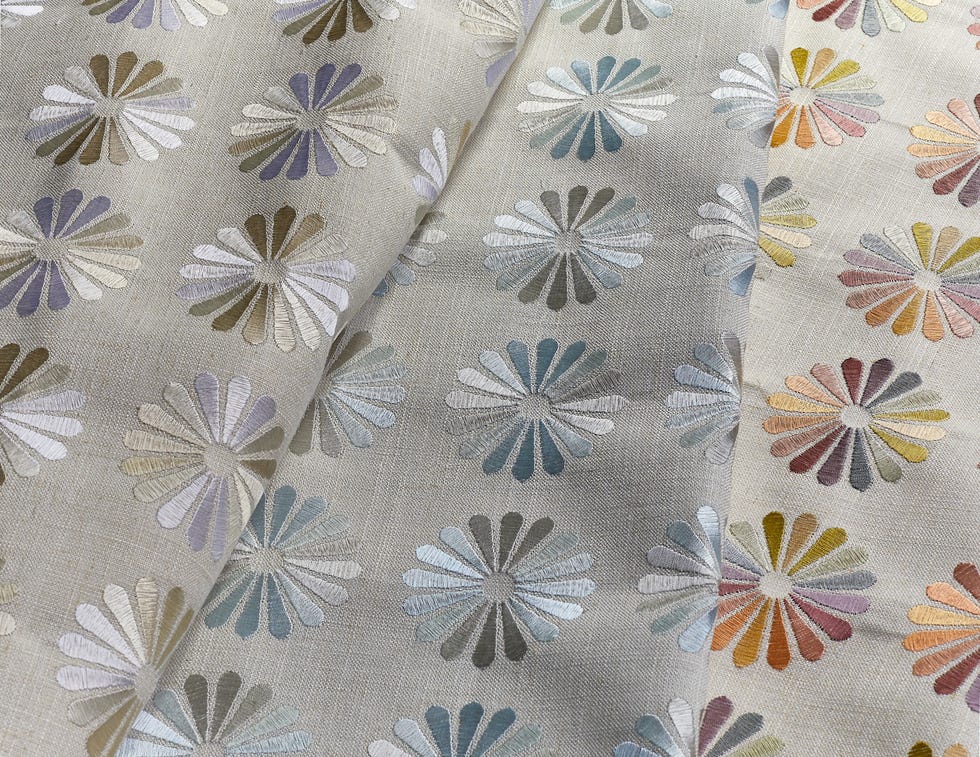
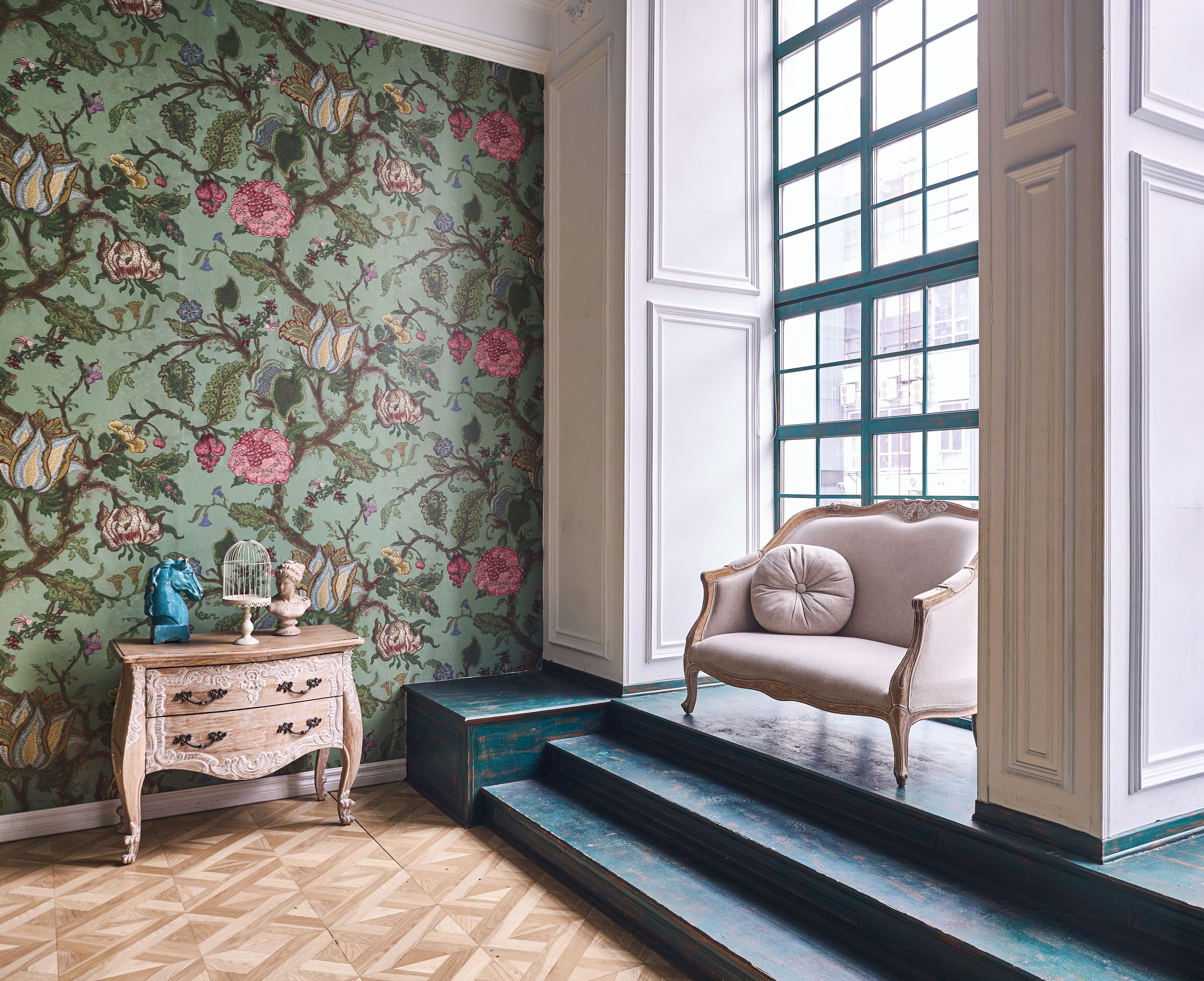
Layering patterns effectively involves considering design, scale, color, and texture. Different patterns evoke distinct energies; geometric patterns suggest order, while floral patterns can feel whimsical or traditional. The trend encourages mixing these diverse patterns, such as layering a checkered throw with a floral pillow or a paisley rug with a chevron ottoman. The scale of patterns is also significant; large patterns command attention and should be balanced with smaller, complementary ones. Conversely, an excessive number of tiny patterns can overwhelm a space. A balanced approach might involve one dominant patterned piece augmented by smaller patterns and solid colors in other elements. The harmonious interplay of colors is vital for these contrasting patterns to work together.
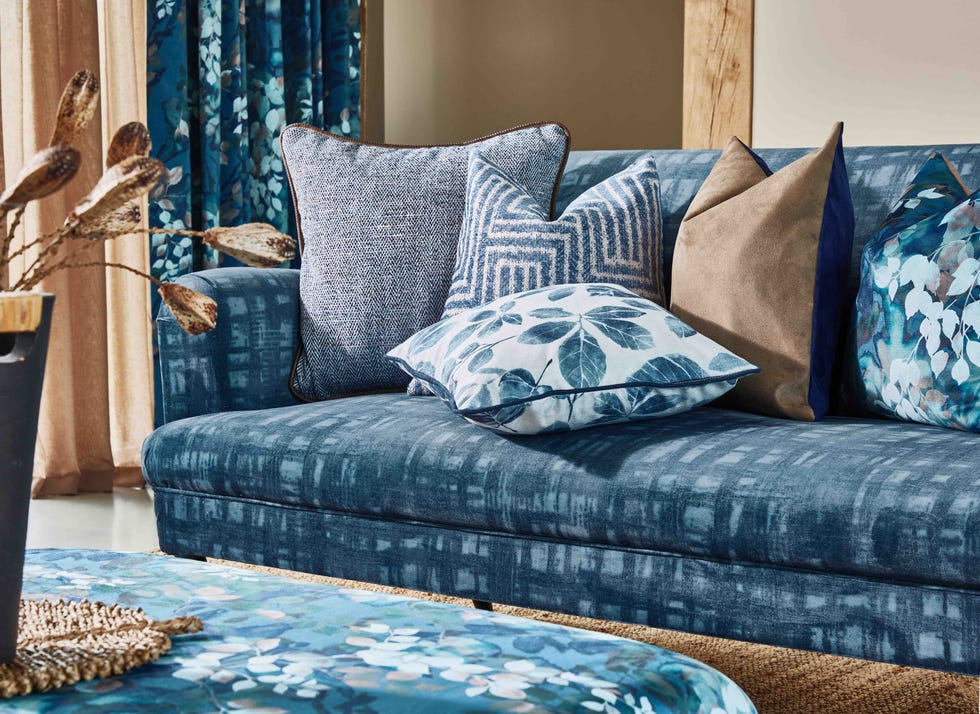
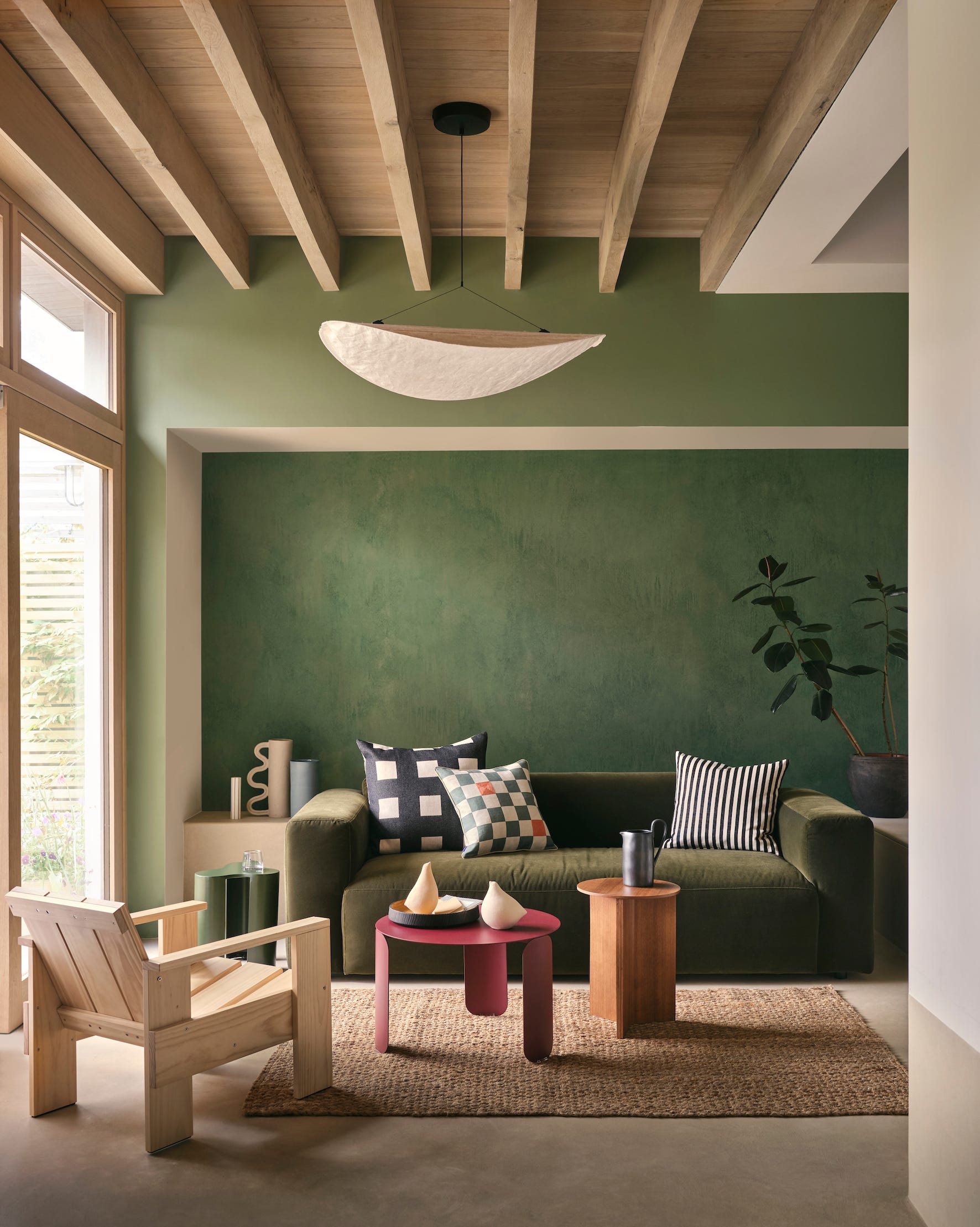
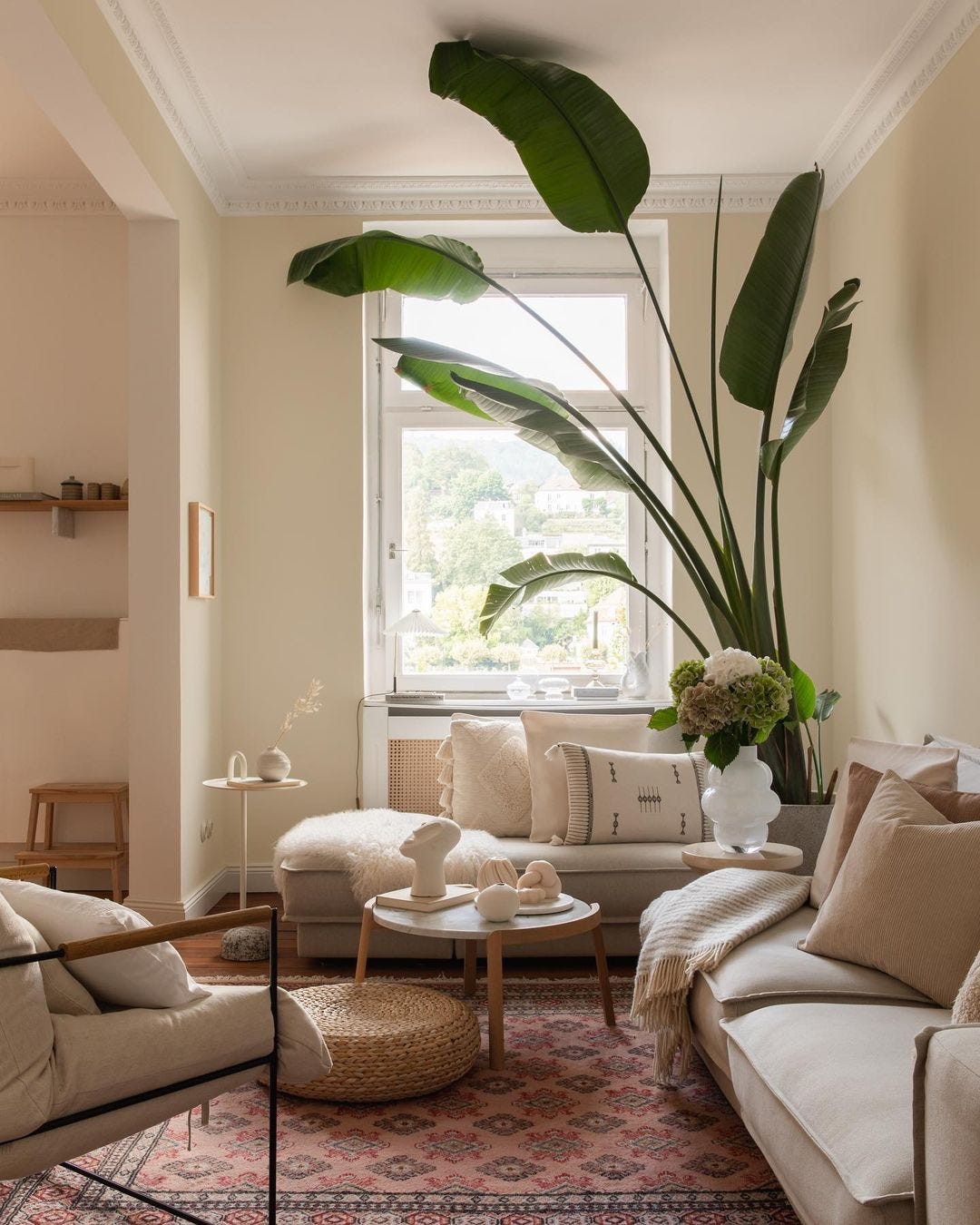
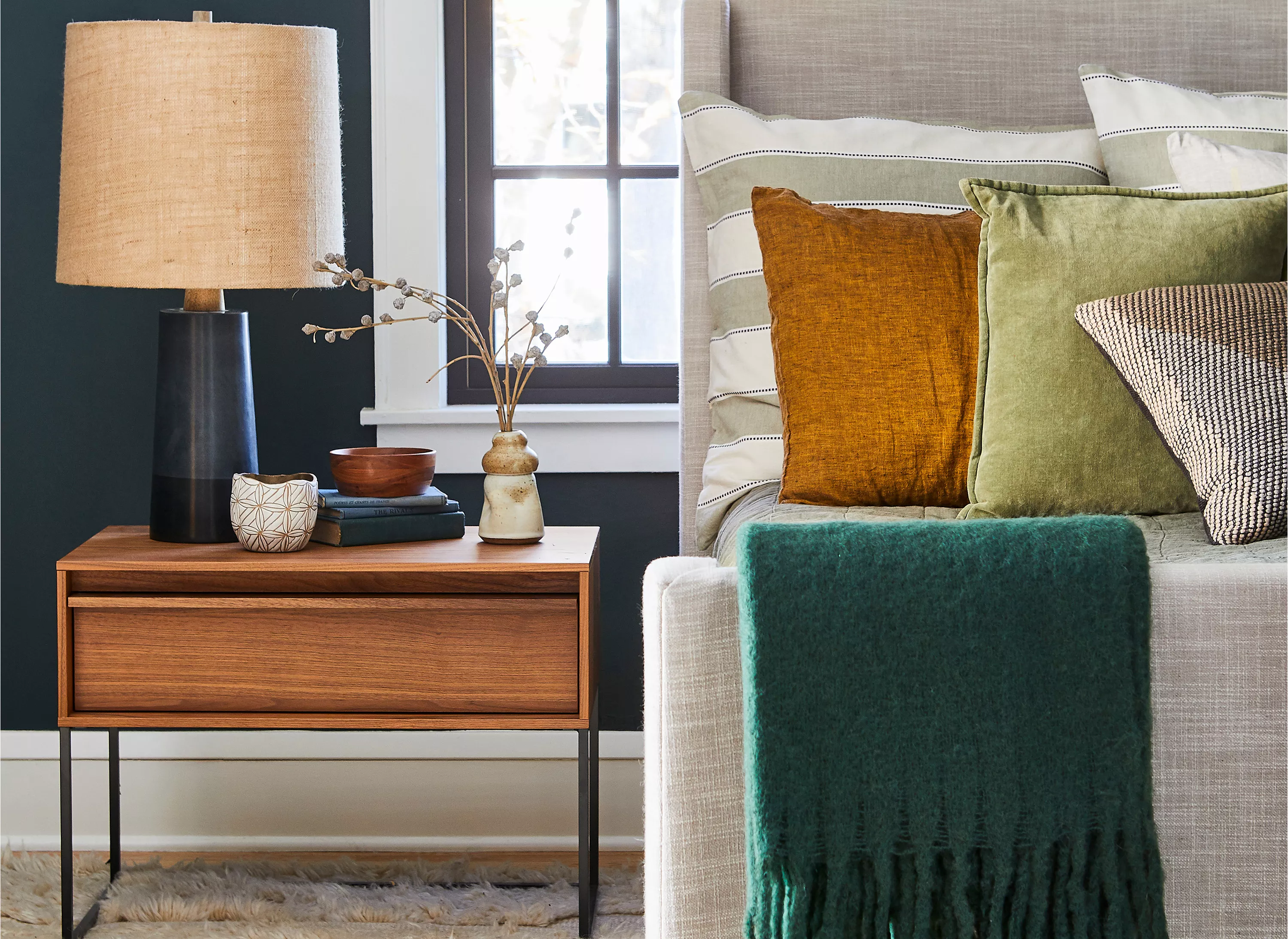
Combining colors in fabric layering can be approached using a color wheel to select a palette that blends effectively. For those who prefer a less vibrant approach, a monochromatic palette can be utilized, where various shades of a single color are mixed across different patterns and textures. An example might be a forest green rug, a pale green sofa, pillows with a green leaf motif, and a lime green blanket. Alternatively, a tetradic color palette, combining two pairs of complementary colors like turquoise and gold with purple and orange, can introduce drama and contrast. To temper the intensity of a tetradic scheme, using toned-down versions of some colors can allow others to shine.
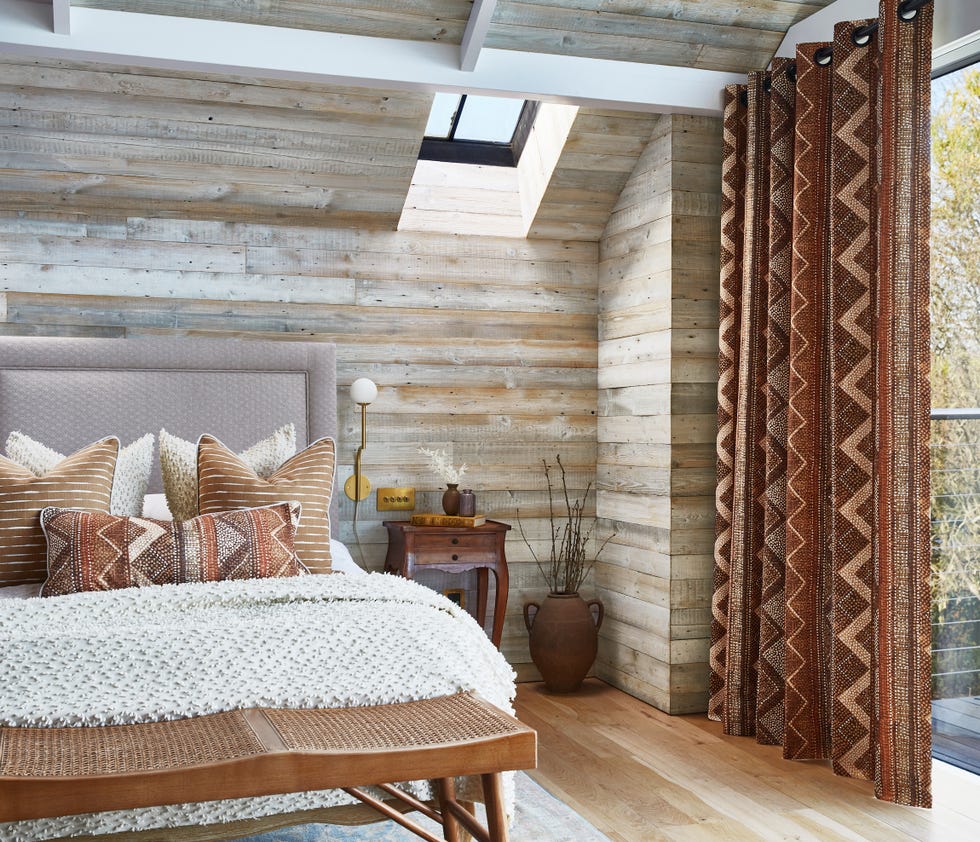
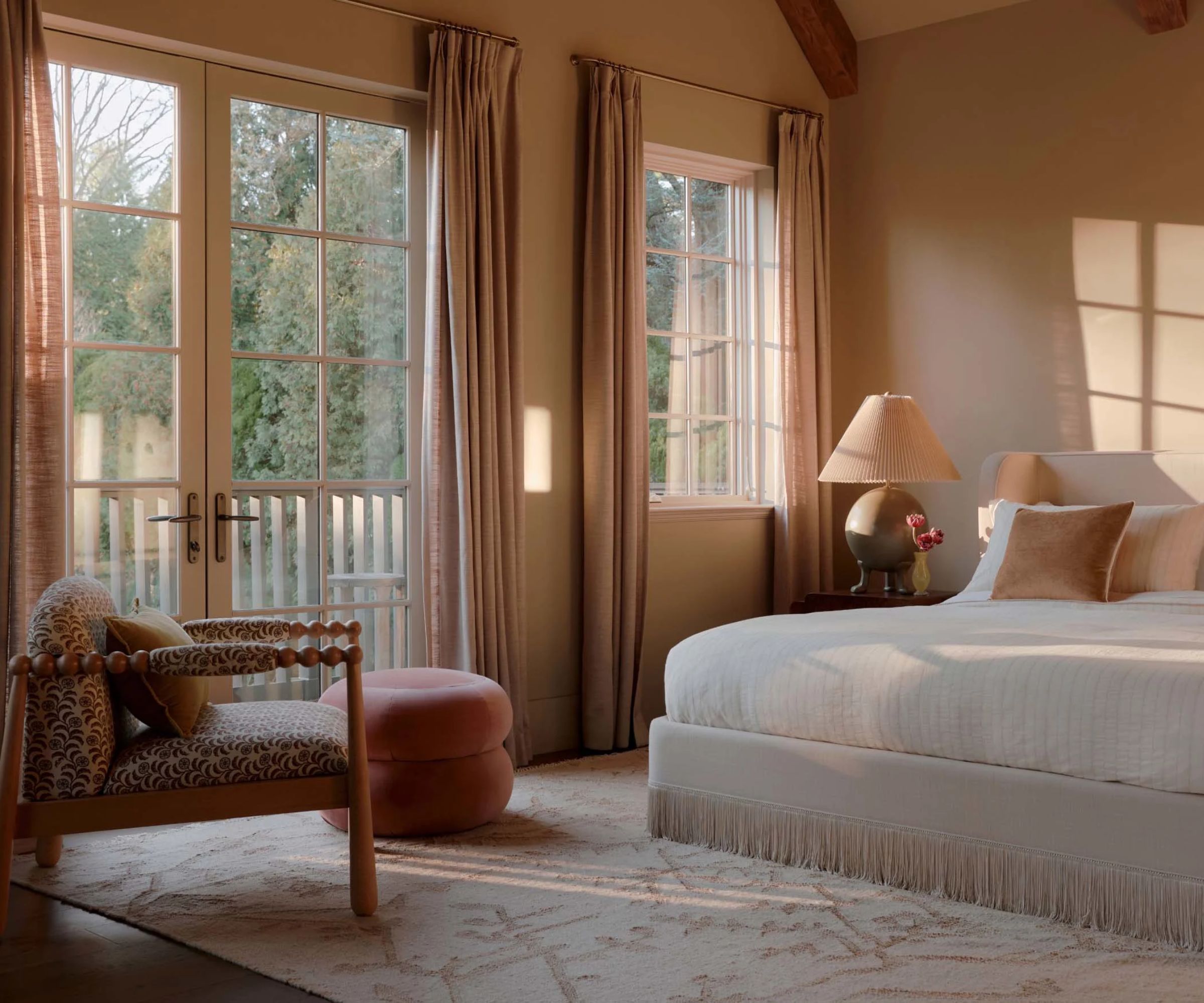
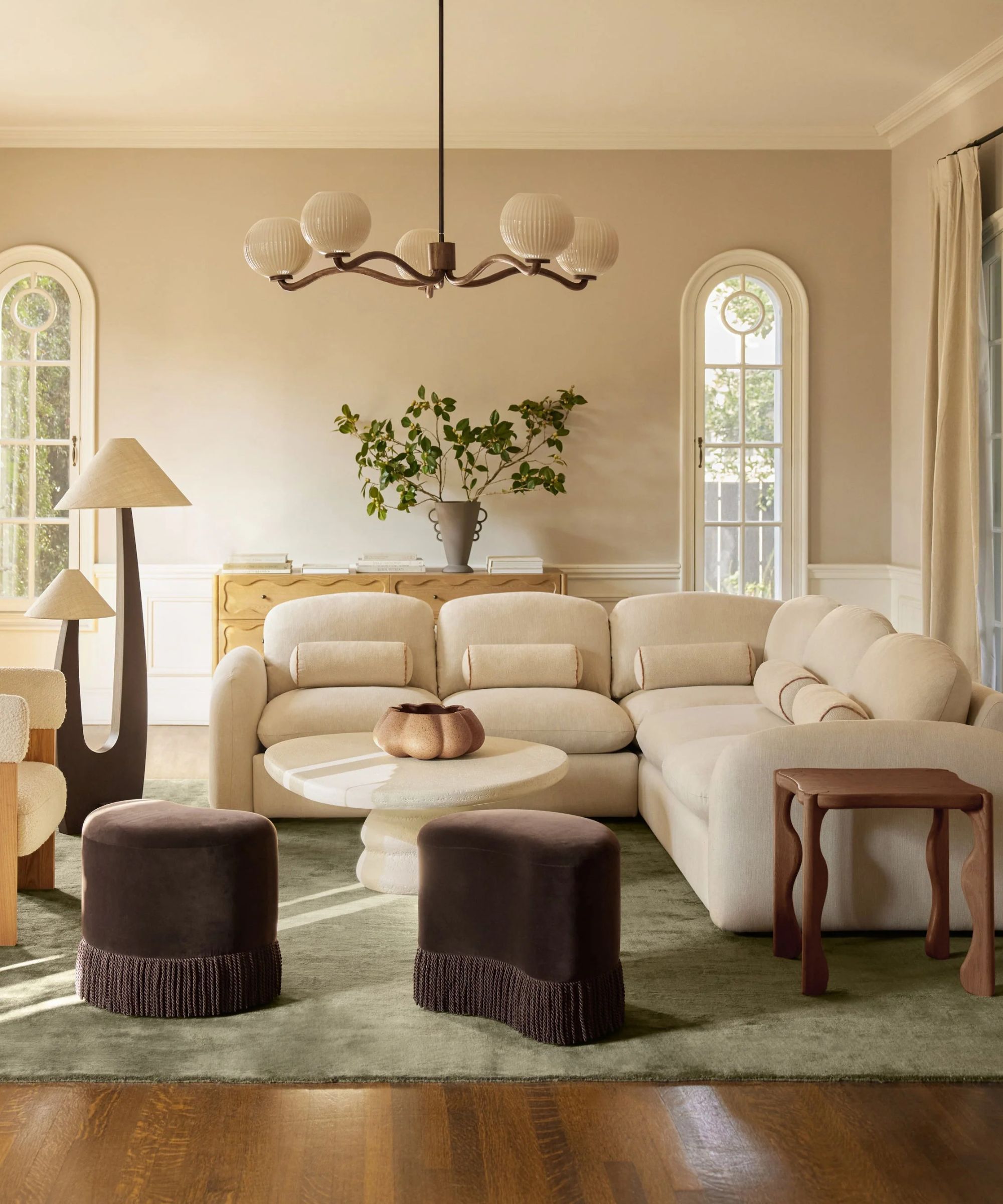
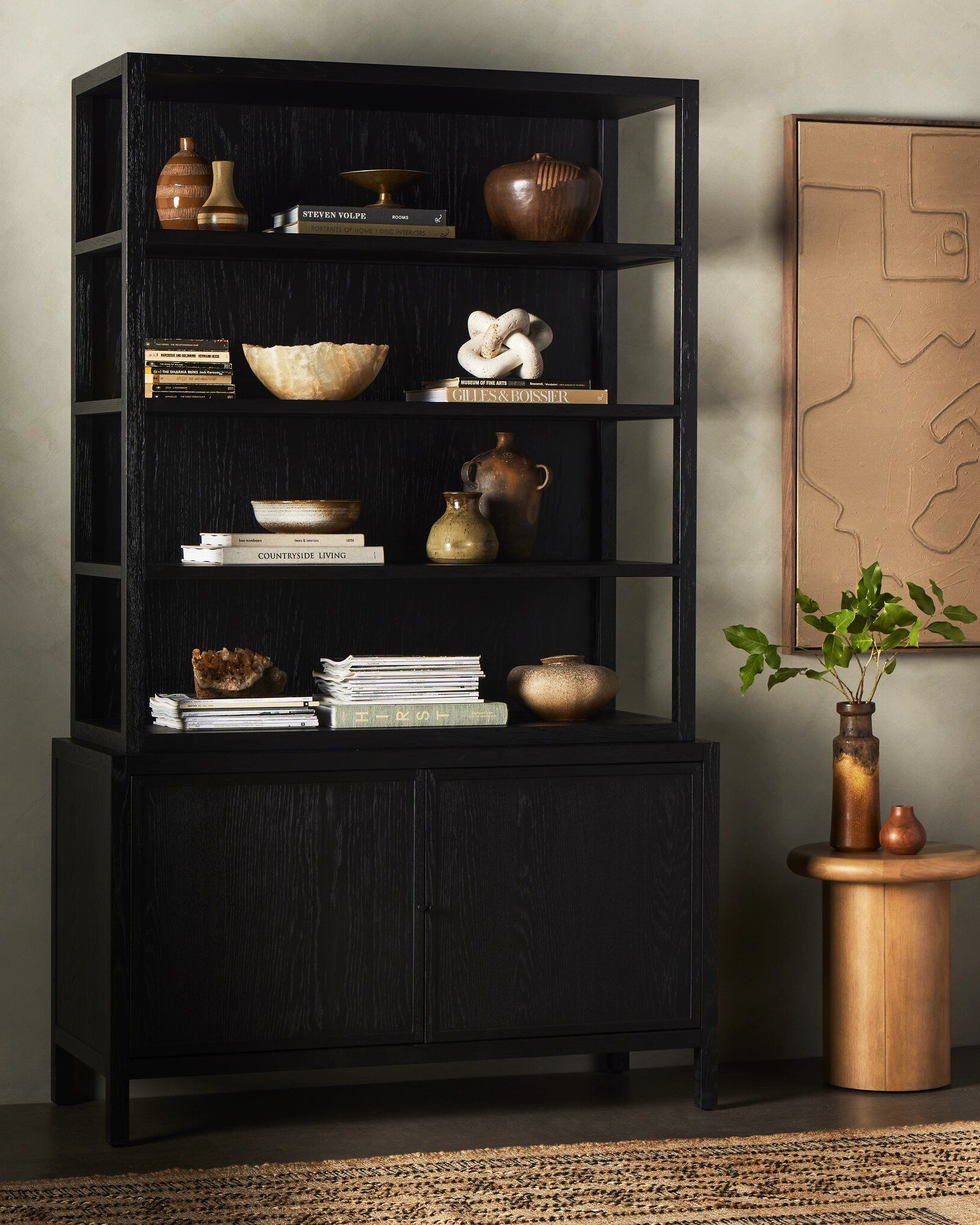
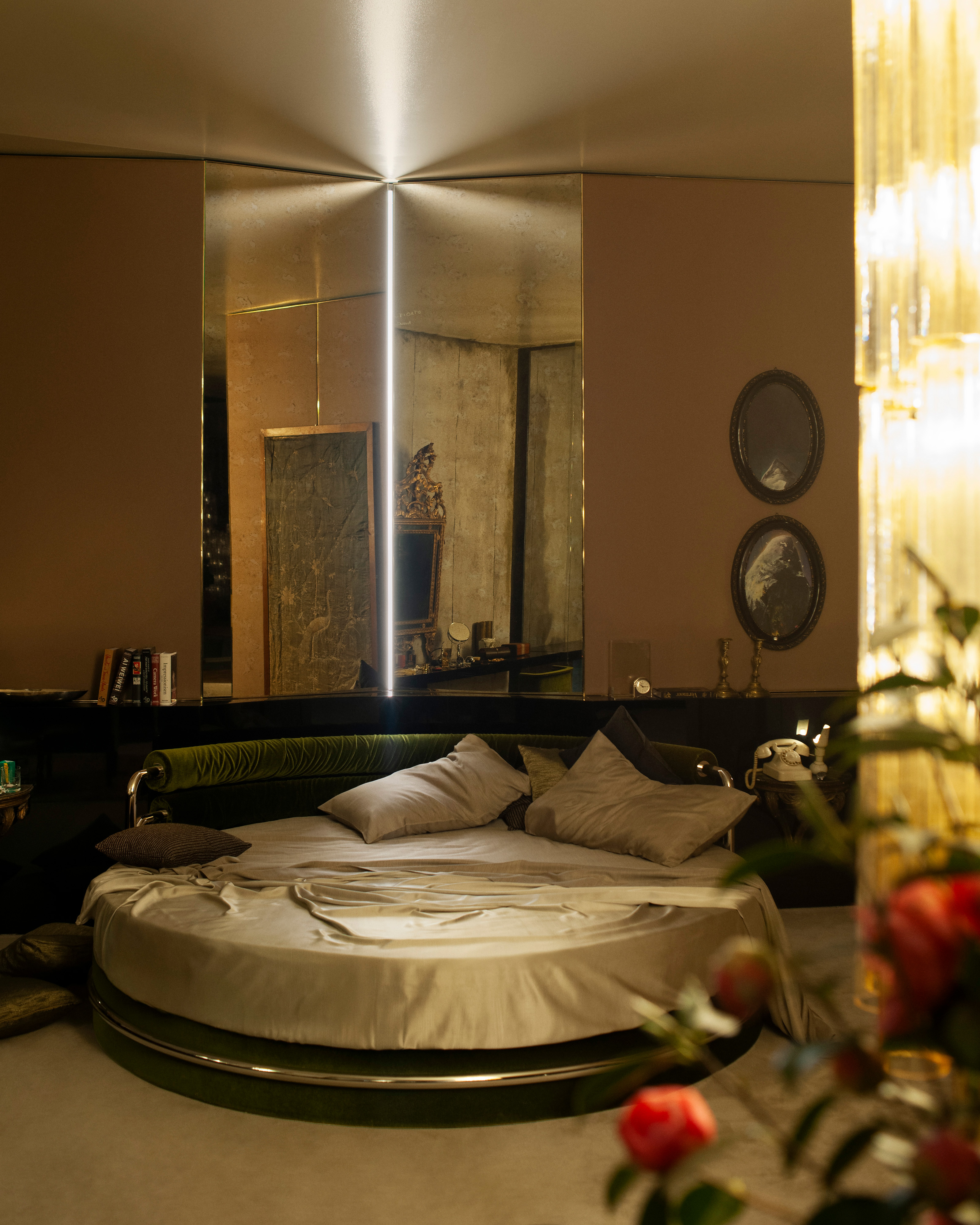
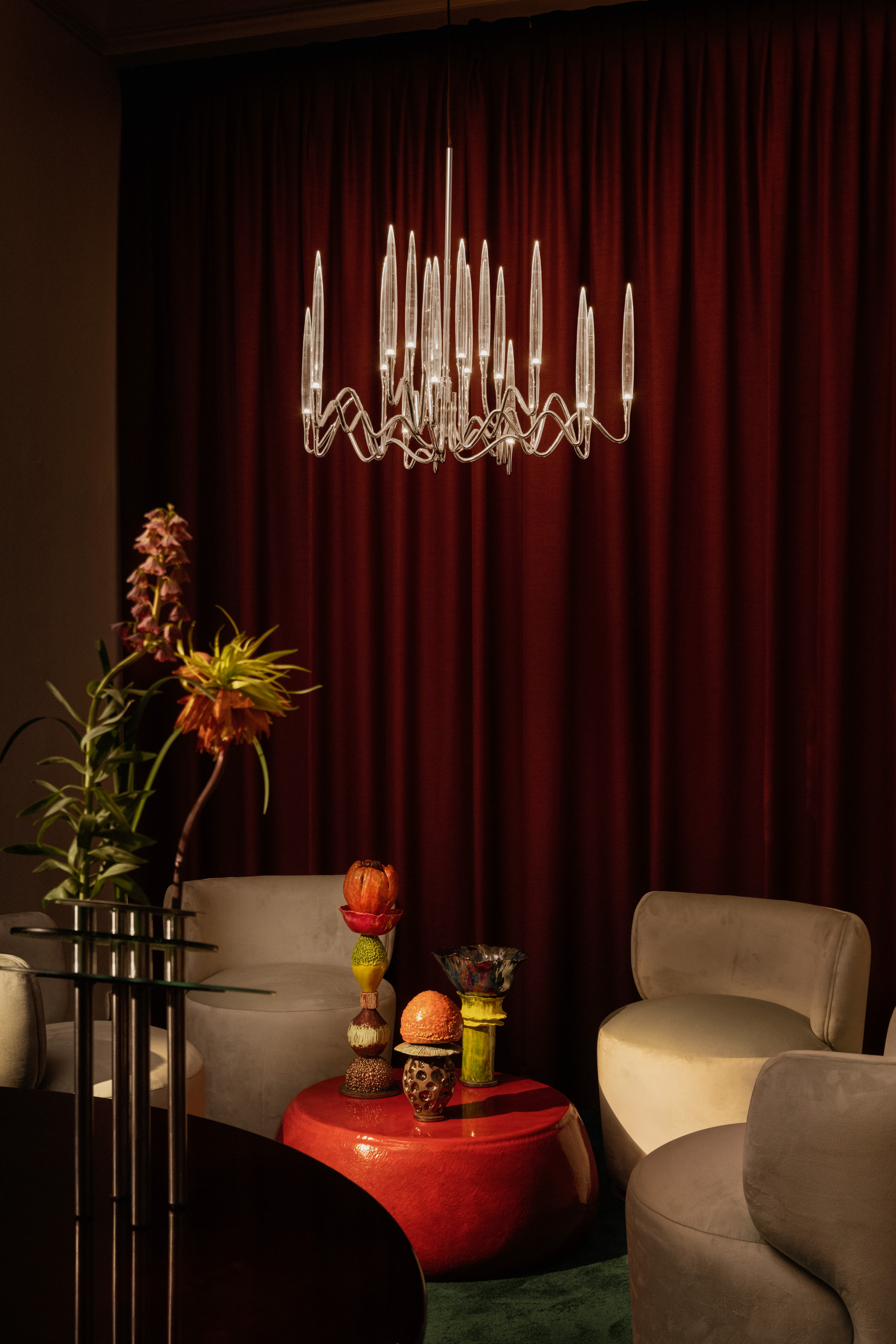
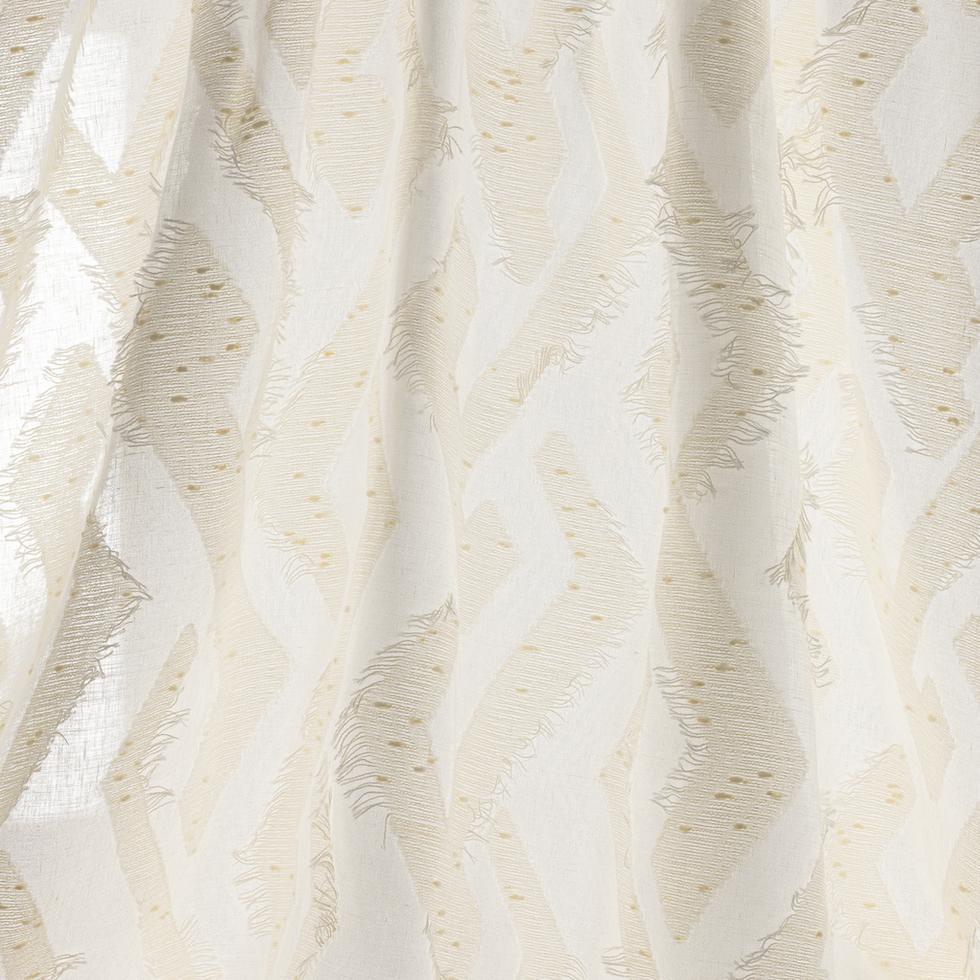
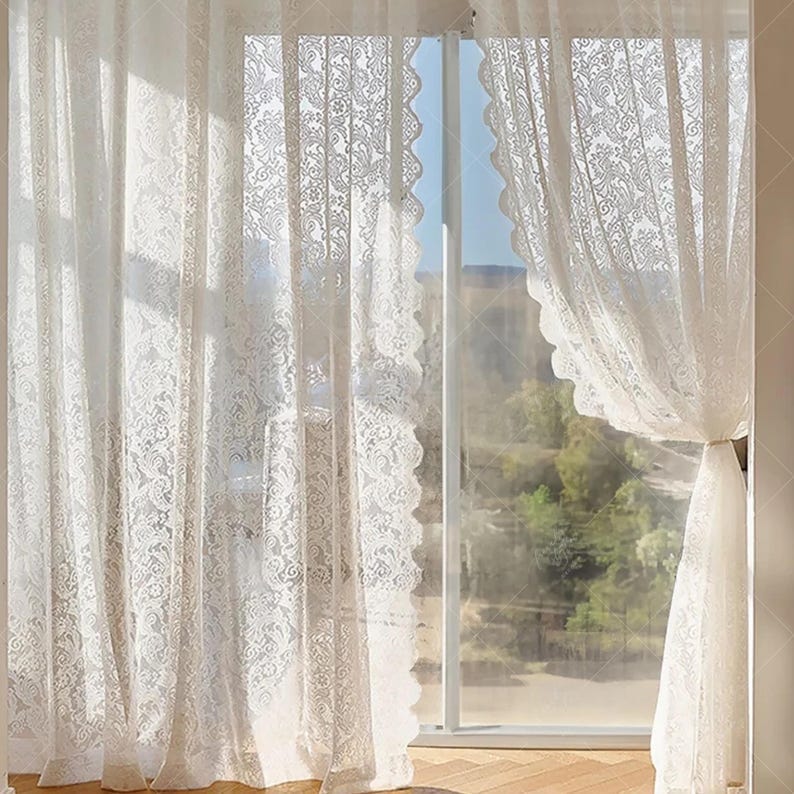
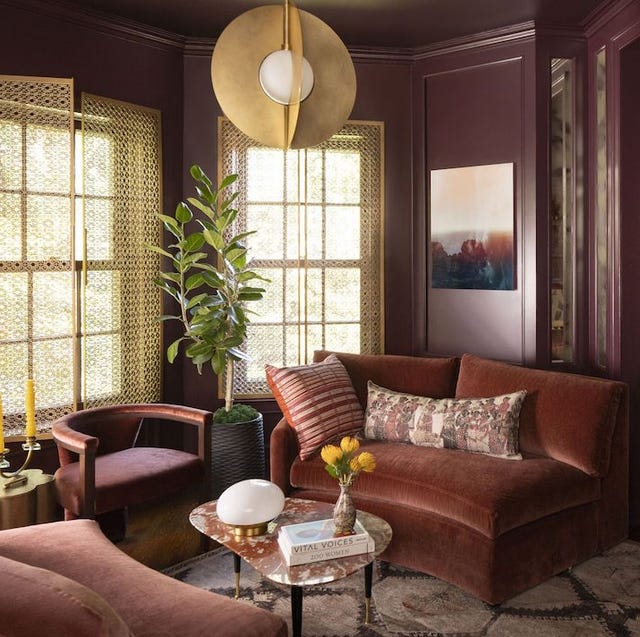
Texture is another critical component in fabric layering. The tactile quality of materials like satin and wool significantly influences a fabric's aesthetic. When layering, balancing heavier fabrics with lighter ones and rougher textiles with softer pieces is recommended. For example, a heavy velvet couch could be complemented by light silk curtains and a thick wool rug. A smooth leather couch could gain interest from heavy linen pillows, or a lightweight cotton rug could be layered over a jute style. The successful creation of a layered, character-rich maximalist space requires thoughtful attention and careful consideration to ensure it feels calm, harmonious, and intentional, ultimately relying on personal preference and instinct for the final decisions.
#InteriorDesignTrends #MaximalistDecor #FabricLayering #PatternMixing #ColorPalette #TextureInDesign #HomeDecor #DesignTips #InteriorDesignTrends #MaximalistDecor #FabricLayering #PatternMixing #ColorPalette #TextureInDesign #HomeDecor #DesignTips
0 comment in total
 No comments yet
You may also like
These are set to be the biggest fabric trends of 2025
2025 Interiors trends according to an expert and the best pieces to shop now
Designers' Reveal the Biggest Pattern Trends for 2025, and It's Shaping Up to Be a Bold Return to the Classics

7 Fabric Trends Taking Over Interior Design in 2024

Designers Say This Fabric Will Dominate Living Rooms in 2024

Interior Design Trends of 2025 Include a Refresh on Maximalism
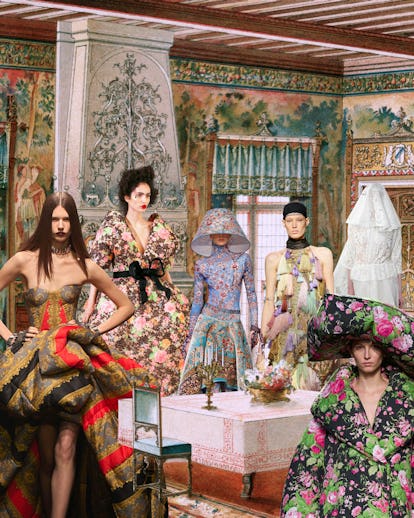
Upholstery Chic Is the Fall Runway Trend You Didn't Know You Needed
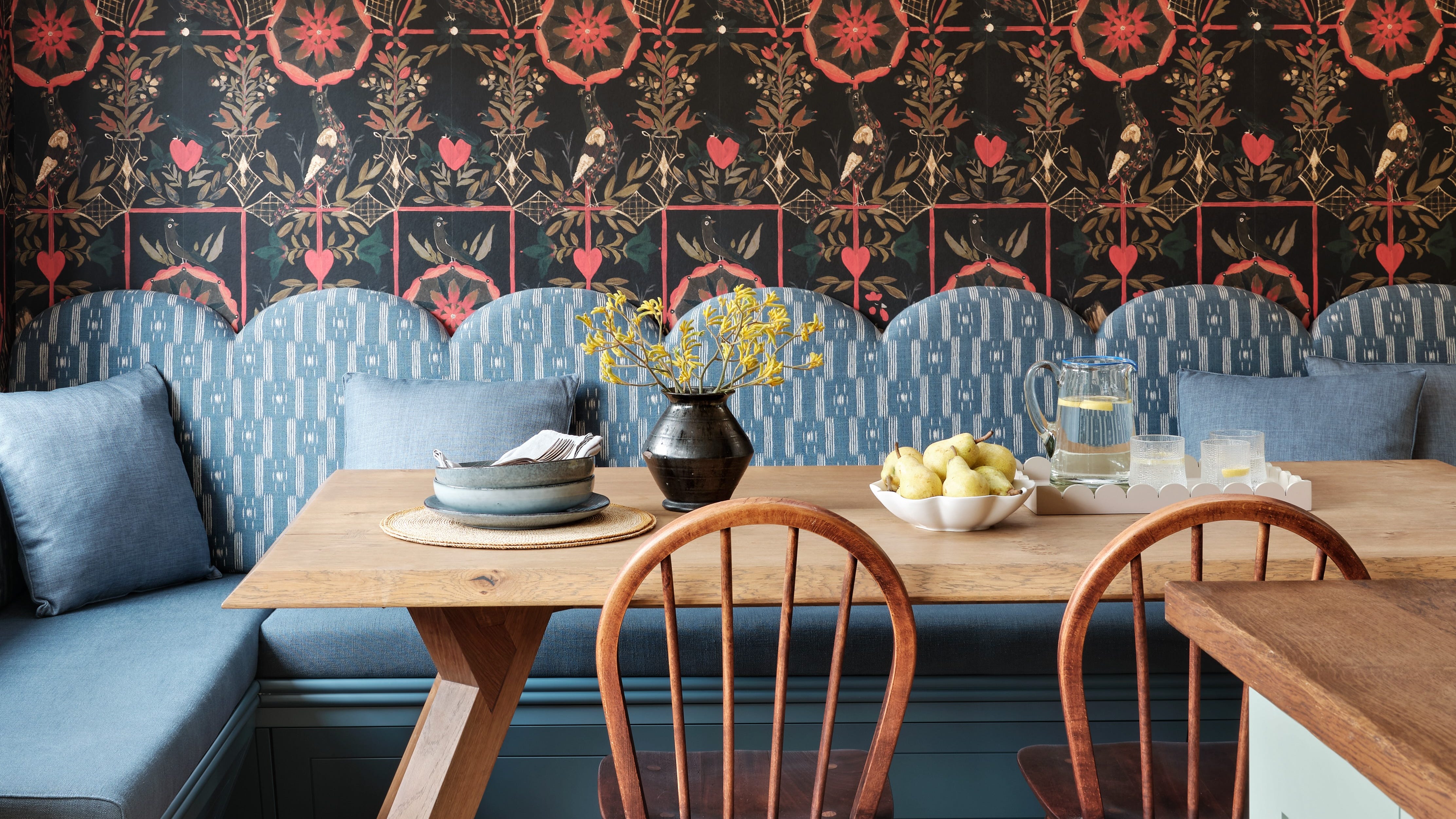
Renovating? The home design trends you’ll see everywhere in 2025

10 Interior Design Trends Going Away In 2025

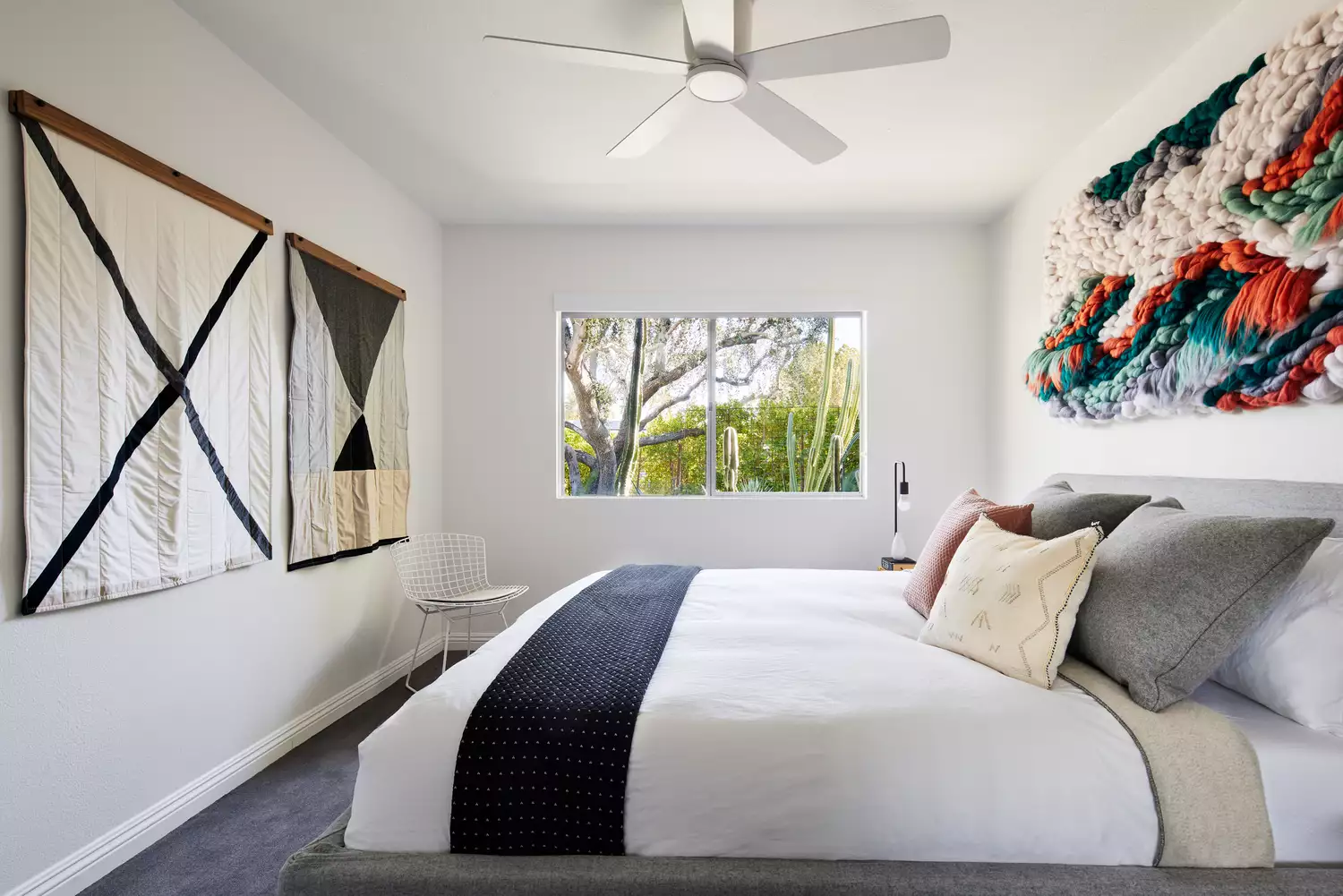
Fabric Wall Décor Is One of the Biggest Design Trends of 2025
The new interior design trends: 24 looks for 2024
These 5 Textile and Wallpaper Trends Will Dominate the Design World in 2025

Spring 2025 Bedding Trends: Embracing Maximalism in Home Textiles

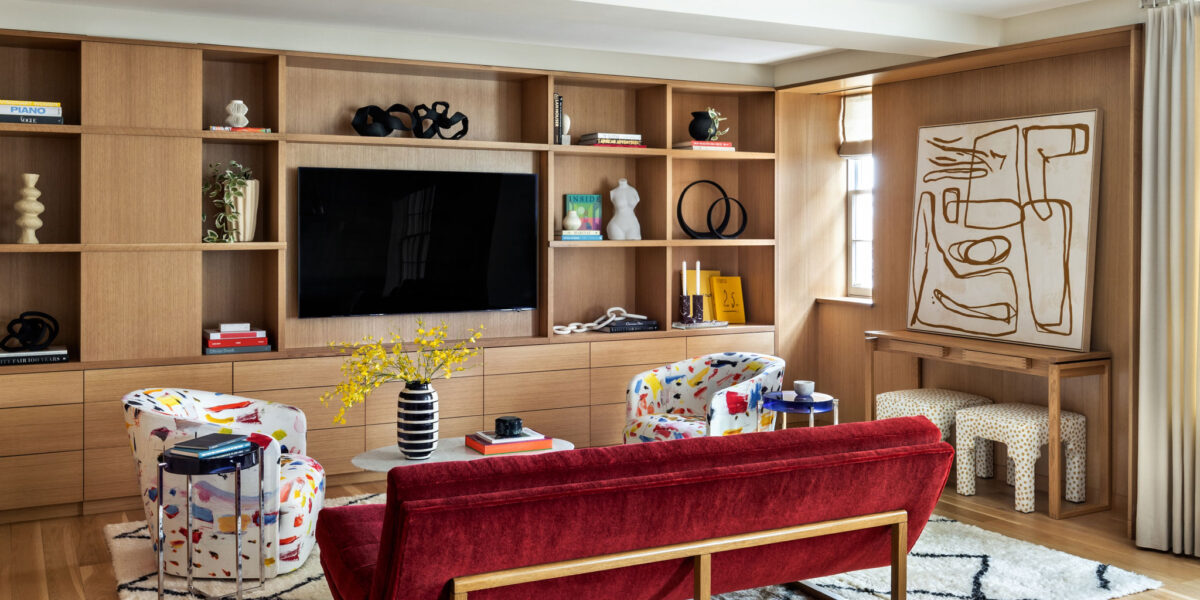
This Opulent Decor Choice Is Poised to Become the Biggest Design Trend of 2025
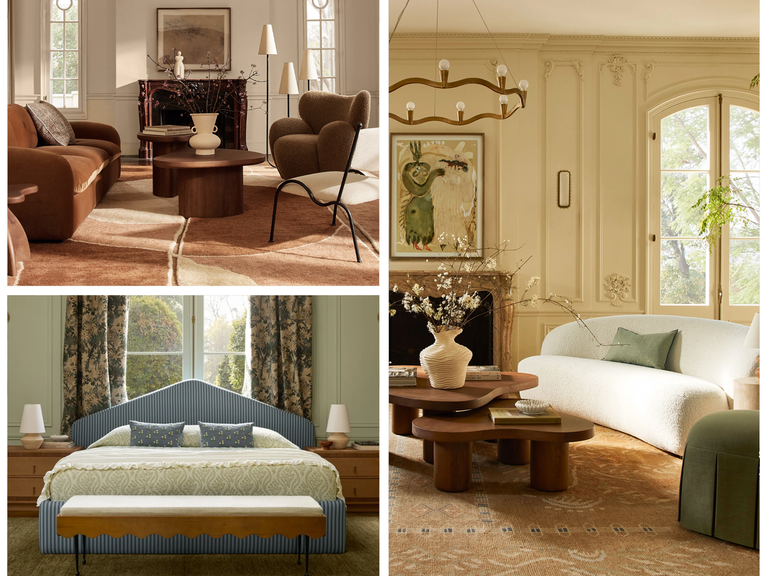
Ready to Redecorate? 2025’s Top Design Trends Just Dropped

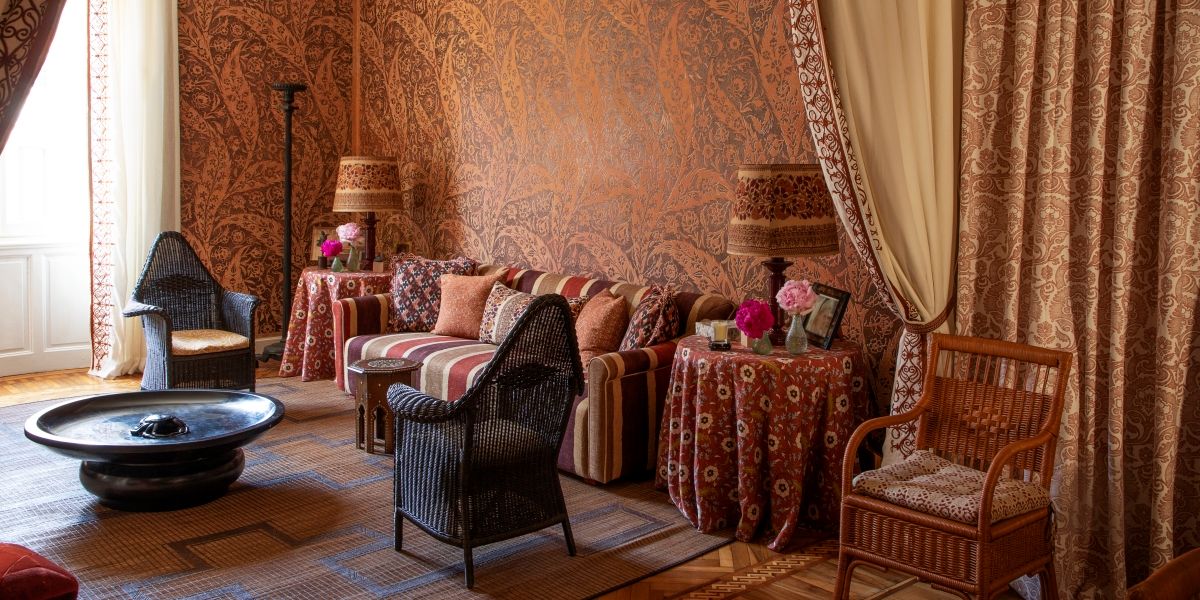
The 5 Fabric Trends Ruling Interiors Now, According to the Pros

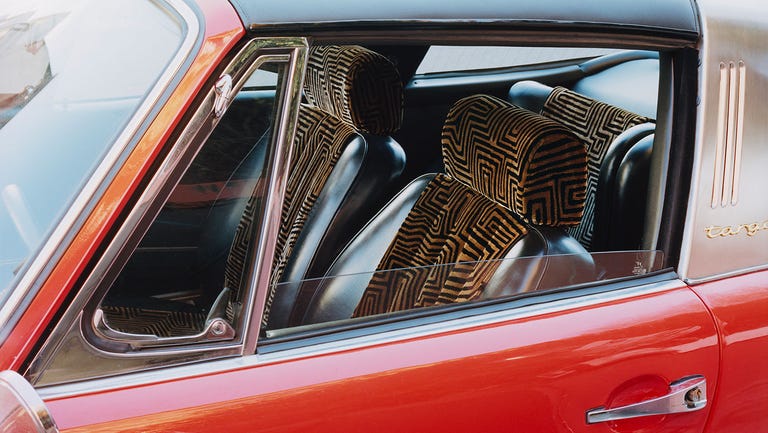
The Furnishing Fabrics of 2024
Why Statement Trims Are the Big Design Trend of 2026

The Biggest Interior Design Trends for 2025

The 5 Rules of Decorating as a Maximalist in 2025, According to a Trend Reporter