1/11
Japanese garden ideas – 11 design tips for a zen backyard
Japanese gardens are often regarded as works of art, characterized by their immaculate, serene, and perfectly balanced aesthetics. While achieving the level of mastery seen in traditional Japanese gardens, which often require a lifetime of dedication to practices like cloud pruning, intricate gravel maintenance, or Kanso (the Japanese equivalent of Feng Shui), may be impractical for many, their principles can inspire a sense of tranquility and contemplation in personal outdoor spaces. This article presents 11 design tips for incorporating Japanese garden ideas into a backyard, focusing on creating a serene and reflective environment.
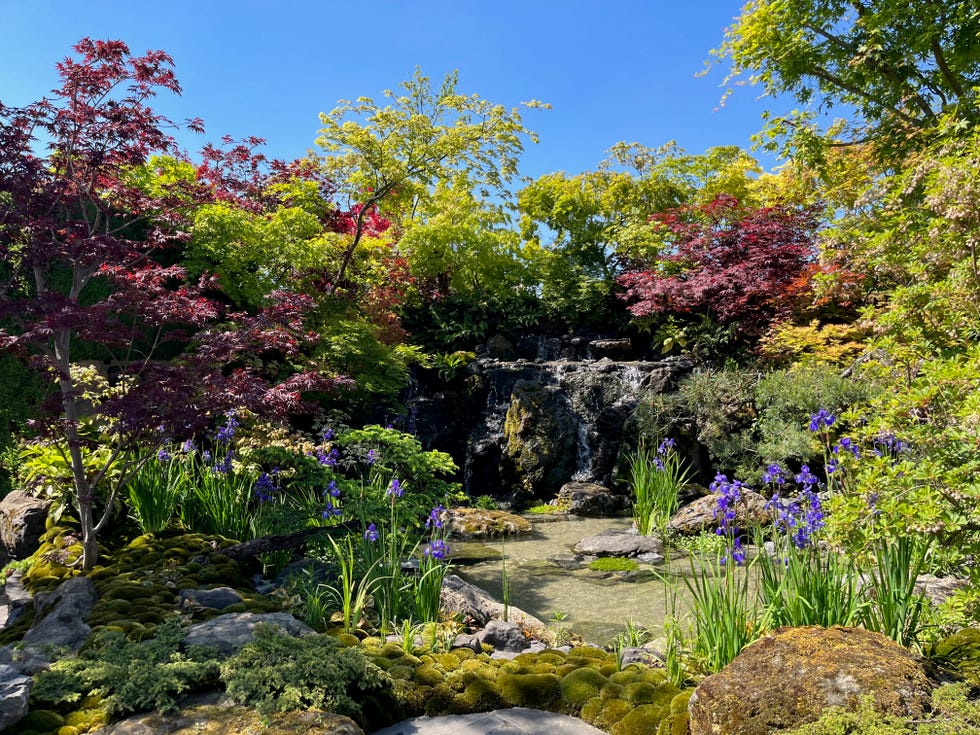
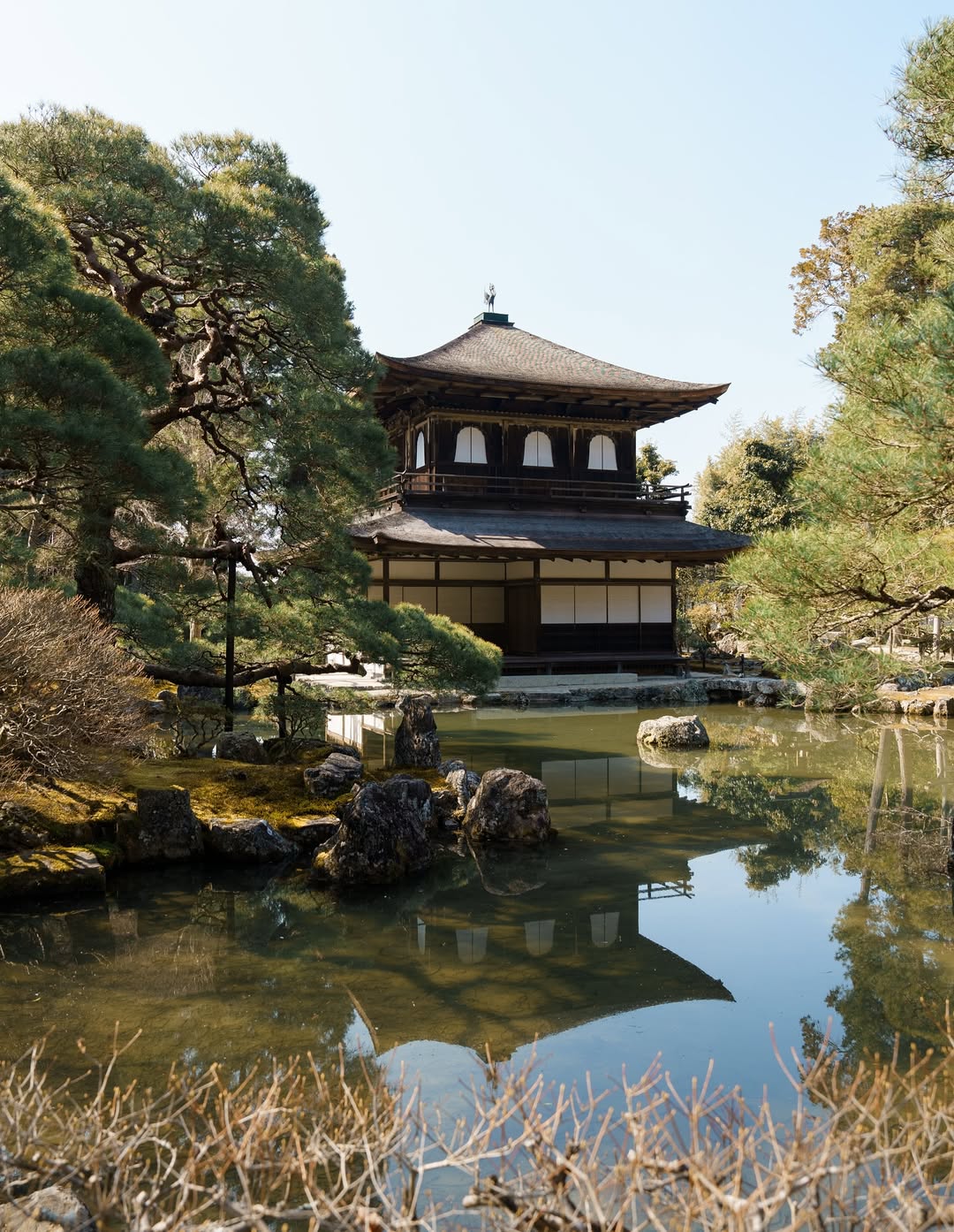
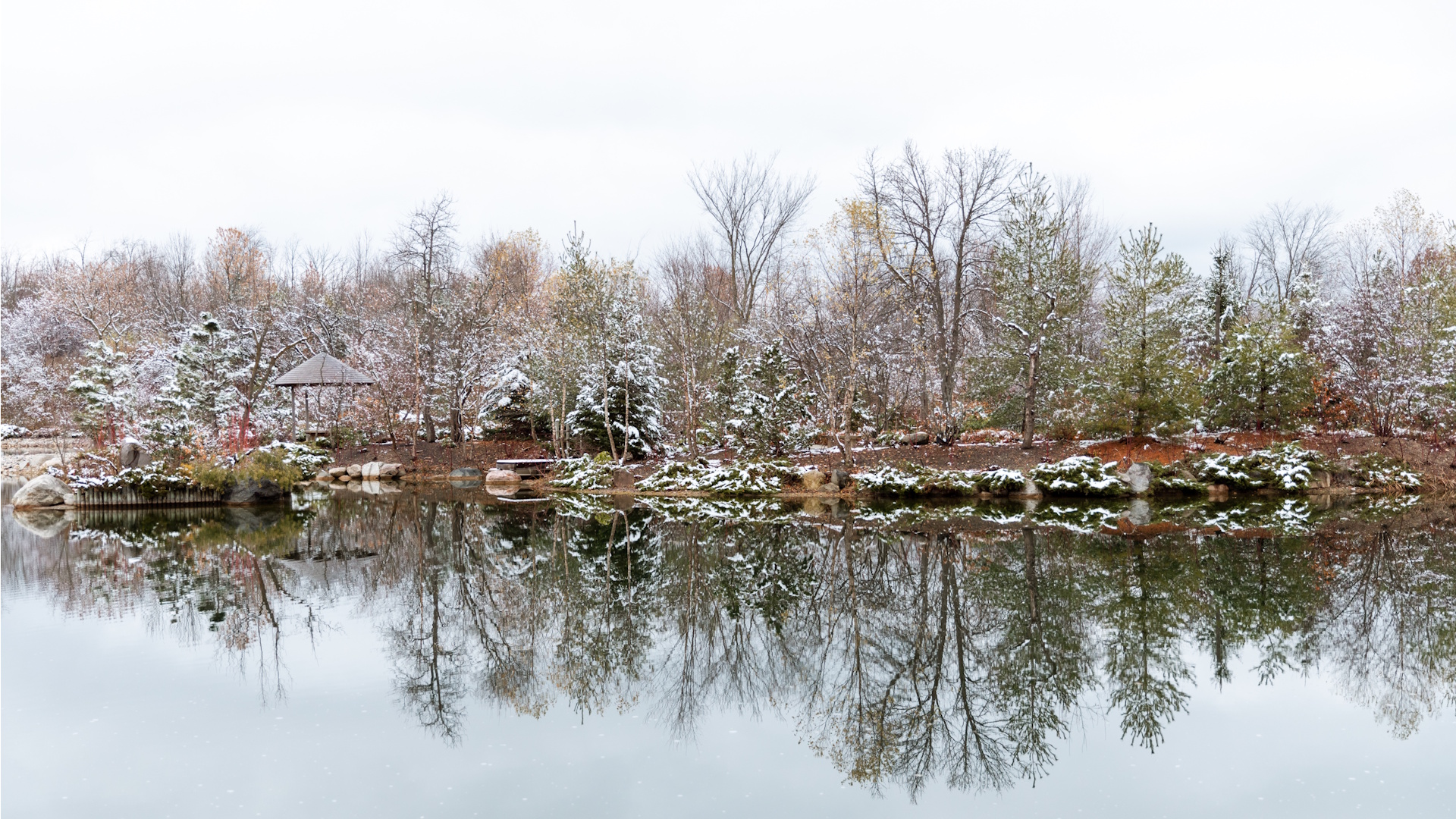
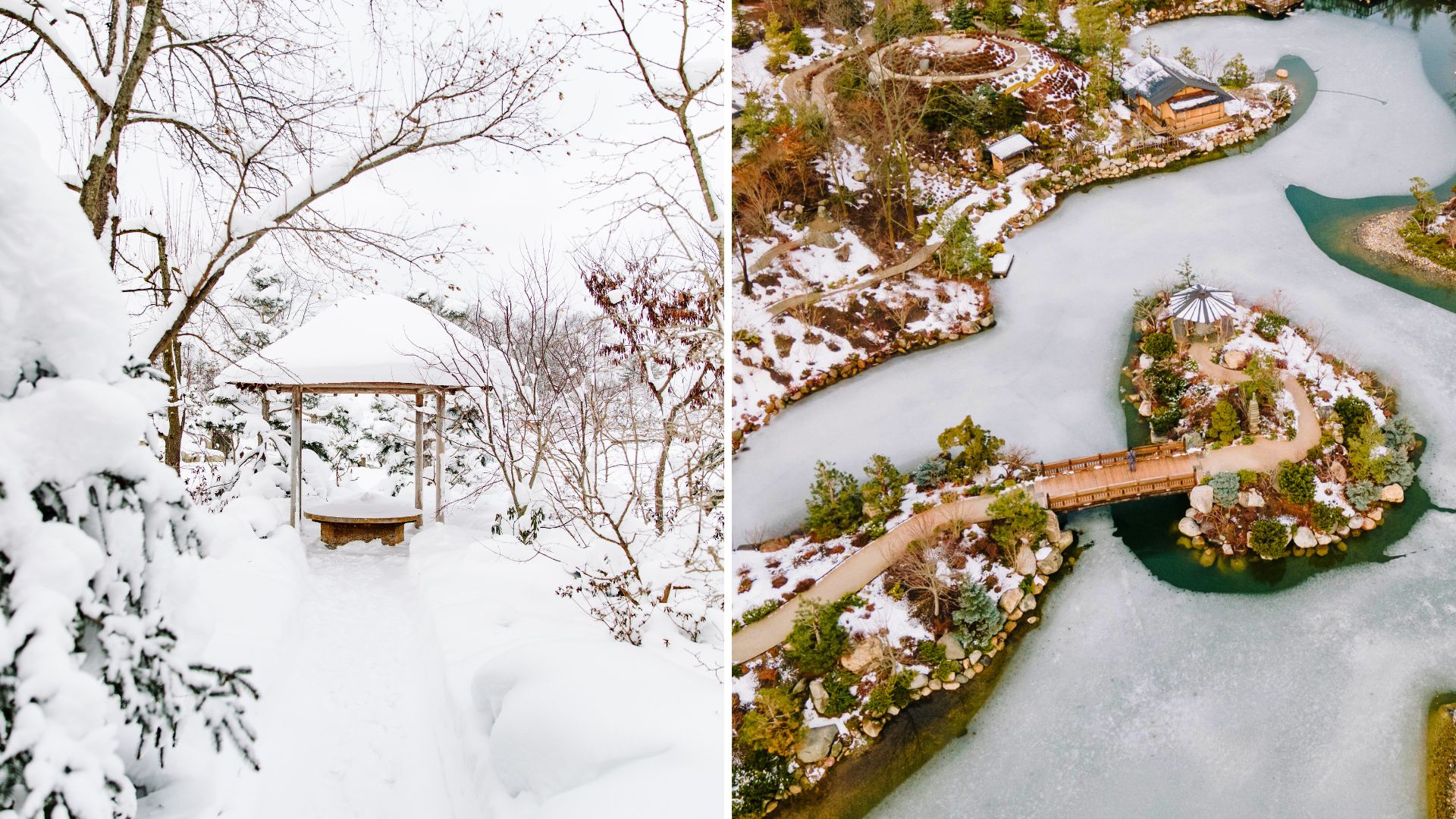
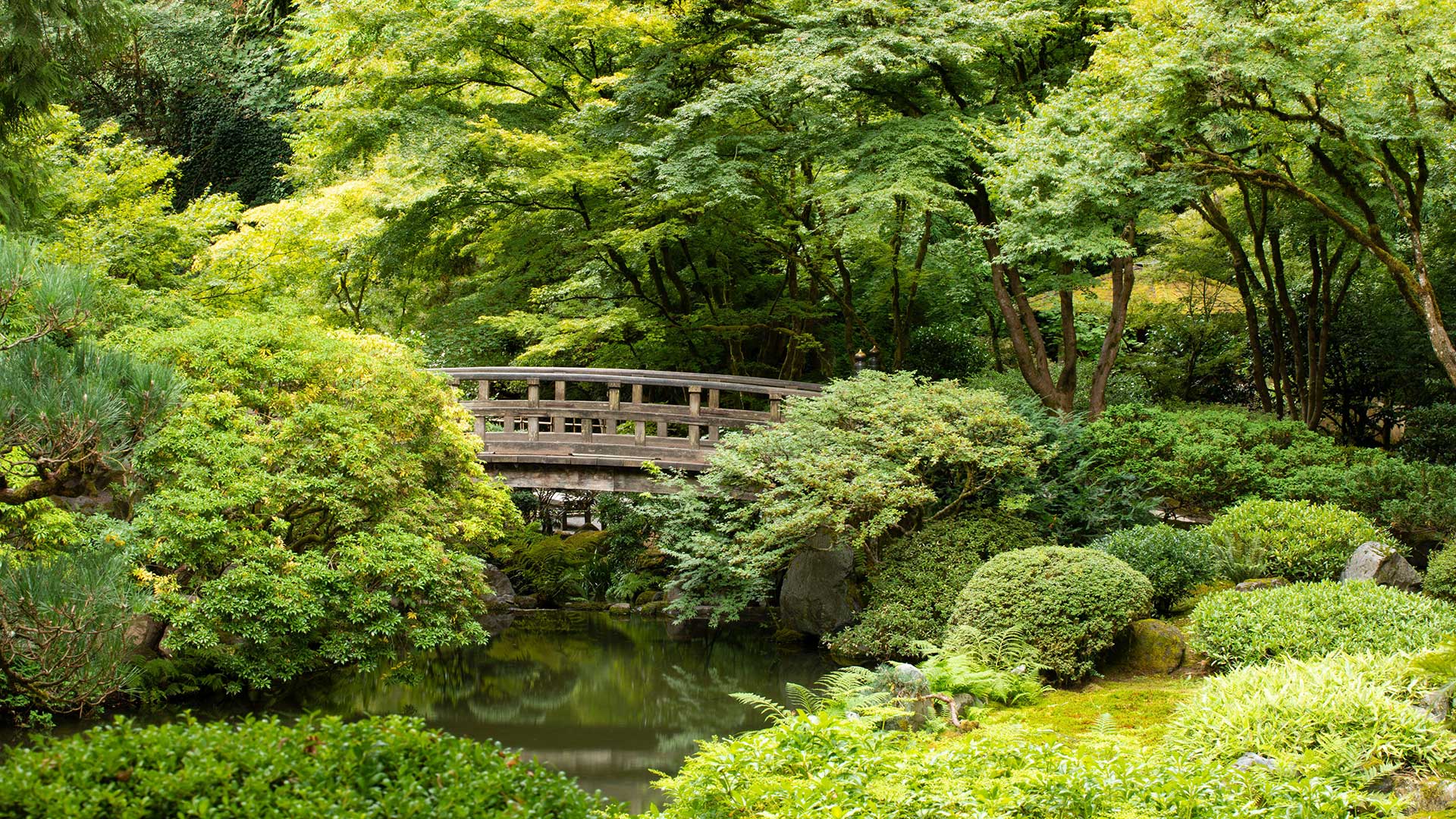
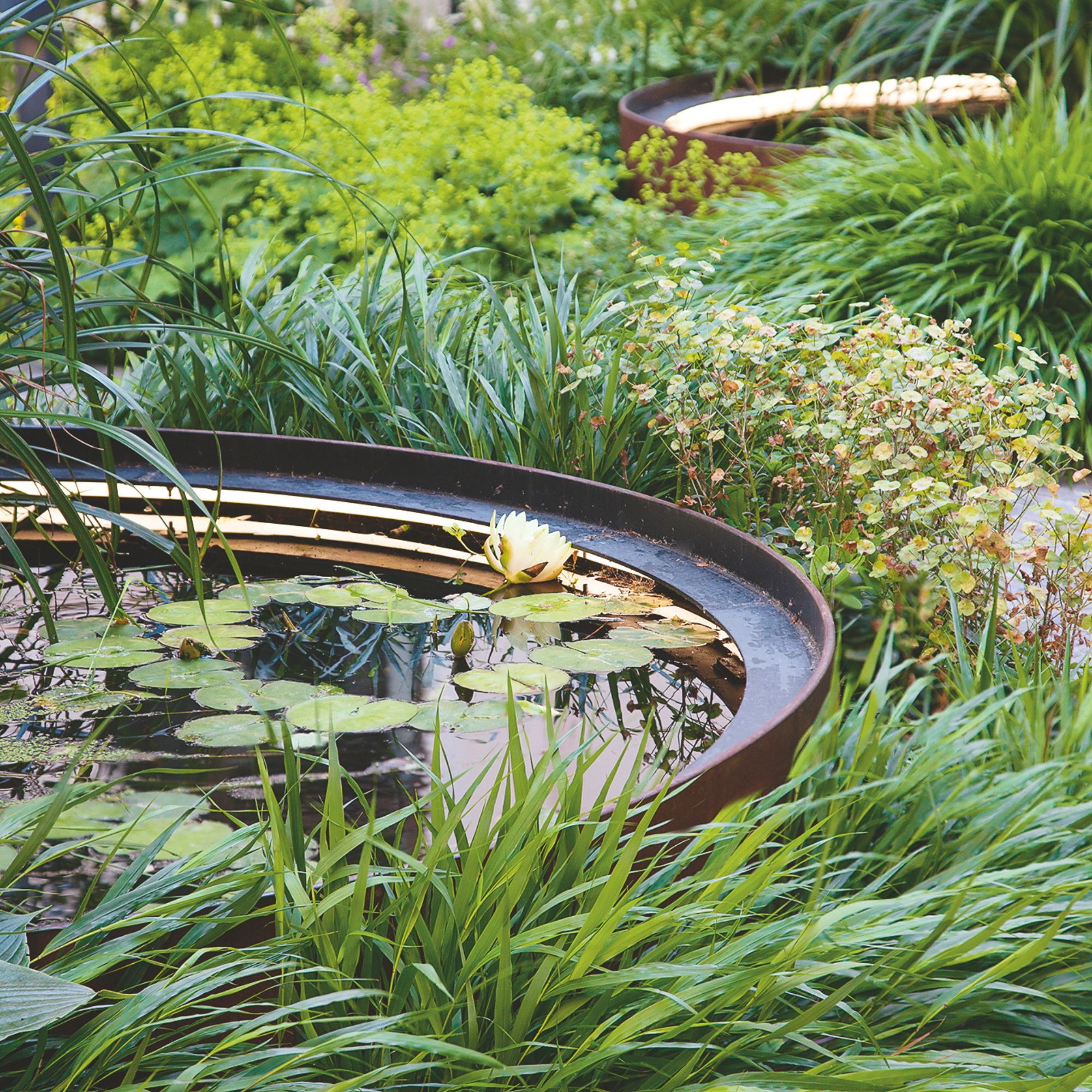
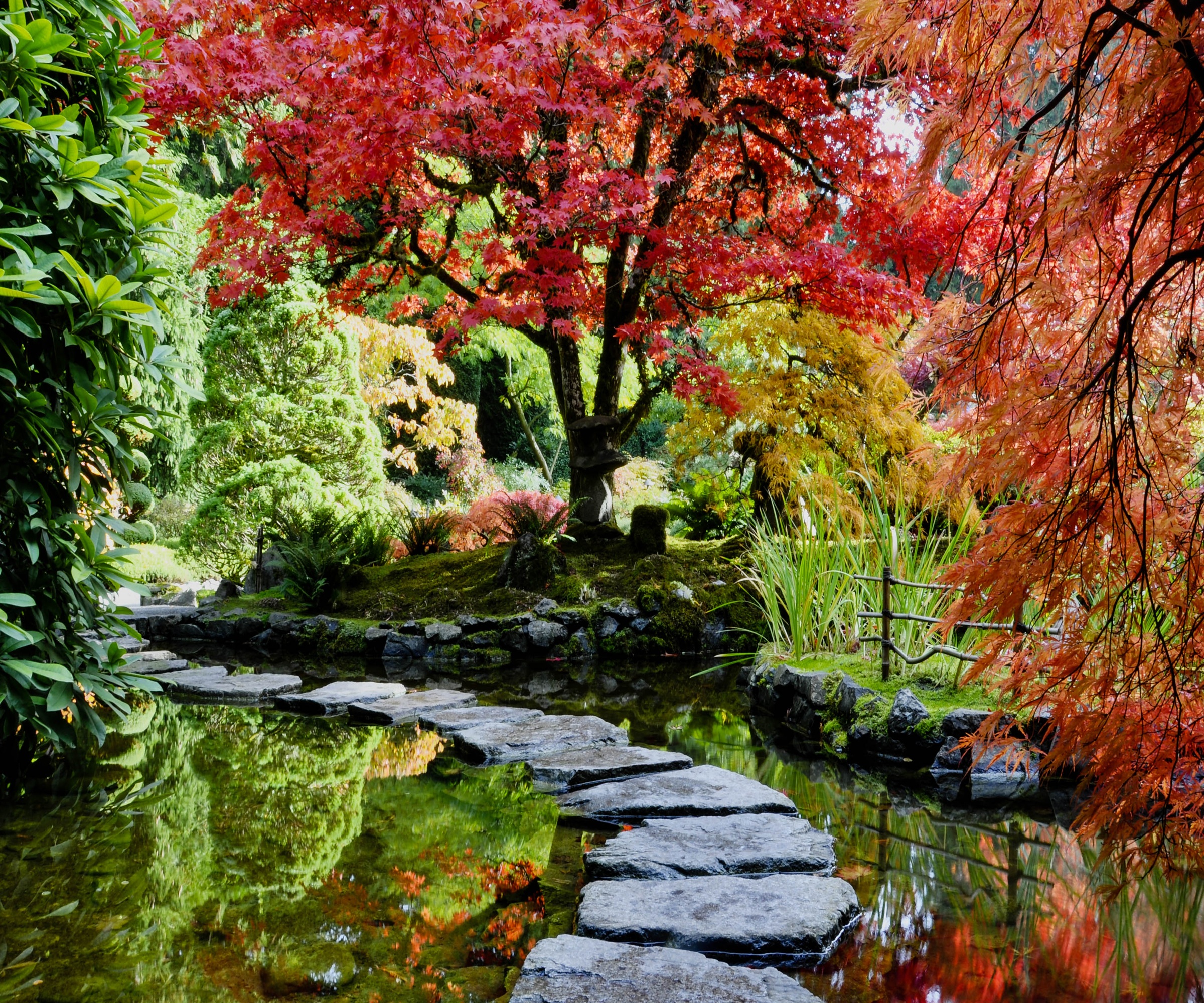
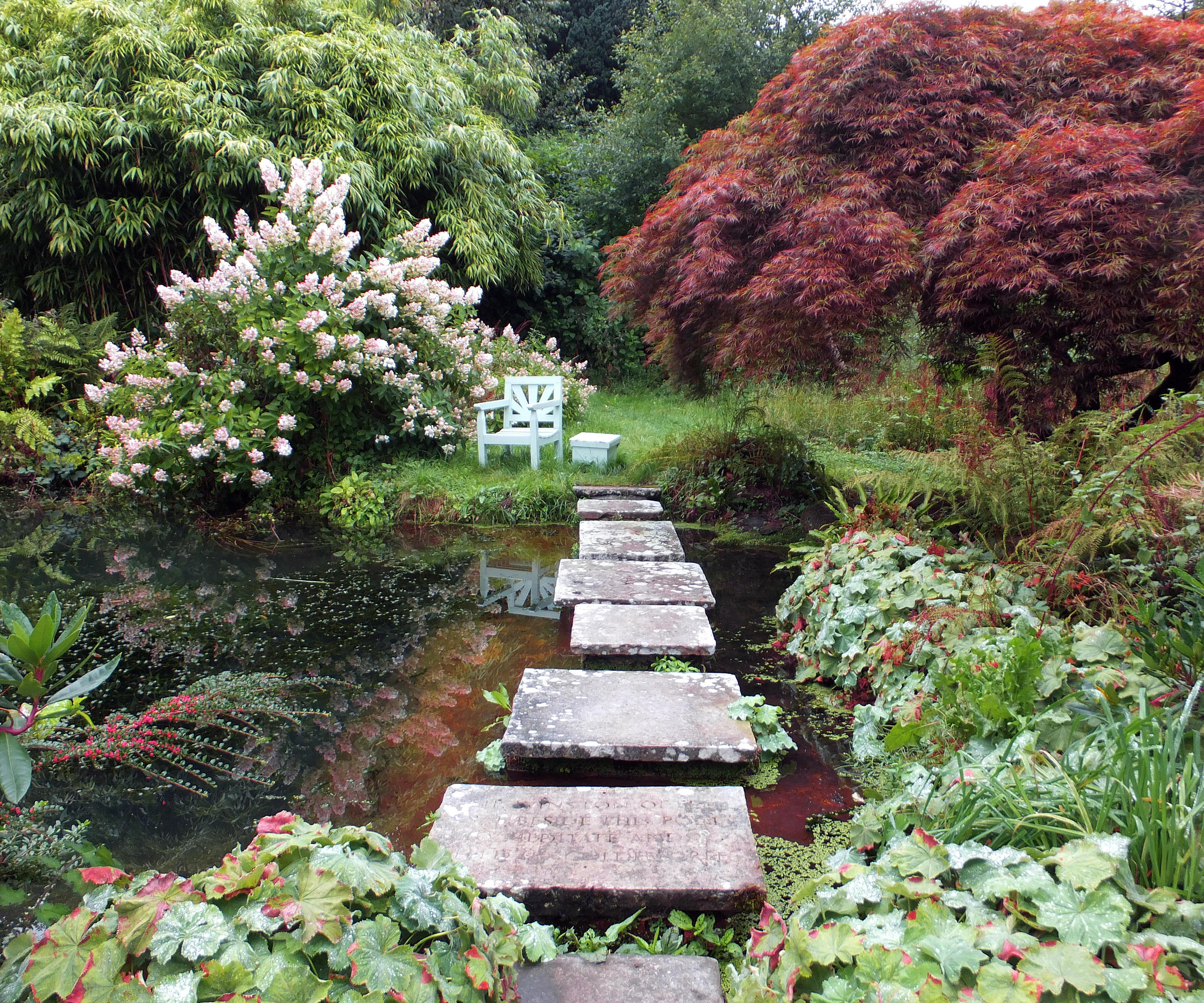
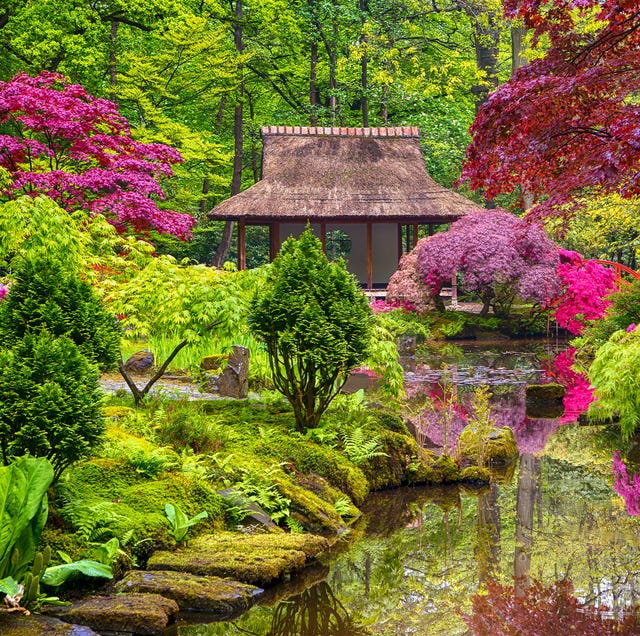
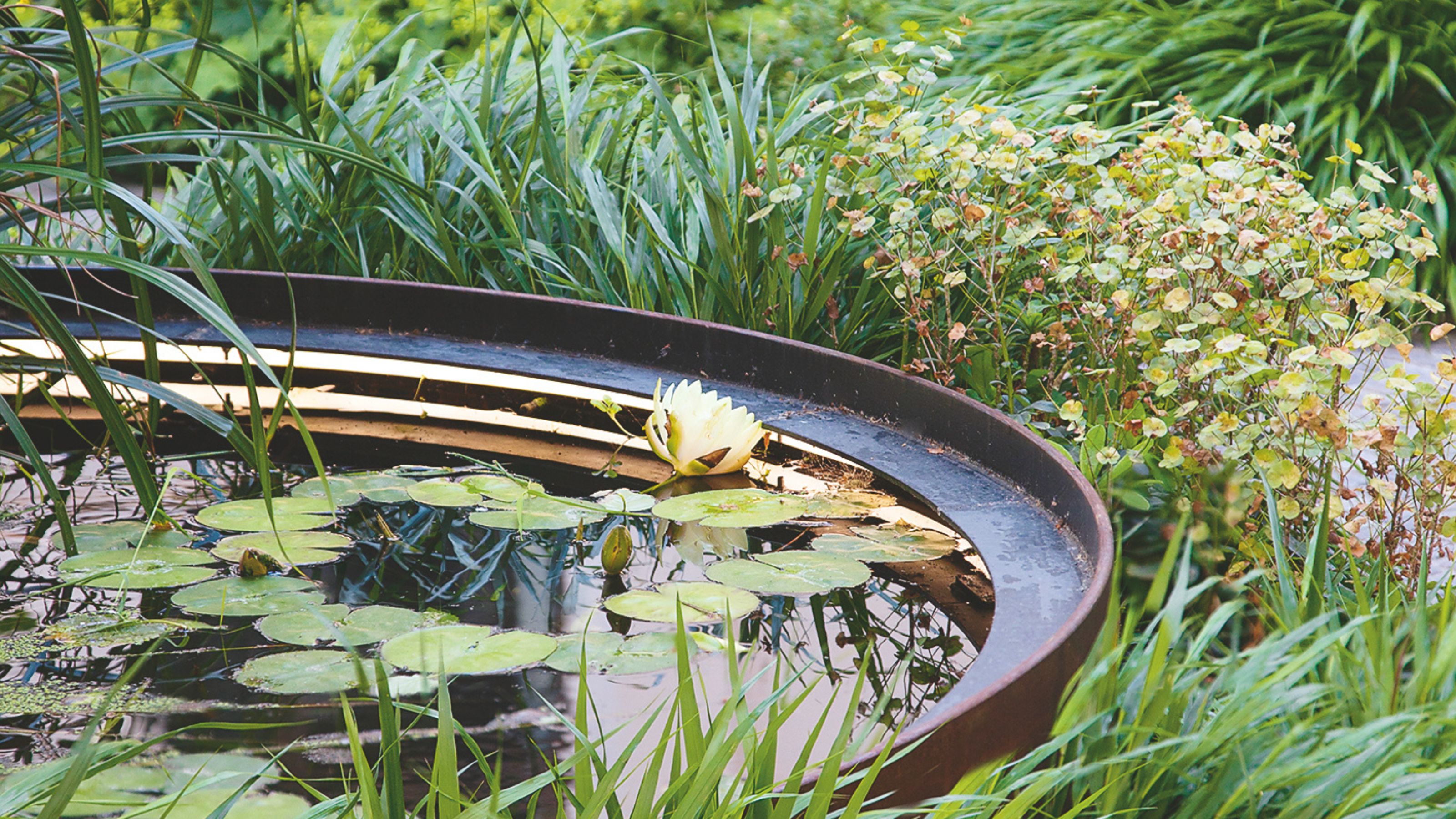
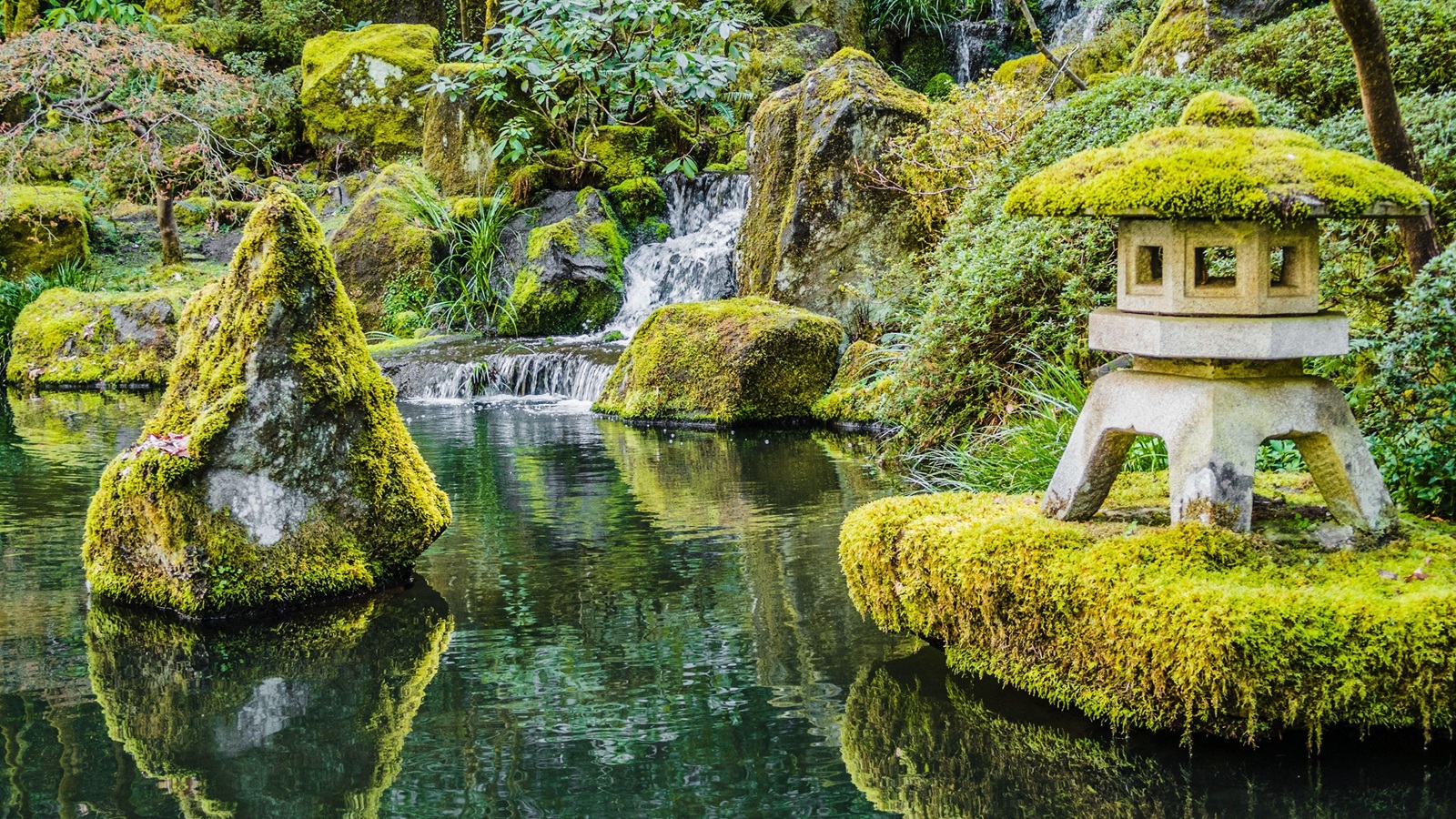
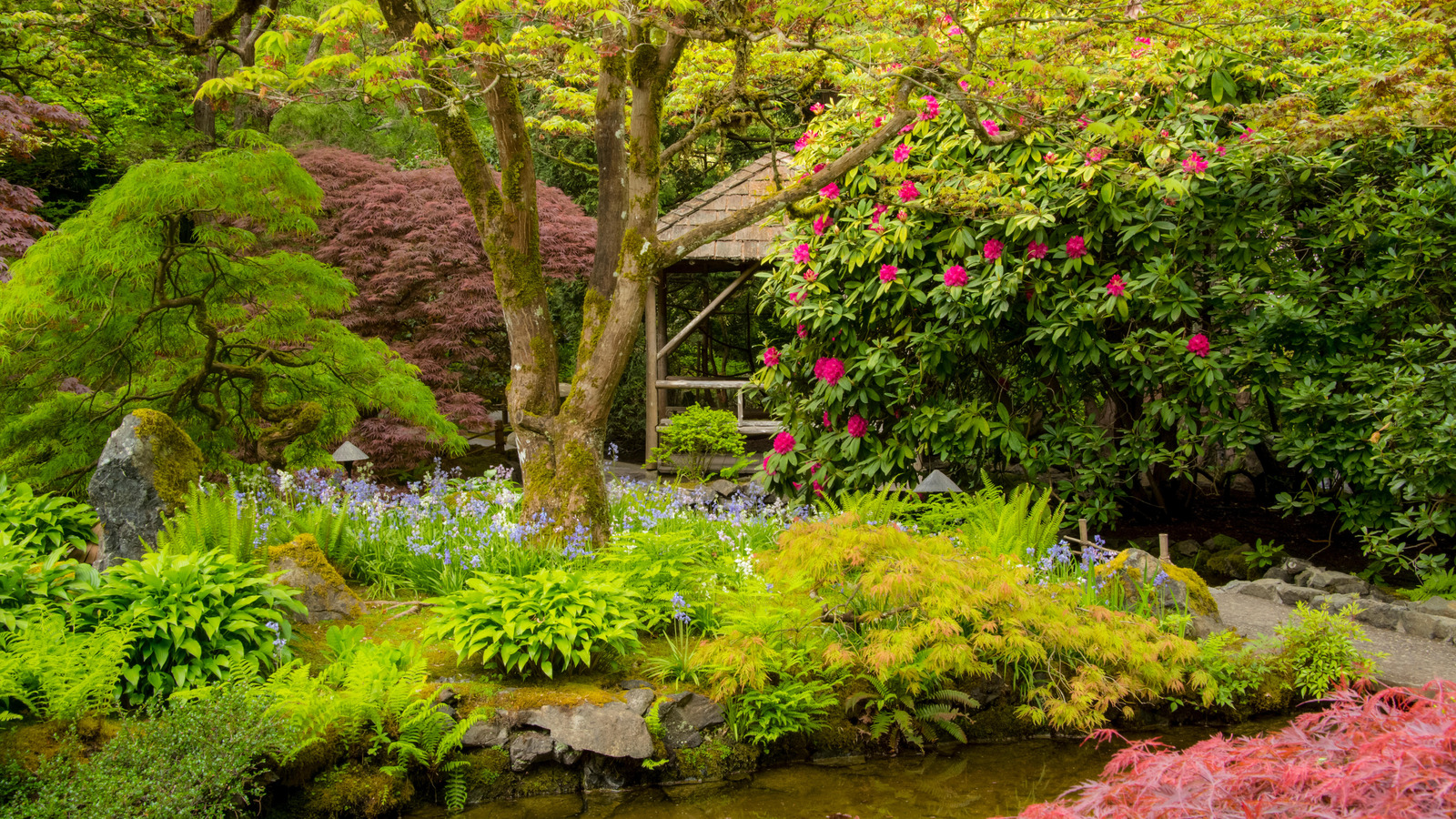
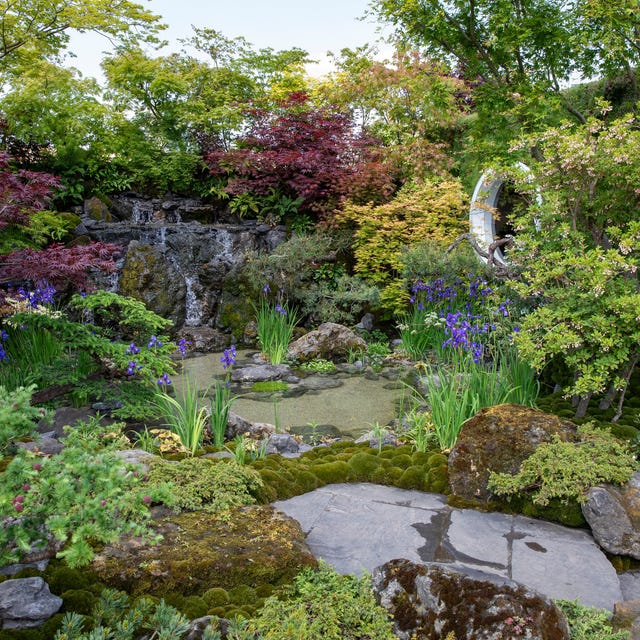
A fundamental element in Japanese garden design is water. Incorporating a water feature not only adds an extra dimension but also fosters peace and tranquility. The surrounding planting, such as weeping willows or Acer palmatum, is crucial for enhancing the water's effect, reflecting vibrant colors and creating a calm surface.
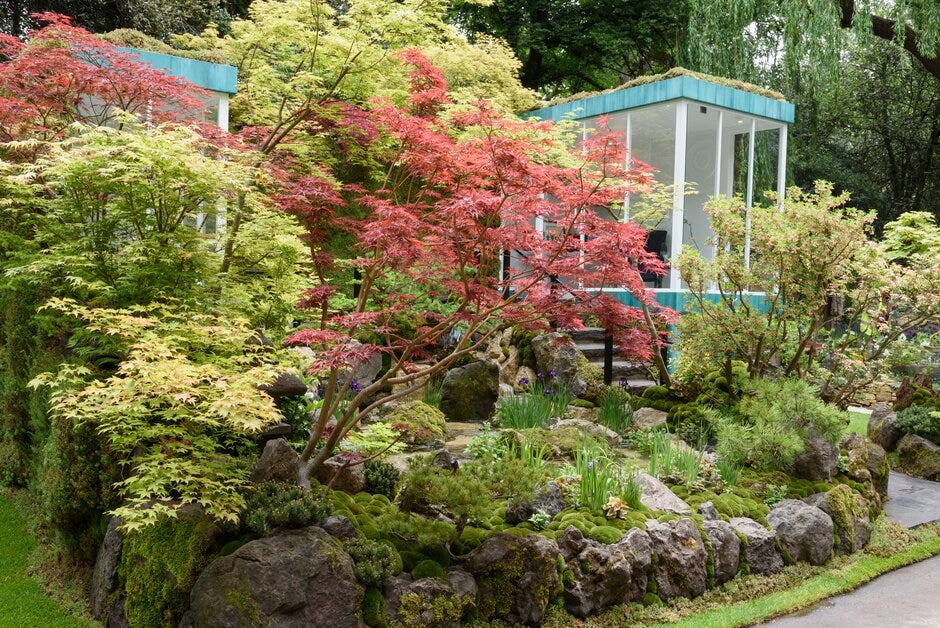
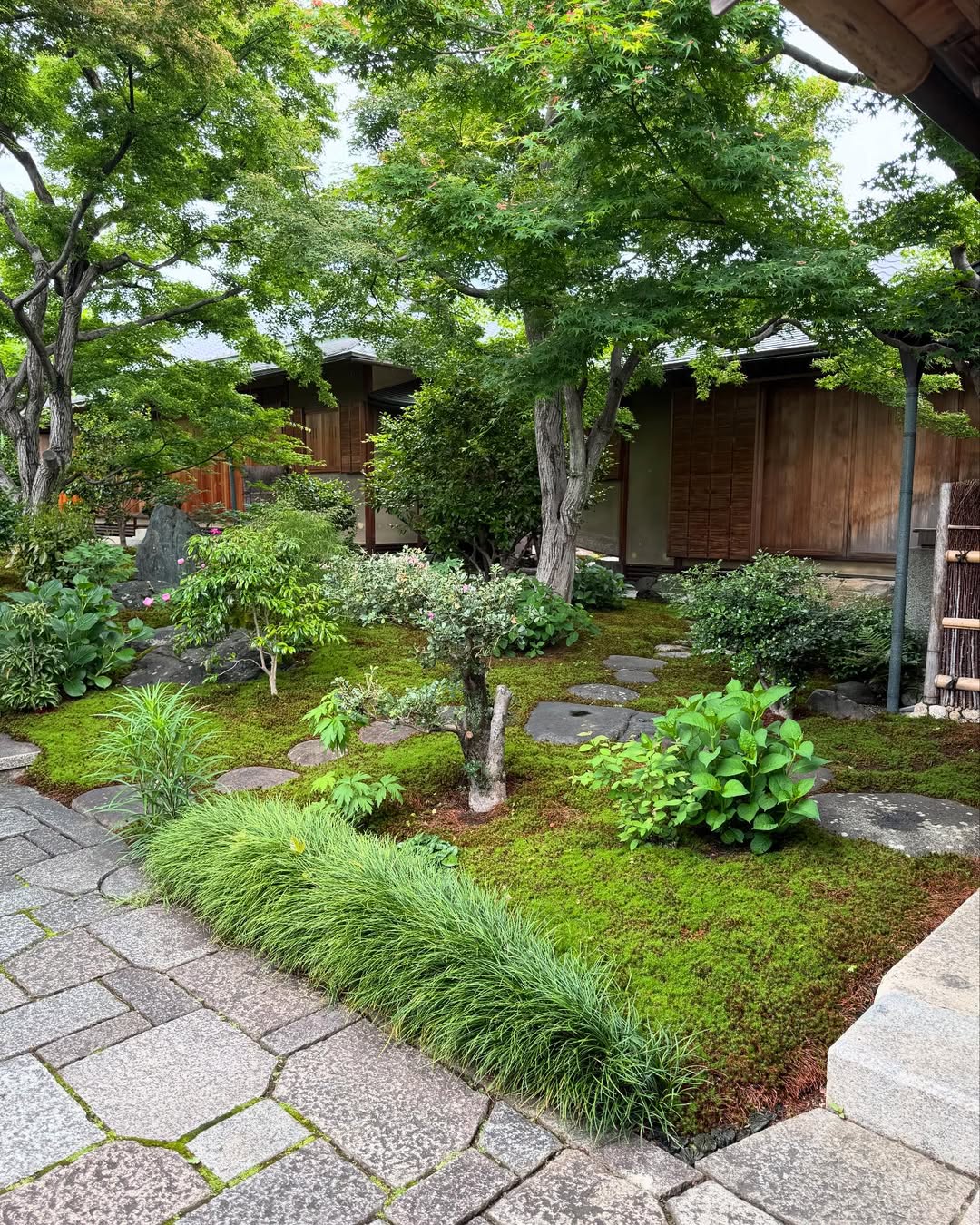
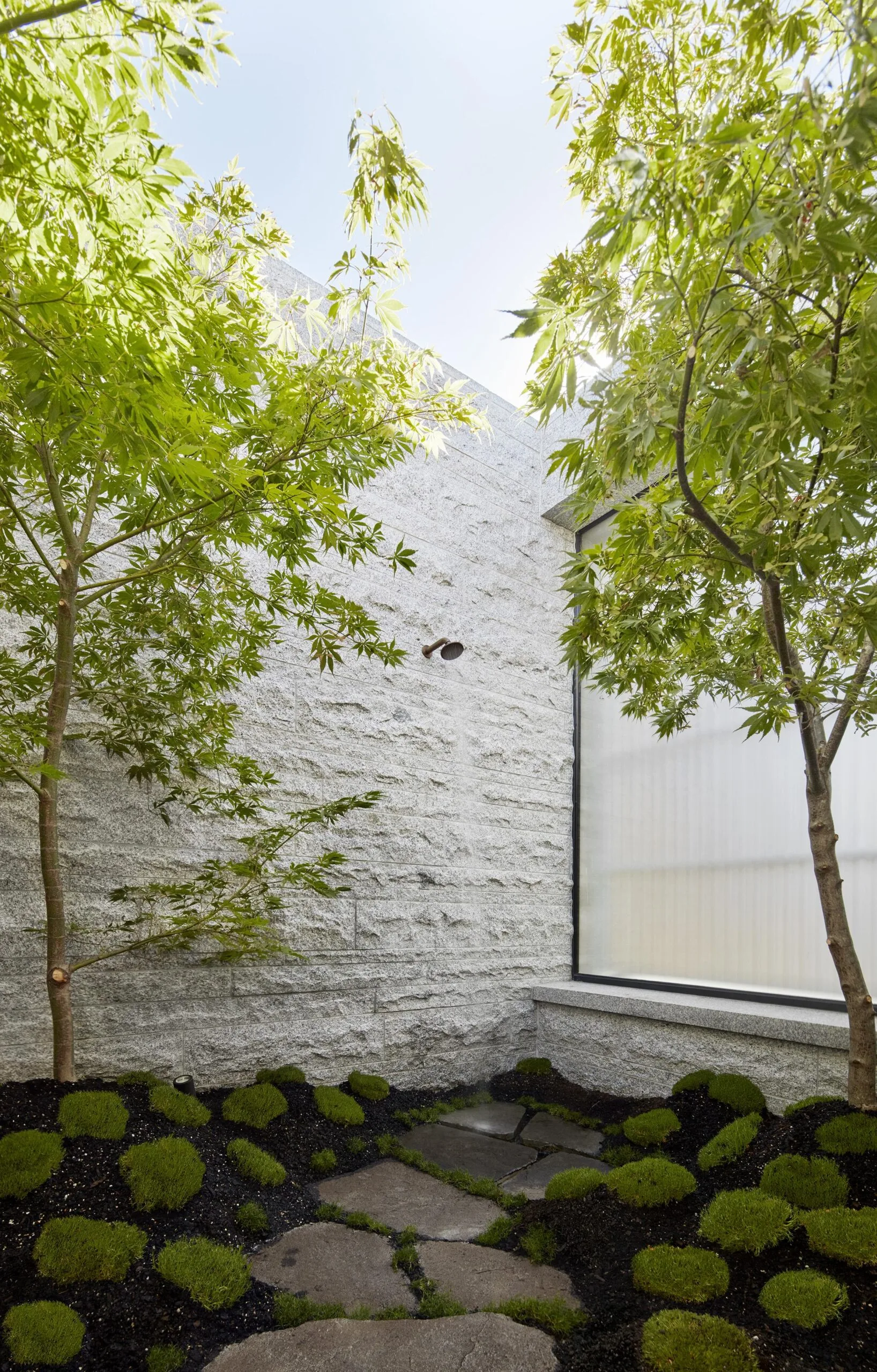
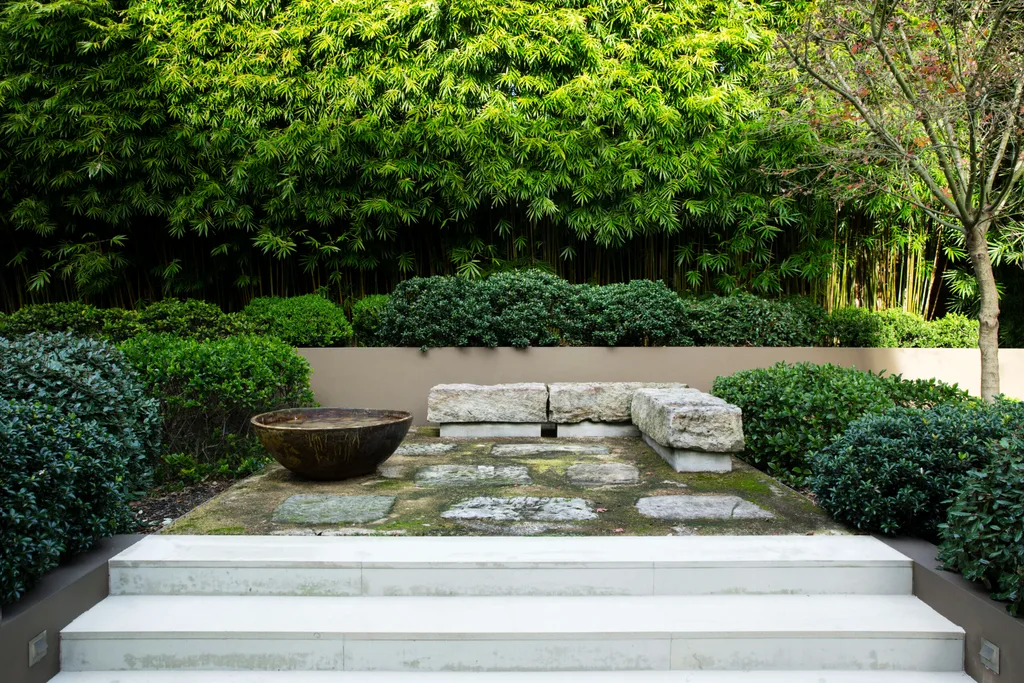
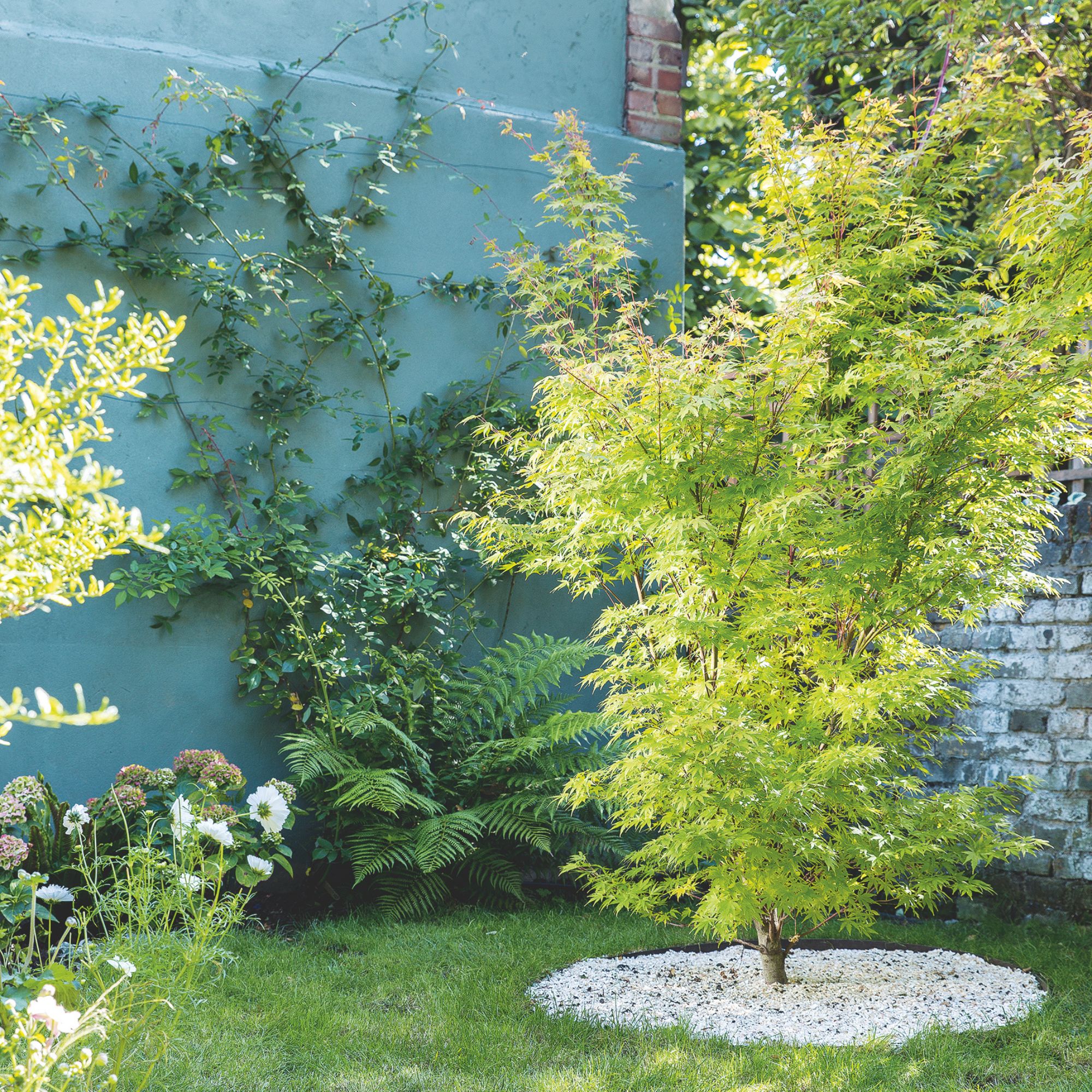
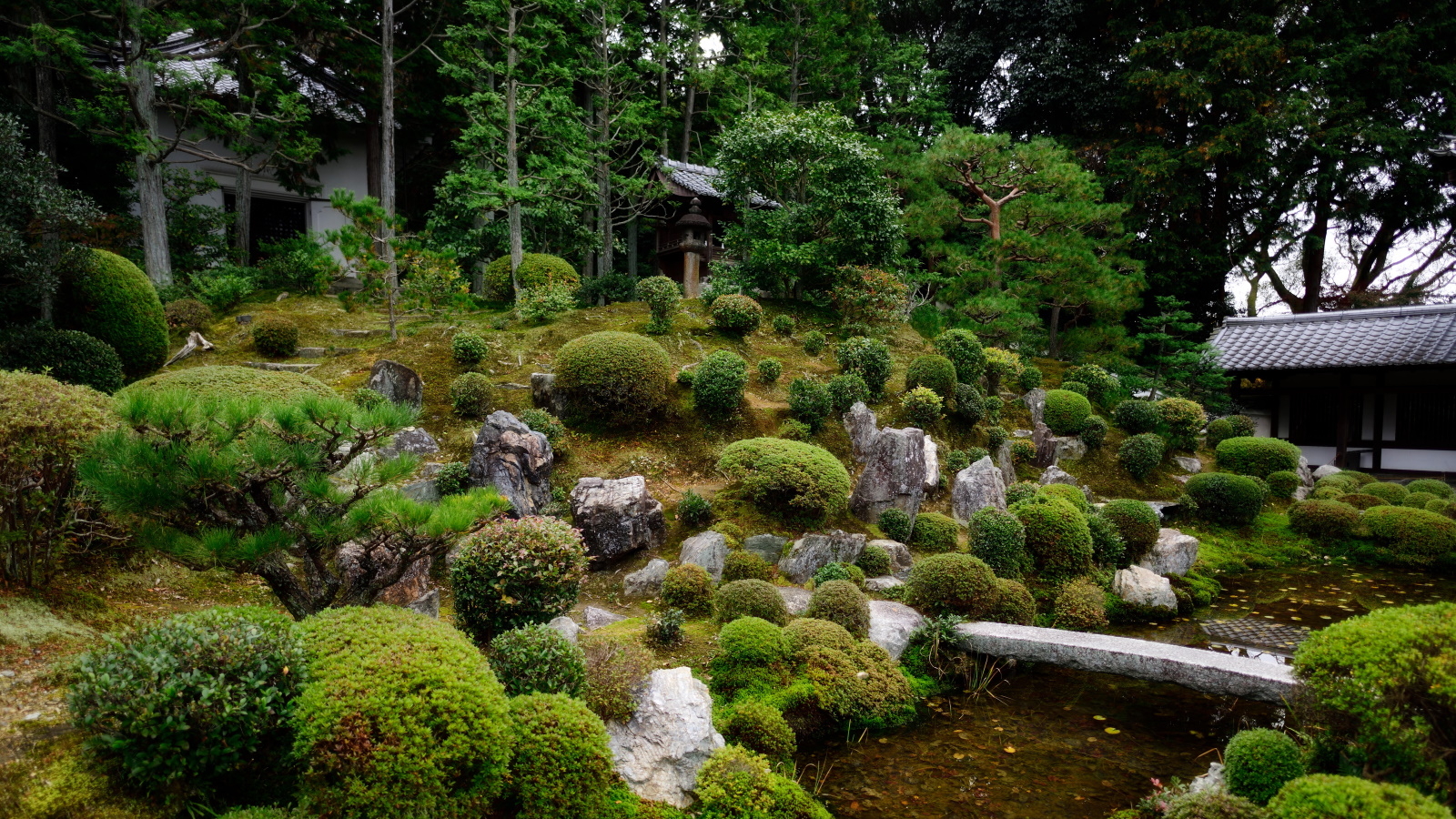
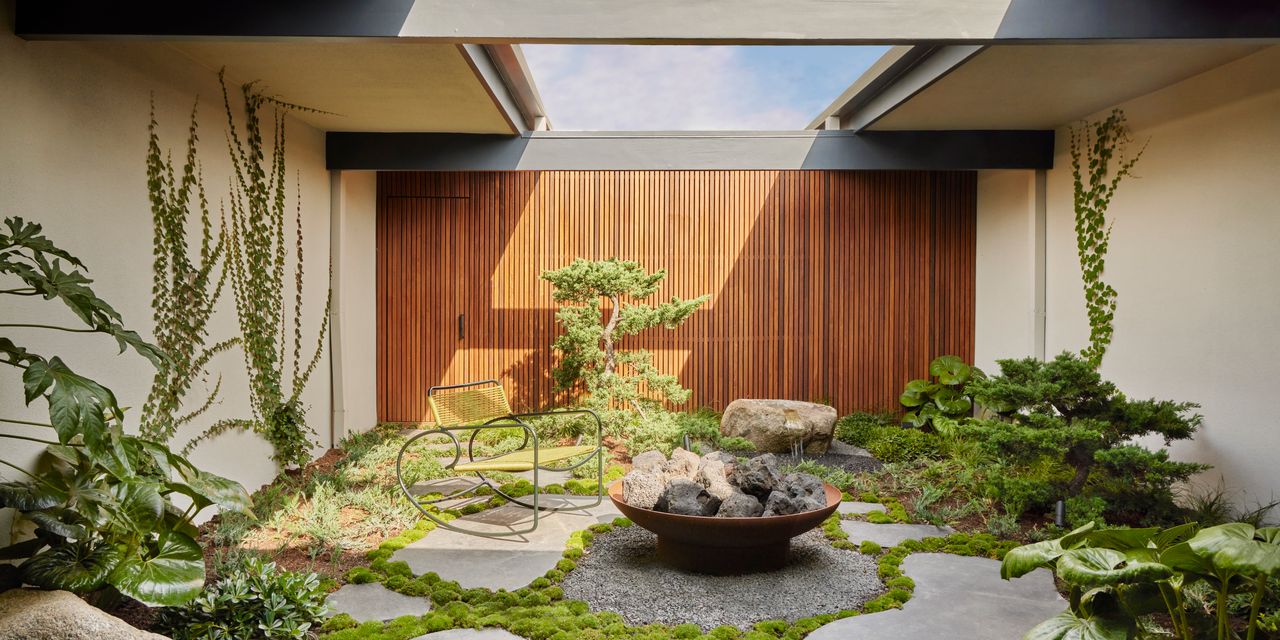
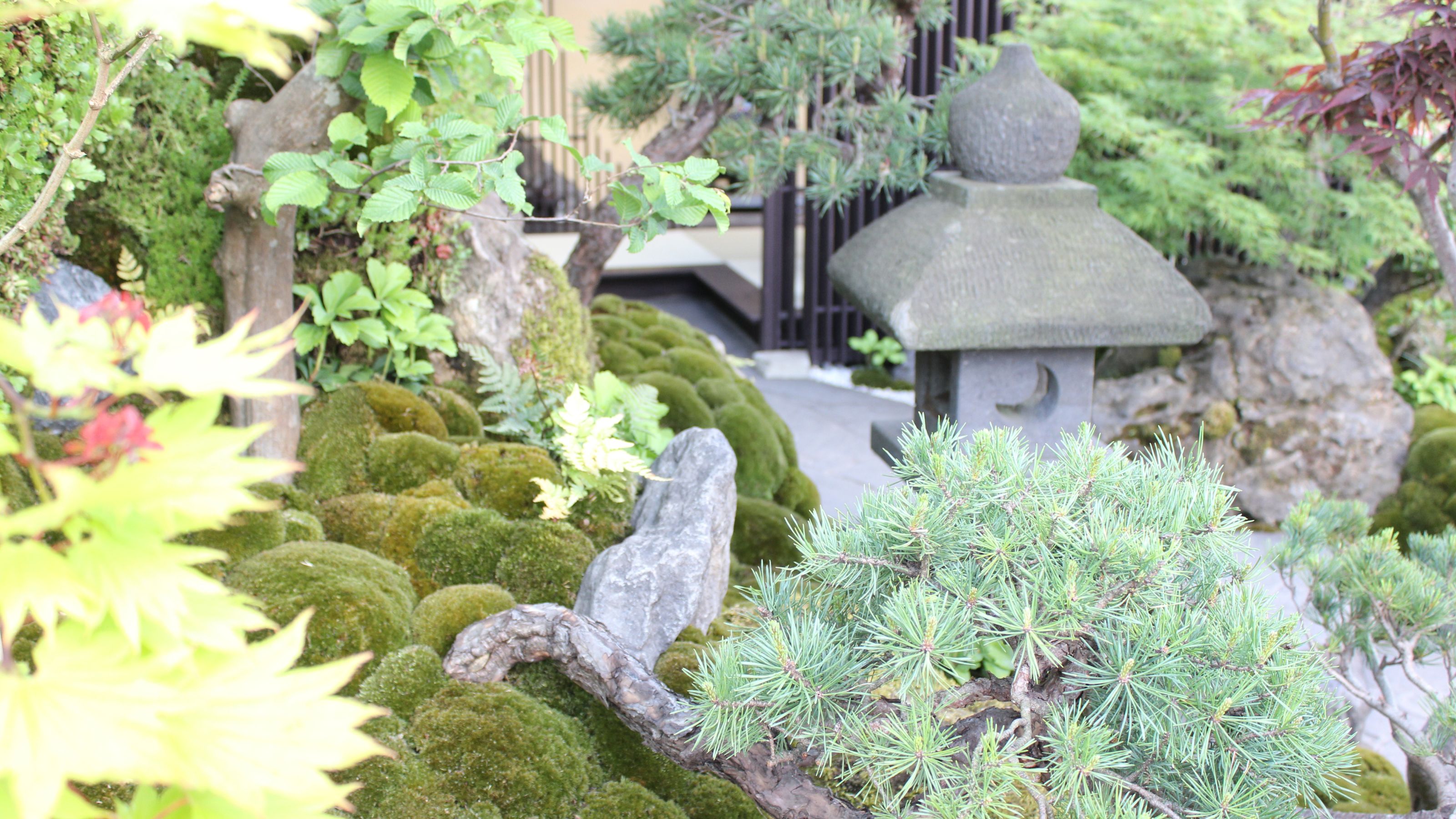
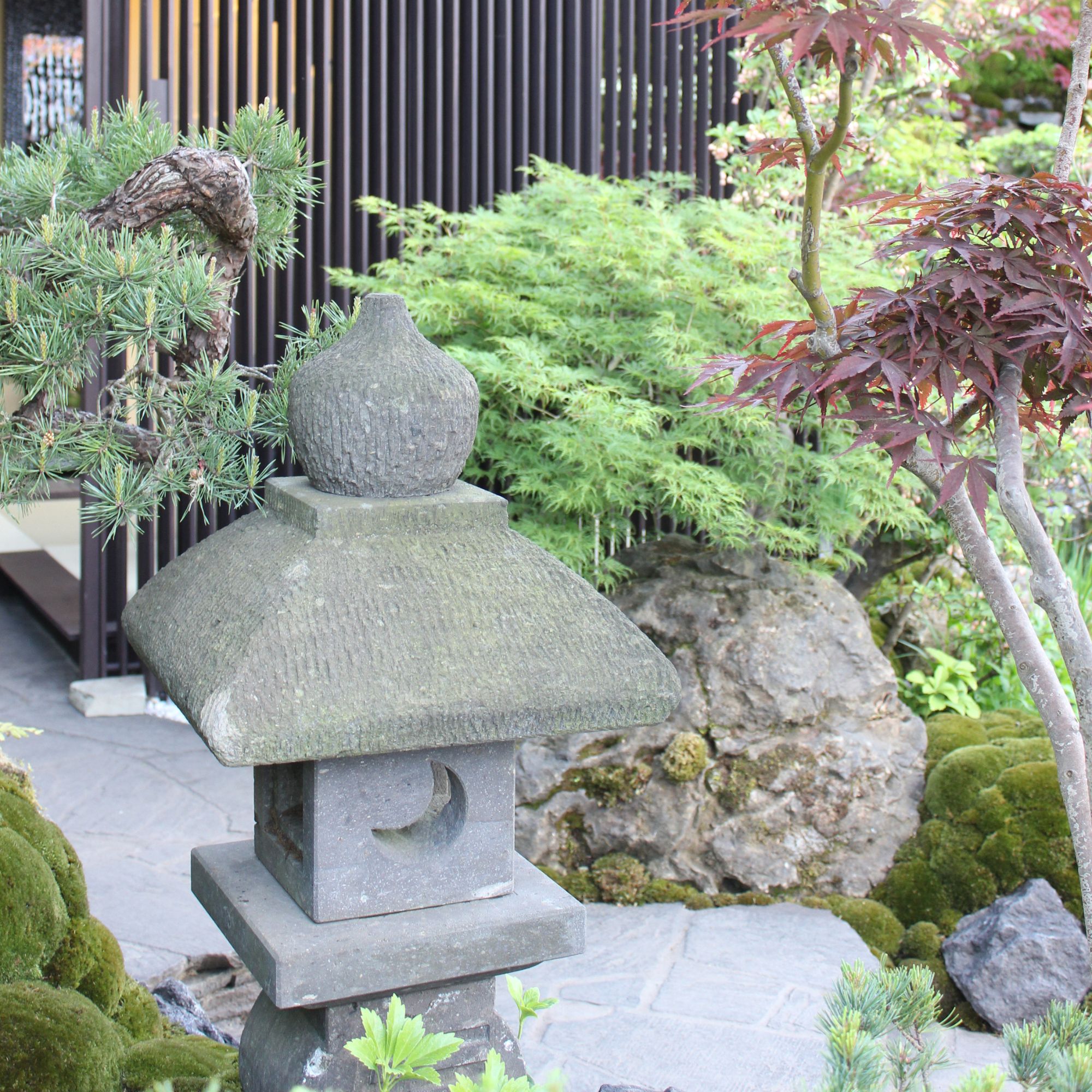
Preserving natural patina is another key aspect. Instead of aiming for pristine cleanliness, Japanese gardens embrace age and life, viewing them as symbols of wisdom. Moss gardens, which are traditional in Japan, are gaining popularity in Western regions as a solution for patchy lawns, contributing to the garden's aged and established appearance.
The Japanese concept of 'Ma' emphasizes distillation and serenity, discouraging overcrowding. Ma, described as a pause in time or an emptiness in space, focuses on balance between movement and stillness, filled with energy and feeling. This principle suggests dedicating passion to outdoor space while resisting the urge to fill every corner, embracing an 'unfinished' quality.
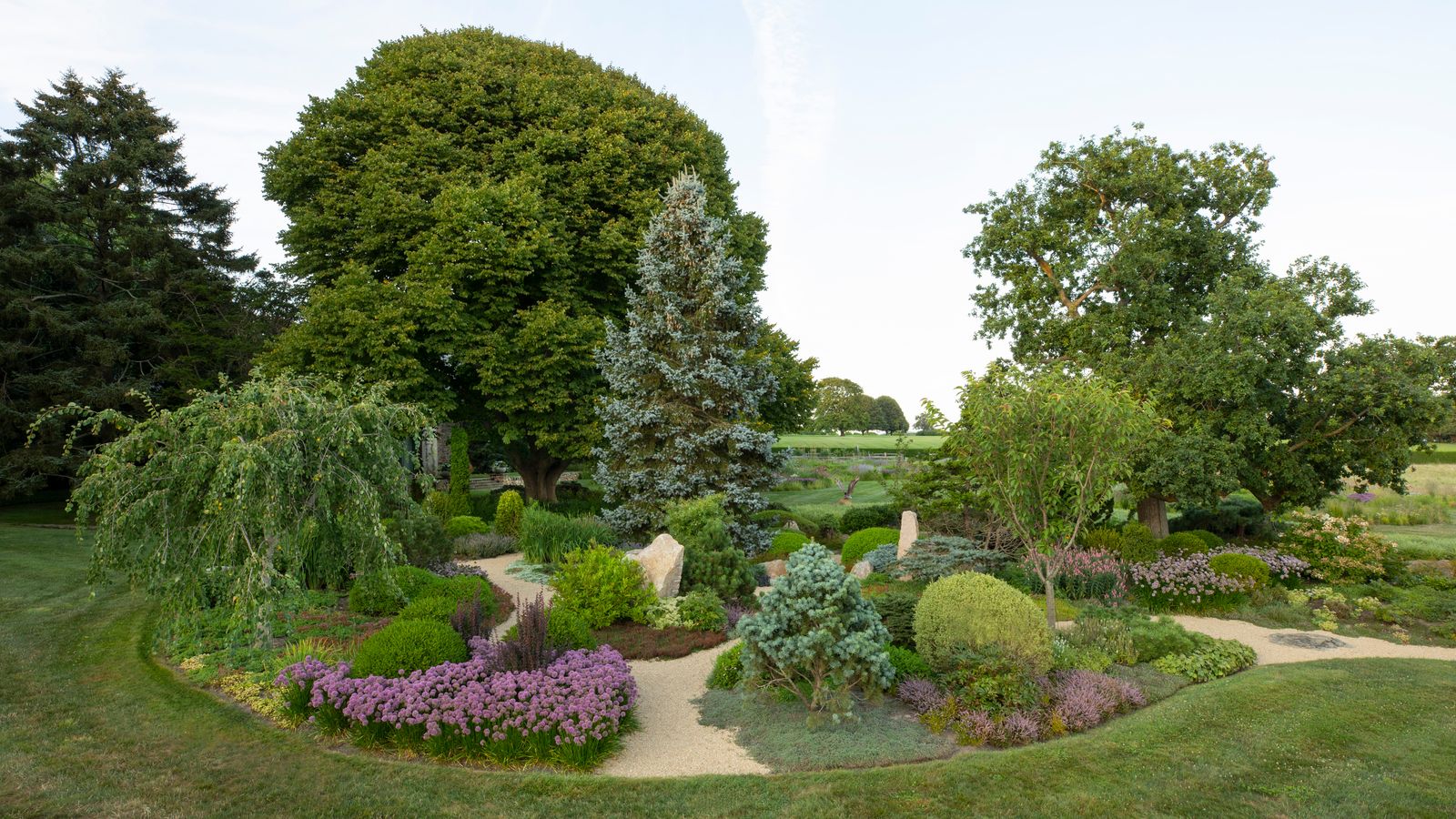
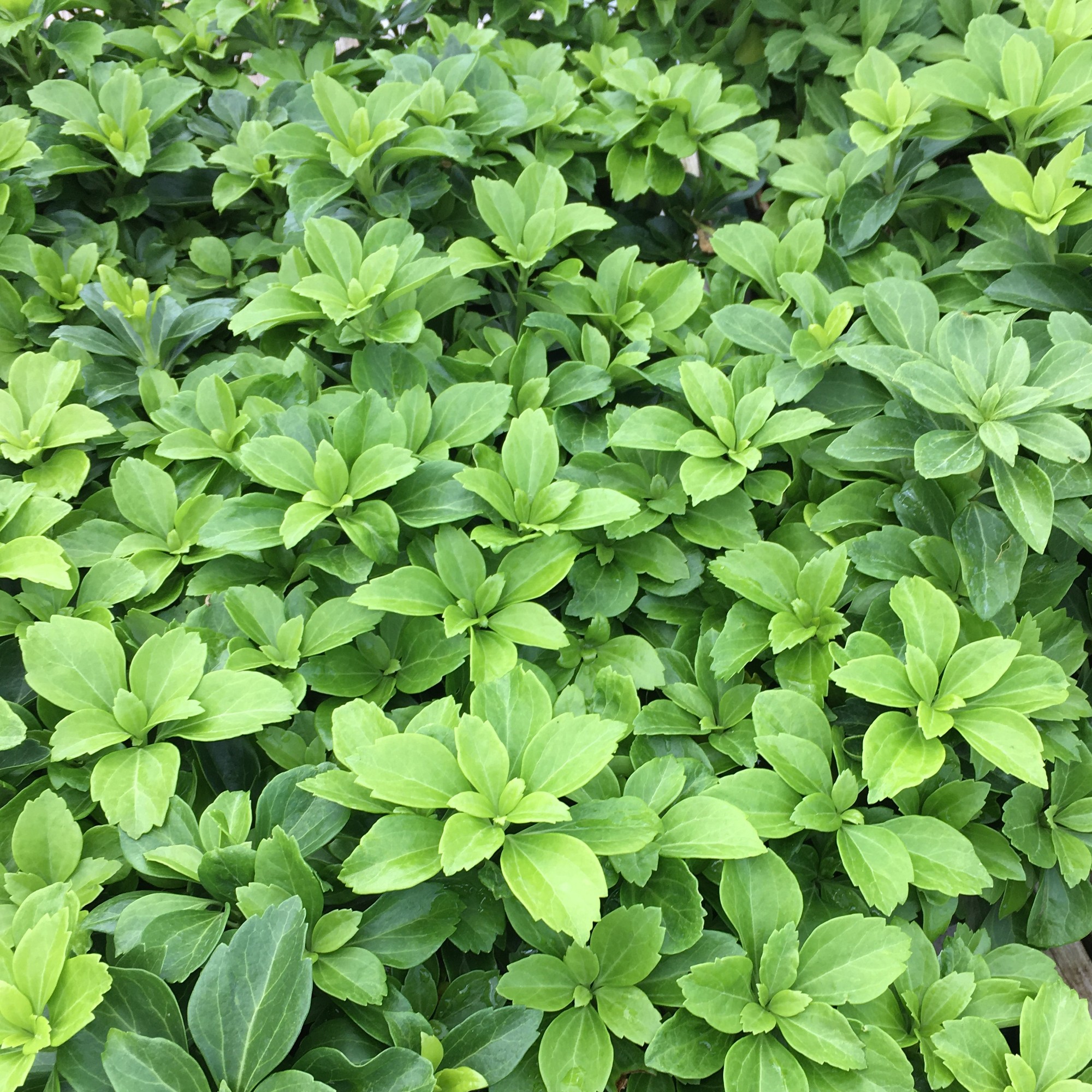
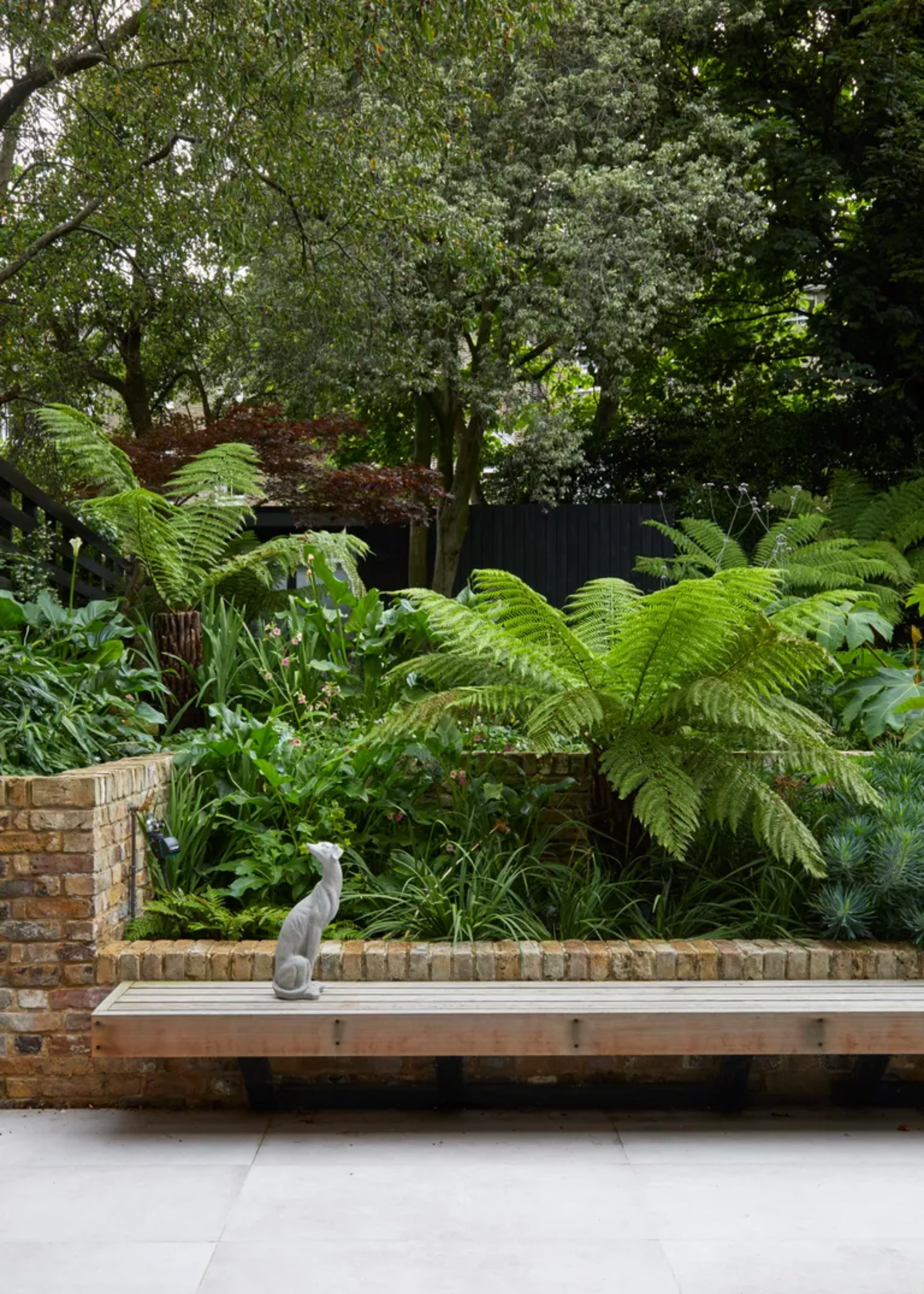
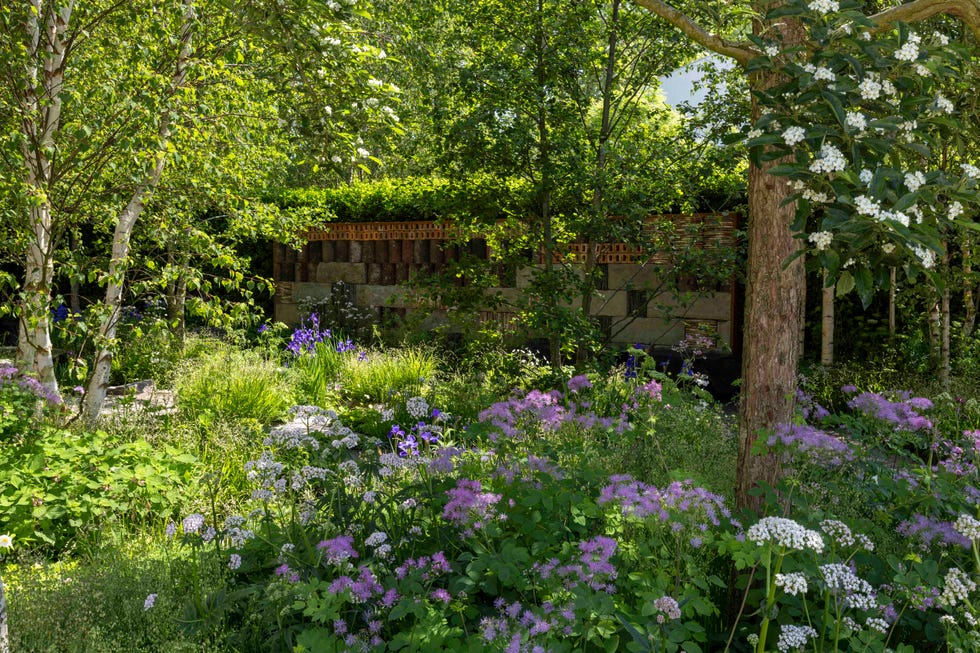
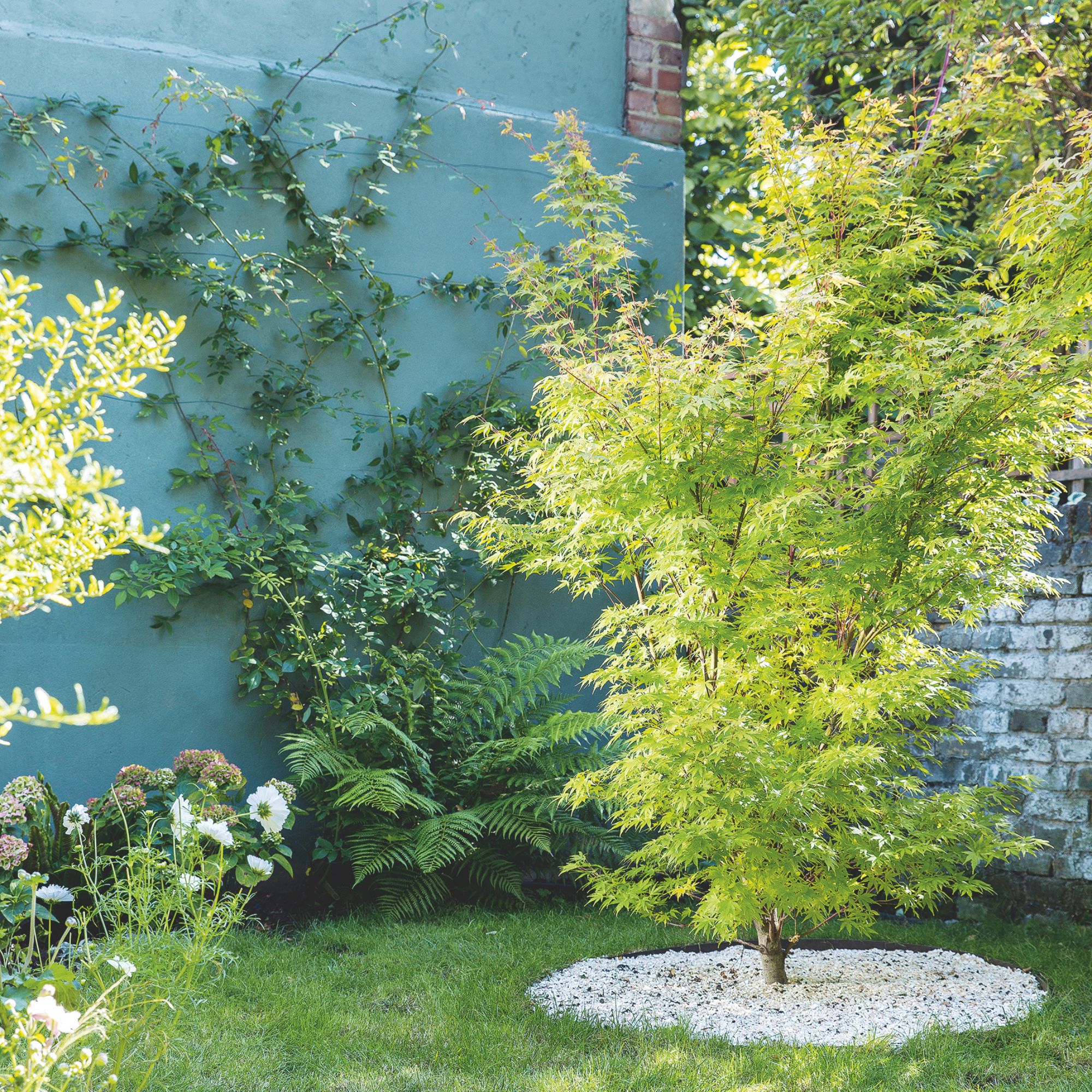
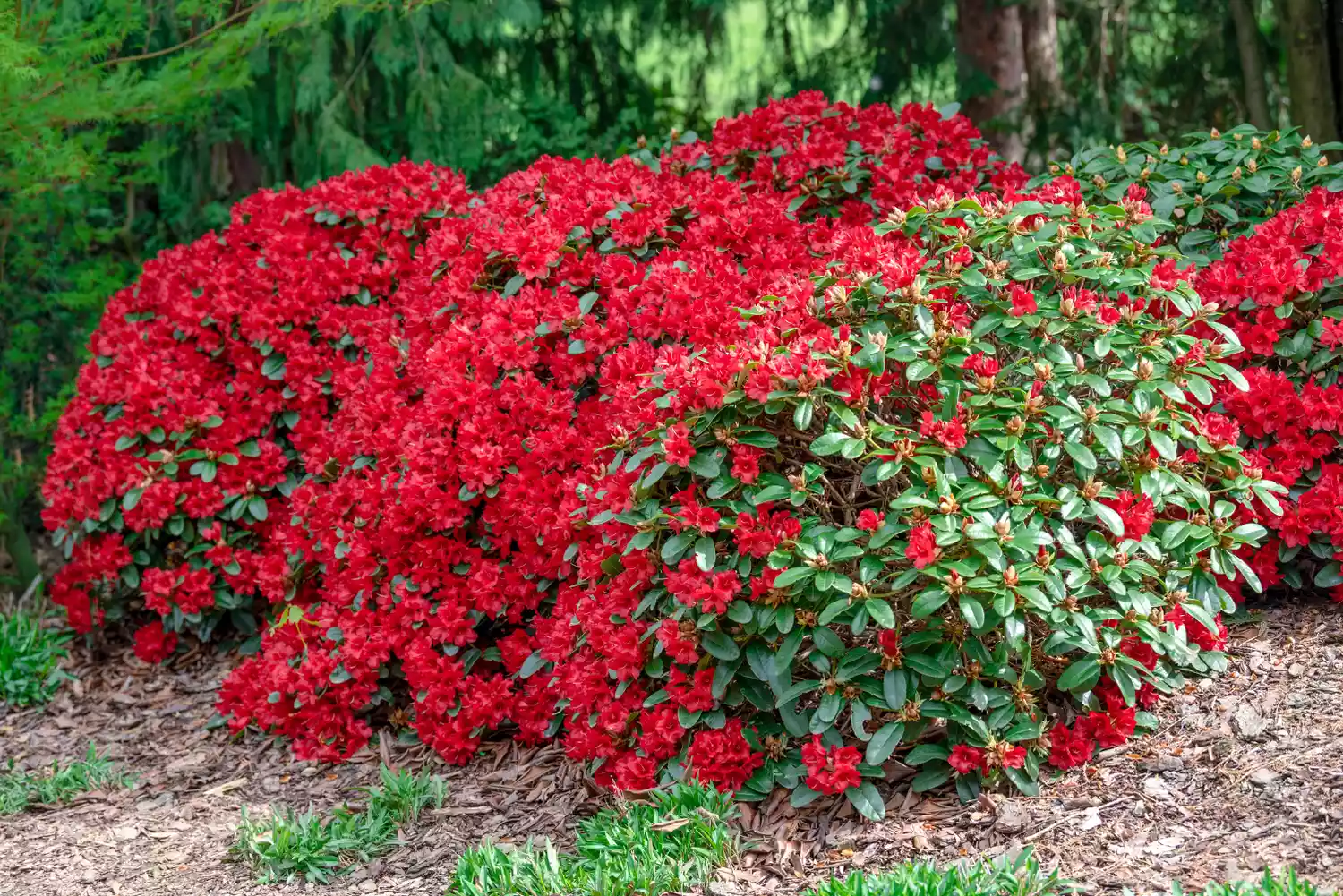
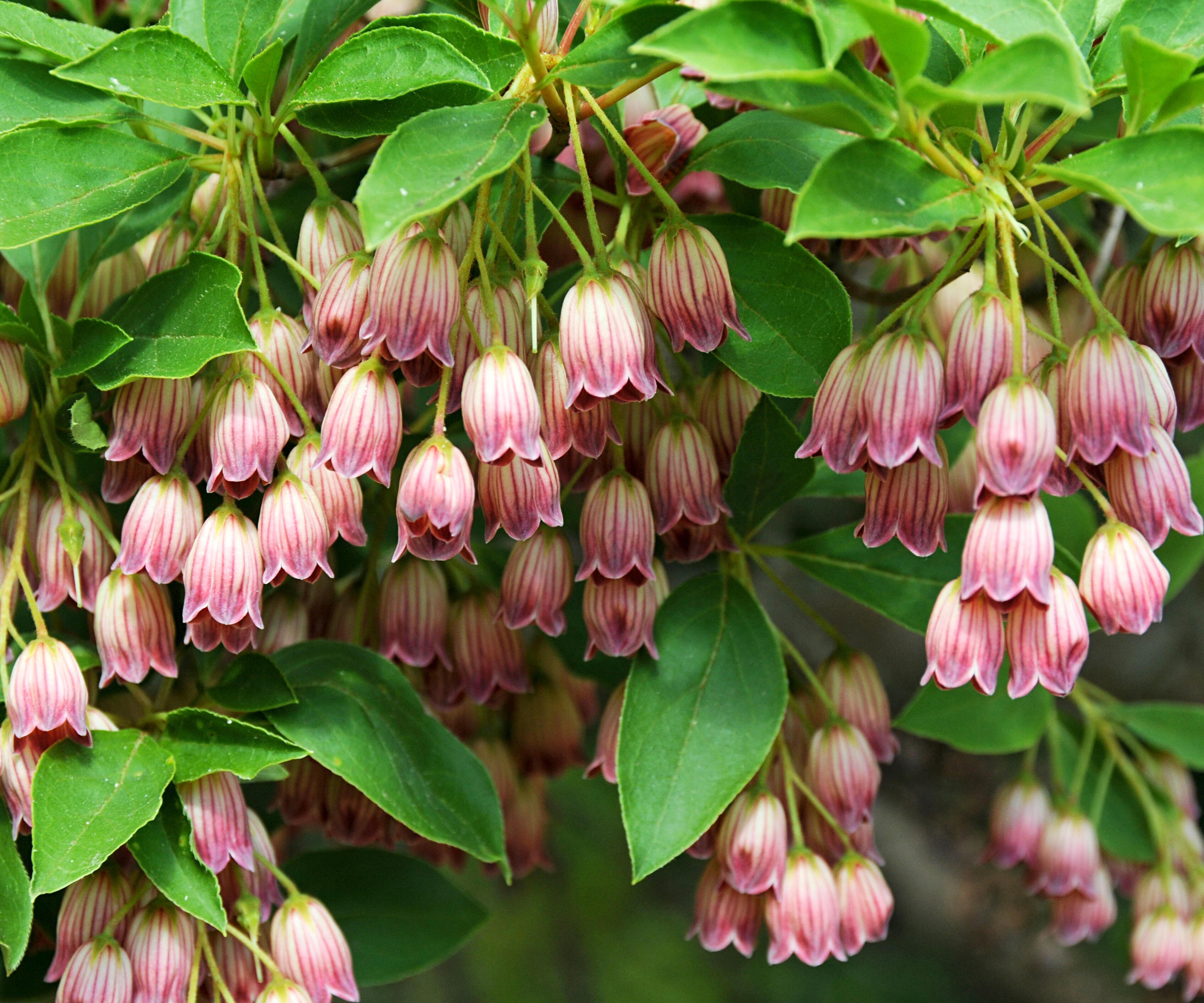
Maintaining a consistent color palette, primarily green, is vital. Various shades of green create a quiet, calm, and restful atmosphere. While color is present in Japanese gardens, it is typically used sparingly, often focusing on a single plant at a time, such as azaleas, iris, or maple, to highlight features rather than for general vibrance.
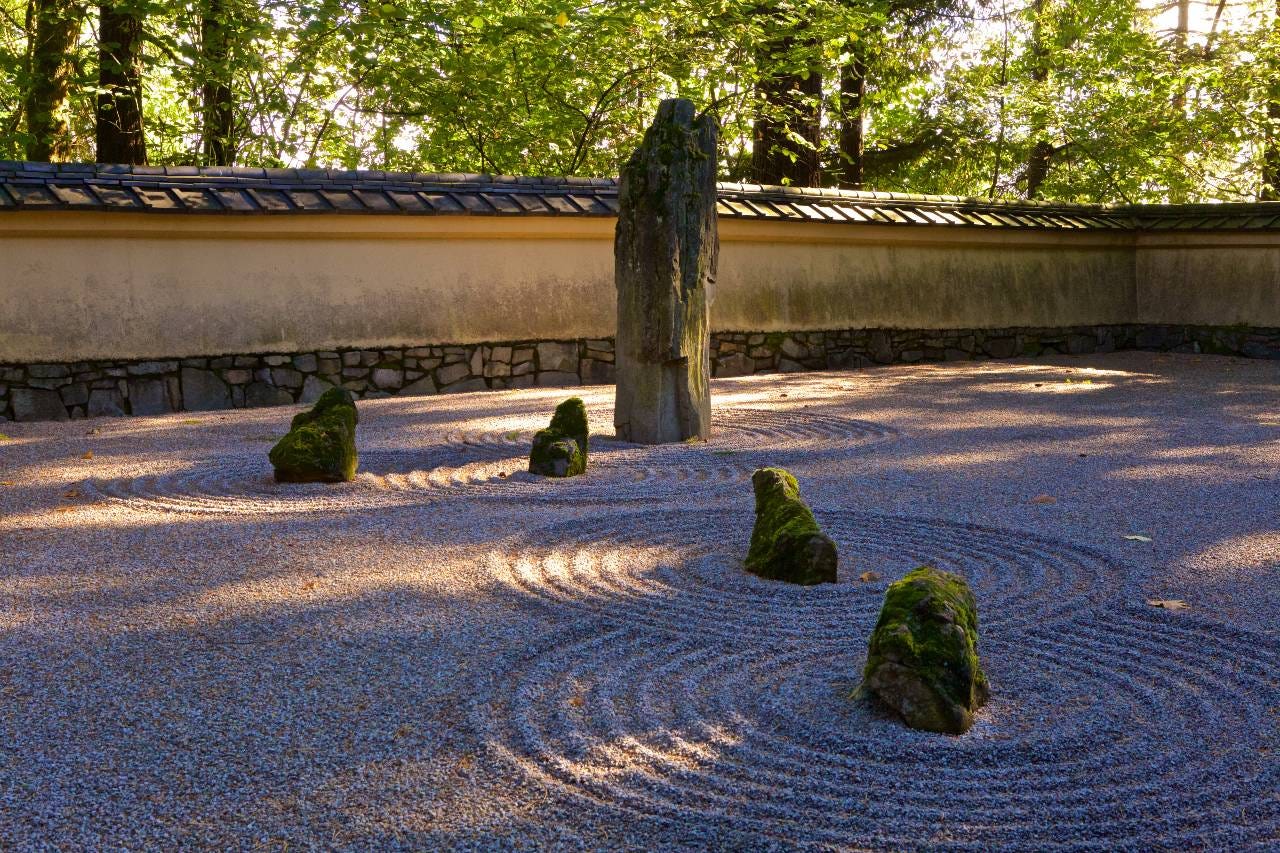
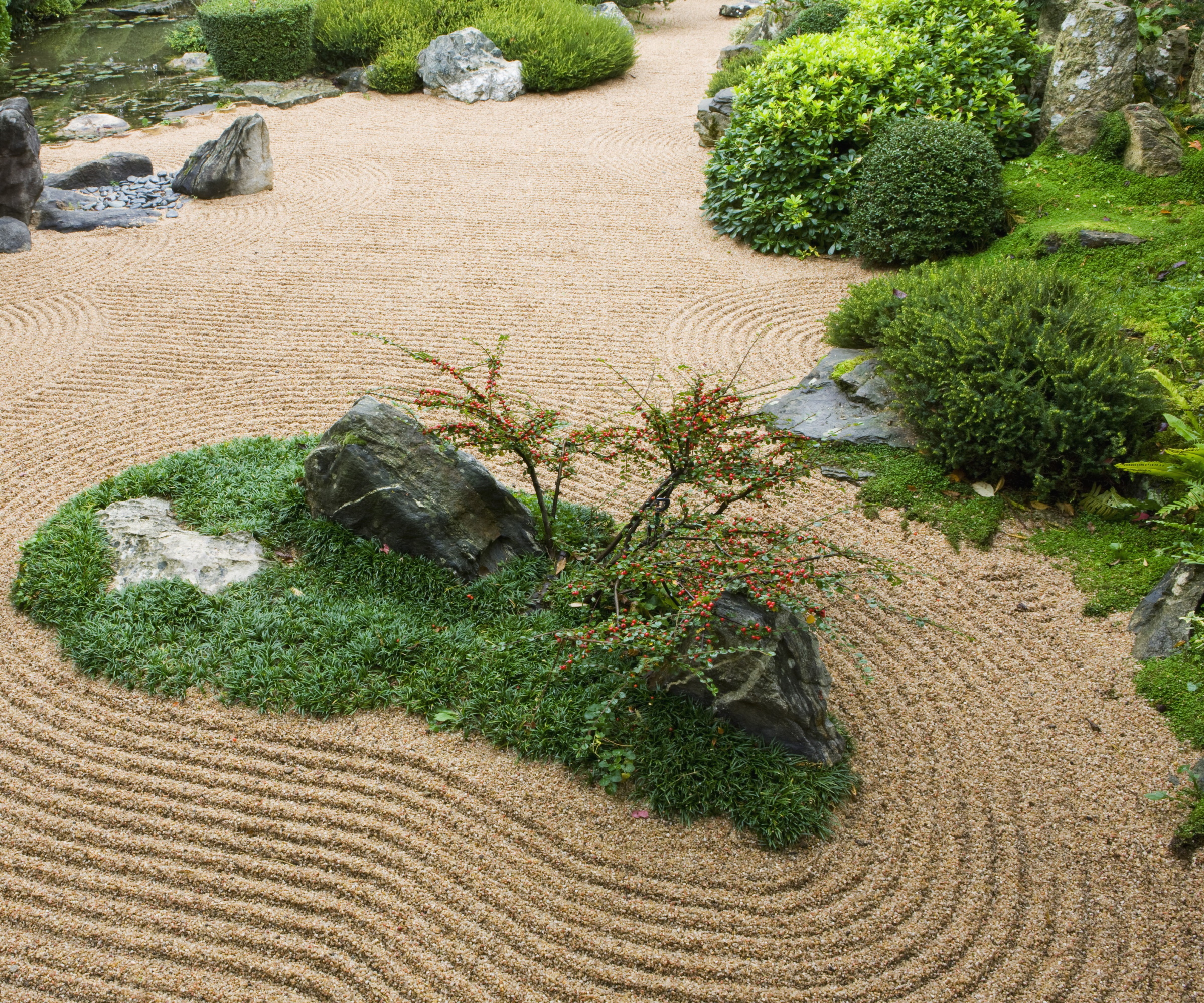
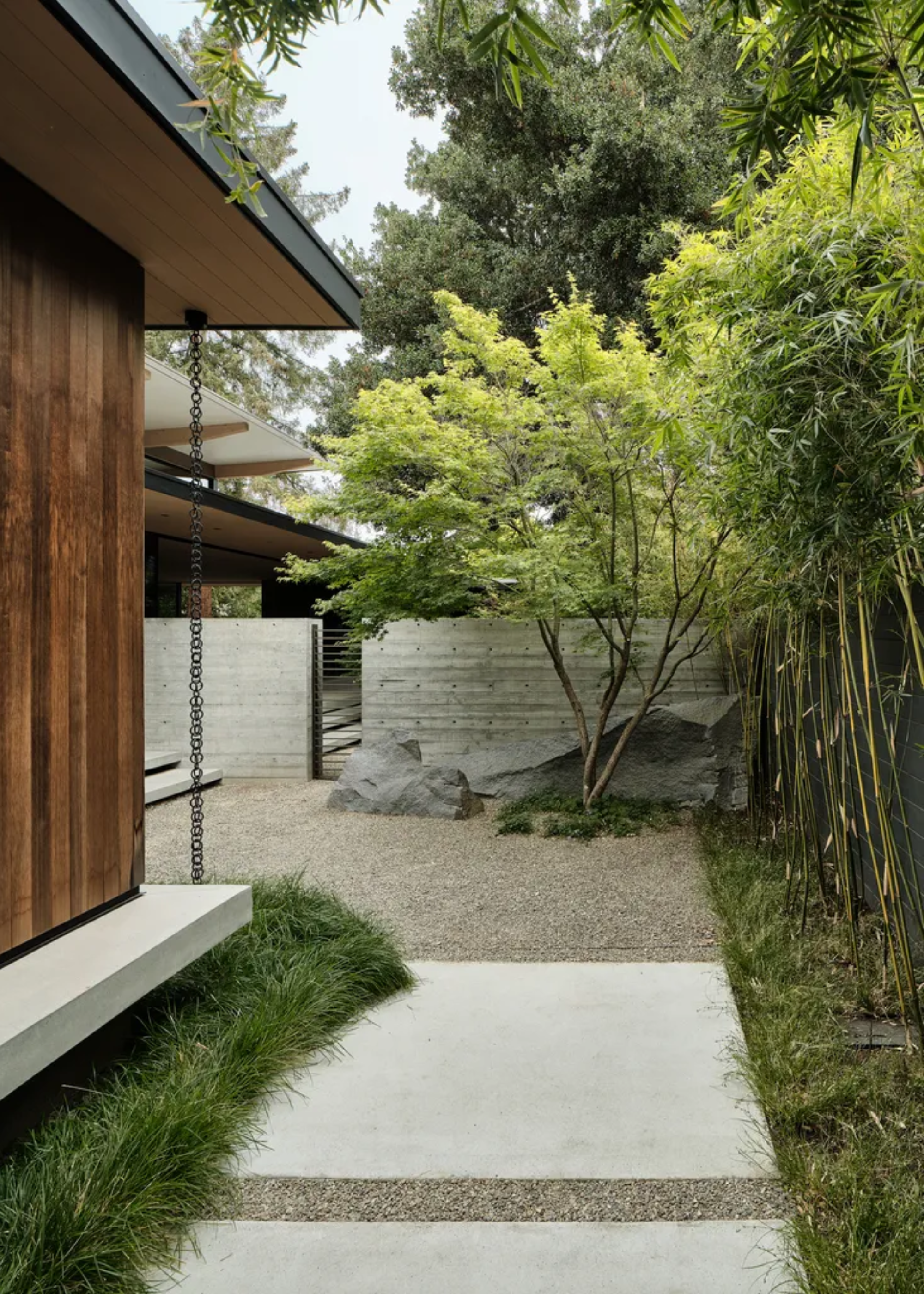
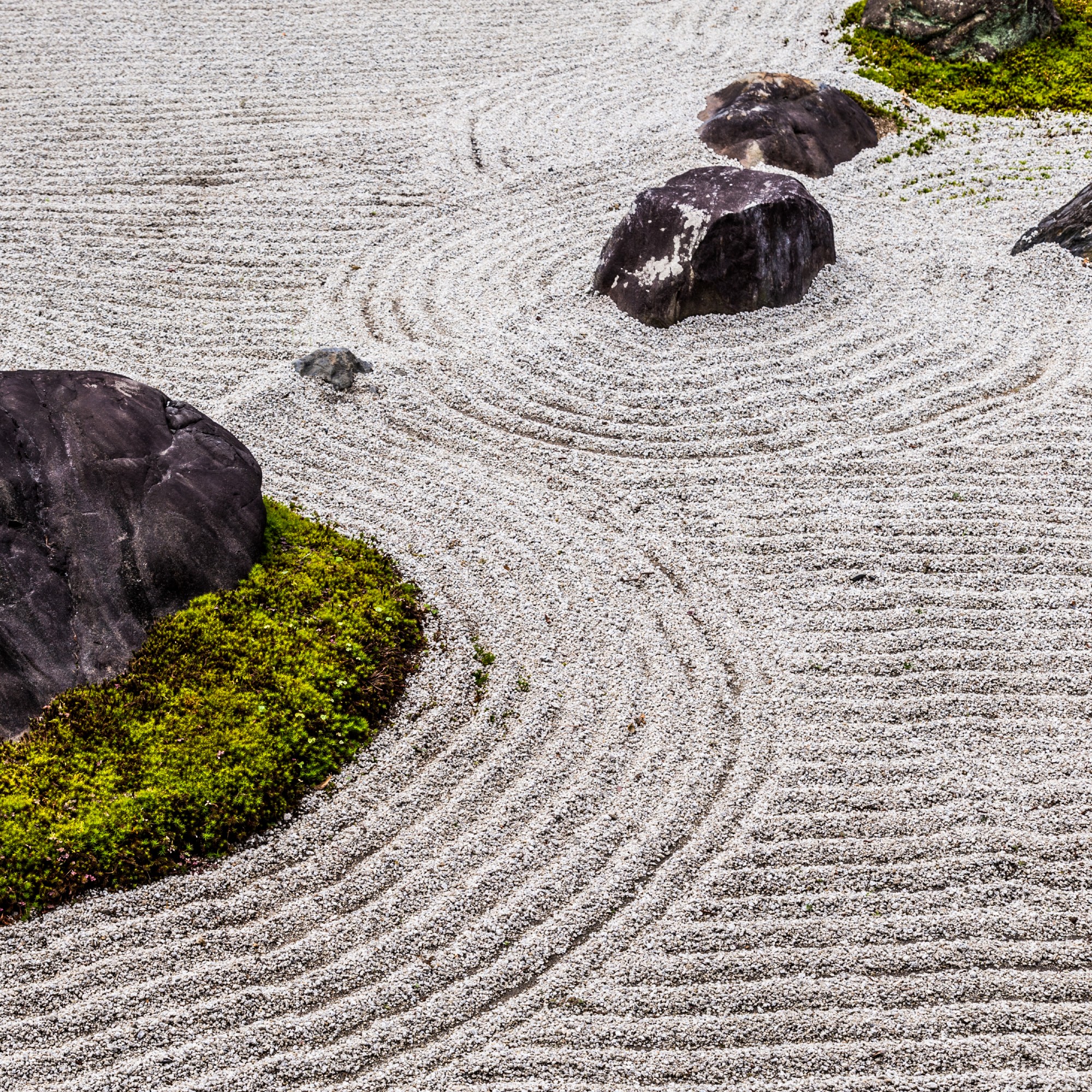
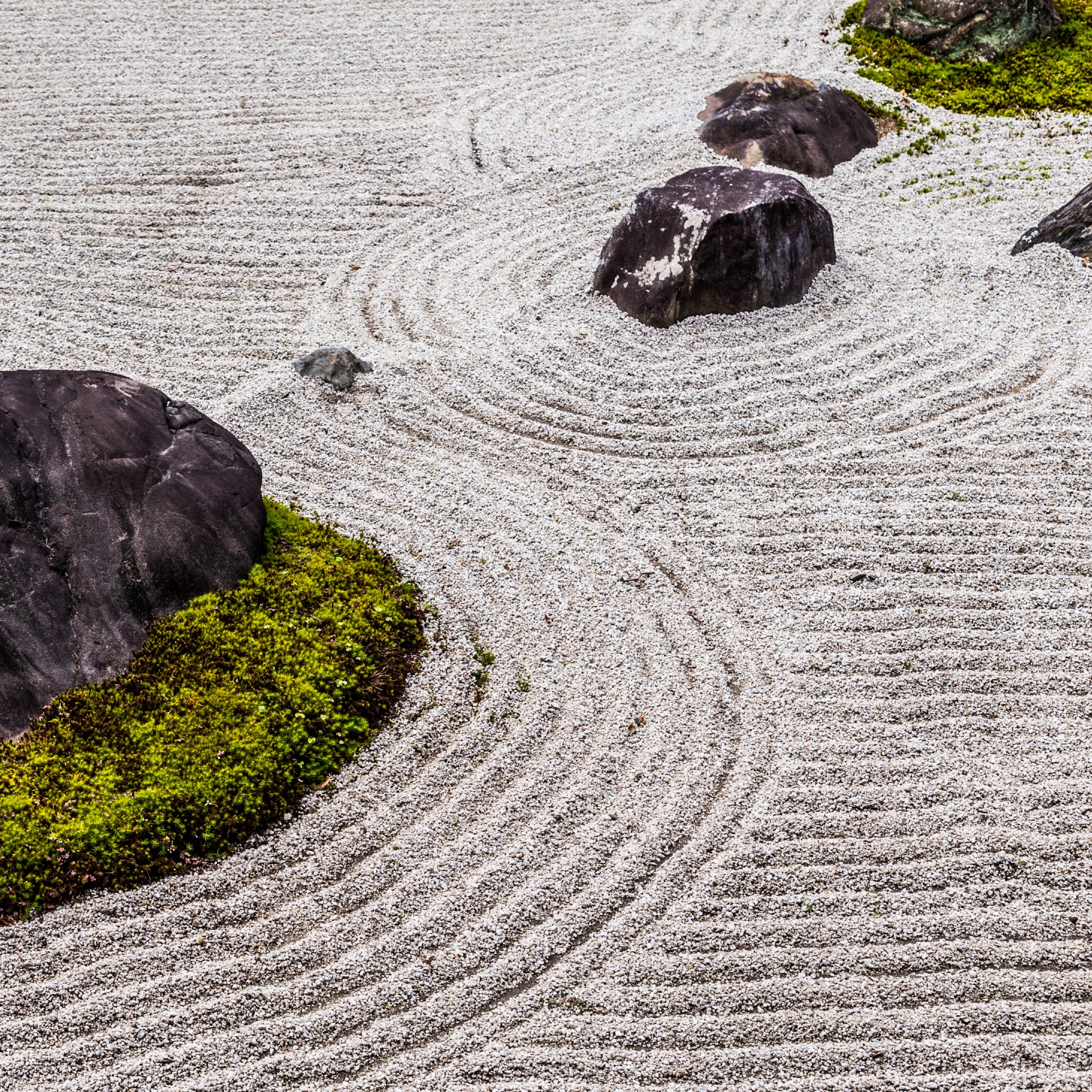
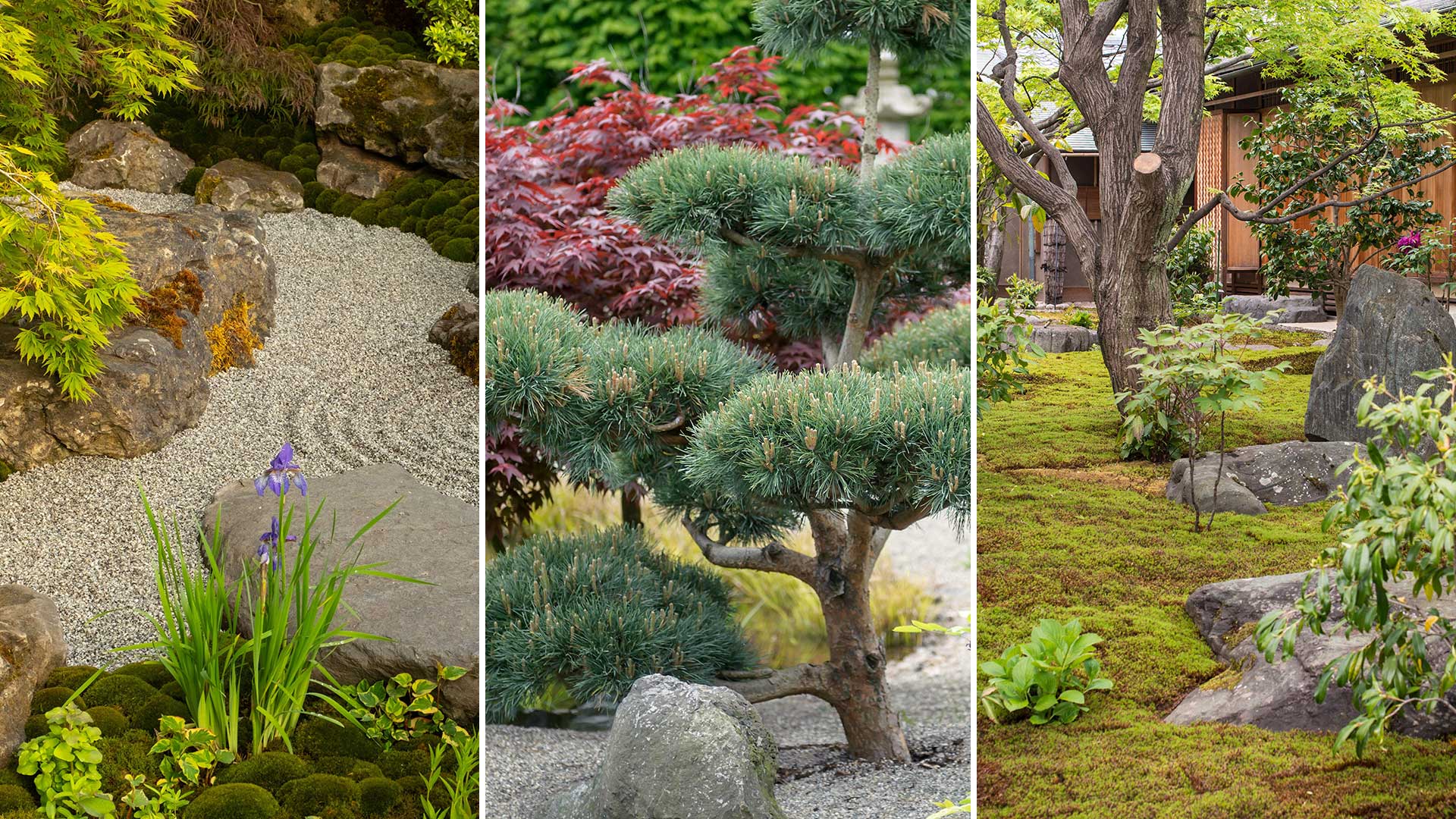
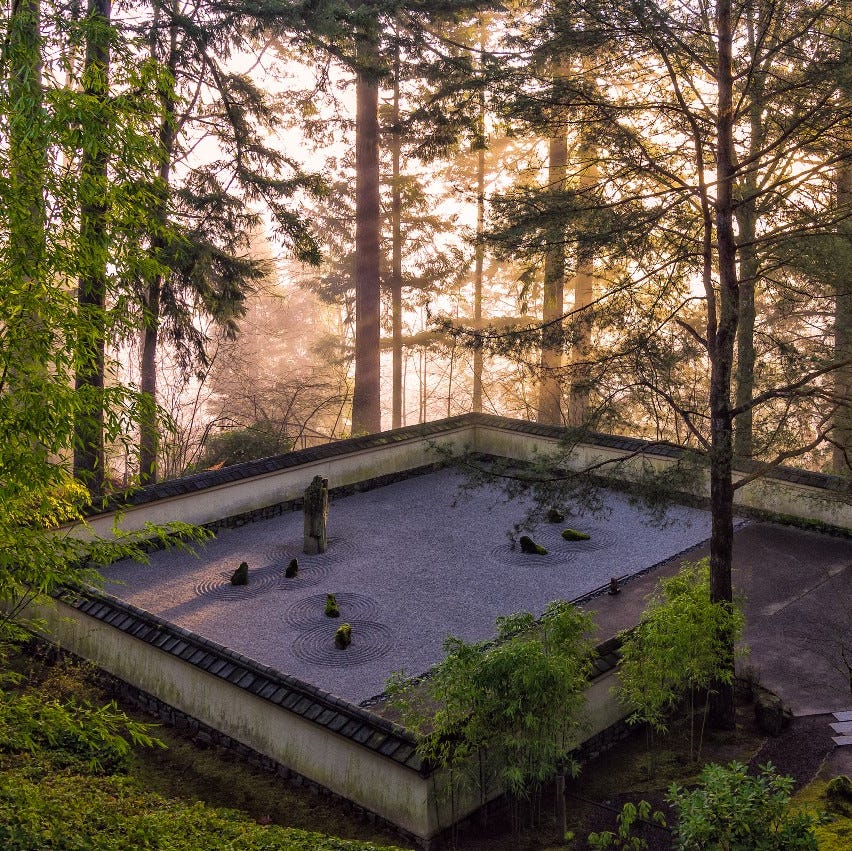
Movement can be introduced through sand and gravel. Dry gardens, featuring only sand, gravel, and granite, allow for creative patterns raked into the sand, which can be changed periodically. Decomposed granite is recommended for sharp, precise lines.
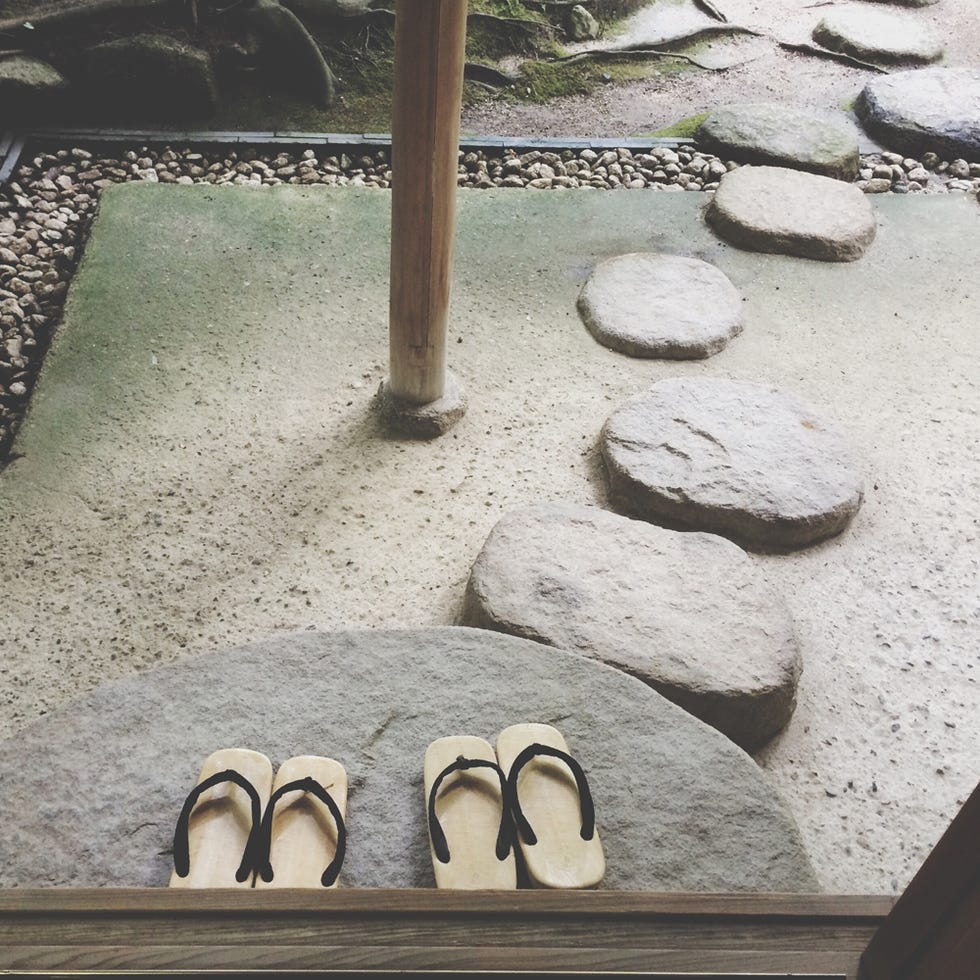
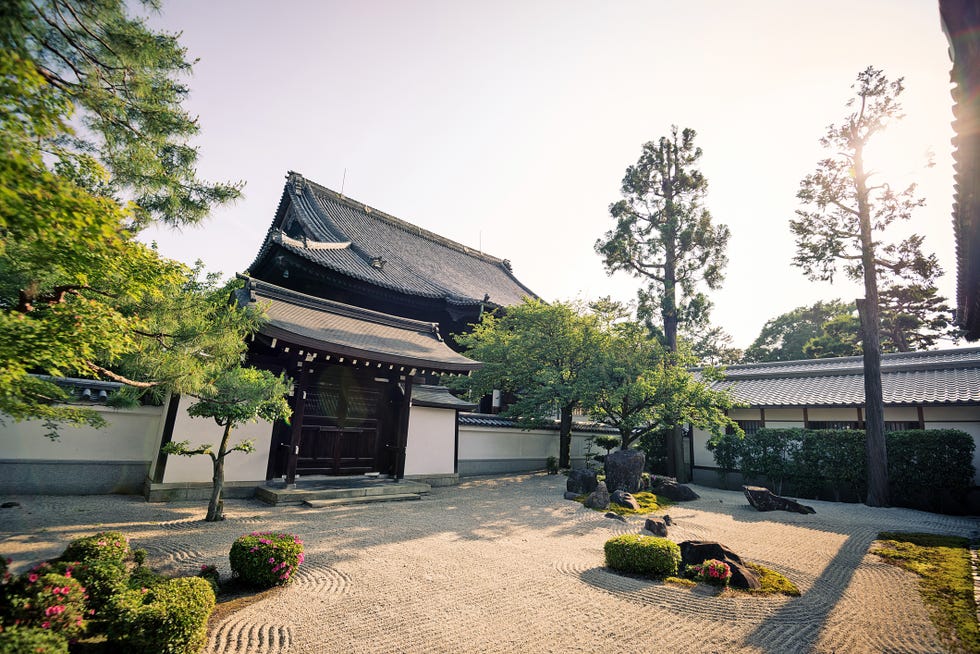
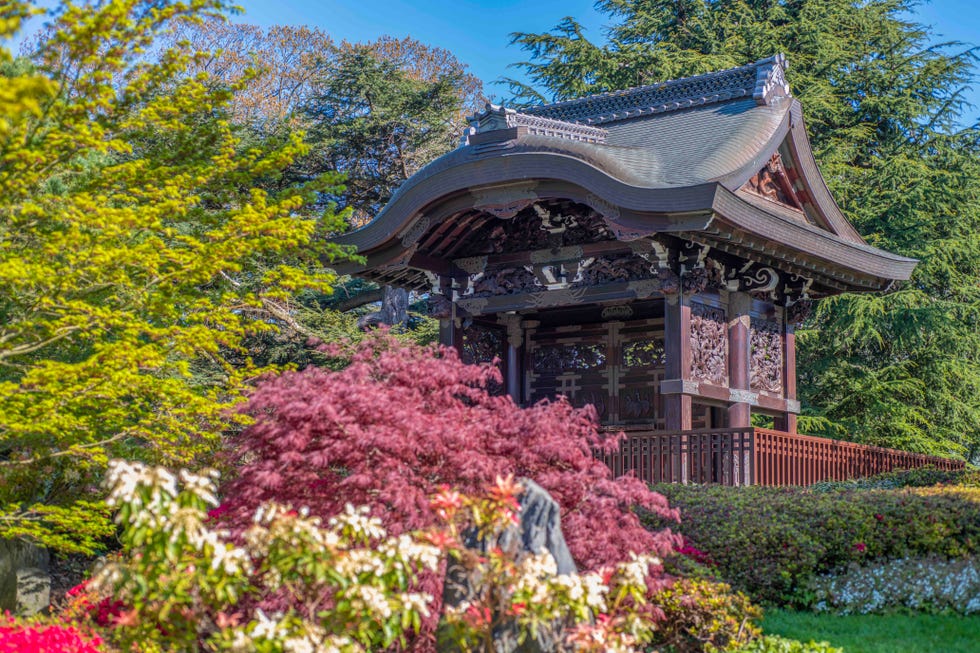
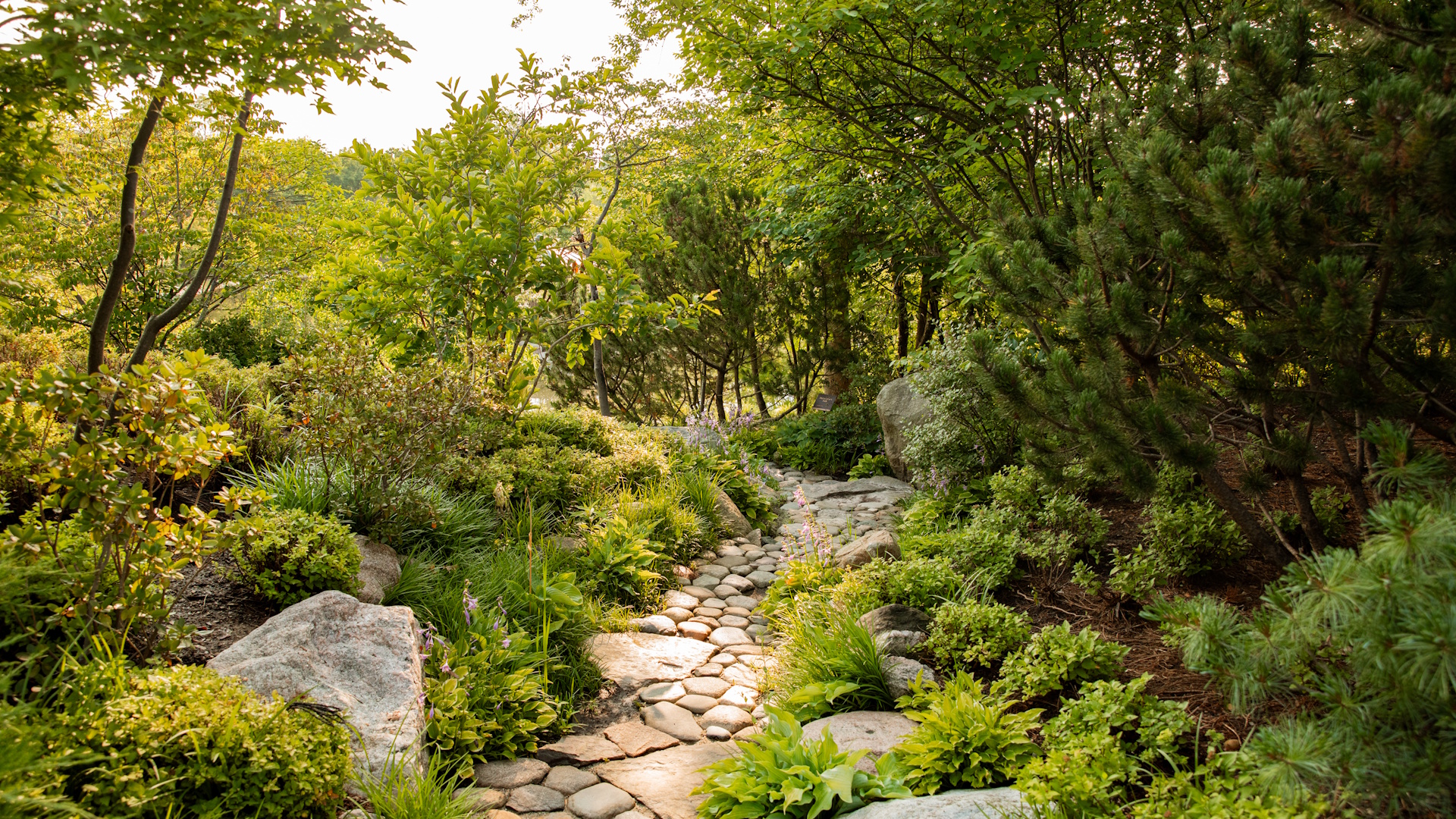
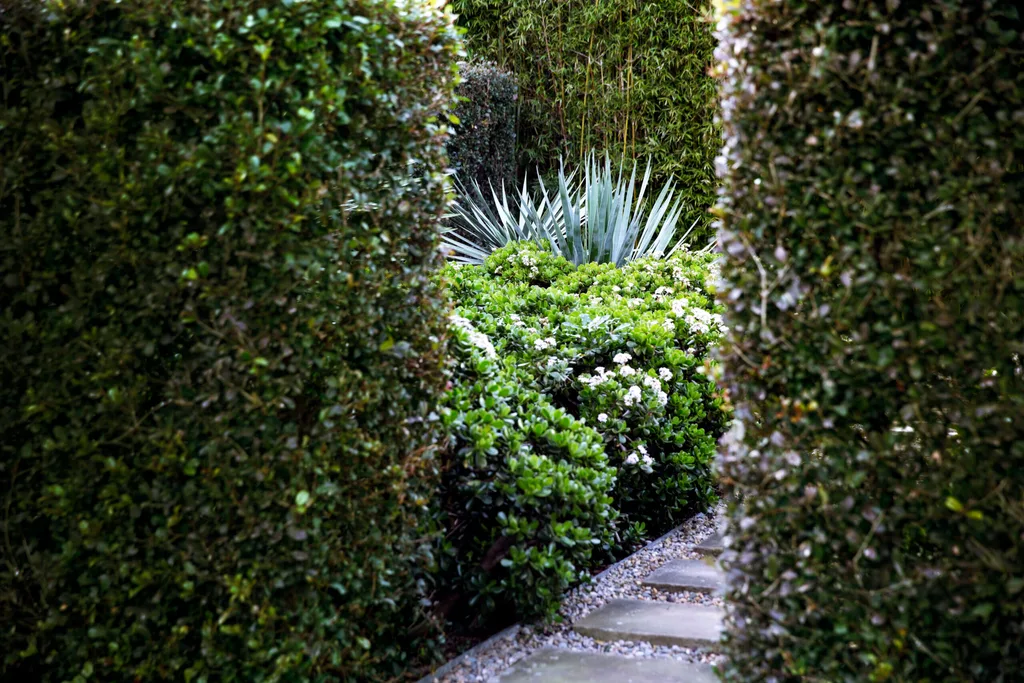
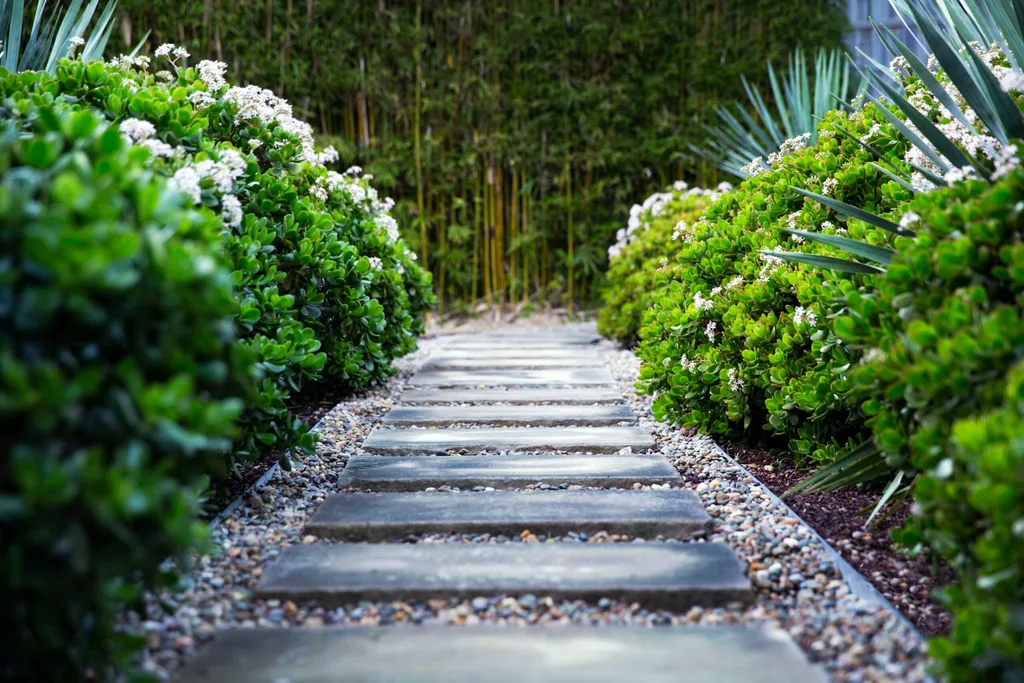
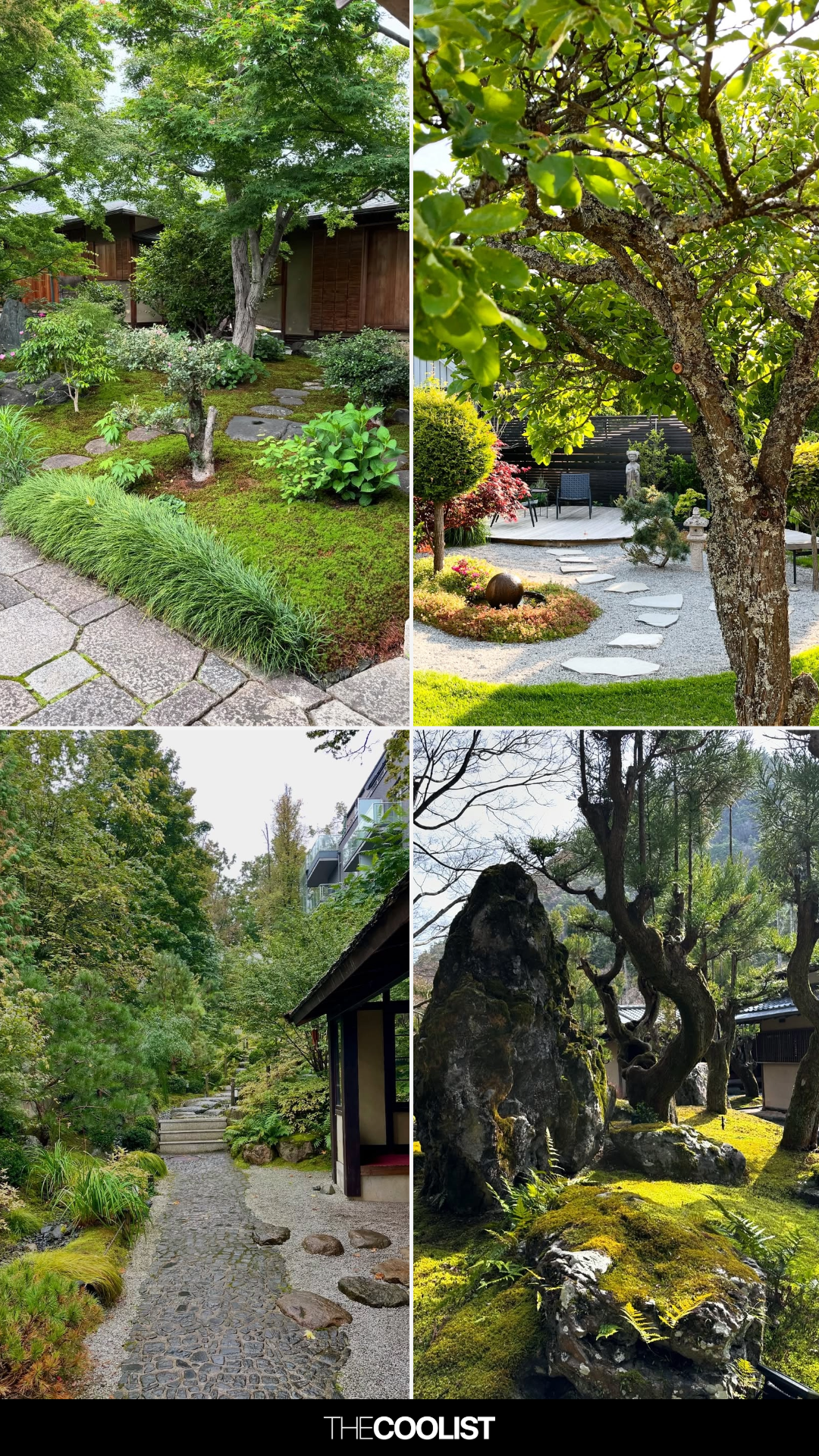
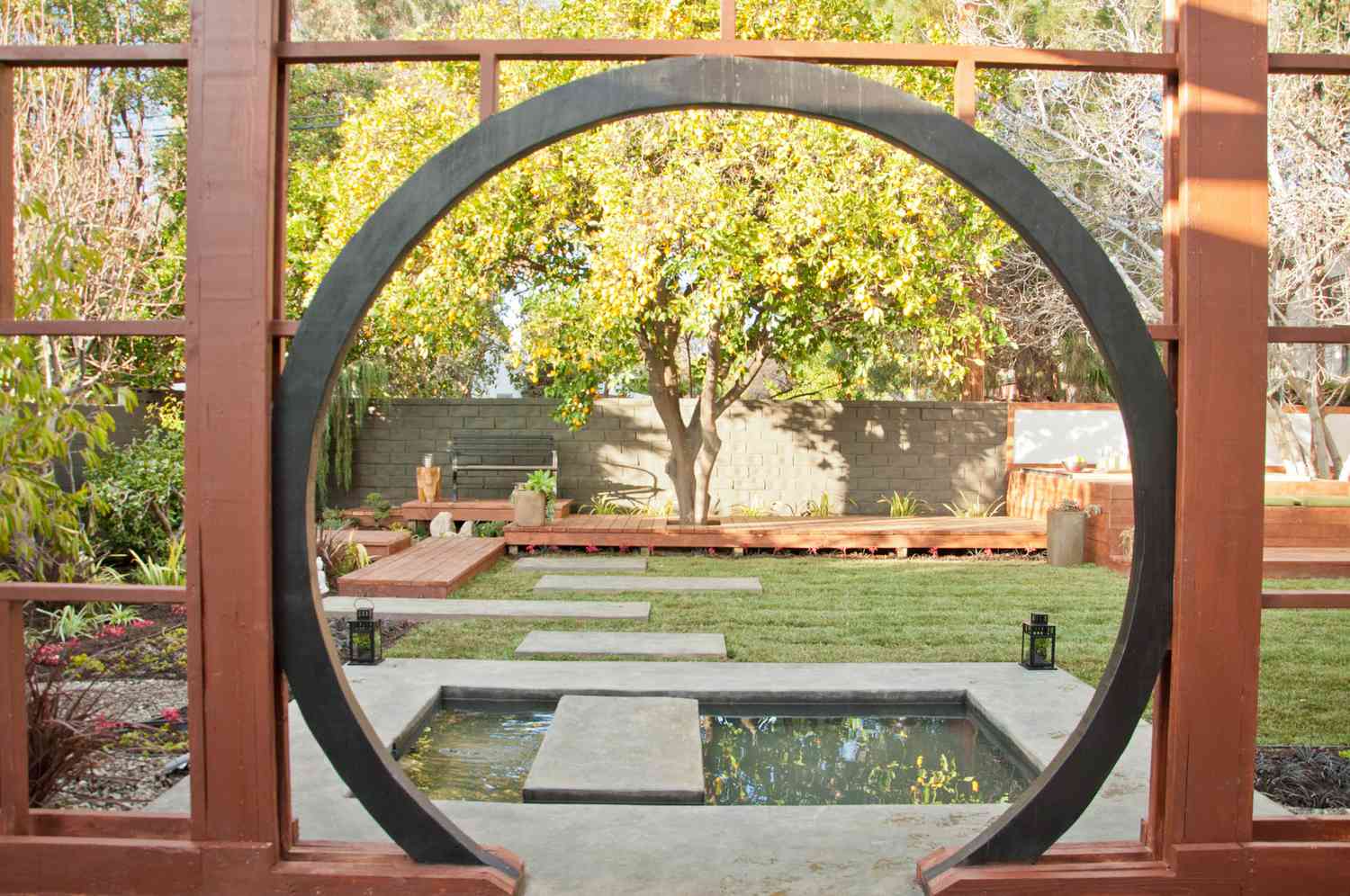
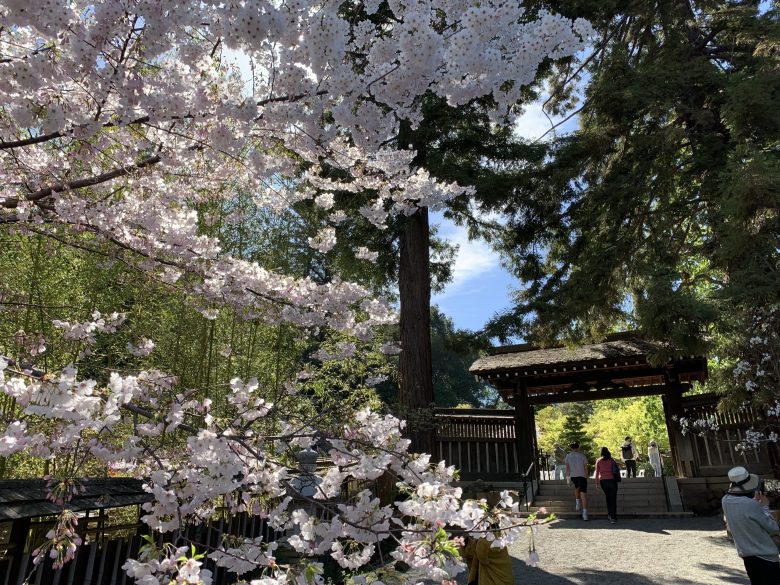
Gates and pathways are integral for guiding visitors and creating a sense of discovery. These features often meander, subtly concealing and revealing different areas of the garden, making it feel larger while maintaining connectivity and harmony.
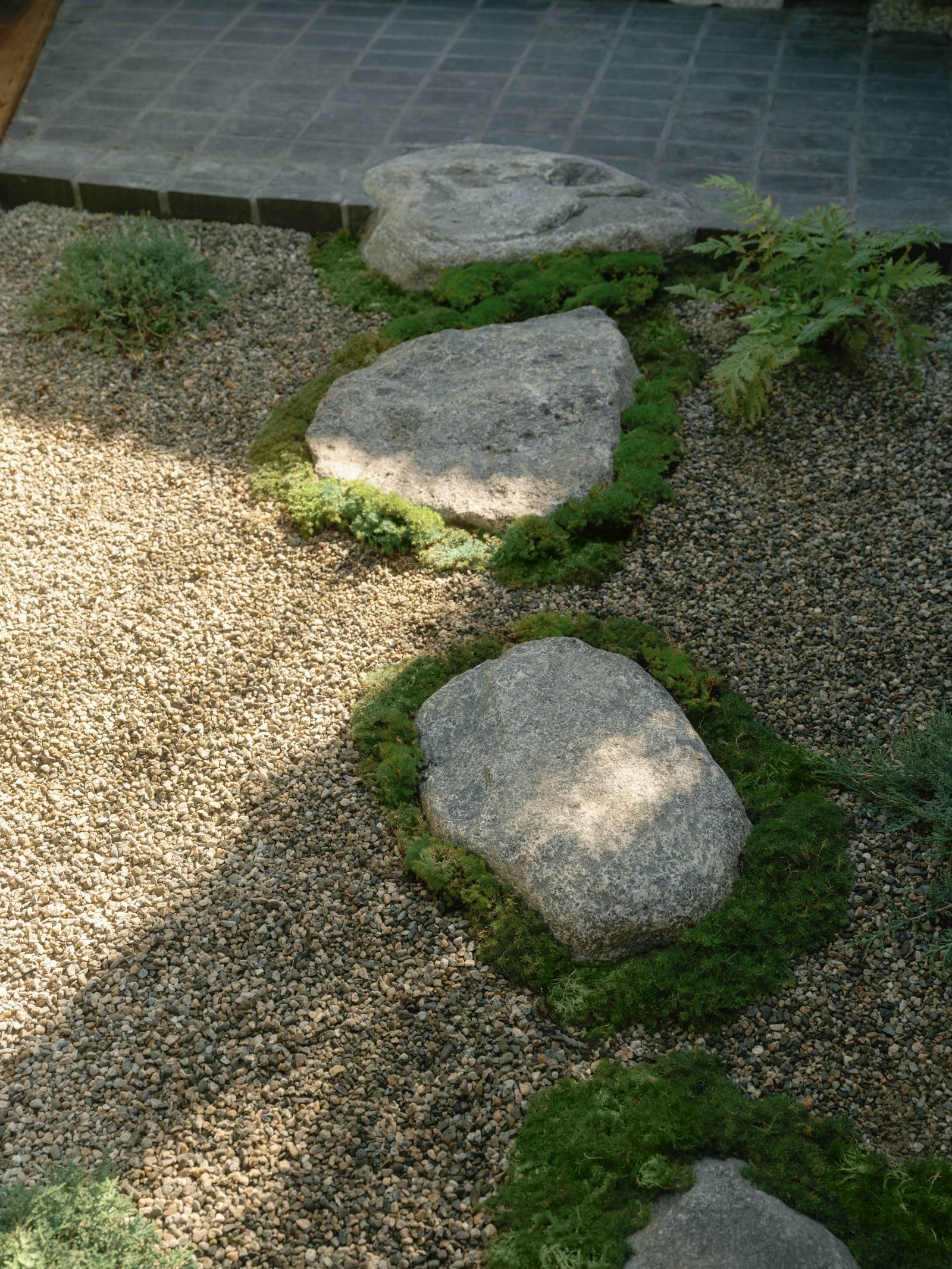
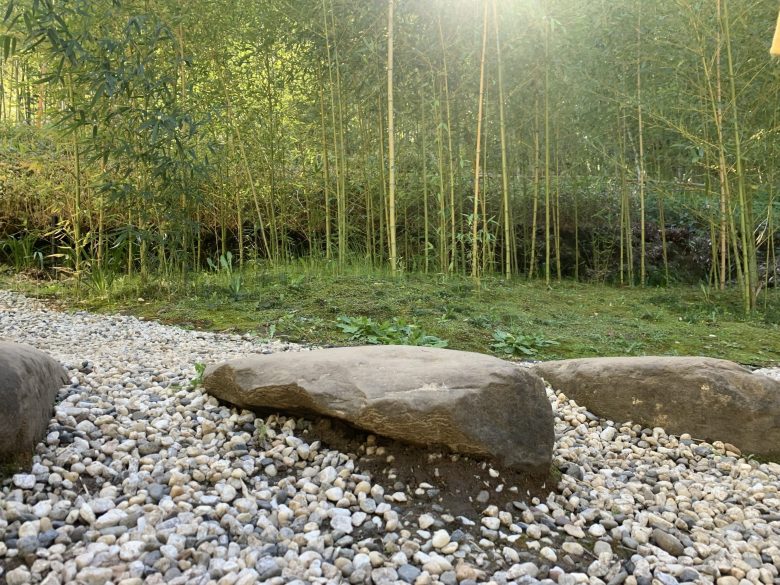
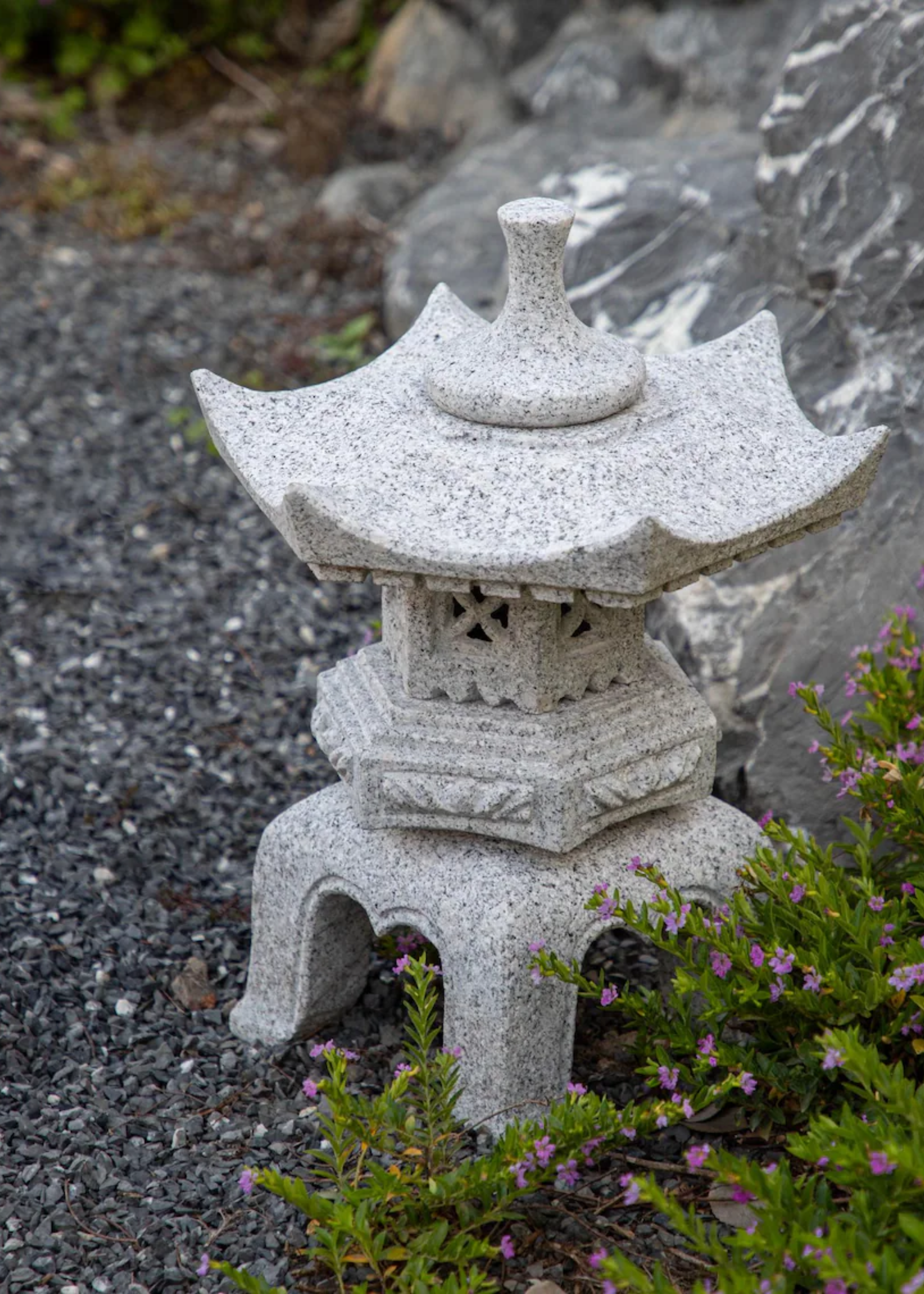
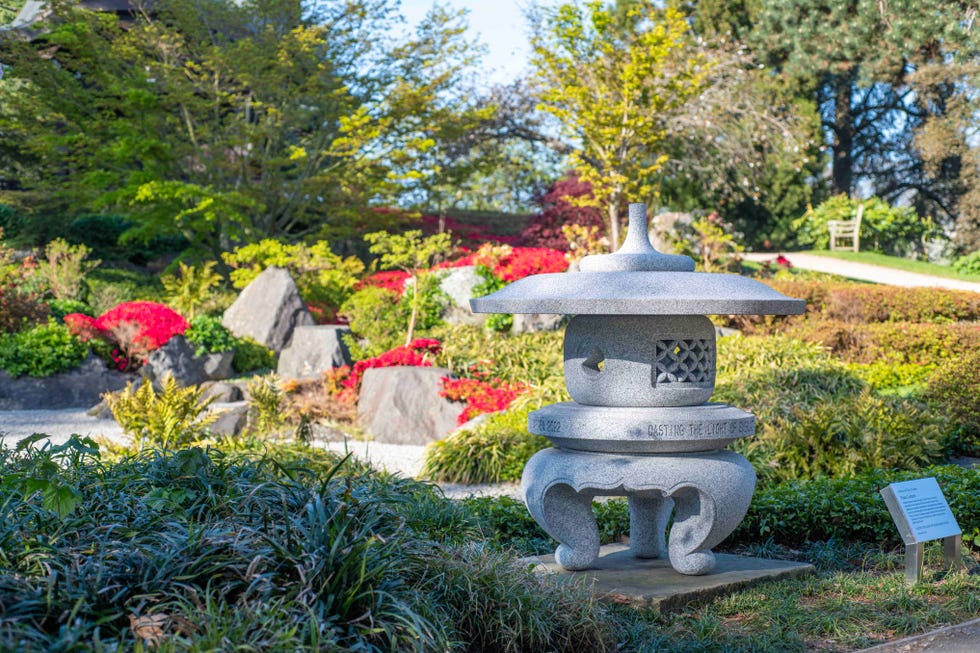
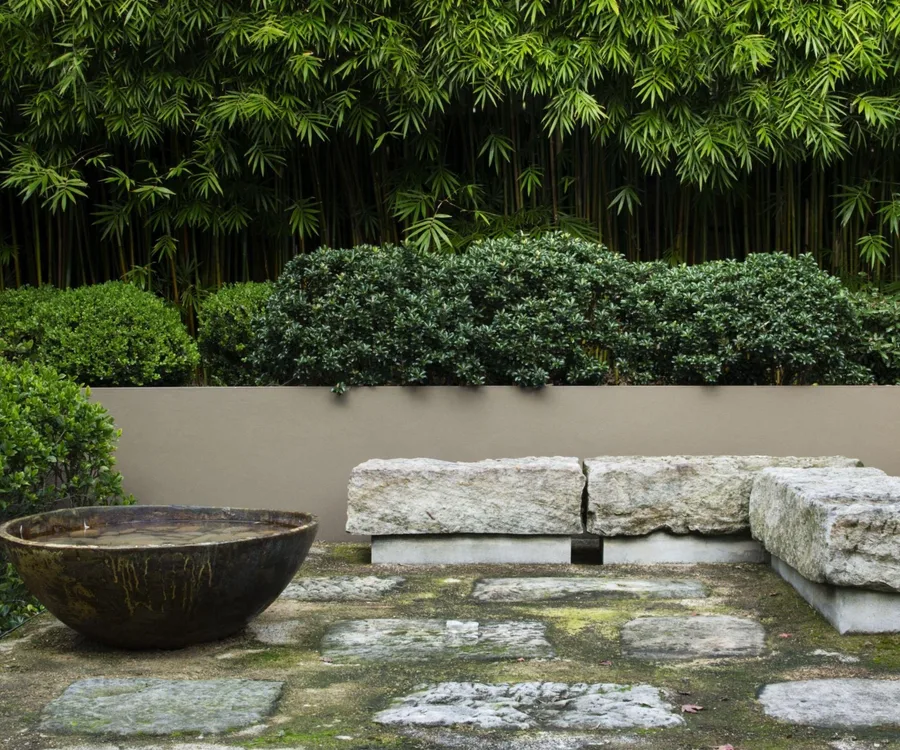
Stones and boulders are used to represent natural formations like islands, cliffs, and mountains. The placement and shape of these elements require expertise, with a preference for non-uniformity. Rounded stones, or those flat on one side for walking, are ideal for natural garden paths.
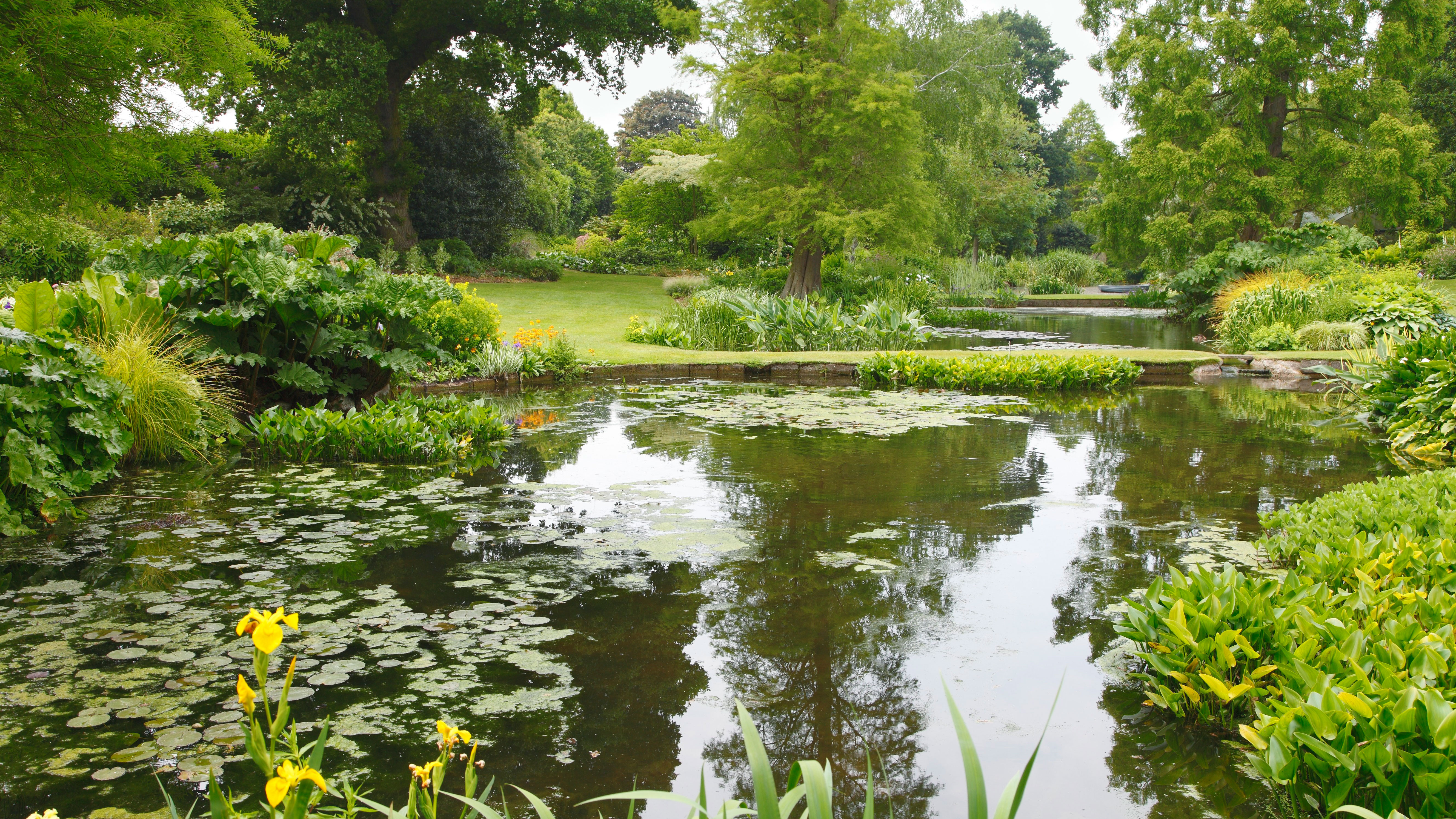
Hypnotic water features, such as ponds fed by streams that create miniature waterfalls, are highly valued. Ideally, streams should flow from east to west, symbolizing the origin of purity.
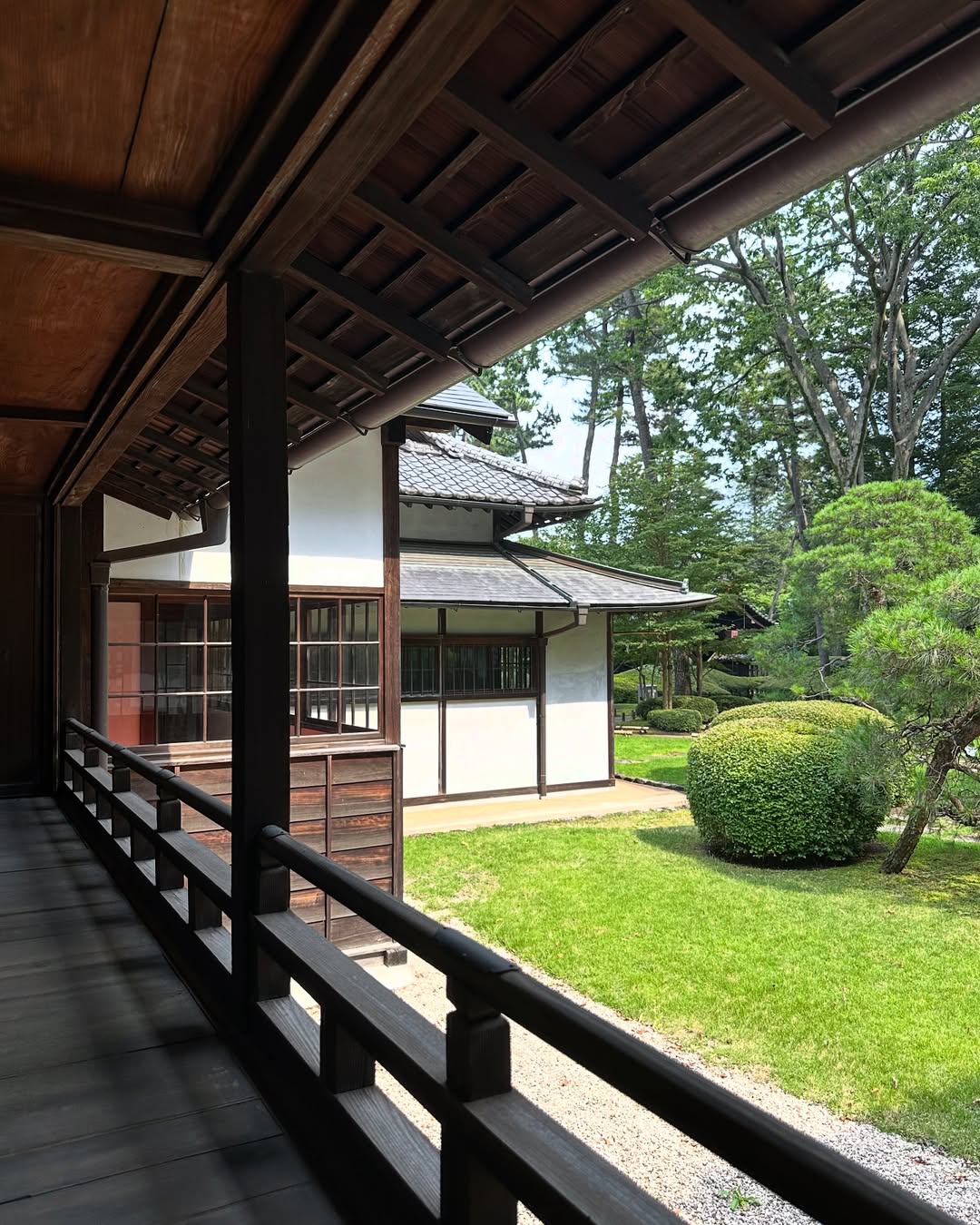
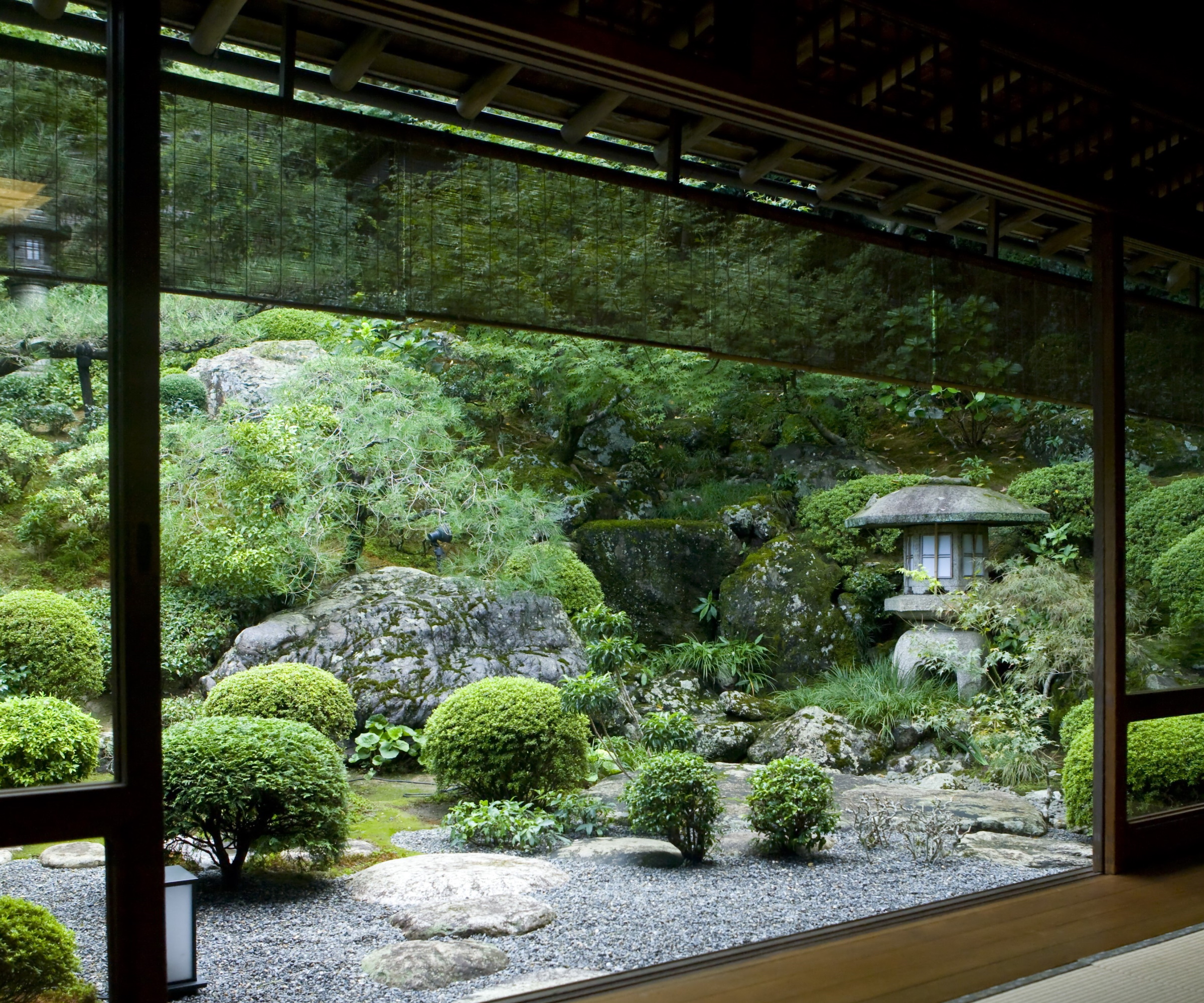
Understanding the true nature of an authentic Japanese garden involves recognizing its deep symbolism and cultural significance. These gardens are not primarily for colorful flowers but are artificially contrived landscapes rich in symbolism, where contour and contrast are paramount. They serve as an extension of the house, offering a platform for viewing and contemplating meaning.
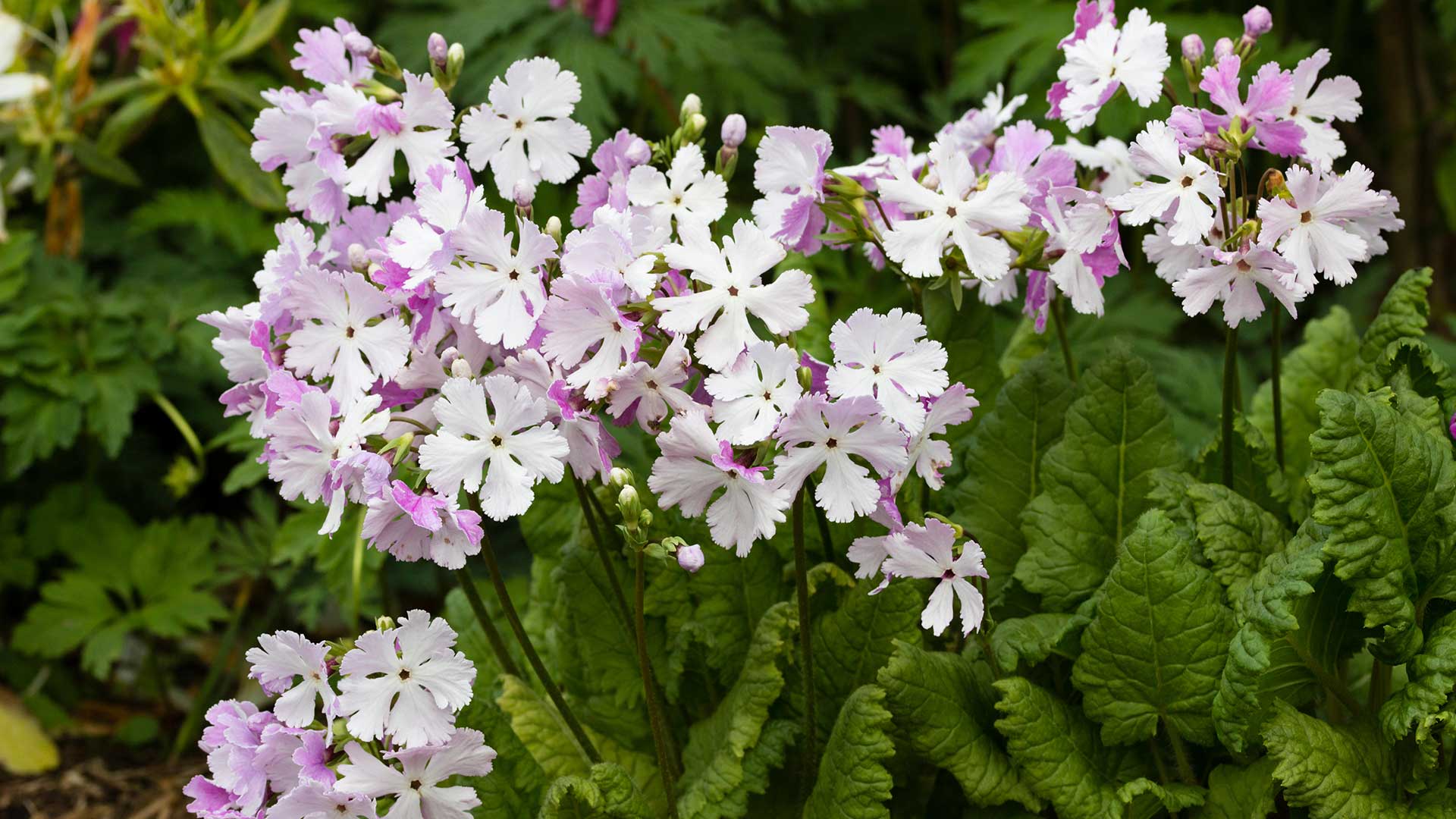
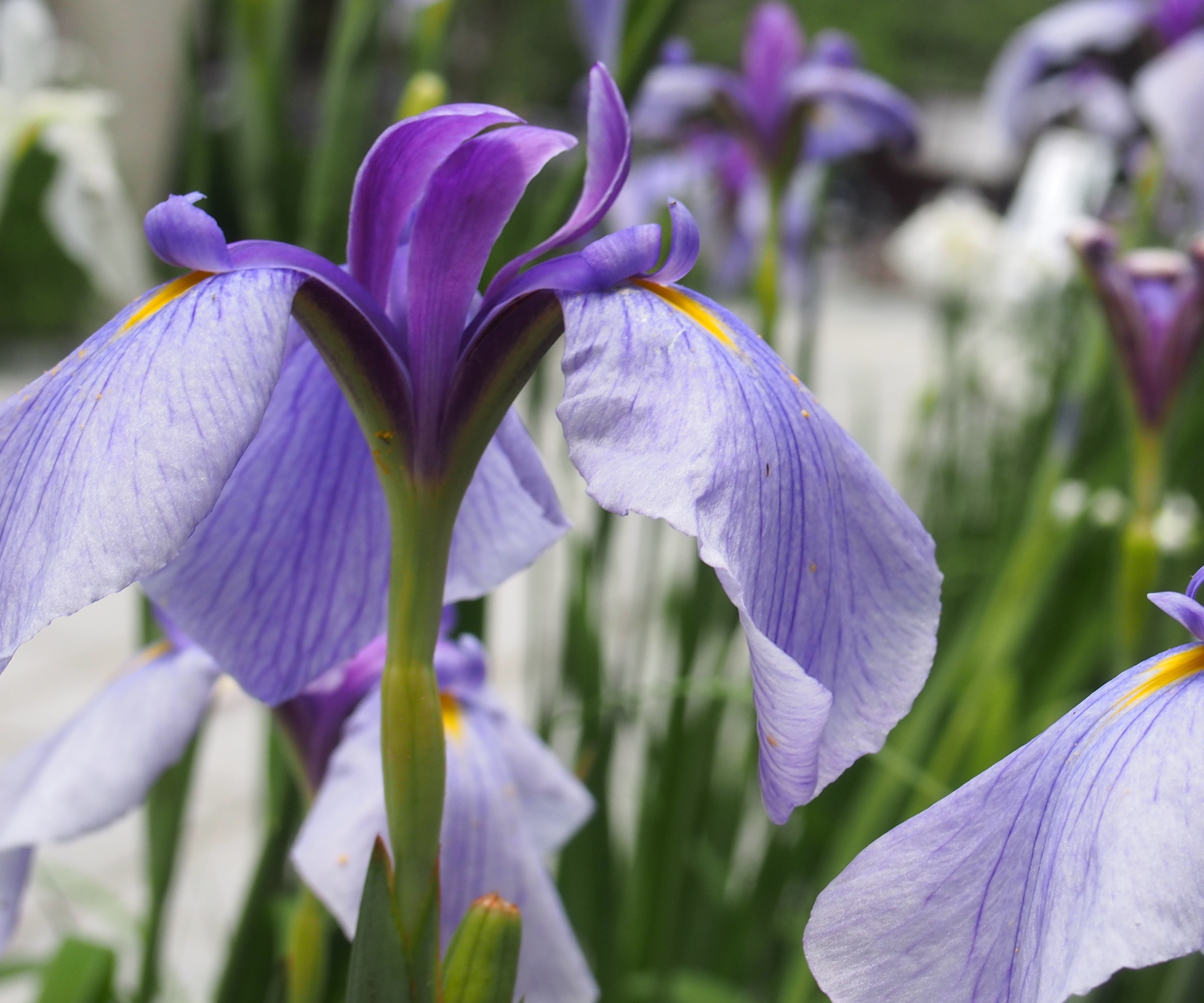
Traditional Japanese irises, particularly those developed by American breeders, are highly prized for their vibrant colors and are best planted near water, where their roots can remain damp and their reflections enhance the visual appeal.
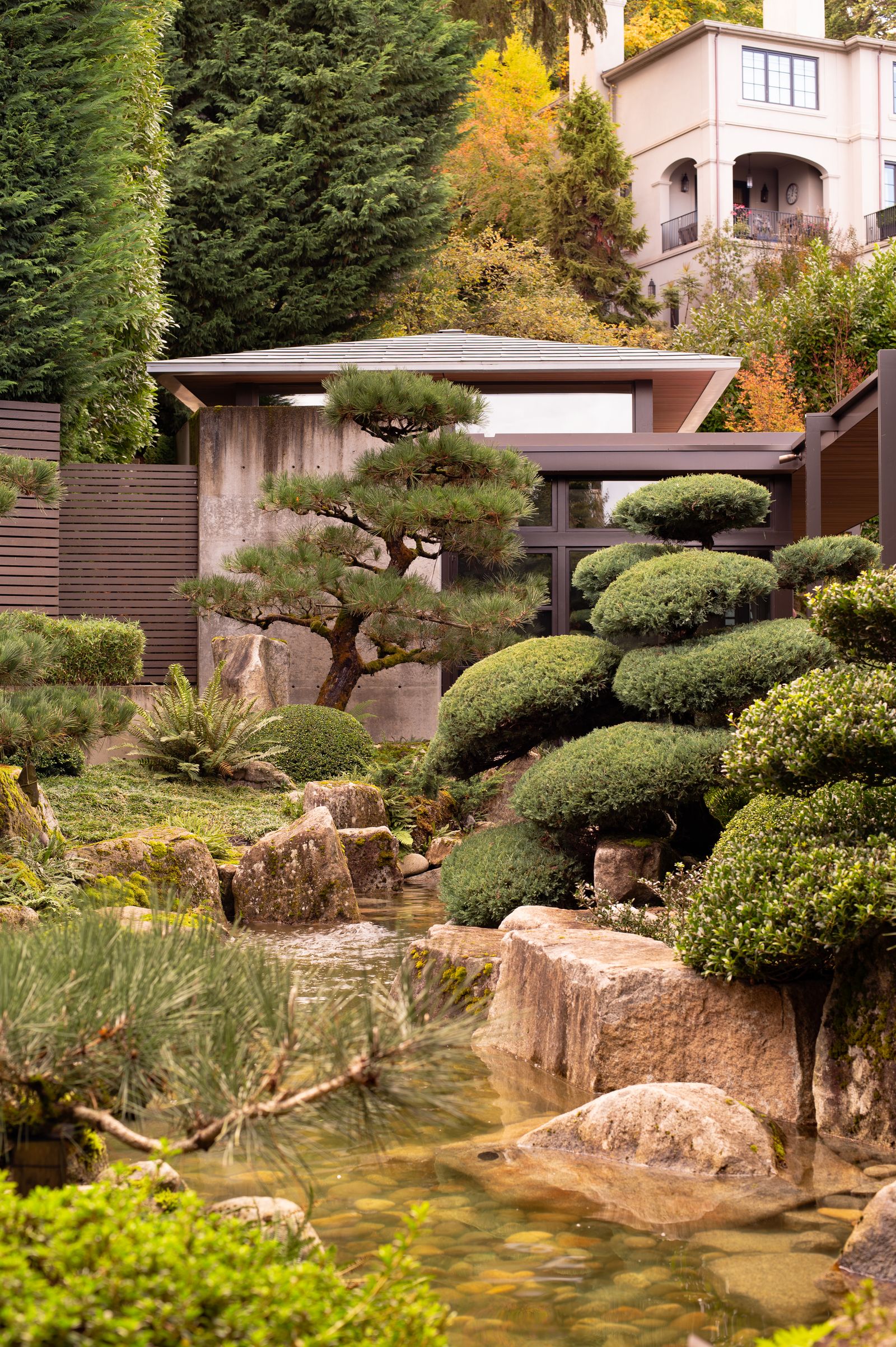
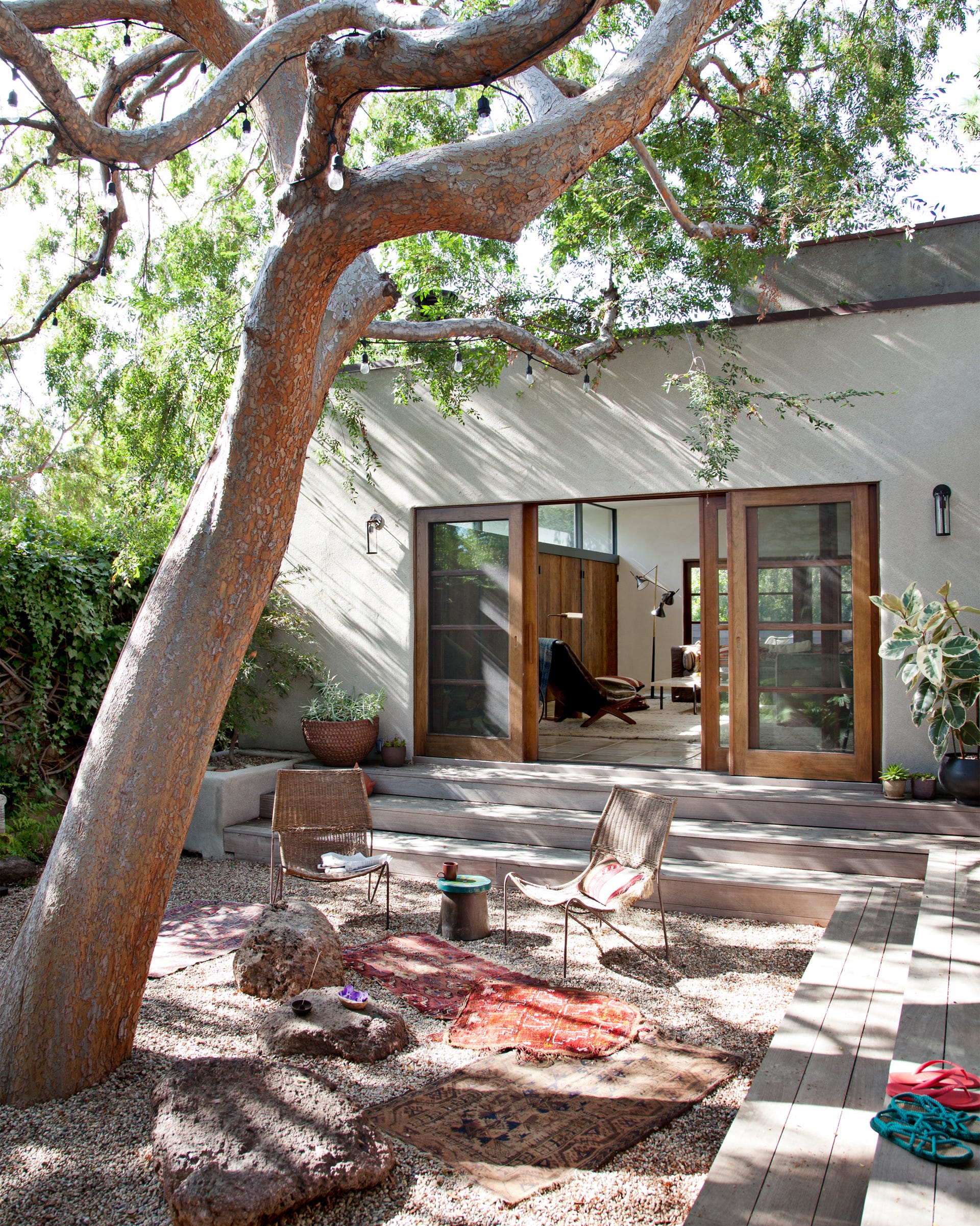
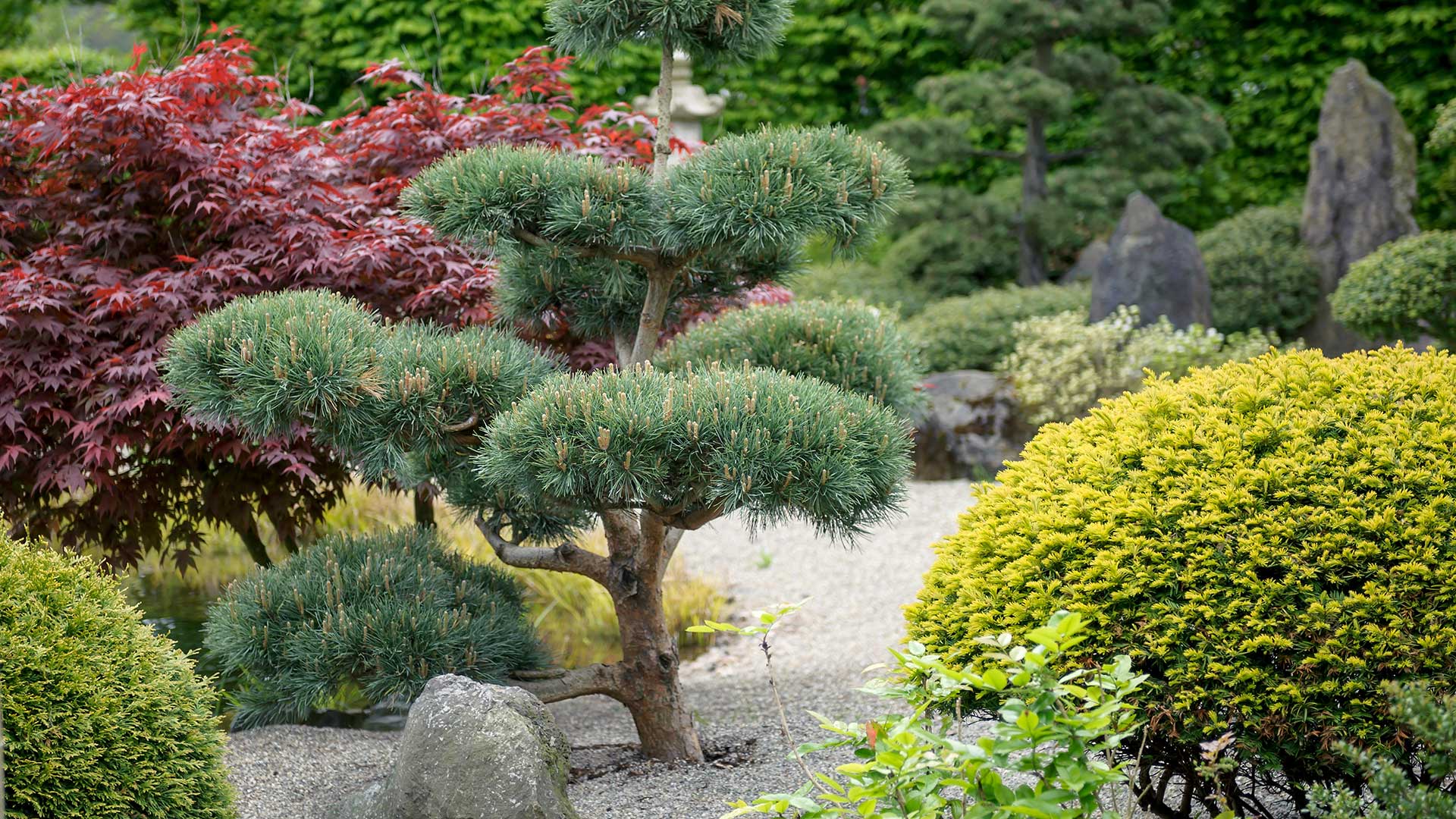
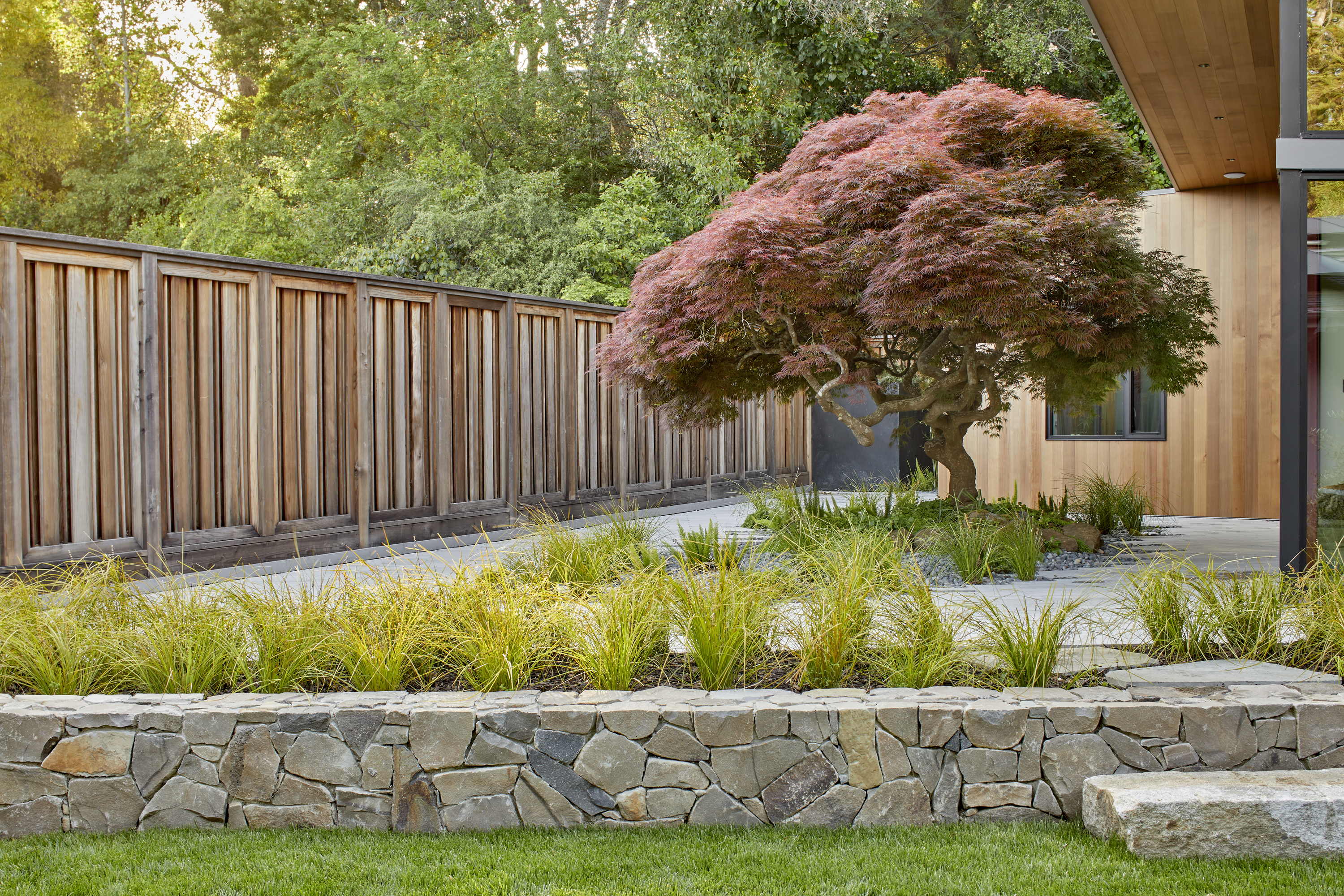
Finally, taking inspiration from imperfection, aligning with the philosophy of wabi-sabi, is encouraged. Embracing unusual or 'wonky' natural elements, like a leaning pine tree, can make a dramatic and captivating statement, reflecting beauty and wisdom in their unique forms.
To create a simple Japanese garden, consider the visitor's experience, designing pathways that reveal and screen views. Integrate 'borrowed scenery' from beyond the garden boundaries to enhance the design and screen unattractive features. The combination of water and rock is essential, representing life's forces. For planting, prioritize evergreens with diverse textures and subtle green hues, using color sparingly to highlight features or seasons.
#JapaneseGarden #ZenBackyard #GardenDesign #WaterFeatures #MossGarden #MaConcept #ColorPalette #SandAndGravel #GardenPathways #NaturalStones #JapaneseIris #WabiSabi #LandscapeDesign #JapaneseGarden #ZenBackyard #GardenDesign #WaterFeatures #MossGarden #MaConcept #ColorPalette #SandAndGravel #GardenPathways #NaturalStones #JapaneseIris #WabiSabi #LandscapeDesign
0 comment in total
 No comments yet
You may also like
Experts reveal how to plant a Japanese-inspired garden

What is a zen garden? This Japanese approach to design can turn backyards into calming sanctuaries
Michigan’s Slice of Japan: Where Design Connects Humanity with Nature
9 Japanese Plants for a Zen Garden
How to Design a Japanese Garden in Any Climate, According to Landscape Experts

Zen garden ideas – 24 ways to transform your outdoor space into a Japanese-inspired sanctuary for relaxation
7 Japanese-style gardens to inspire and delight

Small Japanese garden ideas – 7 ways to infuse a tiny outdoor space with Japanese-inspired planting and landscaping
24 Japanese Garden Ideas That Encourage Slow Walks and a More Relaxed Outdoor Rhythm

20 Zen Garden Ideas to Transform Your Backyard Into a Peaceful Oasis

Japanese garden ideas – 10 ways to create a soothing space, with advice from the experts

Horticultural Experts Reveal 5 Defining Features of a Japanese Garden
Looking to add some Zen to your landscape? Visit these Japanese gardens for inspiration
7 Japanese Garden Ideas That Channel the Elements of Nature to Make Your Outdoor Space Feel Serene

Small Japanese garden ideas – 7 ways to infuse a tiny outdoor space with Japanese-inspired planting and landscaping

The best plants for a Japanese garden: 7 serene species
An Expert Guide to Japanese Zen Gardens
4 Japanese garden ideas for a calm and tranquil outdoor space
A Japanese-inspired garden on Sydney’s north shore

More than just rocks: Symbolic meanings behind common Zen garden elements | Hindustan Times