1/25
Zen garden ideas – 24 ways to transform your outdoor space into a Japanese-inspired sanctuary for relaxation
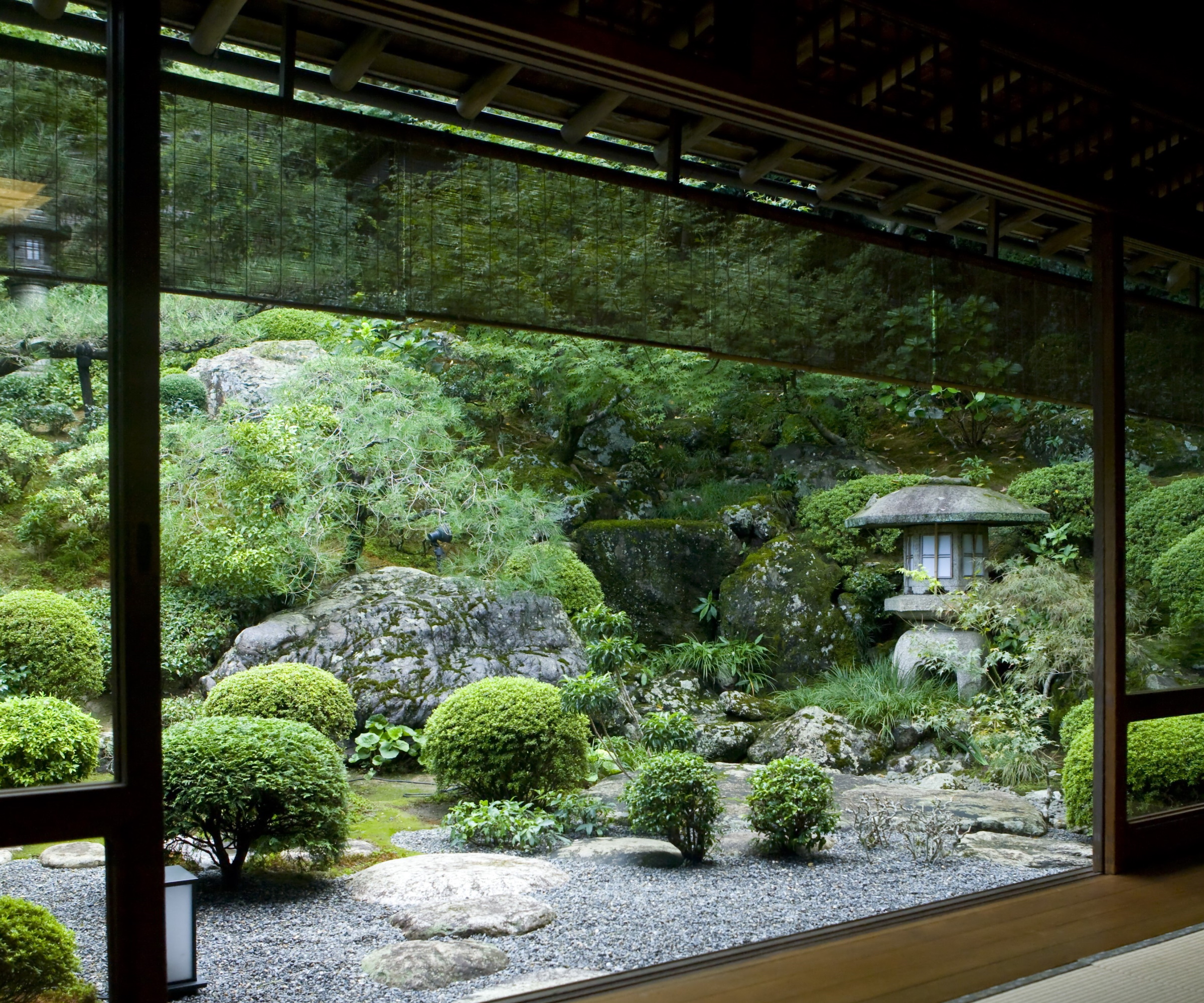
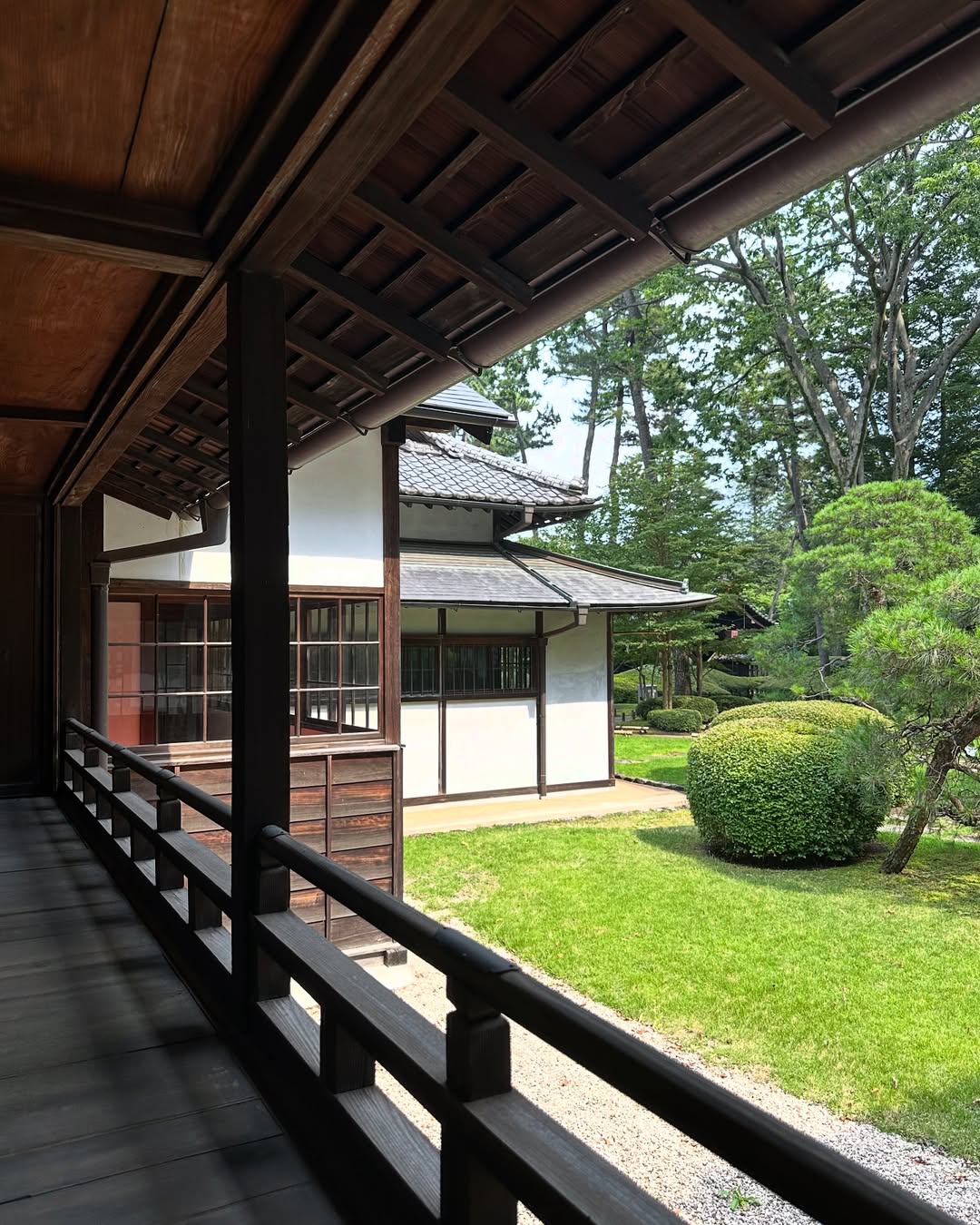
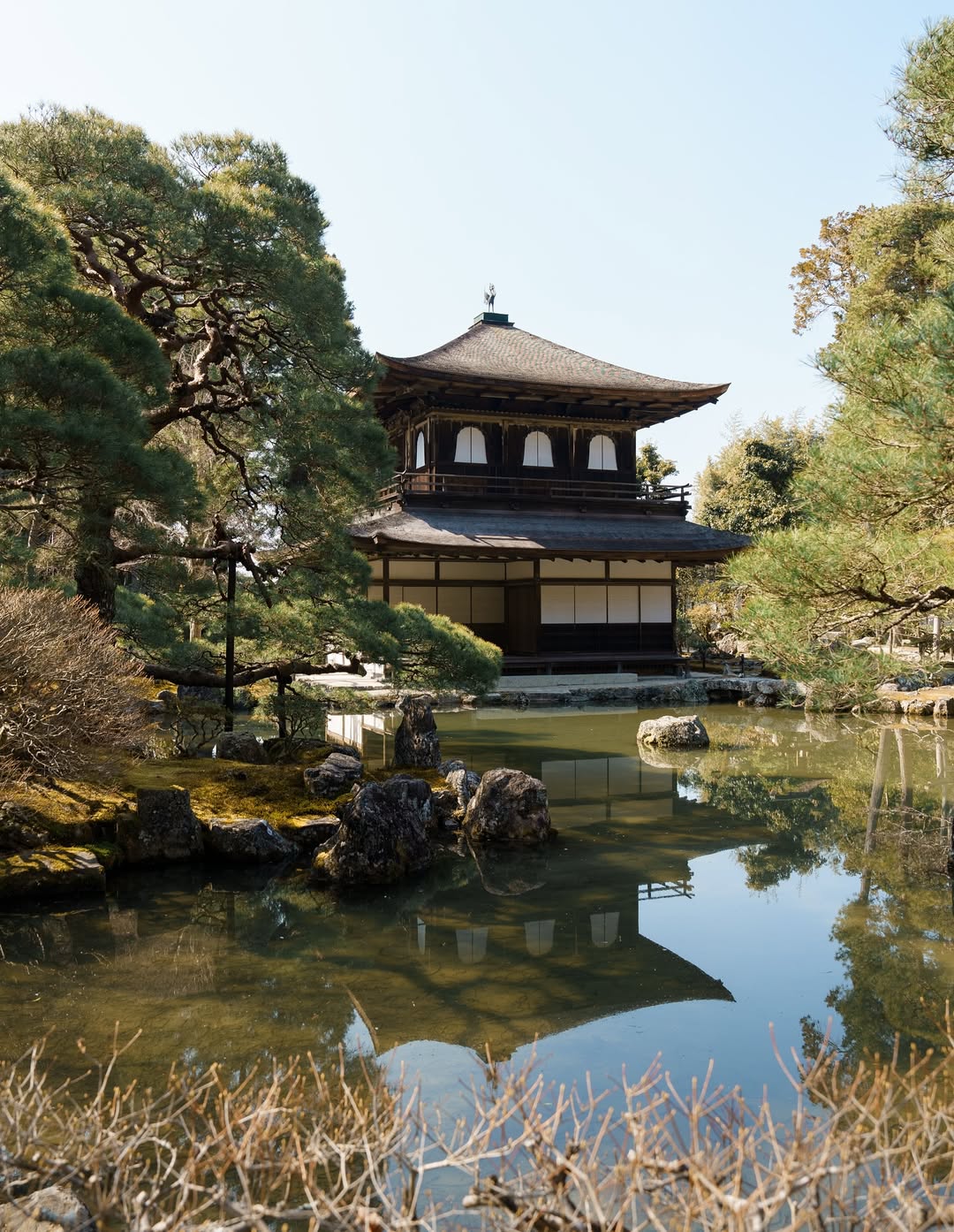
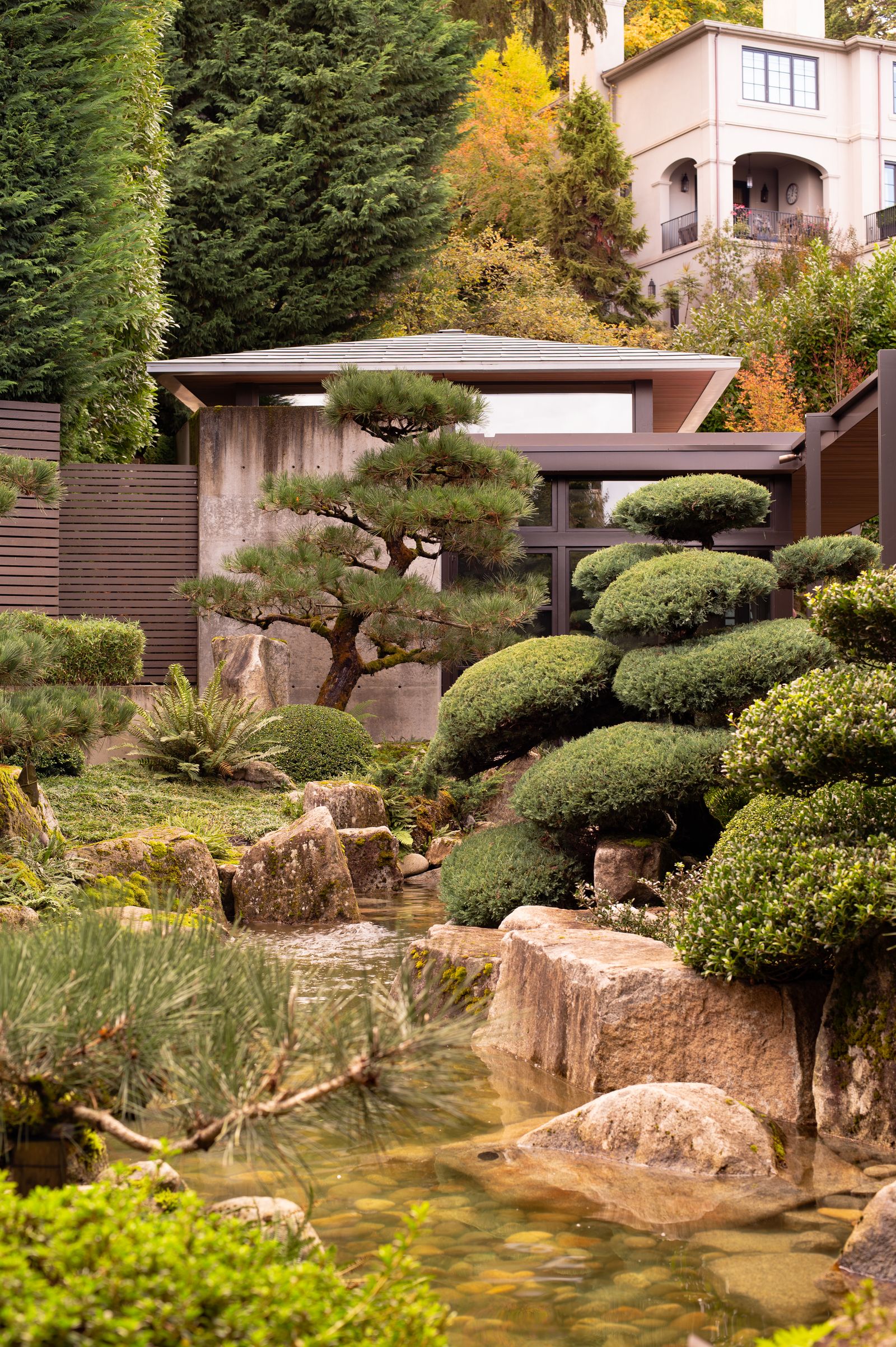
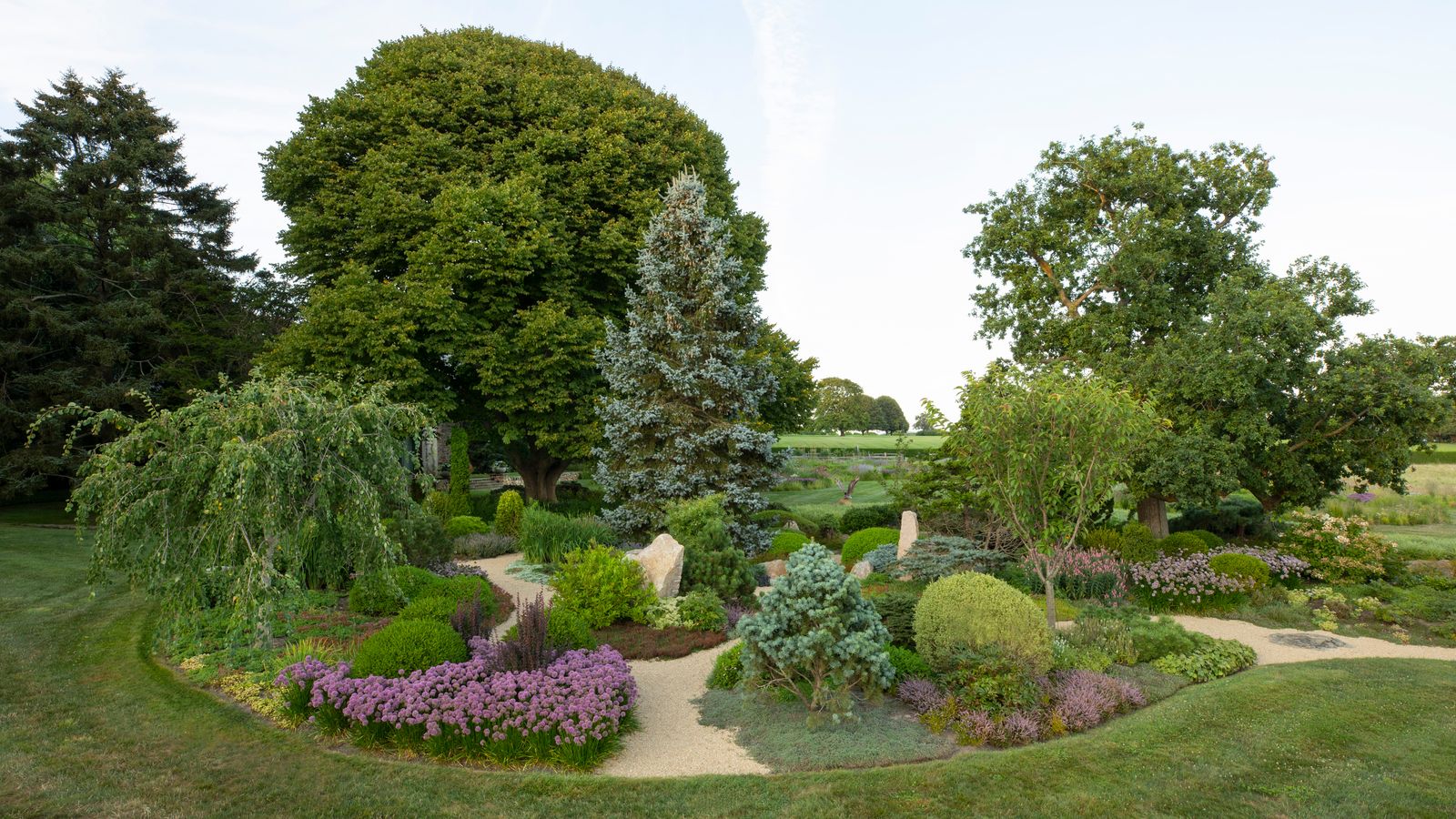
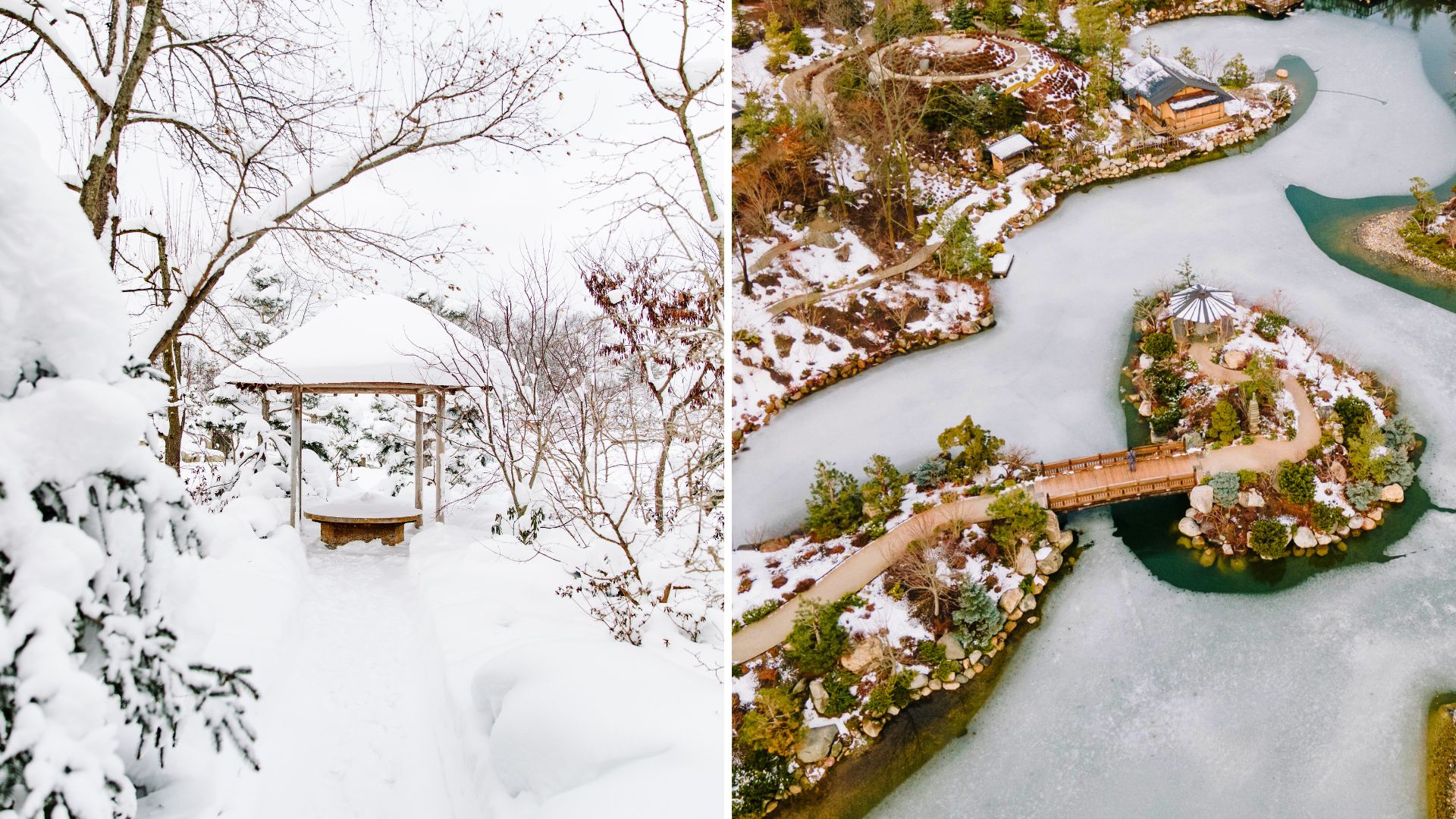
This article explores 24 distinct Zen garden ideas, focusing on transforming outdoor spaces into tranquil, Japanese-inspired sanctuaries for contemplation and relaxation. Zen gardens, a popular type of Japanese garden, emphasize simplicity, balance, and a deep connection to nature. They are often low-maintenance, making them suitable for various garden sizes and ideal for those seeking easy garden solutions or grassless garden designs. The core principles involve minimalist aesthetics, natural elements, and features that encourage mindfulness.
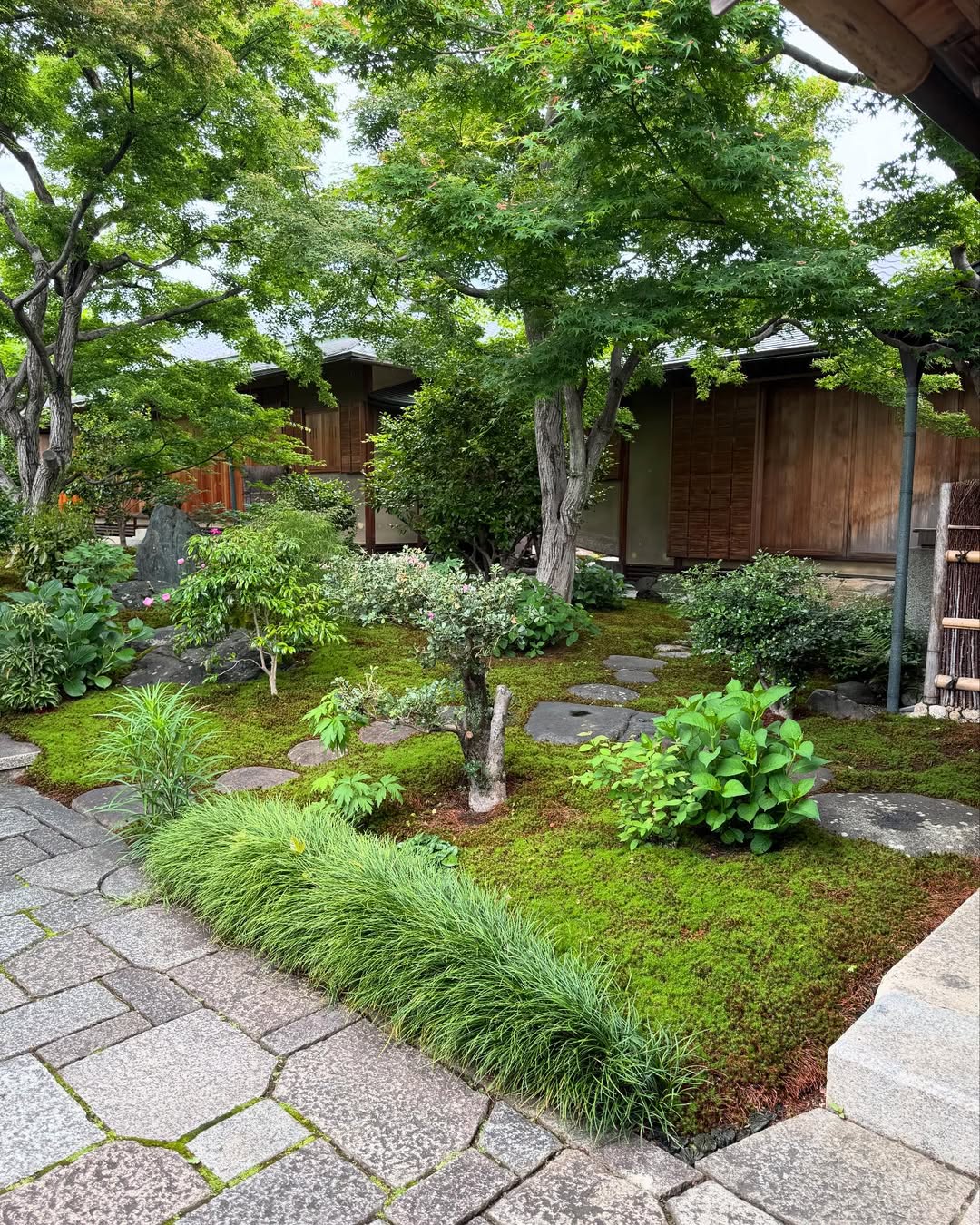
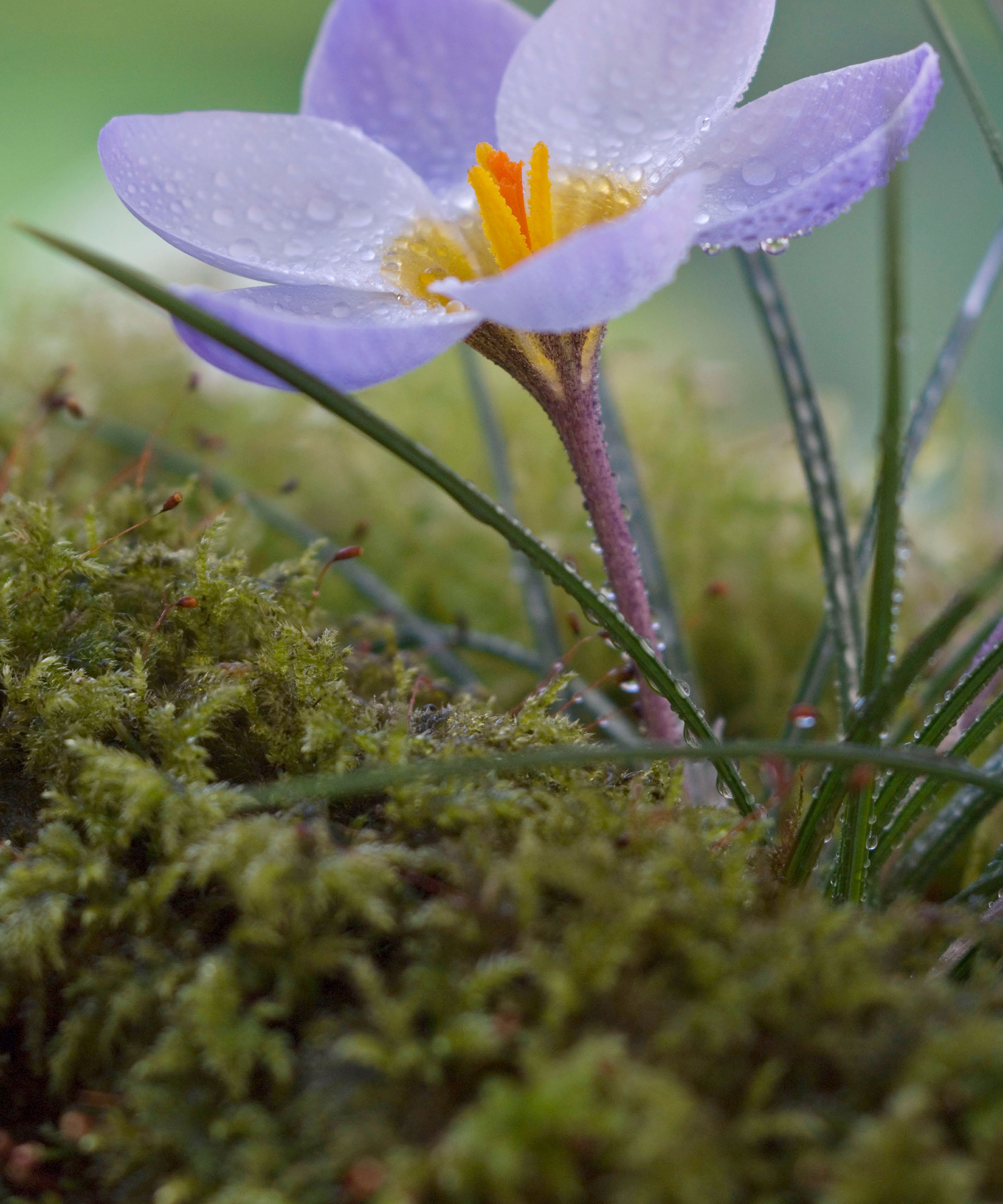
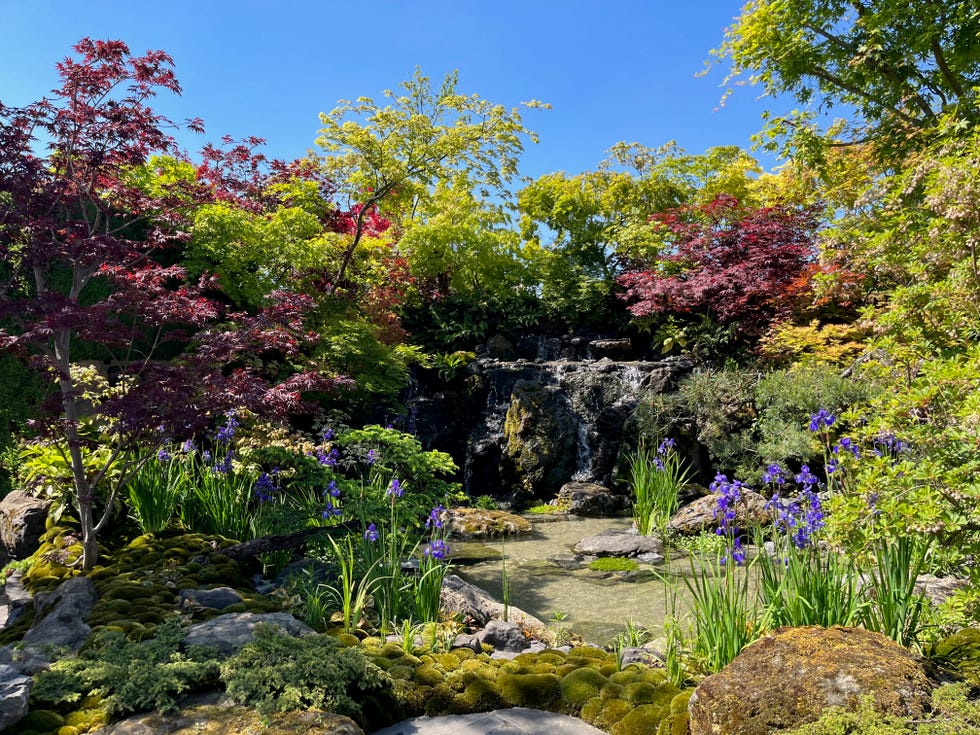
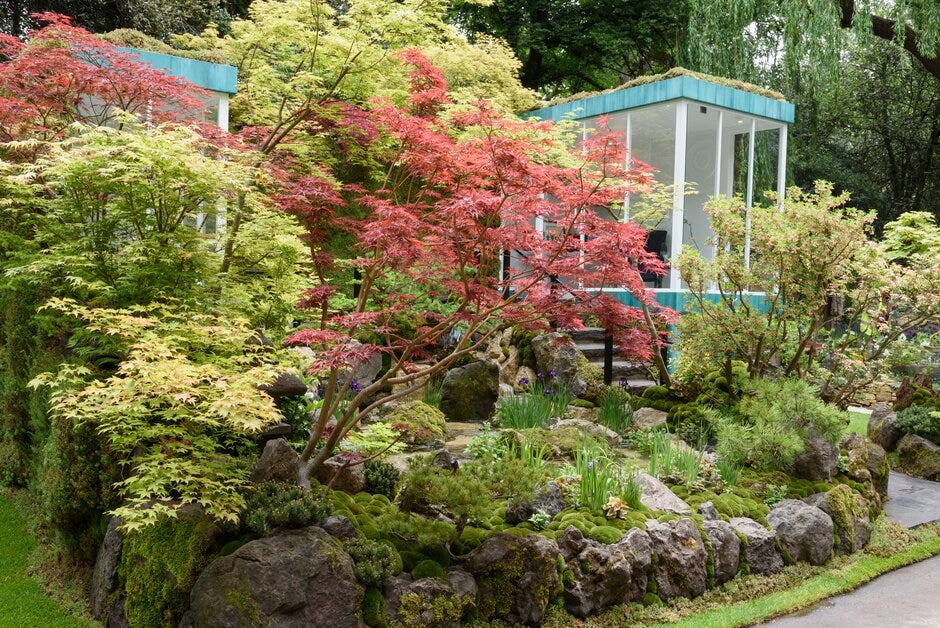
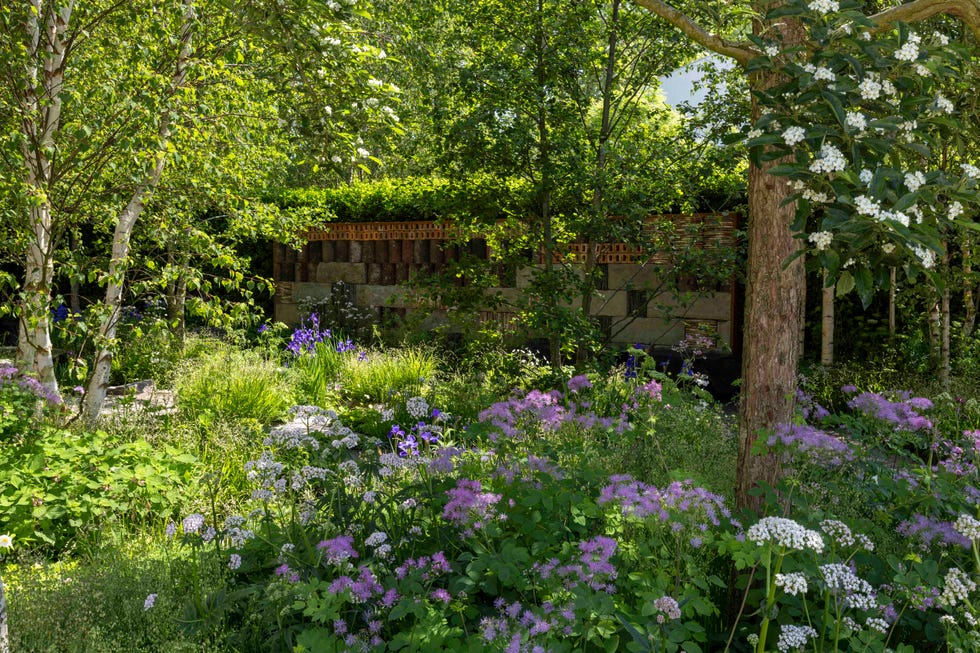
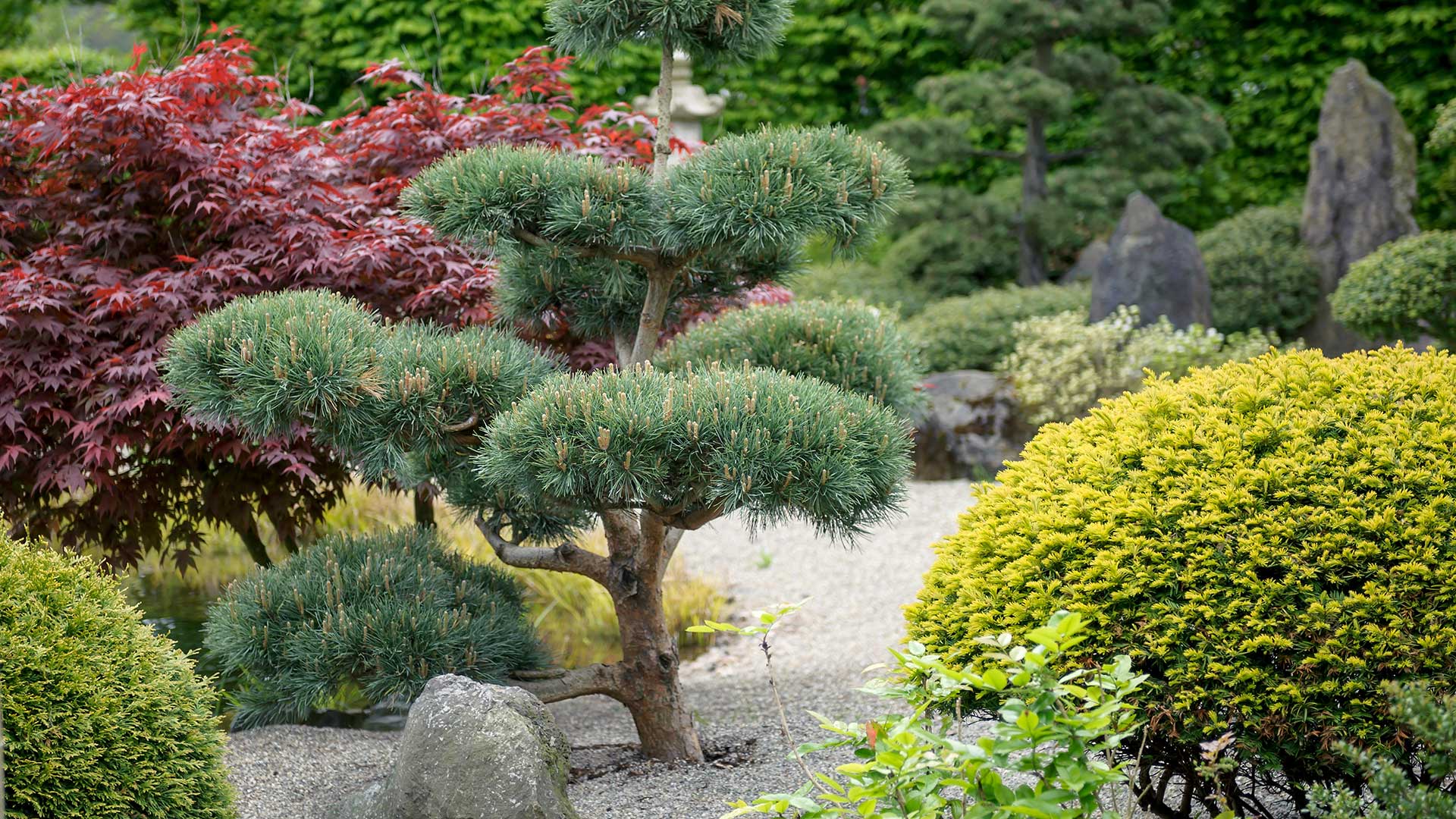
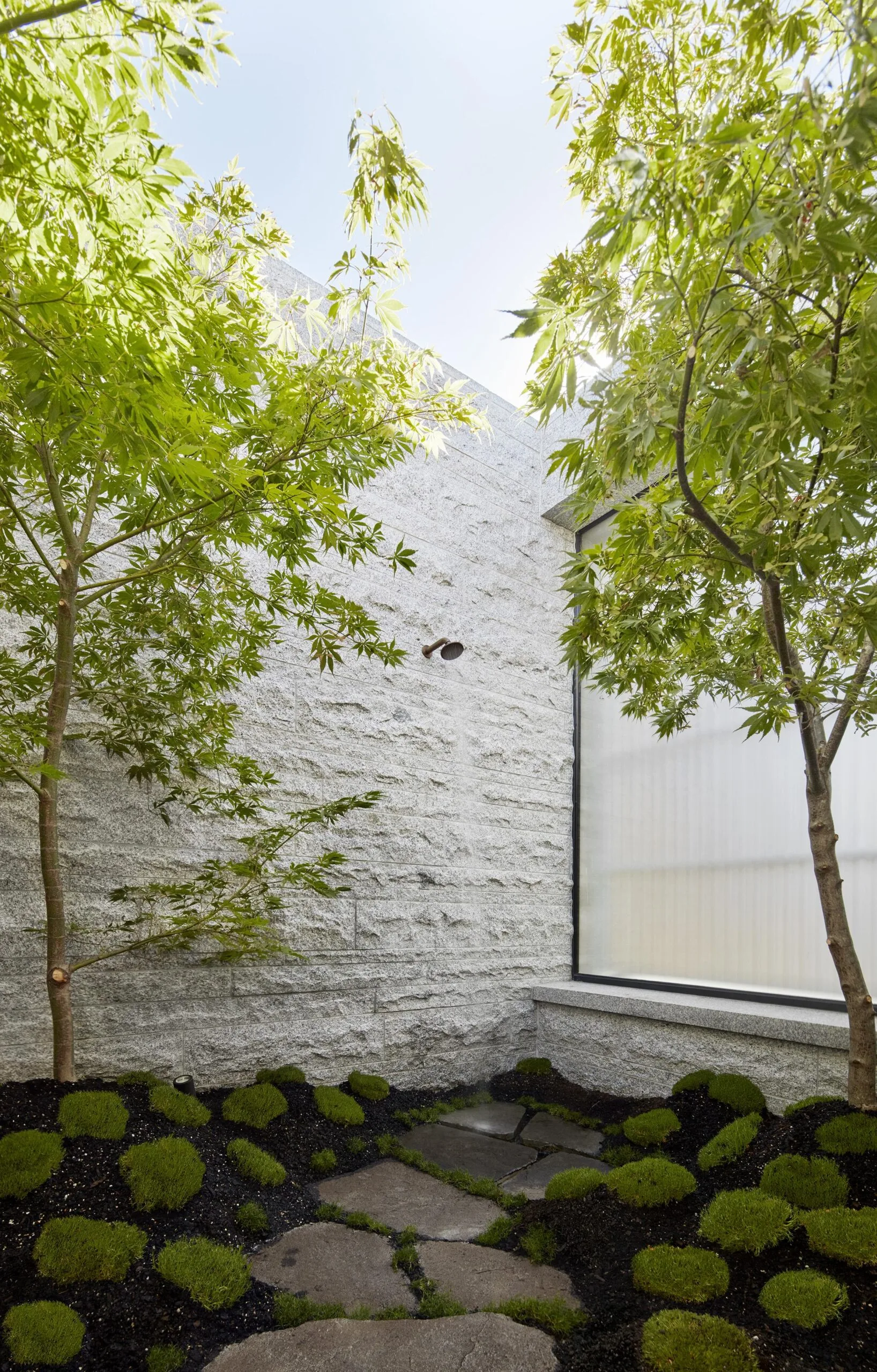
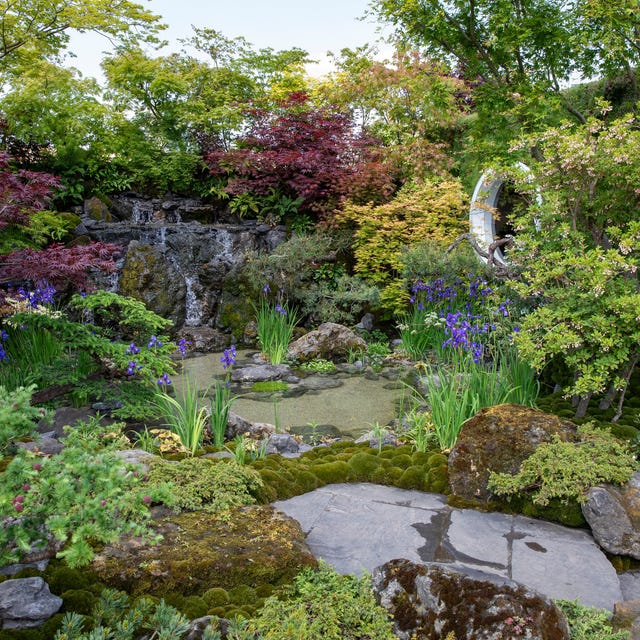
The article begins by highlighting the importance of recreating a moss garden effect, suggesting alternatives like mind-your-own-business (Soleirolia soleirolii) or Irish moss (Scleranthus Biflorus) for creating a lush, green ground cover, symbolizing simplicity. It then recommends incorporating evergreen plants and trees, such as Pachysandra terminalis and various low-growing evergreen shrubs, to maintain year-round greenery and create a calming, textural sea of foliage, with less emphasis on vibrant flowers. Cherry blossom trees, particularly Prunus serrula and Prunus 'Taihaku,' are presented as beautiful focal points that add seasonal charm with their blooms. For adding red hues, Japanese maples (acers) like Acer palmatum ‘Sango-kaku’ are suggested for their elegant form, intricate foliage, and dynamic red bark, creating visual interest that changes with the seasons.
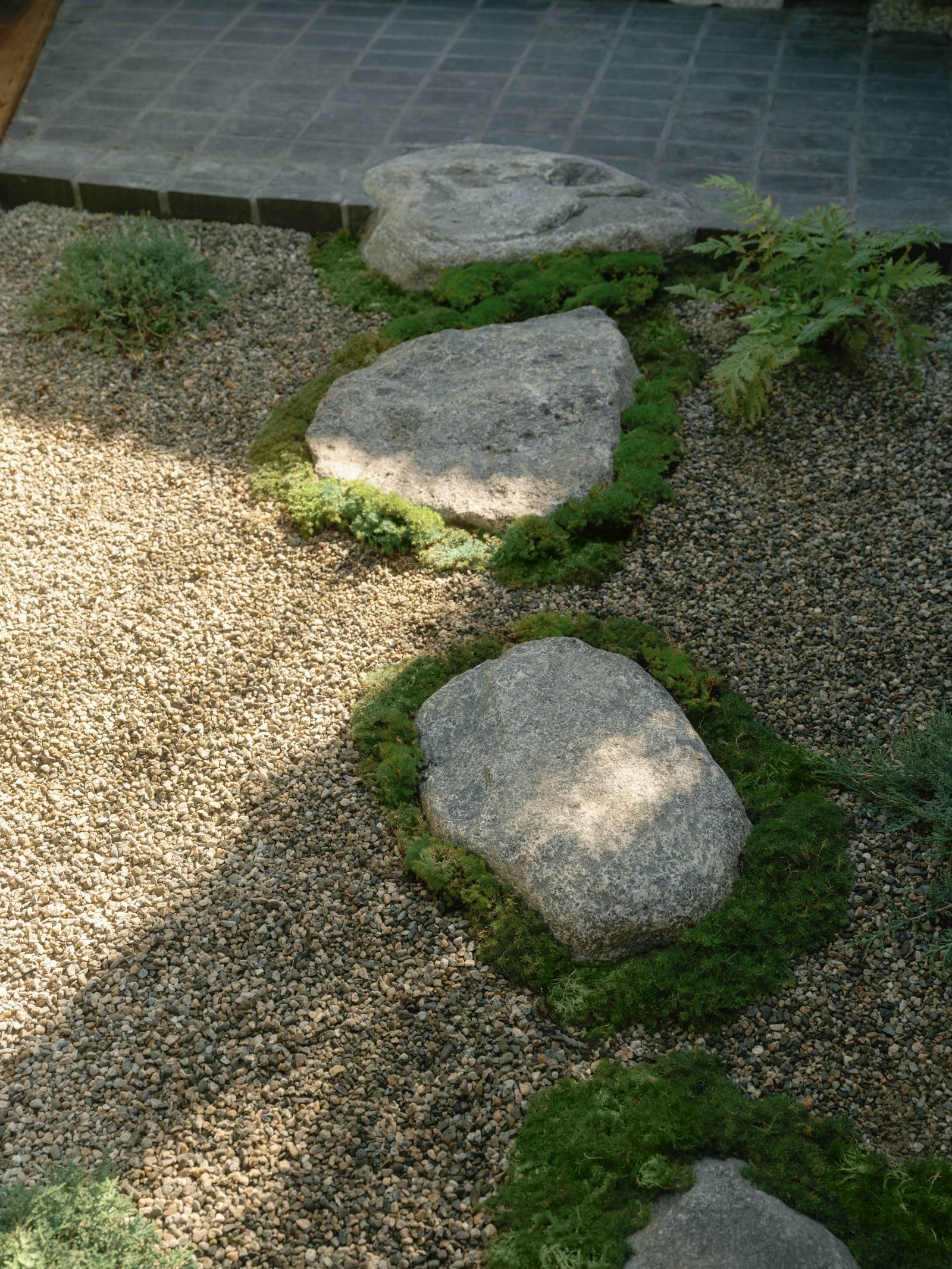
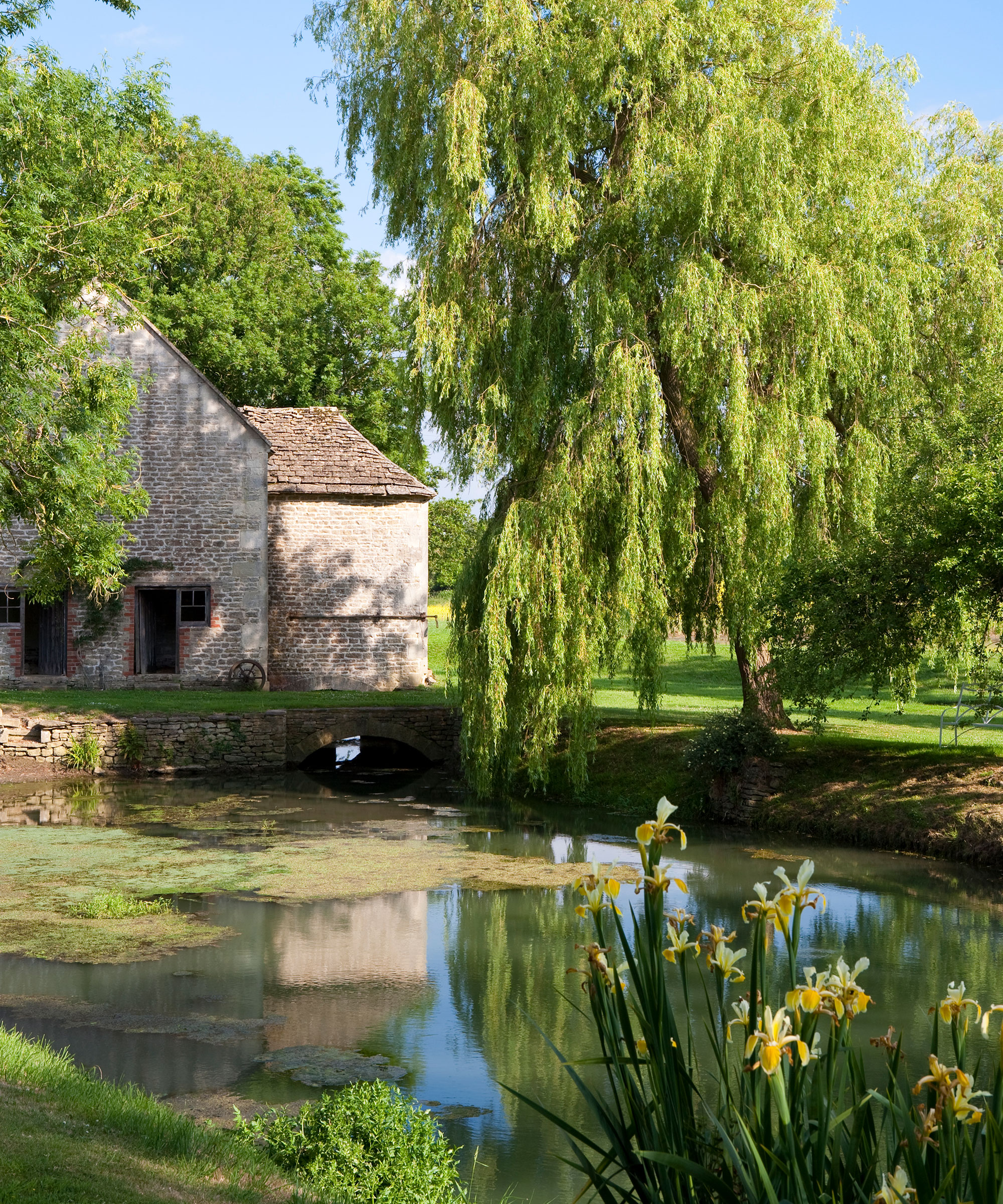
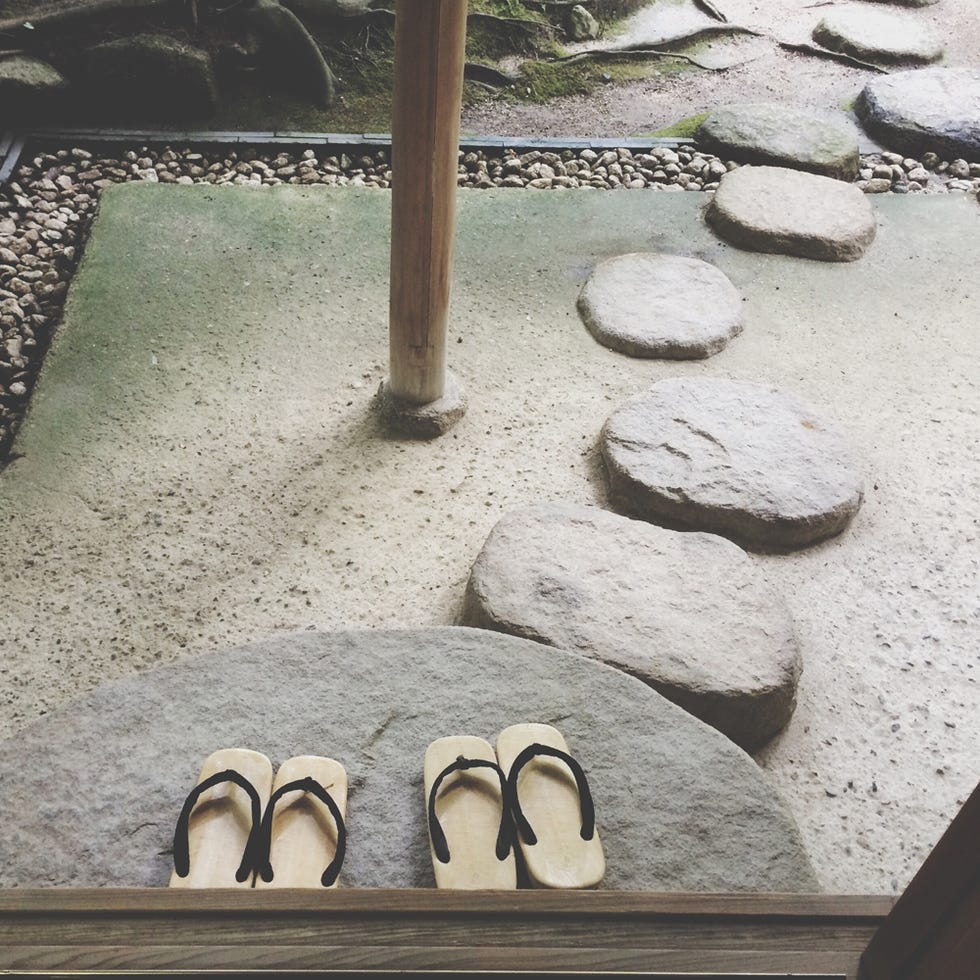
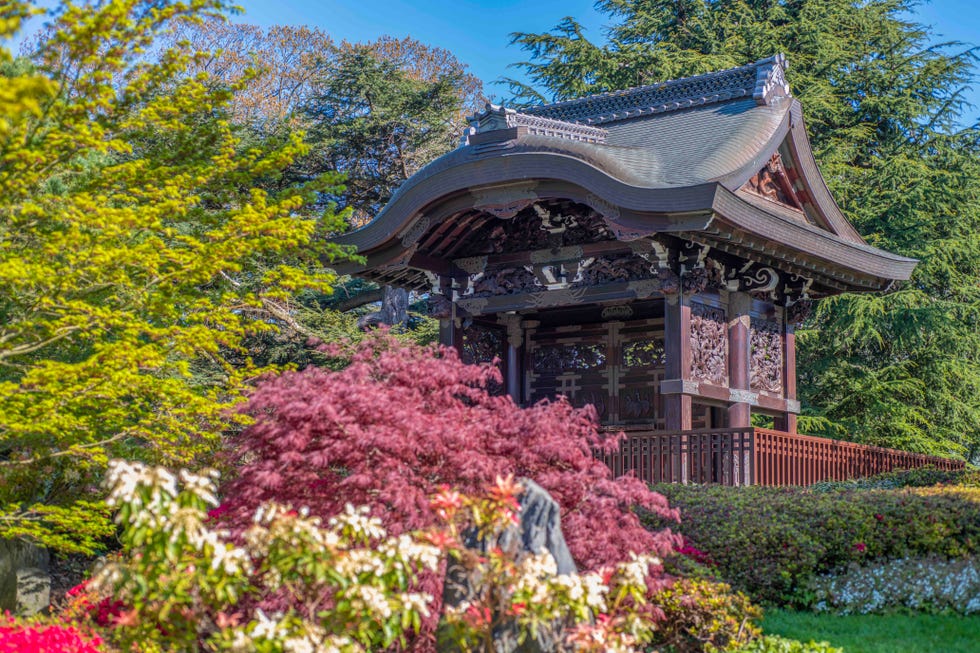
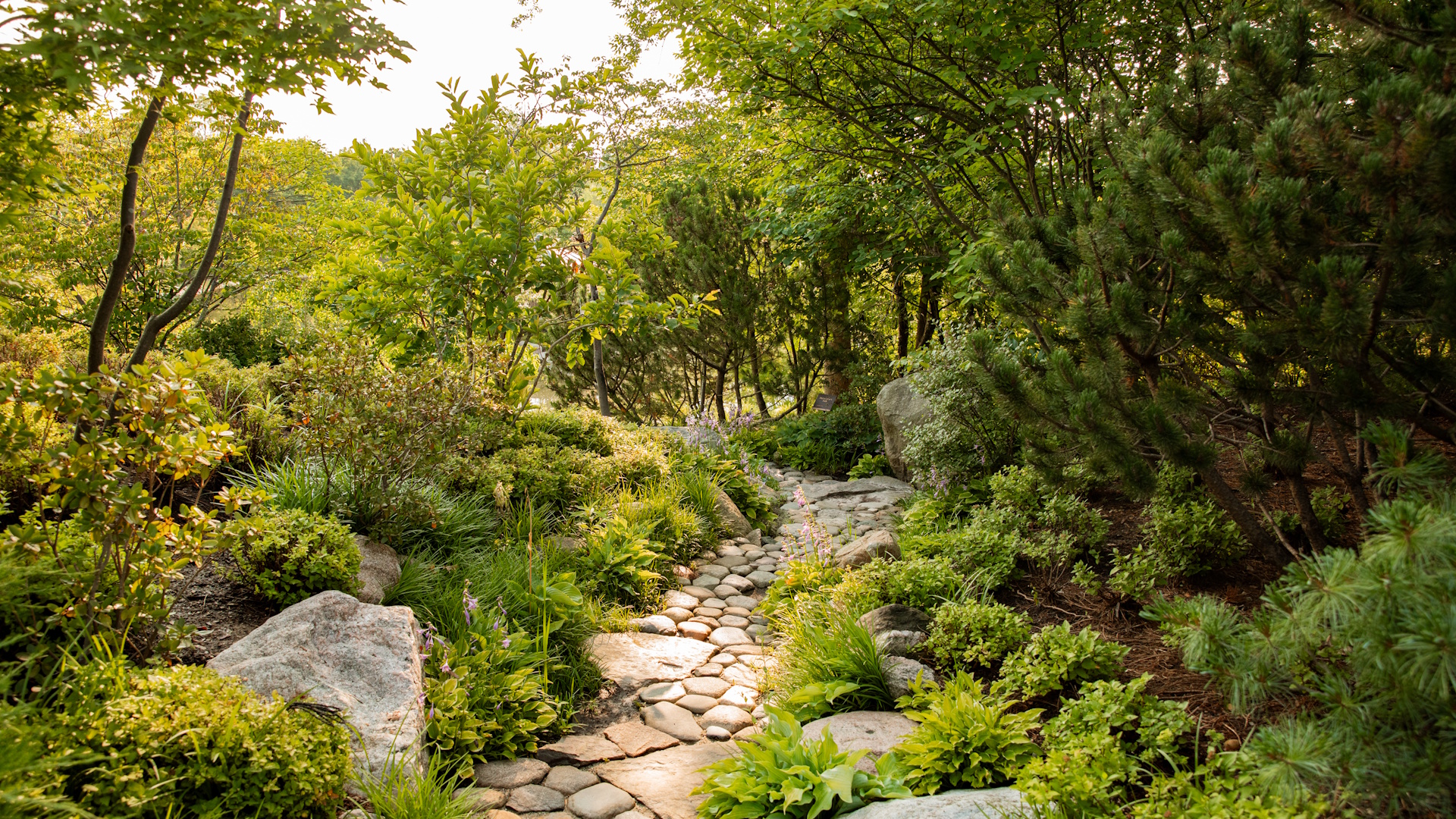
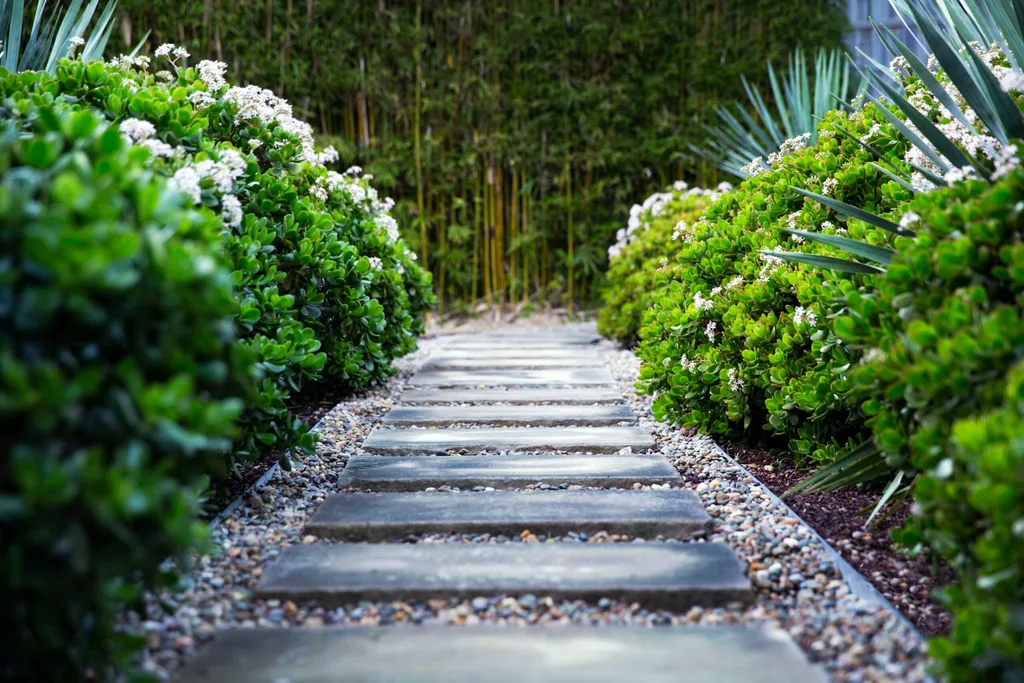
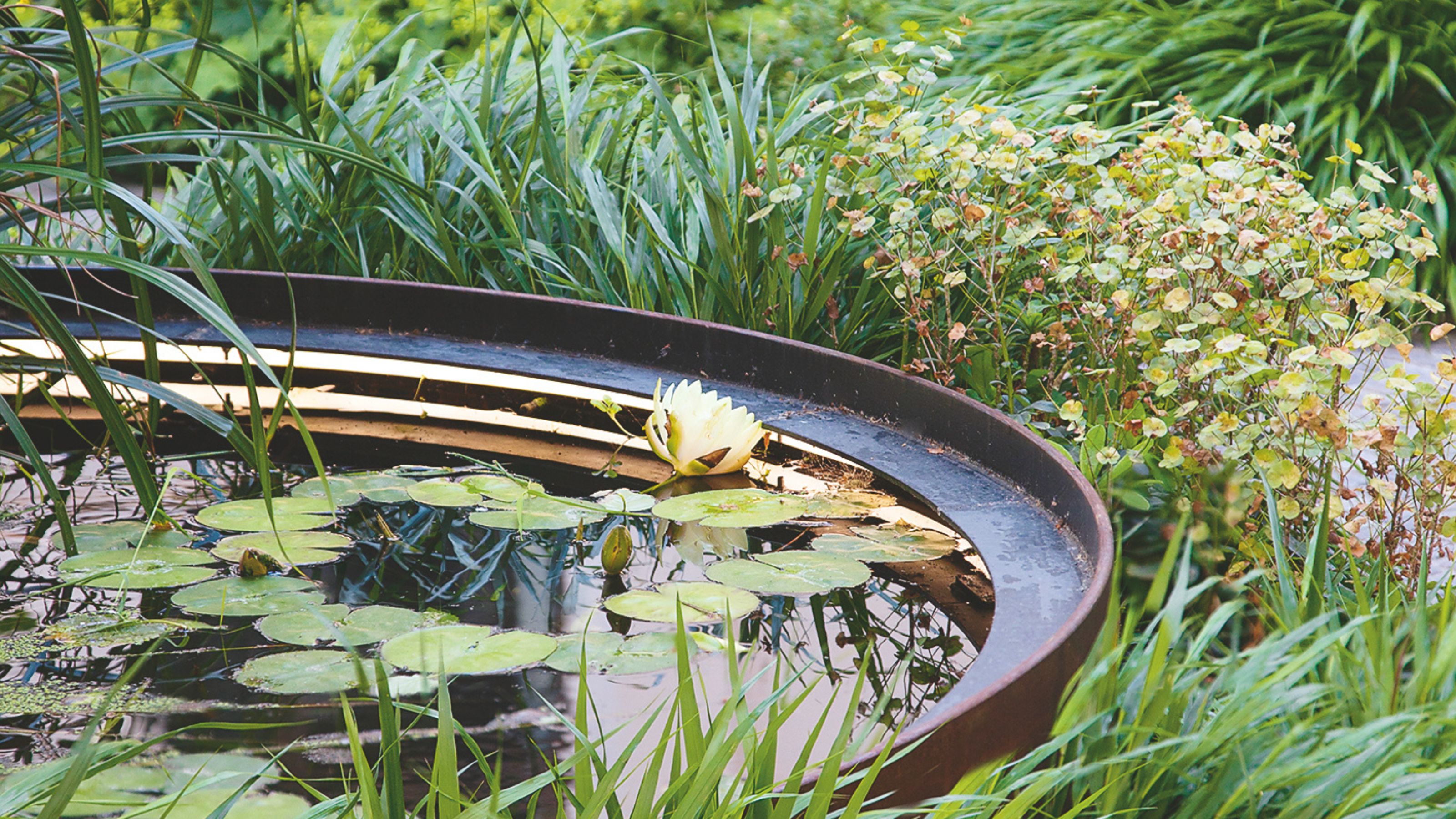
To engage all senses, the article advises creating a soundscape with wind chimes, believed by some to repel negative energy, or with the trickling sound of water features. Koi ponds are also recommended for their visual appeal, biodiversity benefits, and stress-reducing qualities. Stepping stone paths are introduced as a means to encourage mindfulness, slowing down one's pace and promoting appreciation for the garden. Incorporating archways, similar to Japanese Torii gates, provides a focal point and marks a transition into a sacred space, often painted red to ward off evil spirits.
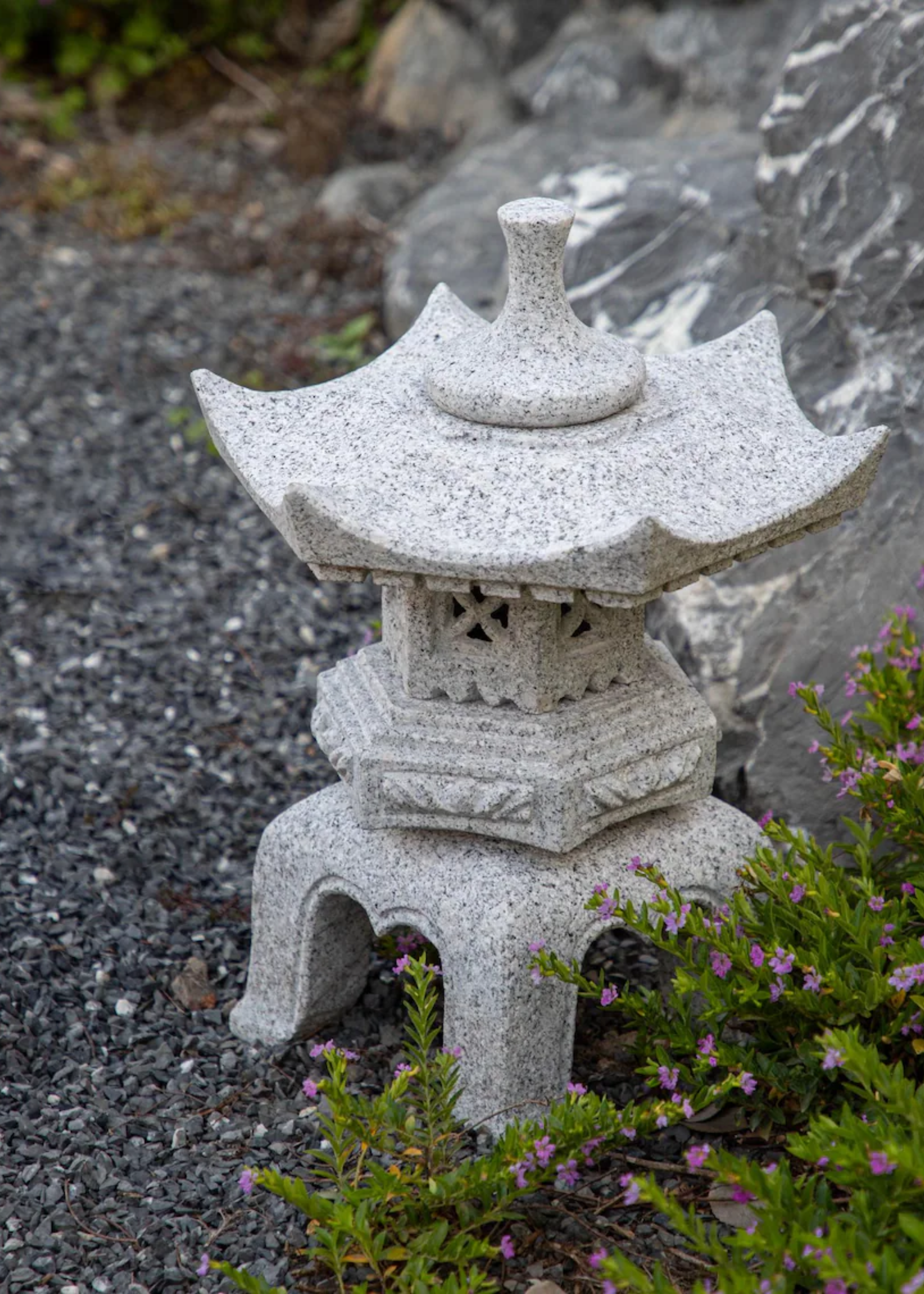
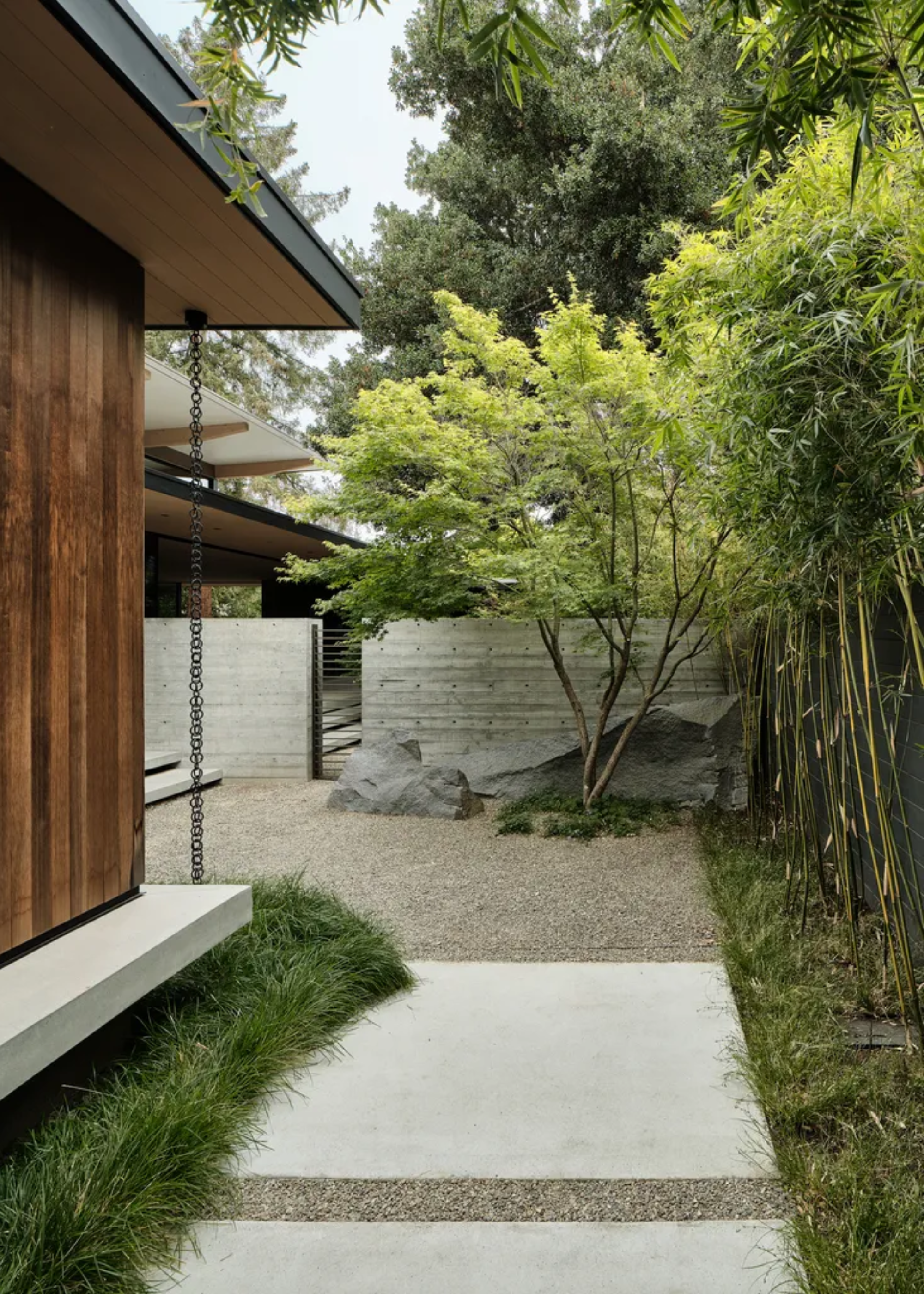
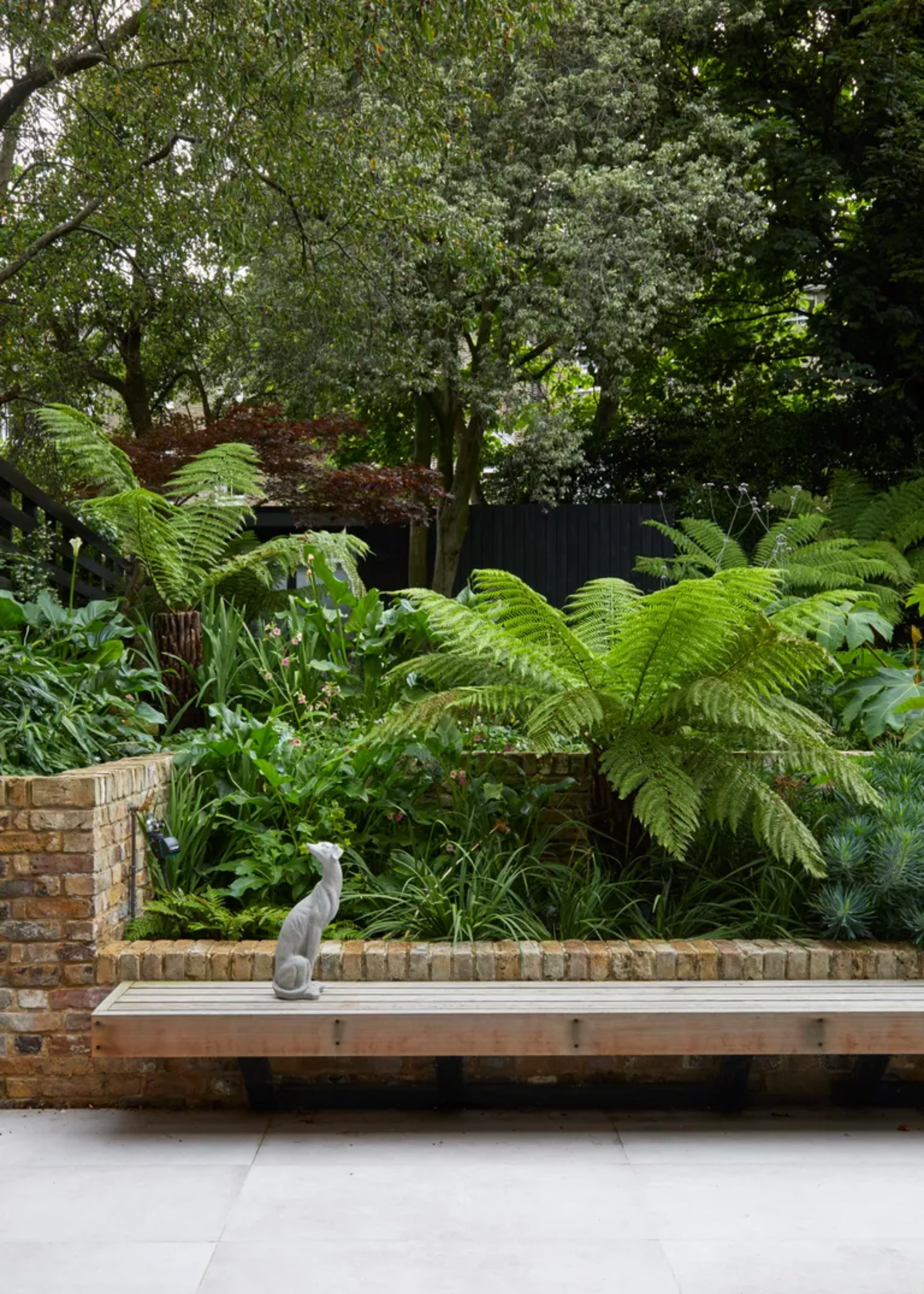
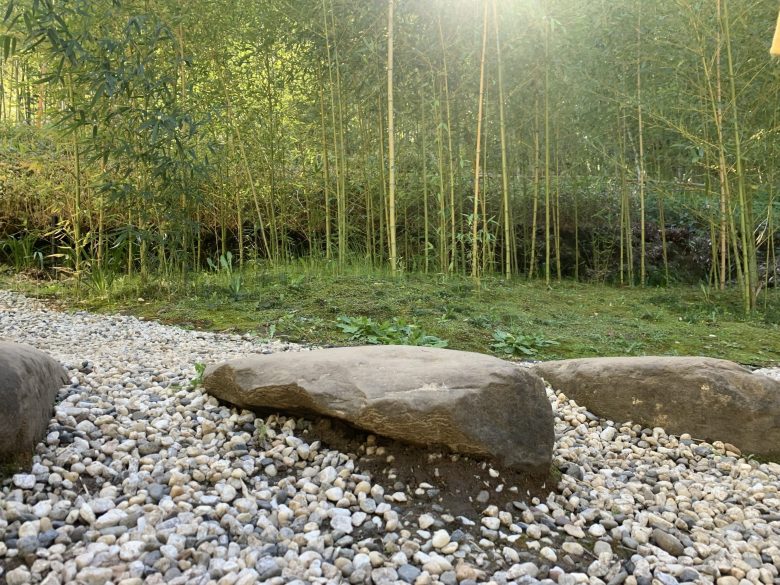
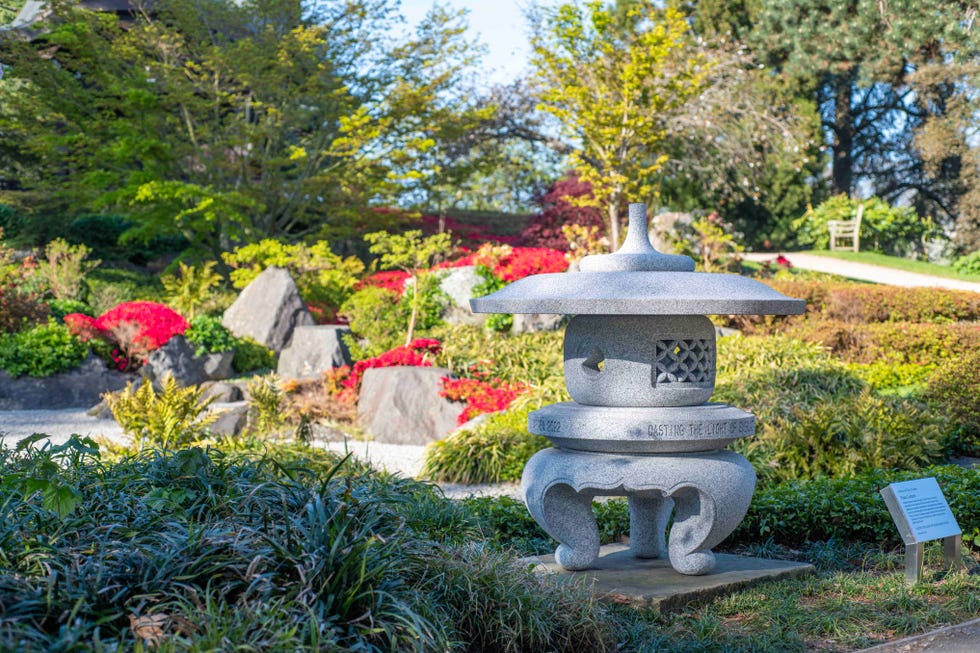
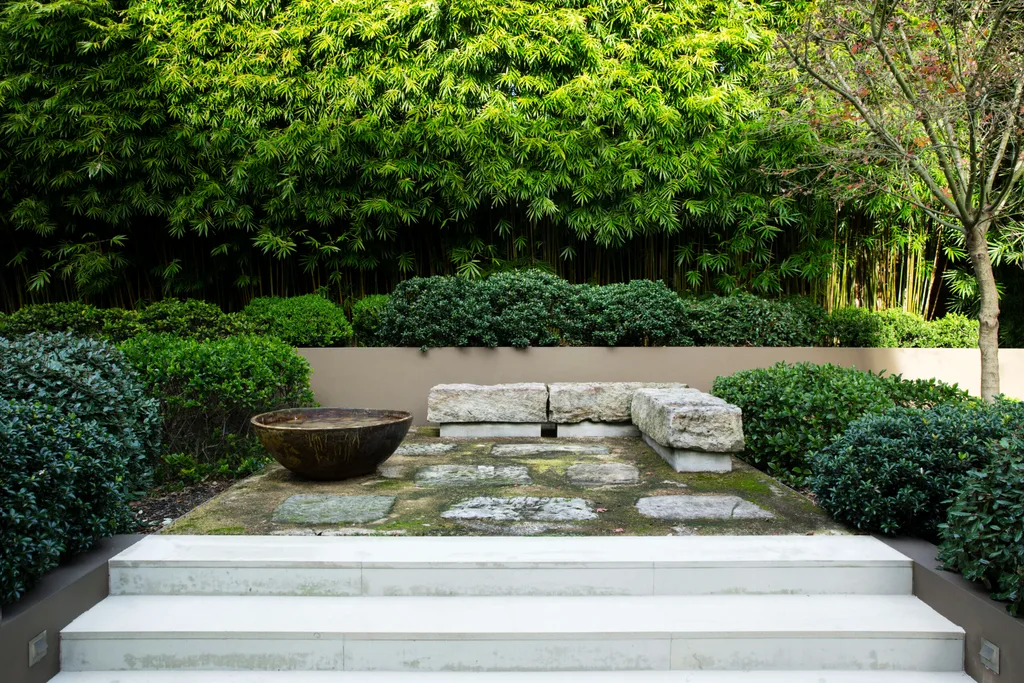
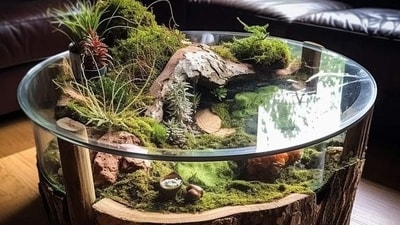
Softening the garden's hard elements with ferns, particularly slow-growing evergreen varieties like hart’s-tongue and wood ferns, along with bamboo and moss, helps to fill sparse areas, provide shade, and create privacy screens. Mixing the color and size of rocks, which symbolize mountains, waterfalls, and islands, adds sculptural elements and naturalistic appeal. Soft lighting, achieved through lanterns, pendant lights, or wall-mounted sconces, is crucial for creating a subtle, harmonious, and inviting atmosphere without overpowering the natural setting.
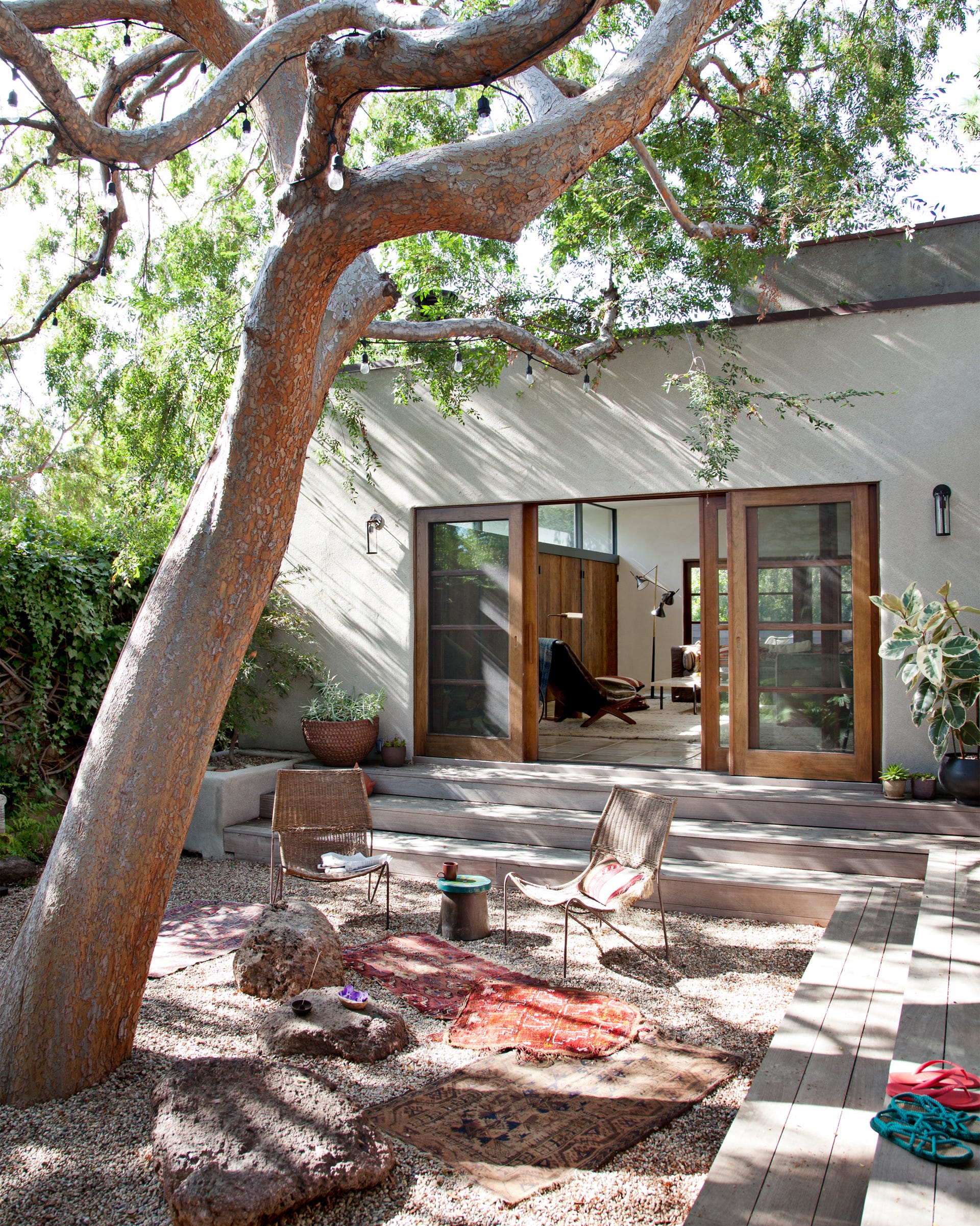
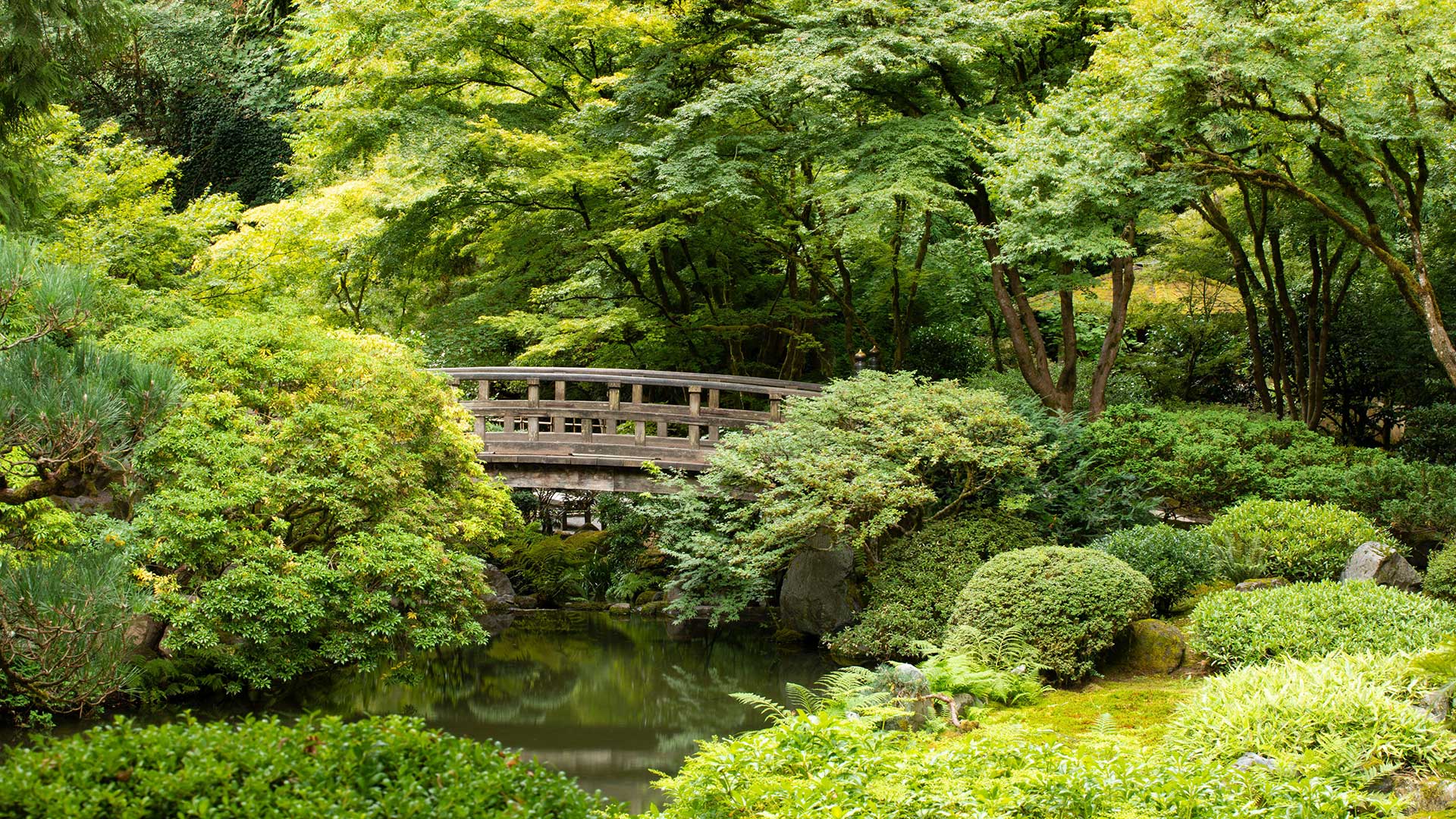
The use of natural materials for furniture, such as rattan or wicker egg chairs, is emphasized to maintain an organic feel, with a pared-back color palette of sand or stone-colored cushions and throws. A zig-zag bridge is suggested, not only for its mythical ability to ward off evil spirits but also for its practical function in encouraging a slow, mindful journey through the garden. For smaller spaces, dedicating a specific 'zen zone' with a path leading to a quiet seating area is proposed. Creating a sense of seclusion with shrubs, trees, trellises, or pergolas helps to enhance privacy, with a cautionary note on planting bamboo in pots to prevent it from spreading. A pared-back color palette focusing on greens and cool tones, with plants like Senecio ‘Angel Wings’ or Brachyglottis 'Sunshine,' further contributes to a calm environment.
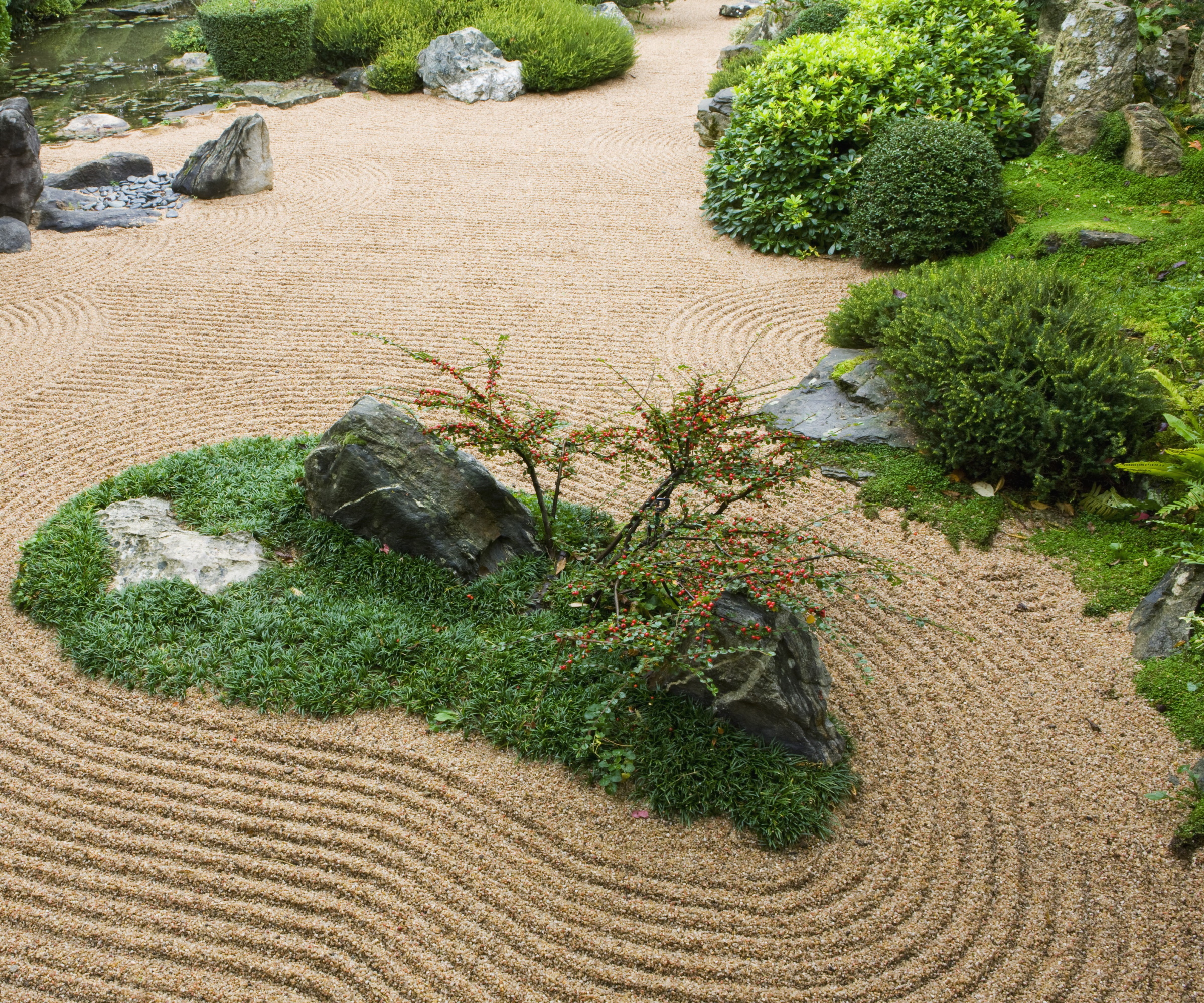
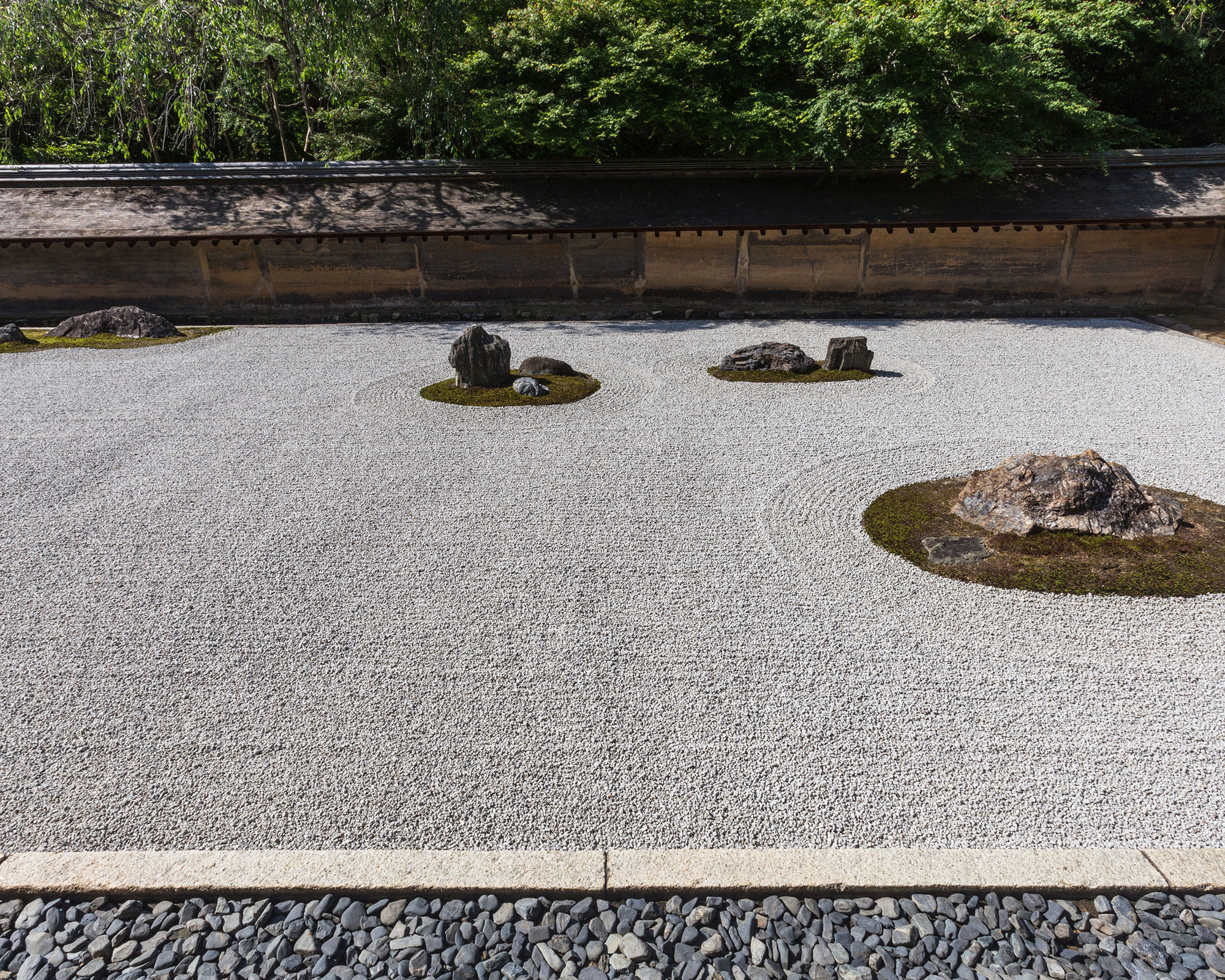
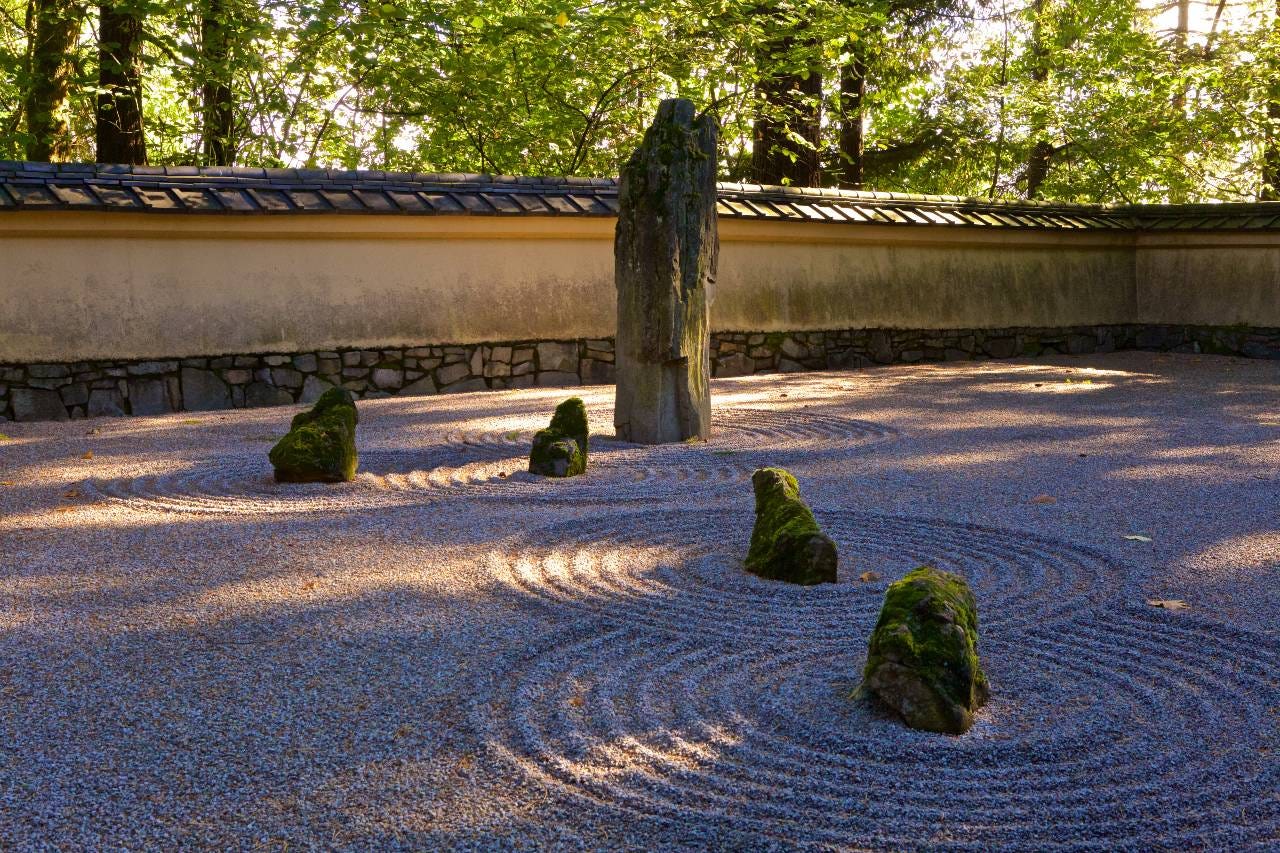
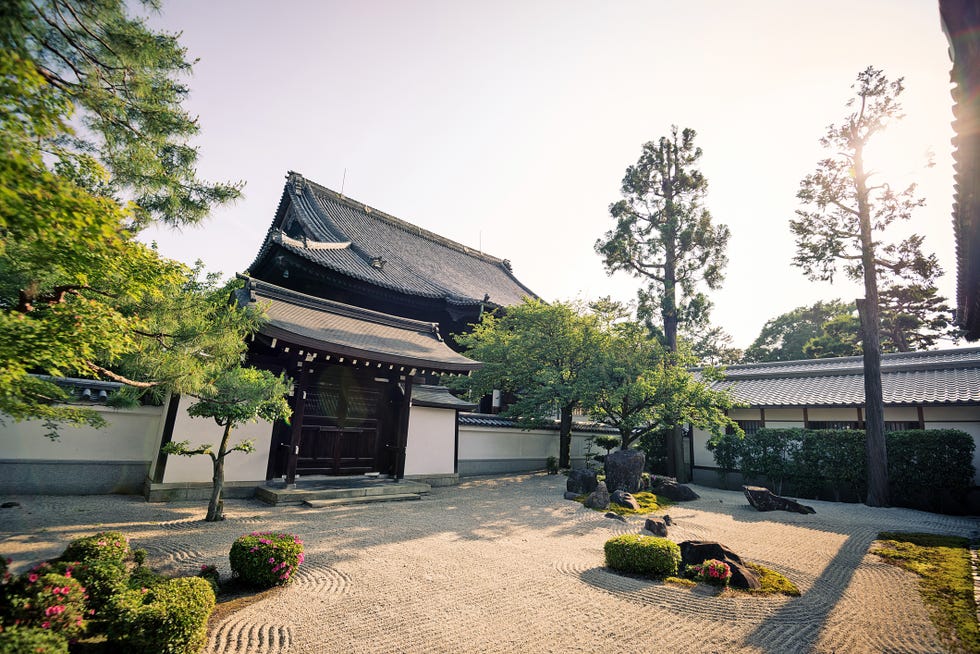
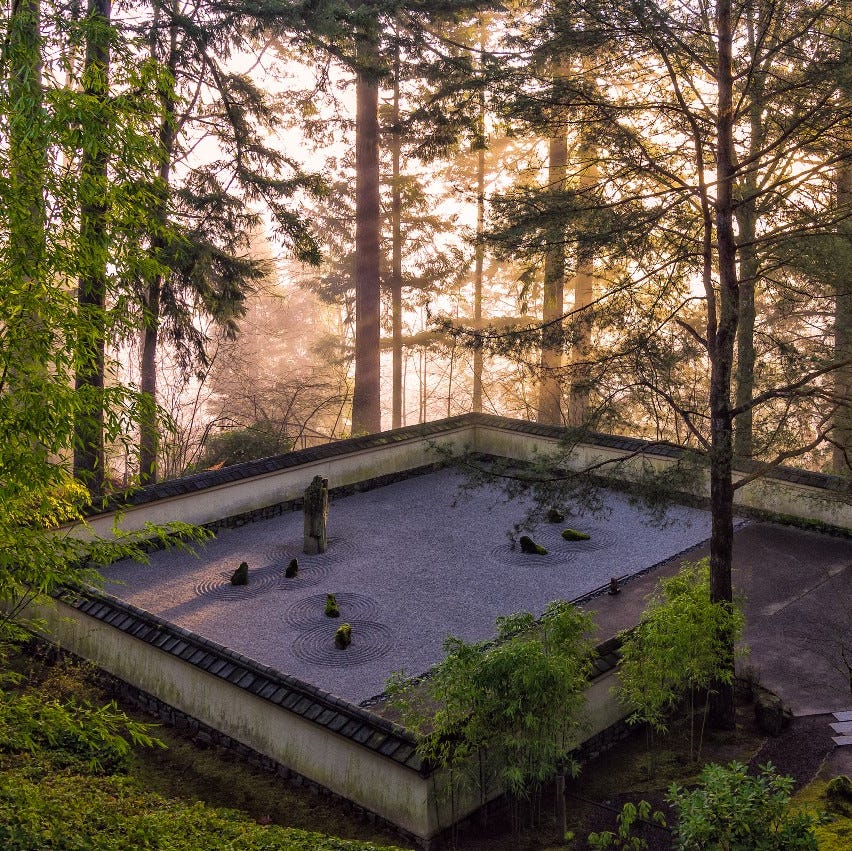
Traditional zen gardens often feature raked gravel areas to aid meditation, with white gravel specifically creating the illusion of water. Rocks serve as sculptural elements, providing focal points and mimicking natural landscapes. Ornamental grasses, such as Miscanthus and Pampas grasses, offer a wilder, less structured planting option. The article also suggests incorporating plants with healing qualities, like lavender or echinacea, and encouraging wildlife through flowering perennials to enhance the garden's connection to nature. Finally, comfortable garden furniture is highlighted for providing a restful space, and the importance of a designated area for meditation or reflection, perhaps surrounded by bamboo and overlooking a water feature, is underscored, reinforcing the garden's role as a sanctuary for wellbeing.
#ZenGarden #JapaneseGarden #GardenDesign #OutdoorLiving #Mindfulness #Landscaping #GardenPlants #WaterFeatures #NaturalMaterials #ZenGarden #JapaneseGarden #GardenDesign #OutdoorLiving #Mindfulness #Landscaping #GardenPlants #WaterFeatures #NaturalMaterials
0 comment in total
 No comments yet
You may also like
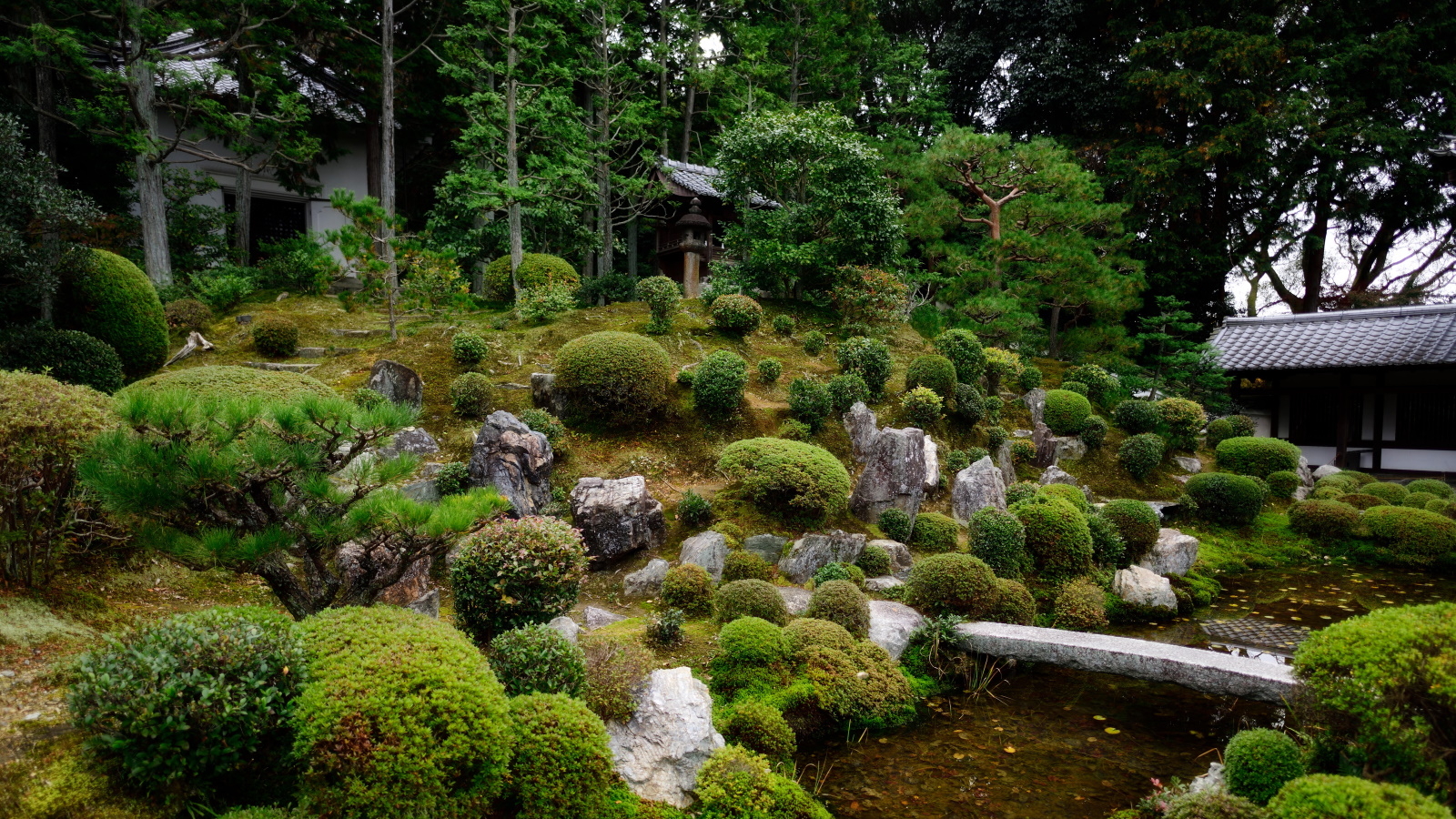
What is a zen garden? This Japanese approach to design can turn backyards into calming sanctuaries

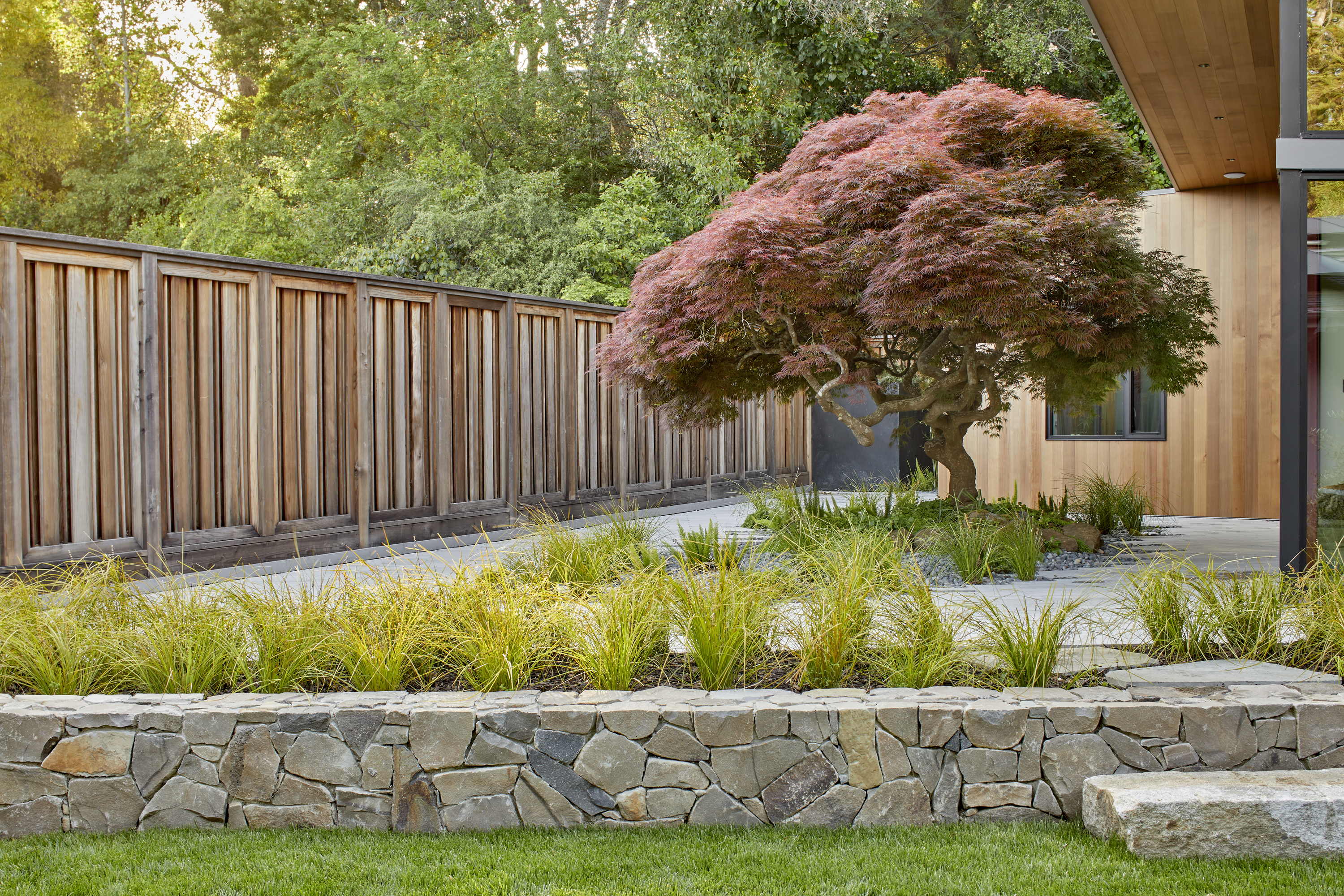
7 Japanese Garden Ideas That Channel the Elements of Nature to Make Your Outdoor Space Feel Serene

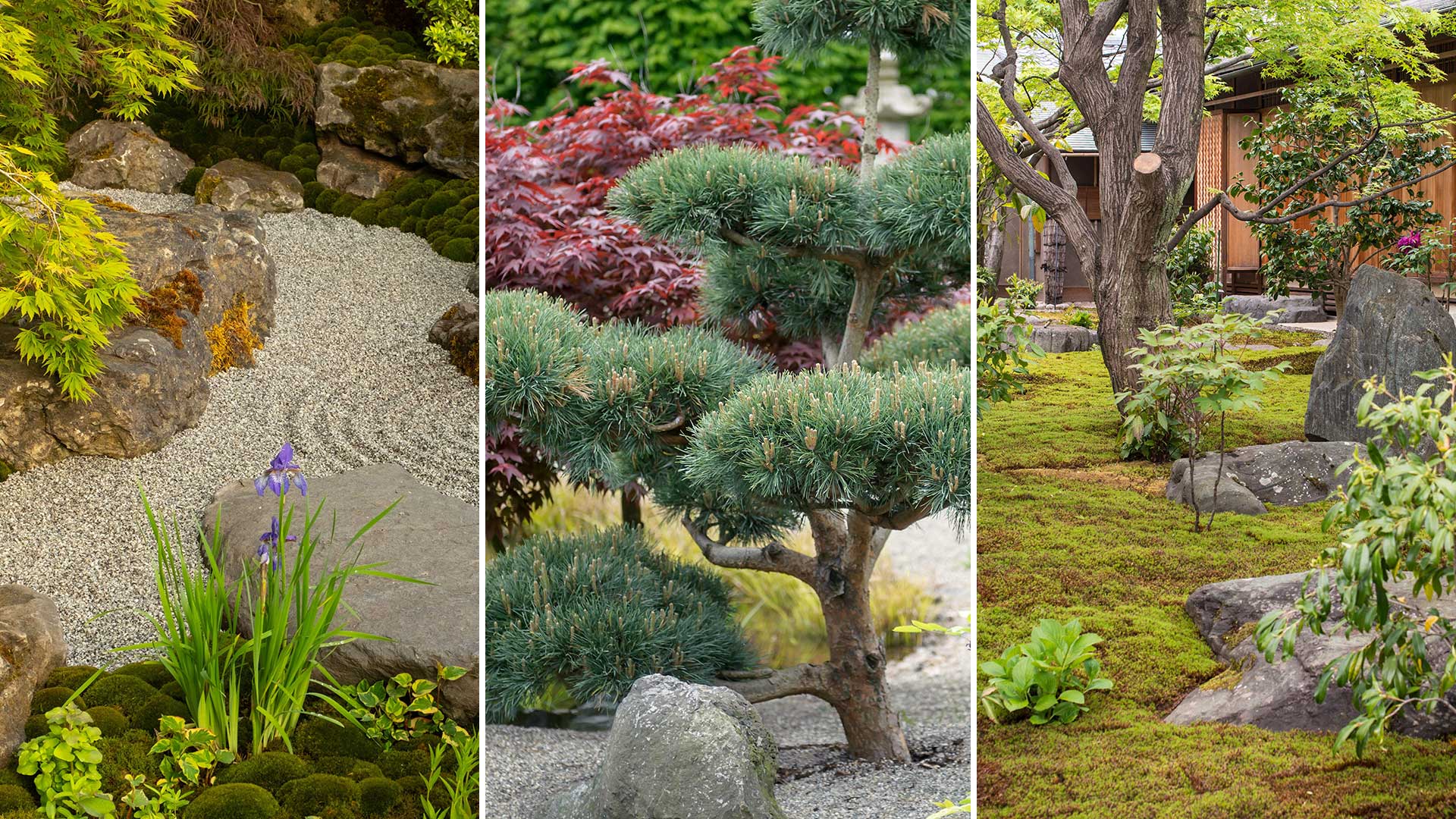
Japanese garden ideas – 10 ways to create a soothing space, with advice from the experts

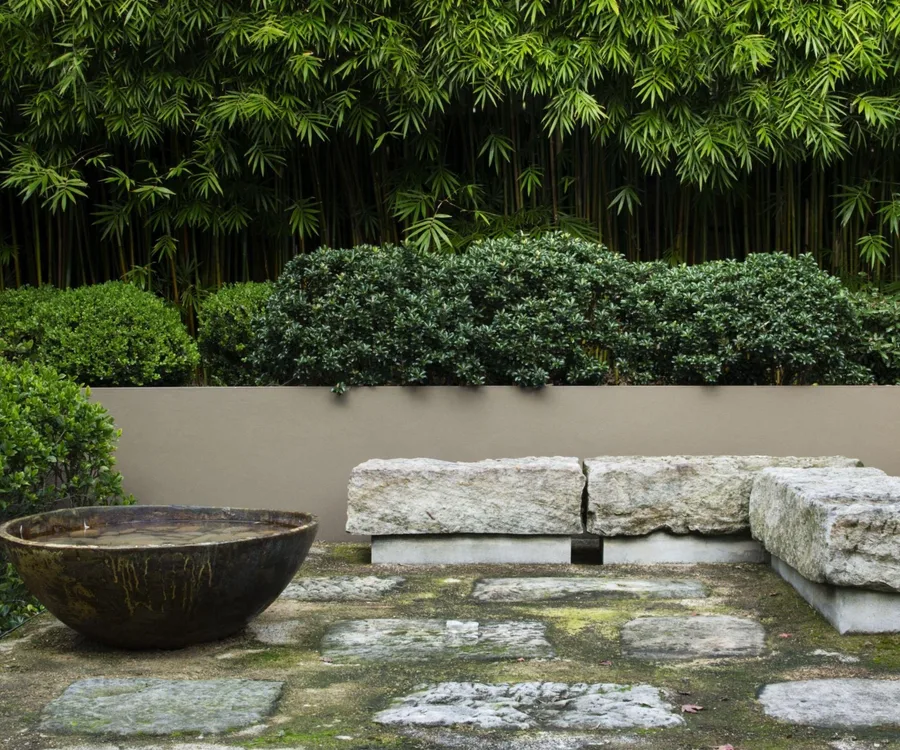
7 Japanese-style gardens to inspire and delight

24 Japanese Garden Ideas That Encourage Slow Walks and a More Relaxed Outdoor Rhythm

Experts reveal how to plant a Japanese-inspired garden

Over the Garden Gate: Zen gardens are therapeutic
Zen out with a miniature Zen garden
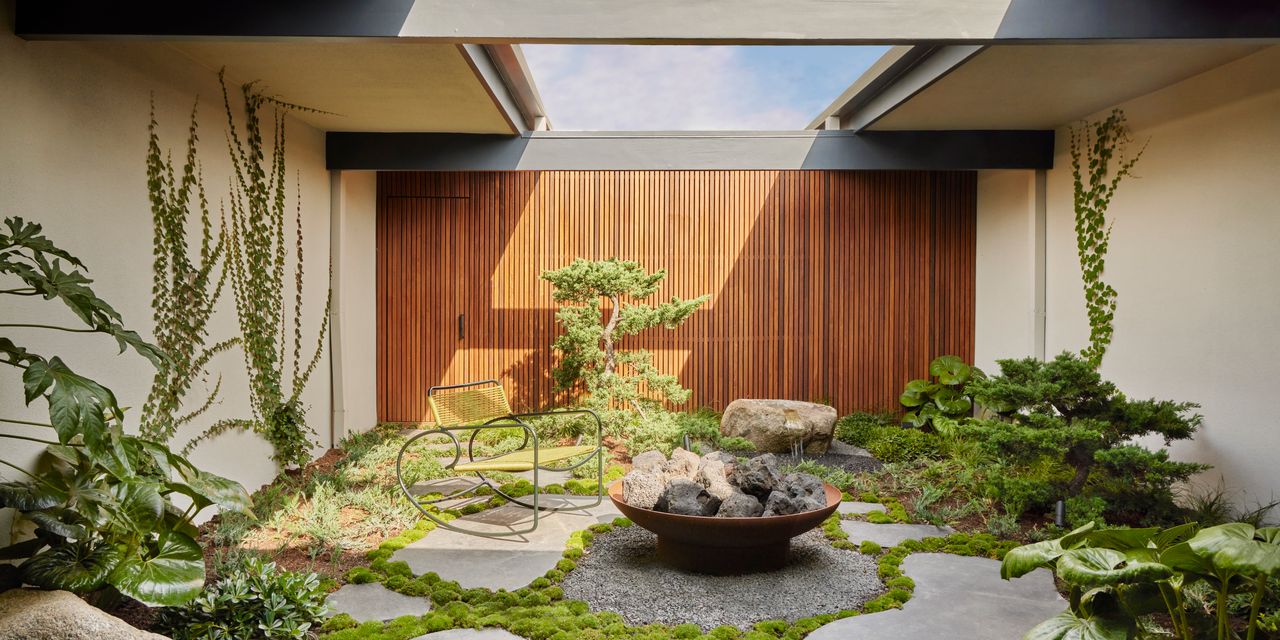
How to Design a Japanese Garden in Any Climate, According to Landscape Experts

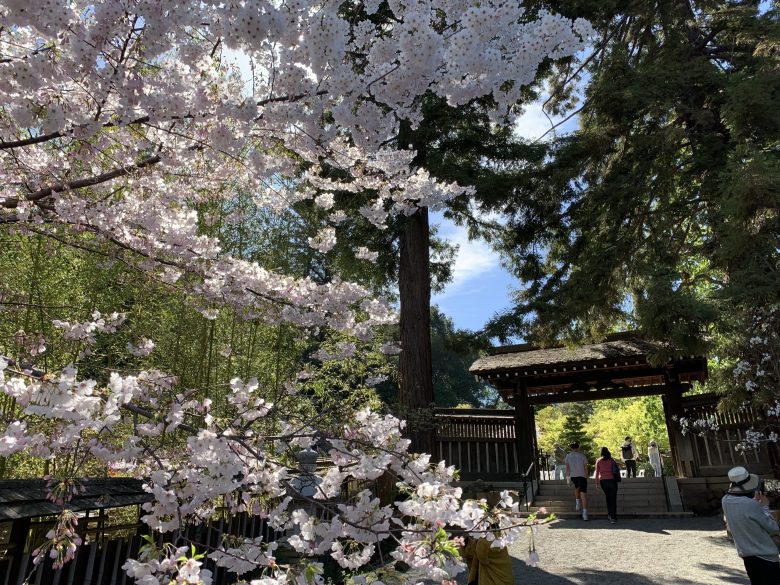
Looking to add some Zen to your landscape? Visit these Japanese gardens for inspiration
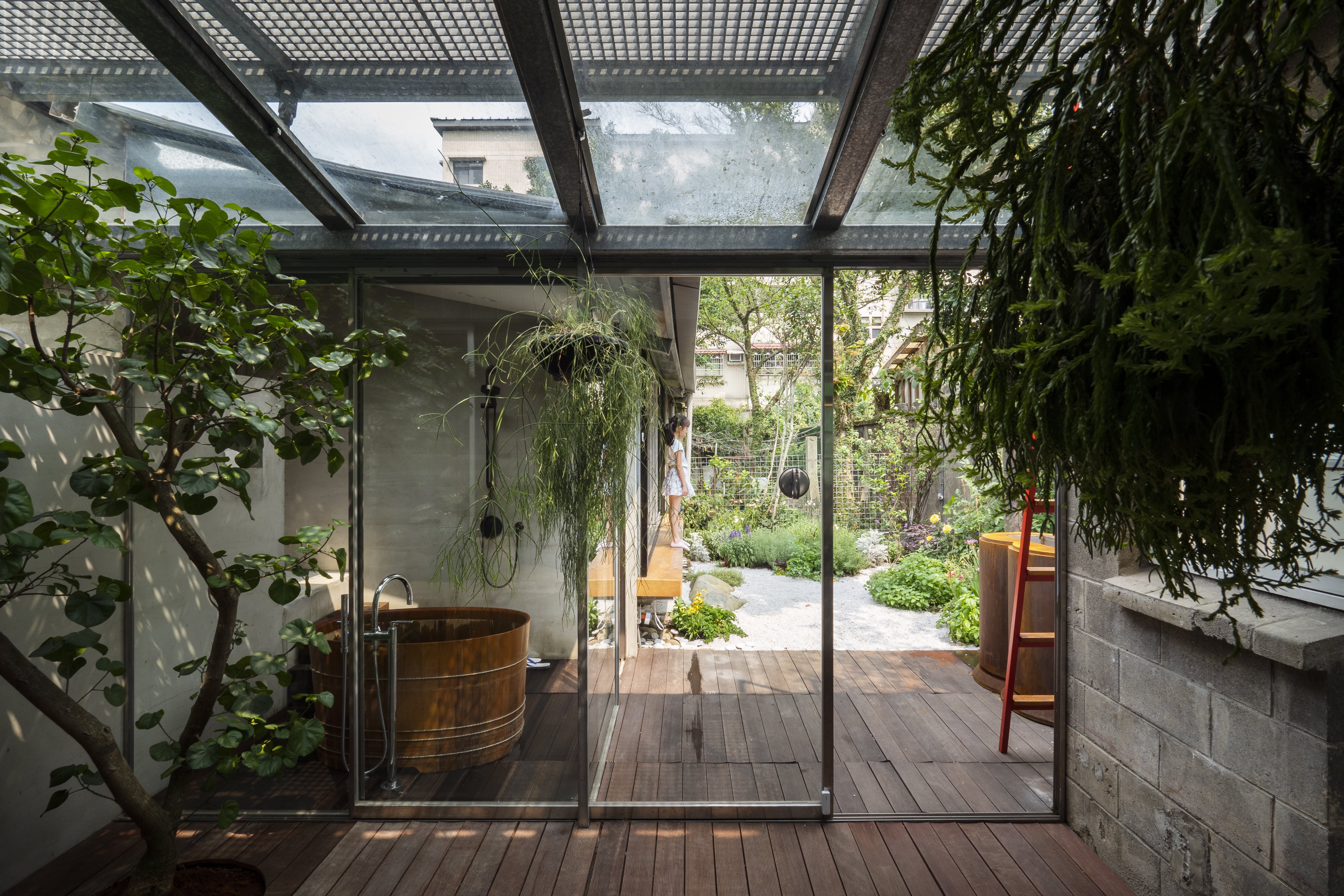
The 8 best plants for an indoor zen garden – what to grow to add calm and tranquility to your home
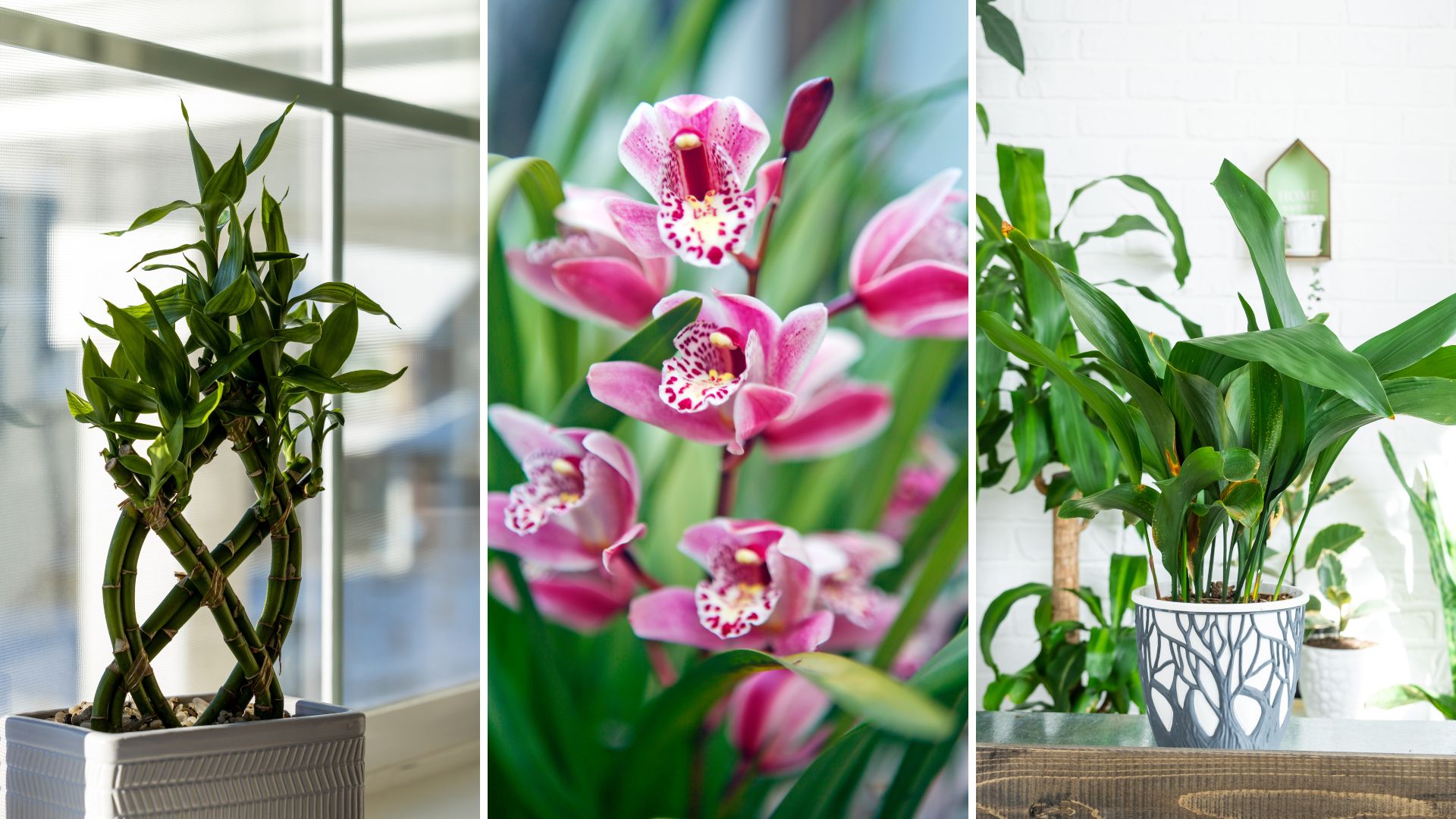
The best Japanese houseplants to create a zen, serene space in any room


20 Zen Garden Ideas to Transform Your Backyard Into a Peaceful Oasis

4 Japanese garden ideas for a calm and tranquil outdoor space

Michigan’s Slice of Japan: Where Design Connects Humanity with Nature
A Japanese-inspired garden on Sydney’s north shore
Japanese garden ideas – 11 design tips for a zen backyard
An Expert Guide to Japanese Zen Gardens

The Best Zen Gardens of 2026

Take your worries away: How Zen garden can become your daily dose of mindfulness | Hindustan Times