1/7
7 Japanese Garden Ideas That Channel the Elements of Nature to Make Your Outdoor Space Feel Serene
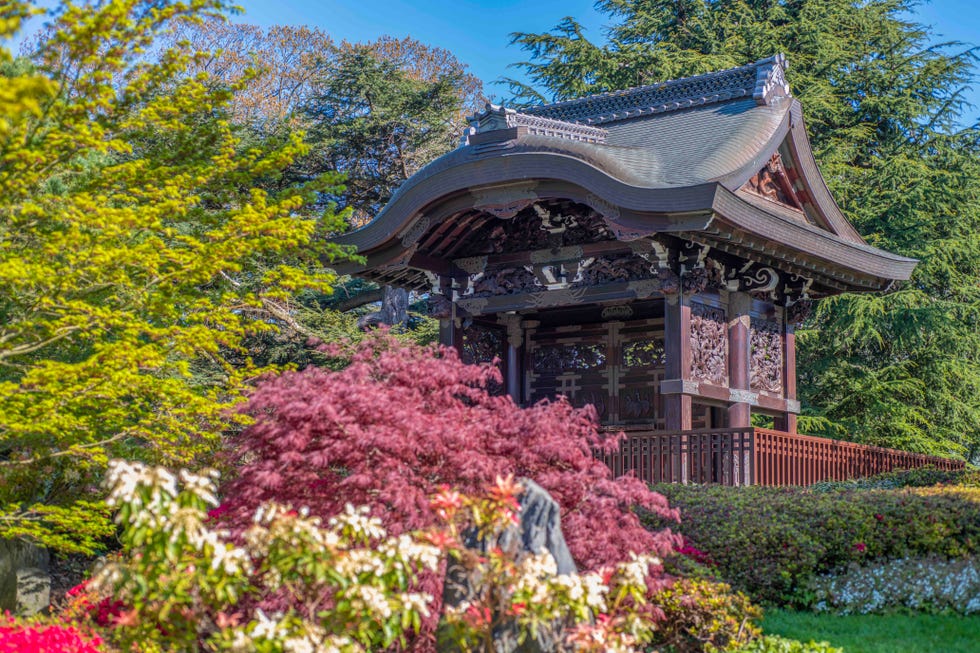
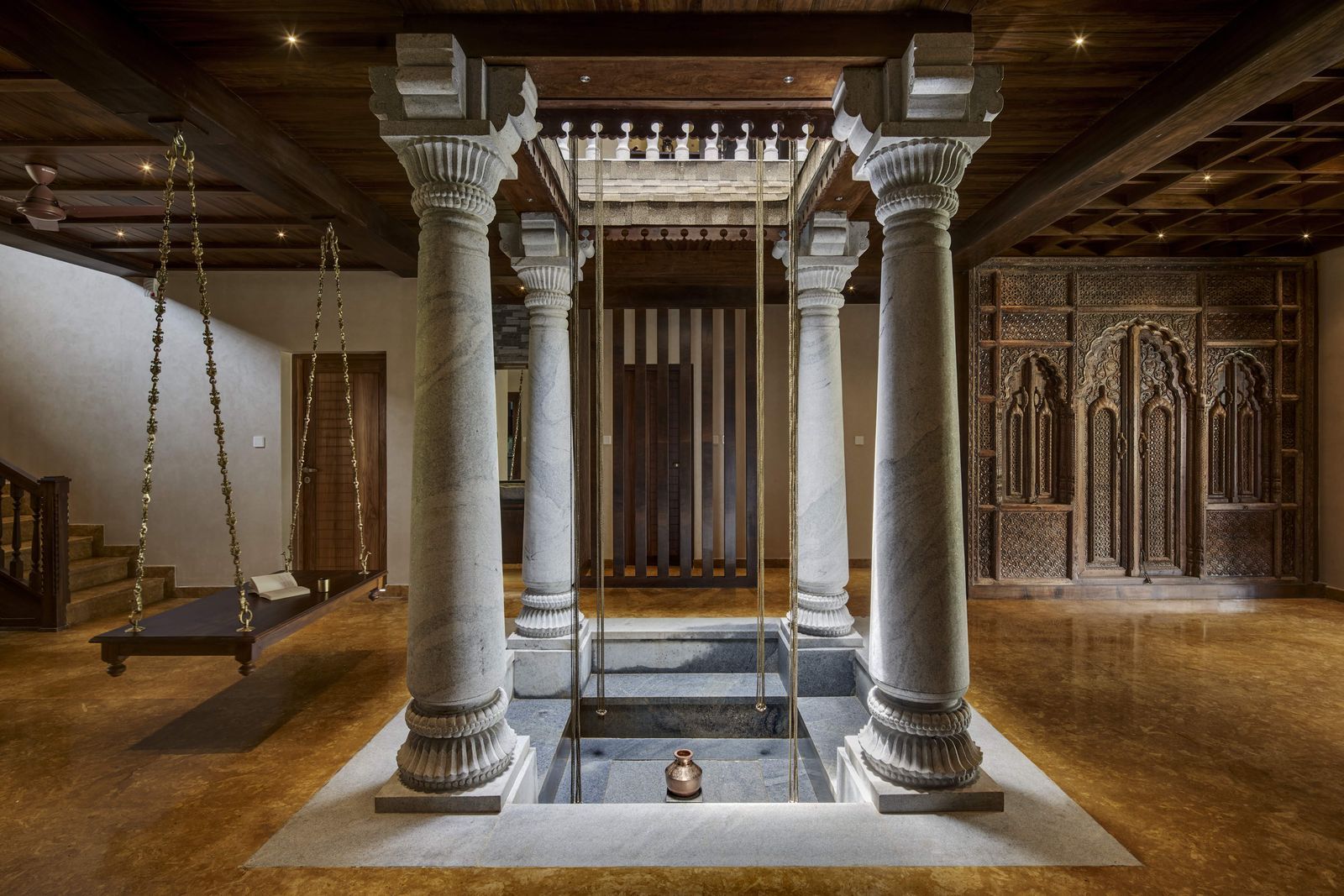
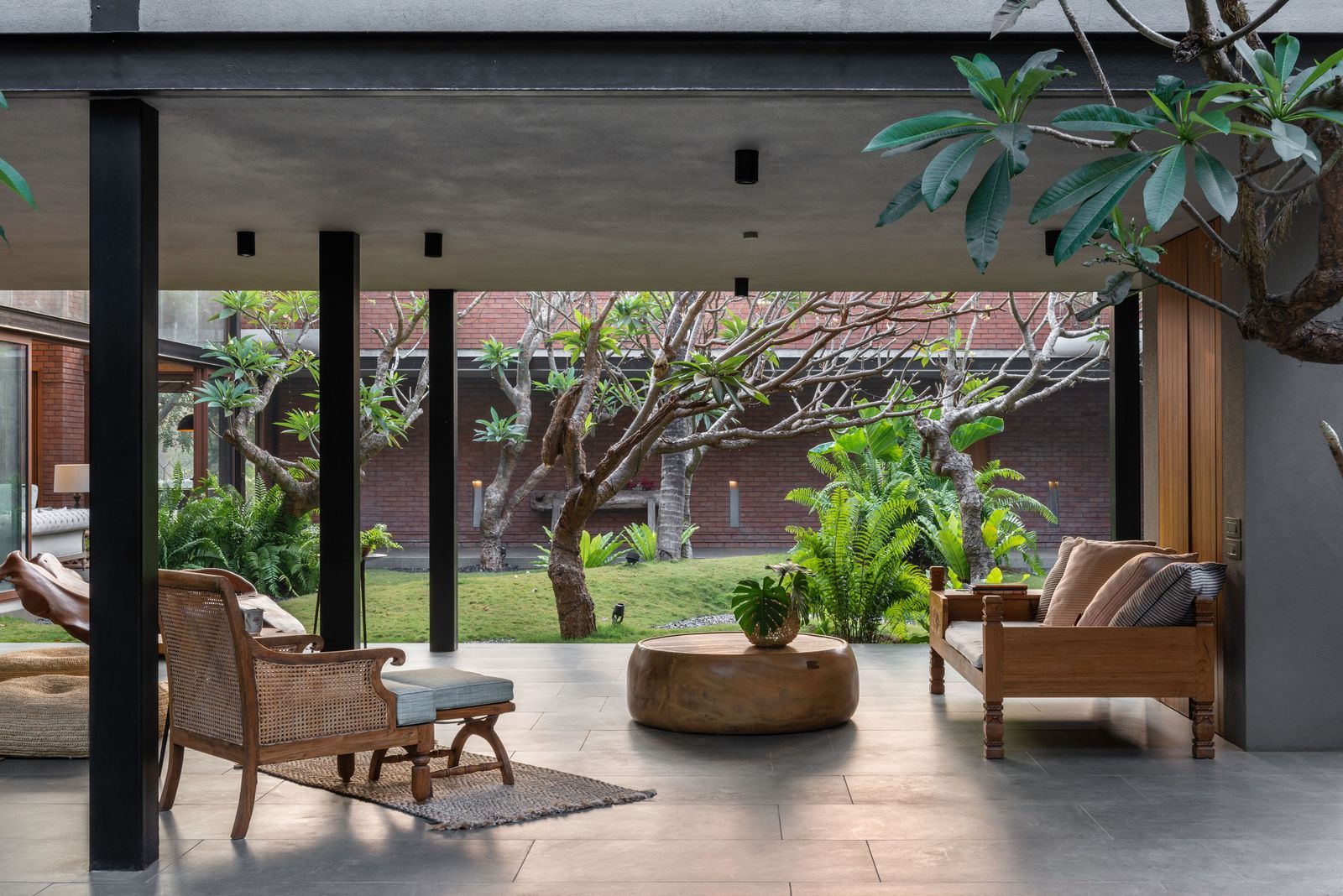
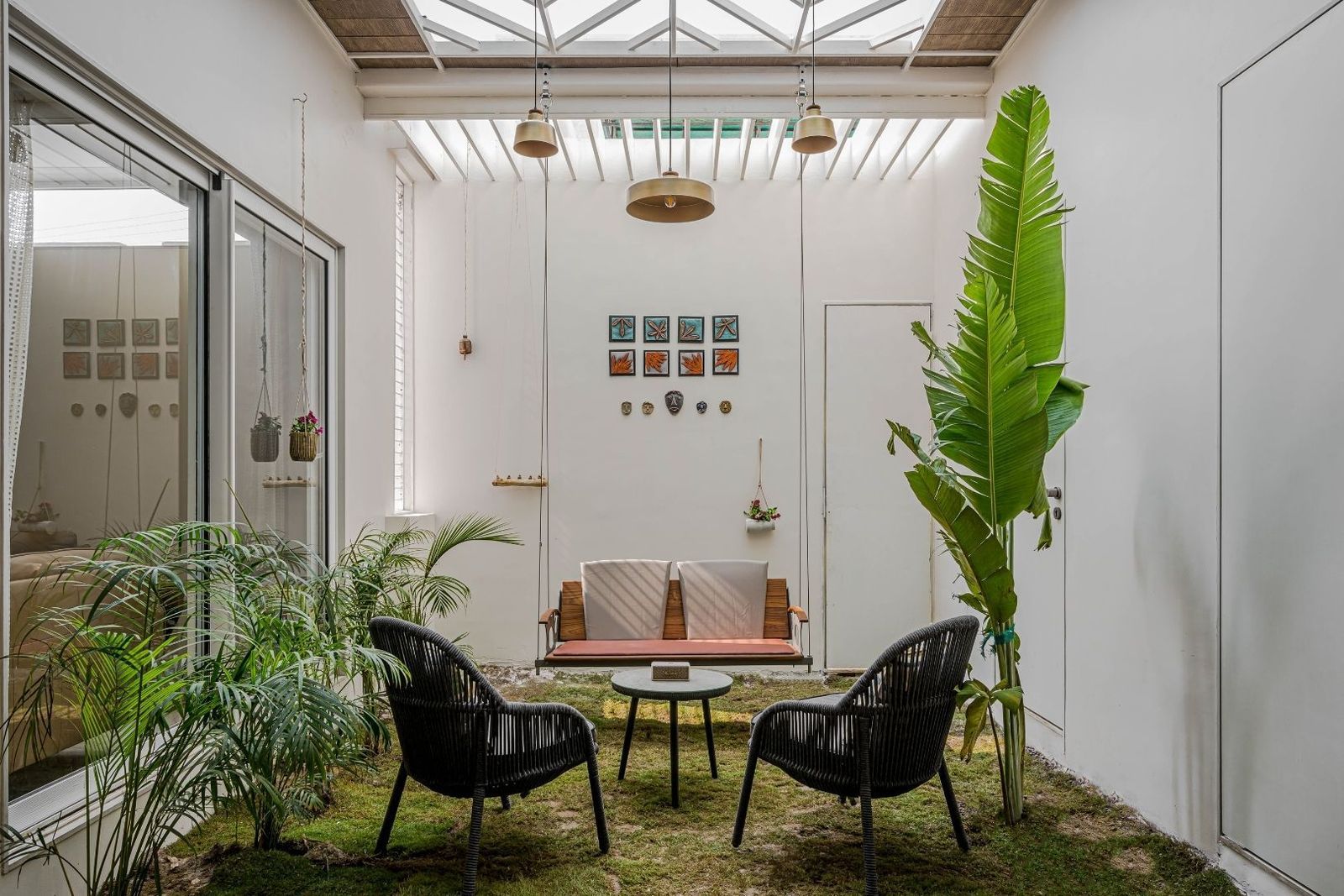
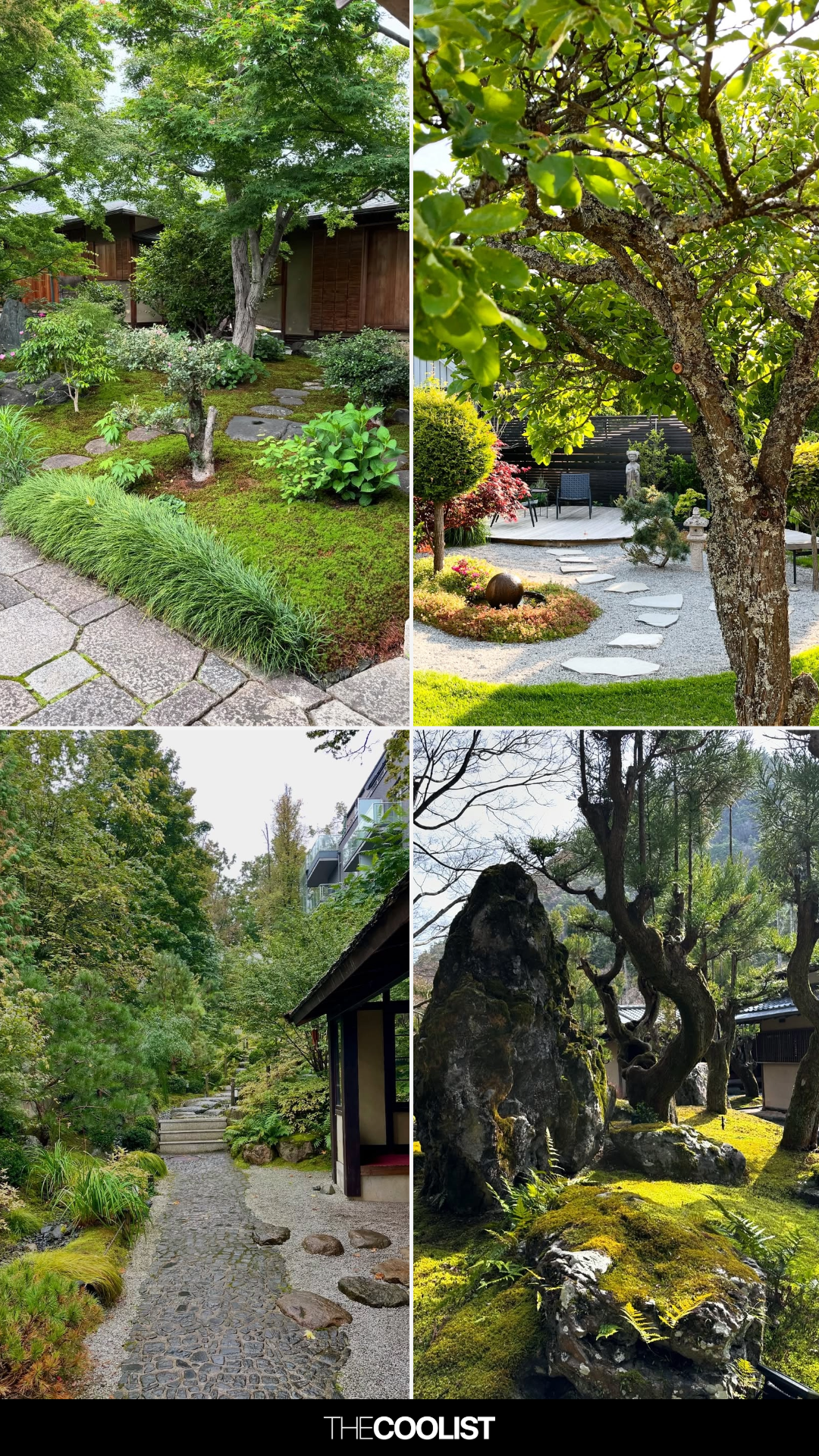
Japanese garden design emphasizes serenity and tranquility, creating an oasis that feels personal and beautiful through minimalism and meticulous attention to detail. This traditional landscape style aims to calm the mind and please the eye by avoiding overstimulation of decor and color. Several key elements contribute to achieving this aesthetic.
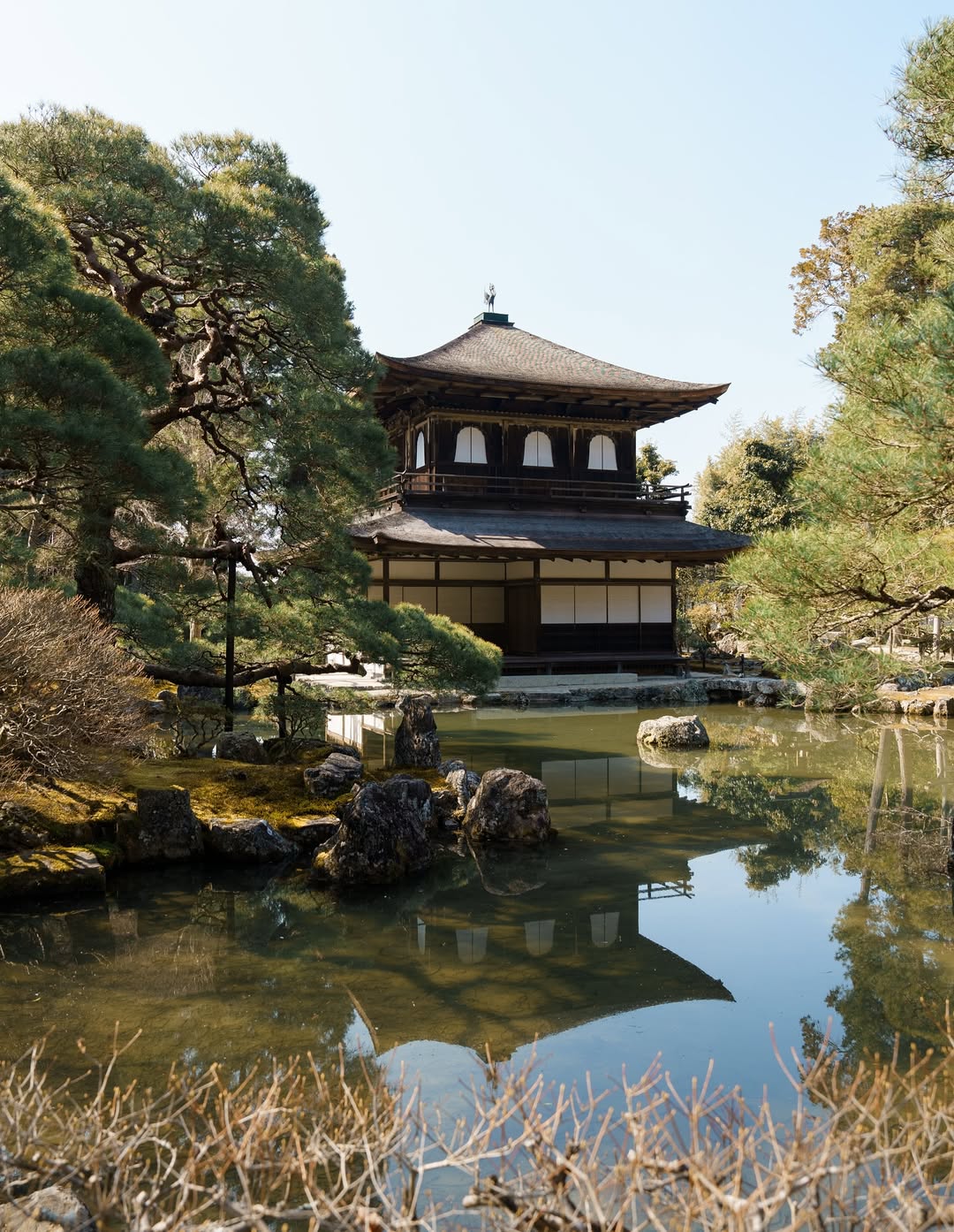
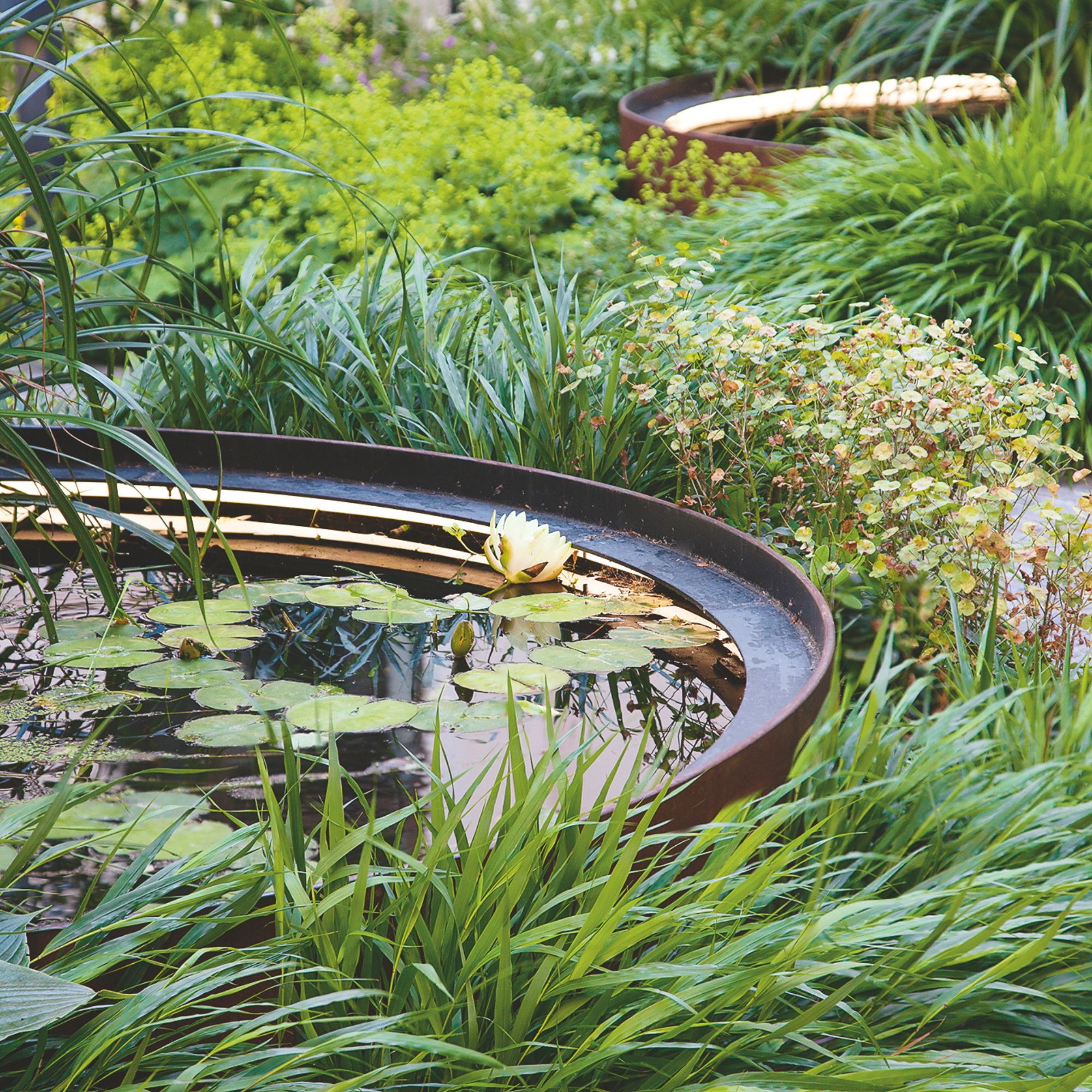
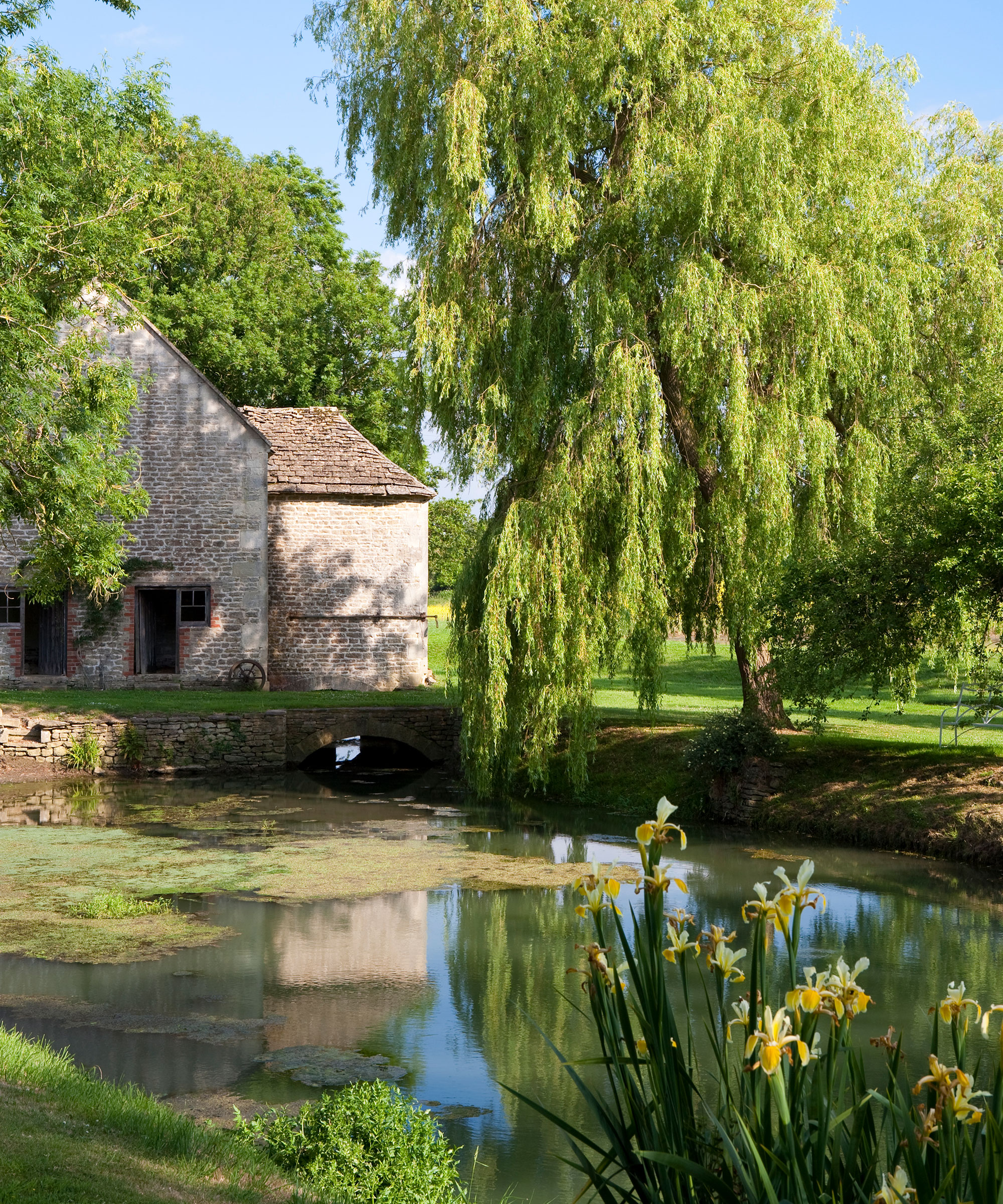
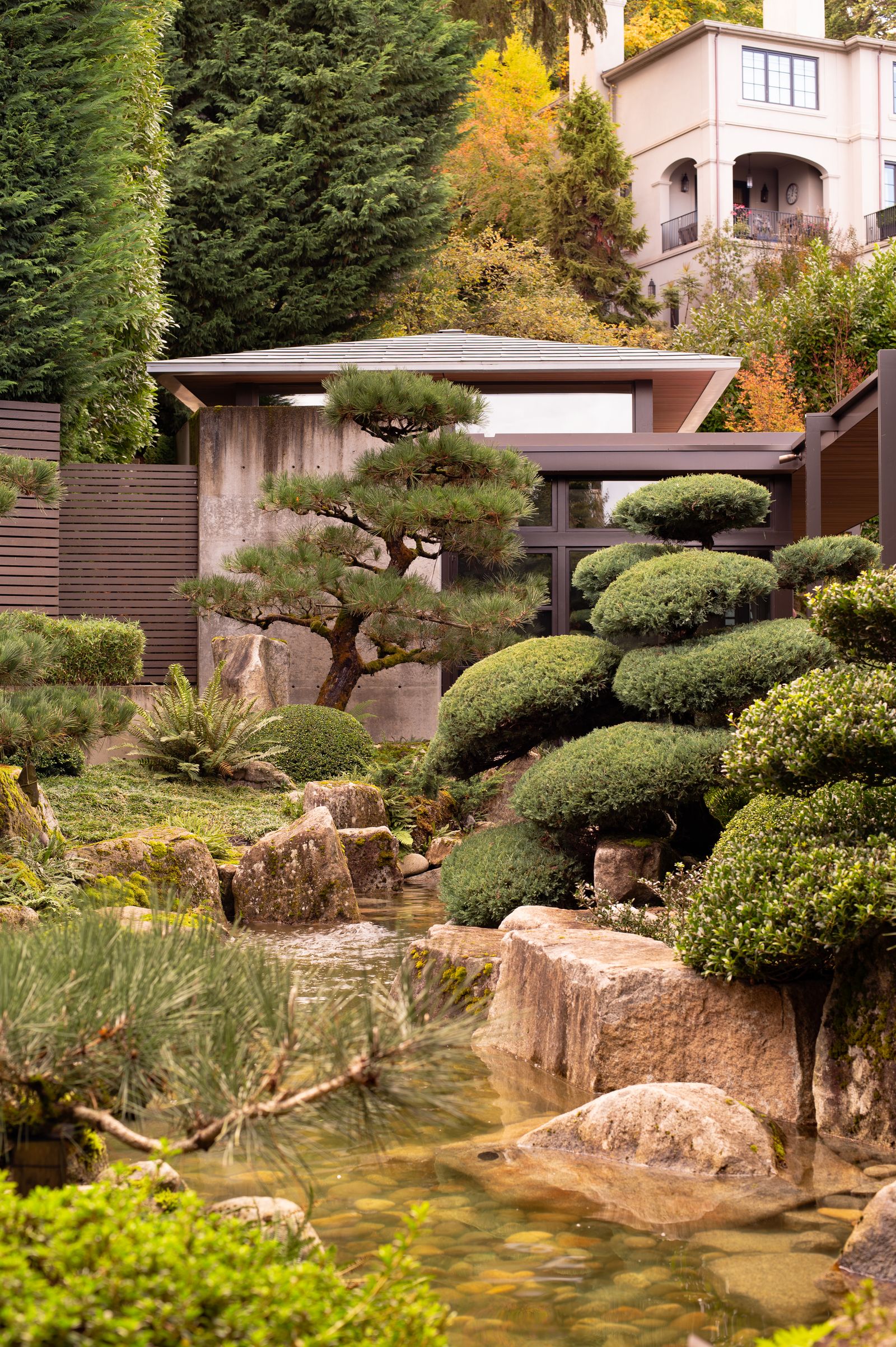
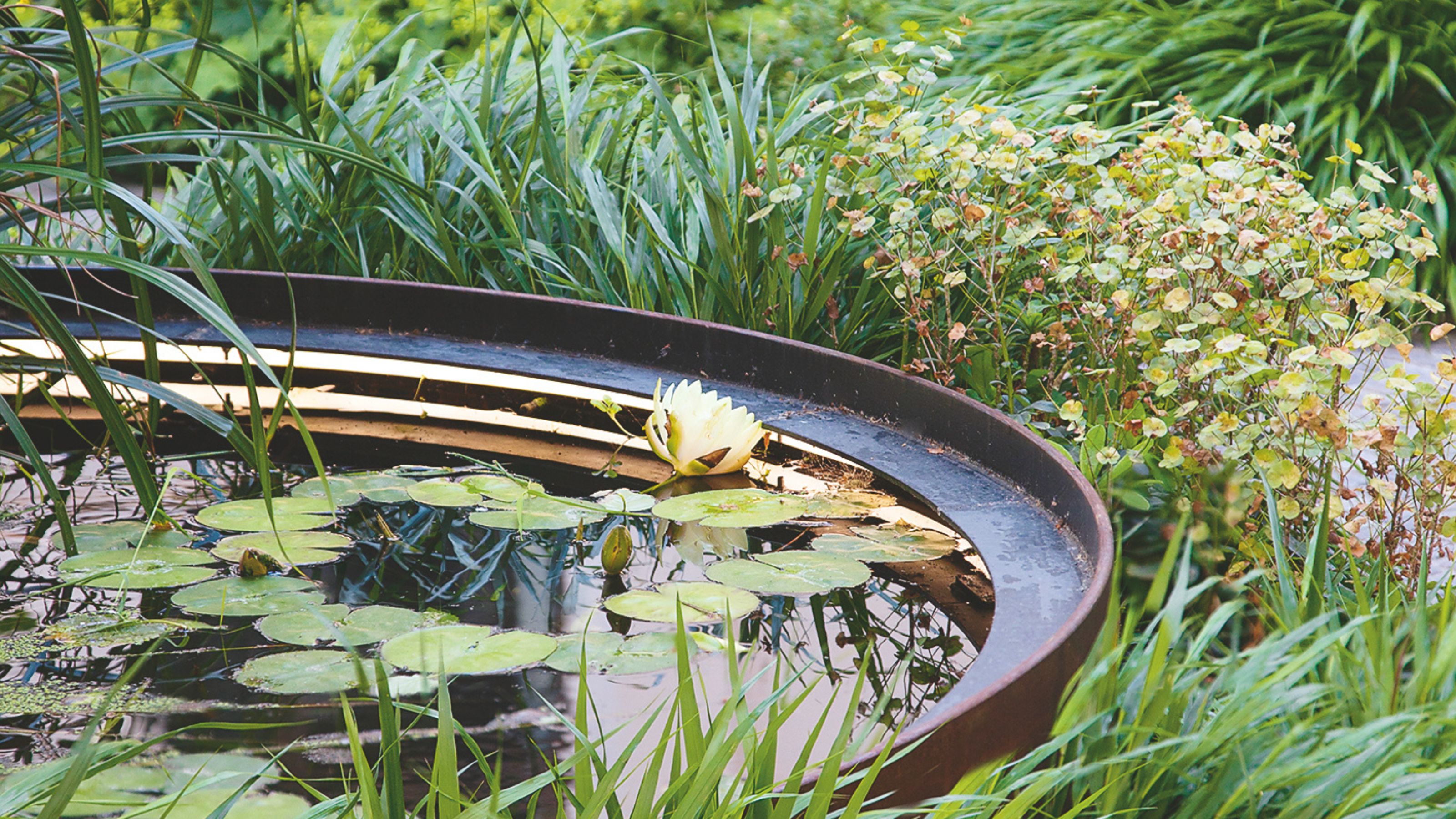
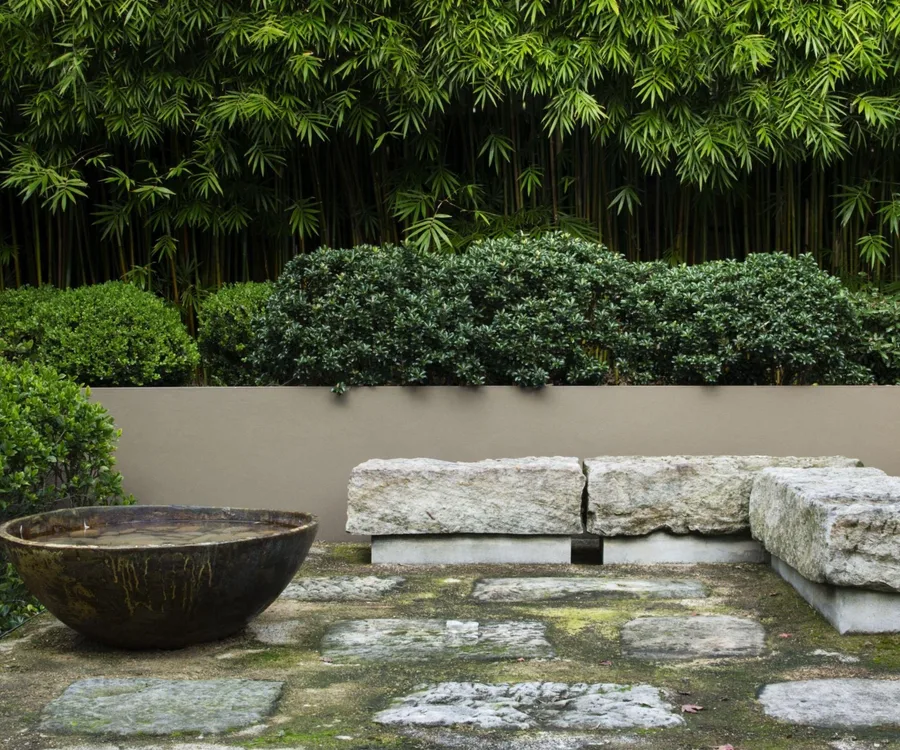
Water features are central to Japanese gardens, with designers like Rafi Friedman, president at Coastal Luxury Outdoors, highlighting their role in creating tranquil spaces. Instead of grand fountains, the focus is on subtle water elements like the Japanese Tsukubai Wash Basin, which are space-conscious and on-theme, fostering a relaxing atmosphere.
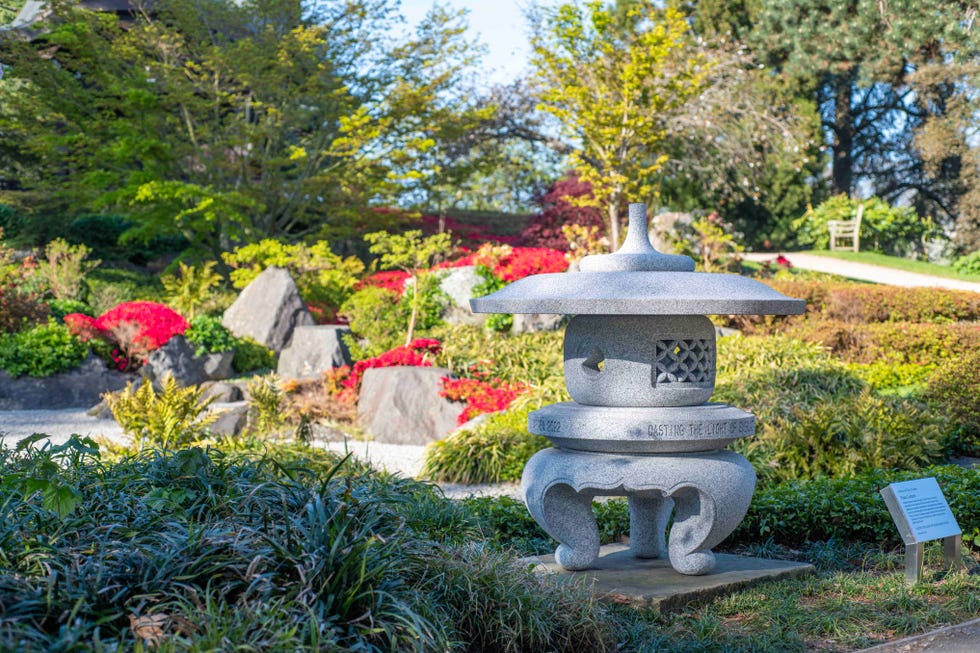
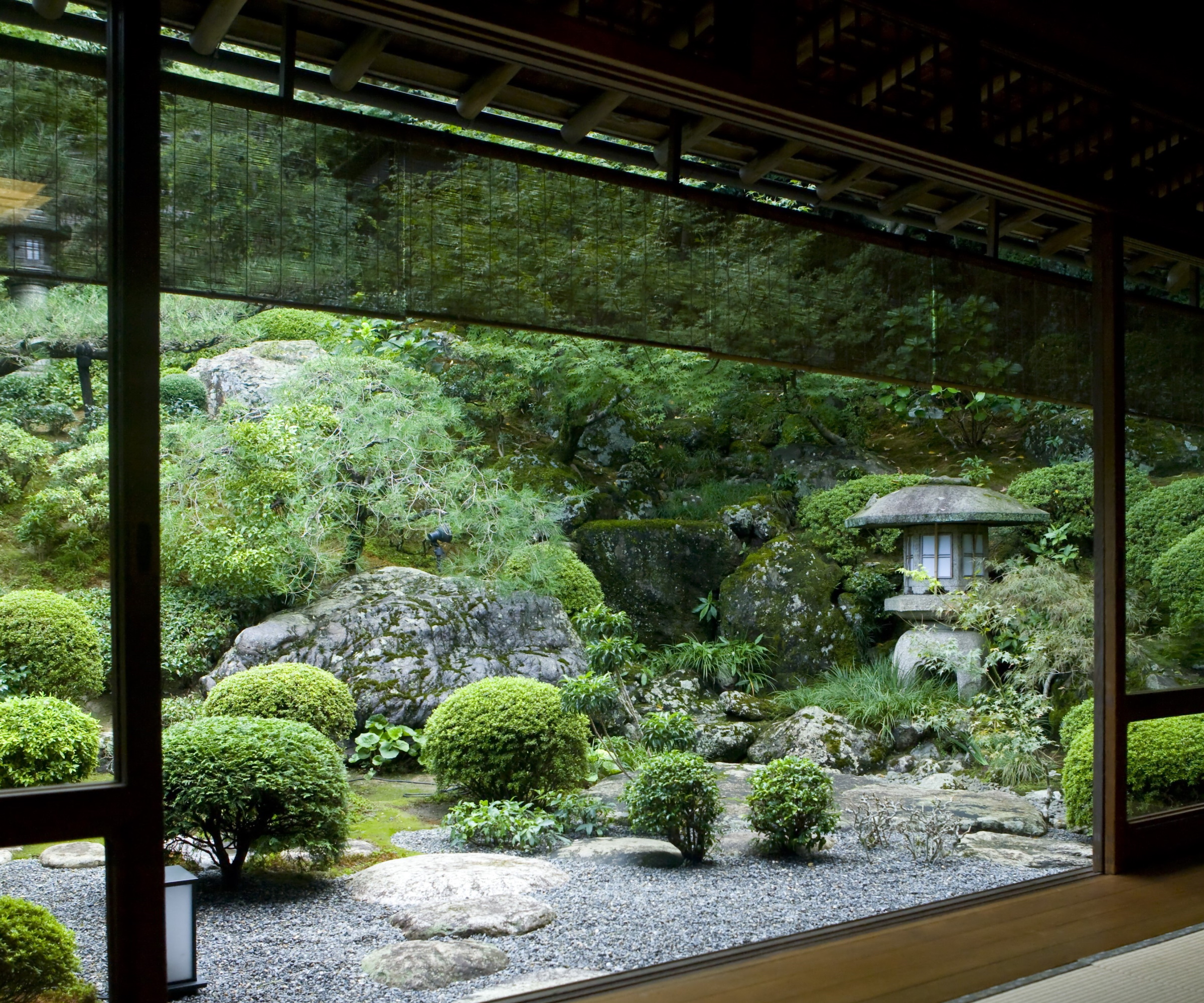
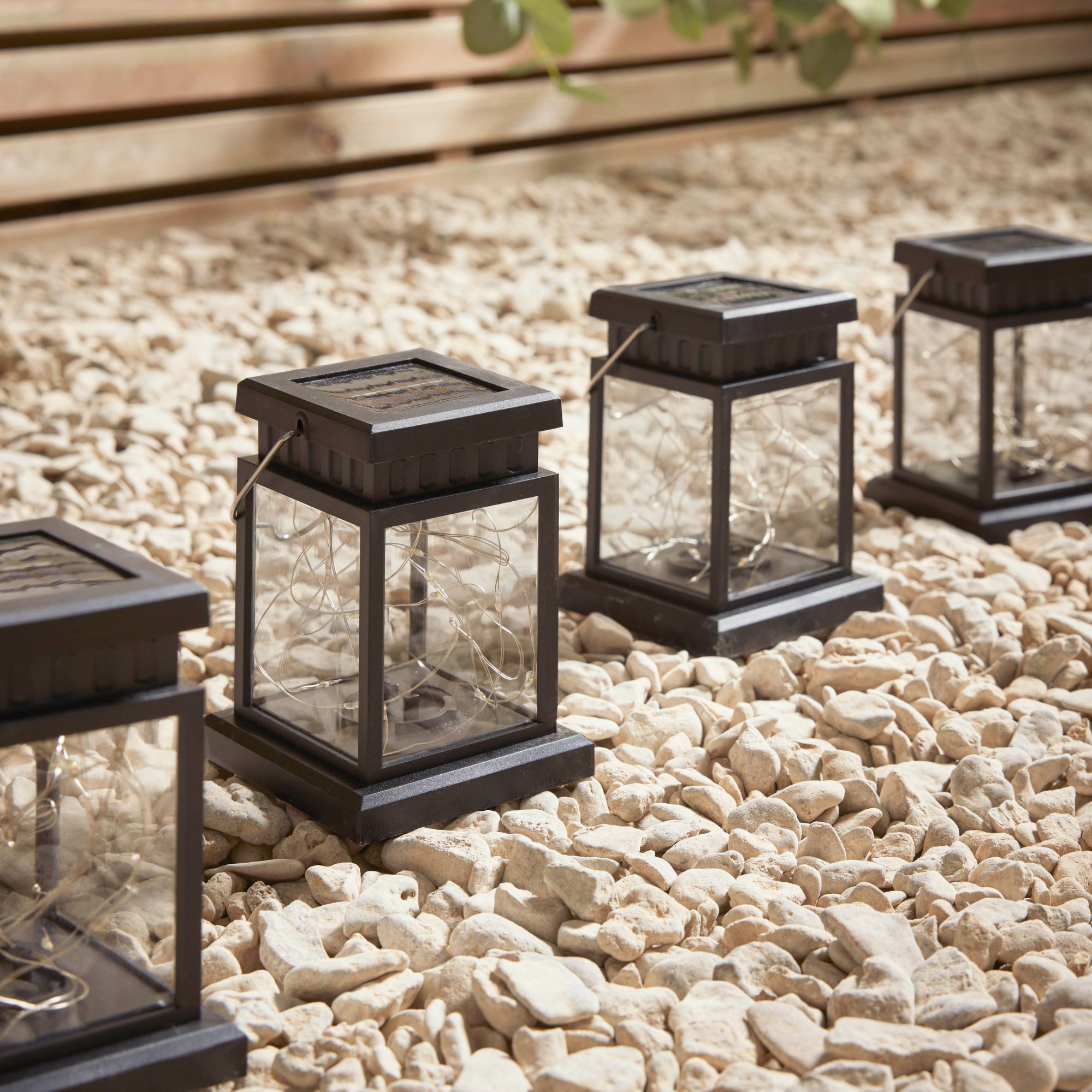
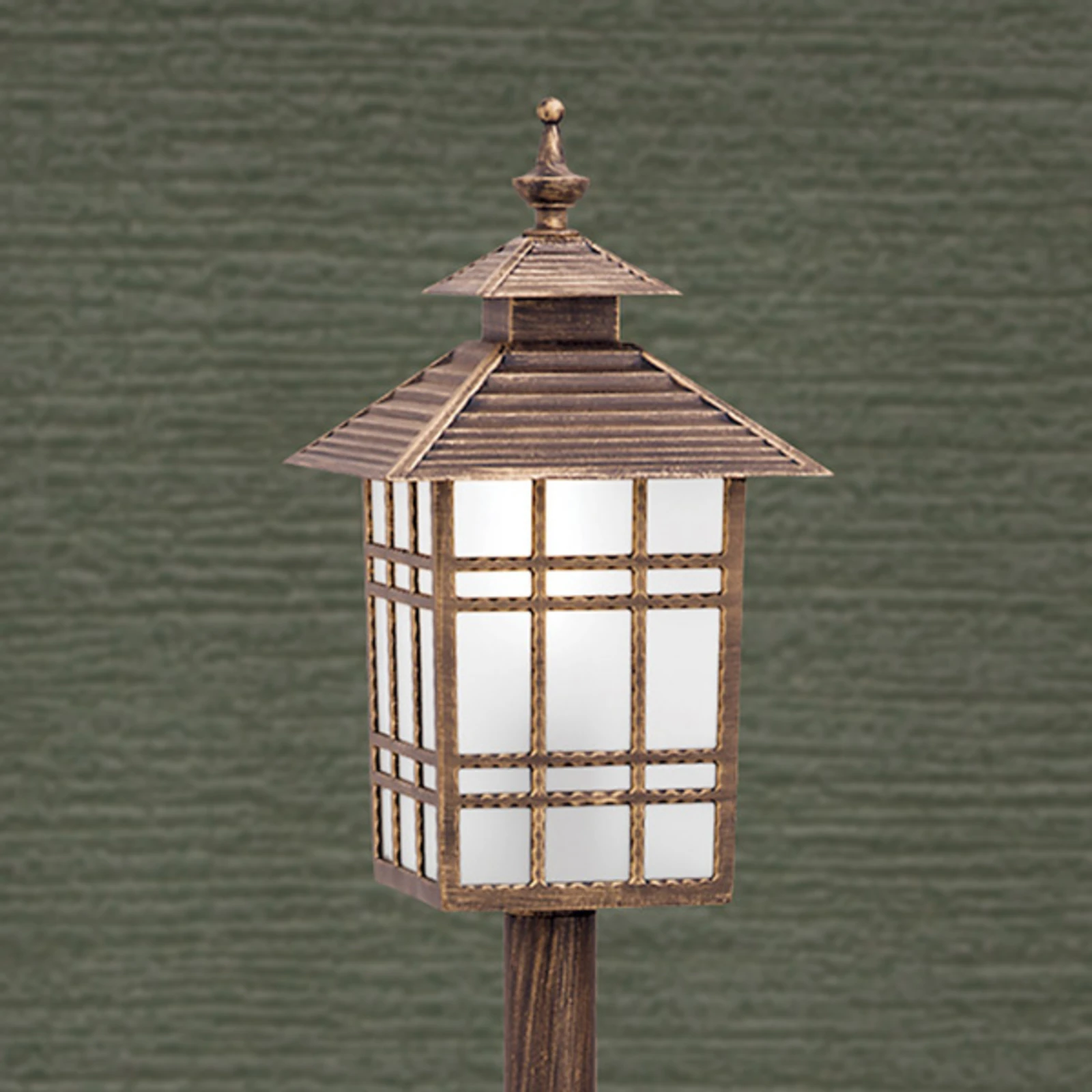
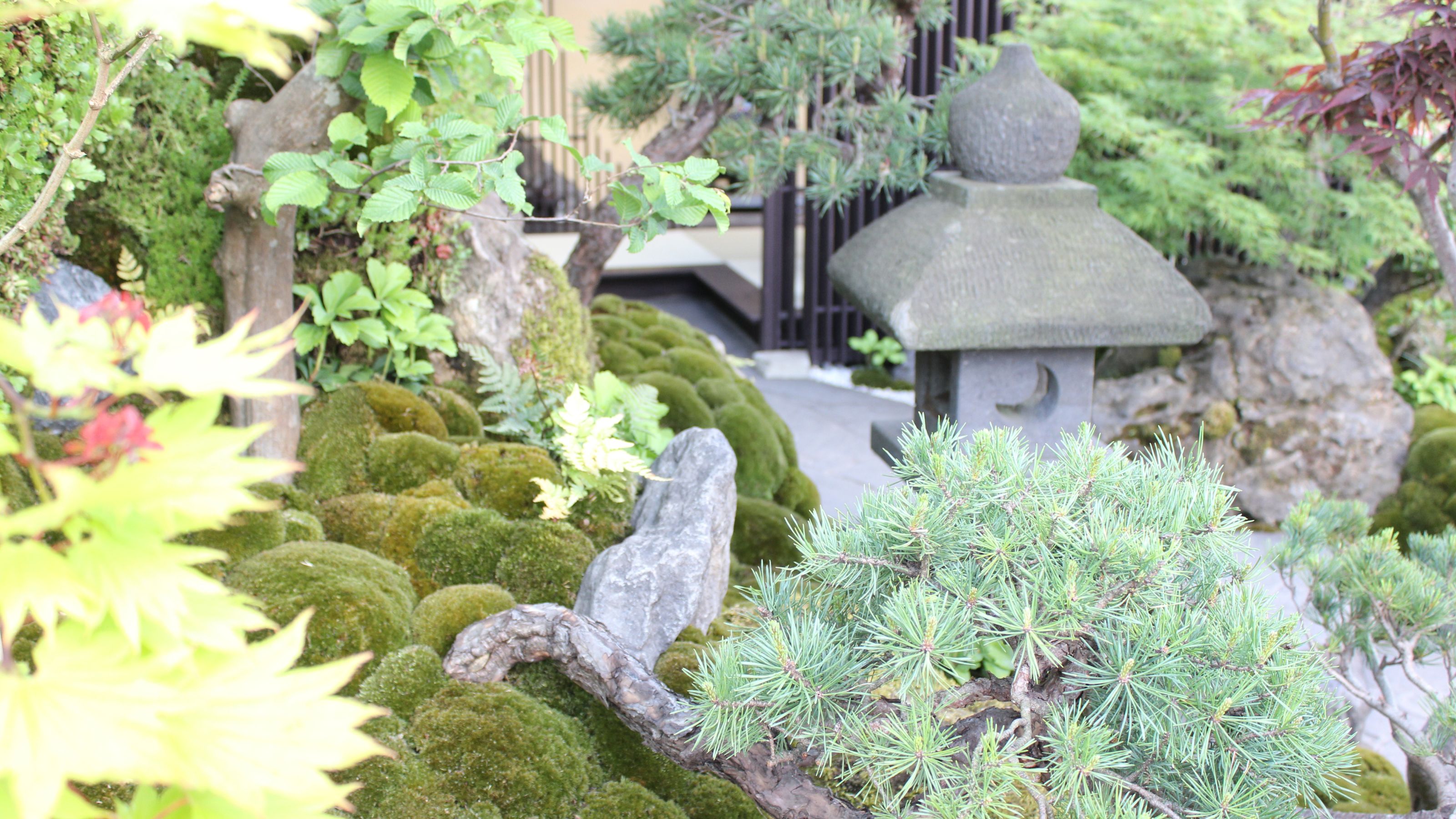
Traditional stone lanterns also play a significant role. Michael Clarke, a landscape architect at Yardwork, notes that these lanterns, often placed among moss or near water features, add a spiritual and architectural presence. Their aged stone appearance provides texture and timeless beauty, and they can be enhanced with solar lights or candles for ambient lighting.
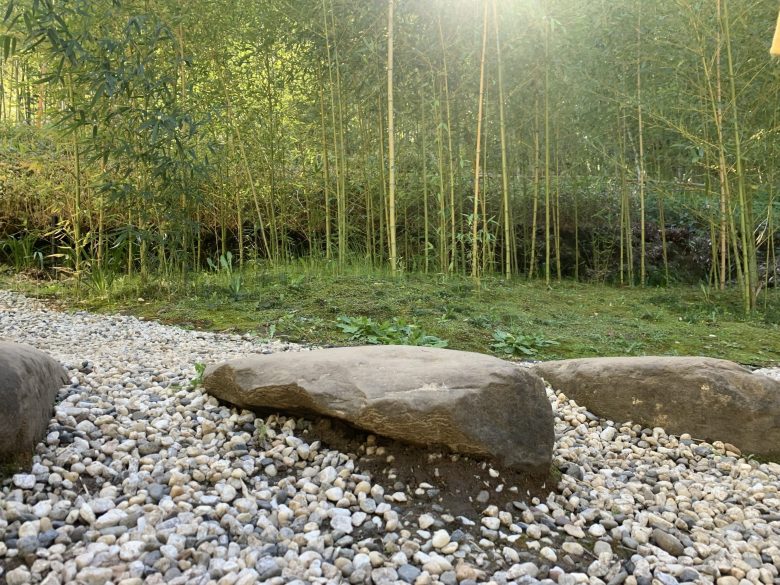
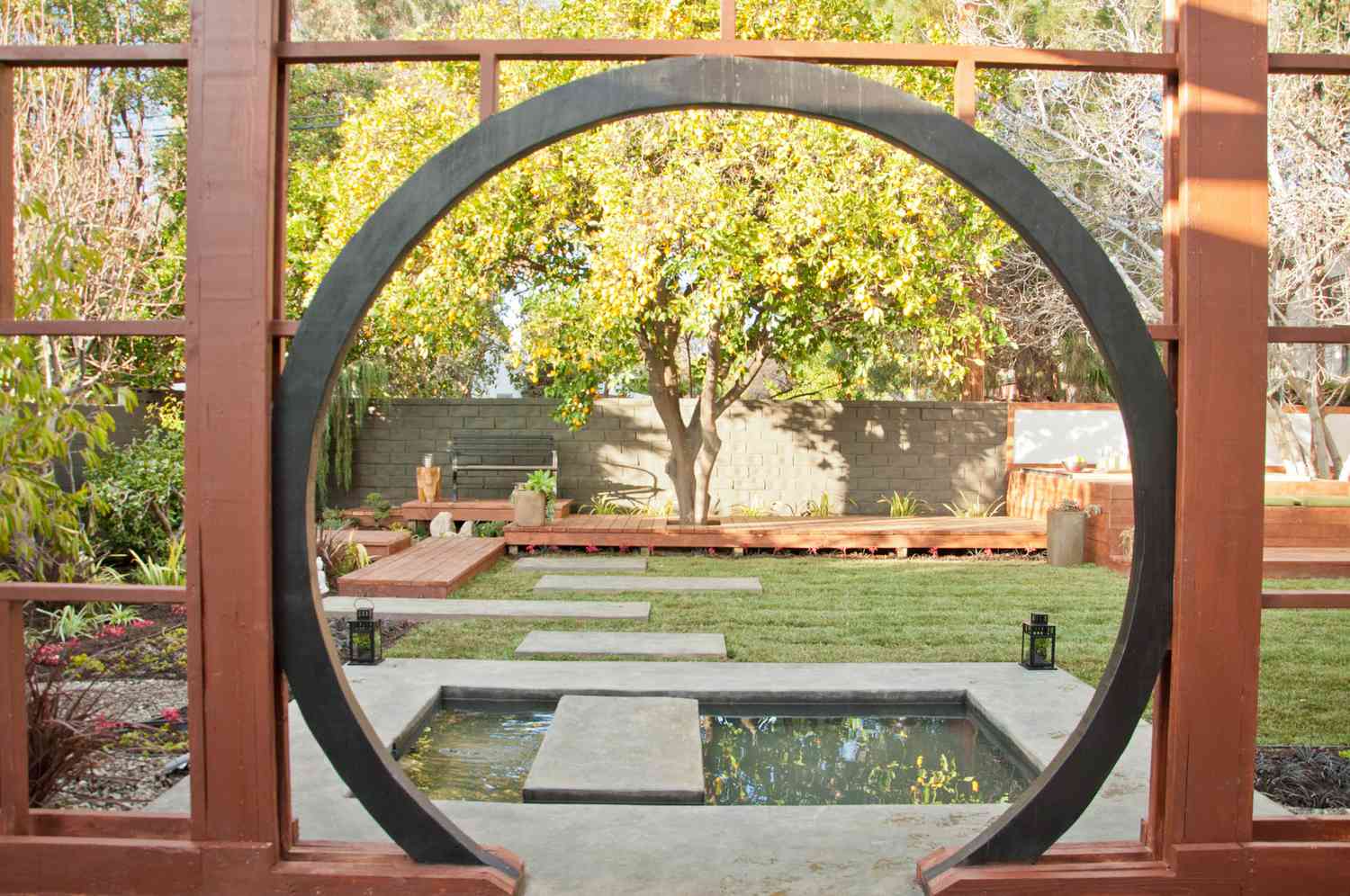
Privacy screens, particularly those made from bamboo, are another functional yet aesthetically pleasing addition. While traditional Japanese screens used paper, modern outdoor versions leverage bamboo fencing or trellises to provide privacy without compromising design. Bamboo fences offer natural texture and an authentic Japanese feel, especially when paired with wooden posts or twine.
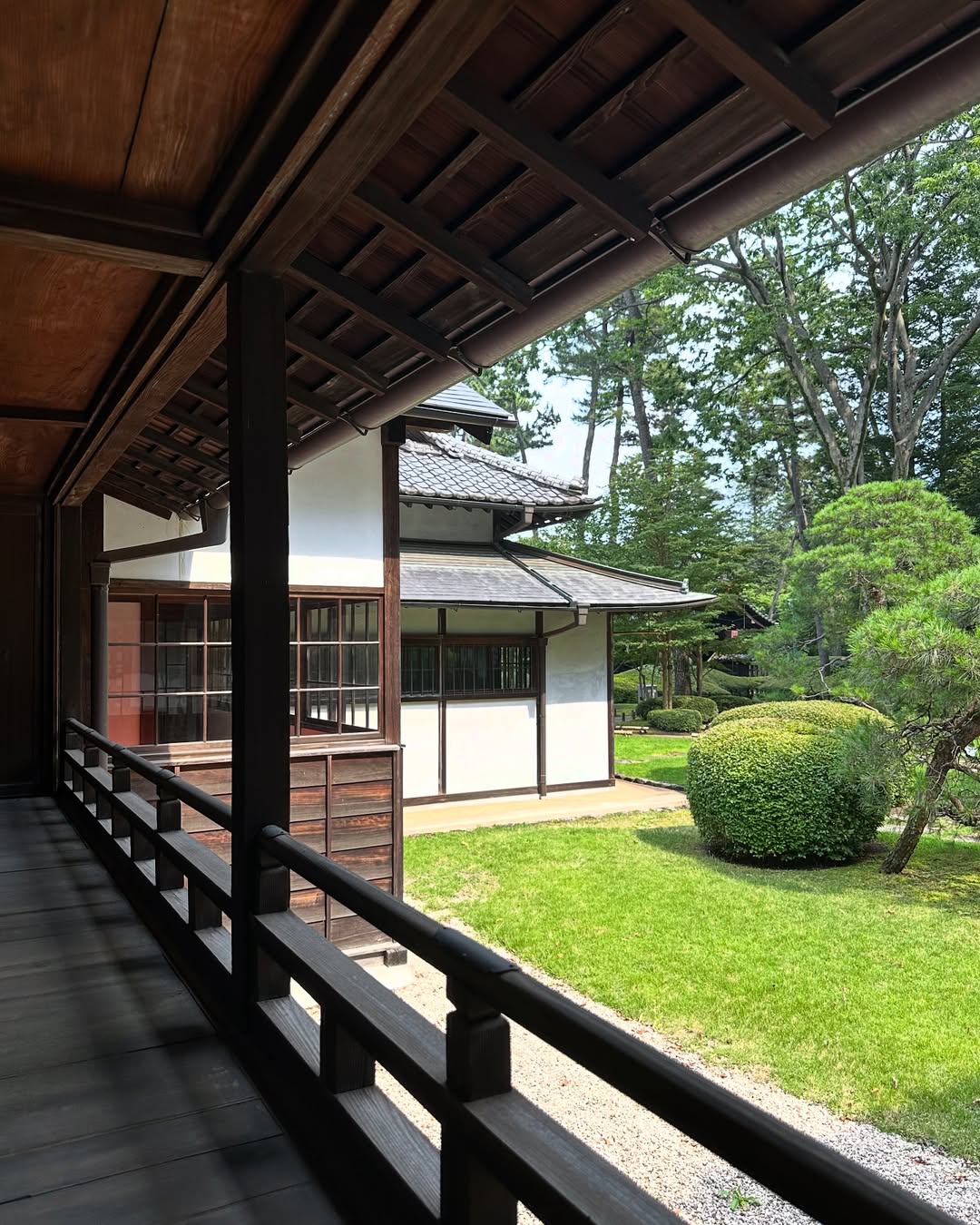
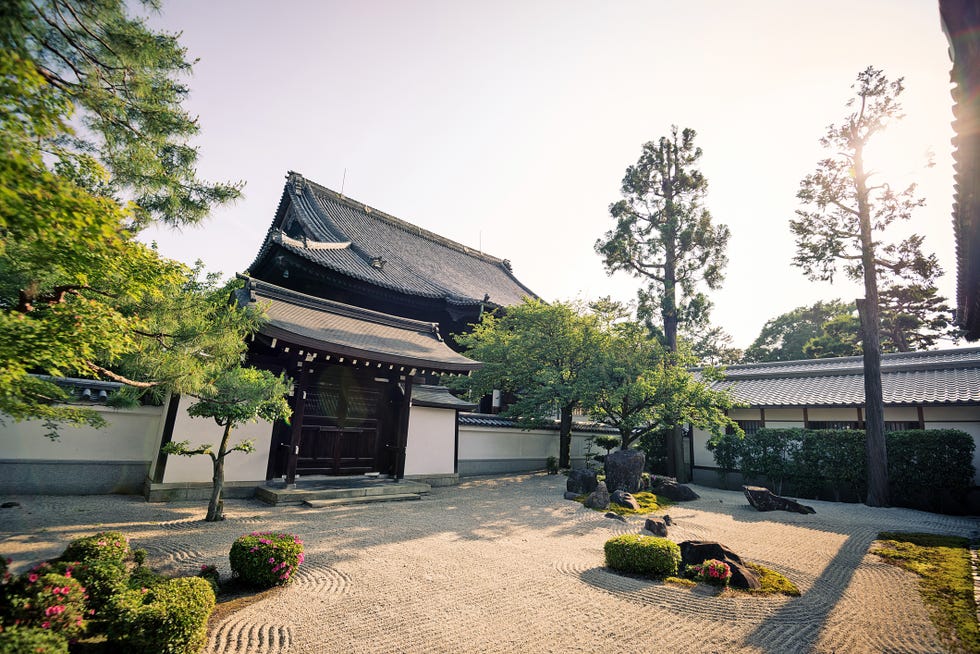
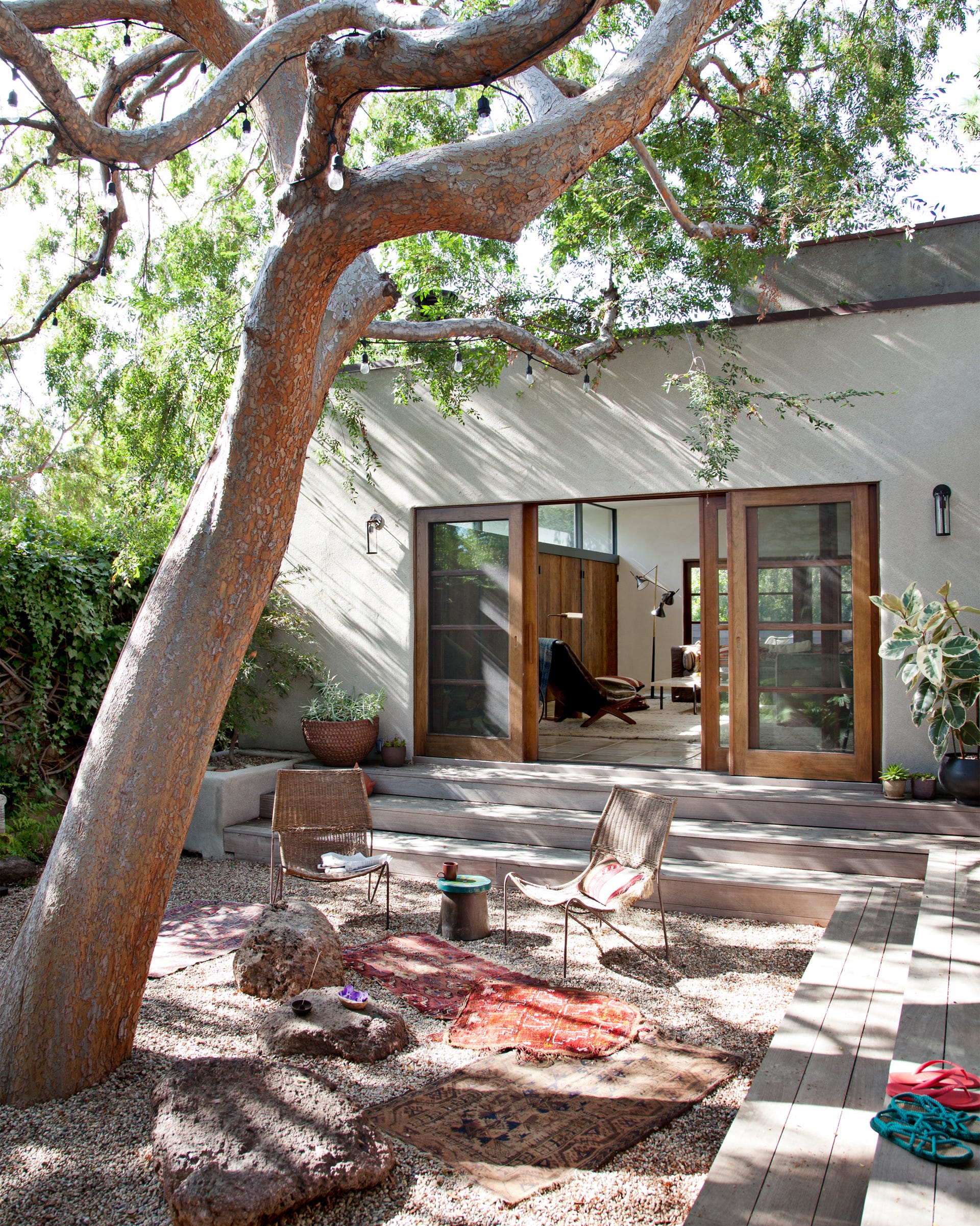
Minimalism is a foundational principle of Japanese garden design. This approach prioritizes carefully trimmed, pruned, and curated outdoor spaces, eschewing complex colors, striking patterns, and overcomplicated vignettes in favor of sleek design, elegant hues, and refined elegance. This pared-back look ensures a serene ambiance.
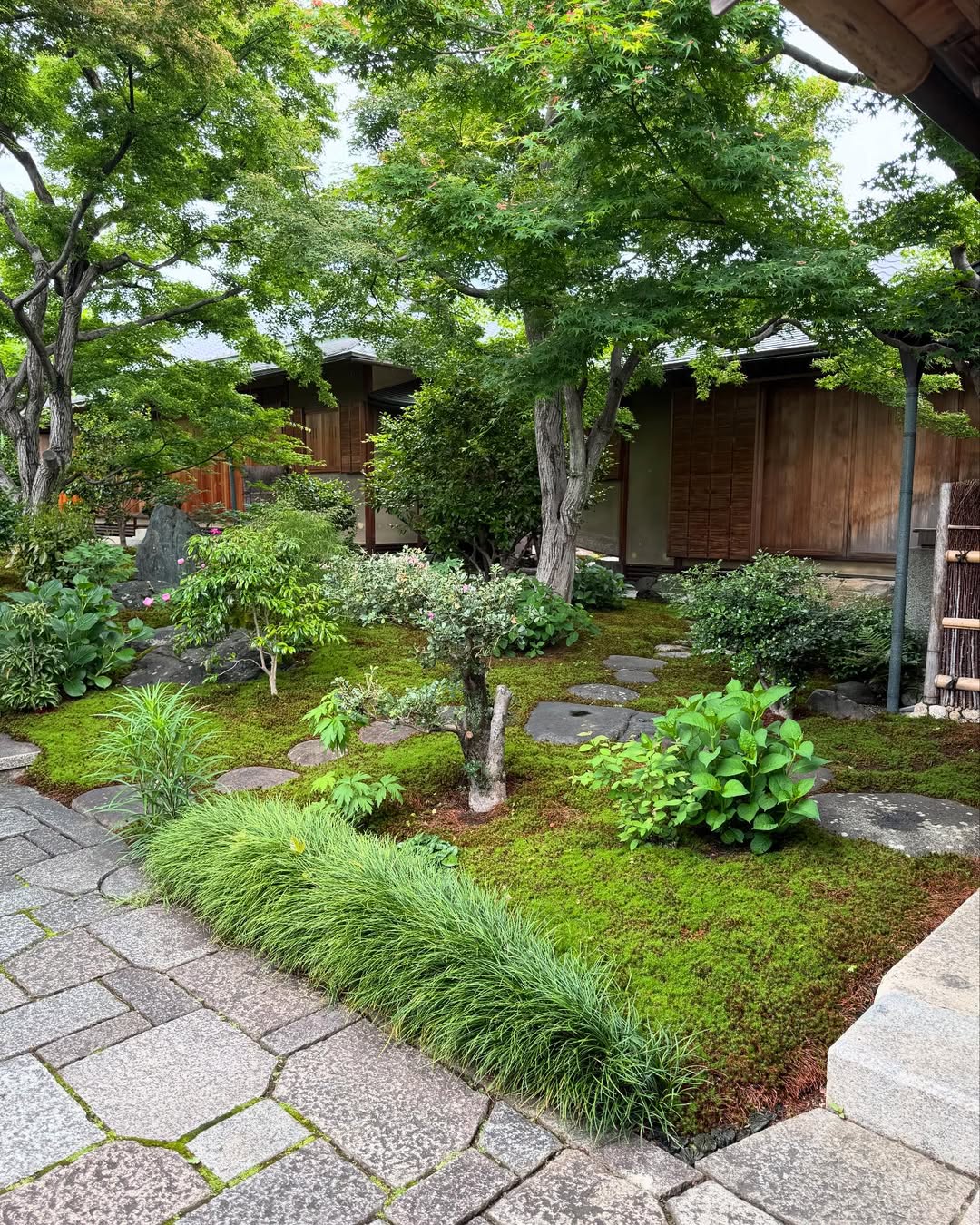
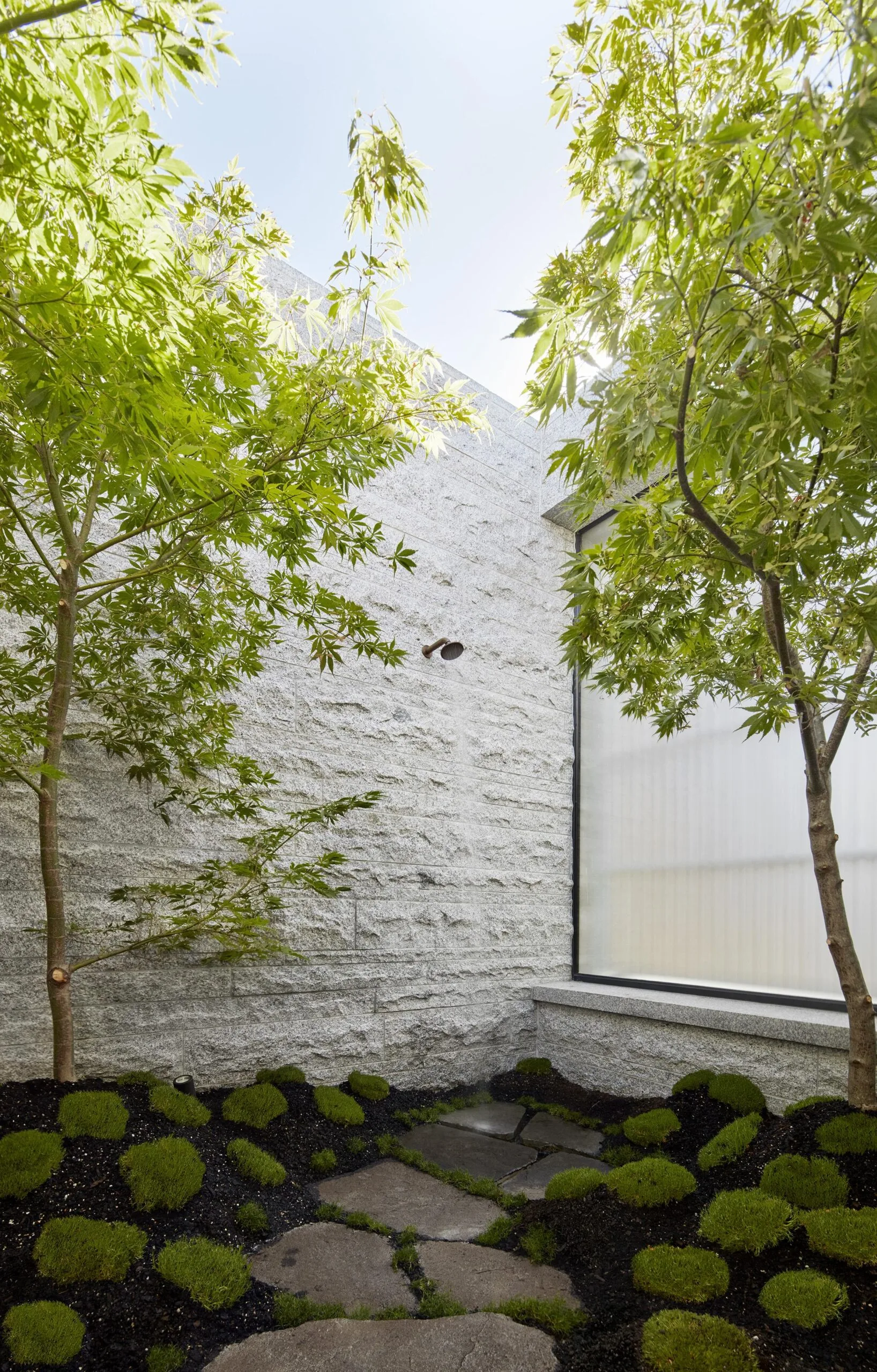
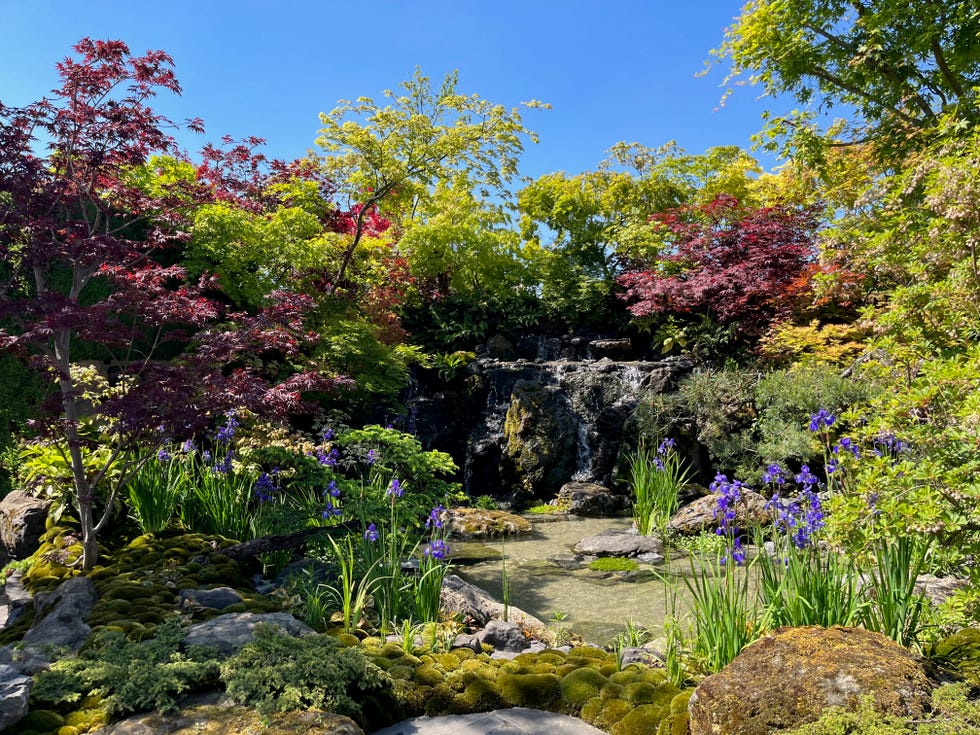
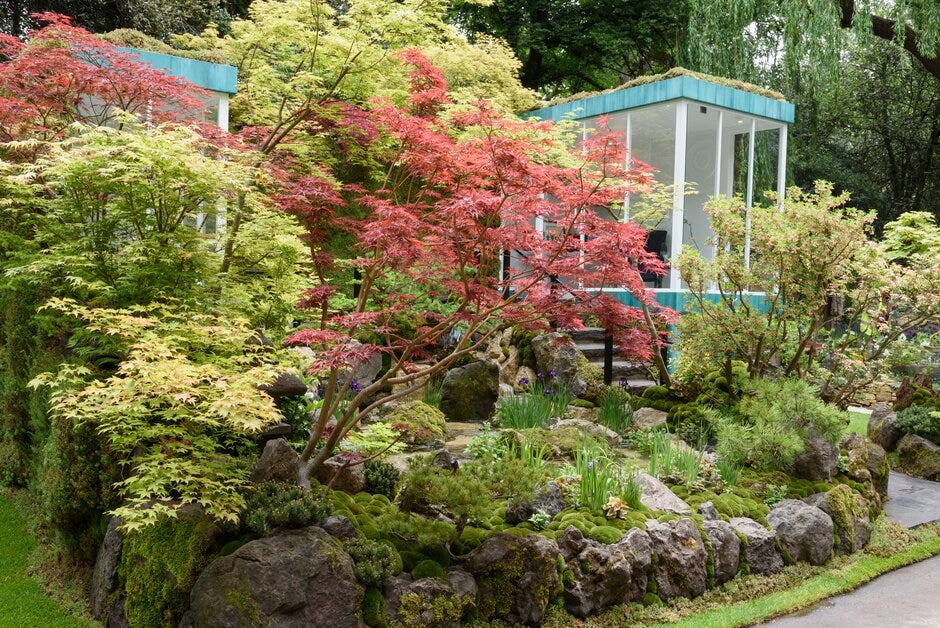
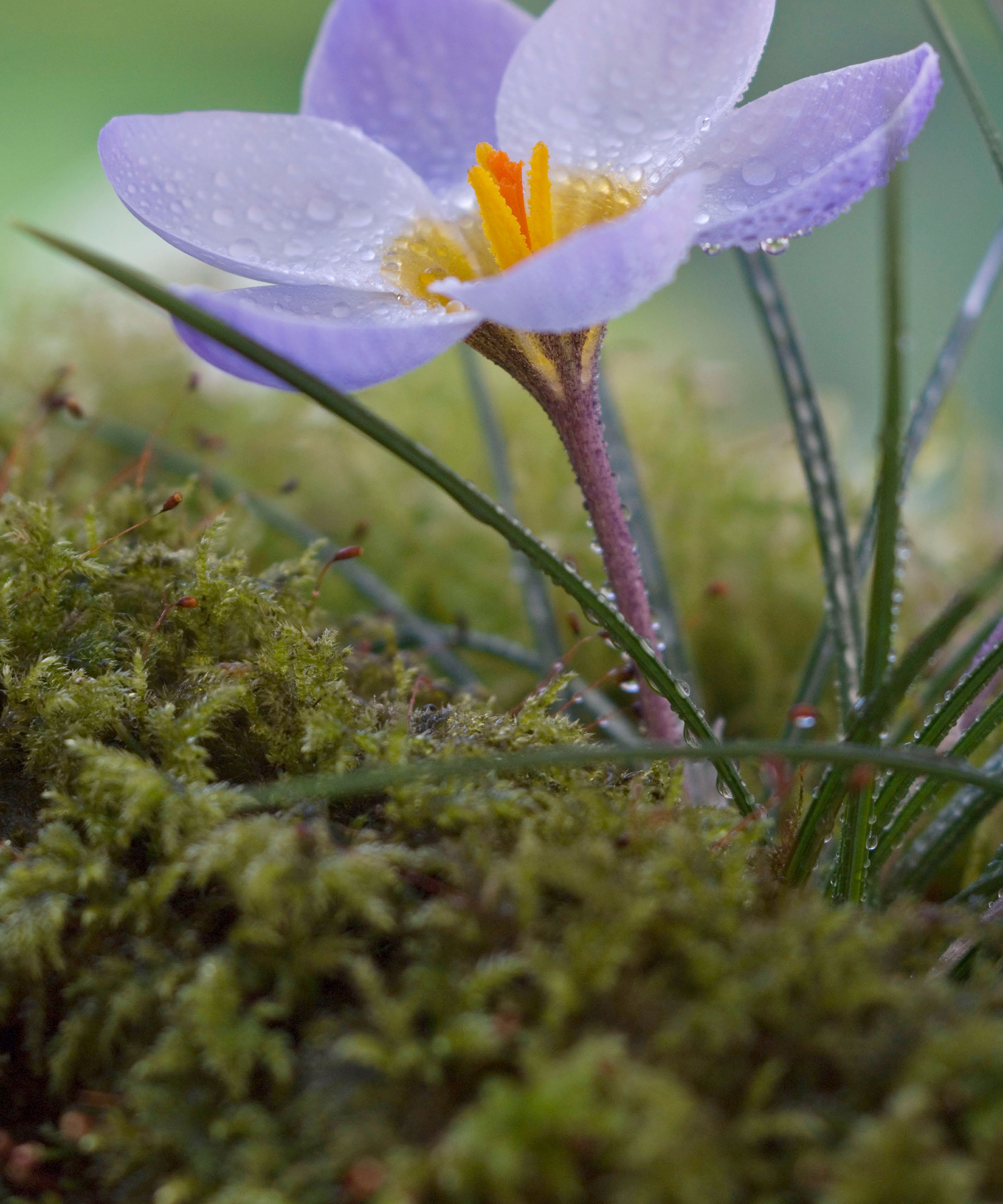
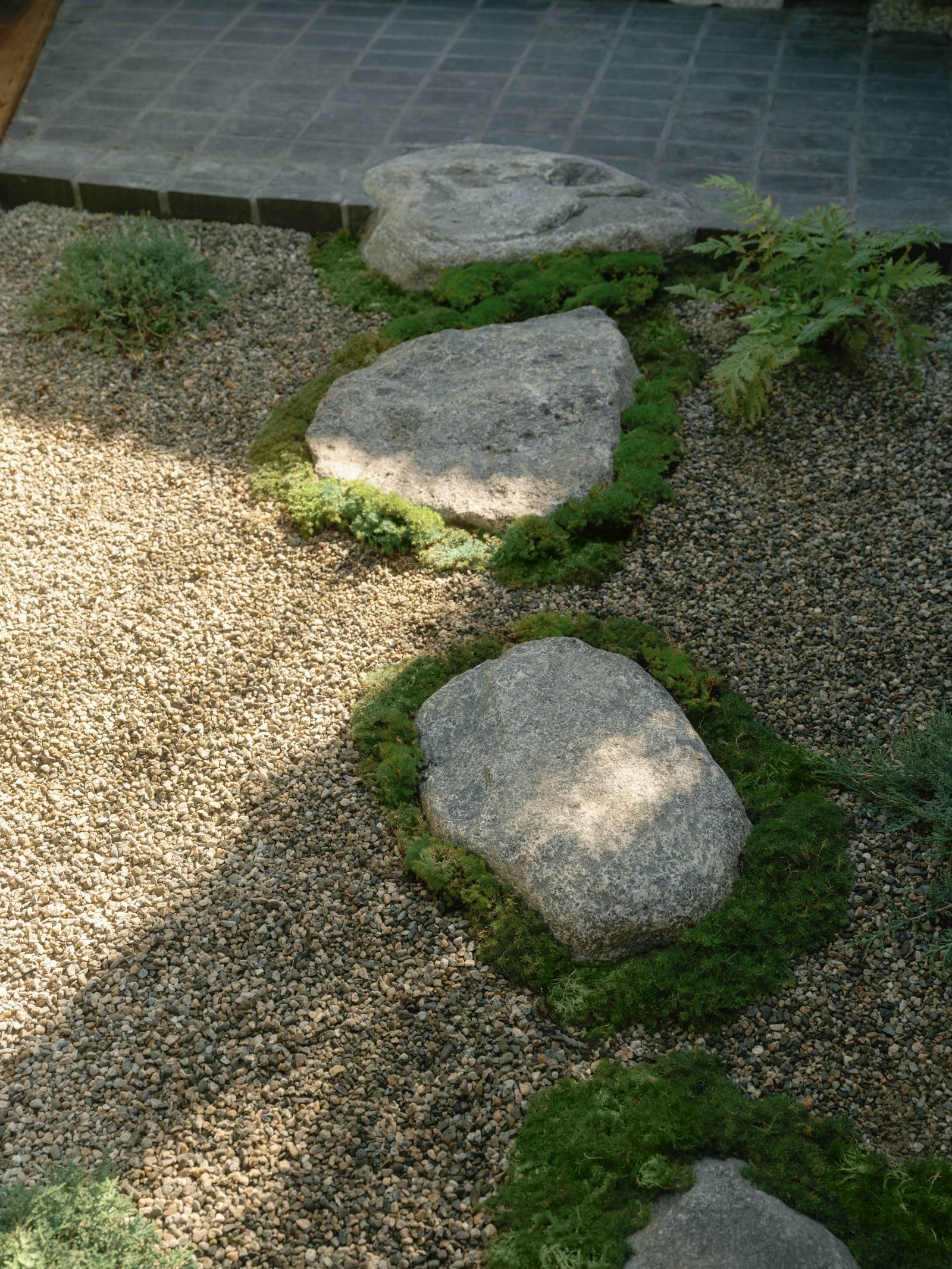
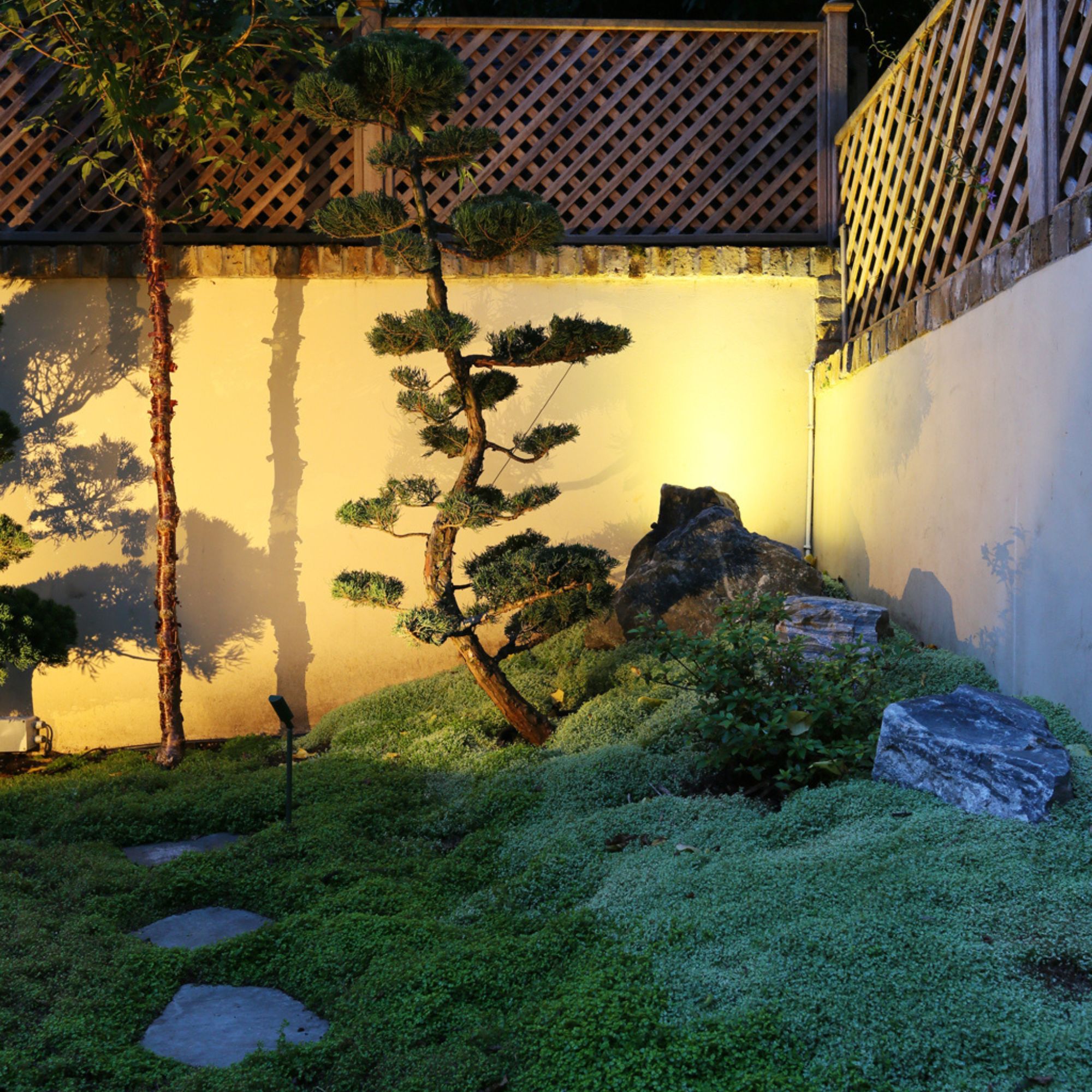
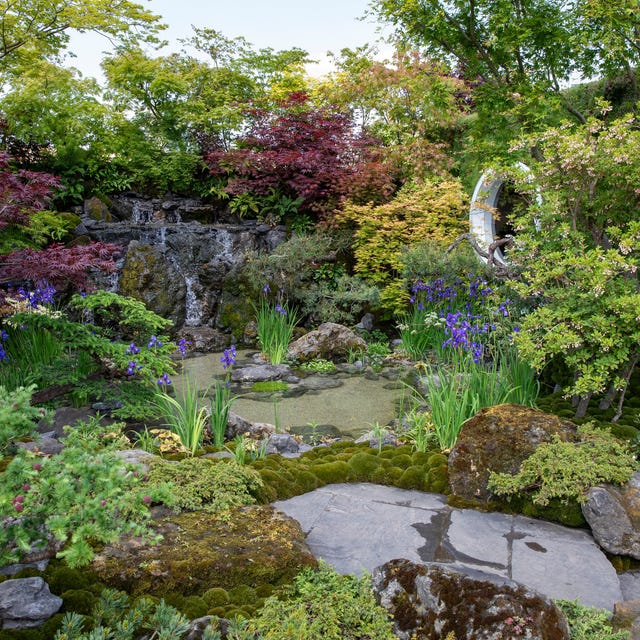
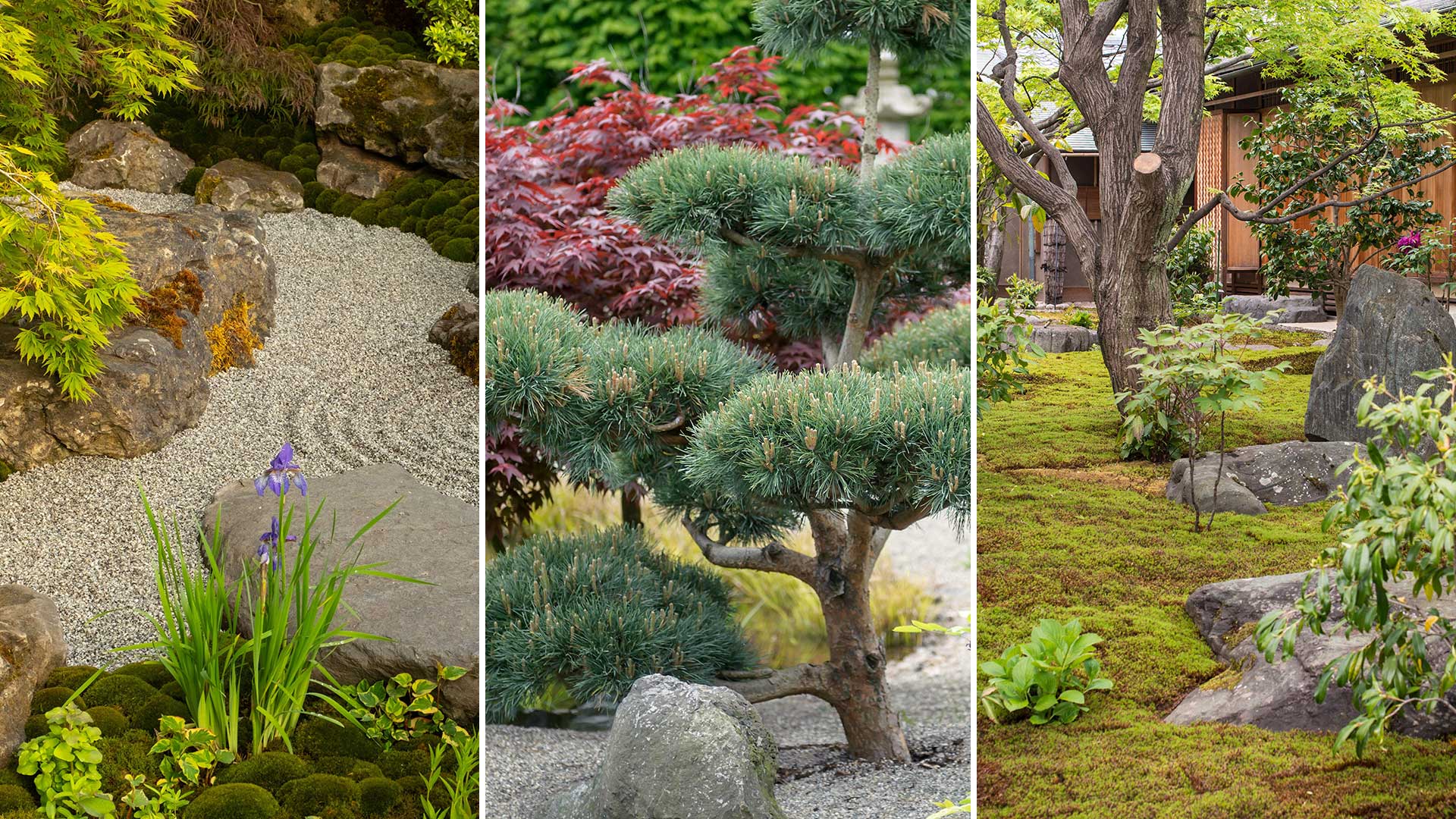
Moss is a quintessential element that adds textural intrigue and a sense of age. Michael Clarke explains that moss creates a rich, dark green texture on the garden floor, bringing timelessness to the space. It is also low-maintenance, contributing to the garden's overall sense of calm and being meticulously cared for.
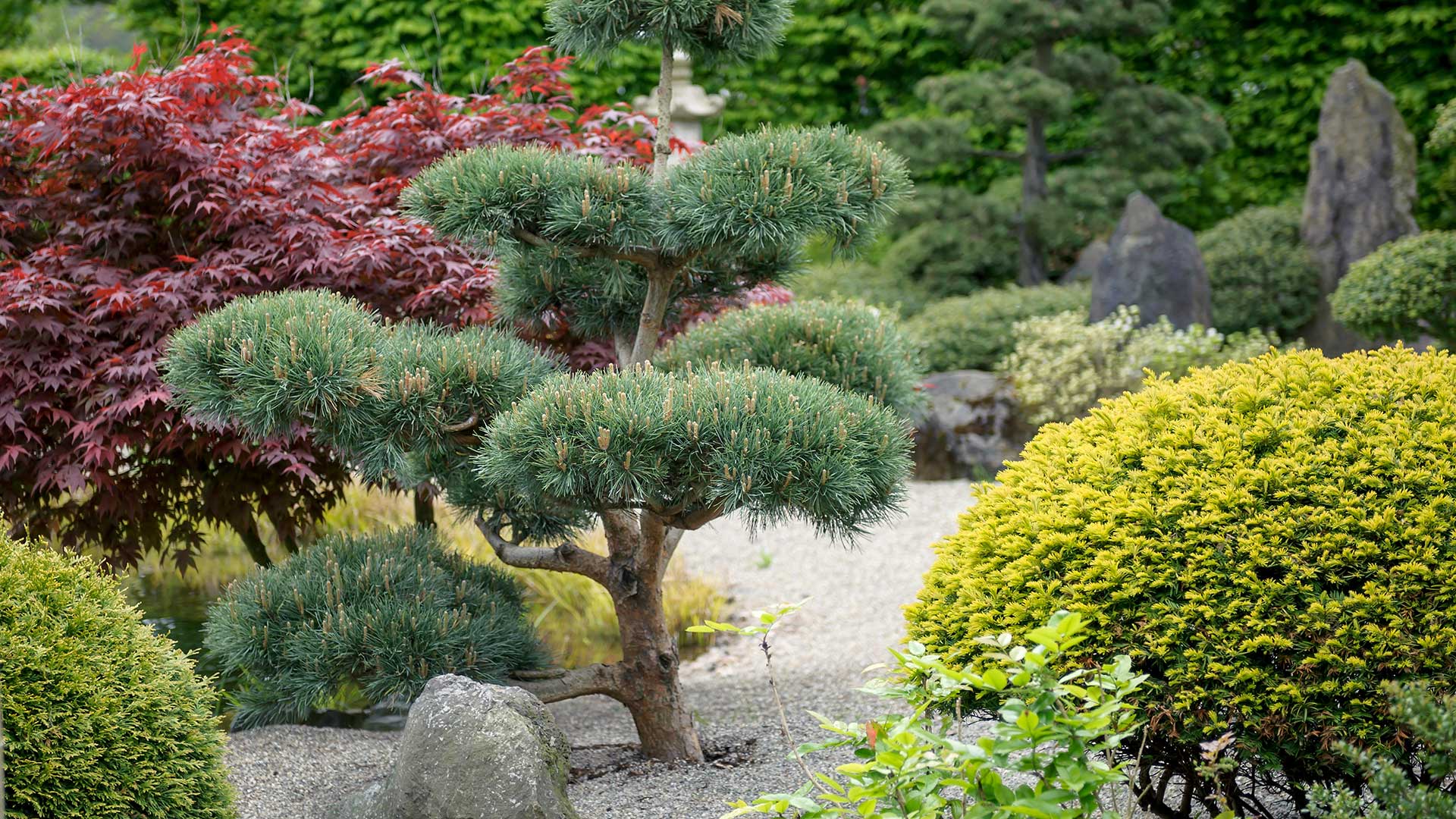
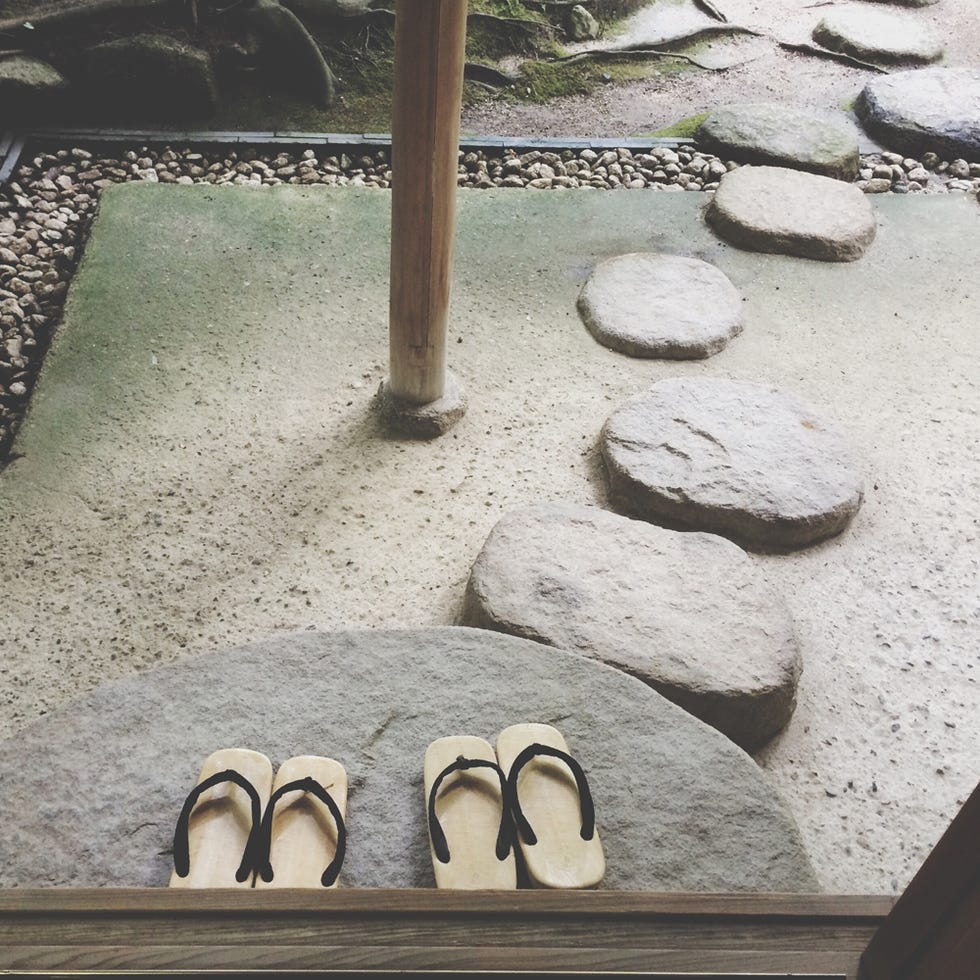
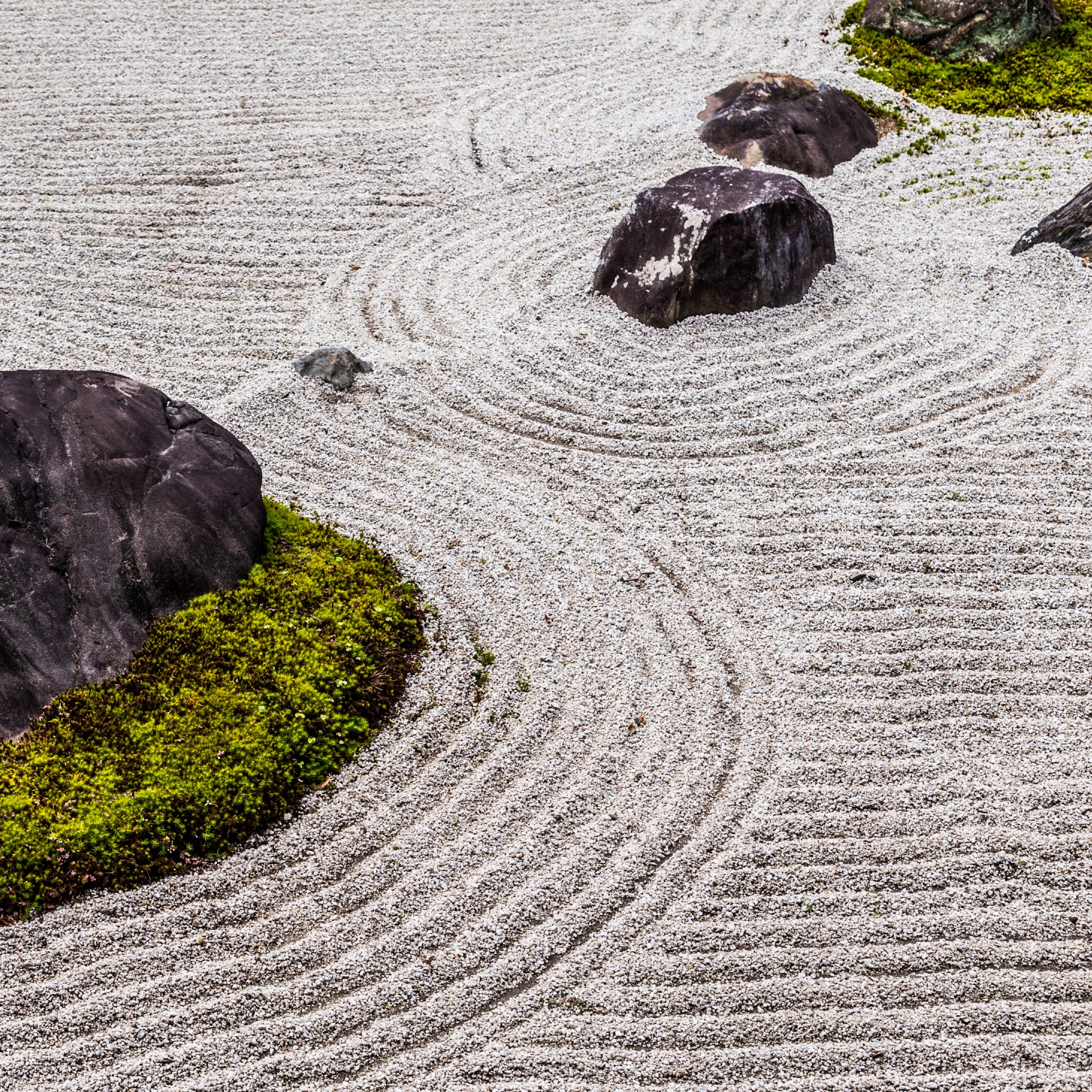
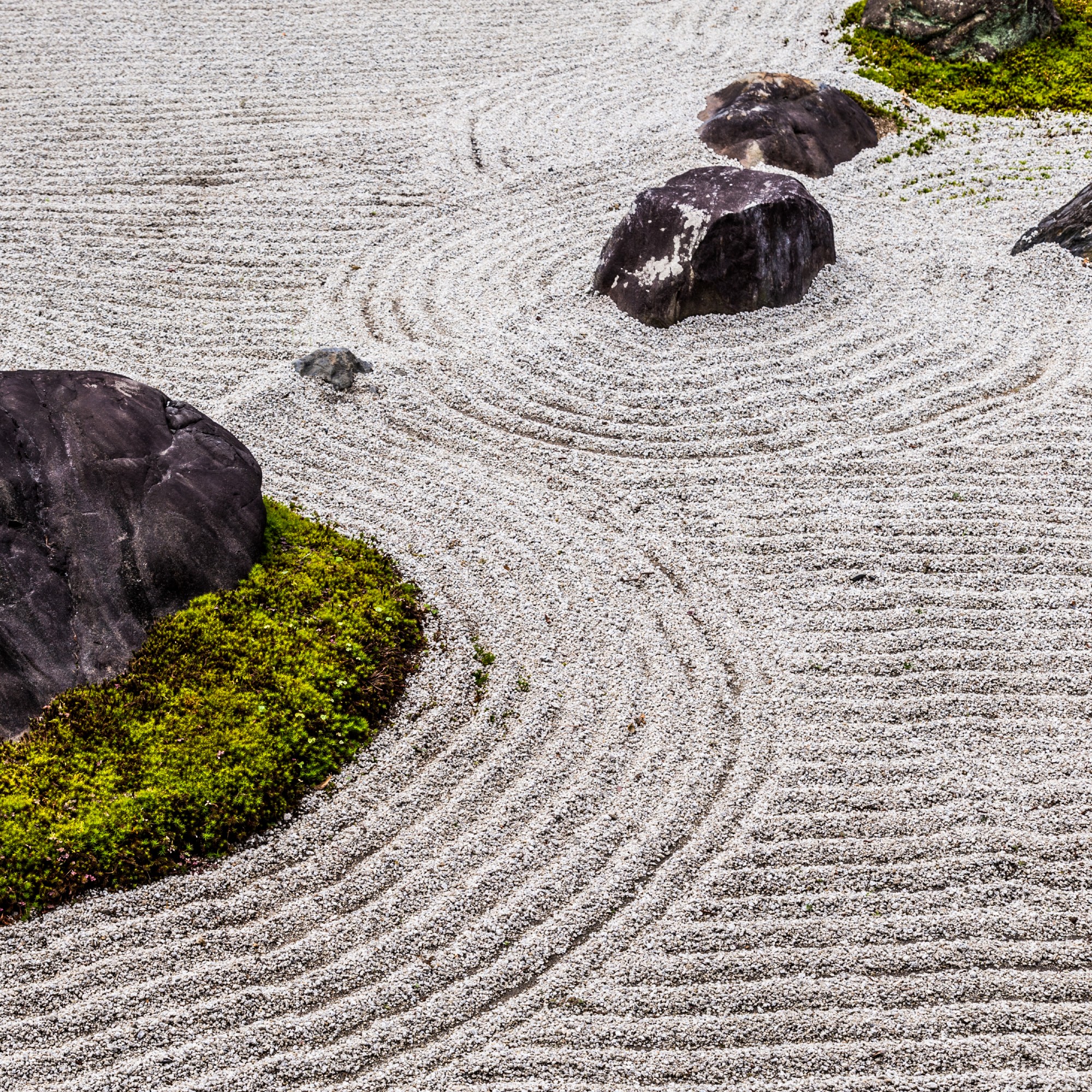
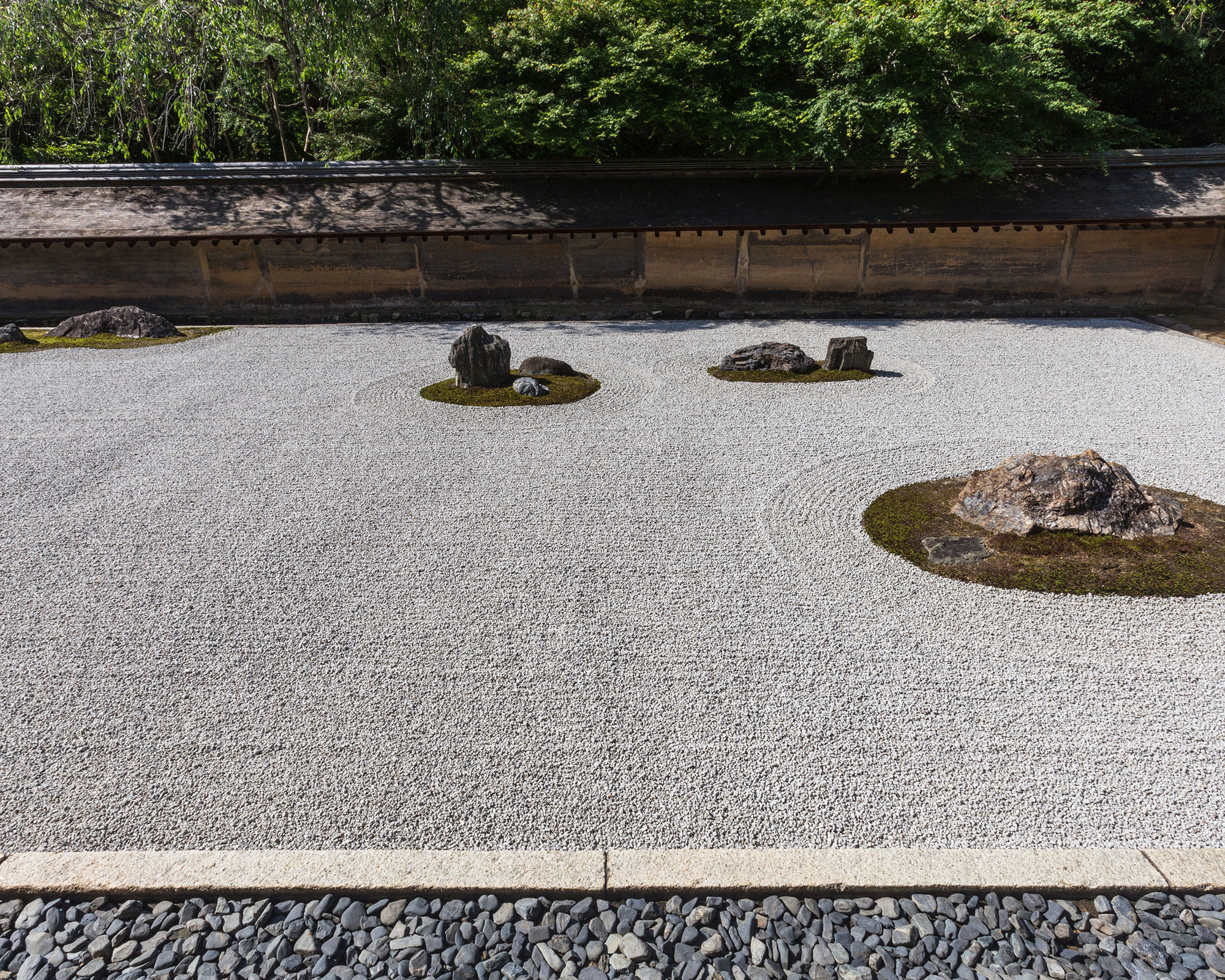
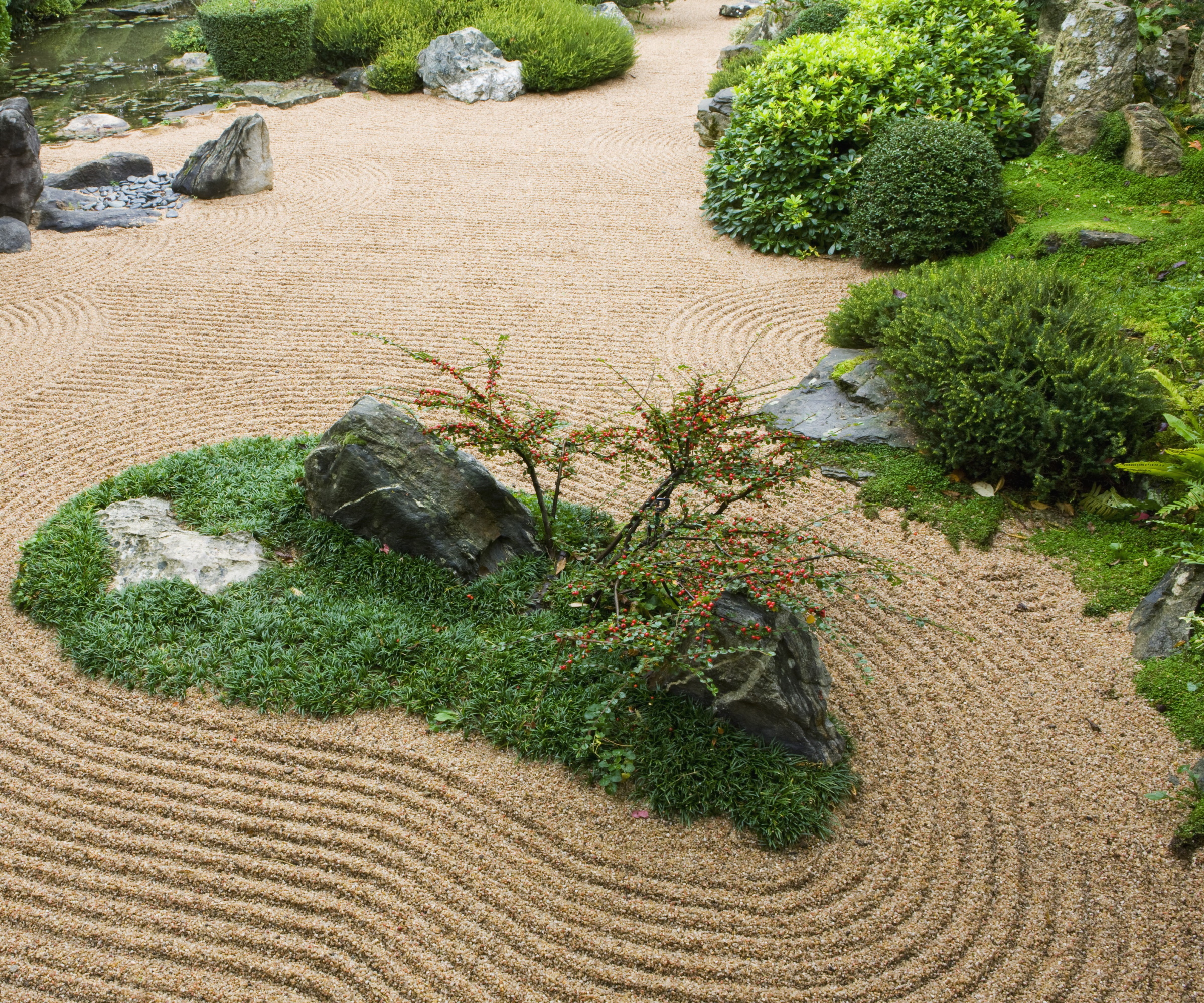
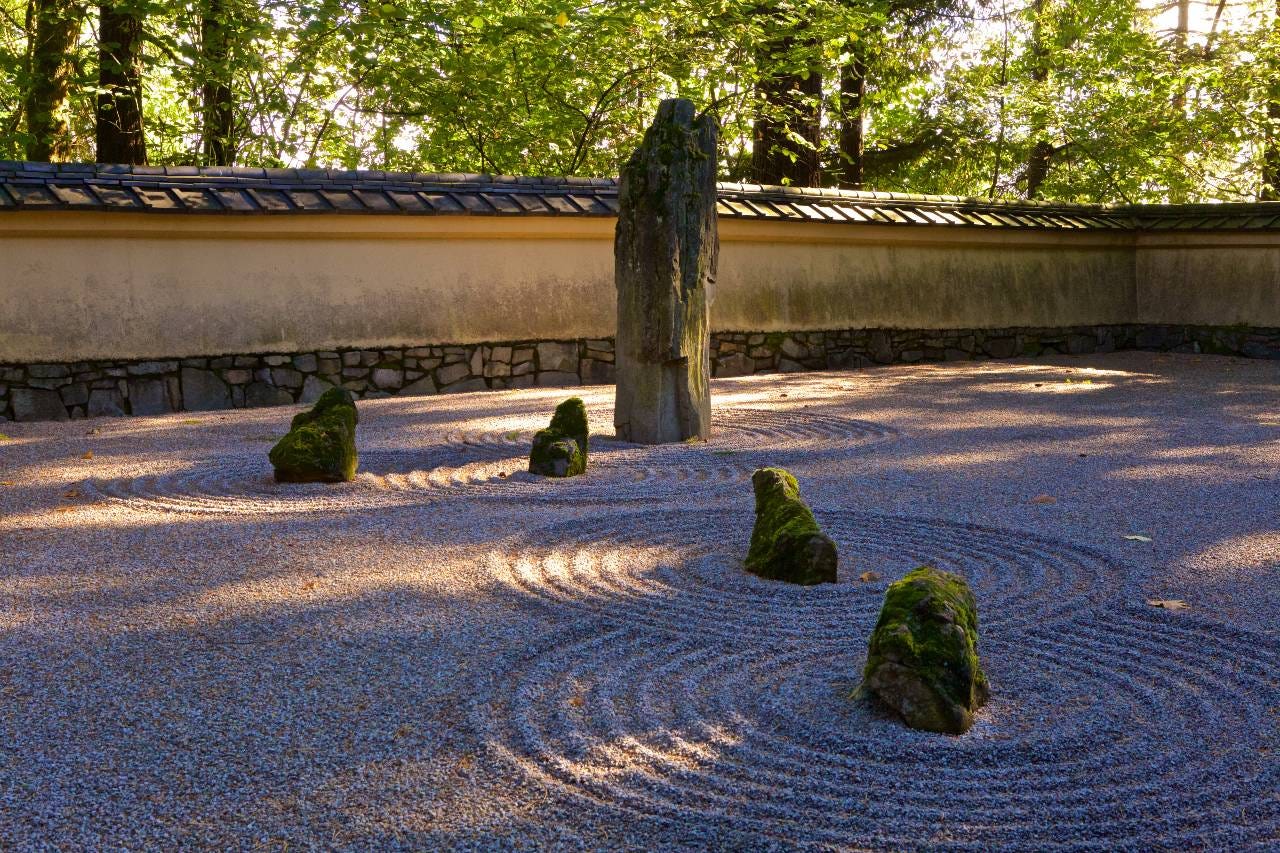
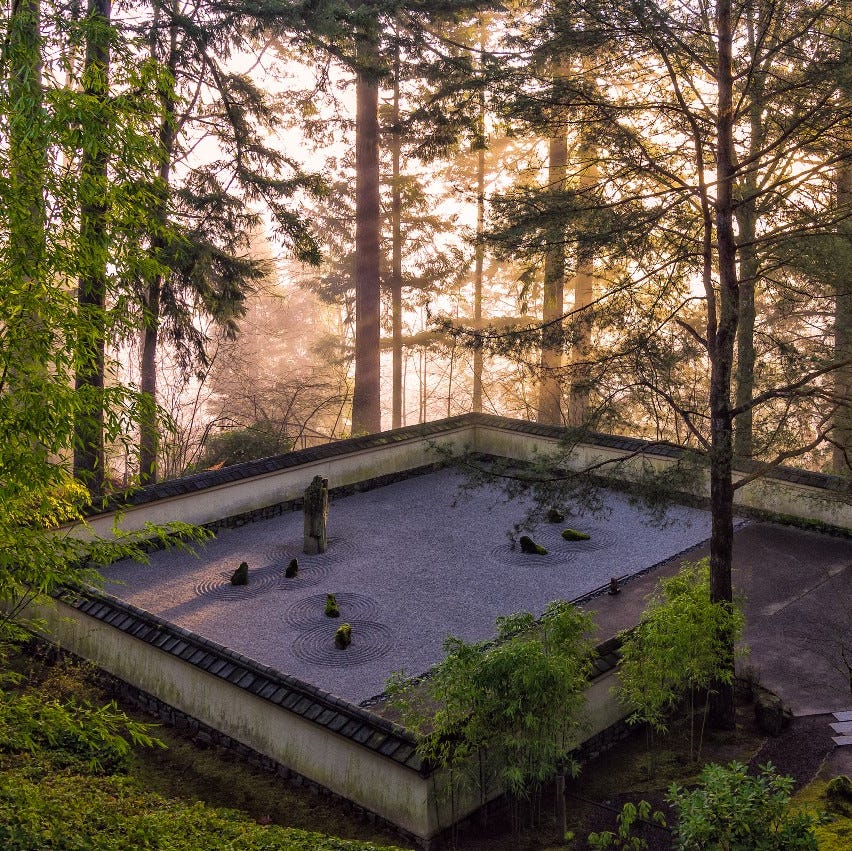
Hardscaping is also integral, with Japanese gardens famously incorporating boulders, sand, and other stone elements. Rafi Friedman suggests using boulders in garden beds or stepping stones for walkways. Michael Clarke adds that minimalist gravel or sand, raked into calming patterns around carefully placed rocks, facilitates quiet contemplation, with each rock symbolizing a natural element. Coarse grain gravel sand can help bring the essence of a Japanese sand garden to life while also promoting enhanced root development for plants.
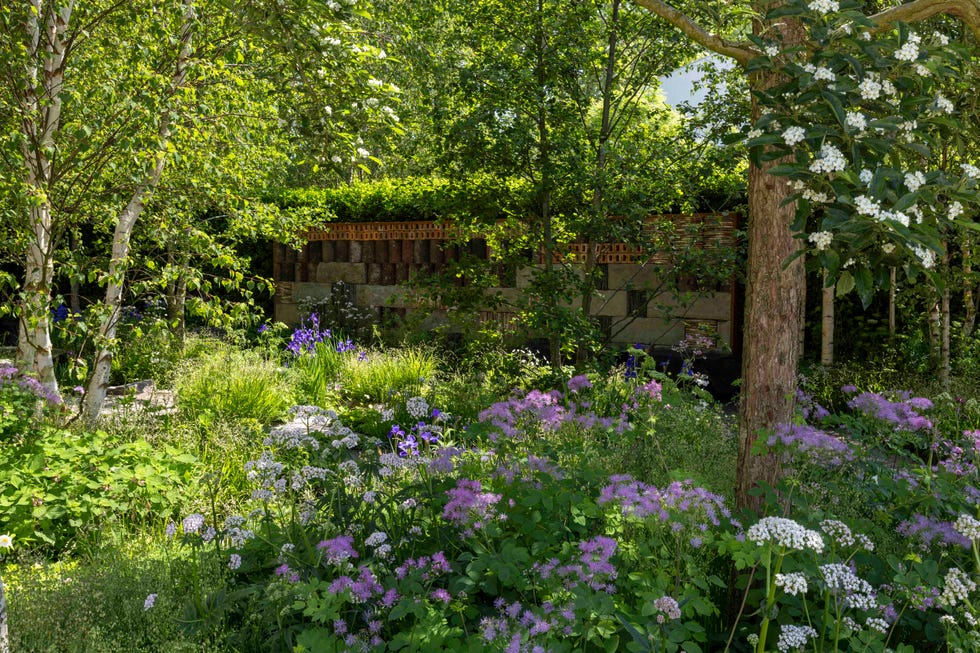
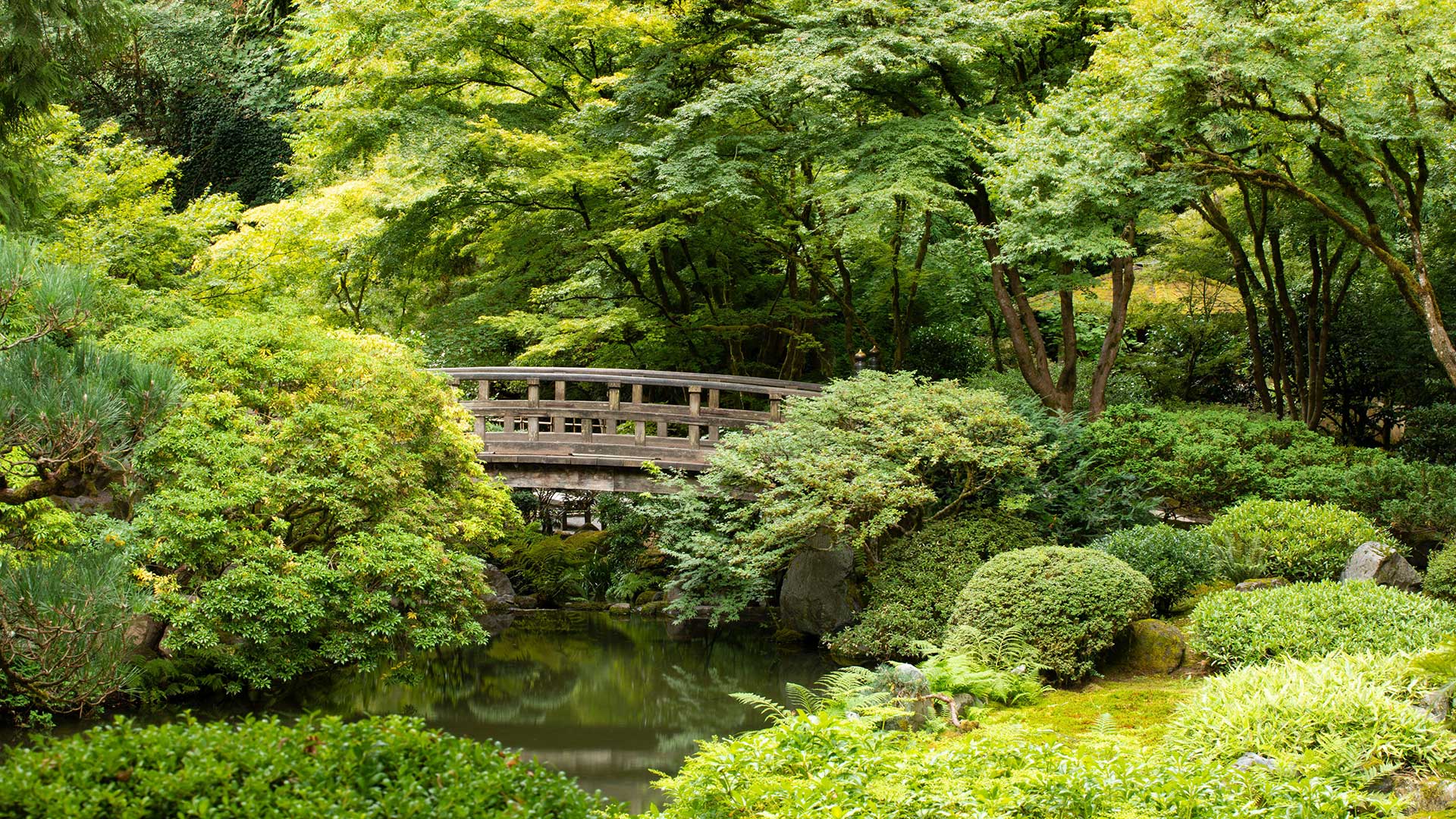
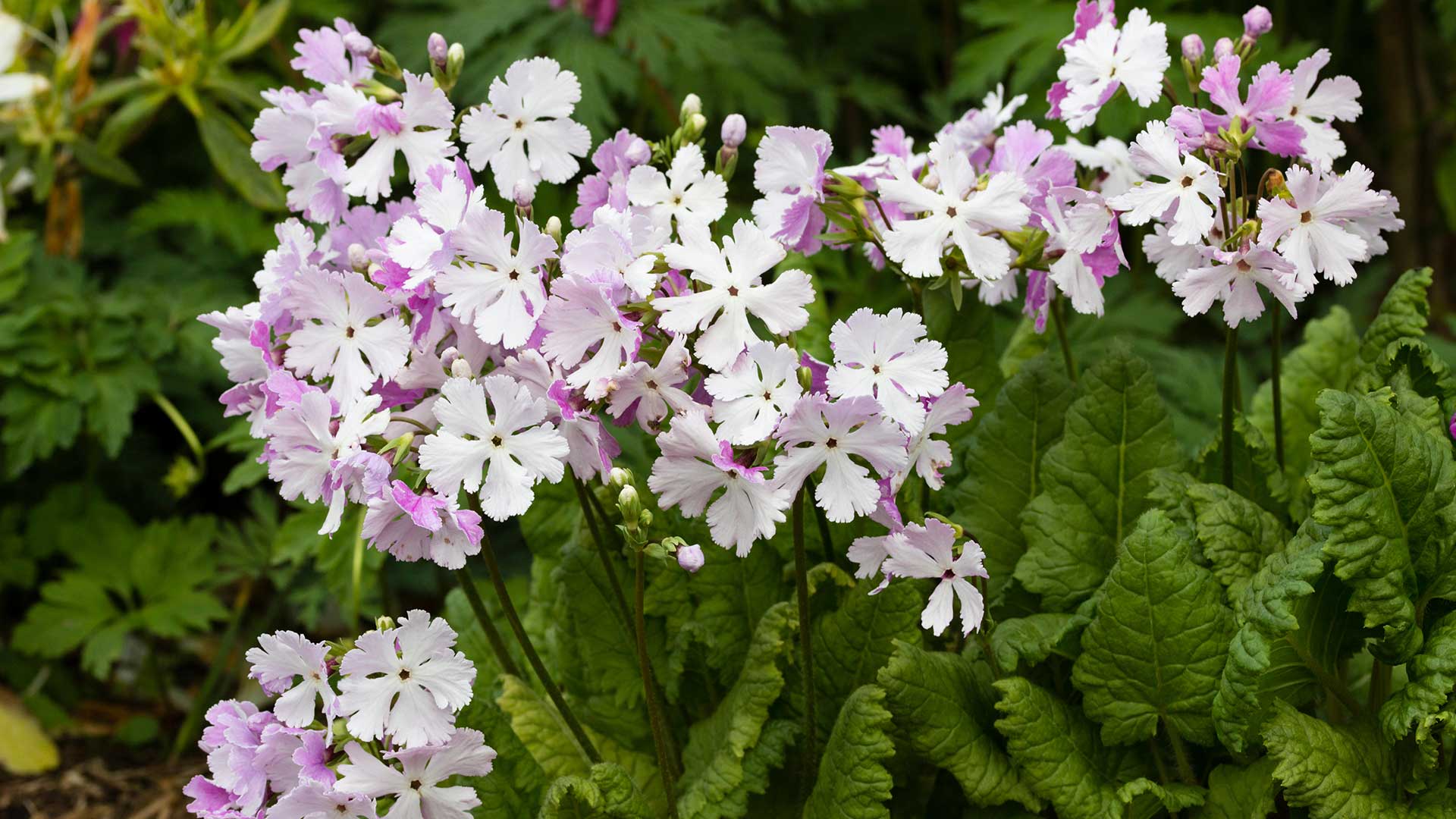
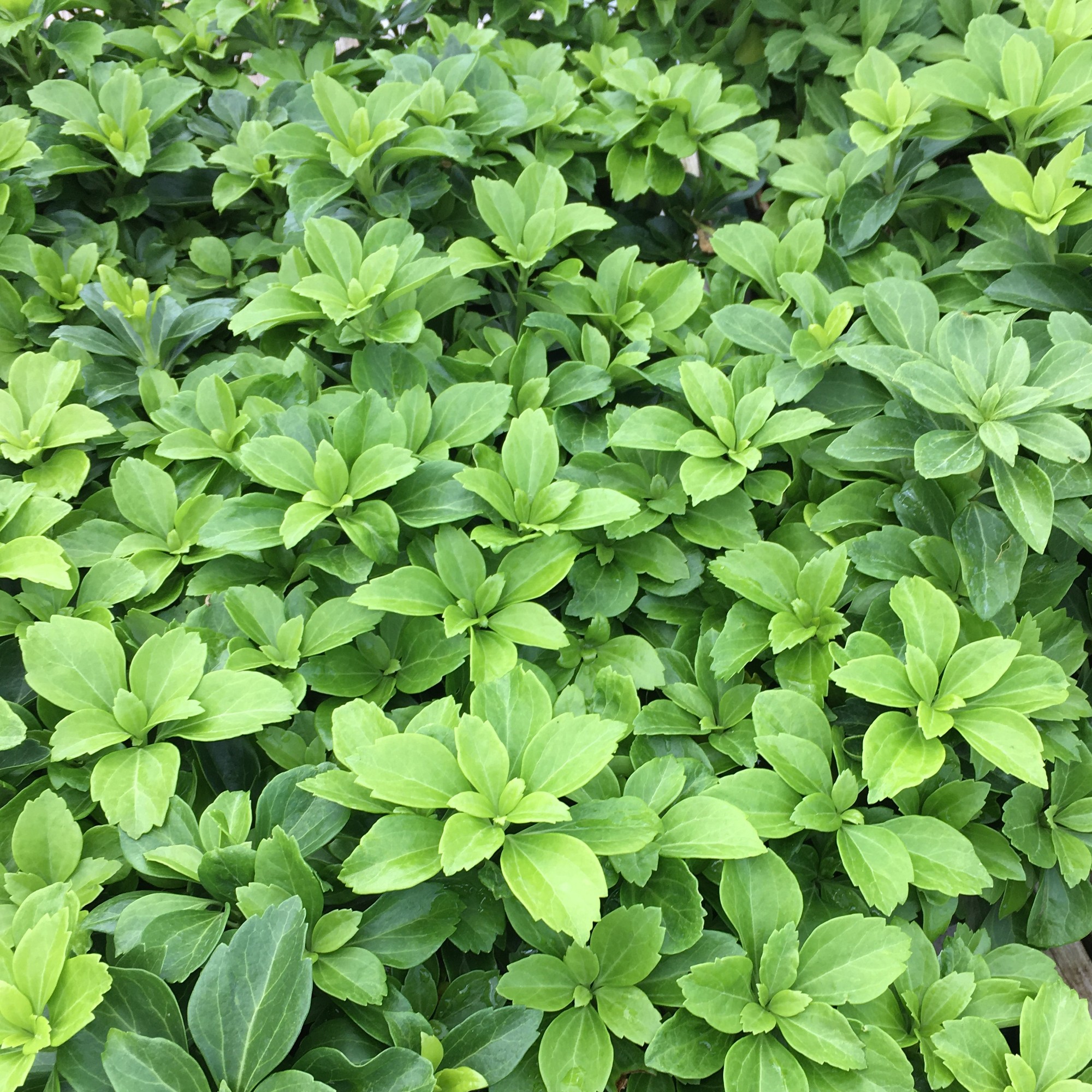
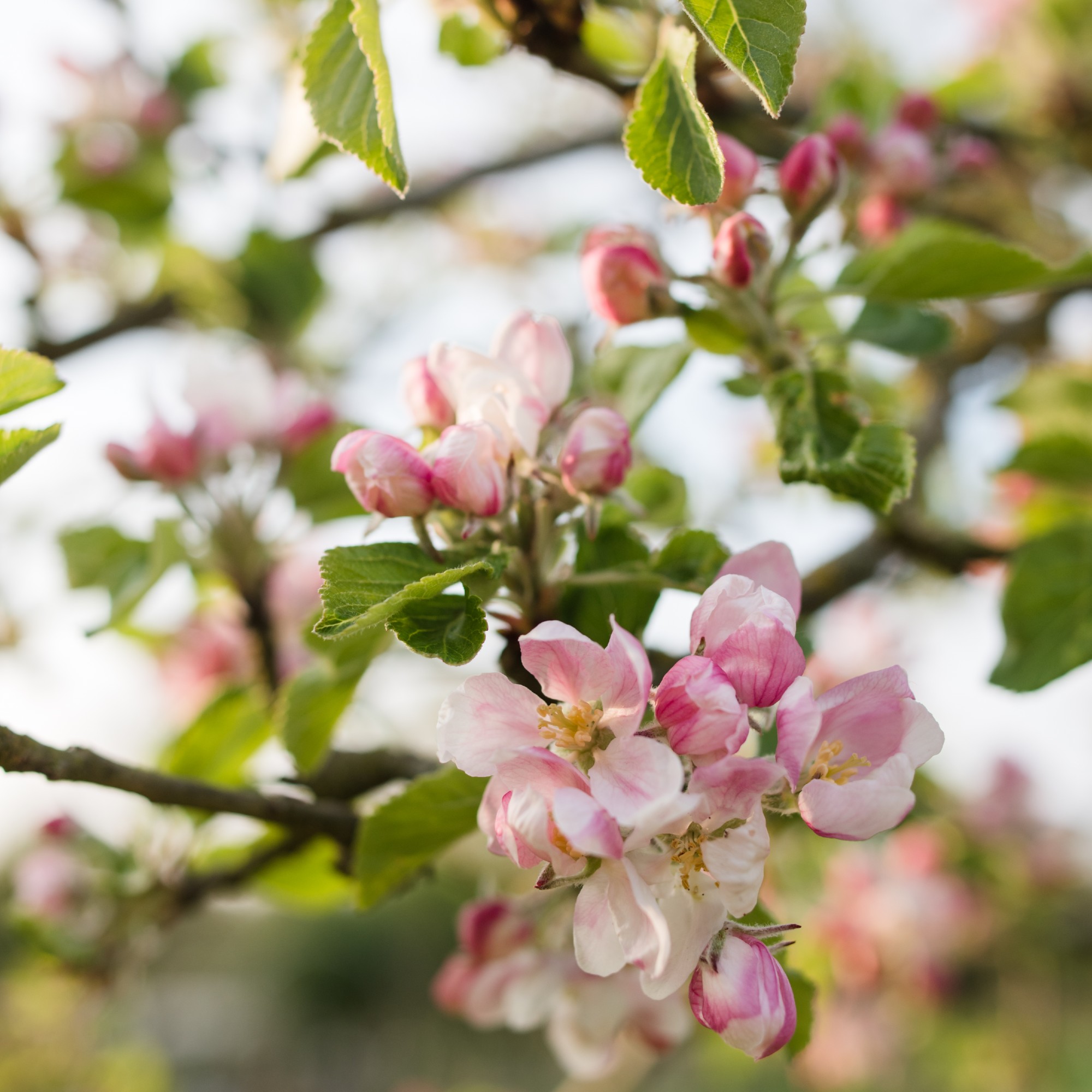
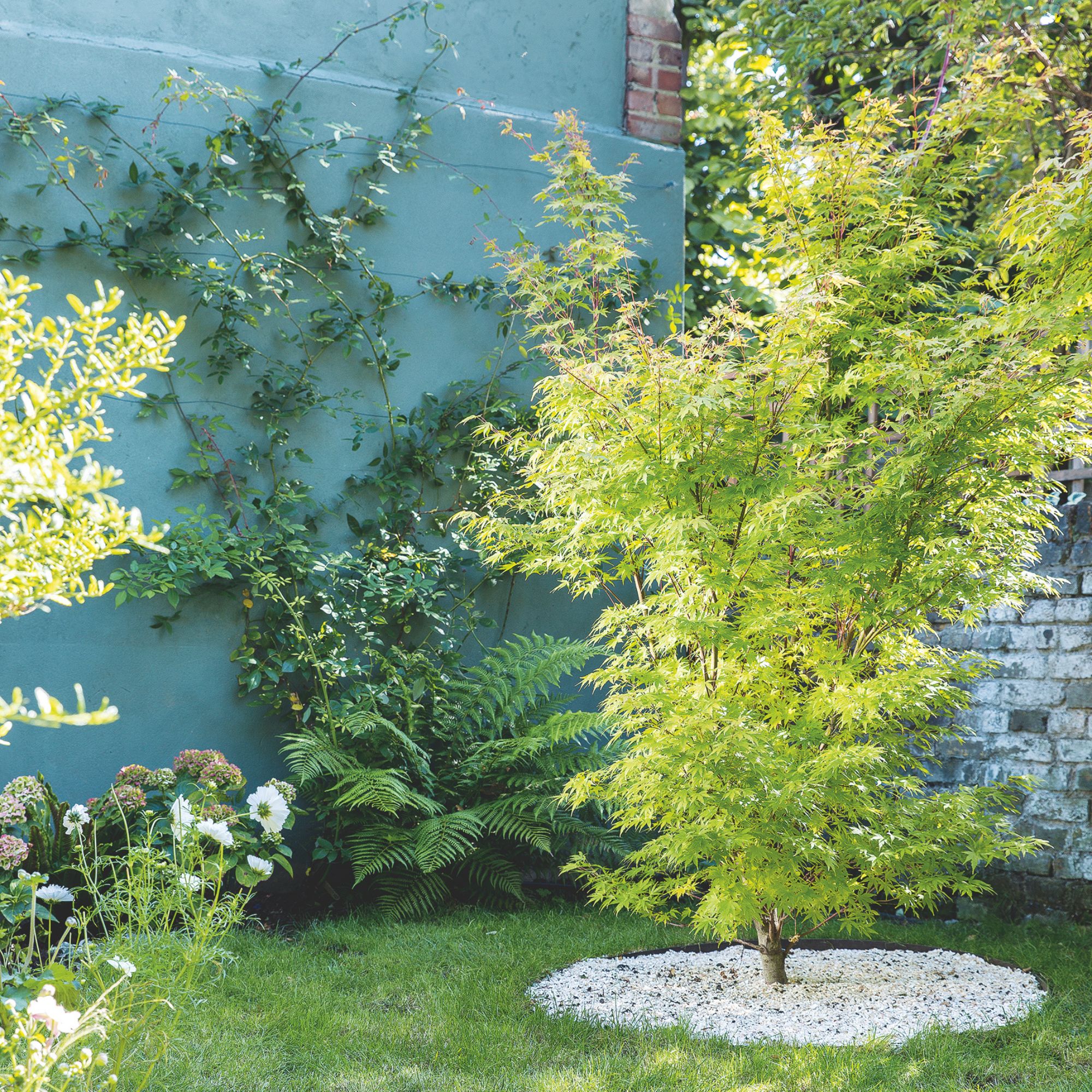
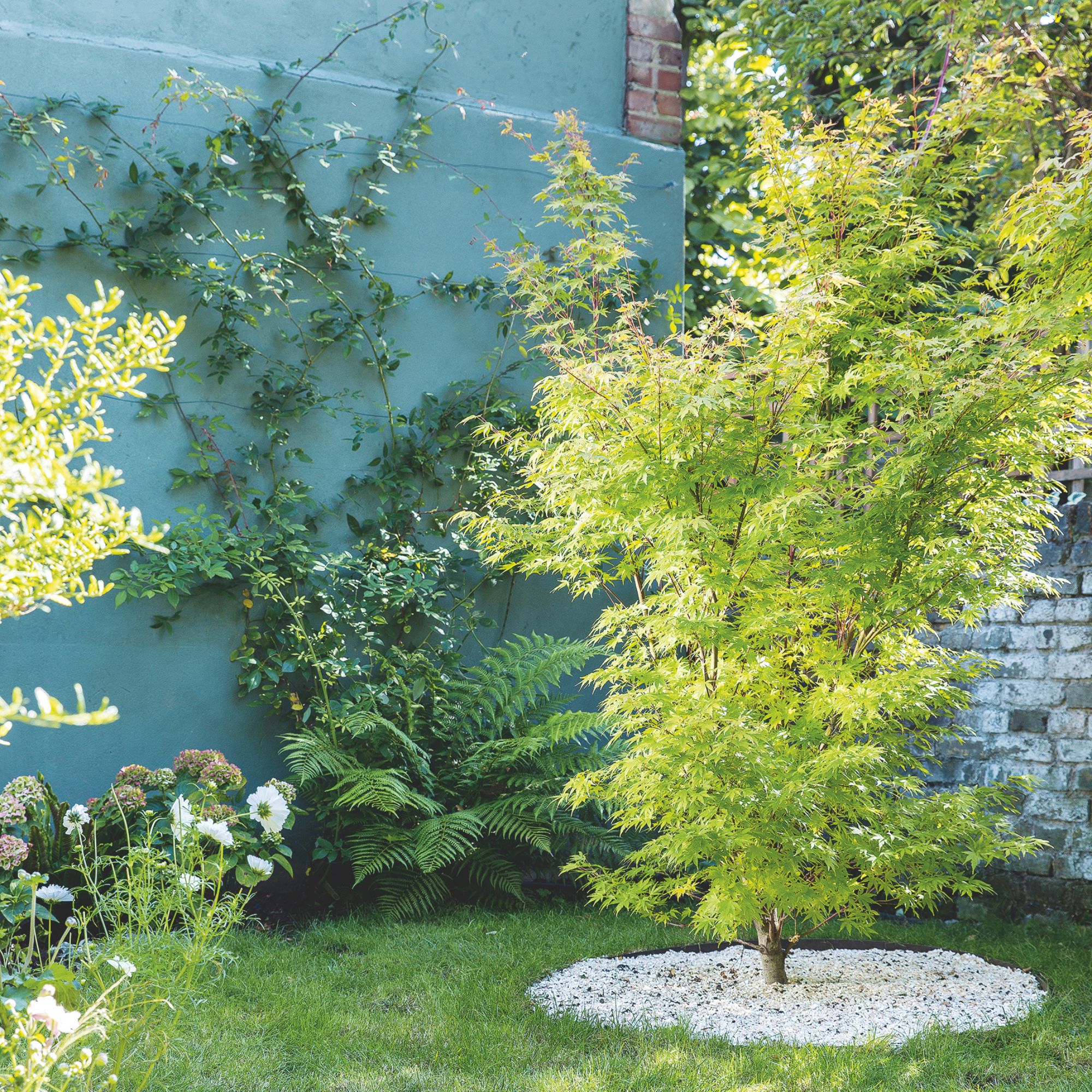
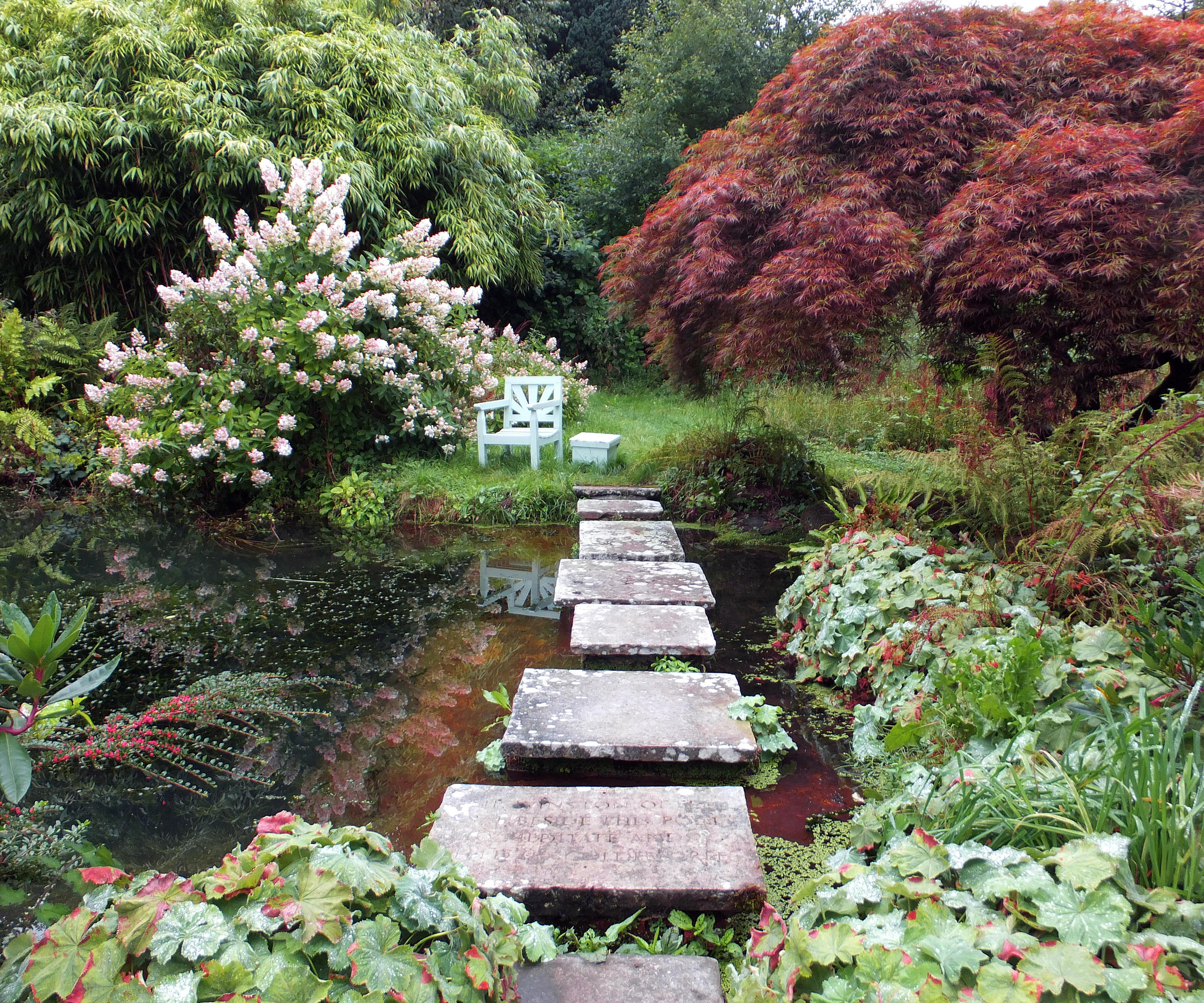
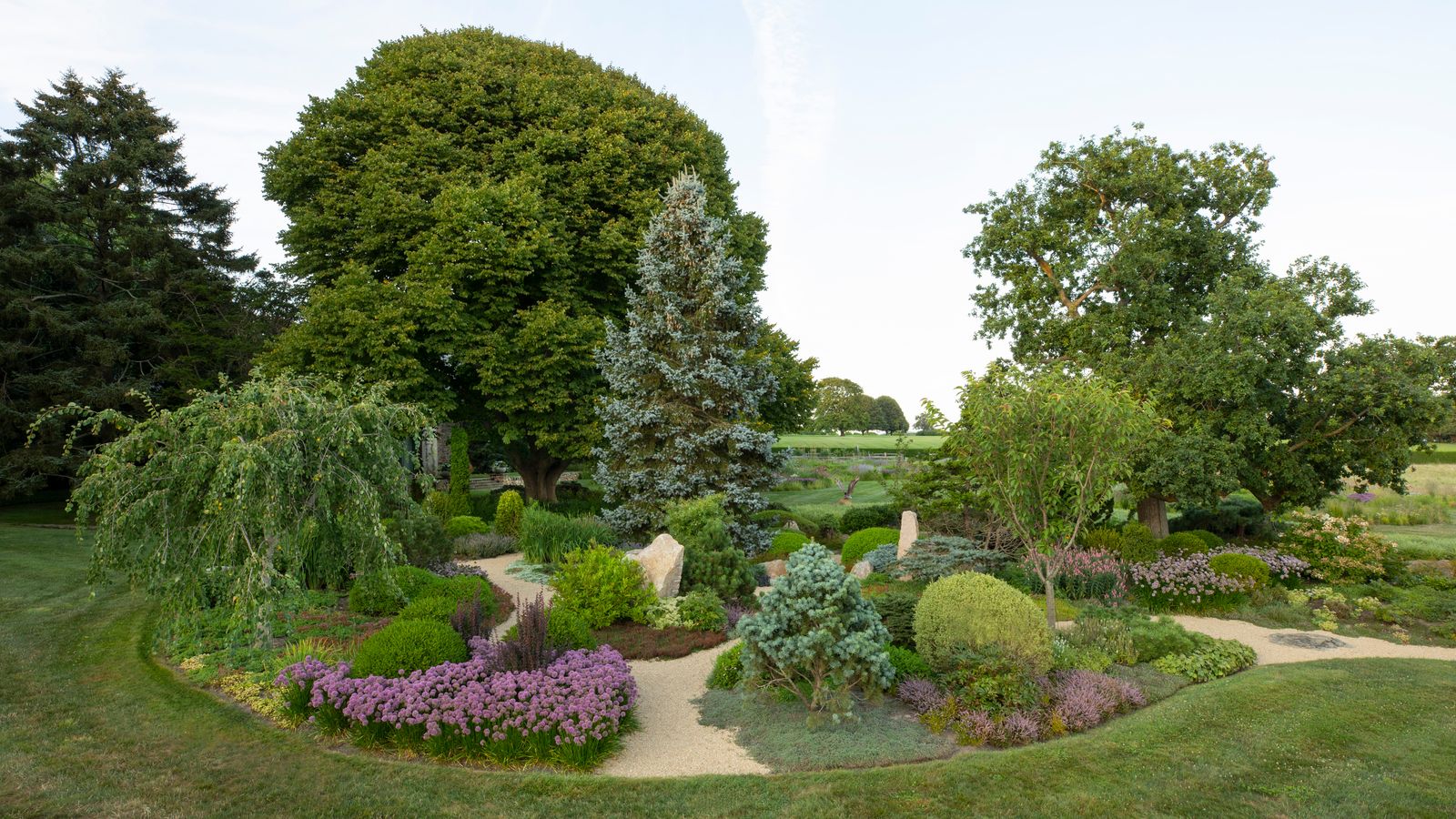
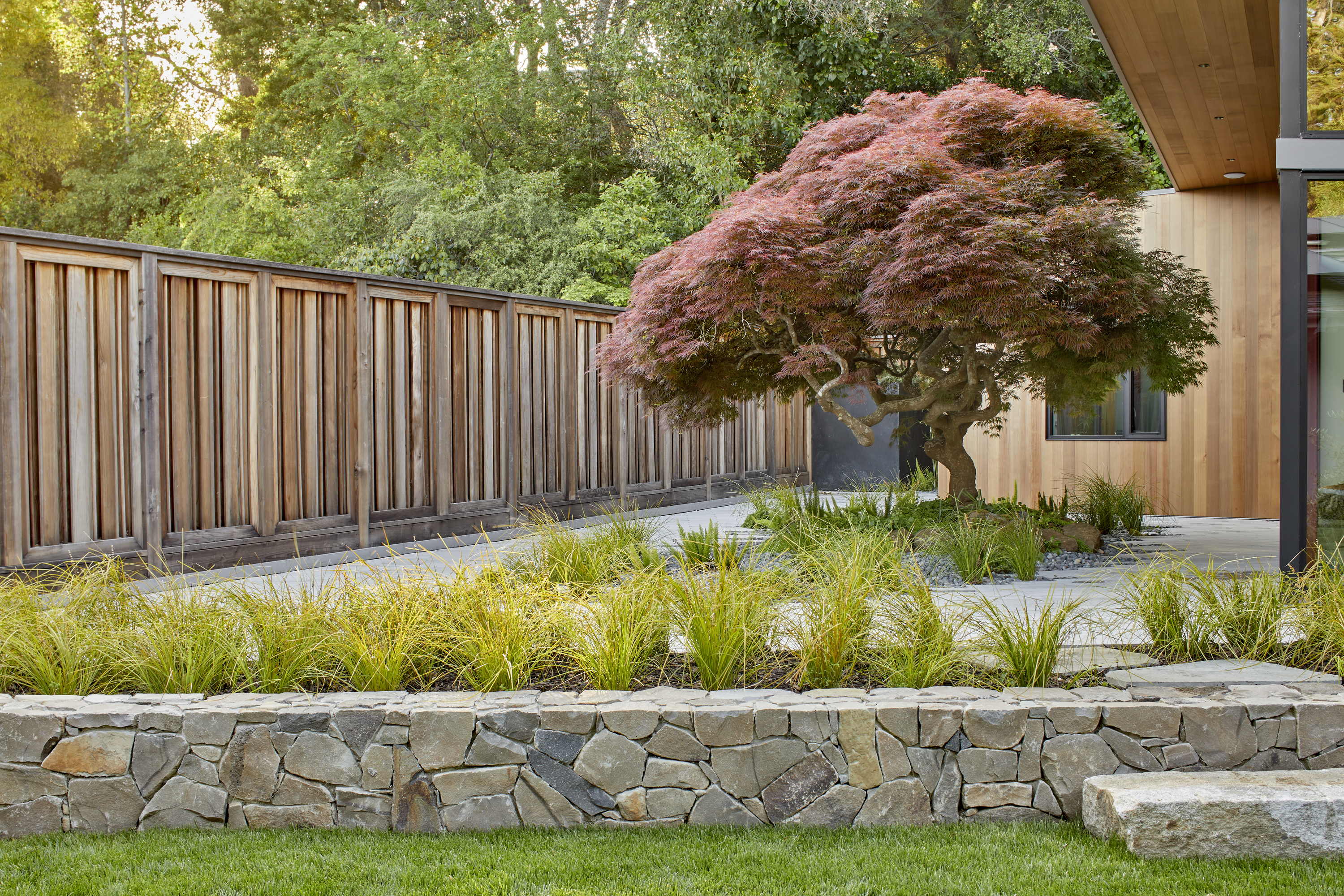
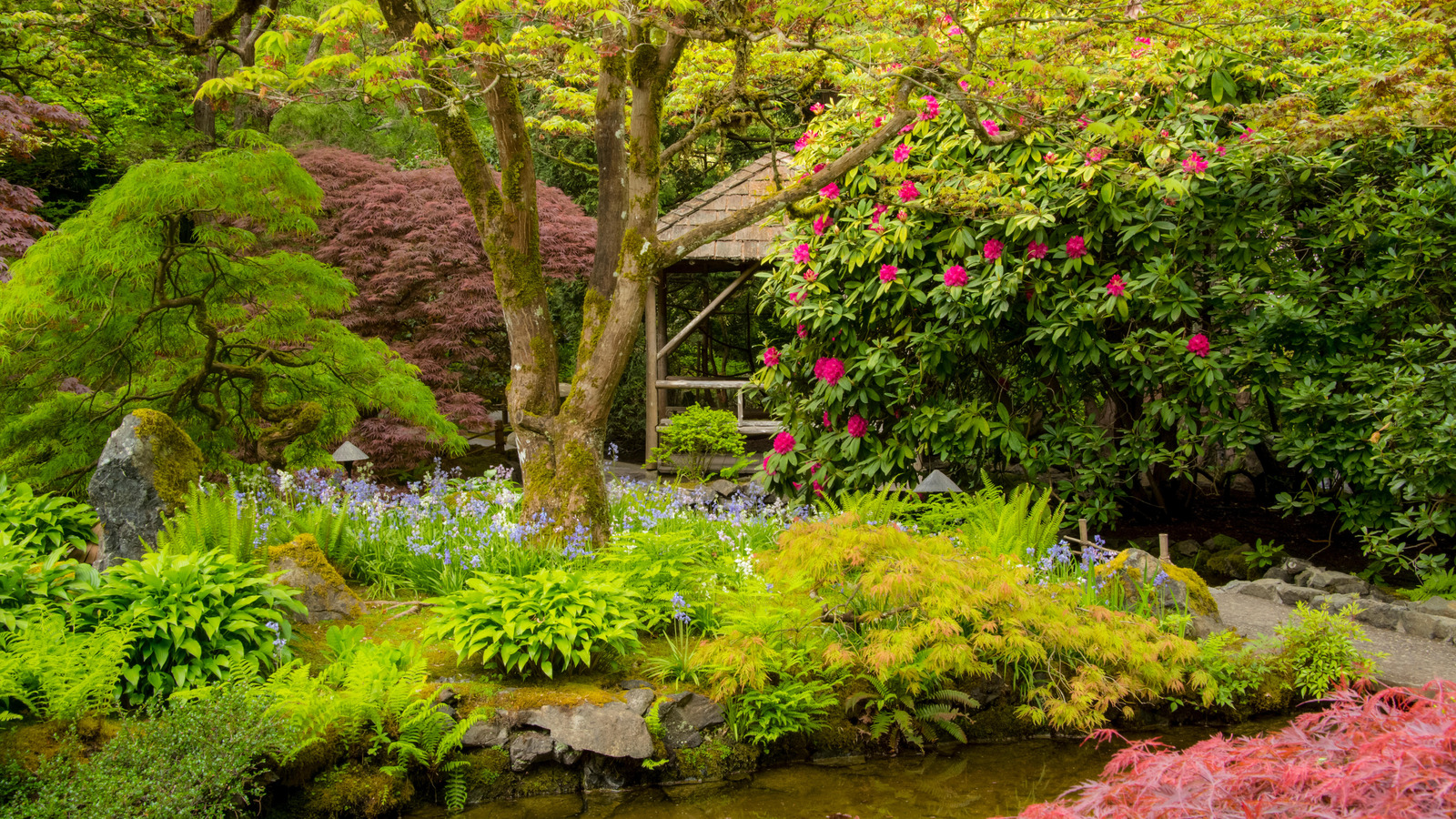
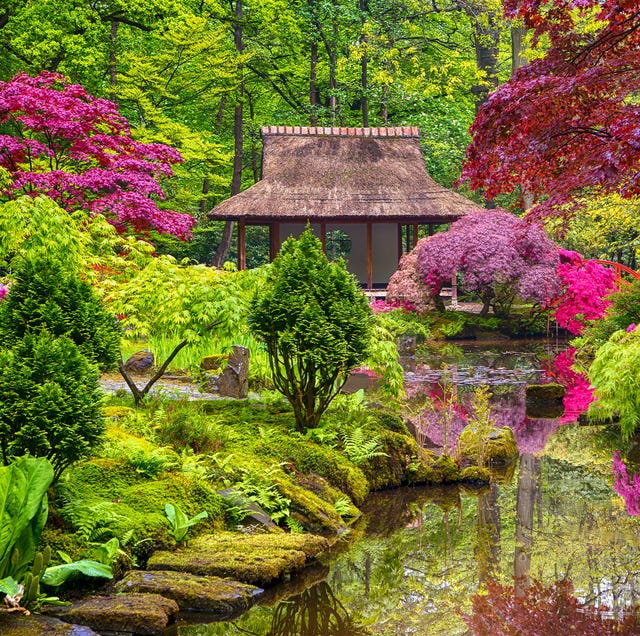
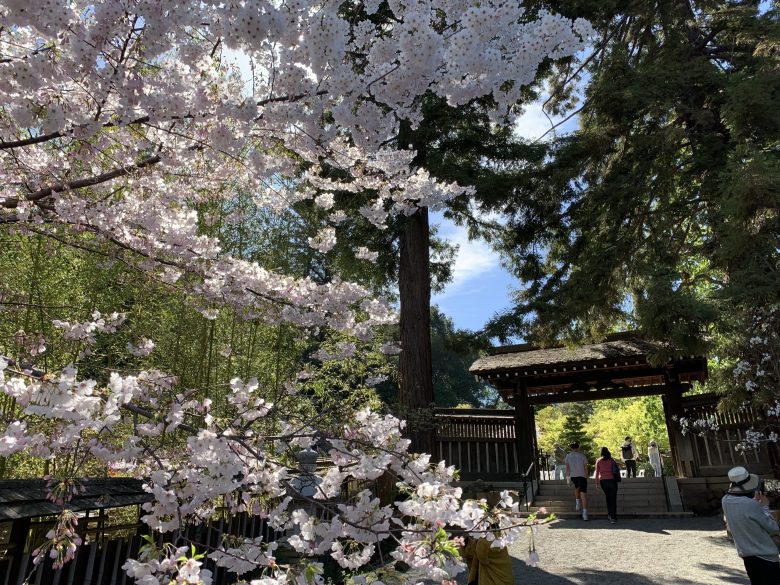
Finally, authentic Japanese plants are crucial for completing the aesthetic. Rafi recommends plants like wisteria, cherry trees, and bamboo, suggesting varieties native to the area. Michael advises planting Japanese maples for their architectural interest and dramatic seasonal colors. These trees are also suitable for small gardens, providing a flourish of color without occupying excessive space. The overarching philosophy emphasizes simplicity and careful curation, making Japanese gardens ideal for creating a tranquil and stylish outdoor retreat.
#JapaneseGarden #OutdoorDesign #GardenIdeas #Minimalism #WaterFeatures #StoneLanterns #BambooScreens #MossLandscaping #JapaneseMaples #JapaneseGarden #OutdoorDesign #GardenIdeas #Minimalism #WaterFeatures #StoneLanterns #BambooScreens #MossLandscaping #JapaneseMaples
0 comment in total
 No comments yet
You may also like
4 Japanese garden ideas for a calm and tranquil outdoor space
Zen garden ideas – 24 ways to transform your outdoor space into a Japanese-inspired sanctuary for relaxation
The best plants for a Japanese garden: 7 serene species

5 Best Japanese-Inspired Home Accessories Designed To Bring Nature & Tranquility Indoors

24 Japanese Garden Ideas That Encourage Slow Walks and a More Relaxed Outdoor Rhythm

Experts reveal how to plant a Japanese-inspired garden

20 Zen Garden Ideas to Transform Your Backyard Into a Peaceful Oasis

An Expert Guide to Japanese Zen Gardens
Japanese garden ideas – 10 ways to create a soothing space, with advice from the experts

Looking to add some Zen to your landscape? Visit these Japanese gardens for inspiration
Japanese garden ideas – 11 design tips for a zen backyard
Japanese garden lighting ideas – 6 subtle yet effective ways to illuminate your outdoor space

7 Japanese-style gardens to inspire and delight

Small Japanese garden ideas – 7 ways to infuse a tiny outdoor space with Japanese-inspired planting and landscaping
How to Design a Japanese Garden in Any Climate, According to Landscape Experts

7 indoor courtyard design ideas to bring you closer to nature

The best Japanese houseplants to create a zen, serene space in any room

Small Japanese garden ideas – 7 ways to infuse a tiny outdoor space with Japanese-inspired planting and landscaping

What is a zen garden? This Japanese approach to design can turn backyards into calming sanctuaries
These 7 Japanese Zen Gardens In The US Are The Perfect Spots To Ease Your Worried Mind