1/9
What is a zen garden? This Japanese approach to design can turn backyards into calming sanctuaries
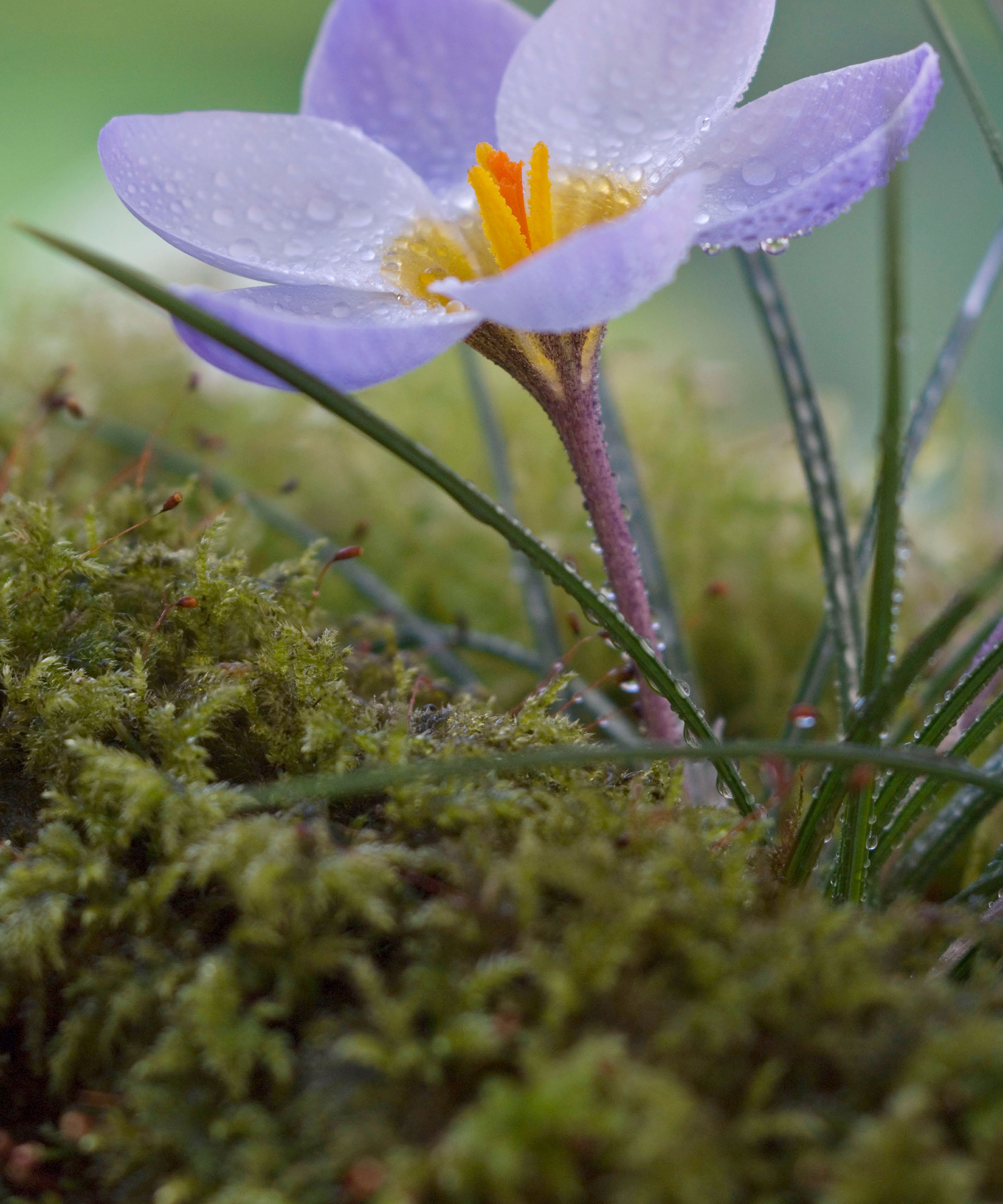
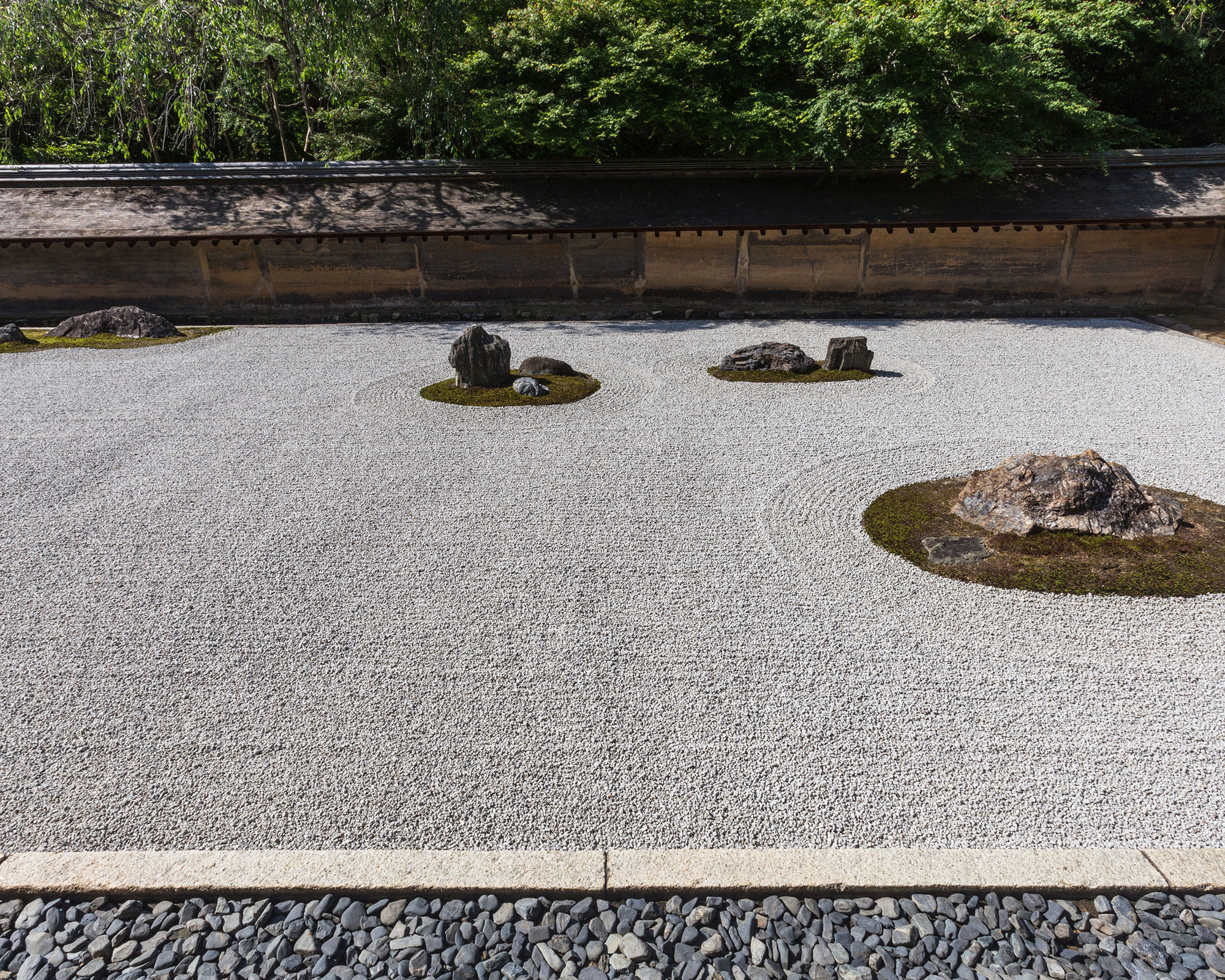
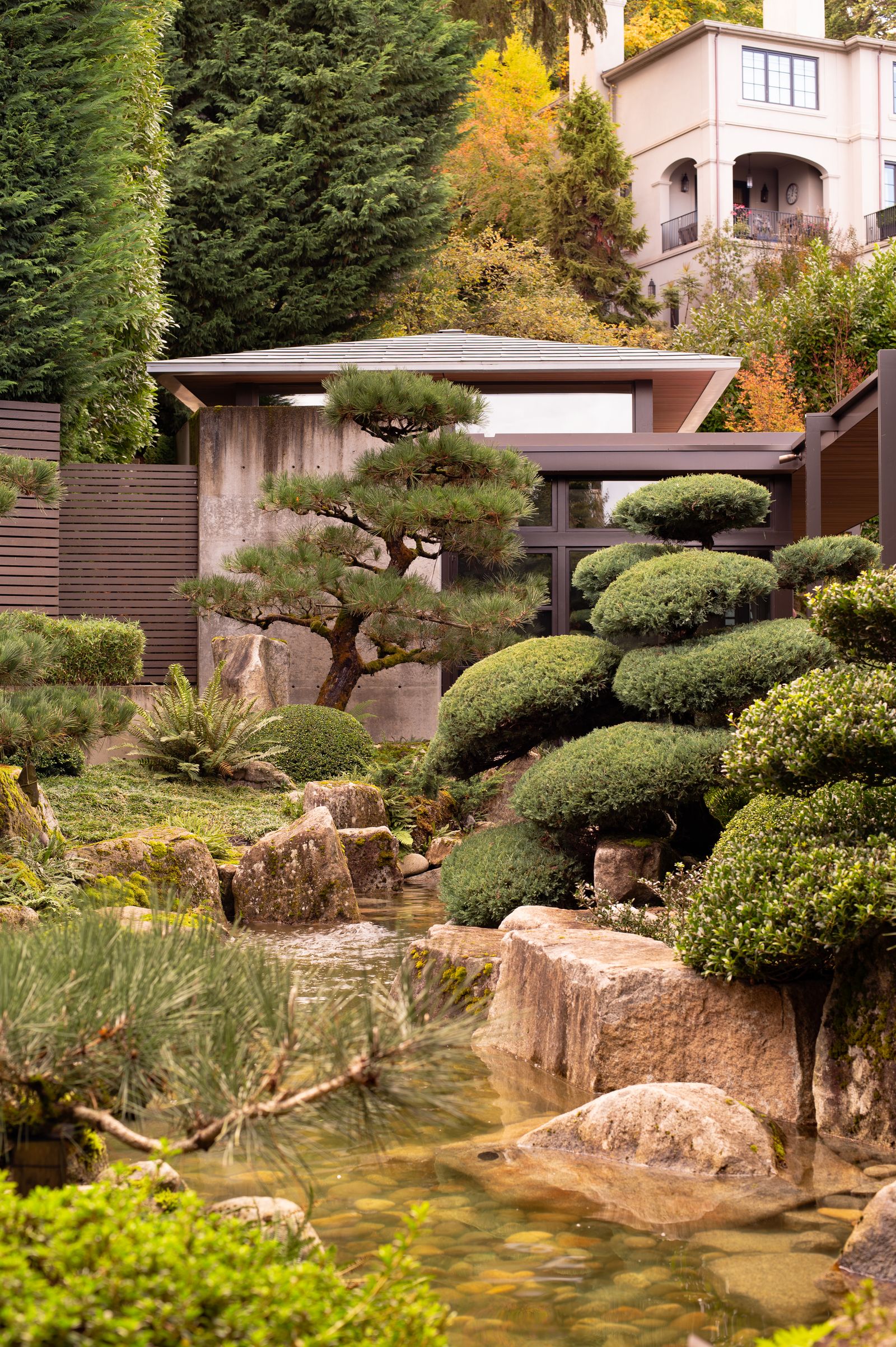
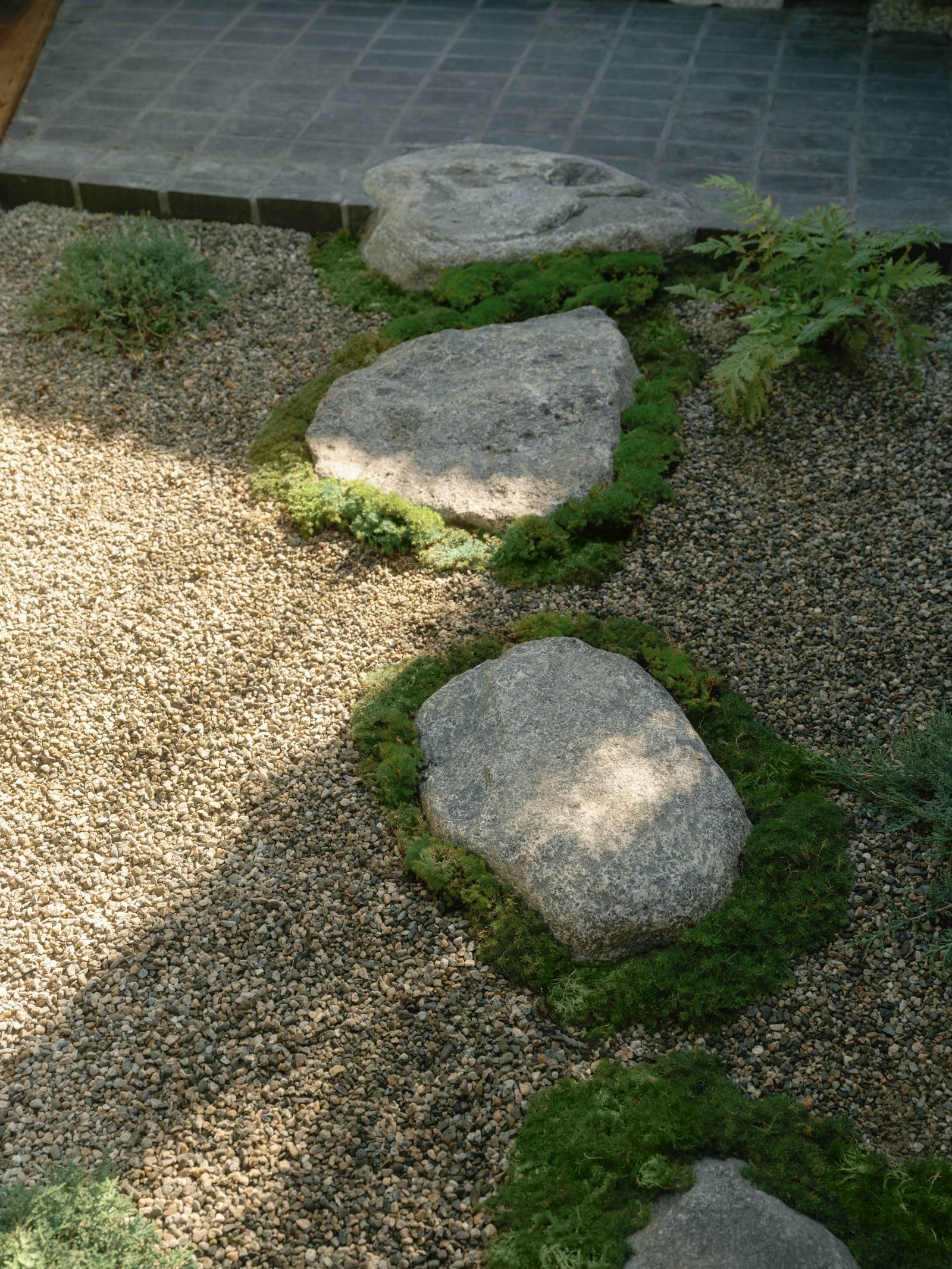
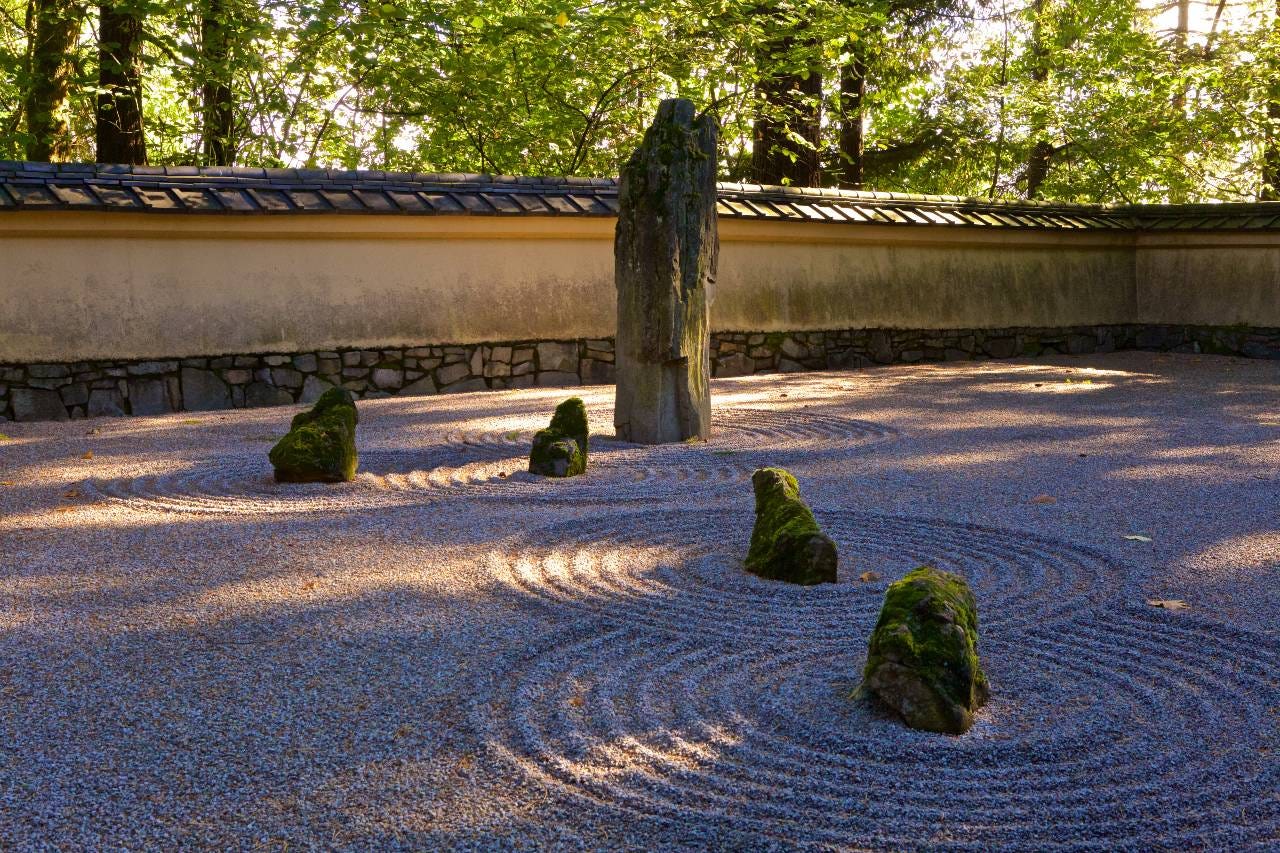
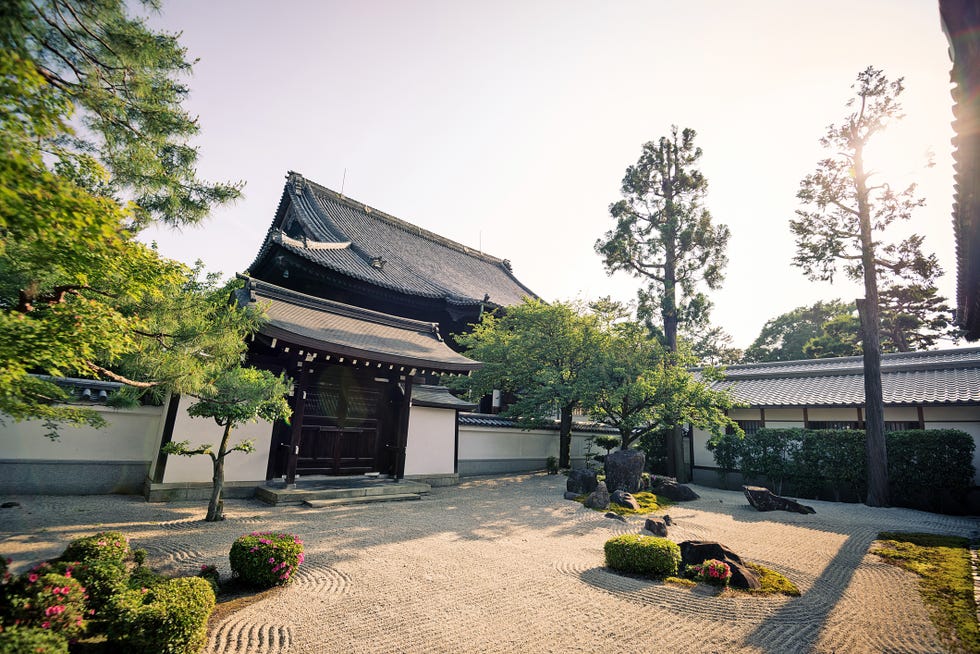
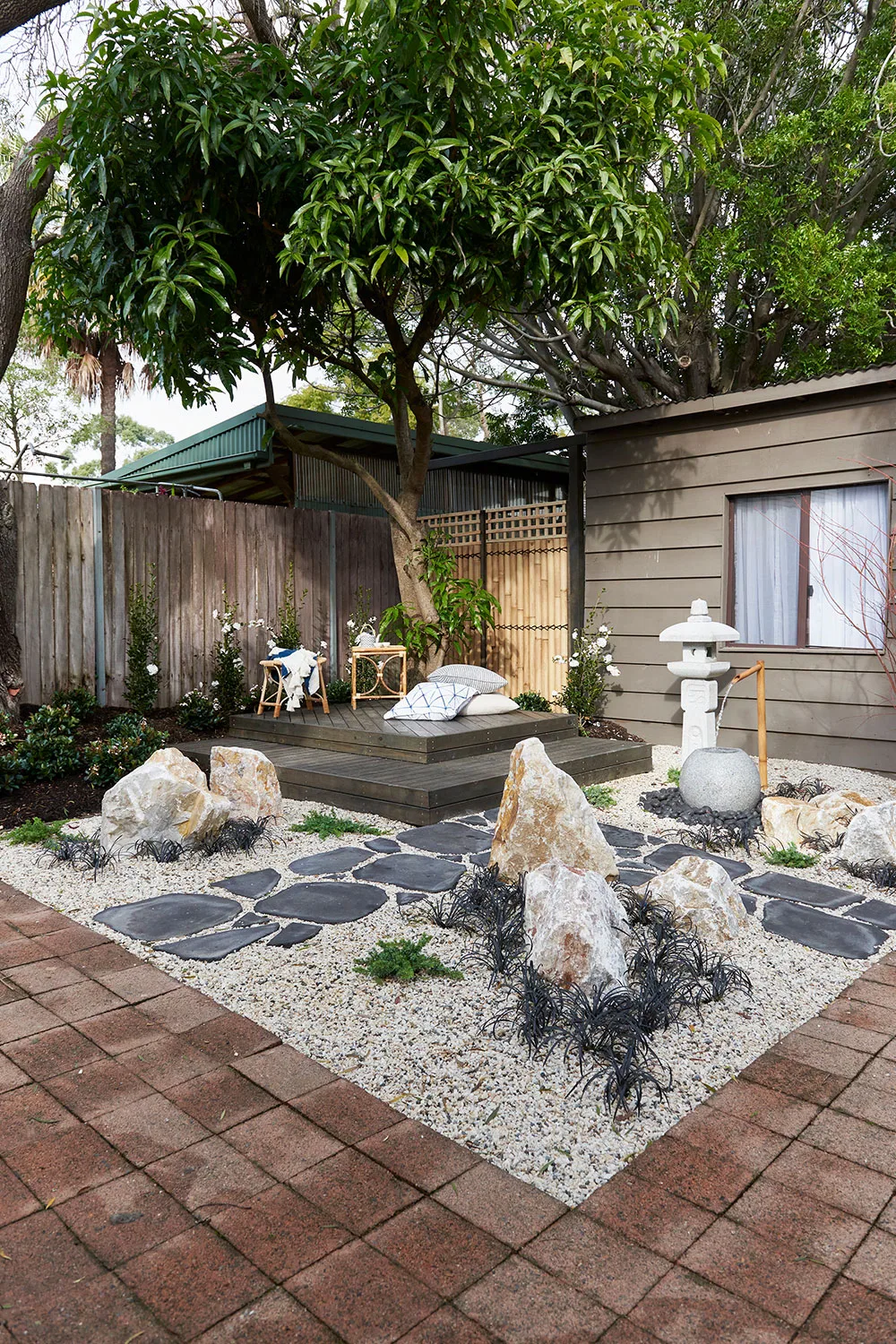
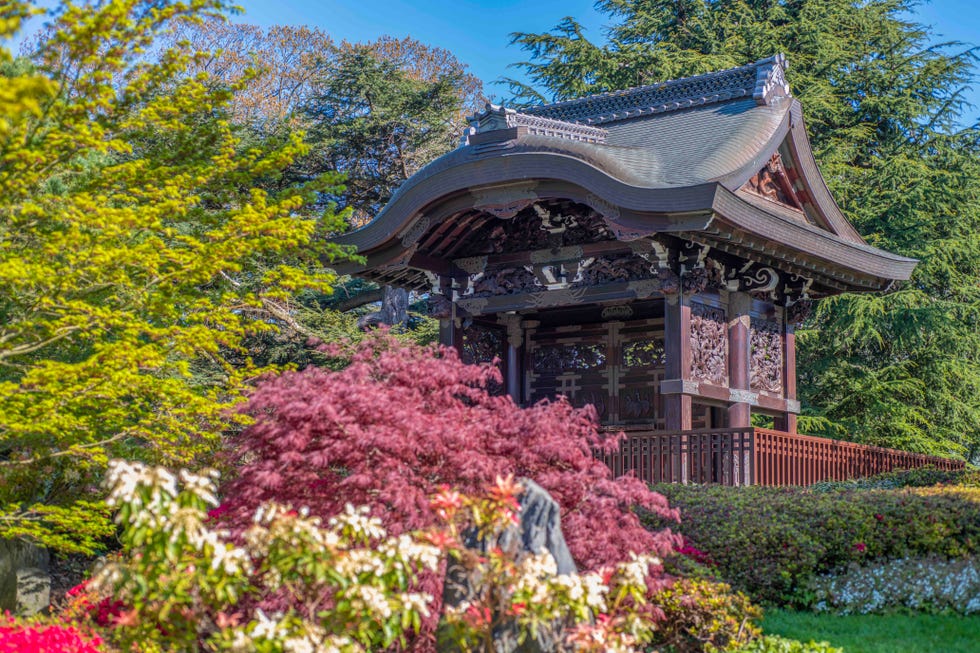
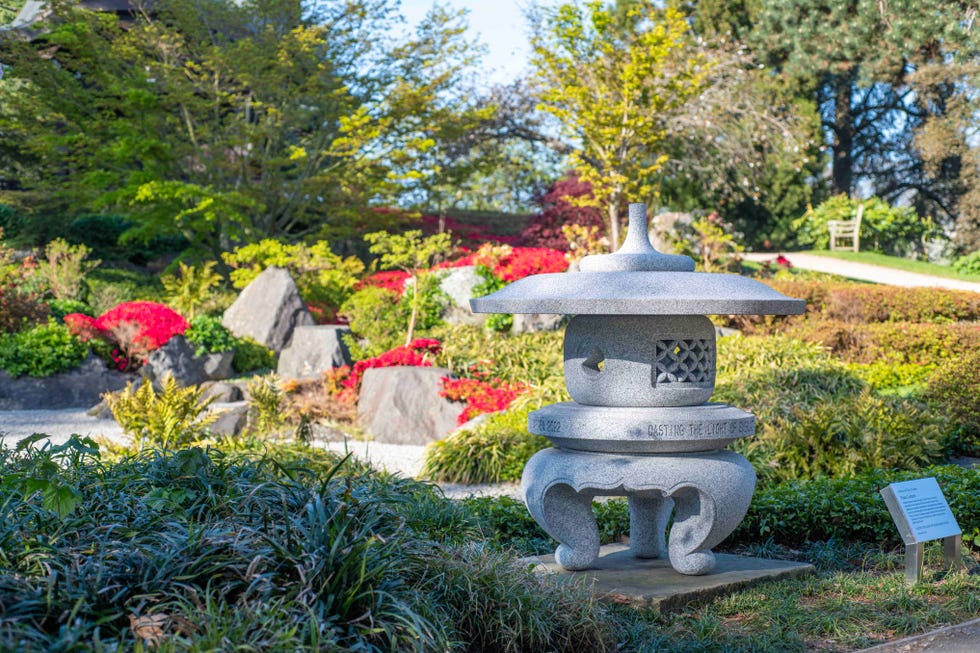
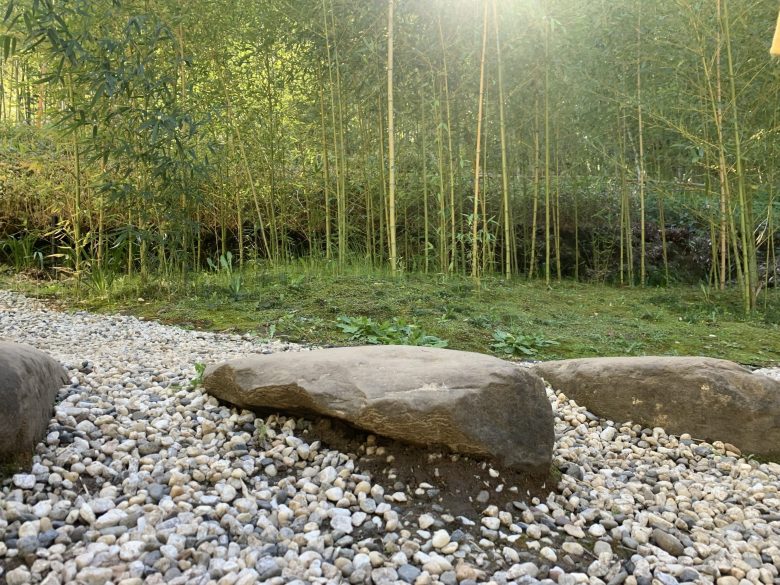
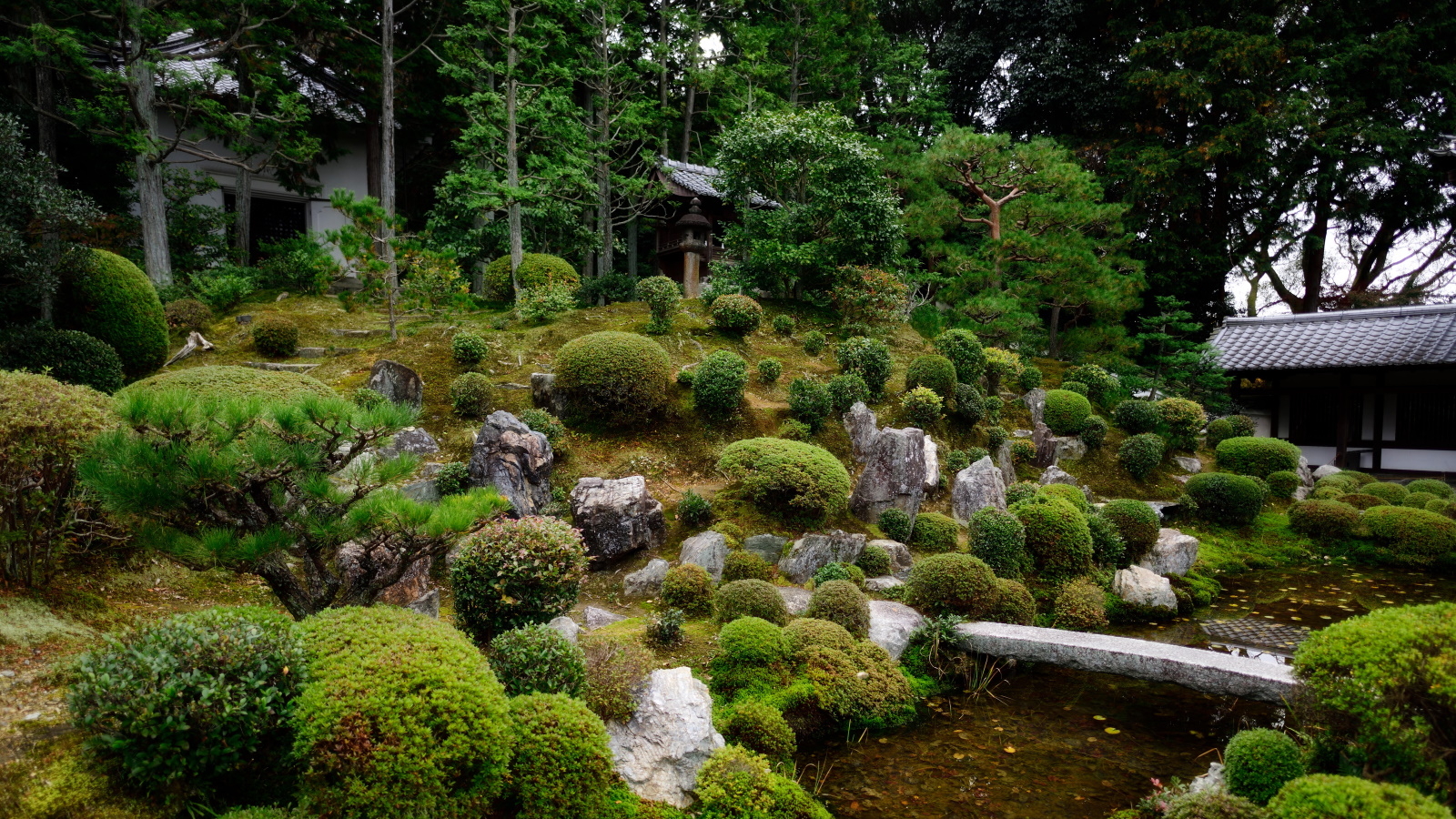
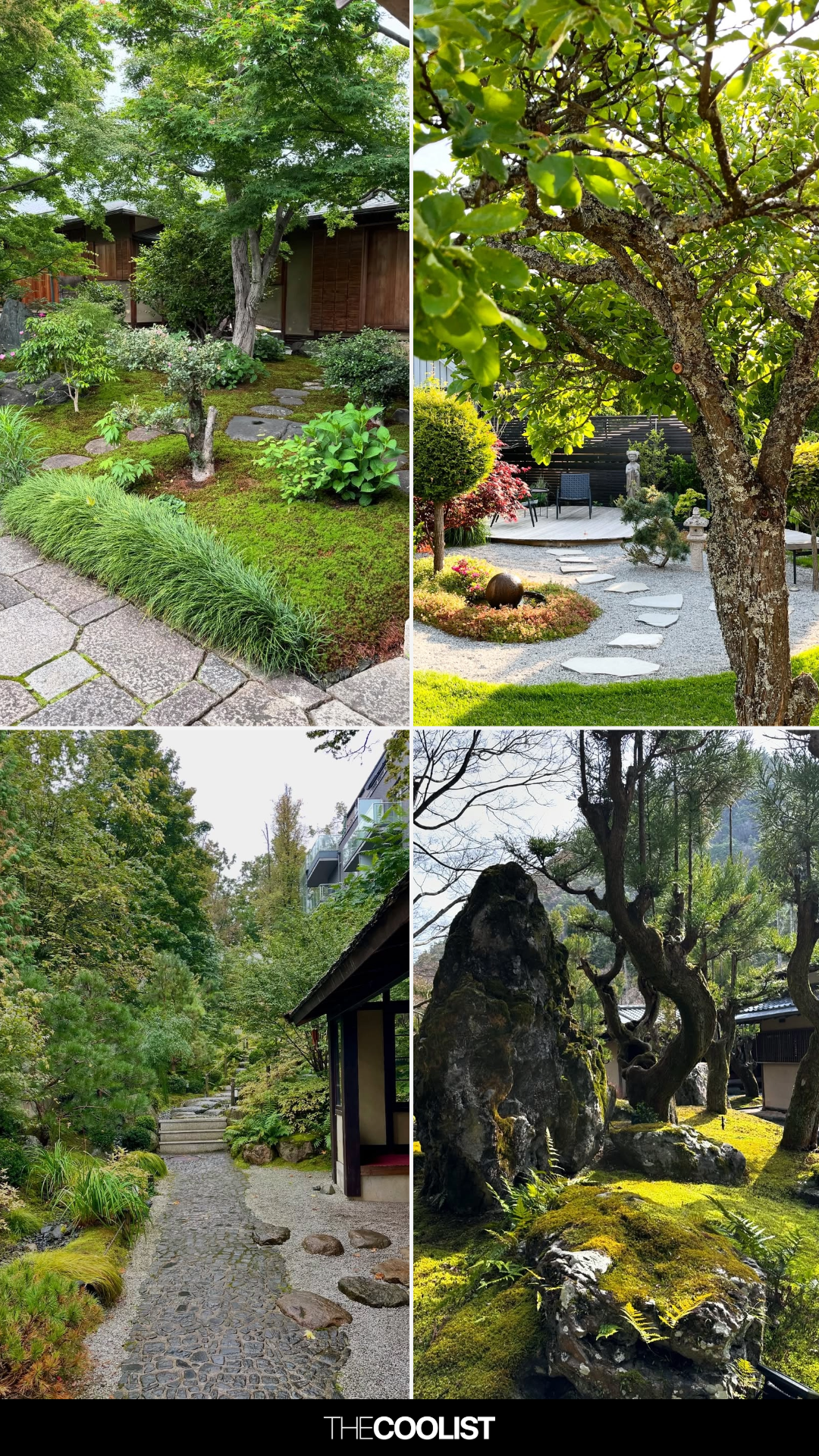
Japanese Zen gardens are minimalist and meditative outdoor spaces rooted in Zen Buddhist teachings, designed to foster peace and serenity through carefully arranged natural elements. These gardens, which have existed for over a millennium, emphasize simplicity, naturalness, and stillness, incorporating materials like rocks, gravel, moss, and evergreen shrubs. Boulders symbolize mountains, moss represents vast plains, and raked gravel patterns depict rippling water. The meticulous maintenance of these gardens, such as daily raking of gravel and sand, is not solely for aesthetics but also encourages contemplation and a mindful connection with one's surroundings. This ancient approach to landscape design encourages visitors to slow down and appreciate the intricate beauty of the natural world.
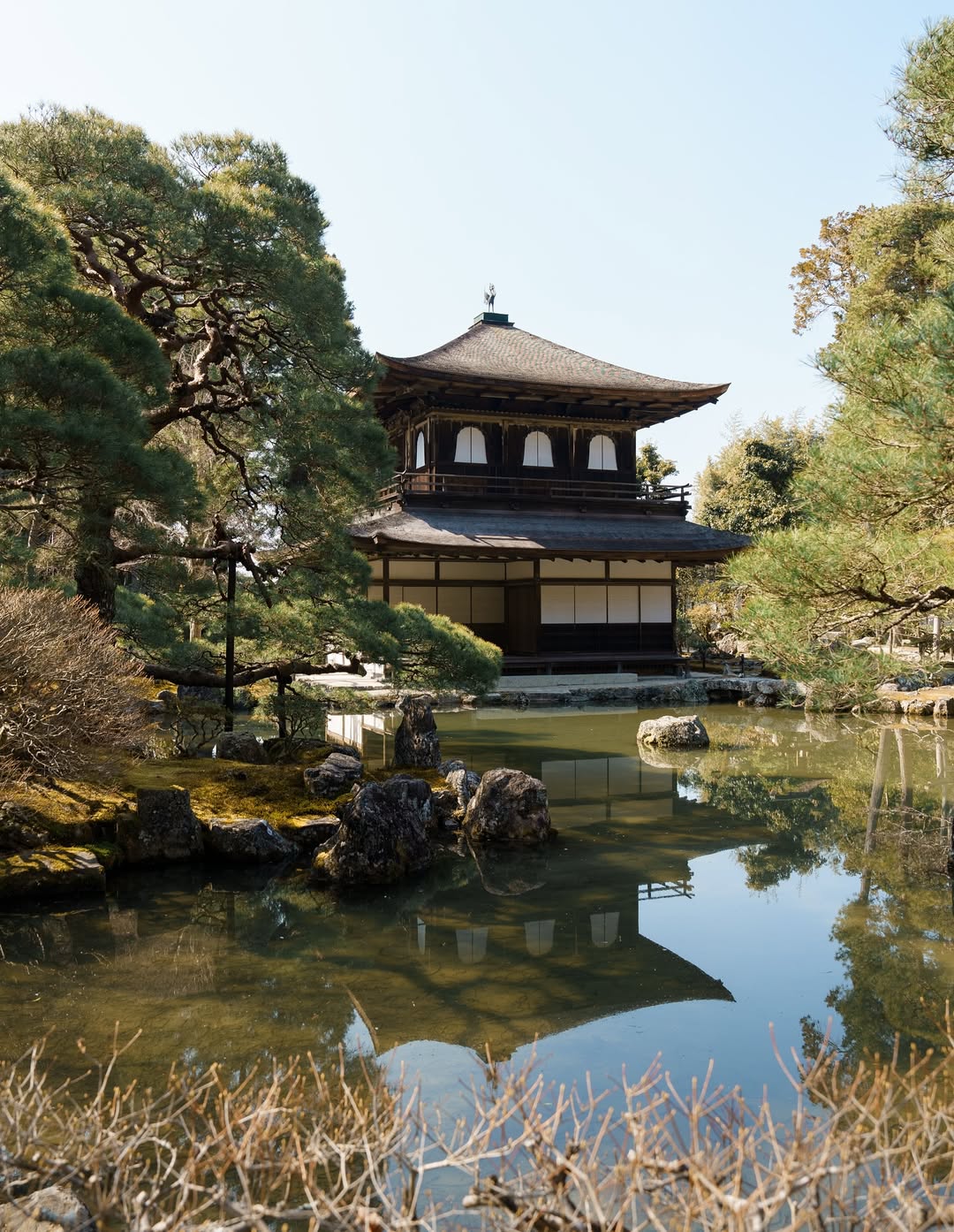
Key elements of a traditional Zen garden include stone for structure, water to symbolize life, and plants to provide color and seasonal change. Guiding principles such as austerity (_koko_), simplicity (_kanso_), naturalness (_shinzen_), and stillness (_seijaku_) inform the deliberate placement and design of every component. The design often tells a story or symbolizes a concept, with elements mimicking nature in a controlled and artistic manner. For instance, ponds represent oceans, and precisely raked gravel signifies flowing water, creating an illusion of larger, more expansive spaces through strategic bordering and planting.
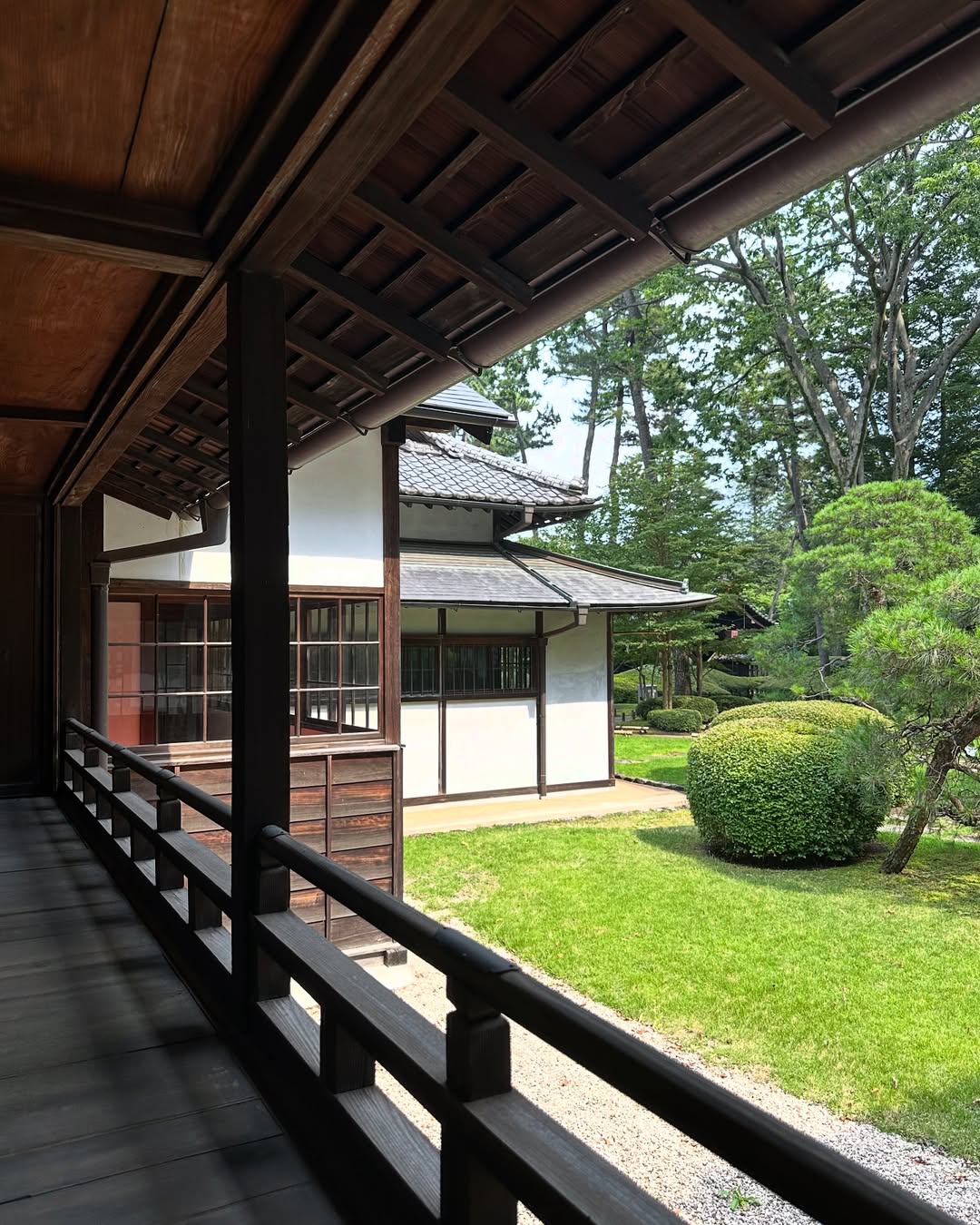
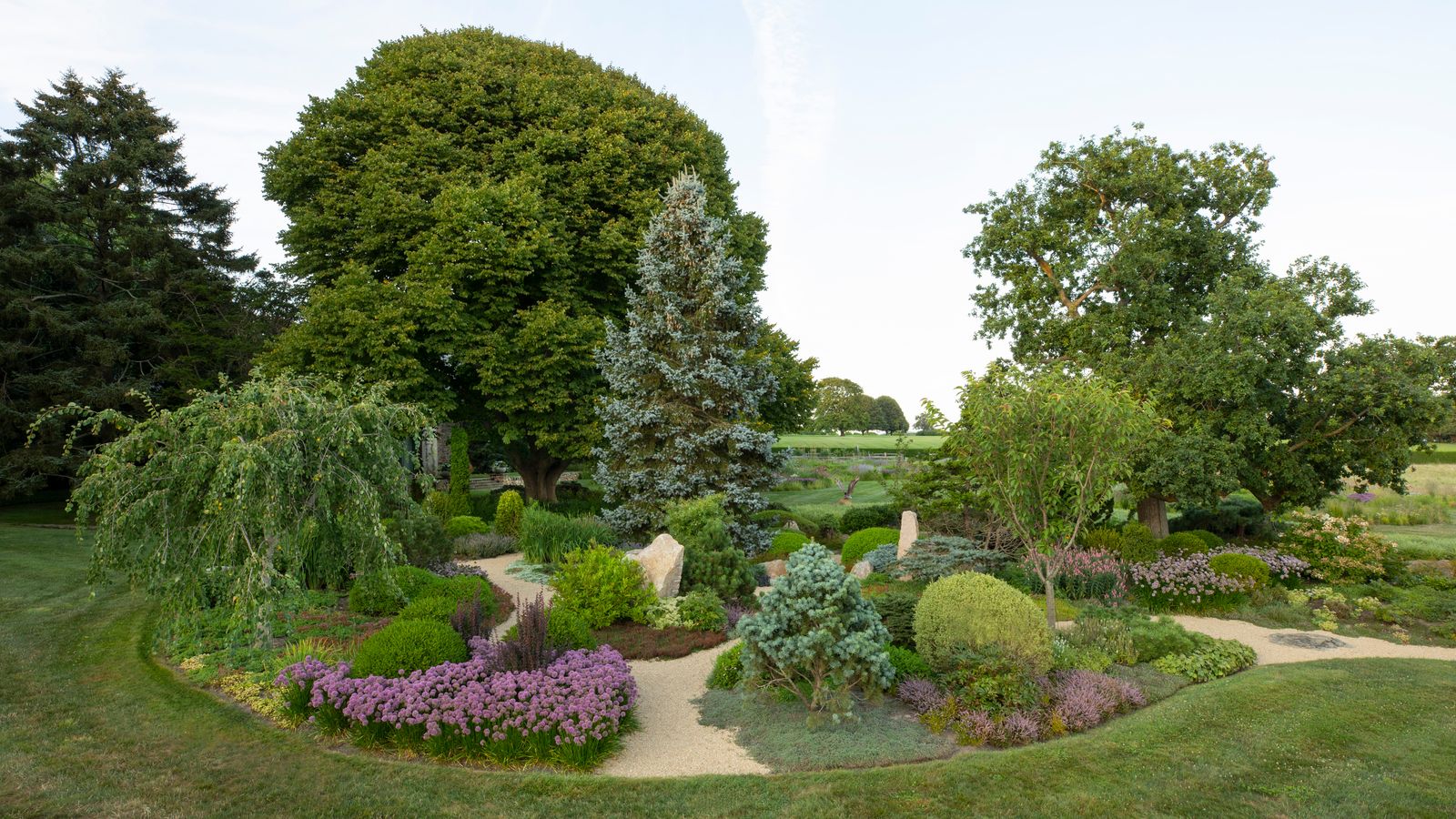
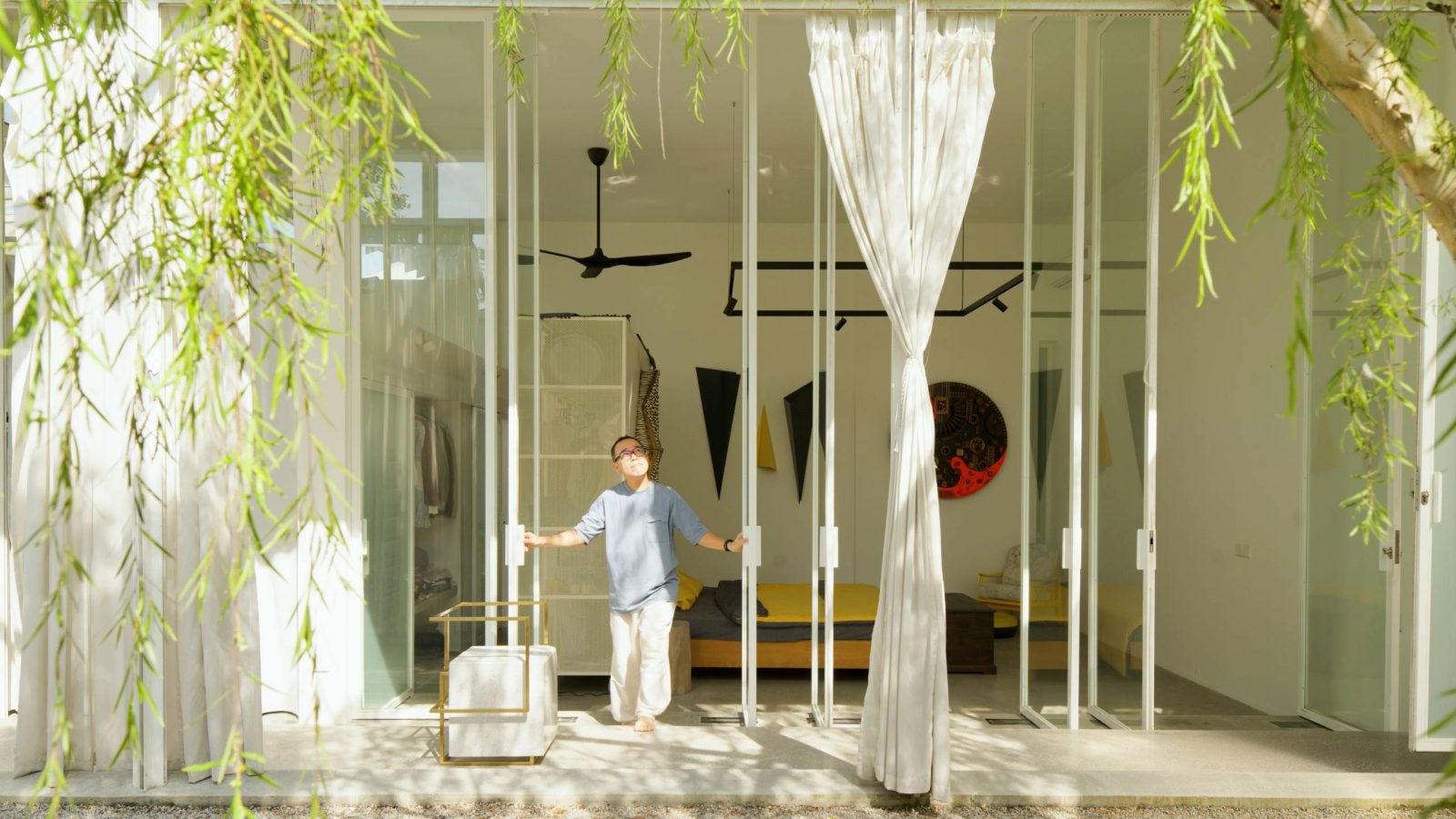
The principles of Zen gardening can be adapted for smaller, modern backyards to create a calming and meditative space. The objective is to engage all senses thoughtfully, allowing for receptivity and insight. Even a small rockery or a single well-placed boulder can encourage pause and admiration. Integrating the garden with indoor living spaces is also crucial; designing views from the home that connect to nature helps bridge the gap between the interior and exterior environments. Curators recommend observing how plants grow in natural settings like streams, forests, and meadows to inspire garden design.
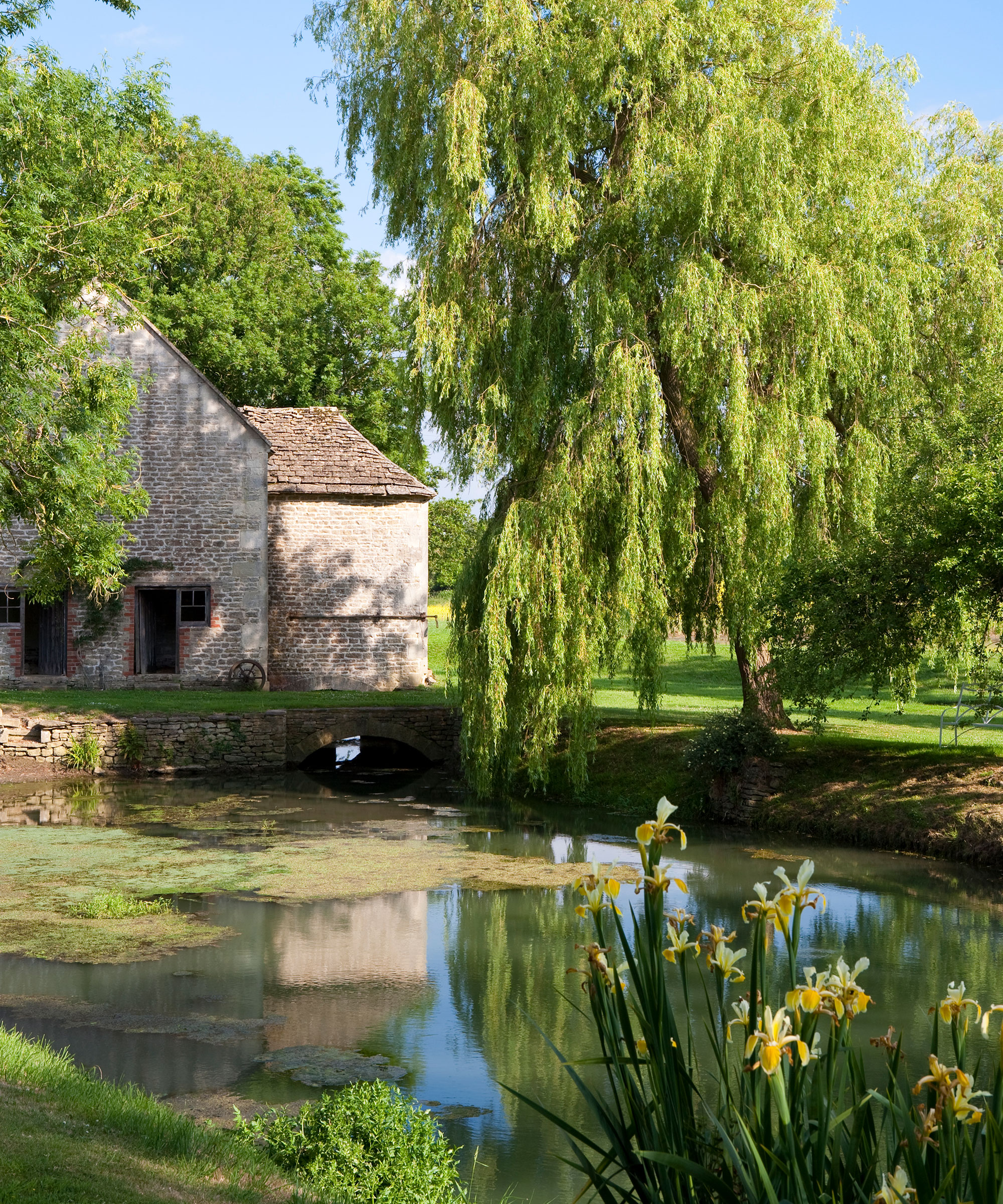
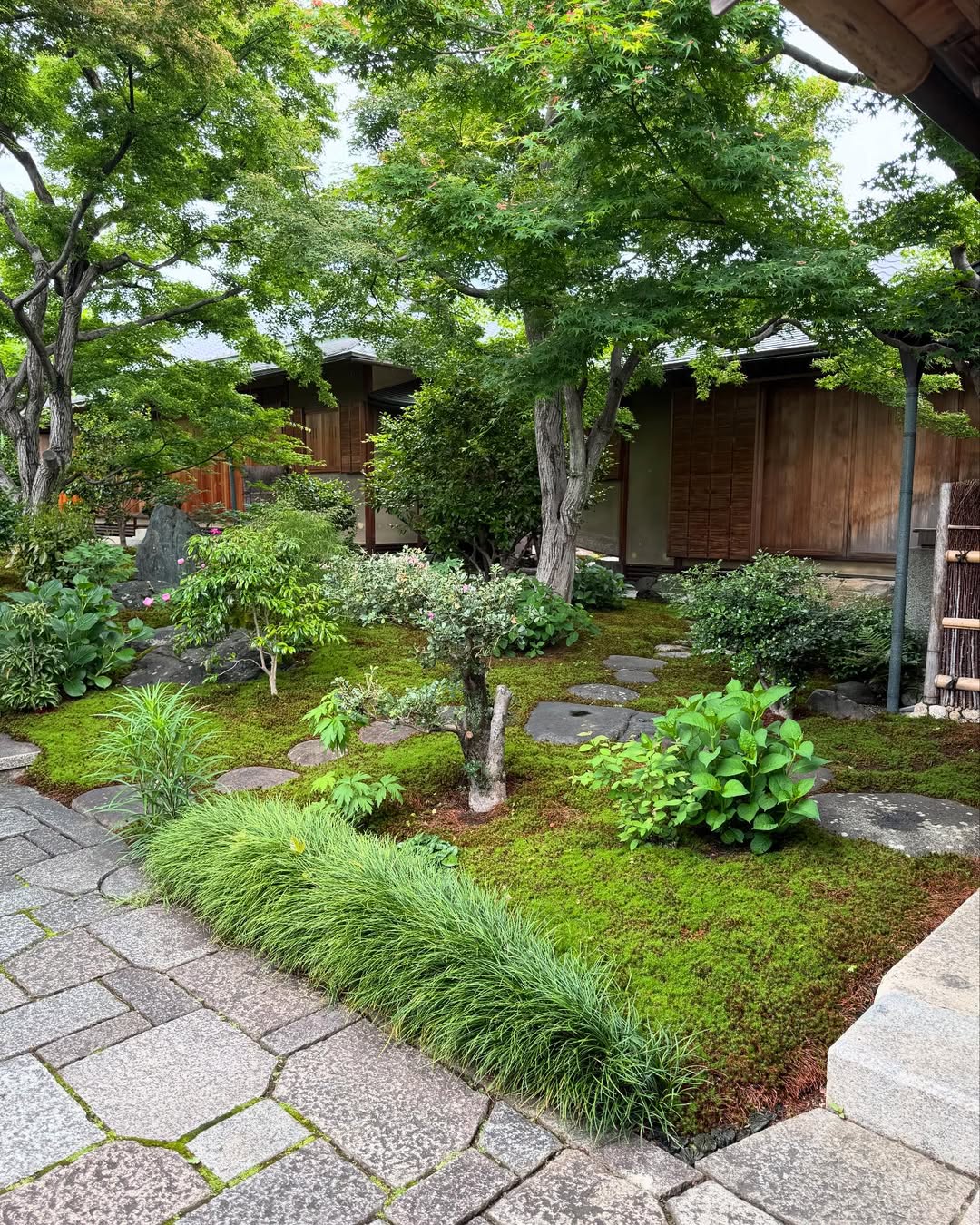
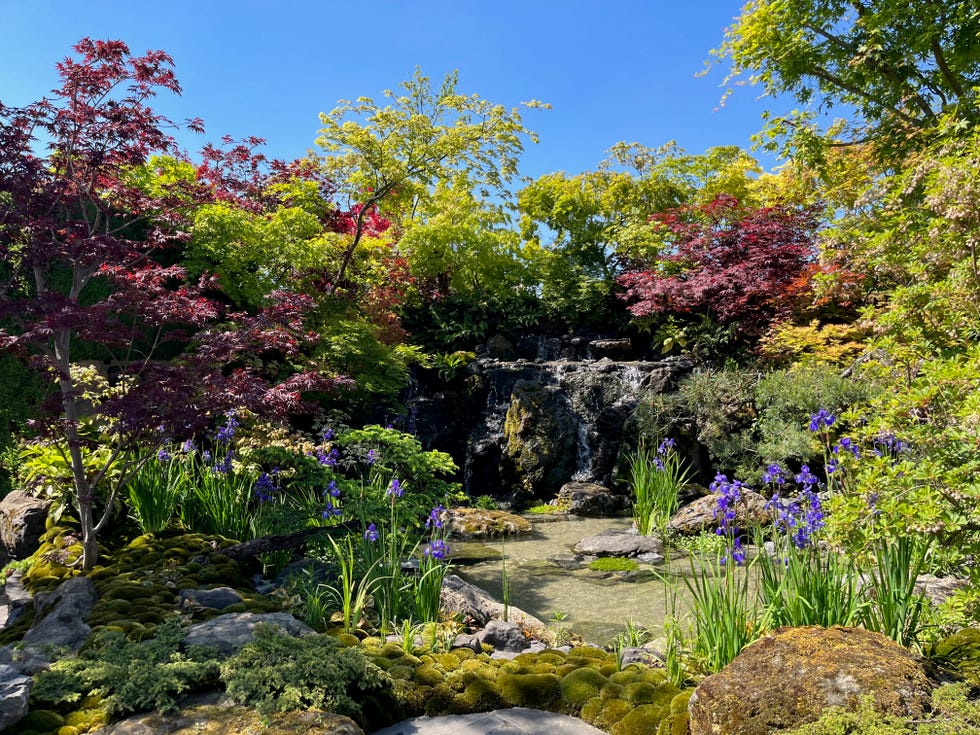
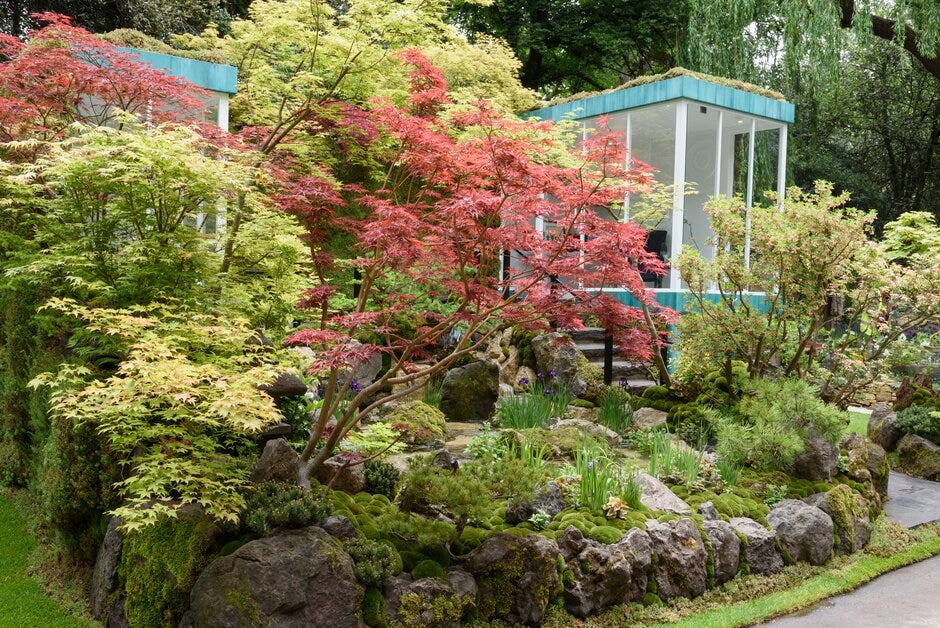
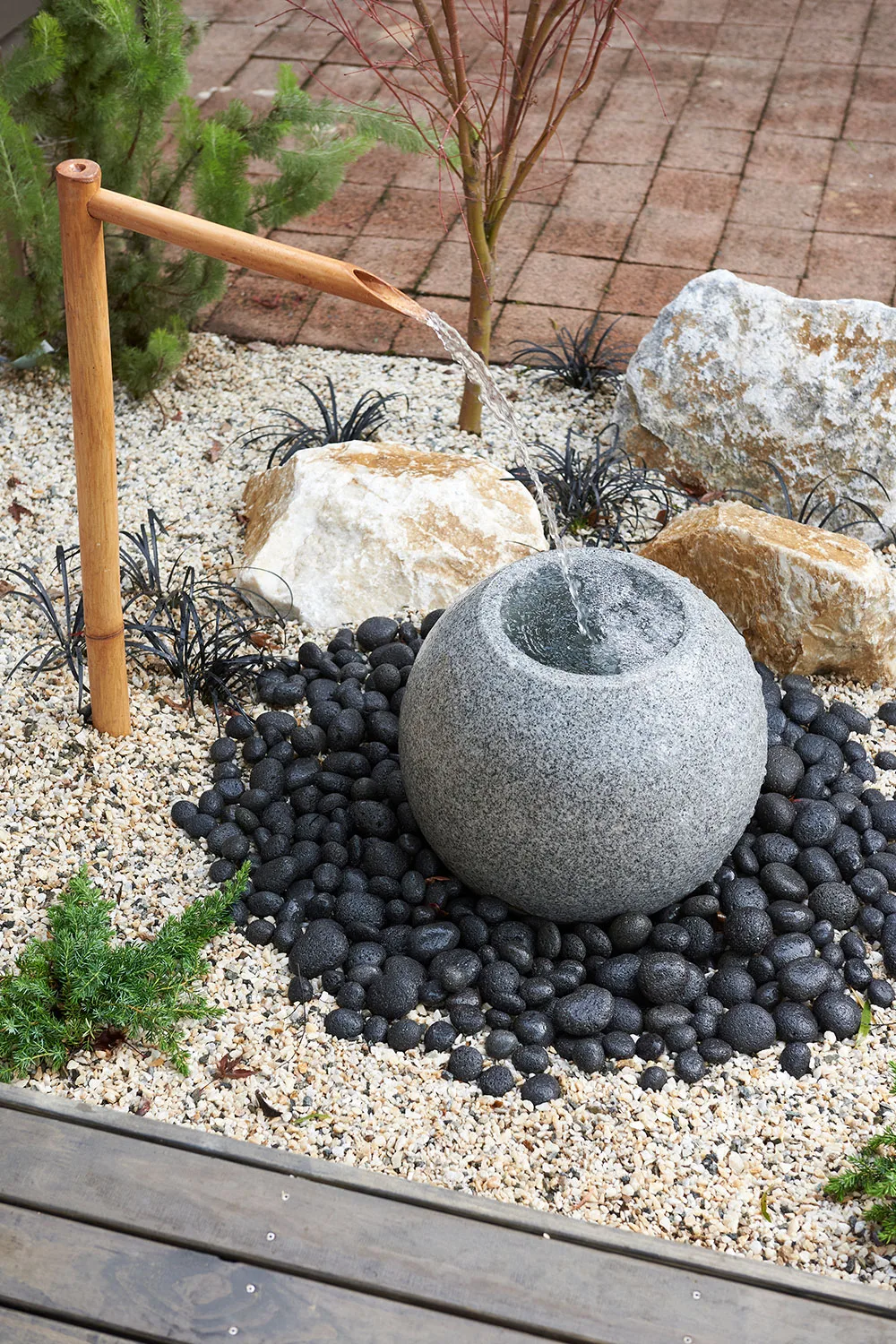
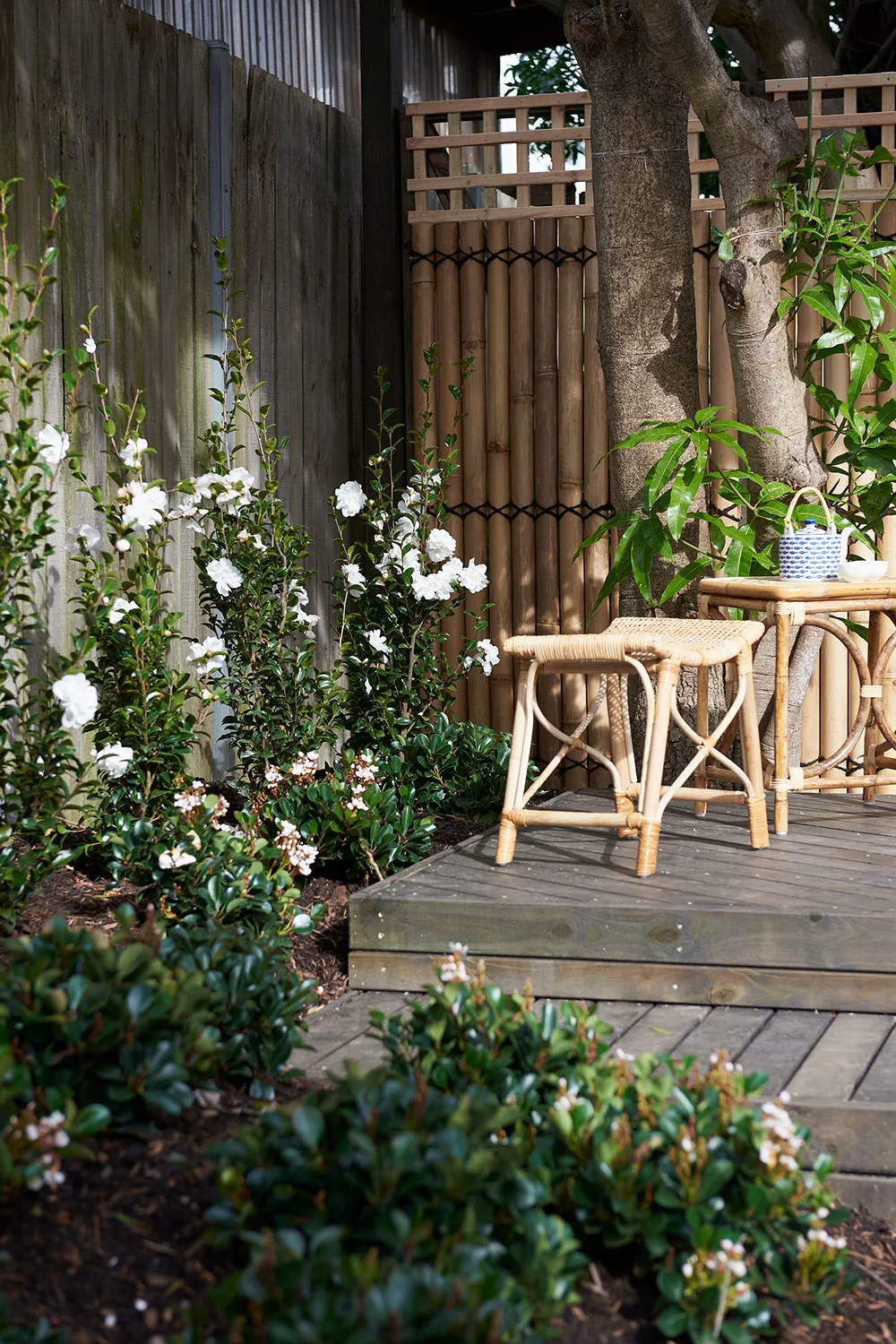
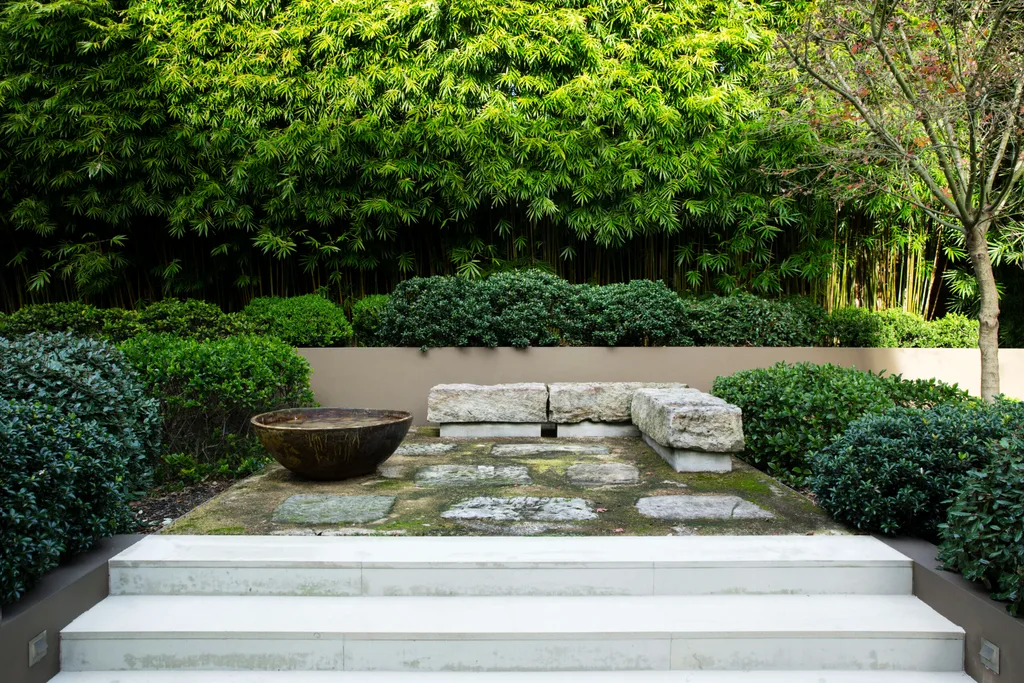
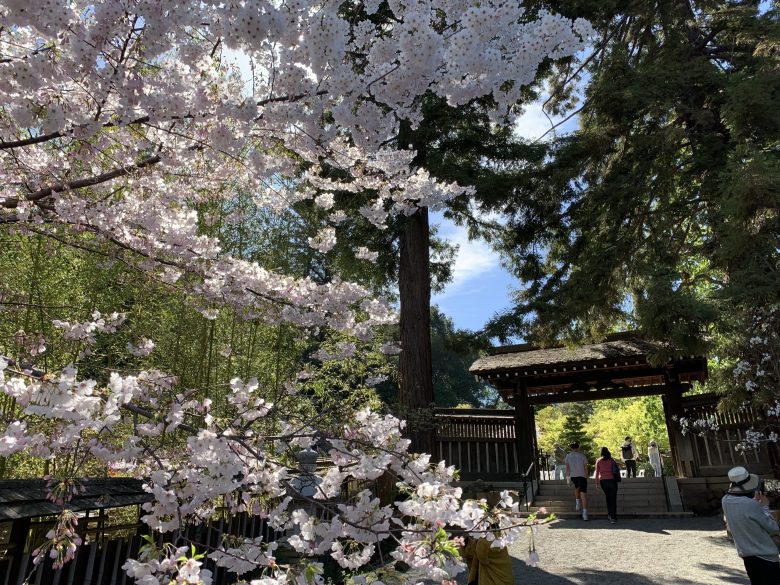
Incorporating water features, even small ones, can enhance the sensory experience with calming sounds. Strategic planting of diverse flora, such as pines and maples visible from the home, adds to the serene ambiance. Placing a seat or bench that overlooks nature rather than the house encourages quiet reflection. For plant choices, camellias (like _Camellia japonica_) offer year-round structure and vibrant blooms in late winter to spring, thriving in rich, moist woodland conditions. Dwarf pine specimens like _Pinus mugo_ provide texture for dry, gravel gardens, while Japanese maple trees (acers) introduce colorful foliage, particularly striking reds. Japanese water irises (_Iris ensata_), beloved in Japanese culture, flourish in damp soil at water's edges, producing a range of white to purple to pink flowers under full sun. Flowering cherry trees and various topiary forms, especially clipped pine specimens, further contribute to a Japanese-inspired aesthetic. Even without large koi ponds, incorporating small elements like boulders, water features, or topiaries can effectively evoke the tranquil essence of a Zen garden in any outdoor space.
#ZenGardens #JapaneseGarden #GardenDesign #MindfulGardening #LandscapeDesign #OutdoorSpaces #CalmingGardens #GardenPlants #HomeGardens #ZenGardens #JapaneseGarden #GardenDesign #MindfulGardening #LandscapeDesign #OutdoorSpaces #CalmingGardens #GardenPlants #HomeGardens
0 comment in total
 No comments yet
You may also like
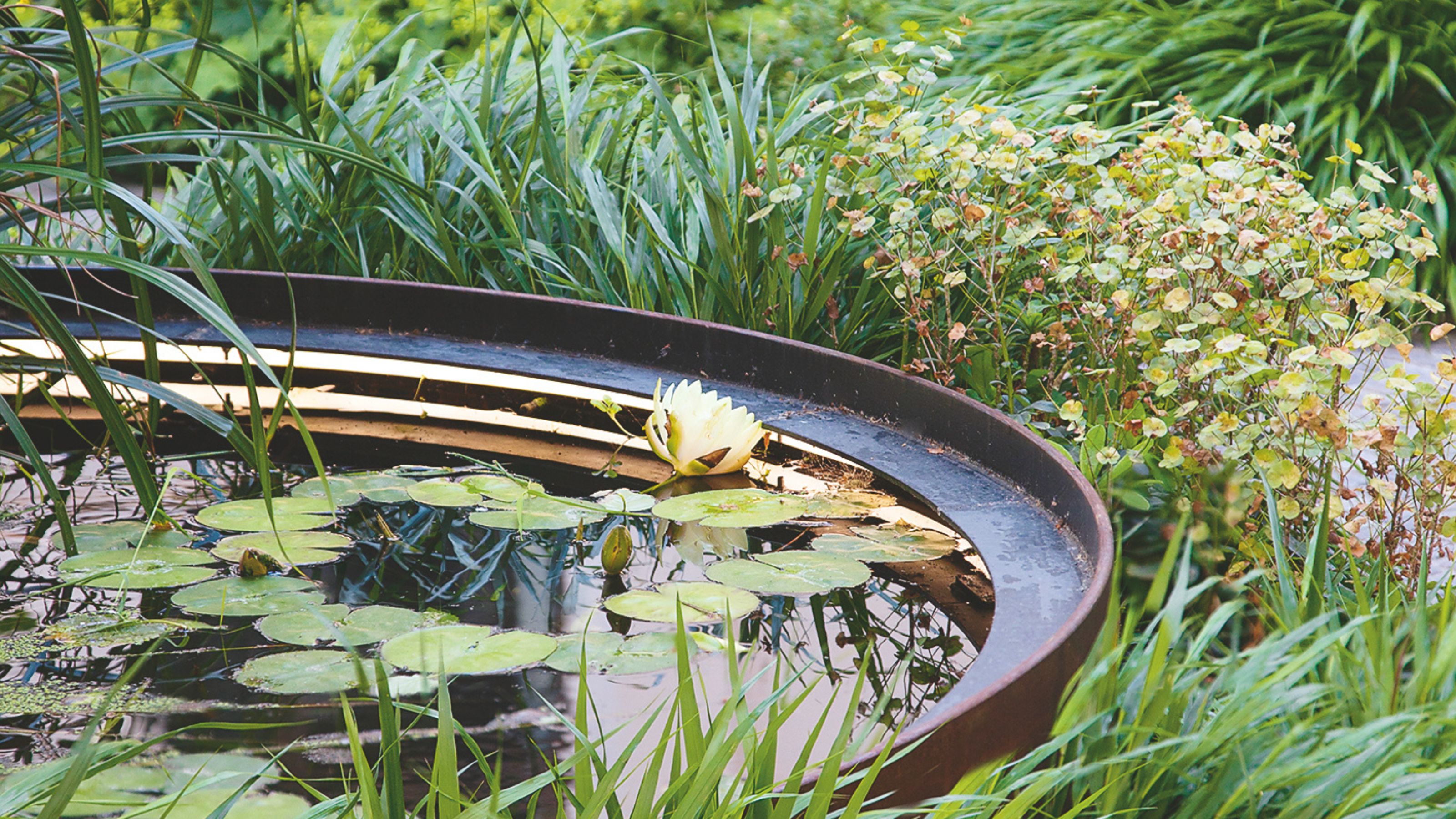
Zen garden ideas – 24 ways to transform your outdoor space into a Japanese-inspired sanctuary for relaxation
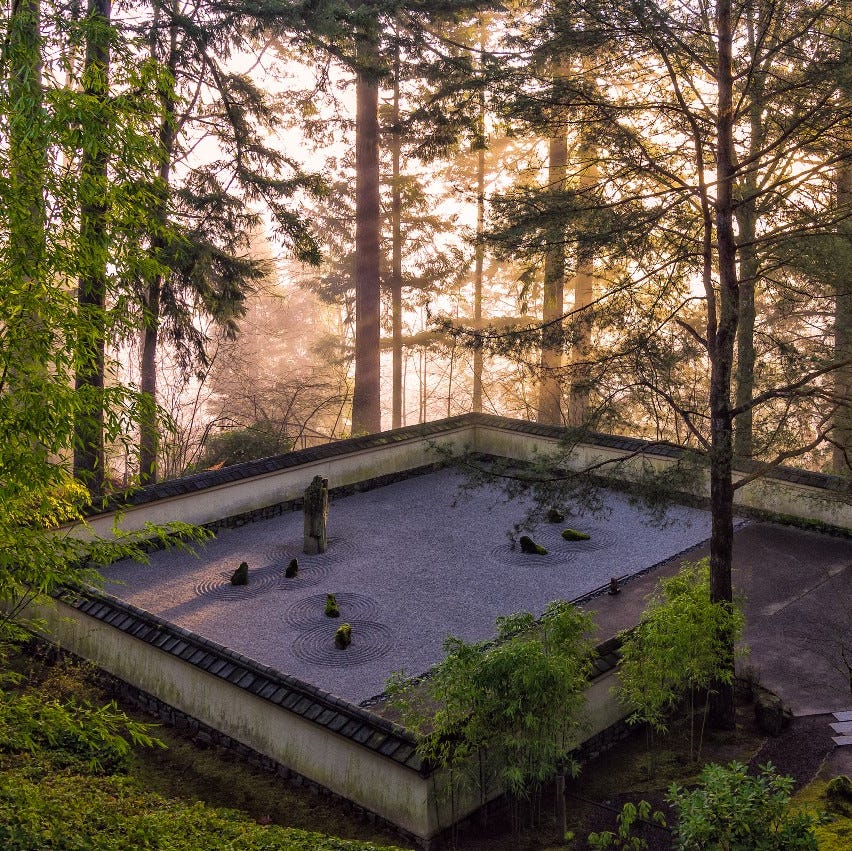
An Expert Guide to Japanese Zen Gardens
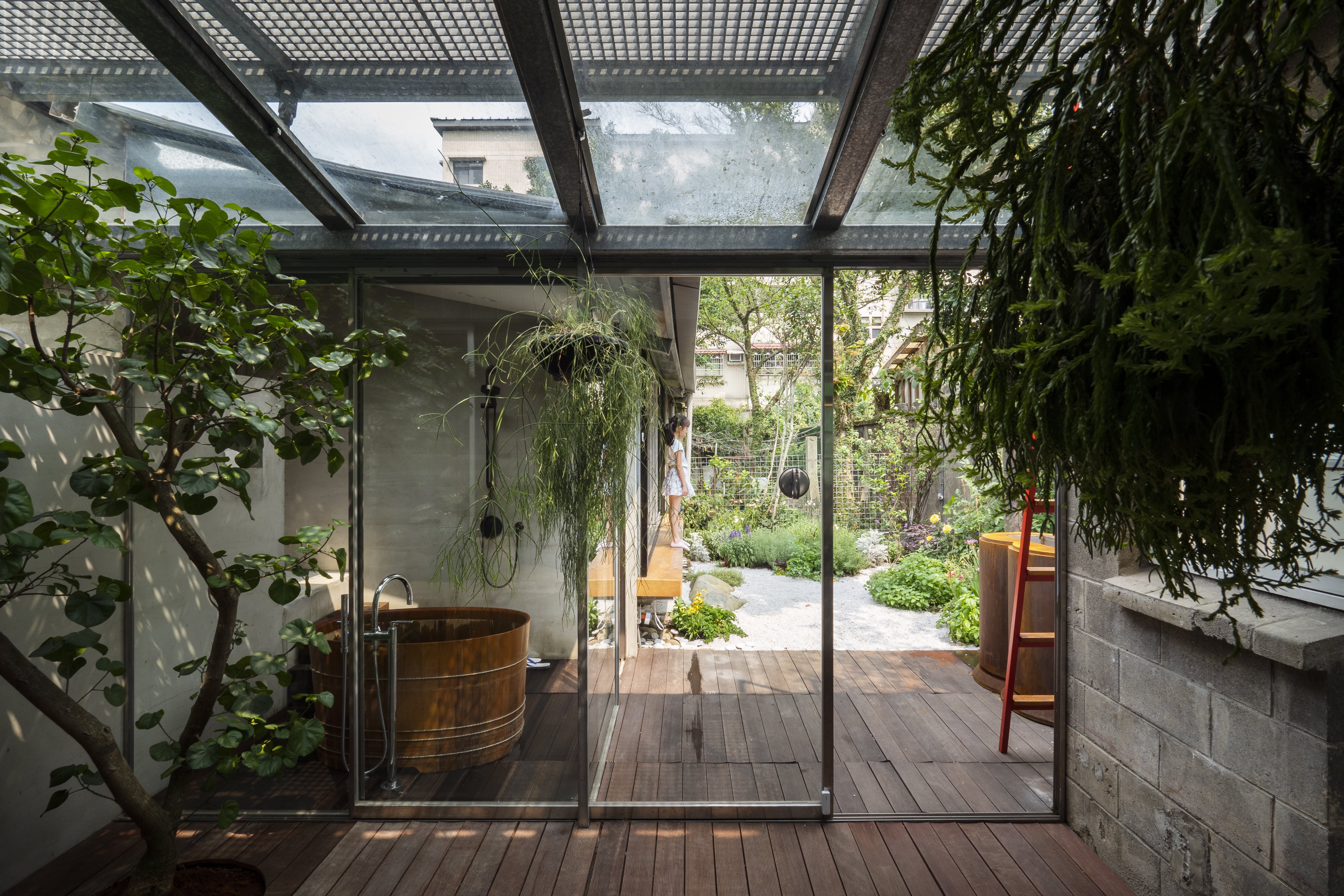
The 8 best plants for an indoor zen garden – what to grow to add calm and tranquility to your home

Backyard Zen

Japanese garden ideas – 11 design tips for a zen backyard
Experts reveal how to plant a Japanese-inspired garden

Take your worries away: How Zen garden can become your daily dose of mindfulness | Hindustan Times

A Japanese-inspired garden on Sydney’s north shore

24 Japanese Garden Ideas That Encourage Slow Walks and a More Relaxed Outdoor Rhythm

Over the Garden Gate: Zen gardens are therapeutic
Michigan’s Slice of Japan: Where Design Connects Humanity with Nature

How Jennifer Garner uses wood to ground her zen pool area
20 Zen Garden Ideas to Transform Your Backyard Into a Peaceful Oasis

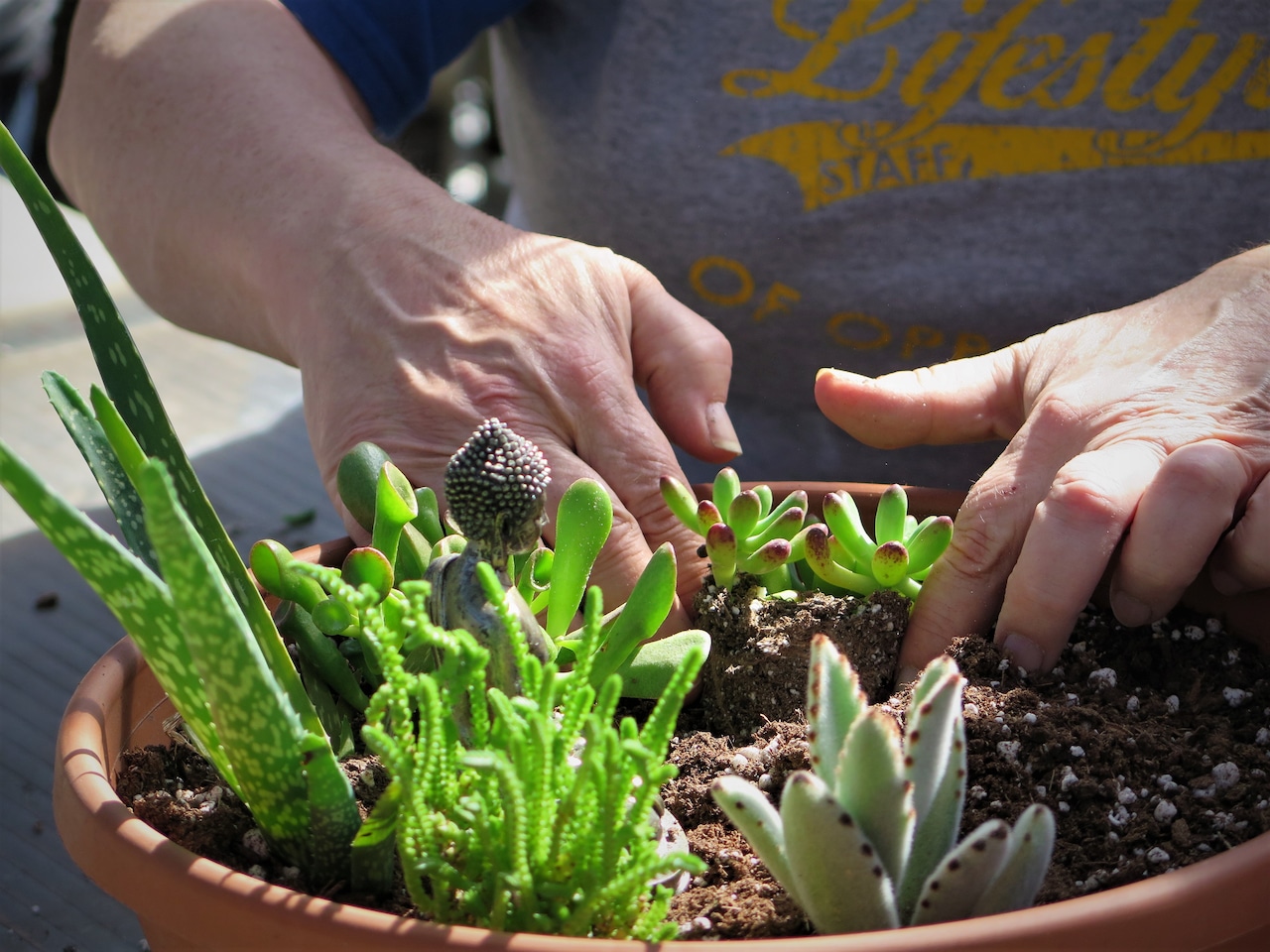
Zen out with a miniature Zen garden
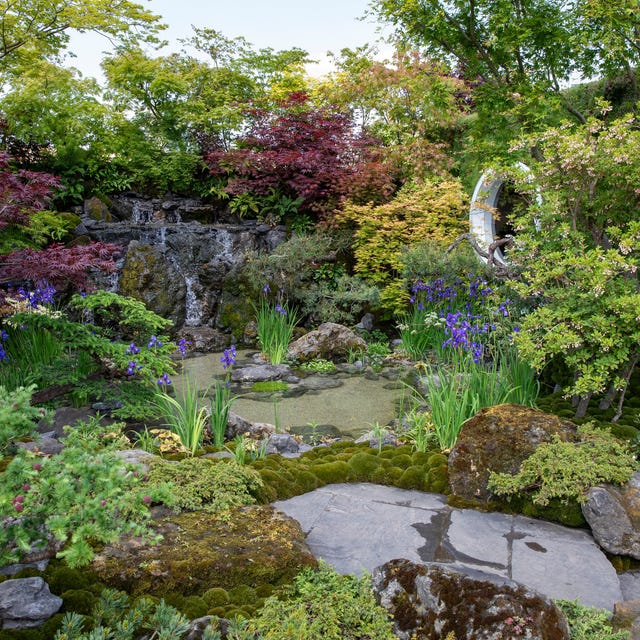
4 Japanese garden ideas for a calm and tranquil outdoor space

The Best Zen Gardens of 2026

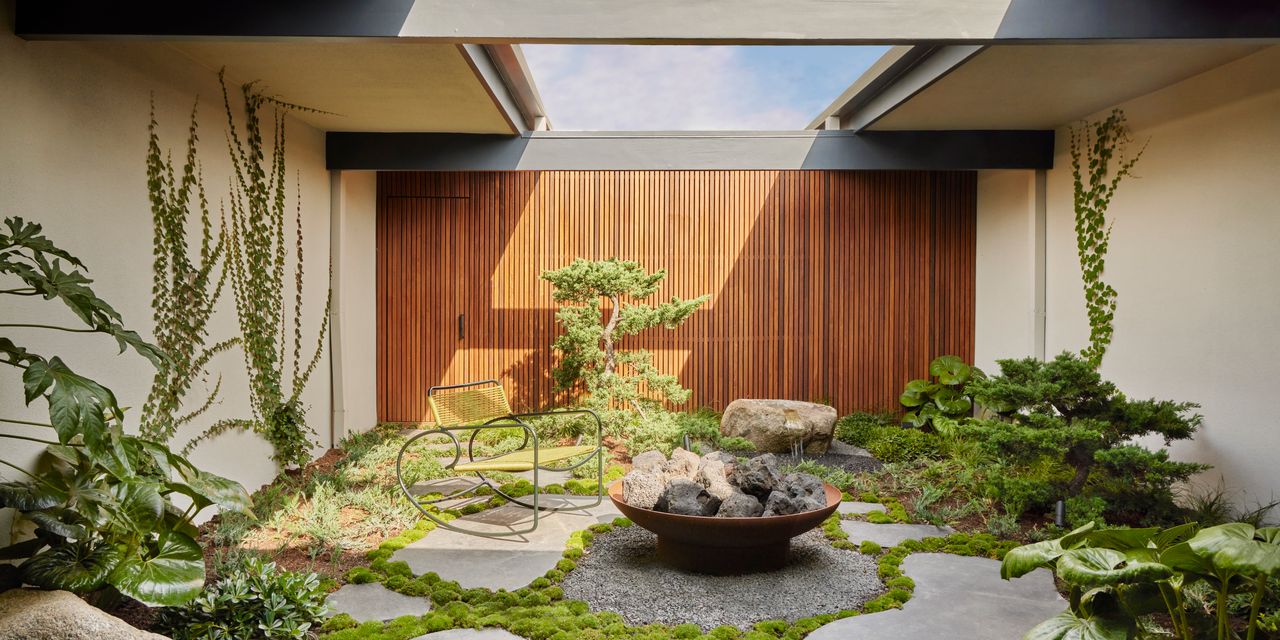
How to Design a Japanese Garden in Any Climate, According to Landscape Experts

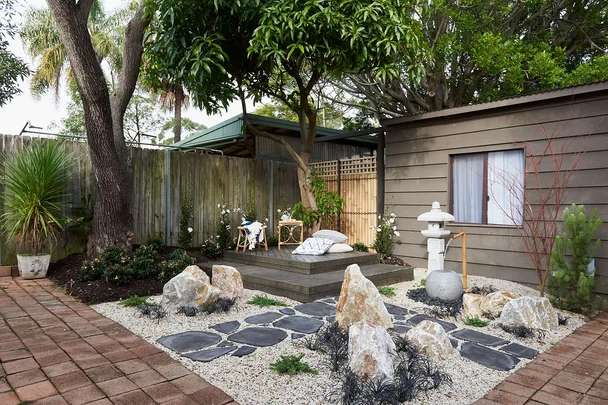
Charlie and Graham’s zen garden makeover


An Architect’s Hidden Tropical Sanctuary Inspired by Japanese Zen Gardens

Looking to add some Zen to your landscape? Visit these Japanese gardens for inspiration