1/8
Small Japanese garden ideas – 7 ways to infuse a tiny outdoor space with Japanese-inspired planting and landscaping
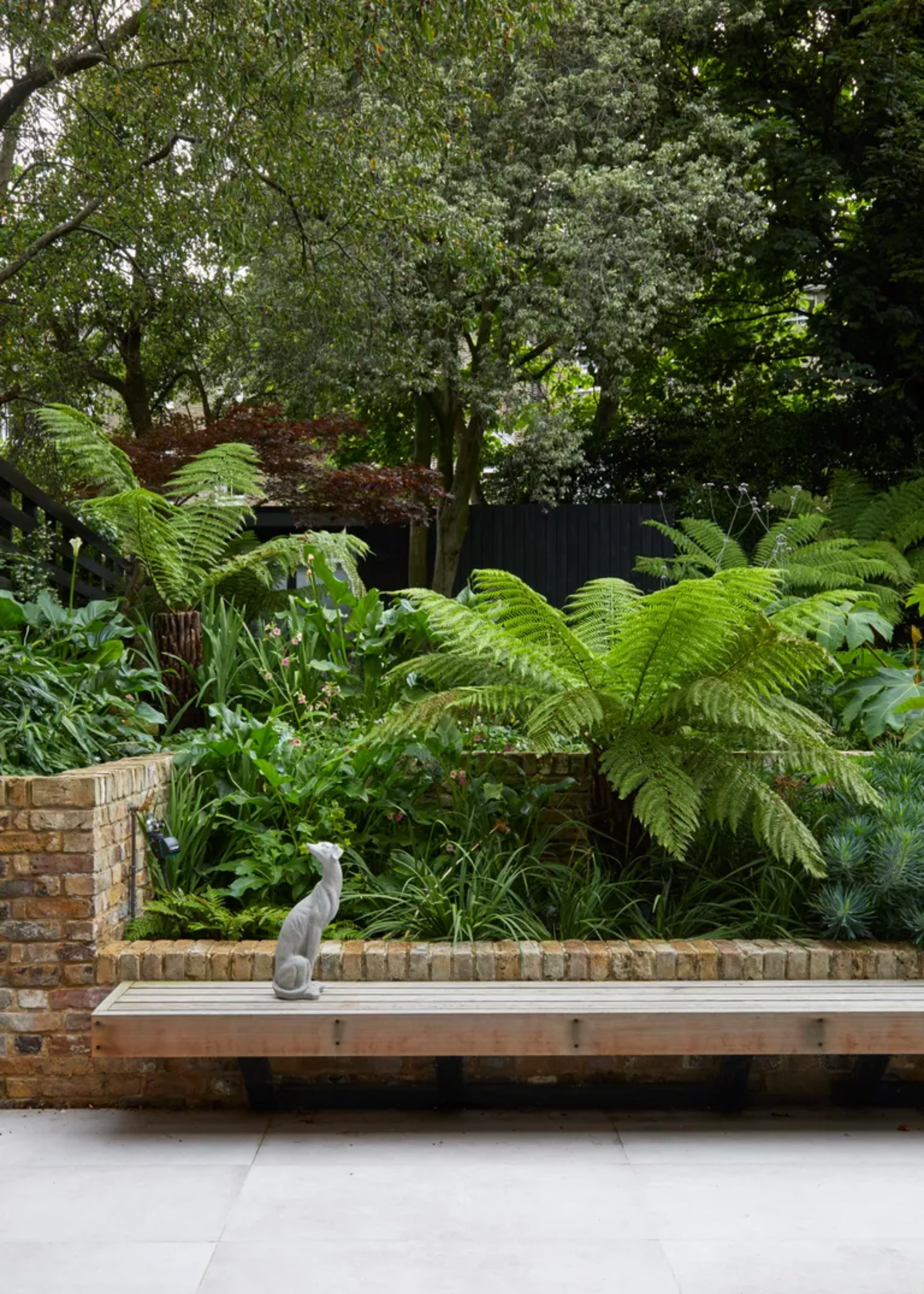
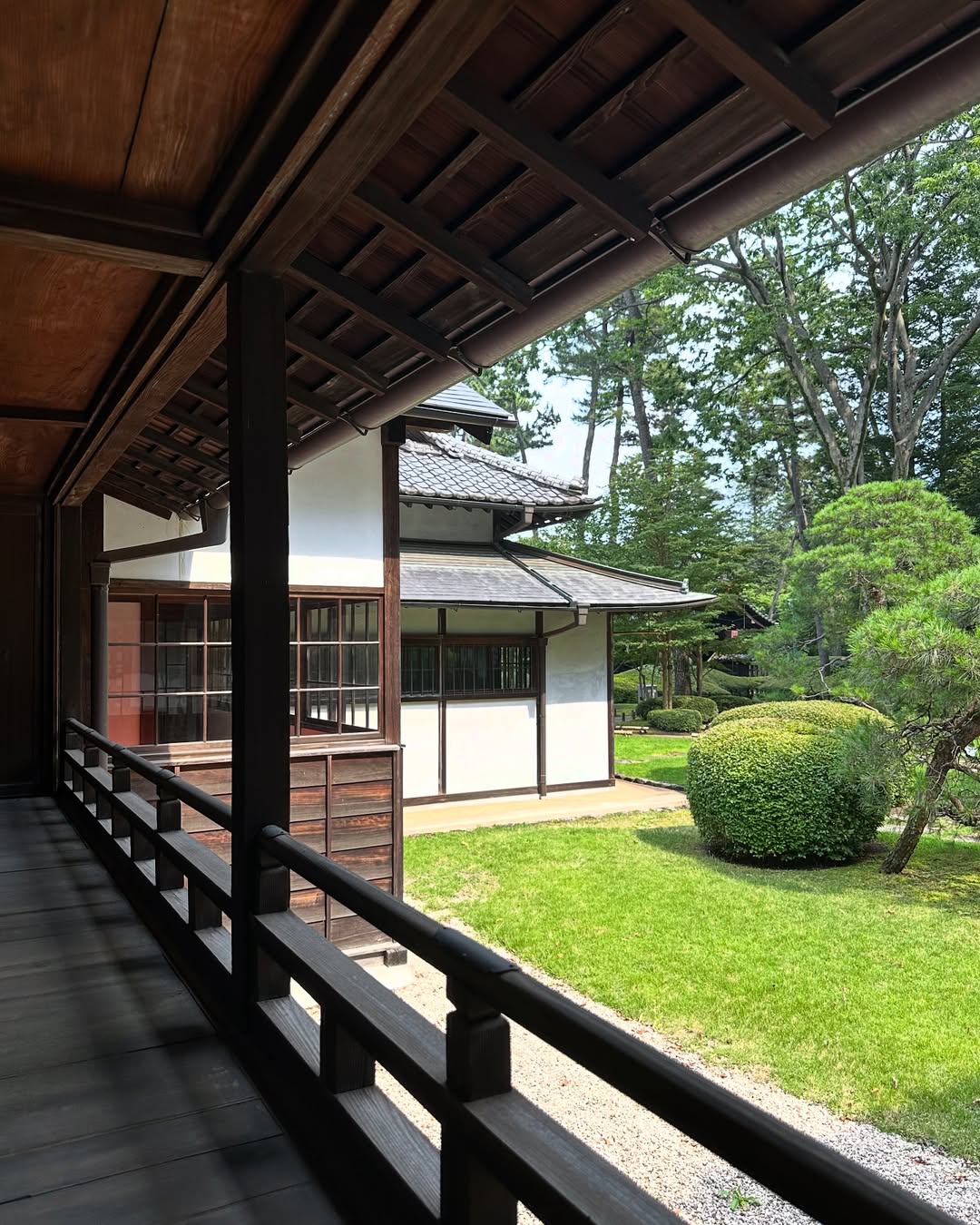
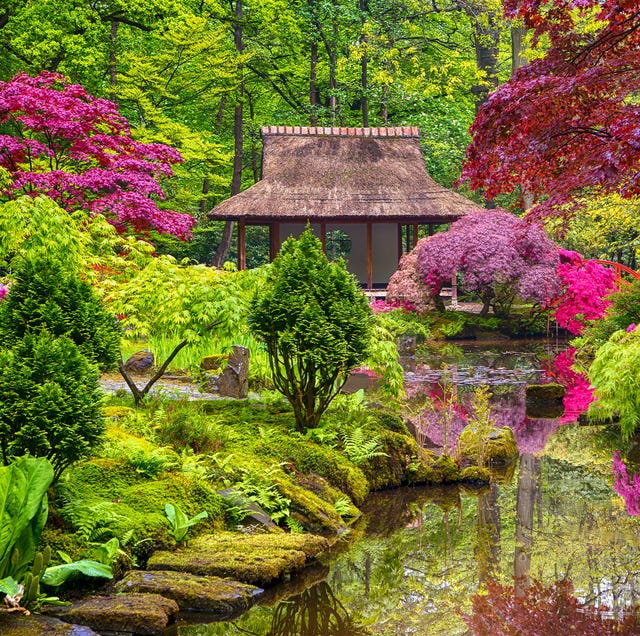
For individuals looking to redesign their gardens with limited space, adopting small Japanese garden ideas can provide an effective solution. Japanese-inspired garden designs are versatile and can be applied to various garden sizes. This approach enables the incorporation of traditional elements even in compact outdoor areas.
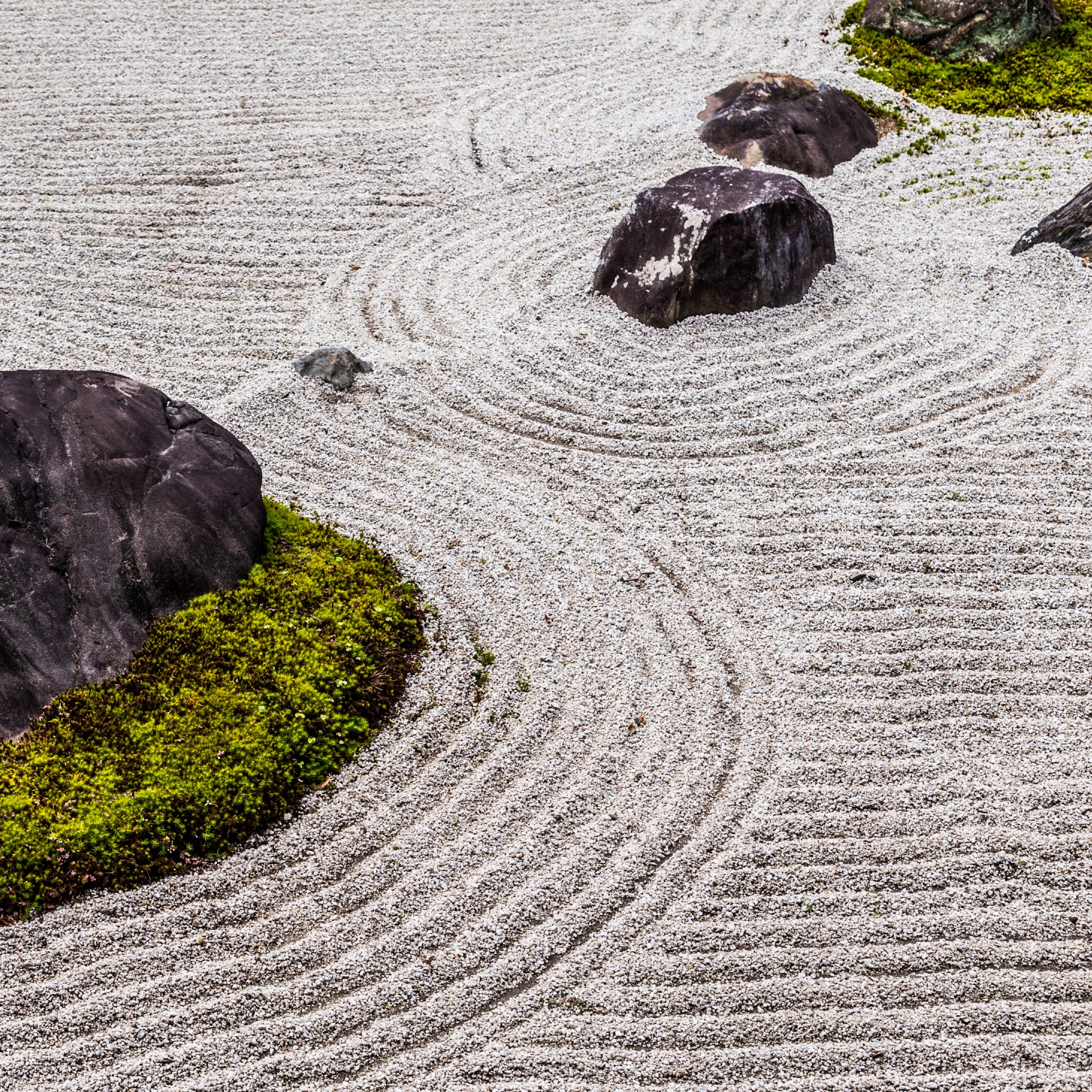
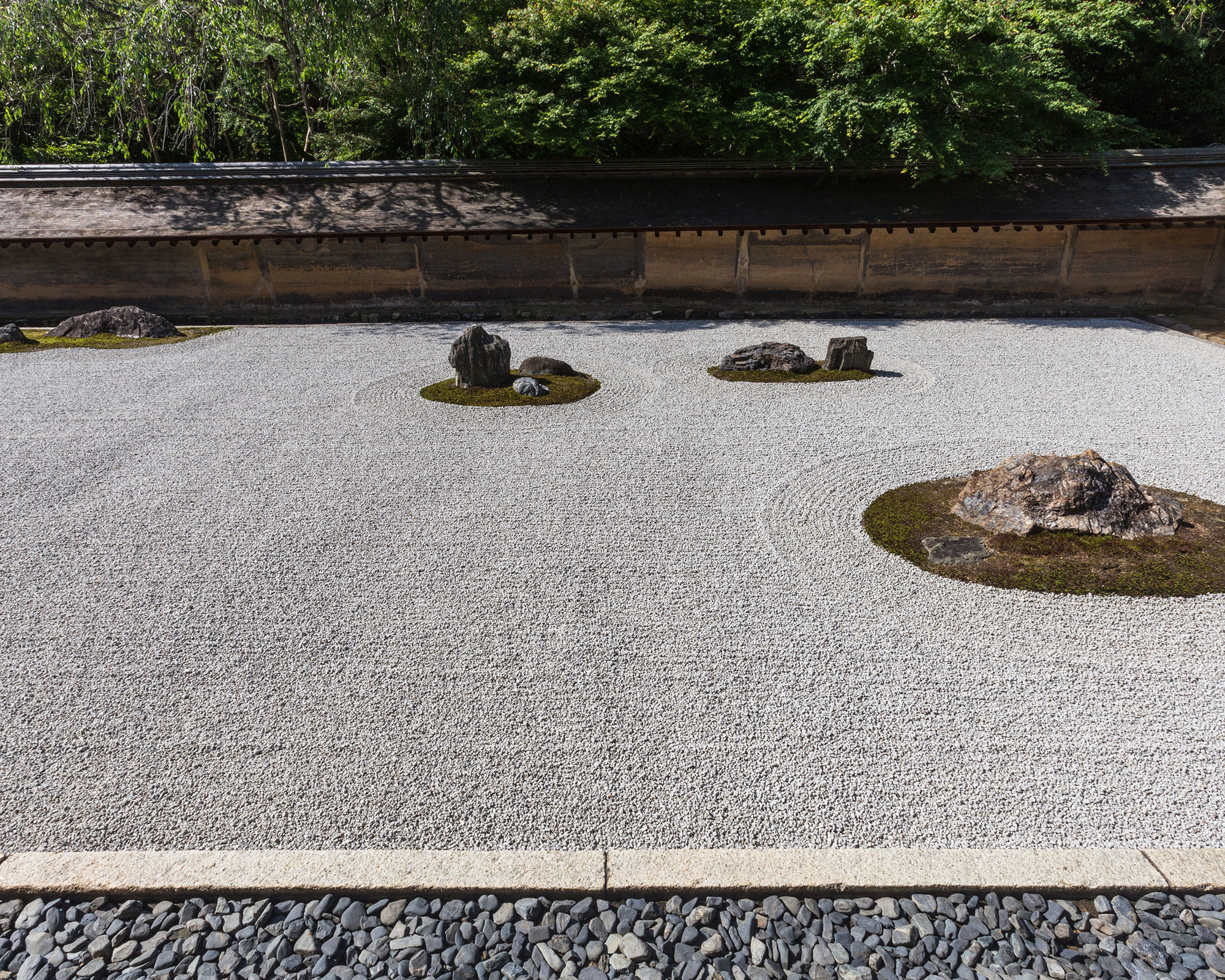
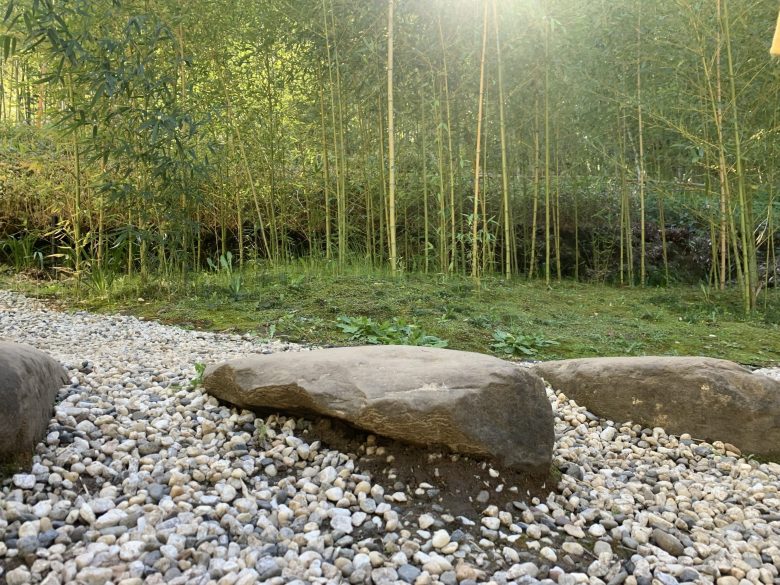
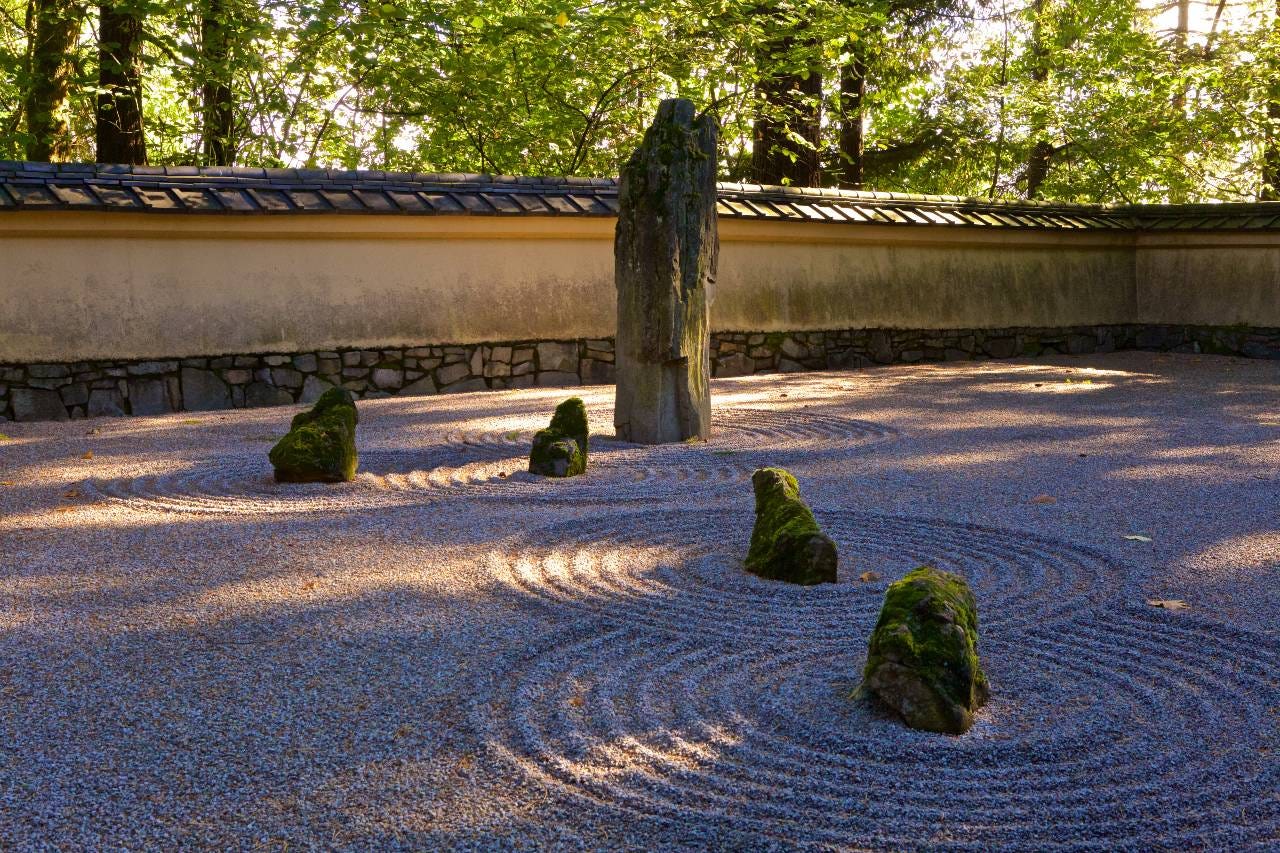
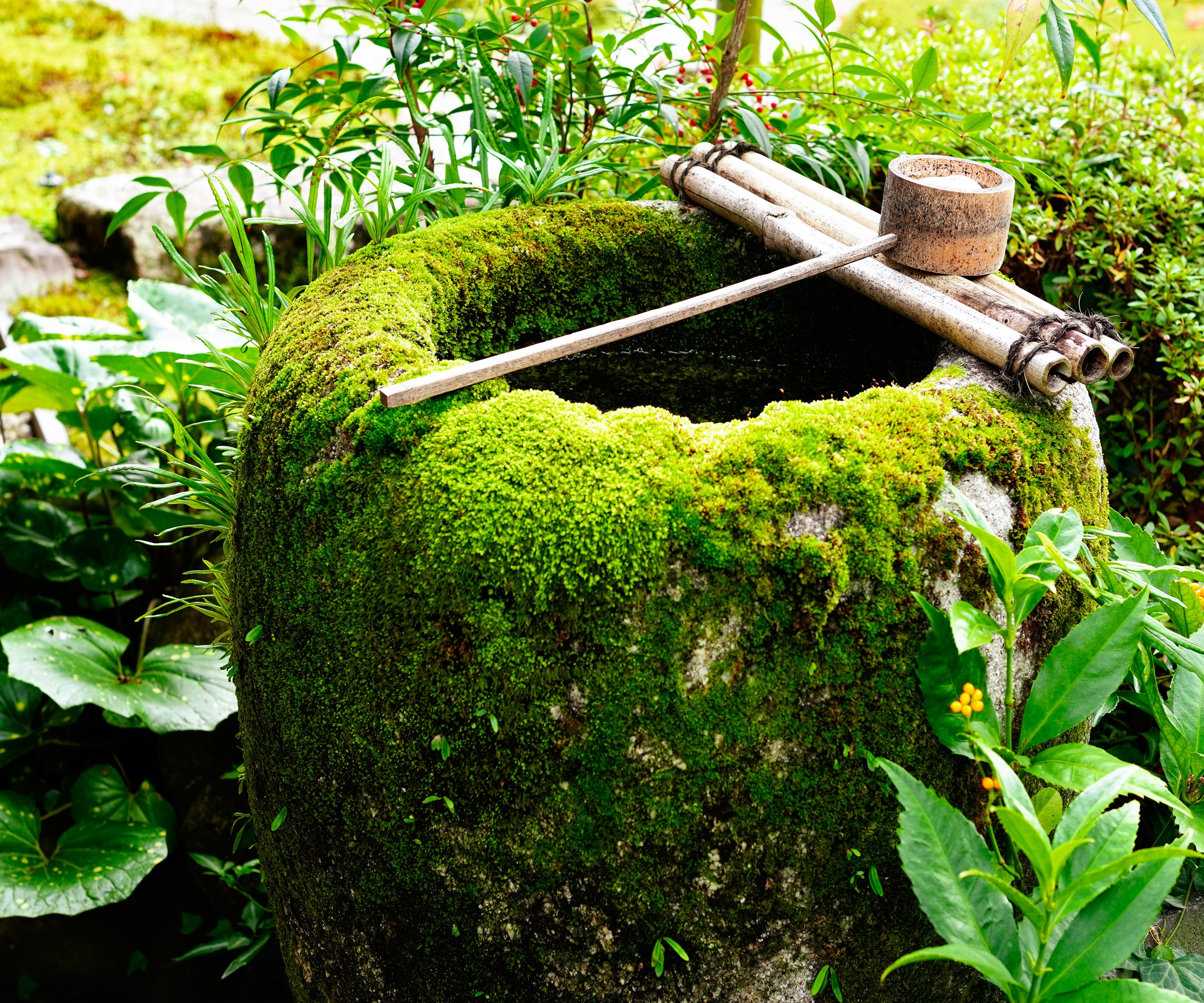
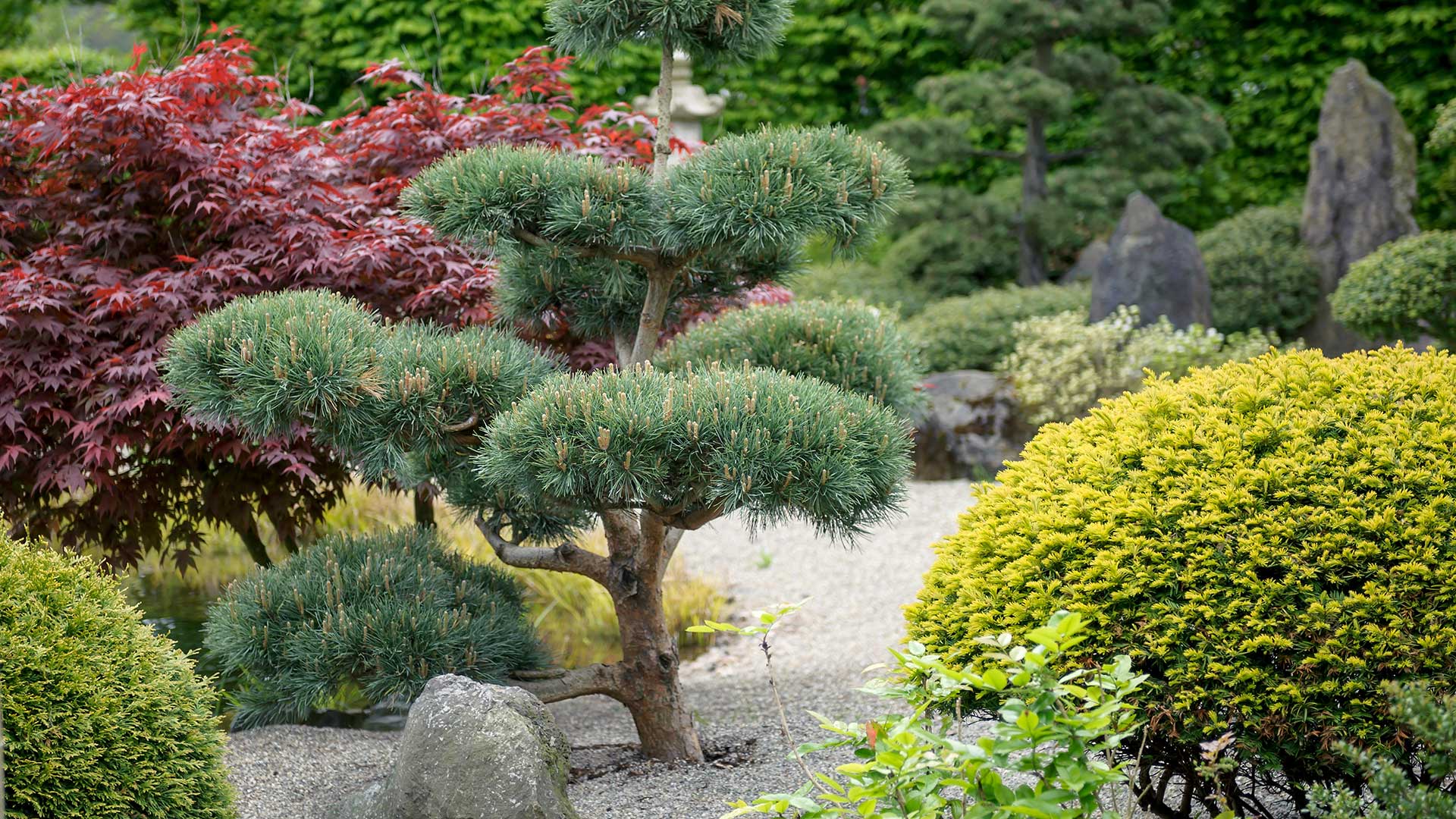
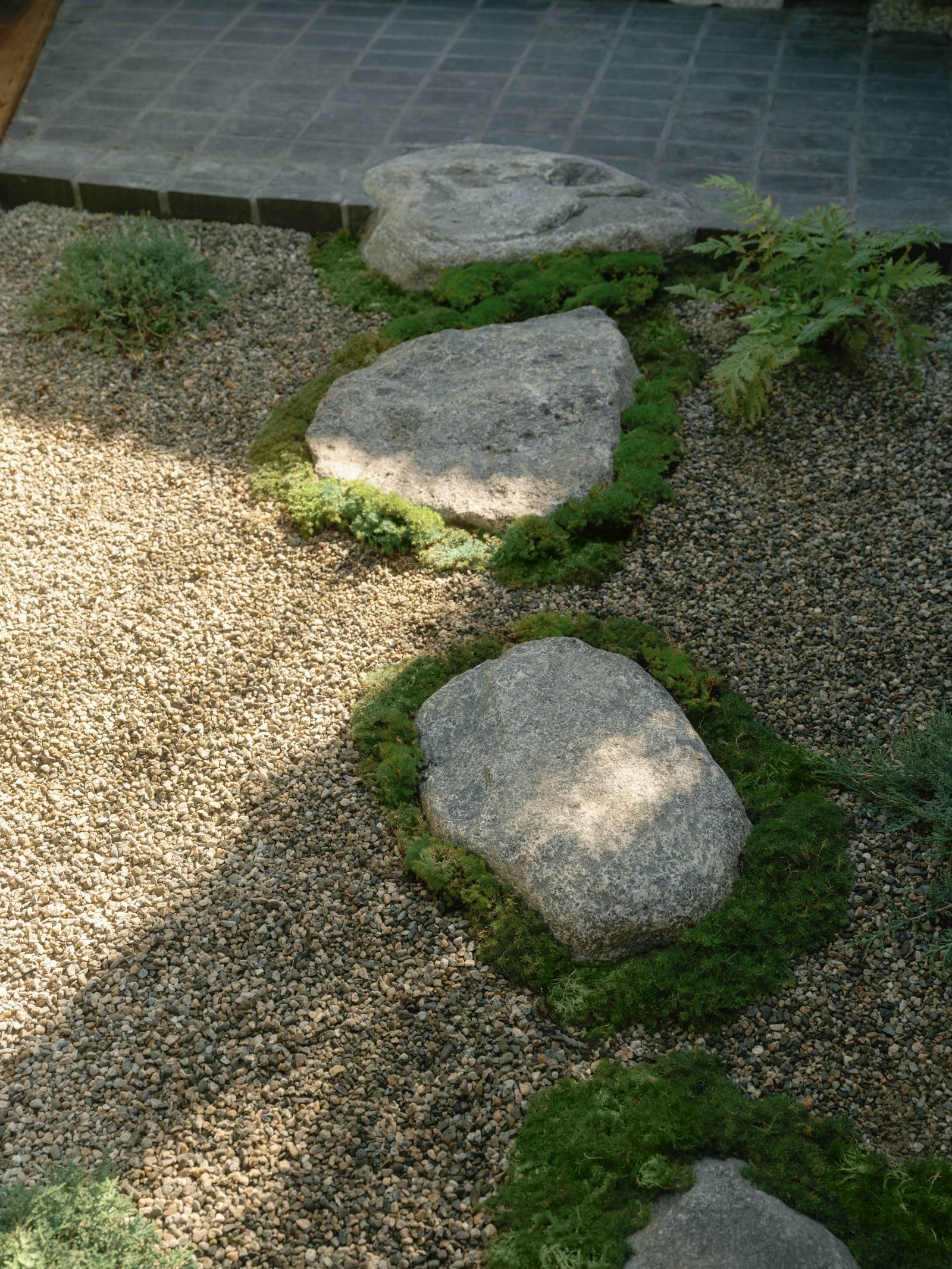
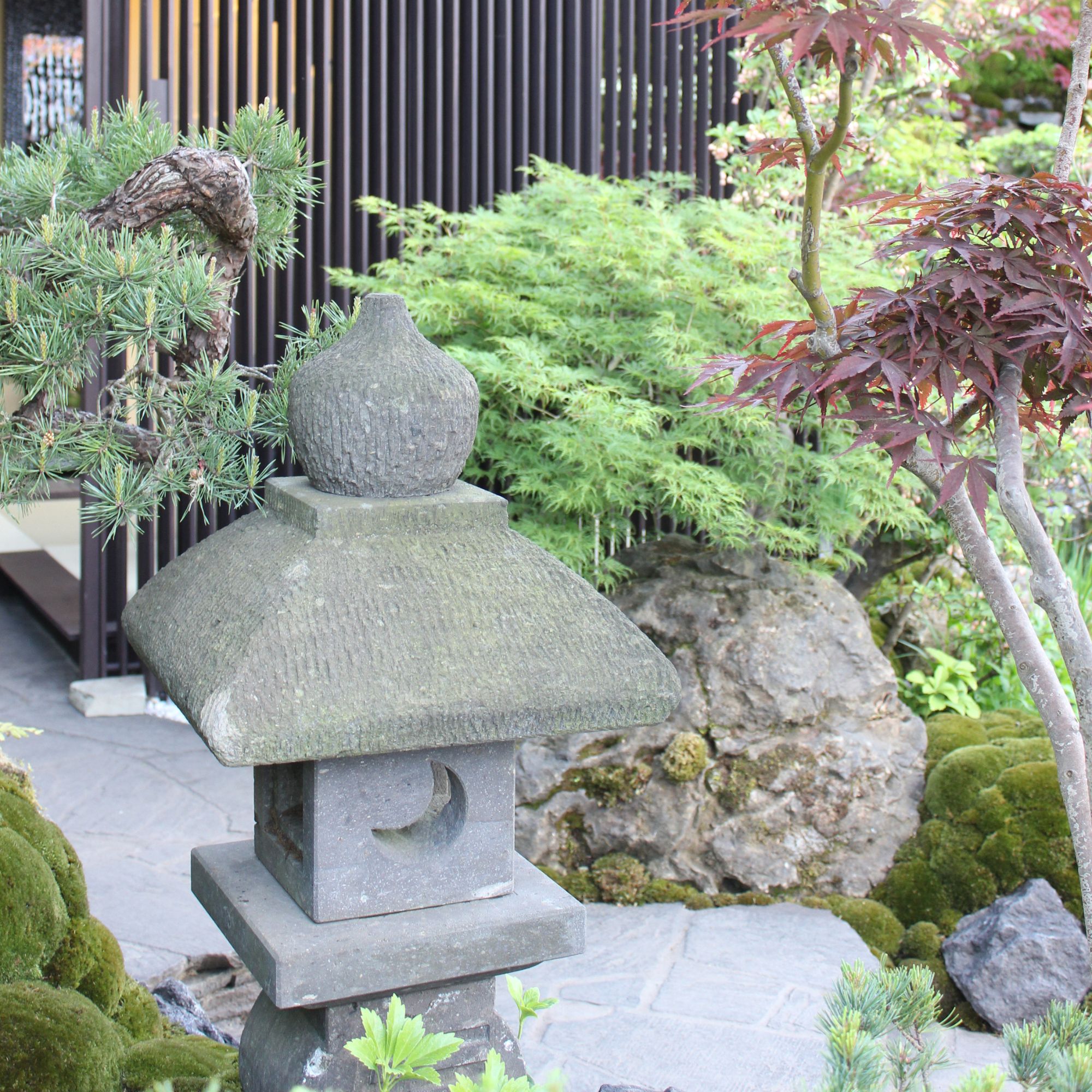
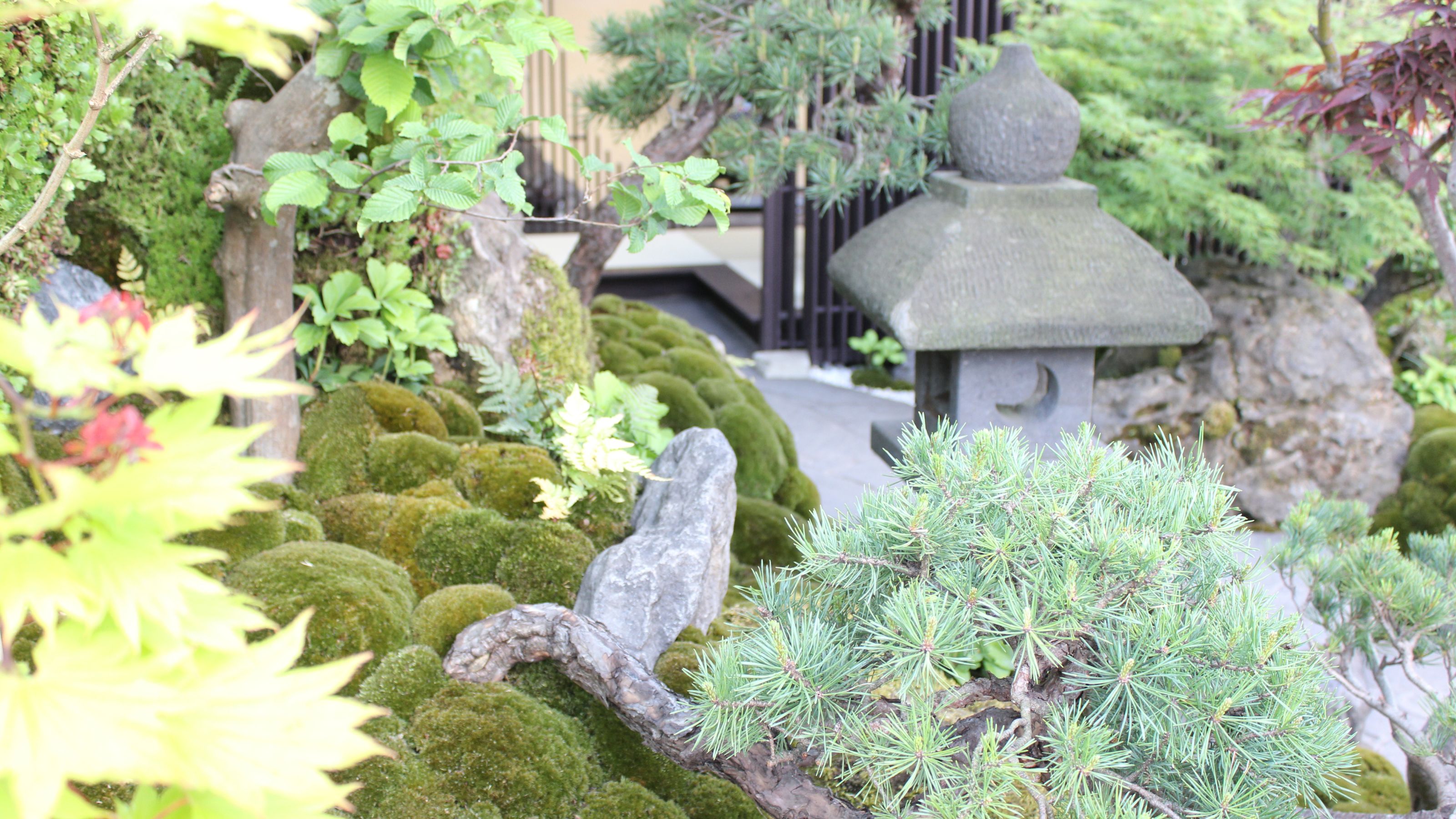
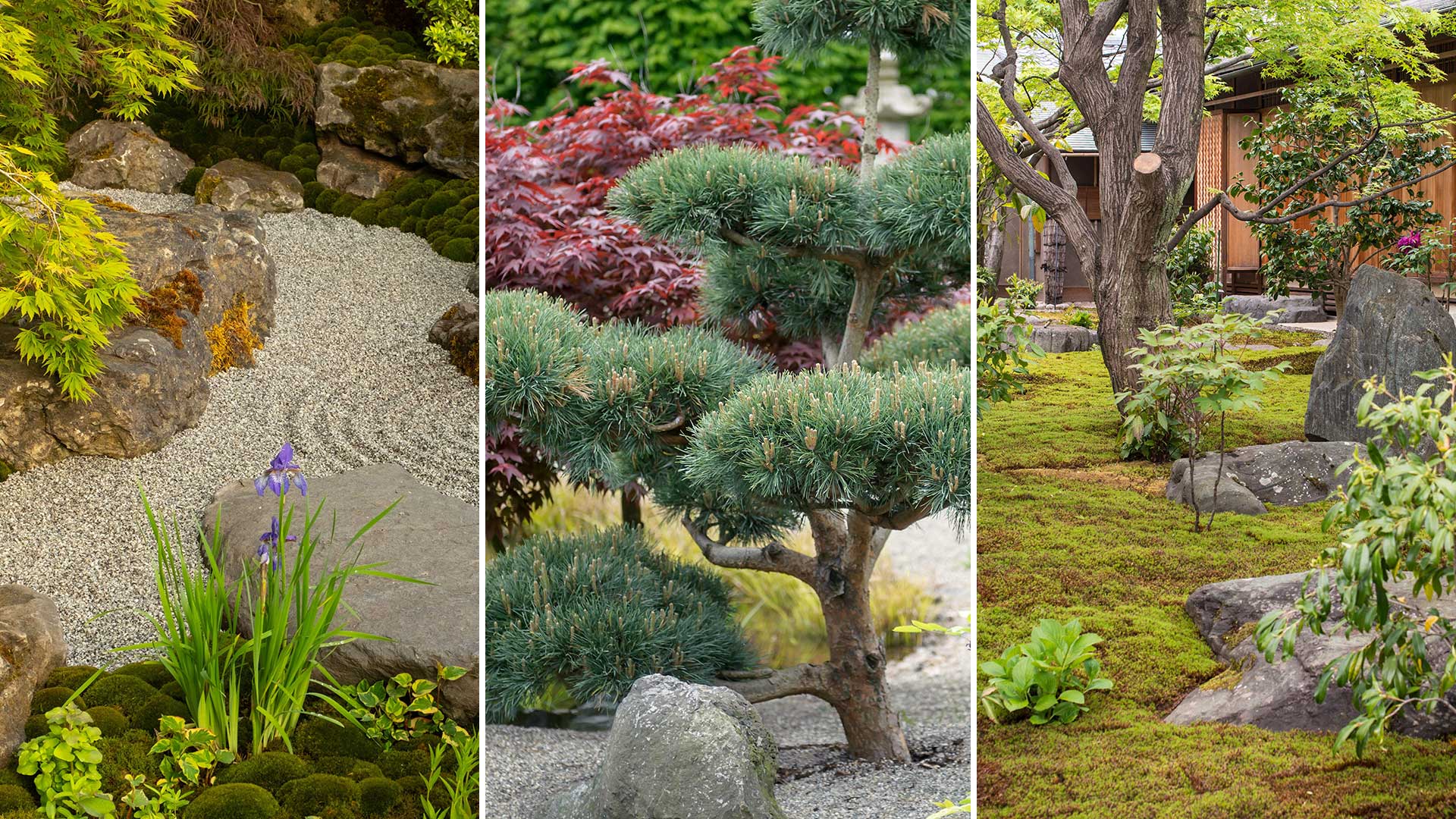
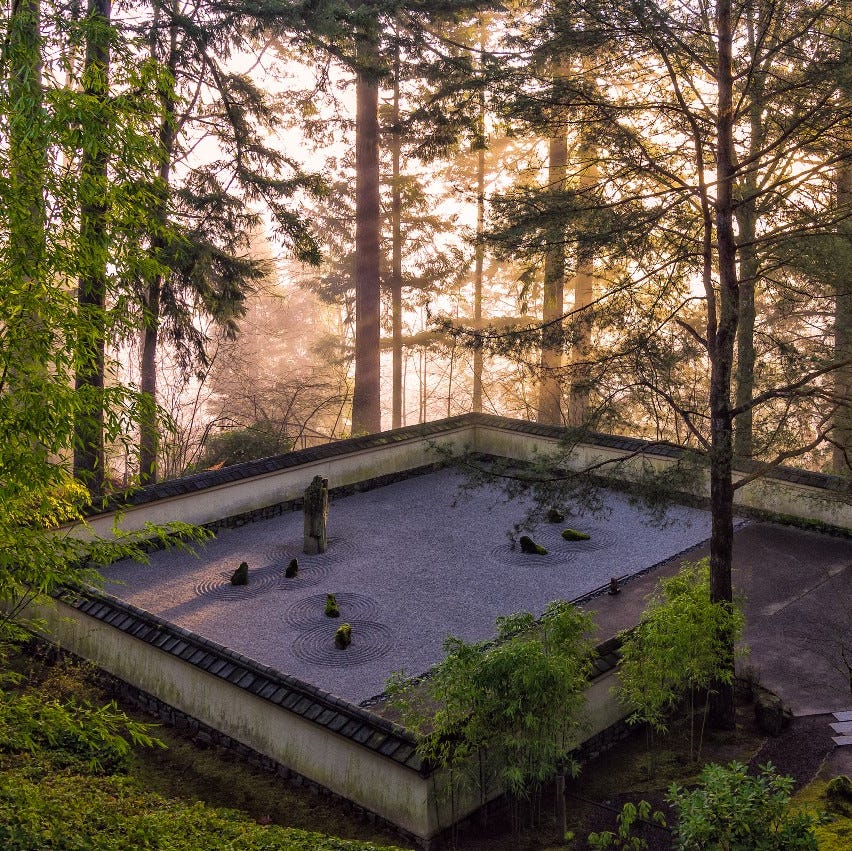
One fundamental aspect of Japanese garden design is the creation of a rock garden. These, often referred to as Zen gardens, are particularly suitable for small spaces. The design involves strategically arranging rocks to symbolize mountains and raking sand or gravel into patterns to represent flowing water. To introduce softness and visual interest, low-growing plants like moss or miniature evergreen pines, such as the Juniperus squamata ‘Blue Star’, can be integrated.
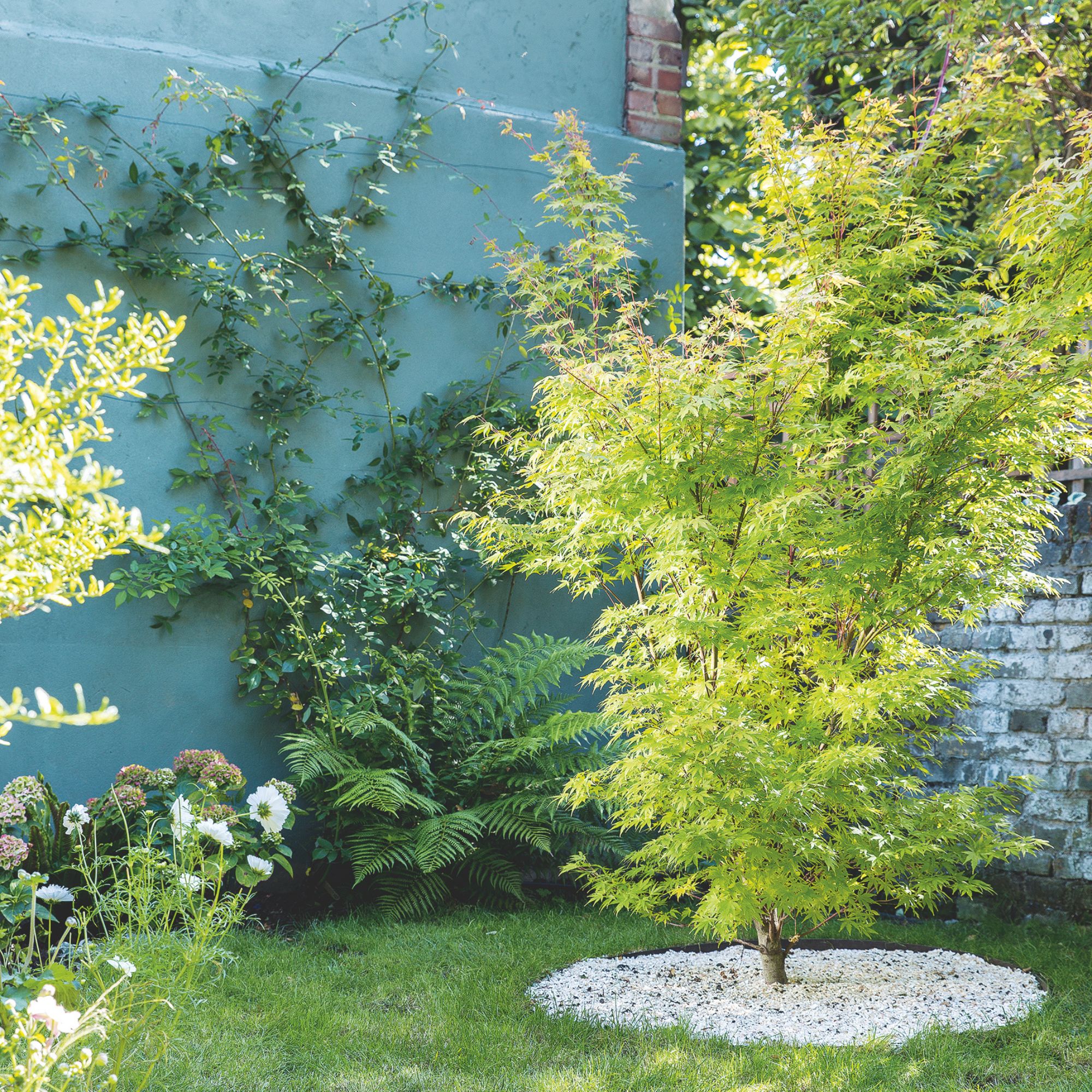
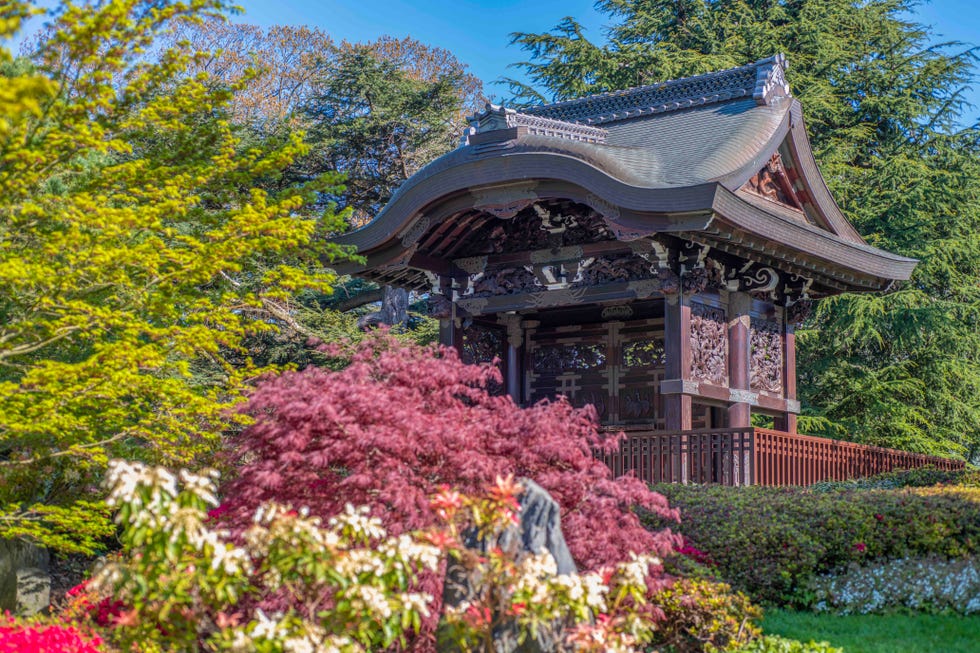
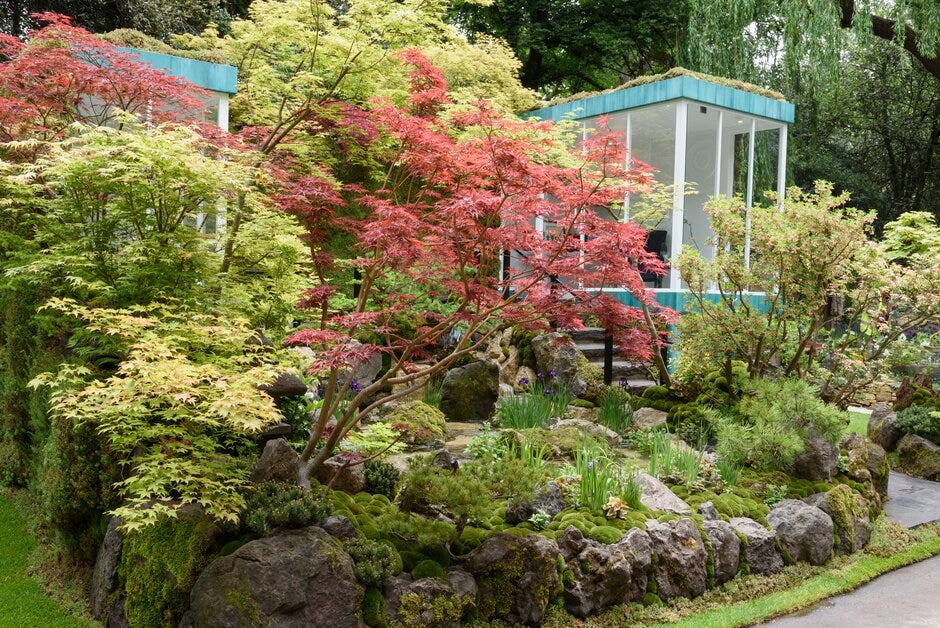
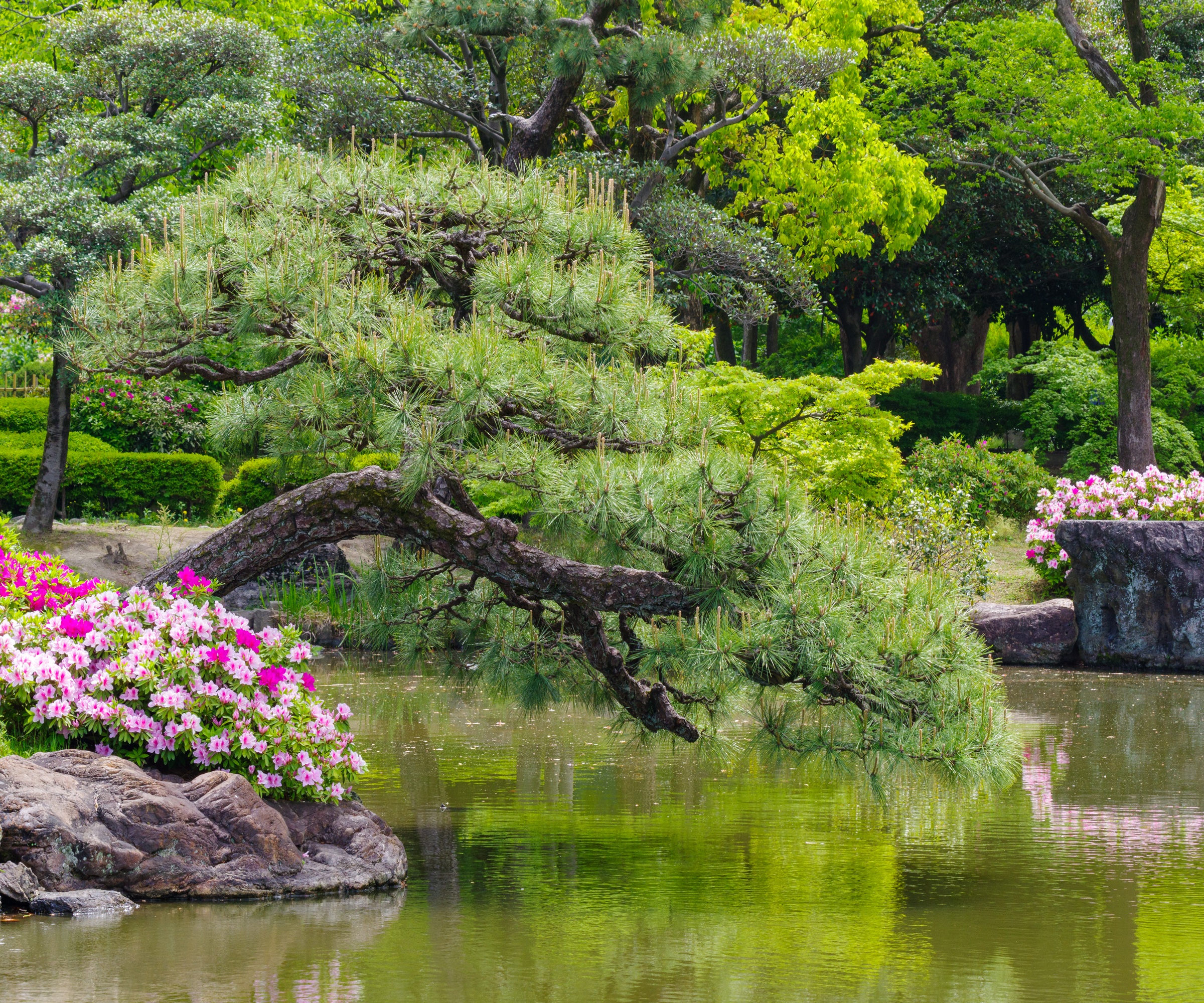
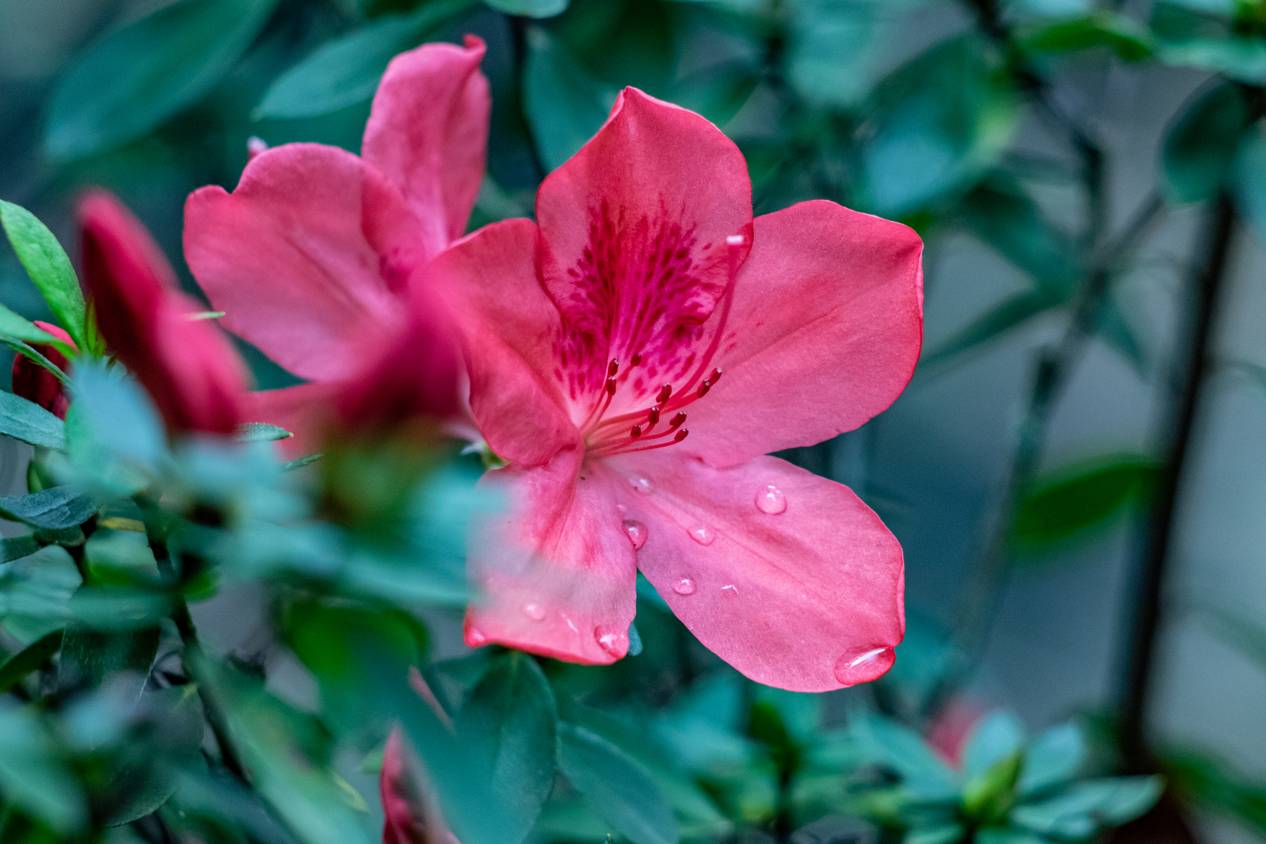
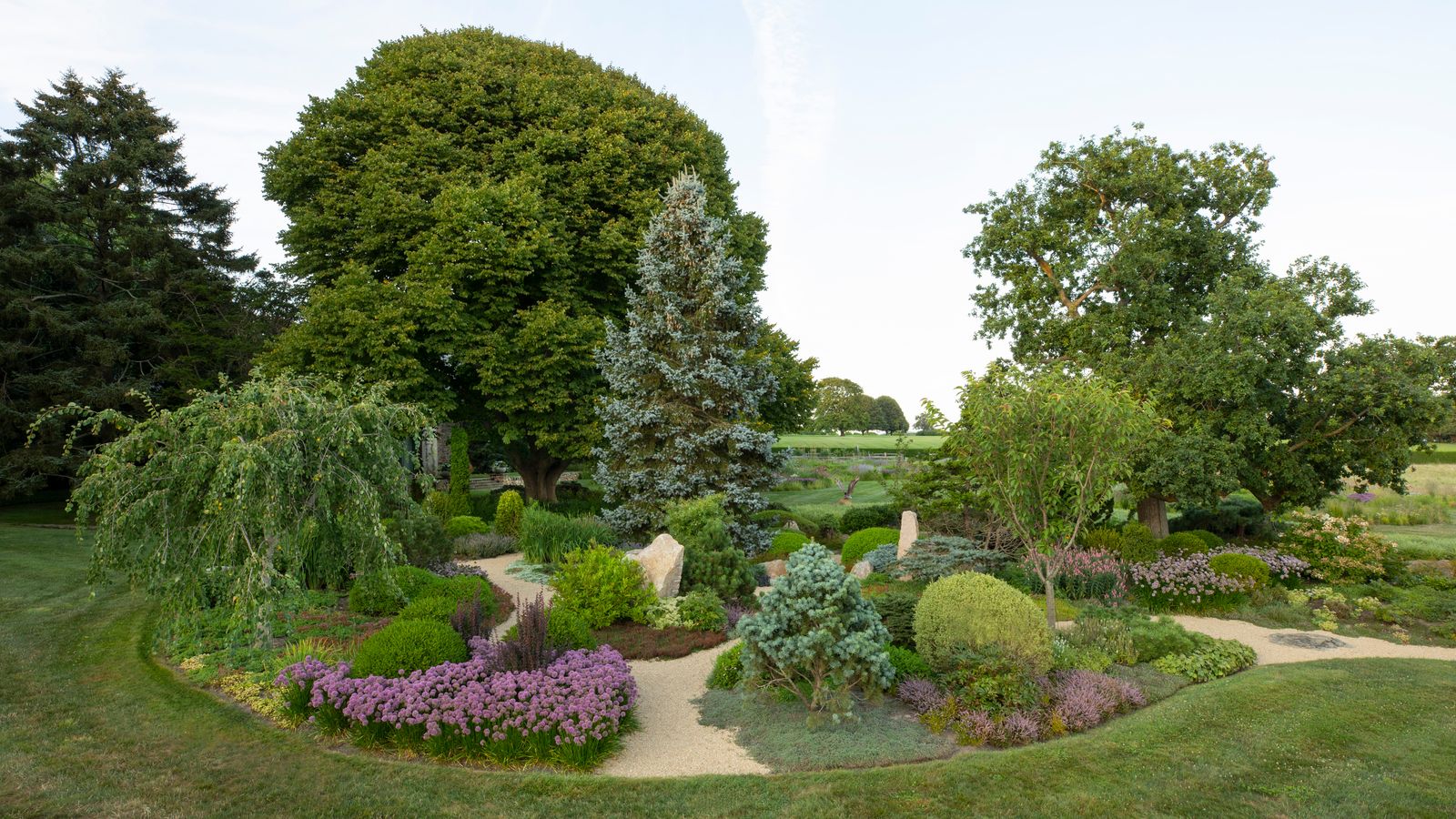
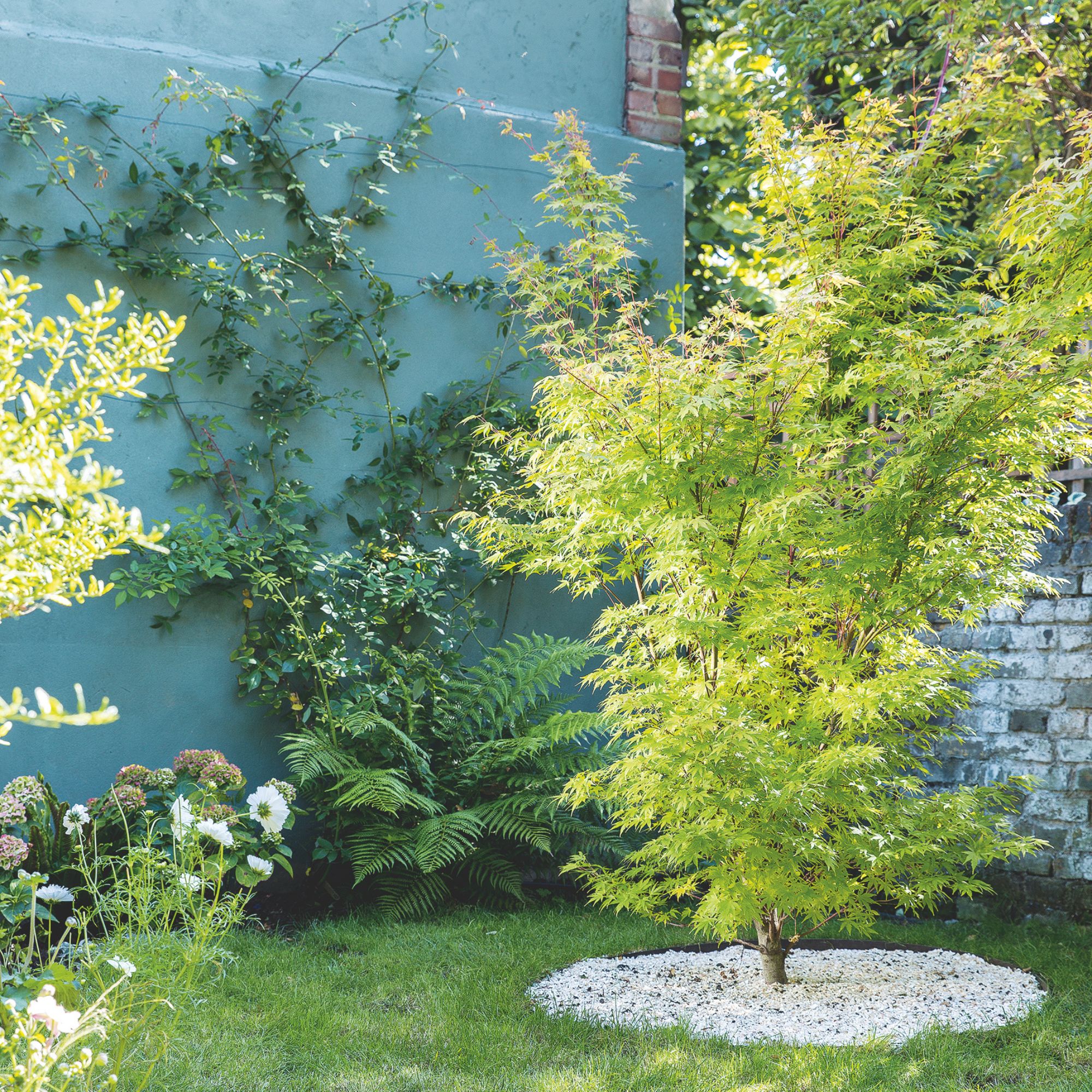
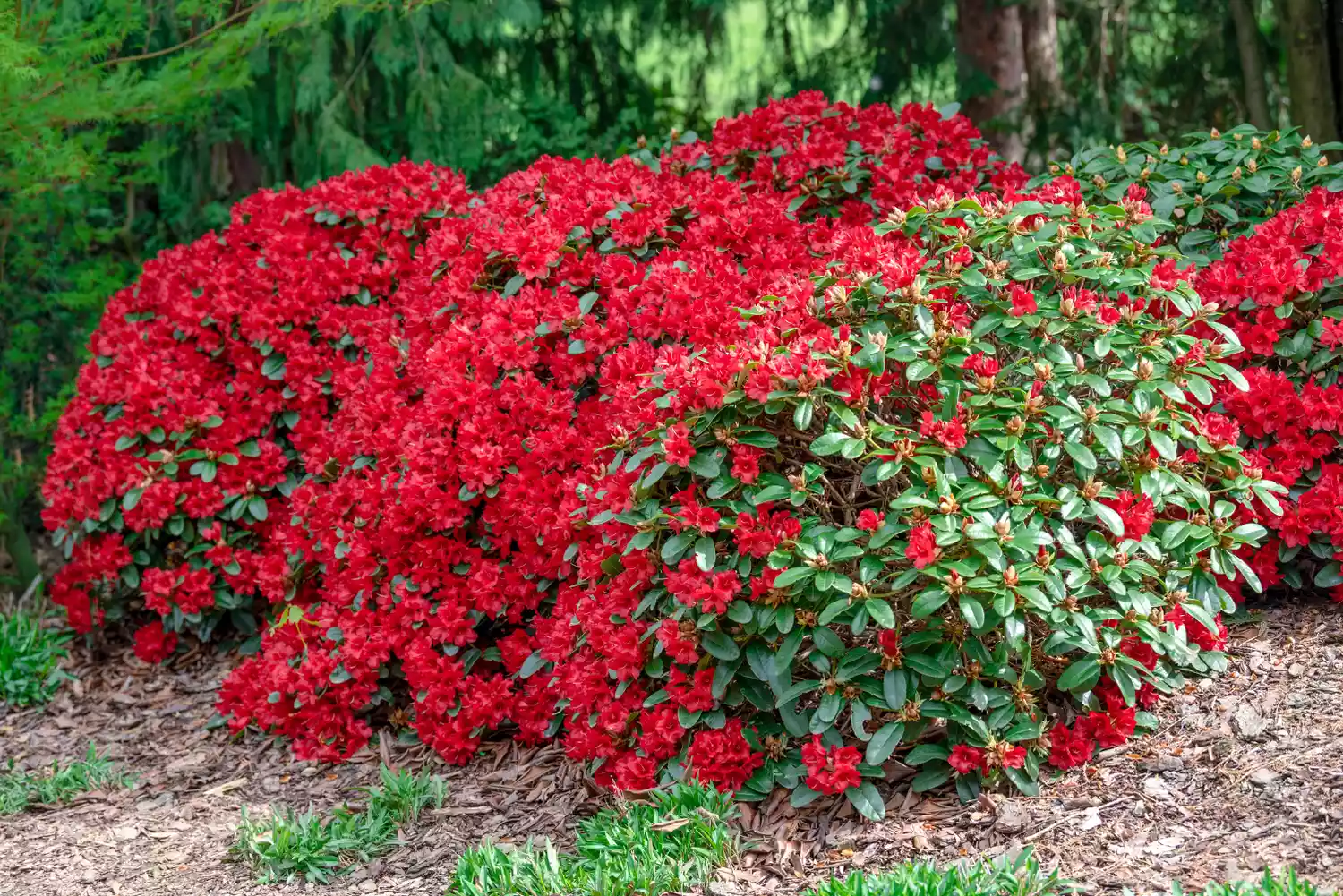
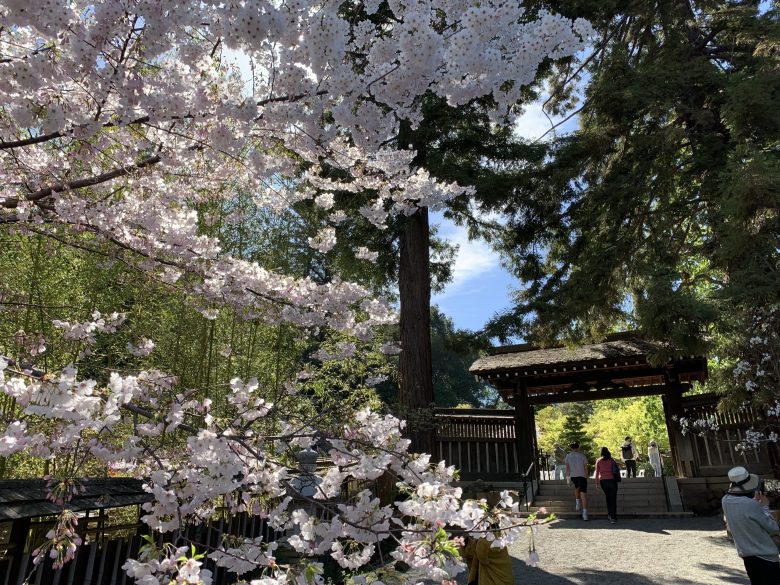
Dwarf trees are another key component for small Japanese gardens. Even in pots and containers, options like dwarf Japanese maples or azaleas can add color and authenticity without consuming excessive space. When selecting a cherry blossom tree, which is a staple of Japanese gardens, choosing dwarf varieties like the ‘Weeping Yoshino’ cherry is crucial to accommodate smaller areas, ensuring the delicate white blossoms can still be enjoyed.
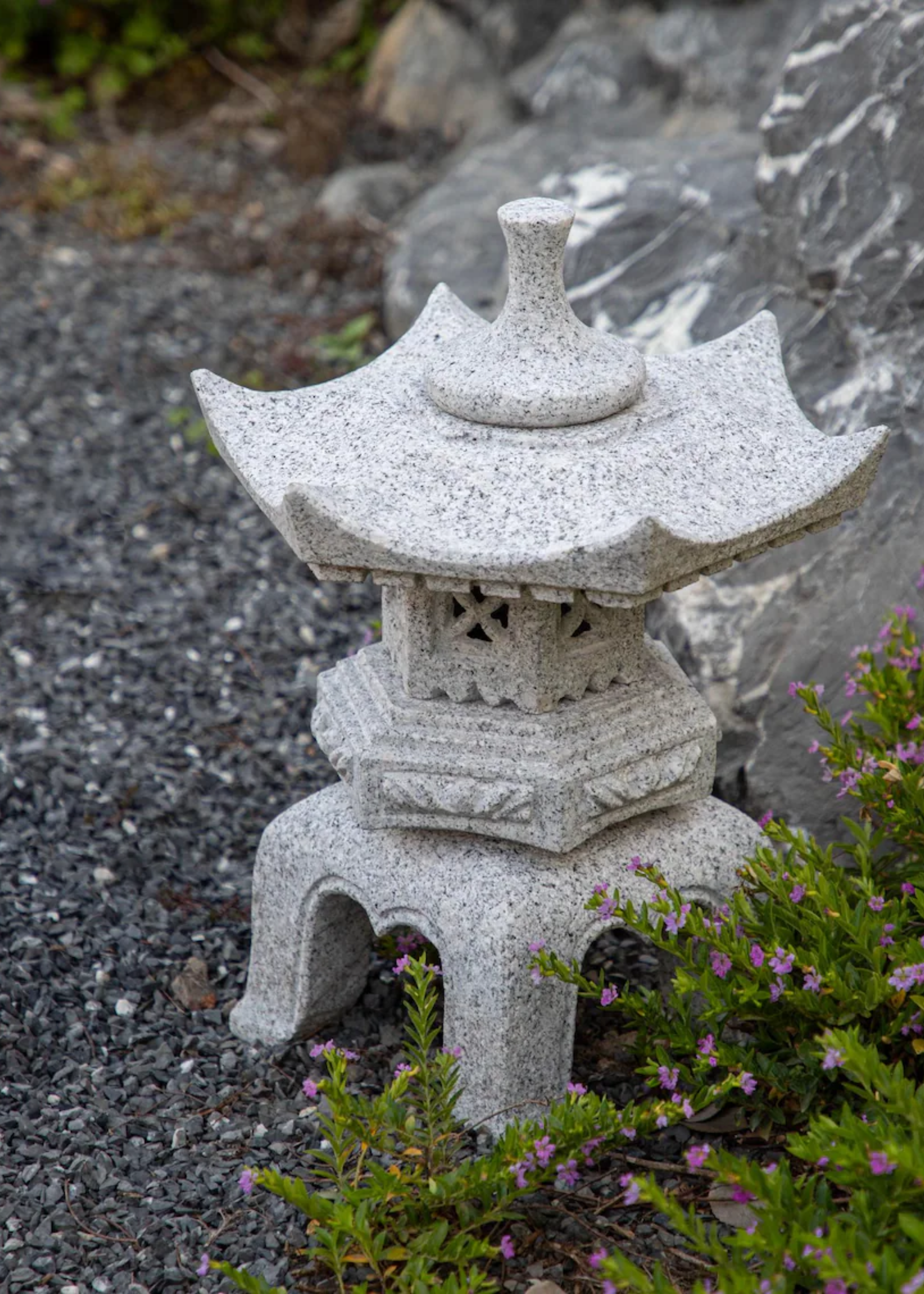
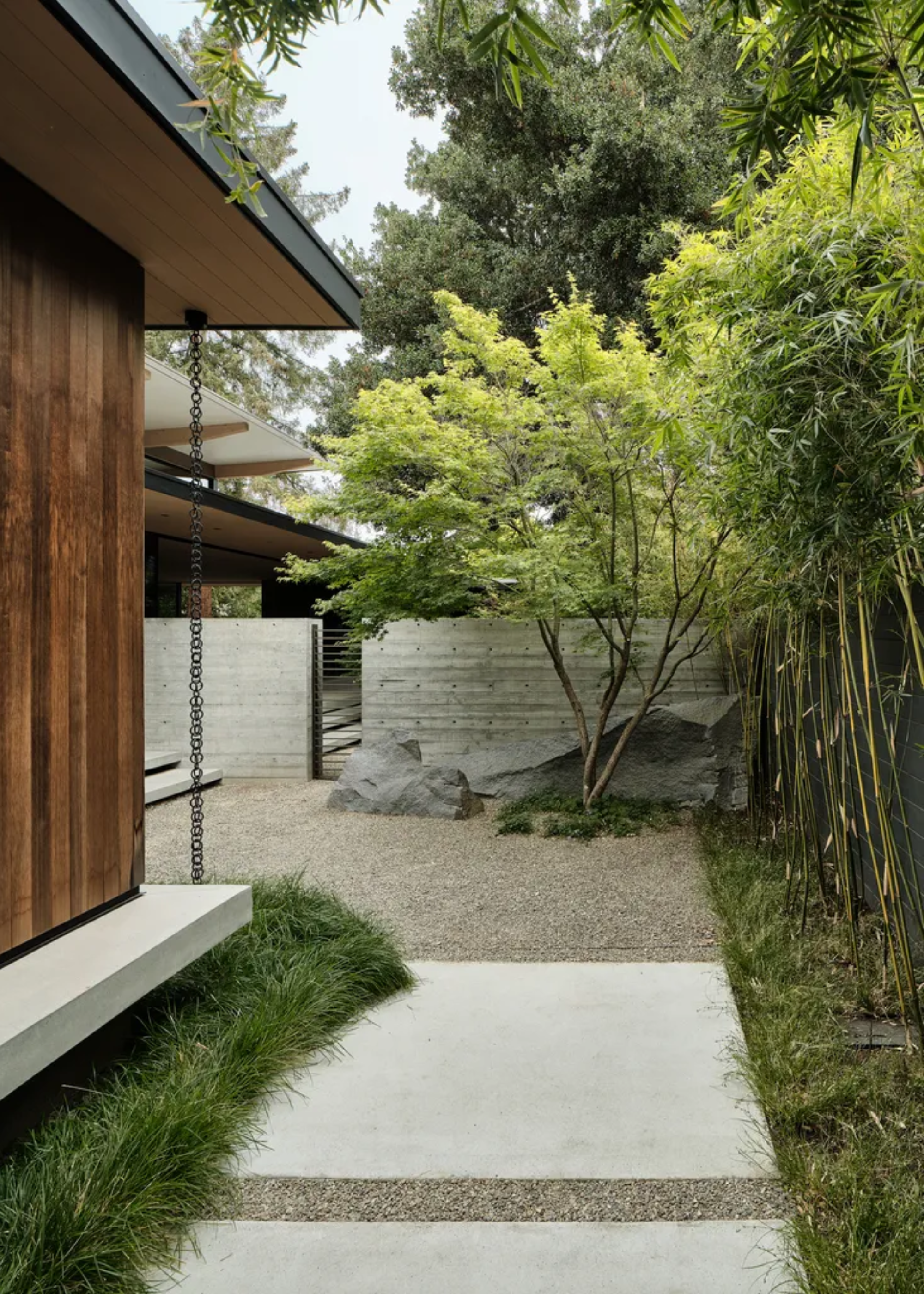
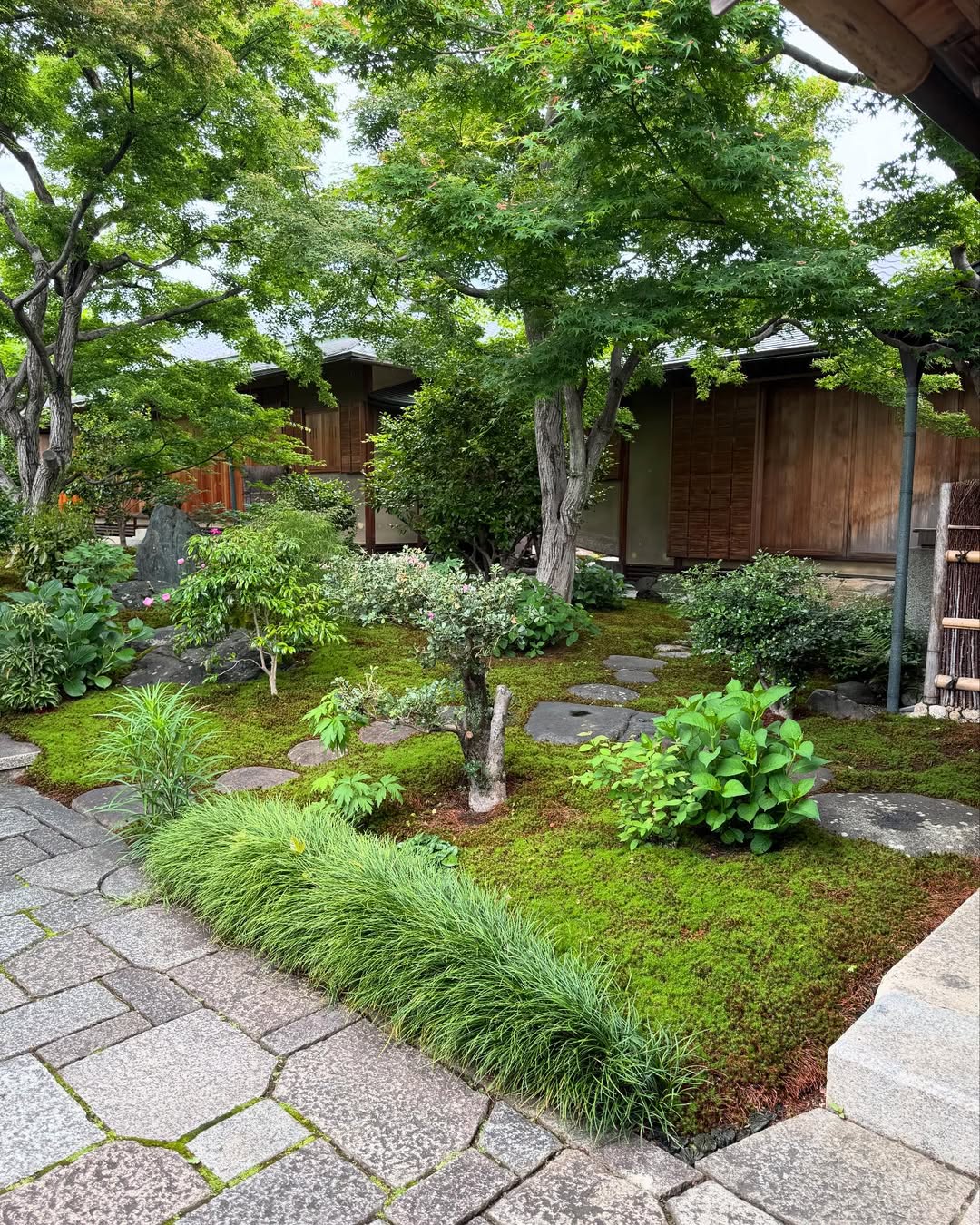
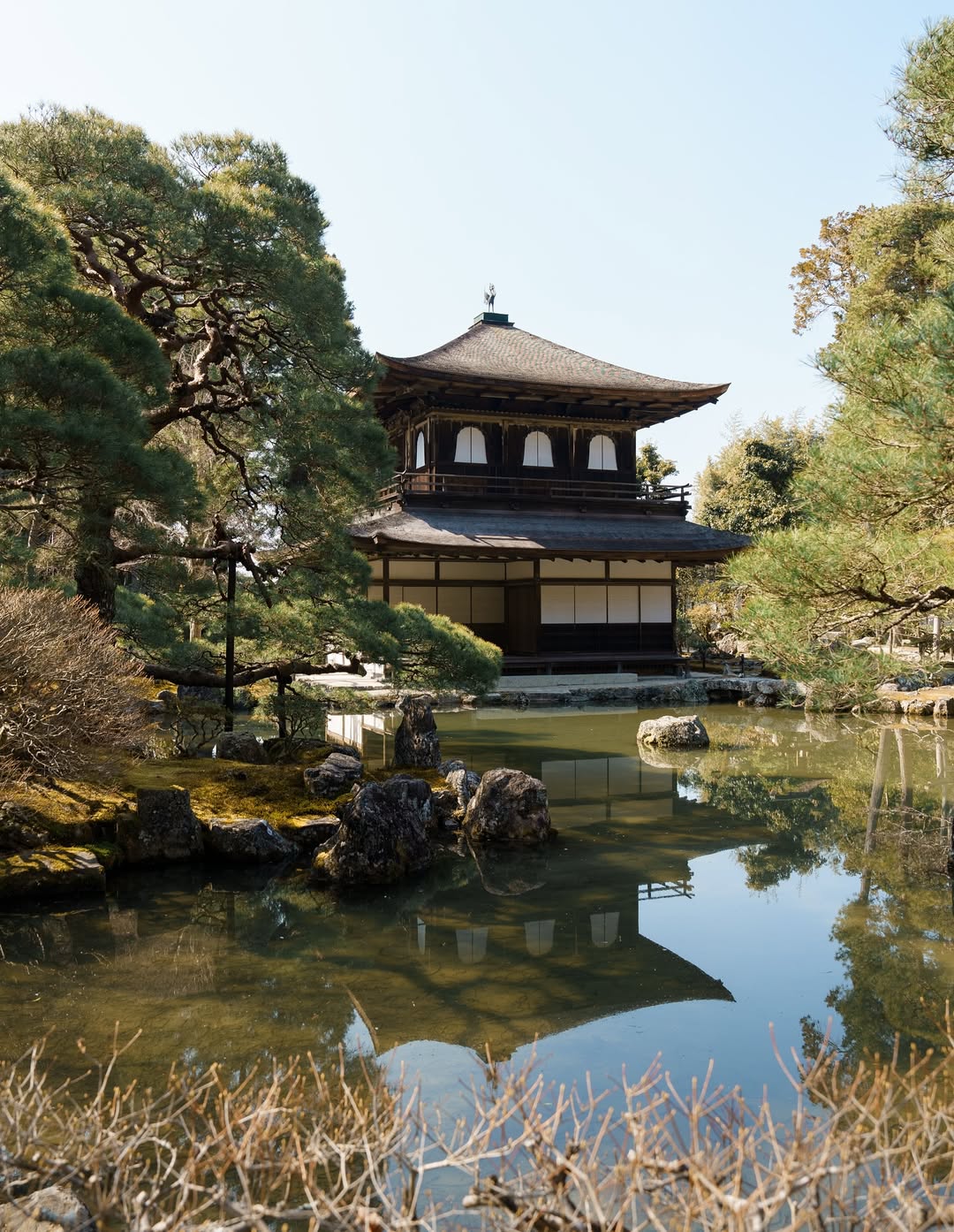
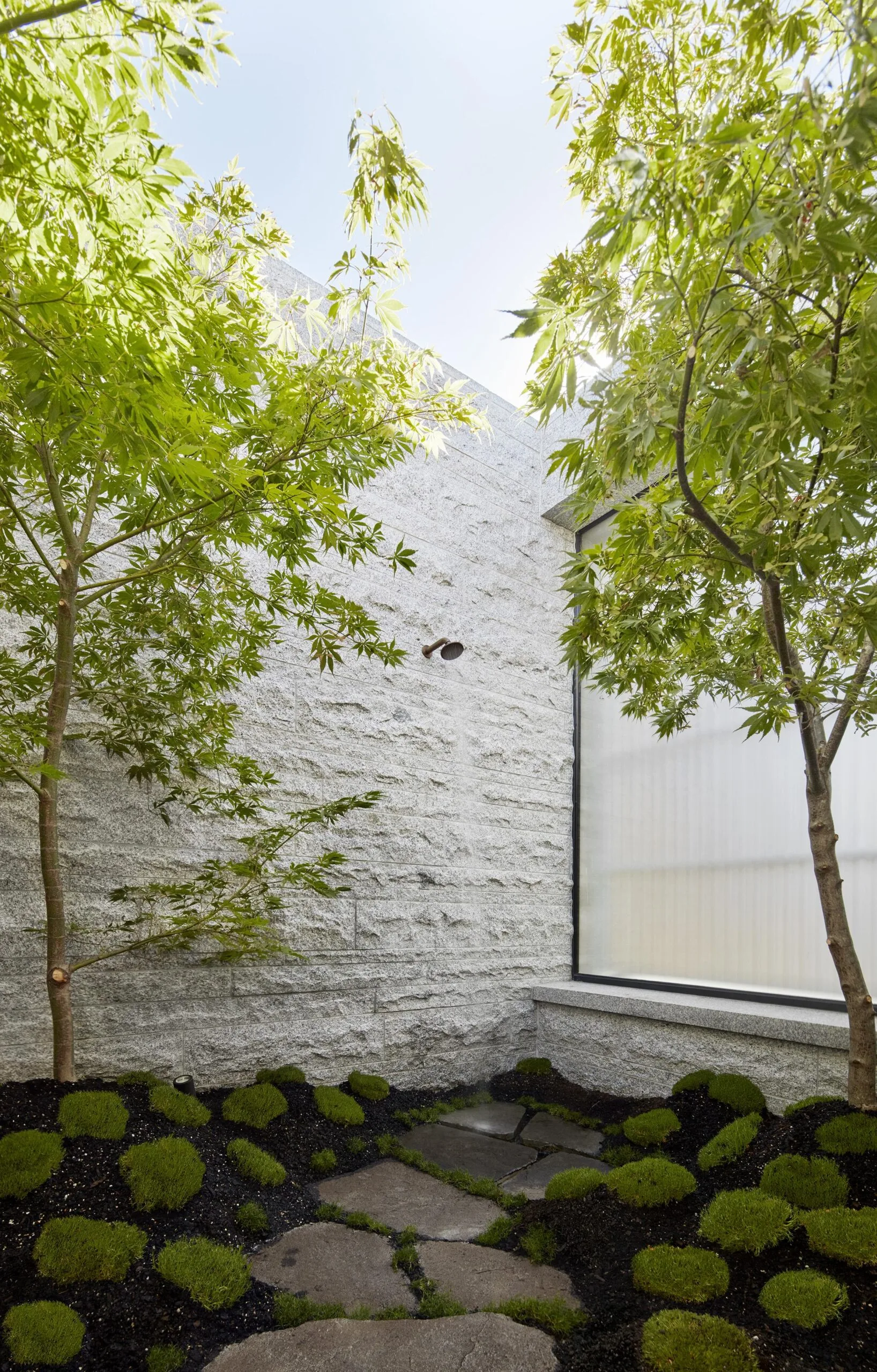
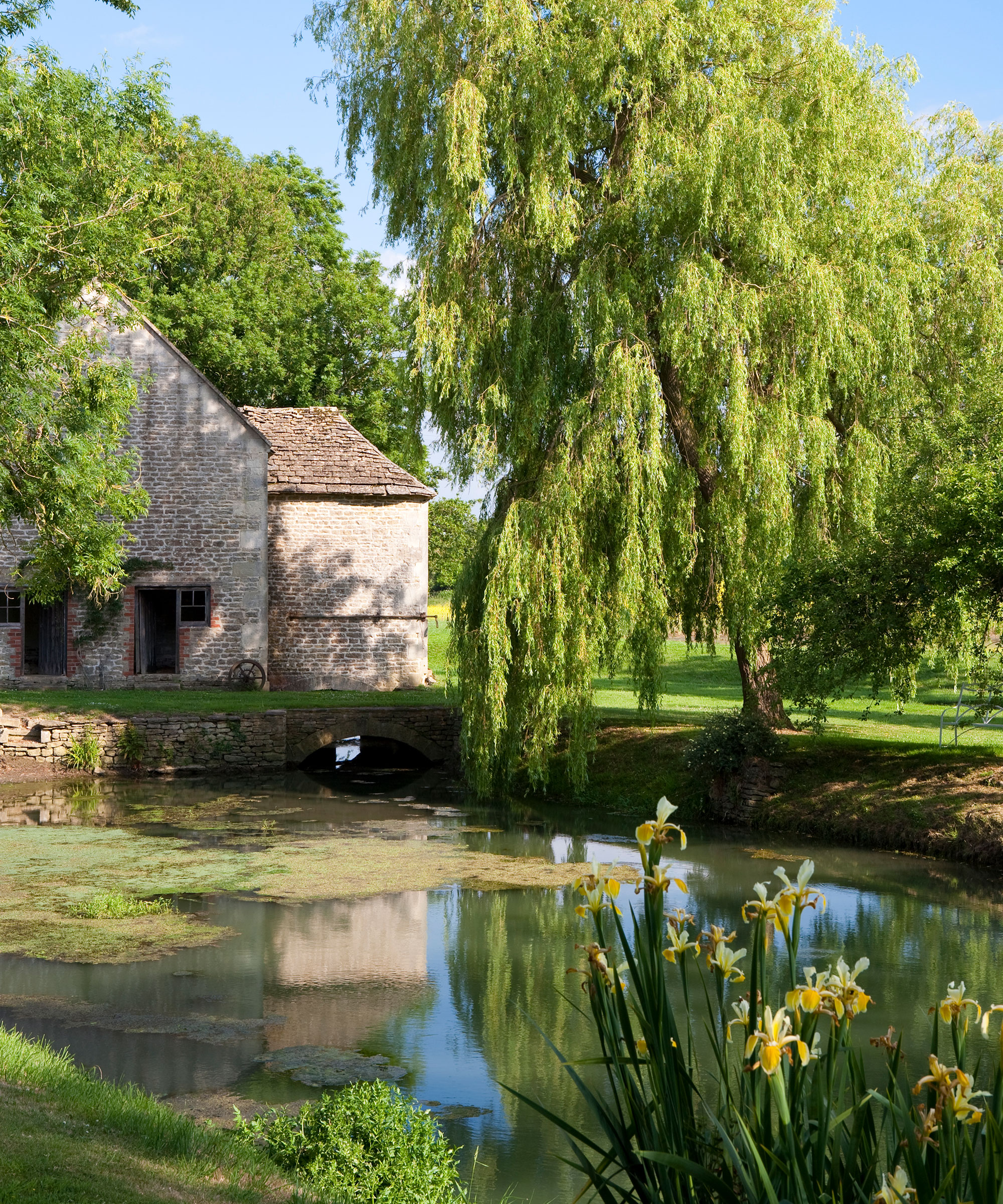
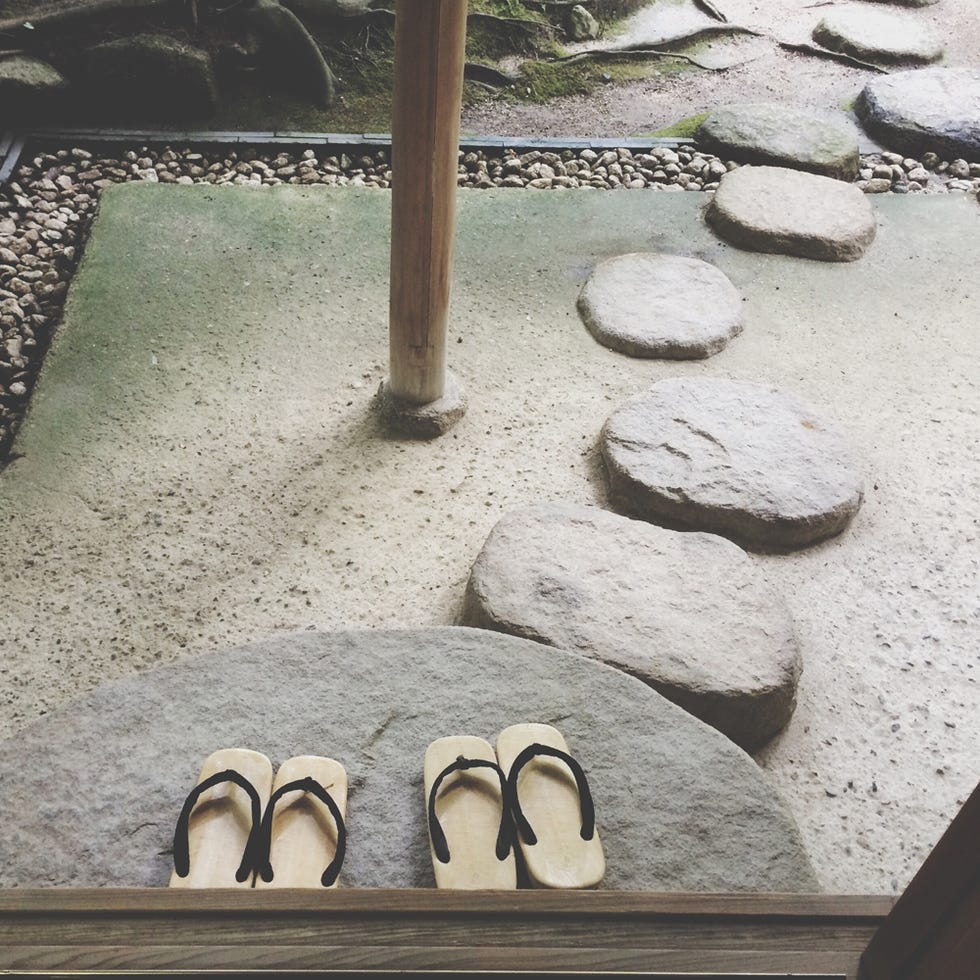
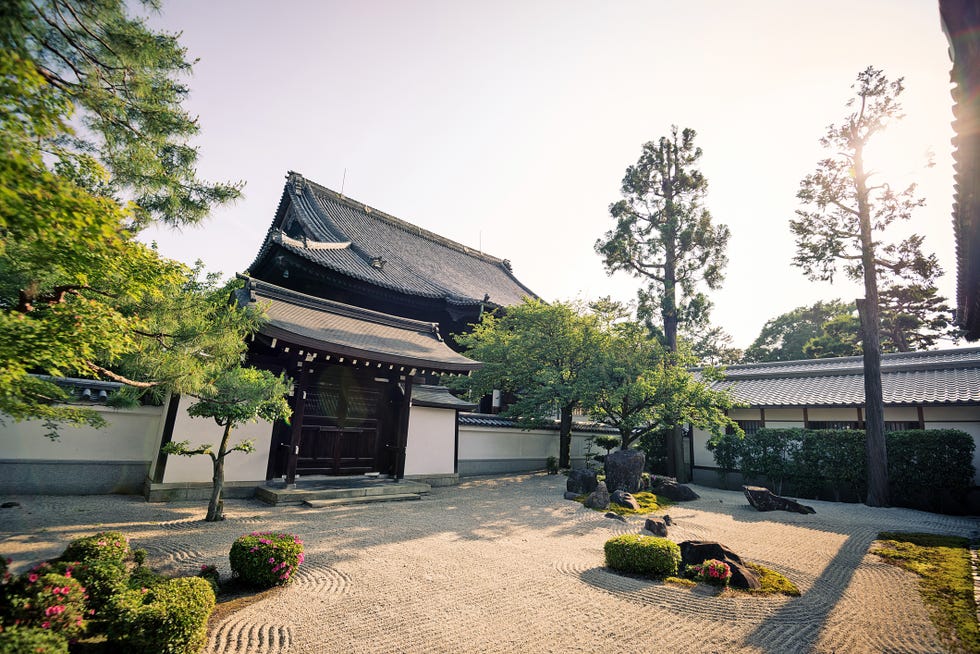
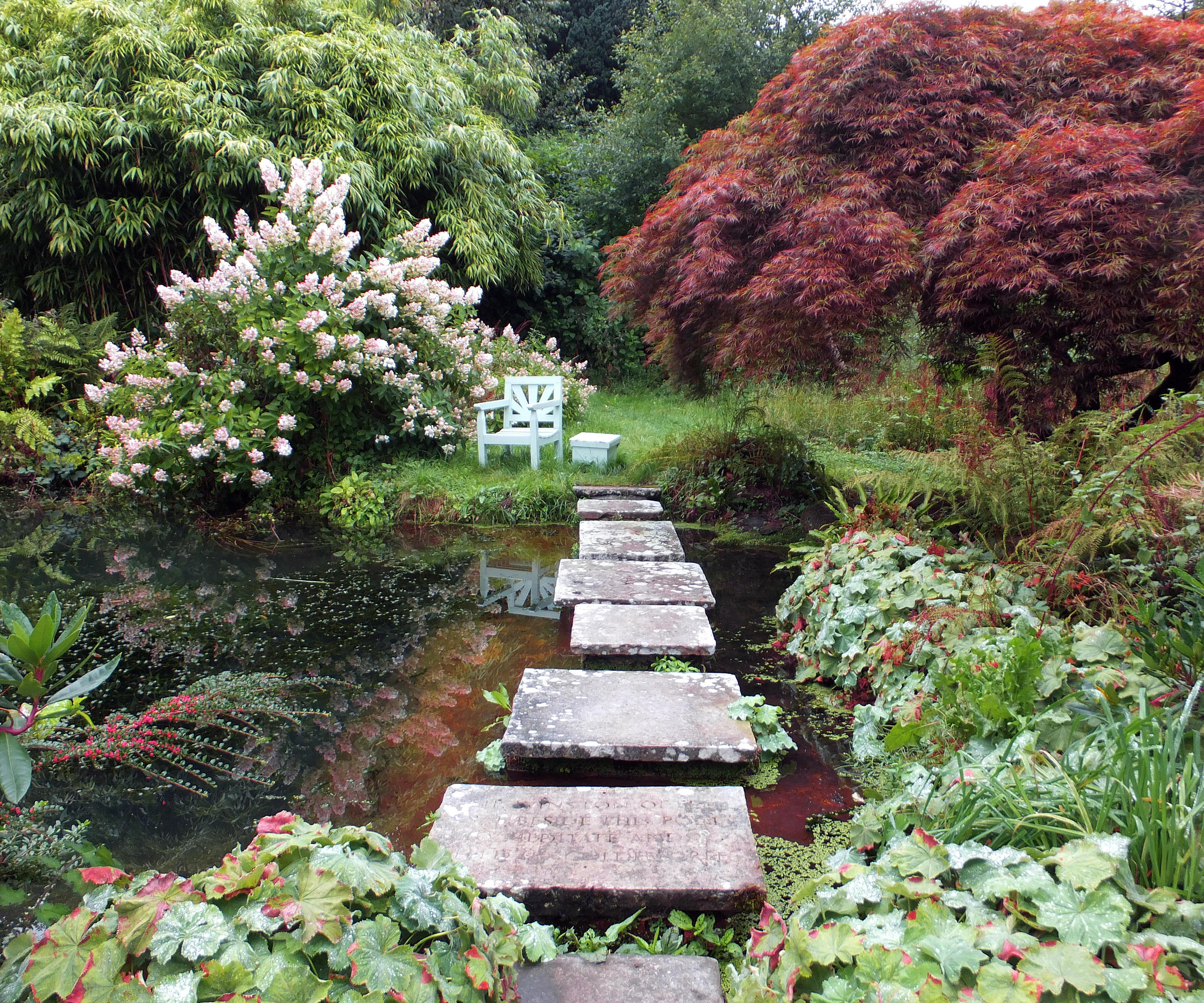
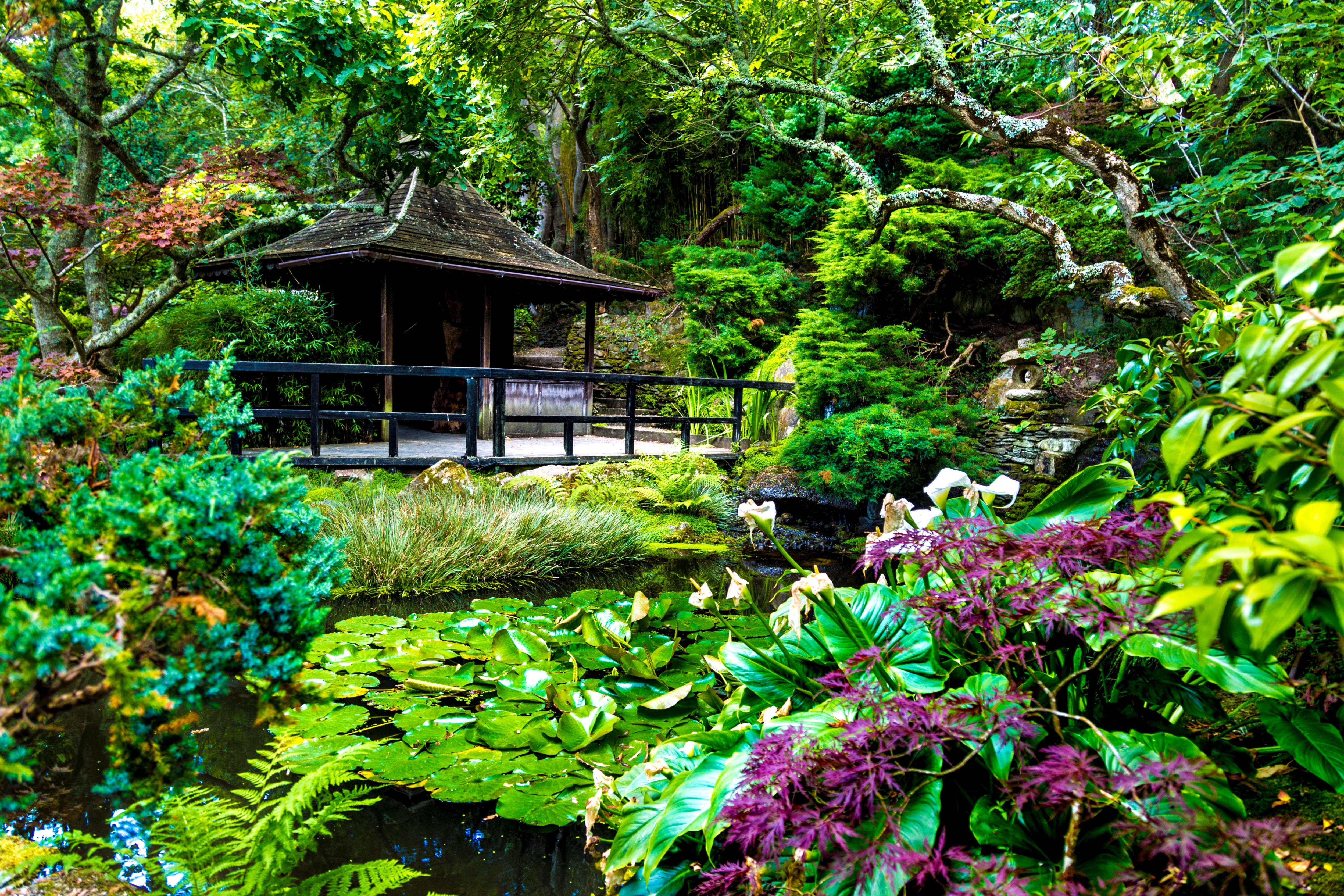
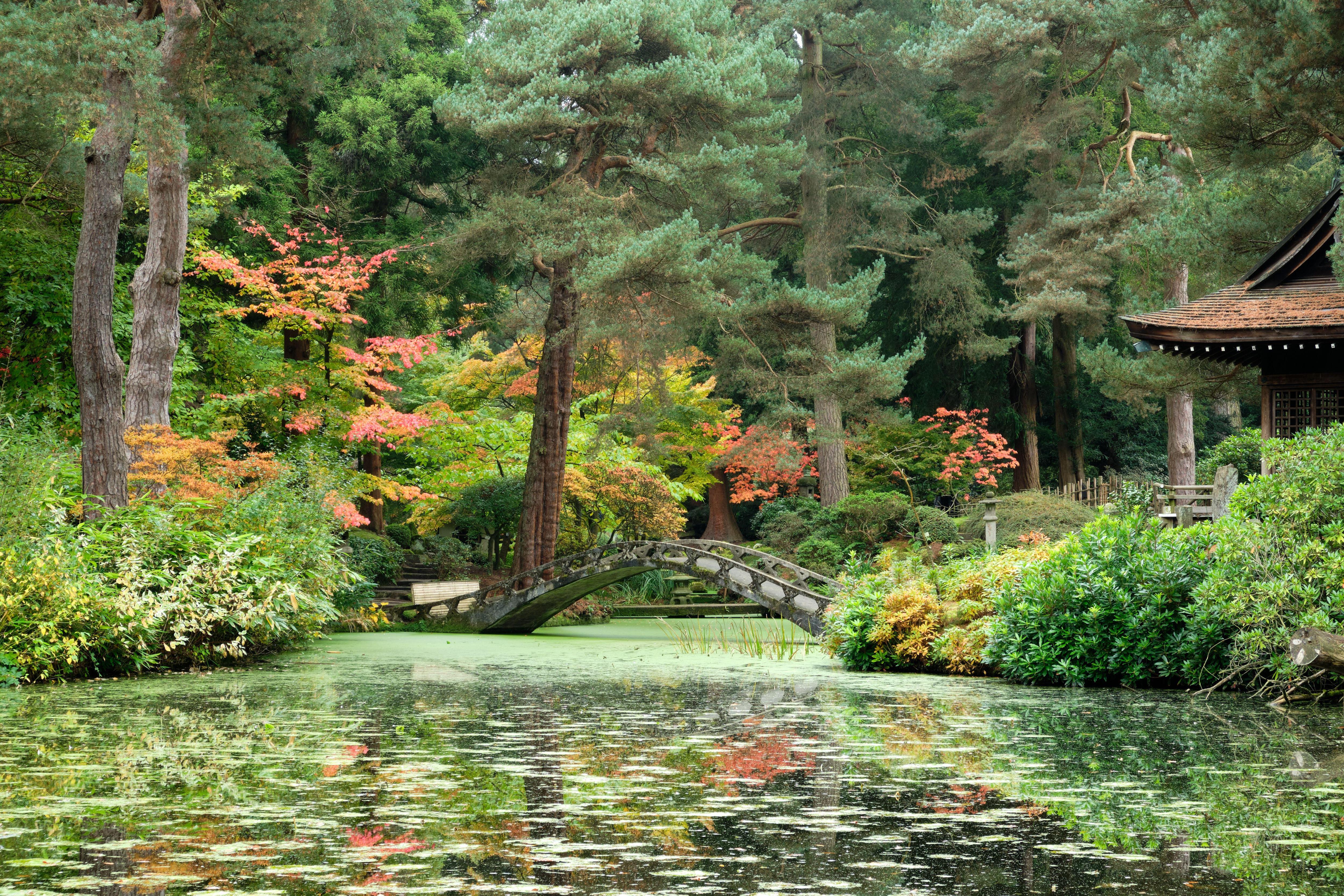
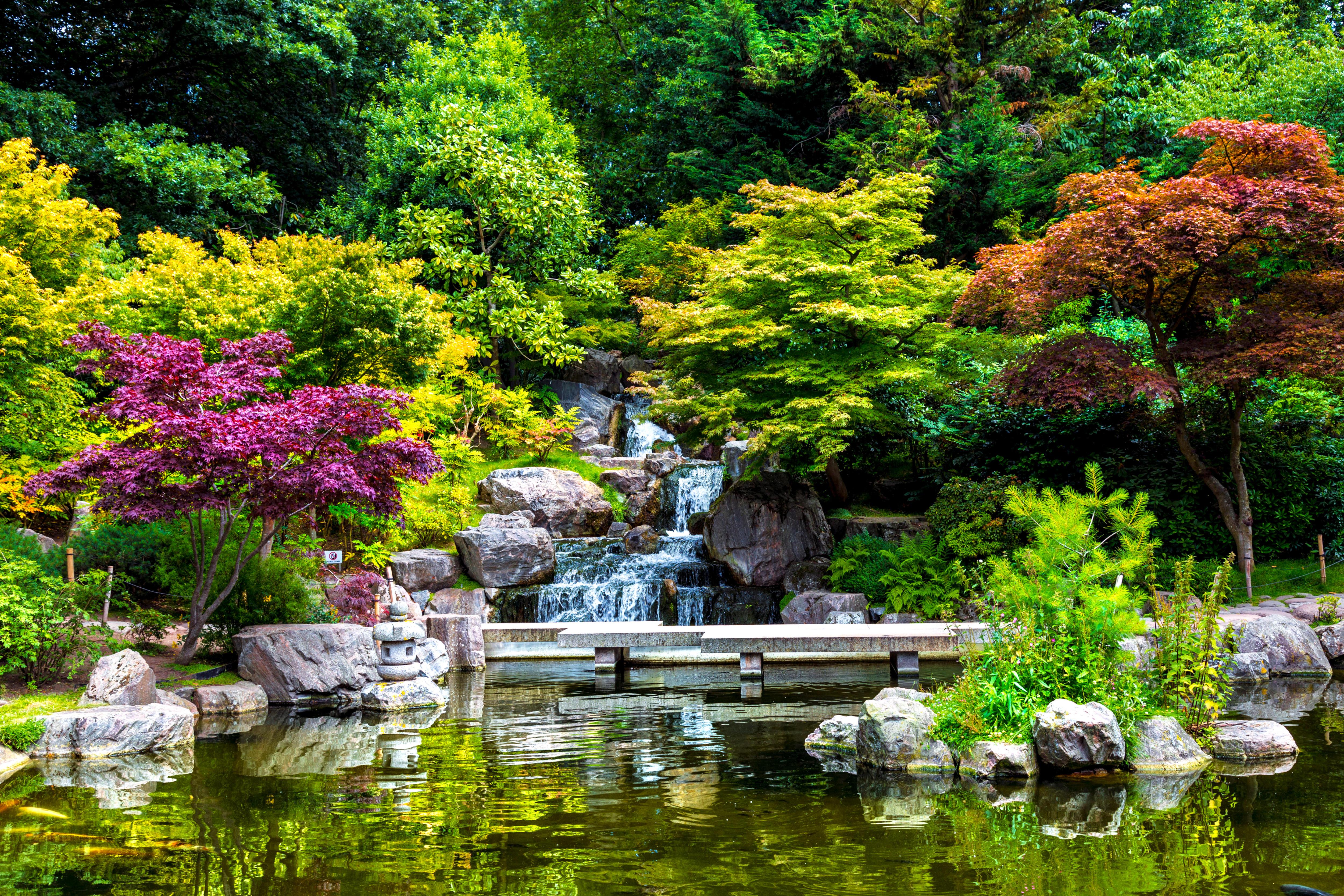
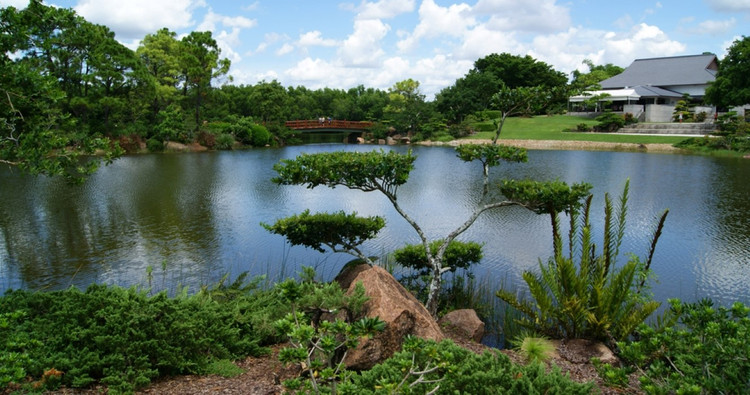
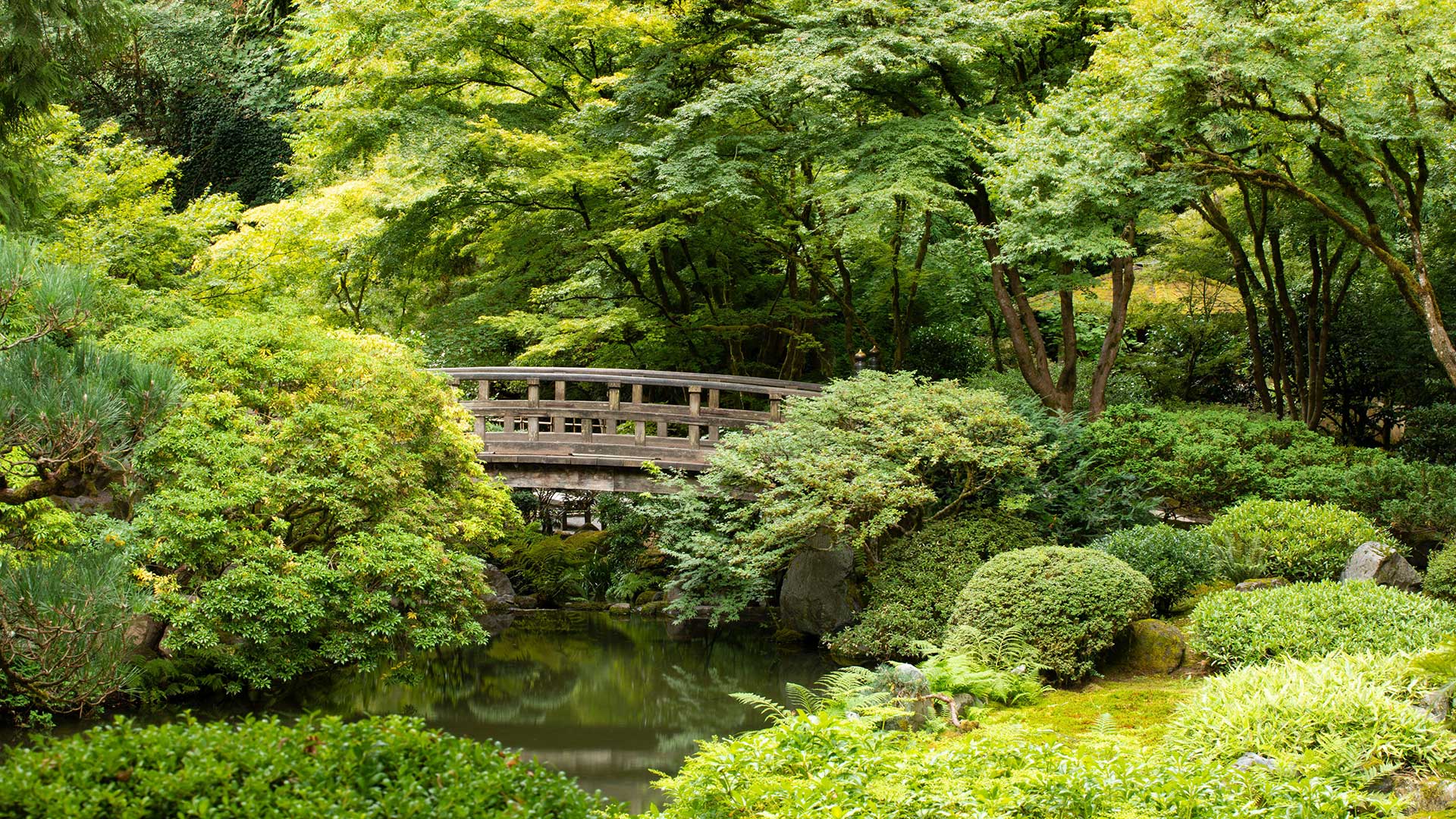
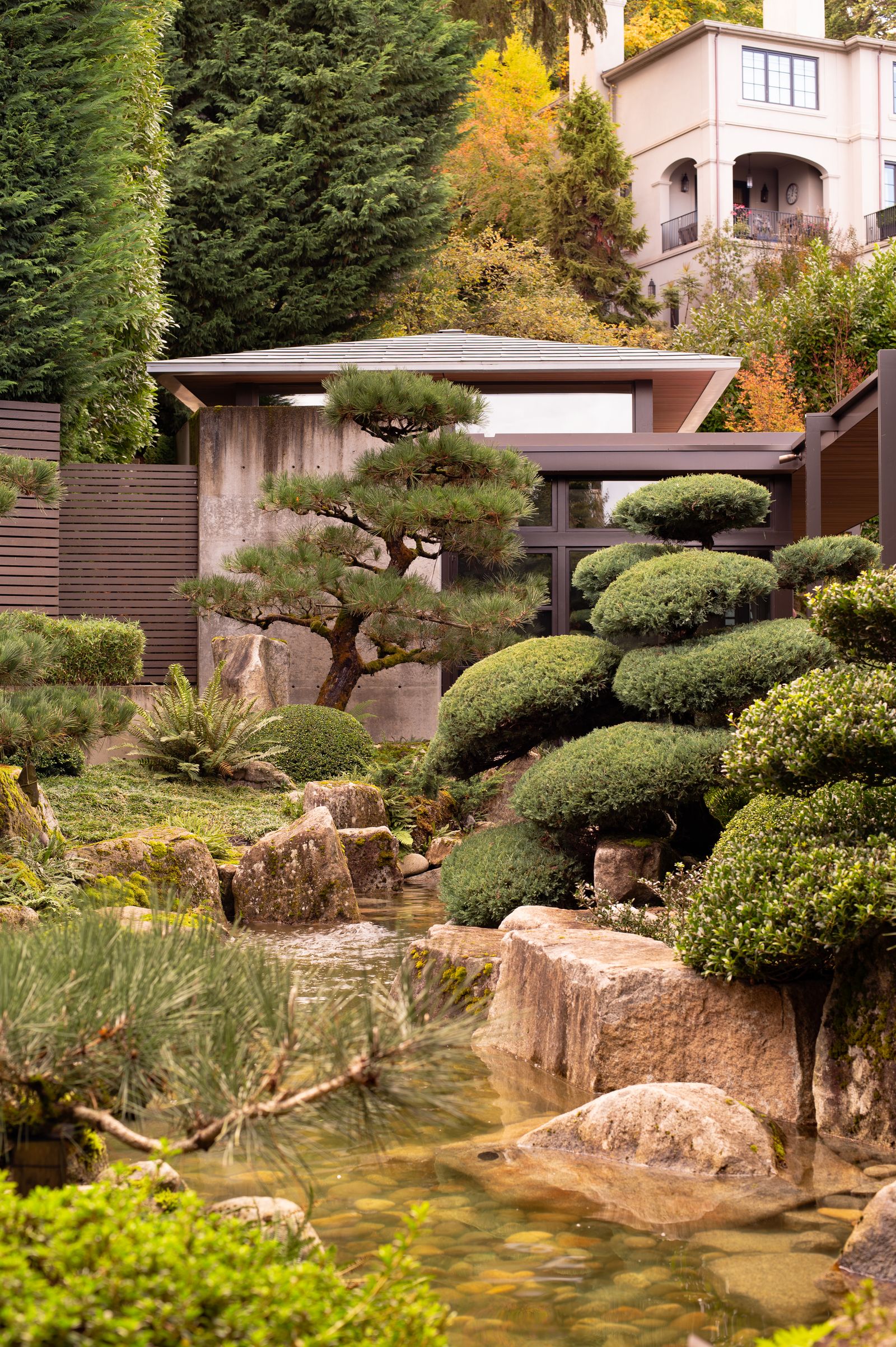
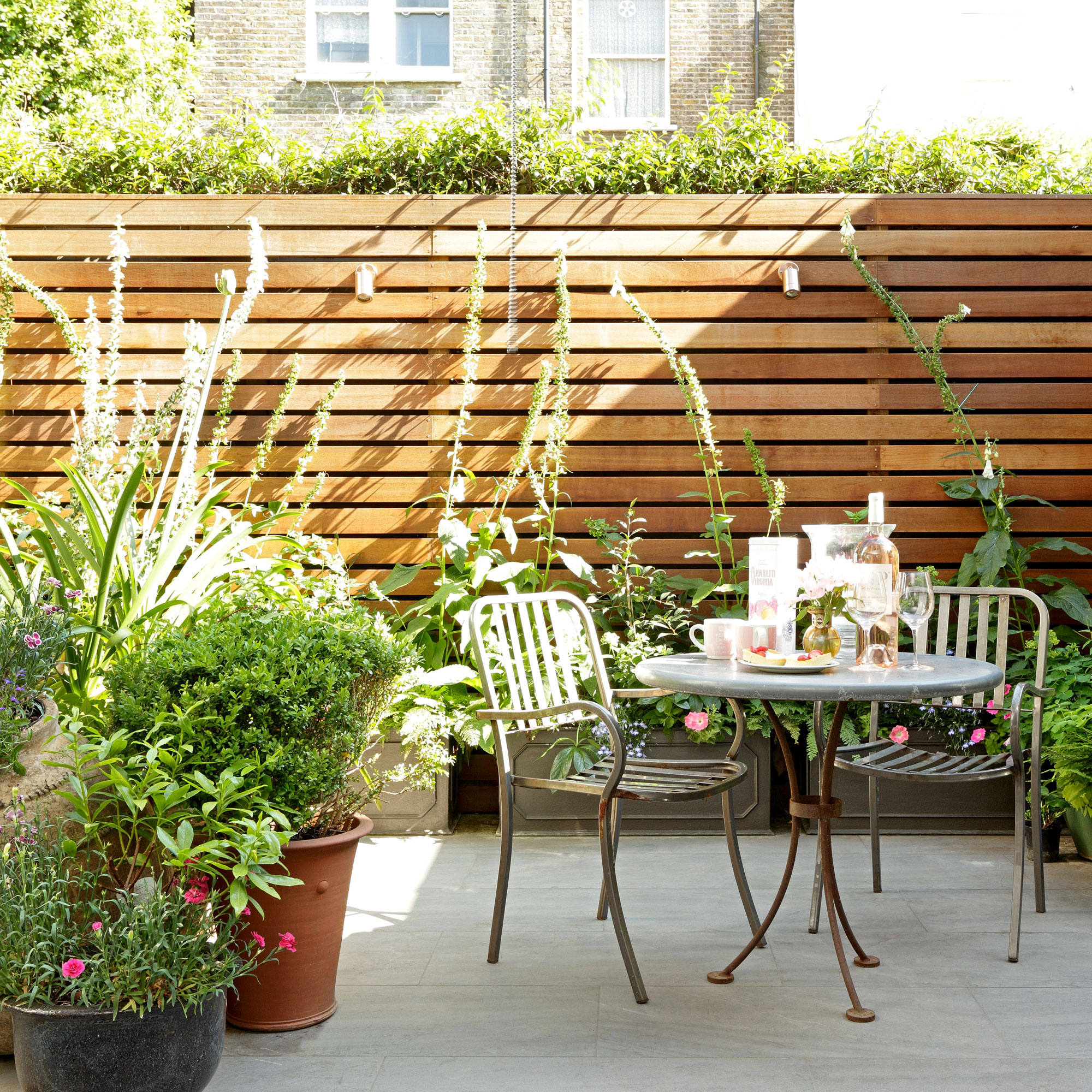
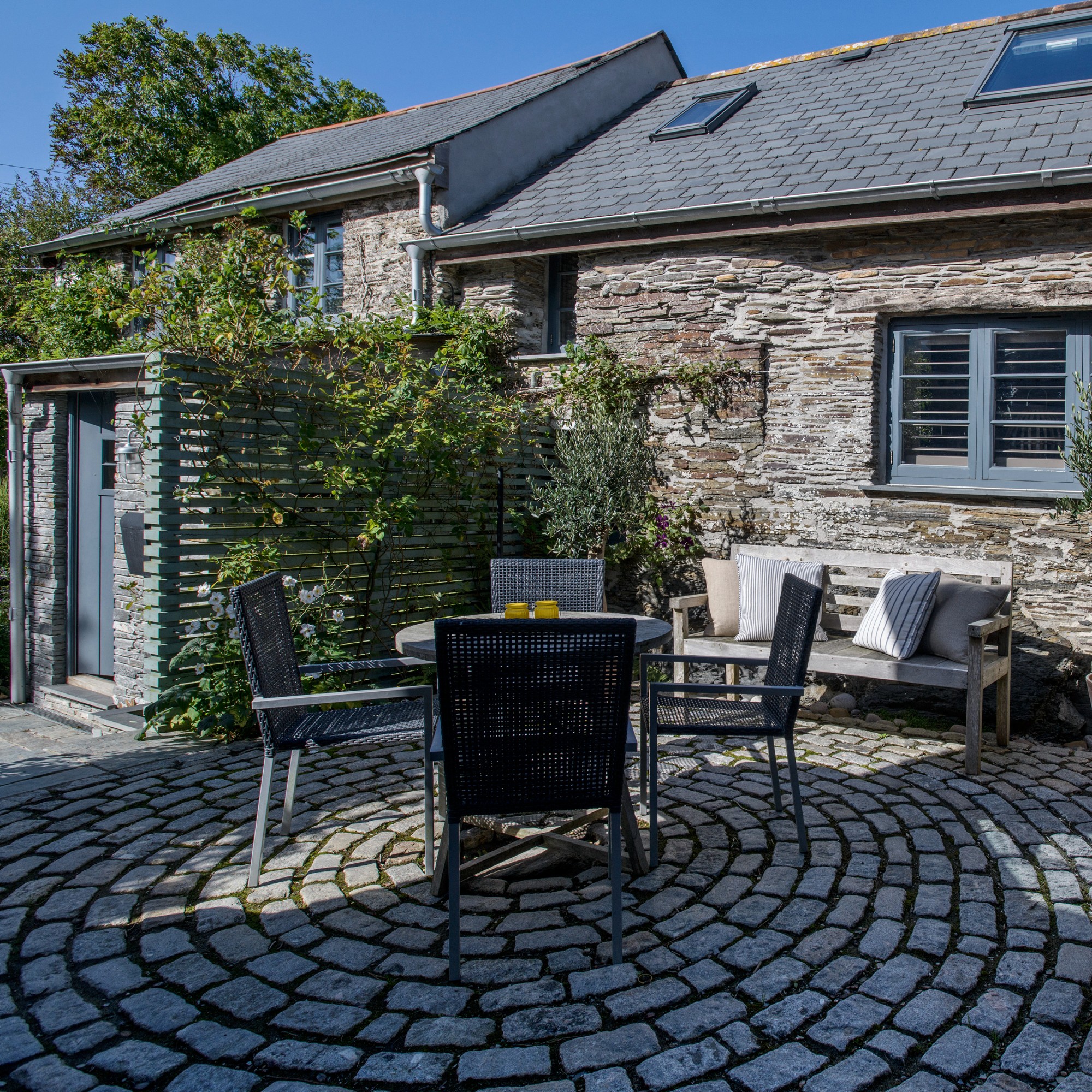
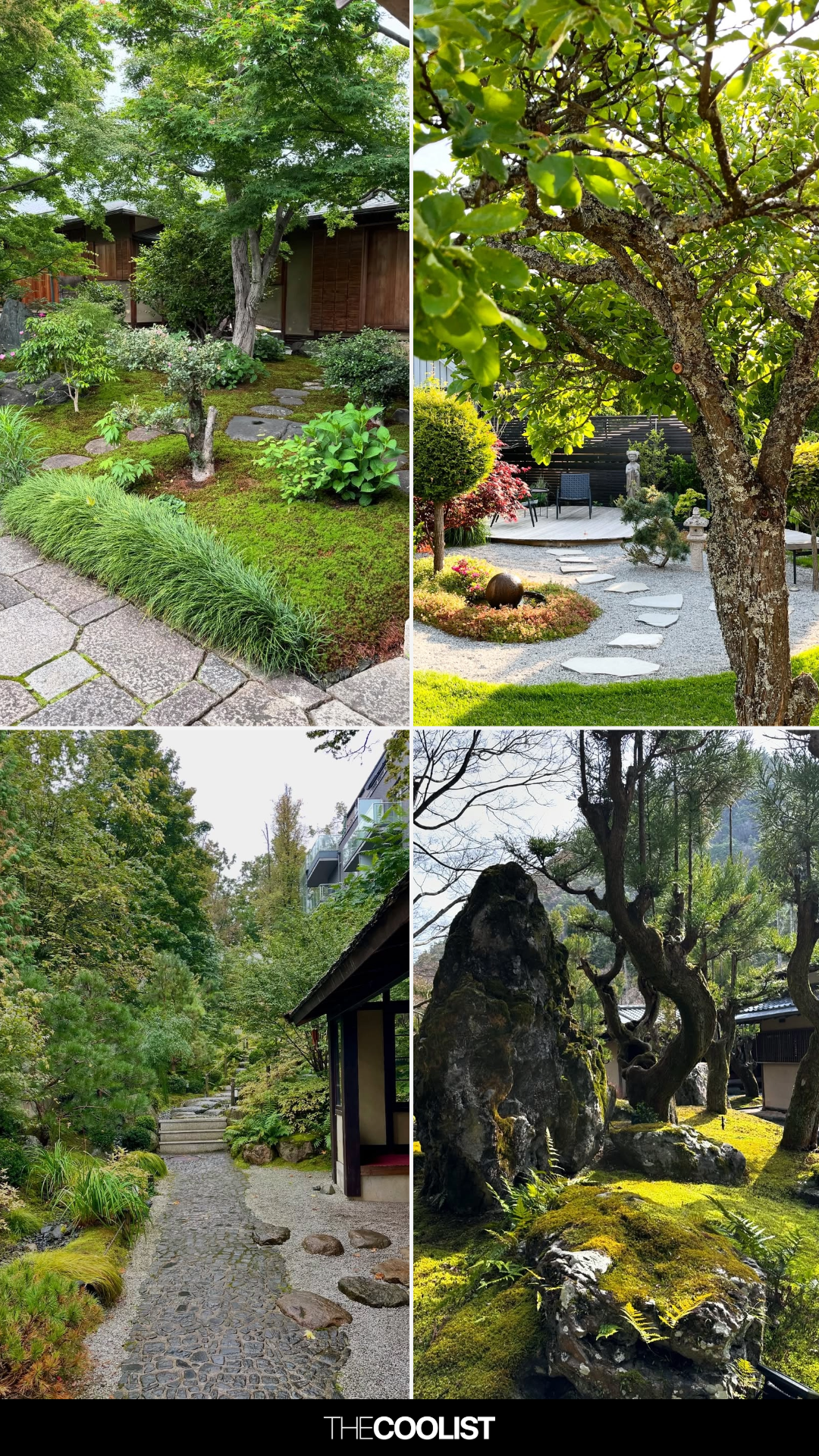
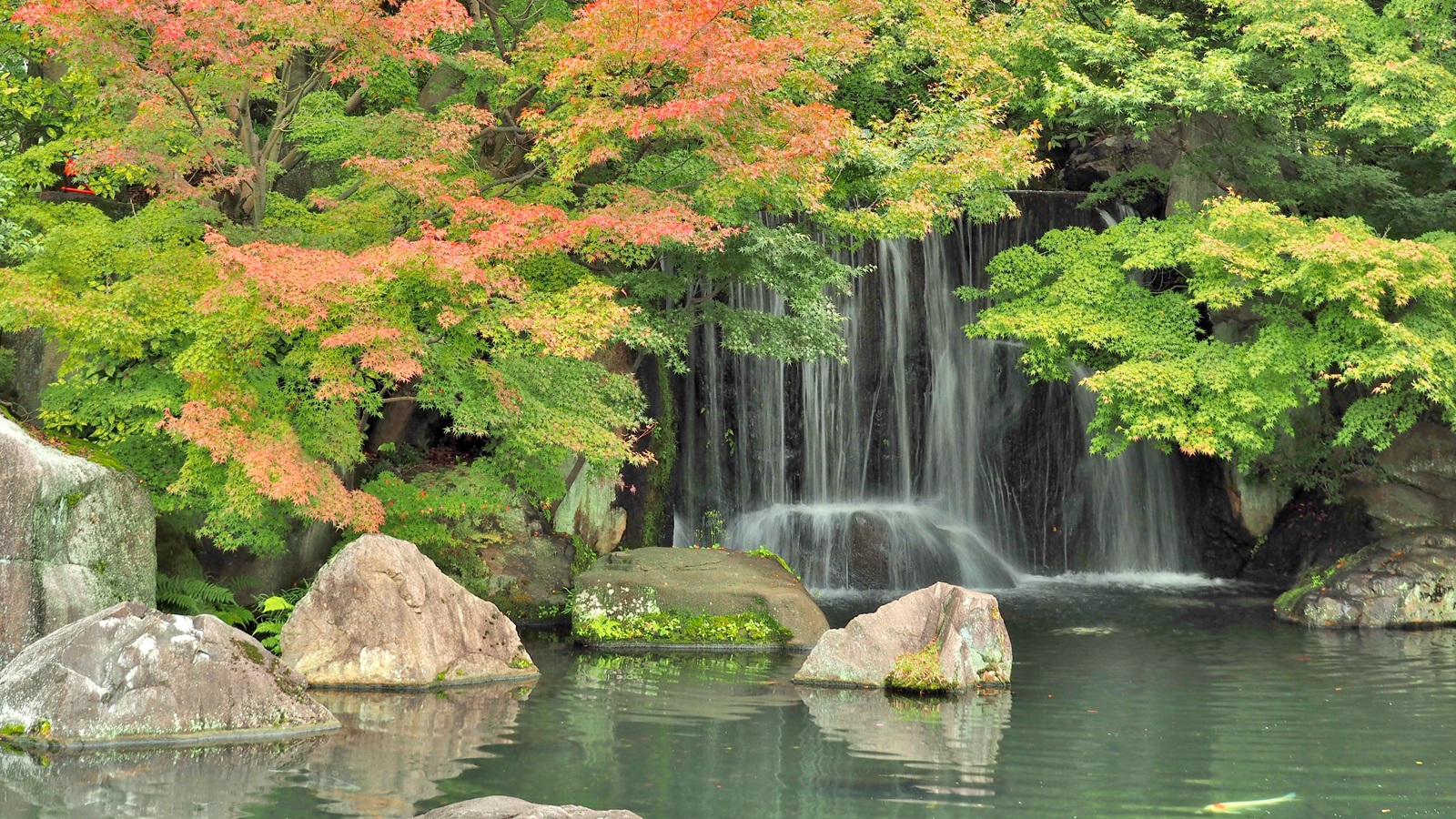
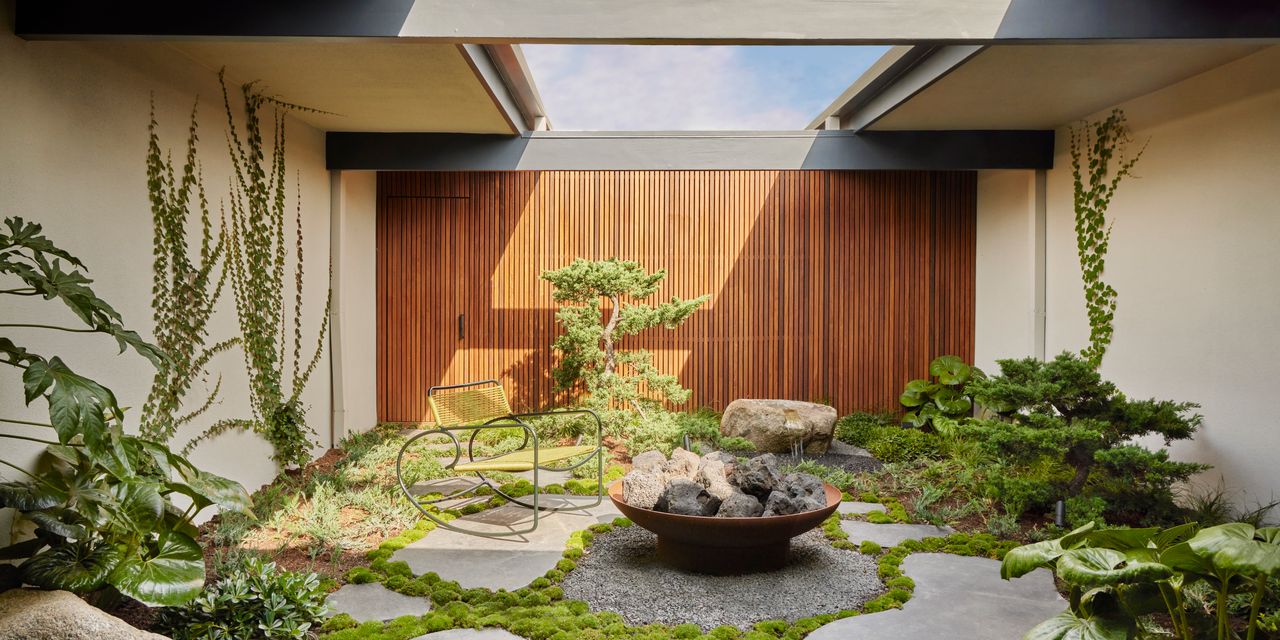
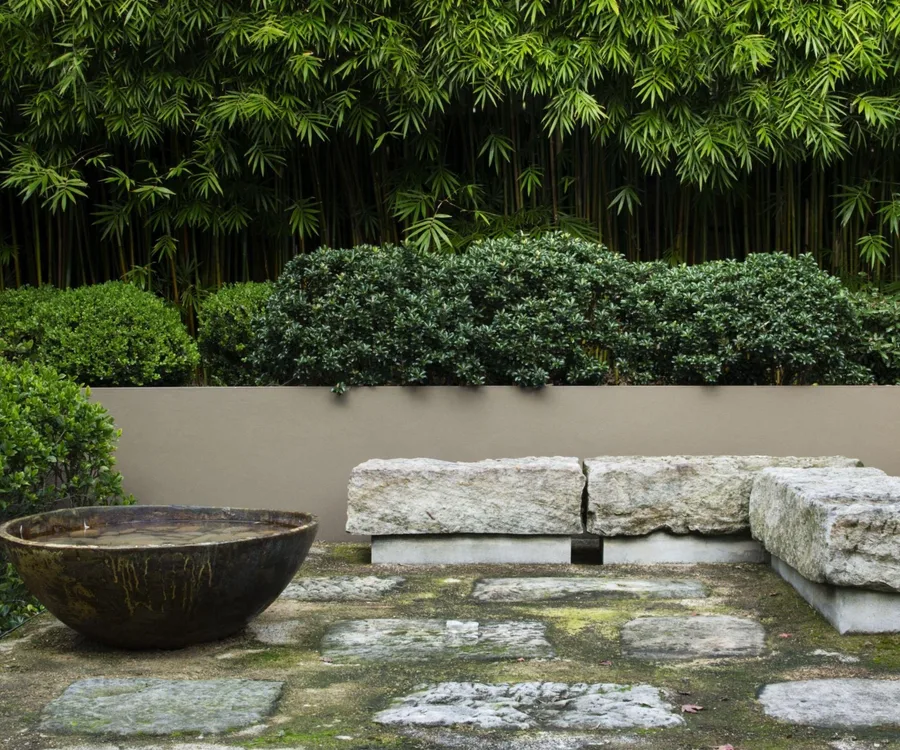
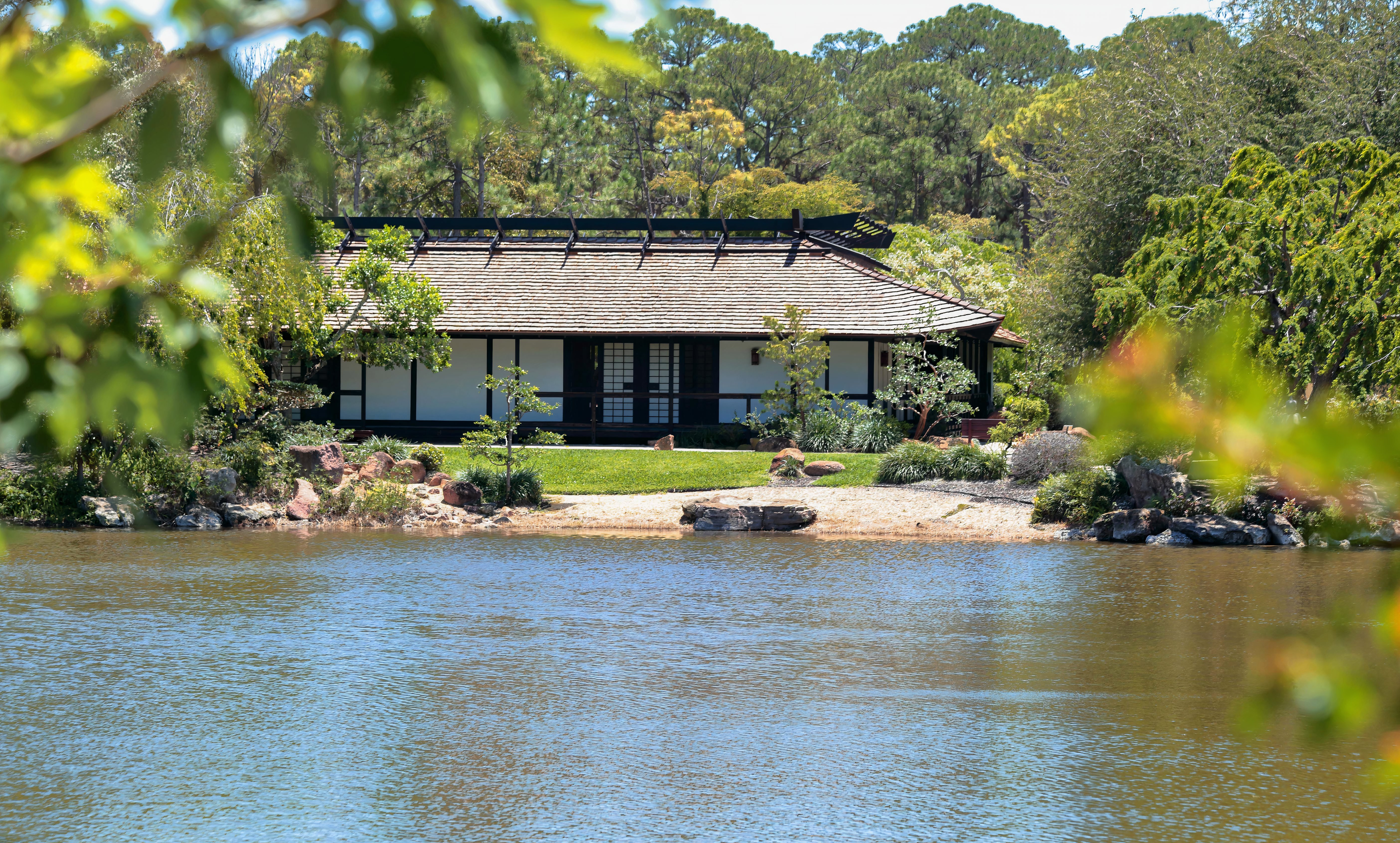
Water features, despite the dry nature of authentic Zen gardens, significantly enhance the landscape and symbolize the continuous flow of time. Small water features such as fountains or ponds are ideal for these designs. Complementary accessories like bridges, statues, and lanterns can be added to complete the aesthetic. For city gardens or tiny courtyards, designing a Japanese courtyard garden offers an elevated approach. This style is well-suited for modern homes and townhouses, providing a sense of retreat within an enclosed space. Stepping stones, gravel paths, and bamboo can be used to introduce movement, sound, and height.
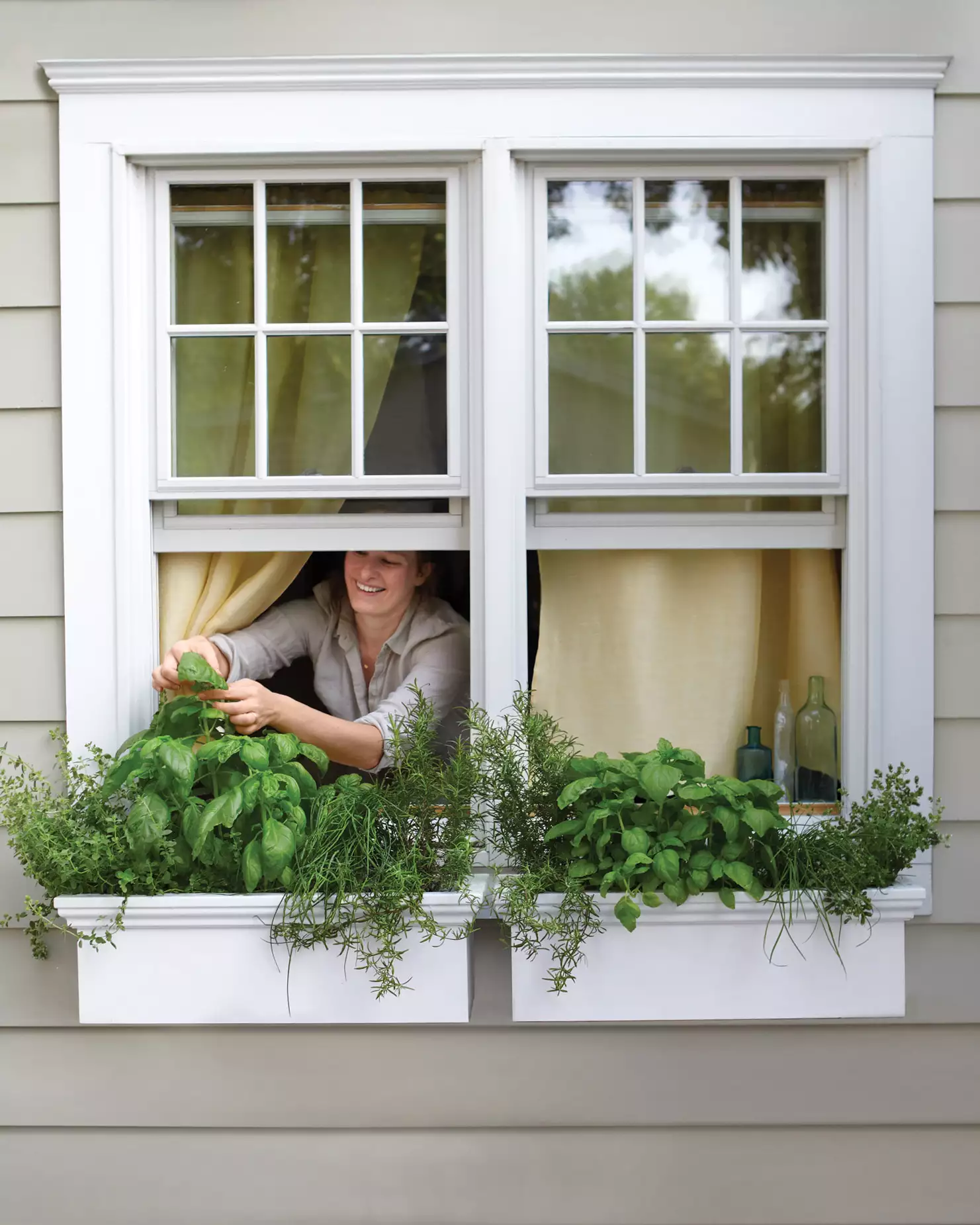
Strategic design techniques can make a small Japanese garden feel more expansive. Incorporating zigzagging pathways, layered planting, and a concept known as borrowed scenery (shakkei) creates depth and a sense of journey within the limited area. For those with no outdoor space, a windowsill garden can replicate the Japanese aesthetic indoors, using houseplants like weeping figs or jade trees.
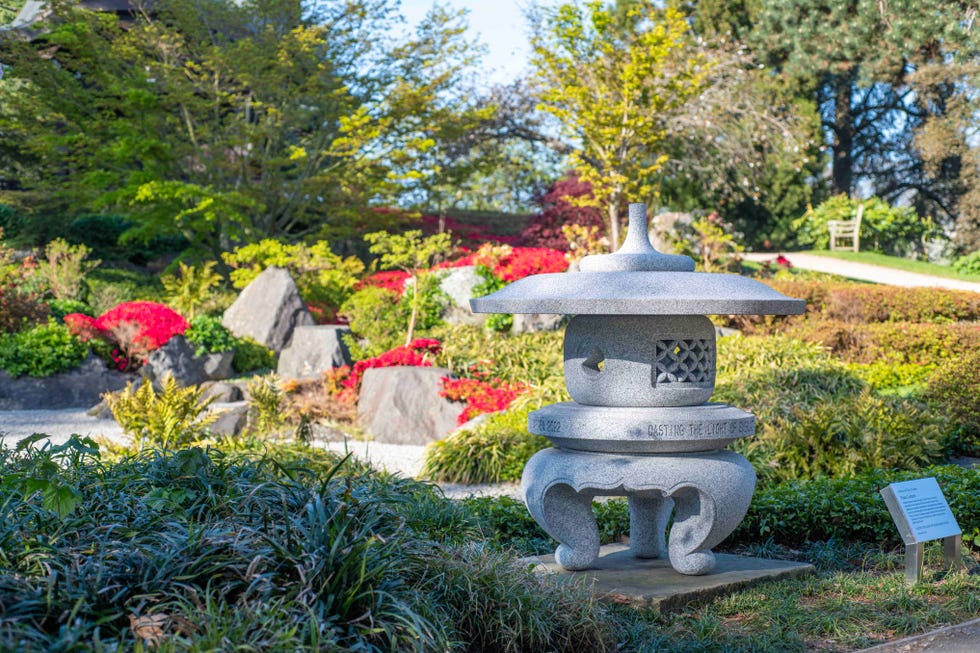
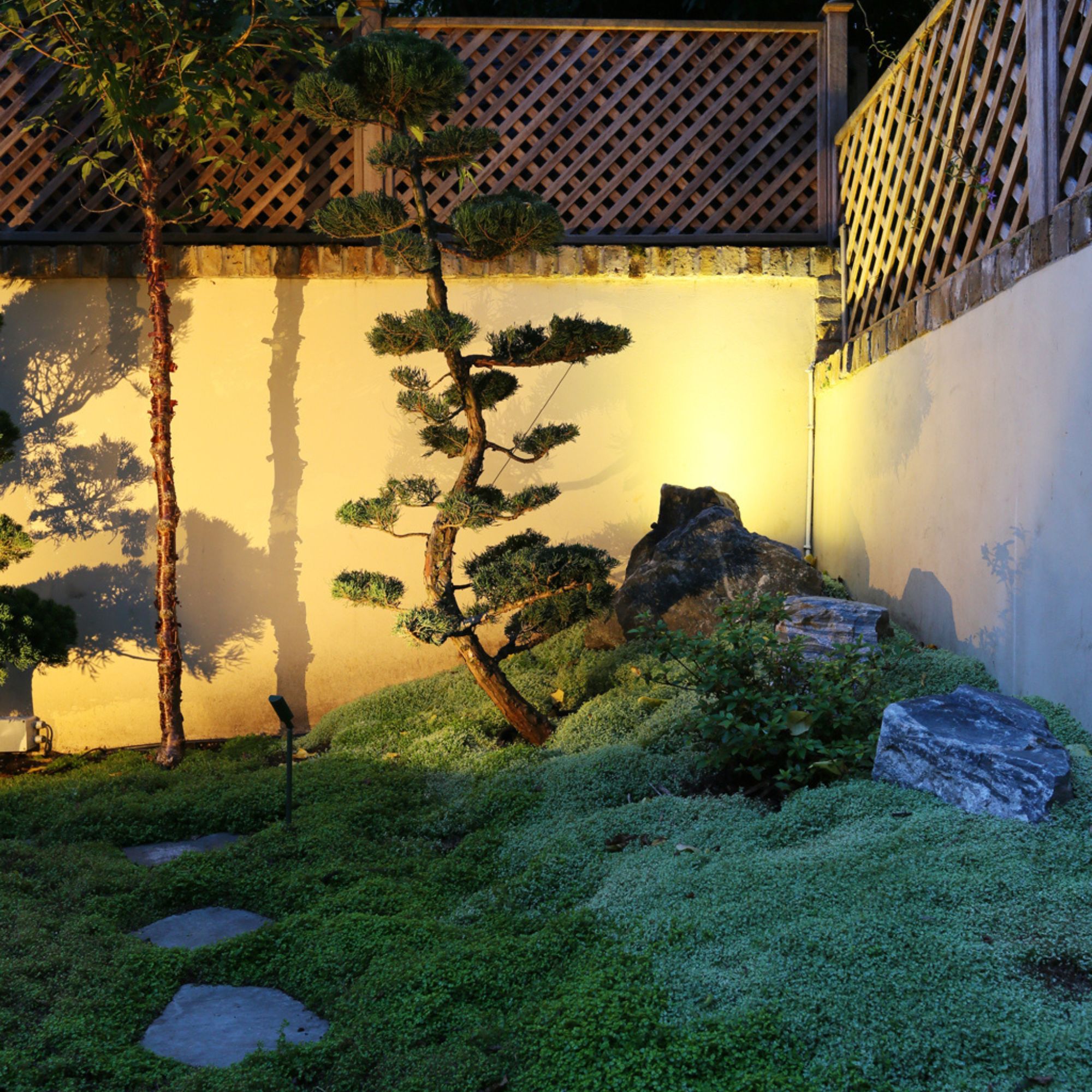
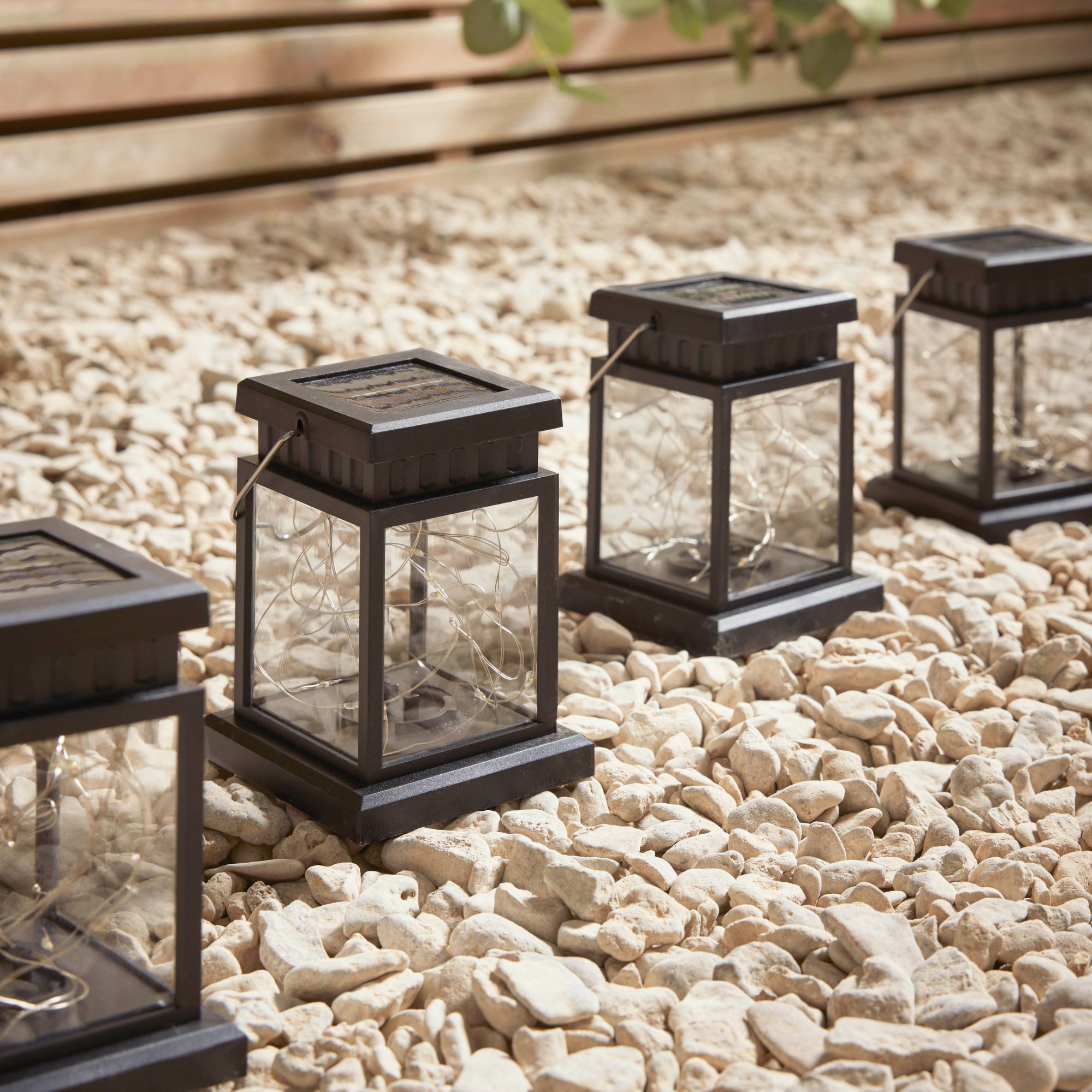
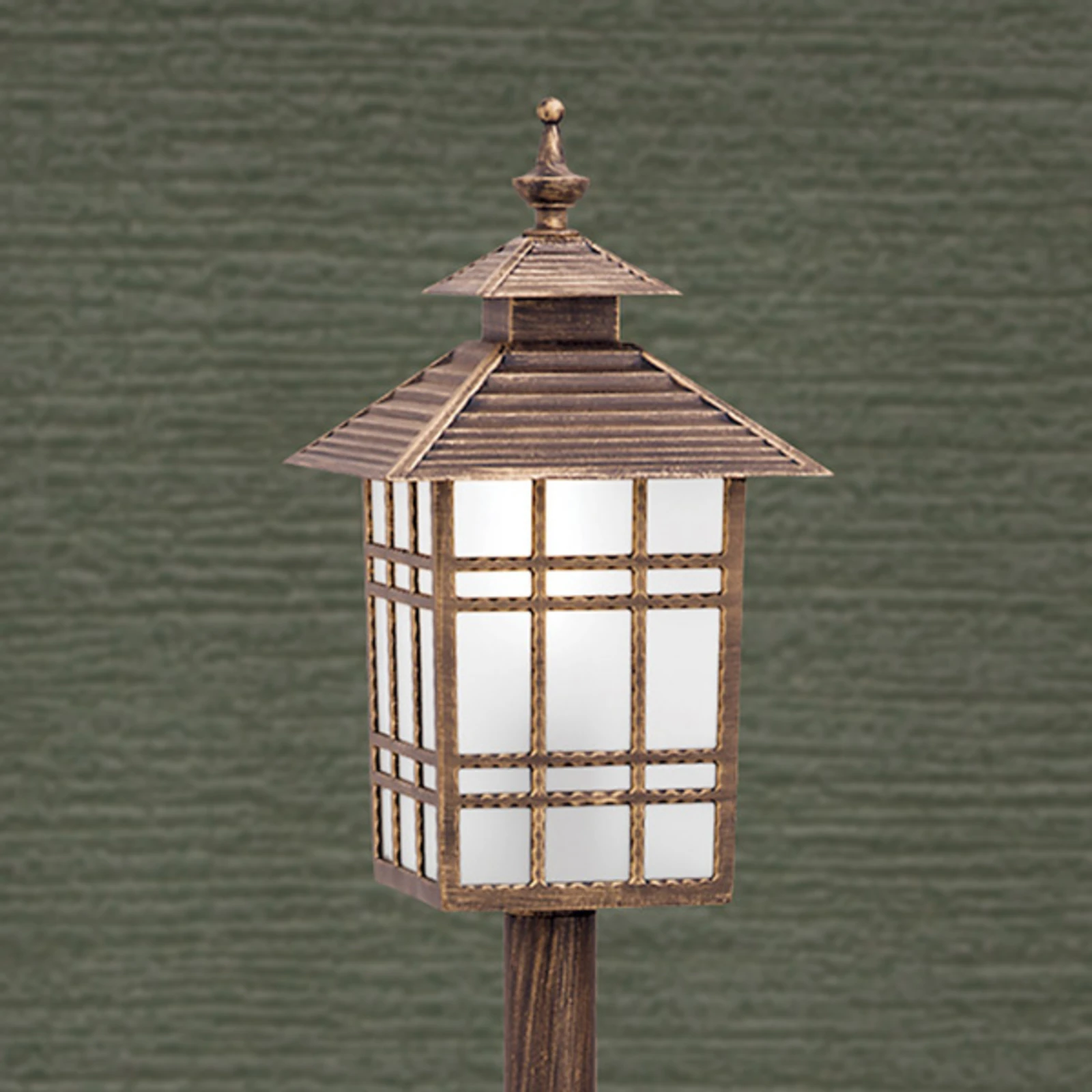
Appropriate lighting is essential for setting the ambiance of a small Japanese garden. Thoughtful placement and subtle illumination, such as traditional stone or modern LED lanterns, create a tranquil, meditative atmosphere. These lights can be positioned near pathways or water features to enhance serenity and can also be used to cast shadows from trees or rocks, adding depth and movement to the garden after dark.
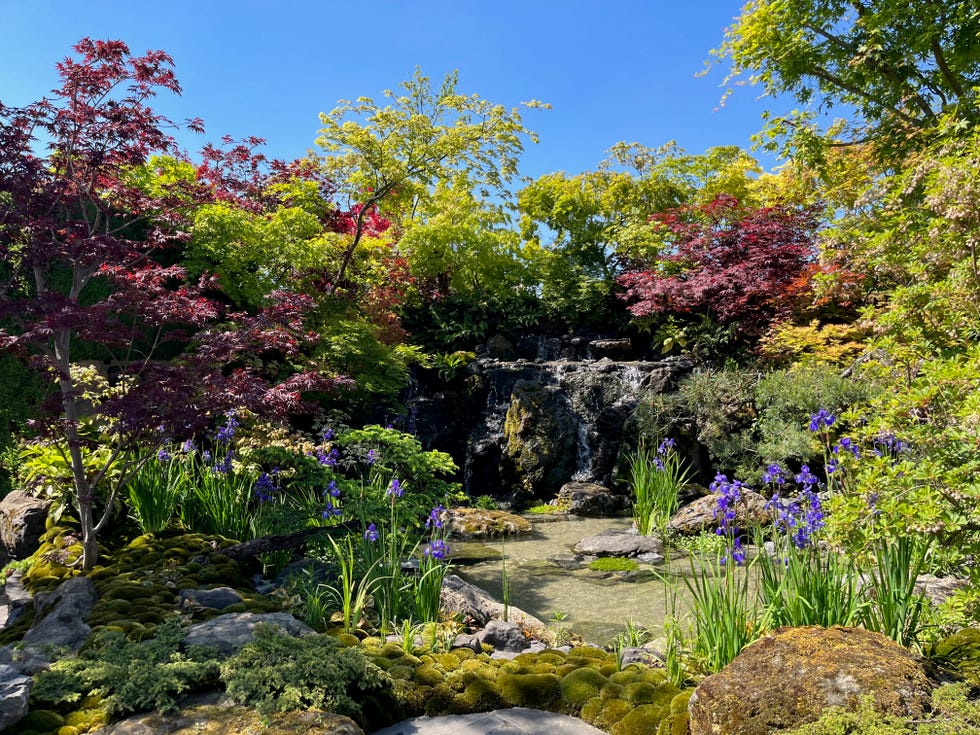
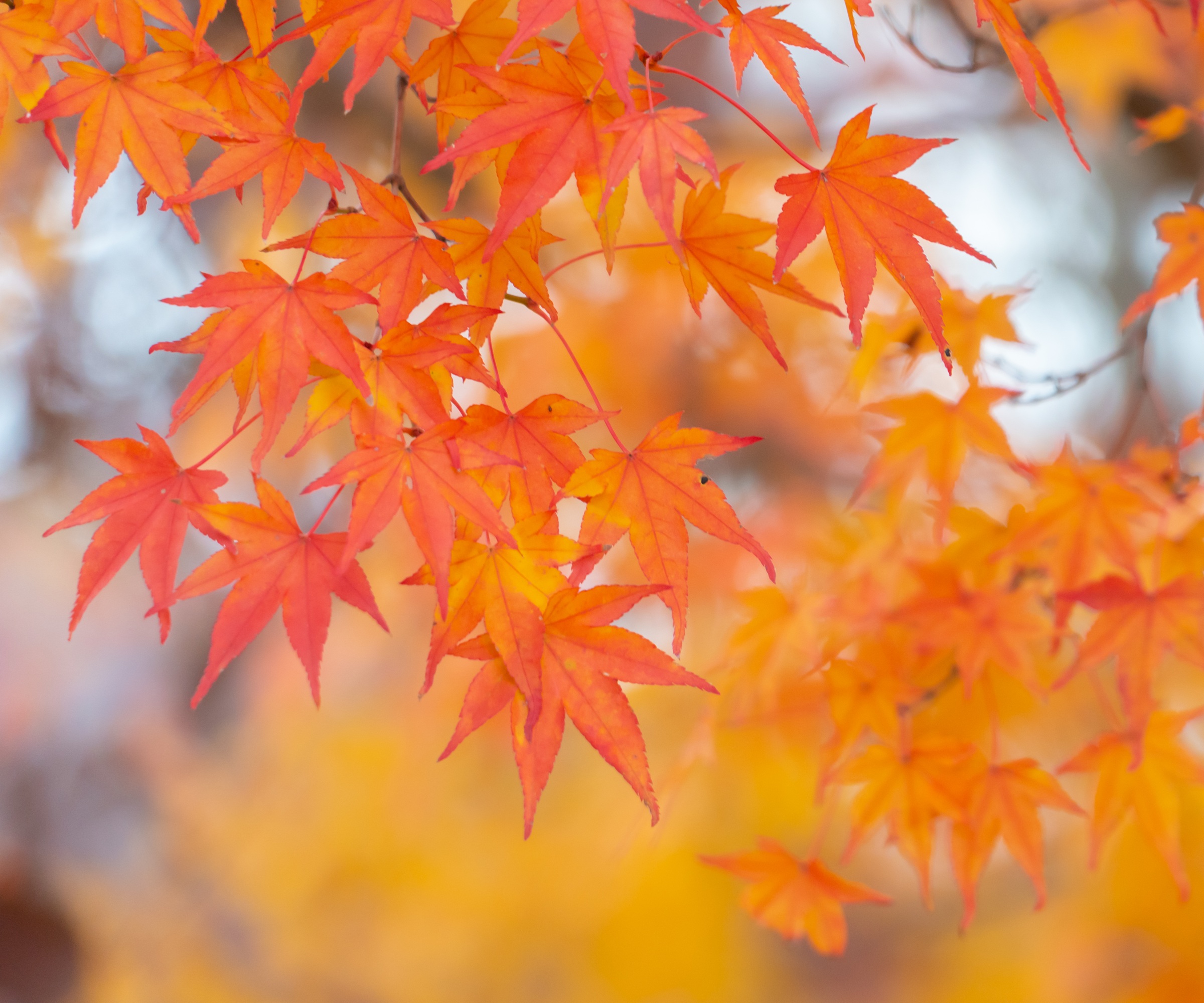
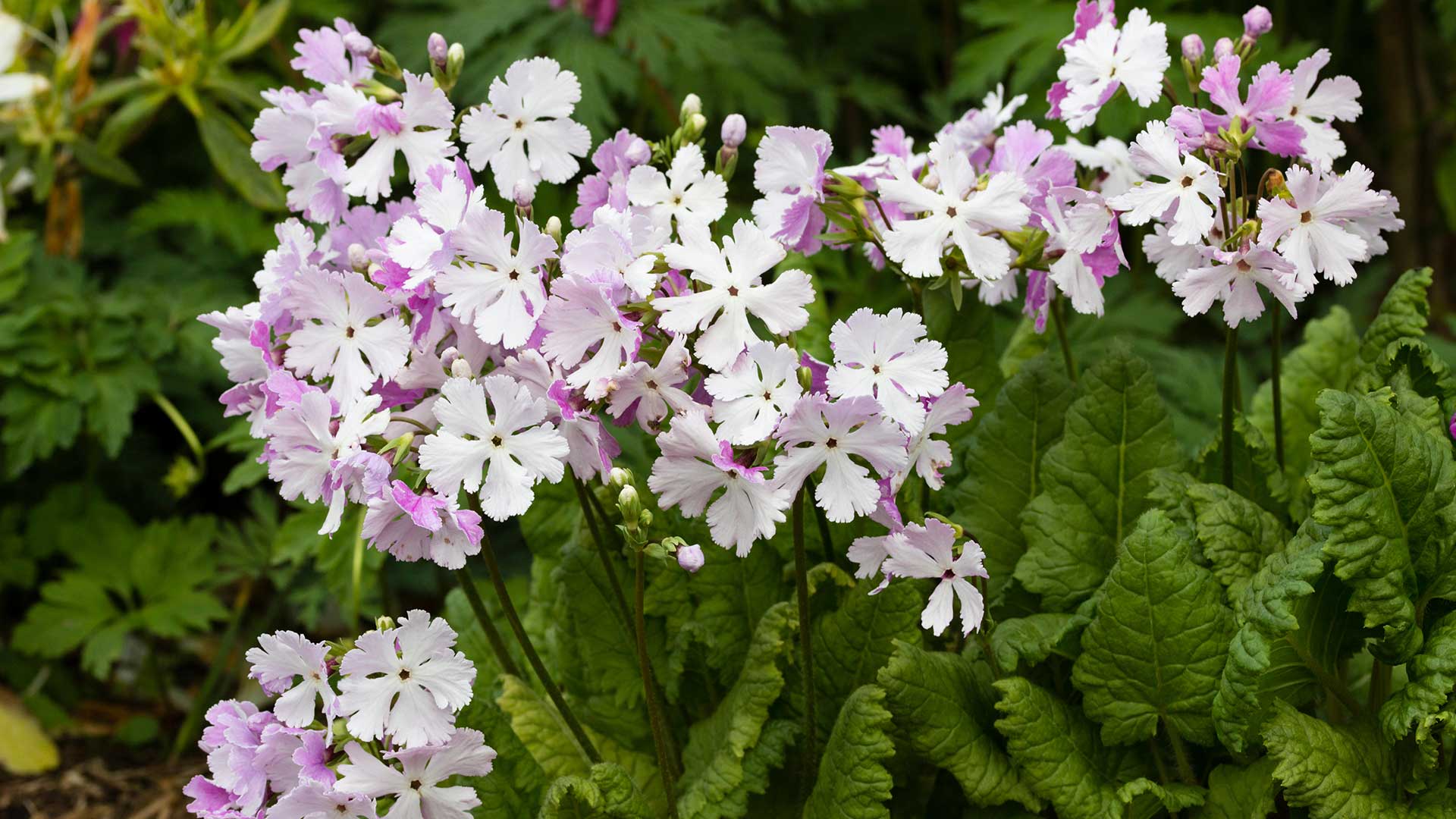
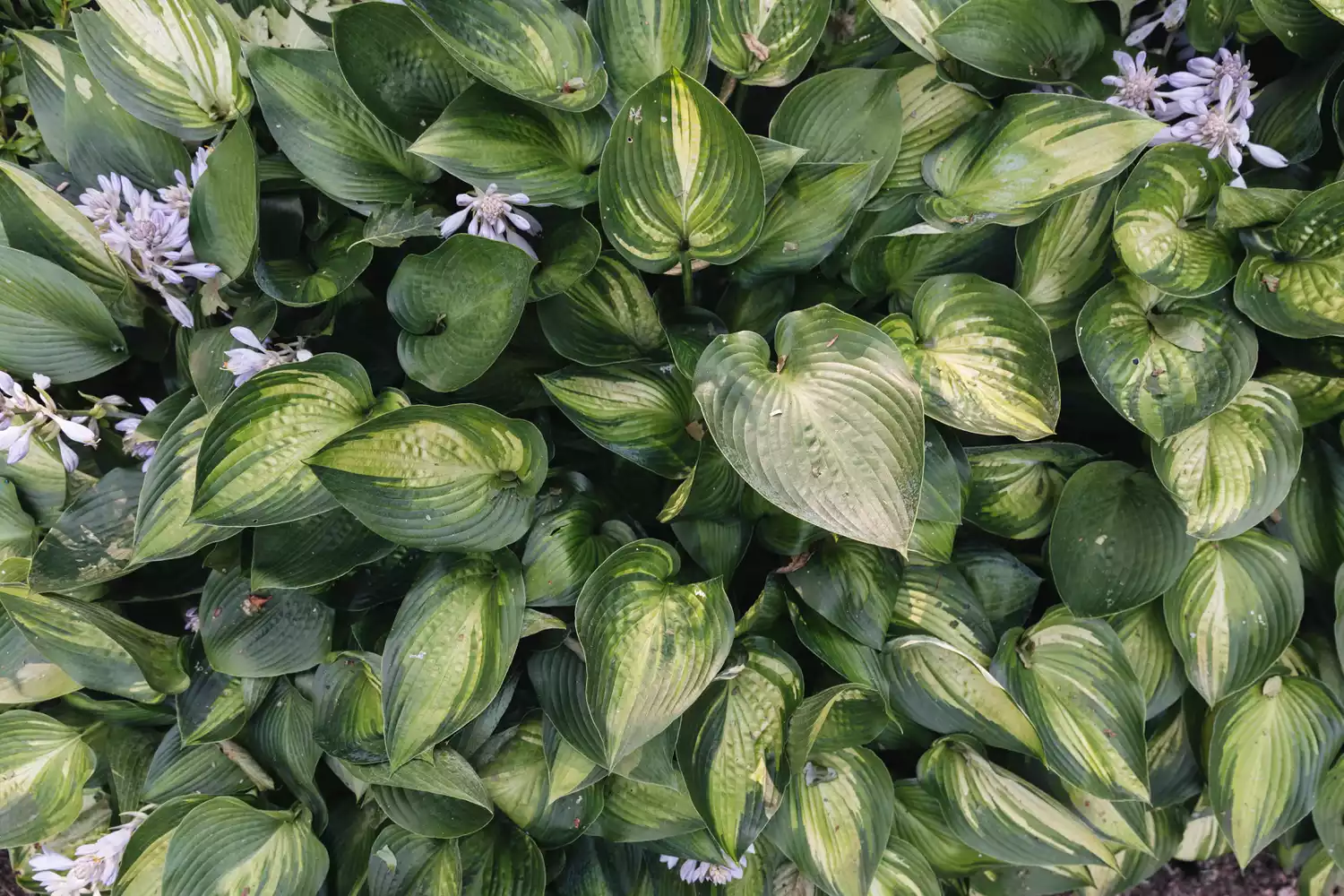
The color scheme of a Japanese garden prioritizes natural tones and seasonal harmony, differing from Western gardens that might focus on bold contrasts. Shades of green from plants like bamboo, Japanese maples, pine trees, and moss form the core foundation. These greens are complemented by soft pinks in spring and transition to vibrant reds and oranges in autumn, particularly from Acer palmatum varieties like 'Firecracker'. This emphasis on natural, evolving colors ensures the garden remains balanced and in tune with its environment throughout the year.
#JapaneseGarden #SmallGardenIdeas #ZenGarden #GardenDesign #Landscaping #DwarfTrees #WaterFeatures #CourtyardGarden #GardenLighting #JapaneseGarden #SmallGardenIdeas #ZenGarden #GardenDesign #Landscaping #DwarfTrees #WaterFeatures #CourtyardGarden #GardenLighting
0 comment in total
 No comments yet
You may also like
Small Japanese garden ideas – 7 ways to infuse a tiny outdoor space with Japanese-inspired planting and landscaping
Japanese garden ideas – 11 design tips for a zen backyard

The best plants for a Japanese garden: 7 serene species
14 small garden design ideas that maximise space and greenery

7 Japanese Garden Ideas That Channel the Elements of Nature to Make Your Outdoor Space Feel Serene

Experts reveal how to plant a Japanese-inspired garden

17 Small-Space Garden Ideas Perfect for Your Patio or Windowsill

Japanese garden ideas – 10 ways to create a soothing space, with advice from the experts

24 Japanese Garden Ideas That Encourage Slow Walks and a More Relaxed Outdoor Rhythm

Looking to add some Zen to your landscape? Visit these Japanese gardens for inspiration
Garden Pros Say This Japanese Design Idea Is the Secret to an Easy Yard
How to Design a Japanese Garden in Any Climate, According to Landscape Experts

7 Japanese-style gardens to inspire and delight
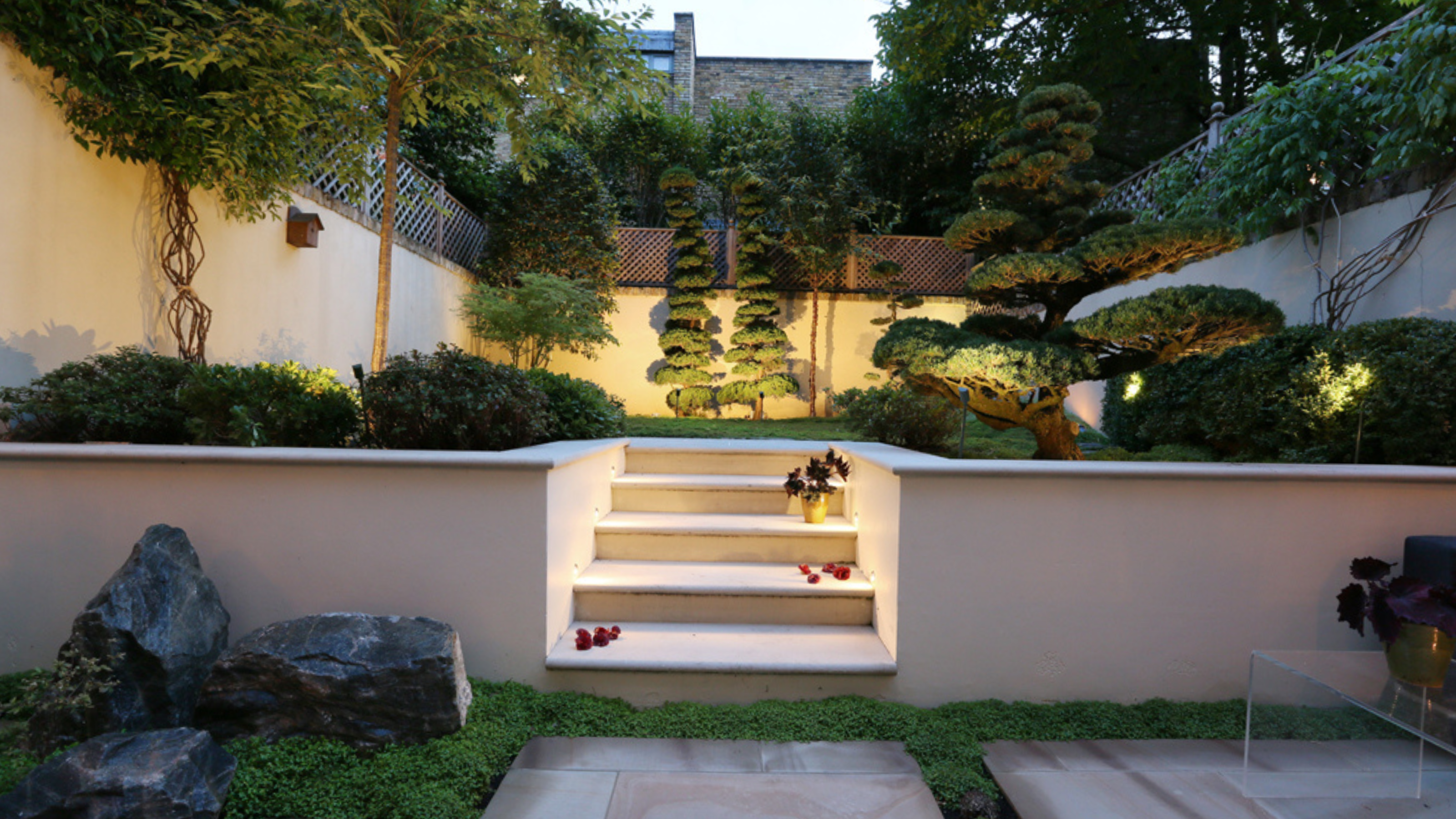
Japanese garden lighting ideas – 6 subtle yet effective ways to illuminate your outdoor space

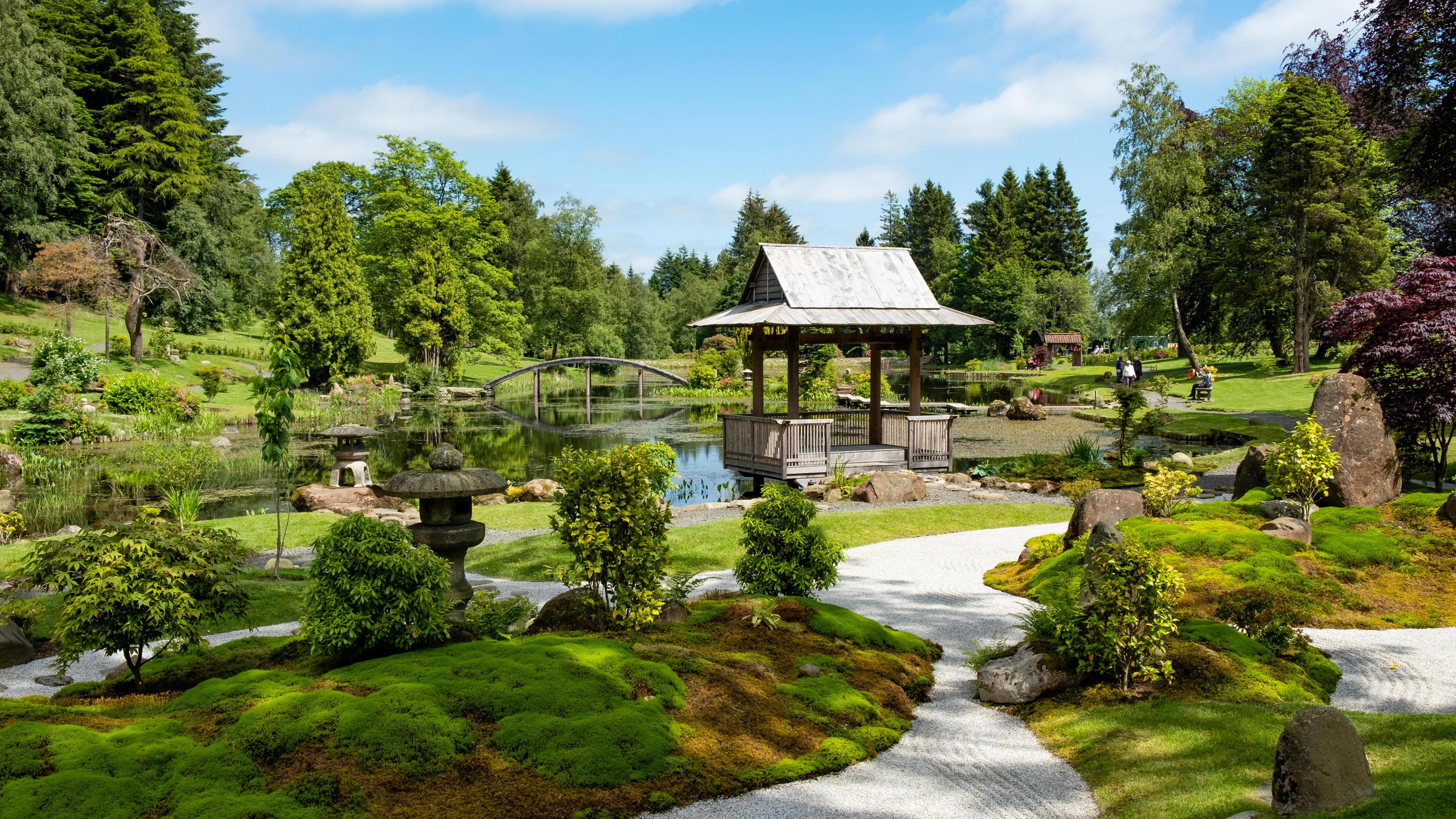
Seven of the loveliest Japanese gardens in the UK

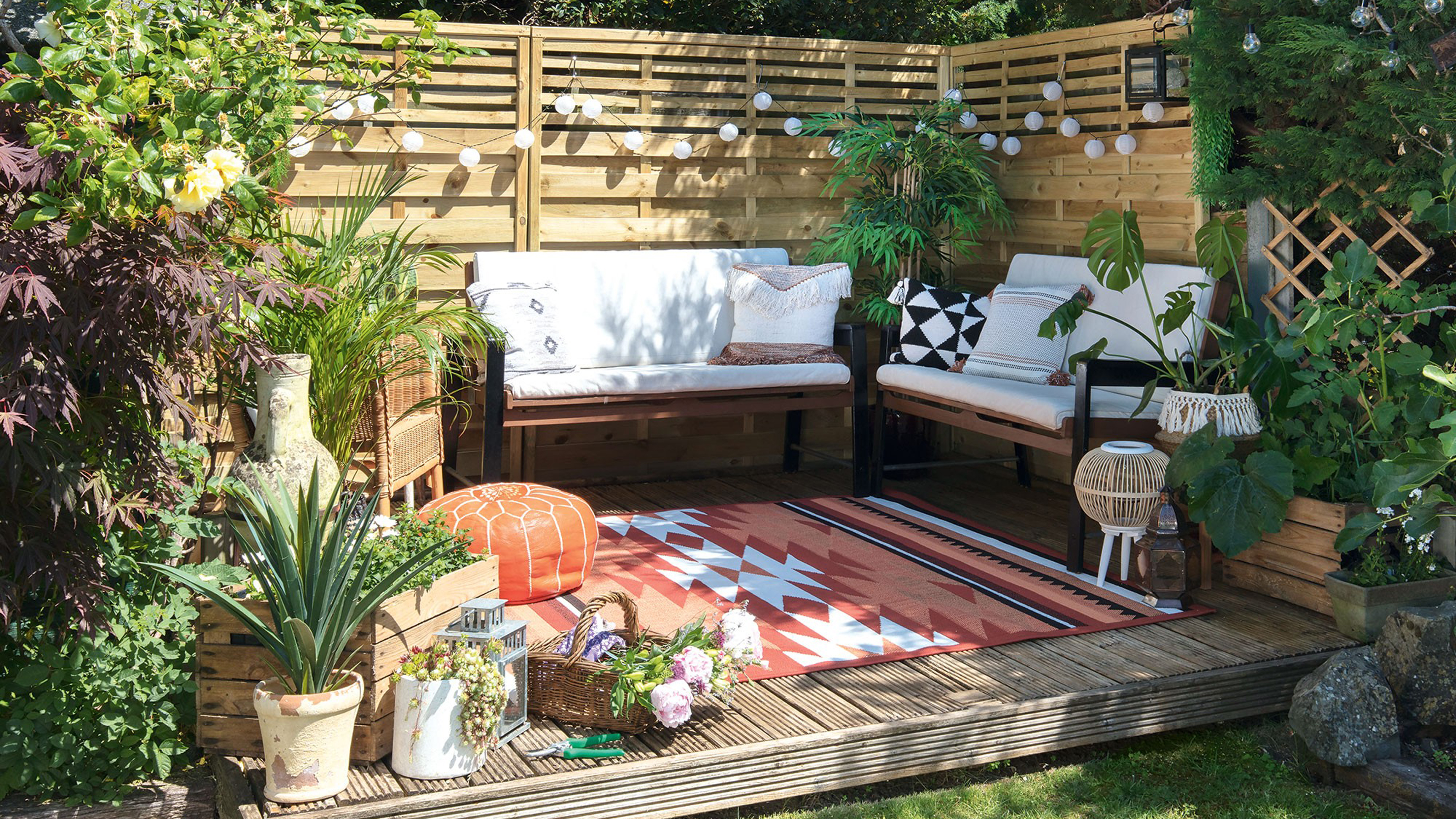
Small garden ideas – 35 brilliant ways to transform a tiny outdoor space
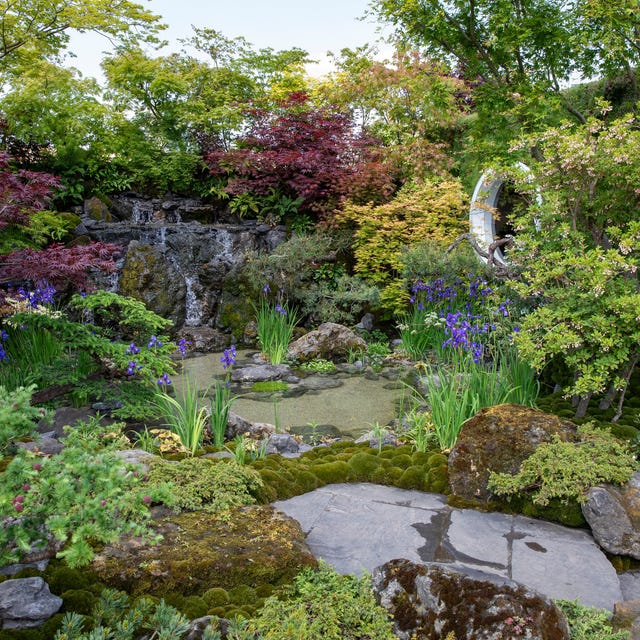
4 Japanese garden ideas for a calm and tranquil outdoor space
An Expert Guide to Japanese Zen Gardens
This Tranquil Garden Is A Slice Of Japan In An Unexpected Place

9 Japanese Plants for a Zen Garden