1/11
Japanese garden ideas – 10 ways to create a soothing space, with advice from the experts
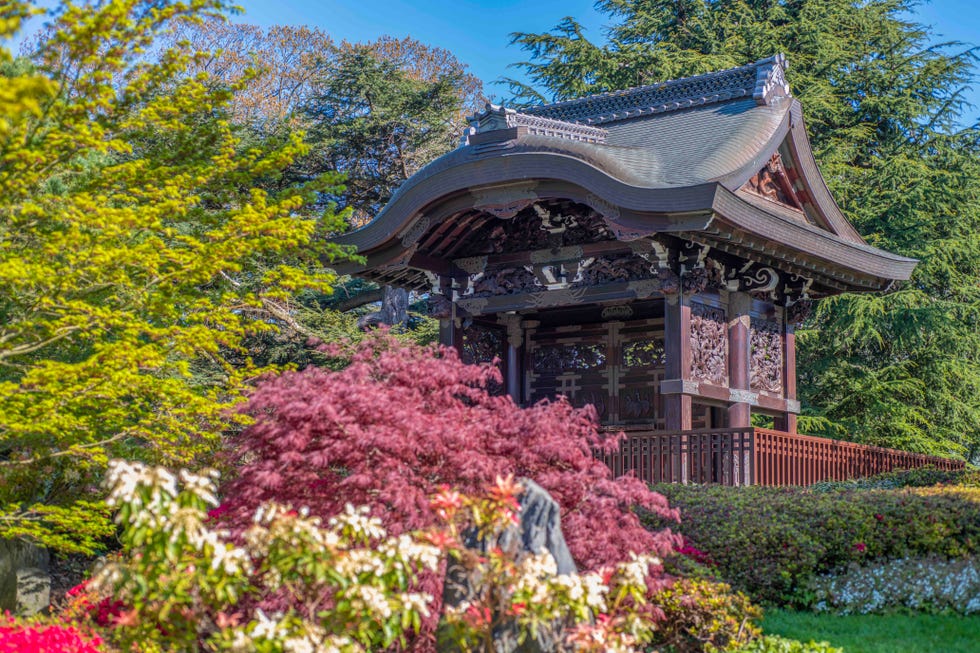
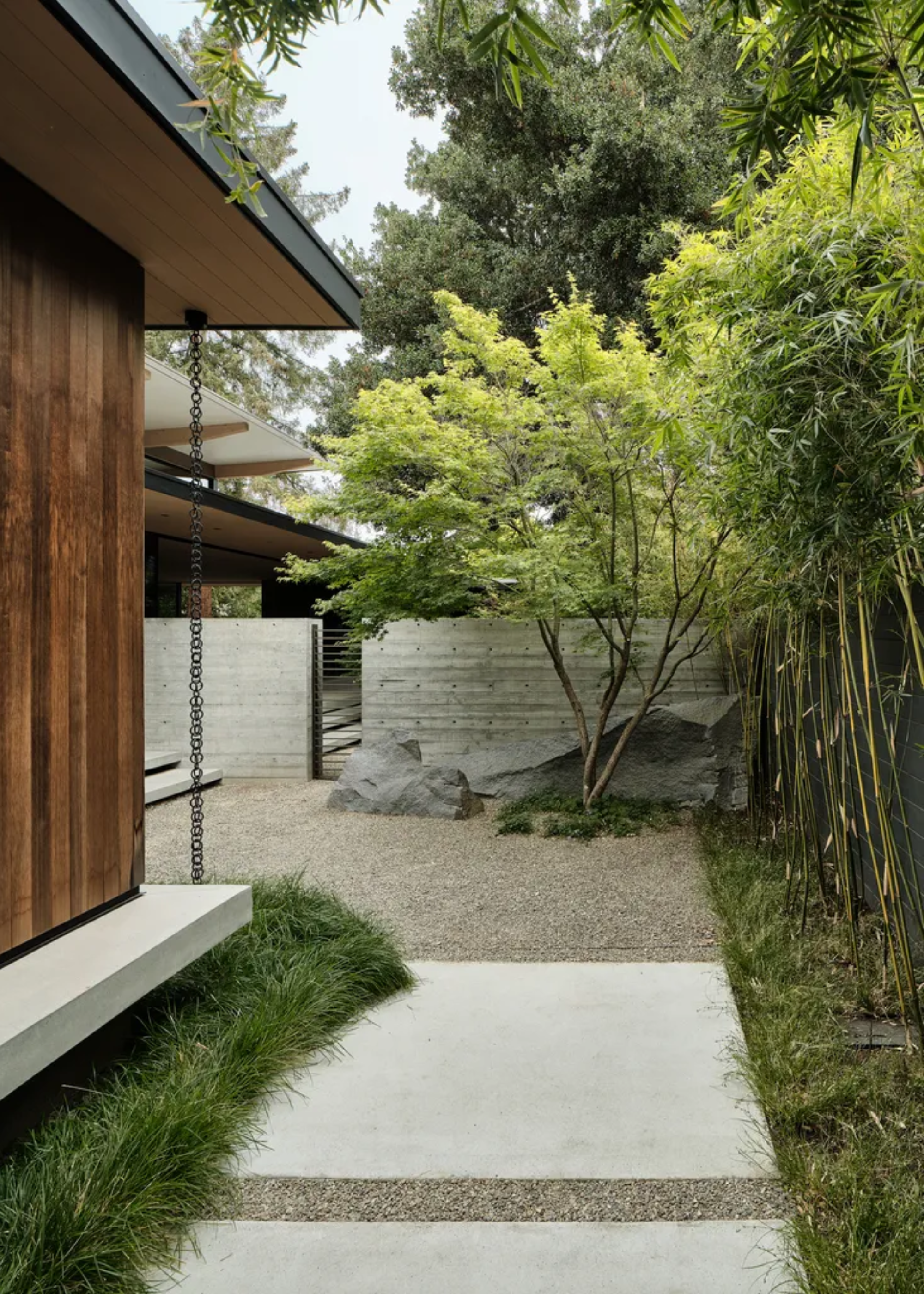
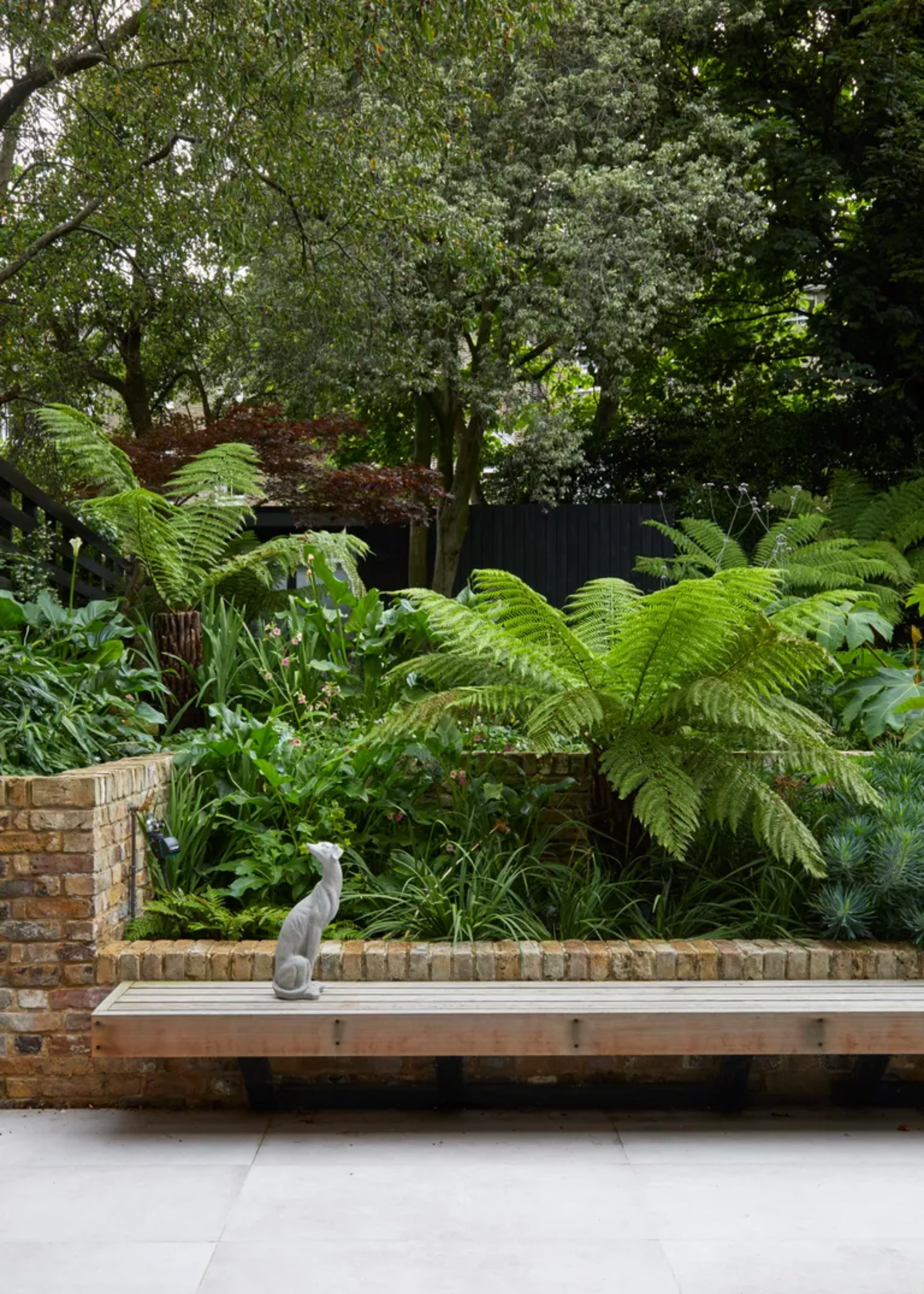
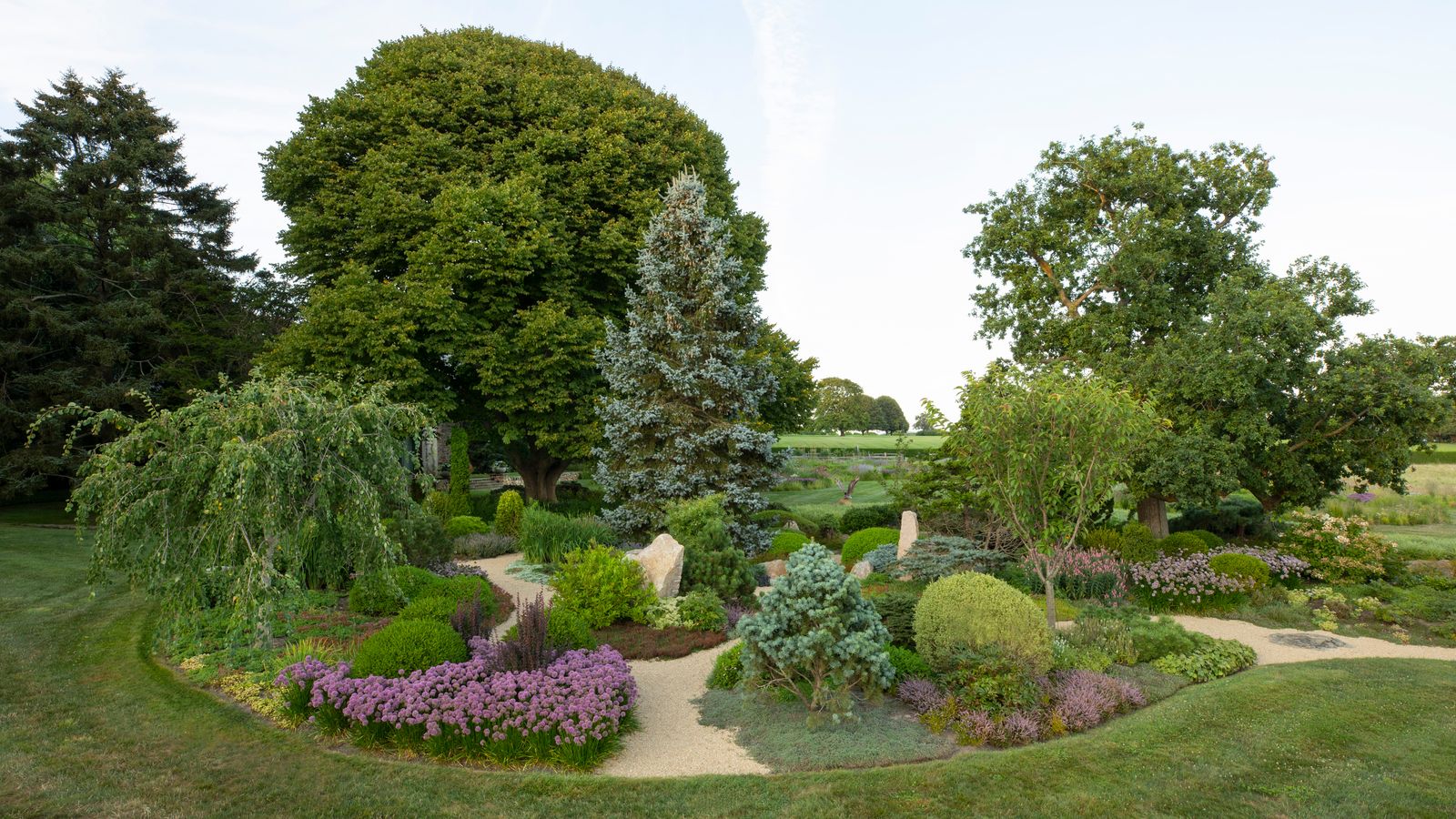
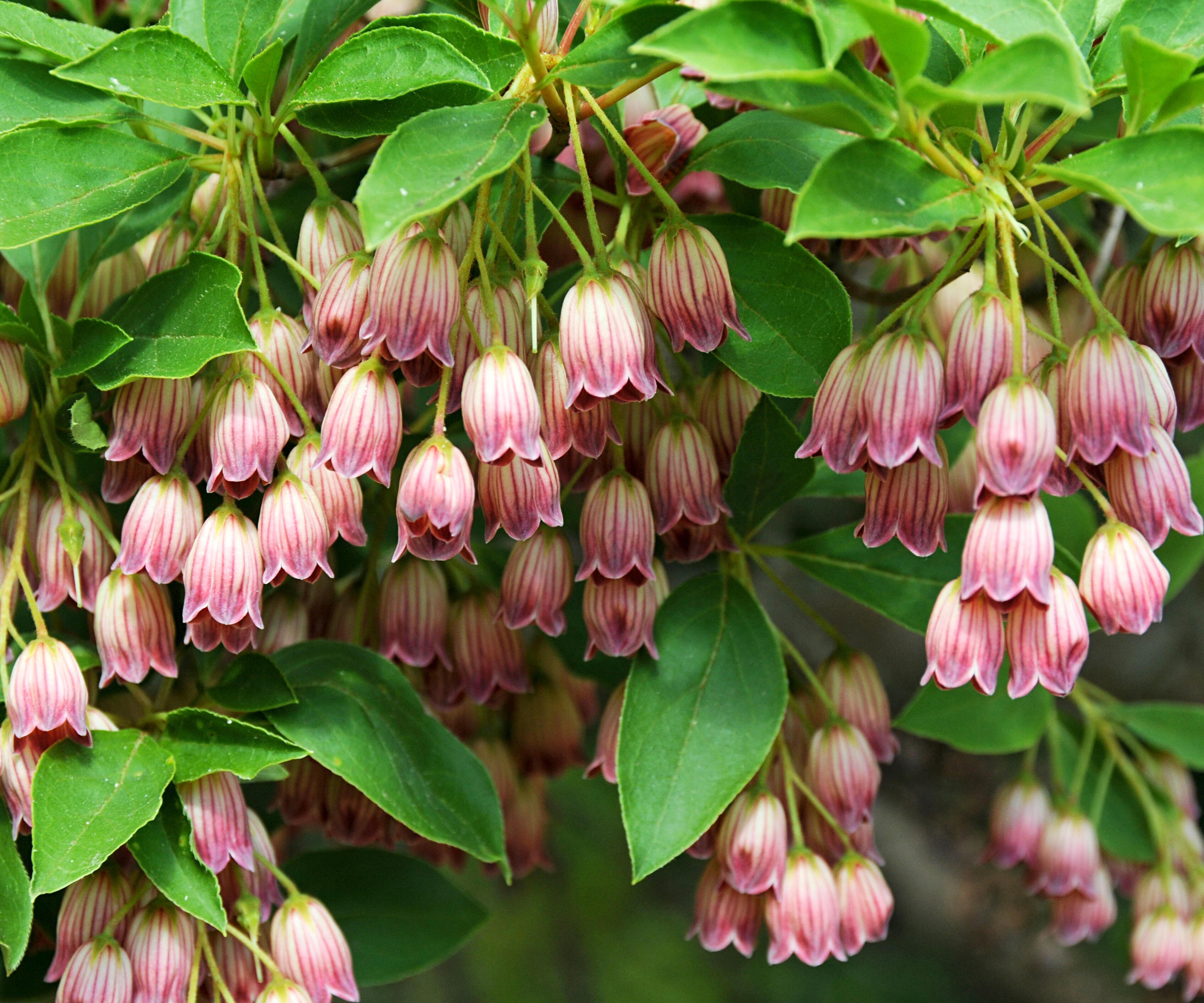
This article explores ten Japanese garden ideas, emphasizing their calming and reflective qualities. Japanese gardens prioritize shape, grace, and form over brightly colored annuals, creating a soothing feel throughout the seasons. The designs are adaptable to both small urban gardens and larger plots. Horticultural advisor Nick Turrell emphasizes focusing on foliage and layering plants for varied shades and textures. He suggests hostas, particularly large-leaved varieties like “Sum and Substance” or Hosta sieboldiana var. elegans, and hardy ferns such as Dryopteris filix-mas, which thrives in shade. Evergreen plants like dwarf pine (Pinus mugo “Mops”) and broadleaf evergreens like camellias are crucial for structure, with advice to prune camellias after flowering. Pieris japonica is also highlighted for its delicate flowers and natural bonsai-like structure.
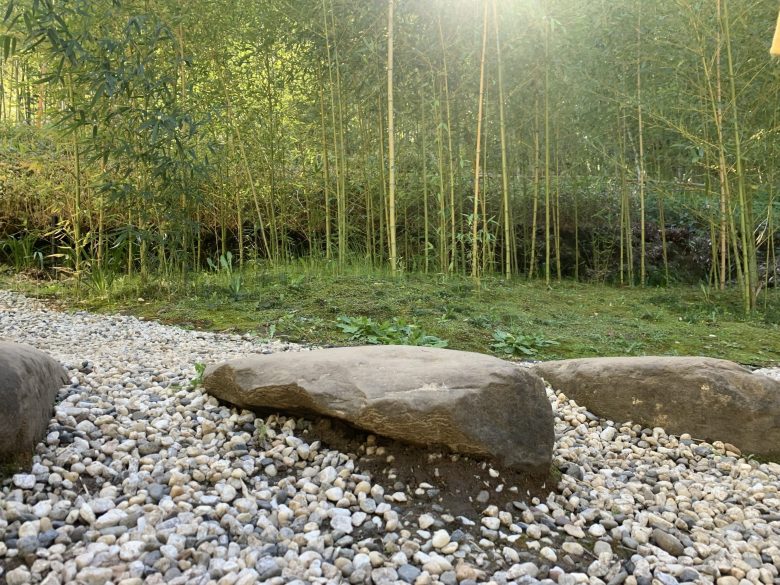
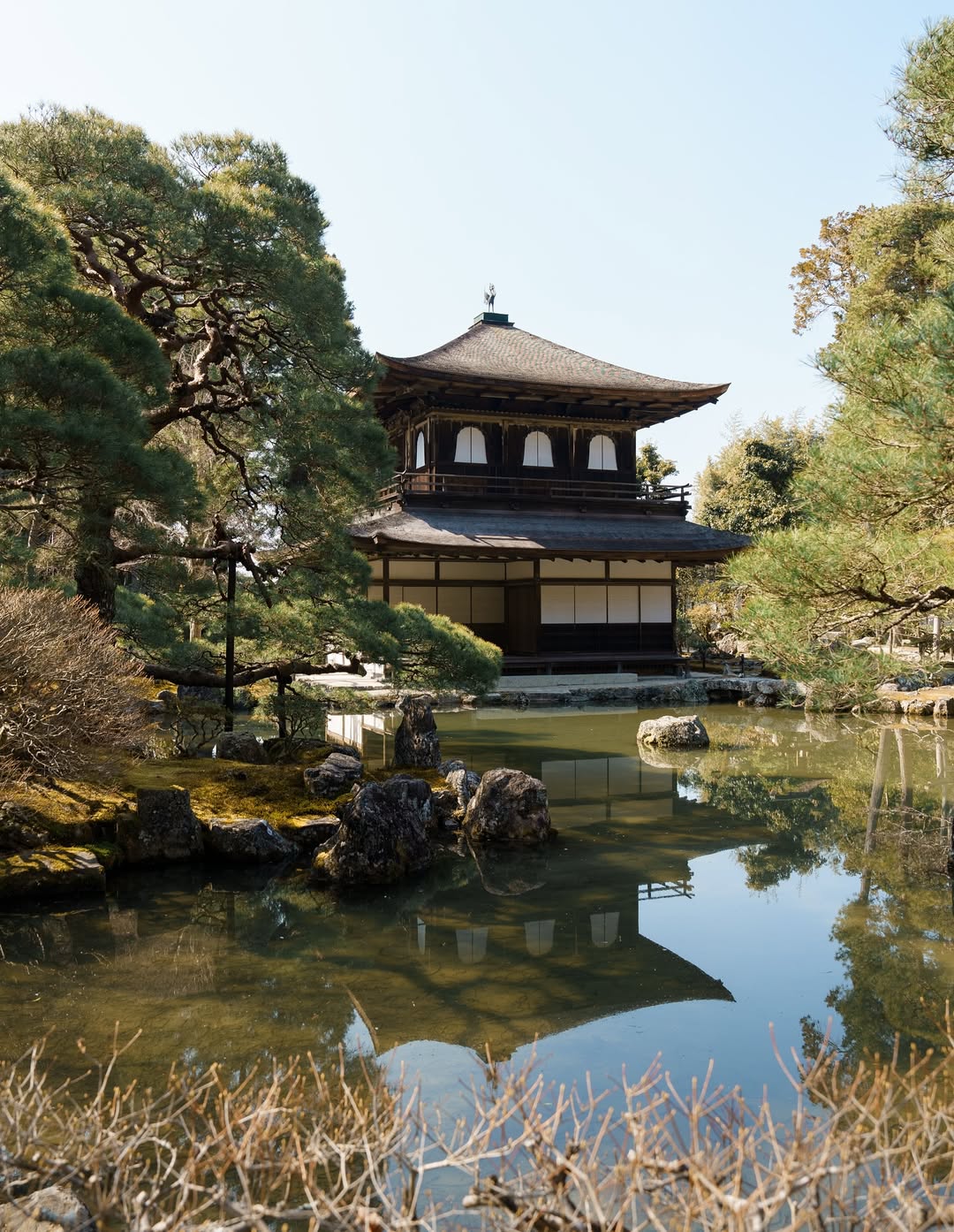
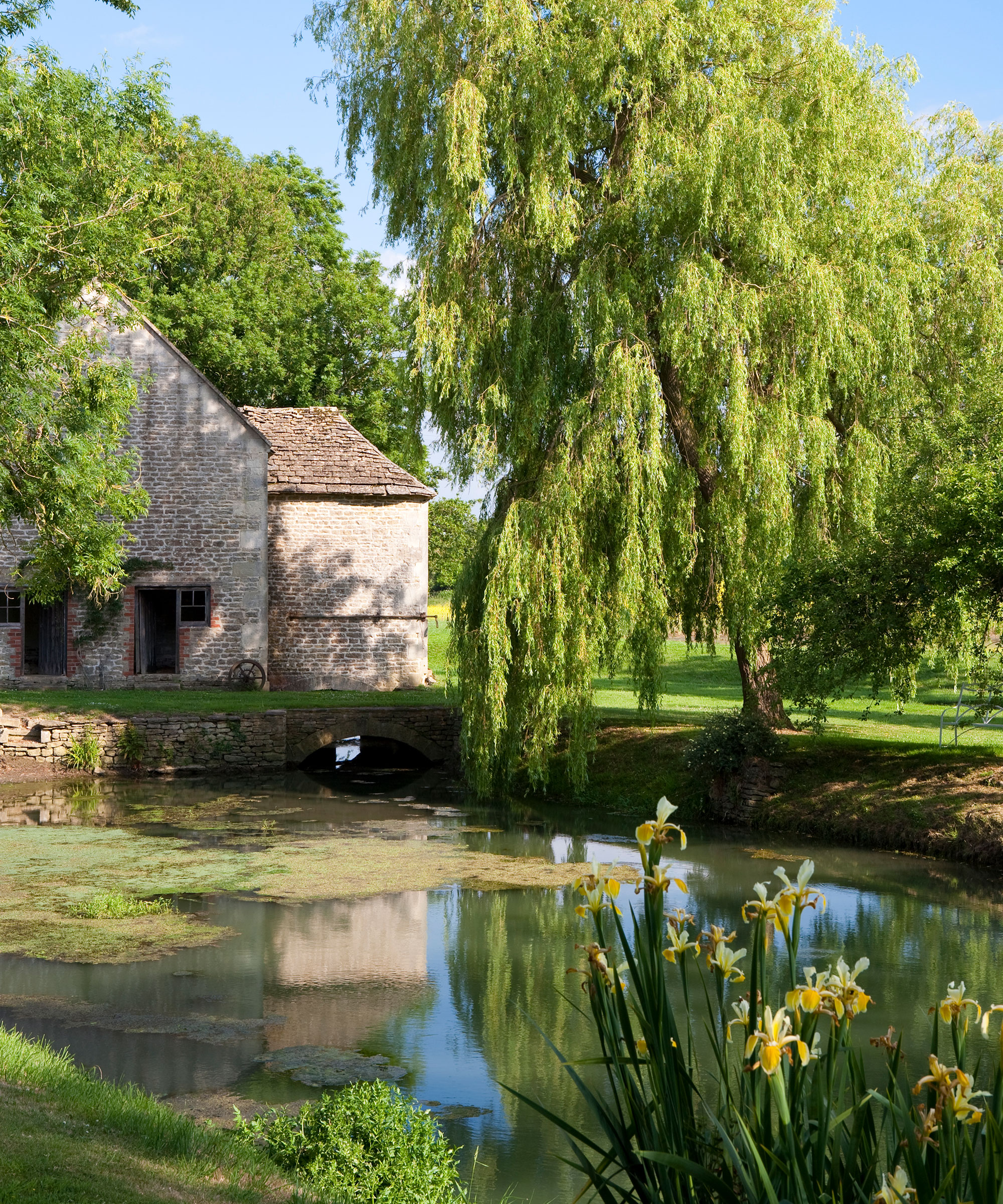
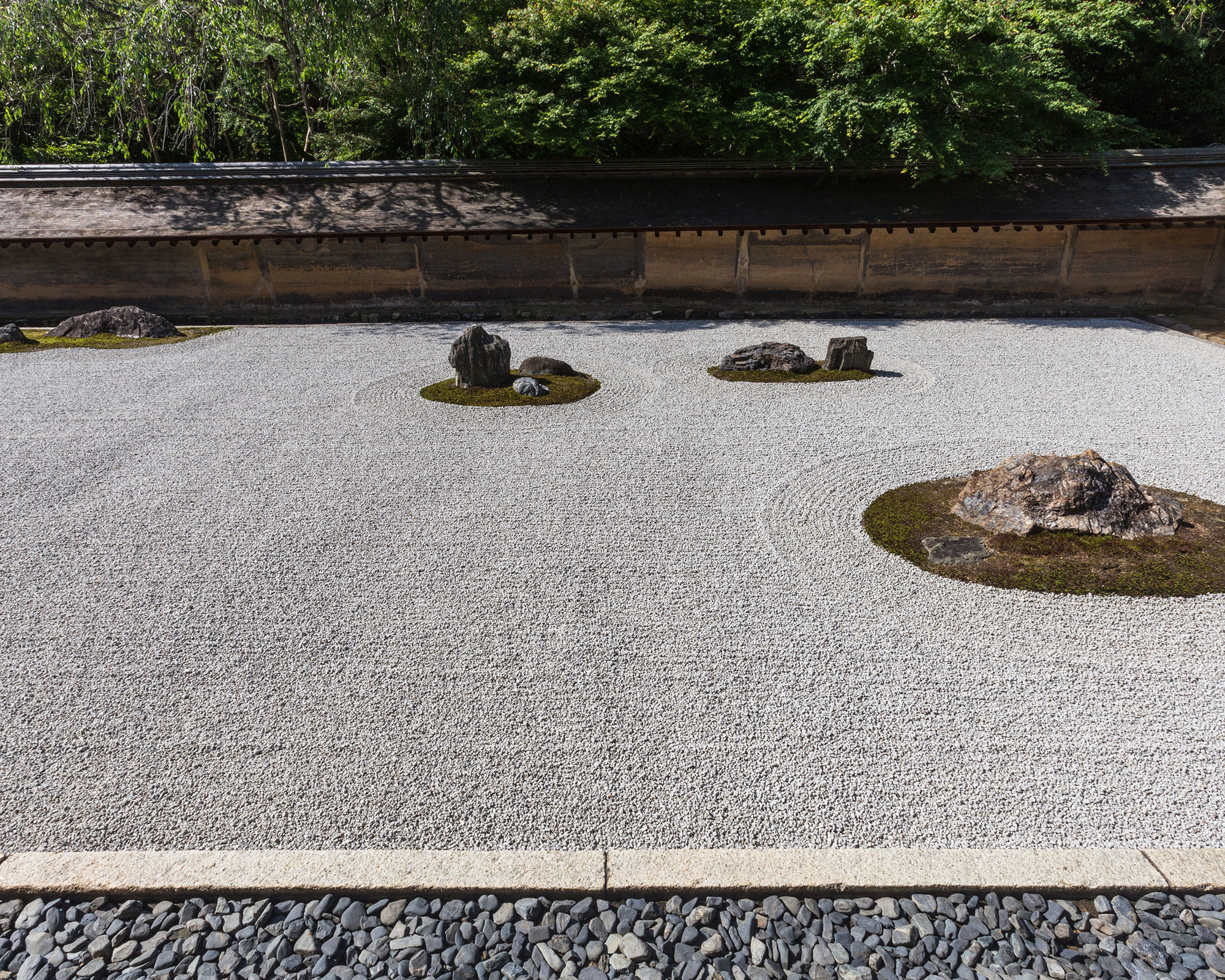
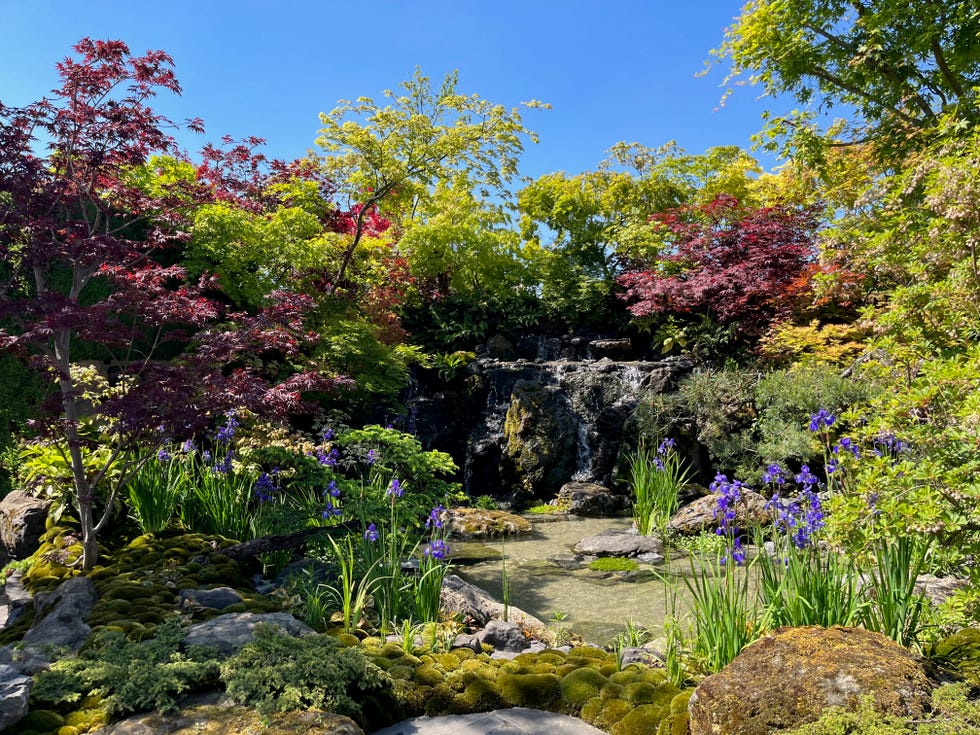
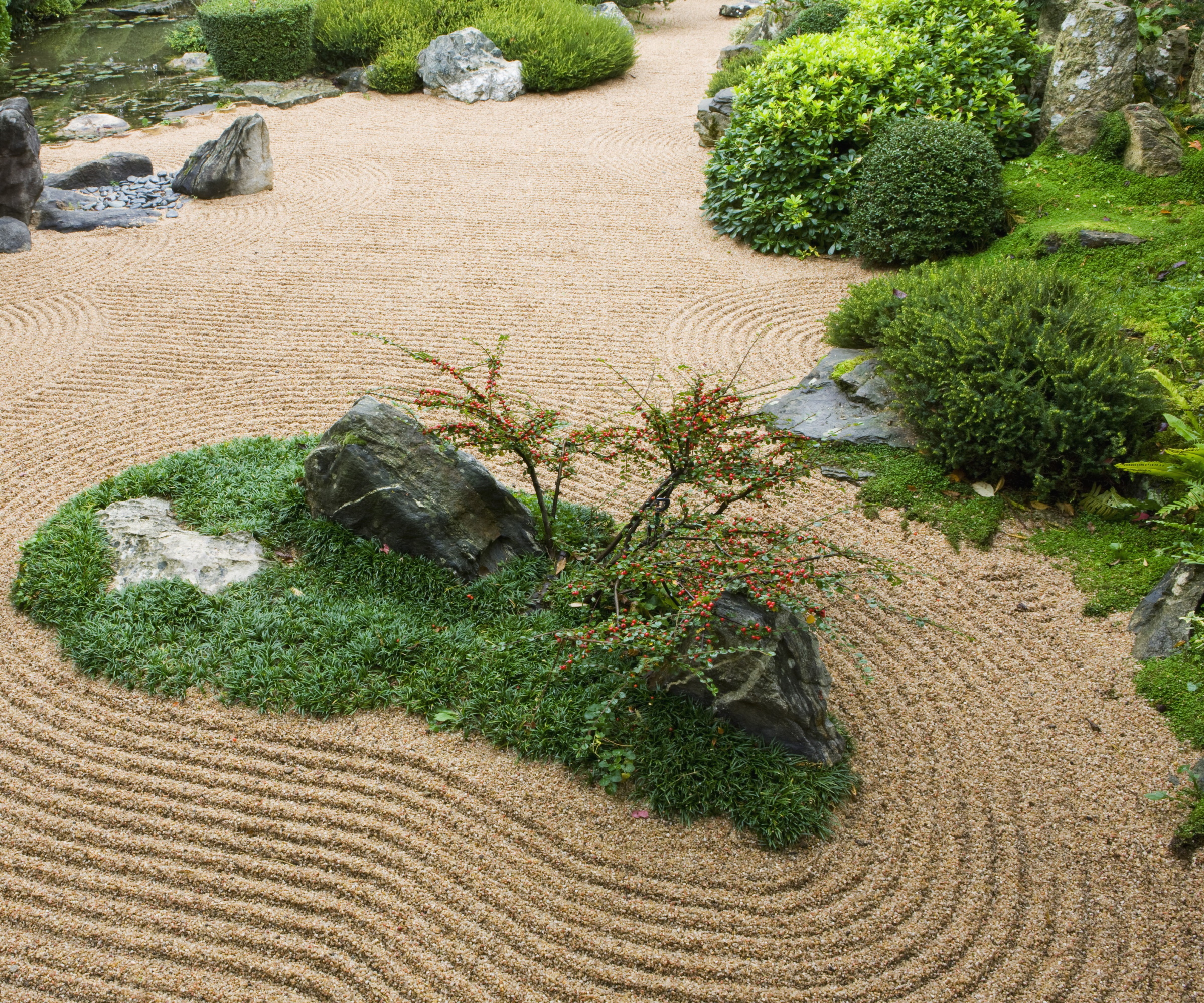
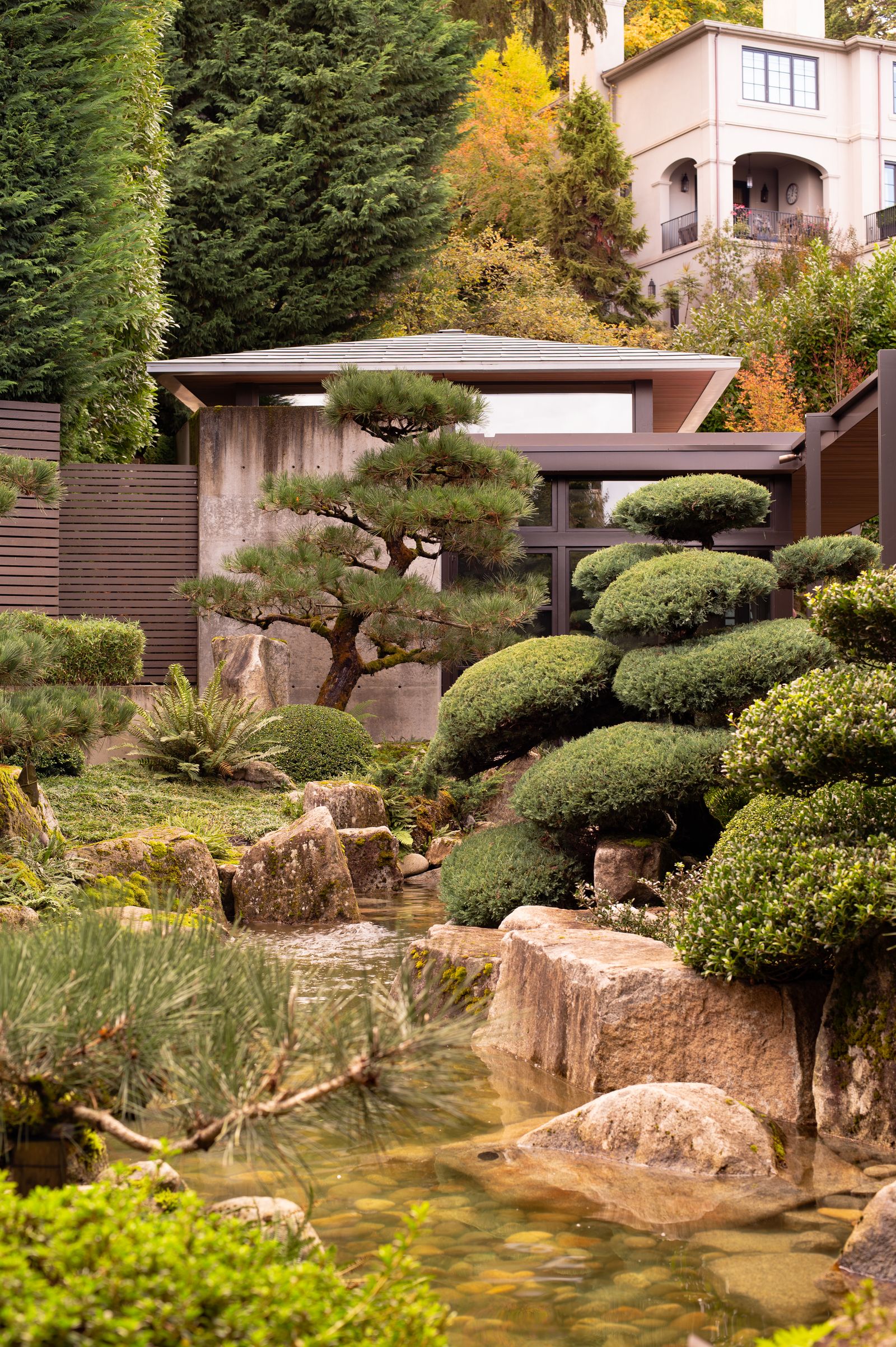
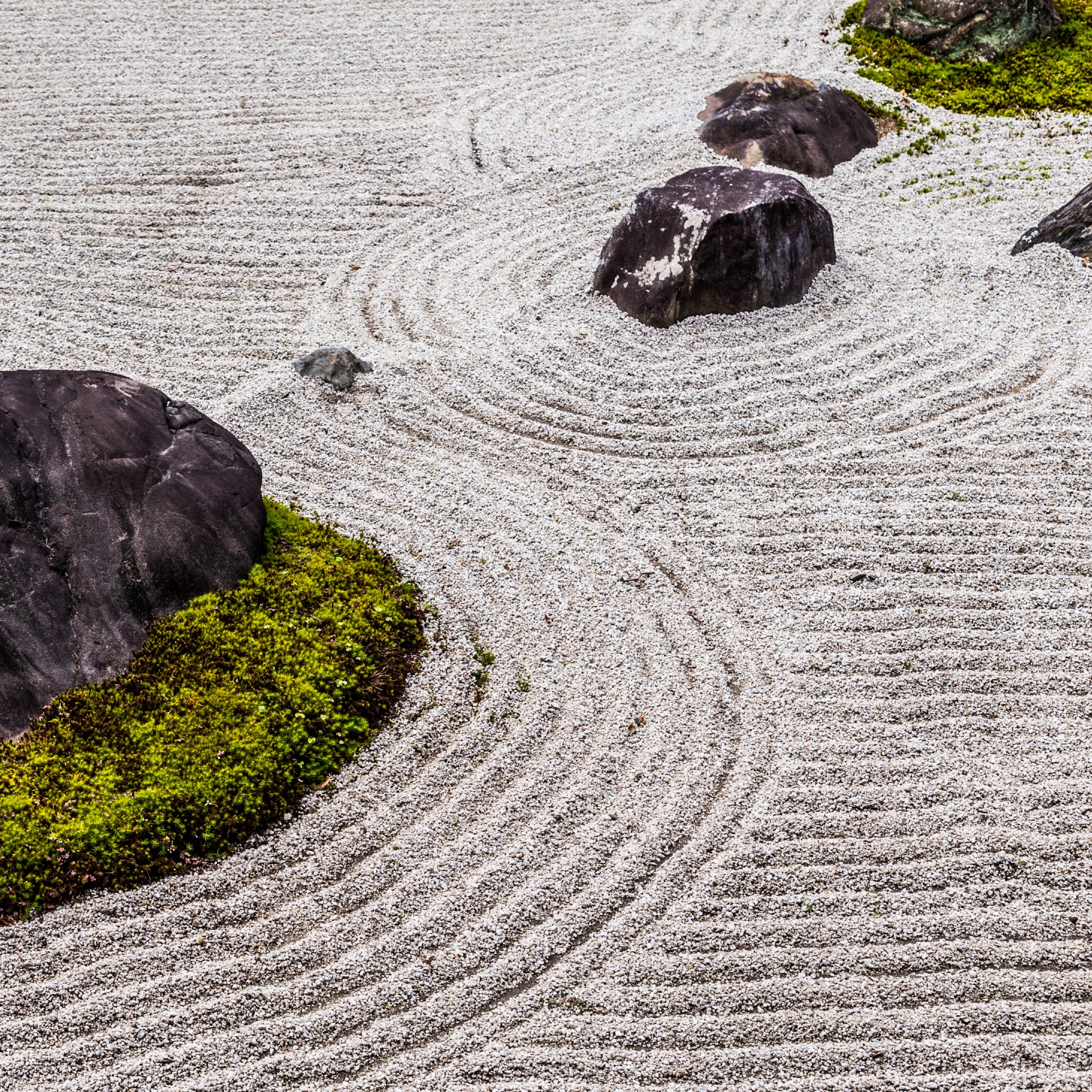
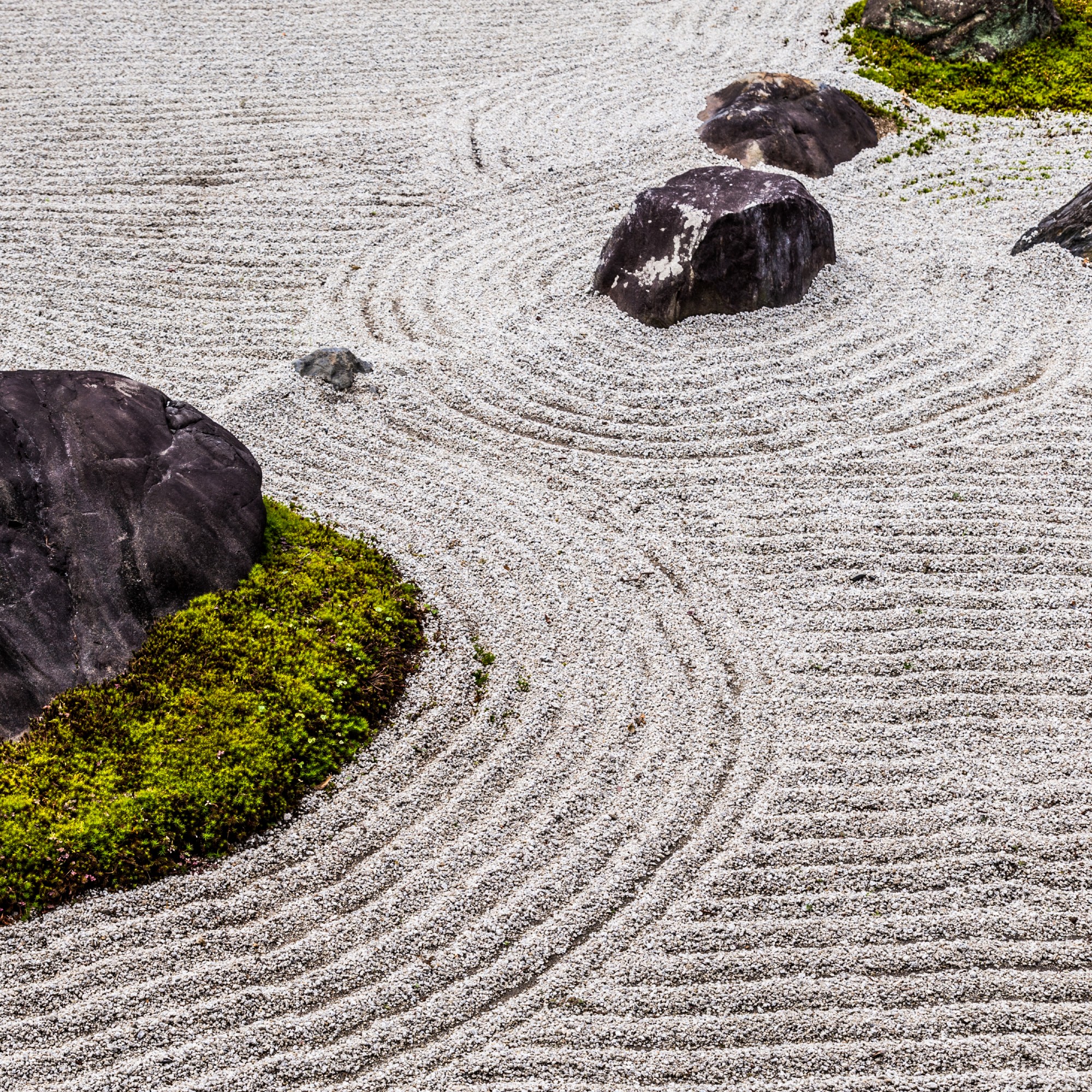
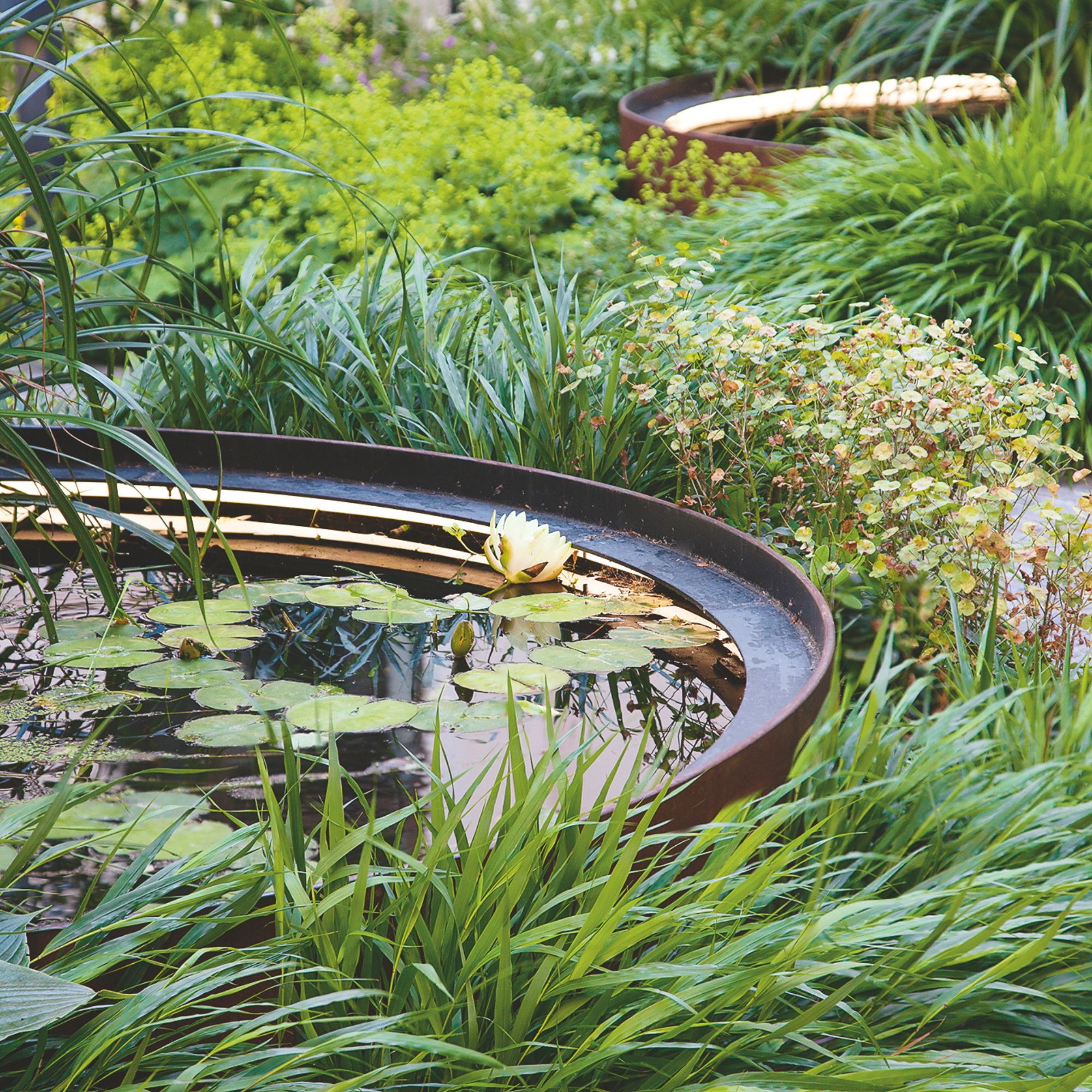
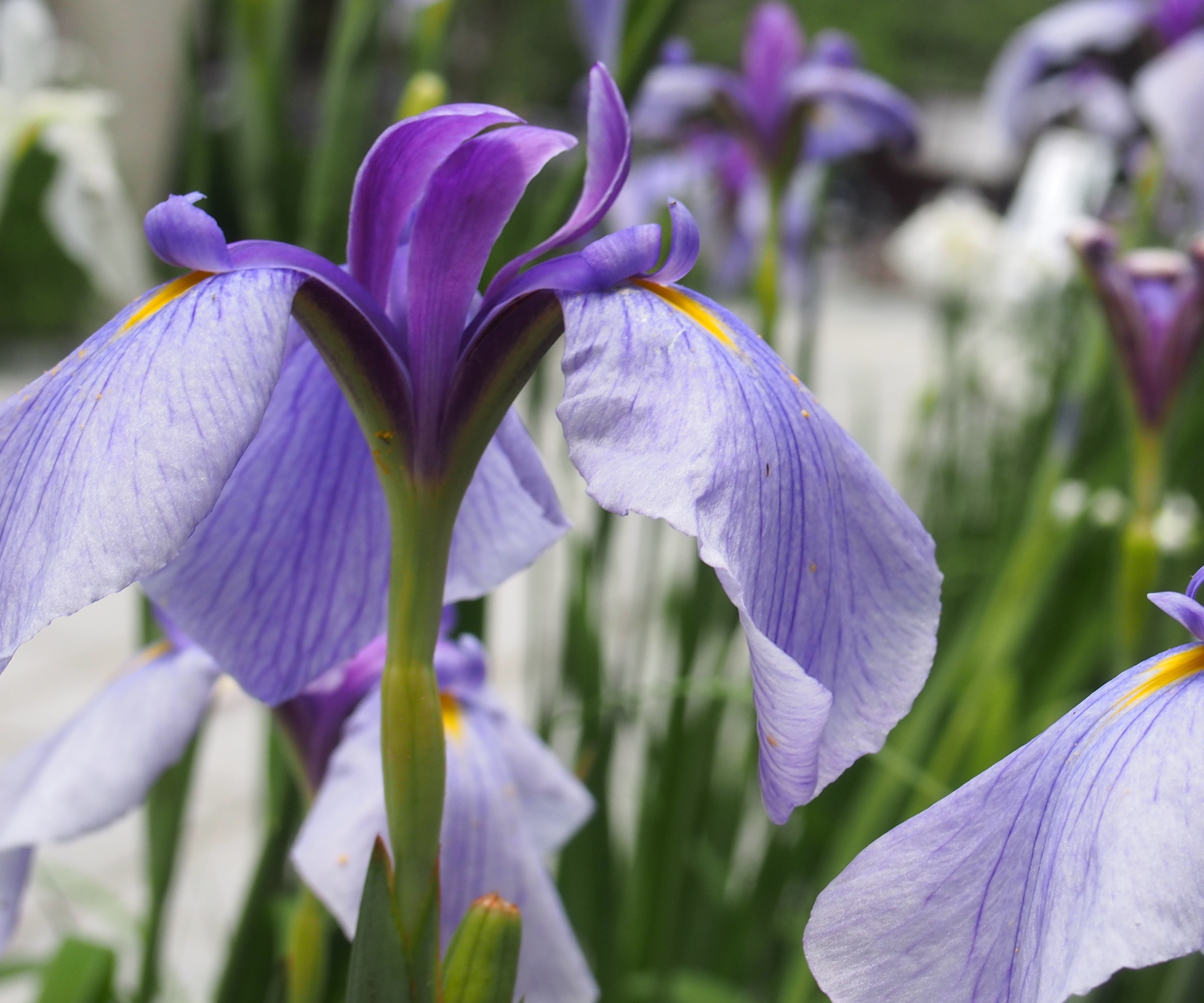
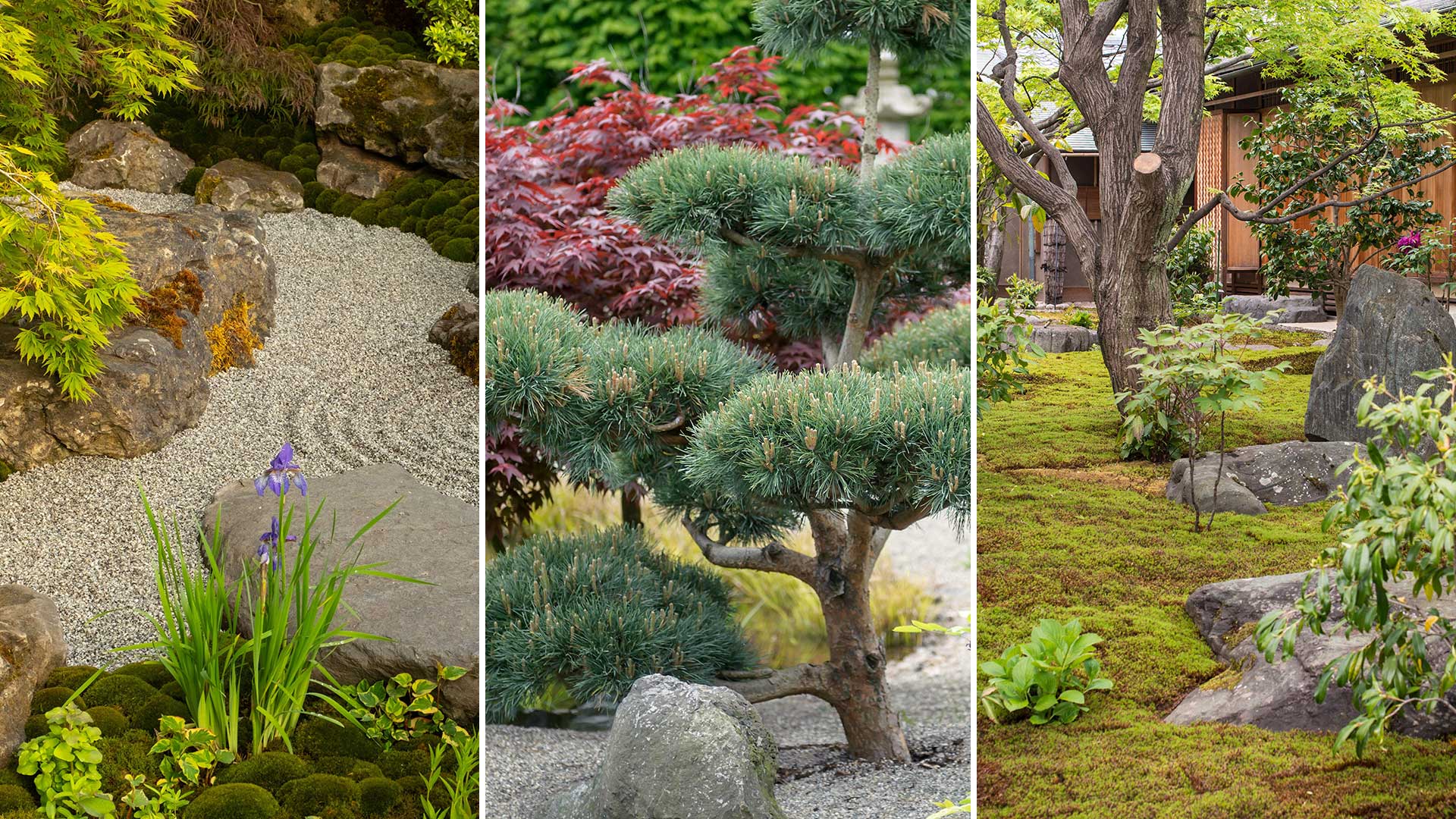
While flowers are not central to Japanese gardens, select species can add splashes of color. Joe Cowley, a gardener at Kew, recommends Primula sieboldii for its dainty charm and offers cultivar options like ‘Aoba-no-fue’ and ‘Koodori’. Elegant blue irises and azaleas are also suitable choices. "Niwaki" or "cloud pruning" is a classic technique for shaping evergreen shrubs and trees into sculptural forms, often seen with pines. Joe suggests using Scots pine (Pinus sylvestris) as a UK native alternative. Water features symbolize calmness and the passage of time. James Bentley, director at Charles Bentley, recommends minimalist stone-effect fountains or tiered bowl designs. For those unable to incorporate water, a "dry garden" (Karesansui) uses small pebbles to simulate water movement, with Nick advising against multi-colored pea shingle for a calmer aesthetic.
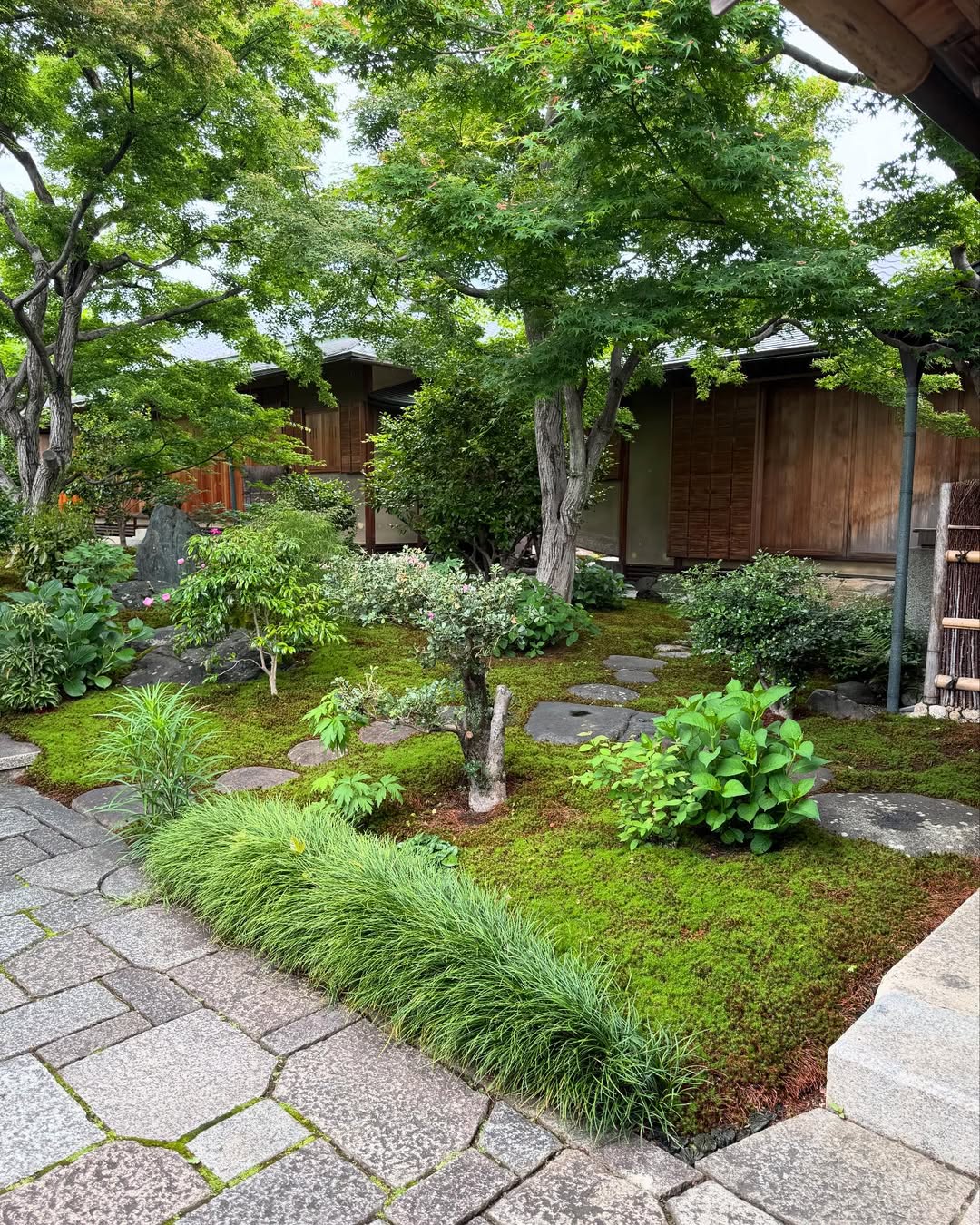
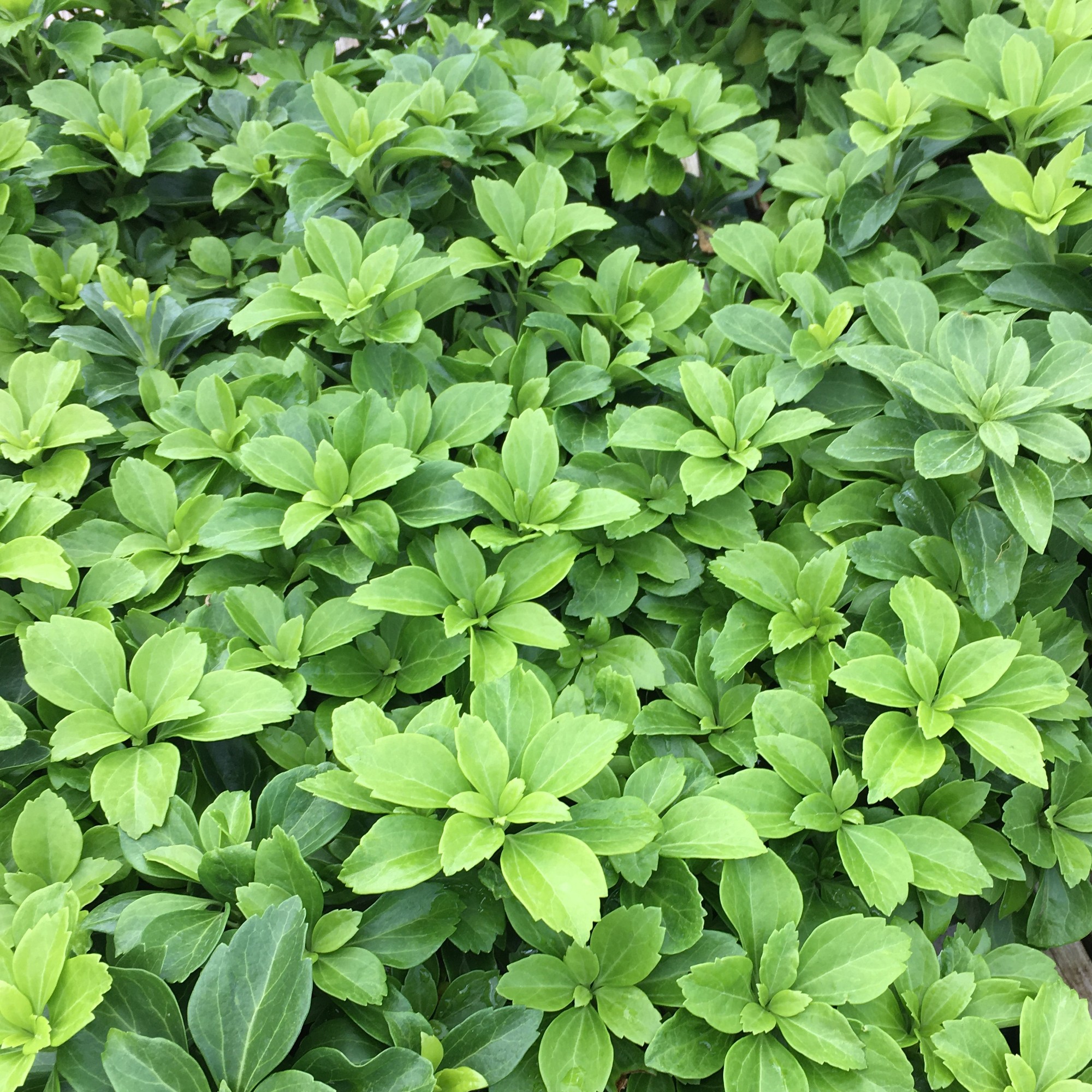
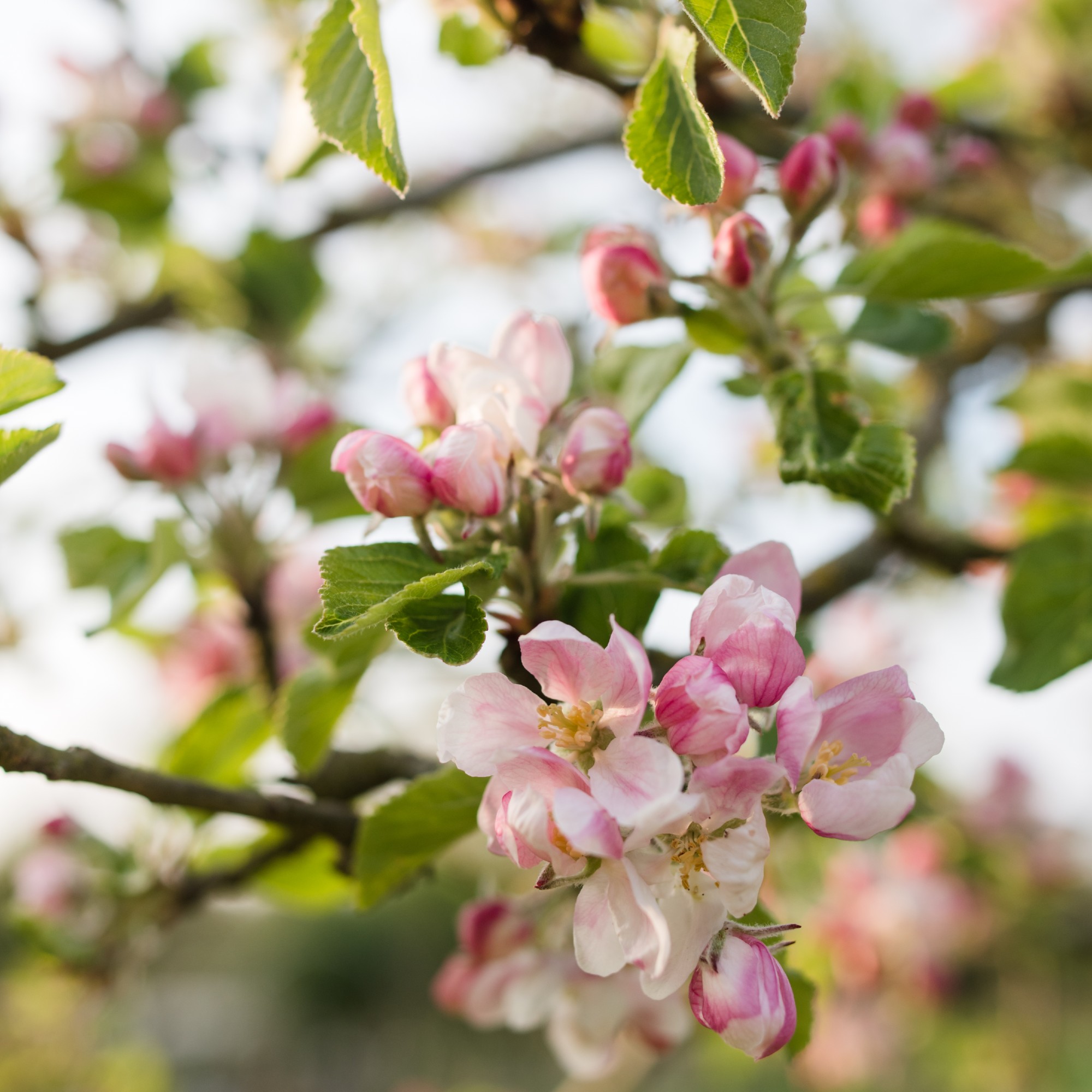
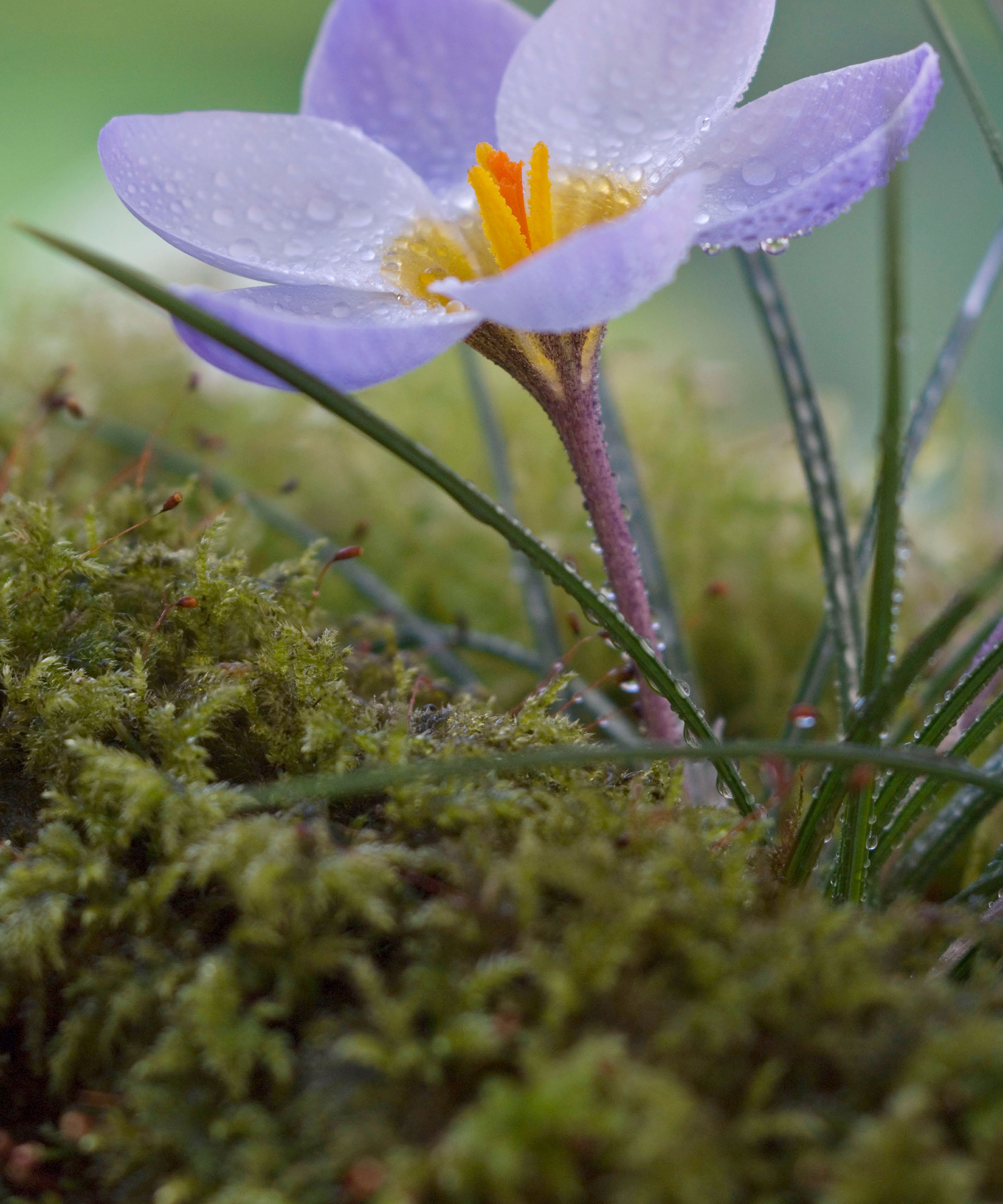
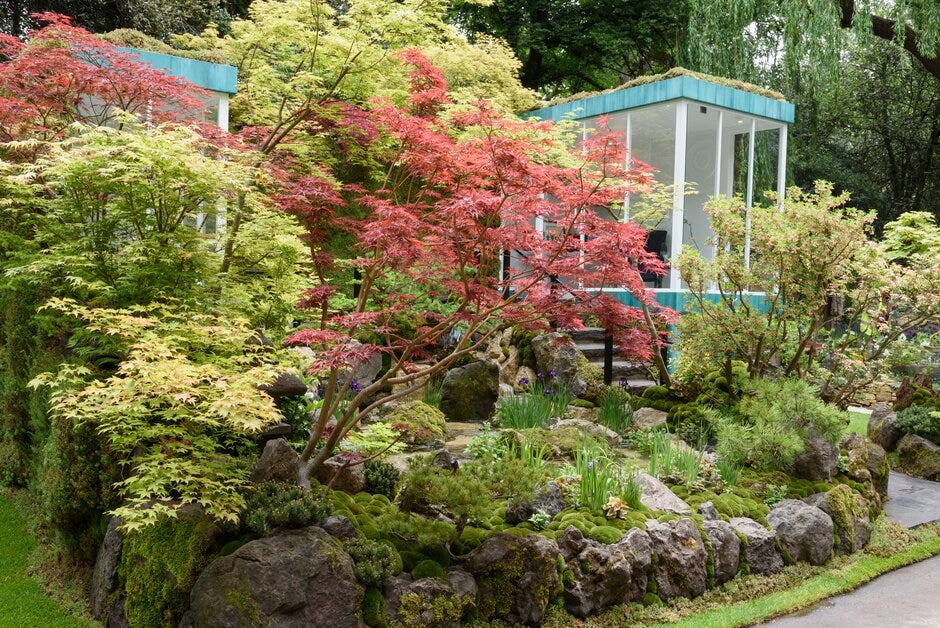
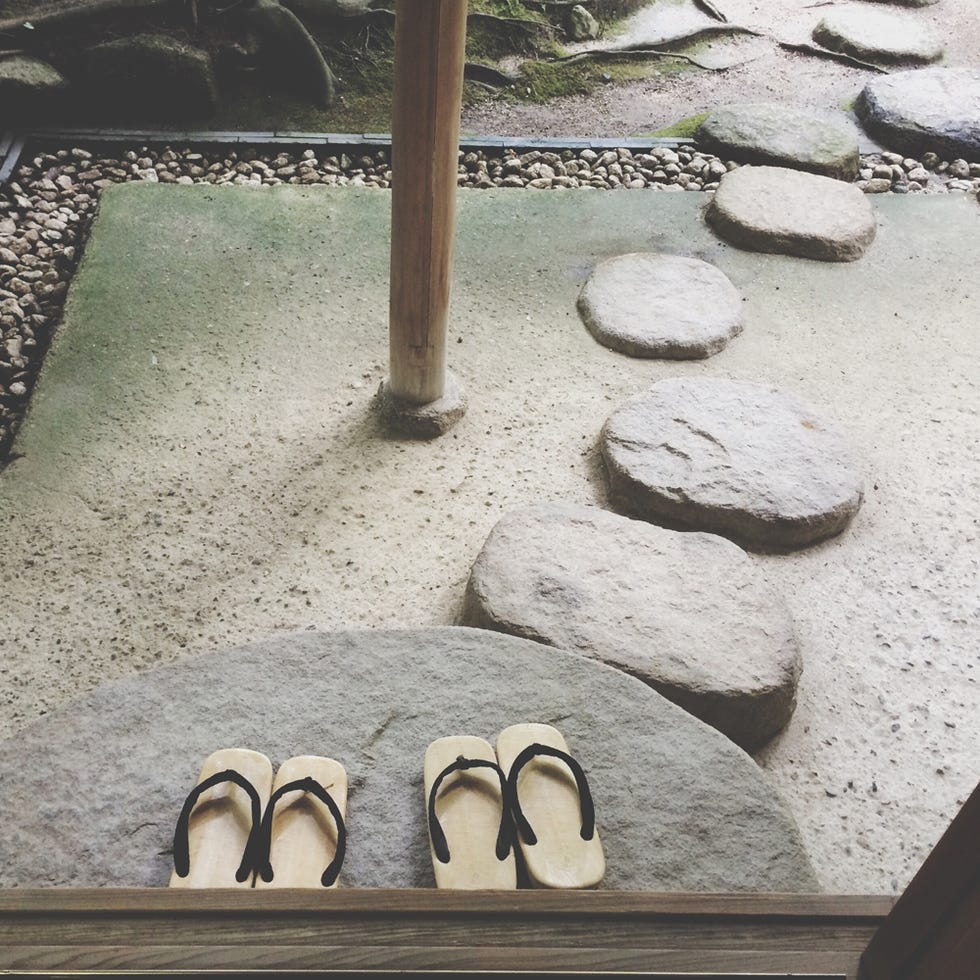
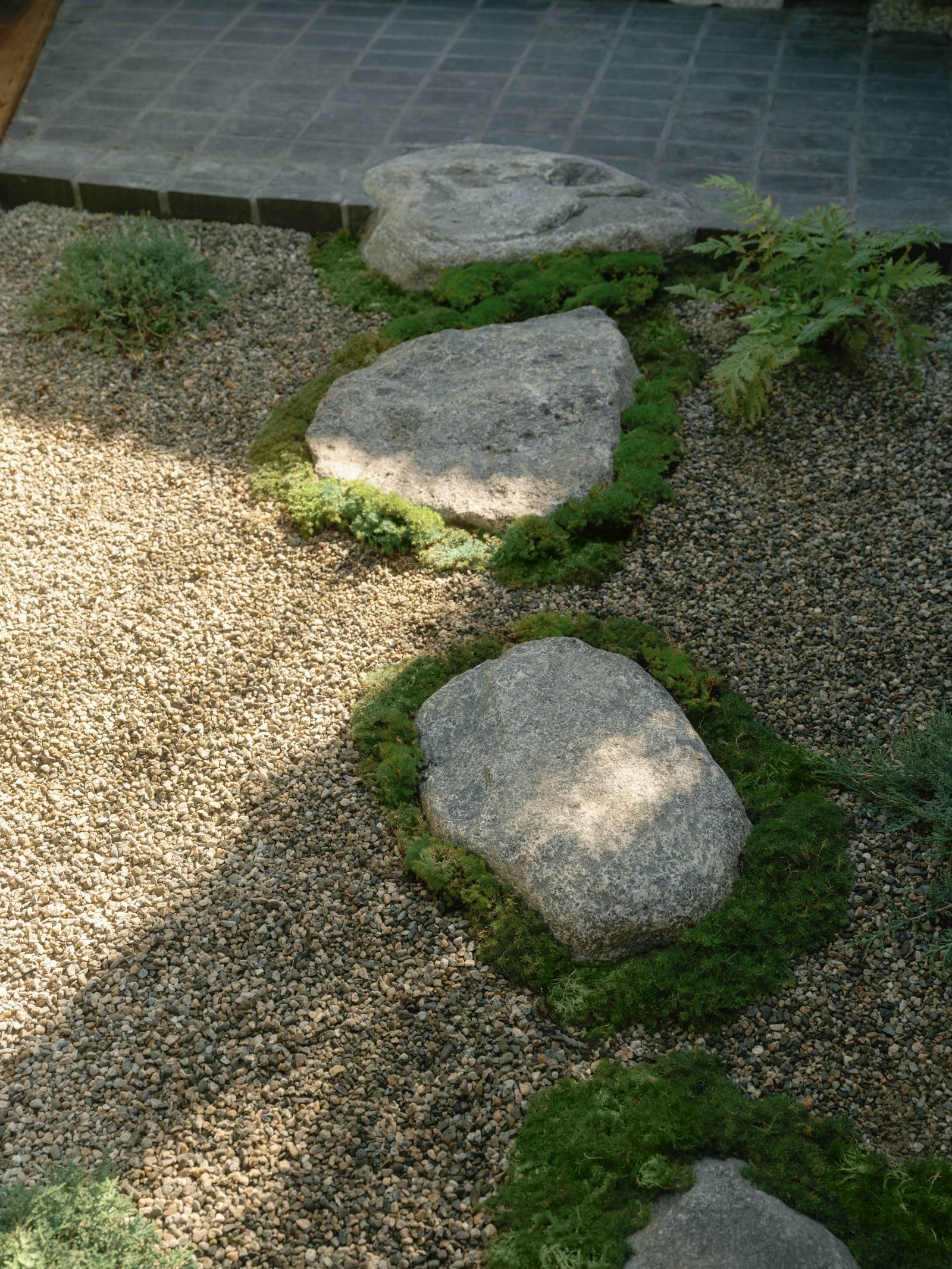
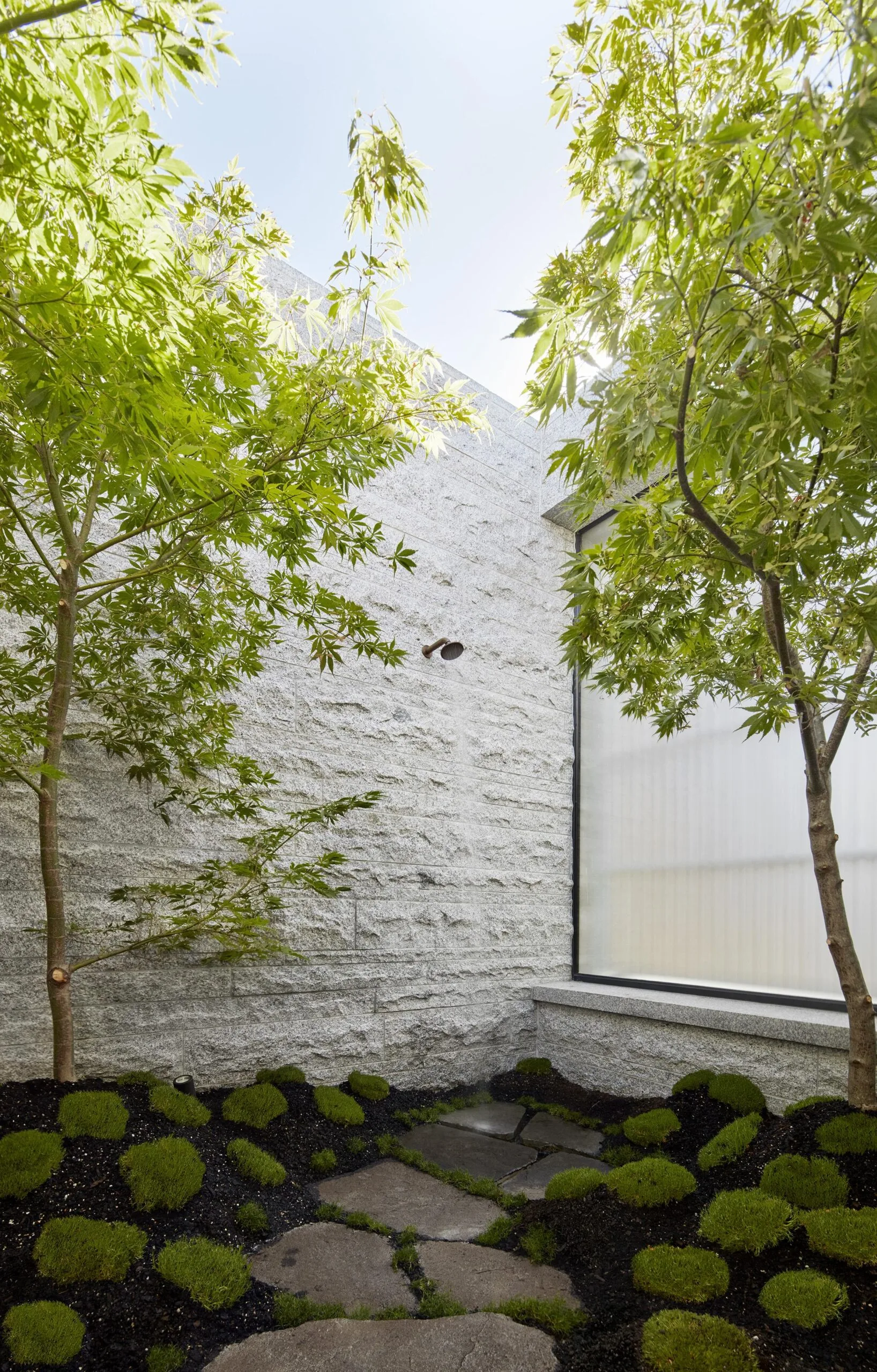
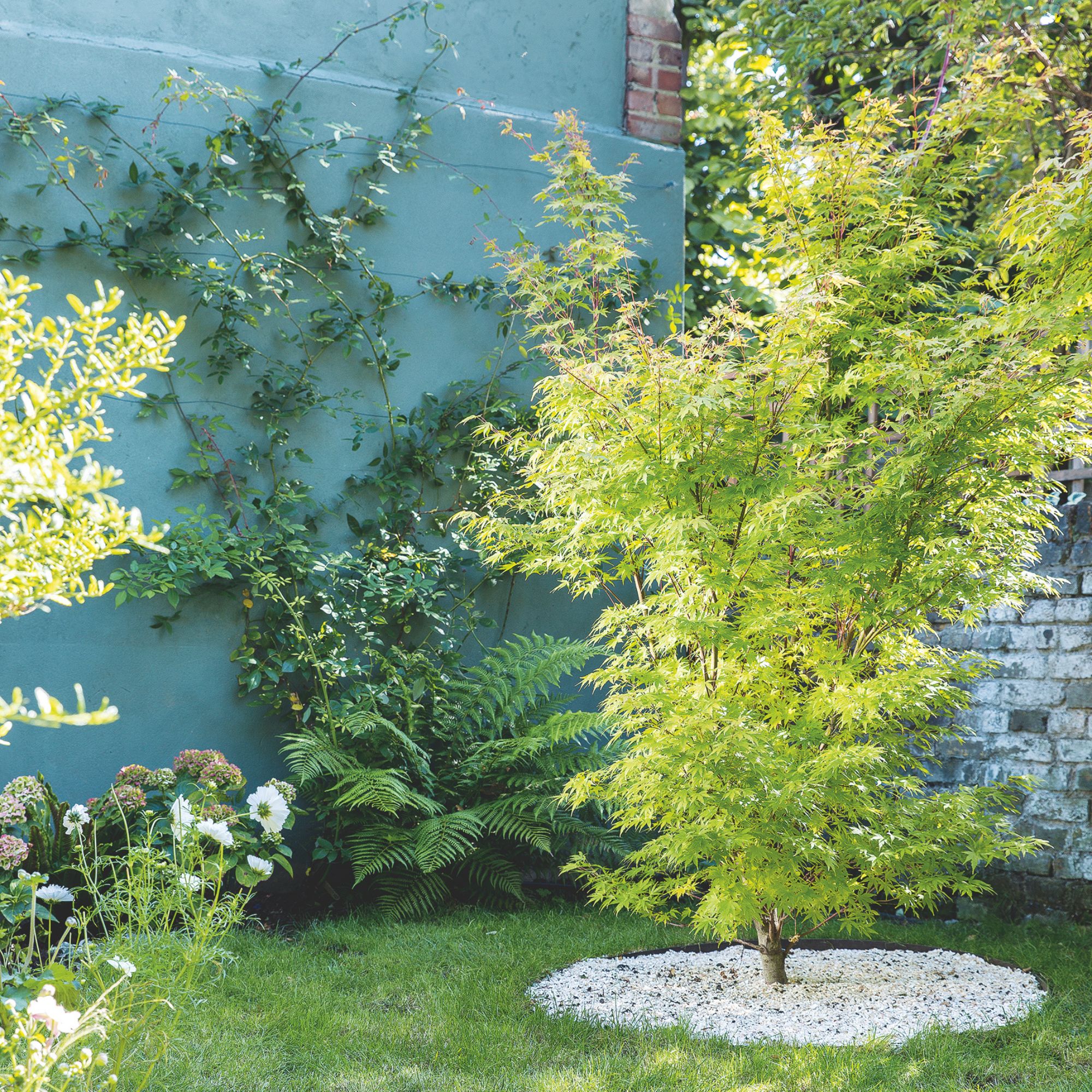
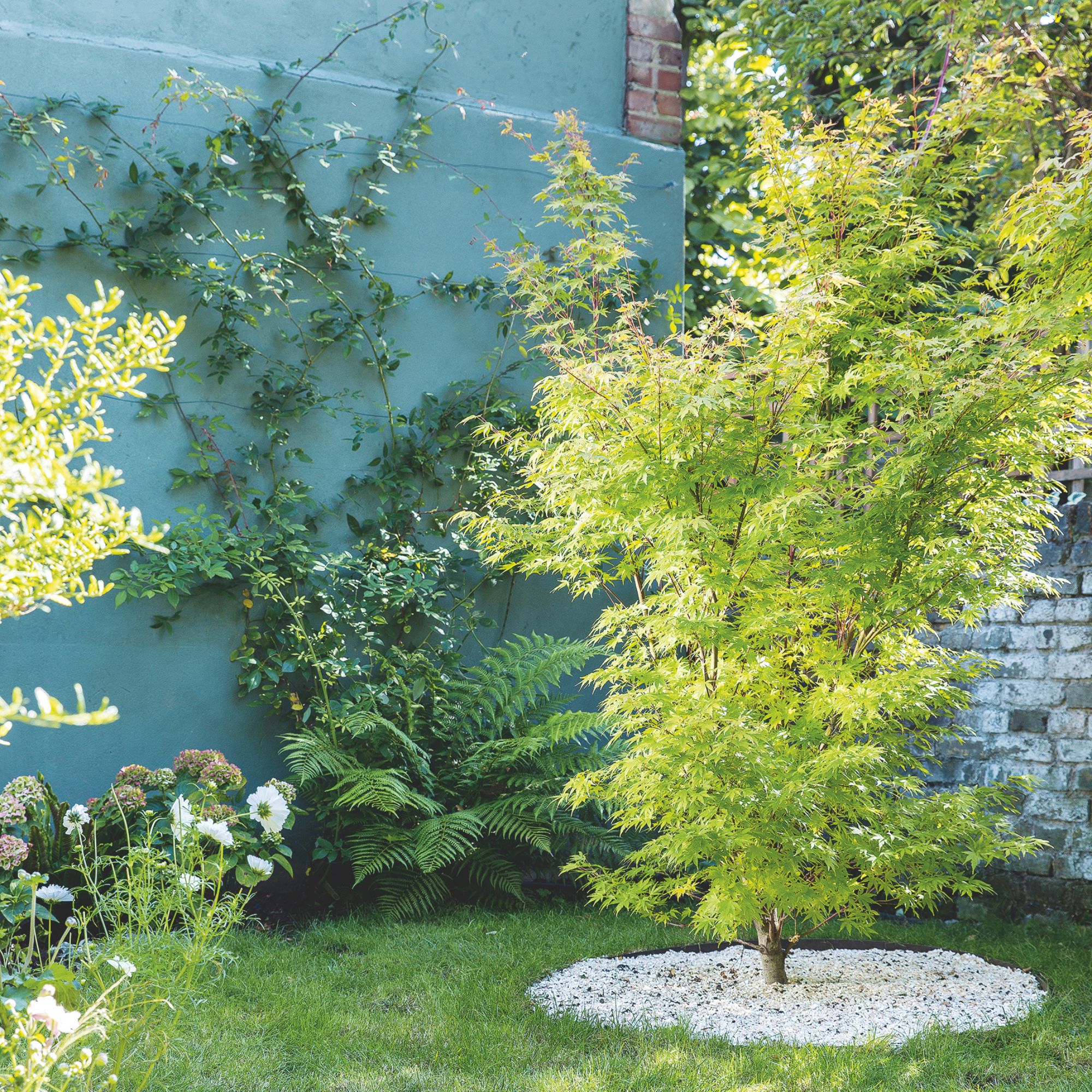
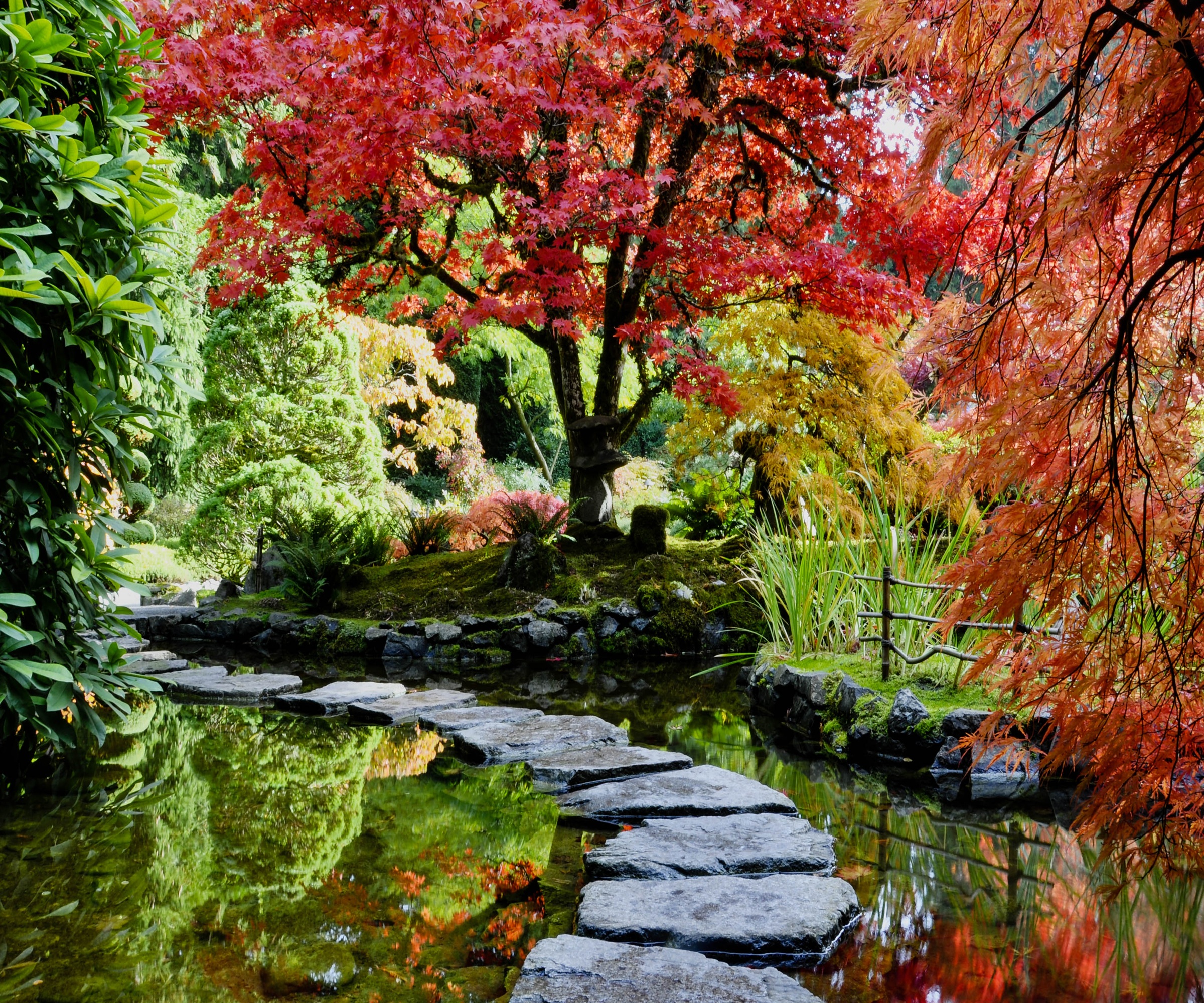
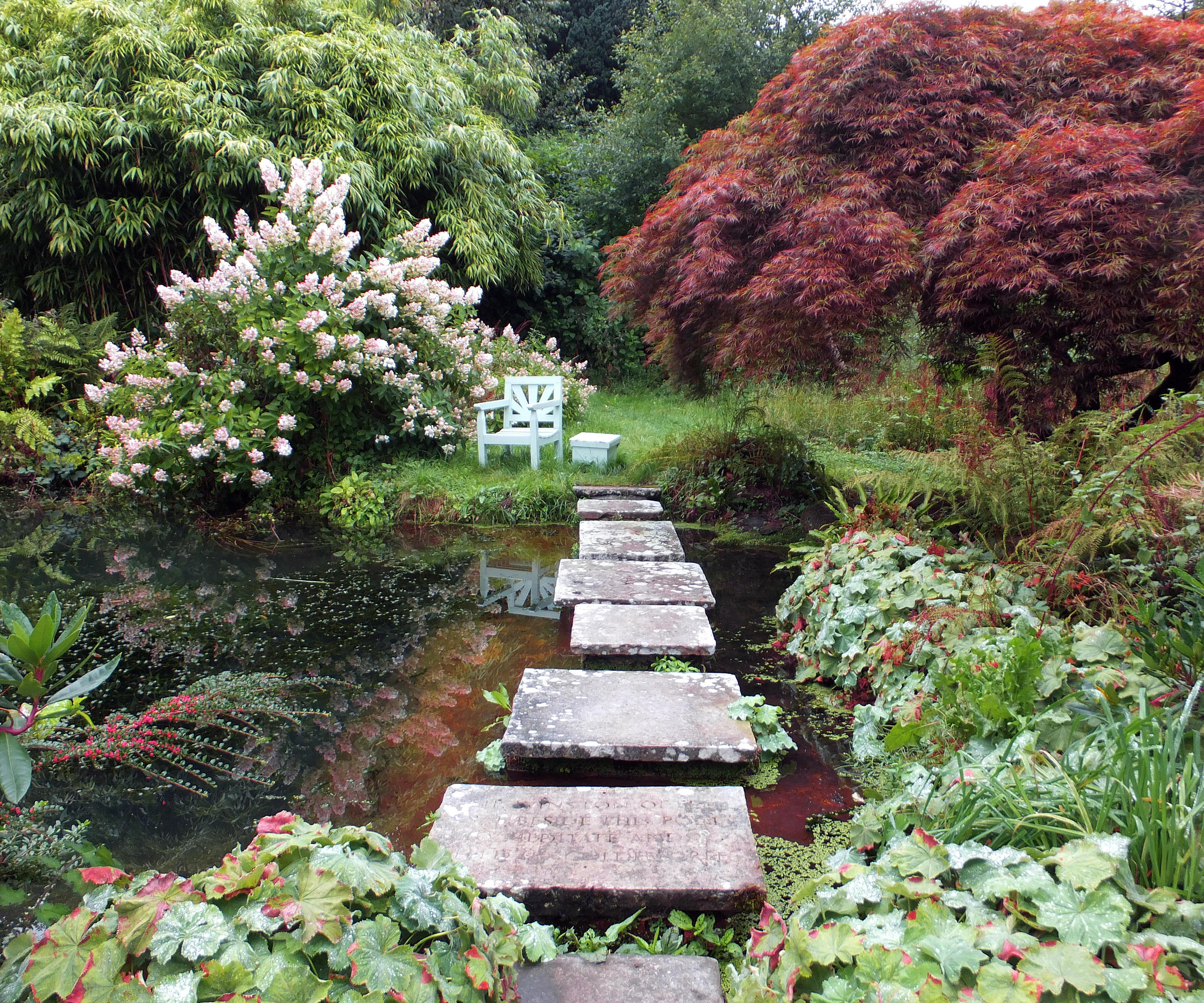
Japanese-style fencing, known as Take gaki, made from bamboo, is suggested for dividing spaces and creating a sense of transition. Clumping bamboo varieties like “Red Dragon” are recommended for botanical screens due to their non-invasive nature. Japanese maples (acers) and Yoshino cherry blossom trees are ideal for seasonal color, with advice to choose smaller acer varieties like Acer palmatum "Dissectum" for compact spaces. Meandering paths, made of stone or simple wooden bridges, invite visitors on a journey through the garden, creating focal points along the way. Moss is encouraged as a ground cover, embracing its ancient and velvety green texture, with Japanese spurge (Pachysandra terminalis) as another suitable option.
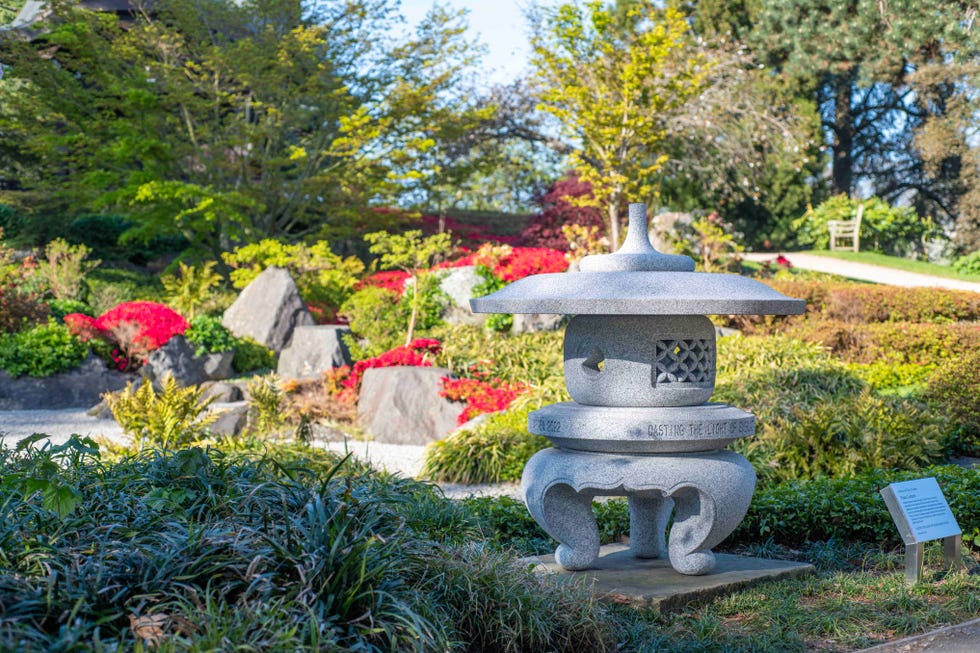
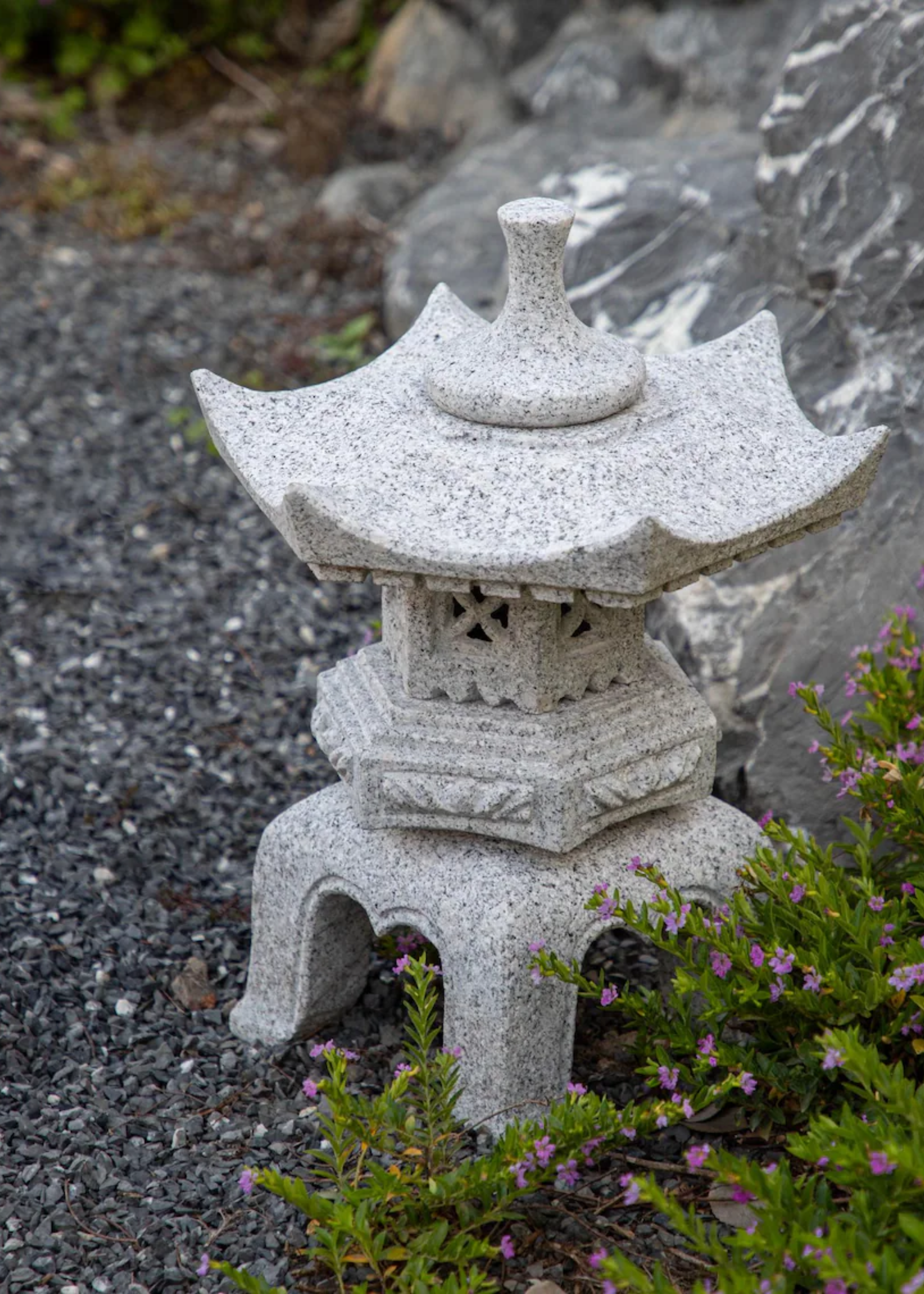
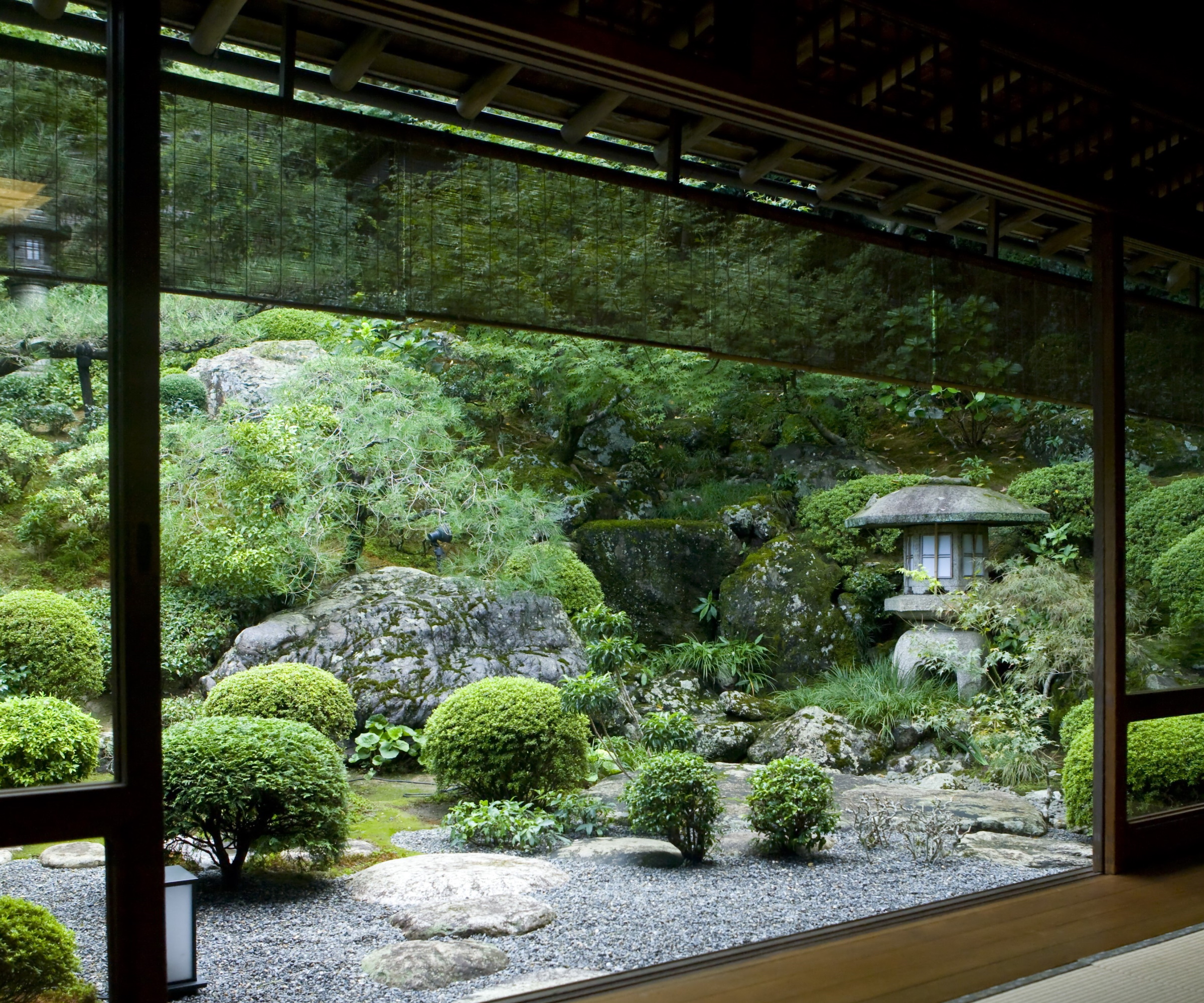
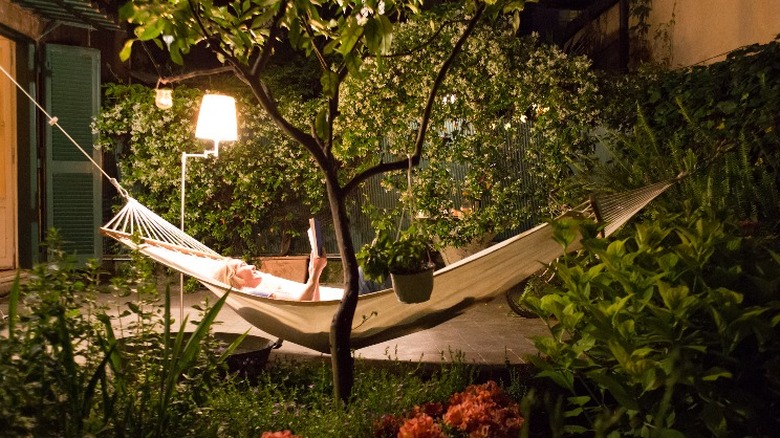
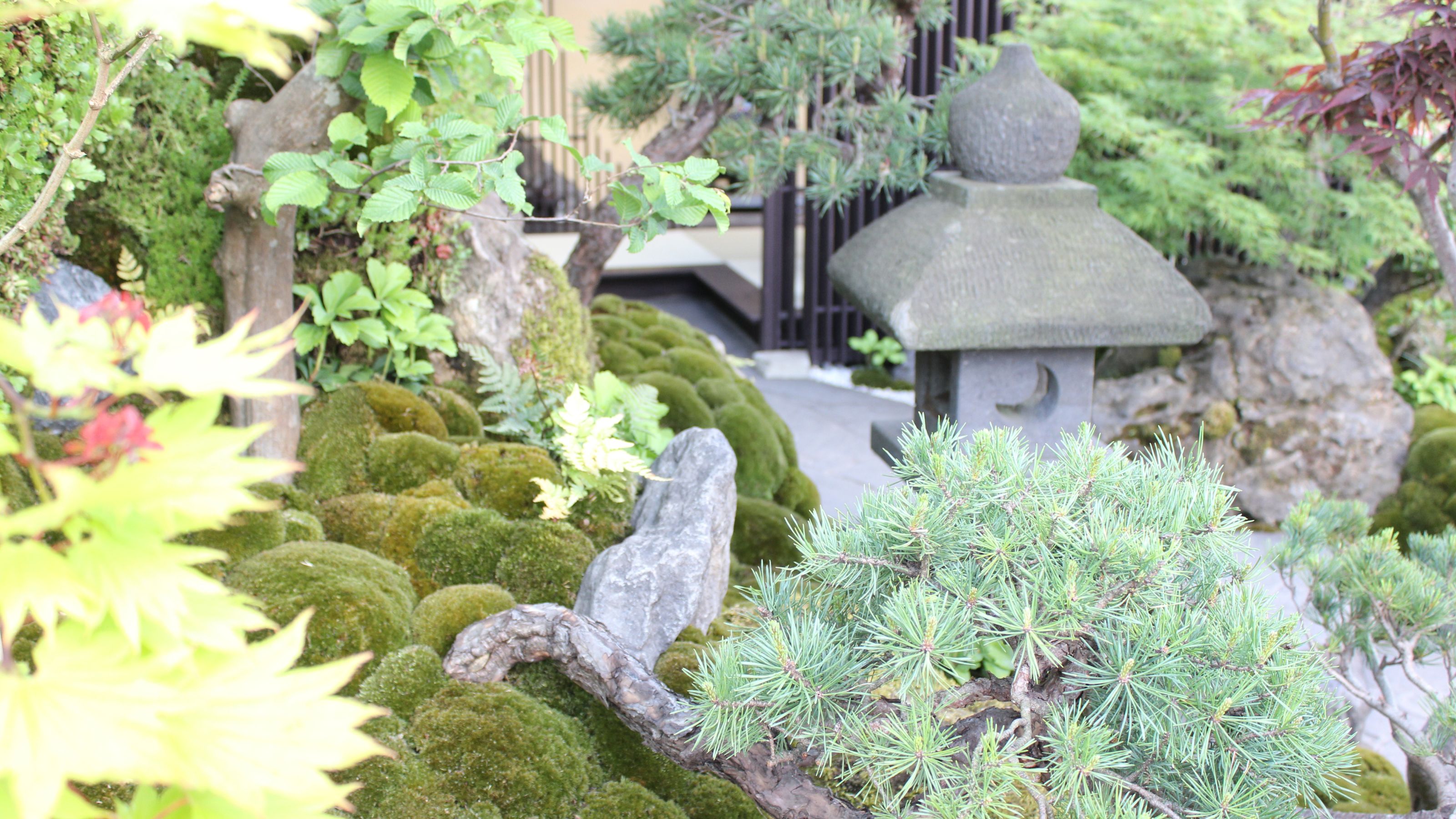
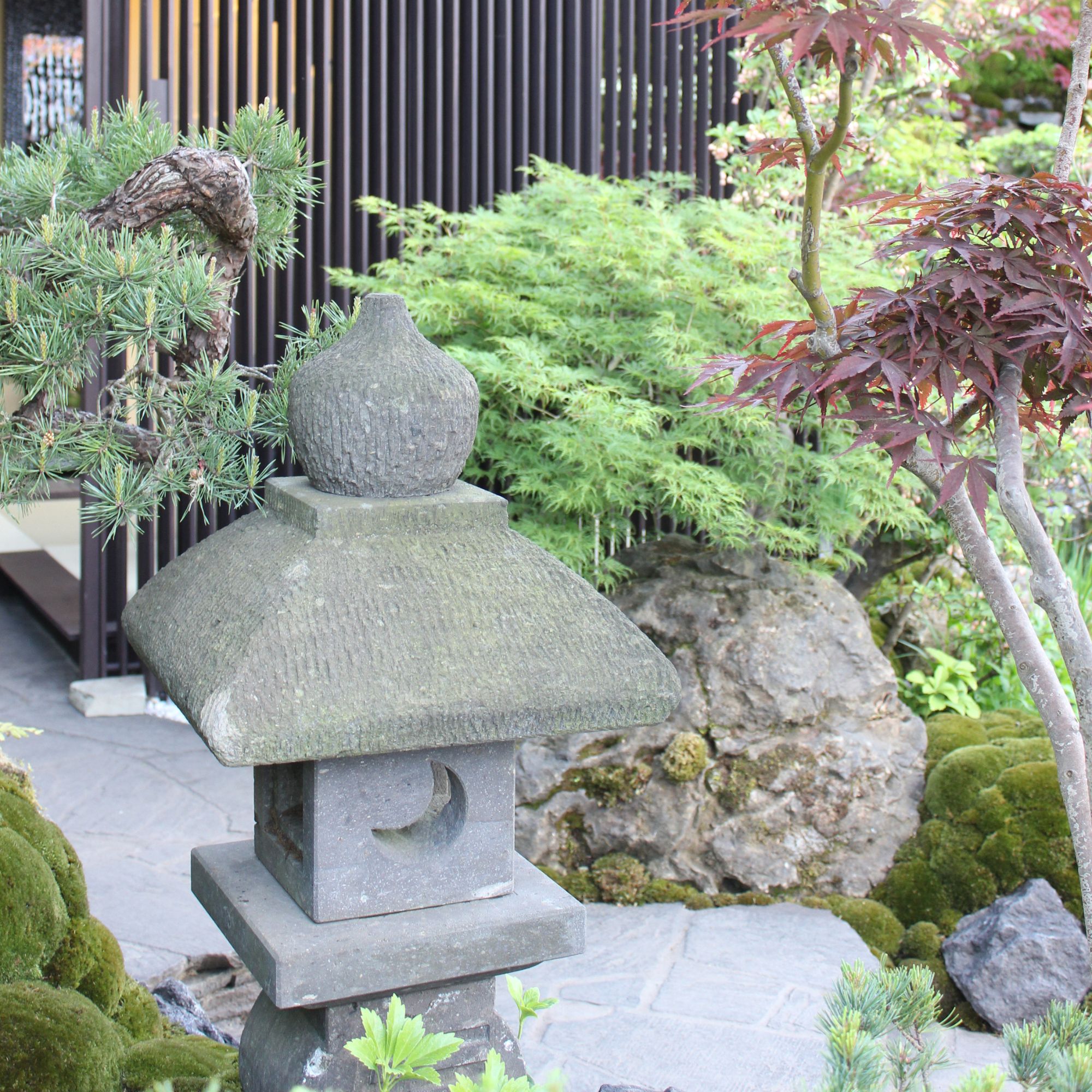
Finally, accessories and furniture should complement the serene aesthetic. Traditional Japanese-style lanterns create ambient lighting and focal points, as seen at Fanhams Hall. Lena Gierasinska from Barker and Stonehouse suggests low, minimalist outdoor furniture in natural materials like teak, avoiding clutter. She also recommends soft, indirect lighting to highlight key features rather than illuminating the entire space. The article concludes by emphasizing the use of natural materials such as wood, gravel, or bamboo, and a naturalistic color palette dominated by various shades of green, earthy tones, greys, black, and white.
#JapaneseGarden #GardenDesign #LandscapeArchitecture #FoliagePlants #WaterFeatures #CloudPruning #BambooFencing #AcerTrees #MossGardens #OutdoorDecor #JapaneseGarden #GardenDesign #LandscapeArchitecture #FoliagePlants #WaterFeatures #CloudPruning #BambooFencing #AcerTrees #MossGardens #OutdoorDecor
0 comment in total
 No comments yet
You may also like
4 Japanese garden ideas for a calm and tranquil outdoor space
Zen garden ideas – 24 ways to transform your outdoor space into a Japanese-inspired sanctuary for relaxation
How to Design a Japanese Garden in Any Climate, According to Landscape Experts

These 7 Japanese Zen Gardens In The US Are The Perfect Spots To Ease Your Worried Mind

7 Japanese Garden Ideas That Channel the Elements of Nature to Make Your Outdoor Space Feel Serene

Japanese garden ideas – 11 design tips for a zen backyard

7 Japanese-style gardens to inspire and delight

10 Ideas For Small, Peaceful Seating Spaces In Your Garden
The best Japanese houseplants to create a zen, serene space in any room

20 Zen Garden Ideas to Transform Your Backyard Into a Peaceful Oasis


10 essential Japandi living room design tips to create a sense of calm and restfulness
Horticultural Experts Reveal 5 Defining Features of a Japanese Garden
Looking to add some Zen to your landscape? Visit these Japanese gardens for inspiration
Experts reveal how to plant a Japanese-inspired garden

Small Japanese garden ideas – 7 ways to infuse a tiny outdoor space with Japanese-inspired planting and landscaping
The best plants for a Japanese garden: 7 serene species
24 Japanese Garden Ideas That Encourage Slow Walks and a More Relaxed Outdoor Rhythm

What is a zen garden? This Japanese approach to design can turn backyards into calming sanctuaries
Small Japanese garden ideas – 7 ways to infuse a tiny outdoor space with Japanese-inspired planting and landscaping

Over the Garden Gate: Zen gardens are therapeutic