1/11
10 essential Japandi living room design tips to create a sense of calm and restfulness
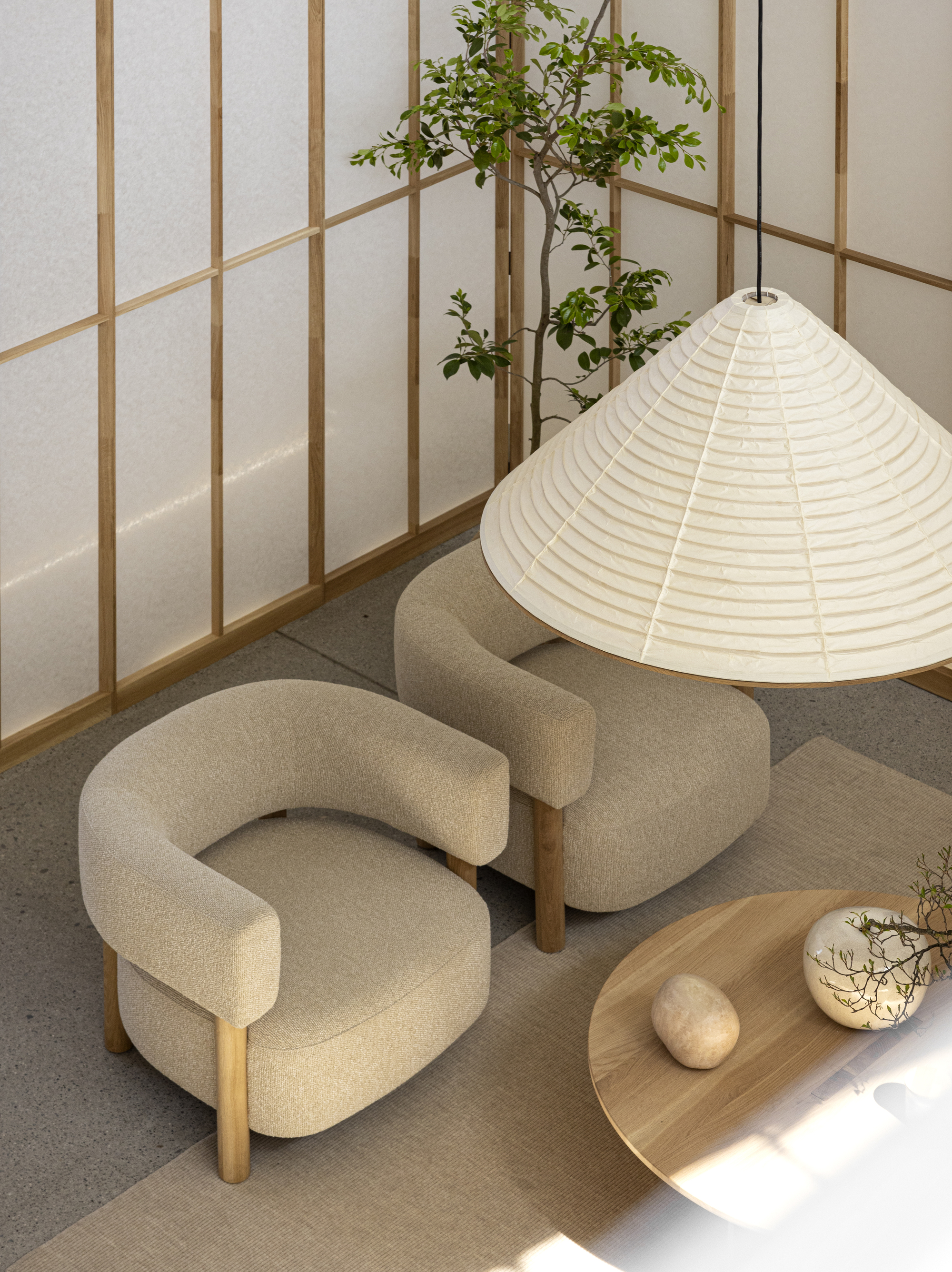
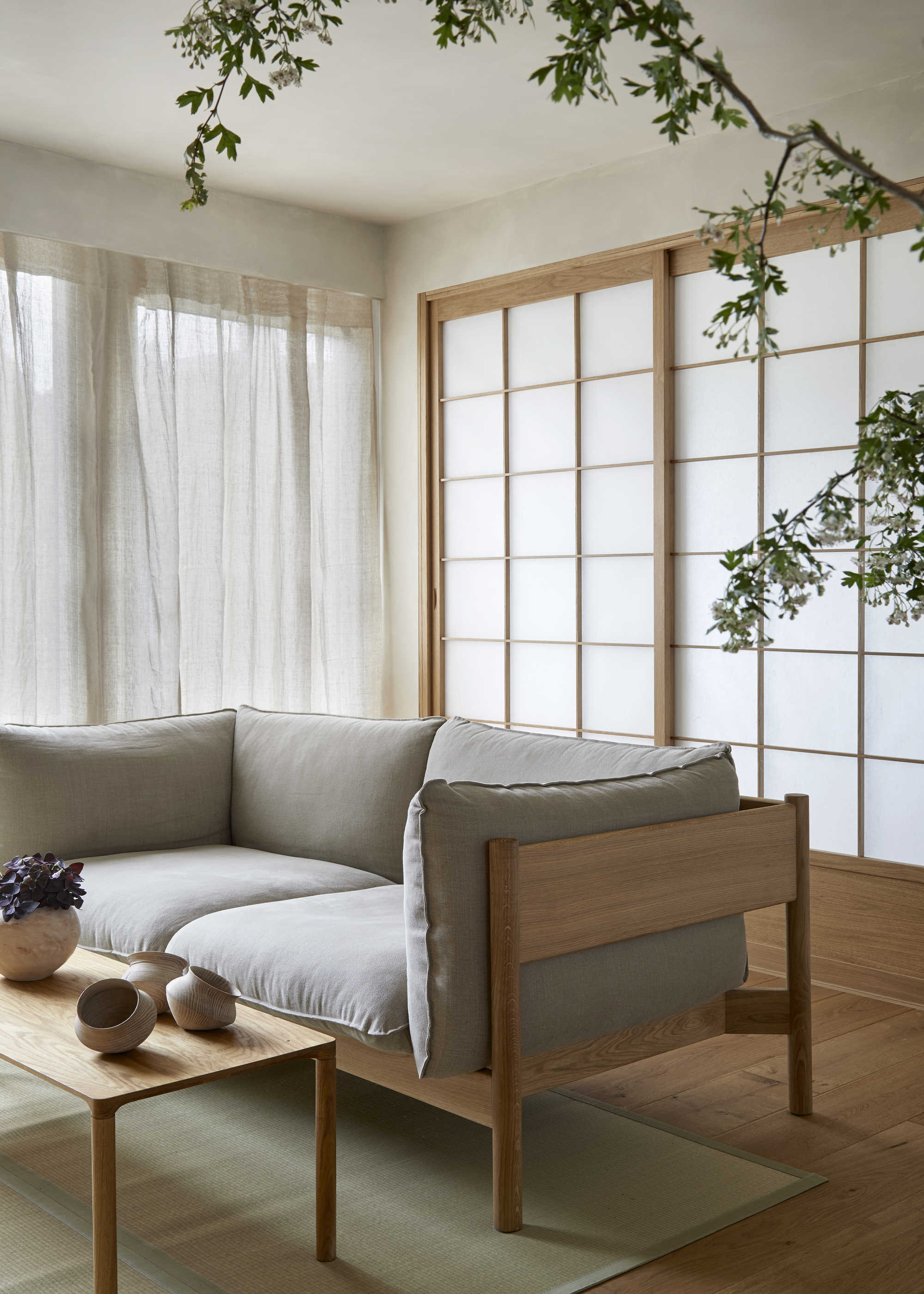
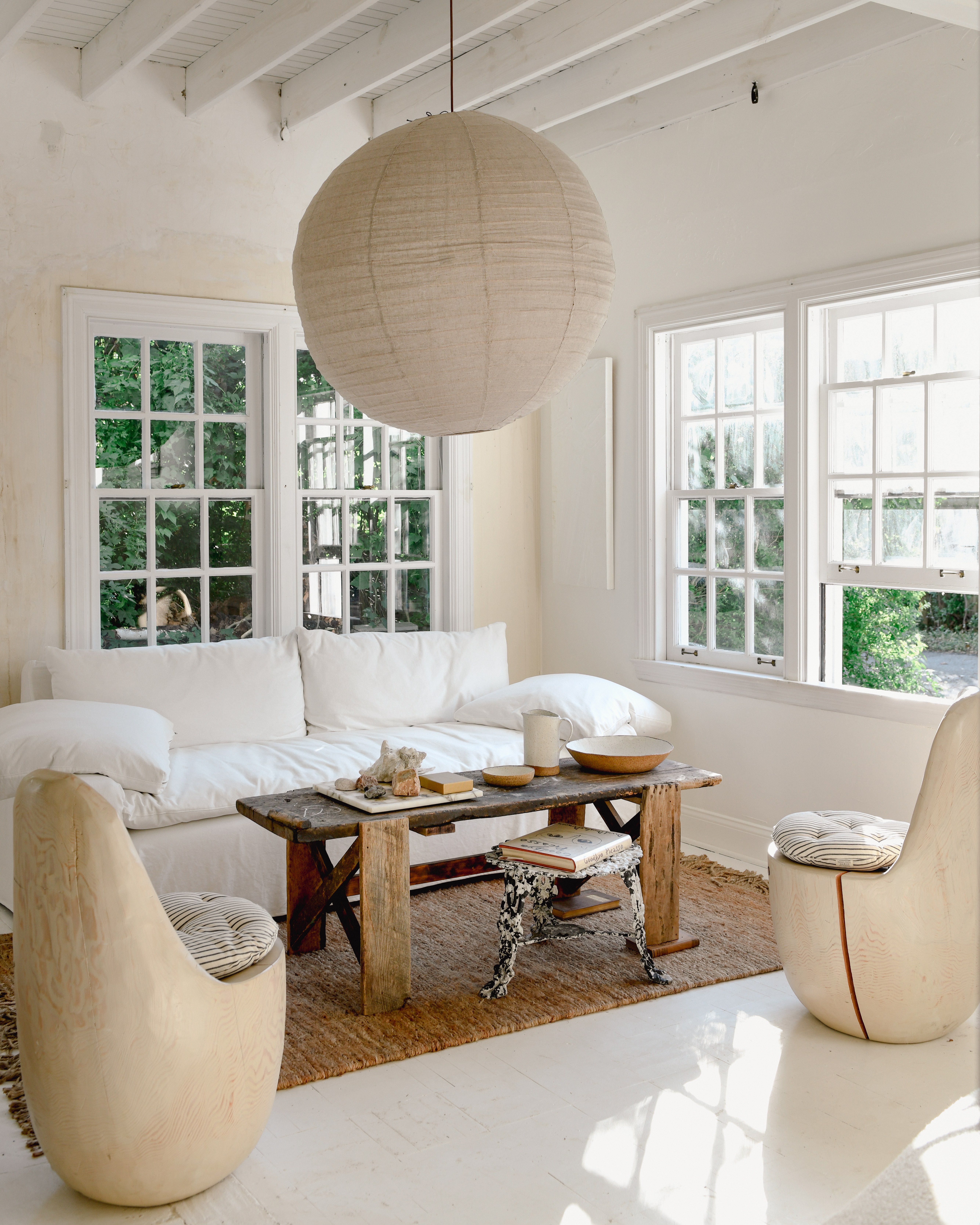
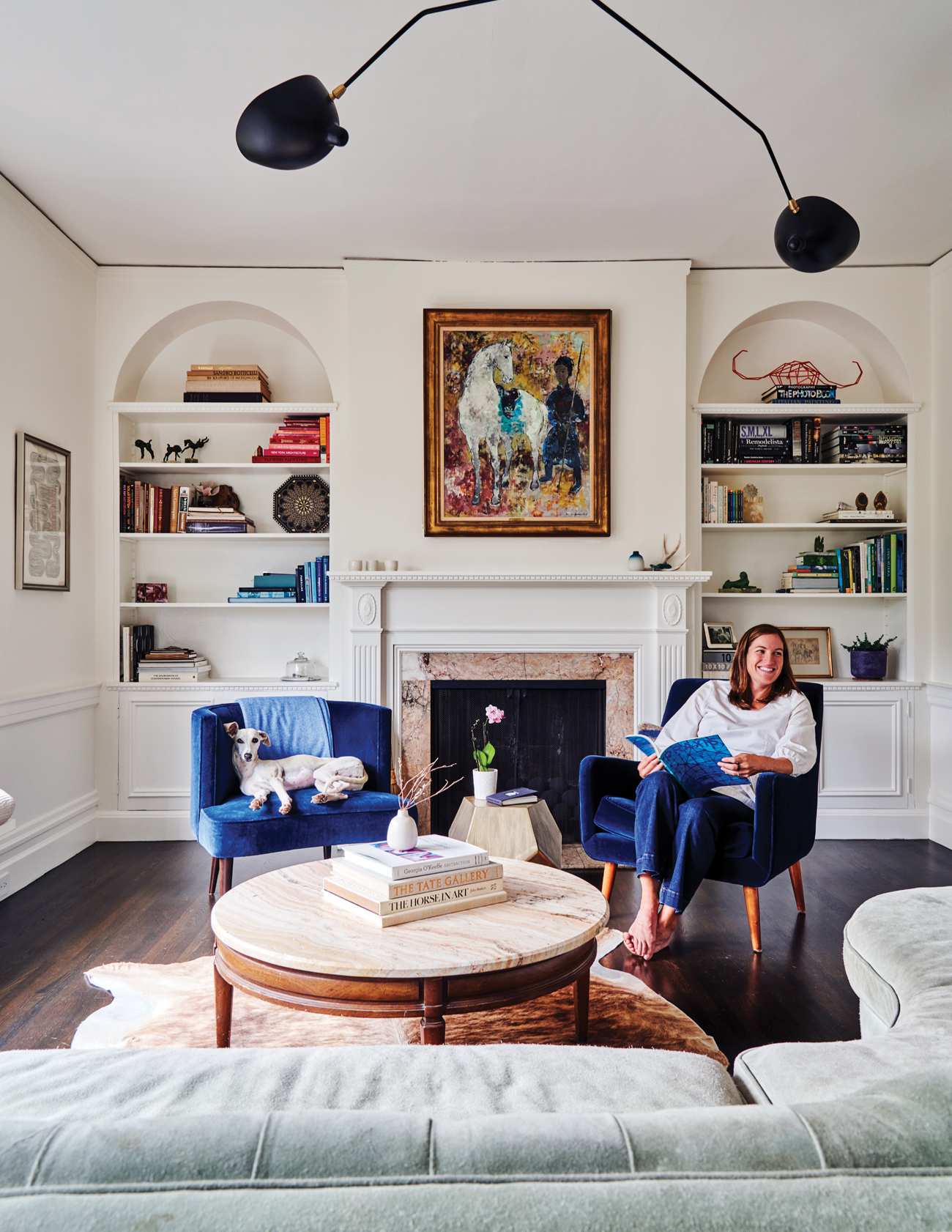
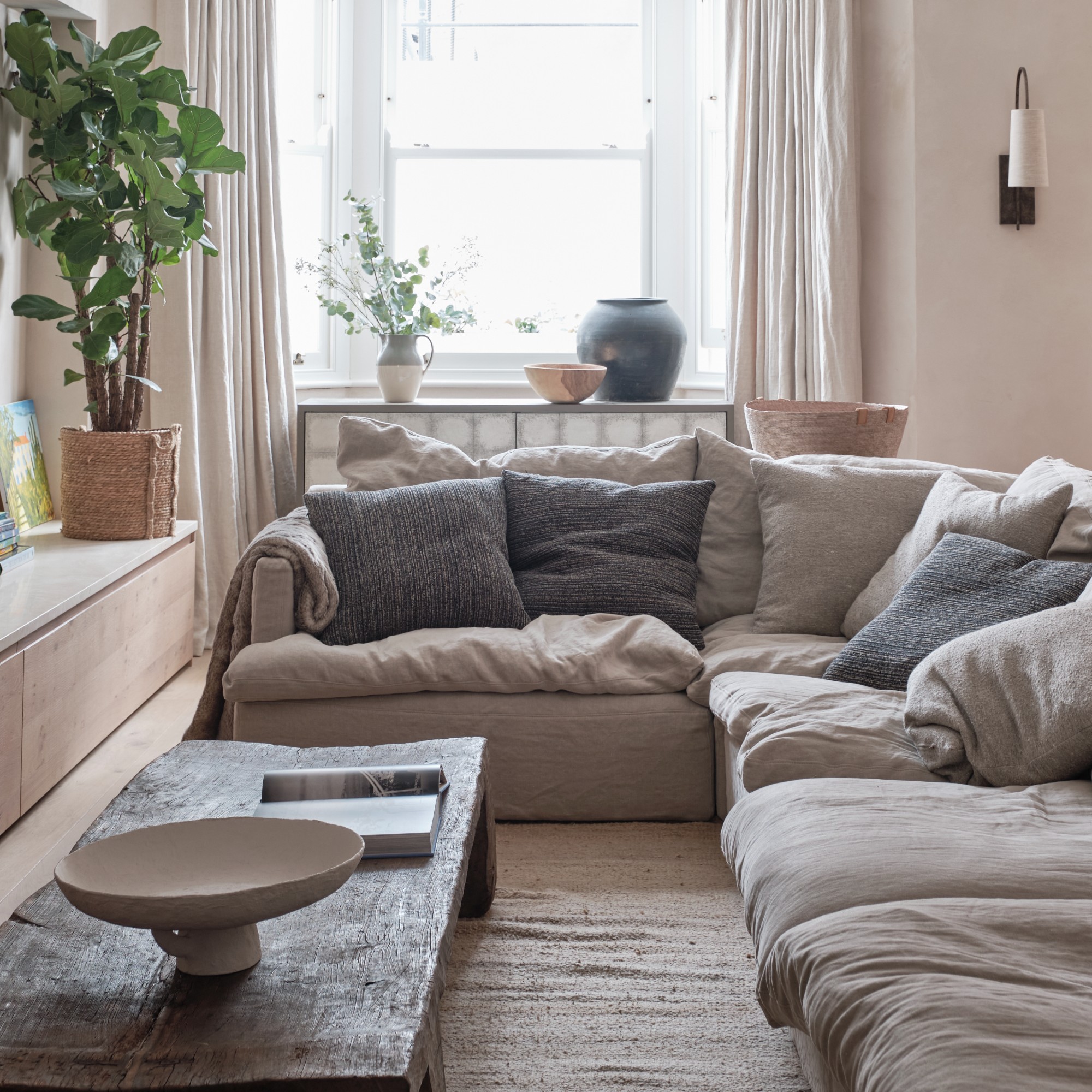
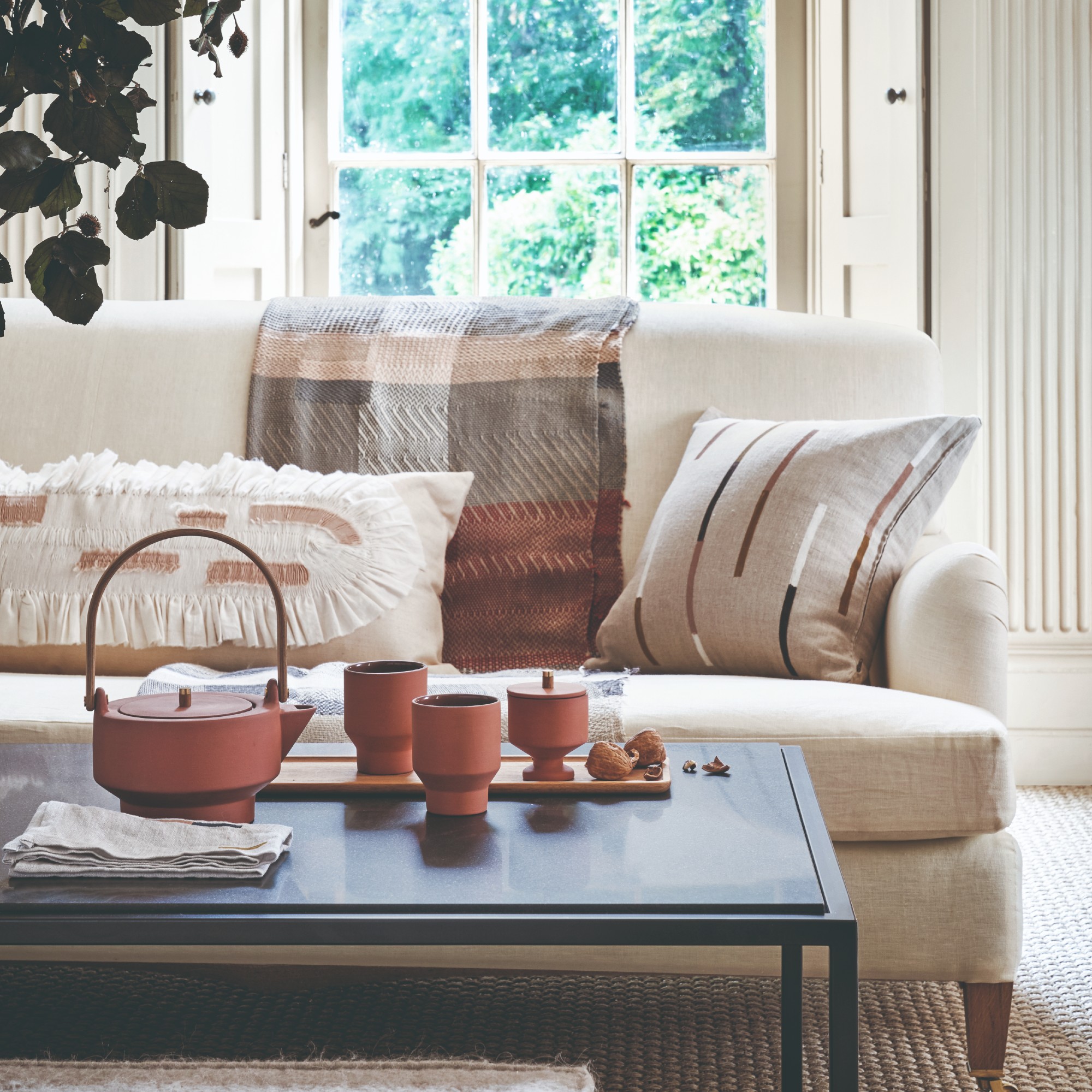
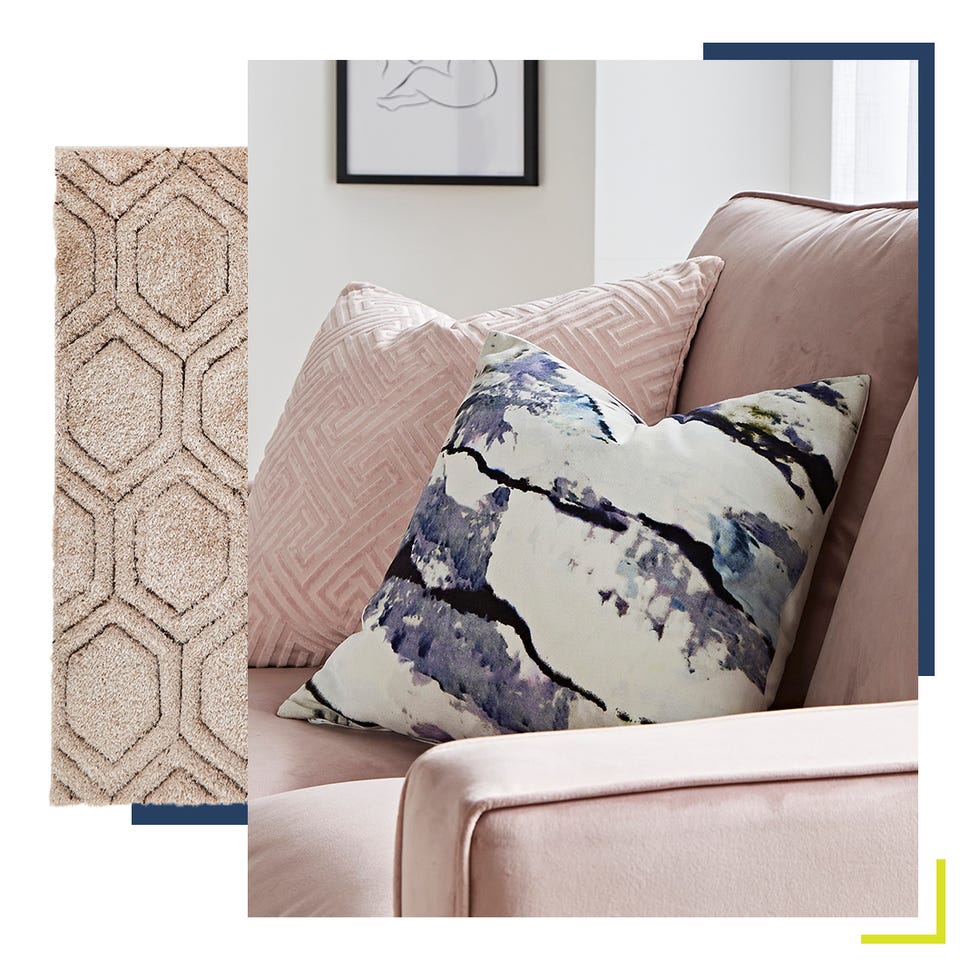
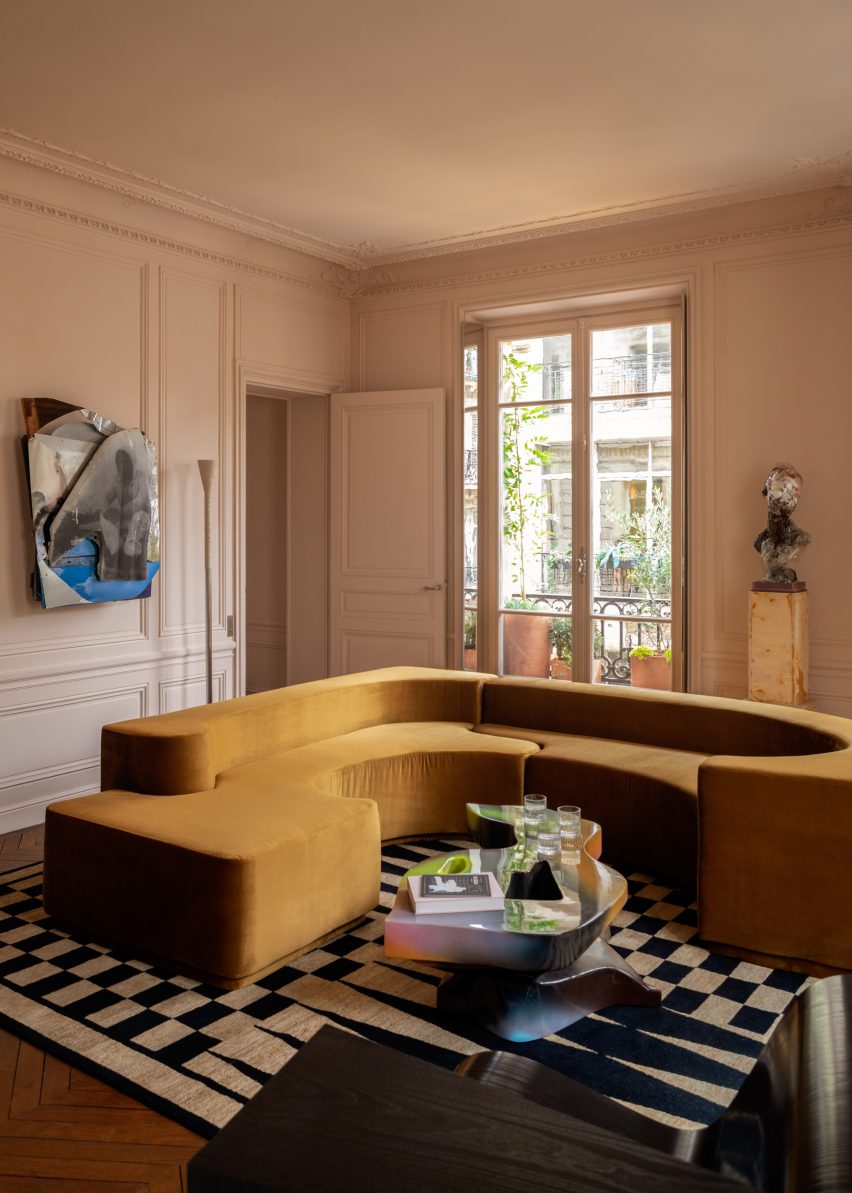
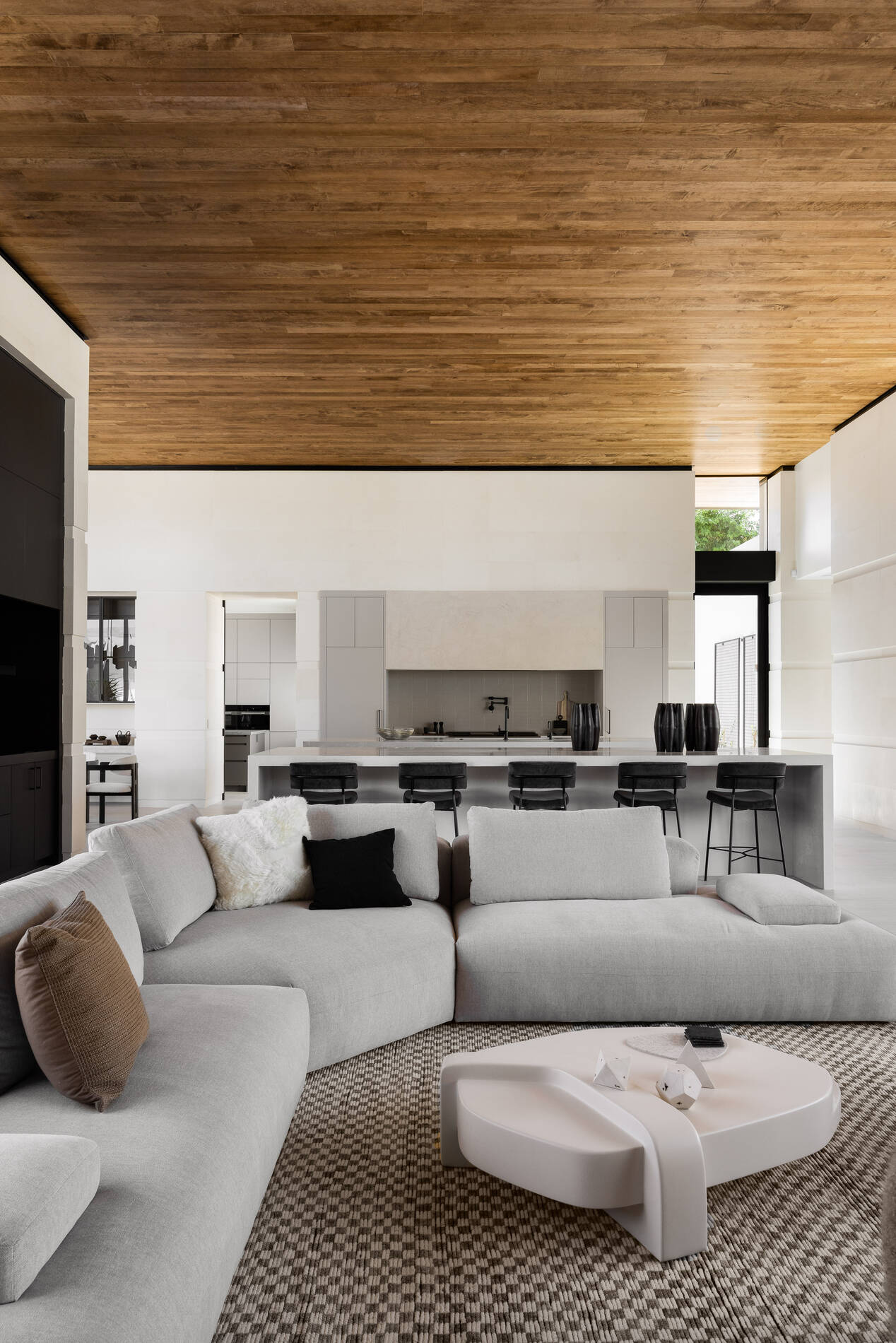
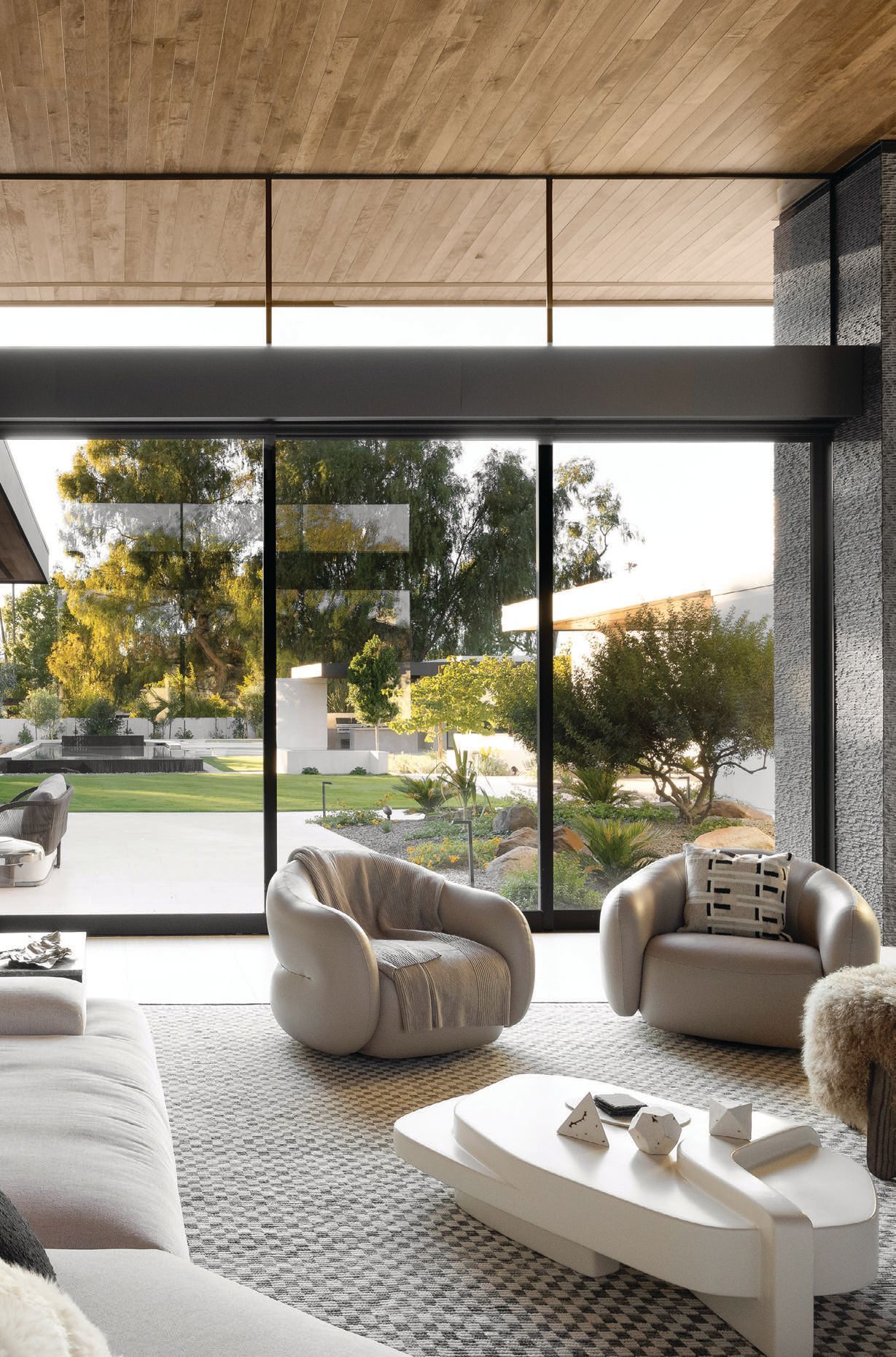
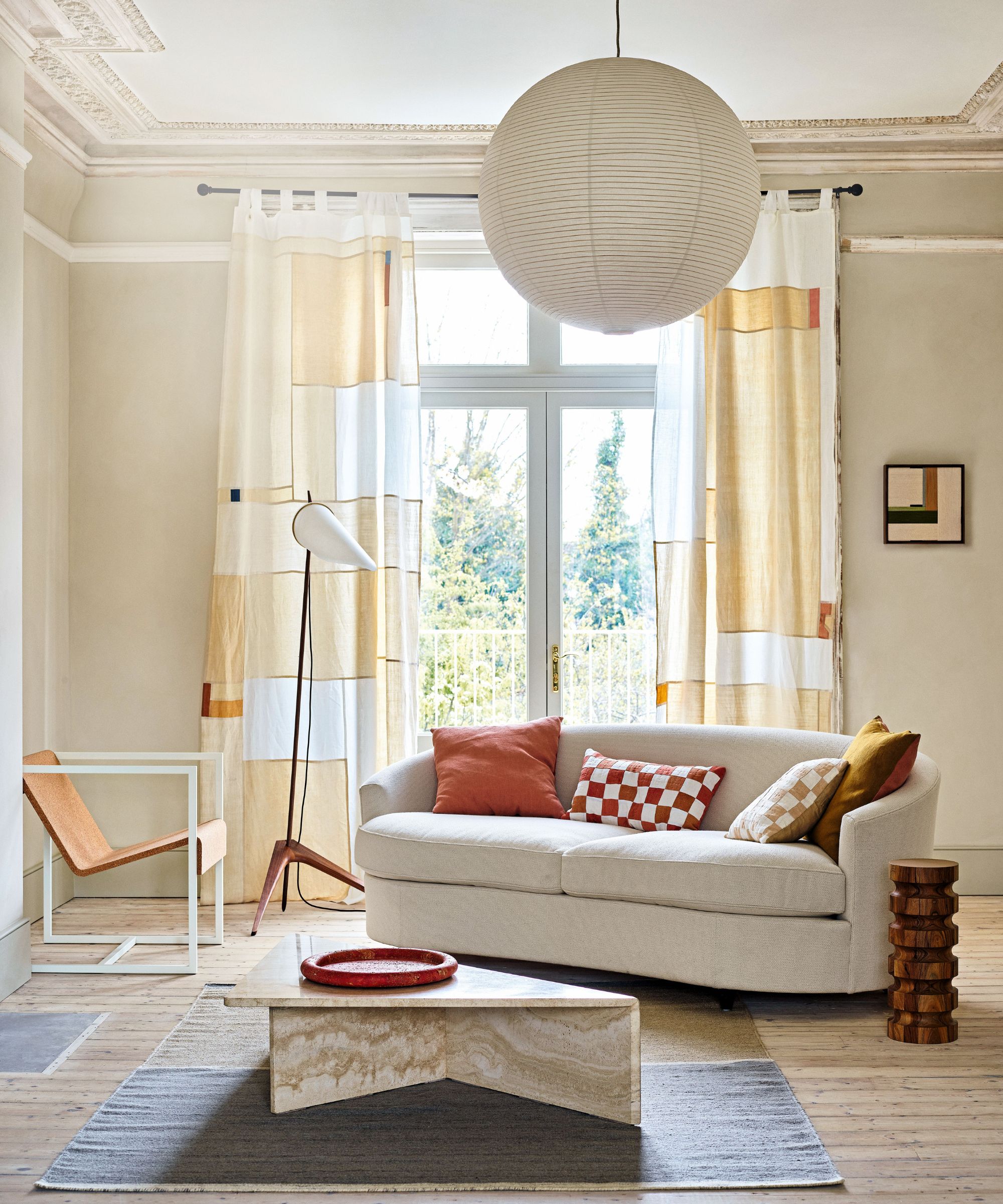
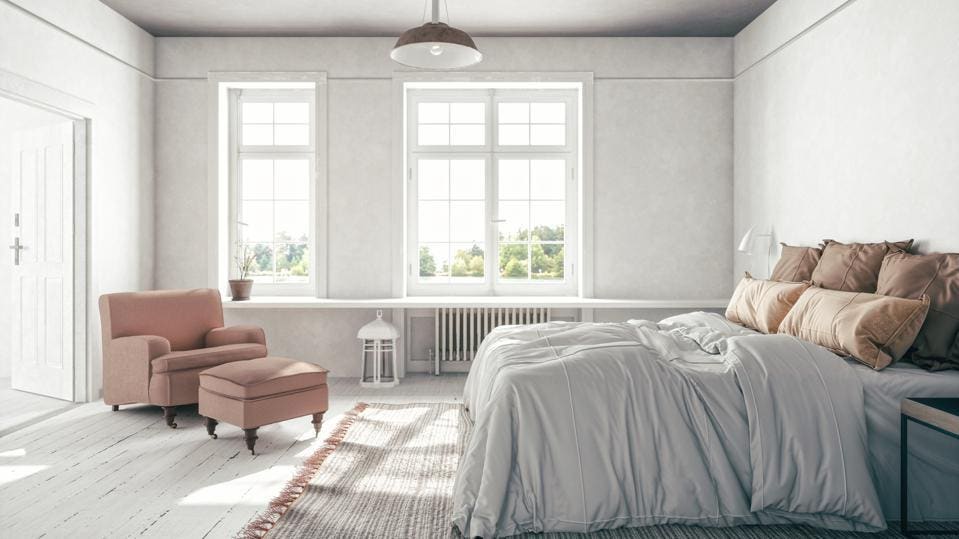
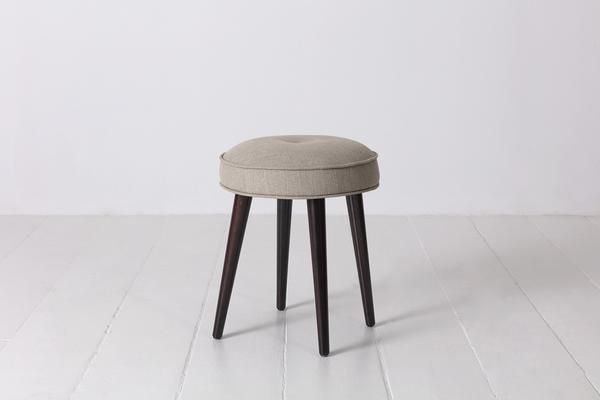
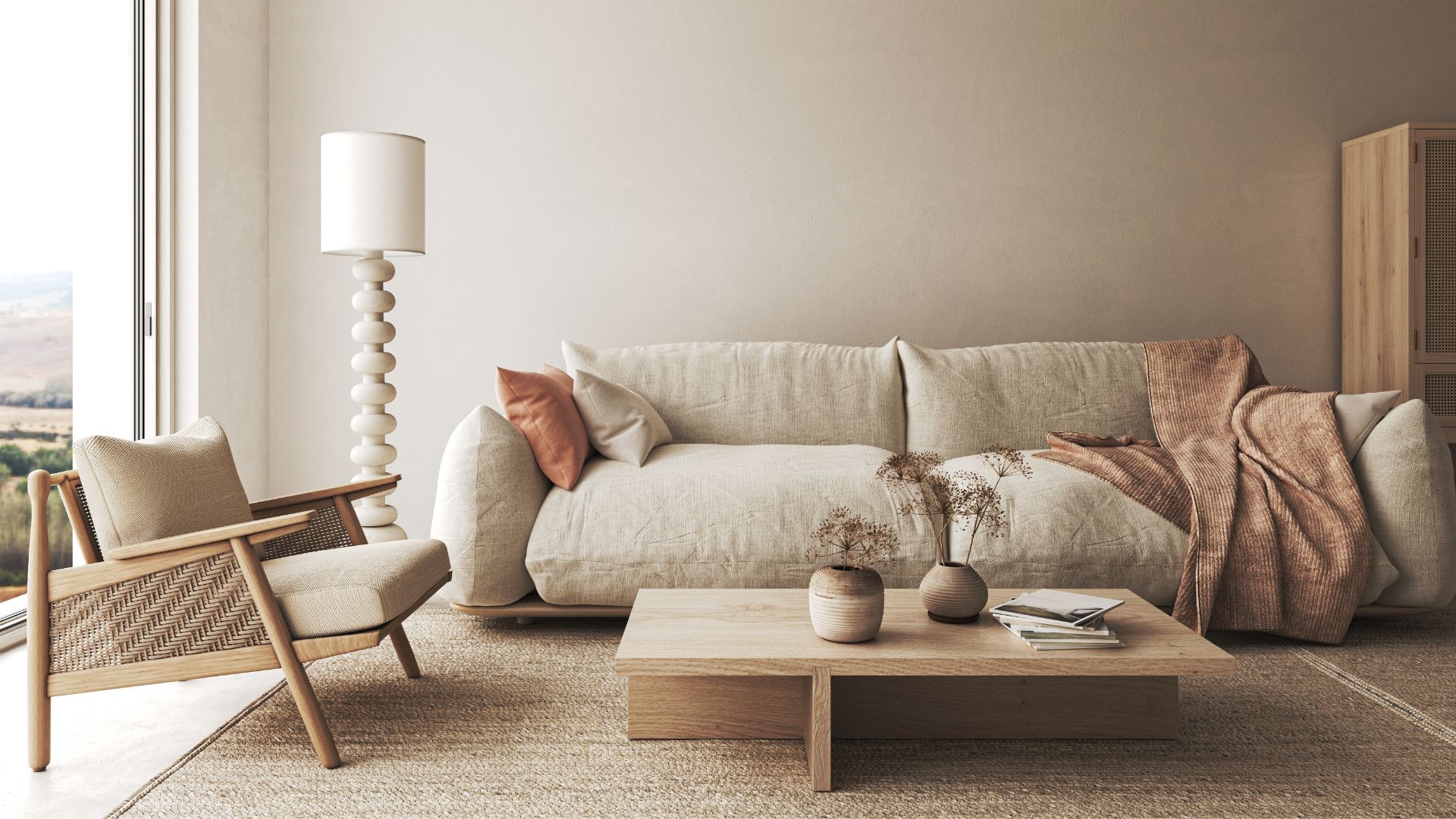
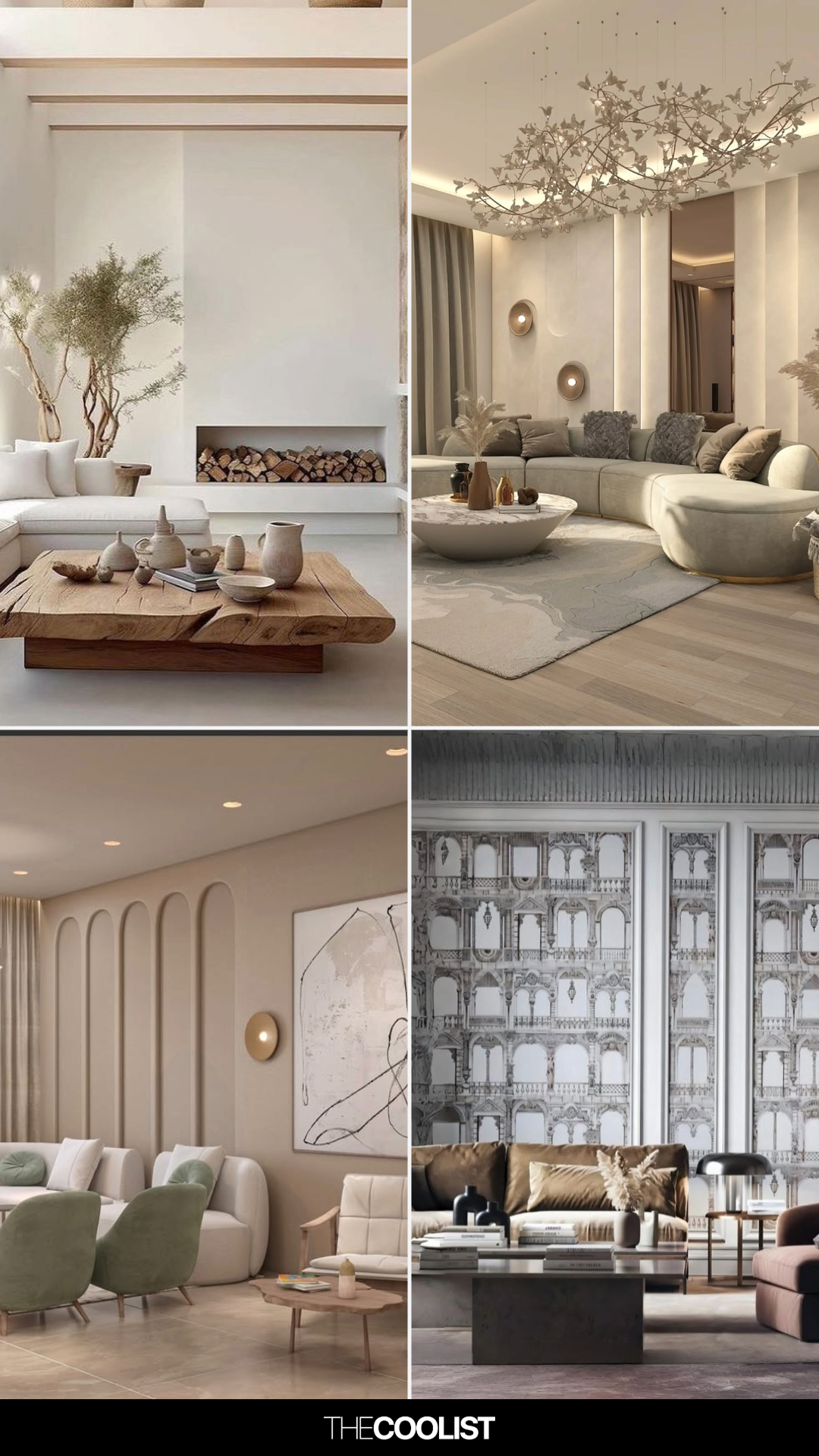
The Japandi design trend combines Japanese minimalism with Scandinavian warmth and comfort to create a serene and restful living space. This aesthetic emphasizes natural materials, simple furniture, and a calming color palette. One key aspect is the use of rounded shapes for furniture, which eliminates harsh edges and promotes a feeling of comfort and invitation. Tactile materials like brushed cotton, velvet, or boucle enhance this inviting atmosphere. Interior designers recommend incorporating natural elements into the home, echoing the Japanese concept of ‘wabi-sabi’ which values imperfection and authenticity.
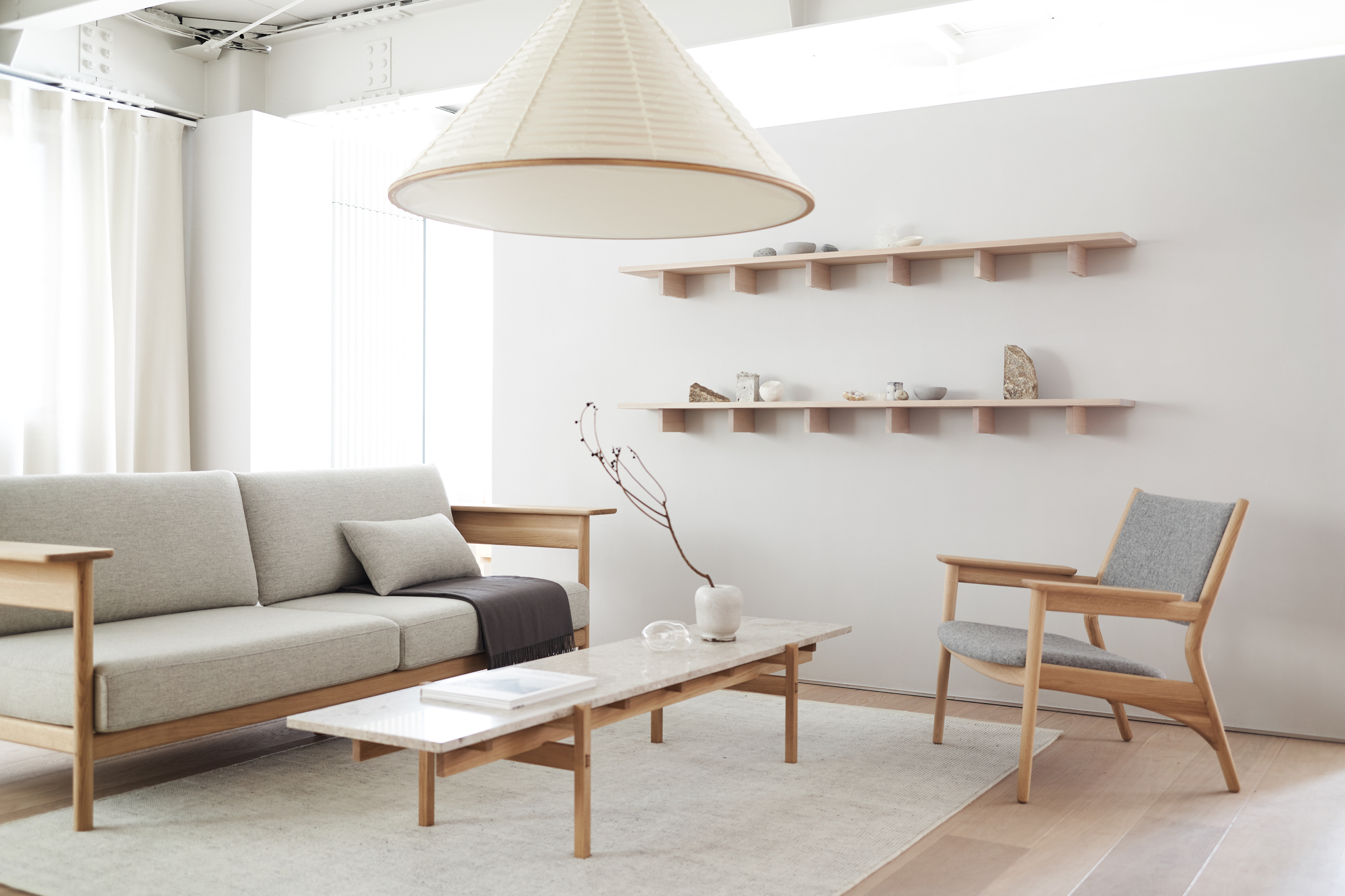

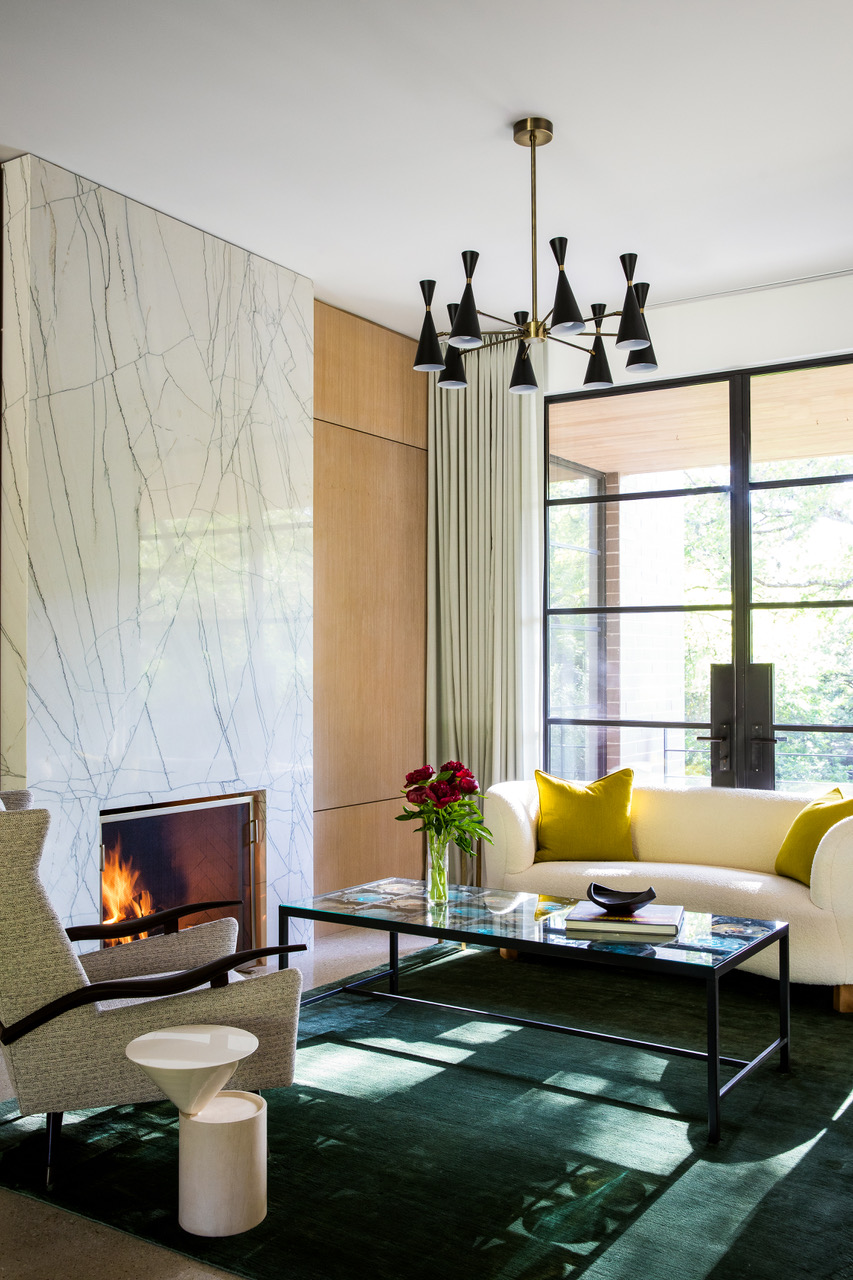
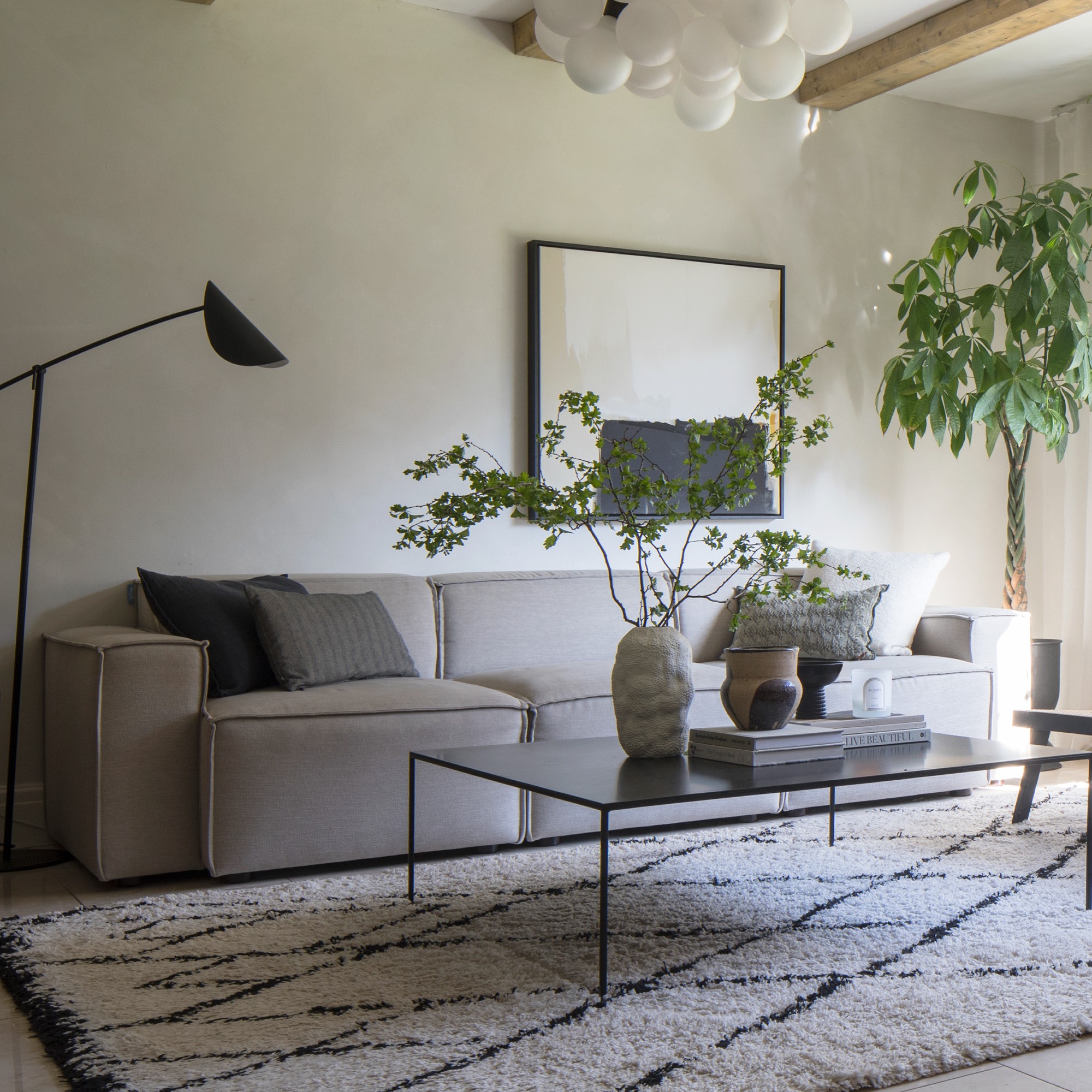
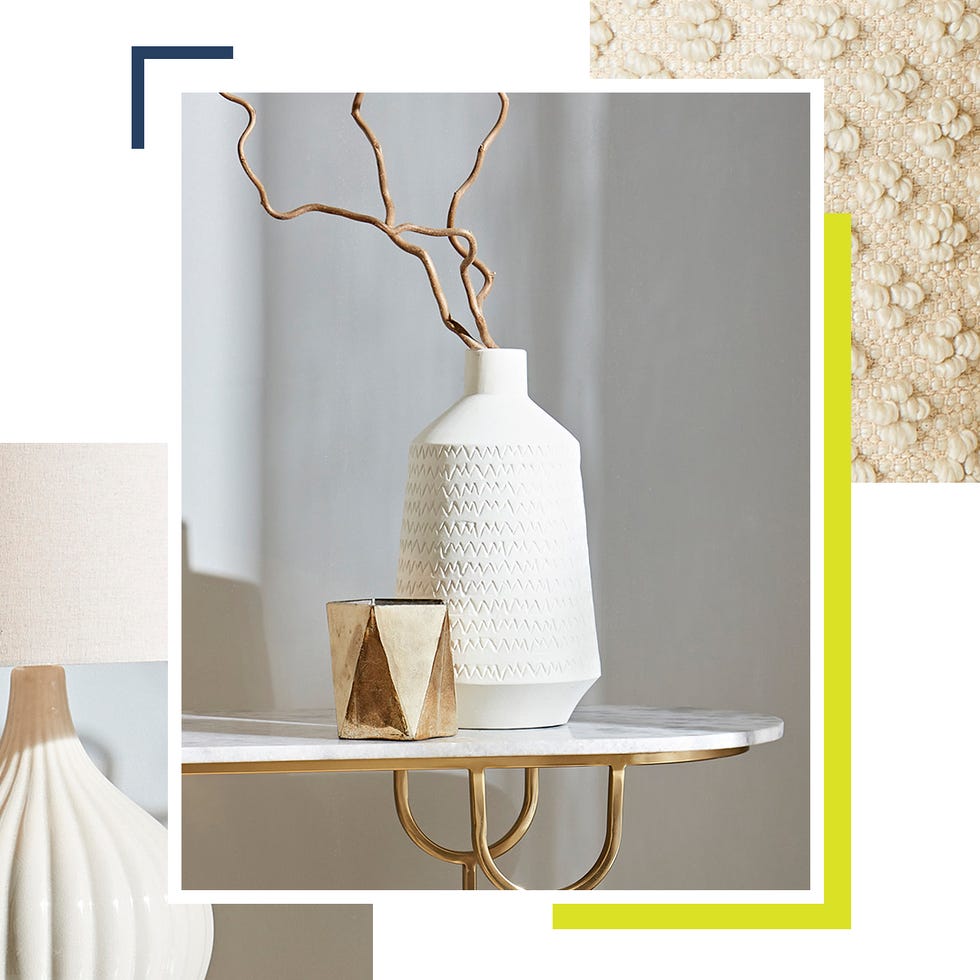
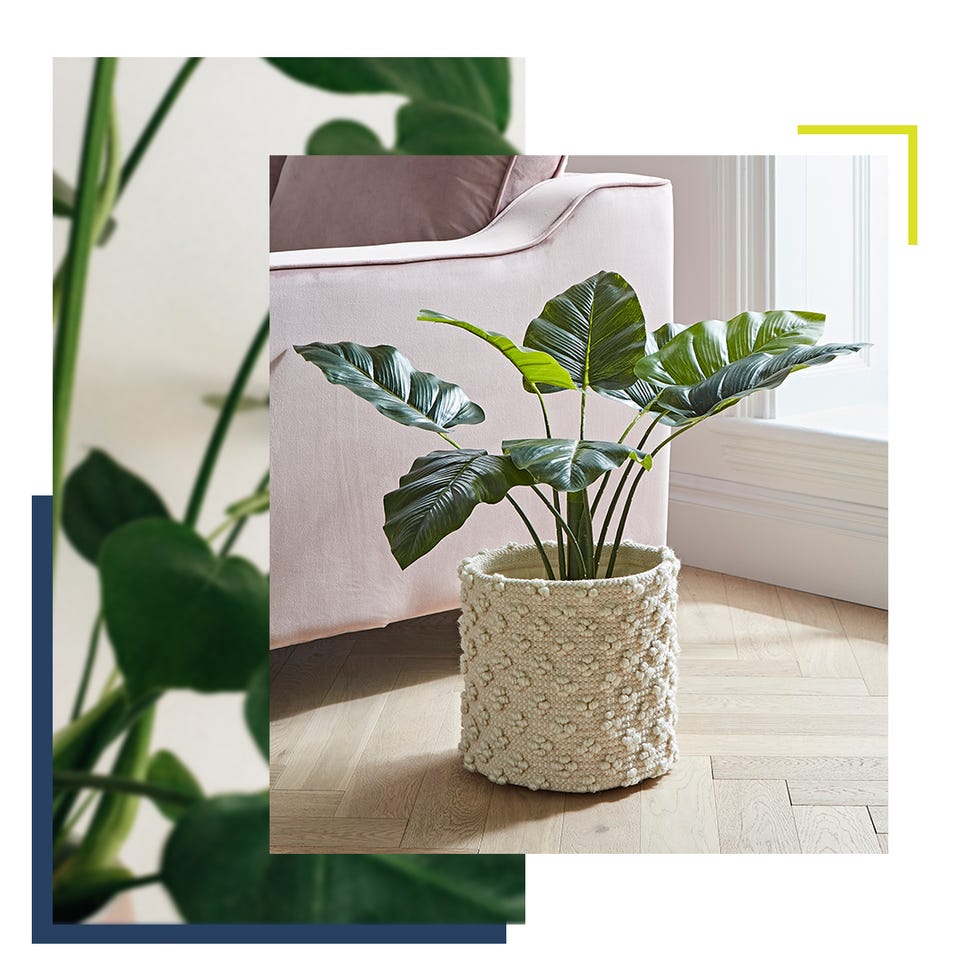
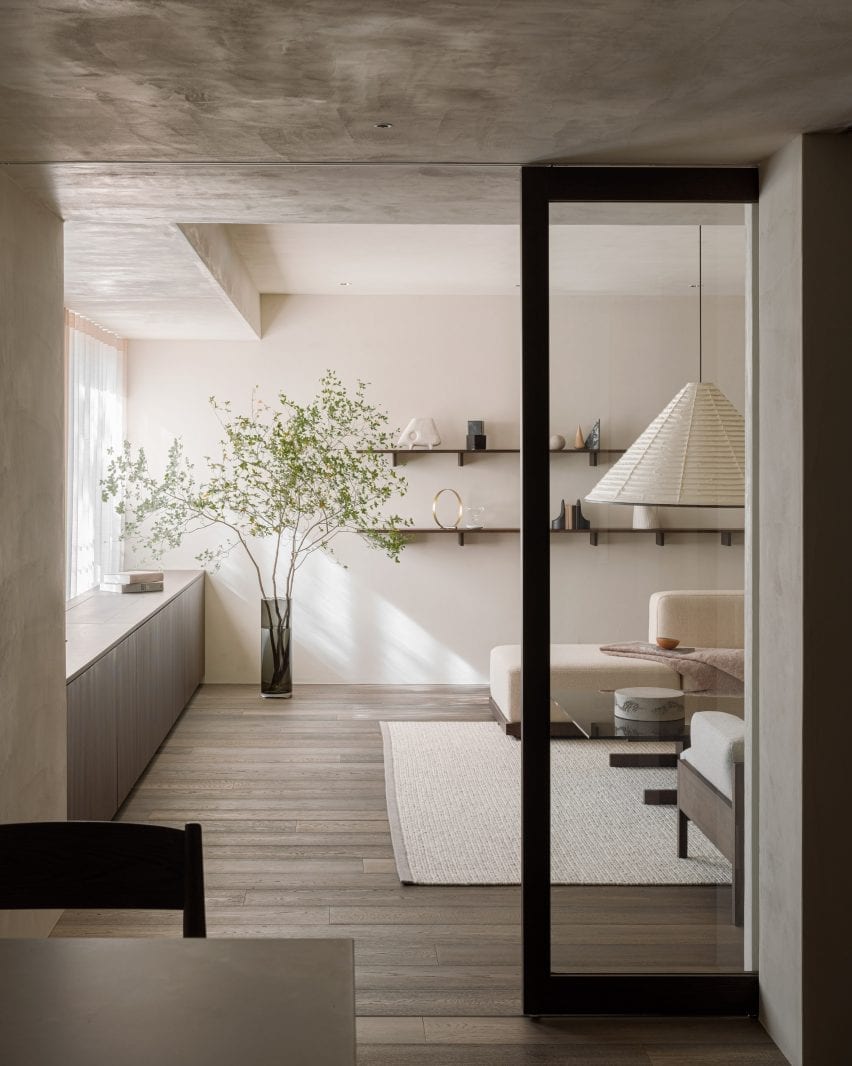
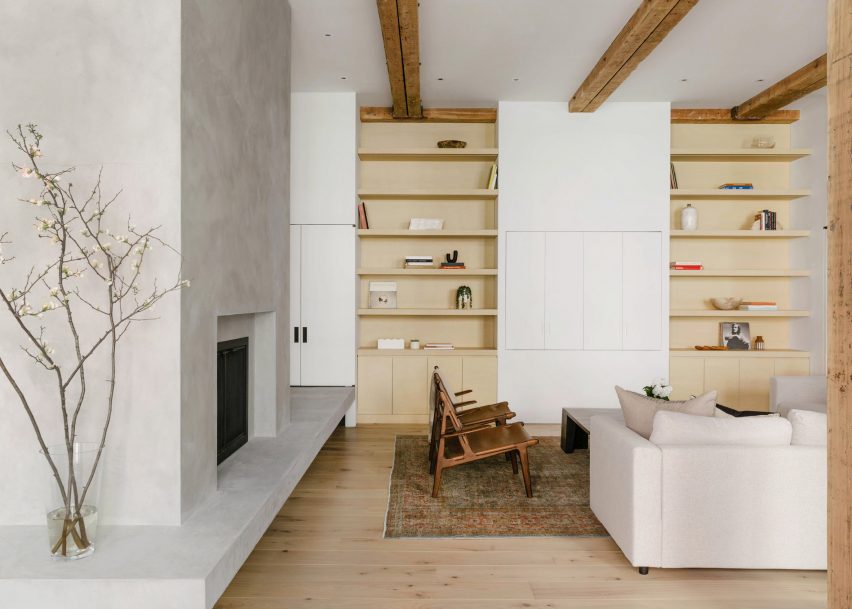
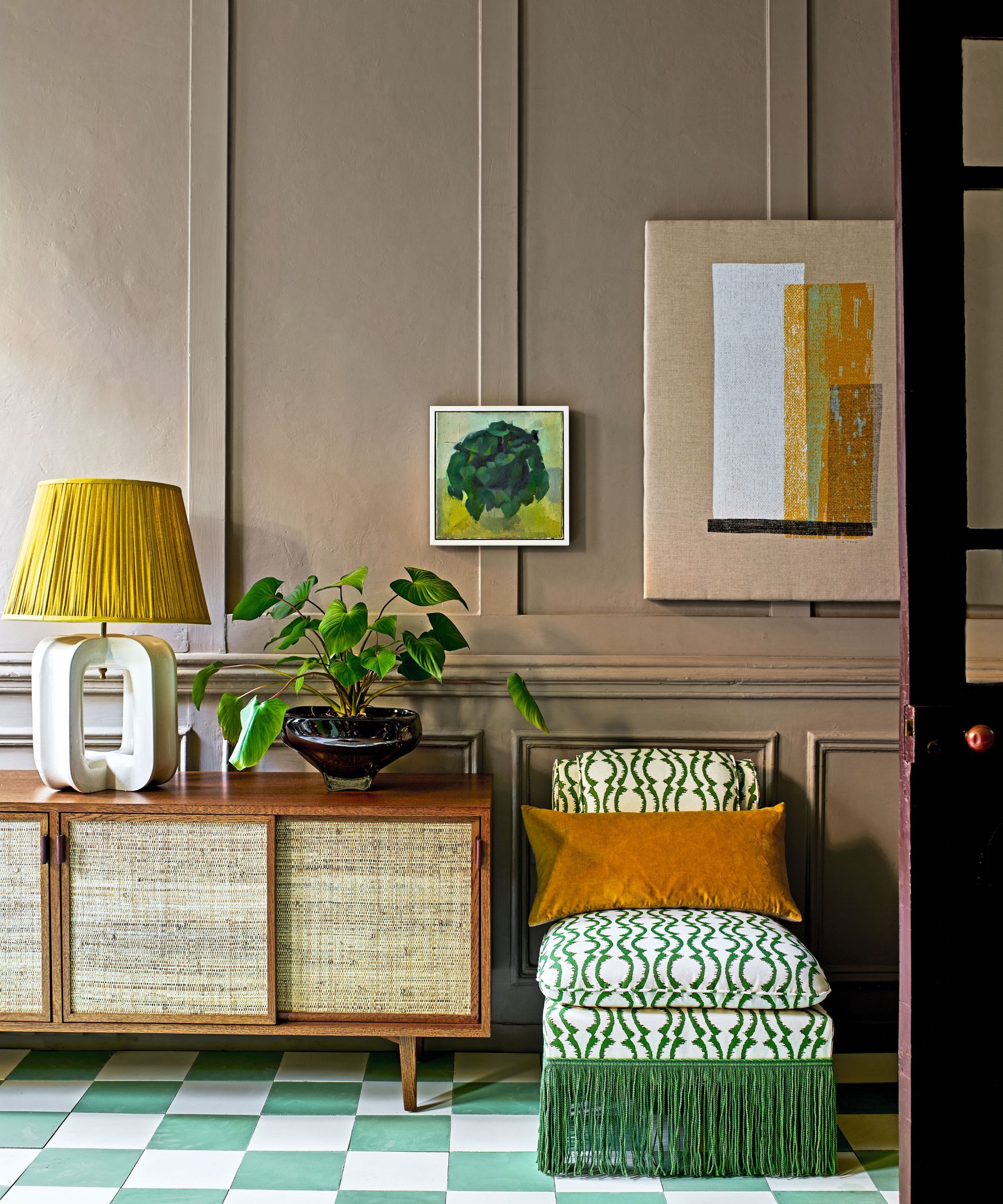
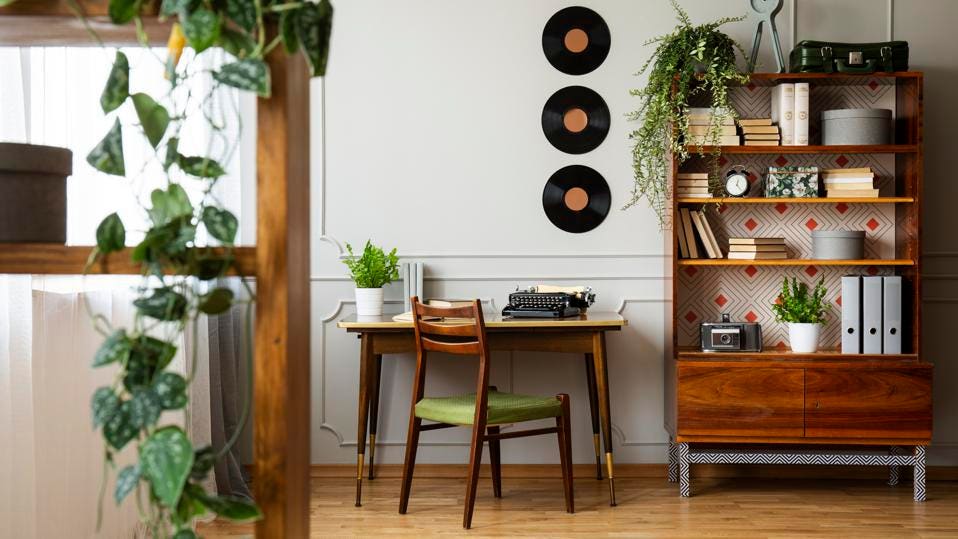
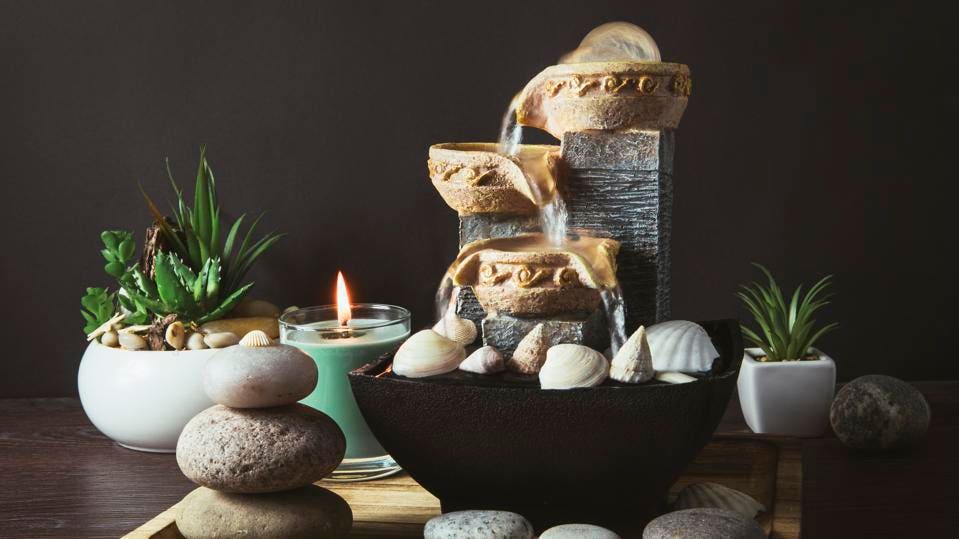
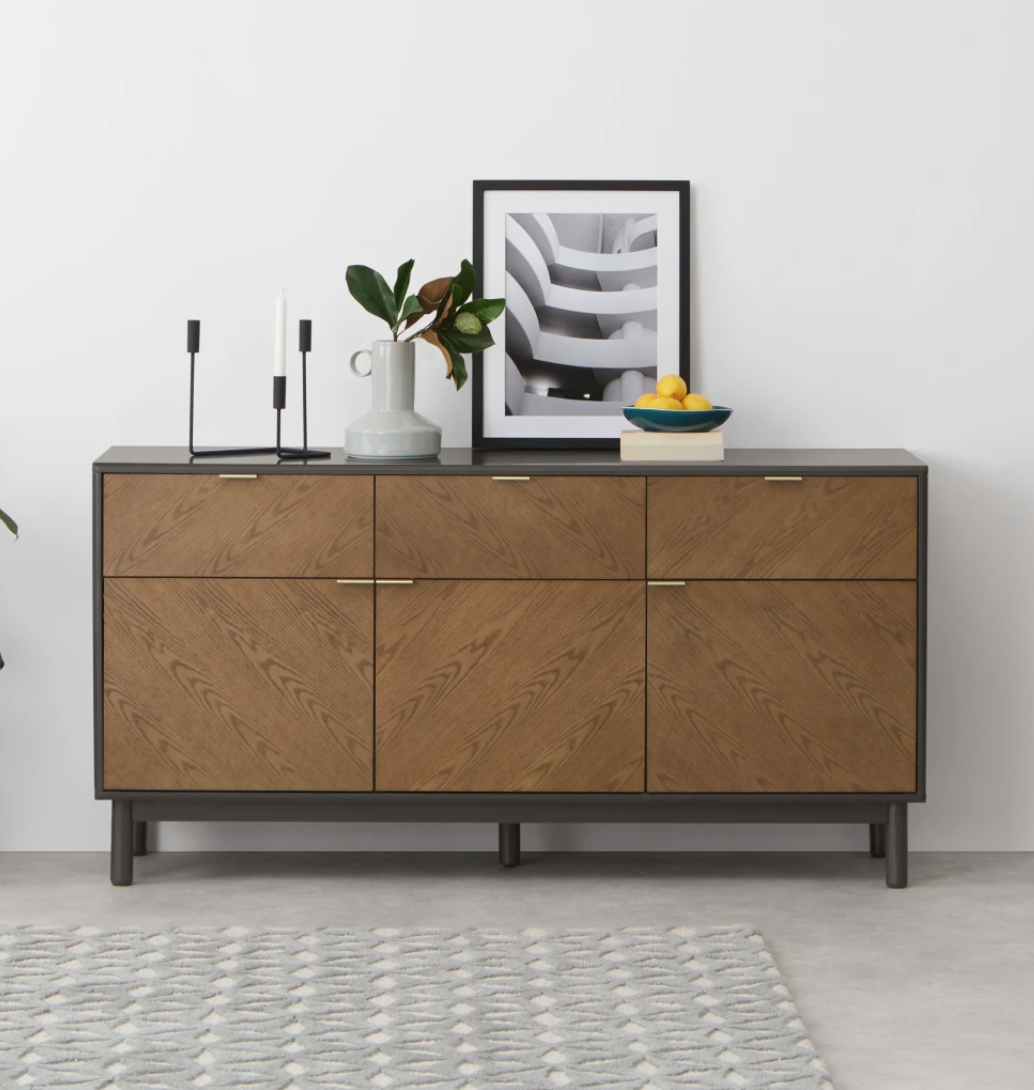
A calming color palette is essential to achieving the Japandi look, with a focus on neutrals that maximize natural light. White walls and wooden floors serve as a foundational starting point. Green accents, often found in earthy tones like sage or olive, can be introduced to connect with nature without overpowering the minimalist scheme. Warm wood tones for furniture and storage, along with comfortable sofas in muted colors, contribute to a harmonious environment. Mixing various natural materials and textures, such as wood, ceramics, clay, and different textiles, adds dynamic interest even within a neutral color scheme. This approach highlights craftsmanship and connects residents with nature.
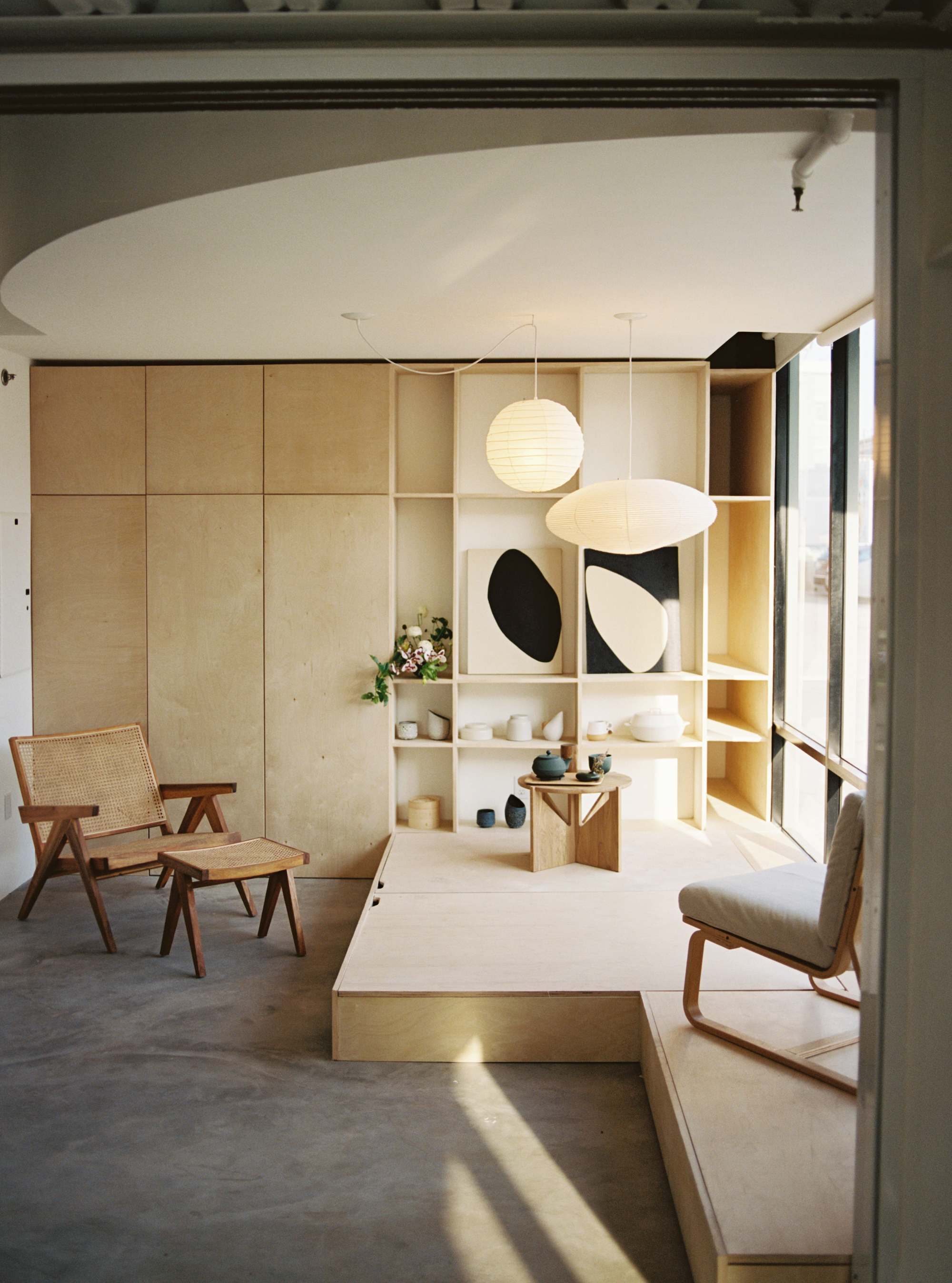
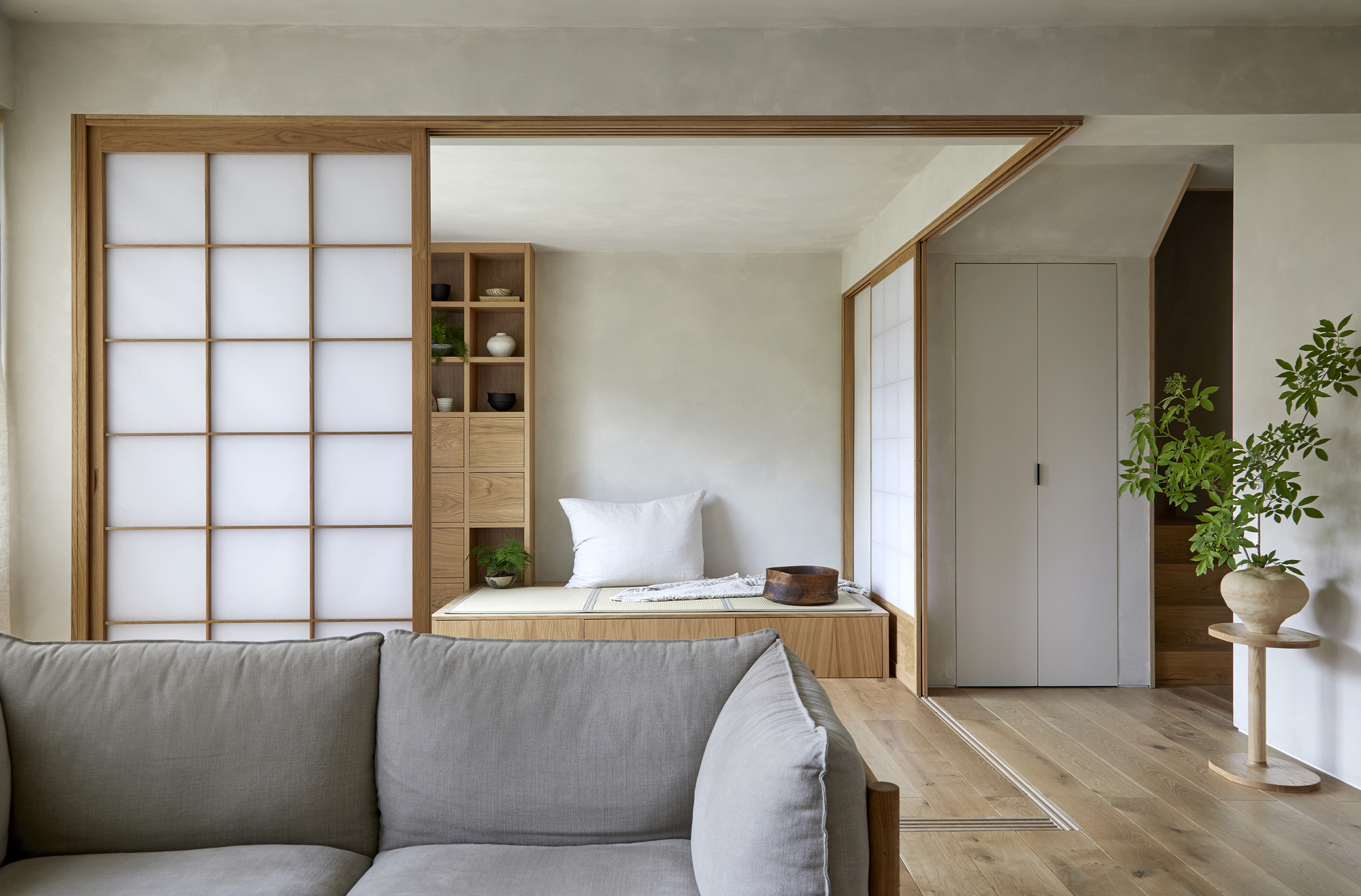
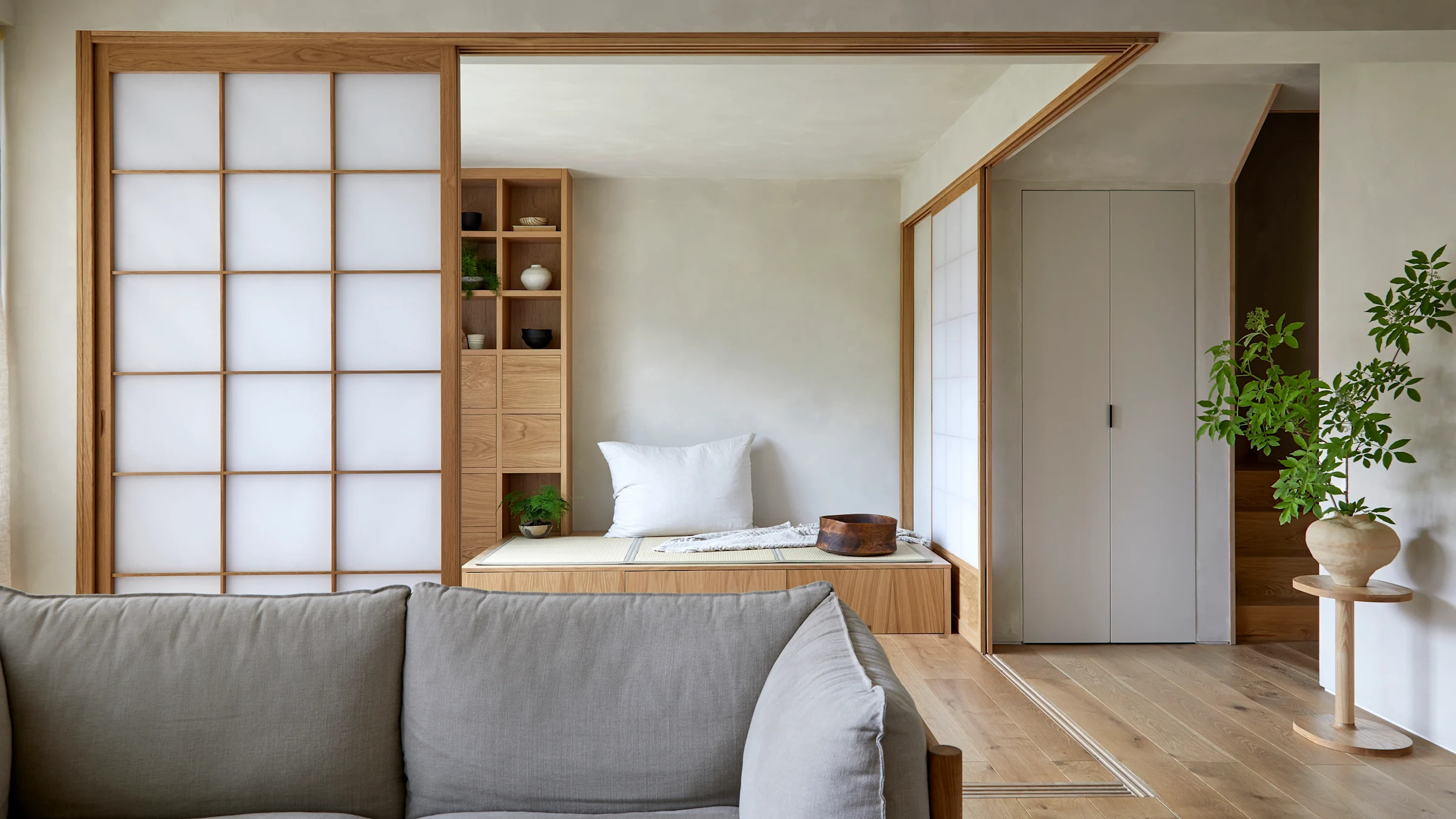
Wooden wall paneling is a popular feature that introduces texture and warmth, creating subtle feature walls. Light woods like oak or ash are commonly used, and the clean lines of paneling maintain a sleek, uncluttered aesthetic. Low-level furniture is another characteristic, drawing inspiration from traditional Japanese floor-level living. This can be achieved with chunky rugs and floor cushions for added comfort, creating a sense of ease. Abstract artwork in neutral tones, with minimalist lines or organic shapes, provides visual interest without detracting from the room's calm. Room dividers, a staple in traditional Japanese interiors, are functional for zoning spaces in open-plan layouts and are often portable.
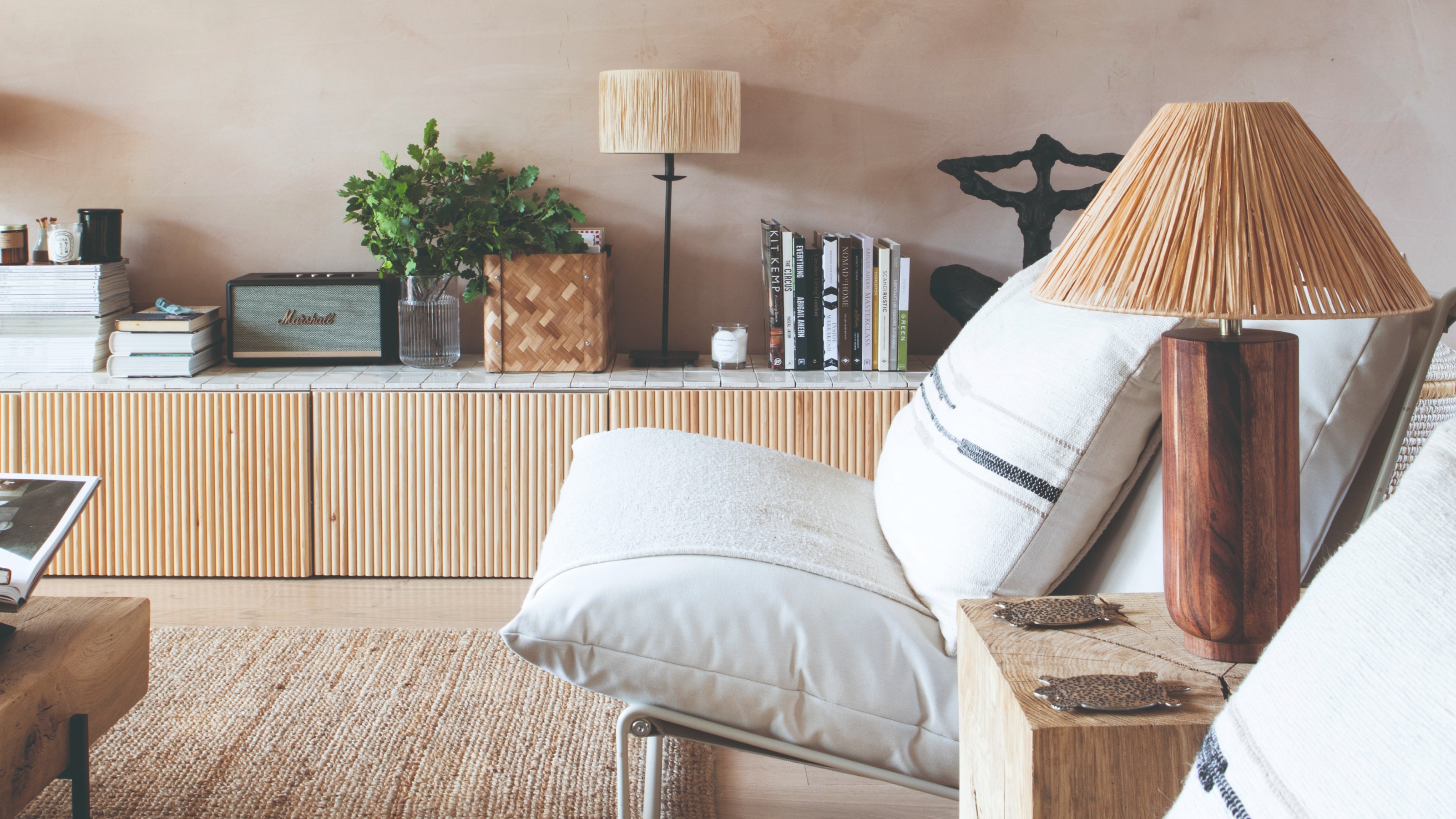
Layered lighting is crucial for setting the mood, combining Scandinavian ambient lighting with Japanese soft illumination. Strategic placement of lamps, often reminiscent of Japanese lanterns, creates cozy pools of light. Natural materials like marble can be used for lamp bases, celebrating unique imperfections. Thoughtful window treatments, such as natural wood shutters or voile panels made from natural fabrics like linen, offer control over light while maintaining the organic theme. Finally, Japanese-inspired wallpaper in neutral shades can add subtle warmth and depth without overwhelming the minimalist aesthetic, often featuring organic patterns like bamboo or delicate florals. These elements collectively contribute to a living room that promotes peace and relaxation. #JapandiStyle #LivingRoomDesign #InteriorDesign #MinimalistDecor #ScandinavianDesign #JapaneseAesthetics #HomeDecor #CalmingInteriors #NaturalMaterials
0 comment in total
 No comments yet
You may also like
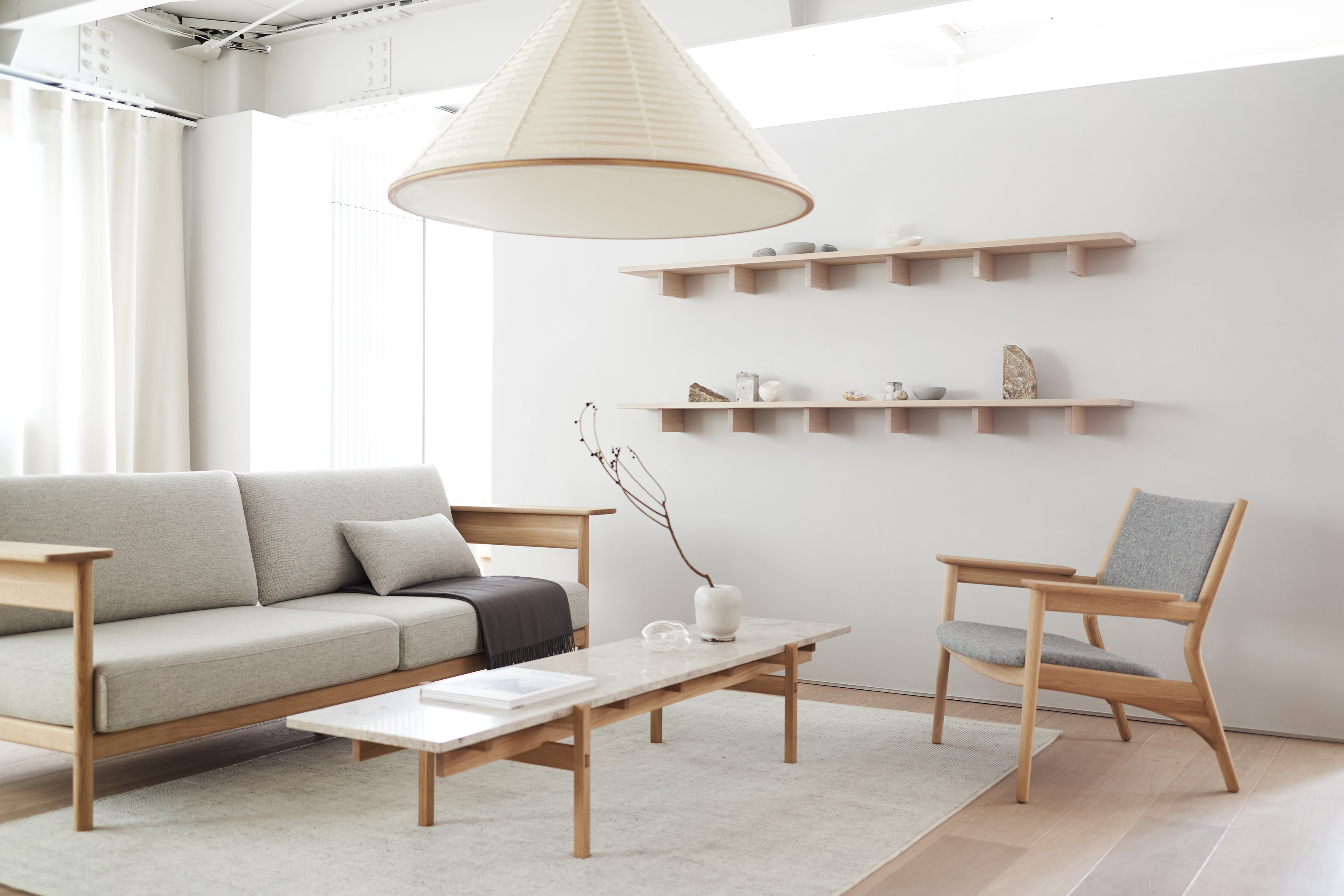
5 Design Rules Japanese-Style Living Rooms Always Follow — "This Approach Makes Any Home So Calming"

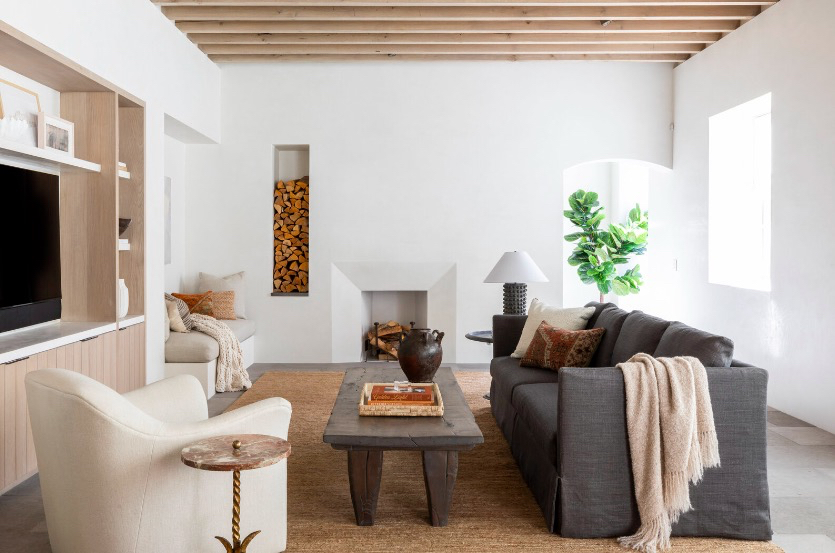
How to simplify a small living room – 10 designer approved tips for instantly more calming decor
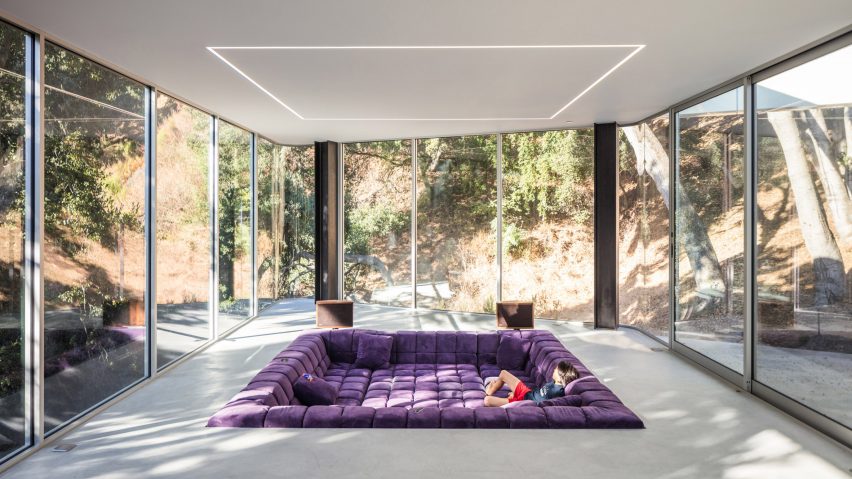
Ten living room design ideas from Dezeen

25 Chic Japandi Living Room Ideas That Could Be Straight Out of a Tokyo Loft
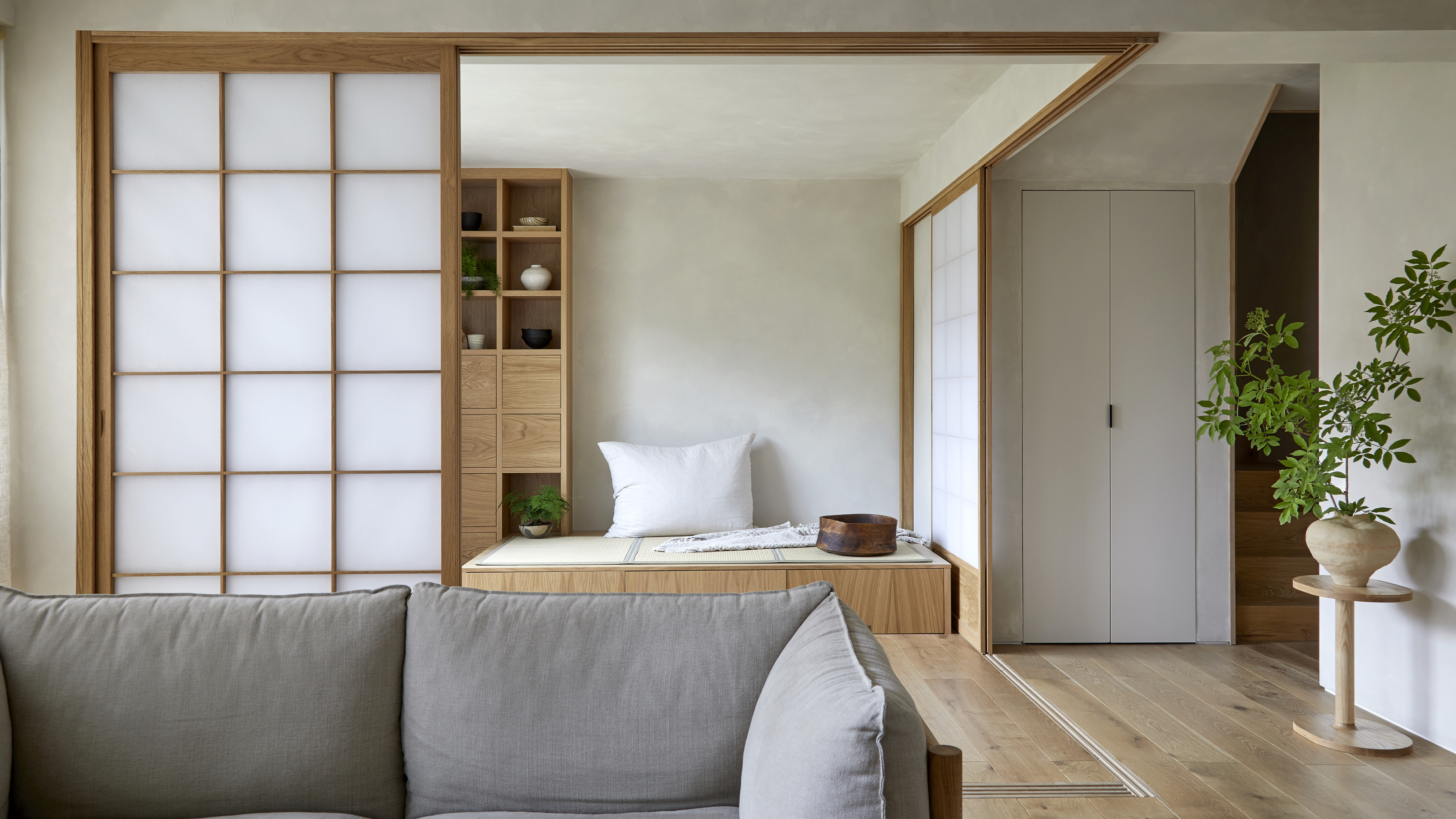
Muji Living Room Ideas — 5 Ways to Harness the Calming Qualities of This Japanese Design Style
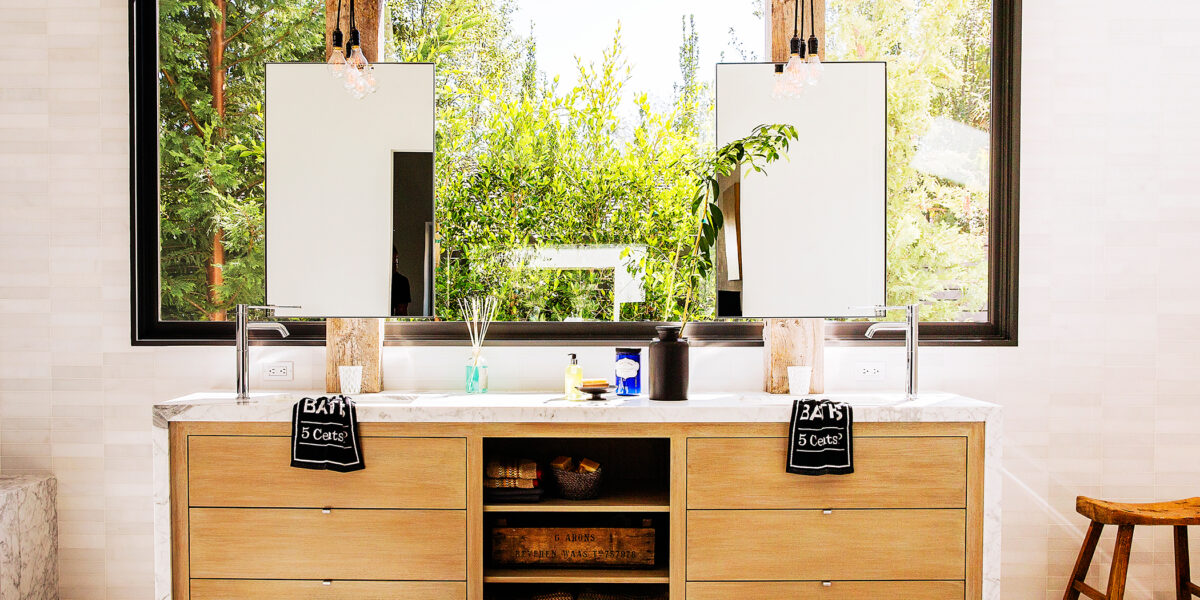
This Design Technique Is the Key to a Calm and Relaxing Home
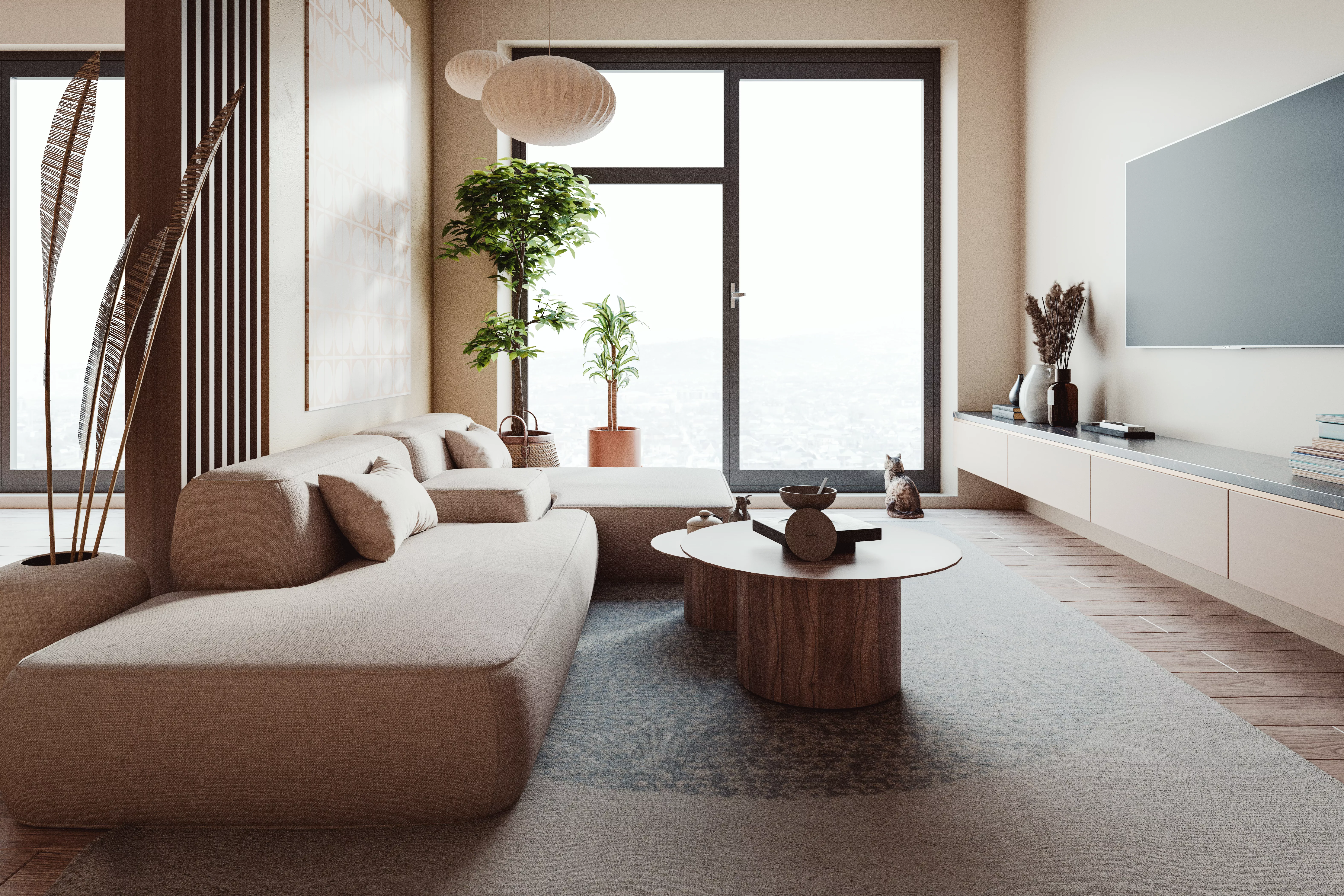
Japanese Living Room Design Is Trending—Here’s How to Achieve the Style

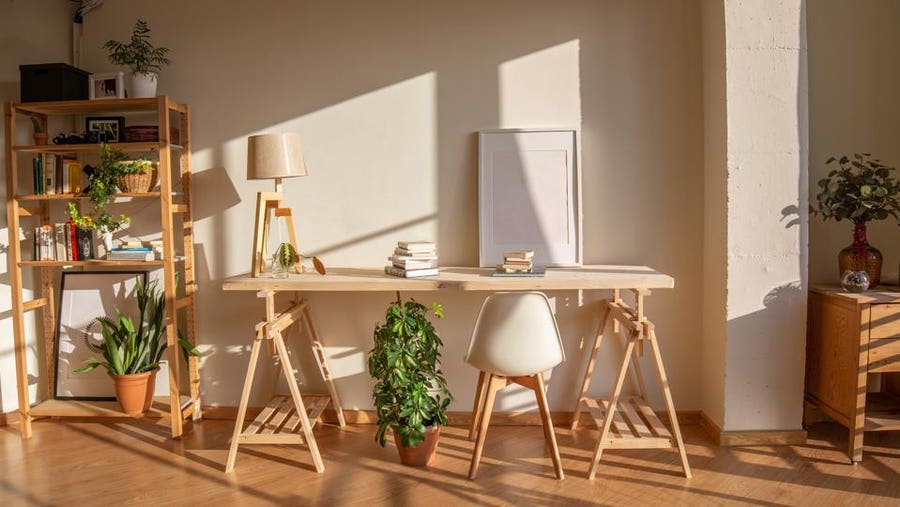
10 Feng Shui Rules To Live By For A Calm, Restorative Space

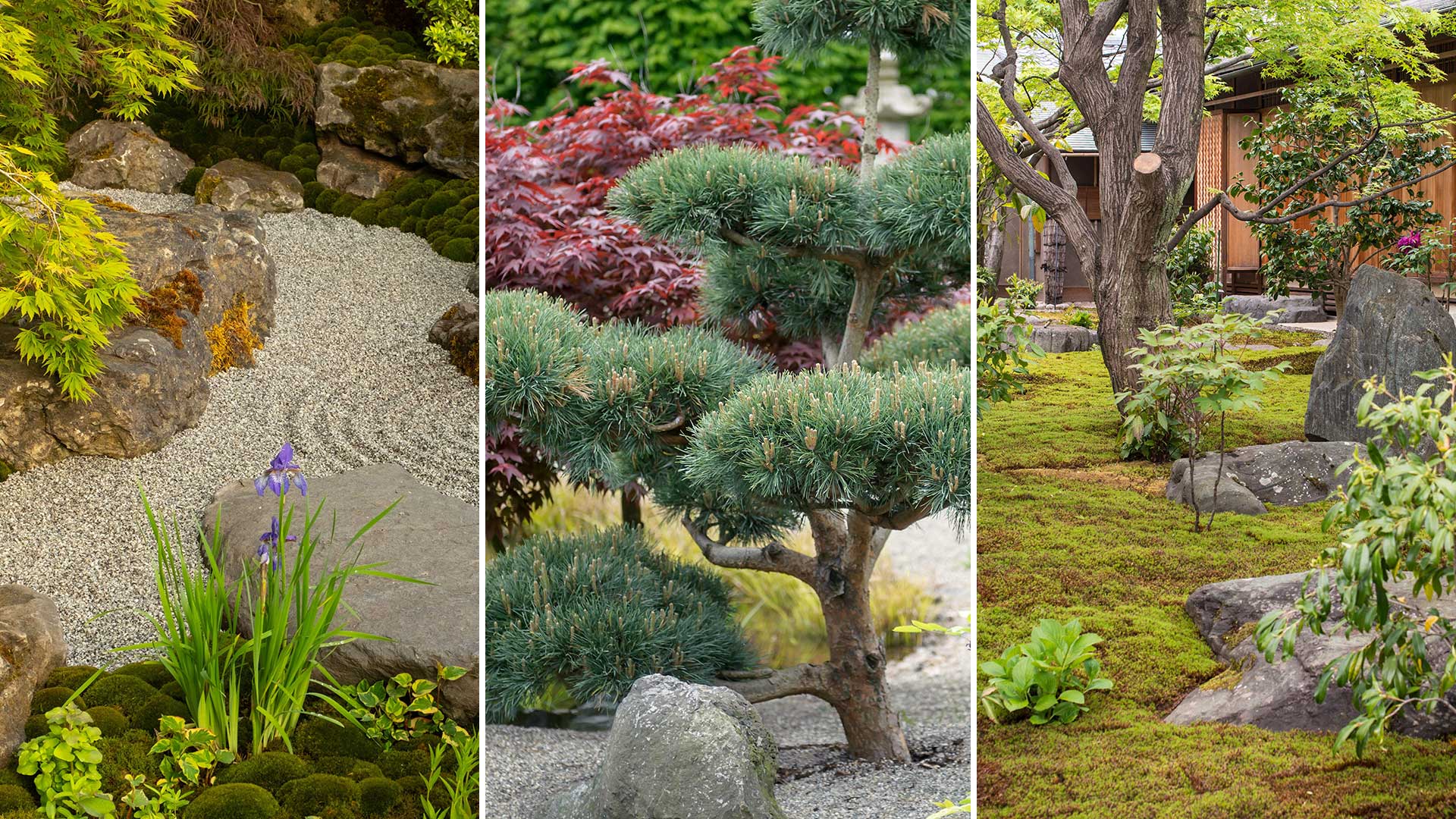
Japanese garden ideas – 10 ways to create a soothing space, with advice from the experts
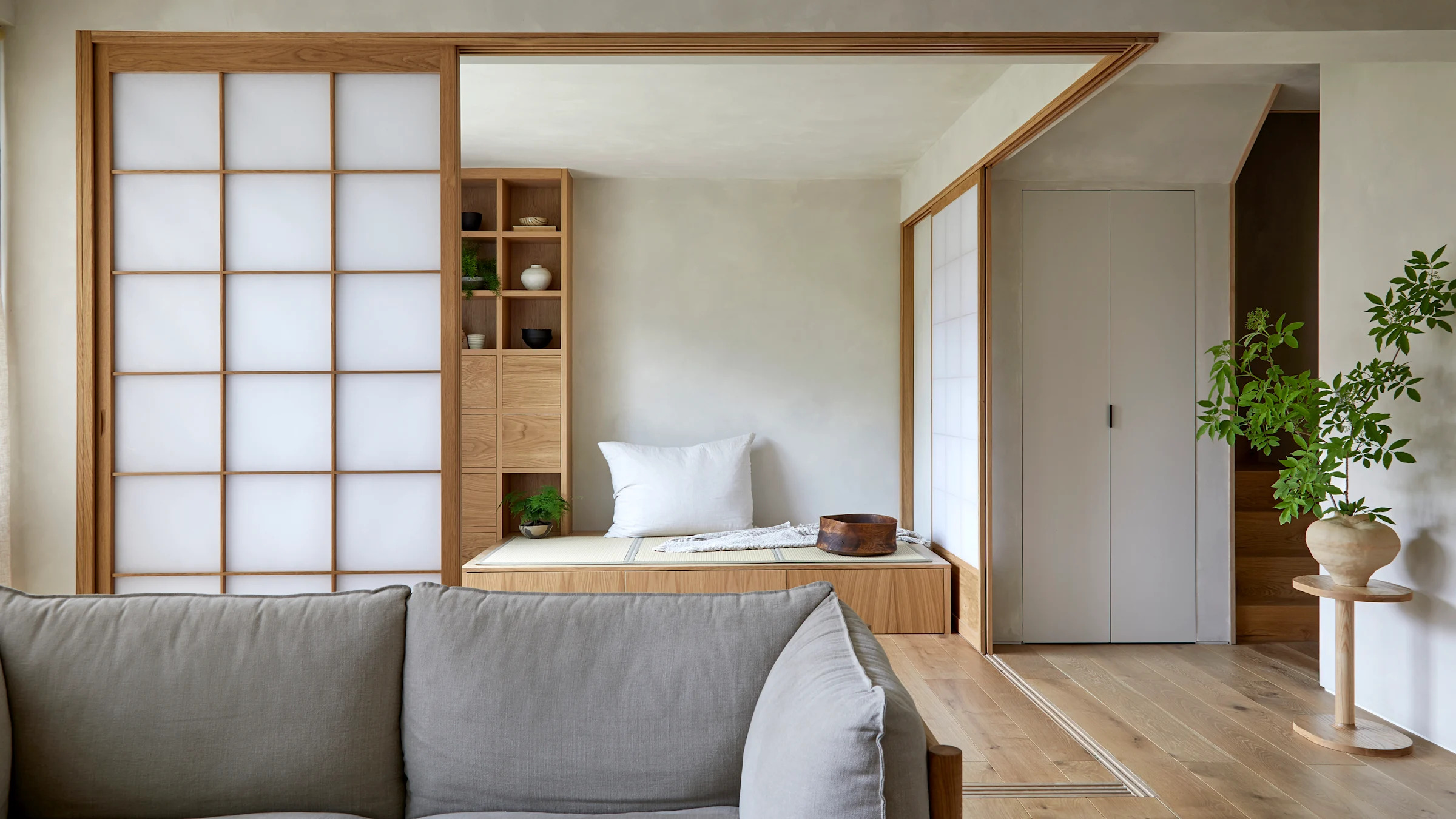
Muji Living Room Ideas — 5 Ways to Harness the Calming Qualities of This Japanese Design Style

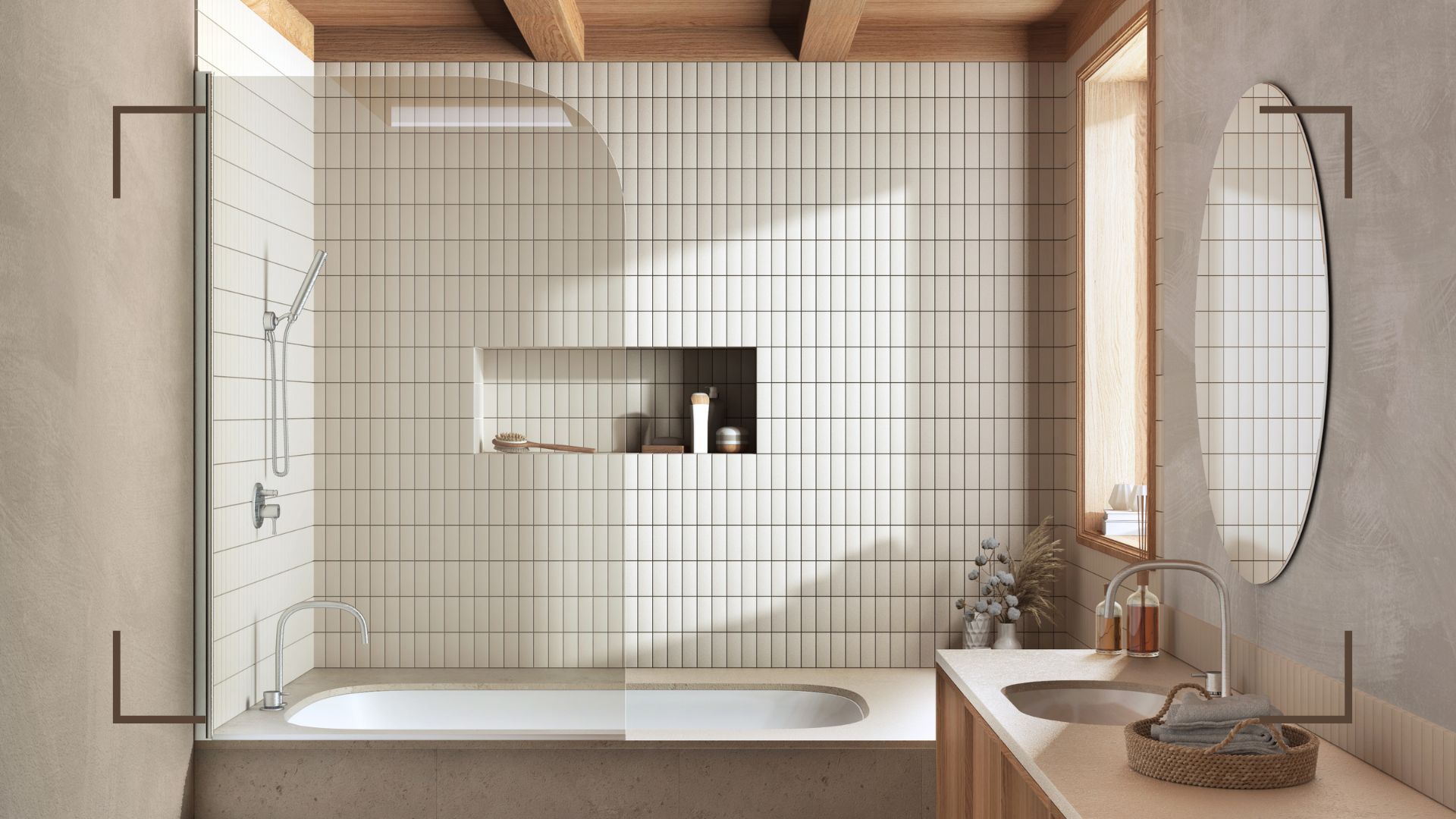
Japandi bathroom ideas : 11 ways to create a calming sanctuary
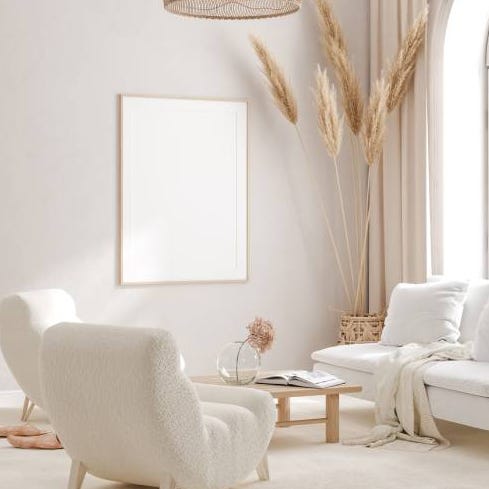
37 living room ideas that will instantly switch-up your style
Muji Living Room Ideas — 5 Ways to Harness the Calming Qualities of This Japanese Design Style
Will Japandi rule your living room in 2026? Interior experts weigh in
Best Living Room Design 2025: A Serene, Soulful Space
25 Ways to Make Any Living Room Feel Ten Times Cozier

The best Japanese houseplants to create a zen, serene space in any room

6 ways to create a calm living space, according to the experts

6 rules you should always follow when designing a soothing living room, according to a design psychologist
15 Soothing Decor Ideas to Help You Relax and Unwind at Home