1/9
5 Design Rules Japanese-Style Living Rooms Always Follow — "This Approach Makes Any Home So Calming"
Japanese design principles emphasize simplicity, minimalism, and a connection to nature, resulting in serene and calming living spaces. This approach has gained widespread popularity, even merging with Danish aesthetics to create the 'Japandi' style. Several key elements define a Japanese-style living room.
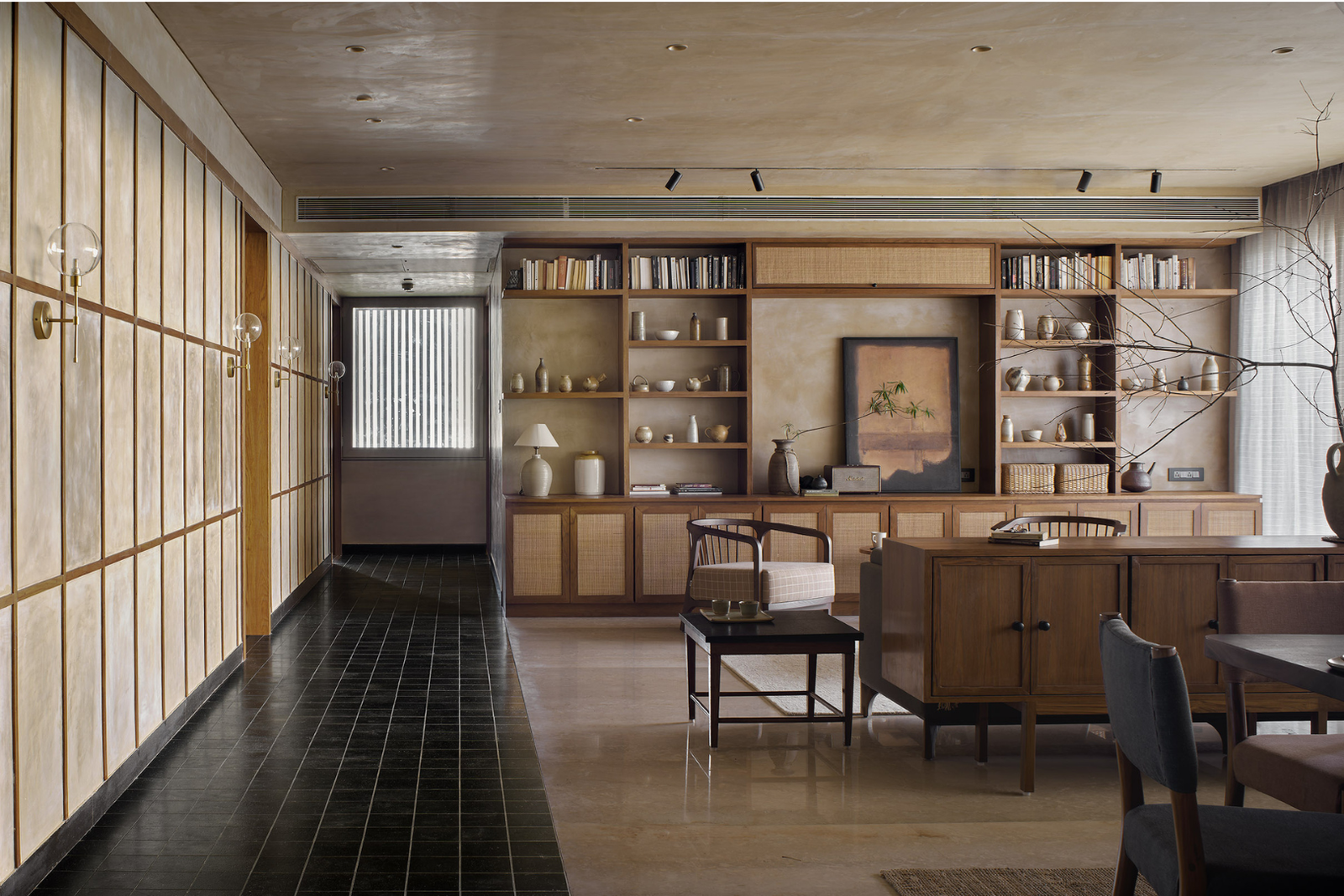
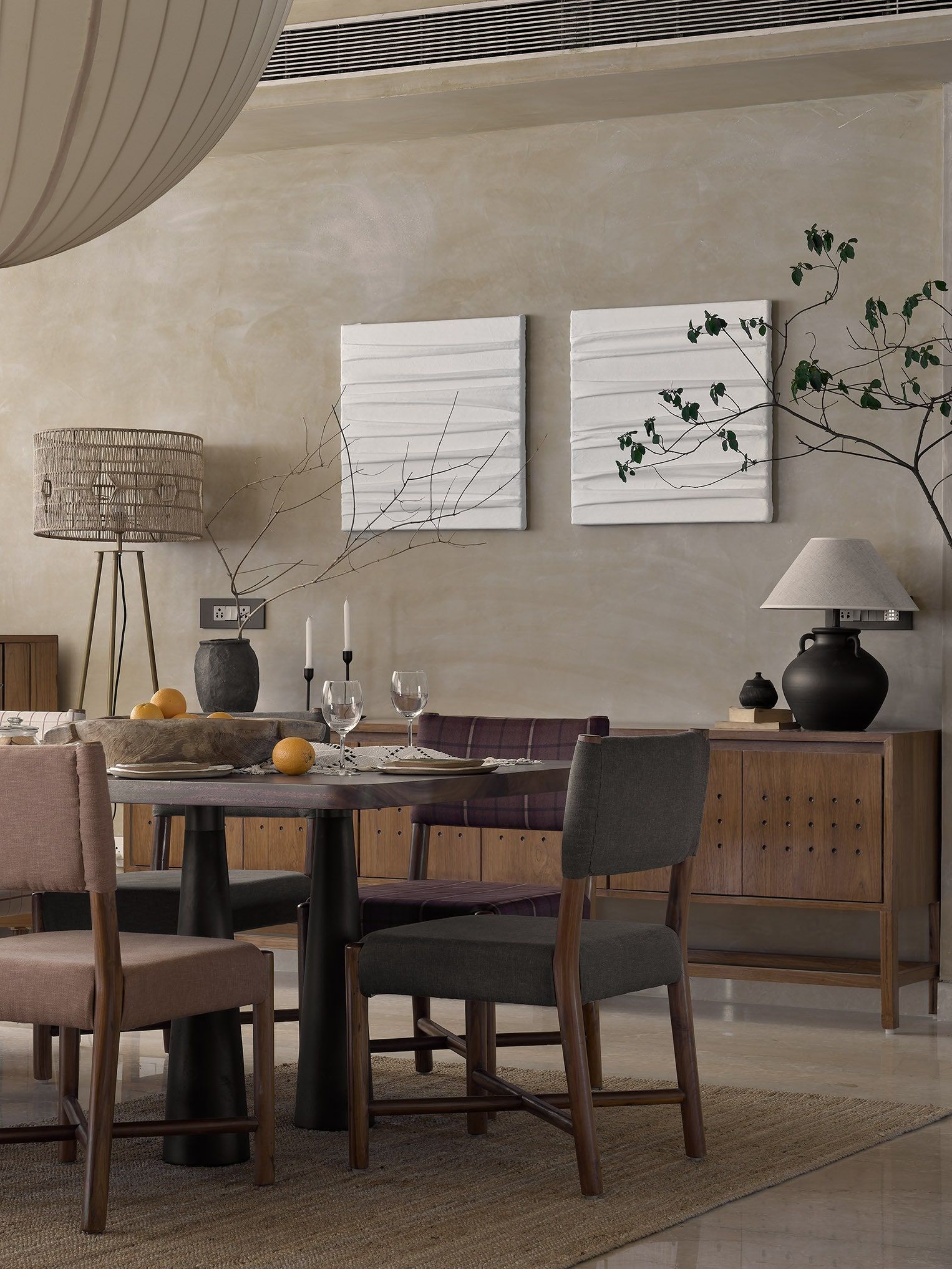
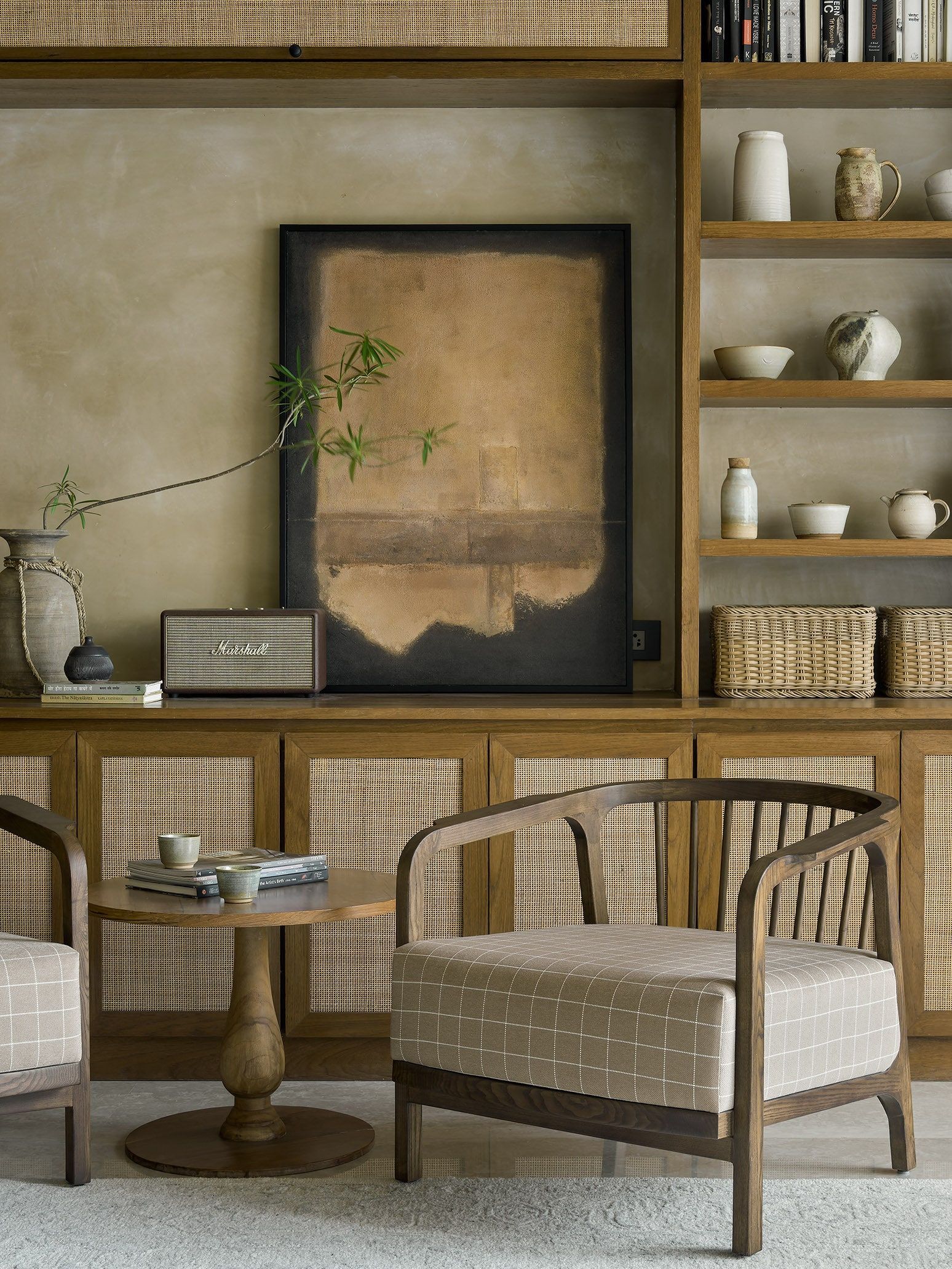
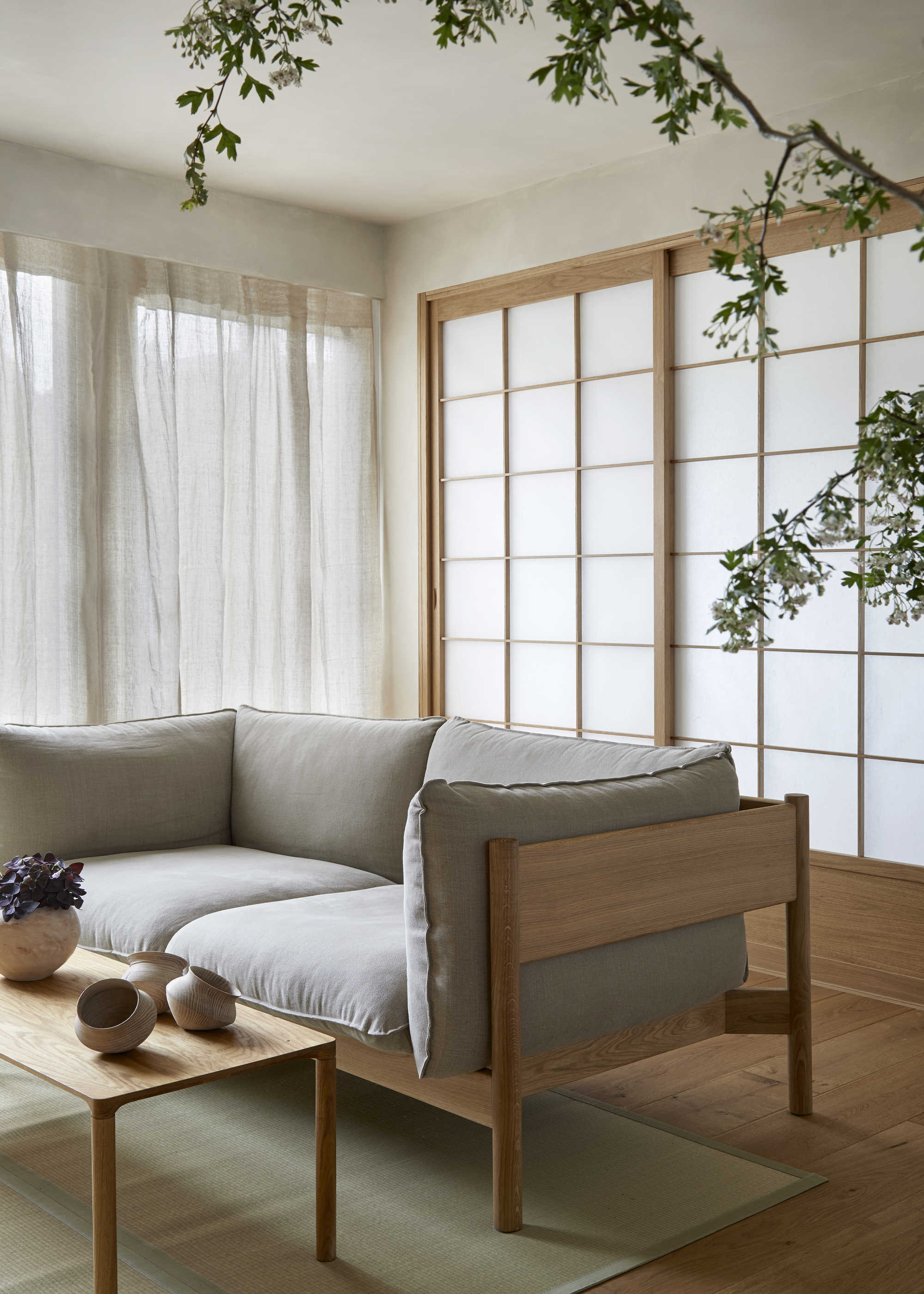
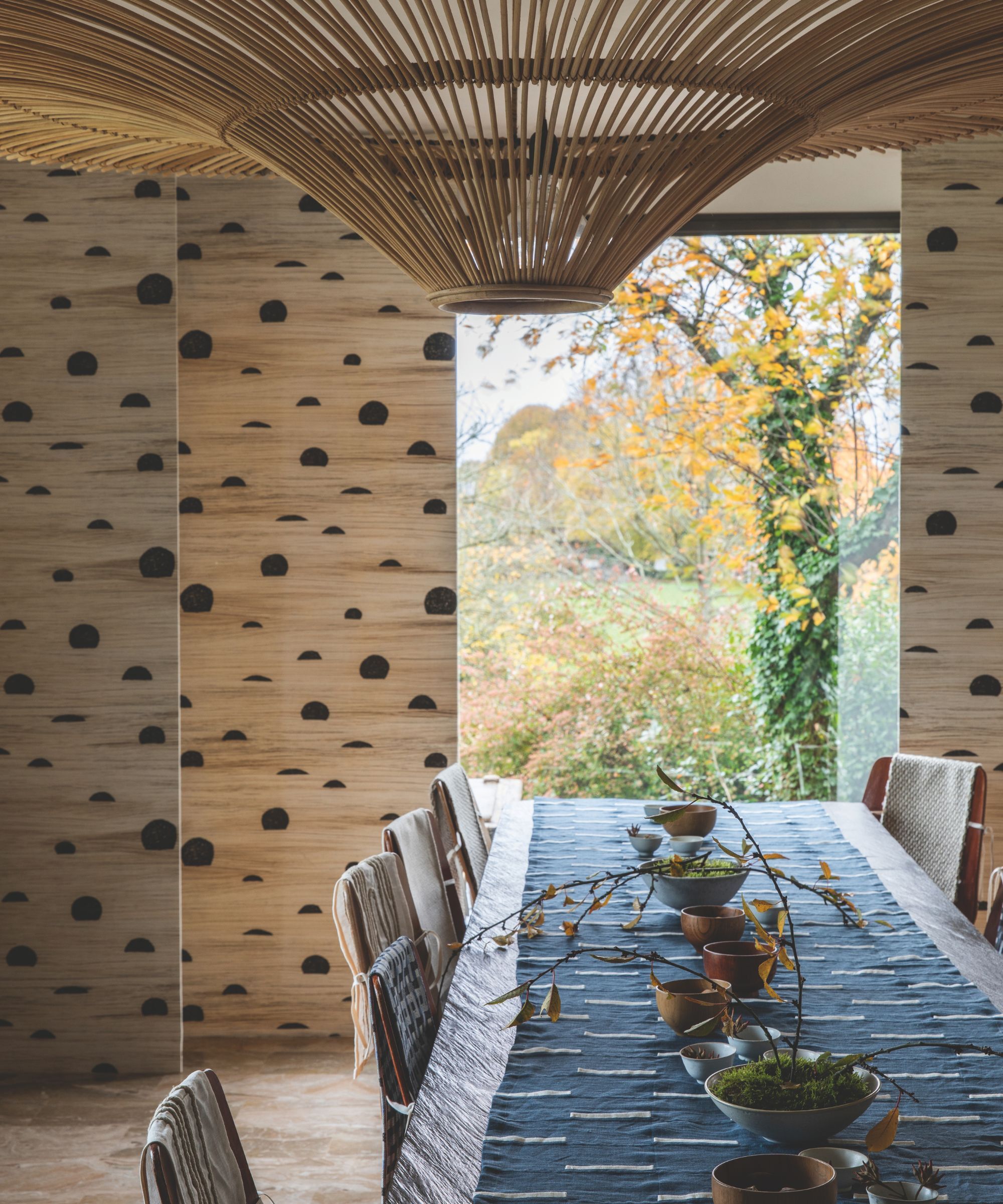
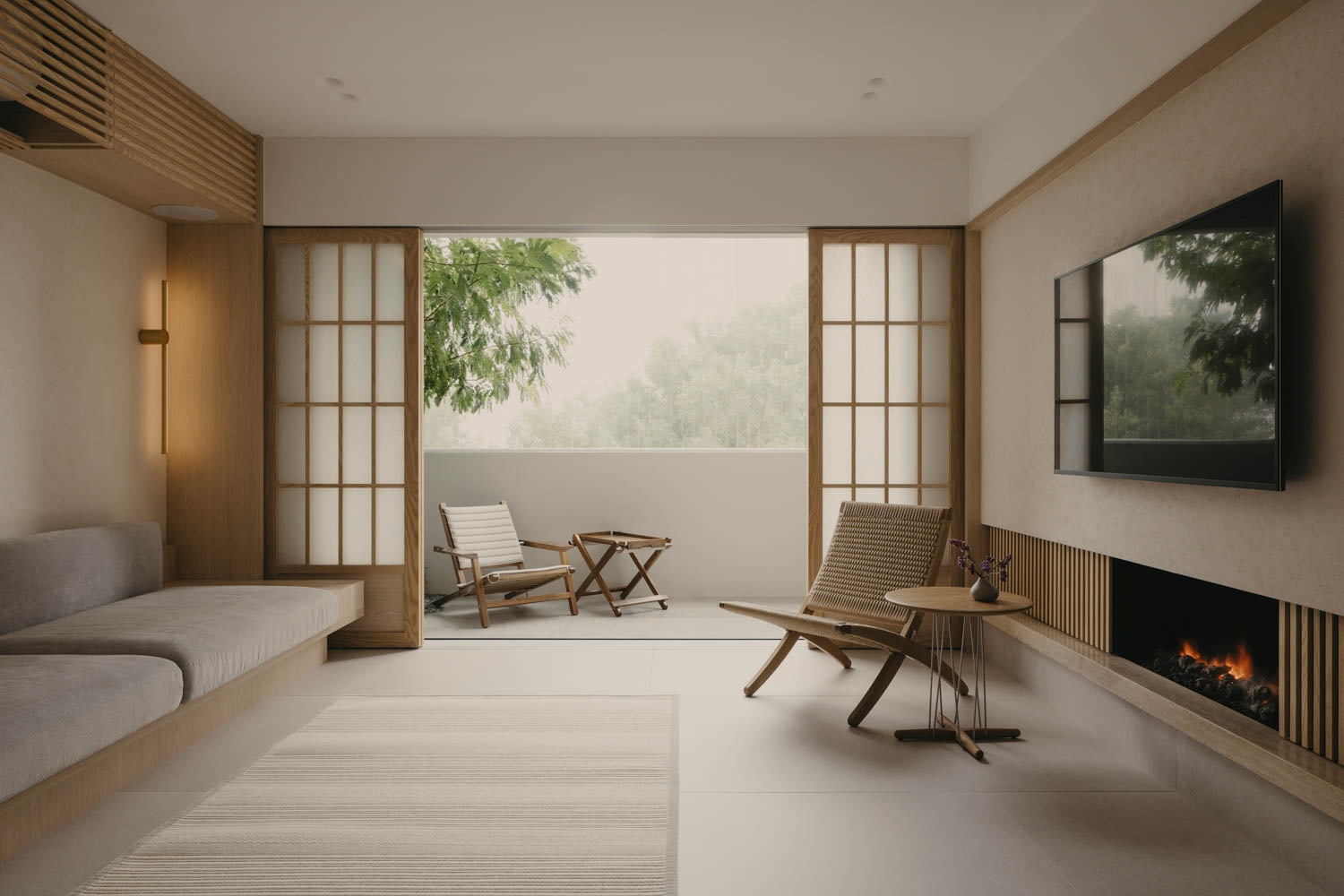
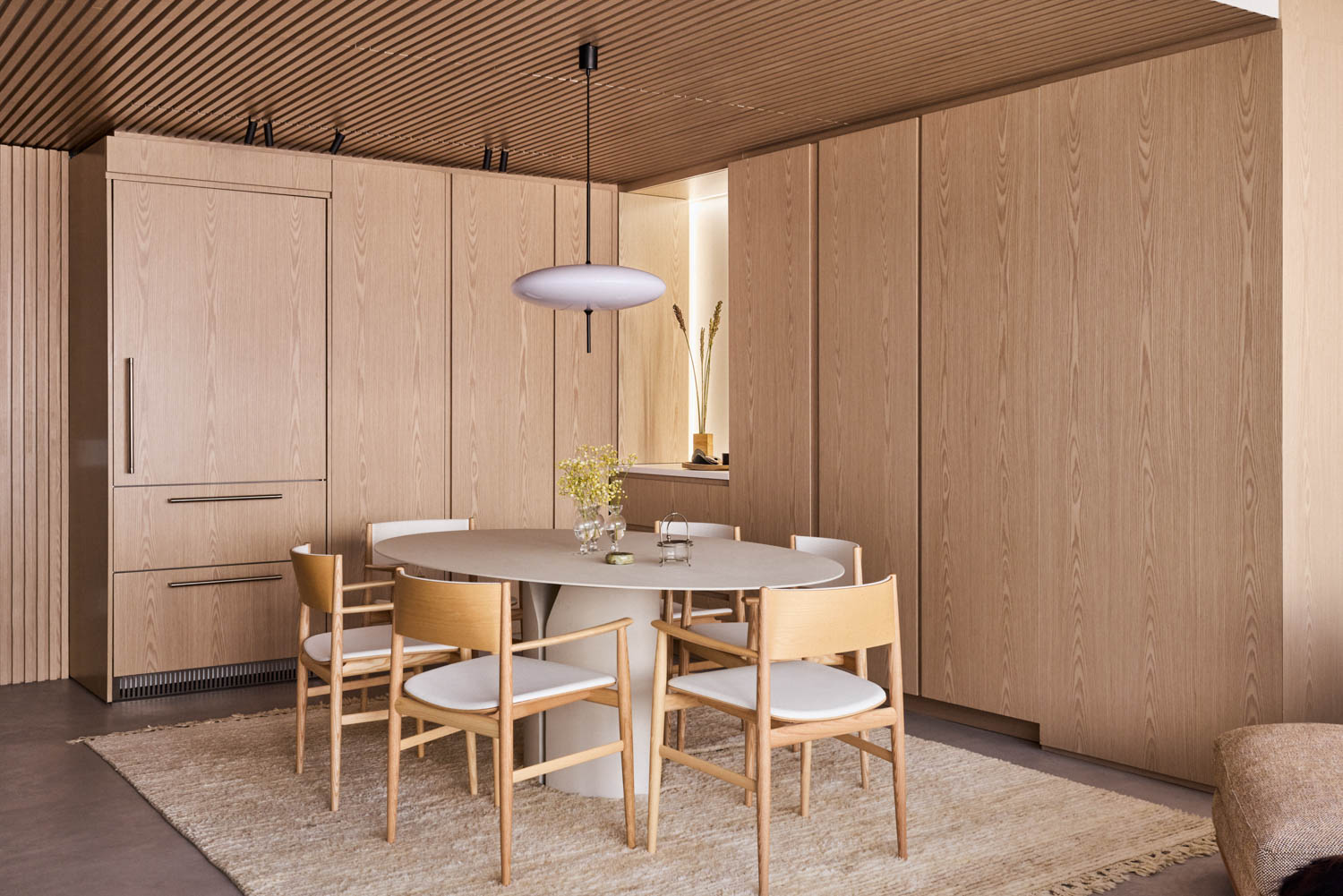
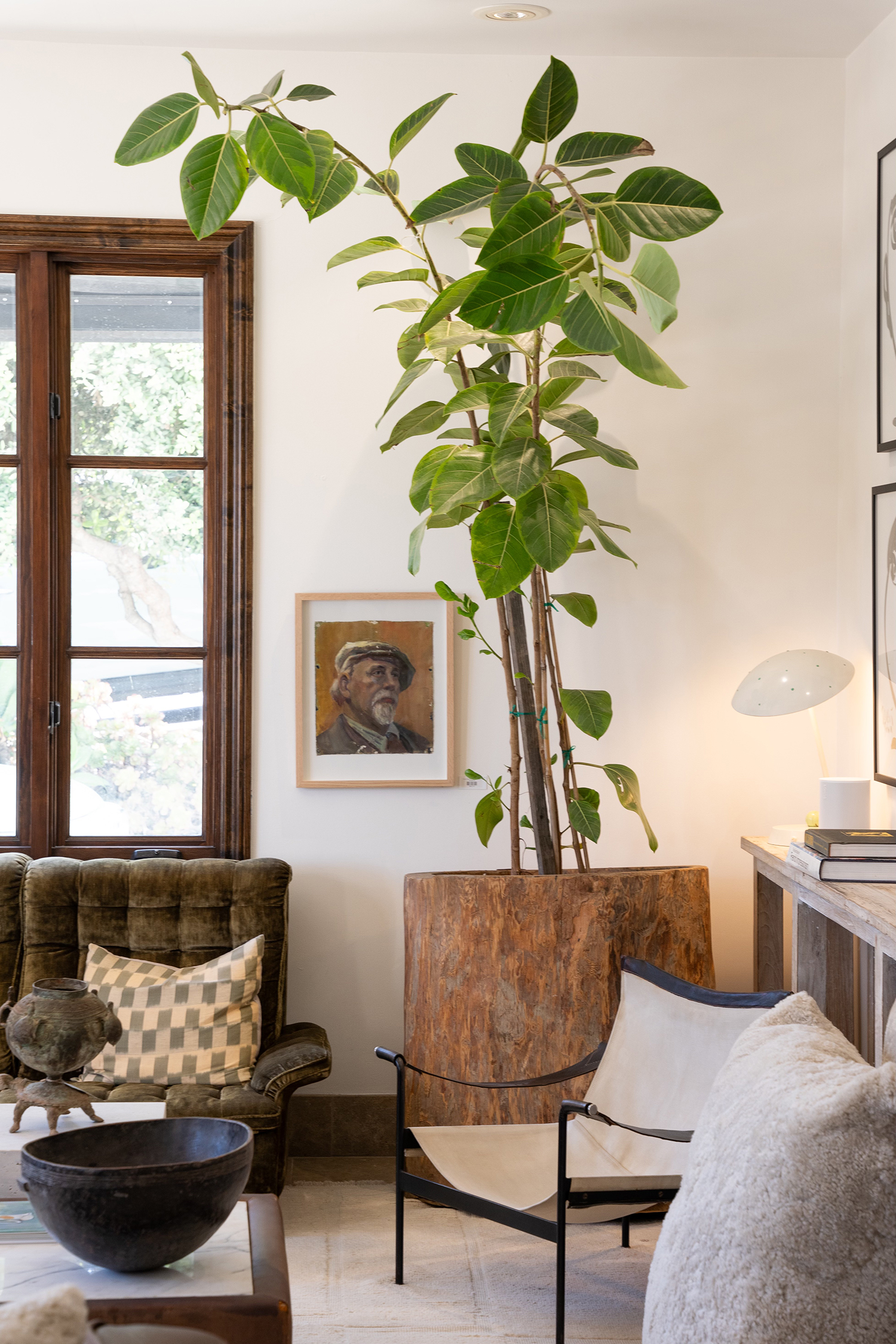
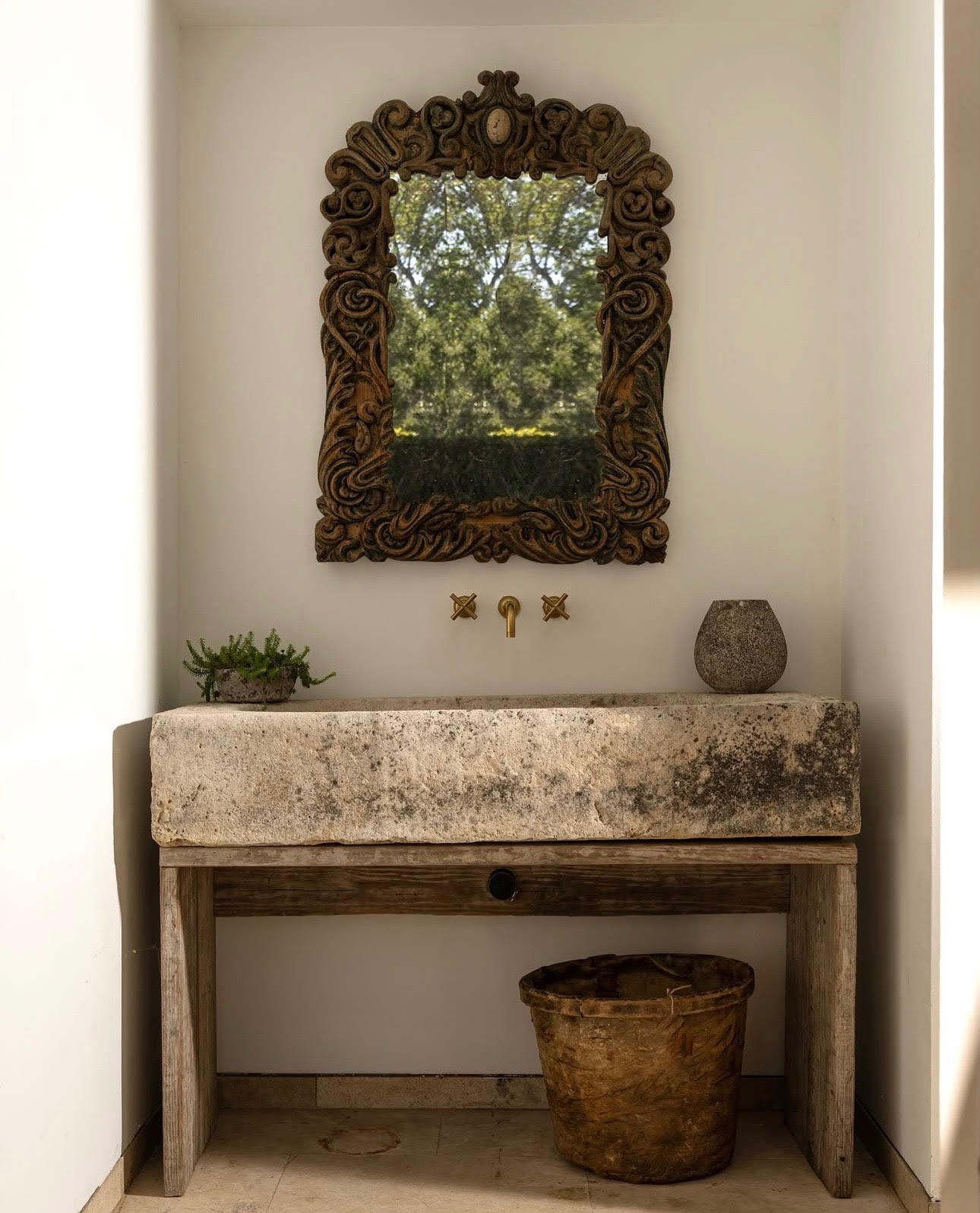
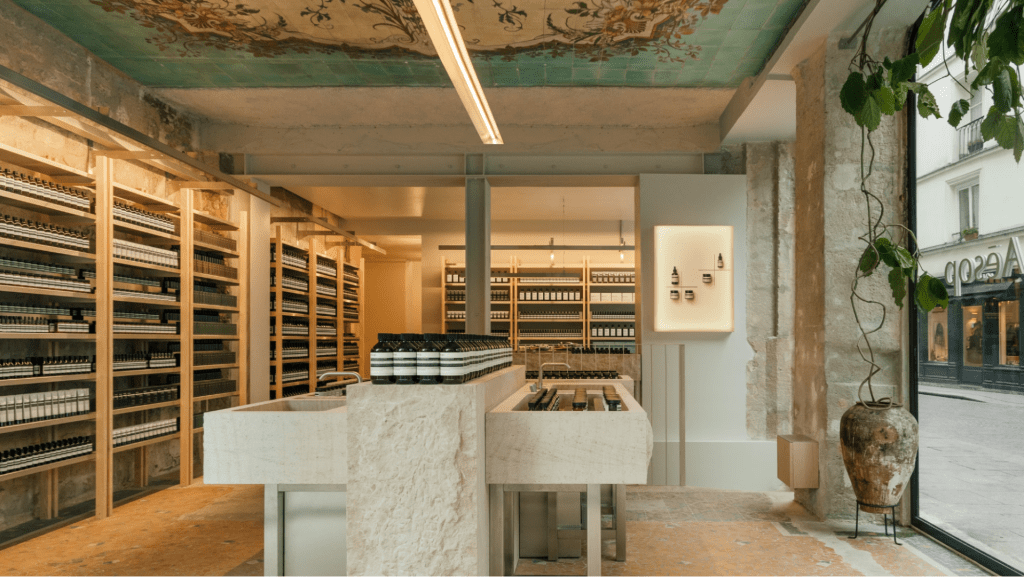
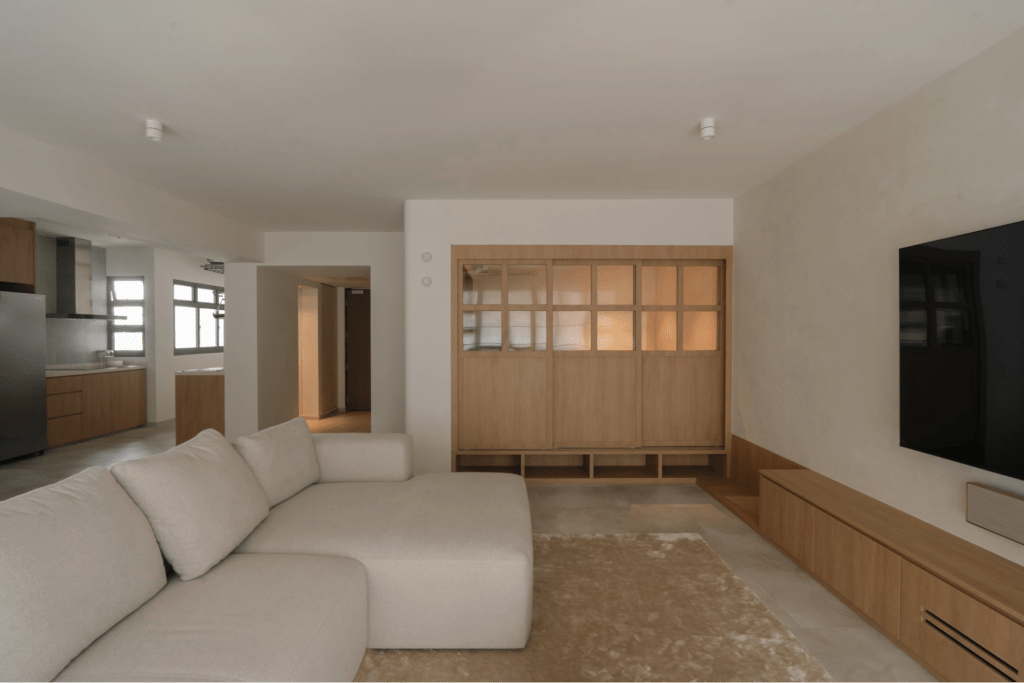
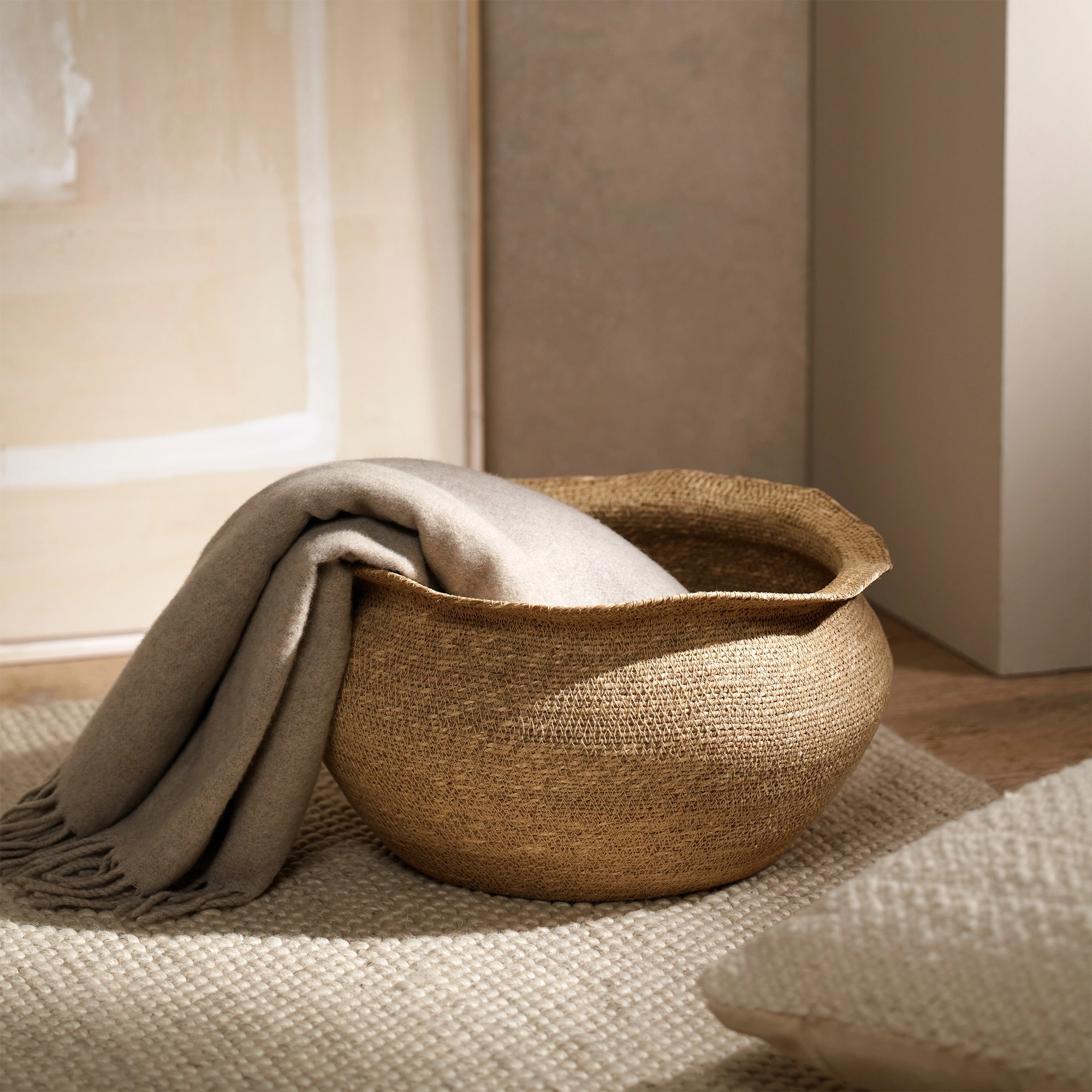
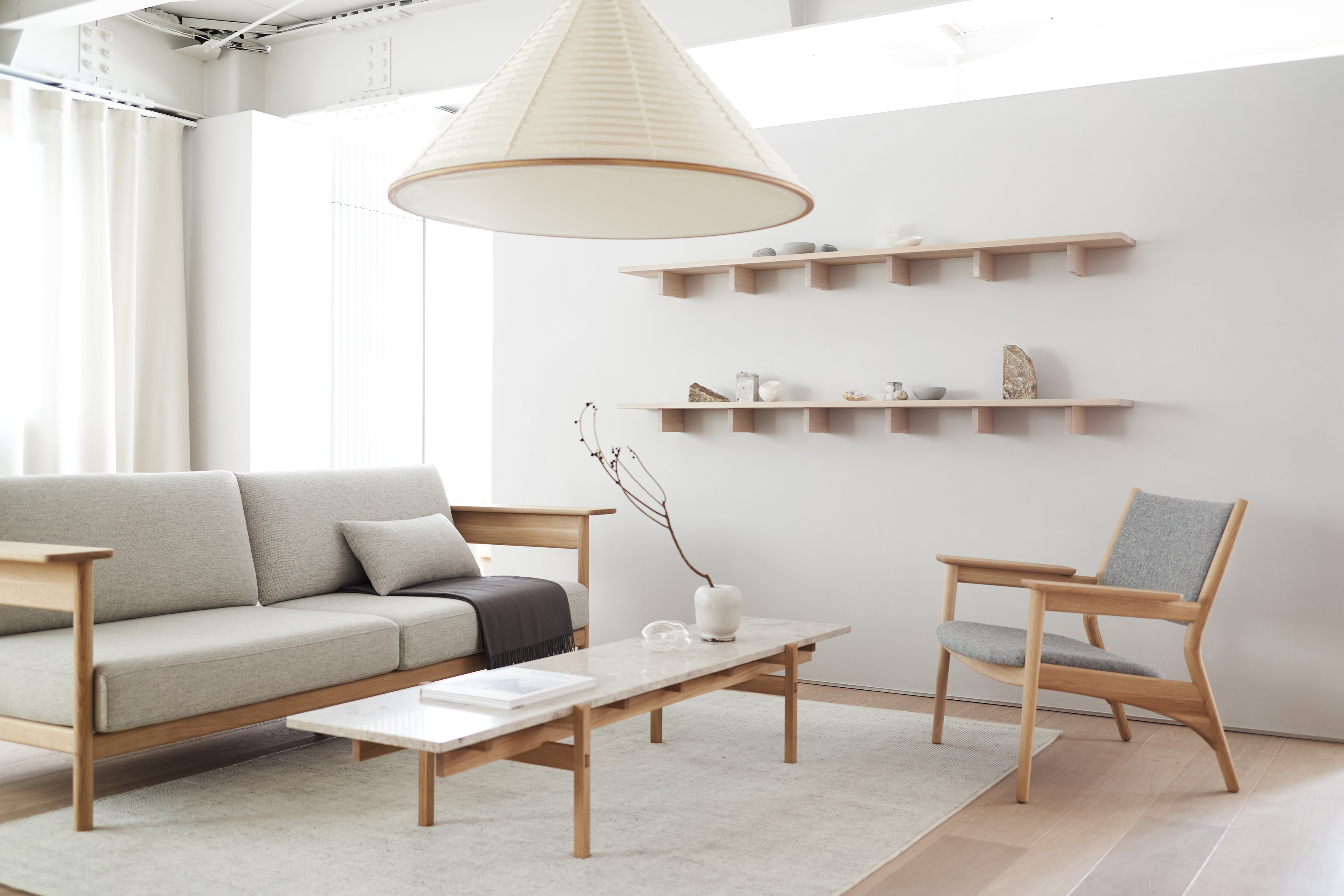
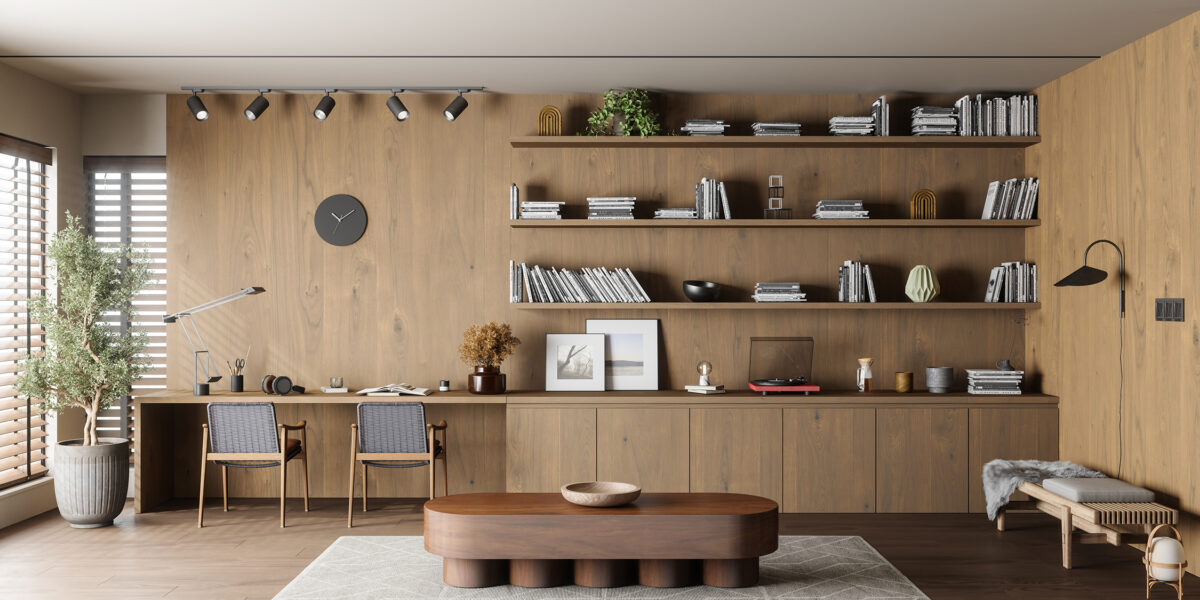
First, the extensive use of natural materials is paramount. Wood, in particular, is a staple, incorporated through structures, interior cladding, and decor. Designers utilize various treatments and finishes for wood to create warmth and a distinctive Japanese aesthetic without overwhelming the space. This strategic use ensures that the interior feels natural and inviting.
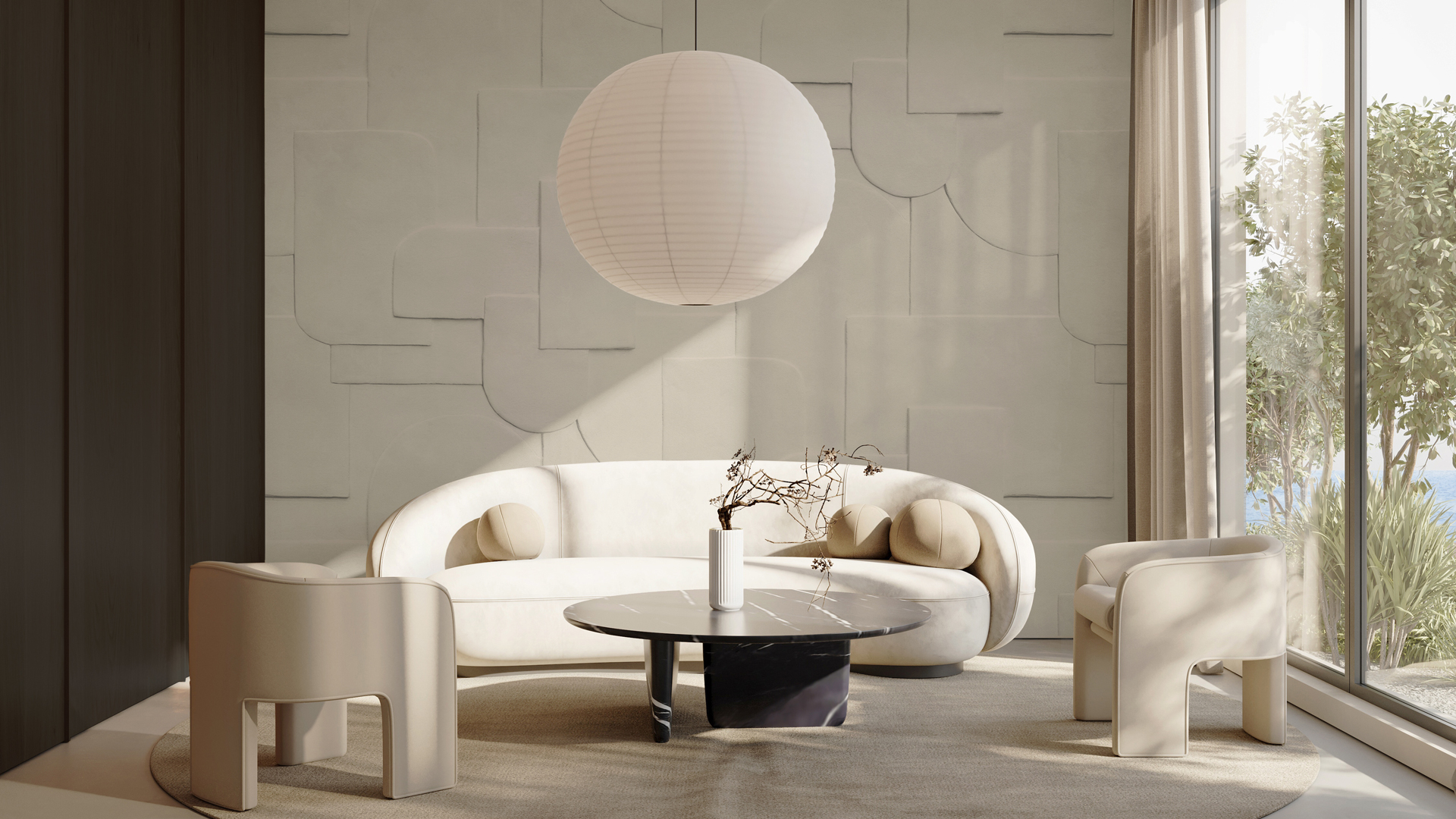
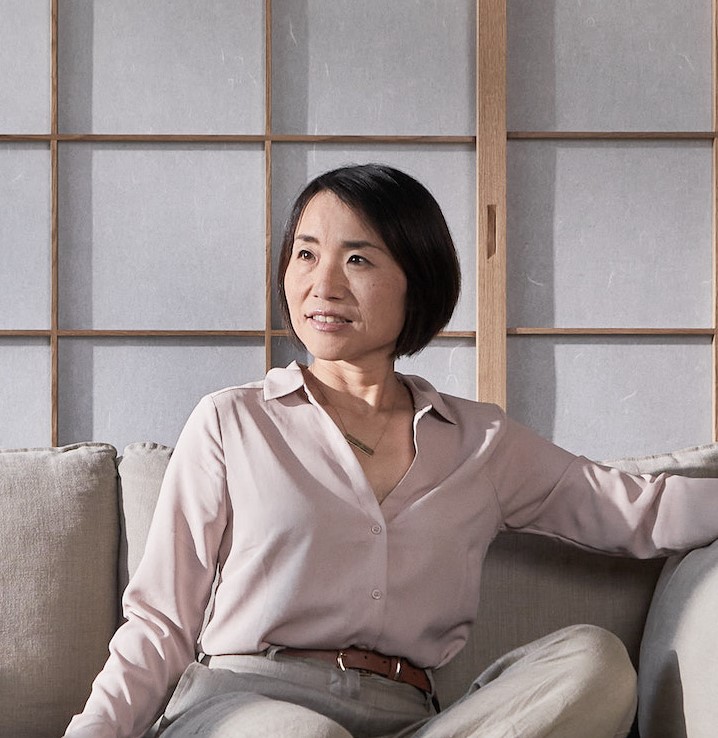
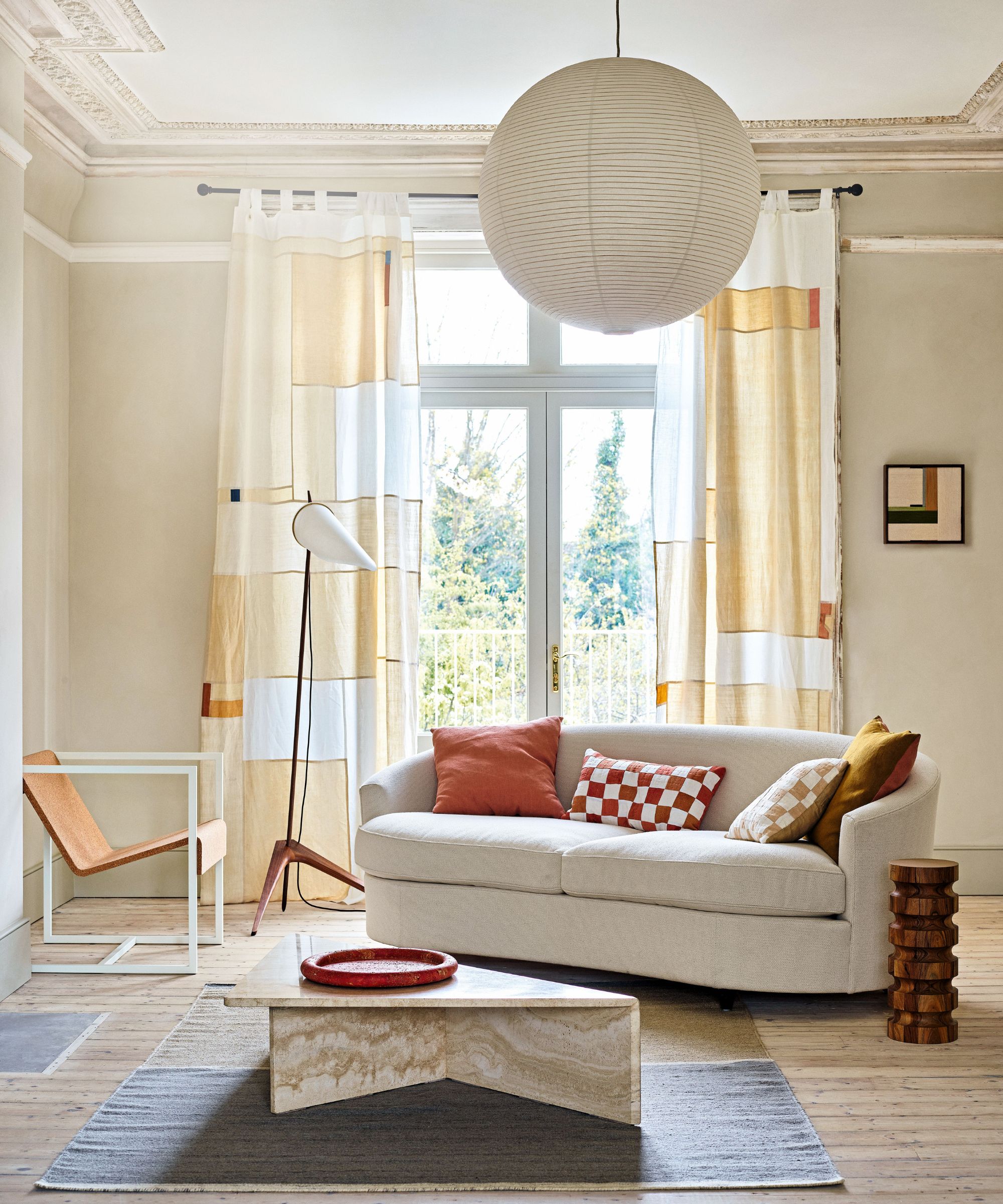
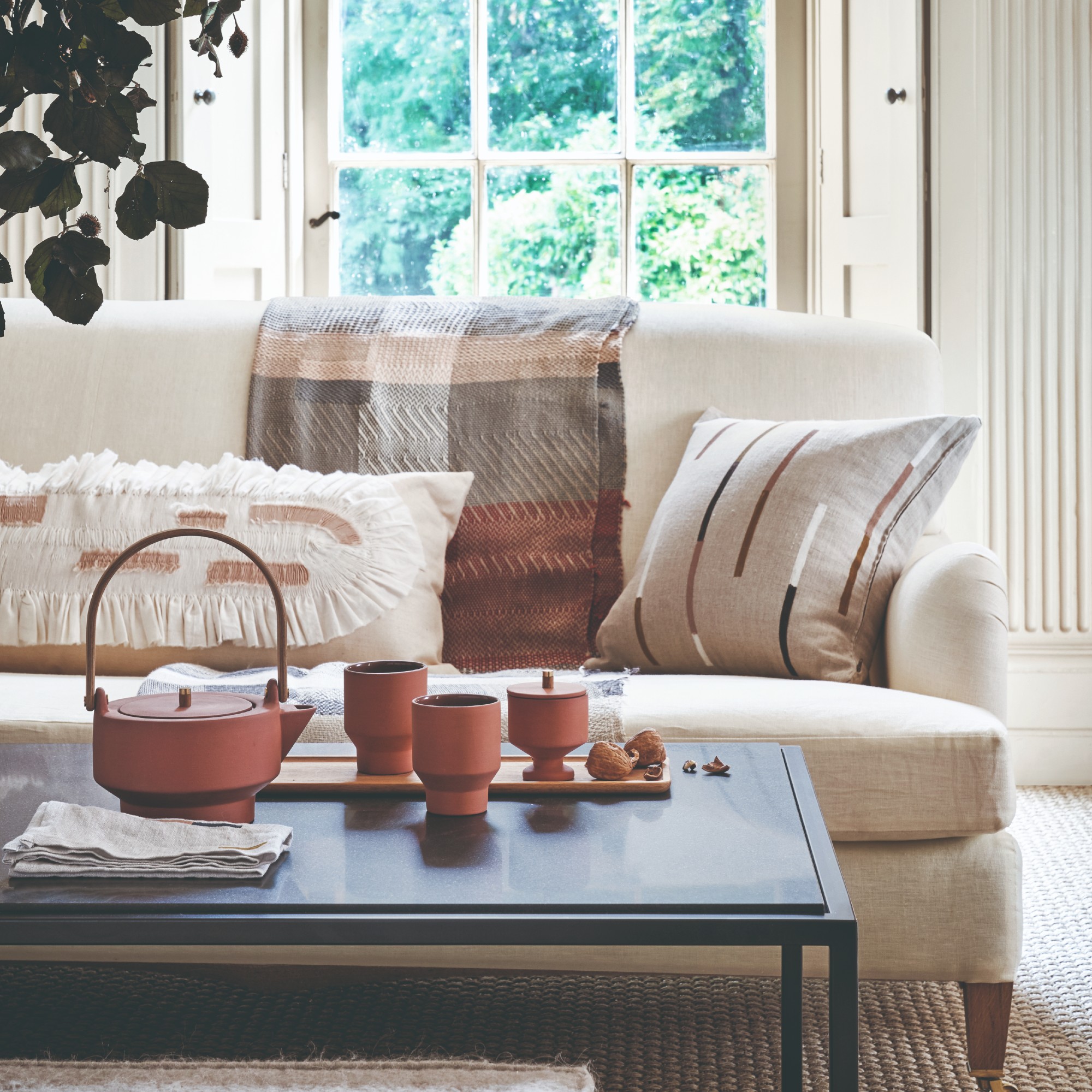
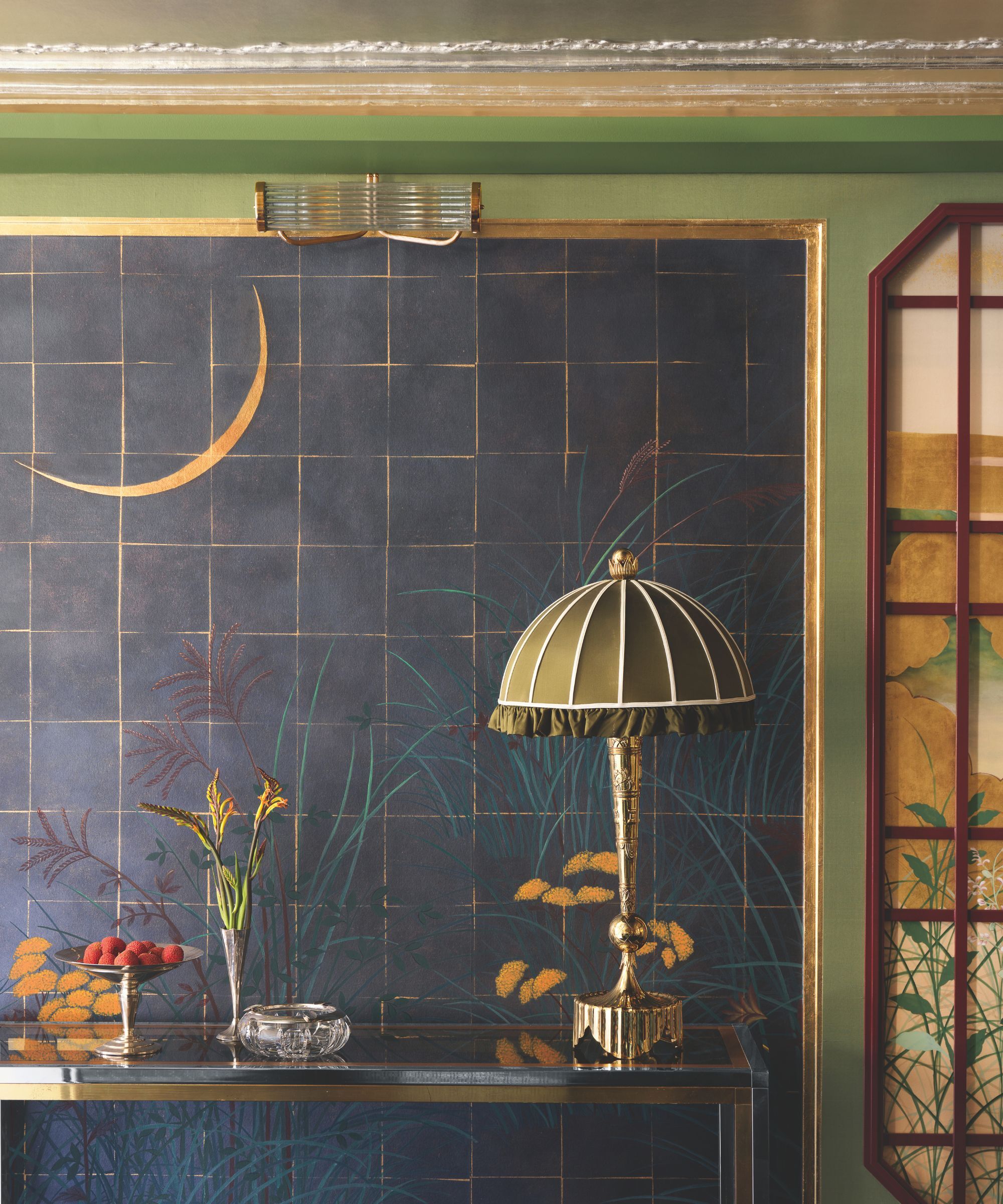
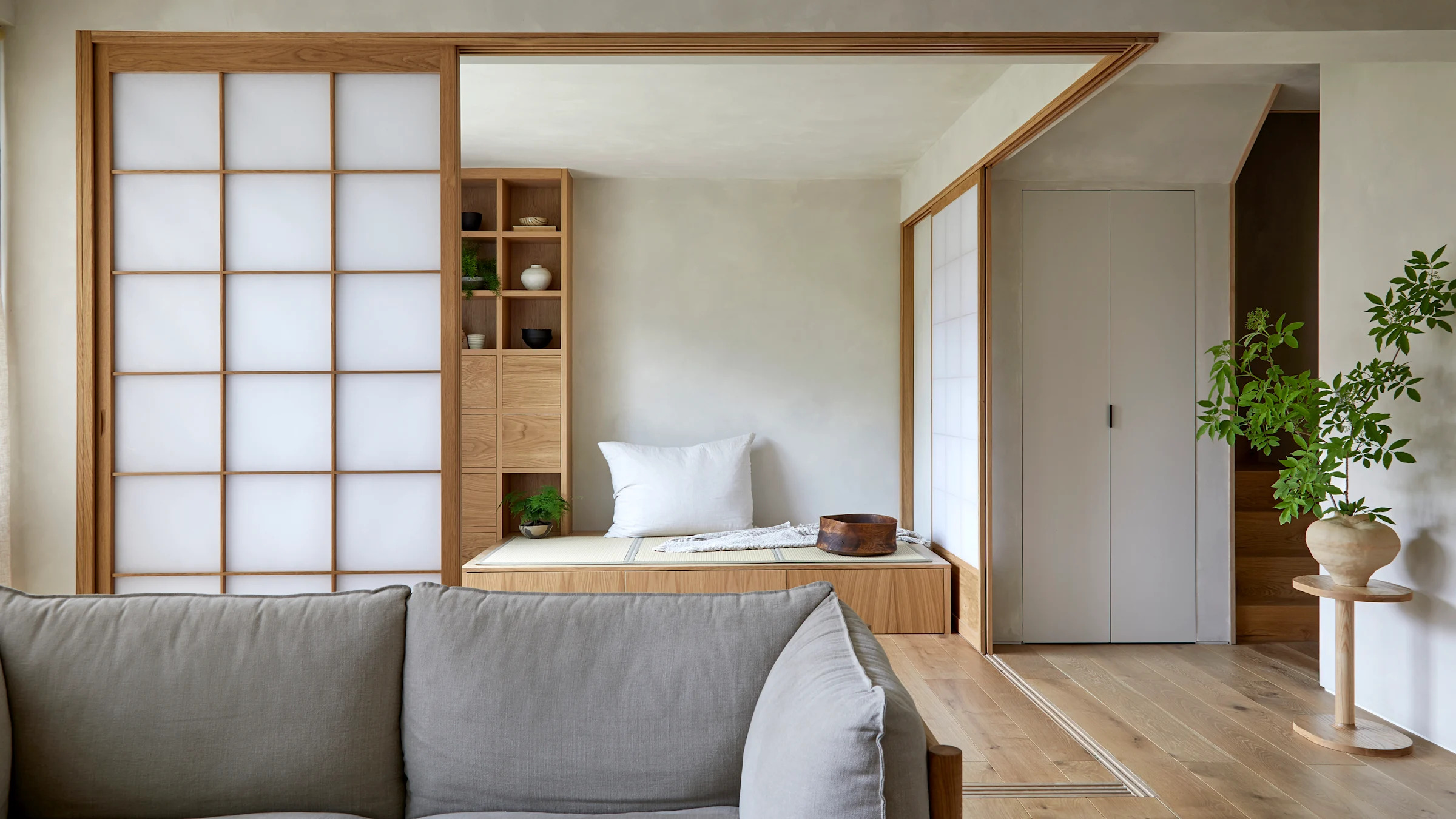
Second, curated decor plays a significant role, focusing on conscious and minimal arrangements. Japanese craftsmanship, such as earthenware and cutting boards made from natural materials with traditional techniques, is often used to enhance the interior's Japanese feel. Historically, washi paper screens were used to divide rooms and diffuse light. While modern Japanese living rooms may not feature these as prominently, the influence of paper is still seen in decorative elements like paper lanterns and lamps, which contribute to the typical aesthetic with simple touches.
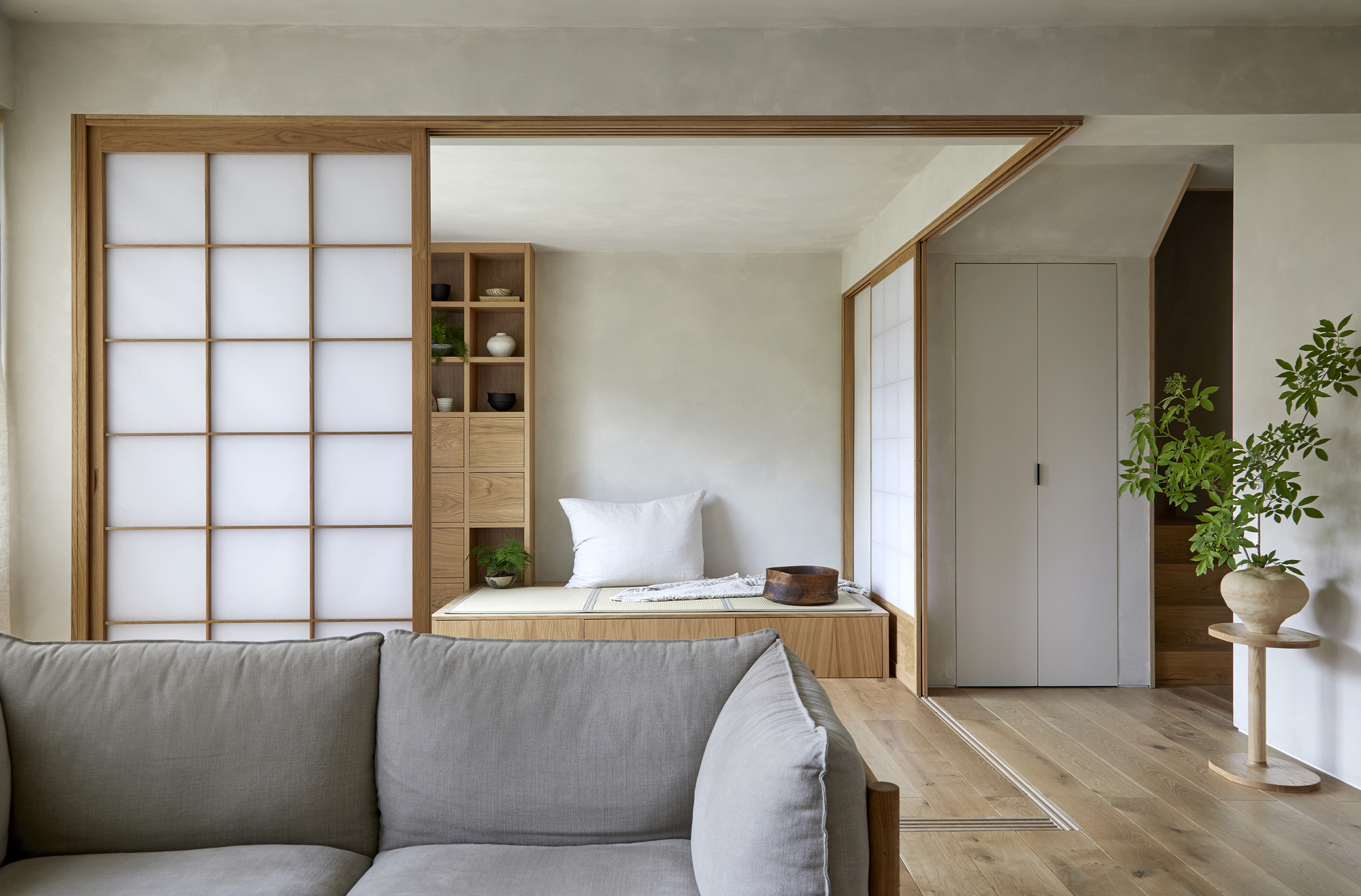
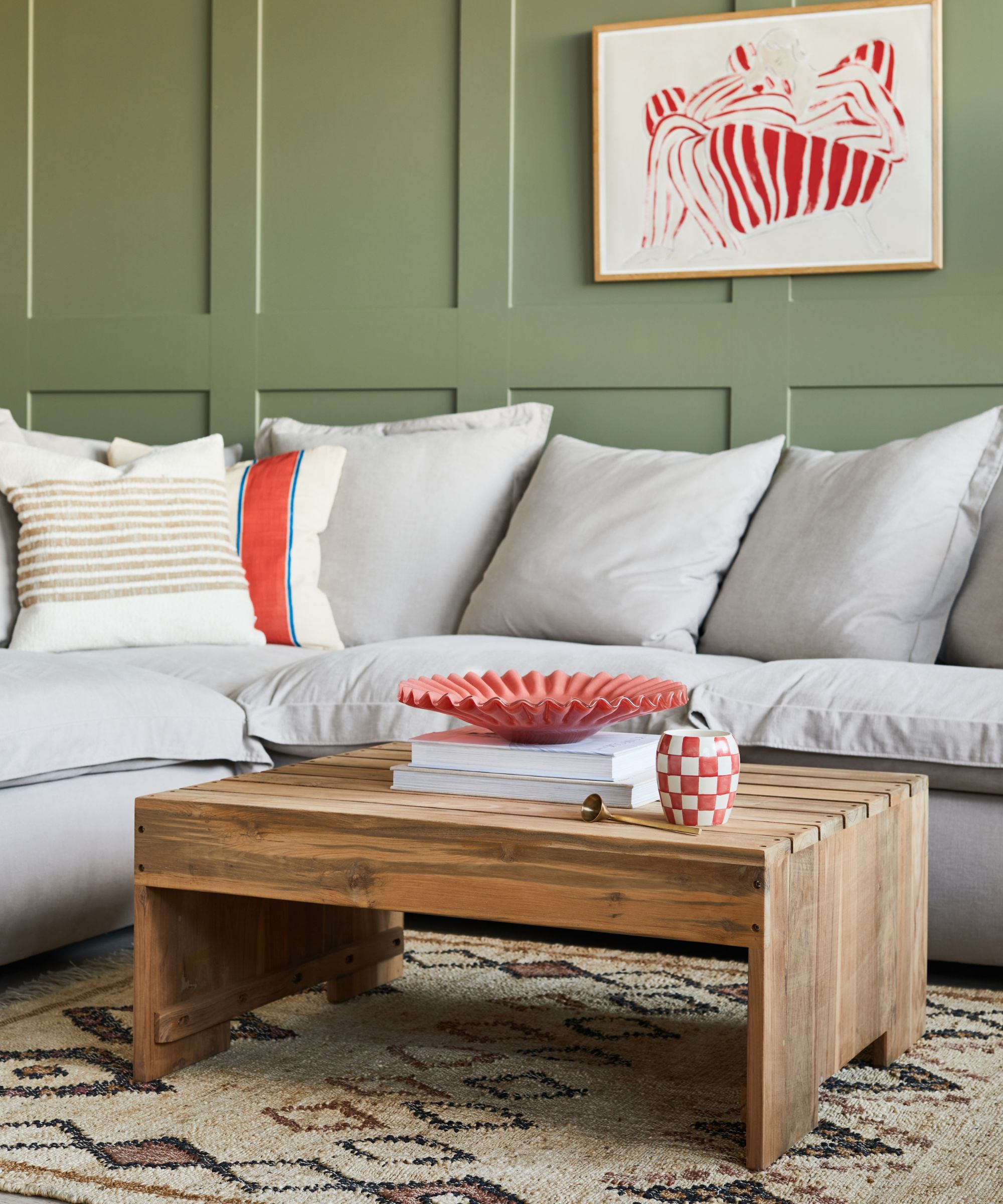
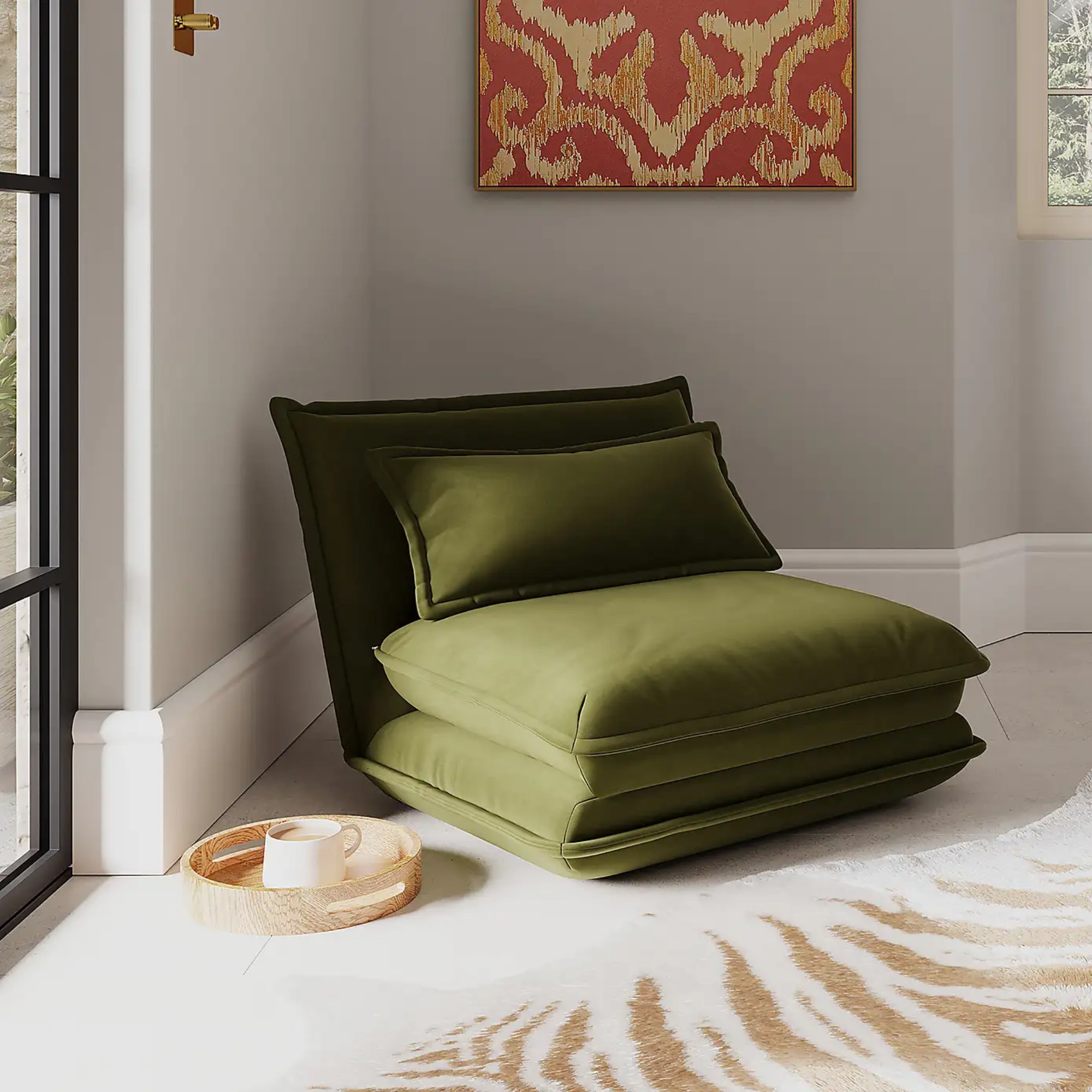
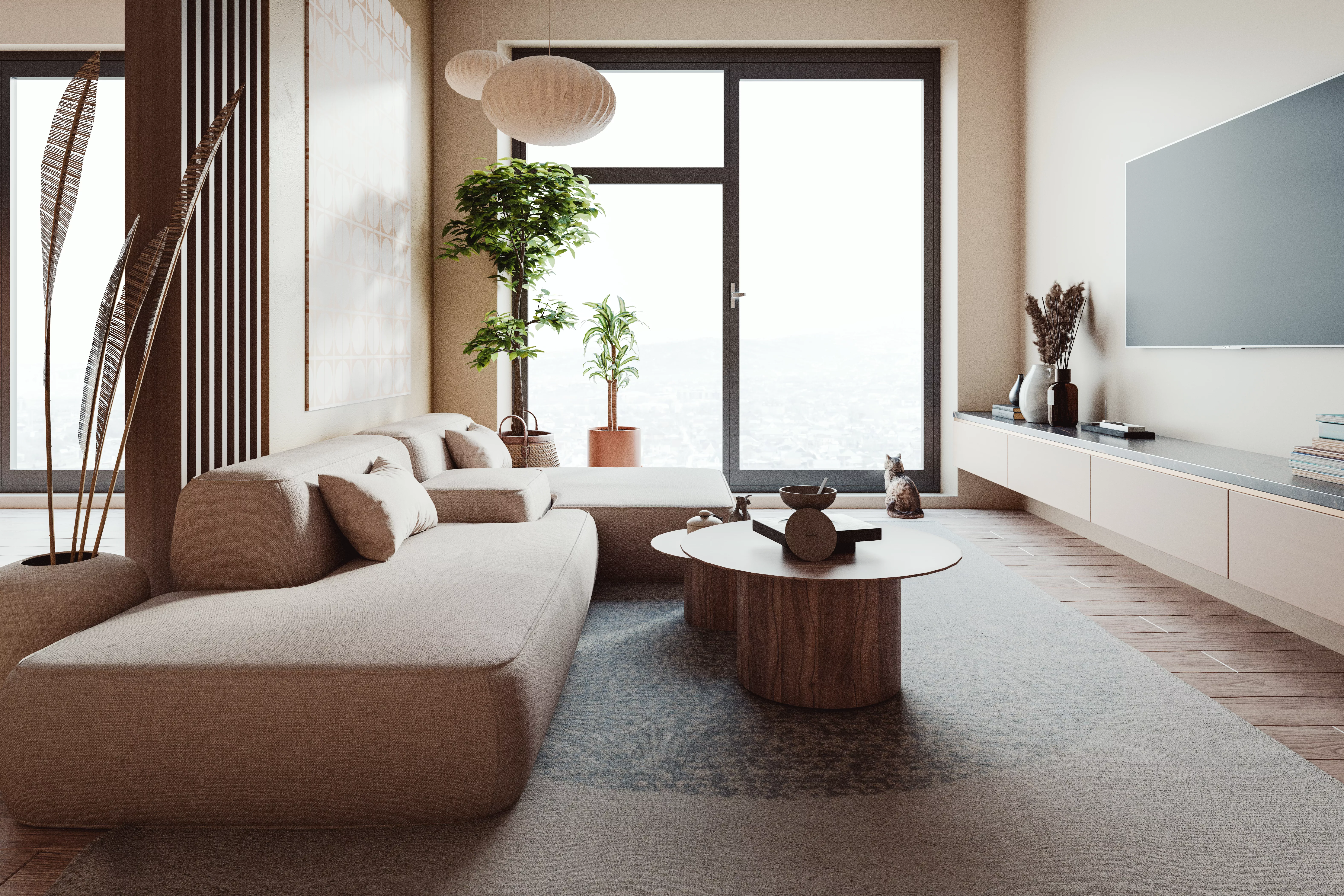
Third, low-profile furniture is a hallmark of Japanese living rooms, mirroring traditional practices where people sat on the floor. This design choice has also influenced Scandinavian aesthetics. Although furniture became more common in Japanese households in the 1970s, replacing traditional items like tea tables and shoe boxes, the low-profile look continues to allude to traditional layouts. This approach contributes to a contemporary and relaxing atmosphere in the living room.
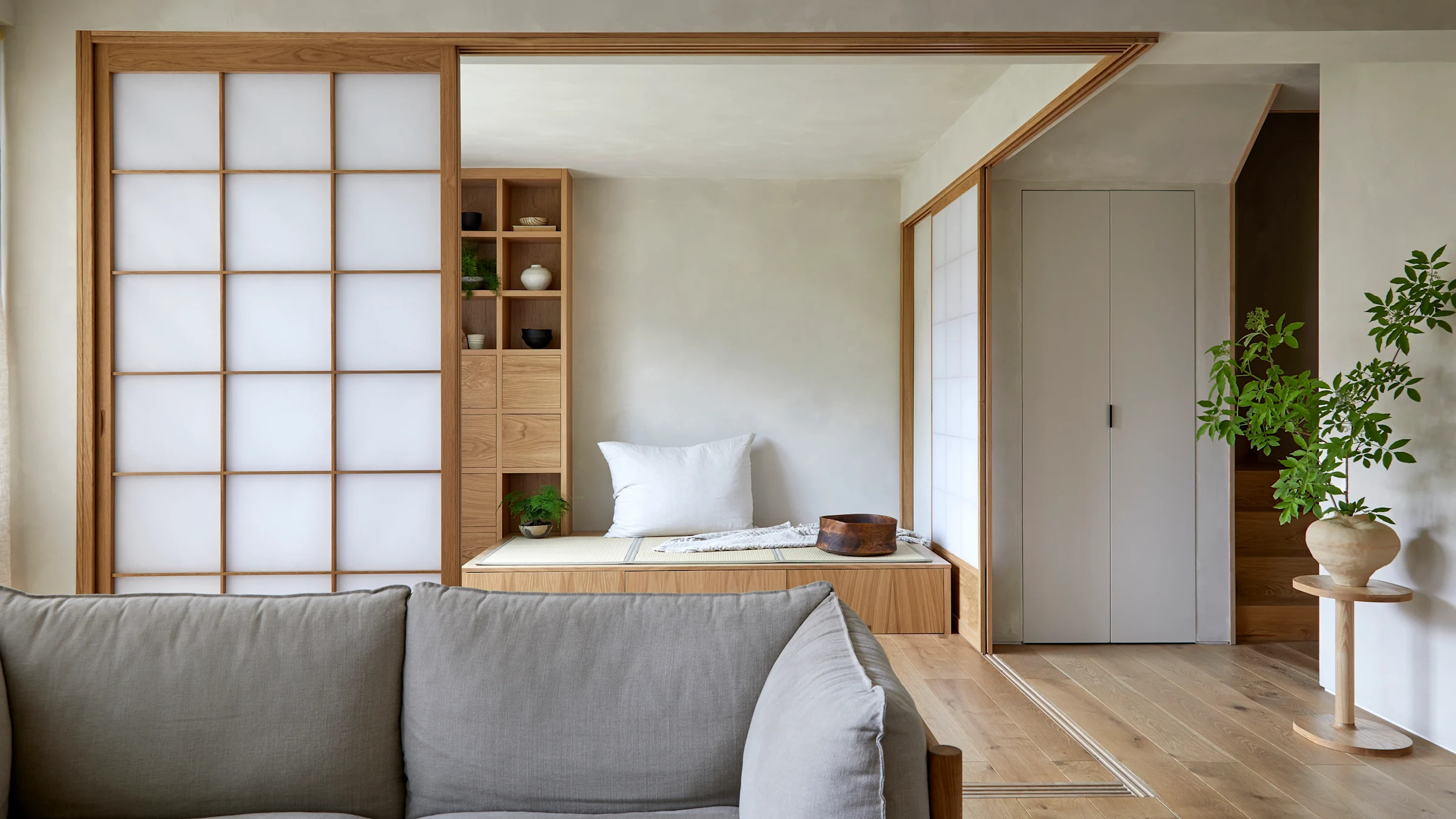
Fourth, flexible open-plan spaces are characteristic. Traditional Japanese rooms used sliding doors (fusuma and shoji) instead of fixed walls to create highly variable and open layouts. Modern Japanese living rooms adopt this concept, often featuring open-plan designs or using sliding doors, pocket doors, or room dividers to create flow and guide movement. For instance, some contemporary designs divide spaces using sliding doors made with Japanese Shikui earth plastering and metal frames, maintaining the open and adaptable nature.
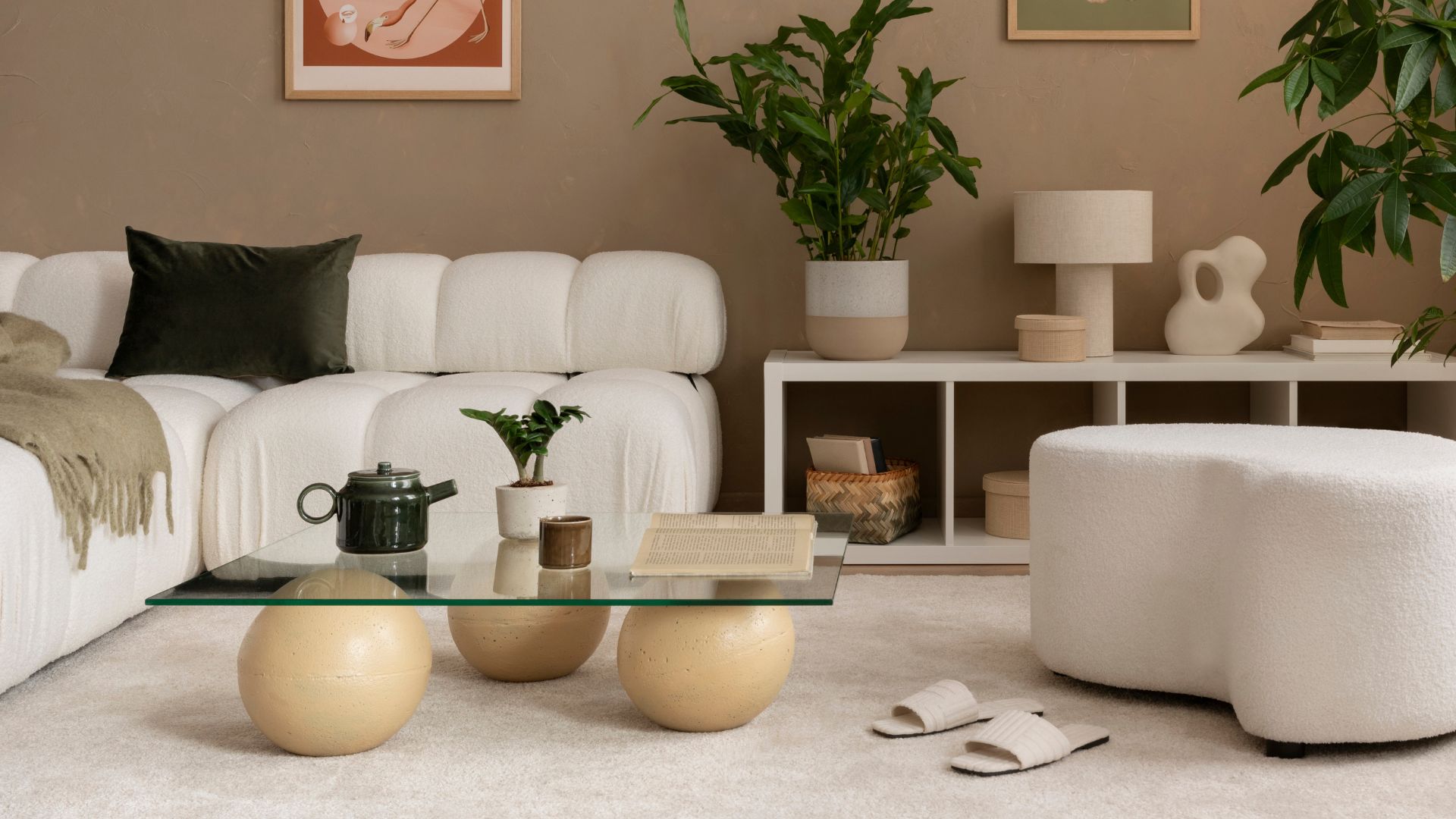
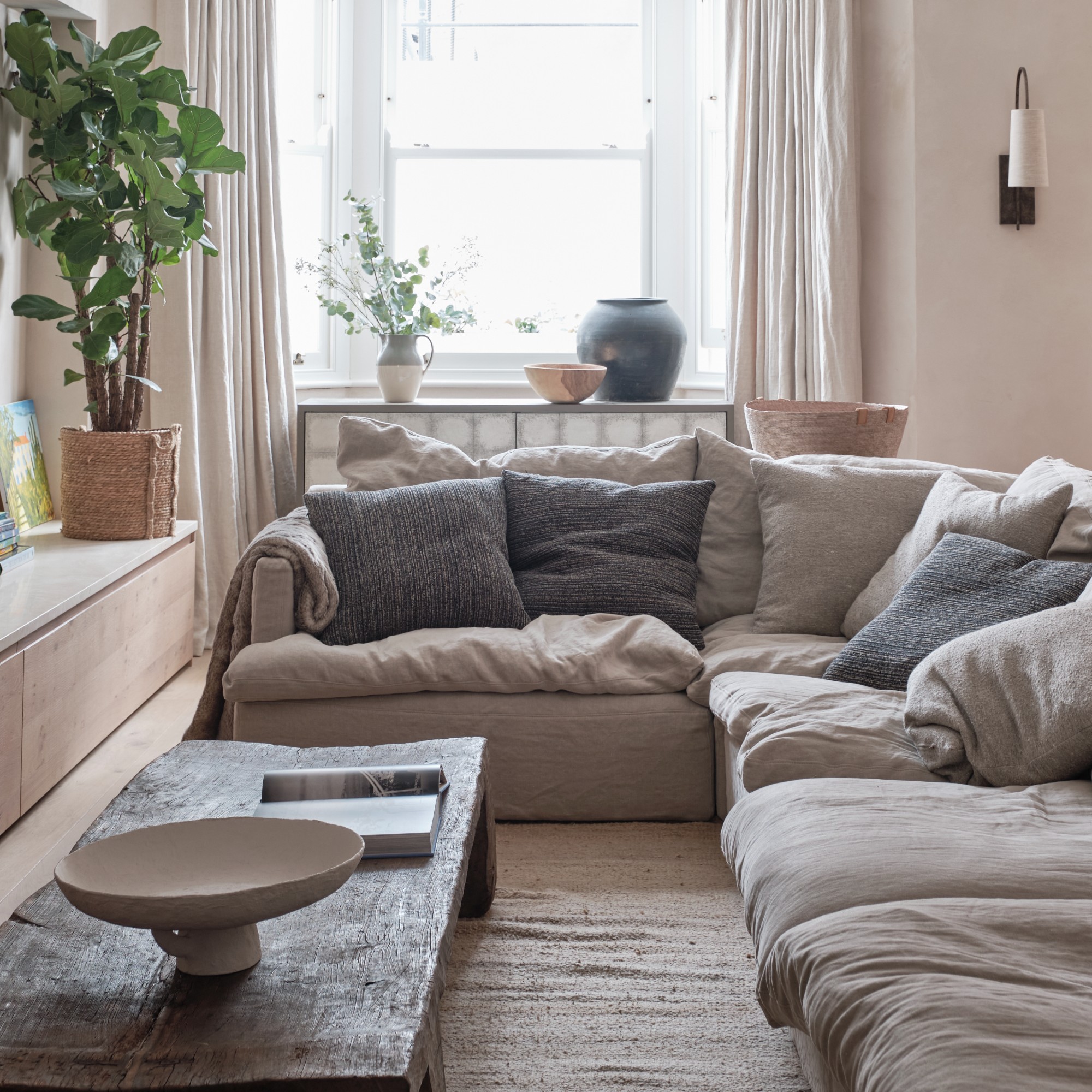
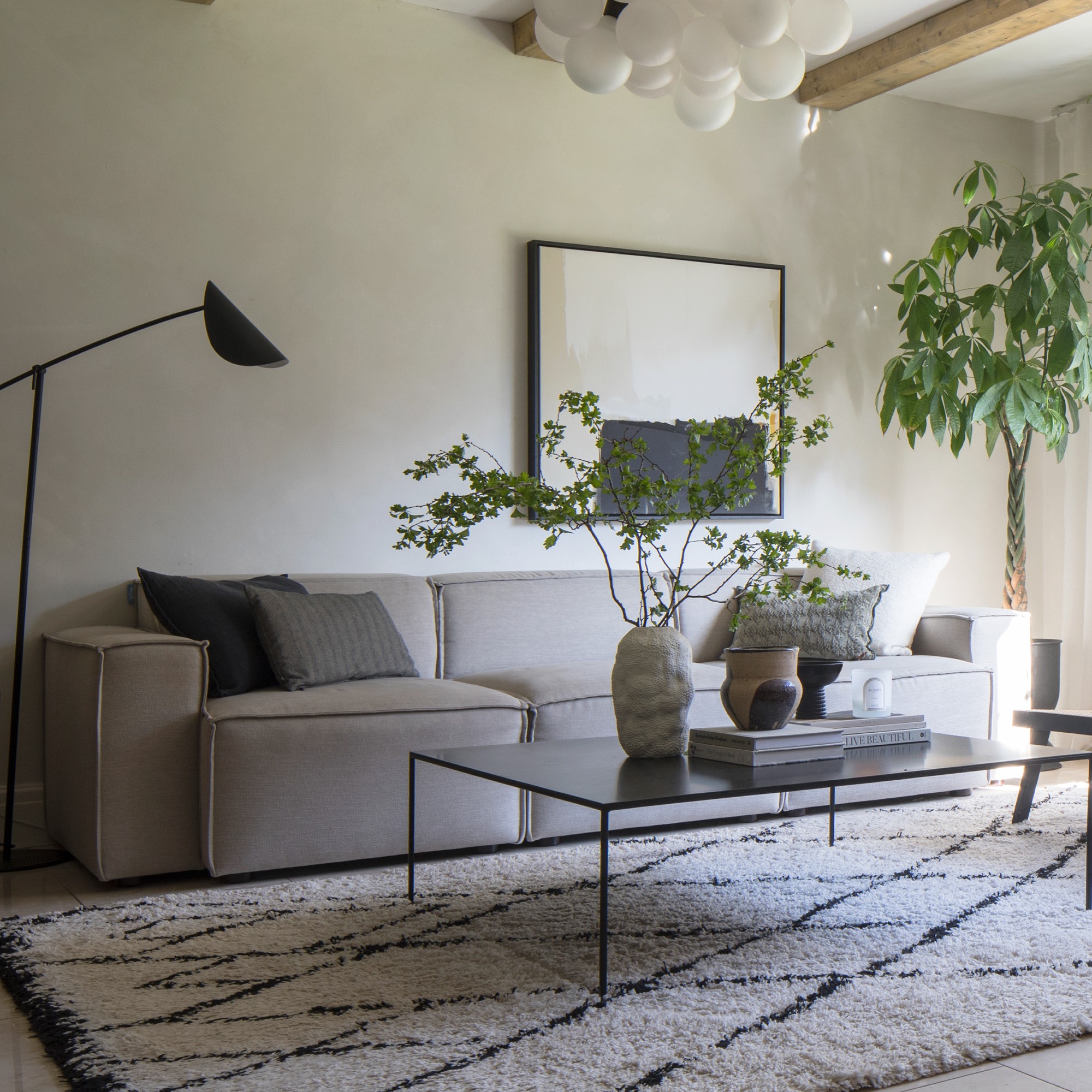
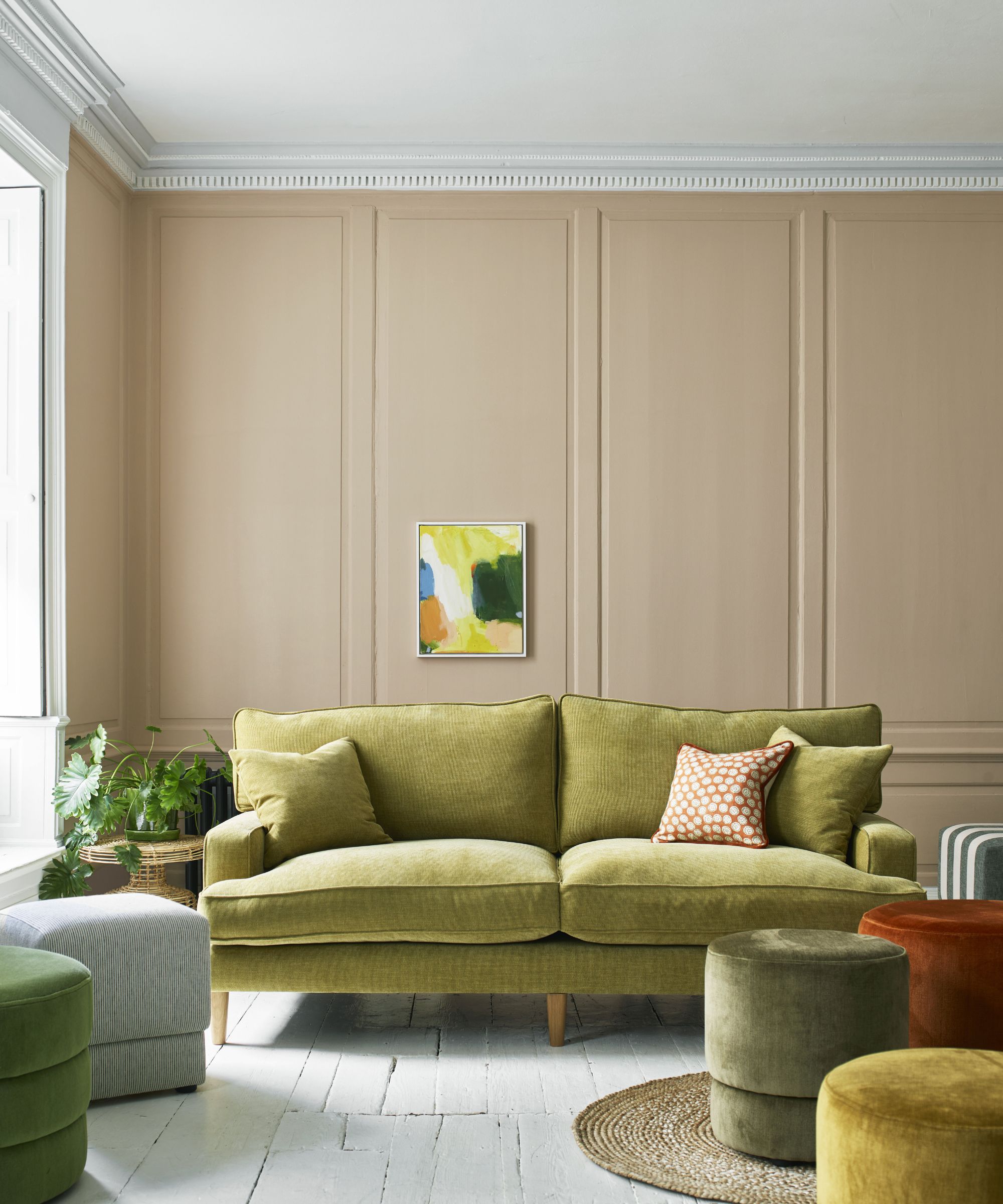
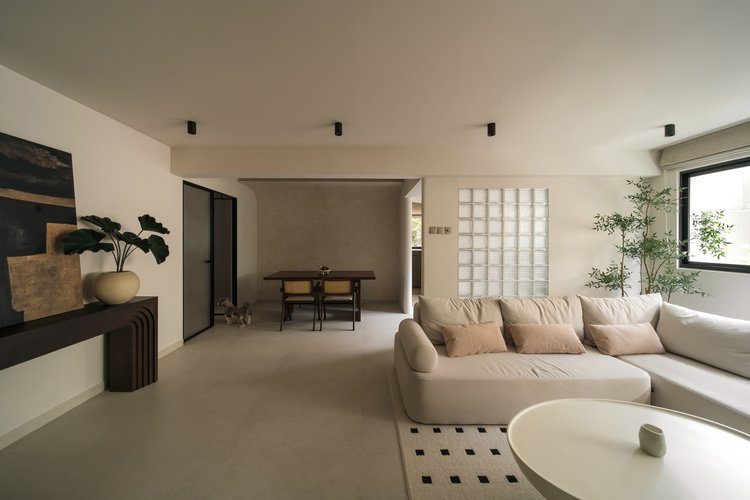
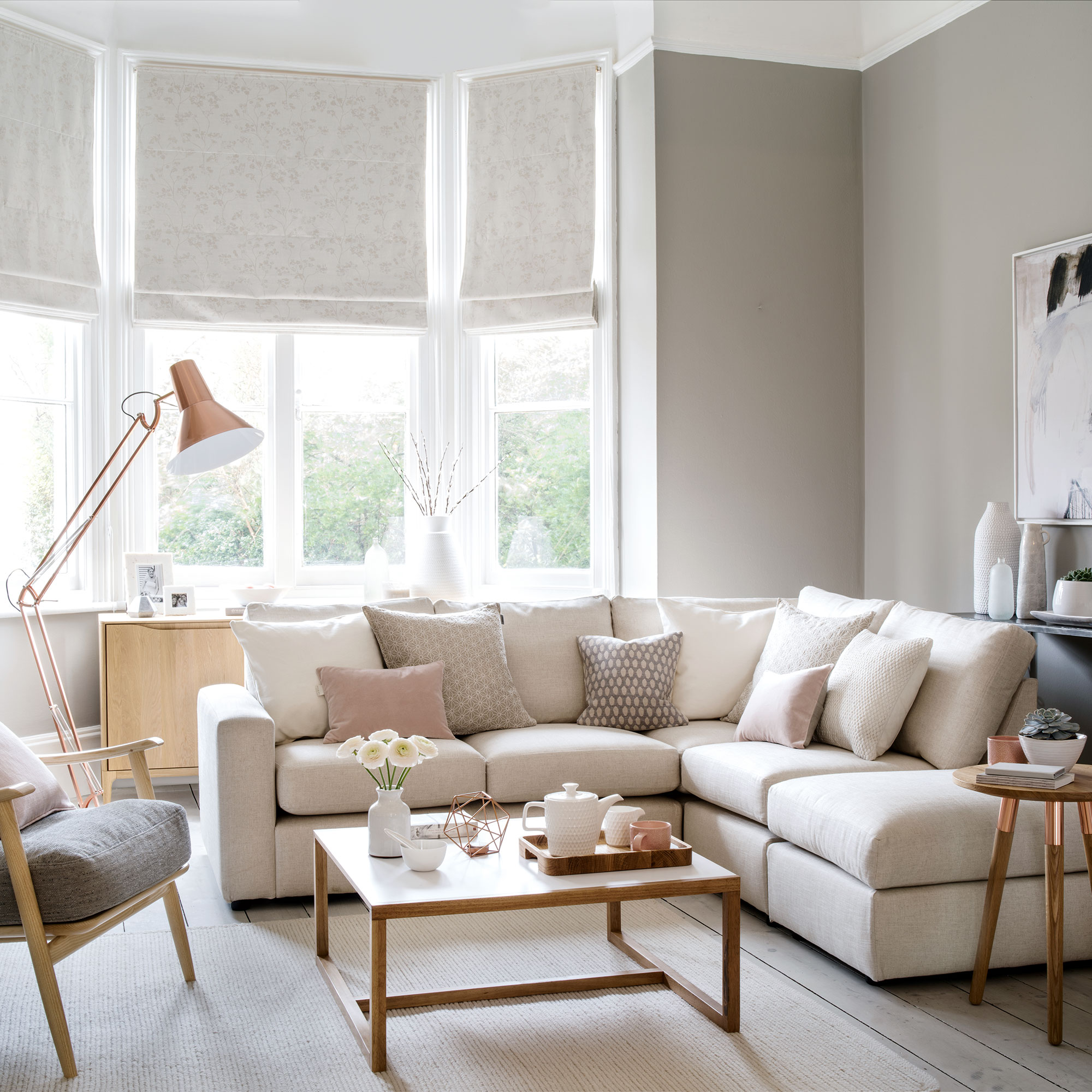
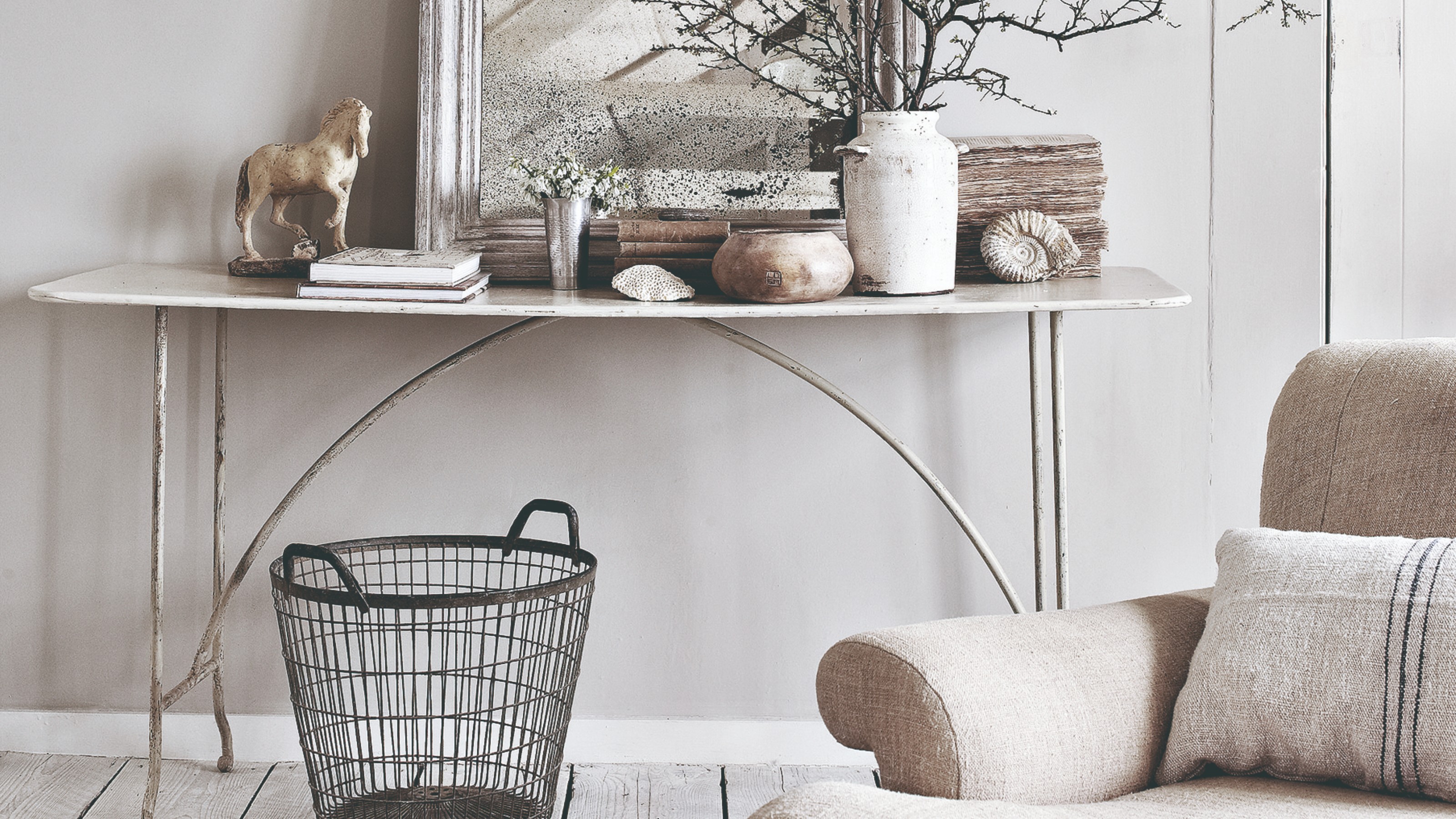
Fifth, a neutral color scheme is fundamental. Japanese interiors are known for their pared-back, minimalist color palettes, typically consisting of layers of neutrals and beiges, often accented with black. The traditional Japanese interior, largely devoid of strong colors apart from natural wood paneling, influences the modern living room's color scheme. This adherence to neutrals aims to evoke a sense of serenity, drawing inspiration from natural landscapes and creating a tranquil environment.
#JapaneseDesign #MinimalistInteriors #NaturalMaterials #LowProfileFurniture #OpenPlanLiving #NeutralColorPalette #HomeDecoration #InteriorDesign #CalmingSpaces #JapaneseDesign #MinimalistInteriors #NaturalMaterials #LowProfileFurniture #OpenPlanLiving #NeutralColorPalette #HomeDecoration #InteriorDesign #CalmingSpaces
0 comment in total
 No comments yet
You may also like
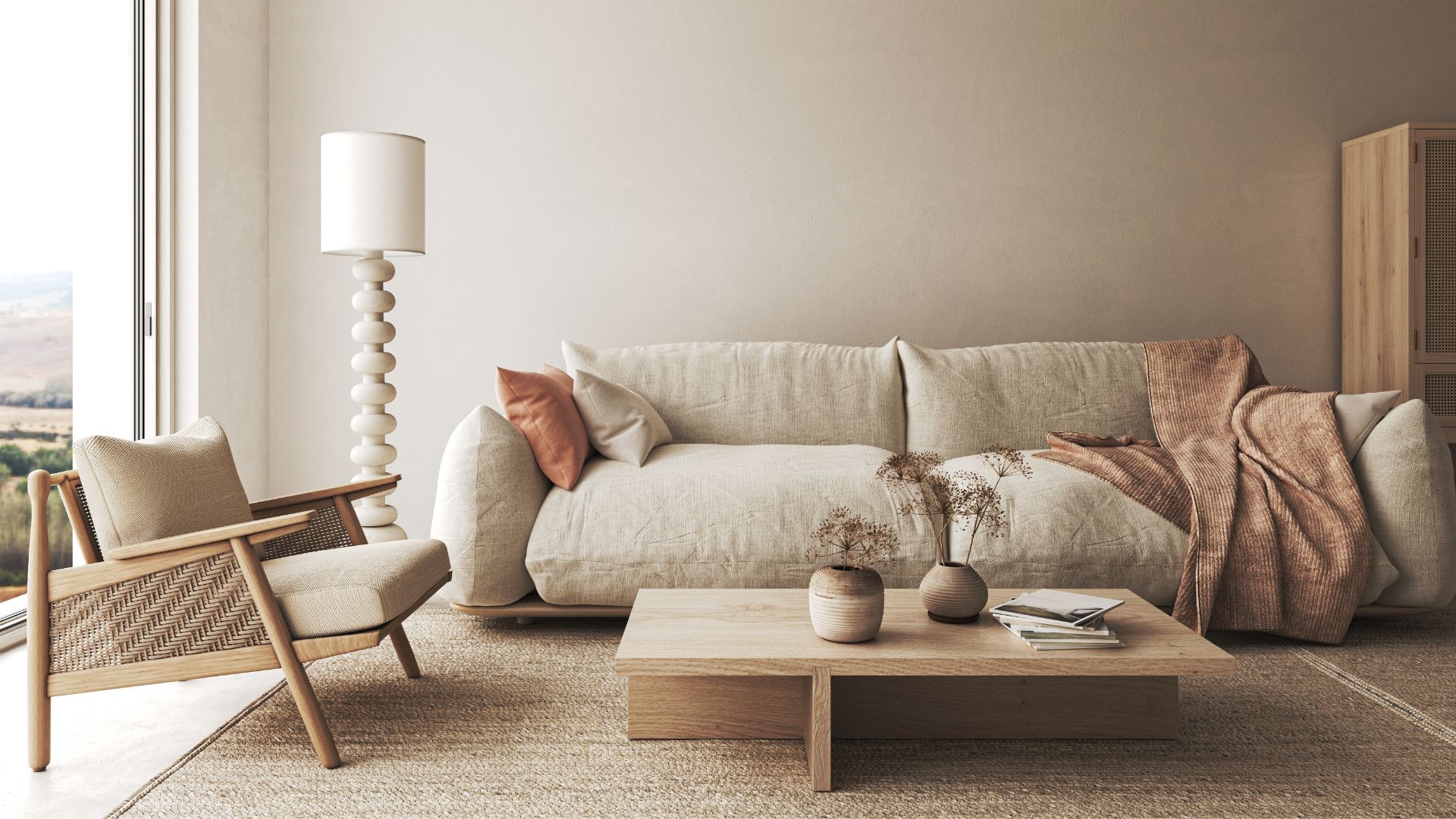
10 essential Japandi living room design tips to create a sense of calm and restfulness

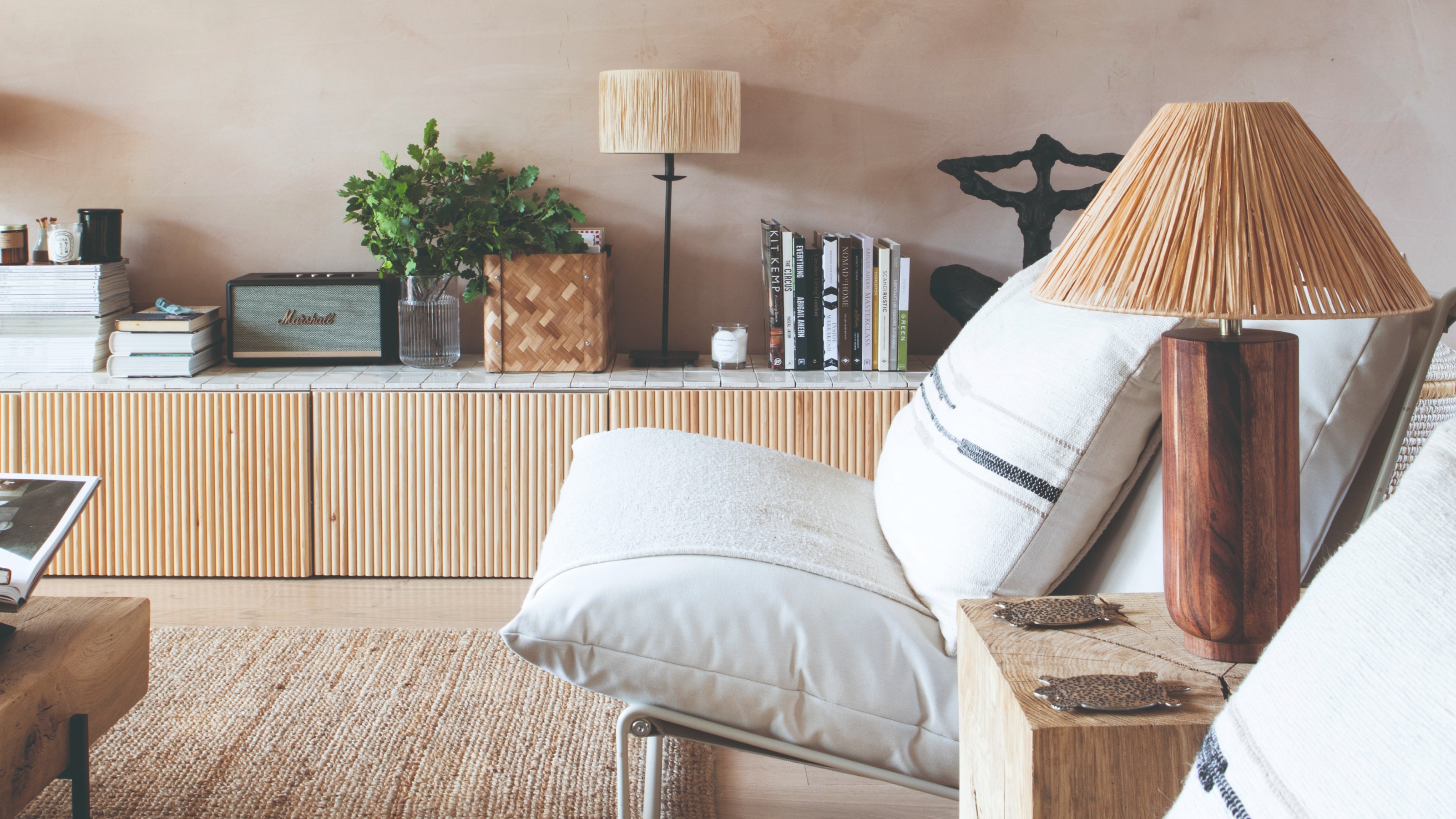
Will Japandi rule your living room in 2026? Interior experts weigh in
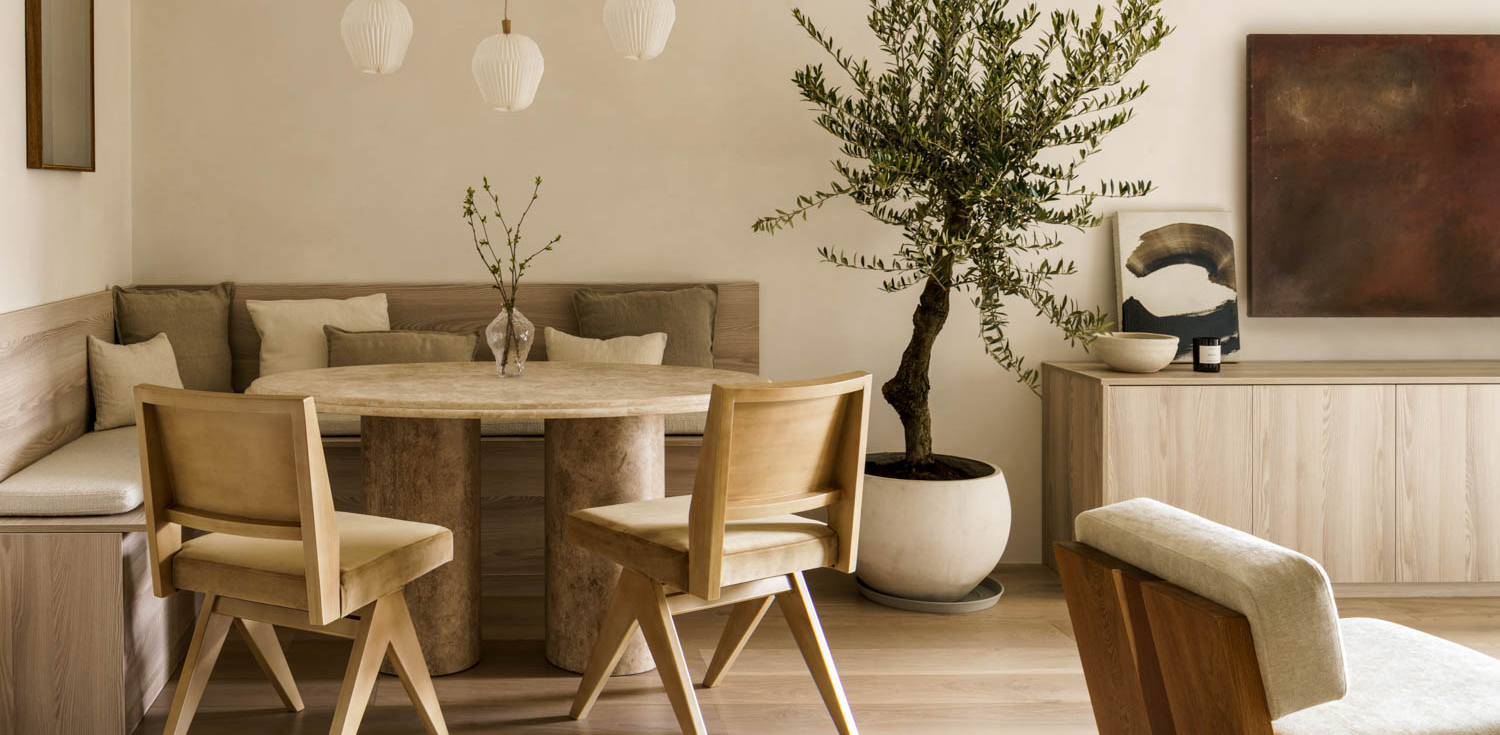
Elevate Your Space With These Inspiring Japandi Interiors

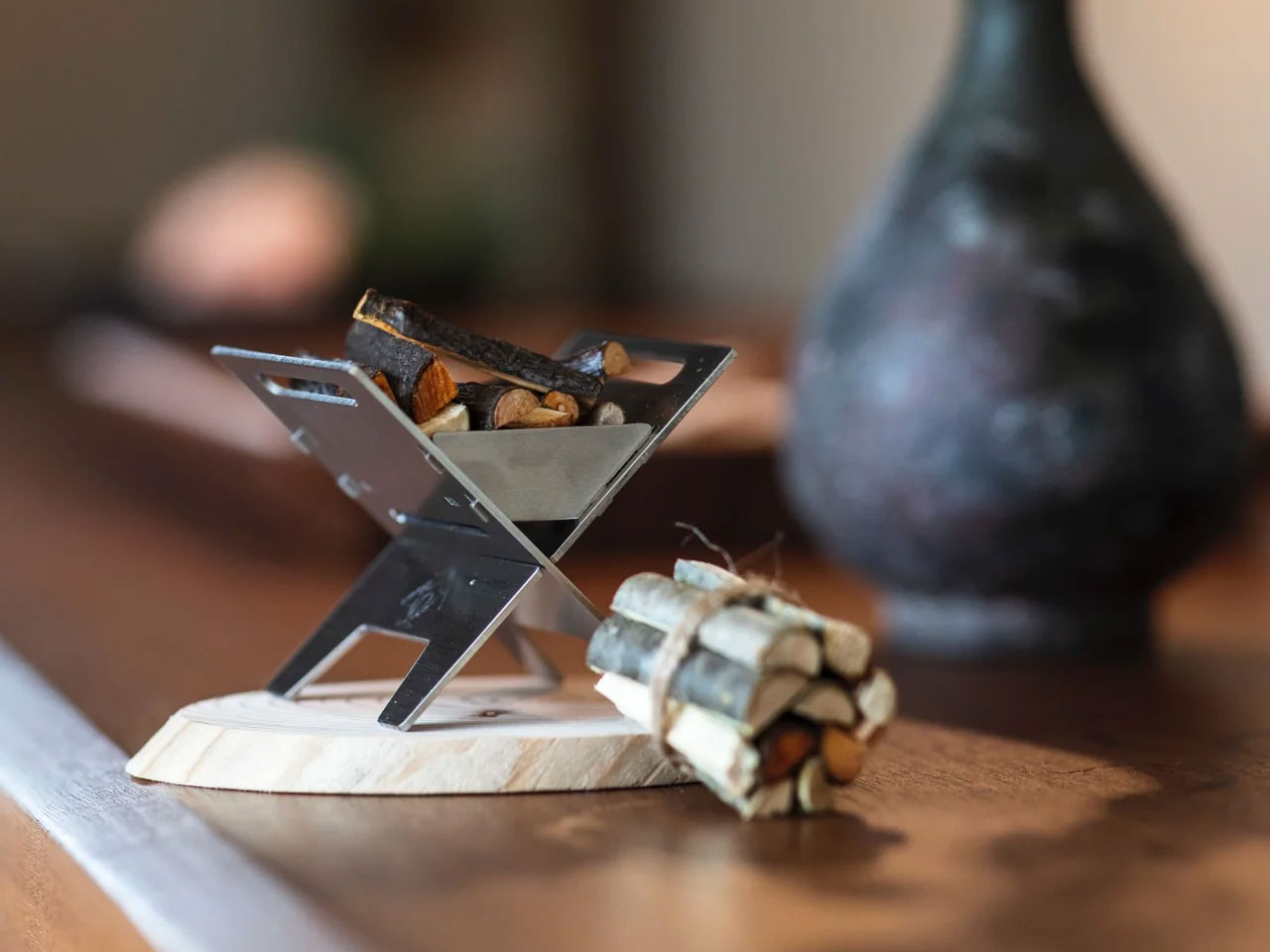
5 Best Japanese-Inspired Home Accessories Designed To Bring Nature & Tranquility Indoors

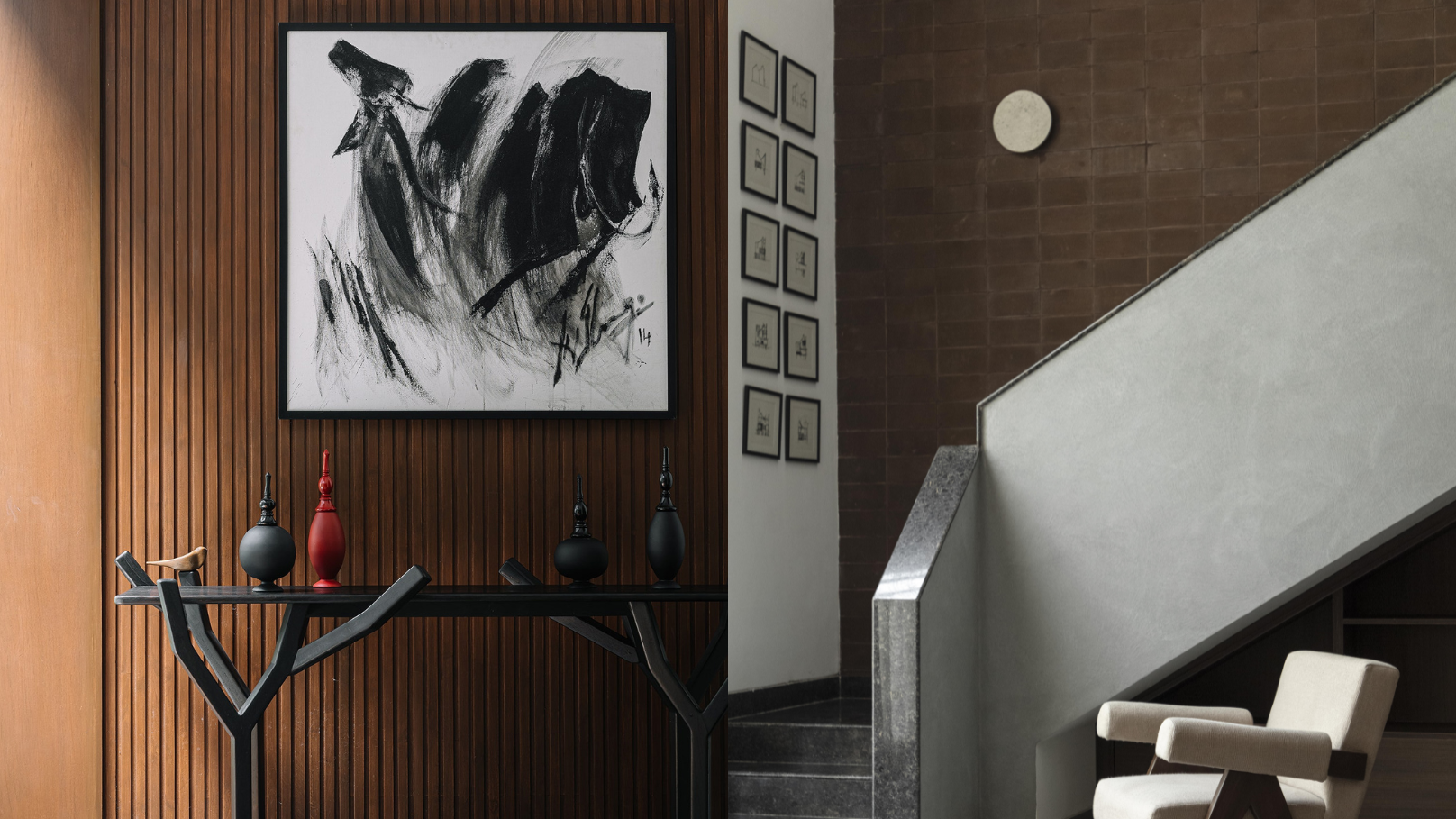
5 homes that bring serene Japanese-inspired design to life

The Rise of Japanese-Inspired Interiors: Why Calm, Craft, and Simplicity Are Redefining Modern Design

Muji Living Room Ideas — 5 Ways to Harness the Calming Qualities of This Japanese Design Style
4 rules interior designers always use to plan the perfect living room layout - these tried-and-tested tricks work every time
Muji Living Room Ideas — 5 Ways to Harness the Calming Qualities of This Japanese Design Style
Muji Living Room Ideas — 5 Ways to Harness the Calming Qualities of This Japanese Design Style

The 5 Design Rules That Are Meant to Be Broken—and What to Do Instead
6 wabi-sabi living room ideas – create a perfectly imperfect lounge with this Japanese philosophy
Japanese Living Room Design Is Trending—Here’s How to Achieve the Style

5 small living room Feng Shui tips — harness these principles for ultimate Zen

11 Biggest Interior Trends Of 2025, Design Solutions & Reno Tips As Revealed By An Interior Designer


Tour 5 Japanese-Inspired Modern Homes That Embody Contemporary Elegance

6 rules you should always follow when designing a soothing living room, according to a design psychologist
The best Japanese houseplants to create a zen, serene space in any room

The 5 Rules of Decorating a Living Room in 2025 (Don’t Worry—They’ll Still Hold Up in 2030)

6 Golden Rules of Living Room Design for Creating a Cozy Yet Stylish Space, According to Pros