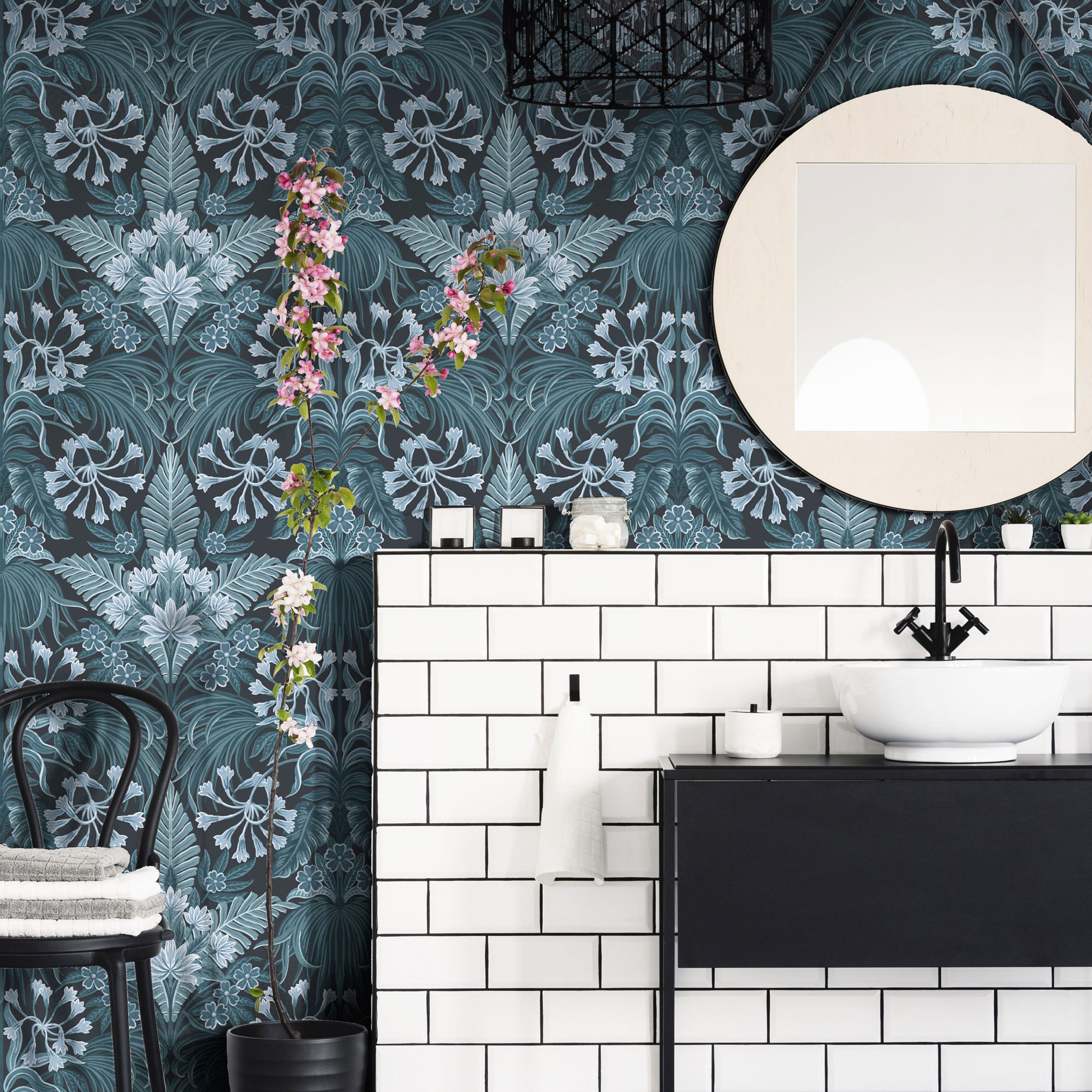
1/13
Japandi bathroom ideas : 11 ways to create a calming sanctuary
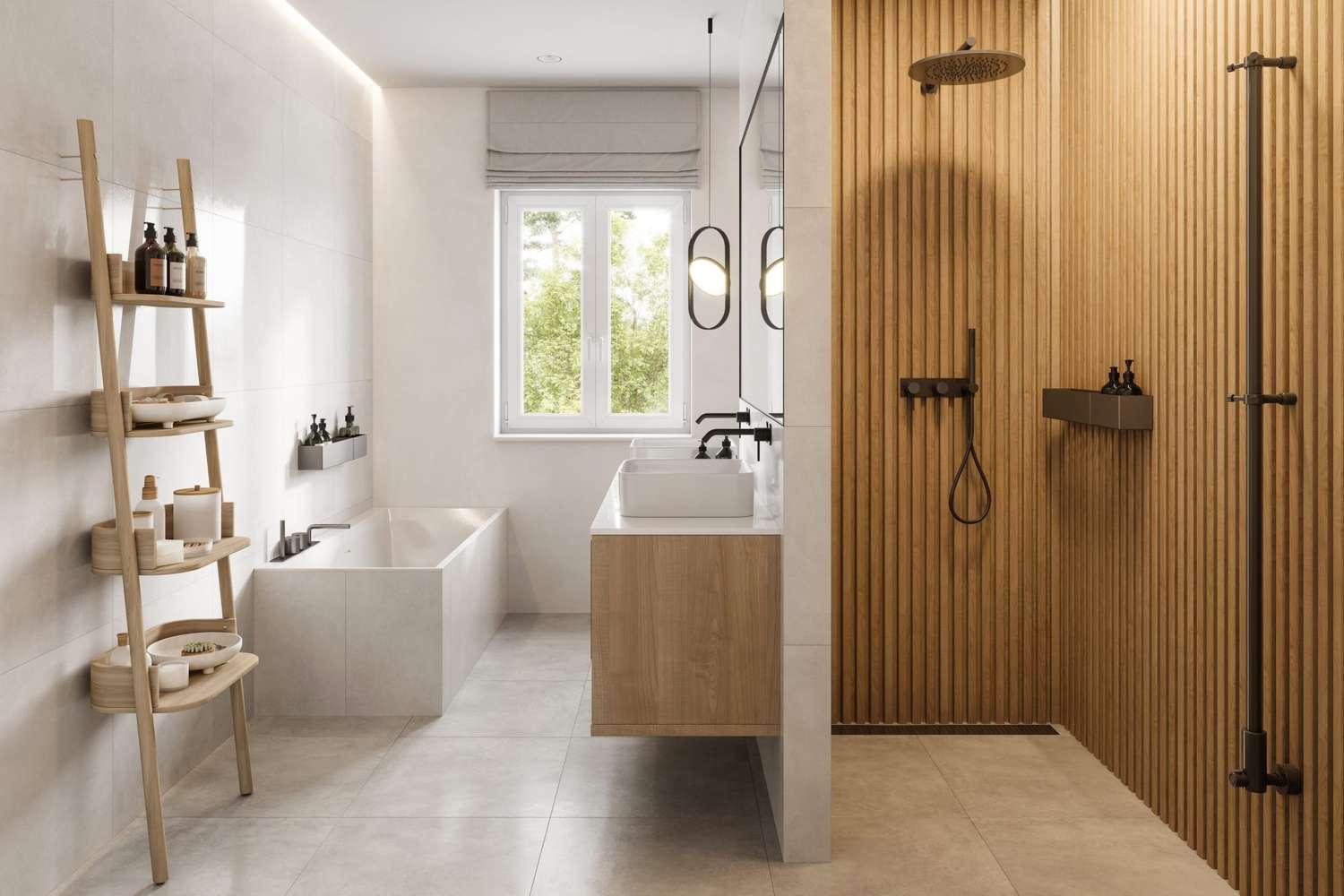
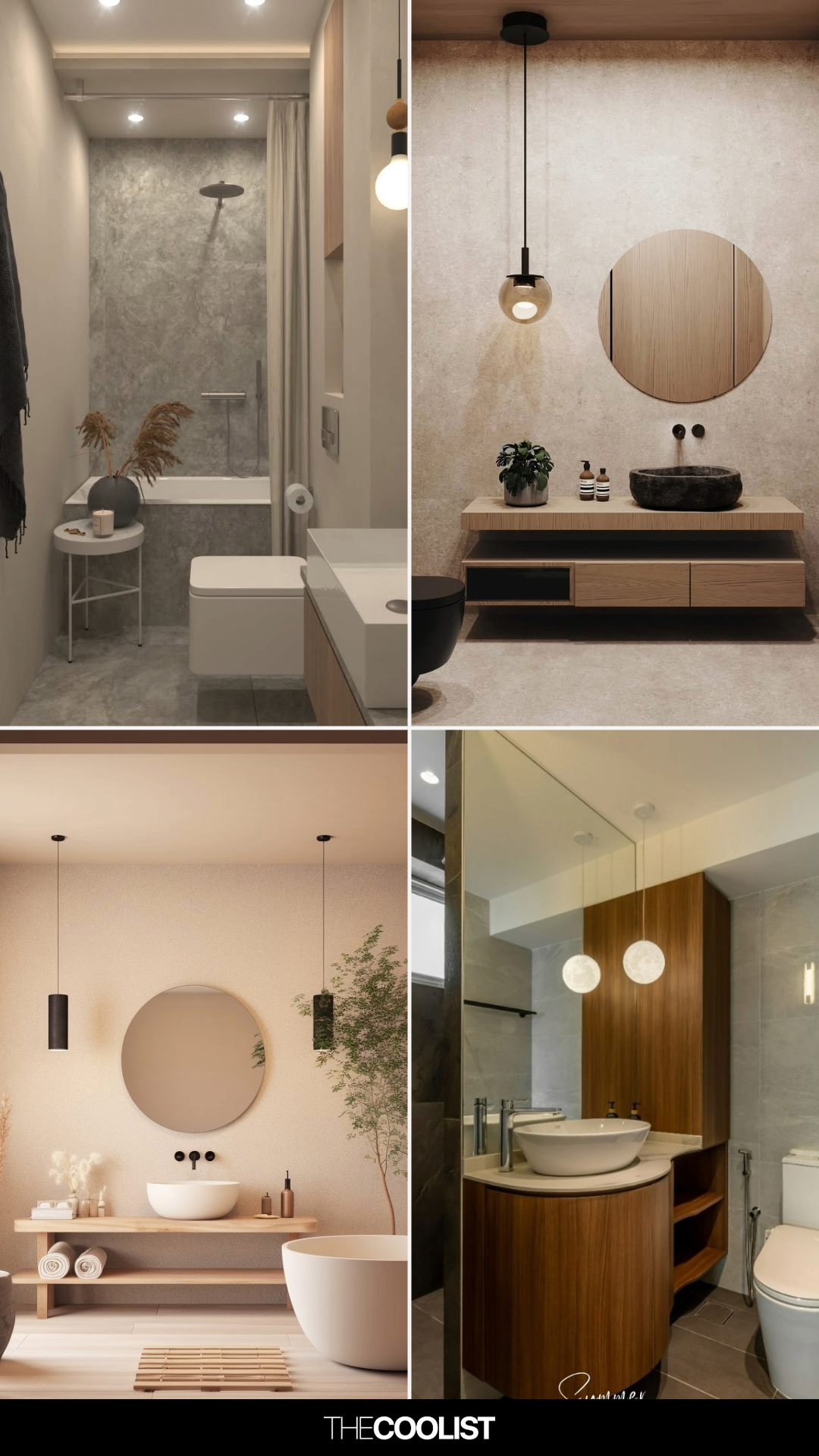
The Japandi style, a fusion of Japanese wabi-sabi and Scandinavian hygge, offers a serene and functional approach to interior design. This blend emphasizes slow living, contentment, simplicity, and coziness, making it an ideal aesthetic for creating a relaxing bathroom sanctuary. This article details eleven key strategies to achieve a Japandi-inspired bathroom.
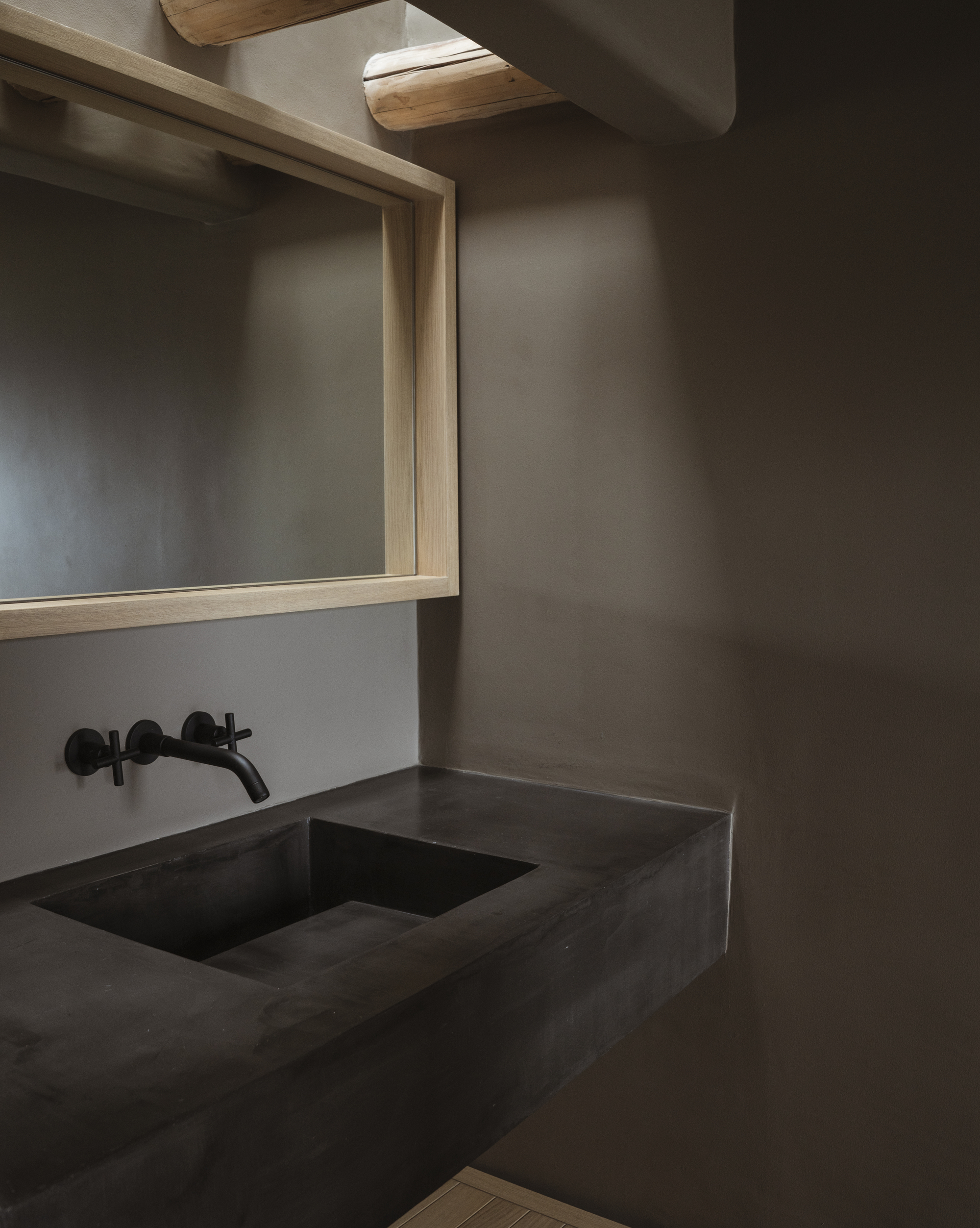
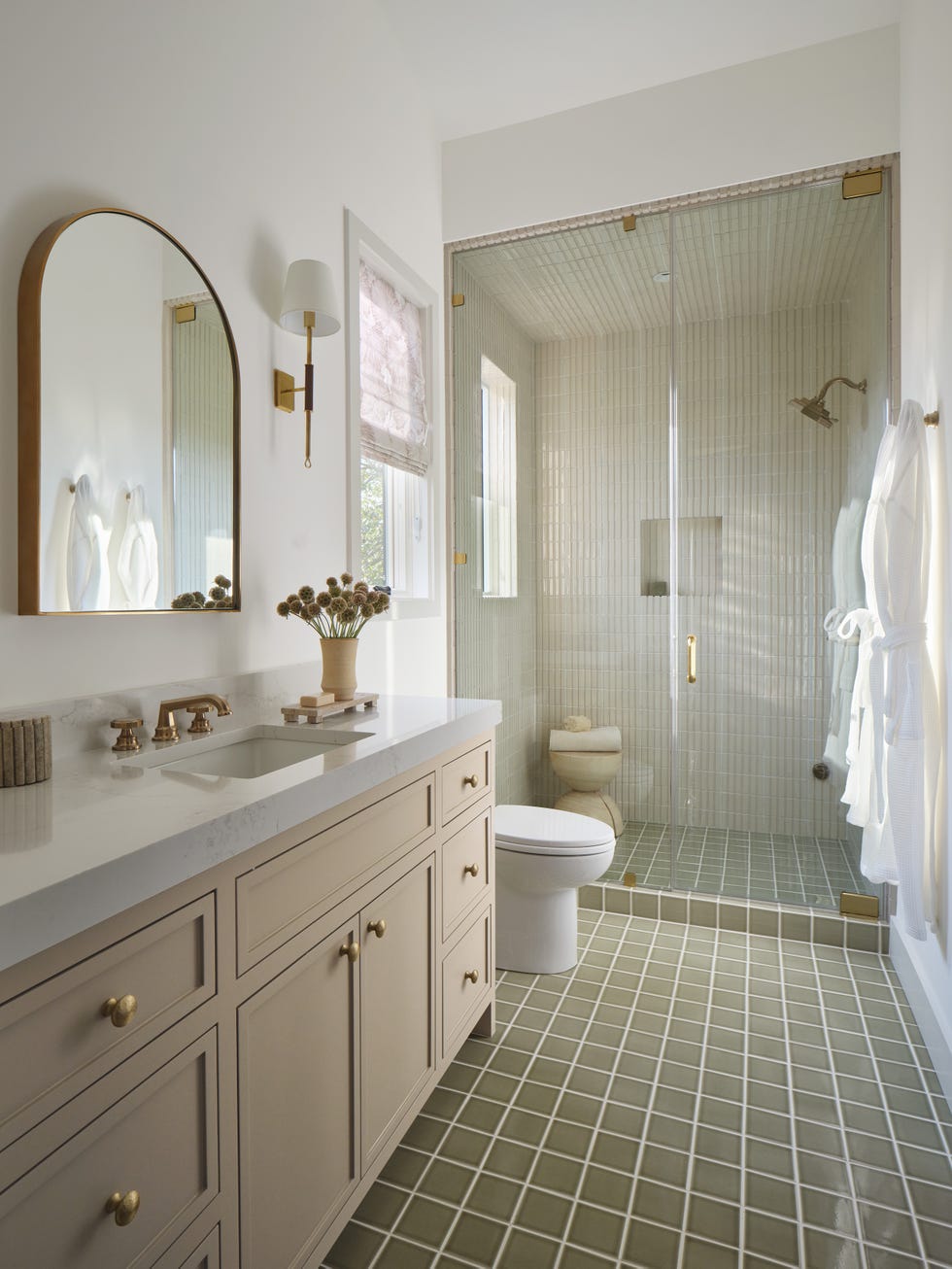
First, selecting a muted and calming color palette is crucial. Japandi bathrooms favor neutral, earthy tones like beige, taupe, and subtle greens, which can be layered to add depth without resorting to dark shades. Aaron Markwell, Colour Curator at COAT Paint, suggests coordinating wall colors with tiles and flooring, recommending shades like “Moving Day” beige or soft taupes. Sophie Smith of Zhoosh Paints emphasizes layering similar shades to create contrast and dimension, ensuring a neutral yet rich environment. Incorporating natural light colors with warm undertones helps maintain a subtle palette that is central to neutral minimalism and clean comfort.
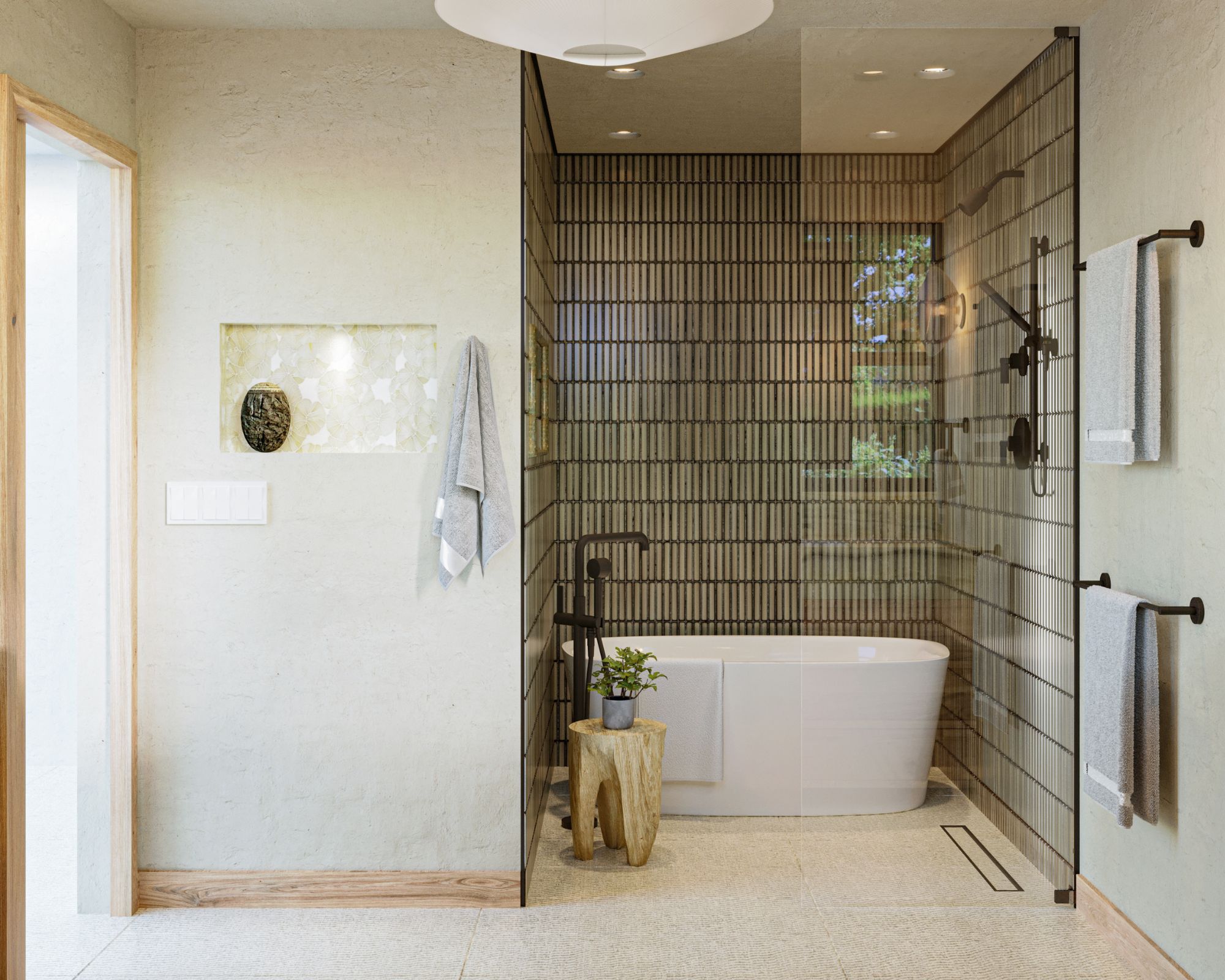
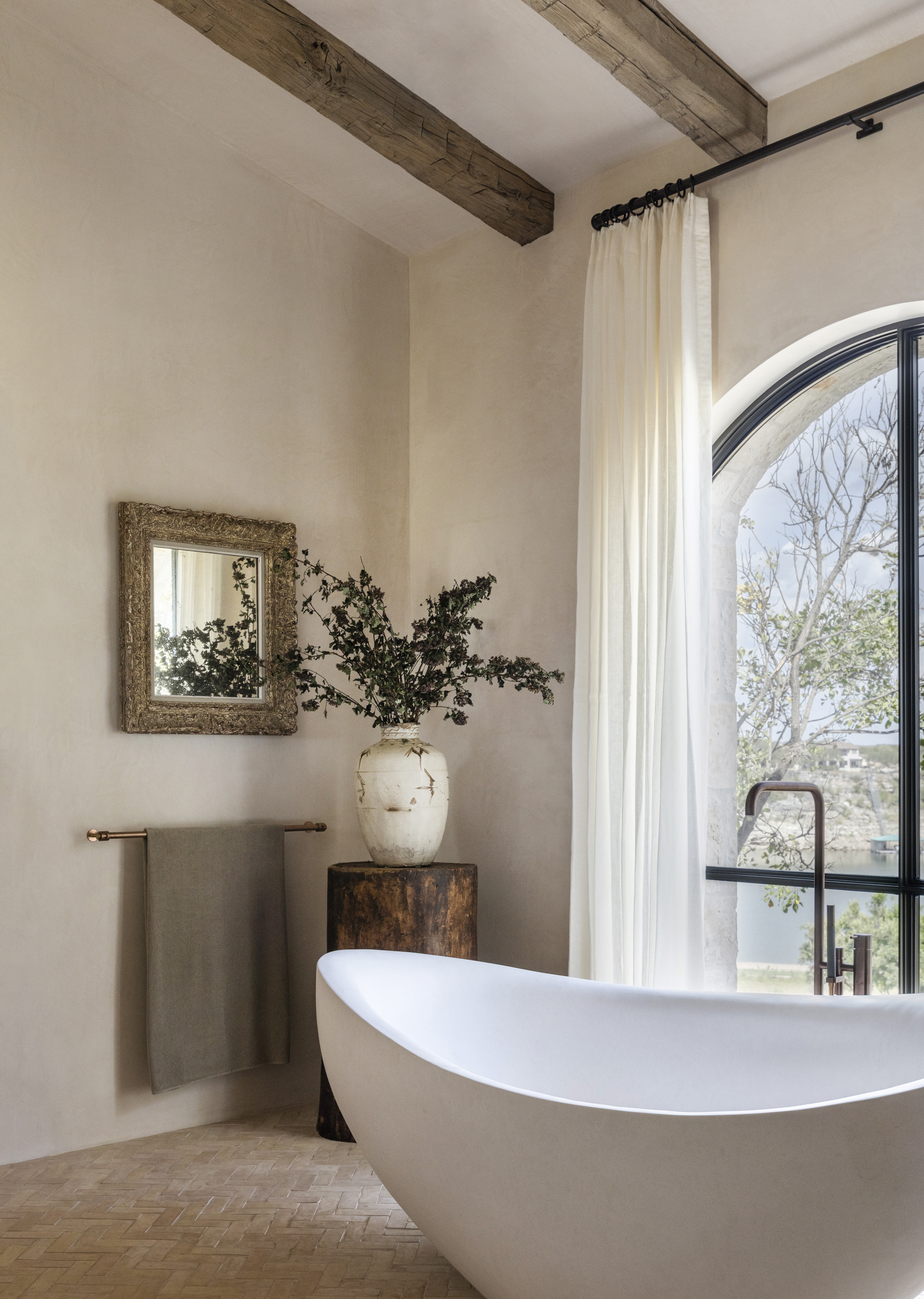
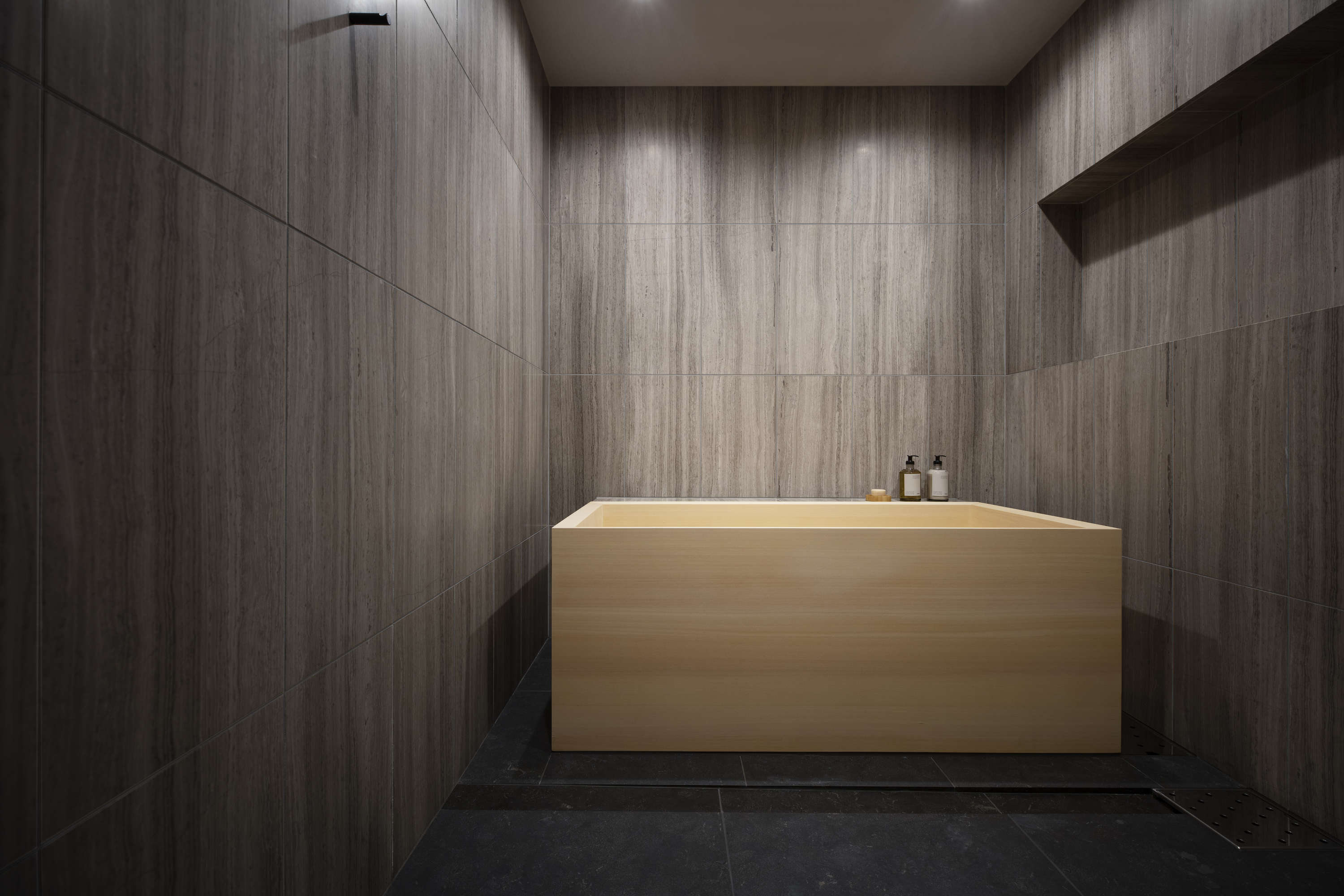
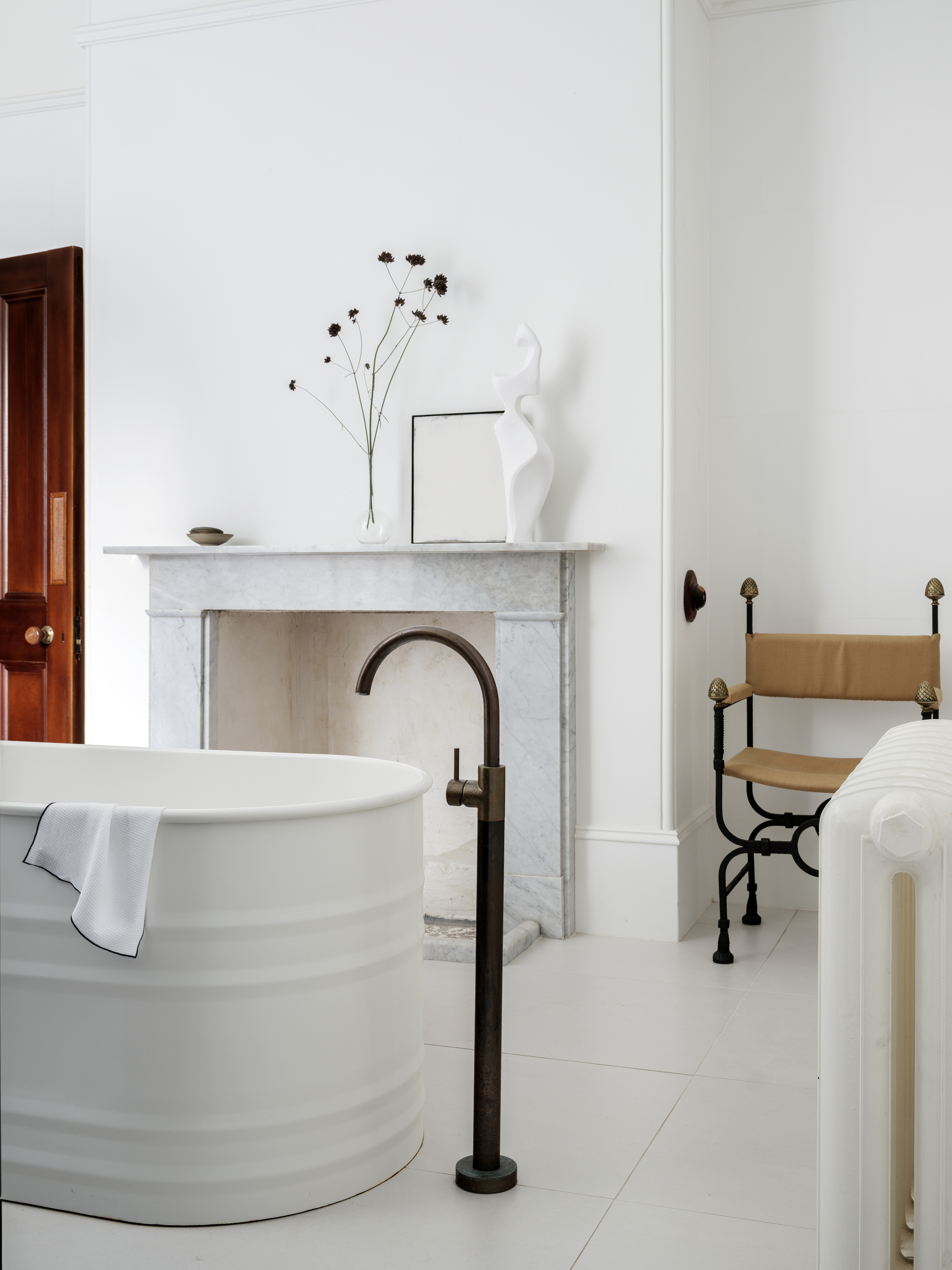
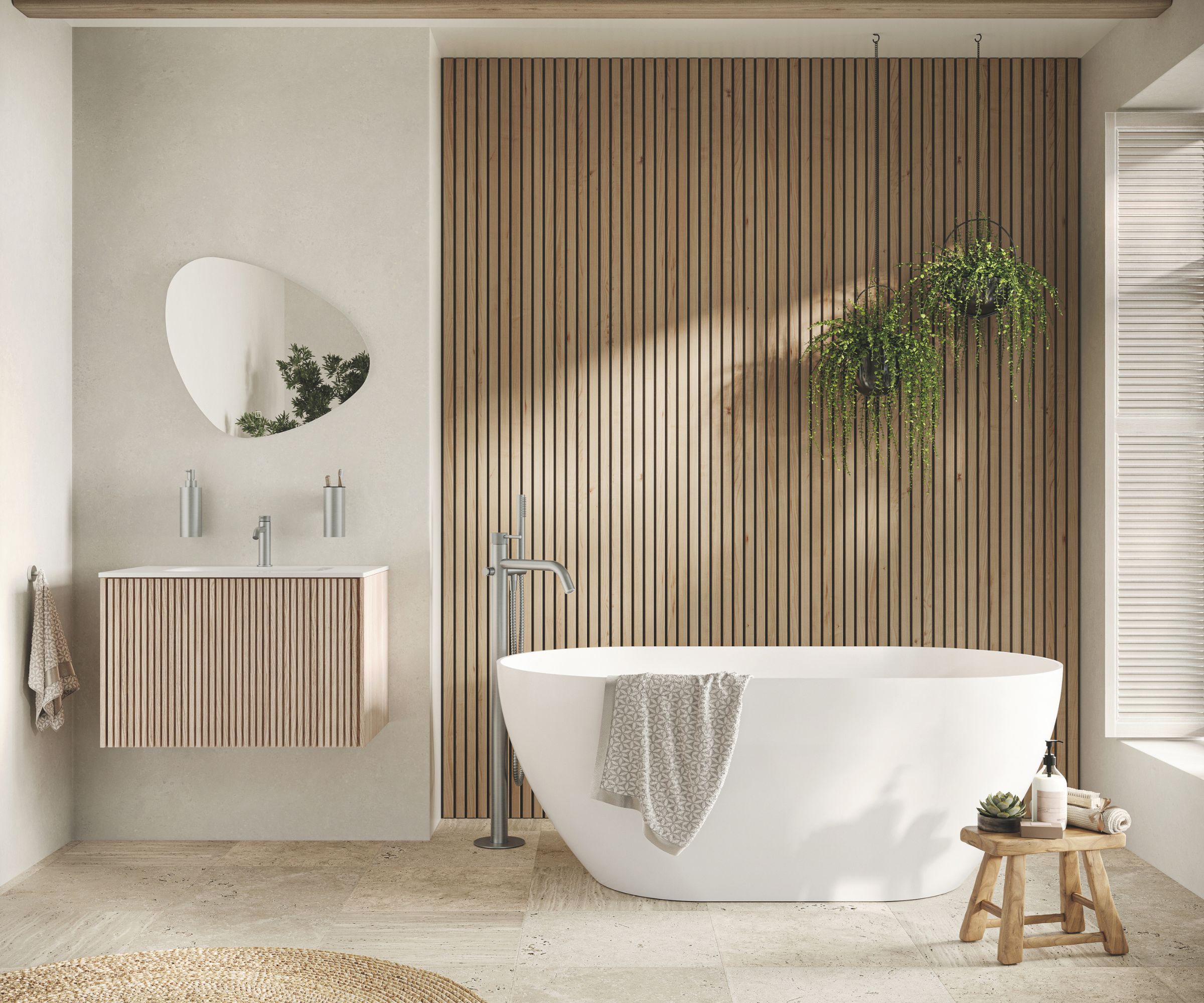
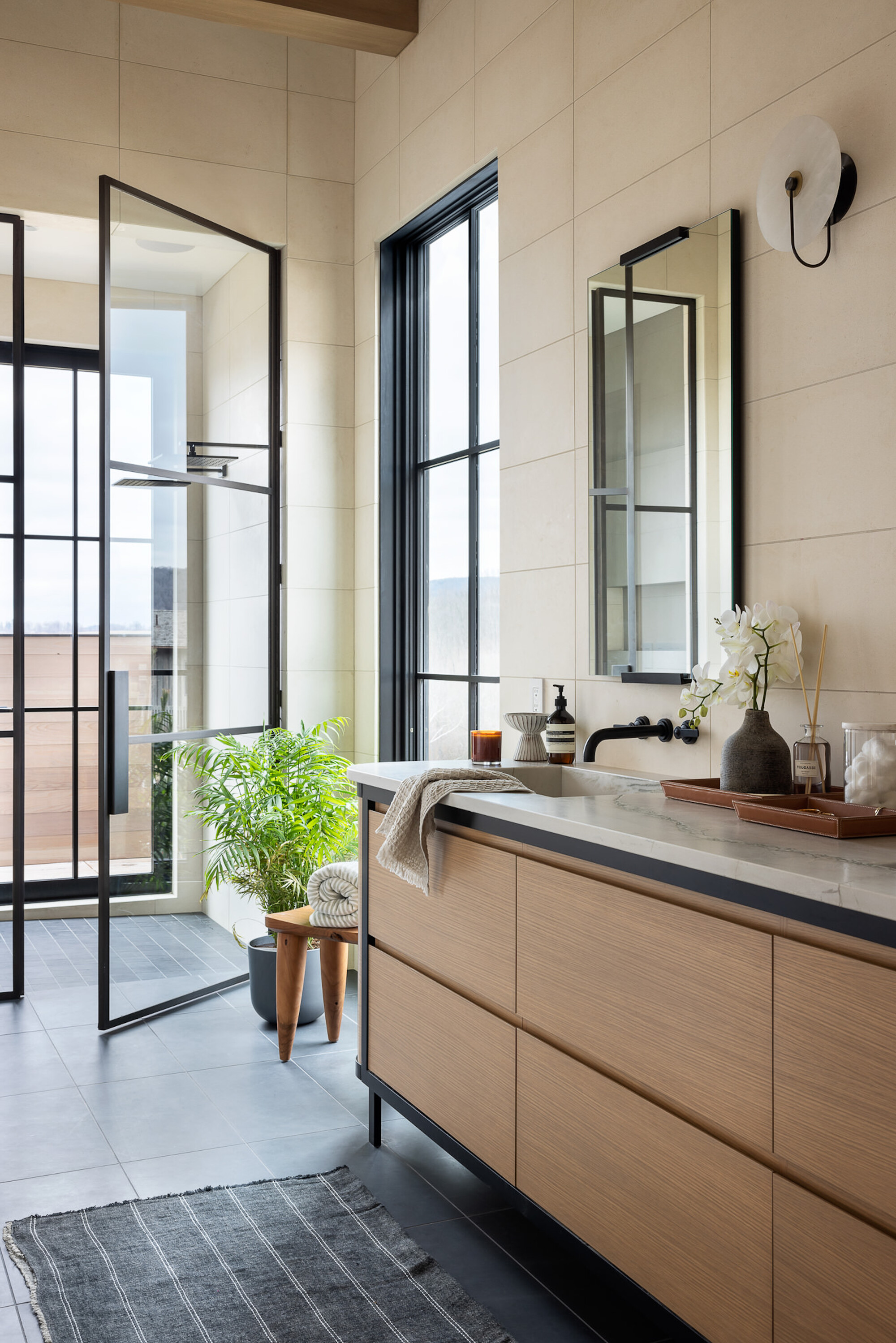
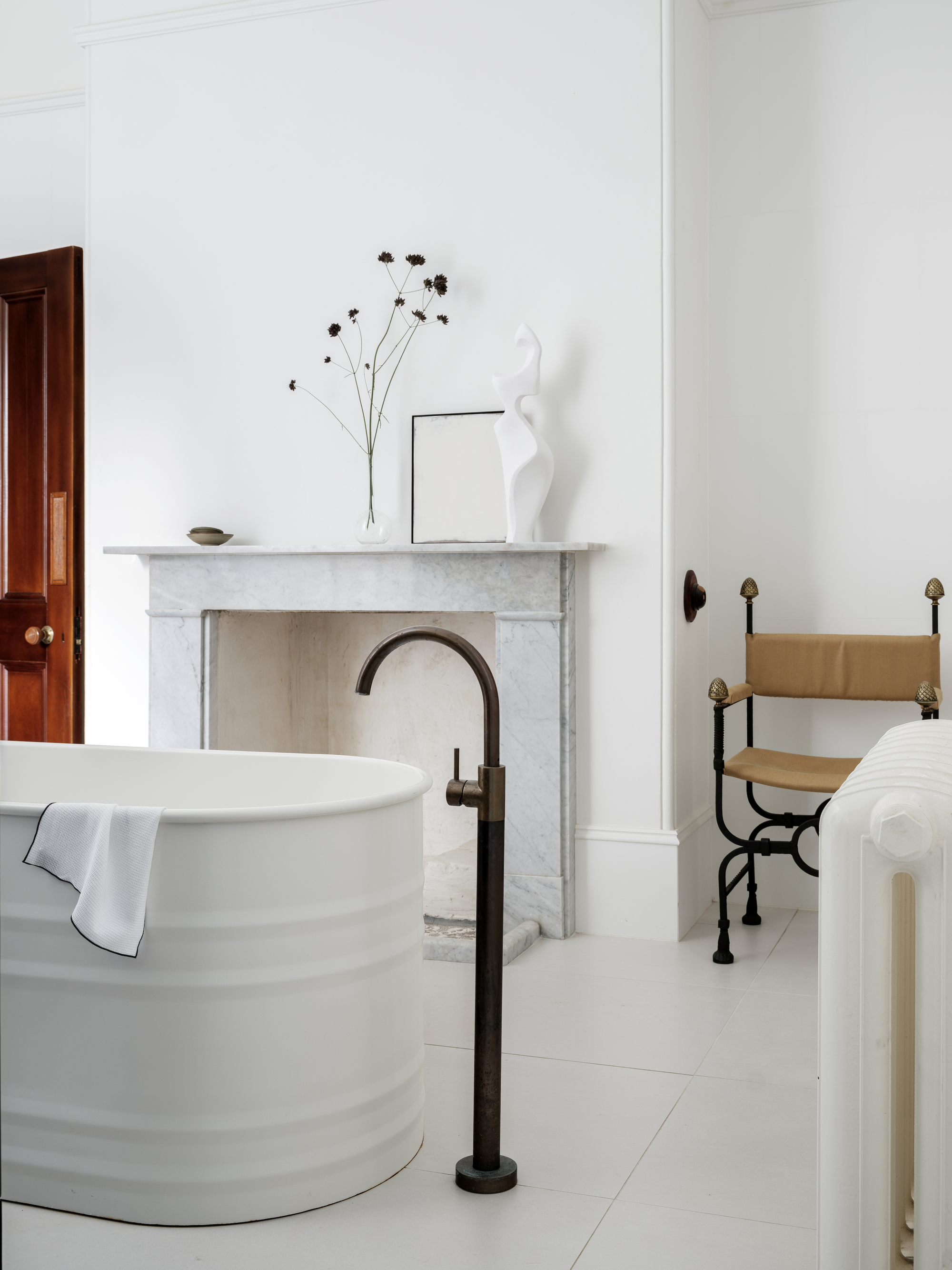
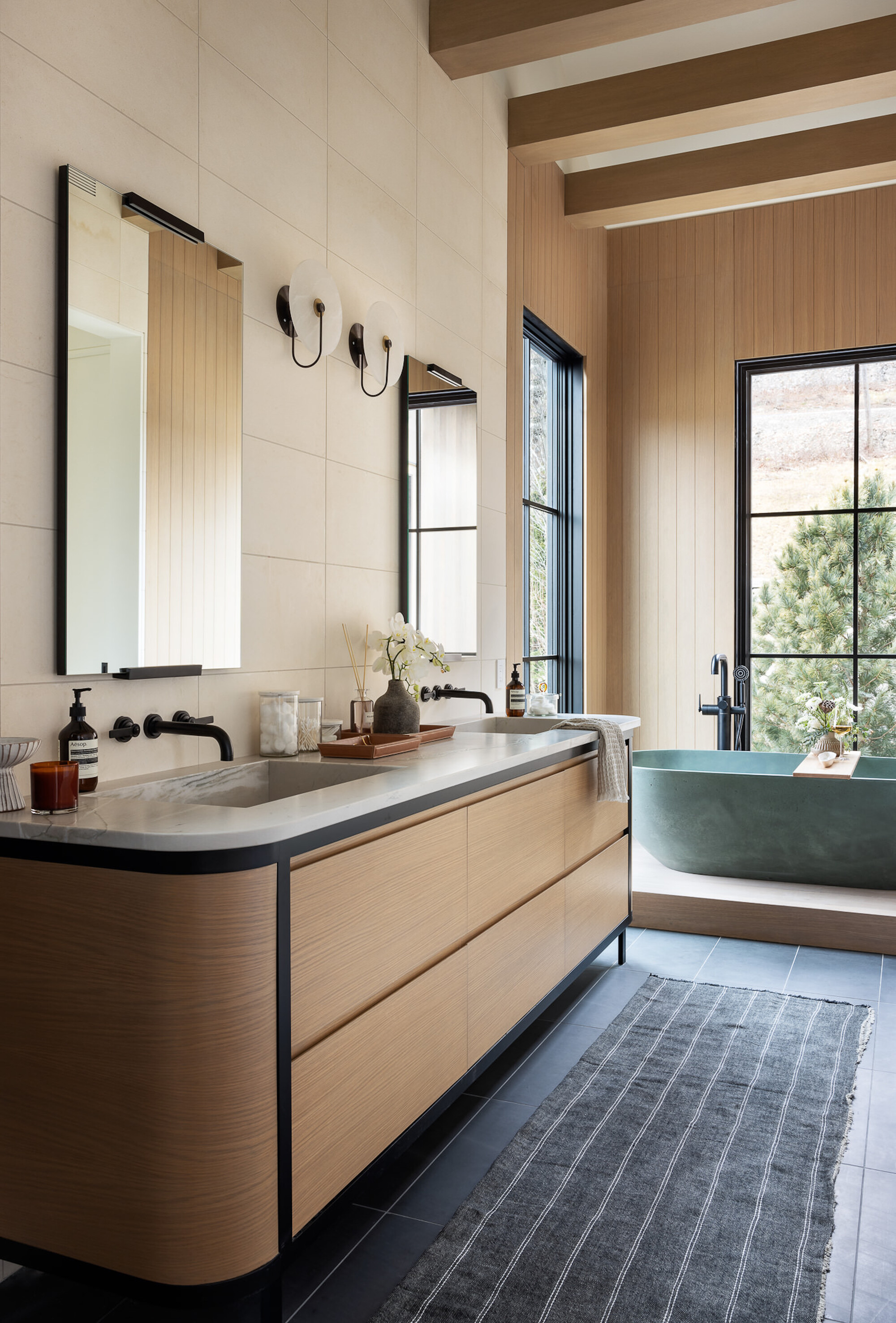
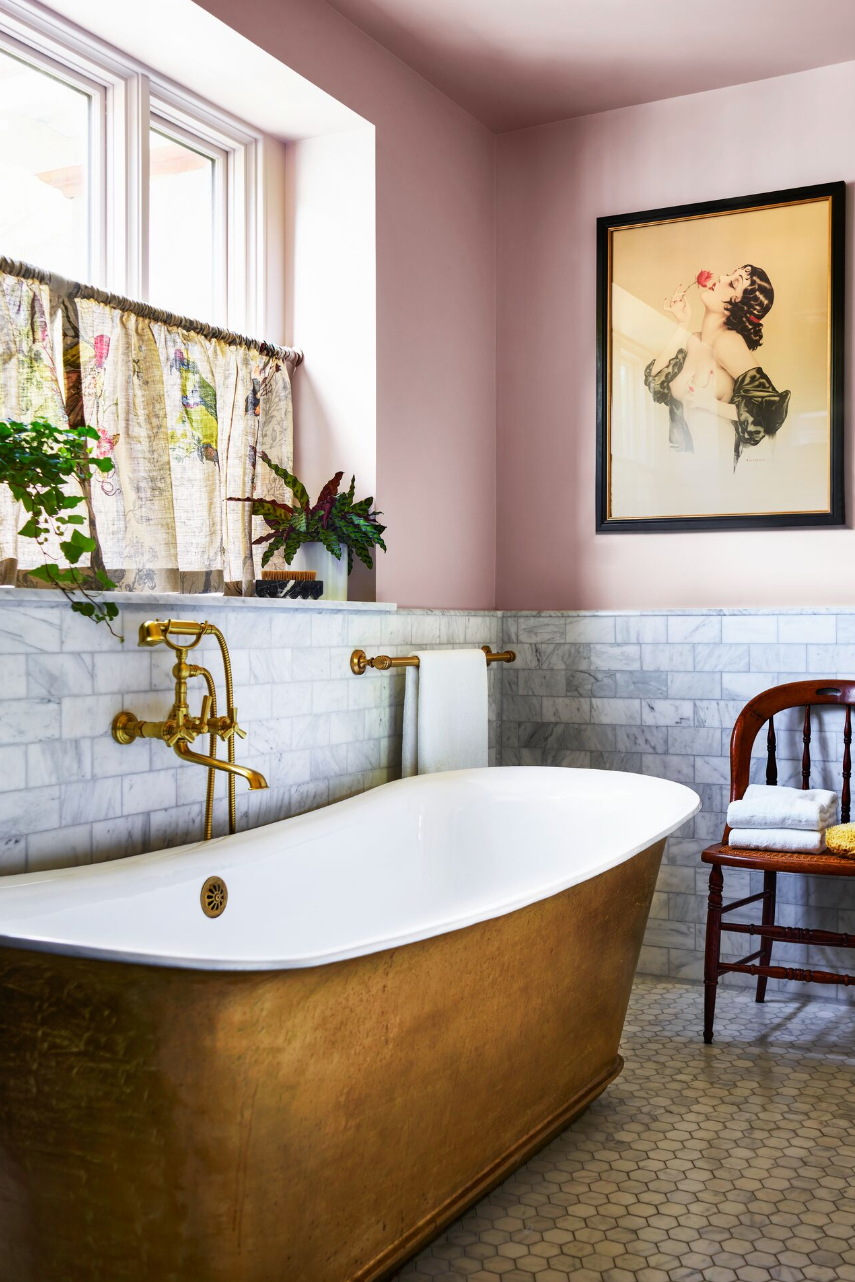
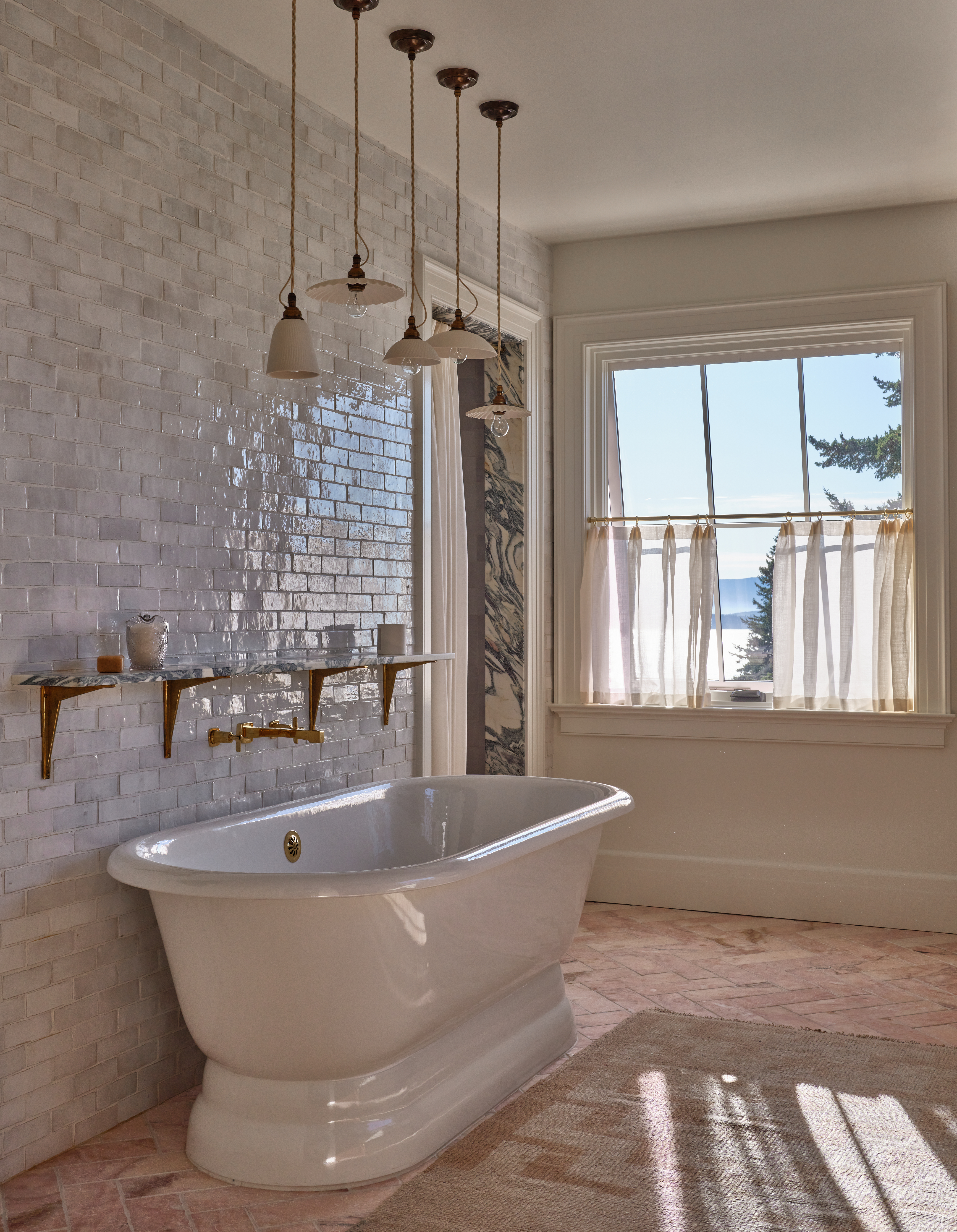
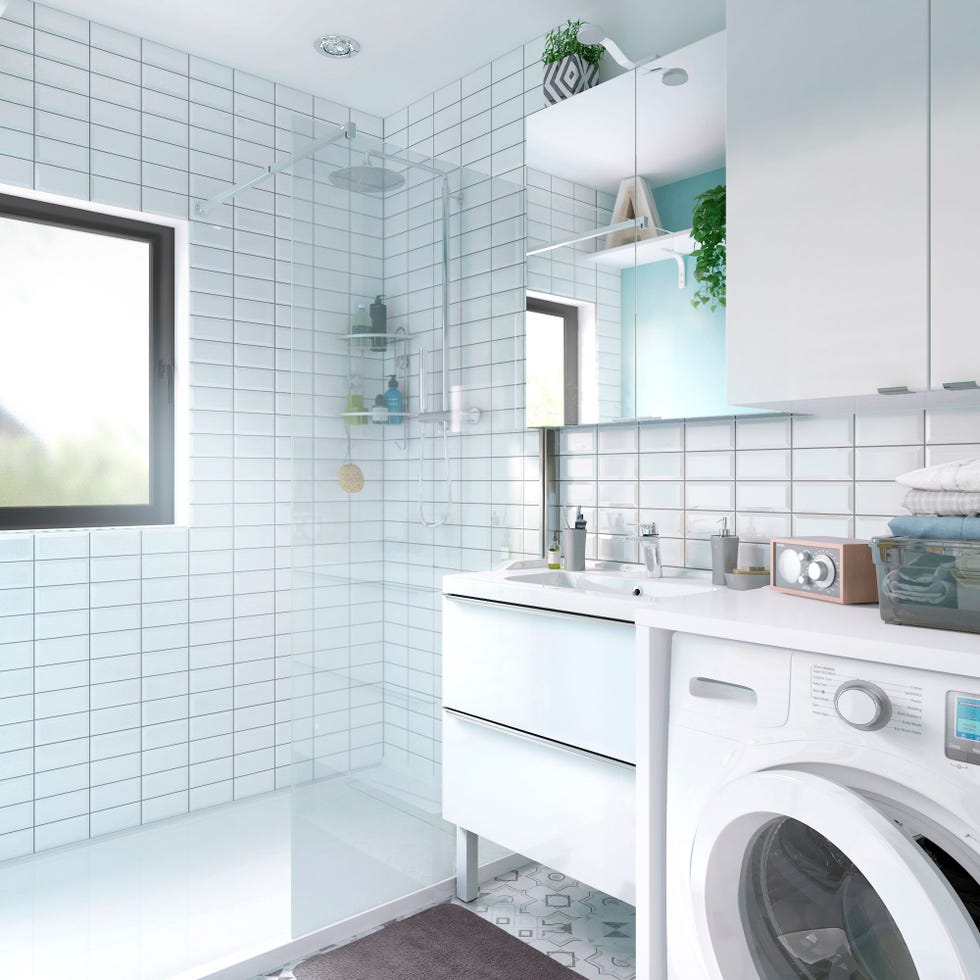
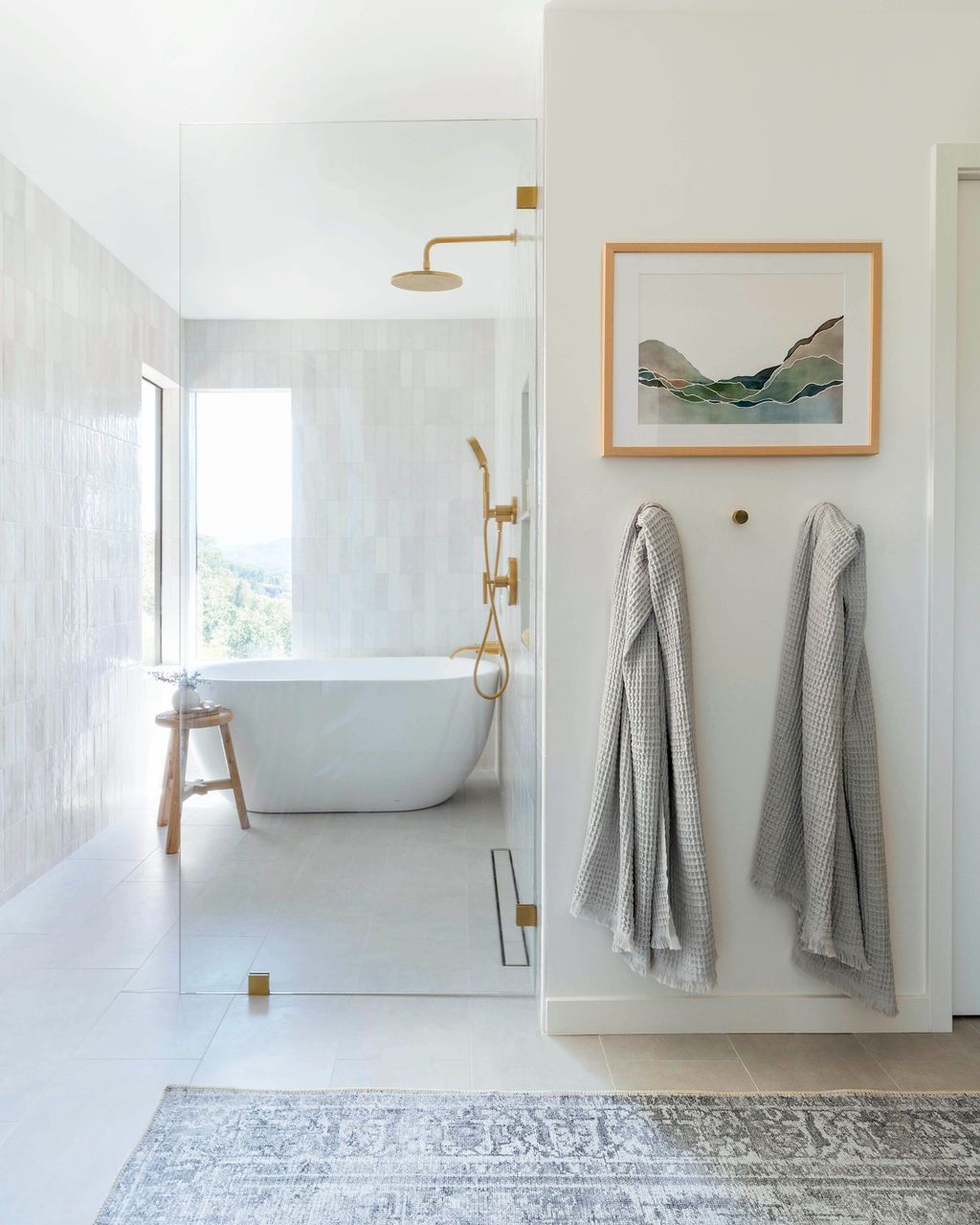
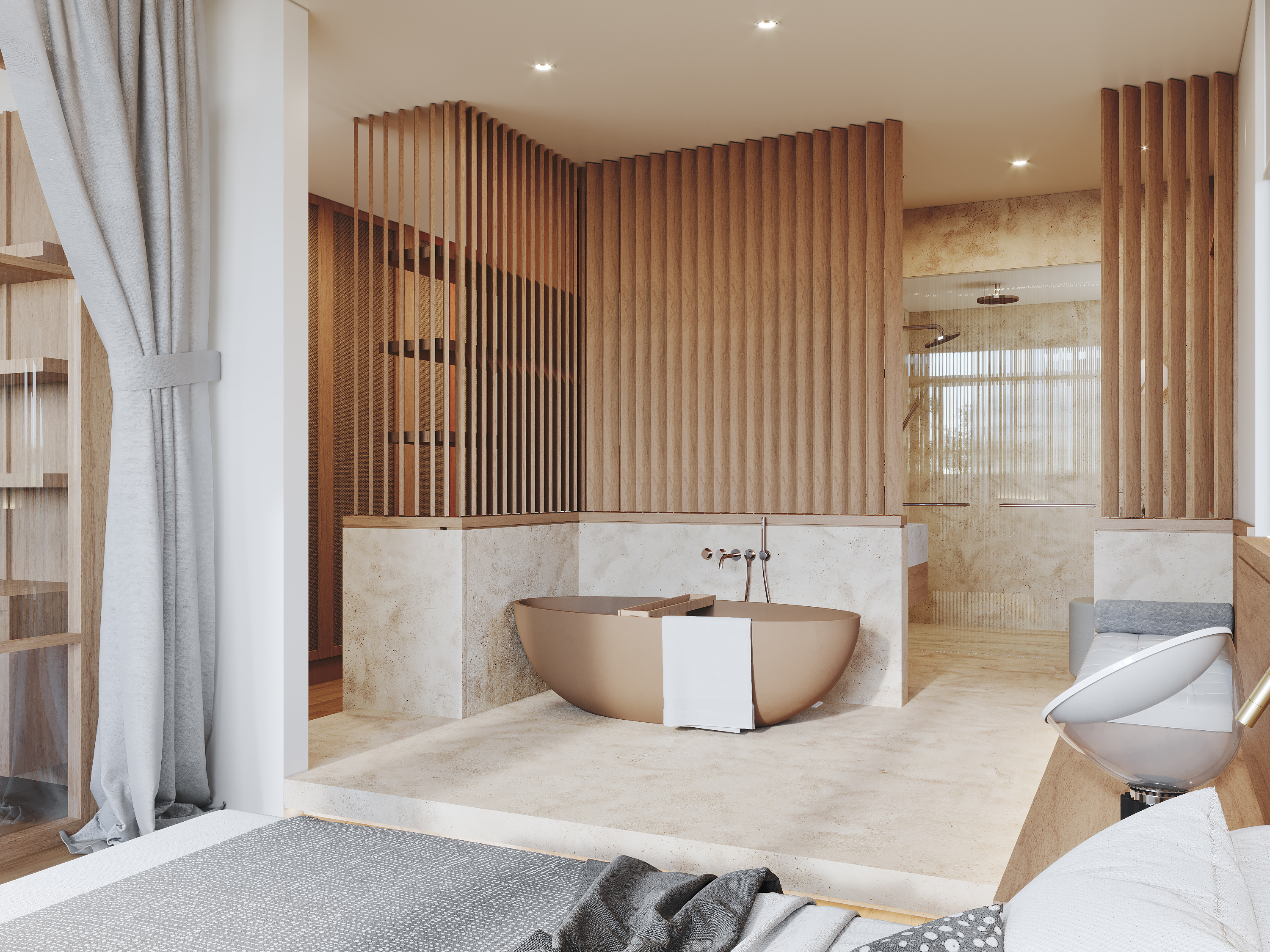
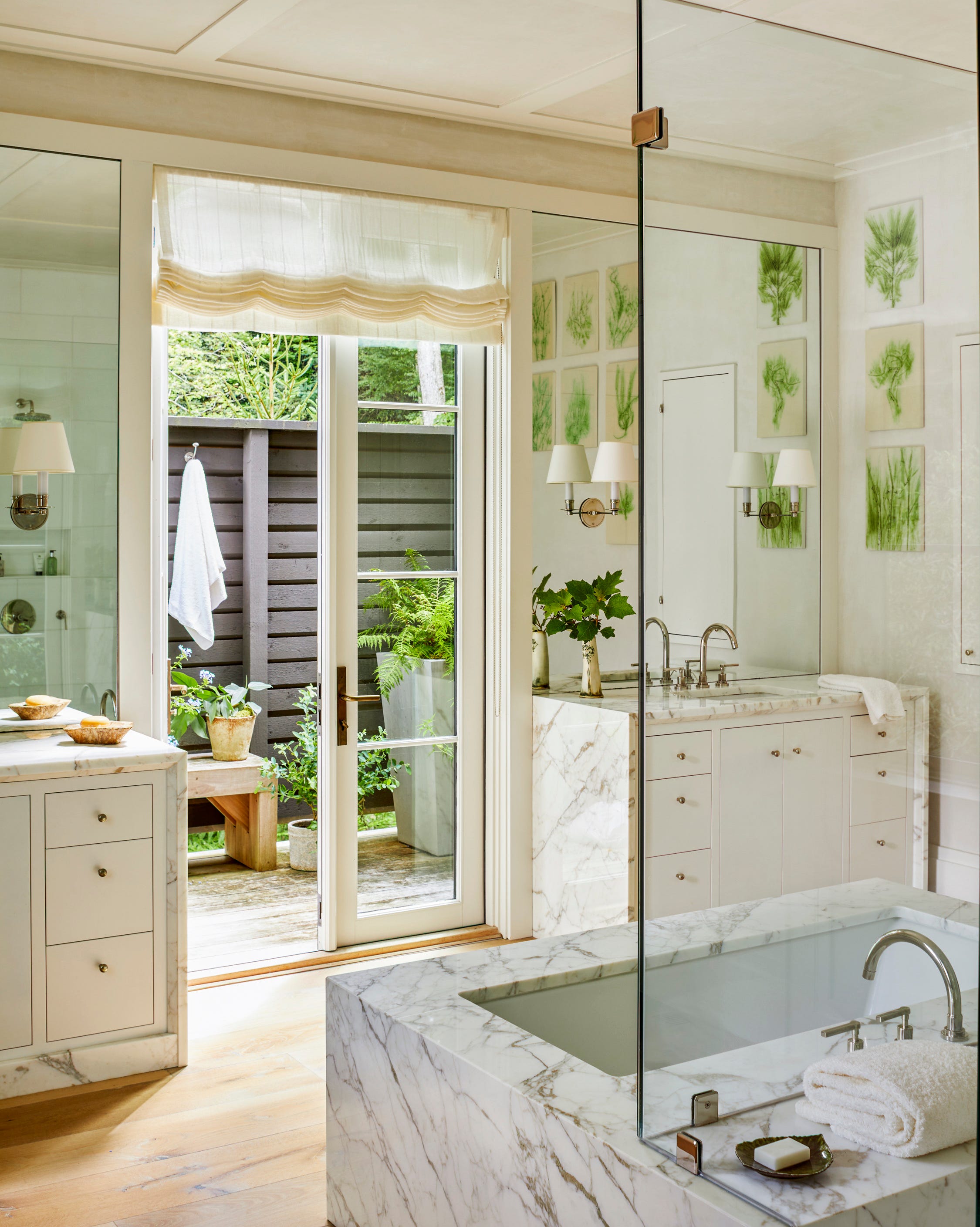
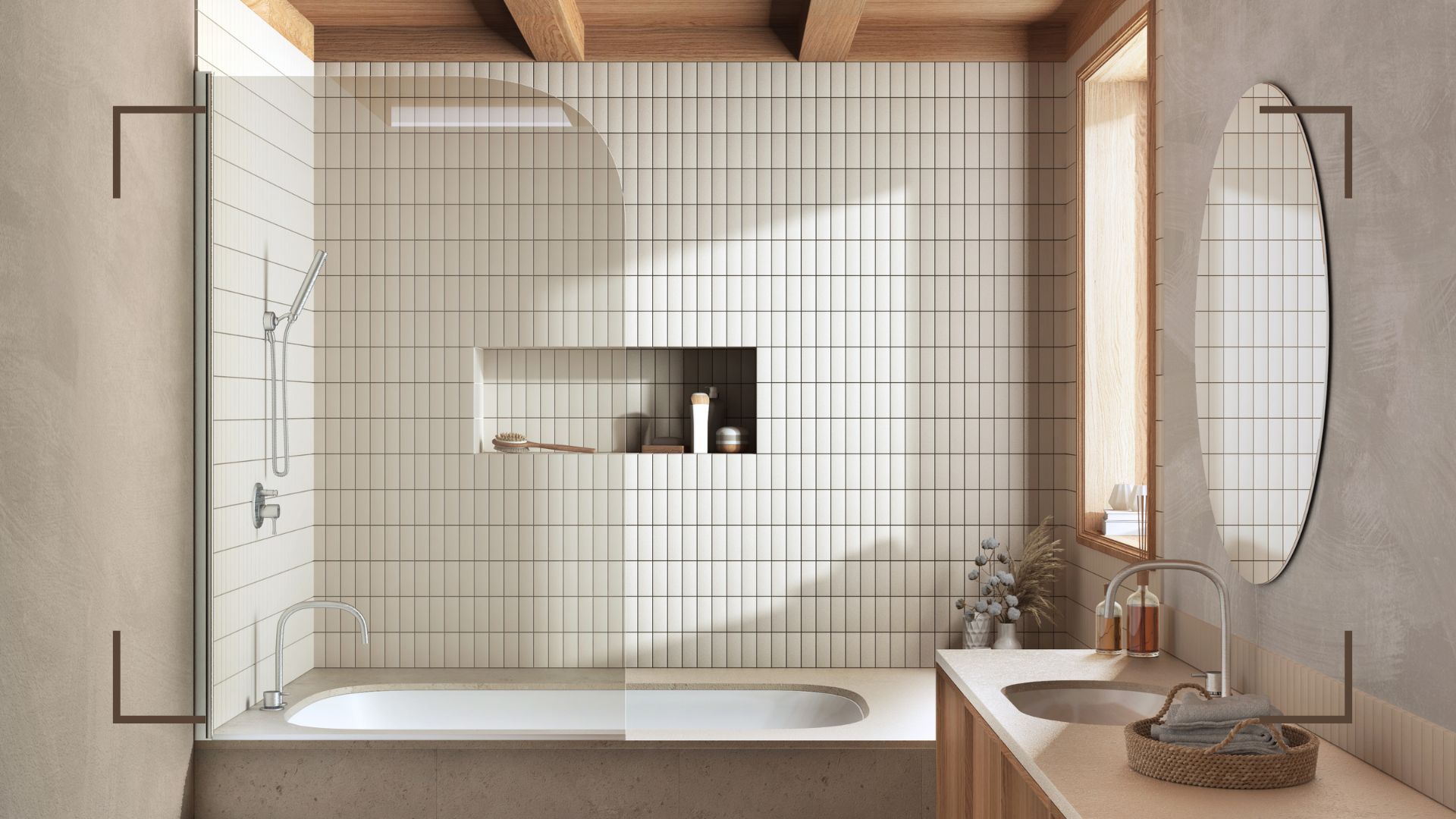
Second, the bath should serve as a focal point. Drawing inspiration from Japanese bathing culture, which views bathing as a cleansing for both body and spirit, a freestanding or prominently placed bath is essential. For smaller bathrooms, the shower can be highlighted with features like black grid panels or textured curtains to make a statement. This approach underscores the bath's role as a central element for relaxation and self-care.
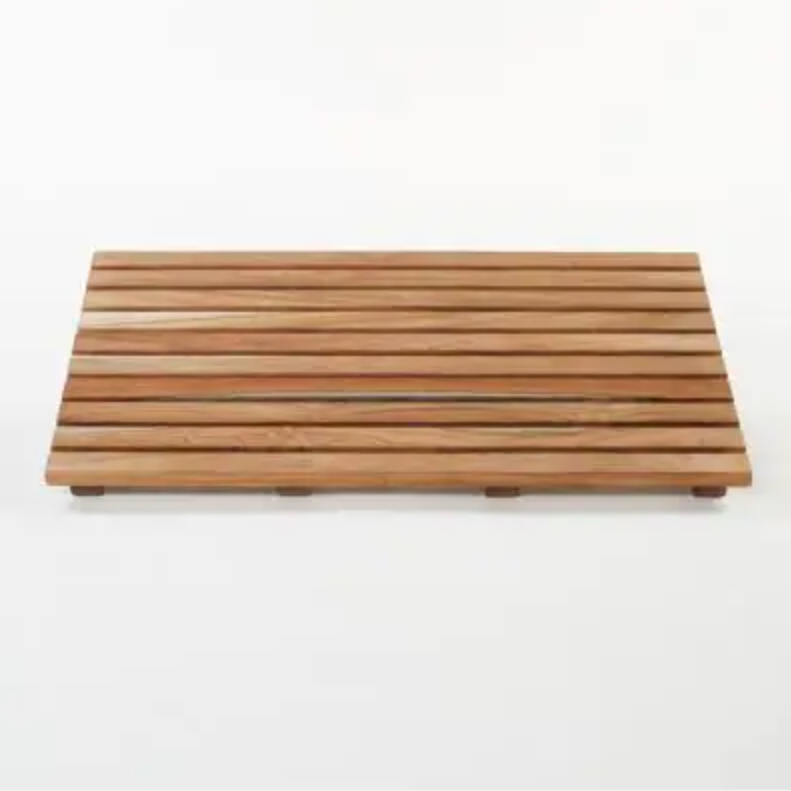
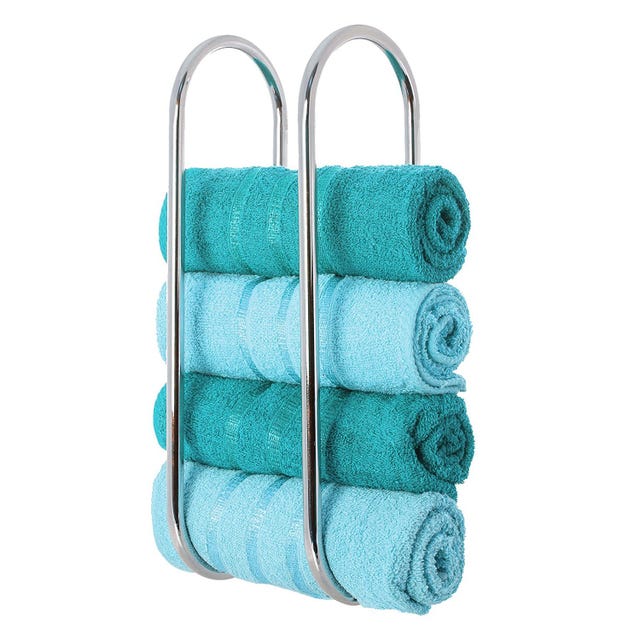
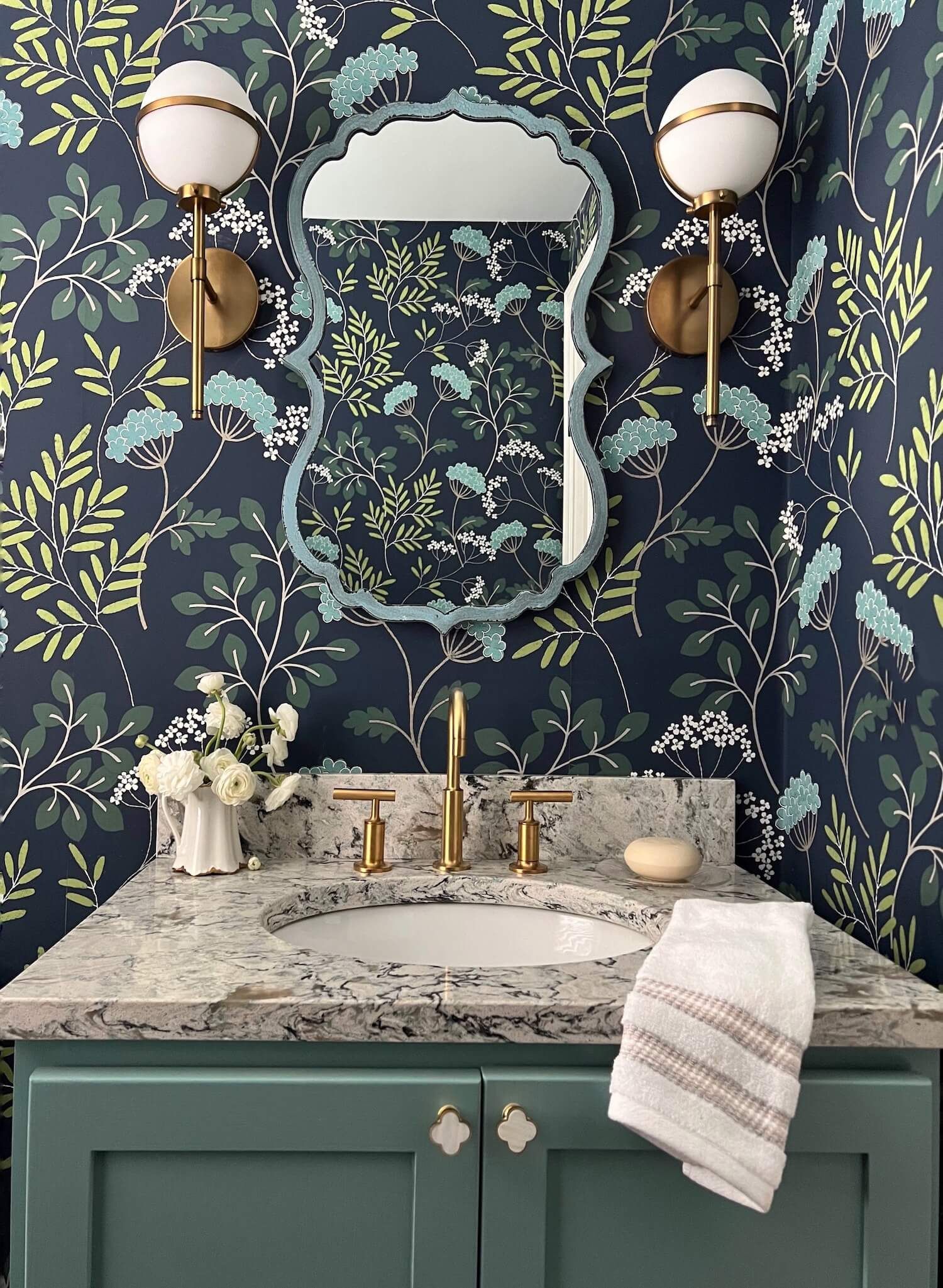
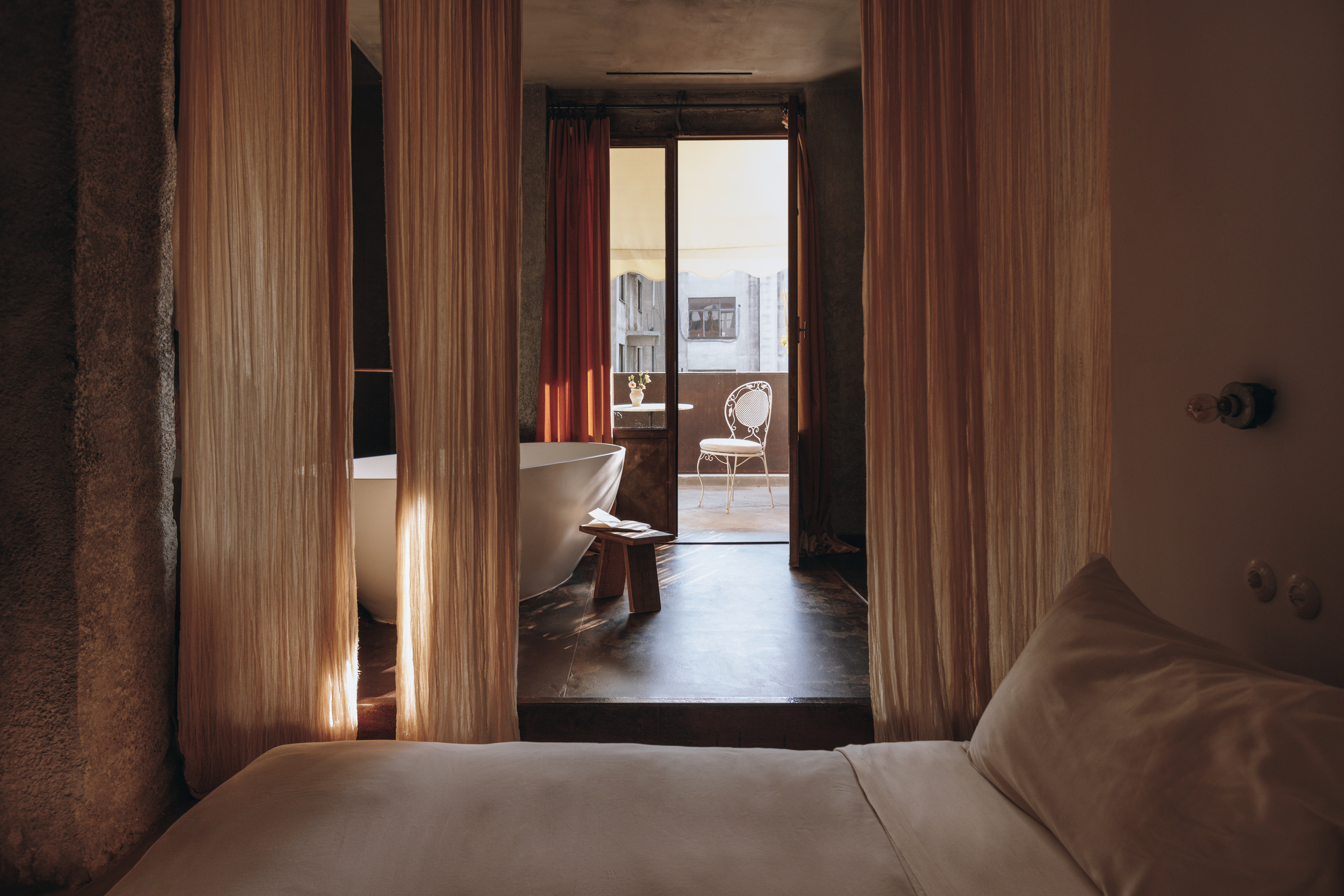
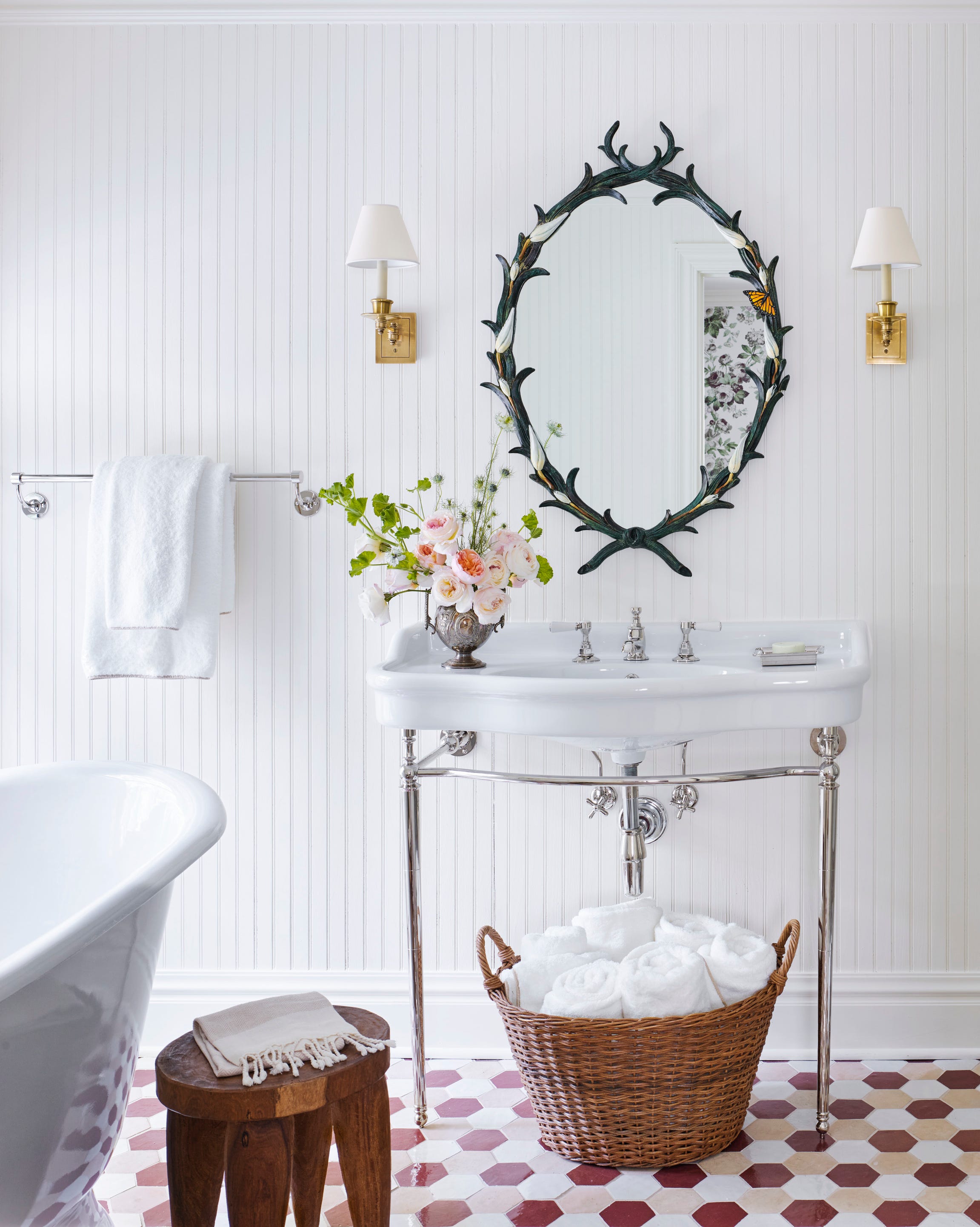
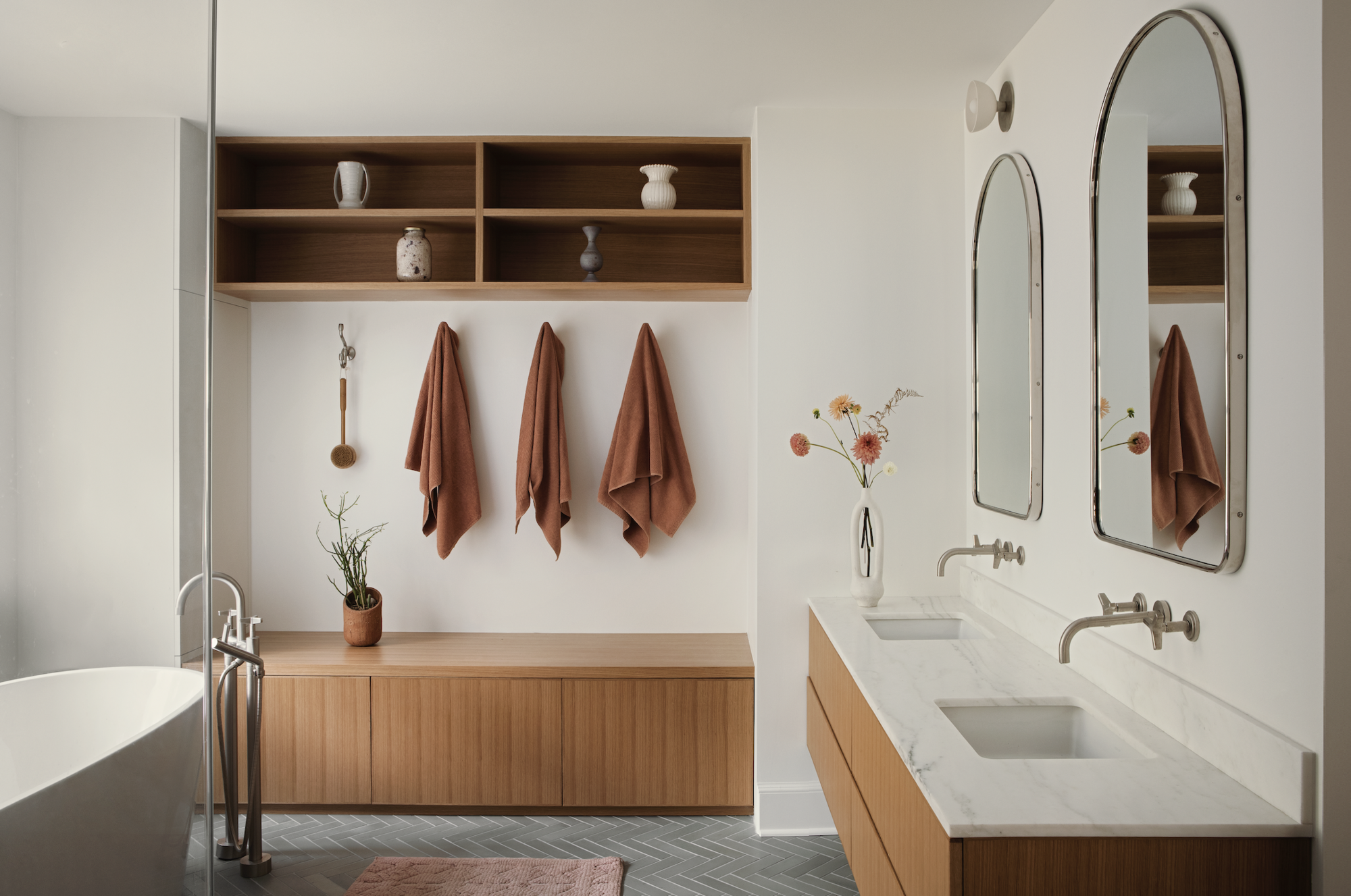
Third, integrating textiles adds warmth, reflecting the hygge aspect of Japandi. While throws and cushions are common in other rooms, bathrooms can incorporate warmth through linen towels, wooden benches, or deep-pile bathmats. Laila Rietbergen, author of "Japandi Living," suggests using various natural materials and textures, such as fluffy towels in muted colors or organic cotton bathmats, to enhance coziness. Different shapes, like an organically shaped mirror, can also add visual interest.
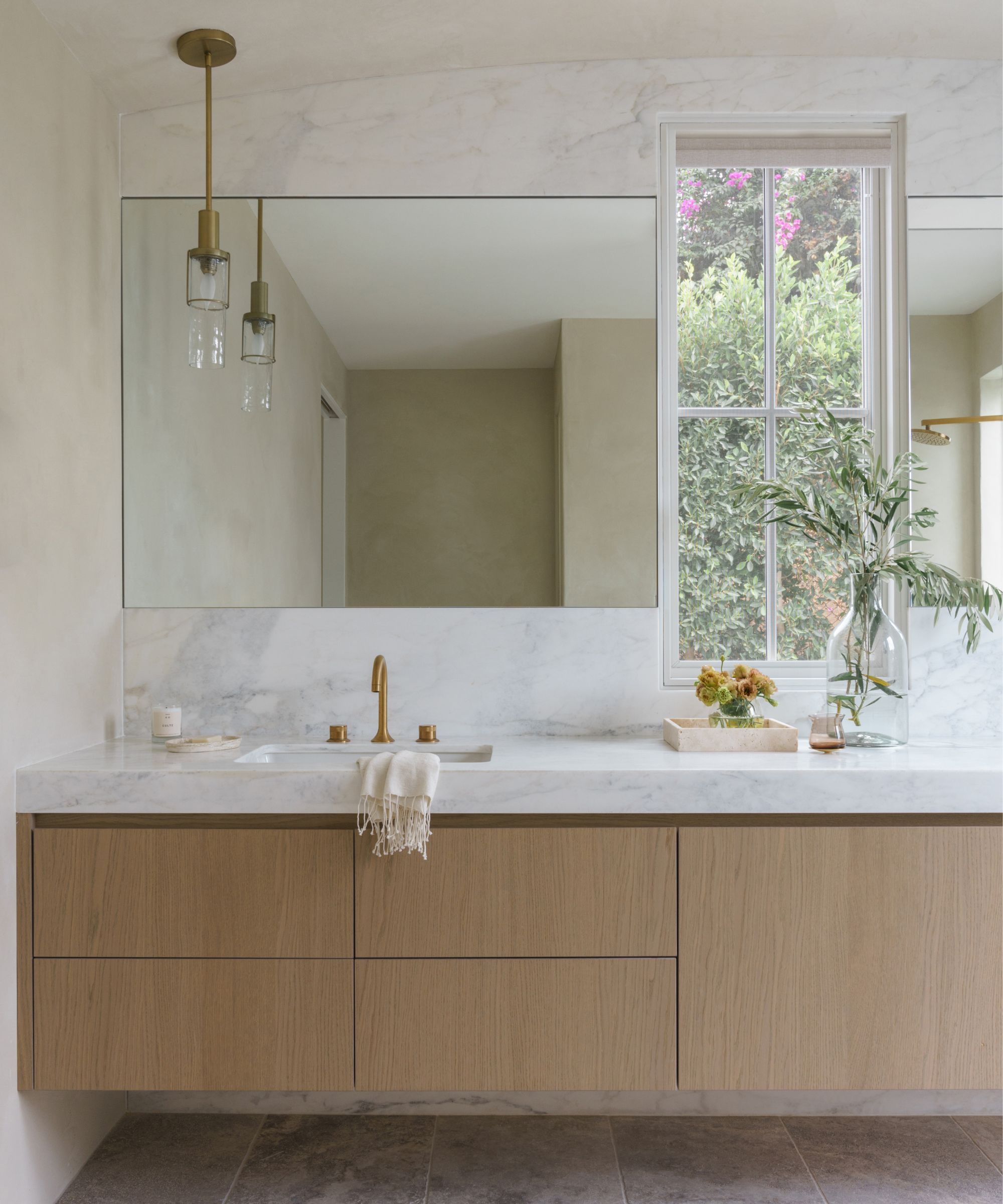
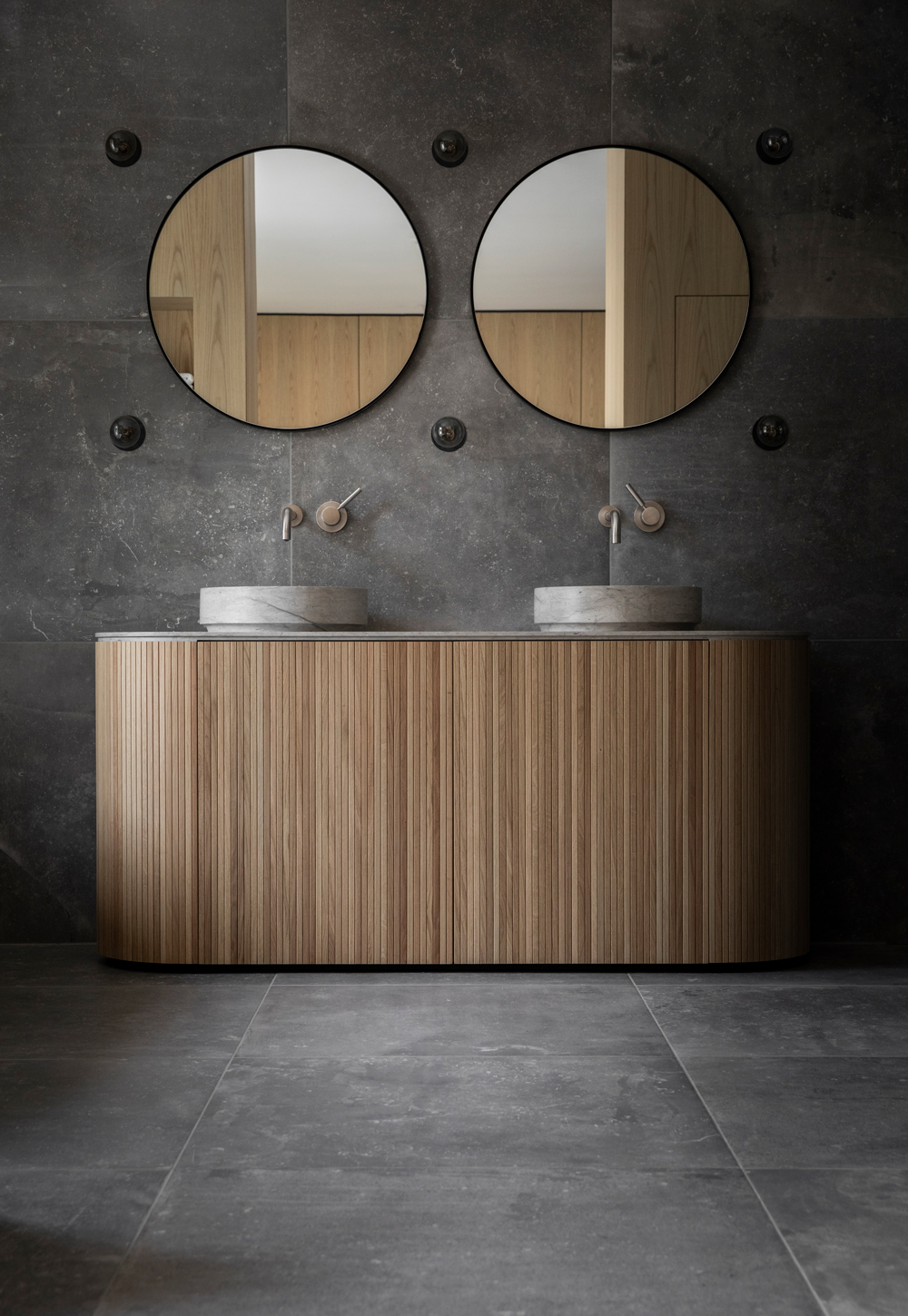
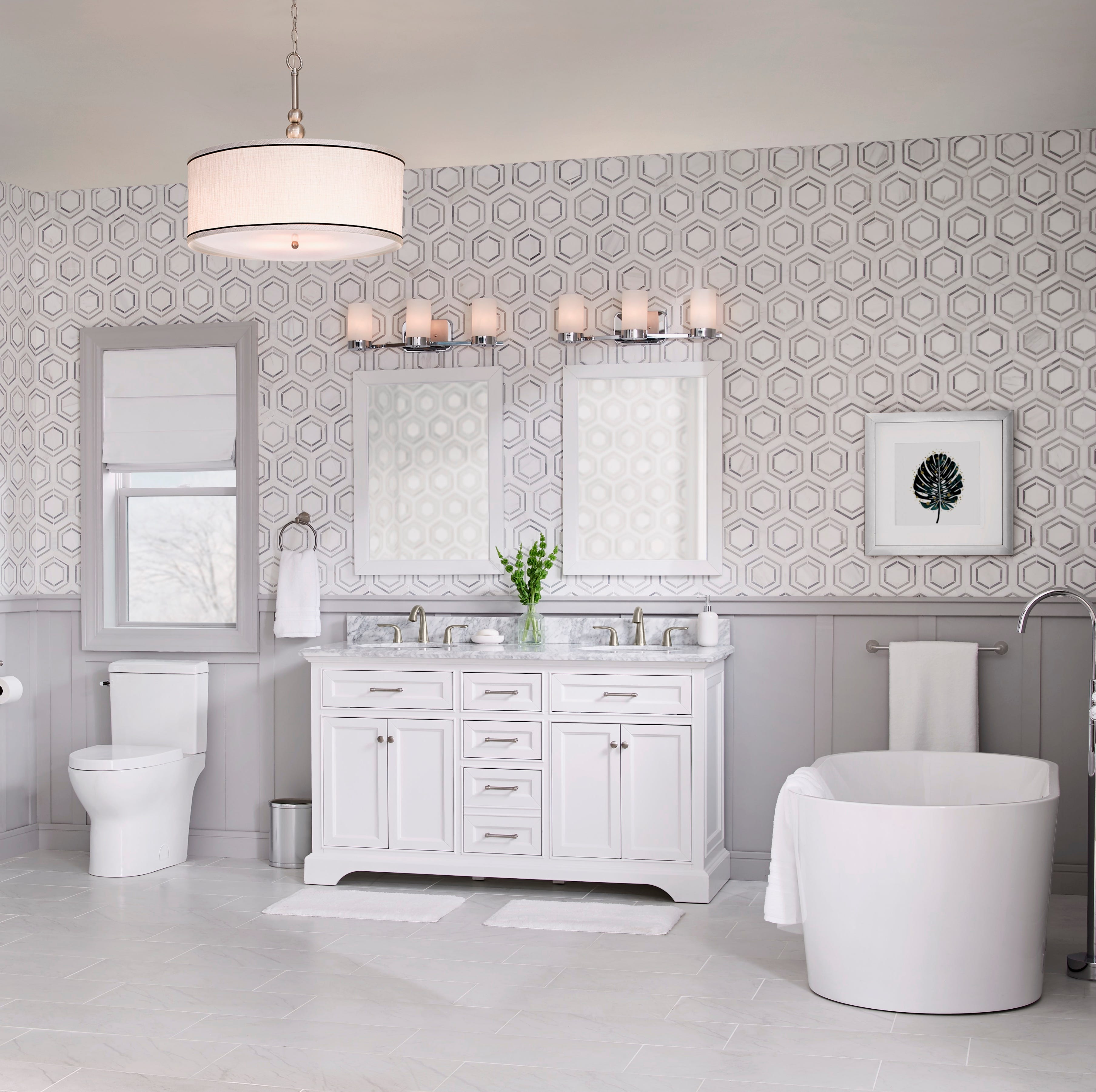
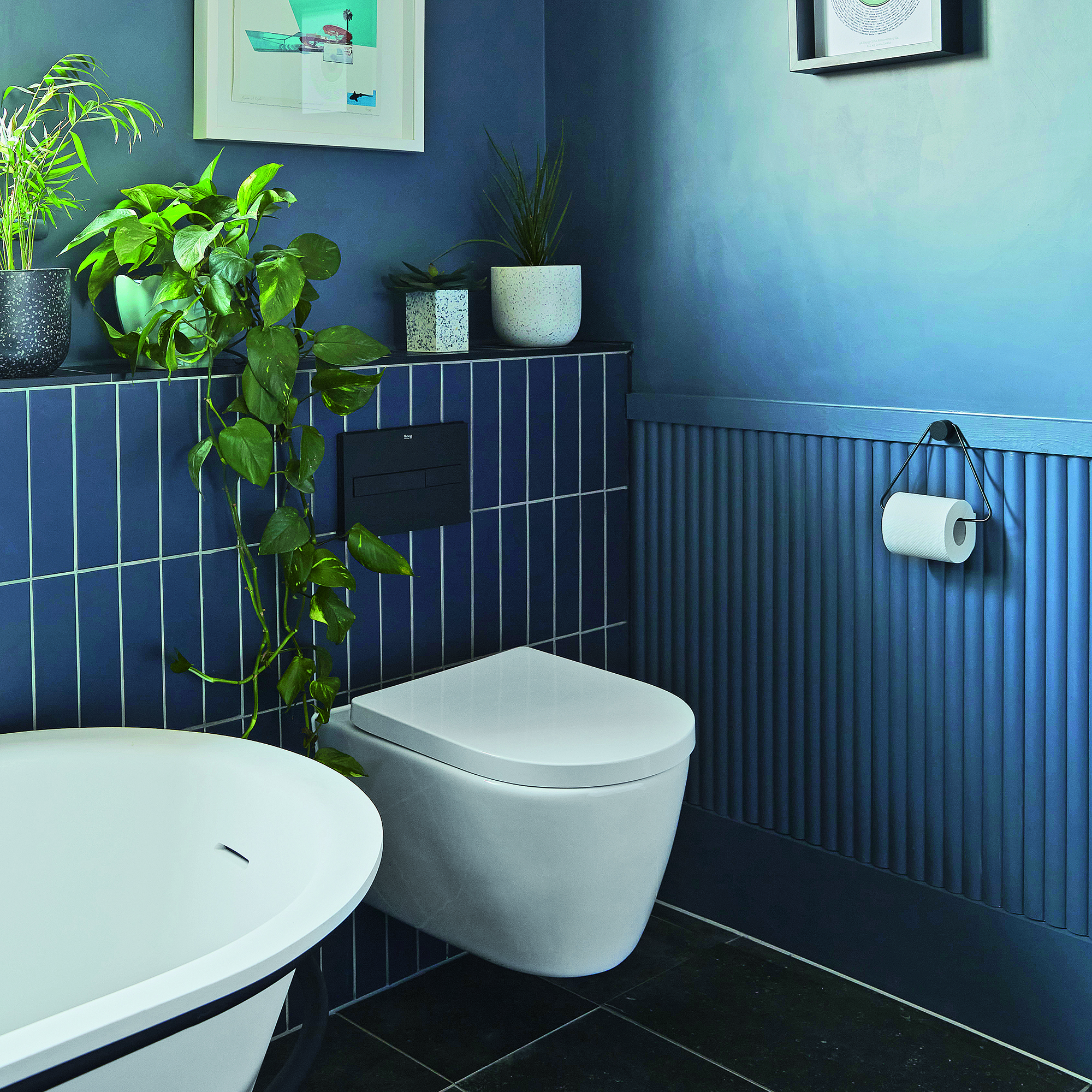
Fourth, a minimal and sleek design is paramount. Pared-back bathroom suites contribute to a tranquil, spa-like atmosphere. This involves avoiding unnecessary handles, opting for wall-mounted toilets, and choosing simple, clean-lined sinks and baths. Keeping accessories to a minimum helps prevent clutter and maintain a calm oasis. Tracey Hague, director of Where Saints Go, advises accessorizing simply and keeping toiletries hidden in beautiful cabinets.
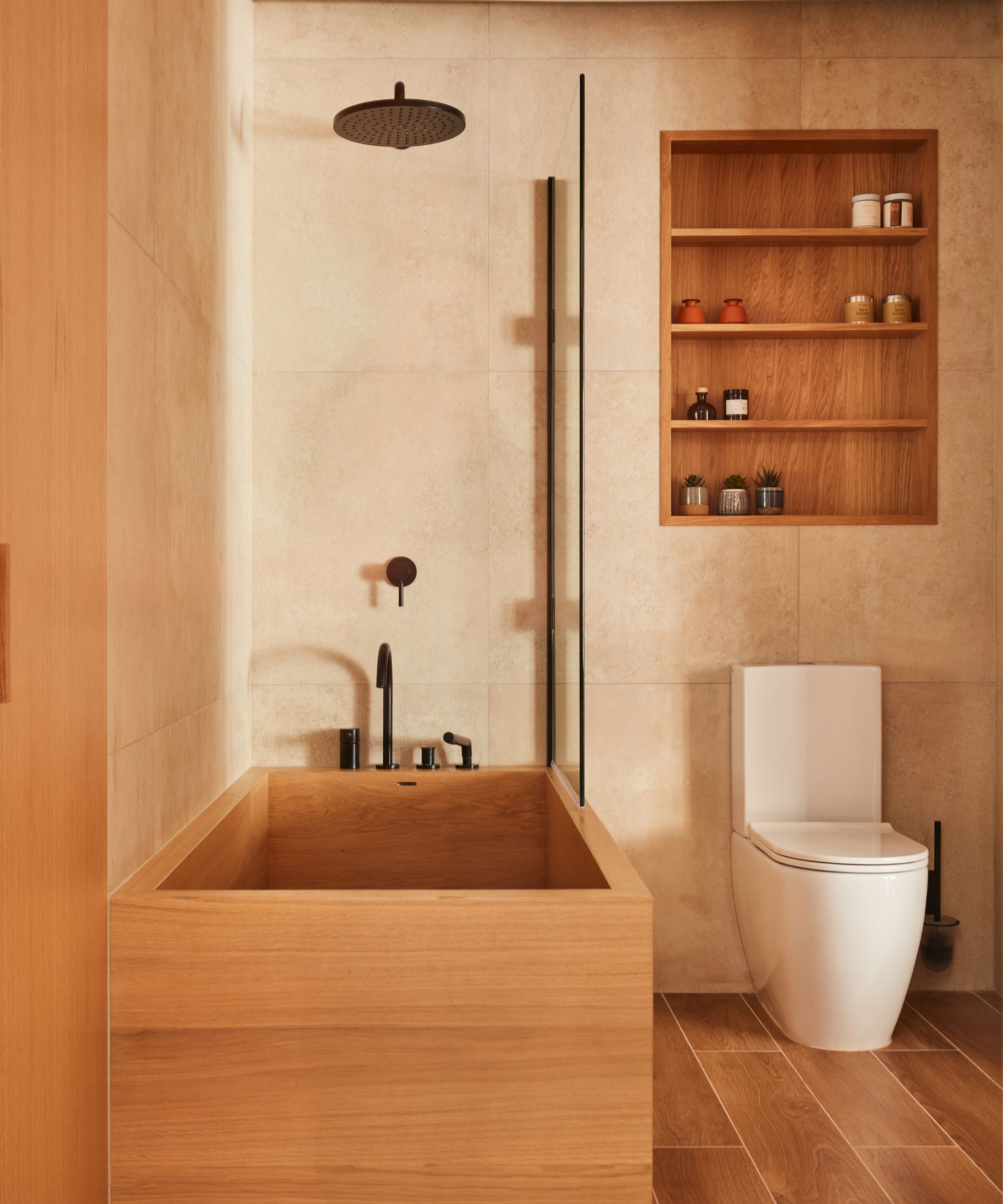
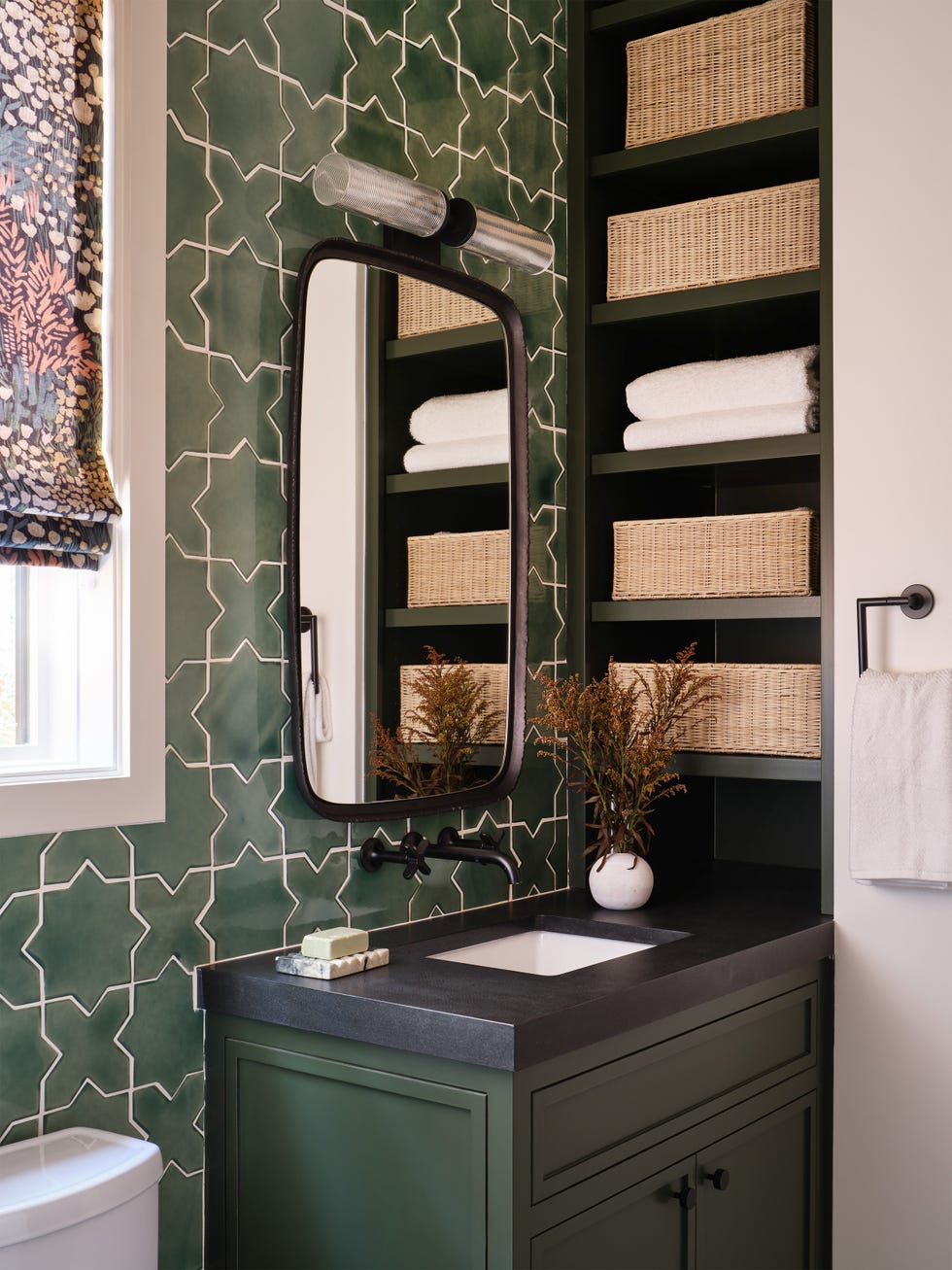
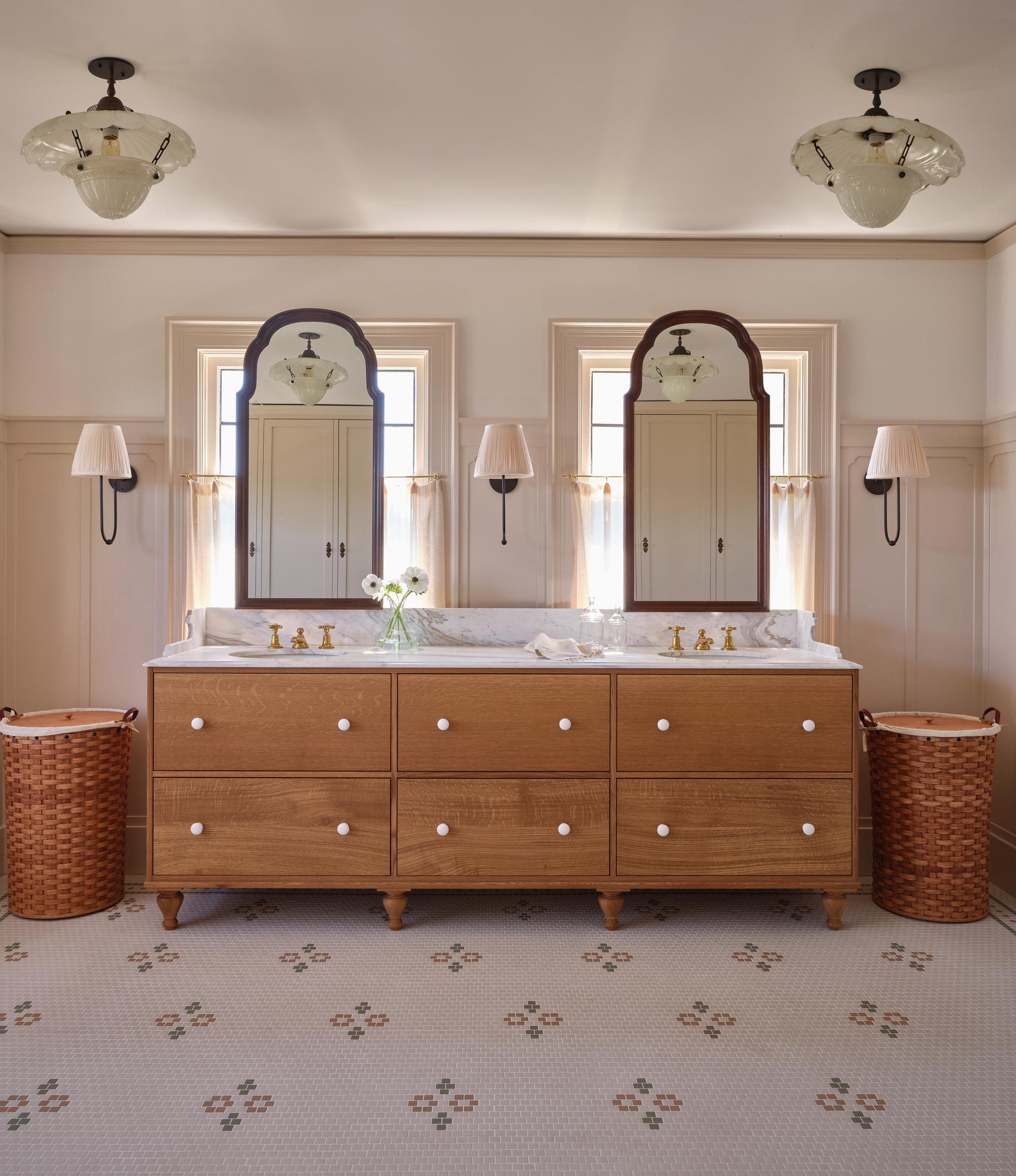
Fifth, functionality must be prioritized. Minimalist design necessitates smart storage solutions to keep items like bottles and jars out of sight. Rietbergen recommends decluttering before installing storage, suggesting custom closets under sinks or separate cabinets that blend with the wall in smaller bathrooms. The Japandi philosophy dictates that every item should have a purpose, leading to choices like lights that double as towel rails or mirrors with hidden compartments, combining practicality with aesthetic appeal.
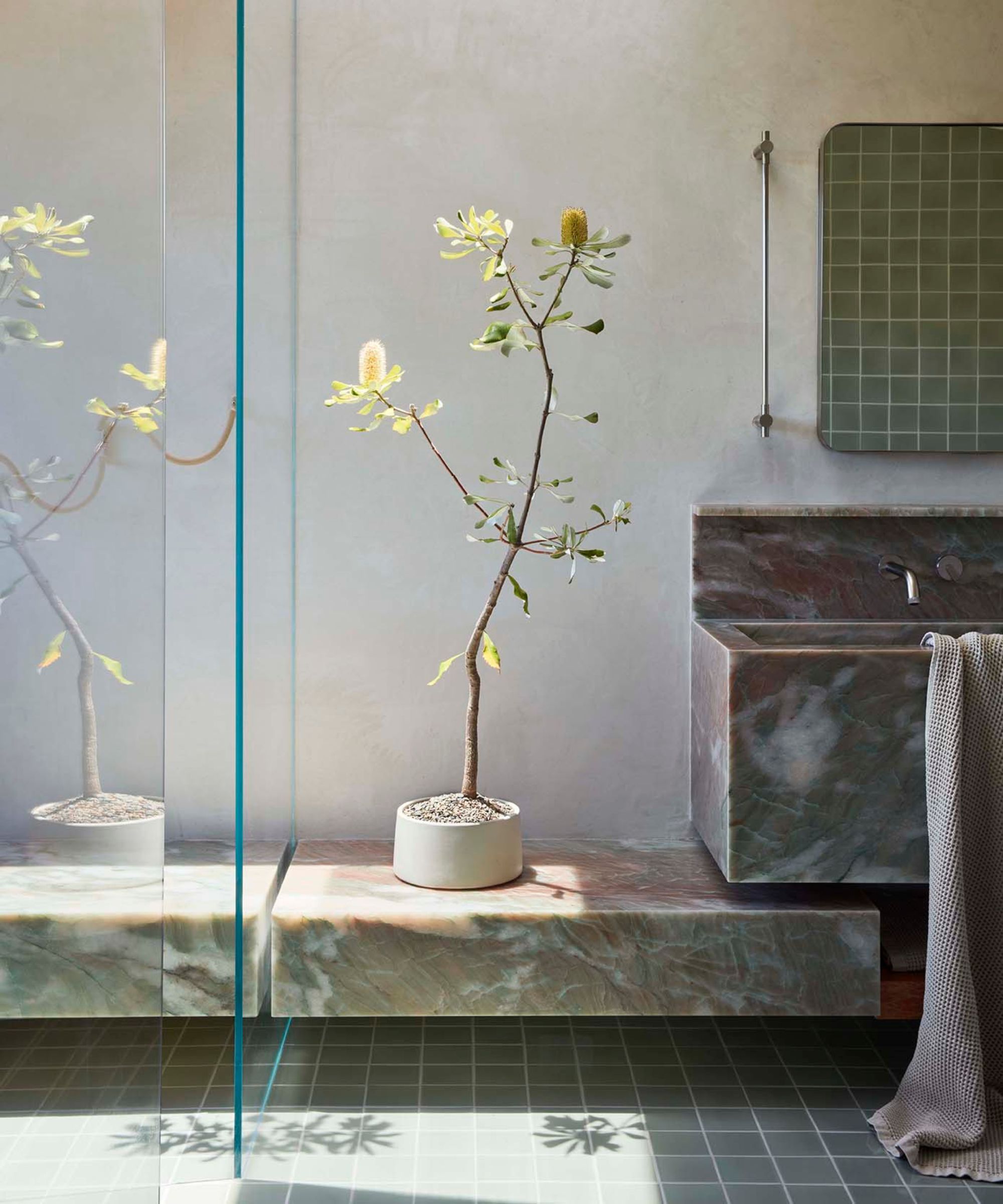
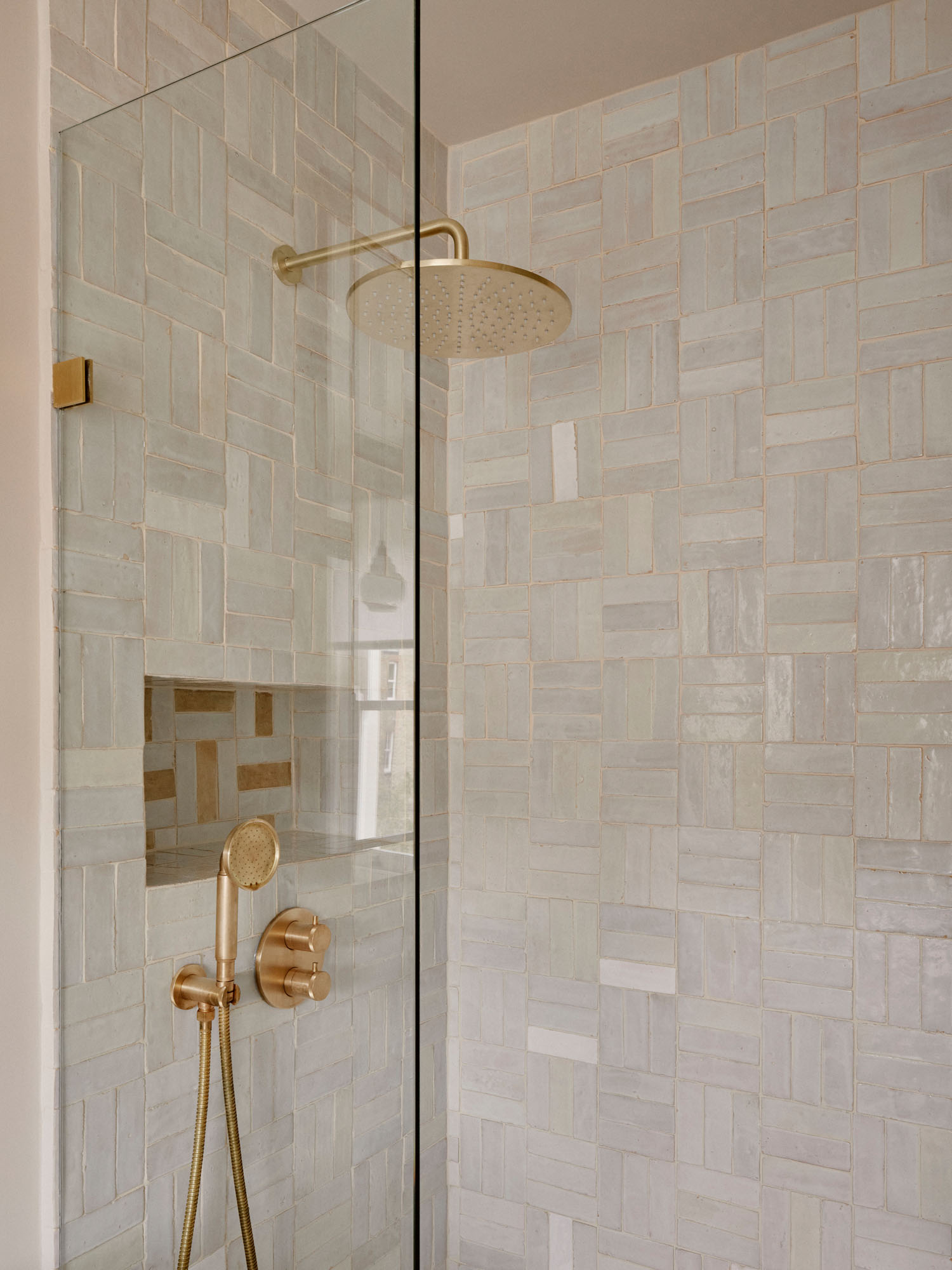
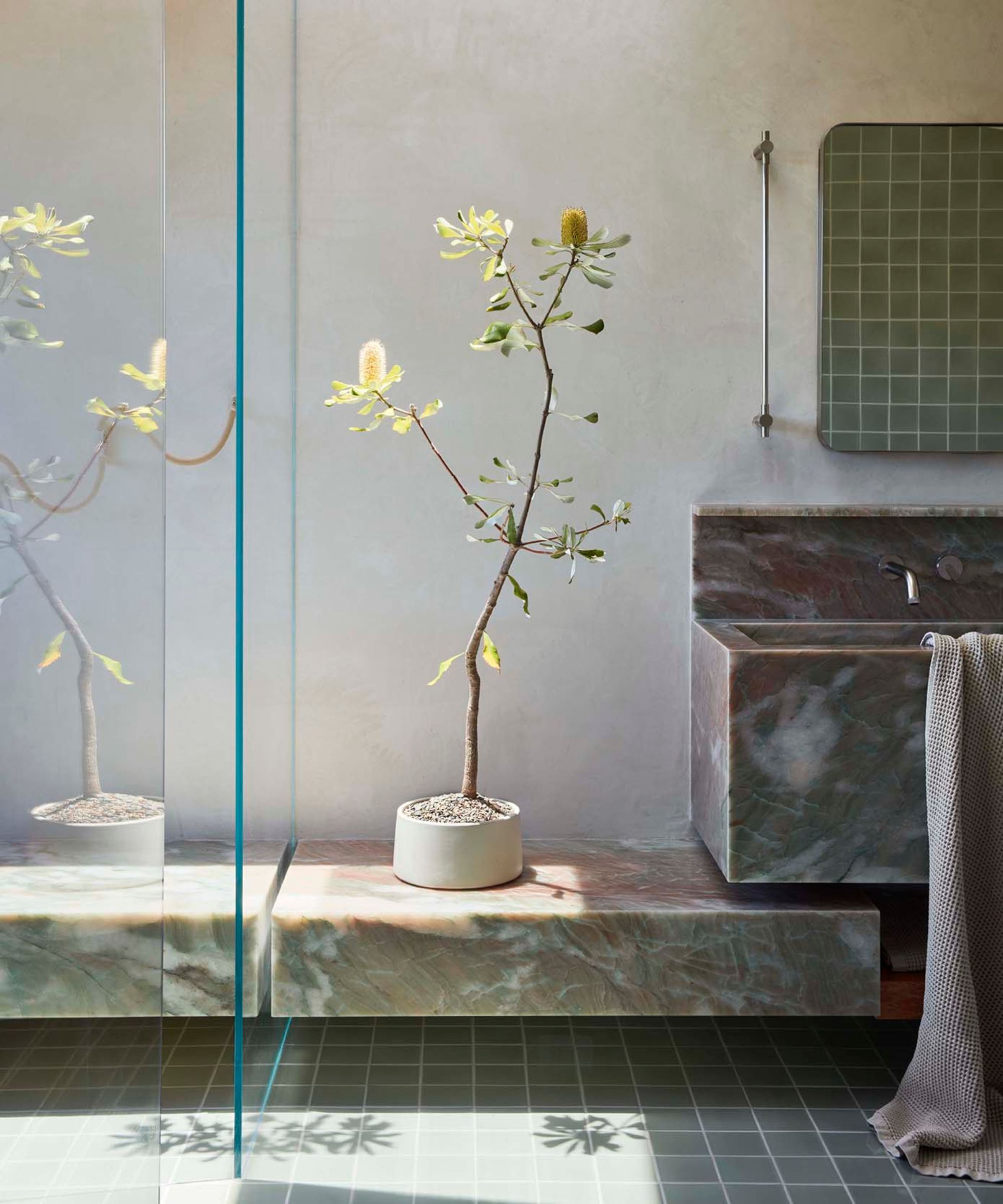
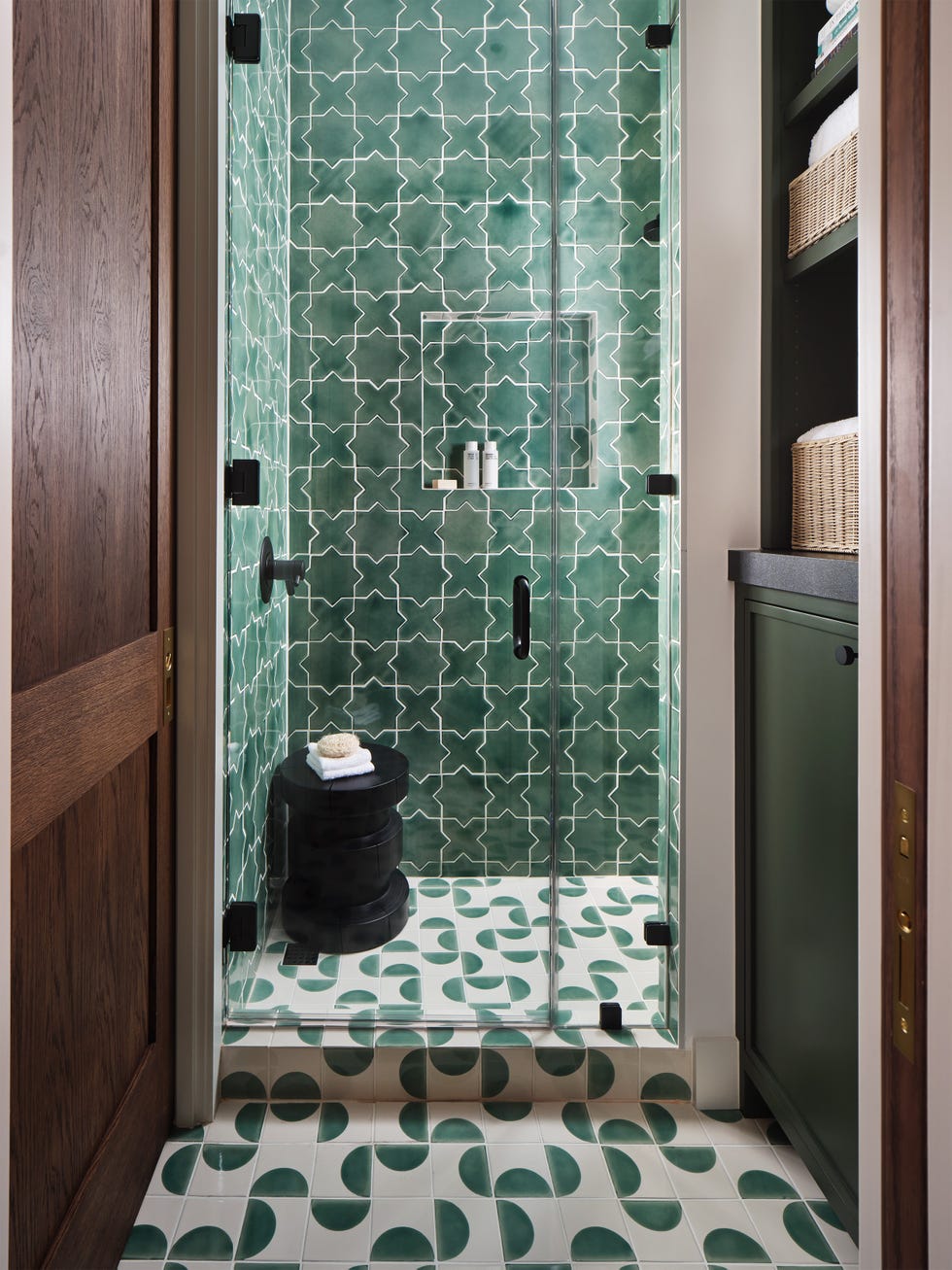
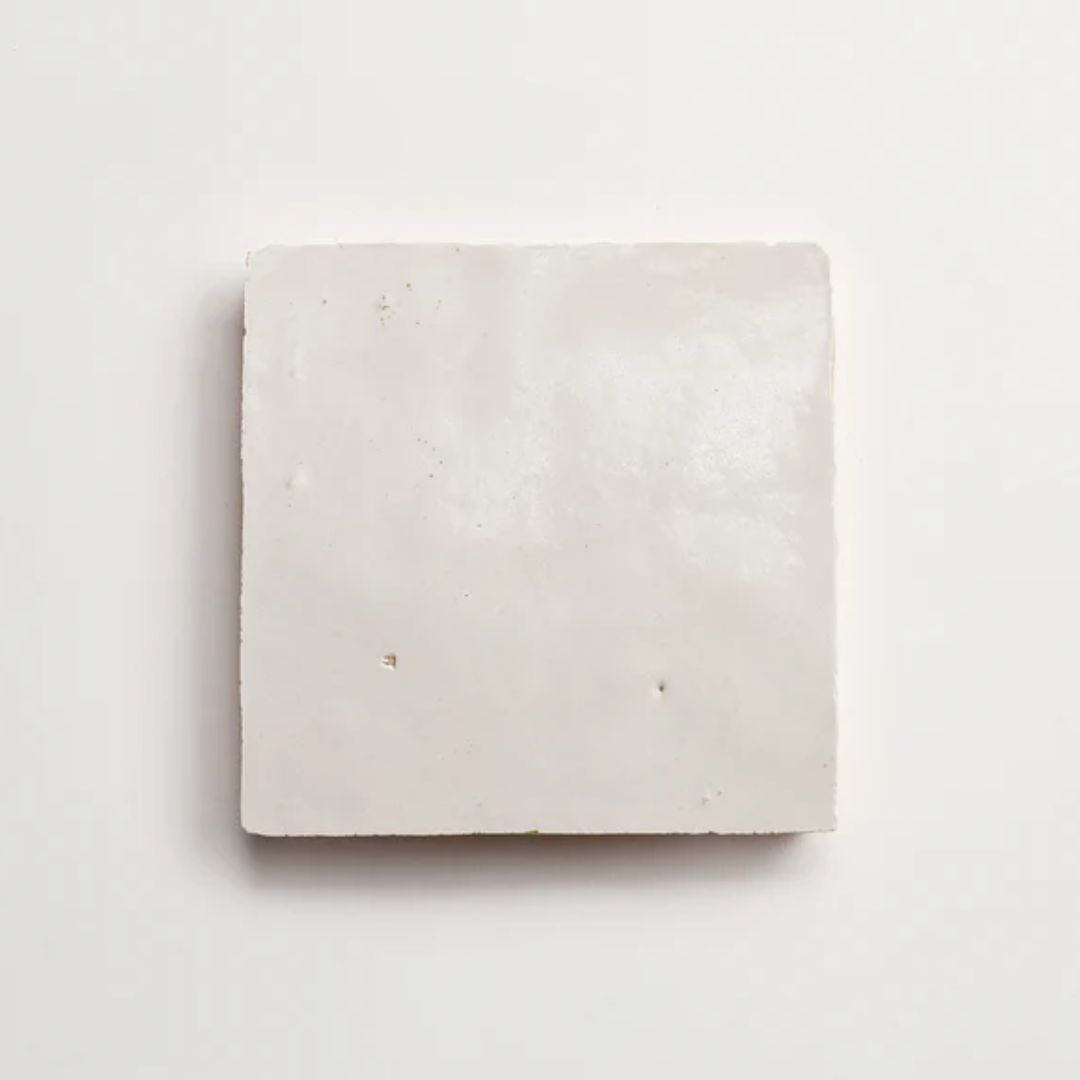
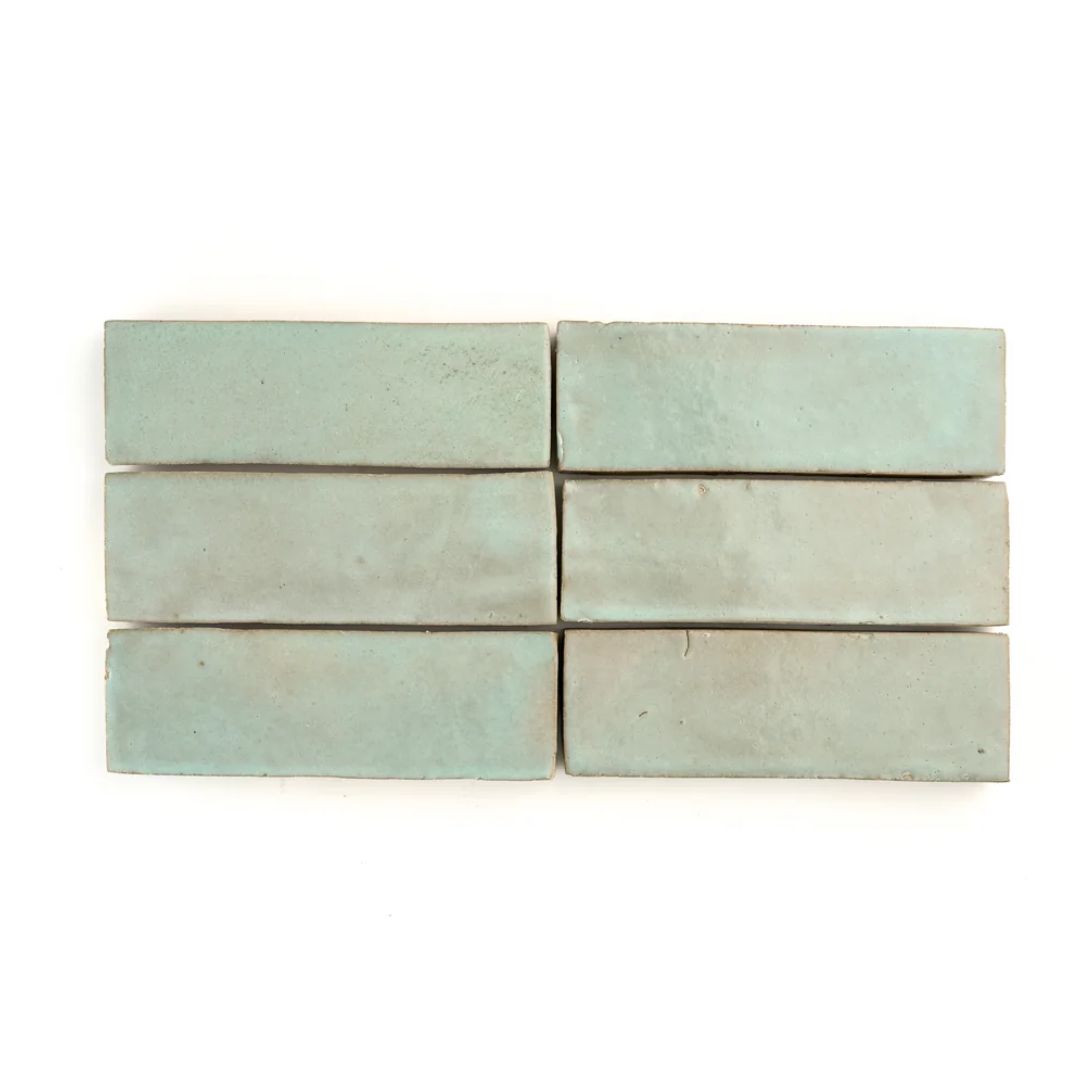
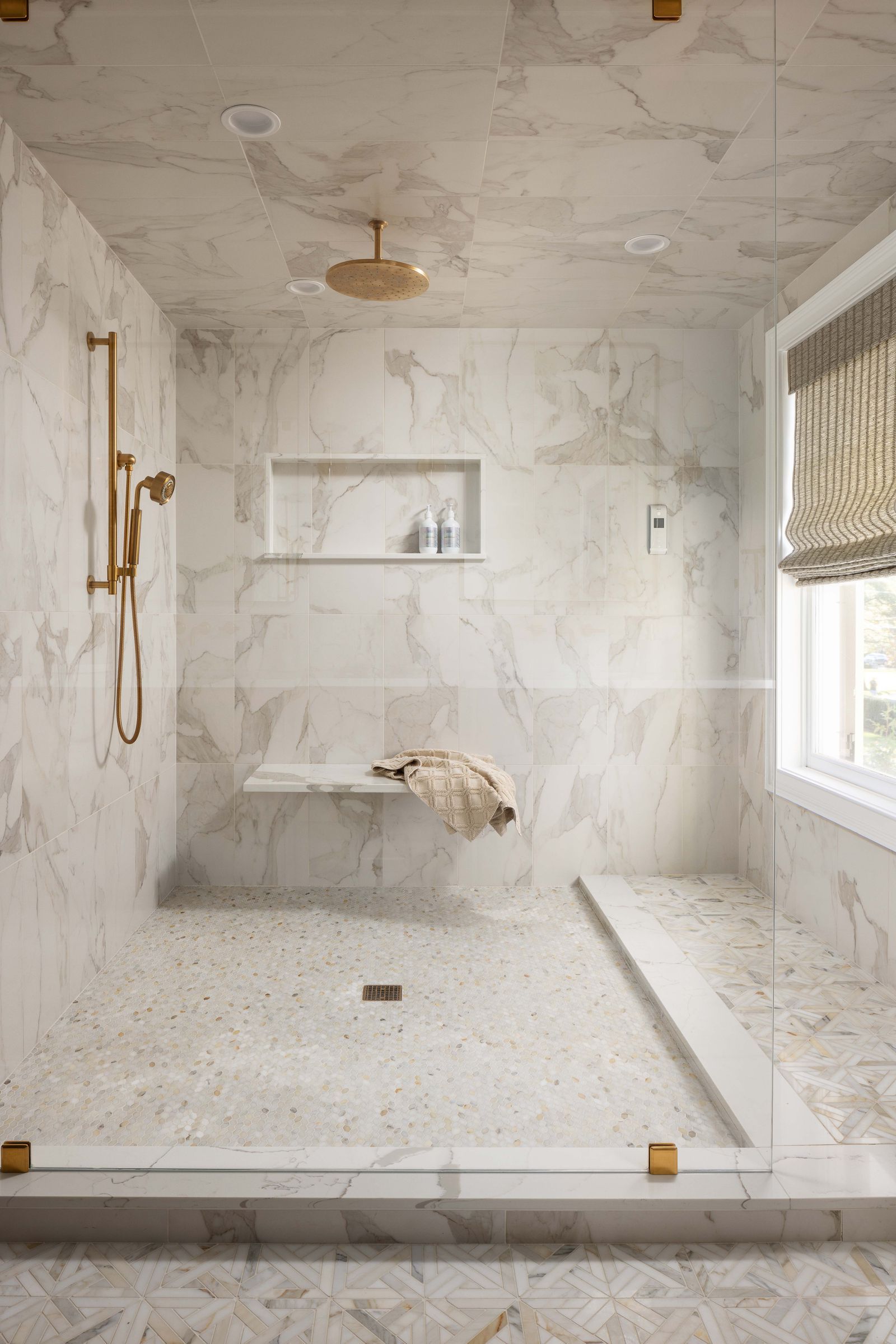
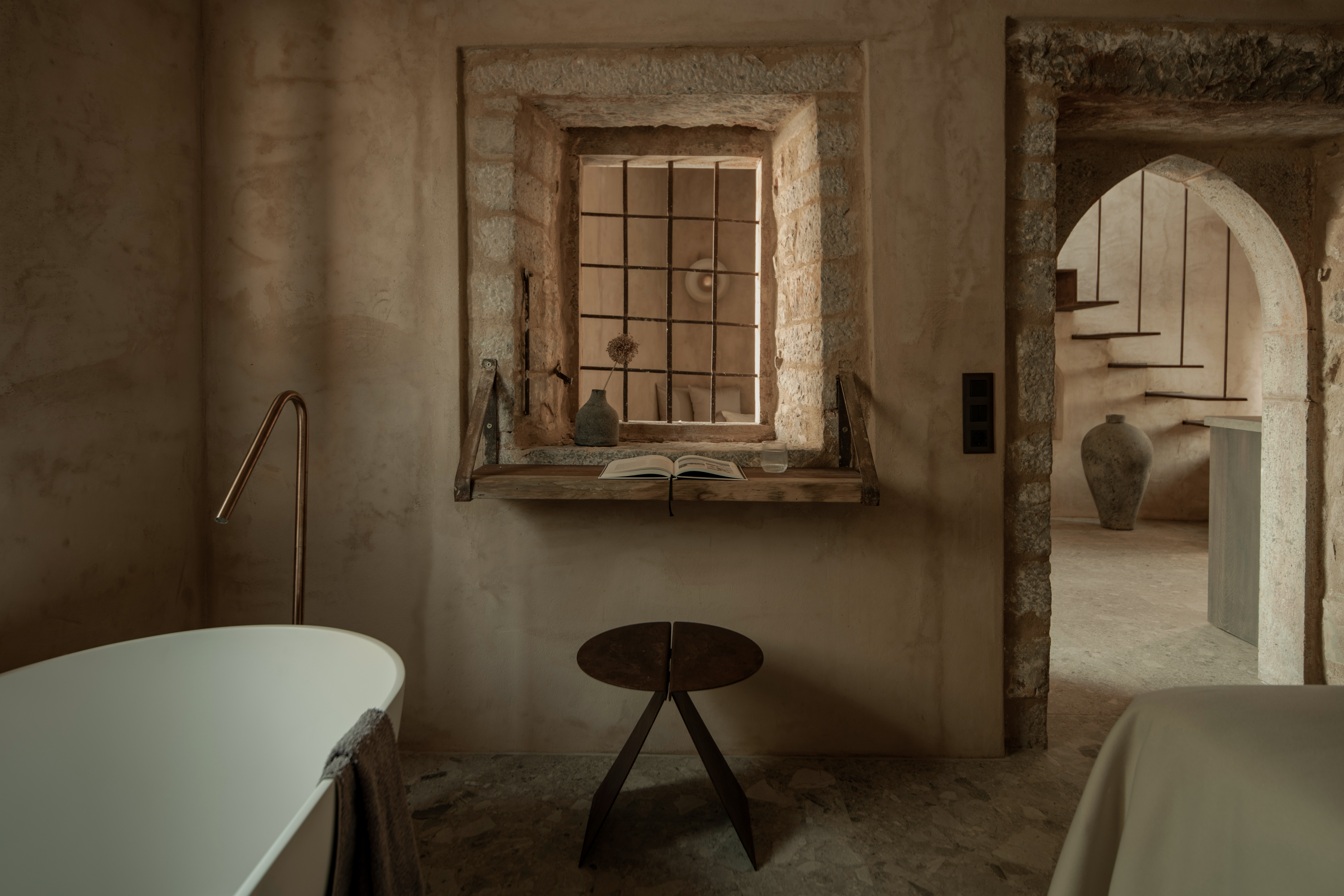
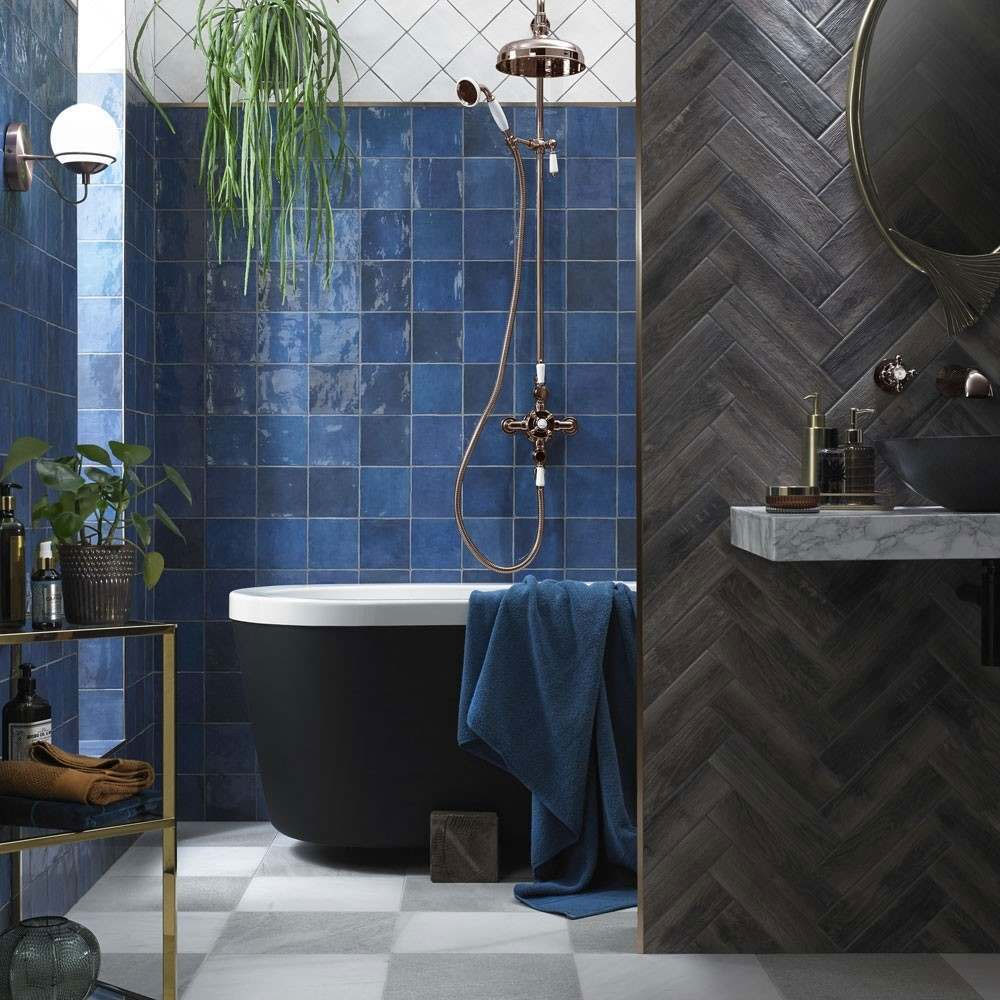
Sixth, playing with texture is vital to add visual interest within the neutral palette. Tiles are an easy way to achieve this, with Abbas Youssefi of Porcelain Superstore recommending simple, architecturally edged tiles with gentle color movement to evoke wabi-sabi. Interior designer Katie Seidler suggests lime wash paint for walls as an alternative to tiling for adding texture. Incorporating wood, either through cladding or furniture, brings a natural, Scandinavian feel and introduces the outdoors into the space.
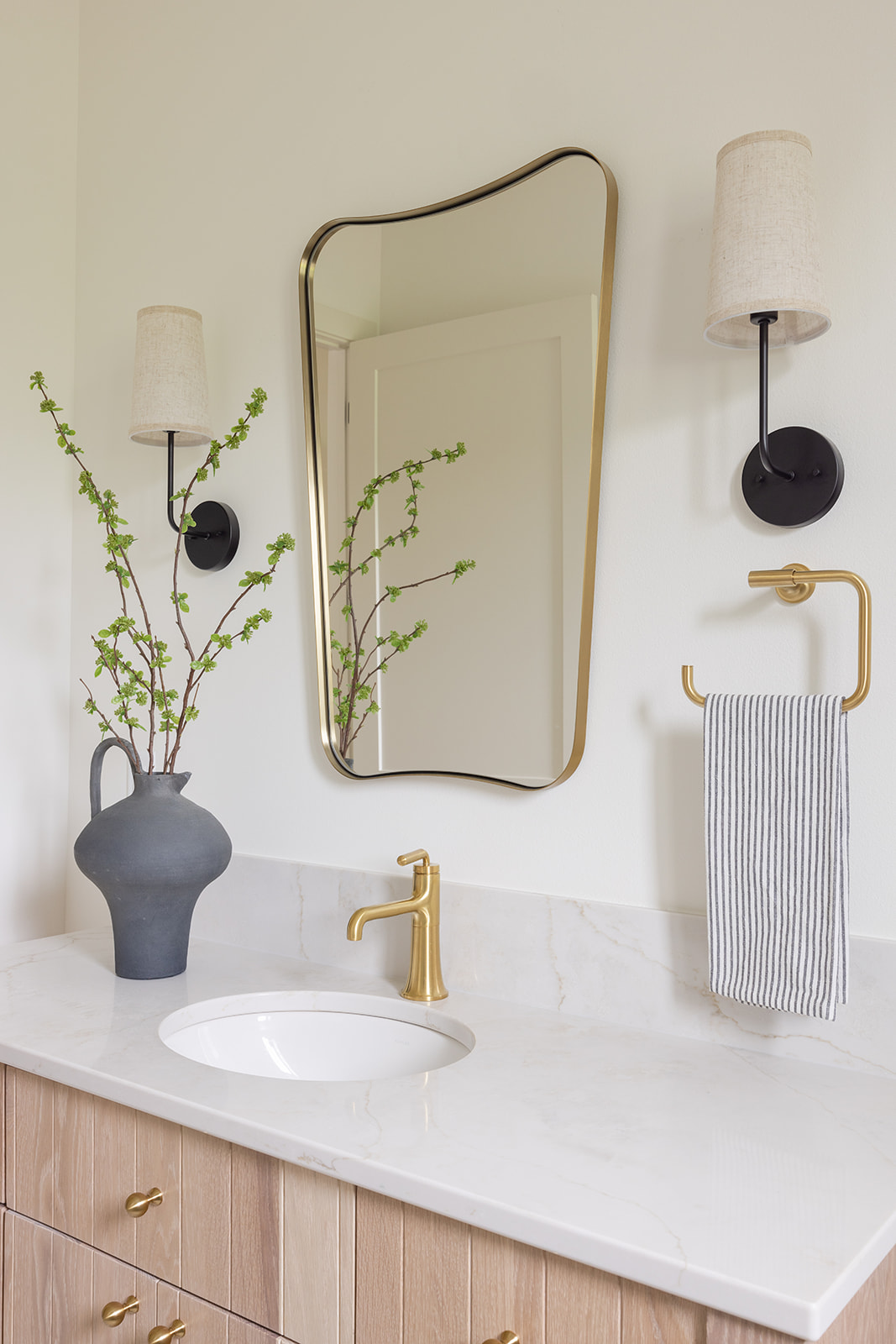
Seventh, low-level lighting helps create a sanctuary-like ambiance. Dimmable lights, unusual glass coverings, or textured lampshades made from natural materials can enhance the mood. Wall lights provide a softer glow, and combining form and function, such as backlit mirrors with adjustable warmth, is encouraged. Scented or flameless candles further contribute to a relaxing atmosphere.
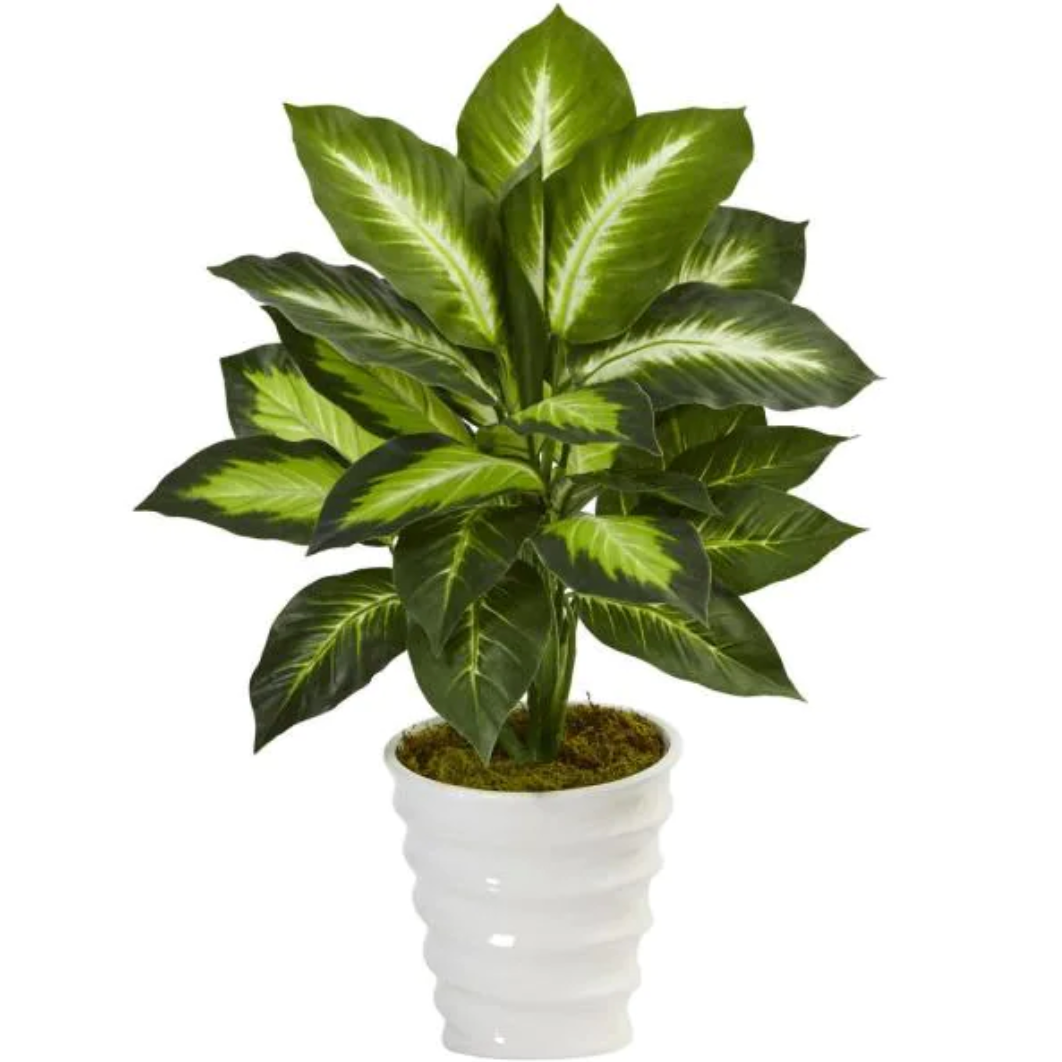
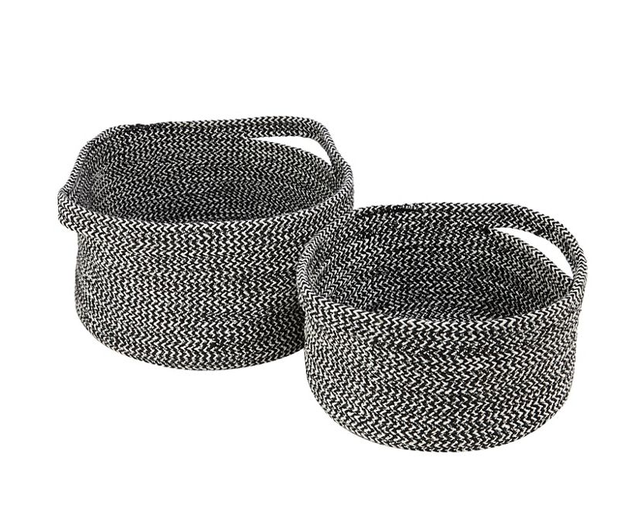
Eighth, natural accessories, particularly plants, are essential for bringing the outdoors in. Plants not only contrast with neutral shades but also improve air quality and relieve stress. Bird’s nest ferns, aloe vera, spider plants, or pothos are suitable for varying bathroom conditions. Other natural accessories include rattan laundry baskets, bamboo toothbrush holders, or wooden storage caddies.
Ninth, black accents provide depth and definition to the neutral scheme. Matt black elements, whether in taps or textiles like bath mats and towels, balance the muted colors and prevent the space from appearing washed out. This touch adds a sophisticated Japanese feel to the bathroom.
Tenth, natural flooring, especially wood or wood-effect vinyl, is preferred. Vinyl flooring offers a practical, affordable, and durable solution that mimics wood, while hardwood can be used with proper maintenance. Understanding how to mix wood tones ensures a cohesive design.
Finally, sustainability is a core principle of Japandi style. This involves investing in high-quality, timeless pieces rather than disposable items. Using sustainable materials like copper, bamboo, and natural stone is encouraged. Sofia Charalambous of Origins Living highlights bamboo as an accessible way to introduce a calming, spa-like feel. Additionally, reducing water waste through low-flow showerheads and mindful practices like turning off taps promotes a more sustainable lifestyle.
The Japandi bathroom style is characterized by warmth, texture, and natural elements in neutral tones, fostering a meditative and comforting environment connected to nature. It aims to encourage calm, serene living, making it a perfect fit for a space dedicated to relaxation and self-care. While sharing similarities with traditional Japanese bathrooms, Japandi incorporates lighter tones and emphasizes functionality, creating a distinctly modern yet timeless aesthetic. #JapandiStyle #BathroomDesign #InteriorDecor #MinimalistDesign #NaturalMaterials #SustainableLiving #HomeDecor #WellnessSpace #Hygge #WabiSabi
0 comment in total
 No comments yet
You may also like
Japandi bathroom ideas – 8 ways to create a nature-inspired, calming sanctuary
How to Make Your Bathroom Feel Like a Retreat — 5 Simple Edits For a Spa-Like Sanctuary

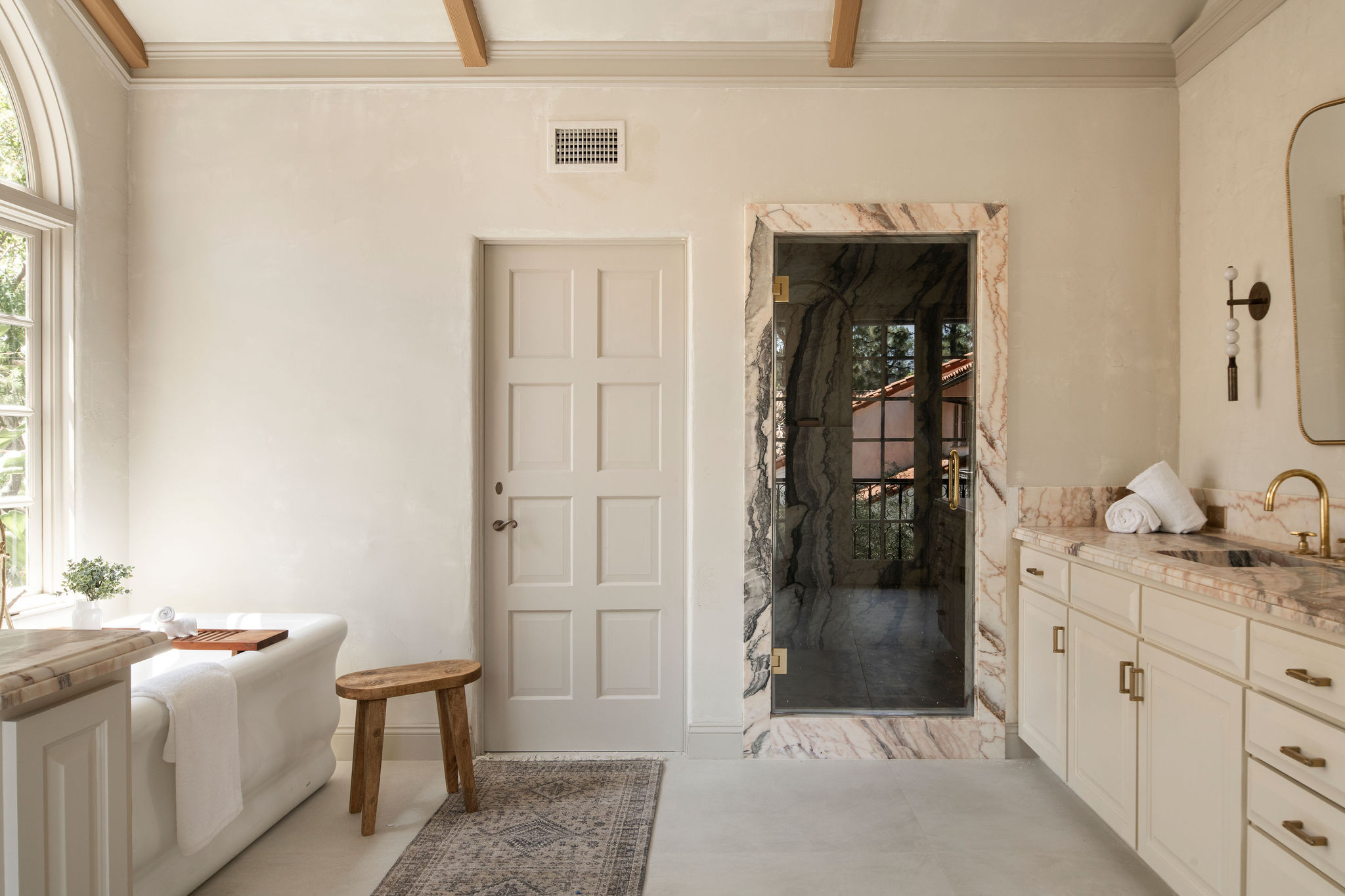
Spa Bathroom Ideas — 14 Ways to Create The Most Restorative and Relaxing Retreat at Home

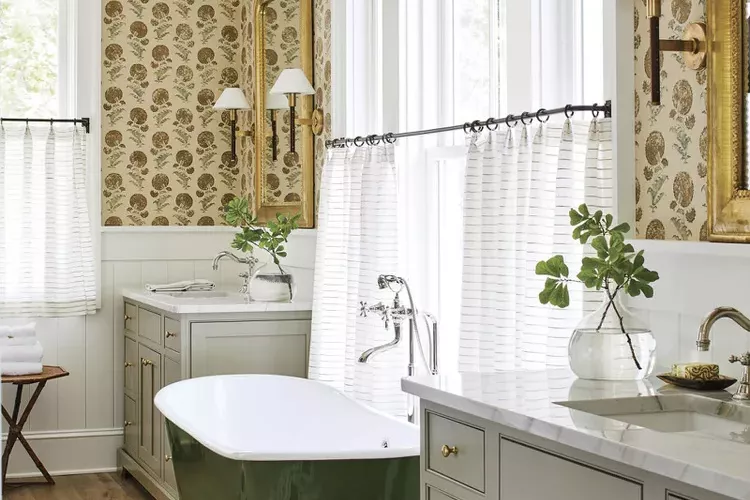
40 Best Bathroom Ideas For A Relaxing Retreat
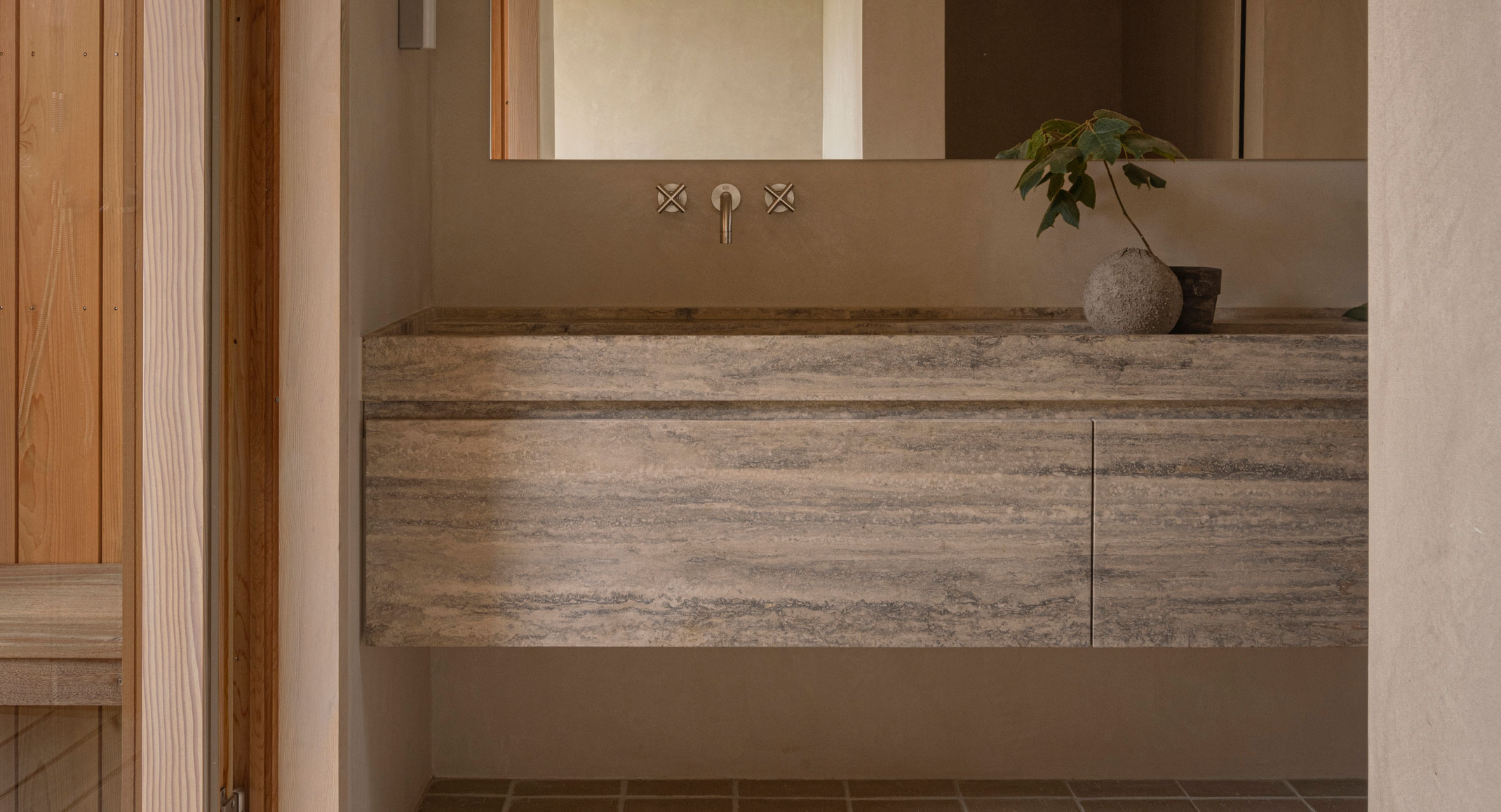
5 Japandi Bathroom Ideas for Minimalist, Calming Spaces You'll Love to Spend Time in
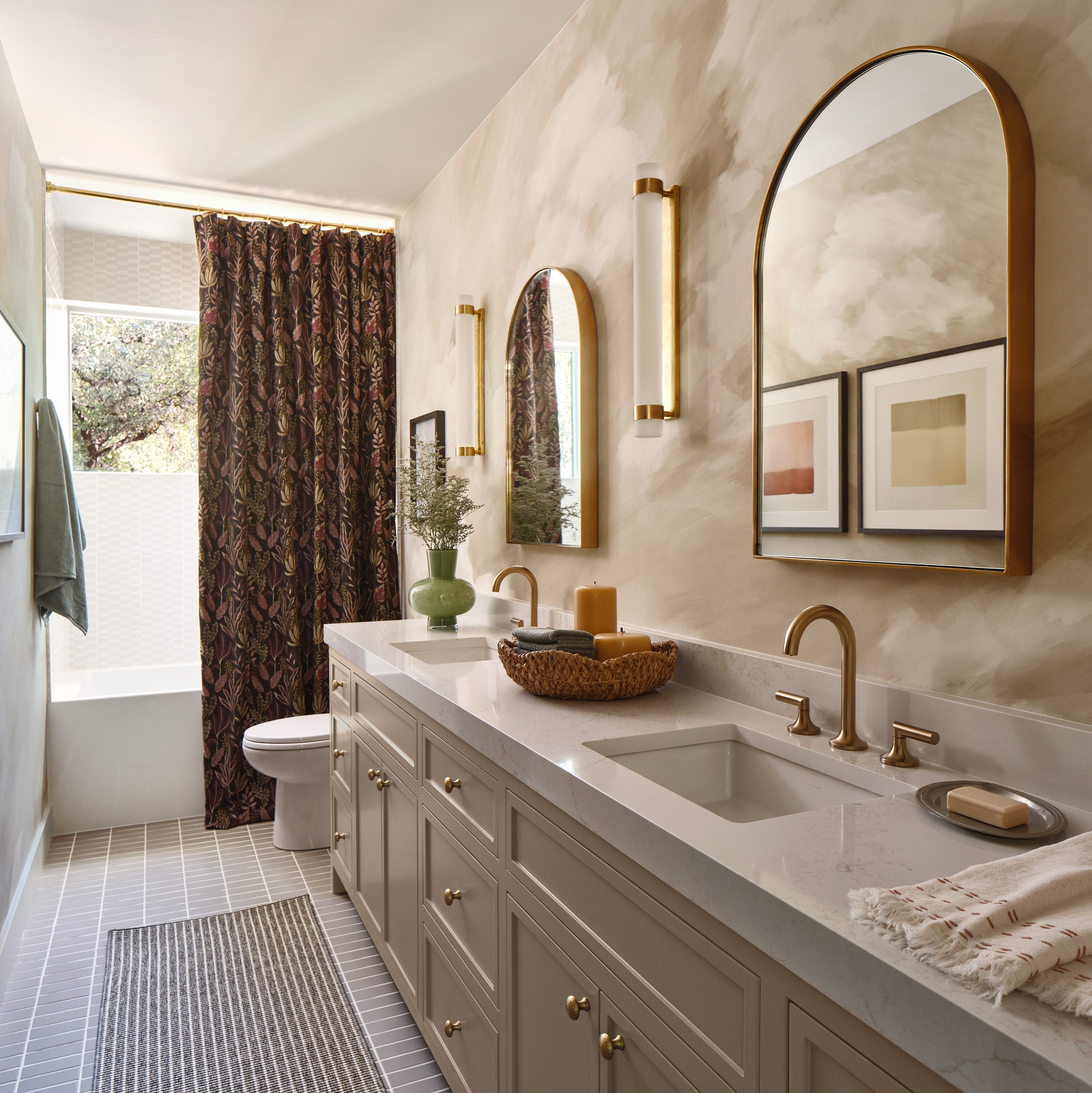
4 Designer Bathroom Ideas That Offer a Tranquil Twist on Spa-Like Luxury

12 Bathroom Renovation Ideas for a Tranquil, Spa-Like Space
These Creative Design Ideas Will Make Your Bathroom Feel Like a Spa

10 ideas interior designers use to create calming bathrooms that feel like at-home spas
9 Bathroom Layout Ideas for a More Relaxing, Tranquil Space
How to ditch the bathroom clutter and restore its zen-like serenity
10 Neutral Bathroom Ideas That Will Help You to Relax by Holding Back on Color — "It's Like Breathing Out"
7 Japanese real estate inspired bathroom decor ideas for a calm and mindful home
The 10 Best Ways to Make Your Bathroom Feel Like a Spa
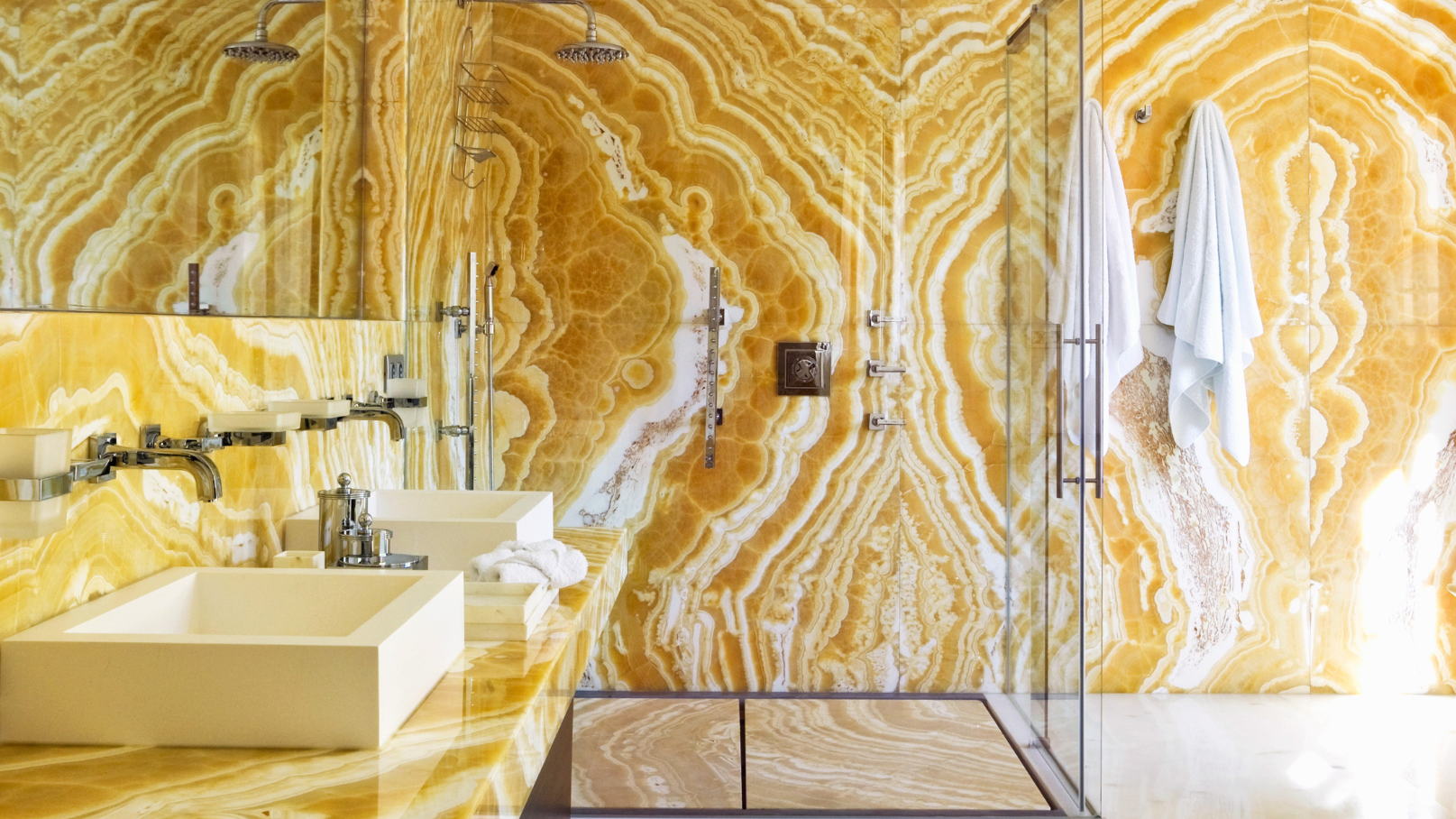
9 modern bathroom ideas to try for a spa-like oasis

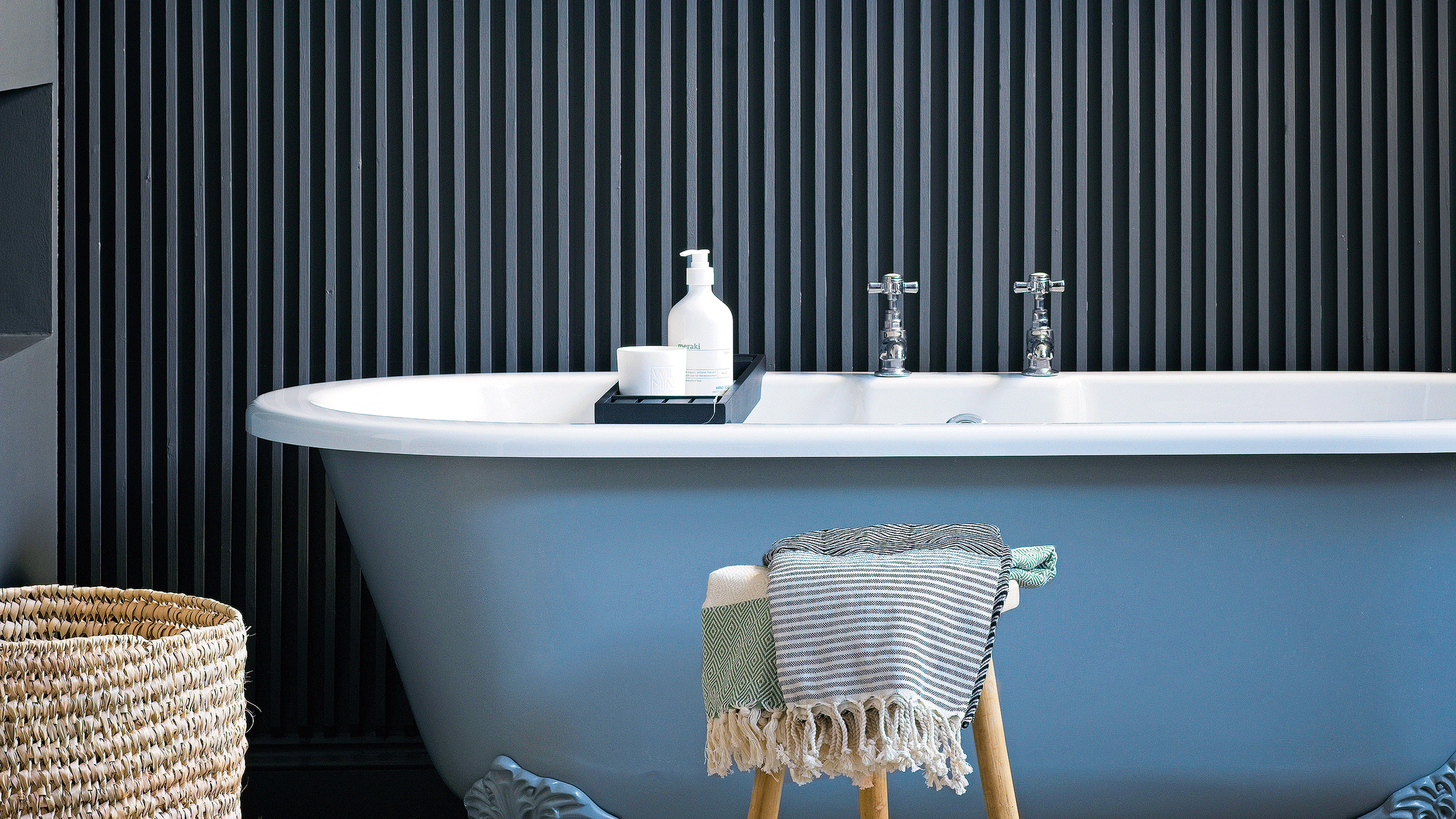
10 blue bathroom ideas to inspire a relaxing and rejuvenating scheme
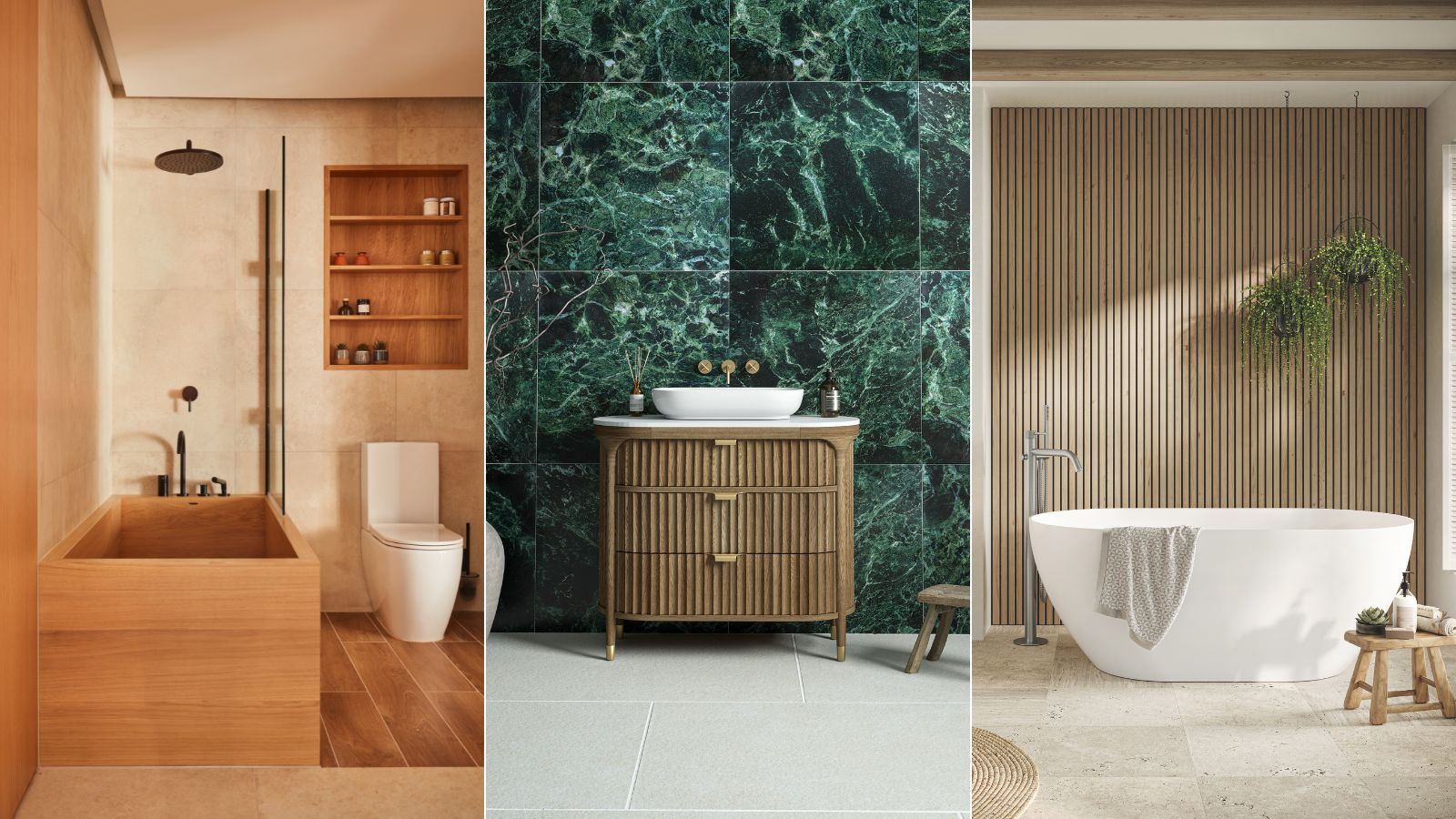
Japanese bathroom design is trending – here's everything you need to know to recreate this serene, mindful style
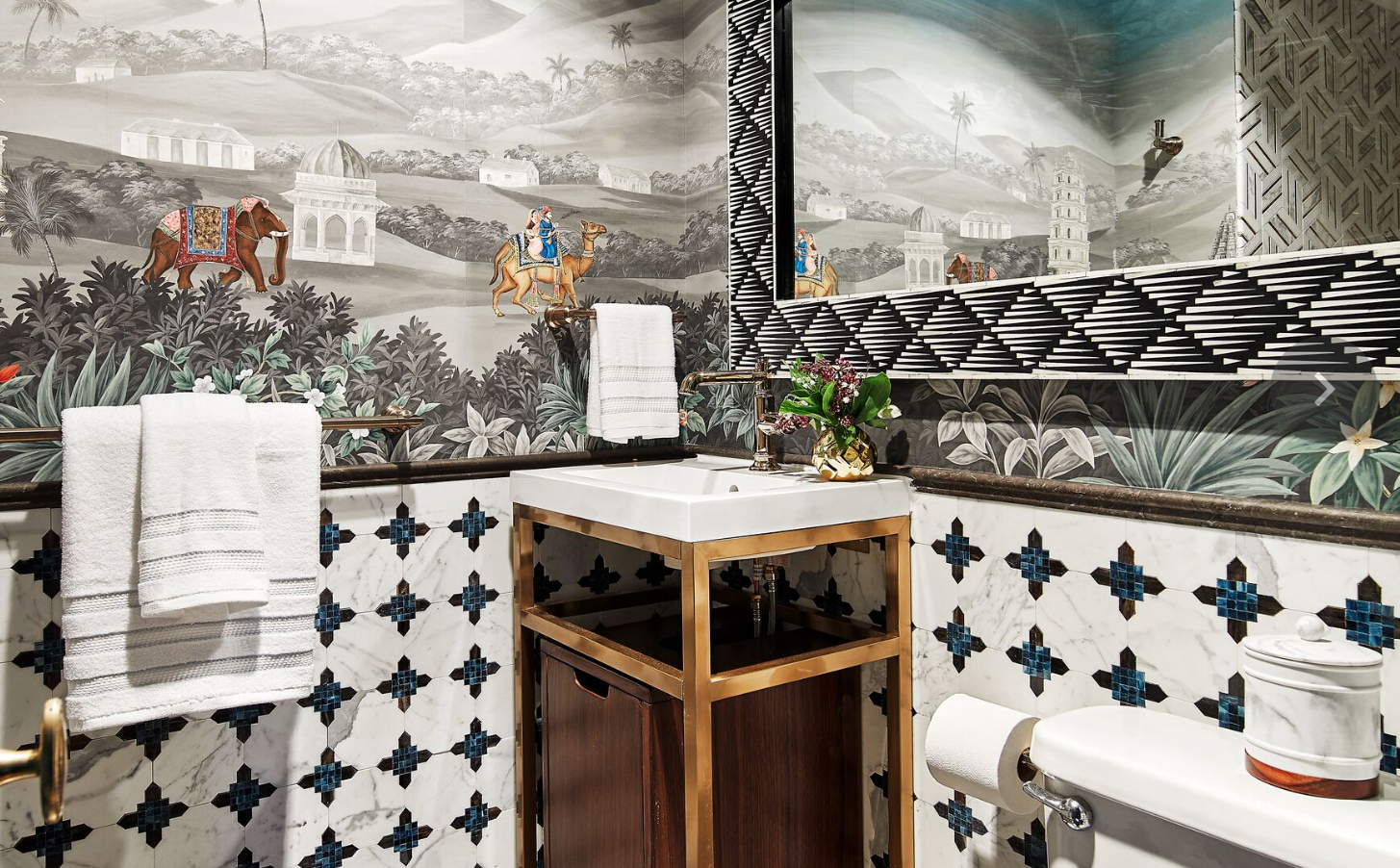
90 Bathroom Design Ideas That Will Make You Never Want to Leave the Tub
Ensuite Bathroom Ideas — 20 Ways to Create a Personalized, Private and Connected Oasis
38 Show-Stealing Japandi Bathroom Ideas That Make Other Bathrooms Look Outdated