1/9
Japandi bathroom ideas – 8 ways to create a nature-inspired, calming sanctuary
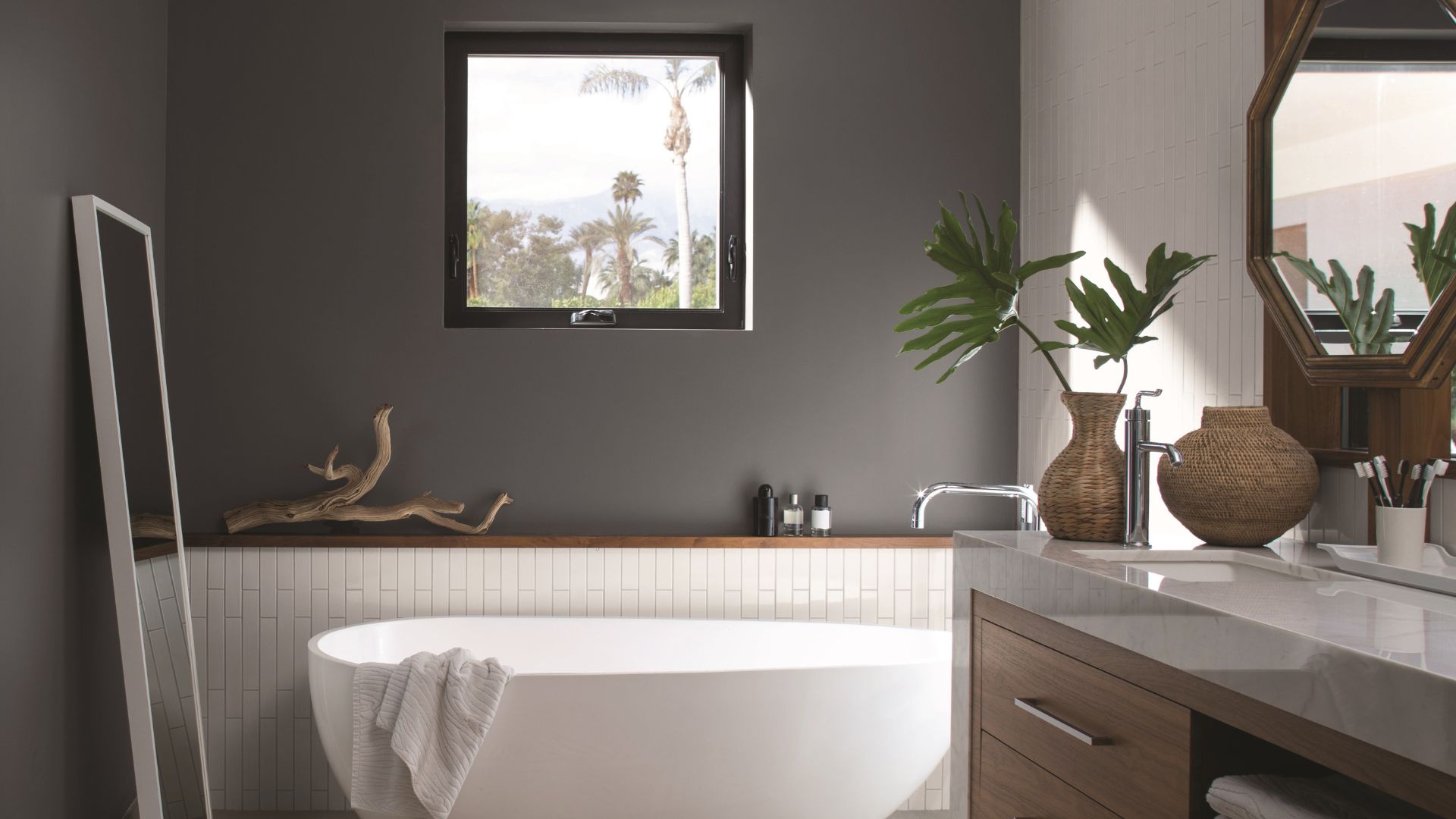
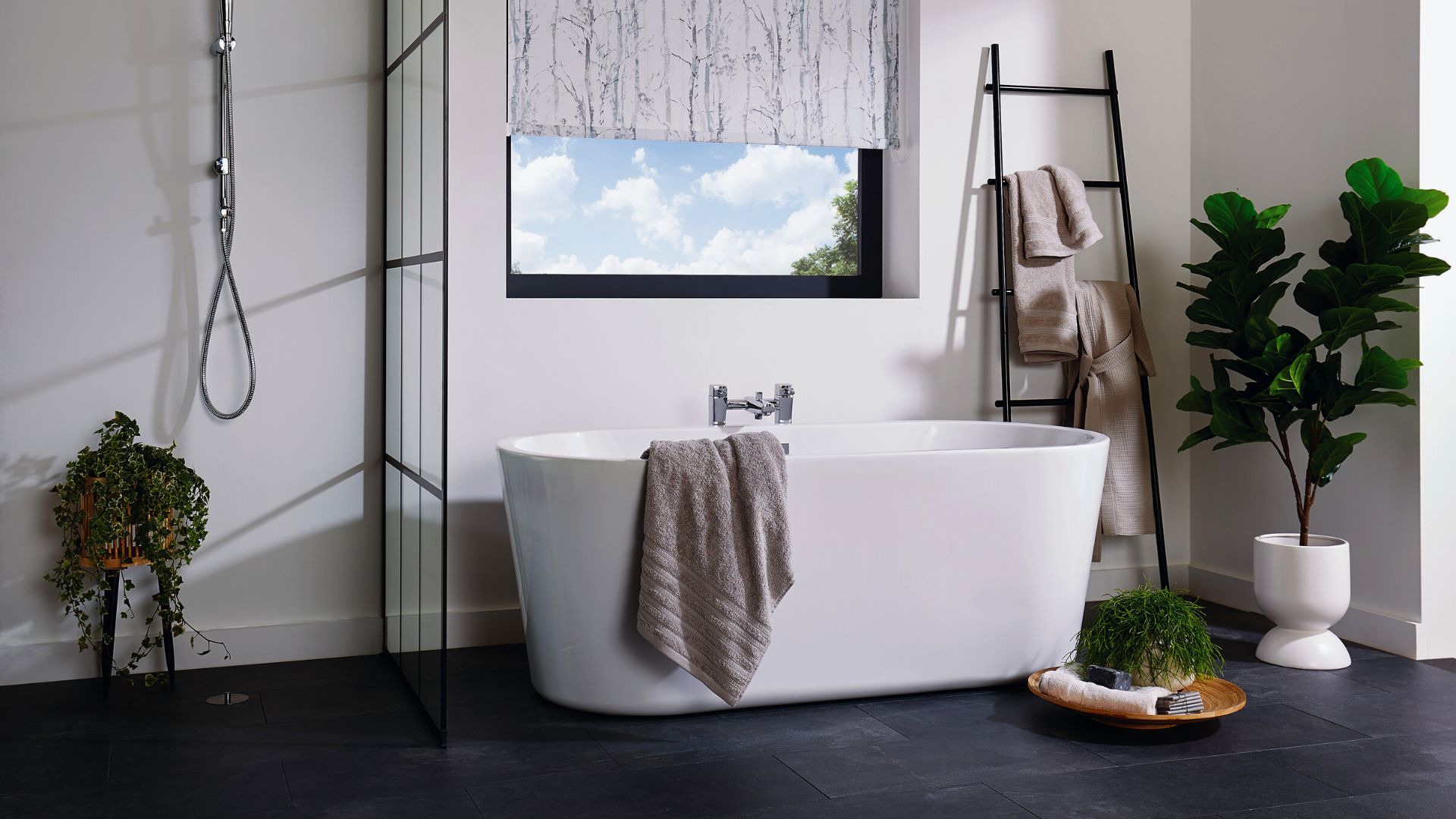
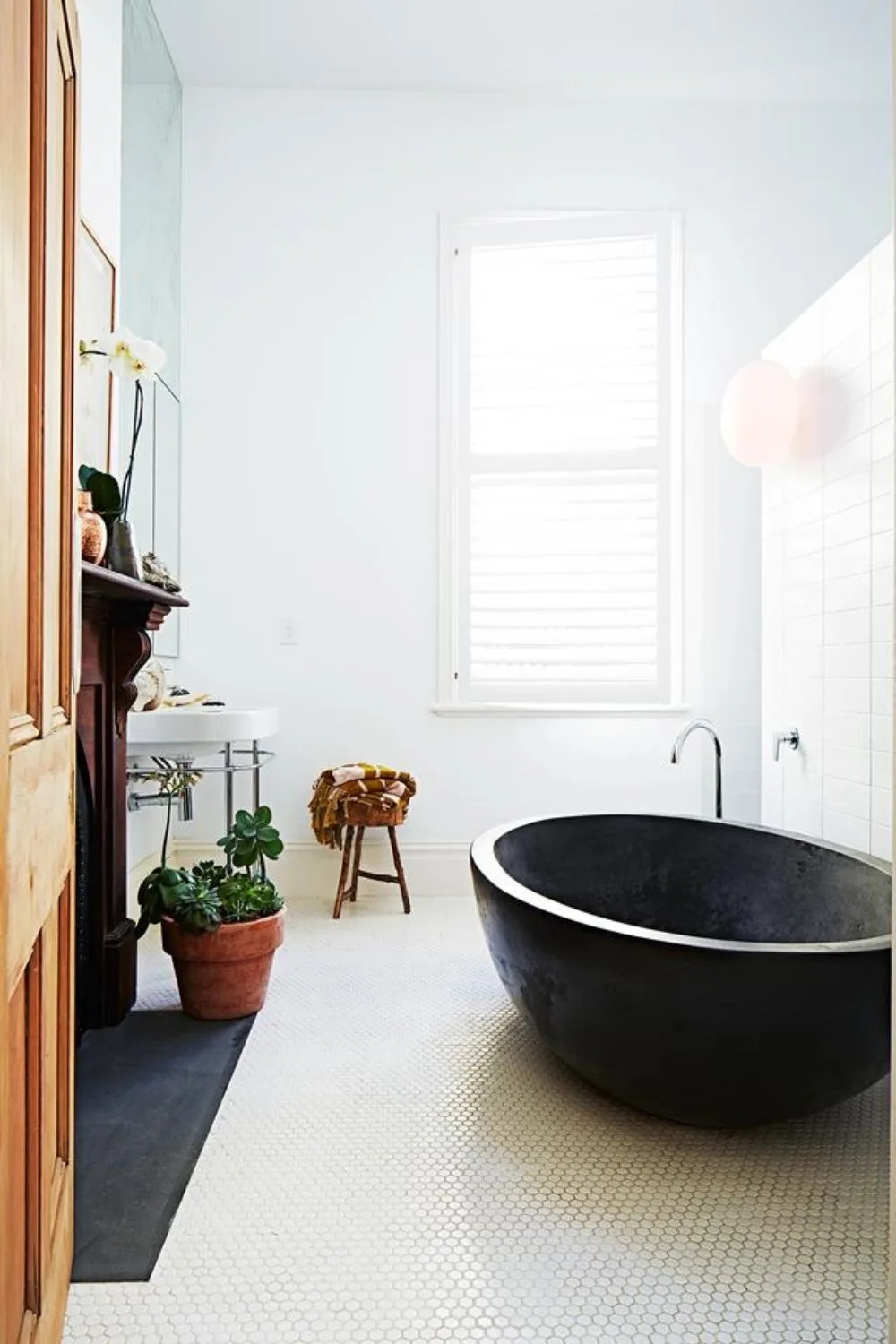
The Japandi design style, a fusion of Japanese and Scandinavian aesthetics, offers a pathway to creating a tranquil and functional bathroom space. This design philosophy emphasizes well-being through simplicity, integrating natural materials, clean lines, and a neutral color palette. The timeless appeal of Japandi extends beyond fleeting trends, making it an enduring choice for bathroom design.
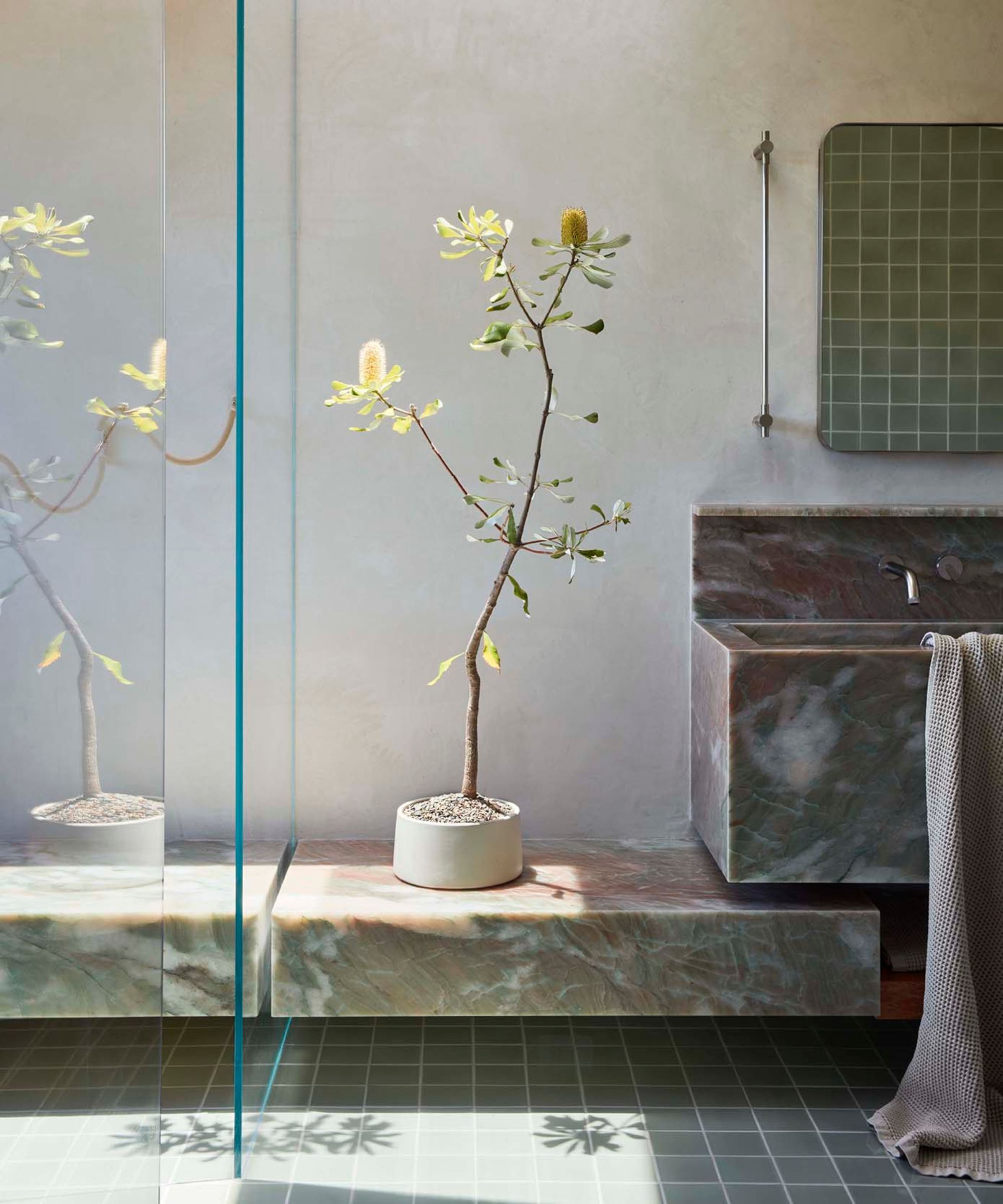
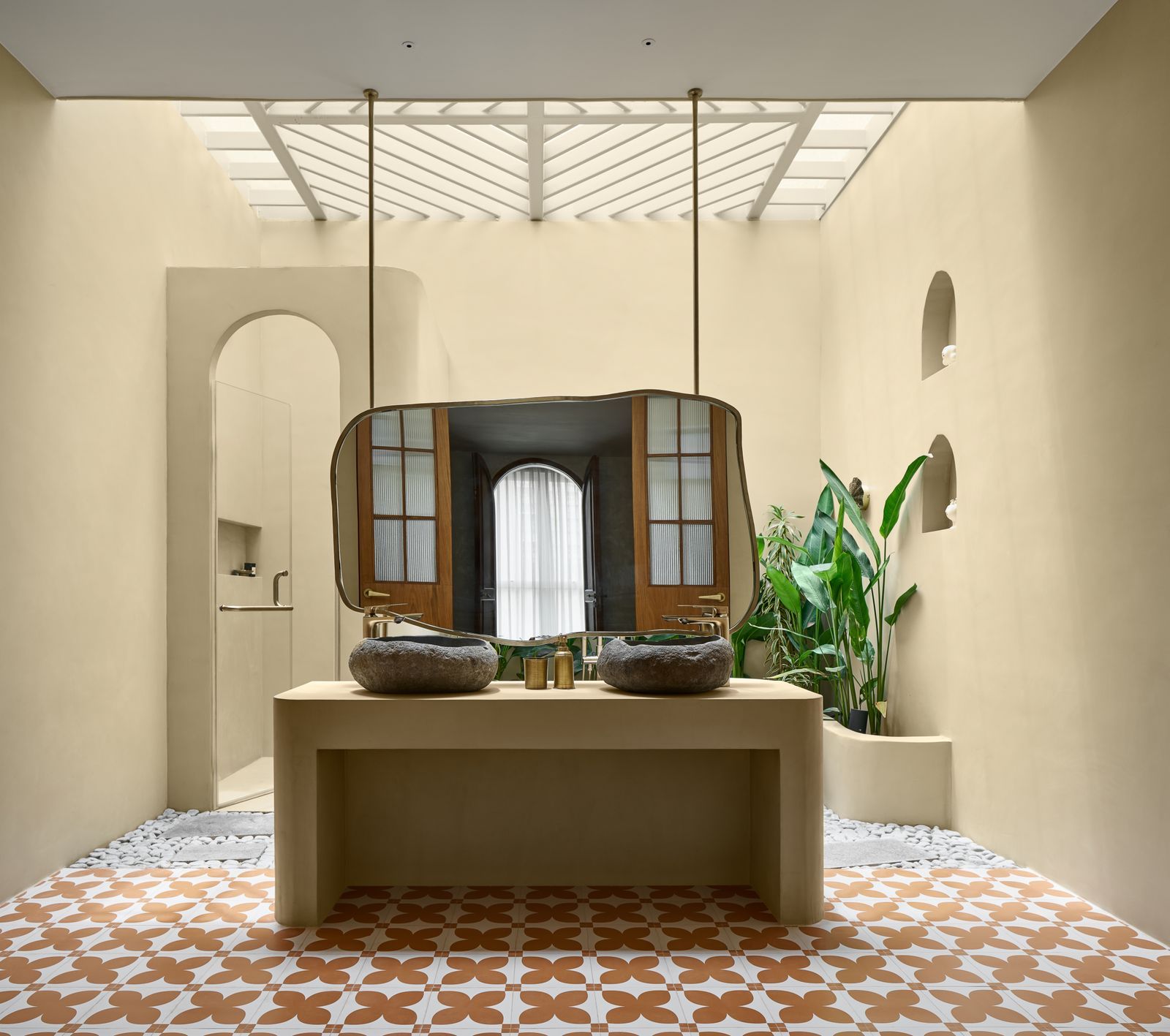
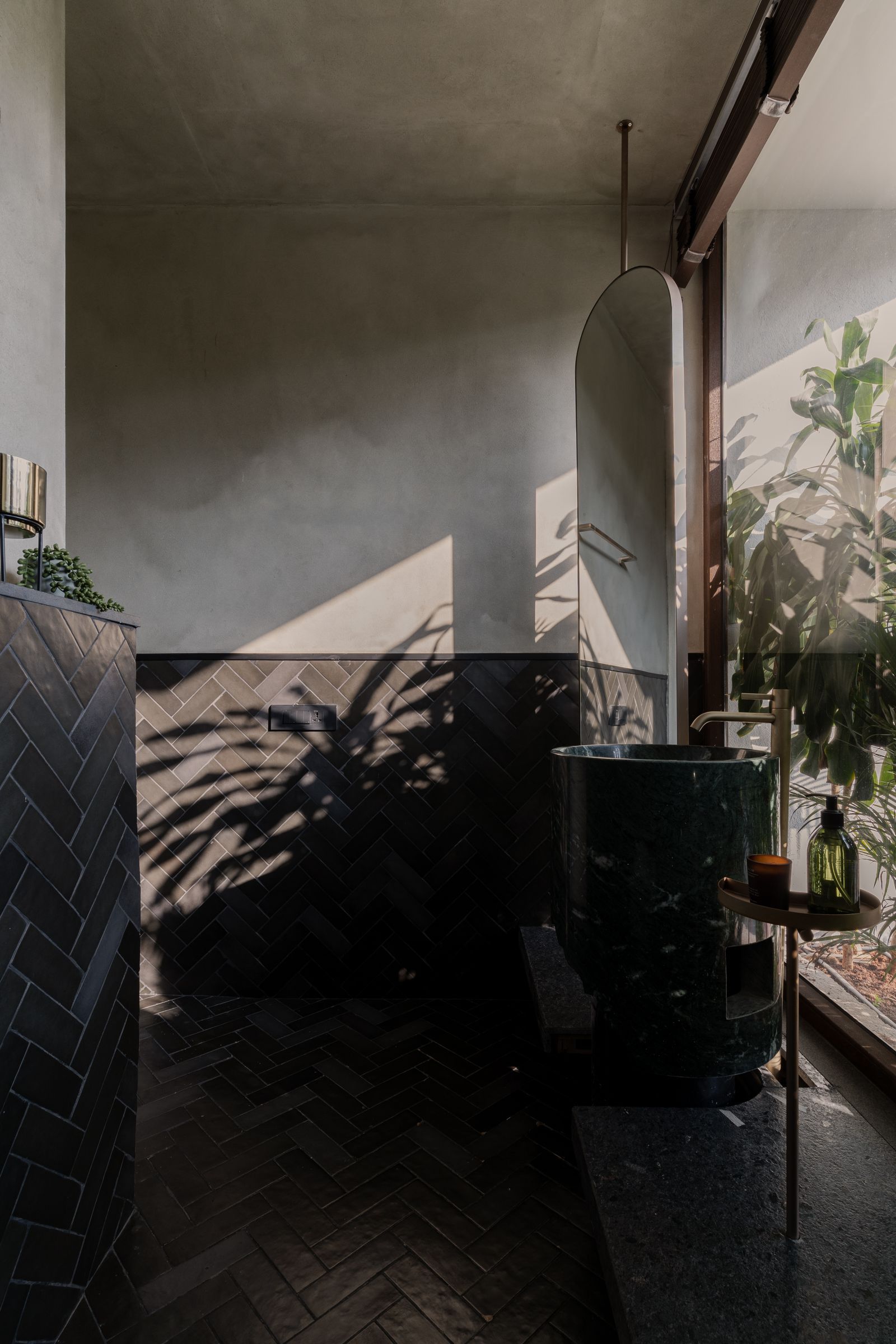
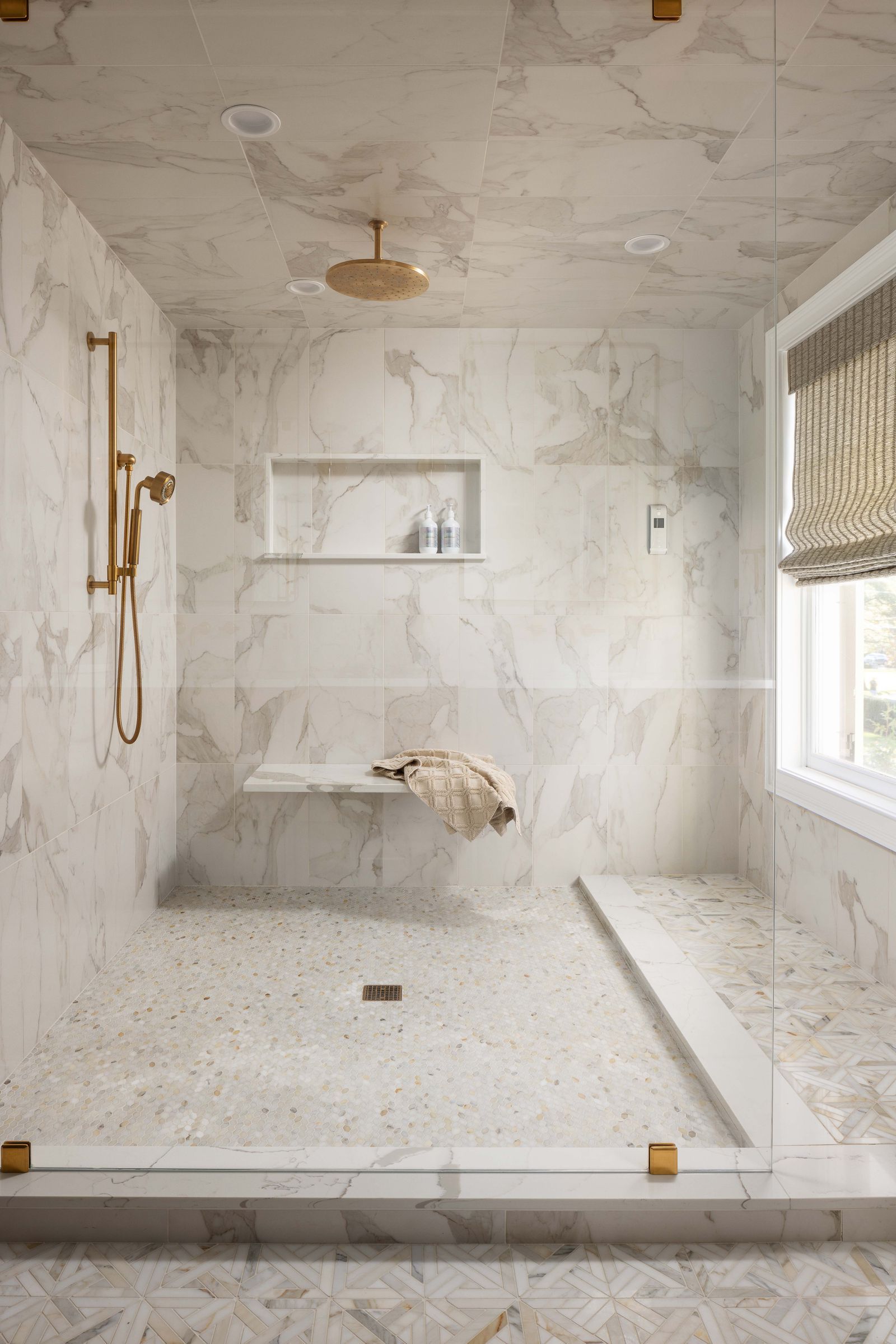
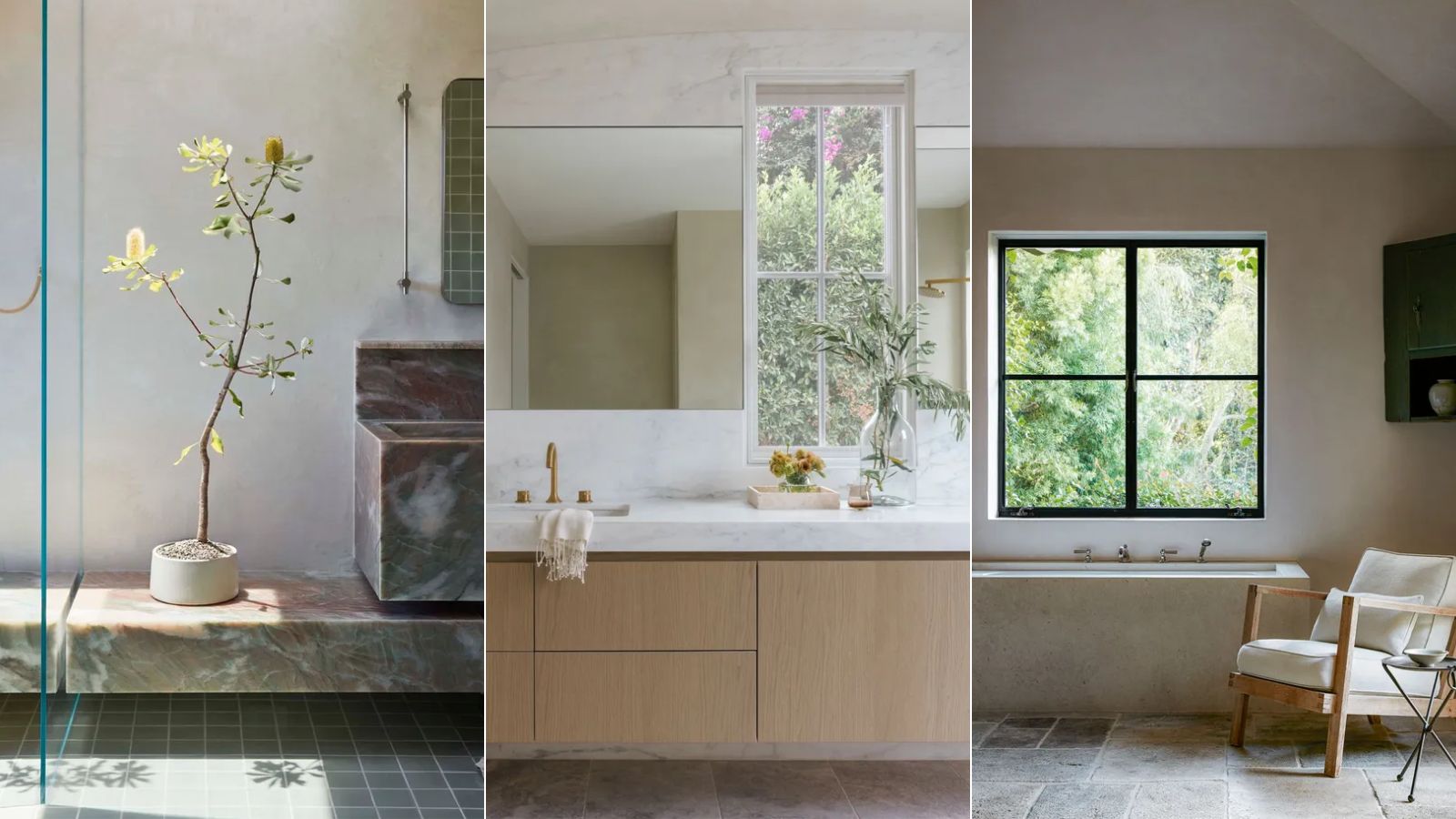
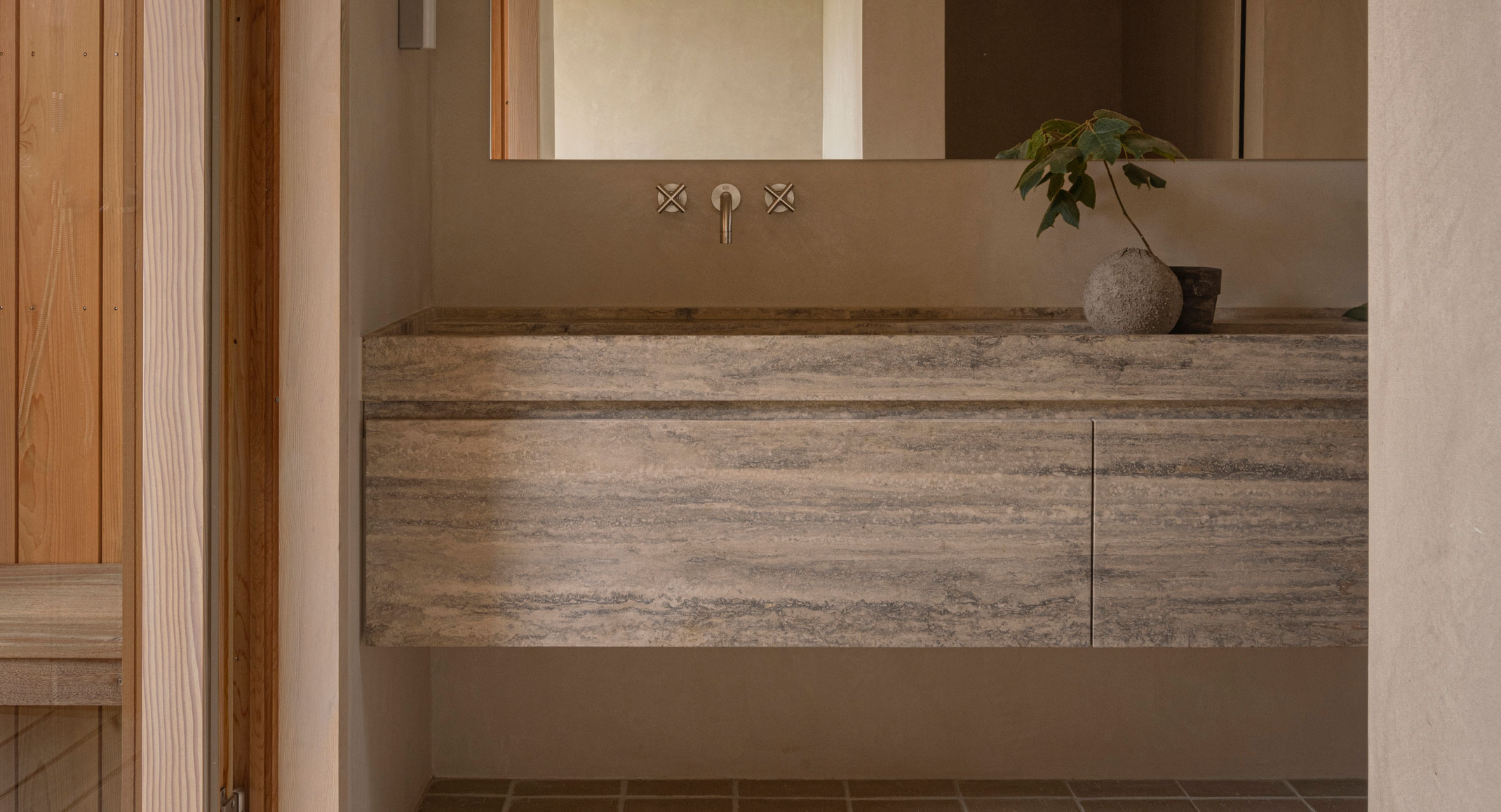
Central to Japandi design is the creation of a serene atmosphere. Every design choice contributes to a restful and functional space, prioritizing natural materials and well-crafted elements. Designers advocate for a focus on tranquility, highlighting an example bathroom that utilizes a dramatic quartzite vanity extending into the shower as a bench. The green tones of the quartzite complement textured warm gray tadelakt walls, illuminated by natural light from a skylight, and a grid pattern of fire clay tiles on the floor for a calming and dimensional effect.
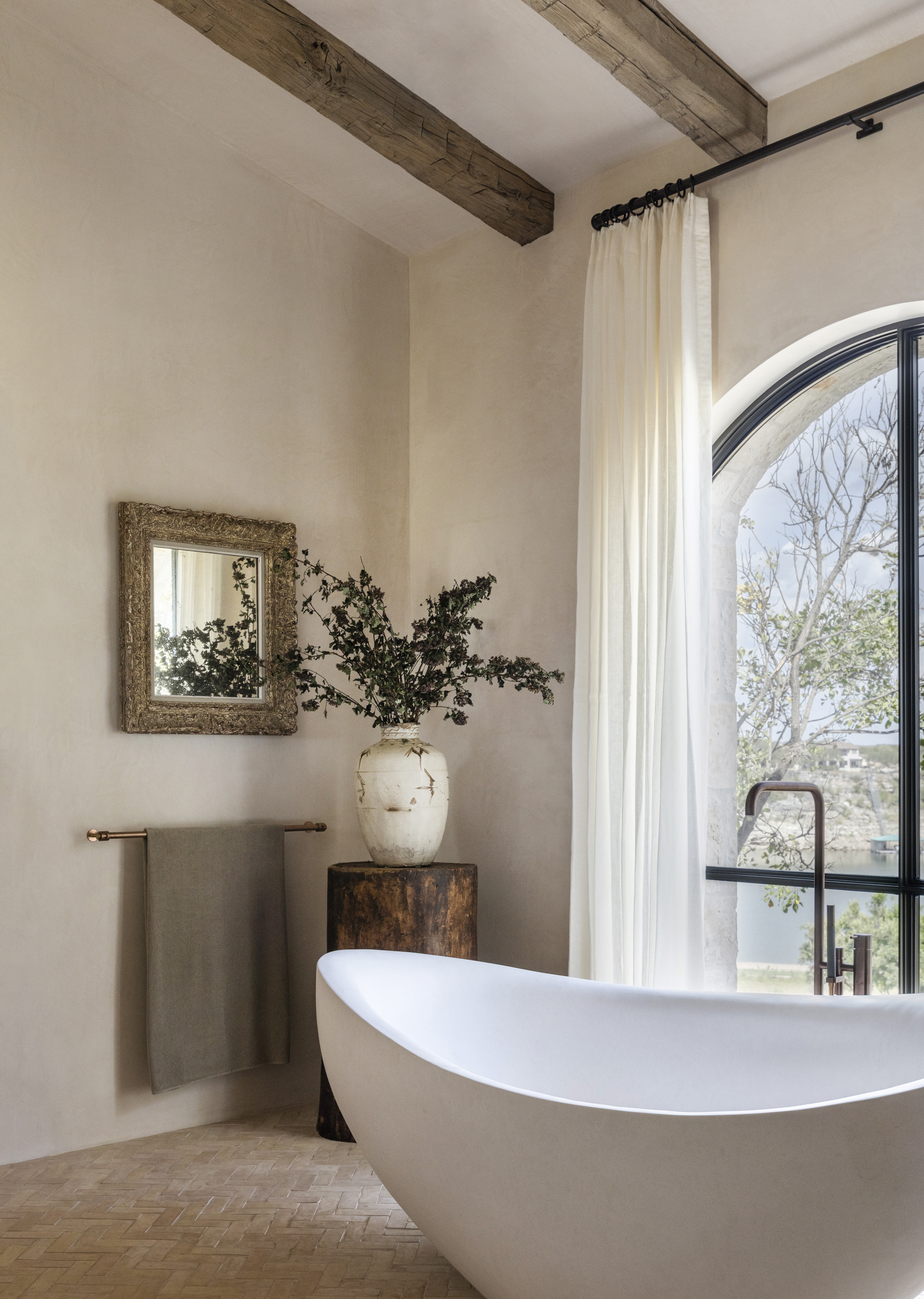
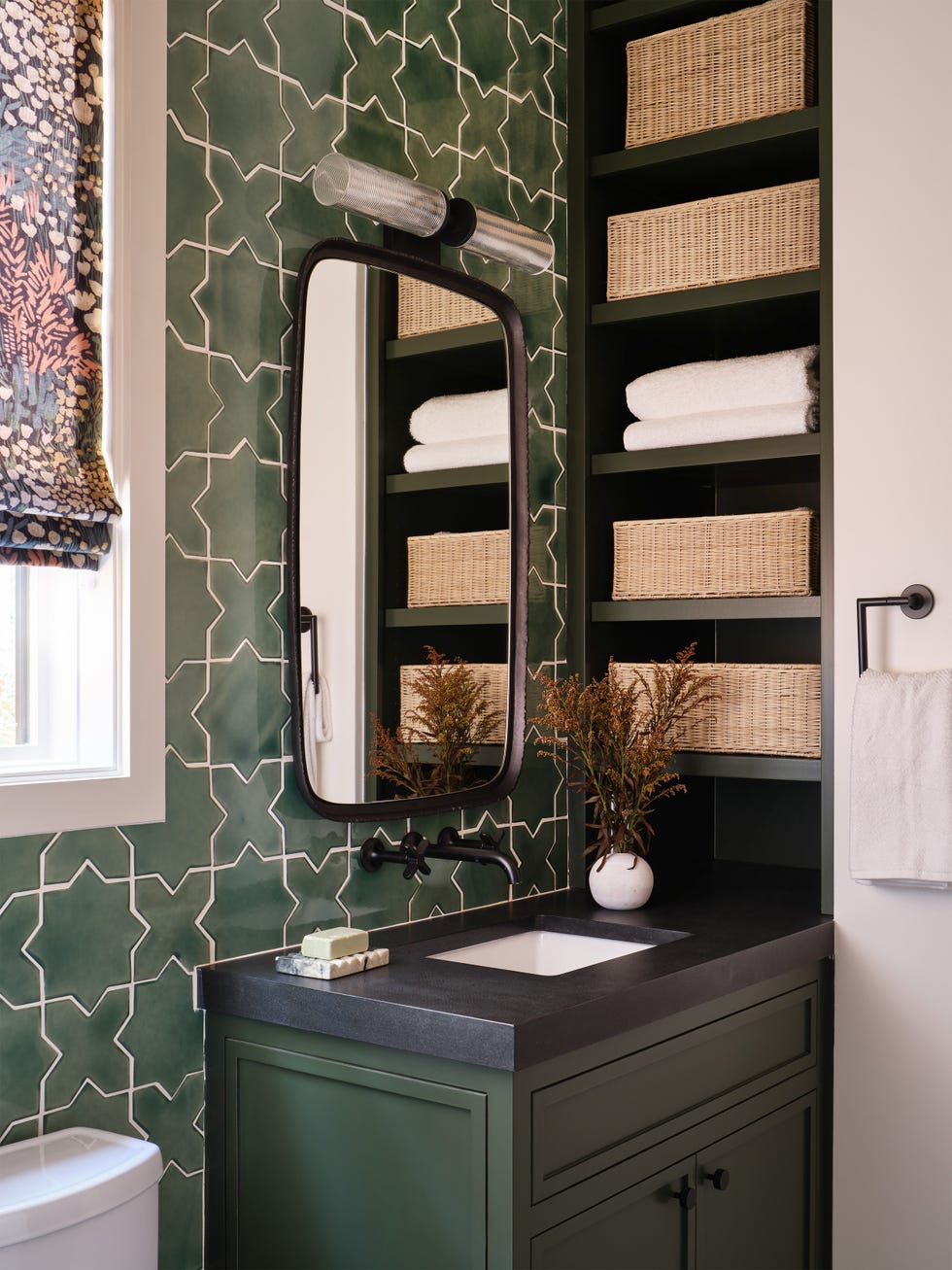
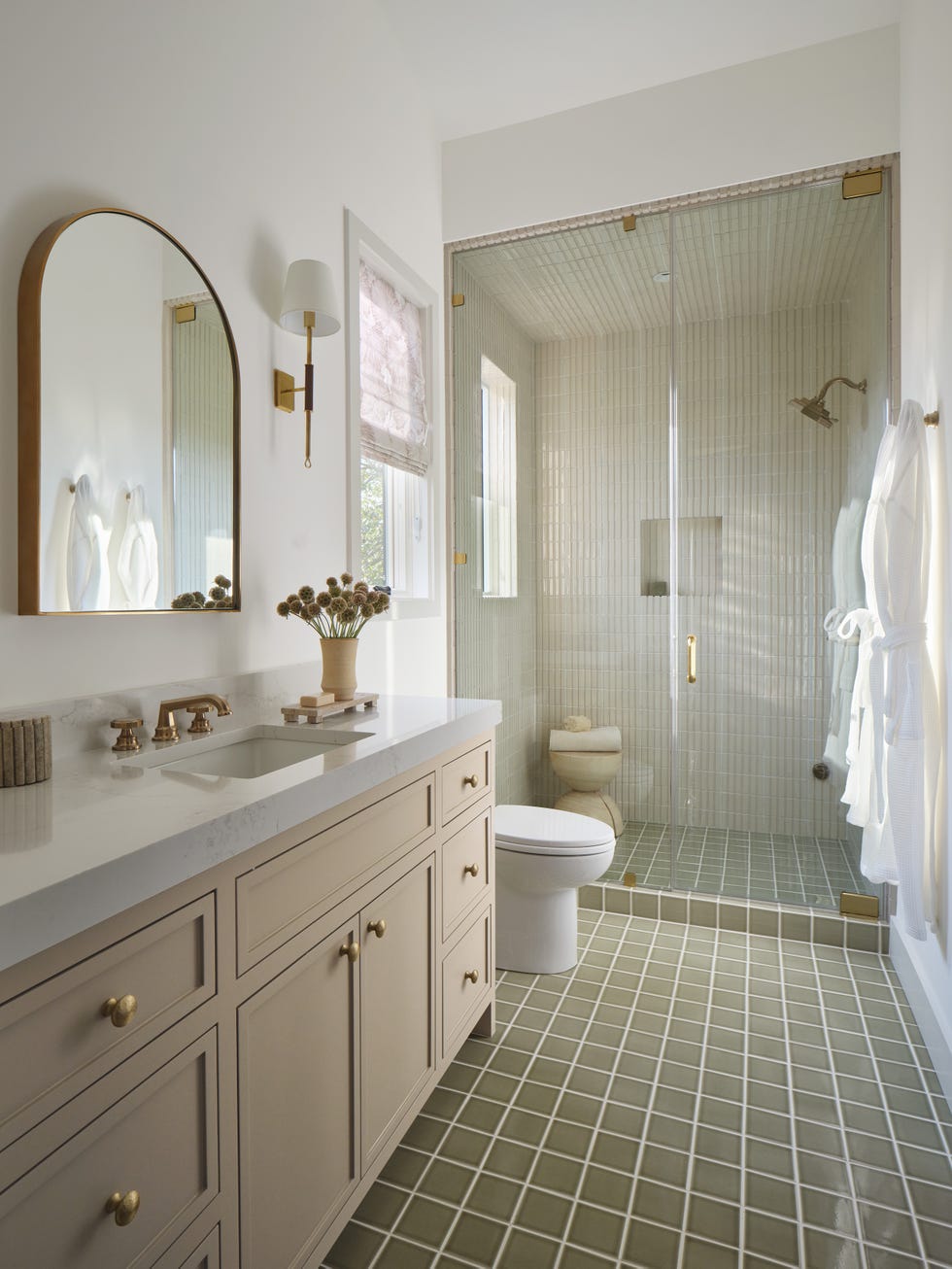
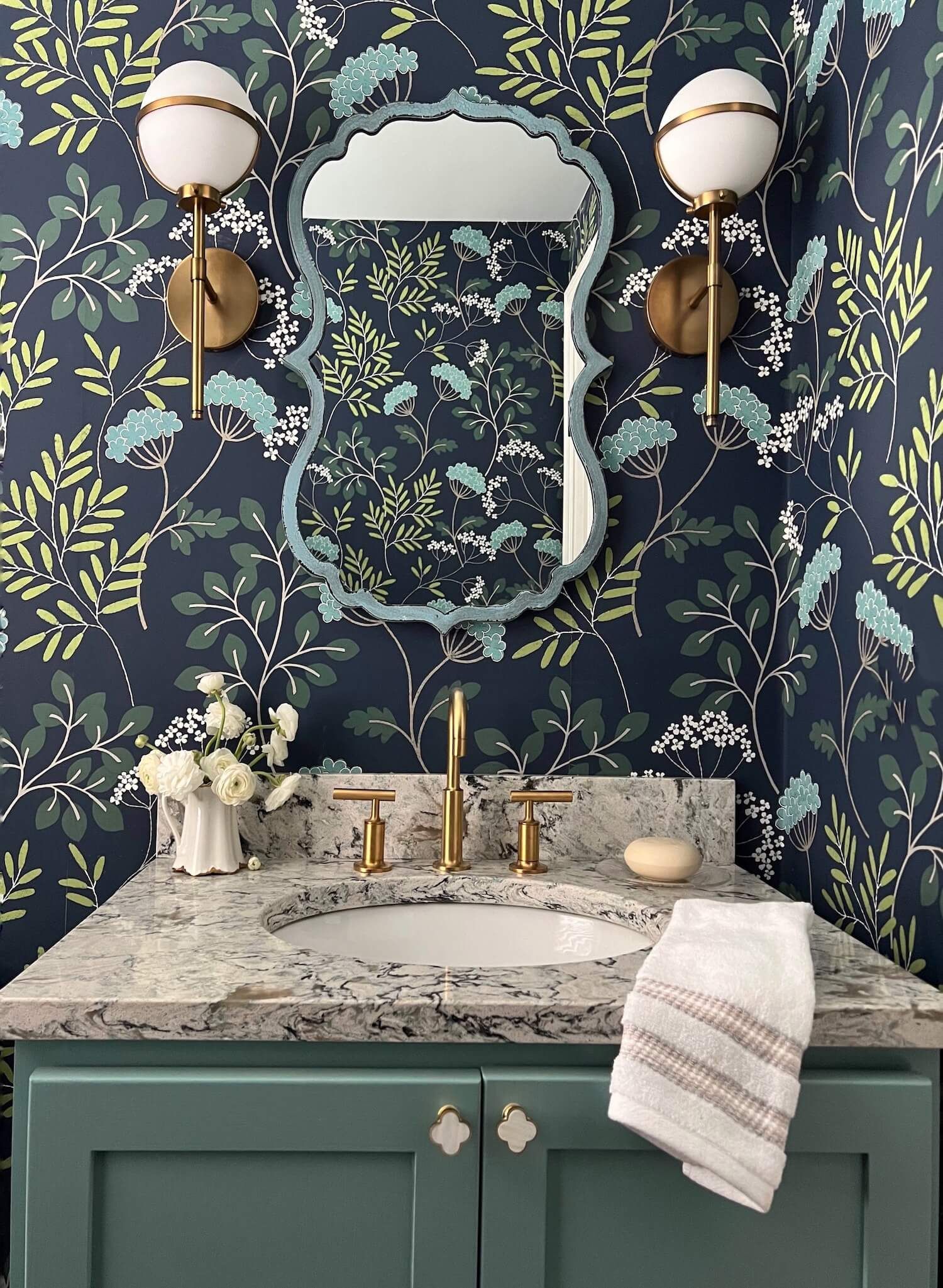
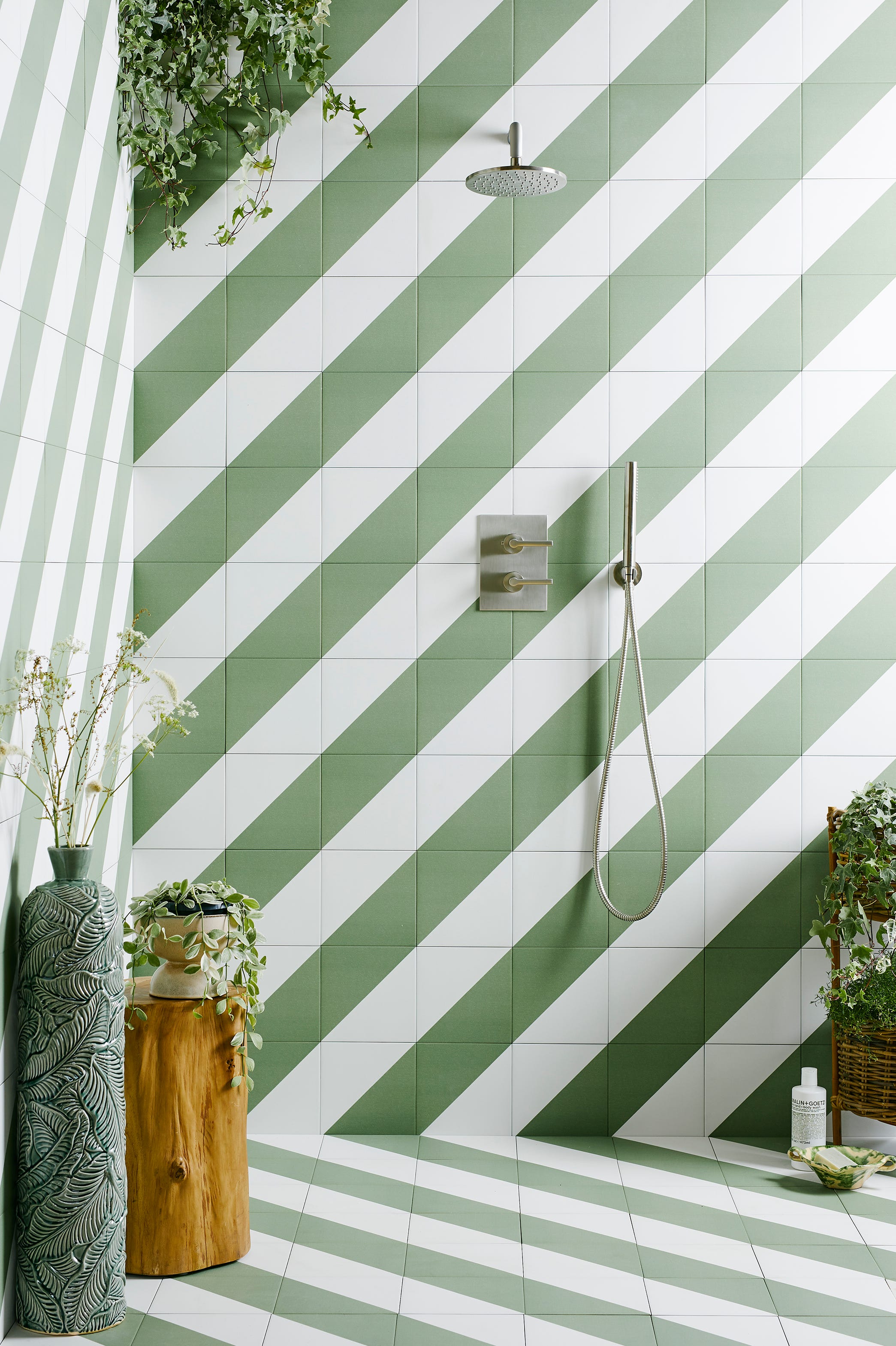
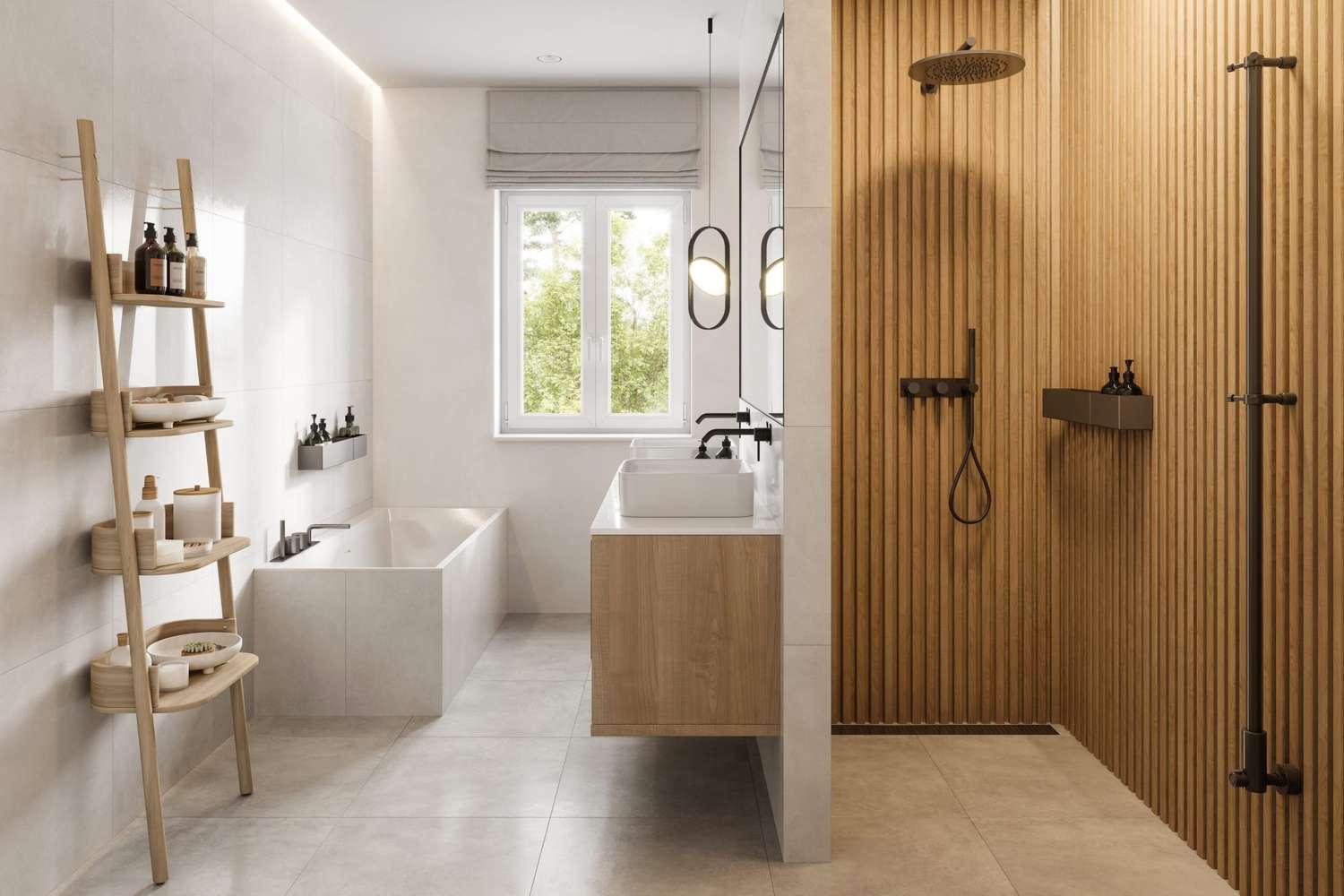
Calming neutrals are a cornerstone of Japandi bathrooms, promoting balance and a pared-back aesthetic. Soft warm tones like white and beige are preferred over cool grays, establishing a serene ambiance. Subtle nature-inspired colors, such as green, can be introduced through bathroom tiles or small accents to further connect the space with the outdoors, as advised by Rina Patel of Vastu Interior Design.
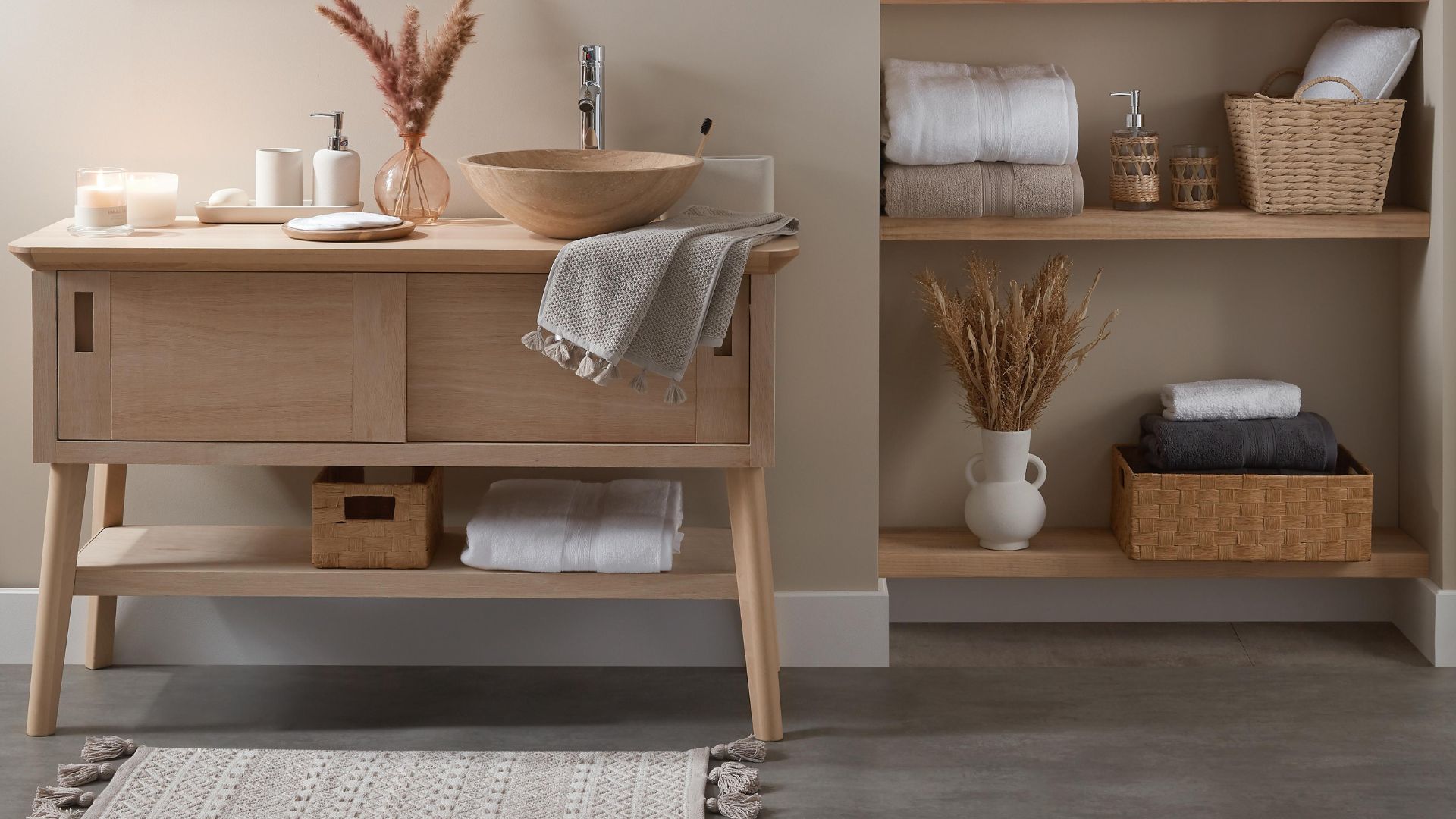
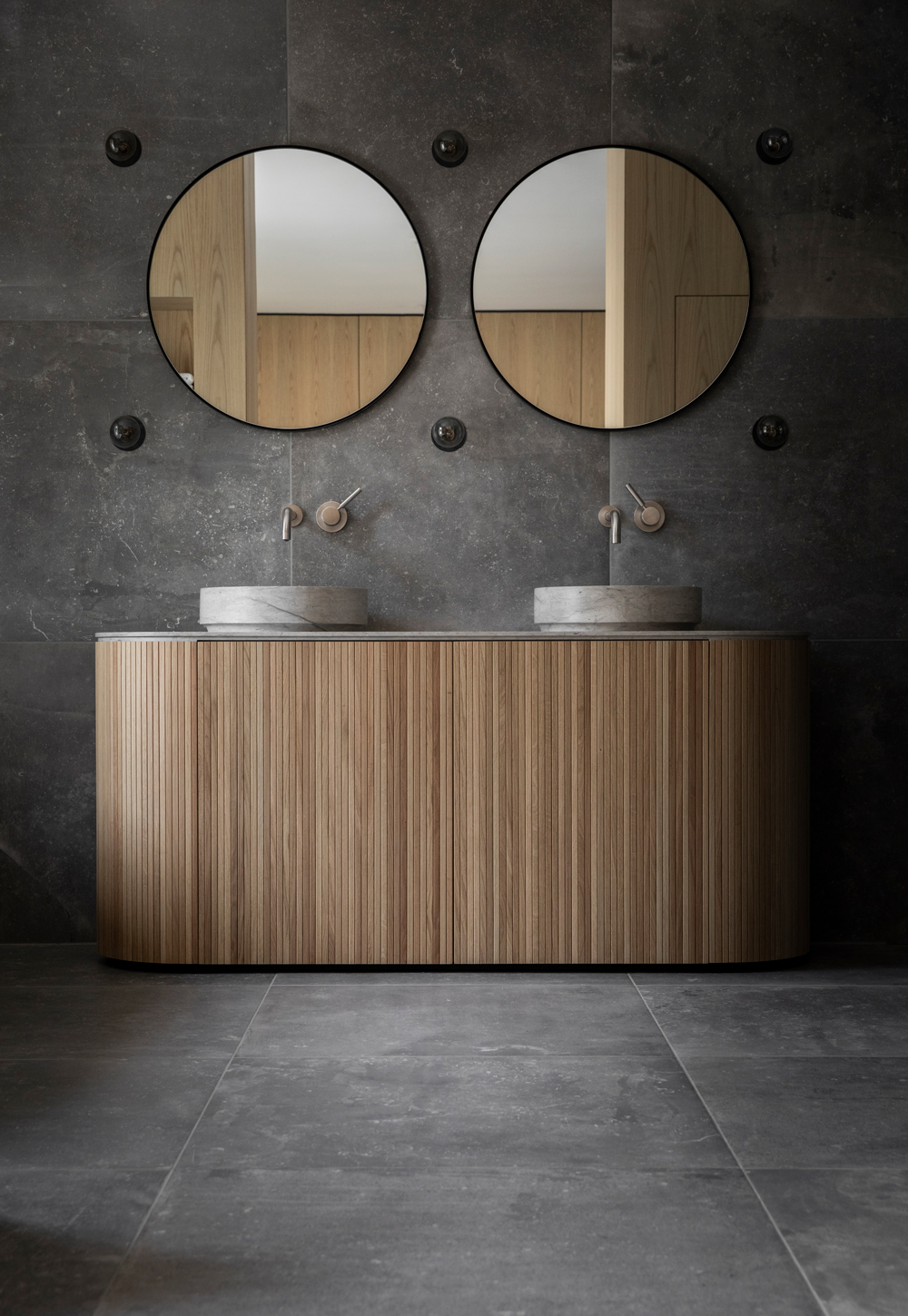
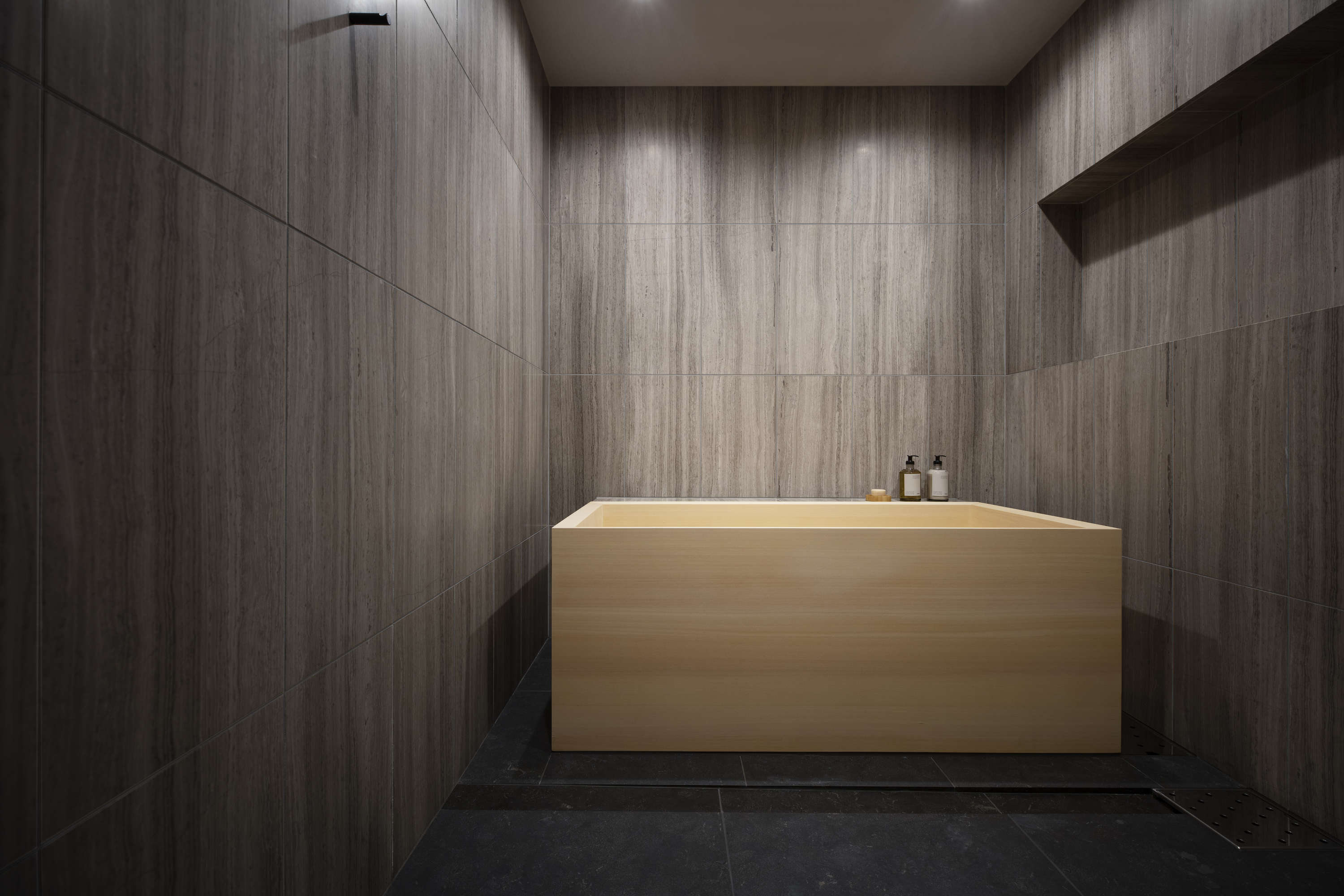
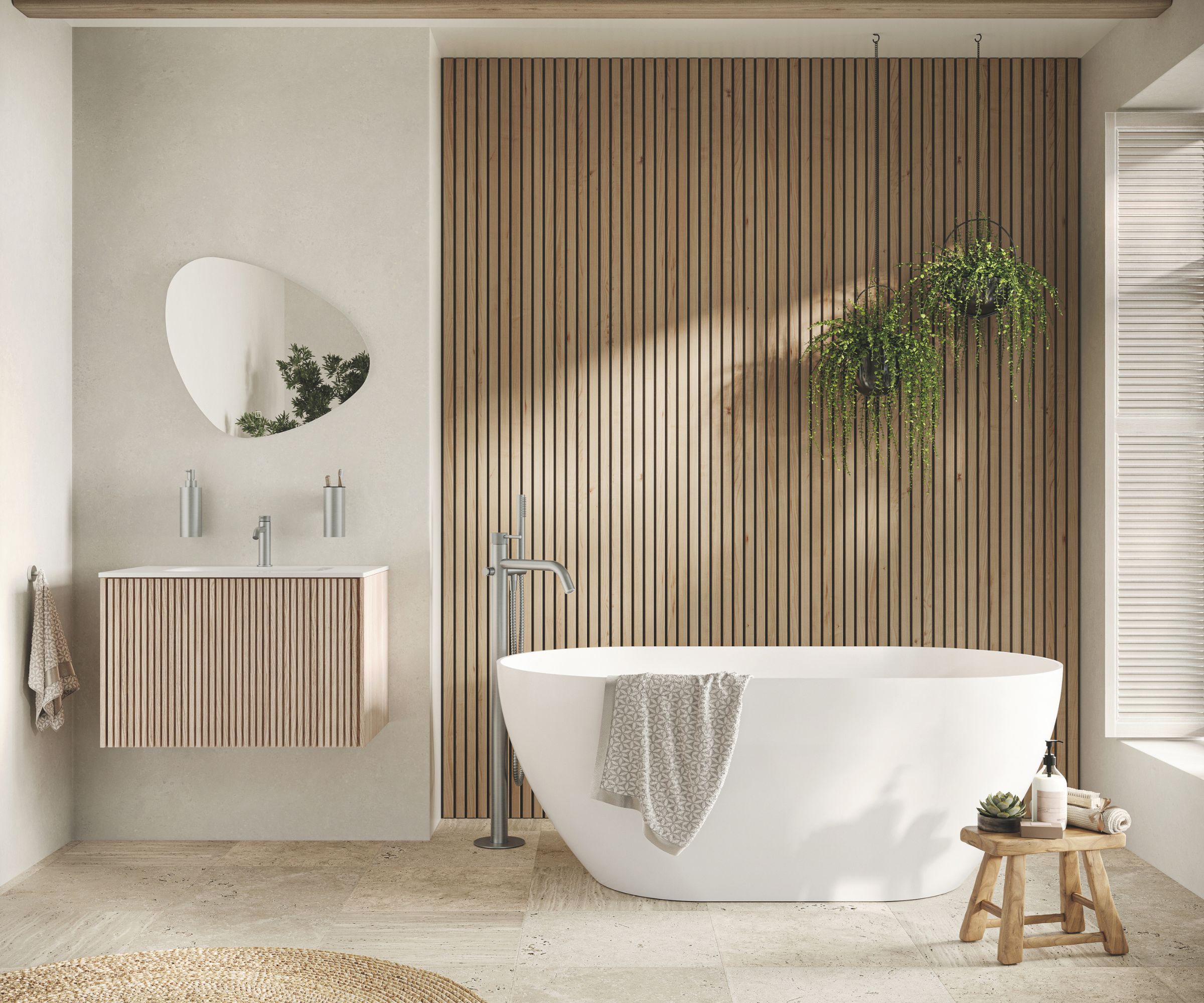
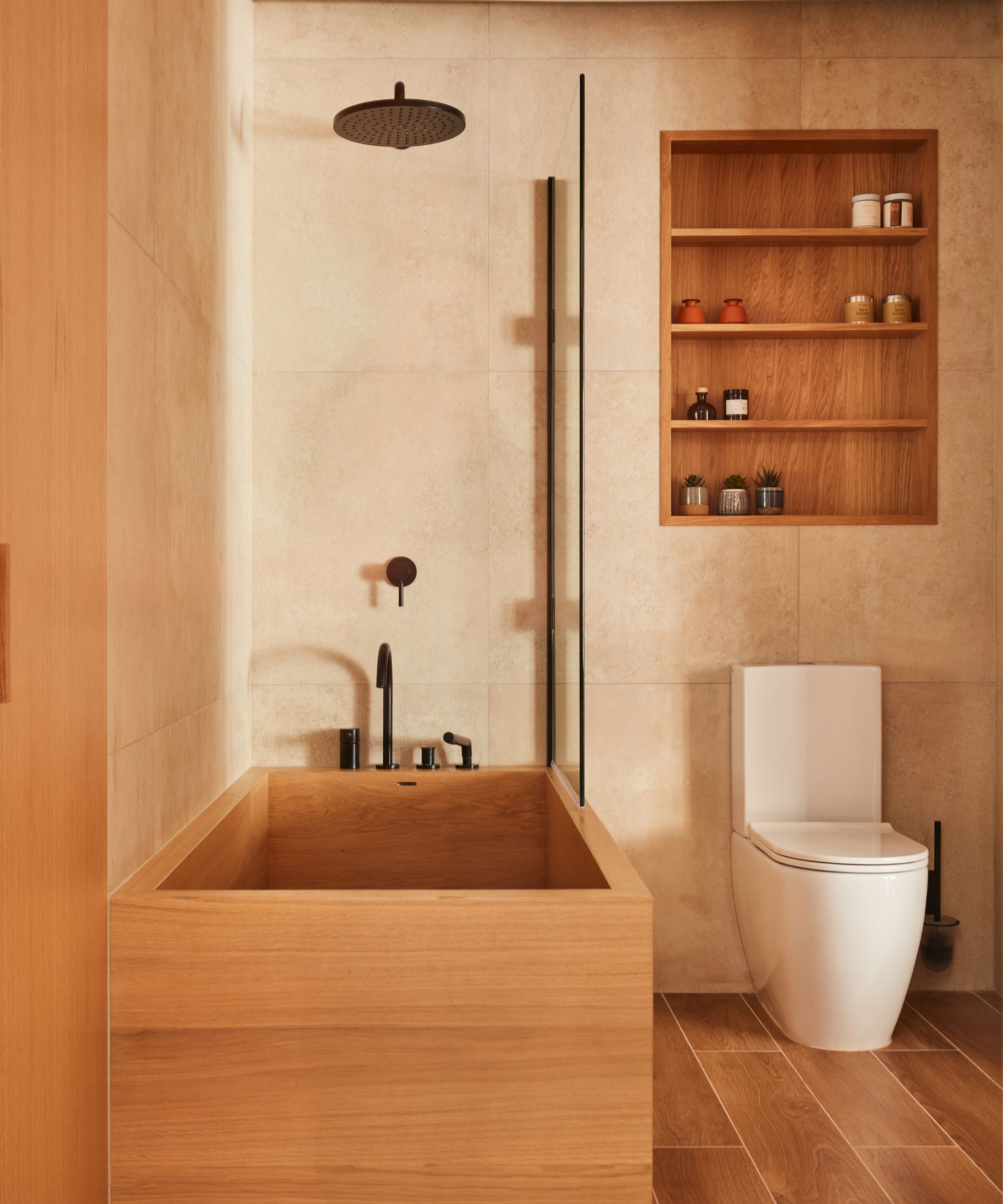
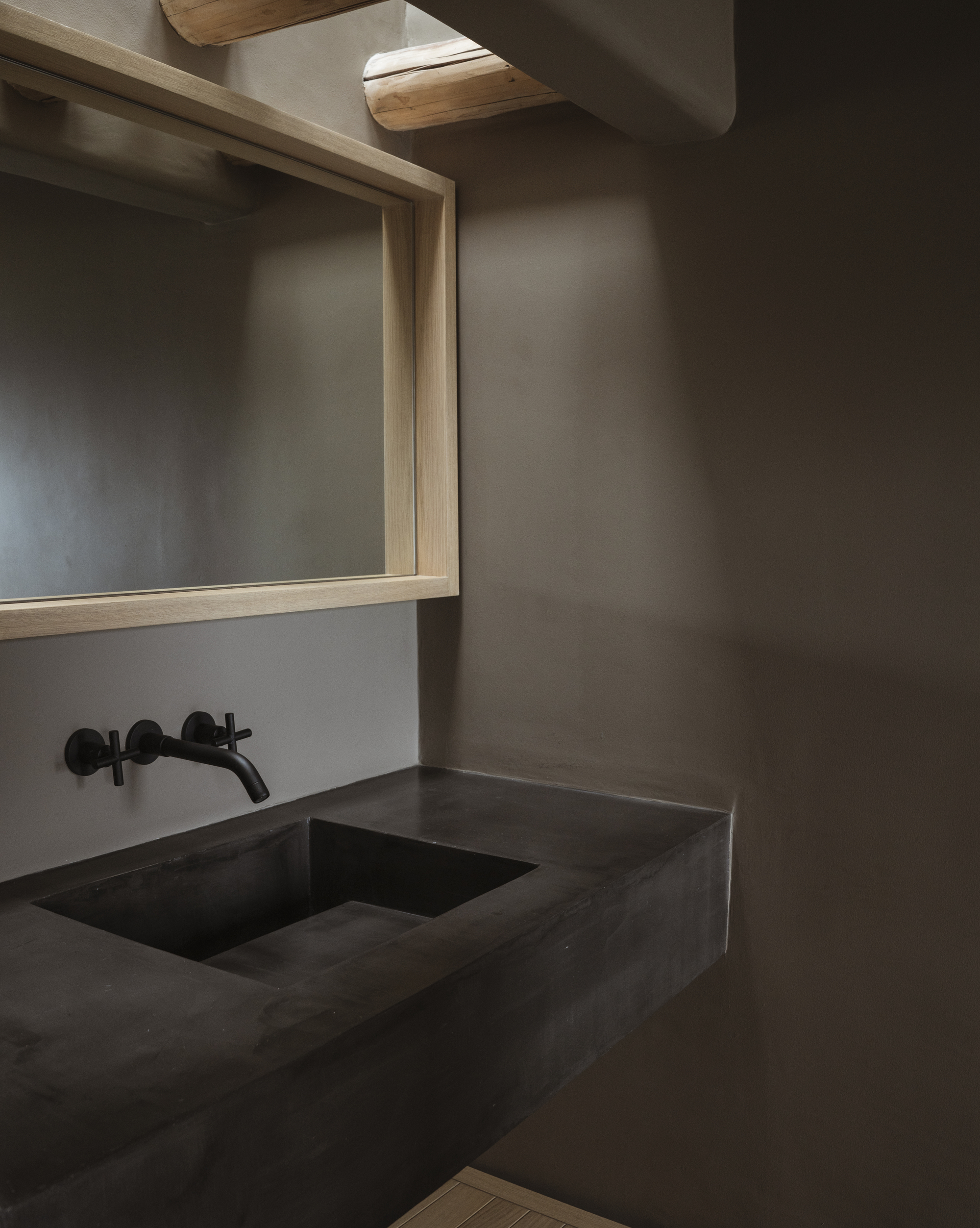
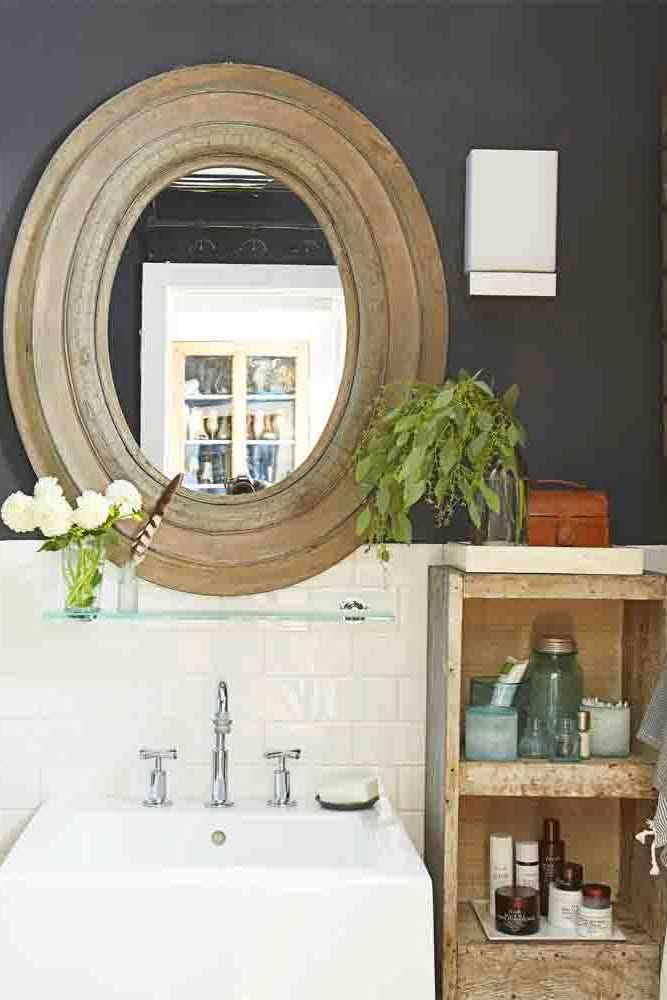
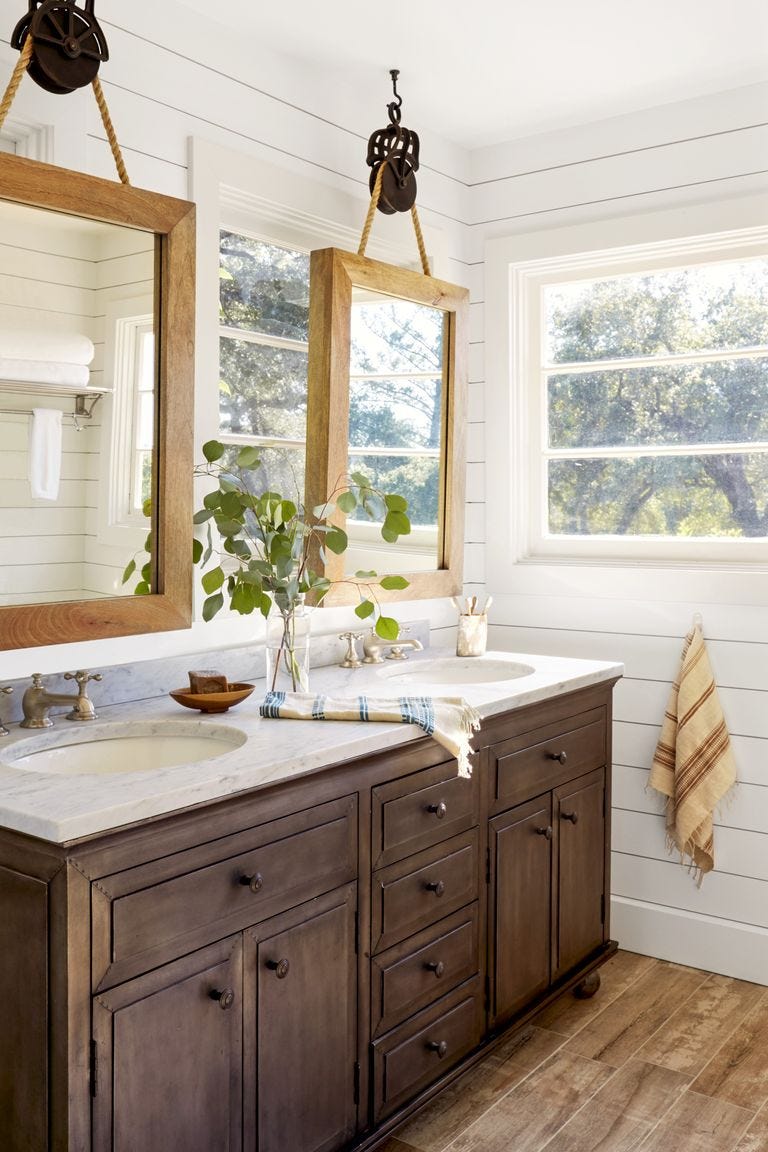
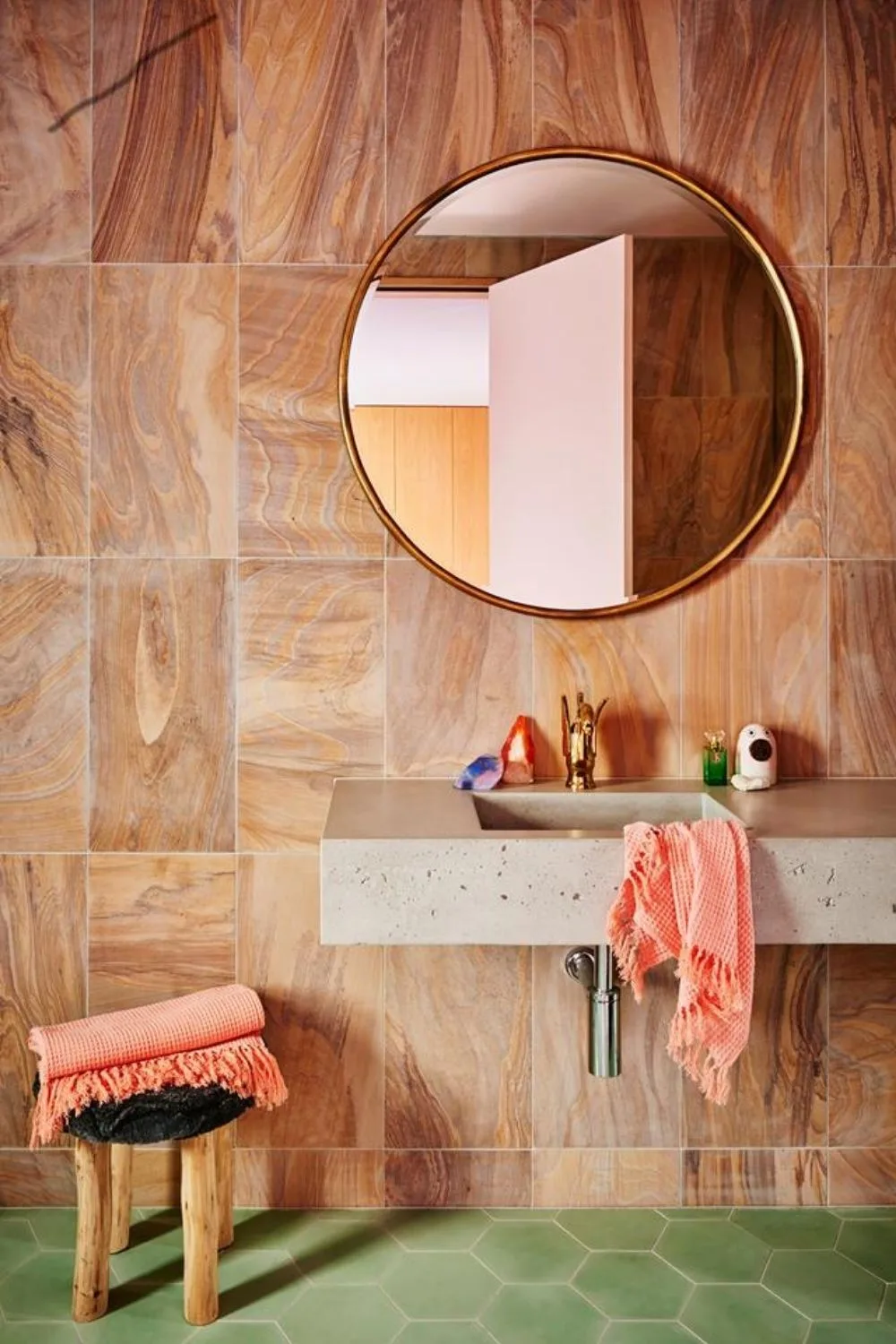
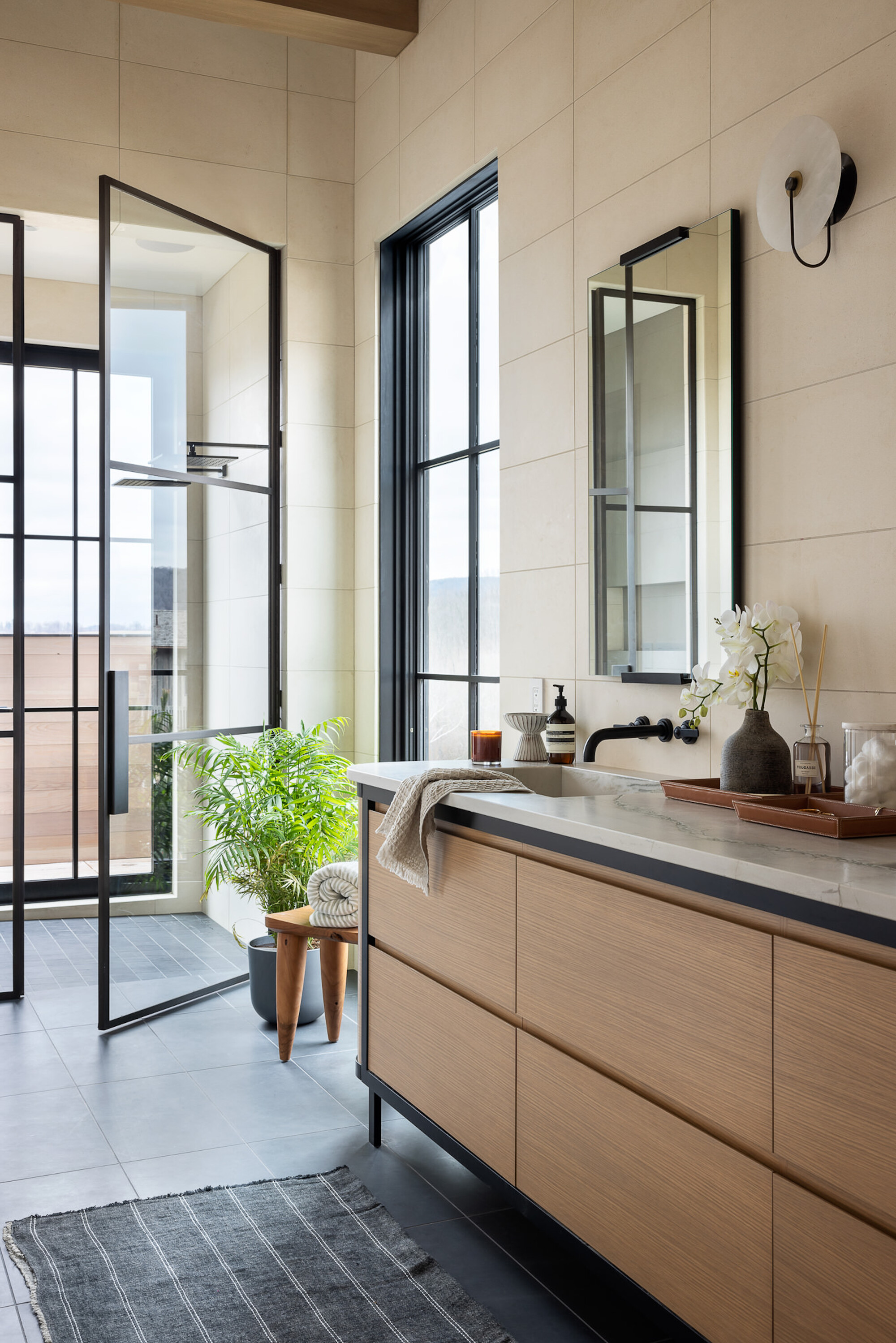
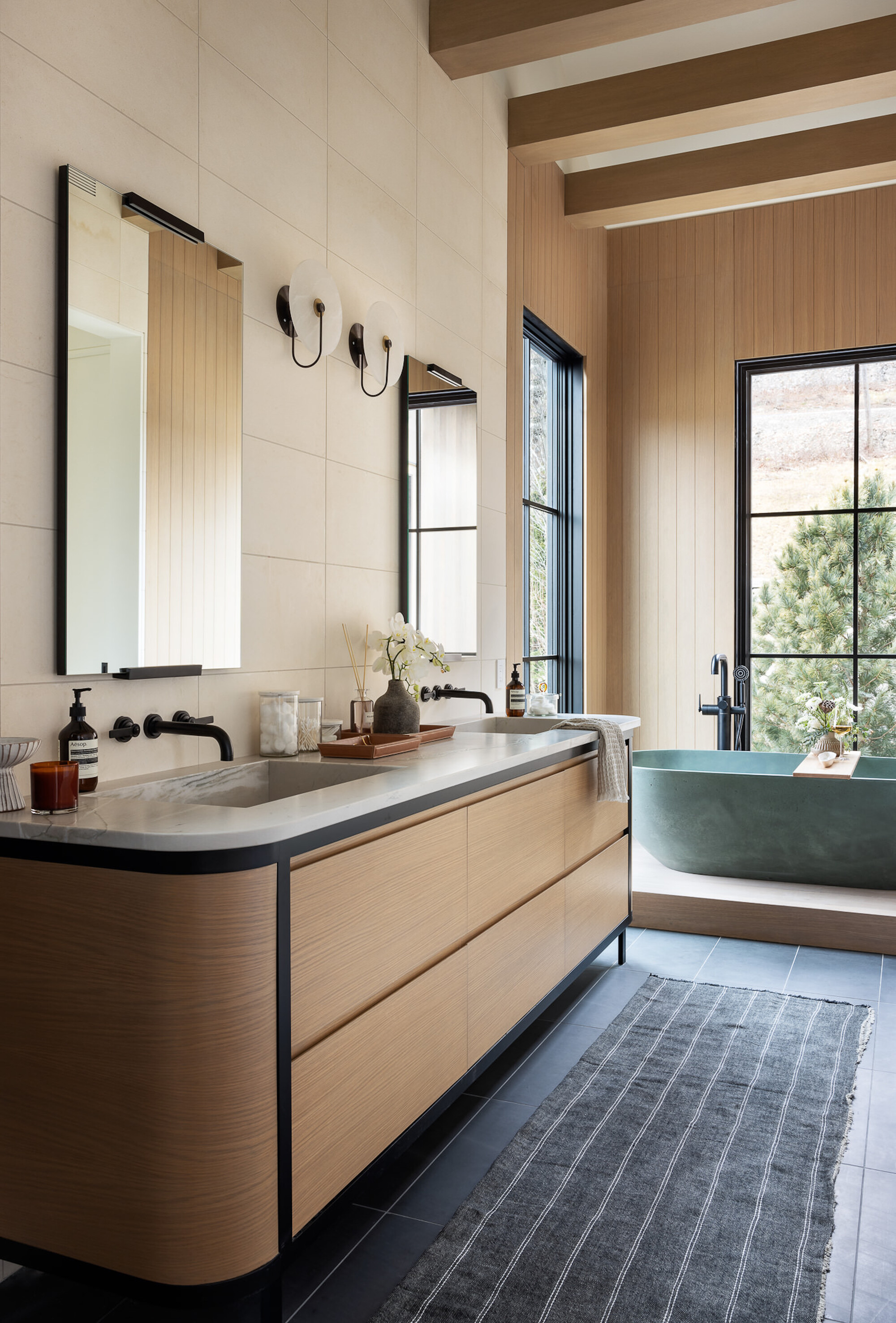
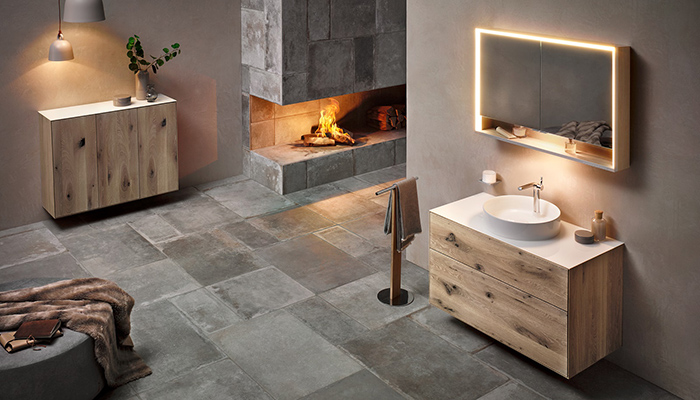
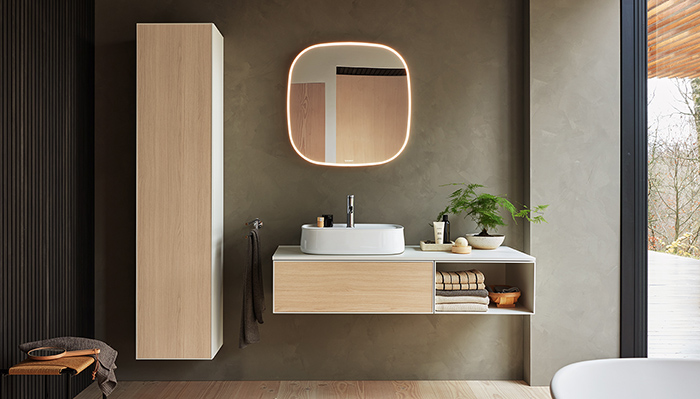
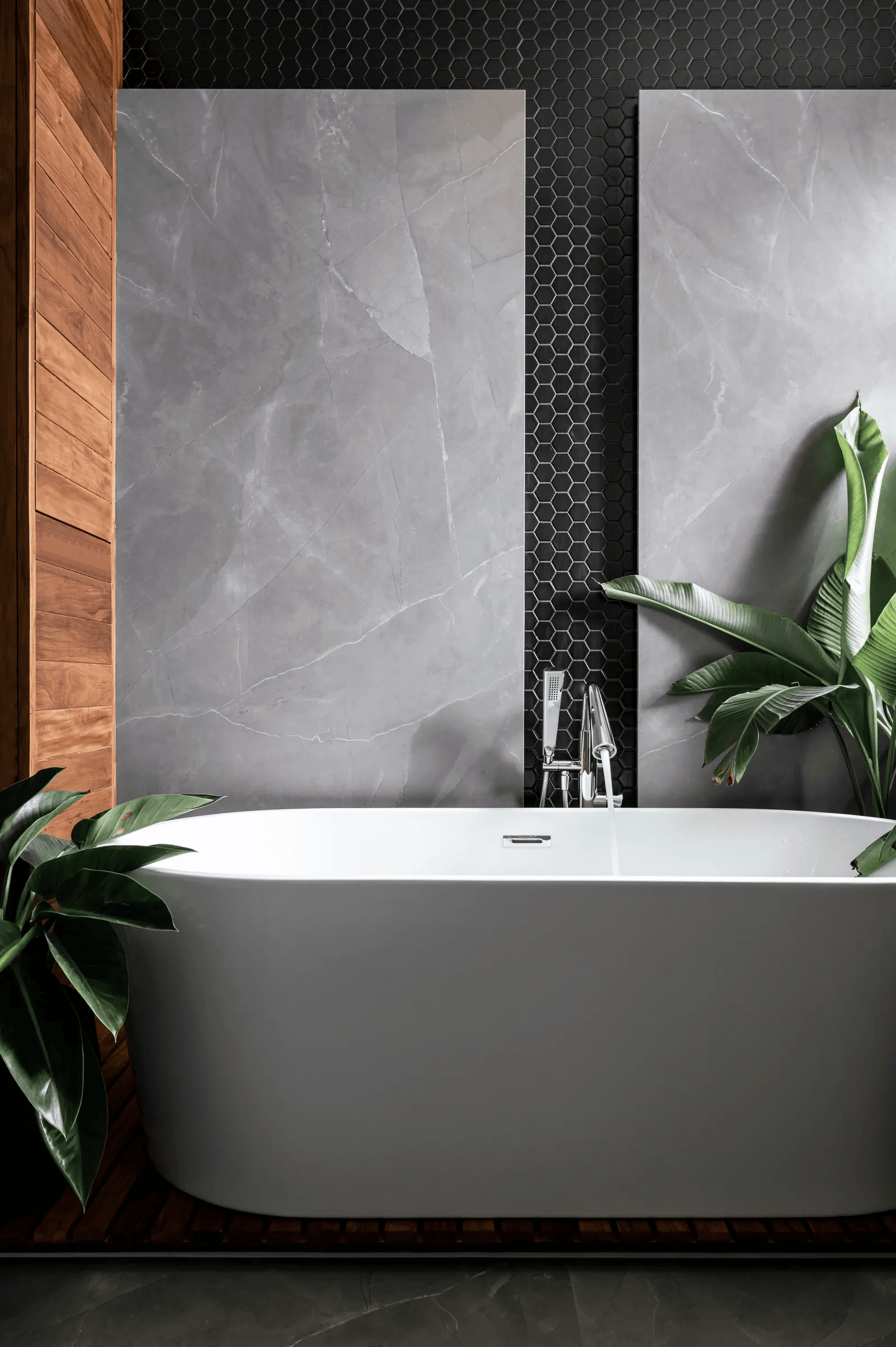
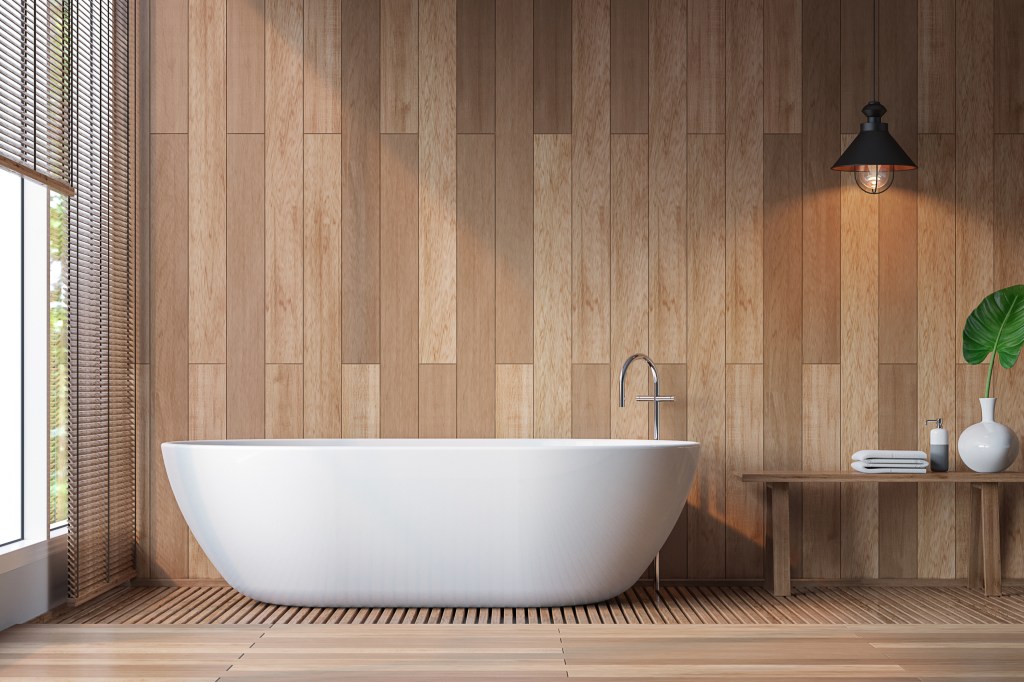
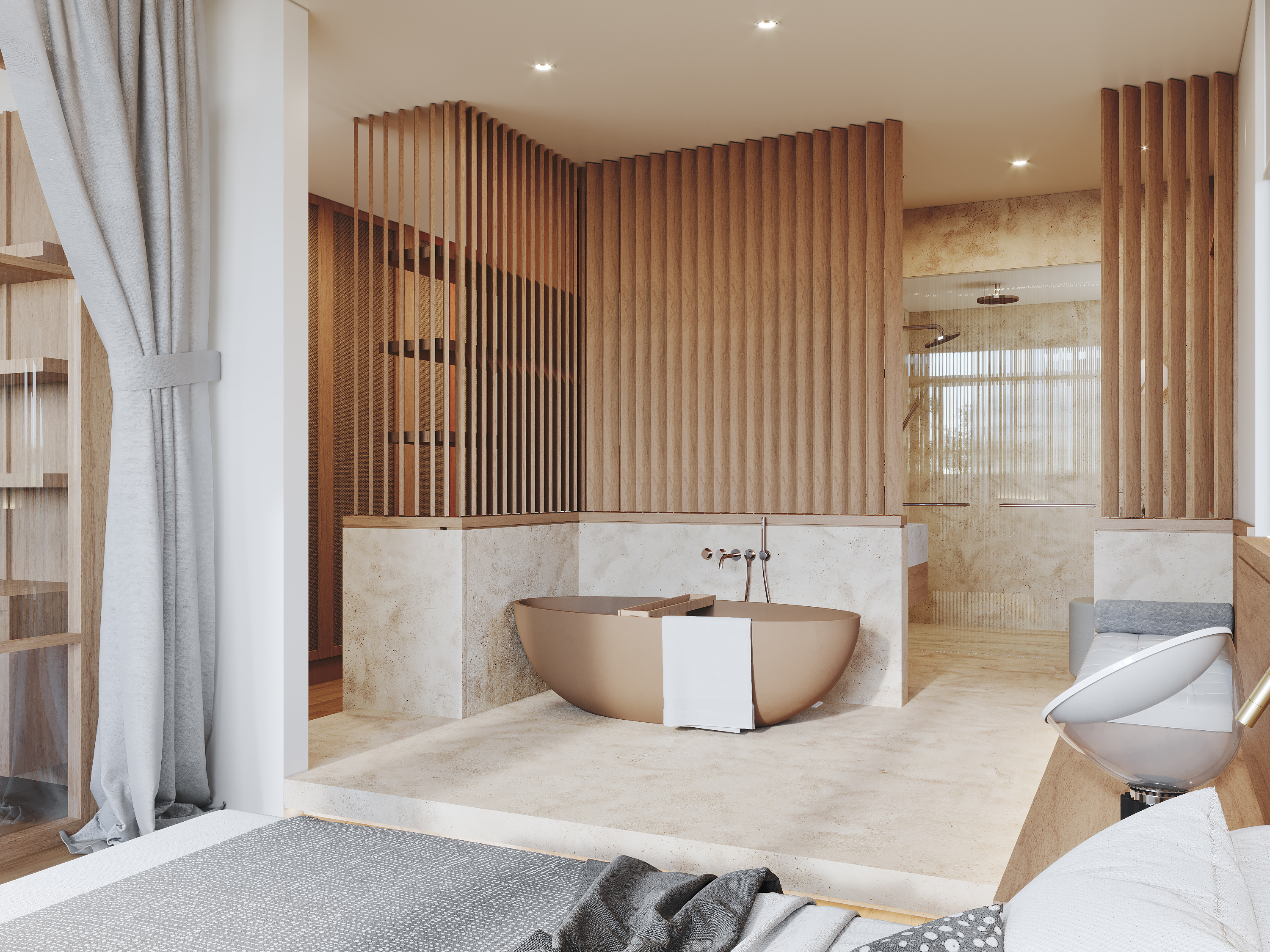
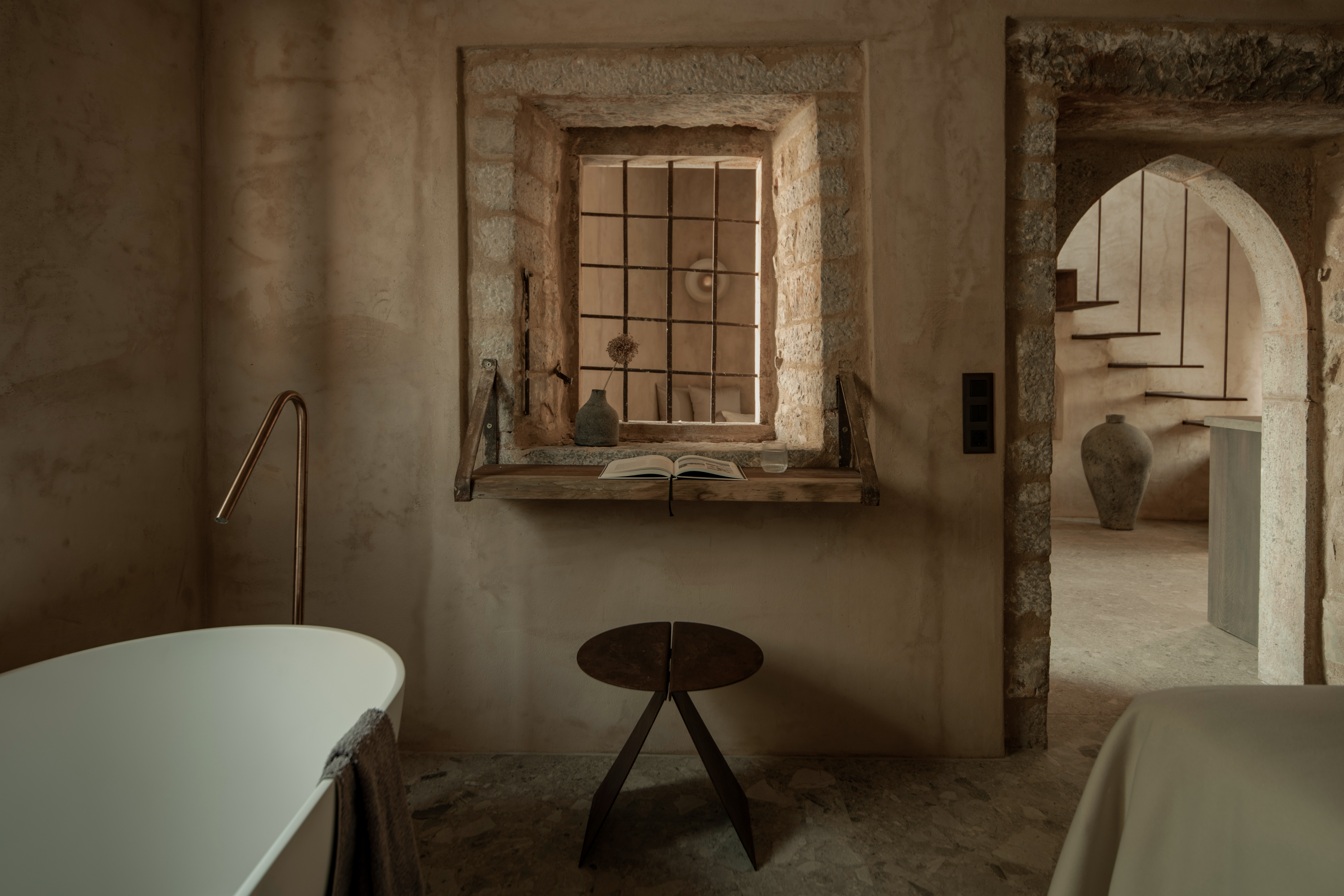
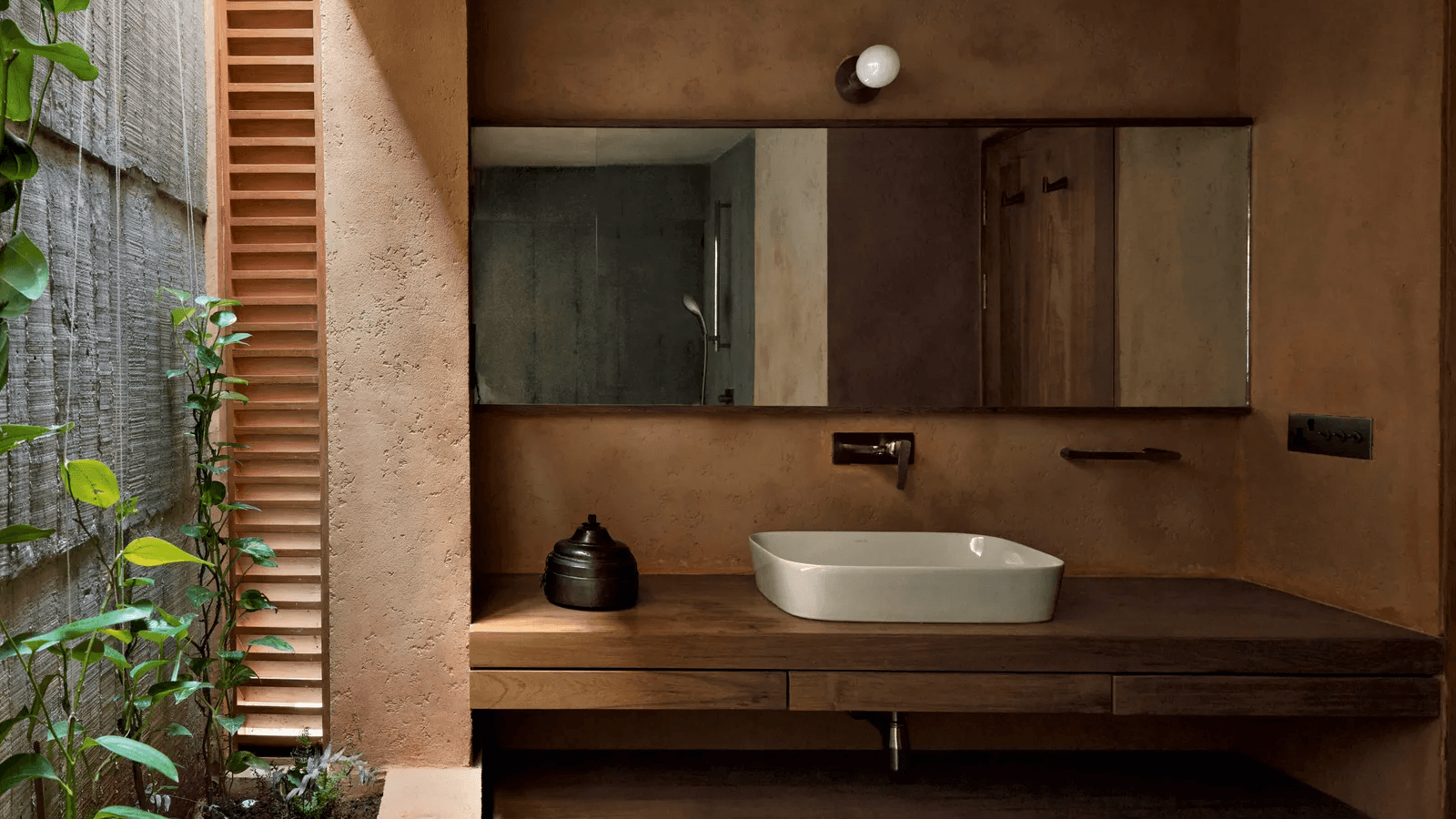
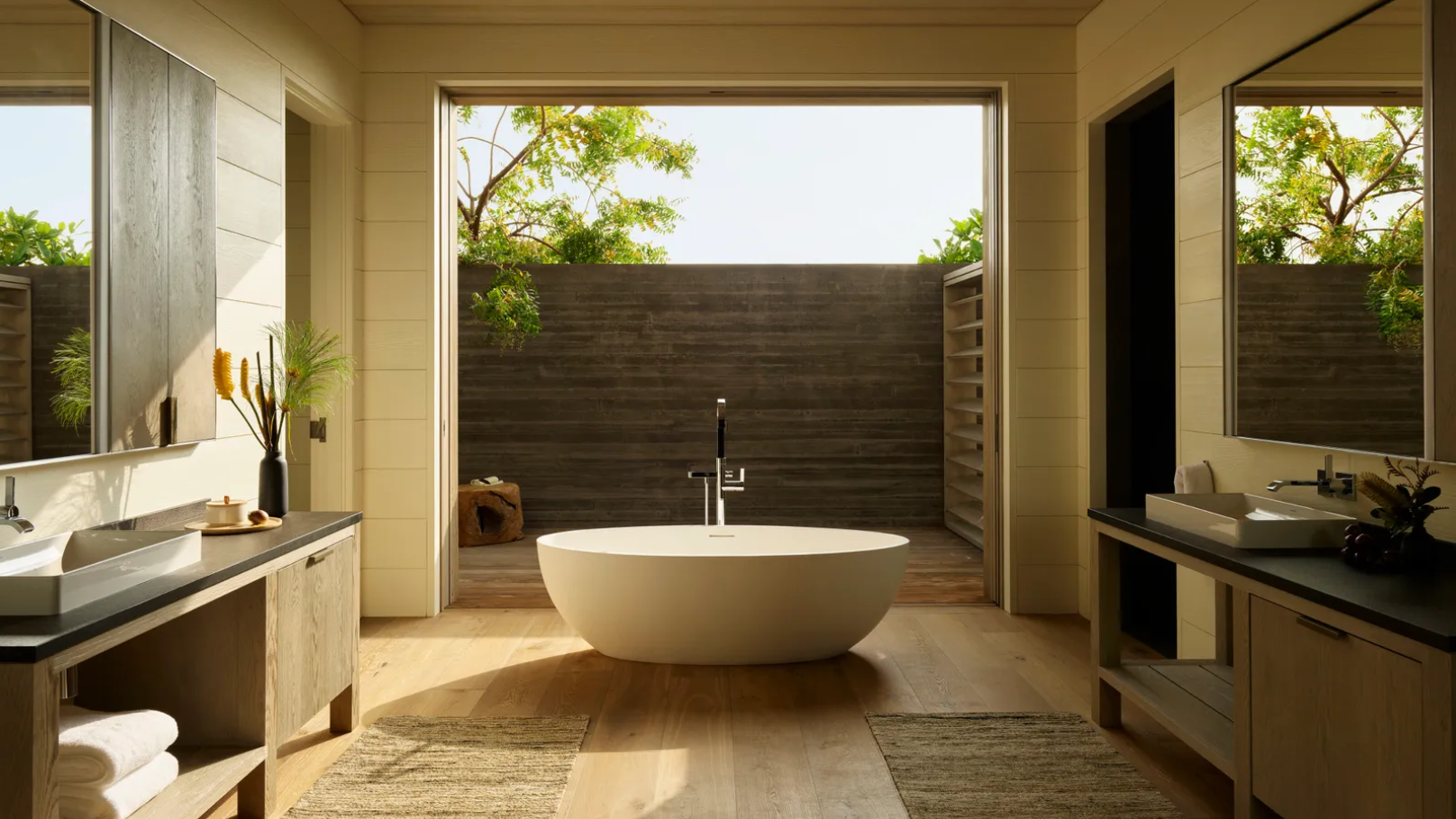
Incorporating natural materials is crucial for a Japandi bathroom to foster a connection to the earth and enhance well-being. Wood, stone, and bamboo are prime examples, contributing to an organic feel. Sarah Barnard suggests using natural wood finishes for custom cabinets, doors, and flooring to evoke the serenity of Scandinavian woodlands or a natural hot spring. Lighter woods like birch or ash provide a Scandinavian touch, while darker woods such as cedar or hinoki introduce a Japanese influence.
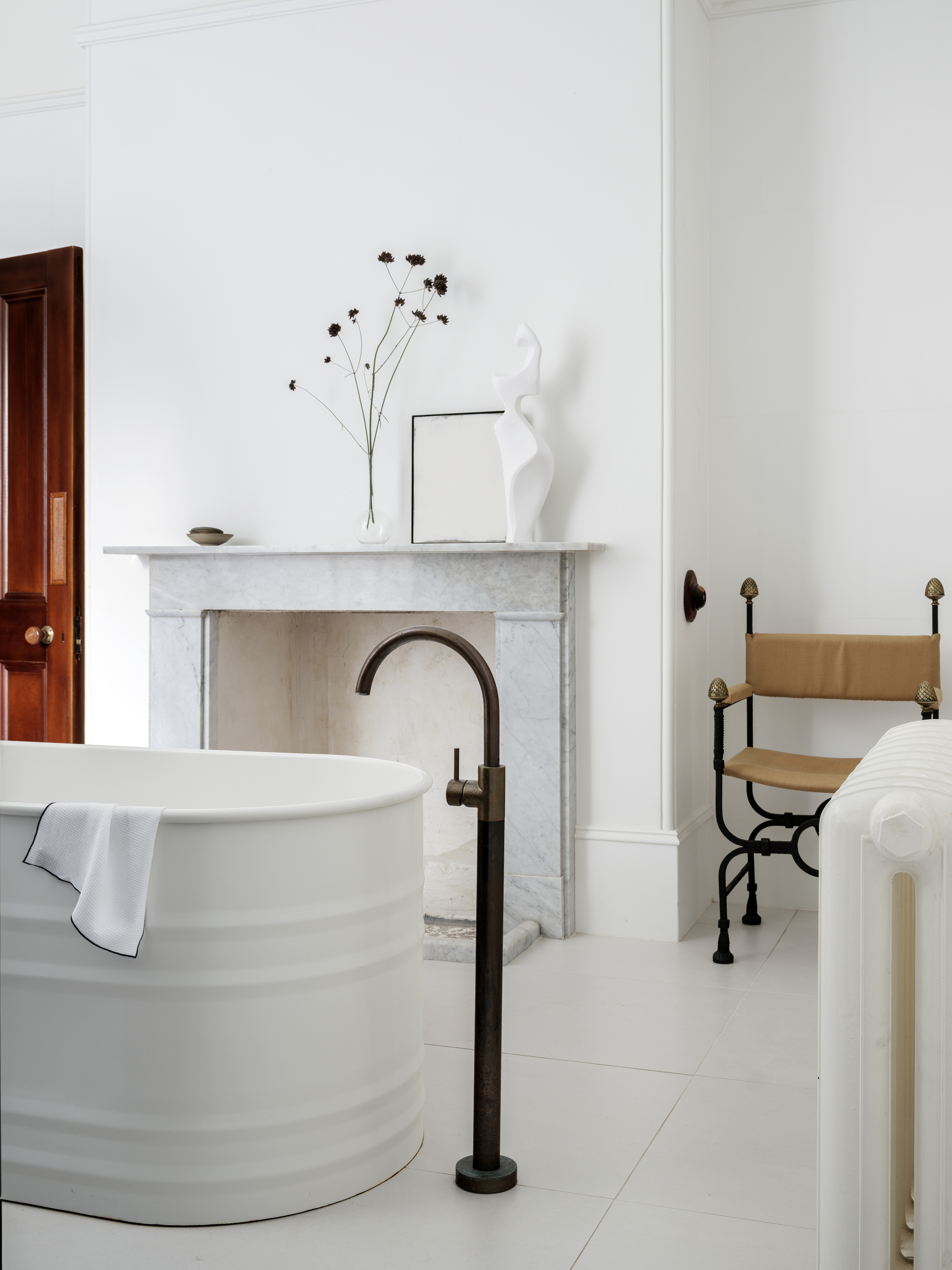
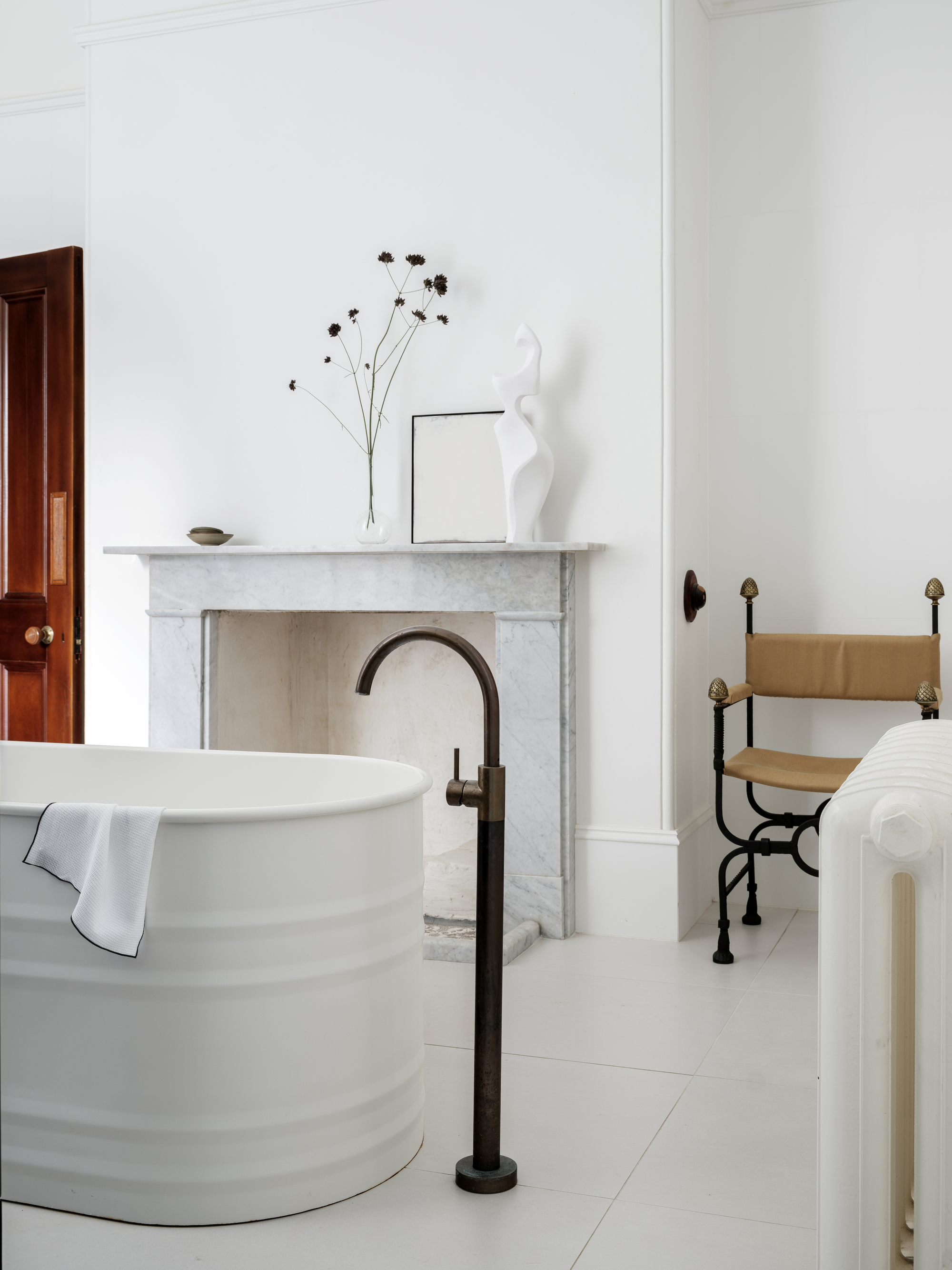
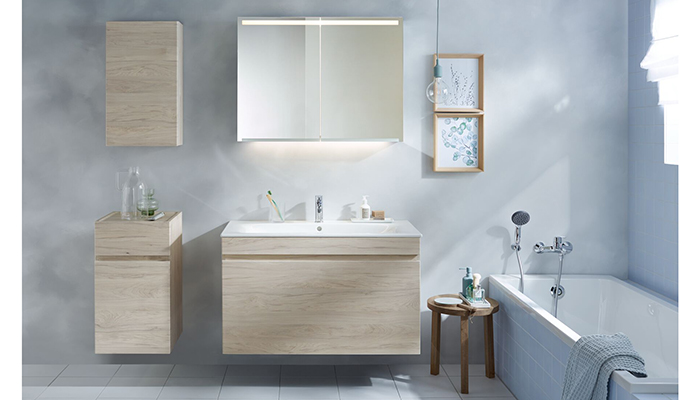
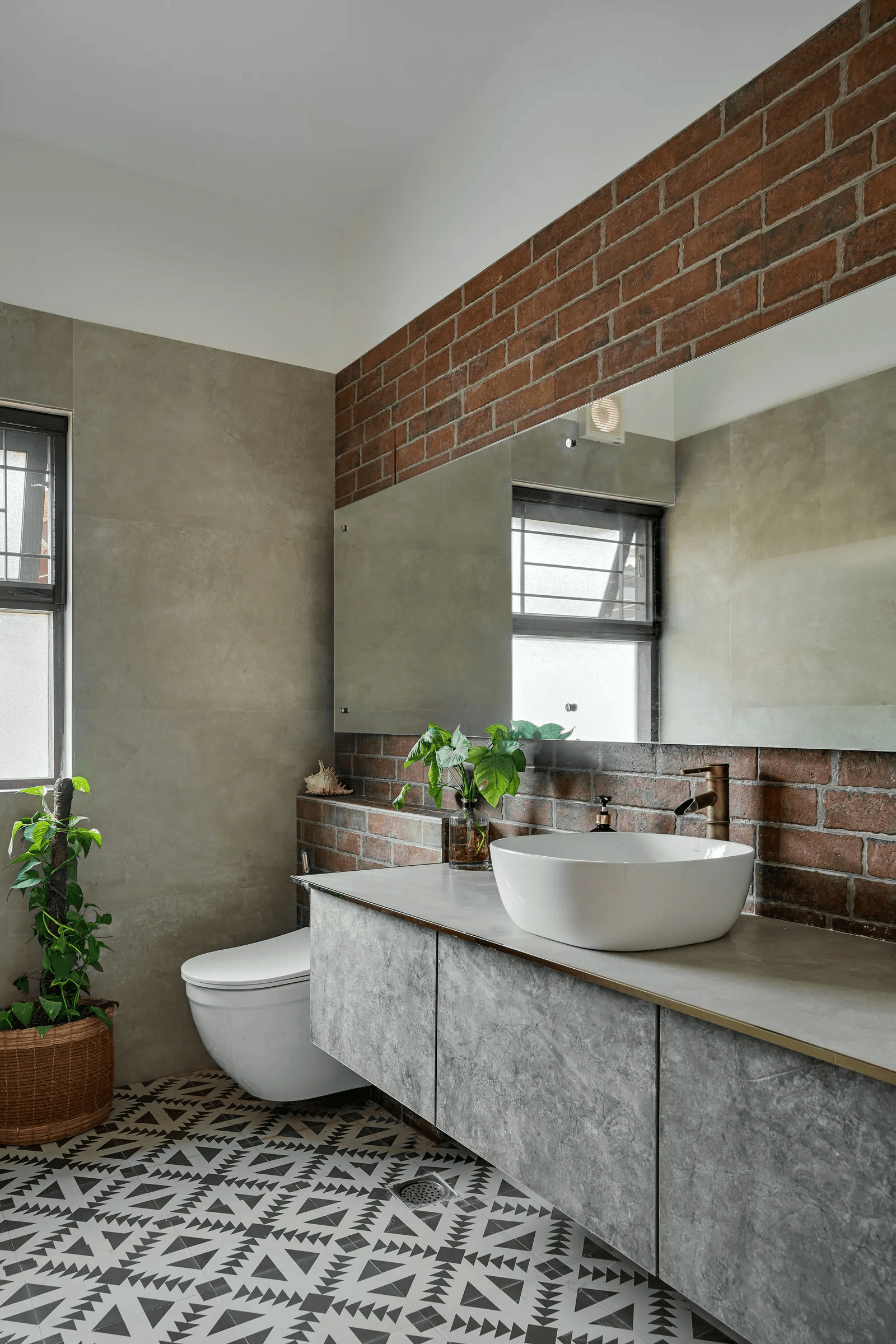
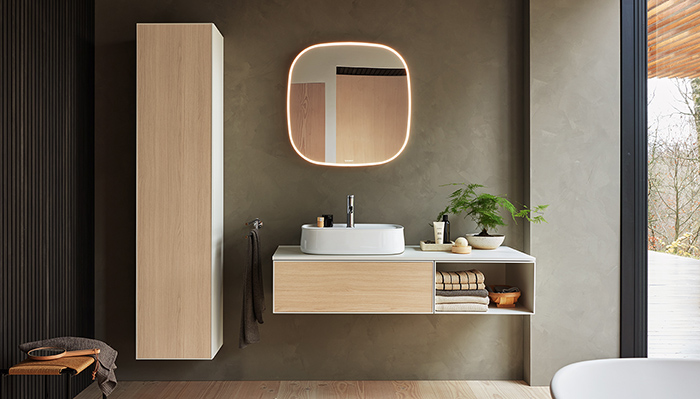
Minimalist design principles are inherent to both Japanese and Scandinavian styles, thus forming a core component of Japandi. The aim is to create an understated space with clean lines and sleek finishes, allowing the natural beauty of materials to stand out. Clutter-free environments are achieved through simple, streamlined fixtures and furniture, with decorative elements kept to a minimum and serving both functional and aesthetic purposes. Luis Carmona of VERDE Interior Design recommends minimal designs for vanities, mirrors, and lighting.
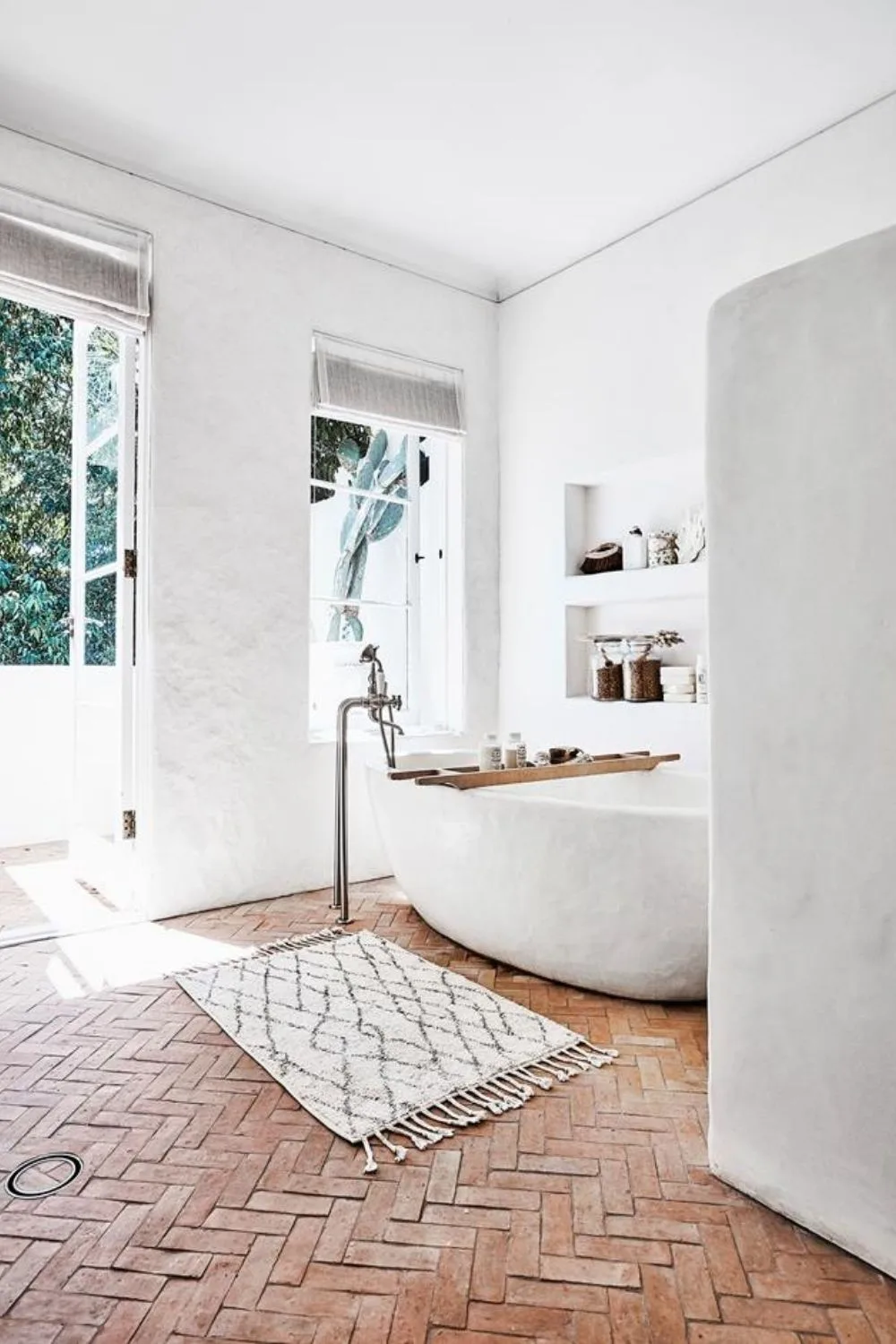
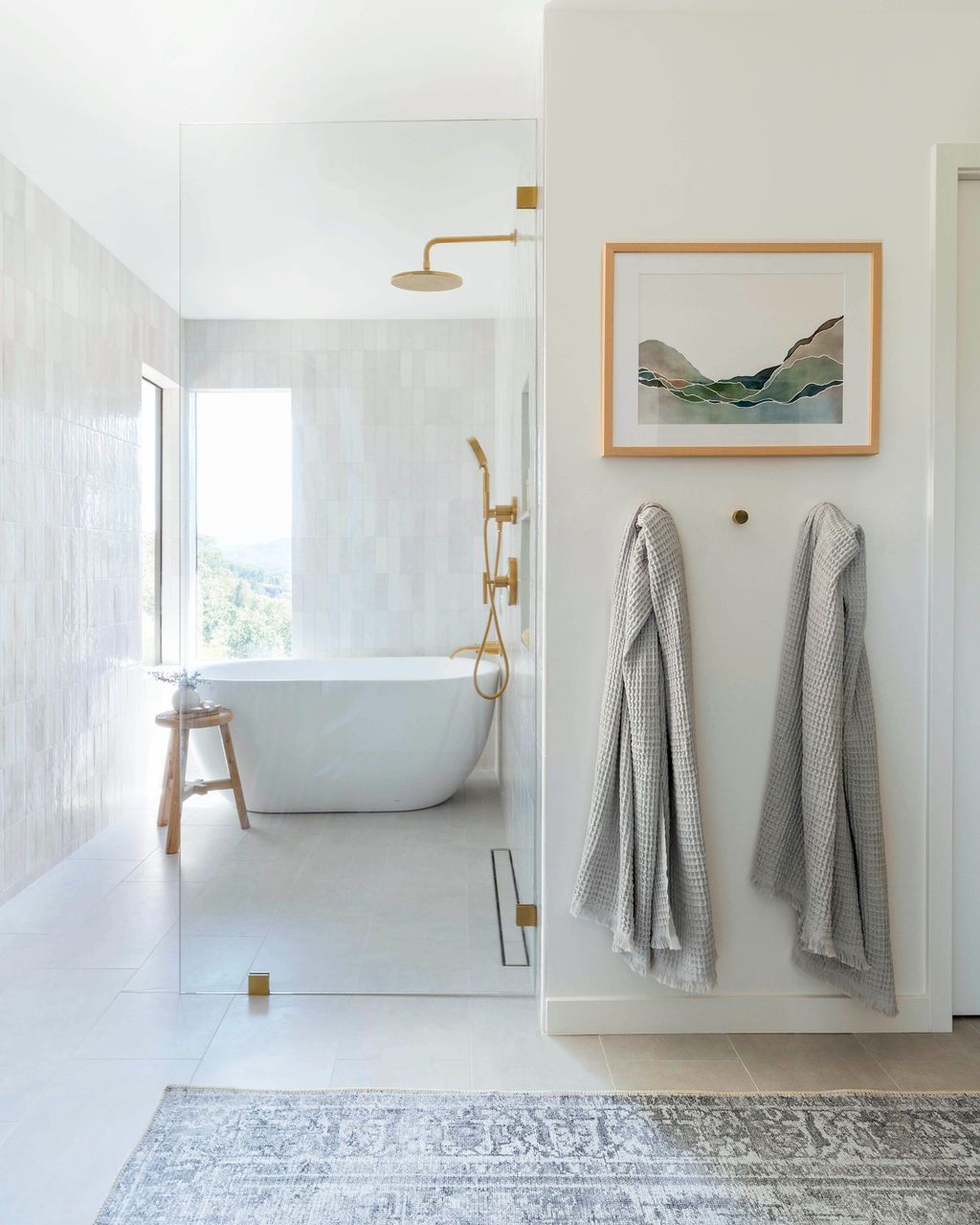
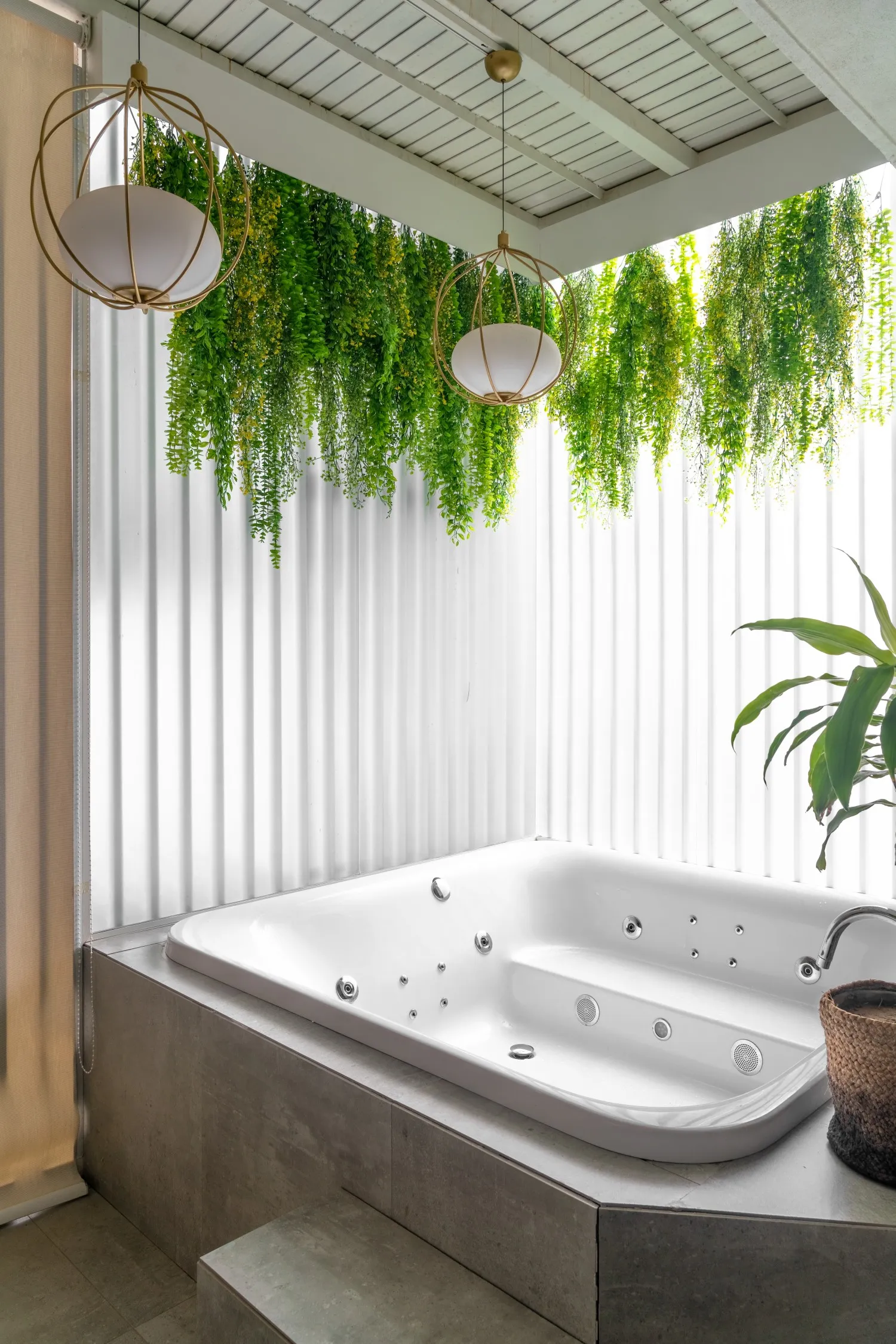
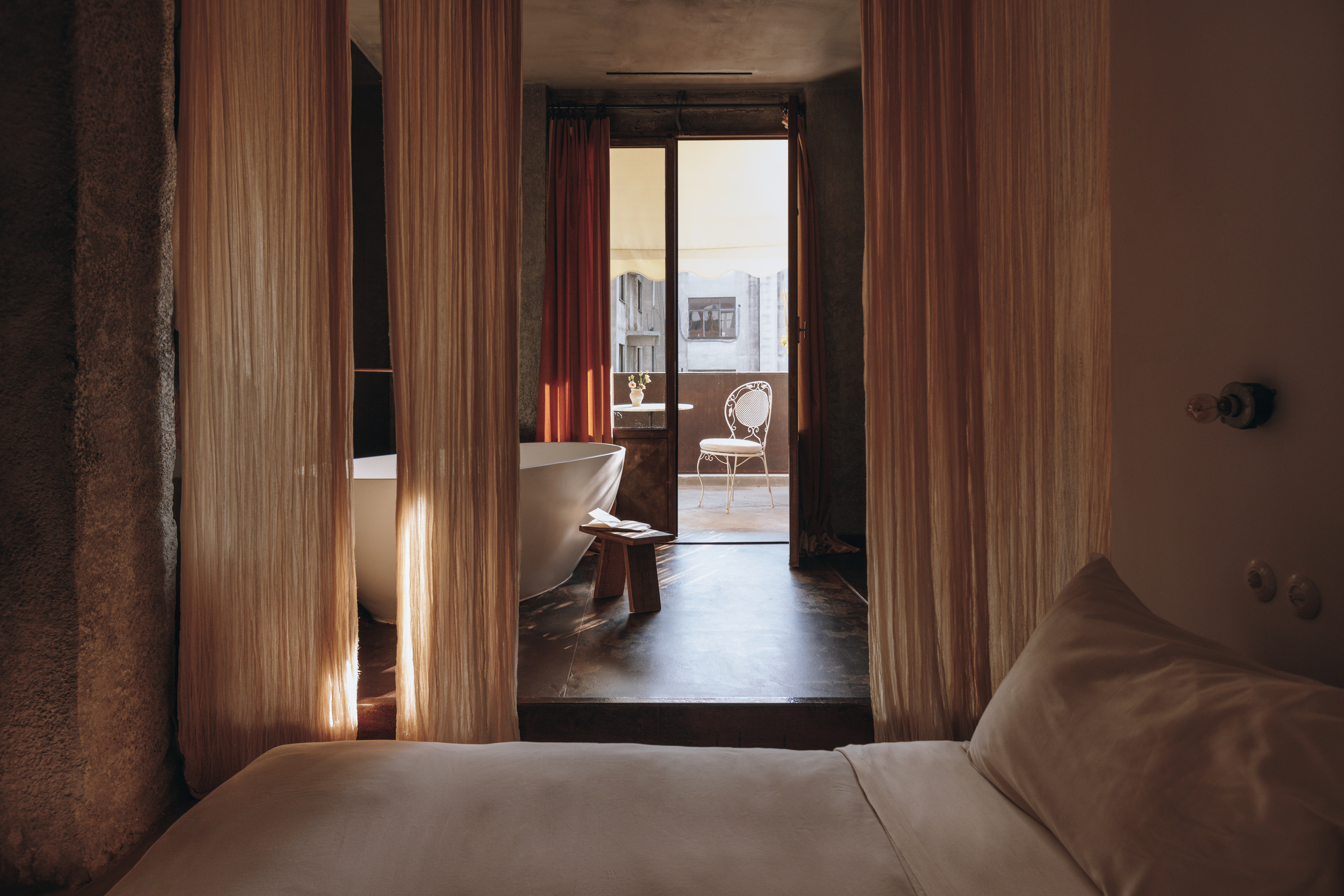
Maximizing natural light is another key aspect, reinforcing the connection to the natural world. Large windows are favored, and where natural light is insufficient, soft, diffused artificial lighting is recommended. Washi paper lighting fixtures, for instance, can create a warm and gentle glow without compromising the minimalist aesthetic. Effective storage solutions are also vital to maintain a minimalist environment, with shower niches, floating vanity drawers, and hidden wall cabinets keeping clutter at bay.
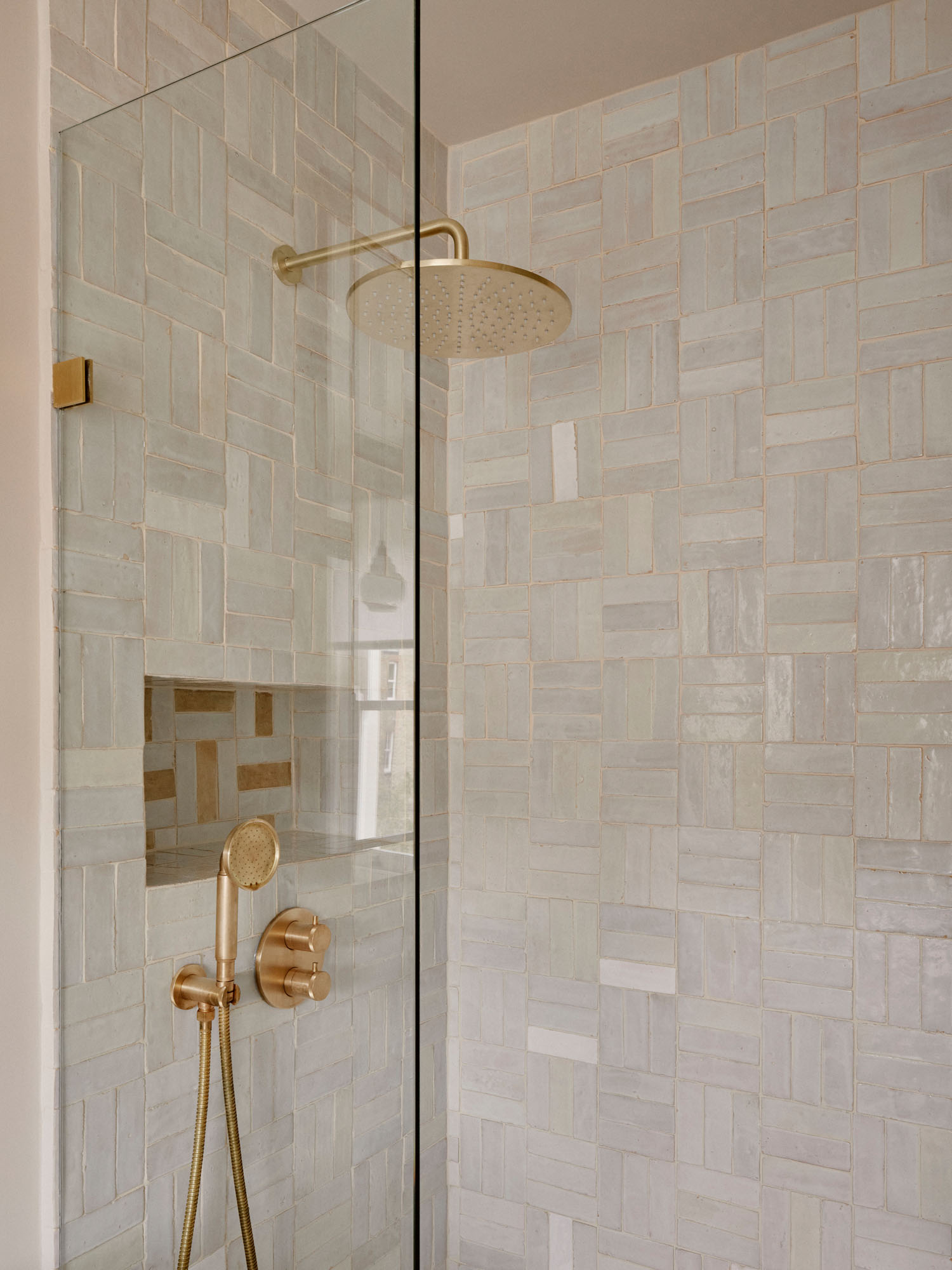
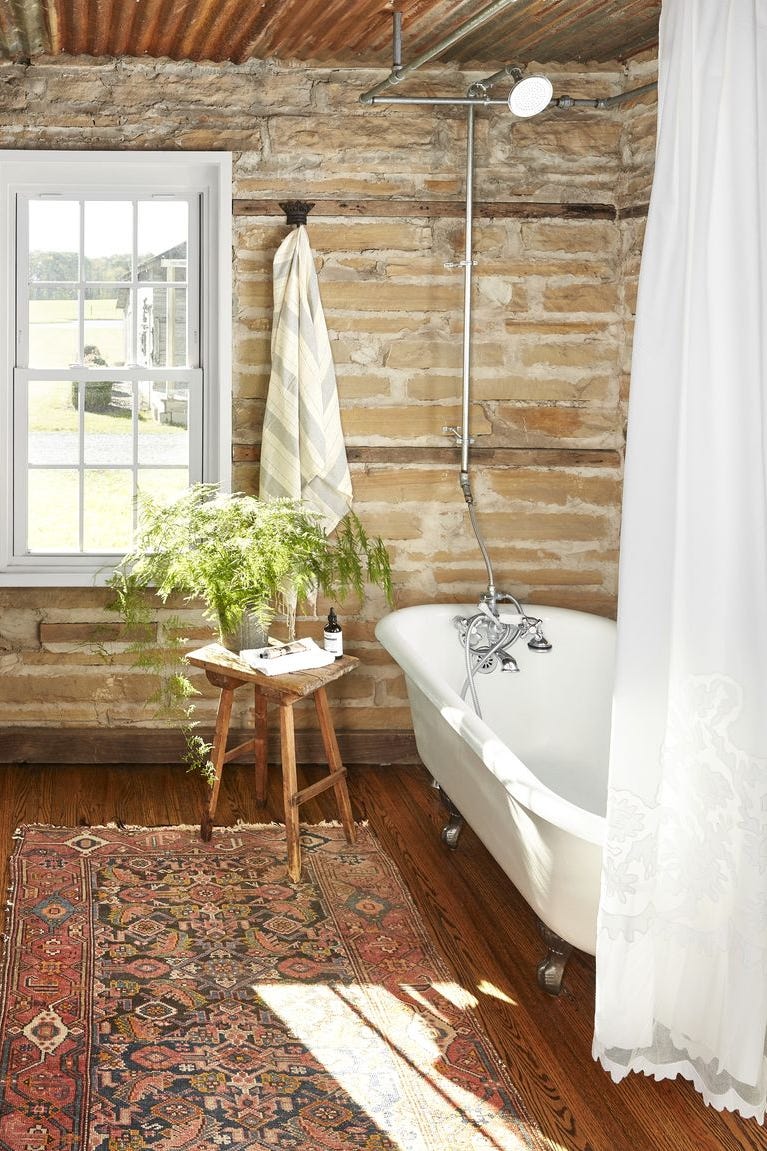
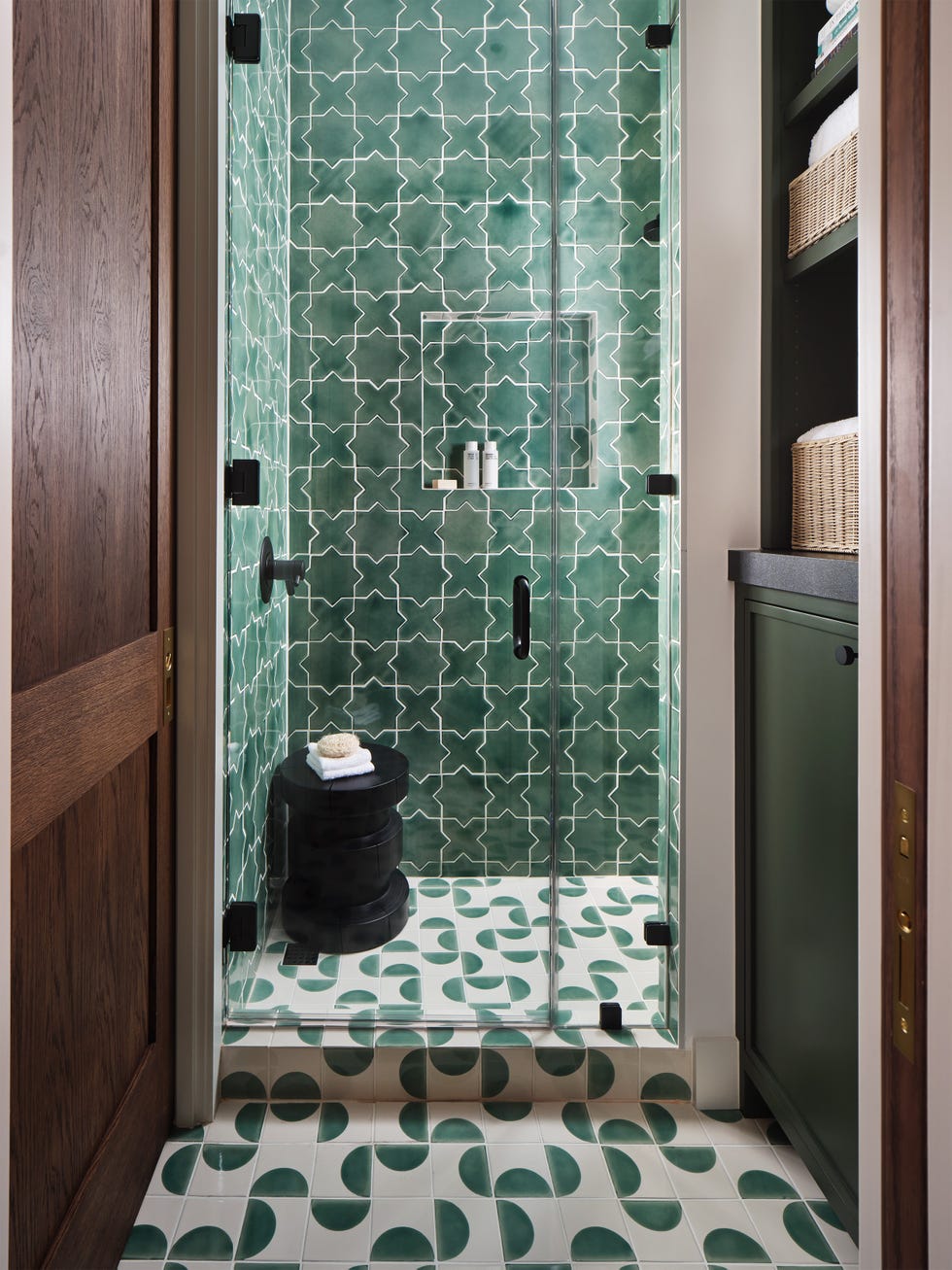
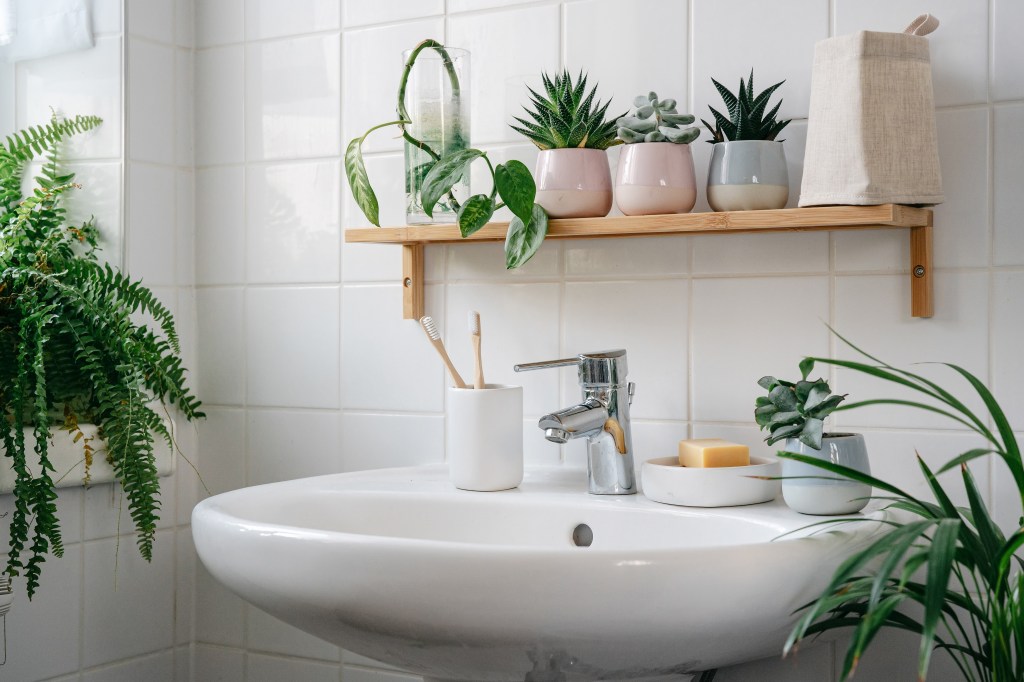
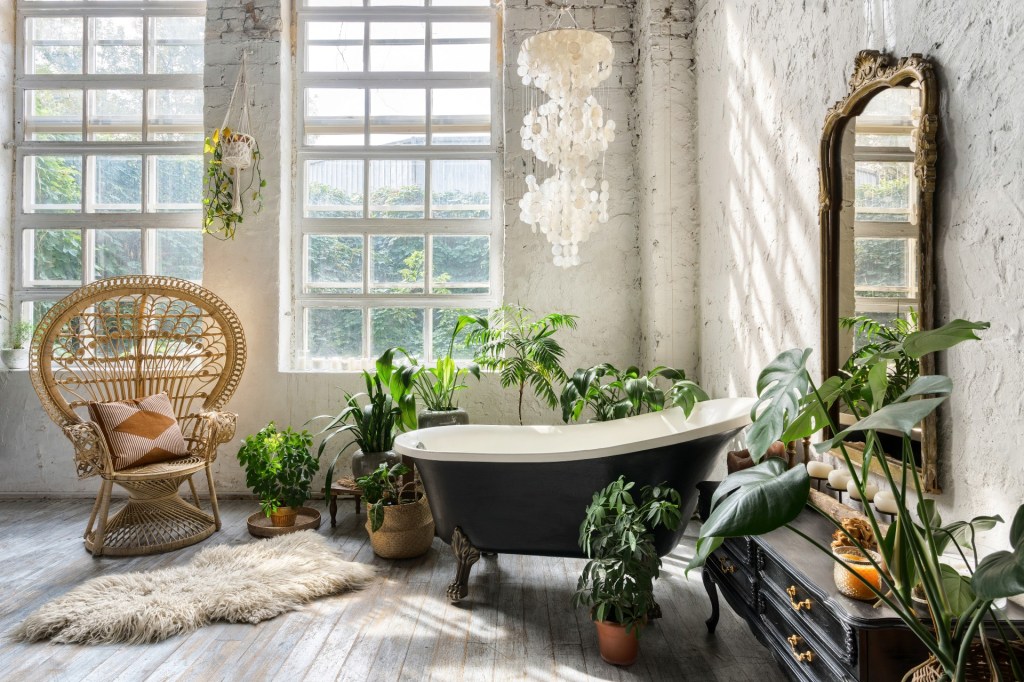
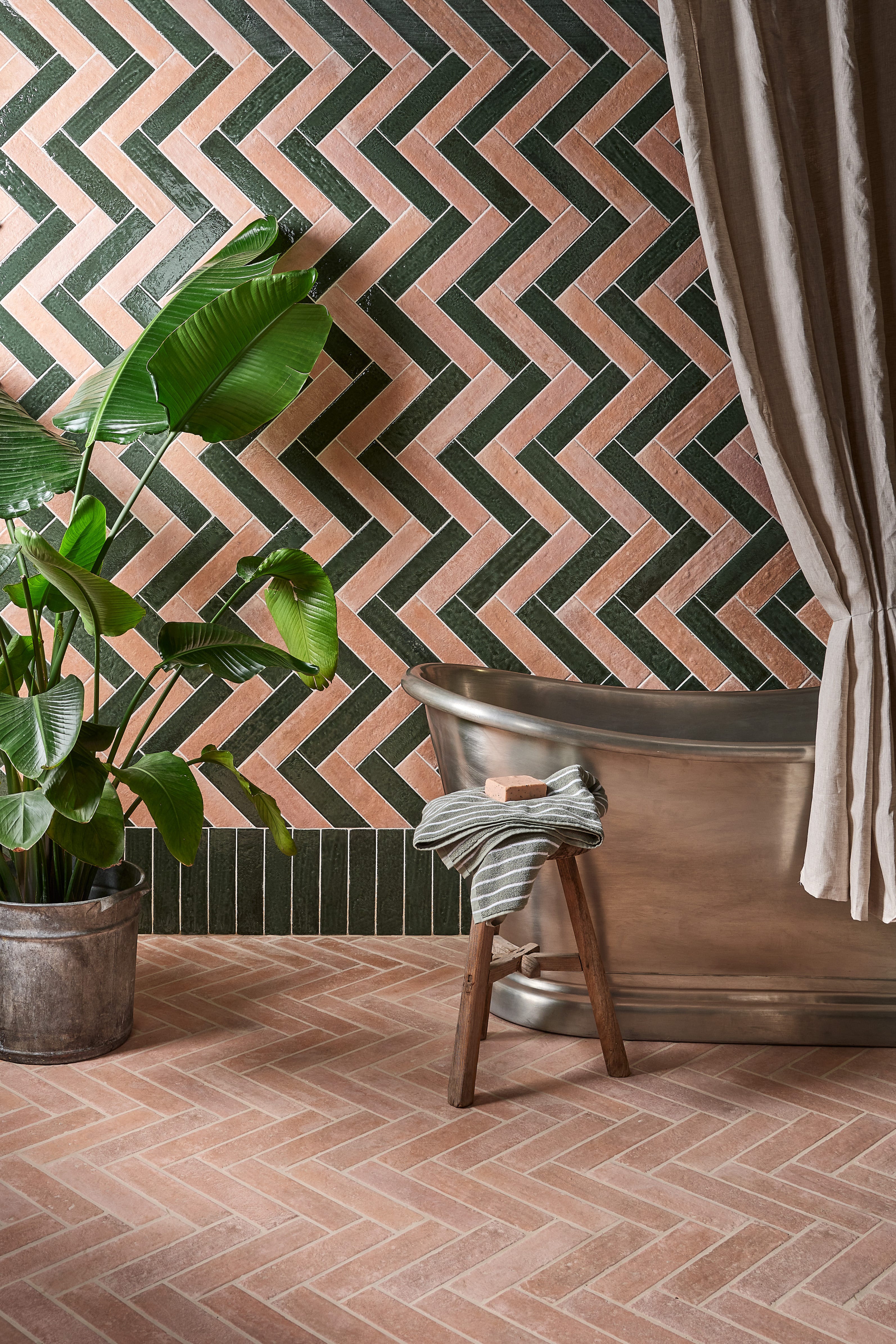
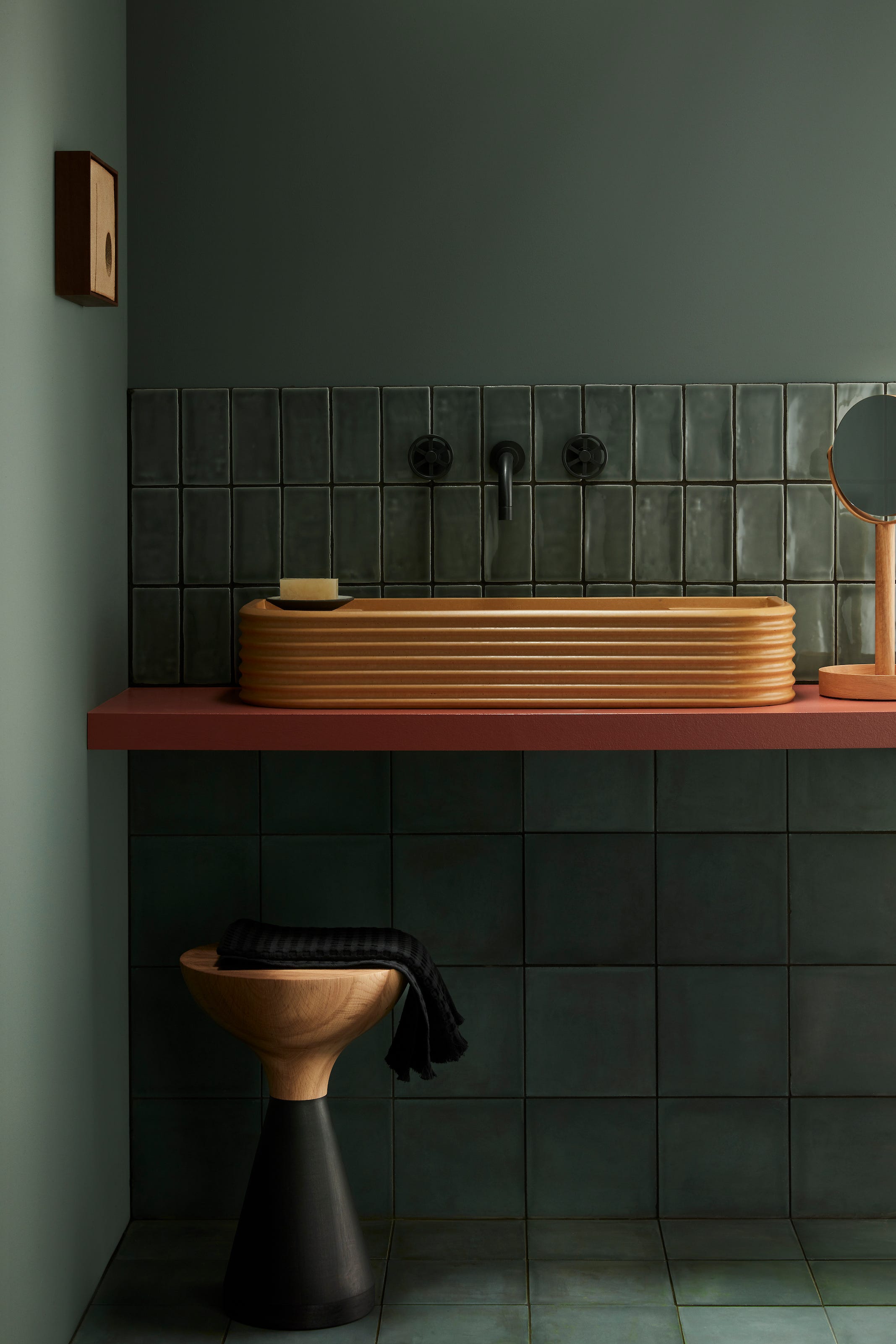
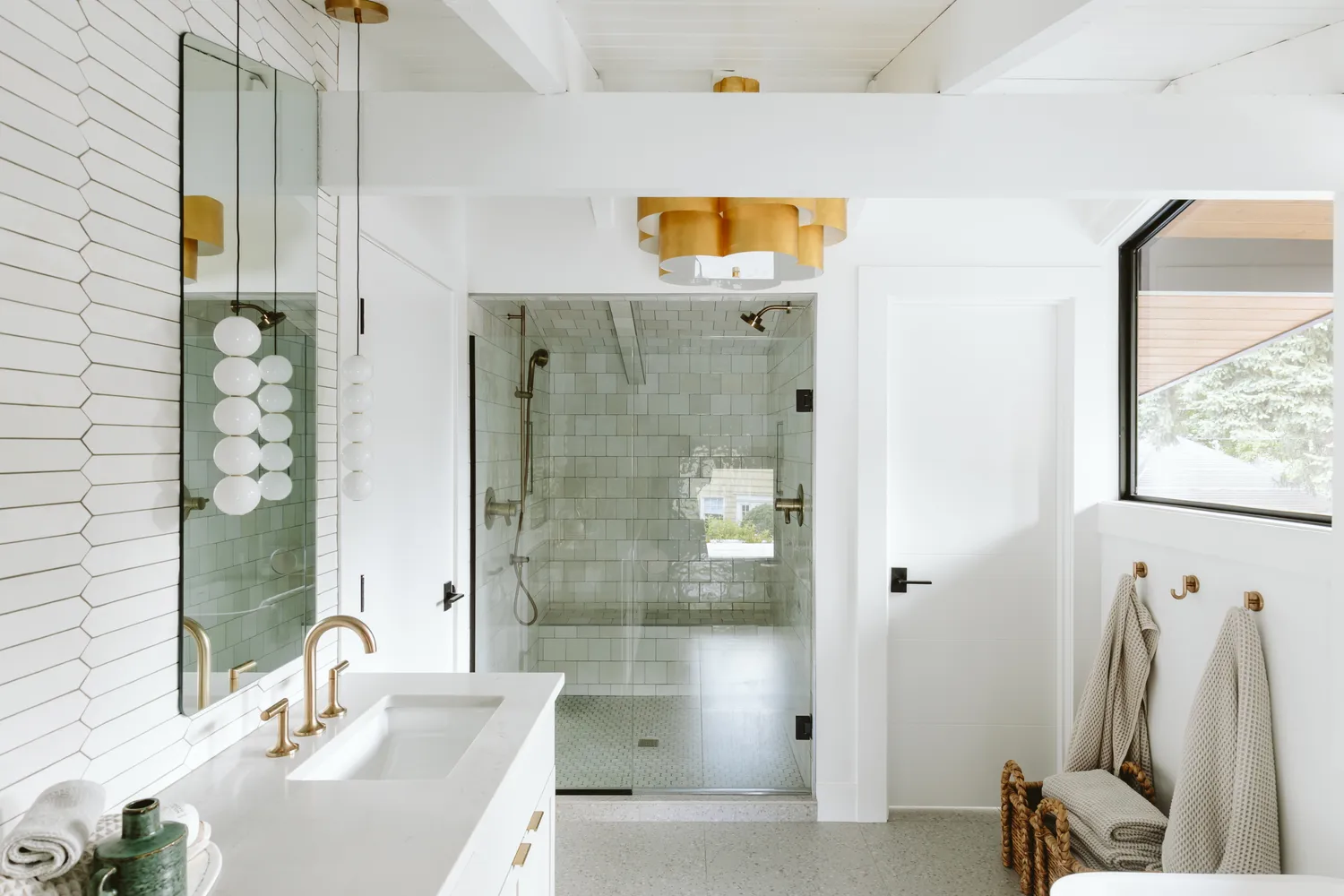
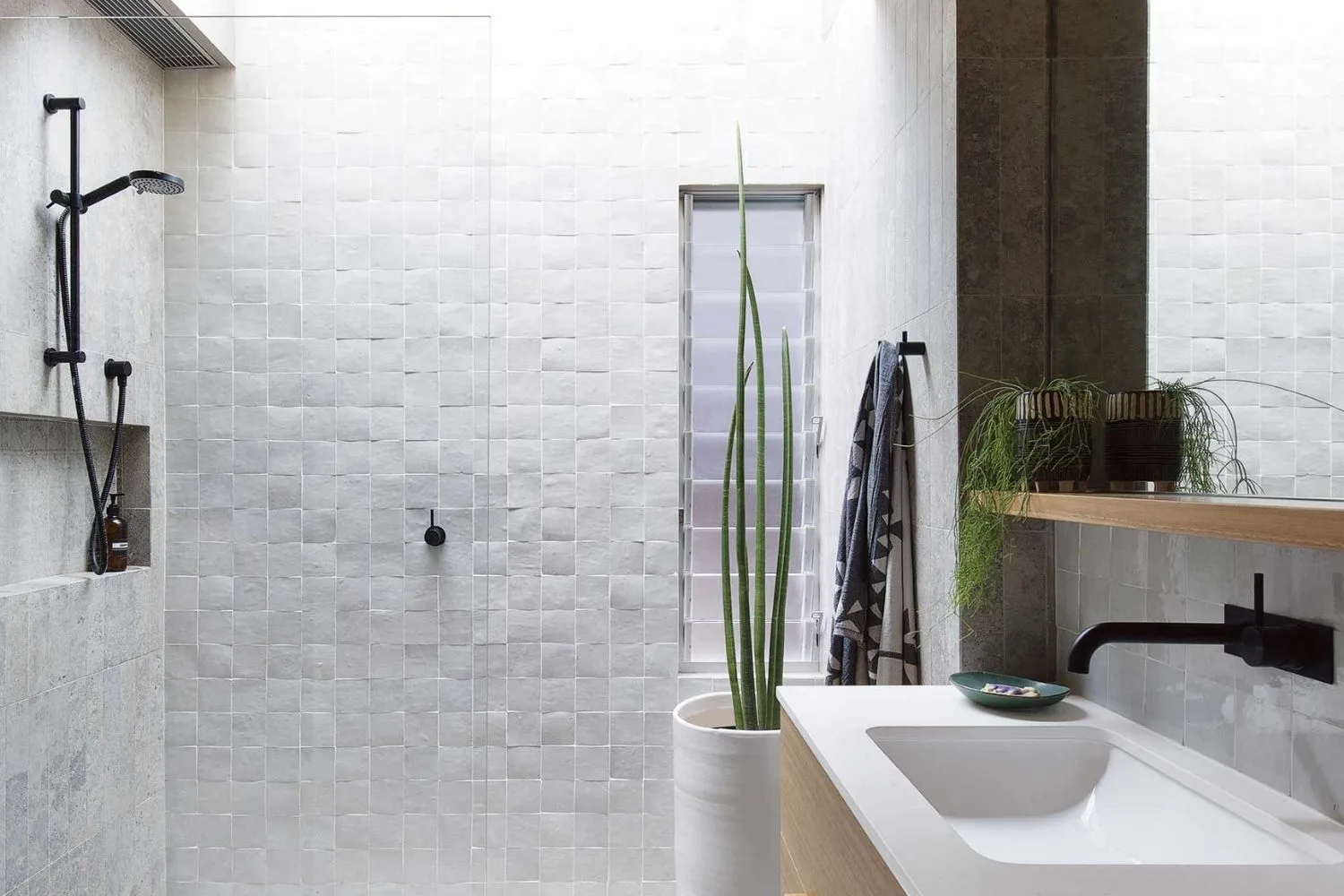
Adding texture through tiles is encouraged, particularly handmade tiles in nature-derived colors, which introduce visual interest and a tactile quality. Sarah Barnard notes that such tiles, with their non-uniform glaze or texture, bring artisanal luxury and an appreciation for imperfection. Finally, to prevent the space from feeling stark, soft textiles like plush bath towels, textured bath mats, and cotton or linen shower curtains are used to add warmth and coziness. Neutral colors and simple patterns in these textiles ensure a cohesive look, while potted plants or small indoor gardens further integrate nature, completing the Japandi bathroom aesthetic.
#JapandiDecor #BathroomDesign #InteriorDesign #NaturalMaterials #MinimalistDesign #CalmingColors #ScandinavianDesign #JapaneseDesign #HomeDecor #JapandiDecor #BathroomDesign #InteriorDesign #NaturalMaterials #MinimalistDesign #CalmingColors #ScandinavianDesign #JapaneseDesign #HomeDecor
0 comment in total
 No comments yet
You may also like
Japandi bathroom ideas : 11 ways to create a calming sanctuary

These Rustic Bathroom Ideas Will Turn Your Space into a Relaxing Haven

How consumers are embracing calm, minimal Japandi-style bathrooms
9 Bathroom Layout Ideas for a More Relaxing, Tranquil Space
5 Japandi Bathroom Ideas for Minimalist, Calming Spaces You'll Love to Spend Time in

4 Designer Bathroom Ideas That Offer a Tranquil Twist on Spa-Like Luxury

40 Best Bathroom Ideas For A Relaxing Retreat
Biophilic design: Green bathroom ideas that will turn your space into a serene sanctuary
Japanese bathroom design is trending – here's everything you need to know to recreate this serene, mindful style
38 Show-Stealing Japandi Bathroom Ideas That Make Other Bathrooms Look Outdated

5 biophilic bathrooms that invite the beauty of nature indoors

Ensuite Bathroom Ideas — 20 Ways to Create a Personalized, Private and Connected Oasis

7 Japanese real estate inspired bathroom decor ideas for a calm and mindful home
8 beautiful ensuite bathroom ideas to inspire

9 modern bathroom ideas to try for a spa-like oasis
19 green bathroom ideas for a calming dose of nature
10 ideas interior designers use to create calming bathrooms that feel like at-home spas
How to Make Your Bathroom Feel Like a Retreat — 5 Simple Edits For a Spa-Like Sanctuary
7 biophilic bathroom designs that inspire us to go green
12 Bathroom Renovation Ideas for a Tranquil, Spa-Like Space