1/5
This Design Technique Is the Key to a Calm and Relaxing Home
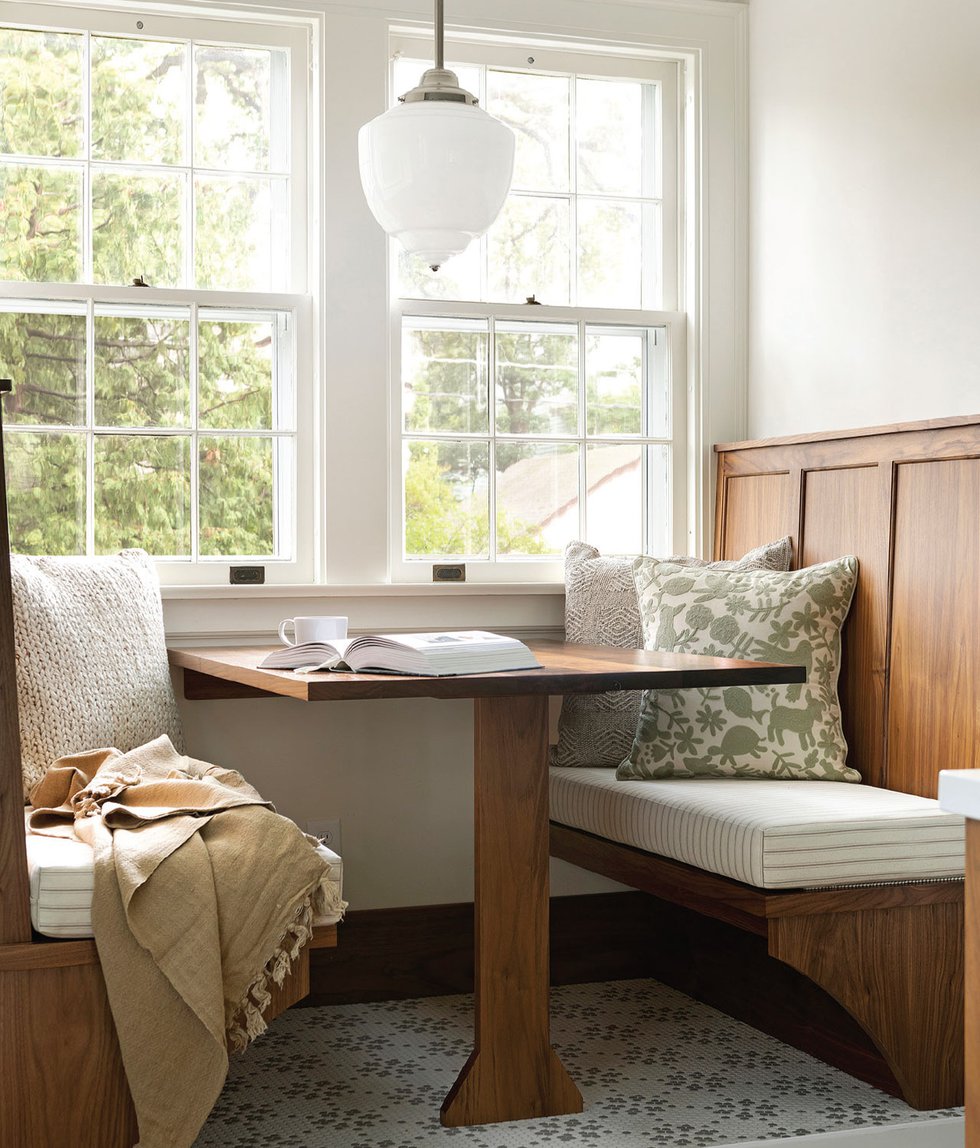
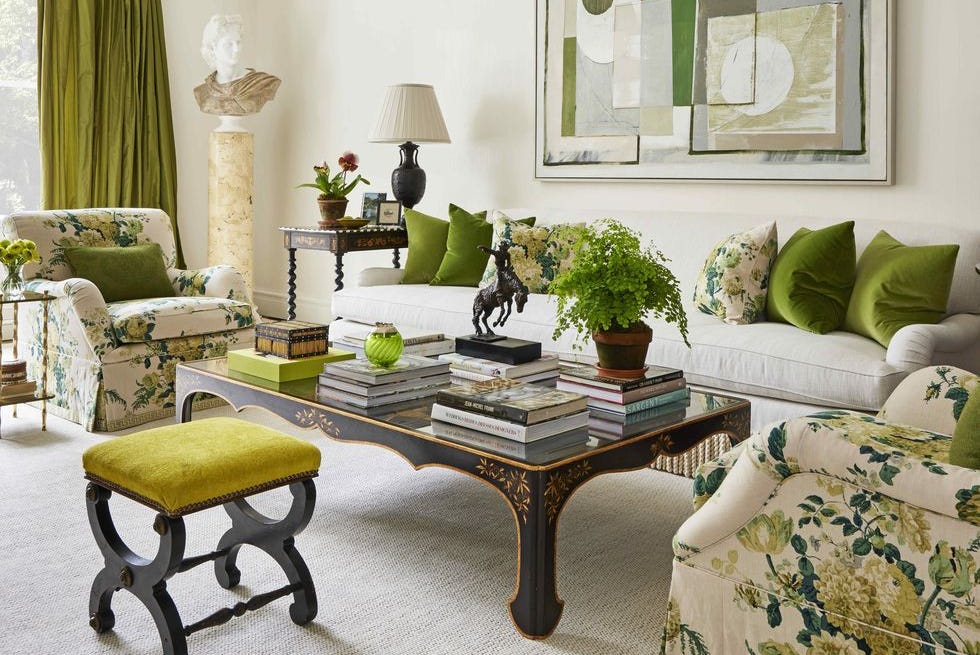
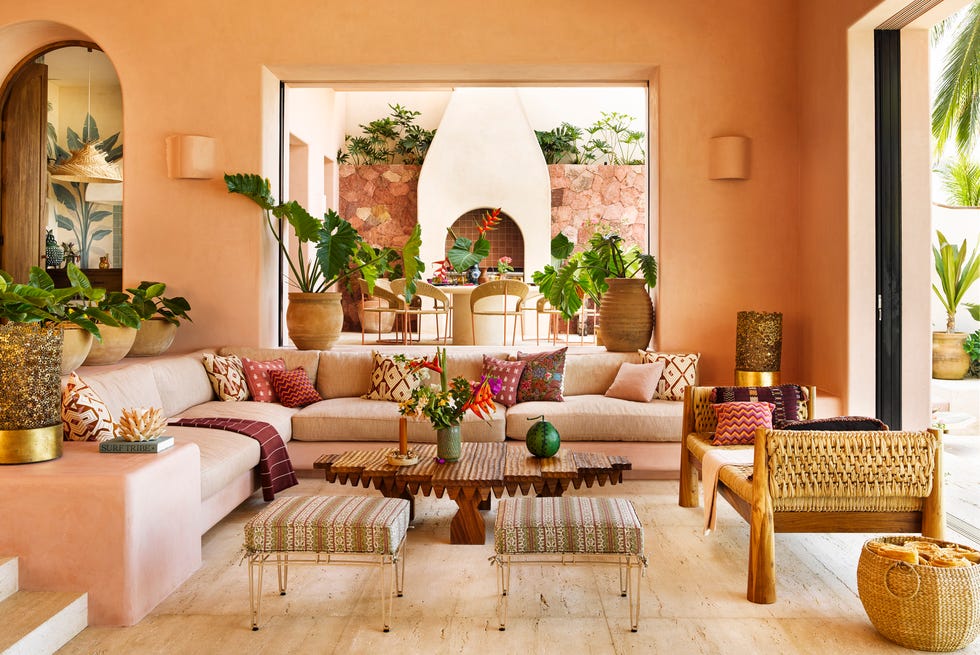
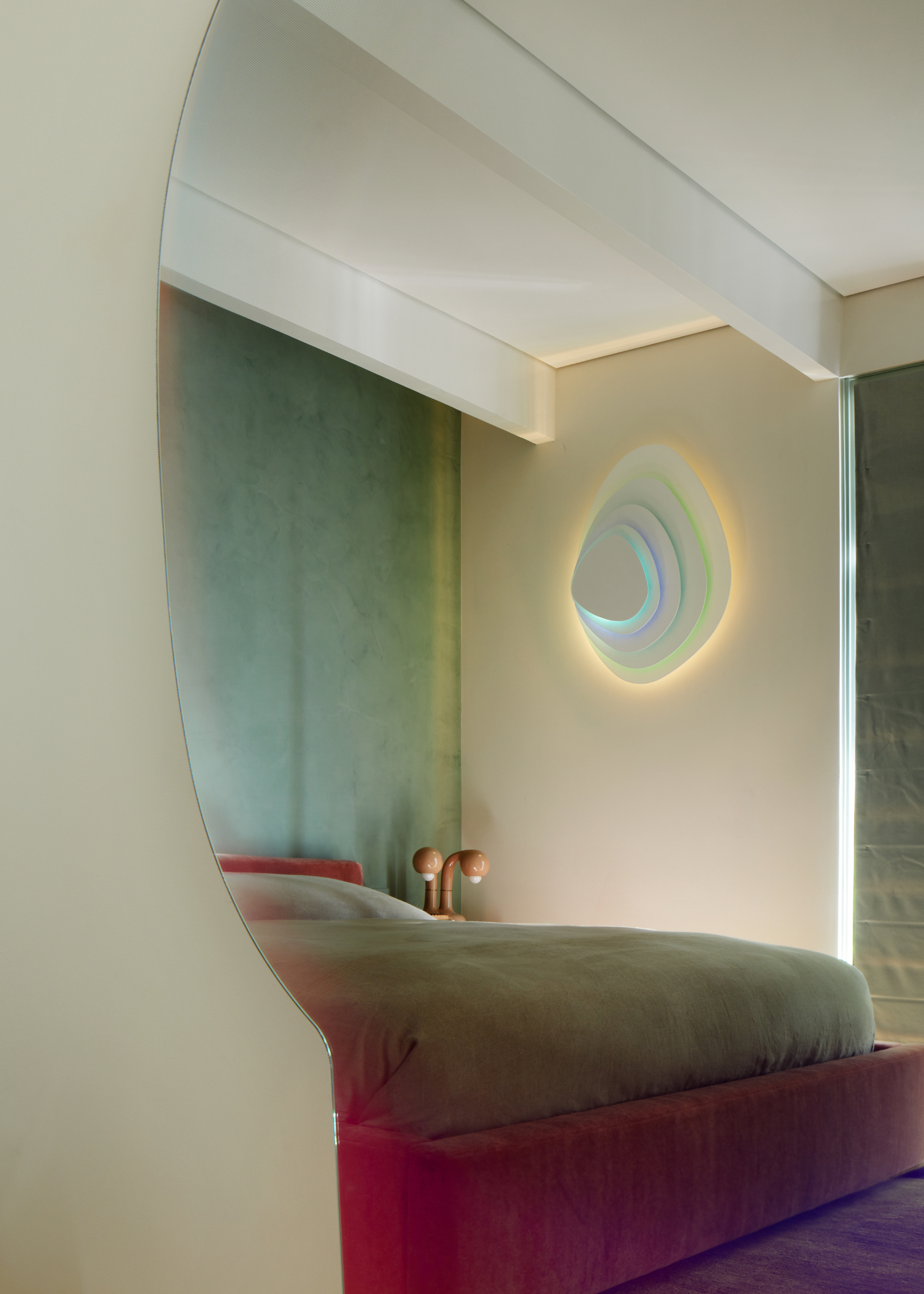
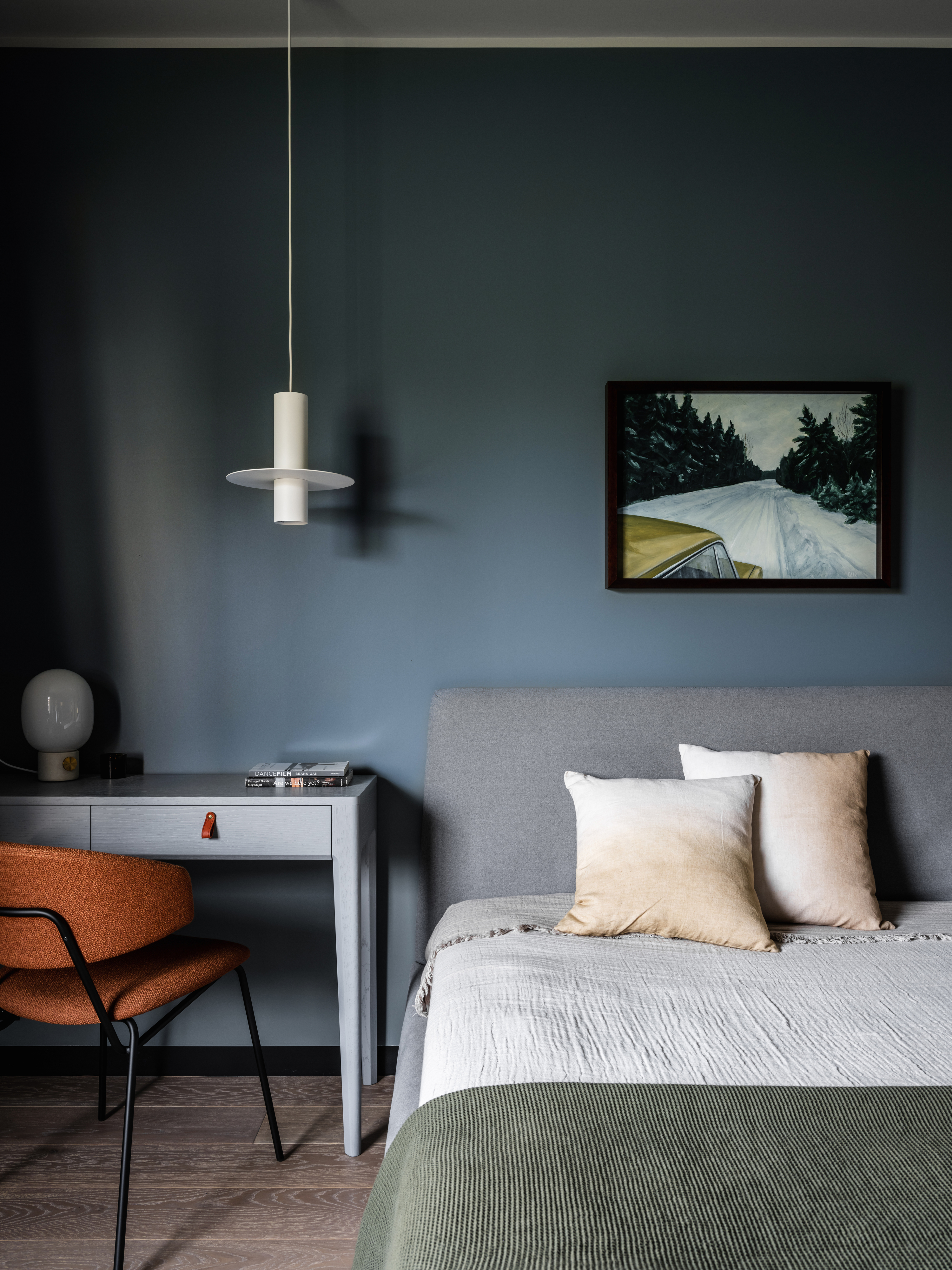
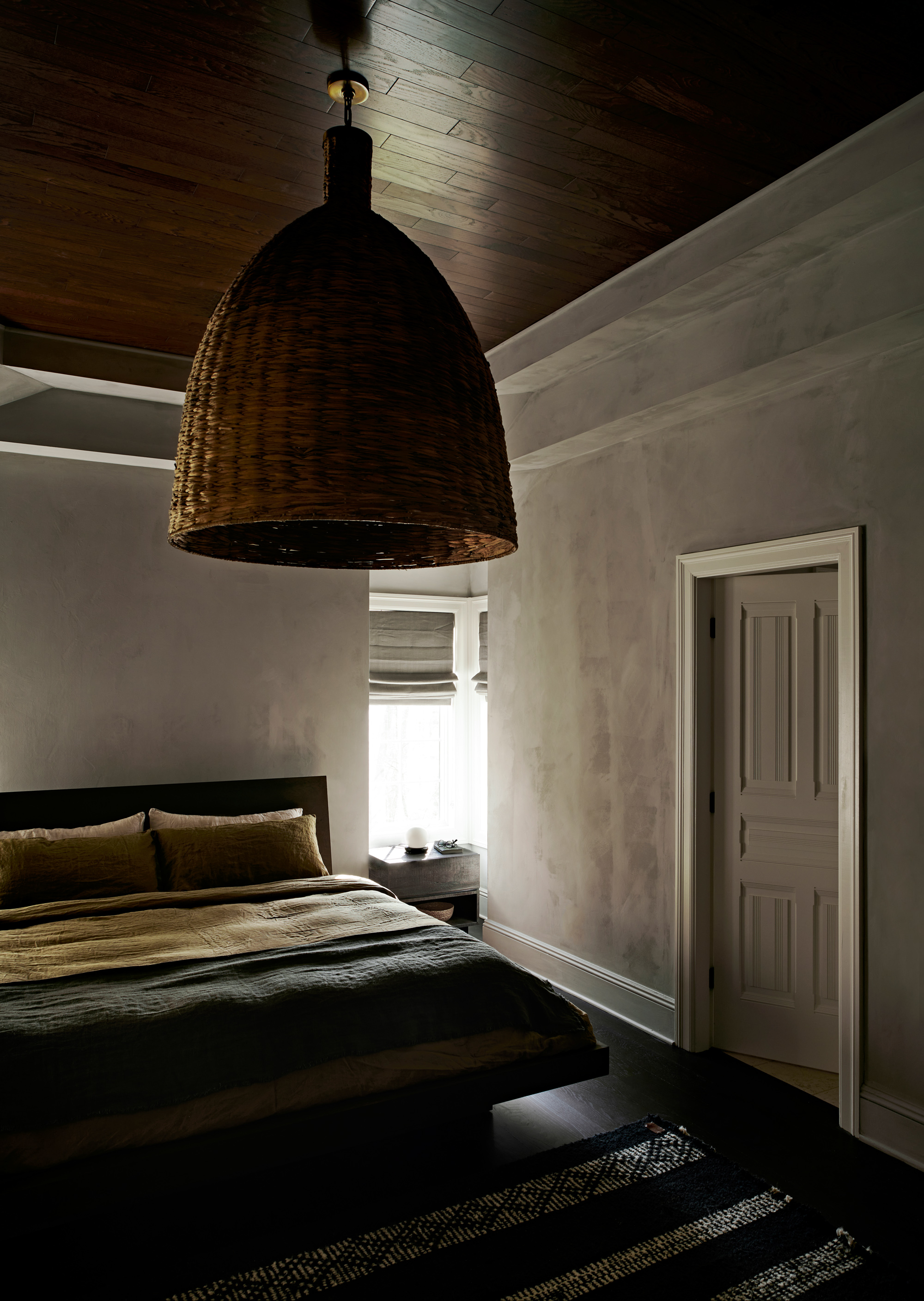
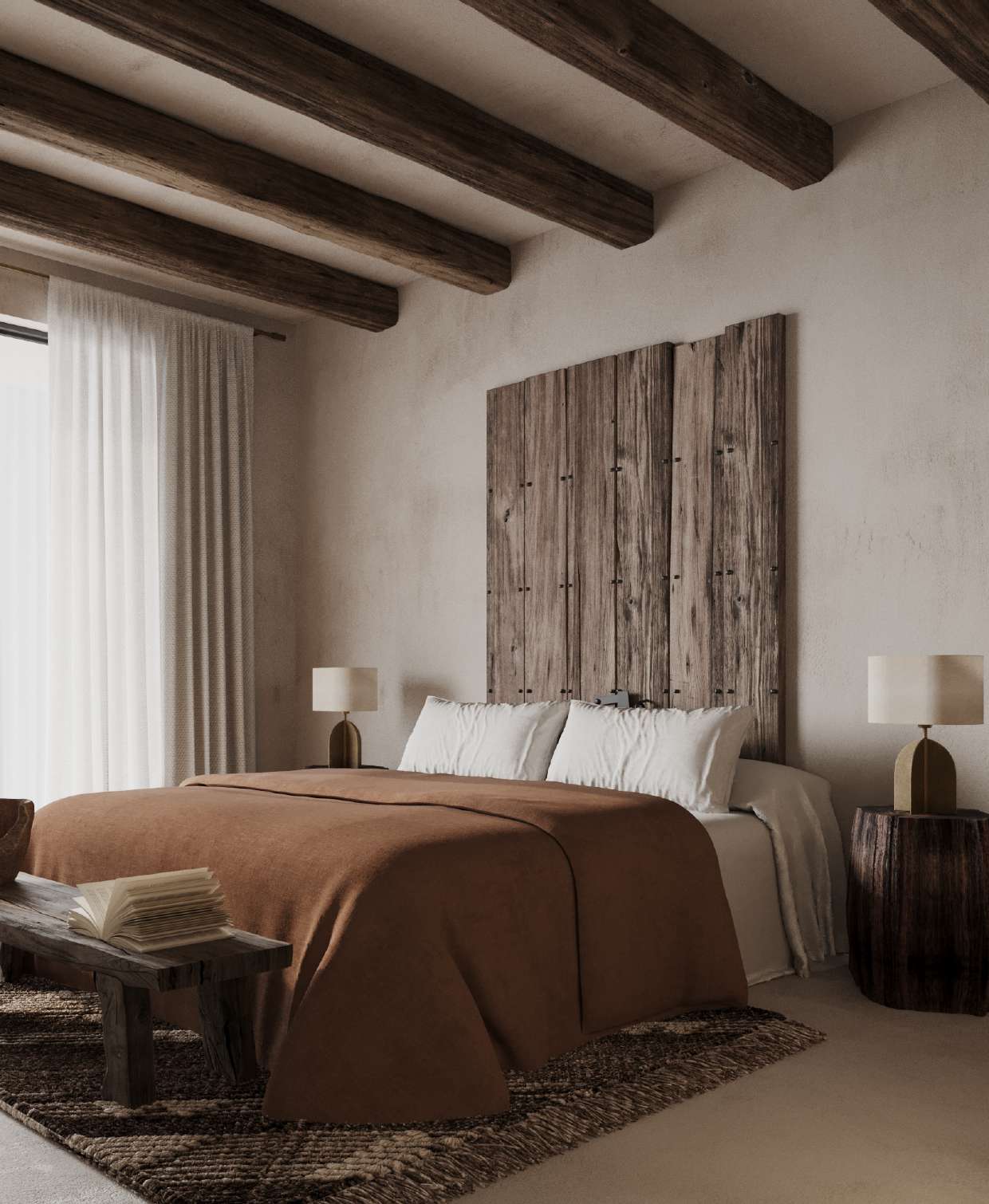
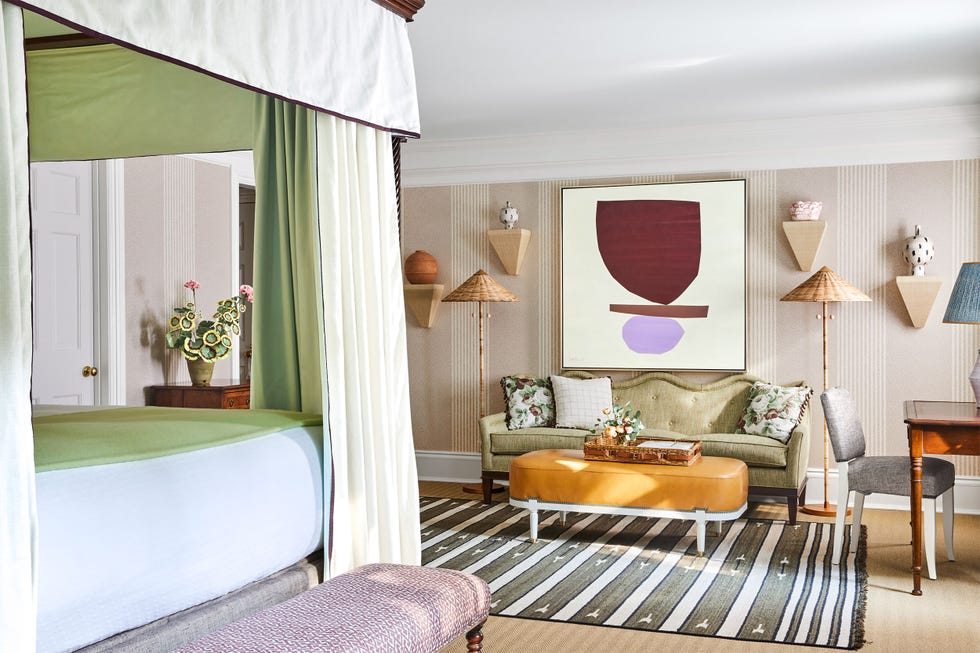
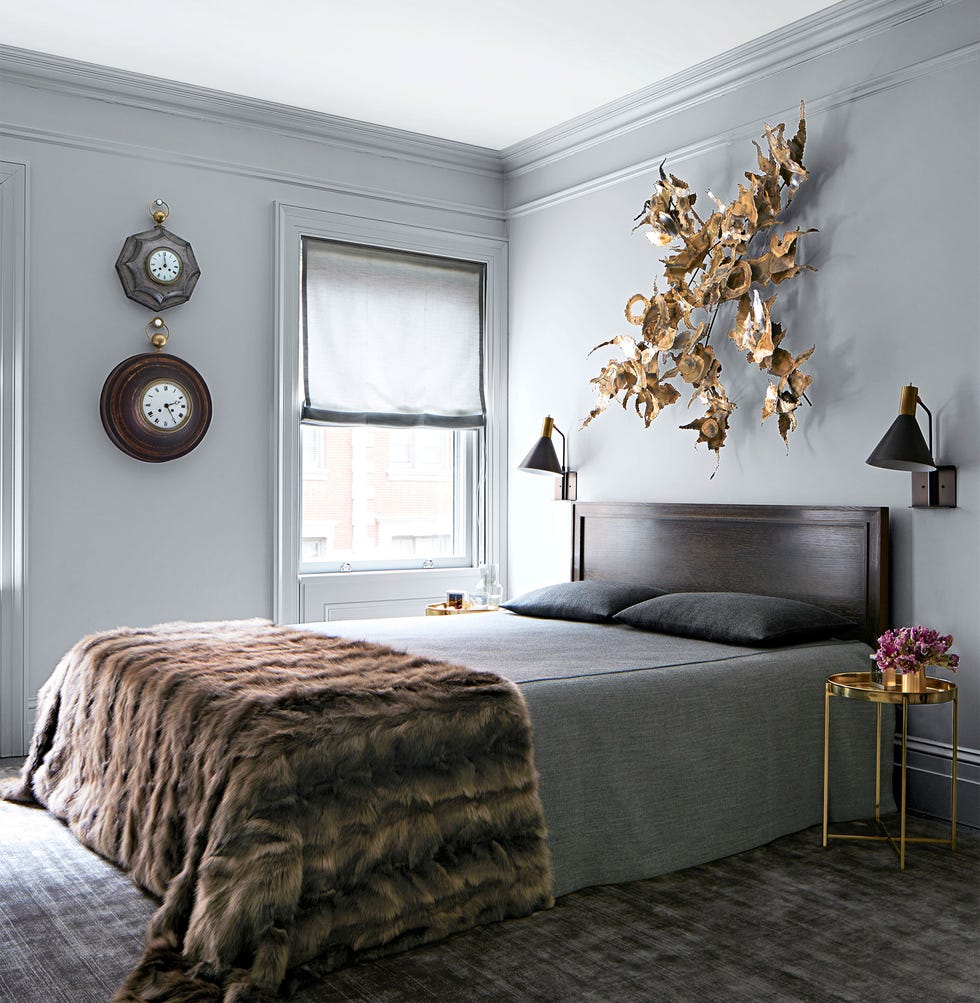
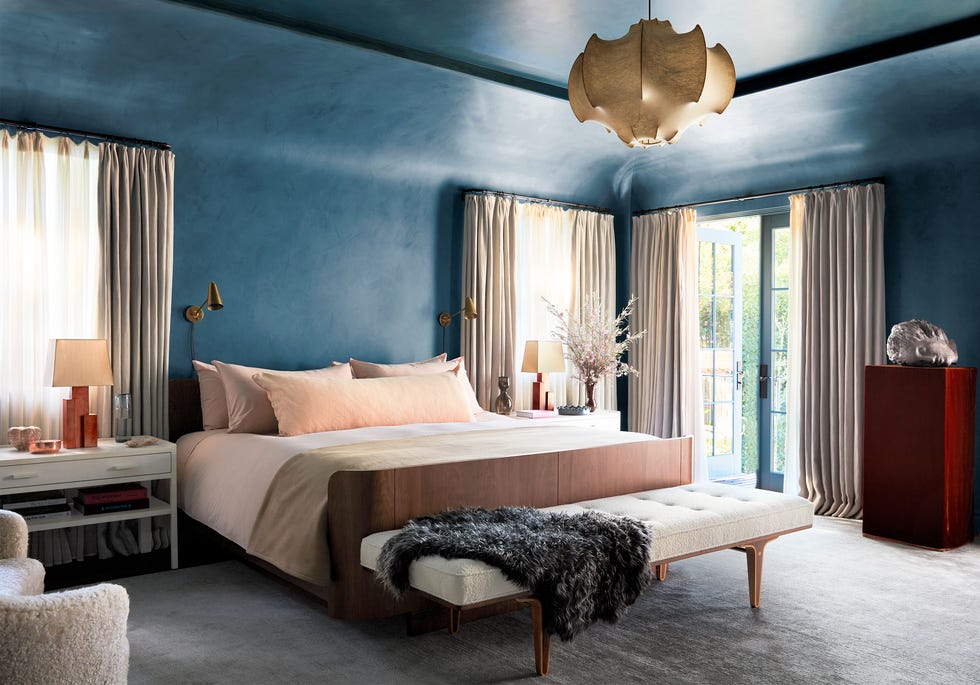
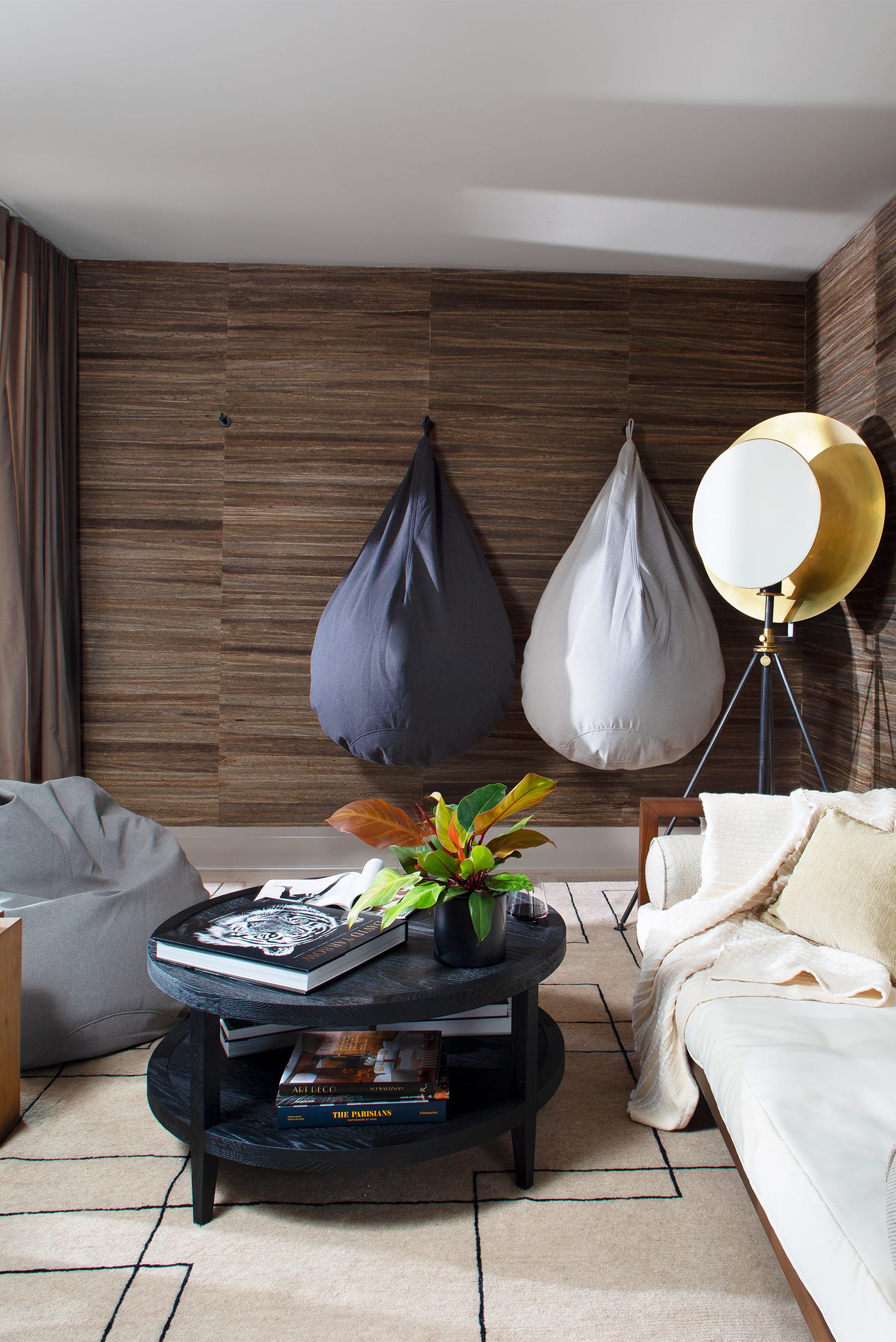
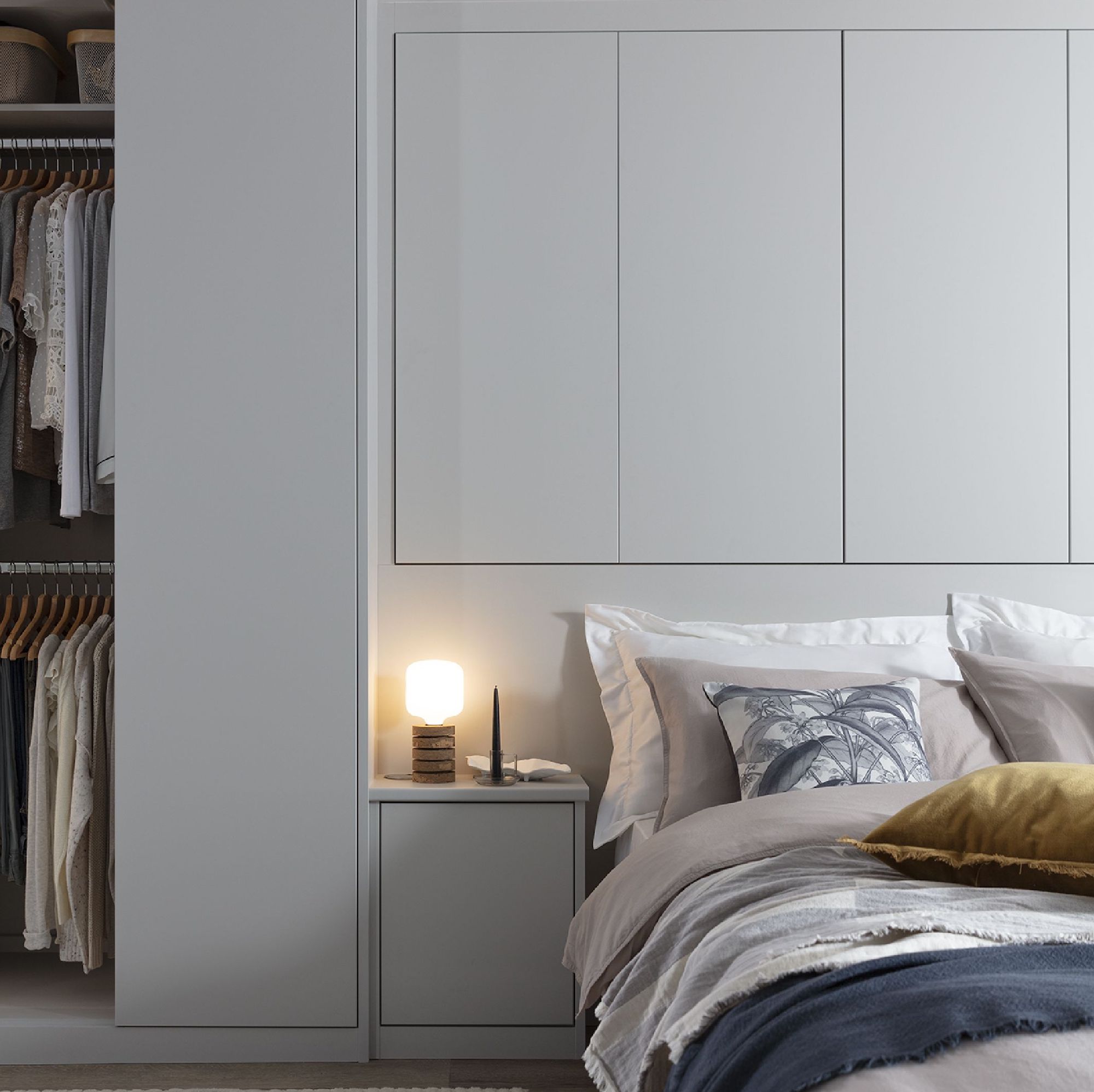
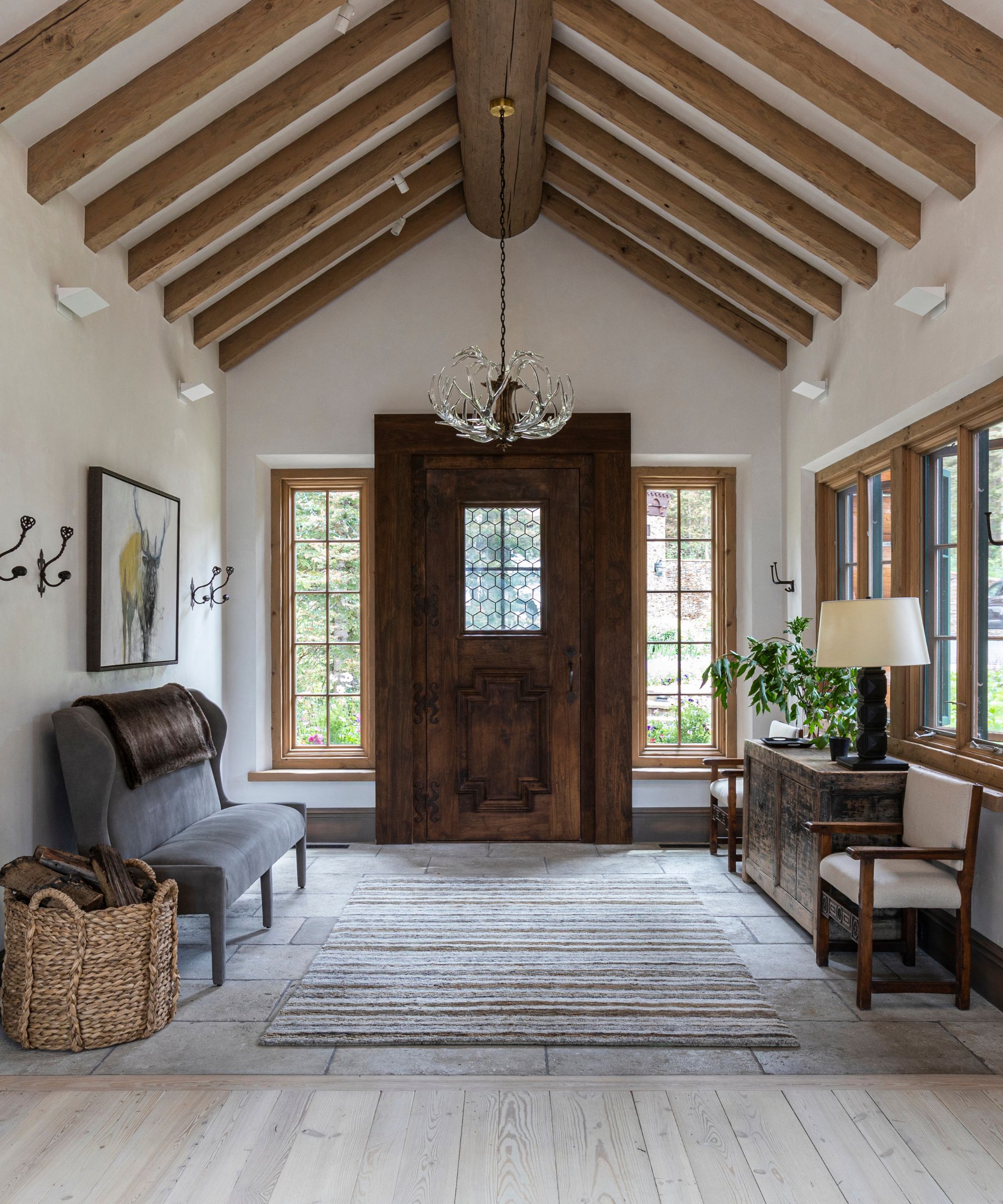
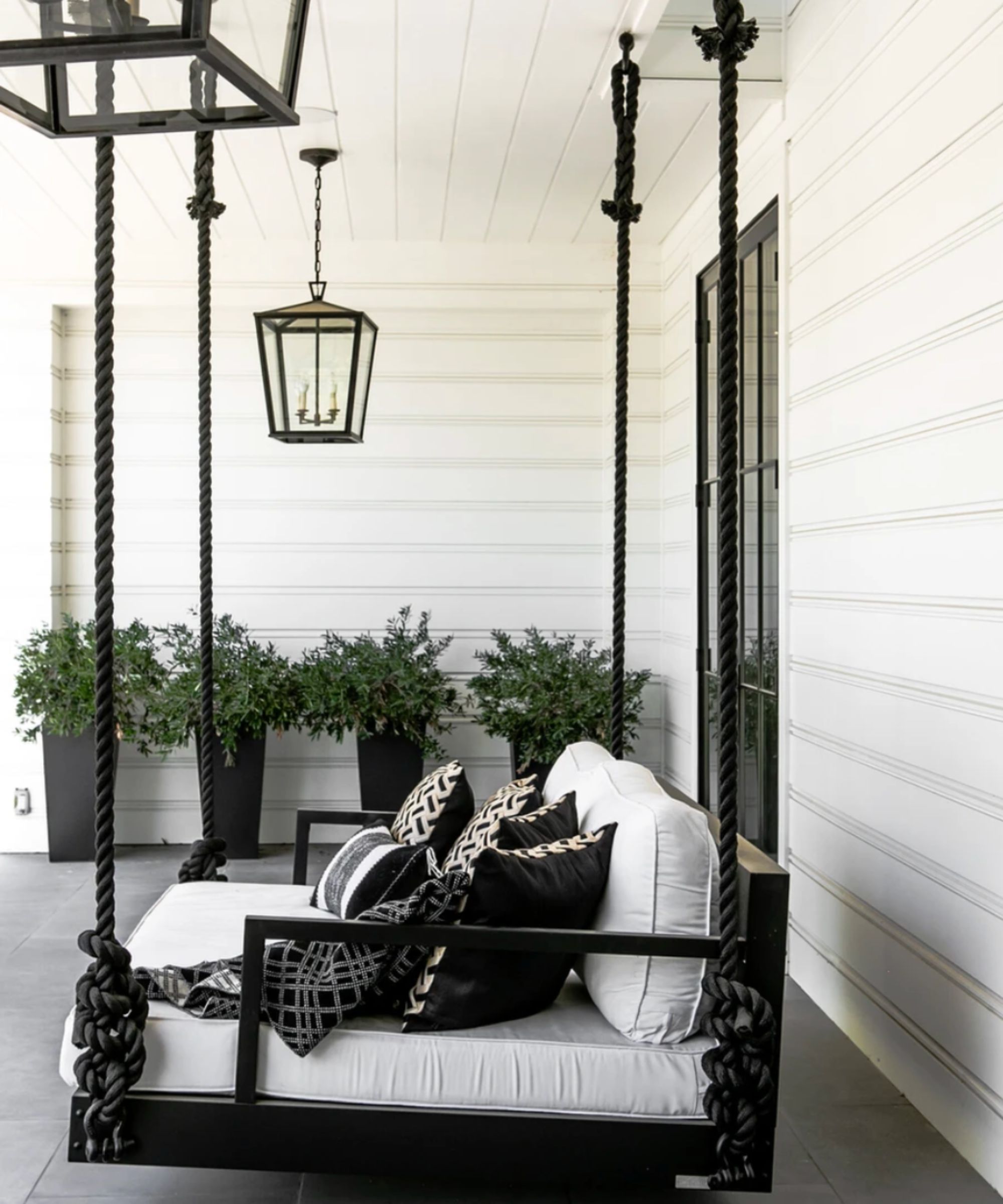
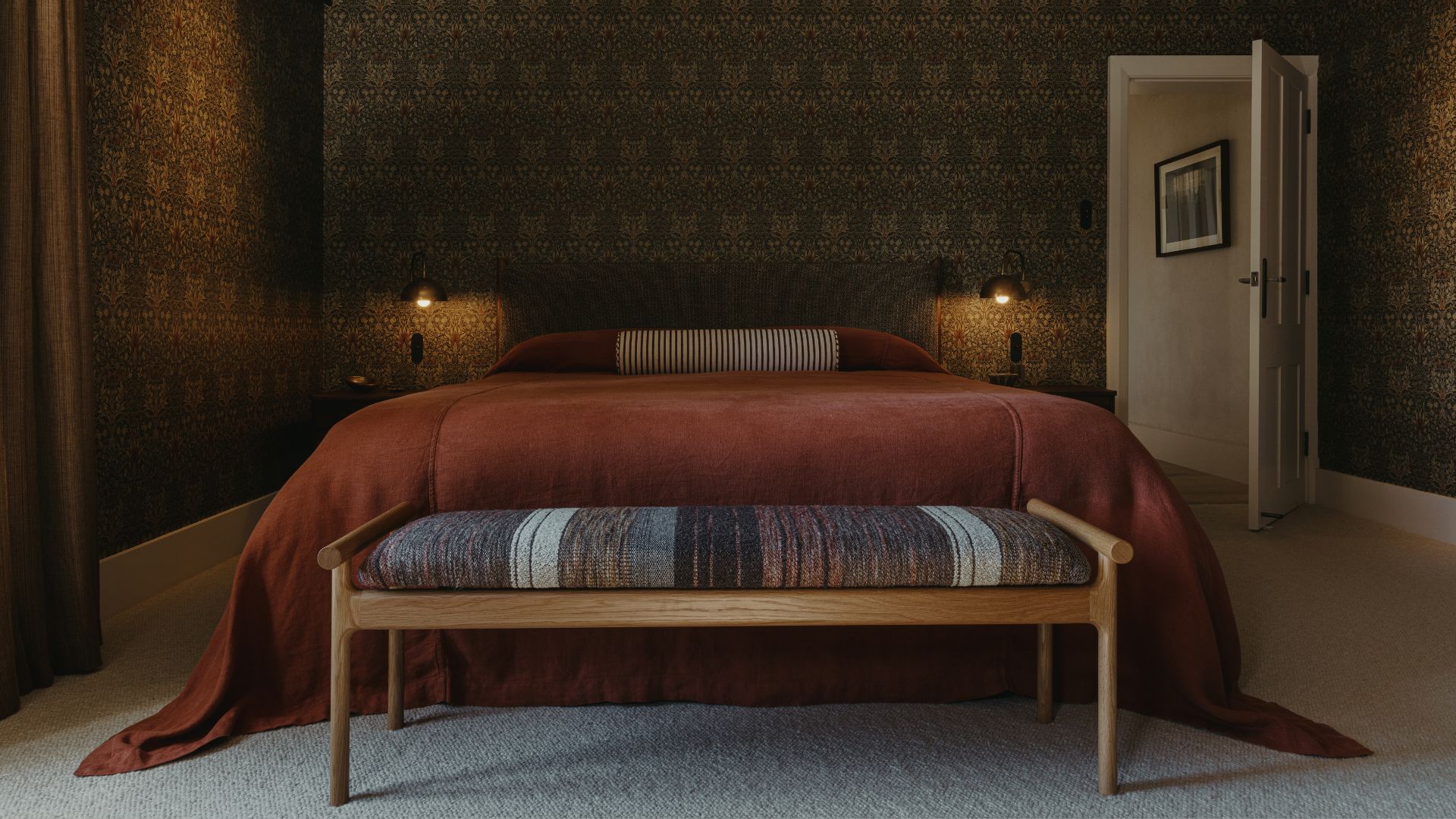
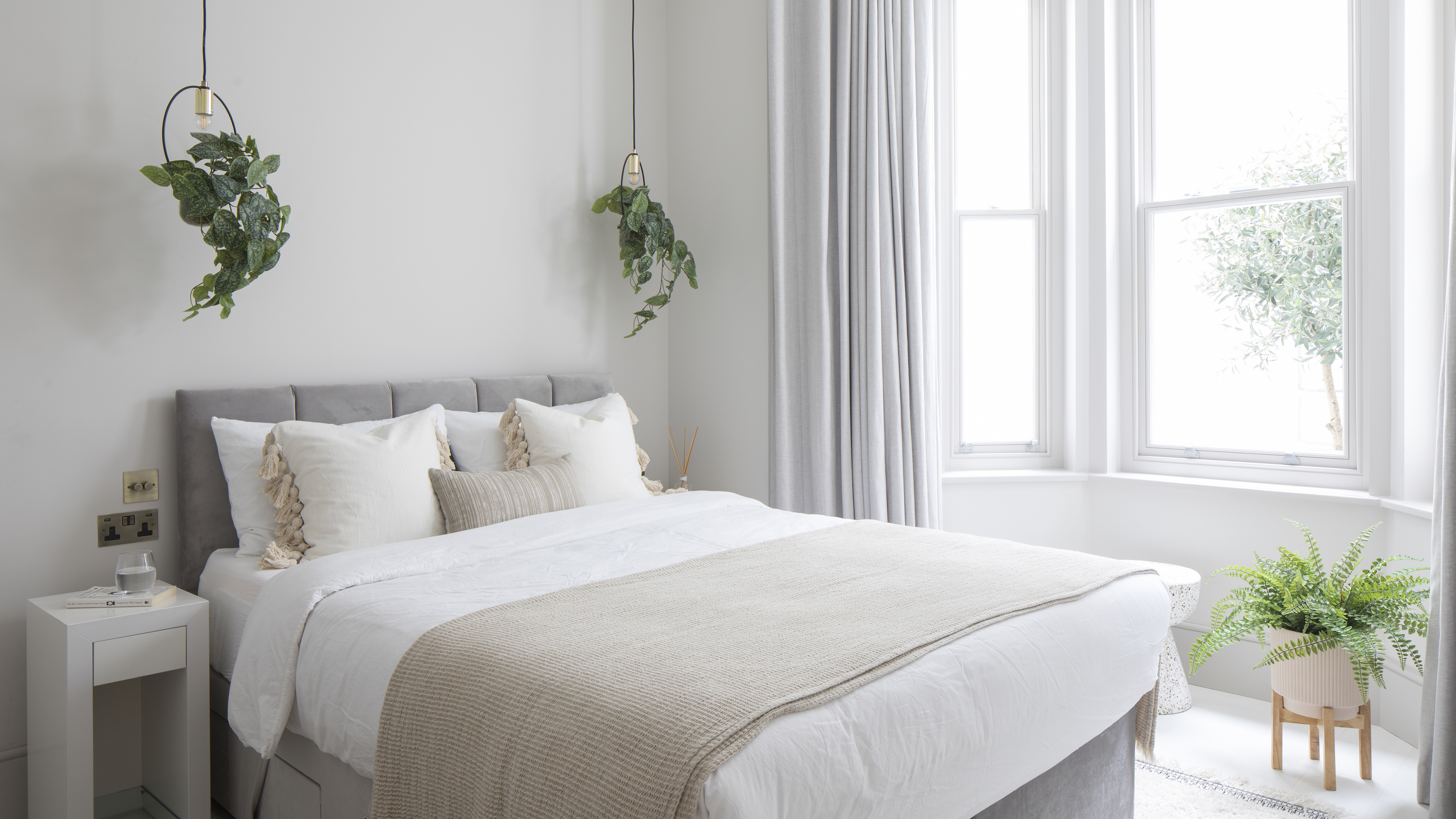
Symmetry in interior design and architecture plays a crucial role in creating a calm and relaxing home environment, as humans are instinctively drawn to balance and order. Melissa Hanle of Hanle Interiors emphasizes that symmetrical designs appeal to people at a subconscious level, fostering a sense of well-being. Finding this equilibrium can transform any room into an idyllic and serene space. Even in rooms that aren't inherently symmetrical, various techniques can be employed to introduce or create the illusion of balance.
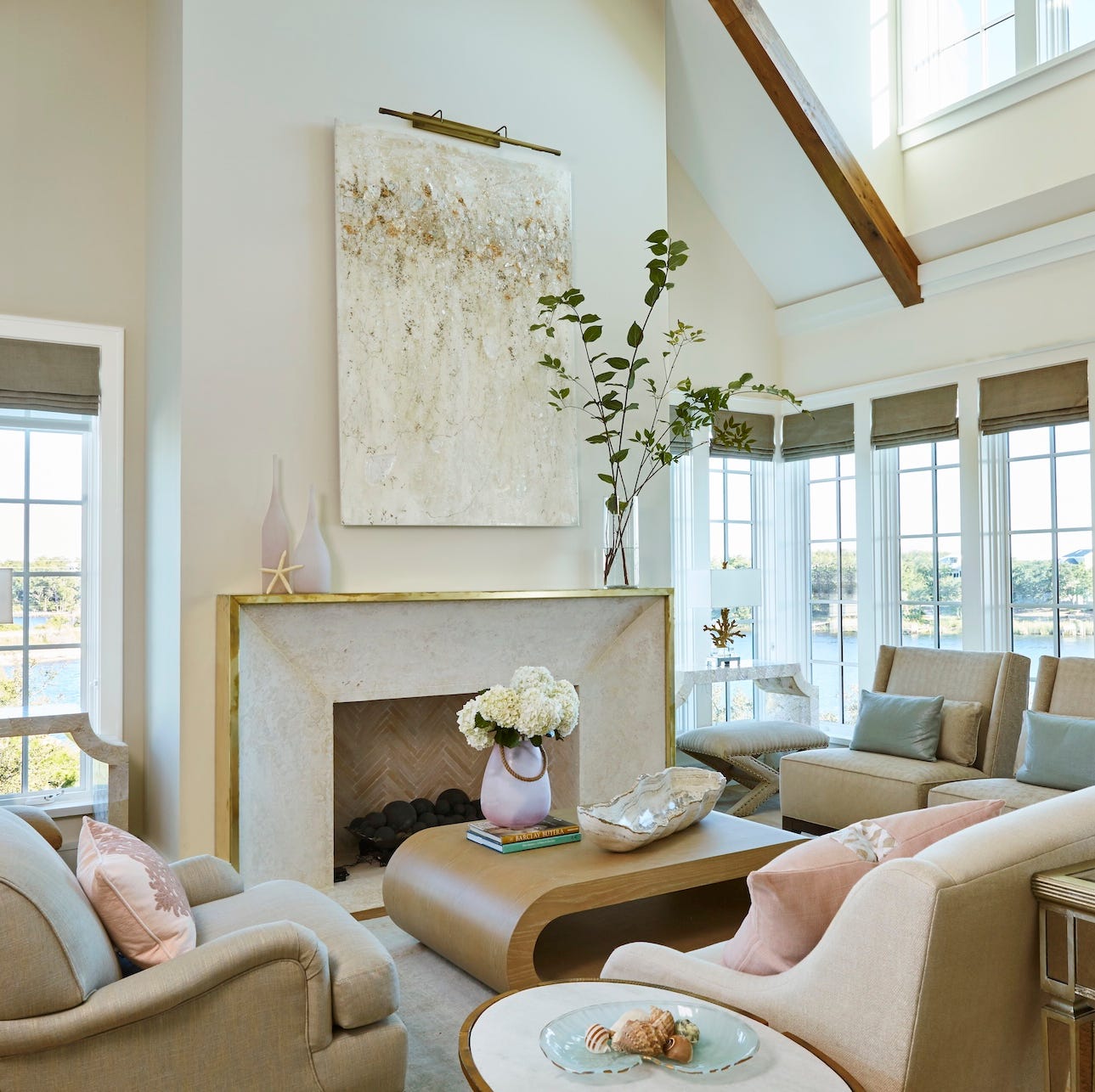
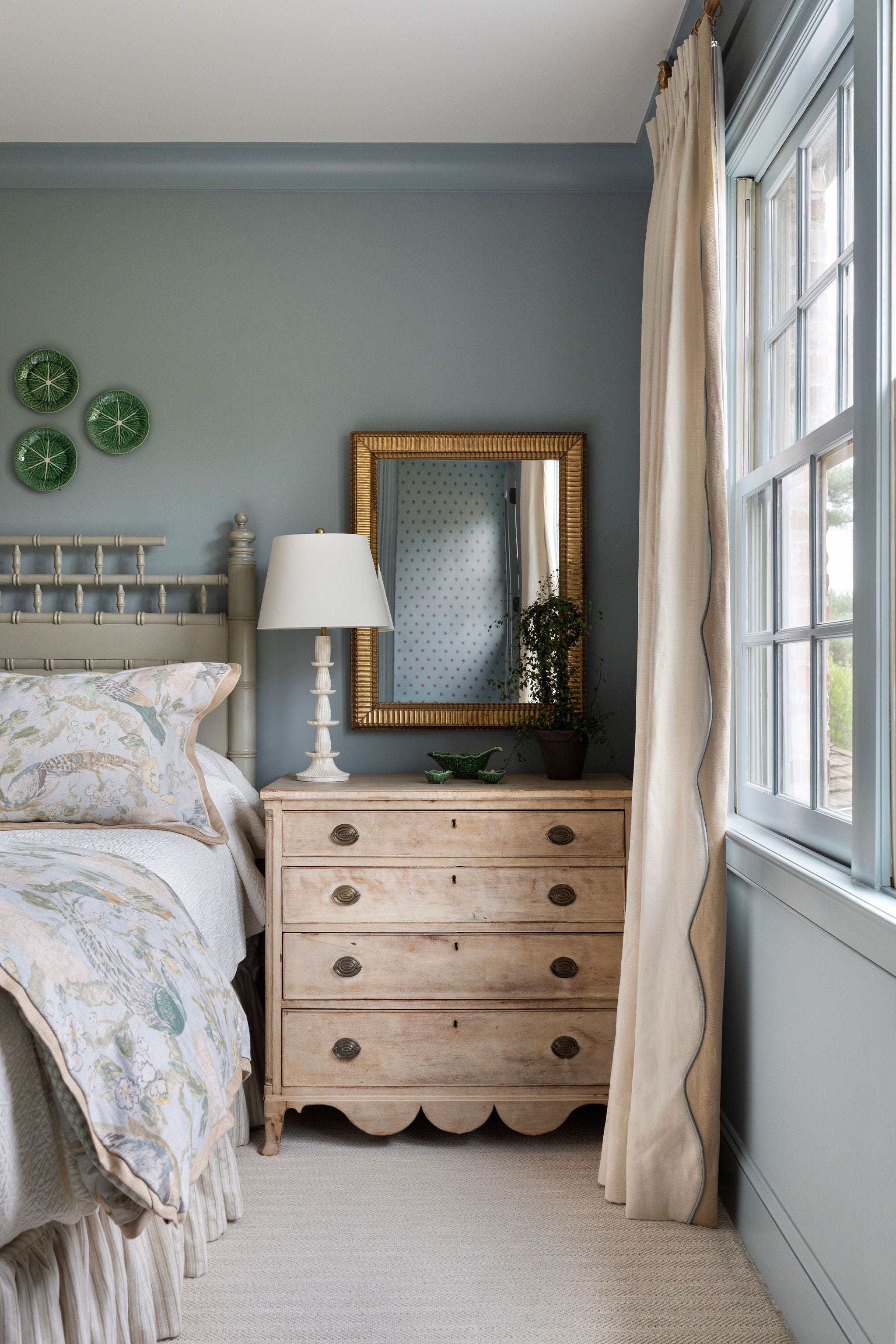
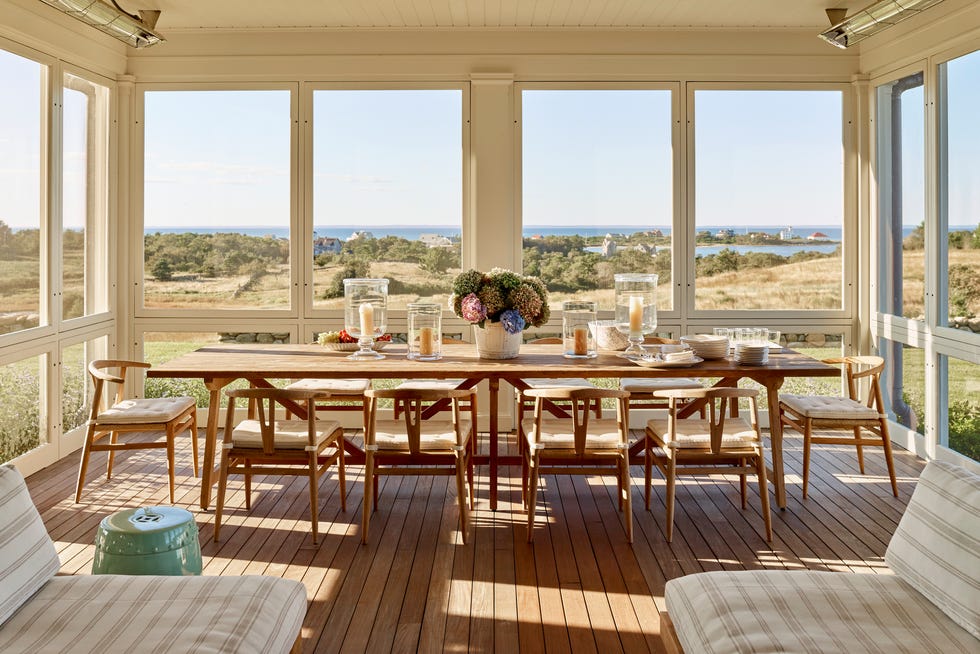
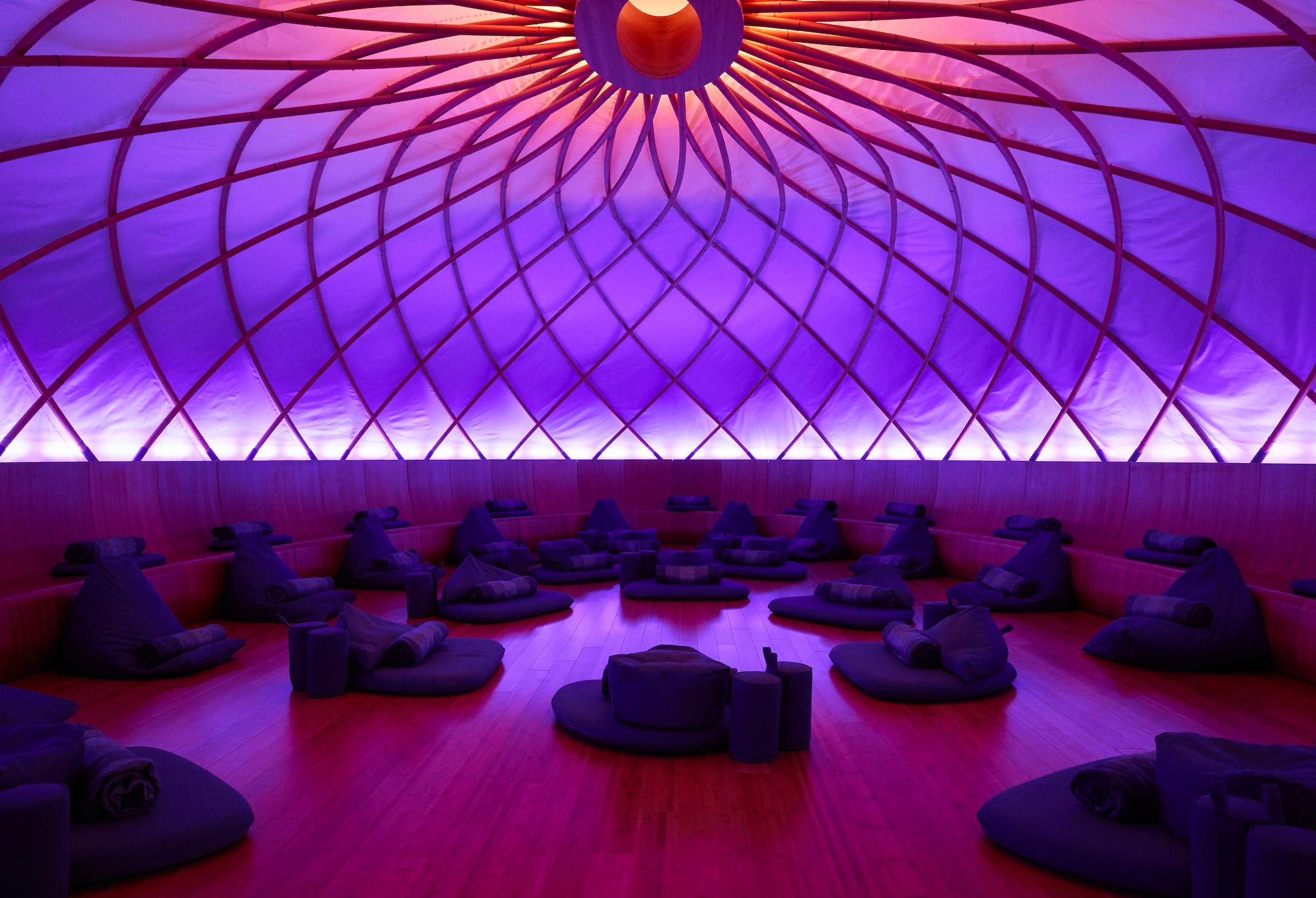
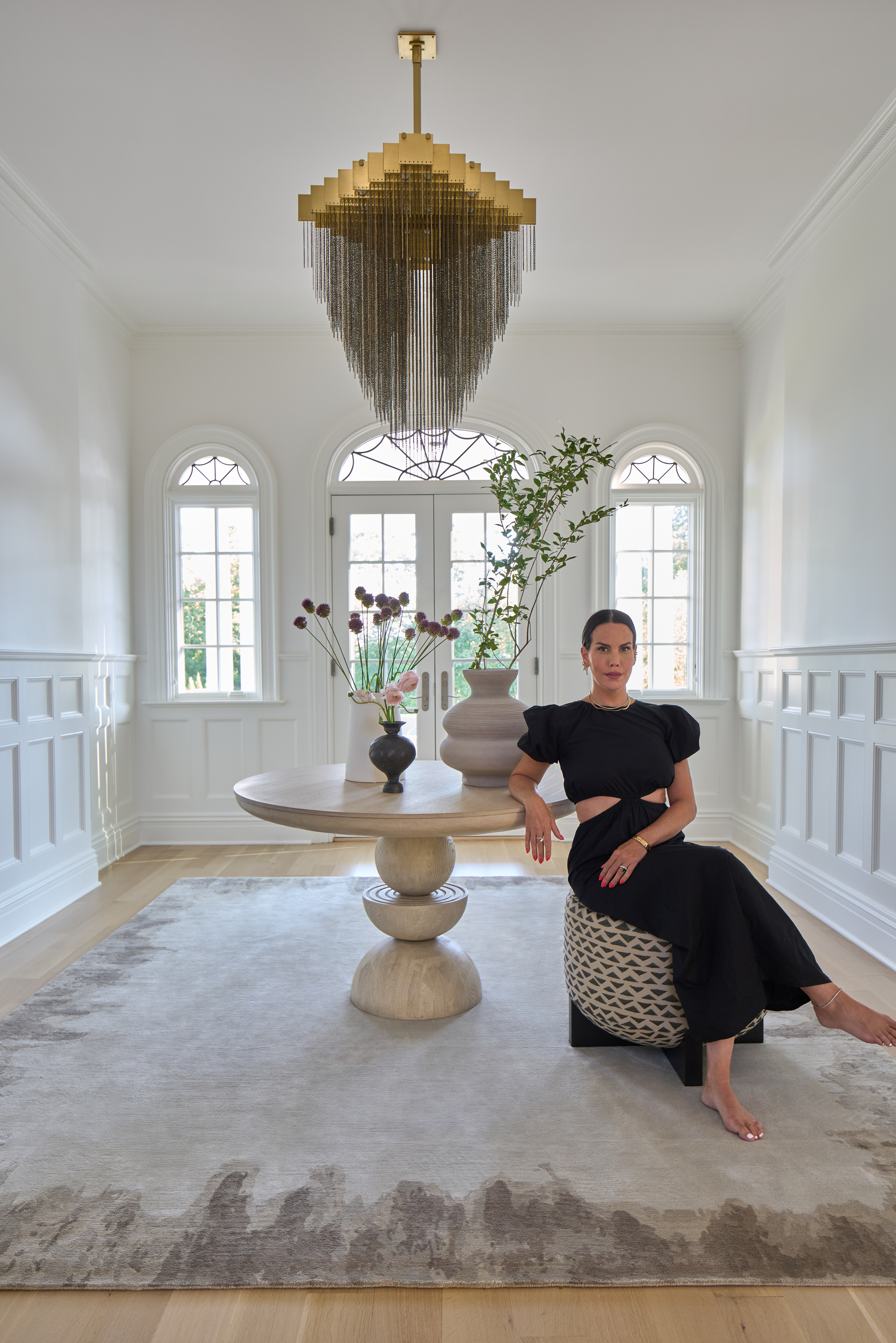
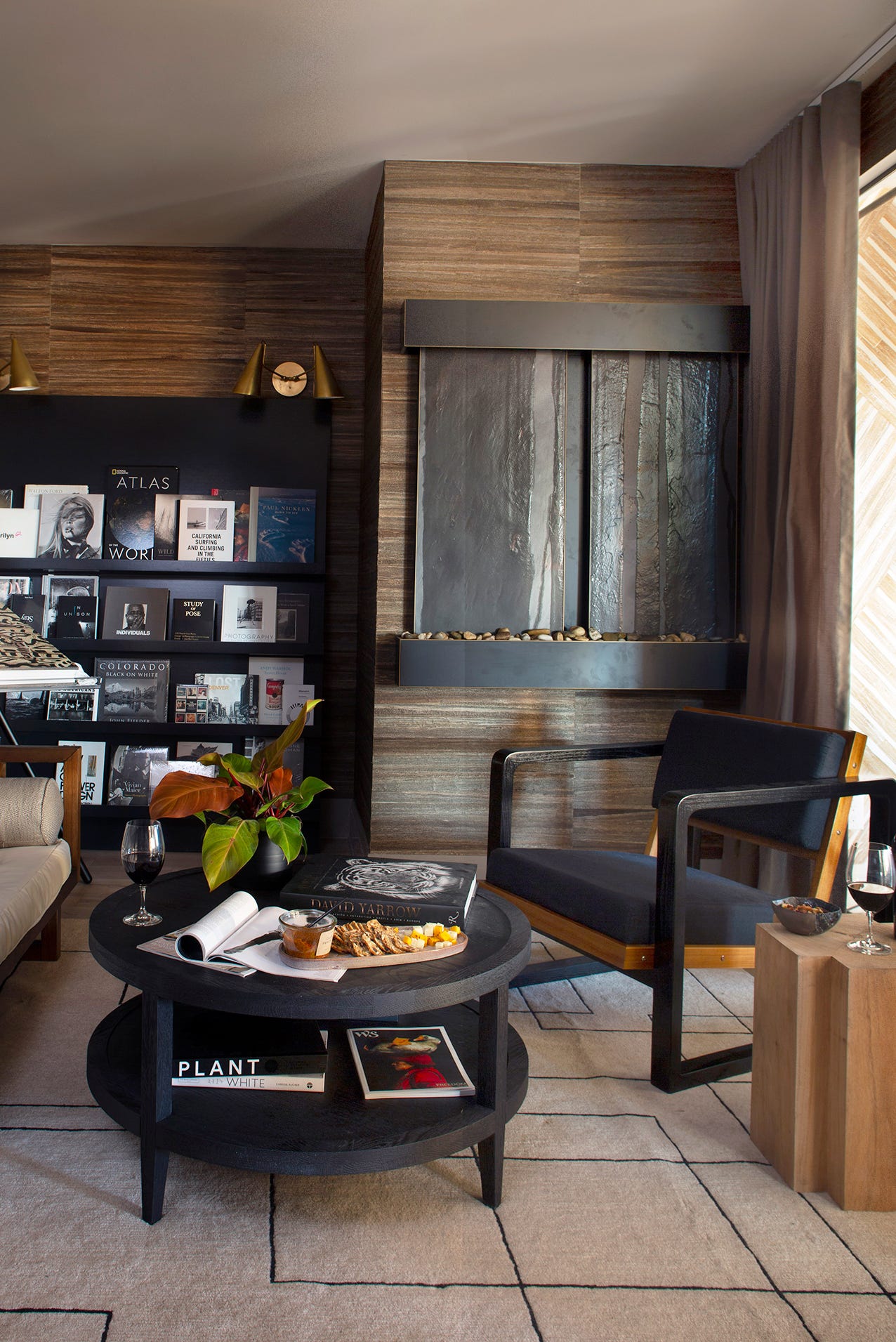
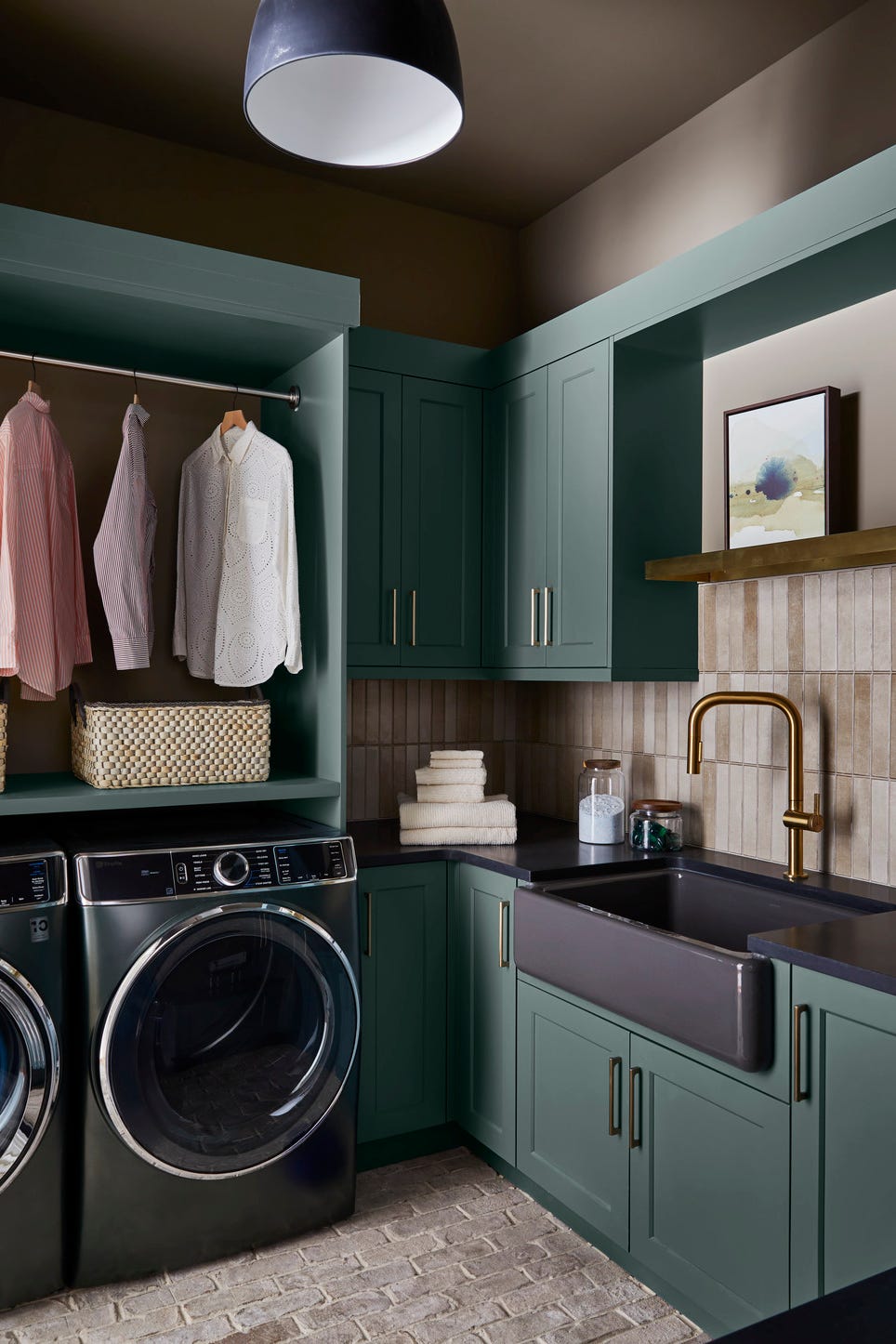
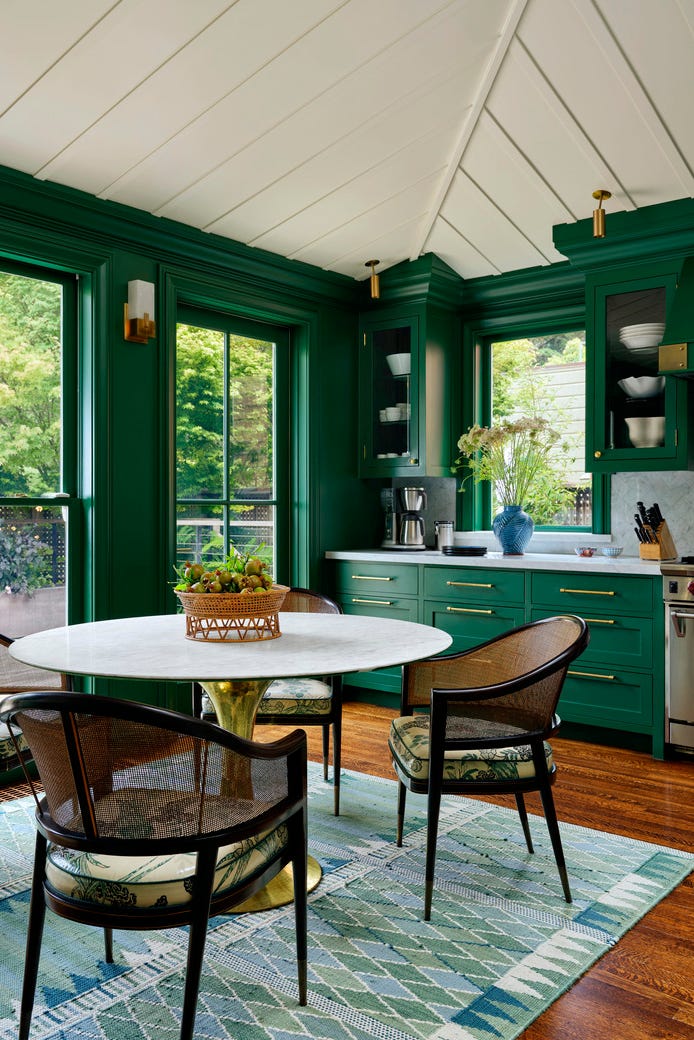
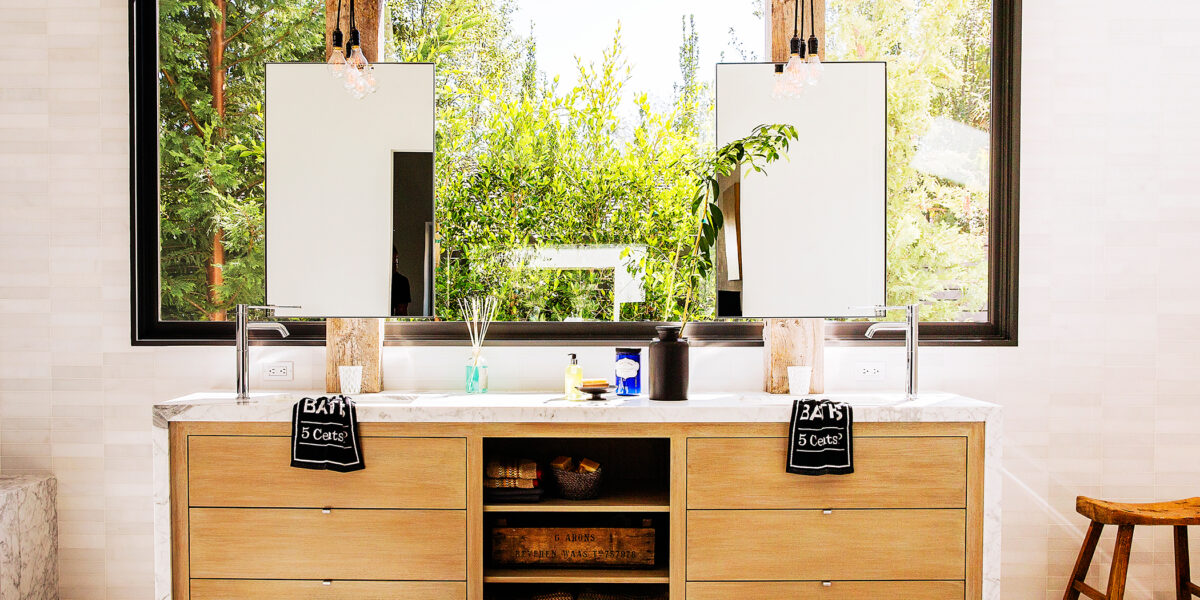
There are three primary types of symmetry applicable to interior design projects. Translational symmetry involves repeating patterns, such as a gallery wall with uniformly spaced frames. Radial or rotational symmetry centers around a focal point, like a round dining or coffee table, where elements radiate outwards or are arranged circularly. Bilateral symmetry, also known as mirror imaging, involves designing a space where two halves reflect each other, creating a perfectly balanced visual.
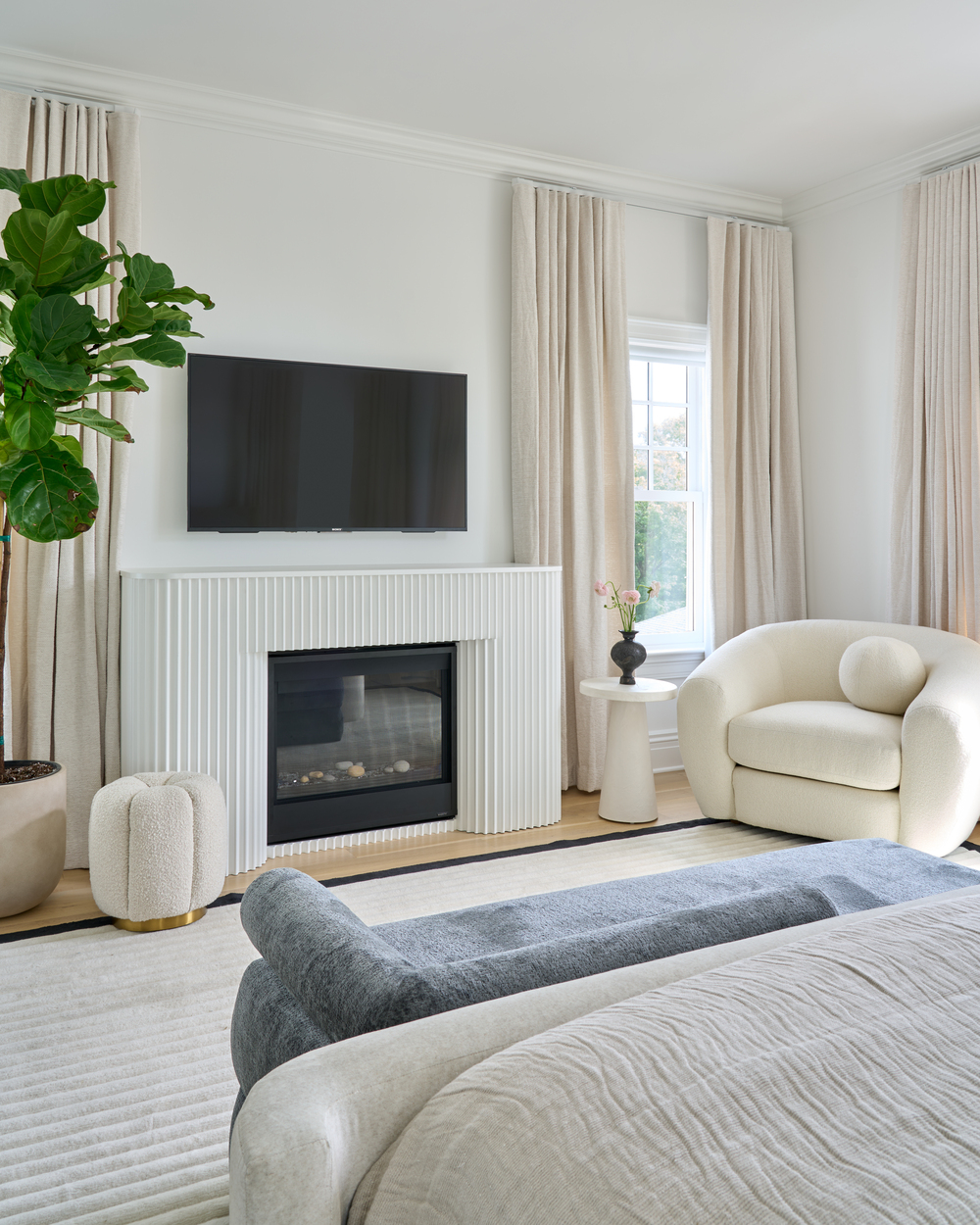
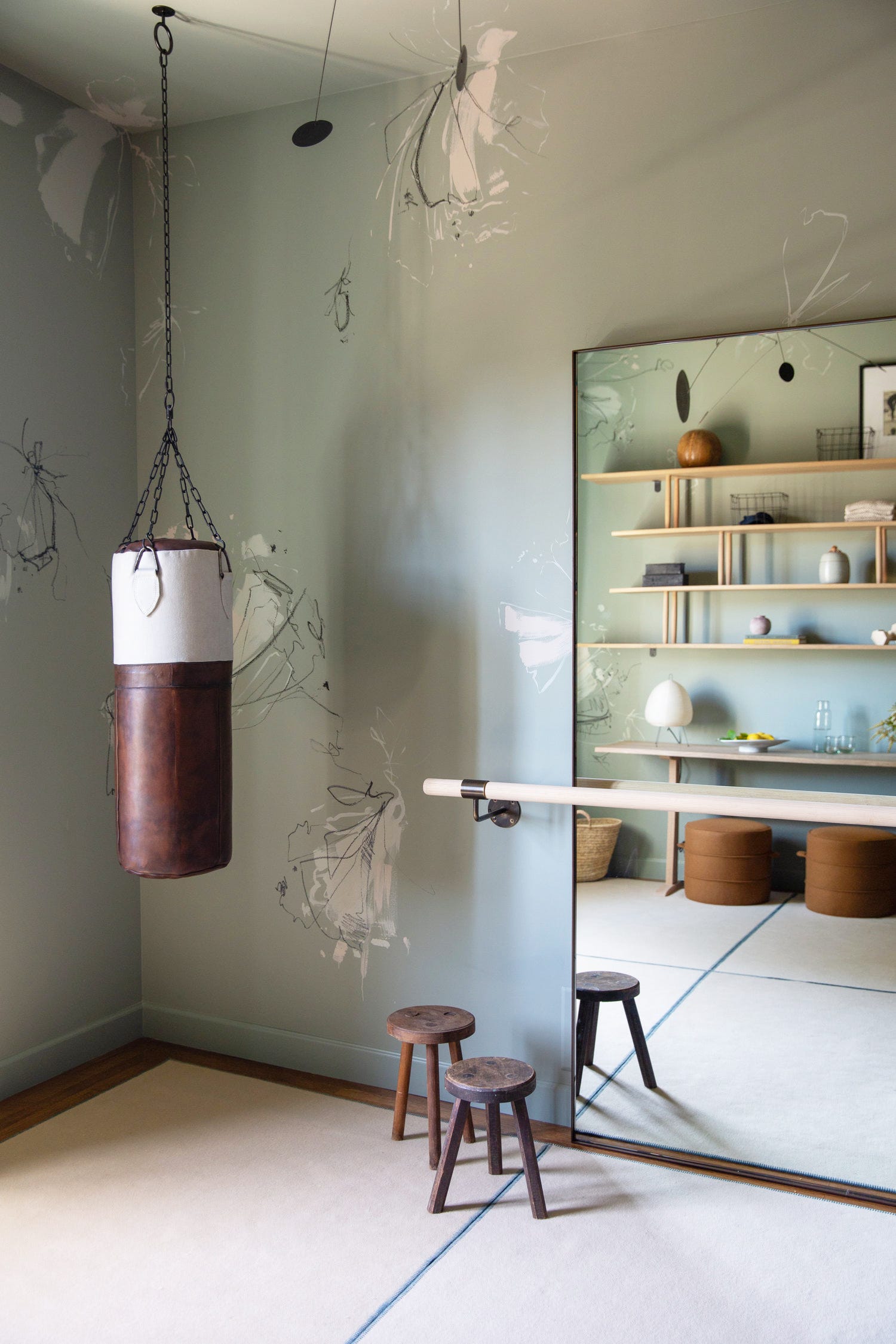
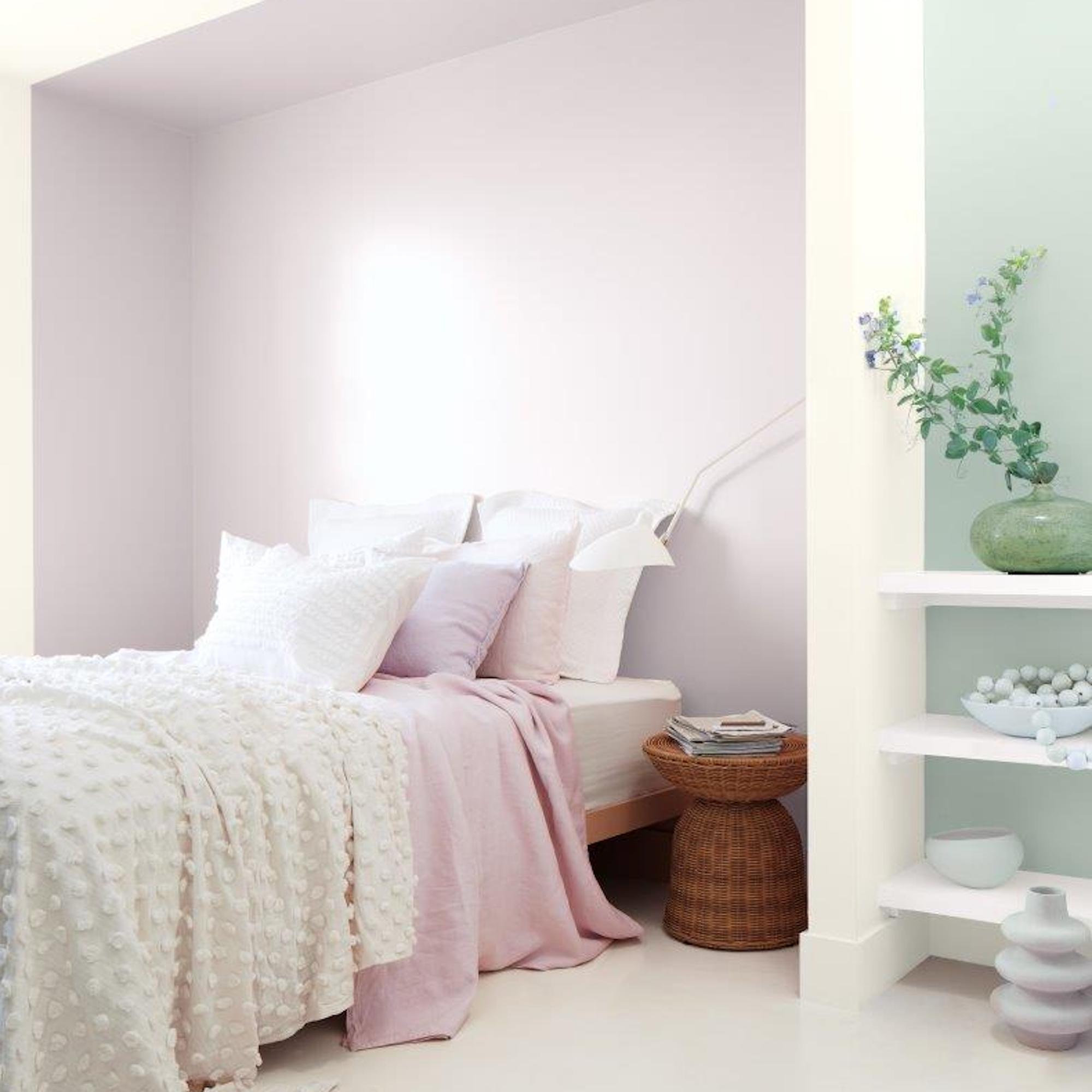
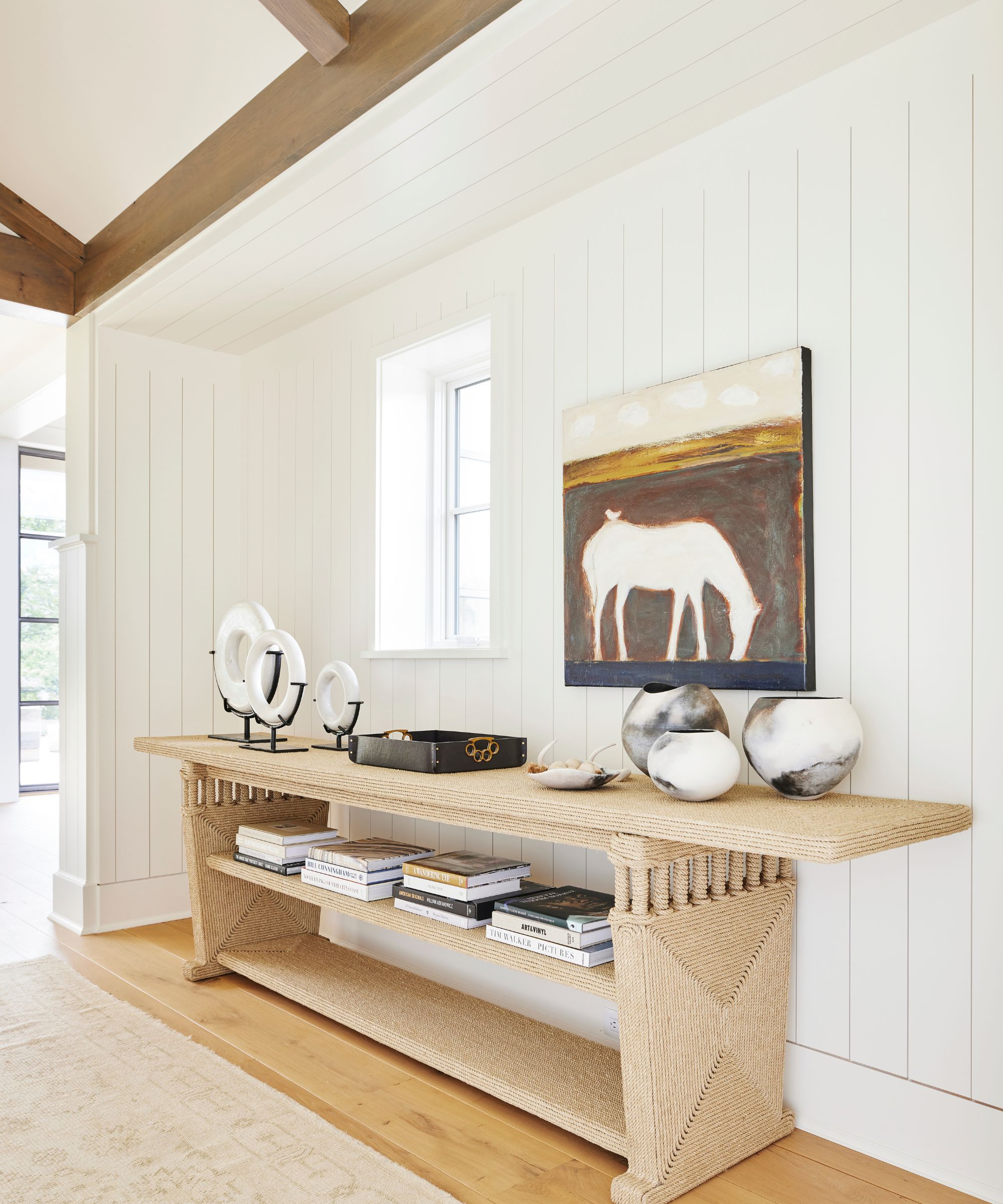
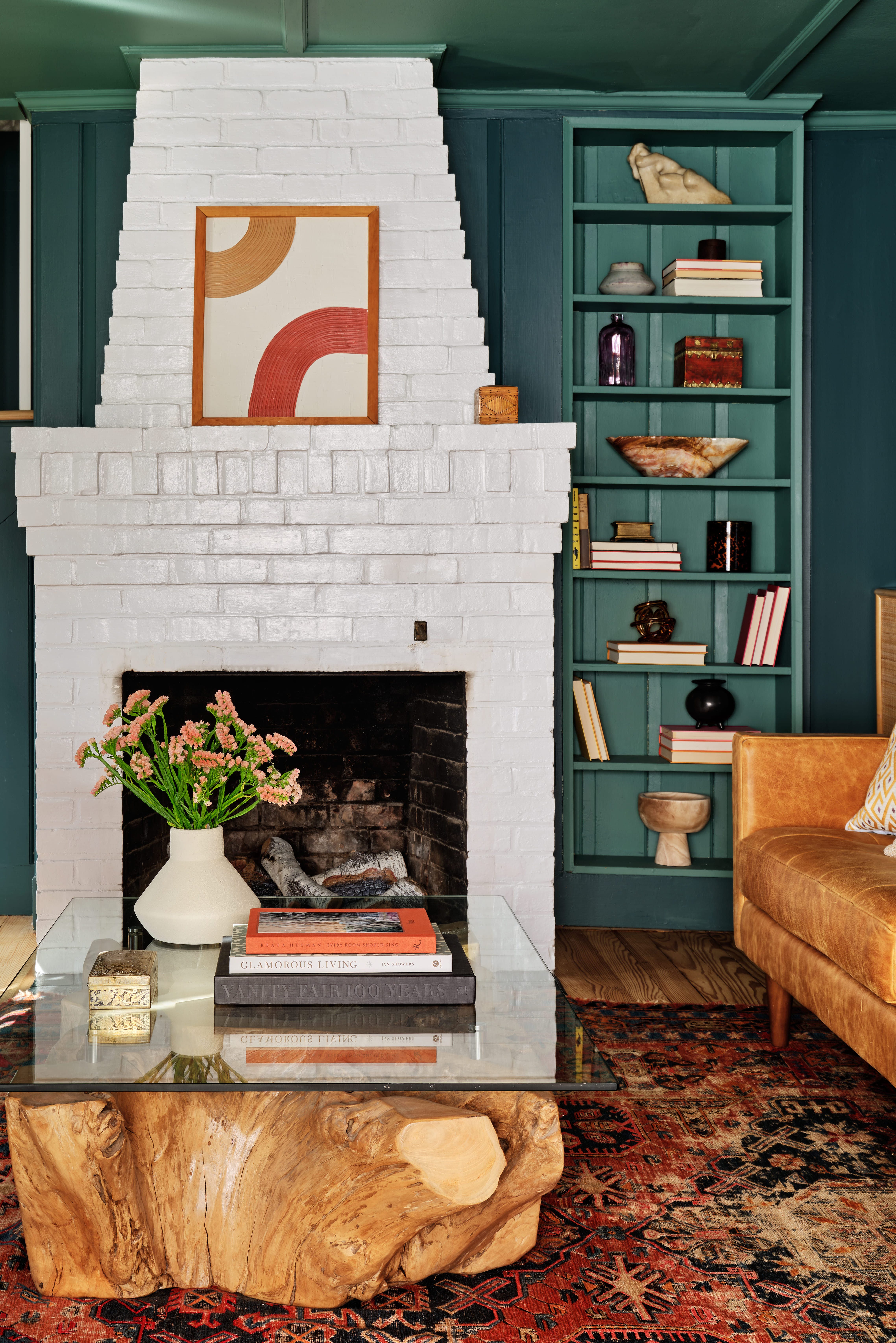
To implement symmetry at home, identifying a focal point is the crucial first step. This focal point can be an architectural feature like a fireplace or a window, or a decorative element such as a large piece of art. Ashley Clark of sKout Interior Design suggests considering the scale and height of artwork and accessories; for instance, a single large piece on one side can be balanced by a grouping of smaller pieces on the other, matching the overall height or footprint. Julie Hovnanian of Hovie Interiors advises using central elements like a kitchen stove or a great room fireplace as anchors for symmetrical arrangements. For new constructions or renovations, planning window and doorway placements to frame key features like a bed can enhance symmetry. If perfect mirroring isn't possible, creative solutions can be used, such as placing a piece of art of similar size opposite a window, or using a table with a lamp to achieve the same height as an architectural feature. Furniture placement is also key; intentional arrangement can either highlight or detract from the symmetrical appeal. For casual design styles, symmetry becomes even more vital as it provides a calming, predictable balance to otherwise eclectic pieces.
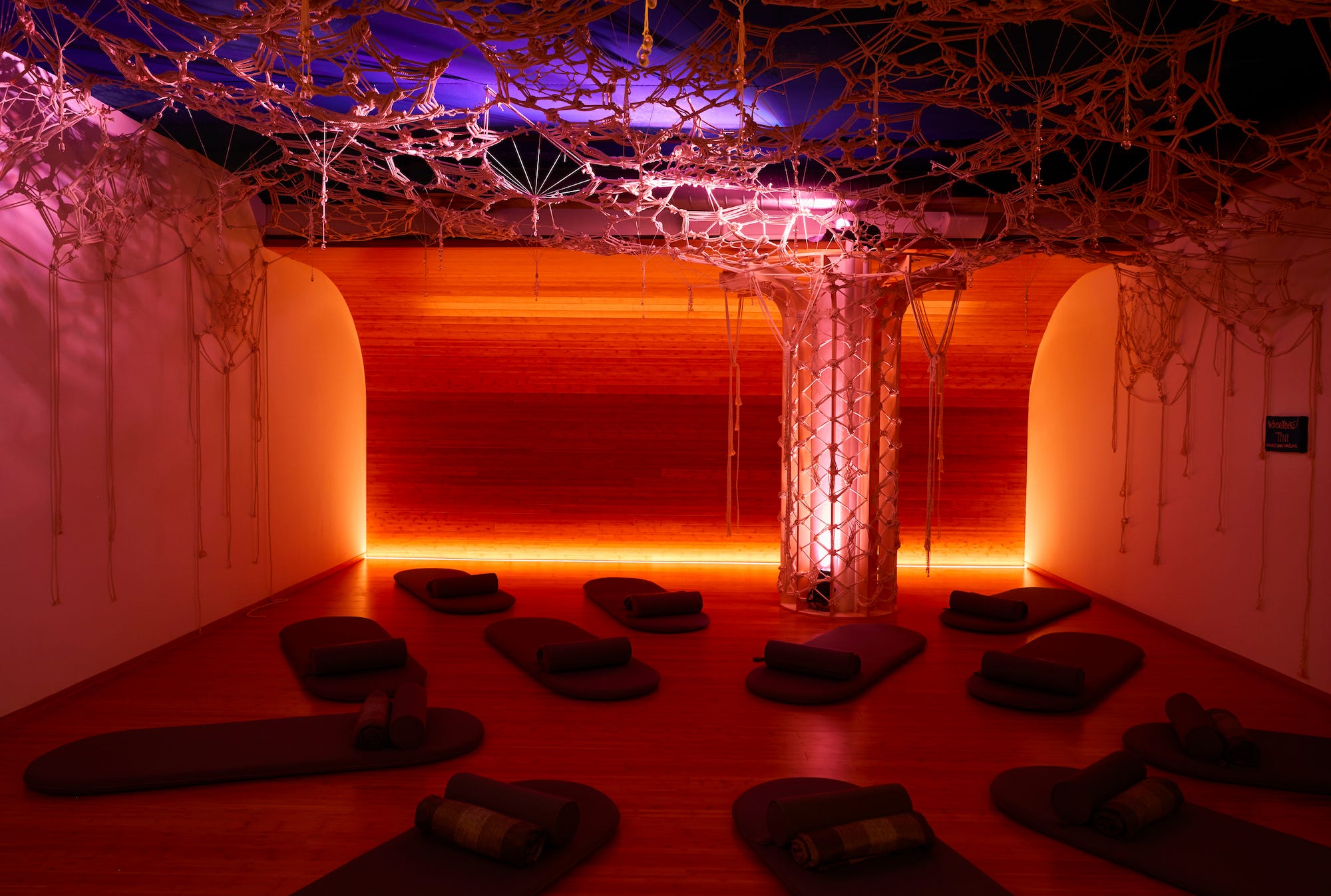
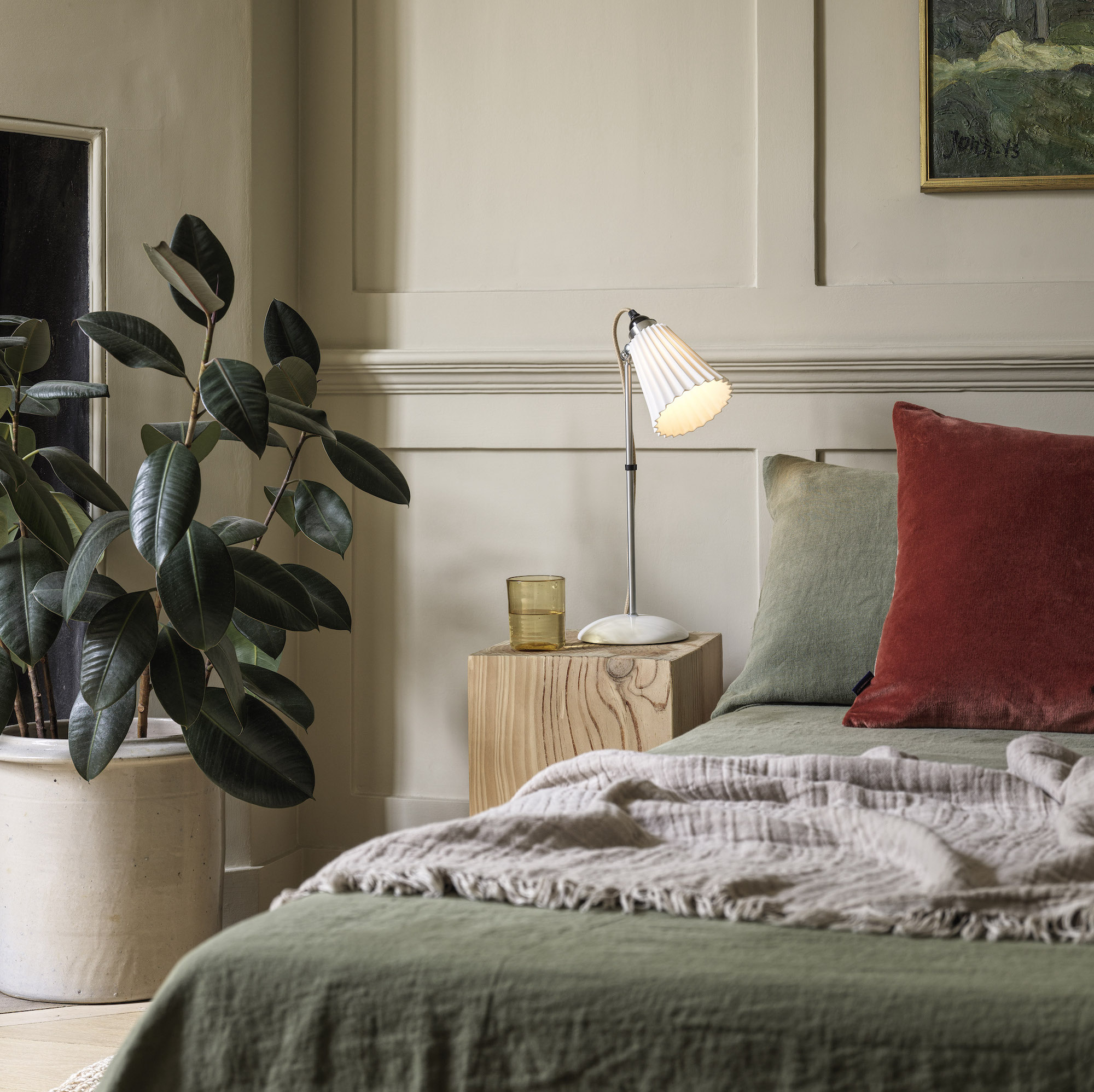
While symmetry is often associated with calmness, asymmetry is not inherently negative and has gained popularity in modern and contemporary design. The key to successful asymmetrical design lies in achieving overall balance. Hanle explains that if a room has an angled ceiling creating a tall wall on one side, it can be balanced by visually heavy furniture or a large artwork on the opposite side. For those unsure where to begin, Hanle recommends prioritizing symmetry in more formal areas like living and dining rooms, and especially in entryways. A symmetrically designed entryway can set a welcoming and harmonious tone for guests upon entering the home, making a positive first impression and contributing to the overall sense of order and tranquility.
#InteriorDesign #HomeDecor #Symmetry #DesignTechniques #CalmHome #RelaxingAtmosphere #FocalPoint #BilateralSymmetry #TranslationalSymmetry #RadialSymmetry #InteriorDesign #HomeDecor #Symmetry #DesignTechniques #CalmHome #RelaxingAtmosphere #FocalPoint #BilateralSymmetry #TranslationalSymmetry #RadialSymmetry
0 comment in total
 No comments yet
You may also like
Interior Designer Says Adding This to Your Home Will "Bring a Sense of Calm"

Want Your Home to Feel Happier and Calmer? It's Time to Consider Biophilic Design

Relaxing bedroom ideas – how to create a more serene space, according to designers

Why You Need a Meditation Corner in Your Home—and How to Create One

6 ways to create a calm living space, according to the experts

How To Create A Meditation Space That's Also Tech-Friendly
I Curated A Low-Cortisol Home — Here's How I Did It

These Meditation Rooms Will Encourage You to Find Inner Serenity
Home & Design | Calm and Collected

How These Interior Designers Are Staying Cozy (and Sane) at Home
The Key Word for Bedroom Design This Year: Calm
How can you make an entryway more relaxing? 8 expert tips for a comforting welcome home

15 Soothing Decor Ideas to Help You Relax and Unwind at Home

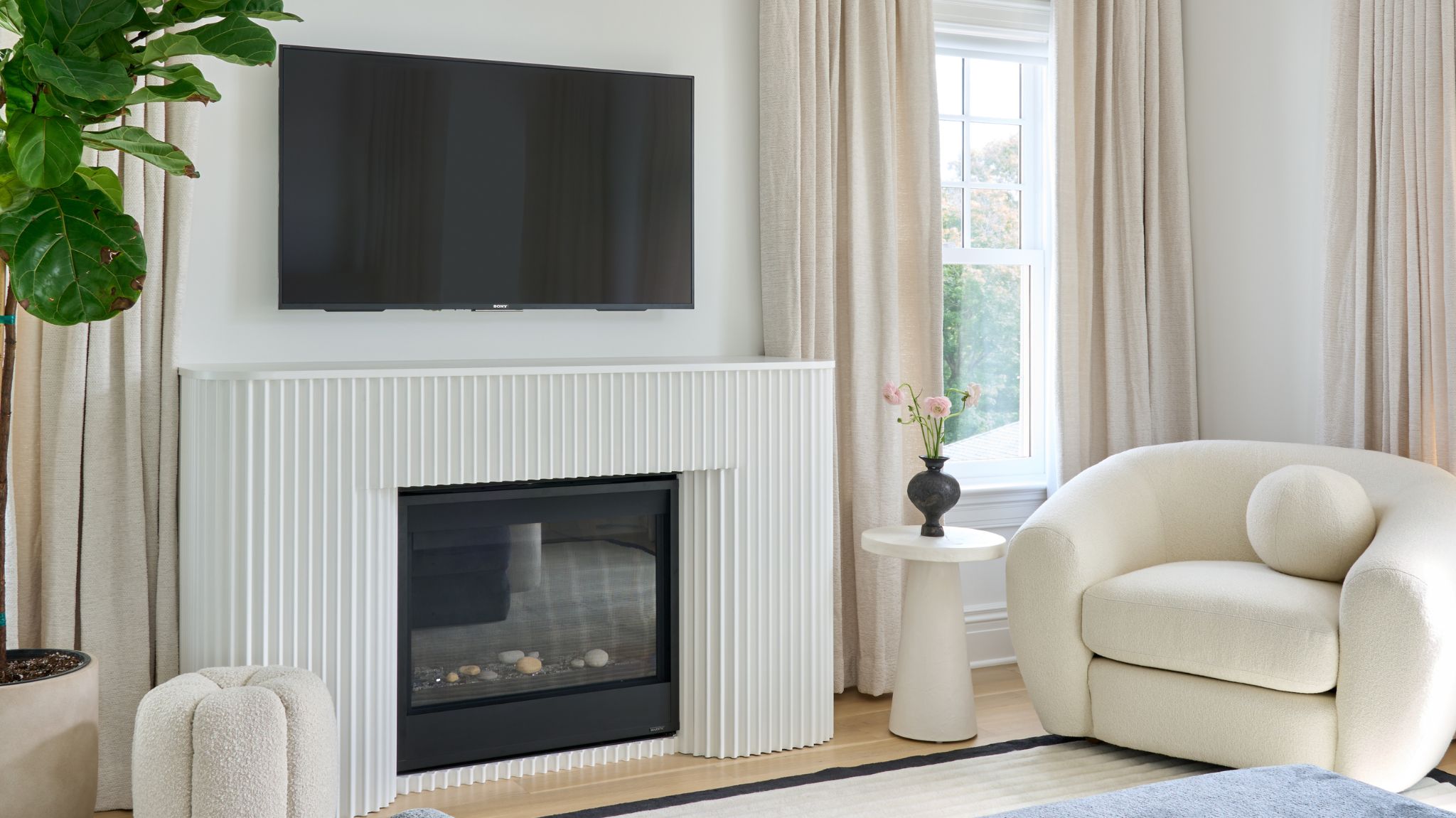
'It makes a room soft and serene.' A designer explains a new decor trend that is better than any you've seen before
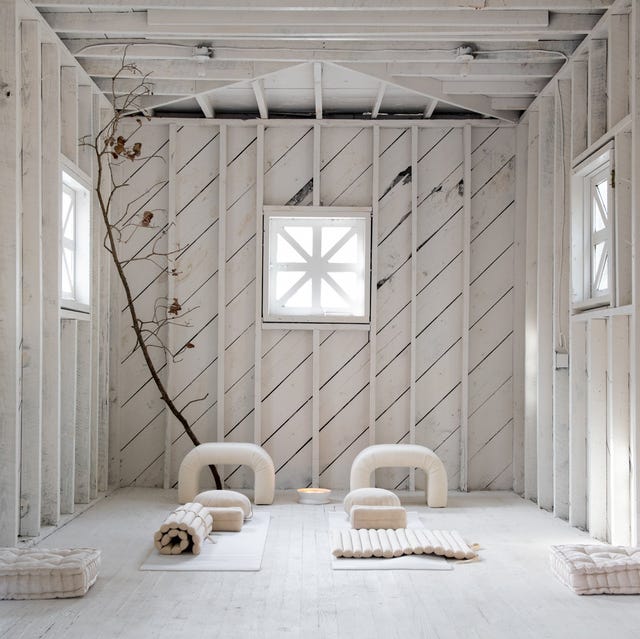
Say Ohm: Meditation Room Ideas for Instant Destressing
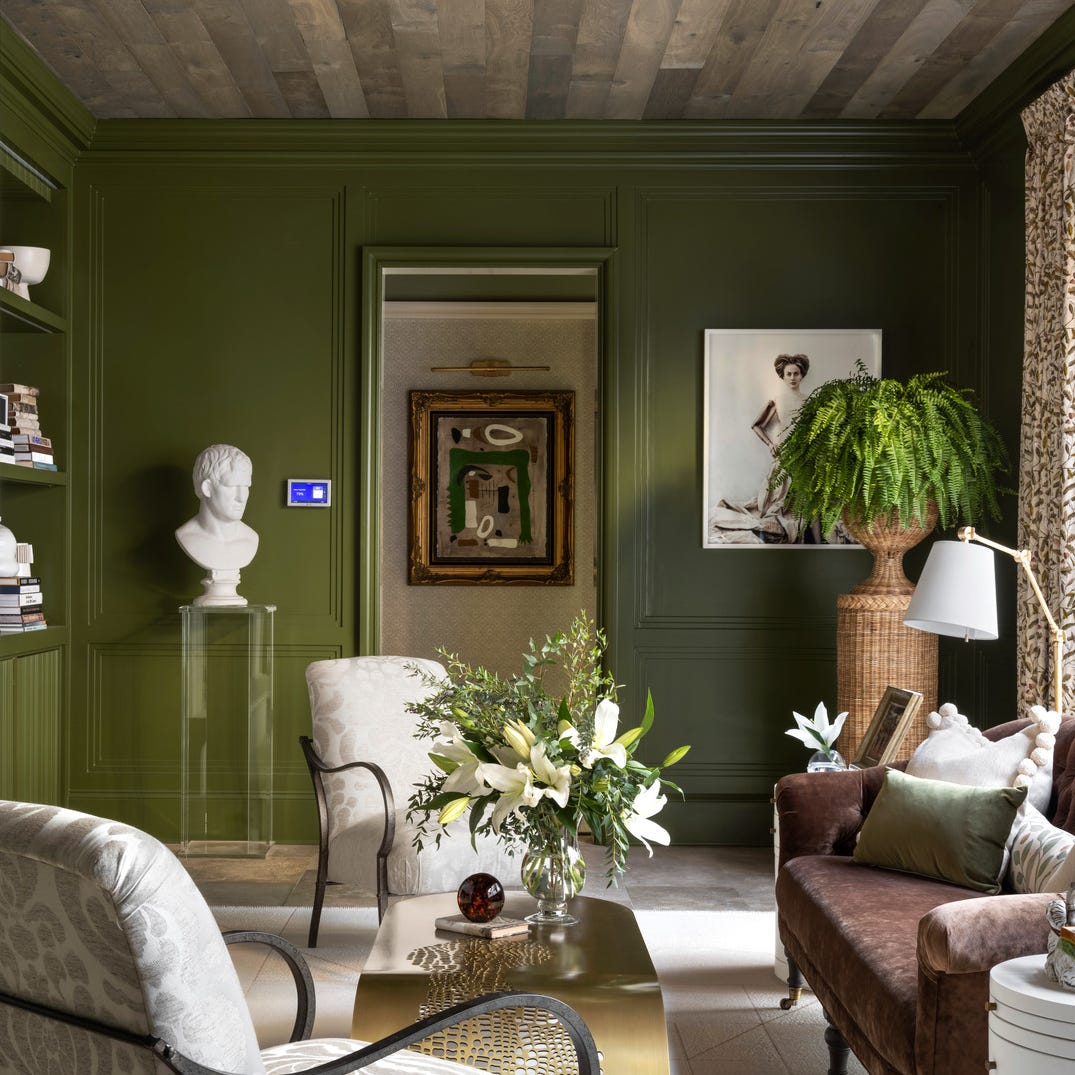
Designers Declare This Color the Ultimate "Chill-Pill" for Your Home

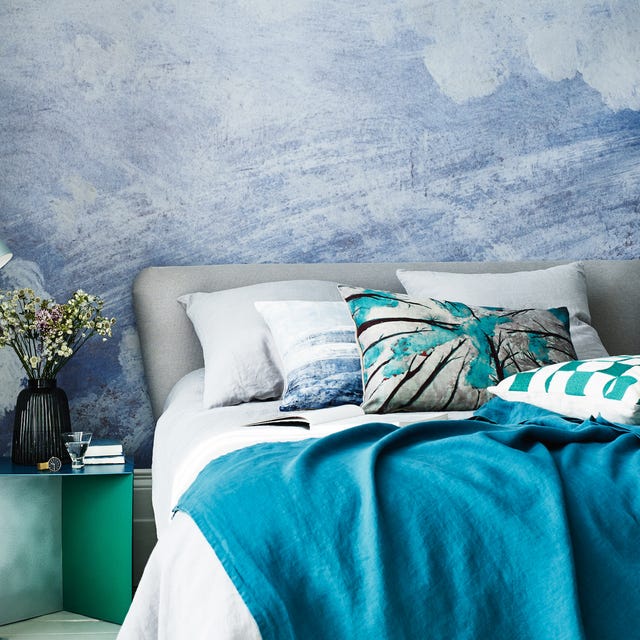
How to transform your bedroom into a wellbeing sanctuary, according to experts
5 Things Wellness Experts Always Have in Their Bedrooms to Keep a Calm Space and Mind
Calm bedroom ideas – 11 style tricks to create a soothing sanctuary

'Quiet Corners' Is the Home Trend I Never Saw Coming