1/5
The Key Word for Bedroom Design This Year: Calm
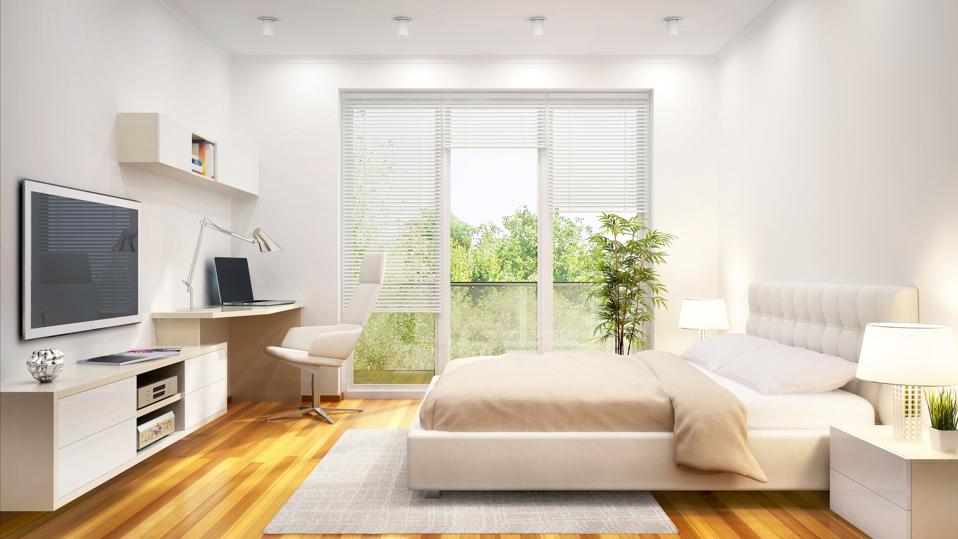
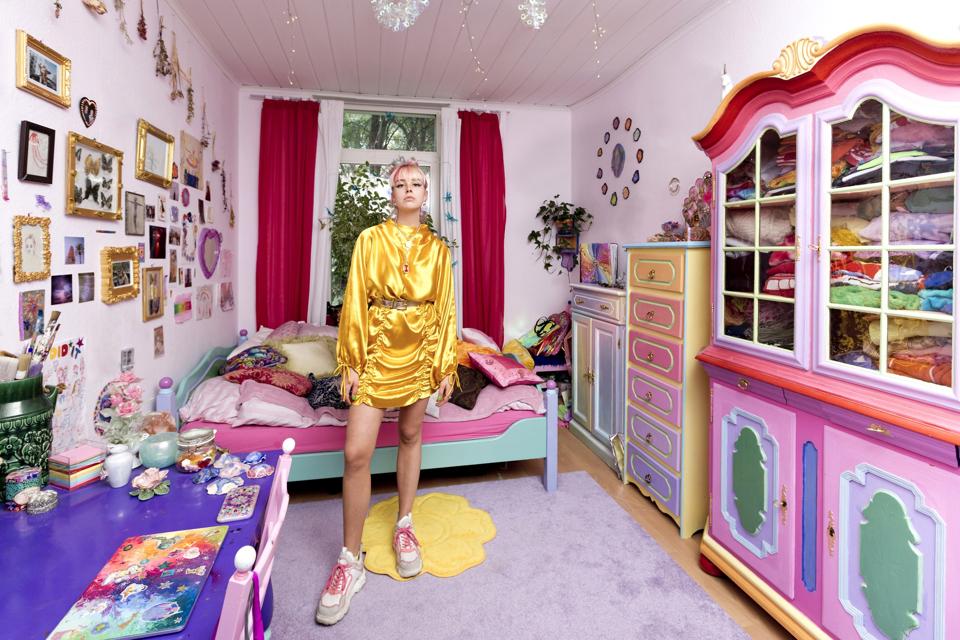
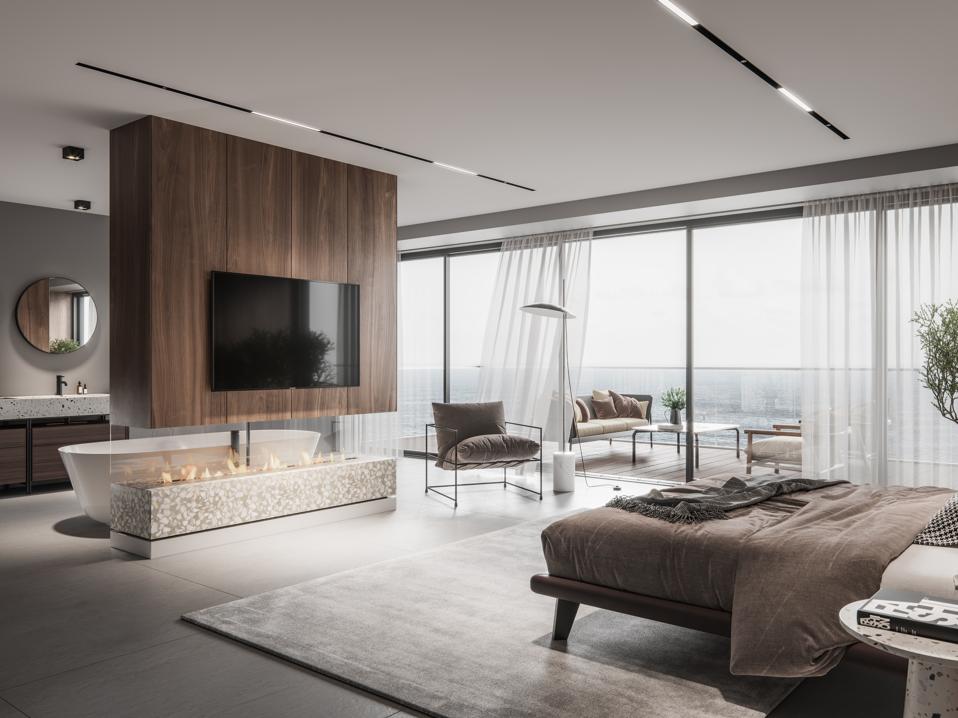
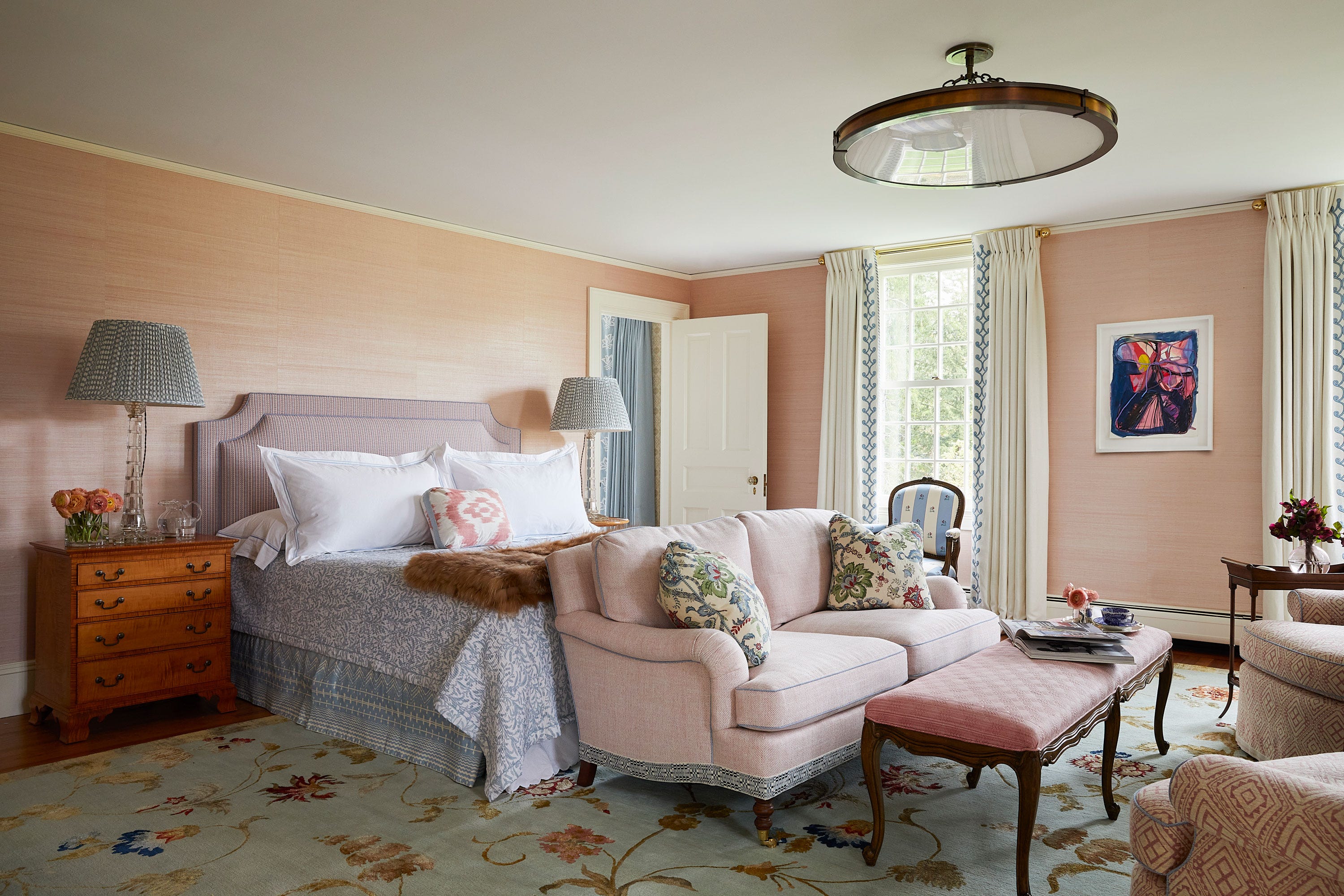
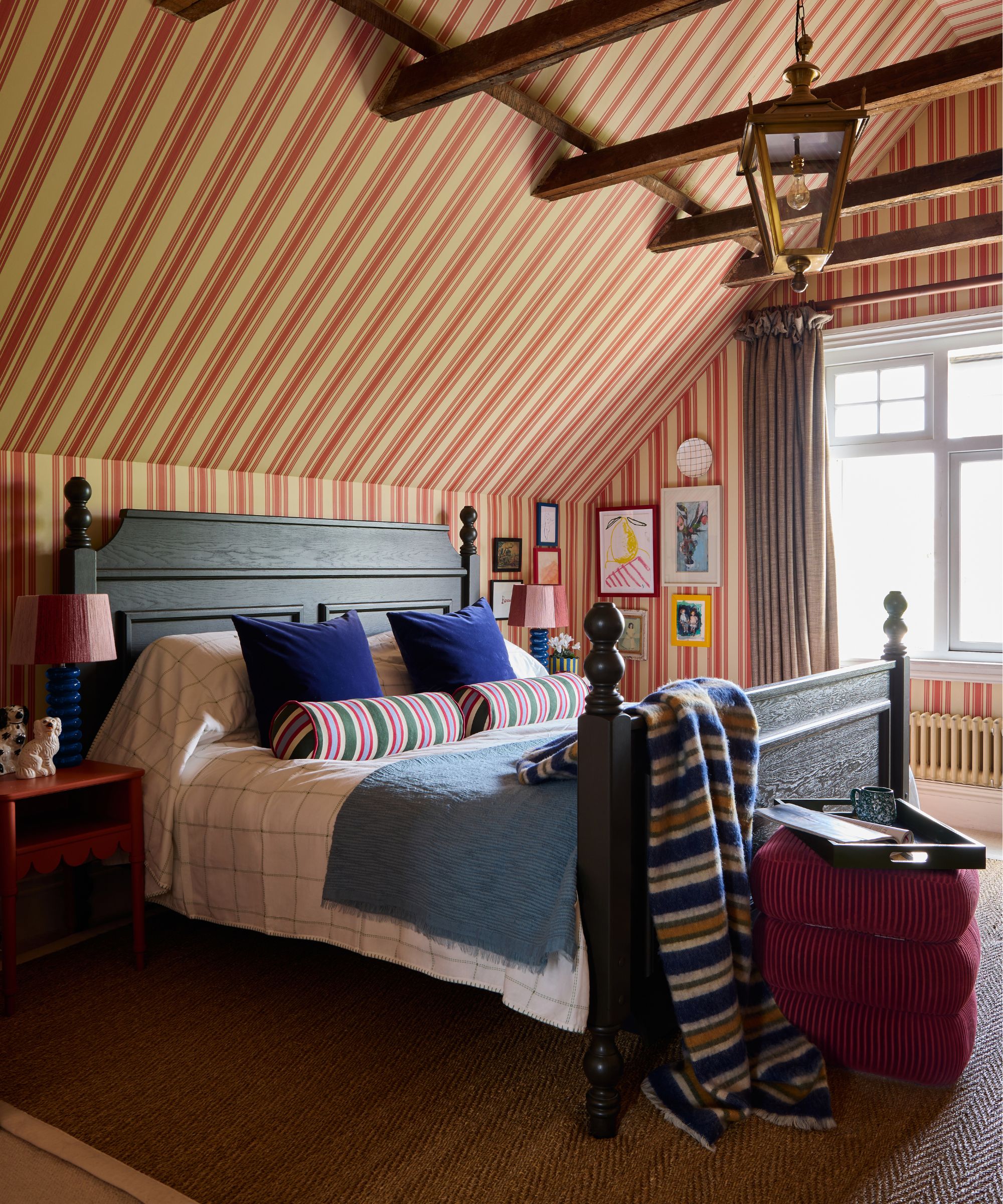
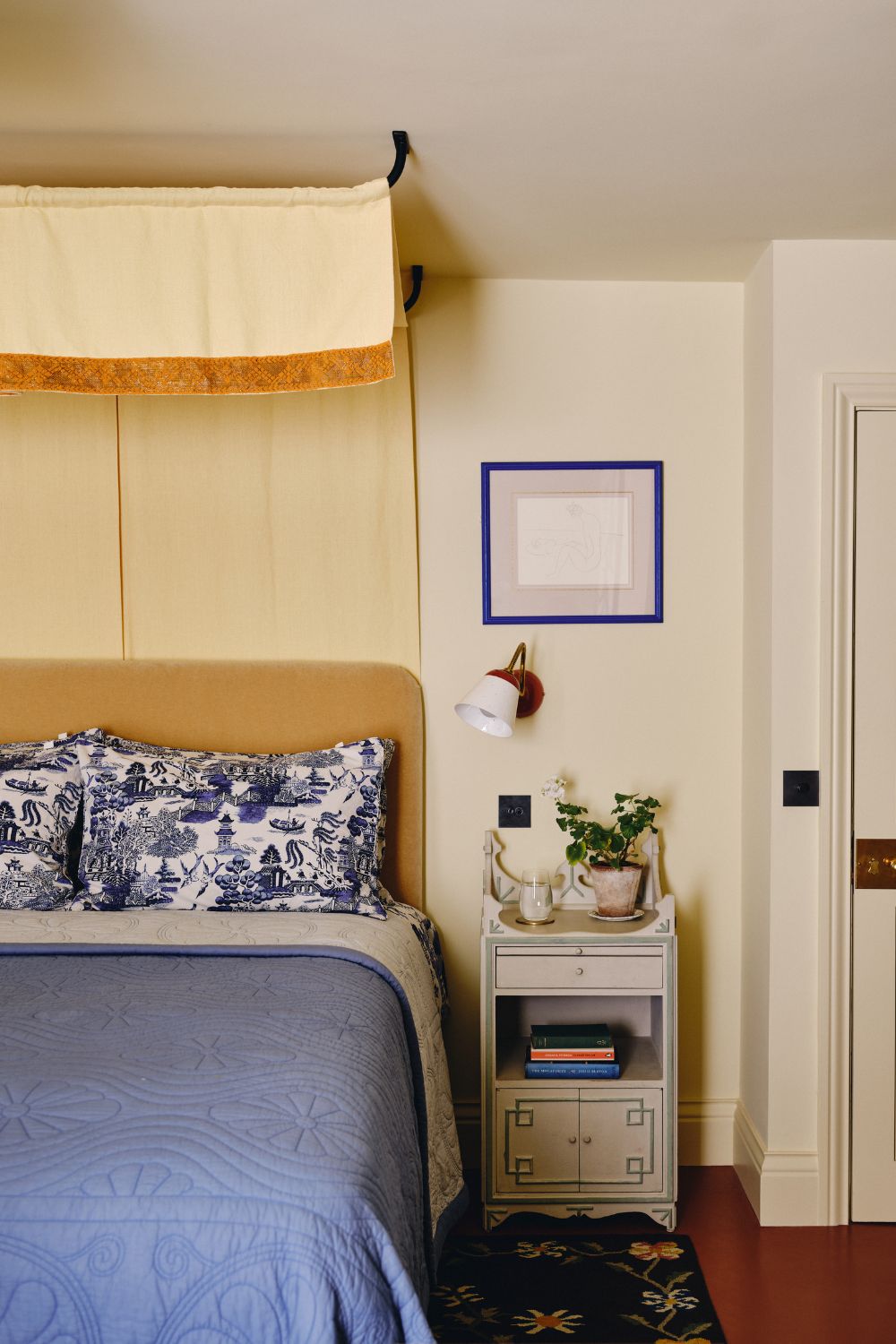
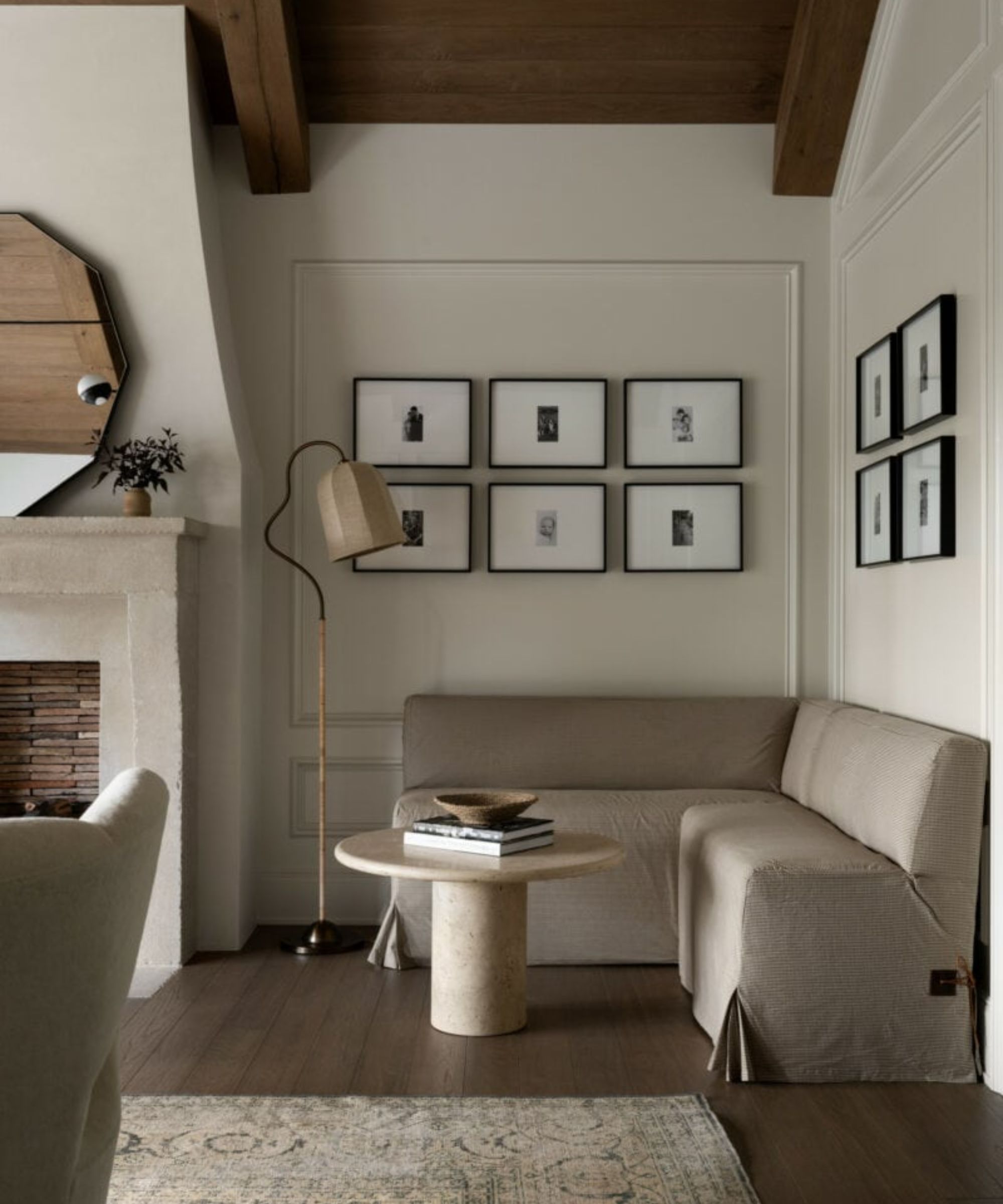
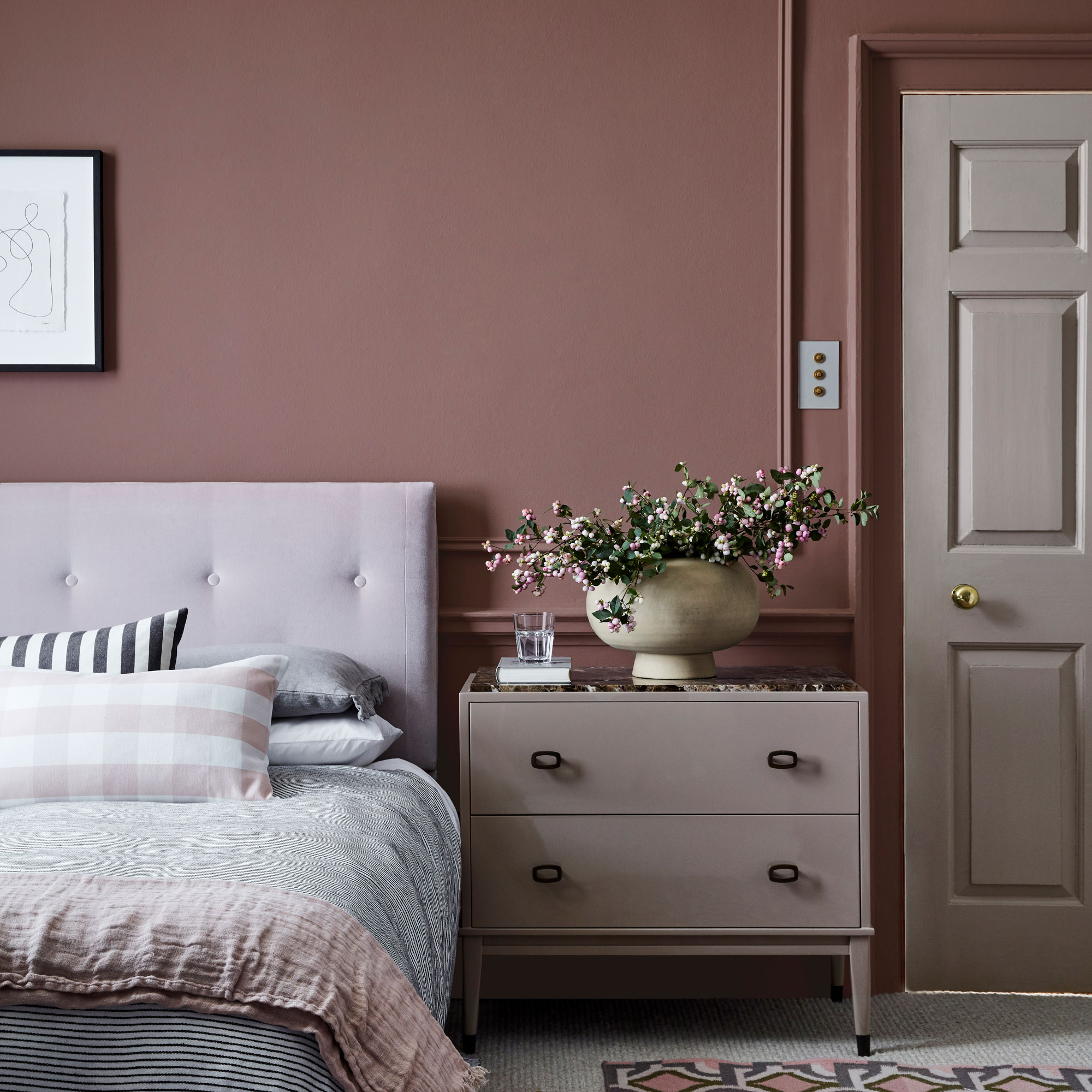
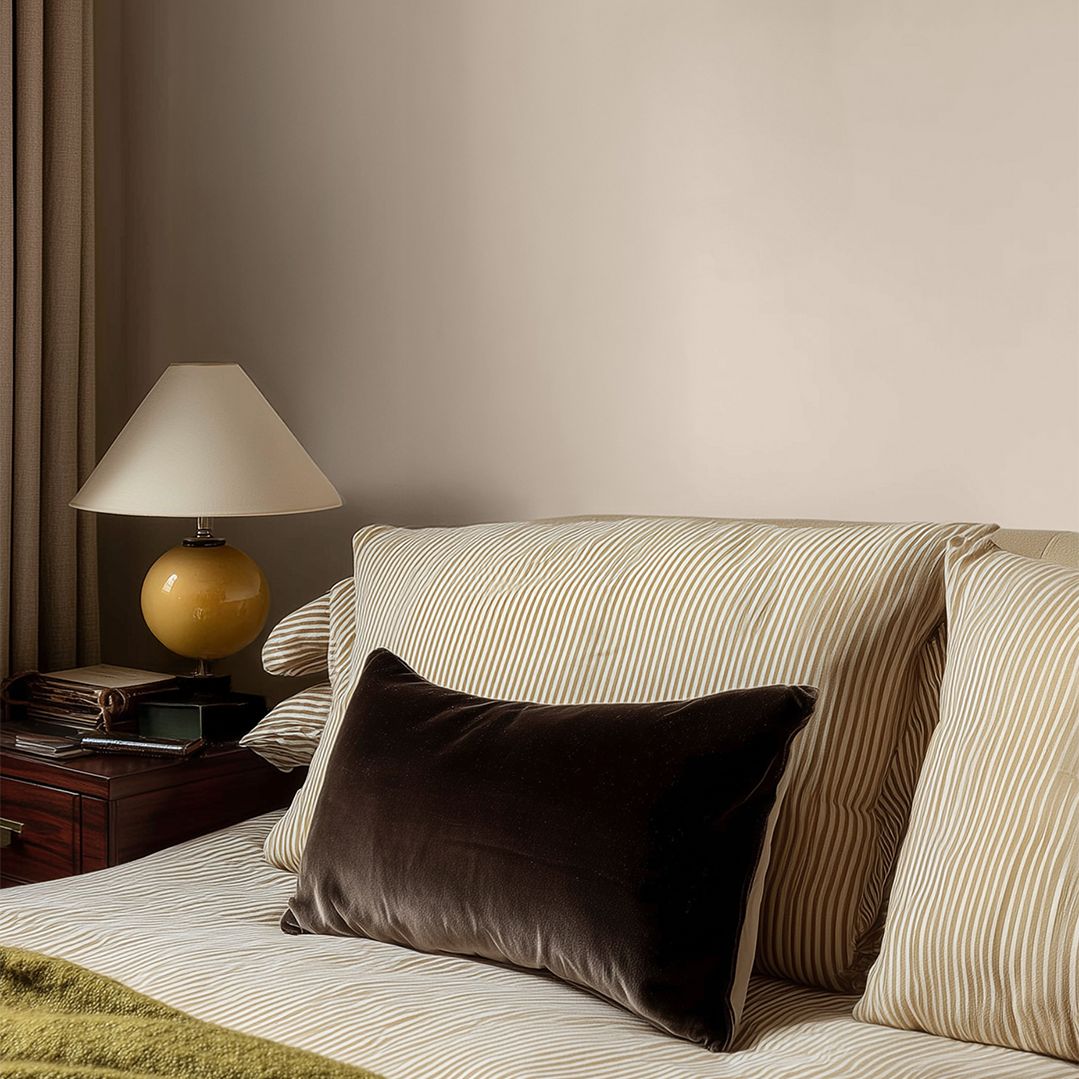
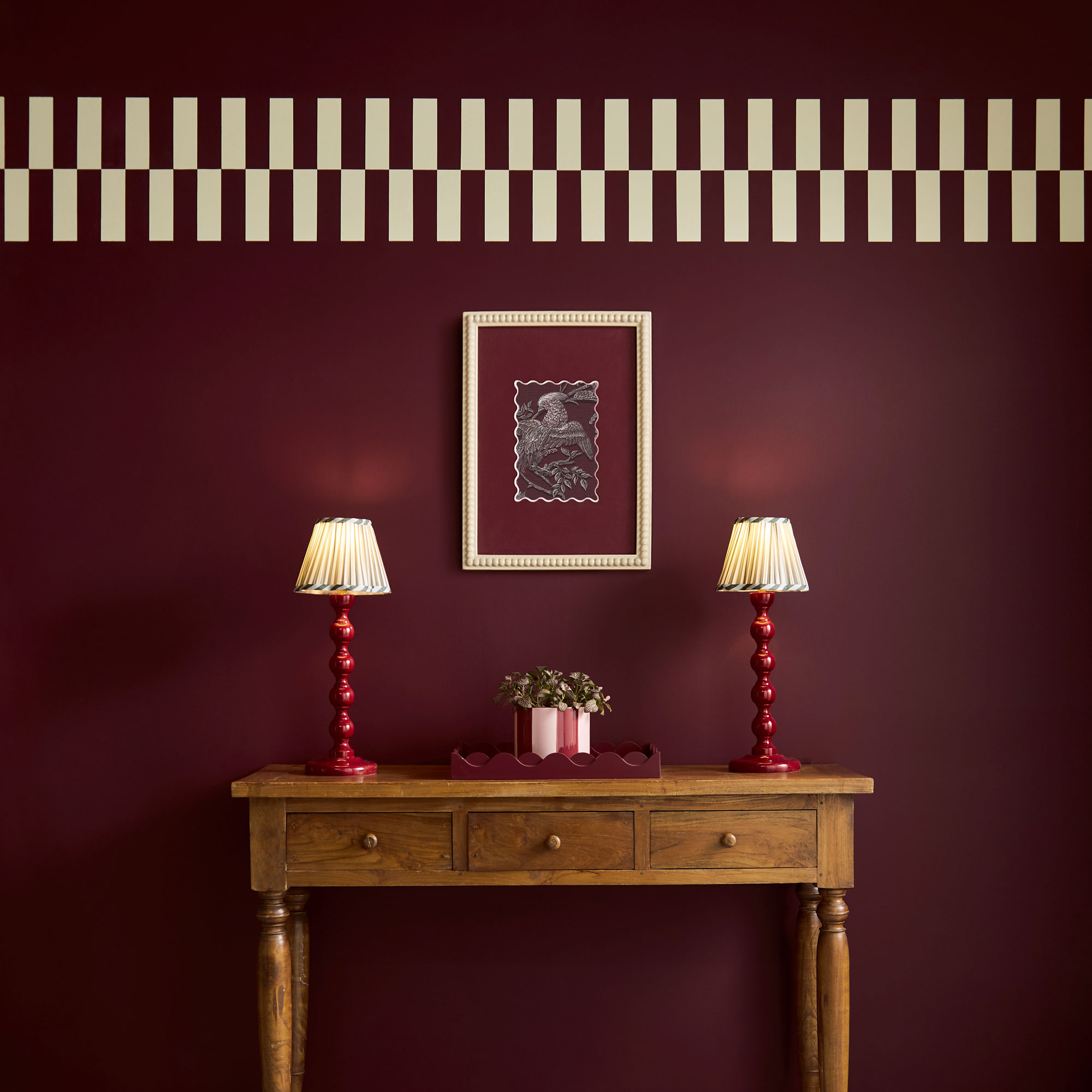
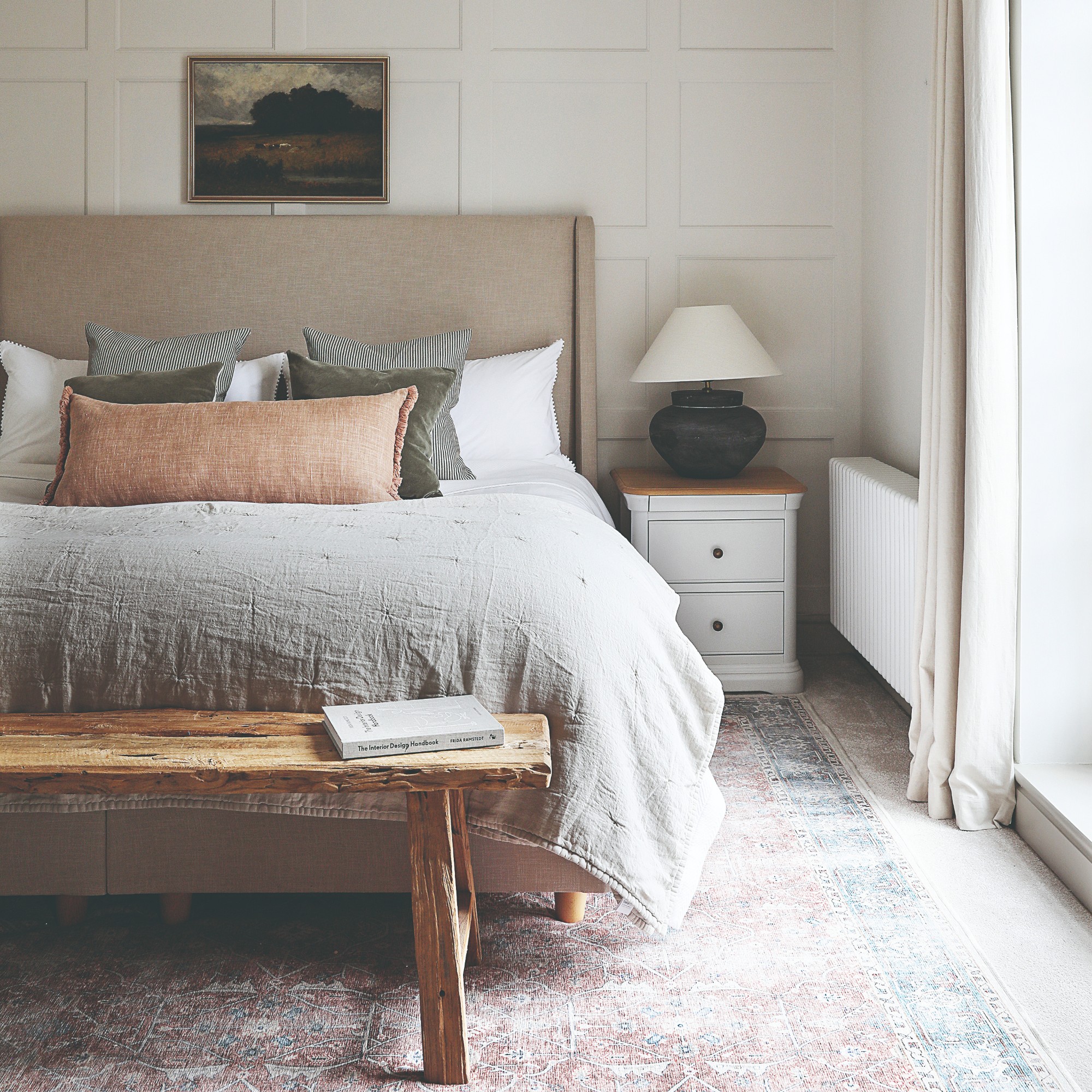
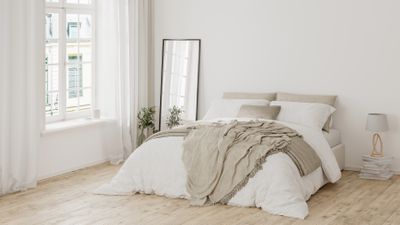
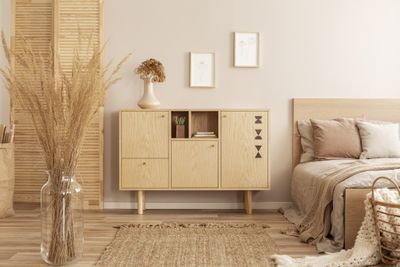
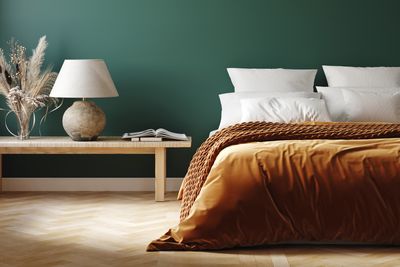
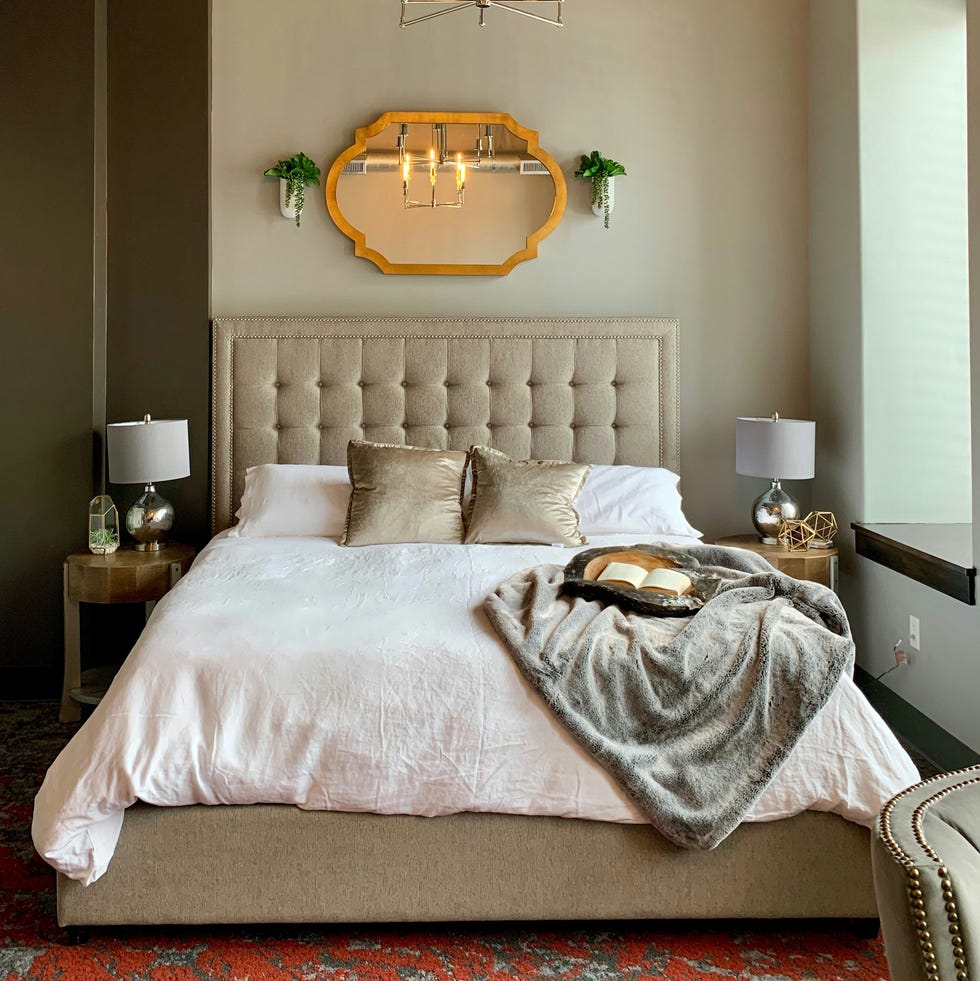
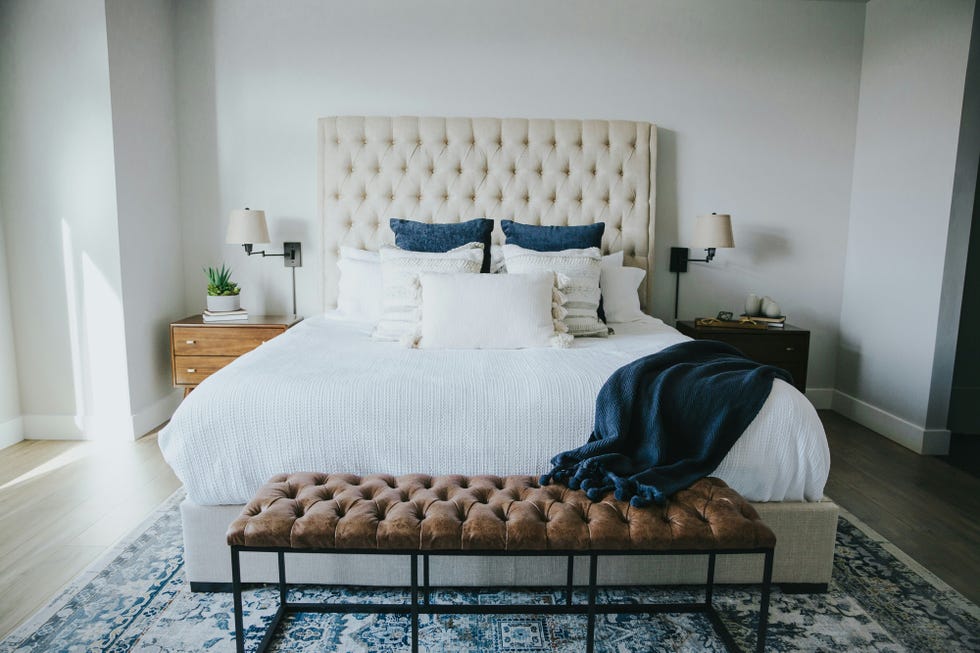
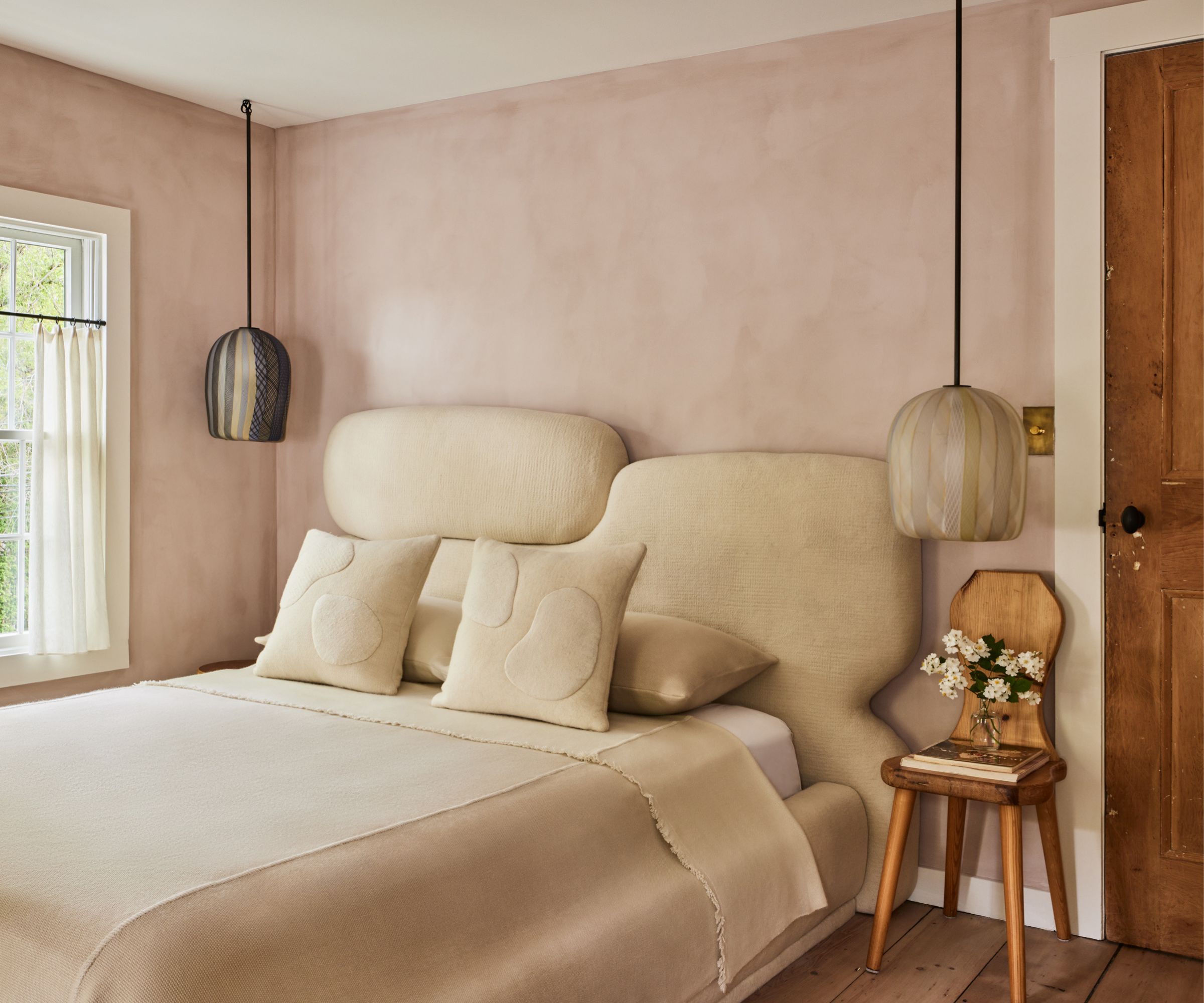
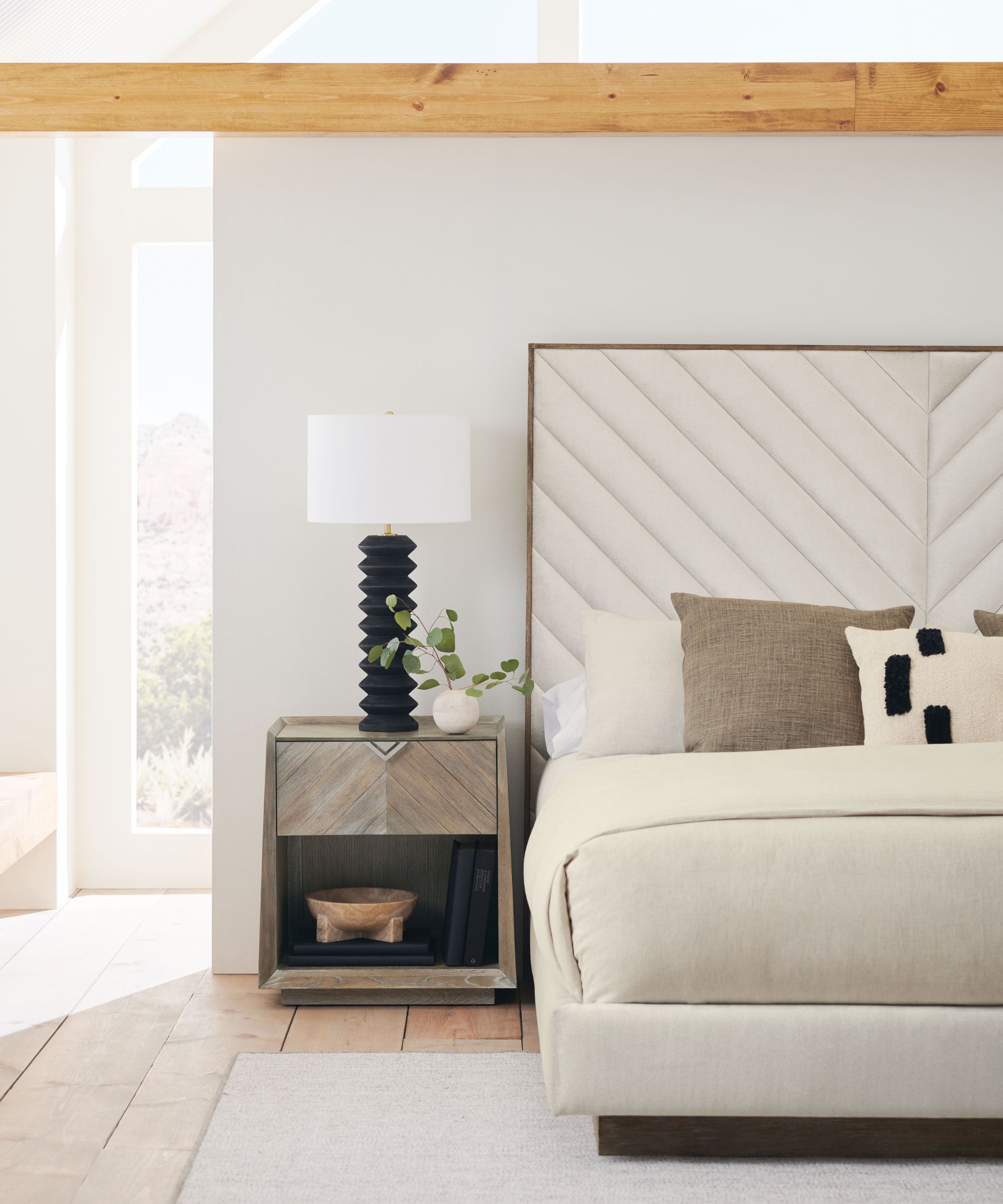
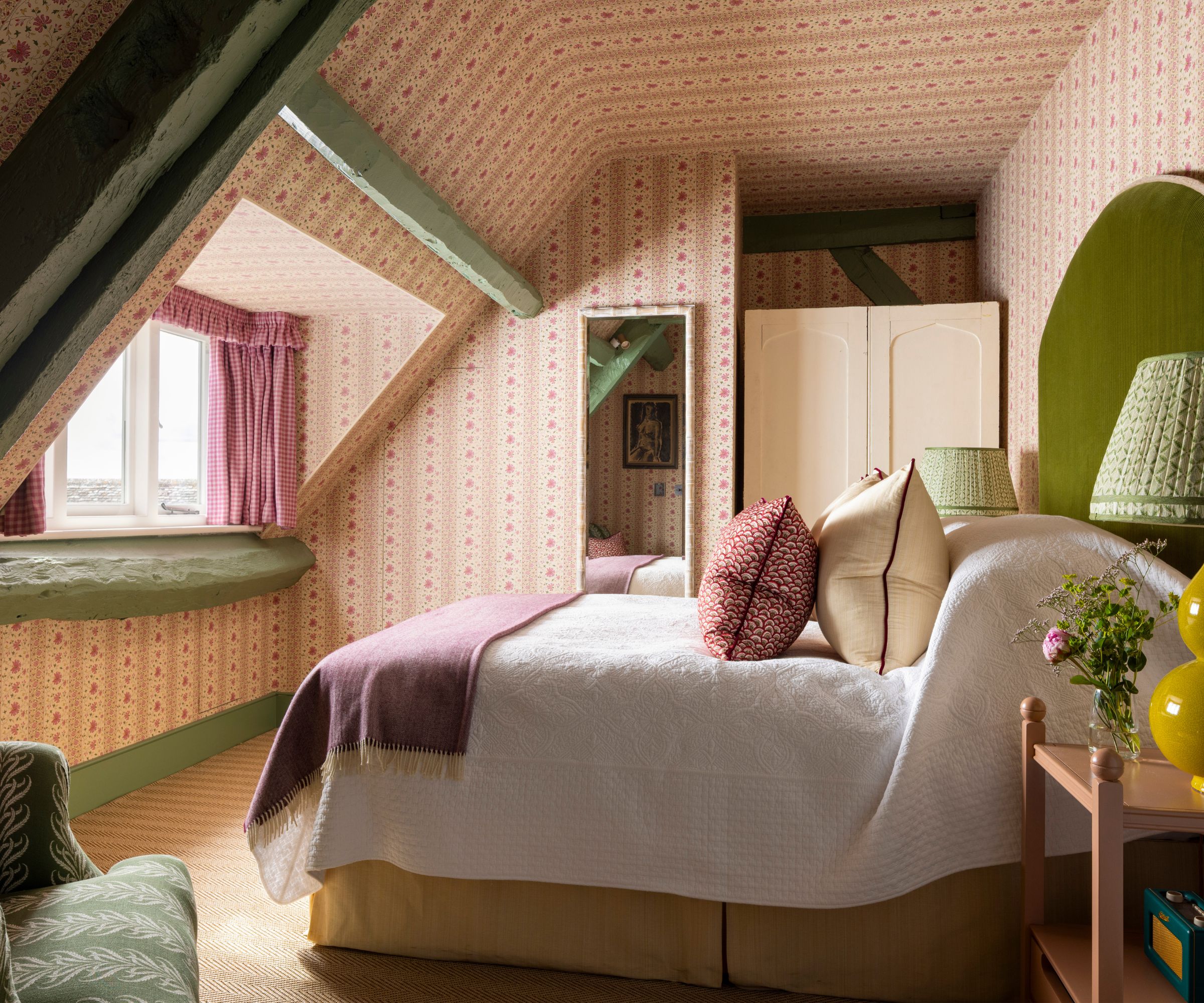
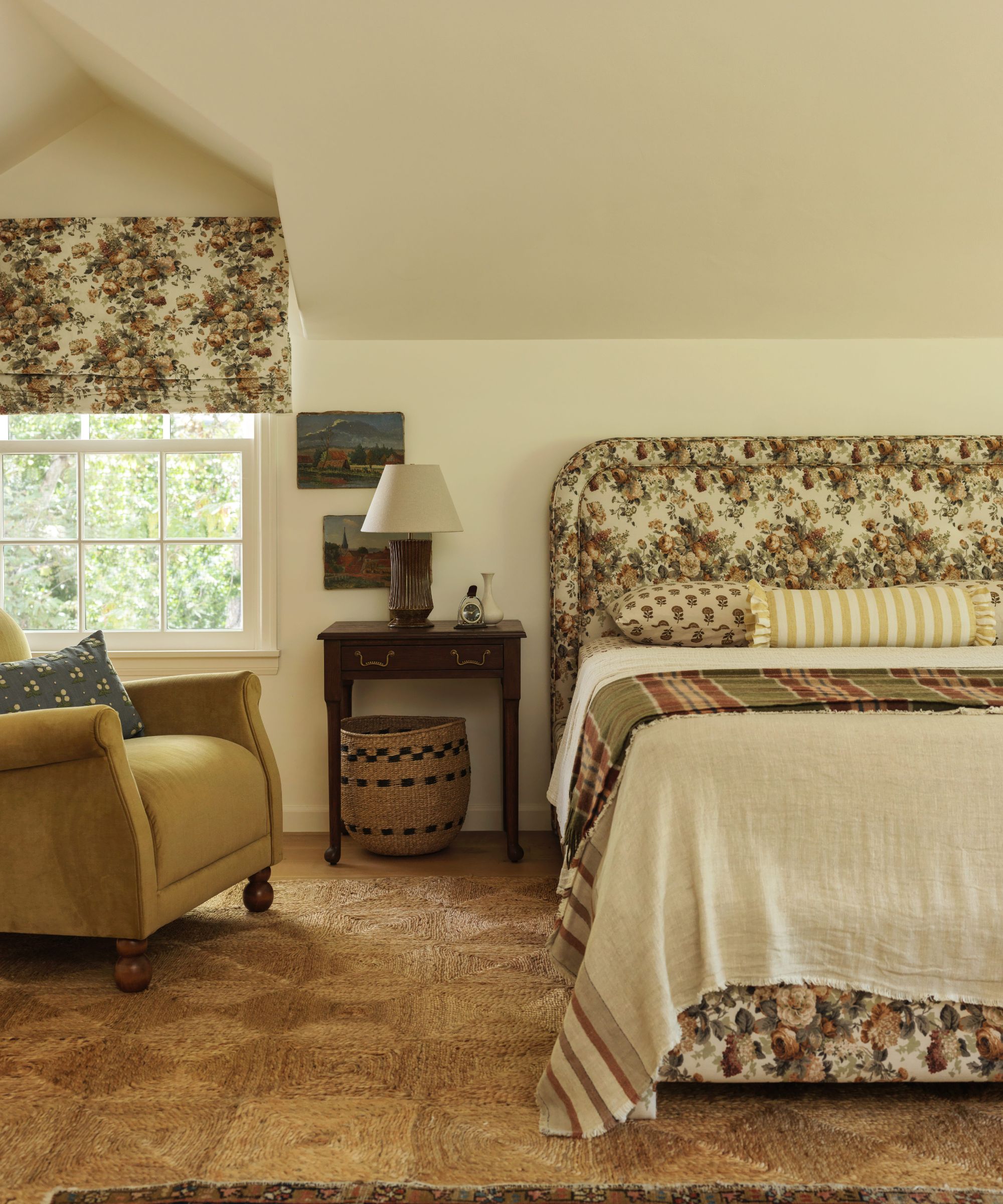
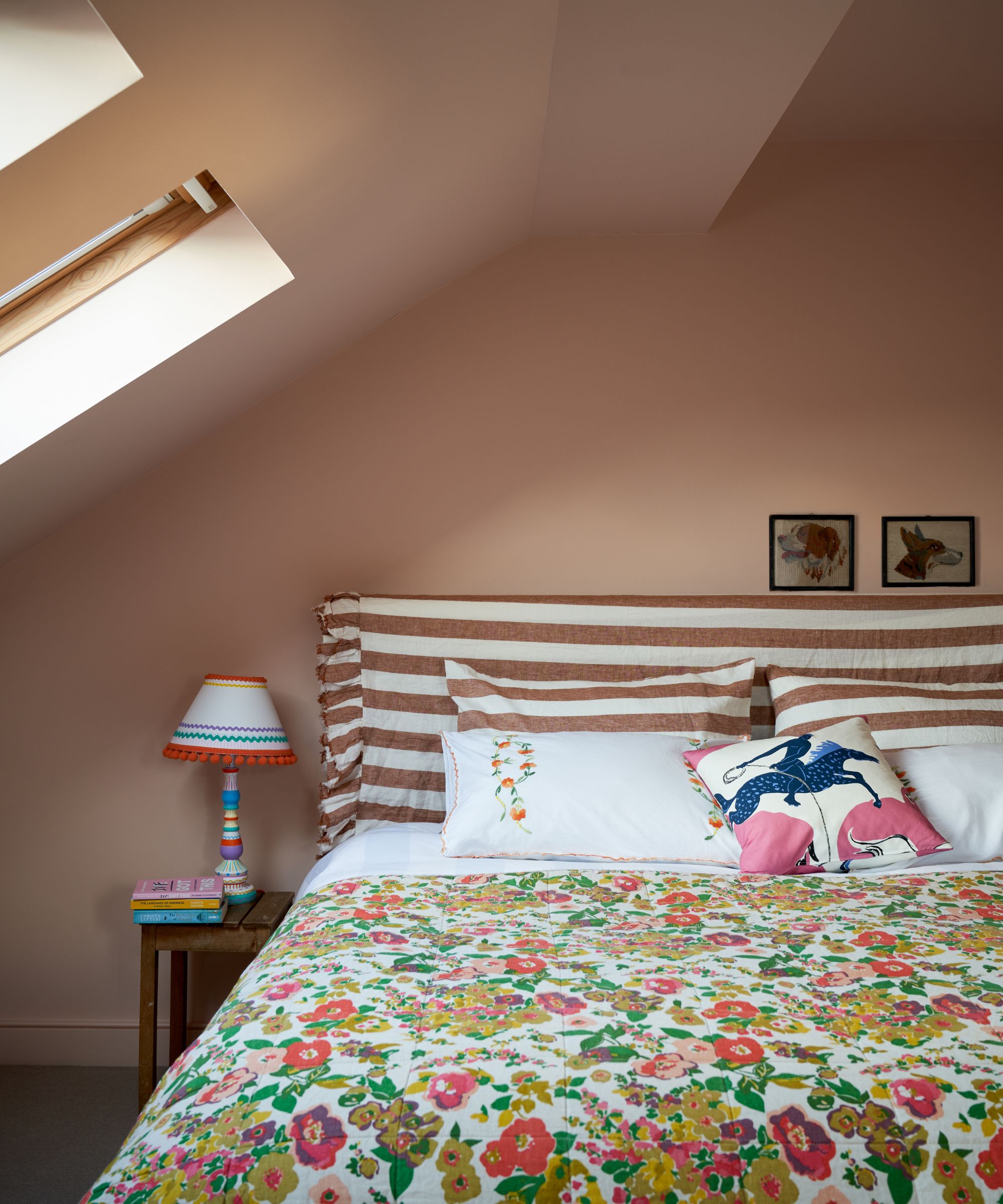
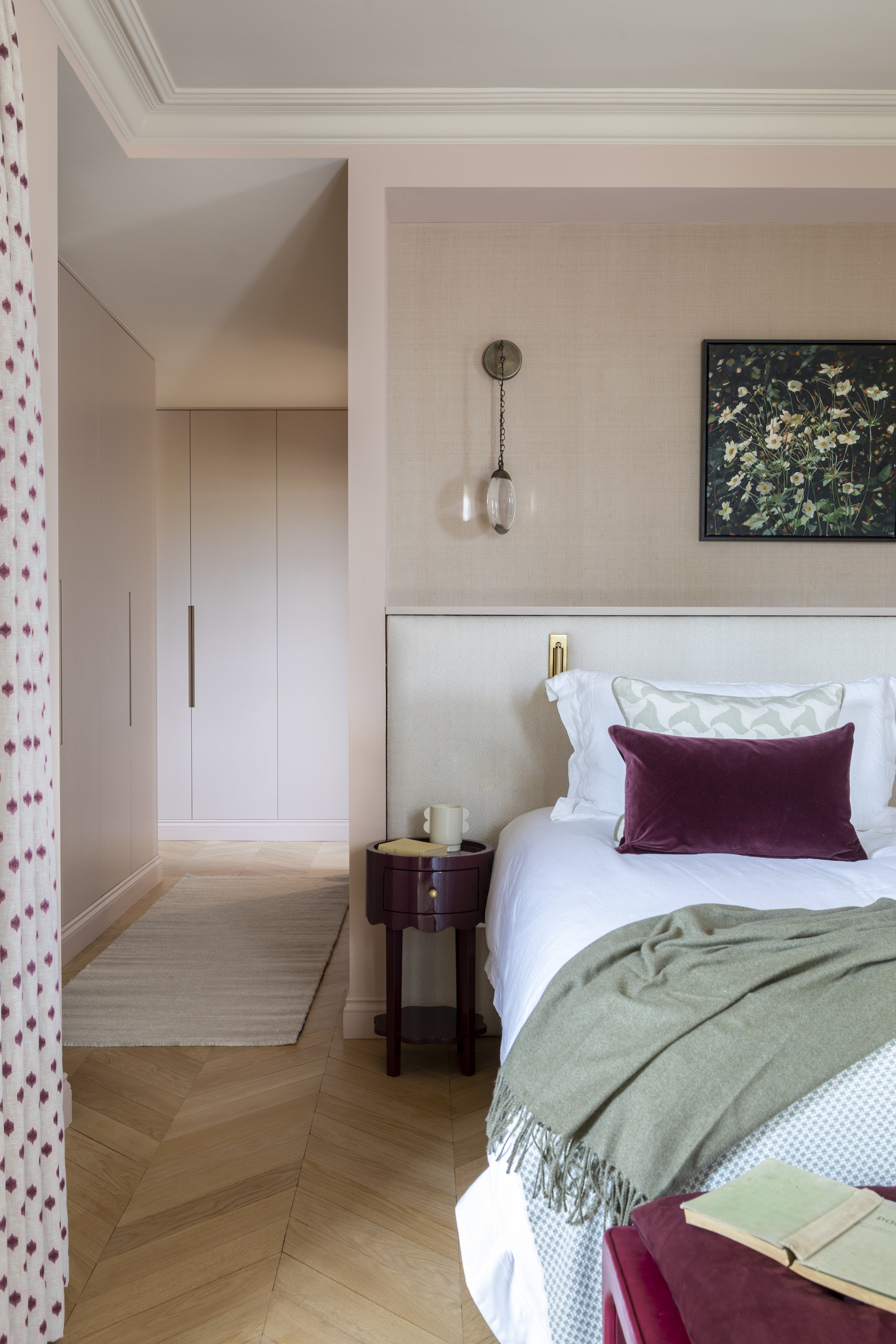
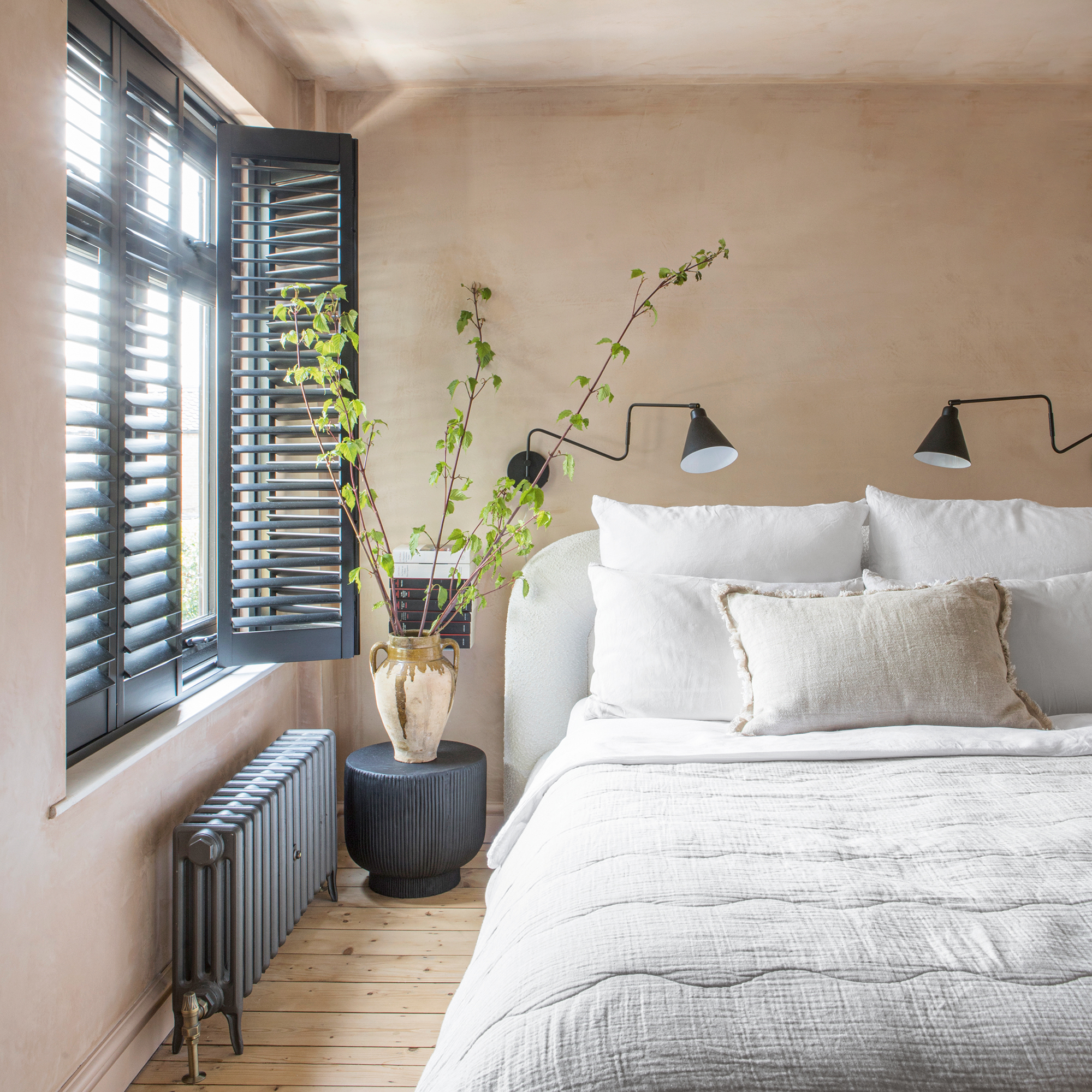
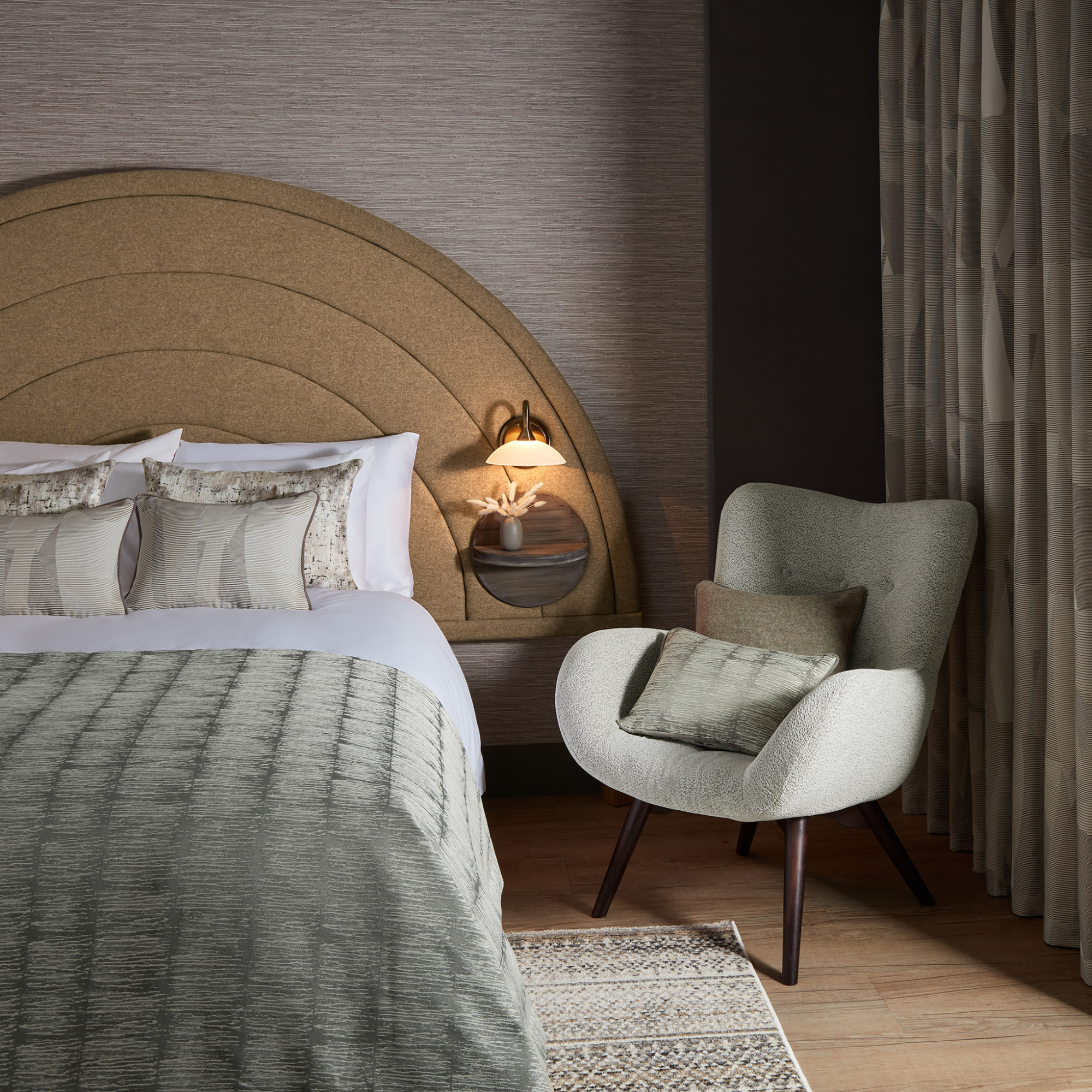
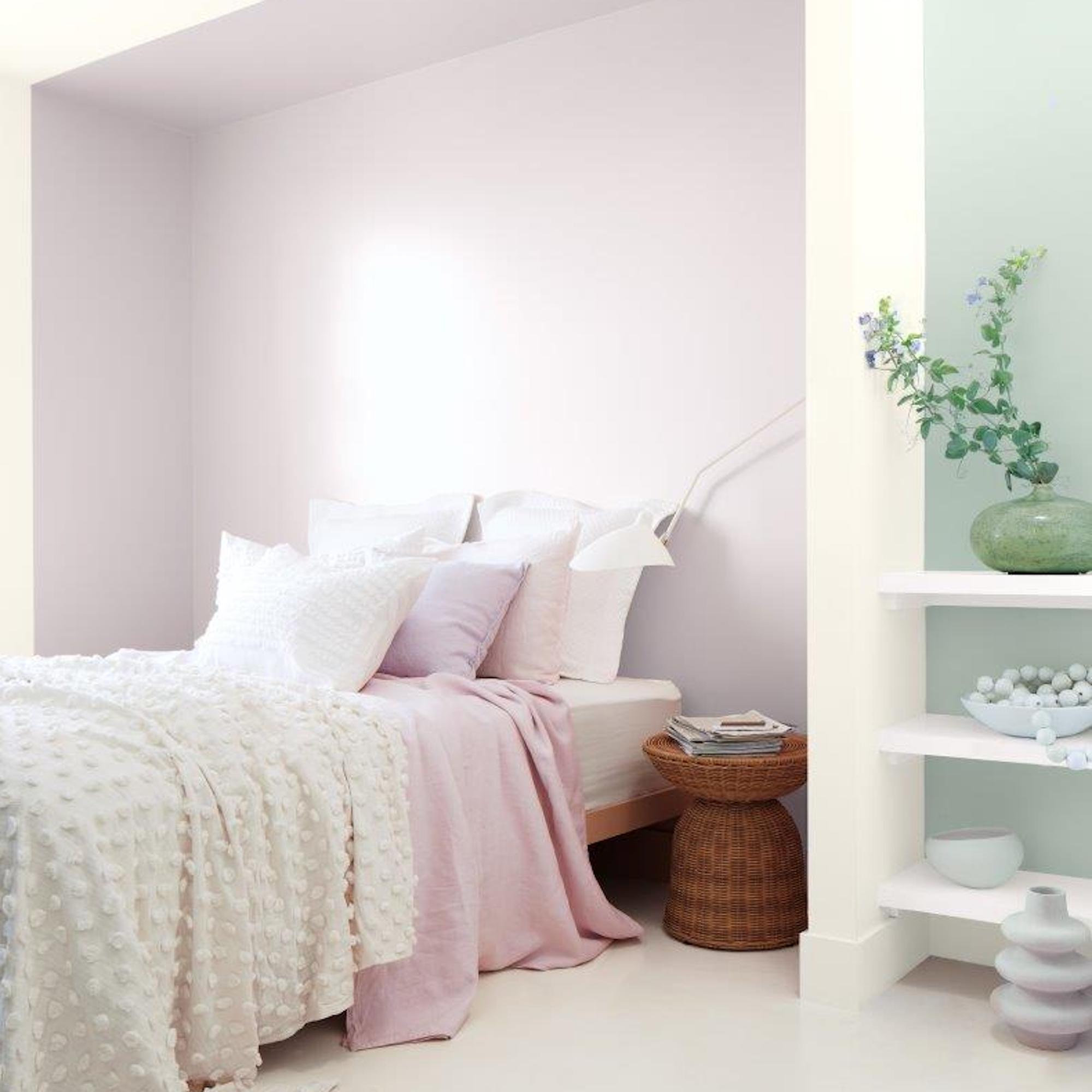
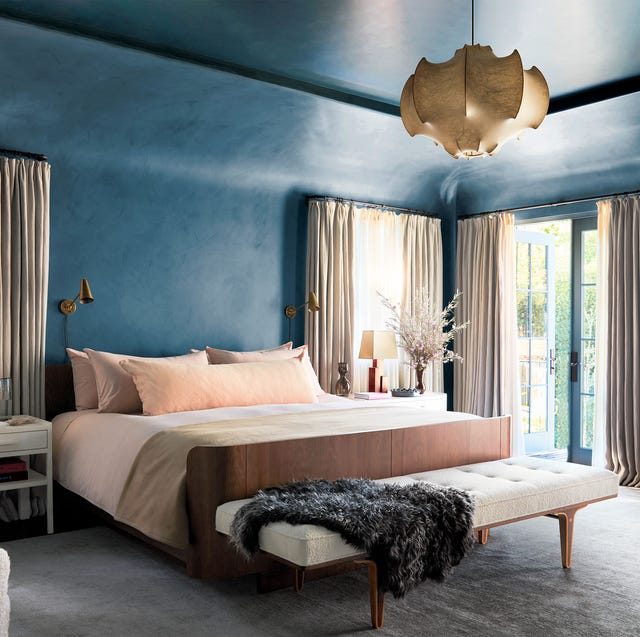
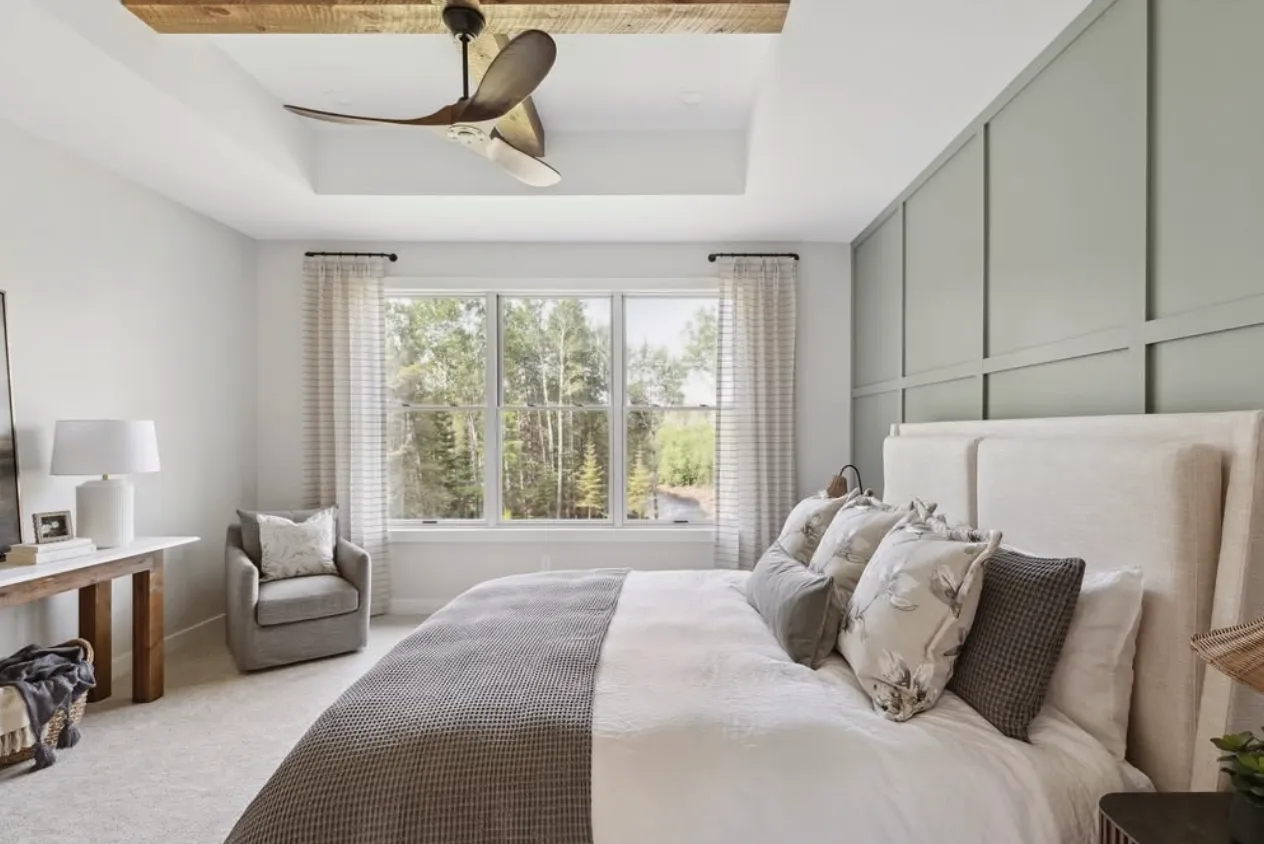
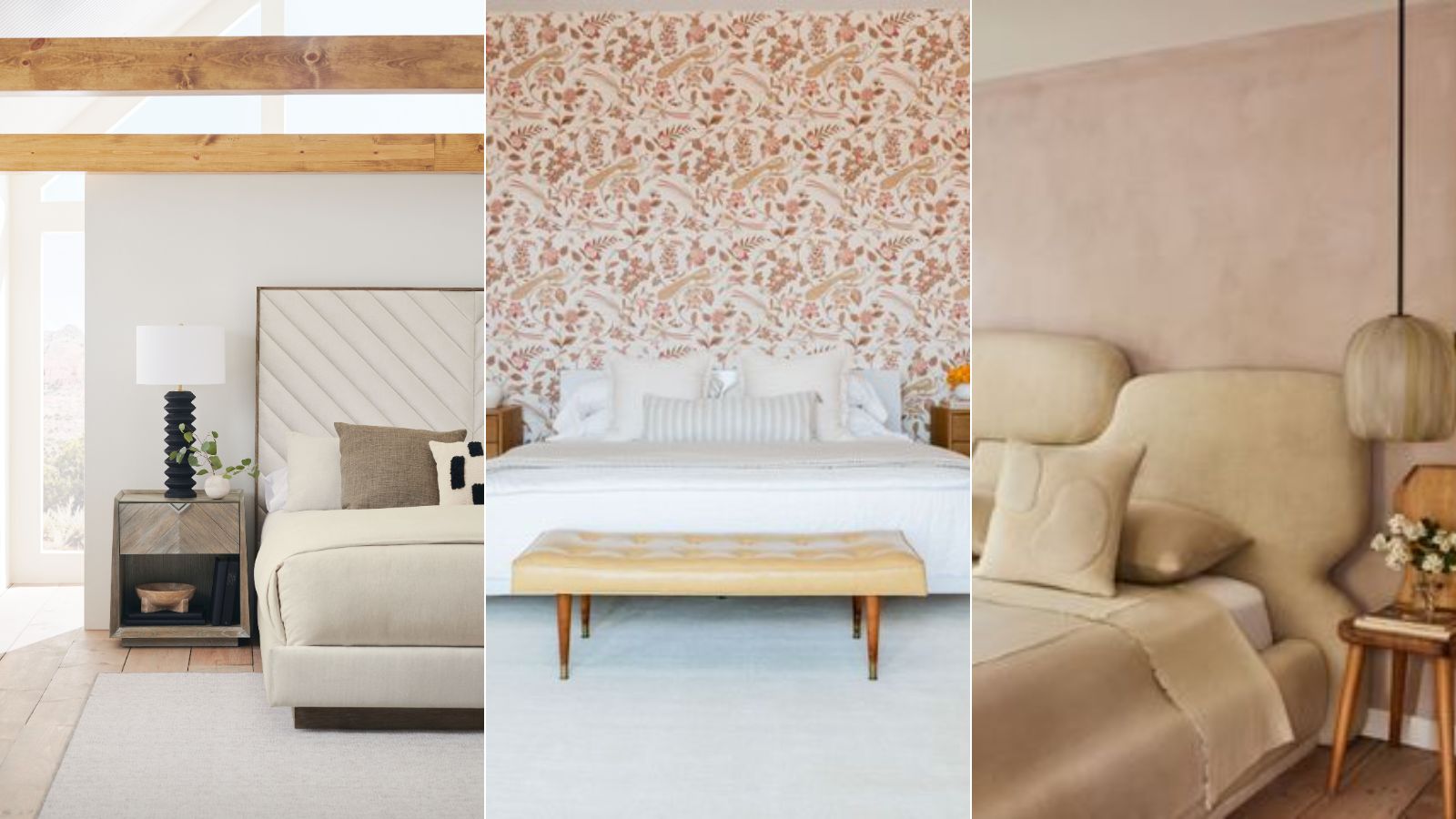
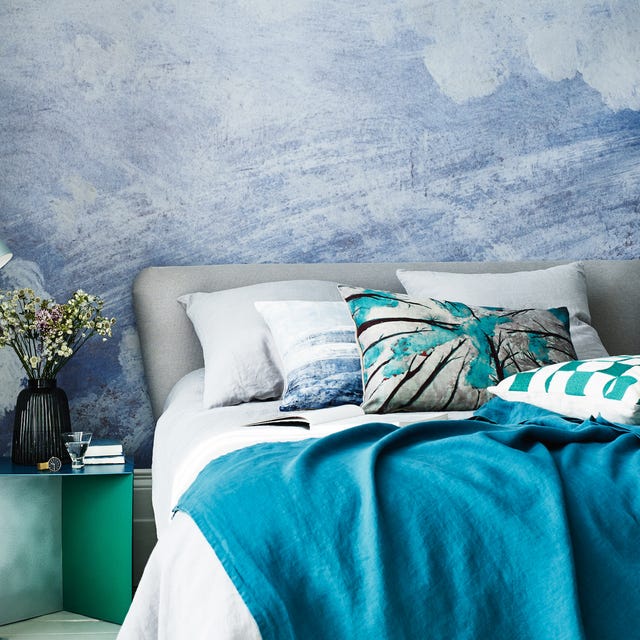
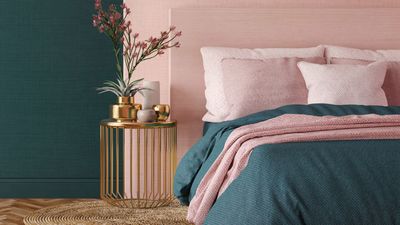
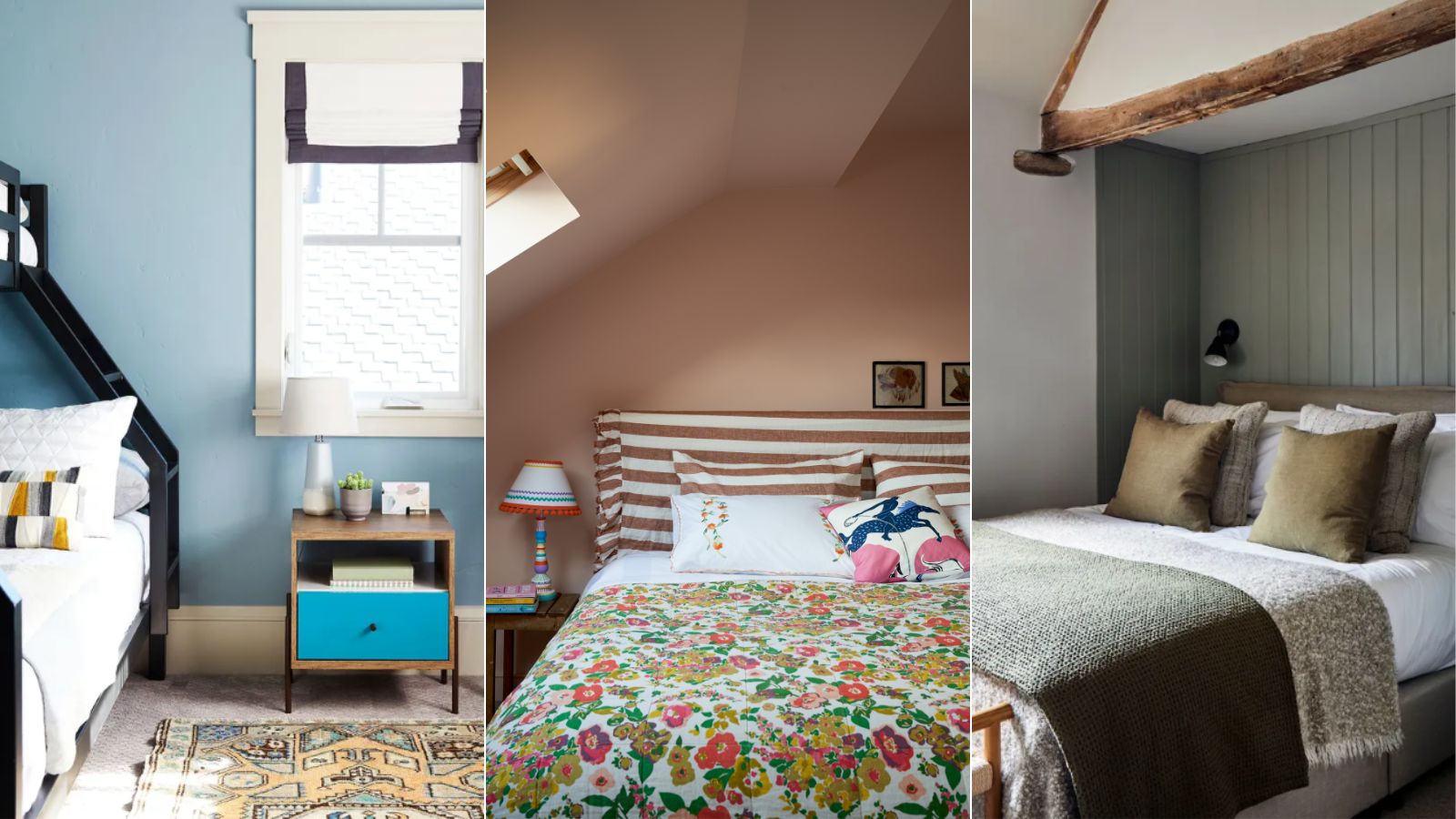
The article highlights the increasing importance of bedrooms as calming retreats, especially following a year marked by heightened anxiety. Designers emphasize creating a sanctuary-like atmosphere in this personal space. Pamela Shamshiri of Studio Shamshiri notes a shift towards using color to influence mood and emotions. Instead of sterile white, the studio now incorporates muted and calm hues, such as pale blues, yellows, and deep indigos, to introduce warmth and a nurturing feel. Shamshiri also mentions the use of curved transitions from walls to ceilings to eliminate sharp corners, contributing to a more calming aesthetic.
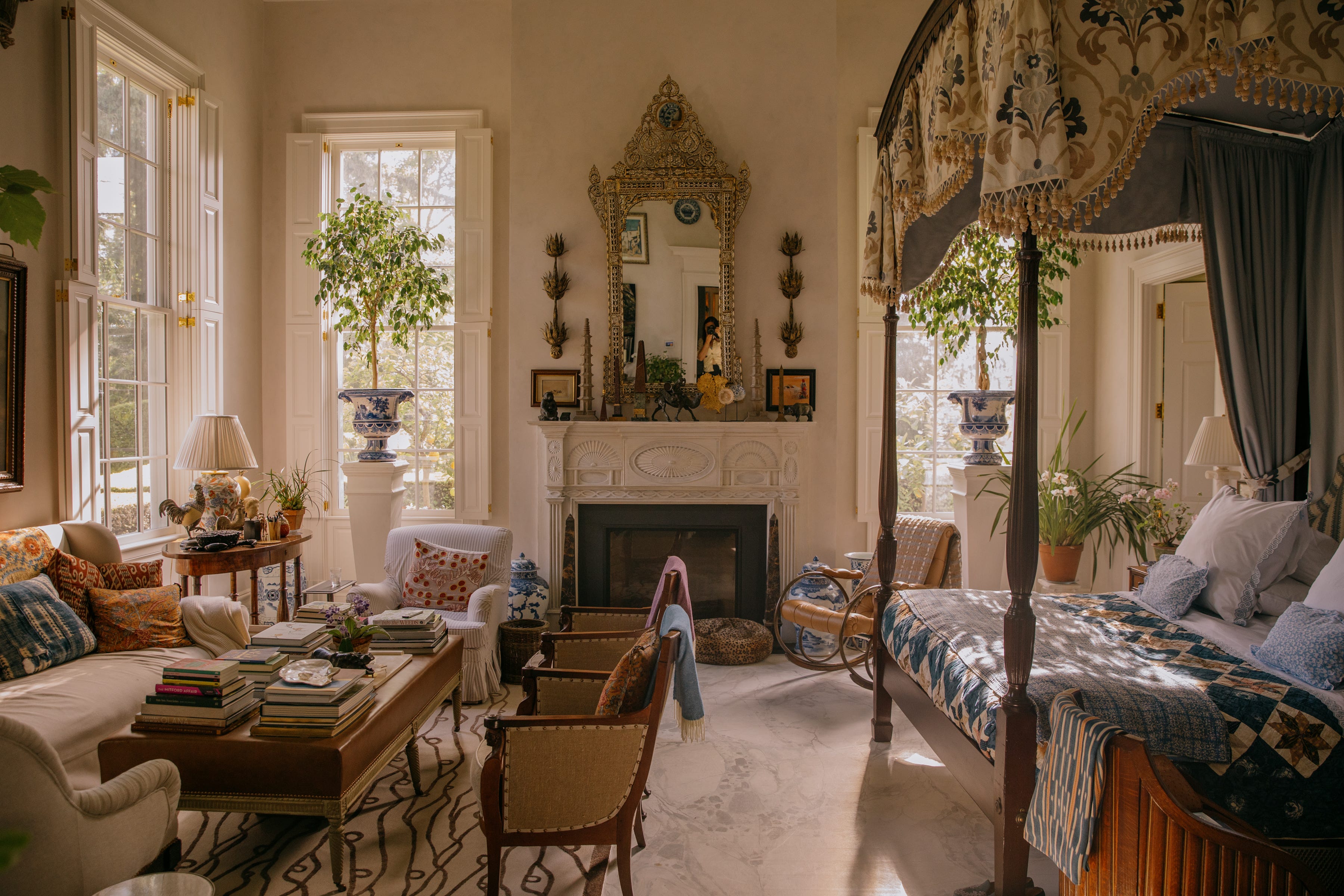
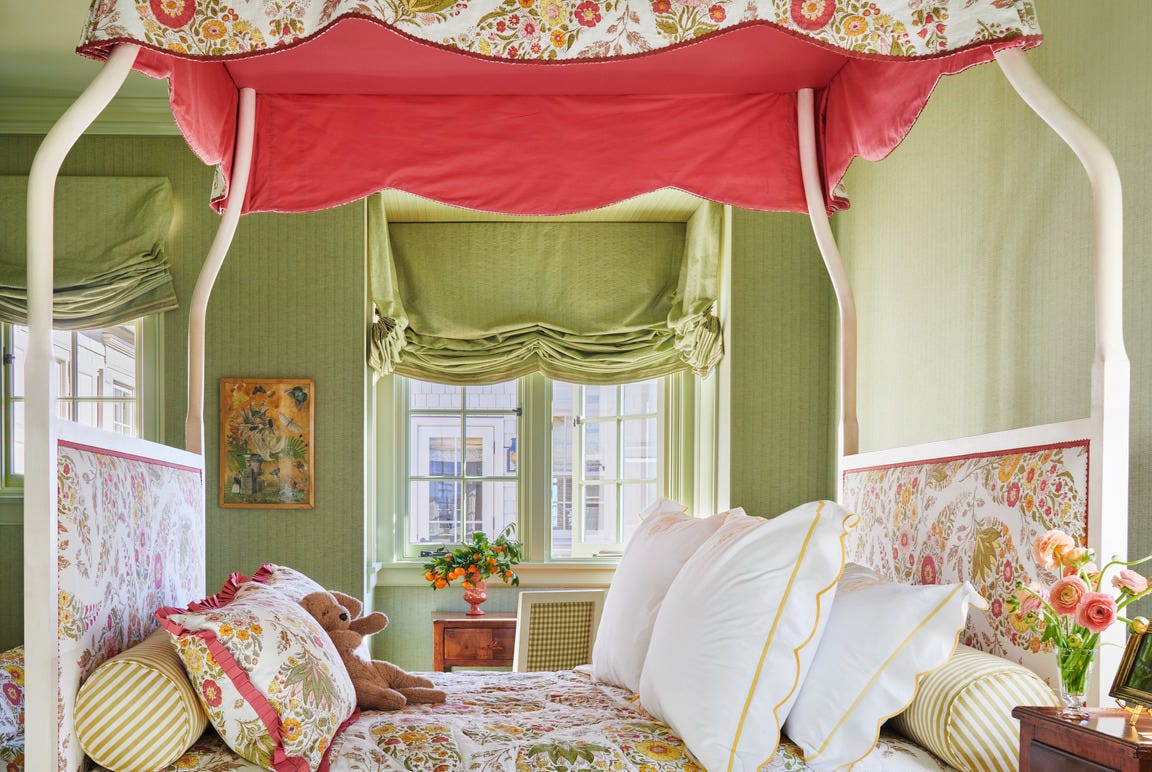
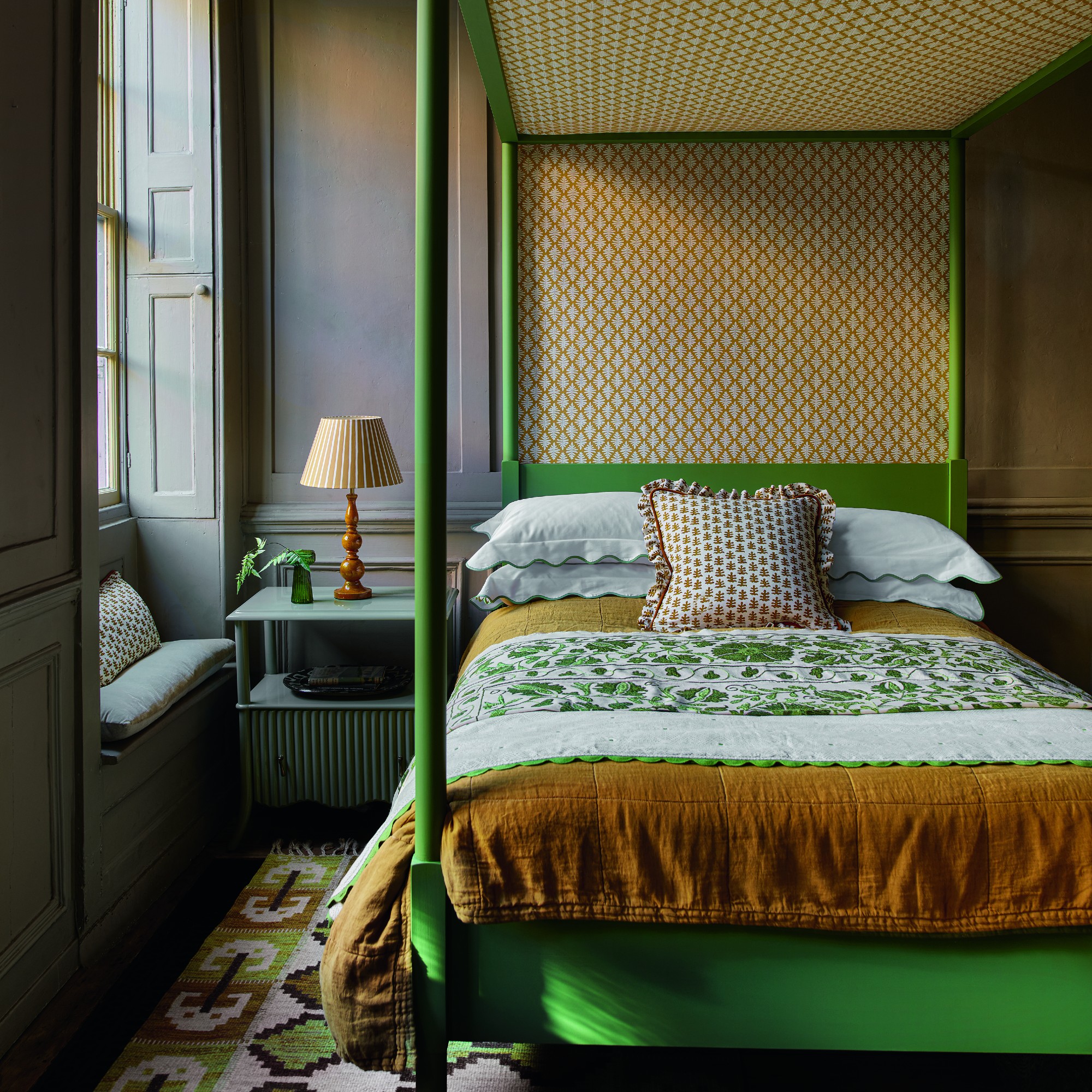
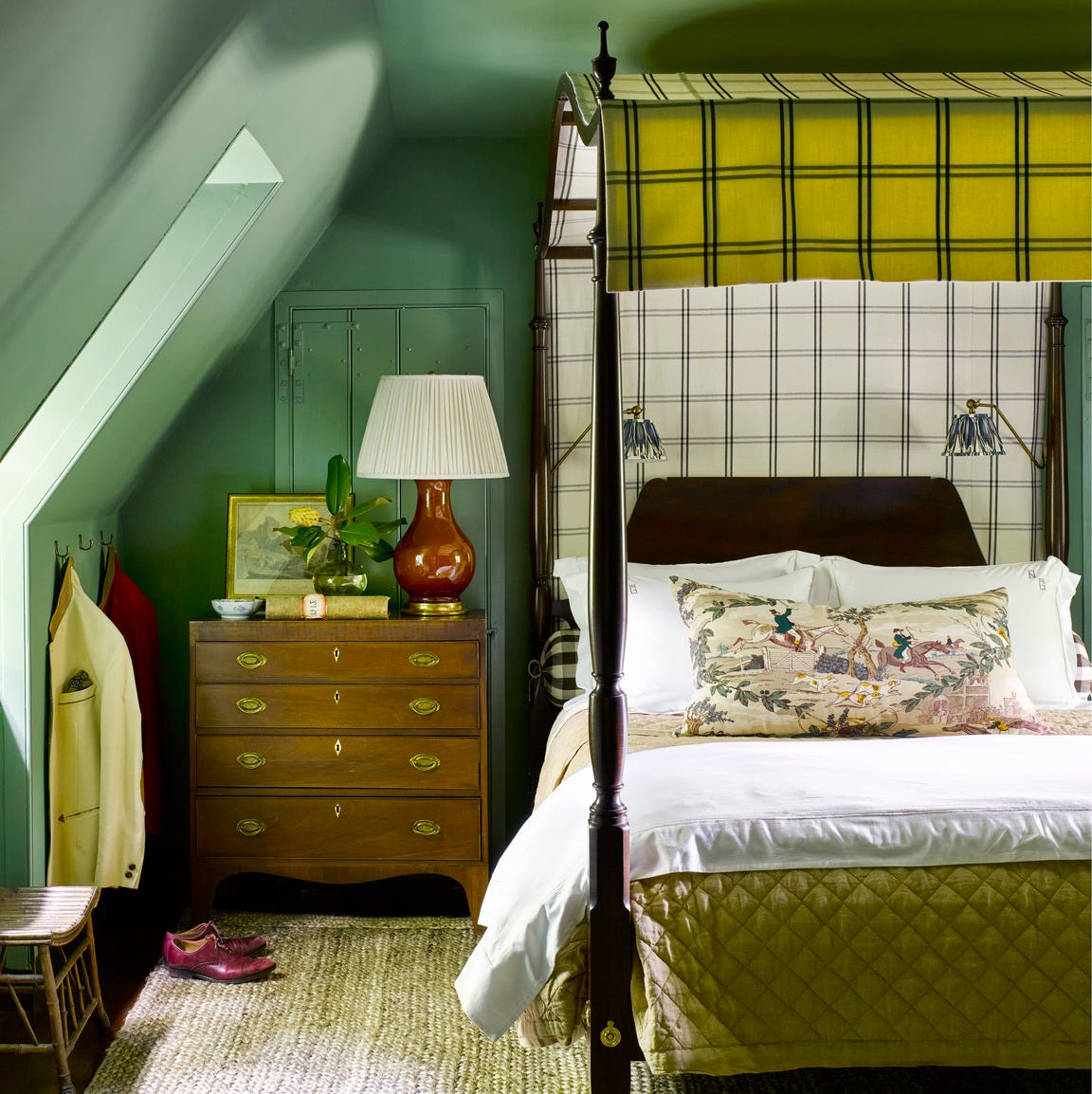
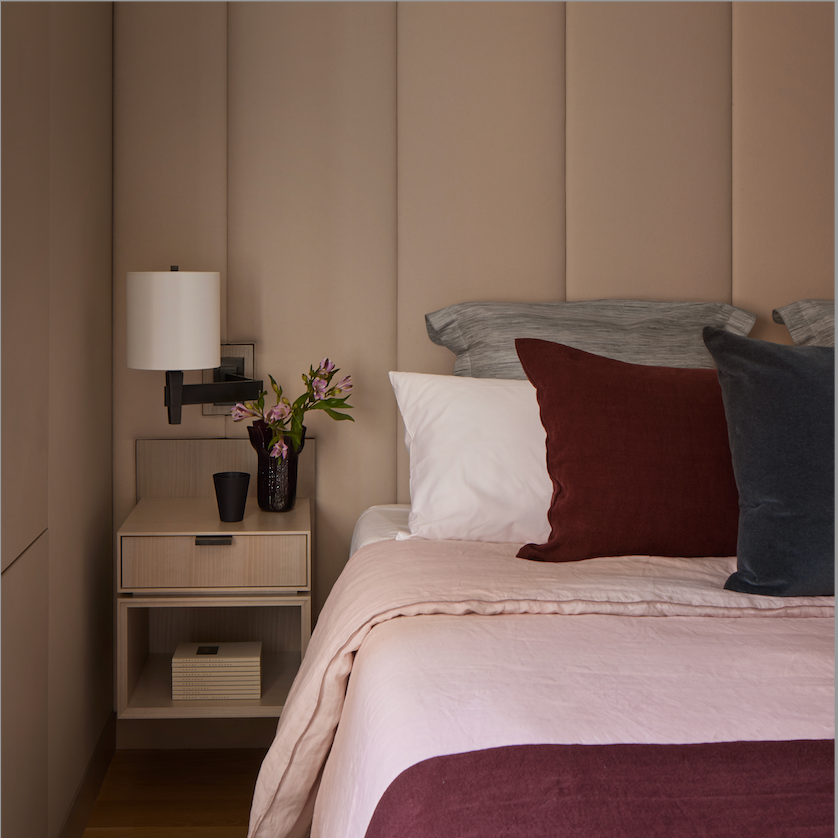
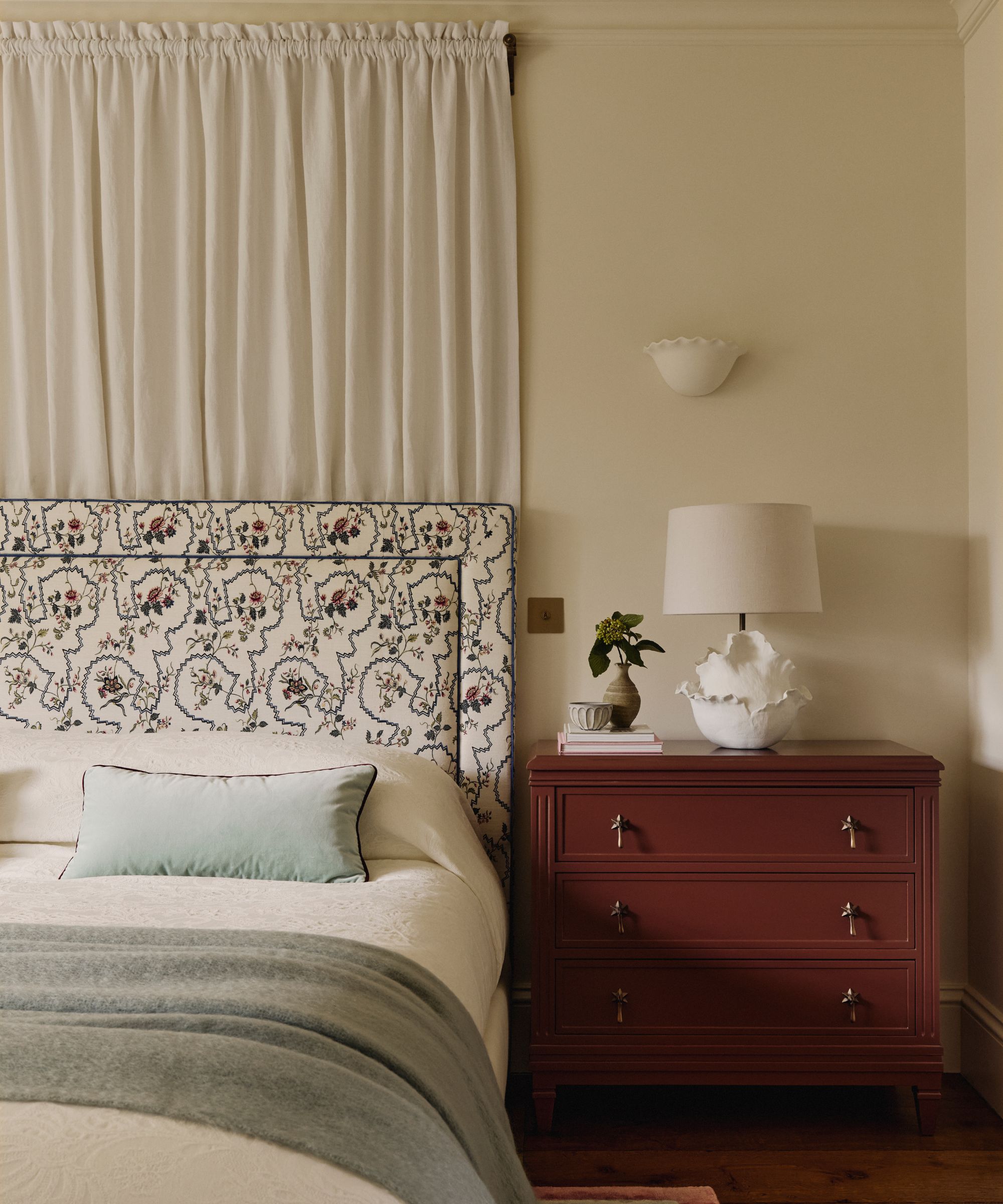
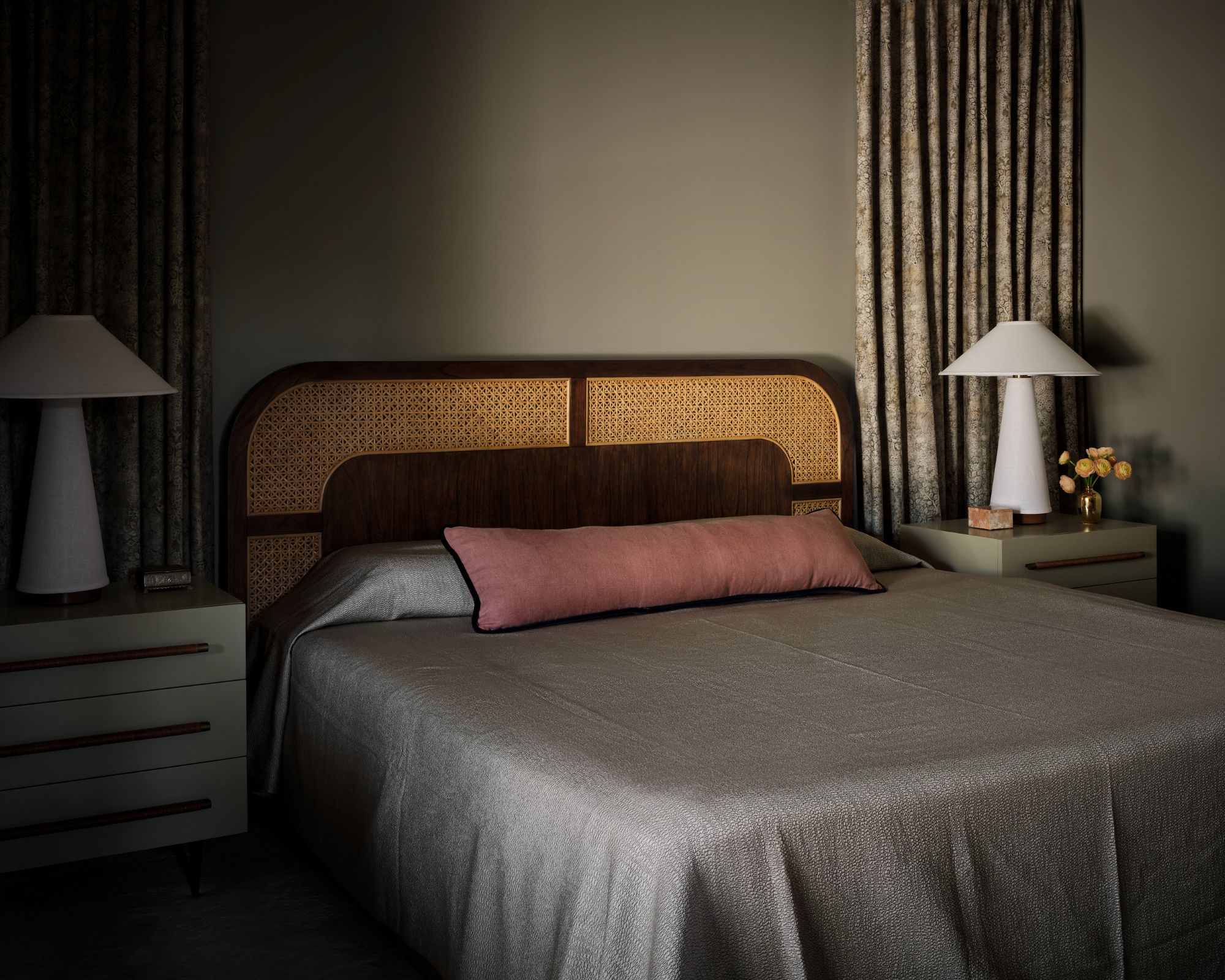
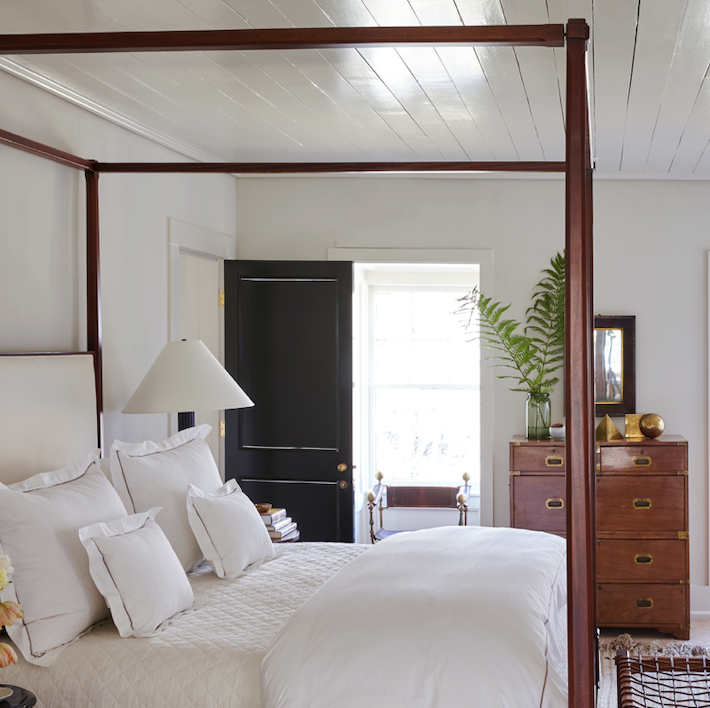
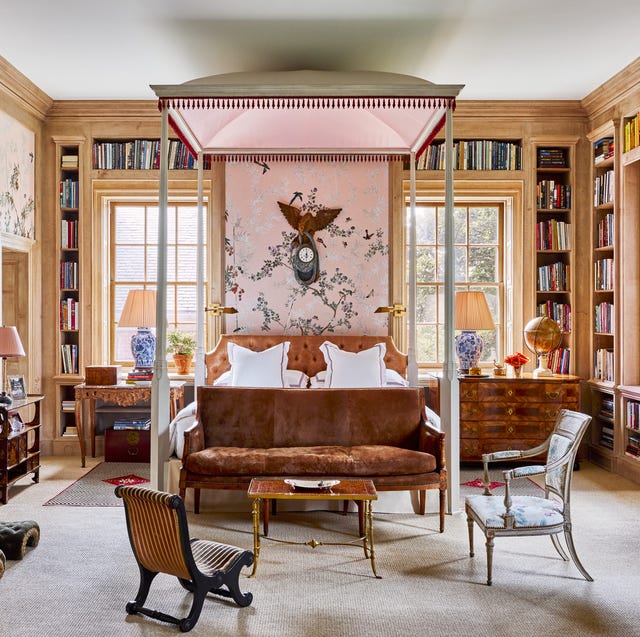
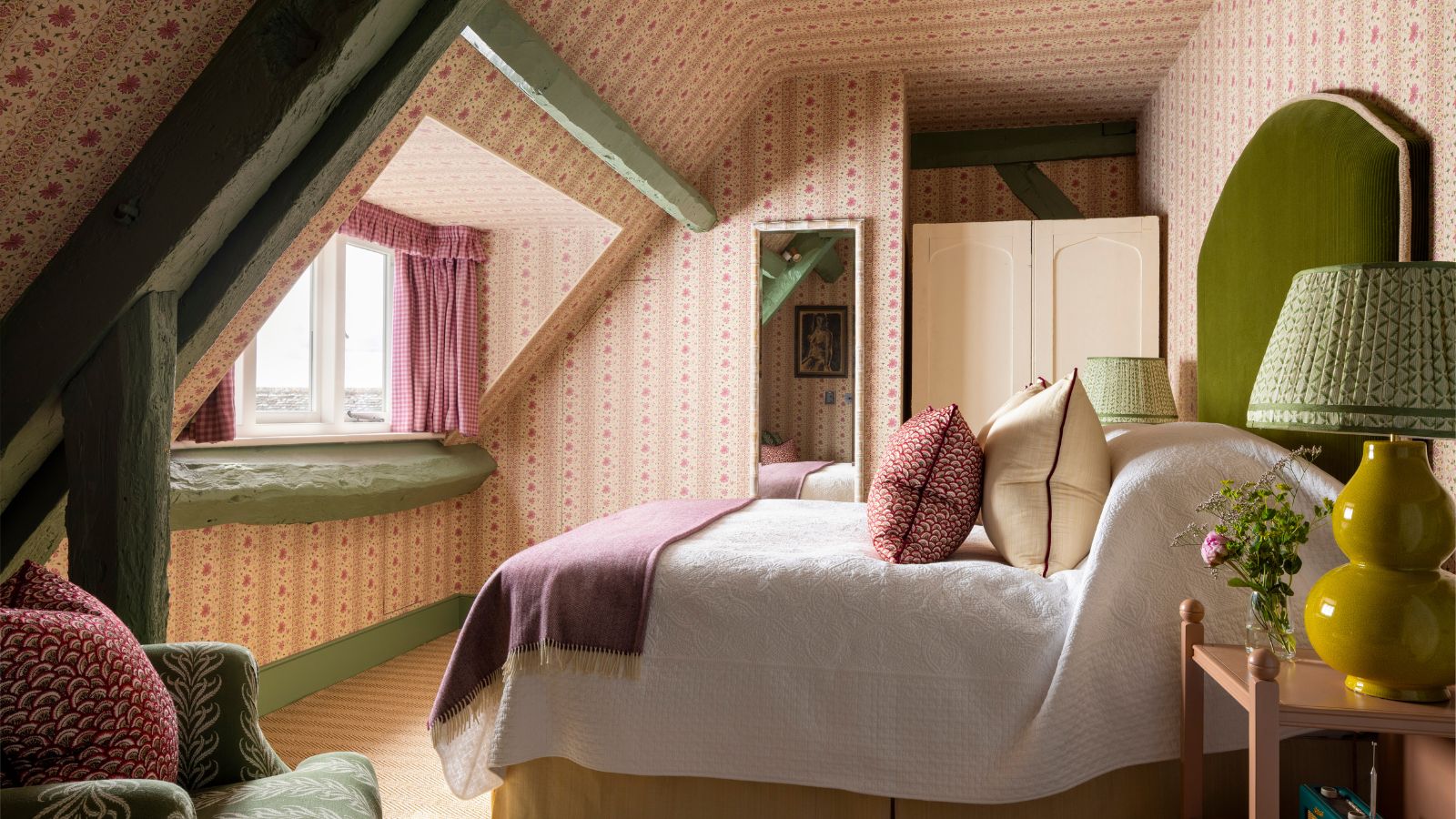
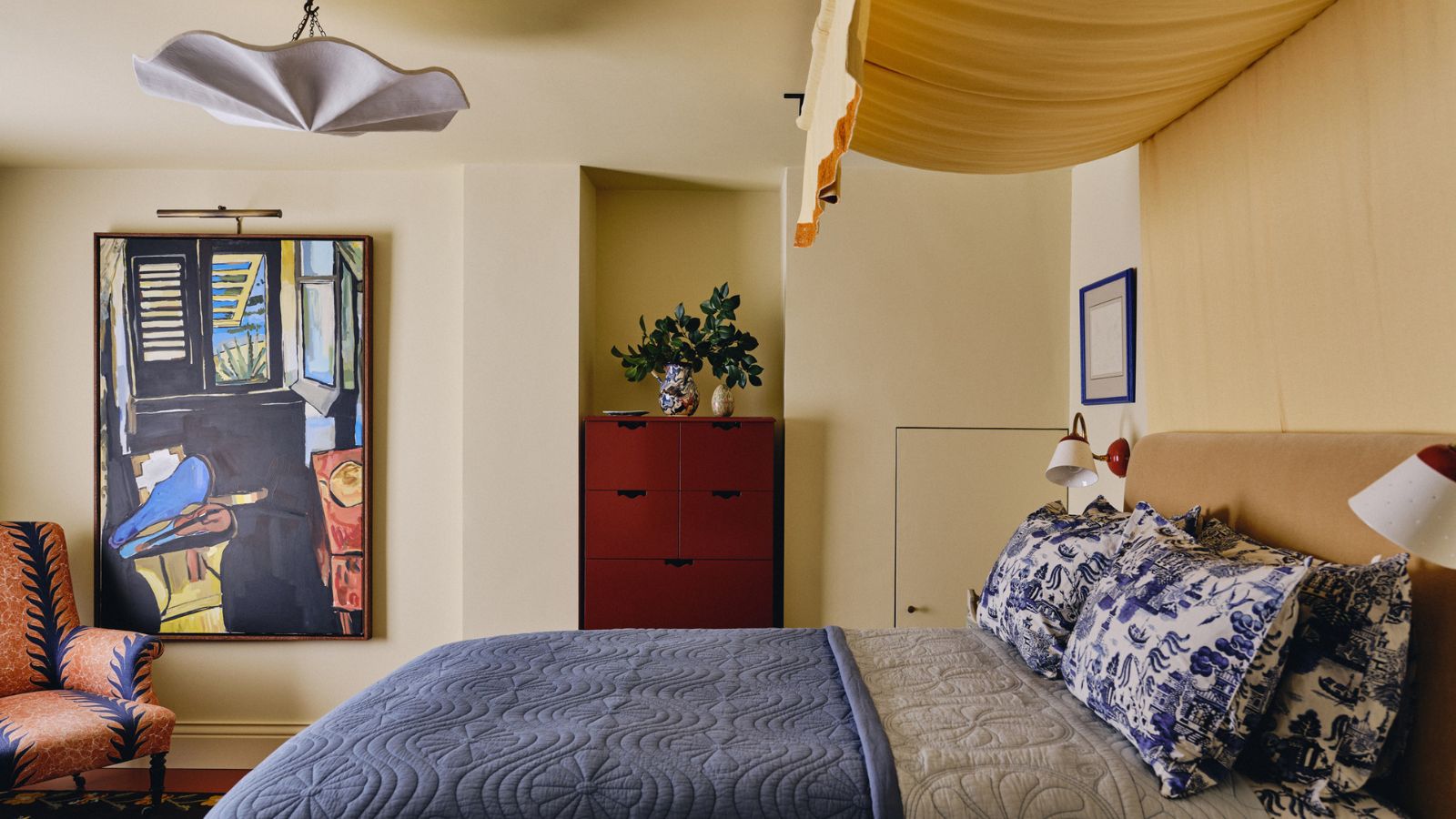
Celerie Kemble, a New York City-based designer, echoes the sentiment about avoiding harsh angles by advocating for curtains that soften window casings. She suggests that a draped room promotes a greater sense of calm. Furthermore, Kemble recommends wallpaper or wall upholstery to unify walls and make angles recede, creating a softer, more enveloping environment. For enhanced privacy and intimacy within the bedroom, she advises considering canopy beds with curtains. Beyond aesthetics, the article stresses the significance of tactile elements like plush upholstery and soothing textiles.
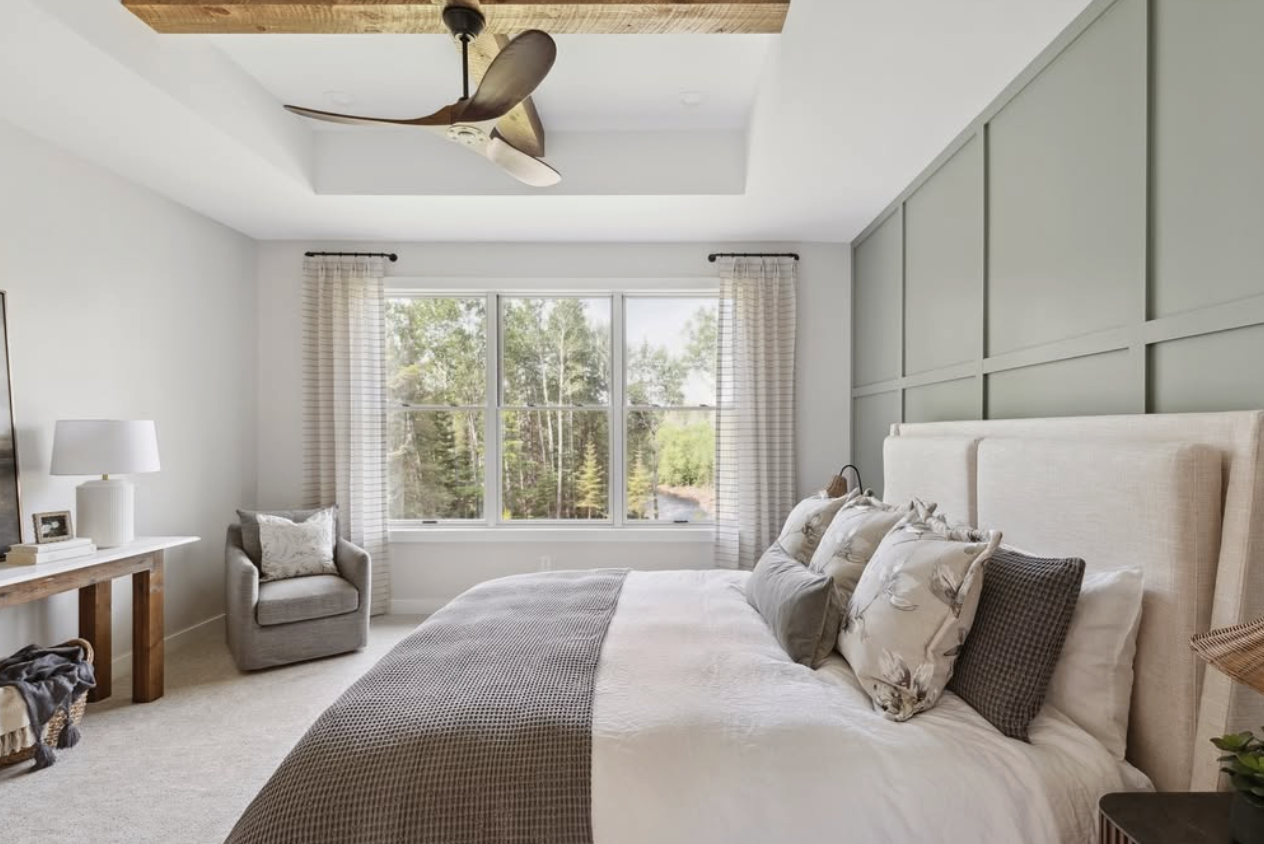
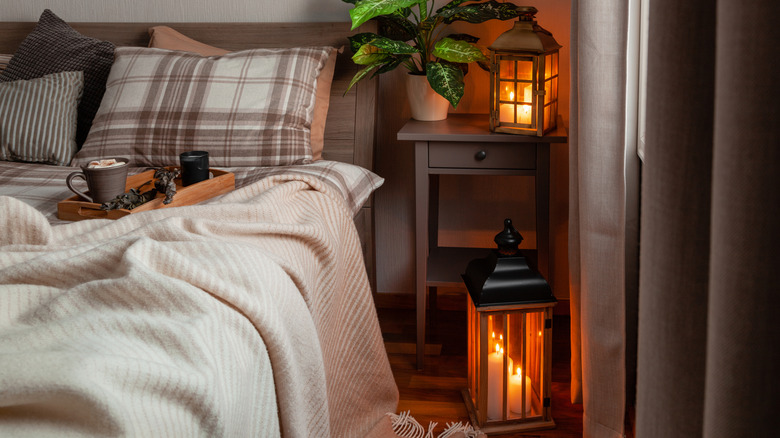
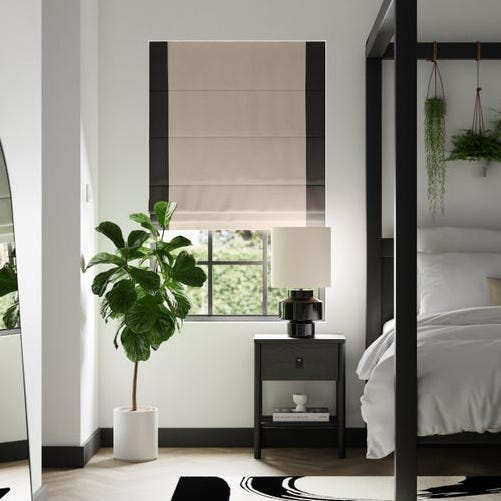
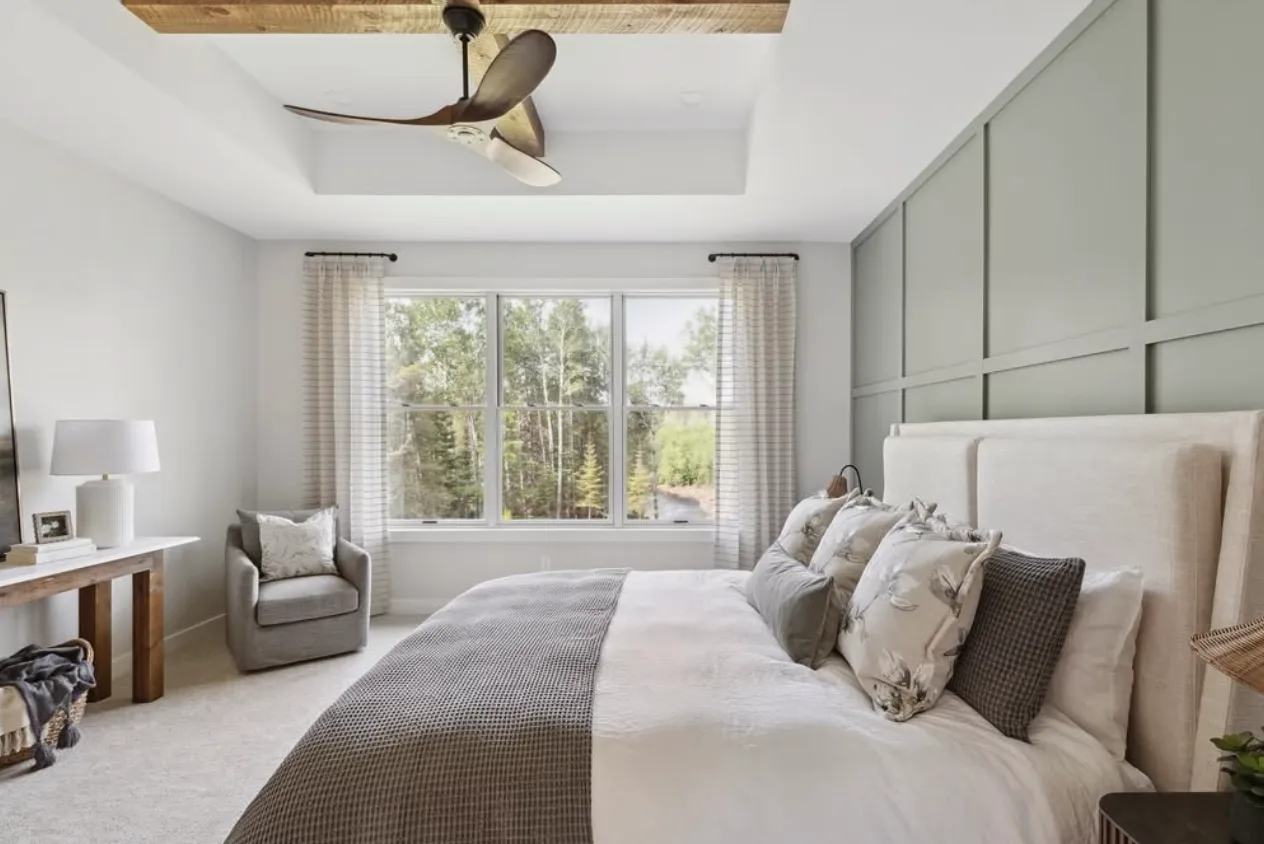
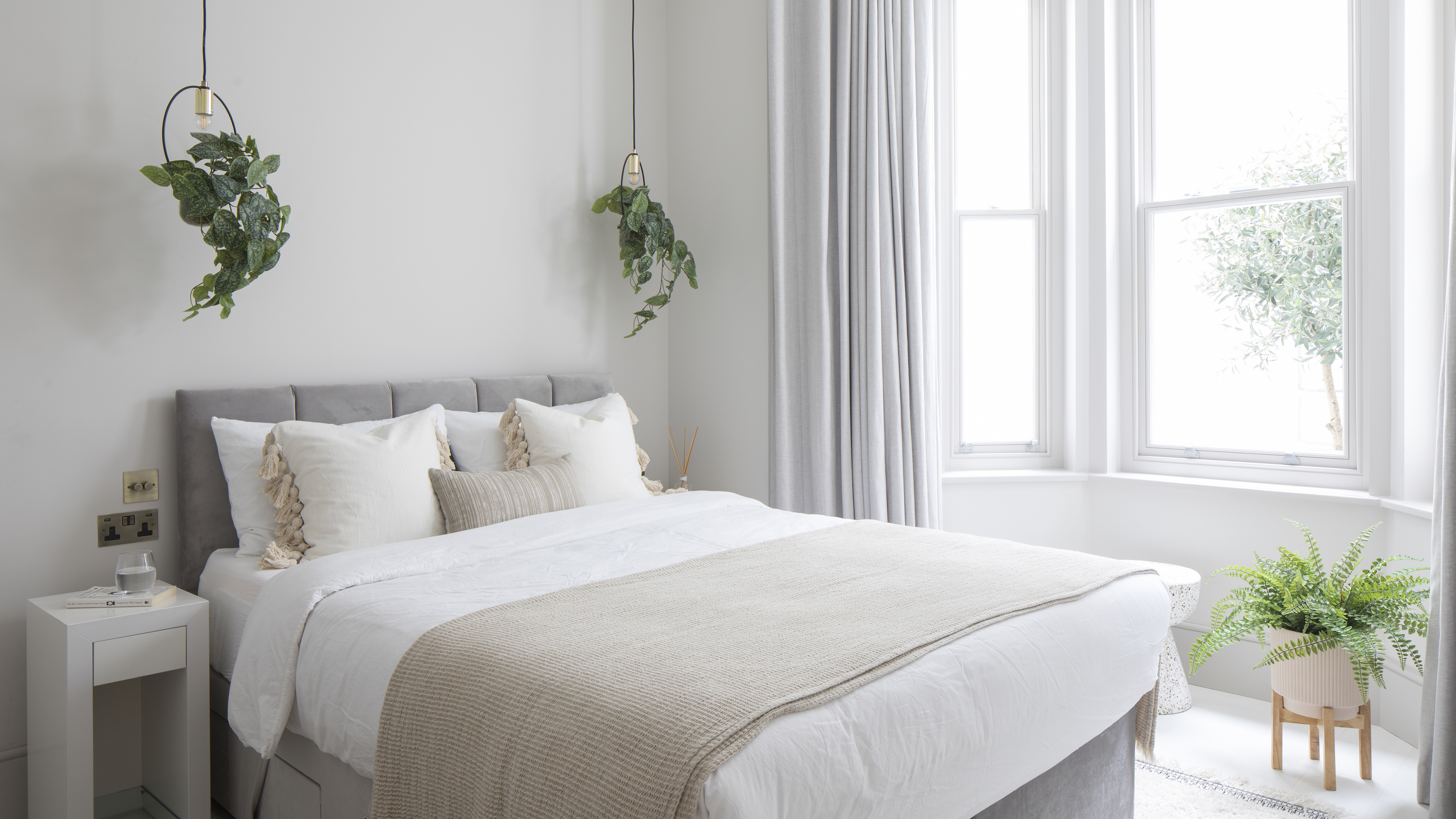
Chanae Richards, founder of Oloro Interiors, introduces the benefit of integrating plants into bedroom design. Plants not only offer a visual connection to nature but also contribute to a healthier indoor environment by removing toxins from the air. Richards specifically recommends snake plants for bedrooms. The article also delves into the role of lighting in fostering a serene atmosphere. Dan Fink, a New York City designer, suggests using sheers instead of blackout shades to allow modulated natural light into the room, supporting the circadian rhythm and uplifting the spirit. He emphasizes the importance of making bedrooms beautiful in both morning and evening, highlighting how sheers create a glow that celebrates the start of a new day.
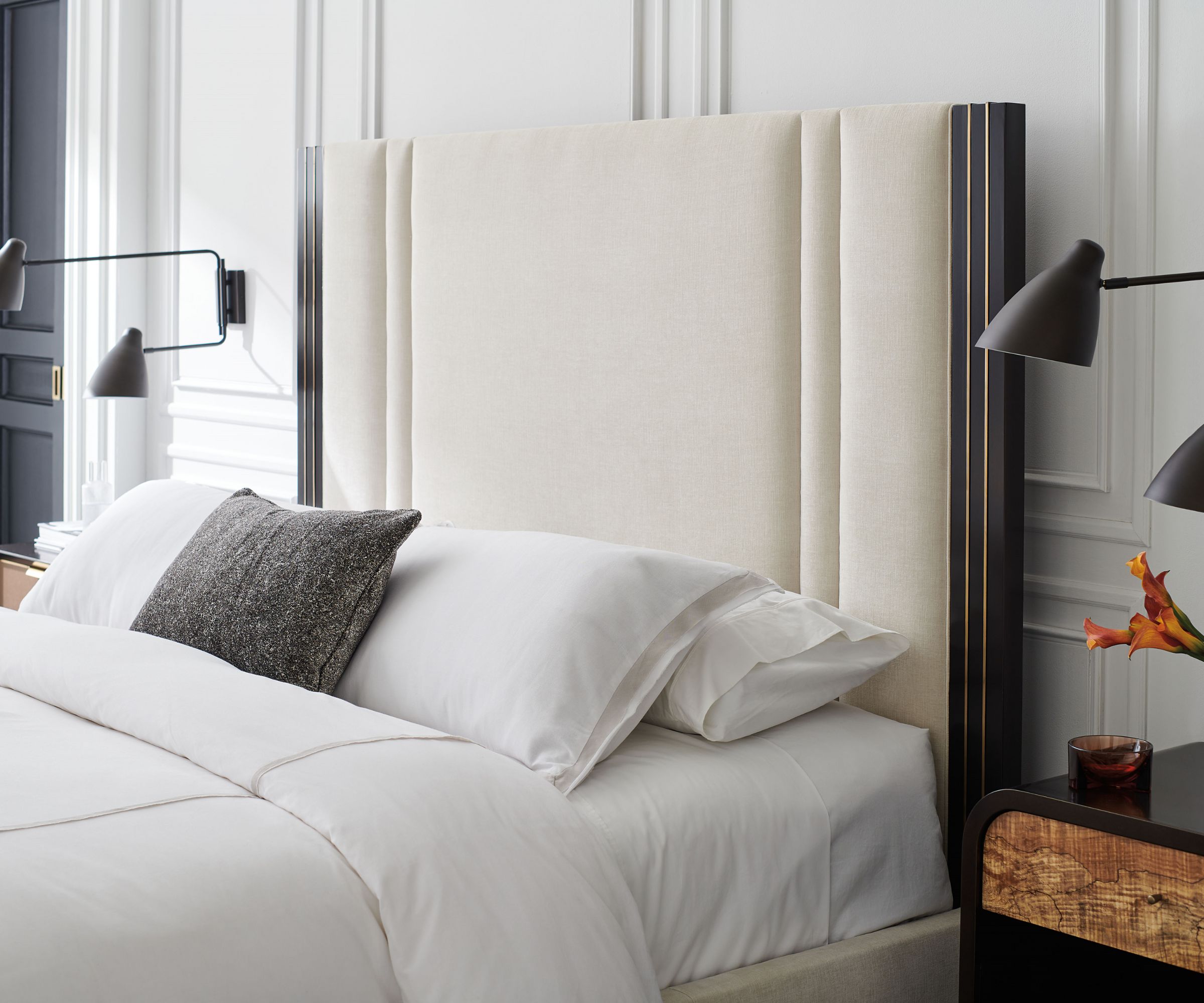
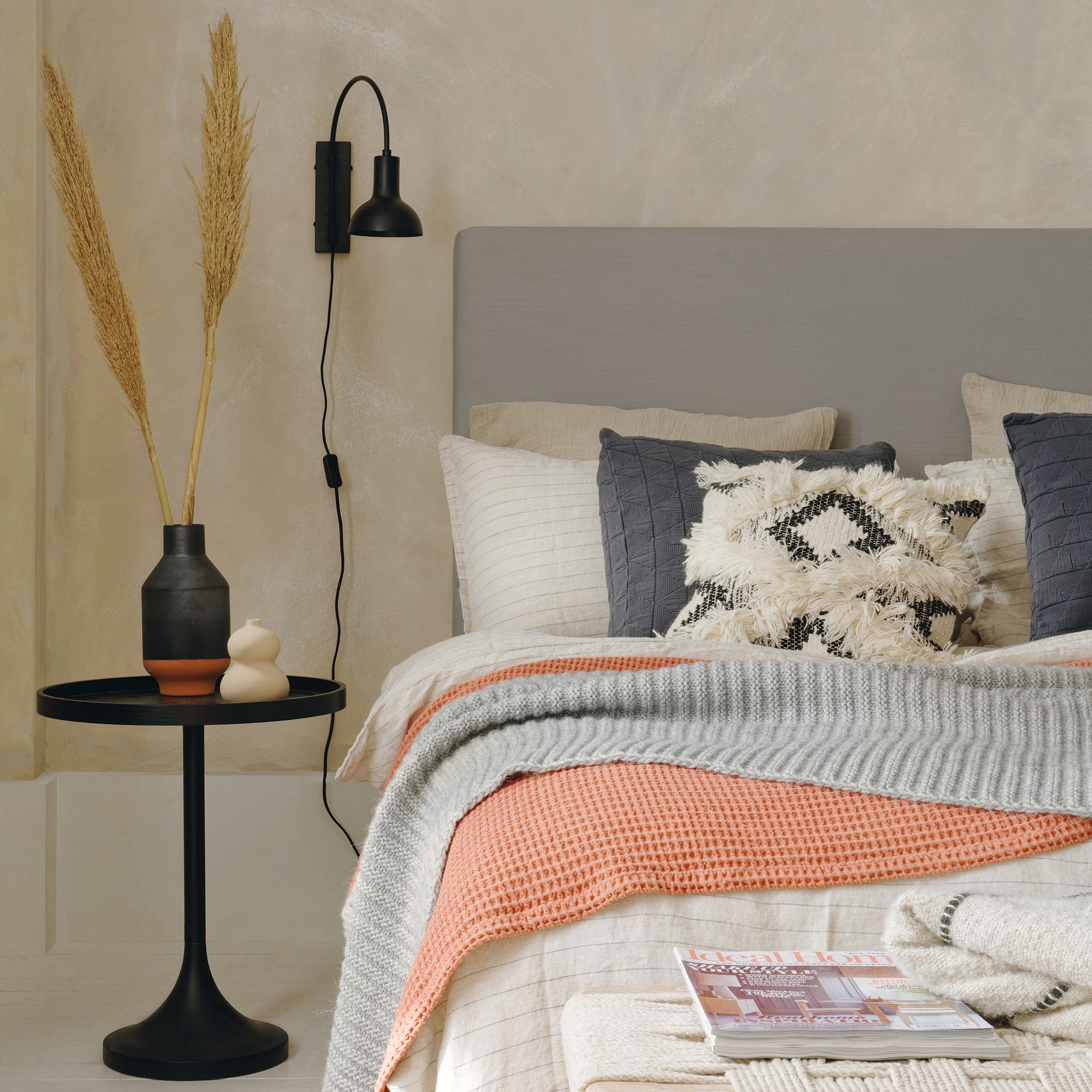
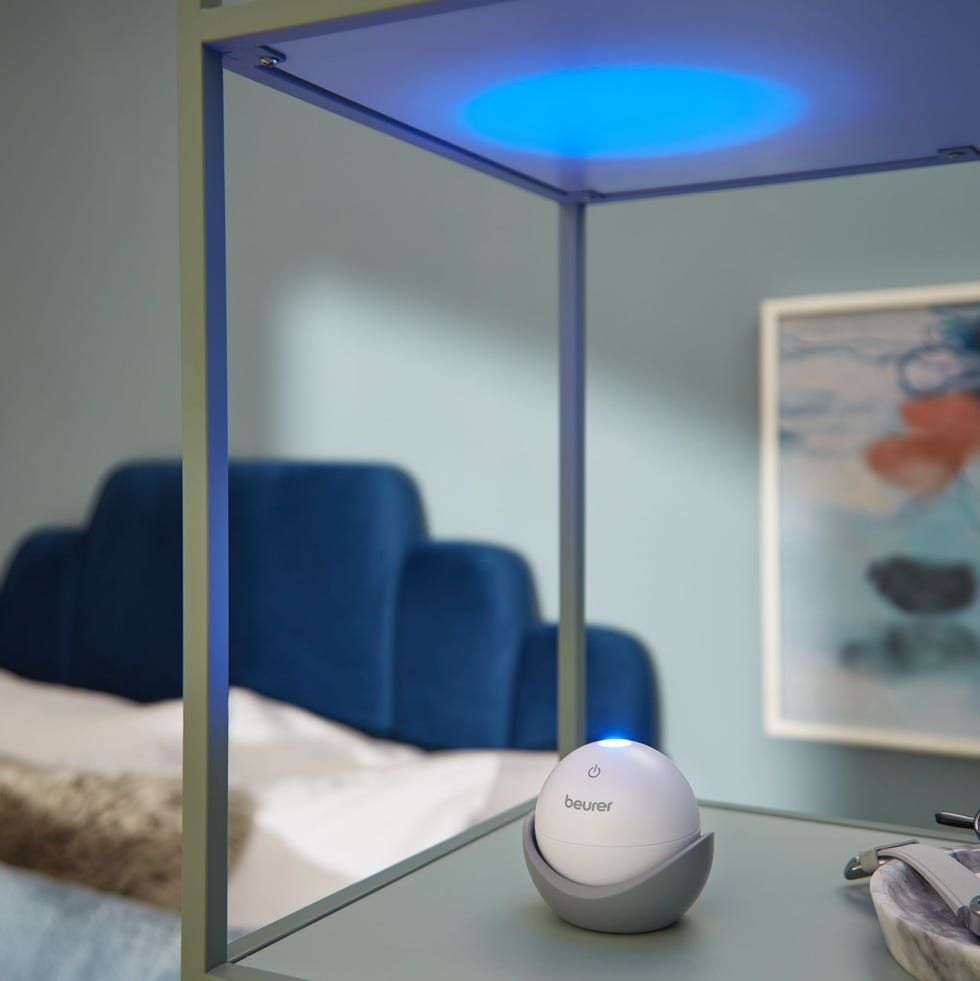
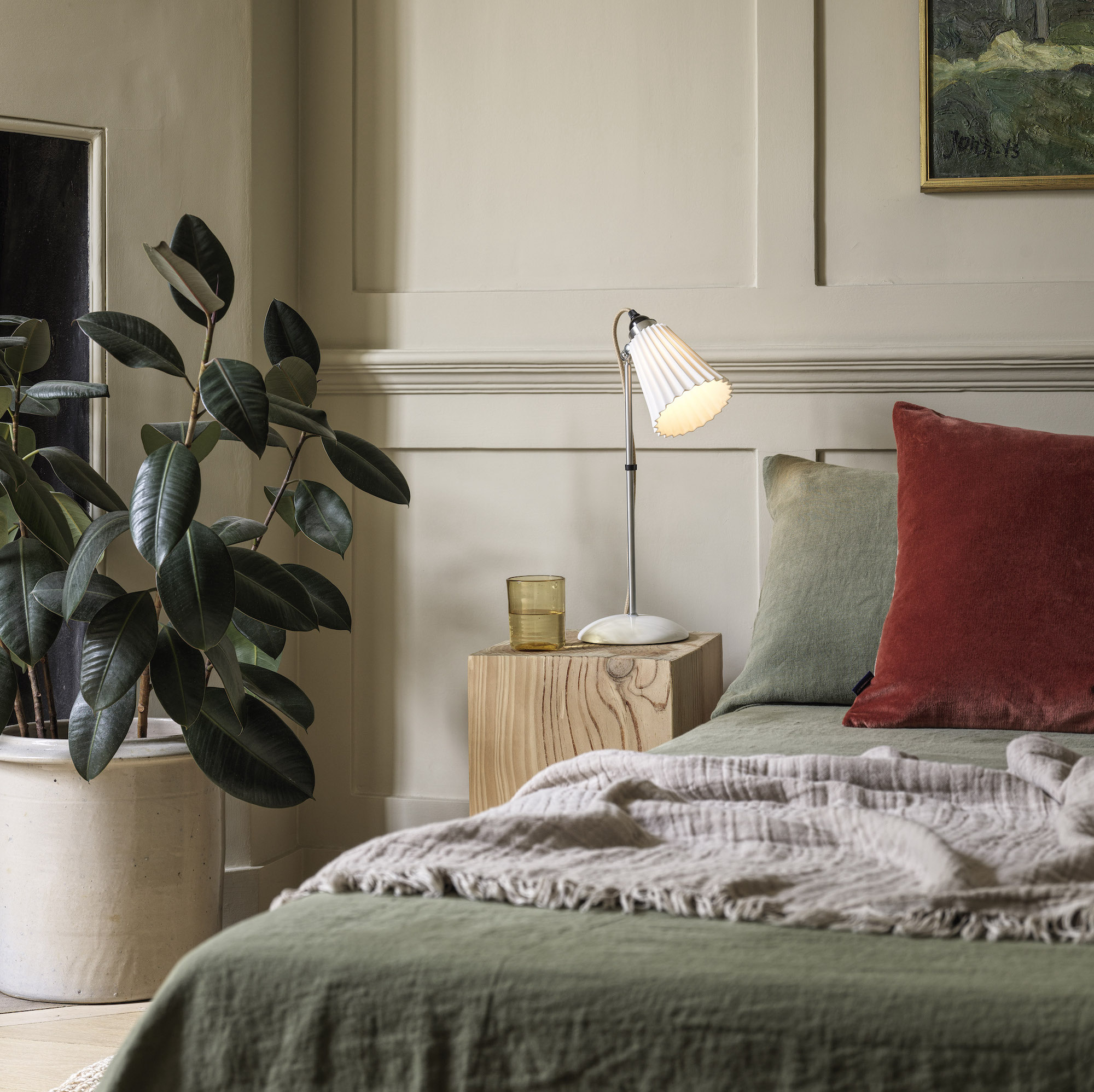
For artificial lighting, Fink advises against relying solely on ceiling fixtures. Instead, he recommends deploying several lamps controlled by dimmers to provide soft, ambient light, particularly for bedside reading, which contributes to a restful mood. The overarching goal for designers is to create bedrooms that are so inviting that individuals desire to spend more time in them. Studio Shamshiri, for instance, is increasingly incorporating meditation spaces into its bedroom designs. Similarly, Fink often adds small desks or settees, catering to the idea of the bedroom as a multifunctional, yet primarily restorative, haven. Kemble reinforces this perspective, describing her bedroom as a "special zone where nobody can get to you," a favored spot for relaxation with a book or television. #BedroomDesign #InteriorTrends #HomeDecor #ColorPsychology #CalmingSpaces #LightingDesign #IndoorPlants #TextileDesign #DesignTips
0 comment in total
 No comments yet
You may also like
8 Bedroom Design Trends That Will Be Out Of Style In 2023

2026 is all about 'cocooning' bedrooms – the 7 bedroom decor trends shaping our sleep spaces in the new year

Home Gurus Are Saying These Will be the Hottest Bedroom Trends of 2024
The Cozy Trend Of 2026 That Turns Your Bedroom Into A Calming Escape

Interior Designers Share Their Favorite Bedroom Design Trends For 2020
Bedroom trends 2025 – the 9 most important styles and looks of the year to decorate your sleep sanctuary with
6 Bedroom Trends That Will Be in Every Home in 2026, Designers Say

10 quiet luxury bedroom ideas – how to add the sophisticated trend to your boudoir
The 7 Bedroom Design Trends Designers Can't Wait to See in 2025

Bedroom design should emphasize stress-reducing, sleep-inducing features

Monastic bed-making is the new way to do minimalism – here's why it will be the most popular bedding trend in 2024

How to transform your bedroom into a wellbeing sanctuary, according to experts
6 Bedroom Trends That Will Be in Every Home in 2026, According to Designers
5 Bedroom Trends That Experts Predict Will Be Everywhere in 2024
These 5 Dated Bedroom Trends Are Giving Interior Designers Nightmares in 2026 – Here's Why You Should Avoid Them in Your Sleep Space
Calm bedroom ideas – 11 style tricks to create a soothing sanctuary
Bye Bye Bland Bedrooms, Designers Are Predicting 2026 Trends Are All About Color, Cozy, and Character
The top bedroom design trends of 2025 to inspire a dreamy makeover of your most important space

5 colors that will make your bedroom feel calmer, according to designers
6 Bedroom Trends Designers Say You Won't See Again in 2026