1/14
Michigan’s Slice of Japan: Where Design Connects Humanity with Nature
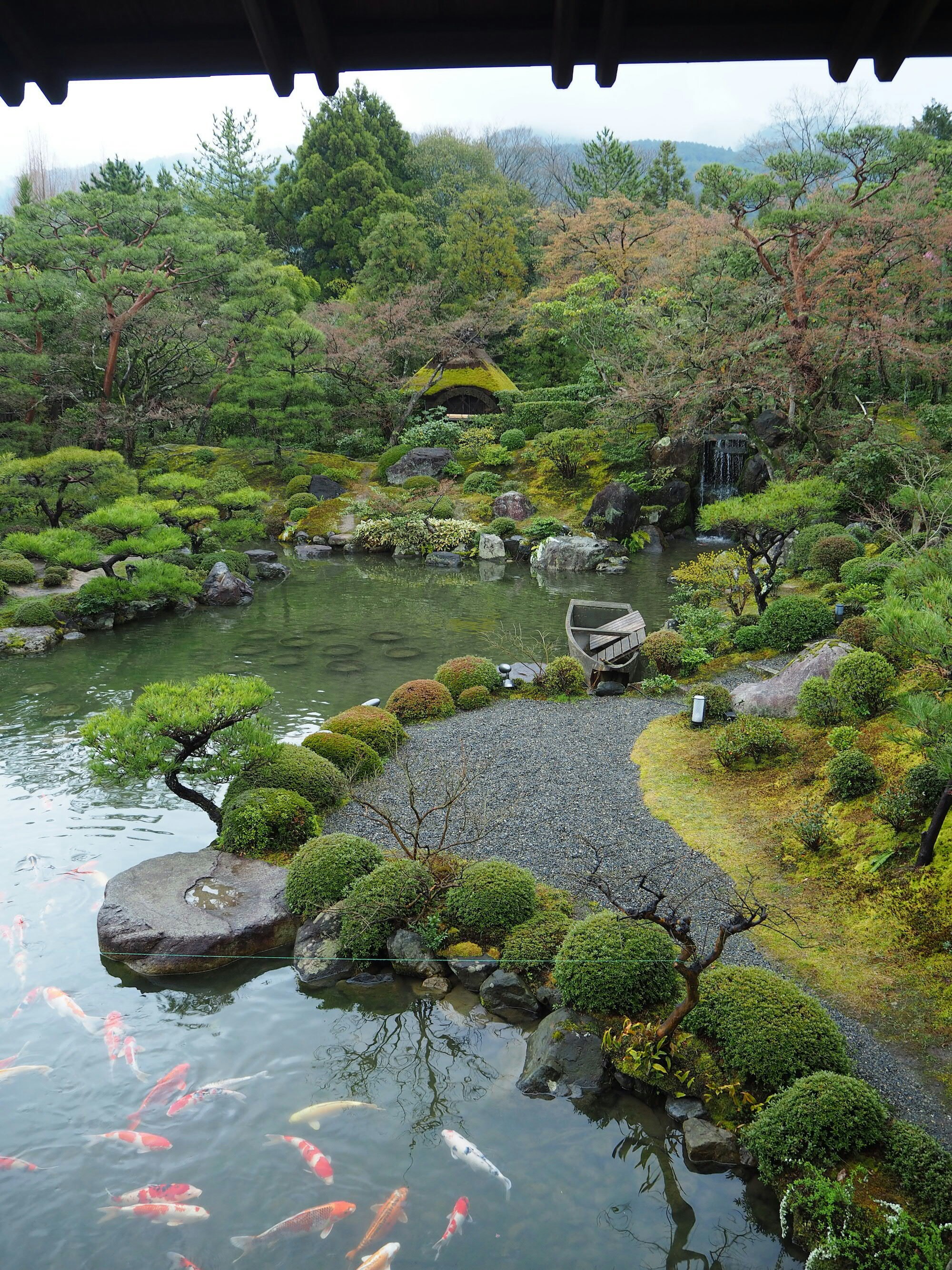
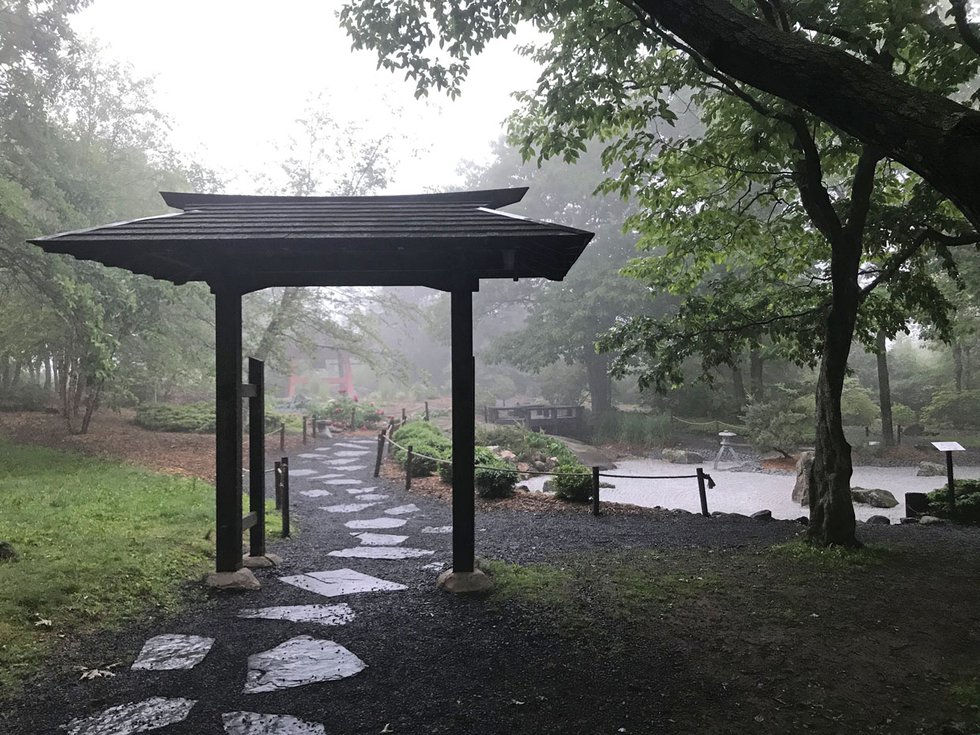
Frederik Meijer Gardens & Sculpture Park in Grand Rapids, Michigan, hosts an eight-acre Japanese garden designed by Hoichi Kurisu, offering visitors a profound connection to nature through traditional Japanese garden practices. Senior Vice President Steve LaWarre highlights the garden's unique ability to transform perception across seasons, even when covered in snow, encouraging introspection and renewal through ancient design principles. The garden, inspired by Frederik Meijer's early 2000s trip to Japan, was a five-year collaborative effort with Kurisu and recently celebrated its tenth anniversary.
Winter provides a distinct experience within the garden, characterized by a profound quietness. The tranquil, snow-covered landscape emphasizes the garden's underlying structure, with boulders and rocks painted white, cold-hardy bamboo standing tall, and softly trickling water features. This stripped-back aesthetic embodies 'wabi-sabi,' celebrating imperfection, simplicity, and subtle beauty. In Japanese tradition, winter is seen as a time to appreciate the garden's bones and structure, with snow viewed as another form of blossoming, representing 'mujō' or impermanence, akin to the fleeting beauty of cherry blossoms.
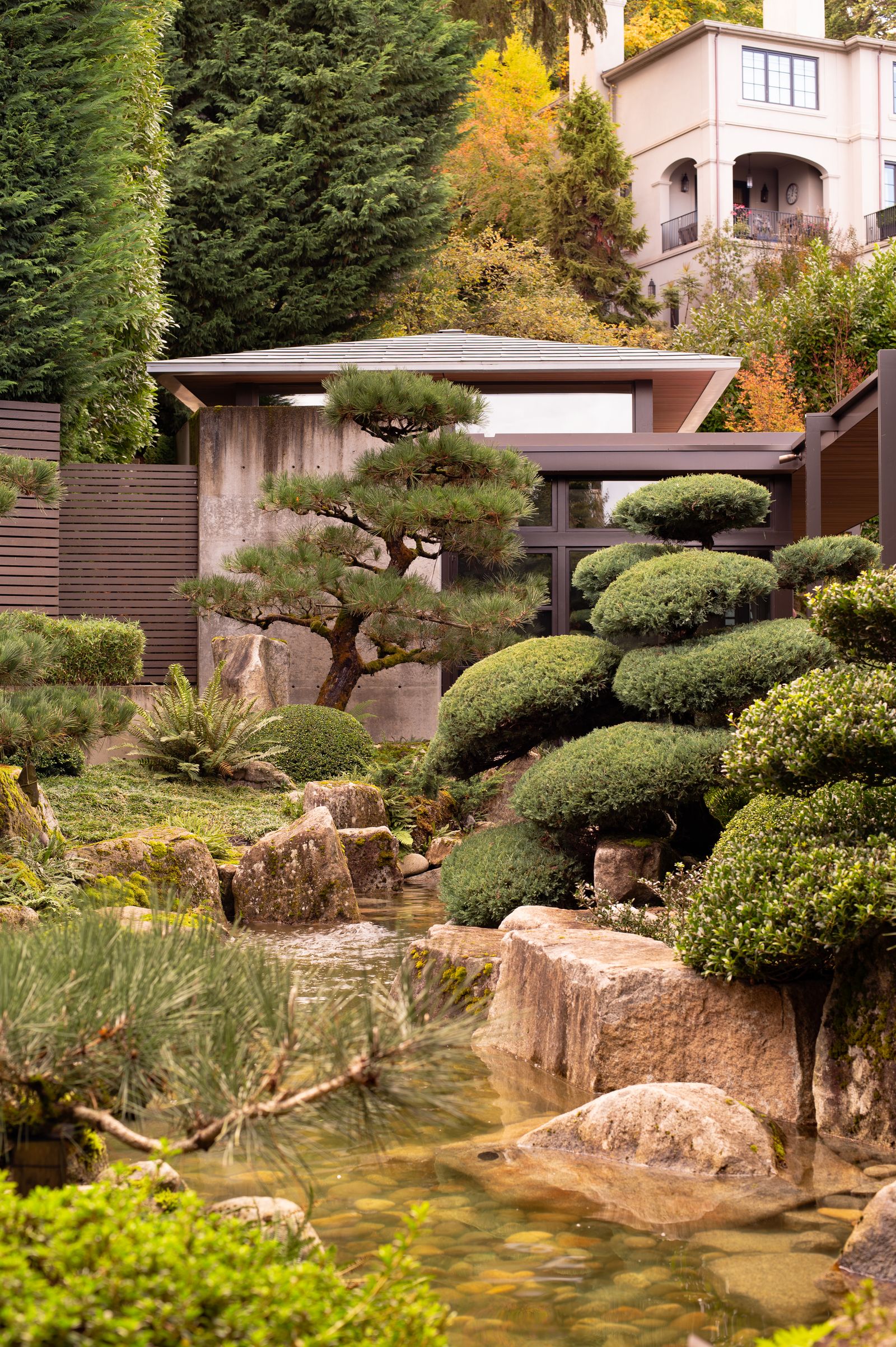
As spring arrives, the garden quickly bursts with color. The initial flush of chartreuse green leaves offers a stark and joyful contrast to the dark stems of trees. Conifers form the garden's structural backbone, providing evergreen color year-round and serving as iconic elements shaped through 'niwaki' pruning. This artful technique creates exaggerated, airy, and asymmetrical silhouettes, mimicking natural forces. The garden also features a vast bonsai collection displayed from spring to fall, including acers, pines, and flowering varieties like azaleas, showcasing sculptural pruning on a smaller scale.
Spring unfolds with 'ephemeral waves of bloom,' starting with flowering cherry blossoms in late April along the Cherry Tree Promenade, symbolizing transient beauty. This is followed by serviceberry, vibrant azaleas, and water lilies, ensuring continuous floral displays throughout the growing season. In autumn, Japanese maples of various shapes and sizes transform the landscape with fiery hues of orange, red, and yellow, extending the garden's colorful journey.
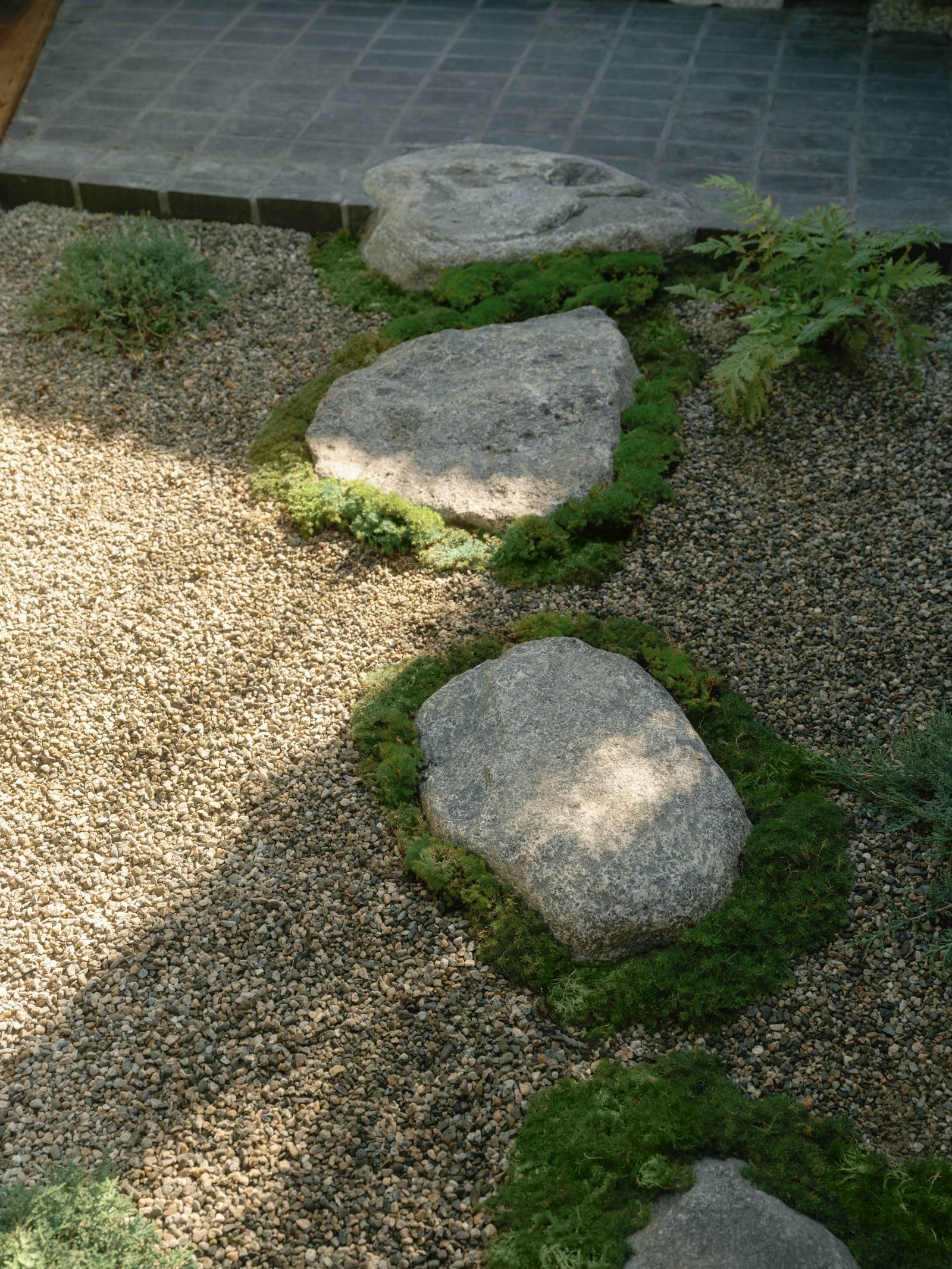
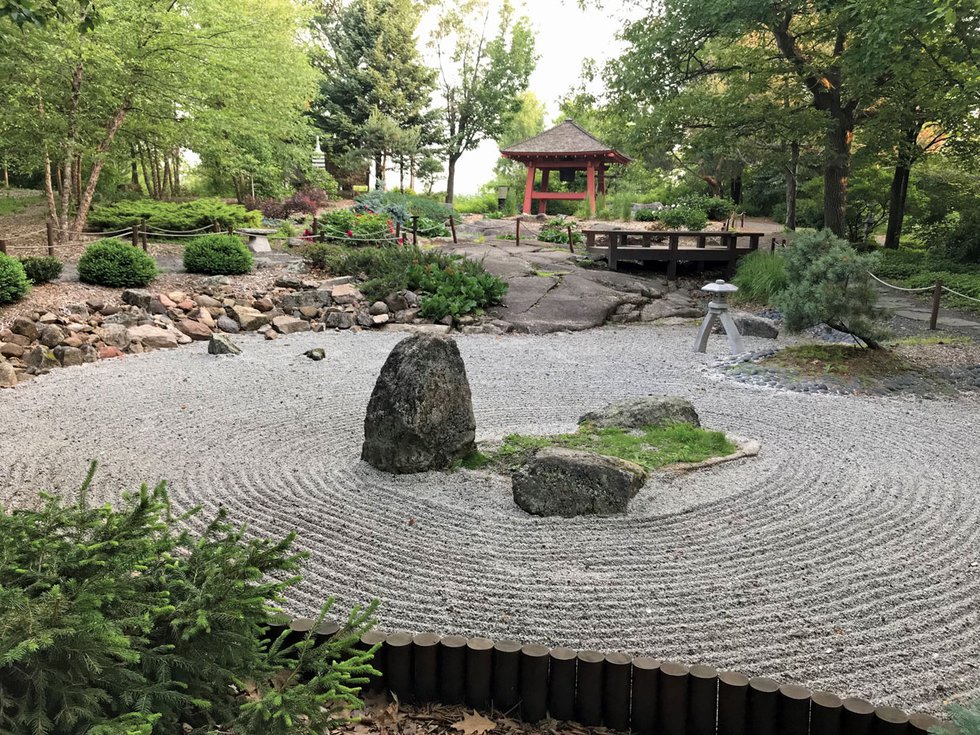
The garden integrates traditional Japanese structures, such as a teahouse, which was constructed in Japan from authentic materials, dismantled, and reassembled in Michigan. The teahouse, with its hand-bent copper roof and traditional tatami mats, offers an accessible space for tea ceremonies ('sadō' or 'chadō'). These ceremonies, deeply rooted in Zen Buddhist philosophy, promote mindful reflection and connection. The garden also includes a 'karesansui' or zen garden, a dry gravel garden where horticulturists create intricate patterns with traditional Japanese rakes, forming a living artwork that changes with the seasons and represents natural elements.
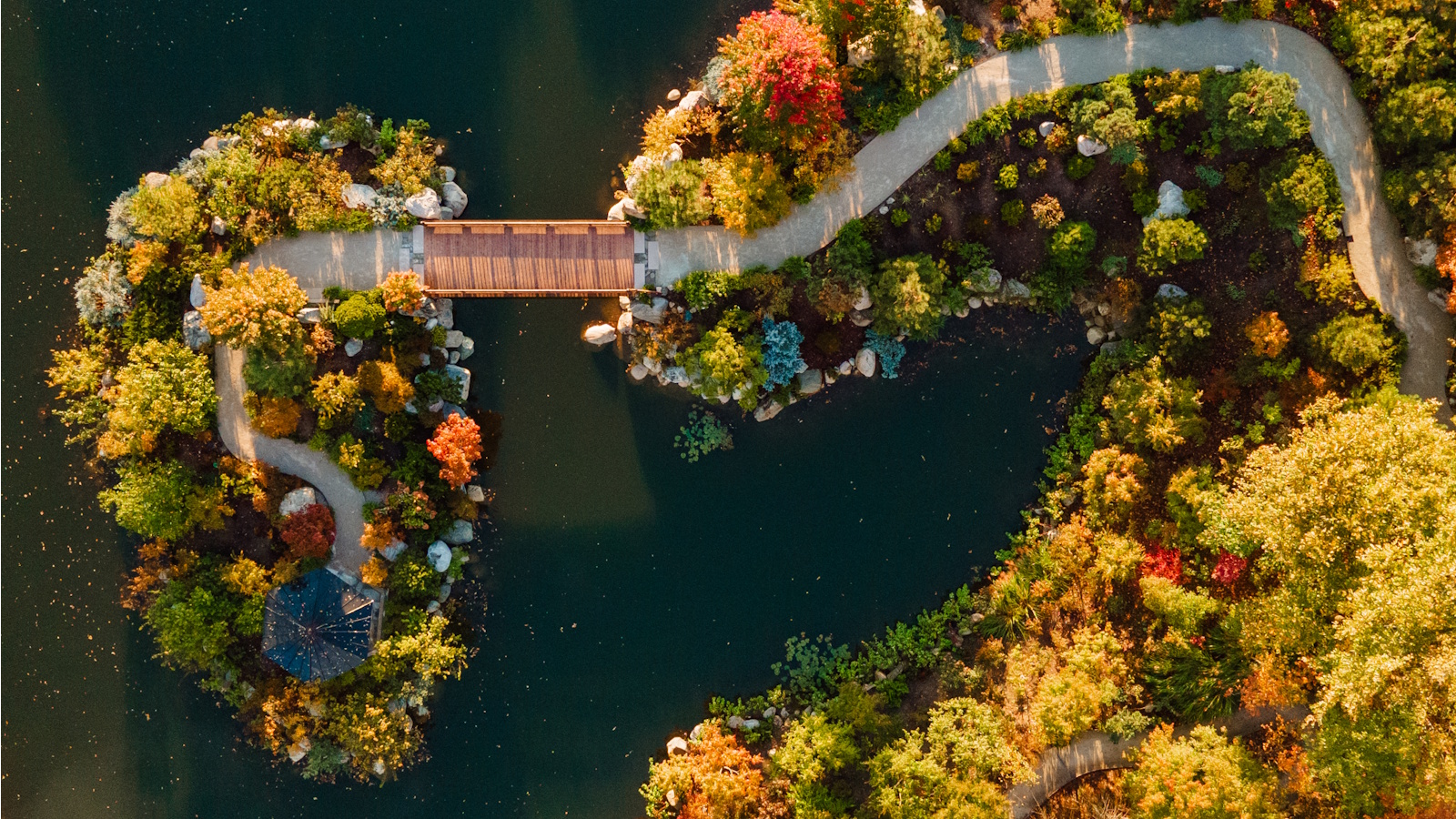
Water is a central element, with the main pond's 'kanji' shape symbolizing the spiritual heart. Islands and a network of bridges guide visitors, always keeping the water in sight. A viewing hill provides panoramic views of the garden and pond. The water symbolizes renewal and purification, offering a space for meditation and introspection. Four waterfalls, representing masculine and feminine energies, create sensory sound and movement. The garden's integration of centuries-old tradition with modern art, including permanent sculptures that embody humanity's connection to nature, creates a timeless living masterpiece. Hoichi Kurisu's design intentionally guides visitors through varied spaces, from intimate pathways to expansive views, fostering new discoveries and a deeper appreciation for nature's asymmetrical balance. Visitors can incorporate elements like asymmetry, water features, and embracing the winter garden into their own outdoor spaces to create tranquil moments.
#JapaneseGarden #GardenDesign #Horticulture #CulturalHub #ZenGarden #Teahouse #SeasonalBeauty #Bonsai #LandscapeArchitecture #JapaneseGarden #GardenDesign #Horticulture #CulturalHub #ZenGarden #Teahouse #SeasonalBeauty #Bonsai #LandscapeArchitecture
0 comment in total
 No comments yet
You may also like
How the Ancient Concept of “Shakkei” Can Enhance the Beauty of Your Home

Akira Minagawa’s Japanese-Nordic Style Spans Fashion to Fabrics

kei atsumi on bridging ancient japanese joinery & 3D printing at dubai design week pavilion

All About Japandi Design, a Mix of Japanese and Scandinavian Design

Muji explores the art of minimalism in Japanese rock garden installation in New York
SHED Revives a Mid-Century House in Portland With Japanese Minimalism
Japanese Architectural Designs that embody a zen, minimal way of living!


Architect Spotlight: 12 Works by Japanese Architect Kengo Kuma

Architecture and design features and interviews | CLADglobal.com - Kengo Kuma
Japanese-inspired design turns this beach house into a Zen retreat


Ten furniture and lighting designs by Japanese brands and designers

Zen timber-frame home in Hudson is inspired by Japanese culture


Can Middle East designers bring zen to spaces with Japanese aesthetics?

Michael Hsu Pays Homage to Japanese Tradition in Uchi Miami
Moments of Zen - A Garden Grown, Sister to Sister

How to Design a Japanese Garden in Any Climate, According to Landscape Experts


The Best of Biophilic Design: Bringing Nature Indoors

Interactive floor plan: Division House, Nagano

A conversation with design visionary Naoto Fukasawa

Beyond Minimalism: Discovering the Soul of Japanese And Zen Aesthetics in Product Design