1/22
Experts reveal how to plant a Japanese-inspired garden
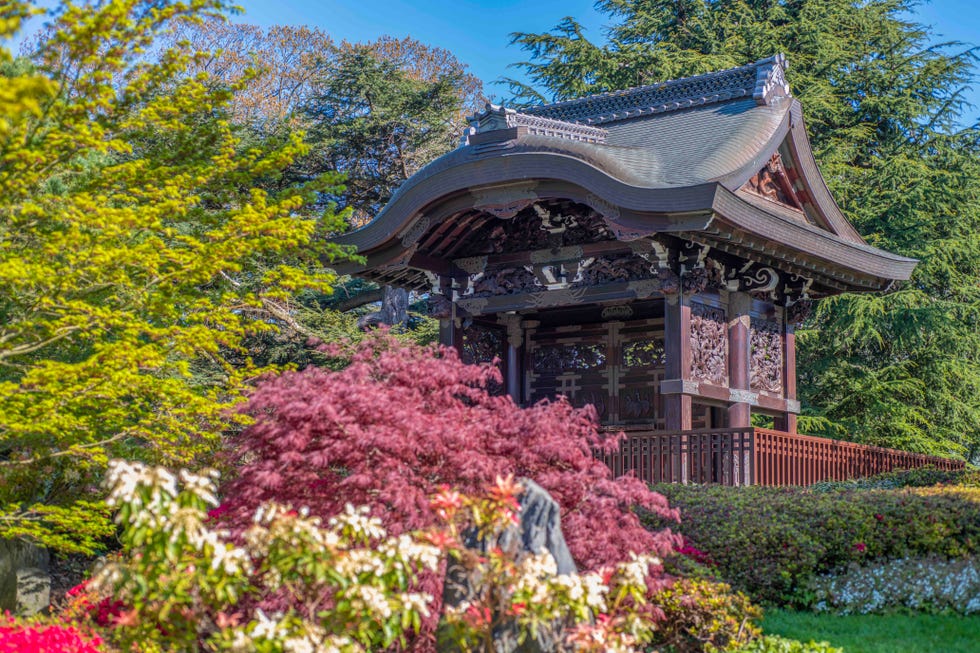
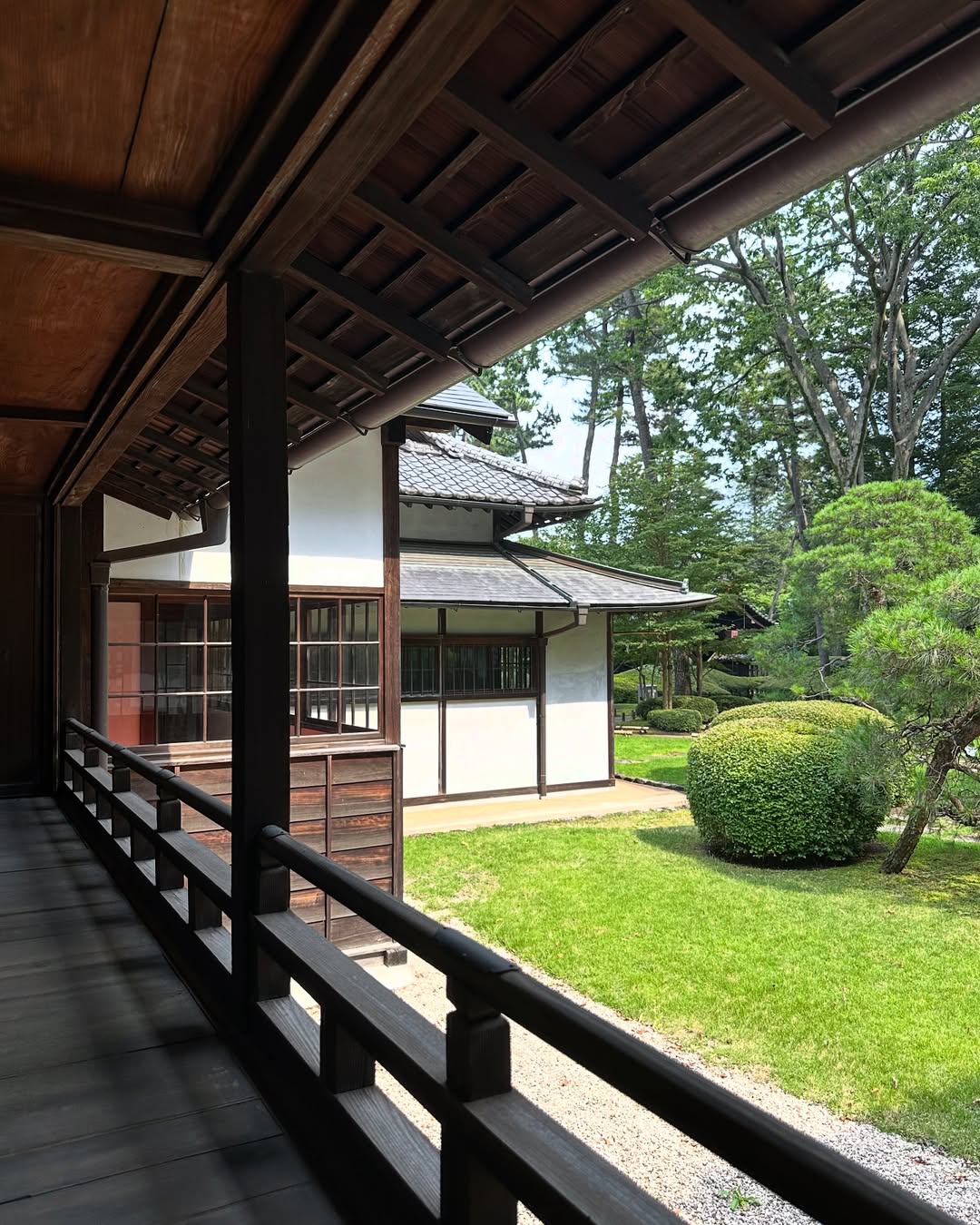
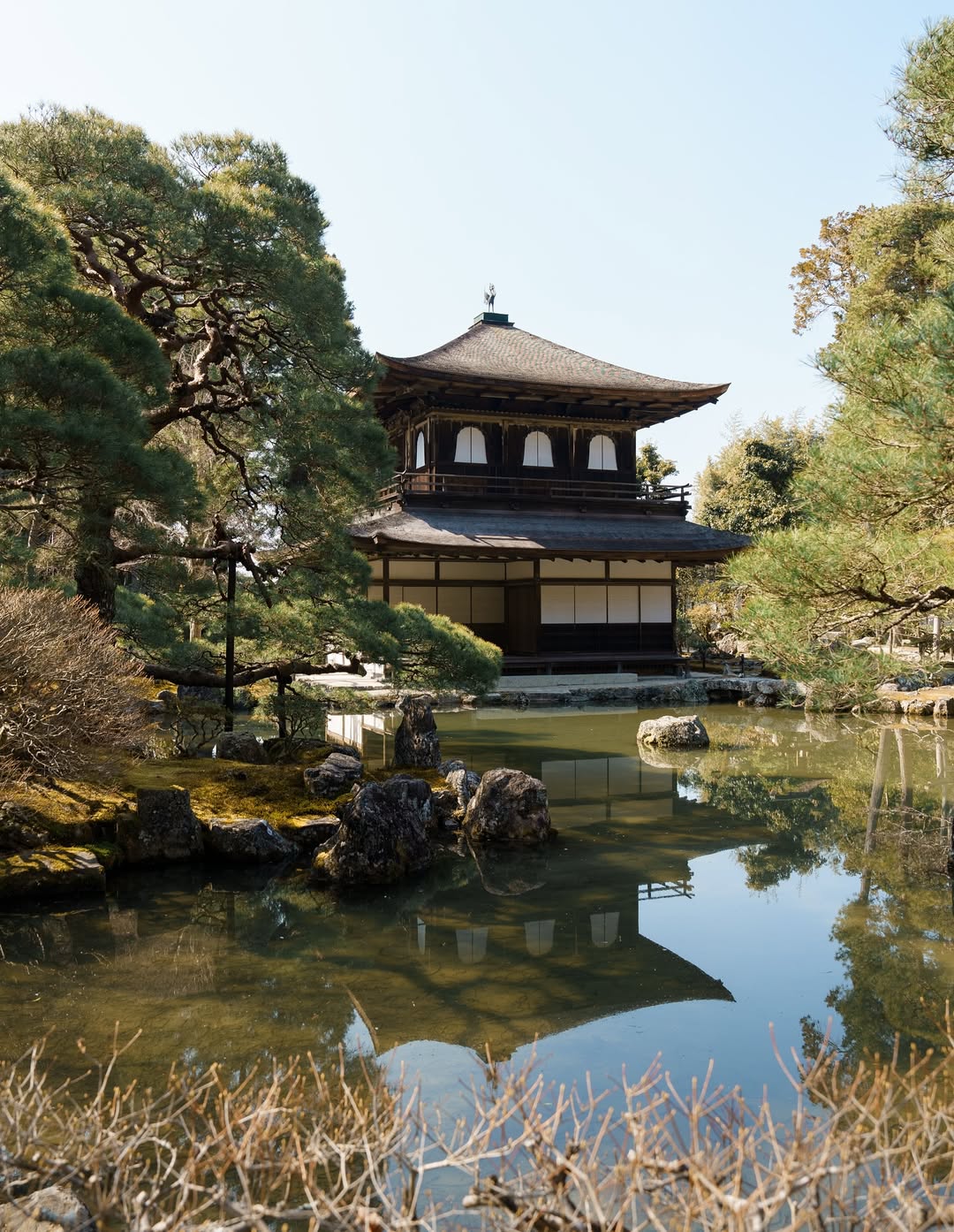
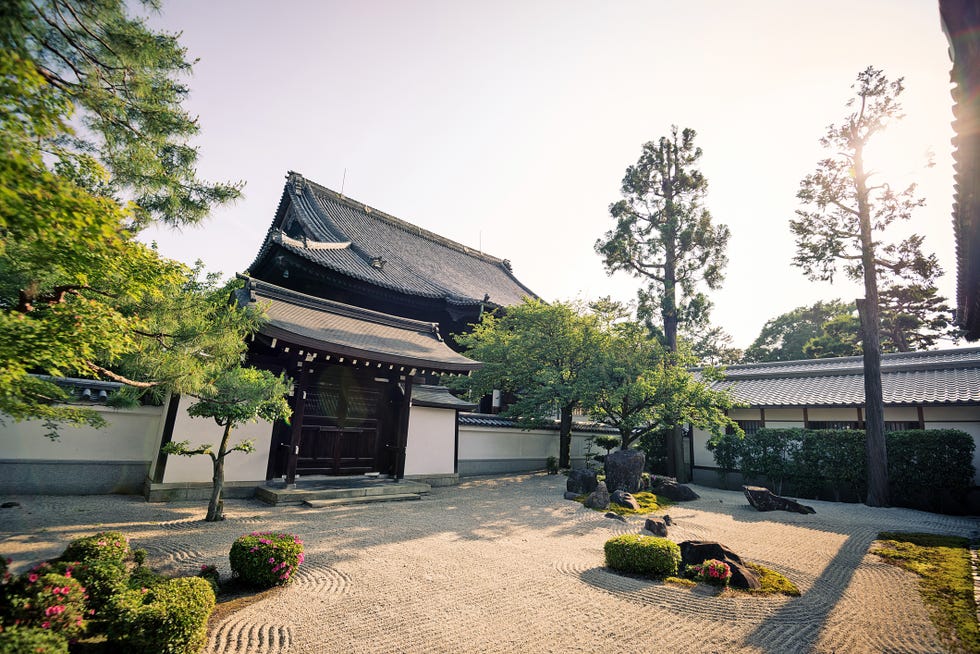
Japanese gardens, rooted in ancient traditions, aim to encapsulate the essence of the natural landscape, serving as havens for contemplation and inner harmony. These gardens meticulously combine fundamental elements such as plants, water, and rocks, employing simple, clean lines to evoke a spiritual tranquility. Sophie Walker, a gardening expert and author, emphasizes that every component in a Japanese garden serves a deliberate purpose, contributing to an overall mood of mystery, calm, and peace.
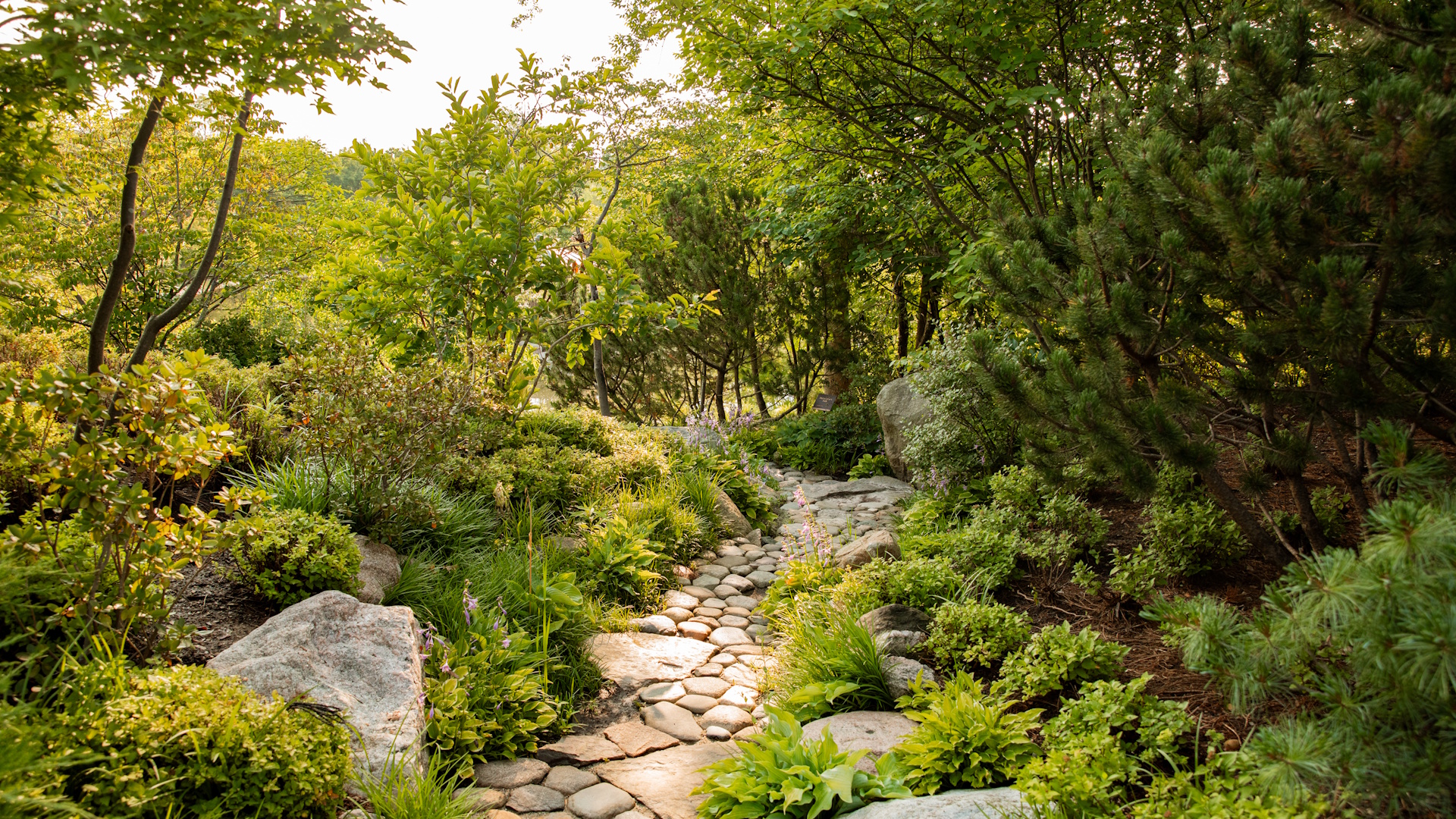
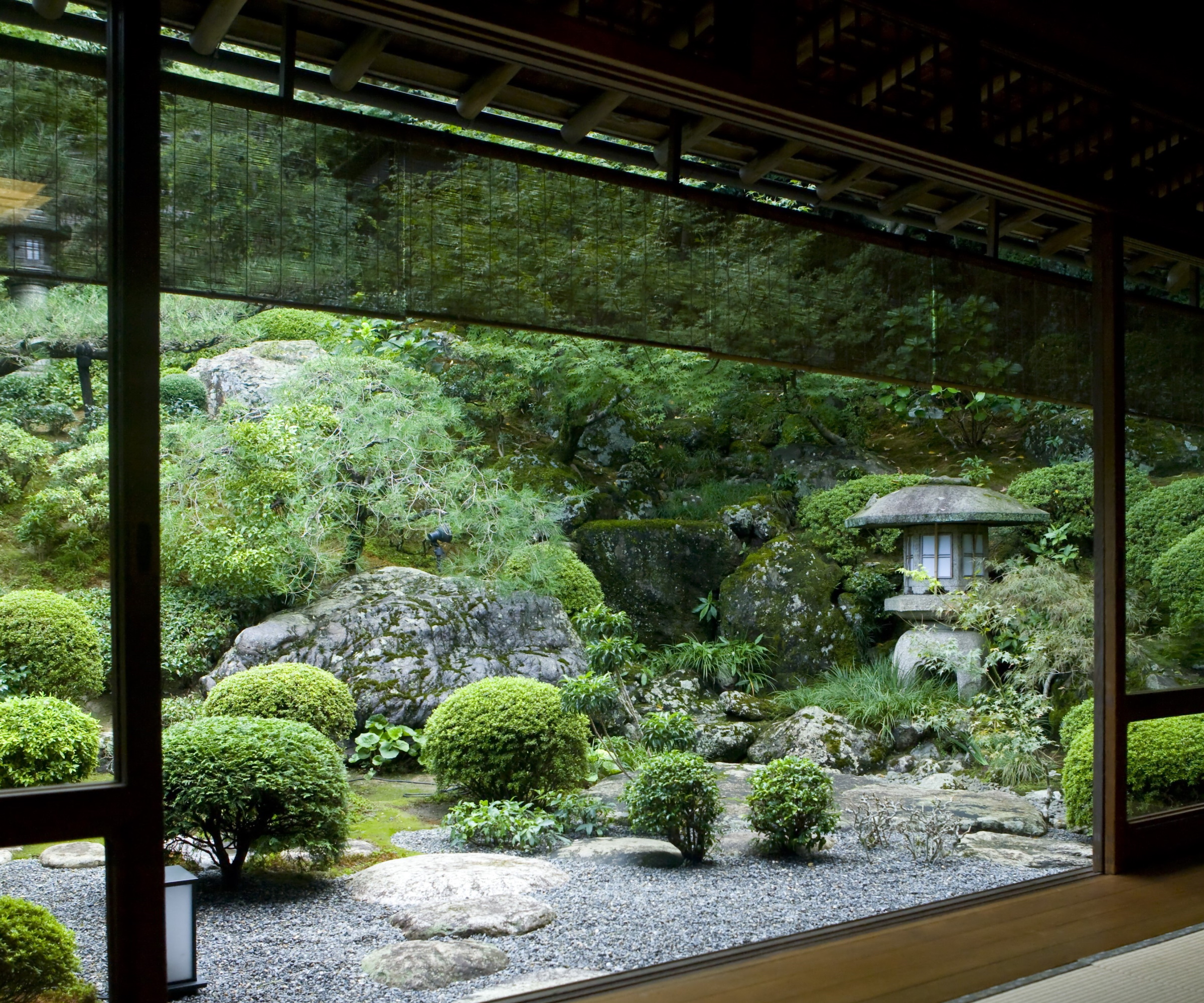
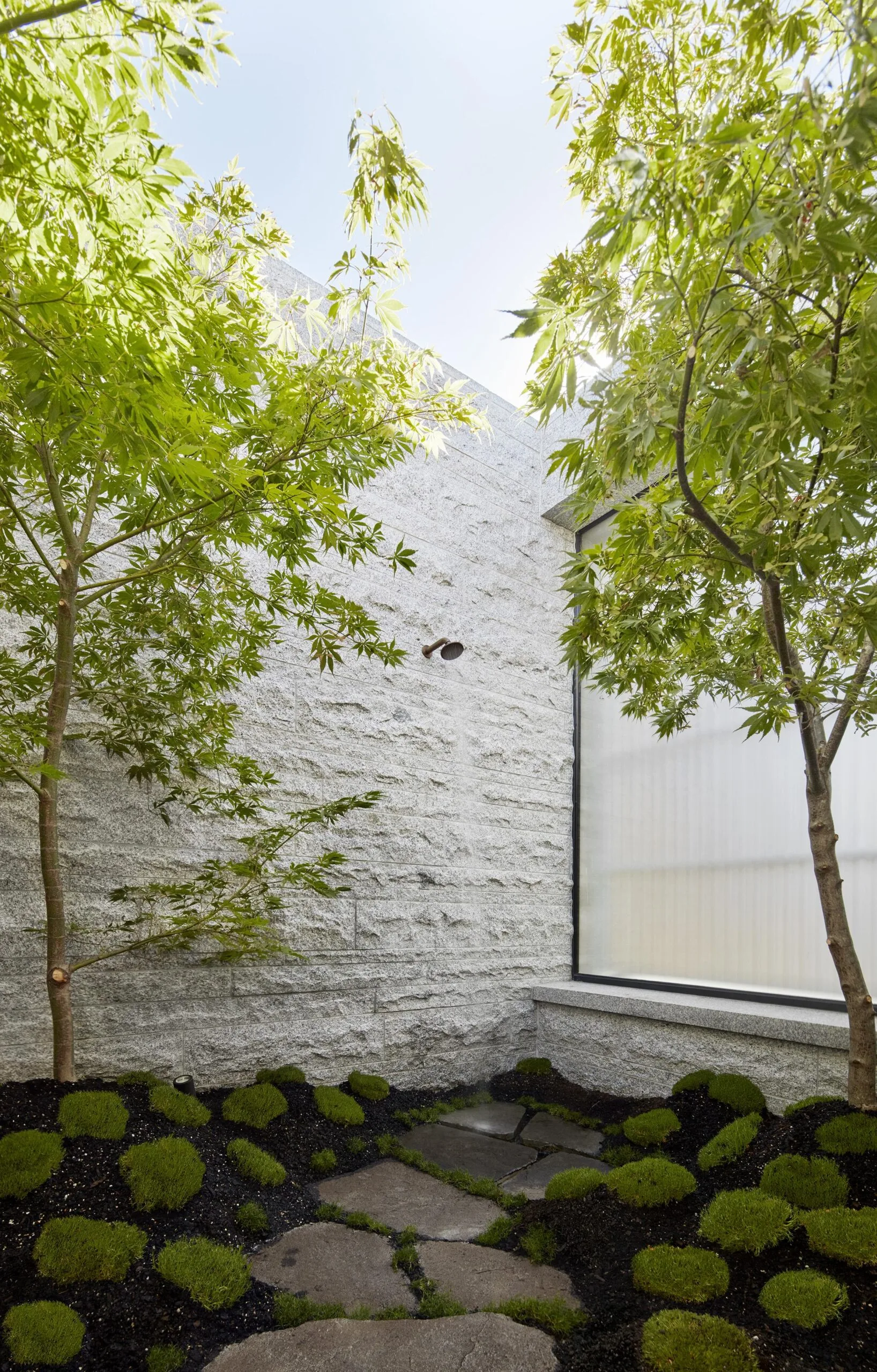
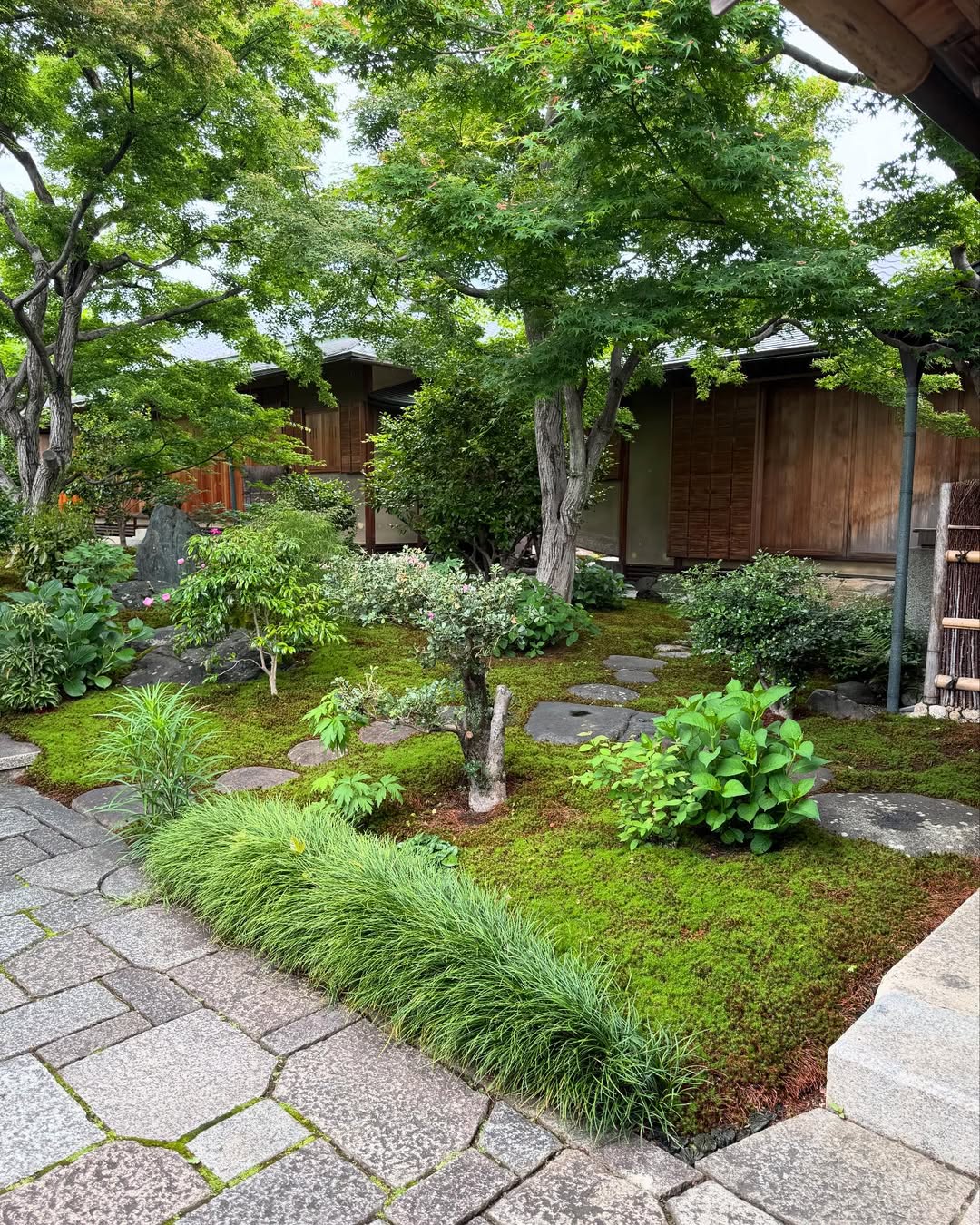
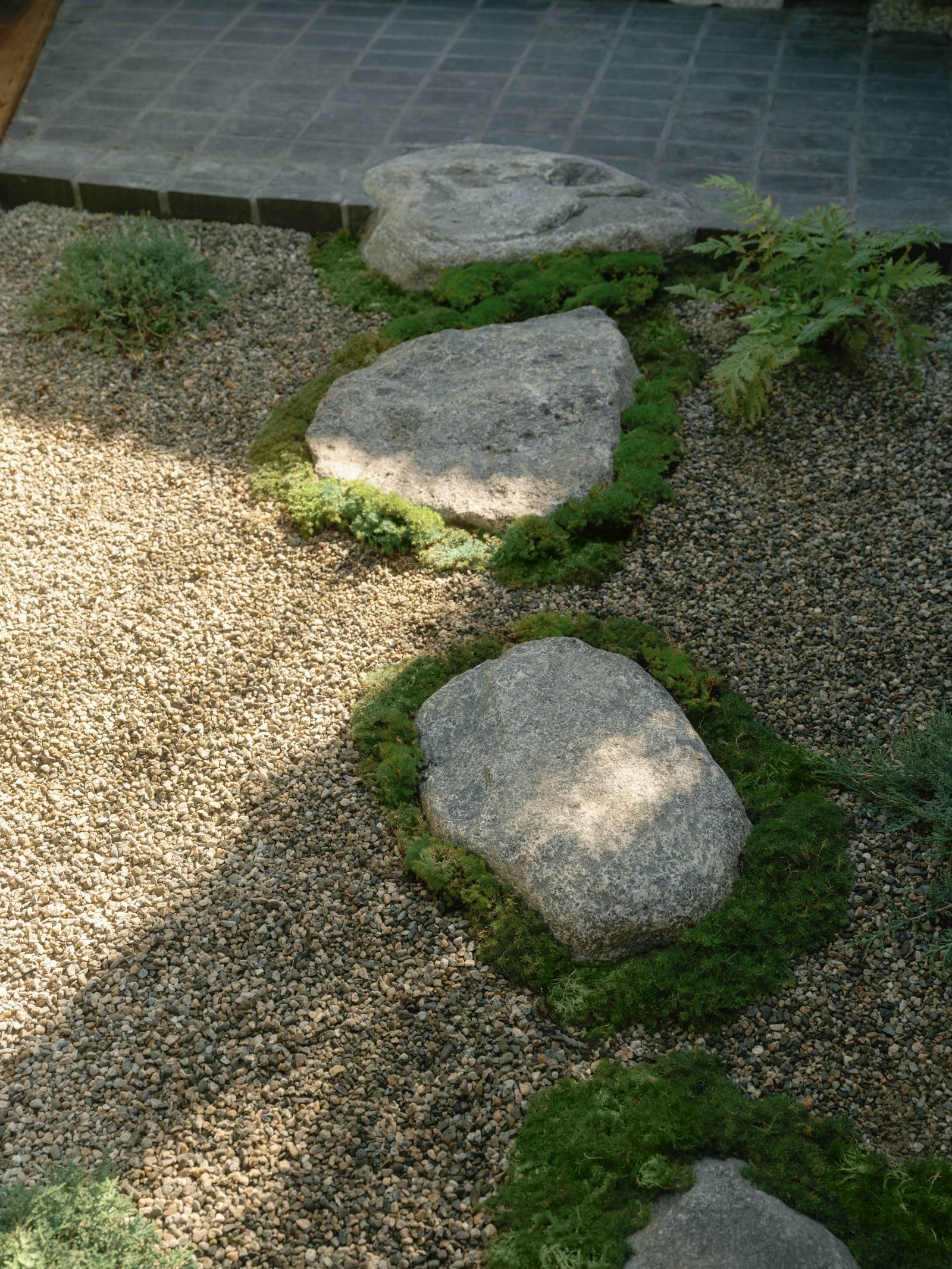
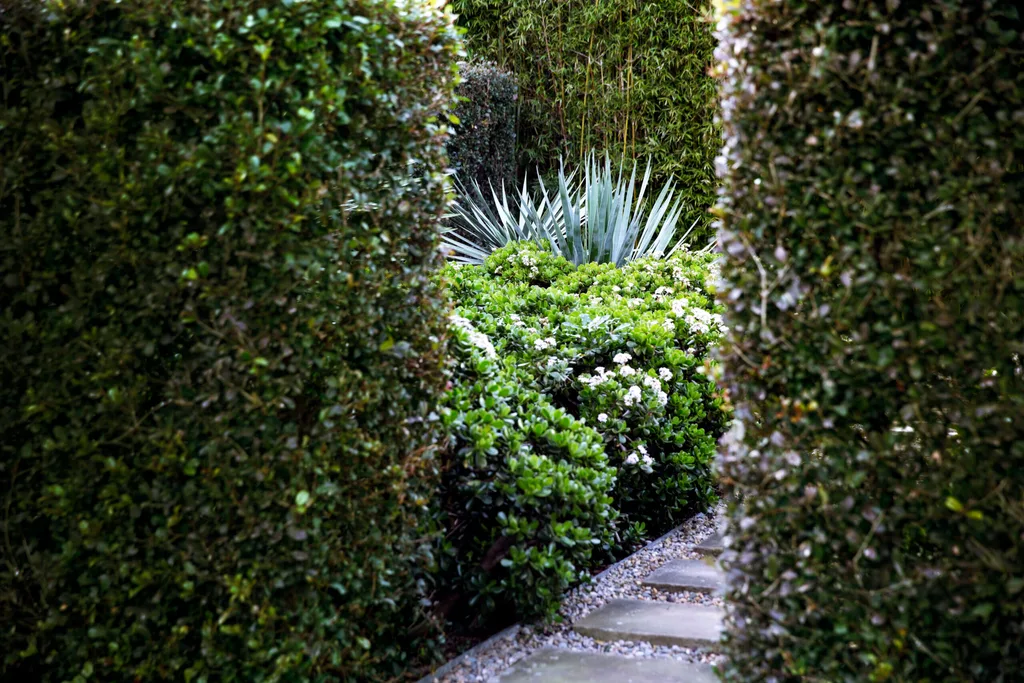
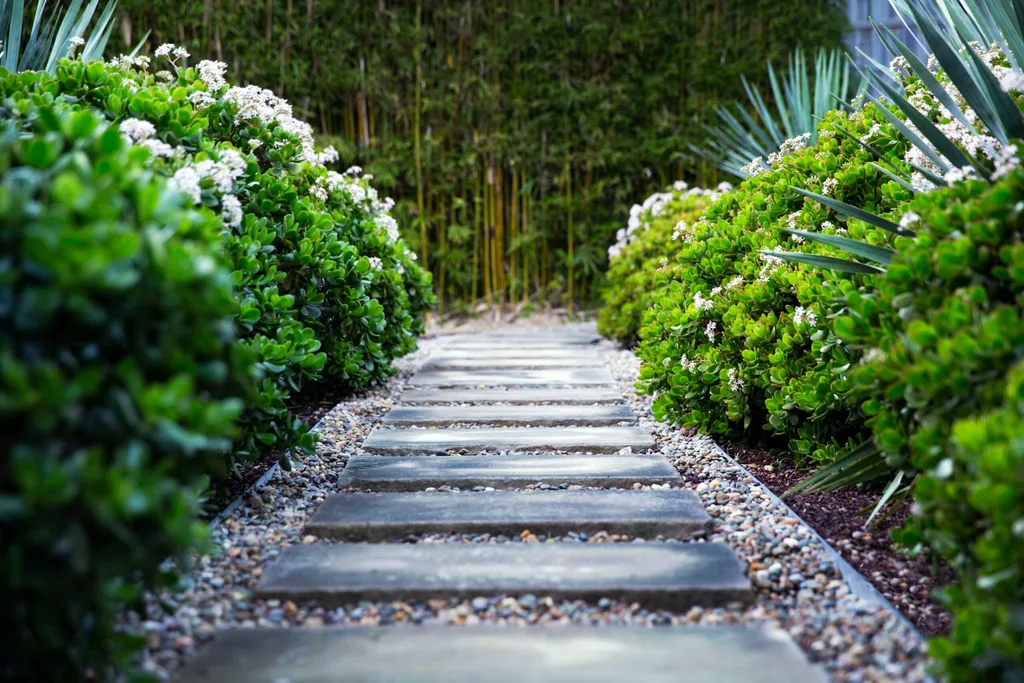
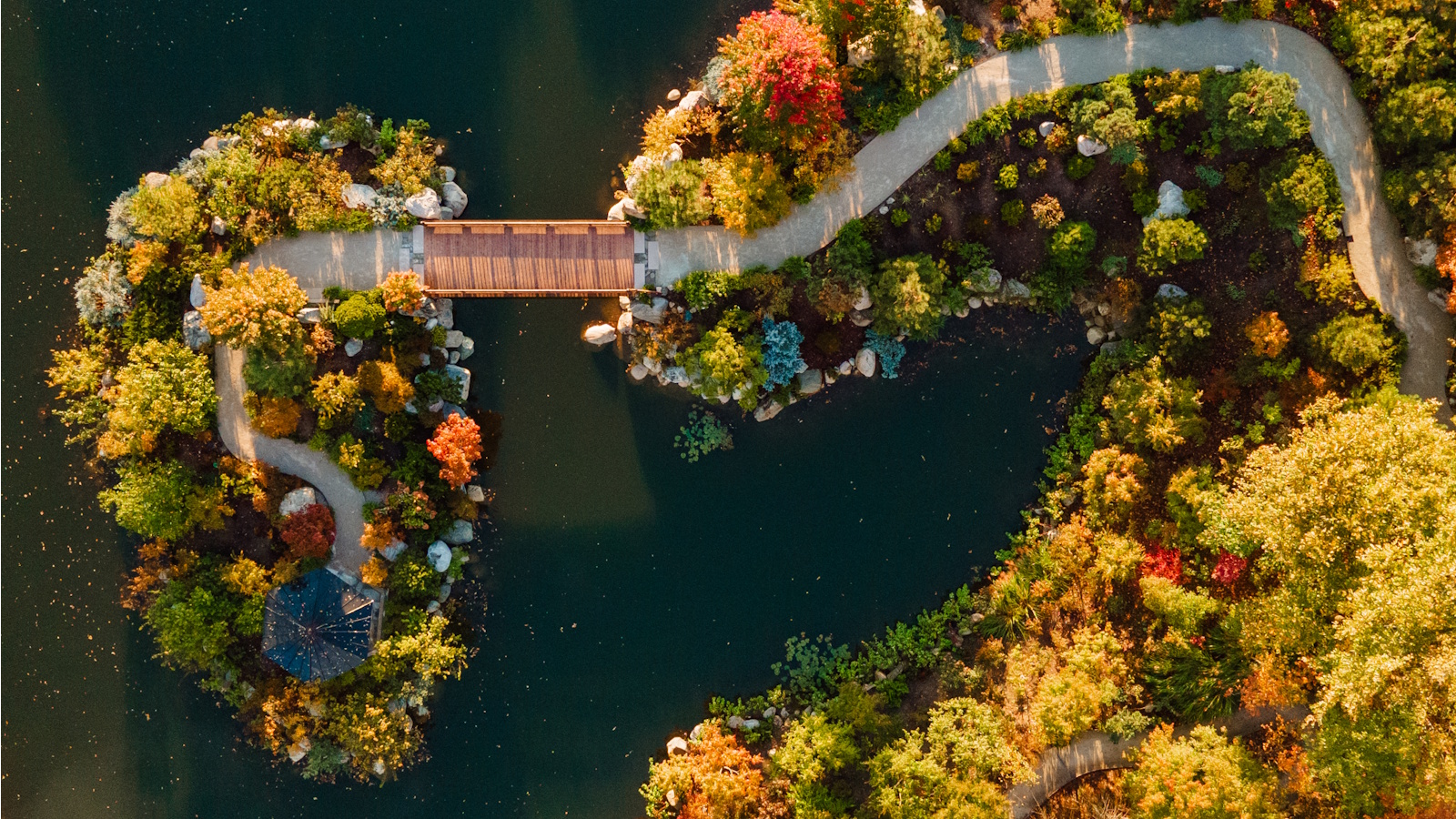
Before initiating the design of a Japanese-inspired garden, thorough research is recommended to define the desired experience. This involves considering whether the garden is intended for a contemplative viewing experience from a fixed point, such as a house or a teahouse, or as a journey experienced through winding paths. If the garden is meant to be viewed, it should be designed to be appreciated in its entirety, integrating sights, sounds, and scents. For gardens designed for movement, winding stone paths symbolize life's journey and build anticipation. Even small spaces can accommodate Japanese garden principles; Walker notes a two-foot-deep garden along a window ledge in Kyoto as an example of how the core concepts can be adapted to any size. Practical advice suggests physically laying out plans with objects rather than relying solely on paper designs to achieve the ideal arrangement.
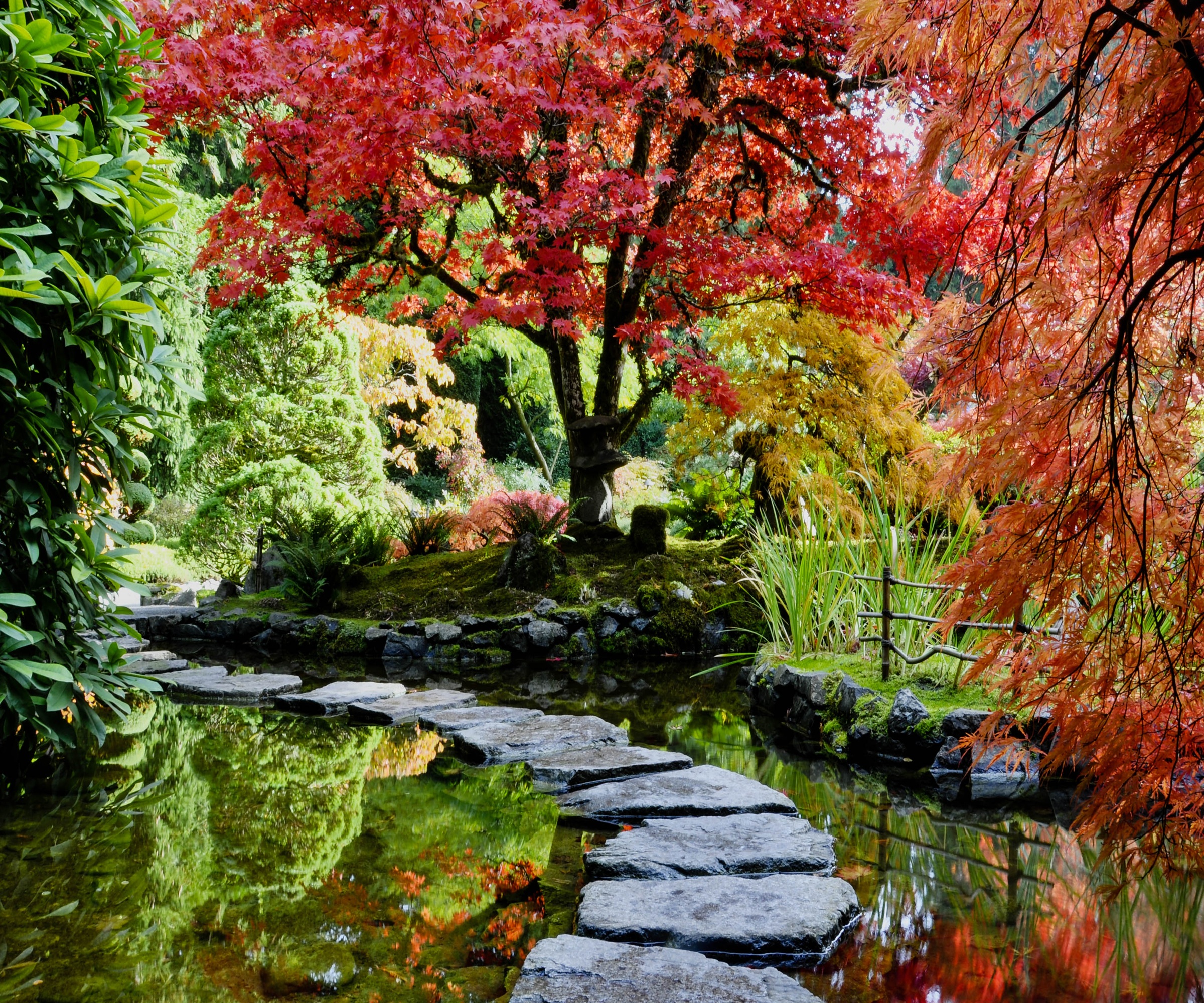
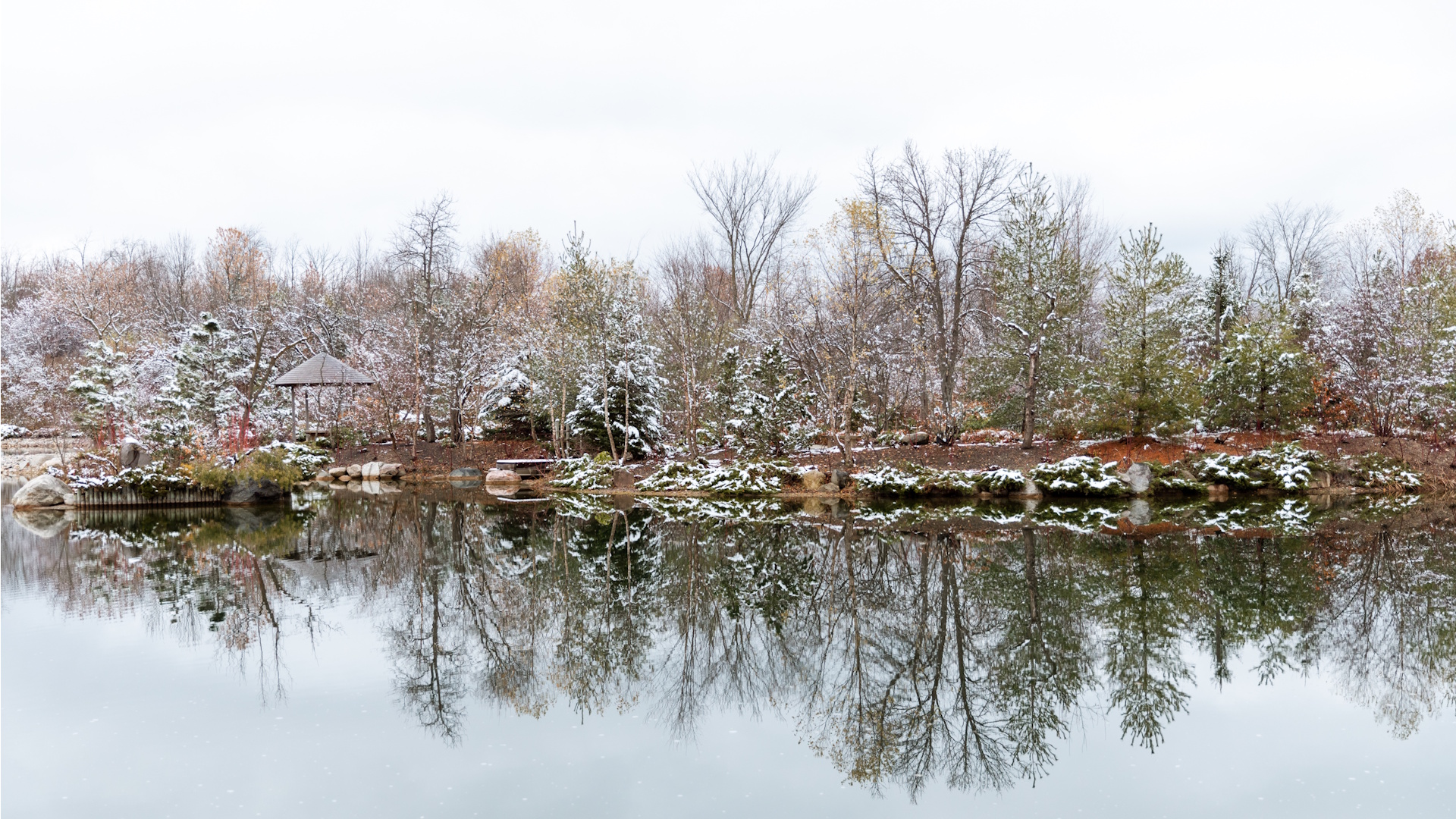
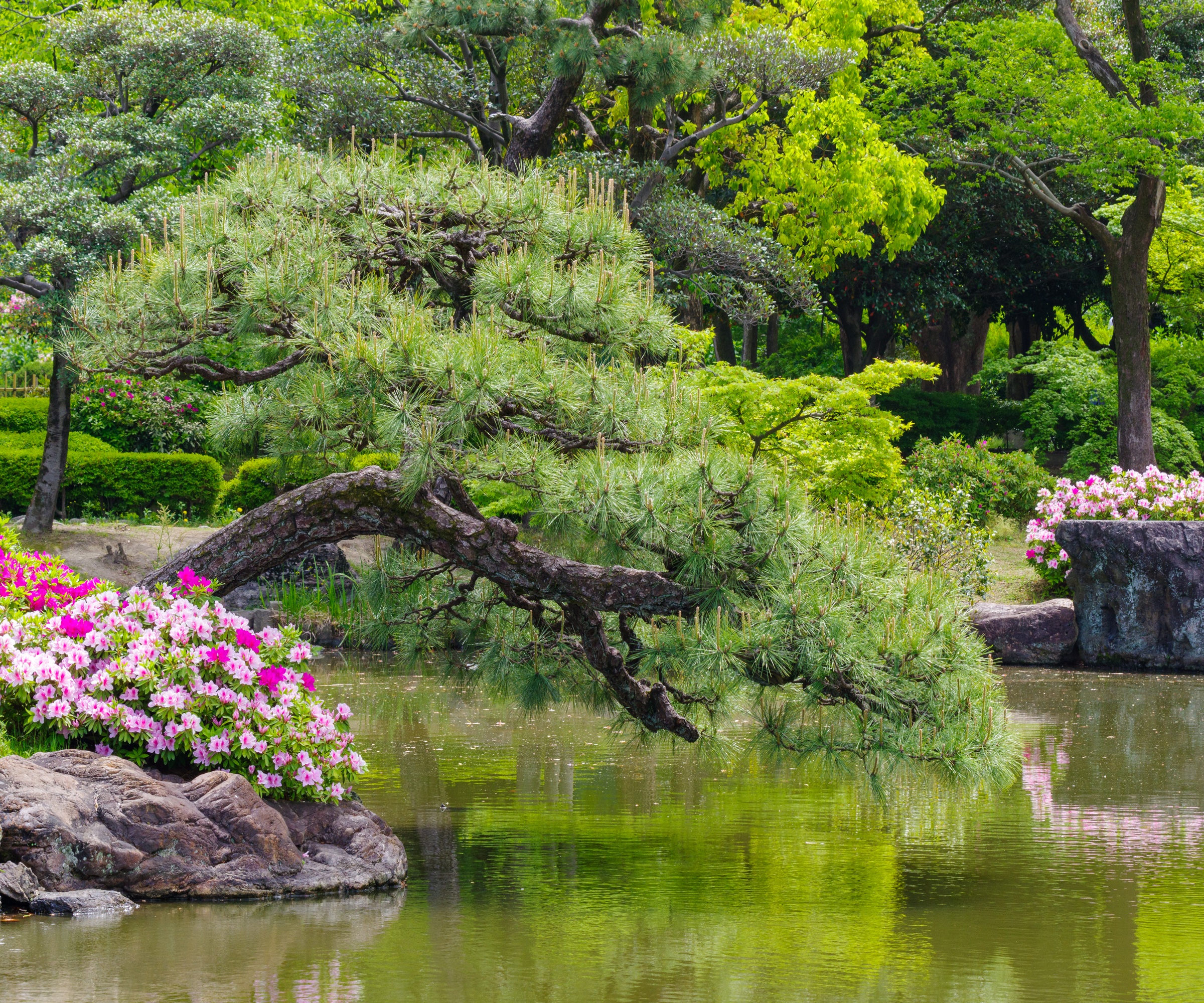
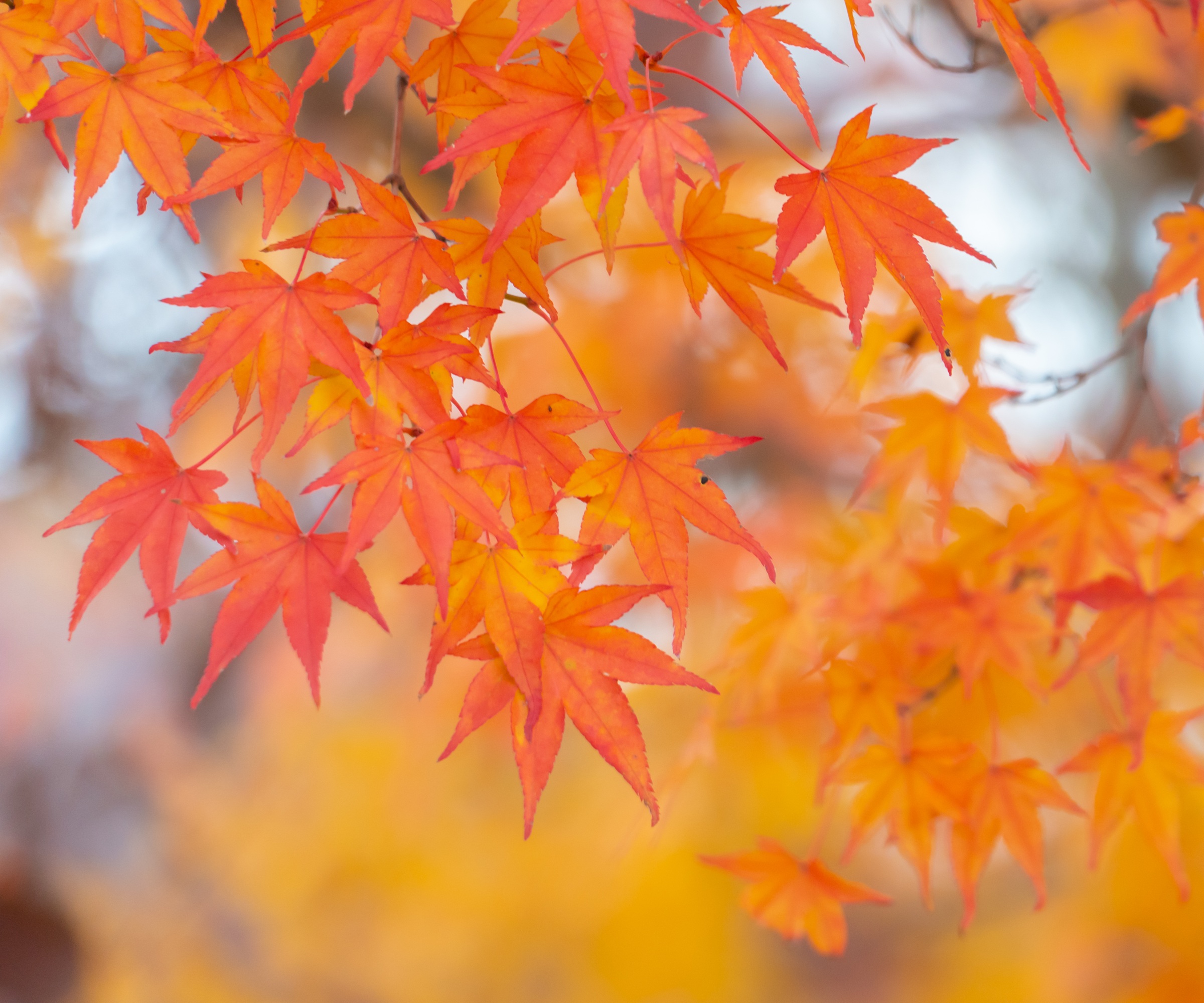
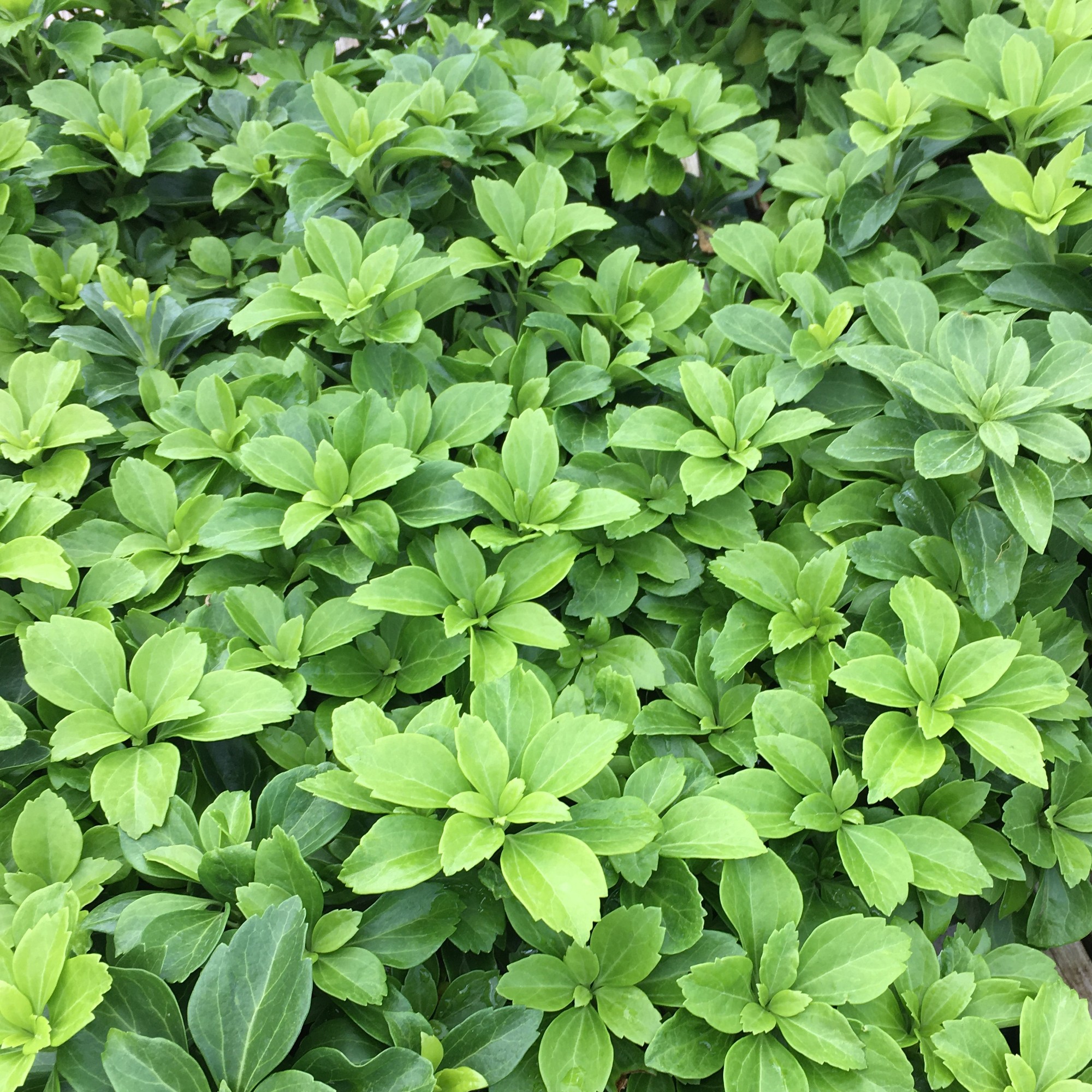
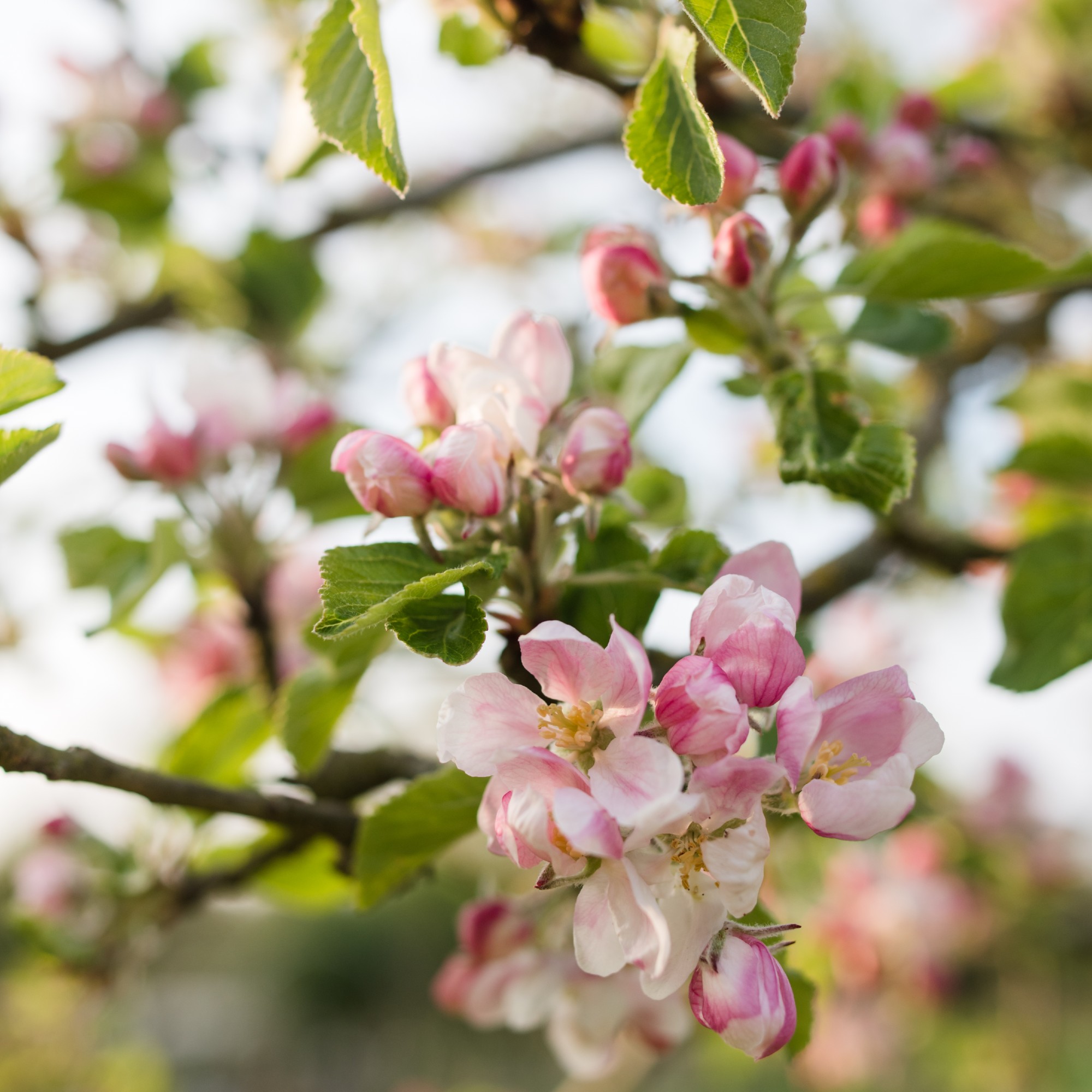
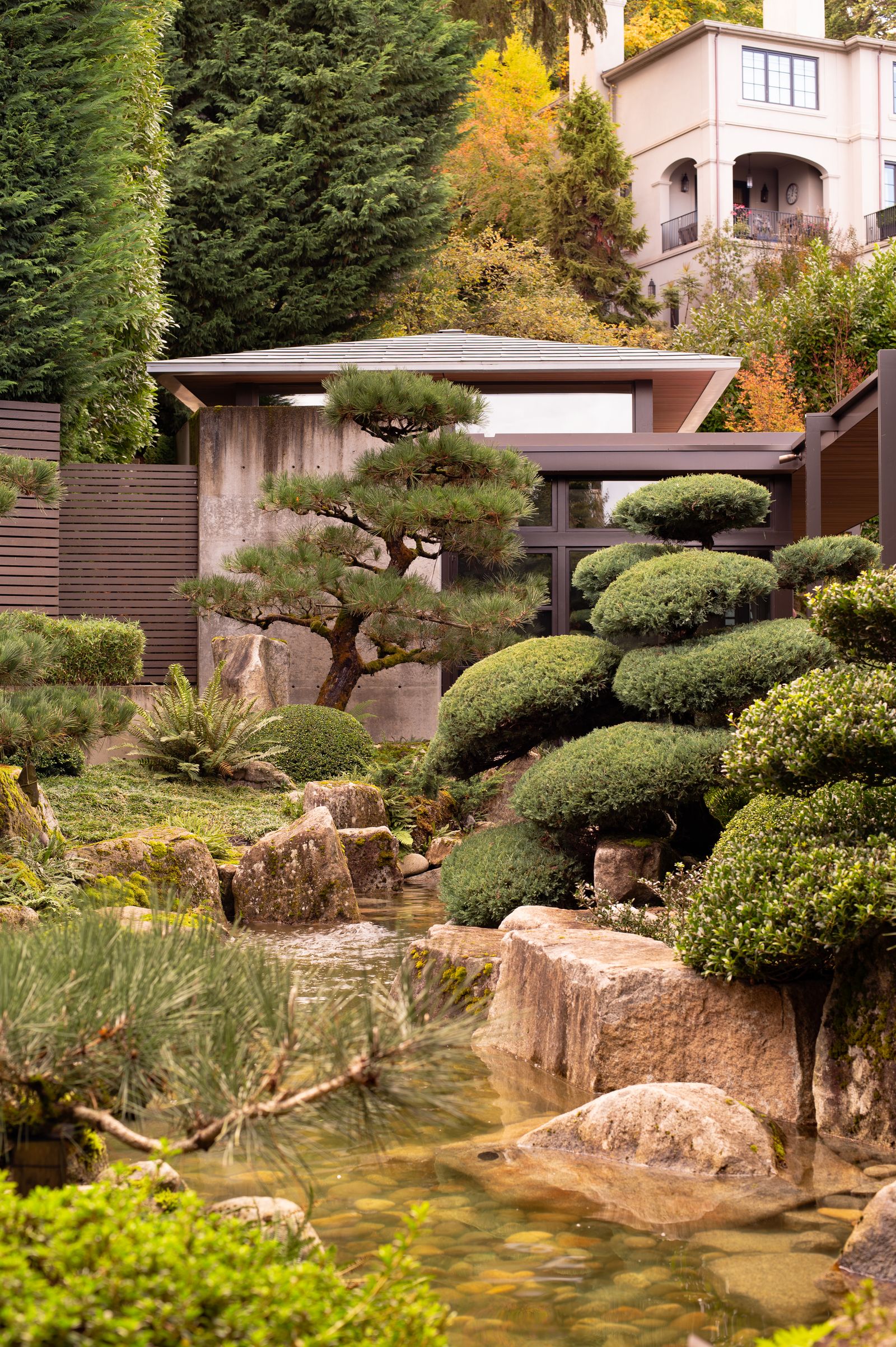
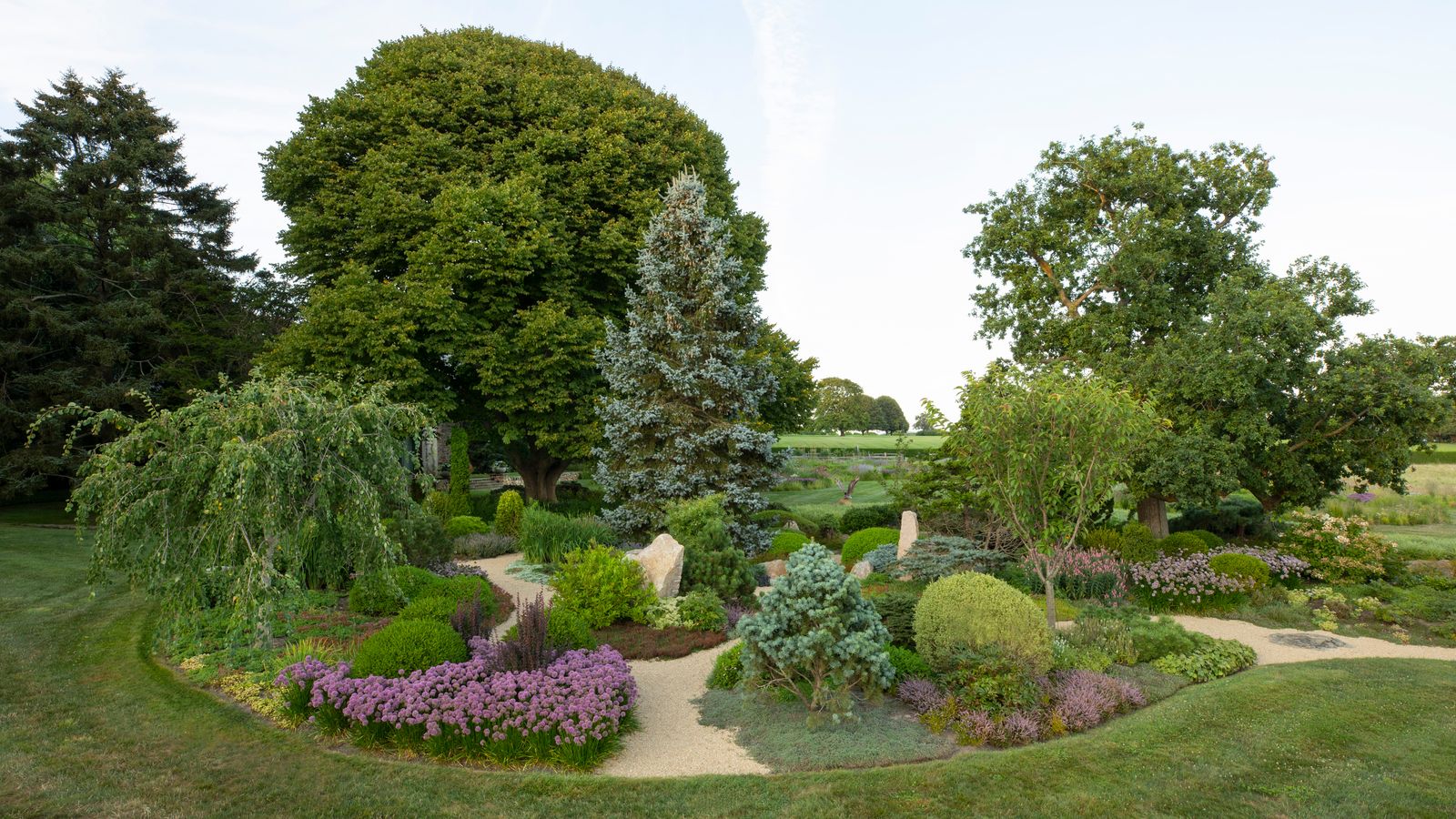
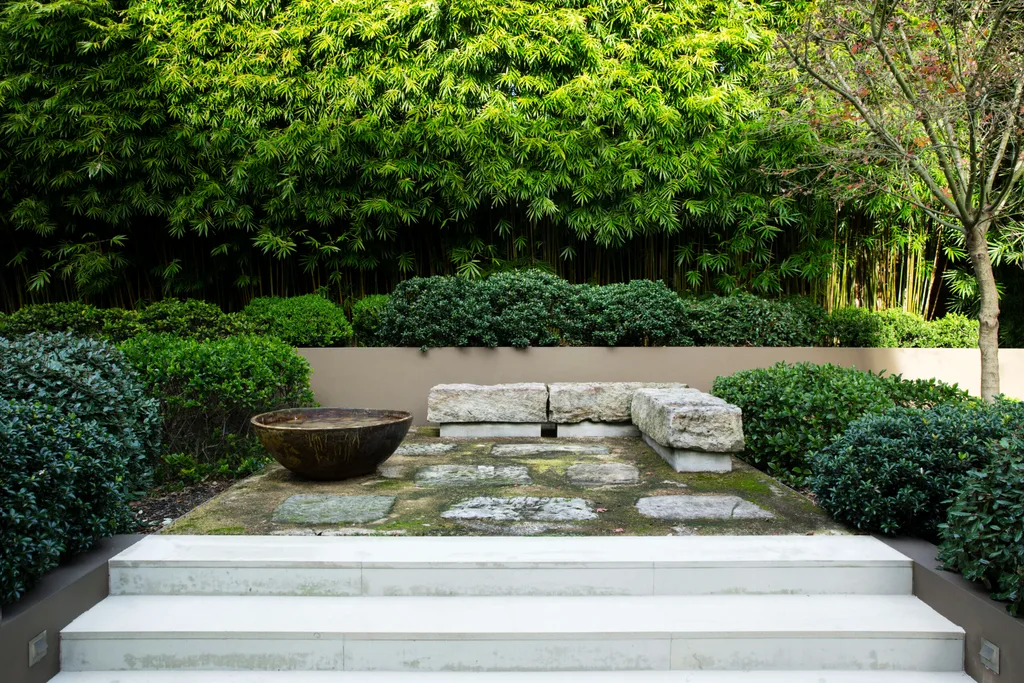
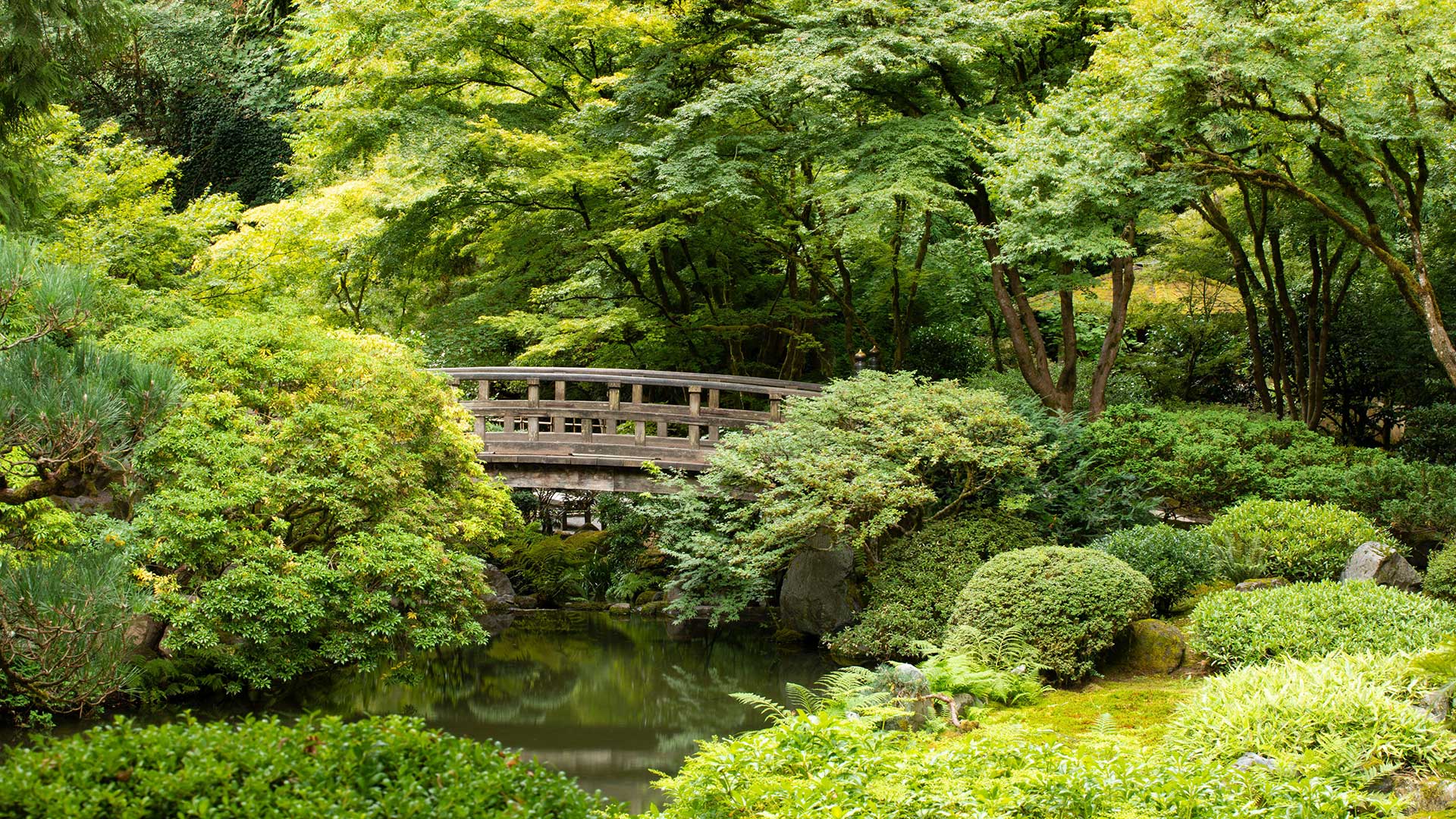
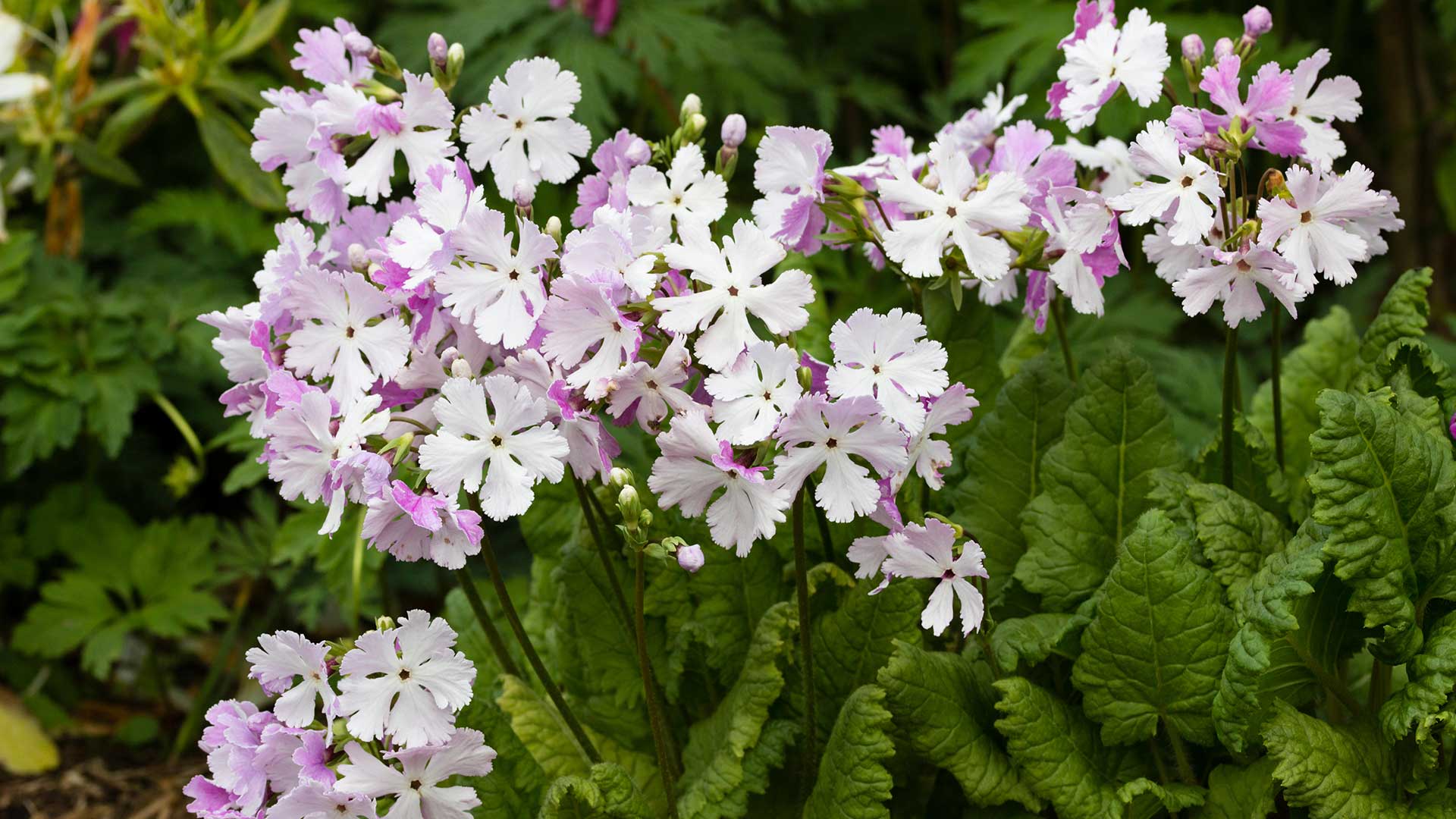
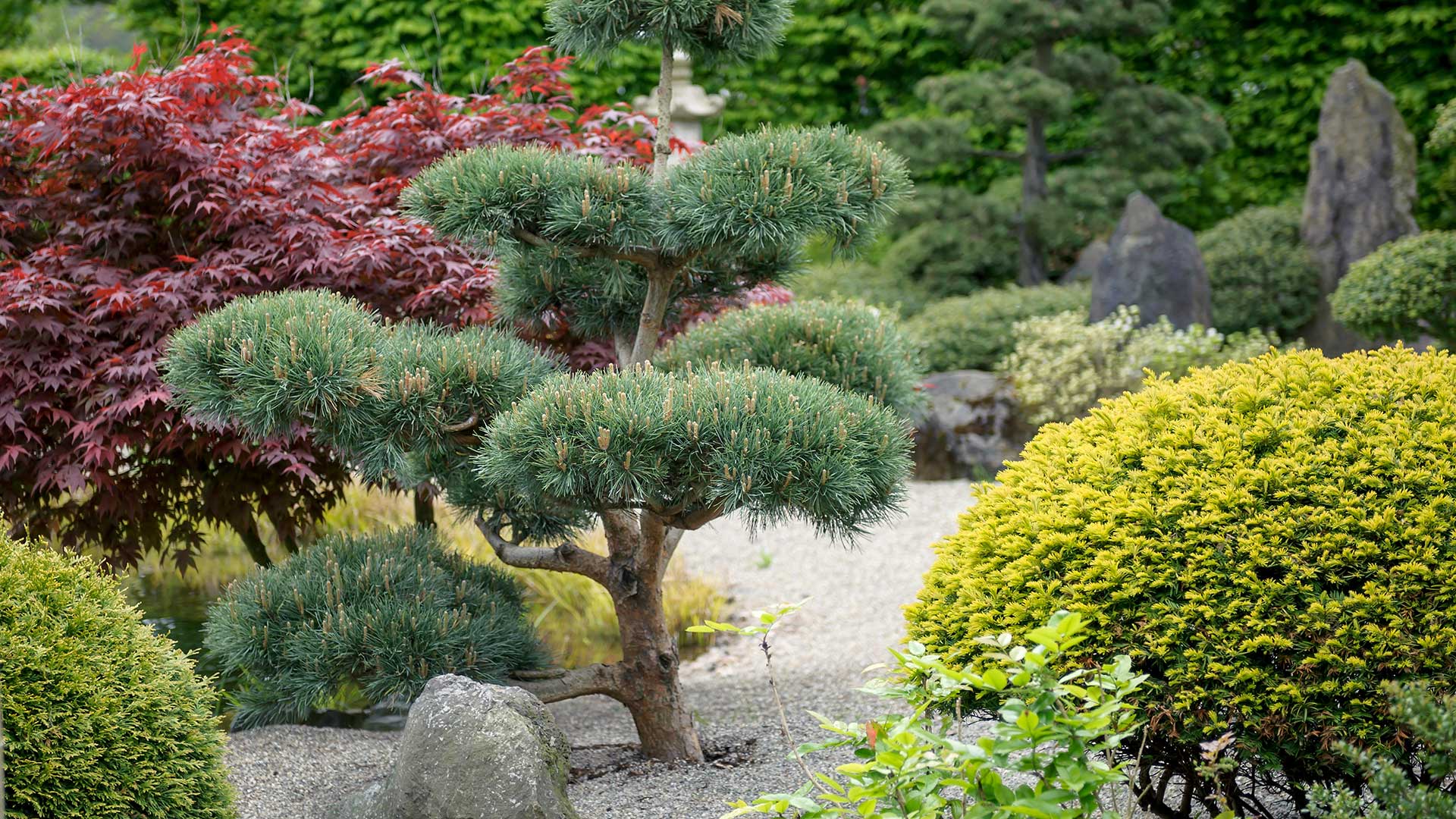
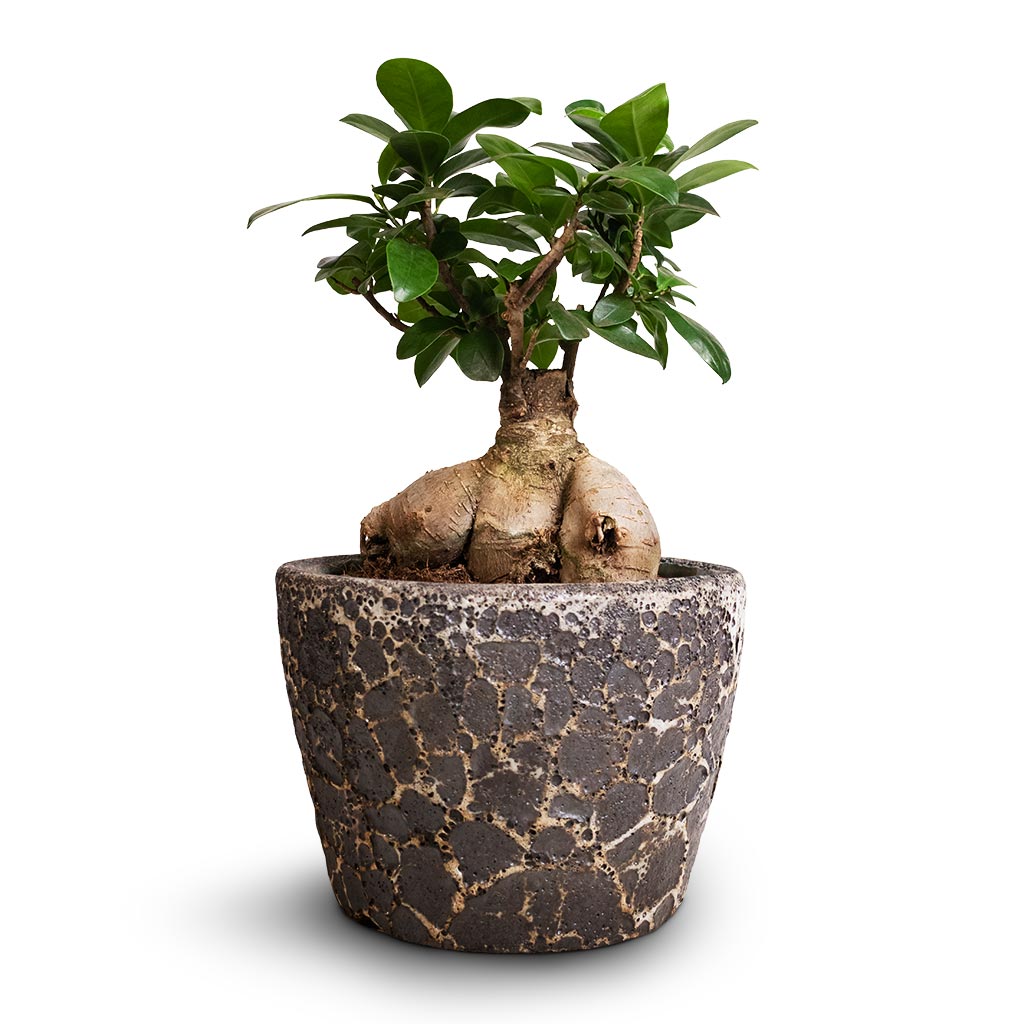
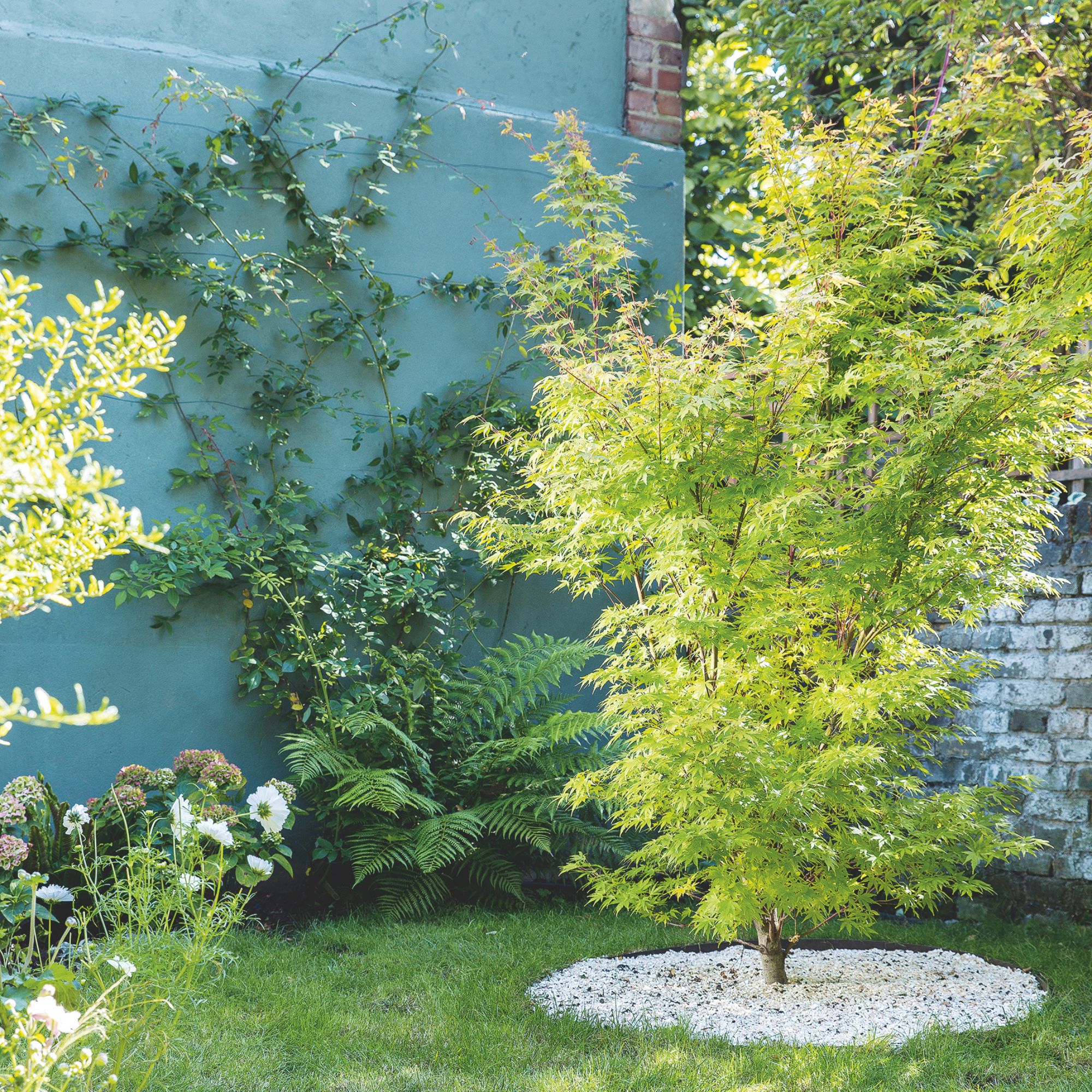
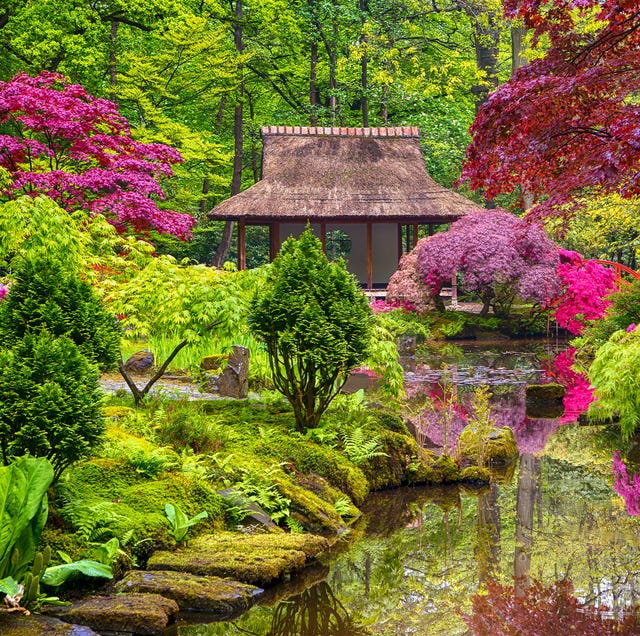
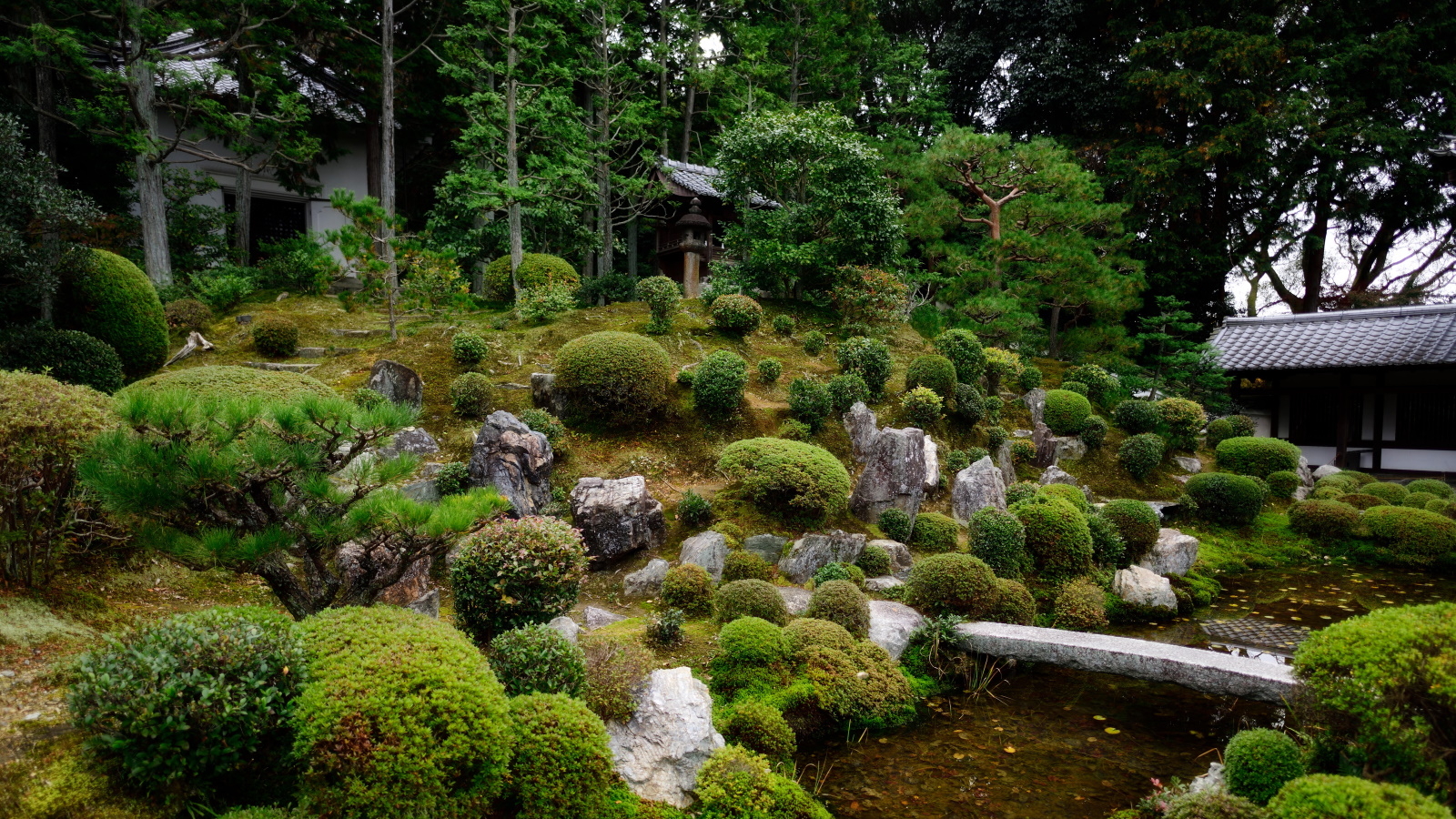
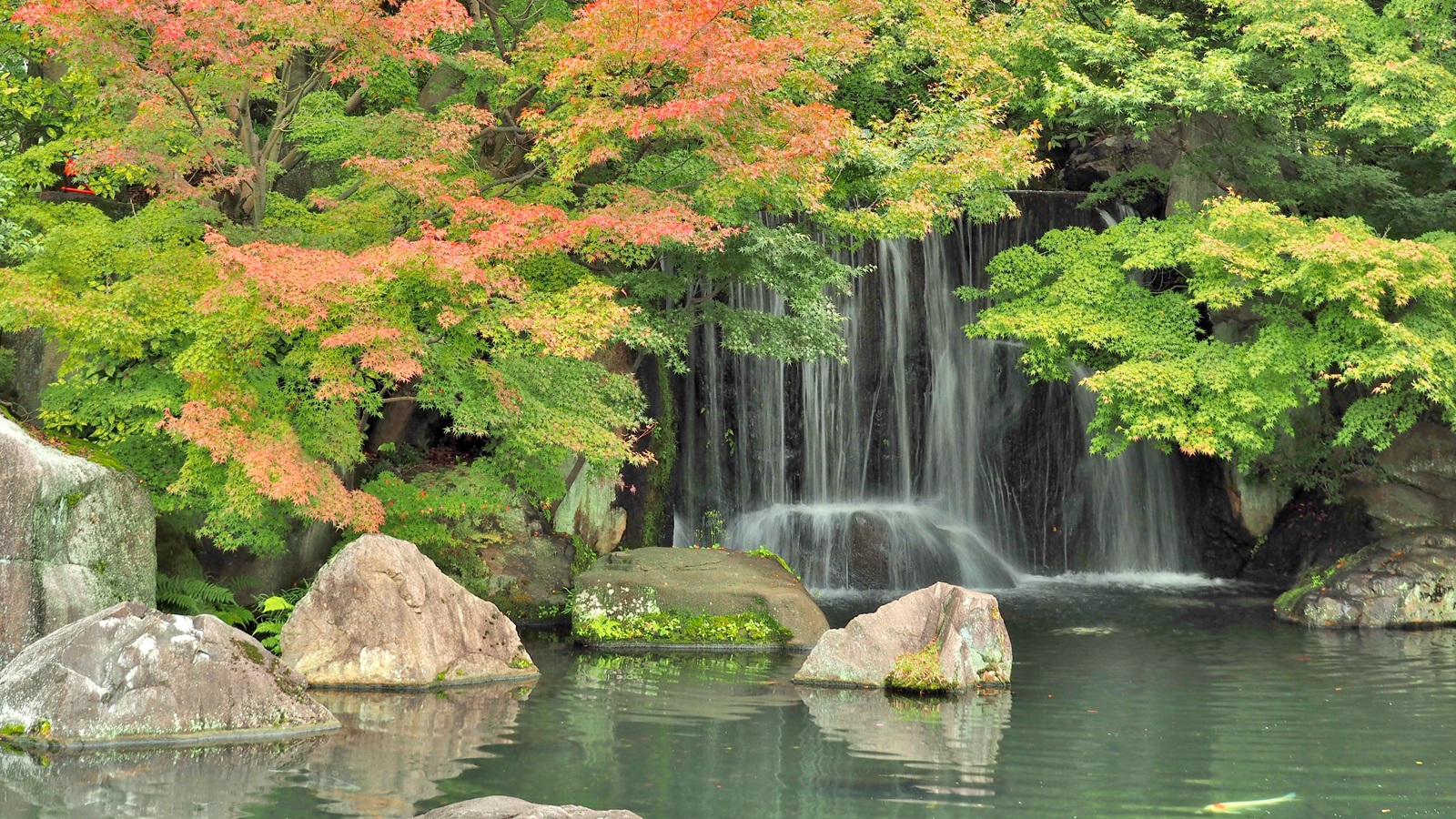
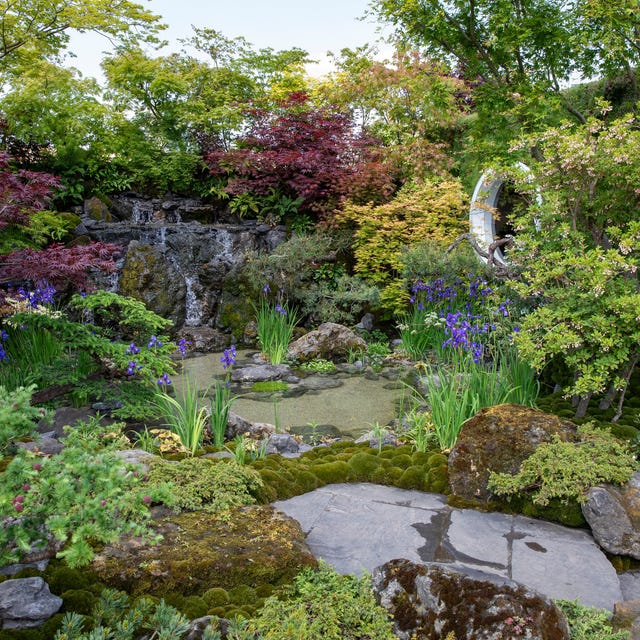
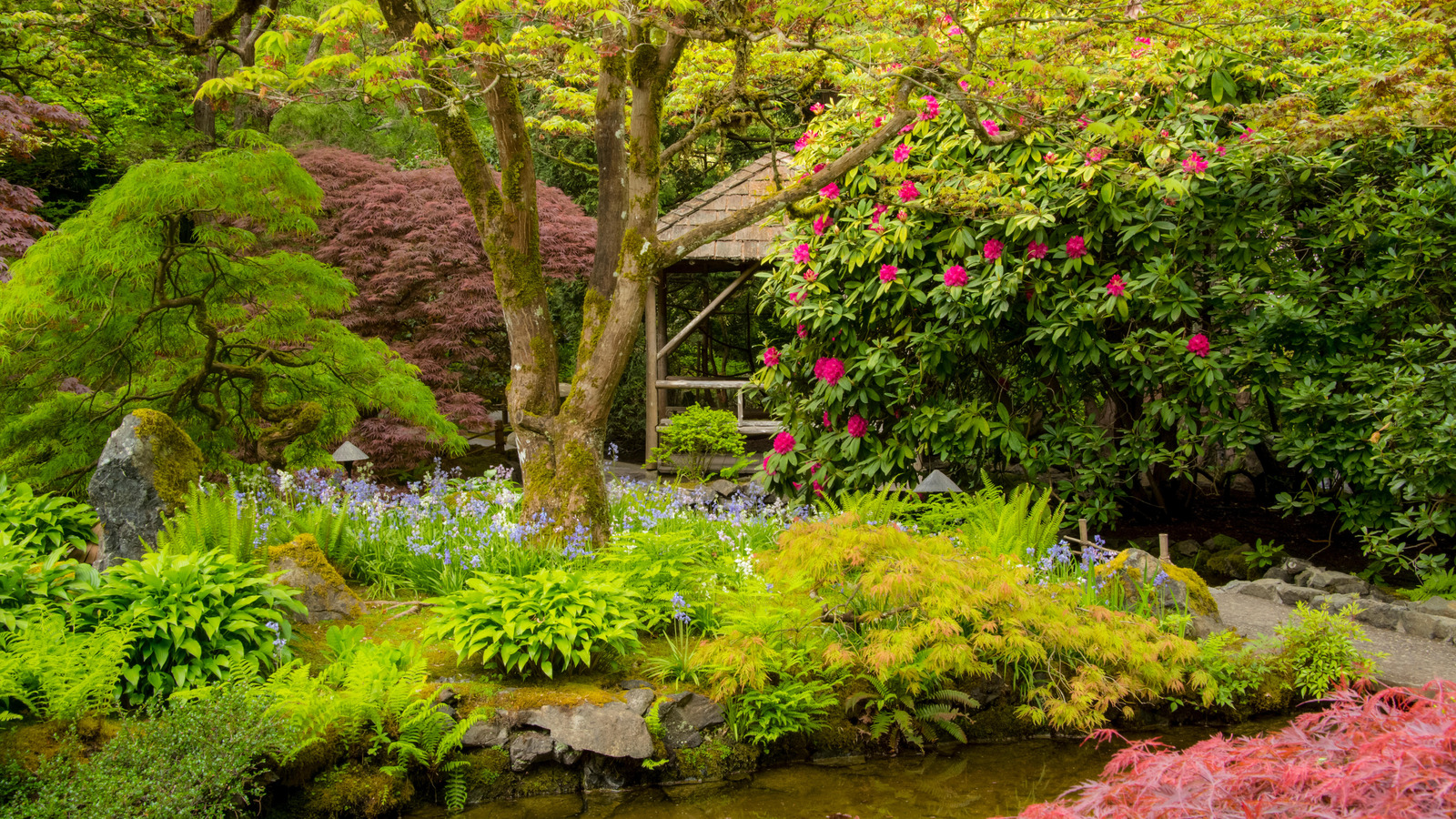
Plant selection in a Japanese garden focuses on subtle variations in color and texture, with an emphasis on year-round interest. Bamboo and conifers, known for their soothing green hues, are common, and trees are carefully pruned to highlight their architectural forms. A characteristic visual involves arching branches extending over moss cushions and groundcover, often mirrored in still water. Bonsai, miniature trees pruned and trained to mimic mature trees, symbolize the harmony between humanity, spirit, and nature. Seasonal changes are subtly marked by plants like azaleas, camellias, and maples. Camellias and azaleas, which thrive in acid soil and flower in winter, offer deep green, waxy foliage throughout the year. For limited spaces, a single cherry tree can herald spring, potted azaleas can signal early summer, and maples can announce autumn with their fiery foliage. Kazuyuki Ishihara, a Chelsea Flower Show winner, highlights pines and acers as essential plants for creating an authentic Japanese sanctuary garden, emphasizing the use of plants native to Japan's natural landscape.
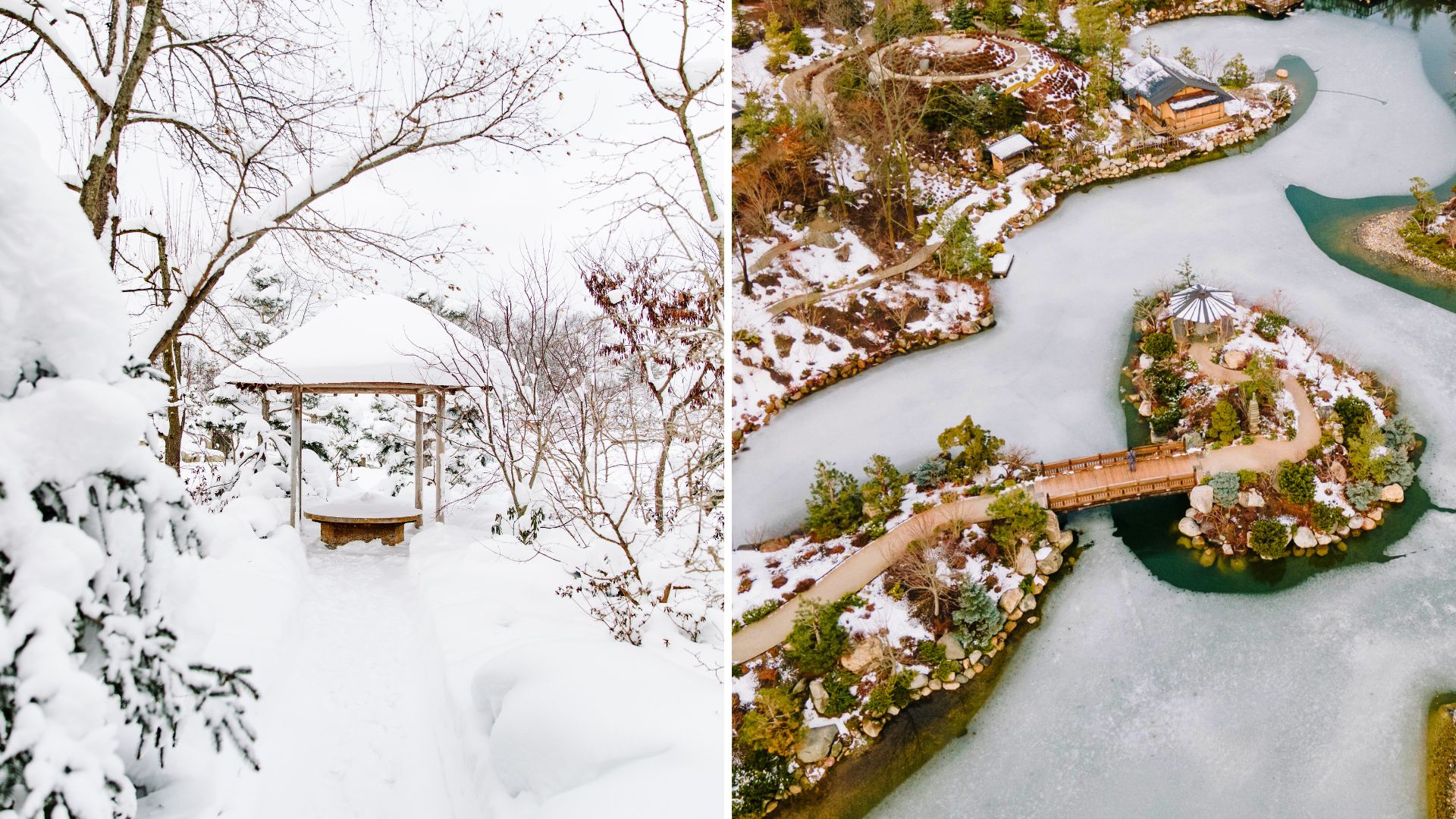
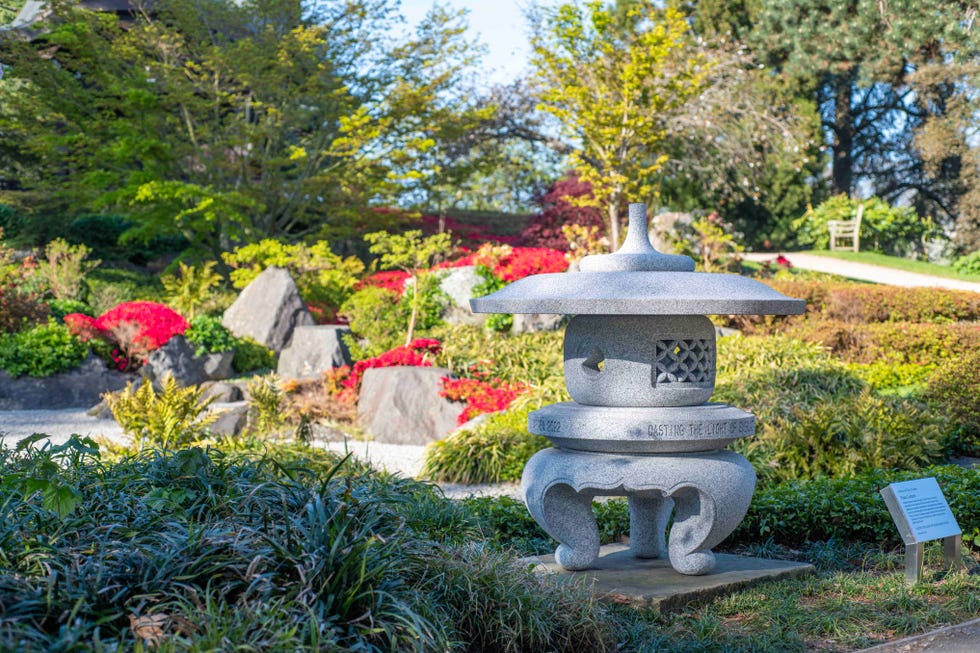
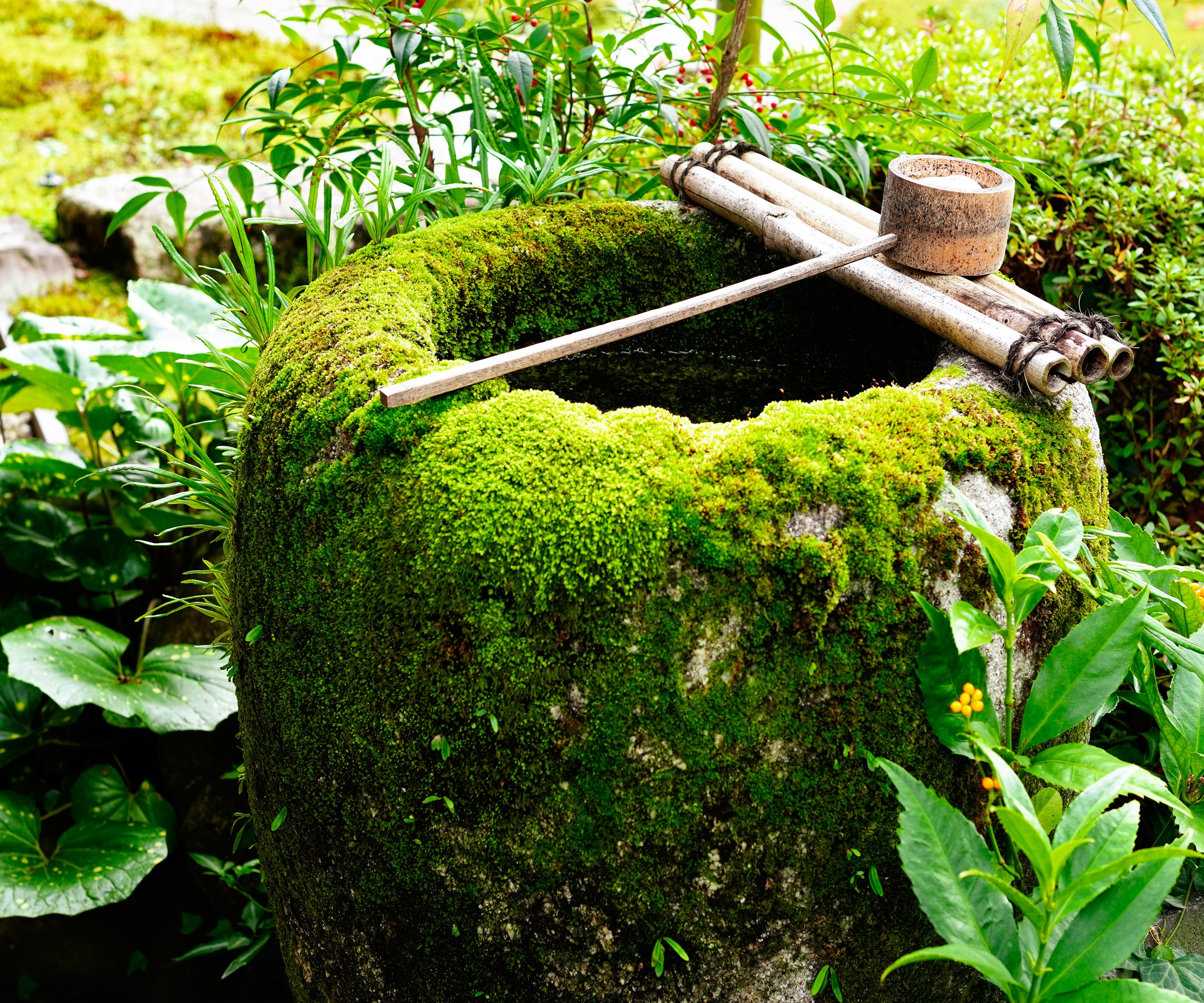
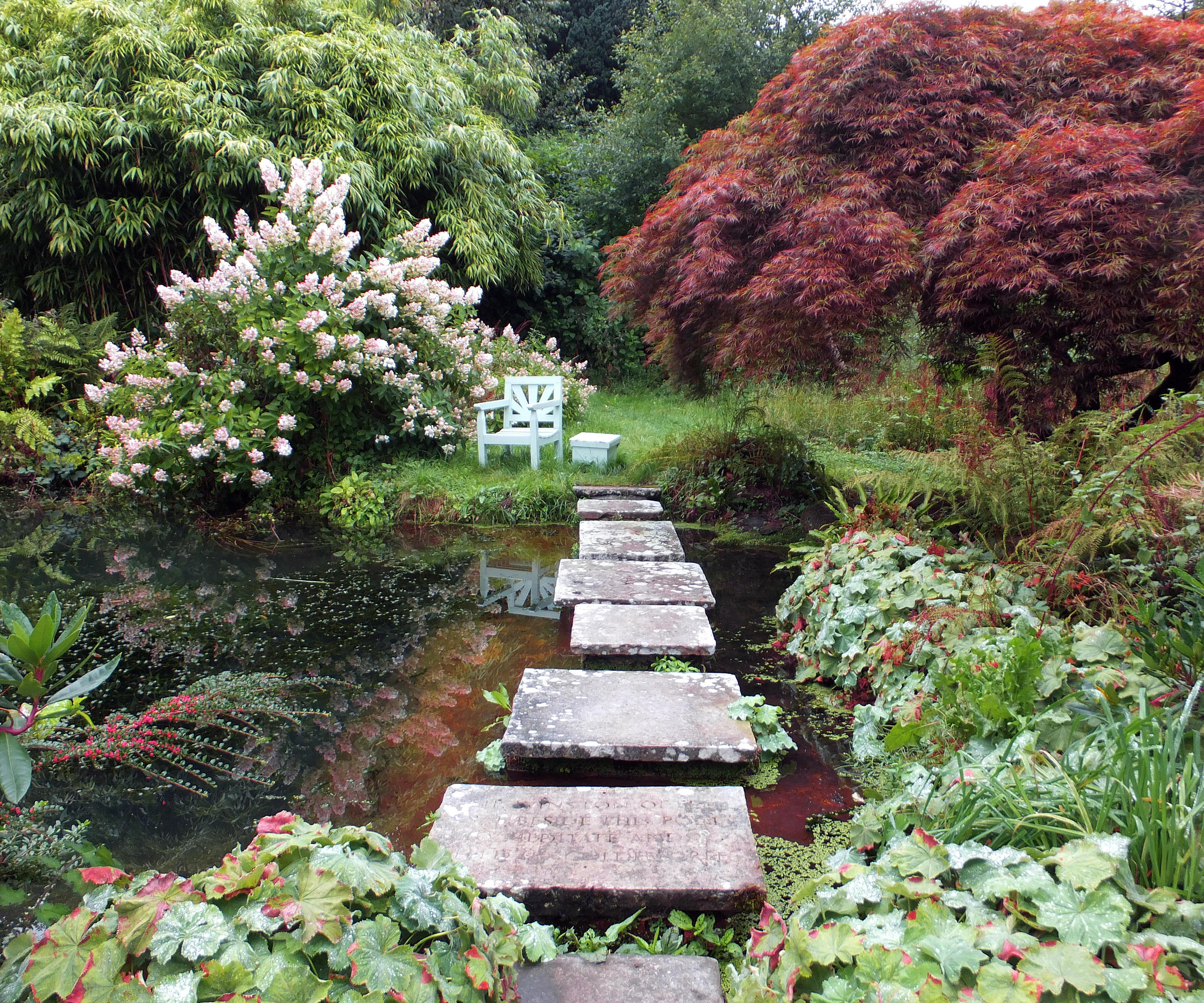
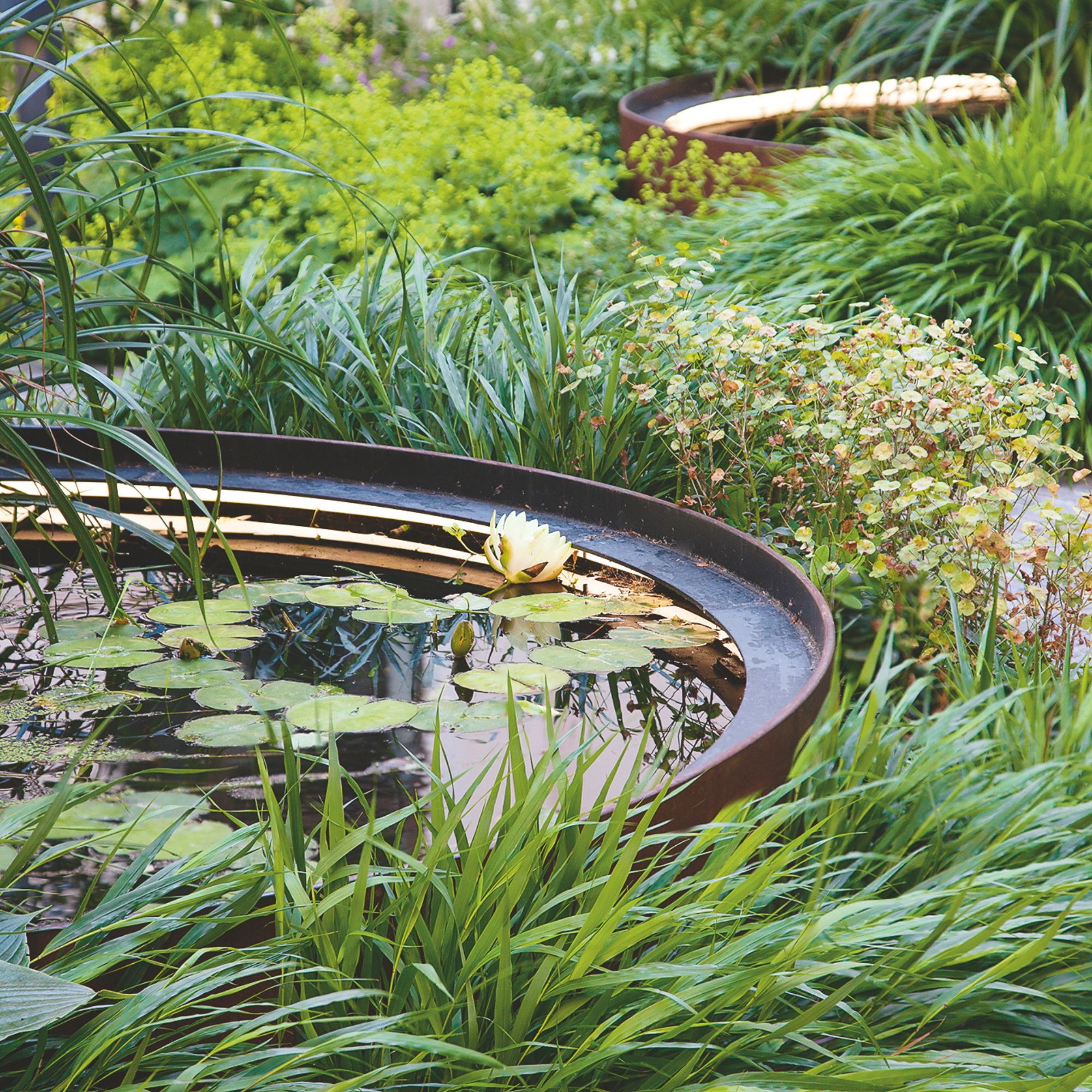
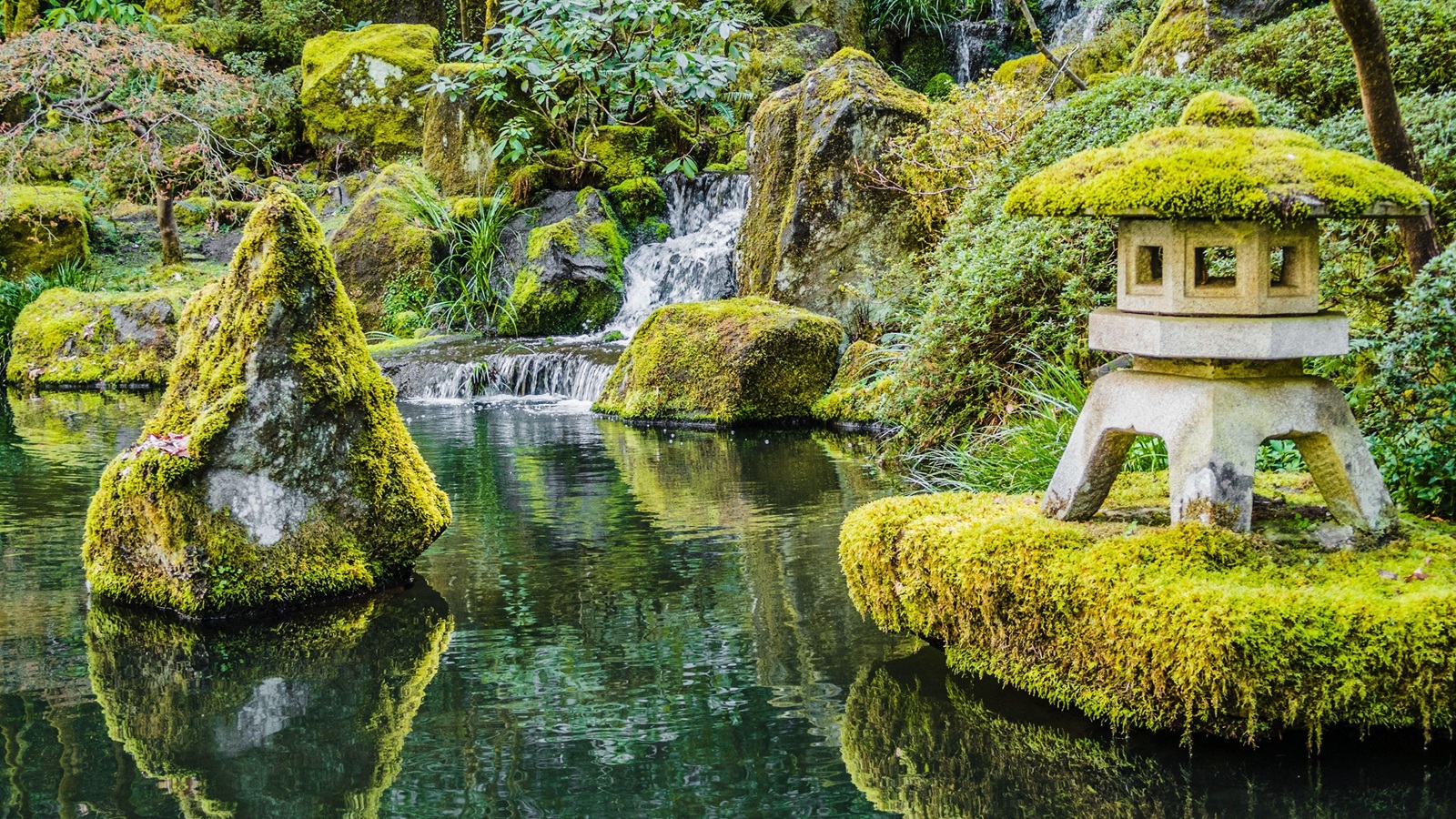
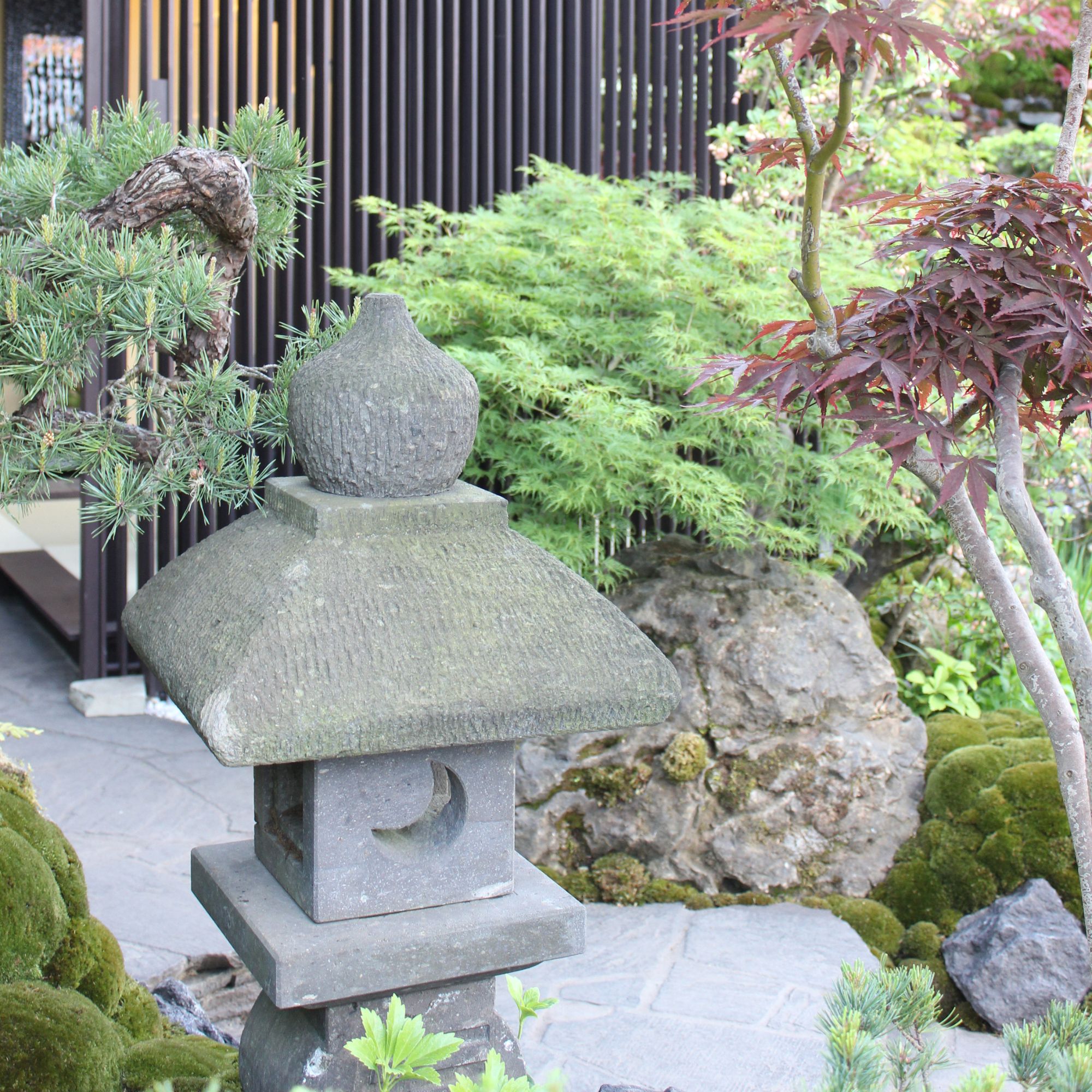
Water is a crucial element, frequently featuring pools crossed by zigzag bridges. These bridges are traditionally believed to protect against evil spirits, which can only travel in straight lines. Ornaments, though used sparingly, are integral, each with a specific purpose. Stone lanterns shaped like pagodas and rain chains are traditional features. Stone wash basins and a variety of stone lanterns are widely available. To enhance tranquility, a deer scarer—a bamboo pipe that clacks when filled with water—can add a pleasant musical note. Ponds, often central to Japanese gardens, commonly house koi carp.
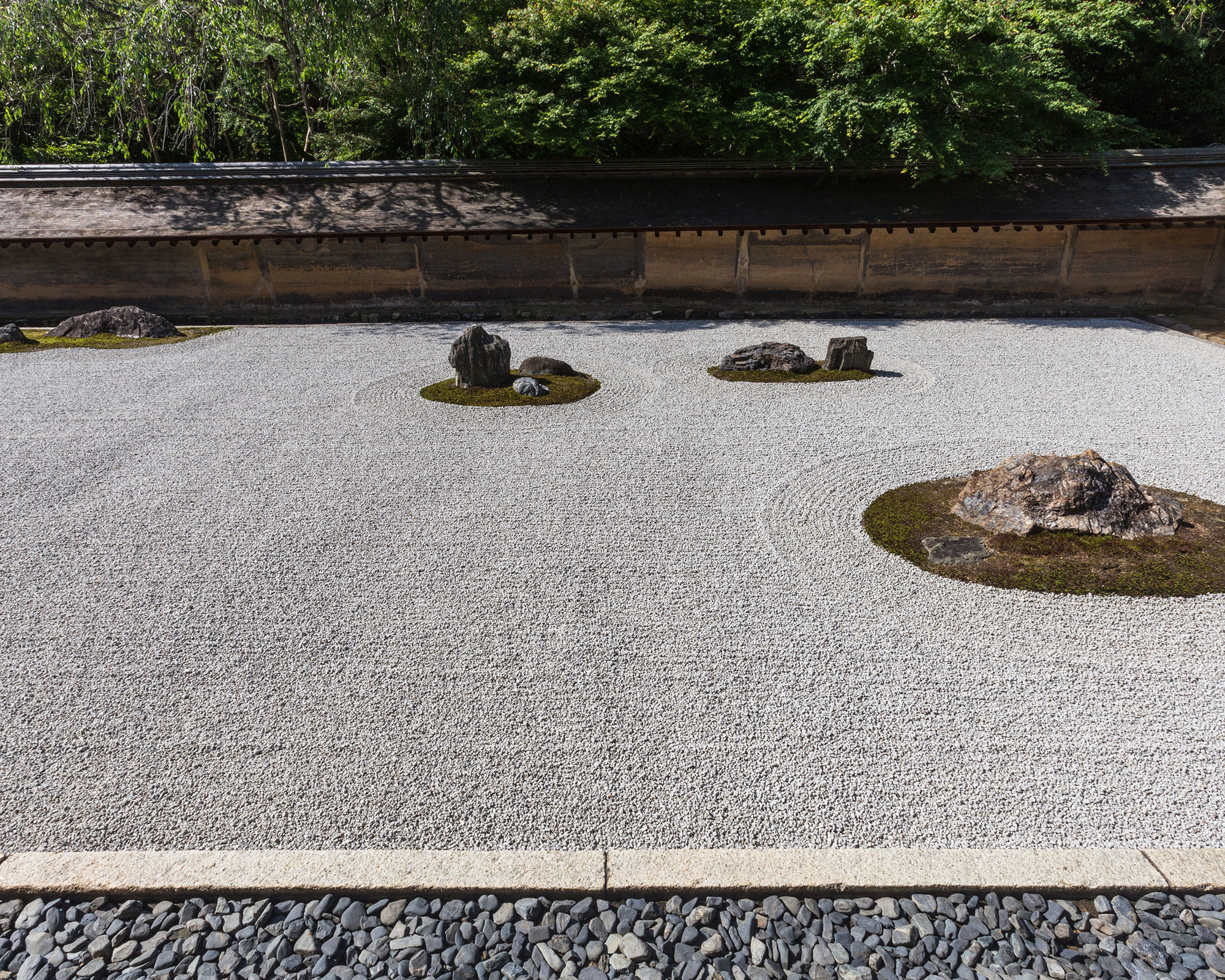
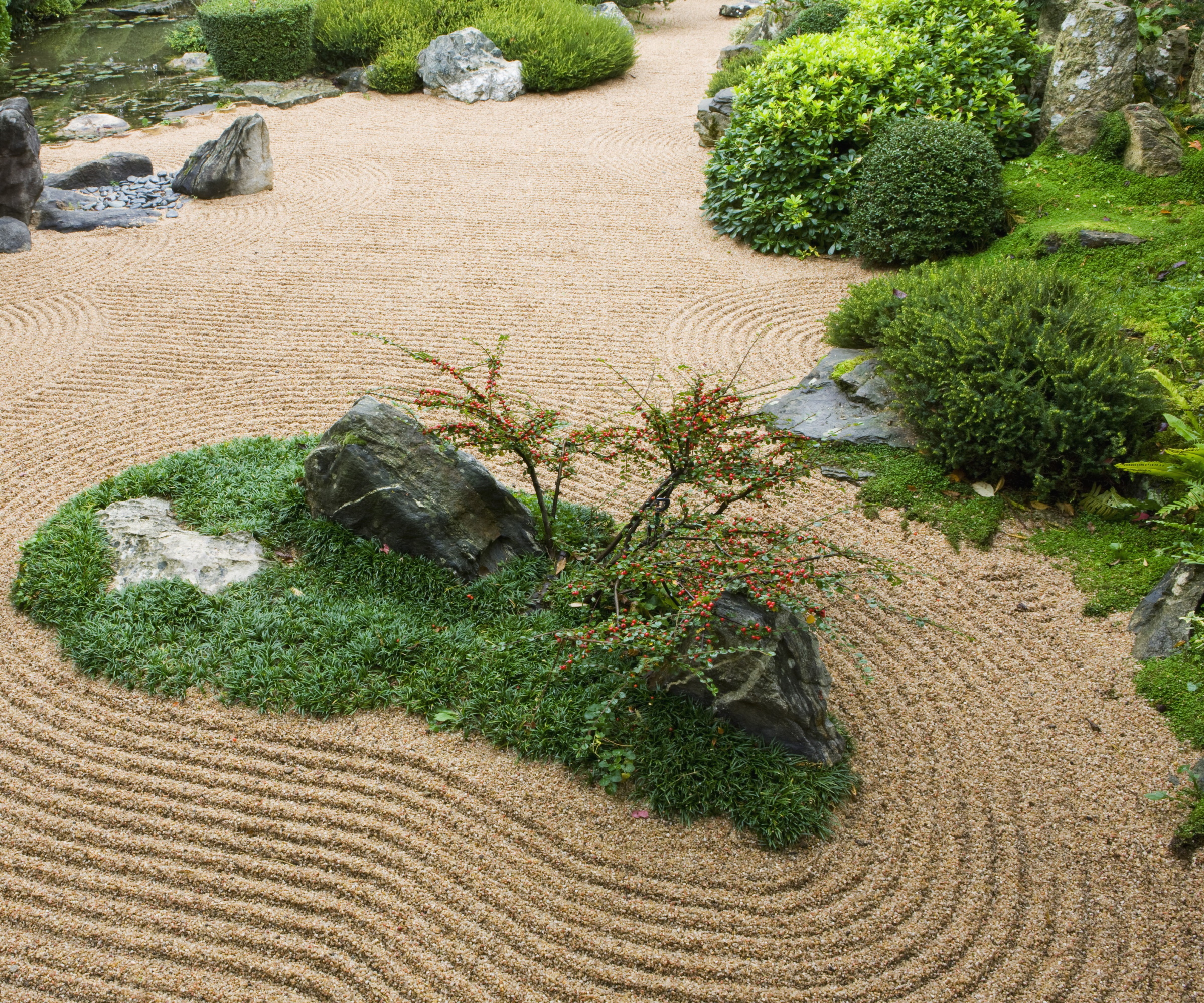
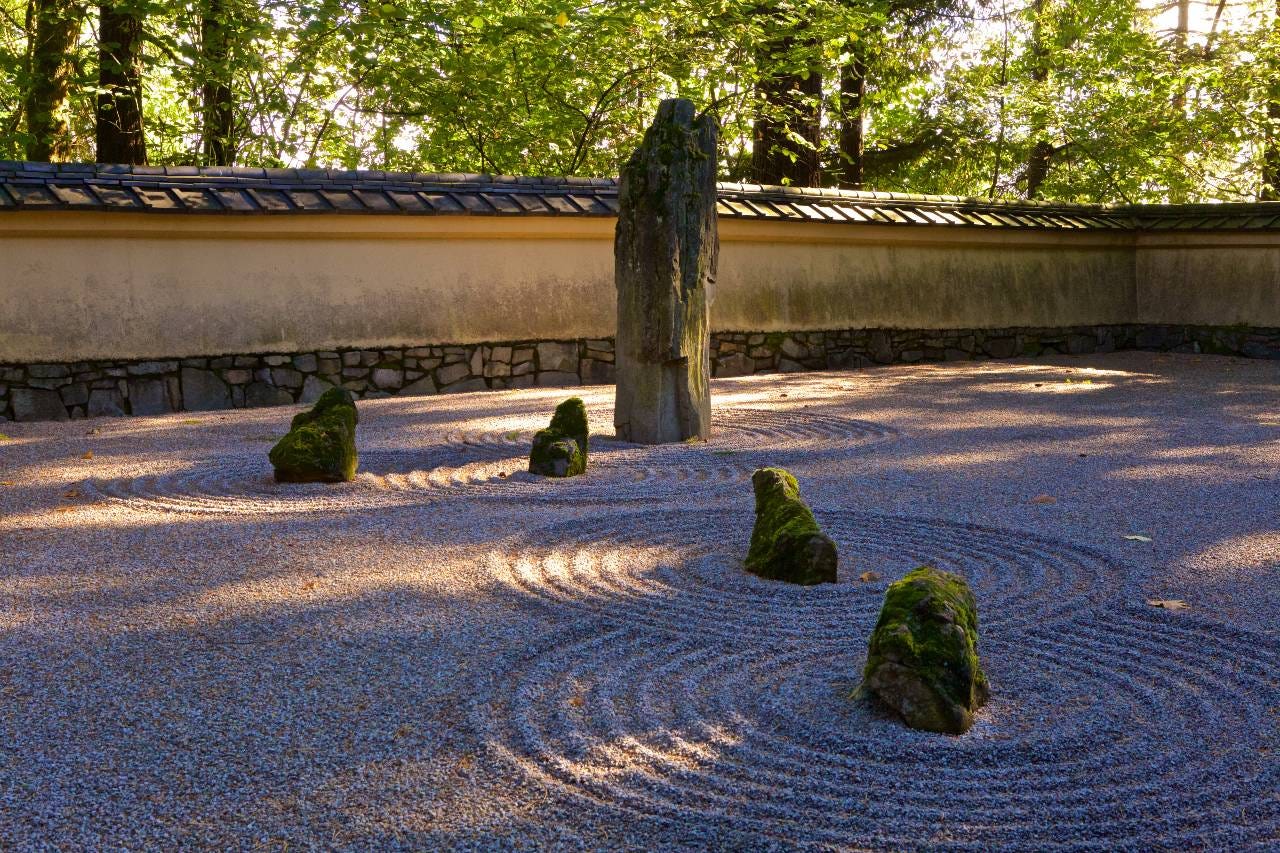
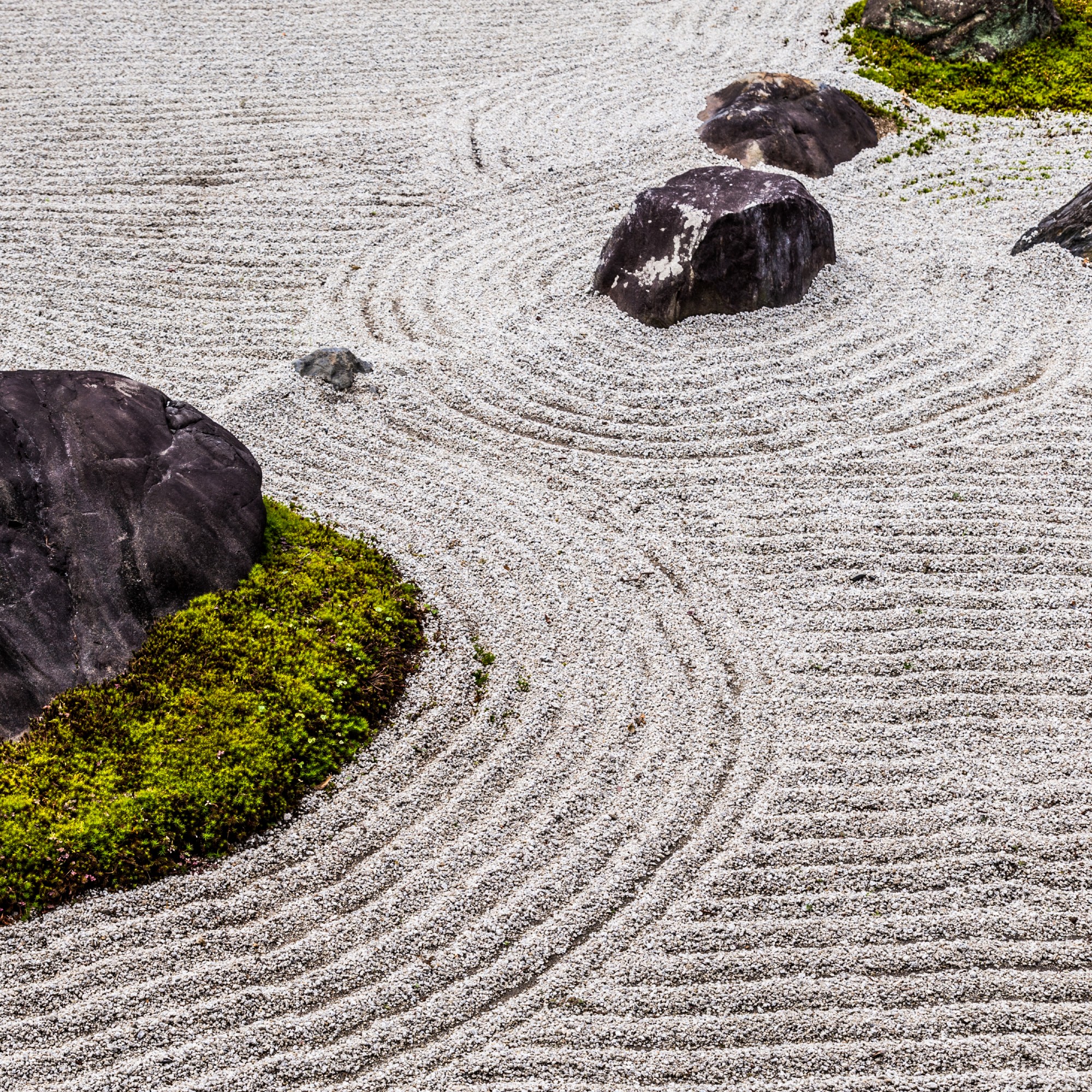
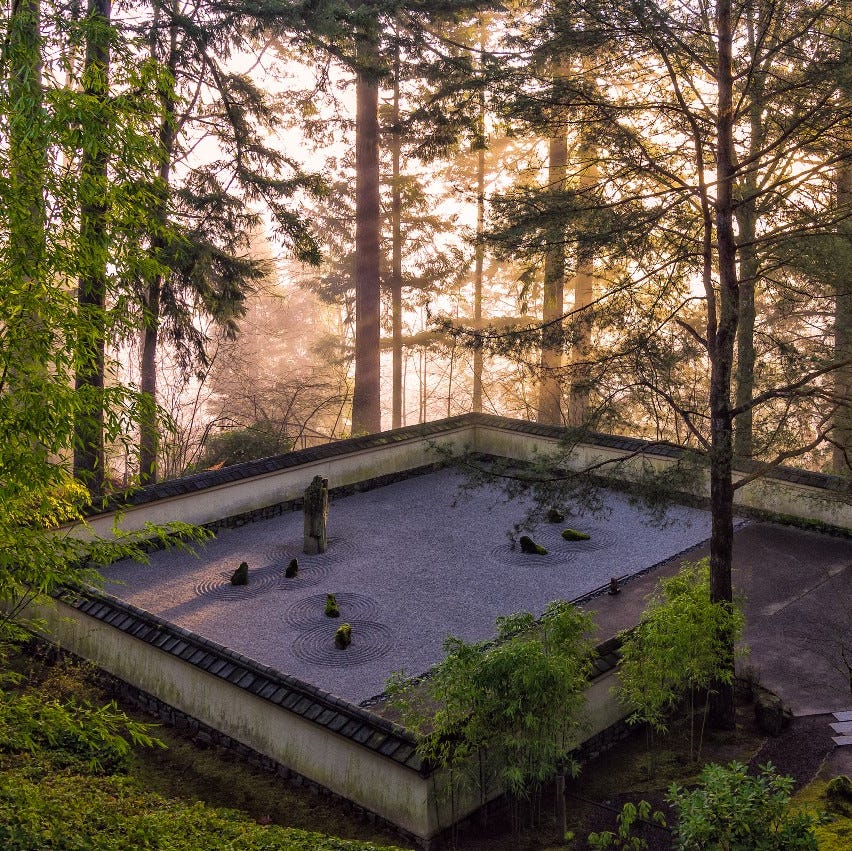
Maintaining a Japanese garden is considered a meditative practice, particularly for Zen monks who view gravel raking as a form of mind training and humility. Regular trimming and tidying are essential. The Buddhist Zen approach often incorporates ferns and evergreen plants in various shades of green, alongside silvery-grey sand or rough grey granite aggregate raked to resemble water ripples. Standing stones represent islands and mountains, contributing to a monochrome garden ideal for meditation. Maintenance primarily involves hand tools rather than power equipment, reflecting a traditional approach to gardening.
#JapaneseGarden #GardenDesign #Landscaping #OutdoorSpace #ZenGarden #PlantSelection #GardenOrnaments #GardeningTips #ContemplativeSpace #JapaneseGarden #GardenDesign #Landscaping #OutdoorSpace #ZenGarden #PlantSelection #GardenOrnaments #GardeningTips #ContemplativeSpace
0 comment in total
 No comments yet
You may also like
Horticultural Experts Reveal 5 Defining Features of a Japanese Garden

What is a zen garden? This Japanese approach to design can turn backyards into calming sanctuaries
Zen garden ideas – 24 ways to transform your outdoor space into a Japanese-inspired sanctuary for relaxation
9 Japanese Plants for a Zen Garden
Michigan’s Slice of Japan: Where Design Connects Humanity with Nature
Garden Pros Say This Japanese Design Idea Is the Secret to an Easy Yard

For the Garden | Zen and Now

An Expert Guide to Japanese Zen Gardens
4 Japanese garden ideas for a calm and tranquil outdoor space
7 Japanese-style gardens to inspire and delight

How to Design a Japanese Garden in Any Climate, According to Landscape Experts

The 8 best plants for an indoor zen garden – what to grow to add calm and tranquility to your home

Japanese garden requires specialized shrubs, touch

The best plants for a Japanese garden: 7 serene species
A Japanese-inspired garden on Sydney’s north shore
Small Japanese garden ideas – 7 ways to infuse a tiny outdoor space with Japanese-inspired planting and landscaping

Japanese garden ideas – 11 design tips for a zen backyard
24 Japanese Garden Ideas That Encourage Slow Walks and a More Relaxed Outdoor Rhythm

Japanese garden ideas – 10 ways to create a soothing space, with advice from the experts


20 Zen Garden Ideas to Transform Your Backyard Into a Peaceful Oasis