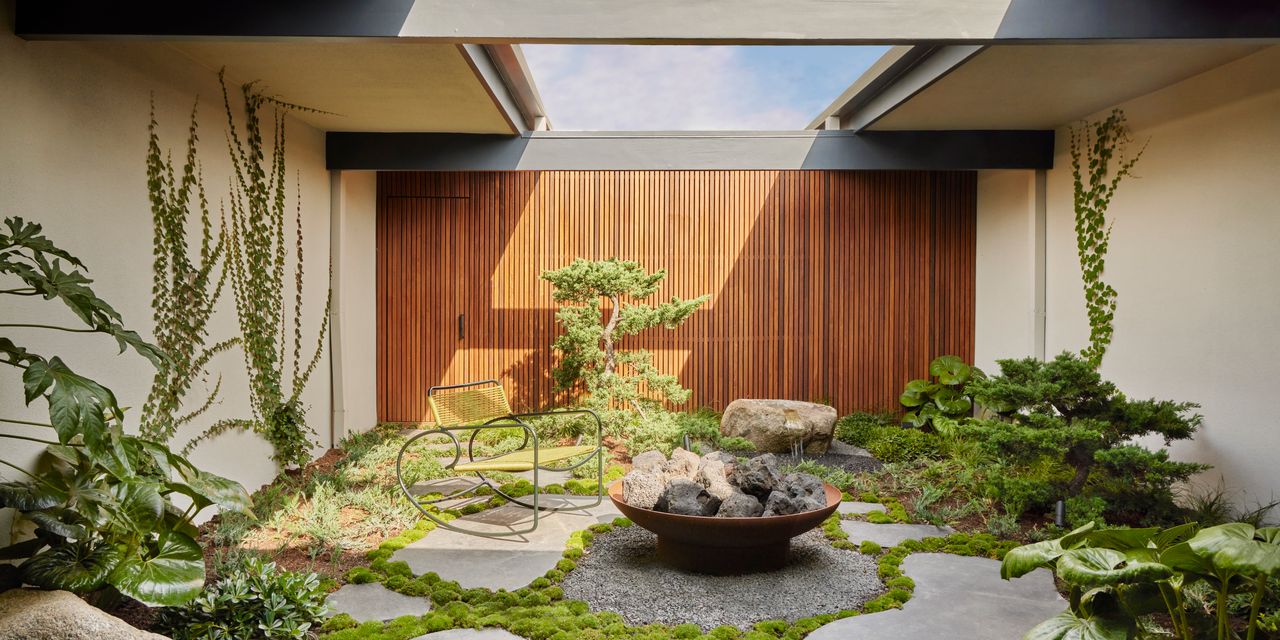
1/6
How to Design a Japanese Garden in Any Climate, According to Landscape Experts
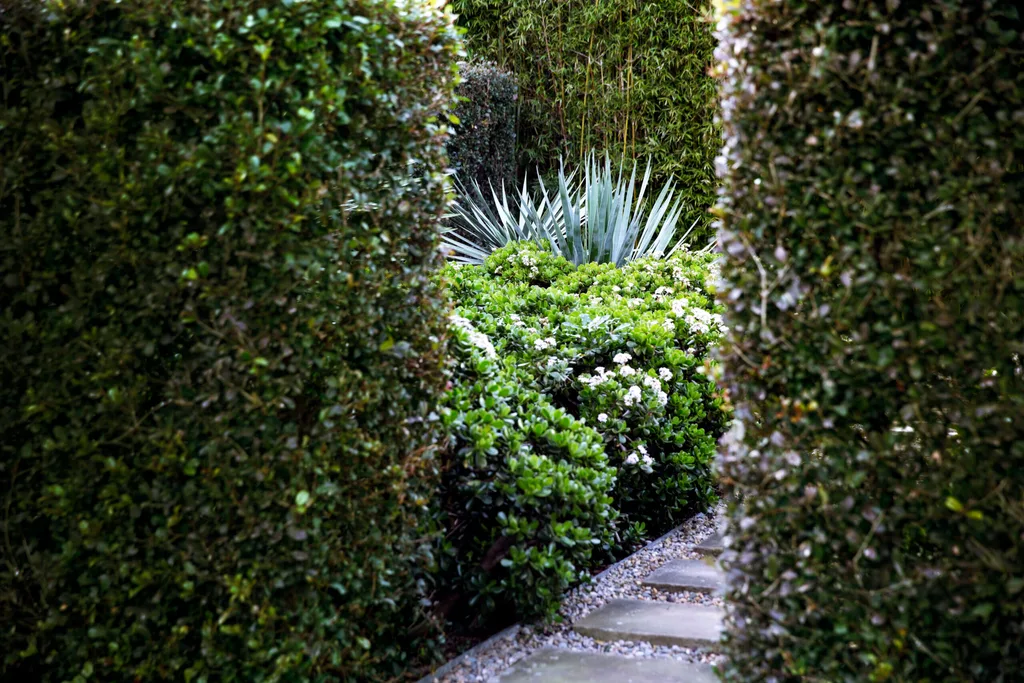
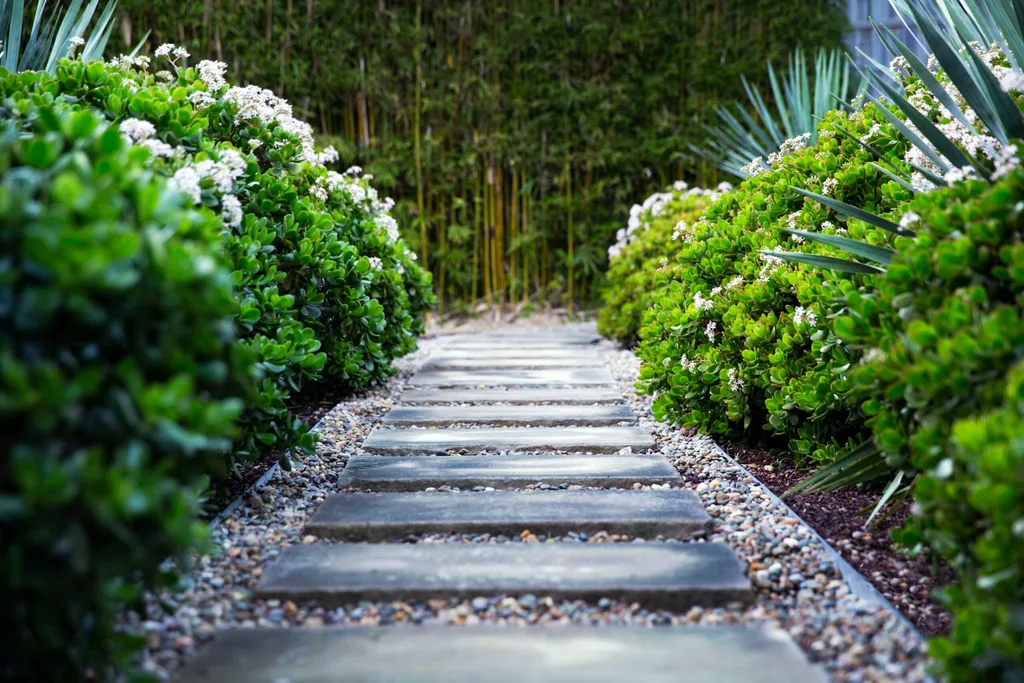
Japanese-style gardens are gaining popularity in the United States, with an increasing number of homeowners seeking to incorporate their calming aesthetic into their properties. Drawing inspiration from ancient Buddhist and Taoist philosophies, these gardens emphasize harmony, restraint, and a carefully curated sensory experience. Despite their origins in temperate climates and centuries-old cultural practices, the principles of Japanese gardens can be successfully adapted to diverse environments, from humid southern regions to the lush Pacific Northwest. Landscape designers are reinterpreting traditional elements to suit various climatic conditions and client preferences.
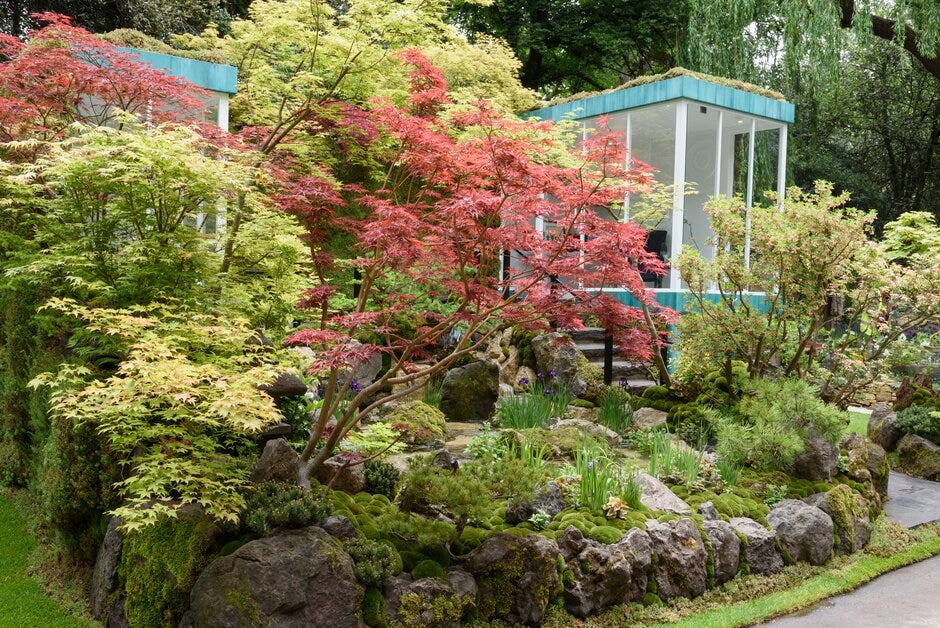
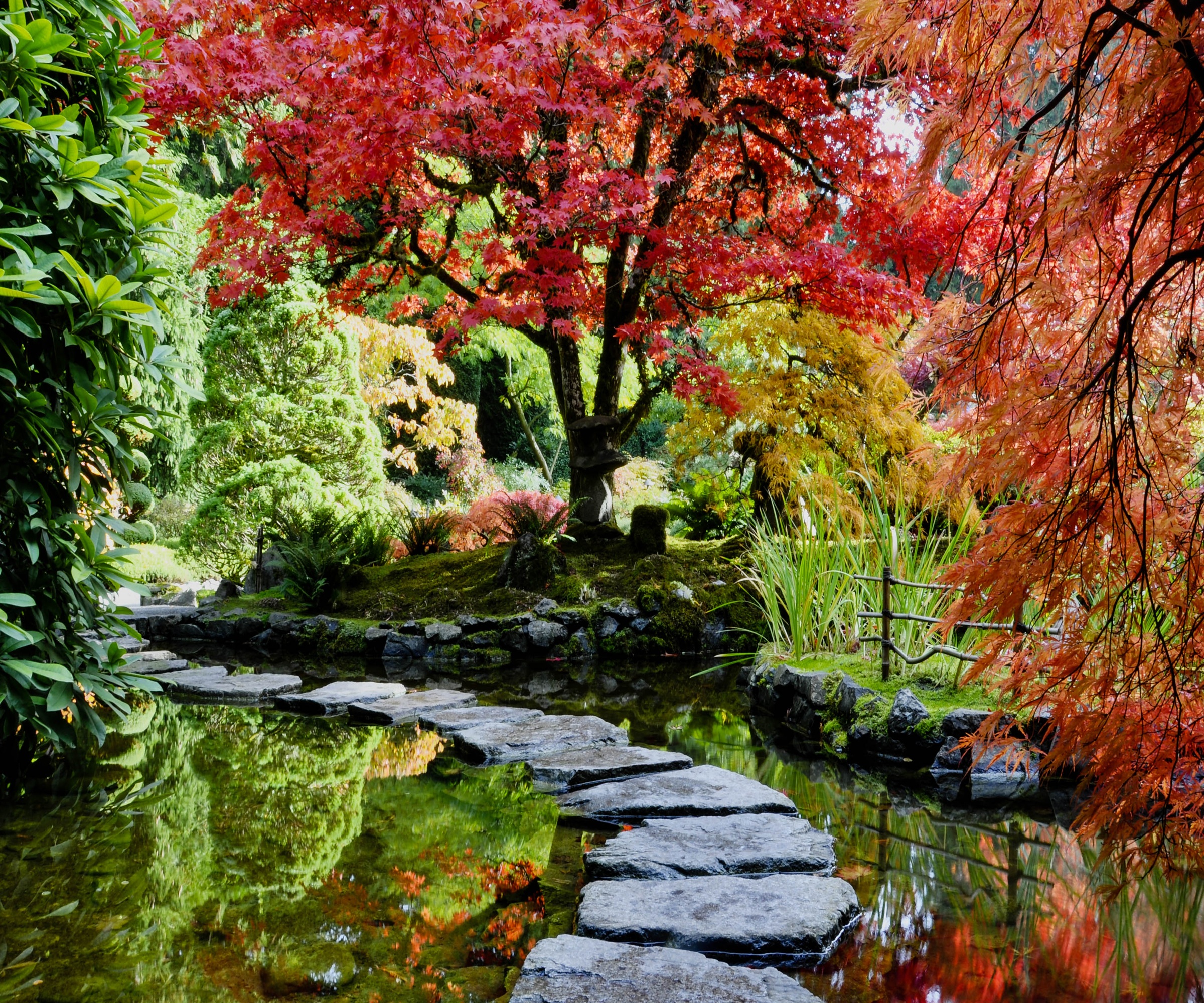
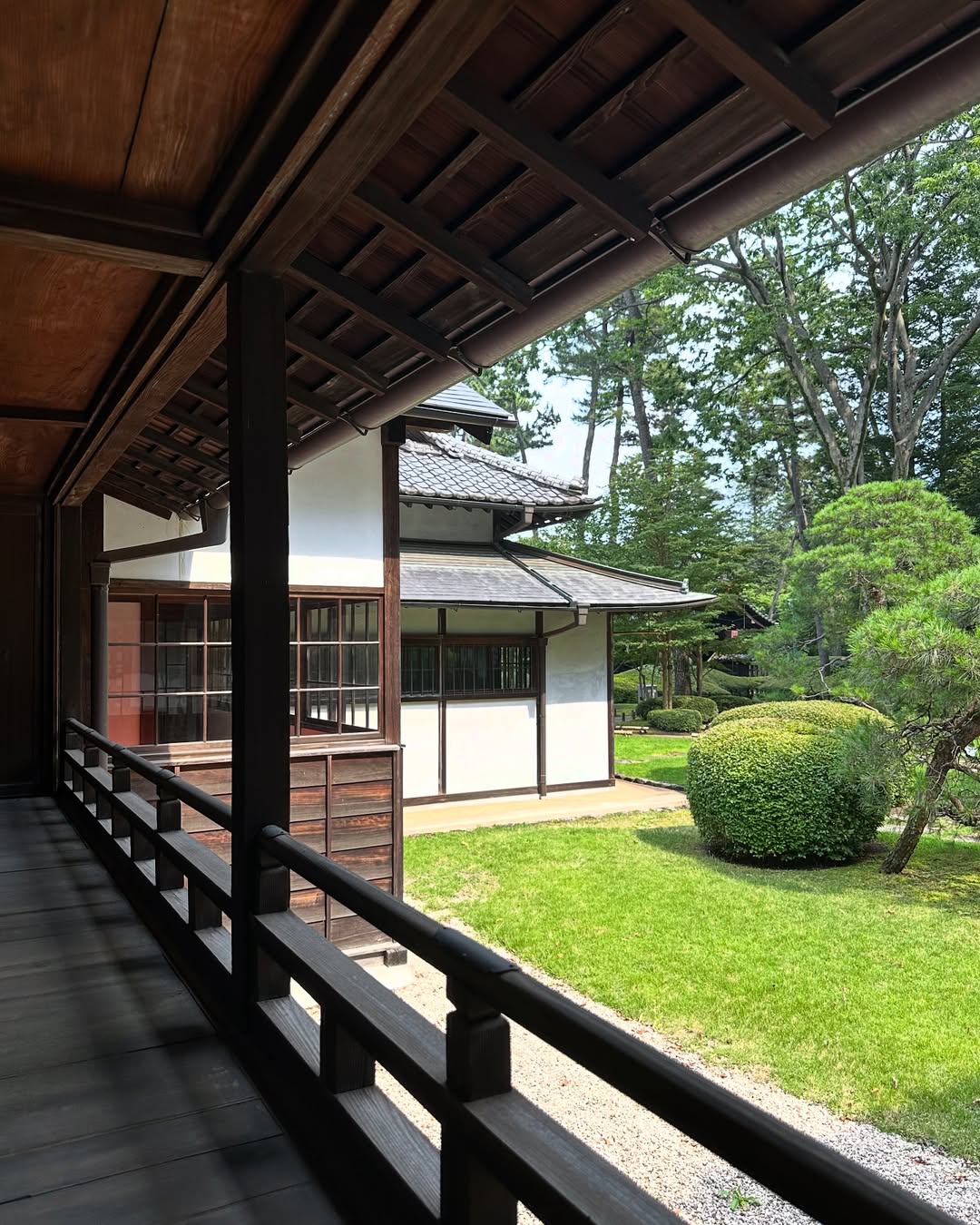
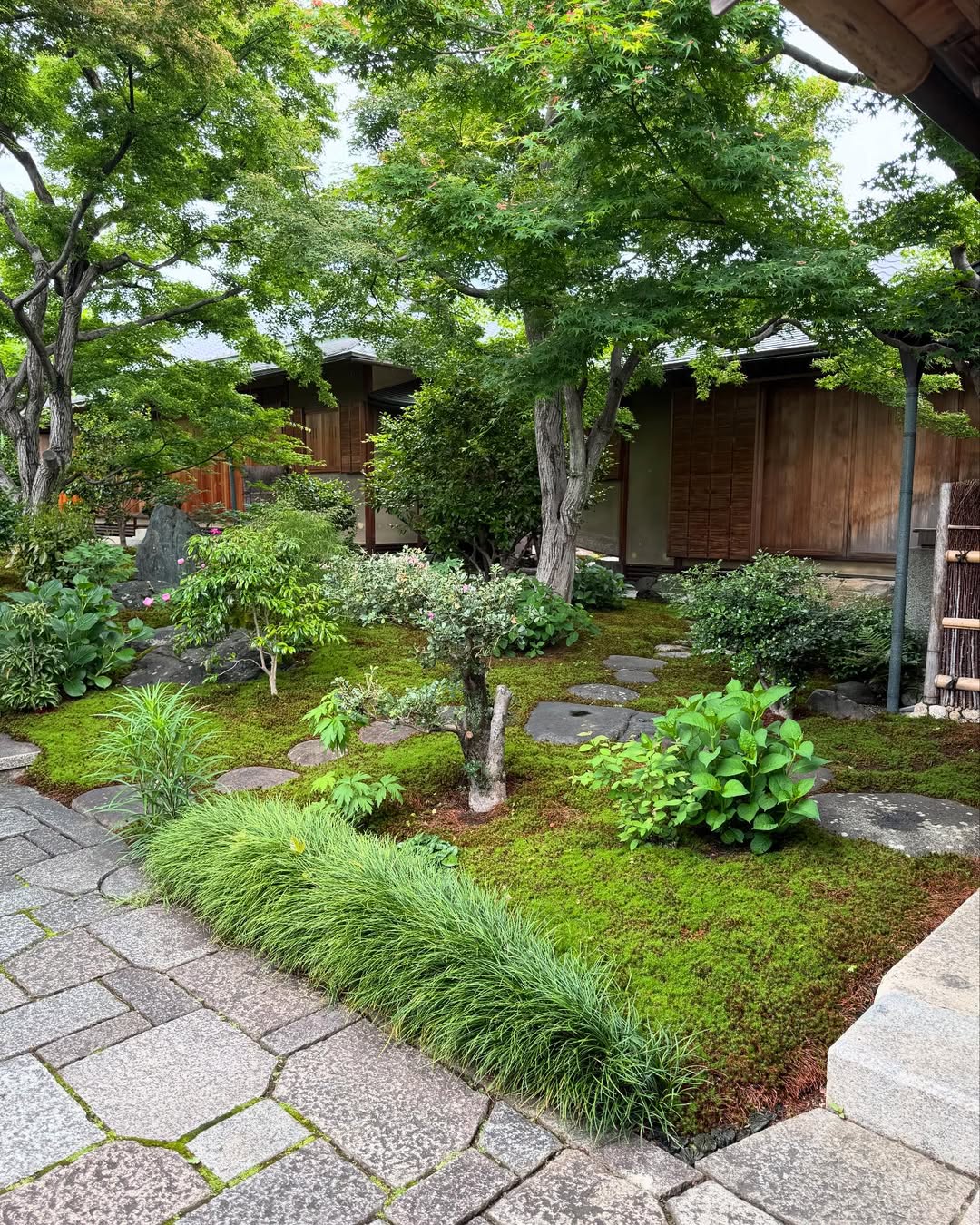
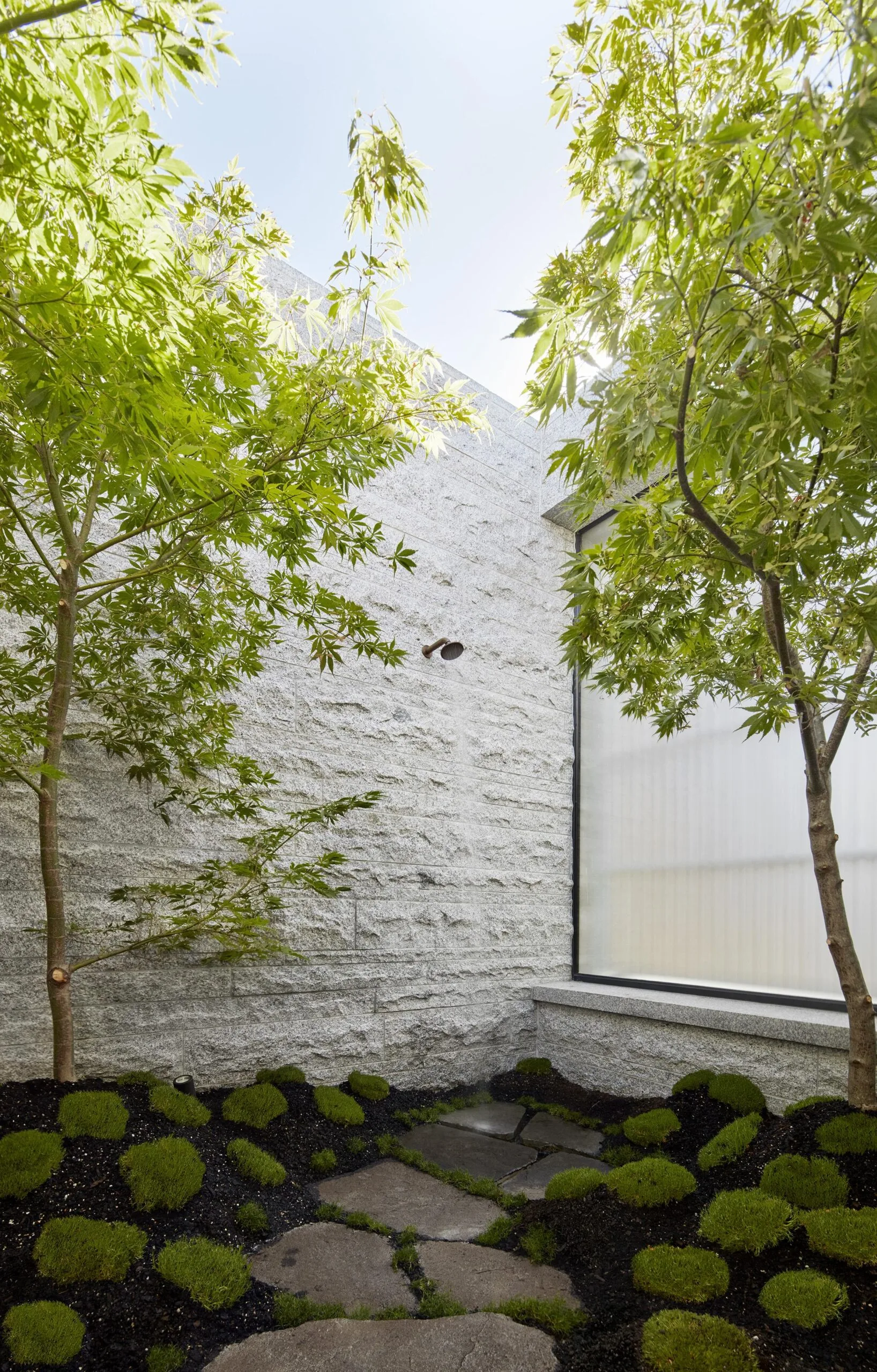
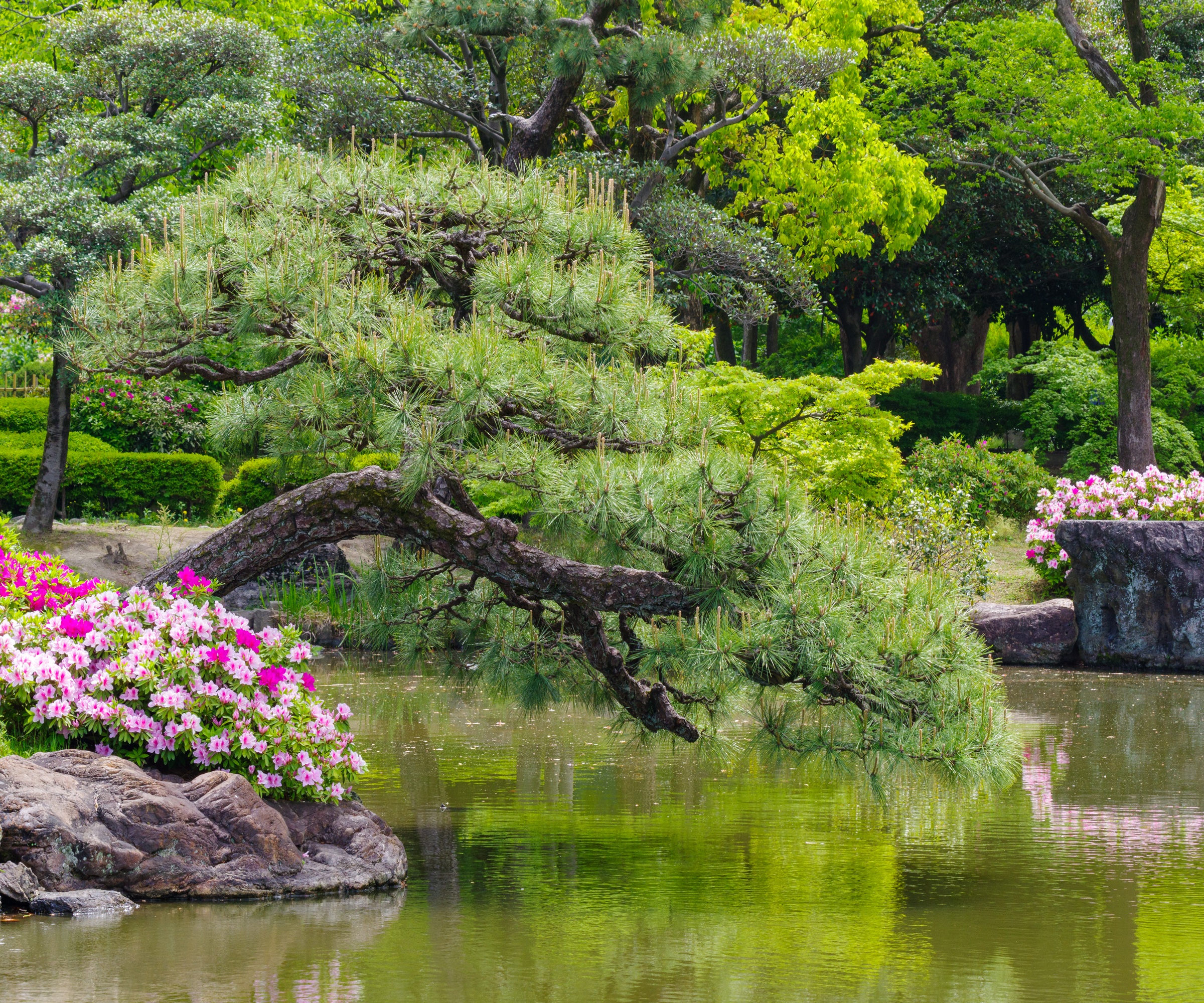
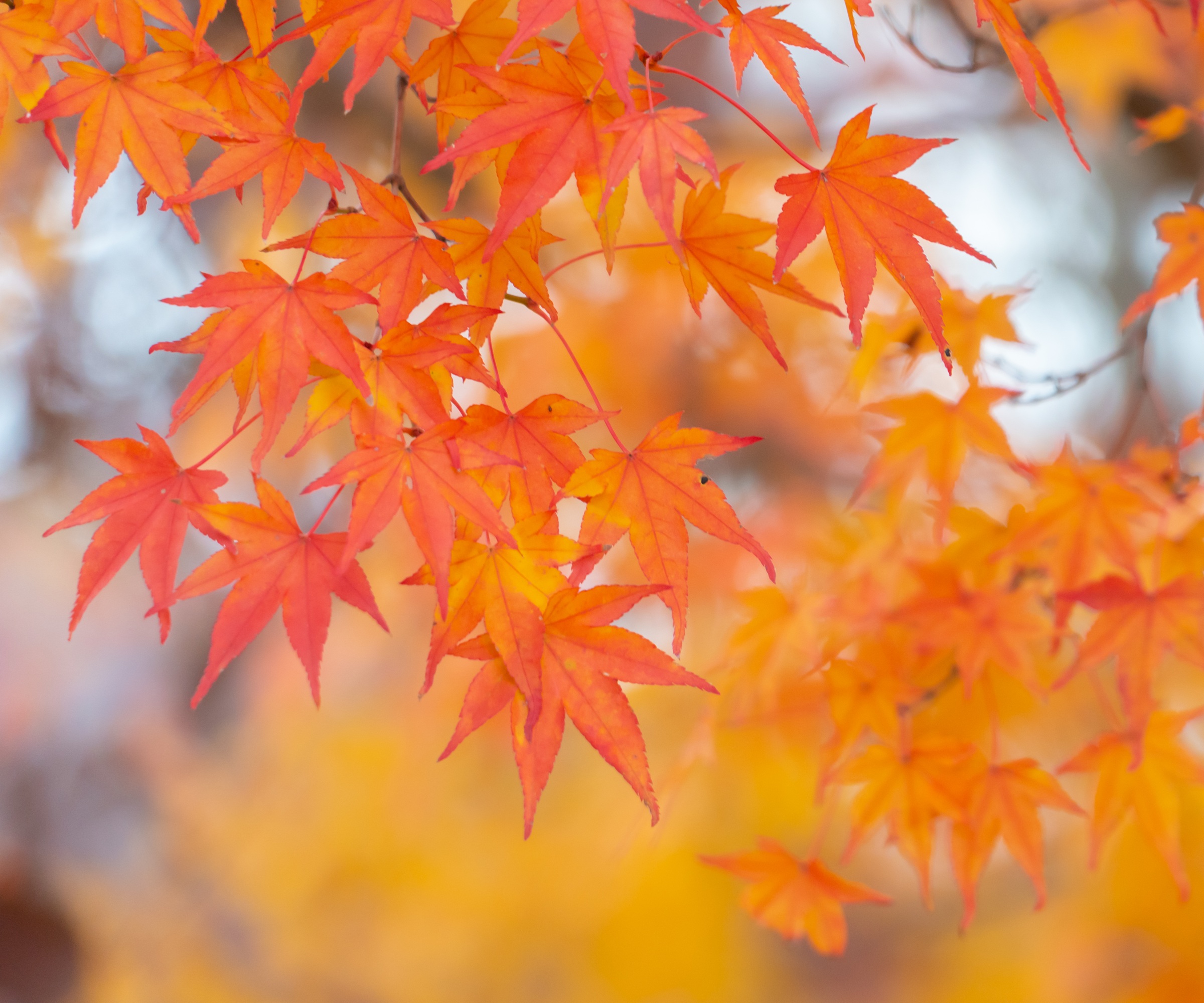
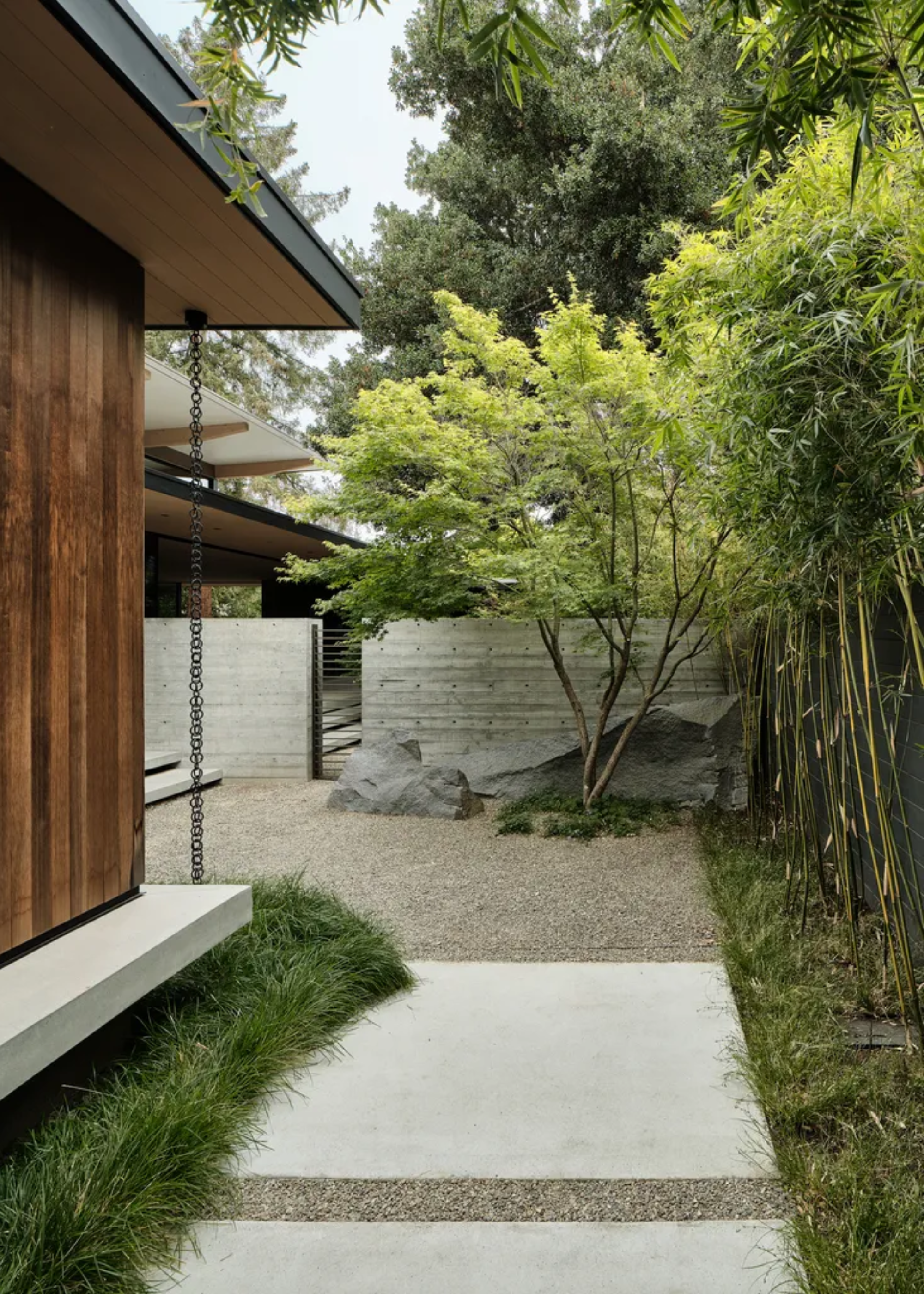
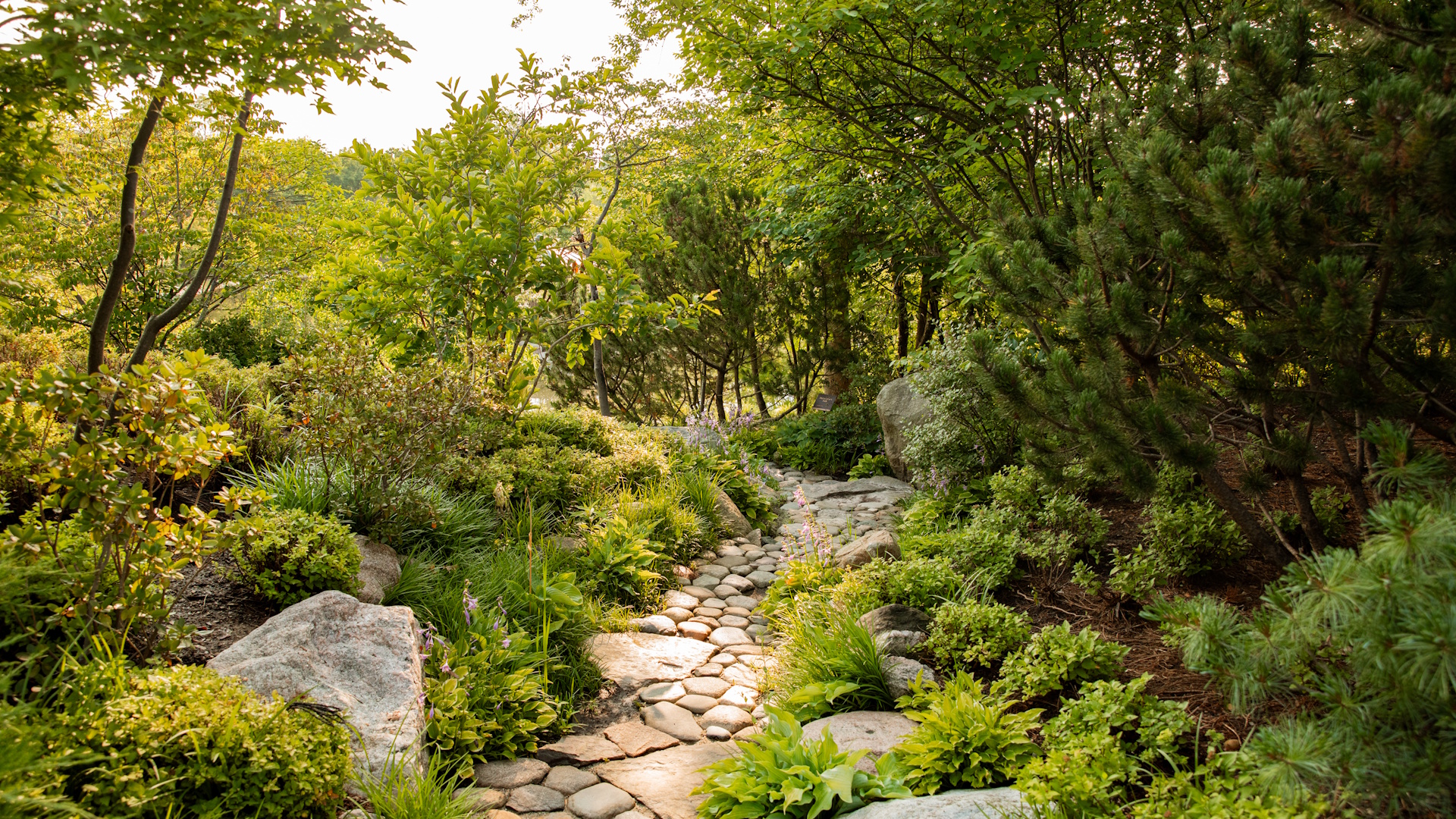
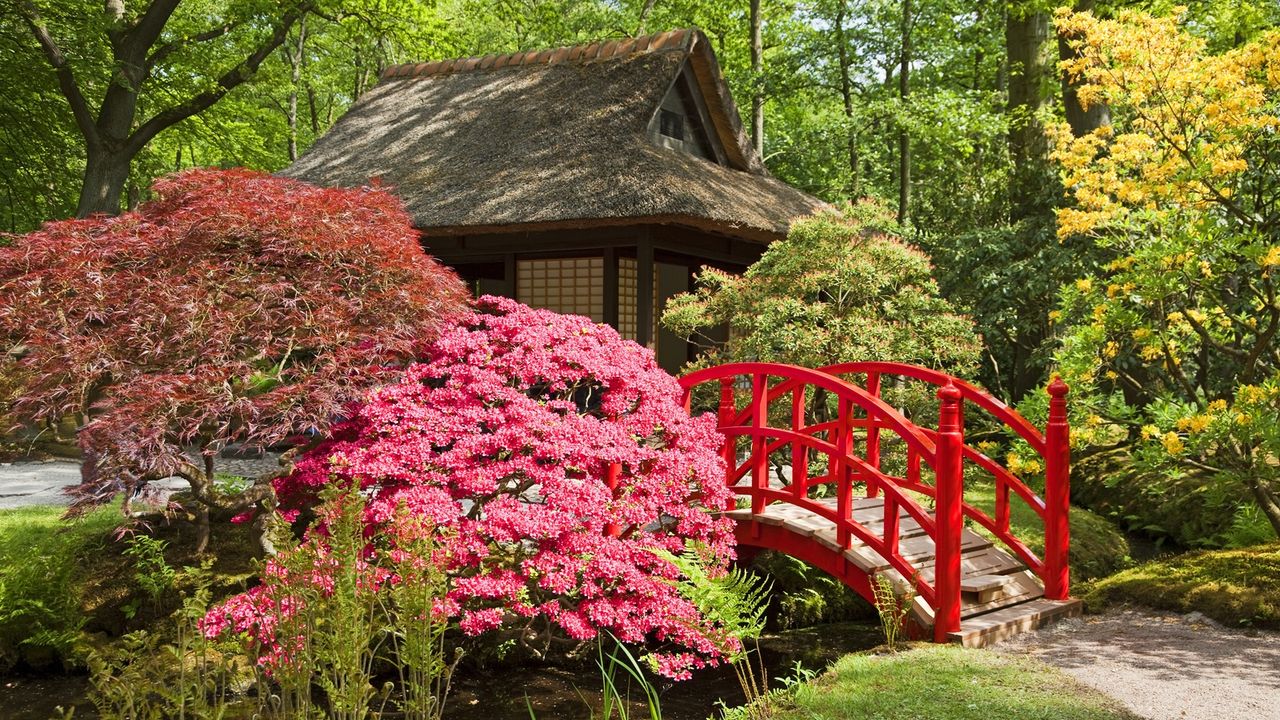
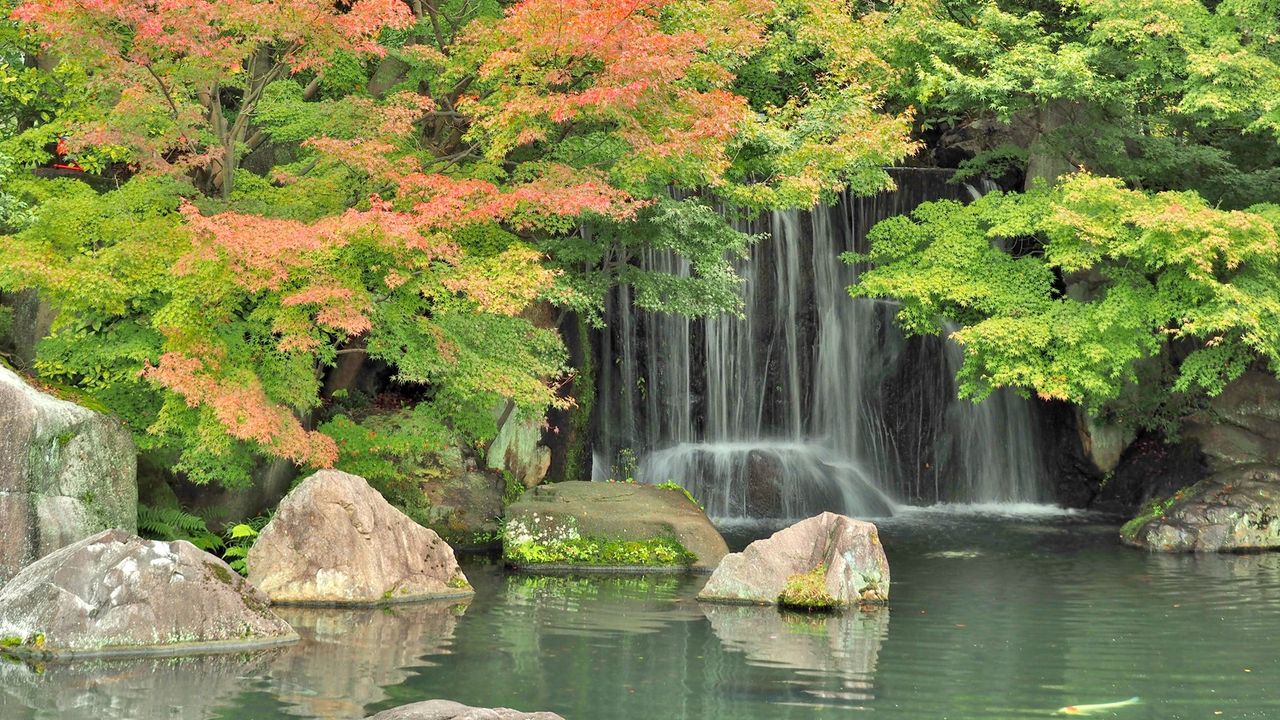
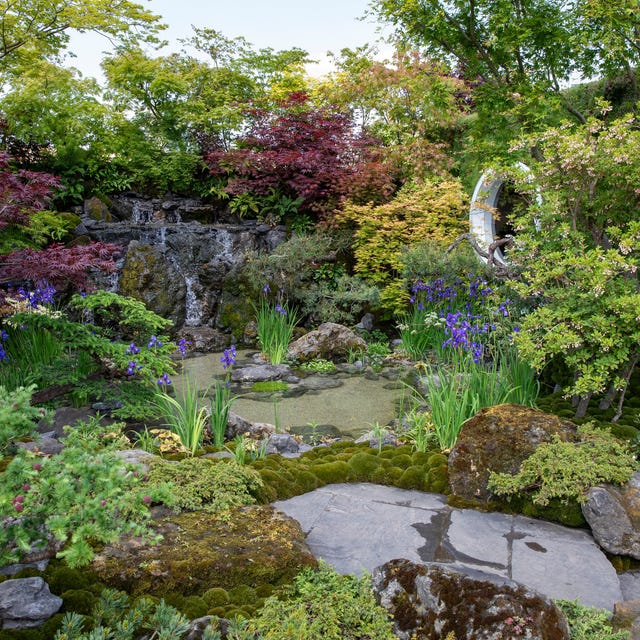
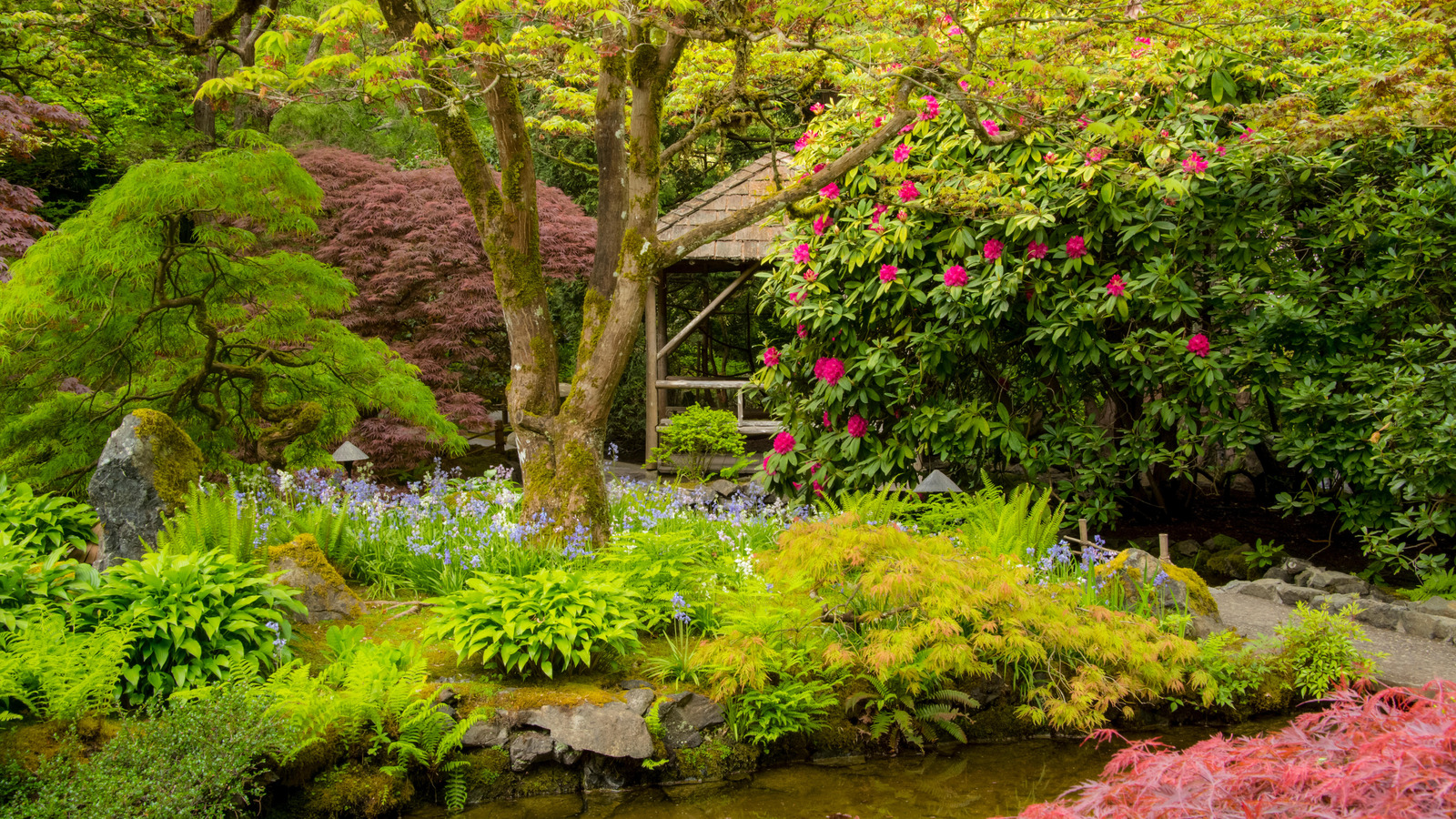
Designing a Japanese garden involves considering it as a sacred space, a sanctuary intended to provide a moment of calm amidst the stresses of daily life. The aesthetic often prioritizes unity, connecting the garden to the adjacent home, its human occupants, and the surrounding natural environment. Color is used sparingly, especially in smaller gardens where it can be distracting, with larger gardens potentially featuring a single seasonal changing tree as a focal point. Restraint in design and palette is crucial, utilizing layered textures, sculptural planting, and the interplay of form and void. The choice of local materials, such as specific types of stone, significantly influences the overall aesthetic.
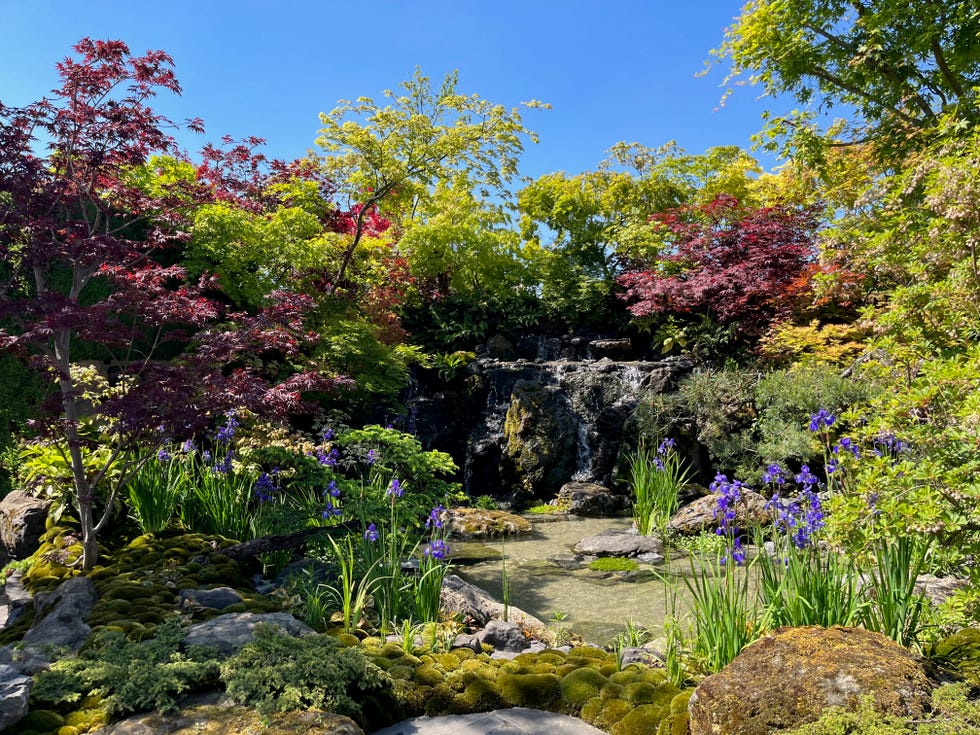
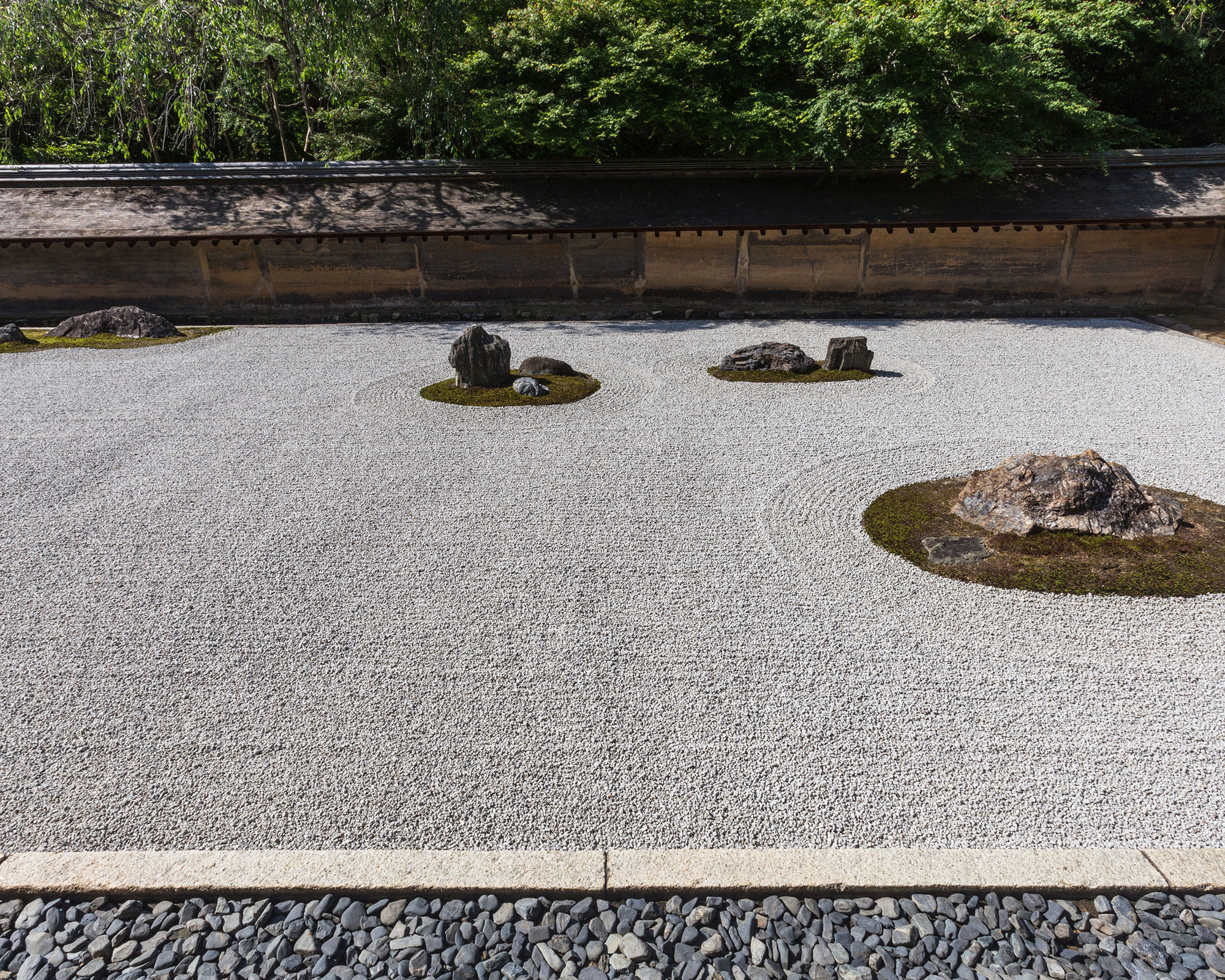
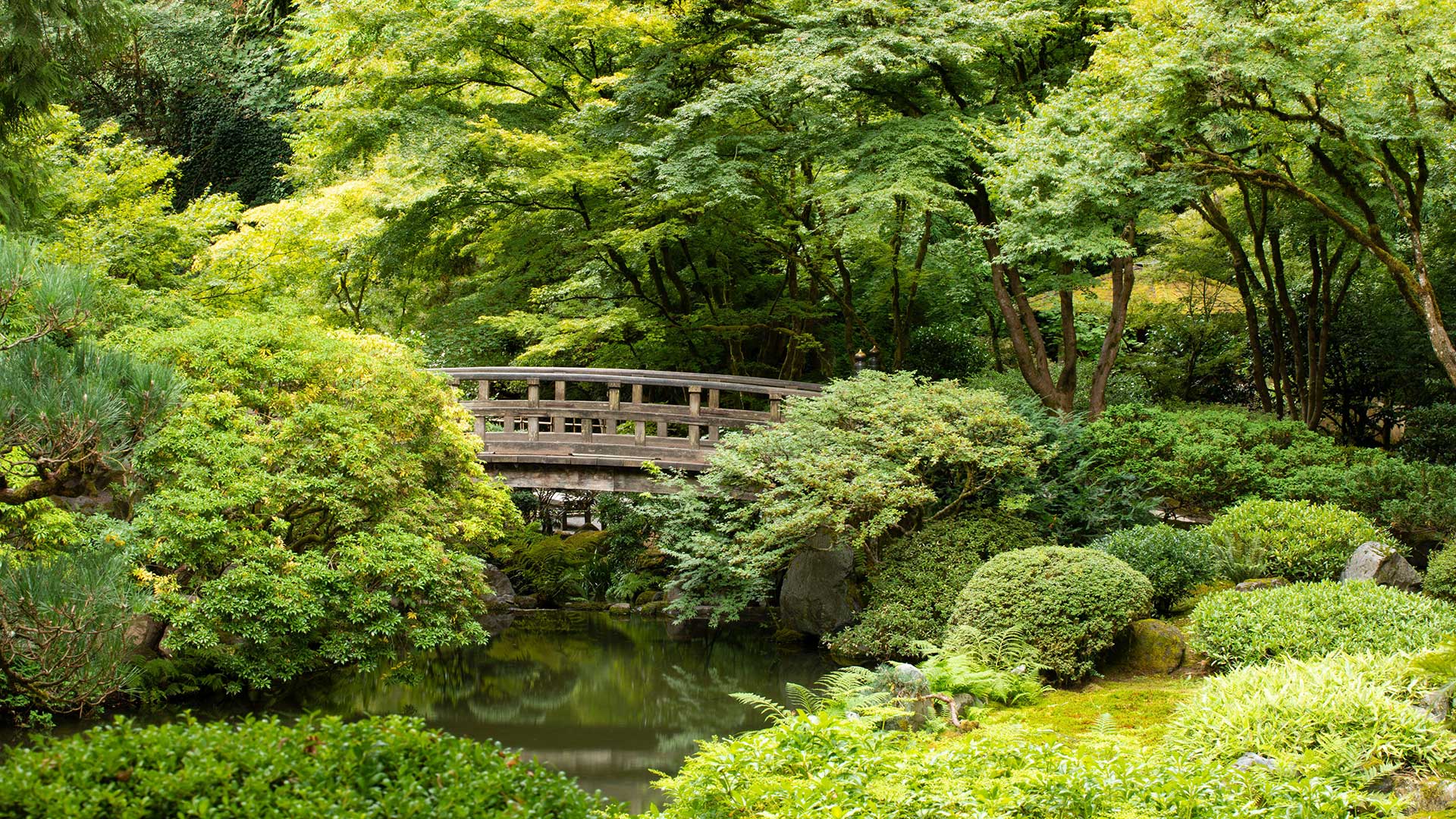
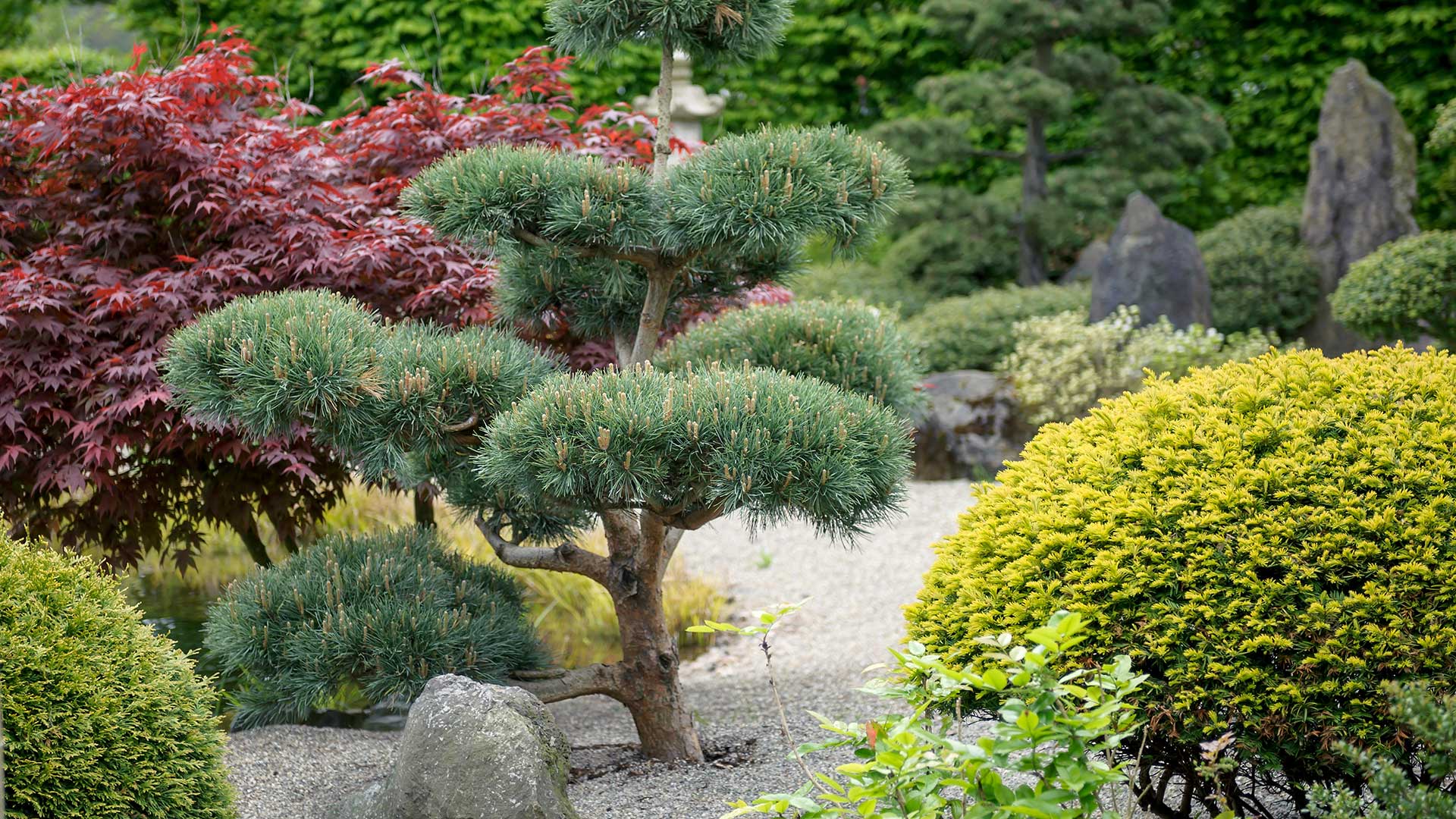
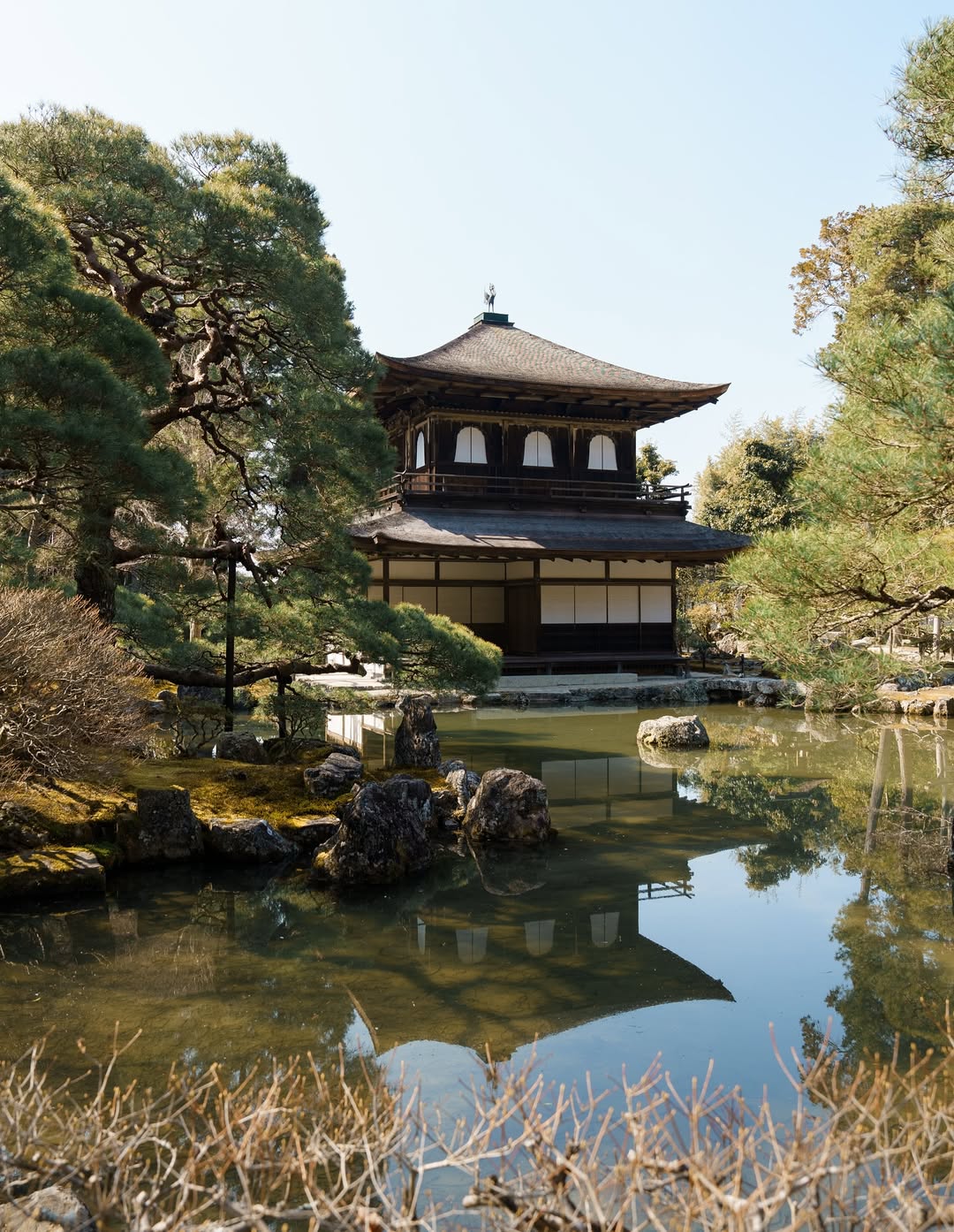
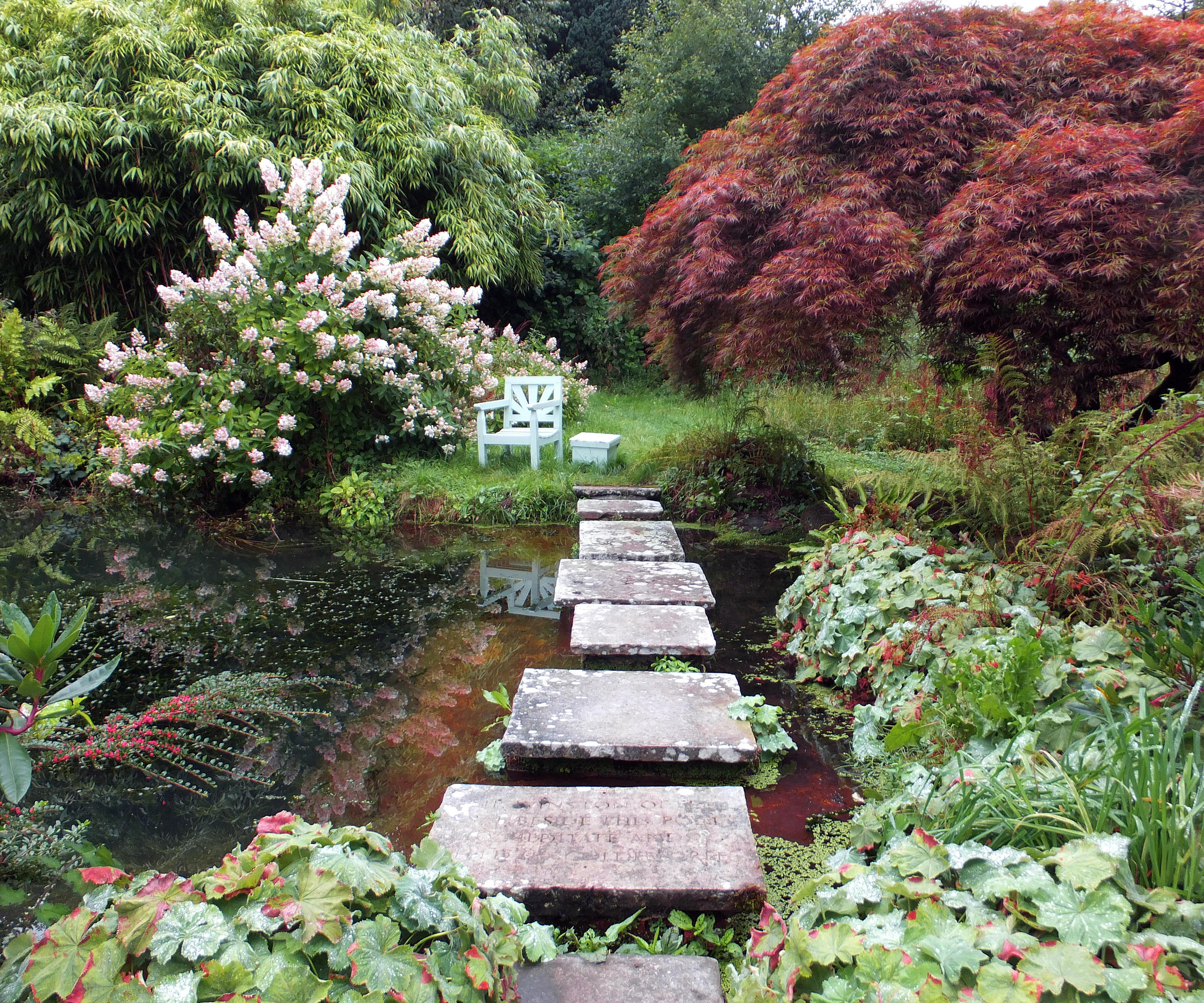
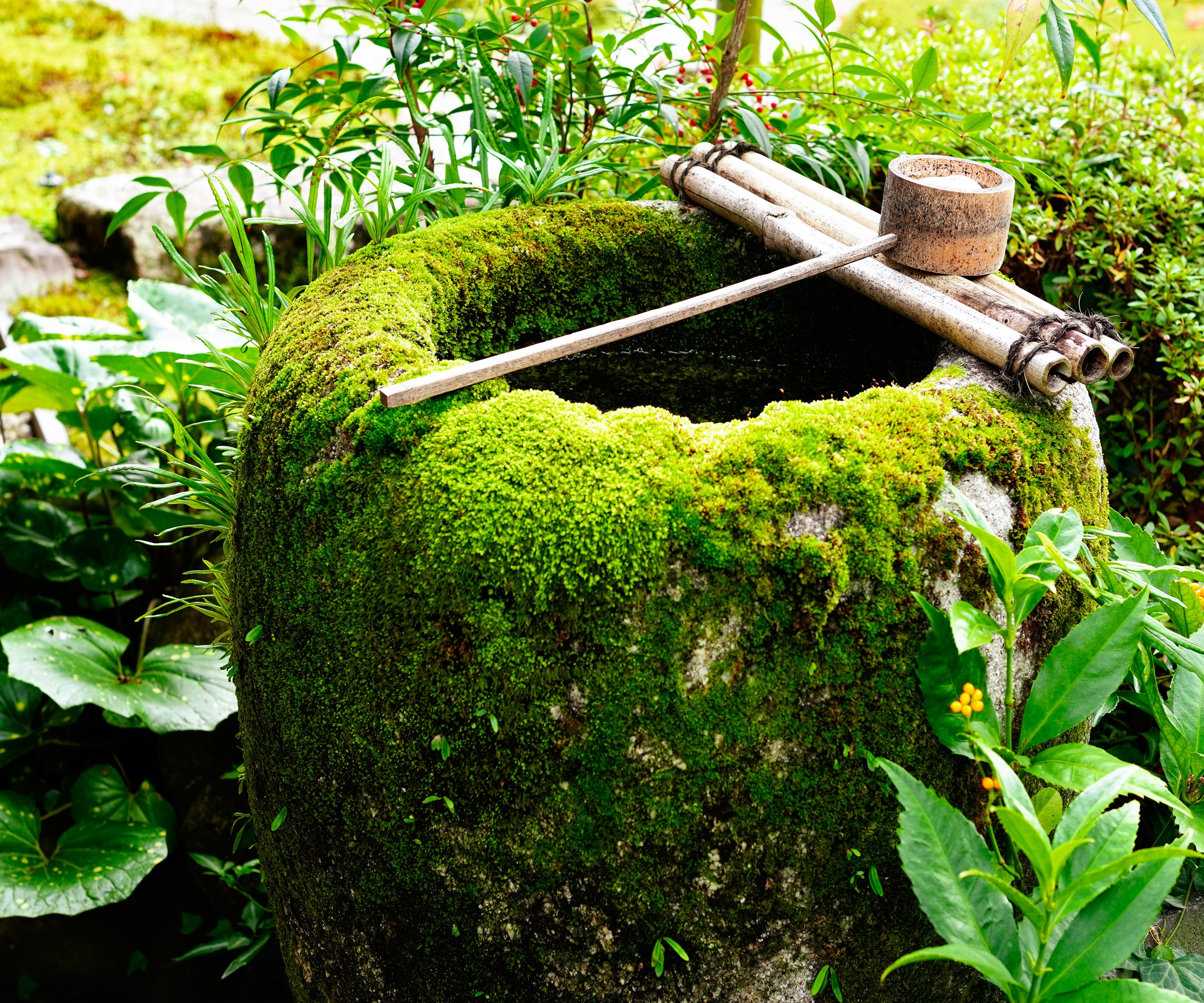
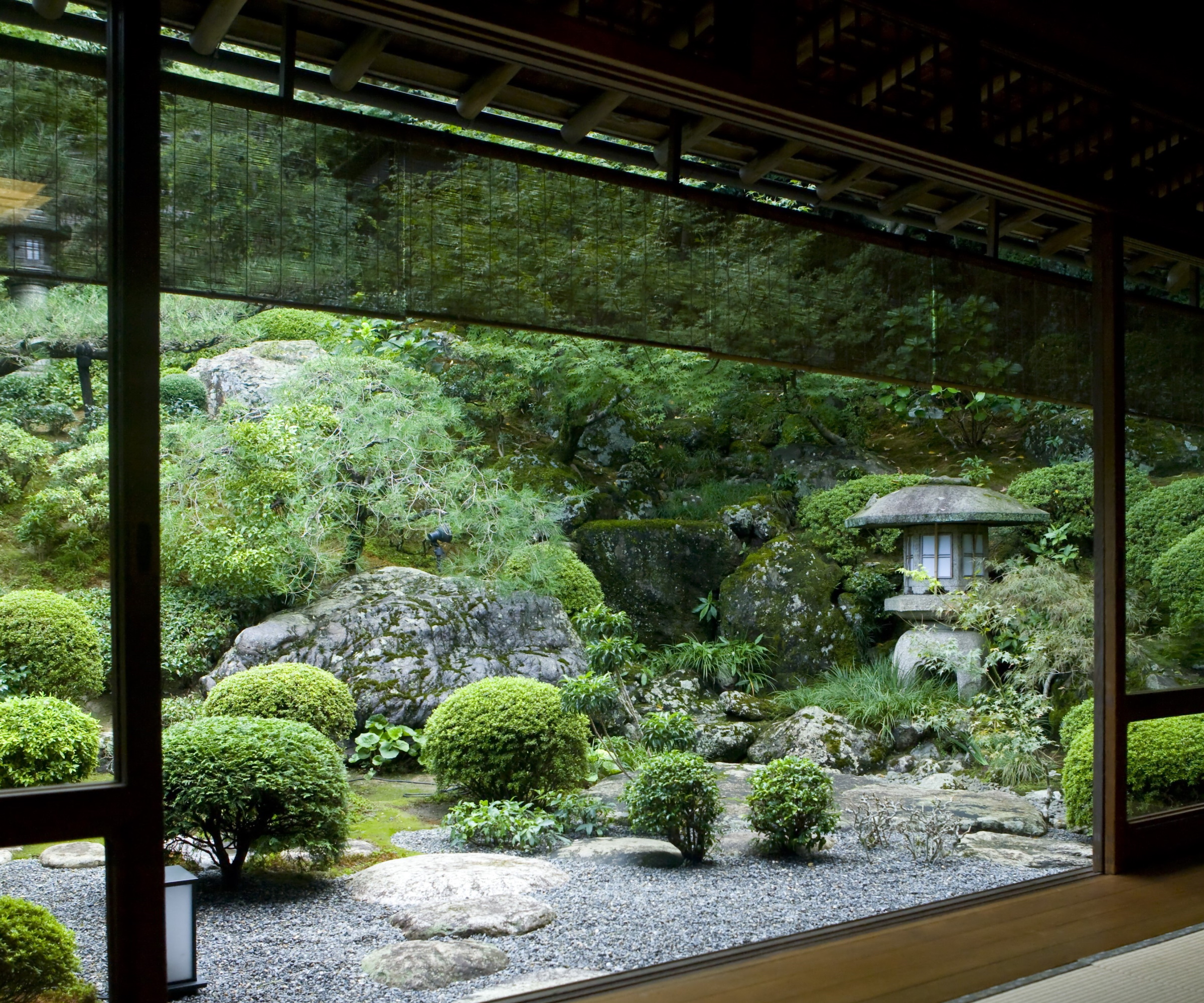
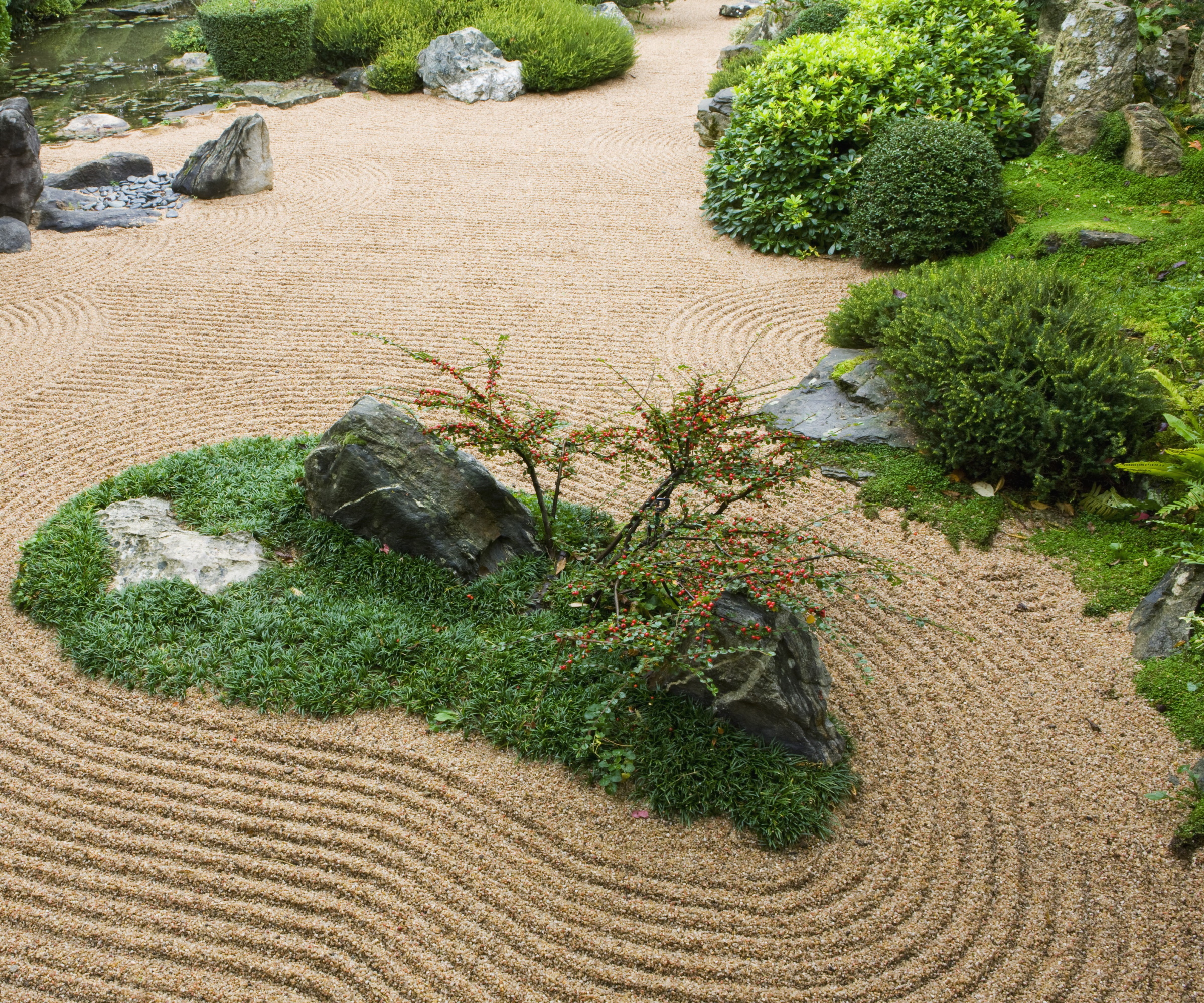
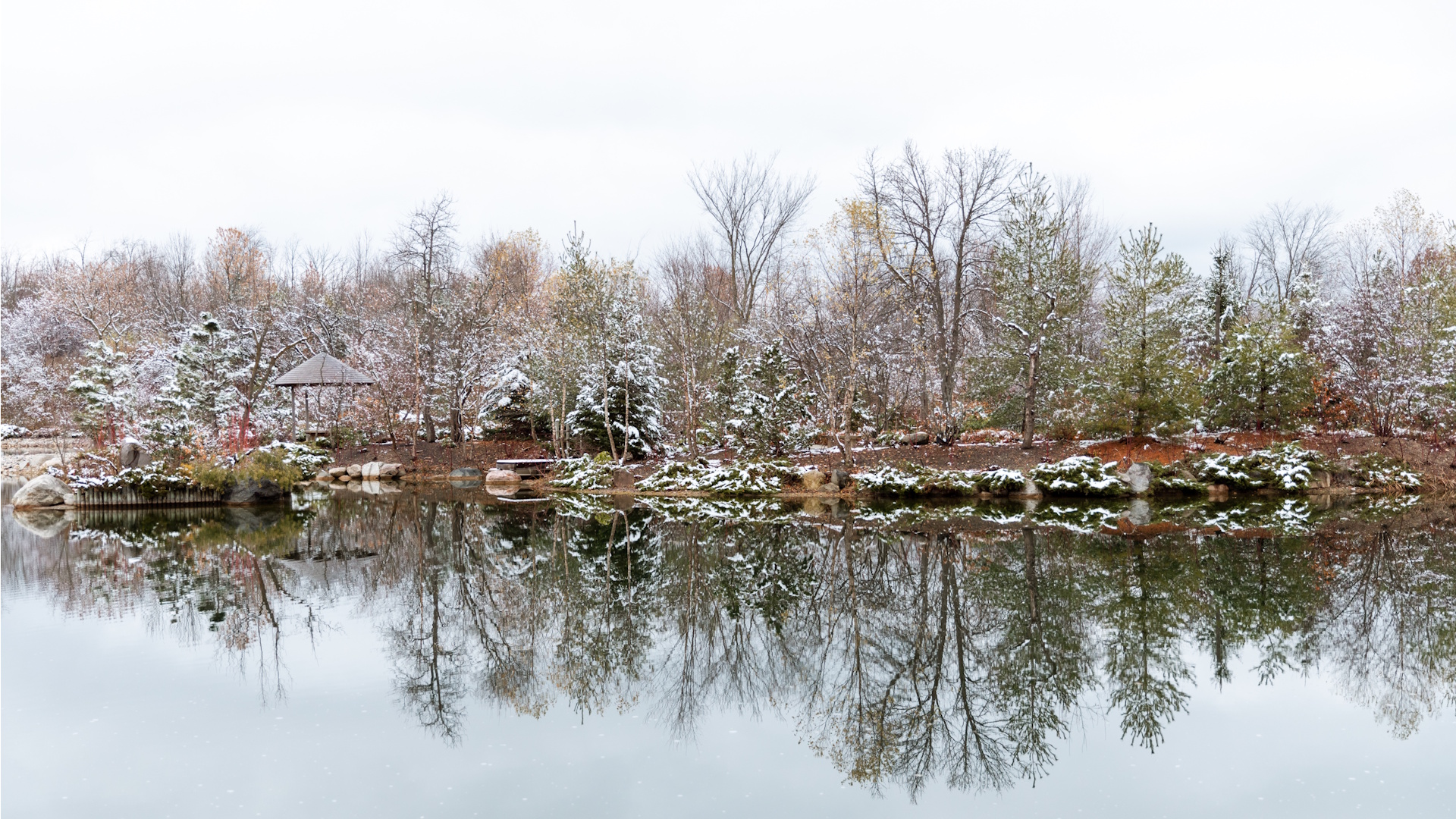
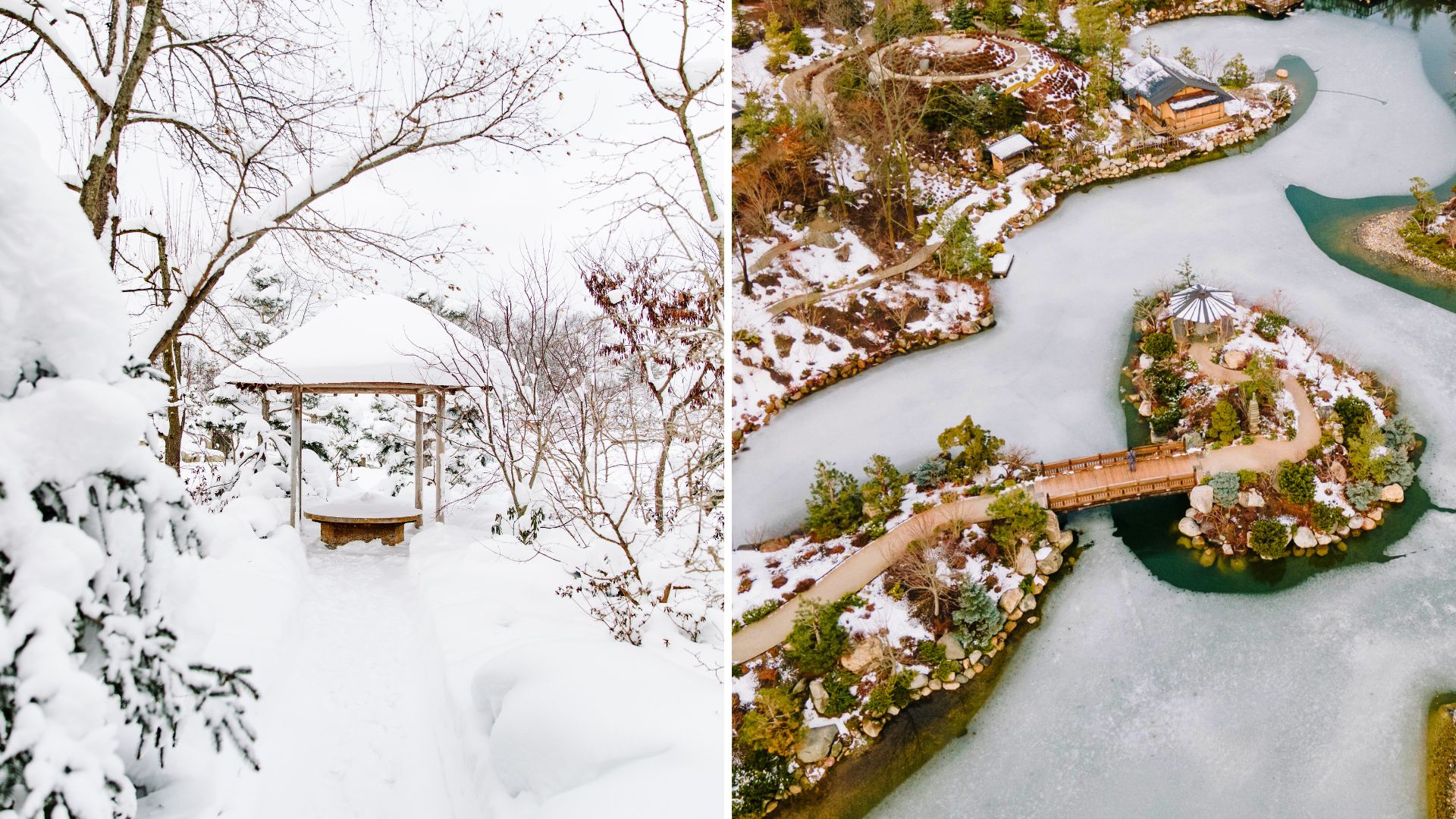
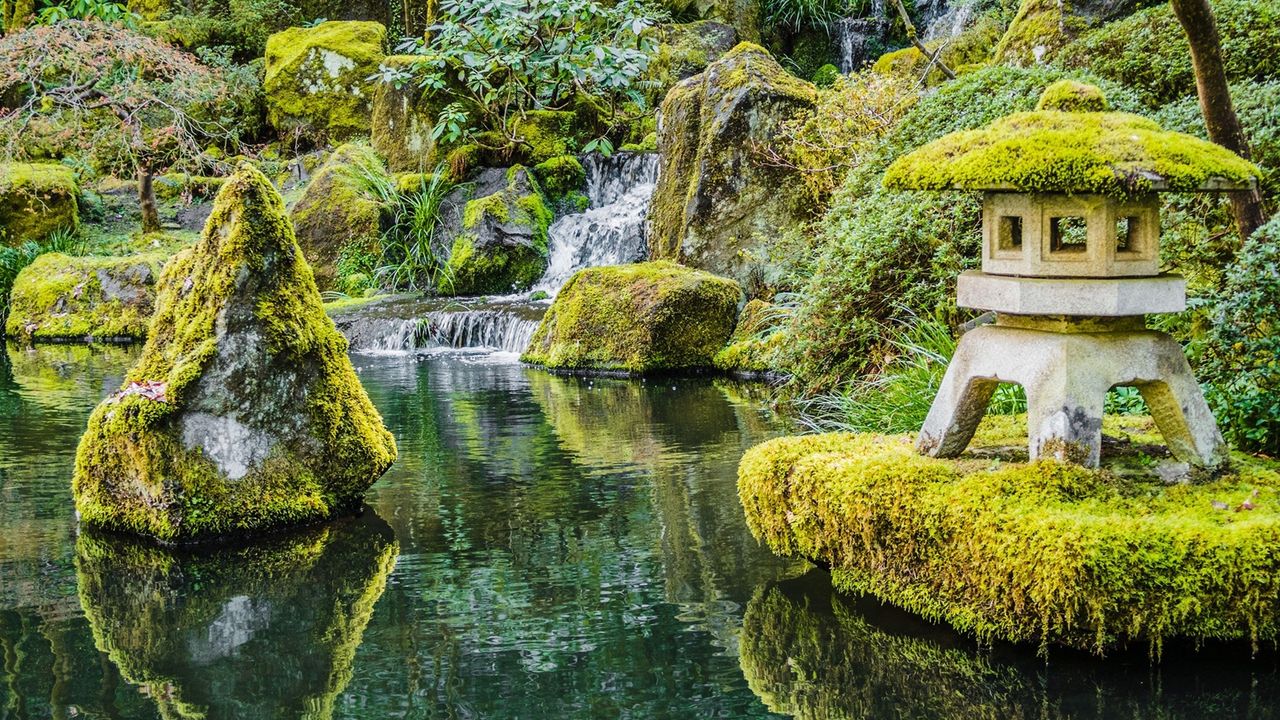
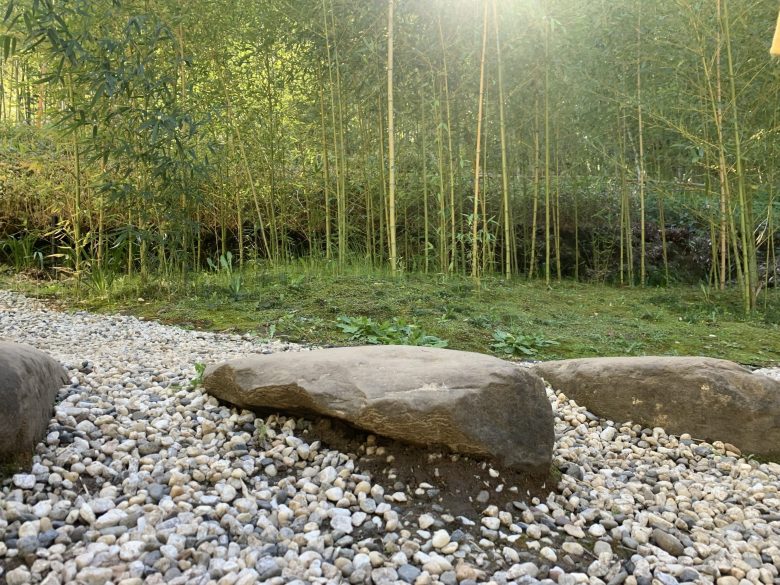
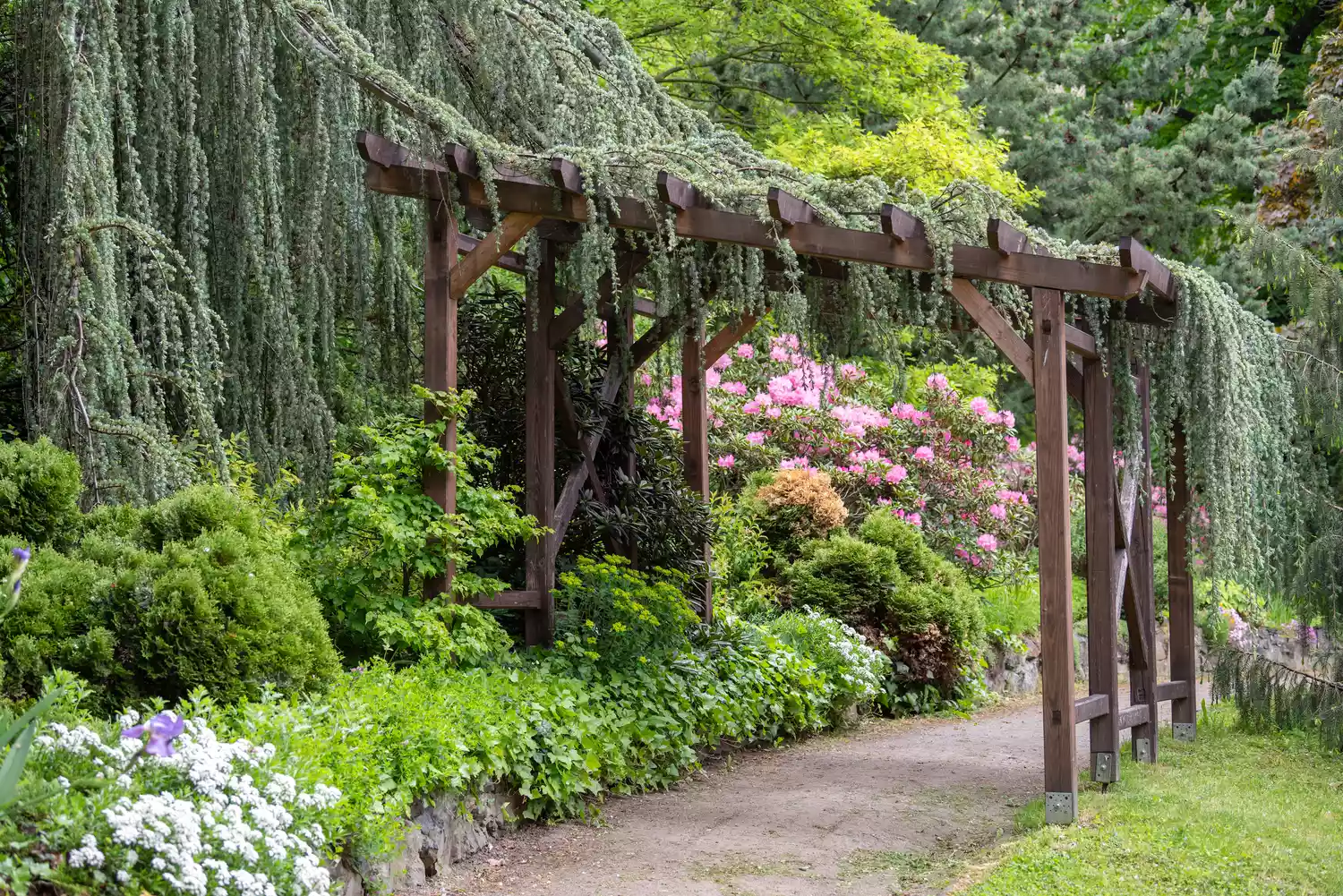
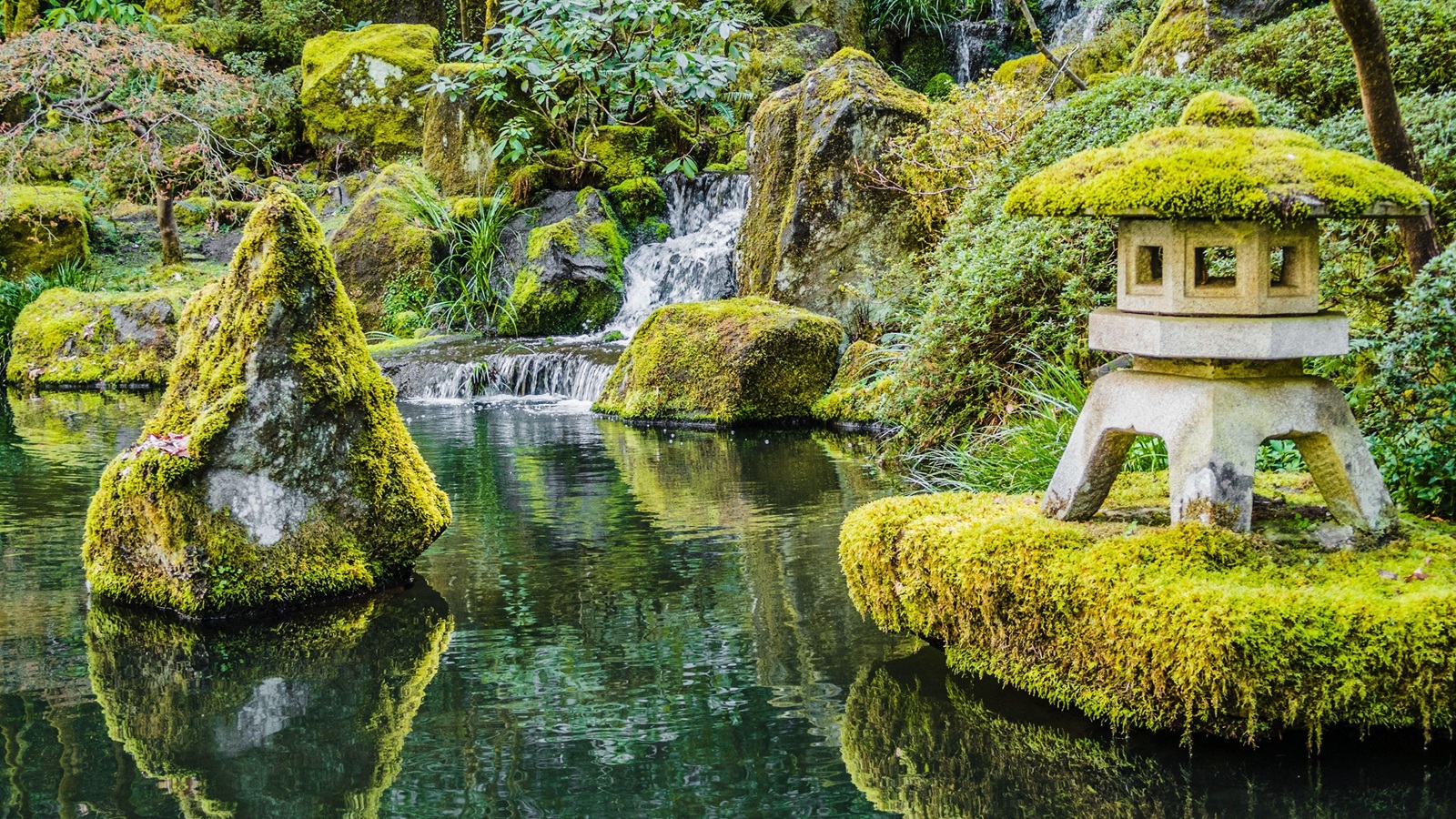
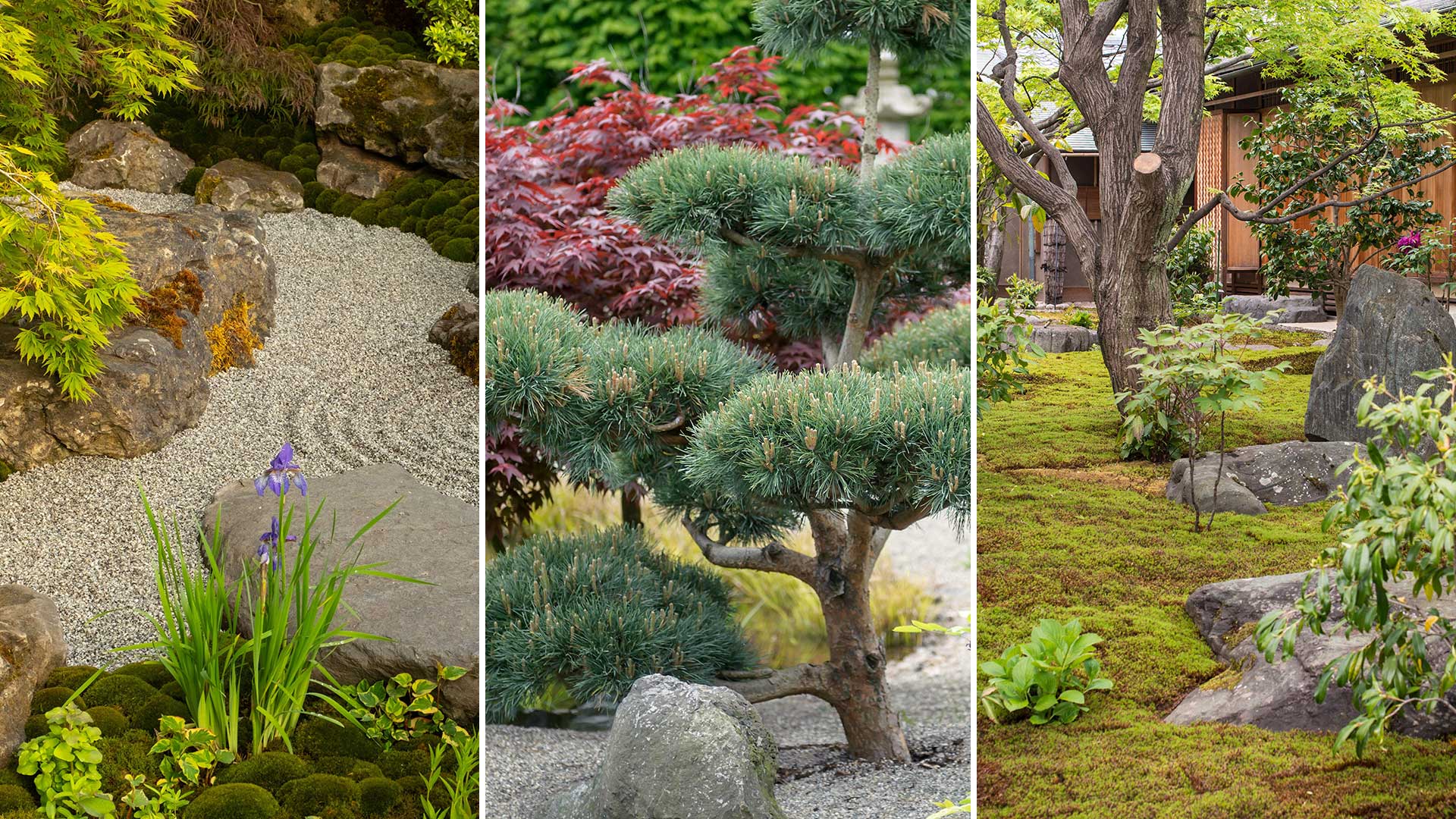
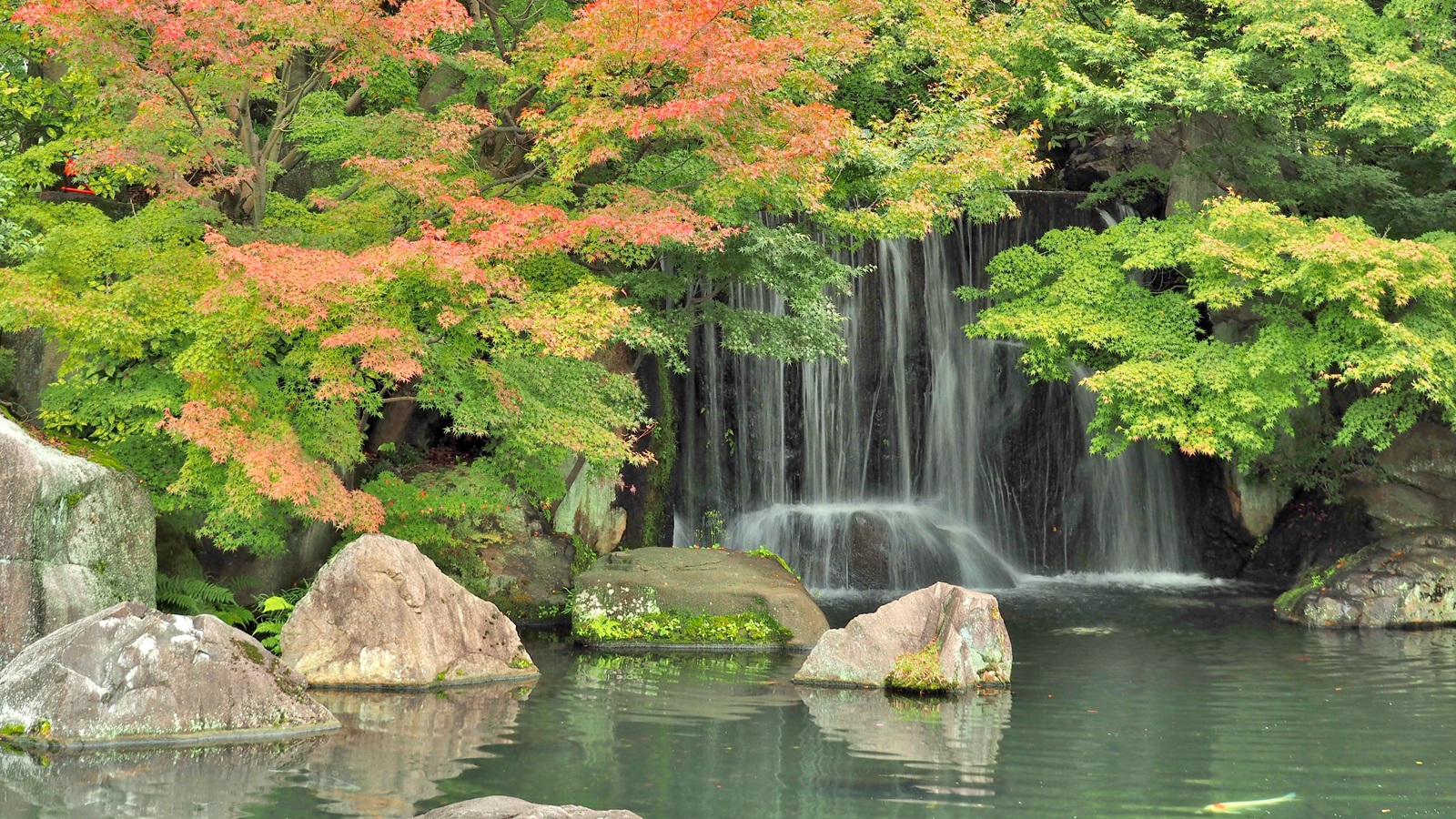
Beyond a checklist of specific plants and boulders, the design of a Japanese garden is deeply rooted in Zen philosophy, initially serving as spaces for meditation in medieval Japan. This means that every element, from stones to steps to leaves, contributes to a deliberate “Zen choreography.” While common characteristics include asymmetry, spatial hierarchy, and material clarity, specific styles like Japanese stroll gardens incorporate elements such as still or moving water, aged trees, various rock formations, gravel planes, and walking paths designed to connect individual visual scenes. These gardens are not meant to mimic nature directly but rather to imply it through symbolic arrangements, offering emotional power regardless of their size or context.
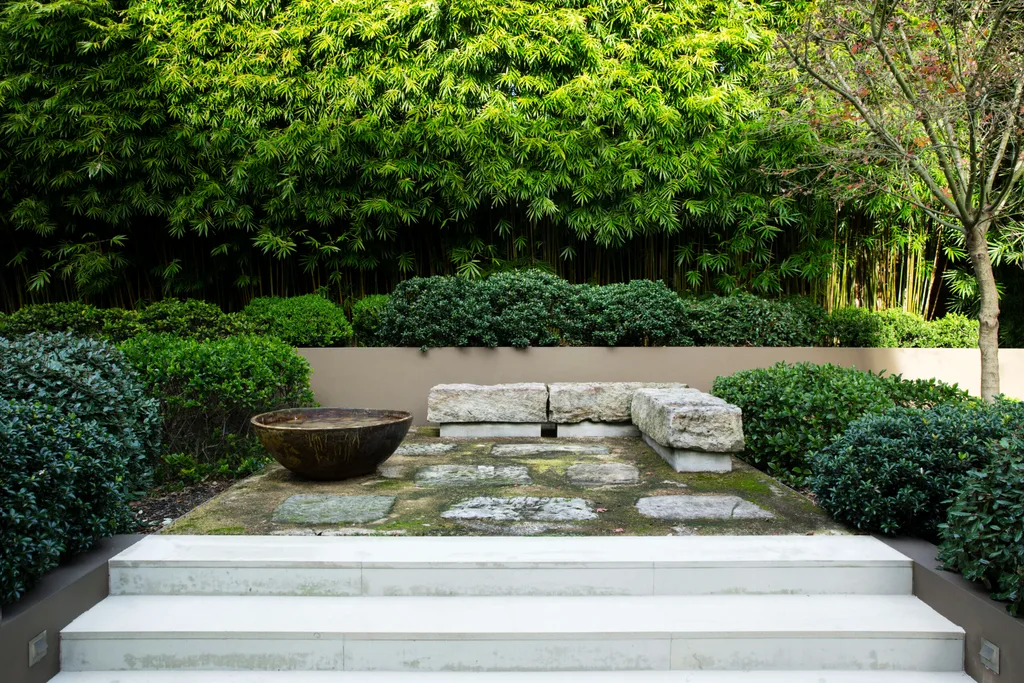
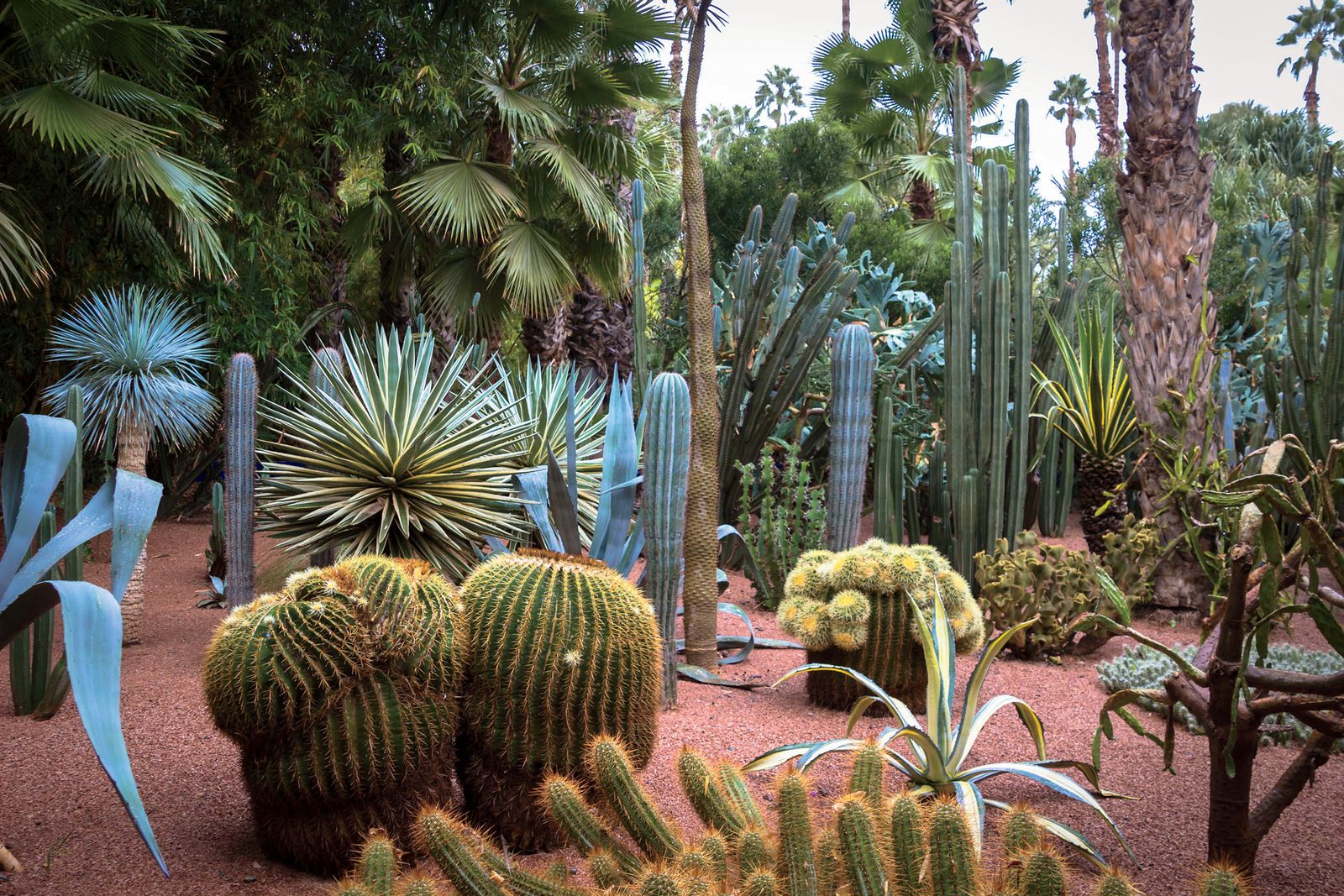
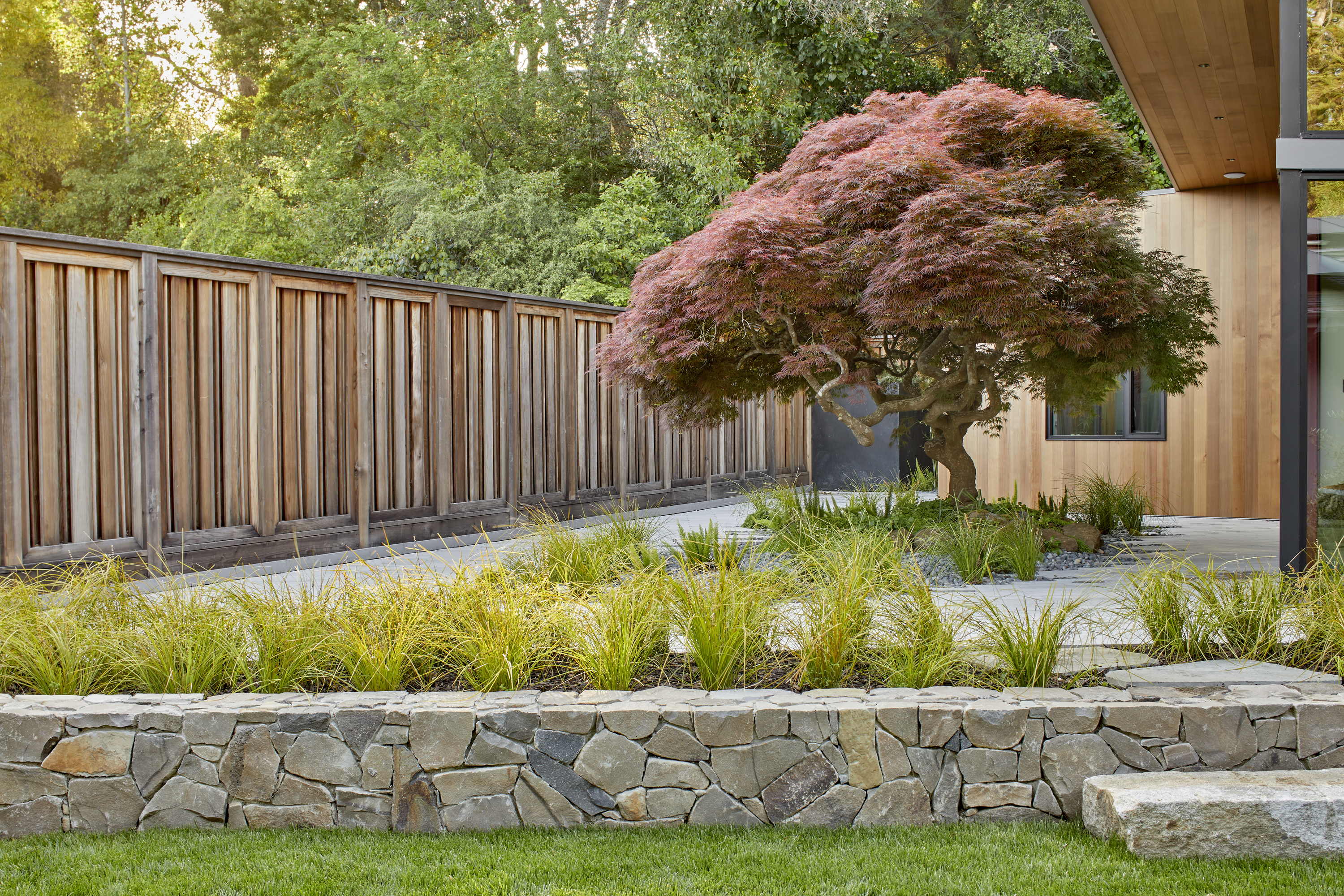
Achieving an all-weather design is possible across various climates, including deserts. This adaptation relies on using local materials and native plant species appropriate for the specific climatic conditions. Designers emphasize “translation” rather than replication, reinterpreting the spatial language with climate-adapted plants and regionally appropriate materials to echo the philosophy of the tradition. For instance, in tropical settings, gardens may be shaded by architecture or fragrant trees, with local species chosen for their resonance and ability to thrive. Ultimately, while a garden in California may never be a traditional Japanese garden, it can be a successful interpretation that embraces the cultural heritage and principles of the style.
#JapaneseGardenDesign #LandscapeArchitecture #ZenGardens #OutdoorLiving #GardenInspiration #HomeDesign #ArchitecturalDigest #MindfulSpaces #JapaneseGardenDesign #LandscapeArchitecture #ZenGardens #OutdoorLiving #GardenInspiration #HomeDesign #ArchitecturalDigest #MindfulSpaces
0 comment in total
 No comments yet
You may also like
Experts reveal how to plant a Japanese-inspired garden

24 Japanese Garden Ideas That Encourage Slow Walks and a More Relaxed Outdoor Rhythm

A Japanese-inspired garden on Sydney’s north shore

23 Garden Layout Ideas for Vegetables and More

Horticultural Experts Reveal 5 Defining Features of a Japanese Garden

4 Japanese garden ideas for a calm and tranquil outdoor space

For the Garden | Zen and Now

Zen garden ideas – 24 ways to transform your outdoor space into a Japanese-inspired sanctuary for relaxation
Japanese garden ideas – 11 design tips for a zen backyard
7 Japanese-style gardens to inspire and delight
What is a zen garden? This Japanese approach to design can turn backyards into calming sanctuaries

Jennifer Aniston's Japanese-inspired garden is a work of art – experts say it will dominate trends in 2025
In a Japanese garden, you’re never under the weather
The best plants for a Japanese garden: 7 serene species
7 Japanese Garden Ideas That Channel the Elements of Nature to Make Your Outdoor Space Feel Serene


5 Great Landscape Designers and Photos of Their Most Spectacular Gardens
Japanese garden ideas – 10 ways to create a soothing space, with advice from the experts

Garden Pros Say This Japanese Design Idea Is the Secret to an Easy Yard
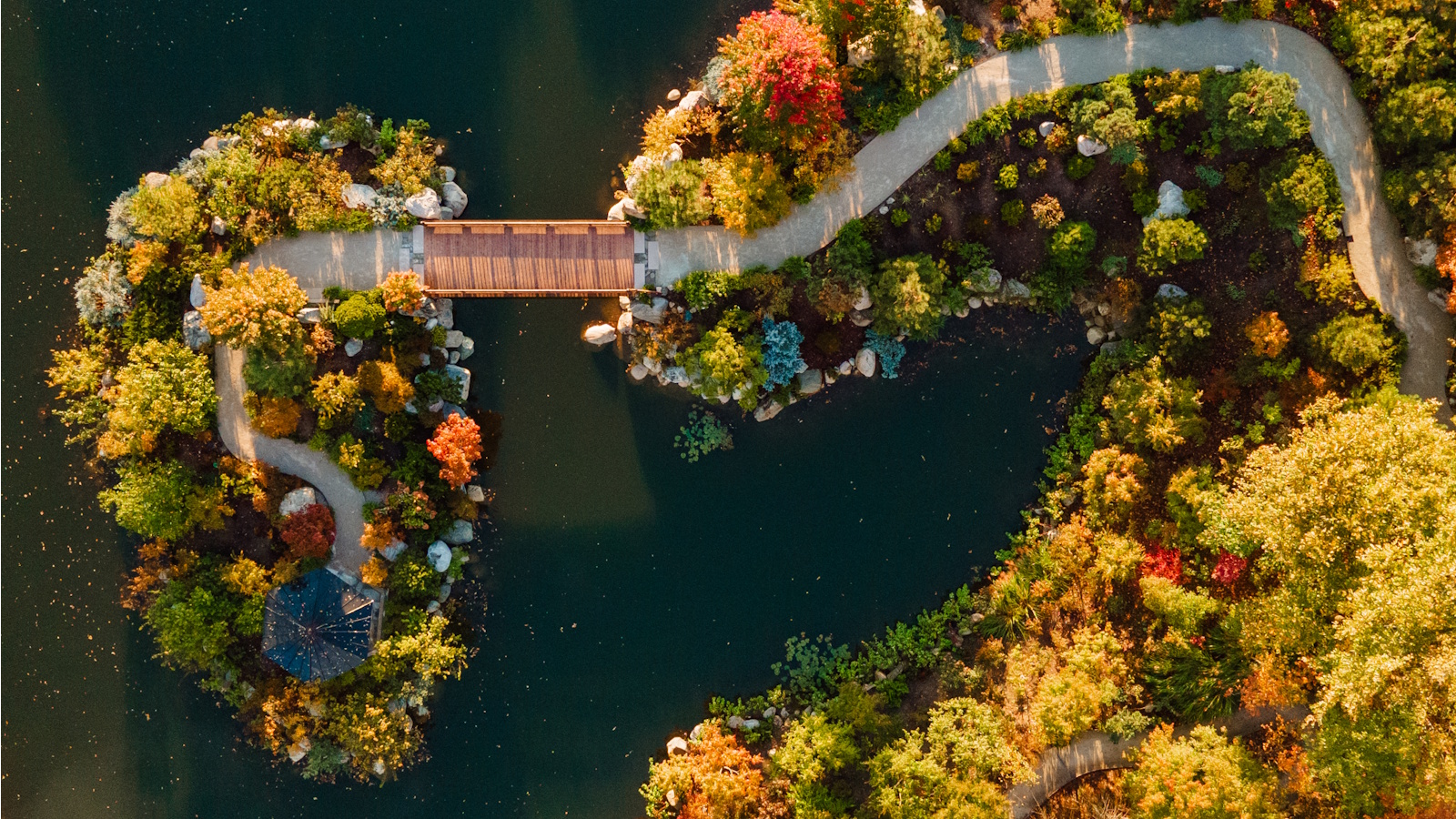
Michigan’s Slice of Japan: Where Design Connects Humanity with Nature
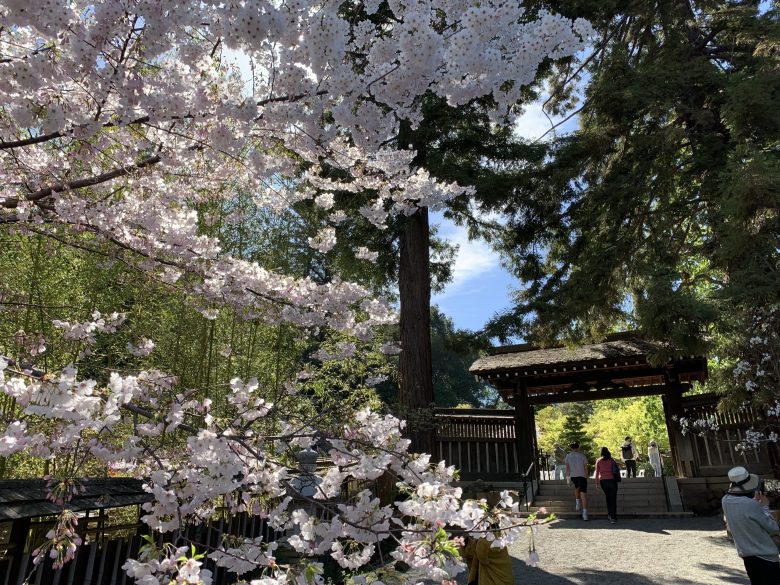
Looking to add some Zen to your landscape? Visit these Japanese gardens for inspiration