1/8
How to paint interior woodwork
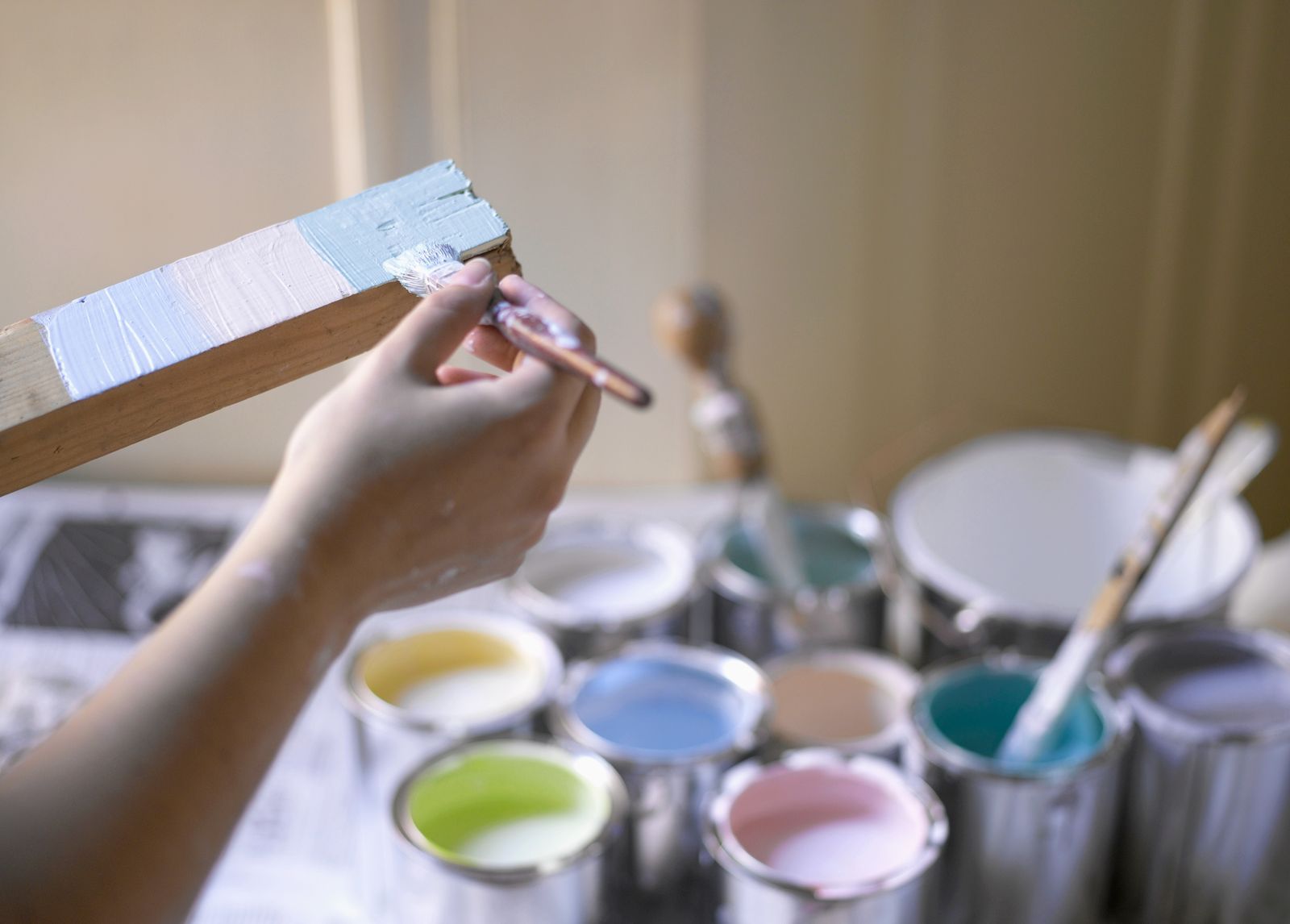
Painting interior woodwork, such as windows, doors, and skirting boards, is a practical way to protect these high-traffic areas from scuffs and knocks, while also enhancing the aesthetic appeal of a room. This task, while straightforward, requires adherence to specific steps for a professional finish. If painting is part of a larger room renovation, it is recommended to consult a guide on painting an entire room.
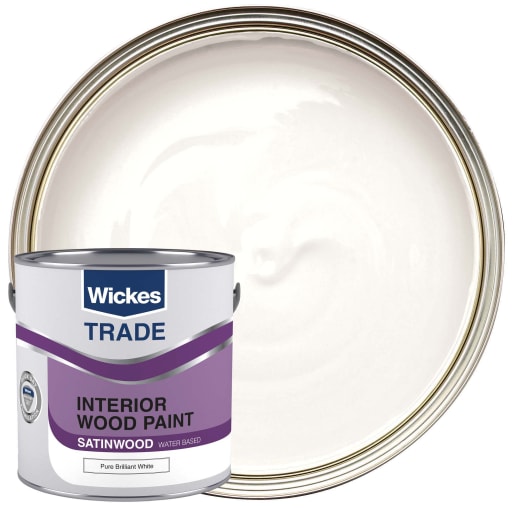
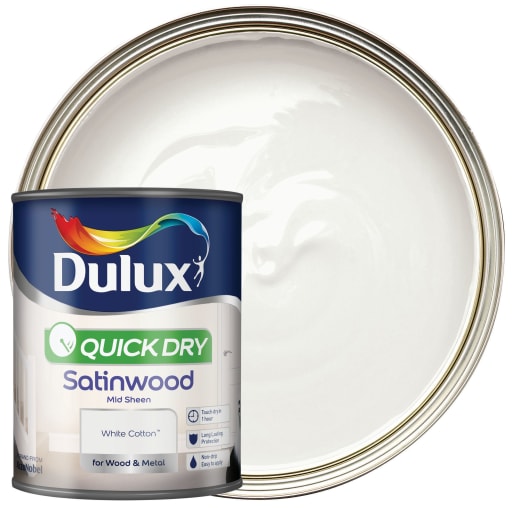
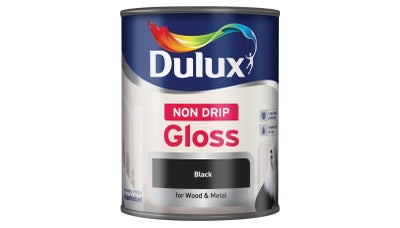
Selecting the right paint finish is crucial, with several options available beyond traditional gloss. Gloss paint, known for its hard-wearing nature, high sheen, and reflective finish, tends to highlight imperfections. Satinwood, or satin finish, offers a less reflective appearance, making it more effective at concealing blemishes and providing a 'flatter,' more realistic look with greater color depth, making it particularly suitable for internal doors. Eggshell, or flat matt finish, has a very low sheen and is non-reflective, resembling standard emulsion but offering superior durability, ideal for high-traffic areas.
Proper preparation is essential for achieving a professional paint finish. The extent of preparation depends on whether the woodwork is new and bare or previously painted. Before beginning, it is advisable to remove as much furniture as possible and protect floors and remaining furniture with dust sheets. For skirting boards, masking tape can be used to protect carpets. Windows should be opened before painting to prevent them from being sealed shut. Adequate lighting is necessary to ensure even coverage, and stepping back periodically to observe the woodwork from different angles helps in identifying any patchy areas, which are particularly noticeable with high-sheen finishes.
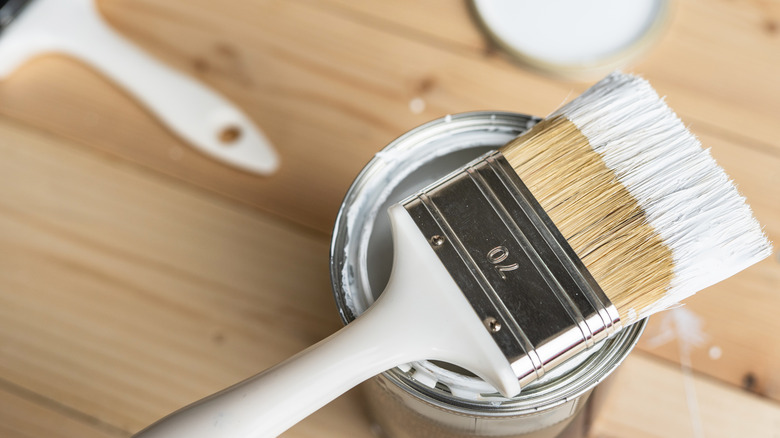
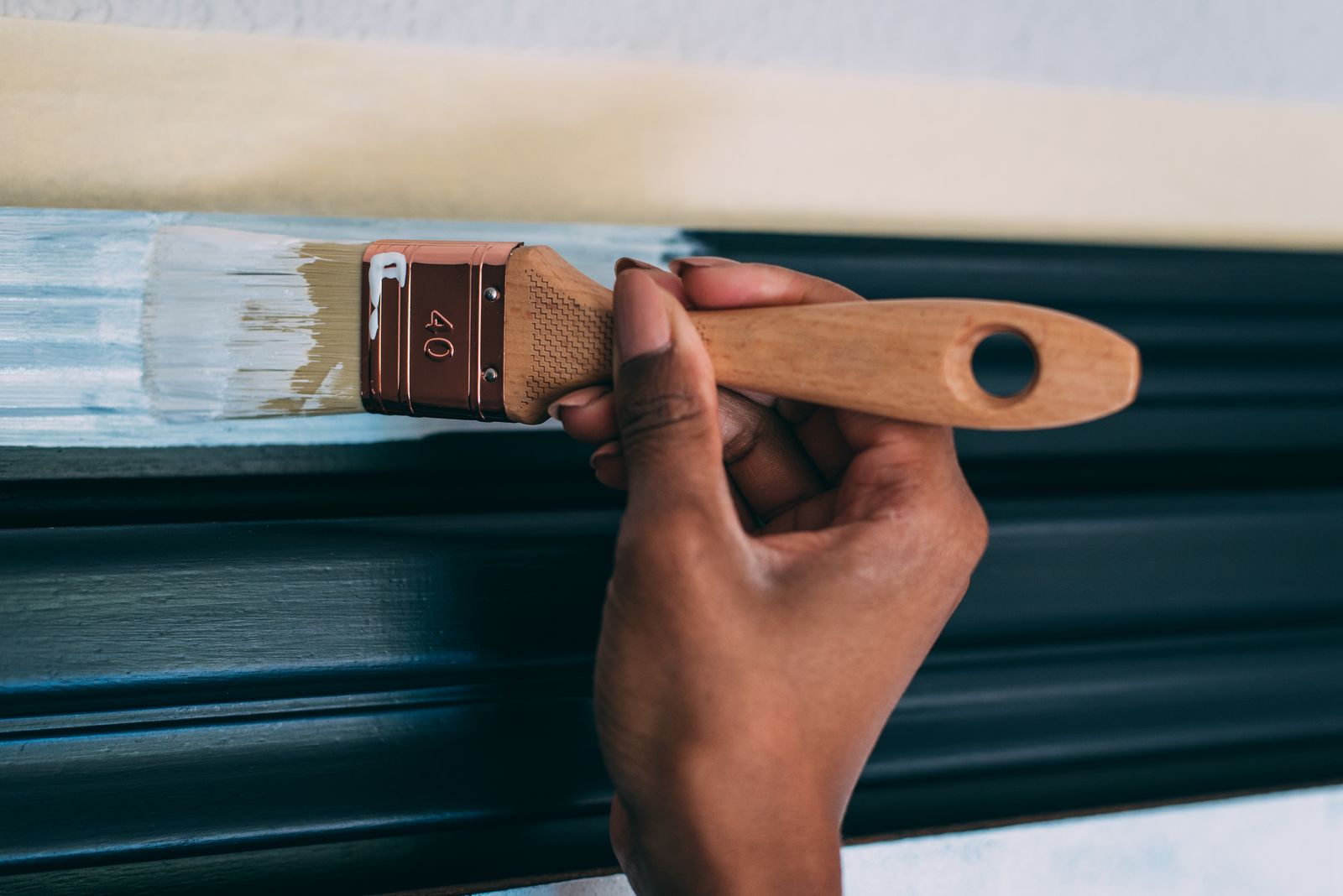
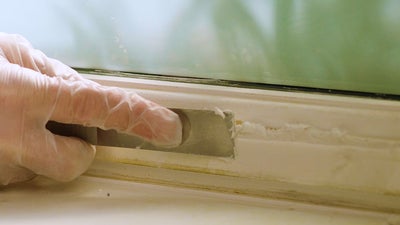
For new or untreated bare wood, the first step involves ensuring the surface is clean, free from dust, dirt, and grease. Any knots in the wood grain should be treated with two or three coats of knotting solution, allowing each coat to dry thoroughly. This seals the wood and prevents resin from bleeding into the paint. Subsequently, any gaps or holes should be filled with wood filler, sanded smooth once dry. Cracks between woodwork and walls should be filled with decorator's caulk. A primer is then applied to ensure proper paint adhesion, using a white primer for lighter paint colors and a grey or off-white primer for darker shades. This is followed by two thin coats of a suitable wood undercoat, applied with the grain for a smooth finish. Finally, one or two topcoats are applied, again with the grain, avoiding excessive paint on the brush to prevent drips and uneven drying. Manufacturer's instructions should be consulted for the recommended number of topcoats.
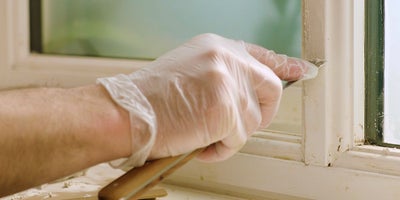
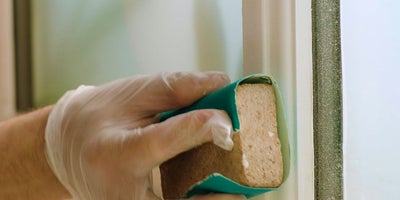
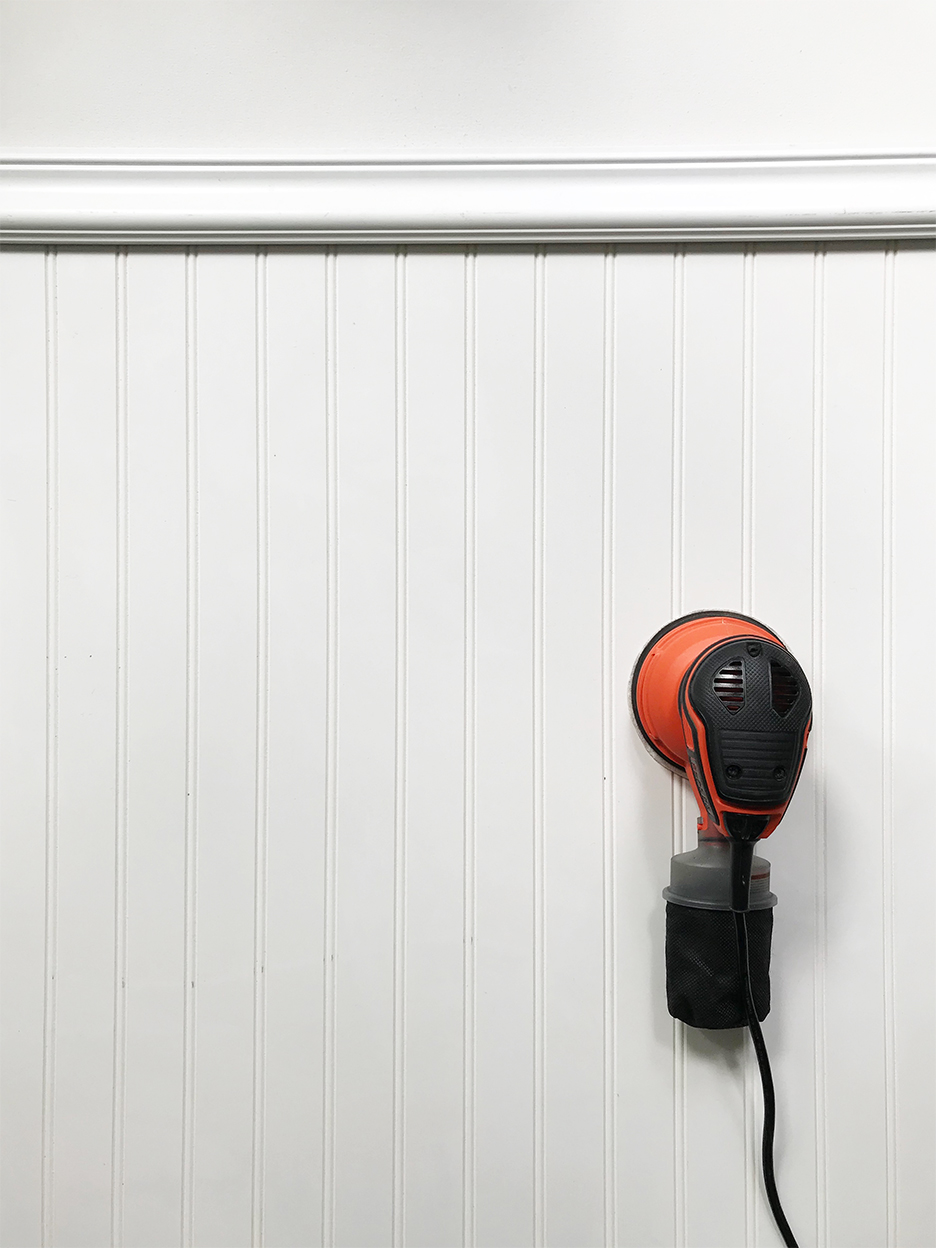
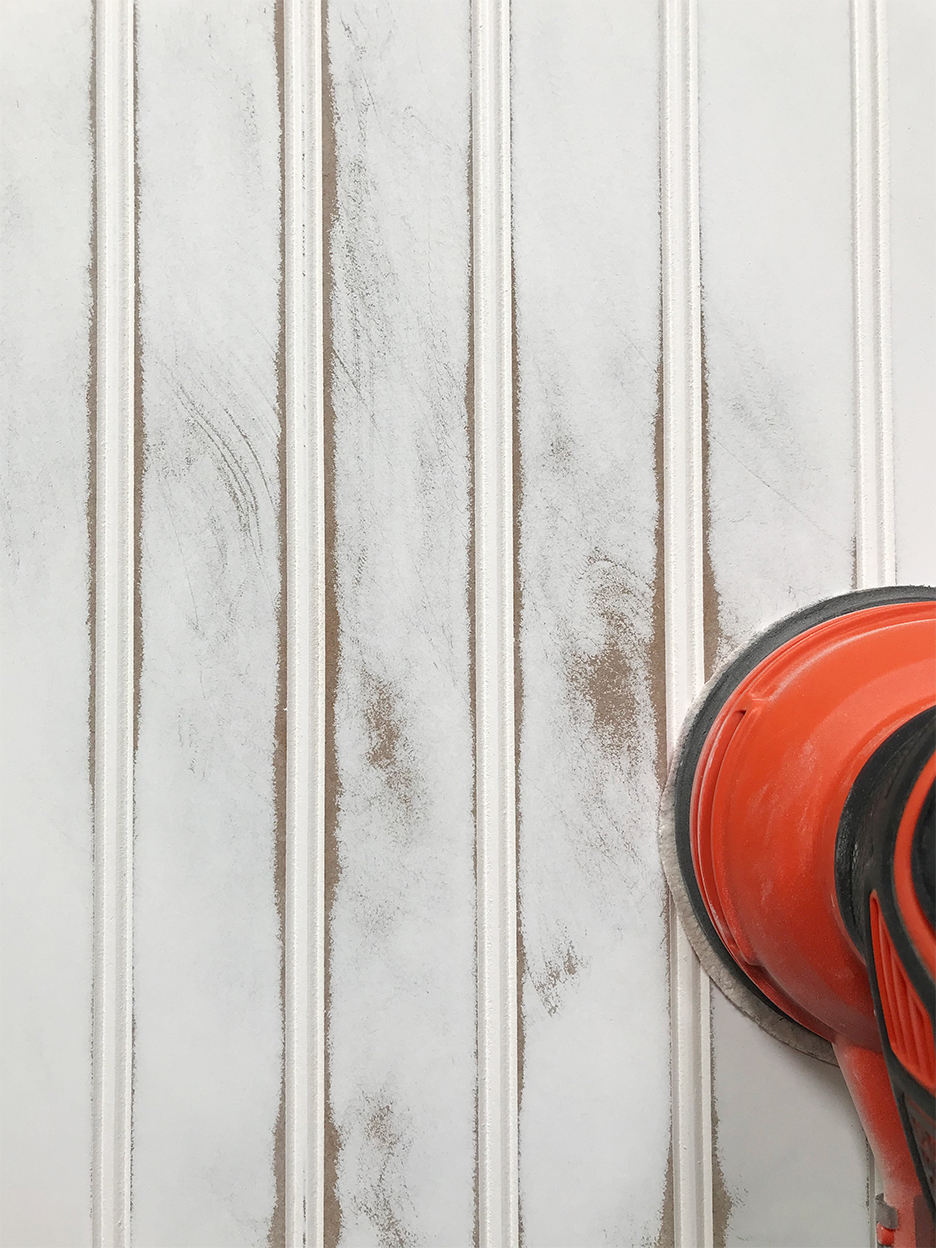
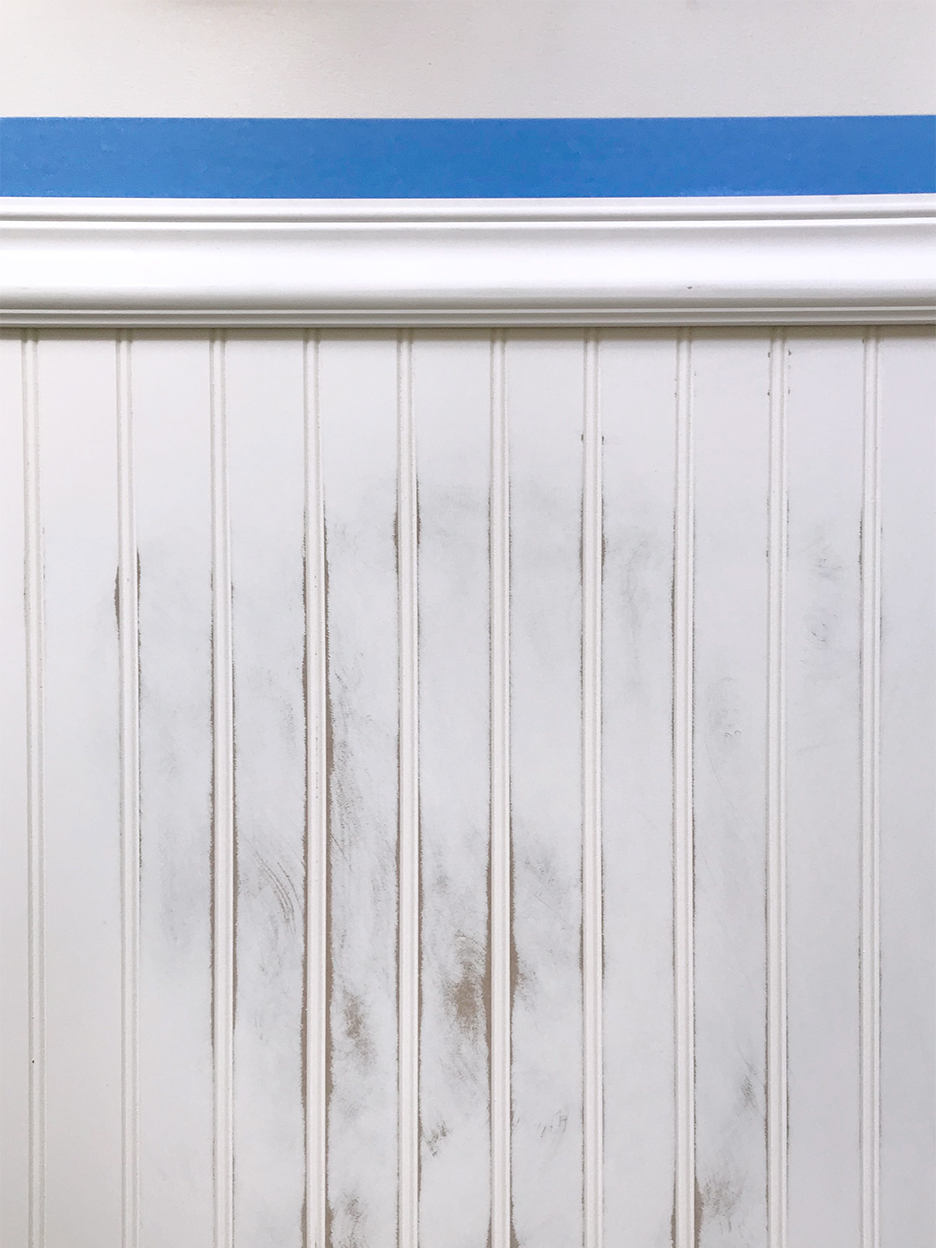
For repainting previously painted wood, the condition of the existing paint dictates the level of preparation. If the old paint is in poor condition, it should be completely removed down to bare wood, ideally using a heat gun following manufacturer's safety guidelines. For paintwork in good condition with minor blemishes, holes or cracks should be filled and allowed to dry. The room should then be well-ventilated, and a dust mask worn for sanding. Using a sanding block, the surface should be lightly sanded with fine-grade sandpaper, working with the grain. The goal is not to remove the paint but to create a 'key' – an adhesive surface for the new paint. After sanding, all surfaces must be thoroughly brushed and vacuumed to remove dust, and then wiped with a damp sponge to eliminate any dirt or grease. A single thin layer of wood undercoat is applied with the grain, followed by the topcoat once the undercoat is dry. Overloading the brush should be avoided. After the topcoat has dried, masking tape can be carefully removed, and fixtures and fittings reinstalled.
#InteriorWoodwork #WoodPainting #PaintFinishes #WoodPreparation #DIYHomeImprovement #DecoratingTips #PaintApplication #HomeMaintenance #InteriorWoodwork #WoodPainting #PaintFinishes #WoodPreparation #DIYHomeImprovement #DecoratingTips #PaintApplication #HomeMaintenance
0 comment in total
 No comments yet
You may also like
Interior Wood Paint
How to Paint Wood-Paneling


Paint Colors That Go With Natural Wood — 10 Picks That Bring Out the Beauty of This Organic Material

Let’s Learn How to Paint Furniture
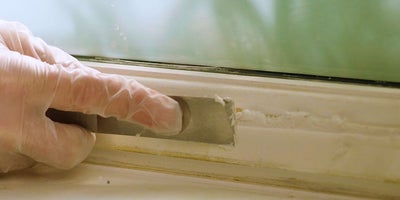
How to Prepare Interior Woodwork For Painting
Understanding paint finishes
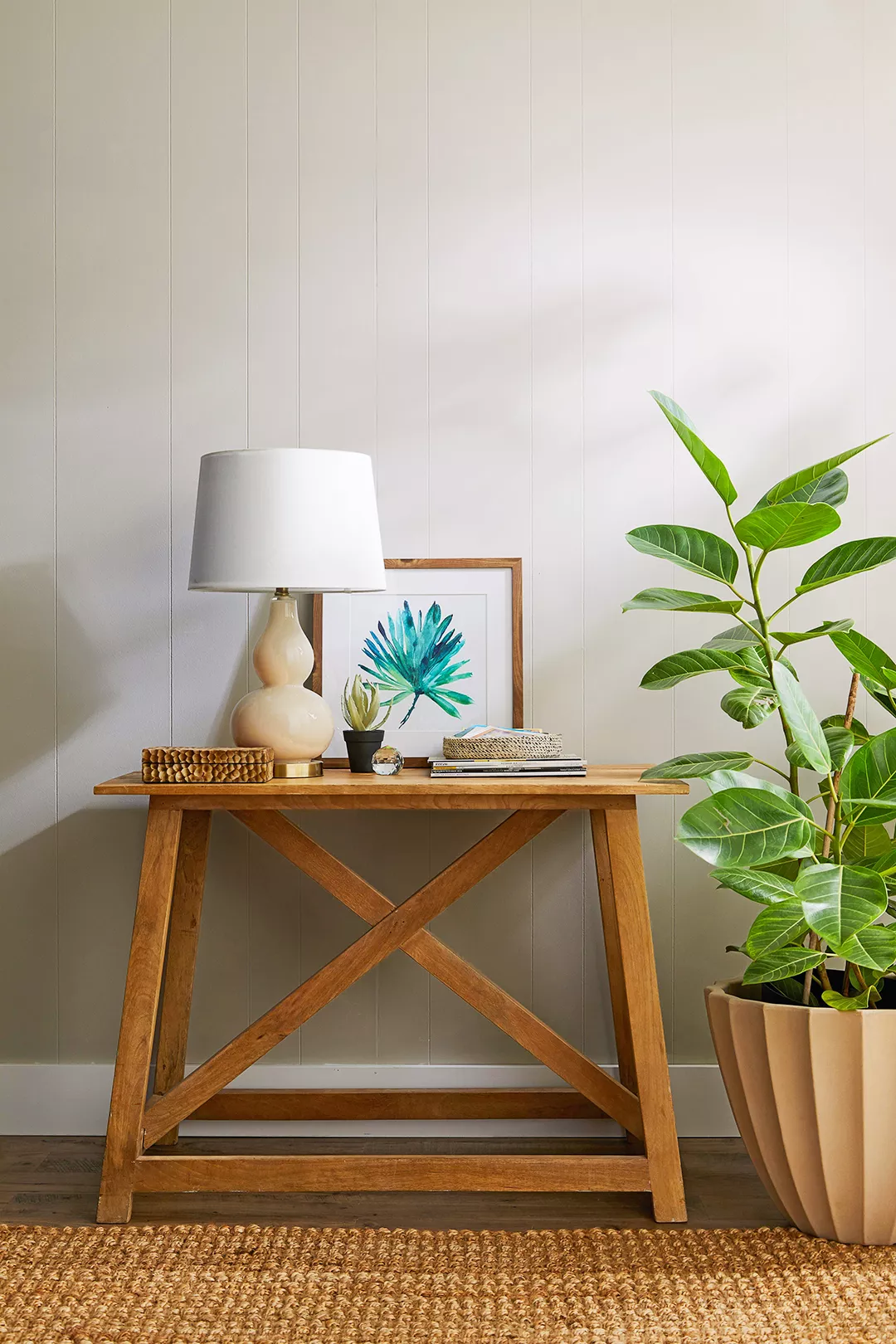
How to Paint Wood Paneling Like a Pro

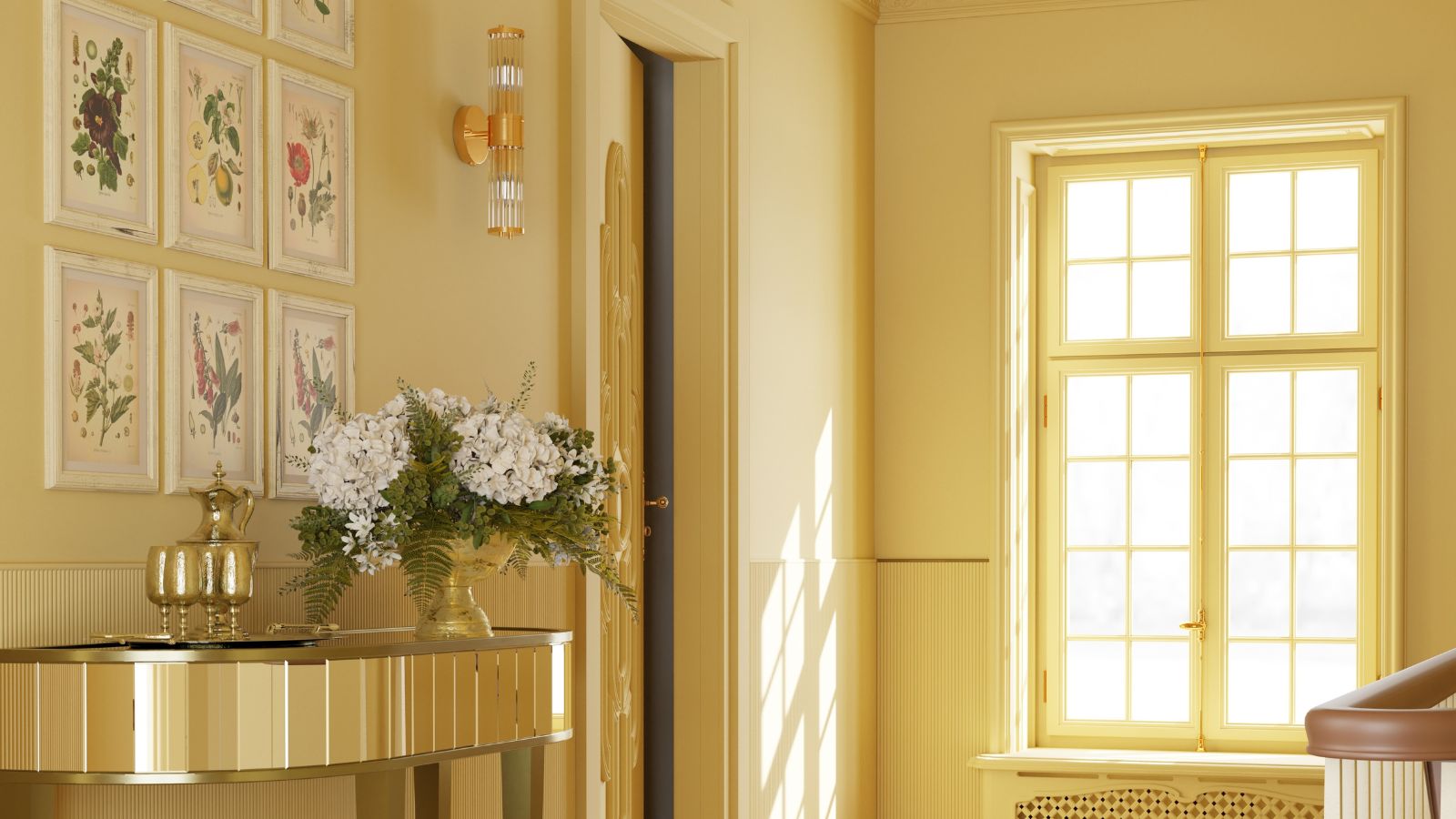
There's still time! I’m a painting expert and it's the best month to paint inside your home for a silky-smooth finish


Interior Paint
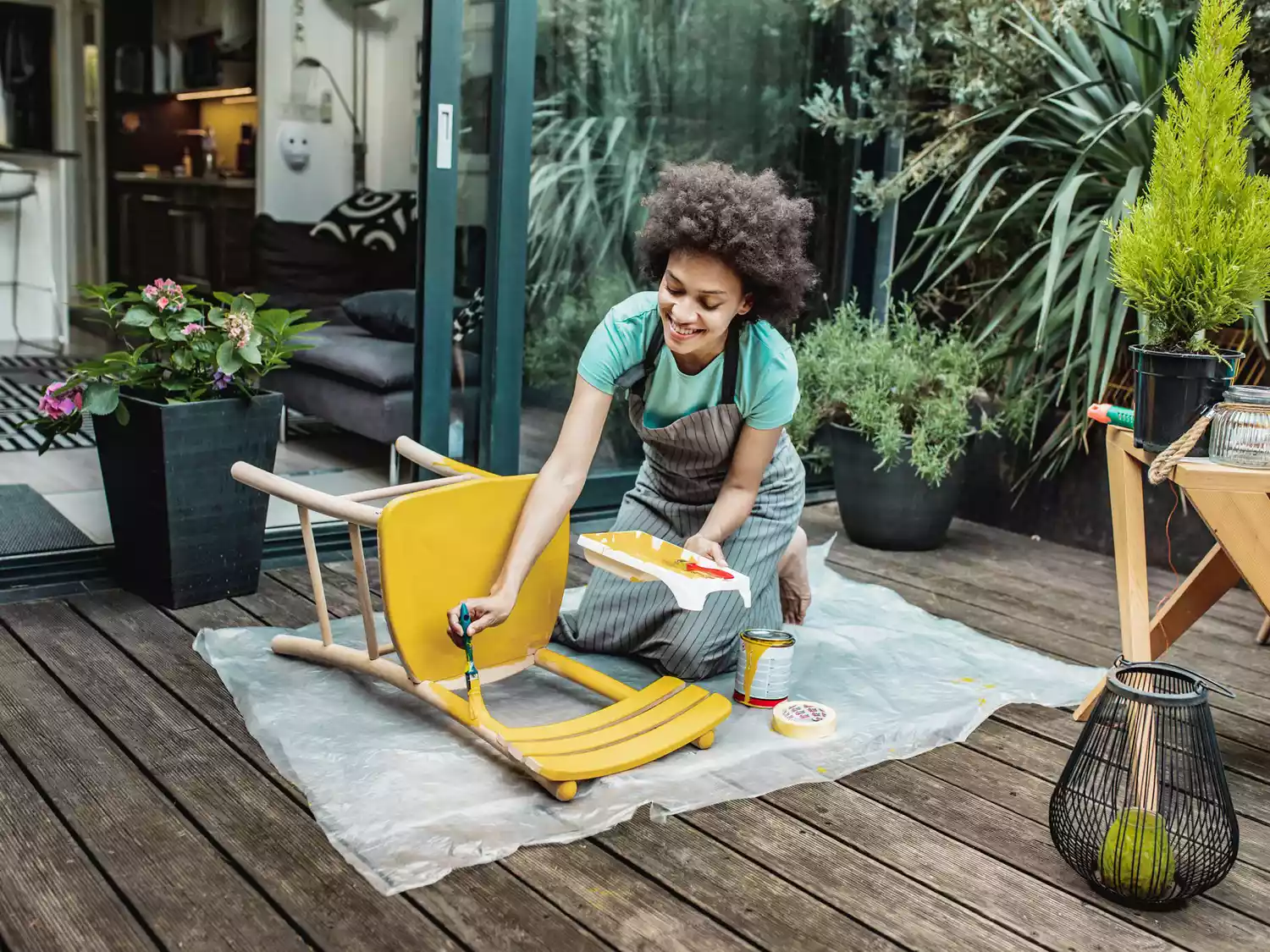
How to Paint Wood Furniture Like a Pro

Interior Paint: A Guide to Buying the Best Paints for Your Home

The Best Cabinet Paint of 2026

Buying the Best Paint for Wood Means Nothing Without This Important First Step

The Best Way To Paint Wood Paneling, According To An Expert
What color should you paint woodwork? Expert ways to factor this small yet impactful detail into color schemes
The Best Furniture Paint of 2025
10 mistakes to avoid when painting wooden furniture, according to experts
How to Paint Wood Paneling and Its Best Friend, the Trim
The Best Furniture Paint of 2026
How to Paint Wood Paneling the Right Way