1/15
How to Prepare Interior Woodwork For Painting
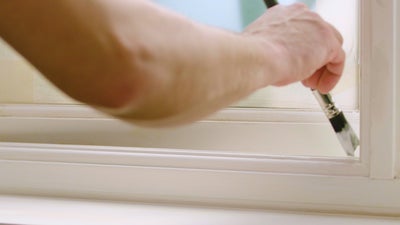
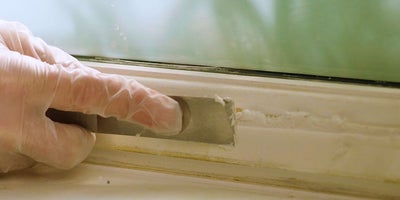
This guide outlines the essential steps for preparing interior woodwork for painting, ensuring a professional and durable finish. The process varies slightly depending on whether the woodwork has been previously painted or is new. Before commencing any work, it is crucial to protect floors and furniture with heavy-duty protective sheets and dust sheets, respectively. Ensuring the woodwork is clean and free from dirt, dust, grime, and imperfections is a prerequisite for a successful paint job.
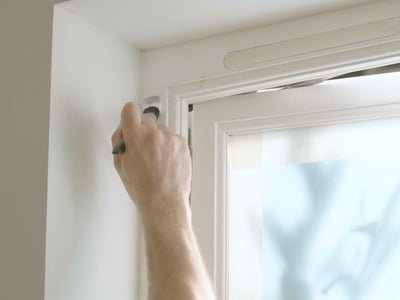
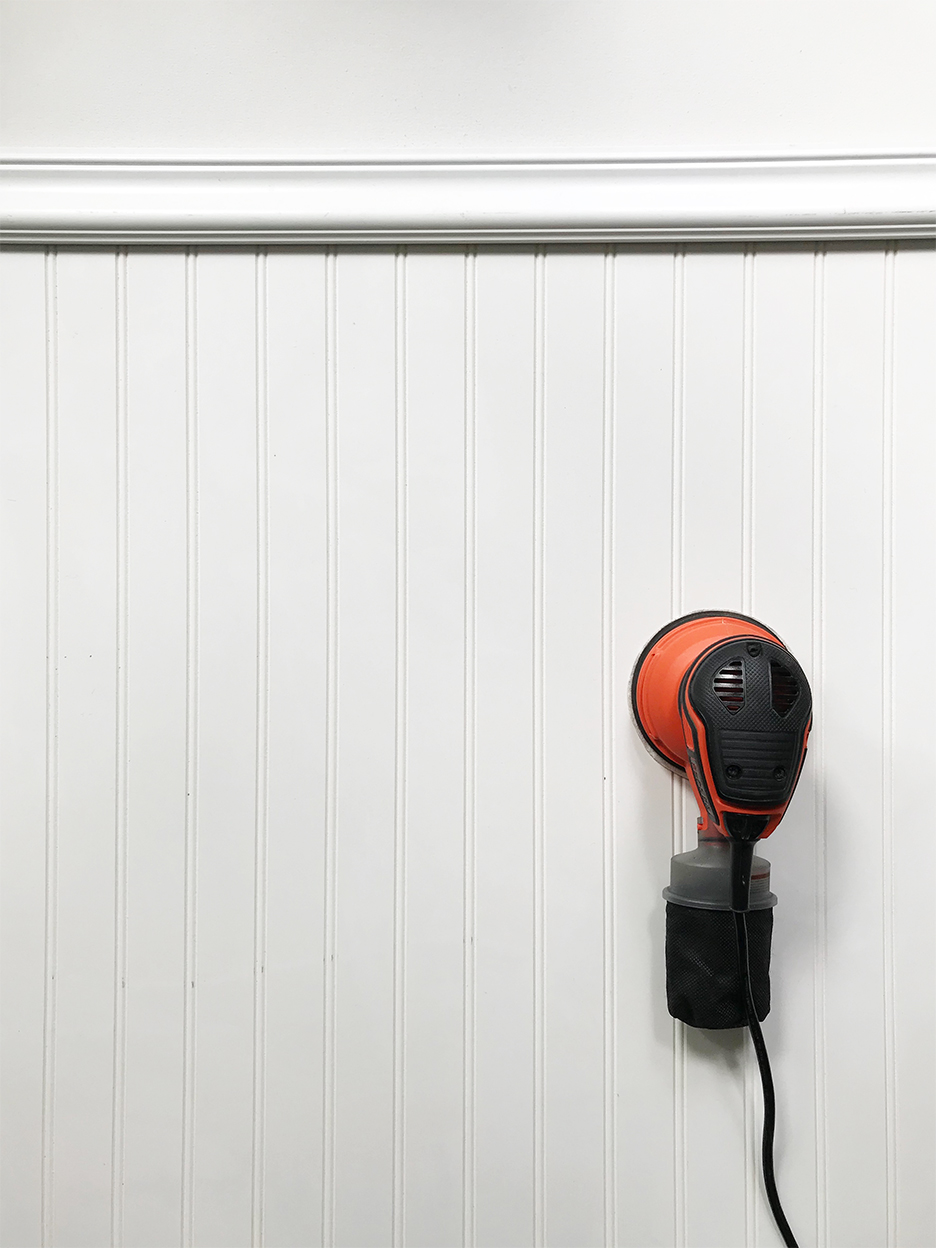
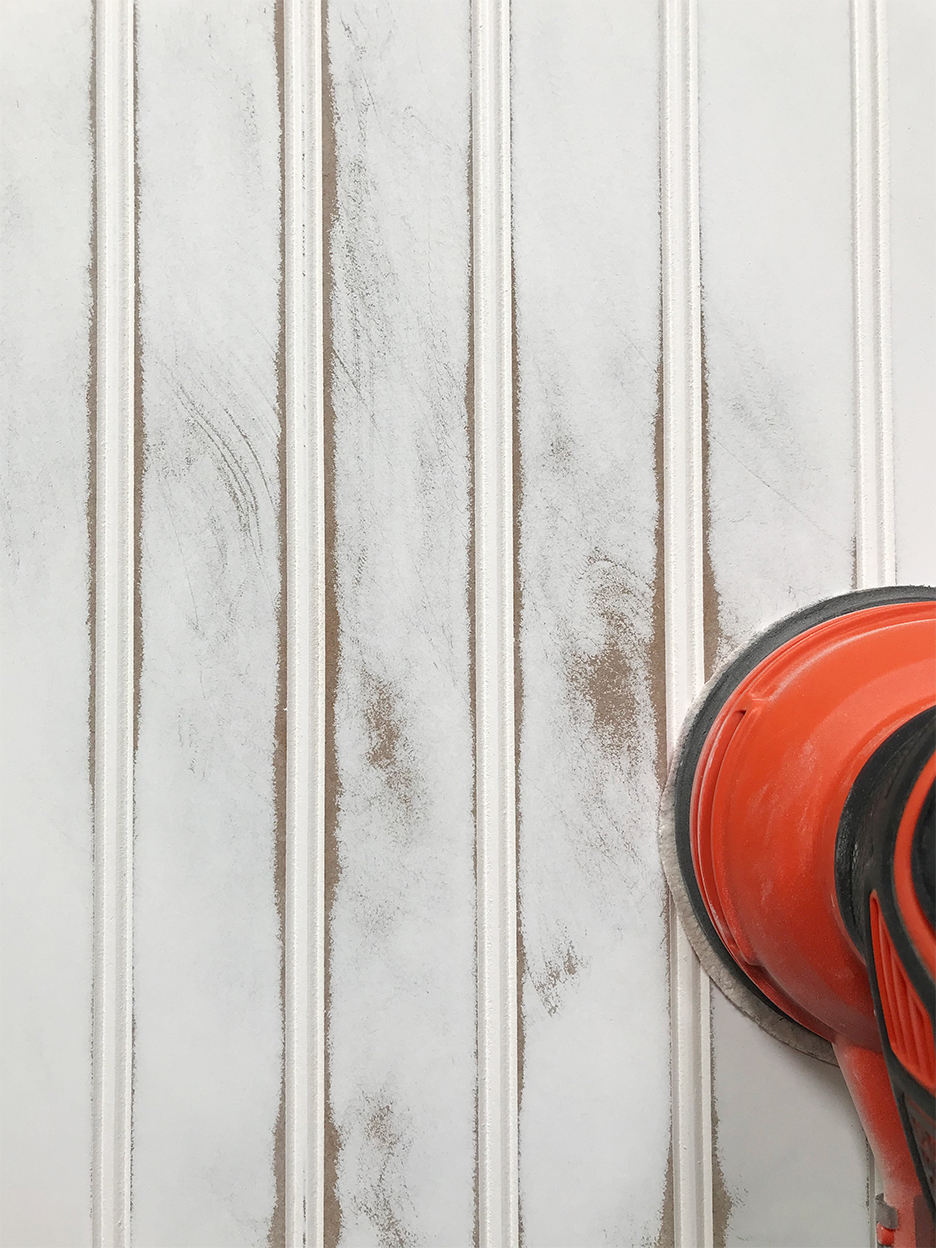
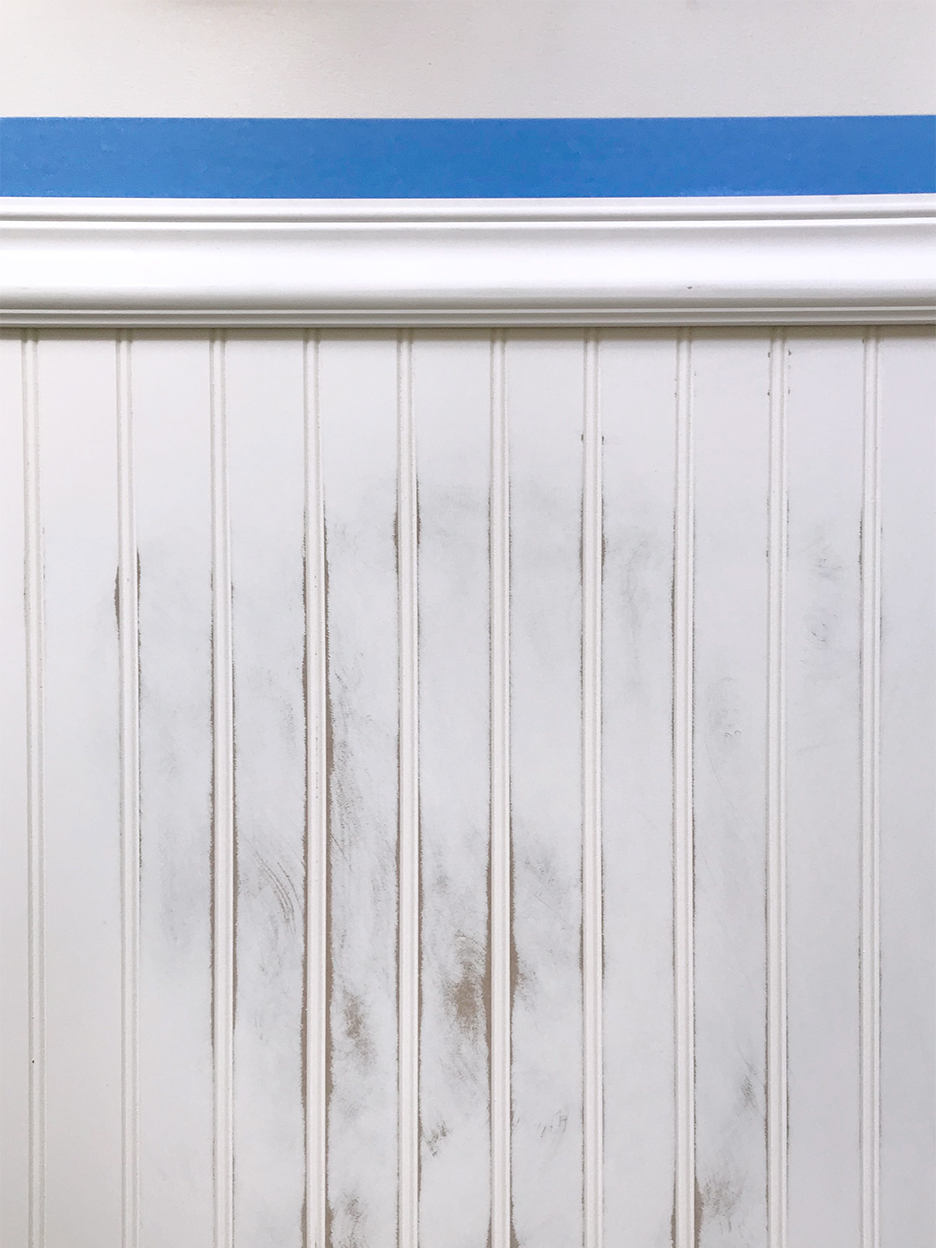
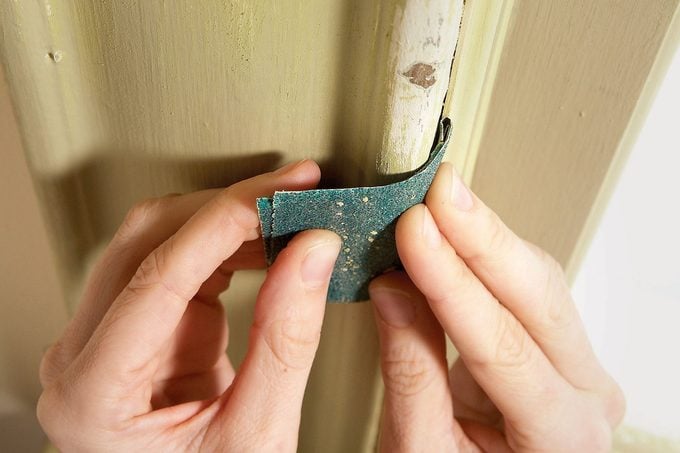
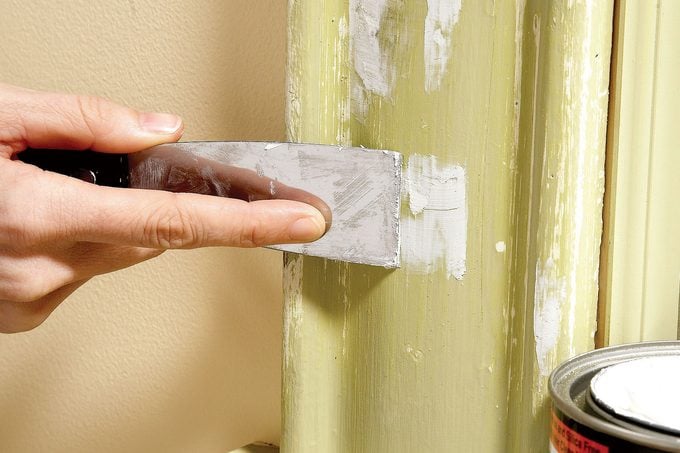
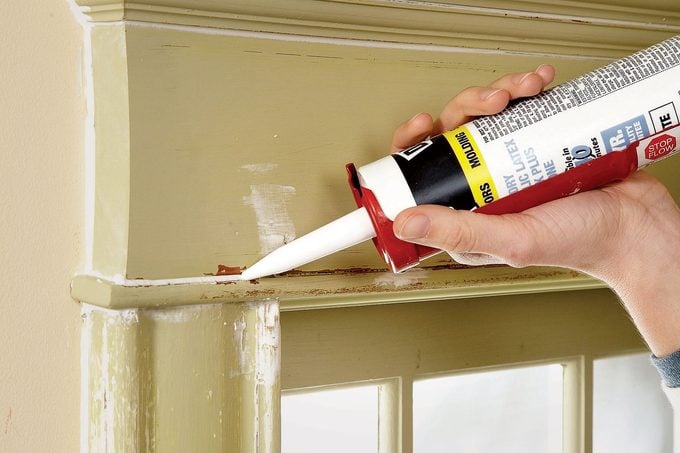
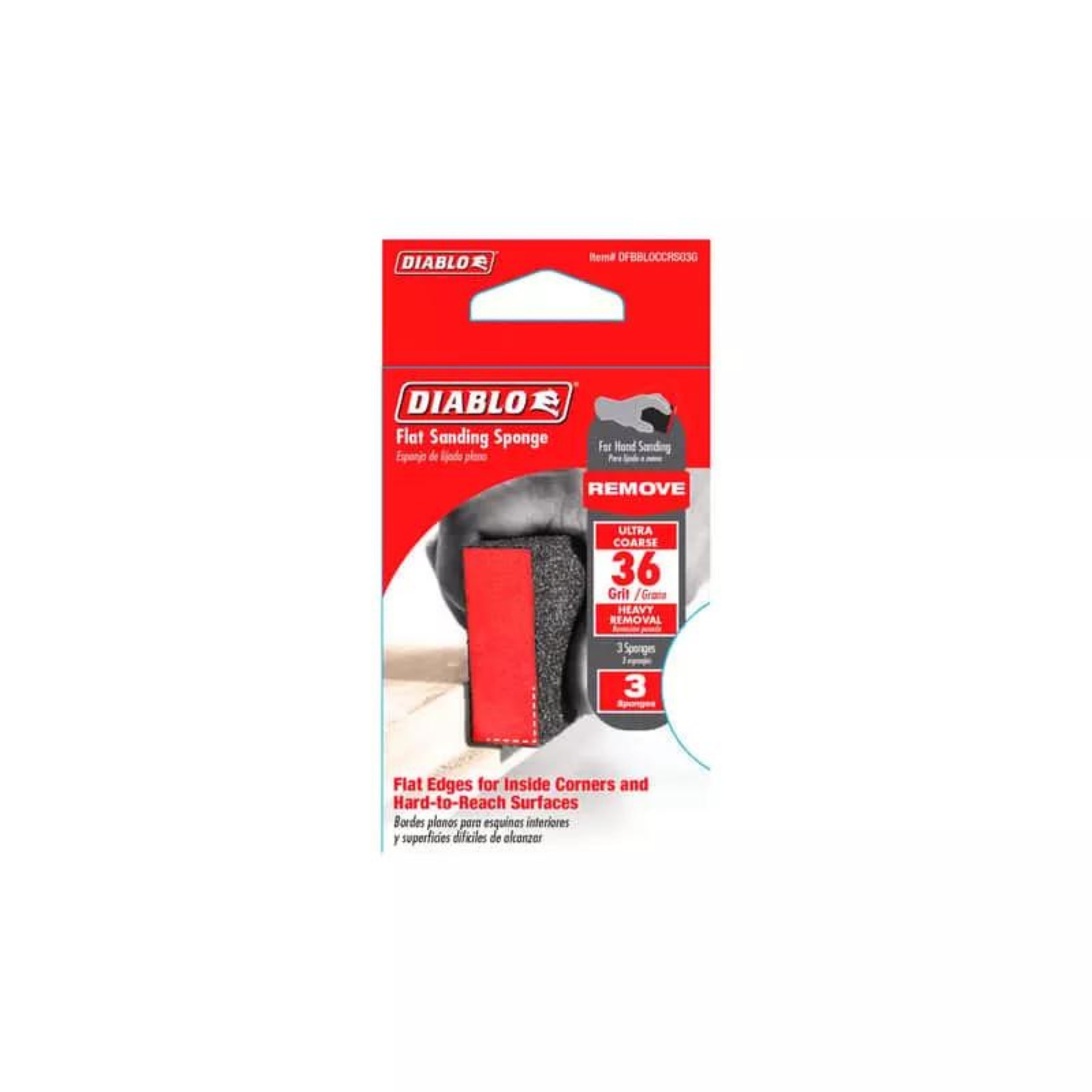
For previously painted woodwork, the initial step involves inspecting for holes or cracks. These imperfections should be filled with wood filler, applied using a filling knife, and allowed to dry according to manufacturer instructions. Excess filler is then removed with a firm scraper to achieve a relatively smooth surface. Once the filler is dry, the area needs to be sanded down using a sanding block or sandpaper wrapped around a block of wood. Sanding should always be done in the direction of the grain until the surface is smooth and level. For previously painted surfaces, a light sanding with fine sandpaper is recommended to create a 'key' that helps the new paint adhere better. After sanding, all surfaces must be thoroughly brushed and vacuumed to remove dust and dirt. The woodwork is then cleaned with sugar soap, applied liberally using a wipe or sponge, ensuring to wear protective gloves. The surface is then rinsed with warm water to remove all traces of grime, dirt, and sugar soap, and allowed to dry completely before painting.
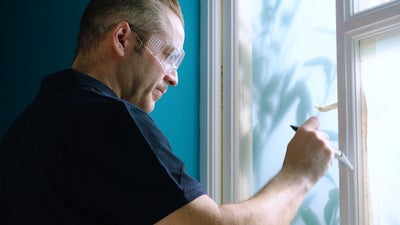
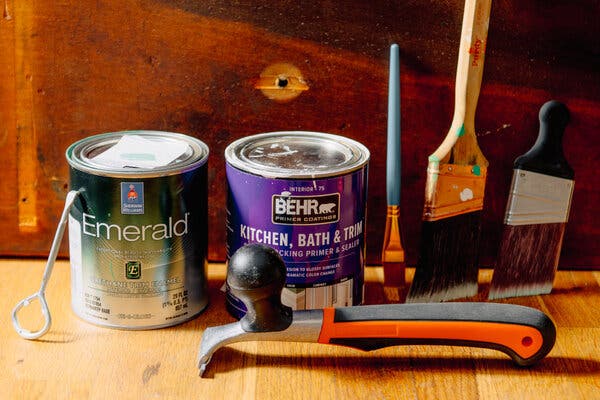
When preparing new woodwork, the first step is to ensure the surfaces are clean. Any knots in the wood grain must be treated with two coats of knotting solution to prevent resin from bleeding through the paintwork. Manufacturer instructions for application and drying times should be followed carefully. Once the knotting solution is dry, a primer is applied to the new woodwork to promote a longer-lasting finish. After the primer has thoroughly dried, an undercoat is applied. For both types of woodwork preparation, safety precautions are paramount. These include wearing protective gloves when using filler, and protective gloves and safety goggles when cleaning with sugar soap. When sanding, proper ventilation is essential, along with wearing a dust mask and safety goggles. Throughout the painting process, the room should be well-ventilated, and regular breaks should be taken, especially when using solvent-based paints.
Post-painting, interior woodwork requires minimal maintenance. However, it is important to prevent excessive moisture, as this can cause the wood to swell, particularly around window frames. Any condensation should be promptly dried. Chemical-based cleaners should be avoided on painted woodwork as they may damage the finish. The article also provides useful links to related guides, such as painting interior woodwork, fitting skirting, fitting architrave, preparing walls and ceilings, and painting a room, offering comprehensive advice for decorating projects.
#WoodworkPreparation #InteriorPainting #DIYDecorating #PaintPreparation #HomeImprovement #SandingTechniques #KnottingSolution #PrimerUndercoat #SafetyFirst #WoodworkPreparation #InteriorPainting #DIYDecorating #PaintPreparation #HomeImprovement #SandingTechniques #KnottingSolution #PrimerUndercoat #SafetyFirst
0 comment in total
 No comments yet
You may also like
How to paint interior woodwork
12 top interior painting tips from experts – for a flawless, fabulous finish

How to Paint Wood Paneling and Its Best Friend, the Trim

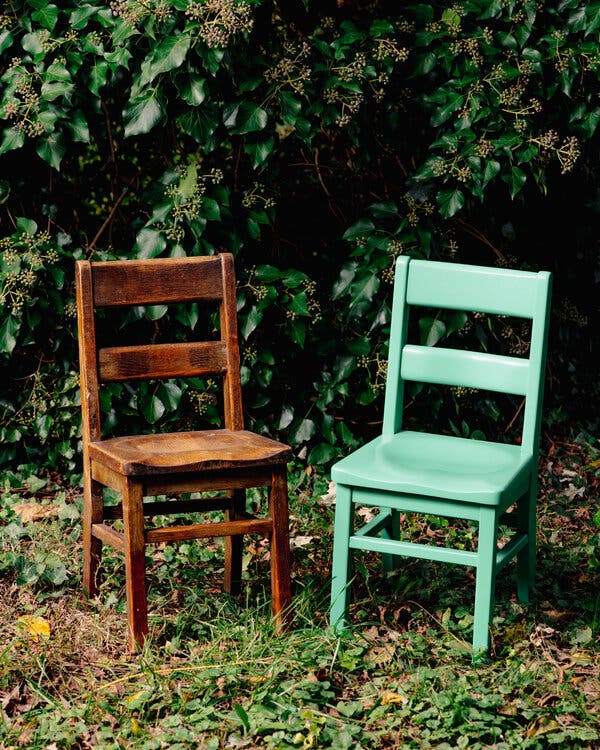
Let’s Learn How to Paint Furniture
Interior Wood Paint
Understanding paint finishes
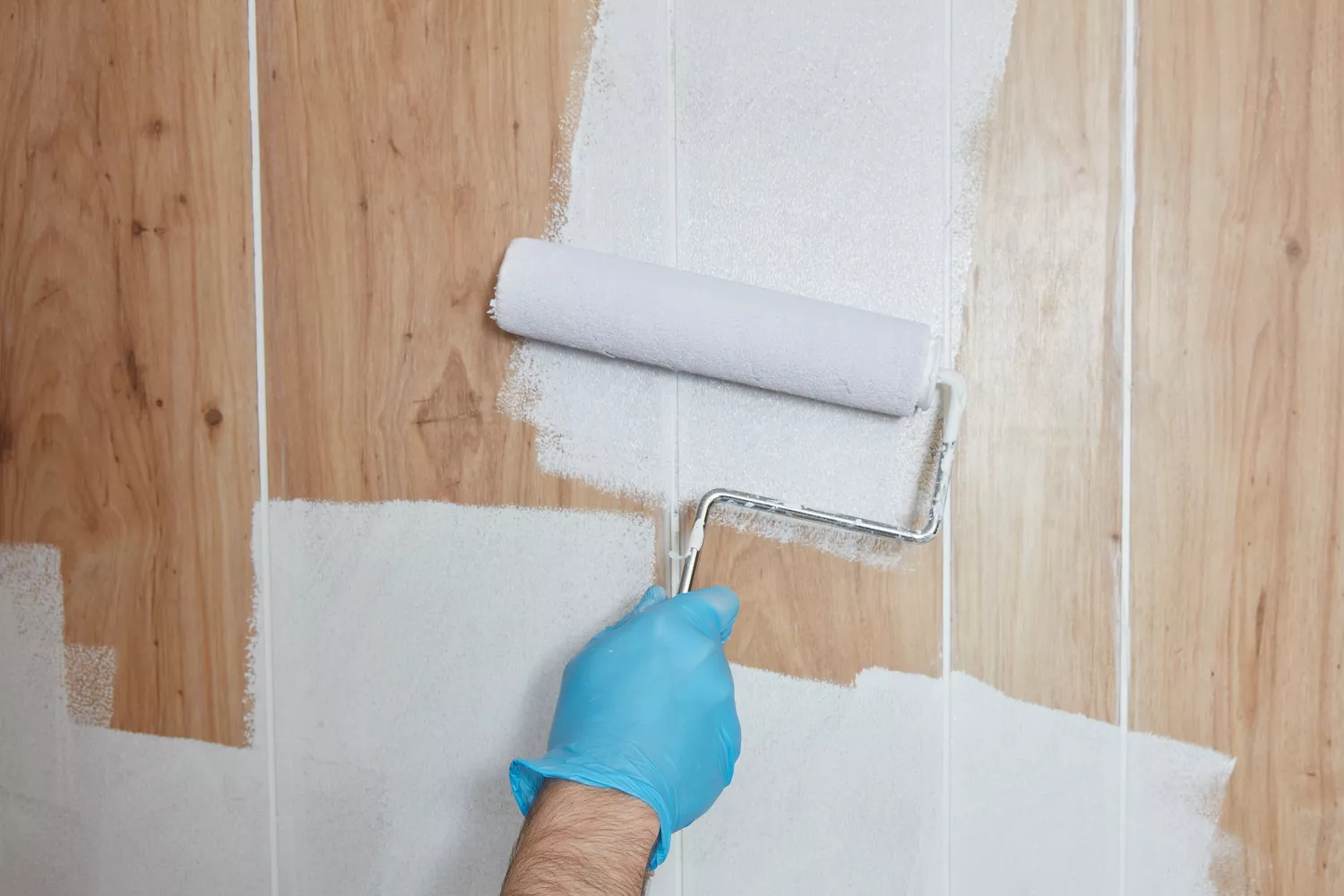
How to Paint Wood Paneling the Right Way

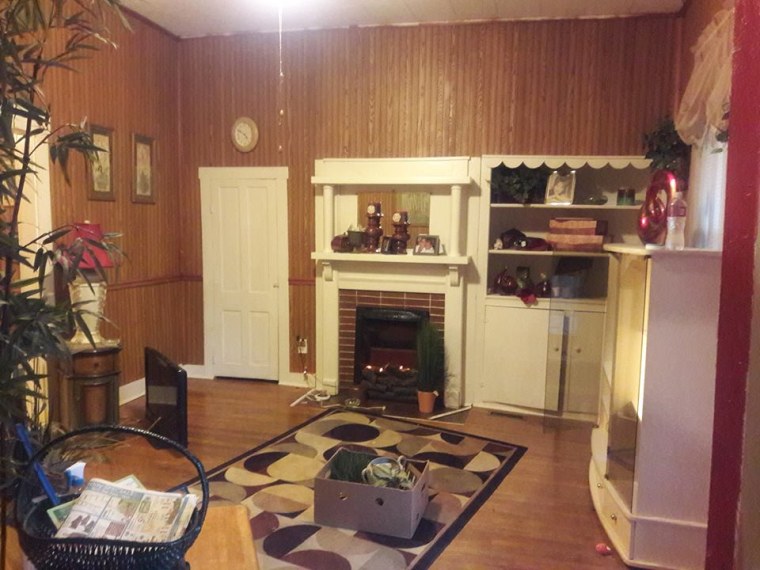
How to Paint Wood-Paneling

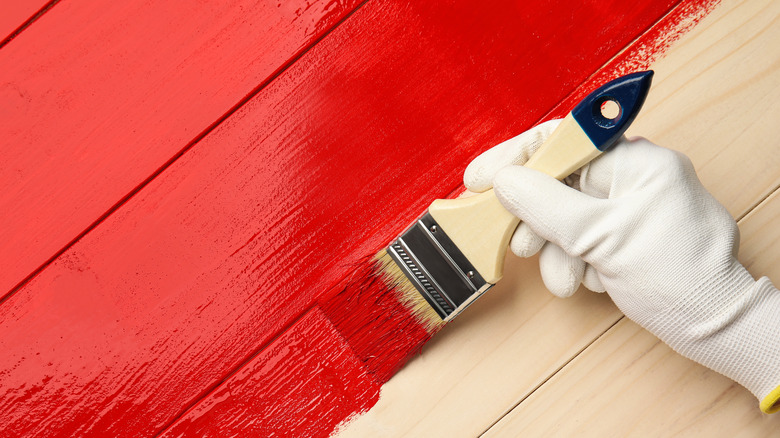
The Best Way To Paint Wood Paneling, According To An Expert

How to Paint Wood Furniture Like a Pro


Interior Paint
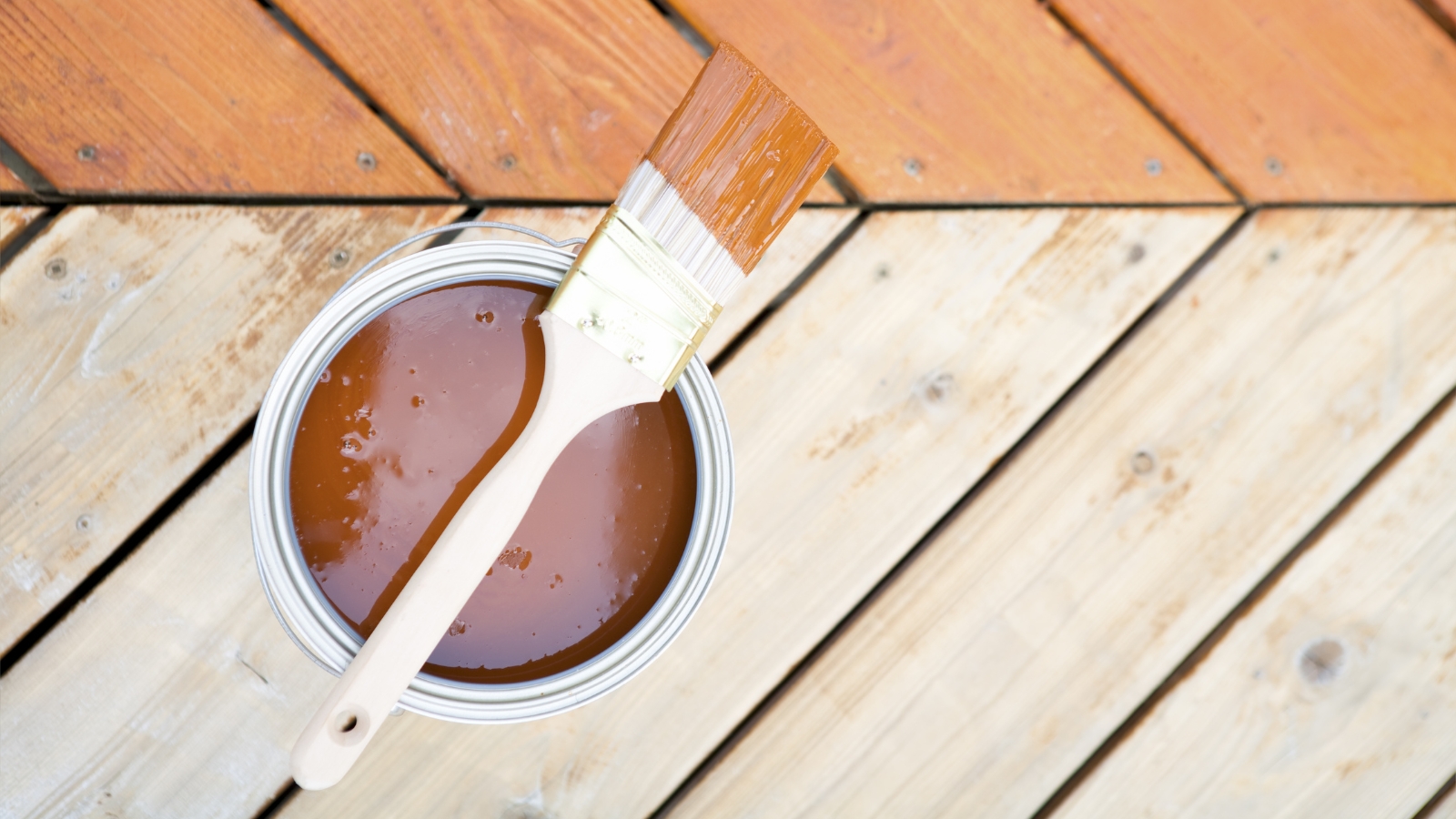
How to paint wood floors – get a lasting shine in 5 easy steps
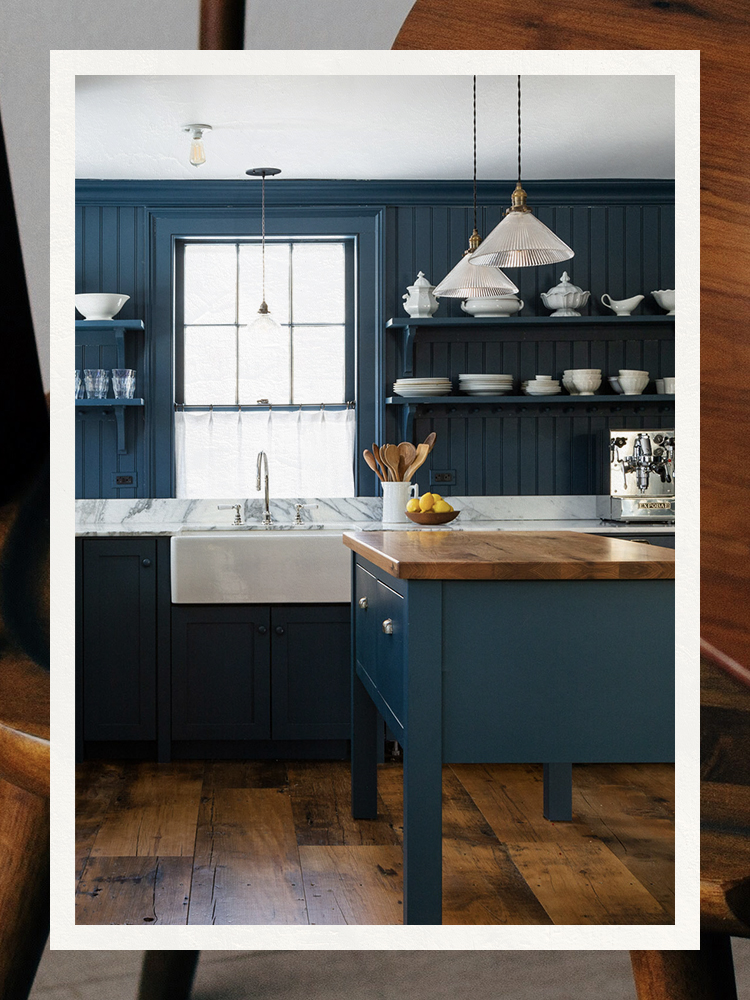
Buying the Best Paint for Wood Means Nothing Without This Important First Step
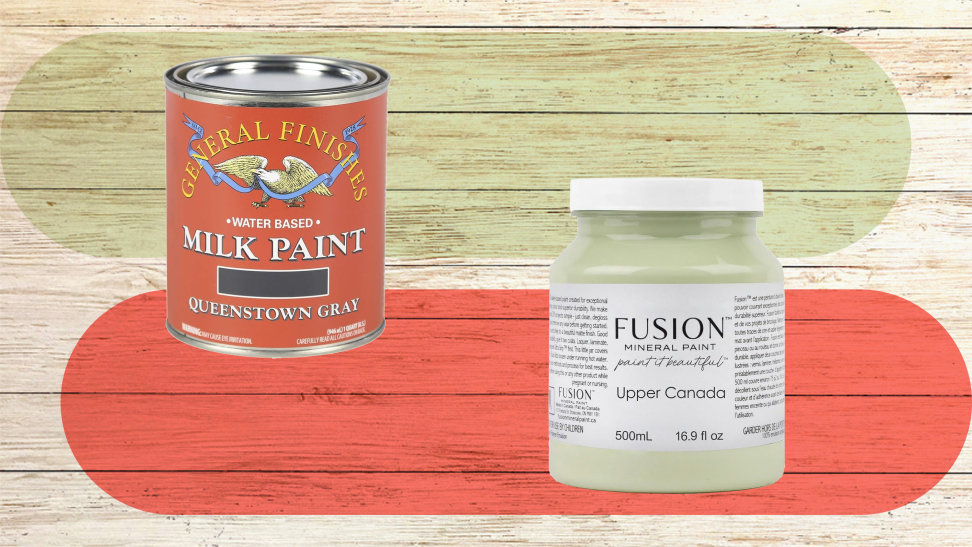
The Best Furniture Paint of 2026

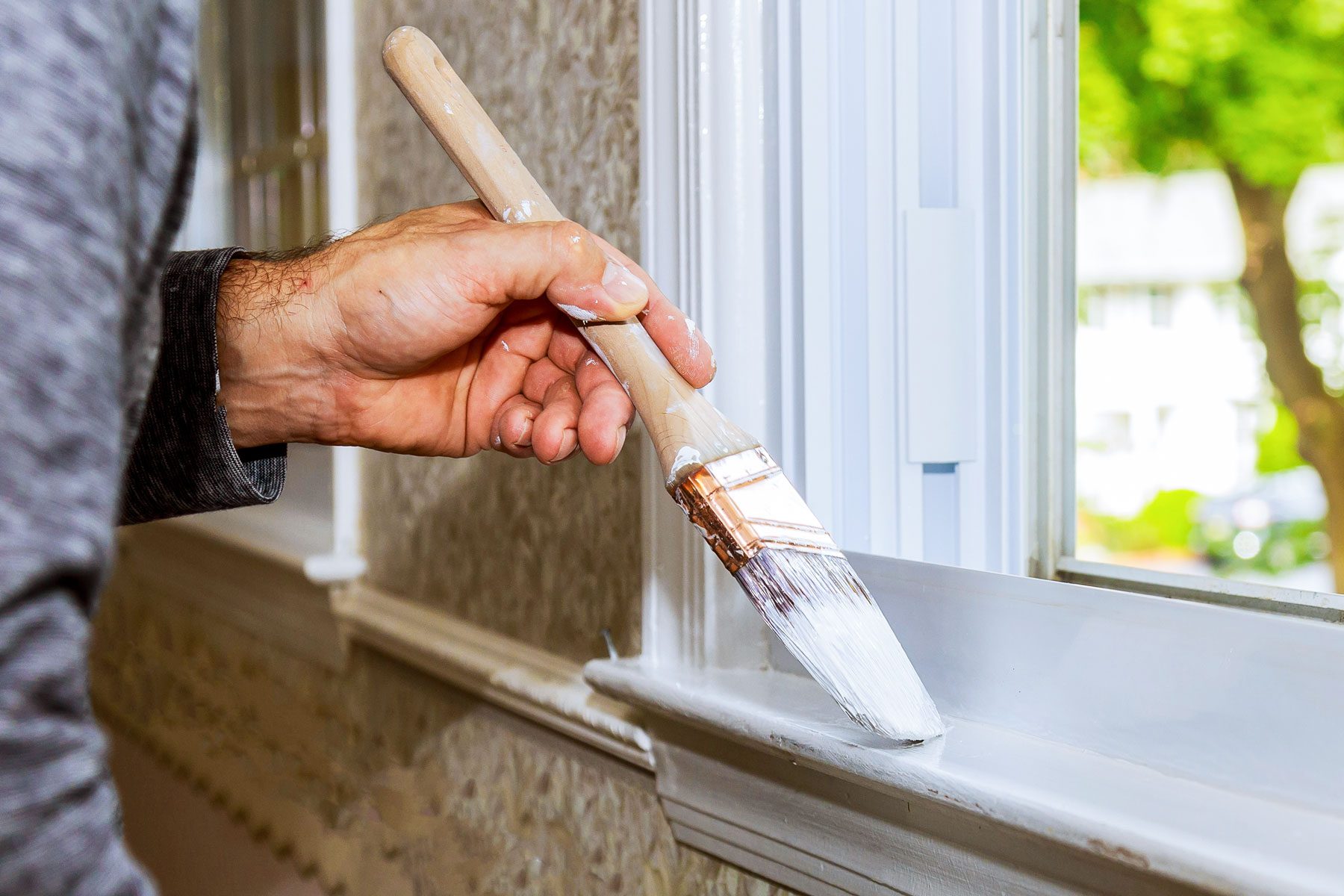
11 Pro Tips for How To Paint Trim

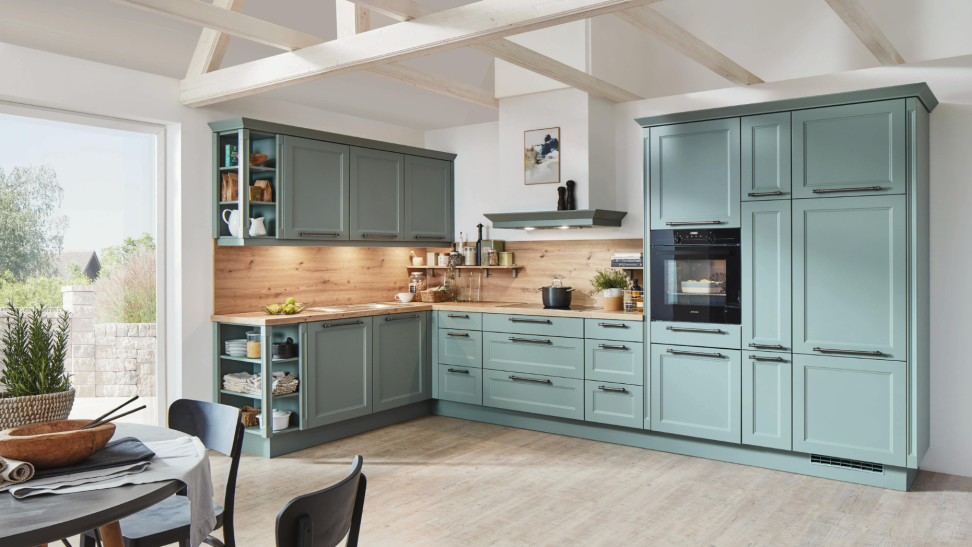
The Best Cabinet Paint of 2026

10 mistakes to avoid when painting wooden furniture, according to experts
How to paint furniture: The one detail you need to get right for best results

How to paint laminate furniture - the pro tips experts swear by for a perfect finish

How to Paint Wood Furniture—From Sanding to Sealing