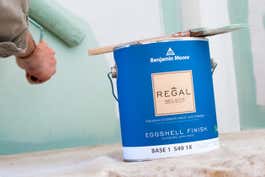

1/17
Interior Paint
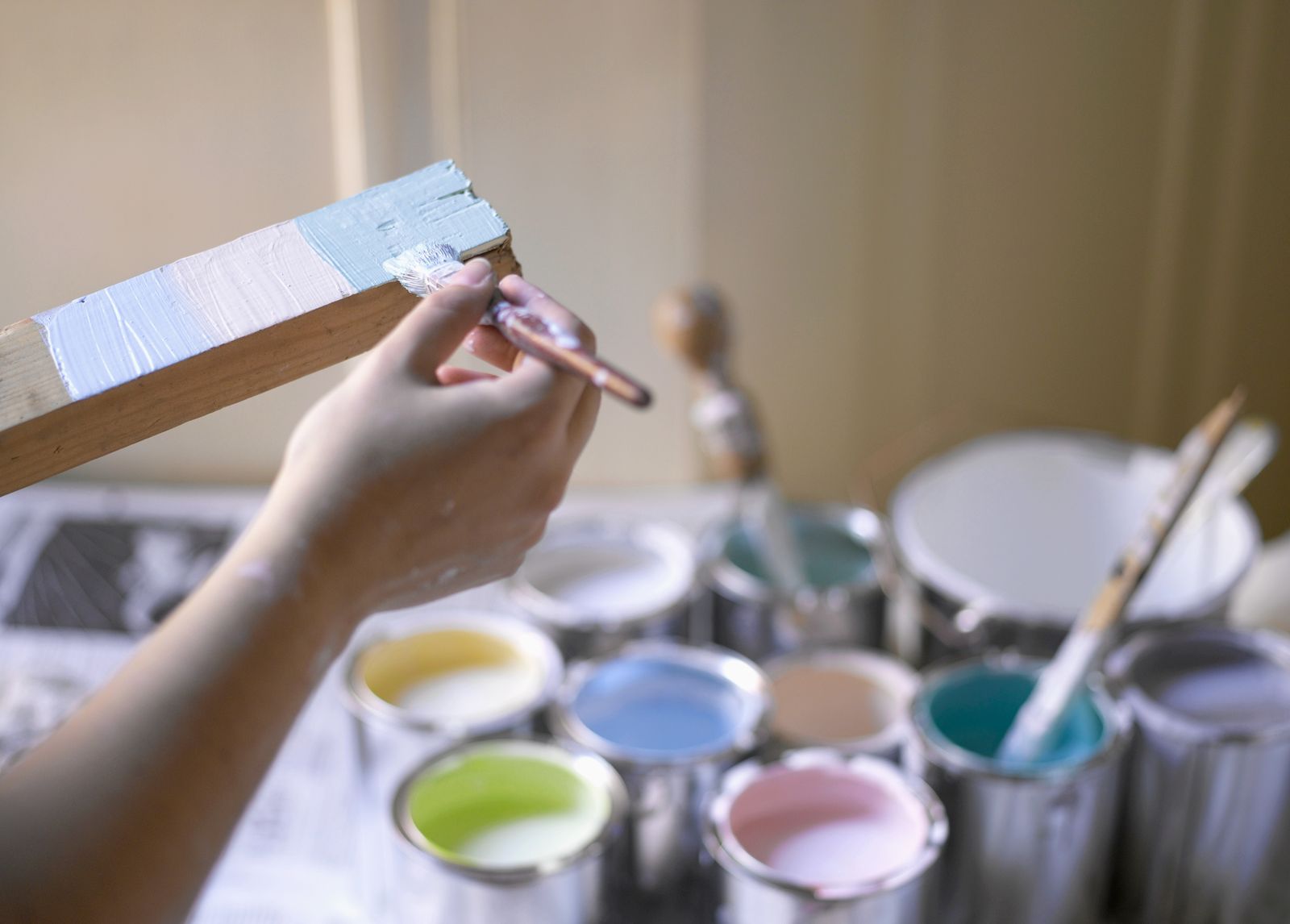
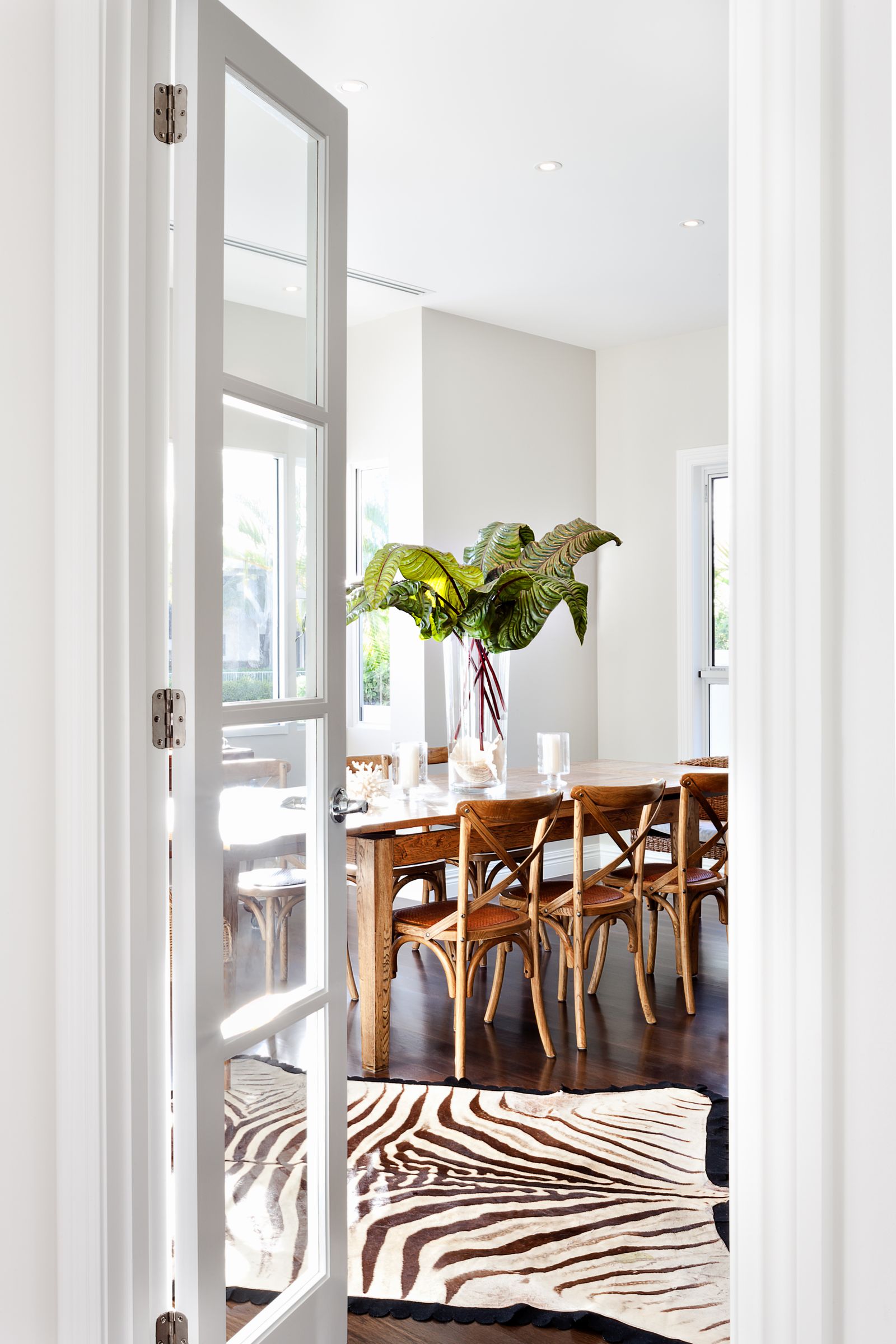
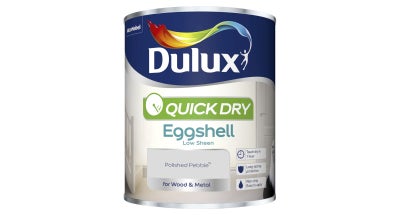
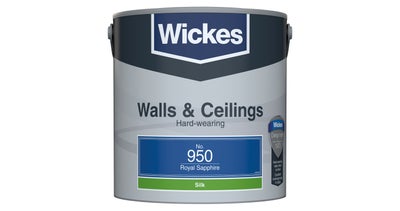
This article explores the diverse range of interior paints available, helping consumers select the ideal product for various home improvement projects. It covers different paint types, finishes, and applications, emphasizing the importance of choosing the right paint for specific areas like walls, ceilings, wood, and furniture. Key brands such as Dulux, Crown, and Leyland are highlighted, catering to both DIY enthusiasts and professional tradespeople.
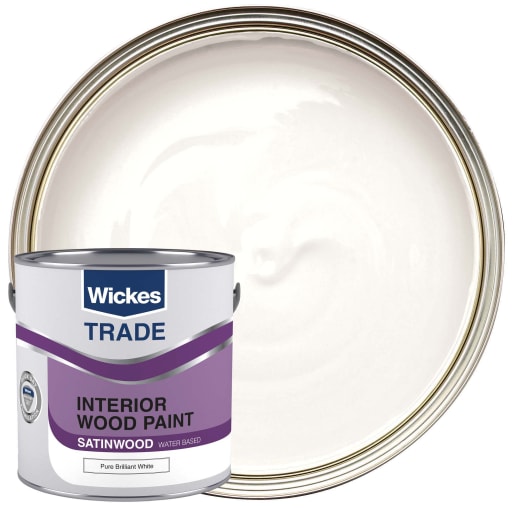
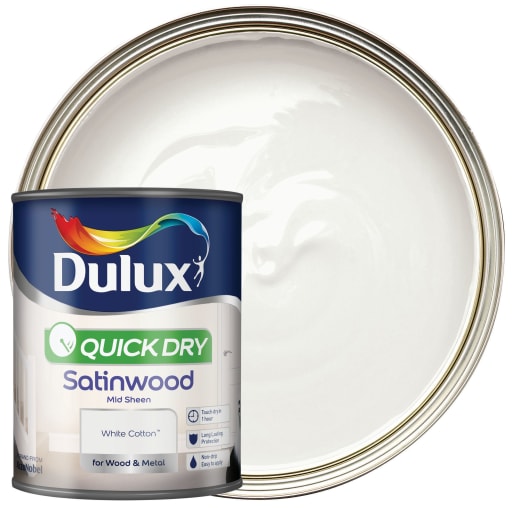
The content begins by introducing the core offering of interior paint, stressing its role in transforming rooms. It then branches into specific categories, including paint offers, wall and ceiling emulsion paint, interior wood paint, trade paint, bathroom paint, kitchen paint, undercoat and primer paints, furniture and cupboard paint, brick and masonry paints, paint tester pots, interior and exterior tile paint, spray paint, floor paint, and metal paint. Each category is designed to meet distinct painting needs, ensuring a suitable option for every project. The inclusion of paint offers indicates promotional opportunities for cost-conscious buyers, while specialized paints like bathroom and kitchen paints address concerns such as moisture resistance and durability in high-traffic areas.
A significant section is dedicated to frequently asked questions, providing practical advice to common consumer queries. One crucial question addressed is the suitability of exterior paint for interior use. The article clarifies that exterior paint is not recommended for indoor environments due to its chemical composition, which is formulated for outdoor resilience and could be harmful indoors. It underscores that interior paint is designed to promote better air quality and deliver a smoother finish, making it the safer and more effective choice for indoor applications.
Another FAQ focuses on identifying the best paint for interior walls. Water-based emulsion paint is recommended for its low odor and long-lasting performance, particularly beneficial in active households. This advice guides consumers toward paints that are user-friendly and durable, aligning with modern living standards. The article also provides guidance on calculating the necessary amount of paint for a home's interior, suggesting a methodical approach that involves measuring surfaces, subtracting non-painted areas like doors and windows, and dividing by the paint's coverage. This practical tip helps minimize waste and ensures adequate supply for the project, supported by the mention of a paint calculator tool for precise estimations.
Overall, the article serves as a comprehensive guide for anyone undertaking an interior painting project. It systematically presents product categories, brand options, and essential advice, empowering readers to make informed decisions for their home transformations. The emphasis on safety, durability, and practical application ensures that both novice and experienced painters can achieve professional and satisfying results.
#InteriorPaint #HomeImprovement #PaintTypes #DecoratingTips #DIYProjects #PaintBrands #PaintApplication #RenovationGuide #InteriorPaint #HomeImprovement #PaintTypes #DecoratingTips #DIYProjects #PaintBrands #PaintApplication #RenovationGuide
0 comment in total
 No comments yet
You may also like
Interior Wood Paint
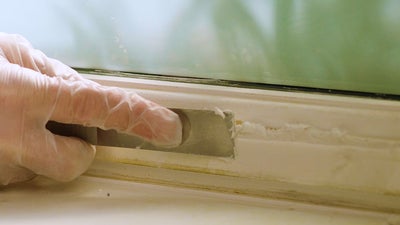
How to paint interior woodwork
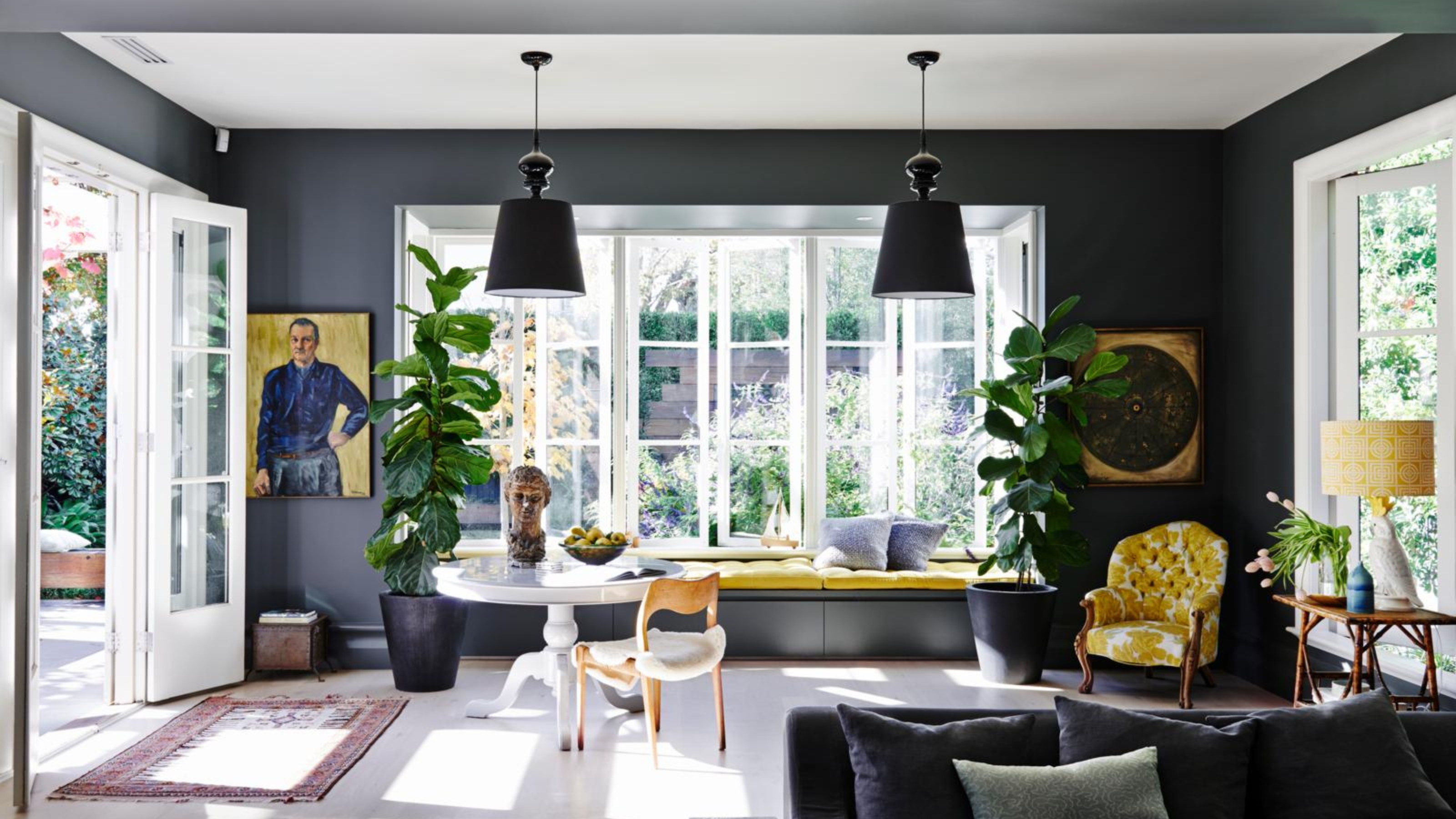
4 Times Designers Say You Definitely Shouldn't Paint Your Walls and Ceiling in the Same Color

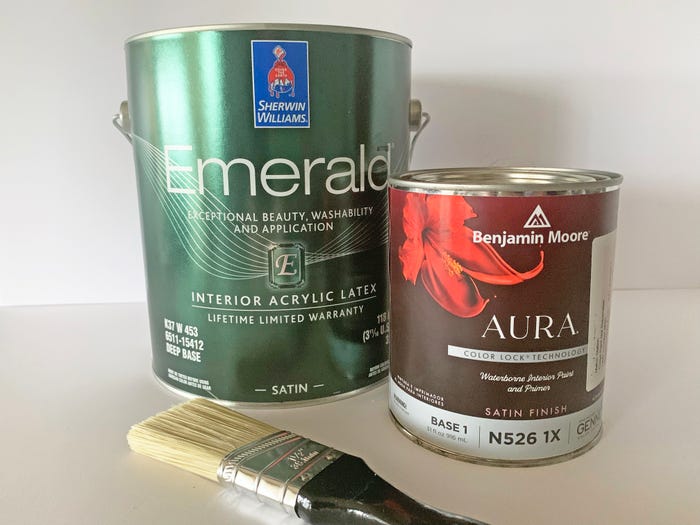
Benjamin Moore vs. Sherwin-Williams: Painting pros explain the differences and why both make great paint

Interior Paint: A Guide to Buying the Best Paints for Your Home

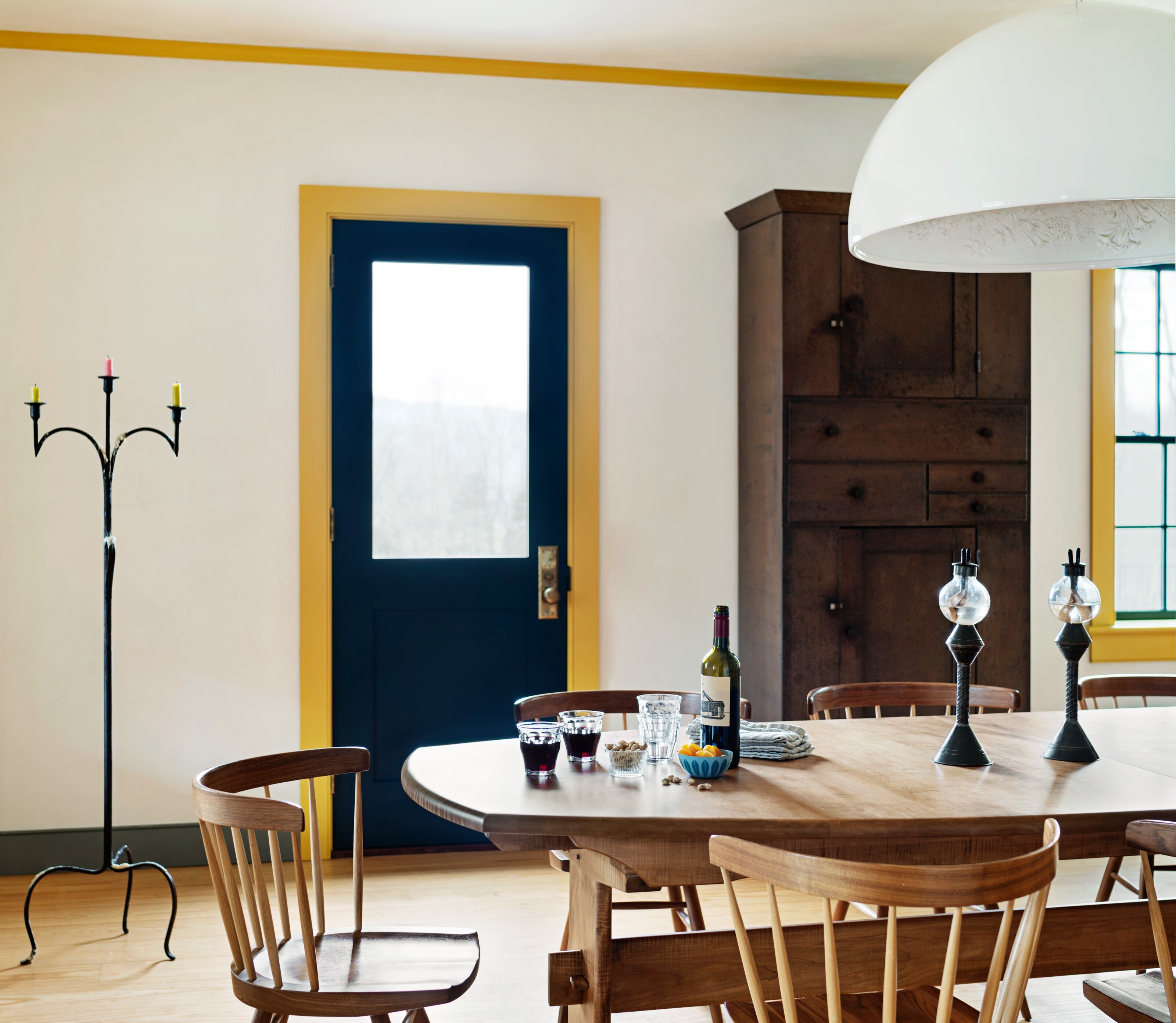
'It's the best way to make a home joyful' - this paint trend is the perfect idea to introduce color thoughtfully
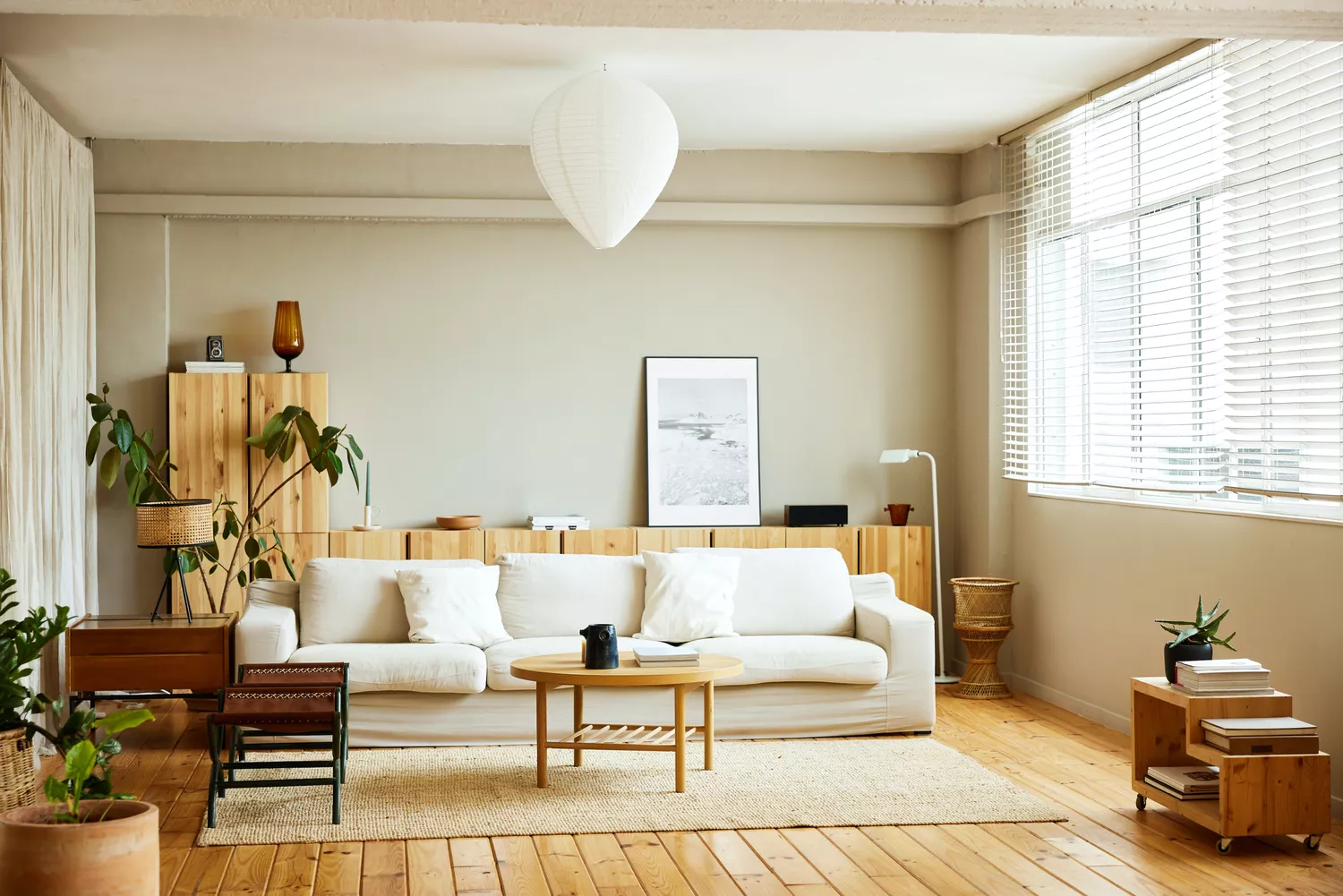
How to Choose the Best Paint Finish for Every Area of Your Home, From Kitchen Cabinets to Bathroom Walls
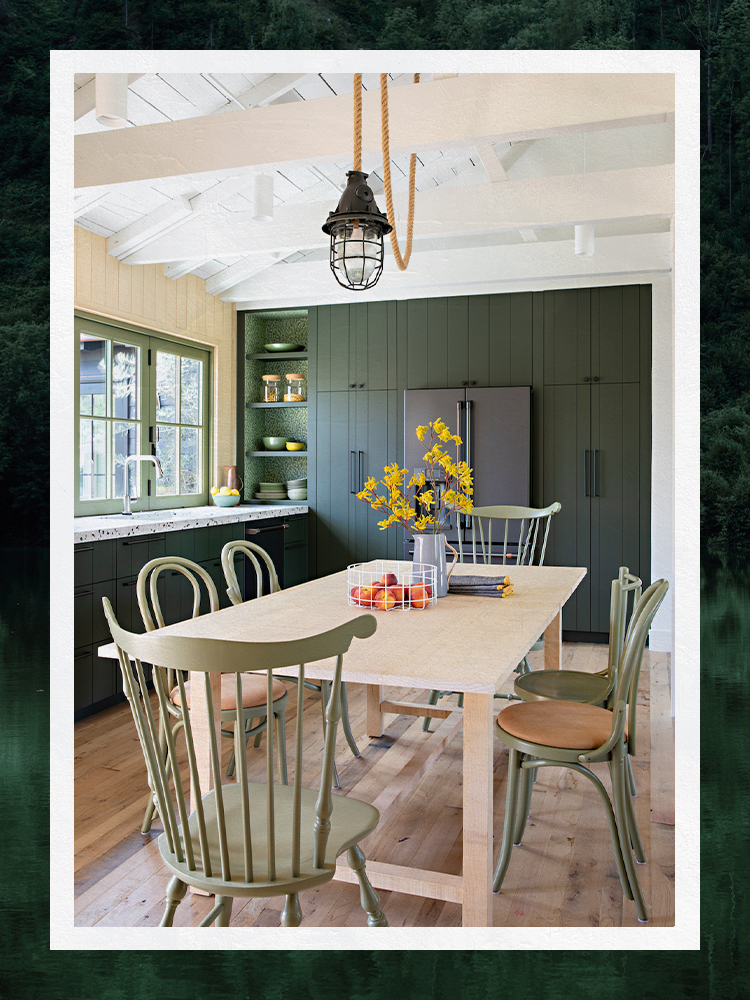
Designers Share Their Tried-and-True Shades From the Best Interior Paint Brands
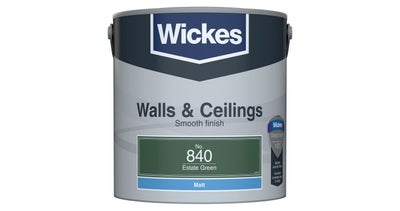
Understanding paint finishes
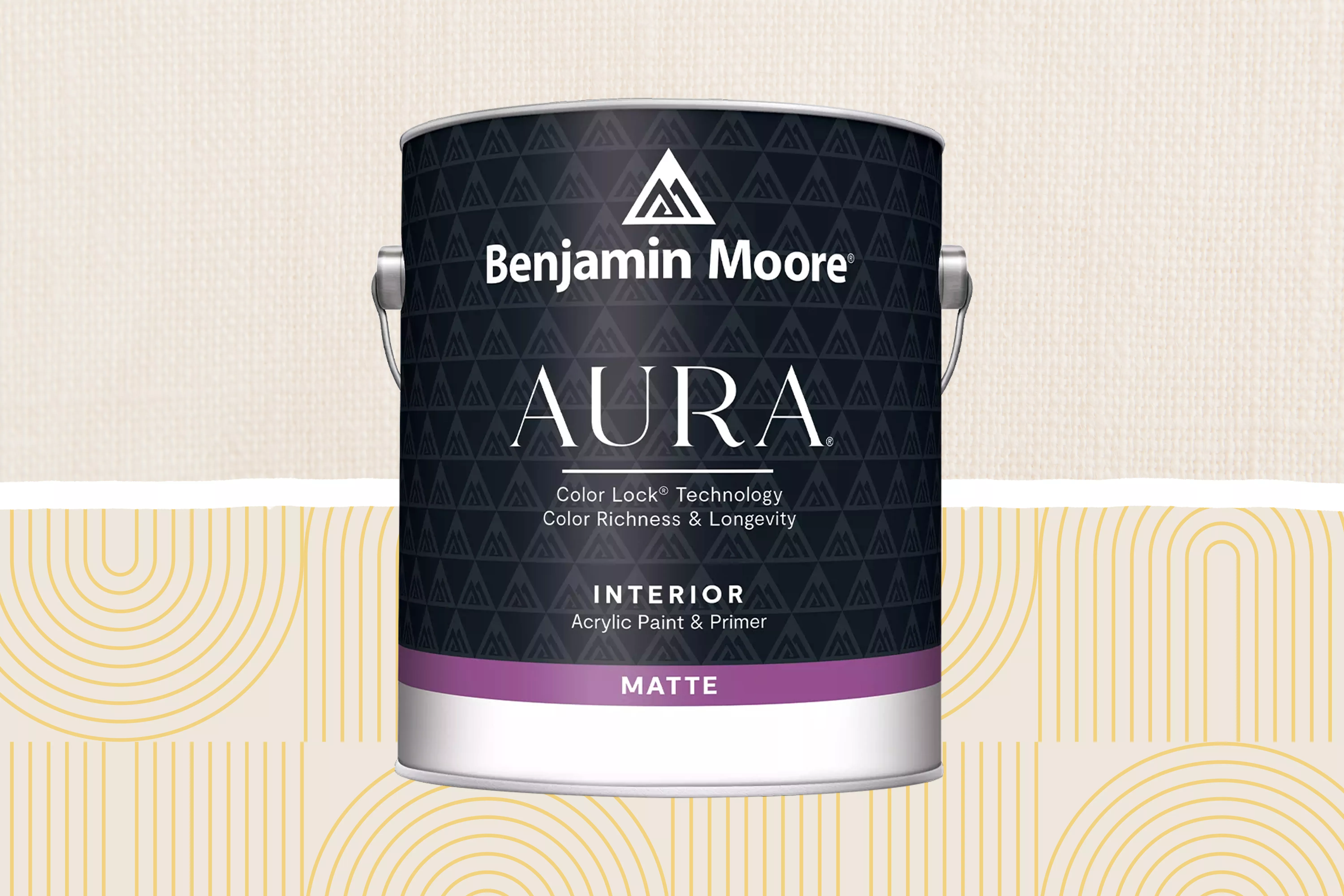
Refresh Your Walls With These 8 Best Interior Paints

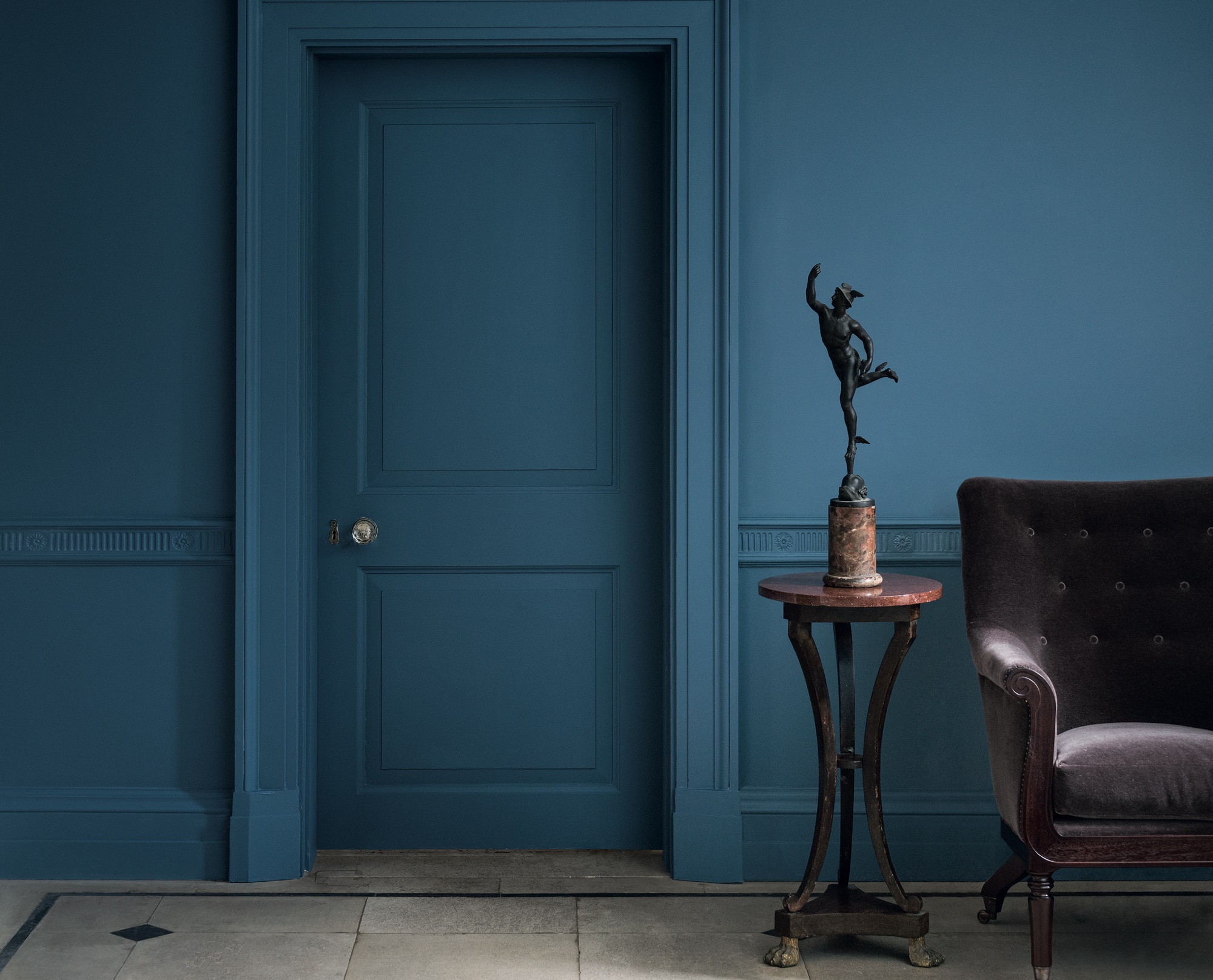
Should doors be painted the same color as walls? Expert advice on when to go all out and when to mix it up
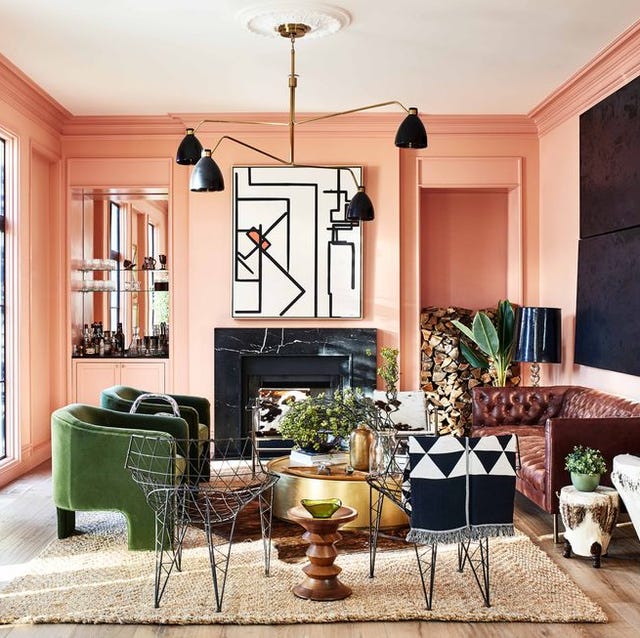
These Master Tips Will Help You Avoid Choosing The Wrong Type Of Paint
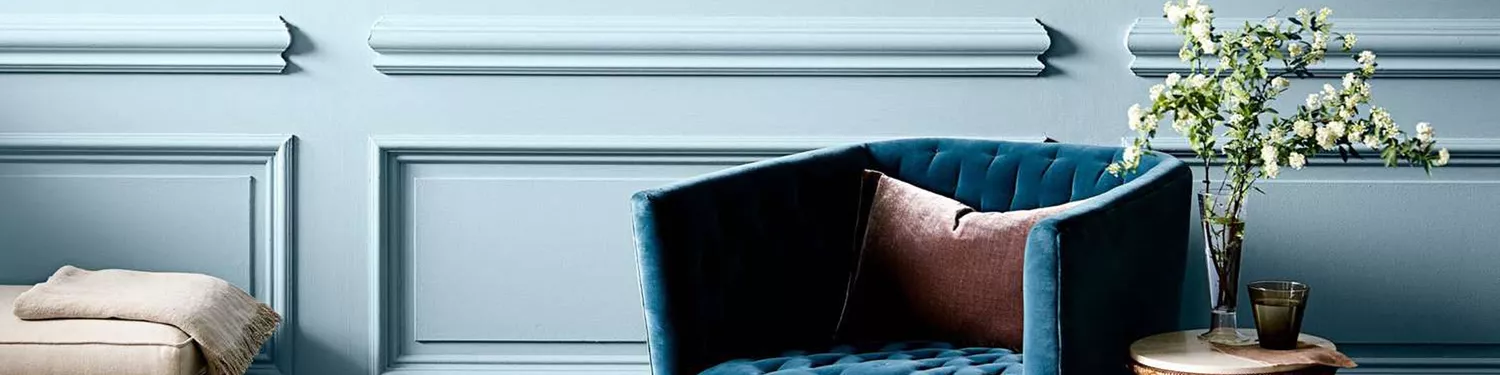
Interior Paint Colors & Palettes

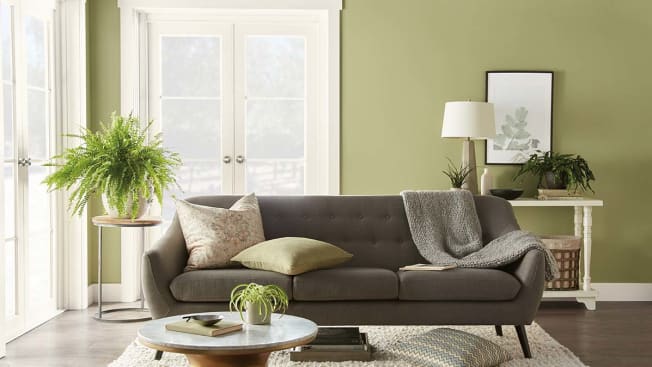
Hottest Interior Paint Colors of 2020
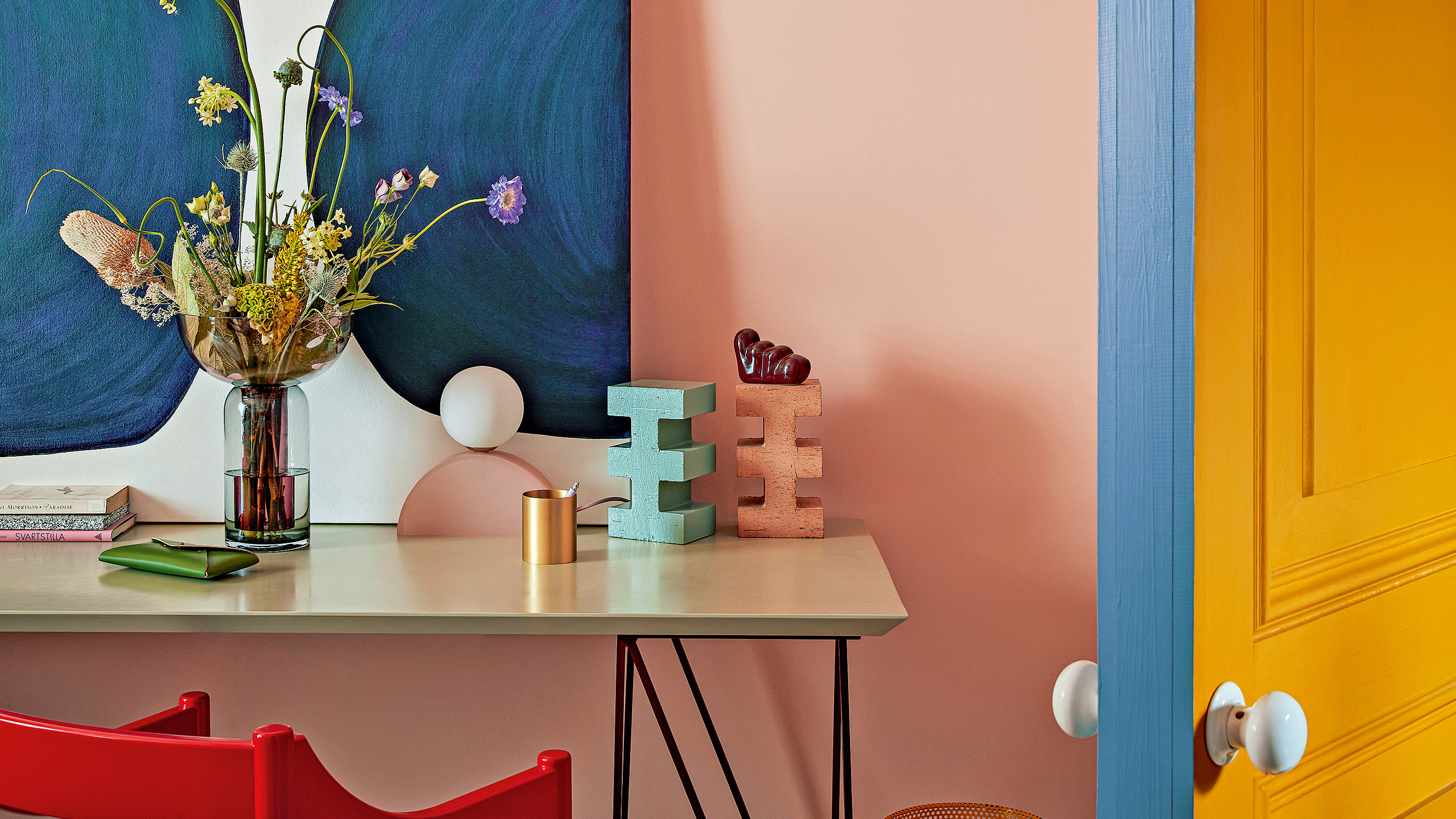
Paint finishes explained – an expert guide to choosing the perfect type of paint for your projects

The Best Interior Paint | Reviews by Wirecutter

Furniture Paint & Cupboard Paint

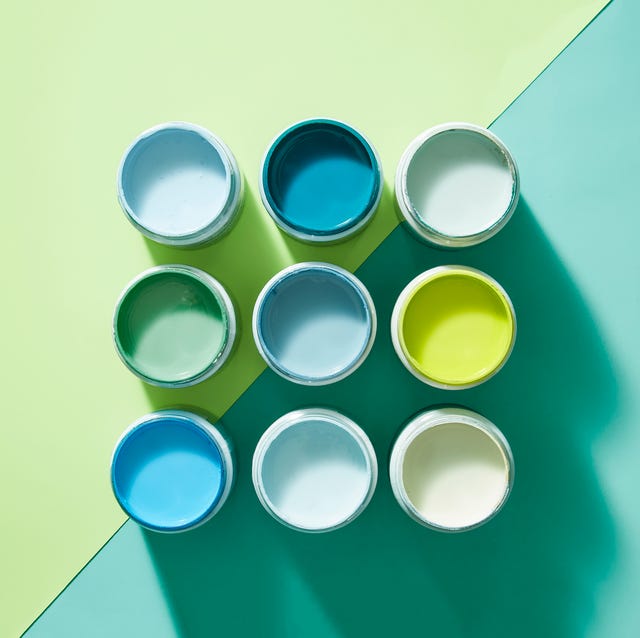
The Best Interior Paints, According to Expert Testing

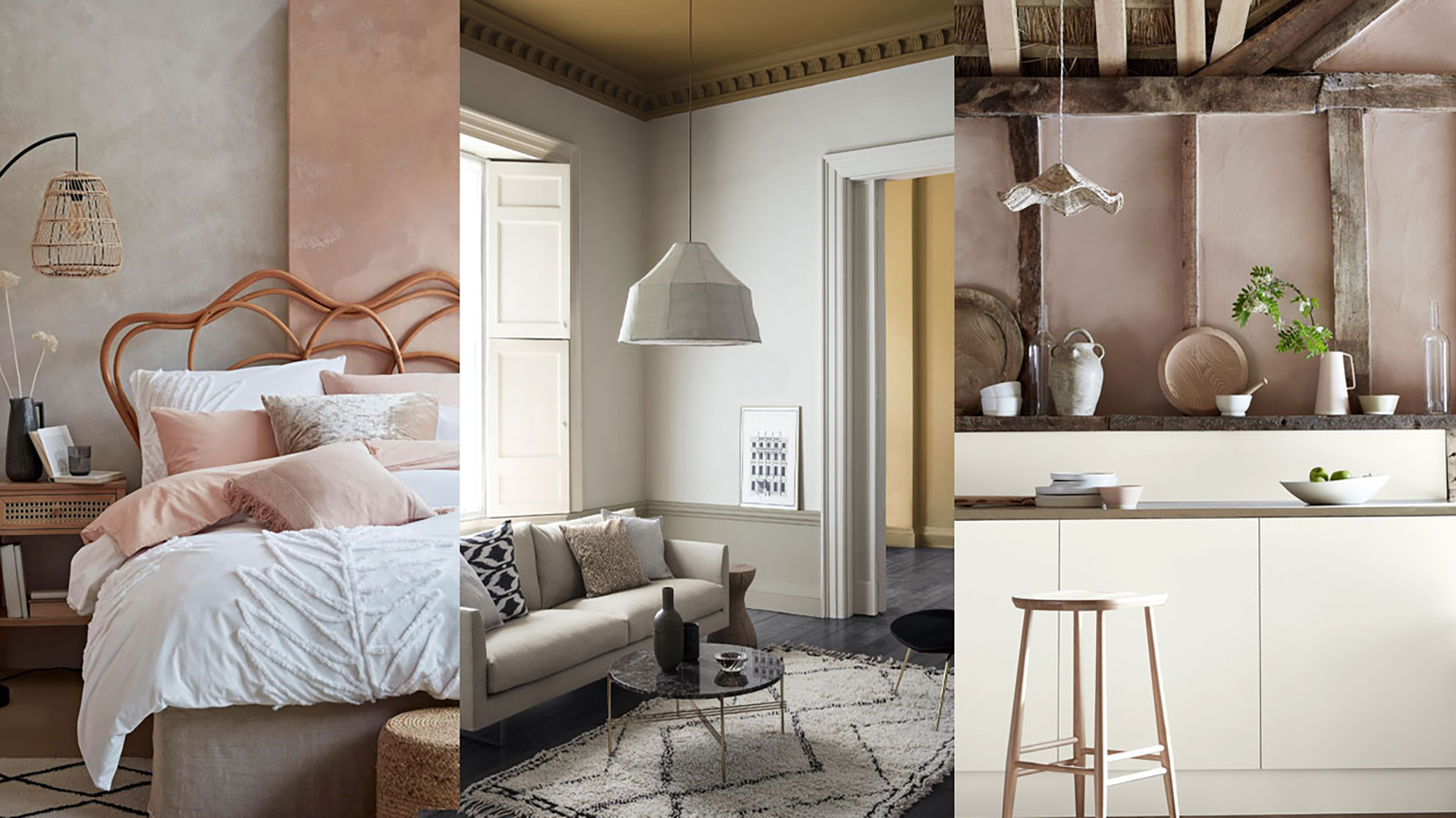
Paint finishes – a guide for every room

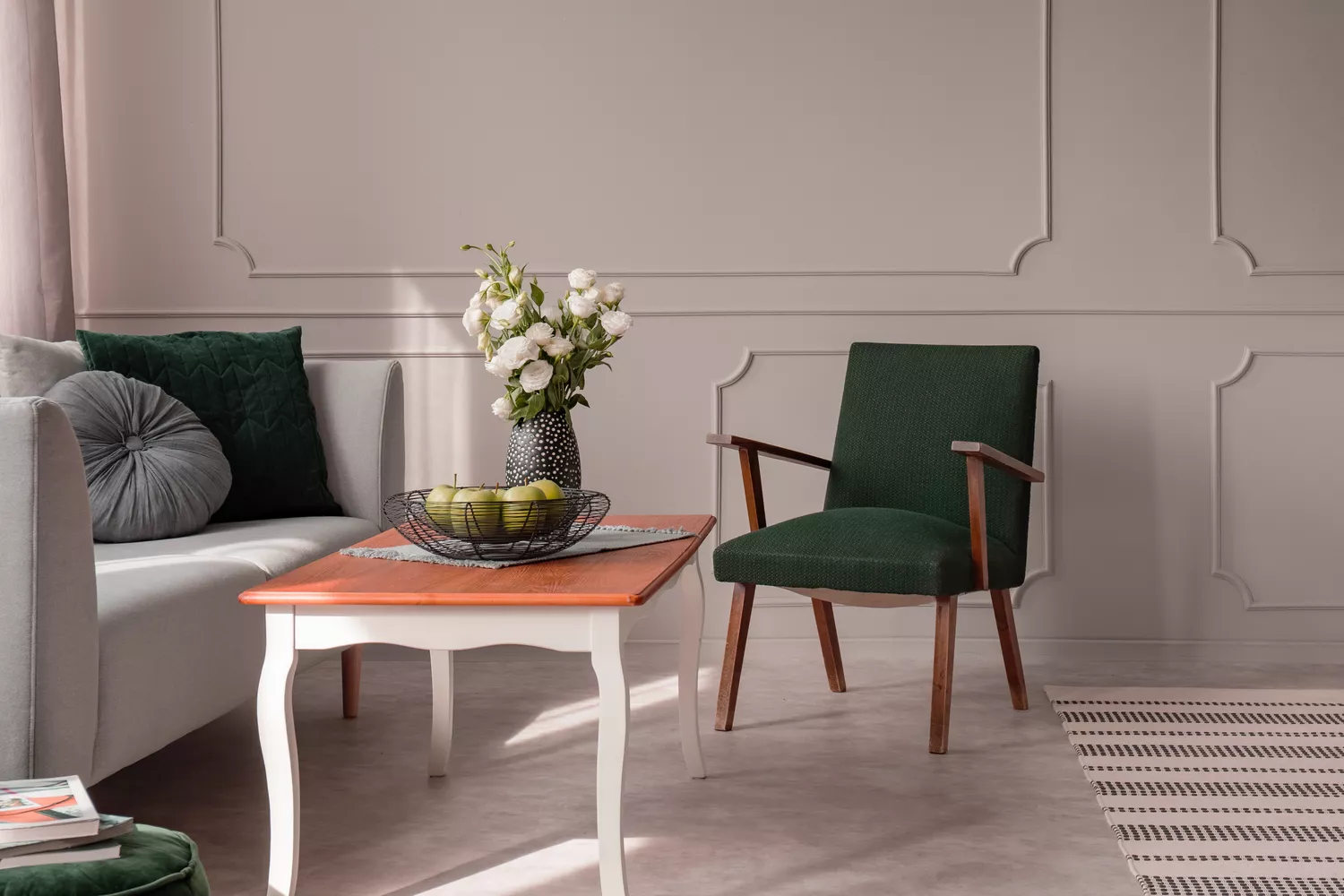
Try These Dirt-Hiding Paint Colors in the Messiest Parts of Your House