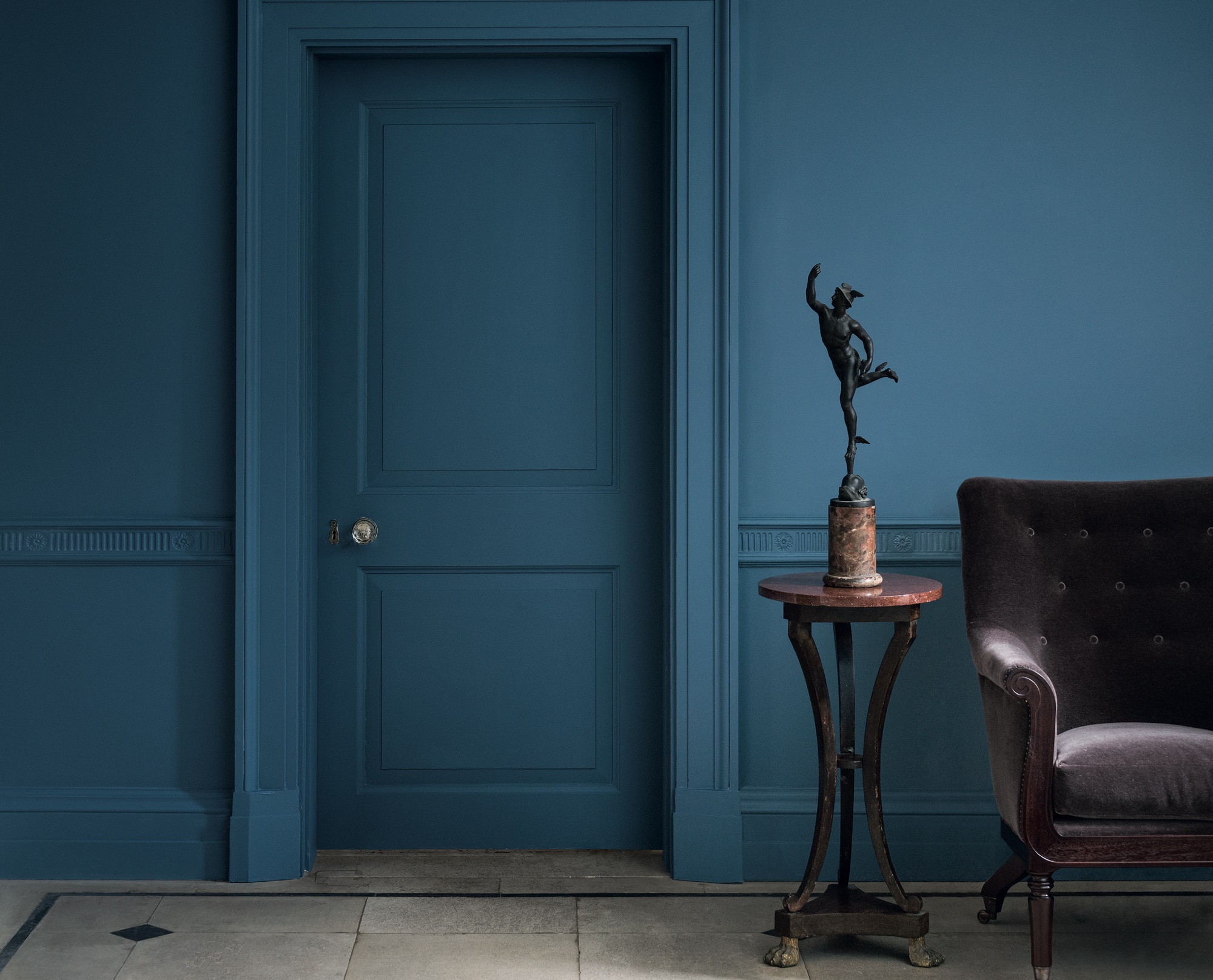
1/13
Should doors be painted the same color as walls? Expert advice on when to go all out and when to mix it up
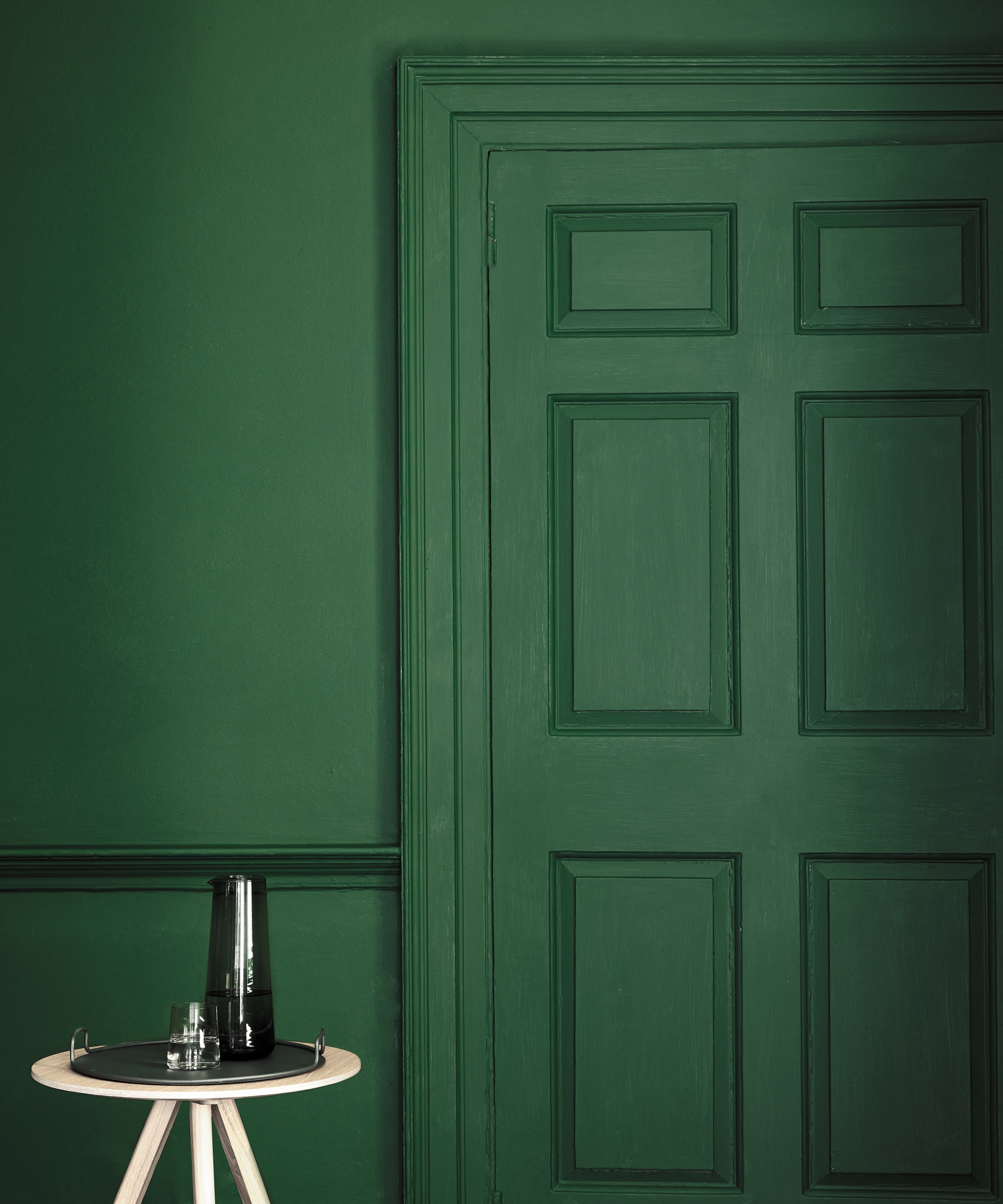
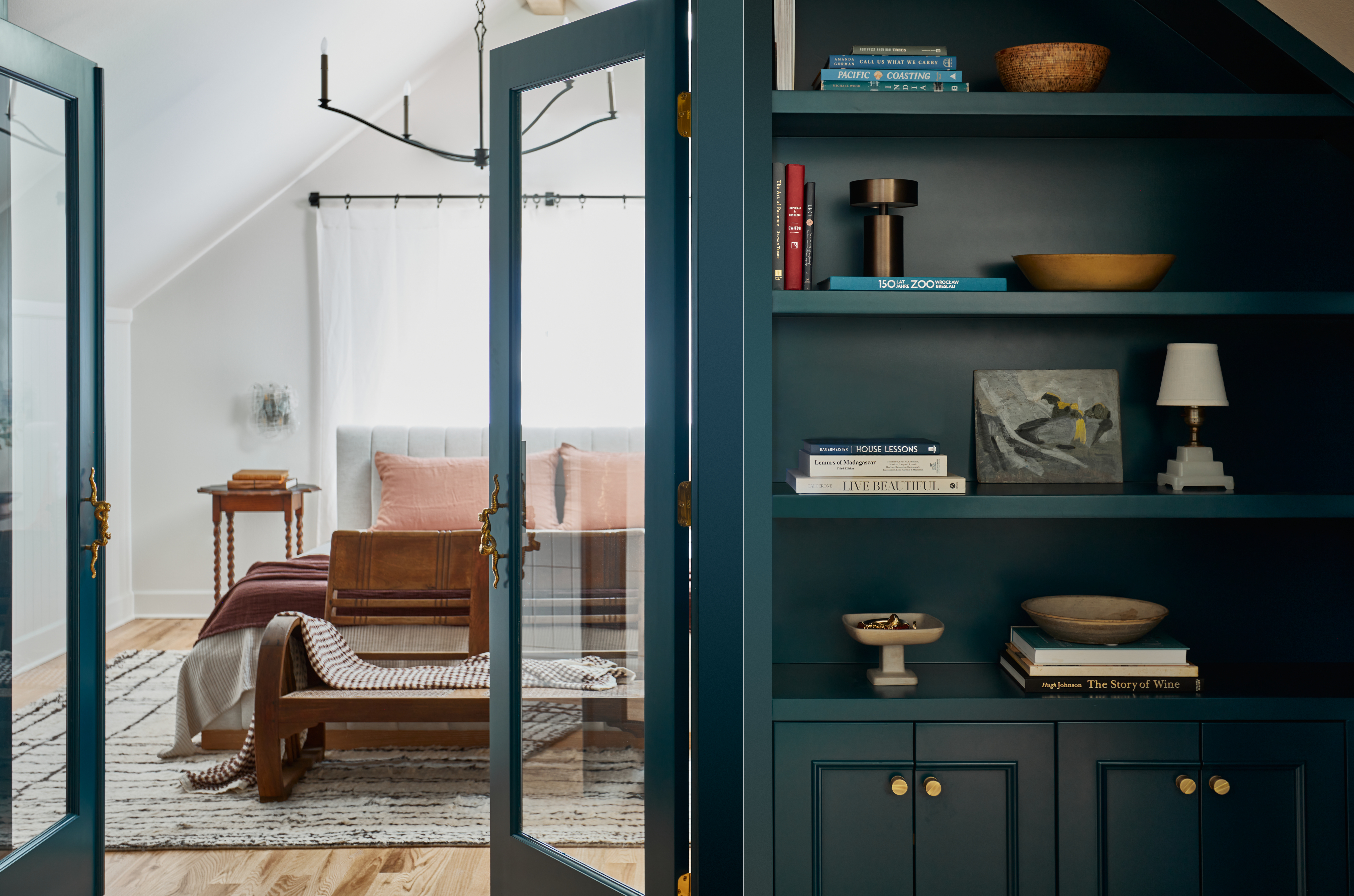
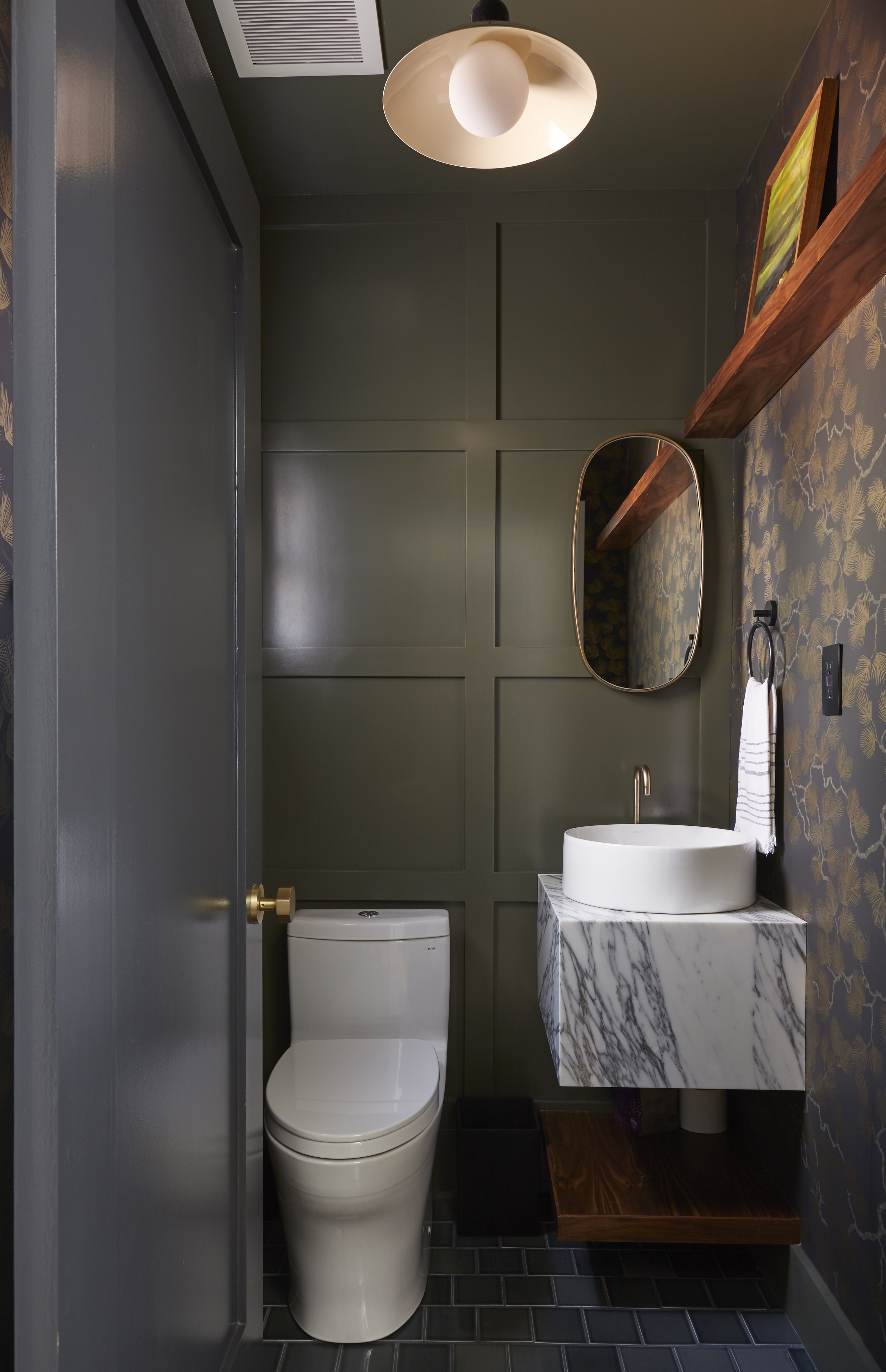
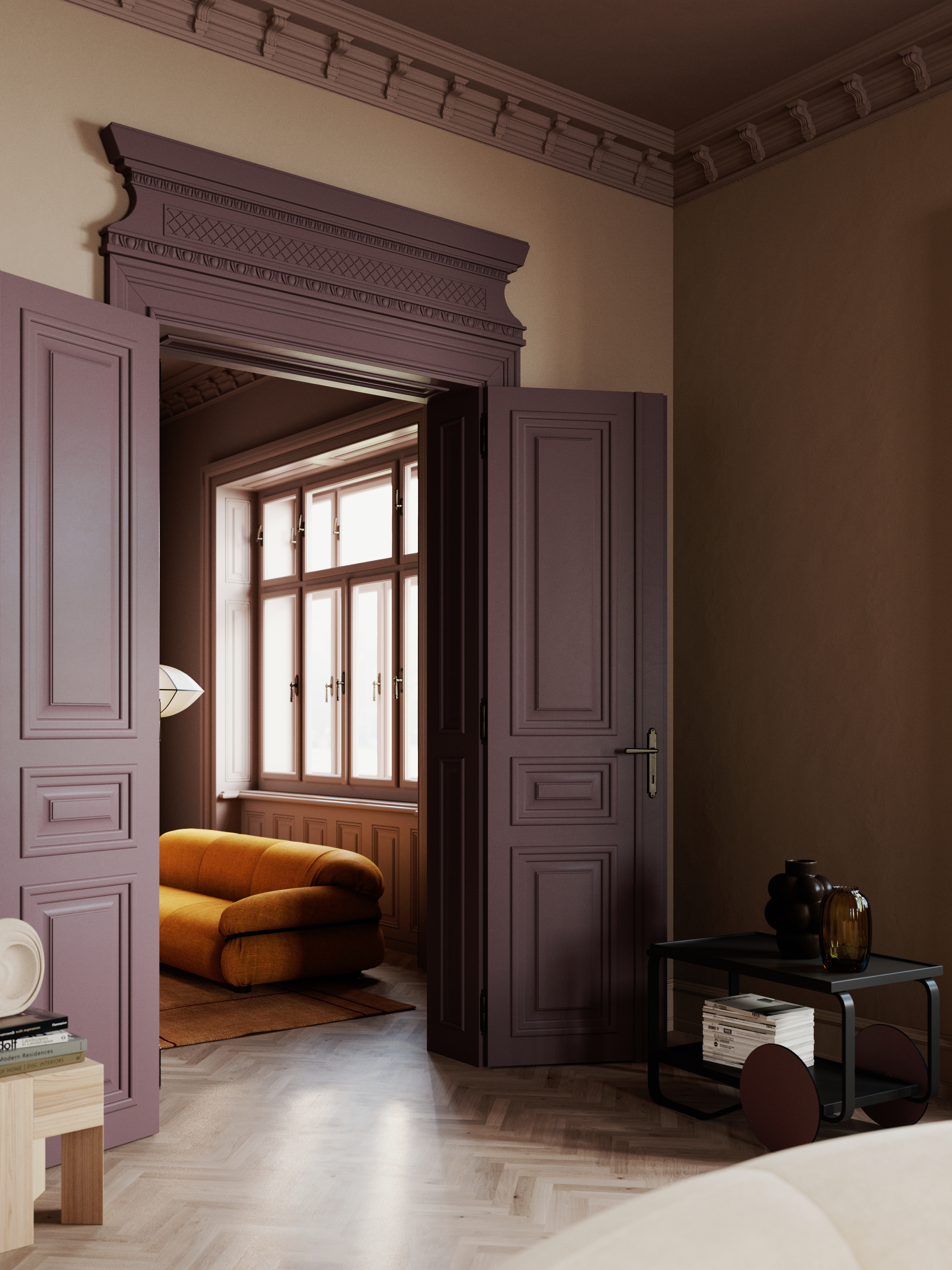
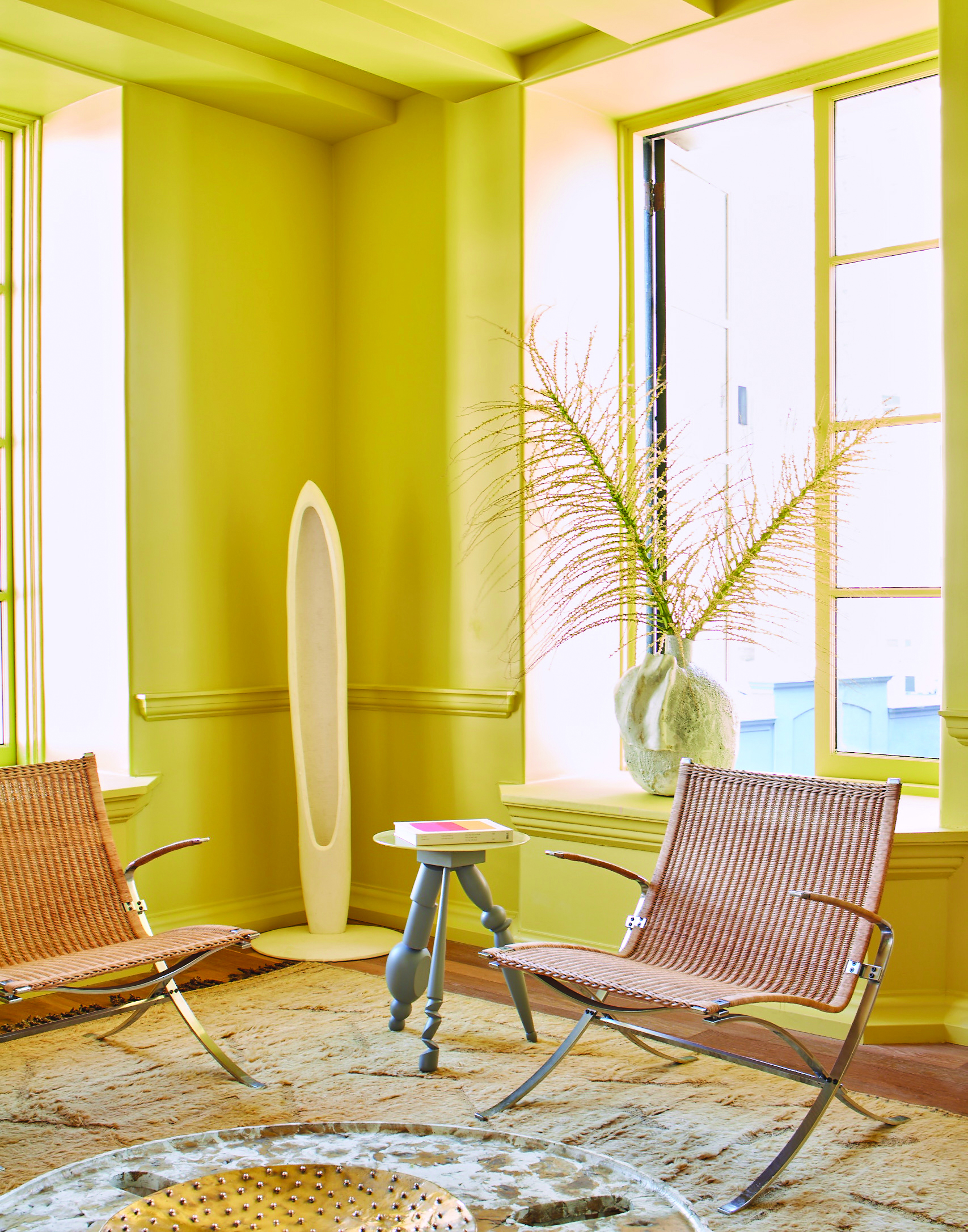
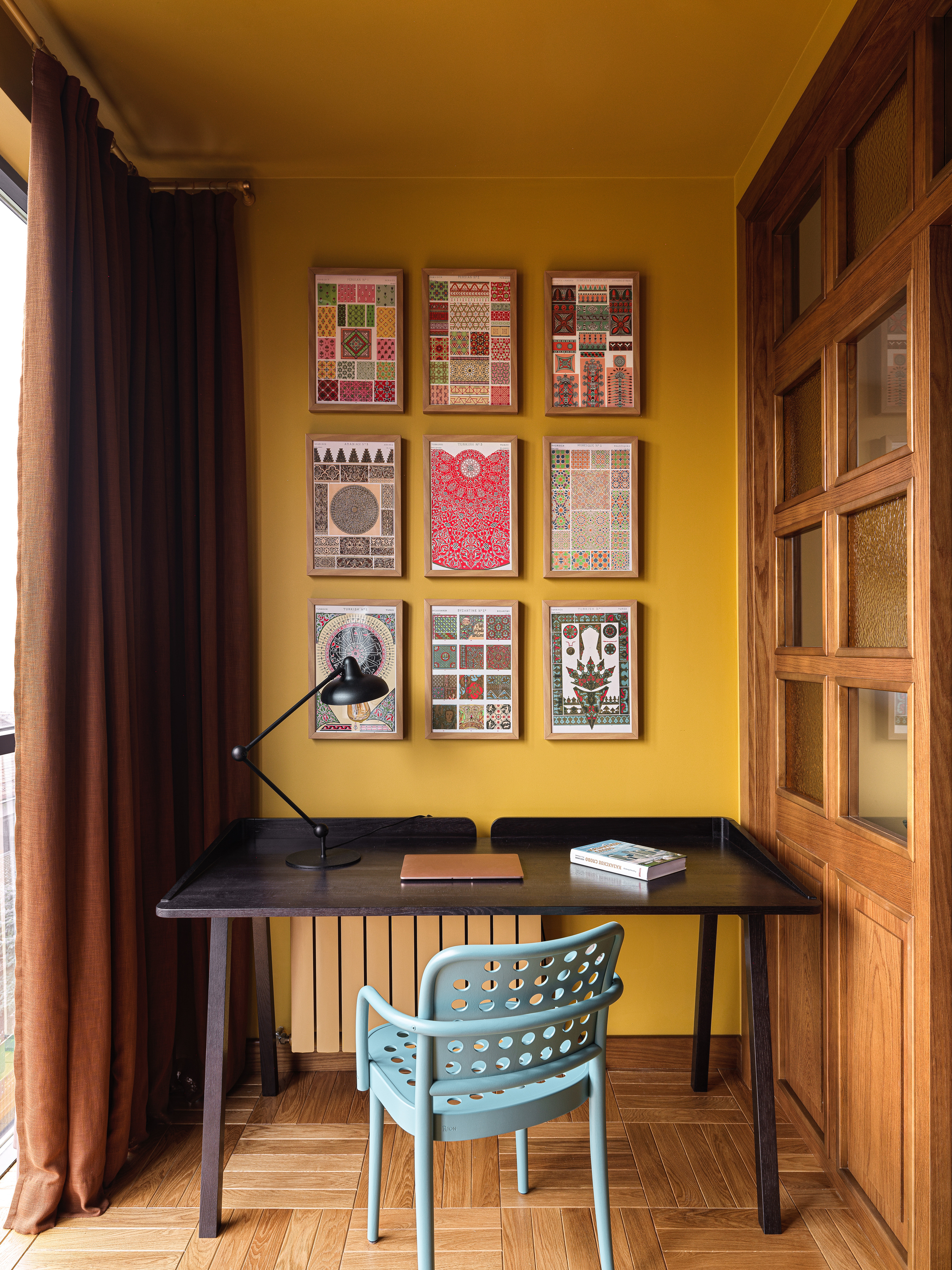
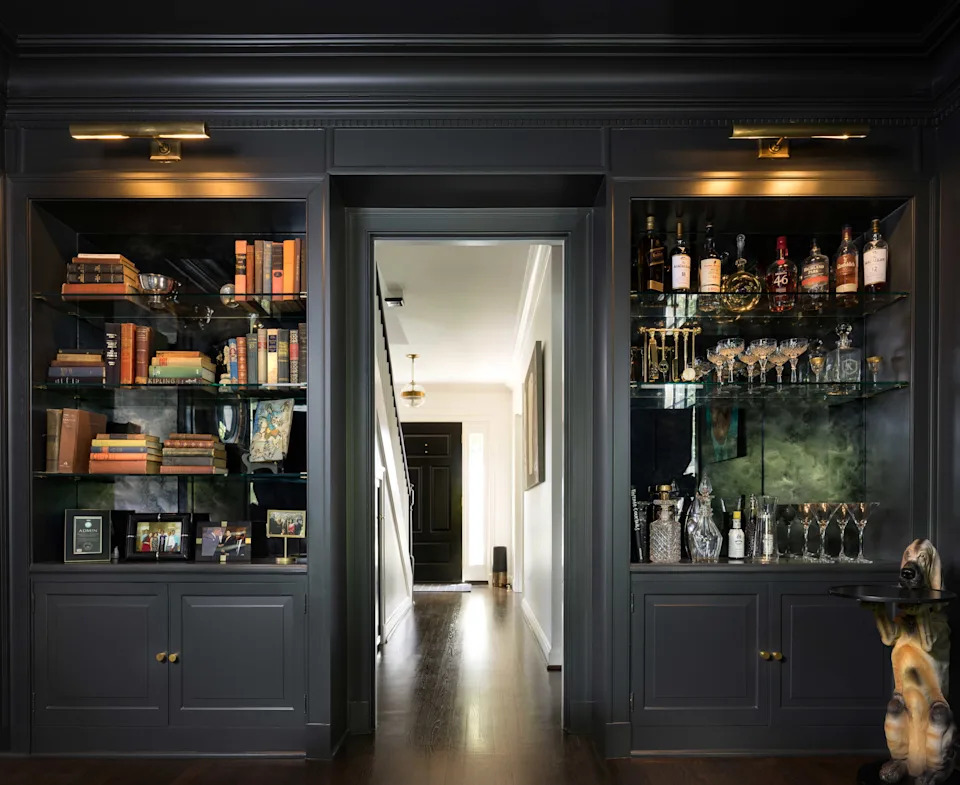
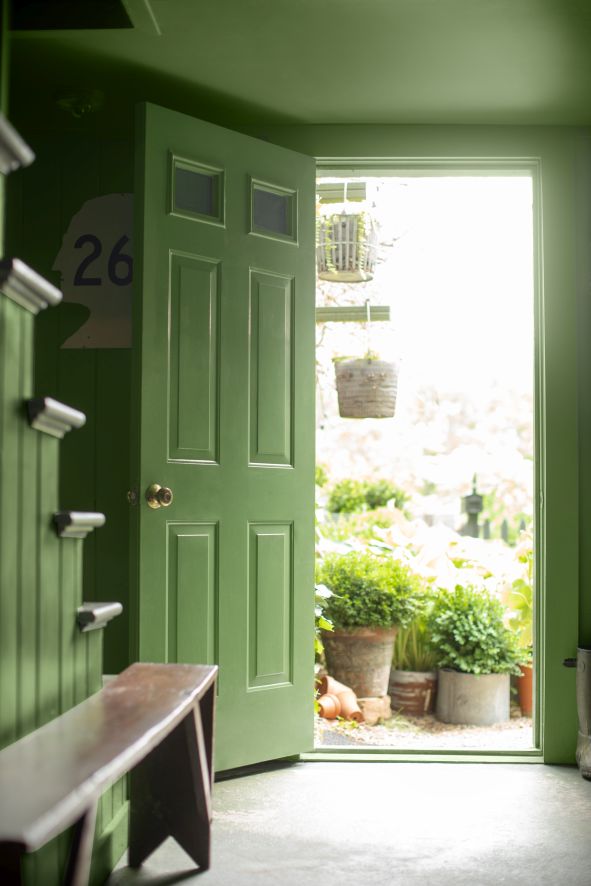
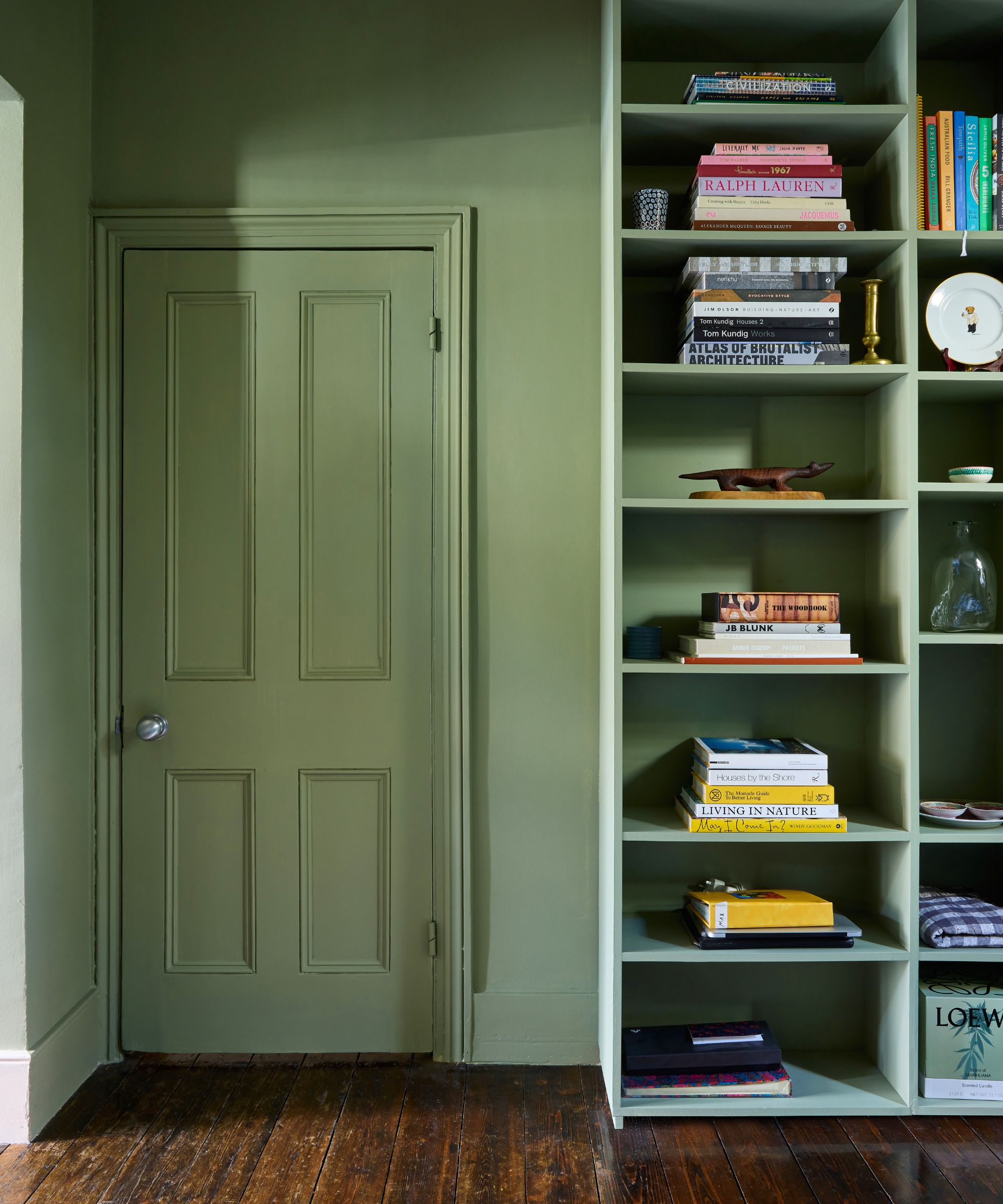
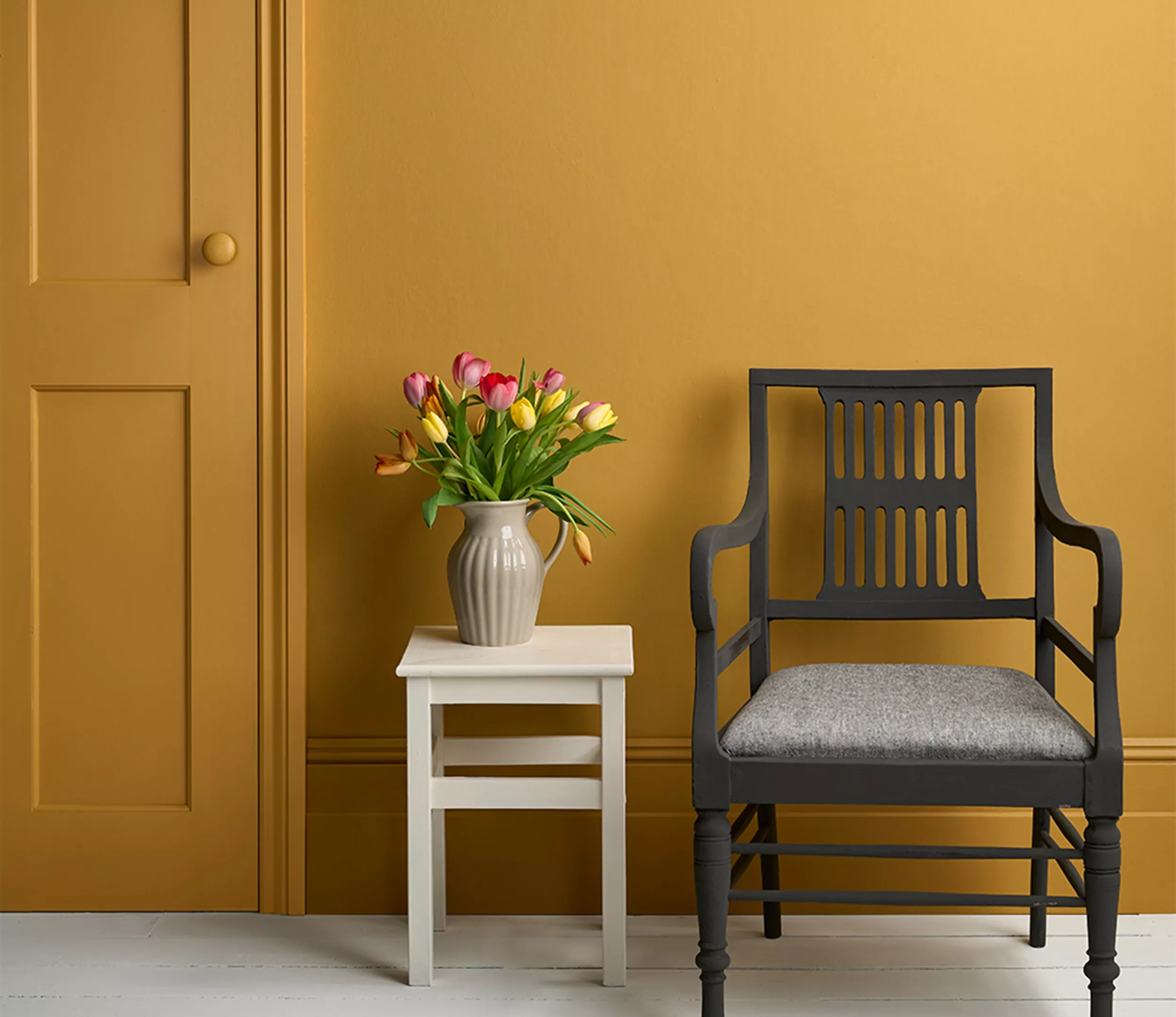
The article explores the interior design trend of painting doors the same color as walls, a technique known as 'color drenching.' This approach is gaining popularity for its ability to create a cohesive and enveloping feel within a room. Designers like Ruth Mottershead from Little Greene emphasize that painting all elements—doors, woodwork, walls, and even ceilings—in a single color can result in an intimate and sophisticated atmosphere. Alternatively, using tonally coordinating colors across these elements can achieve a harmonious and considered feel with a subtle drenching effect.
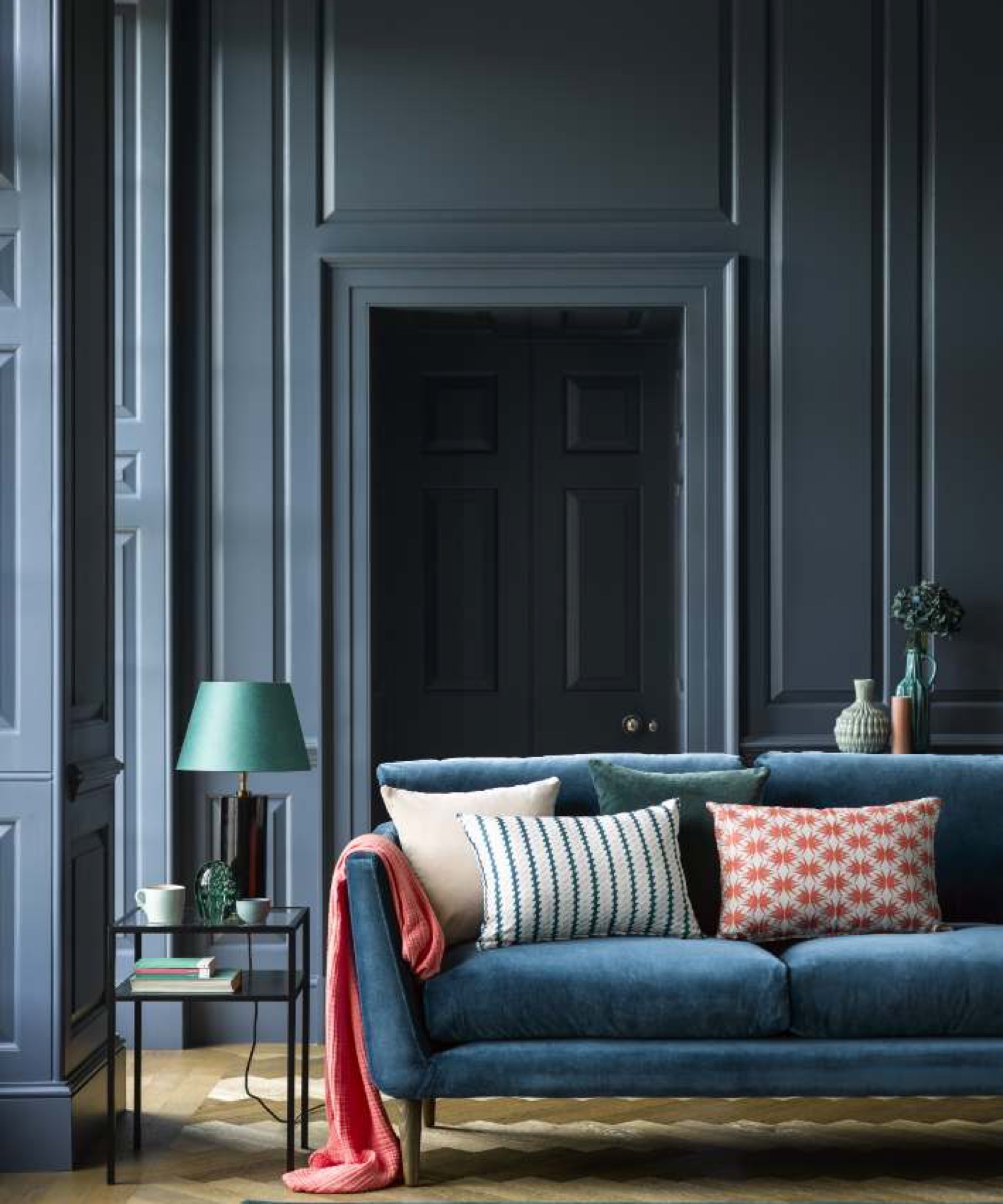
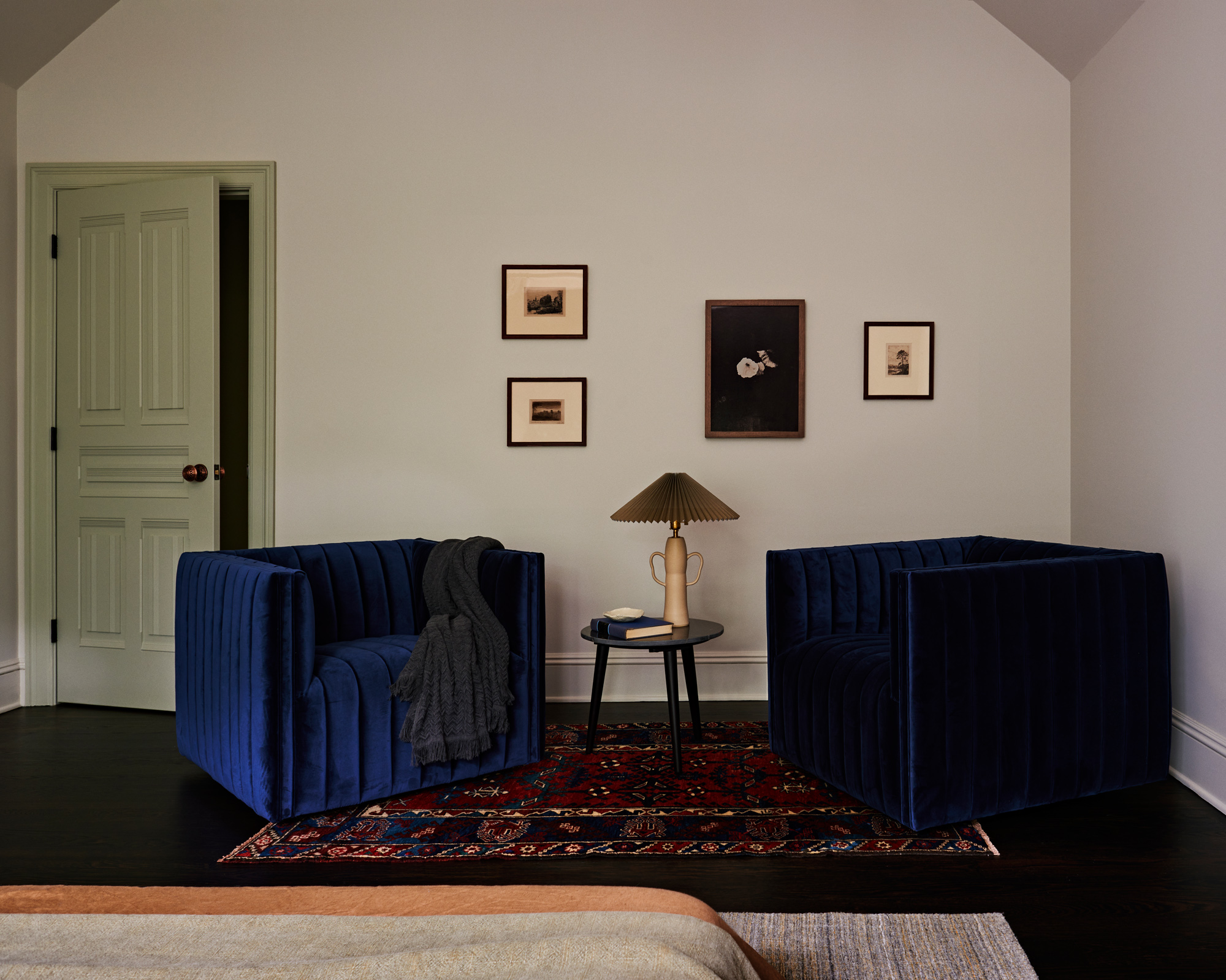
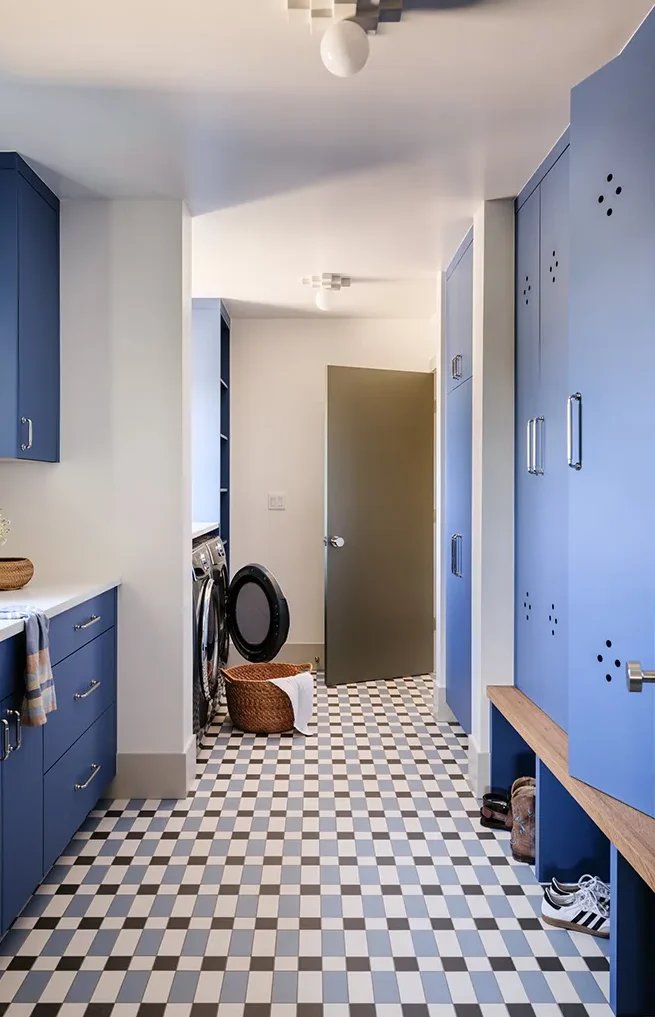
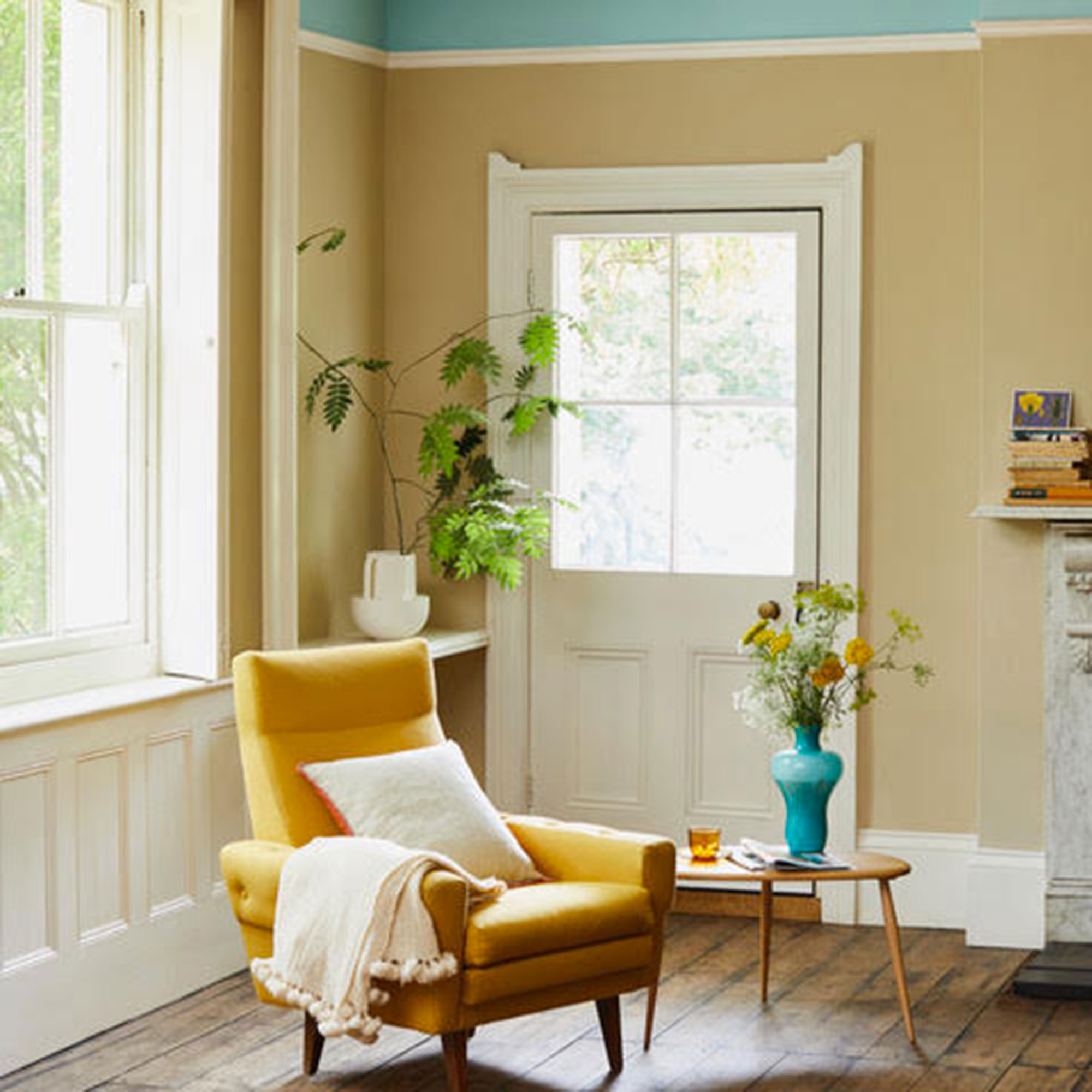
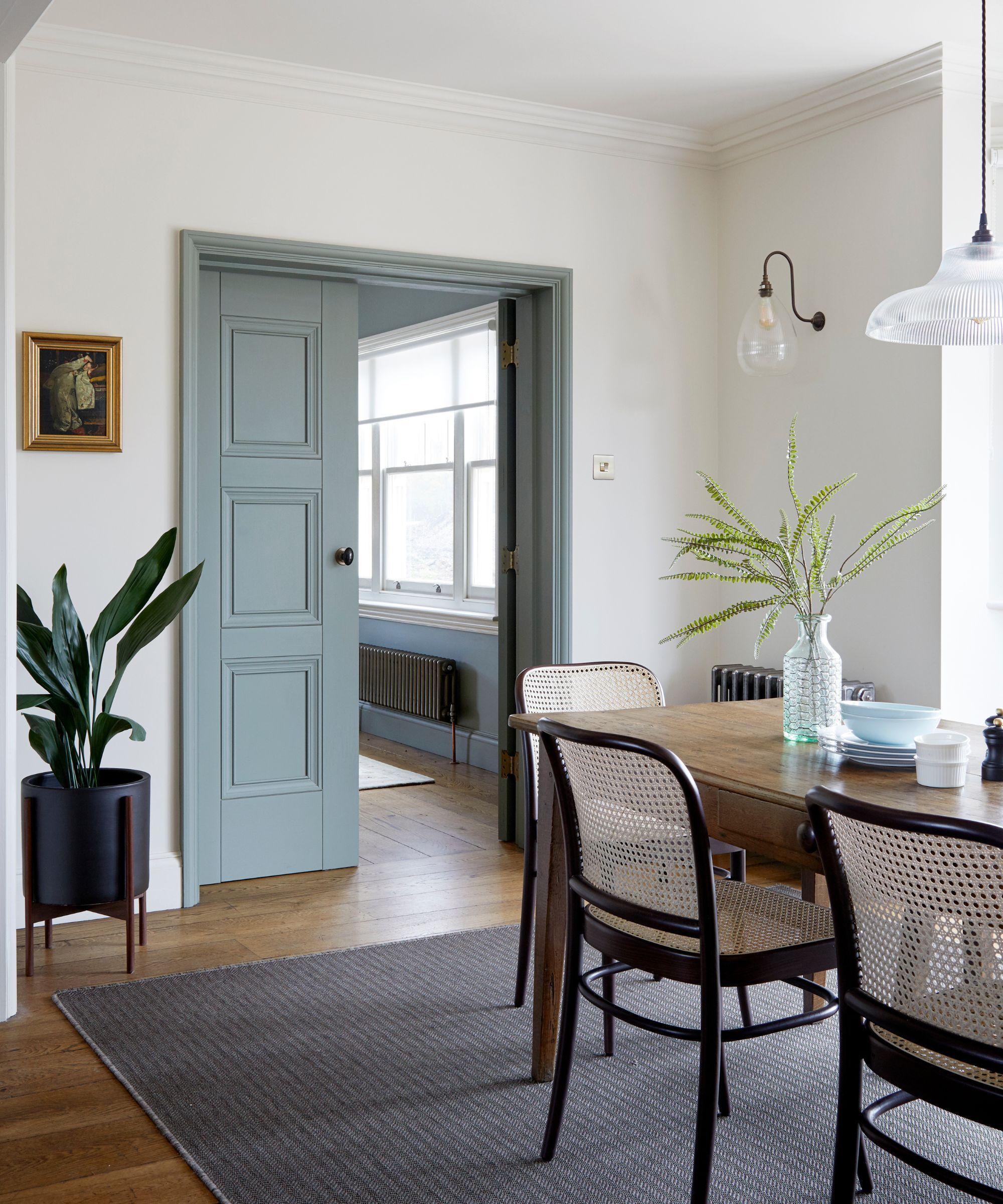
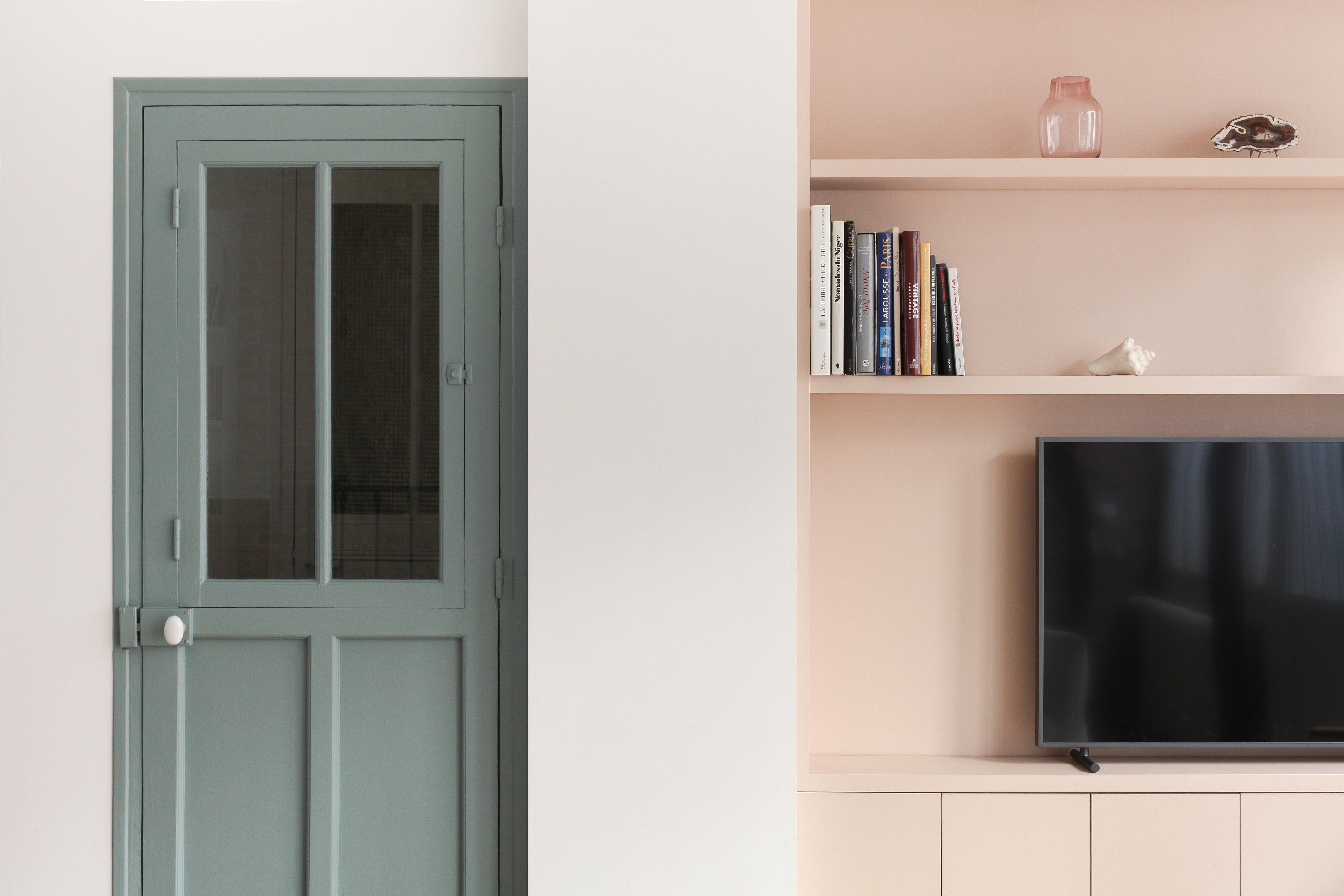
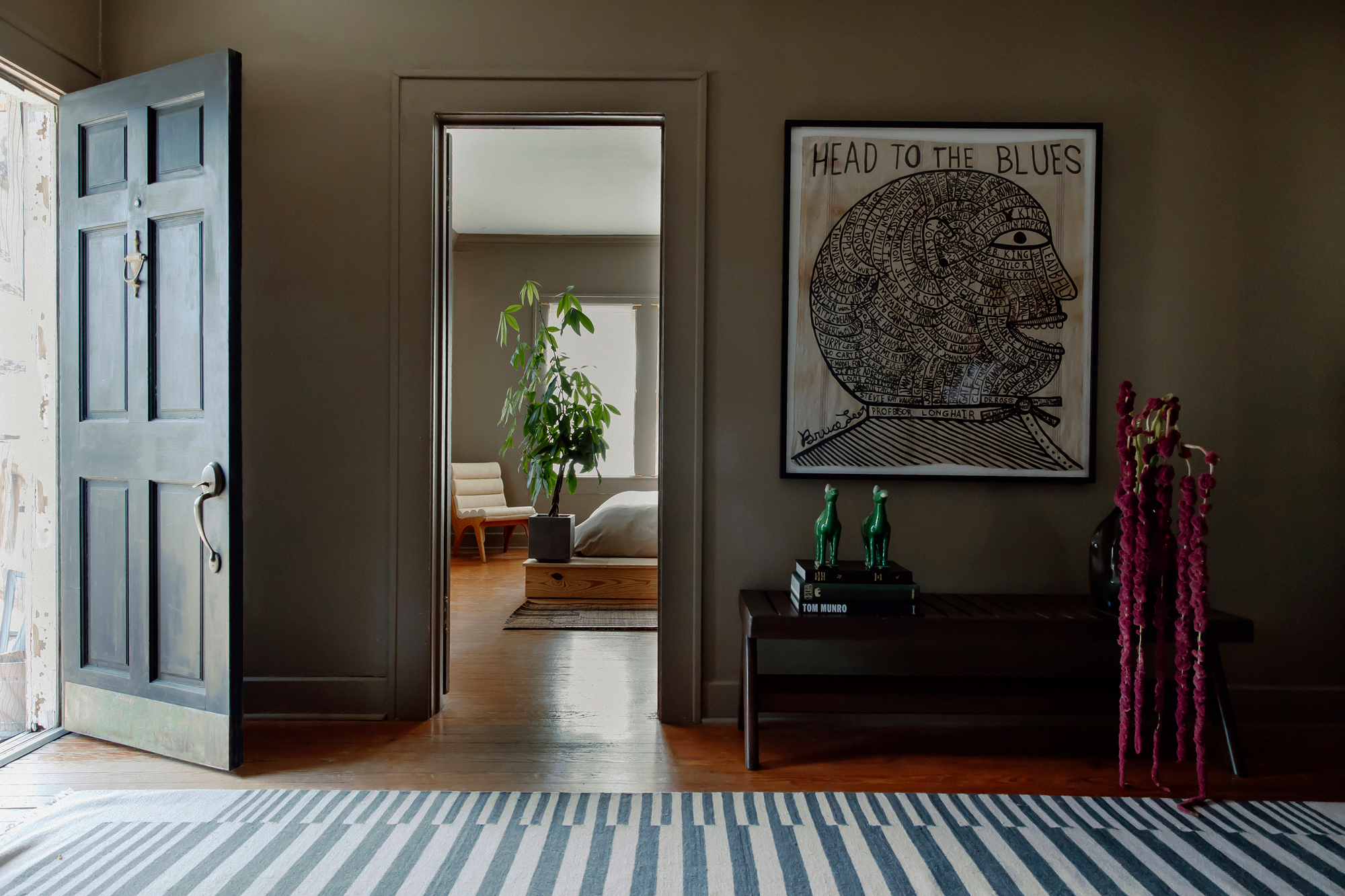
Traditionally, doors and their trims were painted in contrasting colors, often white or lighter shades, to the walls. However, the modern trend sees doors integrated into the wall color. Justyna Korczynska from Crown suggests that painting all surfaces, including skirting, cupboards, radiators, and window frames, in the same color, especially soft greyed blues, greens, or neutrals, creates a thoughtful and sophisticated look.
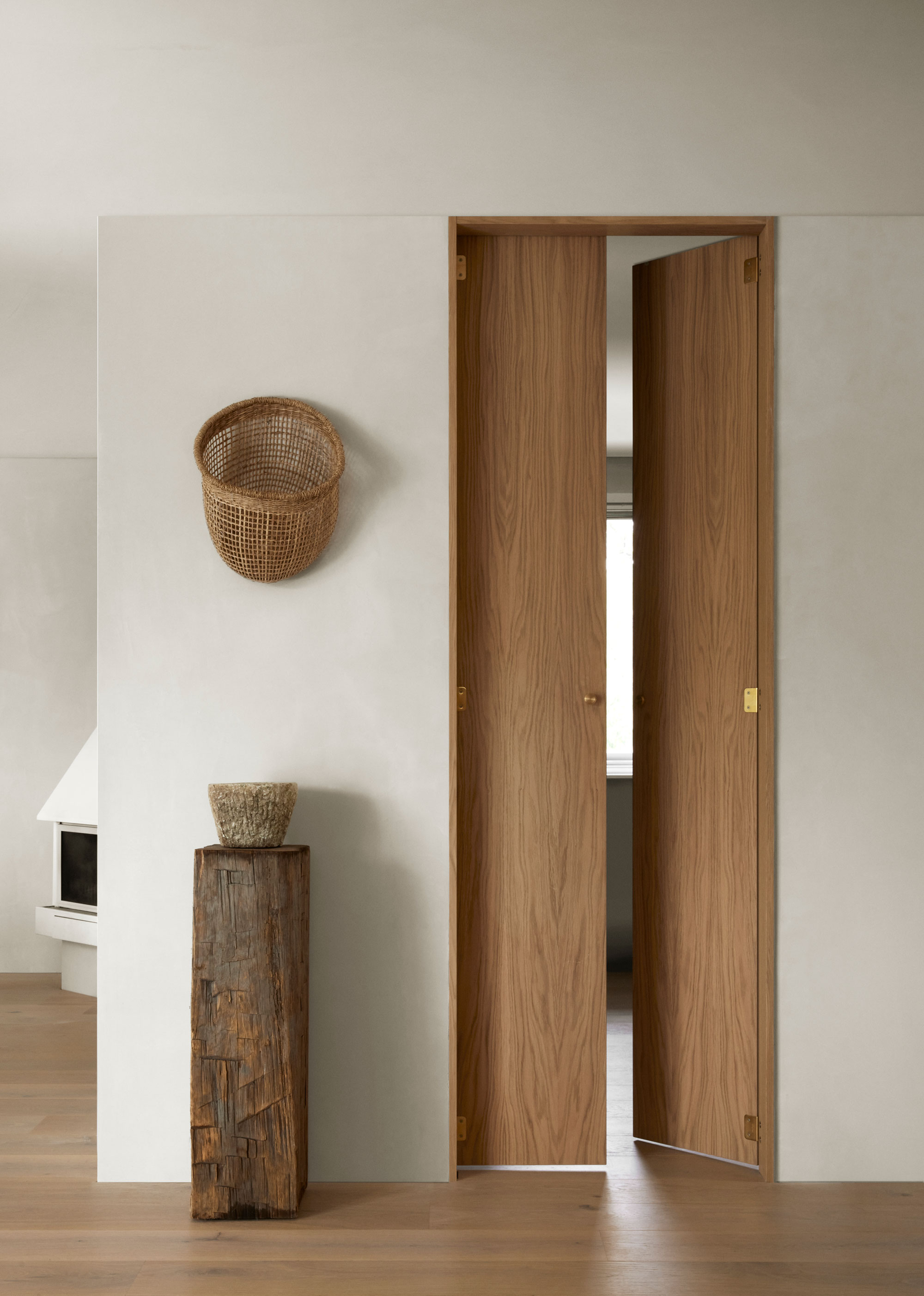
Several reasons support the choice to color drench. One primary benefit is to camouflage visually unappealing doors, allowing them to blend seamlessly into the design scheme. This is particularly effective with mid-tone and darker colors, which enhance the room's character, depth, warmth, and intimacy. Furthermore, painting doors and walls the same color can contribute to a tranquil and streamlined aesthetic. Pam Gruhn of Frenchic notes that this method creates a pared-down, ultra-modern look, making the space appear effortlessly sleek and chic.
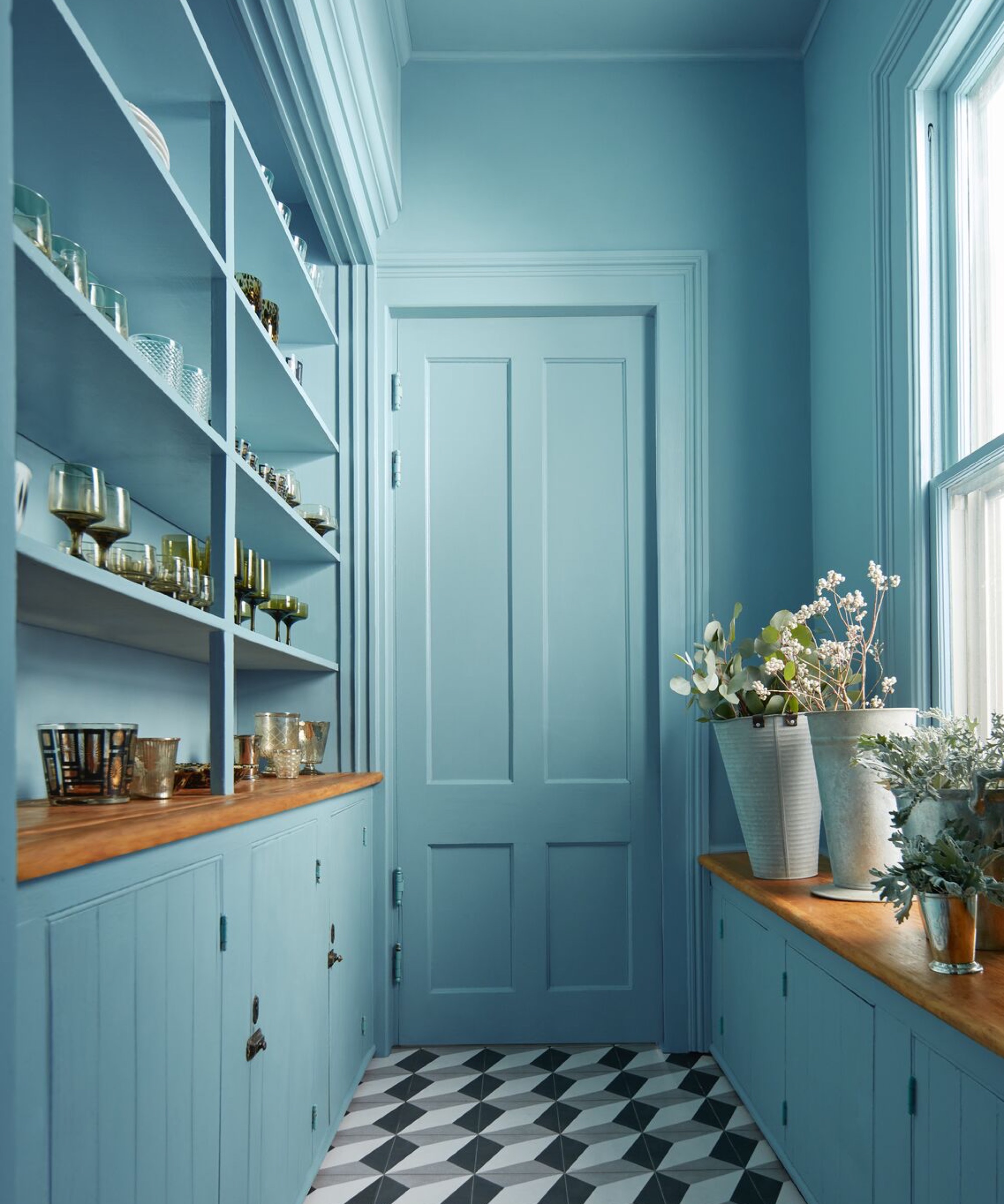
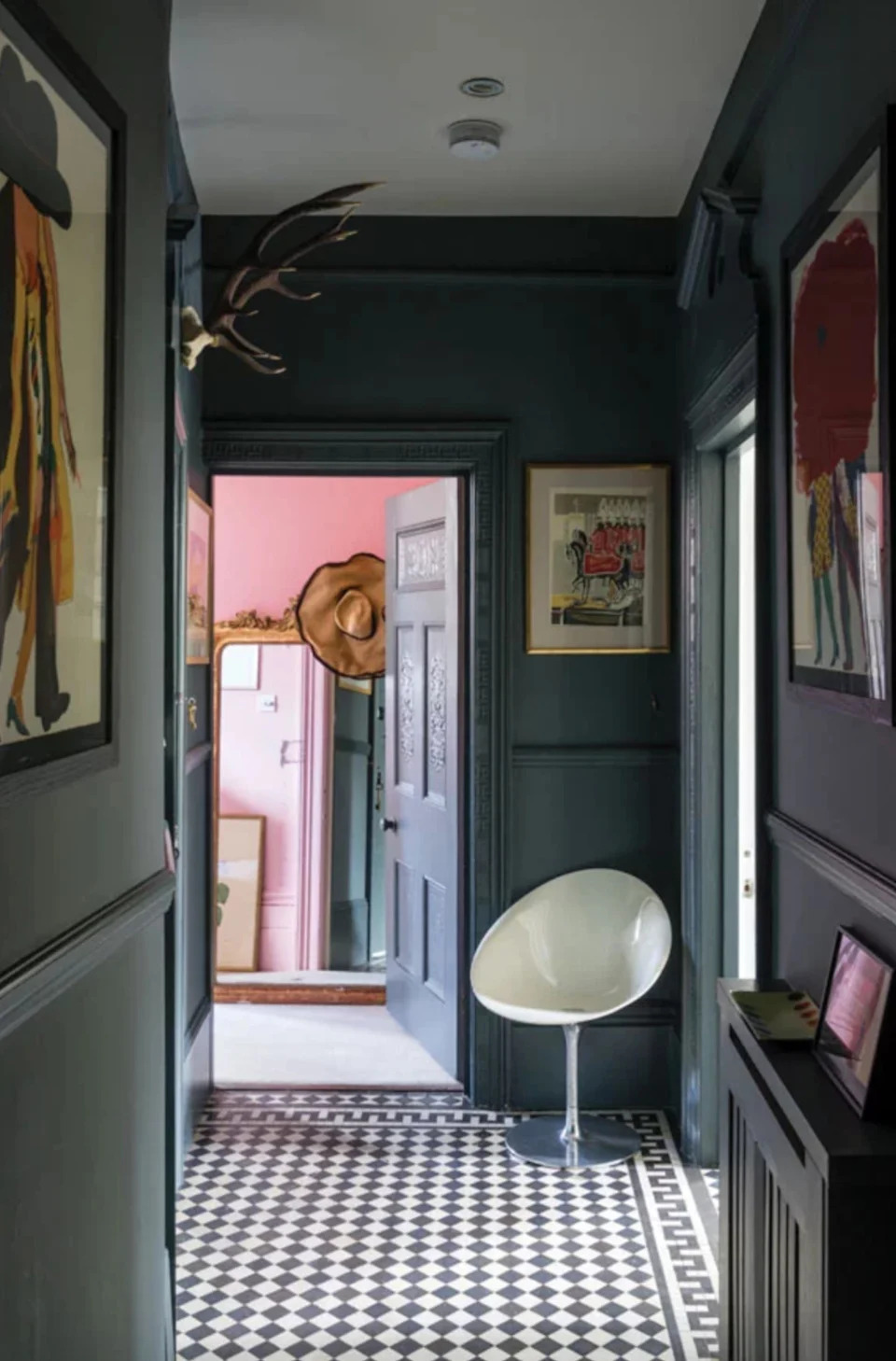
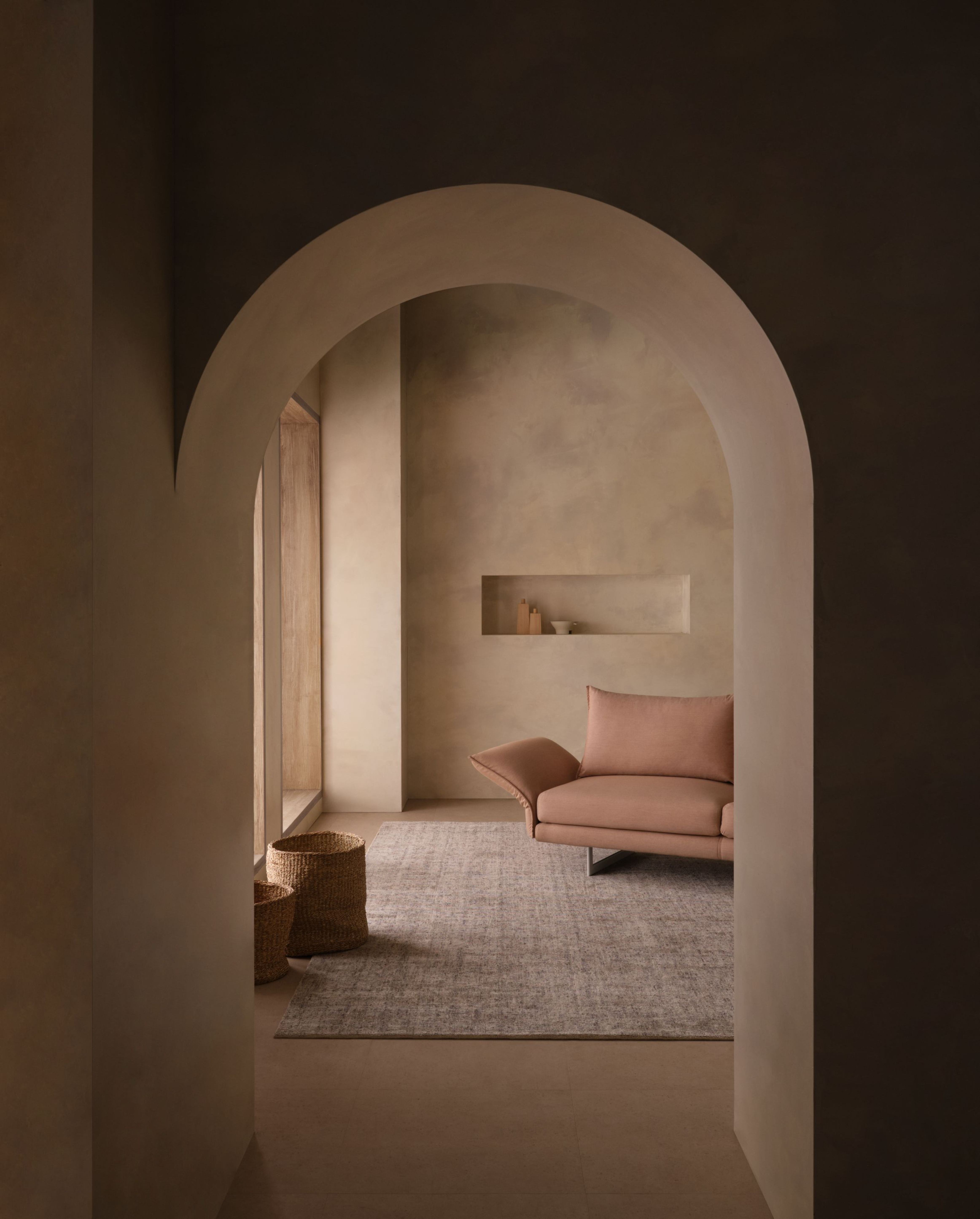
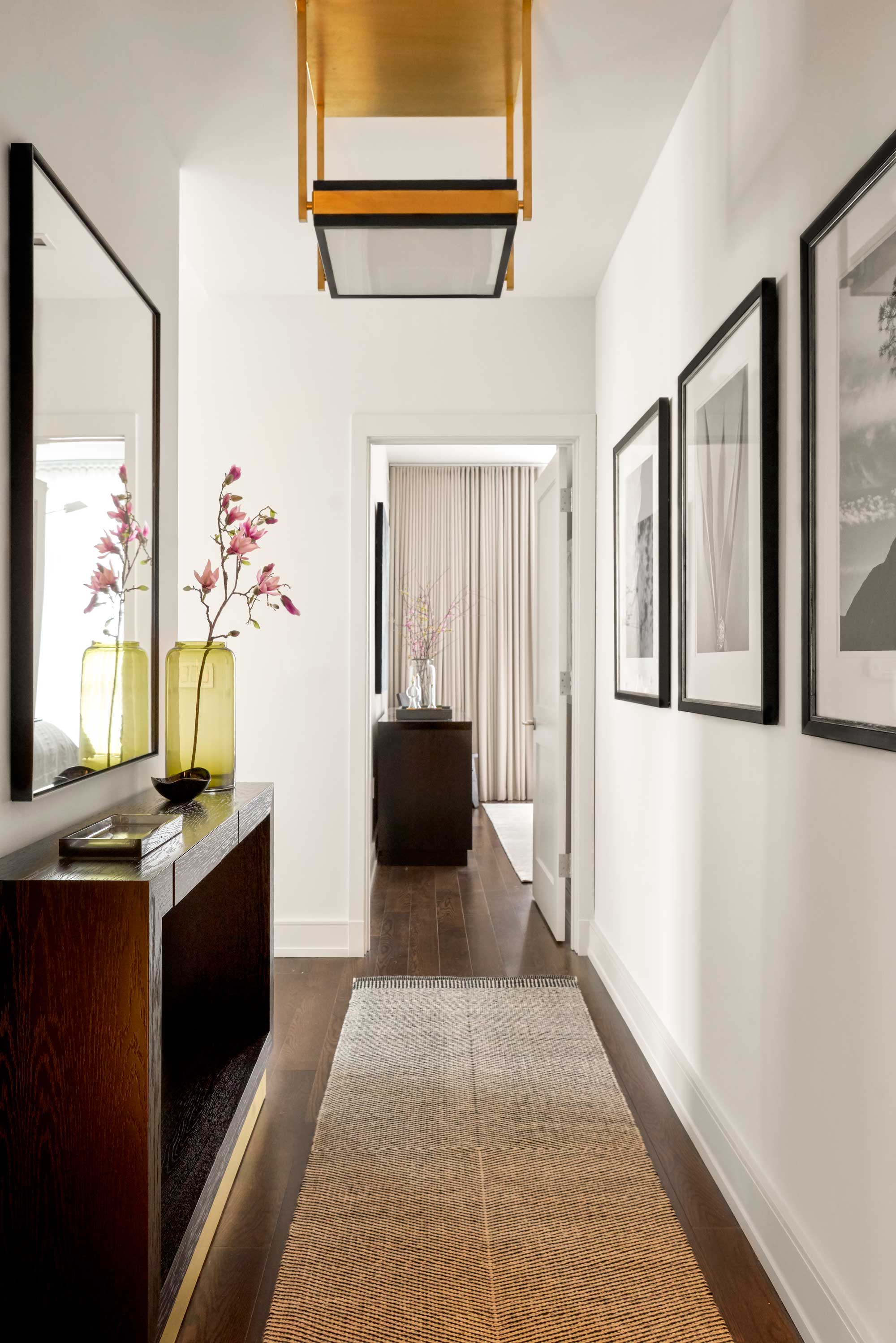
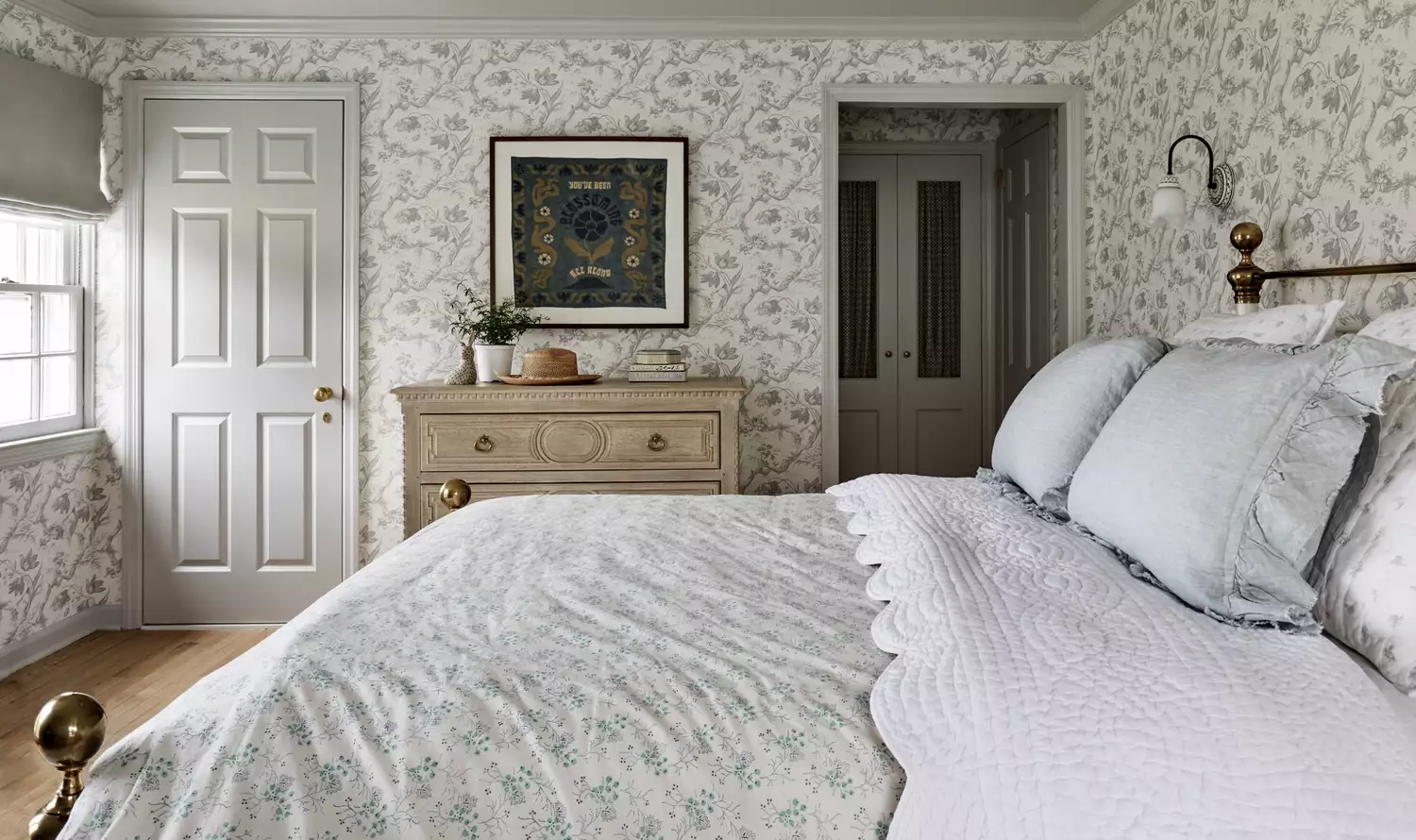
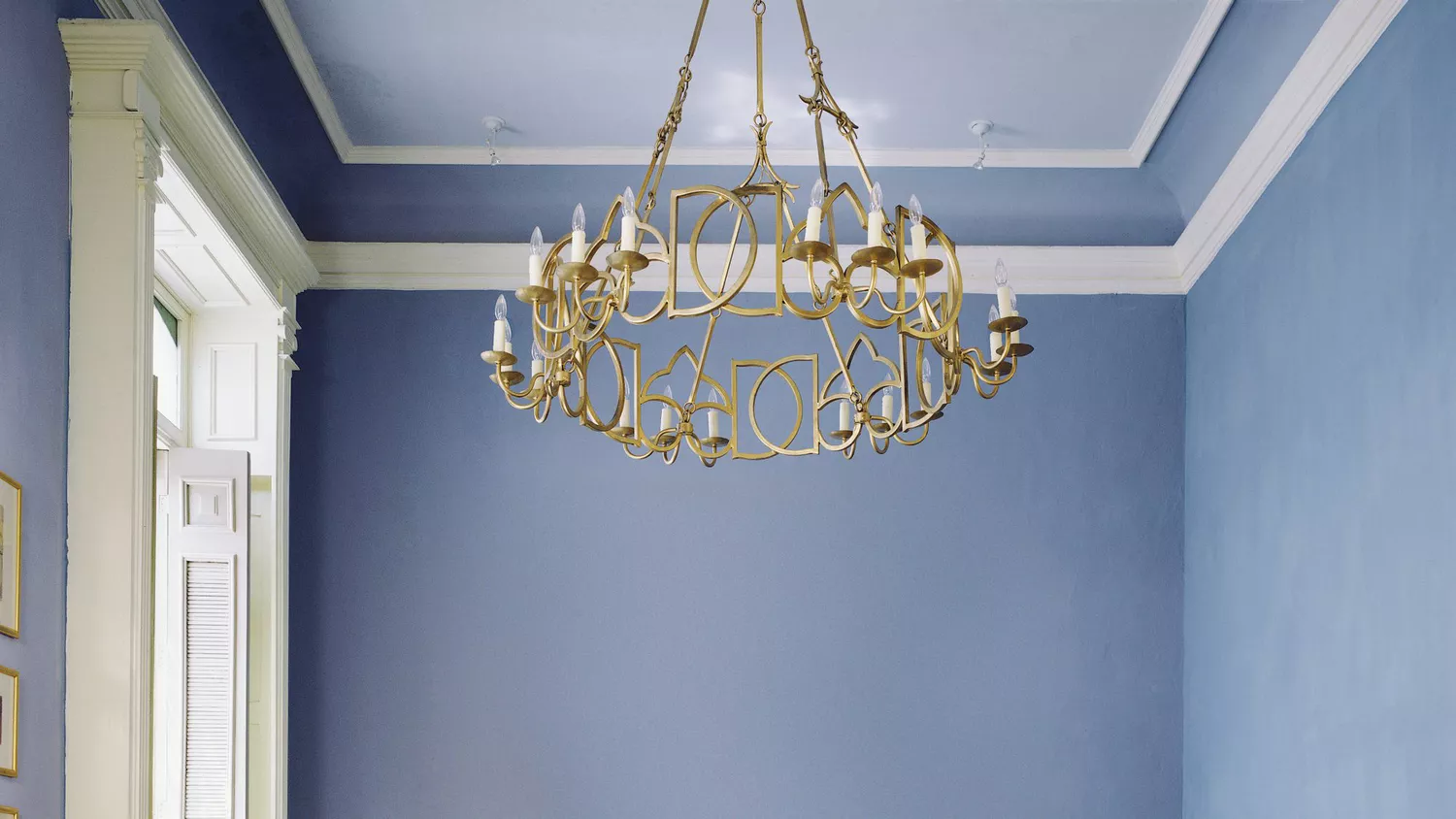
Color drenching also serves a practical purpose in making small spaces appear larger. By painting doors, walls, and ceilings in the same shade, the boundaries of the room are blurred, creating an illusion of expanded space. This technique is highly recommended for narrow hallways, pantries, or galley kitchens that may lack natural light. Helen Shaw from Benjamin Moore highlights that an all-encompassing floor-to-ceiling finish in one color cleverly blurs edges, contributing to a sense of greater space. For small rooms, a single color for trims, doors, and walls can reduce visual clutter, fostering a calm and cohesive environment, particularly beneficial in bedrooms and nurseries for promoting relaxation.
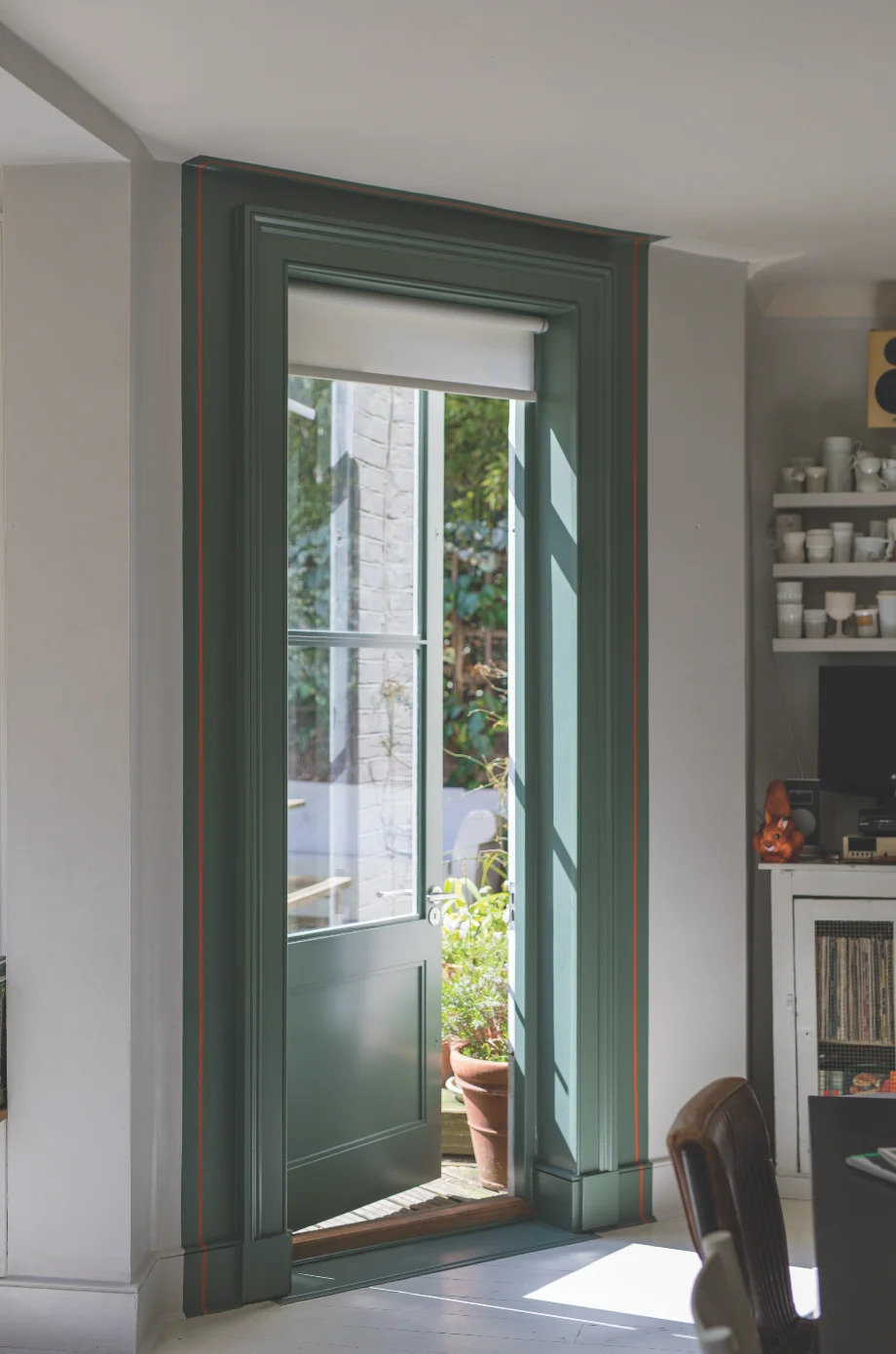
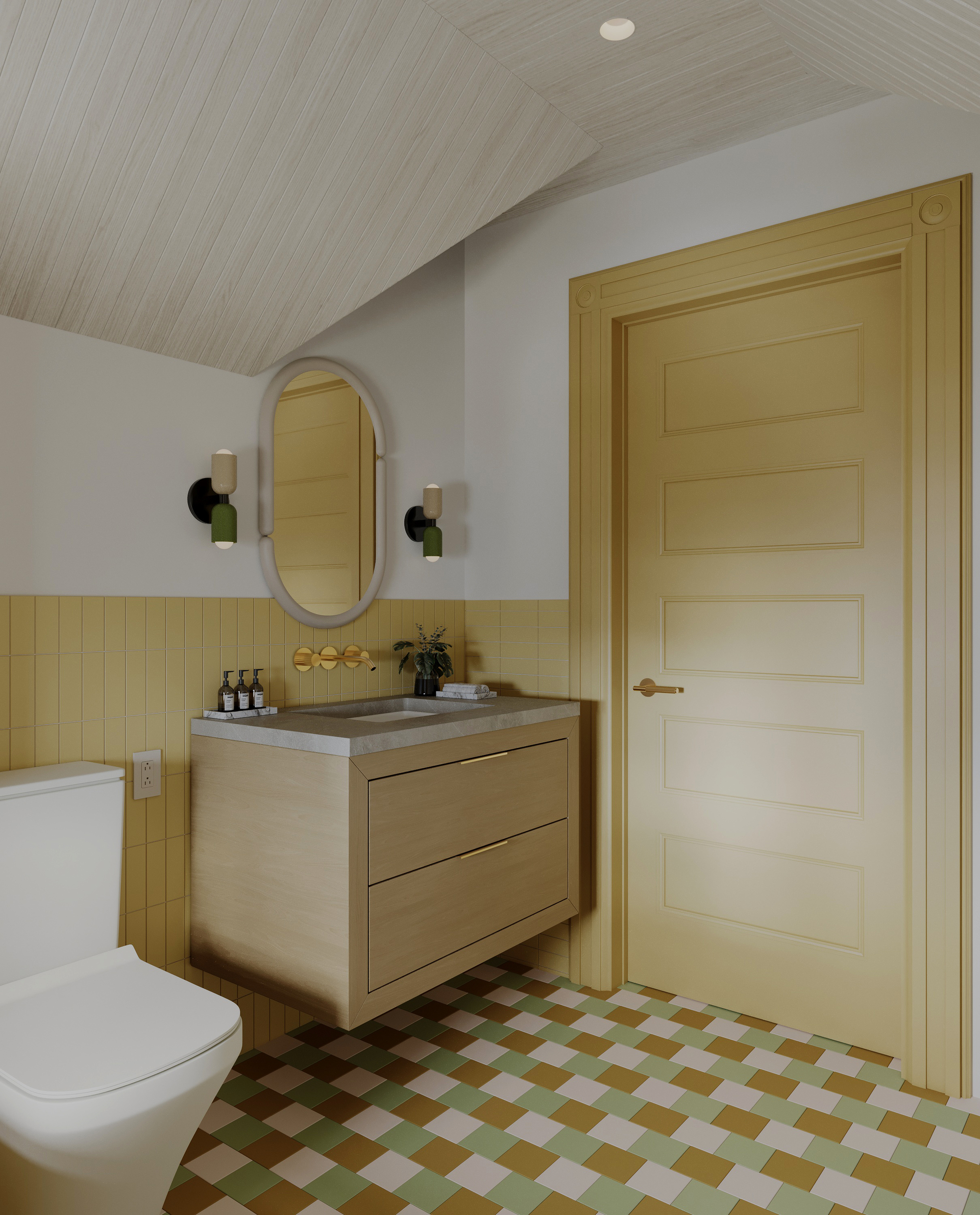
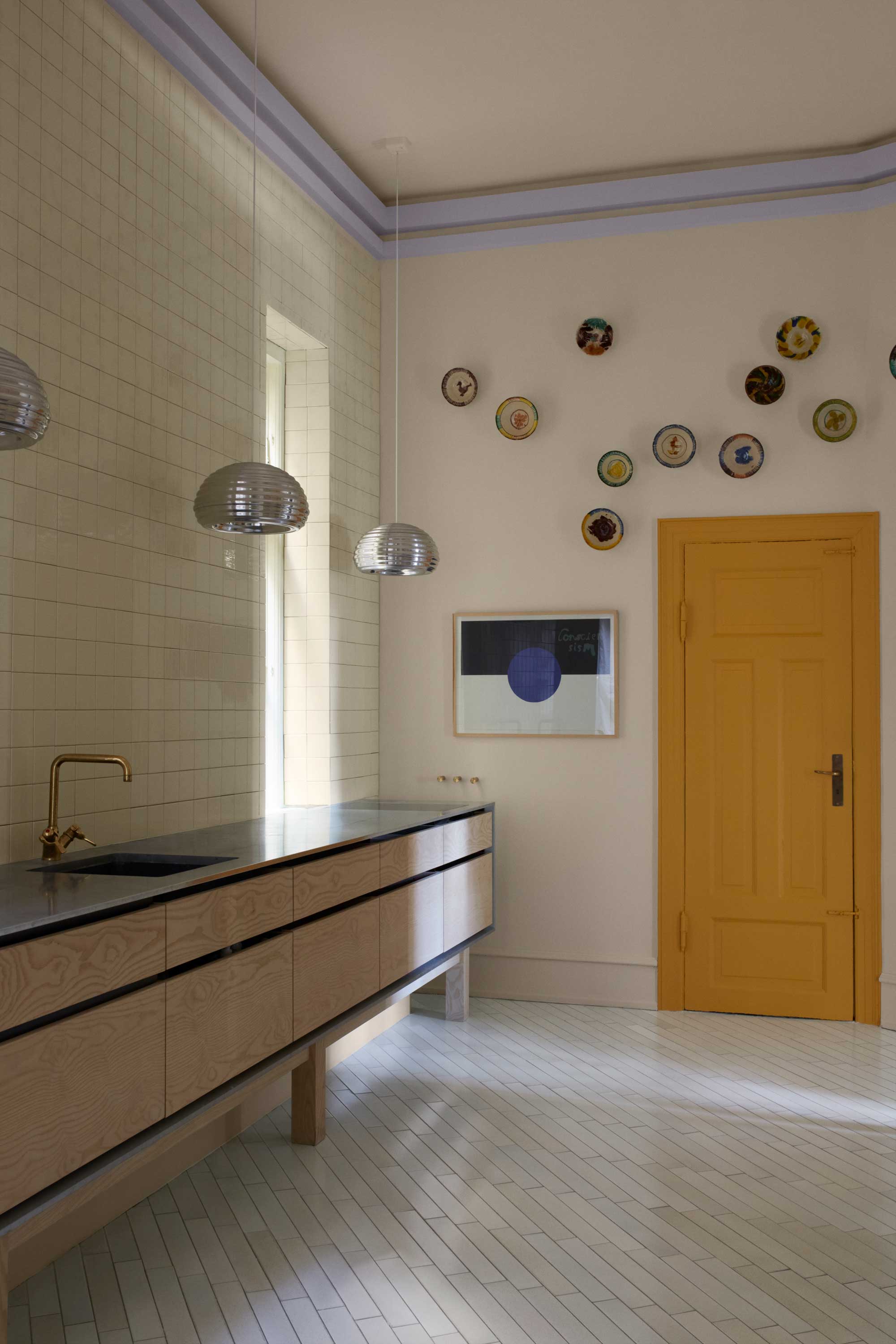
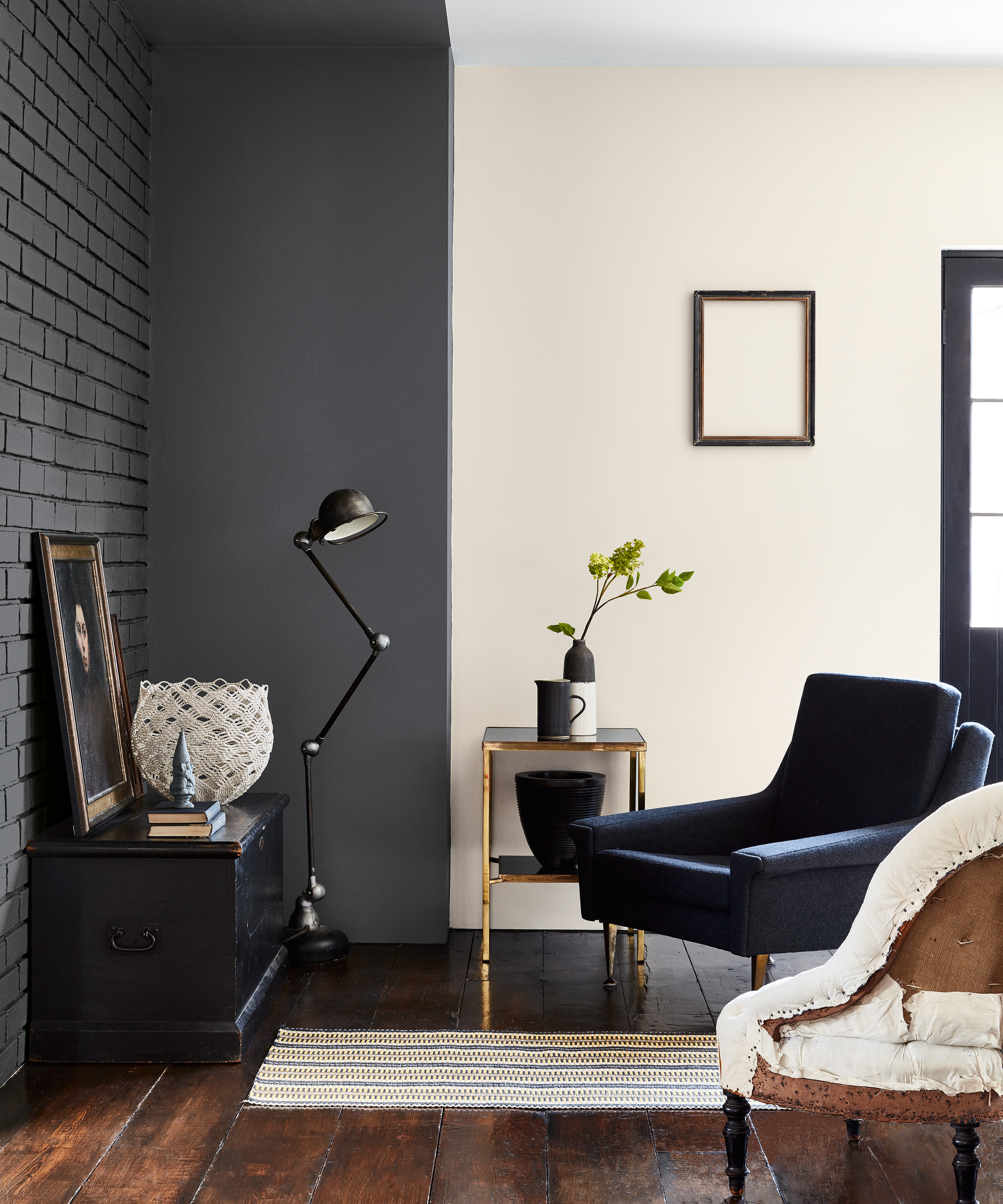
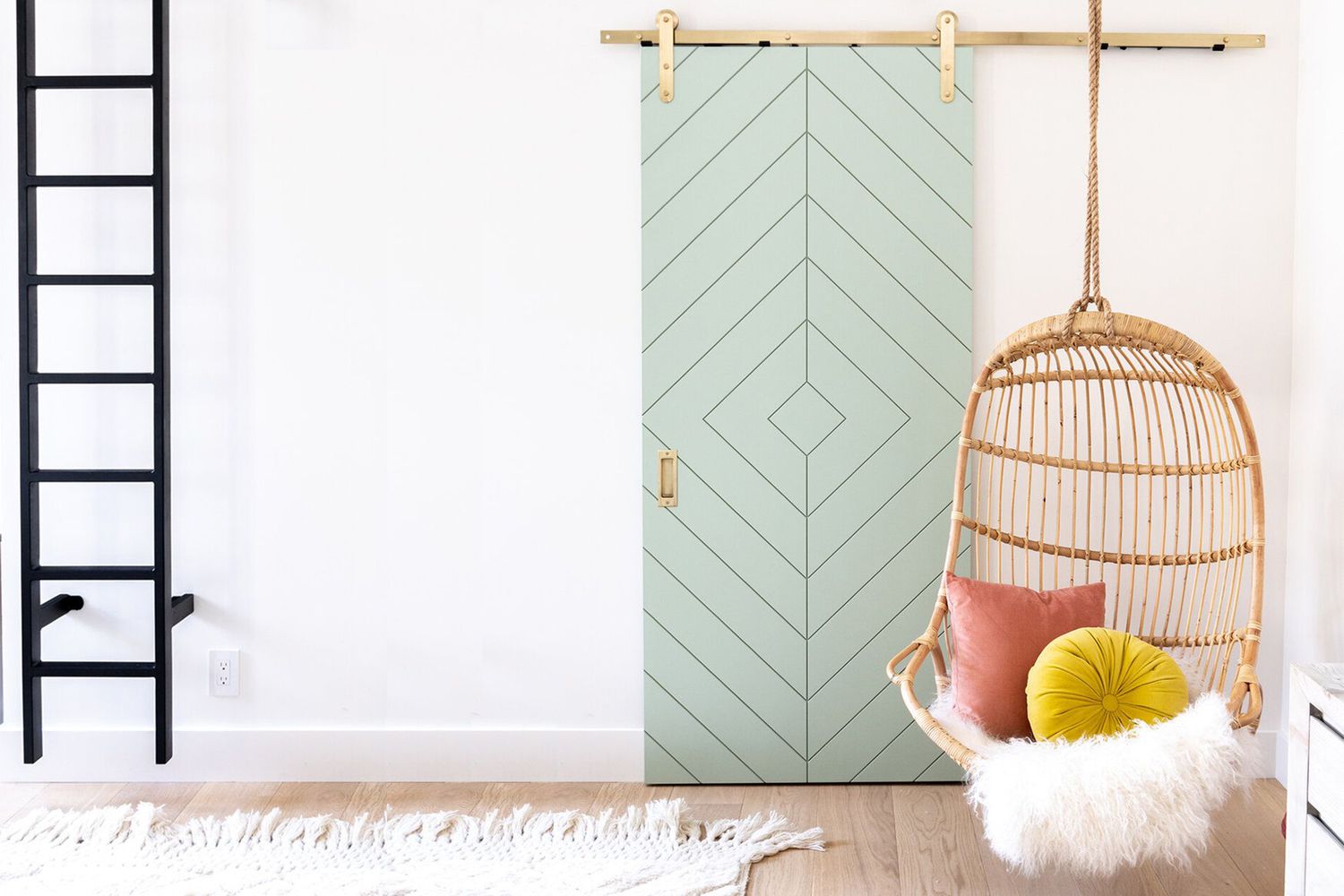
Beyond simple color drenching, designers are experimenting with 'color blocking' that includes doors. Andy Greenall of Paint & Paper Library suggests creating a block of color across a door, rather than being confined by its shape, using tonal colors for a sophisticated and elegant outcome. Graduating tones, he explains, provide subtle nuances of shade for a coordinated feel.
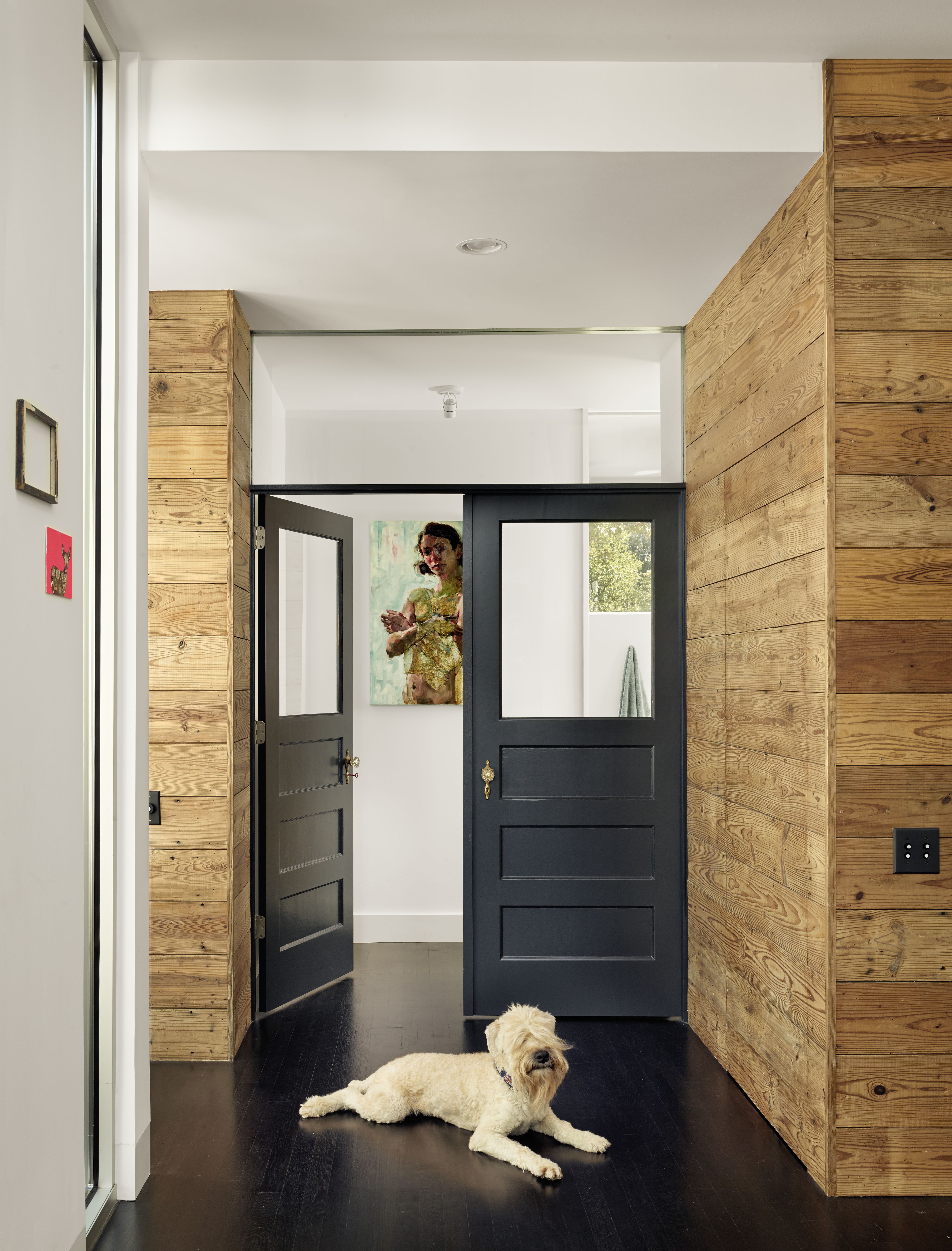
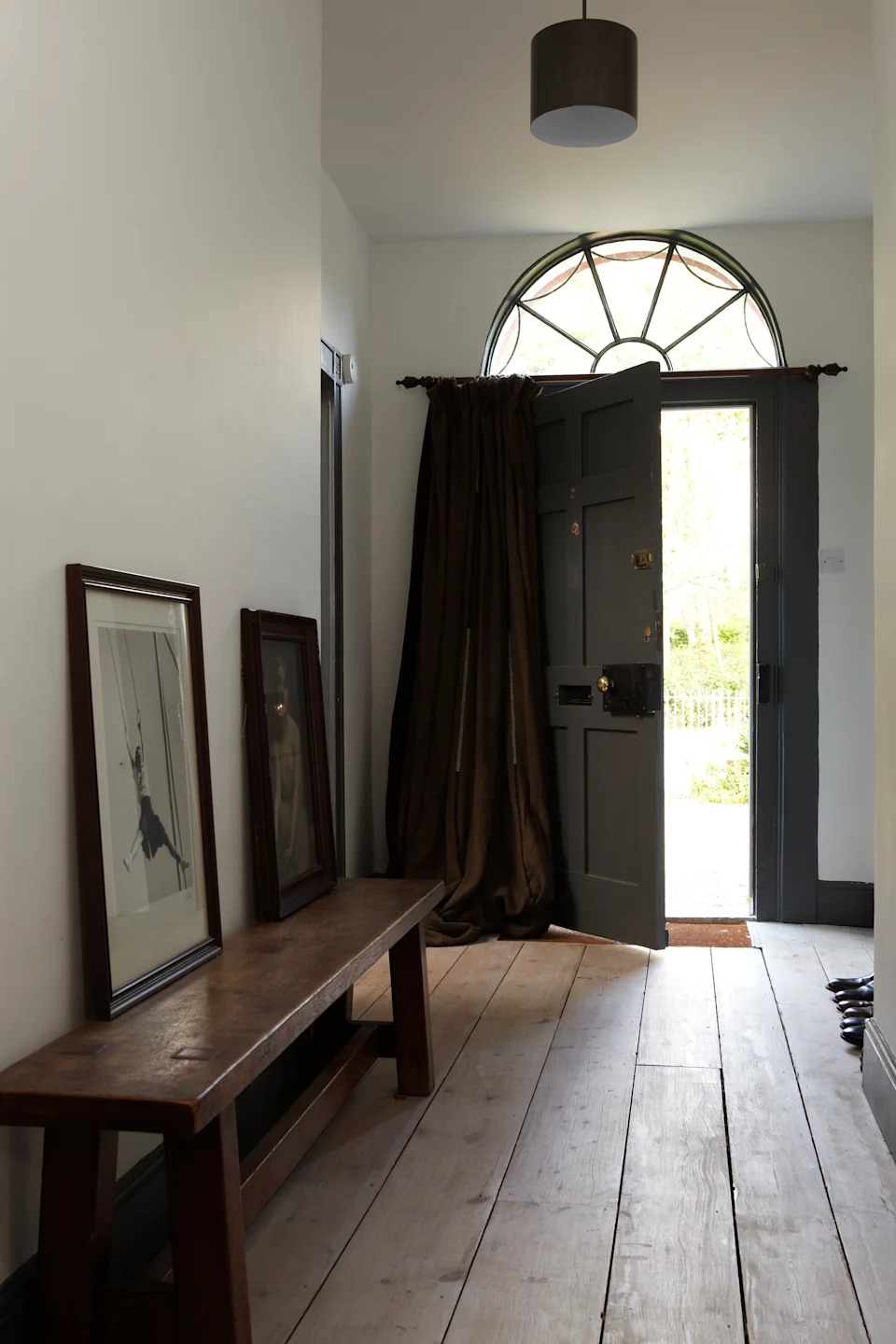
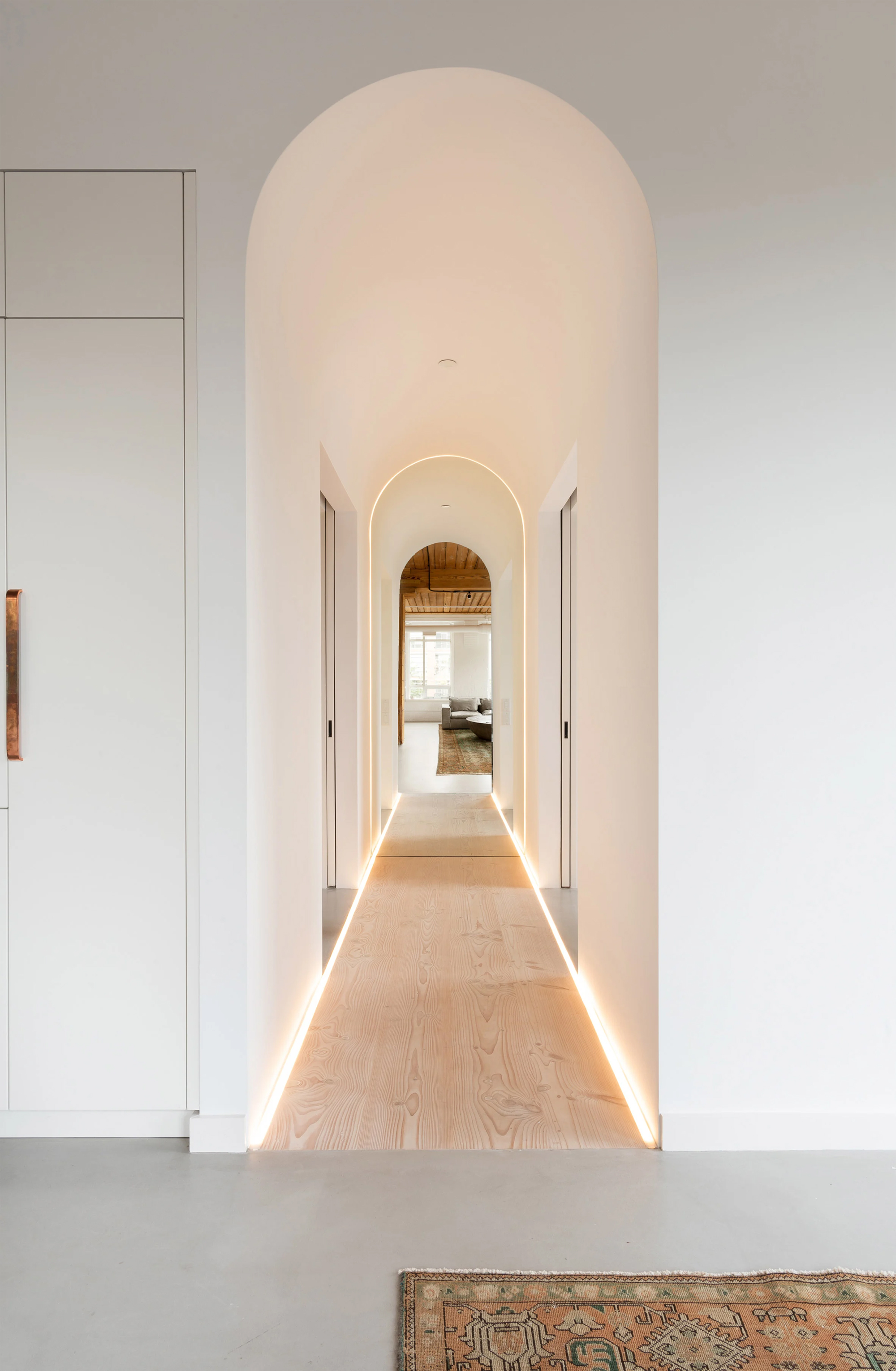
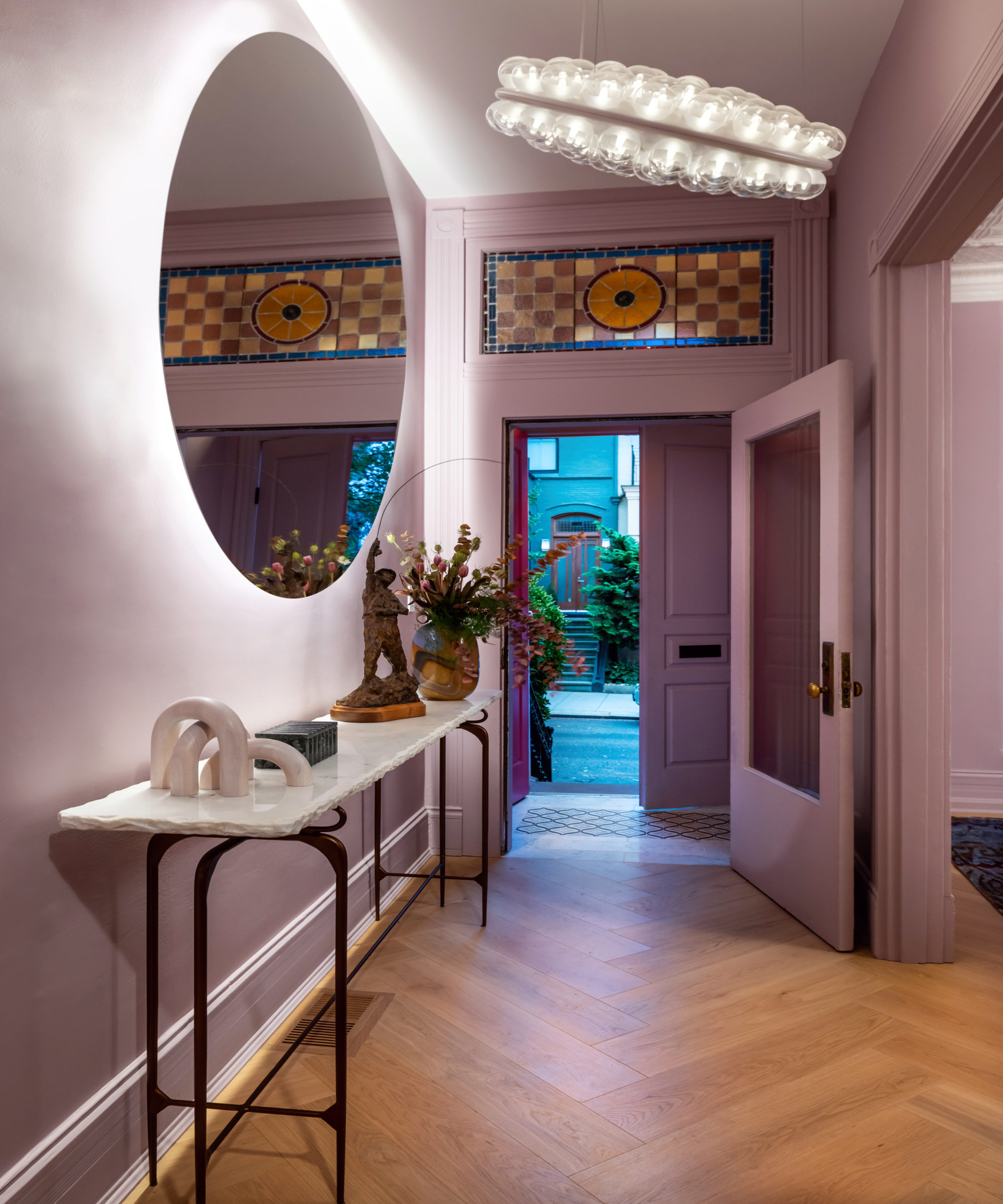
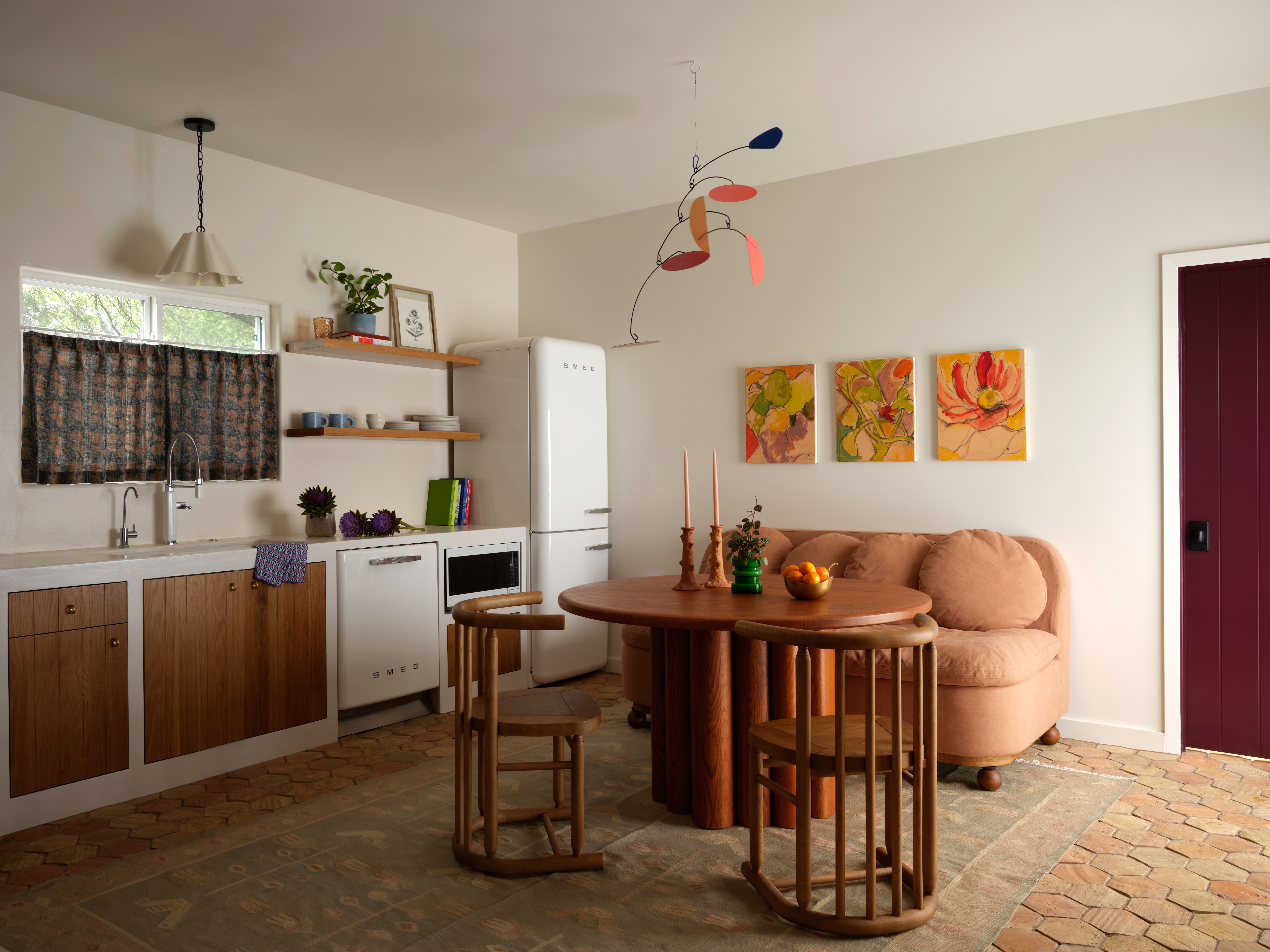
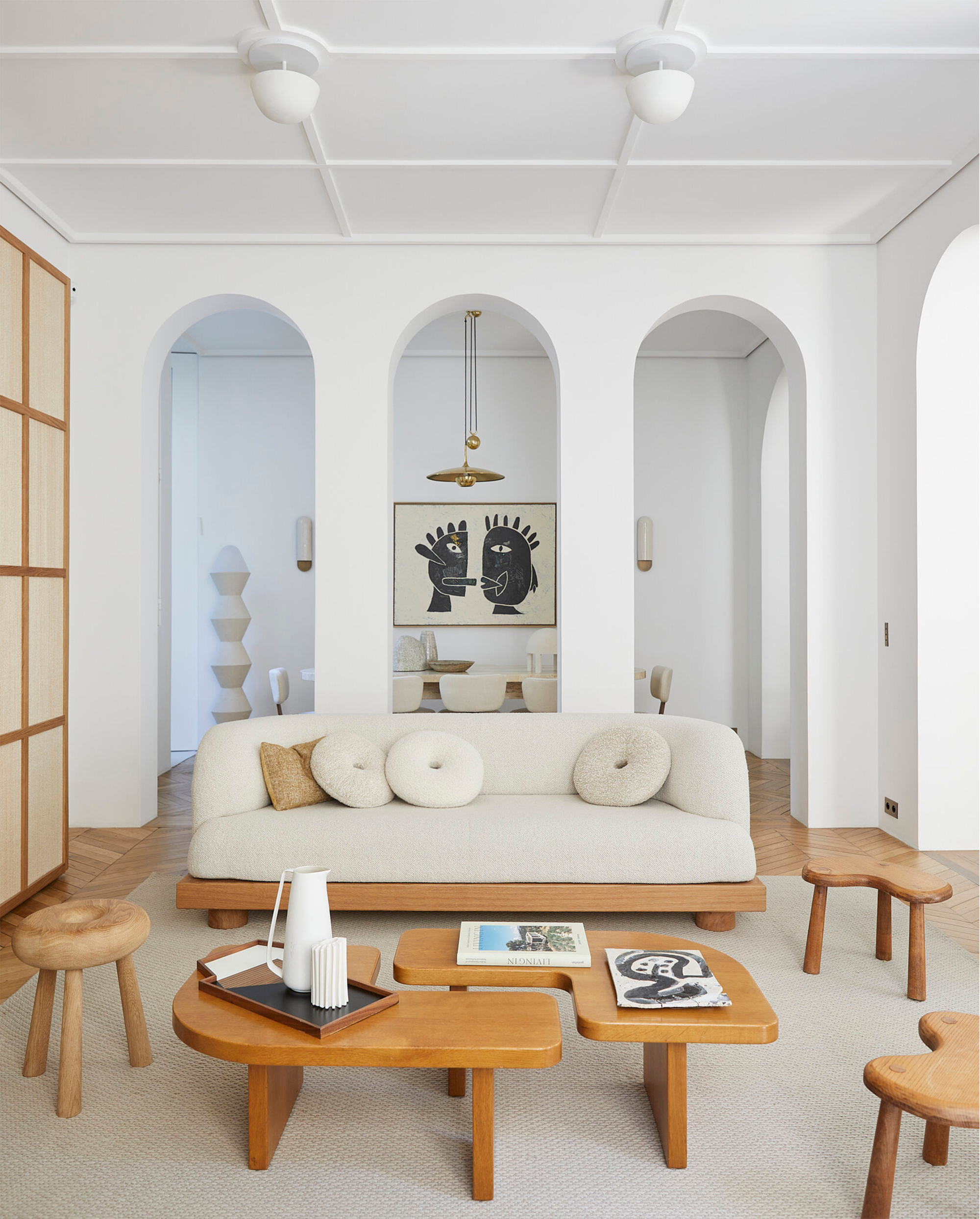
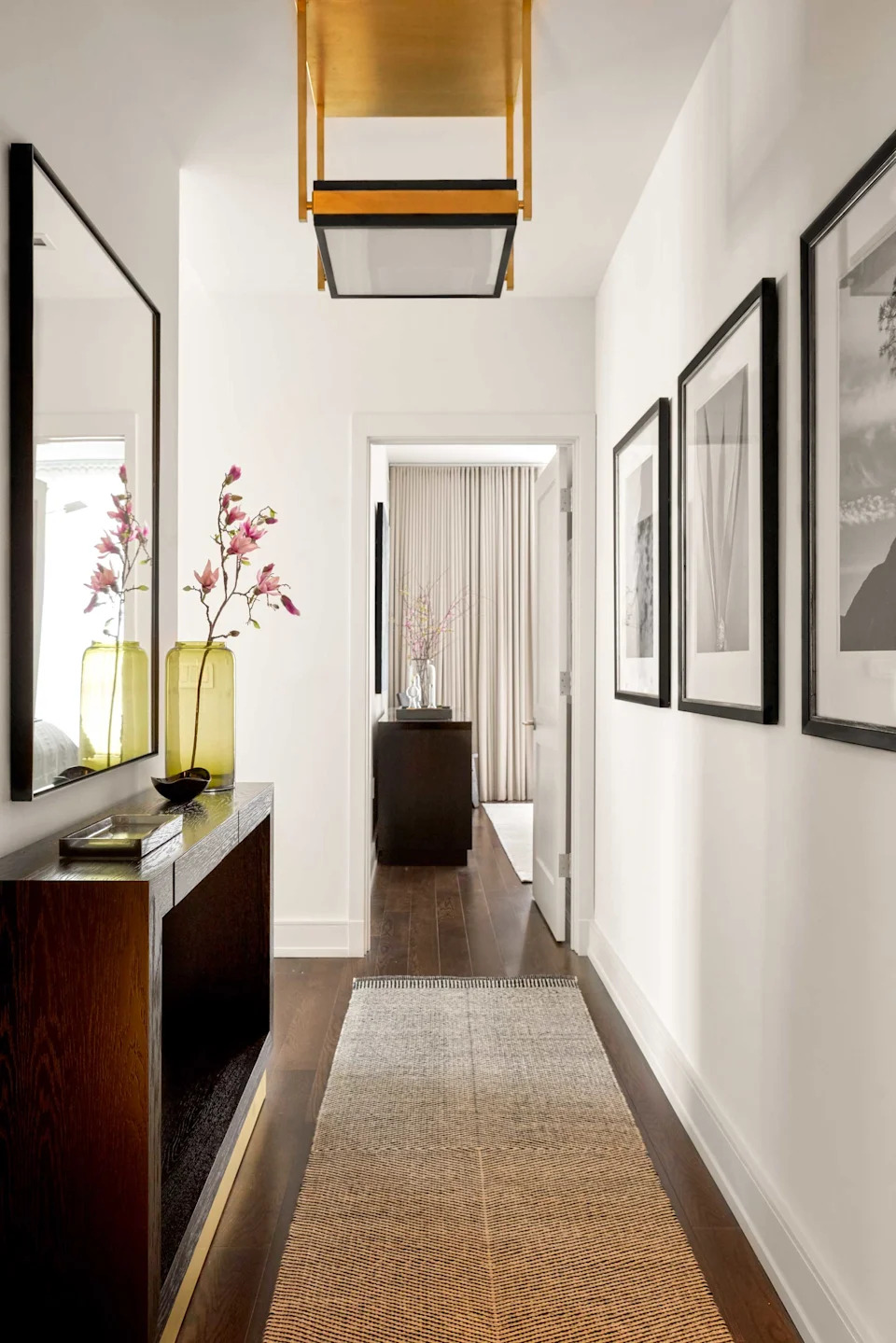
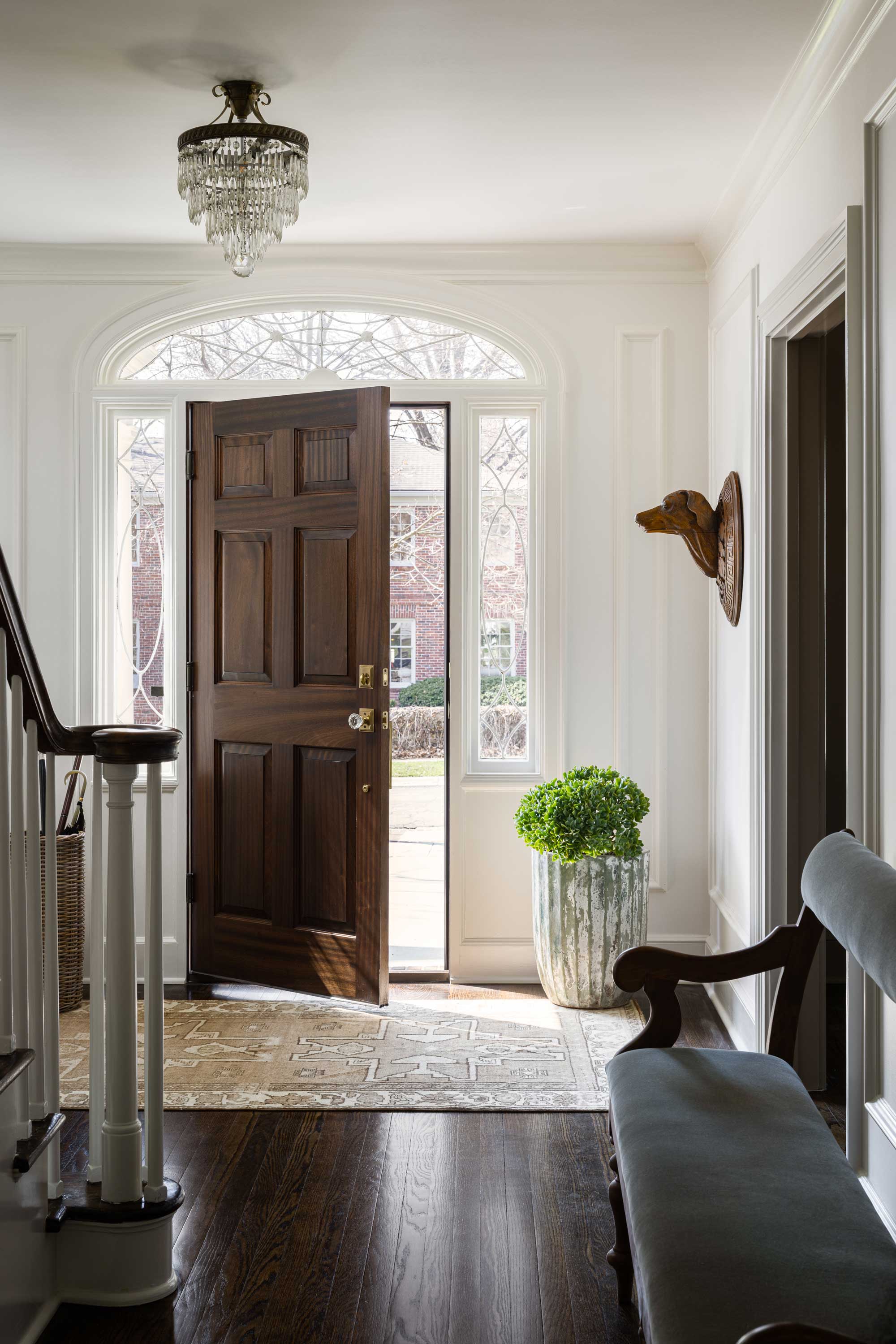
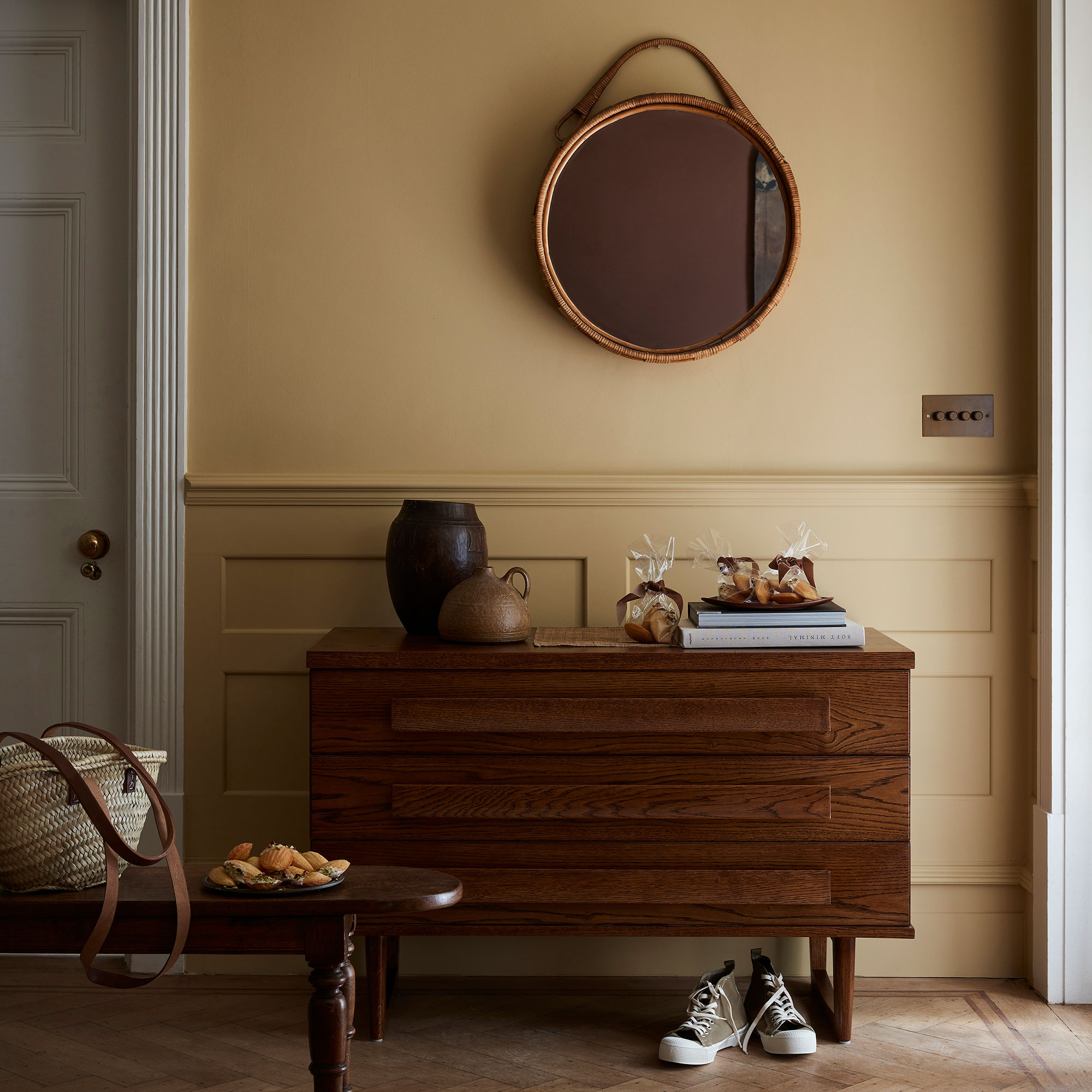
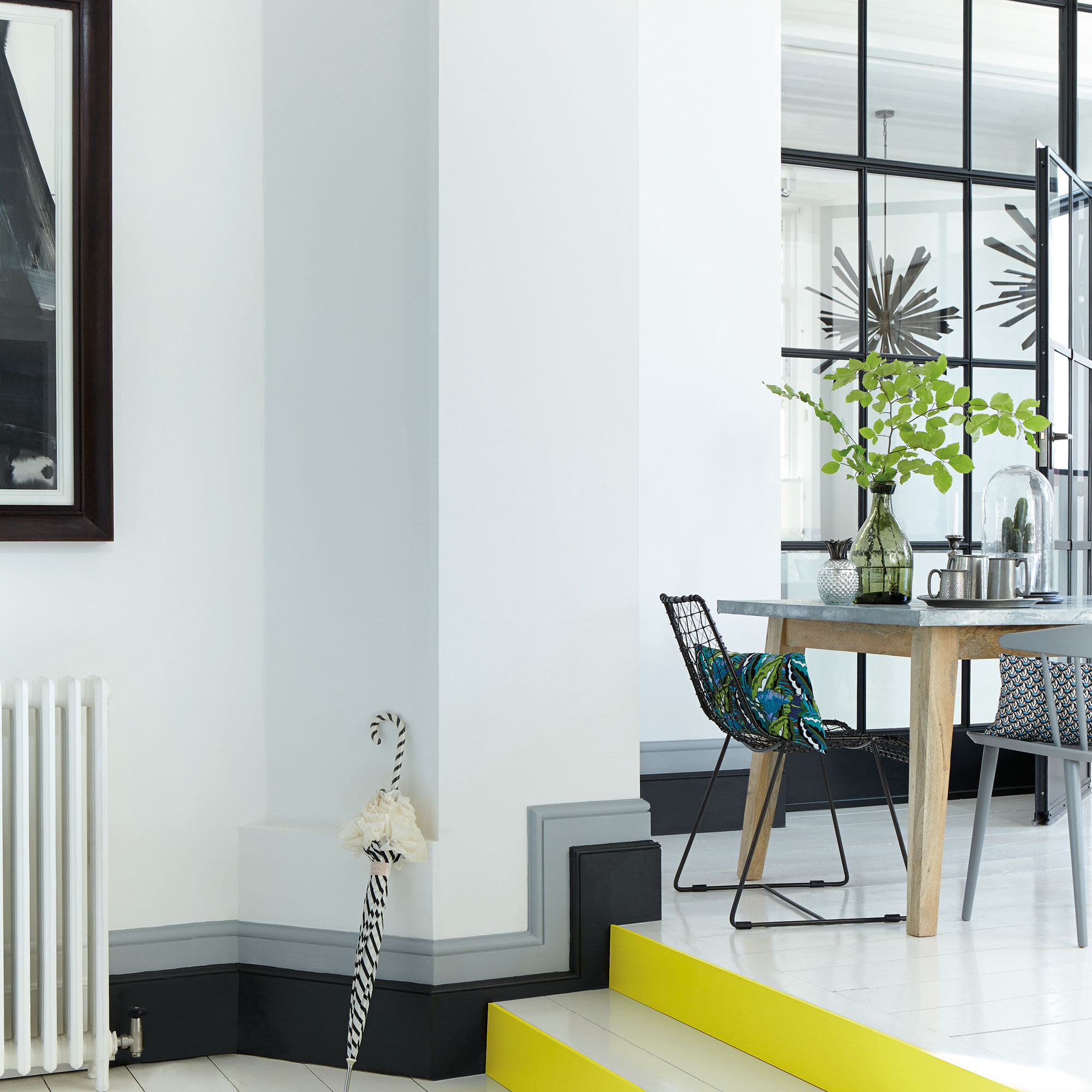
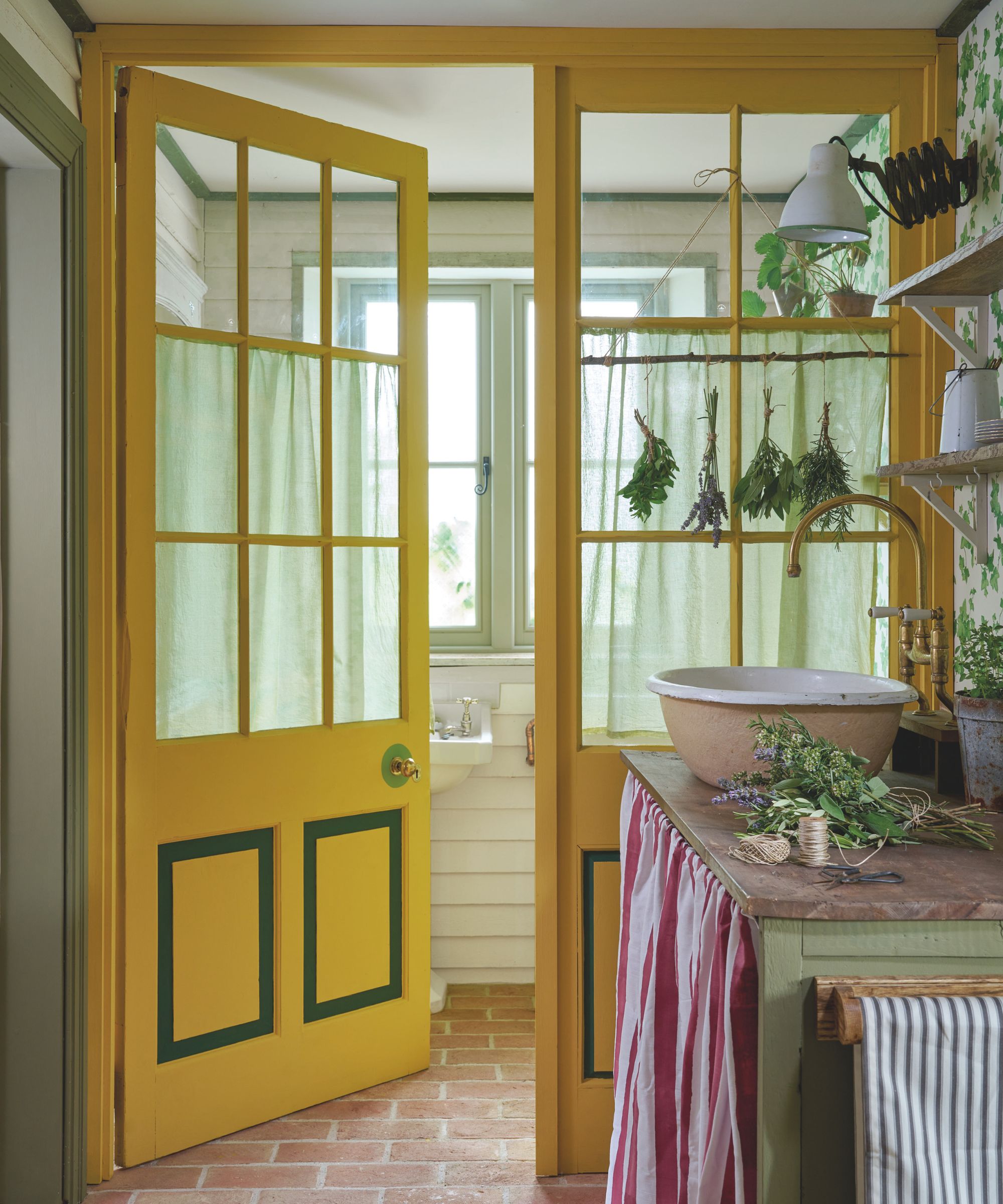
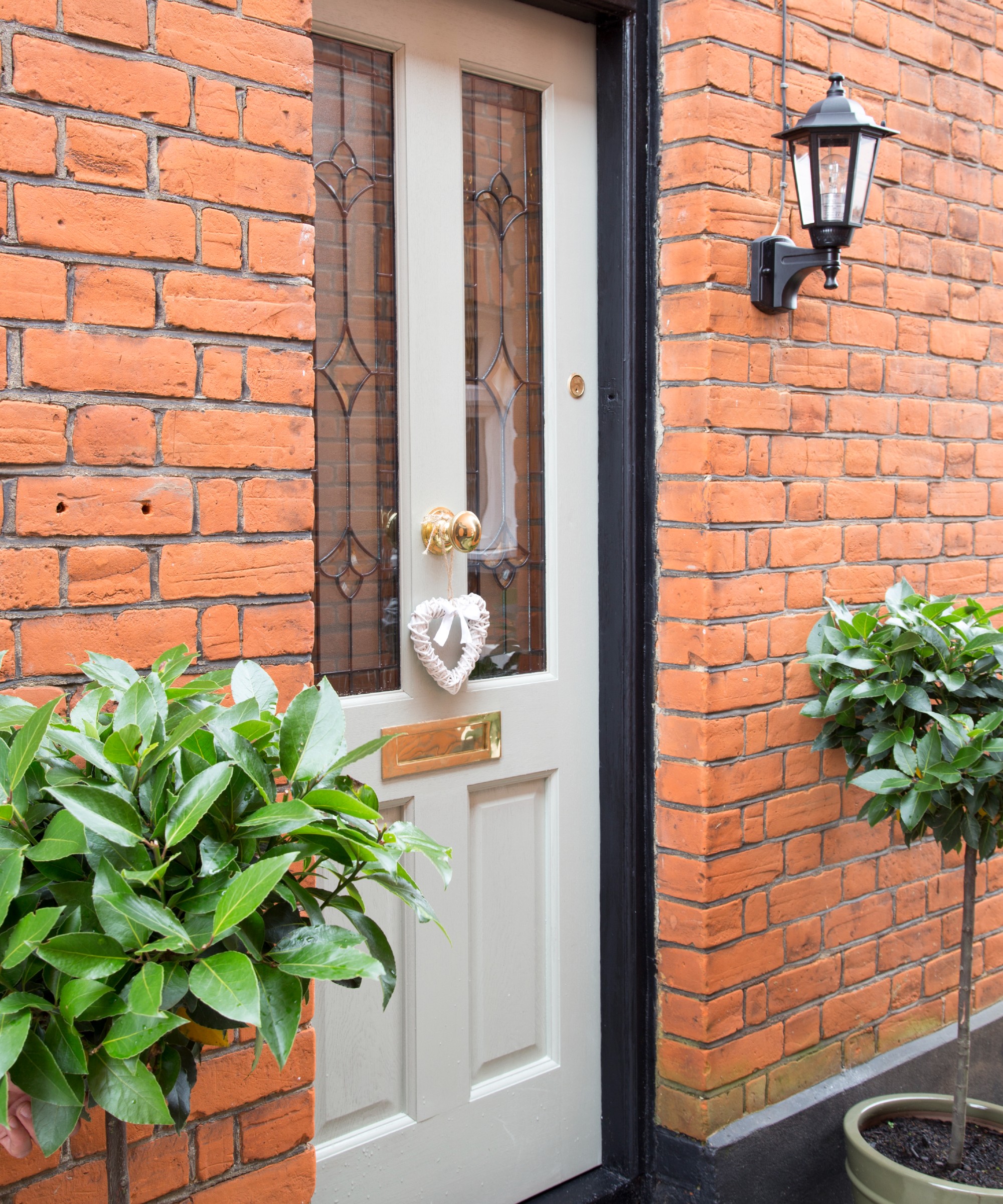
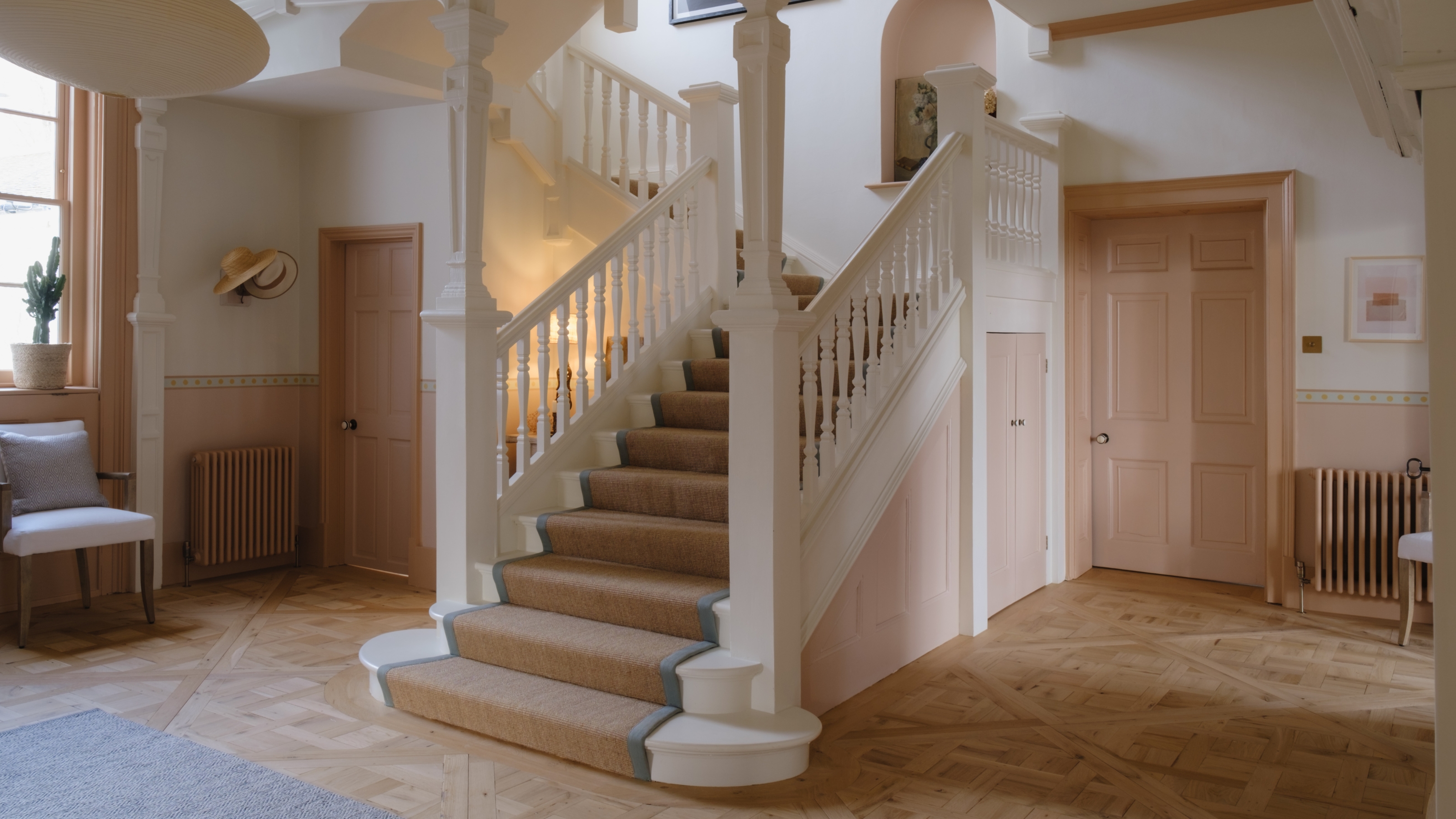
Certain areas of a home are particularly well-suited for color drenching. Relaxing spaces like bedrooms and living rooms benefit from the calming atmosphere it creates. Entryways also serve as ideal candidates, providing a strong visual anchor for the rest of the house. Hallways, often visible from multiple rooms and sometimes irregularly shaped, benefit from a single color application across all elements, making it easier to harmonize with adjoining spaces and creating a continuous sense of space. The decision to paint doors darker or lighter than walls, or the same color, depends on the desired effect, with tonal schemes creating elegance and contrasting colors delivering impact. For white walls, designers recommend using a highlight color on doors and woodwork to create a focal point, or choosing colors that align with the overall desired ambiance, whether it's Japandi calmness or a vibrant statement. For maximalist interiors, picking an accent color from patterned wallpaper to paint doors and trims can create a coordinating contrast and add a joyful touch.
#InteriorDesign #ColorDrenching #PaintColors #HomeDecor #WallPaint #DoorPaint #SmallSpaceDesign #HomeStyling #DesignTrends #InteriorDesign #ColorDrenching #PaintColors #HomeDecor #WallPaint #DoorPaint #SmallSpaceDesign #HomeStyling #DesignTrends
0 comment in total
 No comments yet
You may also like
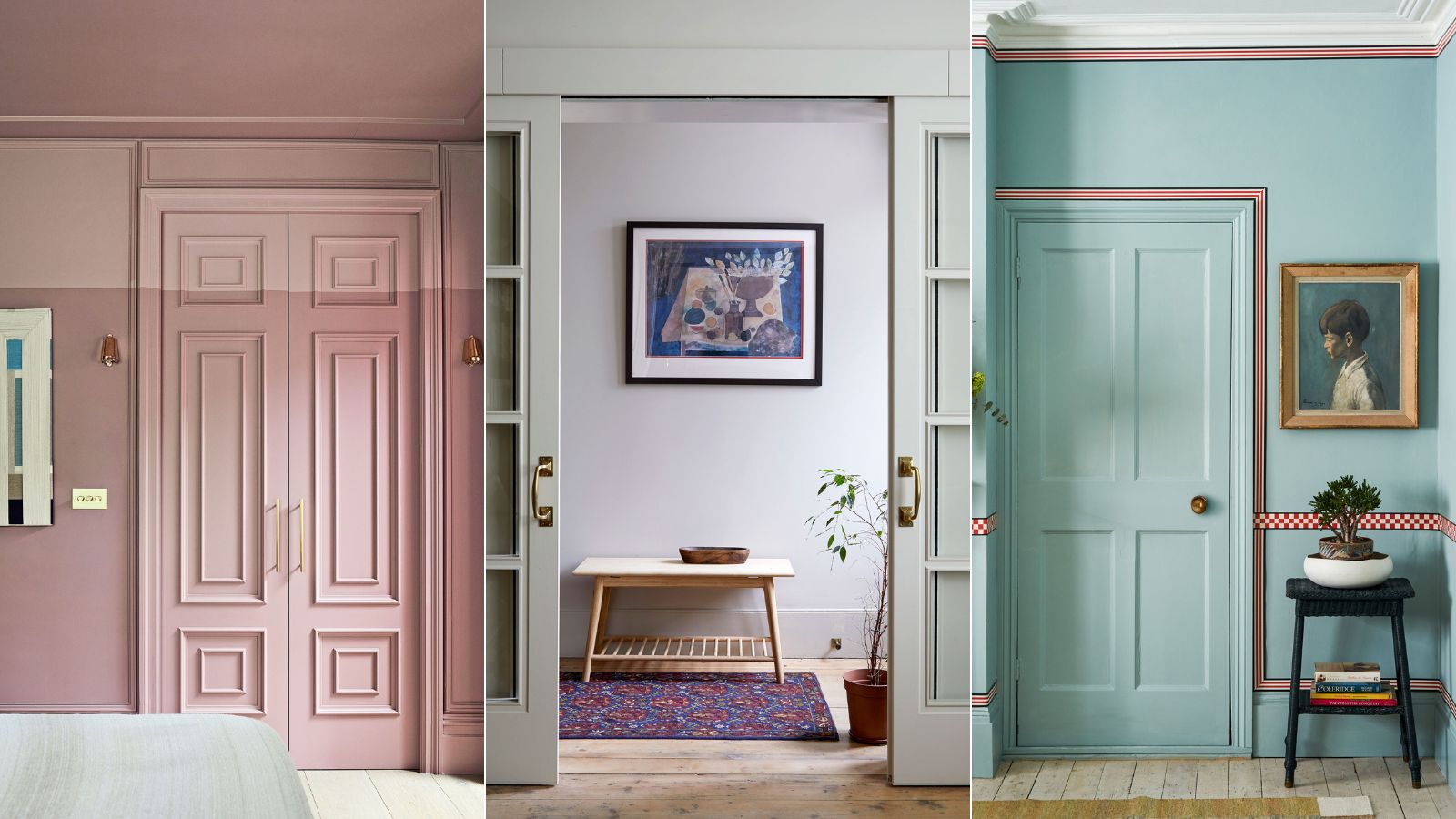
Should doors be painted the same color as walls? Yes, and here are 5 expert-approved reasons why

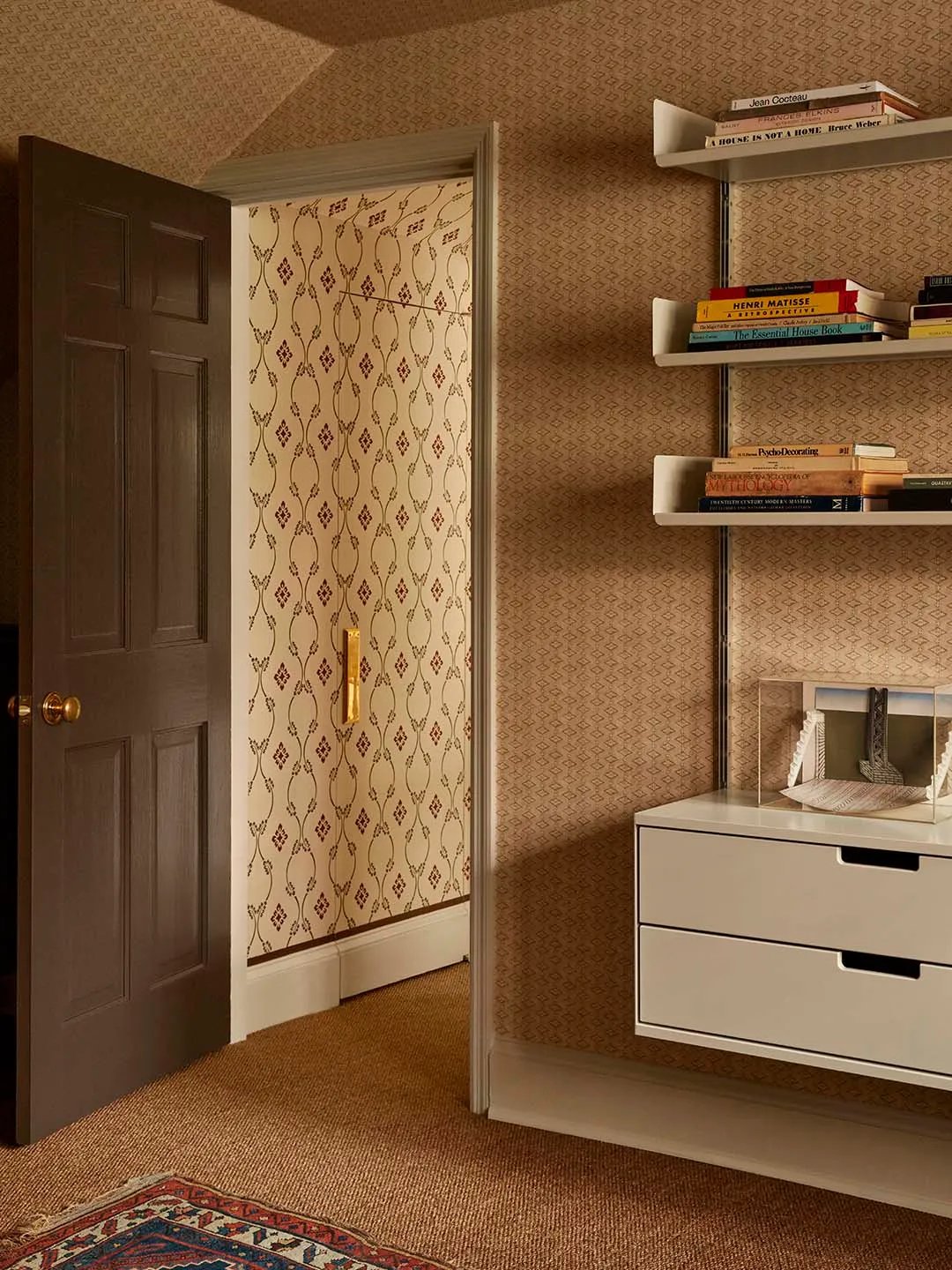
Your Interior Doors Don’t Need to Be Stark White—Designers Love These 11 Rich Hues

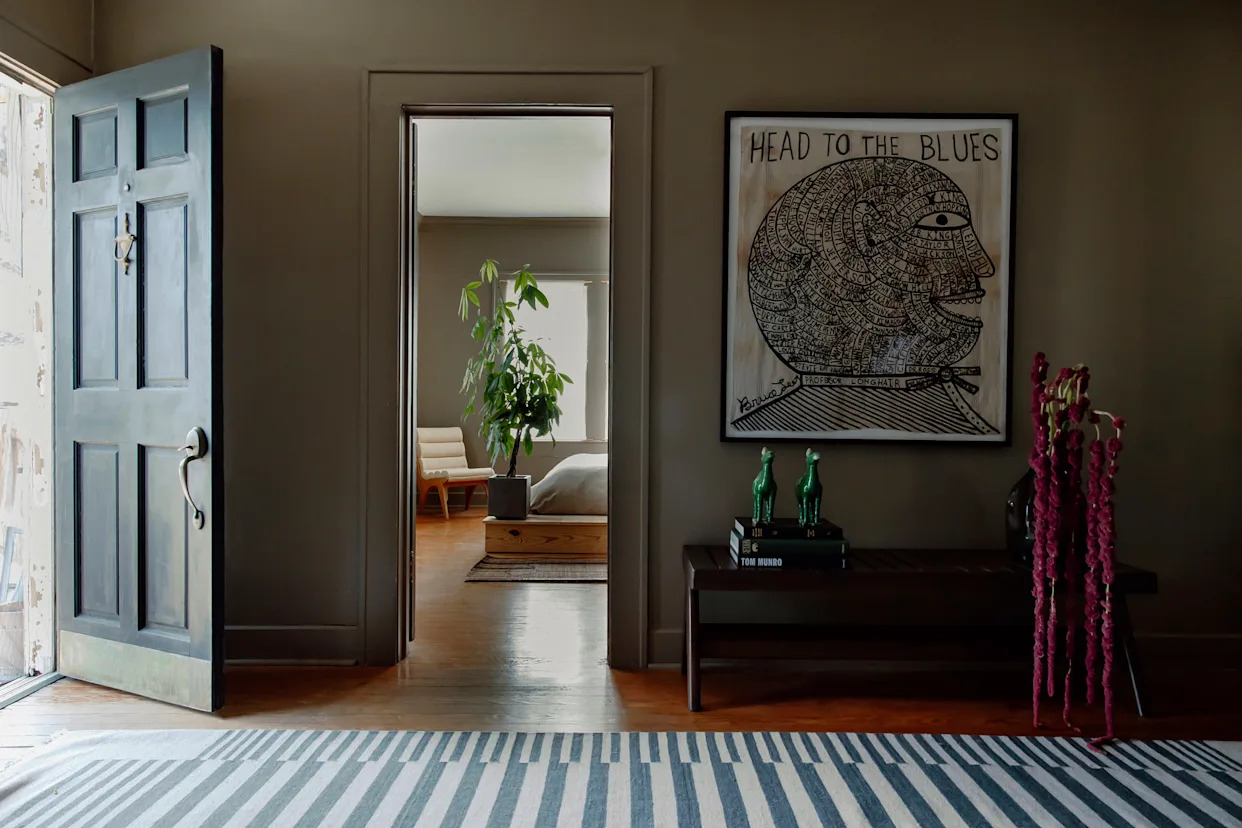
Should I paint an entryway light or dark? Here’s what the experts suggest
Interior Doors Don't Have to Be Boring—These Designer-Approved Colors Prove It

What color should you paint interior doors? The ideas to try, and what they say about your design personality
Should Doors and Trim be the Same Color? In 2025, Here's What Designers Are Doing
Should You Paint the Ceiling and Walls the Same Color? Interior Designers Share Their Thoughts

13 front door colours mistakes you might be making
How to decide what color to paint the inside of your front door
Should You Paint Your Trim And Walls The Same Color?
Should I paint an entryway light or dark? Here’s what the experts suggest
A Design Pro Shares Her Best Tips for Choosing a Timeless Front Door Color

Paint Your Doors the Same Shade as Walls for a Designer-Approved Statement

Should an entire house be painted the same color? Interior designers give their verdict
Should woodwork be lighter or darker than walls? The rules colour experts use to choose the perfect colour
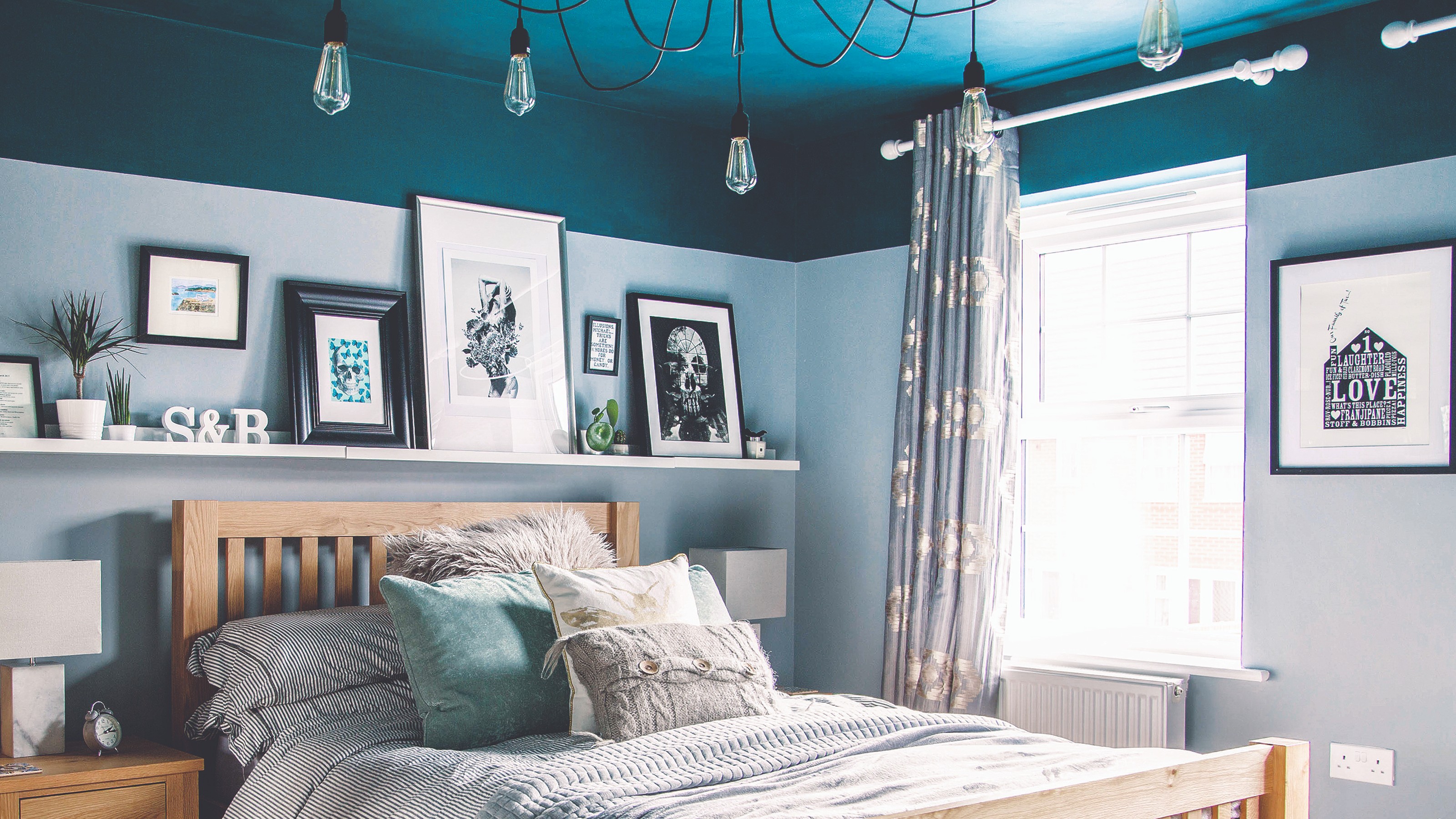
Should you paint your ceiling a different colour to the walls? Experts explain why everyone should consider it
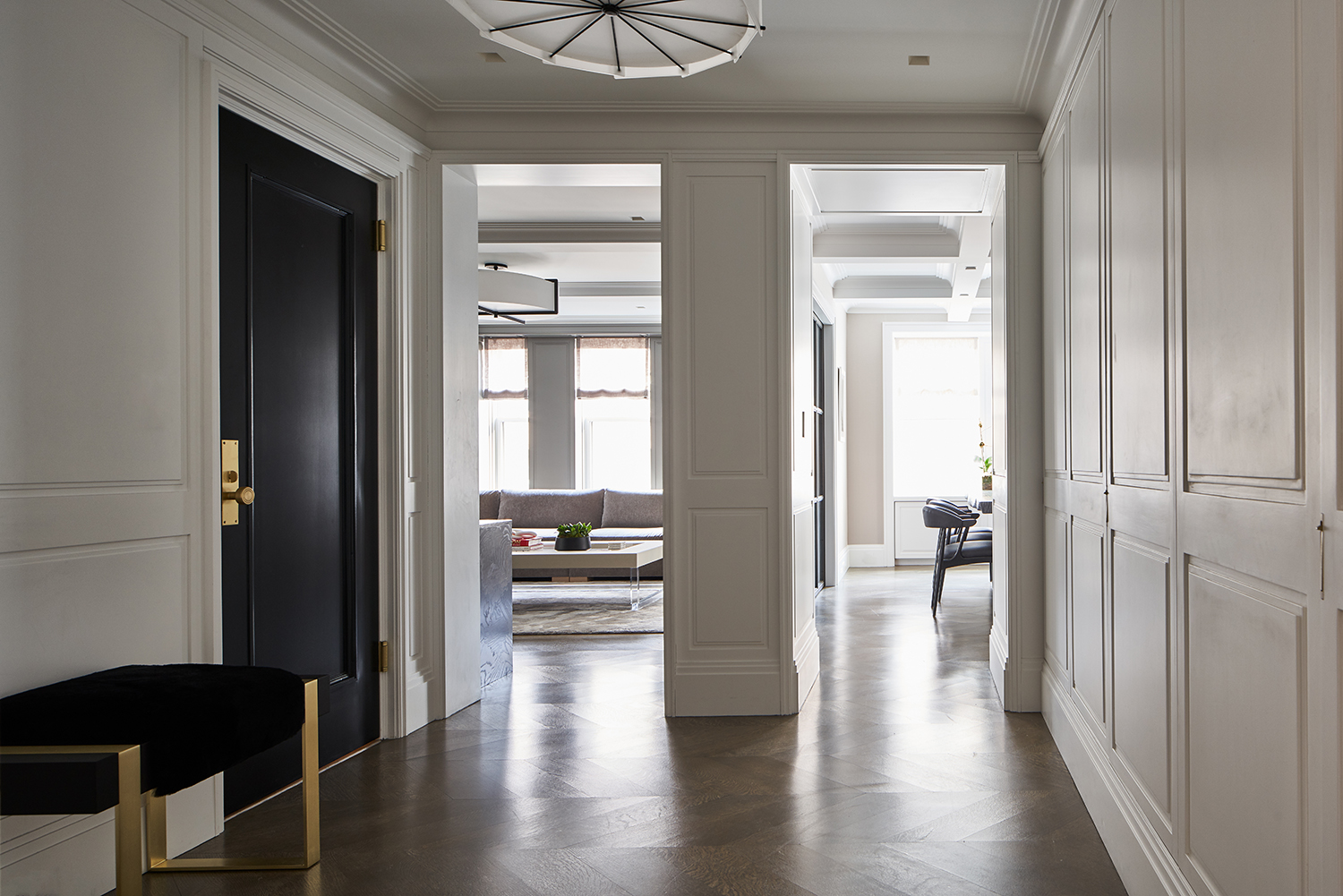
Should the entryway be the same color as the living room? One of the world's best paint experts decides once and for all
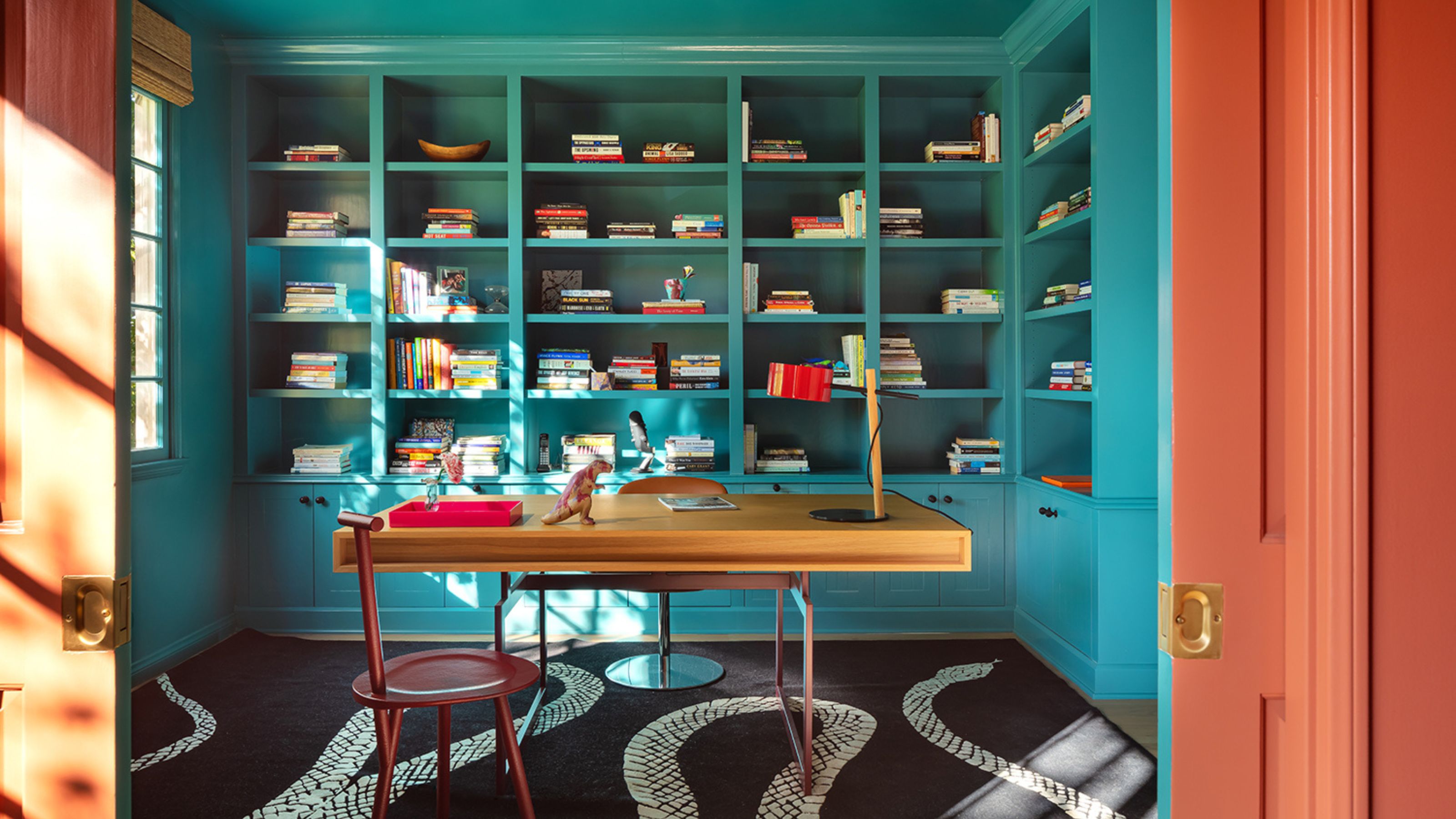
Should You Paint Ceilings and Walls the Same Color? Experts Give Their Verdict
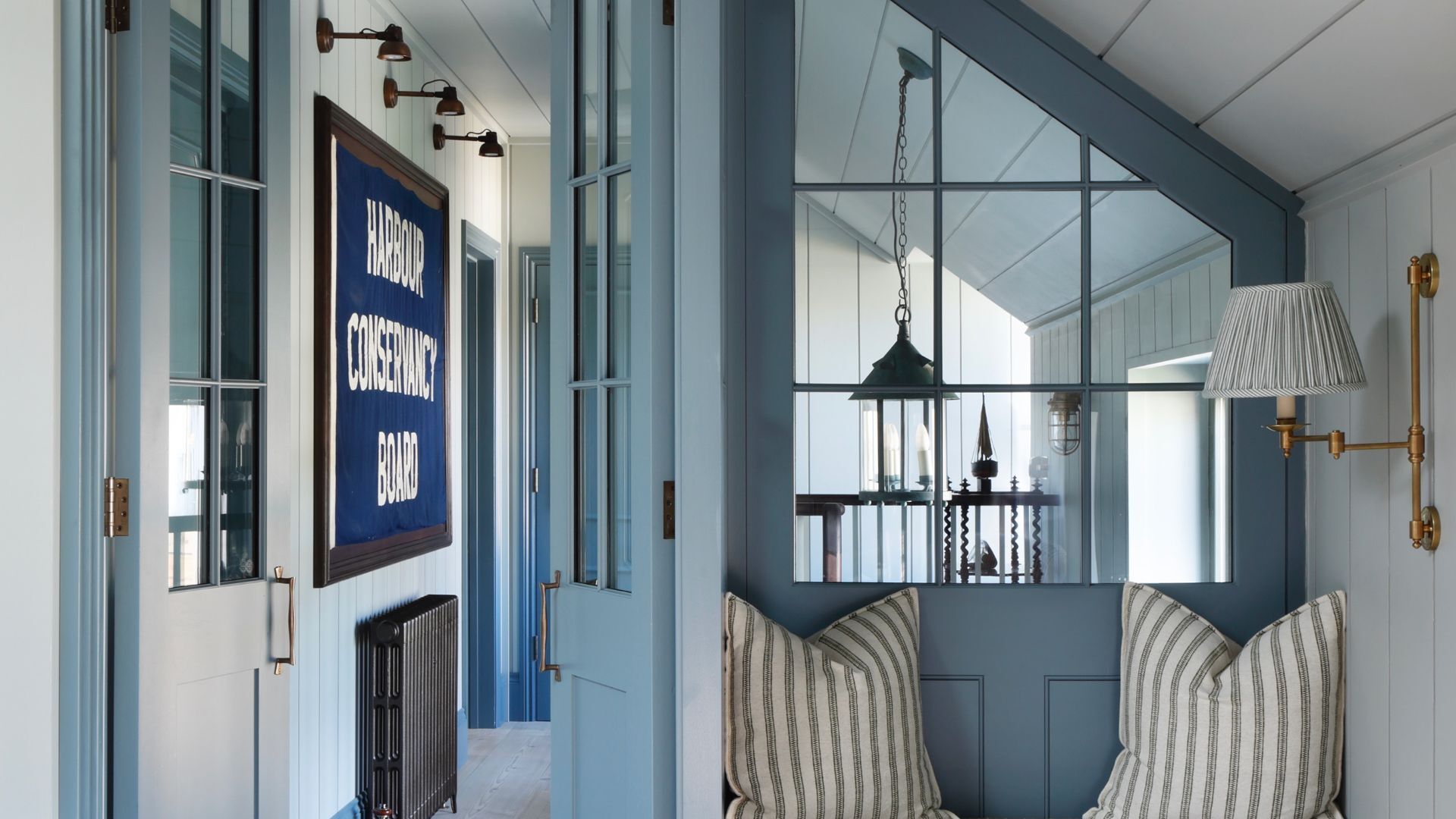
The chicest interior door colors you’ll want in your home in 2025 – because white isn't the only option
These Are the Top 10 Dos and Don'ts for Choosing Front Door Colors