1/4
The Best Way To Paint Wood Paneling, According To An Expert
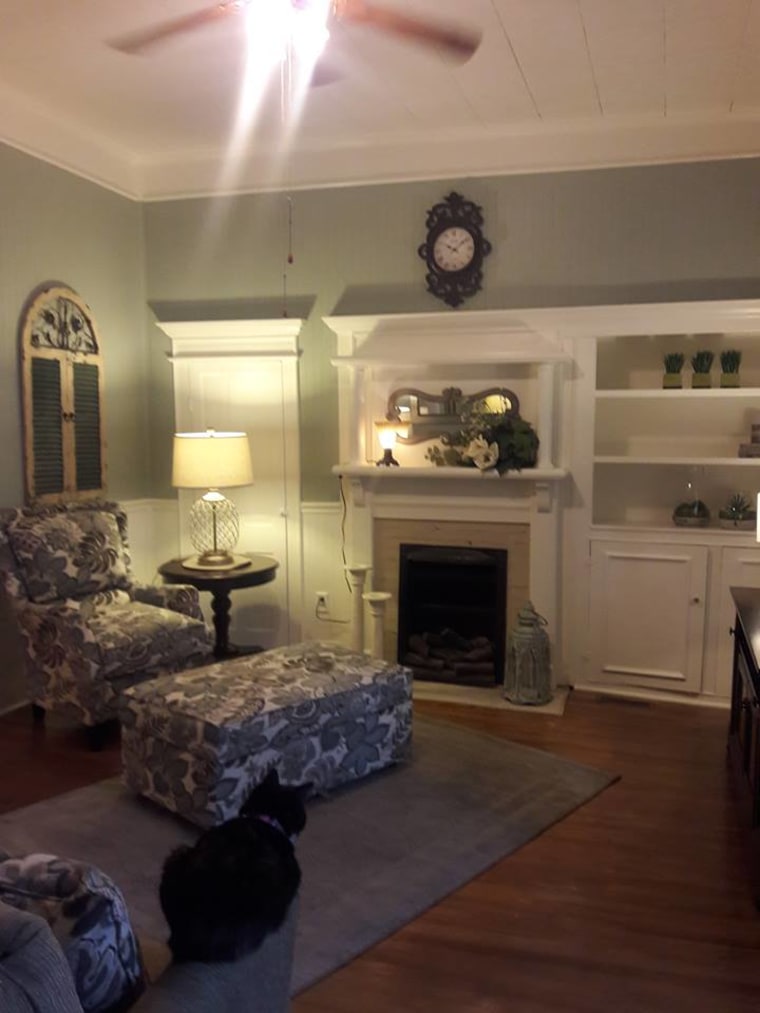
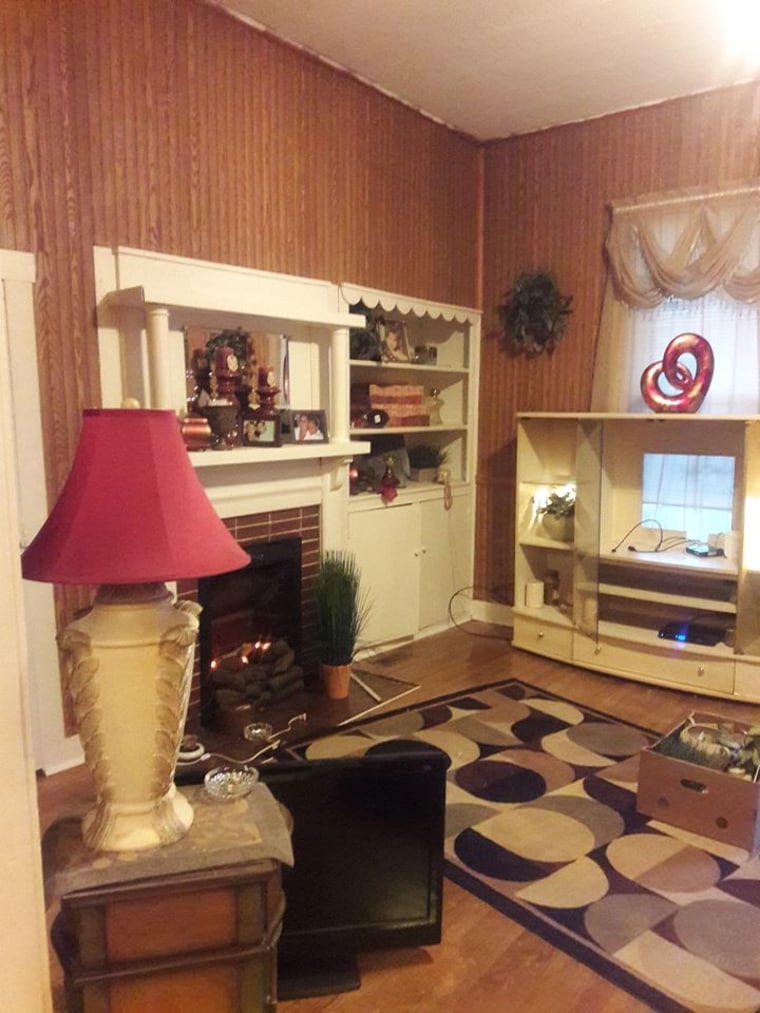
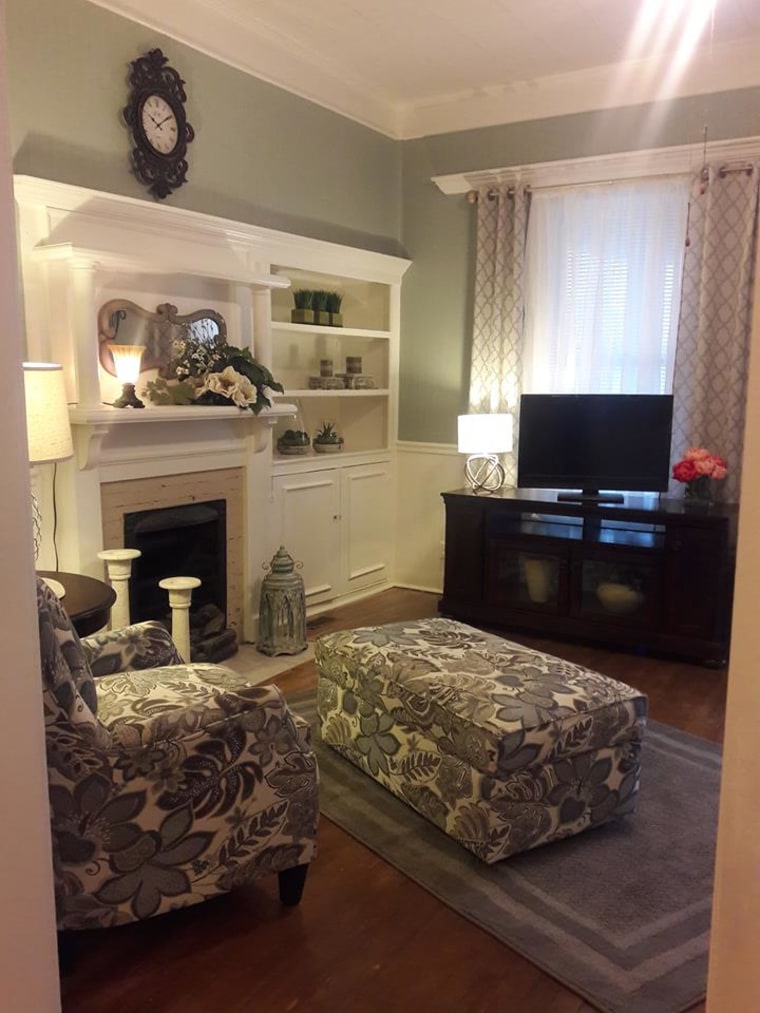
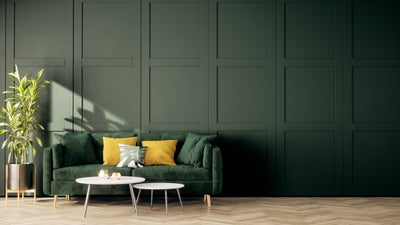
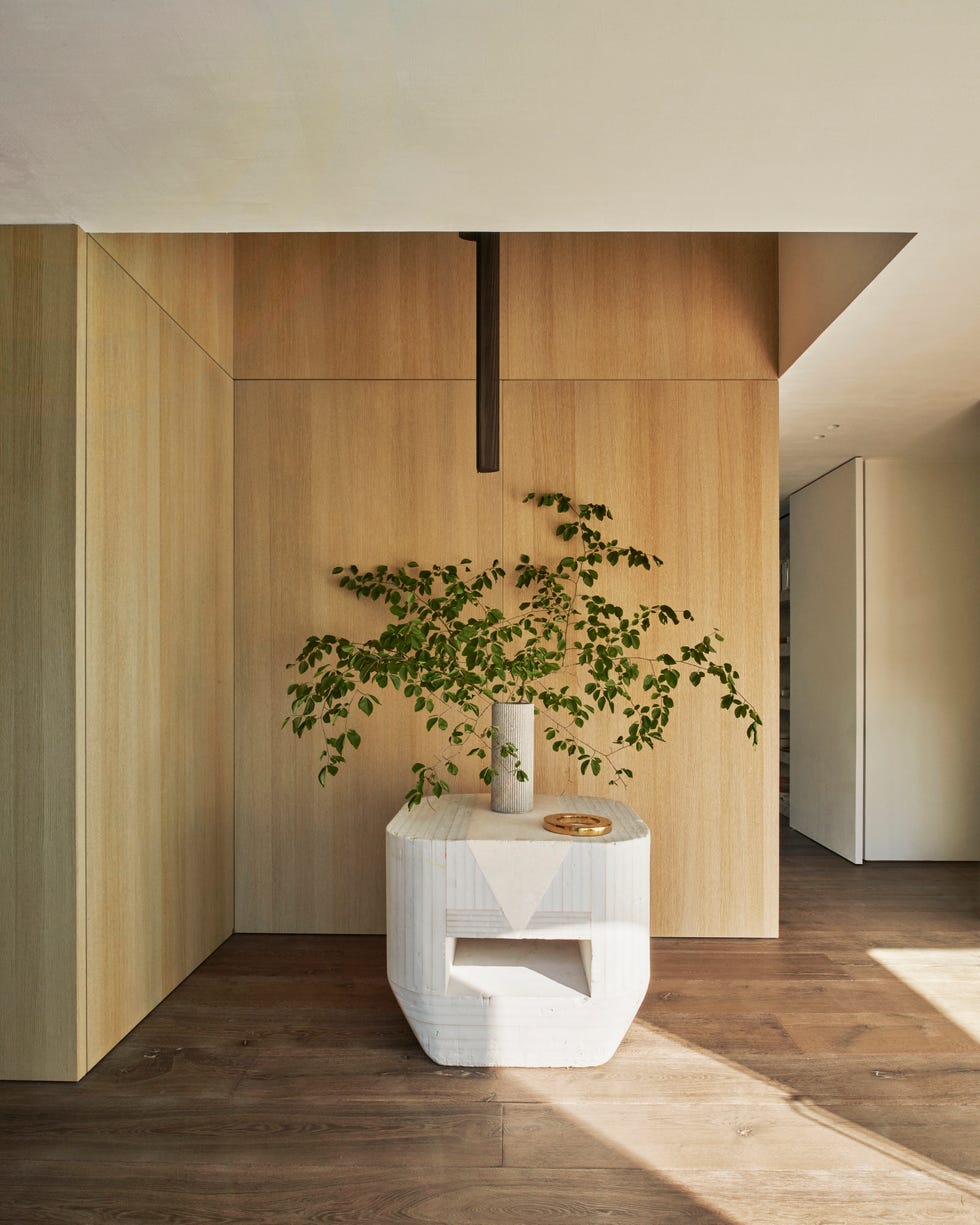
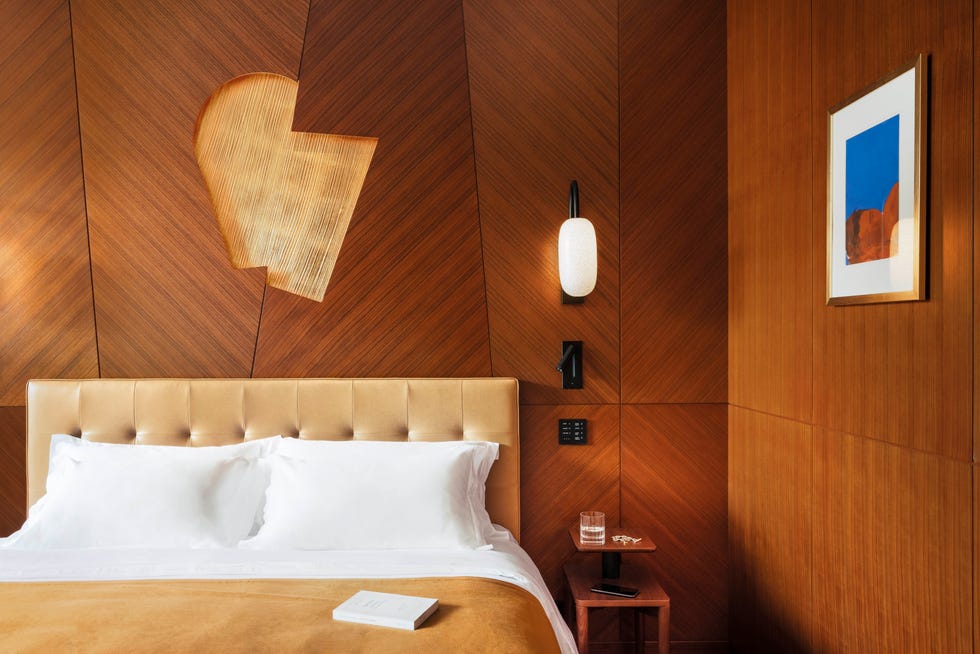
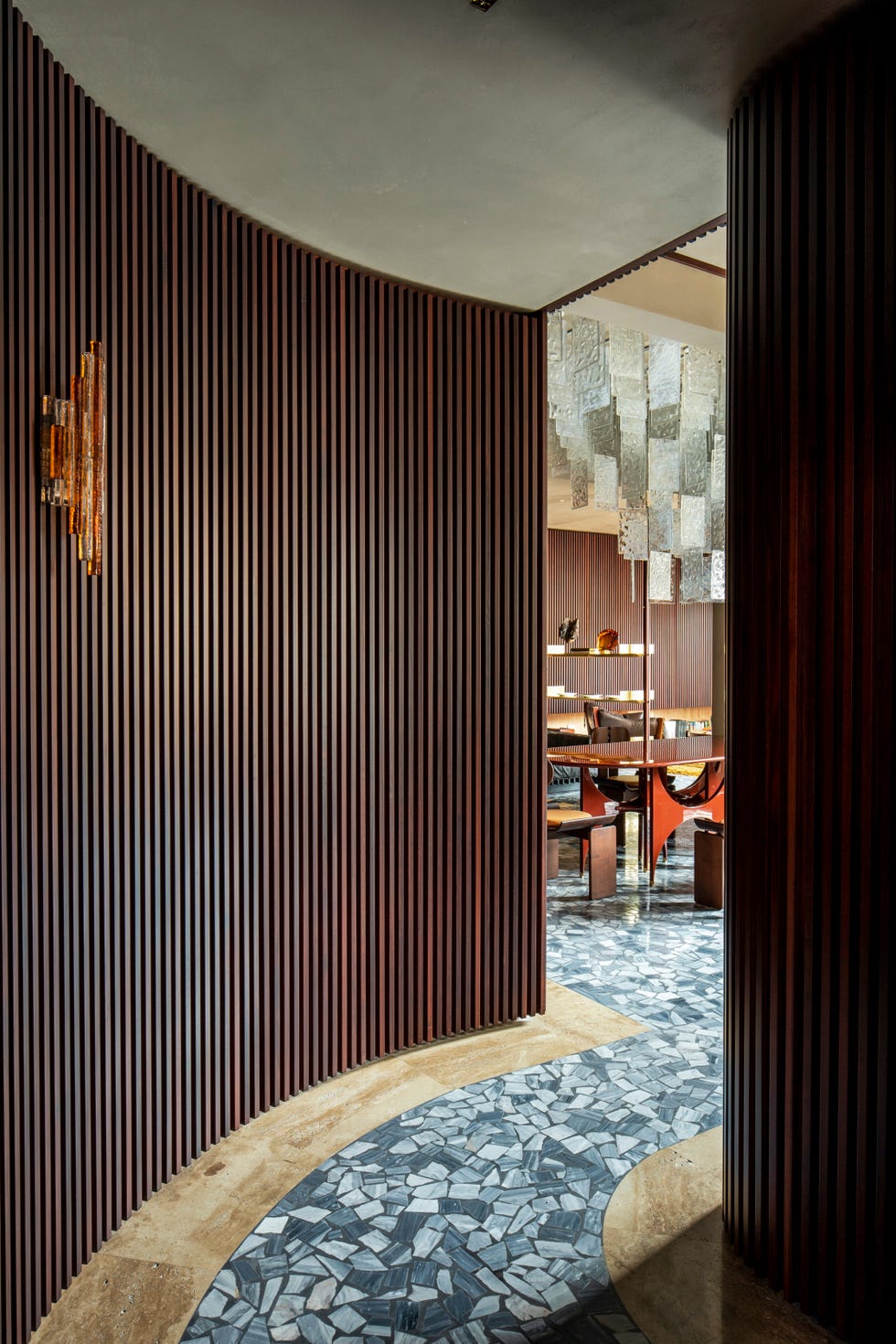
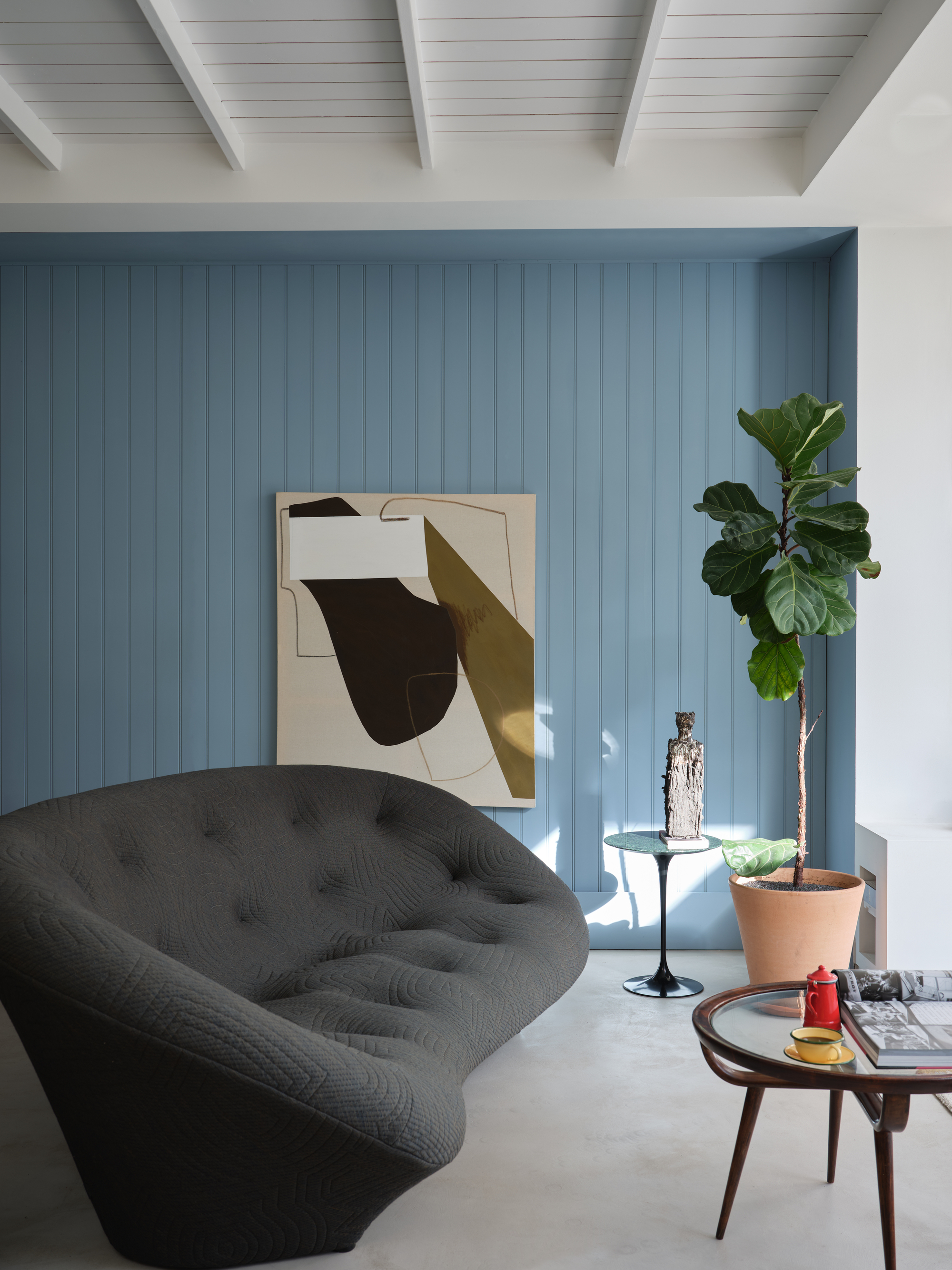
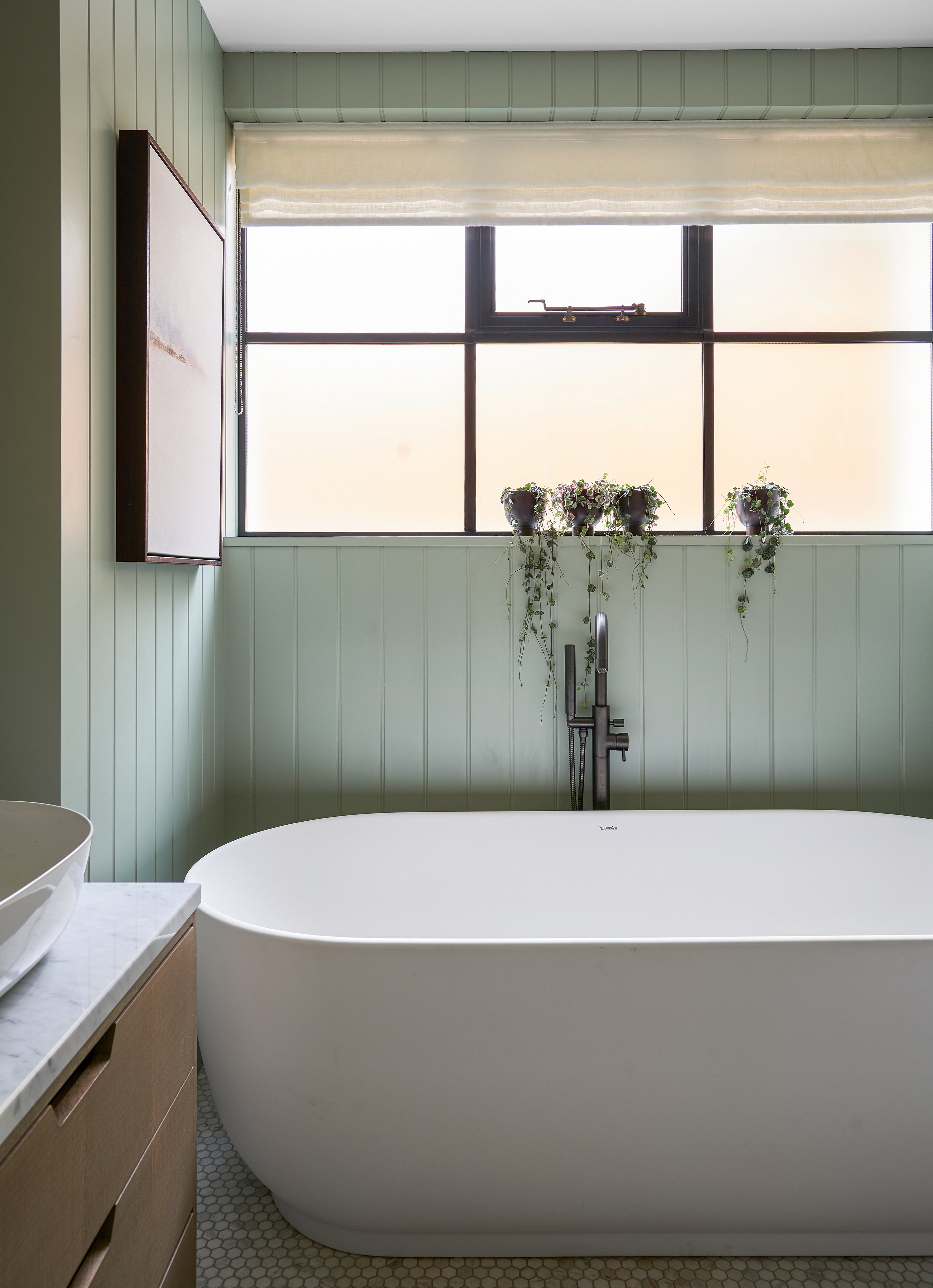
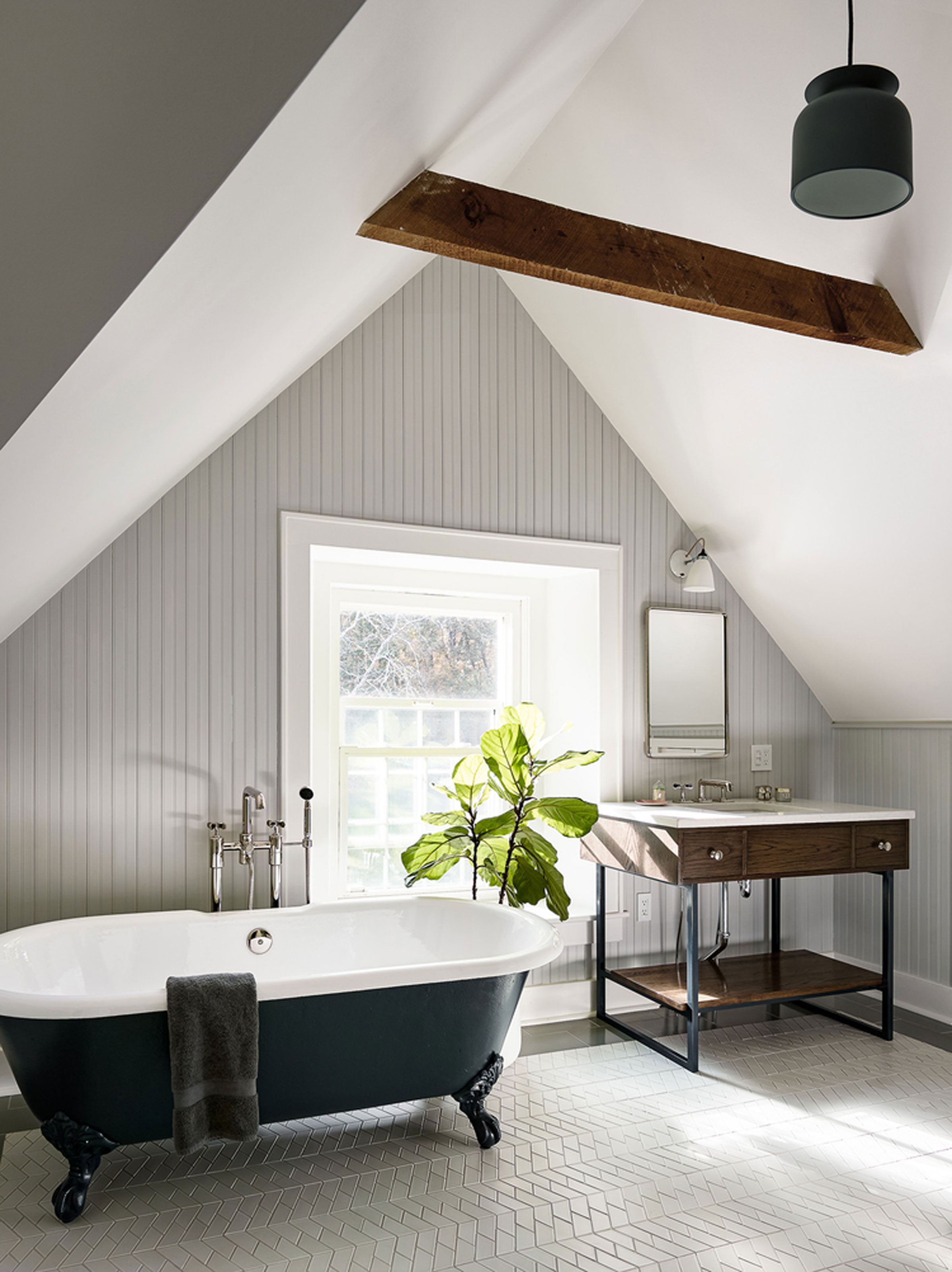
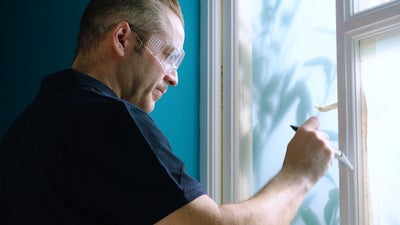
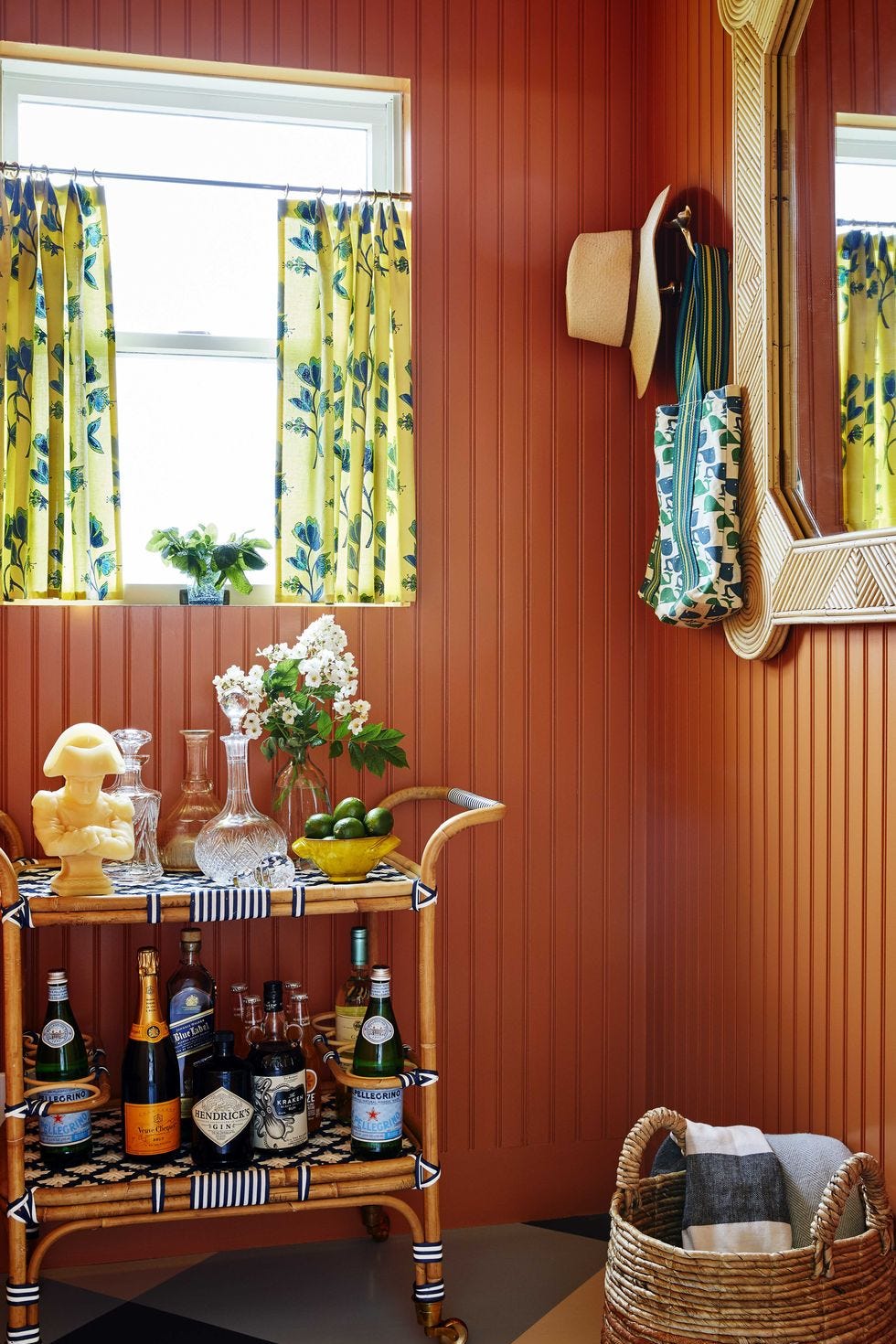
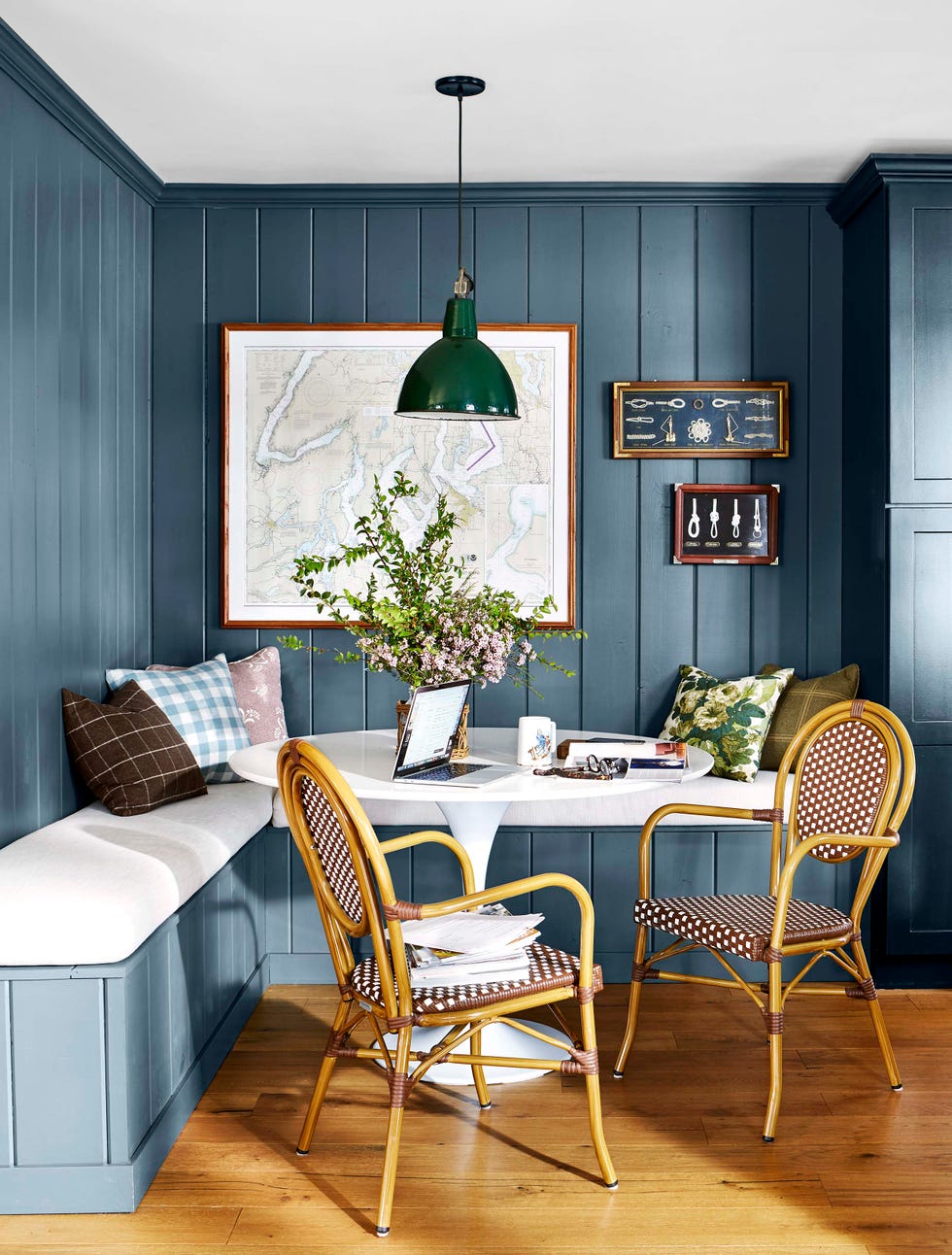
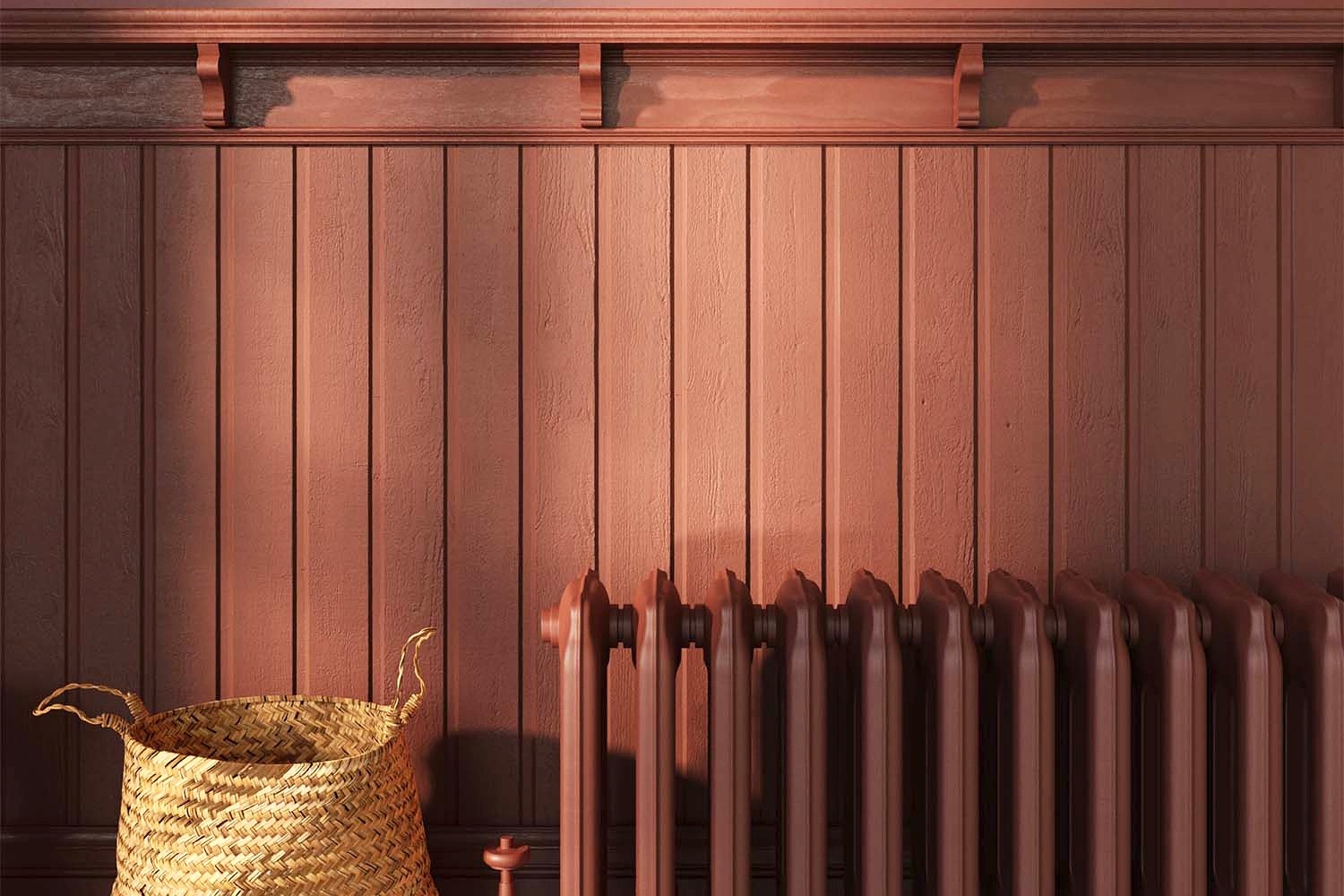
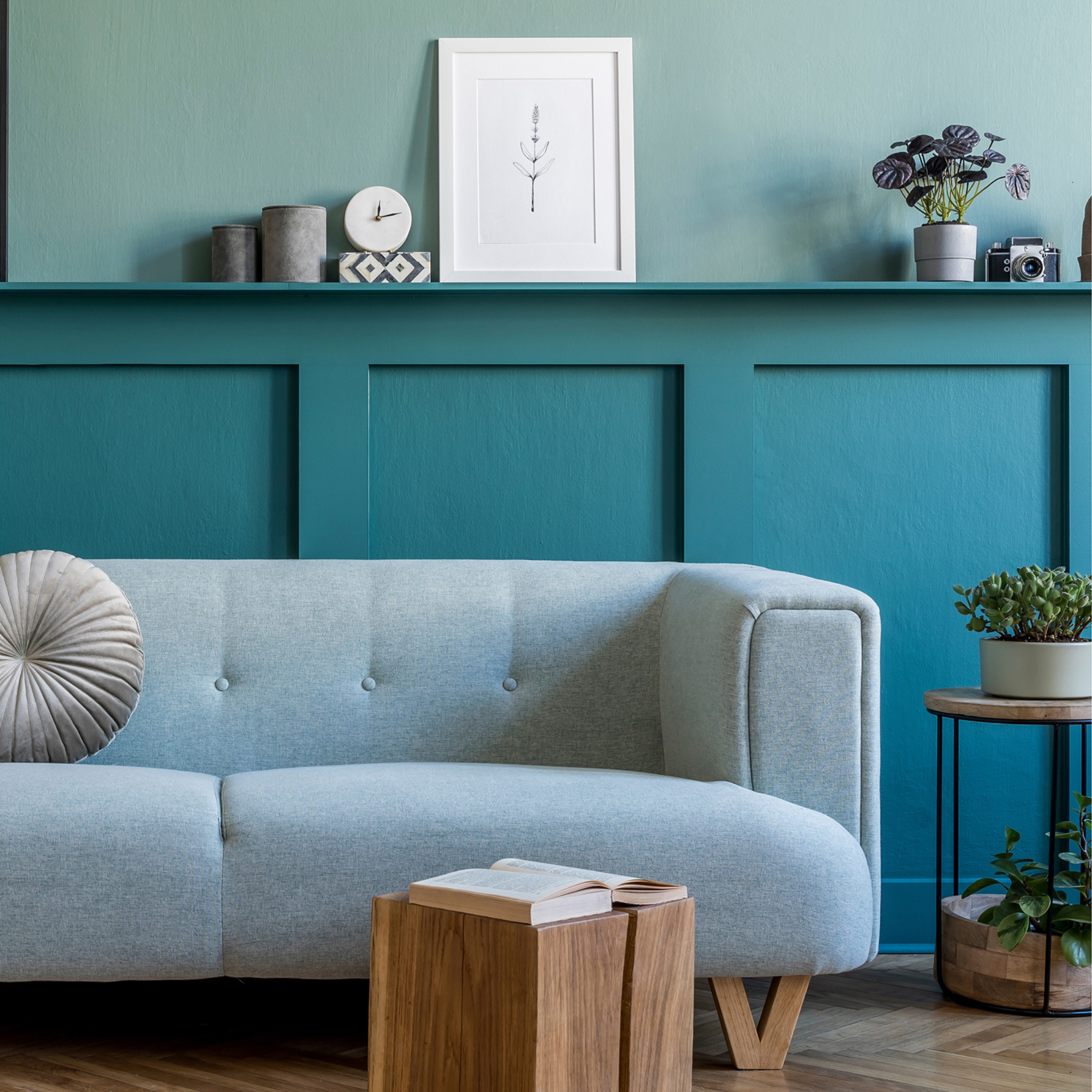
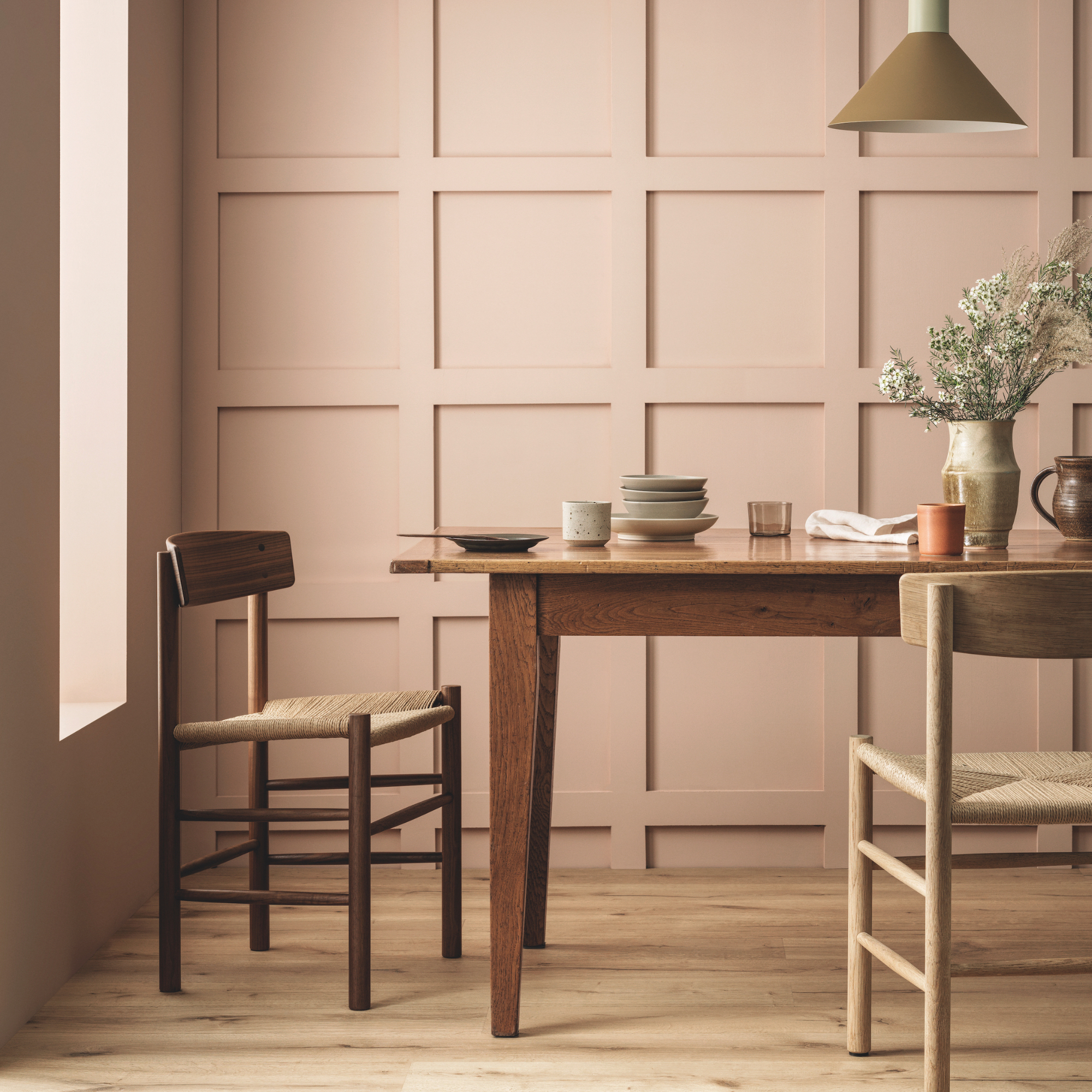
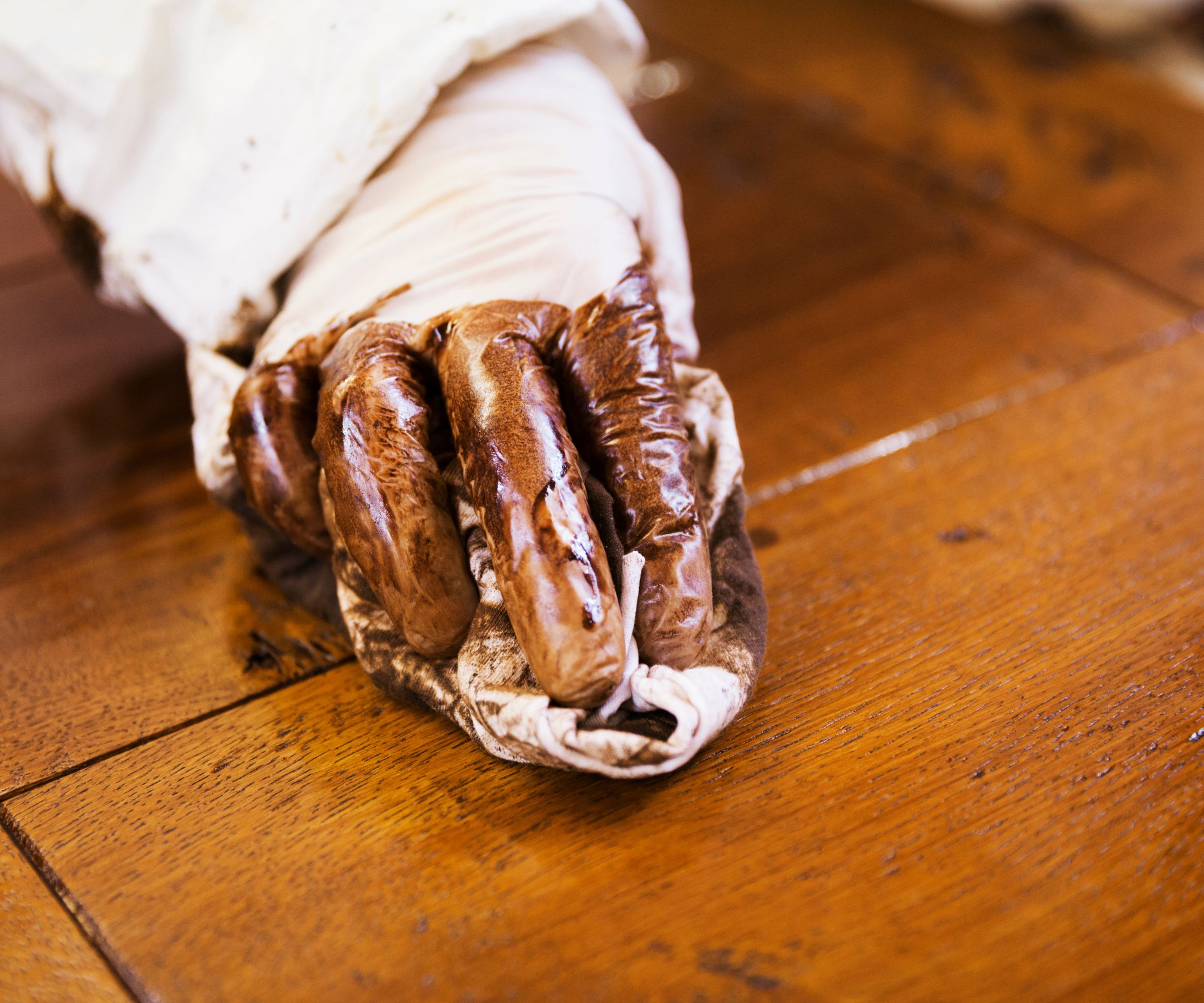
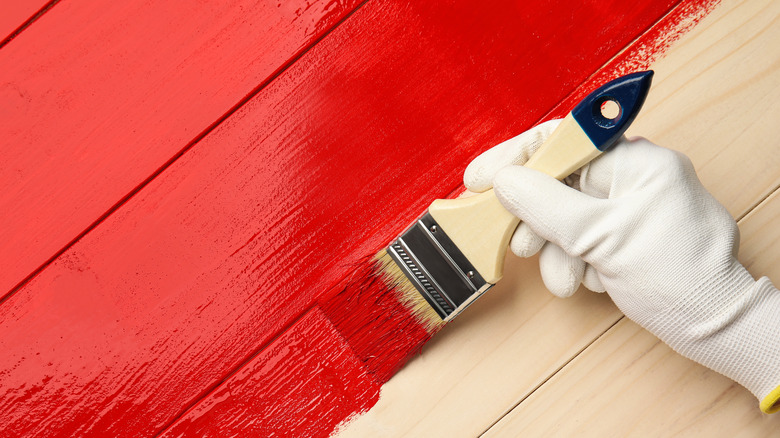
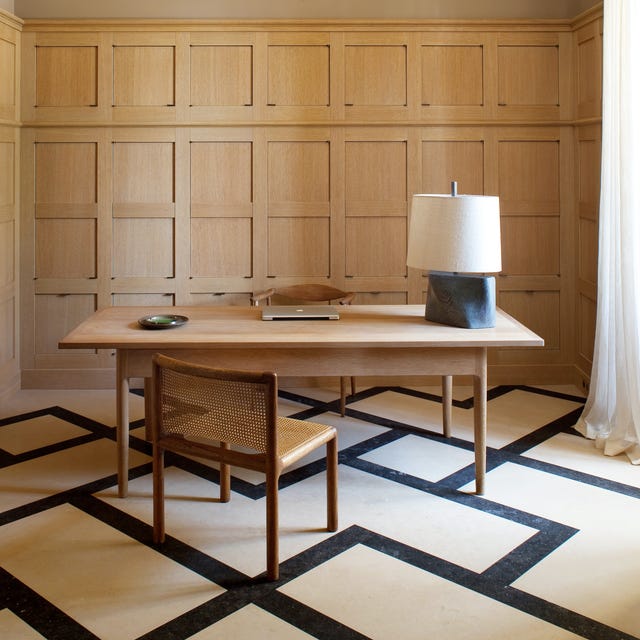
Wood paneling, a popular feature in many homes, offers a unique aesthetic and connects interiors with natural elements, as noted by Heartwood Carving. Despite its inherent beauty, periodic staining or painting is often necessary to refresh its appearance and protect its material integrity. Painting wood paneling is a common home improvement task that, while seemingly straightforward, benefits significantly from proper technique. Matt Kunz, President of Five Star Painting, emphasizes that painting over paneling is an economical way to update a room, provided the paneling is in good condition and prepared correctly.
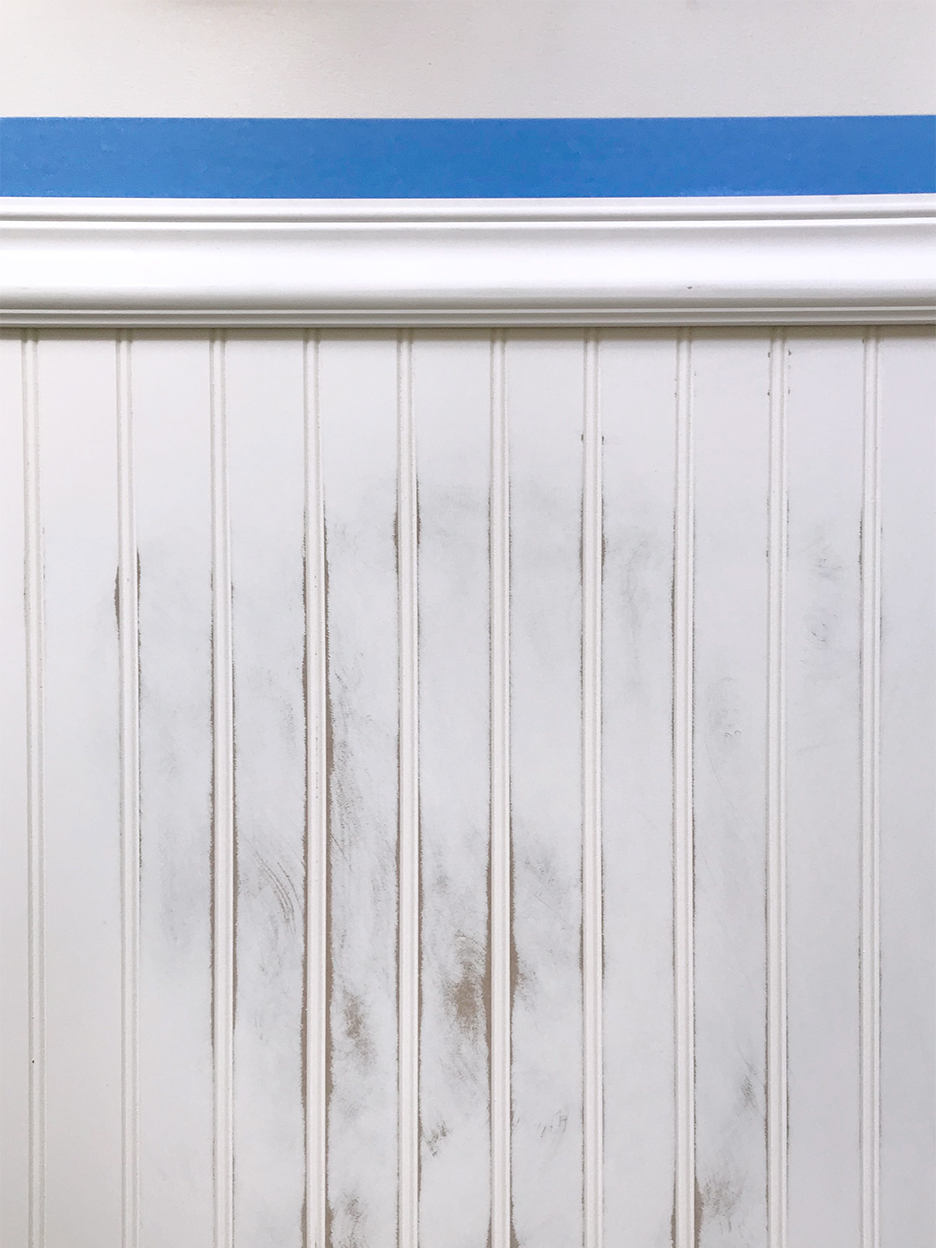
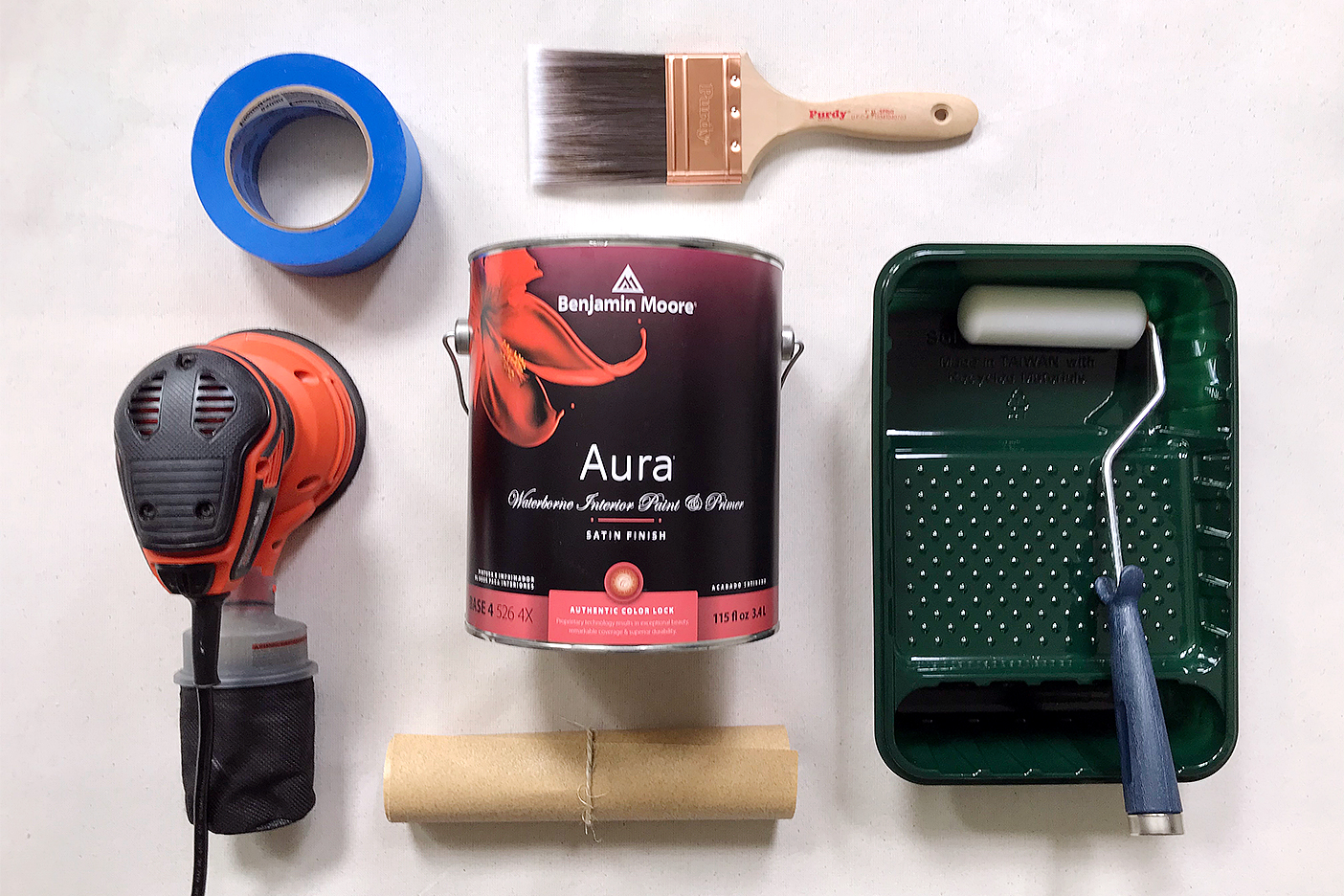
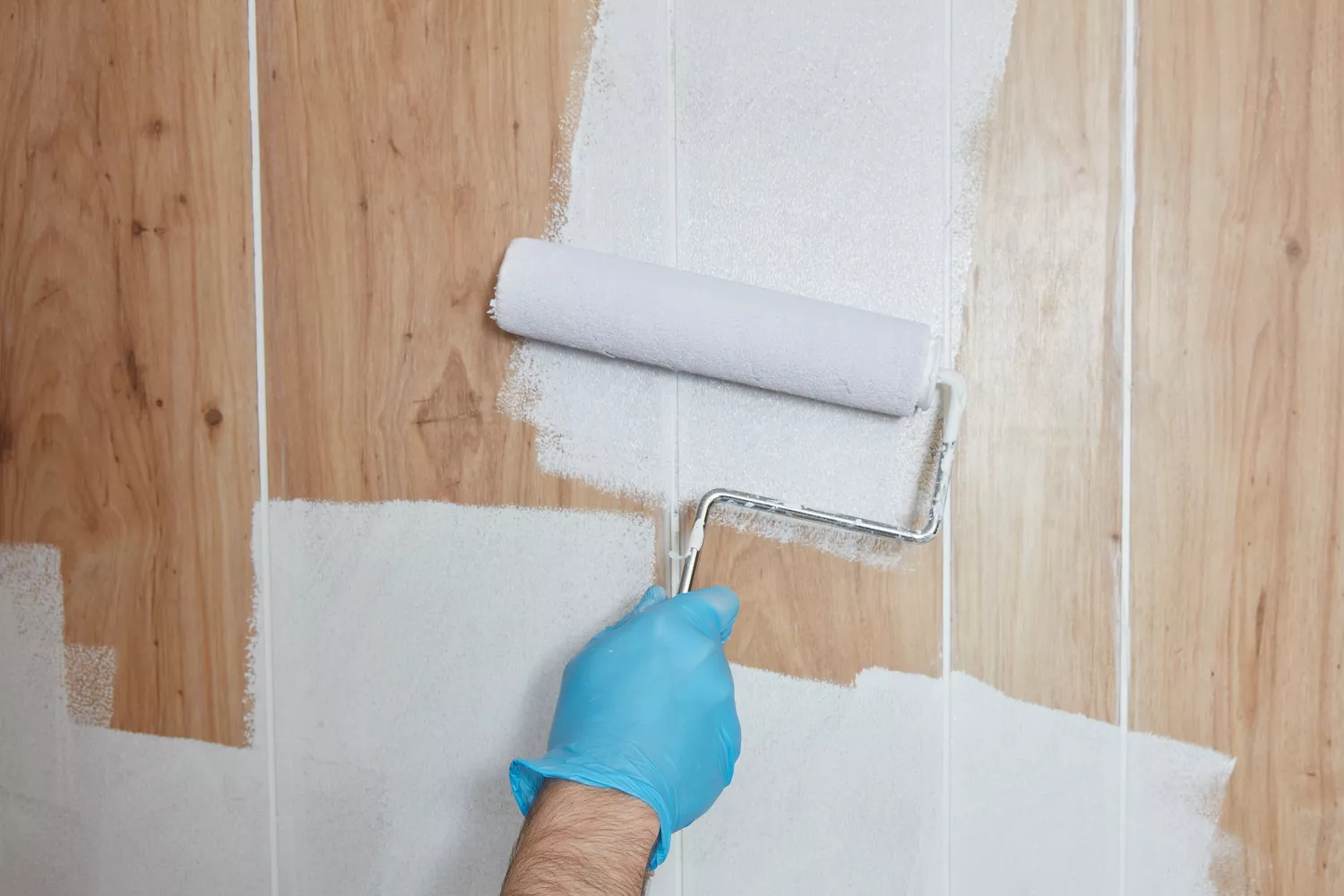
A crucial first step in painting wood paneling is the application of a primer. A high-quality, stain-blocking primer is recommended for solid wood paneling, while an oil-based primer is suitable for veneer. Kunz advises applying two thin coats of a high-quality latex primer, allowing adequate drying time between applications. Primer serves multiple functions: it enhances the longevity and color depth of the final paint coat, seals porous surfaces, and improves paint adhesion. For application, a brush should be used to cut in corners, along ceilings, and baseboards, with a foam roller used for the broader areas of the paneling.
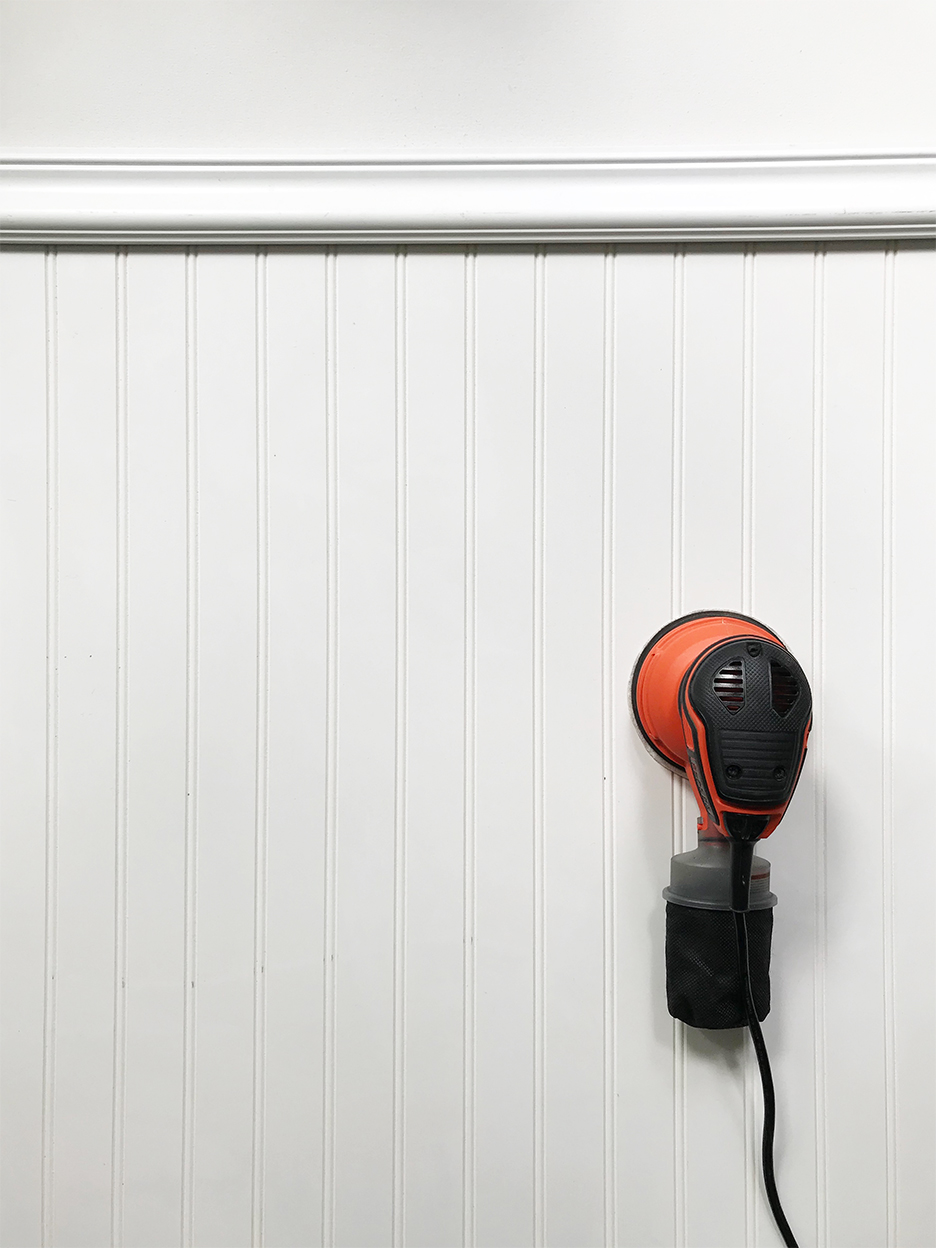
Once the primer is dry, the painting phase begins. While specialized paints are not typically required, Kunz suggests using a durable enamel paint like Emerald Enamel, similar to those used for cabinets, applied in a flat finish with a roller. Latex wall paint can also be used, though it may not offer the same level of durability, making the choice dependent on the paneling's environment. The painting process mirrors the priming technique: two thin coats are recommended, starting with cutting in corners, ceilings, and baseboards. It's essential to remove any excess paint that accumulates in the panel gaps or grooves using a dry brush, and to allow each coat to dry completely. Consistent pressure and an even coating are key to achieving a professional finish, with patience being a vital component of the process.
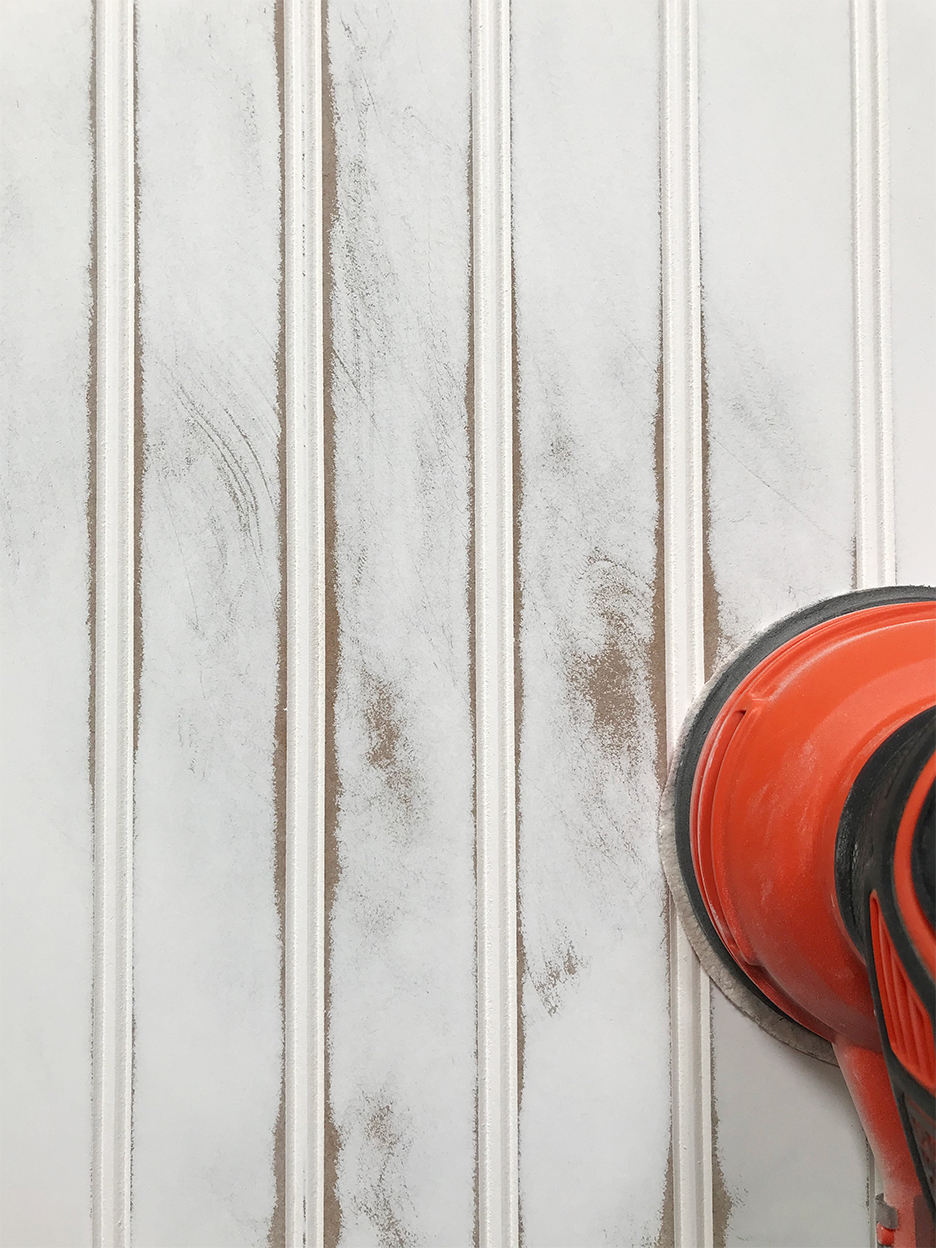
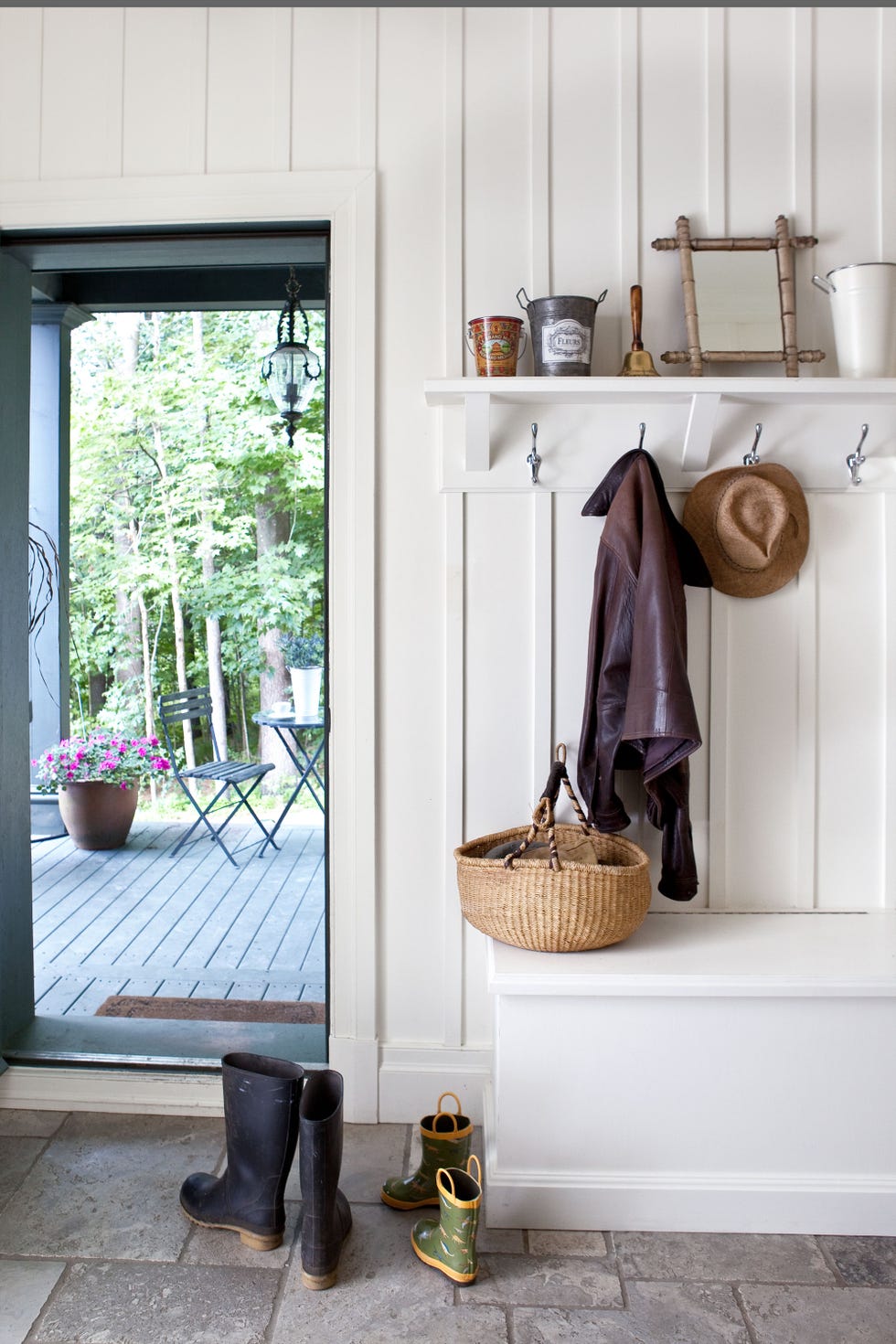
Special considerations apply when painting solid wood paneling, particularly those fabricated from individual V-groove or tongue-in-groove boards. Kunz warns against filling the gaps in these boards, as the natural expansion and contraction of wood due to weather changes will cause the filler to fall out. Instead, a simple cleaning, sanding, and priming routine is sufficient. For knotty pine paneling, a stain-blocking primer or a primer with a shellac or oil base is crucial to prevent the wood's resin from bleeding through the topcoat. Additionally, when transitioning from dark brown paneling to a white color, caulking cracks and seams with a high-quality white acrylic latex caulk before priming is strongly advised to prevent these seams from becoming visible through the new paint.
#WoodPaneling #HomeImprovement #PaintingTips #PrimerApplication #PaintSelection #DIYHomeDecor #InteriorDesign #RenovationGuide #WoodPaneling #HomeImprovement #PaintingTips #PrimerApplication #PaintSelection #DIYHomeDecor #InteriorDesign #RenovationGuide
0 comment in total
 No comments yet
You may also like
How to Paint Wood-Paneling


How to install wooden panelling

Wood Paneling Is Back—and Better Than Ever

How to Paint Wood Furniture Like a Pro

How to Paint Wood Paneling and Its Best Friend, the Trim

This expert’s ‘BRB’ technique is something I'll forever use when painting wall paneling to avoid drips and paint build-up

Buying the Best Paint for Wood Means Nothing Without This Important First Step
How to panel a wall – DIY this trending look in your home this weekend
Choosing the right wood panelling design
How to Paint Wood Paneling Like a Pro

Best exterior wood paint 2020

Interior Wood Paint
How to Paint Wood Paneling the Right Way

How to paint interior woodwork
Wood Treatments
10 mistakes to avoid when painting wooden furniture, according to experts

Wood panelling: an essential guide to the big decorating trend

How to paint laminate furniture - the pro tips experts swear by for a perfect finish
Practical ways to make panelling look good
The best way to stain wood – 4 time-saving tips from the experts