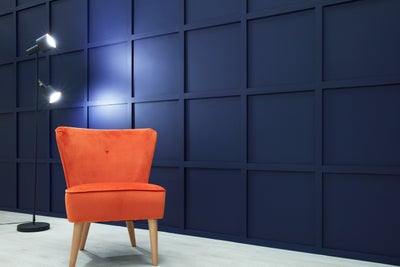
1/8
Choosing the right wood panelling design
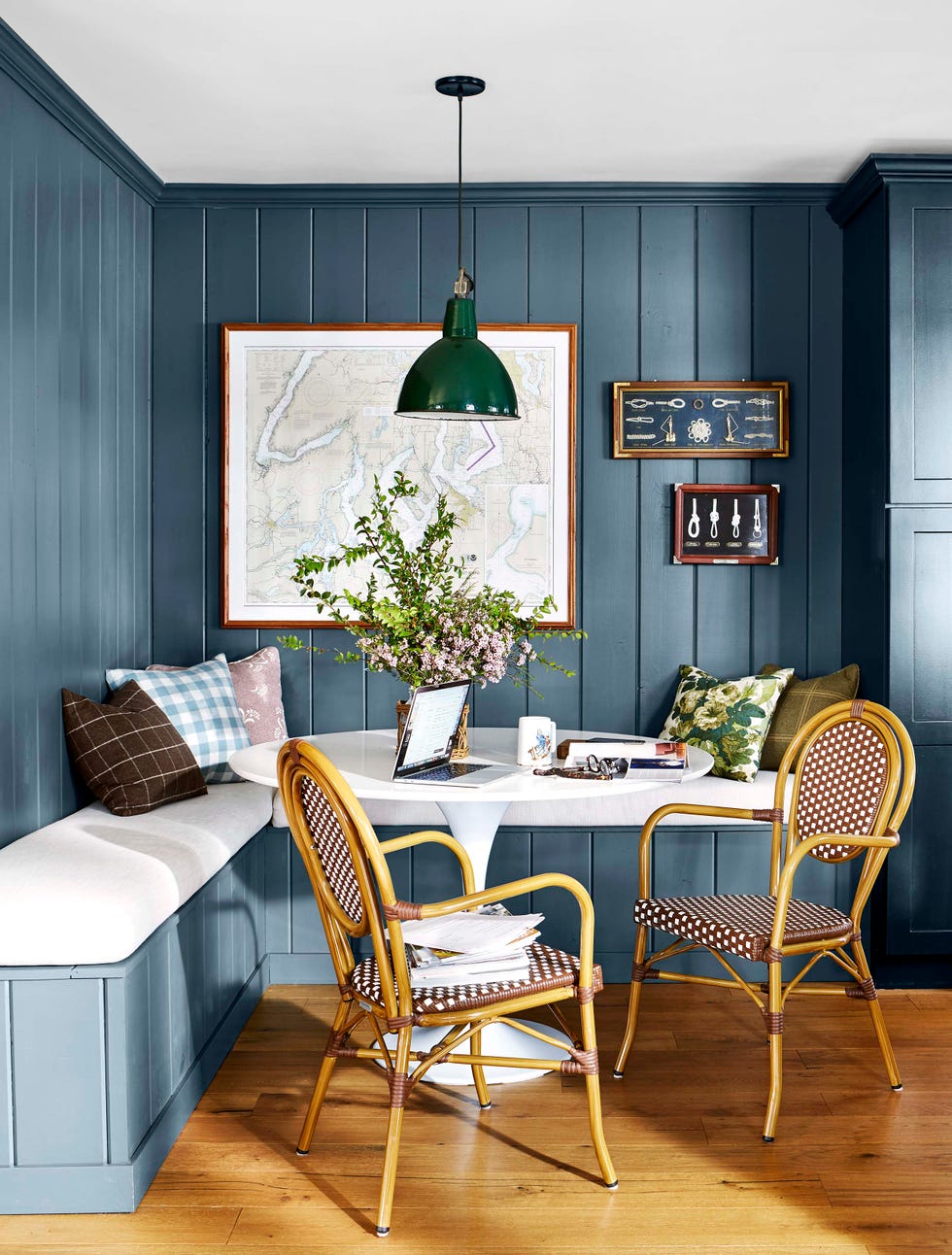
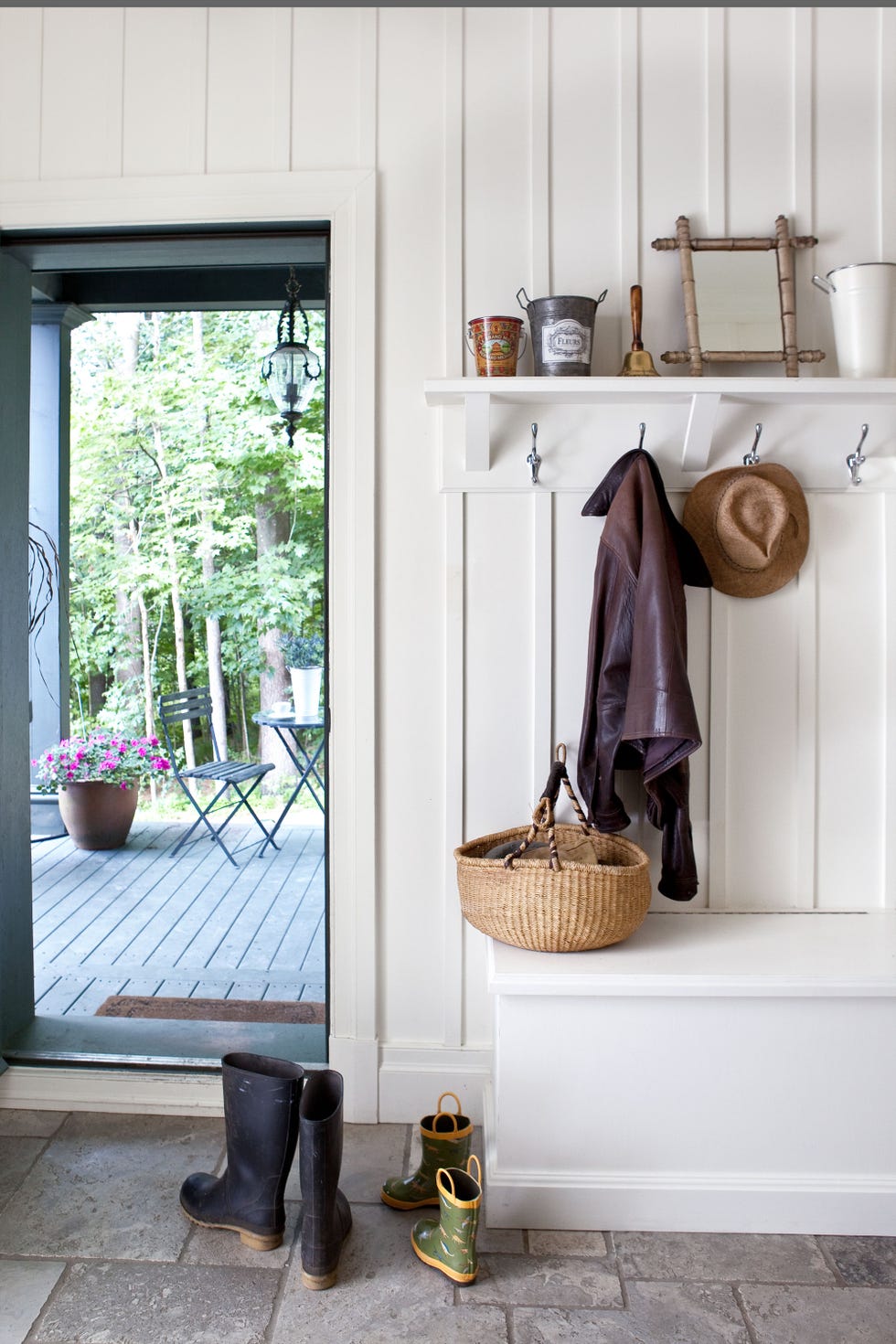
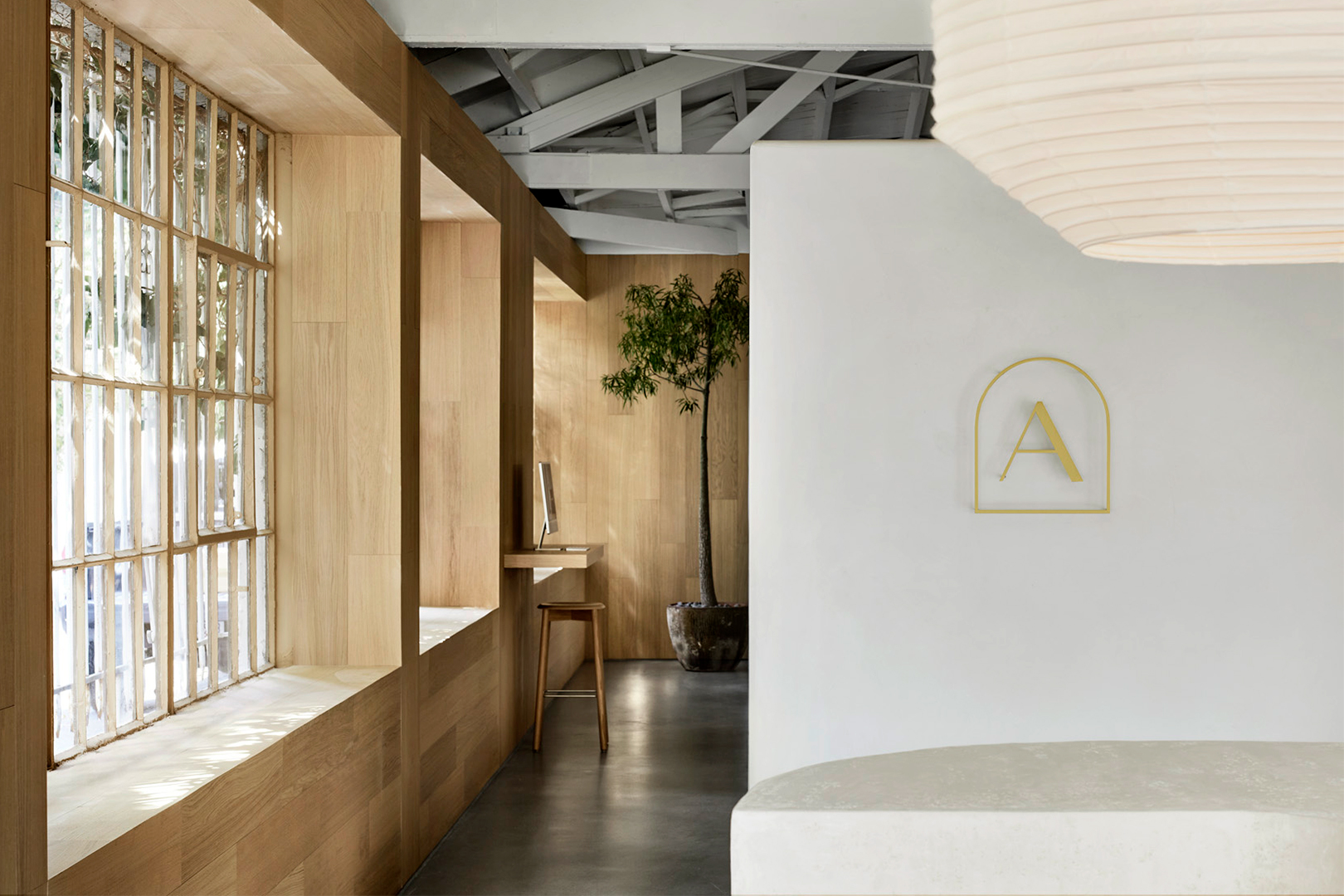
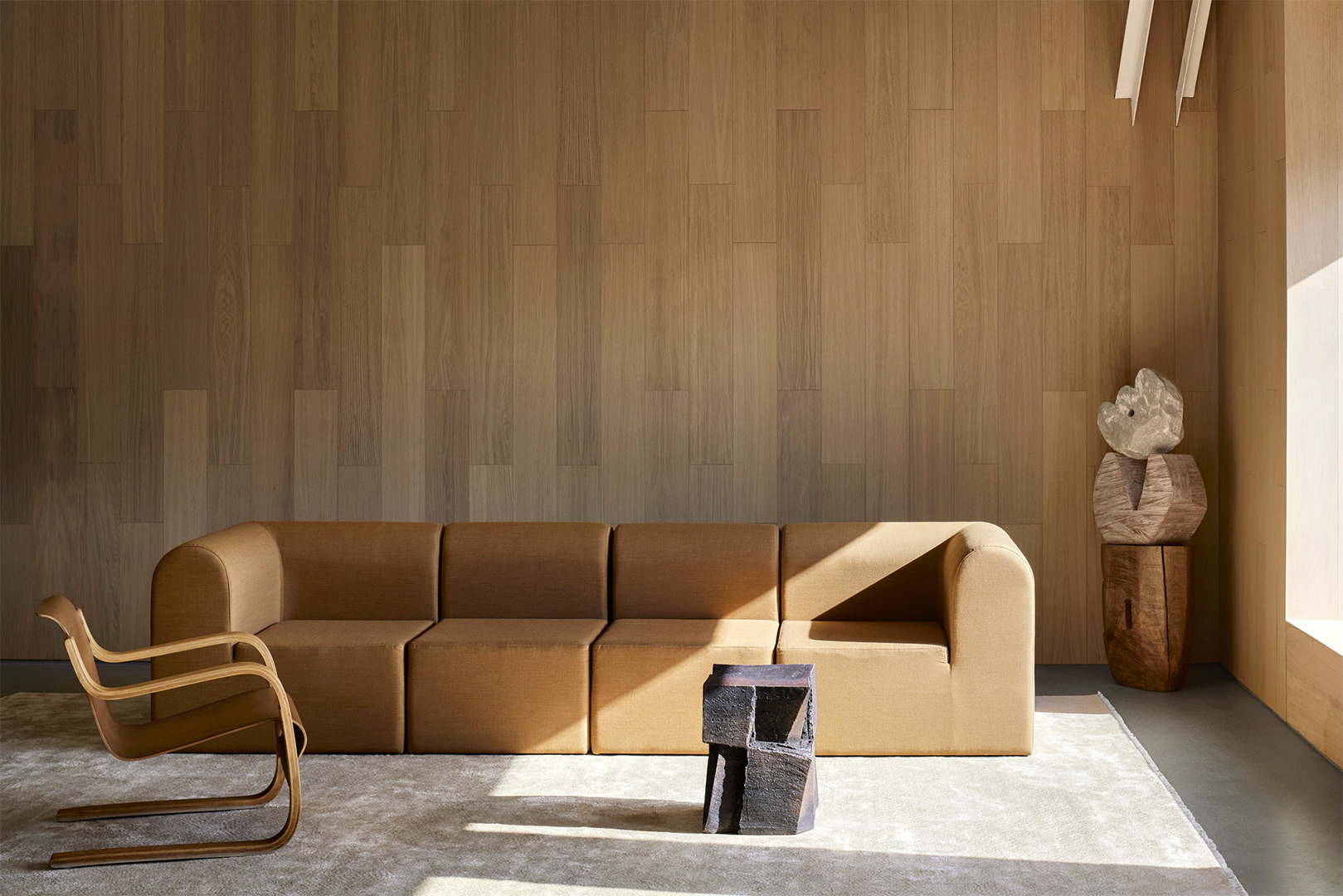
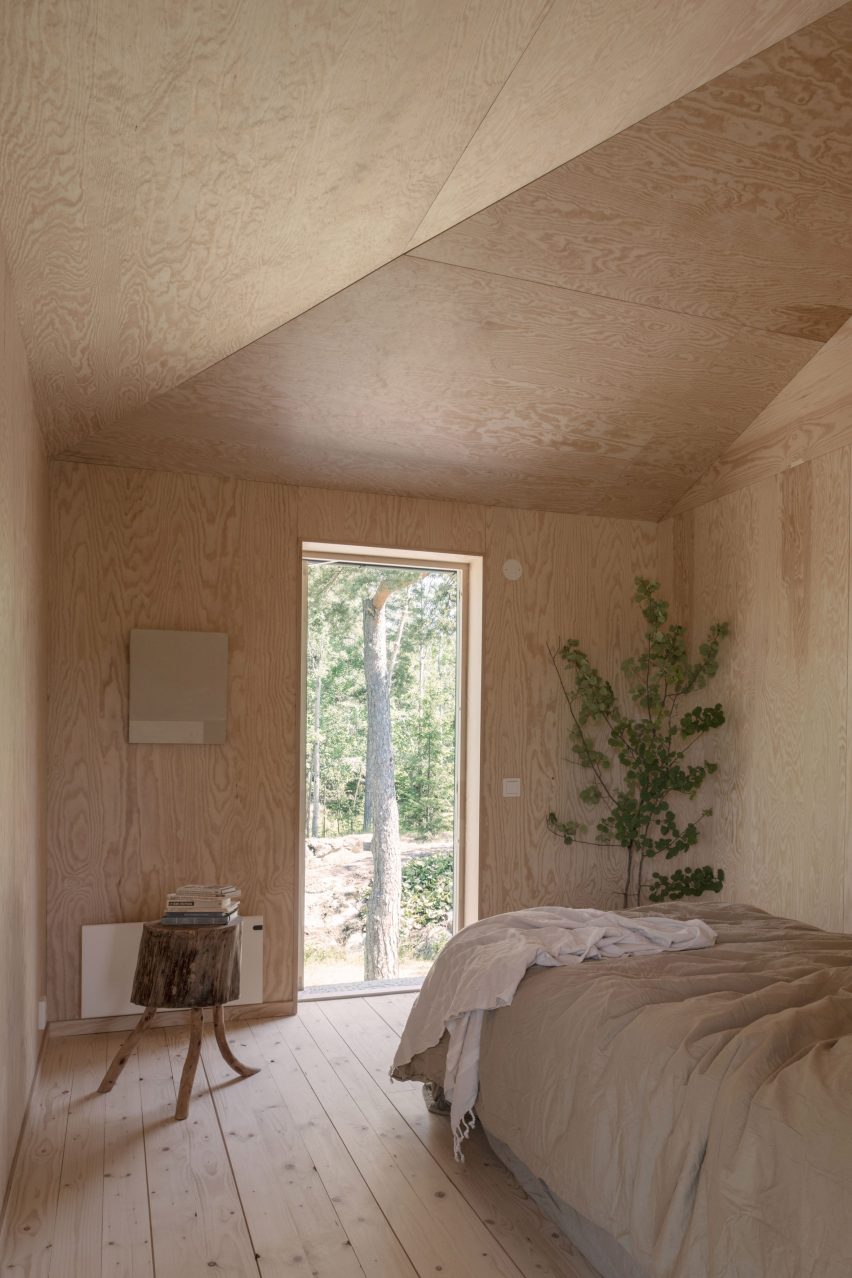
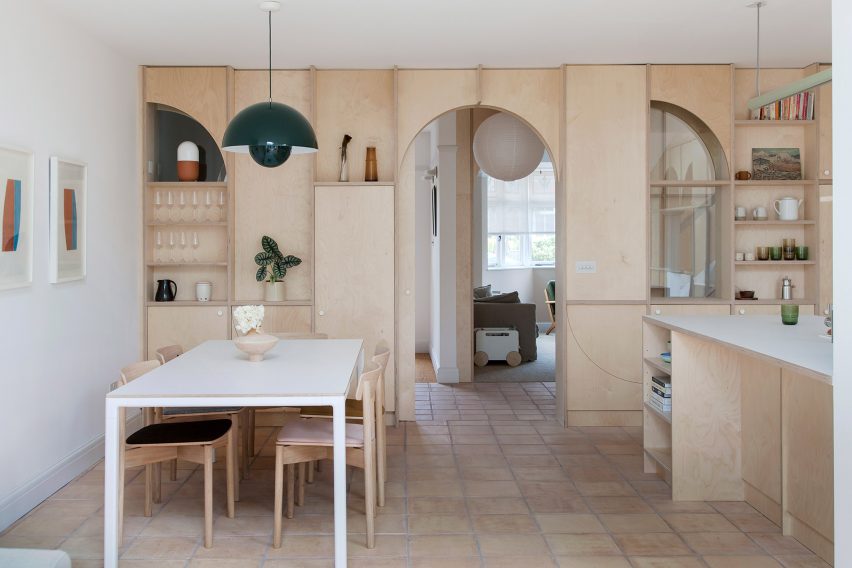
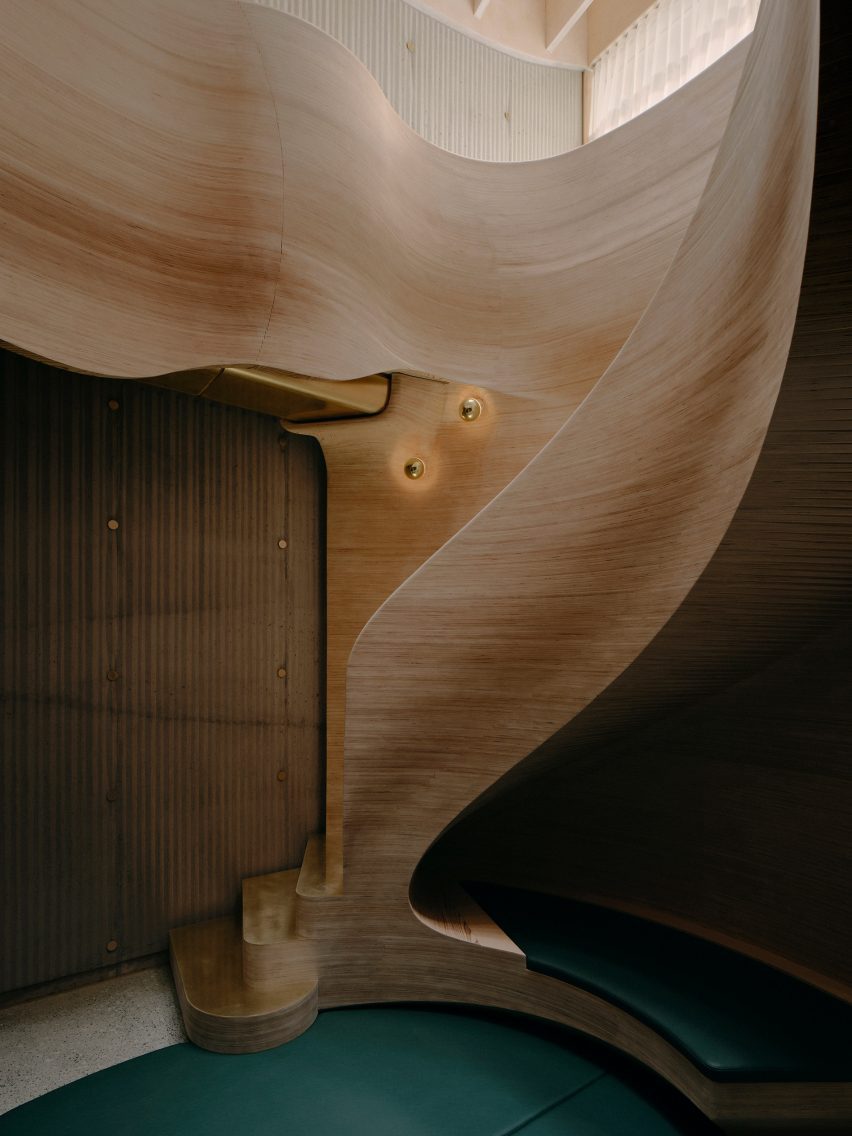
This article explores the various considerations and styles involved in selecting the appropriate wood panelling for home decoration, highlighting its ability to add texture and aesthetic value beyond simple paint. It discusses the practical and decorative aspects of wall panelling, emphasizing the importance of choosing a style that complements the existing interior design. The article offers a wide range of options, from traditional to contemporary, and advises on how to research and incorporate personal design ideas.
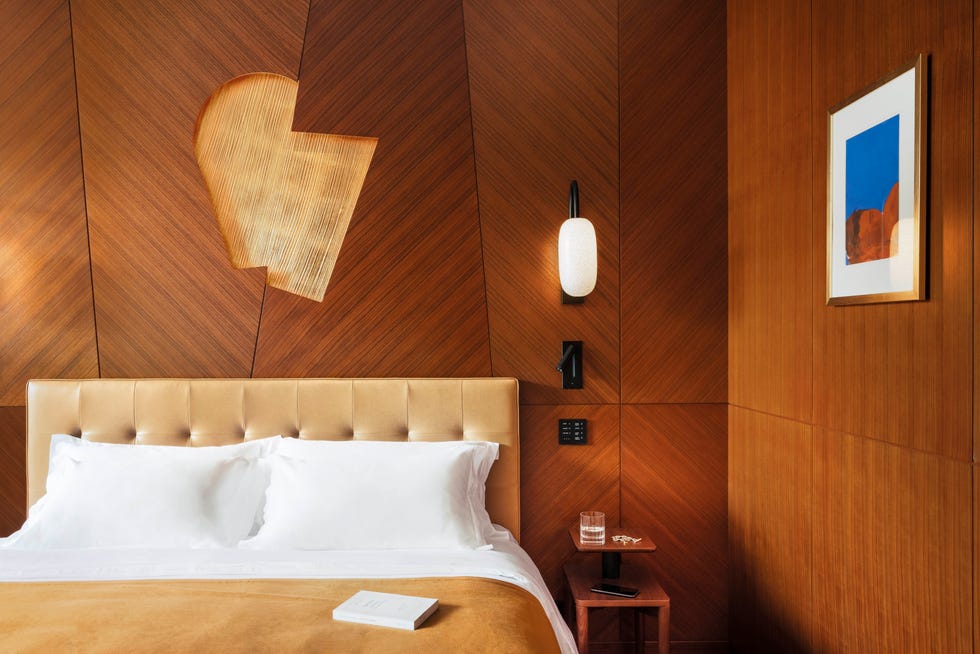
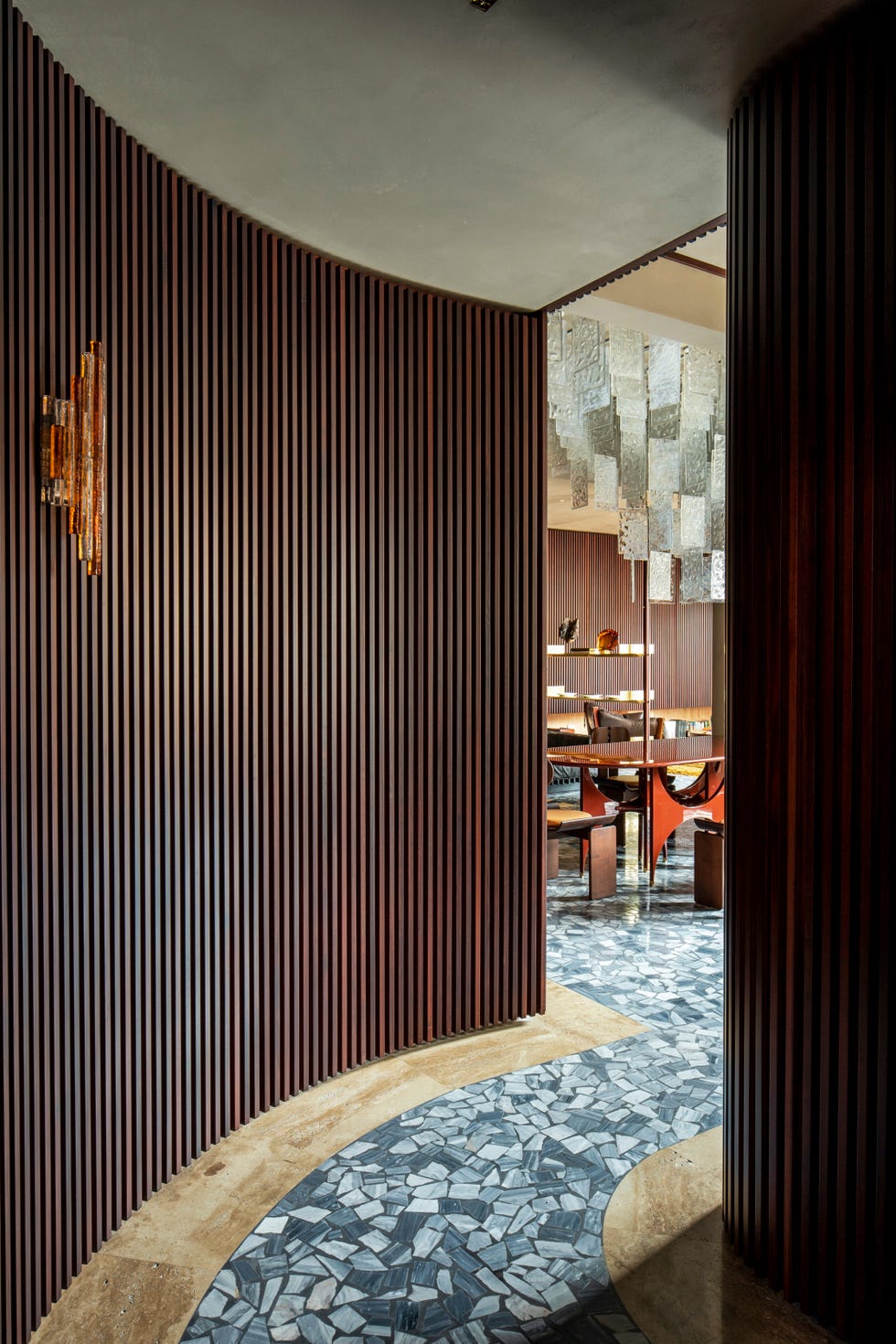
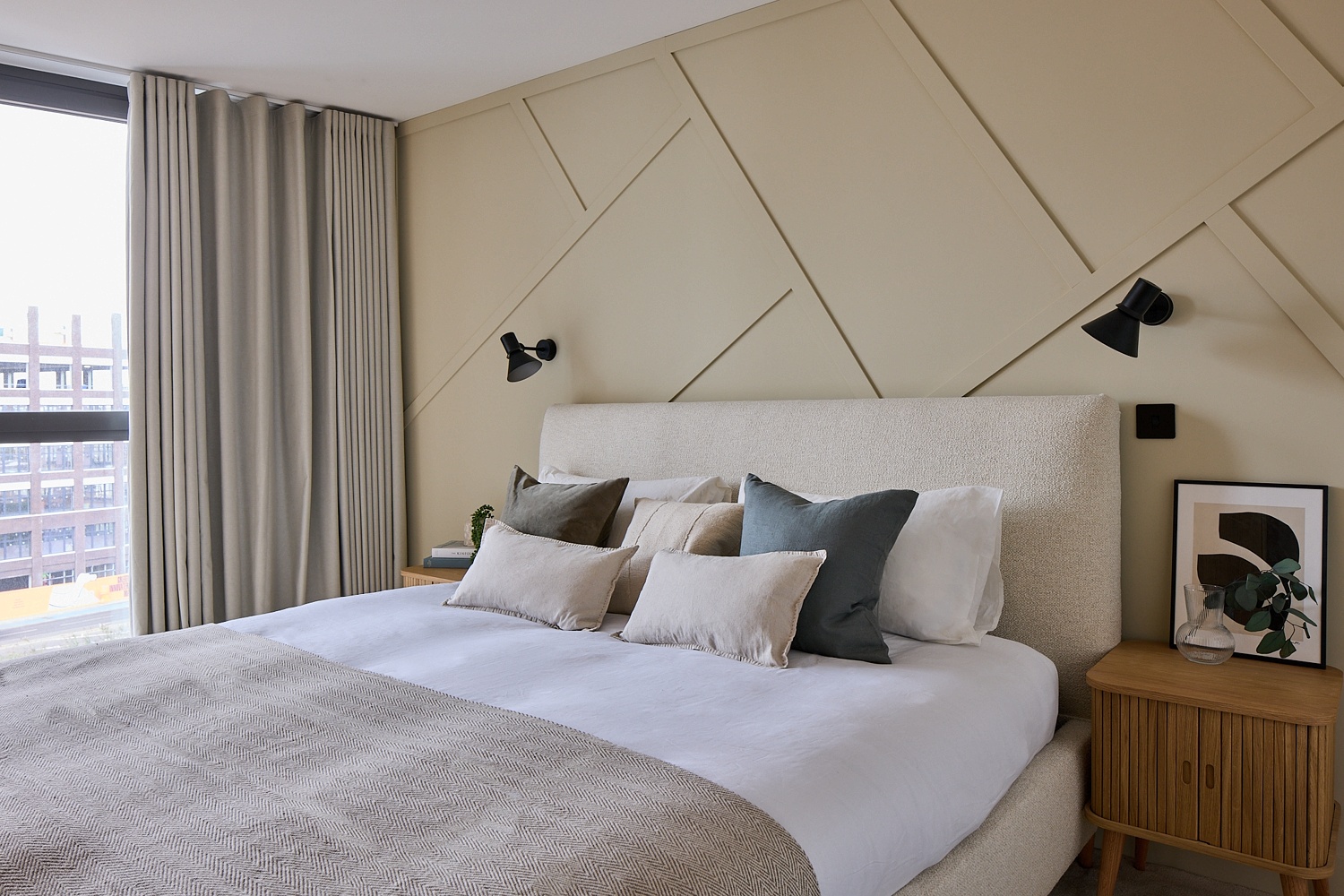
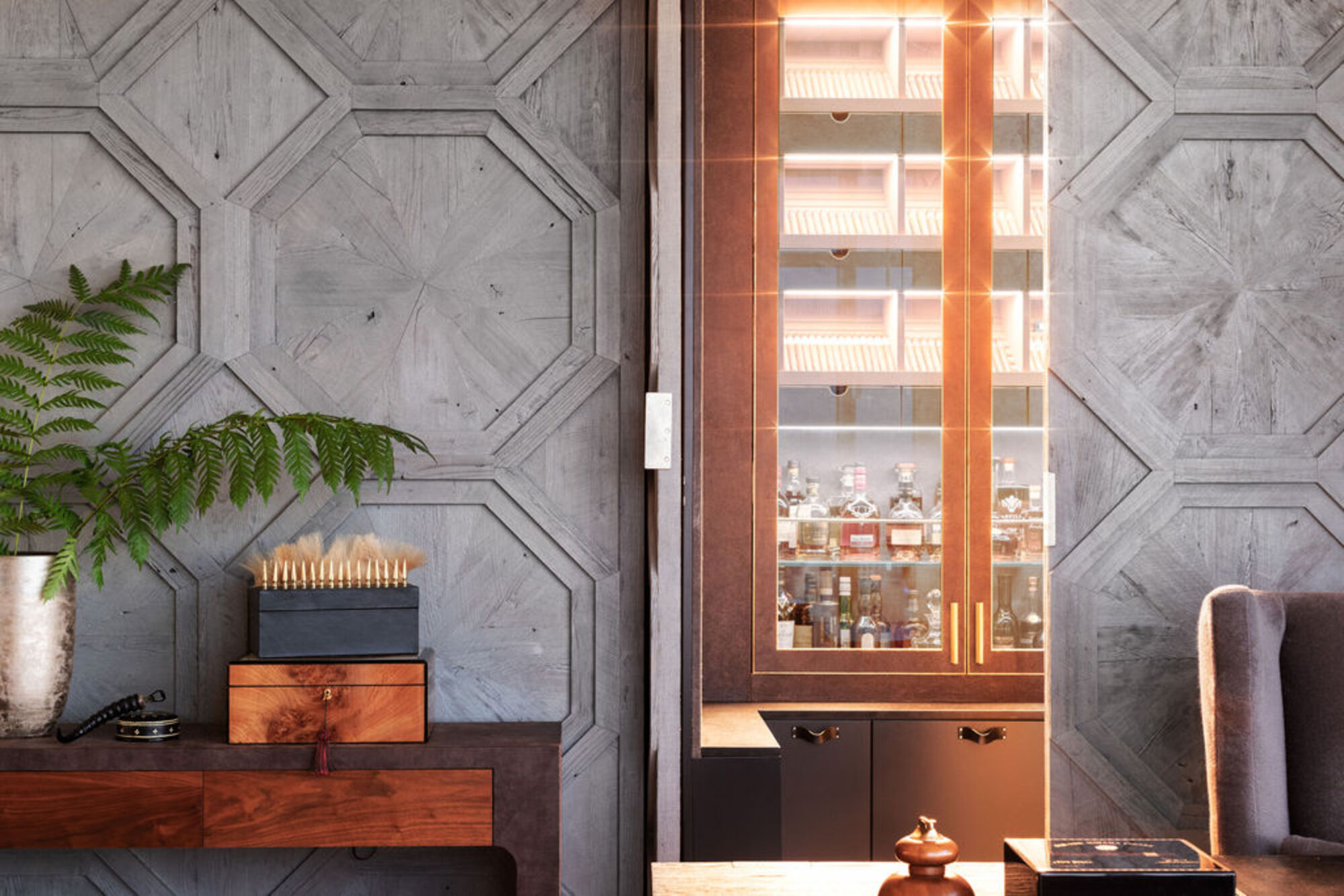
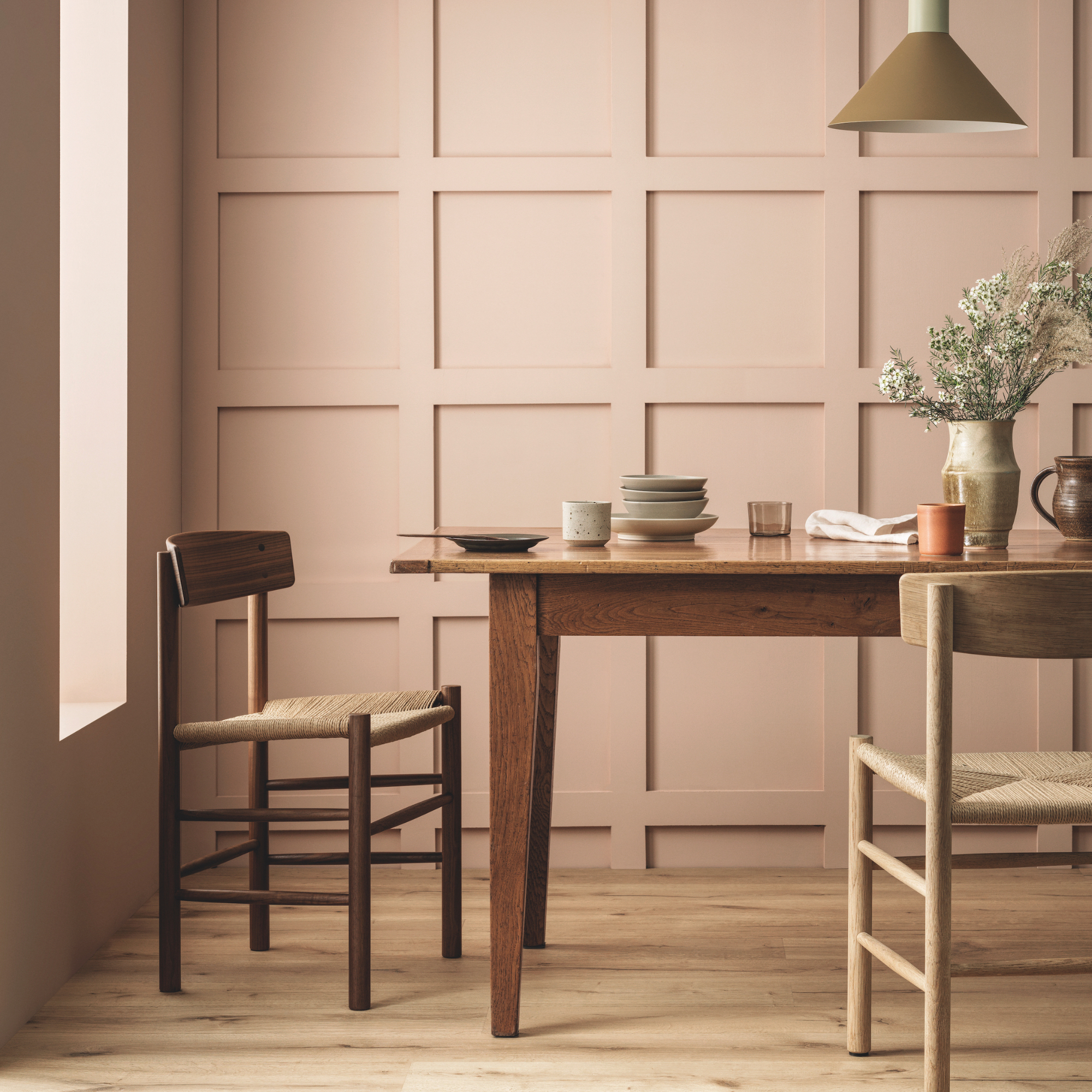
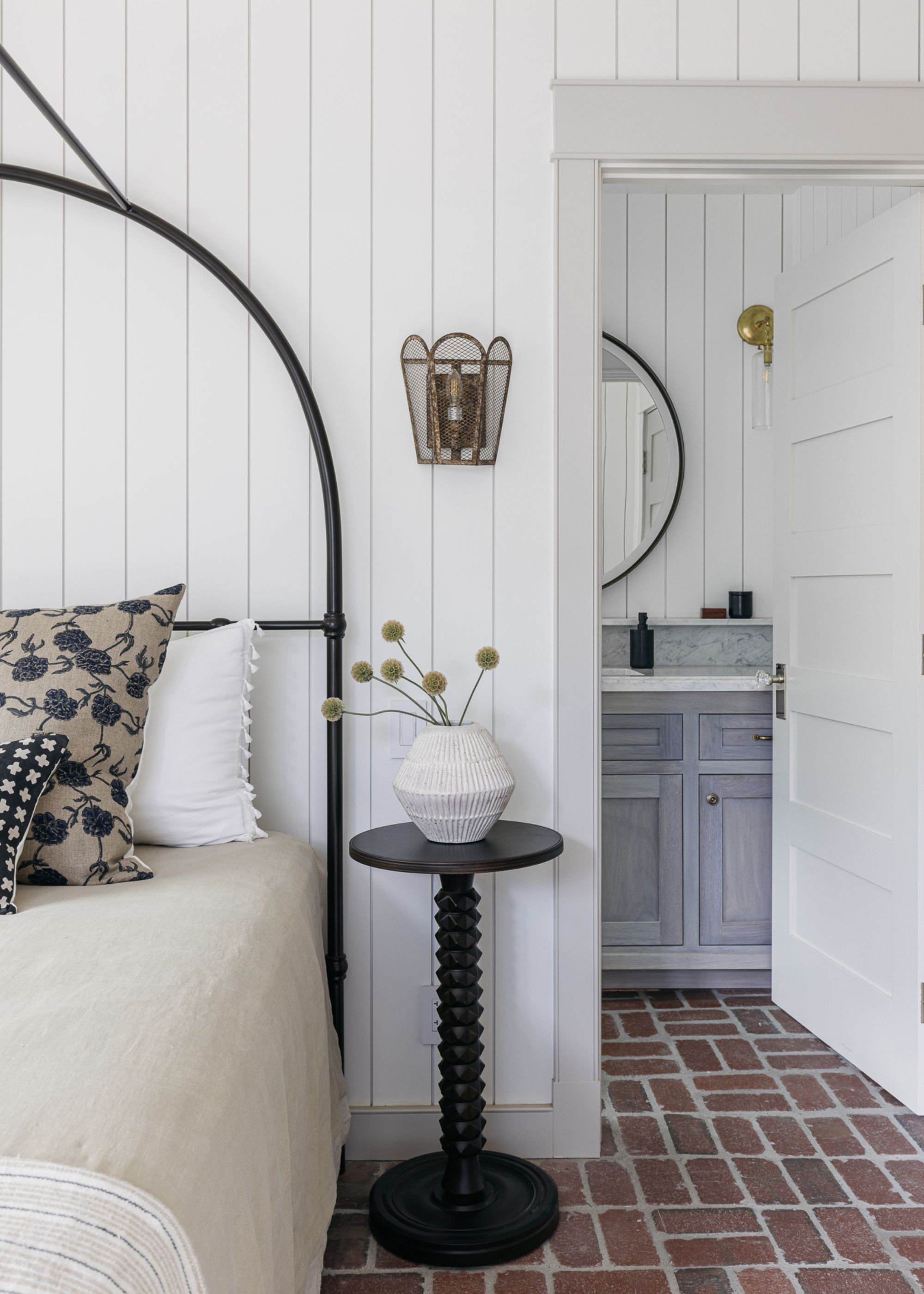
Key styles are detailed, starting with Shaker panelling, which utilizes standard rectangular timber or MDF boards to create a timeless, understated look when painted. For those seeking a more historical aesthetic, a Jacobean-style grid is presented as an impactful yet simple option that can suit modern sensibilities. More extravagant designs, such as basket-weave effects or herringbone patterns, are suggested for creating a dramatic visual impact by combining horizontal and vertical rows.
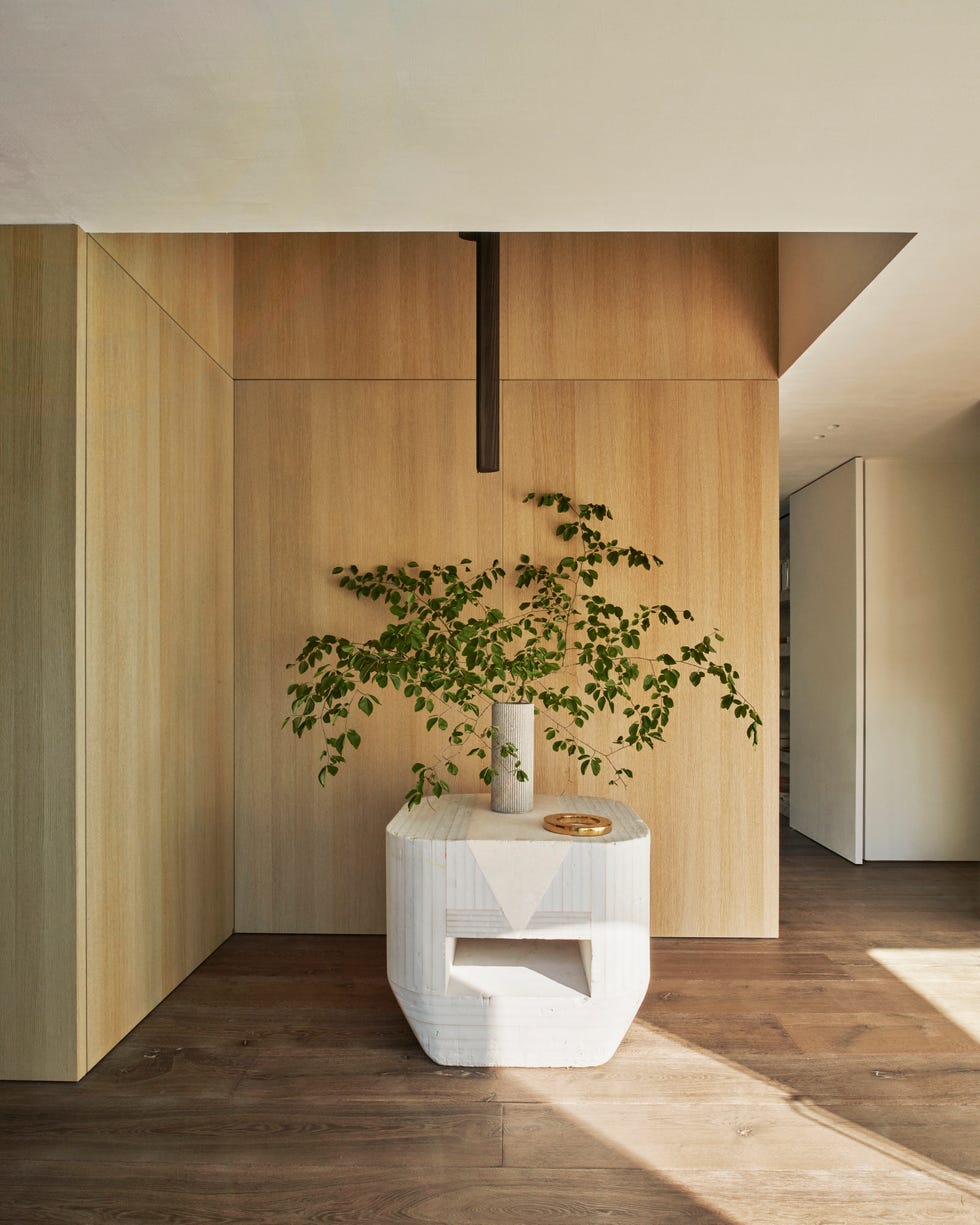
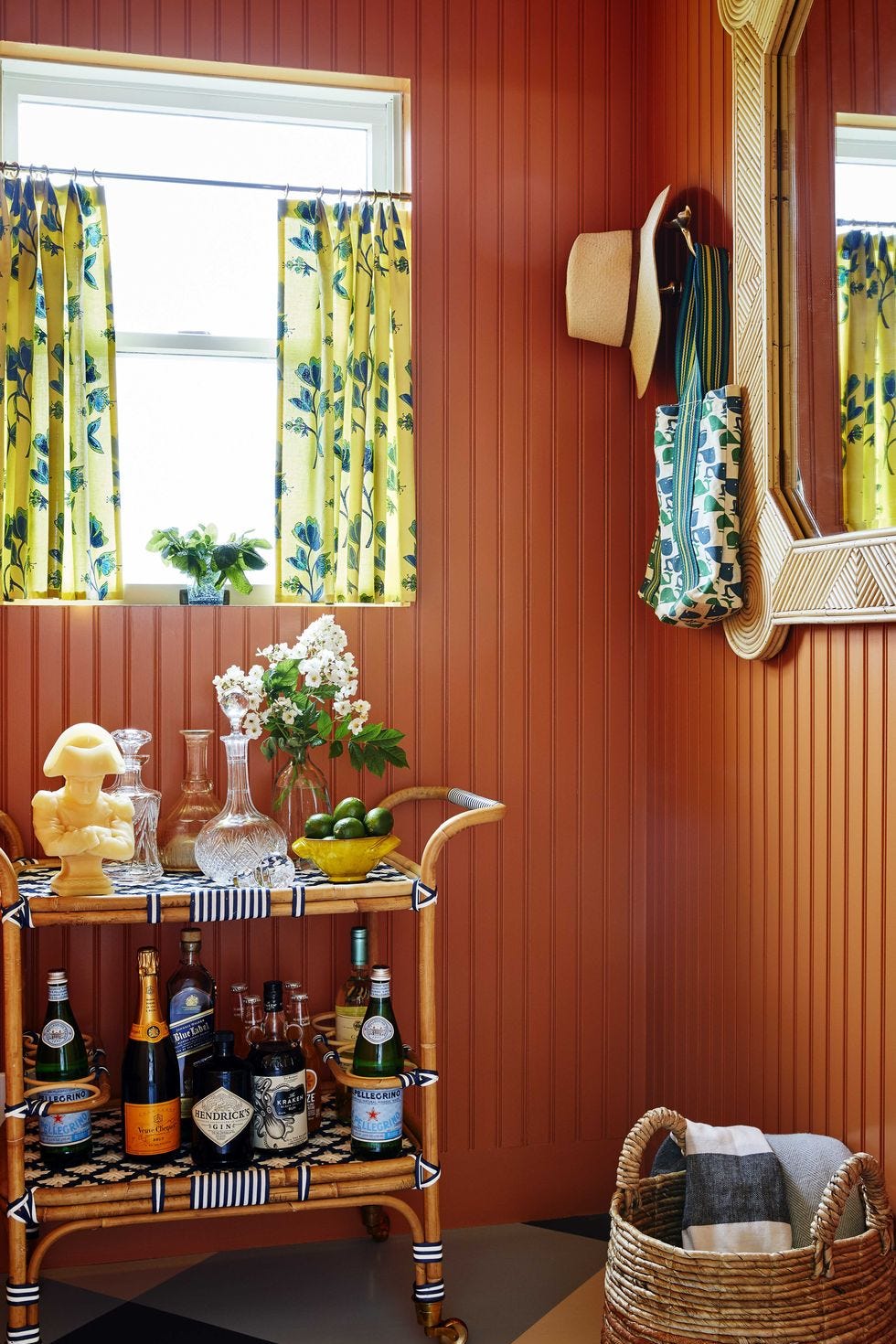
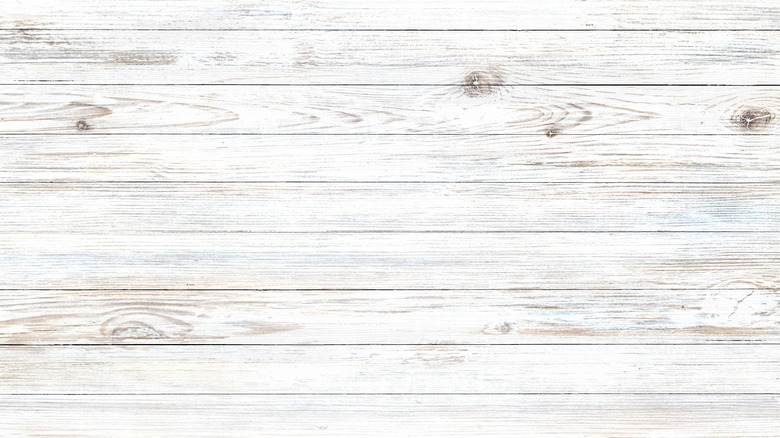
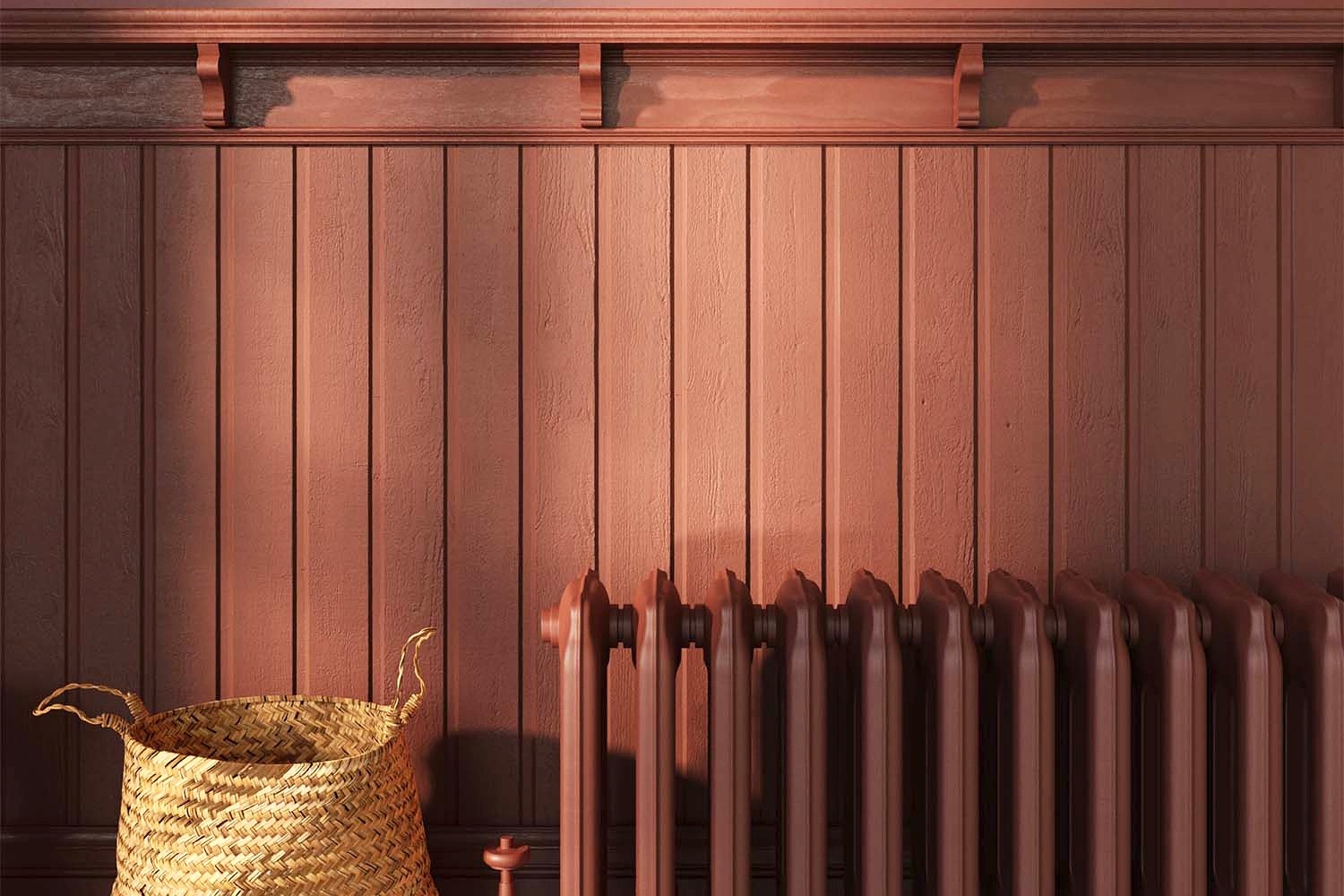
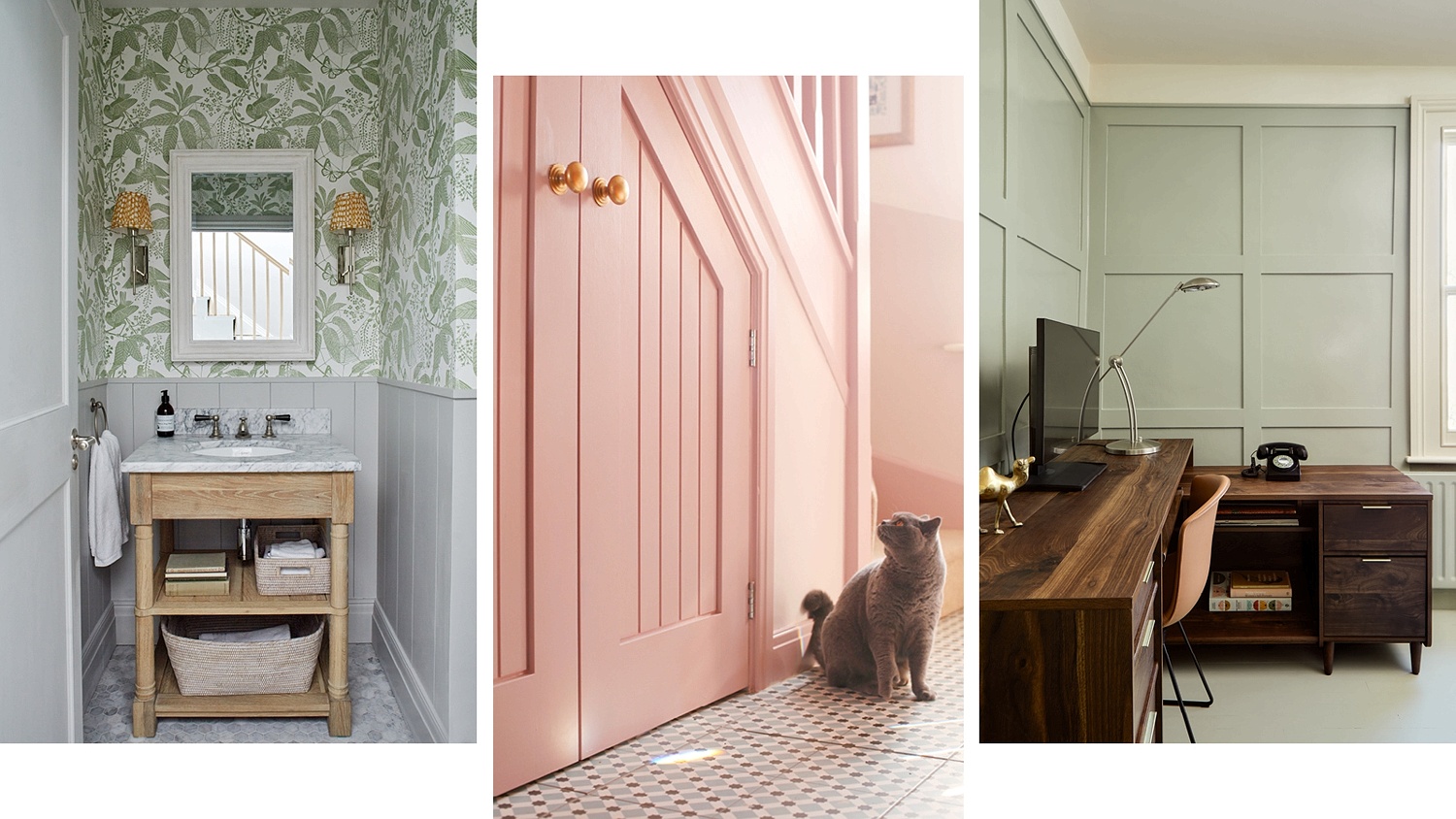
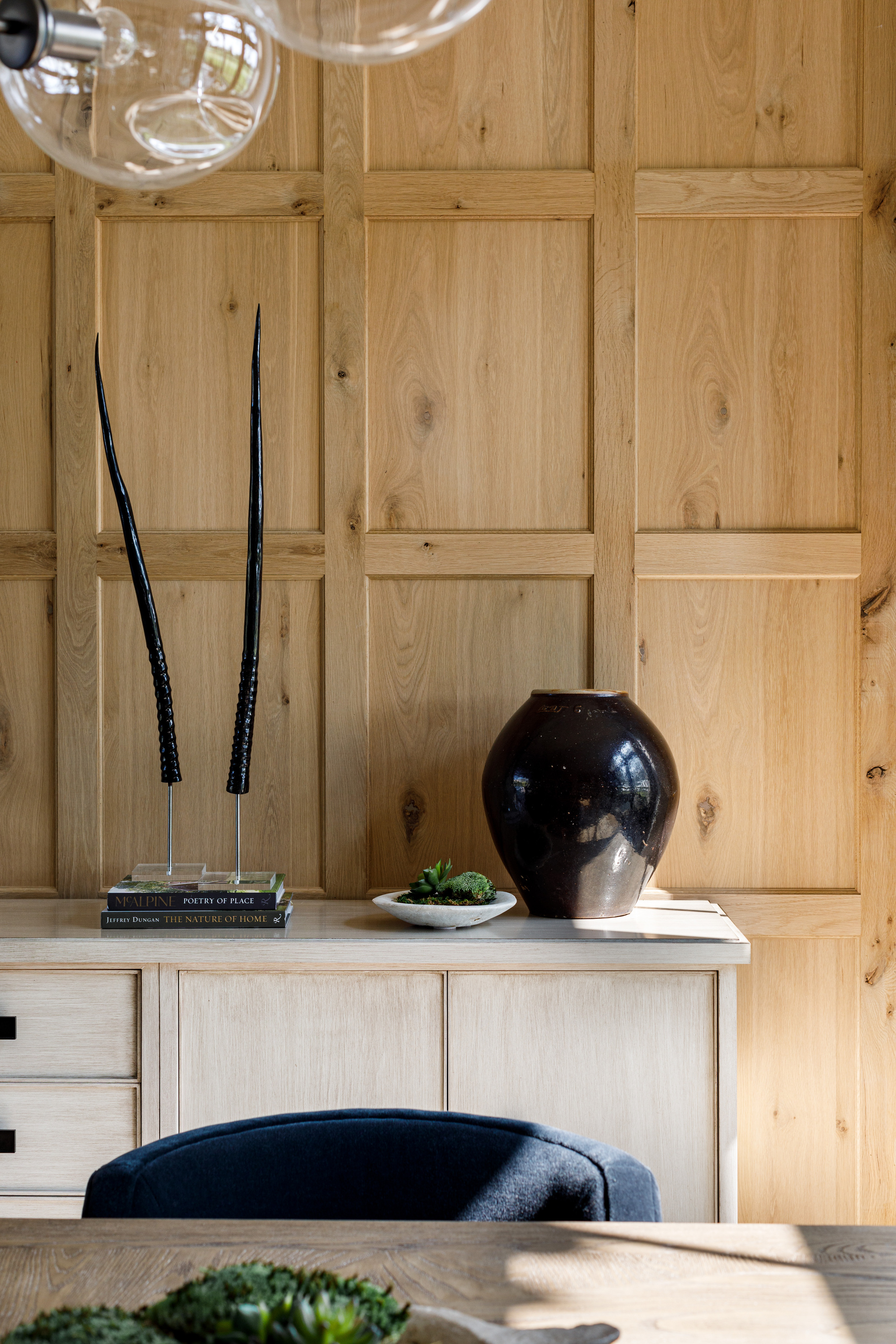
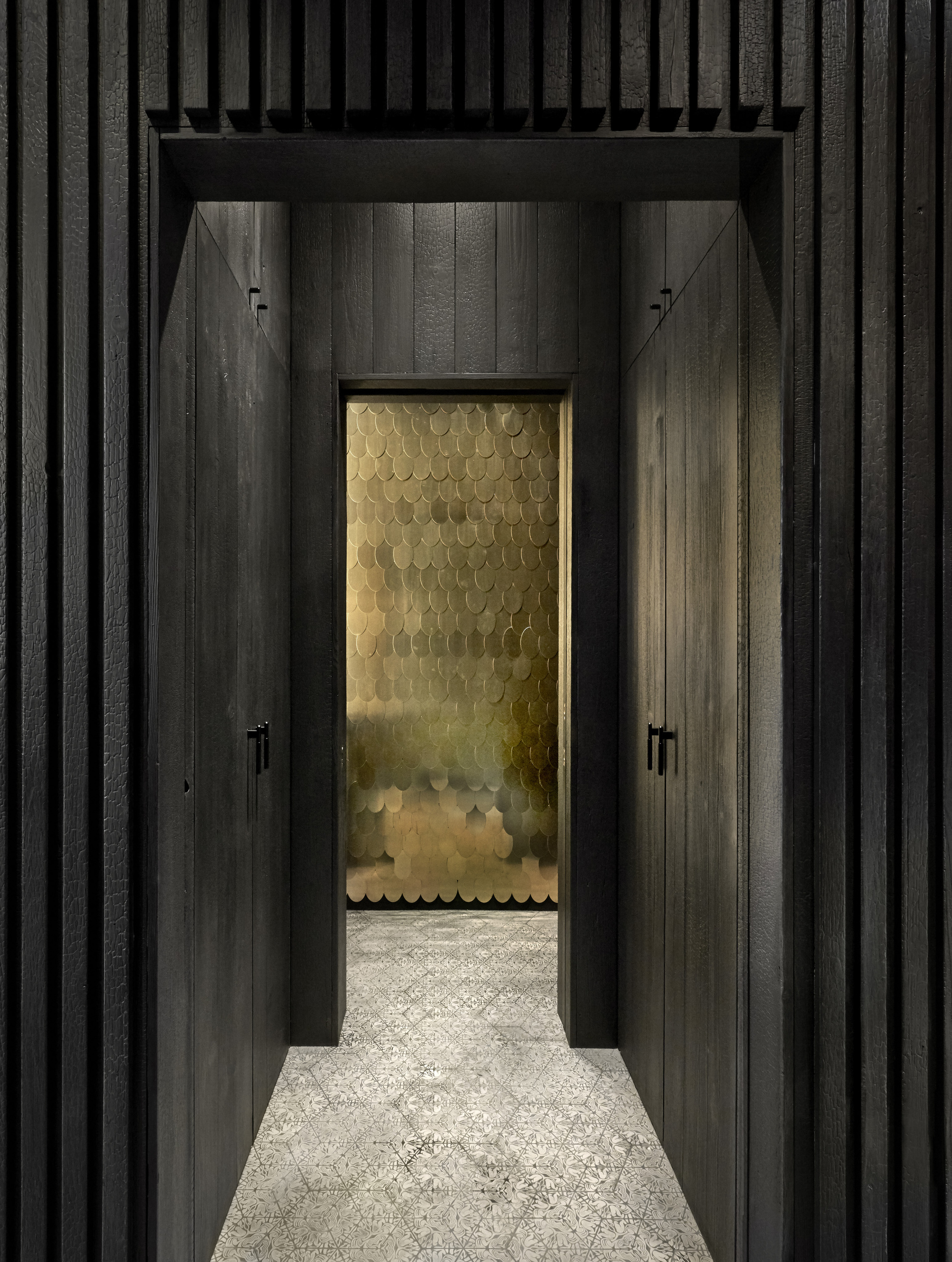
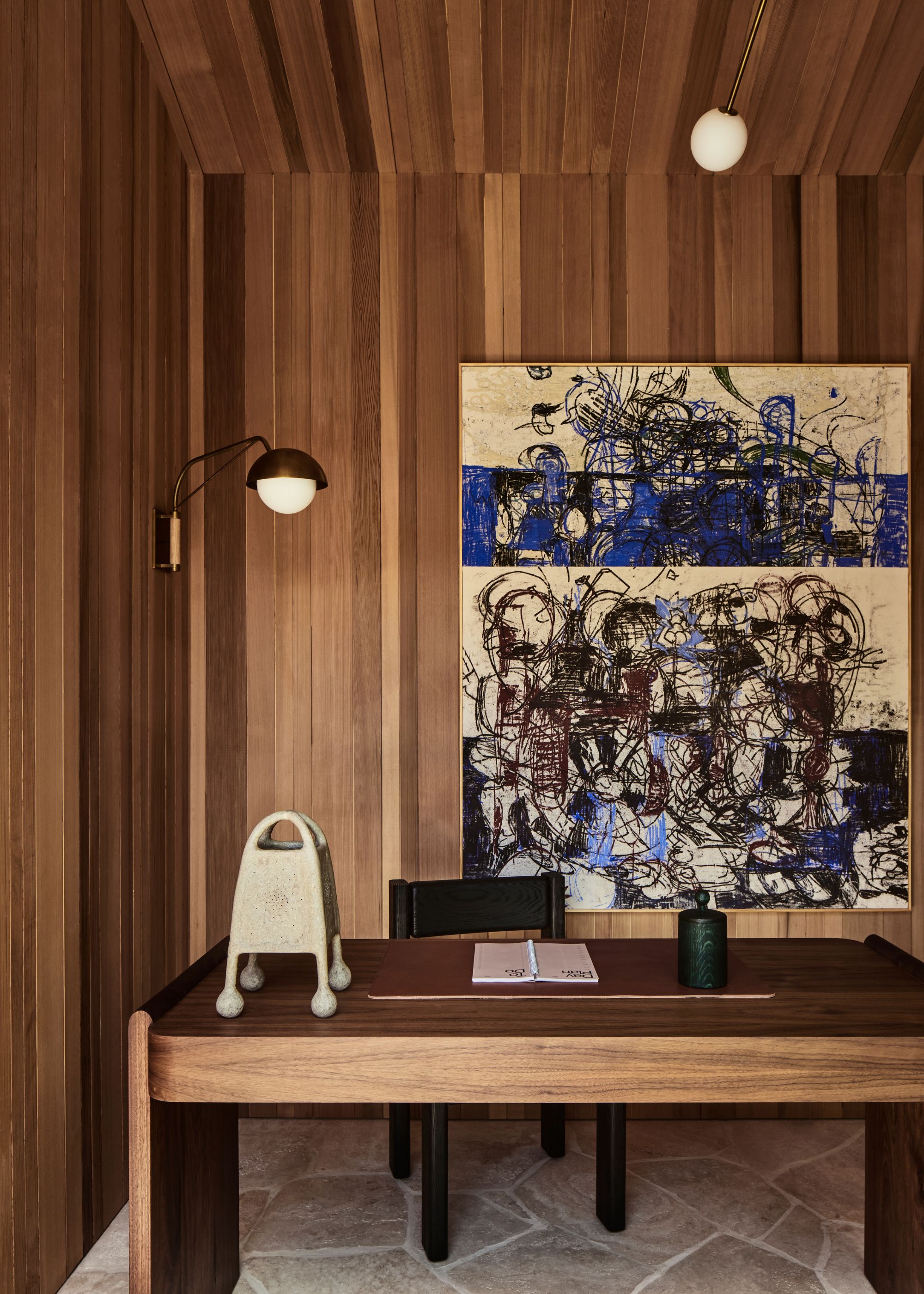
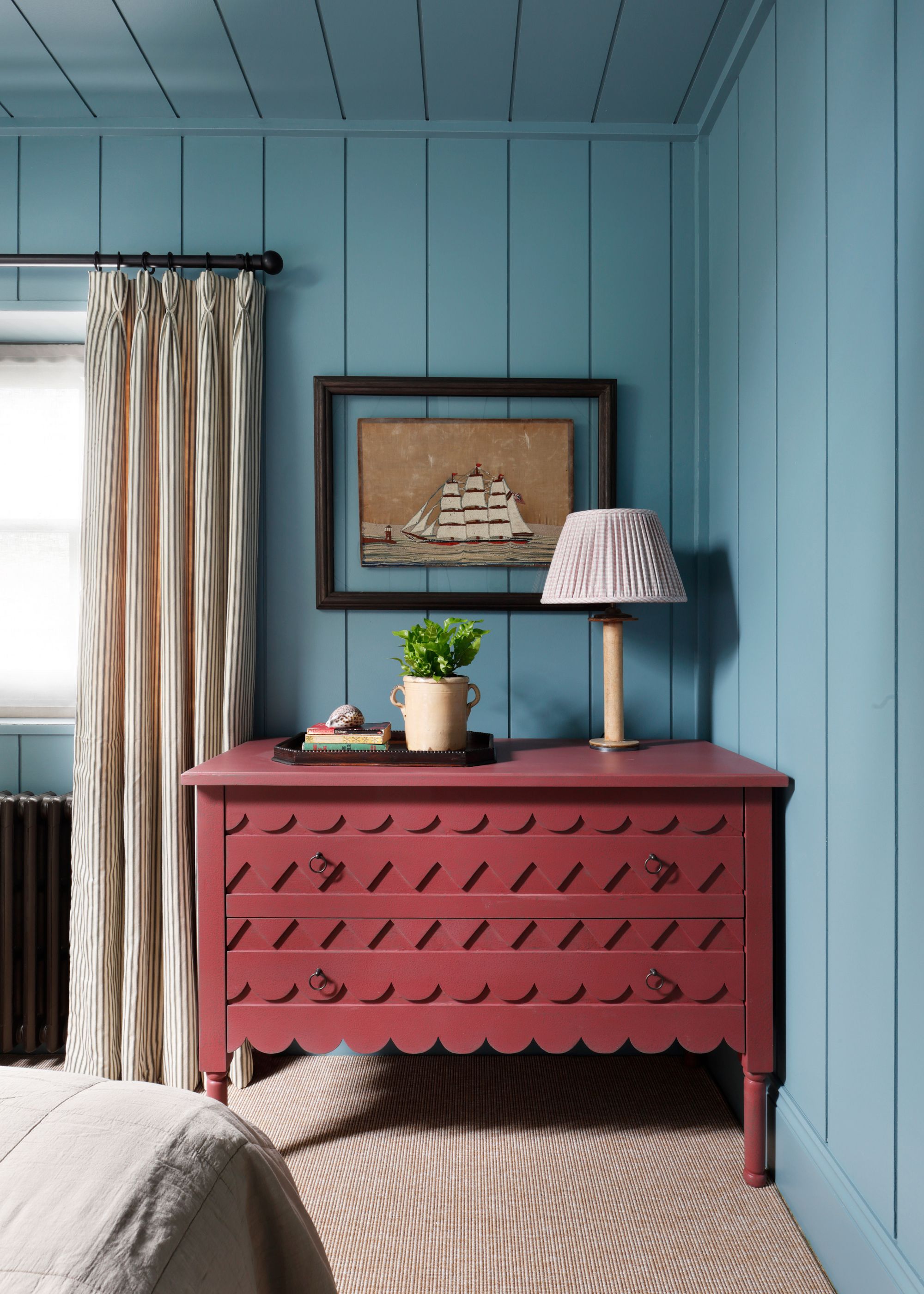
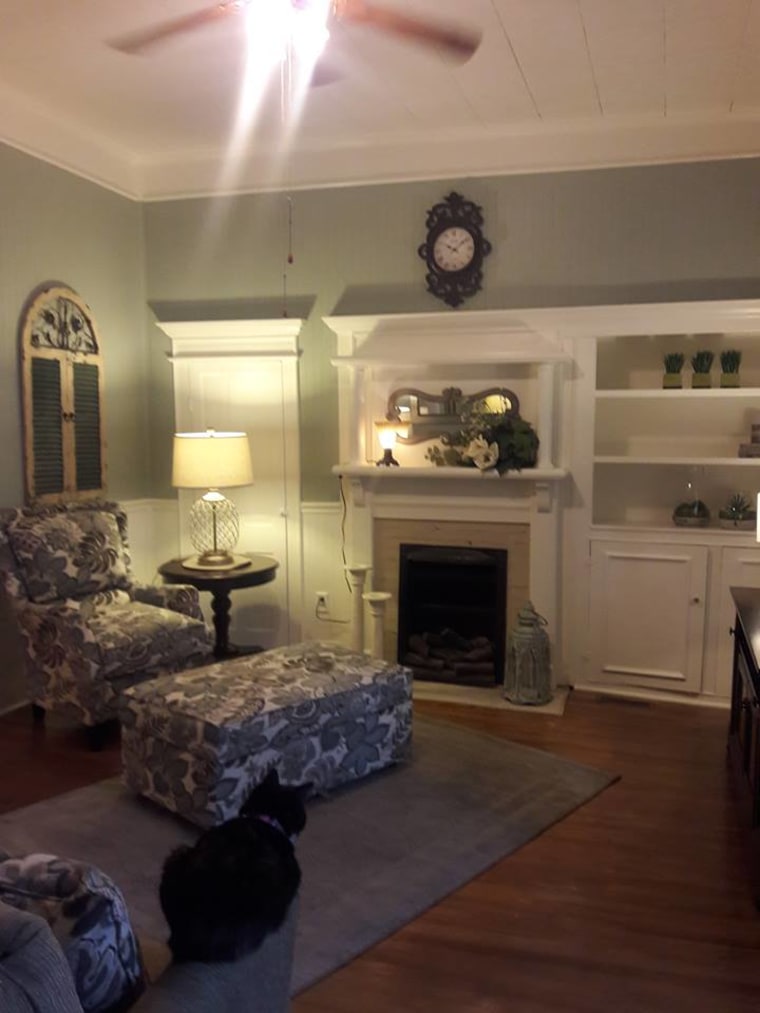
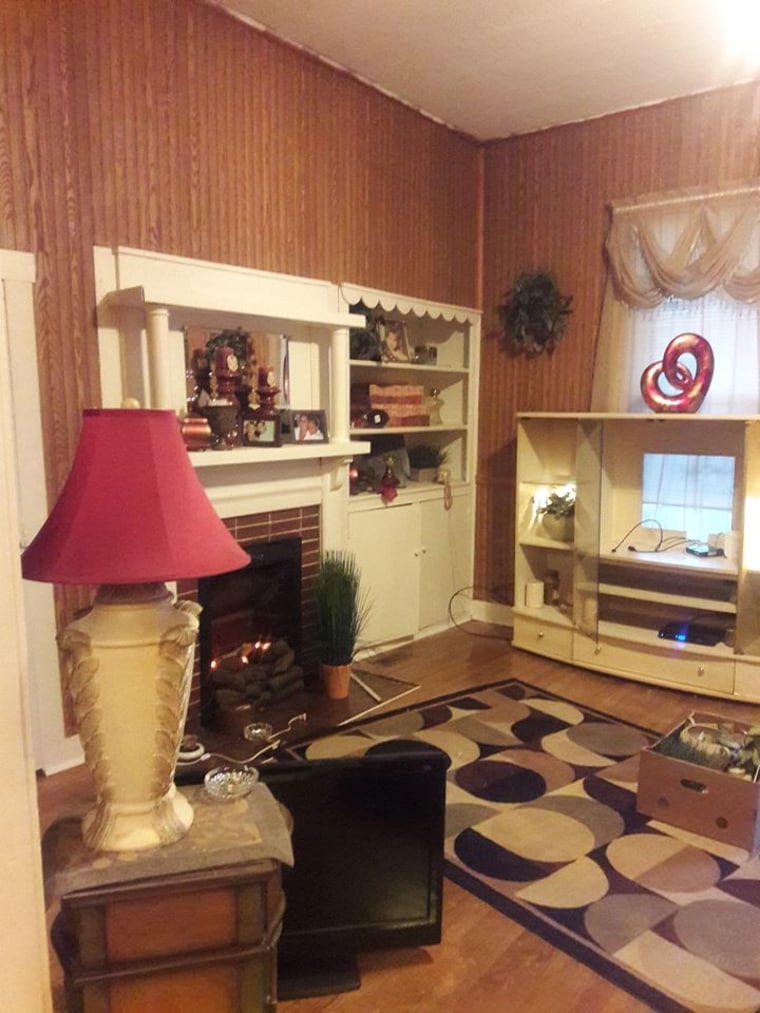
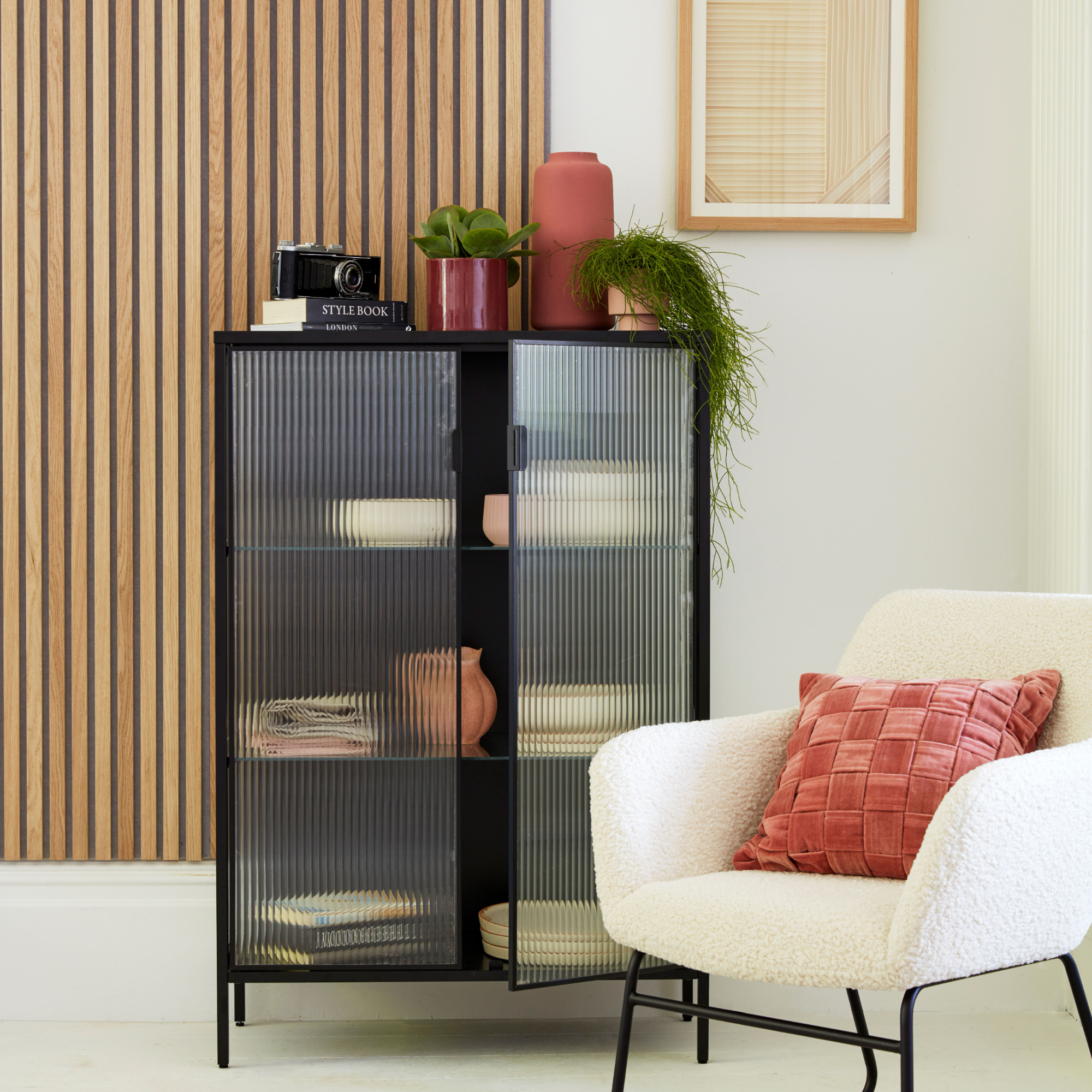
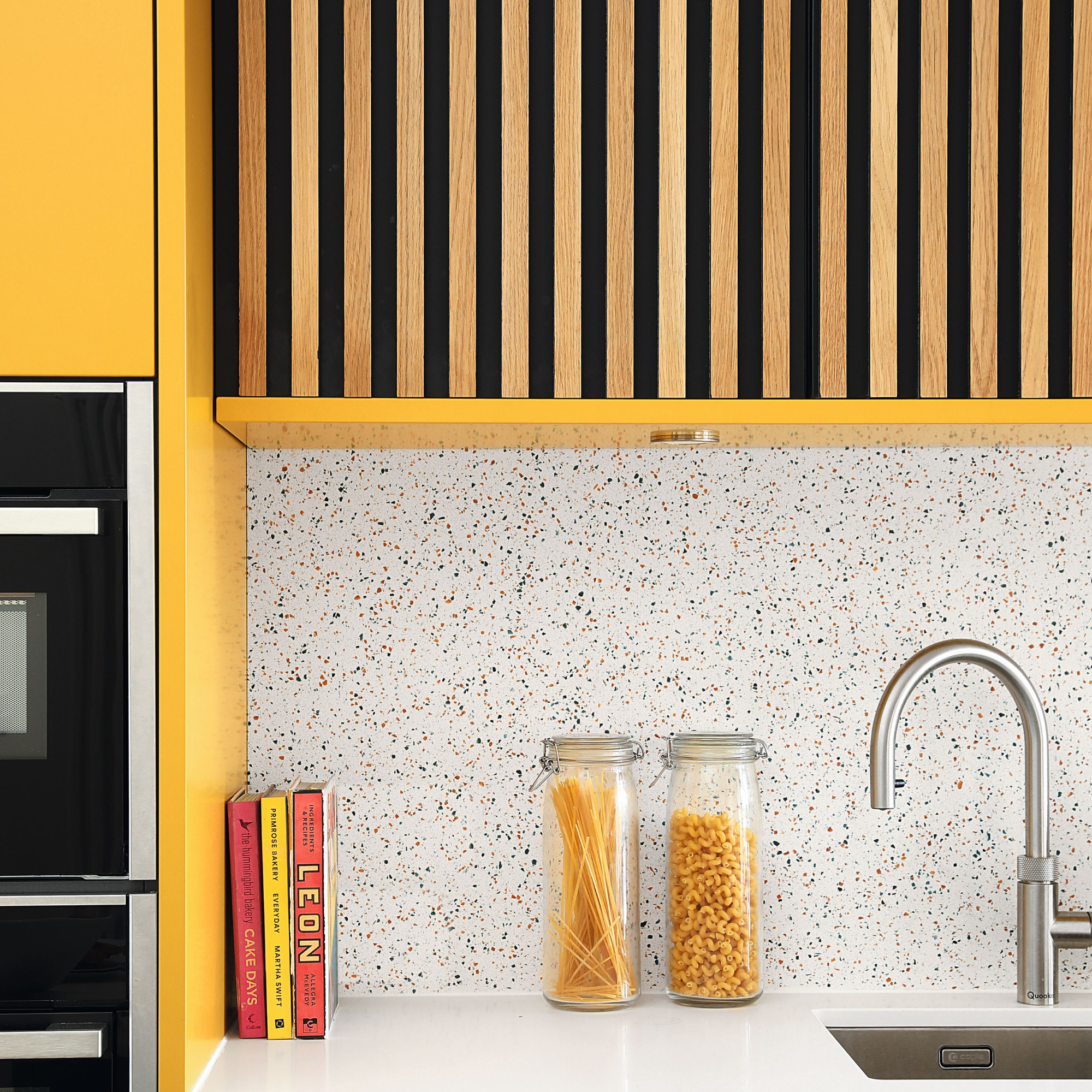
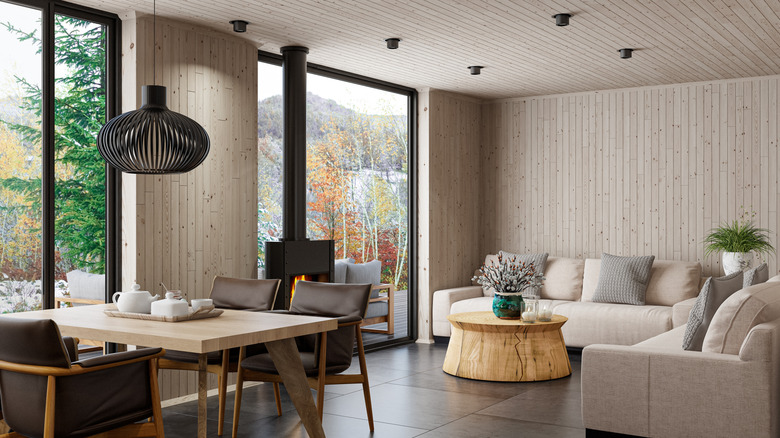
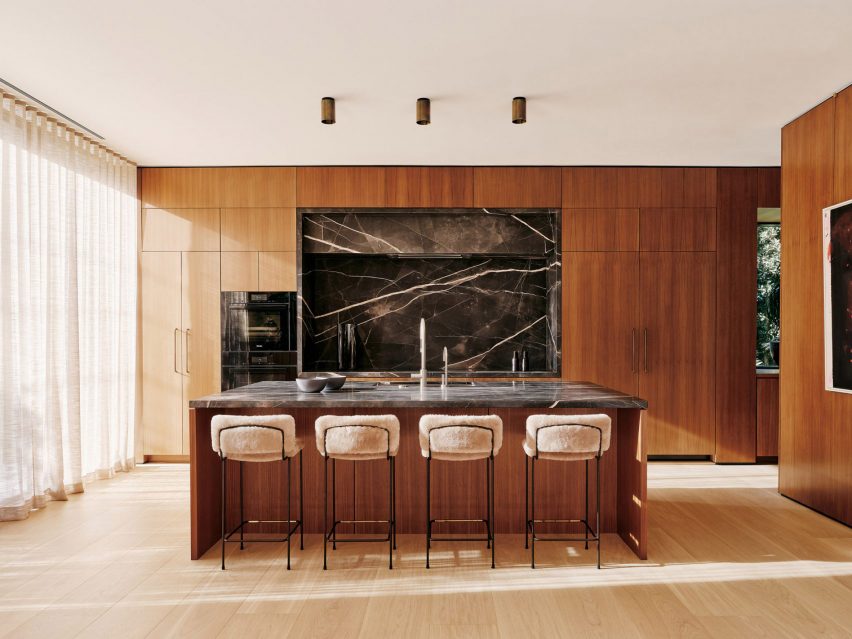
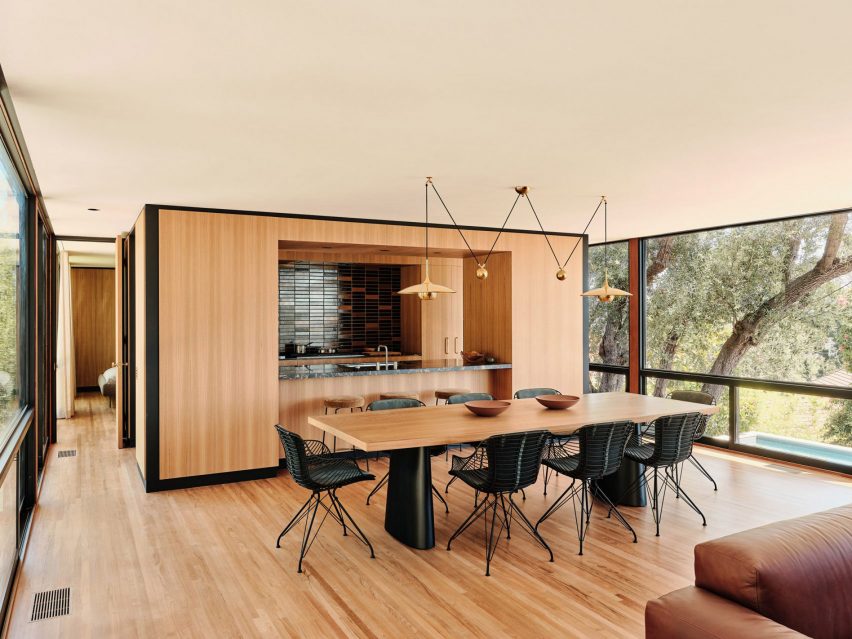
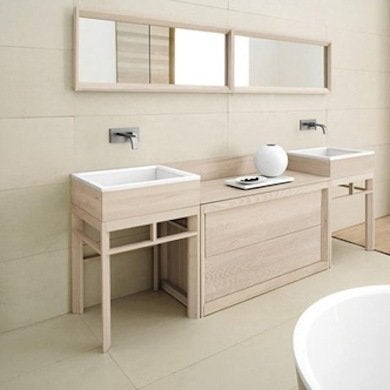
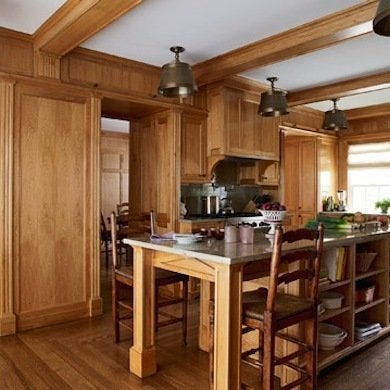
Regarding materials and finishes, the article notes that MDF or interior timber with a painted finish is a popular choice, offering full control over color selection and easy transformation of a room's appearance. It also mentions mouldings and skirting boards as decorative elements that can add subtle flair. For a more natural aesthetic, natural wood panelling is recommended, providing a classic woodgrain finish with various light or dark options.
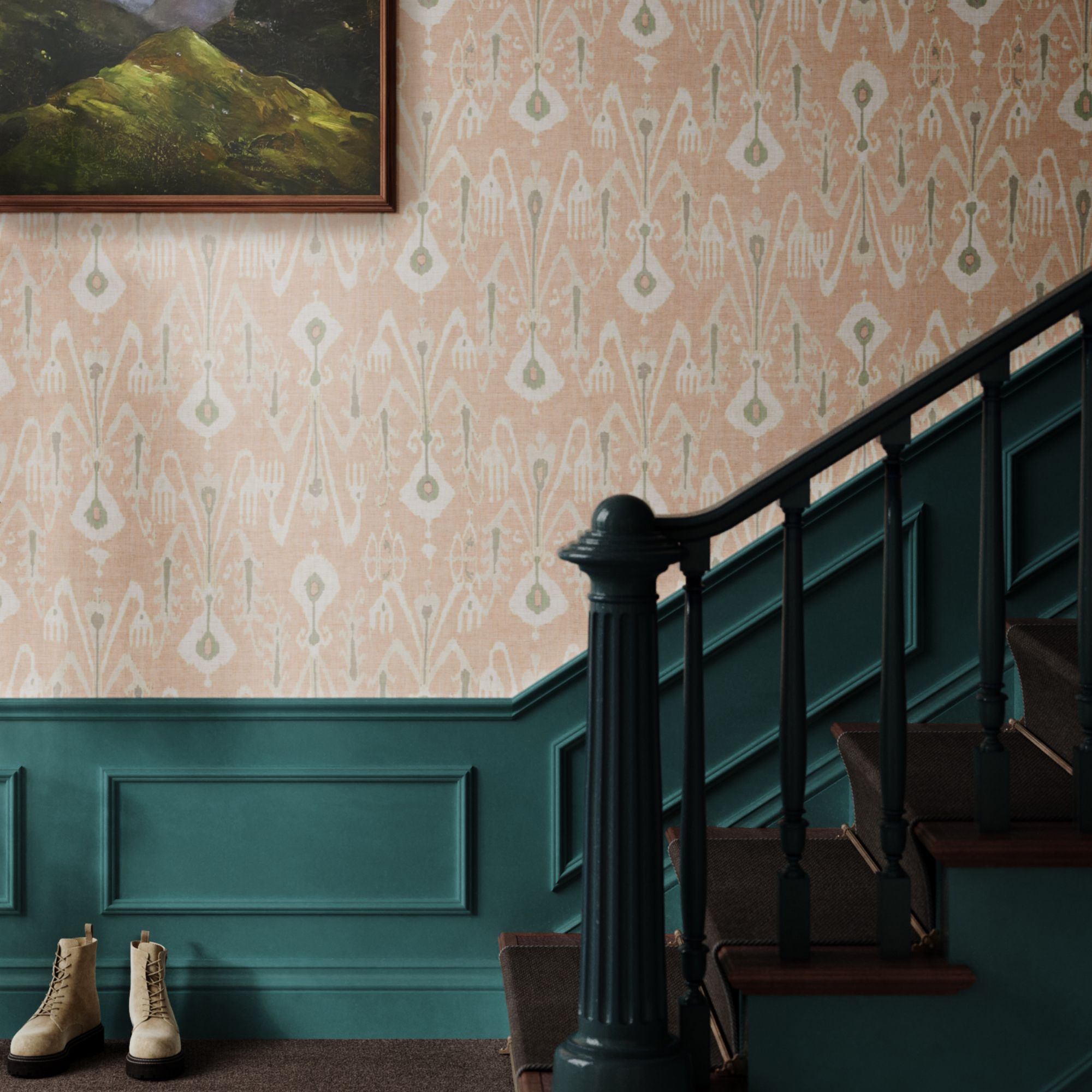
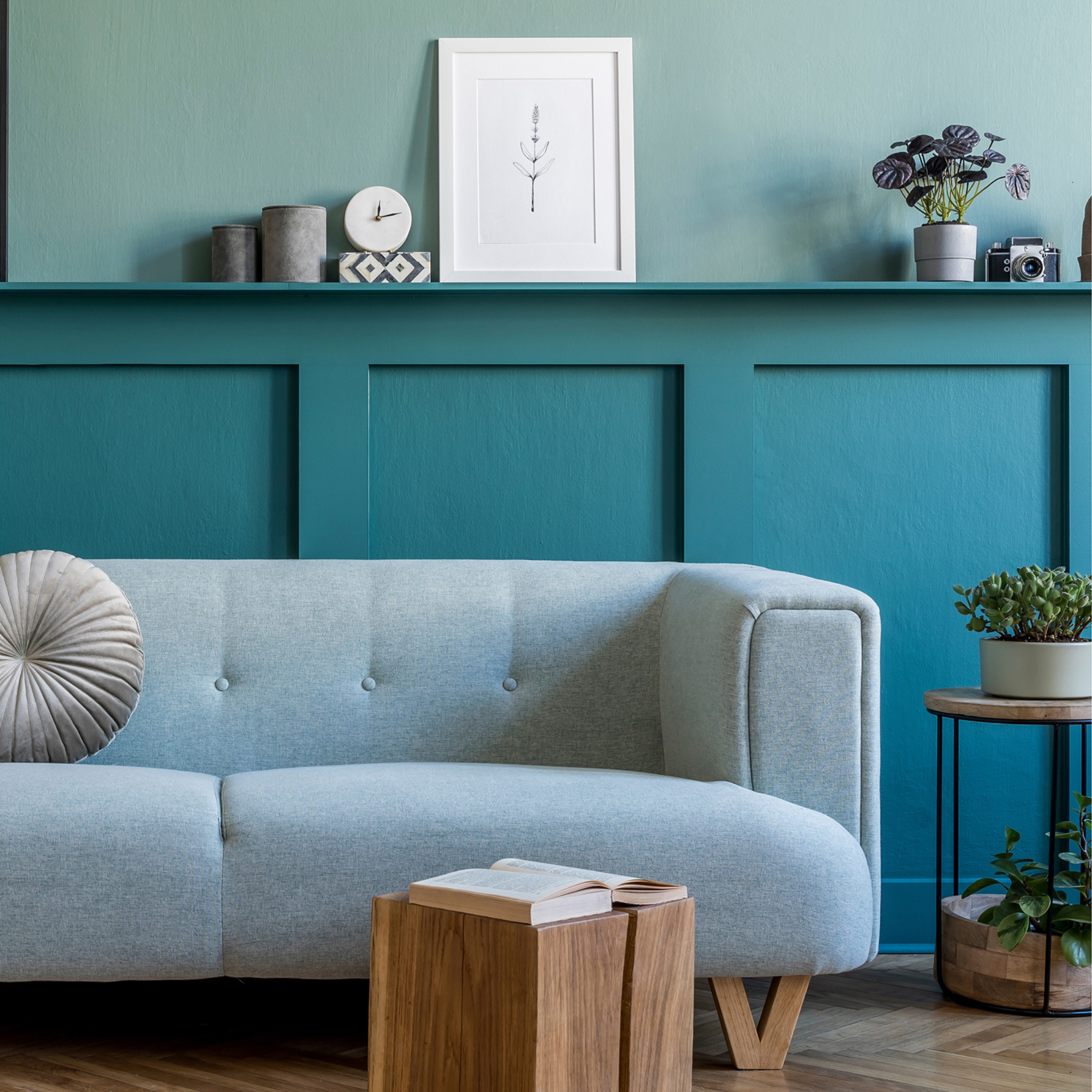
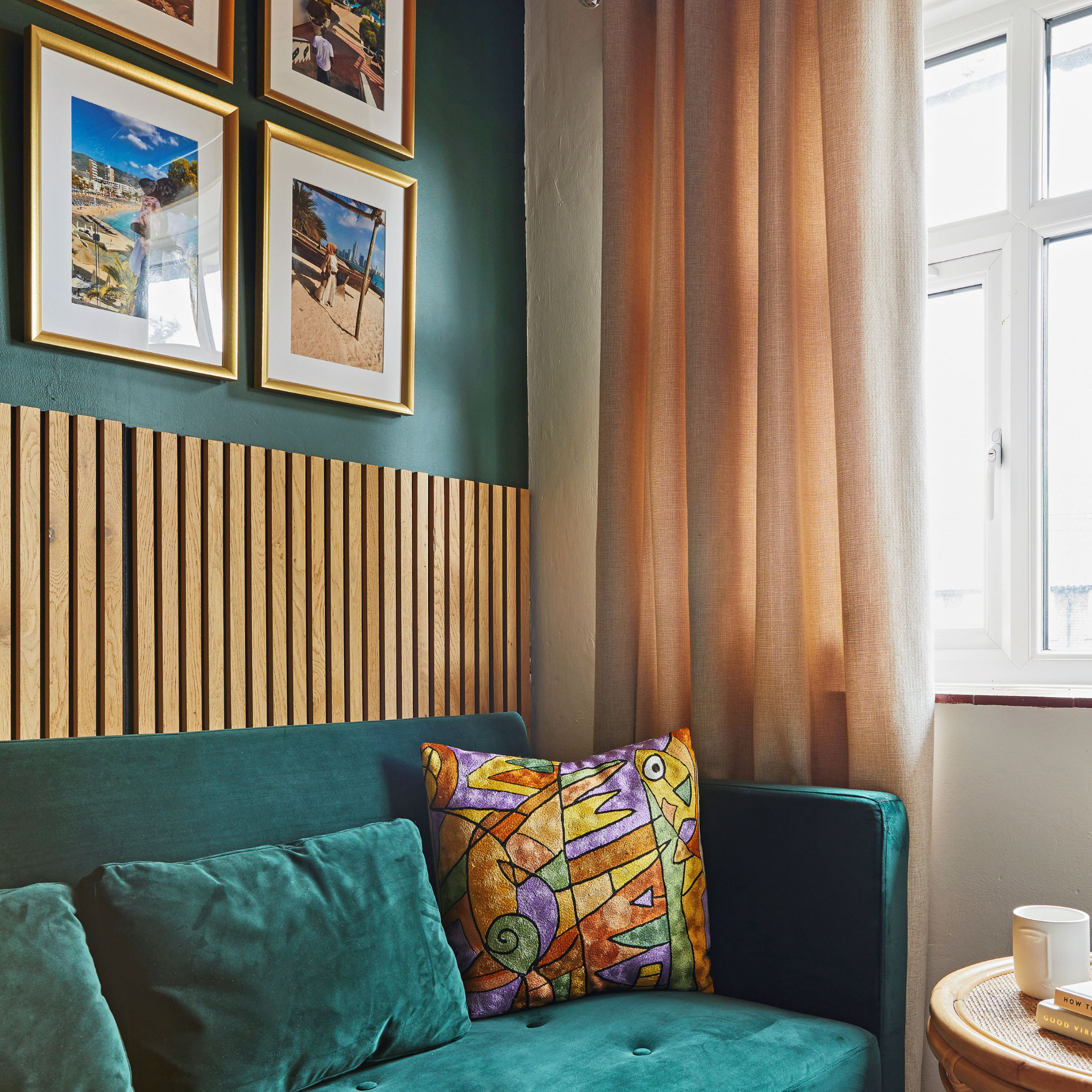
Height is another crucial factor discussed. Partial panelling, stopping at dado height, is suggested for its durability in high-traffic areas and its ability to protect walls while adding style without dominating the room. This can be blended seamlessly with the same wall color or contrasted with a different shade. For a bolder, more dramatic statement, floor-to-ceiling designs are presented as a way to create a prominent centerpiece in any room.
Finally, the article advises homeowners to thoroughly measure their walls and plan their design carefully to ensure the chosen panelling is suitable for the space. It cautions against using thick panelling in small rooms to avoid making them feel confined. Special attention is also given to material selection for specific areas, recommending waterproof materials for panelling in bathrooms or kitchens to ensure longevity and functionality. The overall aim is to guide readers through the process of selecting wood panelling that is both aesthetically pleasing and practical for their home.
#WoodPanelling #HomeDecor #InteriorDesign #WallPanelling #DecoratingIdeas #ShakerPanelling #JacobeanStyle #DIYHome #WoodPanelling #HomeDecor #InteriorDesign #WallPanelling #DecoratingIdeas #ShakerPanelling #JacobeanStyle #DIYHome
0 comment in total
 No comments yet
You may also like
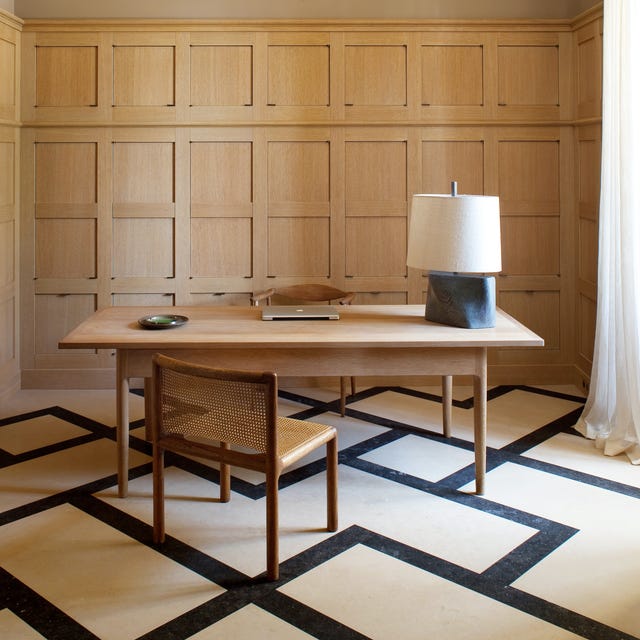
Wood panelling: an essential guide to the big decorating trend


How to install wooden panelling
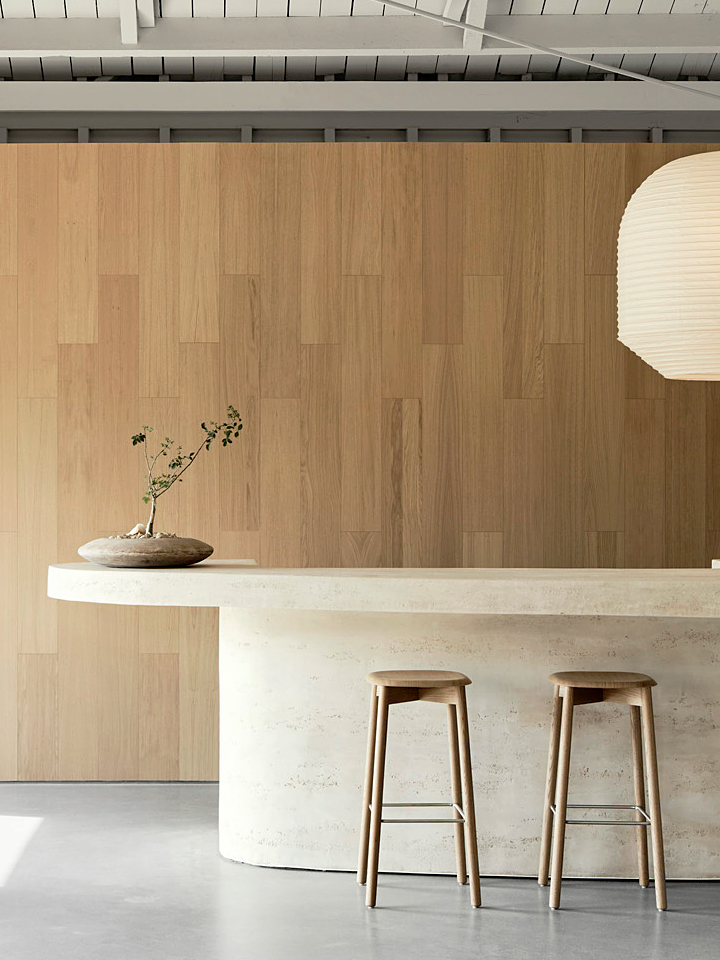
The Wood Paneling Trick That Makes Any Space Feel Instantly Homey


Erin And Ben Napier Clash Over One Design Trend (& Ben Predicts Its Comeback)

Wood Paneling Is Back—and Better Than Ever

Wall paneling ideas – experts offer 9 simple tricks to wake up your walls

How to Paint Wood Paneling the Right Way

Ten projects that seamlessly integrate wood into the design
The Best Way To Paint Wood Paneling, According To An Expert
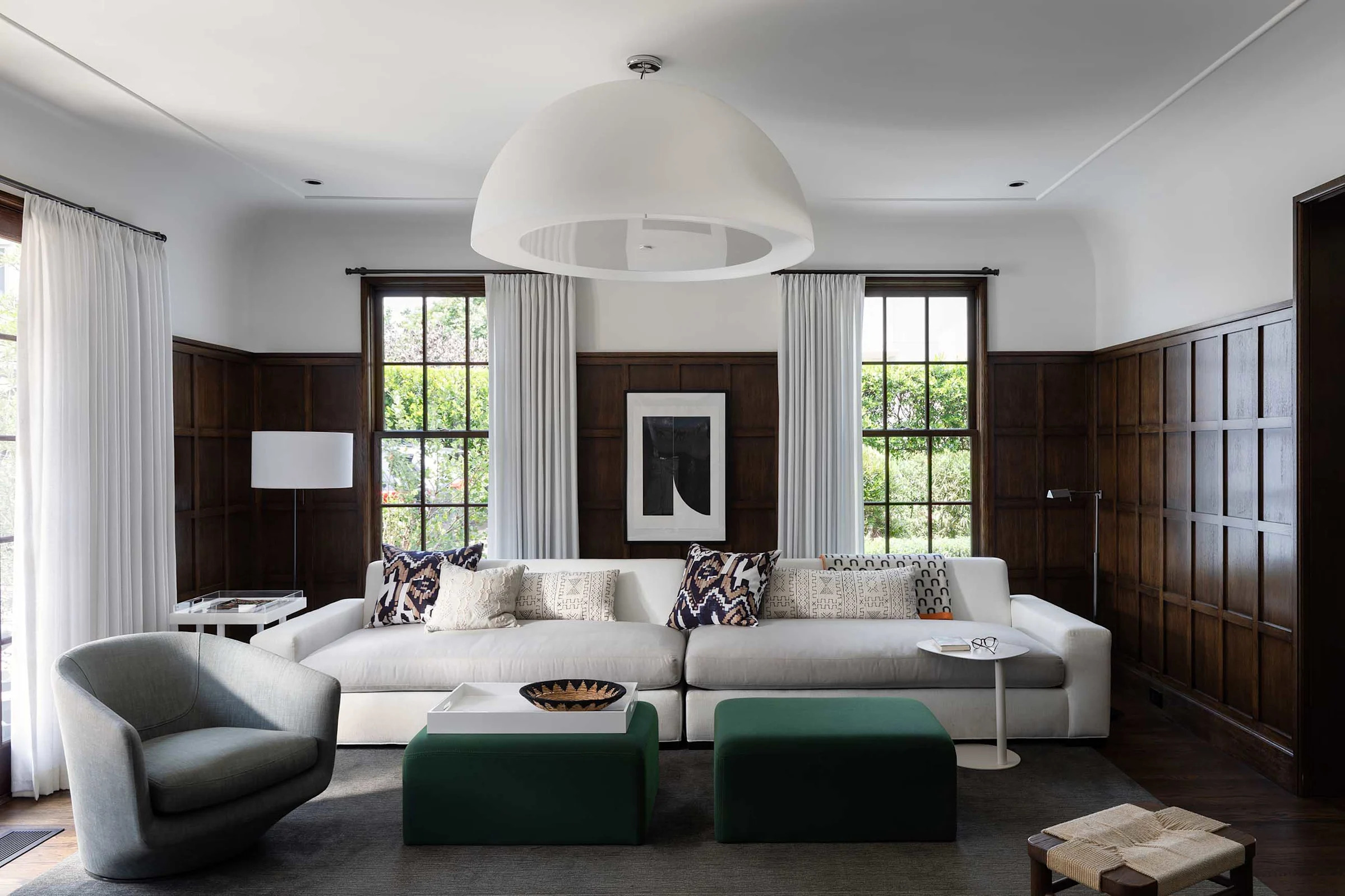
This Once-Dated Wall Paneling is Now Making Homes Look so Elegant and Sophisticated

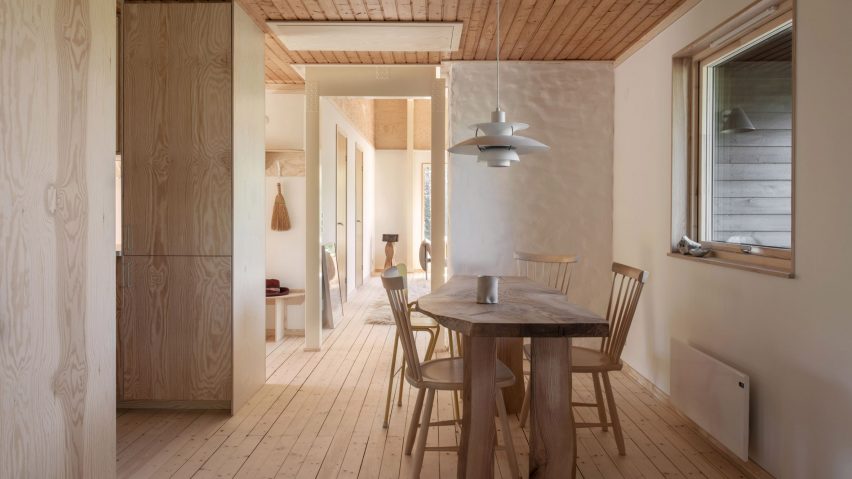
Eight homes where plywood panelling creates warm interiors
Wood Treatments
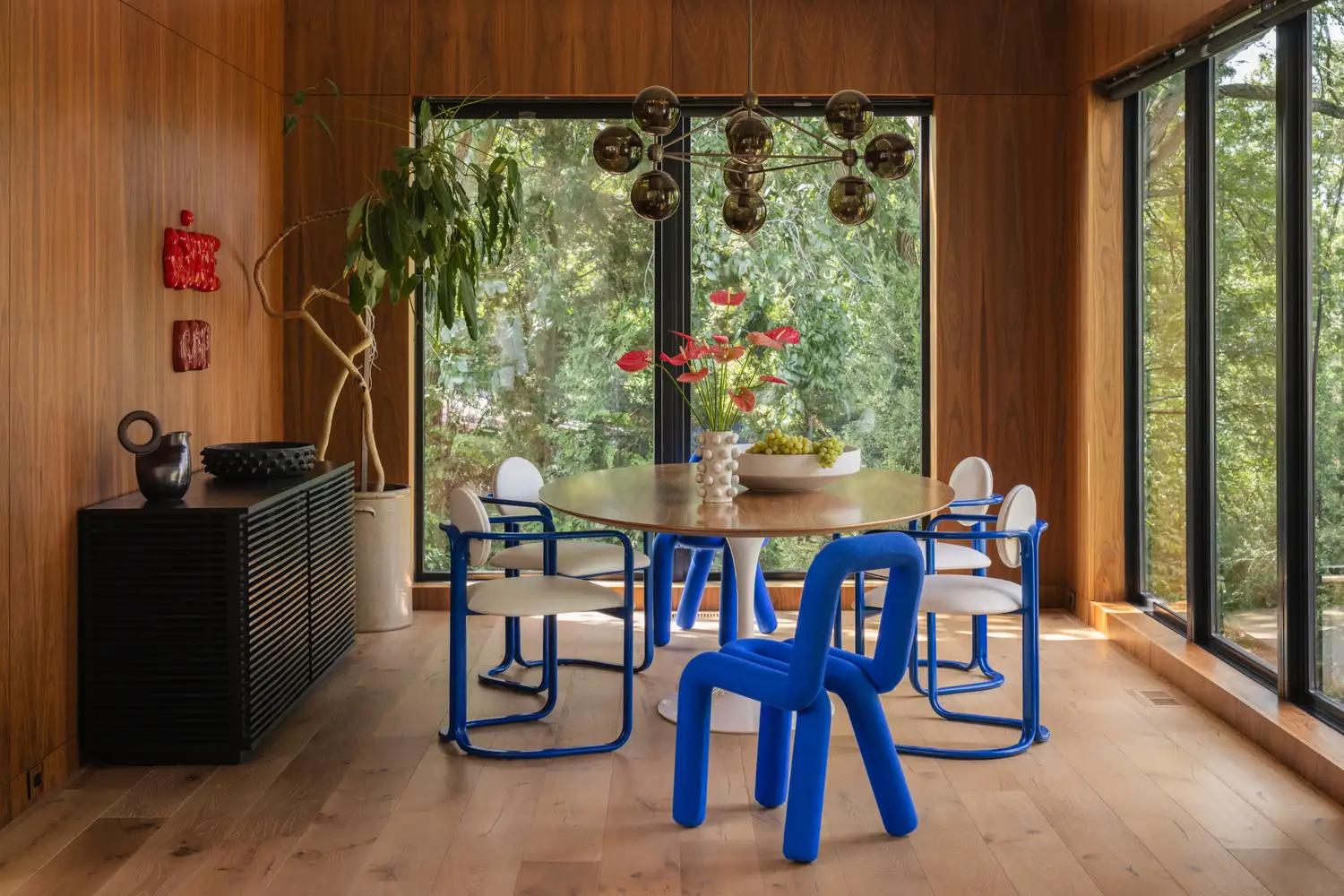
Wood Paneling Is Officially Cool Again—Here's How Designers Are Using It Now

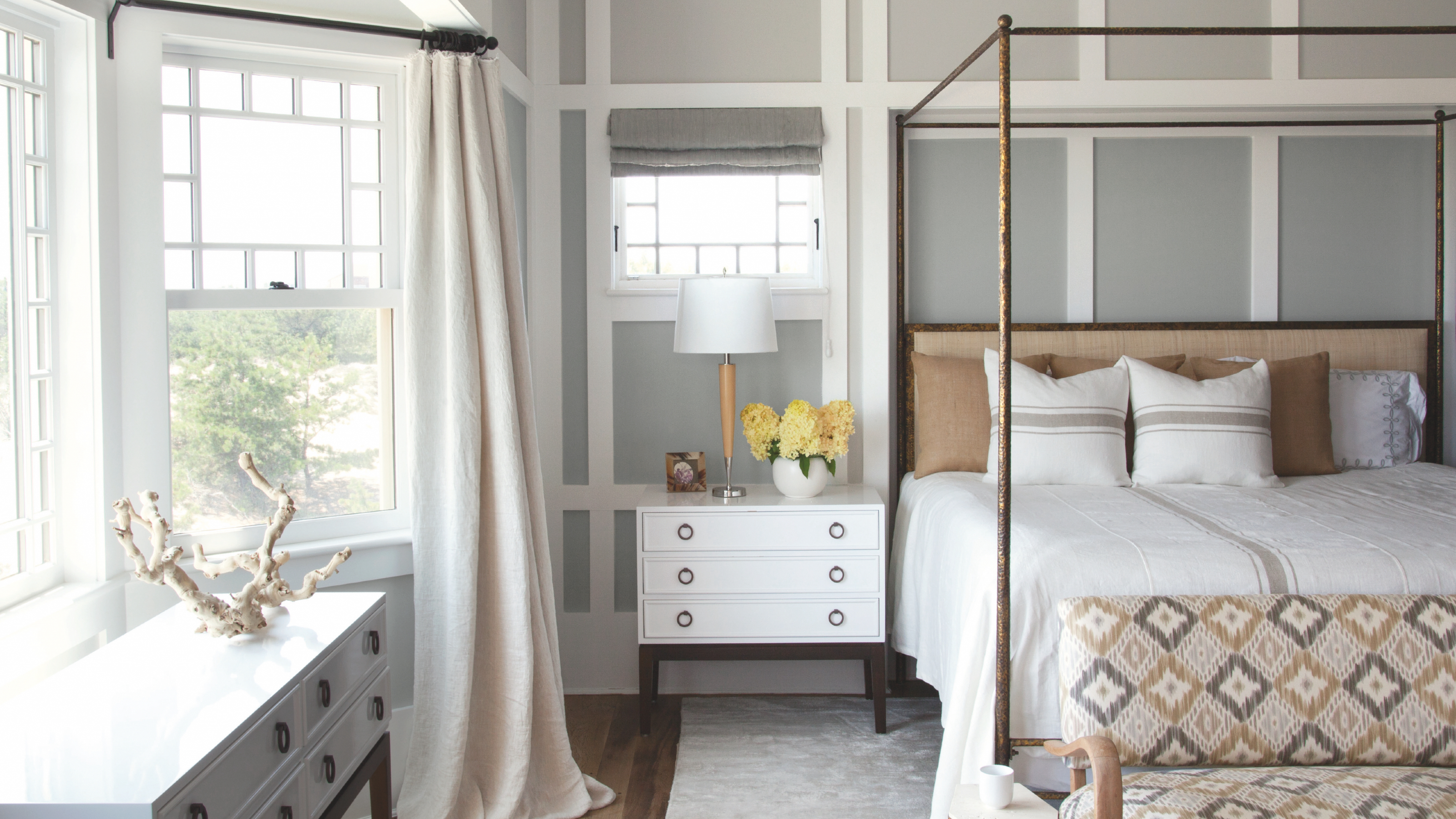
How to panel a wall – DIY this trending look in your home this weekend
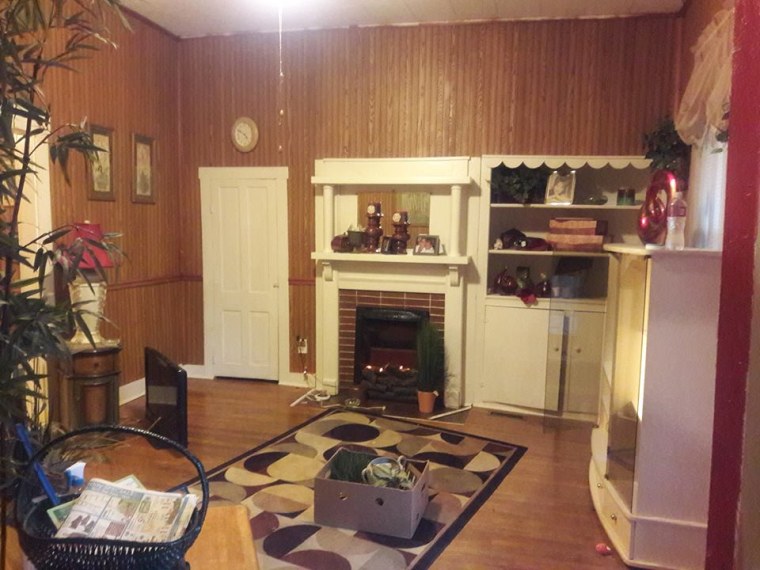
How to Paint Wood-Paneling


The 10 Best Woods for Woodworking (According to a Pro)
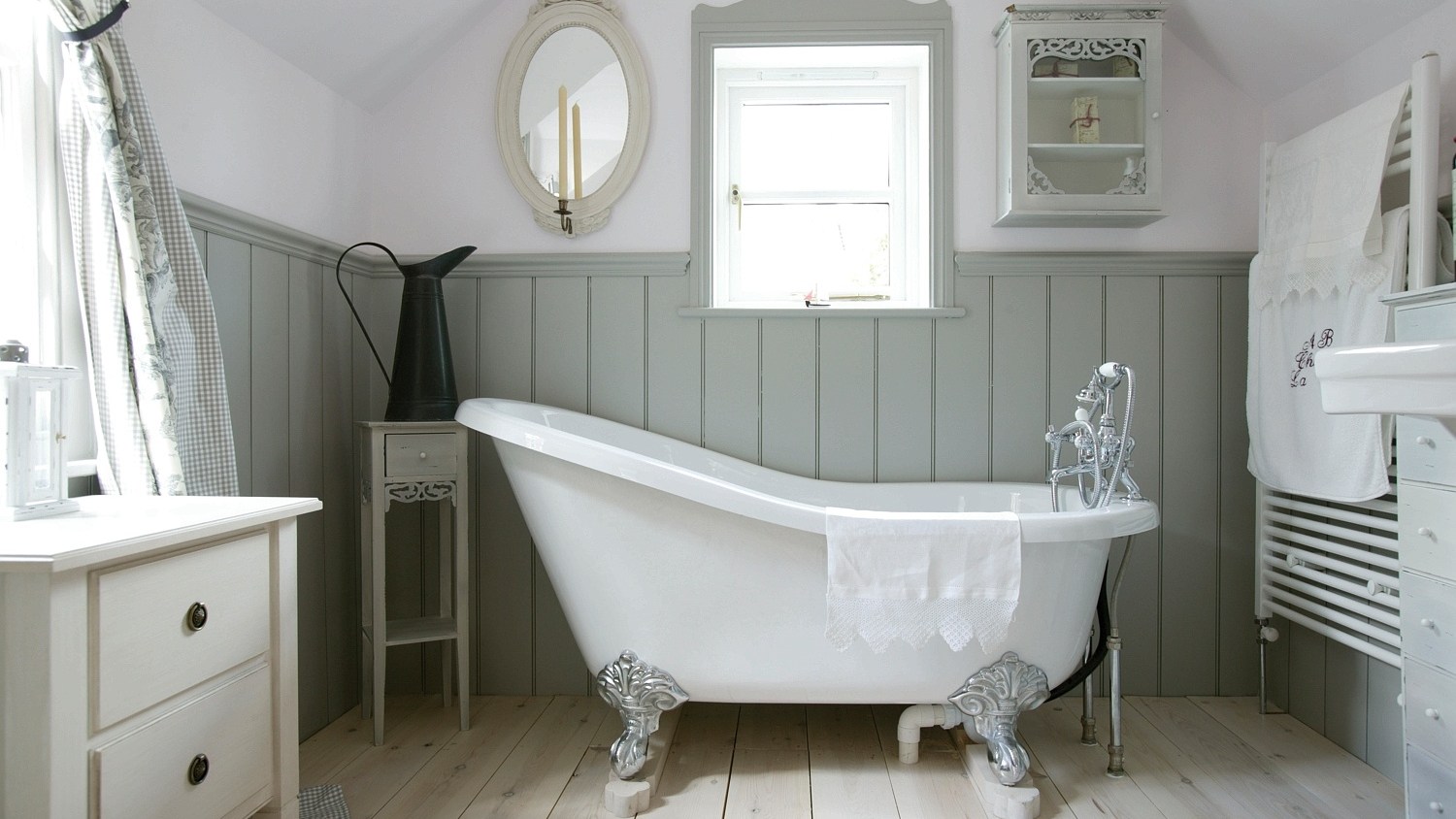
Practical ways to make panelling look good
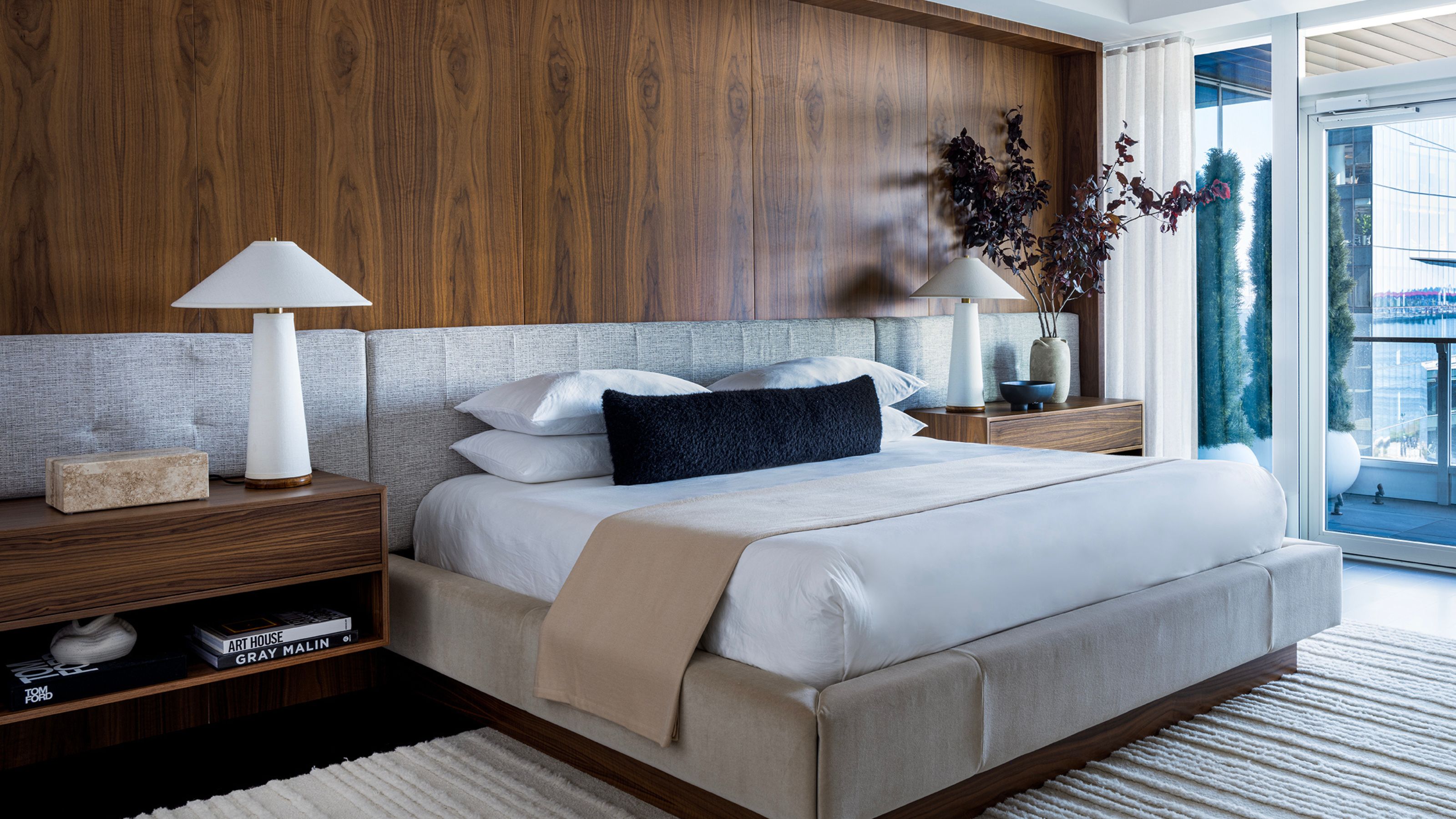
The 13 Types of Wall Paneling That Interior Designers Are Using in Their Projects Right Now, Ranked in Order of Style
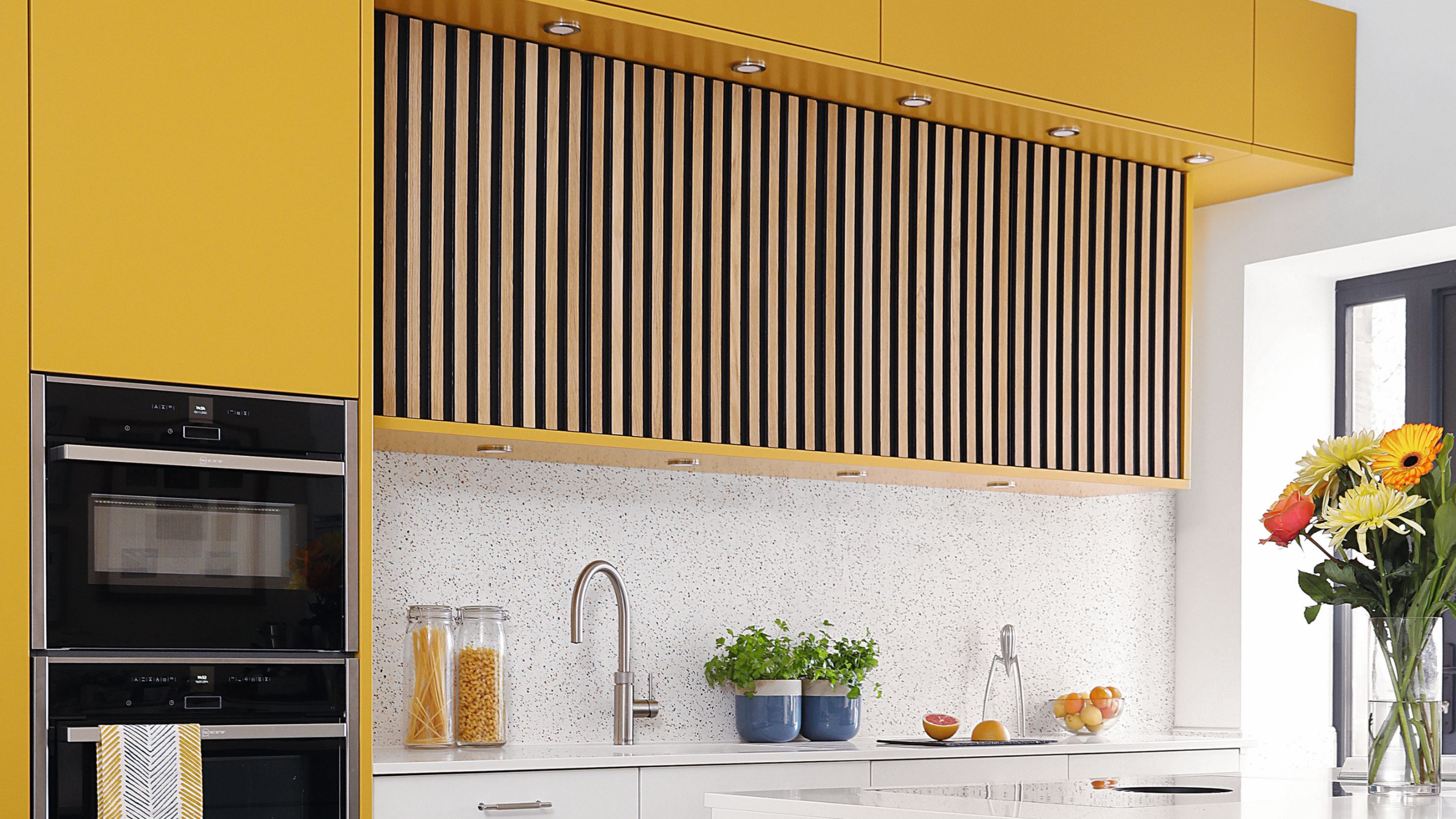
'Potential buyers may see it as a DIY job gone wrong' – this popular interior trend may be devaluing your home
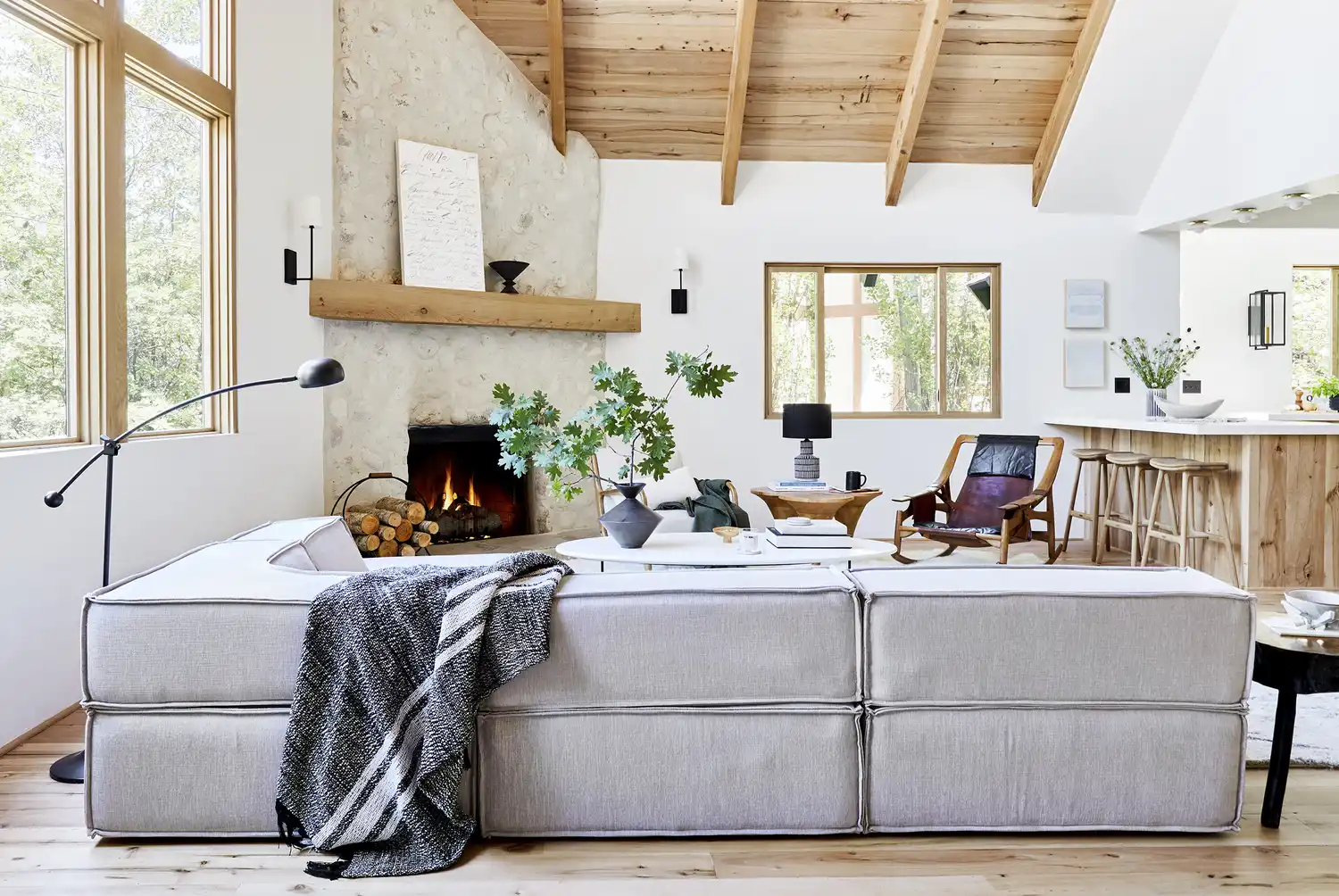
Designers Agree: This One Upgrade Instantly Elevates Any Room—And It’s Worth Every Penny