1/2
Let’s Learn How to Paint Furniture
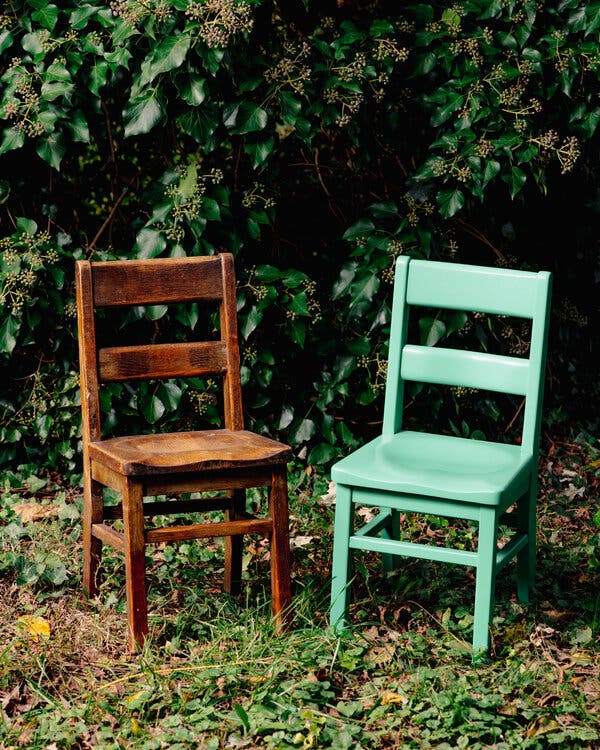
This article delves into the process of painting furniture, drawing from the author's personal experience of transforming an old wooden chair into a vibrant green piece. The author emphasizes that while the project was challenging, it was also a significant learning experience, highlighting the self-education inherent in D.I.Y. endeavors. For beginners, the article suggests starting with simpler items like picture frames, small trunks, or footstools to practice essential techniques without feeling overwhelmed.
The article provides a comprehensive guide to the tools required for furniture painting, including a carbide paint scraper for removing old paint and varnish, and 150-grit and 320-grit sandpaper for smoothing surfaces and primer. It recommends waterborne urethane or alkyd cabinet paint and primer for their low fumes, quick drying time, durability, and ability to self-level for a smooth finish. A soft, angled paintbrush with synthetic bristles is also advised for its versatility in covering flat surfaces and reaching tight corners.
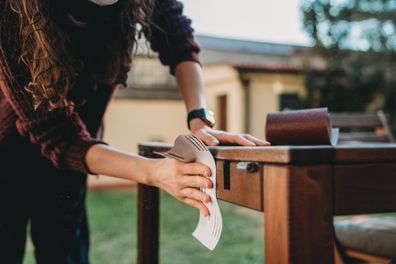
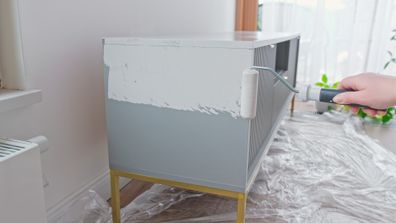
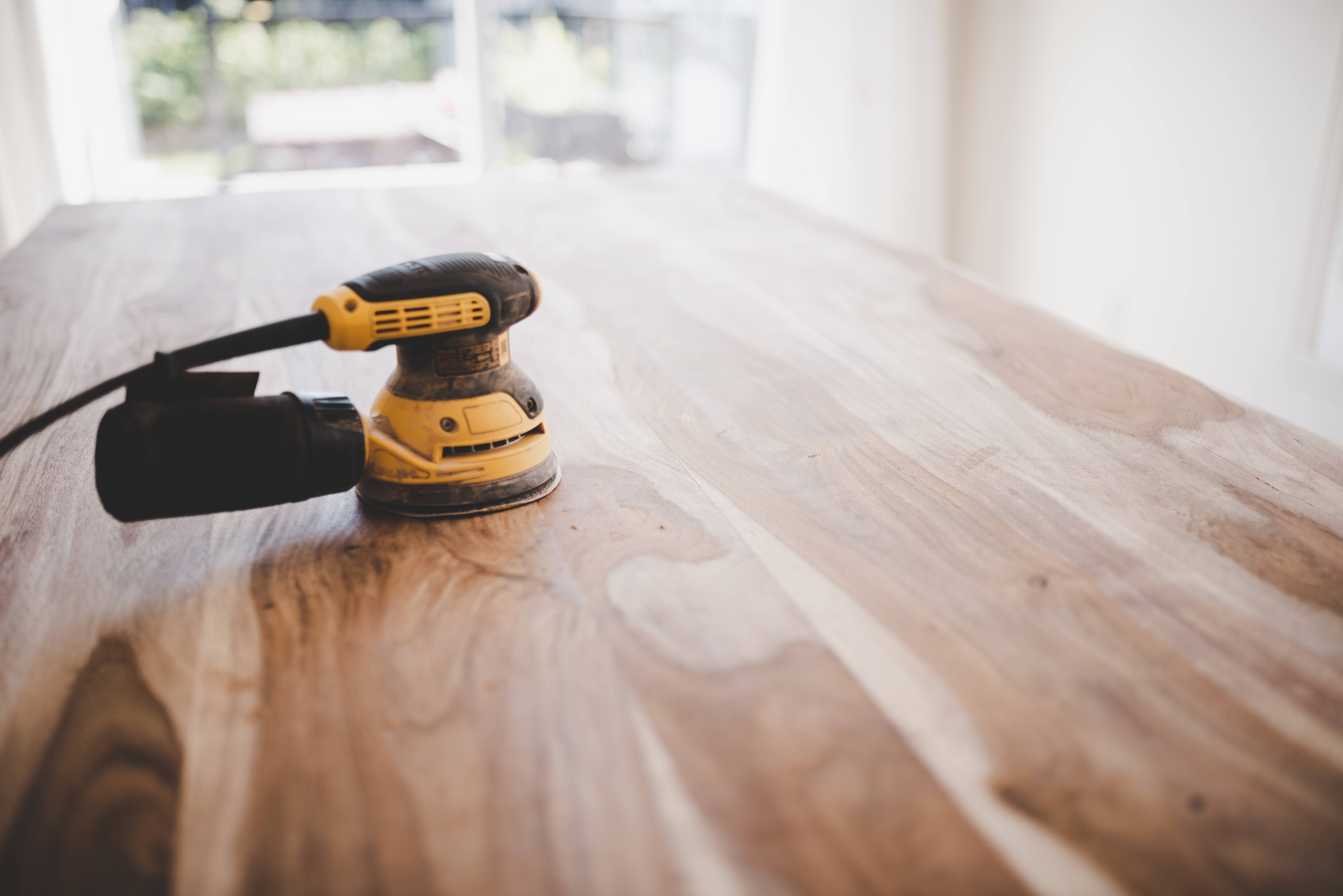
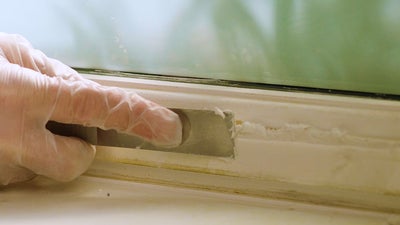
The four fundamental steps of painting wood—prepping, priming, and applying two coats of finish—are meticulously explained. The prepping stage involves removing old finishes using scrapers, with a detailed description of how to use carbide scrapers and cabinet scrapers, particularly for concave and tight surfaces. Following scraping, the surface is sanded with 150-grit paper, always along the wood grain, to create a smooth yet receptive surface for the primer. The article cautions against sanding across the grain, which can leave visible scratches.
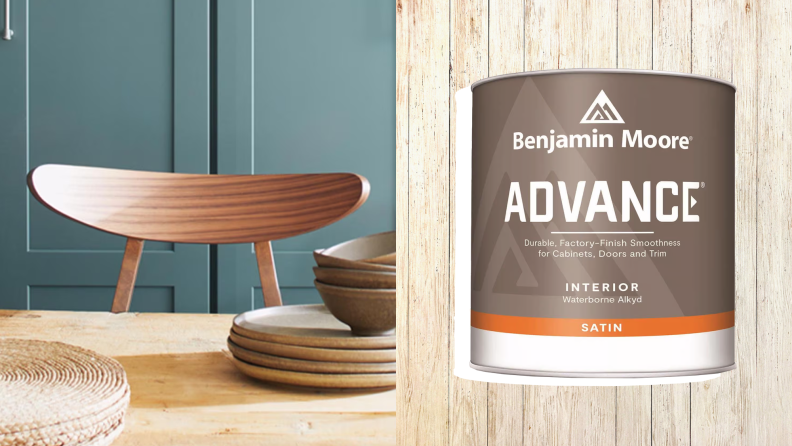
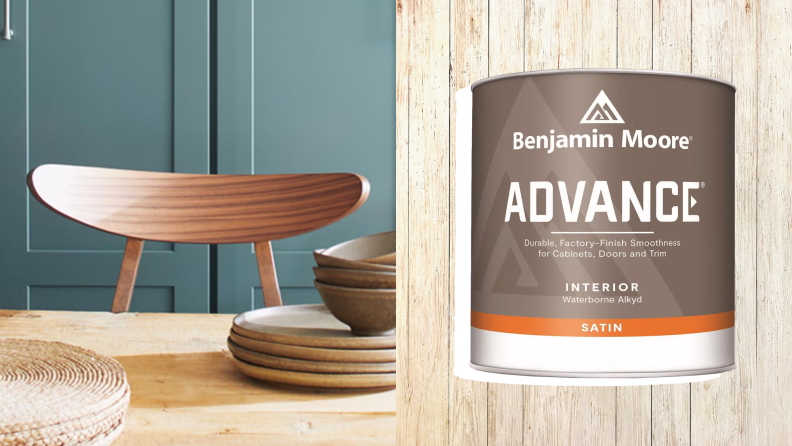
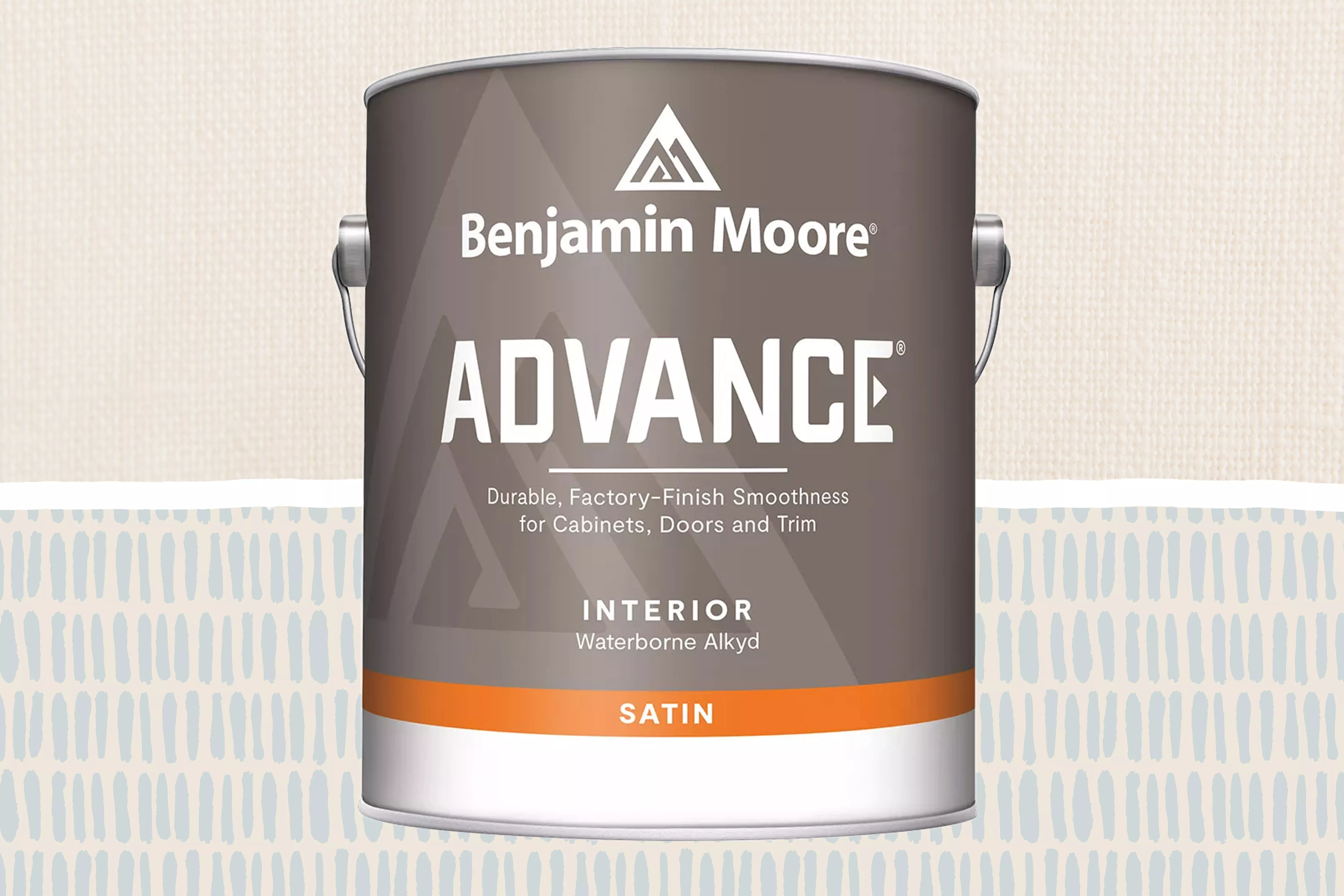
The priming step involves applying a layer of primer with long strokes in the direction of the wood grain, allowing it to dry completely, and then lightly sanding it with 320-grit paper to eliminate high spots. Thorough dusting with a clean, dry rag before painting is crucial. The author notes the superior performance of professional paints like Sherwin-Williams Emerald urethane trim enamel and Benjamin Moore Advance alkyd compared to less expensive alternatives, citing their ease of application and quality of finish.
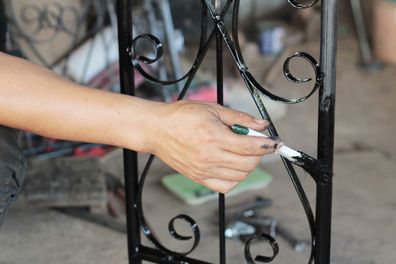
The painting technique involves working quickly with long strokes, avoiding dabbing, and brushing in a consistent direction to prevent the paint from gumming up or peeling. The article also addresses real-world challenges, such as the need to disassemble vintage furniture for repairs before painting. The author’s experience with the green chair illustrates how initial disassembly and painting individual components can simplify the process, especially for complex pieces. The article concludes by acknowledging that while the author's first attempt resulted in visible brushstrokes up close, the overall appearance is neat and glossy, encouraging a positive outlook on D.I.Y. projects despite imperfections.
#FurniturePainting #DIYHomeDecor #WoodRefinishing #PaintTechniques #HomeImprovement #InteriorDesign #FurnitureRestoration #FurniturePainting #DIYHomeDecor #WoodRefinishing #PaintTechniques #HomeImprovement #InteriorDesign #FurnitureRestoration
0 comment in total
 No comments yet
You may also like

Furniture Paint & Cupboard Paint

The Best Furniture Paint of 2026

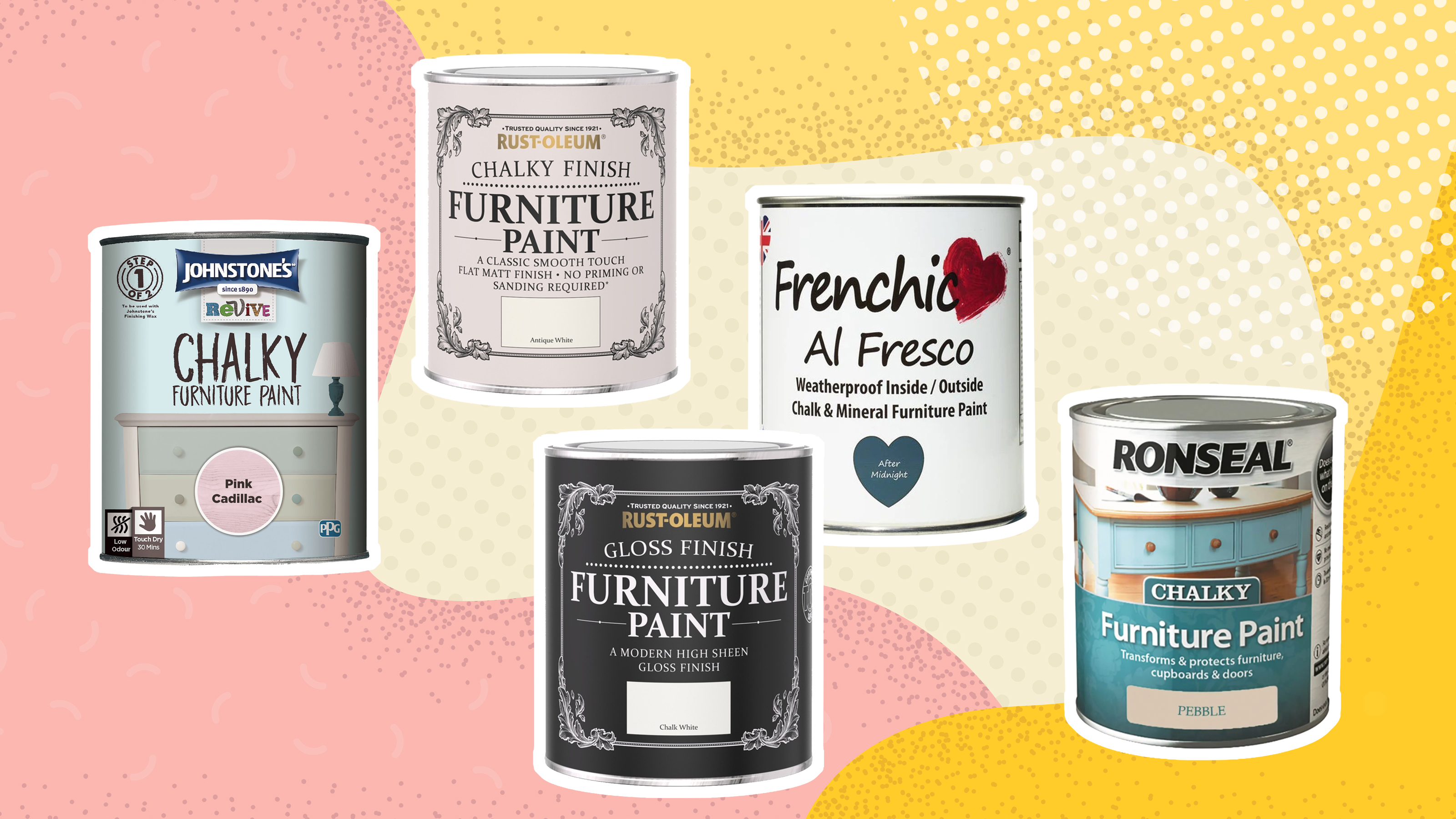
Best paint for furniture: 8 best furniture paints

The Best Paint for Furniture Makeovers, According to Expert DIYers
Need A Furniture Refresh? These Are Paint Colors That Top Designers Recommend

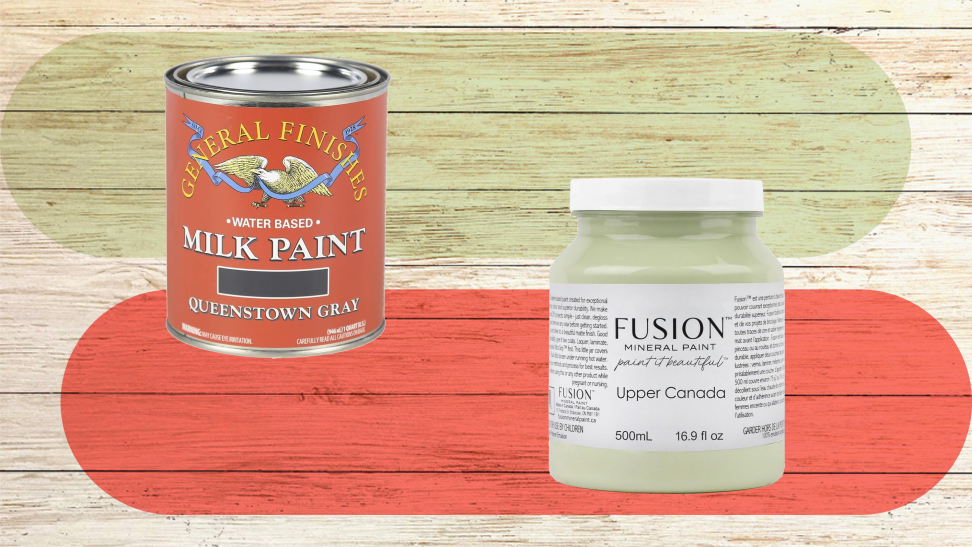
The Best Furniture Paint of 2025
These Furniture Paints Will Give Your Decor a Major Refresh on a Budget


Garden Furniture Paint & Stain
How to paint furniture: The one detail you need to get right for best results

How to Paint Wood Furniture—From Sanding to Sealing


Try Out Upholstery Classes with A Little Furniture Shop

Painting a Dining Table — 6 Steps to Follow for a Durable Finish

How to Paint Wood Furniture Like a Pro

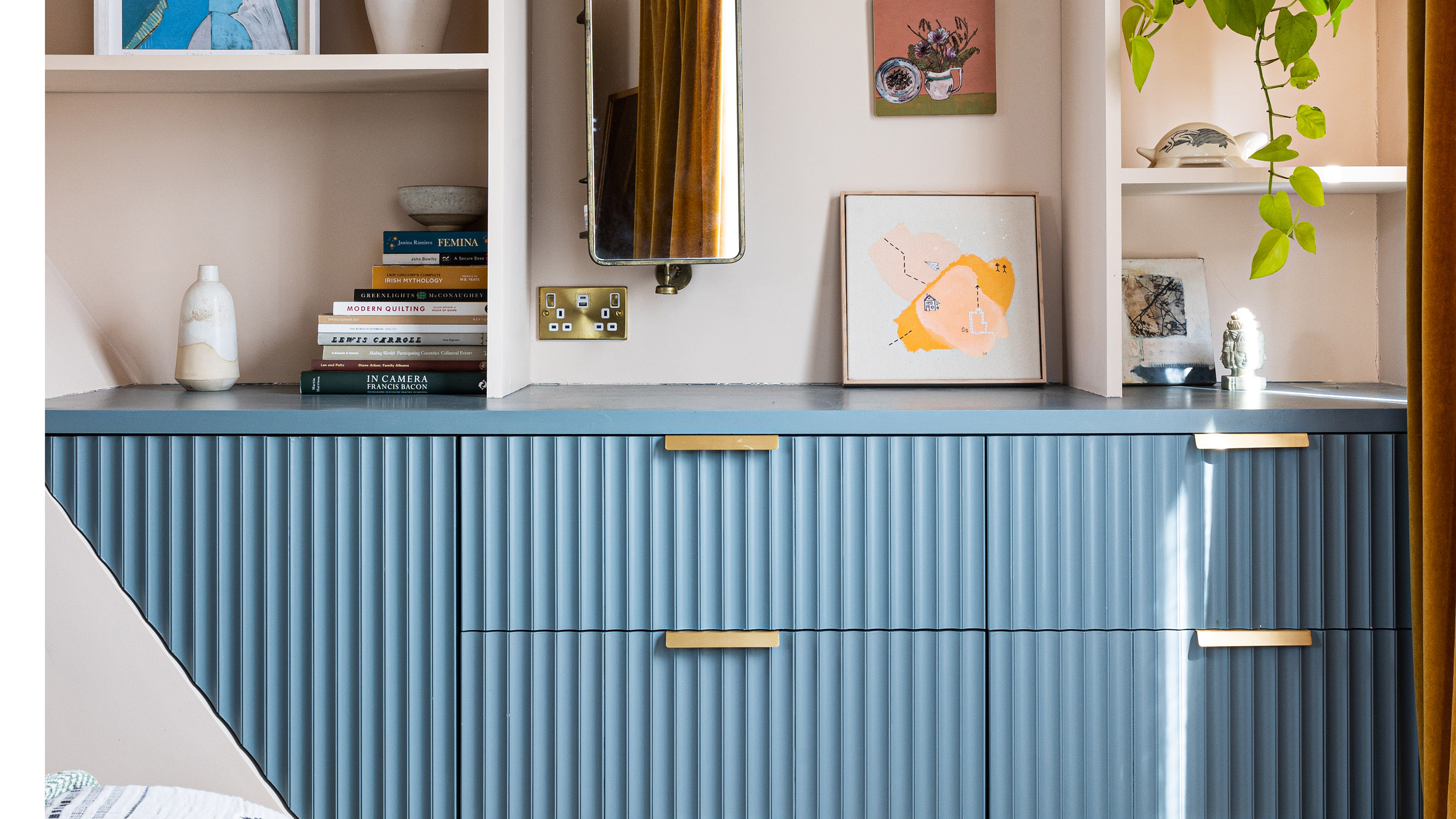
How to paint laminate furniture - the pro tips experts swear by for a perfect finish
Interior Wood Paint

Understanding paint finishes
10 mistakes to avoid when painting wooden furniture, according to experts

How to paint interior woodwork
Best paint for furniture – 9 quick and easy paints for upcycling
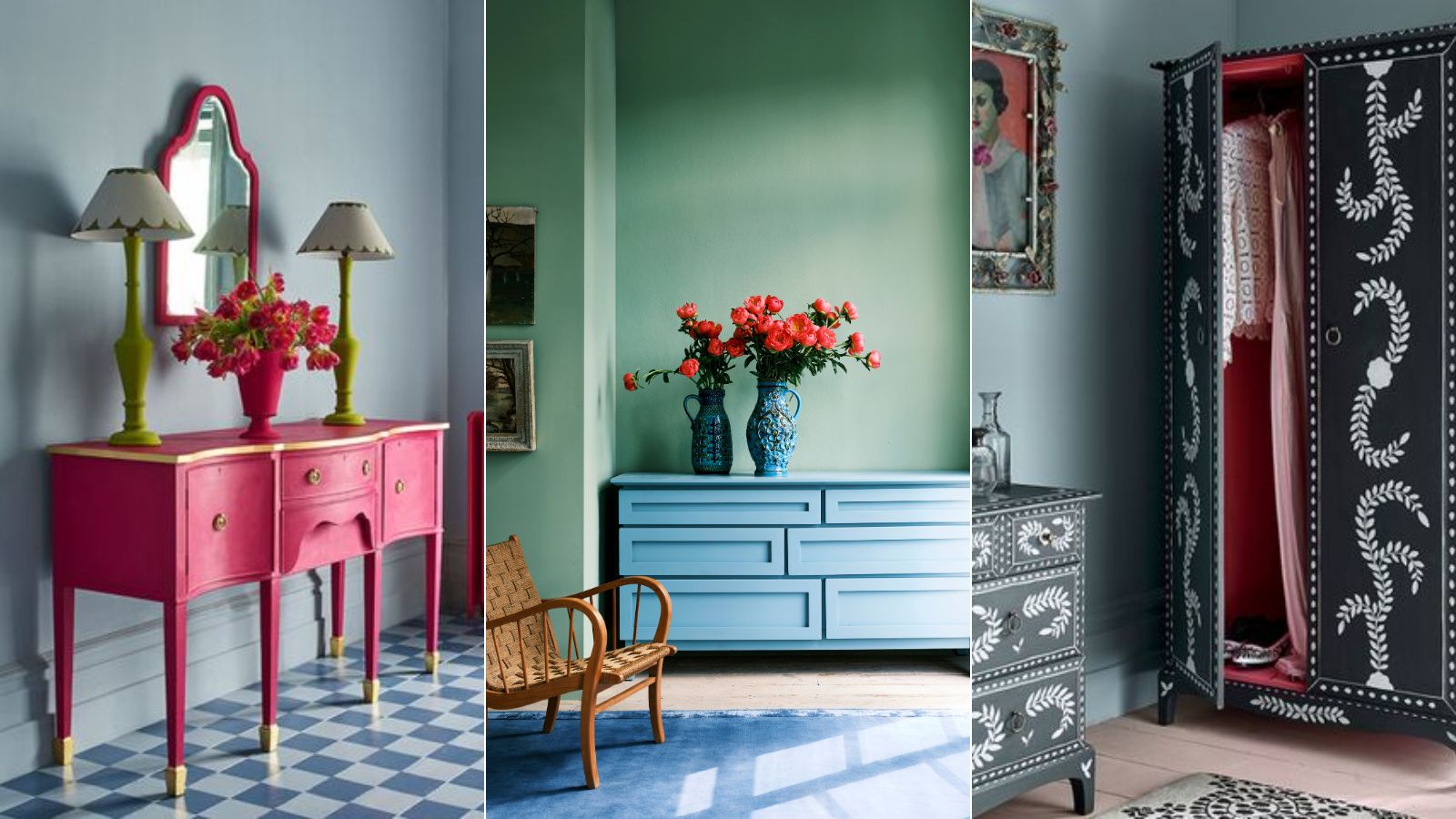
Want the next generation in your family to embrace old furniture? Try paint