1/6
The Best Cabinet Paint of 2026
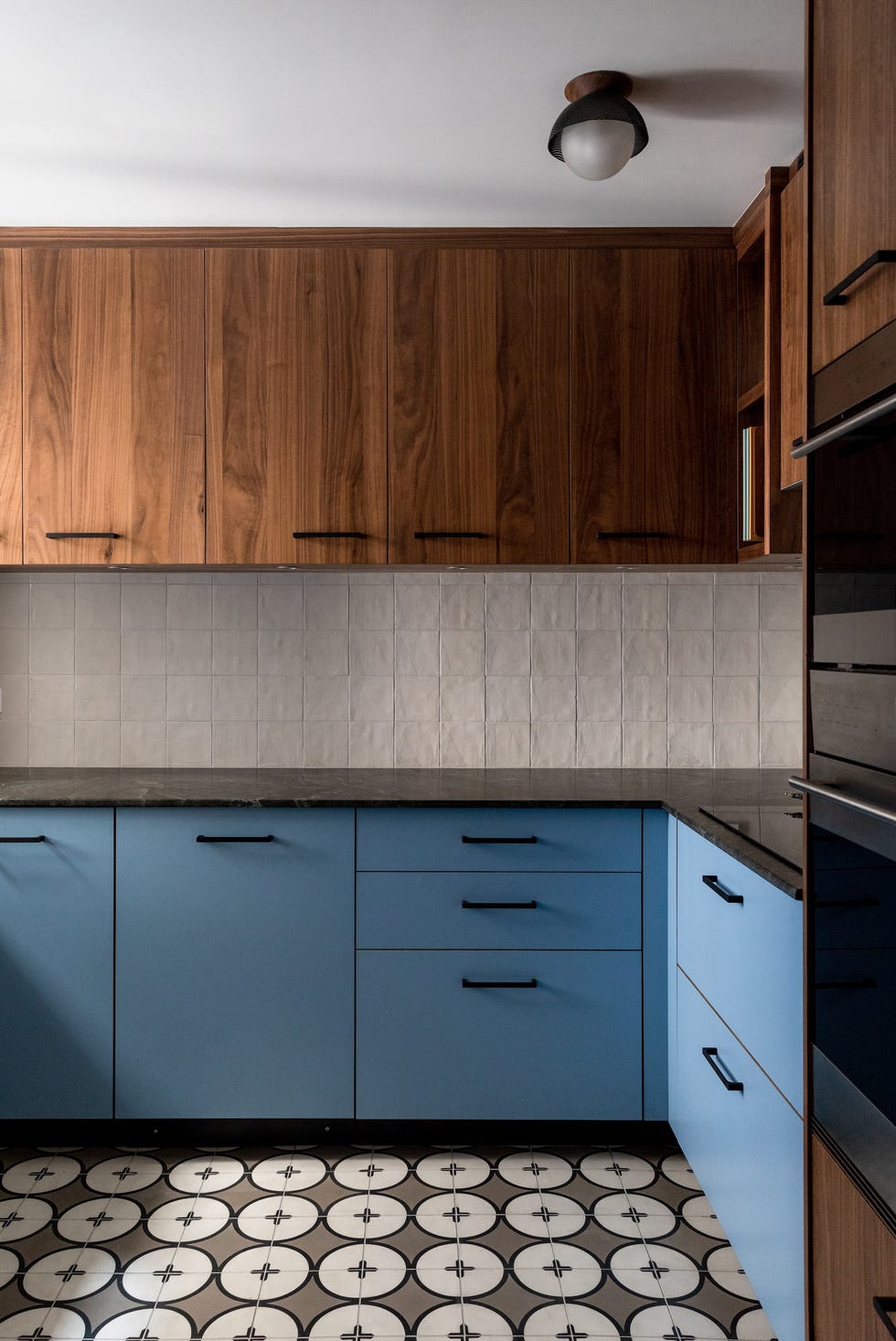
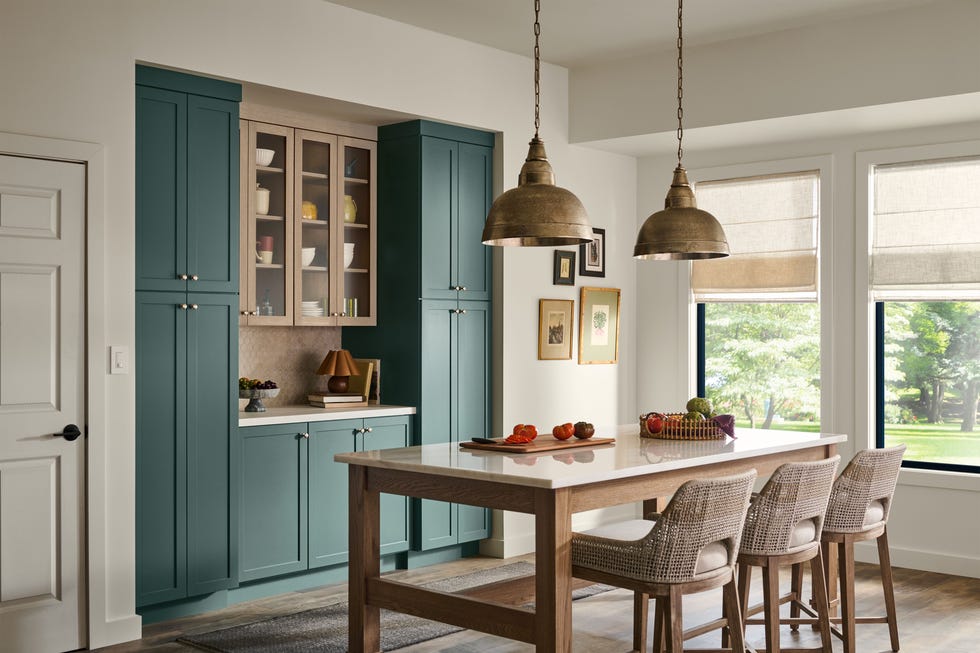
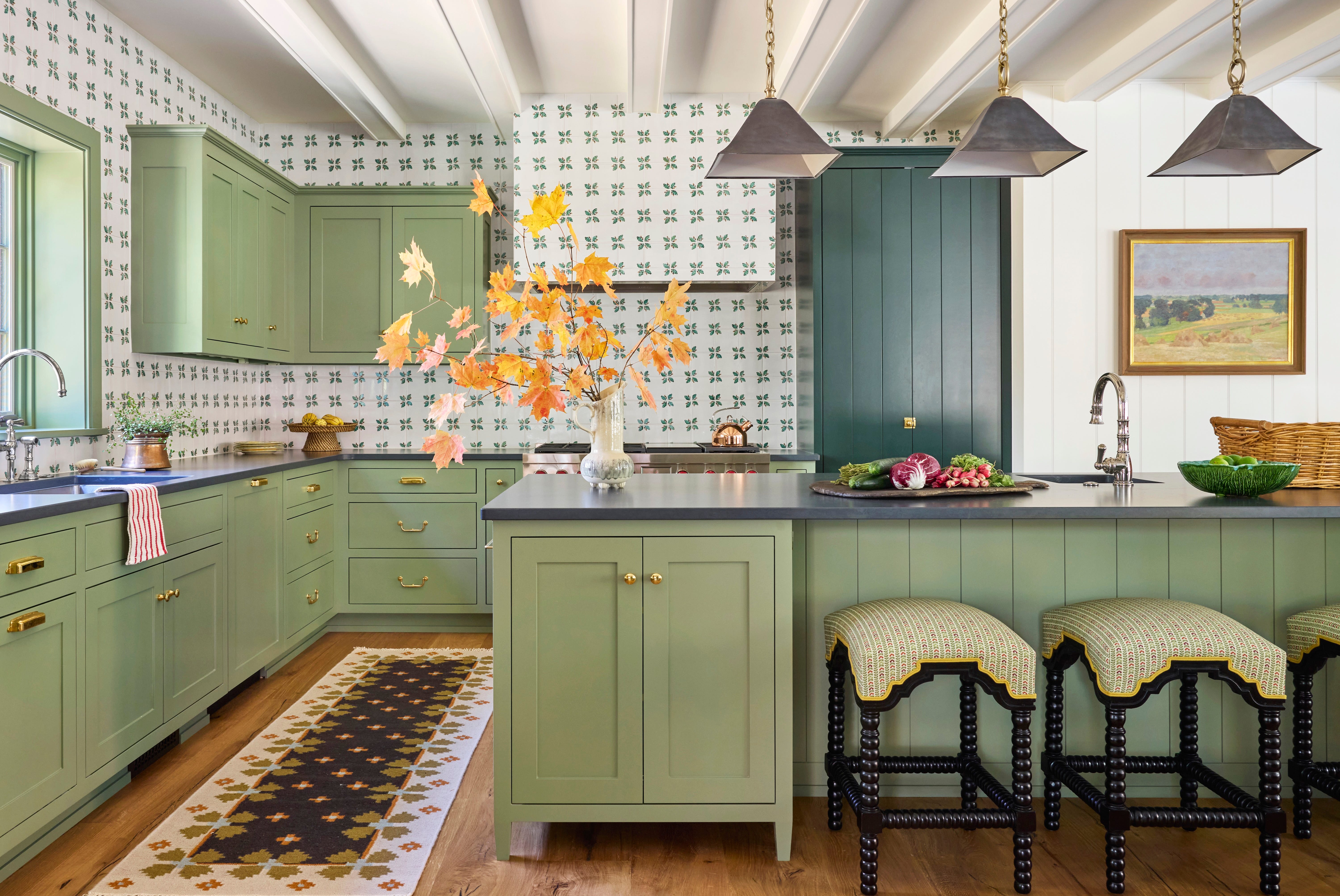
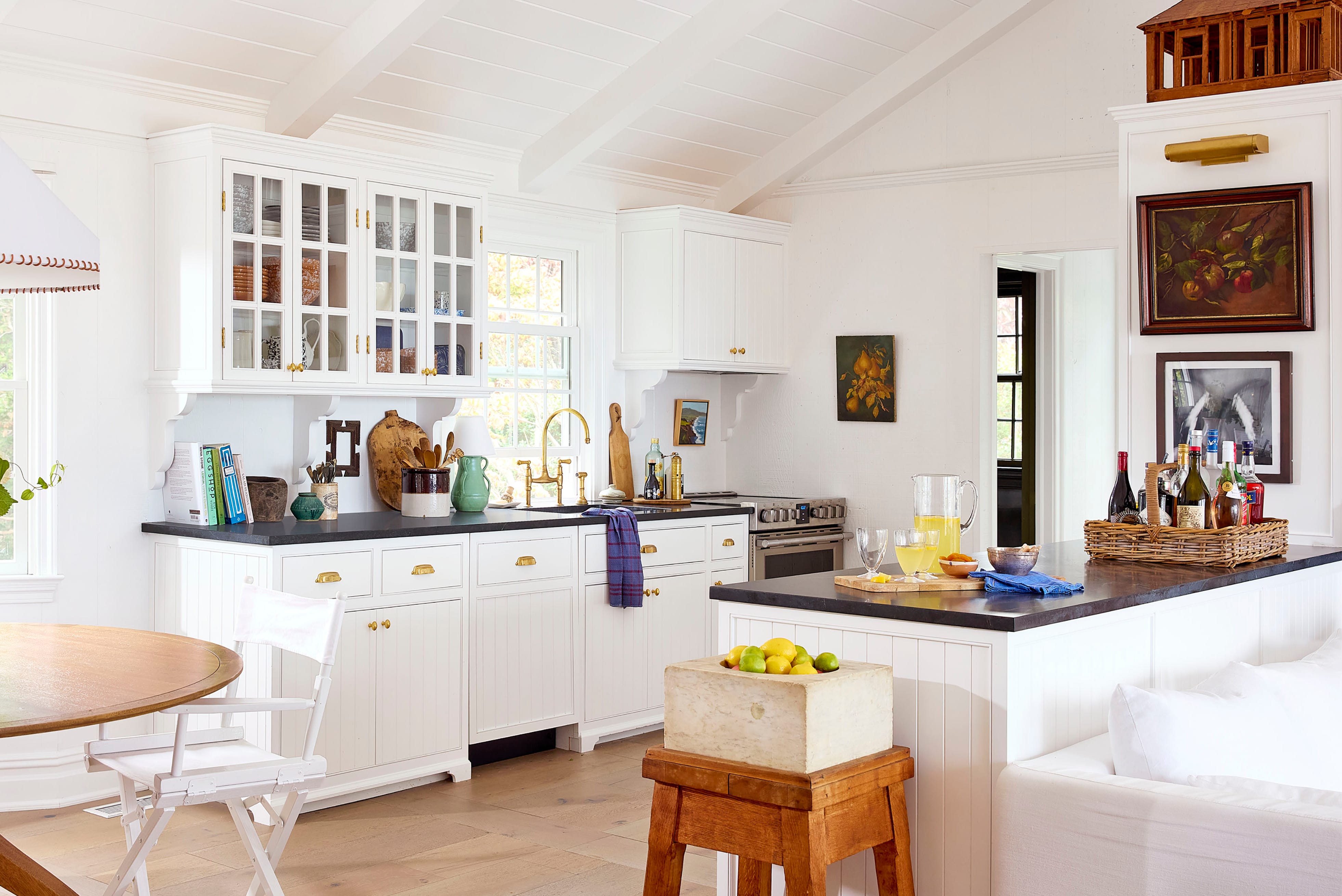
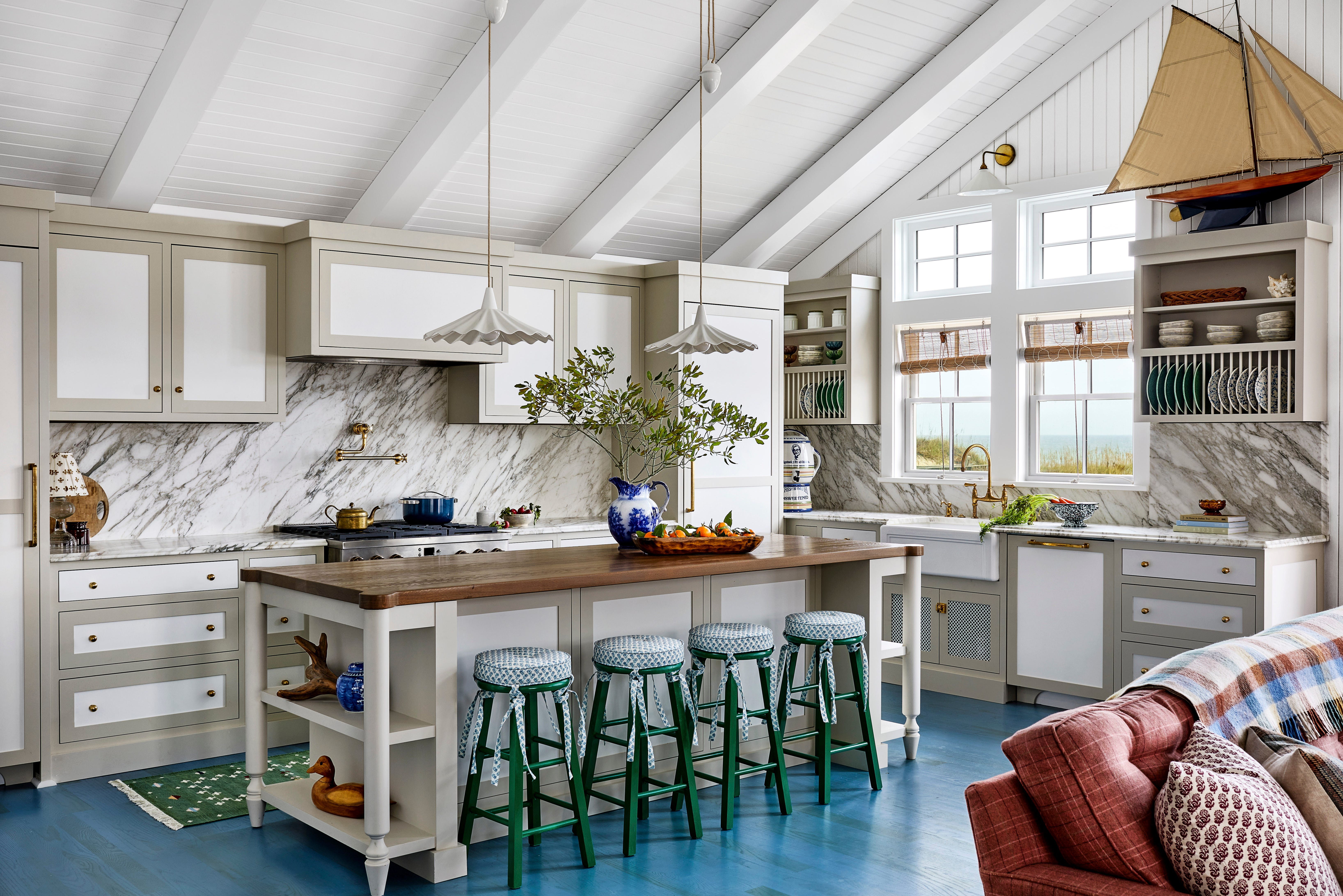
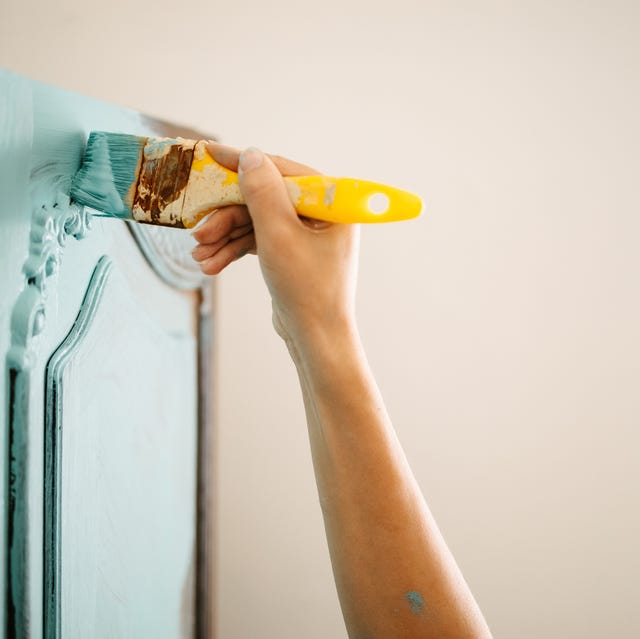
Selecting the appropriate paint for kitchen cabinets is a critical aspect of home renovation, as cabinets significantly influence a kitchen's visual aesthetic. Repainting offers a cost-effective alternative to replacing entire floors or countertops, providing an opportunity to refresh the space, conceal imperfections, and introduce a desired style. This guide focuses on various paint types and finishes, alongside essential surface preparation techniques, to ensure a durable and attractive result.
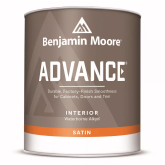
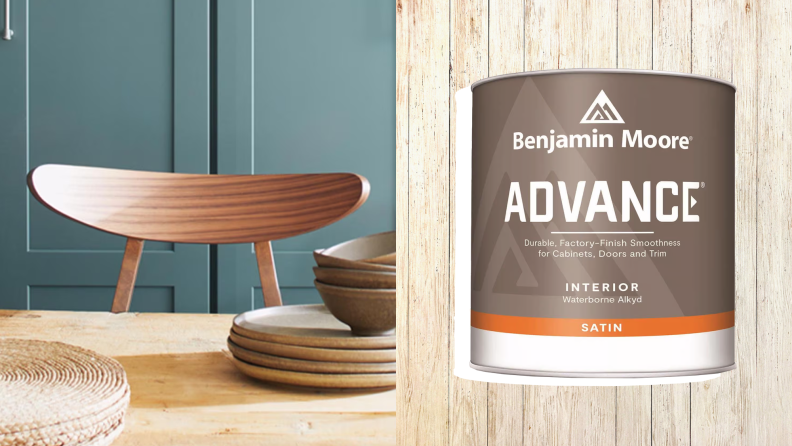
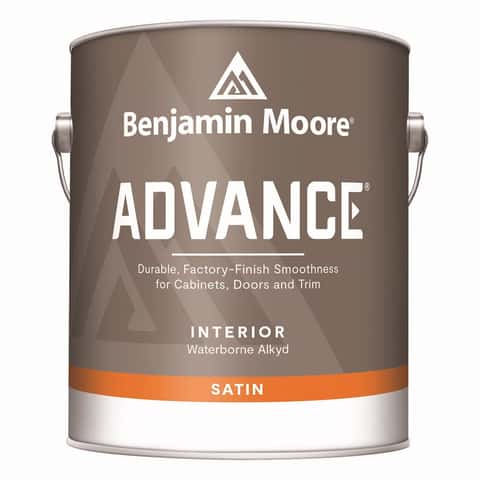
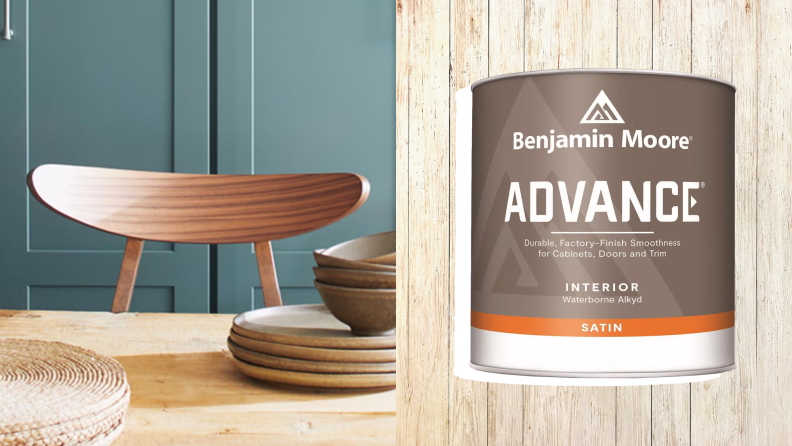
The Benjamin Moore Advance Waterborne Interior Alkyd is identified as the top overall choice for cabinet painting. This hybrid paint combines the robustness of oil-based paints with the convenience of water-based formulas, offering easy cleanup, low volatile organic compounds (VOCs), and excellent durability. Although it requires a longer drying time between coats (16-24 hours), its self-leveling properties minimize brush strokes and drips, making it more forgiving for DIY enthusiasts. This paint is tintable to a wide array of colors and is available in satin, semi-gloss, and high gloss finishes. It is crucial to perform thorough surface preparation, including cleaning, degreasing, sanding, and priming, for optimal adhesion and longevity.
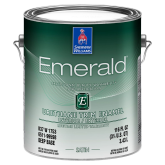
Sherwin-Williams Emerald Urethane Trim Enamel ranks as a close second, offering a factory-fresh finish and comparable durability to Benjamin Moore Advance. This water-based alkyd is also self-leveling and tintable to various colors. However, it is noted to be less forgiving, with a higher likelihood of brush strokes and drip marks if applied without precise technique. While self-sealing, it still benefits from comprehensive prep work. This paint is generally more expensive, reflecting its premium quality and professional appeal.
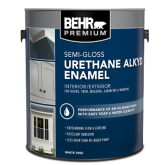
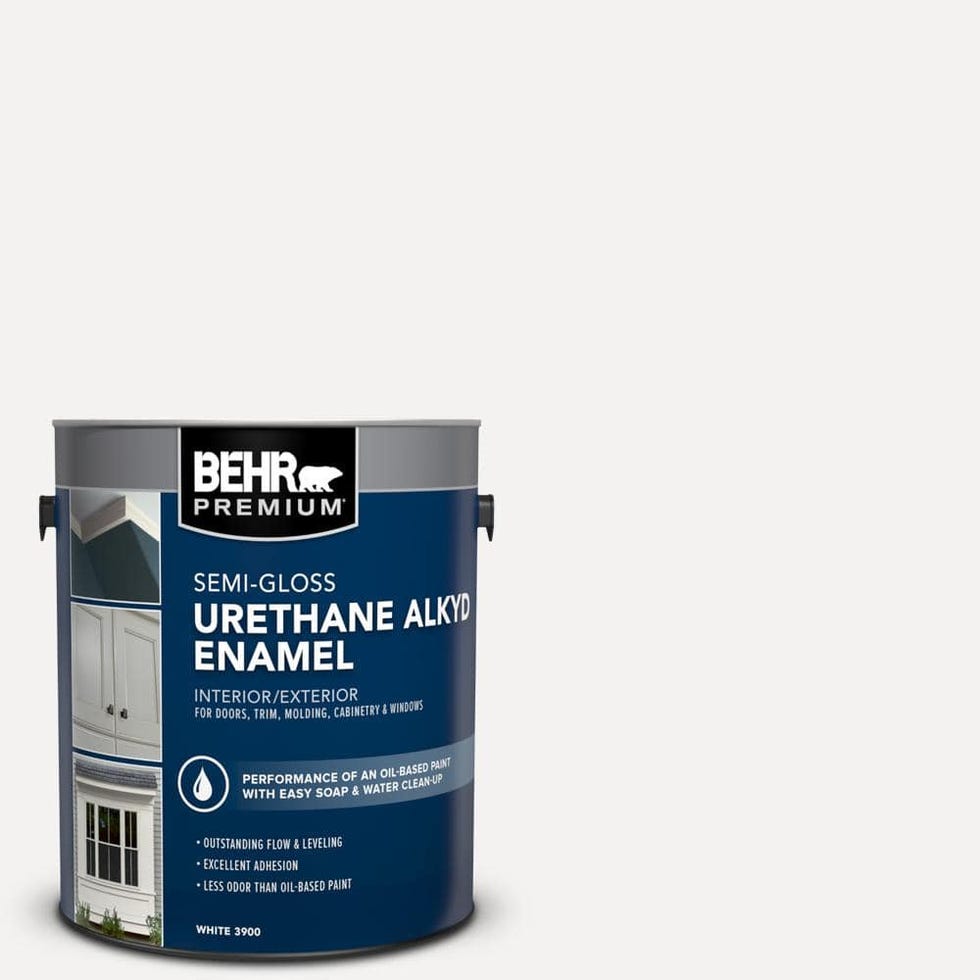
For those on a tighter budget, Behr Urethane Alkyd Semi-Gloss Enamel provides a more affordable water-based alkyd option. While offering similar durability and easy cleanup, users should be mindful of its tendency to drip or sag if not applied in multiple thin coats. Careful application and patience are key to achieving satisfactory results with this product.
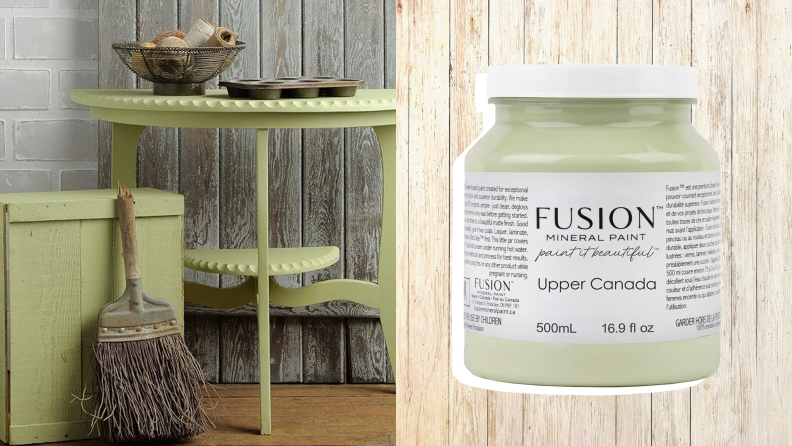
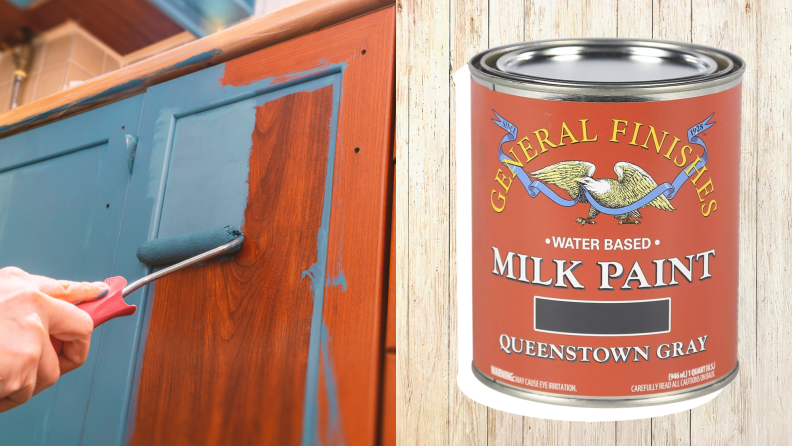
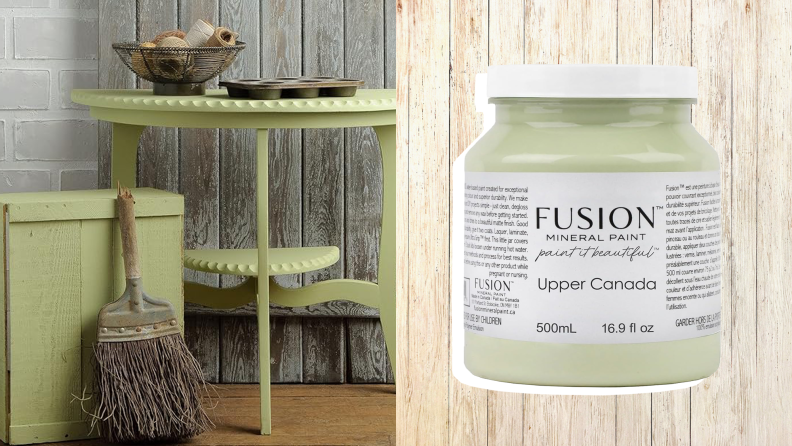
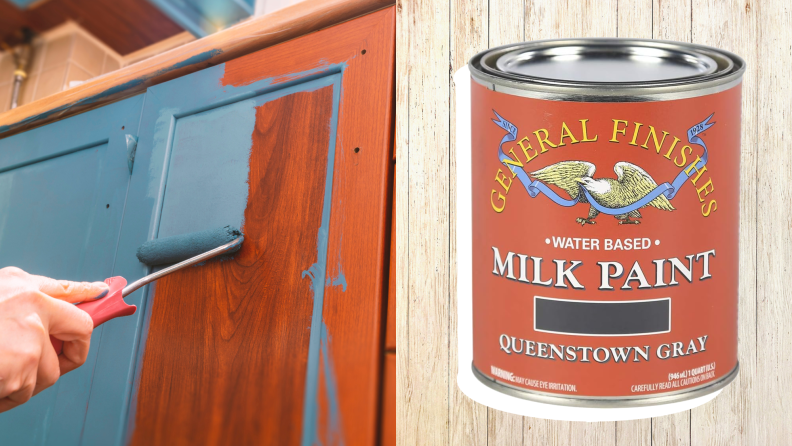
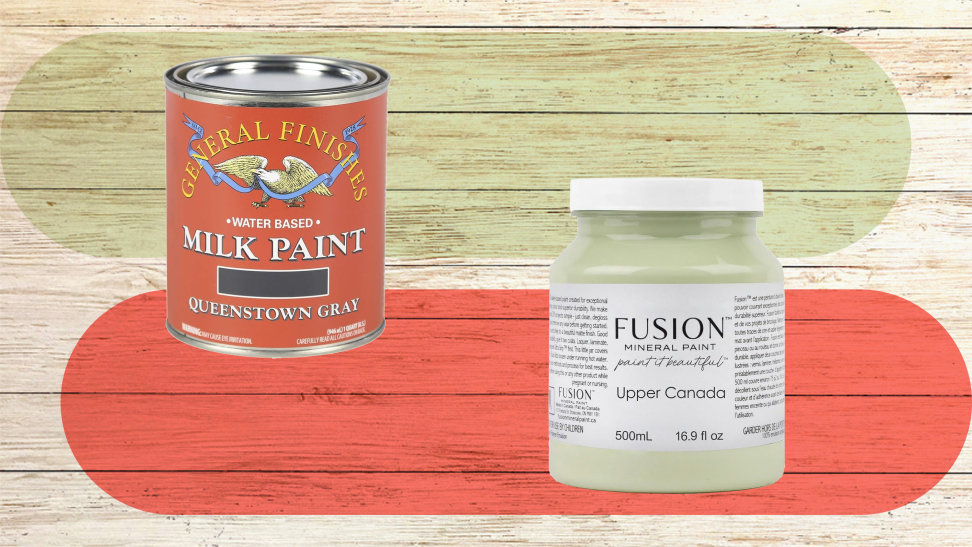
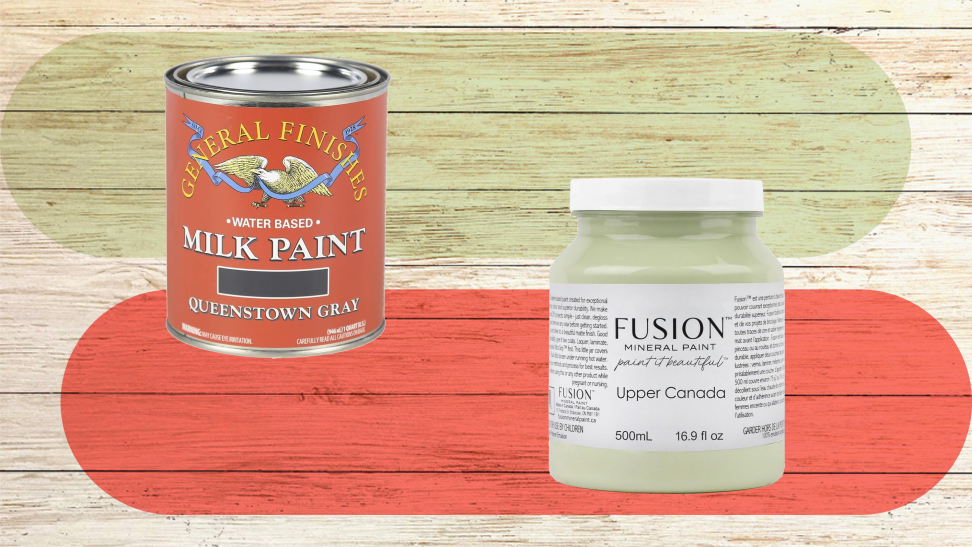
Chalk paint, exemplified by Annie Sloan Chalk Paint, is ideal for achieving a shabby chic or distressed look. It requires minimal surface preparation, such as sanding or priming, and bonds to almost any surface. However, it lacks inherent durability and necessitates a wax sealant or topcoat, especially for high-traffic areas like kitchen cabinets. Milk paint, such as General Finishes Milk Paint, offers a rustic, farmhouse aesthetic with a matte finish. While more durable than chalk paint, a topcoat is still recommended for cabinet applications. Both chalk and milk paints are water-based and have low VOCs.
Understanding paint finishes is also crucial. Matte finishes, while visually appealing with their velvety texture, are prone to staining due to their porous nature and typically require a protective sealant. Satin finishes offer a subtle glow, effectively hiding imperfections and fingerprints while providing a degree of protection against mildew. Semi-gloss is a popular choice for cabinets due to its hard, non-porous, and easy-to-clean surface, making it suitable for active households. Gloss finishes provide a sophisticated, modern look but highlight every imperfection and fingerprint, requiring consistent maintenance.
Regardless of the paint type or finish chosen, thorough surface preparation is paramount. This includes meticulously cleaning and degreasing cabinets to remove dust, grime, and grease. Sanding creates a slightly rough surface for better paint adhesion, starting with coarser grits for deep scratches and progressing to finer grits for smoothness. Repairing any gaps, cracks, or dents with wood filler before painting ensures a flawless final appearance. Finally, using a primer is often essential as it enhances paint adhesion, blocks stains, and provides a uniform base, even for paints that claim to be self-priming. Water-based primers are now highly effective alternatives to traditional oil-based options.
#CabinetPainting #HomeRenovation #DIYProjects #KitchenDesign #PaintTypes #SurfacePreparation #InteriorDesign #HomeImprovement #CabinetPainting #HomeRenovation #DIYProjects #KitchenDesign #PaintTypes #SurfacePreparation #InteriorDesign #HomeImprovement
0 comment in total
 No comments yet
You may also like
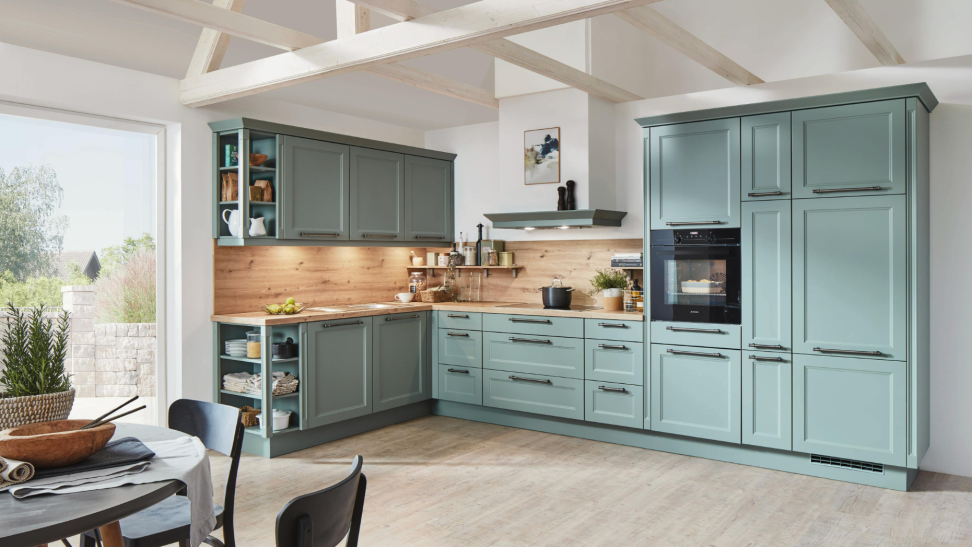
The Best Cabinet Paint of 2025
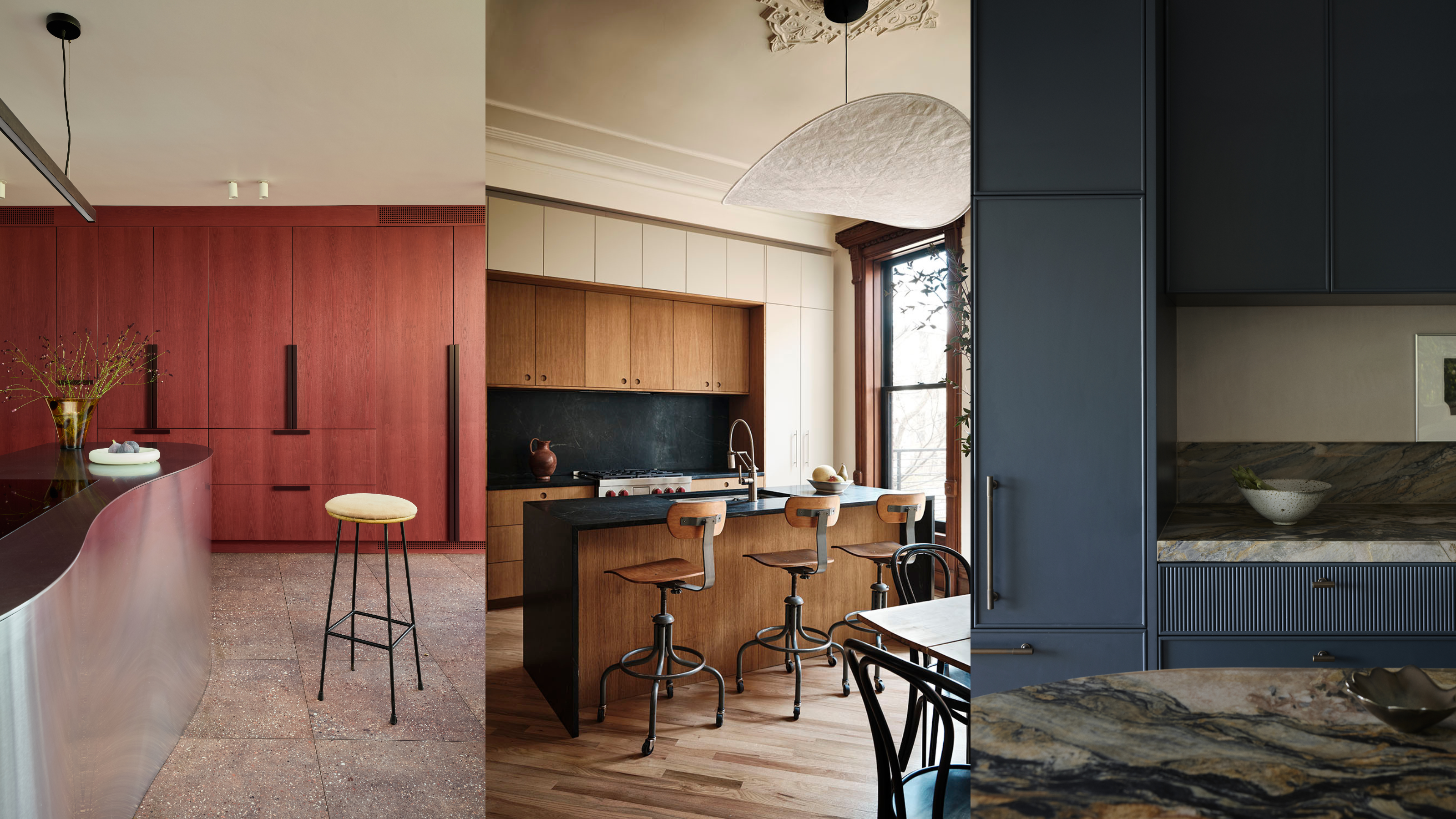
The Kitchen Cabinet Colors Experts Predict Will Dominate 2026

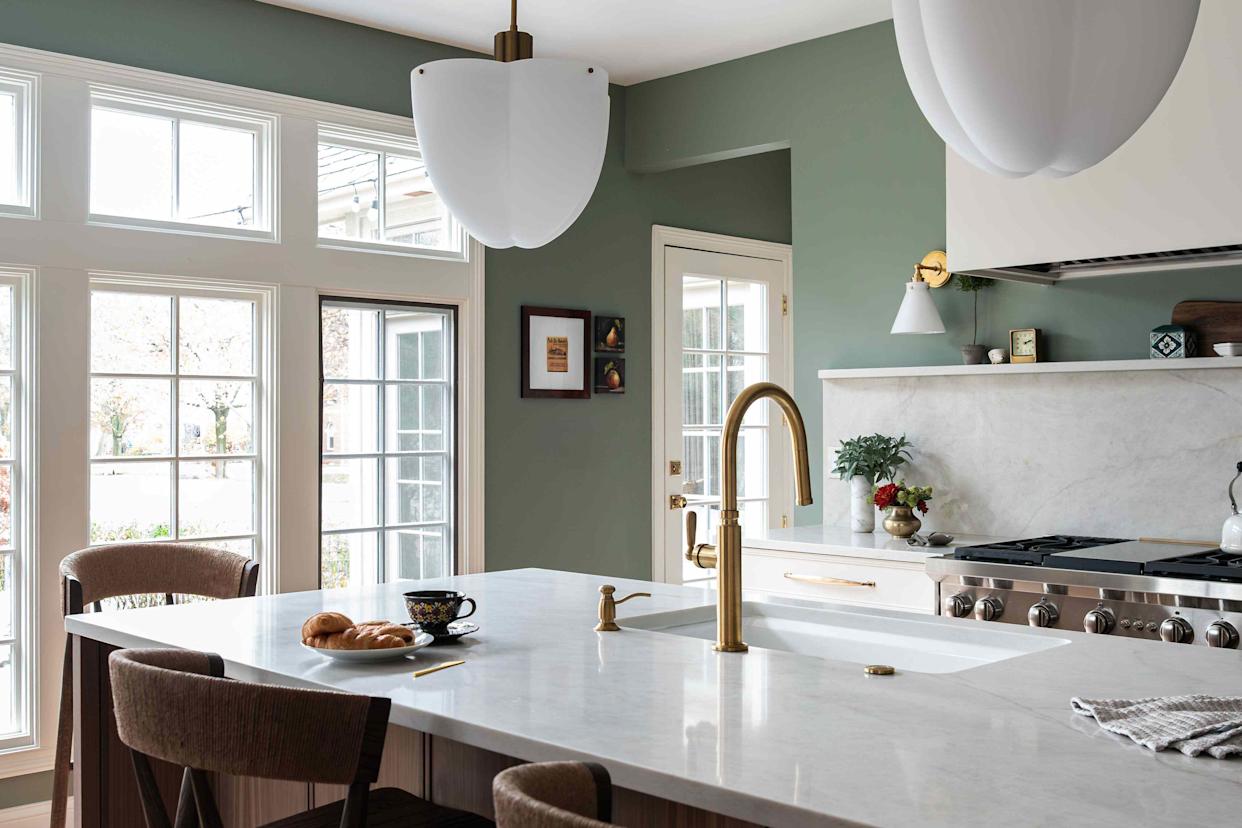
6 Kitchen Paint Color Trends That Are Already Taking Over Walls in 2026
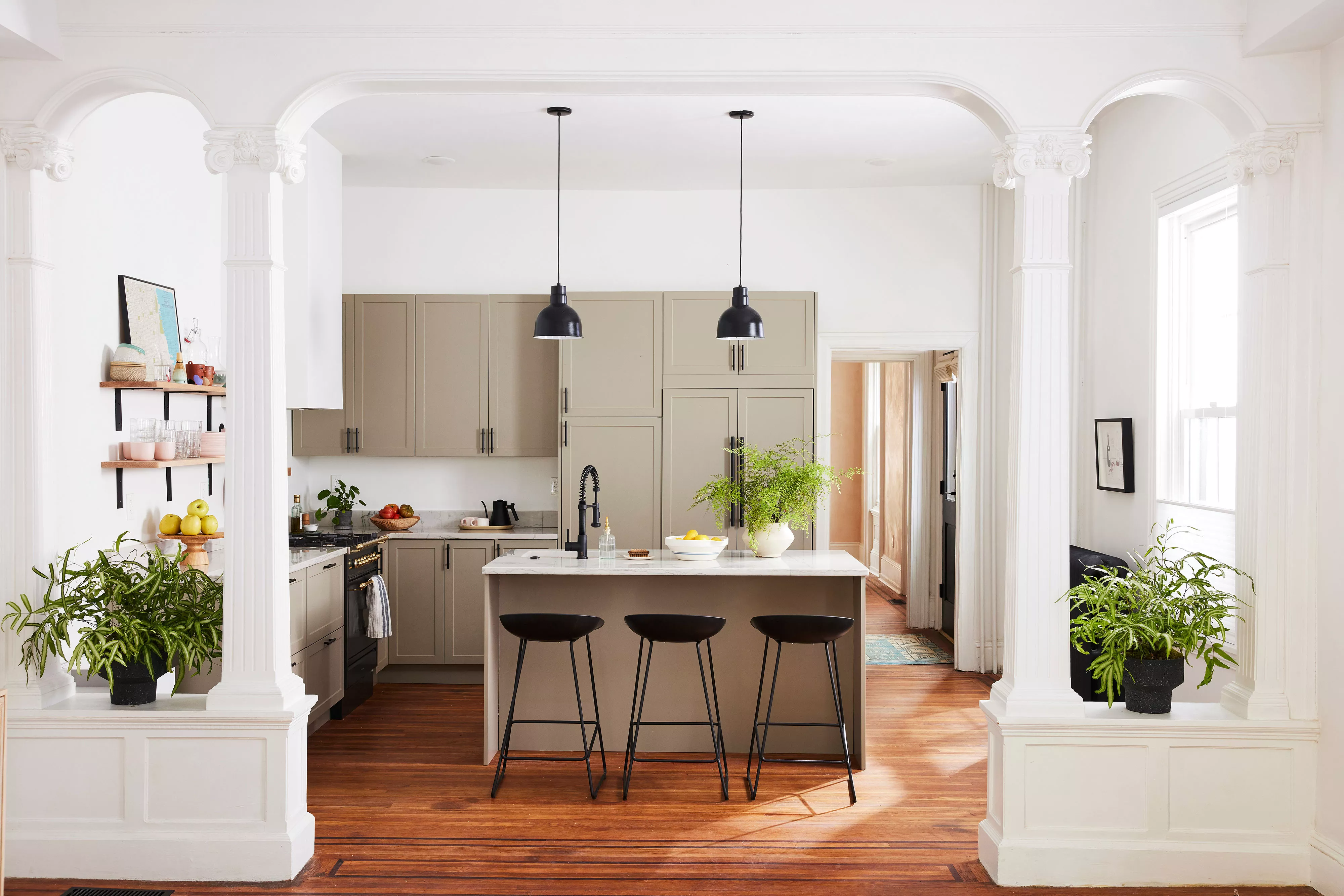
Designers Say These 6 Cabinet Colors Will Be Taking Over Kitchens in 2026

The Best Furniture Paint of 2026
Interiors experts predict this will be the biggest paint trend of 2026

We're Calling It: 6 Kitchen Cabinet Paint Colors That Will Be Huge in 2026

5 Gorgeous Paint Colors To Elevate Your Kitchen Cabinets In 2025

10 Best Paints for Cabinets in 2025, Tested by Experts

The 6 Most Popular Kitchen Cabinet Paint Colors for 2026, According to Designers

The Best Kitchen Cabinet Colors to Try in 2025, According to Designers
7 Gorgeous Cabinet Trends Set To Take Over Kitchens In 2026
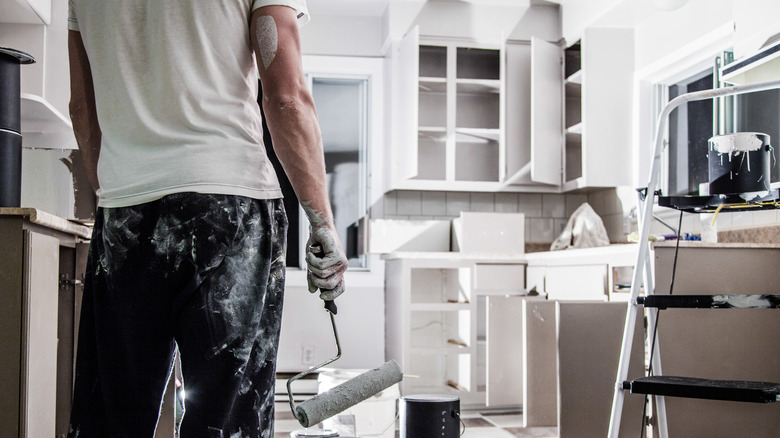
The Gorgeous Color Everyone Will Be Painting Their Kitchen Cabinets In 2026
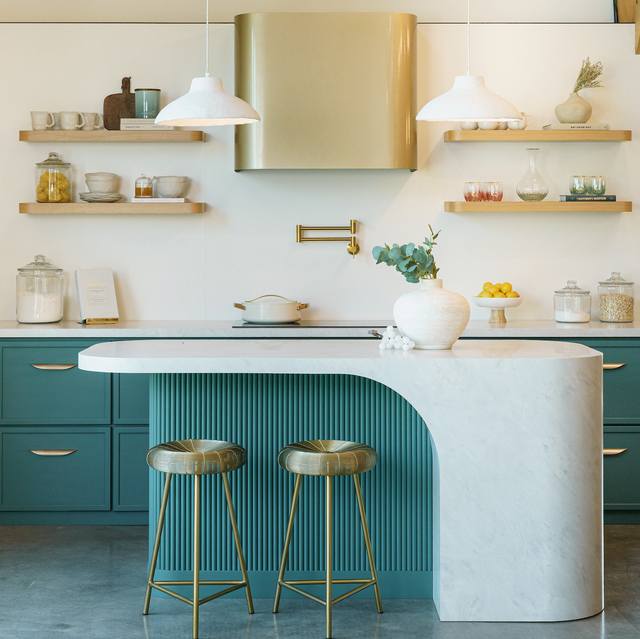
6 Kitchen Cabinet Colors Design Pros Say Will Be Huge in 2026
Meet 'colour capping', the paint trend set to take over 2026
This British Paint Trend Is Set to Take Over 2026
The Best Furniture Paint of 2025
These 20 Trendy Paint Colors Will Be Taking Over Walls In 2026
11 Trendy Kitchen Paint Colors To Try In 2026

The Cabinet Color Trend That Will Be Outdated By 2026