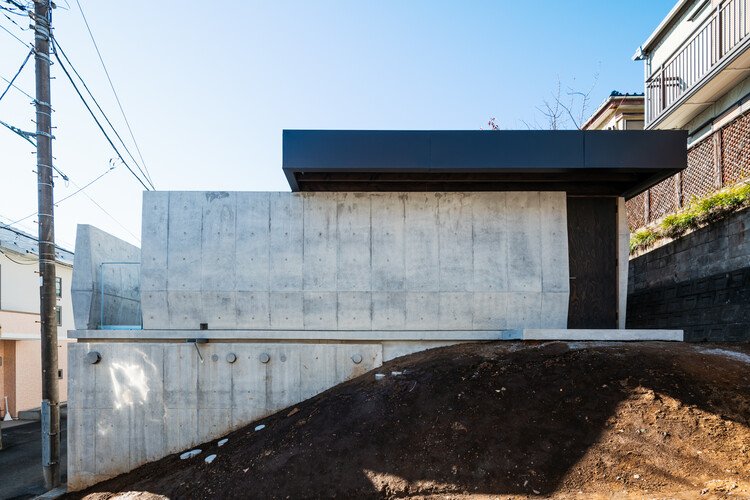
1/34
House in Tama / Cheng Hao Chung Architect
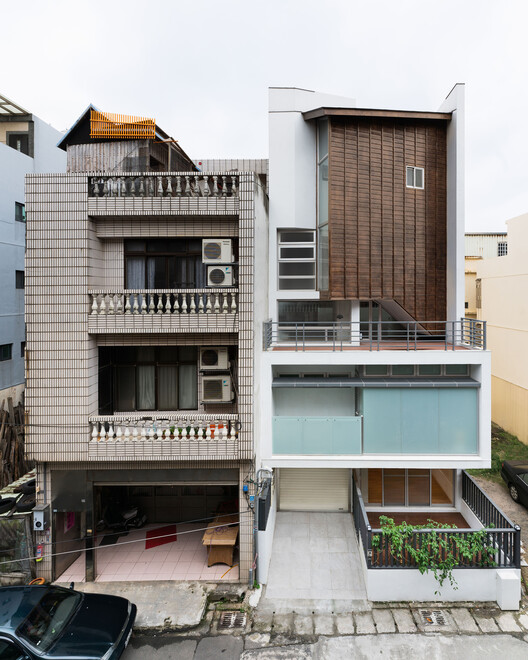
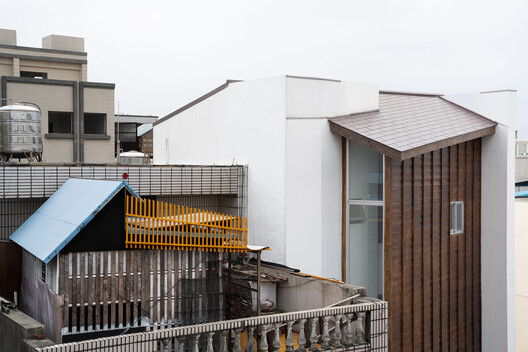
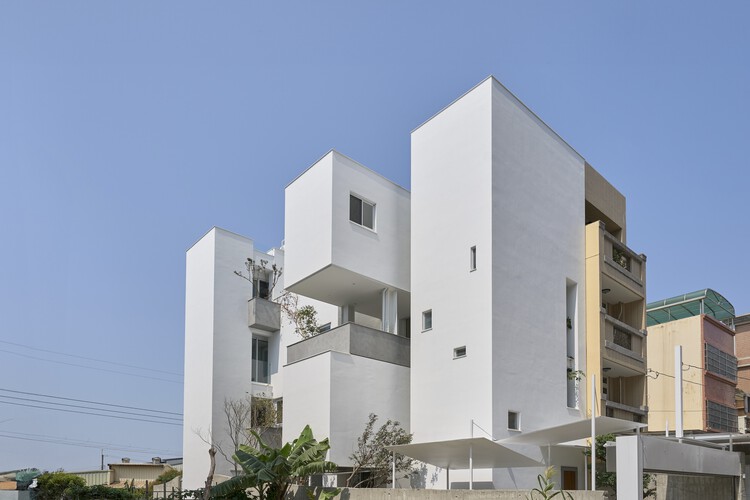
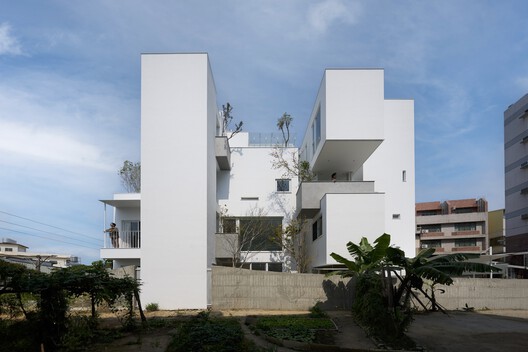
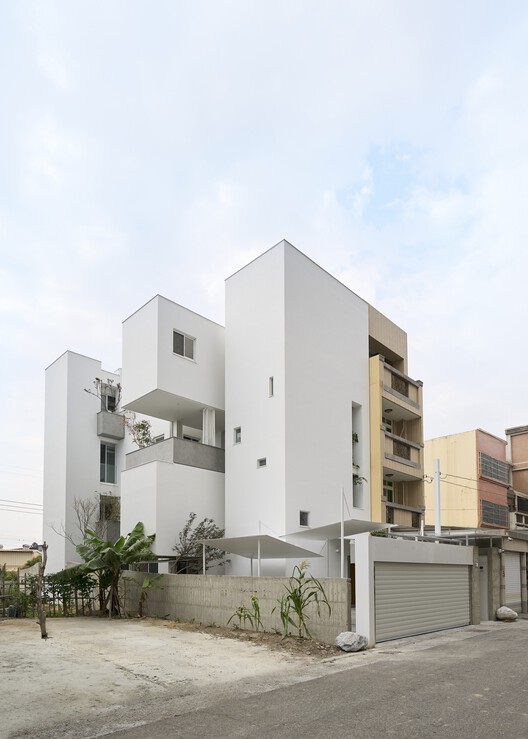
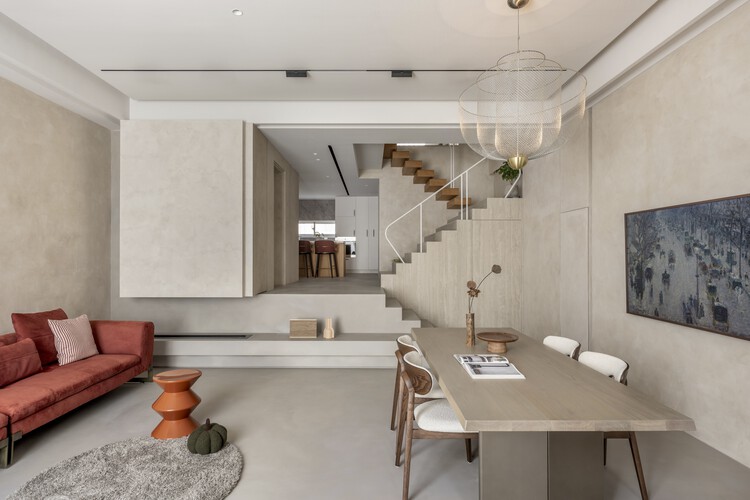
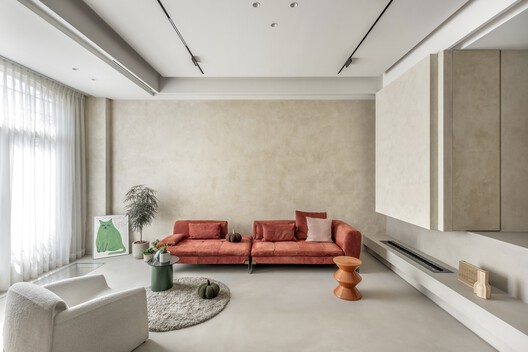
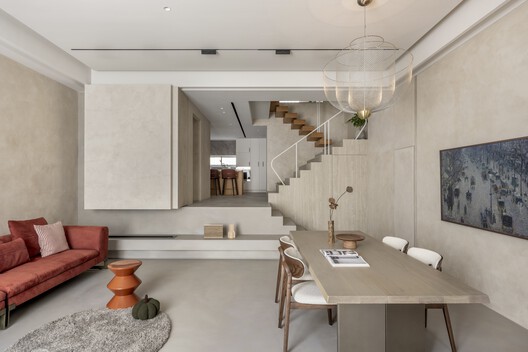
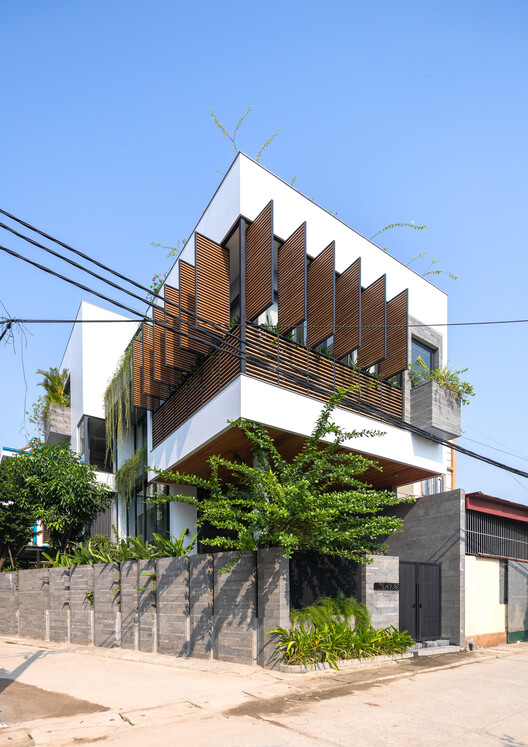
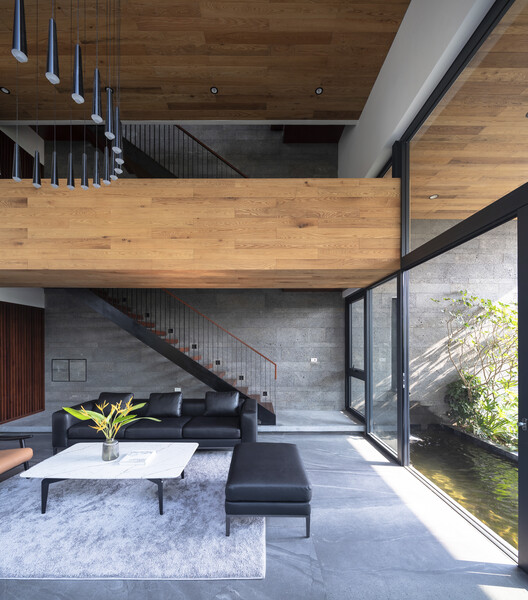
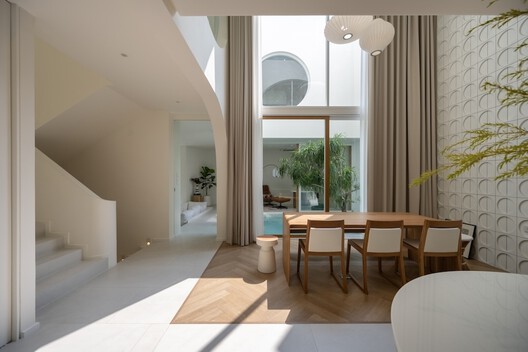
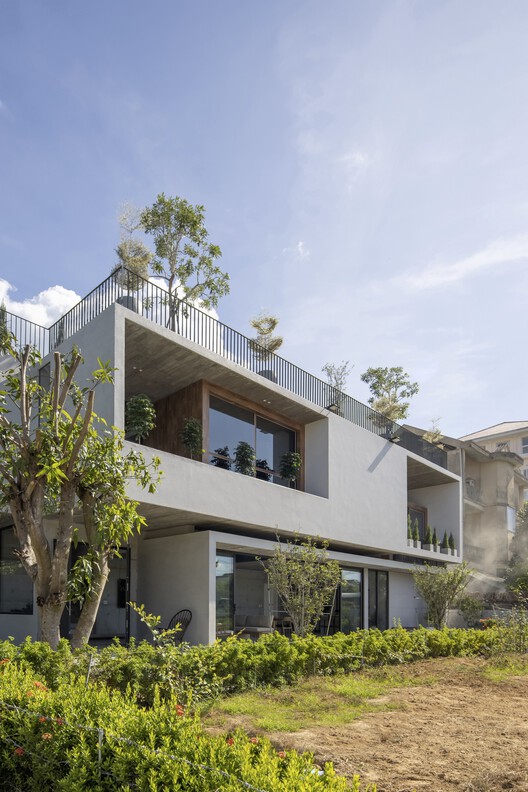
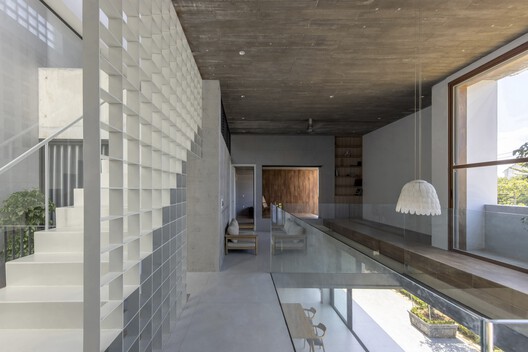
This article presents the 'House in Tama' project, designed by Cheng Hao Chung Architect, located on the border of Kanagawa and Tokyo, Japan. The house is situated on the southern slope of a hill, offering ample sunlight and a clear atmosphere, despite being in a dense residential neighborhood. The design approach for this 116 square meter residence, completed in 2024, focused on integrating with the natural topography and maximizing light and views while ensuring privacy and comfort for the inhabitants.
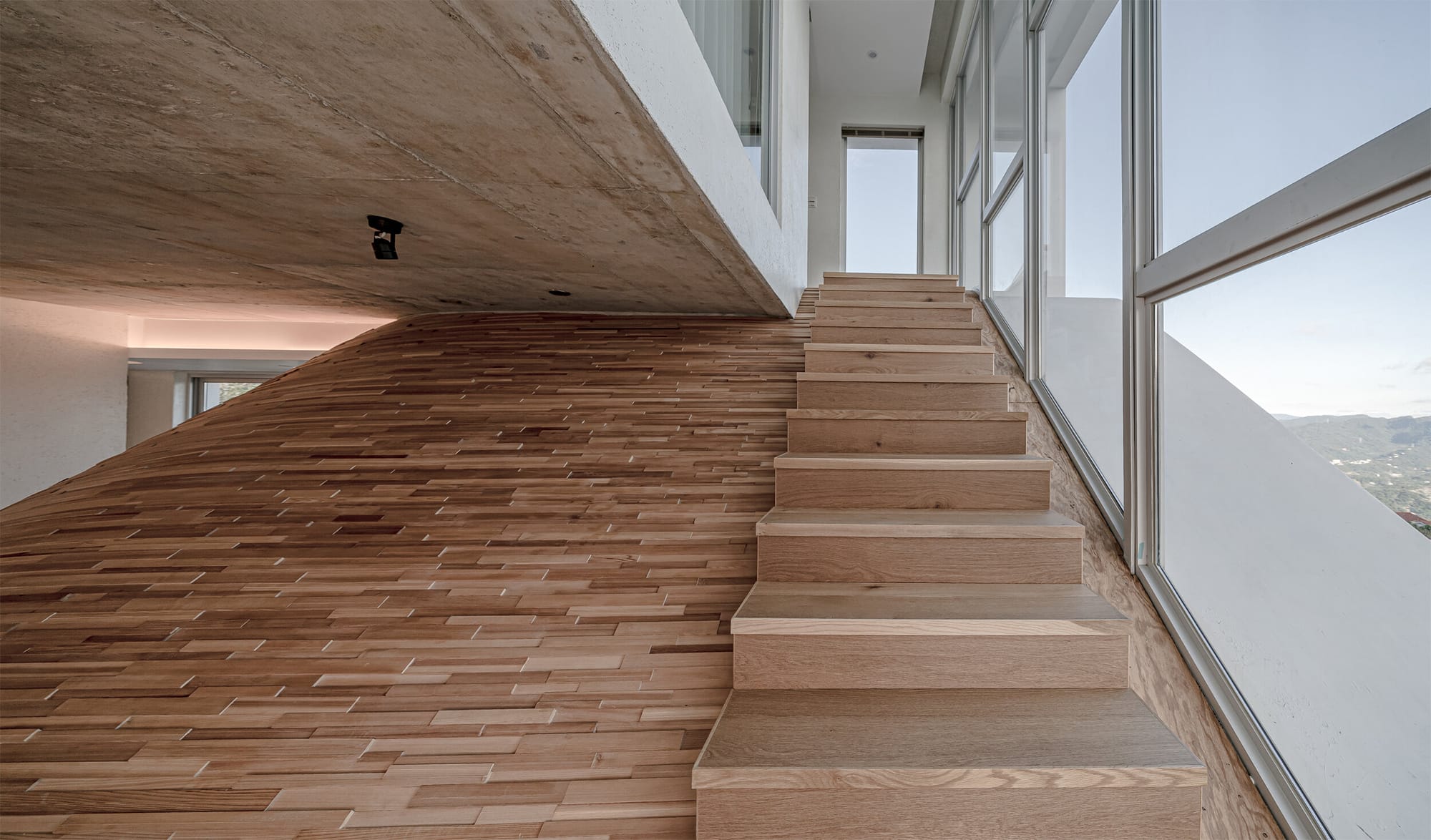
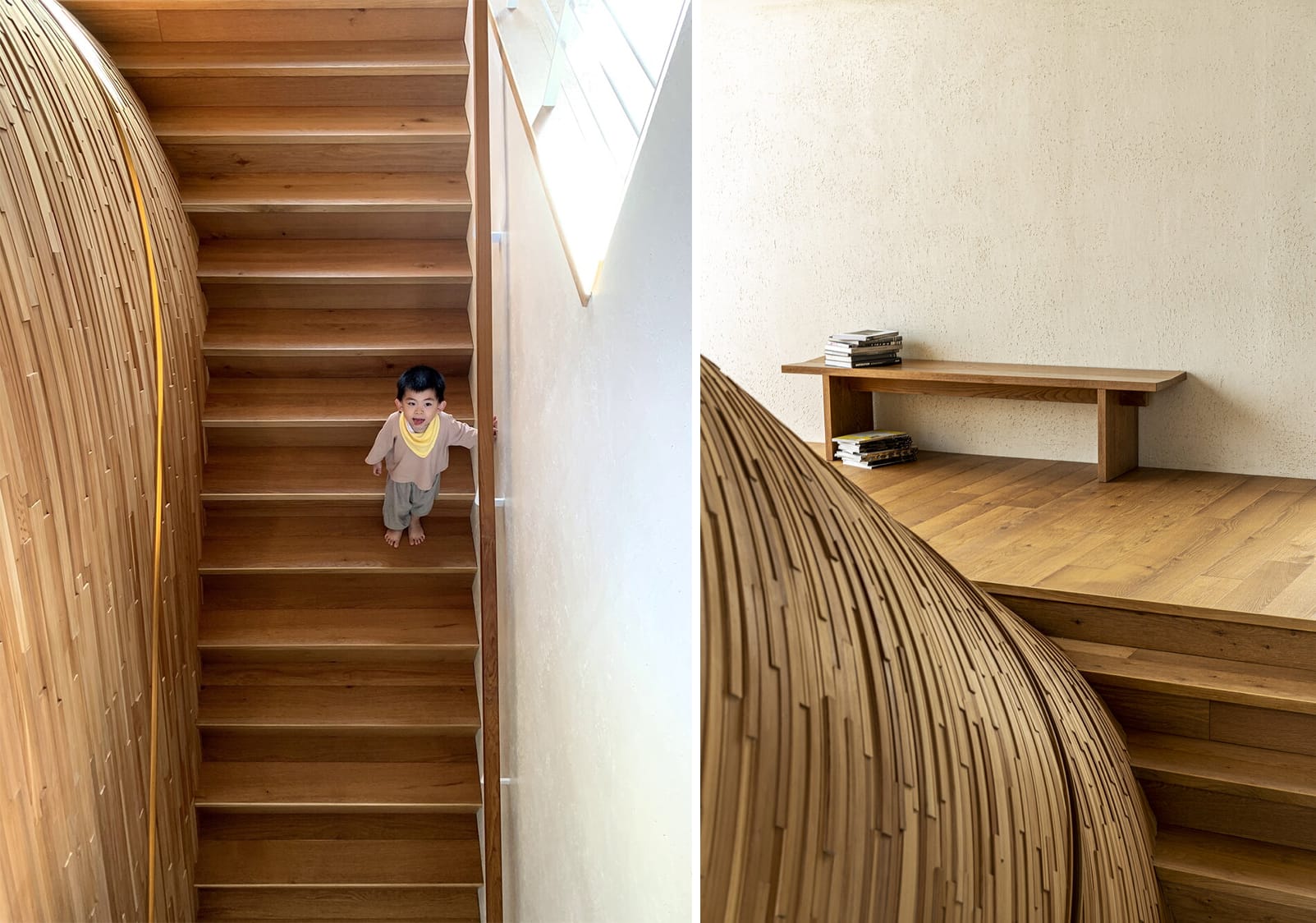
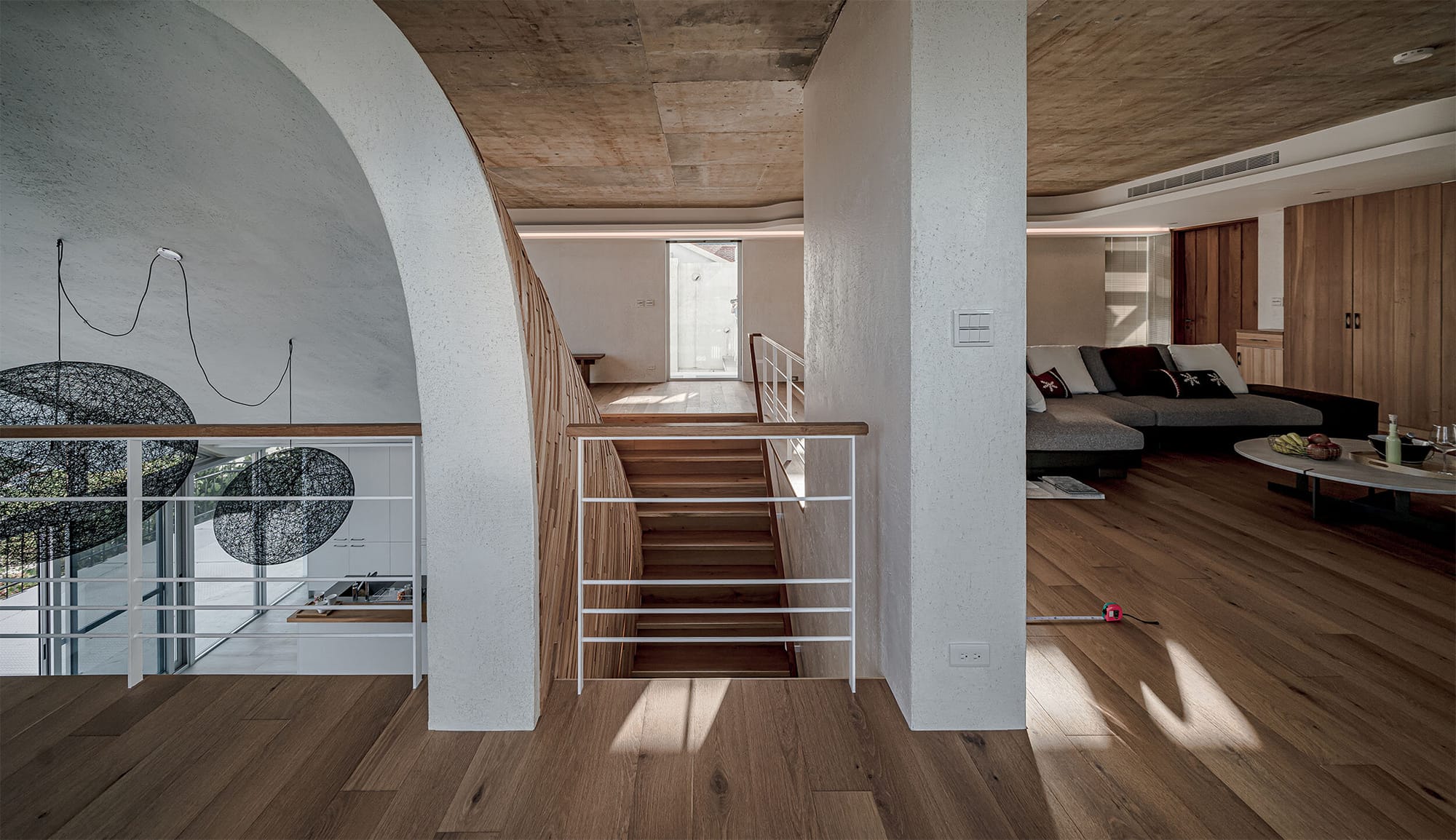
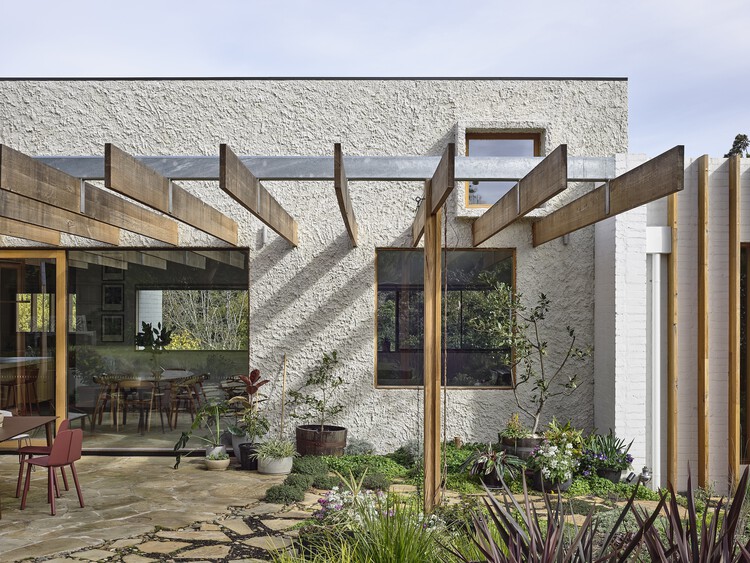
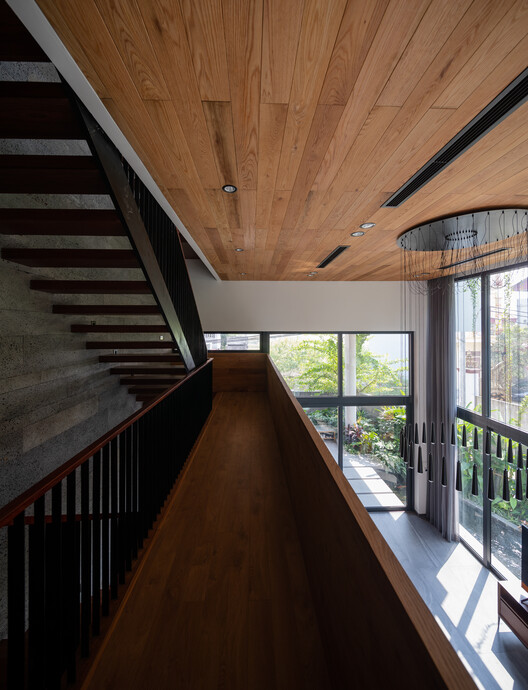
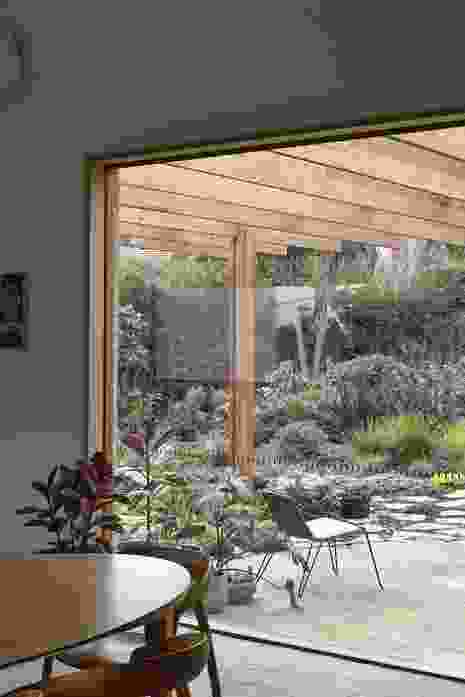
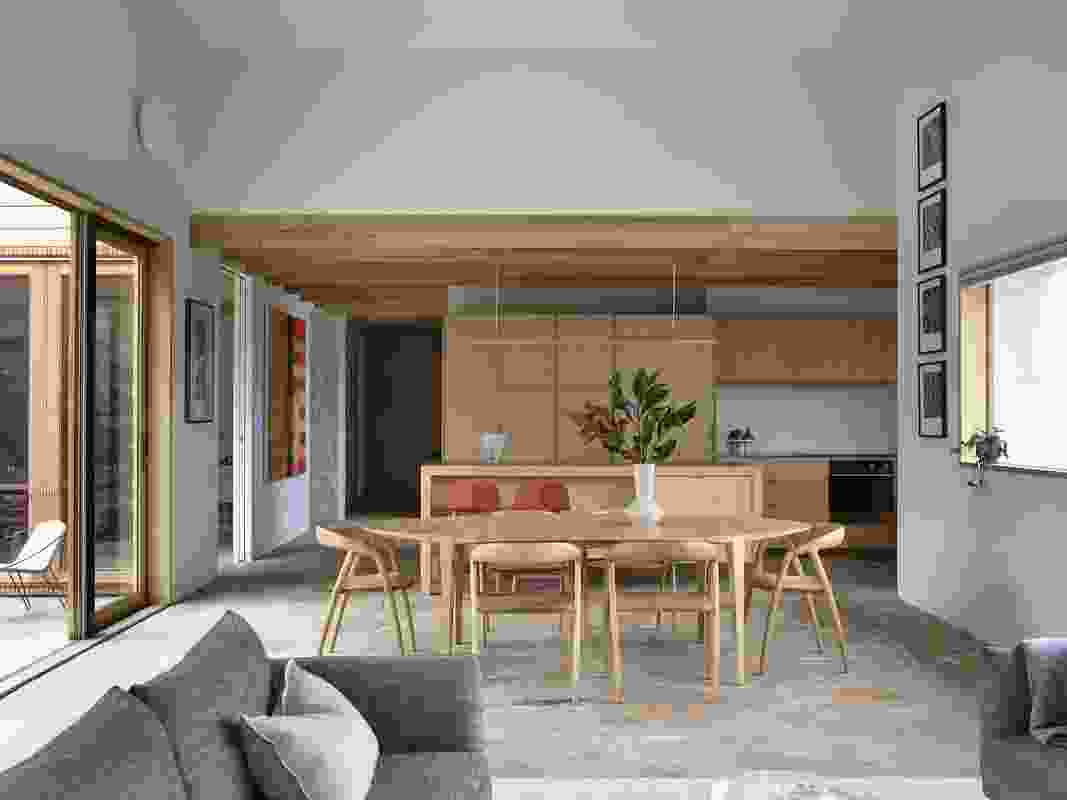
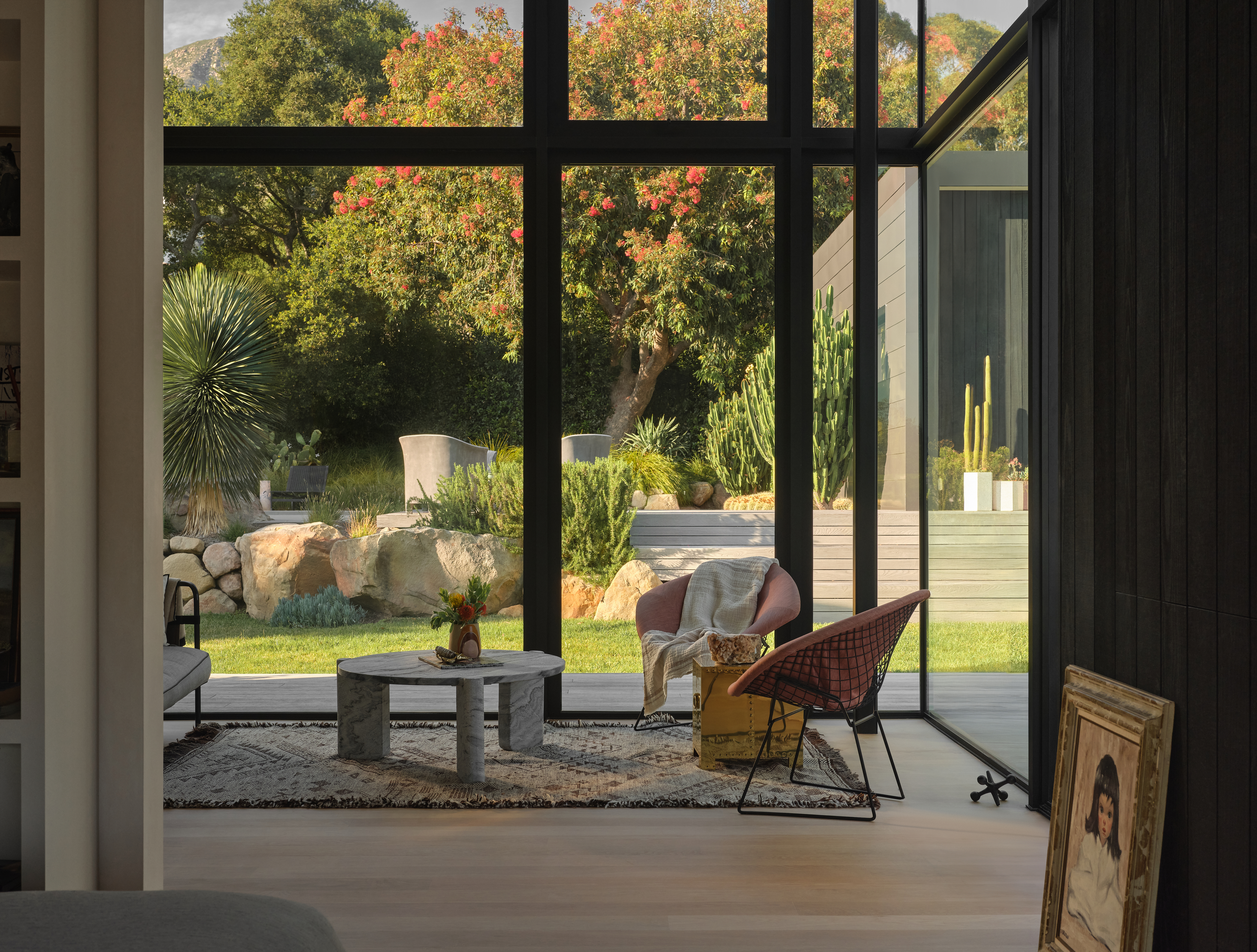
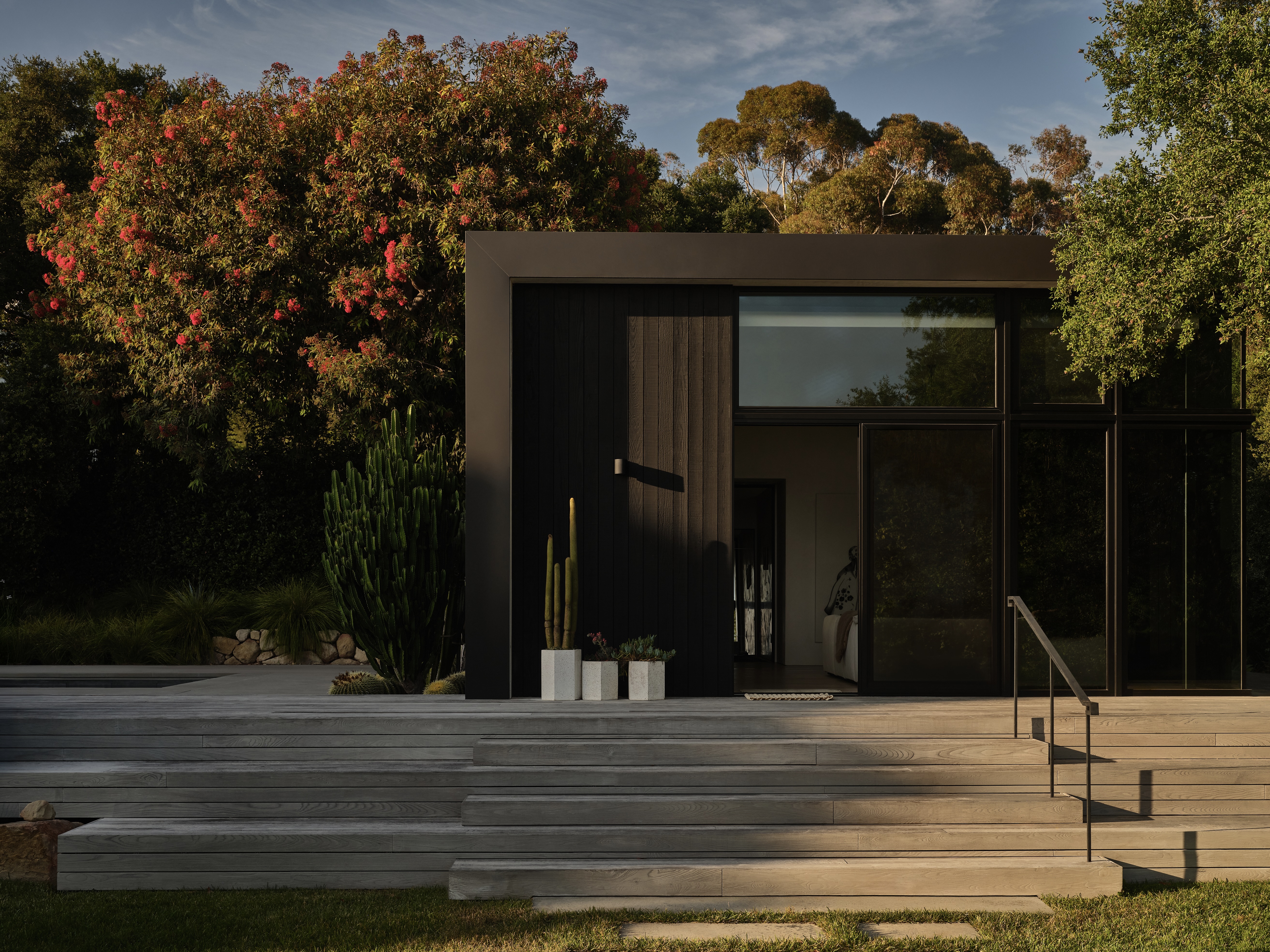
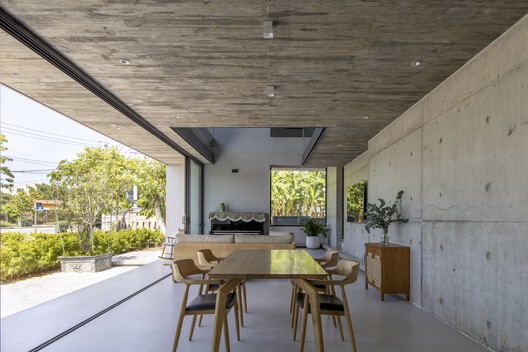
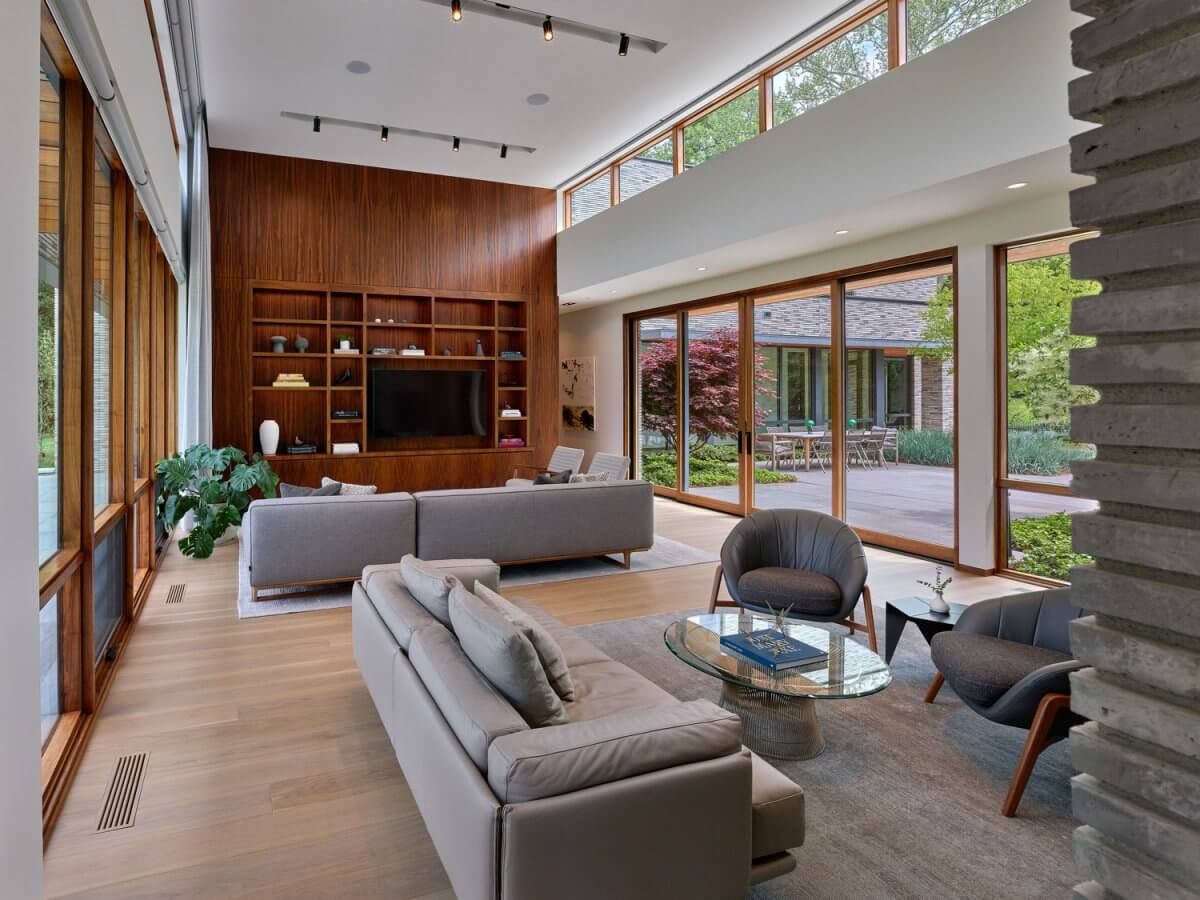
The architectural concept emphasizes a multi-layered structure that adapts to the sloping site. The design creates a sequence of distinct yet interconnected spaces, each with its own relationship to the exterior environment. The architects utilized a combination of concrete, wood, and glass as primary materials, contributing to both the structural integrity and the aesthetic of the house. Concrete provides a robust foundation and defines the main volumes, while wood introduces warmth and texture in interior finishes. Large glass panels are strategically placed to blur the boundaries between indoor and outdoor spaces, allowing natural light to penetrate deeply into the living areas and offering framed views of the surrounding landscape and the distant Buddhist cemetery.
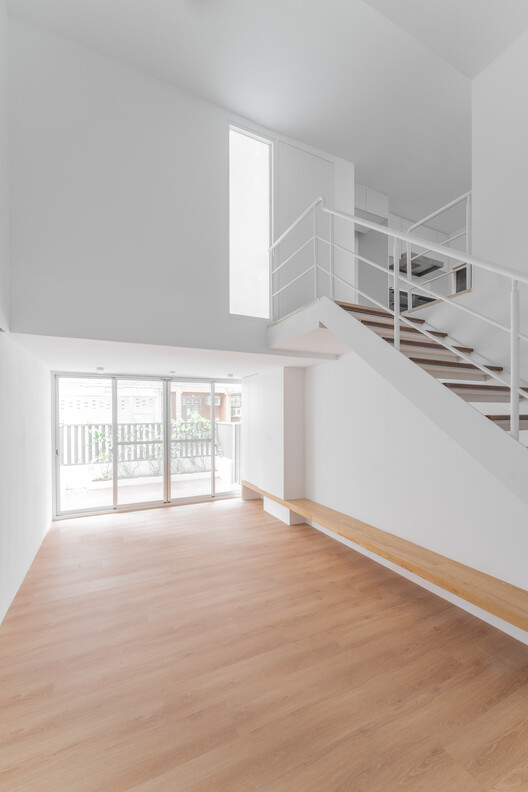
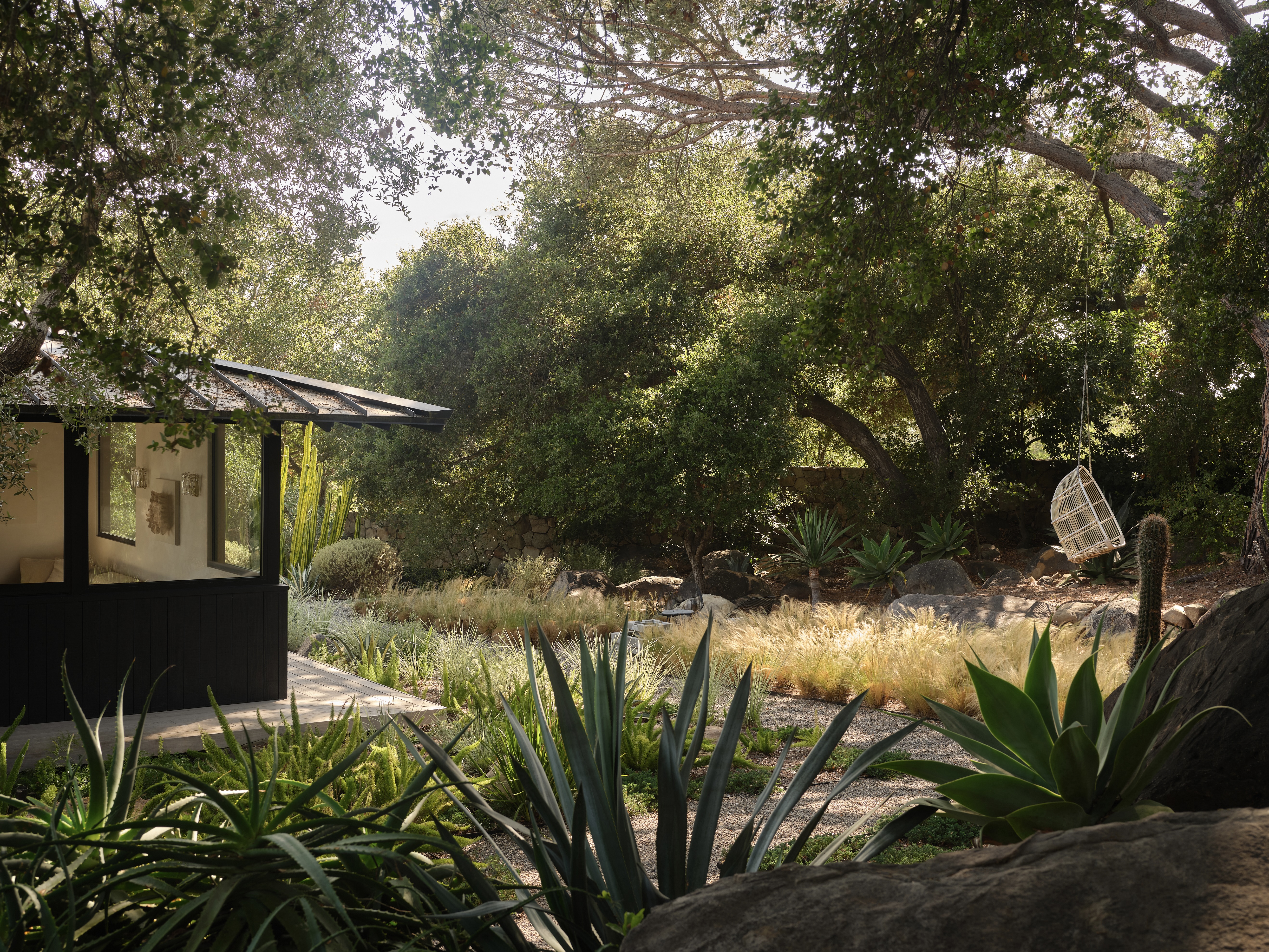
A key aspect of the design is the careful consideration of the site's unique characteristics. The building form responds to the contours of the hill, creating a stepped profile that minimizes its visual impact and blends with the terrain. The internal layout is organized to take advantage of the southern orientation for optimal sunlight exposure and to create a comfortable microclimate within the house. The use of varied ceiling heights and spatial configurations contributes to a dynamic and engaging living experience, moving from more intimate, enclosed areas to expansive, open-plan zones that facilitate family interaction and entertaining.
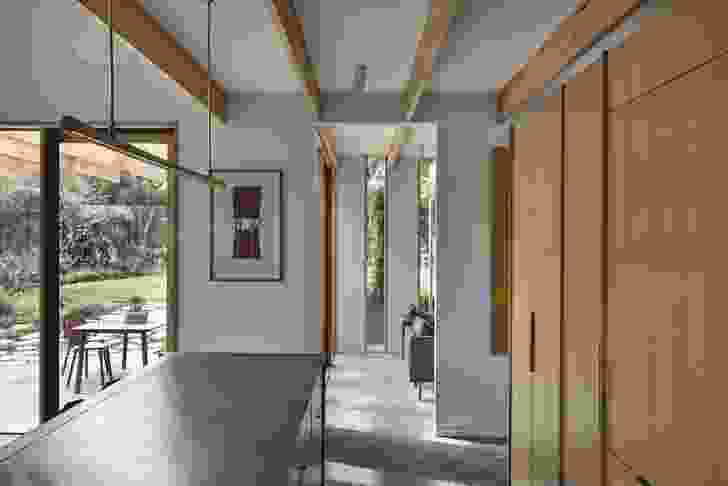
The project involved collaboration with structural engineer Jun Yanagimuro and constructor Sekkeikomu. The construction process highlighted attention to detail in material selection and craftsmanship, aiming for a durable and aesthetically pleasing outcome. The interior spaces feature a minimalist aesthetic, allowing the quality of materials and the interplay of light and shadow to define the atmosphere. The design includes functional elements such as a modern kitchen, comfortable living areas, and private bedrooms, all designed with a focus on usability and long-term sustainability.
Overall, the House in Tama demonstrates an architectural solution that responds thoughtfully to its context, balancing modern design principles with respect for the natural and cultural landscape. The project showcases how a residential building in a challenging urban-natural interface can achieve both architectural distinction and a high quality of life for its residents through careful planning, material selection, and a strong conceptual vision. The dwelling serves as a contemporary example of Japanese residential architecture, prioritizing light, views, and a harmonious relationship with its immediate surroundings.
#ResidentialArchitecture #JapaneseArchitecture #ModernDesign #SlopingSite #NaturalLight #Concrete #Wood #Glass #UrbanIntegration #SustainableDesign #ResidentialArchitecture #JapaneseArchitecture #ModernDesign #SlopingSite #NaturalLight #Concrete #Wood #Glass #UrbanIntegration #SustainableDesign
0 comment in total
 No comments yet
You may also like
Zhongli Peng's Residence / WEN Architect
House LU / KC Design Studio
A Modern Home in Tien Giang That Honors Vietnamese Architecture
dotze innovations studio redefines chinese courtyard in taiwanese house
House Valley / Soar Design Studio + Ray Architects
TB House / HA&A Design
CL3's tea house in china uses wood, bamboo and marble to reflect on the zen aesthetic
Home Design: Retreat Ready

A Striking Curved Wall Swells Upward Across Three Stories of a Taipei Home by Yuan Architects

this traditional taiwanese compound has been transformed into a home for a family of five
MN House / Sata Na Architect
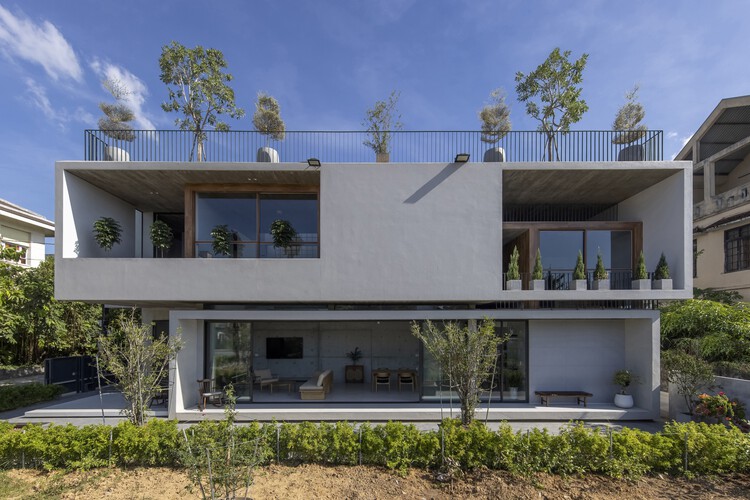
PVT House / Cote Architects
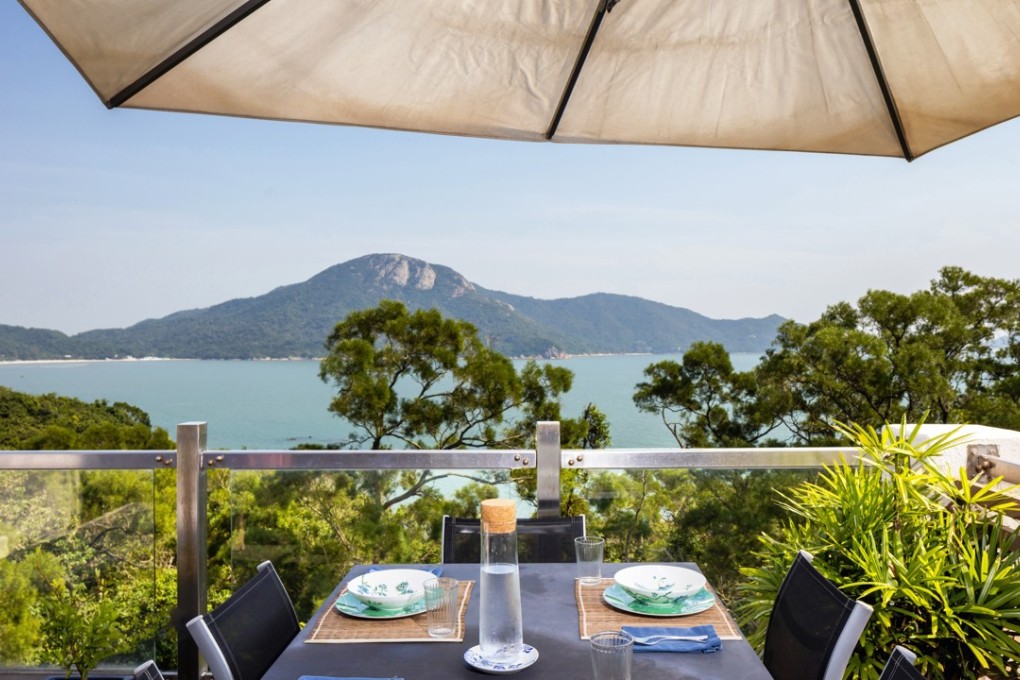
Hong Kong couple swap urban living for rural retreat

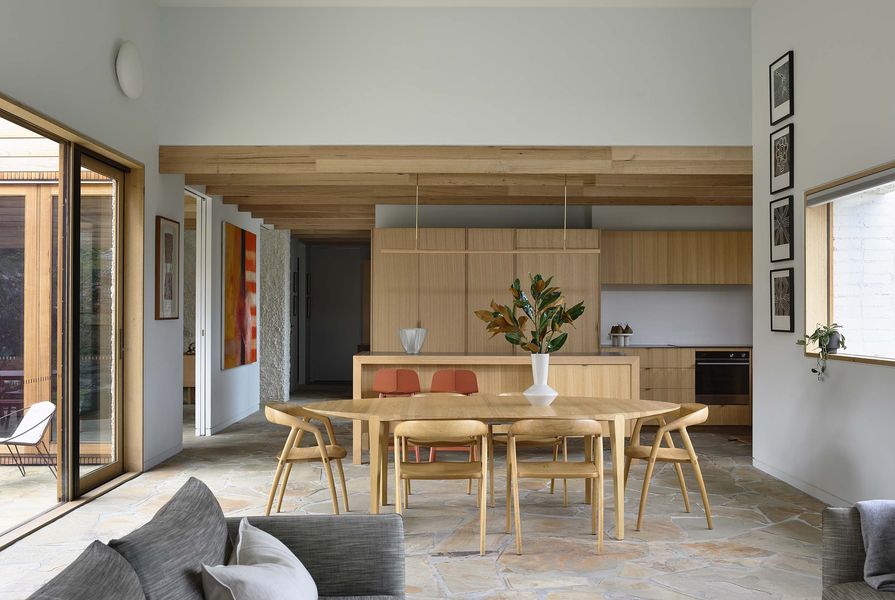
Local House by Zen Architects

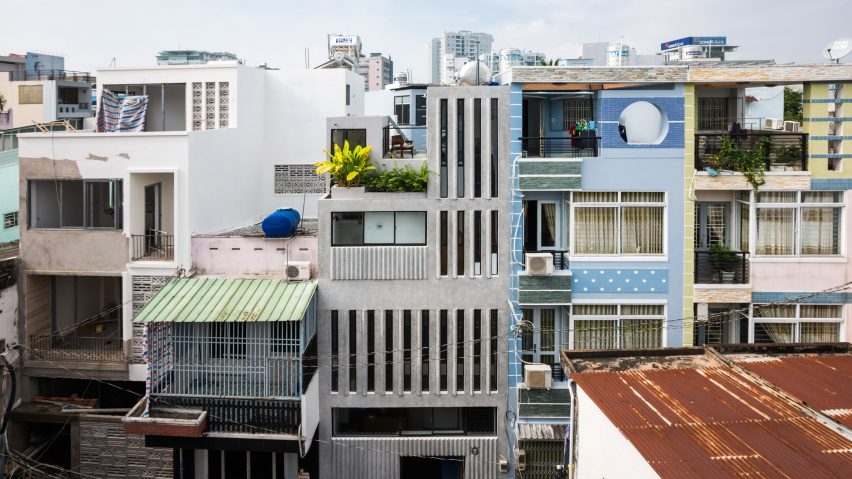
Narrow windows allow daylight into terrazzo-covered house in Ho Chi Minh City
Home Tour: A 30s finance couple’s $30,000 Feng Shui renovation for their 3-bedroom condo in Tampines
Local House / Zen Architects

Humble cabin to designer's haunt: inside the transformation of a compact Montecito home

ayutt & associates' salient house is surrounded with glass block fence in thailand
Look Inside a TN Architect’s Dream Home