1/8
How can AI and simulation tools transform sustainable building design?
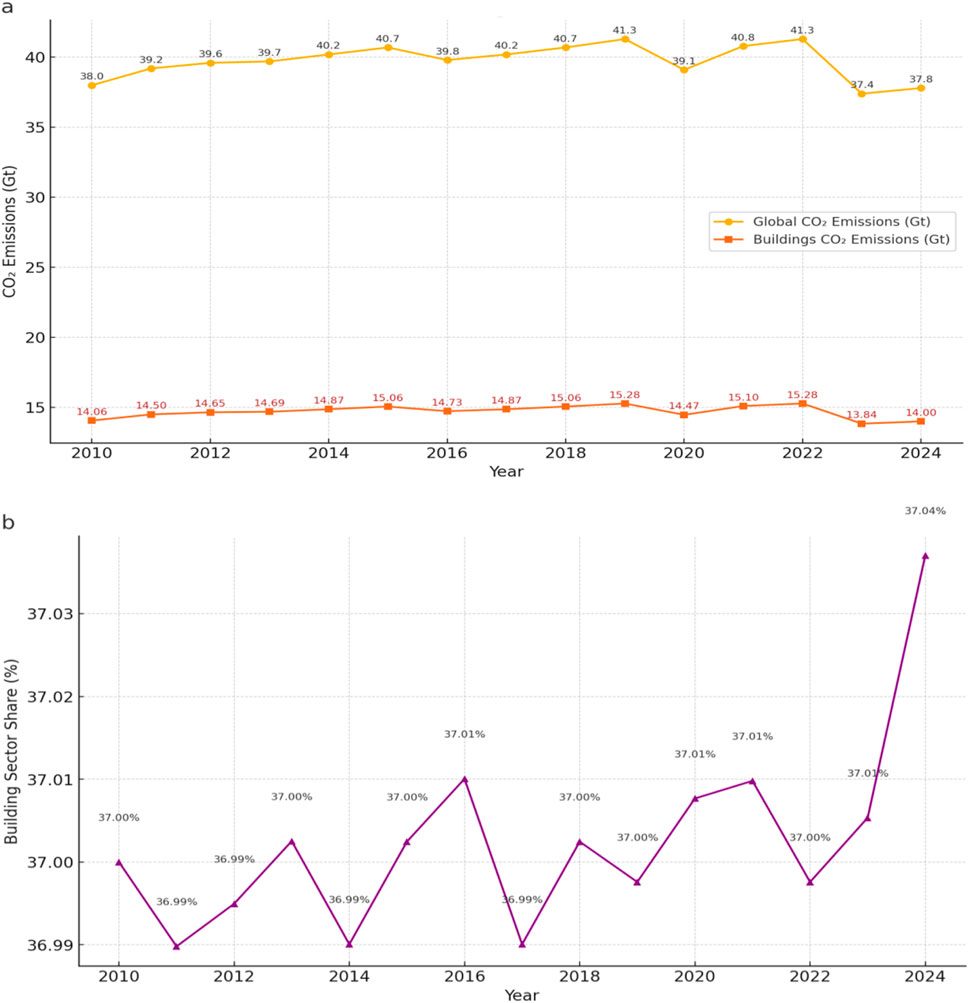
The built environment significantly impacts the world through its consumption of resources, energy, and contribution to greenhouse gas emissions. Sustainable building design is poised for a significant transformation with the integration of Artificial Intelligence (AI) and advanced simulation tools. The architecture, engineering, and construction (AEC) industry faces increasing pressure to adopt innovative practices to meet the growing demand for green building design and overall sustainability. AI offers solutions by optimizing energy usage, minimizing waste, and enhancing efficiency, leading to the creation of environmentally friendly and cost-effective structures.
AI encompasses various technologies, including machine learning, neural networks, and data analytics, all of which contribute to sustainable building design. A primary benefit of AI in this context is the optimization of energy usage. AI systems can analyze vast amounts of data from building sensors to identify energy consumption patterns, forecast energy demand based on historical data, weather predictions, and occupancy trends. This predictive capability allows for real-time regulation of energy use, thereby improving energy efficiency and reducing waste. AI-powered smart thermostats, for instance, learn user preferences and adjust HVAC systems in real-time according to occupancy and weather conditions, maximizing both comfort and energy efficiency.
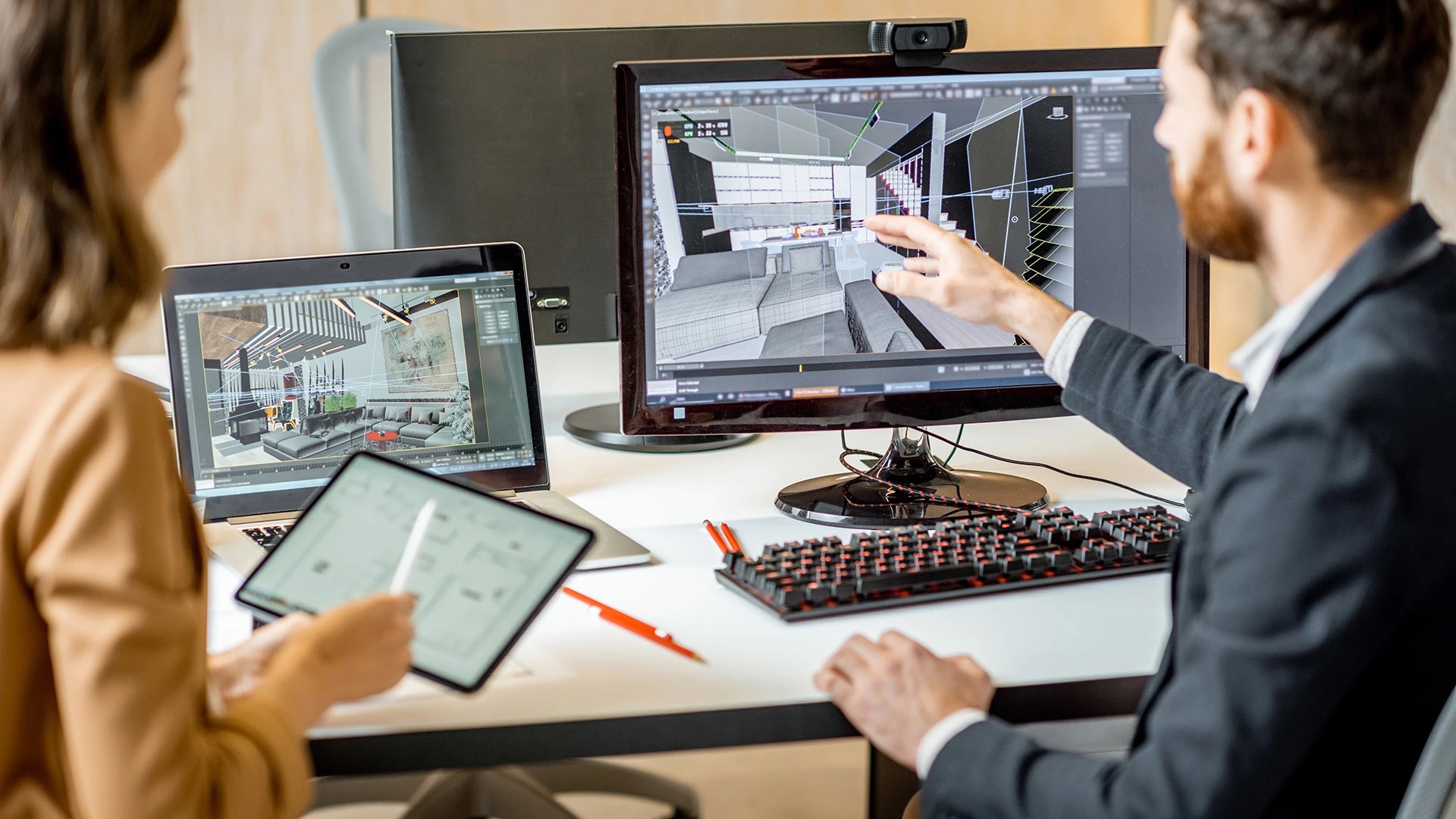
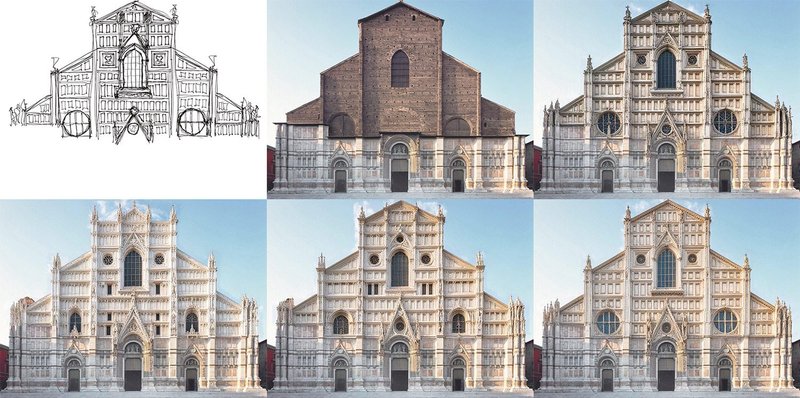
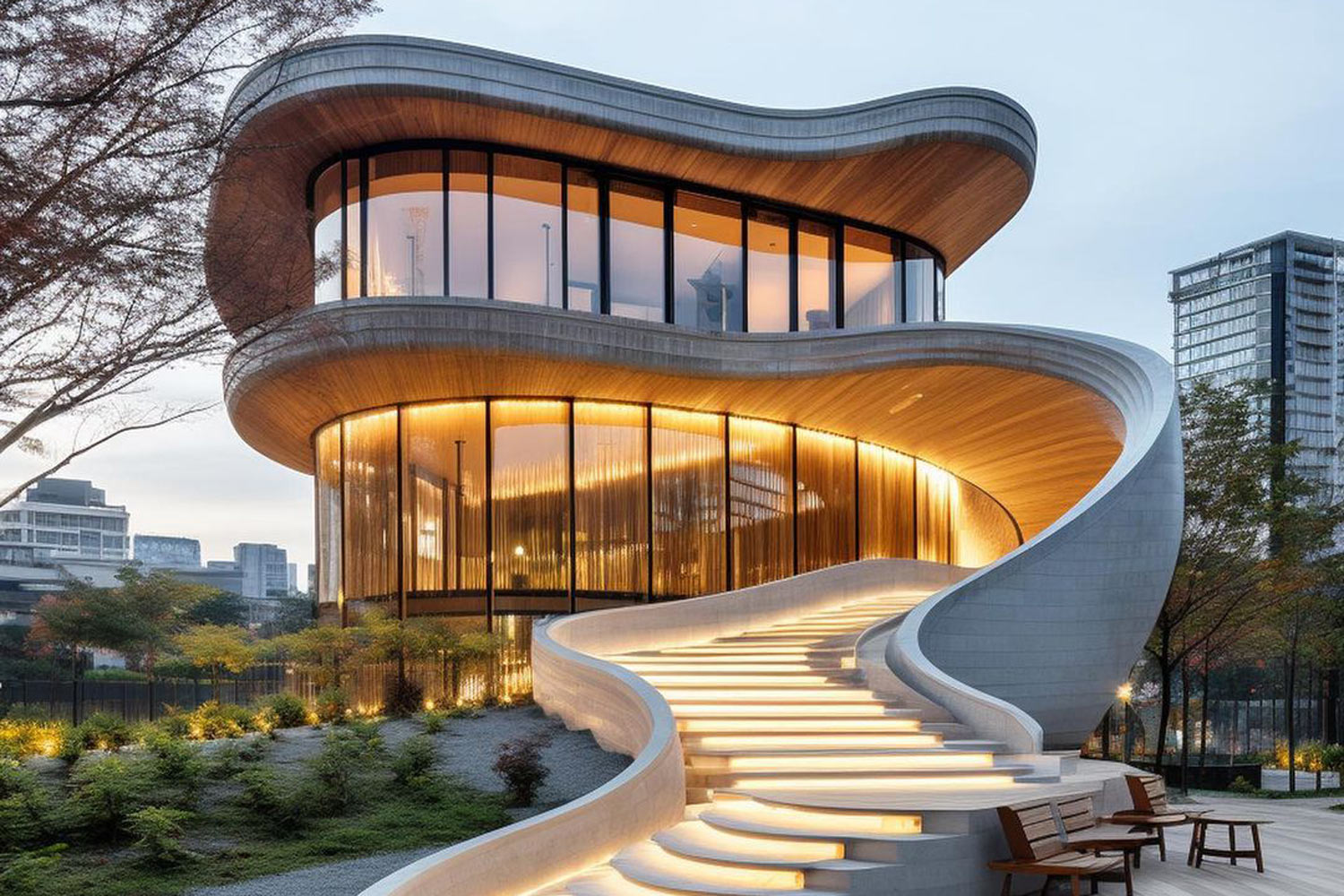
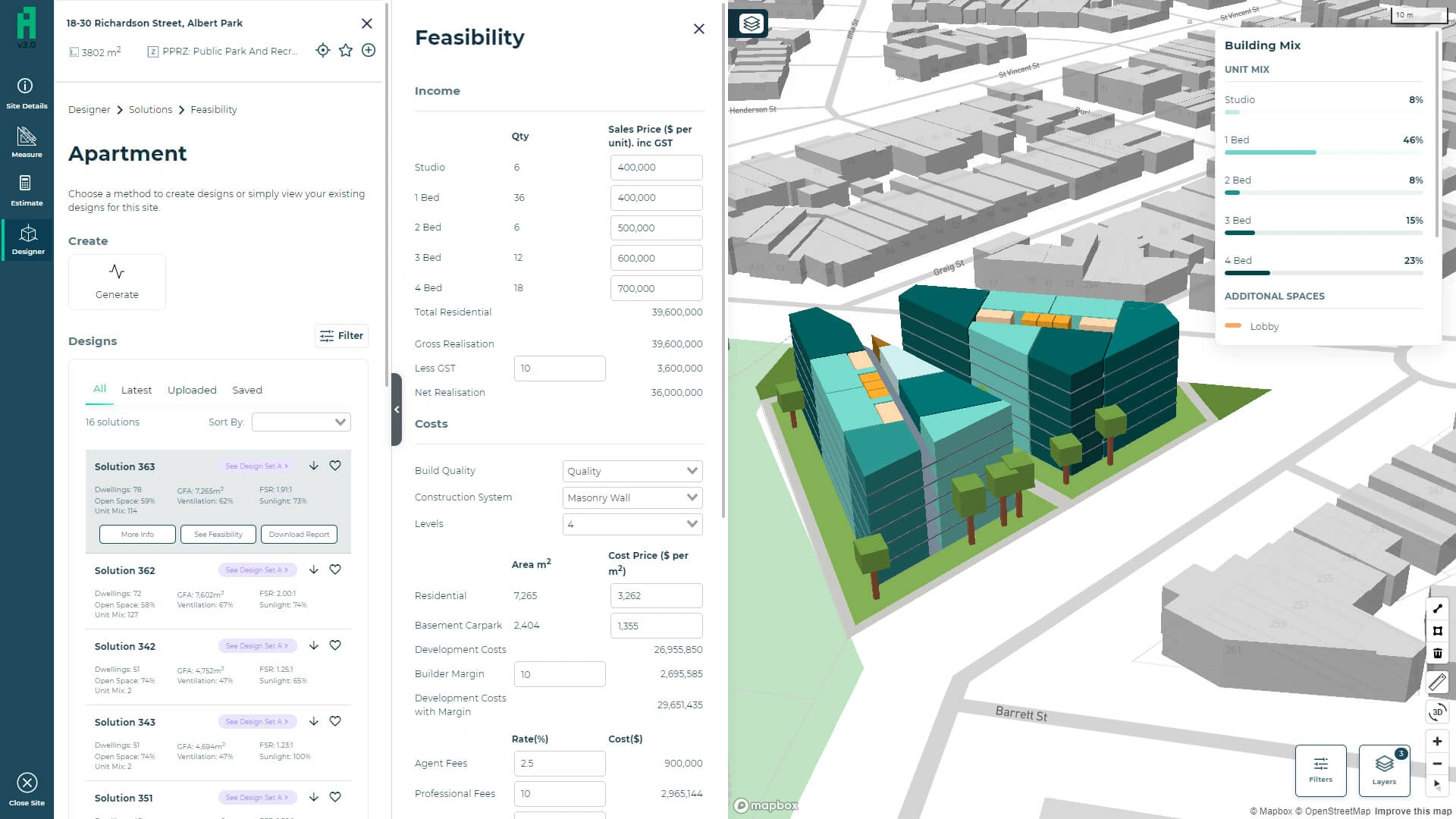
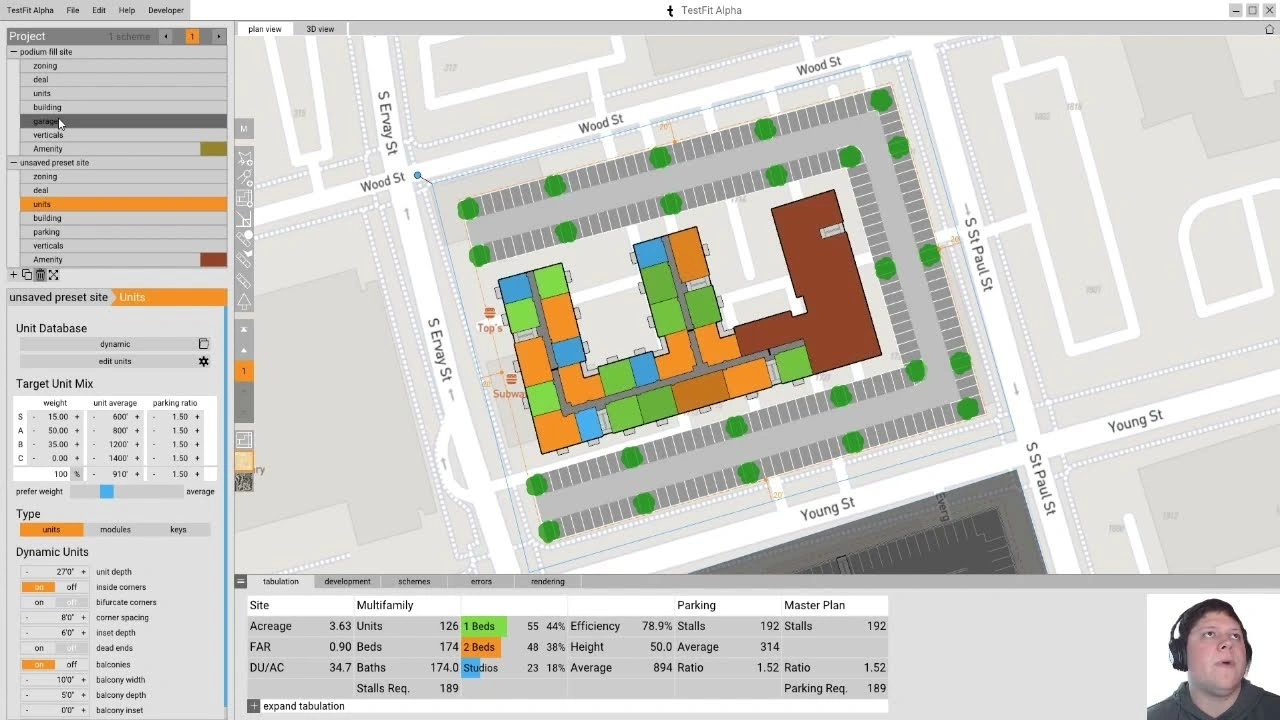
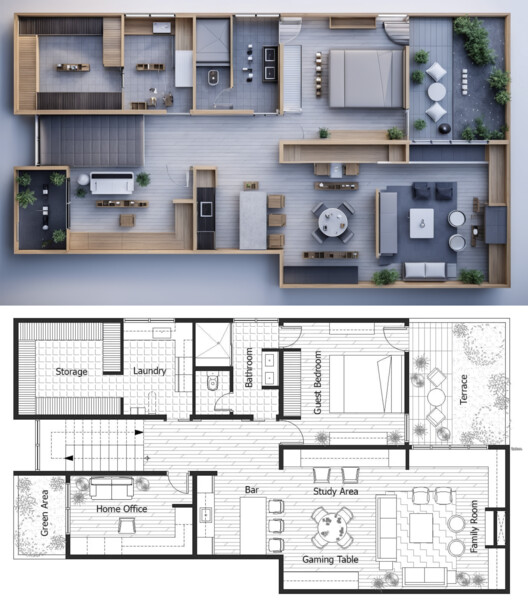
Beyond energy management, AI profoundly enhances design and construction processes by providing architects with sophisticated tools for project management, simulation, and optimization. AI can generate numerous design alternatives, considering sustainability factors such as material systems, environmental impact, and energy utilization. These AI-generated suggestions assist architects in developing innovative designs that are both functional and aesthetically pleasing while adhering to sustainability principles. Furthermore, AI helps in evaluating the life cycle of building materials, assessing their energy footprint, durability, and recyclability to inform sustainable material selection.
AI systems also improve the operational efficiency and longevity of buildings. They can predict when building systems require maintenance, enabling proactive preservation measures that reduce waste, extend component lifespans, and minimize downtime. By integrating AI technology into energy management systems, continuous monitoring and optimization of energy consumption are possible. For example, AI can regulate electricity usage by incorporating renewable sources like solar or wind power, ensuring peak operational efficiency.
In urban planning, AI plays a crucial role in creating more environmentally friendly and resilient cities. It can optimize traffic flow and reduce congestion by analyzing traffic patterns and predicting peak times, leading to lower emissions and cleaner air. AI also supports sustainable resource management by identifying consumption habits and forecasting future needs. Additionally, AI analyzes environmental factors, land use patterns, and societal requirements to guide sustainable urban development.
Sustainable building design emphasizes environmental protection and human well-being, including productivity. AI can improve indoor air quality by analyzing data and adjusting ventilation systems, thereby reducing health issues such as allergies and respiratory problems. AI-driven systems can also identify preferred temperatures, lighting, and noise levels for occupants, enabling building systems to adjust accordingly, which saves energy, enhances satisfaction, and boosts productivity.
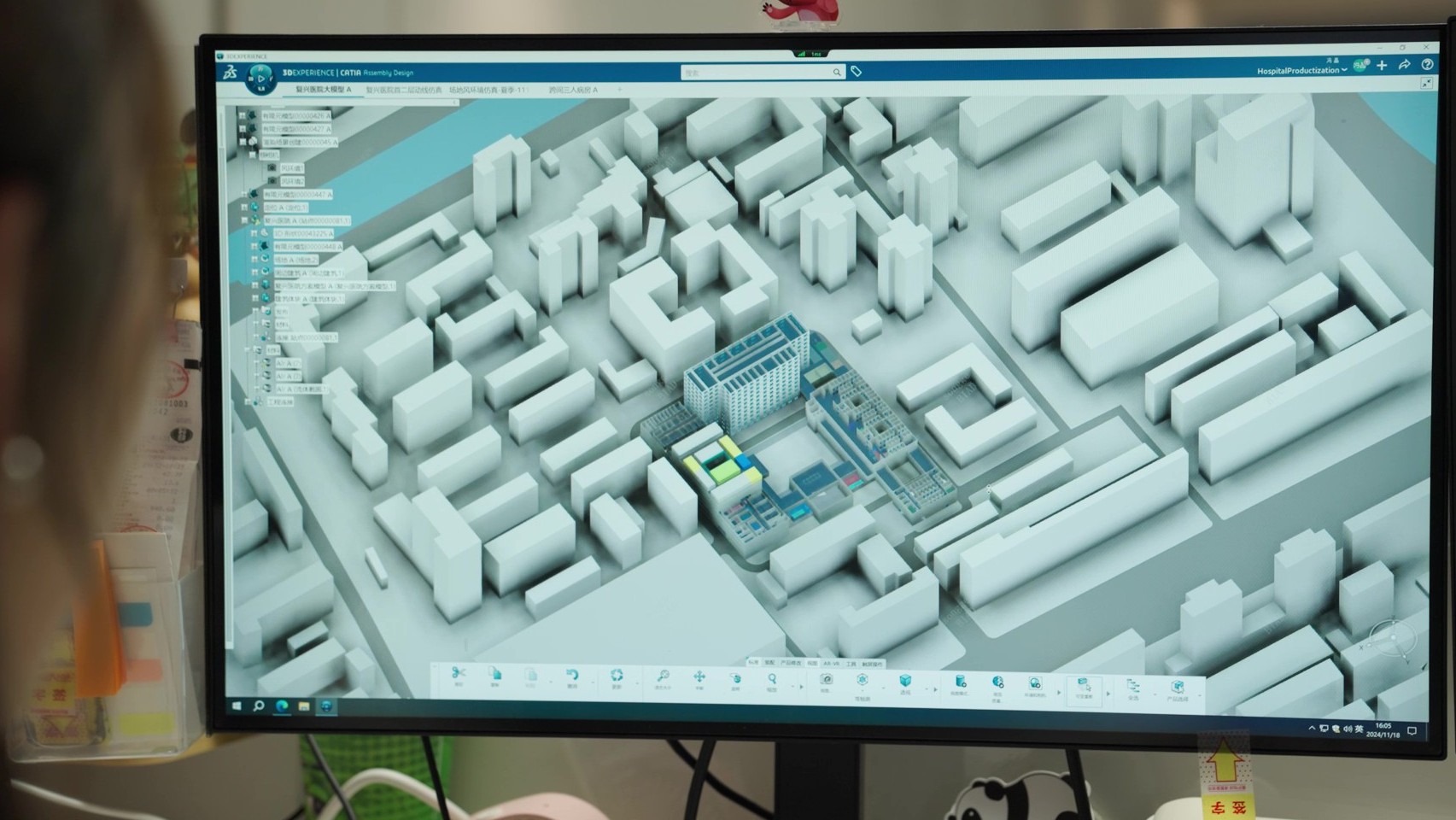
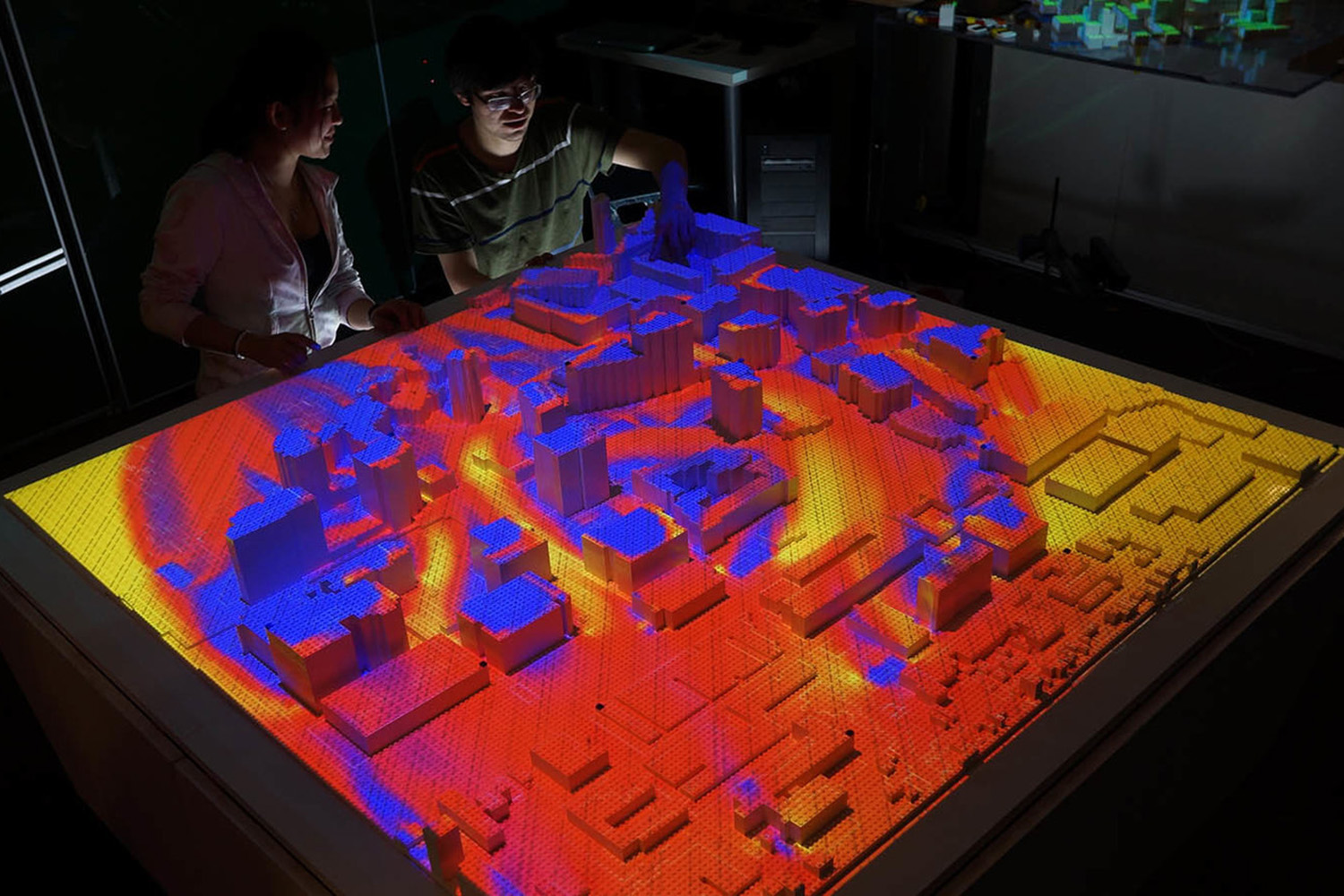
Simulation tools are indispensable for architects and planners in predicting, visualizing, and enhancing the environmental performance of buildings and cities. Tools like ArcGIS CityEngine, Vectorworks Landmark, and Bentley Systems OpenCities Planner are at the forefront of this technological revolution. ArcGIS CityEngine assists designers in analyzing location data critical for sustainability, such as site conditions, solar exposure, and wind patterns, allowing for designs that minimize environmental impact and maximize energy efficiency. Vectorworks Landmark is a comprehensive design software for urban and landscape planning, enabling the creation of detailed models for plant layouts and water retention systems, promoting landscapes that conserve water, mitigate urban heat islands, and enhance biodiversity. Bentley Systems OpenCities Planner facilitates a collaborative approach to urban planning, offering a platform for displaying large-scale city models and simulating urban development scenarios. Its interactive 3D visualizations and real-time data integration support the creation of sustainable and adaptable urban designs. The synergistic application of AI and these simulation tools marks a significant step towards achieving a more sustainable future in the face of global resource depletion and climate change.
#ArtificialIntelligence #SustainableBuildingDesign #SimulationTools #EnergyEfficiency #GreenBuilding #UrbanPlanning #ArchitecturalInnovation #ResourceConservation #EnvironmentalImpact #ArtificialIntelligence #SustainableBuildingDesign #SimulationTools #EnergyEfficiency #GreenBuilding #UrbanPlanning #ArchitecturalInnovation #ResourceConservation #EnvironmentalImpact
0 تعليق إجمالاً
 لا توجد تعليقات بعد
قد تعجبك أيضًا
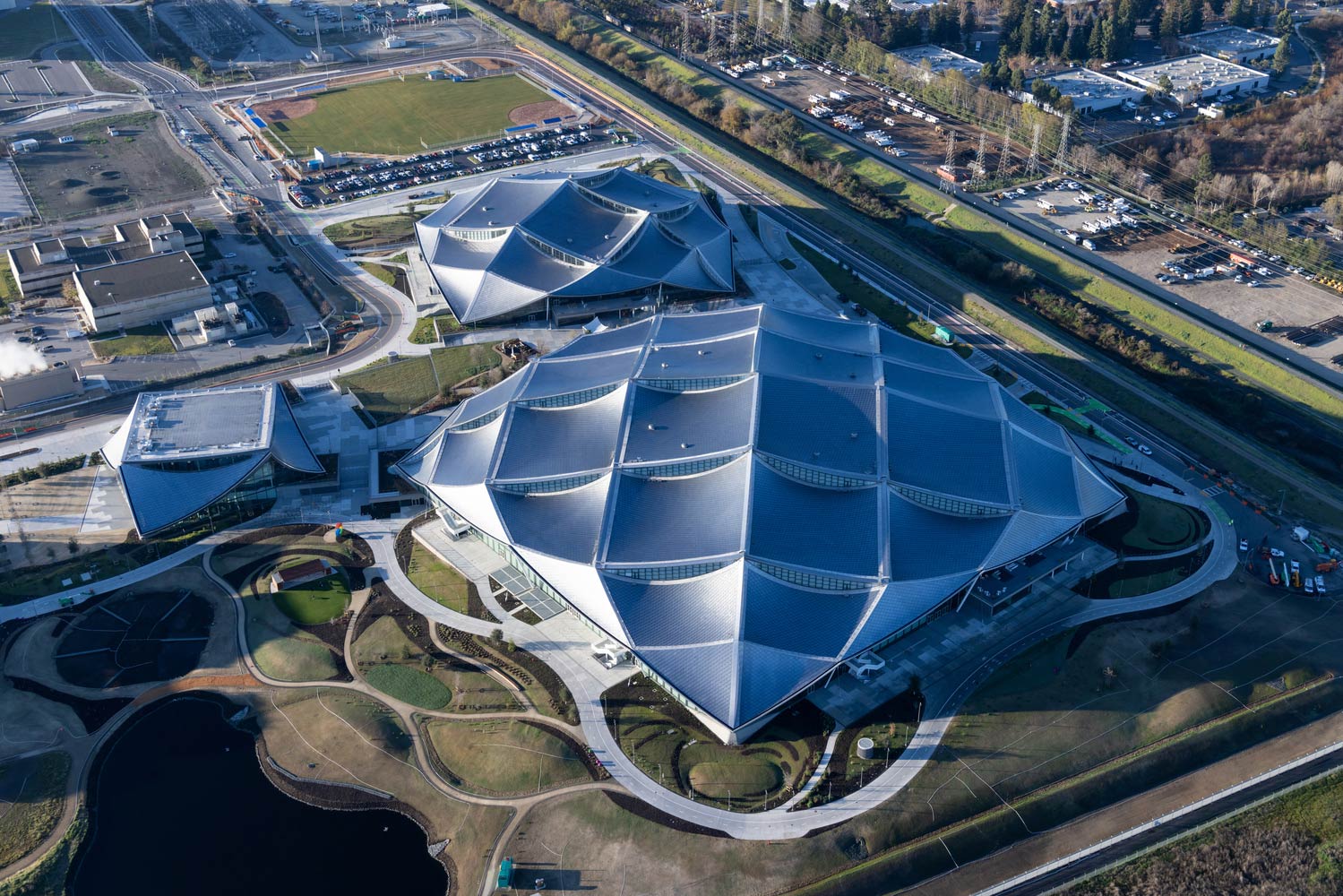
Exploring the Impact of AI on Sustainable Building Design and Construction
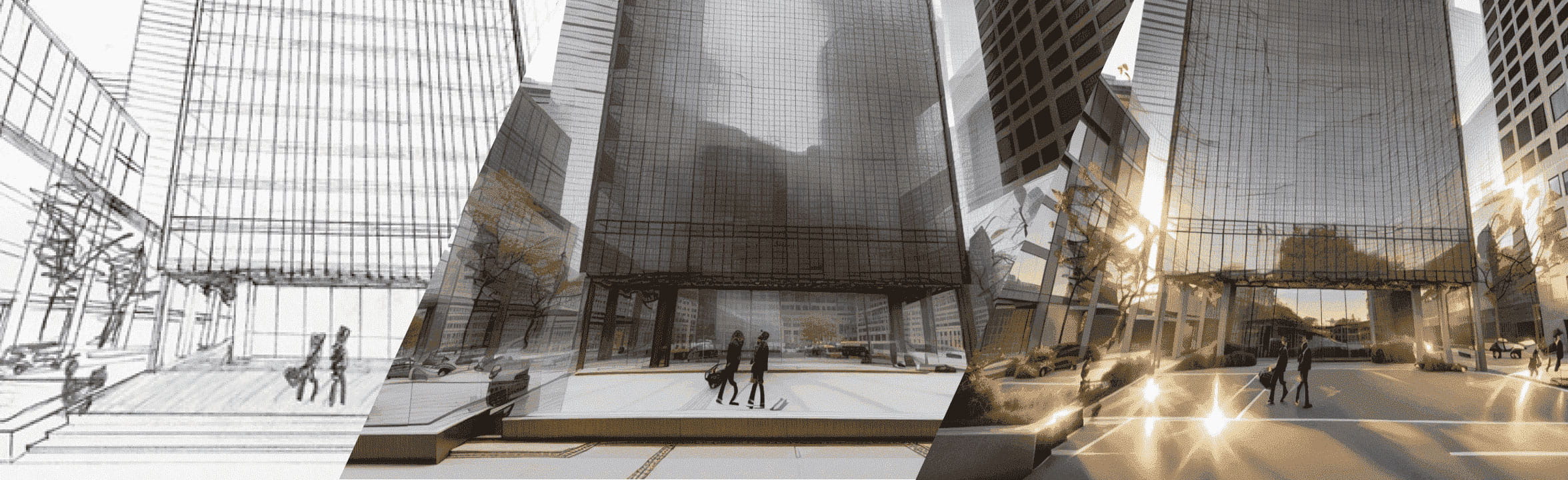
Bitable: AI in the design and build world

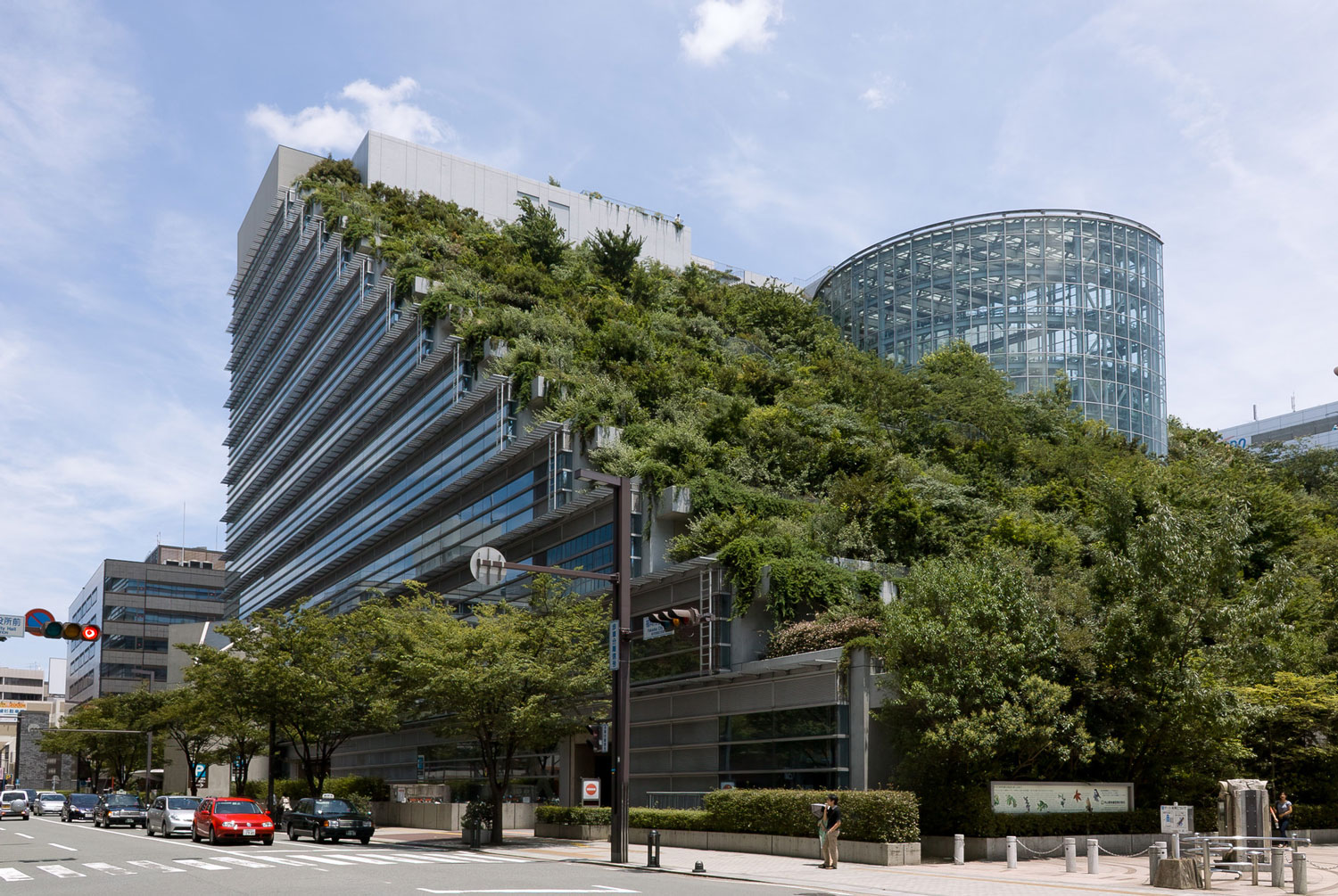
Top 10 Examples of Most Sustainable Architecture in 2025

How Does Architectural Design Change When the City Becomes Equipped with the “Most Recent Advances in Artificial Intelligence”? / Alessandro Armando, Giovanni Durbiano for the Shenzhen Biennale (UABB) 2019

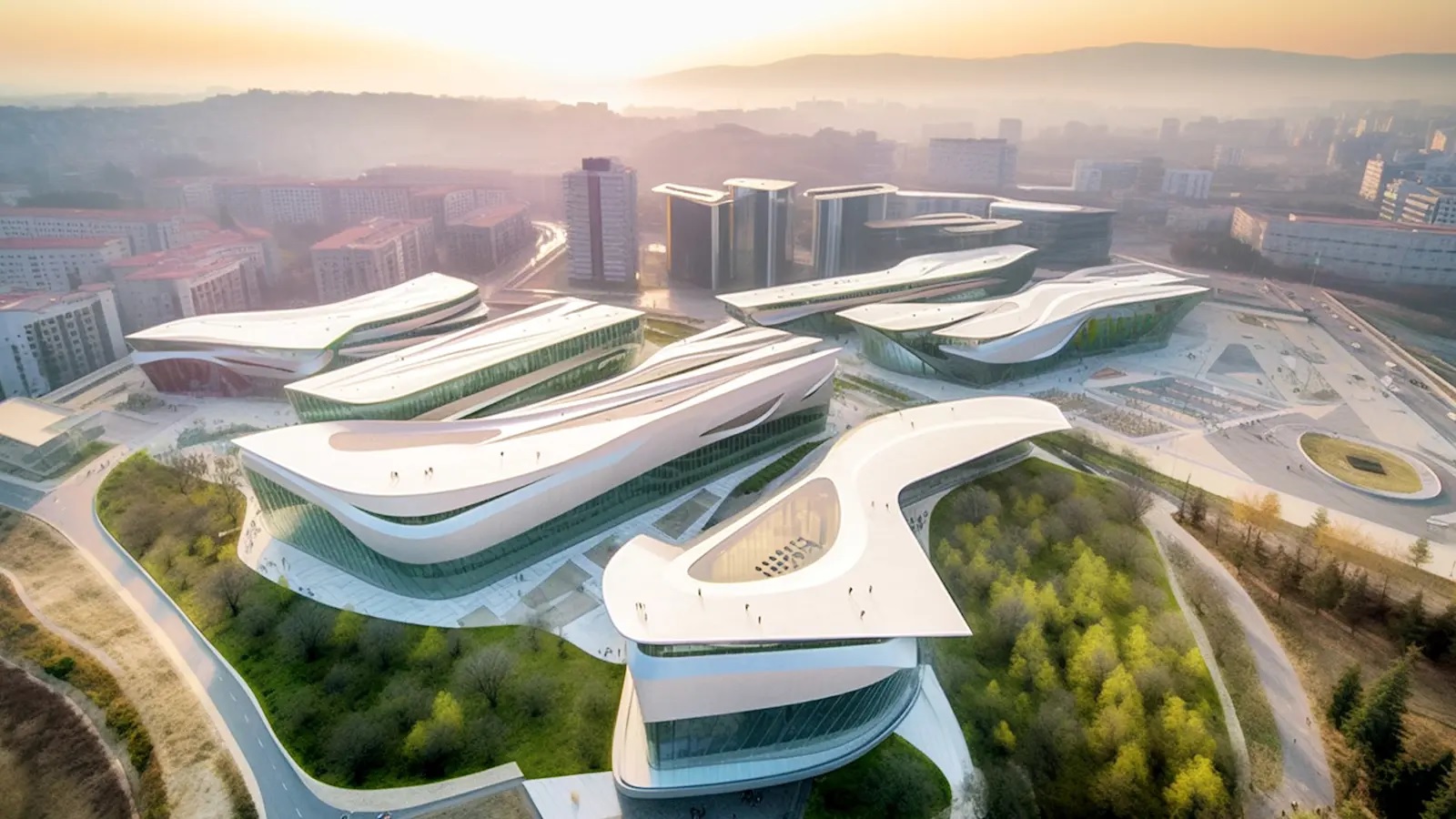
The Transformative Power of AI in Architecture Design
A review of artificial intelligence methodologies in computational automated generation of high performance floorplans
Want an Eco-Friendly Home? Everything You Should Know About Sustainable Architecture

The impact of machine learning on architectural design
Sustainable Buildings: Pioneering a Green Revolution in Urban Design

Can AI revolutionize office space design?


The Influence of AI in the Interior Design Industry
How AI-Powered Rendering Crushes Bottlenecks in Architecture and Interior Design
Innovations Driving Sustainable Building and Architecture Forward
How generative design is shaping the future of architecture?
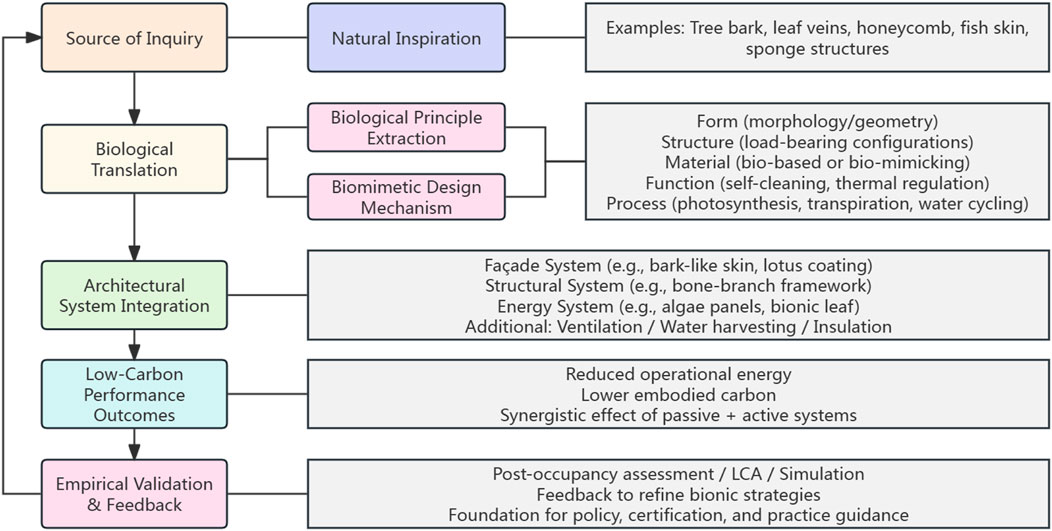
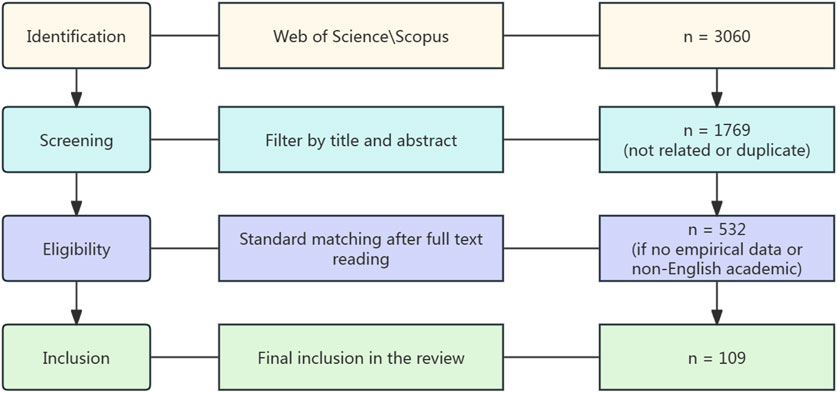
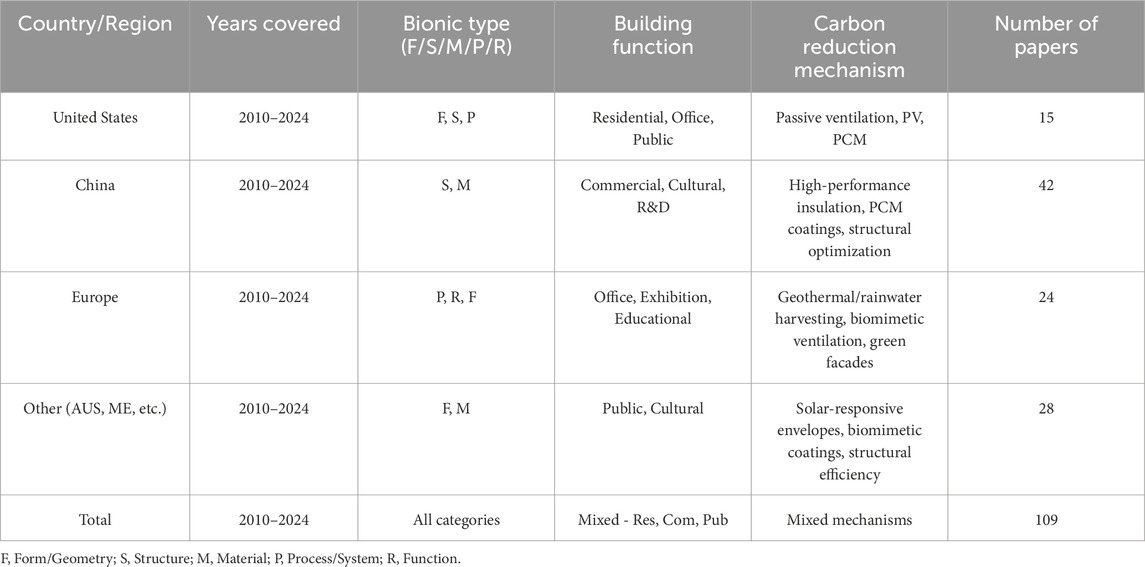
Application of bionic architecture in low-carbon design: a systematic review from nature inspiration to architectural practice

Beijing Institute of Architectural Design

10 Revolutionary AI Tools Reshaping Architectural Design
Generative Space Design: Exploring 8 Transformative Tools in Architecture
10 AI tools to generate interior and architectural images
Building with earth could transform sustainable construction – here’s how