
1/2
How Does Architectural Design Change When the City Becomes Equipped with the “Most Recent Advances in Artificial Intelligence”? / Alessandro Armando, Giovanni Durbiano for the Shenzhen Biennale (UABB) 2019
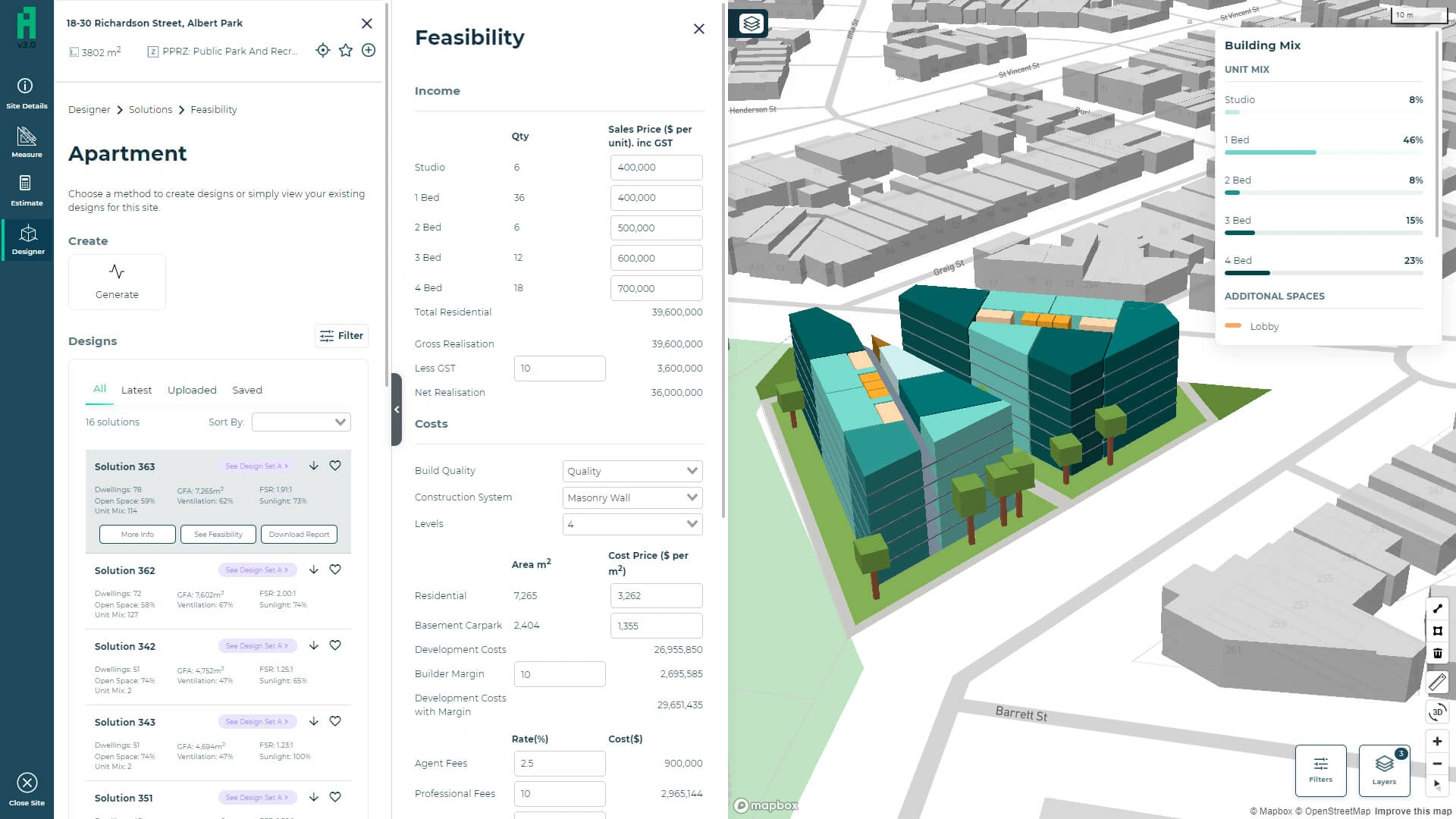
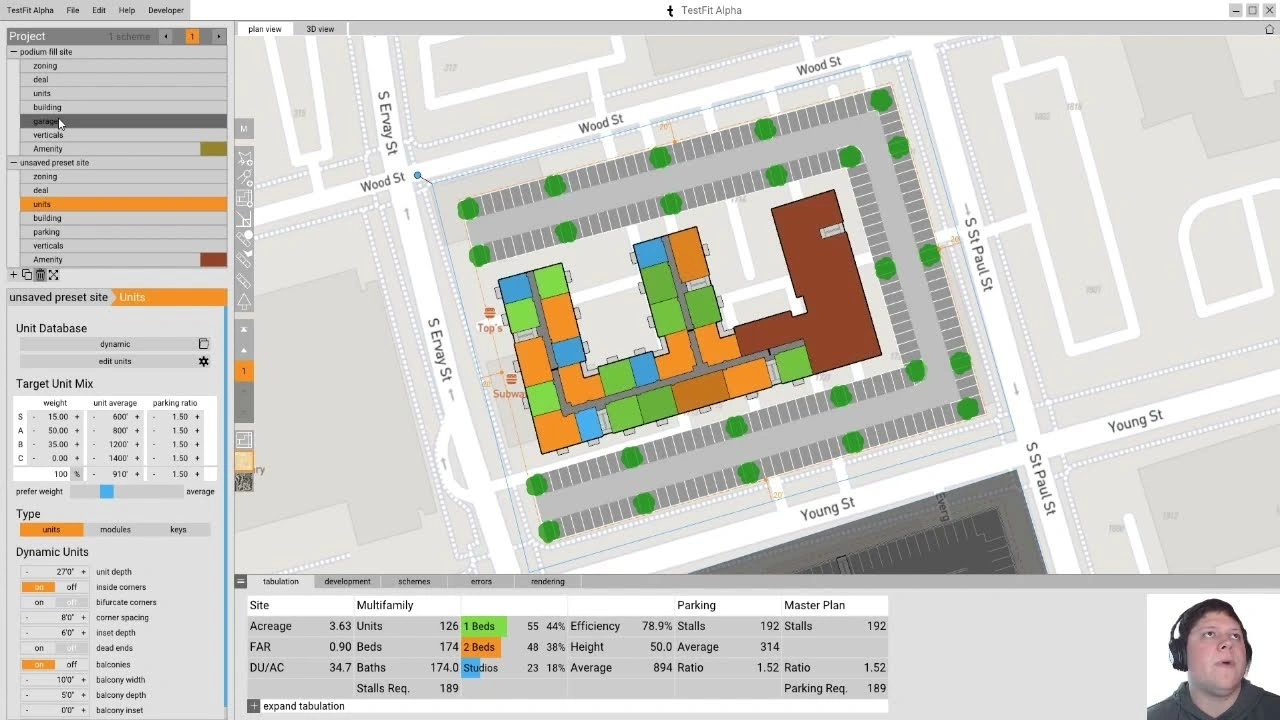
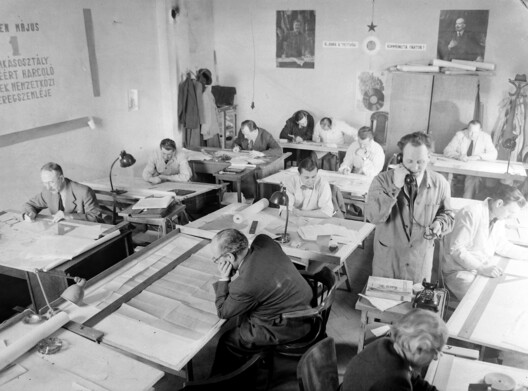
This article, presented by Alessandro Armando and Giovanni Durbiano for the Shenzhen Biennale (UABB) 2019, explores the profound impact of Artificial Intelligence (AI) on architectural design within the context of a smart city. It draws a historical parallel with Nicola Tartaglia's 1537 work, *Nova Scientia*, which demonstrated how a goniometer could optimize cannonball trajectories, likening this to AI's current role in strategic optimization. The authors question the efficacy of AI in architectural design if the fundamental objectives or 'wars' are unclear, emphasizing the need to understand how both human and artificial intelligence operate to effectively integrate AI into design processes.
The central theme revolves around a city imbued with sensor technology, metaphorically gaining 'eyes' through AI, which necessitates a re-evaluation of traditional architectural methodologies. The discussion builds upon the broader 'Eyes of the City' curatorial statement for the Shenzhen Biennale, aiming to stimulate dialogue on how emerging technologies, particularly AI, will reshape urban environments and architectural practices. The authors propose that architectural design is inherently a process of navigating uncertainty, where the 'war' being fought—the specific problem to be solved—is often defined iteratively through the design process itself. This contrasts with AI's typical function of optimizing for clearly defined goals.
The article delves into the operational perspective of architectural design, acknowledging that architects must 'win a war' but often without a predefined battlefield or enemy. This implies that AI, in this context, cannot merely be a tool for optimization but must also contribute to the definition of the problem space. Understanding intelligence, both human and artificial, becomes crucial for architects to harness AI's potential in a non-deterministic way, moving beyond simple automation to a more symbiotic relationship where AI can inform and expand the creative and critical capacities of human designers. The implication is that AI should not dictate design but rather augment the designer's ability to explore, analyze, and synthesize complex urban challenges.
#ArtificialIntelligence #ArchitecturalDesign #SmartCities #Urbanism #ShenzhenBiennale #TechnologyInArchitecture #DesignProcess #ArtificialIntelligence #ArchitecturalDesign #SmartCities #Urbanism #ShenzhenBiennale #TechnologyInArchitecture #DesignProcess
0 comment in total
 No comments yet
You may also like
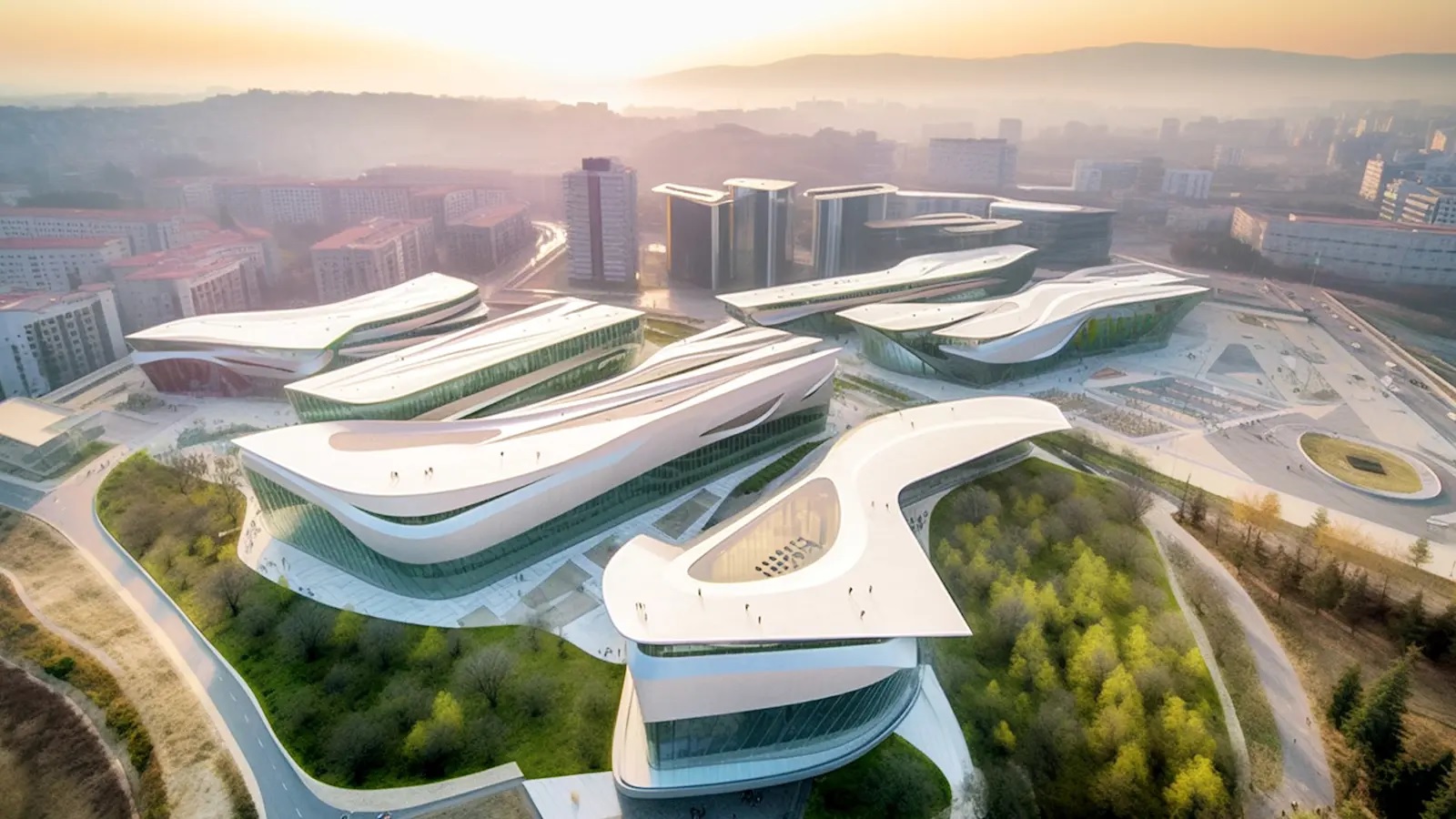
The Transformative Power of AI in Architecture Design
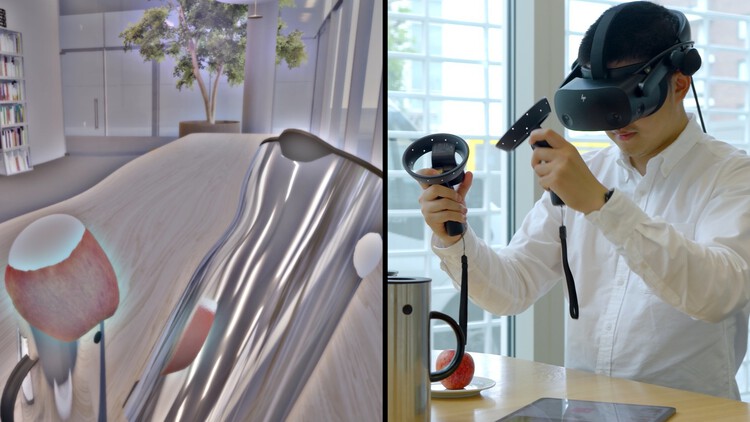
Beyond the Drawing Board: How Augmented Reality is Reshaping Architectural Design Review

The Influence of AI in the Interior Design Industry
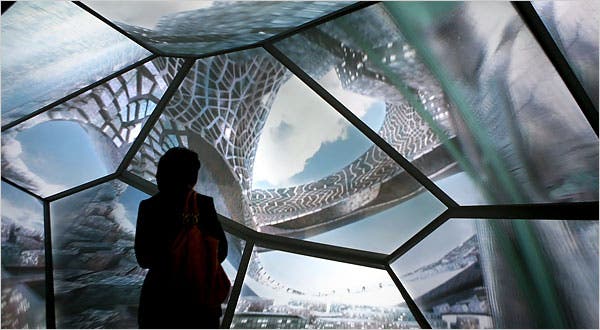
The Soul in the New Machines (Published 2008)
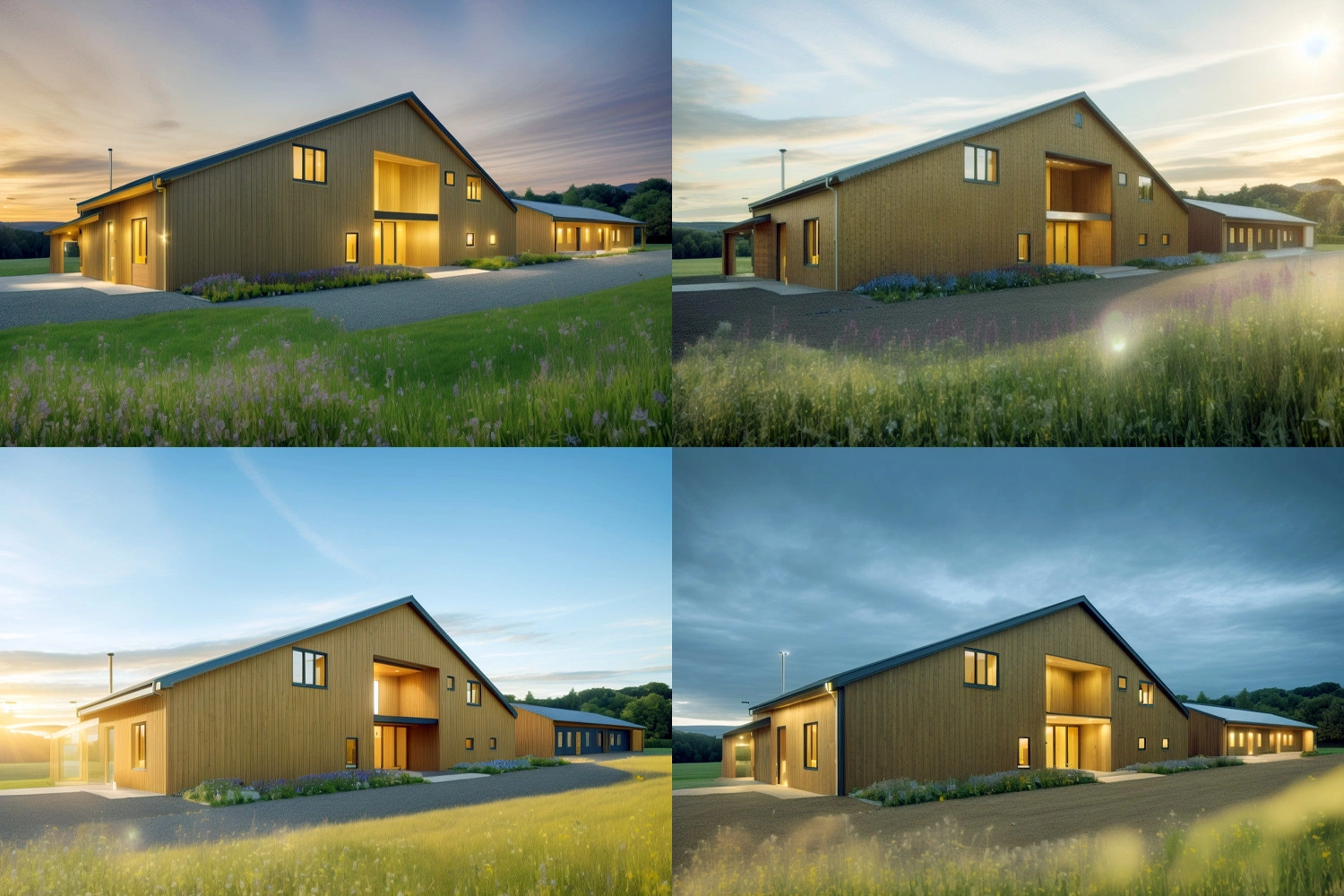
10 Revolutionary AI Tools Reshaping Architectural Design

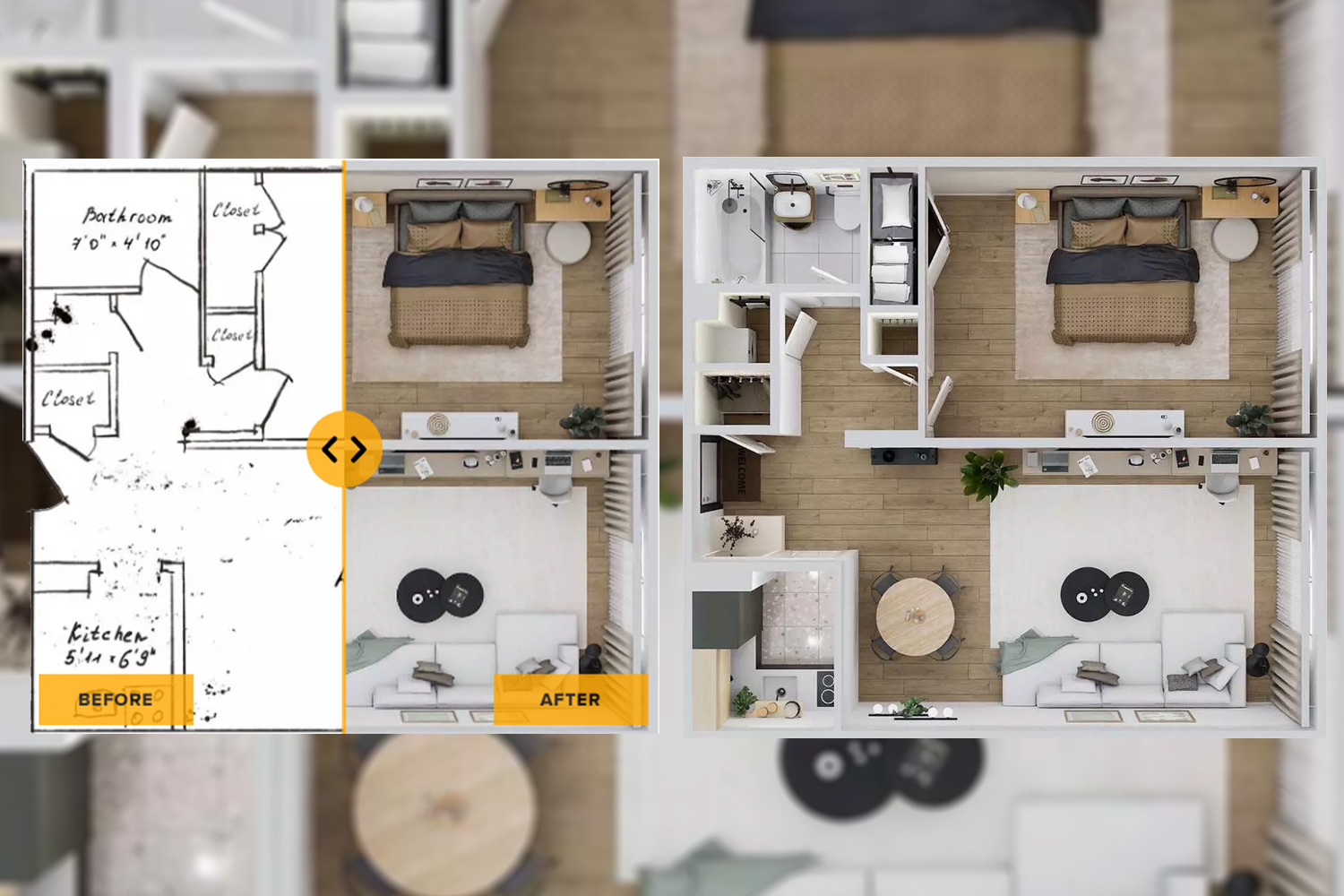
10 AI tools to generate interior and architectural images
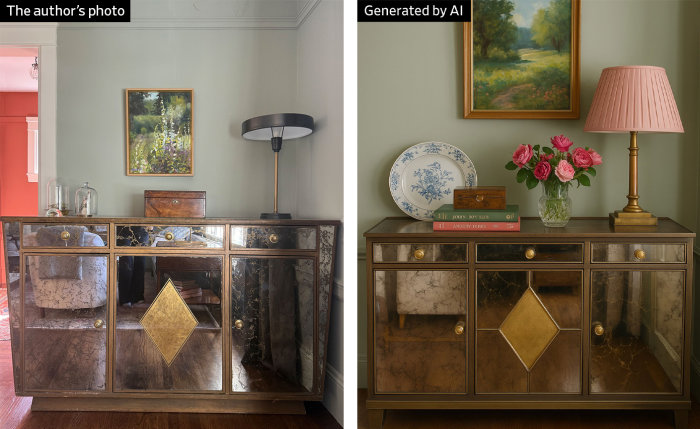
Can AI Save Me the Cost of an Interior Designer?

A review of artificial intelligence methodologies in computational automated generation of high performance floorplans
The impact of machine learning on architectural design

How AI is Transforming Smart Homes in 2025 and Beyond

Bitable: AI in the design and build world

Generative Space Design: Exploring 8 Transformative Tools in Architecture
Can AI revolutionize office space design?

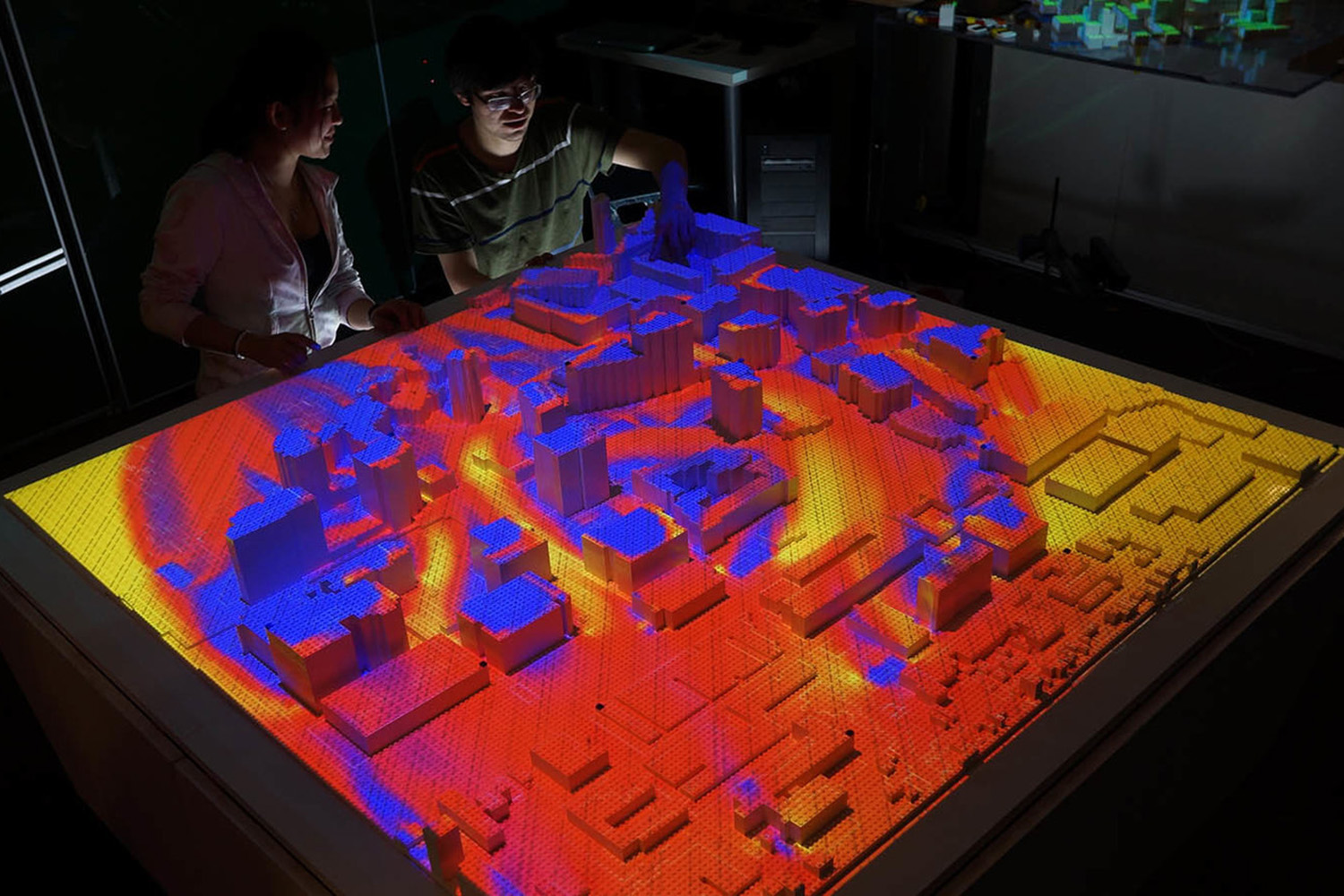
How can AI and simulation tools transform sustainable building design?
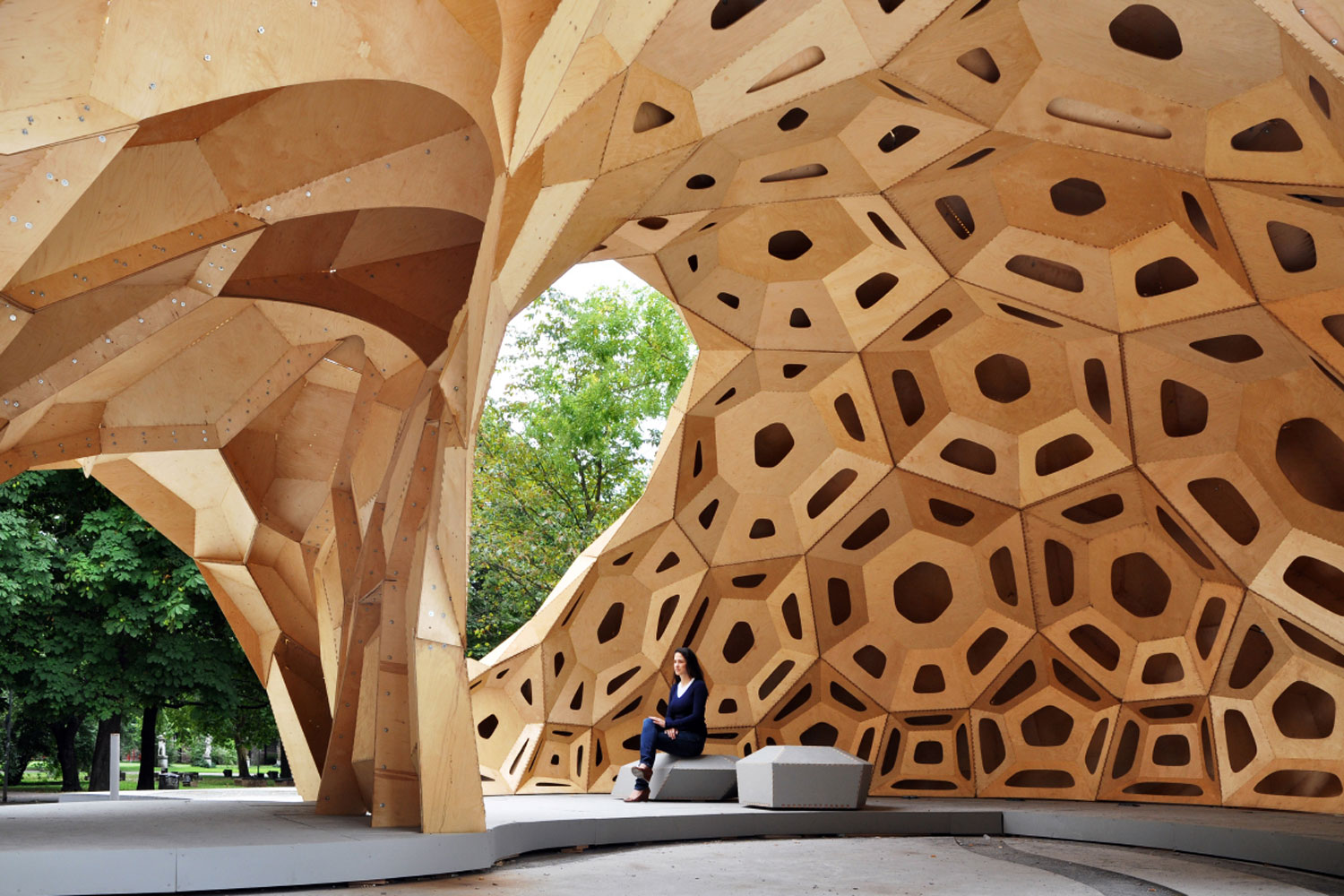
How generative design is shaping the future of architecture?
Will Artificial Intelligence Replace Designers?
Exploring the Impact of AI on Sustainable Building Design and Construction

The Plan and the Prompt: How AI Is Rewiring Design and Practice

The new elegance of cities. The evolution of inclusive design

Designing Beyond Buildings: An Architect’s Strategic Shift