1/9
A review of artificial intelligence methodologies in computational automated generation of high performance floorplans
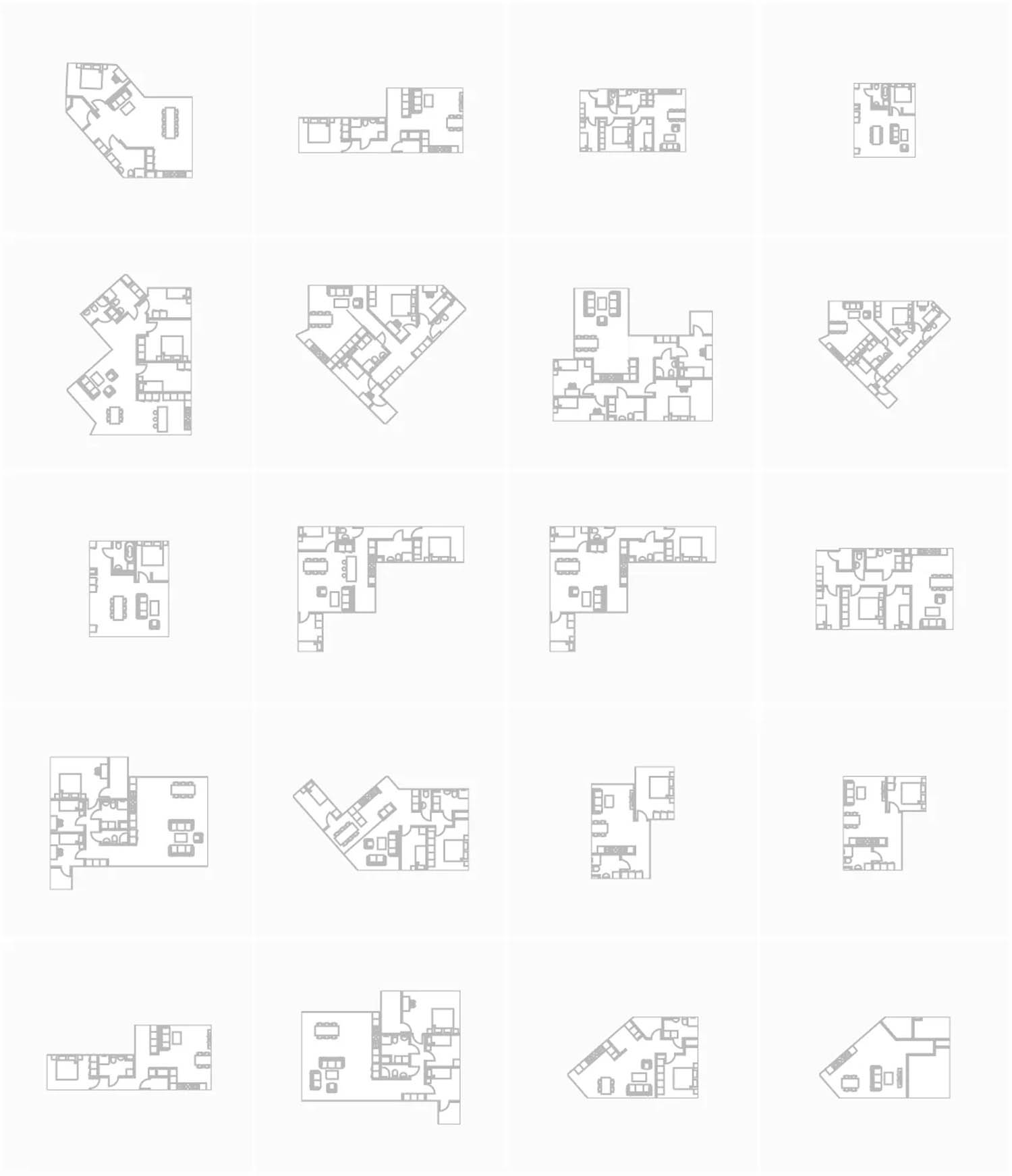
This review explores Artificial Intelligence (AI) driven energy-efficient floorplan generation, a transformative approach addressing challenges in building design such as climate change, carbon emissions, and increasing energy demands. The focus is on Automated Floorplan Generation with Energy Efficiency Optimization (AFG-EEO) methodologies, which integrate design generation, performance evaluation, and optimization to streamline architectural processes. The article highlights that the building sector is a significant contributor to global energy consumption and CO2 emissions, accounting for 40% of global energy consumption and 28% of energy-related CO2 emissions, underscoring the urgency for high-performance building designs. AI and AFG tools are presented as crucial for achieving net-zero energy consumption in buildings.
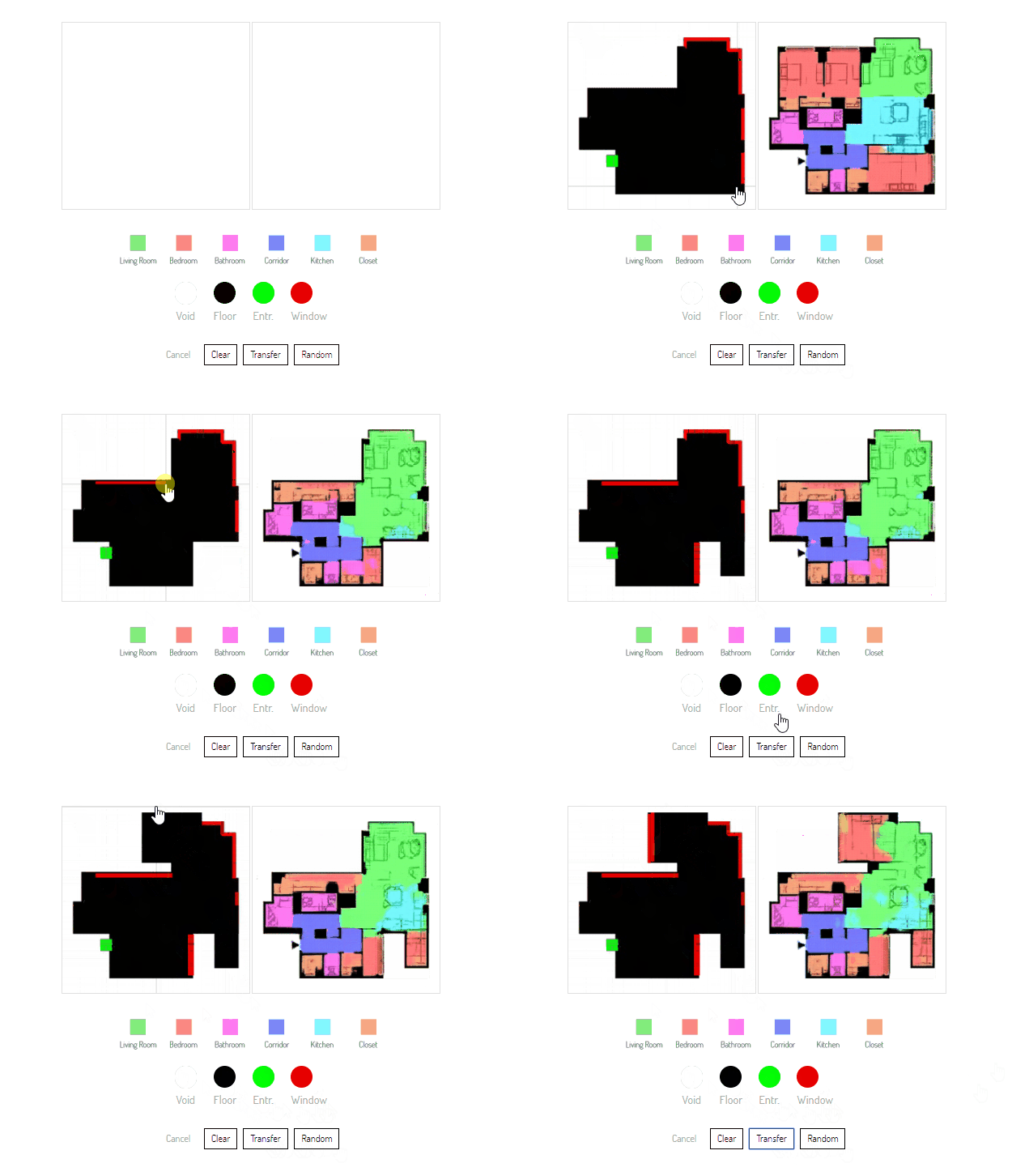
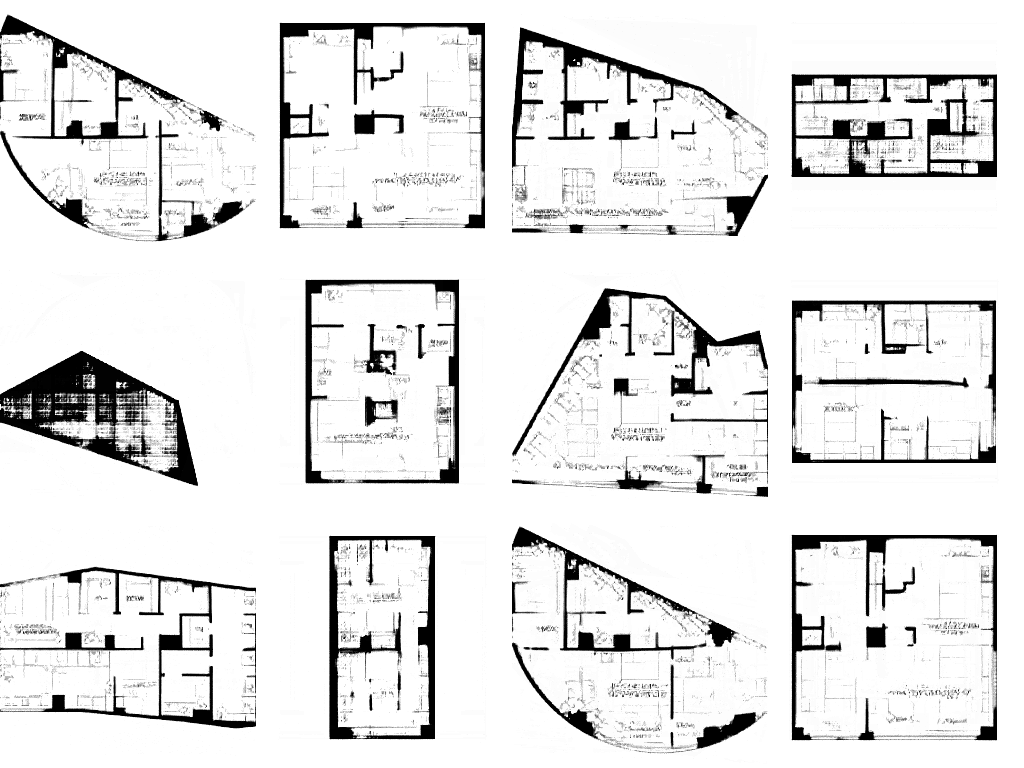
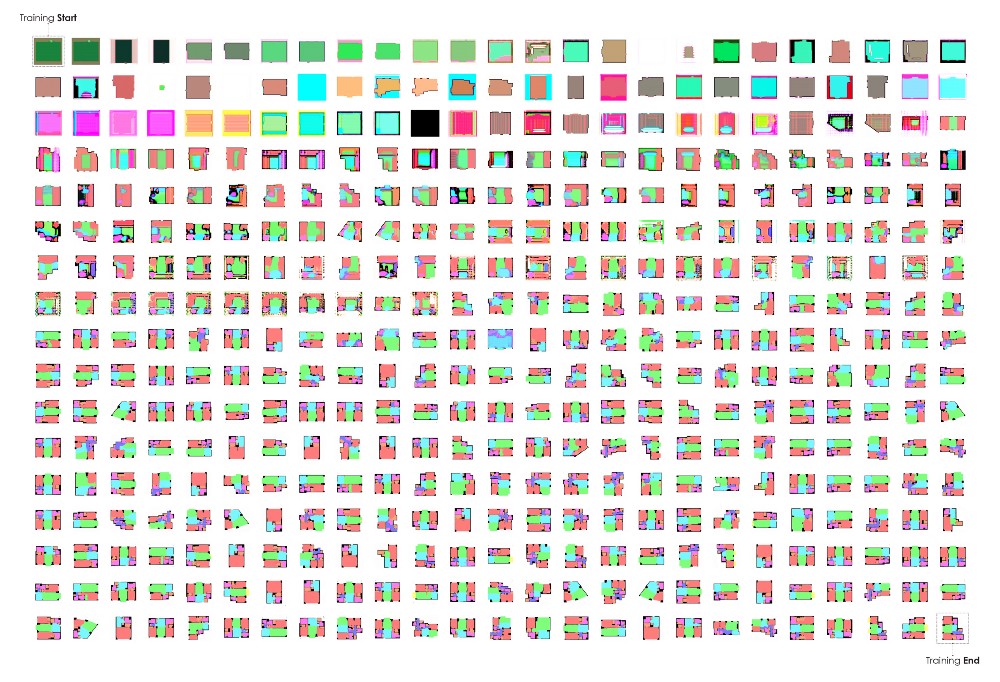
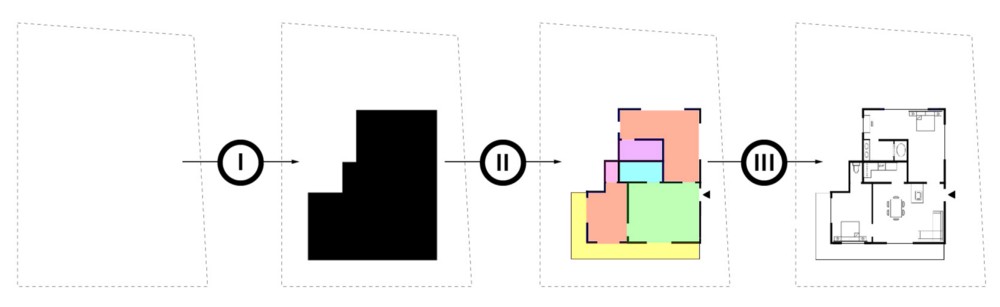
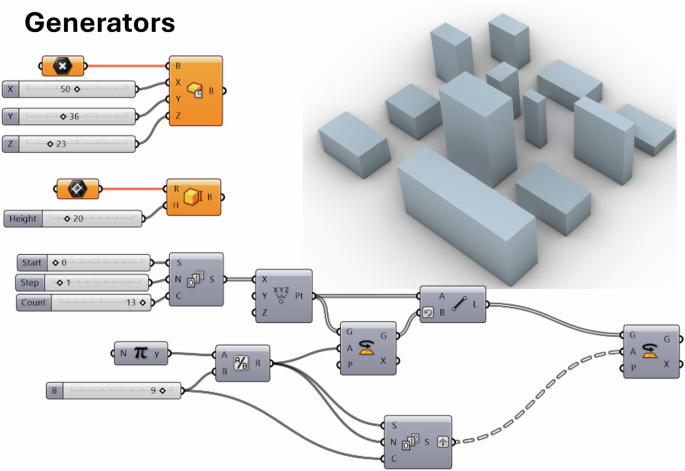
The review traces the historical development of AI in architecture, starting with Yona Friedman's conceptual algorithms in the 1960s for generating architectural layouts, followed by Peter Levin's introduction of automated rectangular floorplans (RFPs) in 1964. Early techniques primarily focused on functional aspects, with the first integration of environmental concerns appearing in 2013, utilizing simulated annealing for optimizing lighting, heating, and circulation. The workflow of generative floorplan algorithms typically involves three stages: generators creating design alternatives, evaluators assessing these designs against performance criteria, and solvers iteratively refining designs to achieve optimal solutions.
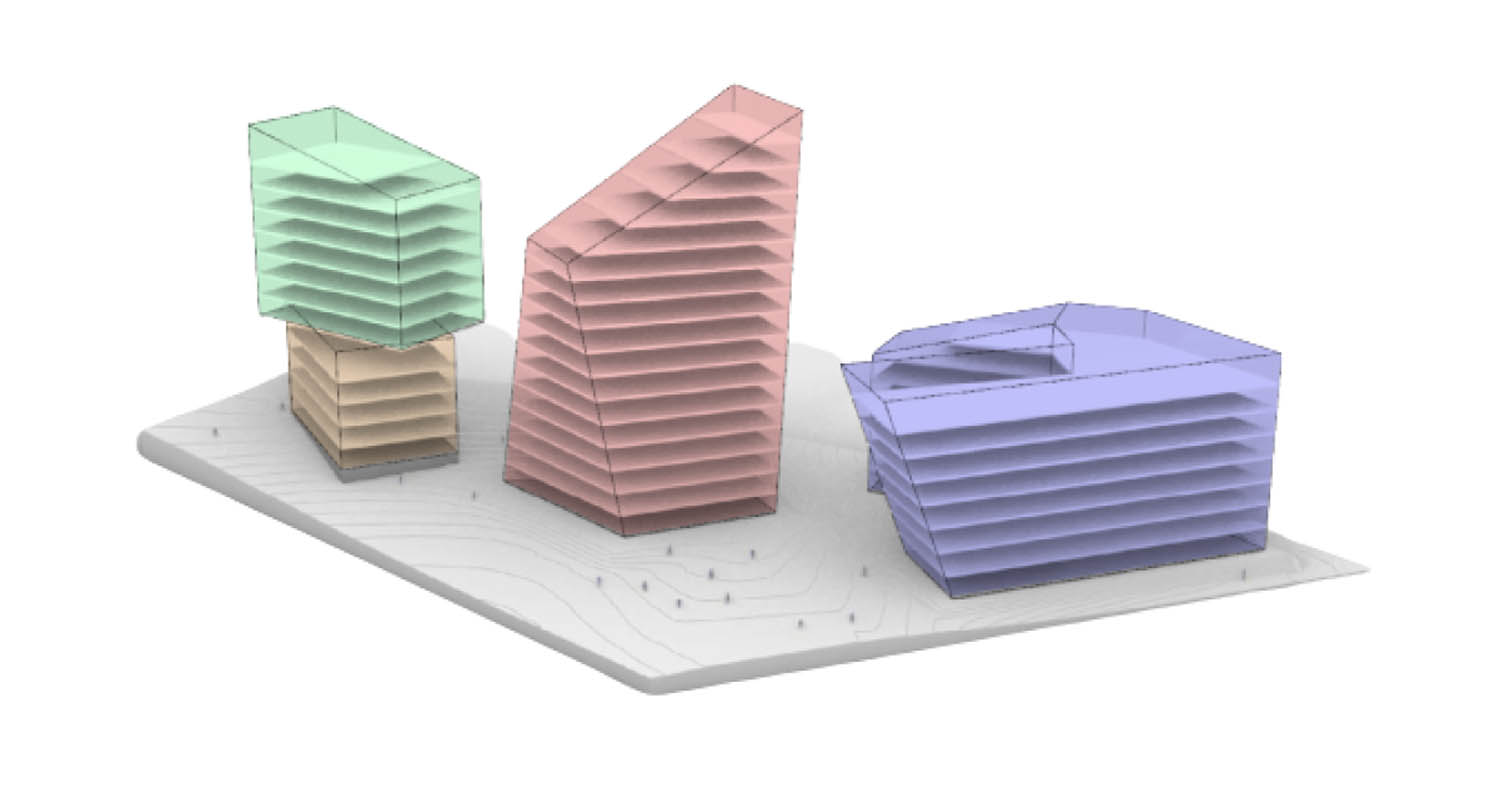
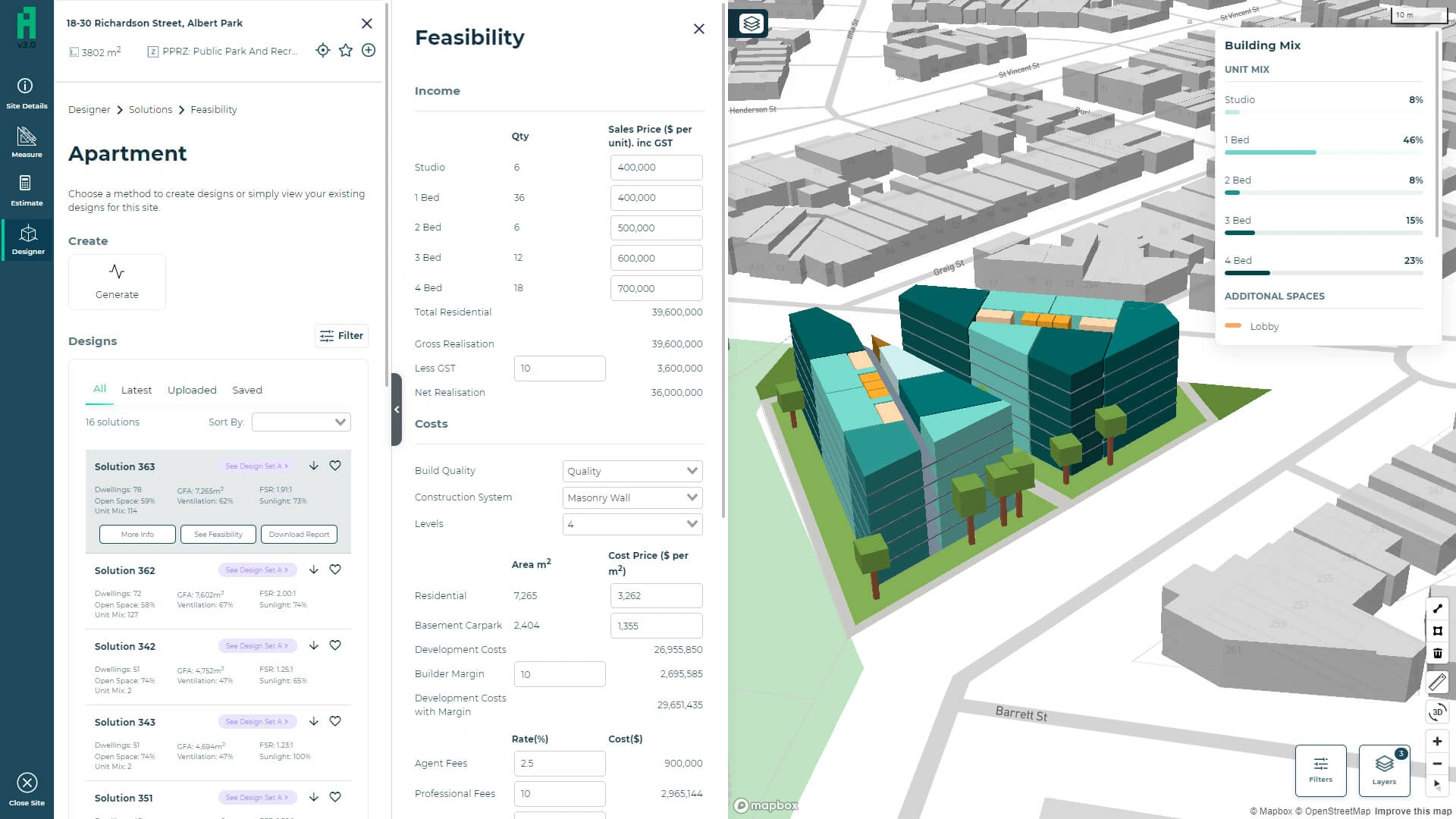
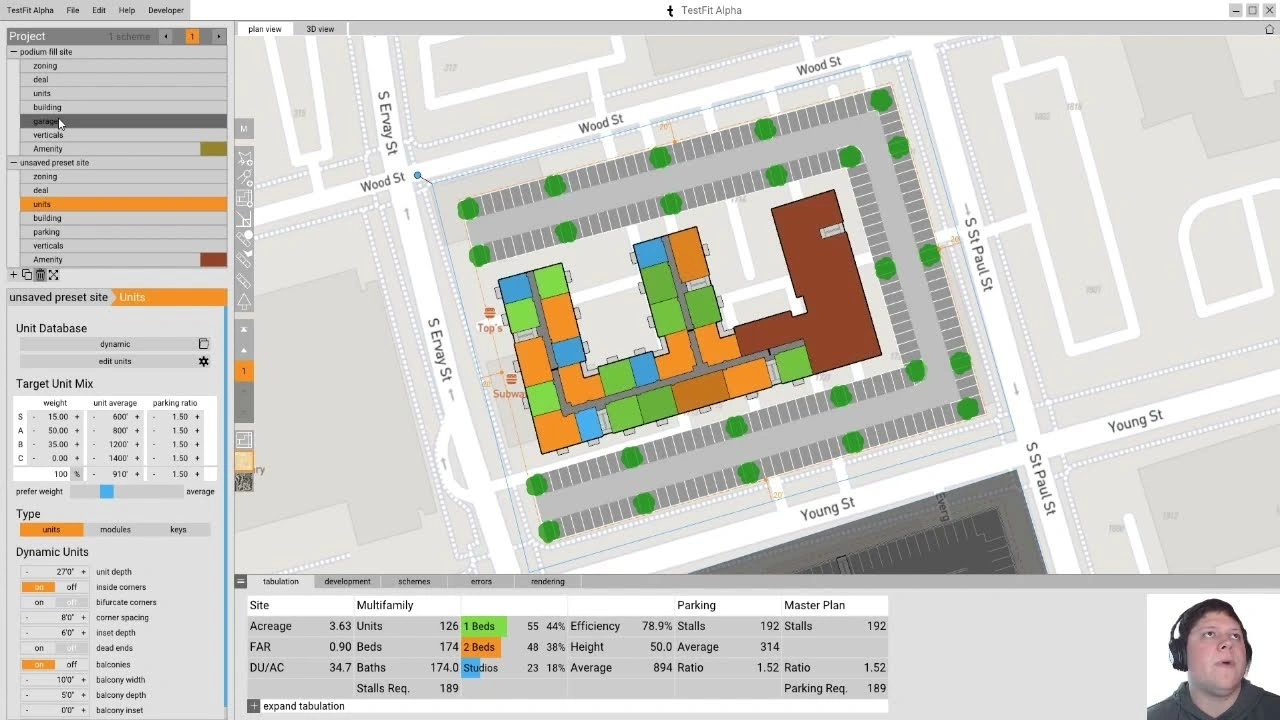
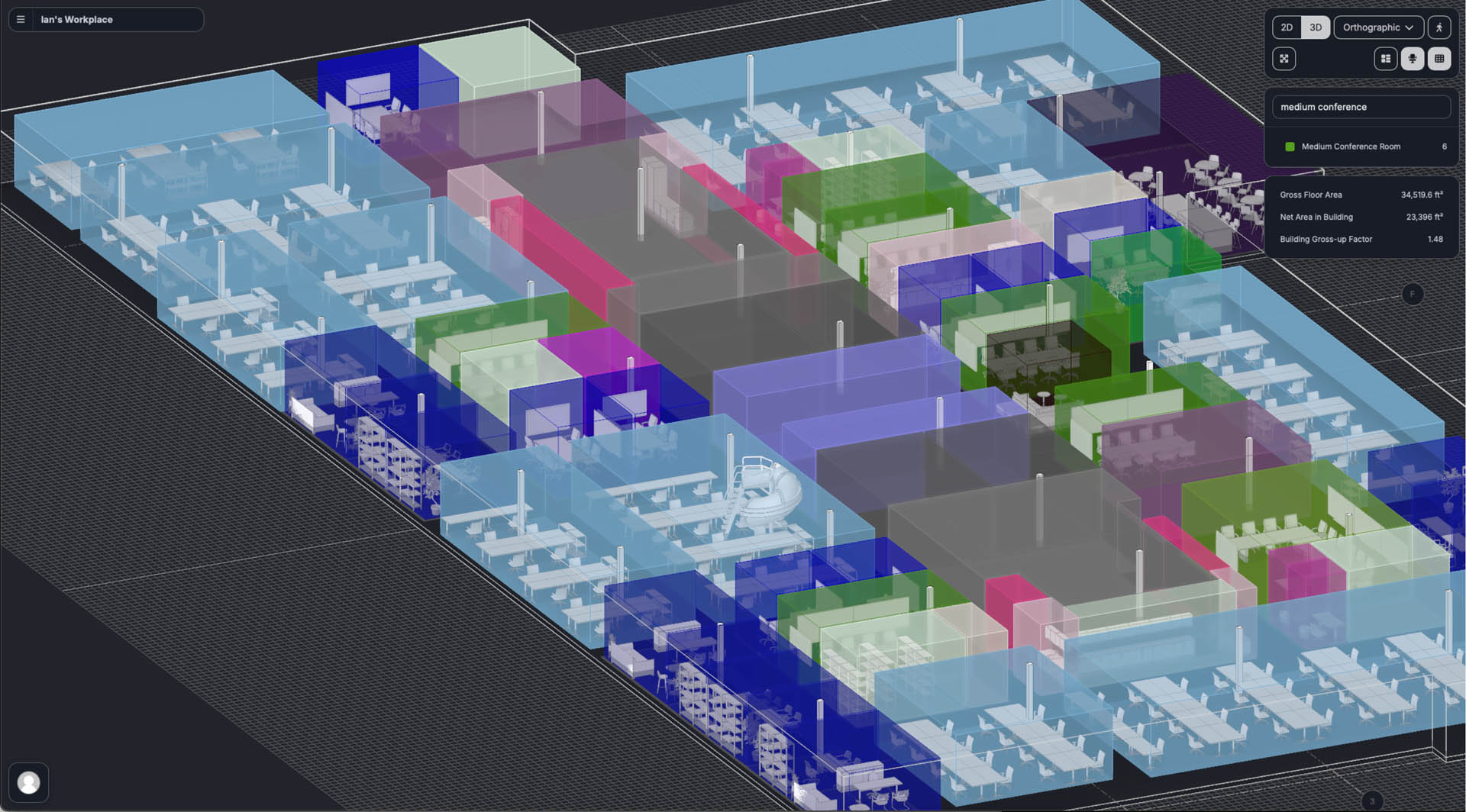
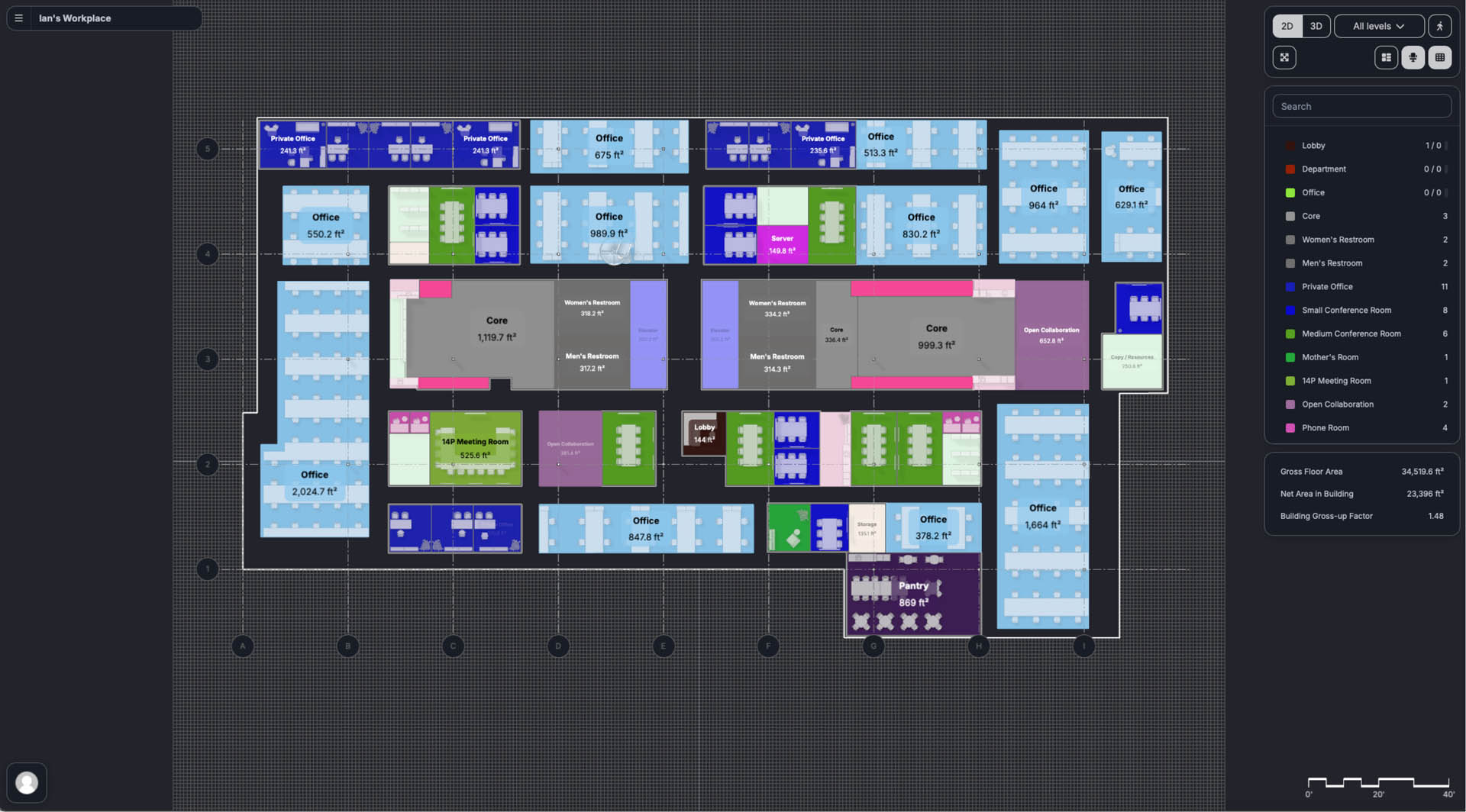
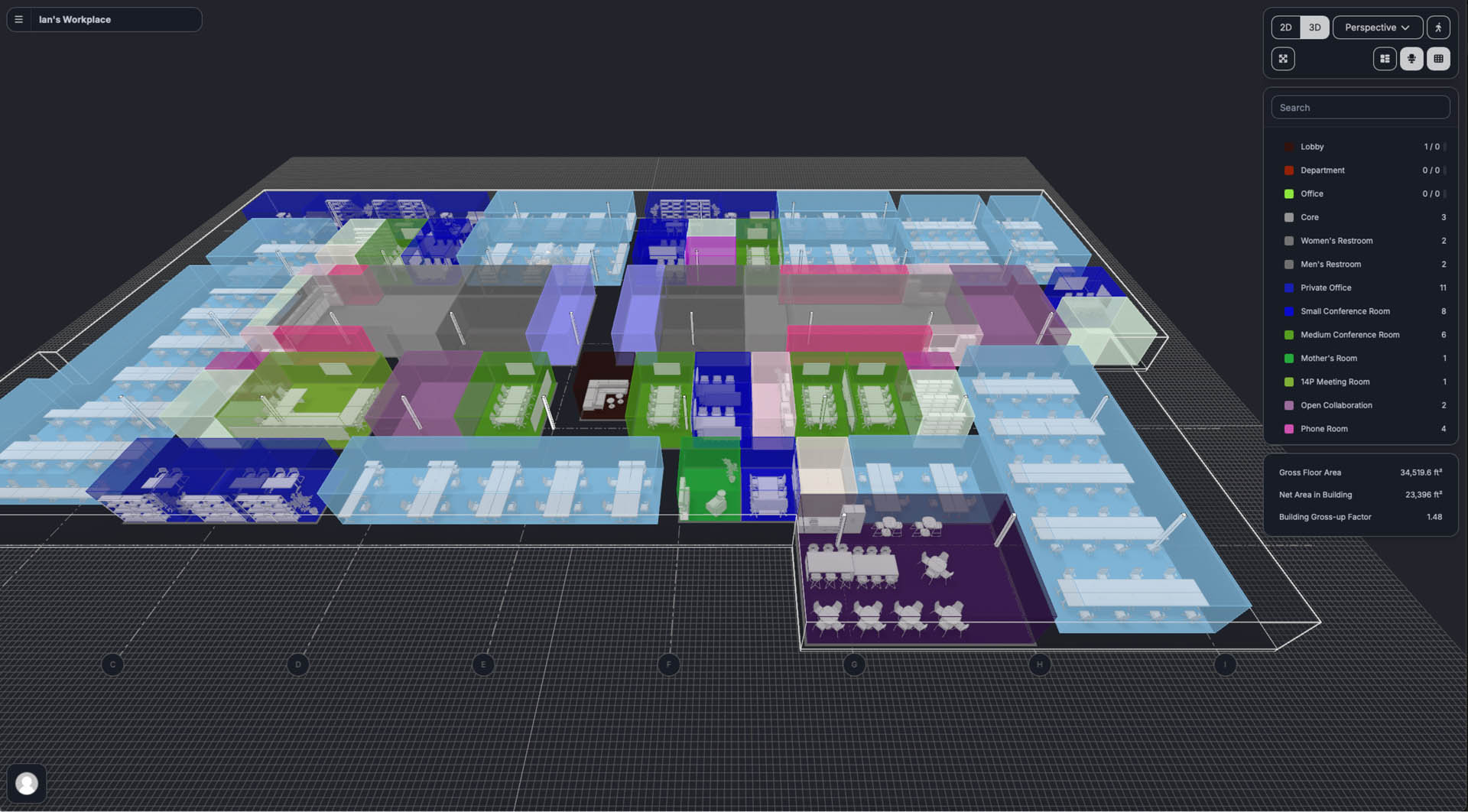
The article compares market-available tools and advanced research prototypes. Market tools, such as Testfit and Autodesk Forma, are adept at handling large-scale projects and offer user-friendly interfaces but often treat environmental factors as secondary evaluations. Research prototypes, conversely, integrate environmental considerations throughout the design process but are usually limited to smaller, residential projects and require more technical expertise. Despite these differences, both types of tools significantly reduce design time and increase iteration efficiency, as evidenced by case studies like the ST. John mixed-use project, which saw a 13% increase in residential units and a 100% expansion of park space using Testfit.
The AFG-EEO methodology, which integrates AFG and EEO, is explored in detail. It aims to unify generative and optimization processes, embedding early energy optimization into the AFG stage. This approach combines algorithmic design and parametric modeling for form-finding with efficiency assessments focusing on space functionality and energy performance. Studies using AFG-EEO have demonstrated notable reductions in heating, cooling, and lighting loads, with energy efficiency enhancements ranging from 7.7% to 33% depending on the specific tools and methods employed.
However, the AFG-EEO methodology faces limitations, including its primary applicability to small-scale projects and reliance on specific simulation tools, which can restrict generalizability. It also tends to prioritize quantitative metrics over qualitative design aspects like access to quality views and their impact on occupant well-being. A critical discussion point is the potential for AI models to overlook human-centric factors, such as natural daylight, in favor of energy cost minimization through artificial lighting, potentially negatively affecting users' psychological and mental health. The paper concludes by emphasizing the need for user-centric enhancements, active architect involvement, and cross-disciplinary collaboration to refine AFG-EEO methodologies, ensuring a holistic and human-centered approach to sustainable architectural design. Future research should prioritize integrating user-centric metrics, optimizing sustainable design features early, and enhancing the scalability and interoperability of AFG-EEO tools for broader architectural practice.
#ArtificialIntelligence #FloorplanGeneration #EnergyEfficiency #BuildingDesign #SustainableArchitecture #ComputationalDesign #AIinArchitecture #ArtificialIntelligence #FloorplanGeneration #EnergyEfficiency #BuildingDesign #SustainableArchitecture #ComputationalDesign #AIinArchitecture
0 comment in total
 No comments yet
You may also like
Best AI Floor Plan Generators For Various Uses #2025

Generative Space Design: Exploring 8 Transformative Tools in Architecture

Hypar 2.0 – putting the spotlight on space planning

Two tech tools to create your own 3D floor plans

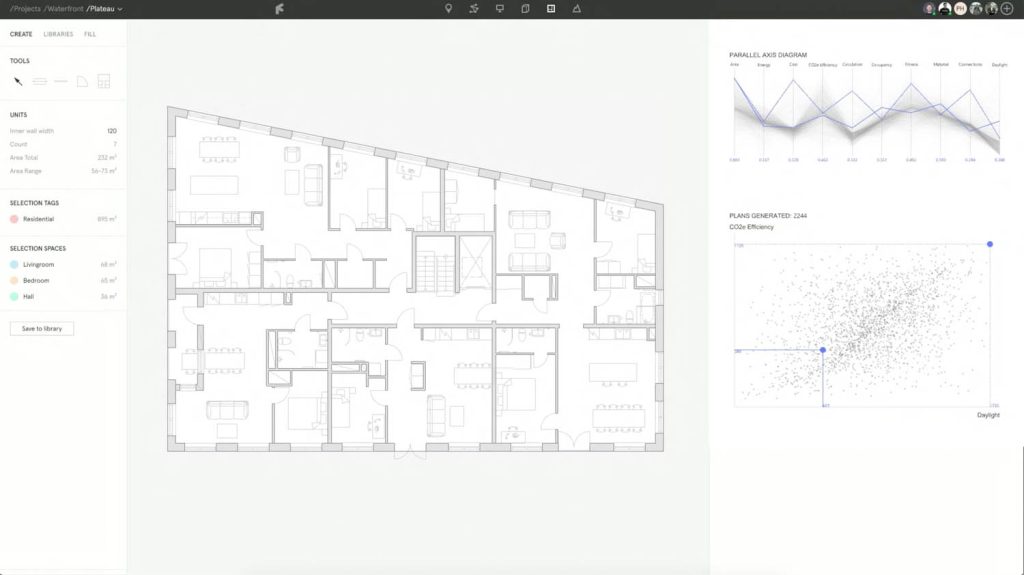
Finch3D: automates the generation of floor plans
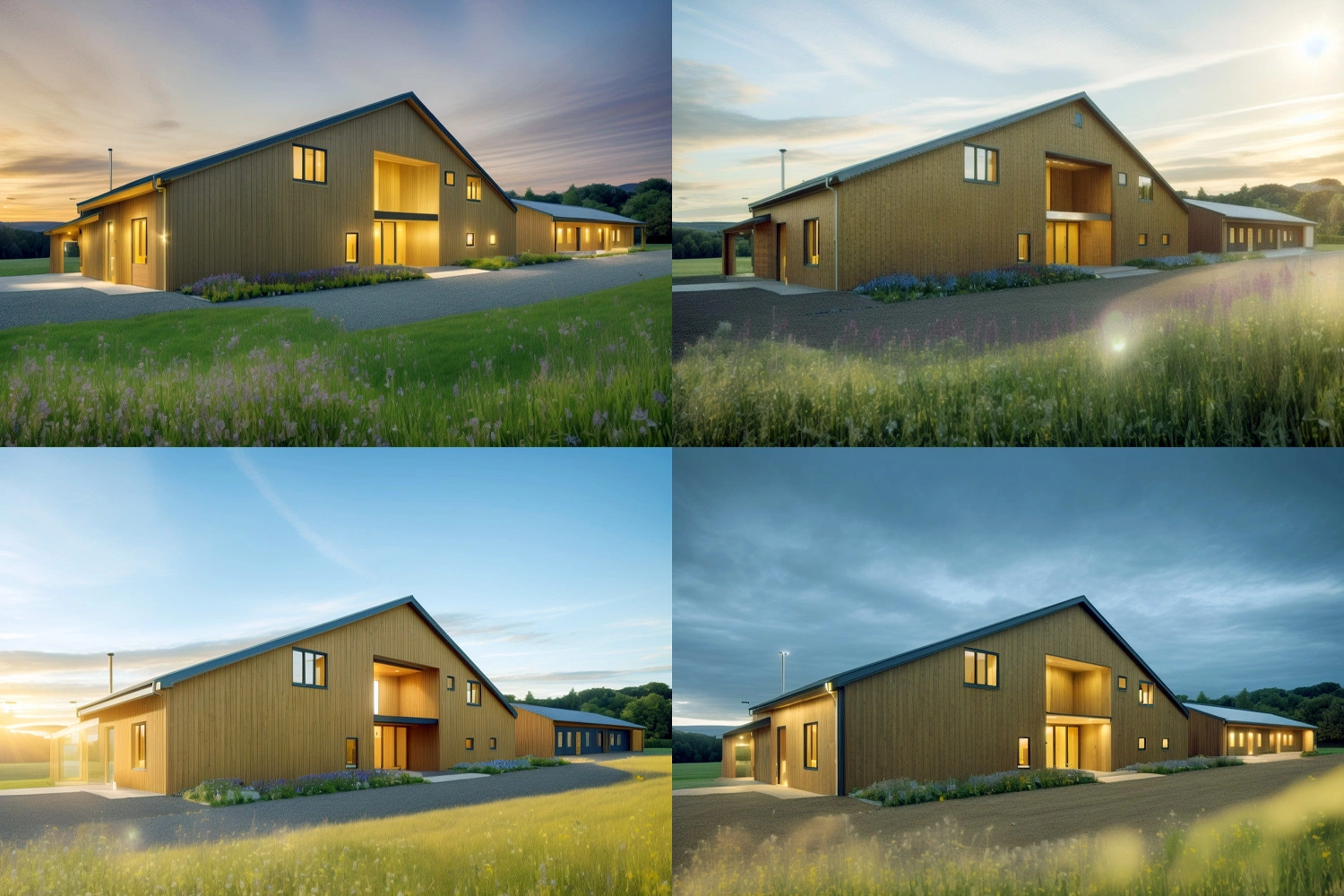
10 Revolutionary AI Tools Reshaping Architectural Design

11 Best Free Floor Plan Software for 2024

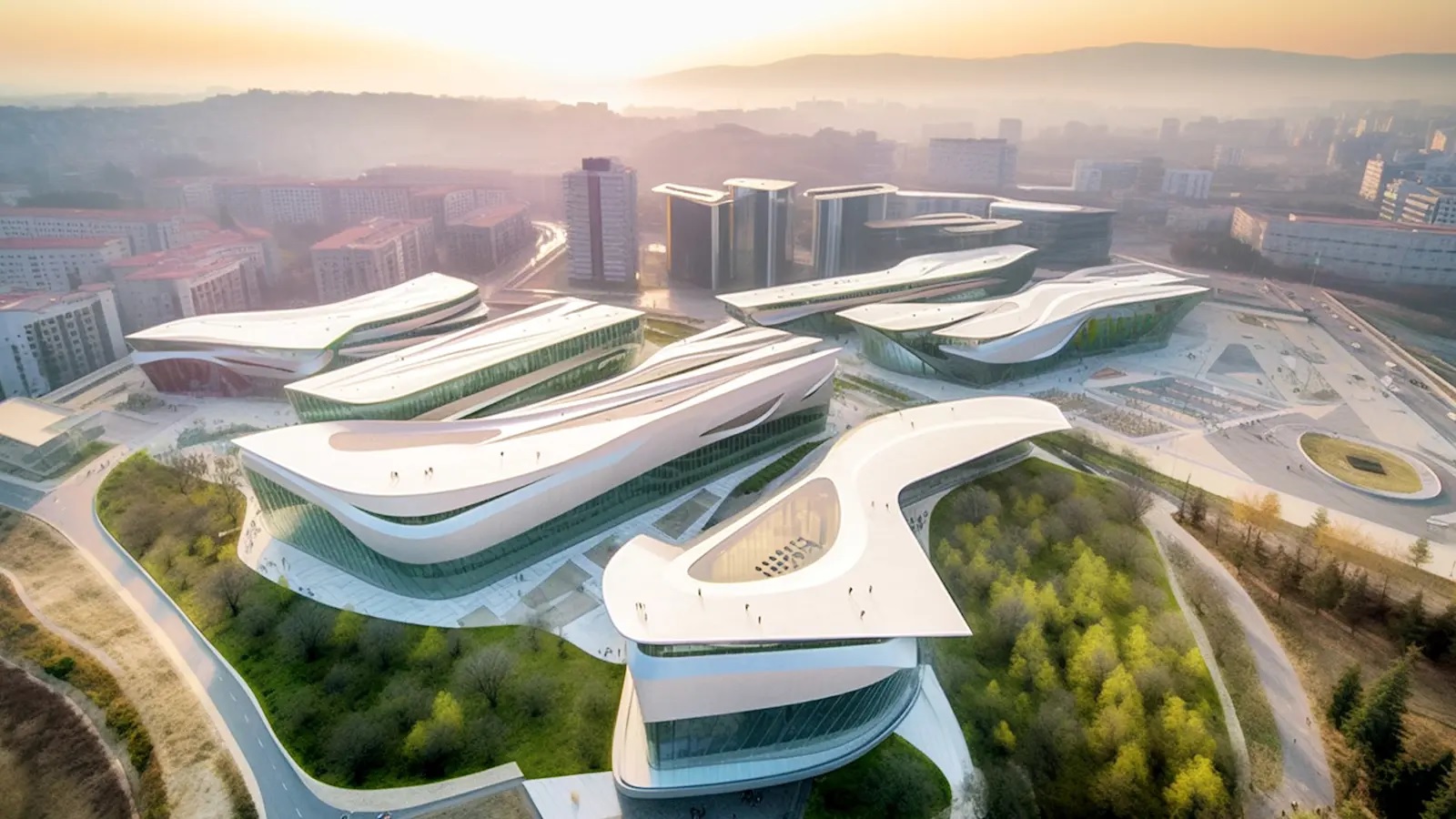
The Transformative Power of AI in Architecture Design
Generating Bias in Architectural Design with Stanislas Chaillou


11 Best Free Floor Plan Software for 2024


The Plan and the Prompt: How AI Is Rewiring Design and Practice

10 free AI interior design generators
AI Floor Plan Generators: Driving the Future of Smart Architecture and Layout Design

How can AI and simulation tools transform sustainable building design?
How generative design is shaping the future of architecture?

Bitable: AI in the design and build world

ArchiGAN: a Generative Stack for Apartment Building Design | NVIDIA Technical Blog

Competition: win a pack of 50 Housing Floor Plans cards
8 AI-powered architectural rendering programs you should try
What’s the fastest way to create a floor plan?