1/20
Generative Space Design: Exploring 8 Transformative Tools in Architecture
The field of architectural design has seen a significant evolution from traditional analog drawing methods to advanced computational tools. Initially, drawing was a cornerstone of architectural practice, relying on various instruments for visual representation. The introduction of the drafting machine streamlined this process by enabling precise strokes with fewer tools. However, the true revolution arrived with computational tools such as Computer-Aided Design (CAD), which leveraged the power of computers to enhance efficiency and creativity. These digital advancements have allowed architects to engage more directly in the design process, reducing the burden of time-consuming and repetitive tasks associated with manual drawing. This shift has also improved collaboration among different stakeholders in architectural projects, fostering more effective teamwork.
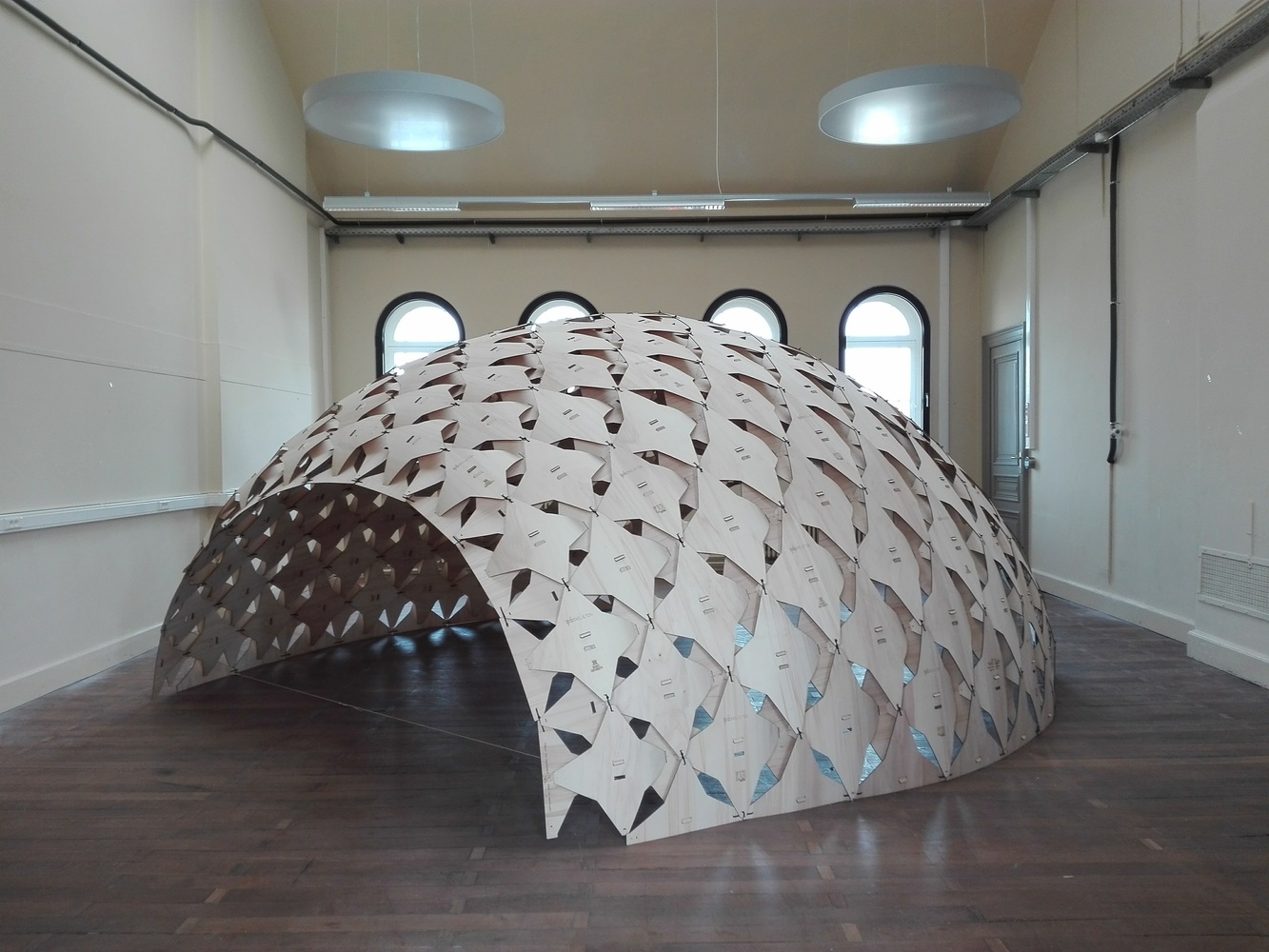
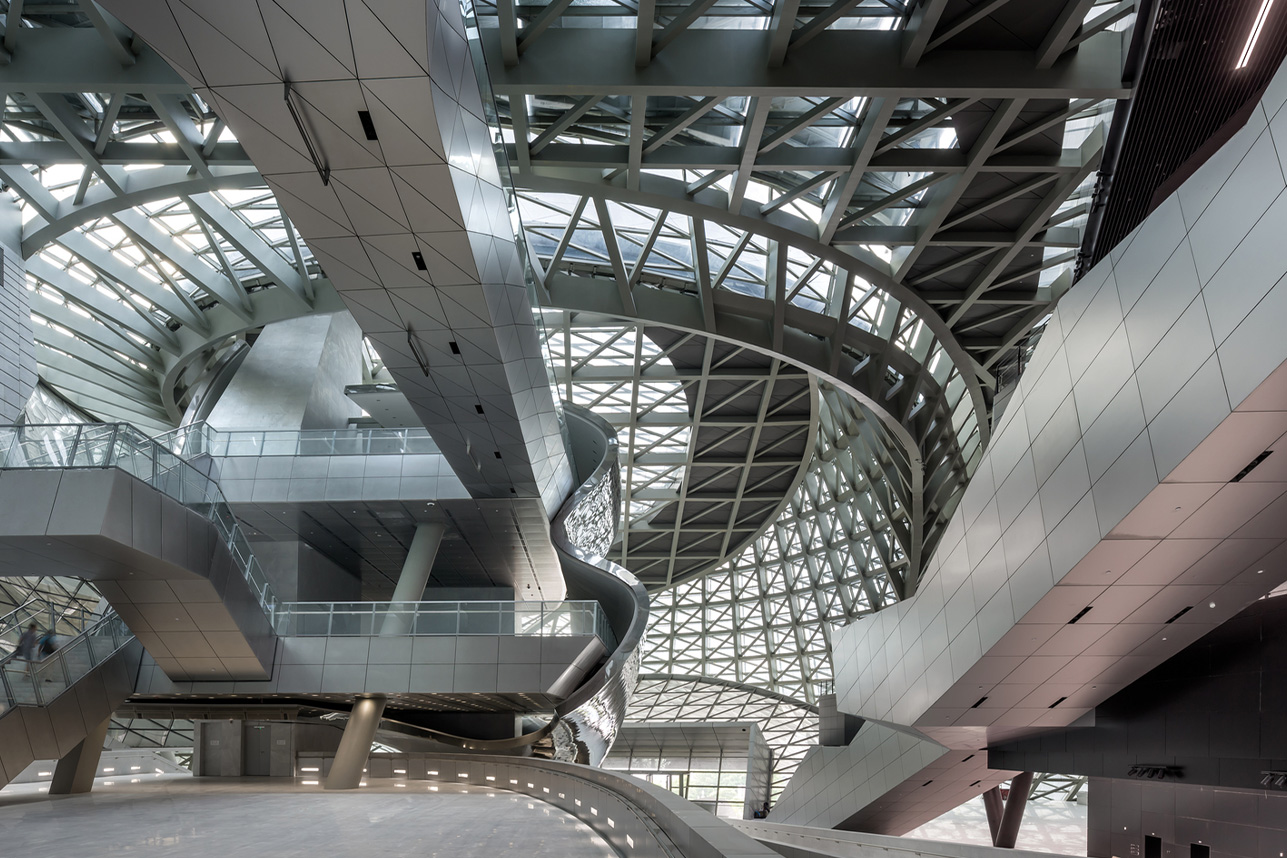
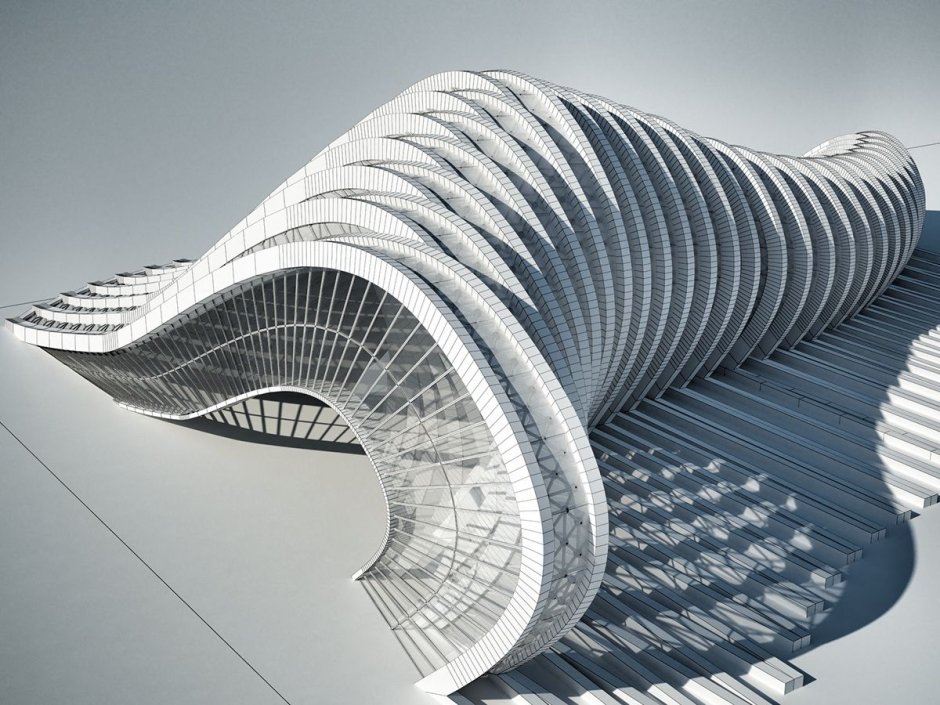
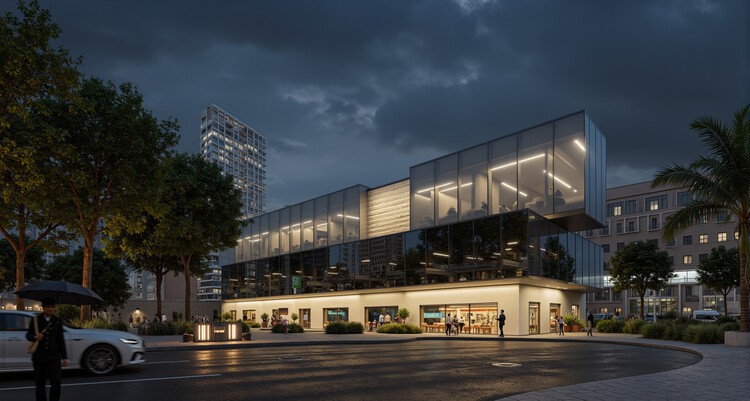
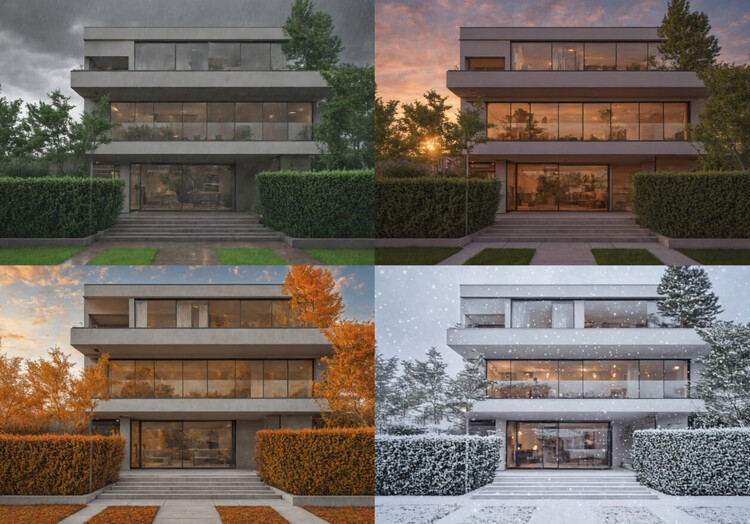
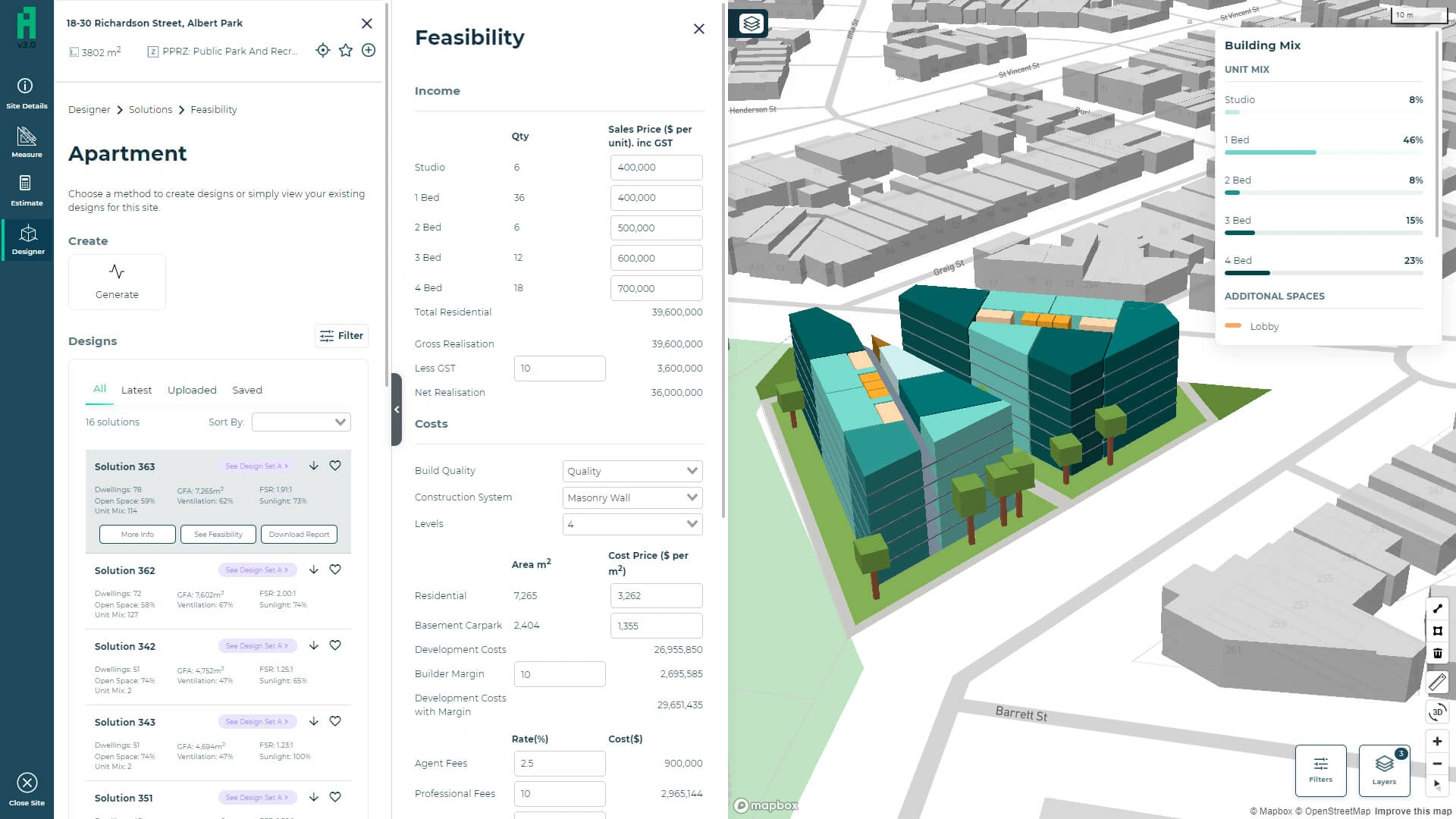
The increasing sophistication of design tools has paved the way for generative space design, which employs artificial intelligence (AI), machine learning, and other related technologies. These tools are not merely aids but active participants in the design process, helping architects explore a wider range of possibilities and optimize solutions. The article delves into eight transformative tools that exemplify this new era of architectural design. One key tool is parametric design software like Grasshopper, which allows designers to define relationships between elements, enabling the generation of complex geometries and design variations by adjusting parameters. Another significant advancement is the integration of Building Information Modeling (BIM) with generative algorithms, facilitating data-rich models that can be iteratively refined based on performance criteria such as energy efficiency, structural integrity, and material usage.
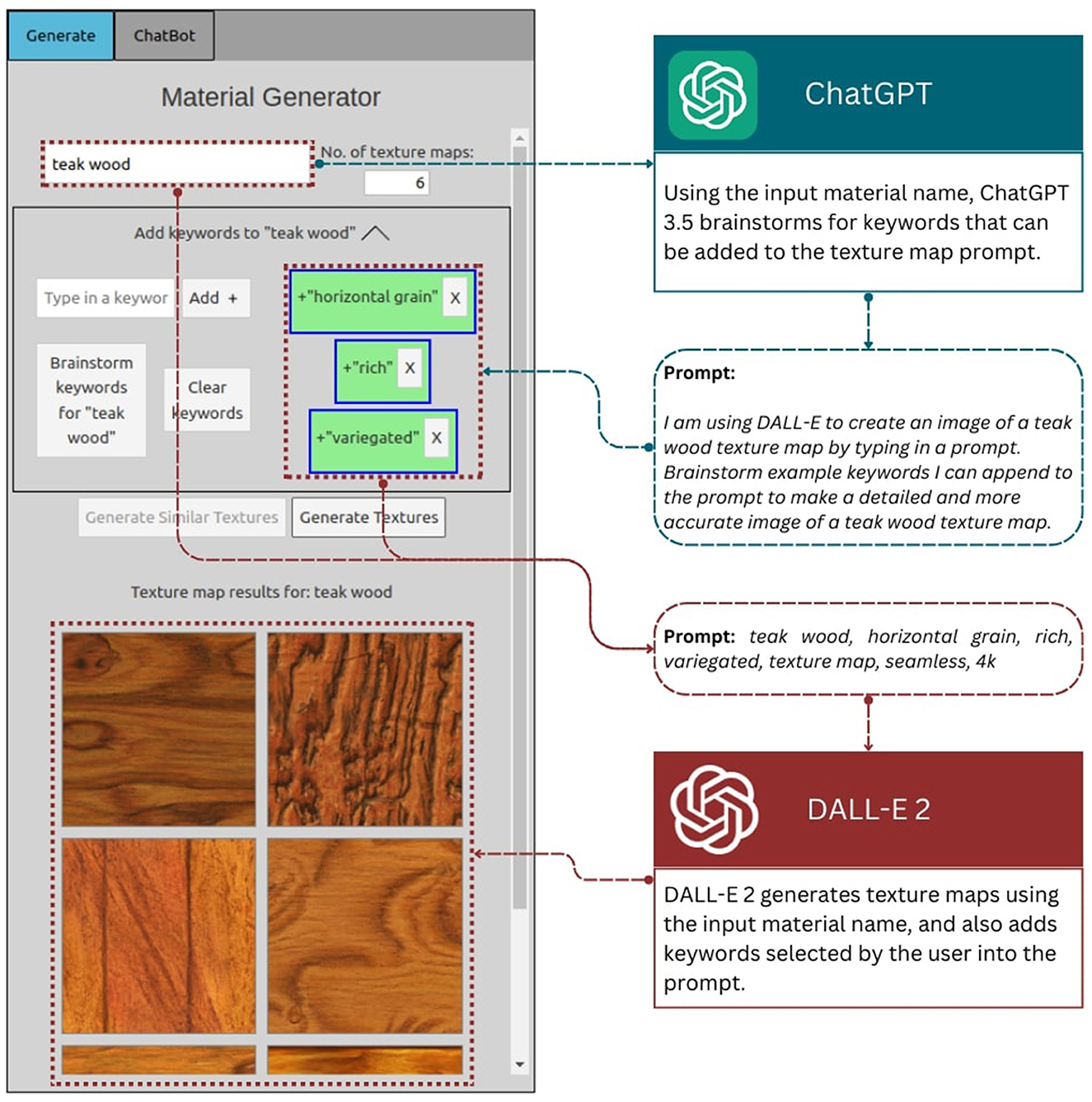
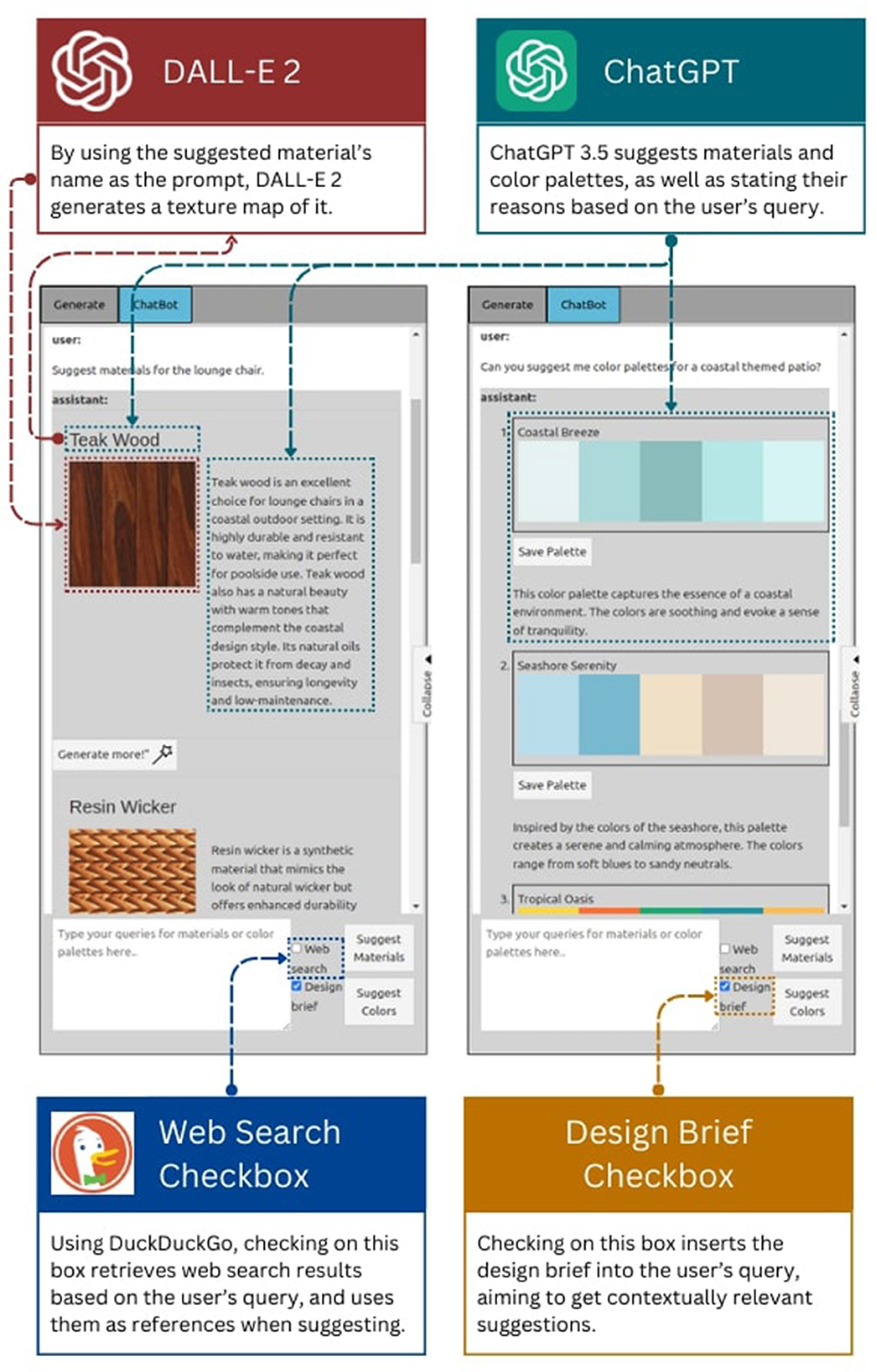
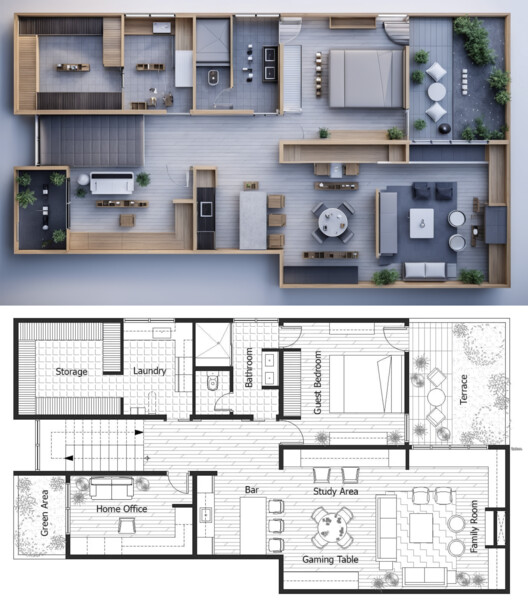
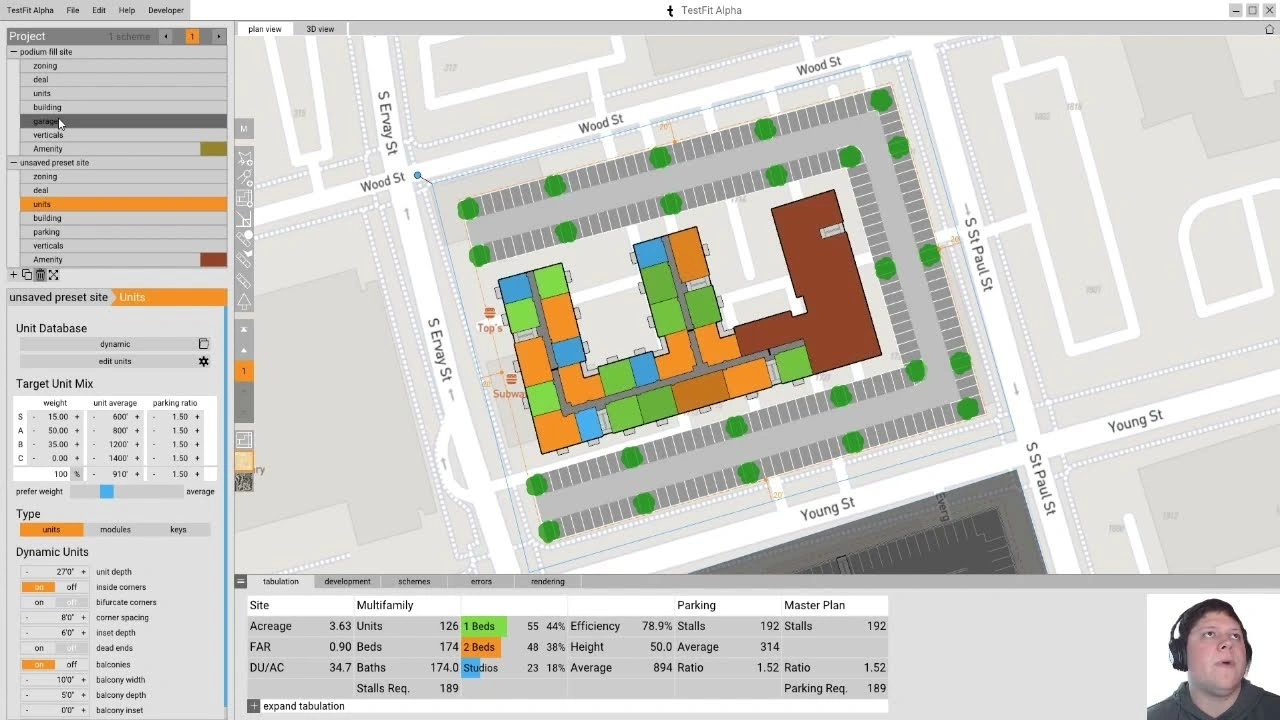
Environmental simulation tools, powered by AI, offer architects the ability to analyze and predict the environmental performance of their designs early in the process. These tools can simulate factors like daylighting, airflow, and thermal comfort, guiding designers toward more sustainable and comfortable building solutions. Machine learning algorithms are also being utilized for optimization tasks, such as space planning and layout generation, where they can analyze vast amounts of data and identify optimal configurations based on user-defined constraints and objectives. Furthermore, AI-driven tools are emerging for material selection and performance prediction, helping architects choose appropriate materials that meet aesthetic, structural, and environmental requirements.
Robotic fabrication and 3D printing technologies are being increasingly integrated with generative design, allowing for the direct translation of complex digital models into physical structures. These tools enable the creation of customized components and intricate forms that would be challenging or impossible to produce using traditional construction methods. Virtual Reality (VR) and Augmented Reality (AR) platforms are also transforming how architects visualize and interact with their generative designs, providing immersive experiences that enhance design comprehension and stakeholder engagement. Lastly, cloud-based generative design platforms are fostering collaborative workflows, allowing multiple designers to work on a single project simultaneously, irrespective of their geographical location, and leverage shared computational resources for complex generative processes. These transformative tools are not just improving efficiency but are fundamentally altering the creative potential and collaborative dynamics within architectural practice.
#GenerativeDesign #Architecture #ArtificialIntelligence #DesignProcess #ComputerSoftware #ParametricDesign #BuildingInformationModeling #EnvironmentalSimulation #RoboticFabrication #GenerativeDesign #Architecture #ArtificialIntelligence #DesignProcess #ComputerSoftware #ParametricDesign #BuildingInformationModeling #EnvironmentalSimulation #RoboticFabrication
0 comment in total
 No comments yet
You may also like

Will Artificial Intelligence Replace Designers?
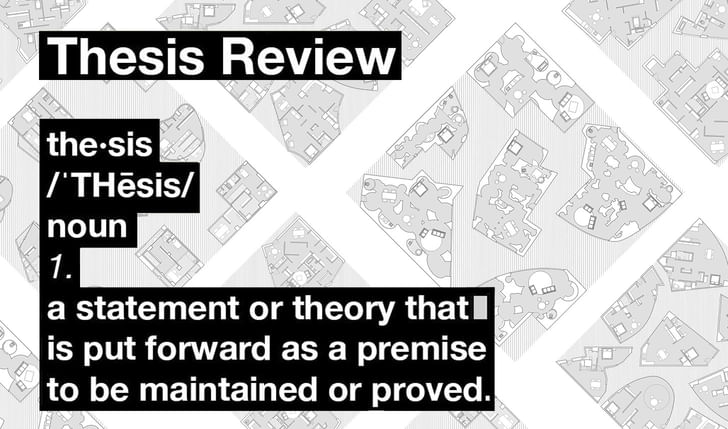
Generating Bias in Architectural Design with Stanislas Chaillou

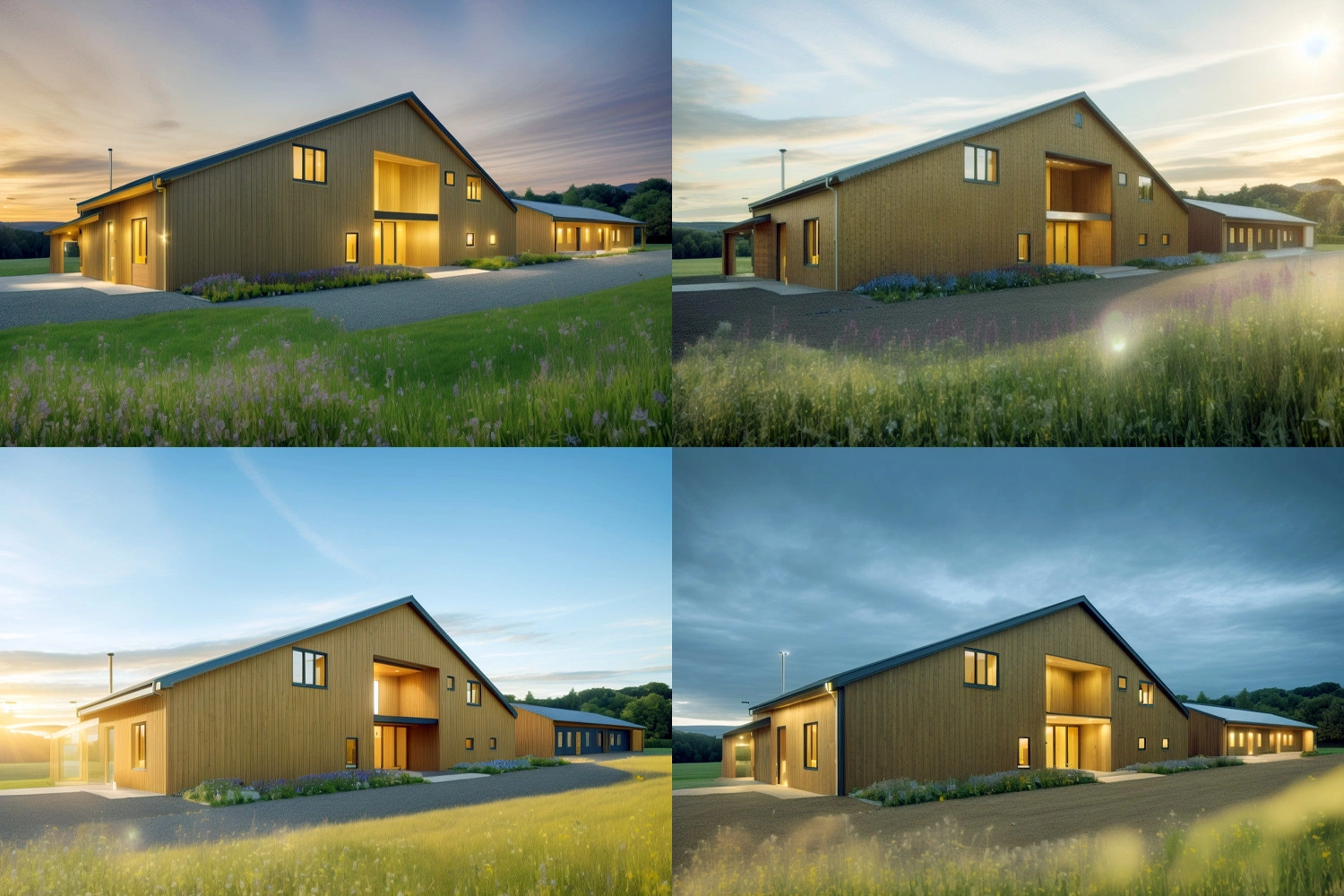
10 Revolutionary AI Tools Reshaping Architectural Design

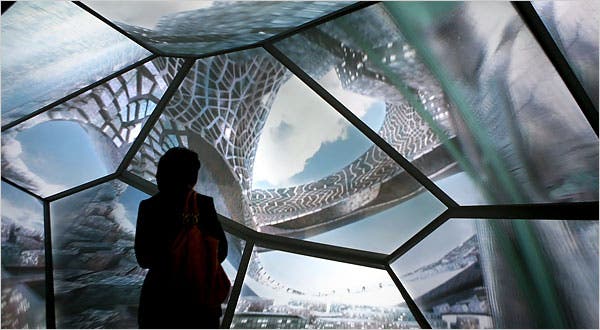
The Soul in the New Machines (Published 2008)
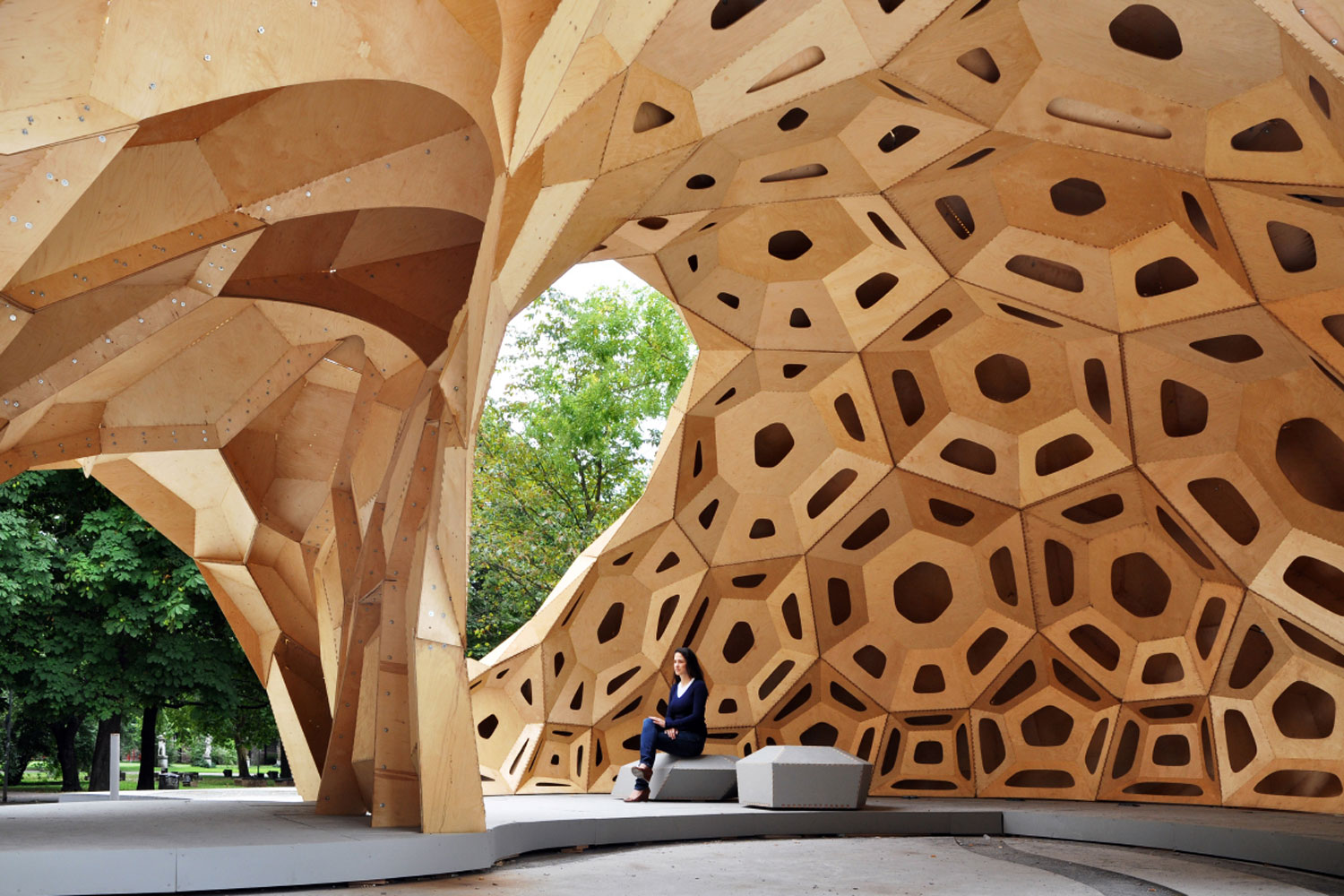
How generative design is shaping the future of architecture?
How AI-Powered Rendering Crushes Bottlenecks in Architecture and Interior Design

Why Designers Are Ditching Traditional Layouts for "Broken Floor Plans"

Meet Chencong Zhang | Interior Designer & Spatial Experience Designer
7 innovative ideas in architectural design

How to Be a Better Architect Than Me
8 Creative Home Decor Ideas To Create A Unique Space

Achieving Precision in Flexible Design: The Path to 10,000 Vertically Folding Skyfold Walls

The Quiet Architecture of Purpose: Unpacking the Talent of Sanjana Satya Prakash

A new vision for cork, that is attractive and utilizes contemporary digital designs


Crafting Atmospheres: Sensory, Textured Lighting in Architectural Design
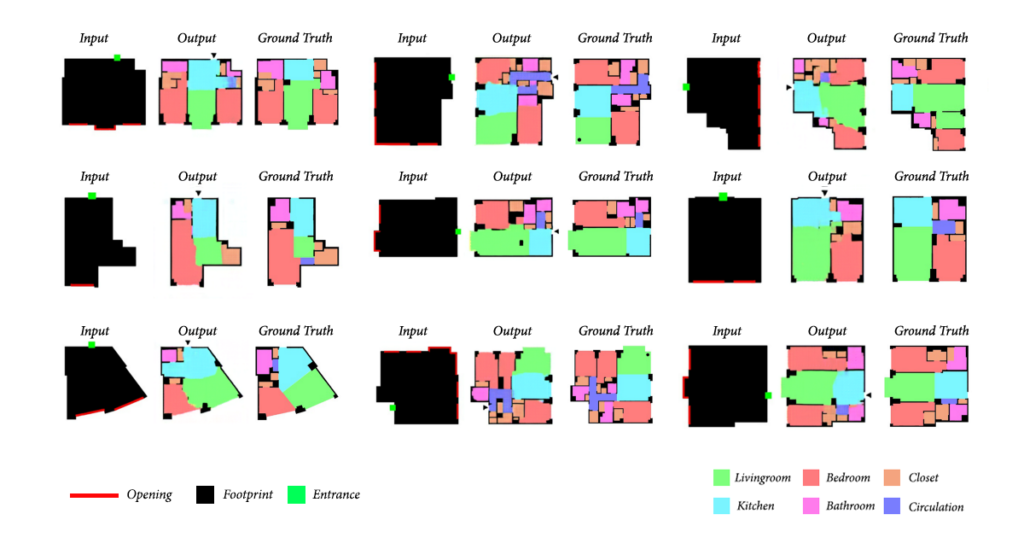
ArchiGAN: a Generative Stack for Apartment Building Design | NVIDIA Technical Blog
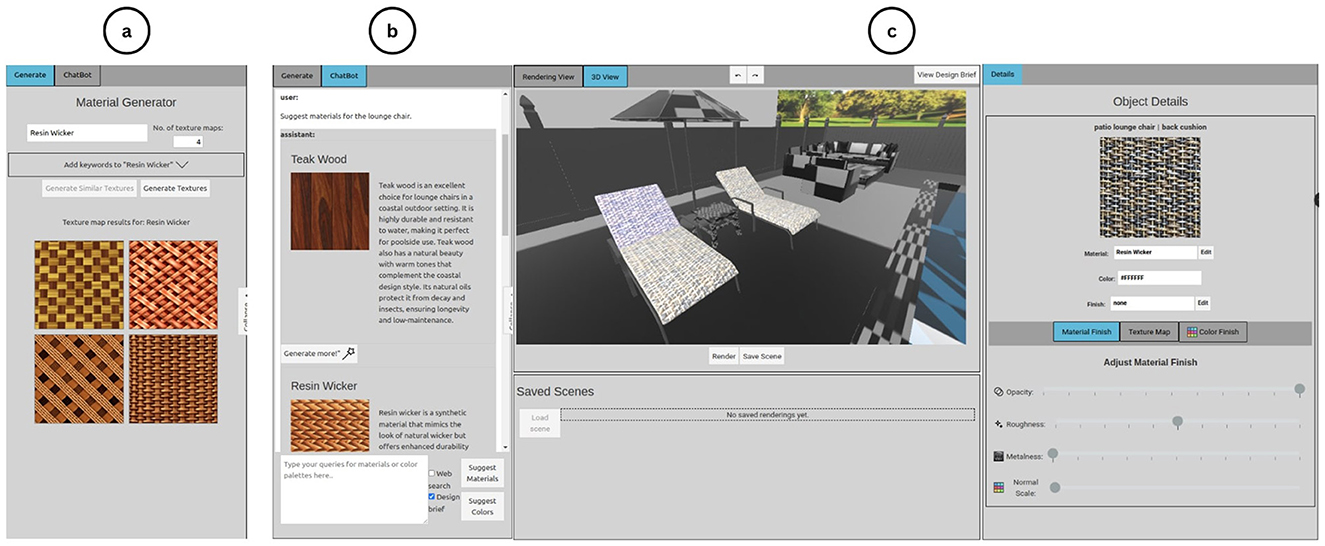
Exploring the use of generative AI for material texturing in 3D interior design spaces
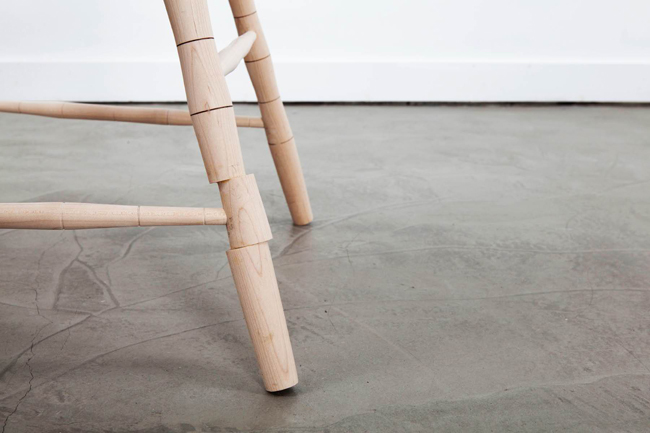
New Talent: Seven Innovative Design Studios to Watch
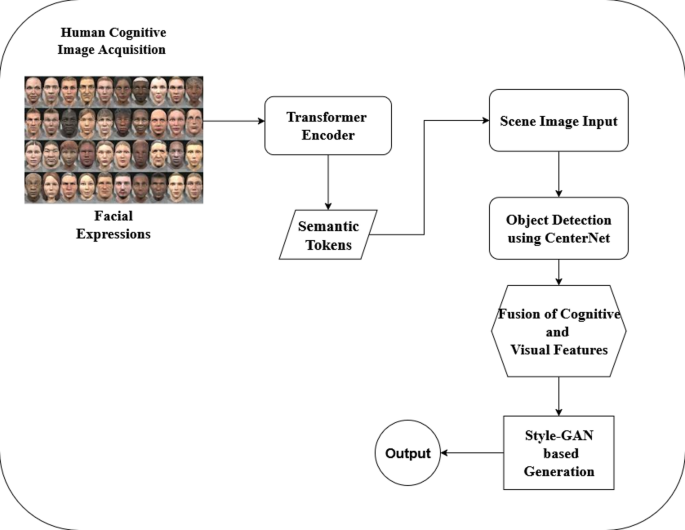
Enhancing interior design and space planning via human–machine intelligent interaction for artistic cognition
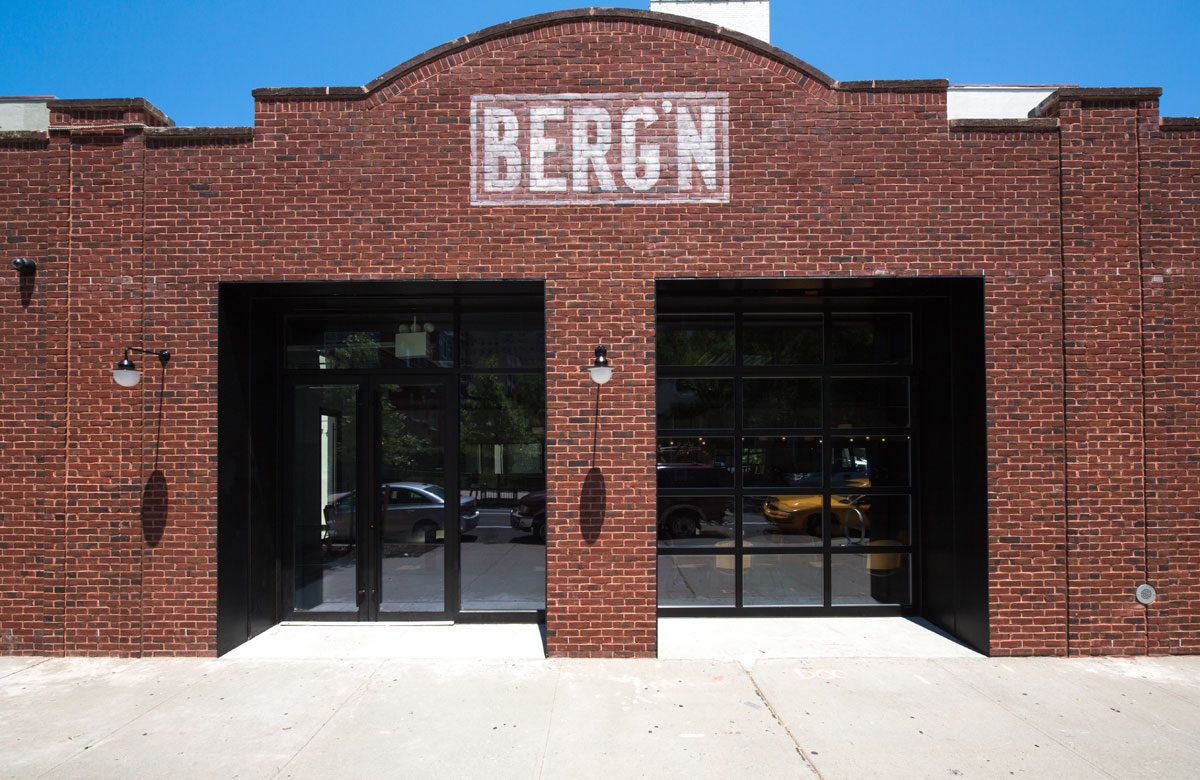
5 Stunning Garage Conversions