1/8
Enhancing interior design and space planning via human–machine intelligent interaction for artistic cognition
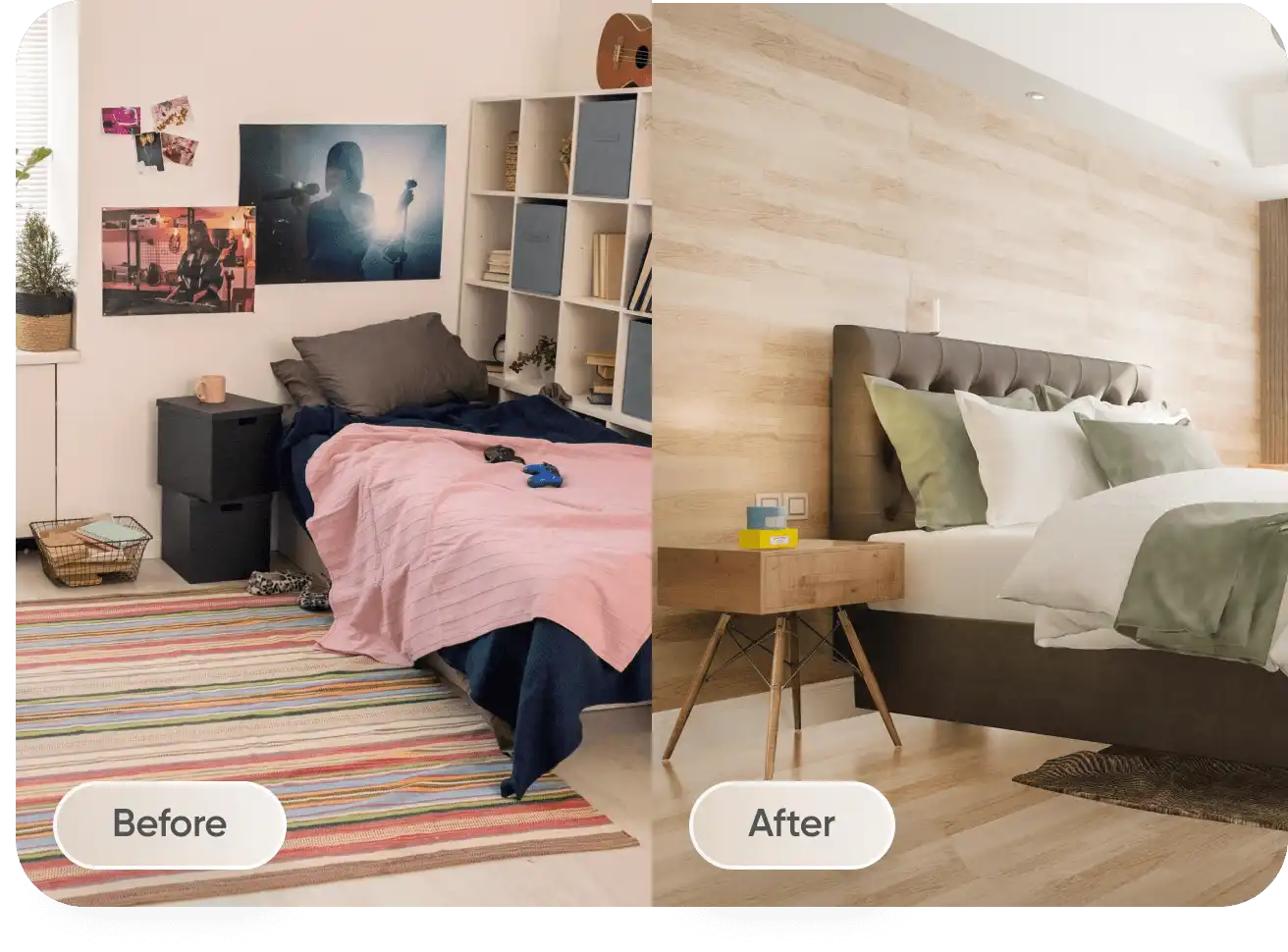
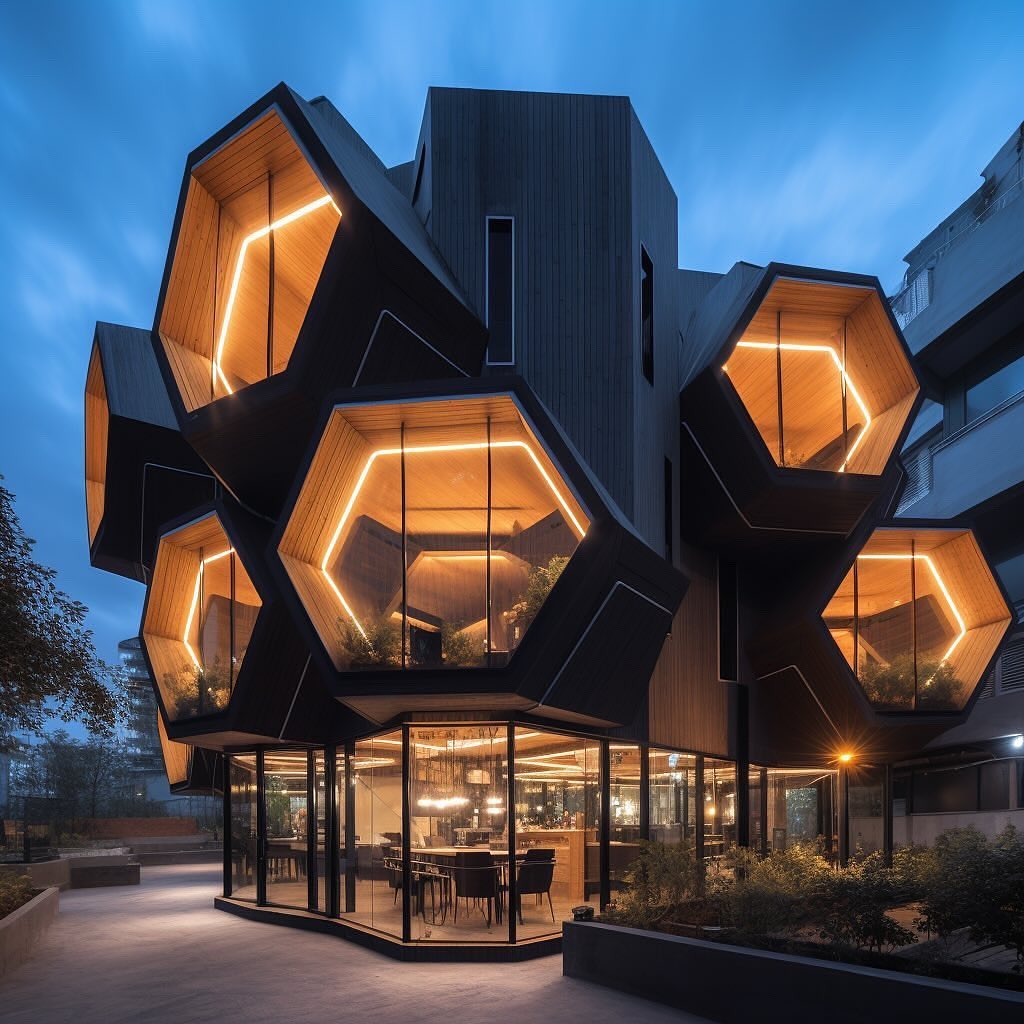
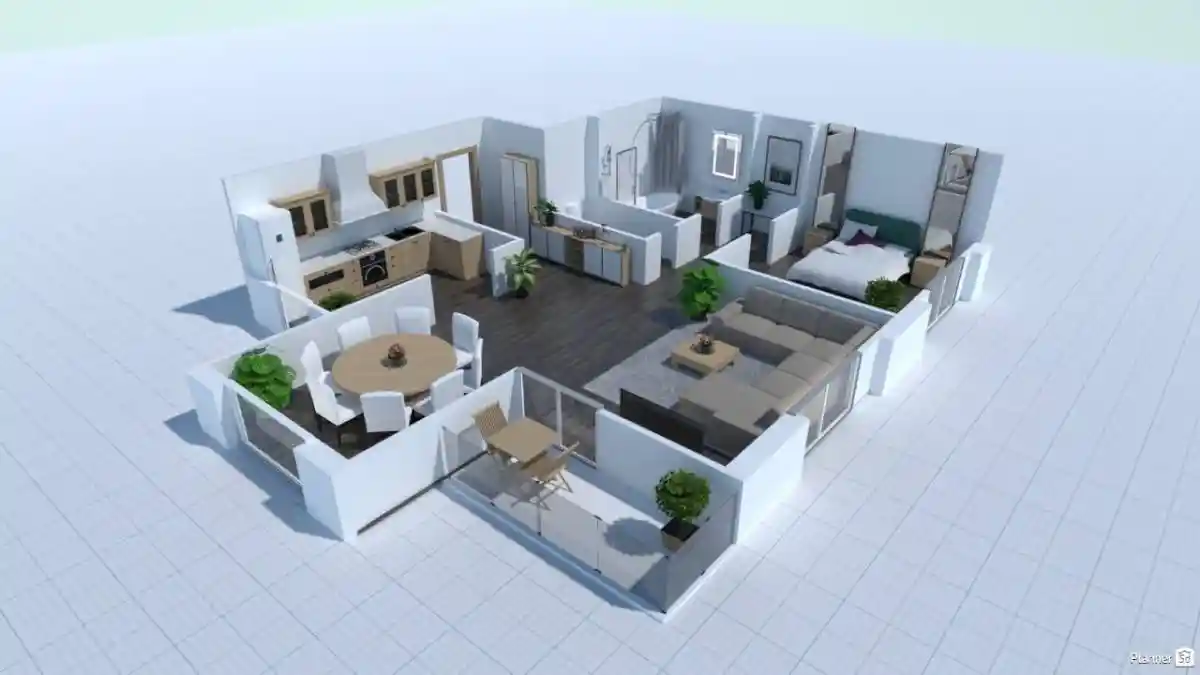
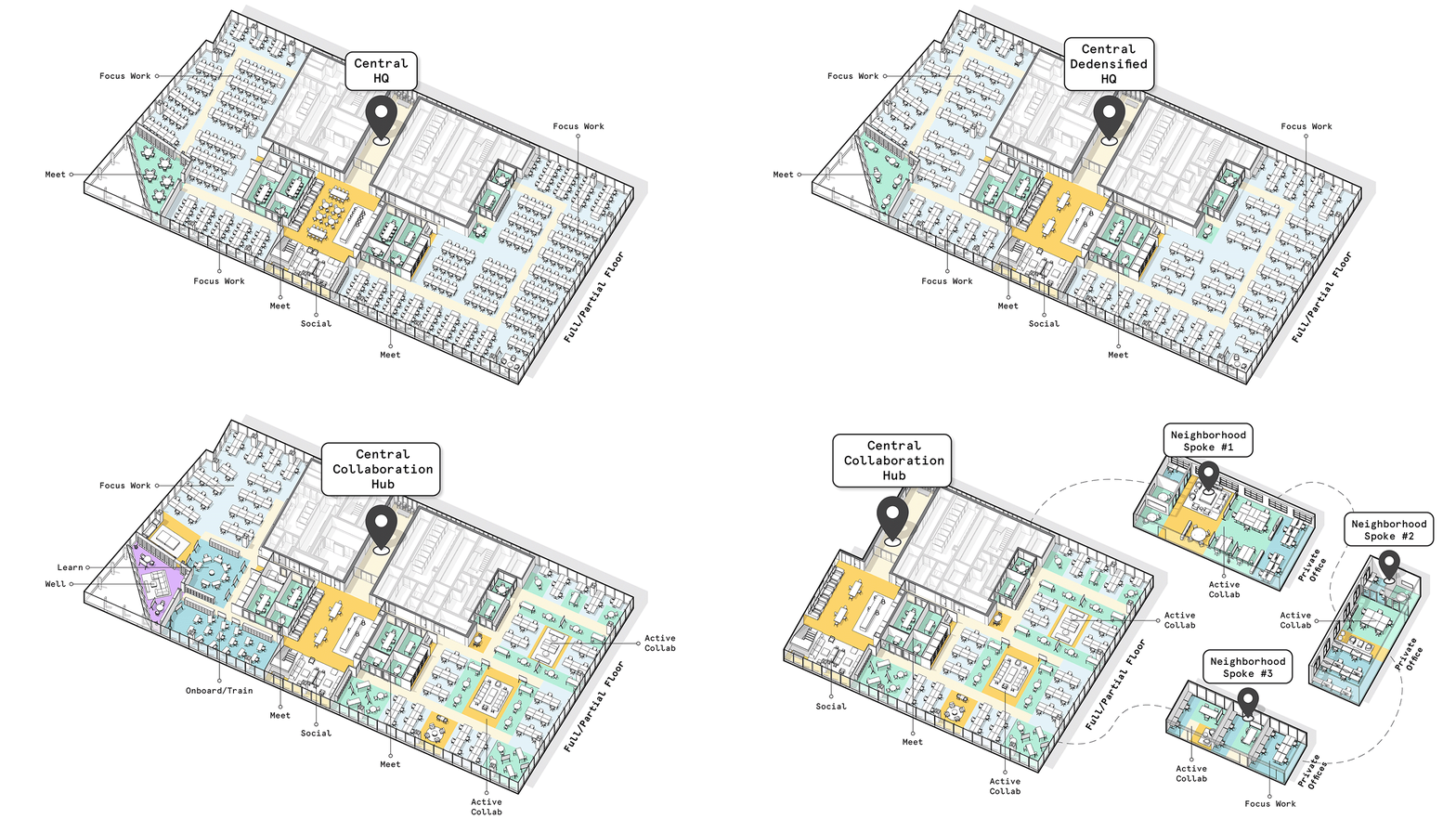
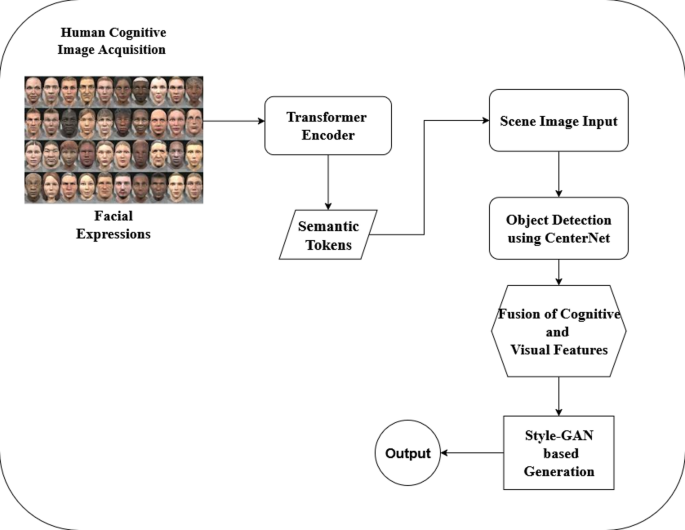
This study addresses the limitations of traditional interior design and space planning, which often lack real-time decision-making support and machine-aided creativity, by proposing an intelligent framework. The framework integrates human cognitive insights with an AI-powered design process, bridging the gap between spatial ability cognitive understanding and practical design applications. The proposed system combines hybrid models, specifically CenterNet, StyleGAN3, and a Transformer model, to enhance artistic cognition in interior design and space planning.
The system's workflow begins by utilizing CenterNet to detect and map spatial aspects from user input, which can include text, sketches, or spatial signals. These semantic and spatial features then guide StyleGAN3 to generate visually coherent interior visuals that align with the desired style. The Transformer model functions as a sequence-aware logic engine, responding to user interactions to refine the design process. This approach moves beyond instructional modeling by offering machine-aided co-design that considers user preferences and aims for enhanced utility and aesthetic appeal.
Experimental evaluation involved categorized user intents, room layouts, and high-resolution interior style images. StyleGAN3 successfully generated high-quality and diverse outputs, indicated by a Fréchet Inception Distance (FID) of 11.6. CenterNet demonstrated excellent performance in spatially accurate localization with a mean Average Precision (mAP) of 84.3% at an IoU of 0.75. Human assessments, conducted with artists, yielded high usability satisfaction and support for creativity, with an average score of 4.5 out of 5. These results highlight the effectiveness of integrating generative artistic cognition with structured spatial thinking within a collaborative AI system.
The research further explores the practical and theoretical implications of this human-AI interaction. Theoretically, it contributes to understanding how spatial cognition and AI can be combined to support creative decision-making, bridging educational models of spatial aptitude with applied AI-driven design tools. Practically, the technology offers a scalable, real-time method for optimizing the efficiency and quality of interior design processes. It enables professionals to accelerate laborious layout procedures while maintaining personalized visual outputs that reflect client intentions. The integration of user feedback through the Transformer module dynamically alters design iterations, leading to faster turnaround times and improved customer satisfaction. The framework’s accessibility, supporting input via sketches, text, and style notation, caters to users with varying levels of design expertise.
The study also includes an ablation study to quantify the contribution of each module. The full integration consistently demonstrated the best performance across metrics: lowest FID (19.2), highest Structural Similarity Index (SSIM) of 0.74, and highest human satisfaction rating (4.3). This confirms the value of the cognitive-visual fusion in interior design creation, demonstrating that each additional module progressively improves visual realism and perceptual quality. Ethical considerations for human evaluation were addressed through approval from the Ethics Committee of Shenzhen City Polytechnic and informed consent from participants. The study utilizes publicly available datasets such as Structured3D, MIT Indoor Scenes, and COCO Captions for training and evaluation, ensuring reproducibility.
#InteriorDesign #SpacePlanning #HumanMachineInteraction #ArtisticCognition #DeepLearning #ArtificialIntelligence #GenerativeDesign #CenterNet #StyleGAN3 #InteriorDesign #SpacePlanning #HumanMachineInteraction #ArtisticCognition #DeepLearning #ArtificialIntelligence #GenerativeDesign #CenterNet #StyleGAN3
0 comment in total
 No comments yet
You may also like

The Influence of AI in the Interior Design Industry

I Used AI Interior Designers to Reimagine My Boring Basement

3DVIA

If You're Looking to Remodel Your Home, I Found This AI Tool Useful for Inspiration. What to Know


Top 16 AI Tools for Interior Design

How AI-Powered Rendering Crushes Bottlenecks in Architecture and Interior Design


Yoselin Alonso Open Concept
The Transformative Power of AI in Architecture Design

10 free AI interior design generators
Freepik AI Interior Design Tools review: visualizations

Will Artificial Intelligence Replace Designers?
Best AI Floor Plan Generators For Various Uses #2025
Can AI Save Me the Cost of an Interior Designer?

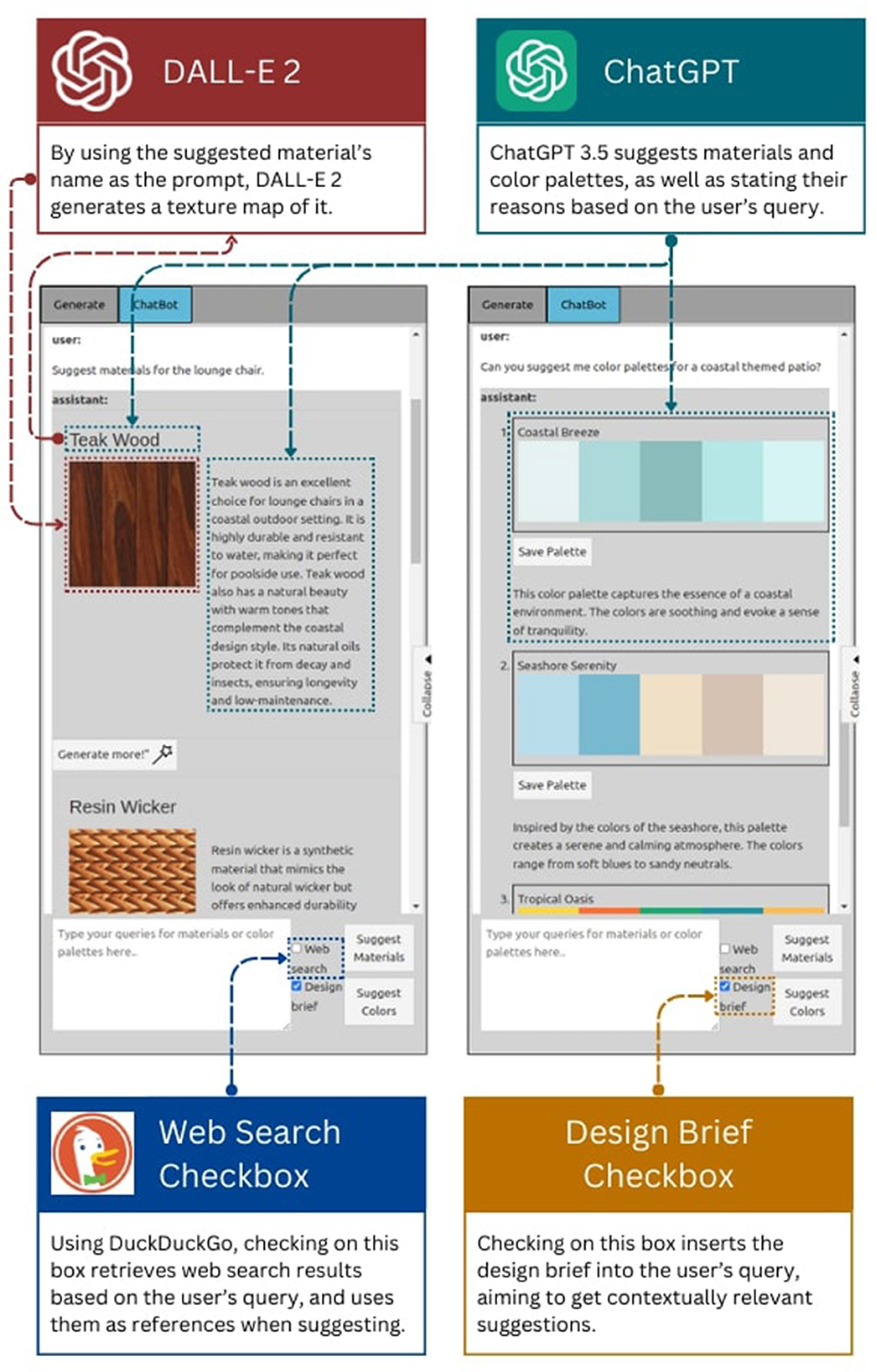
Exploring the use of generative AI for material texturing in 3D interior design spaces
If You Have These 10 Traits, You'd Probably Be a Great Interior Designer


Designing Better Spaces: Dana Vaux’s research focuses on connection between people, places
10 AI tools to generate interior and architectural images
I didn't expect the Pixel 9's Studio app to help this much with my new home
Generative Space Design: Exploring 8 Transformative Tools in Architecture
5 best AI interior design apps in 2024