1/11
ArchiGAN: a Generative Stack for Apartment Building Design | NVIDIA Technical Blog
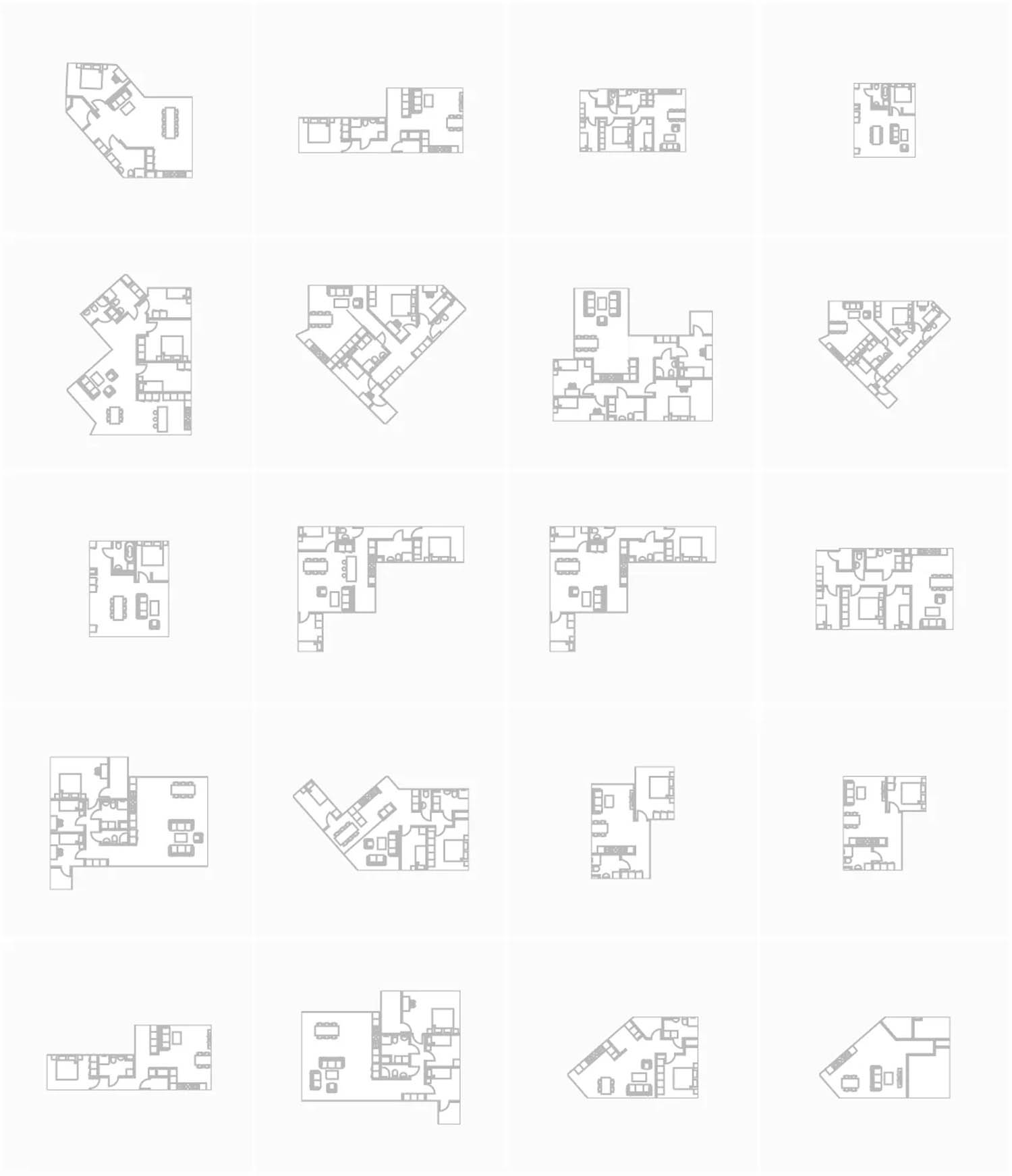
This article discusses ArchiGAN, a generative stack leveraging Generative Adversarial Neural Networks (GANs) to design floor plans and entire apartment buildings. The research, part of a Harvard thesis submitted in May 2019, proposes a three-step generation process: building footprint massing, program repartition, and furniture layout. Each step utilizes a Pix2Pix GAN-model trained to perform its specific task. The system allows for user input between models, facilitating a human-machine iterative design approach.
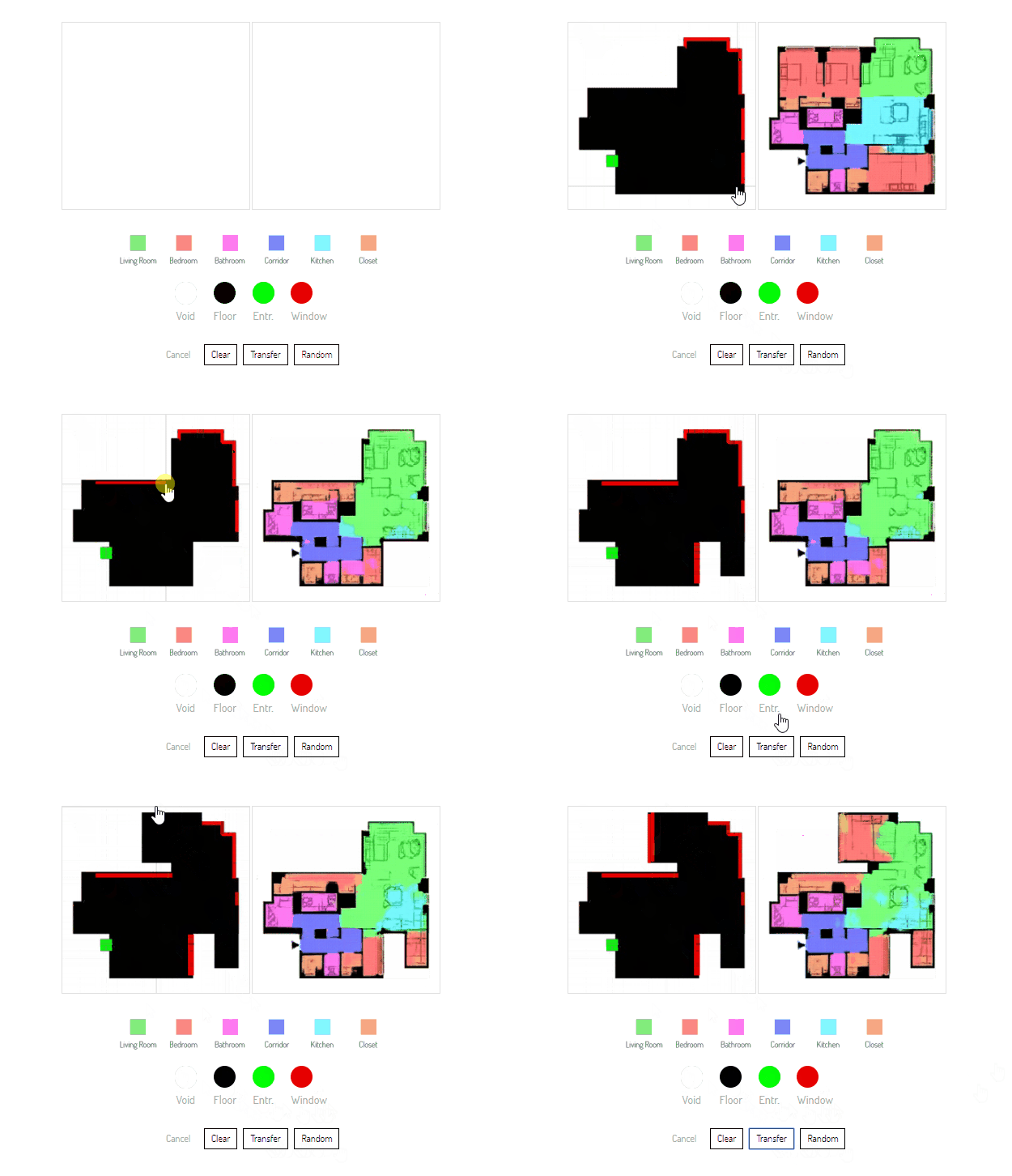
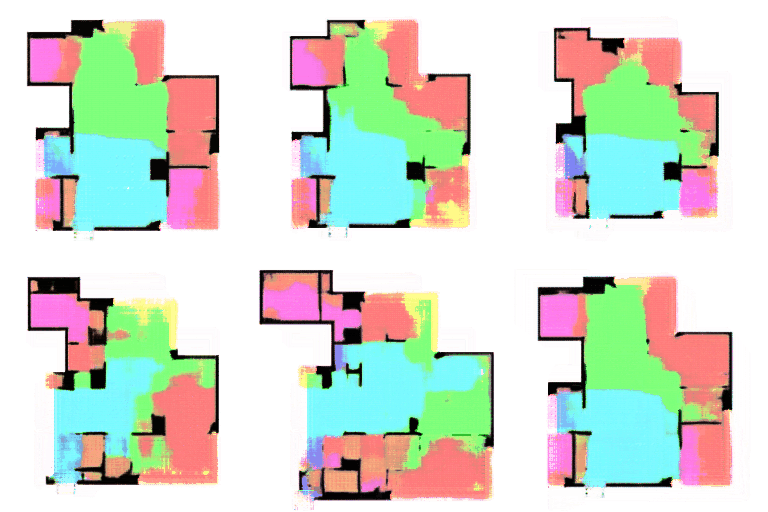
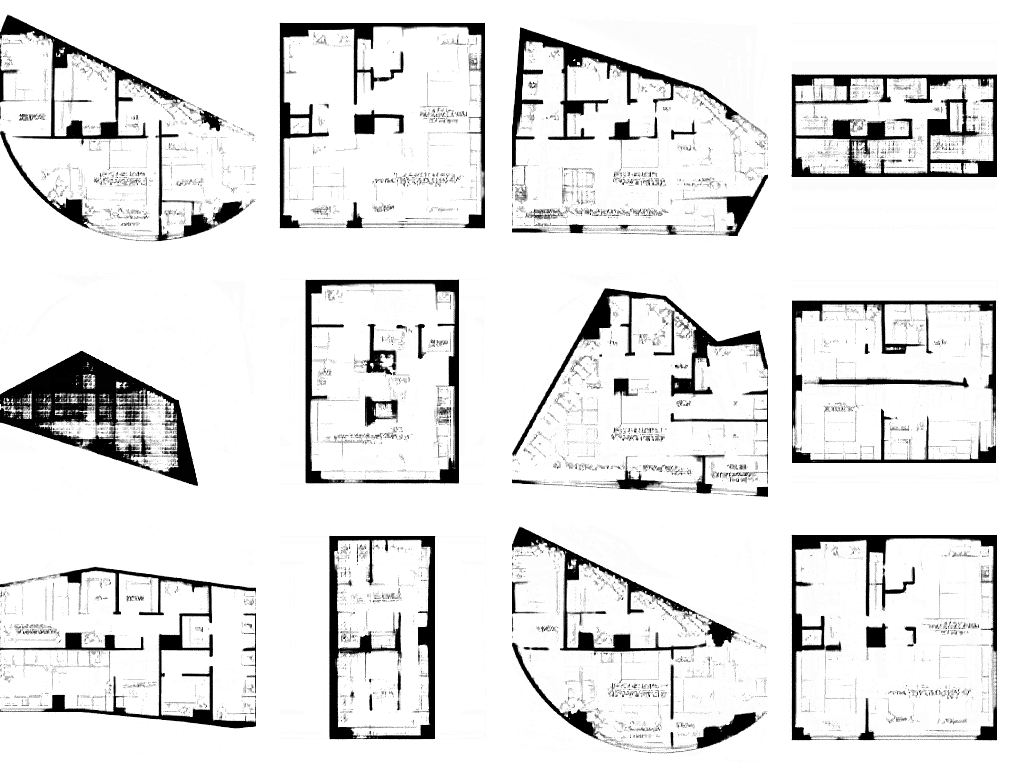
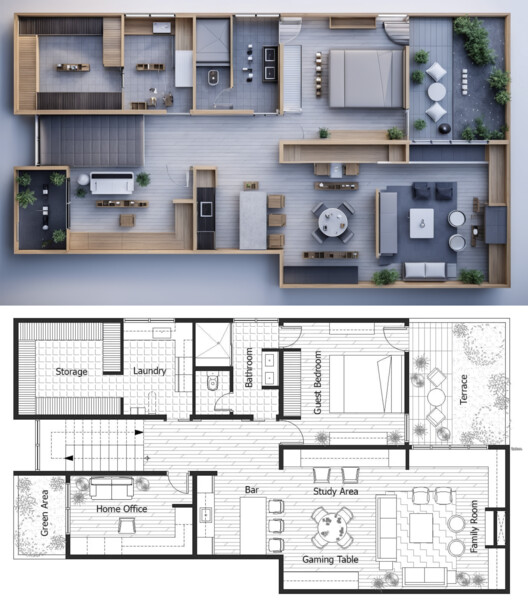
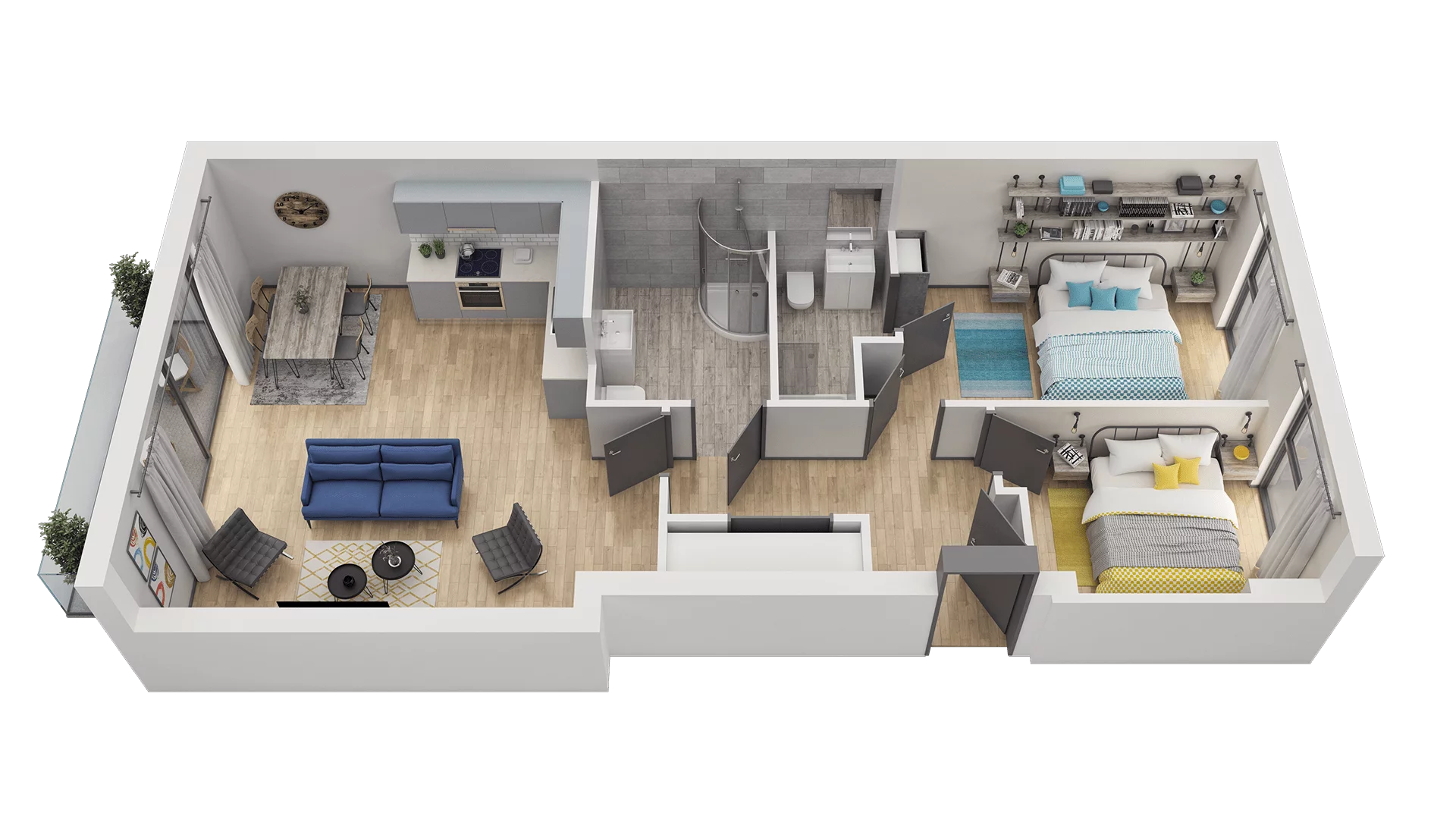
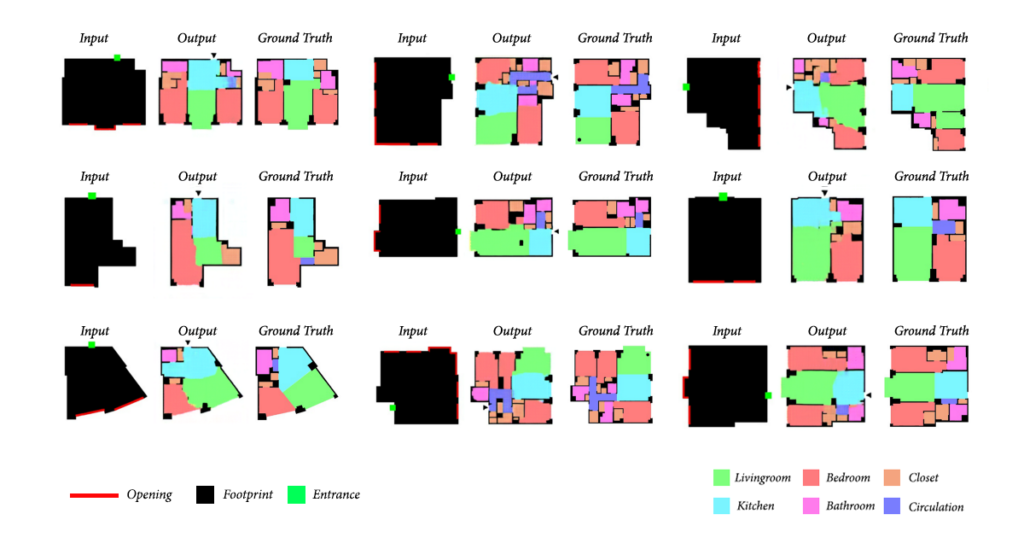
The methodology employs Pix2Pix, a conditional generative adversarial network (cGAN), which comprises a Generator that transforms an input image into an output image, and a Discriminator that distinguishes between generated and original images. This adversarial process refines the output, enabling the models to learn topological features and space organization directly from floor plan images. The training data for the footprint model includes GIS data from Boston to generate typical building footprints based on parcel shapes. The program repartition model is trained on over 800 annotated apartment plans, using colors to represent rooms and black patches for wall structures and fenestration. The furnishing model maps room programs to appropriate furniture layouts, retaining wall and fenestration details while populating rooms with relevant furniture.
The implementation of ArchiGAN utilizes Christopher Hesse’s TensorFlow-based Pix2Pix implementation. The training process was conducted on Google Cloud Platform using an NVIDIA Tesla V100 GPU, which significantly reduced training times from over a day and a half to under two hours, enabling faster iterations and testing. This efficiency highlights the importance of powerful hardware in developing complex AI models. Early attempts showed imprecision, but the models gained a form of 'intuition' after approximately 250 iterations, progressively learning room layouts and the positioning of doors and windows.
The project builds upon previous works in image-to-image translation and GAN-based floor plan analysis. Isola et al.'s Pix2Pix model and the floor plan analysis by Zheng and Huang (2018), which translated floor plan images into programmatic colored patches and vice-versa, provided foundational concepts. Nathan Peters' thesis (2017) explored laying out rooms within single-family home footprints, while Nono Martinez's work (2016) investigated the interaction between machines and designers to refine the design process. ArchiGAN integrates these concepts into a comprehensive, multi-step pipeline.
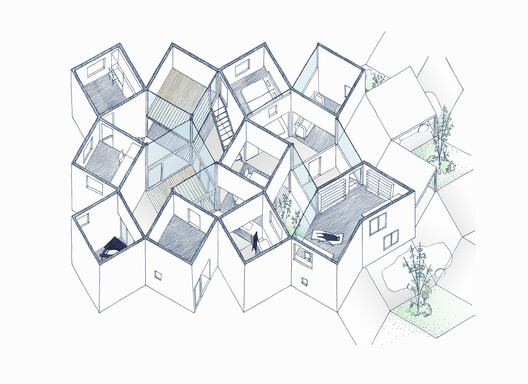
To scale the system to entire apartment building designs, an algorithm chains the three models (footprint, program, and furnishing) to process multiple units as single images at each stage. This includes controlling the position of unit entrance doors and windows, which is crucial for unit placement and maintaining apartment quality. Users can define unit splits, and position entrances and vertical circulations. The algorithm then feeds each resulting unit through Model II and III, reassembling the floor plate to output individual images of all floor plates in the generated building.
Despite its capabilities, ArchiGAN has limitations. It cannot currently guarantee the continuity of load-bearing walls across multiple stories, as internal structures are laid out differently for each unit. While the façade is assumed to be load-bearing, future improvements might include specifying load-bearing elements in Model II's input. Another area for improvement is increasing the resolution of output images, potentially by deploying NVIDIA's Pix2Pix HD project and utilizing TensorRT for increased computational power. A significant challenge lies in transforming the pixel-based output into a vector format that architects and designers can directly use with existing tools. The author emphasizes the importance of designing the right pipeline to allow user participation throughout the AI-driven architectural design process, combining GANs' intuitive generation with optimization algorithms for enhanced quality and efficiency. The article concludes by referencing further discussions on AI's historical context in architecture, floor plan design, and architectural style analysis and generation.
#GenerativeAINetworks #GANs #Architecture #BuildingDesign #FloorPlanDesign #Pix2Pix #DeepLearning #AIinArchitecture #NVIDIA #GenerativeAINetworks #GANs #Architecture #BuildingDesign #FloorPlanDesign #Pix2Pix #DeepLearning #AIinArchitecture #NVIDIA
0 comment in total
 No comments yet
You may also like
Generating Bias in Architectural Design with Stanislas Chaillou

8 AI-powered architectural rendering programs you should try

The Transformative Power of AI in Architecture Design
5 best AI interior design apps in 2024

How generative design is shaping the future of architecture?
Finch3D: automates the generation of floor plans
Can AI Save Me the Cost of an Interior Designer?

10 AI tools to generate interior and architectural images
A review of artificial intelligence methodologies in computational automated generation of high performance floorplans

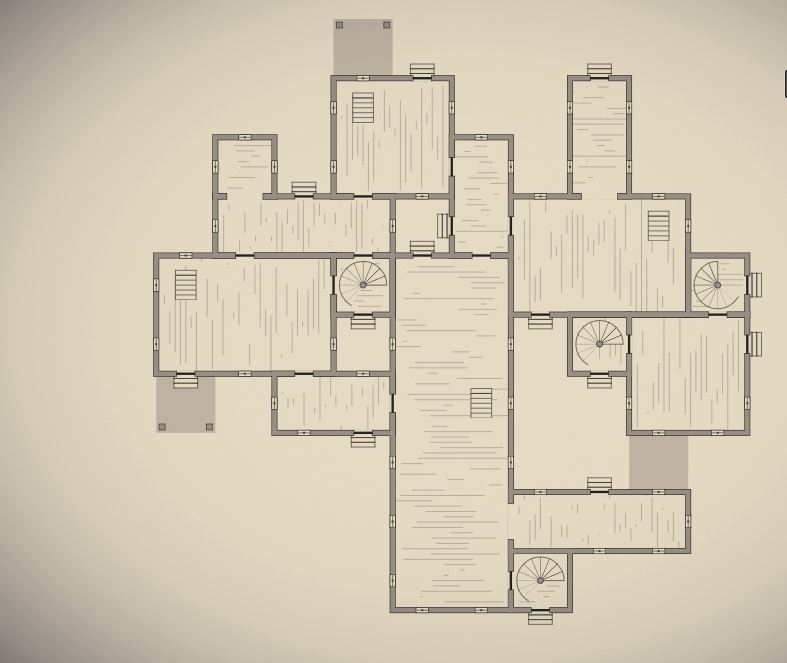
Random mansion generator
Generative Space Design: Exploring 8 Transformative Tools in Architecture


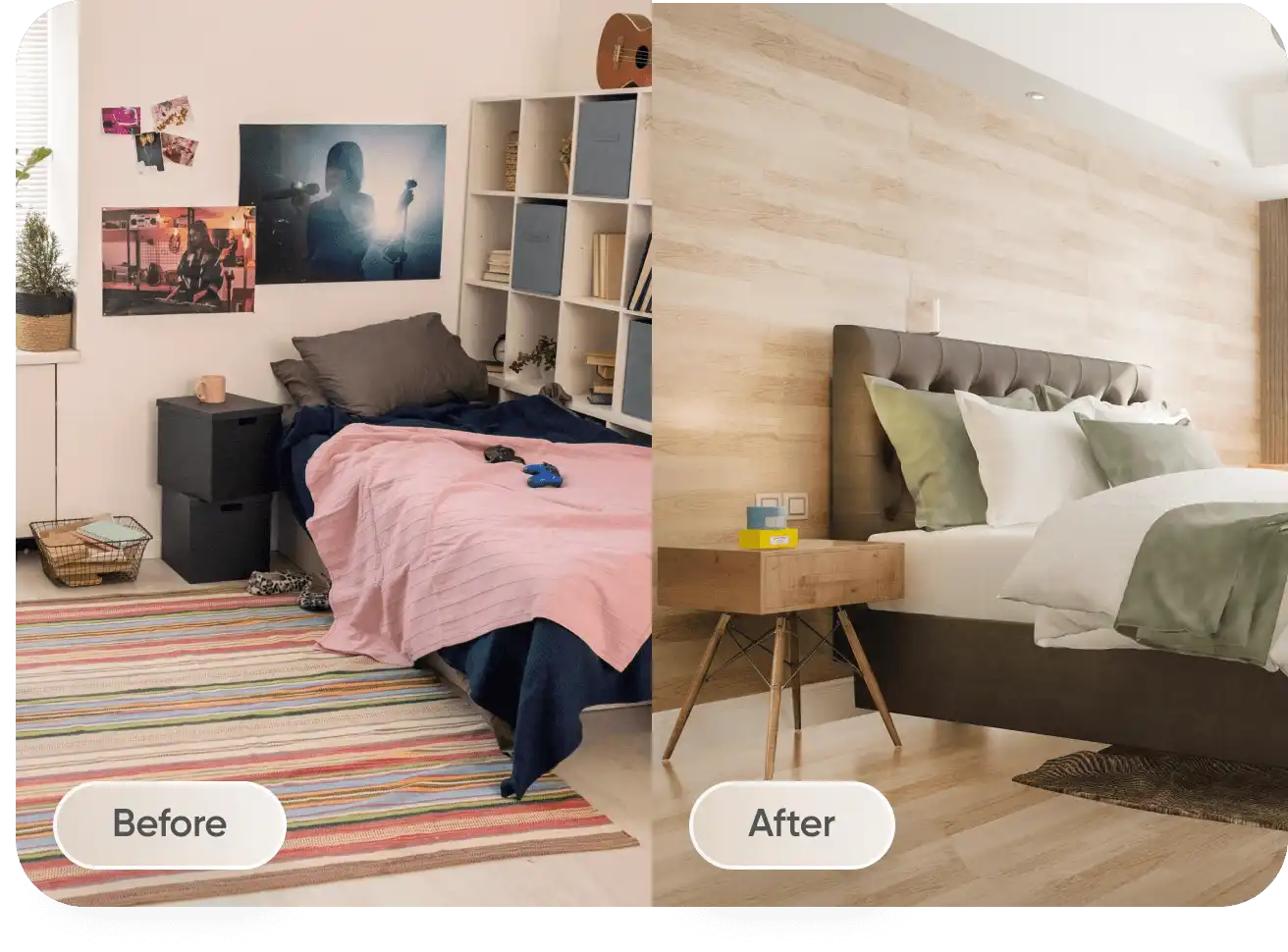
I didn't expect the Pixel 9's Studio app to help this much with my new home
AI Floor Plan Generators: Driving the Future of Smart Architecture and Layout Design


10 free AI interior design generators
Best AI Floor Plan Generators For Various Uses #2025
How can AI and simulation tools transform sustainable building design?
10 Revolutionary AI Tools Reshaping Architectural Design
How AI-Powered Rendering Crushes Bottlenecks in Architecture and Interior Design
Enhancing interior design and space planning via human–machine intelligent interaction for artistic cognition
Daring house designs feature on Dezeen's new Pinterest board