1/5
Finch3D: automates the generation of floor plans
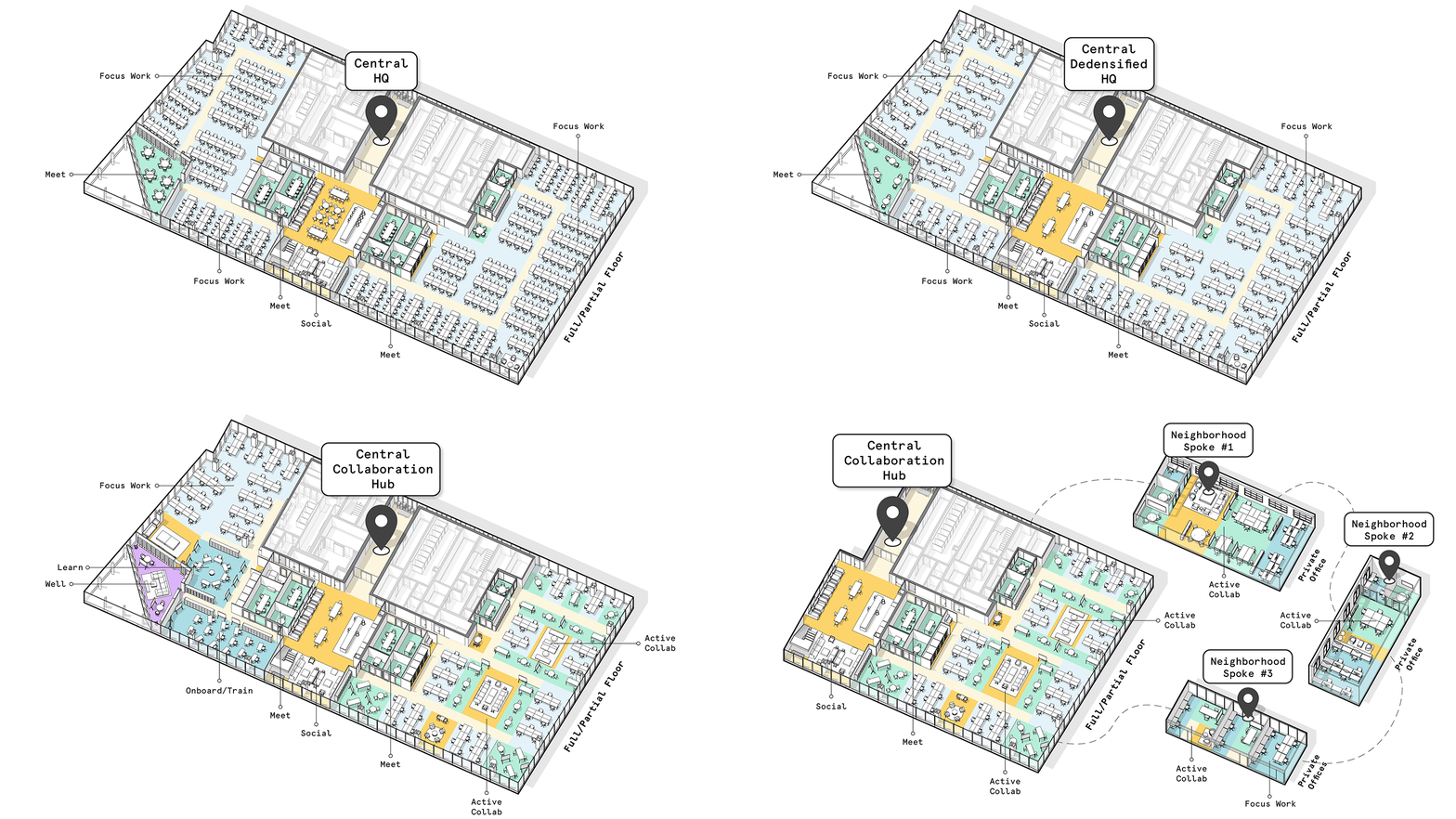
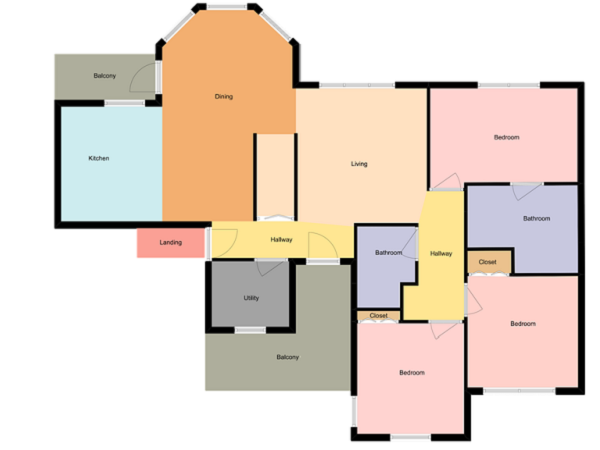
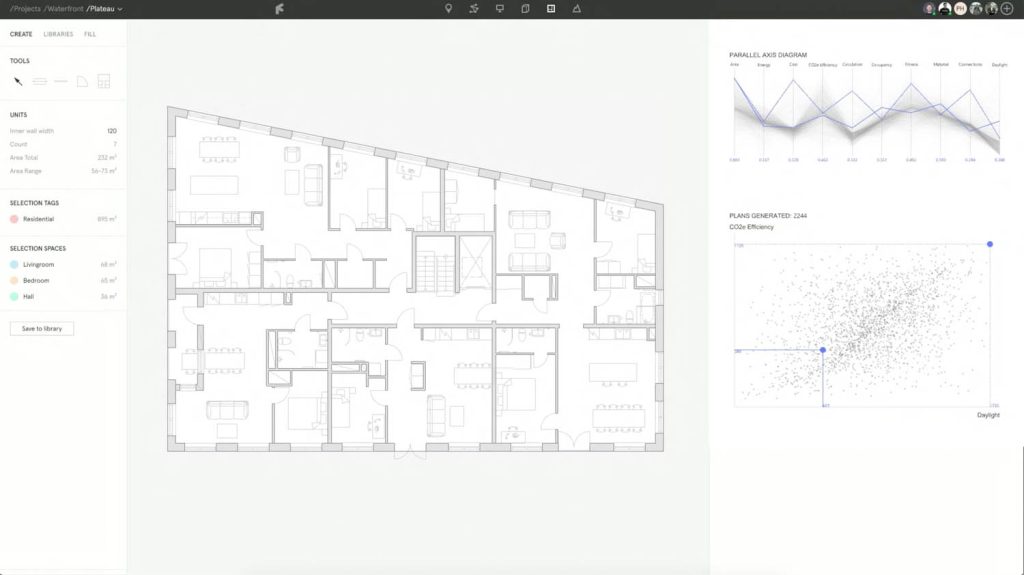
Finch3D, established in 2019, is a parametric design tool developed by architects to automate the generation of floor plans. The tool provides feedback and optimizes designs for code compliance. Founded in Malmö, Sweden, by Pamela Nunez Wallgren, Jesper Wallgren, and Martin Kretz, the company's origin stems from the founders' need for enhanced tools within their own architectural practice. Finch3D has since evolved into a computational cloud platform focused on rapid design iteration, particularly targeting early-stage project development. It incorporates AI, constraints-based design, and simulation with graphical output, and also supports cloud-based team collaboration.
The software offers capabilities for massing, layouts, storey design, and space planning, providing real-time feedback on critical metrics such as areas, light, and CO2. Project information can be generated and stored in a shared library, including plans, rules, and objects like furniture. Pamela Nunez Wallgren explained that the initial concept emerged from an in-house floor plan generator plug-in for Rhino, which garnered significant attention from the industry, indicating a widespread demand for solutions to automate repetitive early-stage design tasks. This positive reception prompted the team to develop Finch3D into a more comprehensive platform.
Following substantial interest and thousands of early access sign-ups, the team collaborated with software developer Martin Kretz, along with additional developers, to build the Finch3D platform. Initially a Rhino plug-in, Finch3D is now a standalone application designed with robust connections to popular design software. It supports two-way native streaming with applications such as Rhino, Grasshopper, and Revit, allowing users to integrate Finch3D's generative tools into their existing workflows. This connectivity ensures that computational assistance is consistently linked to projects as they advance, enabling users to make changes in Revit and receive immediate data feedback through Finch3D.
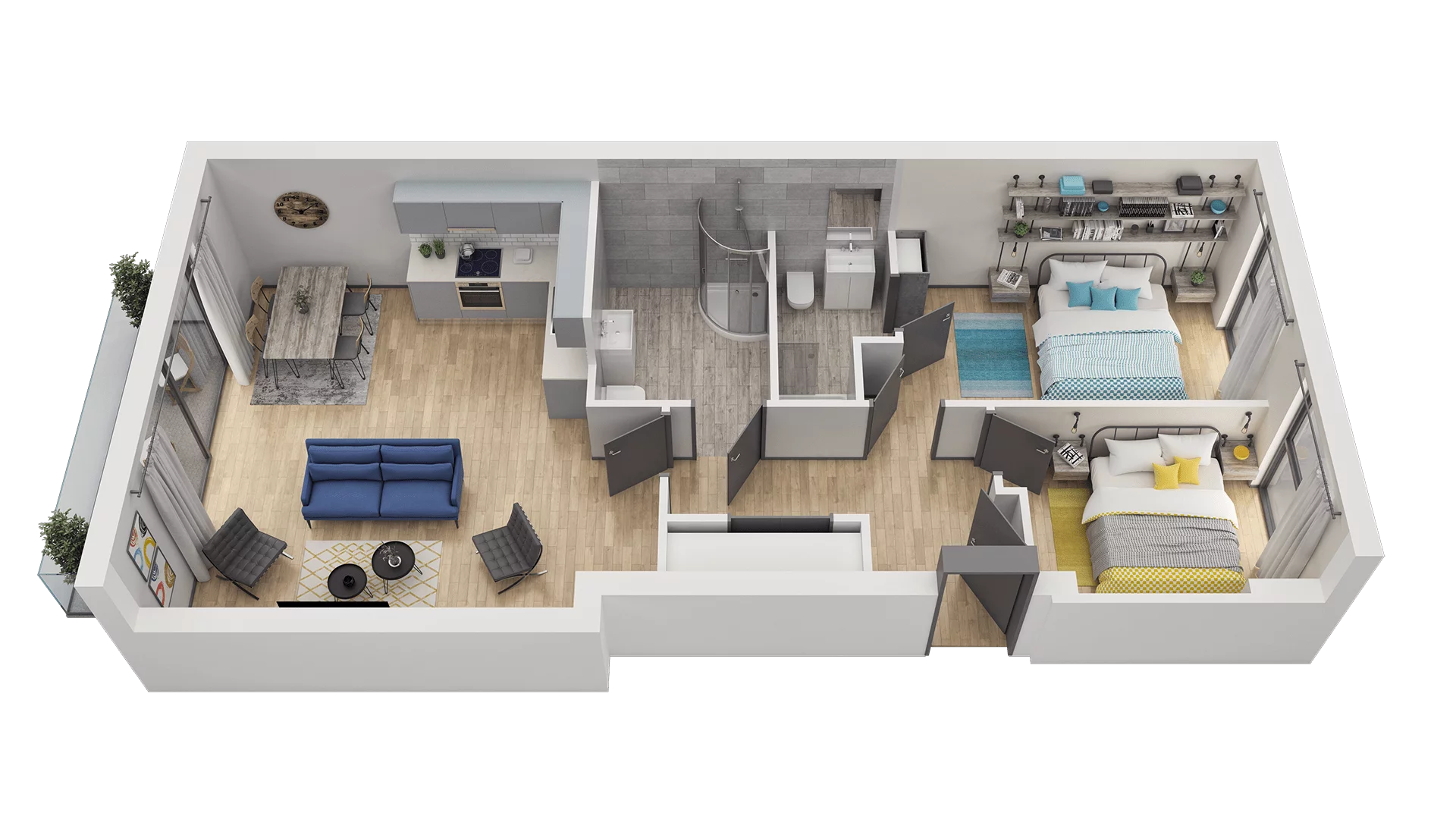
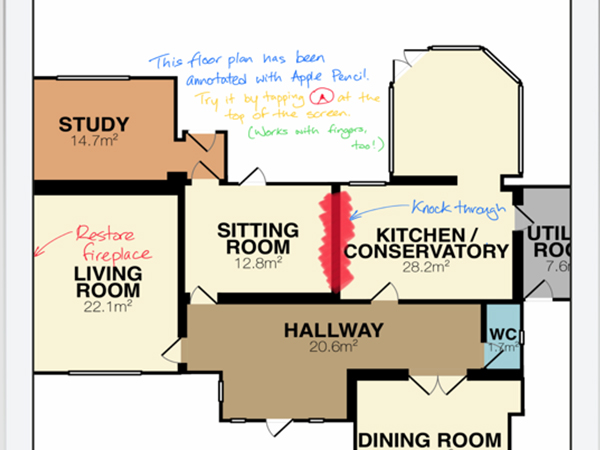
Finch3D is specifically tailored for early-stage design, spanning from initial sketches through design development to schematic design. Its primary function is to explore building volumes and populate them with floor plans based on user-defined rules. These rules can specify relationships between spaces, minimum area requirements, or daylight provisions. The platform's optimization algorithms process these graph rules to generate detailed and precise floor plans. The system automatically constructs the underlying graph, which maps out architectural elements and the relationships between different functions, spaces, and objects to create optimal floor plans, removing the need for manual graph construction by the user.
Regarding the broader impact of automation and AI-based tools on the architecture, engineering, and construction (AEC) industry, Nunez Wallgren believes that while architects will continue to play a crucial role, their work will be significantly streamlined by better tools. She acknowledges the subjective nature of architecture and the architect's position as a central coordinator among various stakeholders during early project phases. She anticipates that AI and automation will ease the workload for architects rather than rendering them redundant. In November 2022, Finch secured €2.5 million in seed funding, led by Inventure and including follow-on investments from business angels Peter Neubauer and Emil Sjödin. This funding is expected to accelerate development and expedite the commercial launch of the product. Finch is currently collaborating with strategic clients, including White Arkitekter and Herzog & de Meuron, and has a waiting list of 12,000 potential customers.
#Finch3D #FloorPlanGeneration #ParametricDesign #AECSoftware #ArtificialIntelligence #GenerativeDesign #ArchitecturalTechnology #EarlyStageDesign #DesignAutomation #Finch3D #FloorPlanGeneration #ParametricDesign #AECSoftware #ArtificialIntelligence #GenerativeDesign #ArchitecturalTechnology #EarlyStageDesign #DesignAutomation
0 comment in total
 No comments yet
You may also like

Online 3D Space Planning


16 Best Free Home and Interior Design Apps, Software and Tools


8 AI-powered architectural rendering programs you should try

3D Architectural Rendering Services at Unbeatable Price / Cost


House Design App: 10 Best Home Design Apps

10 DIY Home Renovation Apps (Free)

11 Best Free Floor Plan Software for 2024

Lowe’s North Bergen Chosen to Pioneer In-Store Kitchen Design Tool For 4 Days Only

Best AI Floor Plan Generators For Various Uses #2025

11 Best Free Floor Plan Software for 2024

3D House Design: 8 Best Three-Dimensional House Plan Apps, Software & Online Tools

Best interior design software of 2025: Top home design tools fully tested


Two tech tools to create your own 3D floor plans


Best interior design software of 2025

Best architecture software of 2025
Enhancing interior design and space planning via human–machine intelligent interaction for artistic cognition

Room Design App: 7 Best Apps to Design Your Own Room

10 free AI interior design generators
3DVIA

These 15 Room Design Apps Will Make Your Dream Home a Reality