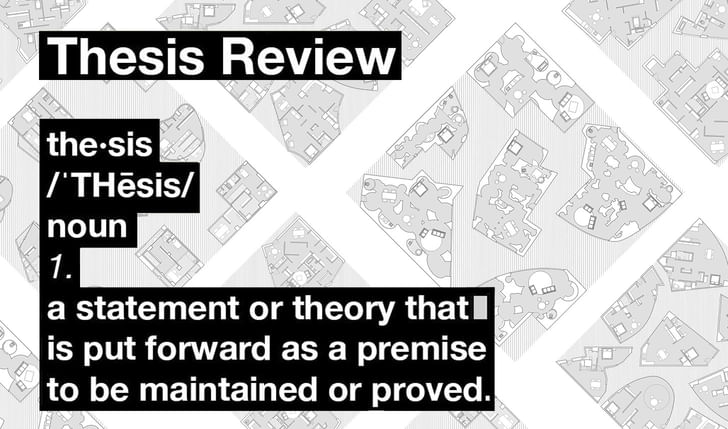
1/10
Generating Bias in Architectural Design with Stanislas Chaillou
This article presents an interview with Stanislas Chaillou regarding his Master of Architecture thesis, "Bias & Architectural Style: A New Frontier for AI In Architecture," completed at the Harvard Graduate School of Design. The thesis explores the application of Artificial Intelligence (AI), specifically Generative Adversarial Networks (GANs), in architectural design to create a framework for generative design.
Chaillou's initial intention was to develop a consistent framework for generative design, aiming to autonomously create potential design options. He hypothesized that AI could address the shortcomings of existing generative design methods. His approach involved a two-fold process: generating a wide variety of relevant design options and then ranking and ordering them based on user-defined criteria. To test this, he trained four distinct GAN models on different architectural styles: Baroque, Manhattan Unit, Suburban Victorian, and Row-House. He then observed the unique behaviors and generated results of each model.
The practical application of his research involved a challenging site in Manhattan, where the unusual geometry of the plot typically restricts standard development. Chaillou utilized his GAN models to fit a housing project onto this parcel. For each apartment unit, he selected the GAN model, and consequently the architectural style, best suited to the unit's specific constraints. The entire massing of the building was then in-filled using these GAN models, leading to internal structures and furnishing arrangements that varied in style from one unit to its neighbor. This method allowed for a diverse stylistic integration within a single development, moving beyond simple layout generation to explore the implications of architectural style learning across a broad spectrum of design outcomes.
The thesis evolved significantly from its initial focus on the internal organization of apartment units. Initially, Chaillou aimed to train GAN models to replicate and create space layouts. While early results showed that the models could re-create architectural intuition, he noticed a deeper bias in the generated outputs. The models, having learned from specific databases of floorplans, were heavily influenced by the forms and typical space organizations present in their training data. This observation led to a pivotal shift in his research toward understanding architectural style learning itself. Instead of trying to separate style from organization to produce 'generic' floorplans, he redirected his thesis to investigate the function of style, aligning with Farshid Moussavi's concept that architectural styles embody implicit functional rules beyond their cultural significance. These rules, he posited, could be partially captured by his GAN models.
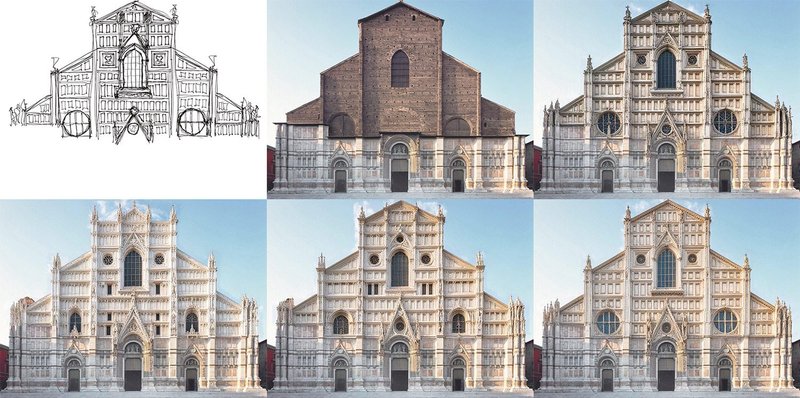
Chaillou believes his method of shape generation could also contribute to the study of architectural history. If styles are seen as products of history, and if each style contains deep functional rules, then studying architectural history could involve tracing the evolution of these implicit rules over time. His work suggests that encapsulating individual styles could move beyond traditional precedent studies by allowing for an examination of the behaviors of GAN models trained on those styles. As an example, by providing the same constraints (footprint and fenestration) to models trained on different styles, he observed how each style organized space distinctly, highlighting variations in handling depth, compactness, façade orientation, and shape.
The inspiration for his thesis stemmed from outside architecture, specifically from a Machine Learning class at MIT in 2018, where he encountered Generative Adversarial Neural Networks (GANs). Moving forward, Chaillou is more interested in AI's capacity to encapsulate and emulate the unspoken rules of architecture, rather than its autonomy or objective generative capabilities. He references Christopher Alexander's "quality with no name" from "The Timeless Way of Building," seeing AI as a new lens through which to study this concept. His future plans include developing new tools and investigative methodologies for architects, and contributing to the theoretical knowledge base surrounding AI's integration into the architectural discipline through writing and research.
#GenerativeDesign #ArtificialIntelligence #ArchitecturalStyle #GANs #ArchitecturalHistory #ThesisReview #HarvardGSD #MachineLearning #Floorplans #ComputationalDesign #GenerativeDesign #ArtificialIntelligence #ArchitecturalStyle #GANs #ArchitecturalHistory #ThesisReview #HarvardGSD #MachineLearning #Floorplans #ComputationalDesign
0 تعليق إجمالاً
 لا توجد تعليقات بعد
قد تعجبك أيضًا

A closer look at the 10 best Achille Castiglioni designs


Architecture and design features and interviews | CLADglobal.com - Christian Louboutin
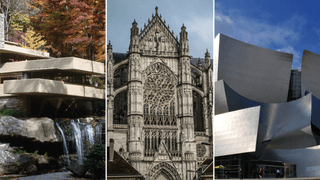
17 Essential Architectural Styles Everyone Should Know

How to Be a Better Architect Than Me

Architecture and design features and interviews | CLADglobal.com - Mariam Issoufou
The Essential Guide to Brutalist Design
How to make your architectural design dream a reality
One to watch: Brazilian designer Danilo Reis’ altars are spiritually charged


Are fleeting architectural fads marring SLO?

Draw in Order to See: A Cognitive History of Architectural Design


Why Bad Design is Good


Meet LaDarius Calhoun | Interior Designer
Whatever Happened to “The Architects’ Architect”?
Books for Architectural Design Inspirations

How Architectural Theory Distances People from Design
10 Revolutionary AI Tools Reshaping Architectural Design


Architecture and design features and interviews | CLADglobal.com - Embracing nature

The Transformative Power of AI in Architecture Design
How generative design is shaping the future of architecture?
5 questions with Dana Romeis of Castle Design