1/6
Are fleeting architectural fads marring SLO?
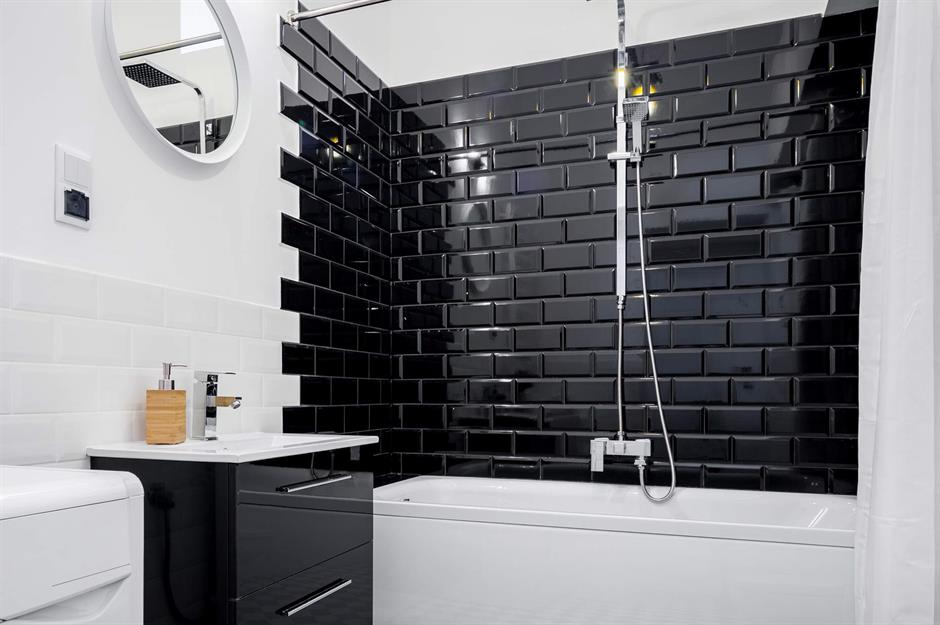
A group of architects and former architecture professors express concern over the proliferation of black and middle gray buildings in San Luis Obispo (SLO), arguing that such color choices are inappropriate for the city's built environment. They highlight that fashion trends, which are inherently short-lived, should not dictate permanent architectural features. The authors suggest that architects in SLO should adhere to the Community Design Guidelines and explore more creative and subtle variations within the existing light color palette prevalent in the downtown area.
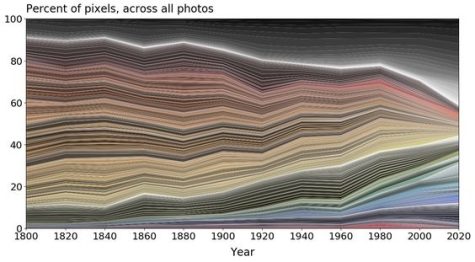
The authors contend that the increasing use of dark colors in building exteriors has several negative implications, particularly in the context of climate change. Dark surfaces absorb and retain heat, necessitating increased use of cooling systems, which in turn elevates the carbon footprint. Conversely, the reduced reflective light from dark buildings demands more artificial exterior and interior lighting, further contributing to energy consumption and environmental impact. They also point out that darker street spaces can lead to security concerns and discourage nocturnal public use, thereby impacting urban vitality.
Beyond environmental and safety considerations, the article delves into the psychological and practical drawbacks of dark architectural aesthetics. It posits that dimly lit spaces and dark colors can contribute to psychological depression, citing studies from the International Color Association (AIC) indicating that black typically connotes fear and anger in Western cultures, while white is associated with happiness and purity. Additionally, dimly lit areas are linked to an increased risk of accidents. The authors note that black and middle gray buildings exacerbate the reduction of natural light during winter months, a period already characterized by fewer daylight hours.
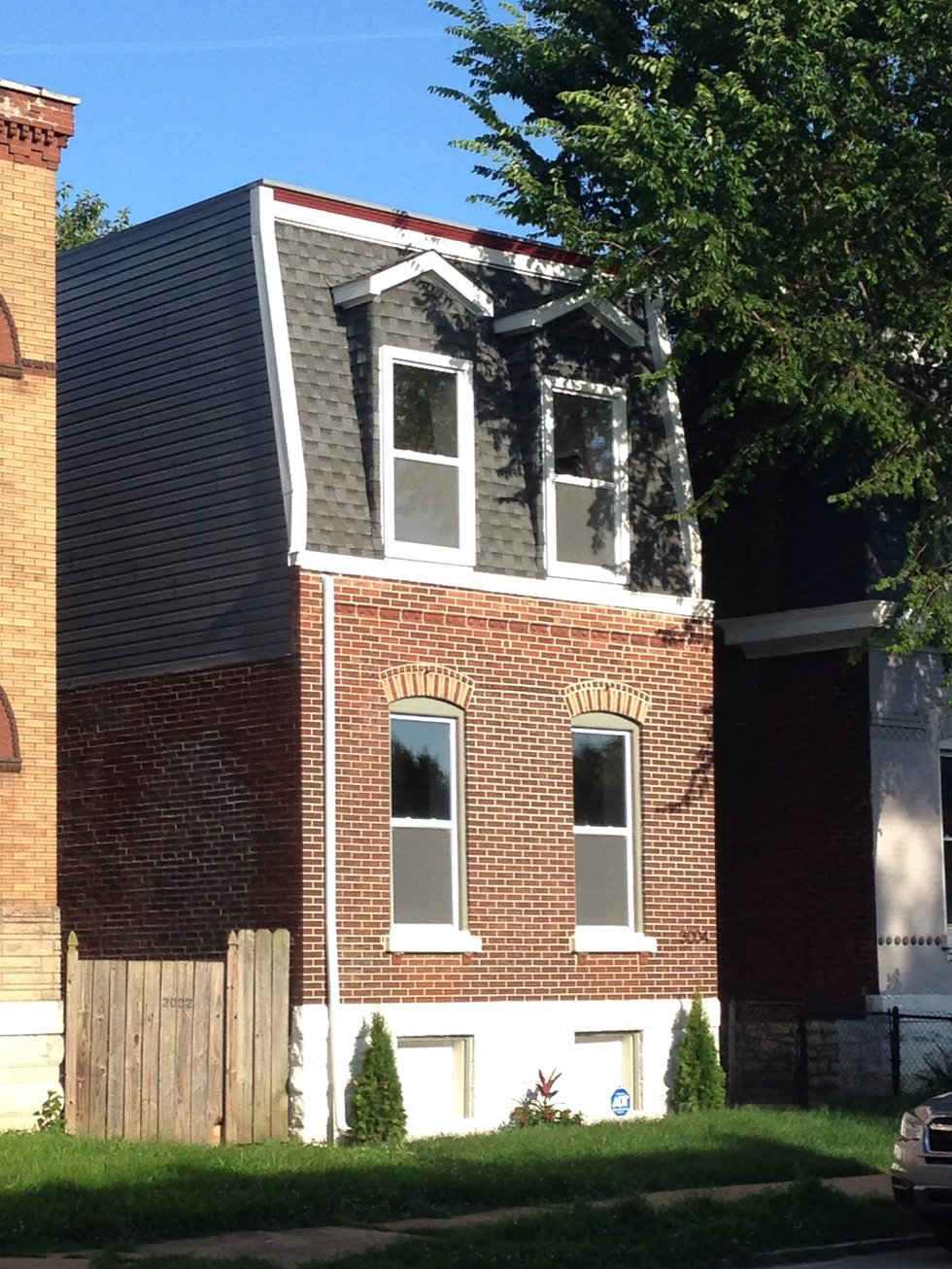
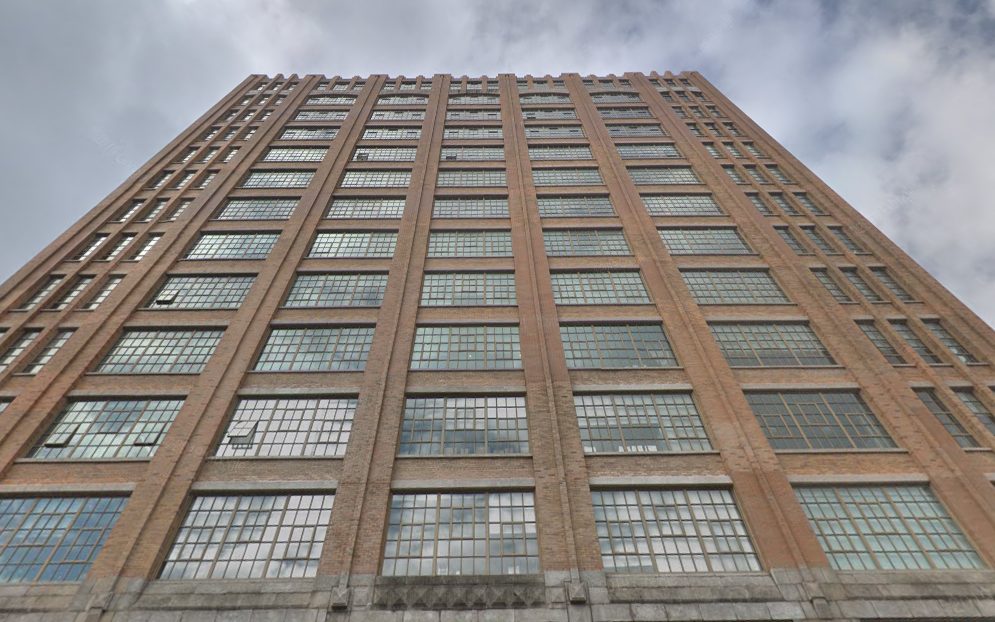
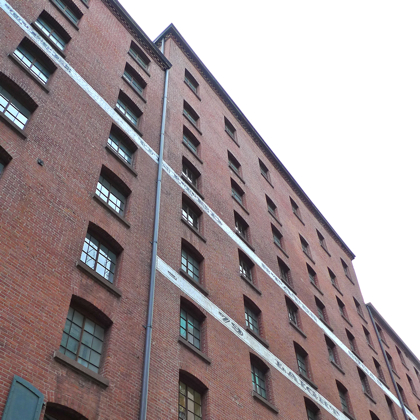
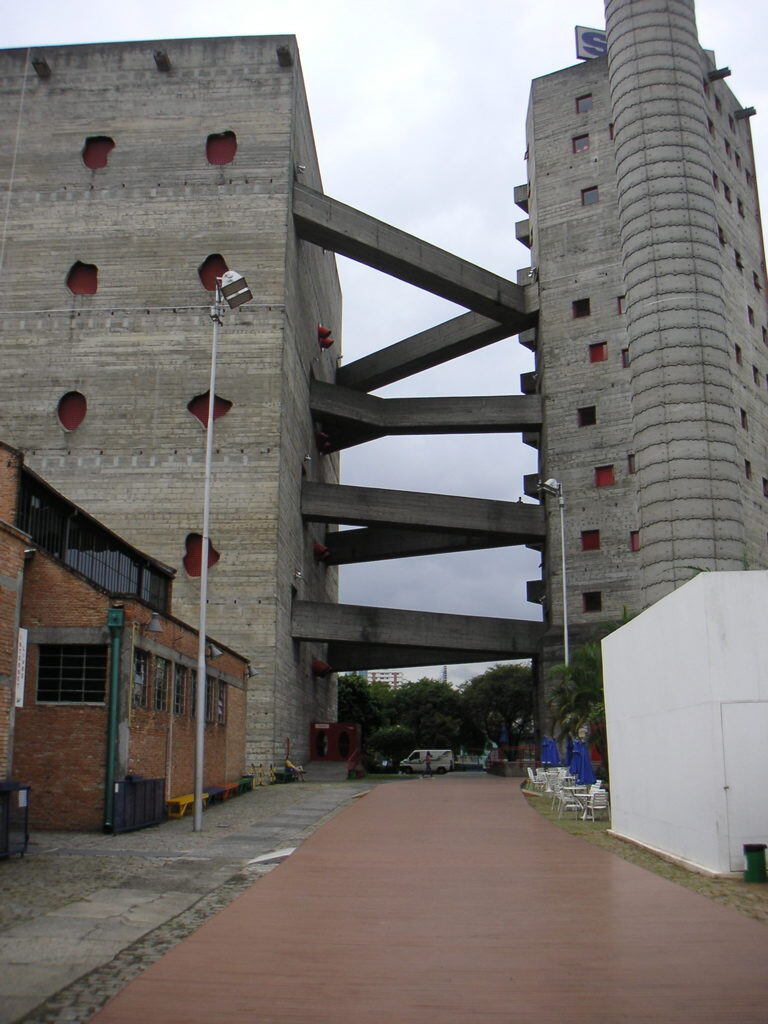
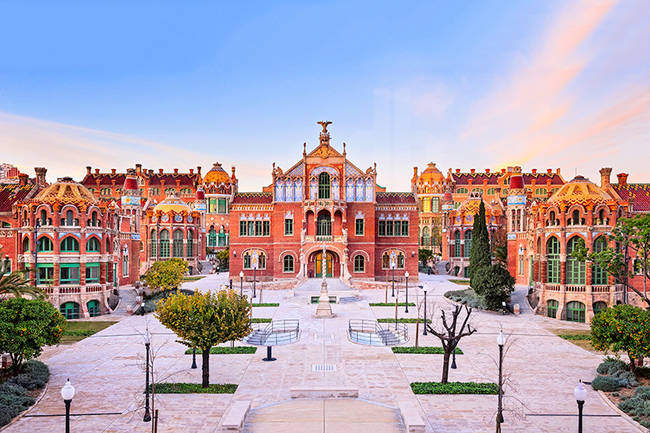
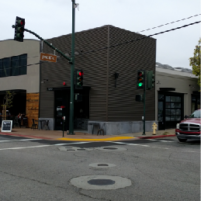
Another significant concern raised is the creation of 'heat islands' by dark pigmentation. These heat islands make streets unpleasantly hot during summer, an issue compounded by the precipitous rise in summer temperatures due to climate change. The article presents several visual examples of black and middle gray buildings in San Luis Obispo's Railroad Square and Broad Street neighborhoods, contrasting them with images of soot-covered buildings in central England and Europe, to illustrate their point. The authors implicitly advocate for a more thoughtful and context-sensitive approach to architectural design, one that prioritizes long-term sustainability, community well-being, and aesthetic harmony over transient stylistic fads.
#ArchitecturalDesign #UrbanPlanning #SanLuisObispo #ClimateChange #SustainableArchitecture #CommunityDesign #ColorPsychology #UrbanHeatIsland #ArchitecturalFads #ArchitecturalDesign #UrbanPlanning #SanLuisObispo #ClimateChange #SustainableArchitecture #CommunityDesign #ColorPsychology #UrbanHeatIsland #ArchitecturalFads
0 comment in total
 No comments yet
You may also like
These 20 Architectural Styles Were Once Popular But Suddenly Disappeared

Is Shiplap going out of style? Designers decide if this classic trend is on the out


Lél: When Heritage Meets the Contemporary

People Are Revealing The "Outdated" Home Design Trends That Are Wayyy Better Than Modern Trends
13 Home Design Trends That Are Dating Your Home

The architect whose conversions sparked the loft movement

Design Rediscovered: Maritz & Young, A Local Tale of Talent

30 of the worst modern home trends that WILL go out of fashion | loveproperty.com

4 buildings and places in St. Louis in danger of disappearing forever

We Asked Designers Which Living Room Styles They Wish Would Come Back, and We Agree

Ten gravity-defying homes that are raised up on stilts
Tell Us Which Modern Home Design Trends Will Be Outdated In A Few Years
The death of detail and the takeover of modern architecture
Social Media-Friendly Design: Is Architecture Adapting to Viral Trends and Algorithms?

5 Things That Will Make Your Loft Conversion Feel Dated — And What Designers Are Doing Instead

It’s Time to Say Goodbye to These Outdated Design Trends in 2024
5 trends that look good right now but interior designers warn they won't last
Is open plan going out of style? Experts weigh on whether this once-loved layout is starting to date
Why You Hate Contemporary Architecture

6 Furniture Trends Interior Designers Are Tired of Seeing Everywhere