1/2
We Asked Designers Which Living Room Styles They Wish Would Come Back, and We Agree
Design trends are constantly evolving, leading certain styles to fall out of favor while others rise to prominence. This phenomenon extends to living room aesthetics, where some once-popular designs are now rarely seen. This article explores several living room styles that interior designers express a desire to see make a comeback, highlighting their unique characteristics and the reasons for their perceived decline and potential resurgence.
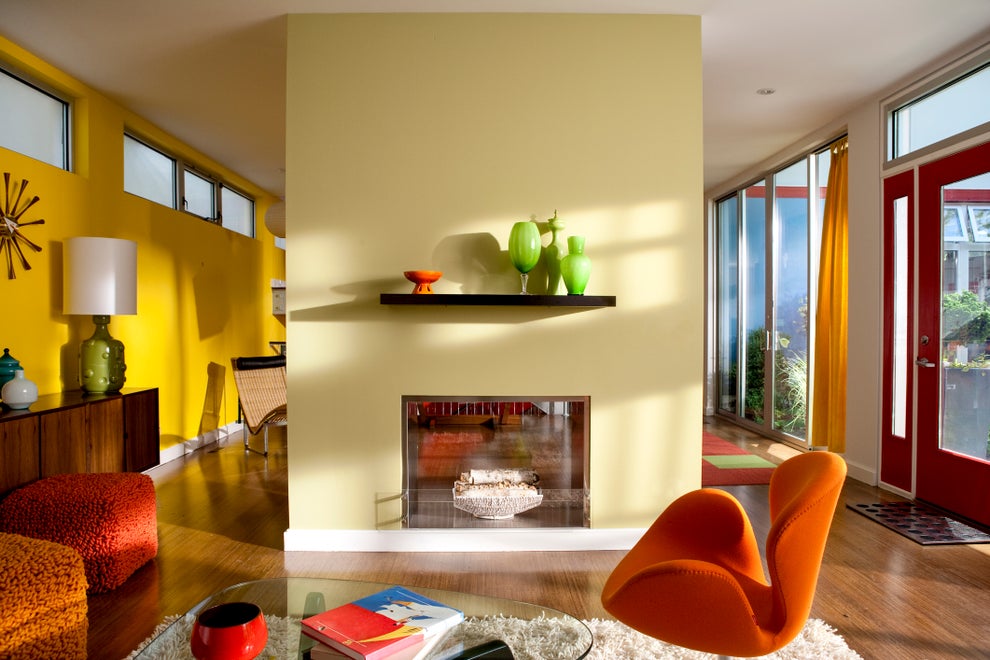
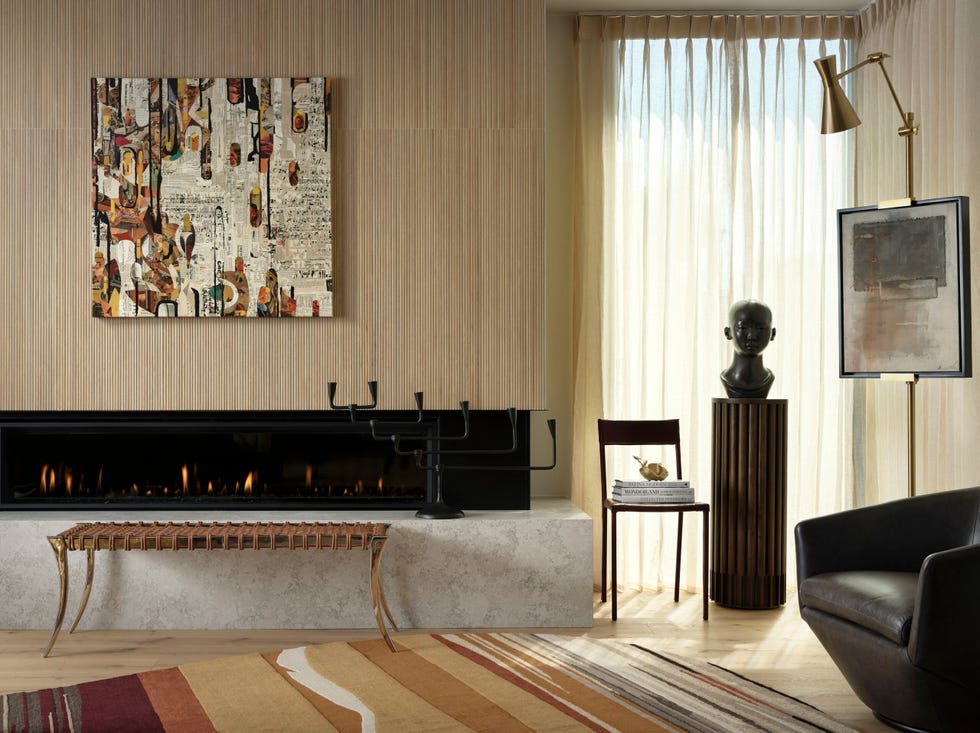
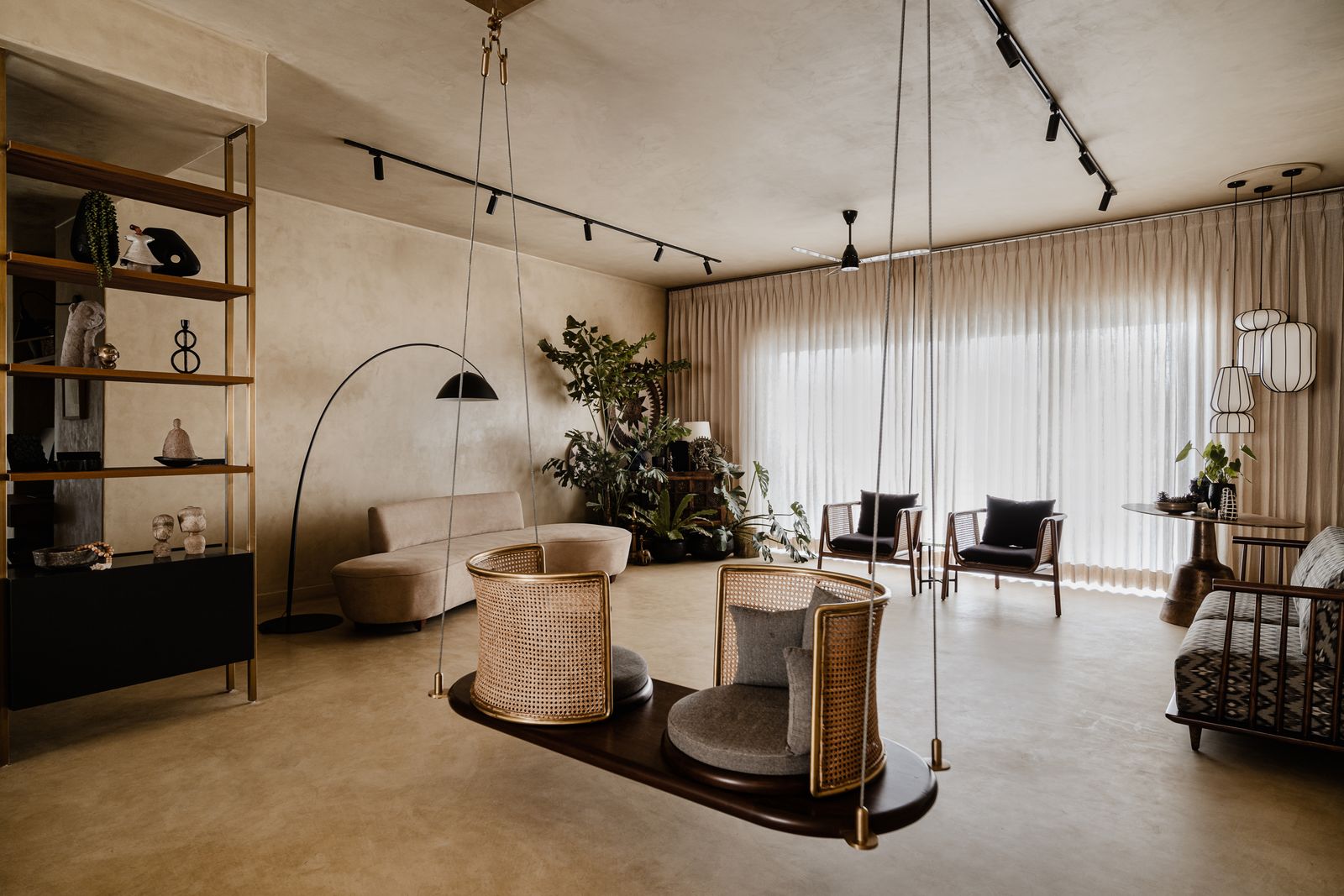
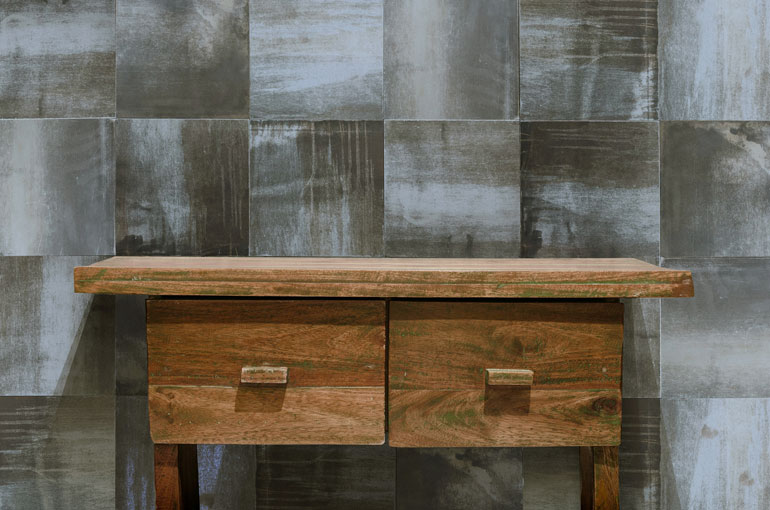
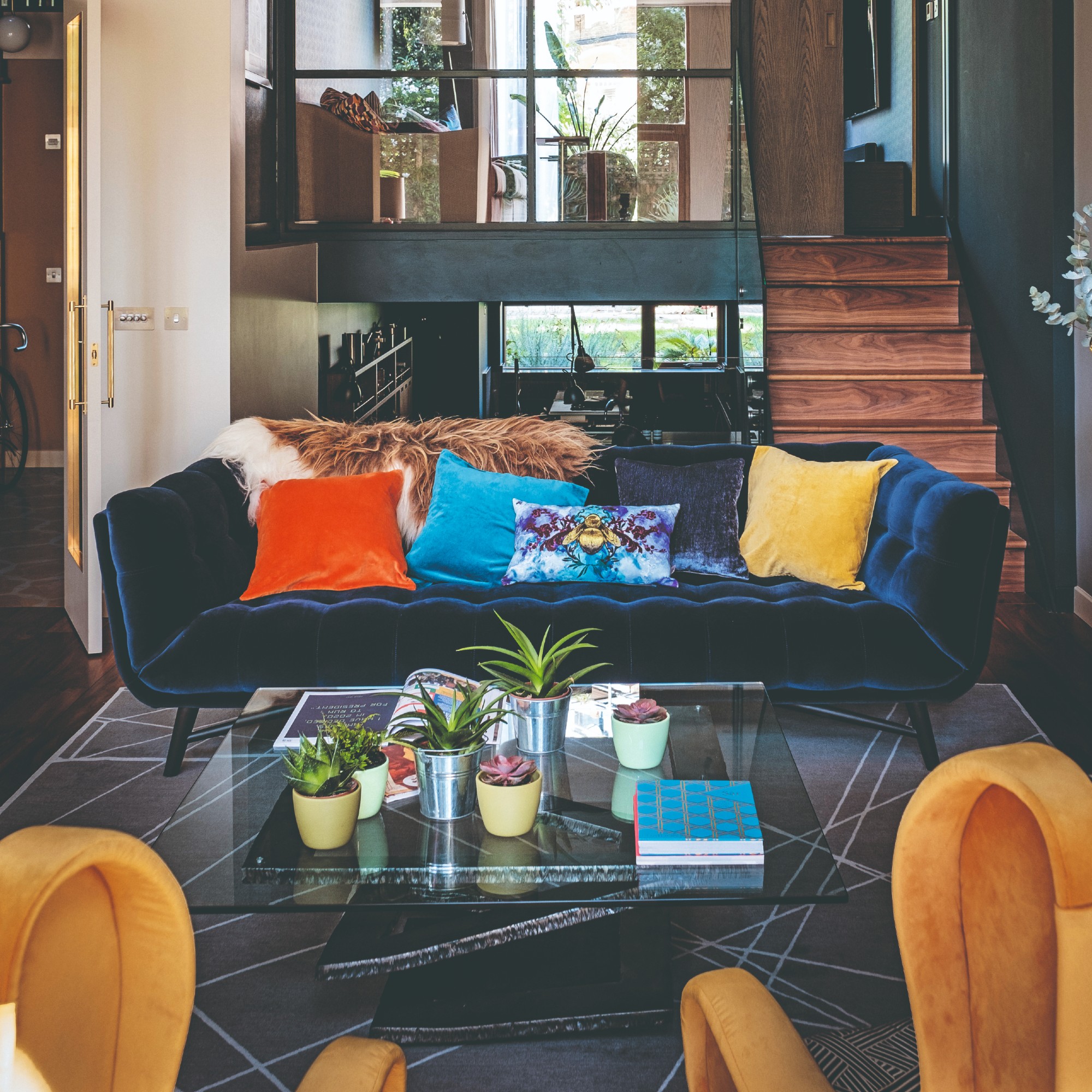
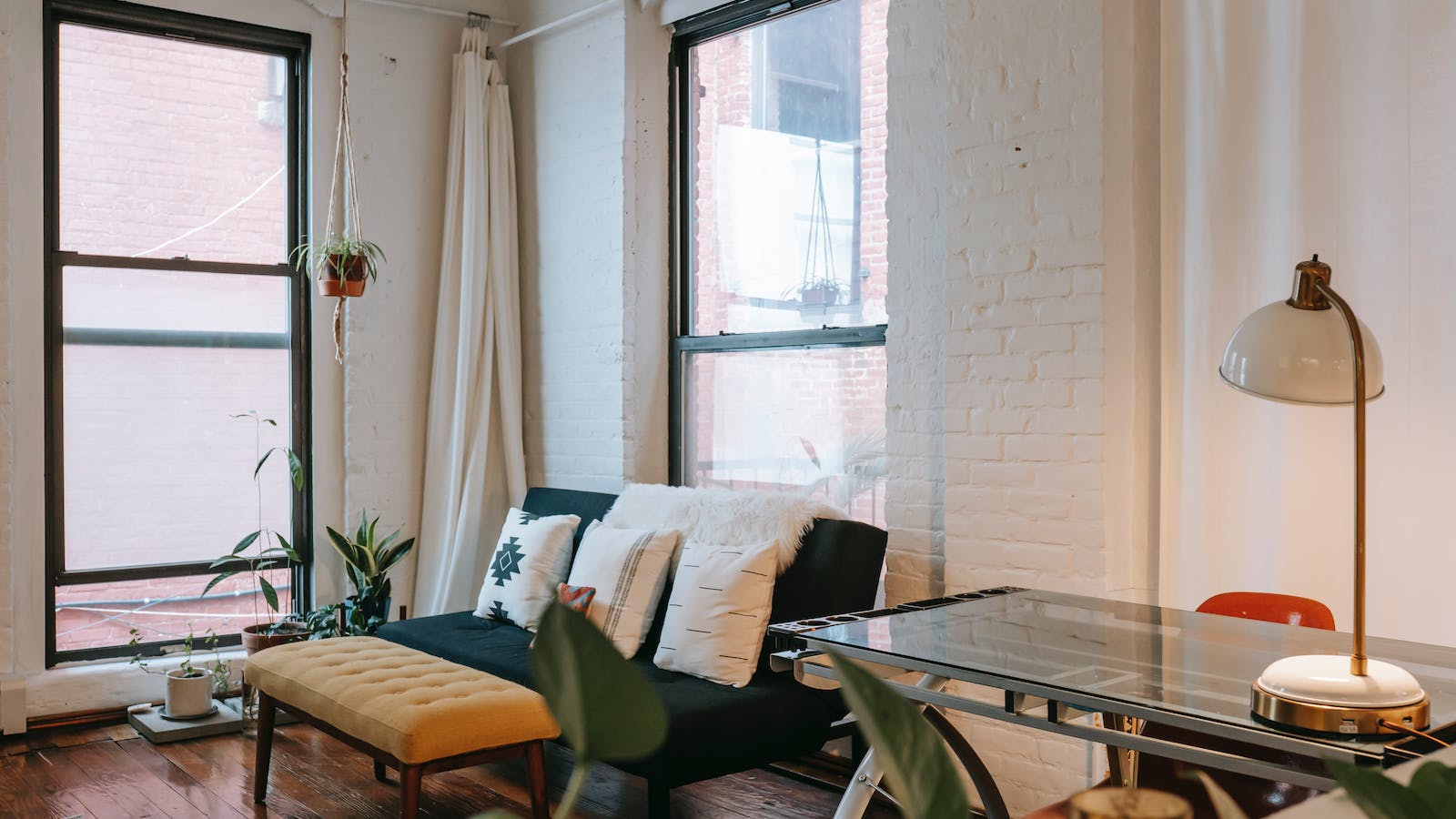
One such style is the industrial living room. Despite its past popularity, particularly for its forgiving nature and accessibility, industrial design has seen a decrease in residential applications. This shift is partly due to the recent preference for warmer, more organic, and fluid minimalist aesthetics, contrasting with industrial elements like concrete and steel, which can appear visually colder and sharper. Designer Vanessa Larsson notes that industrial interiors were easy to build over time and accommodated various artifacts naturally. However, their widespread adoption eventually led to a loss of intrigue. Larsson envisions a modern revival for industrial style, suggesting a blend with warm tones and colored walls or kitchens to complement its classic grey and brown palette.
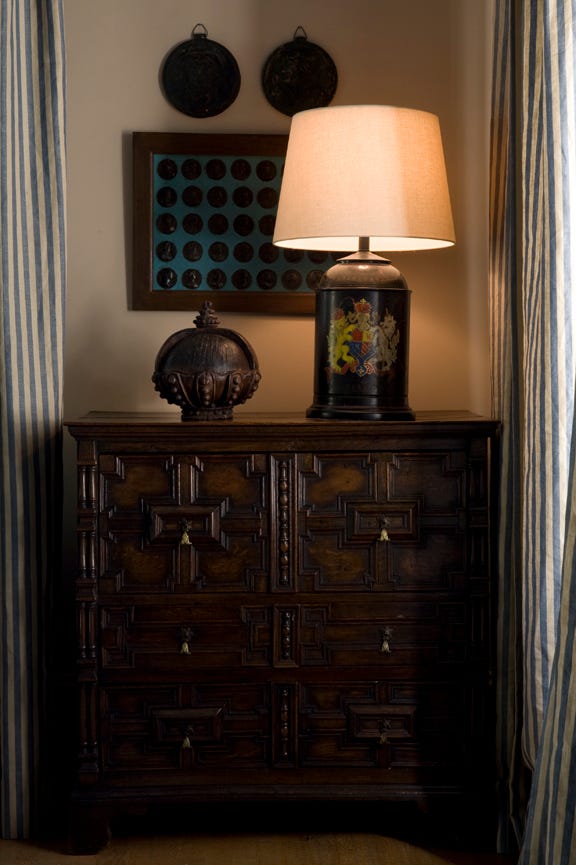
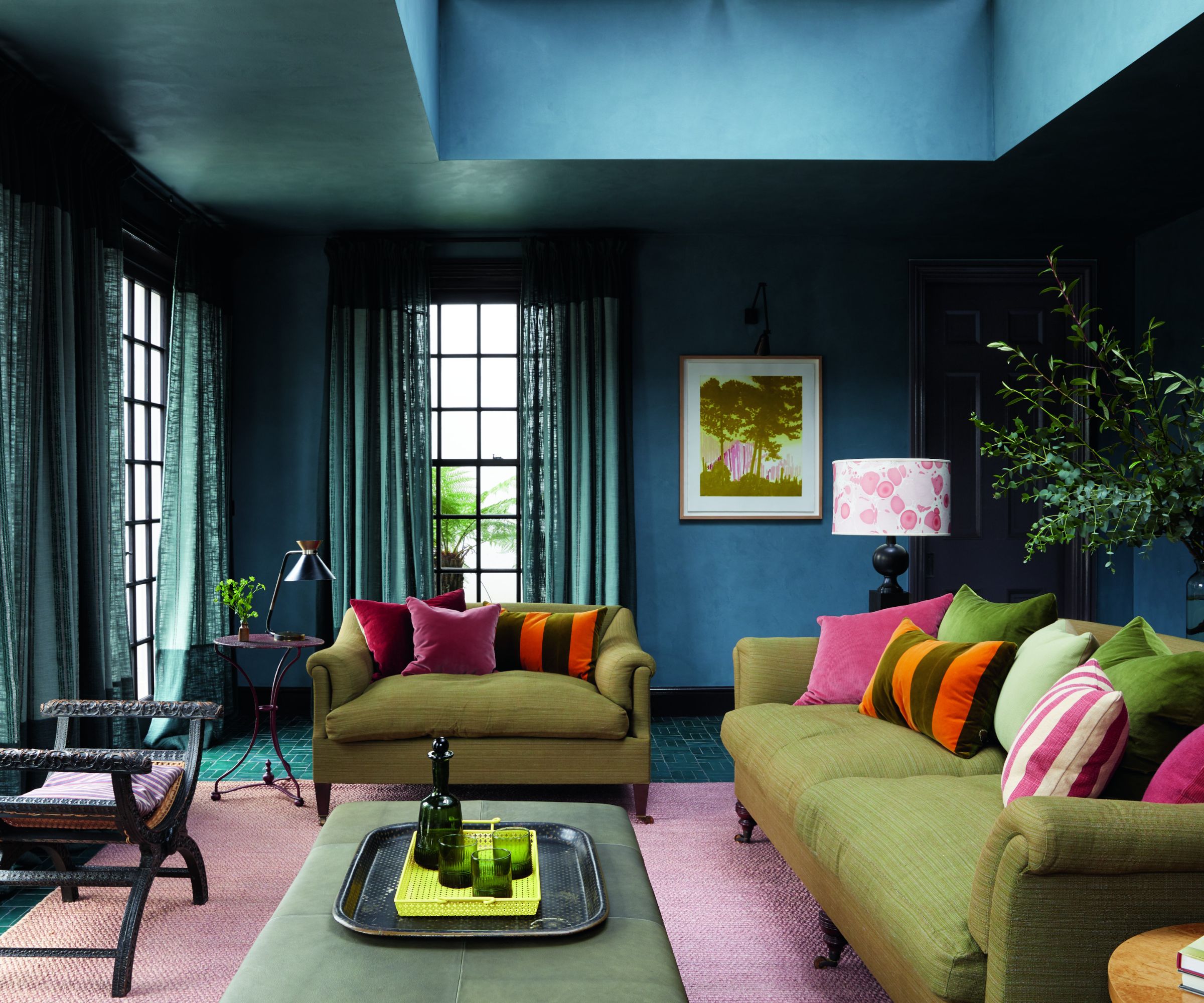
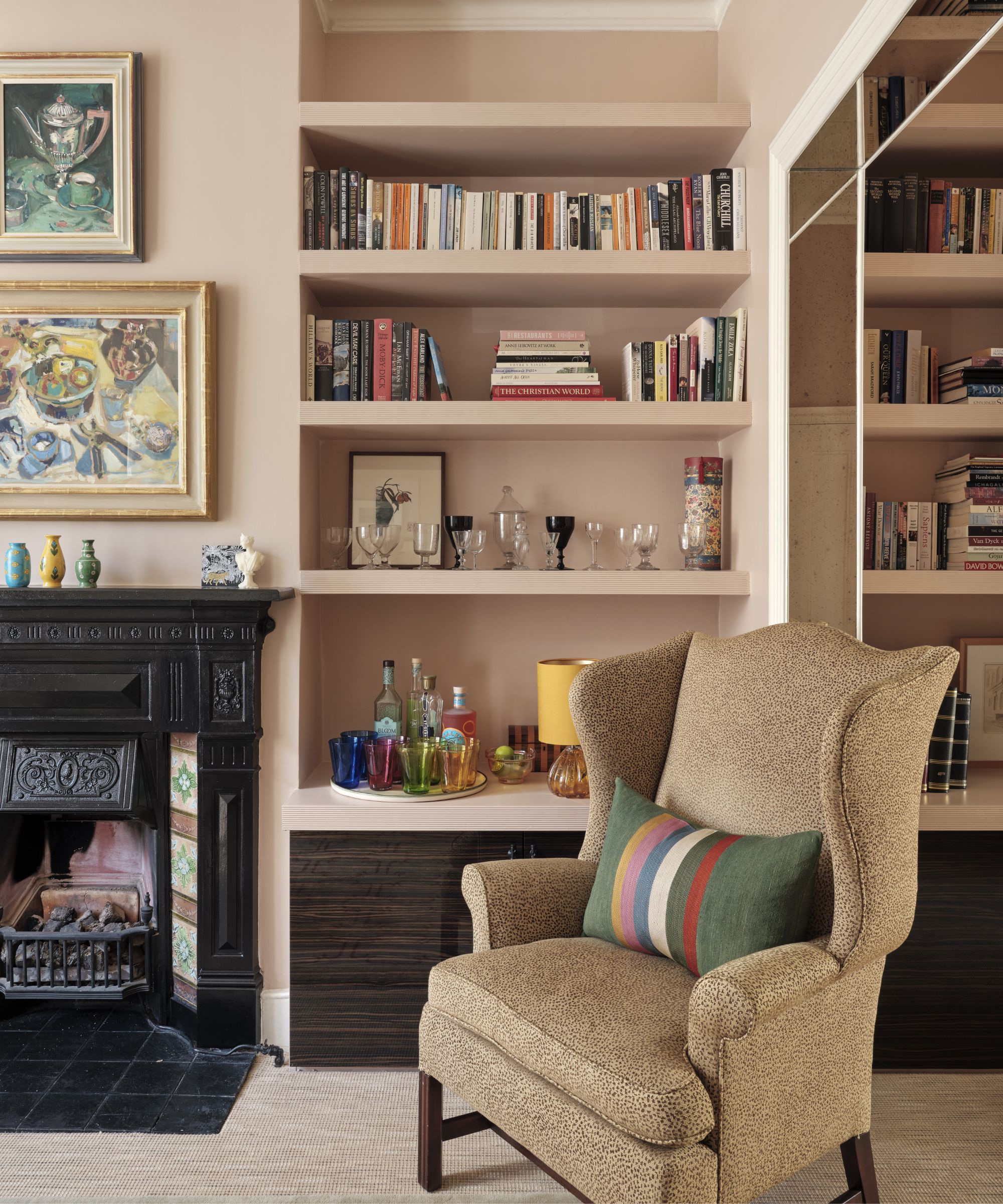
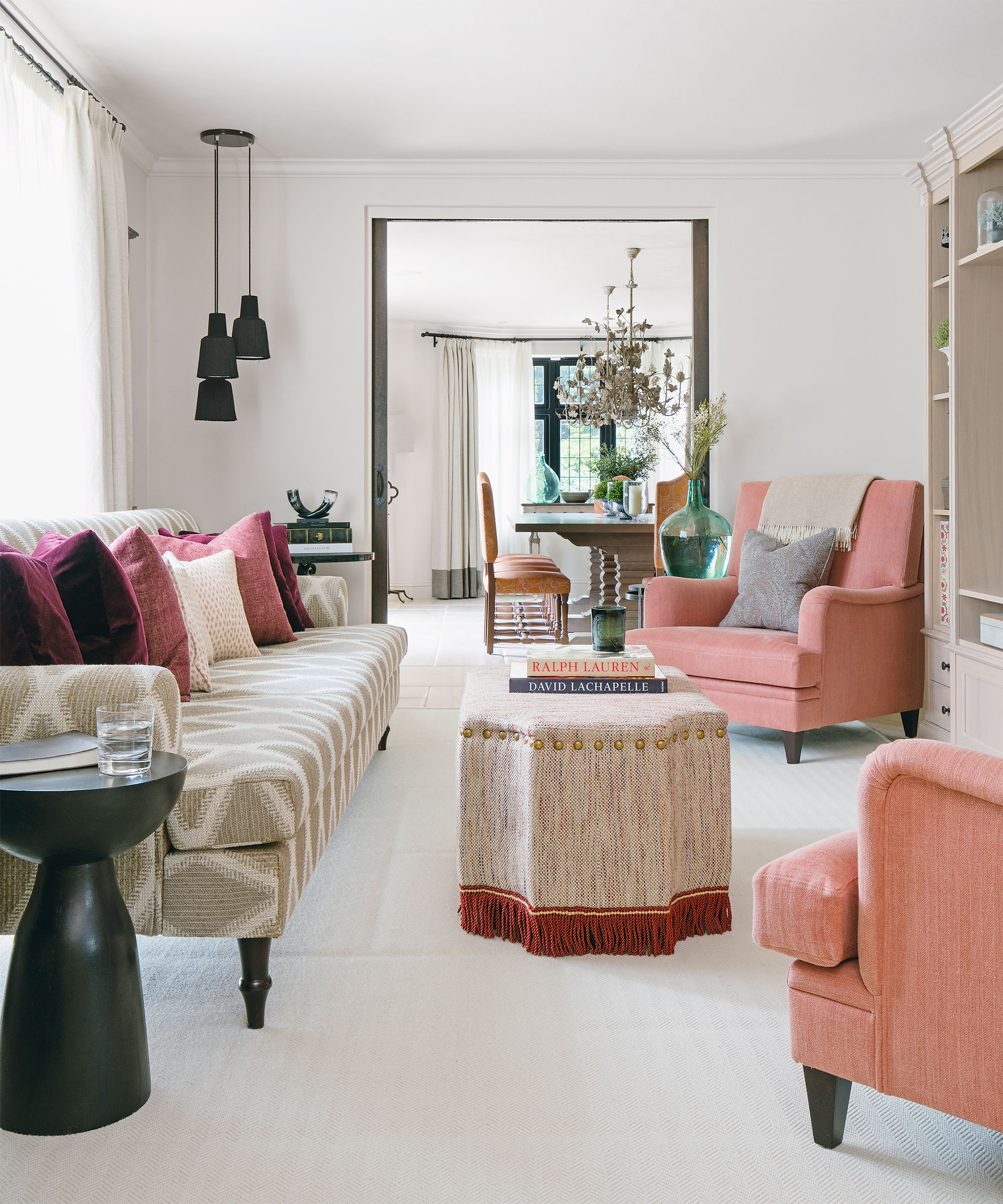
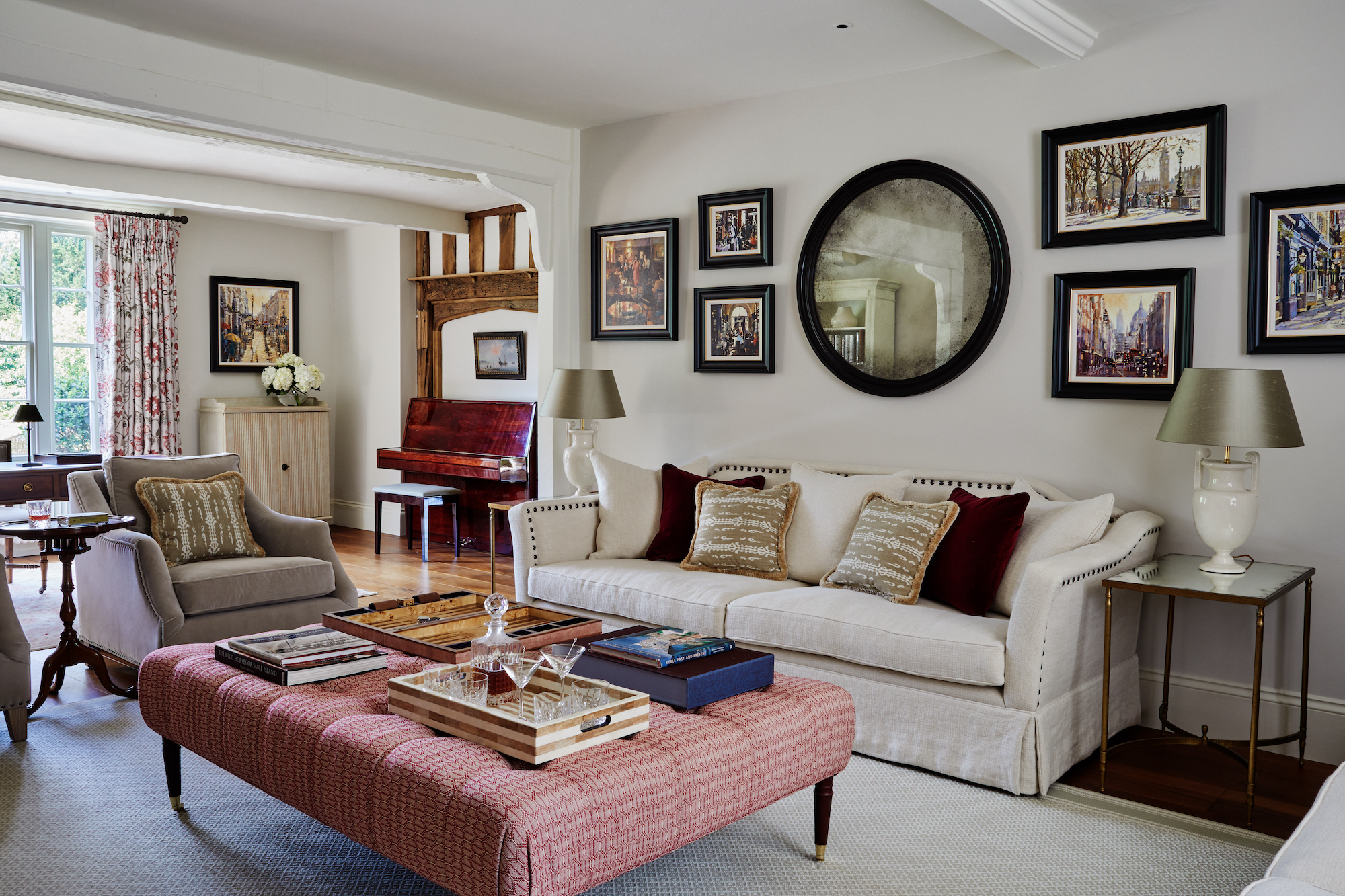
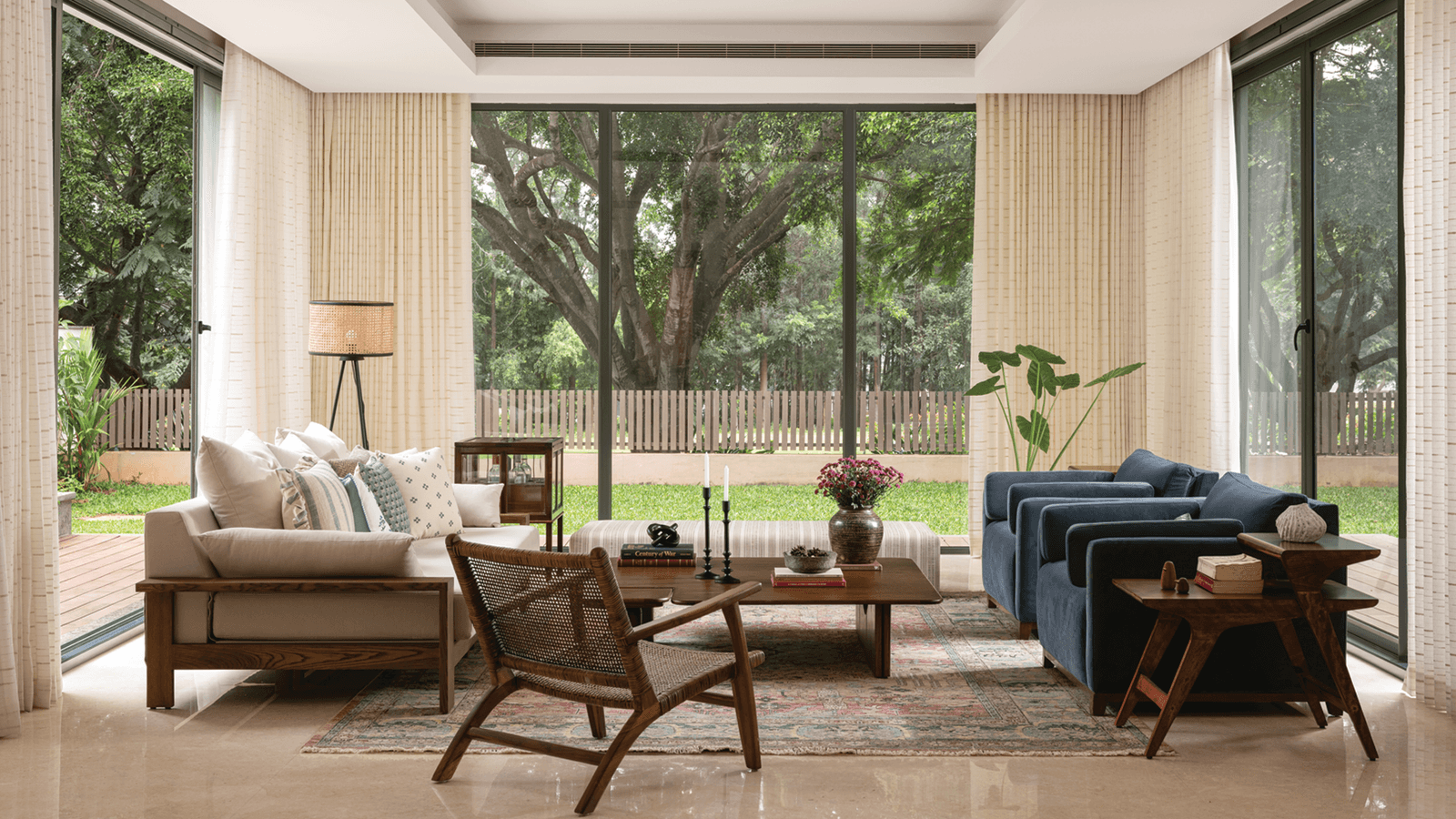
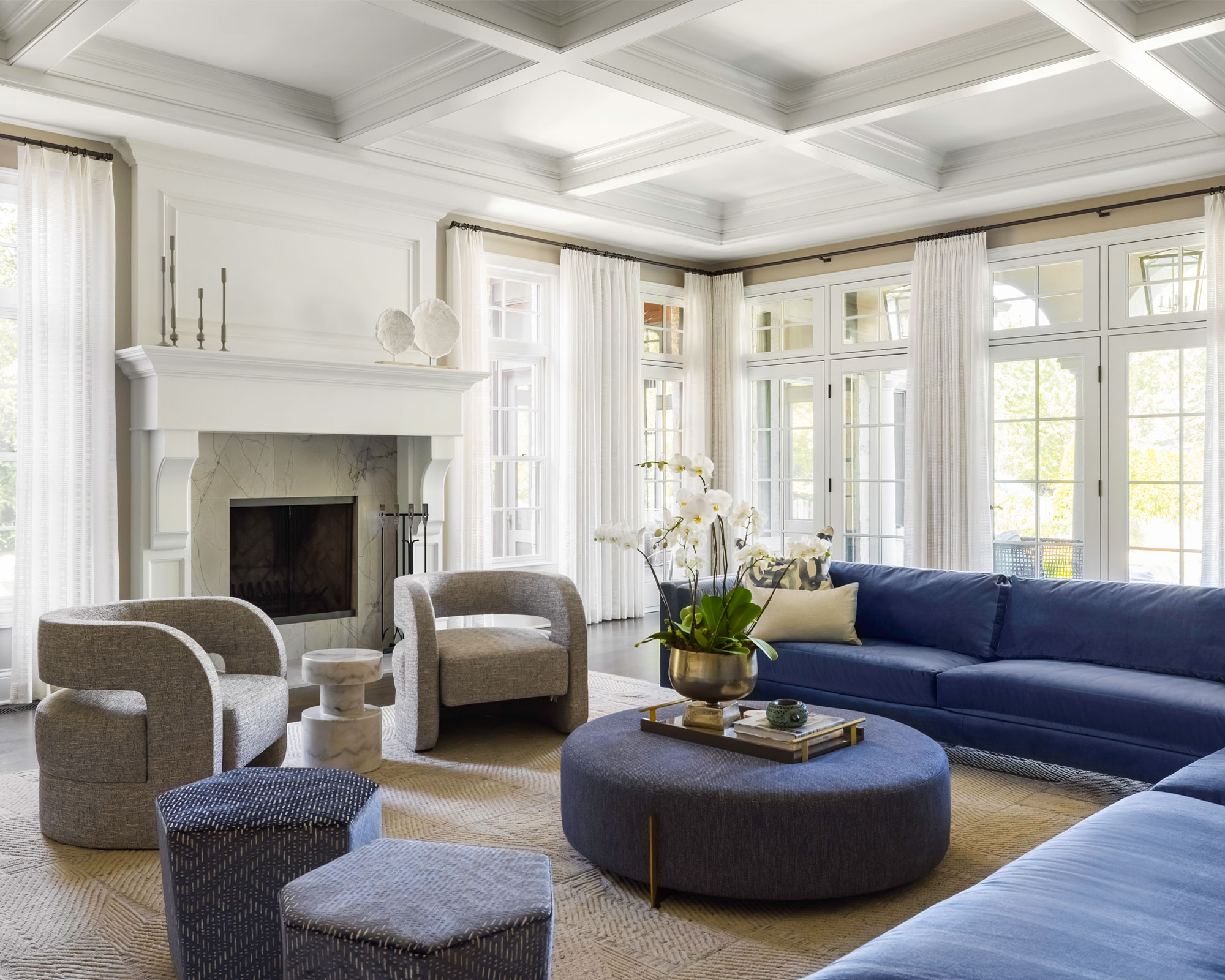
Transitional living rooms, which were highly popular in the mid-2000s, are also among the styles designers miss. Characterized by darker woods, warm color palettes, layered drapery, and tailored upholstery, these rooms conveyed a sense of 'soul' and intentional design, as described by Lauren Lerner, founder of Living with Lolo. Lerner appreciates the balance of refinement and comfort these spaces offered, creating a lived-in feel rather than a sterile, styled look. She observes early signs of this style's return, with clients moving away from all-white interiors, suggesting a future blend of traditional coziness with contemporary clean lines.
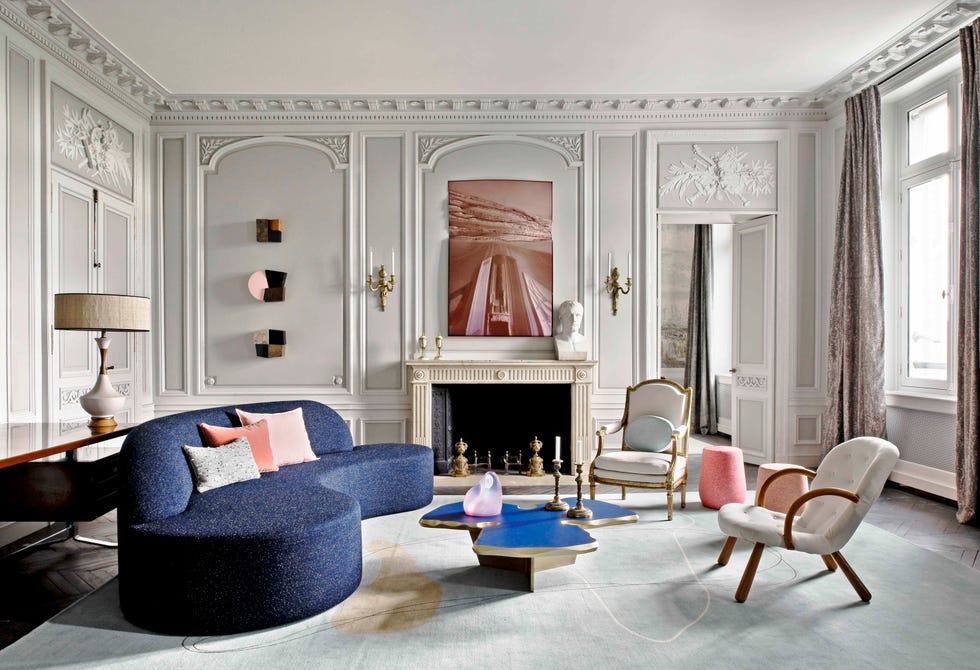
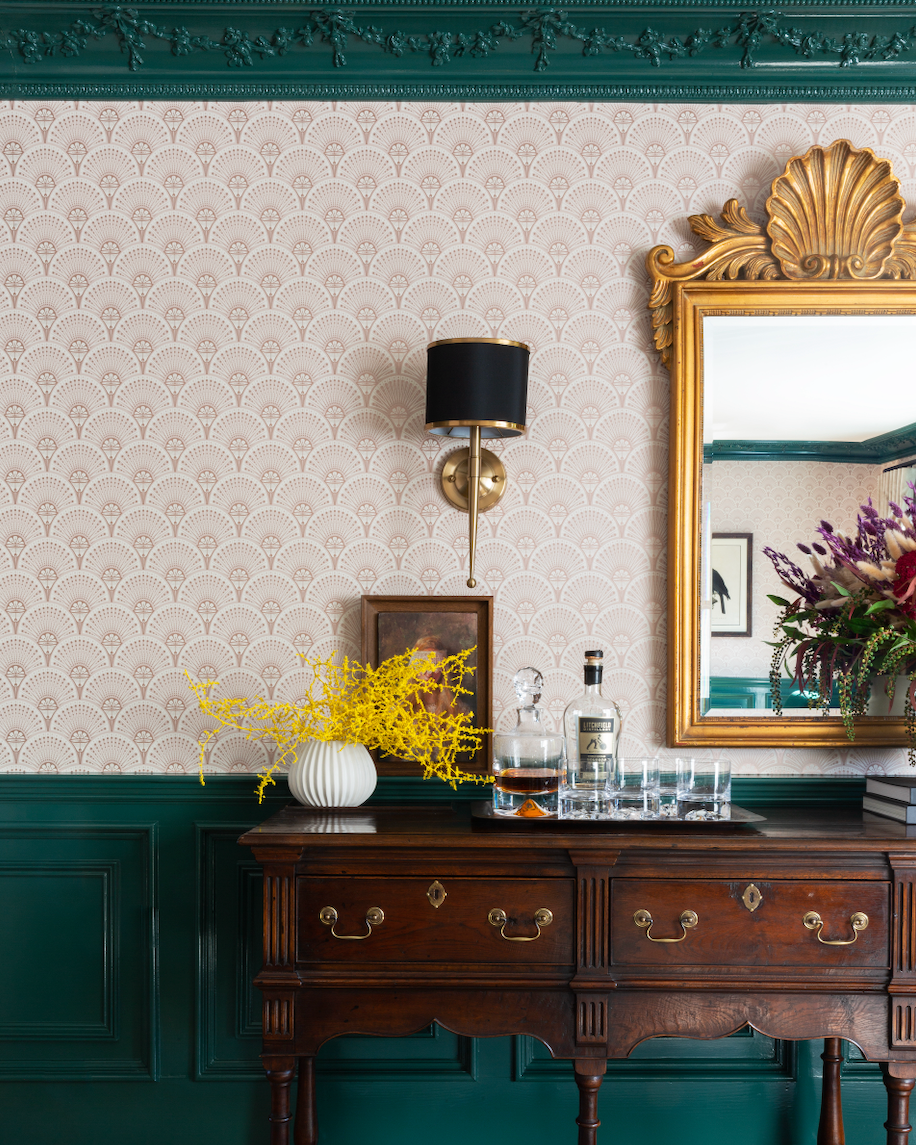
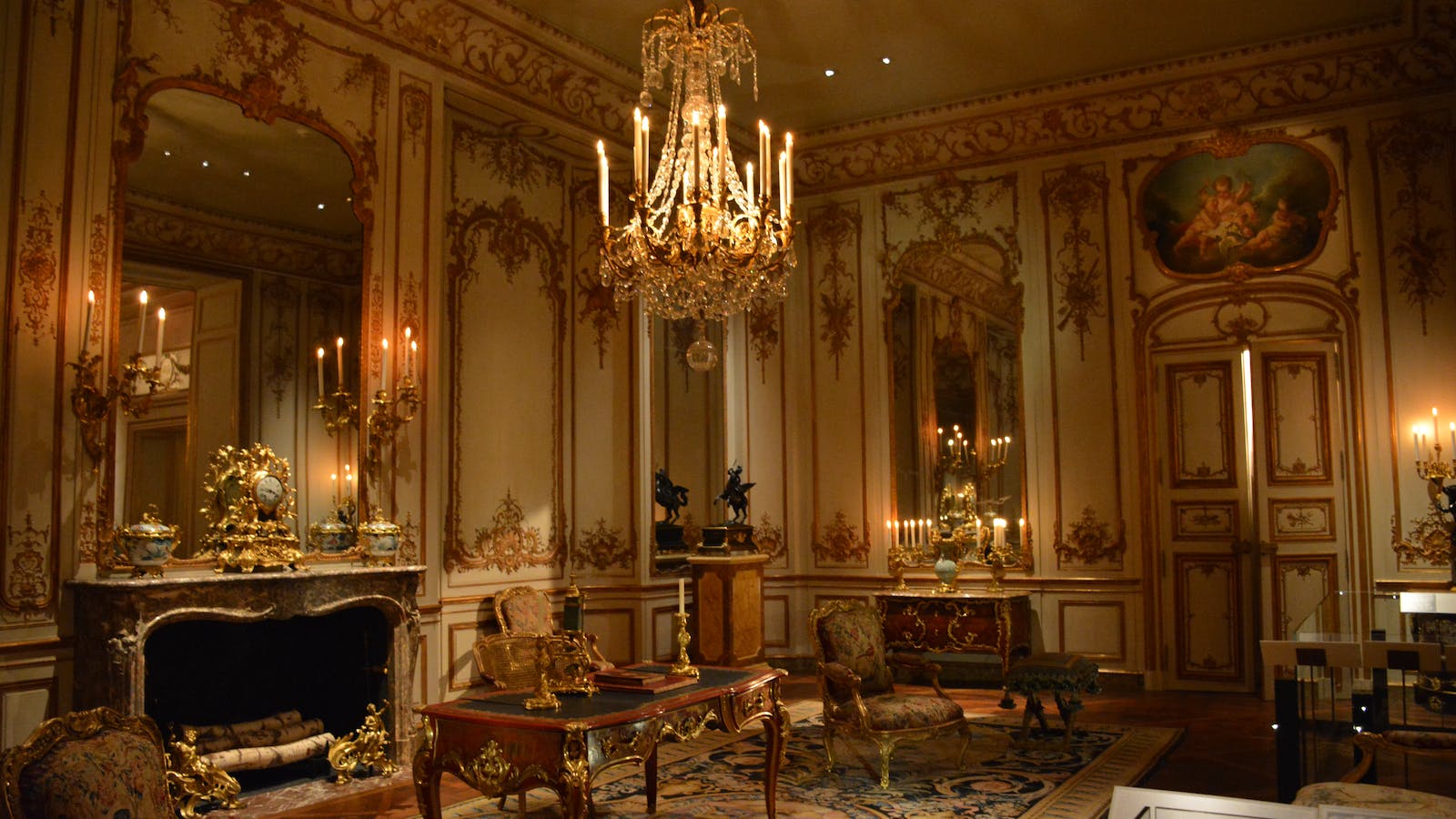
Art Deco is another rich and glamorous style that designers believe deserves more attention. Its current lack of prevalence is attributed to the widespread adoration for neutral colors and minimalism. Vanessa Larsson notes that a well-designed Art Deco space evokes a sense of decadence and glamour, akin to scenes from an F. Scott Fitzgerald novel. However, its complex blend of materials and finishes makes it challenging to execute successfully, with the risk of appearing 'tacky' if not done correctly. Larsson speculates that a full re-emergence might be unlikely, but a blend with mid-century modern, creating a 'mid-century Deco,' could offer a fresh interpretation.
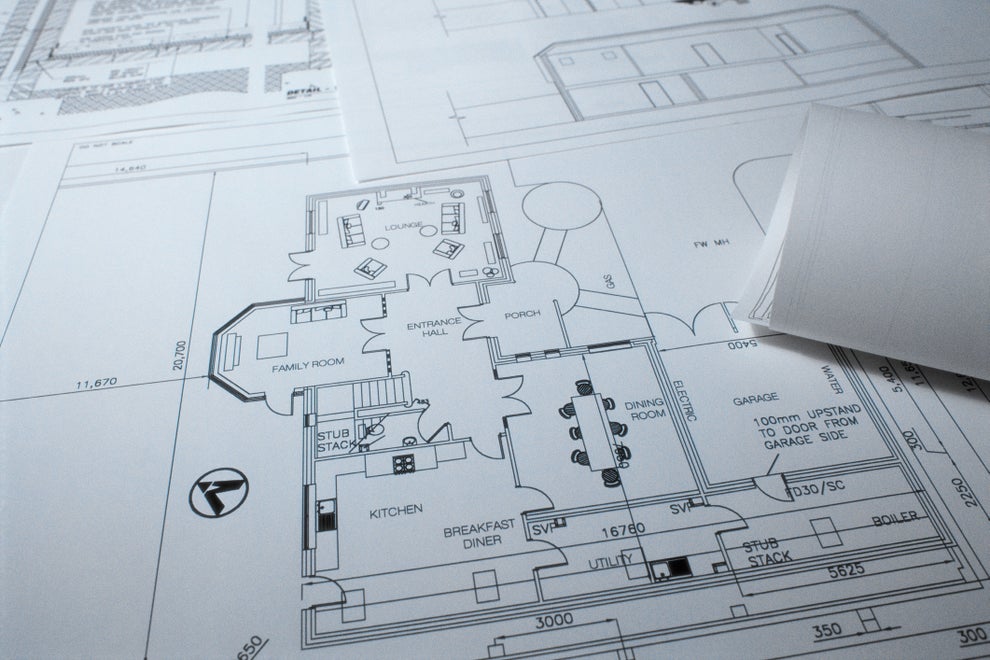
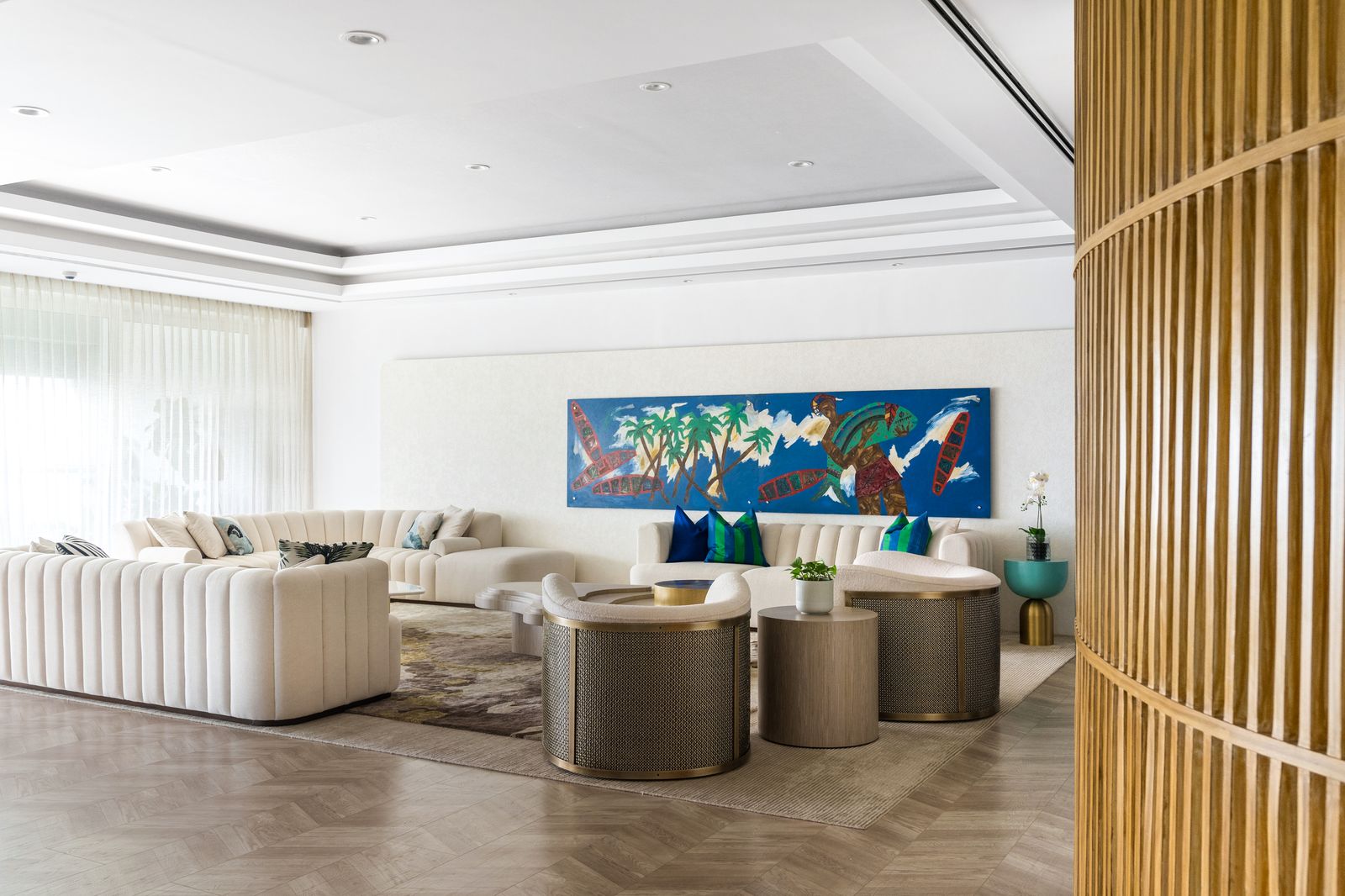
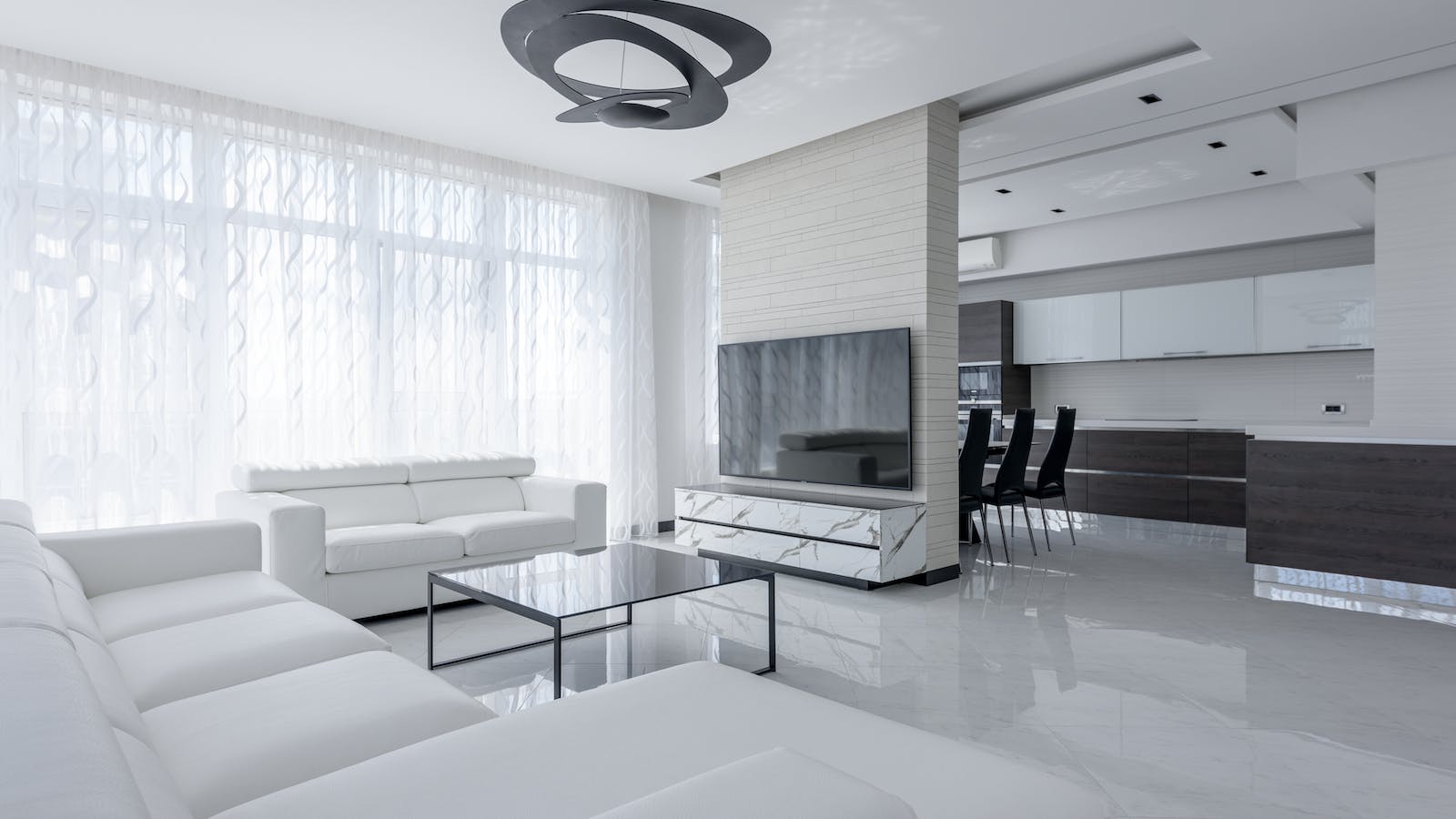
The decline of formal living rooms is closely tied to the rise of open-concept layouts, which dominated home design for a decade. While open concepts briefly receded in popularity during 2020 as people spent more time at home, they have since regained favor. Nevertheless, designer Natalie Dixon advocates for defined spaces, specifically formal living rooms. She highlights their benefit during entertaining, providing a separate area for guests away from the kitchen's smells, noise, and clutter. Formal living rooms offer a dedicated, welcoming environment purely for socializing and hosting.
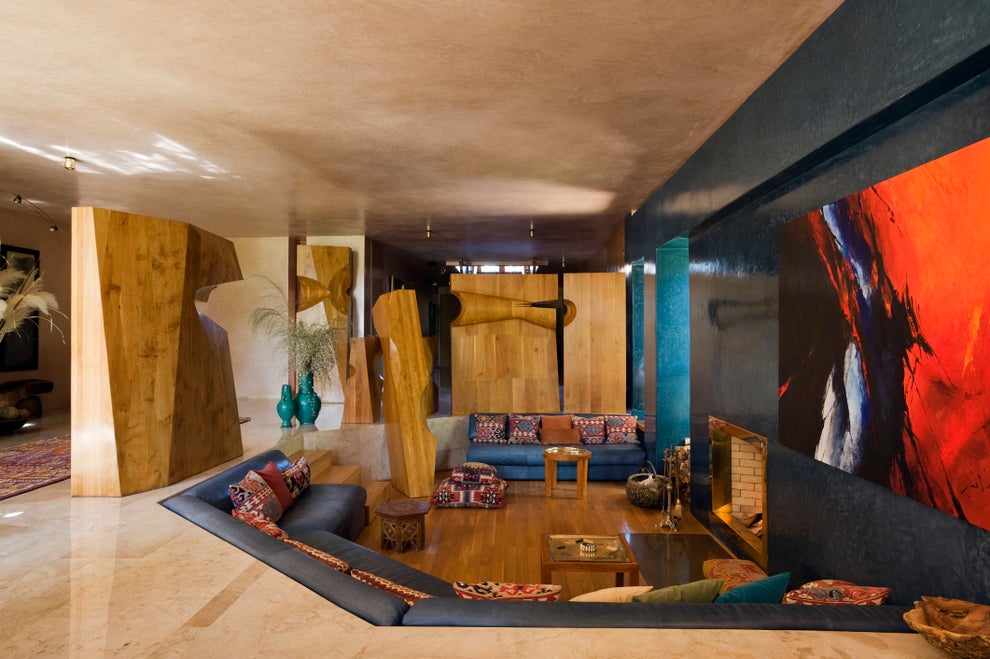
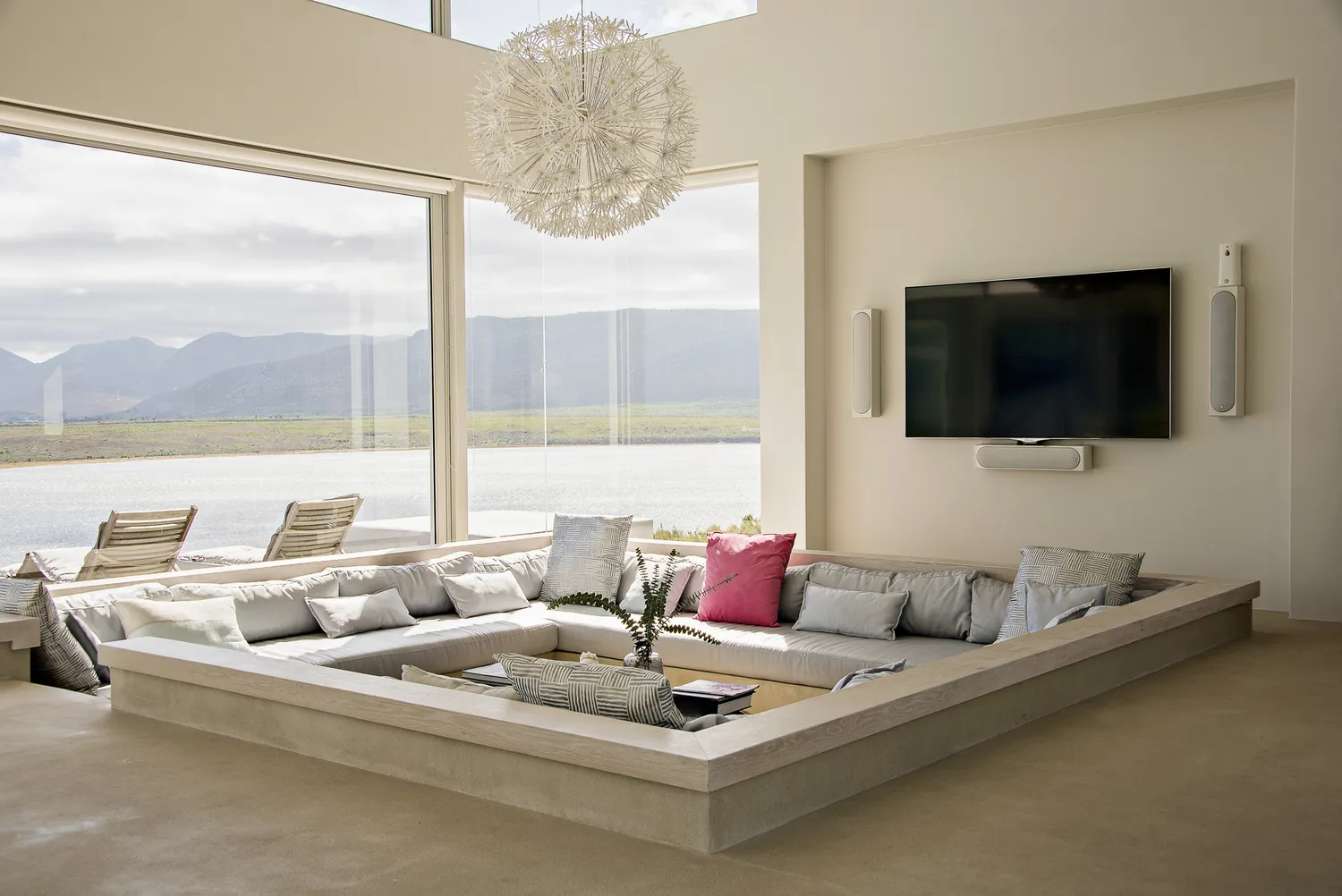
Lastly, sunken living rooms, a distinct feature of 1970s design, are singled out by designer Jamie Gasparovic for their cozy and nostalgic appeal. Despite the resurgence of other '70s elements like warm woods, bold patterns, and rounded furniture, sunken living rooms remain largely absent from contemporary homes. Gasparovic finds them ideal for relaxed gatherings and intimate conversations, offering a sense of separation while still being integrated into the home's overall design. Given the renewed interest in 1970s aesthetics, she suggests that a revival of the sunken living room could be on the horizon.
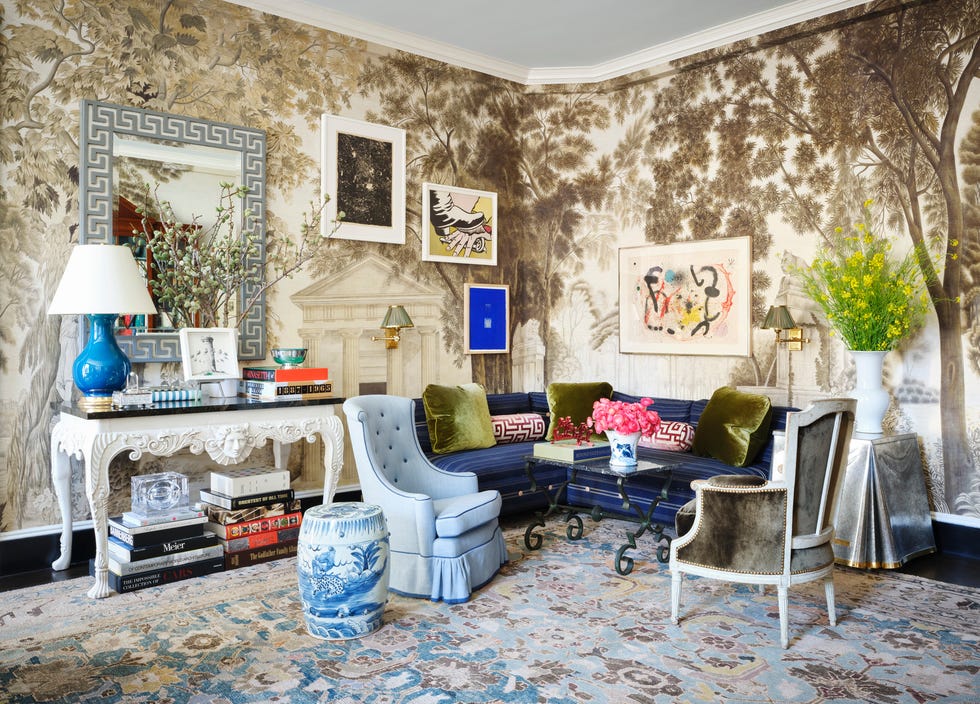
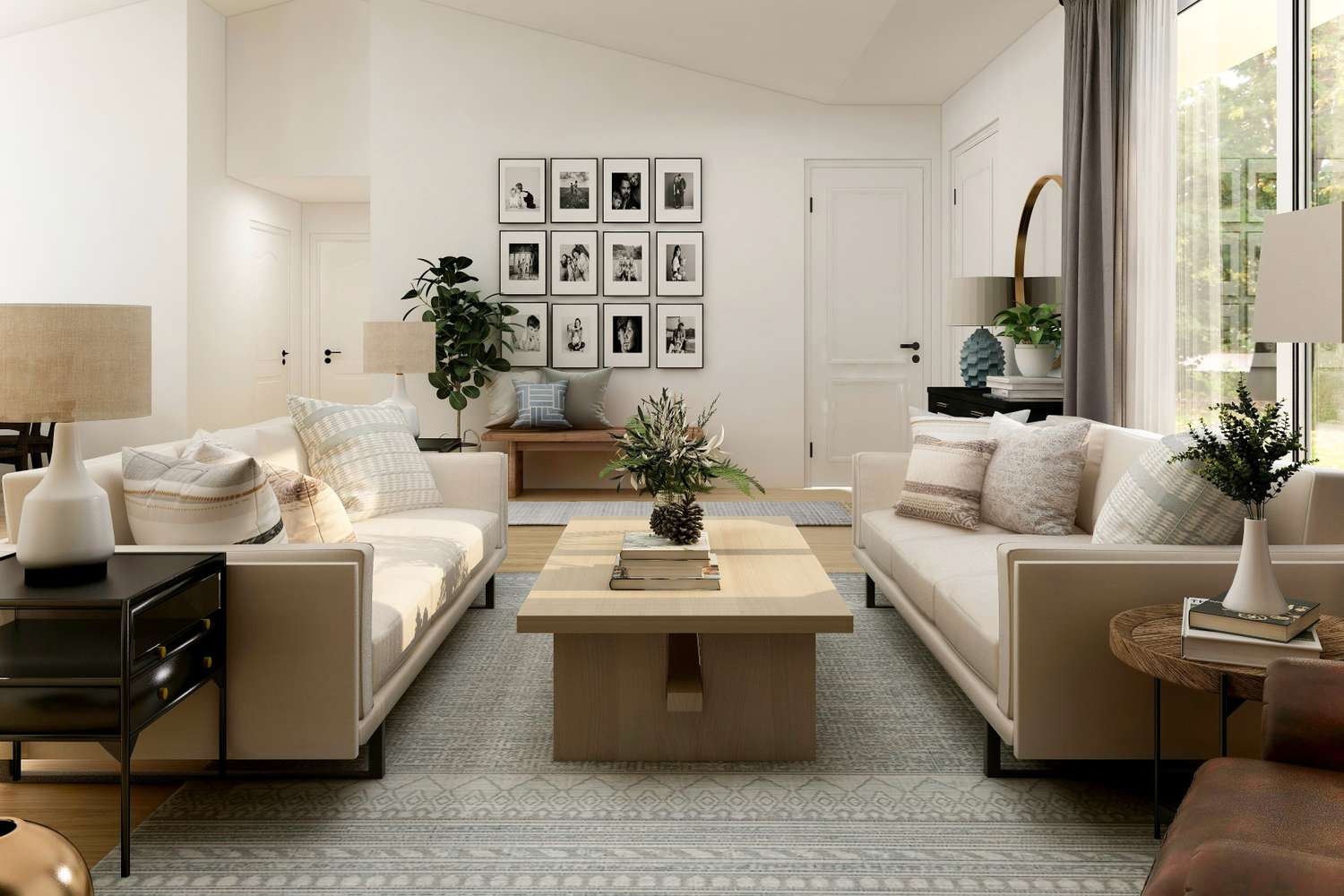
Beyond specific styles, the article also touches upon the general concept of traditional living room symmetry. Natalie Dixon observes that while modern, asymmetrical furniture groupings often disrupt a room's balance, traditional designs excelled at achieving inherent structure and order through symmetry. Embracing elements of symmetry, regardless of overall style, can enhance a room's harmony and visual appeal. The designers collectively express a sentiment that certain design principles and stylistic choices, though currently less common, hold inherent value and potential for renewed appreciation in contemporary home interiors.
#LivingRoomStyles #InteriorDesign #HomeDecorTrends #IndustrialDesign #TransitionalStyle #ArtDeco #FormalLivingRooms #SunkenLivingRooms #SymmetryInDesign #LivingRoomStyles #InteriorDesign #HomeDecorTrends #IndustrialDesign #TransitionalStyle #ArtDeco #FormalLivingRooms #SunkenLivingRooms #SymmetryInDesign
0 comment in total
 No comments yet
You may also like
We Asked 6 Interior Designers for the One Antique They Use in Every Home
We Asked Designers to Predict 2025's Top Couch Trends
Should living room furniture be the same height? Experts give their verdict

We Asked Designers Which Paint Colors Make a Room Feel Stuffy—And We're Repainting ASAP
Designers Predict These 6 Living Room Trends Will Be Everywhere in 2026

Dream living room upgrades homeowners always come to regret – according to the experts
We Asked Interior Designers to Show Us Their Favorite Room at Home—and We're Ready to Move in Immediately

‘Cosy’ is taking on a new look in 2025 – this is how your cosy living room is going to change in the new year
11 Home Design Trends That Need A Major Revival In 2024 To Infuse Some Personality Back Into Our Homes

We Asked Designers for the Outdated Dining Room Styles Making a Comeback—And We're Shocked
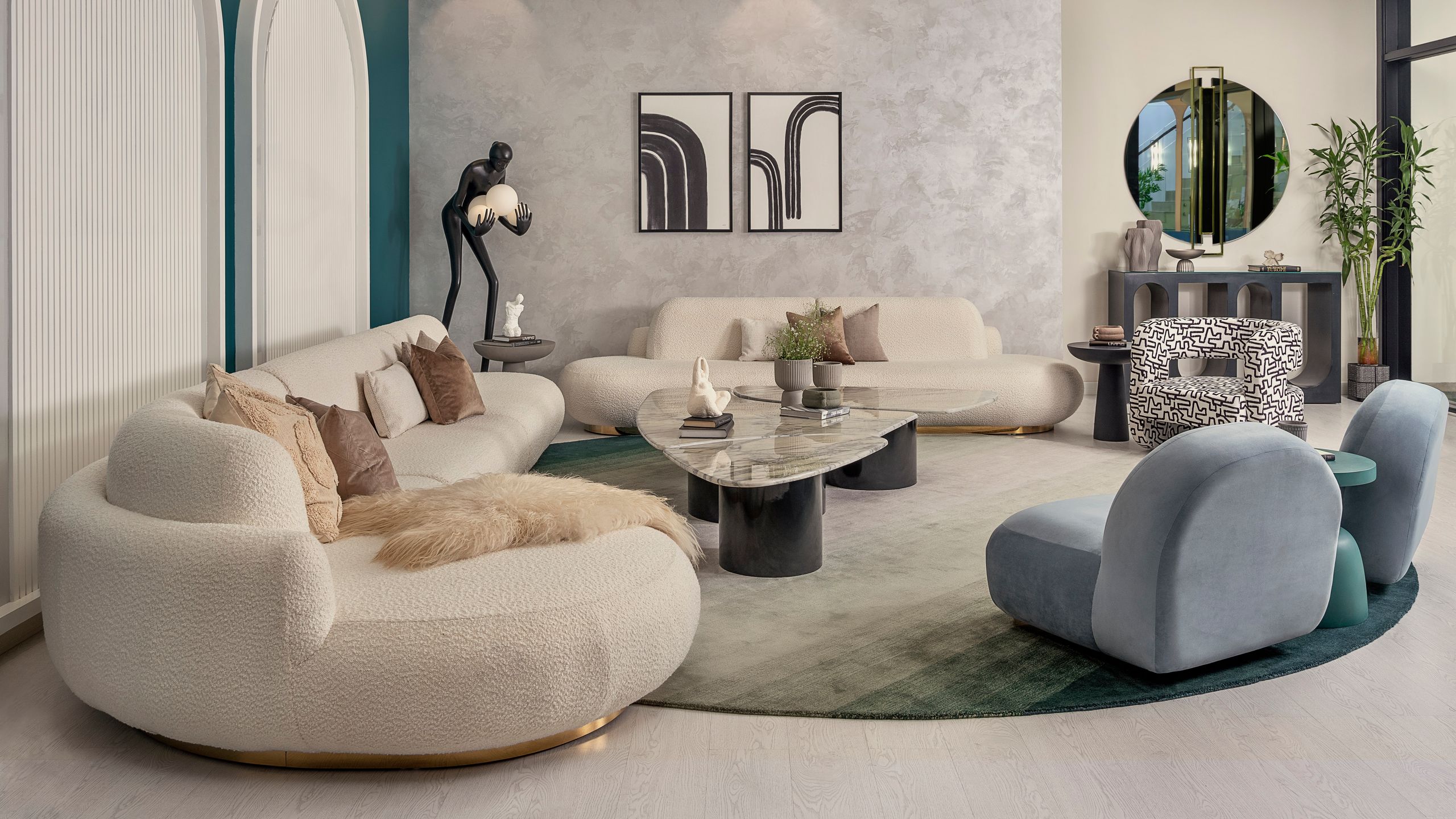
Living room design ideas to try this year, according to AD List architects and designers

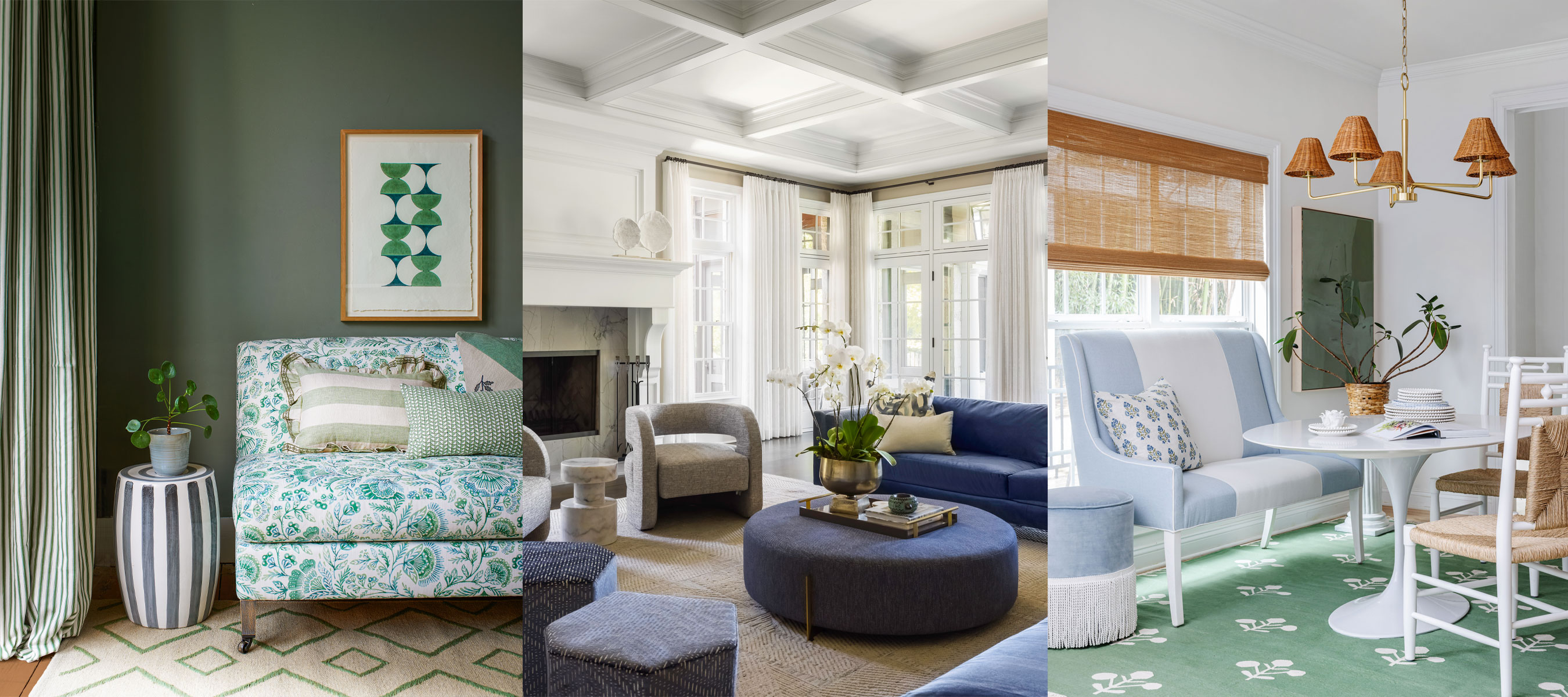
How to create repetition in interior design – 7 ideas for decorating success
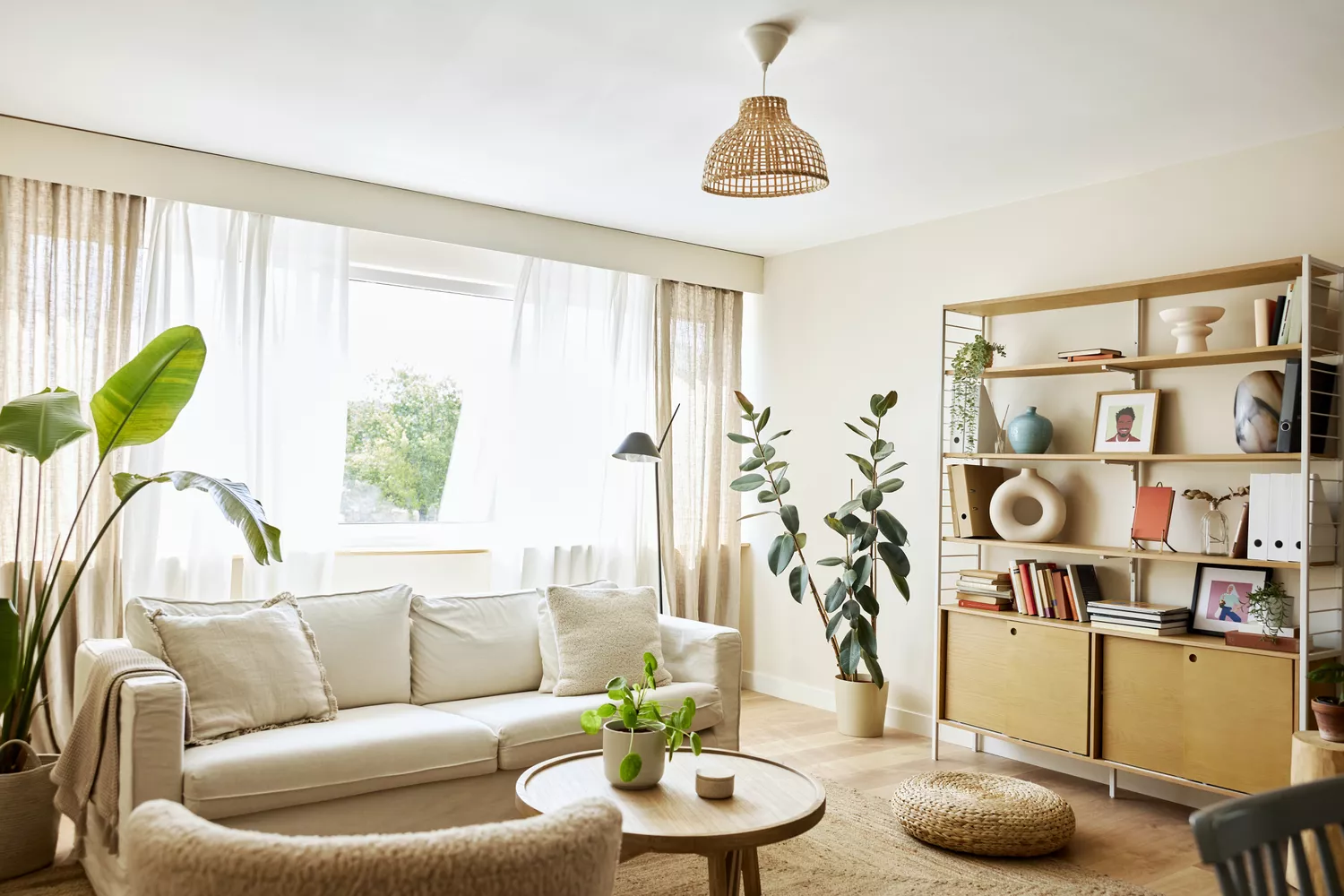
We Asked Designers to Pick the Most Timeless Living Room Paint Color—and They Agreed
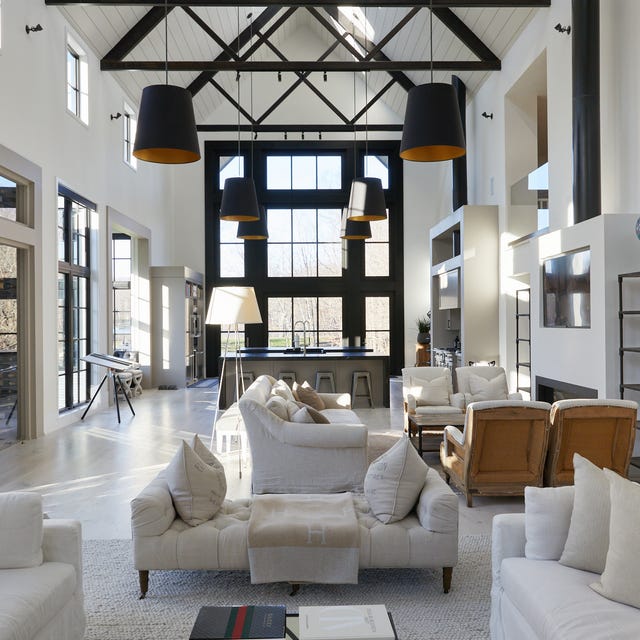
Is It Time to Shut the Door on Open-Concept Living?

Design Forecast: 10 Trends to Watch for in 2016

Elevate Your Space: Top Living Room Design Trends for 2025
Design experts on their living room decor ideas

7 Retro Design Trends Making a Comeback, According to Interior Designers
Year in review: top 10 design stories of 2022, selected by Wallpaper* design editor Rosa Bertoli

We Asked Designers If Matching Furniture Looks Outdated, and They All Agreed